
Recipes With Receipts
Macro Friendly Recipes for One
825+ recipes. Not a family recipe divided by four — every meal here is portioned for one plate, one sitting. The typical recipe takes about 15 minutes and delivers 28 grams of protein. Every macro grounded in peer-reviewed research across 66 evidence-backed collections.



How many calories does your body actually burn?
Find out in 60 seconds
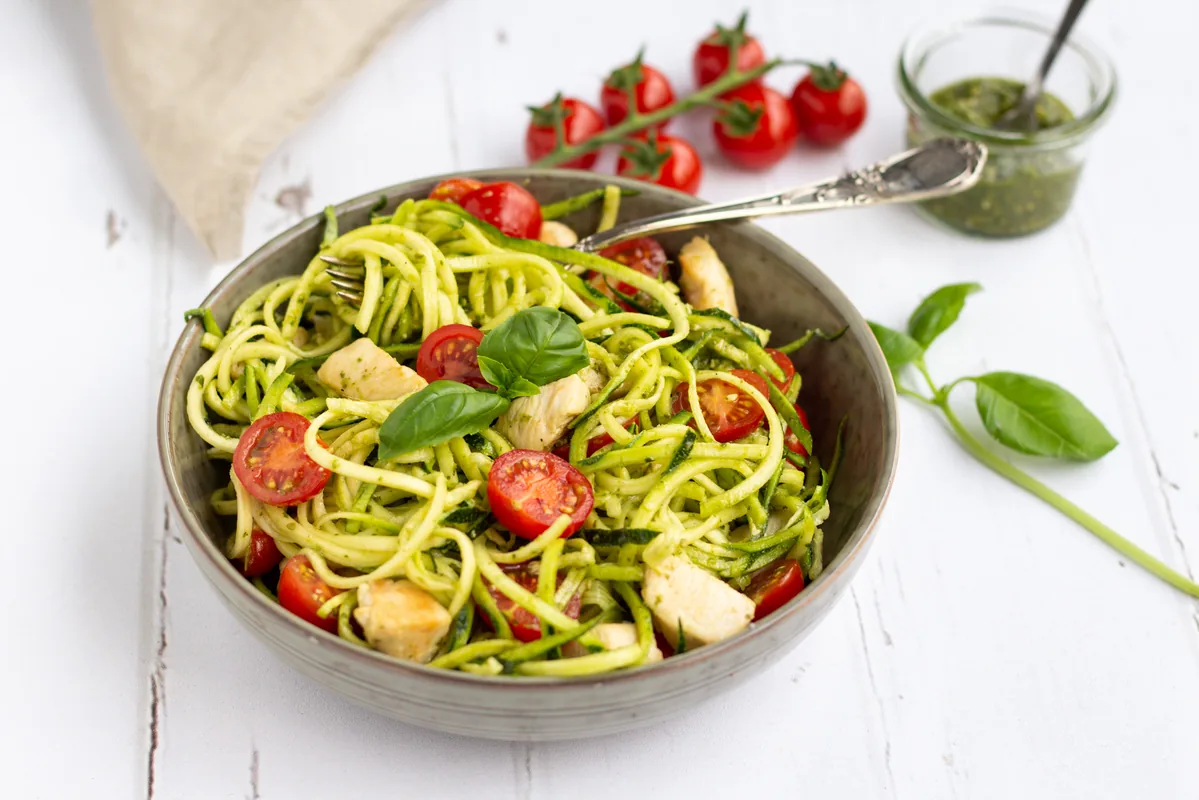
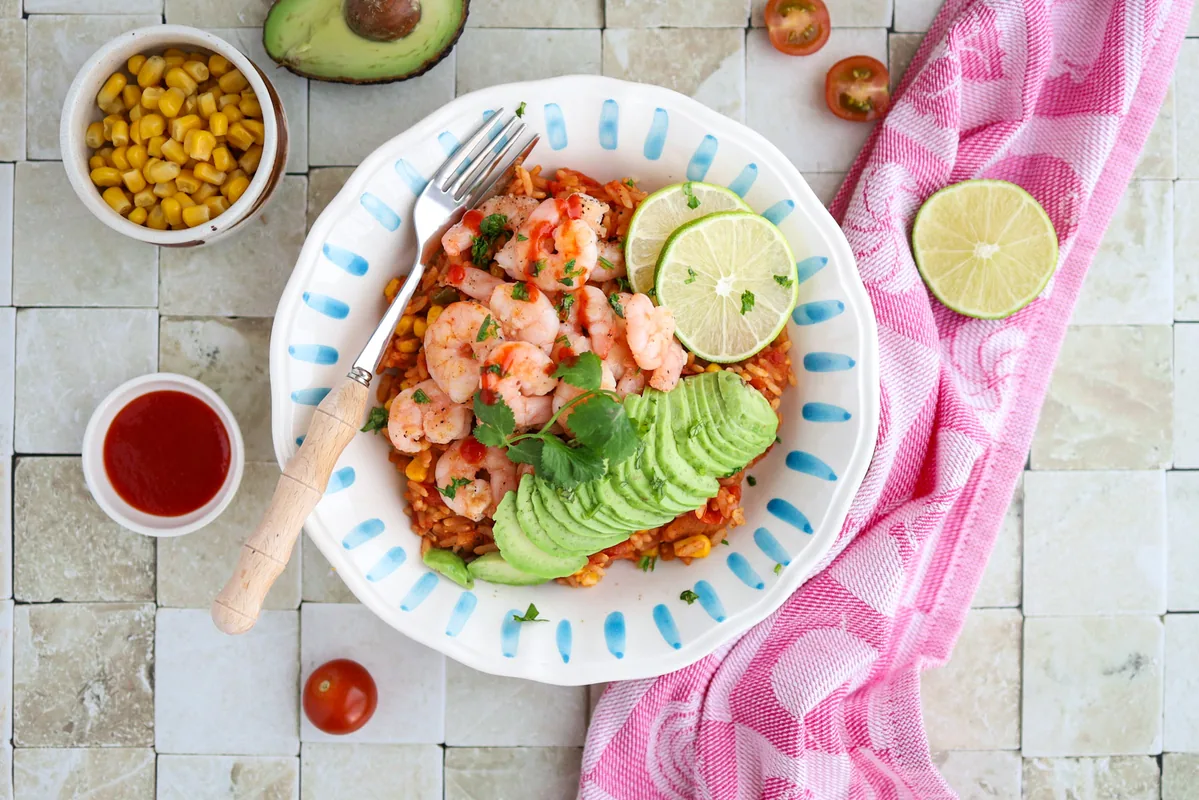
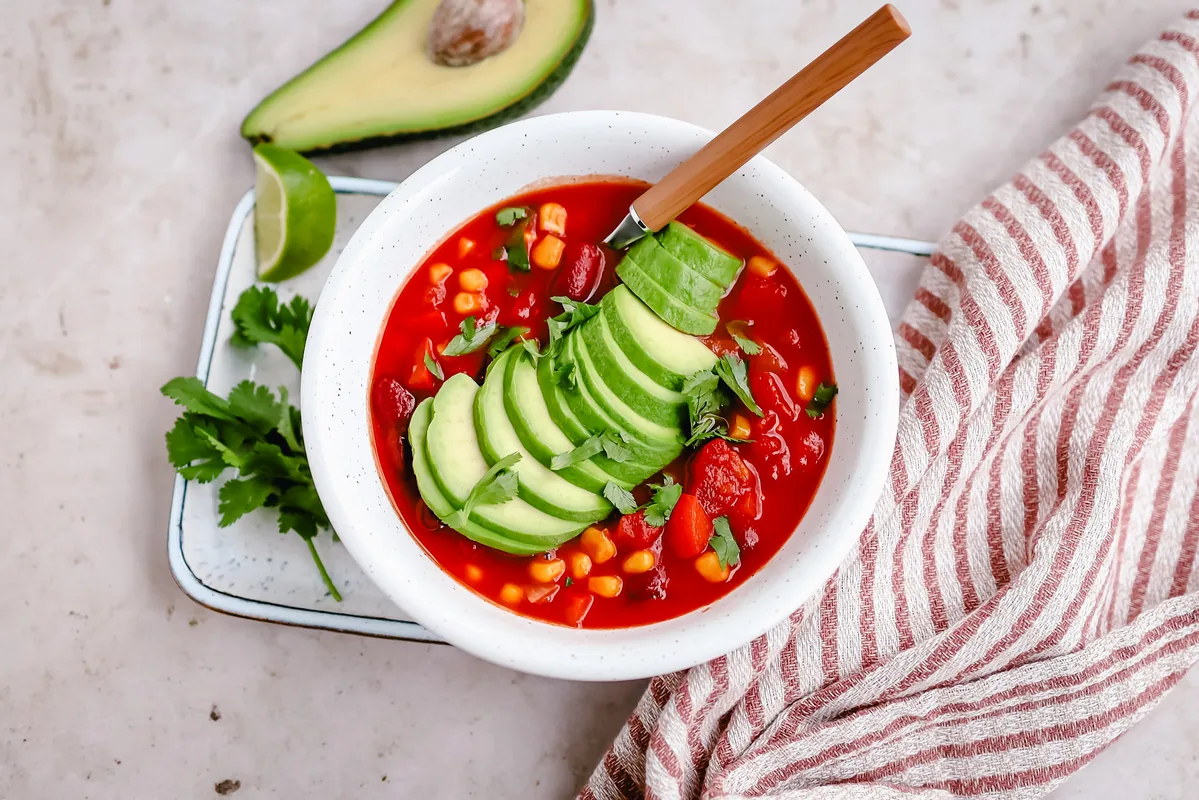
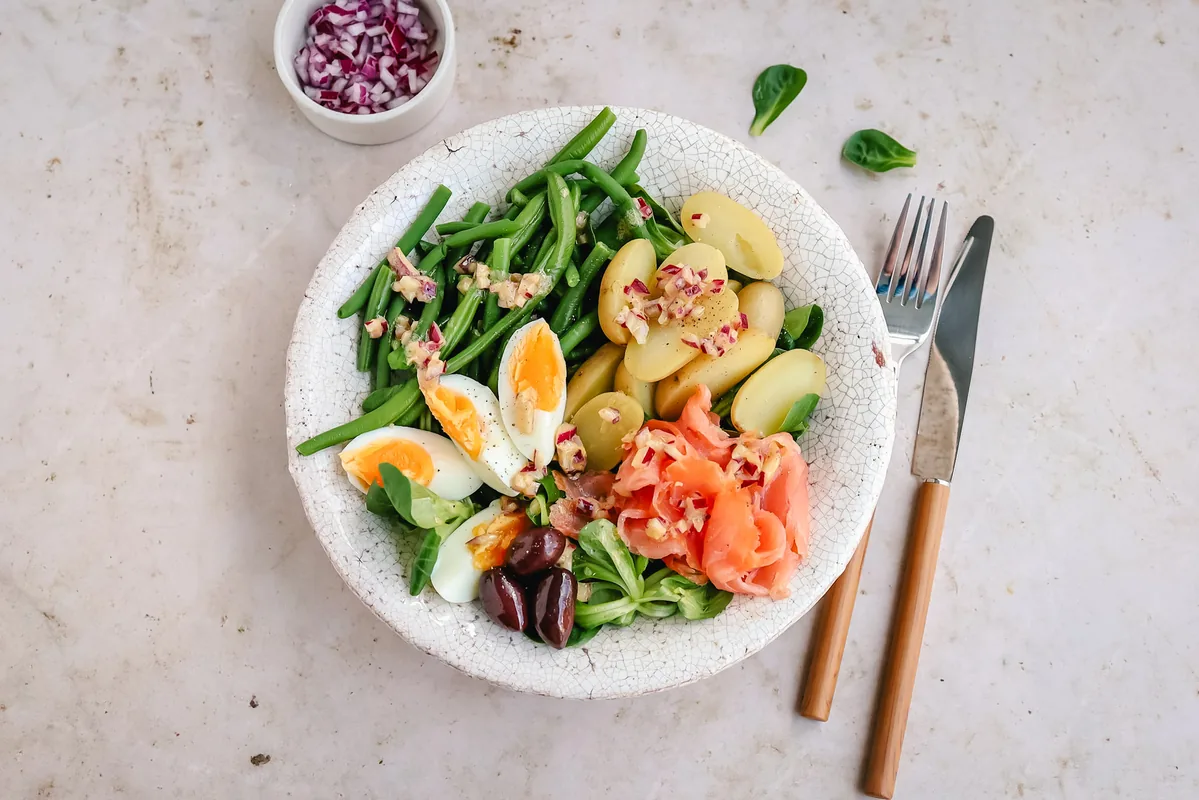
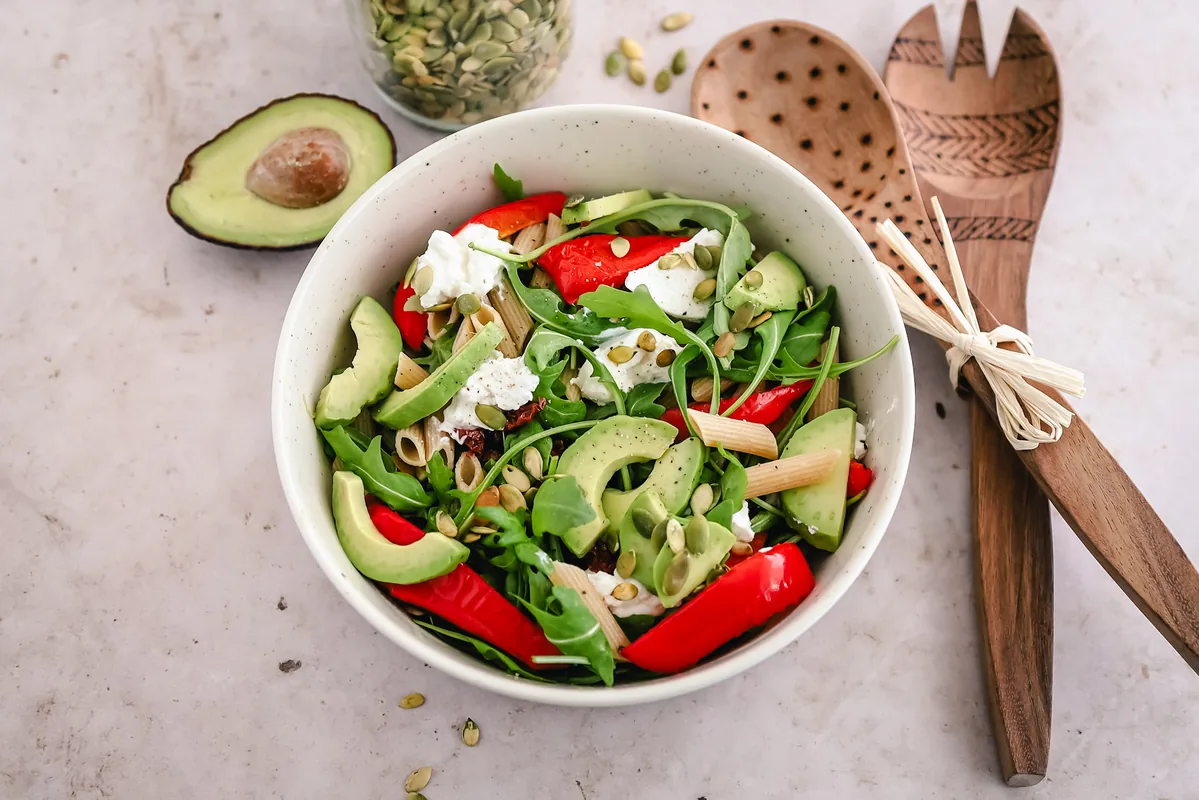
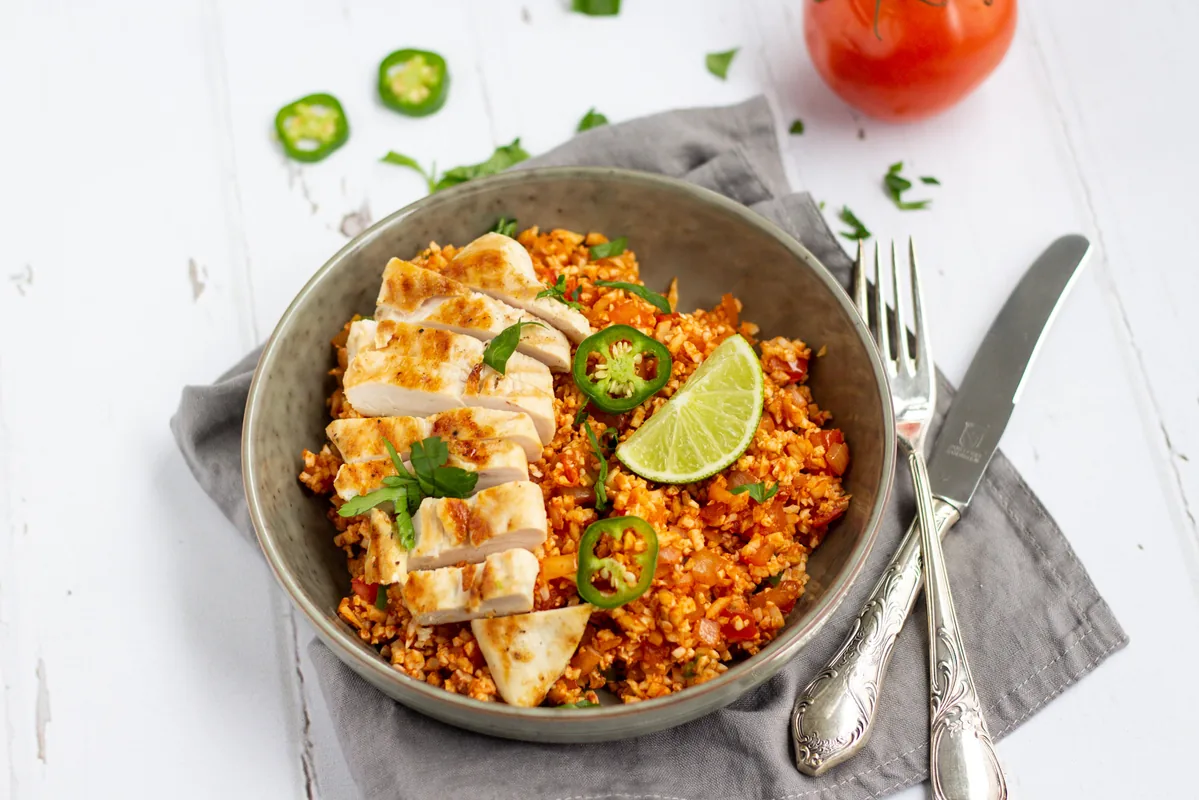
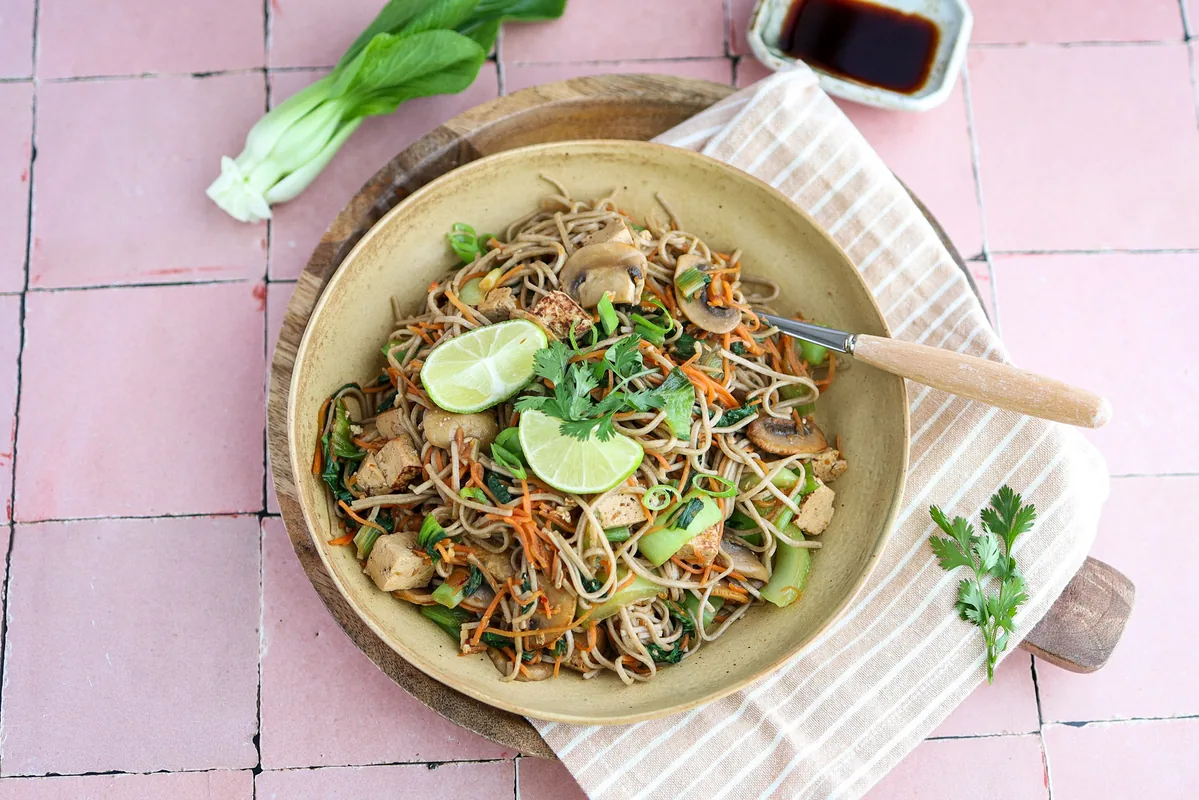
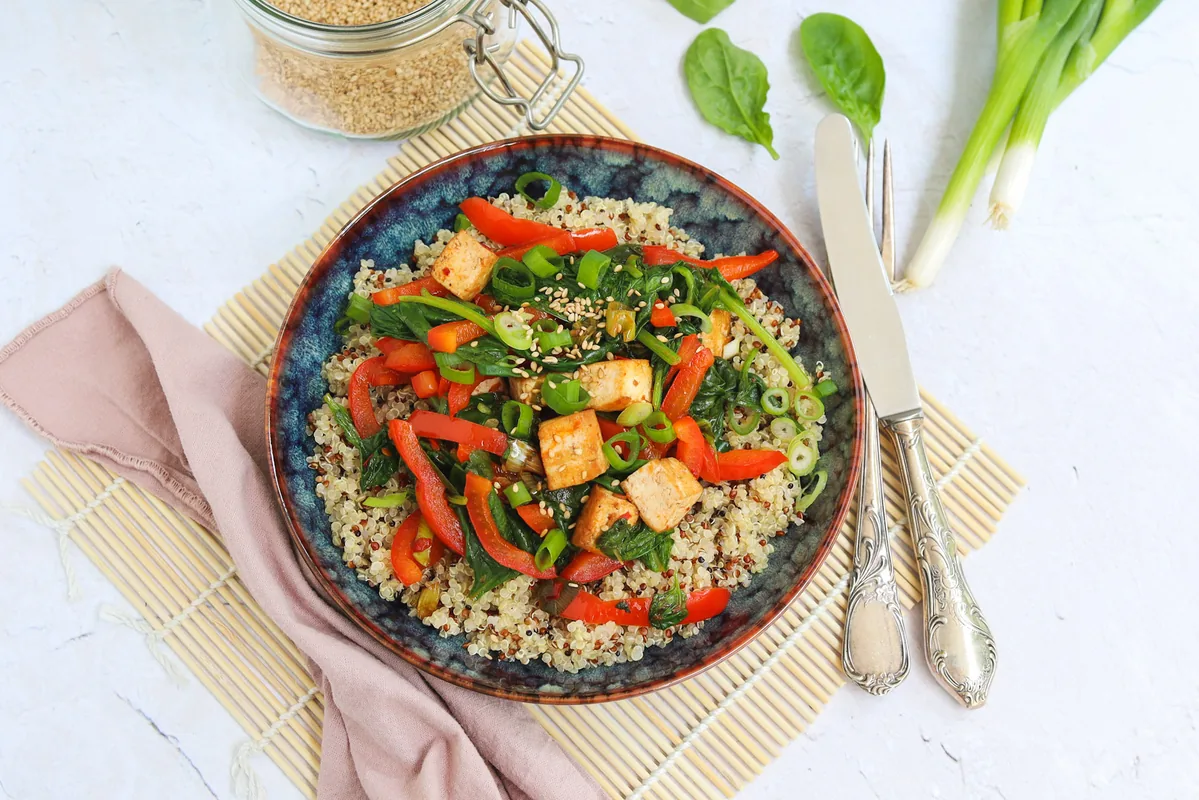
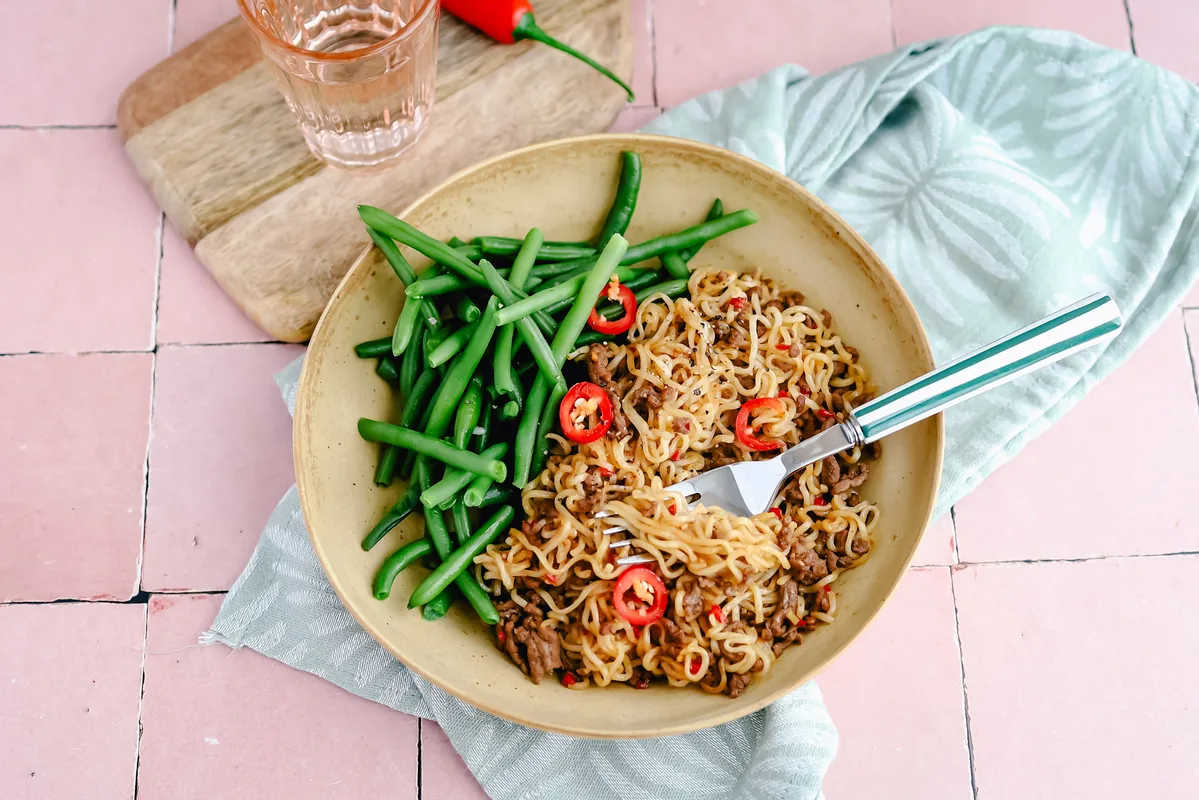
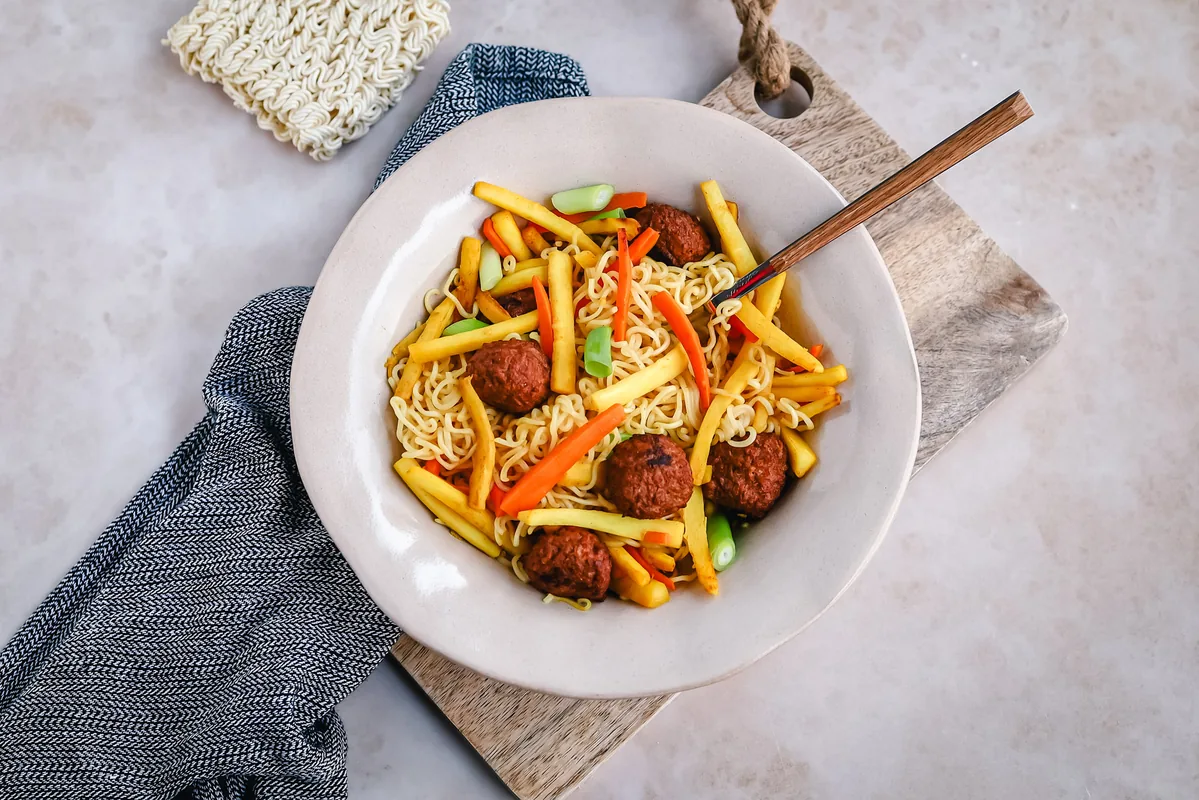
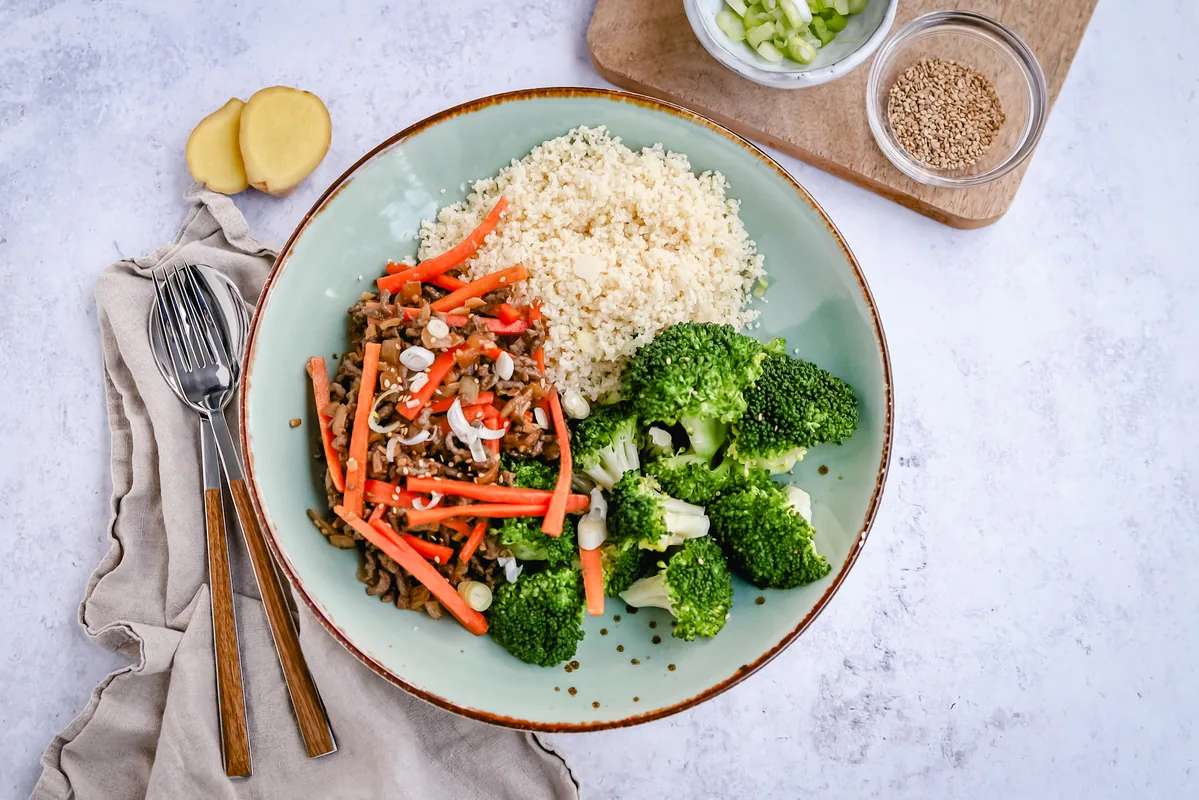
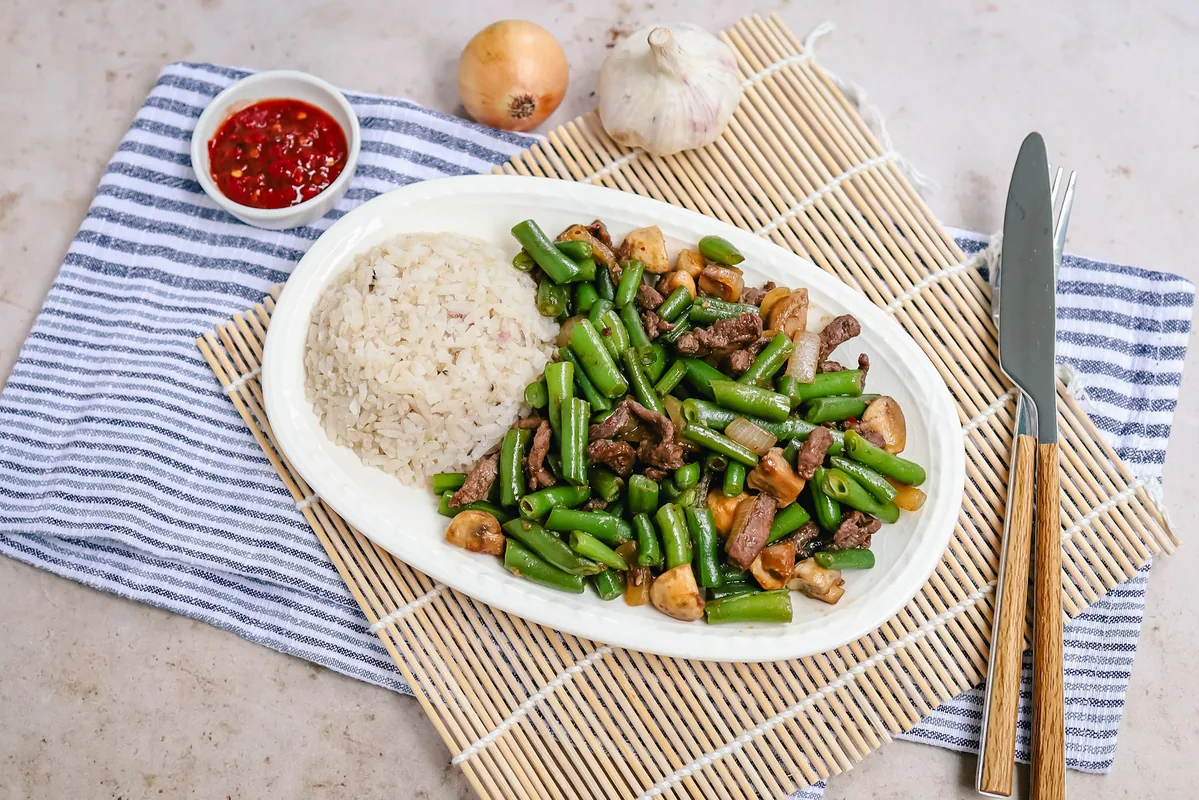
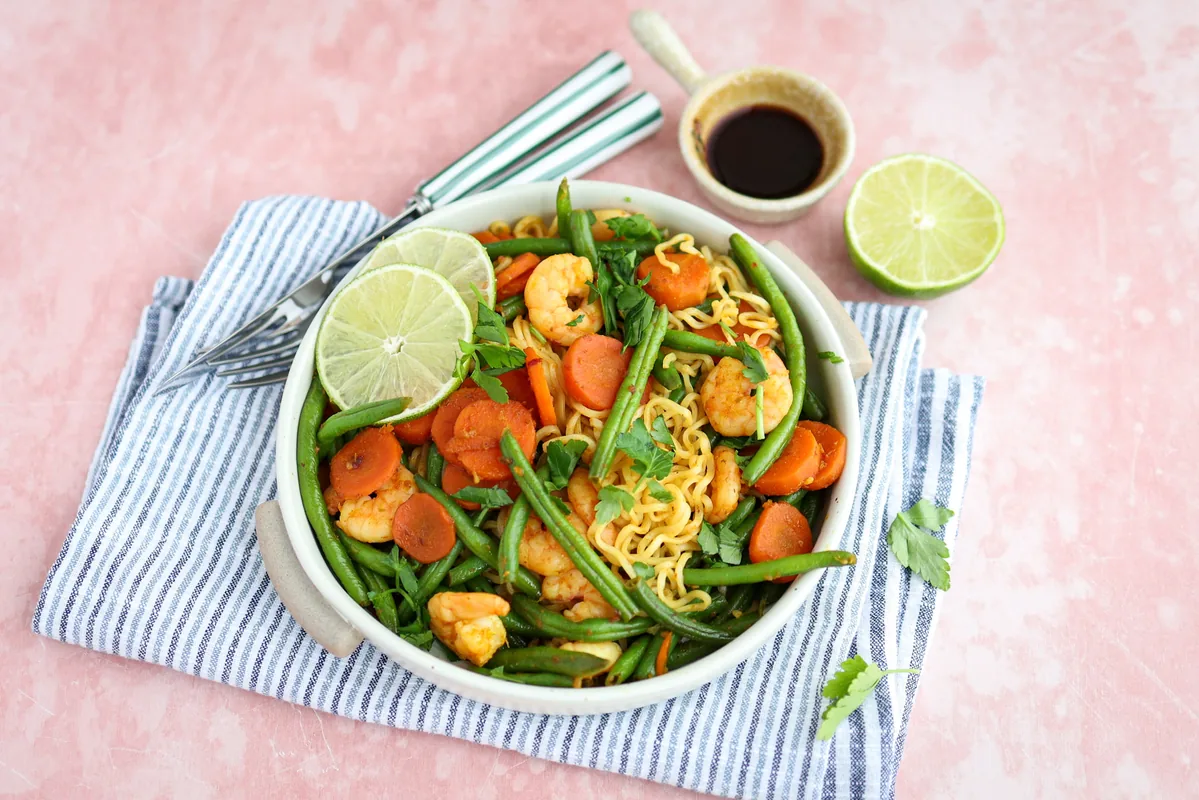
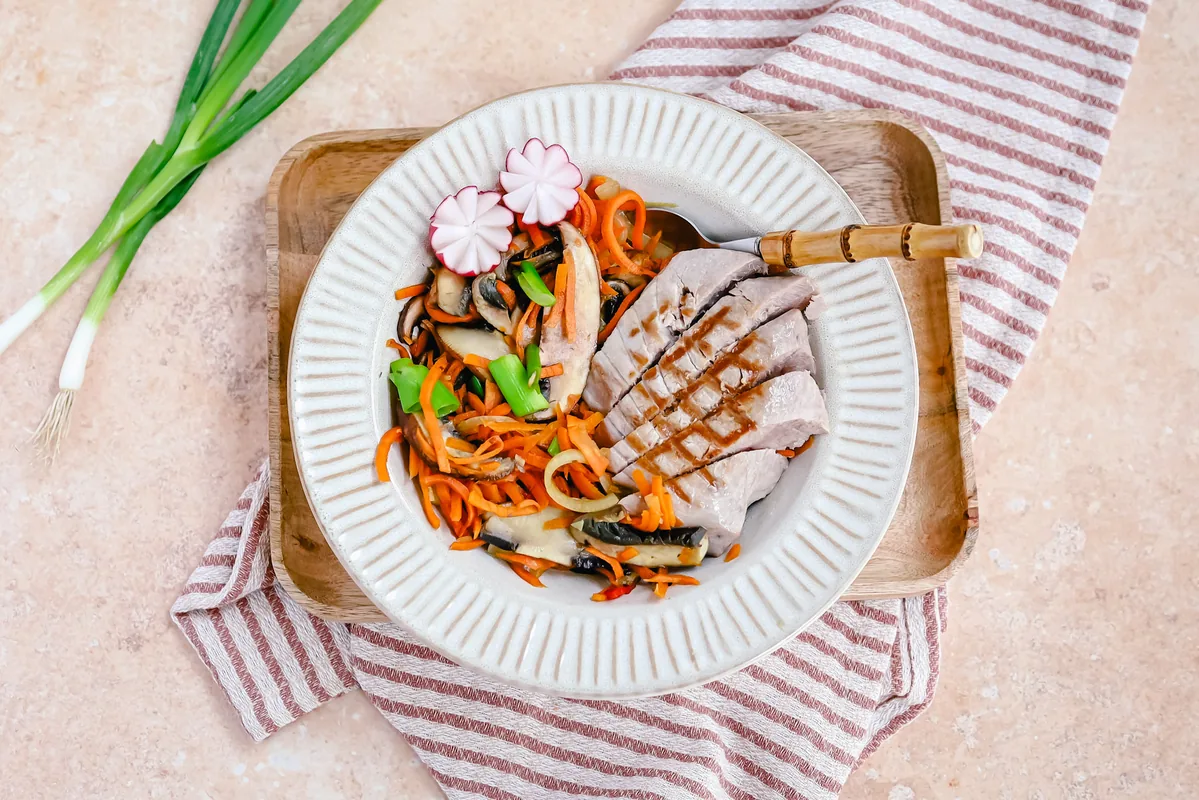
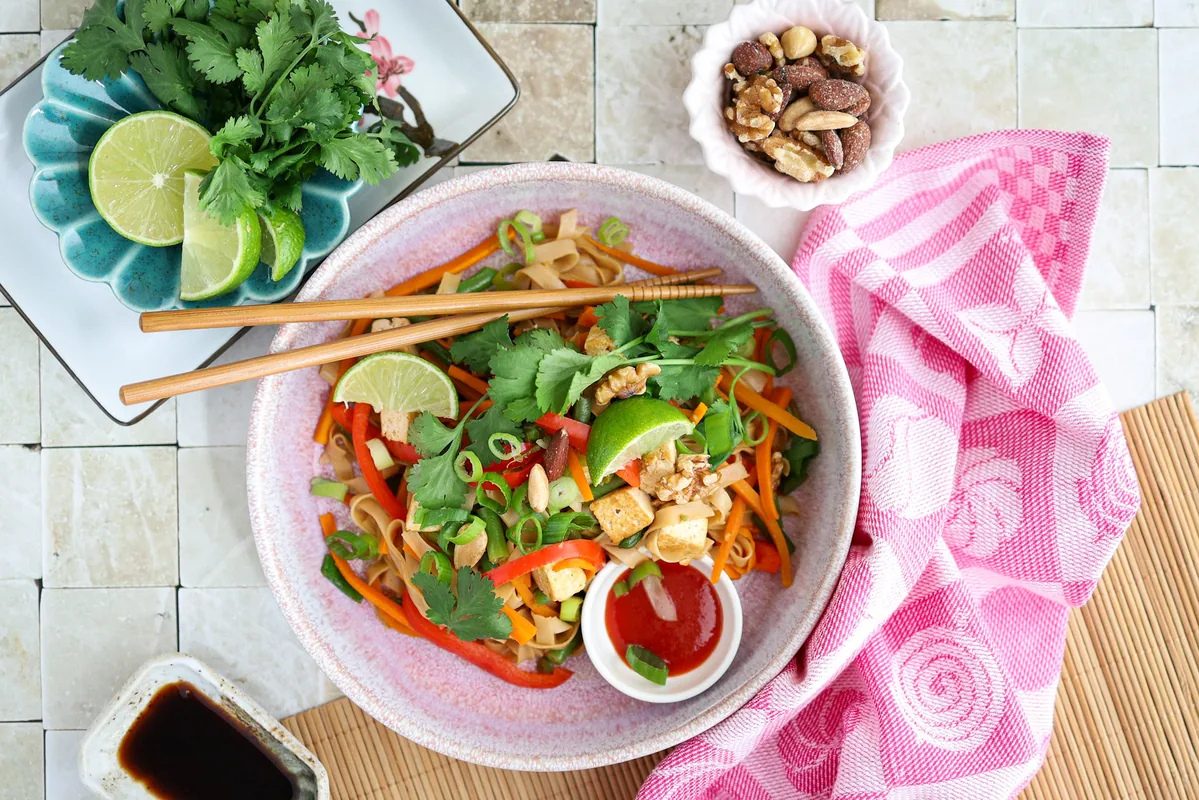
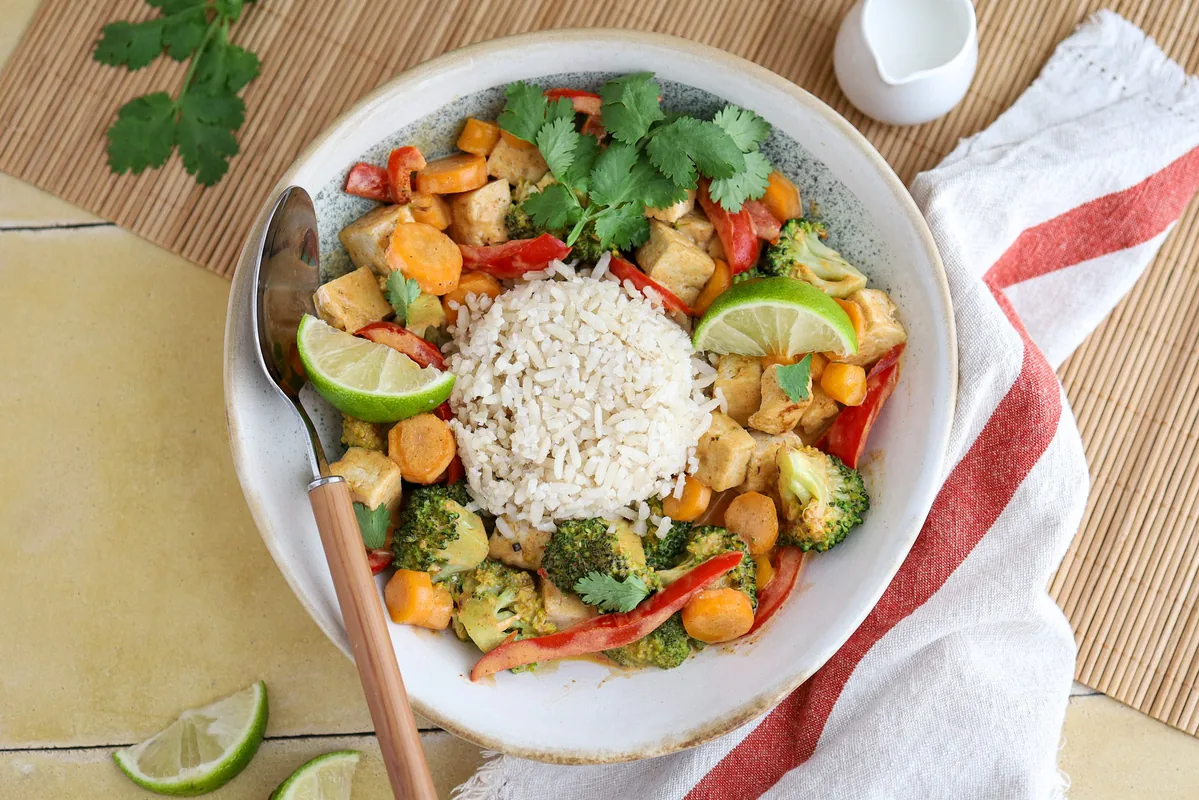
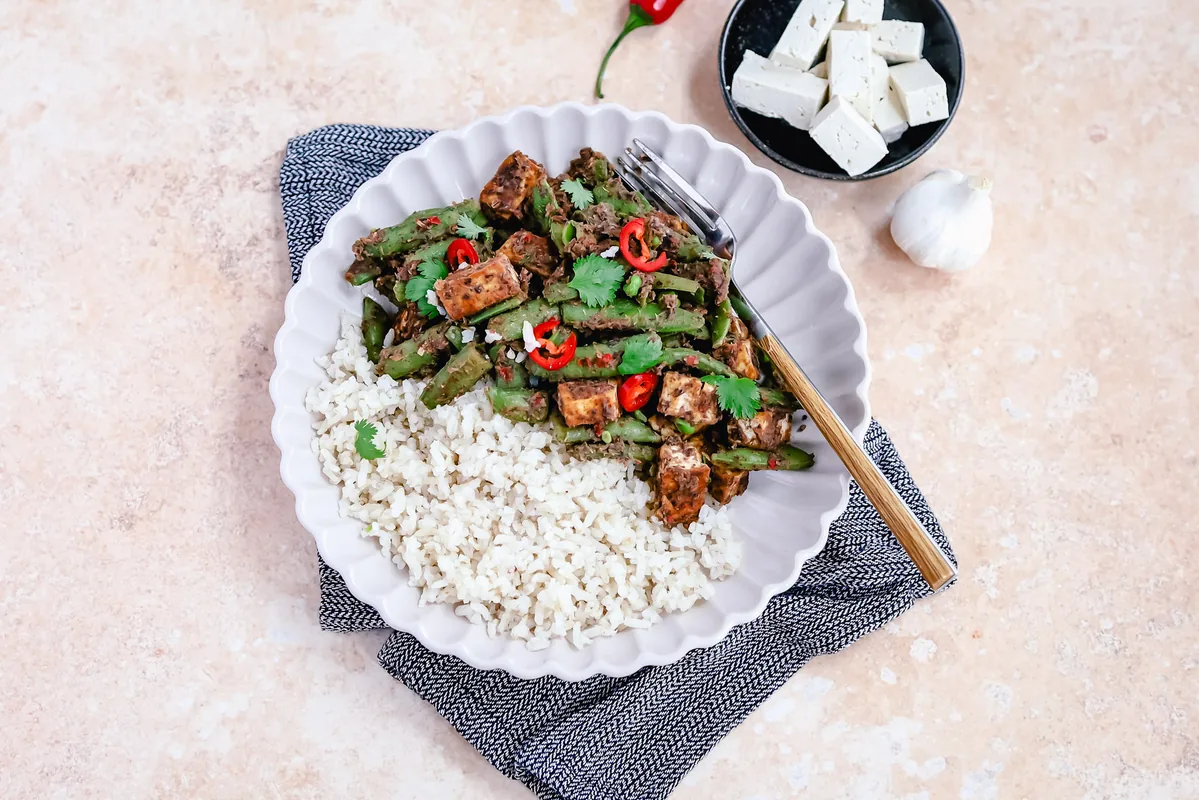
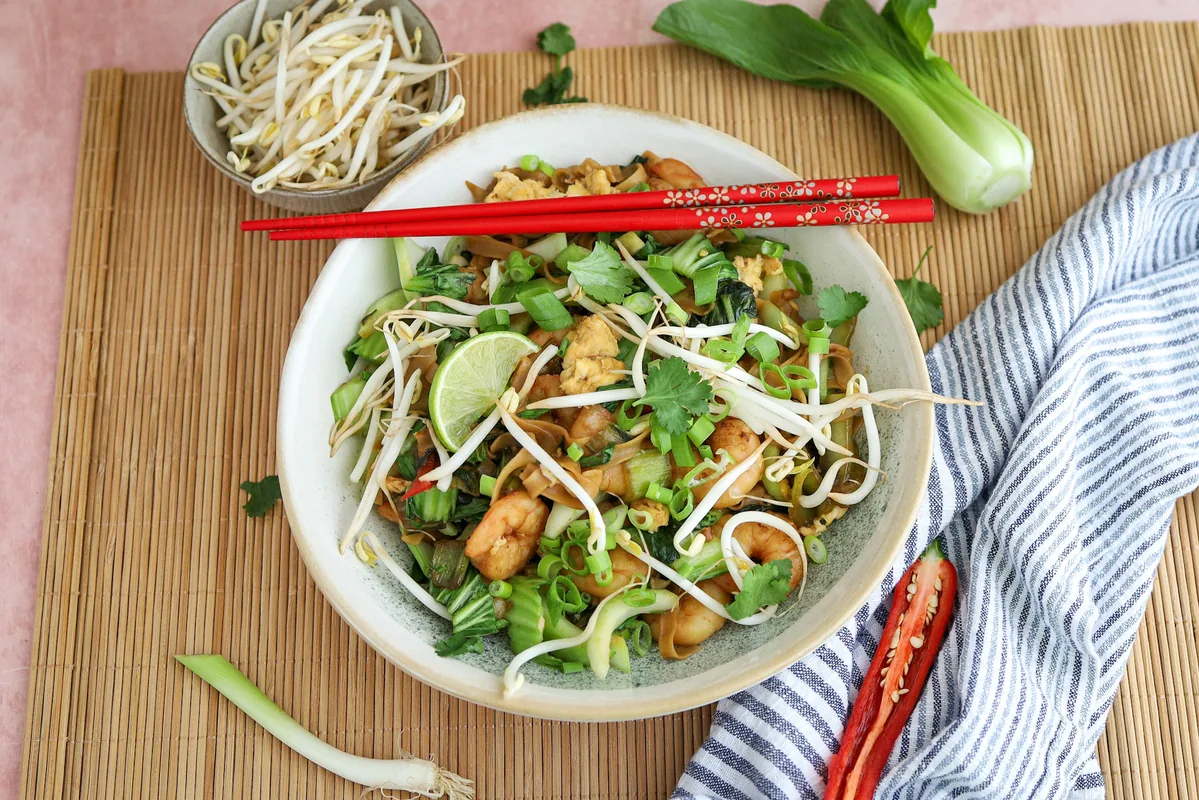
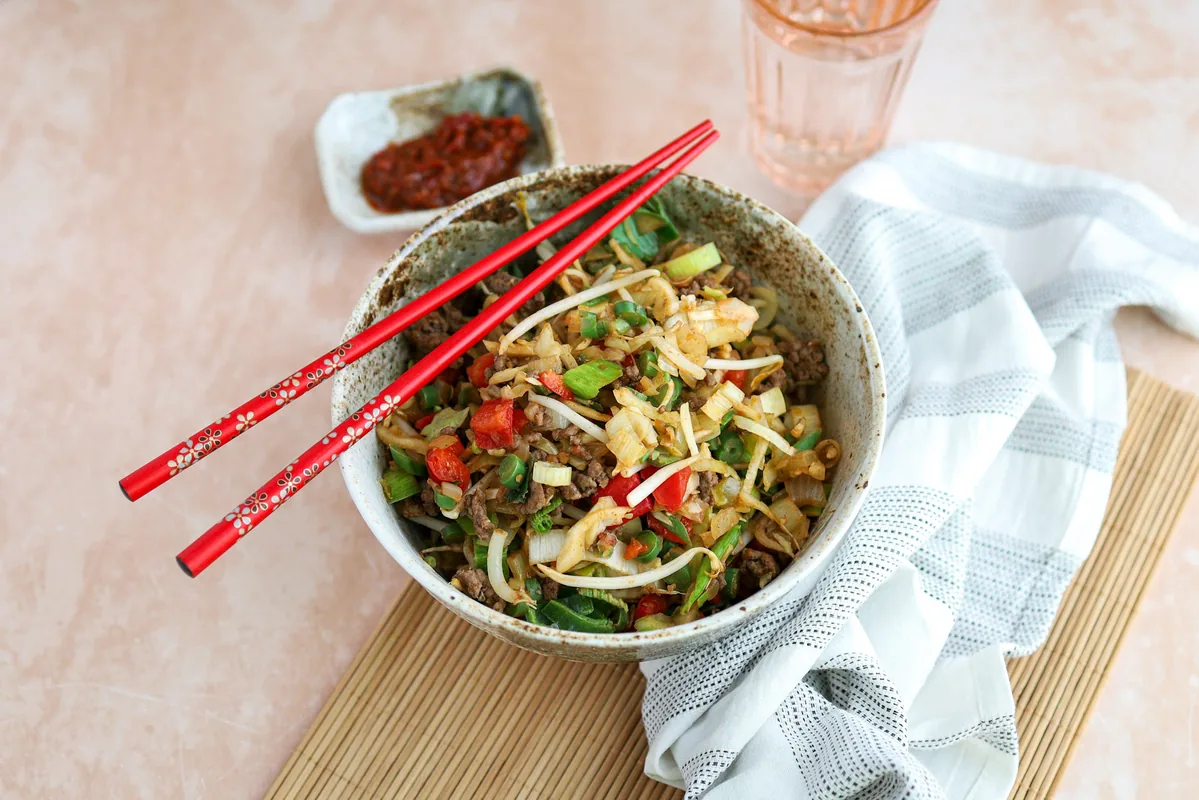
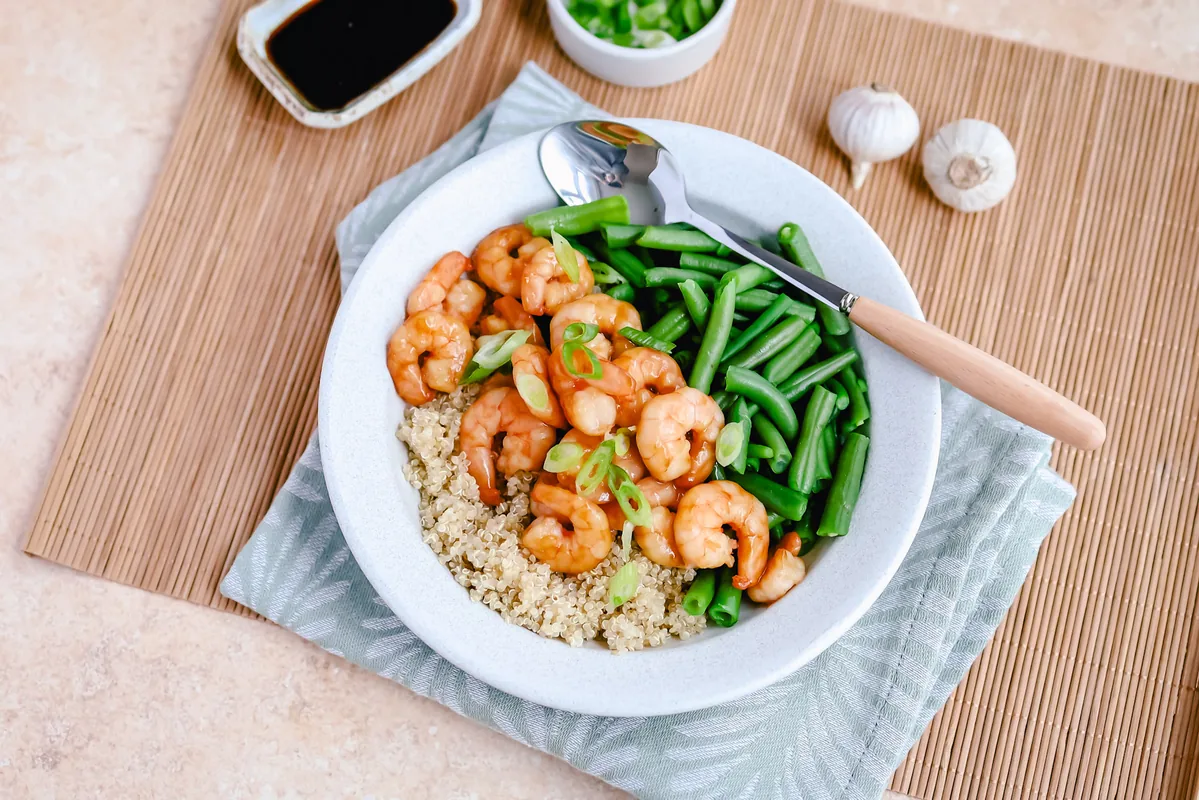
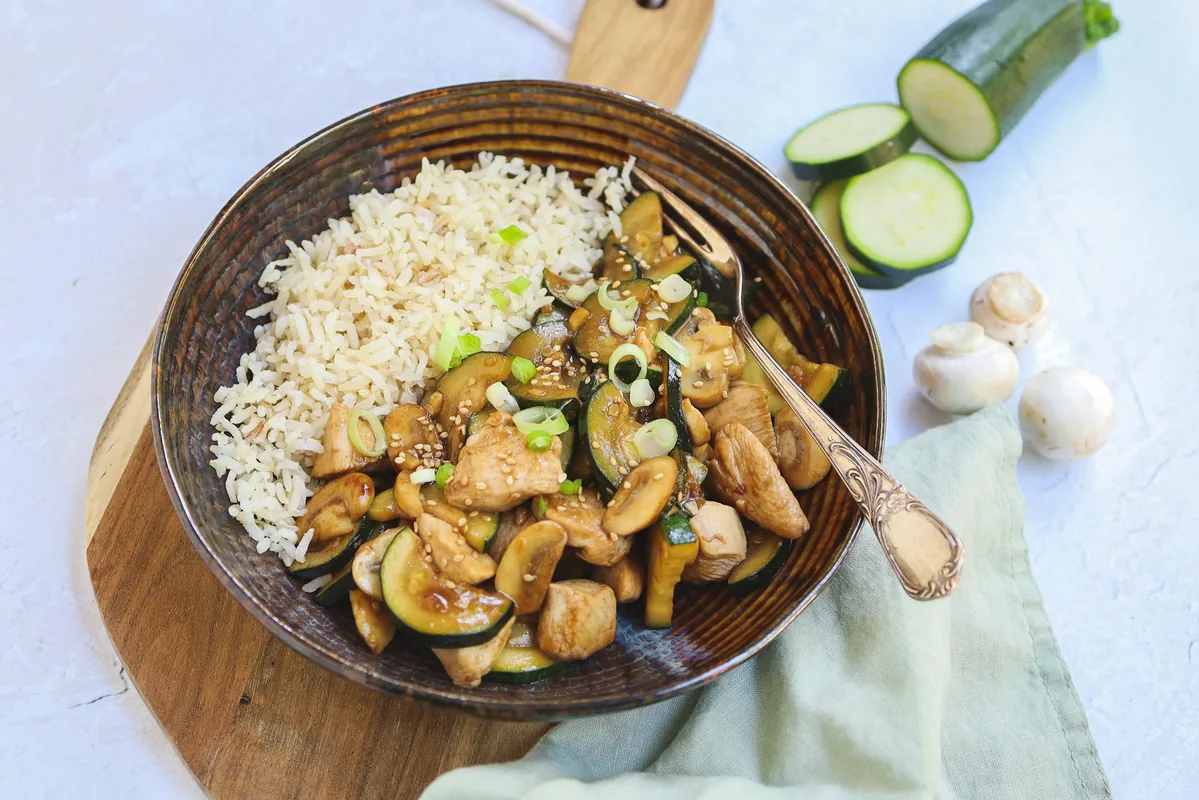
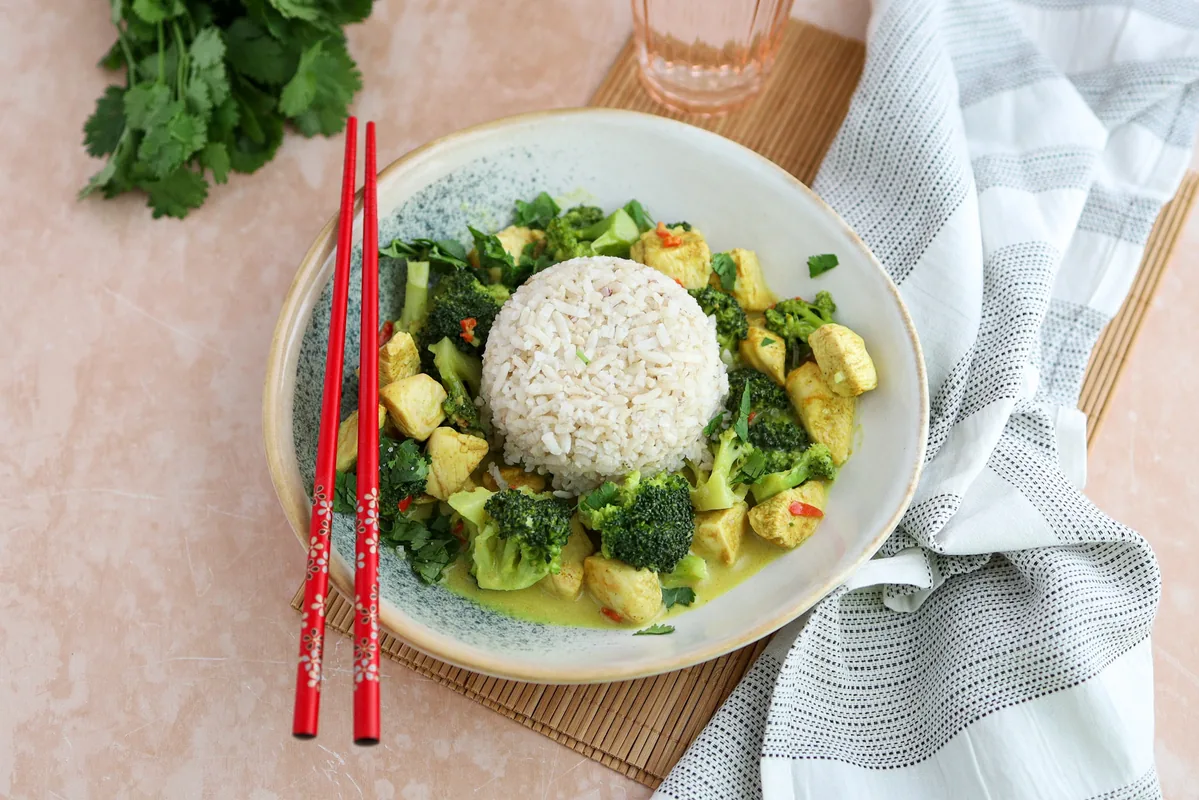
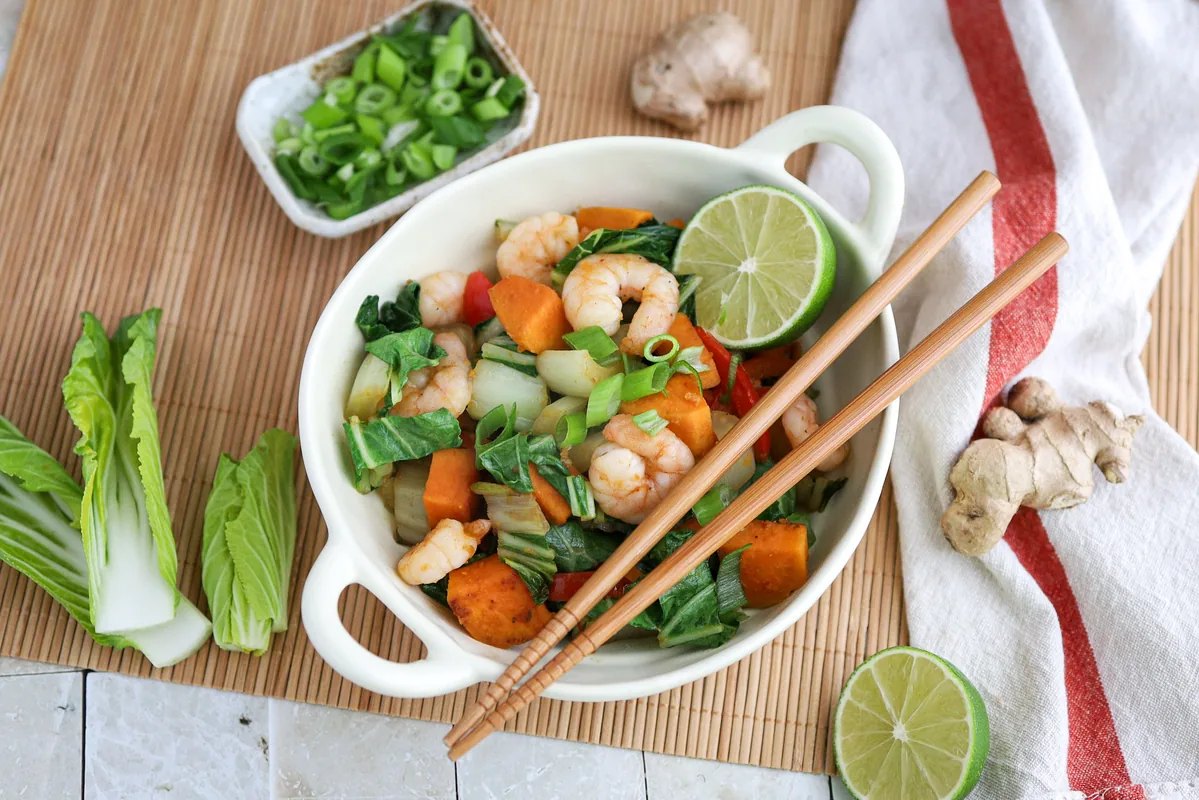
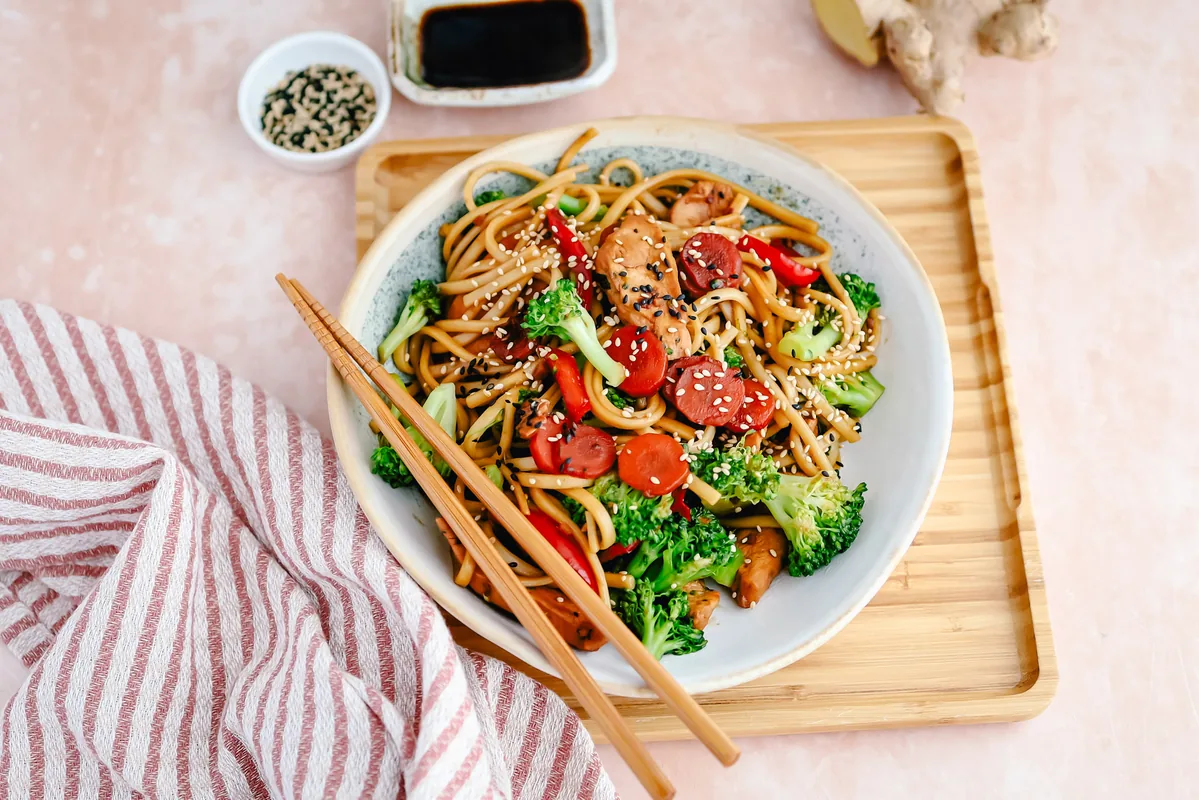
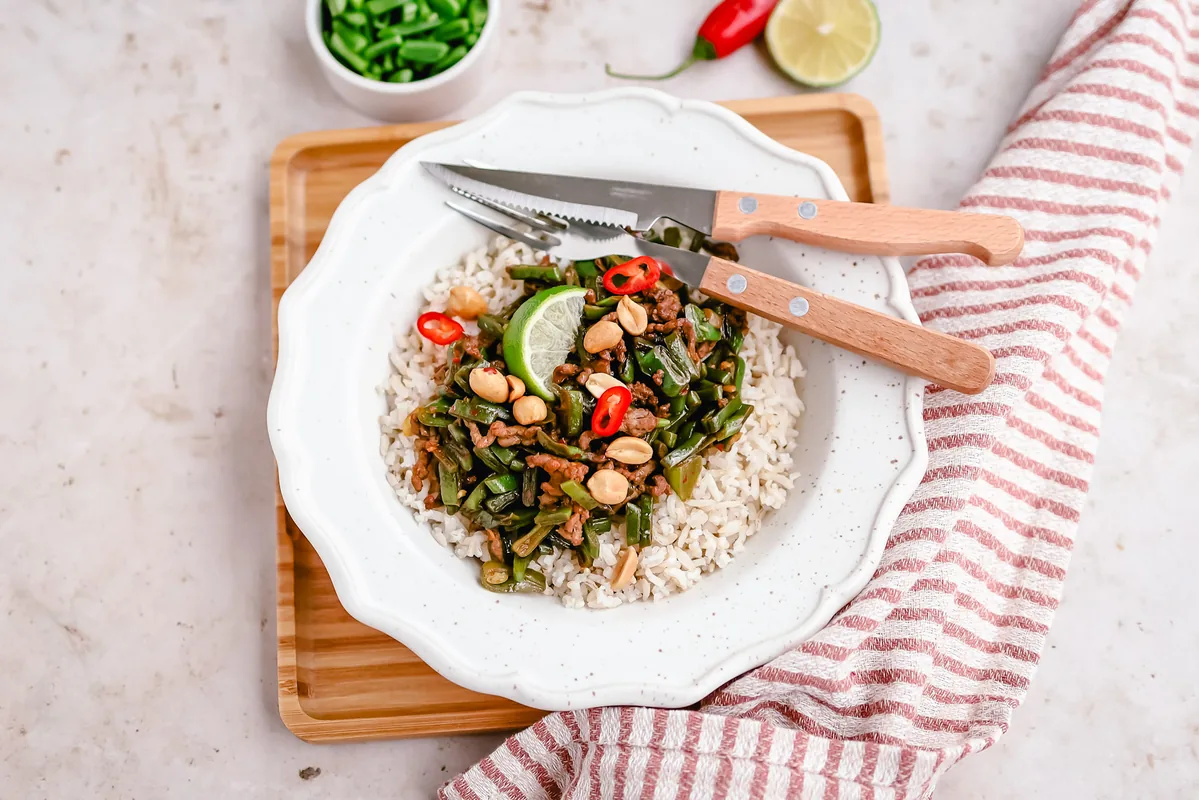
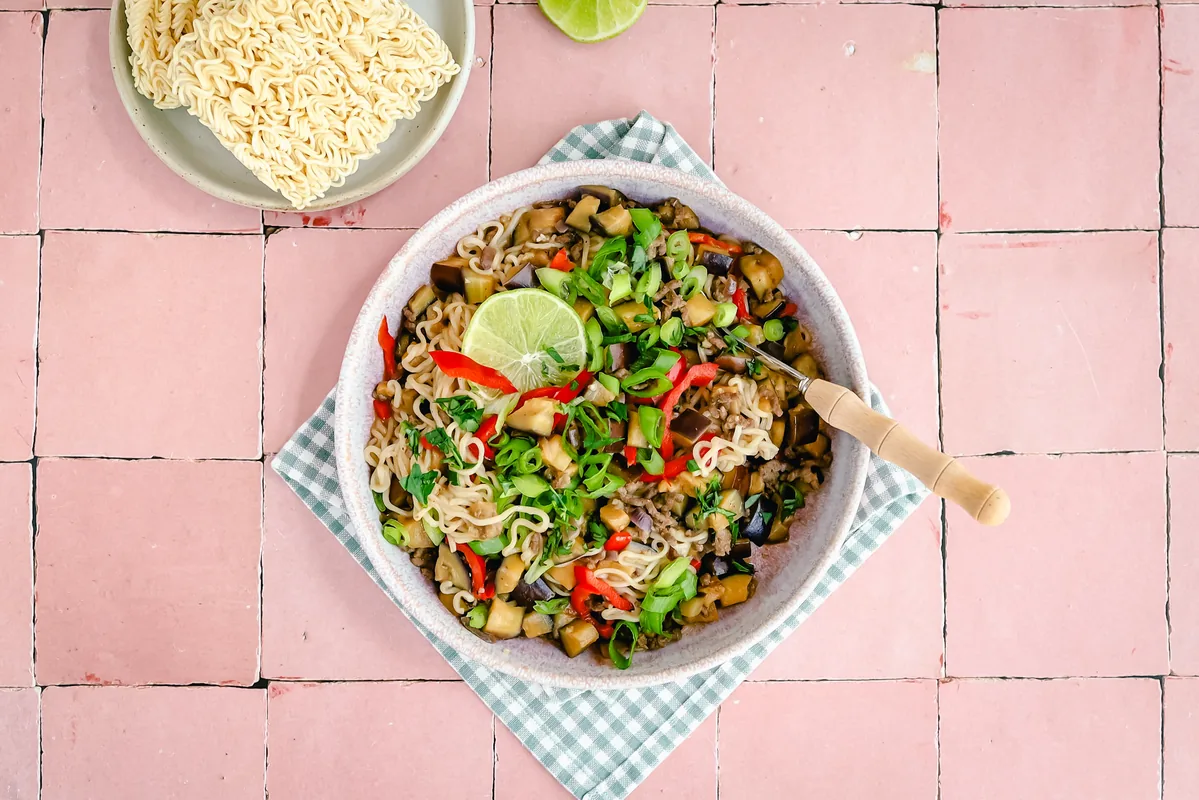
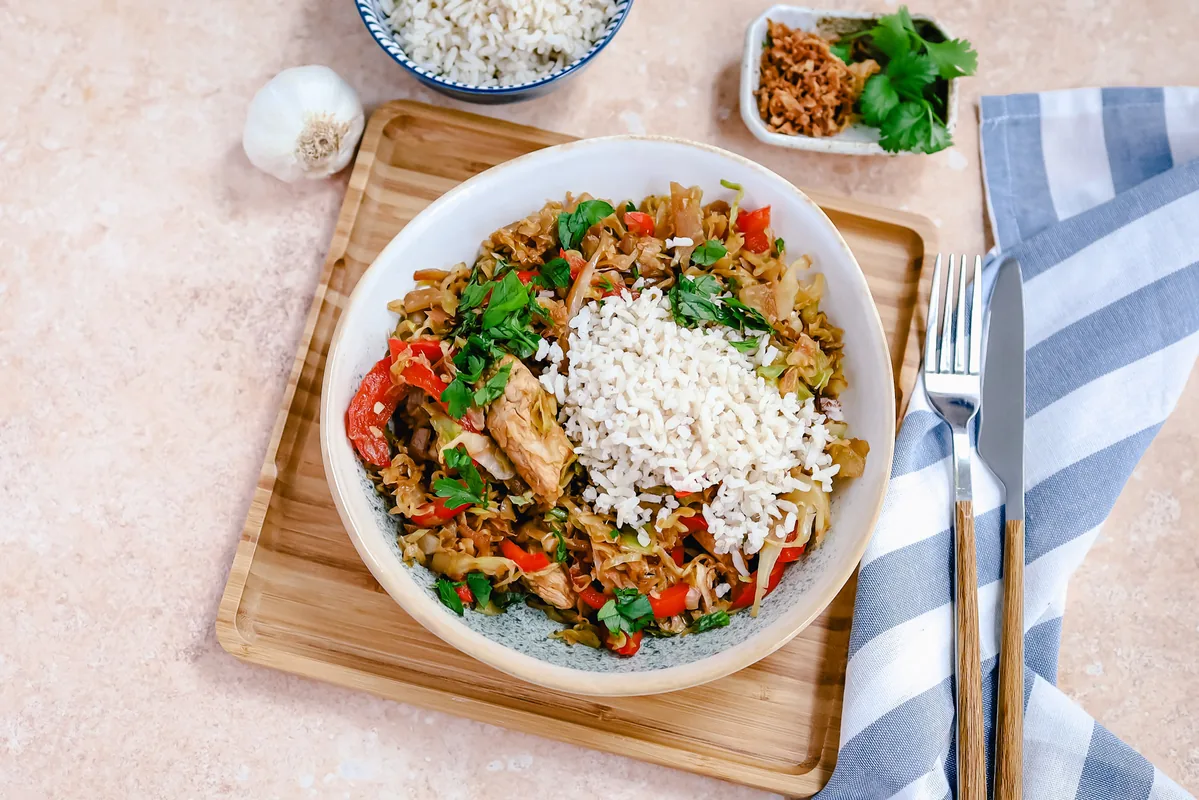
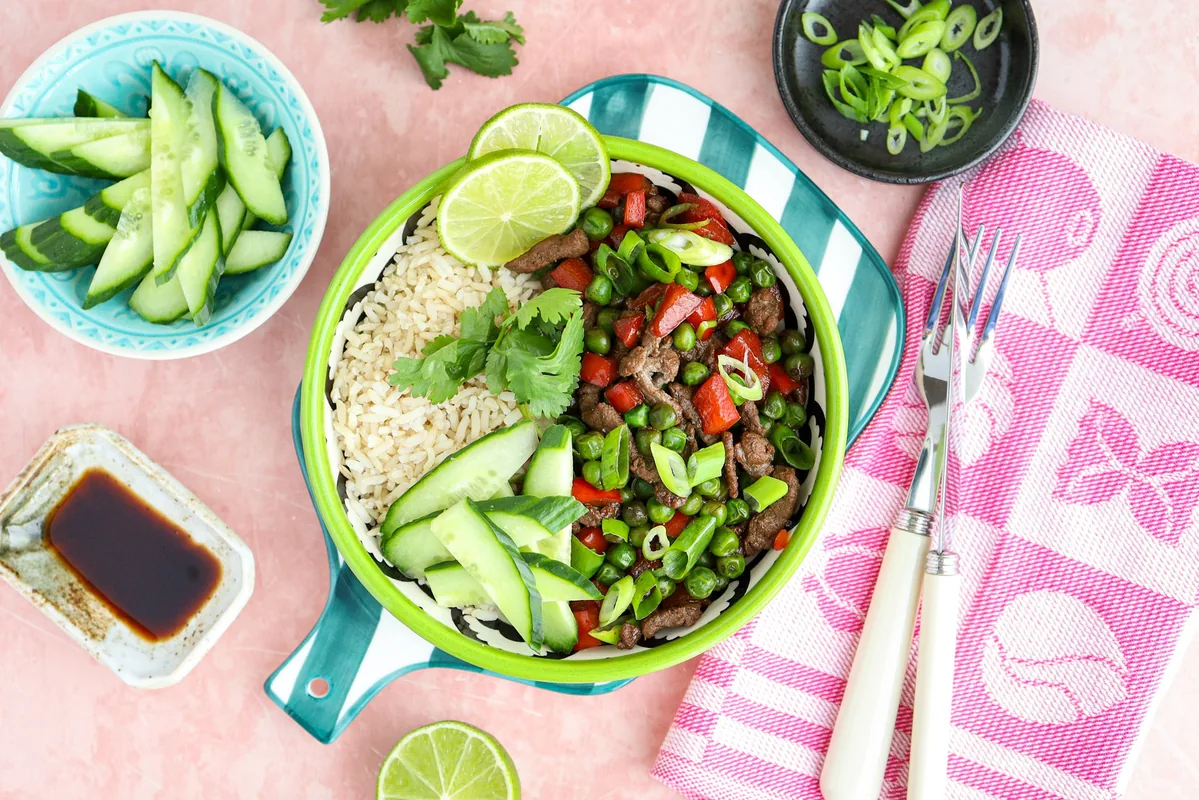
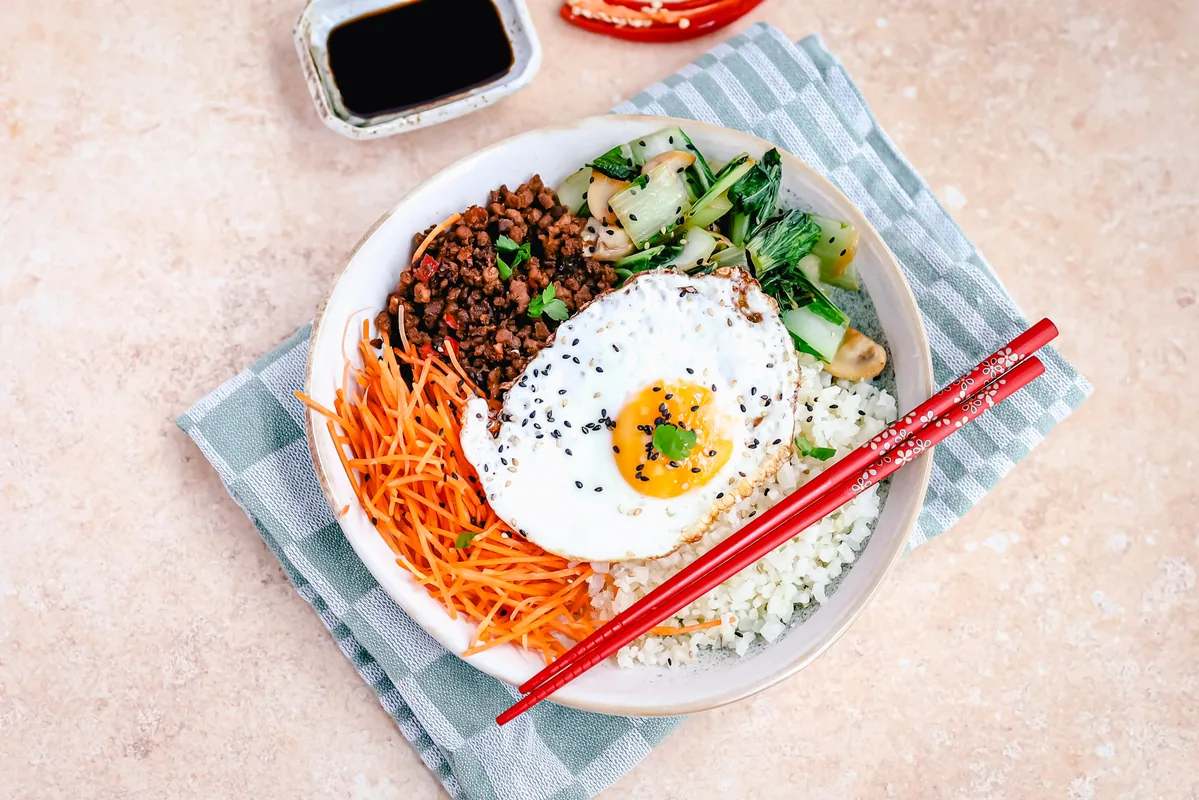
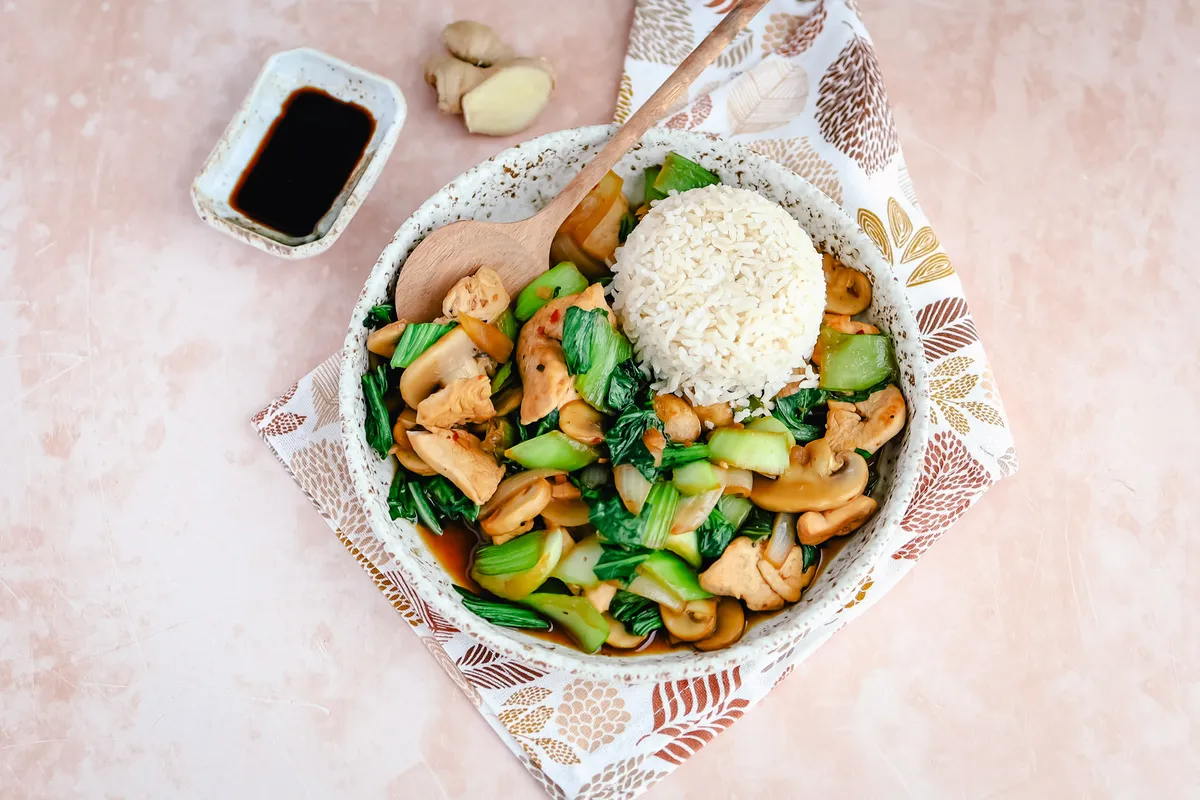
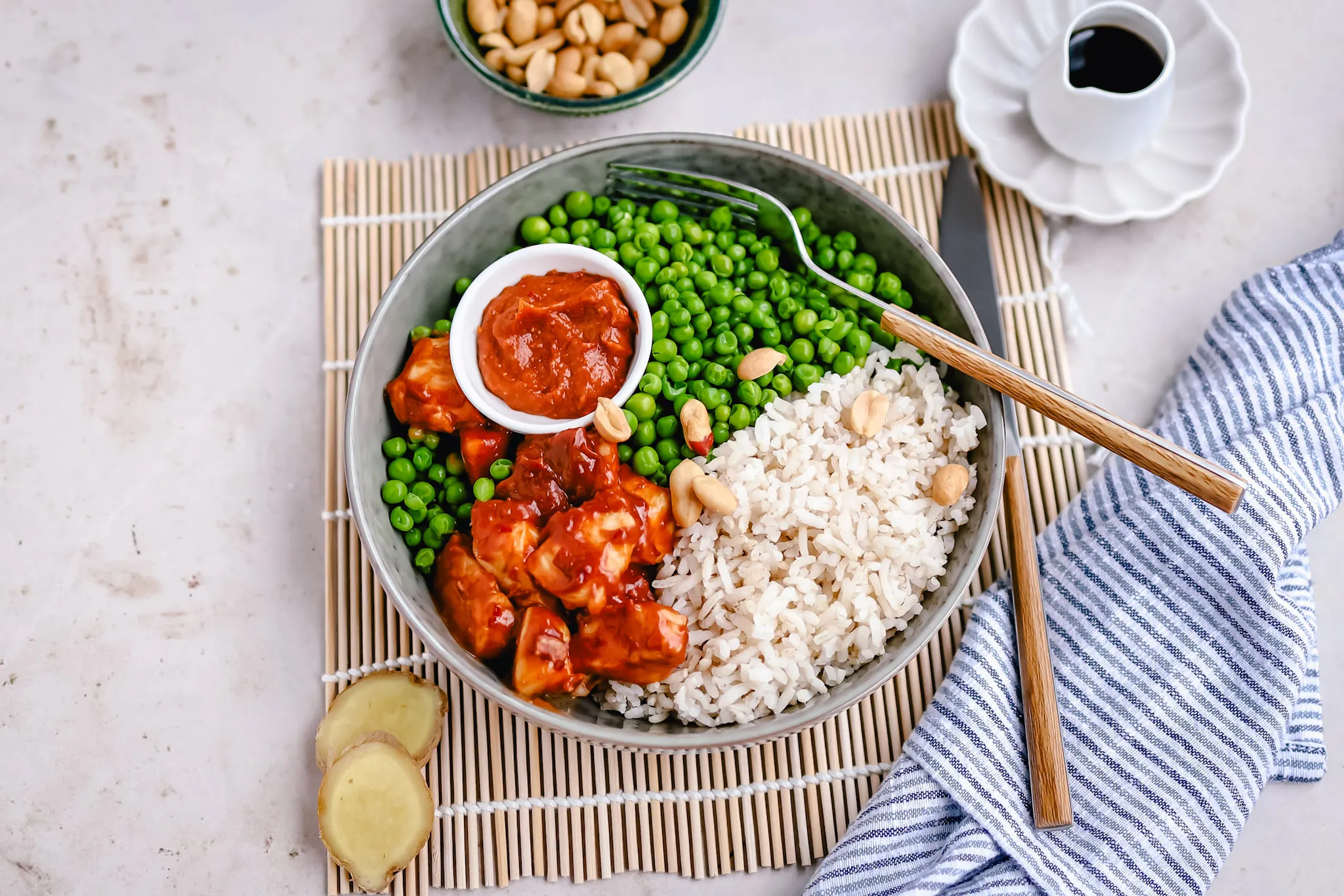
14 stir-fries over rice create exactly that combination — soy sauce, grain, 15 minutes.
Browse this collection →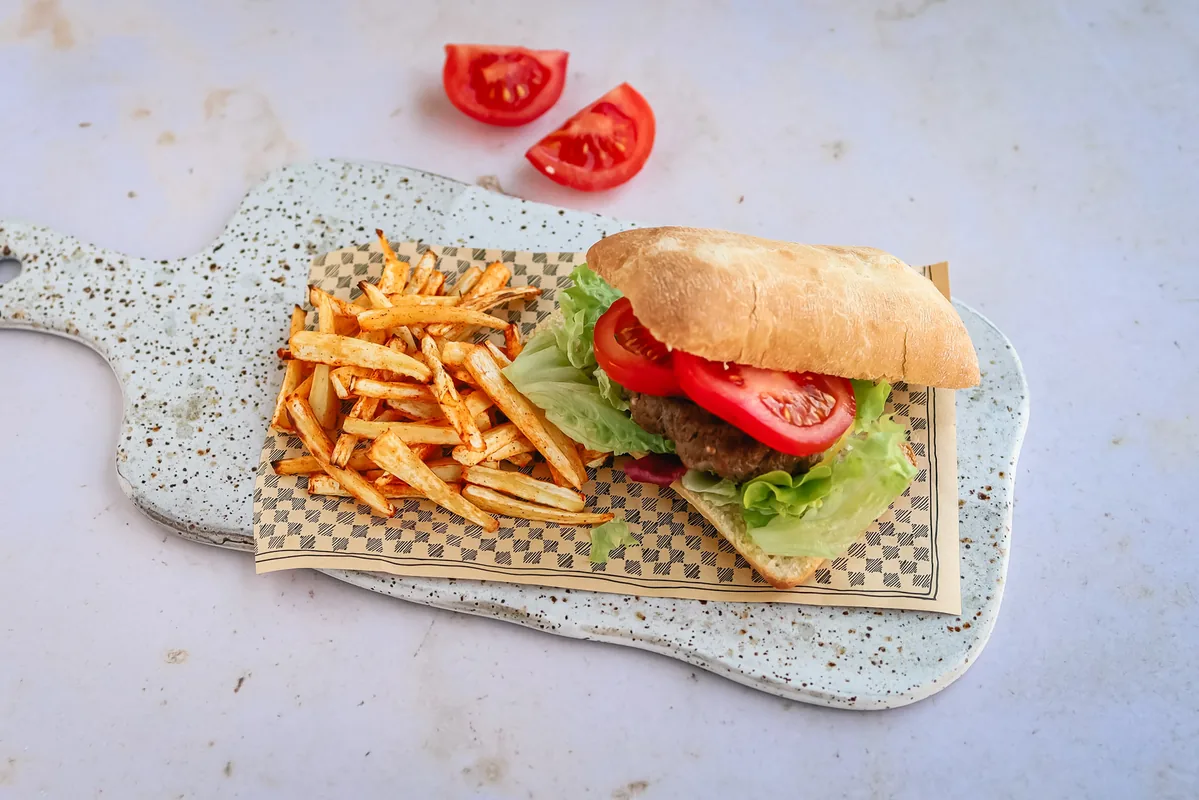
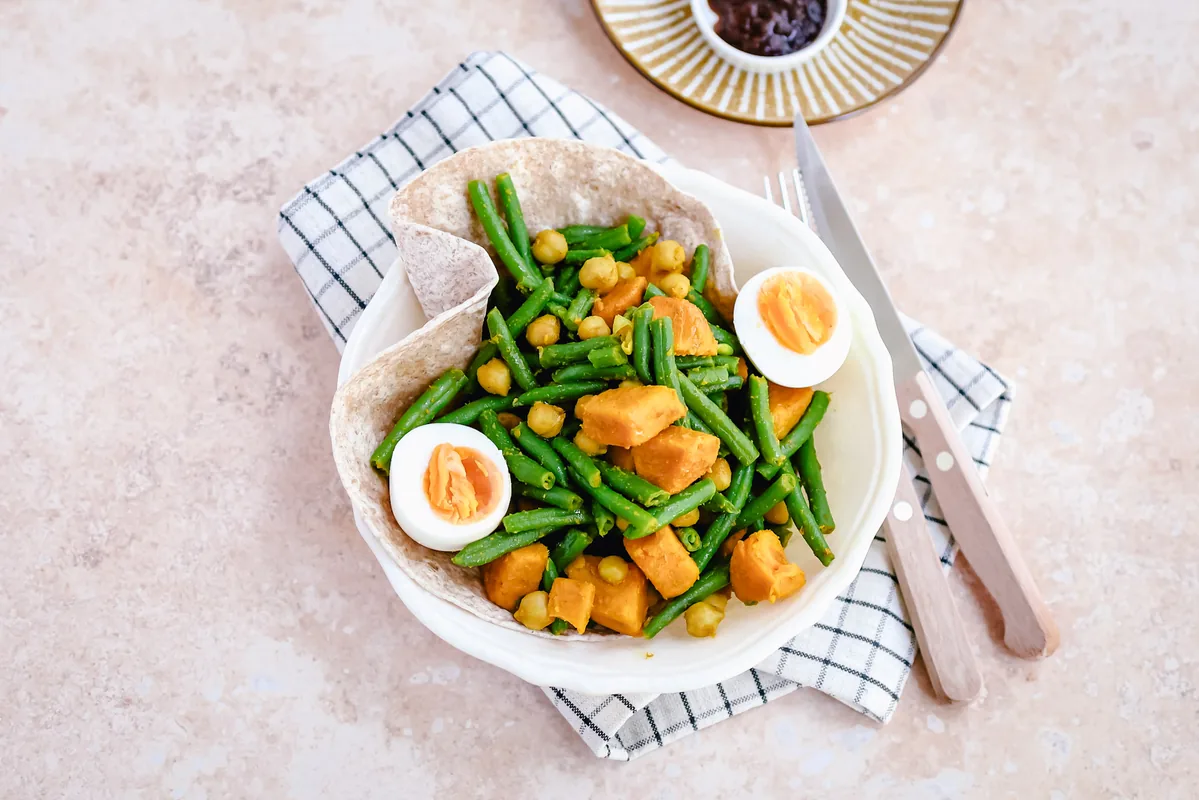
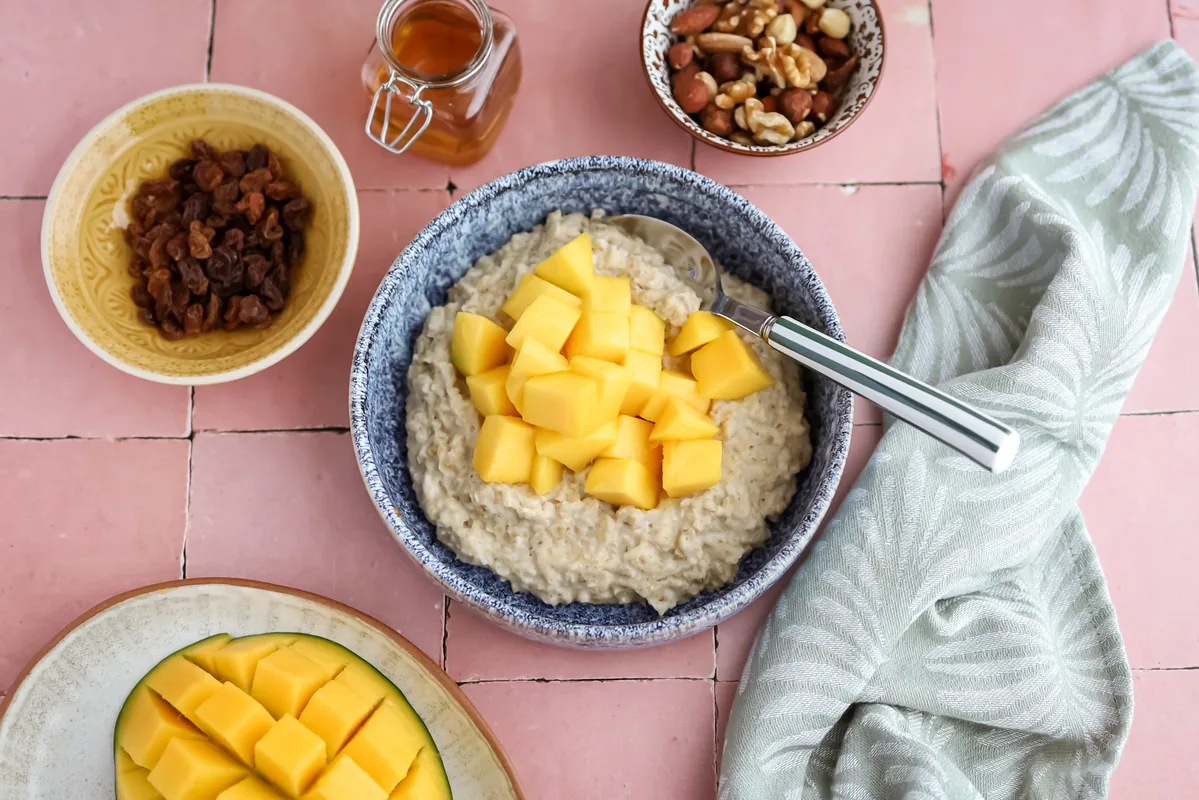
Researchers have studied how much physical activity you actually need from multiple angles — some tracking daily steps across hundreds of thousands of people, others running randomized exercise trials in adults over 60. The step research shows the mortality benefit flattening …
See the evidence →
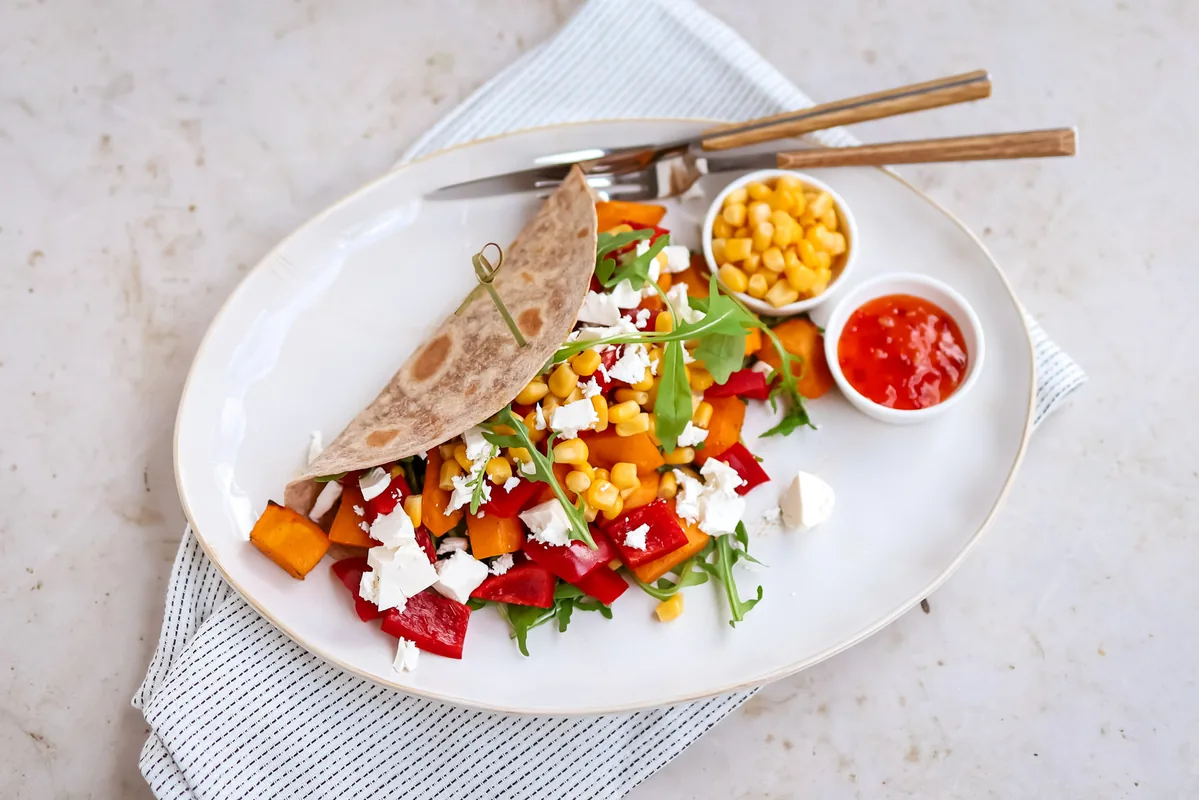
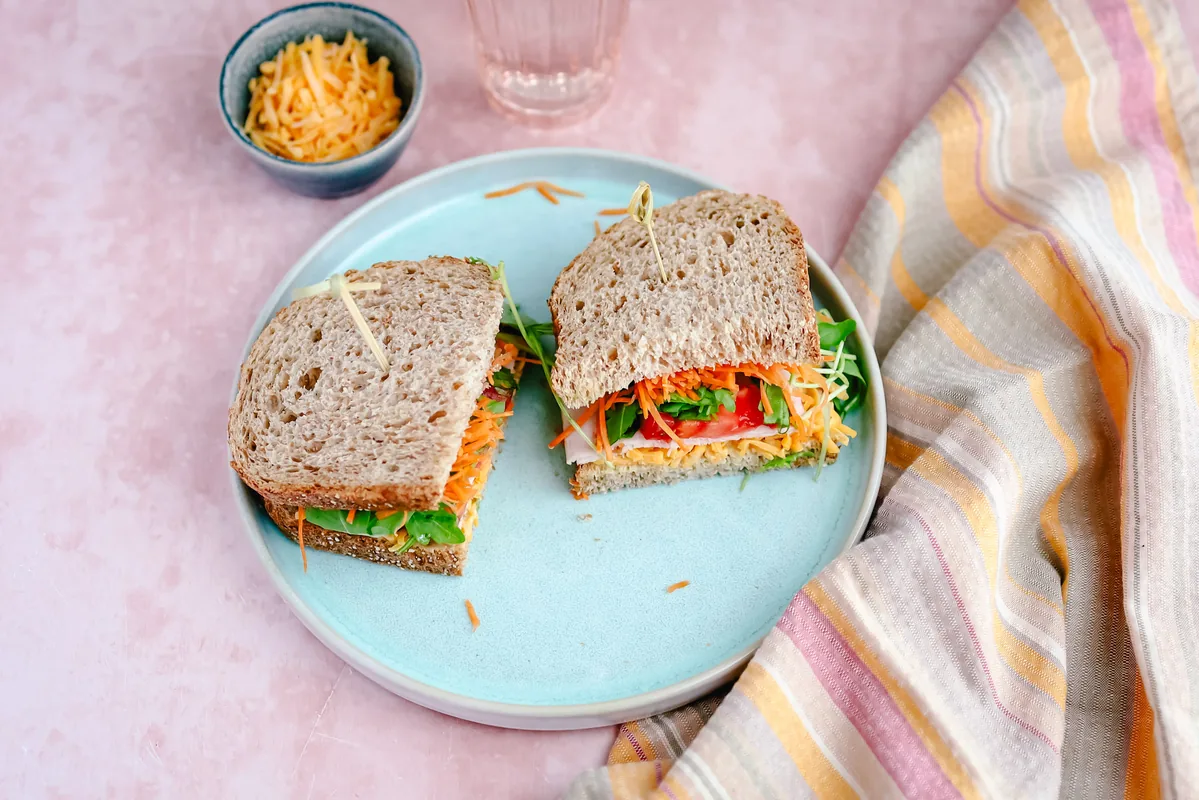

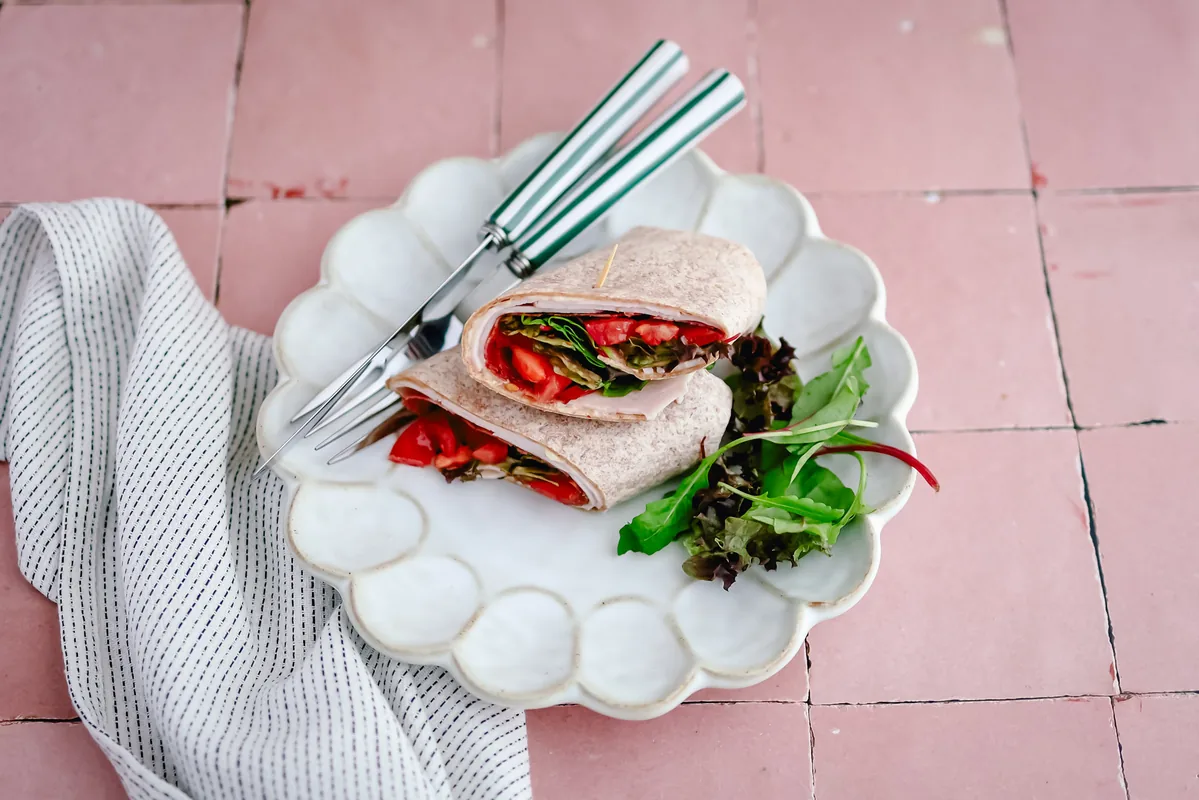
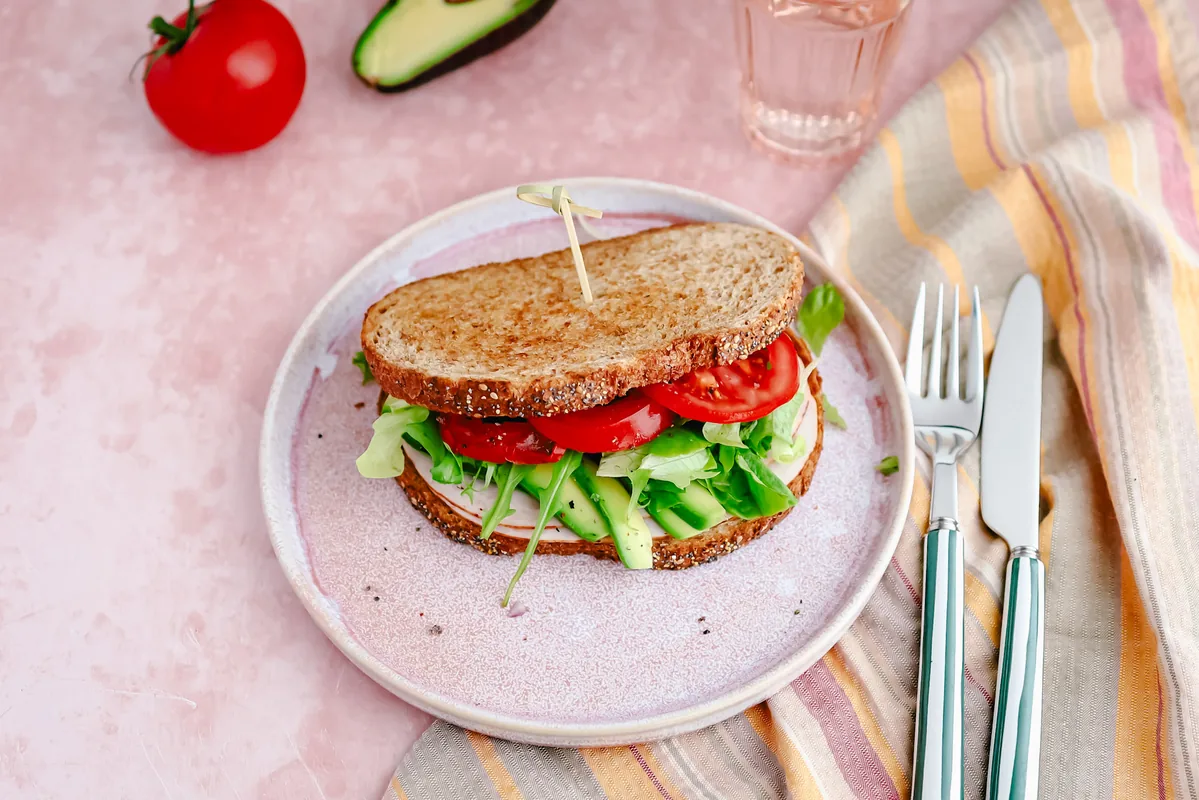
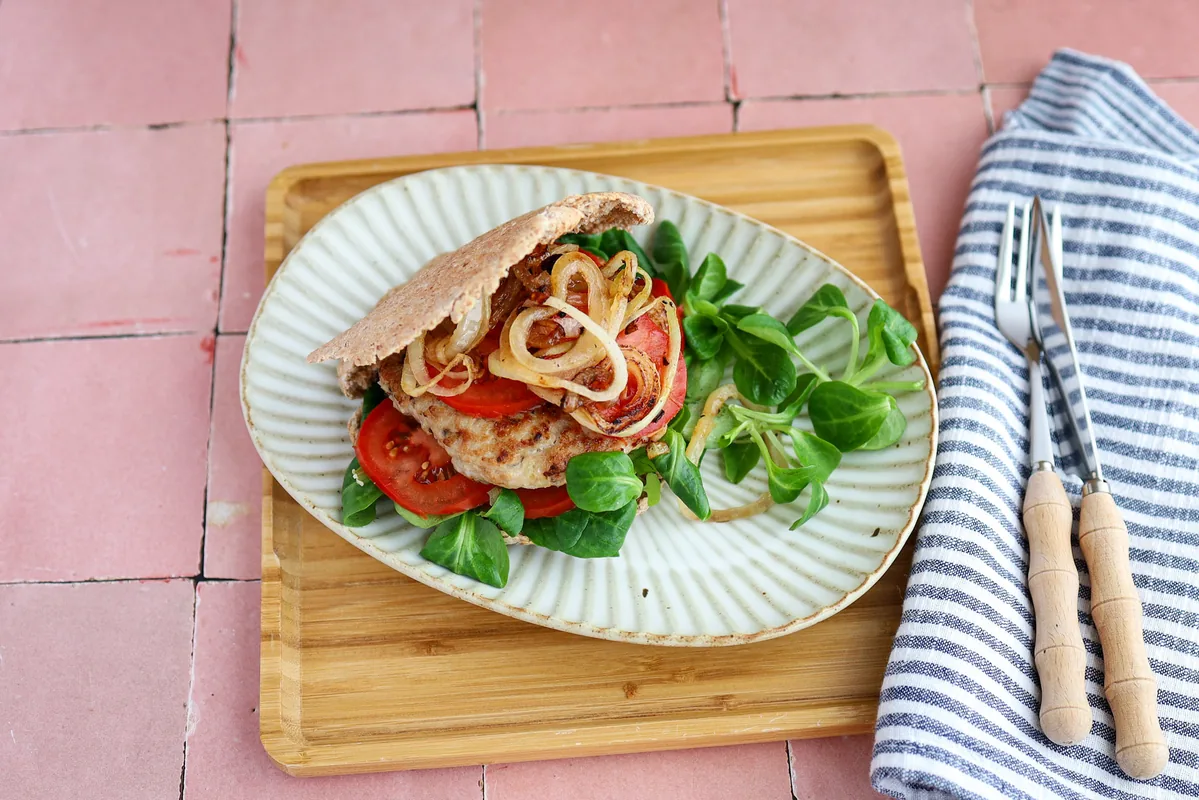

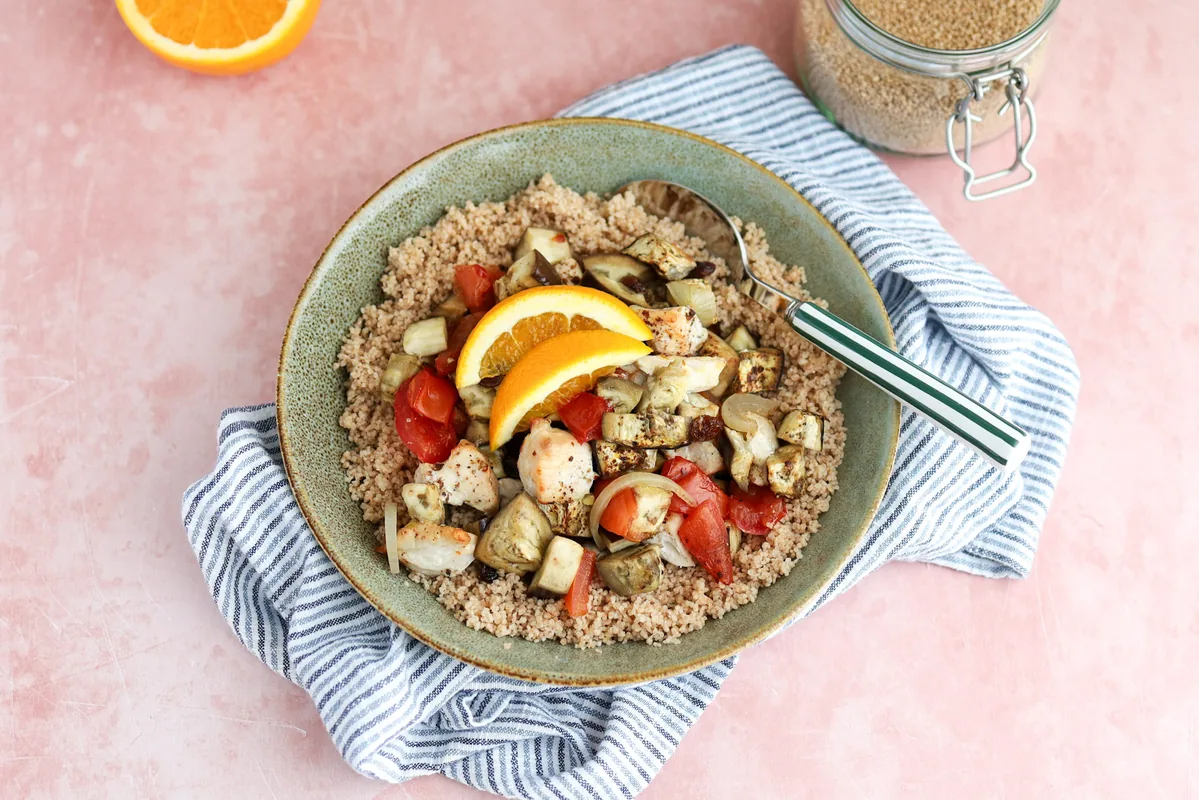
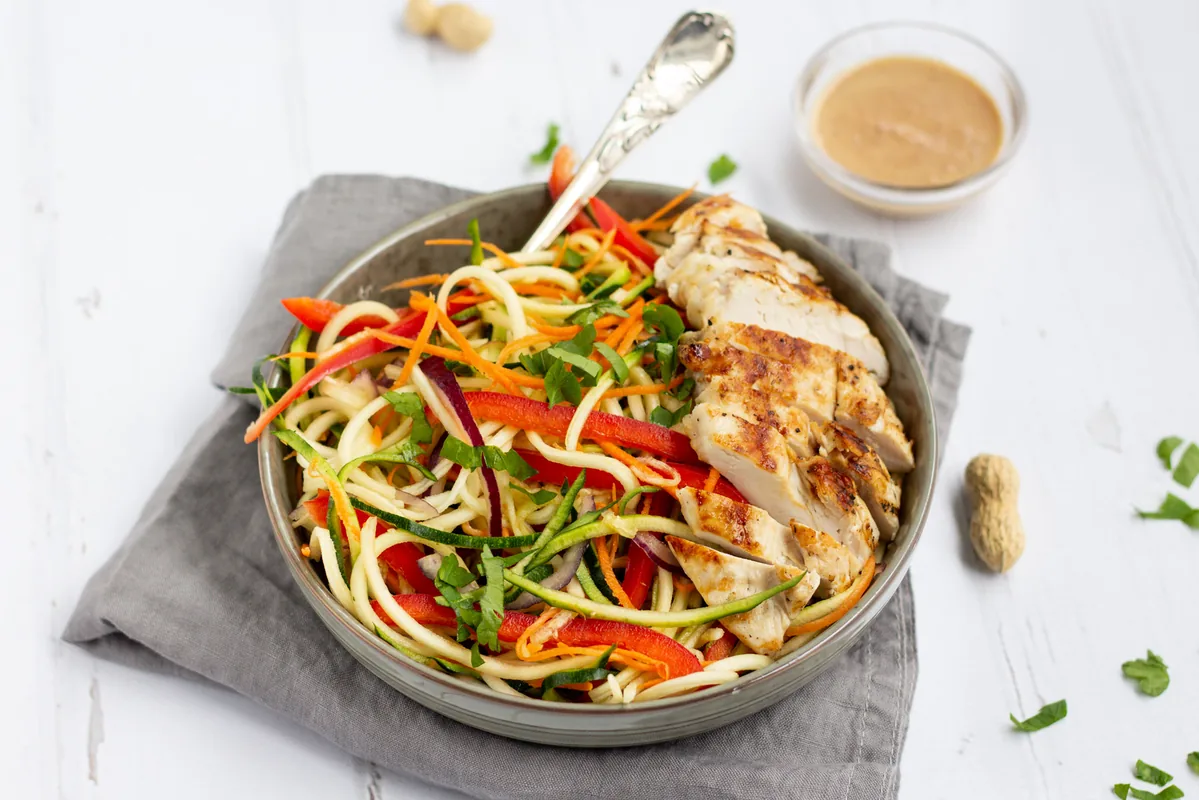
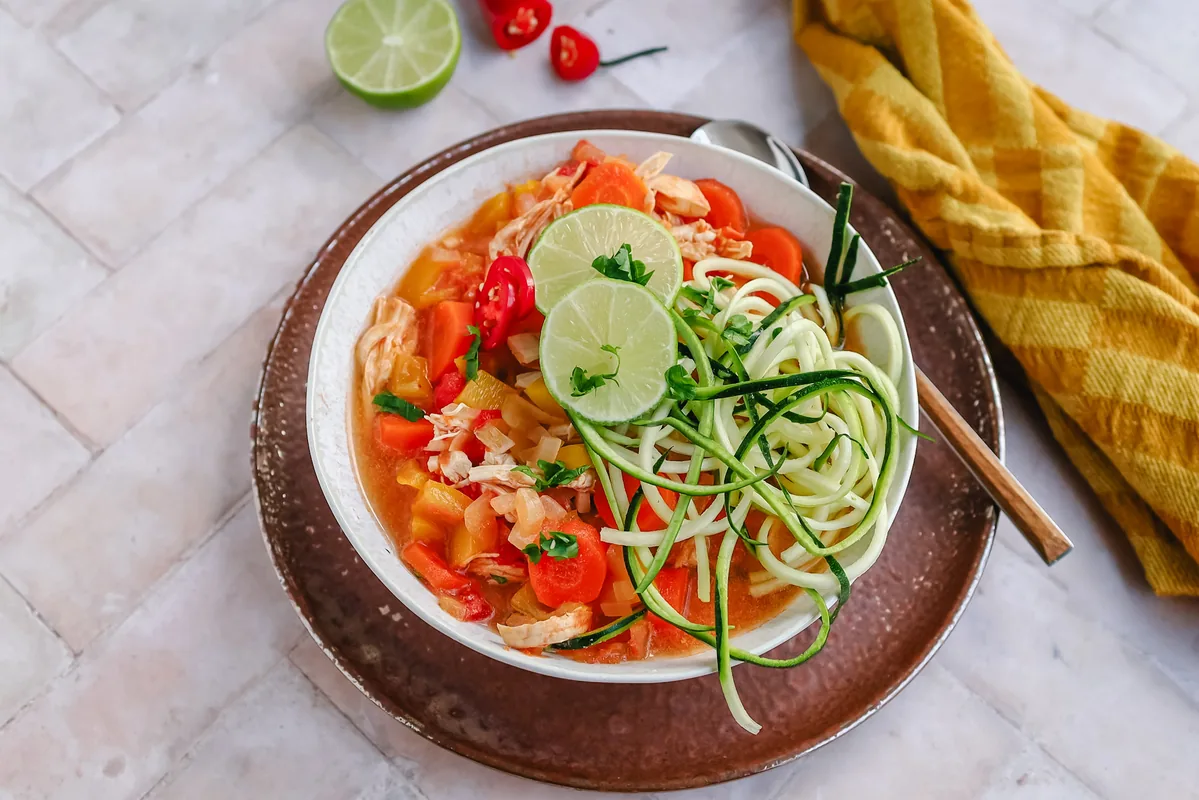
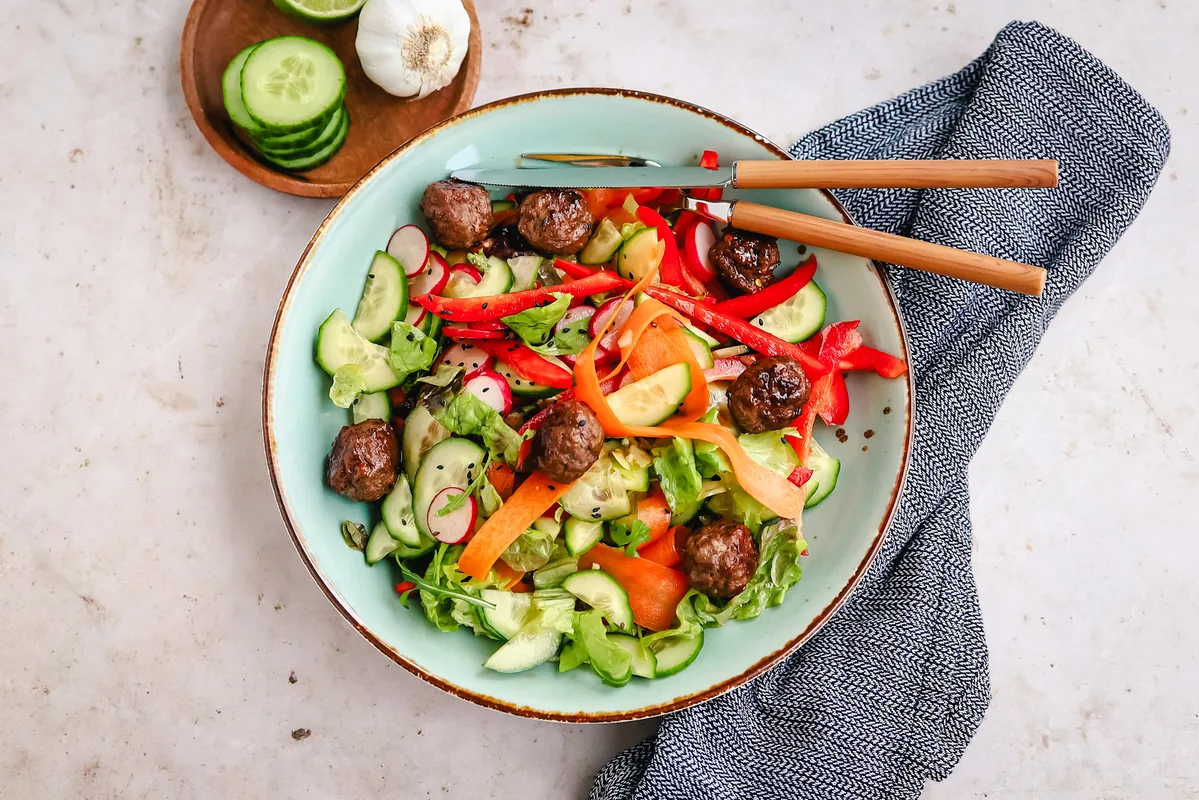
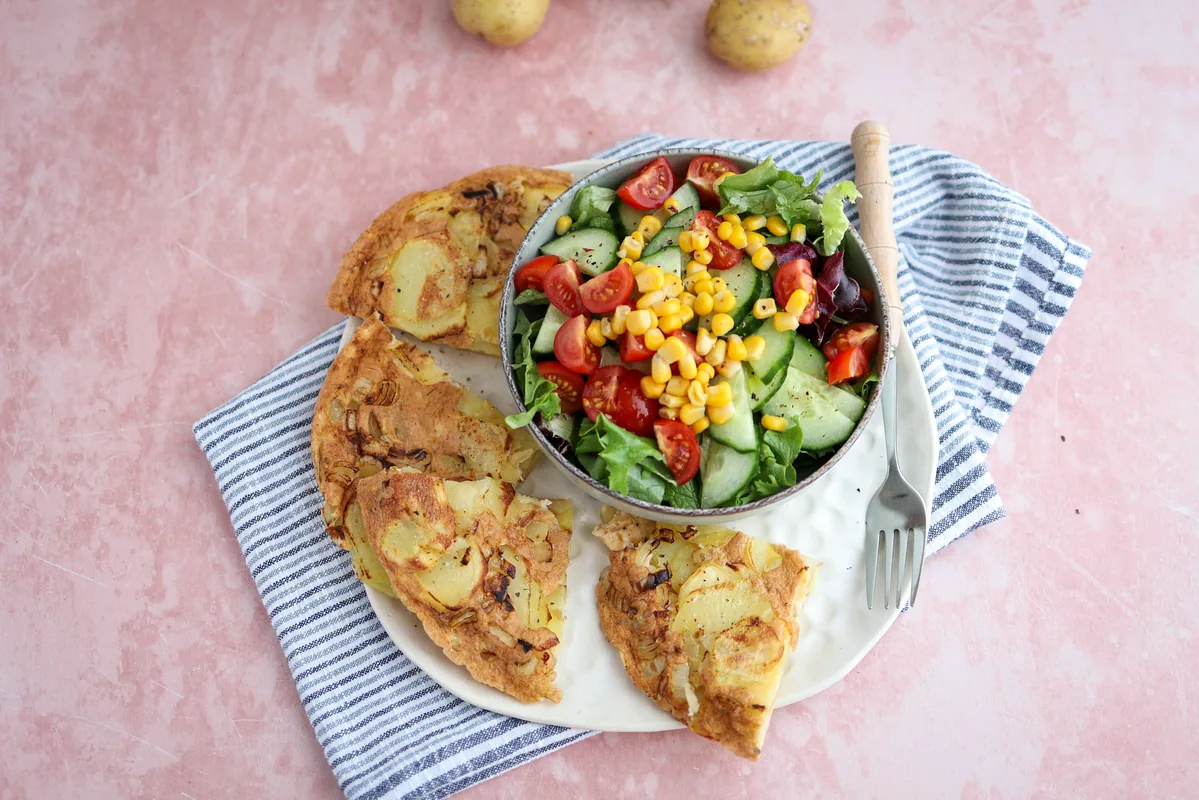
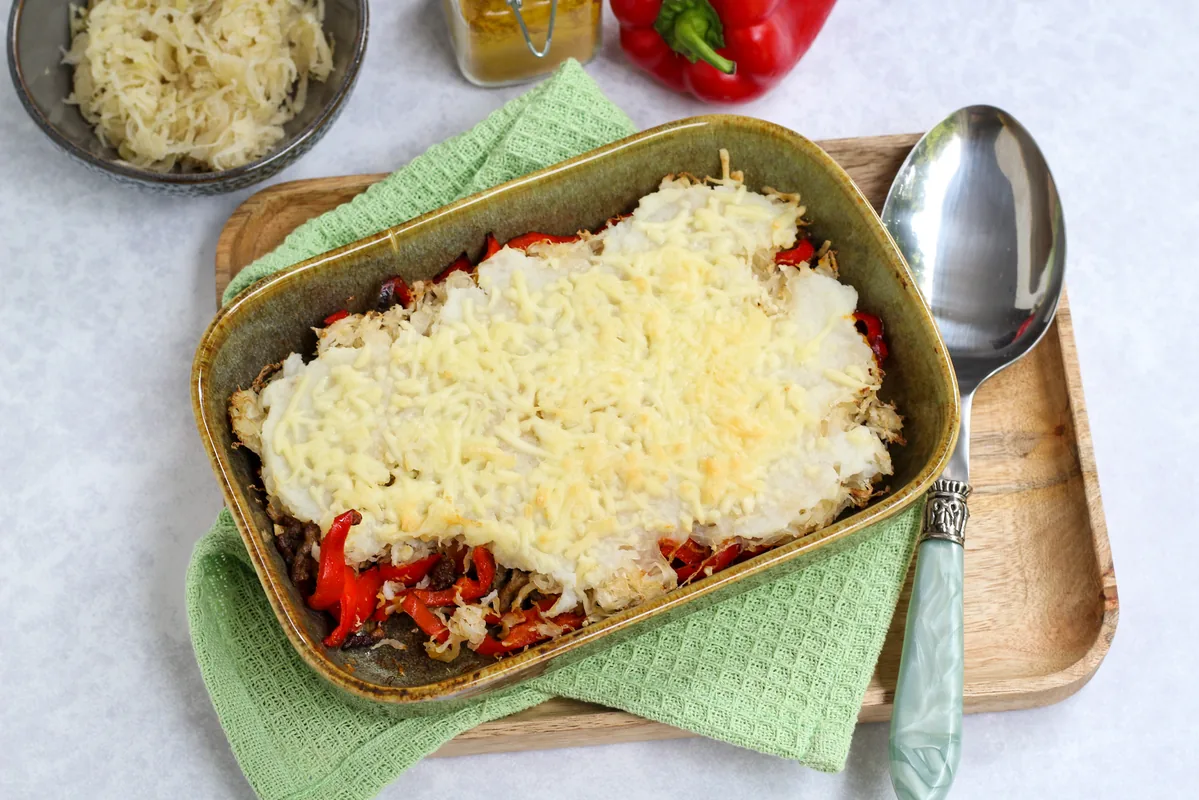
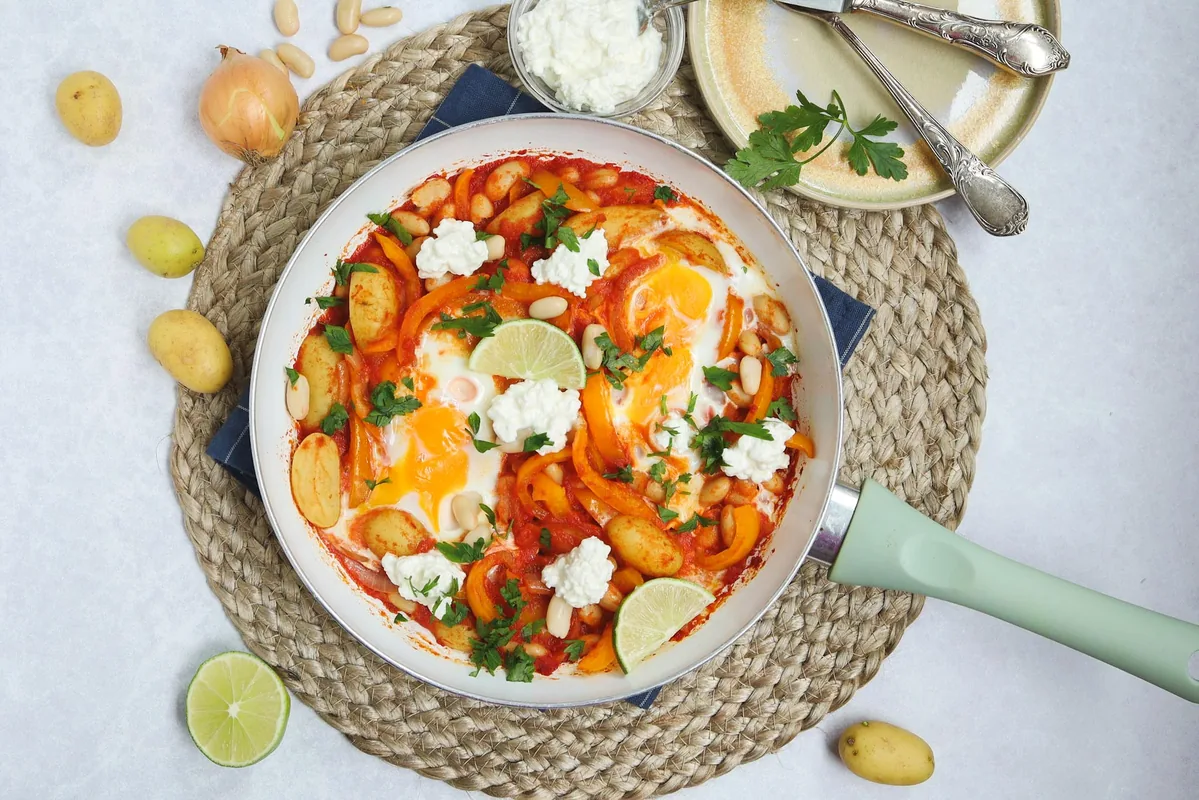
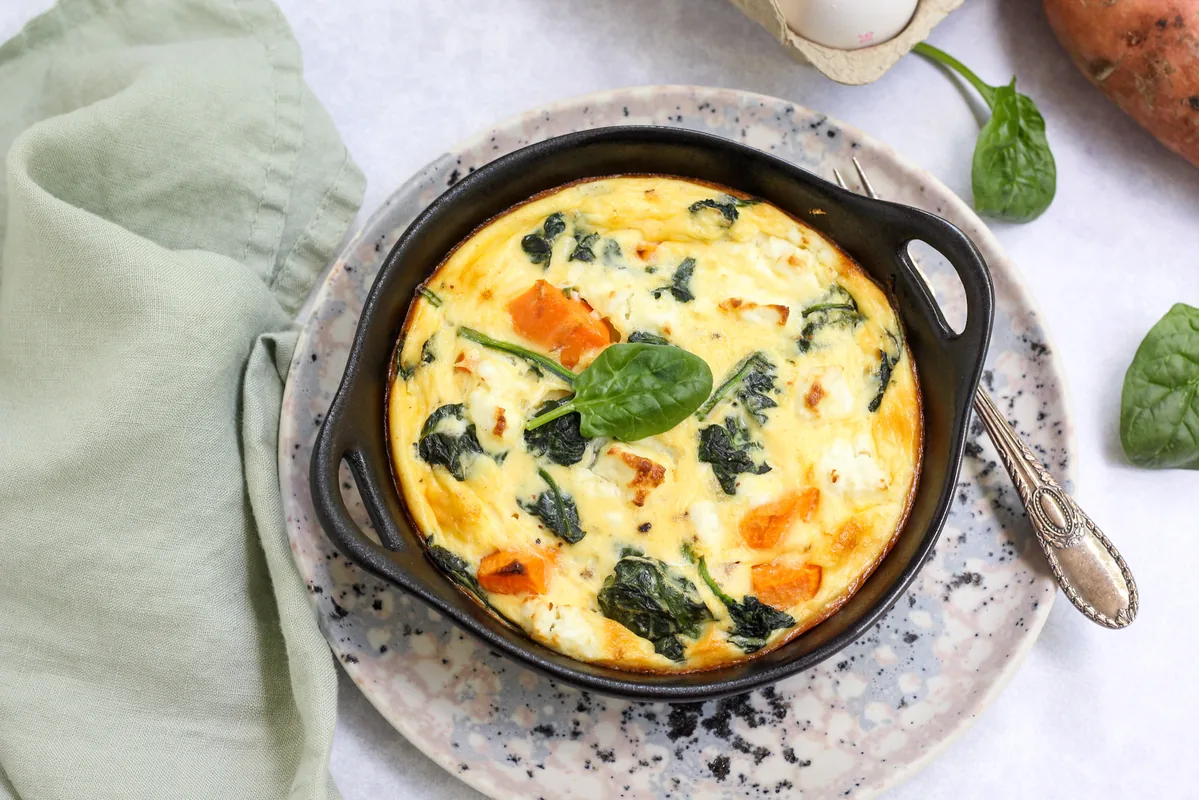
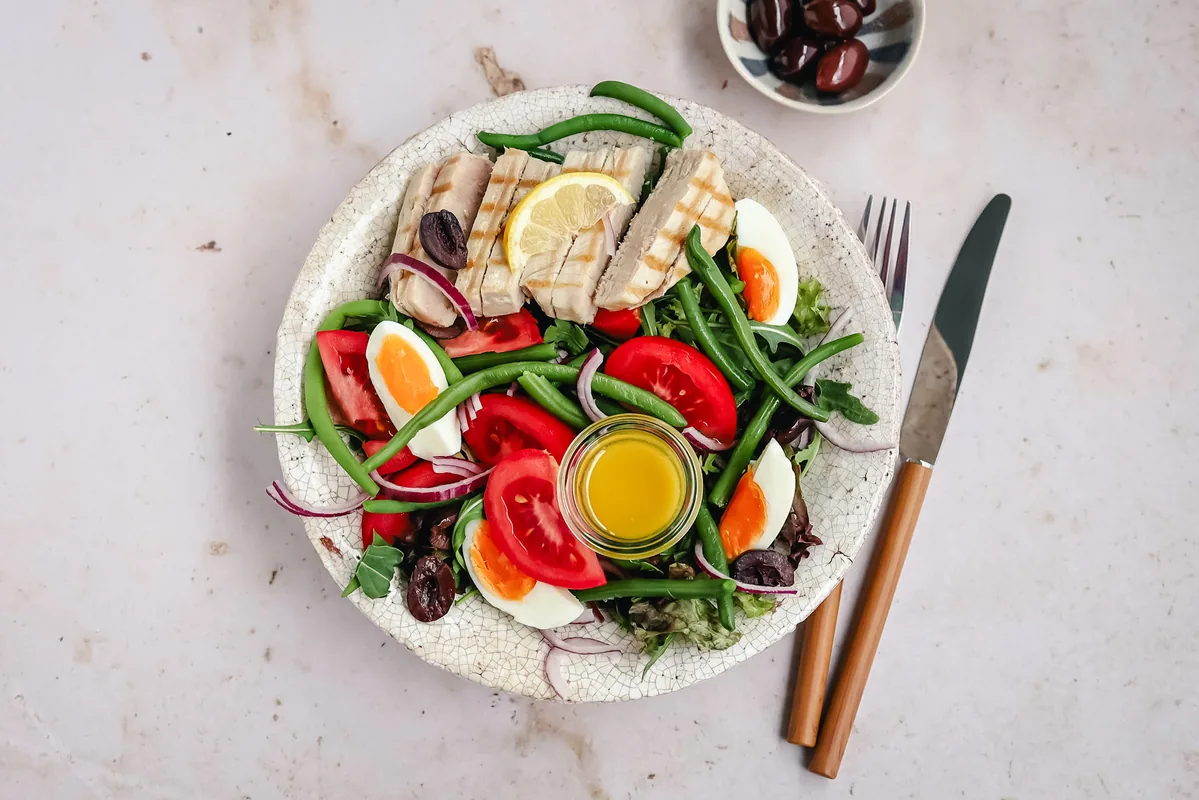
Every recipe in this collection includes a fat source. Zero are no-cook. The cooking method IS the mechanism.
Browse this collection →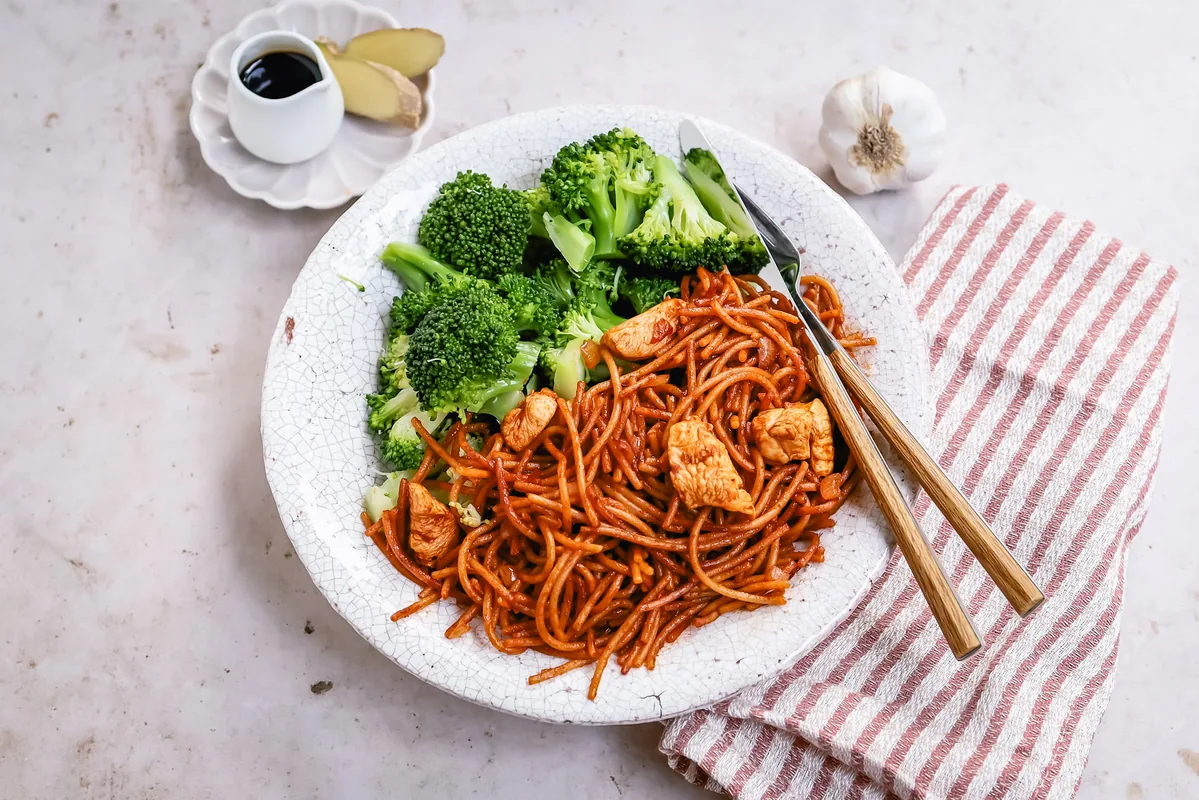

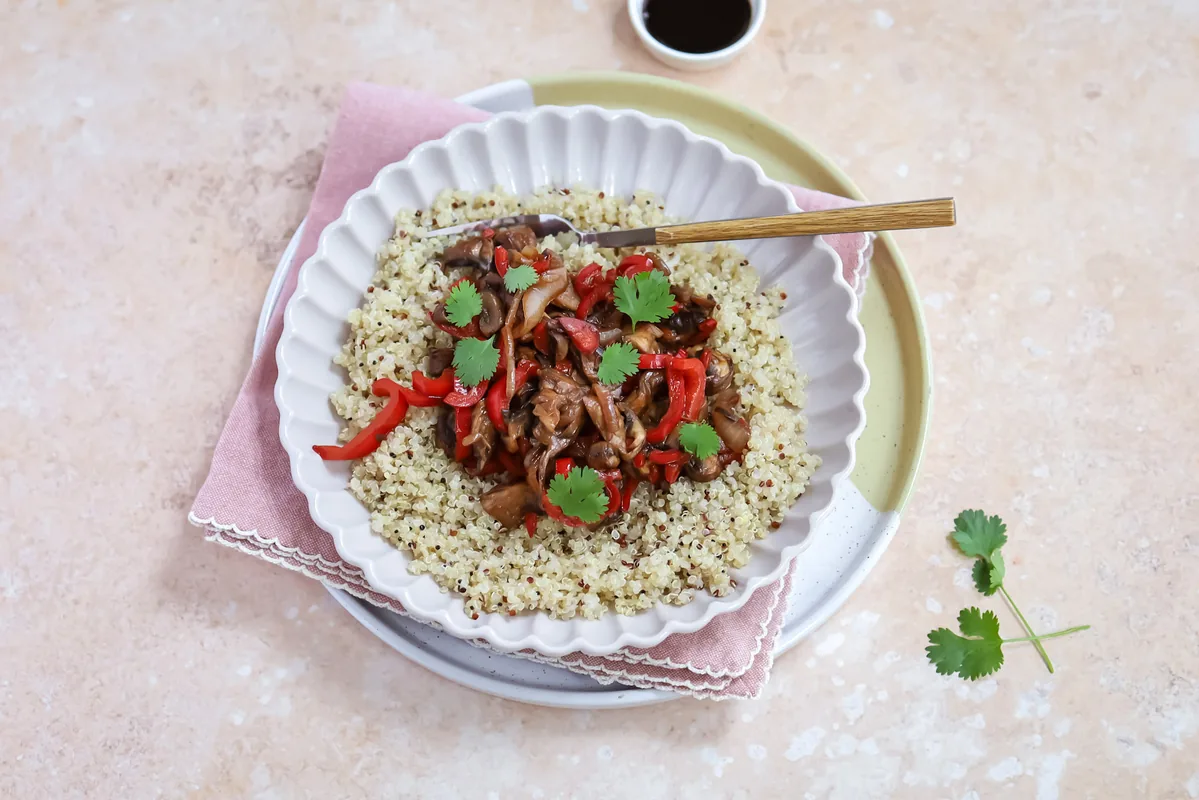


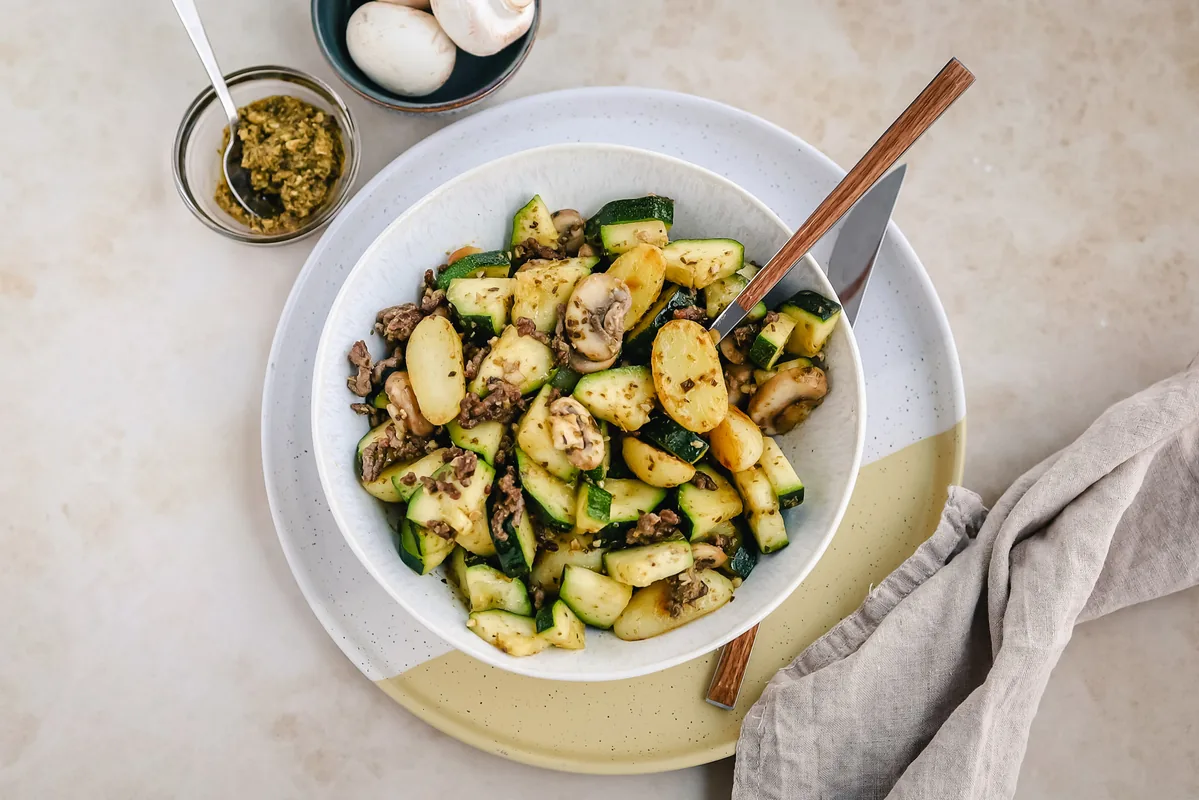
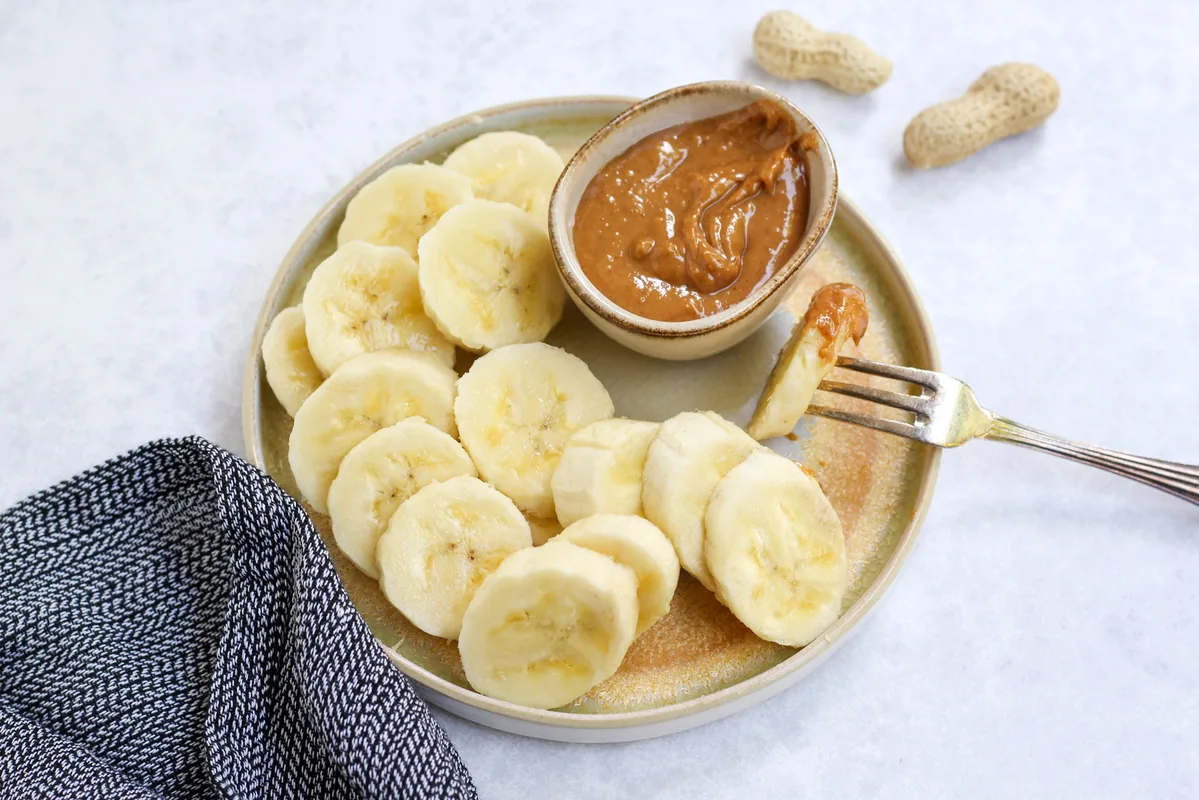
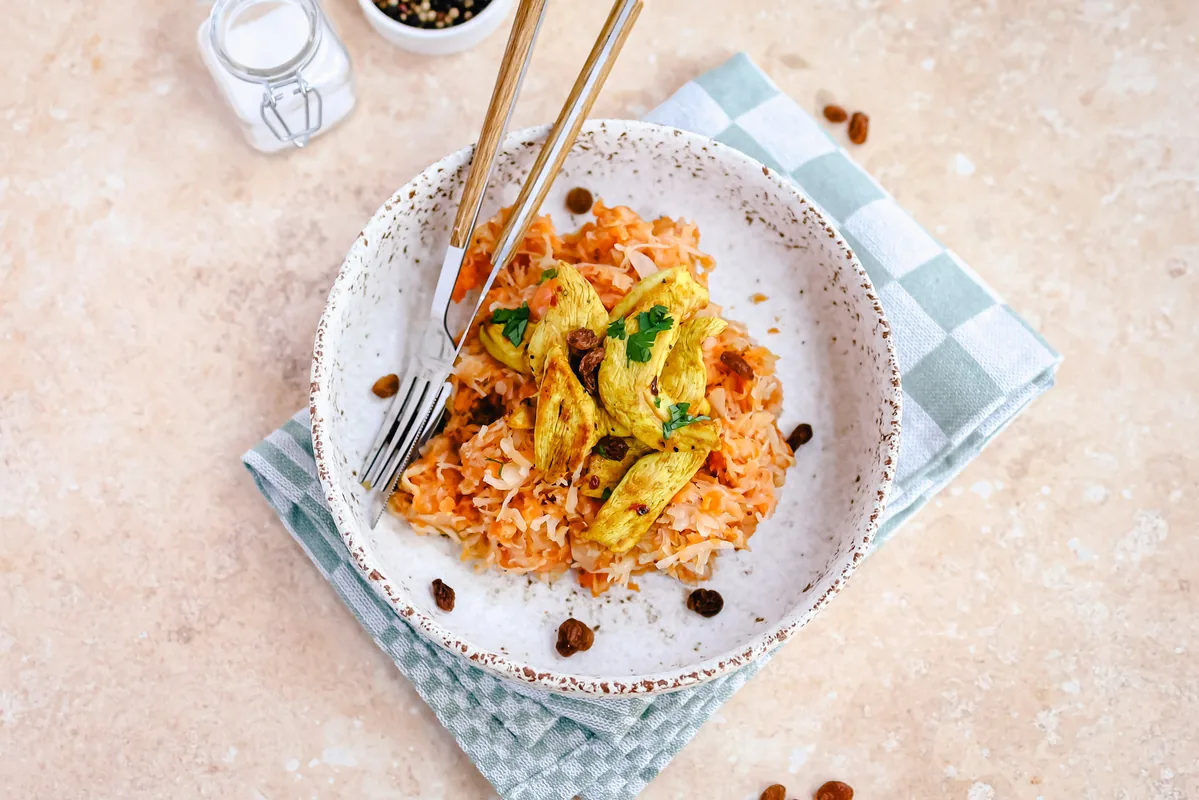
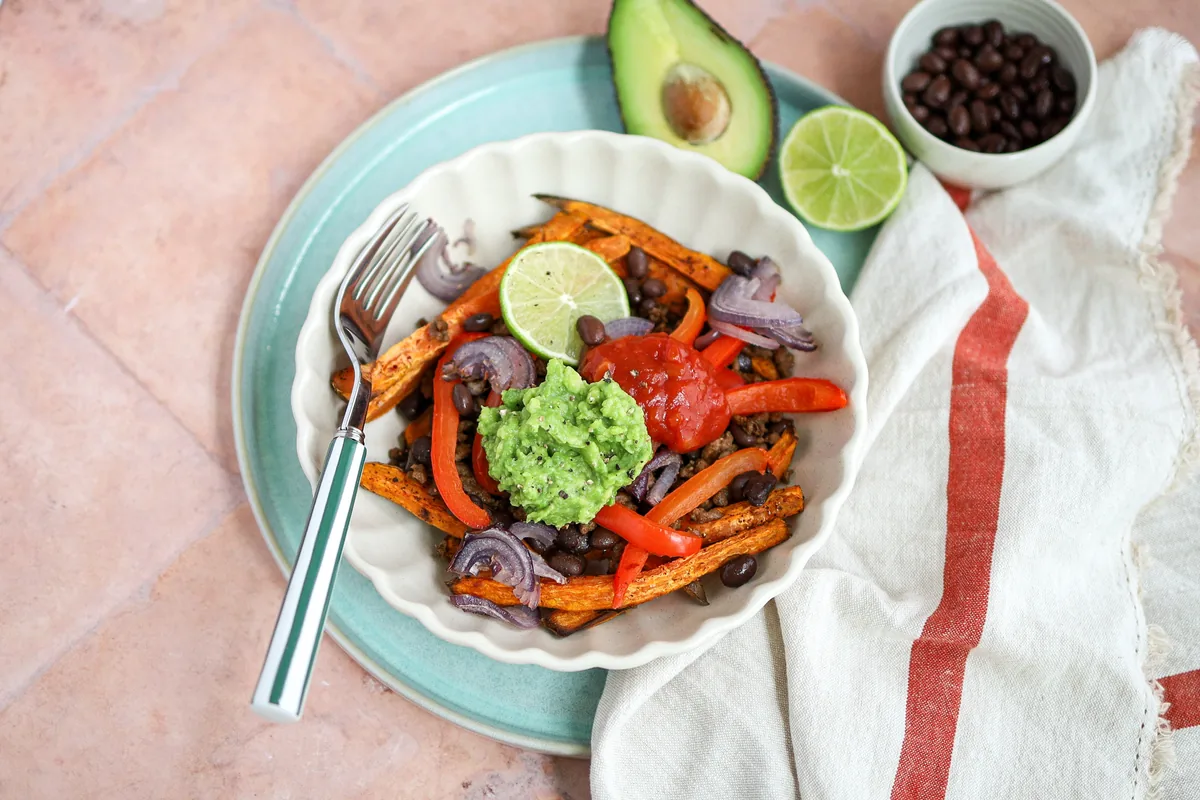
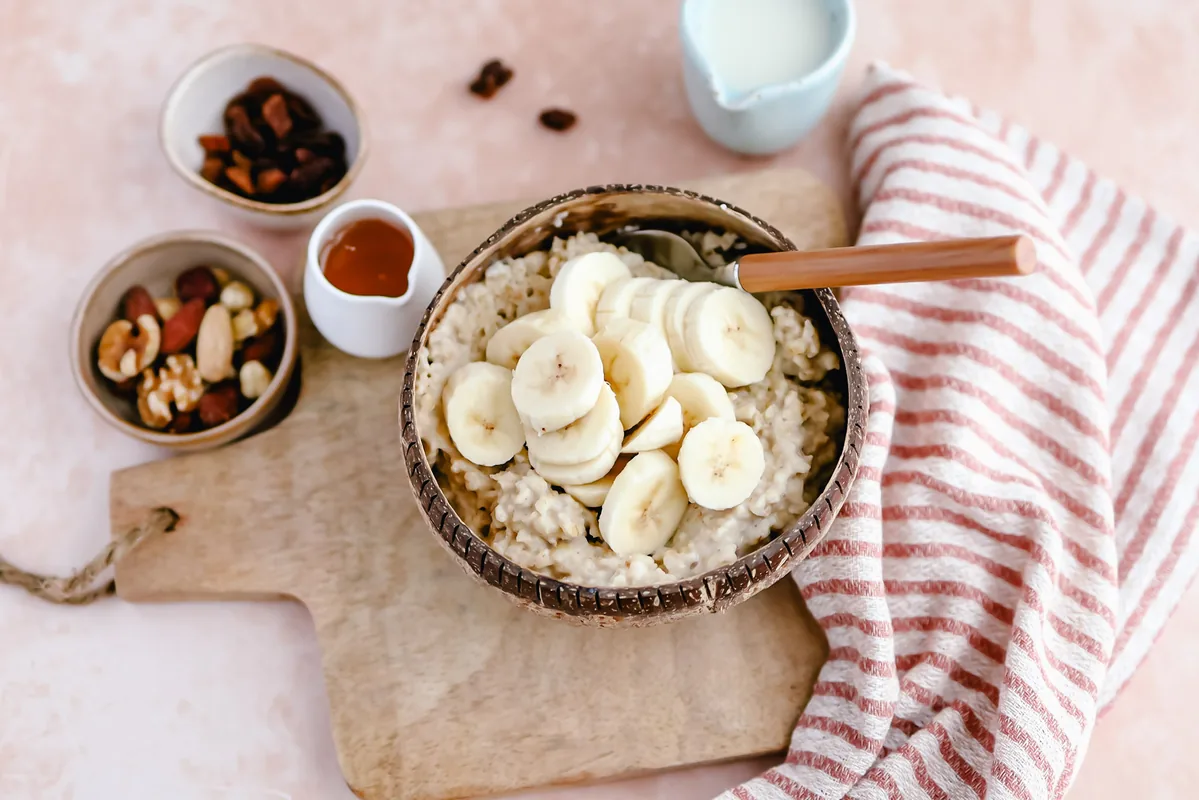
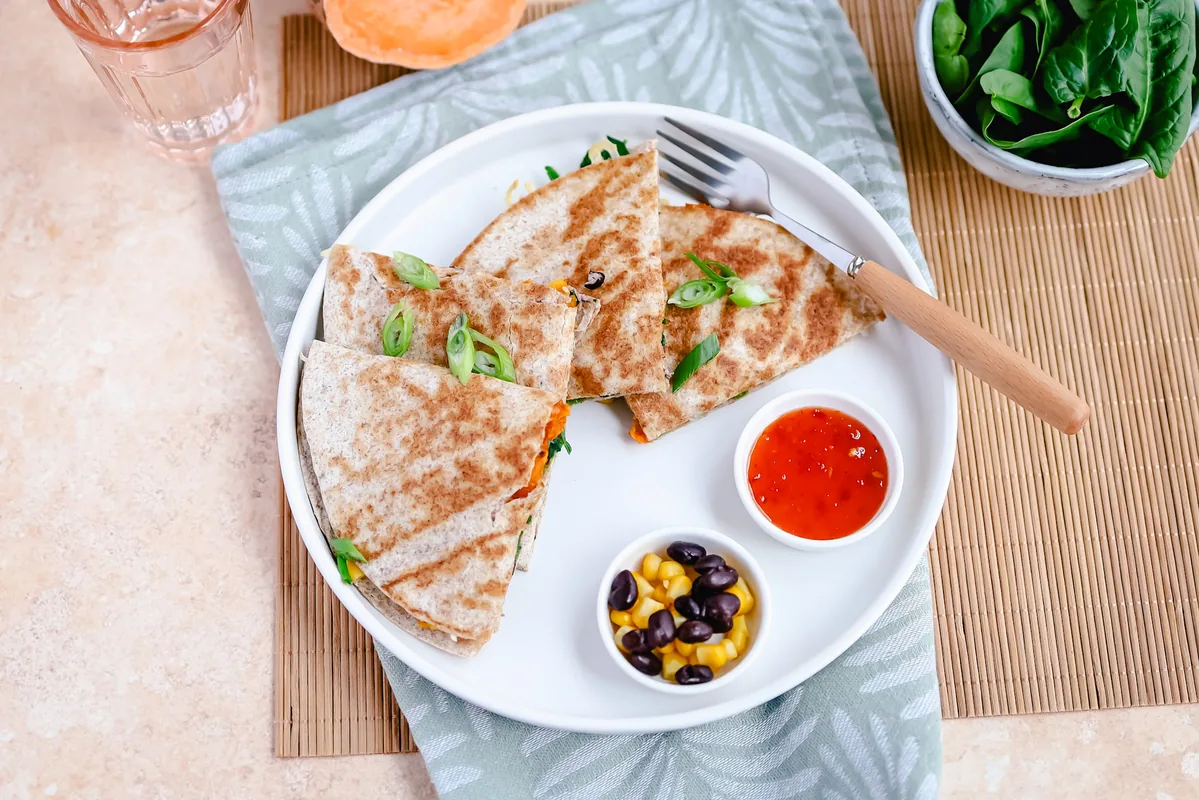
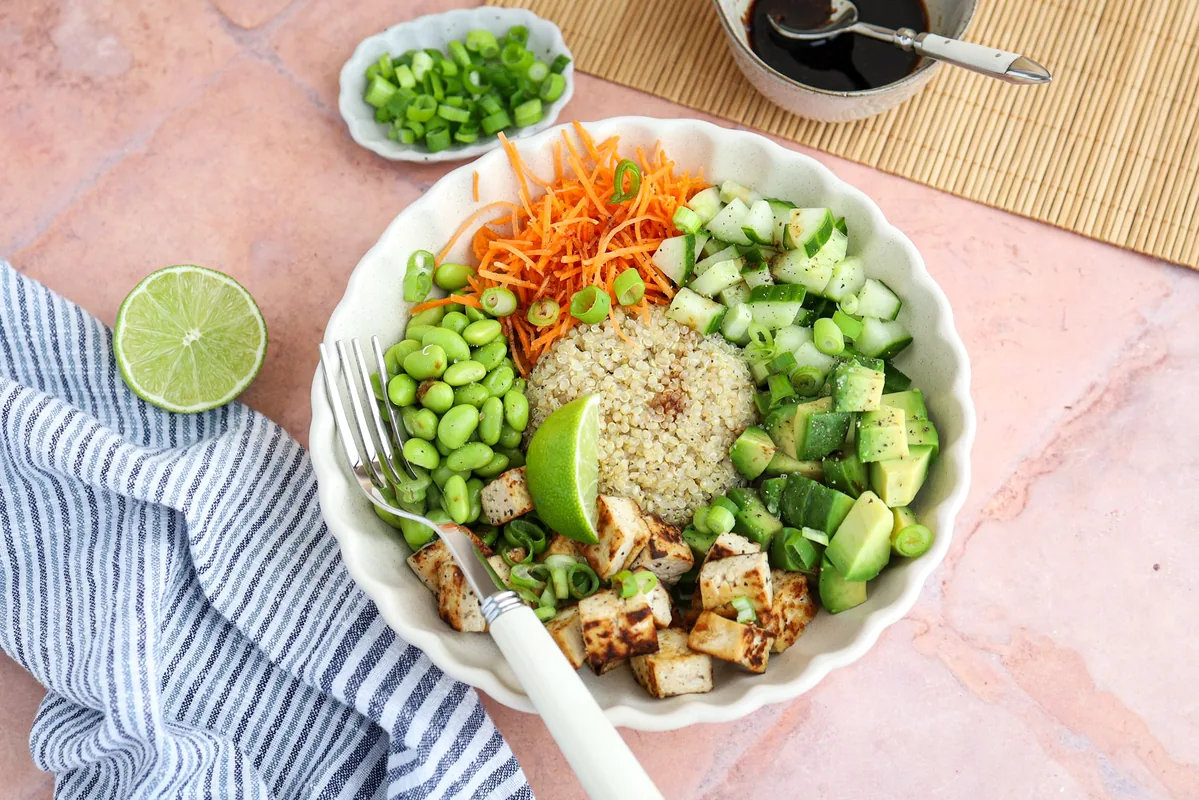
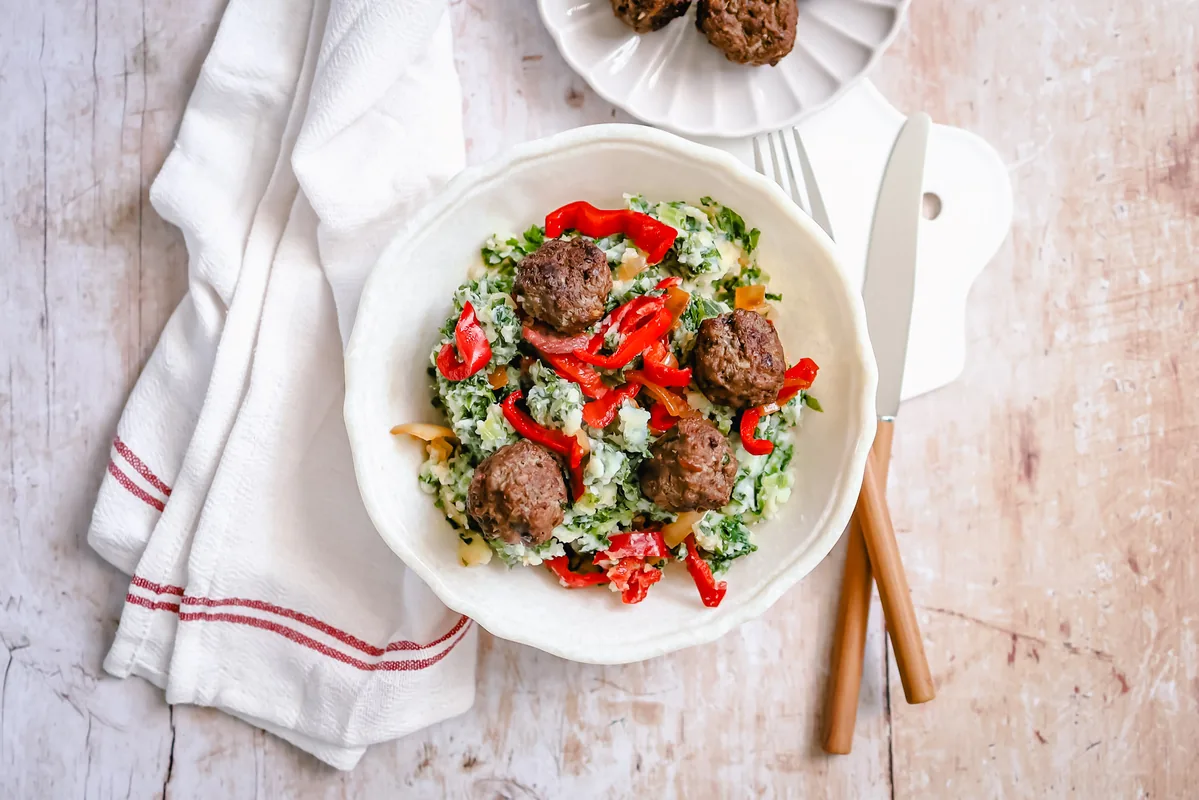
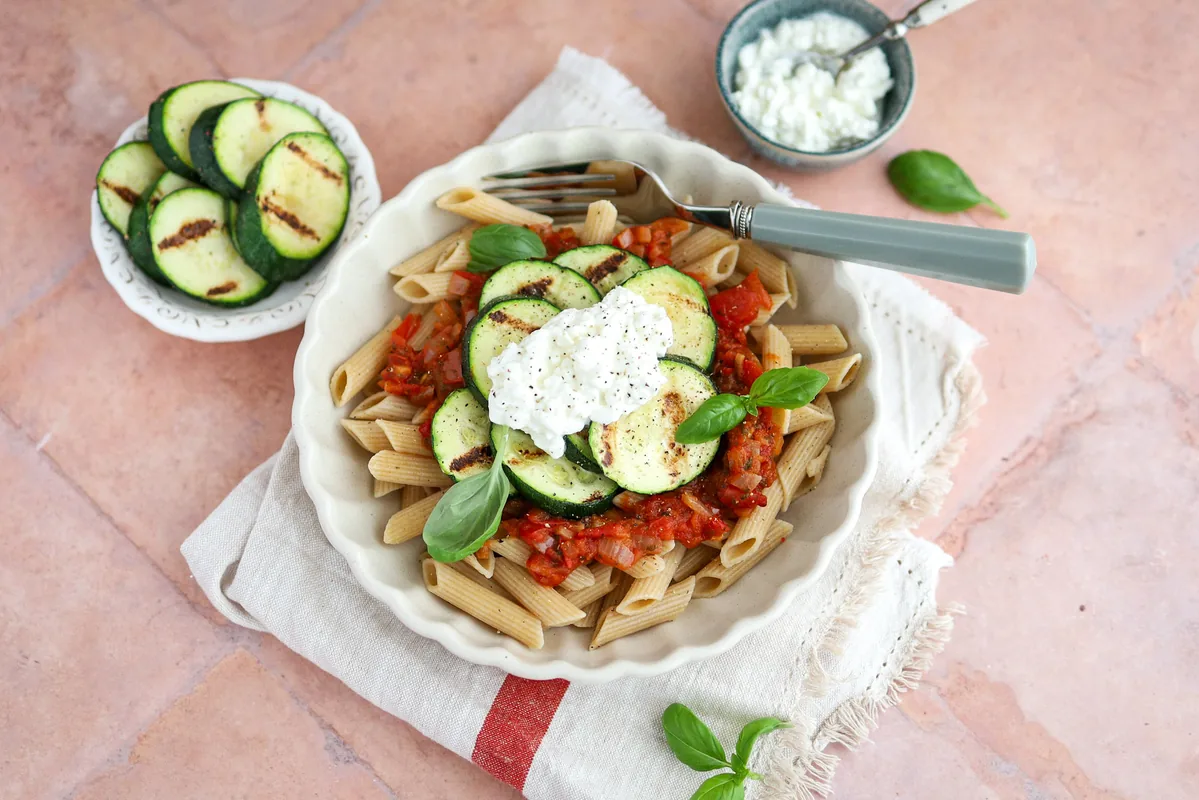
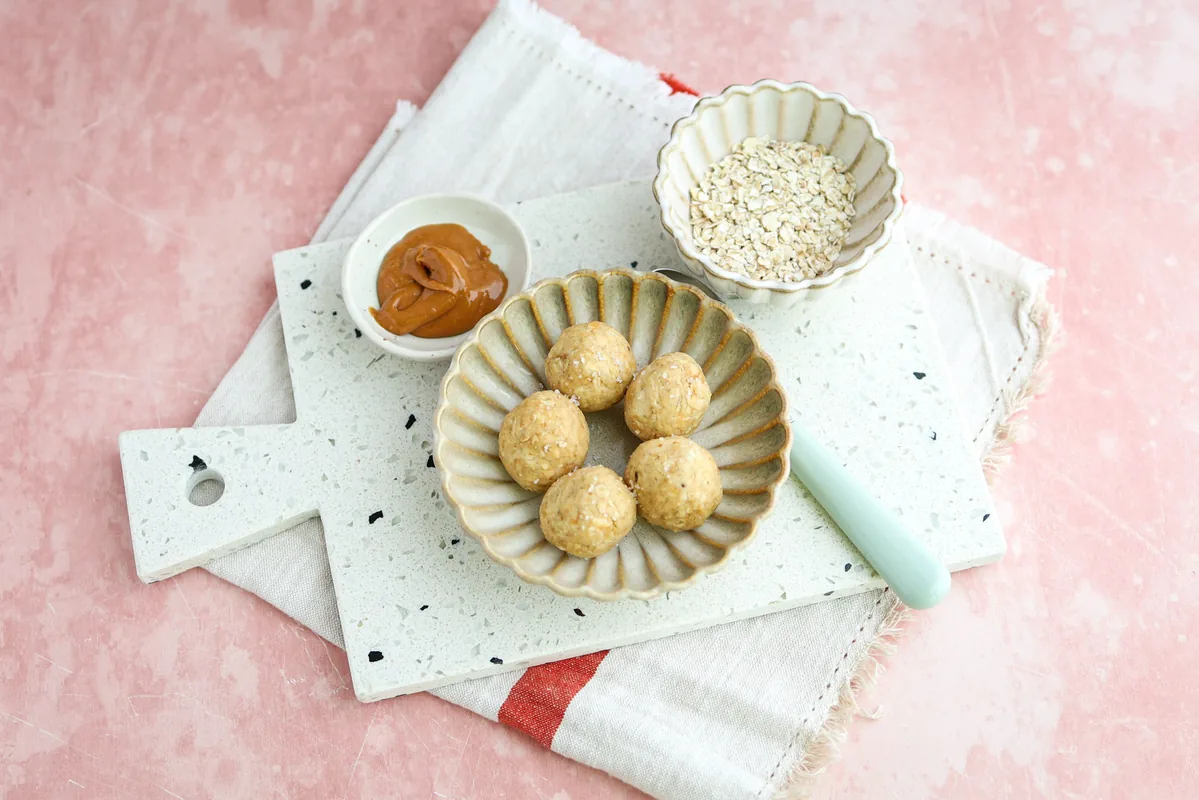
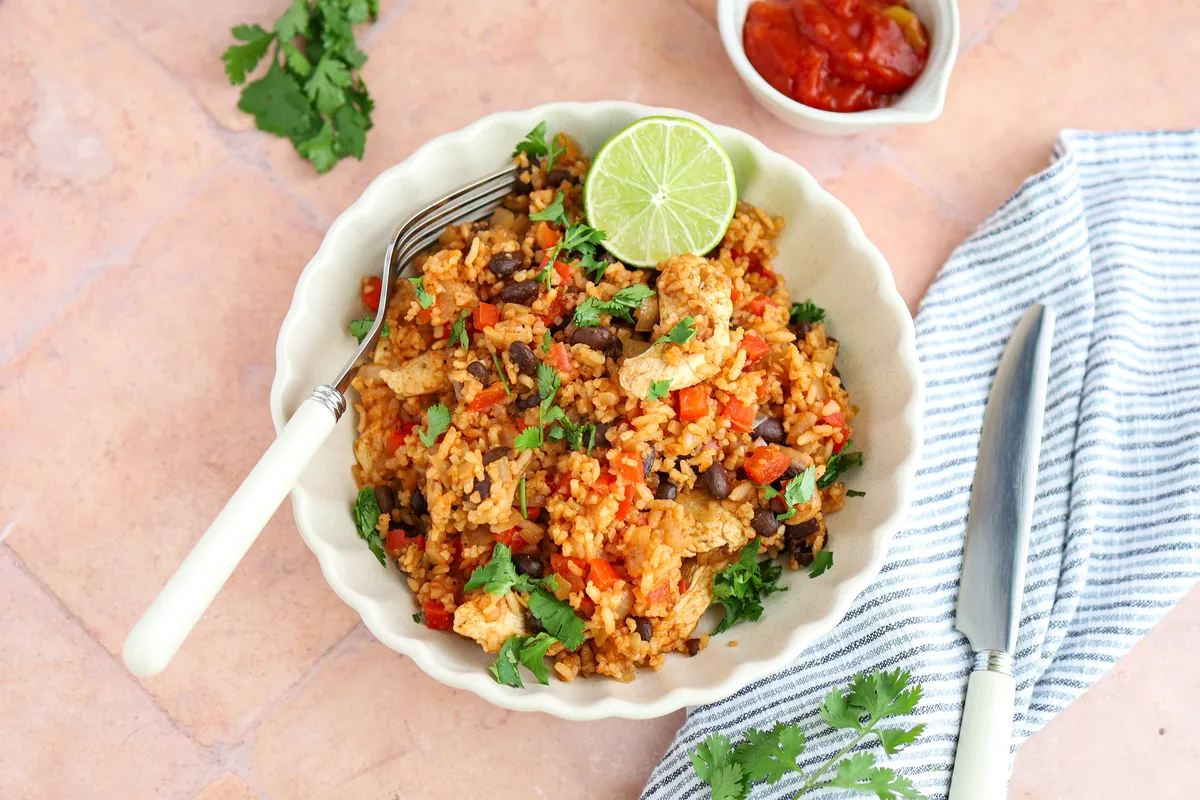
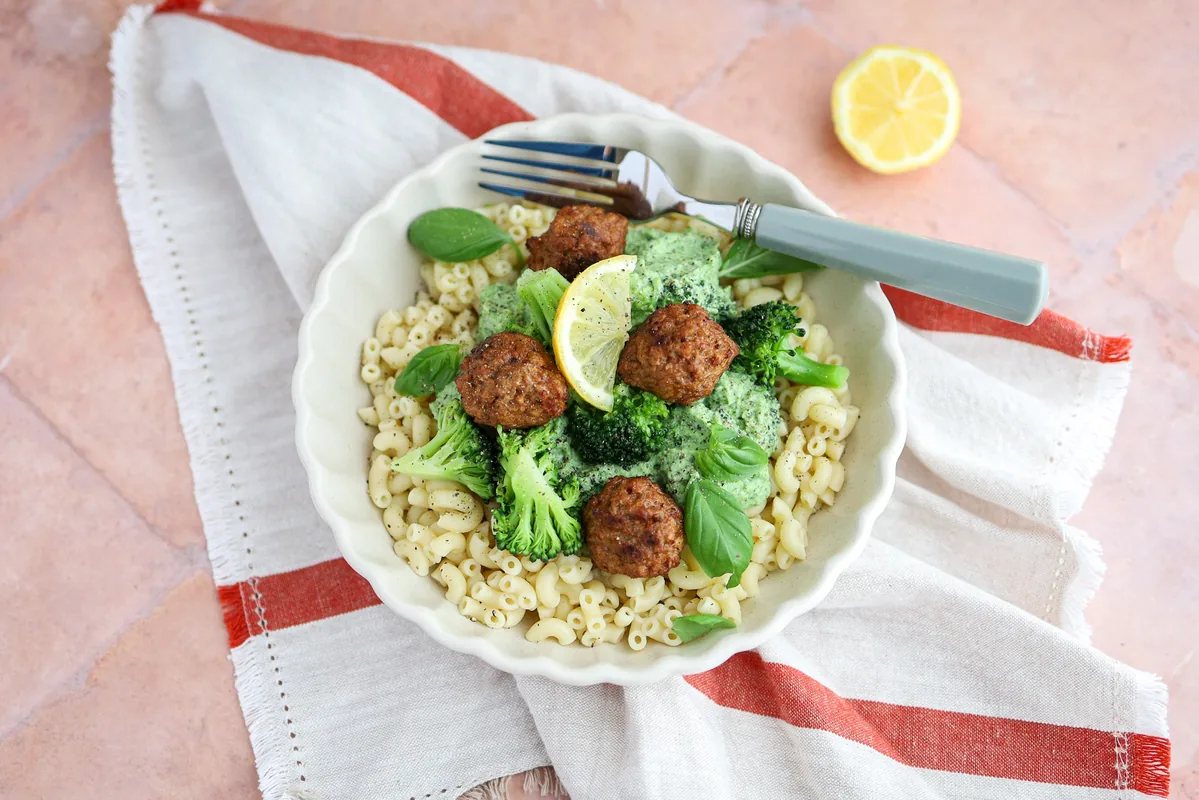
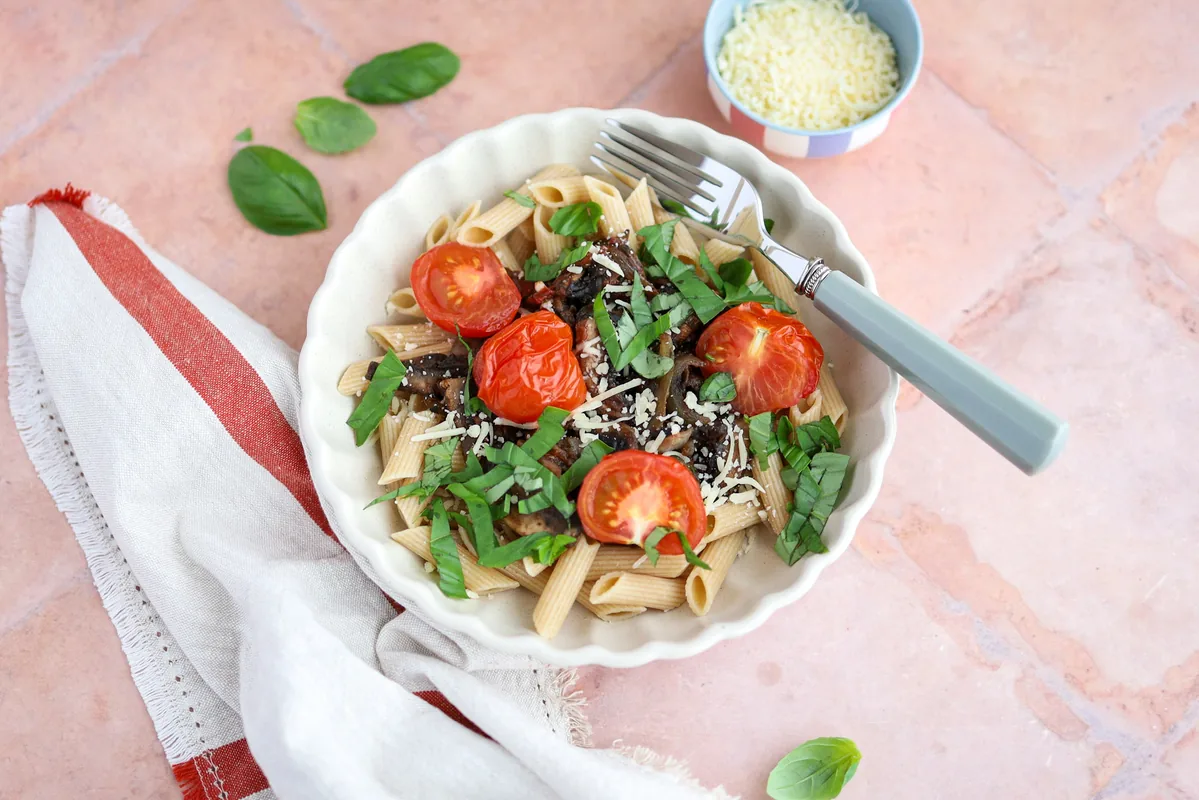
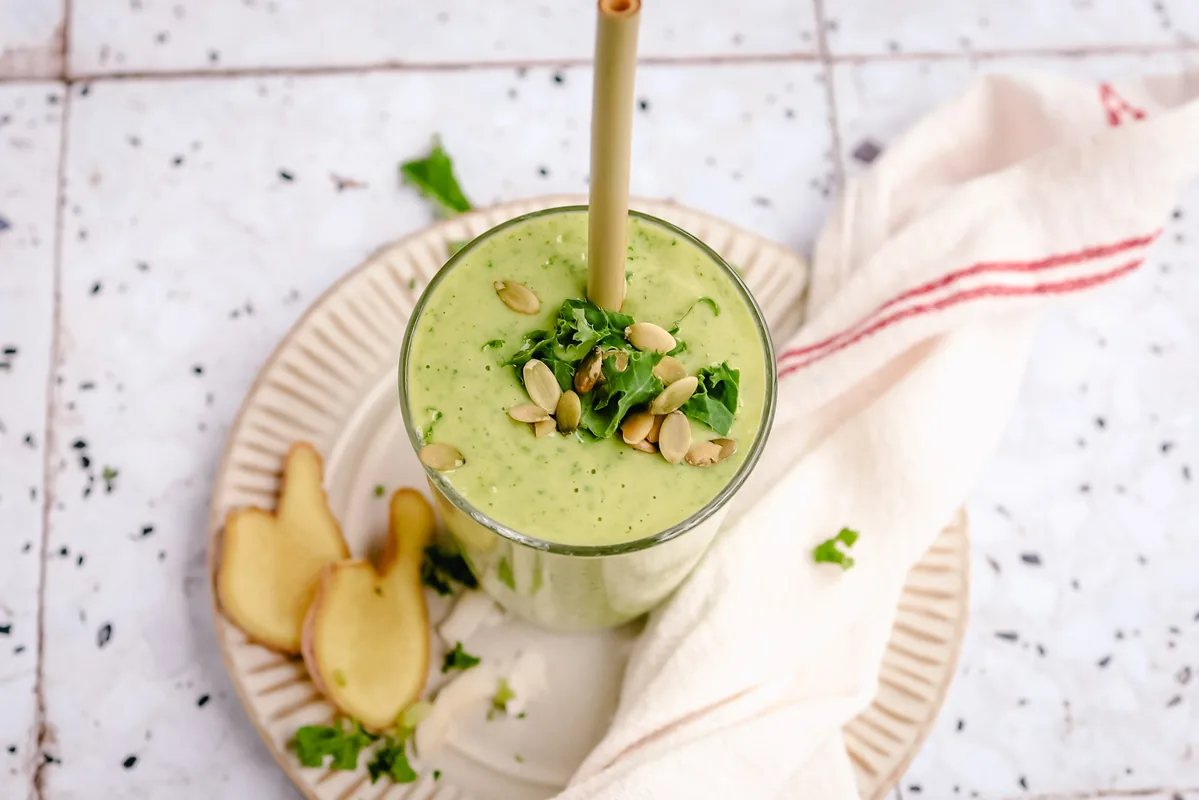
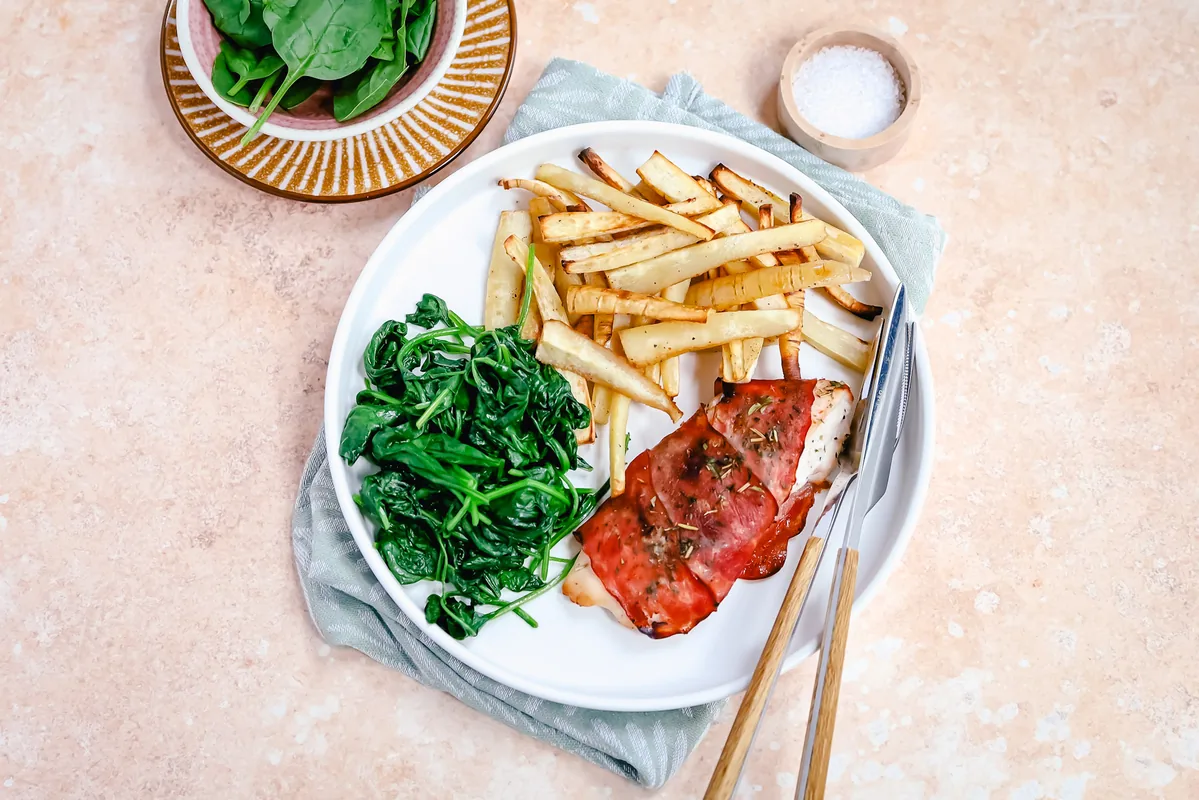
Same Protein, Different Sleep, Different Muscle Building
Read the 60-second breakdown →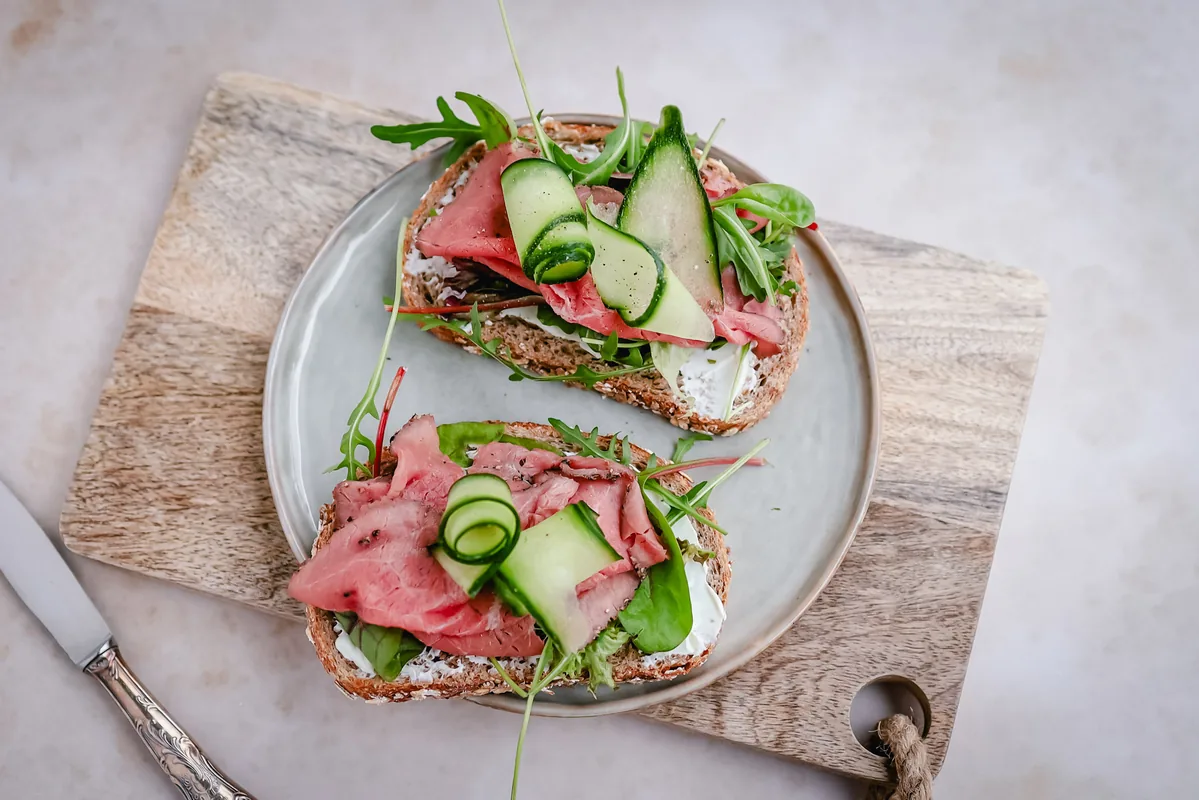
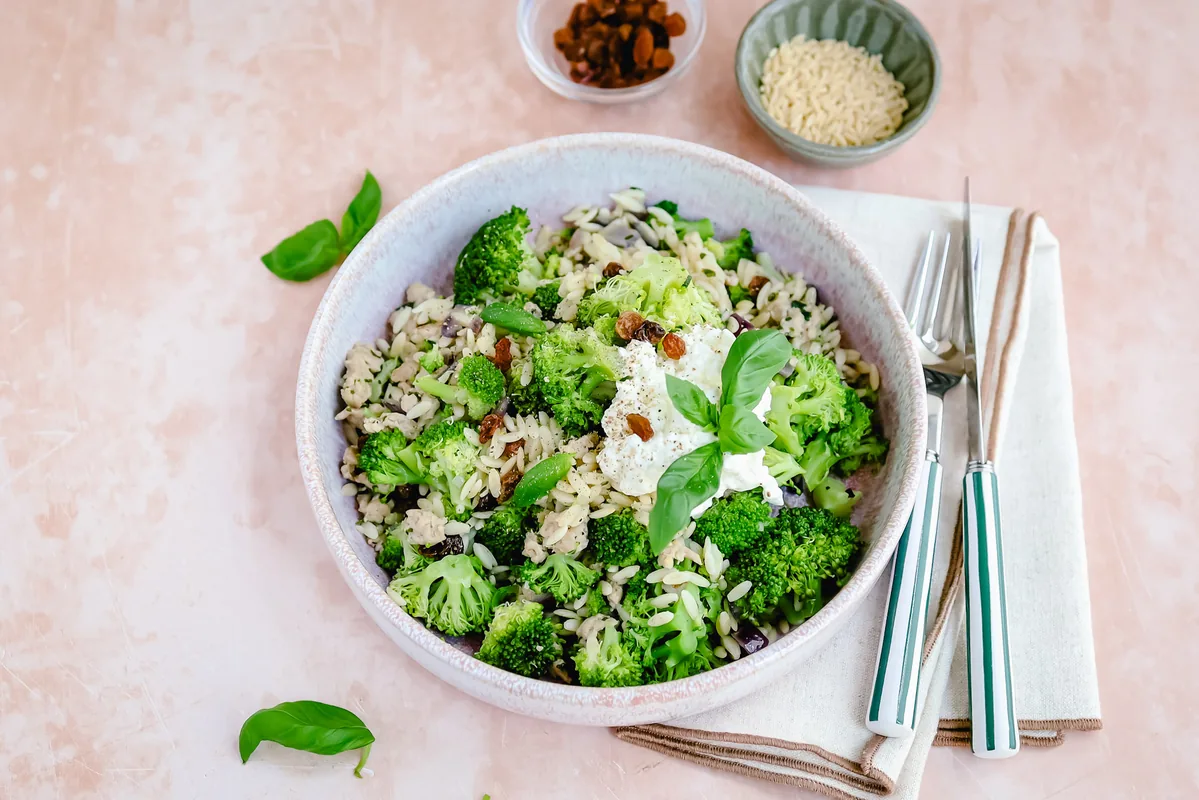
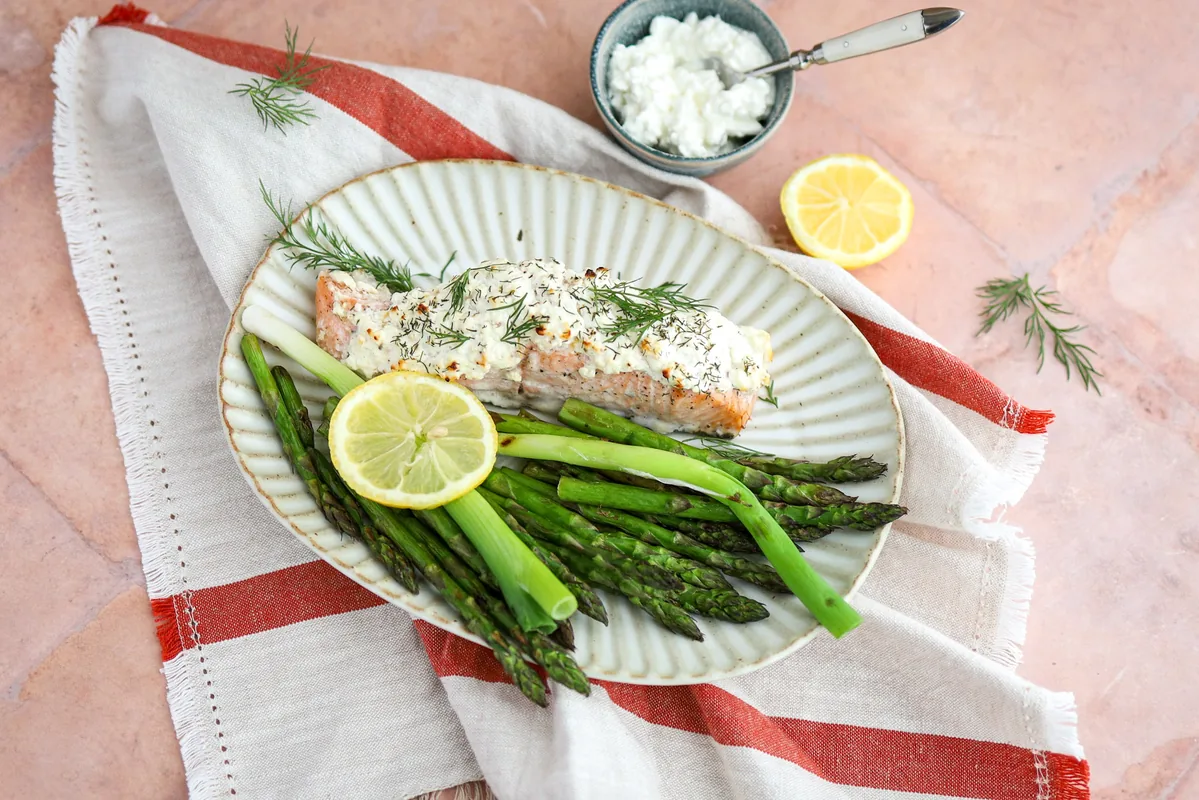
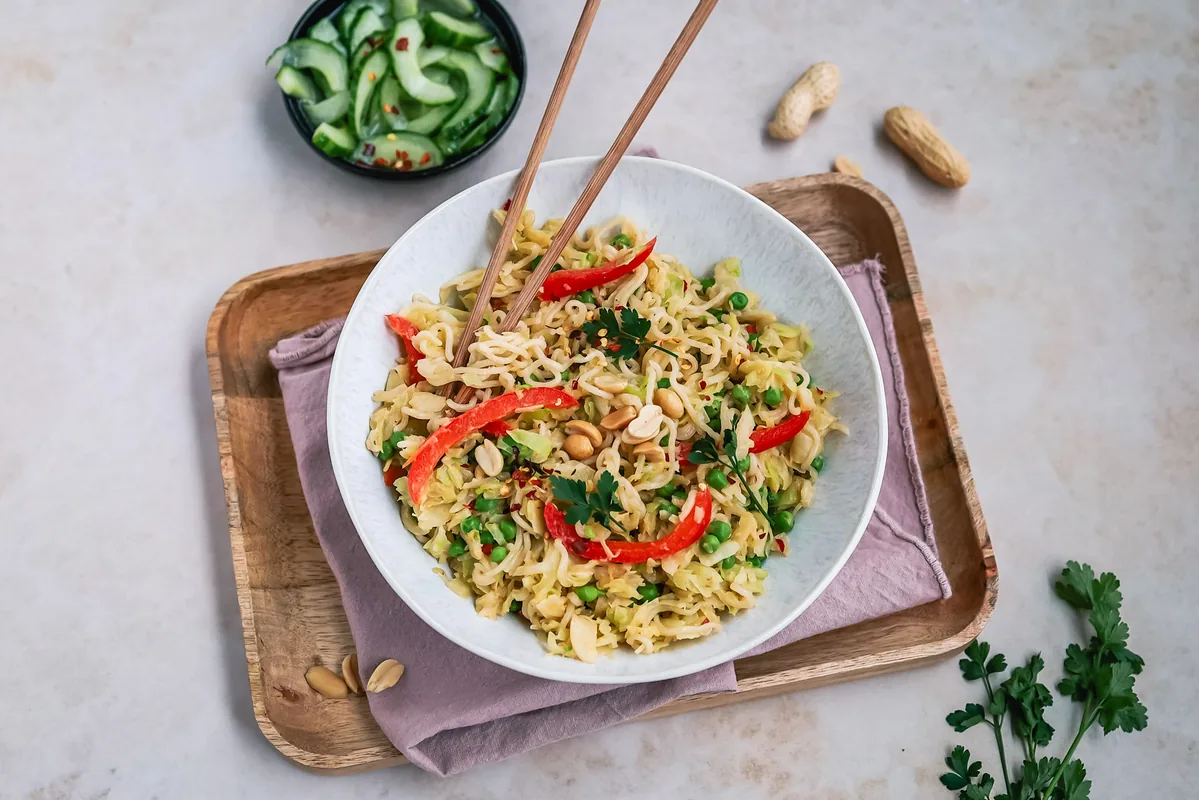
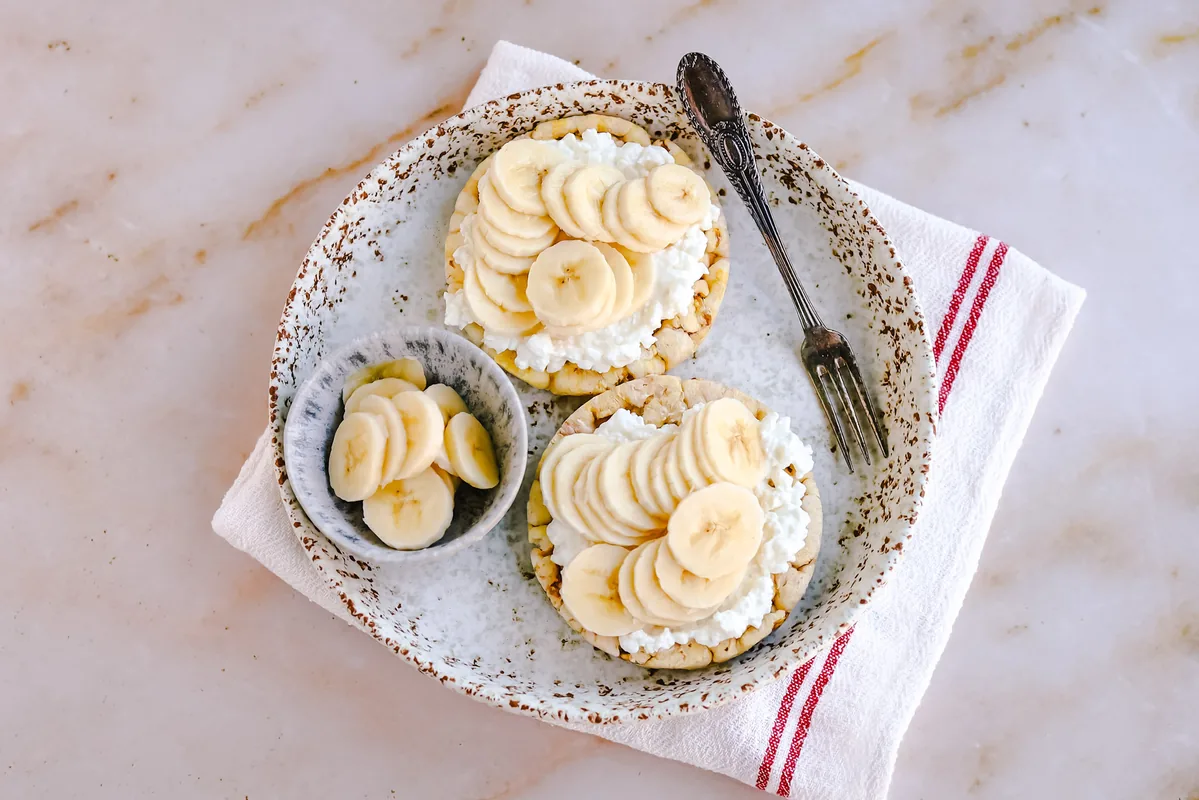
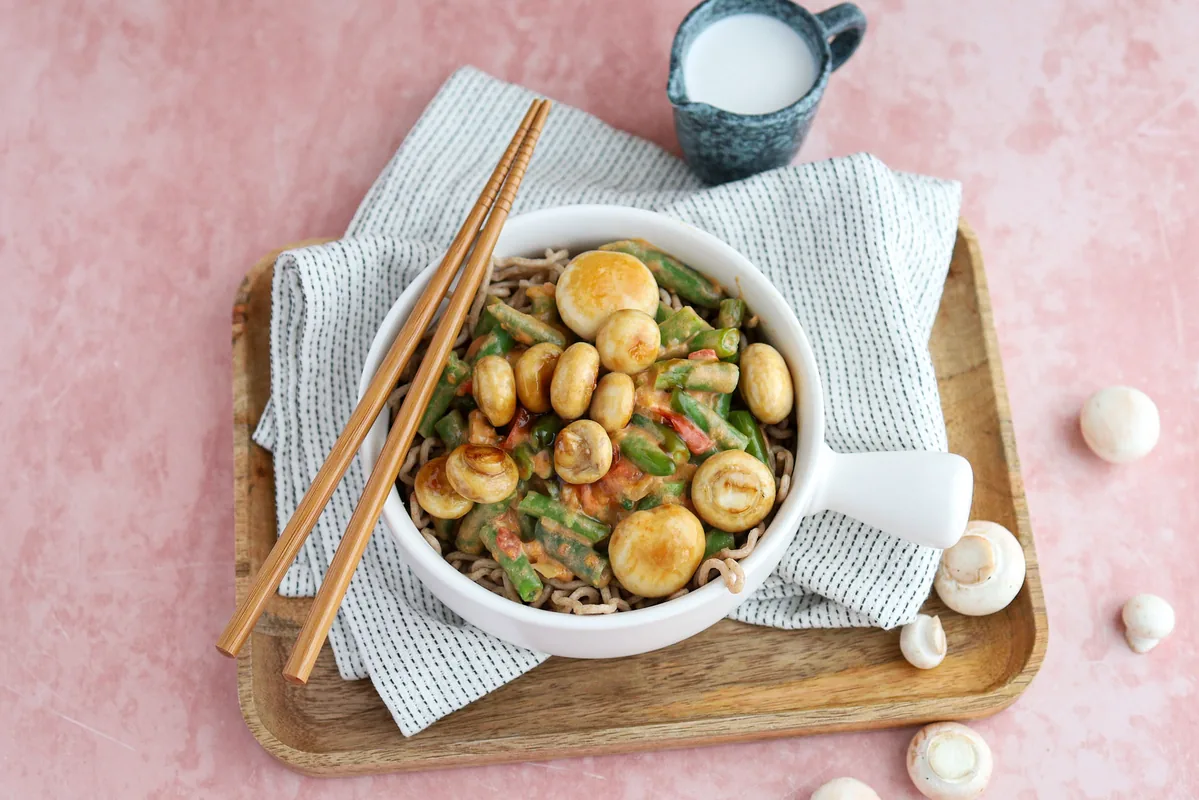
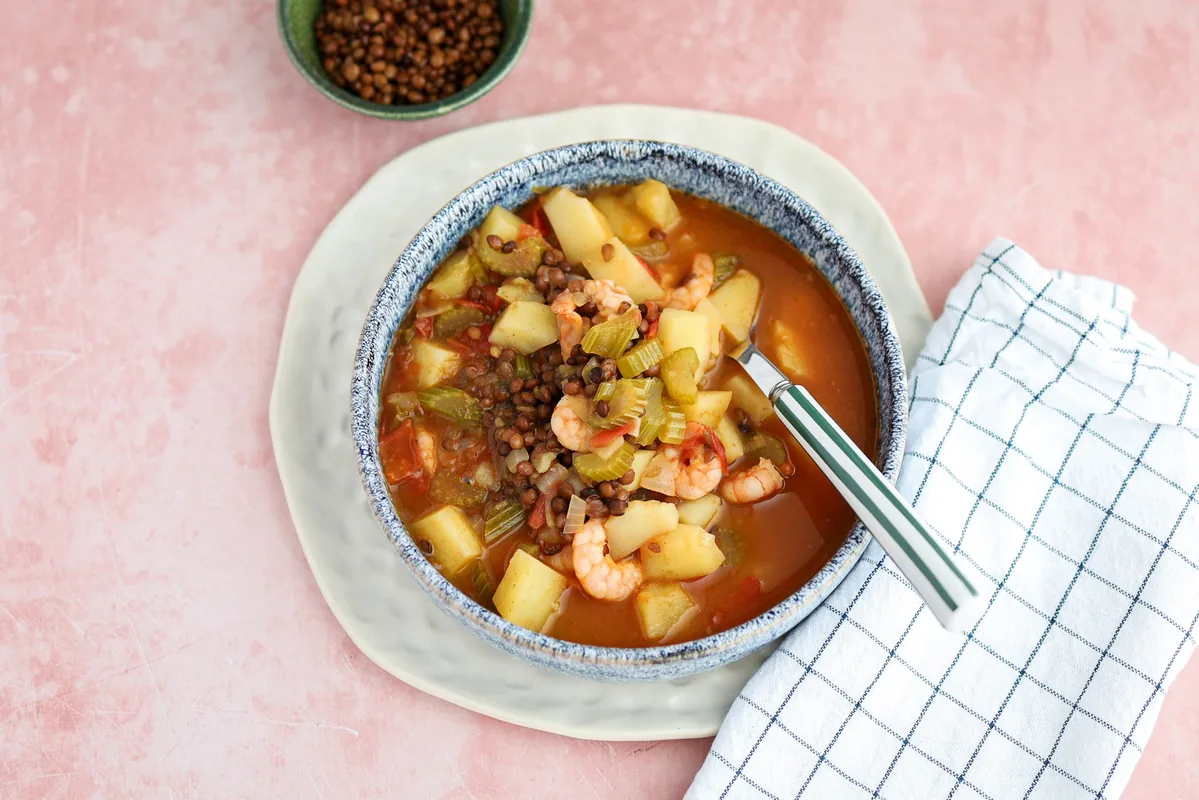
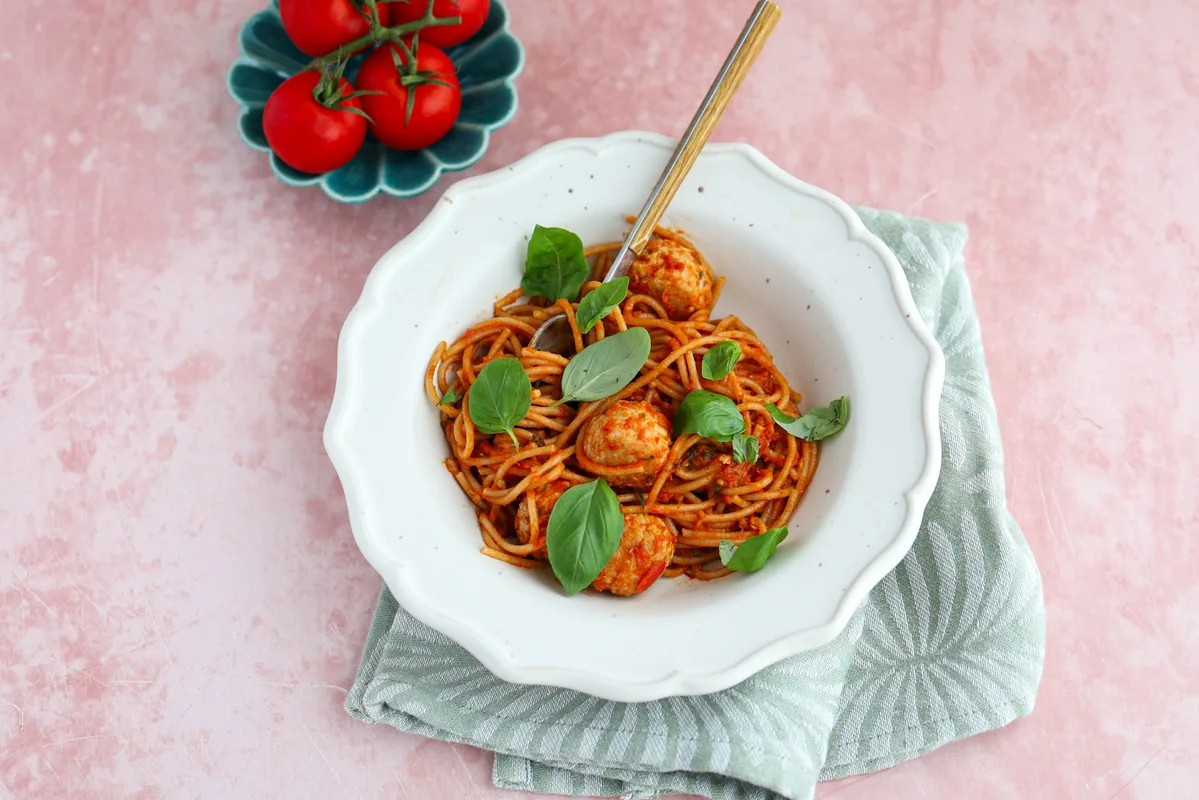
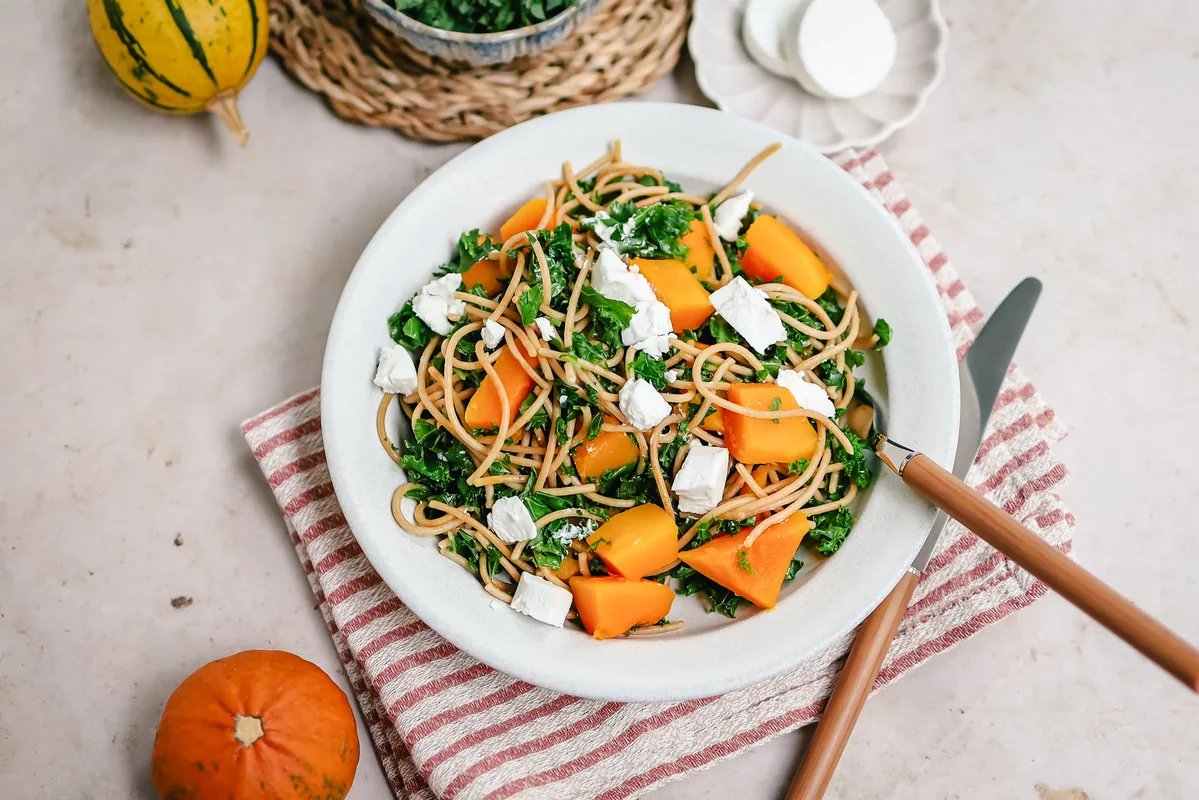
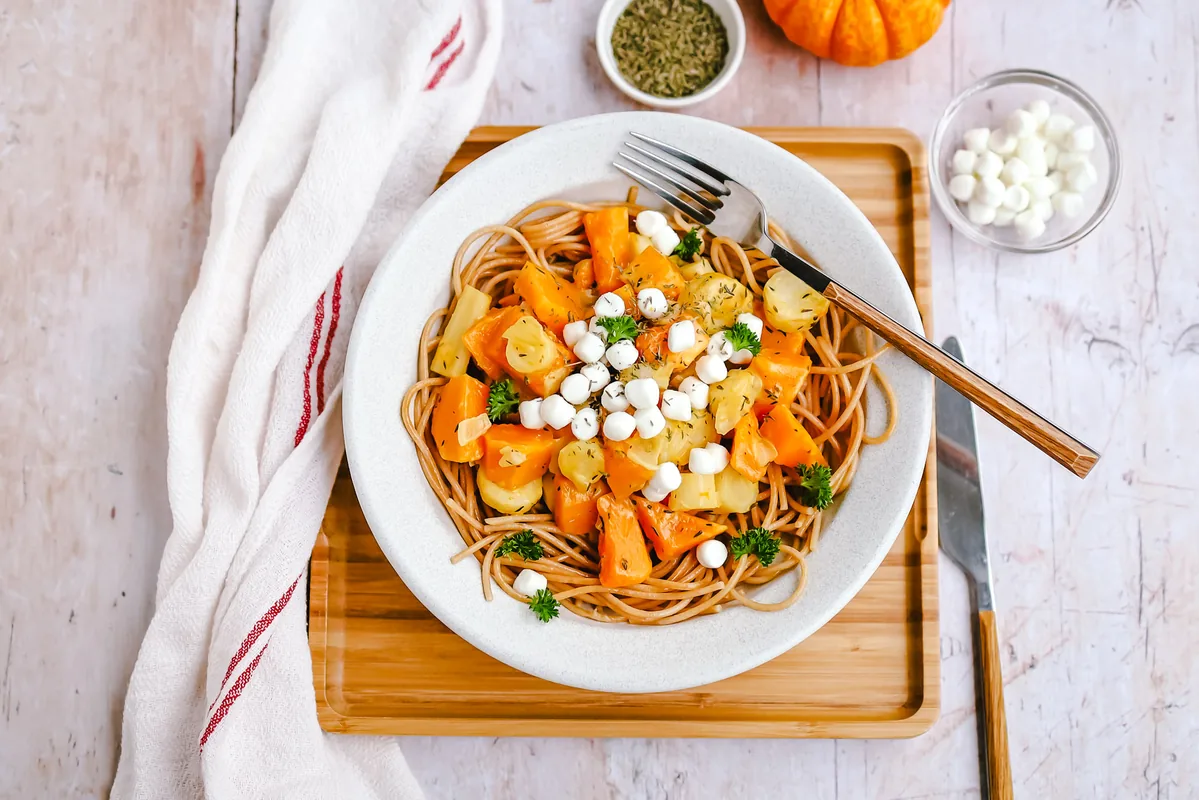
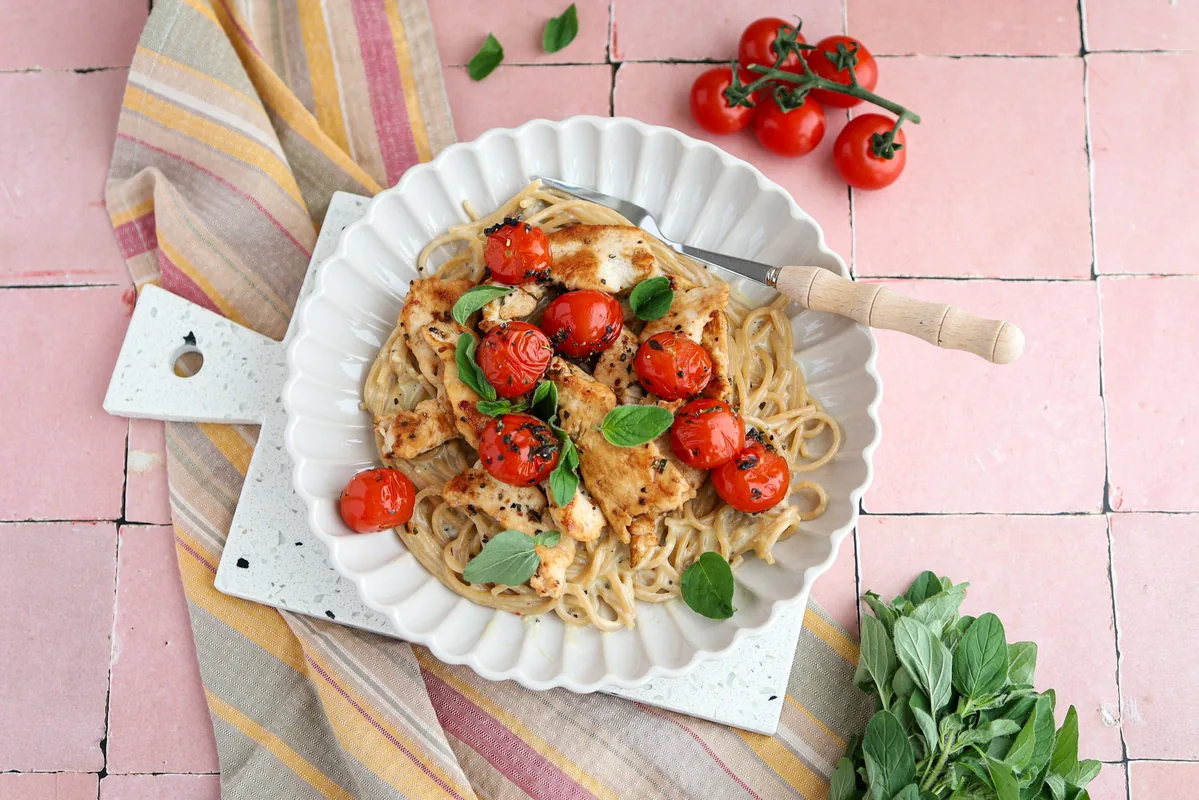
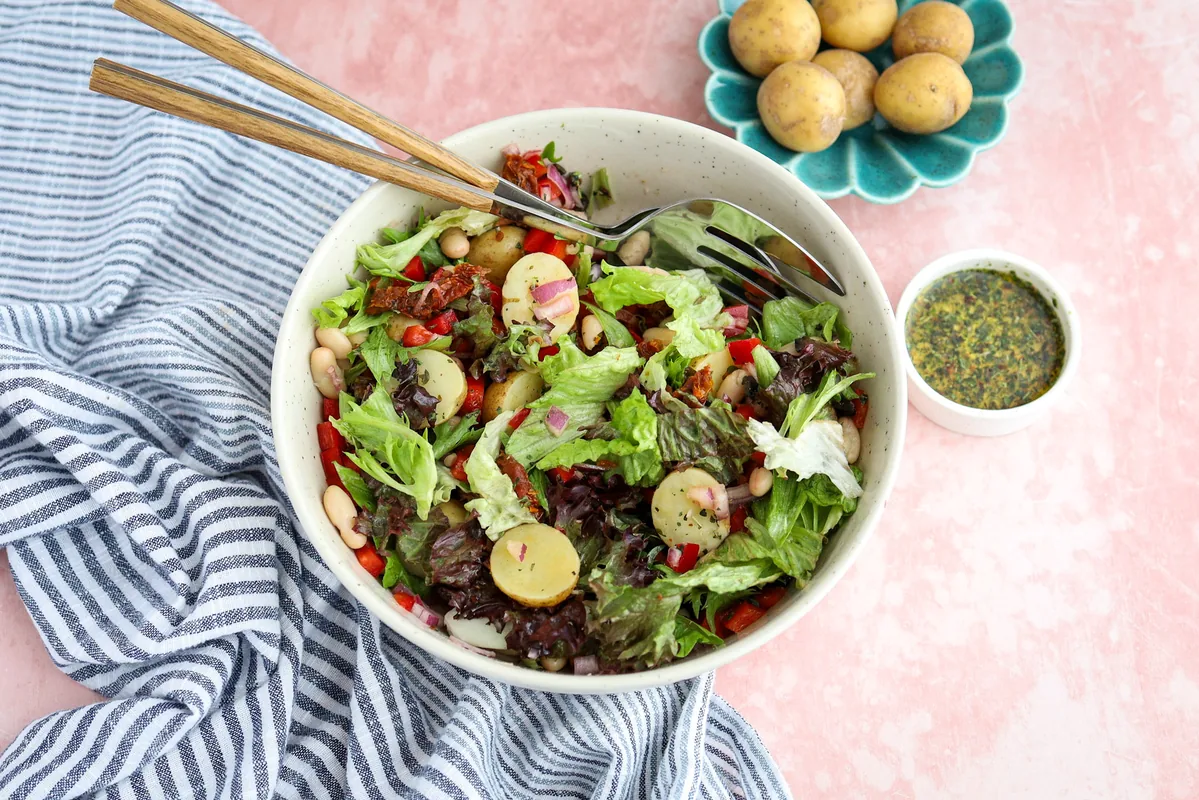
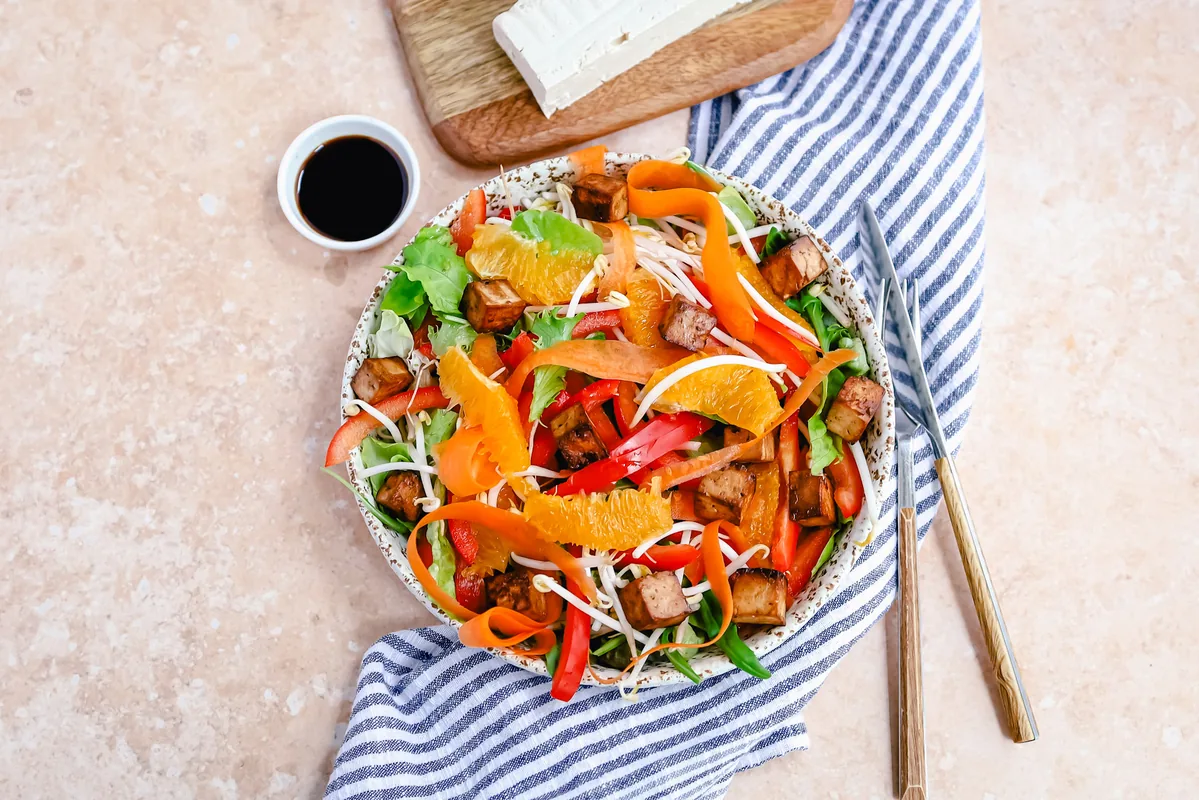
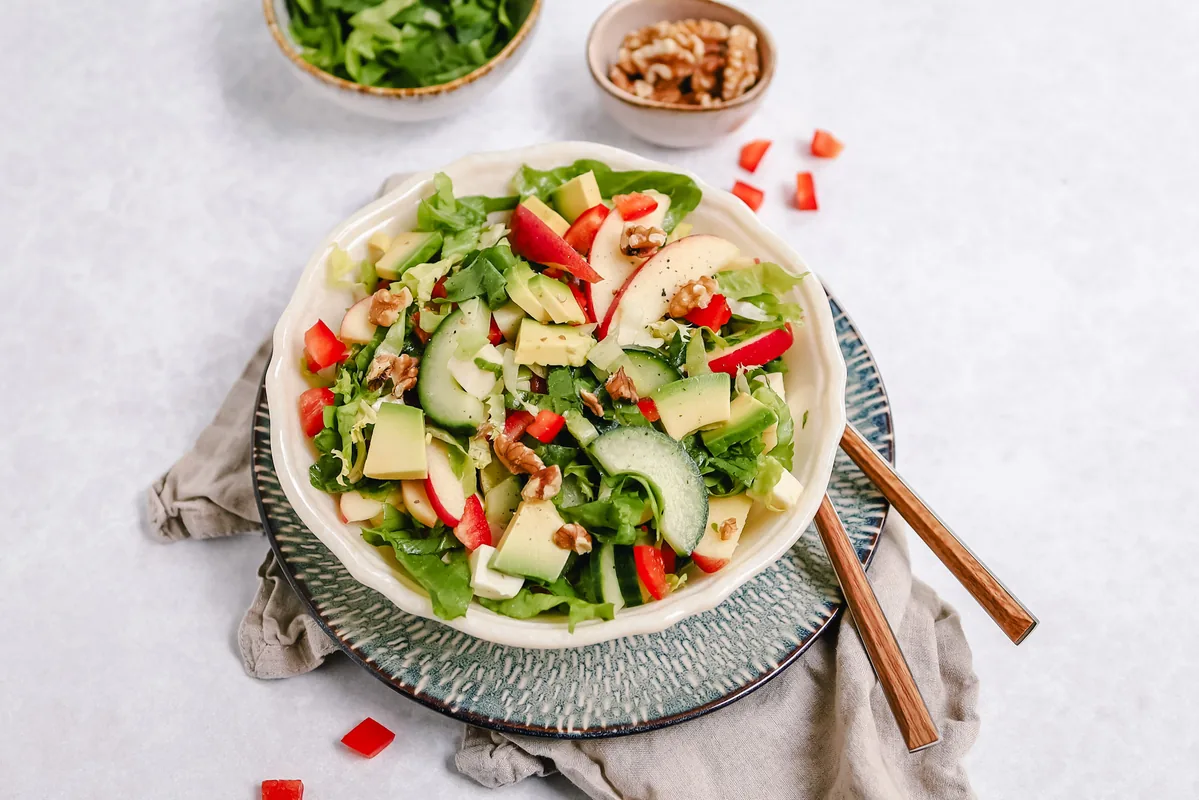
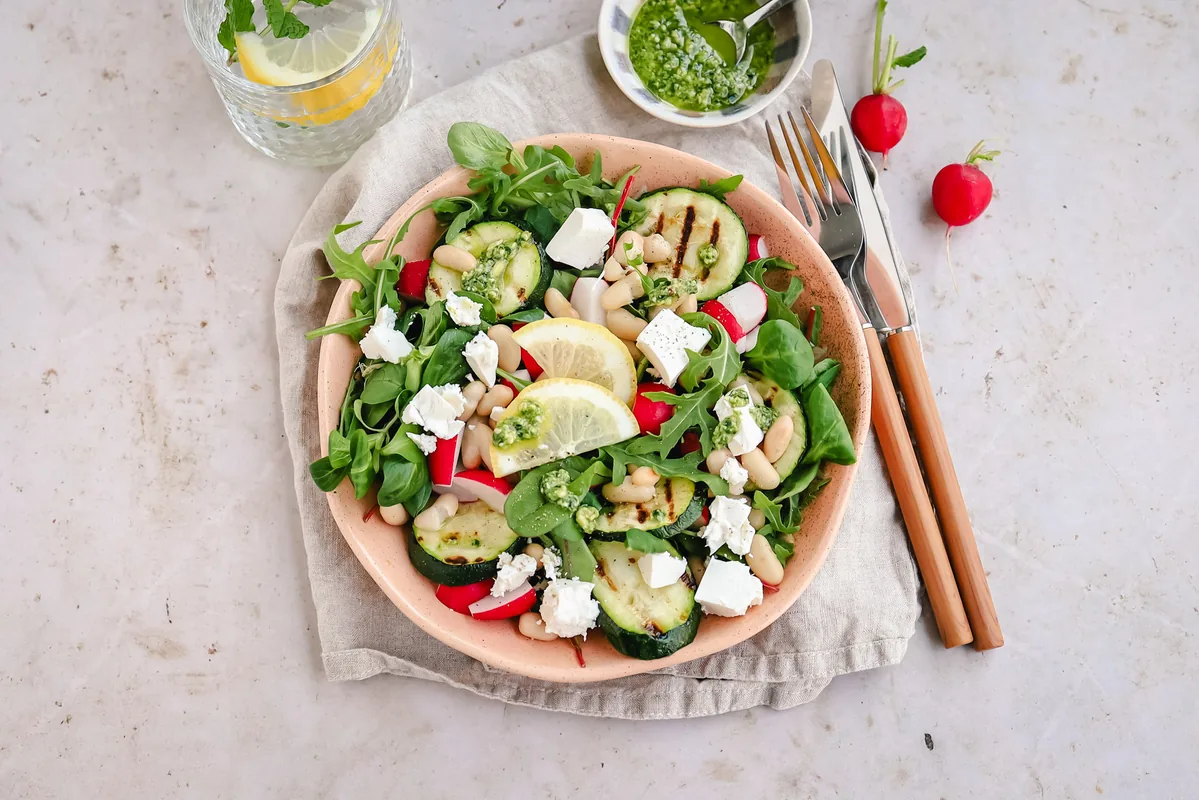
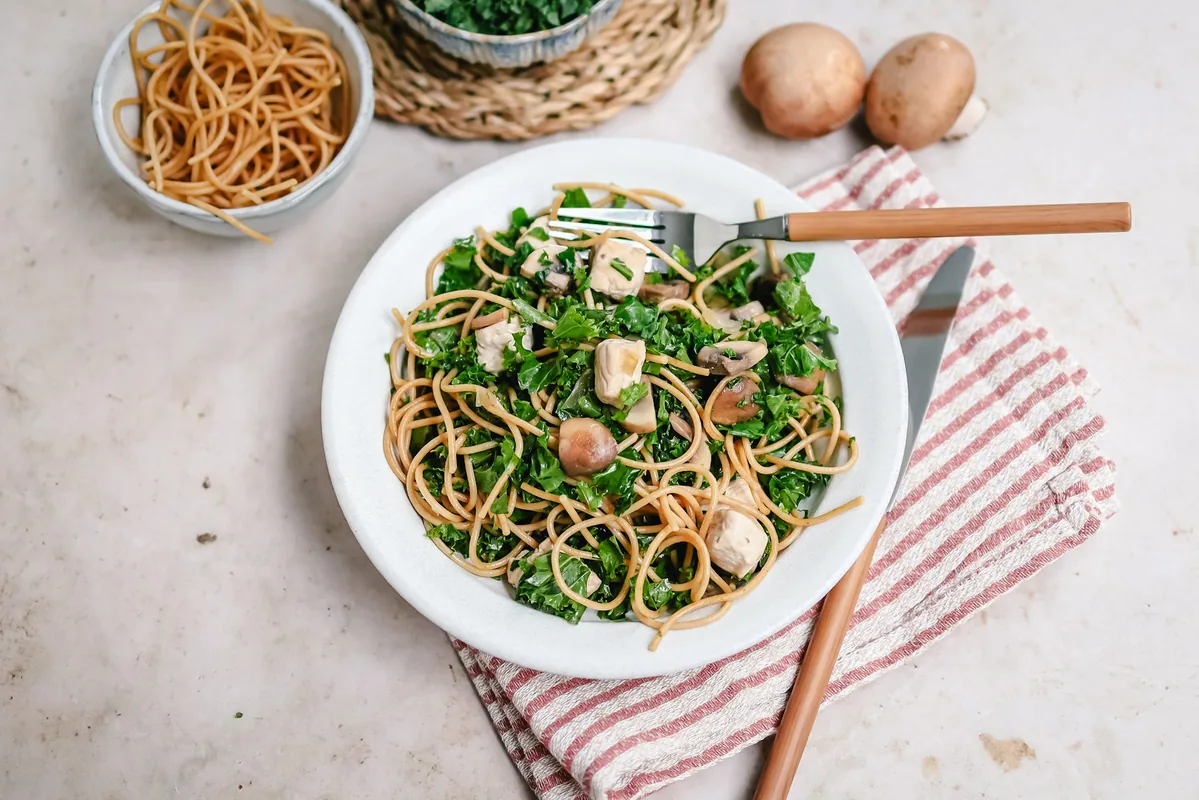
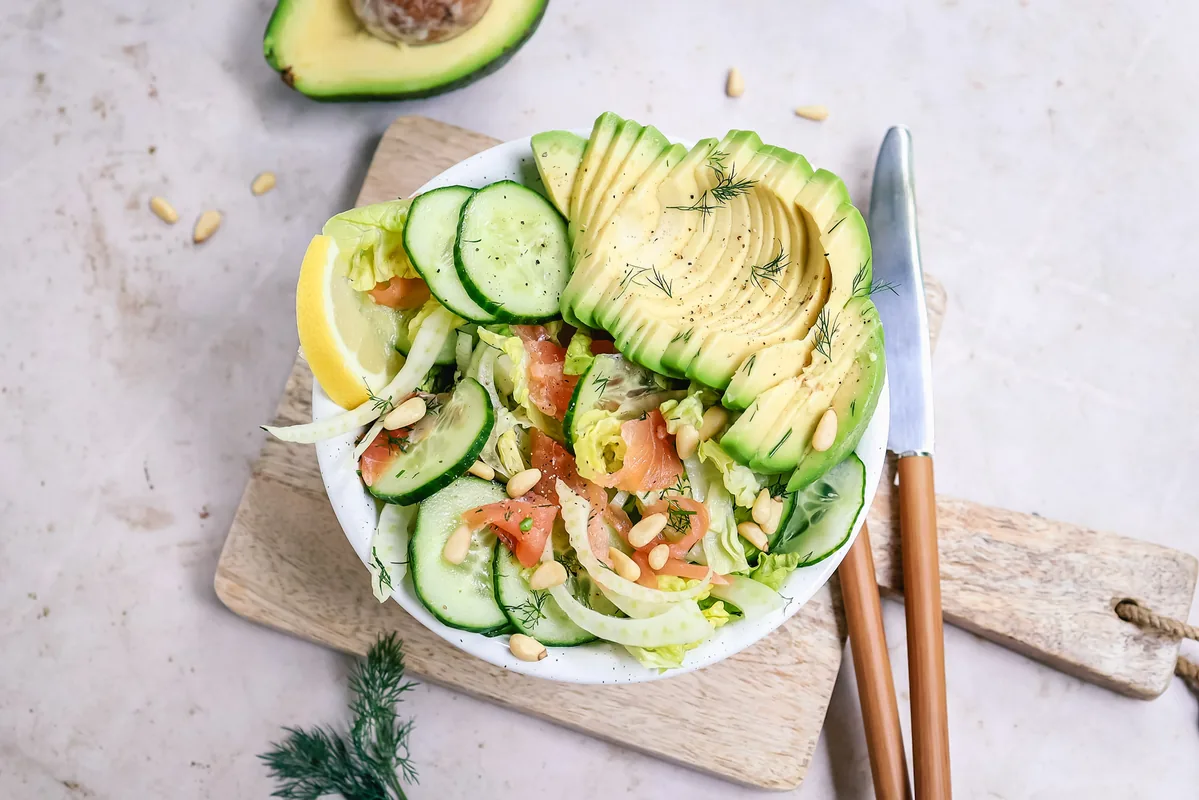
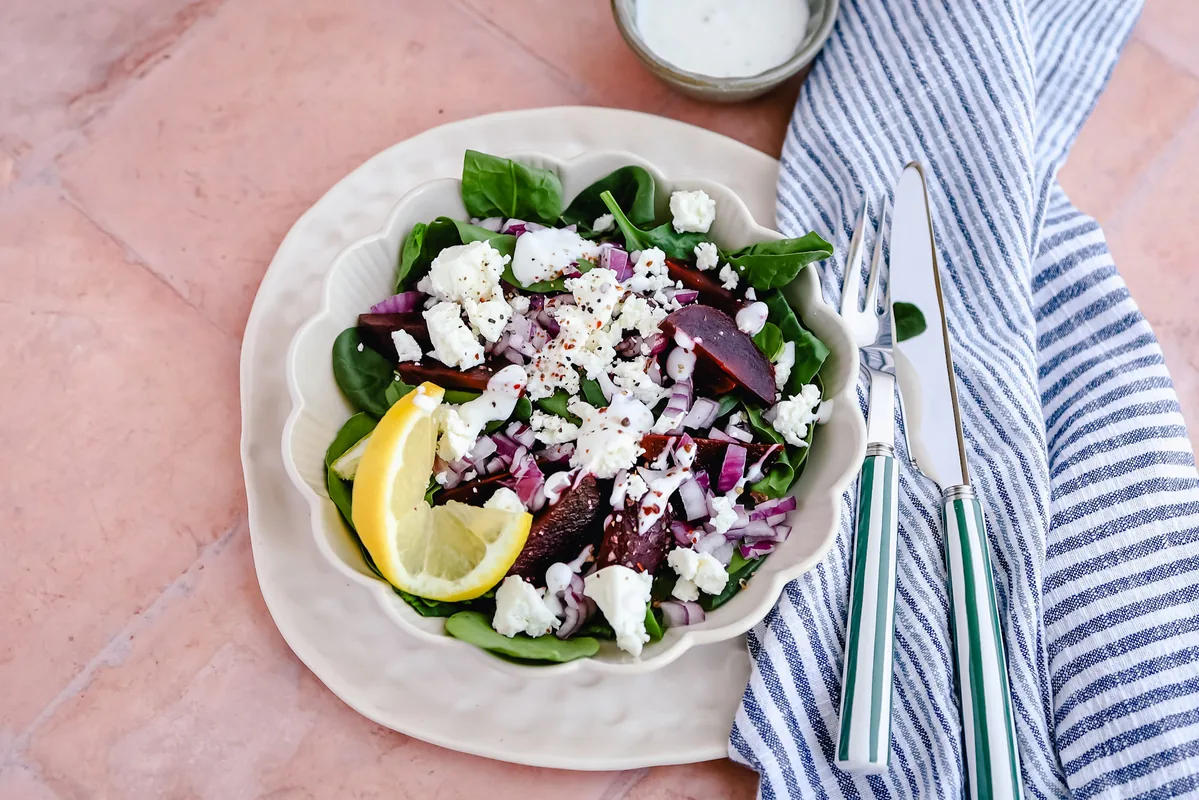
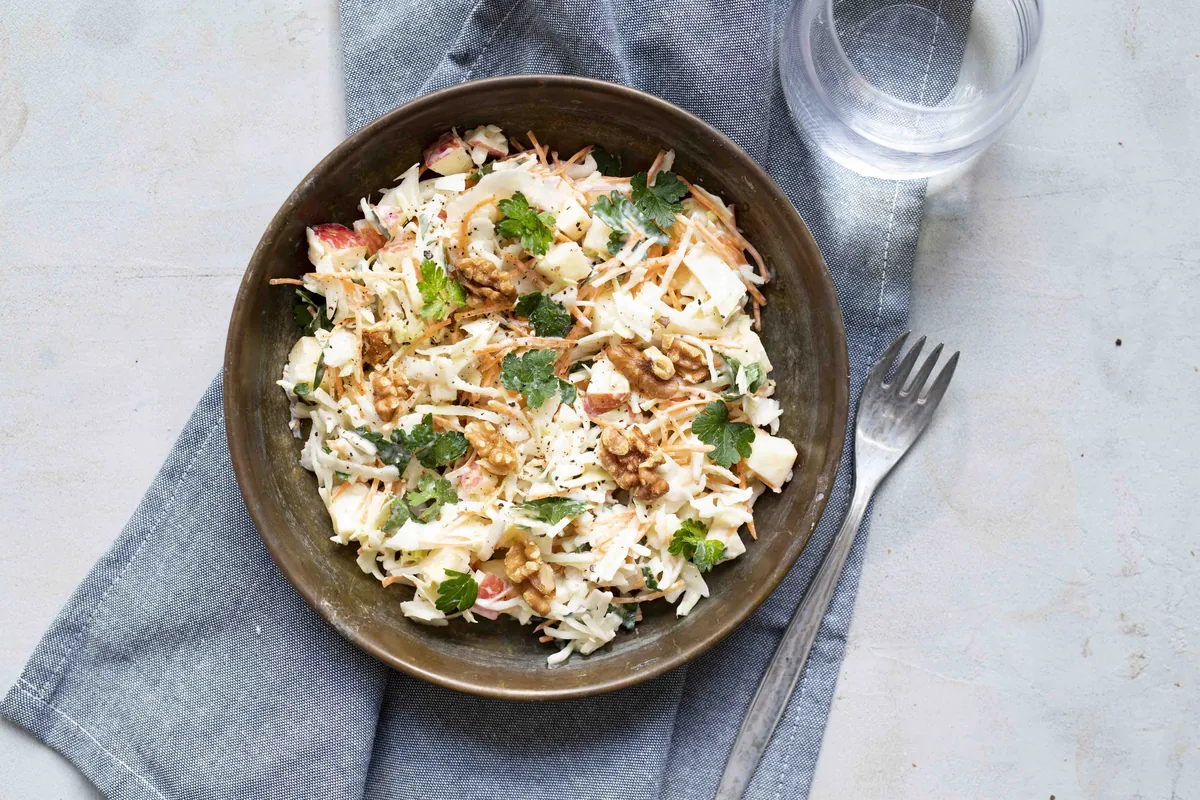
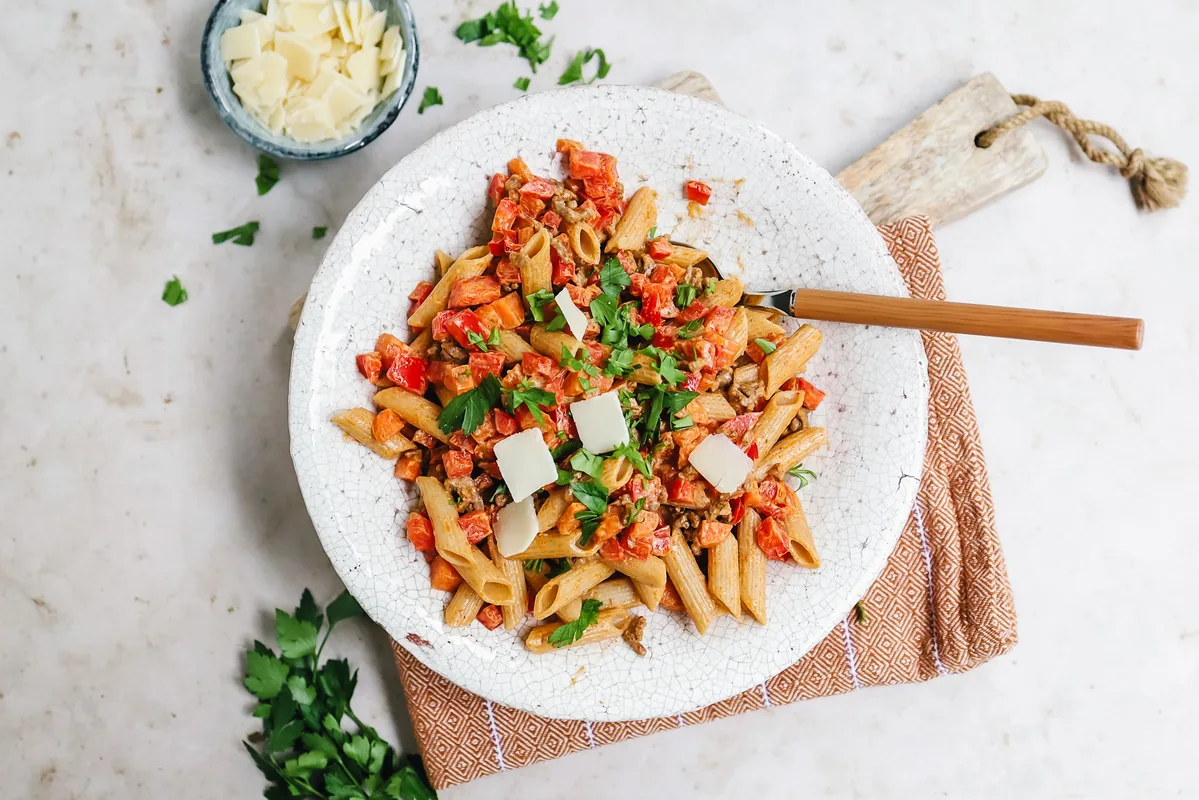
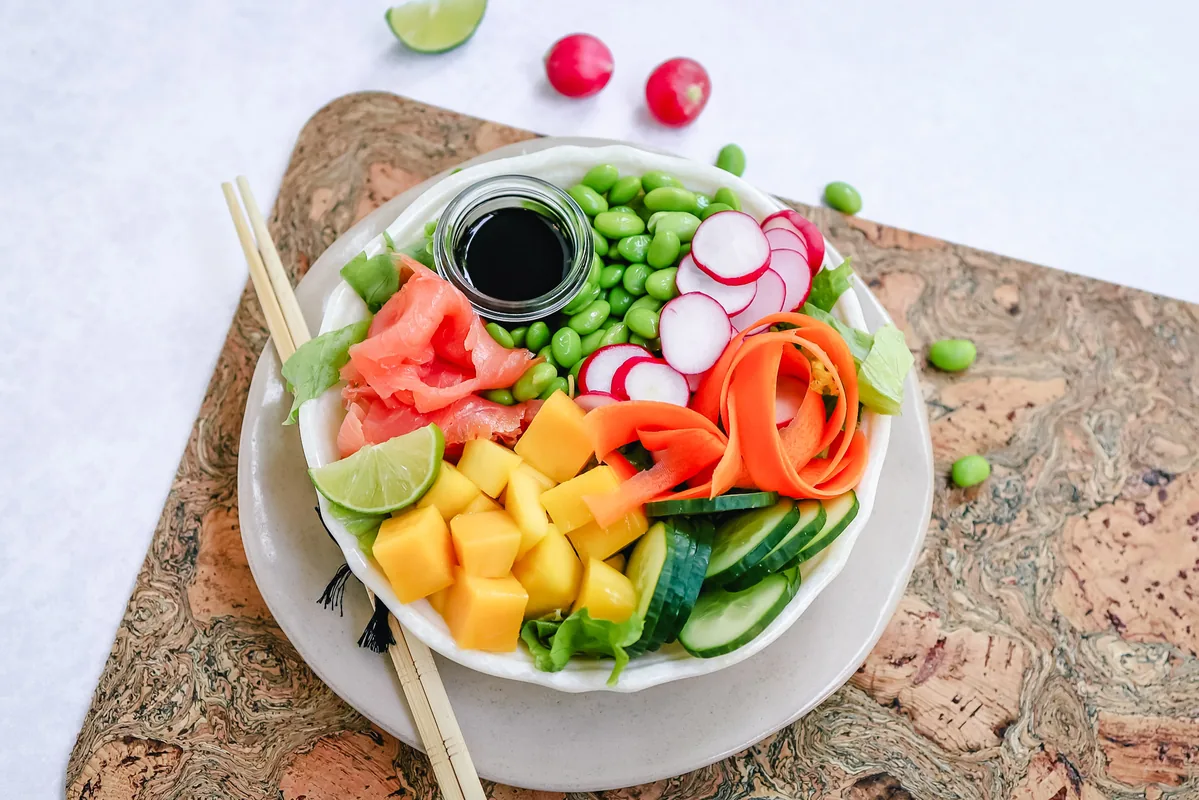
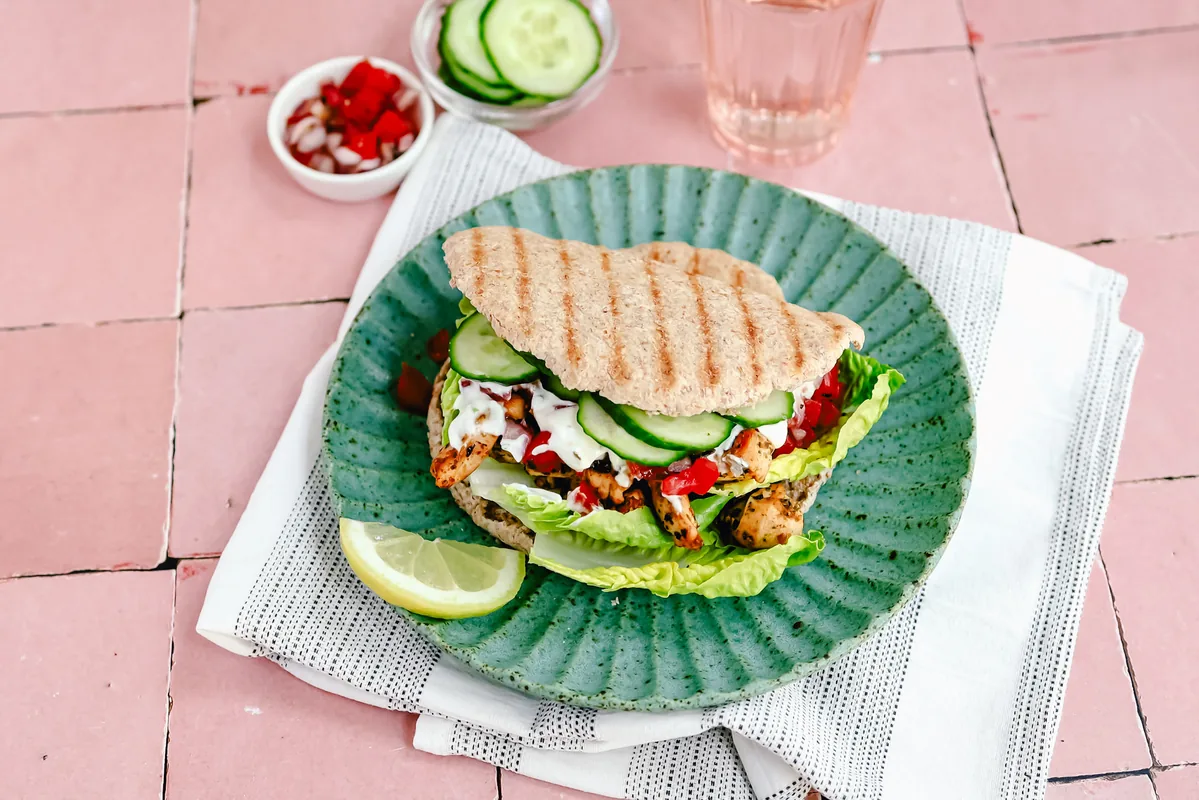
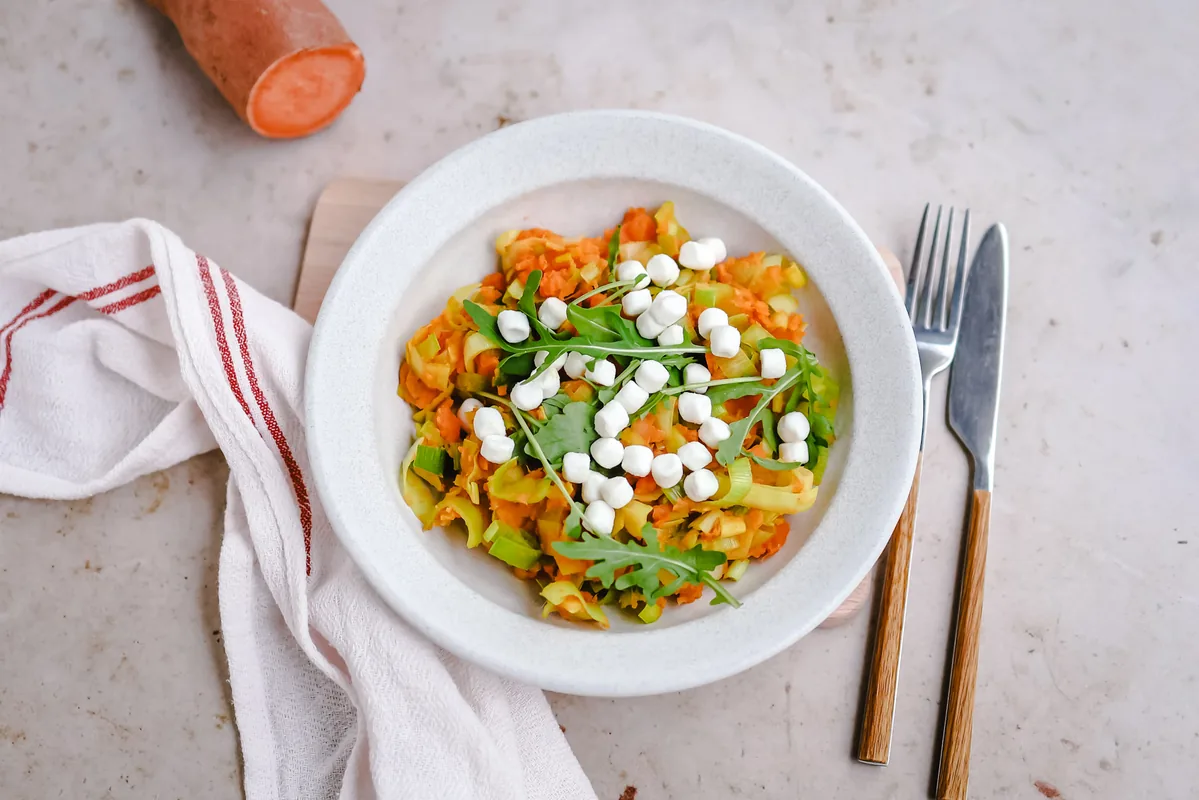
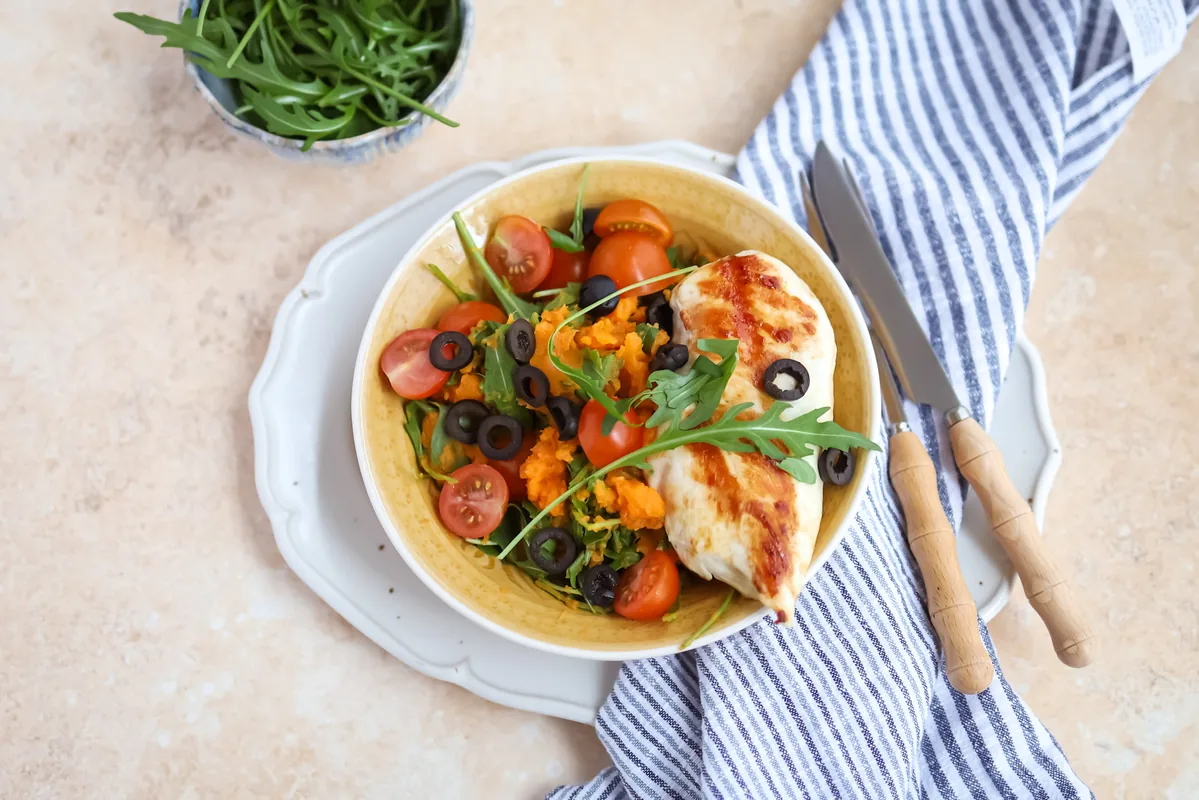
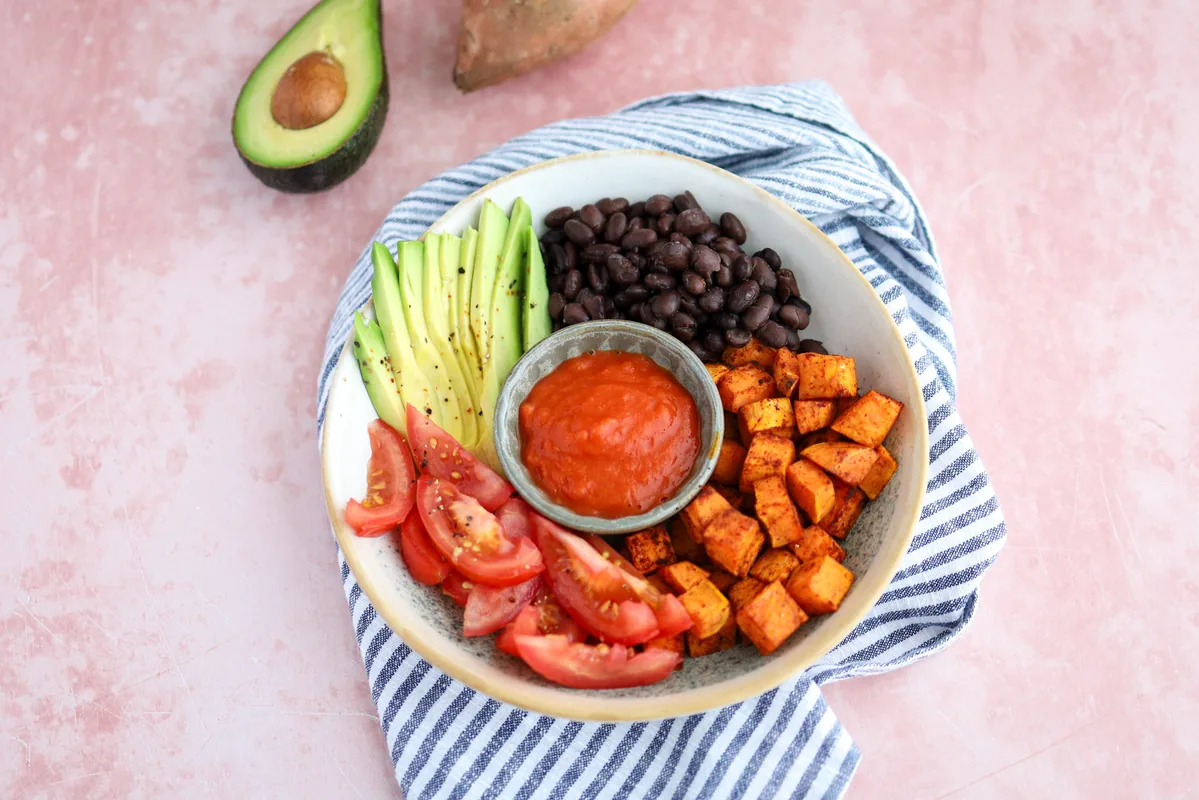
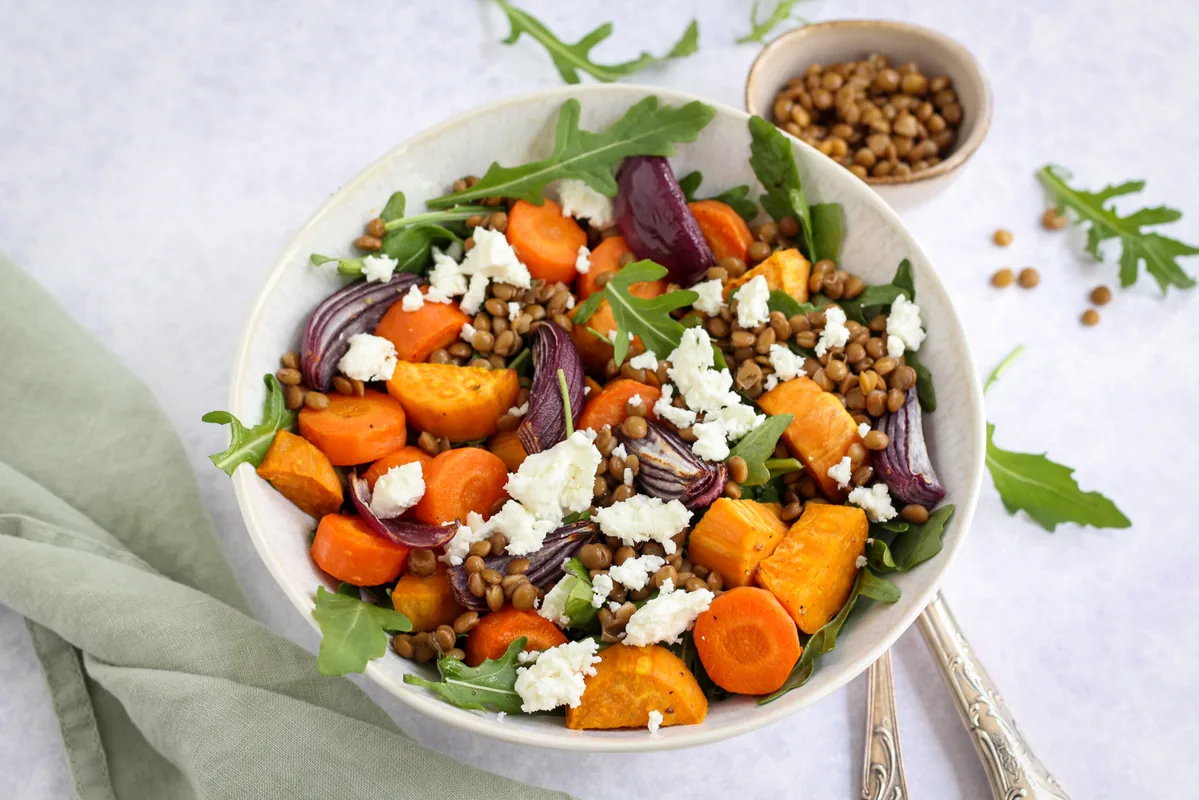
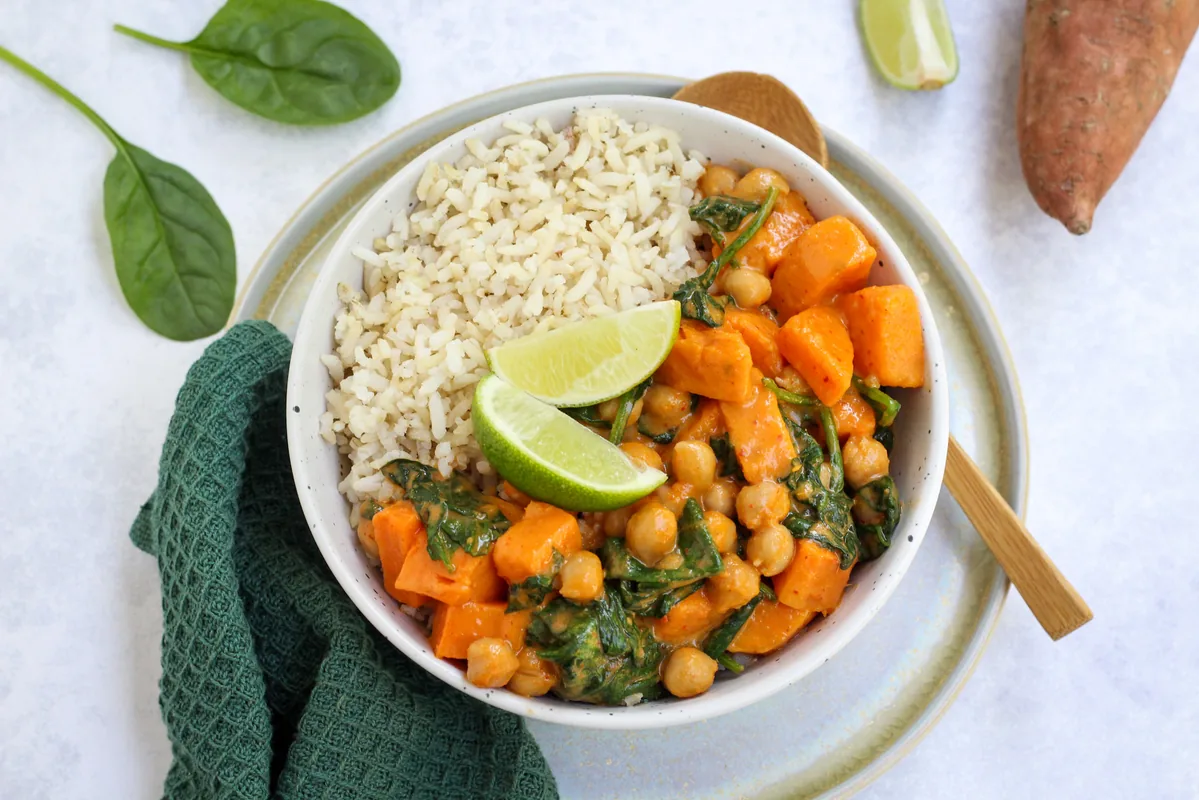
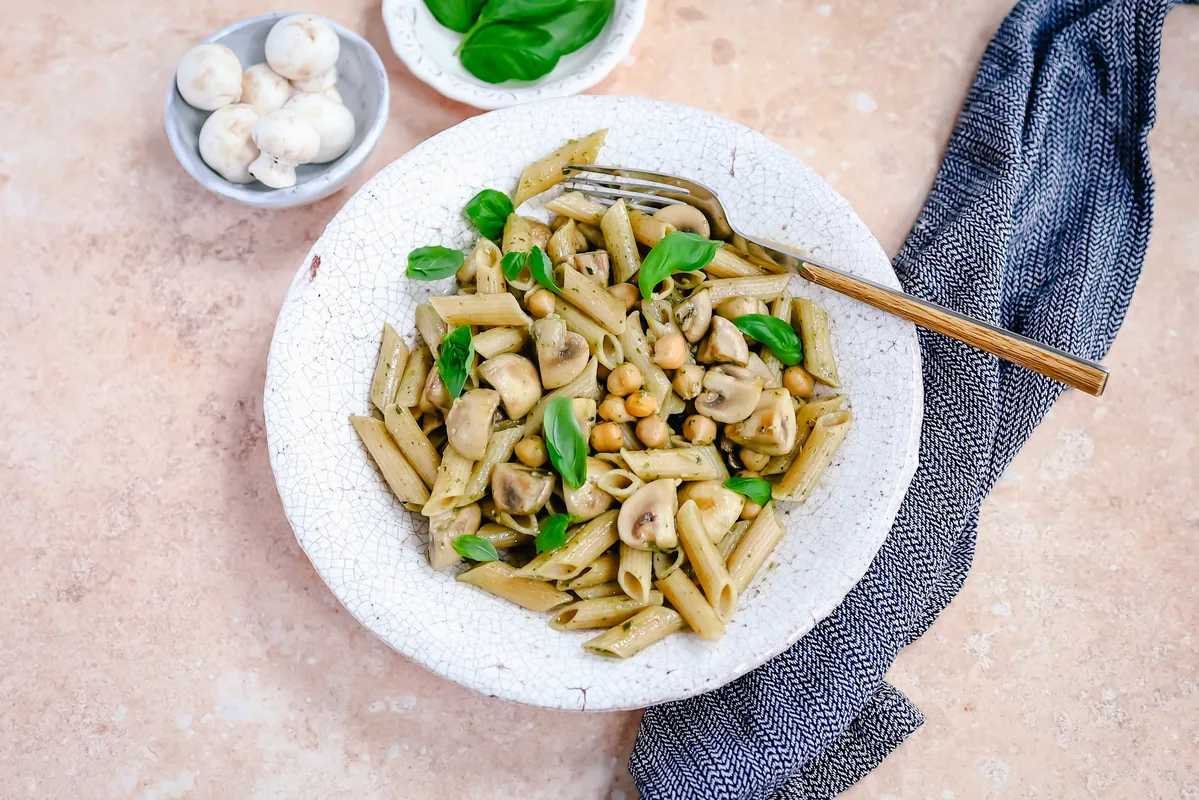
Anti-nutrients in beans and grains — mainly a compound called phytic acid — grab onto iron and zinc in your gut before your body can absorb them. In some studies, as little as 1% of the iron in wheat porridge reached the bloodstream. But the fix is simple: soaking beans …
See the evidence →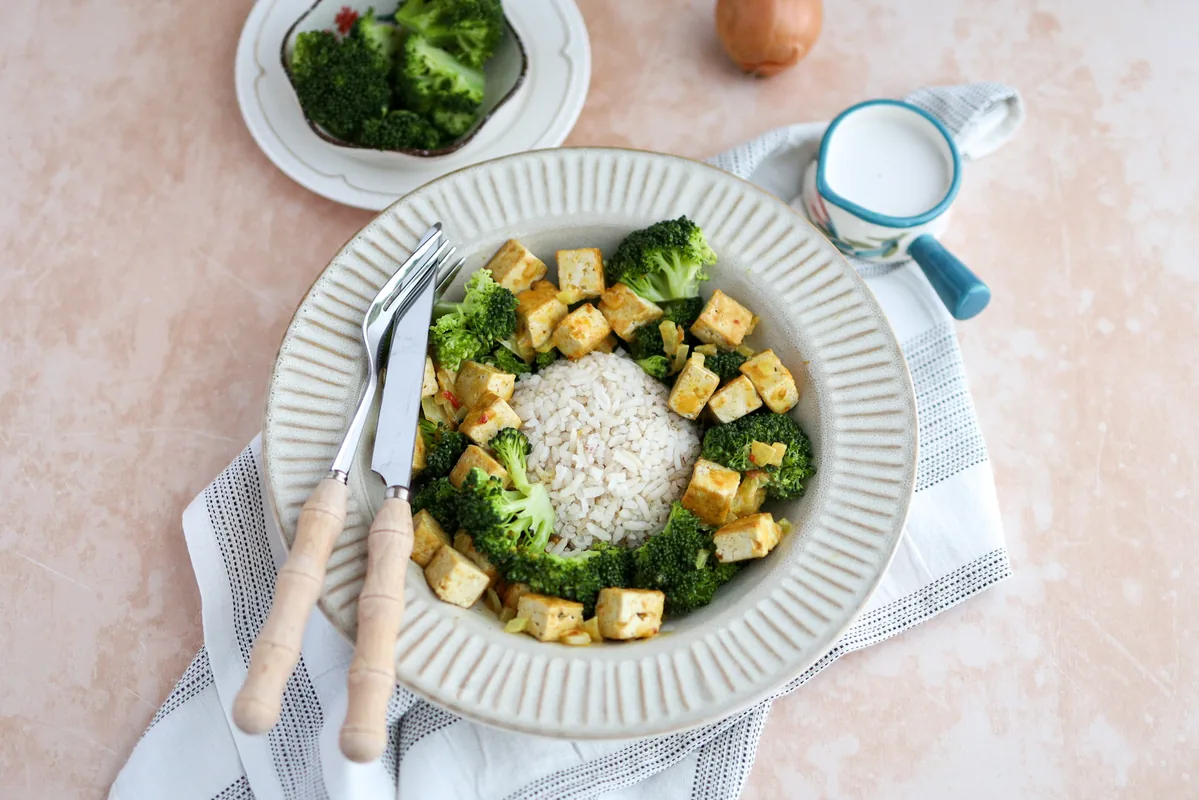


Researchers looked at this question from every angle. Twenty-two clinical trials mostly found BCAAs don't improve body composition. A biochemistry review explained why — your muscles need all nine essential amino acids to build, and BCAAs only supply three. And when scientists …
See the evidence →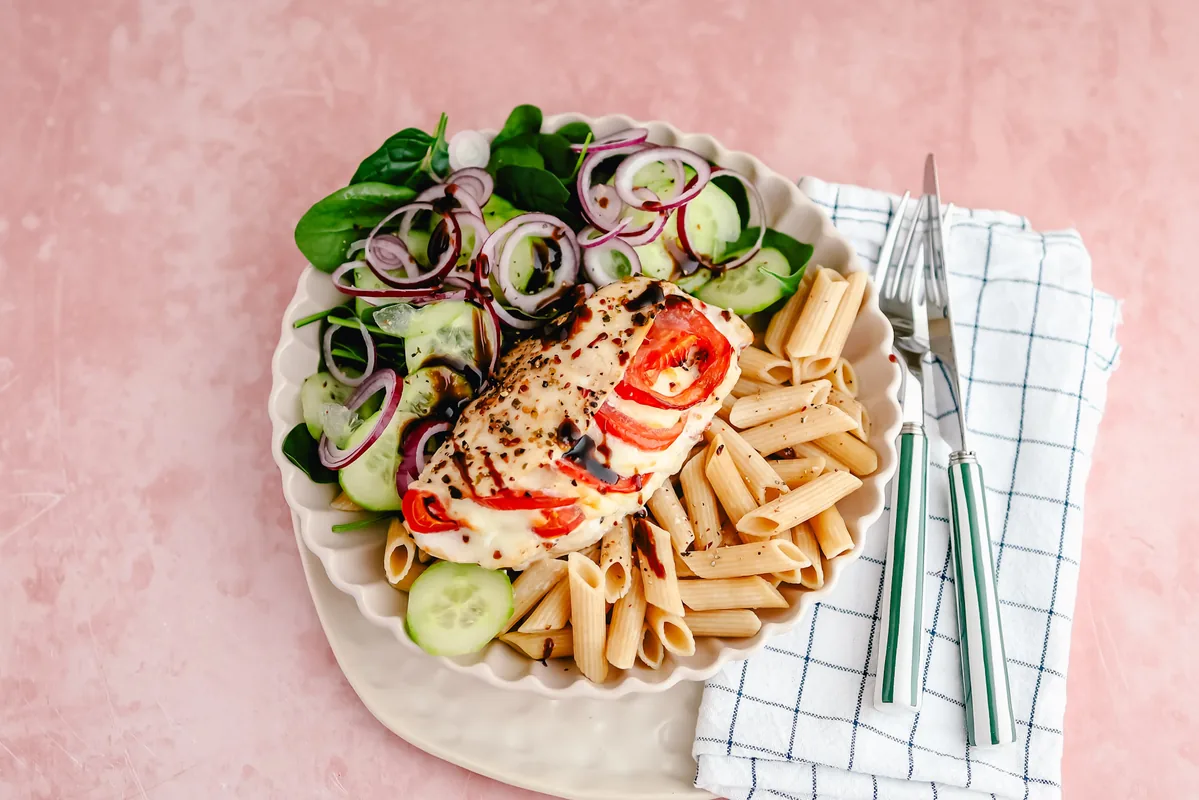
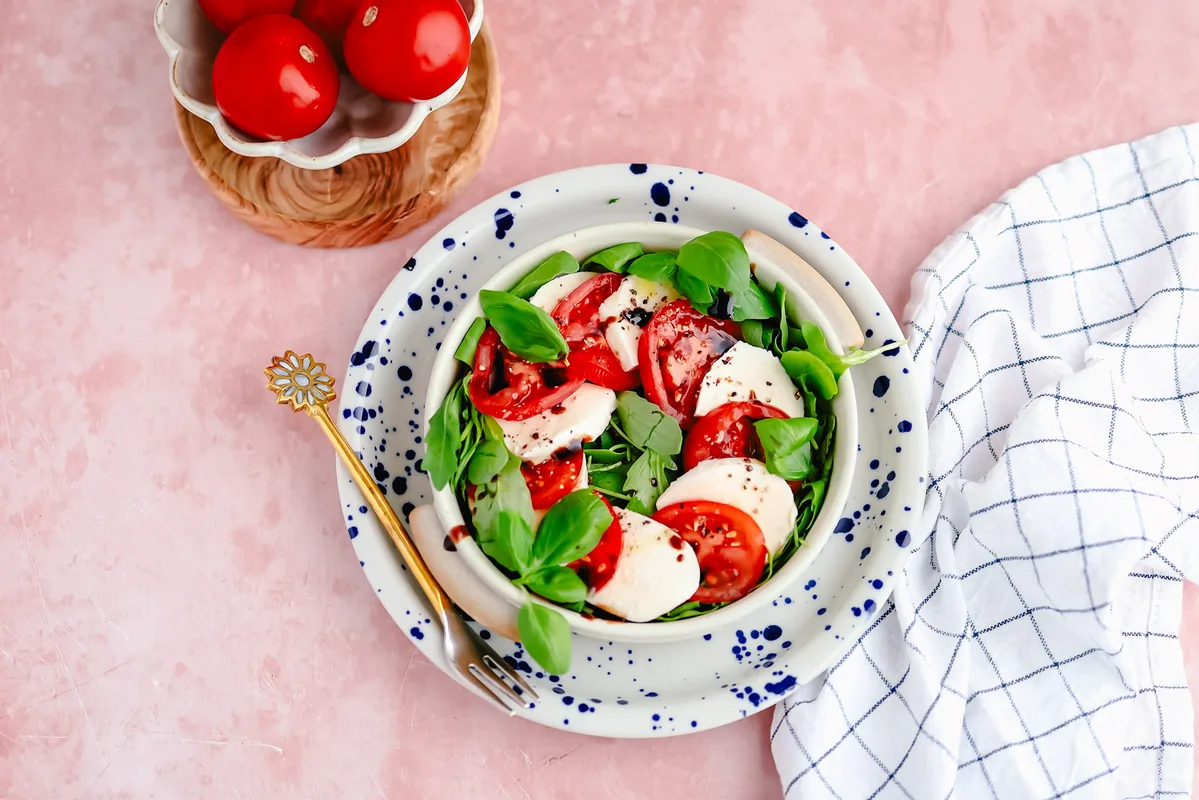
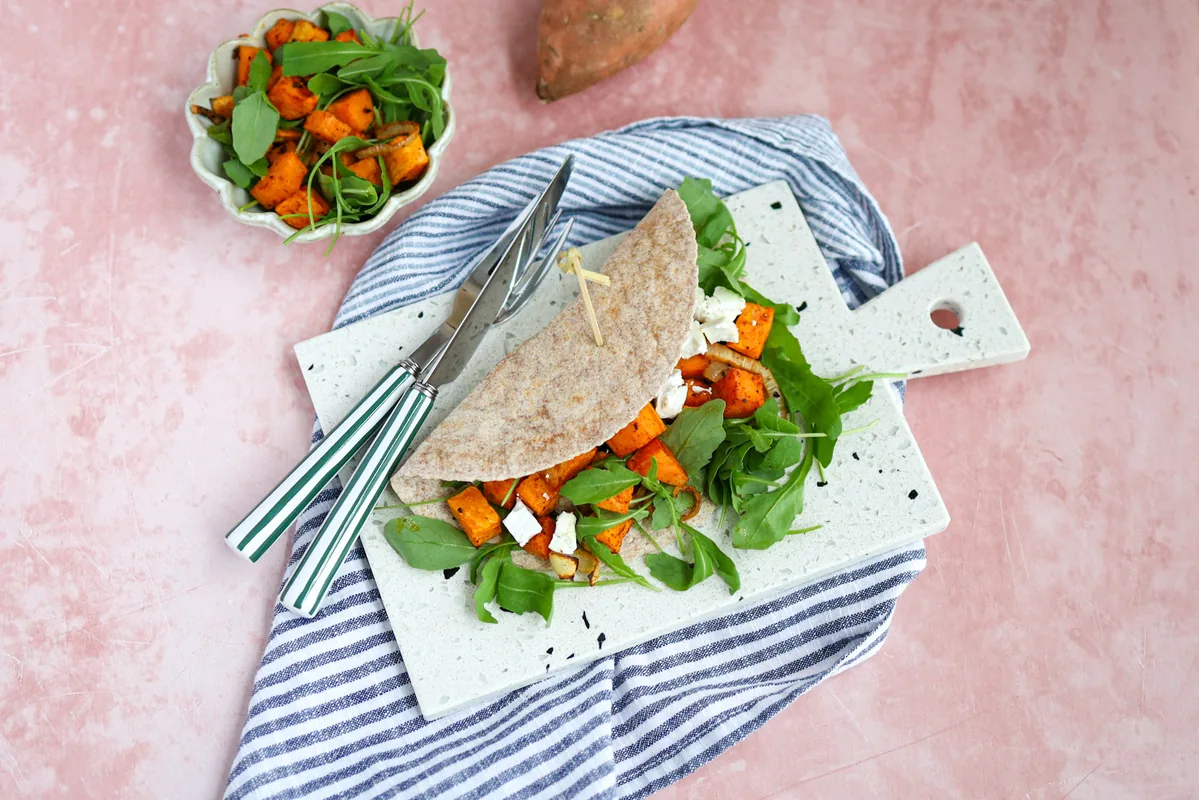

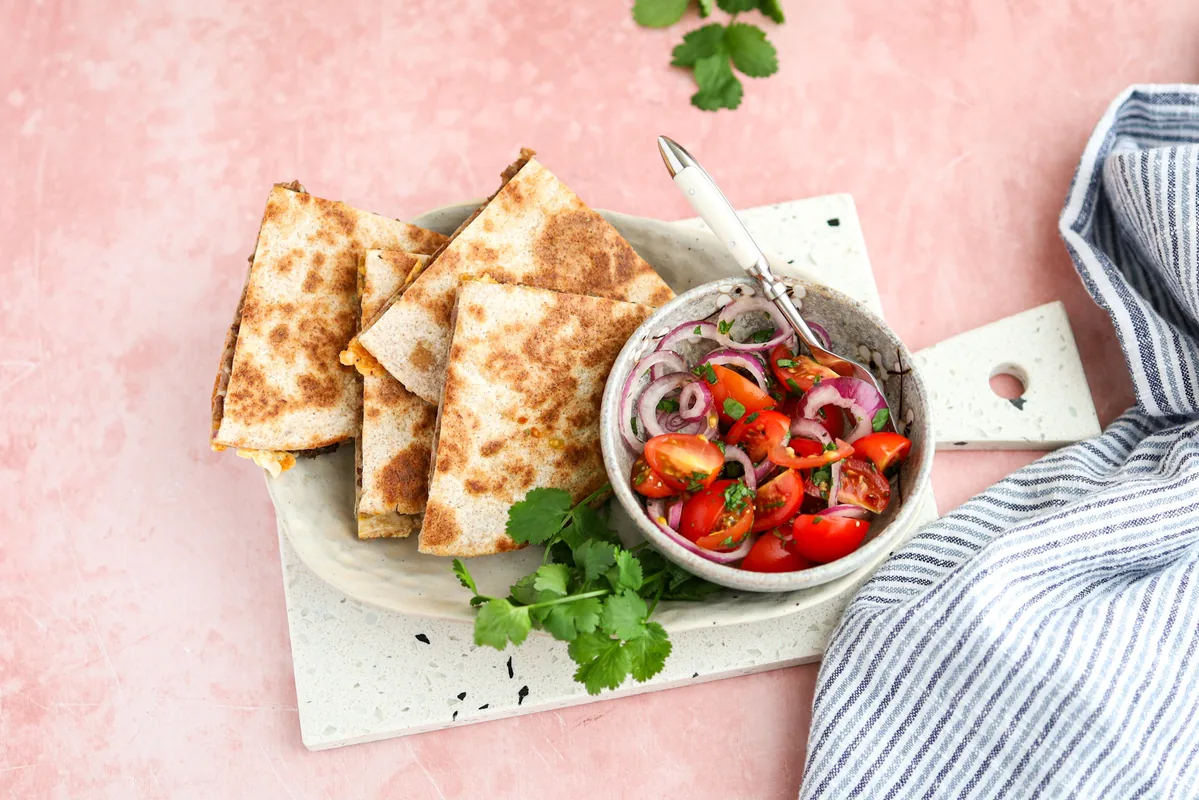
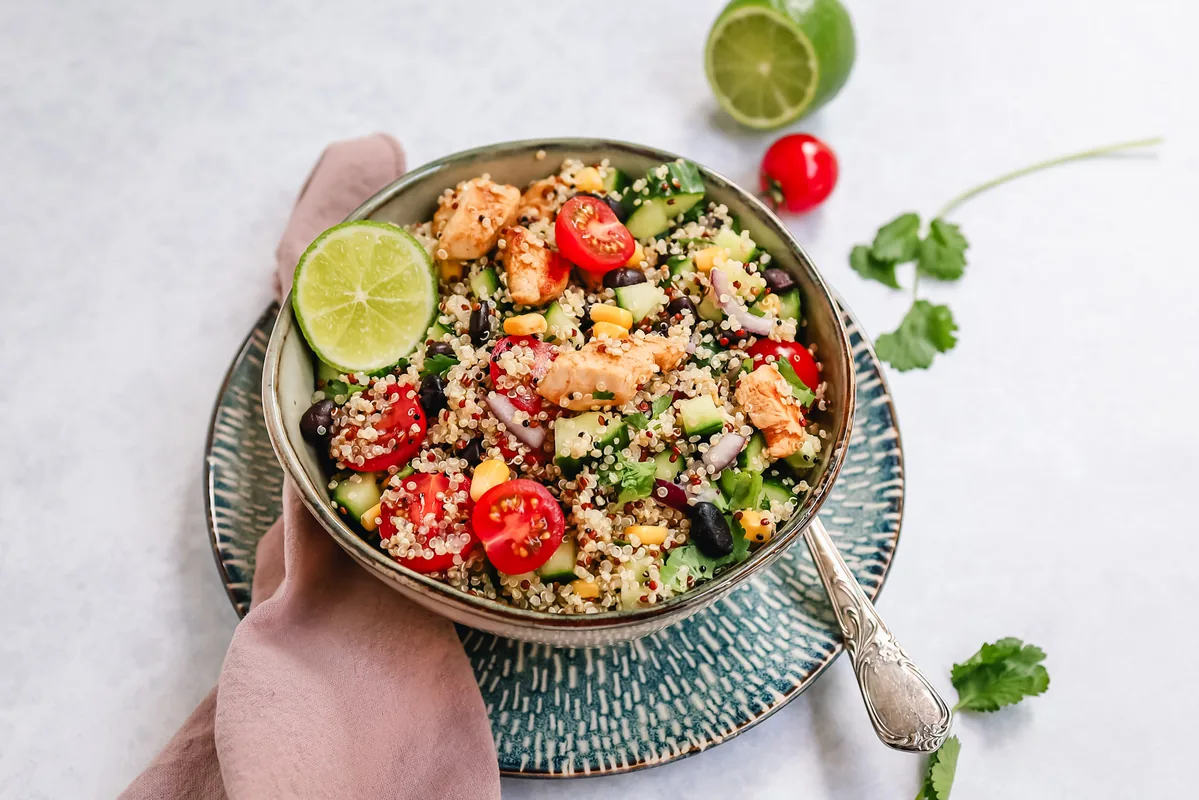
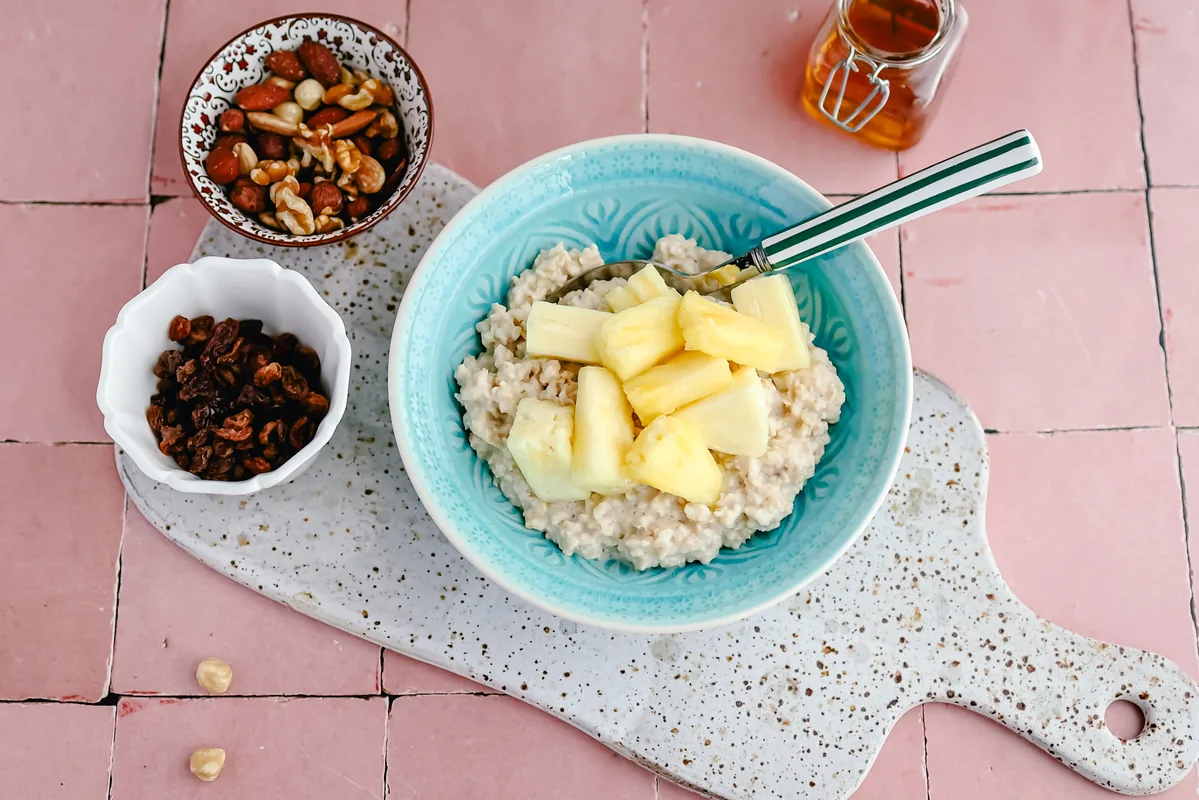
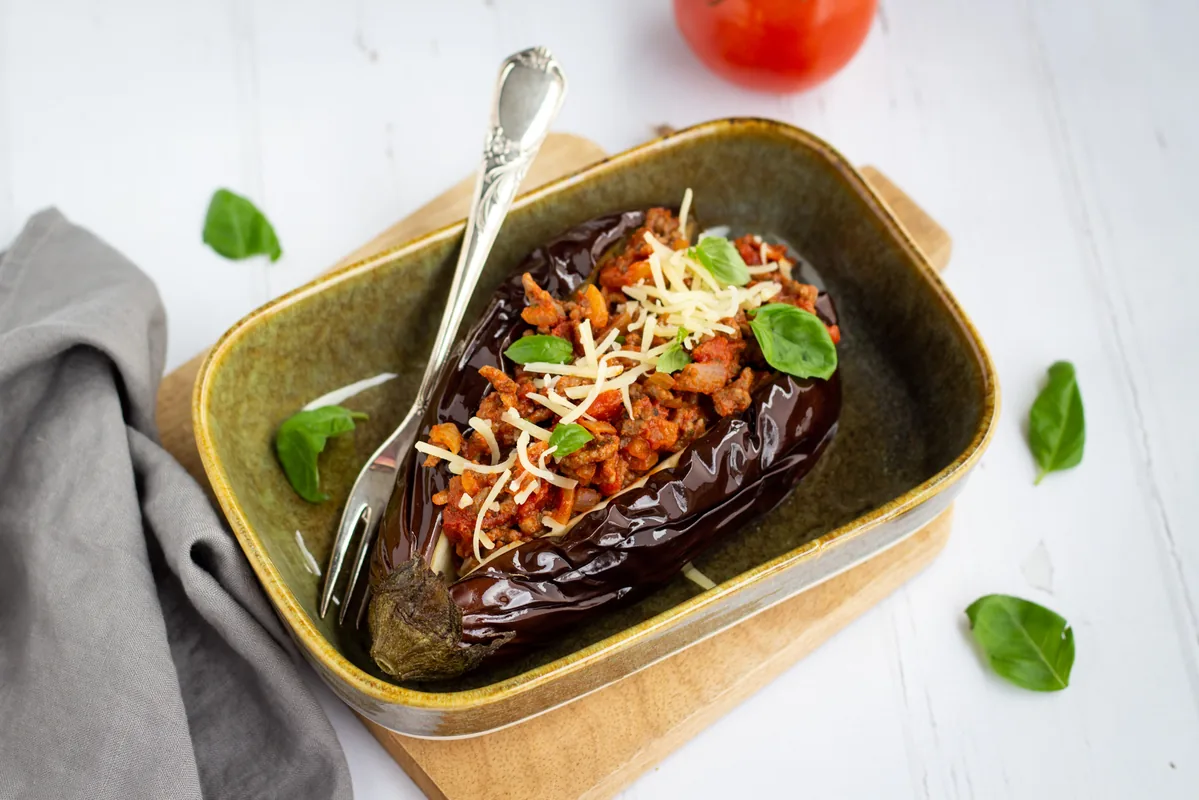
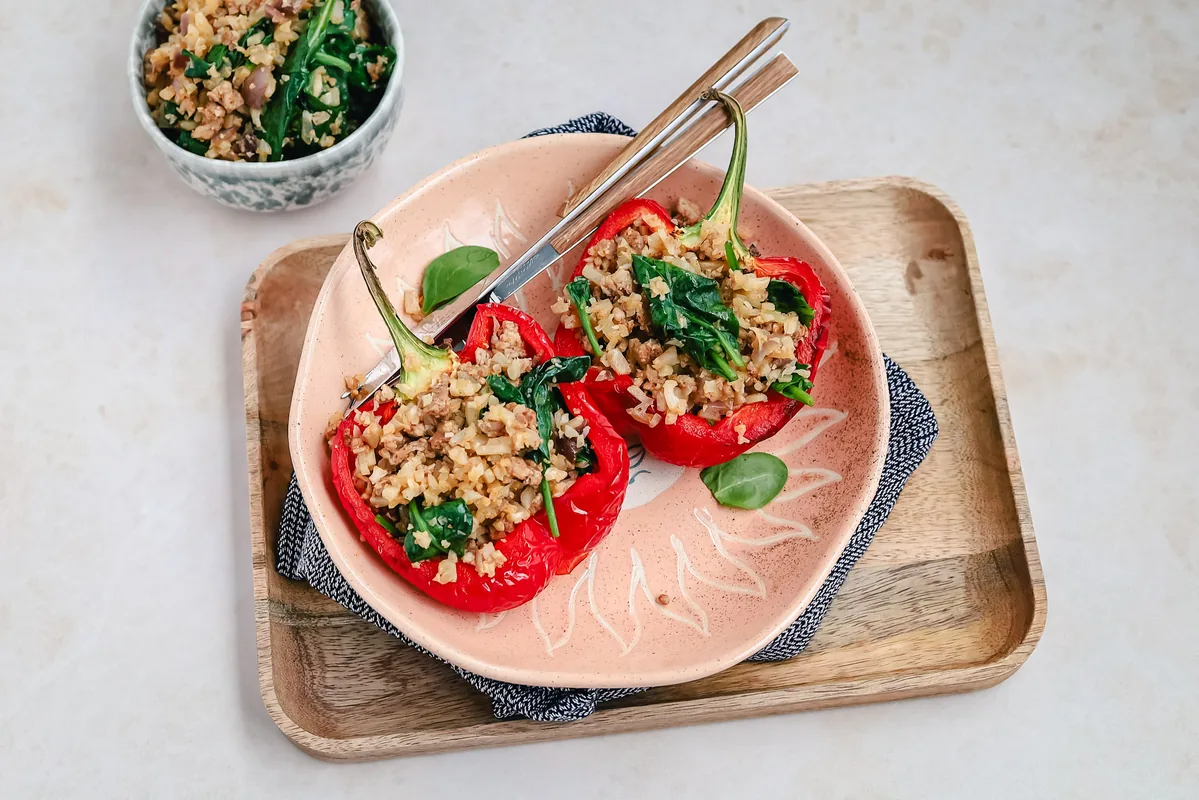
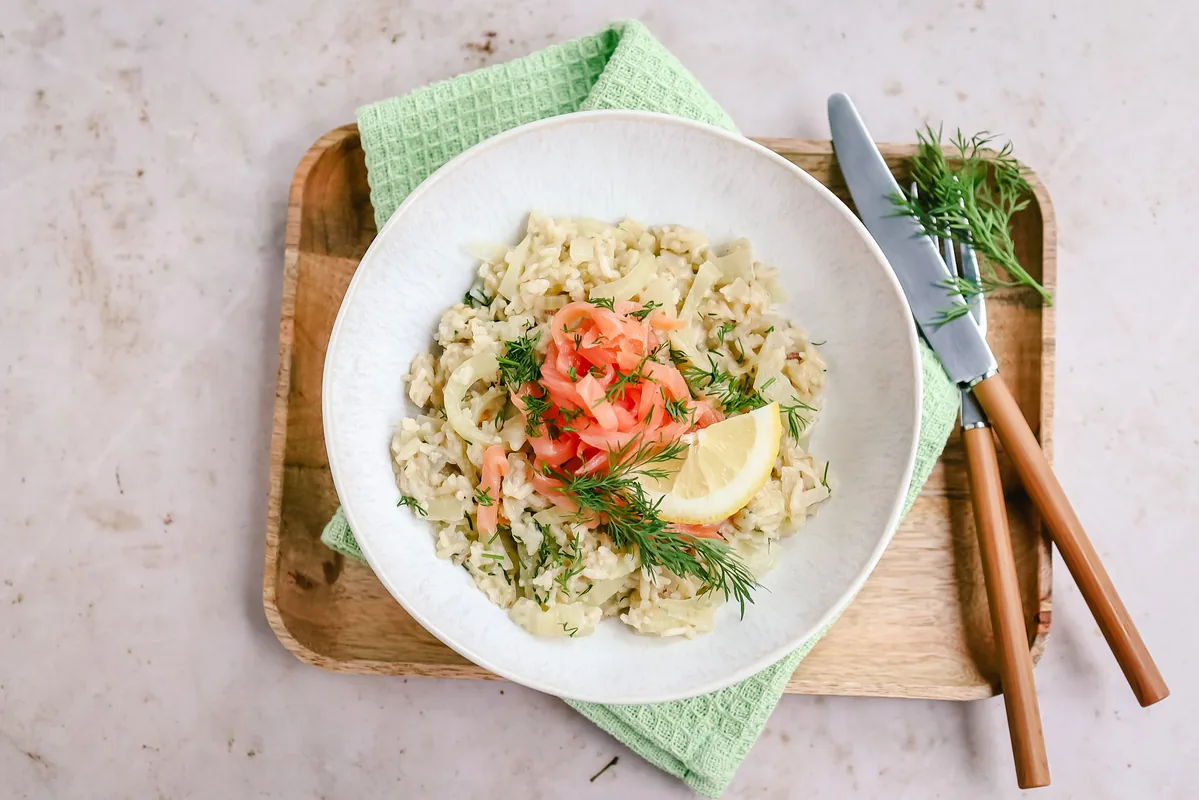
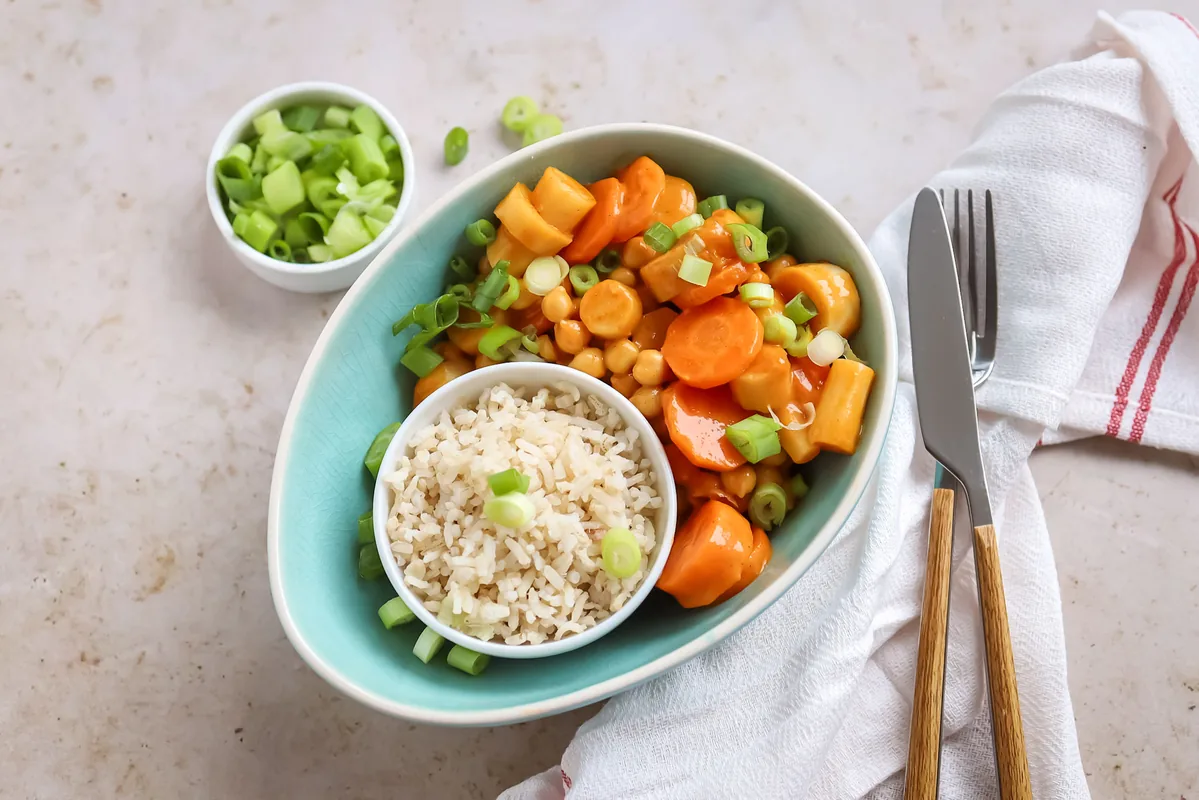
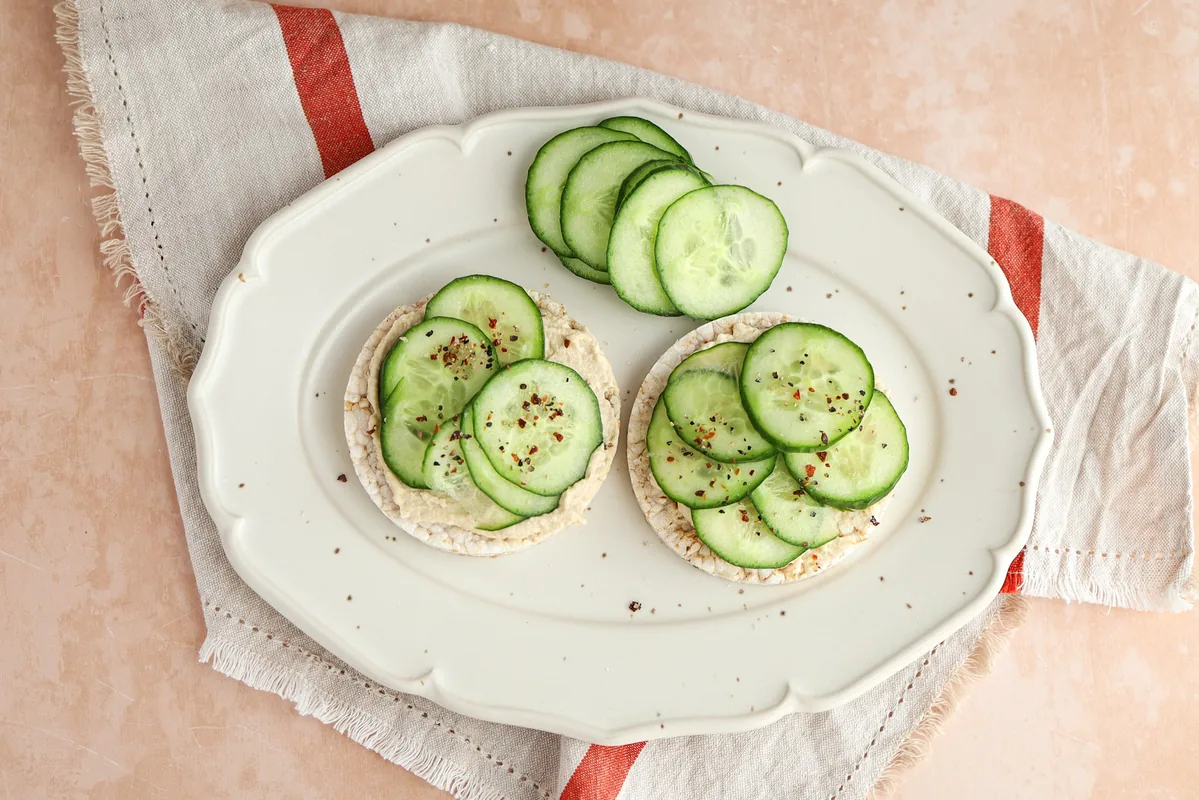
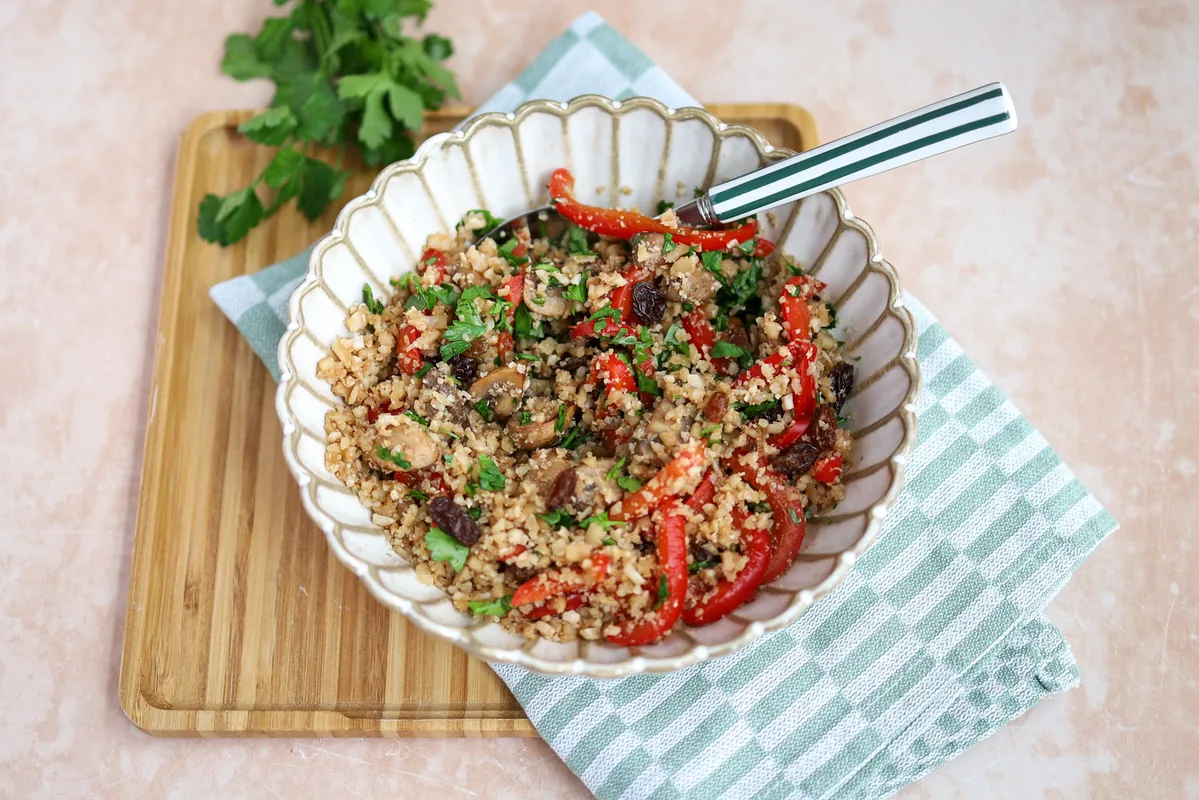
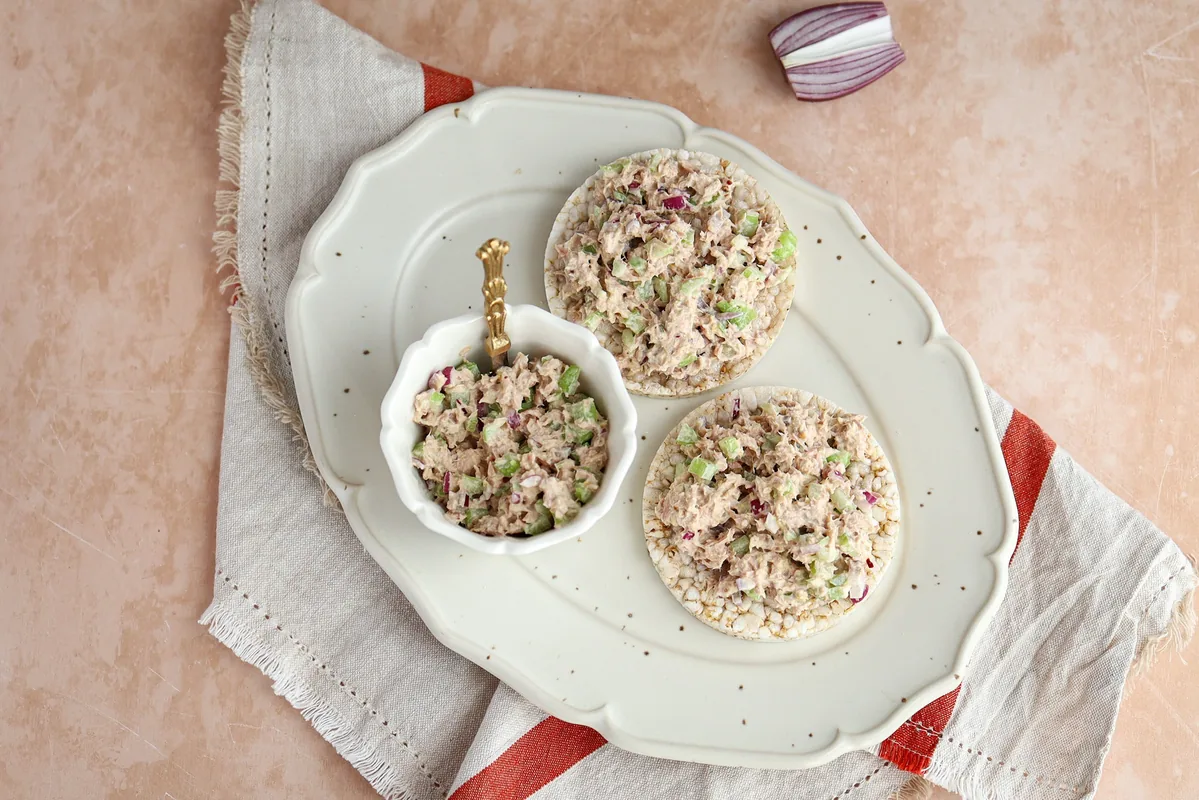
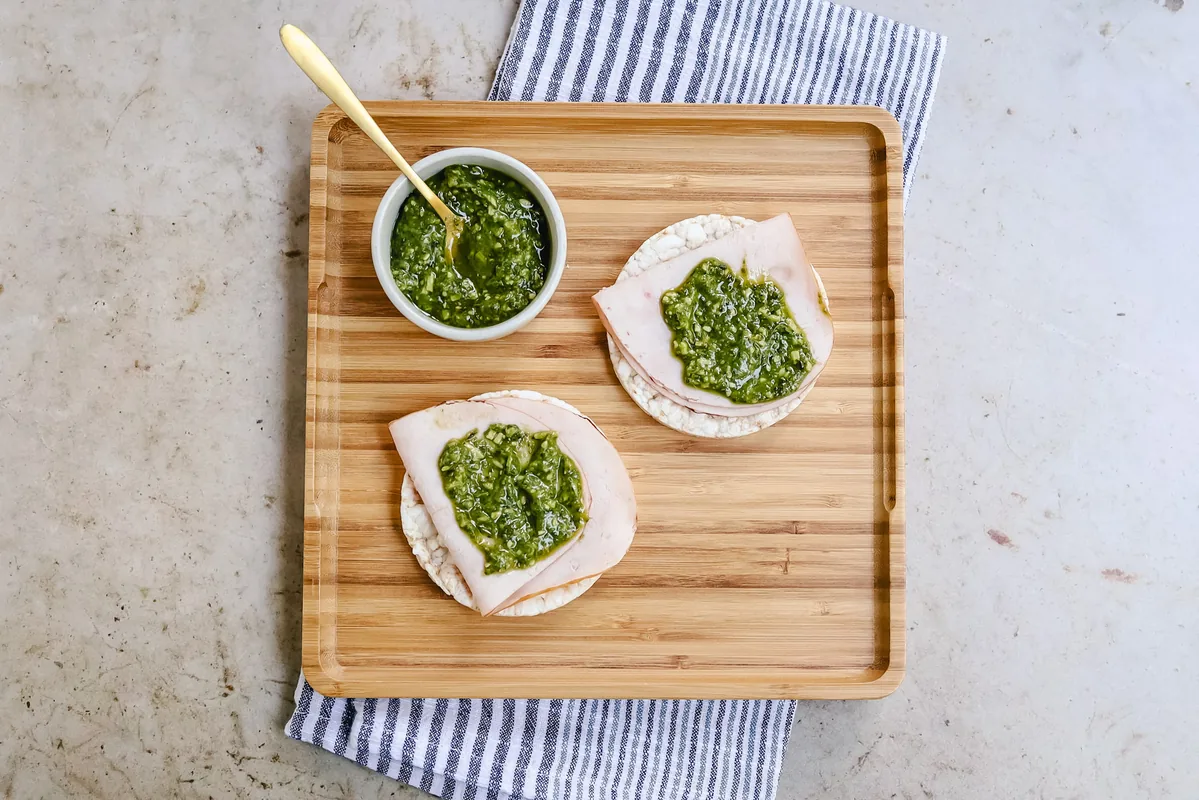
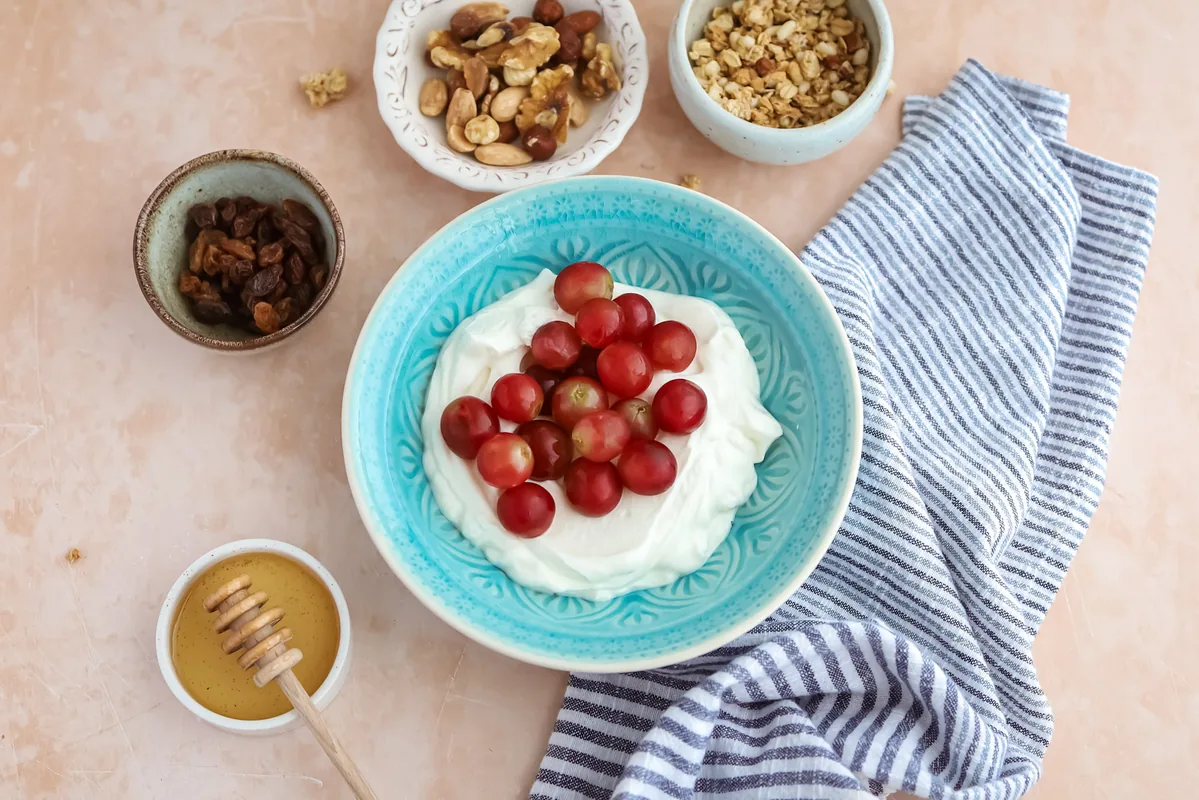
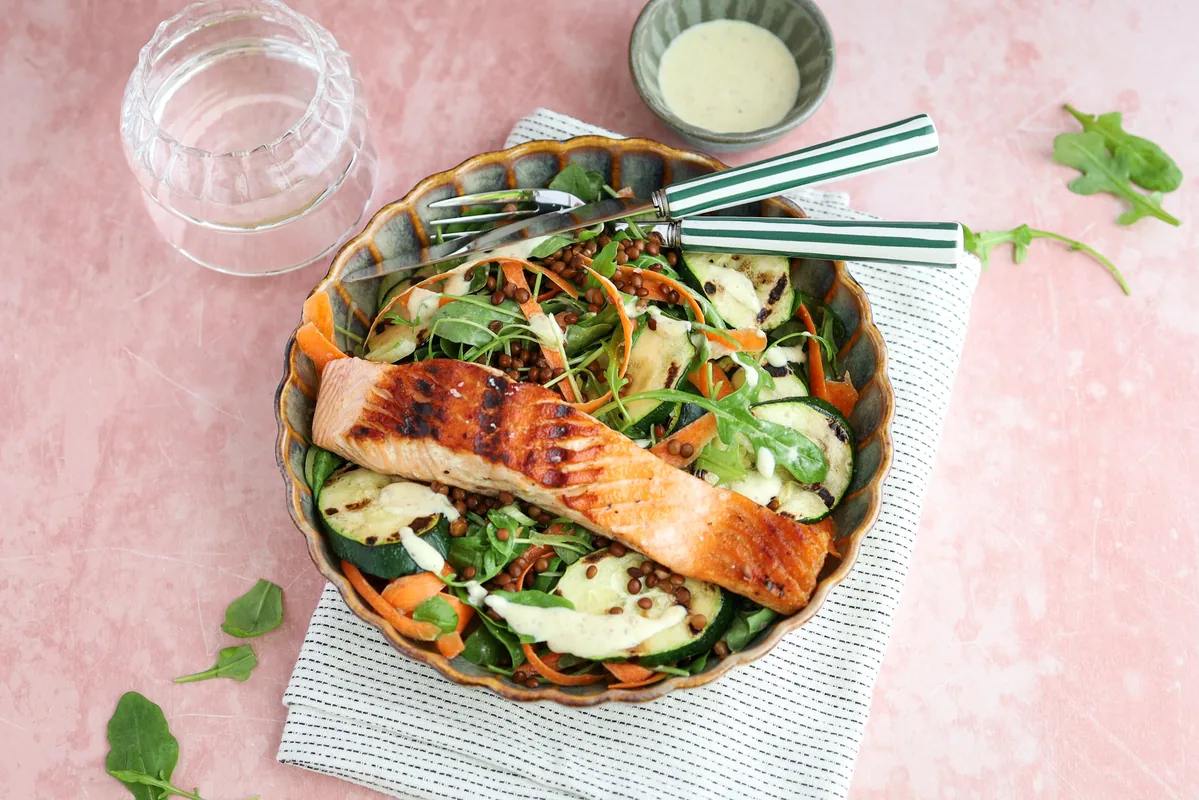
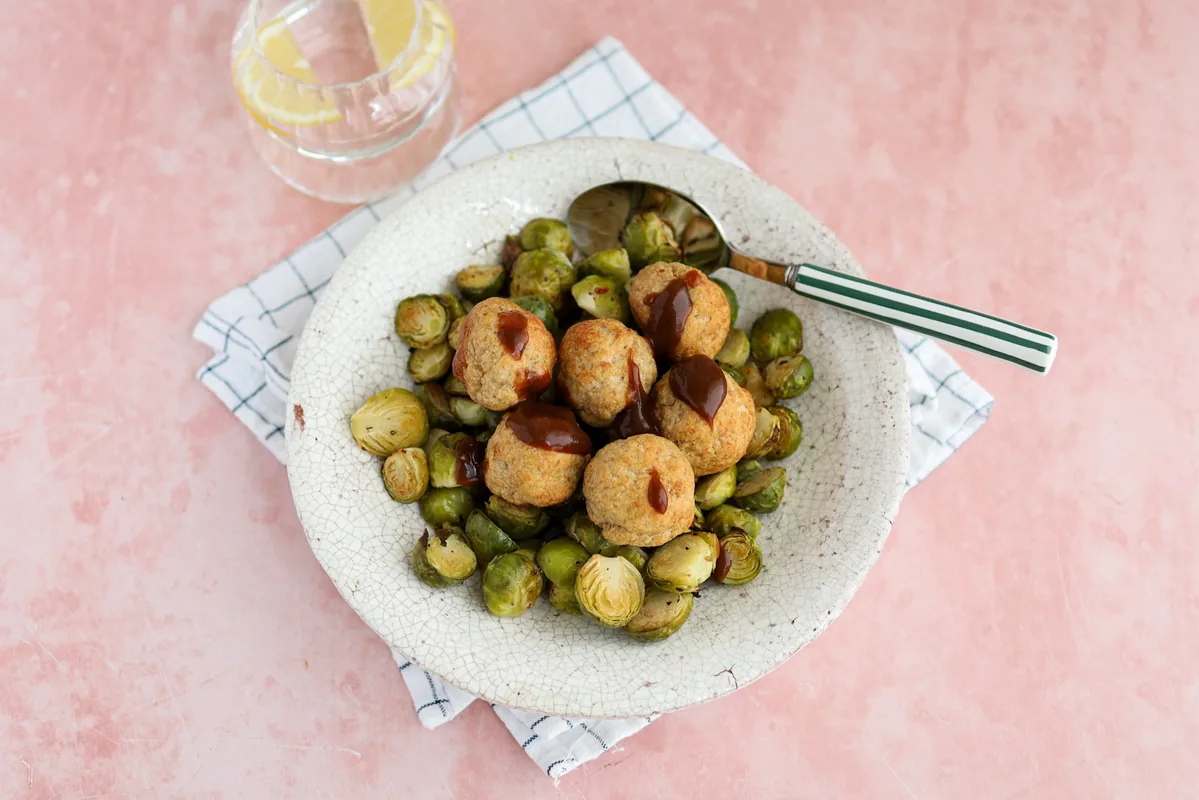
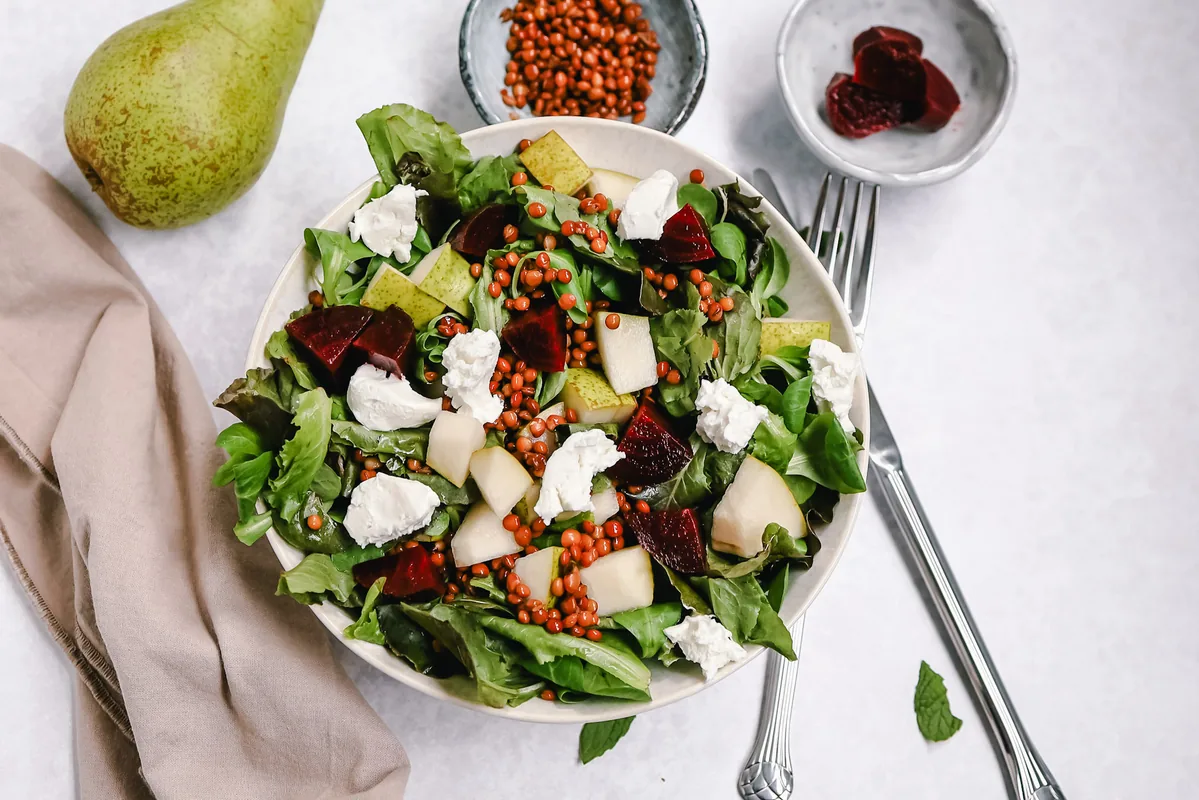
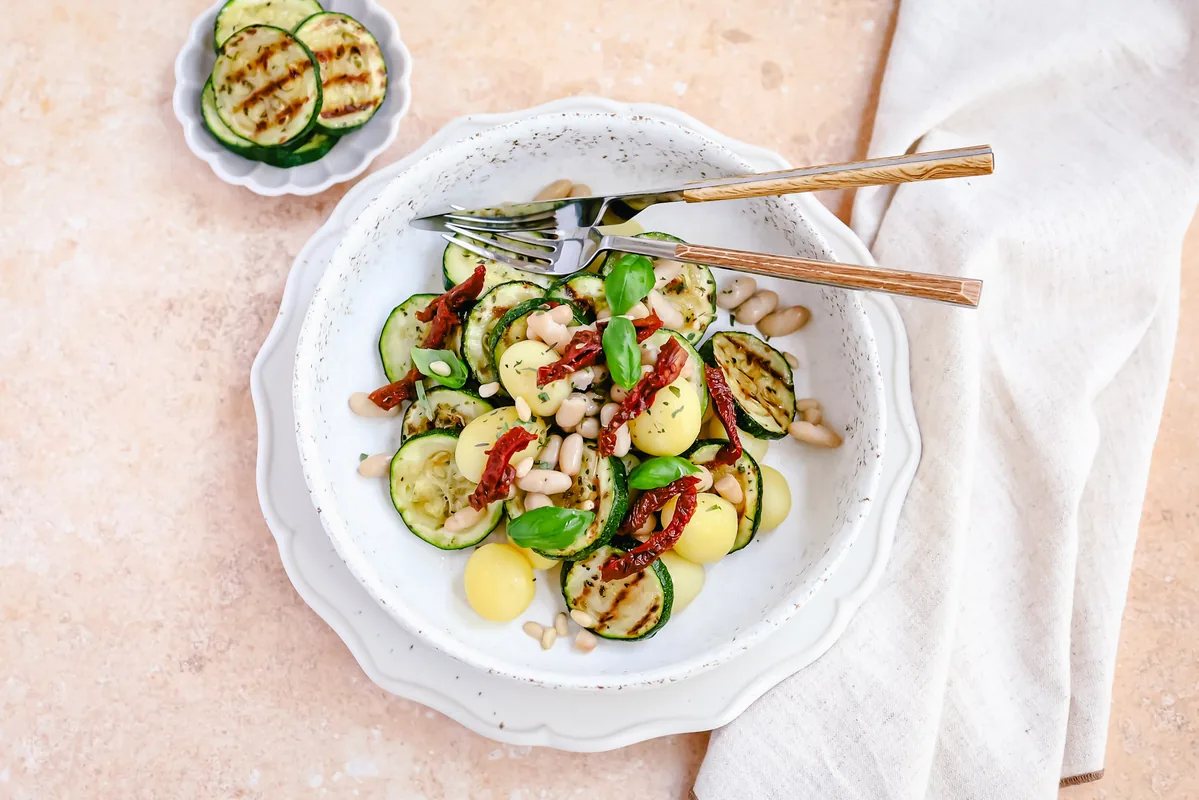
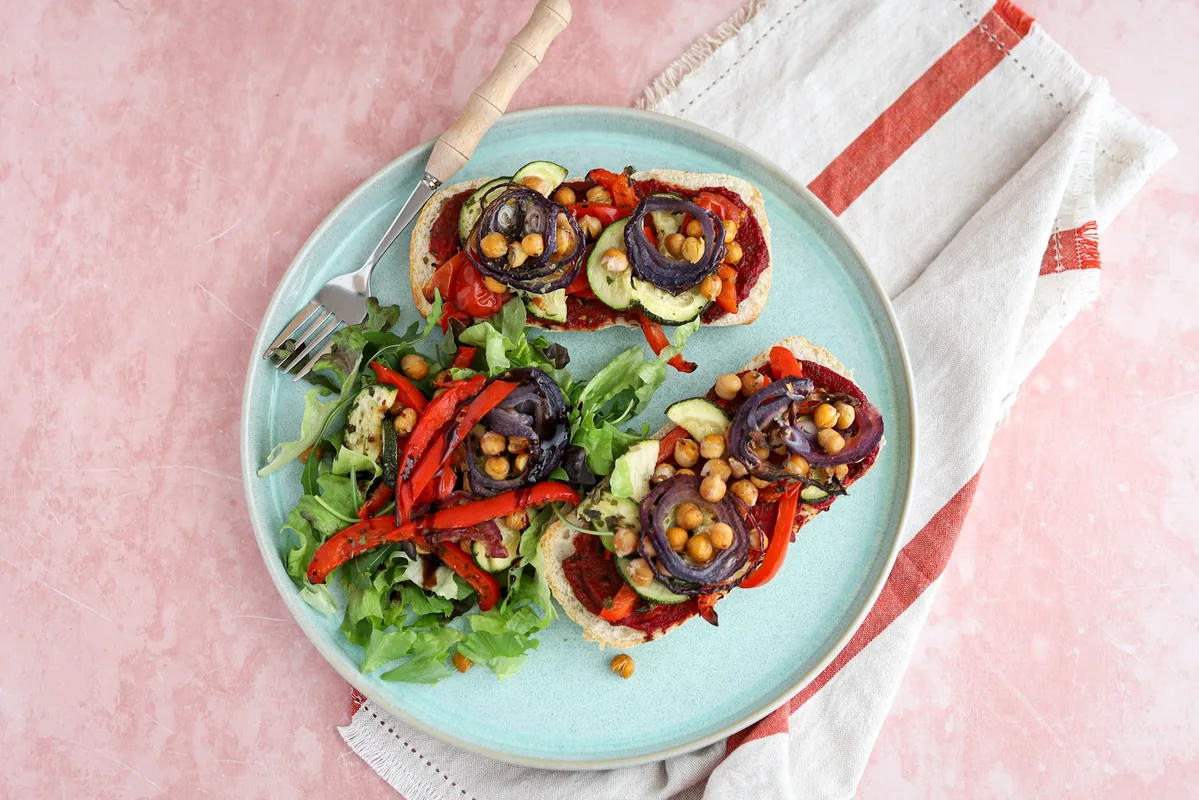
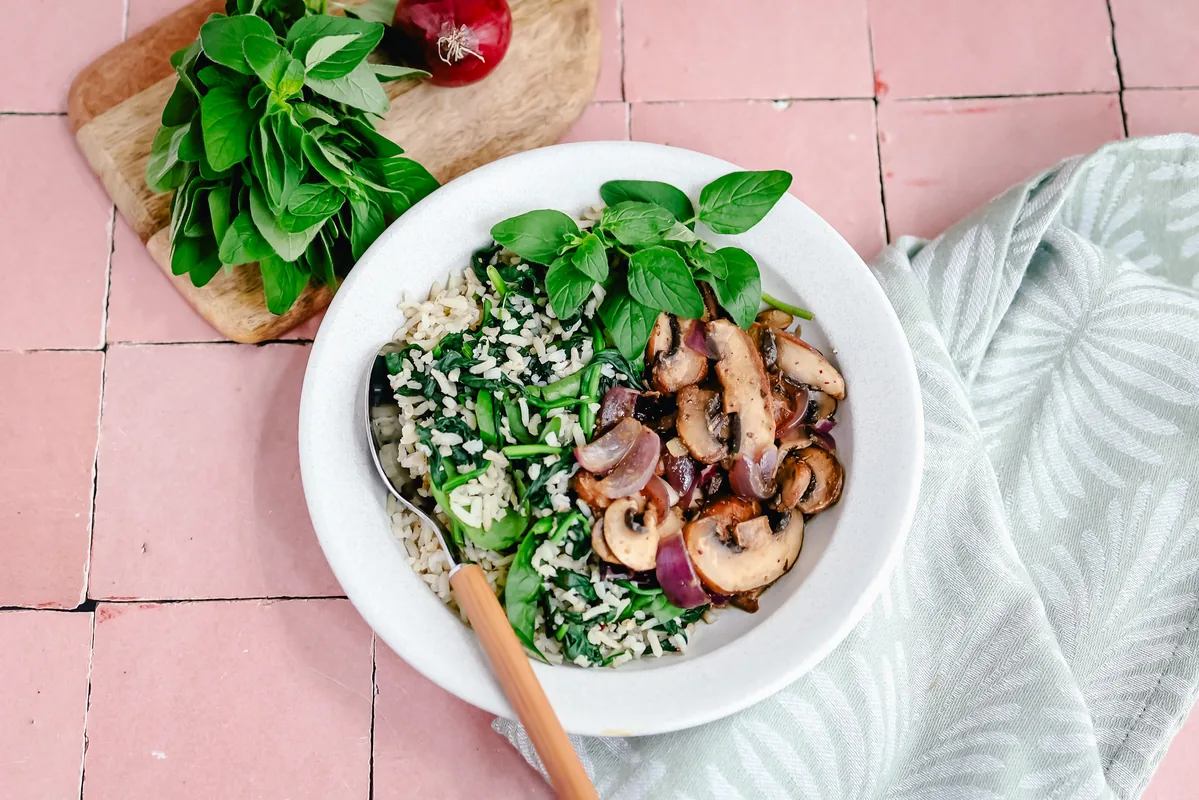
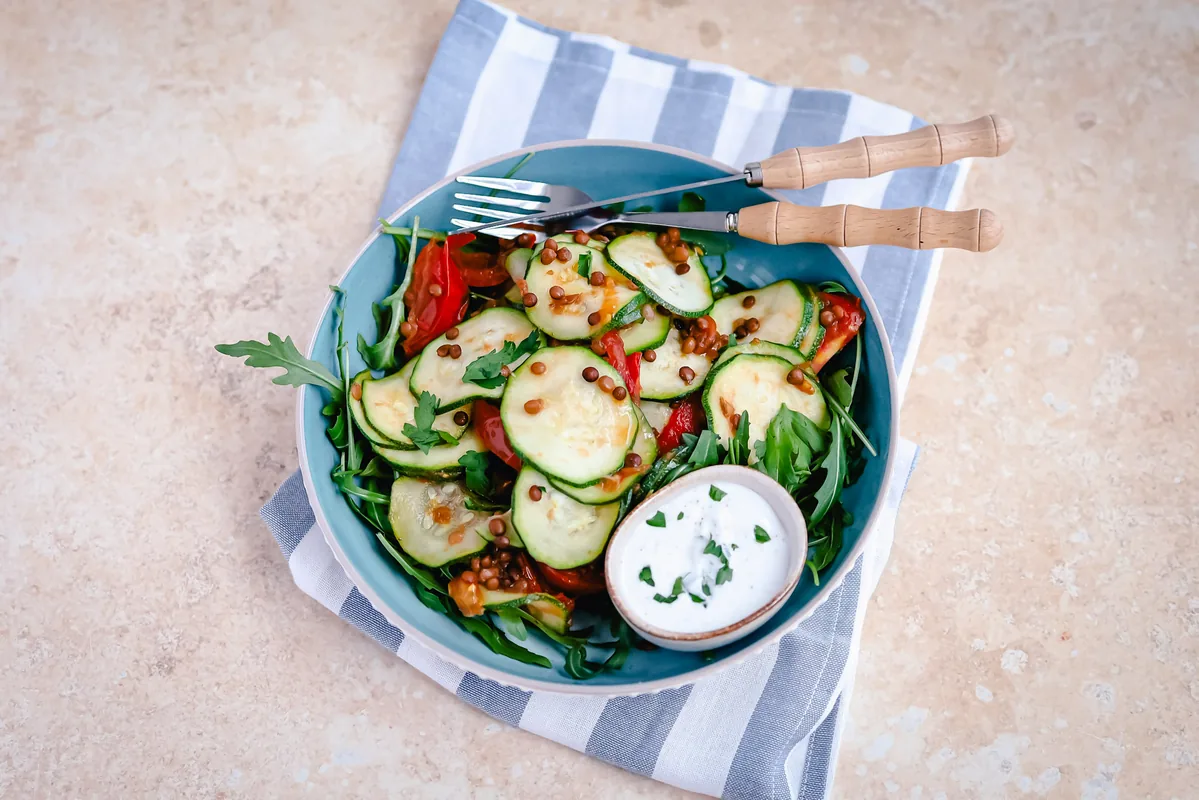
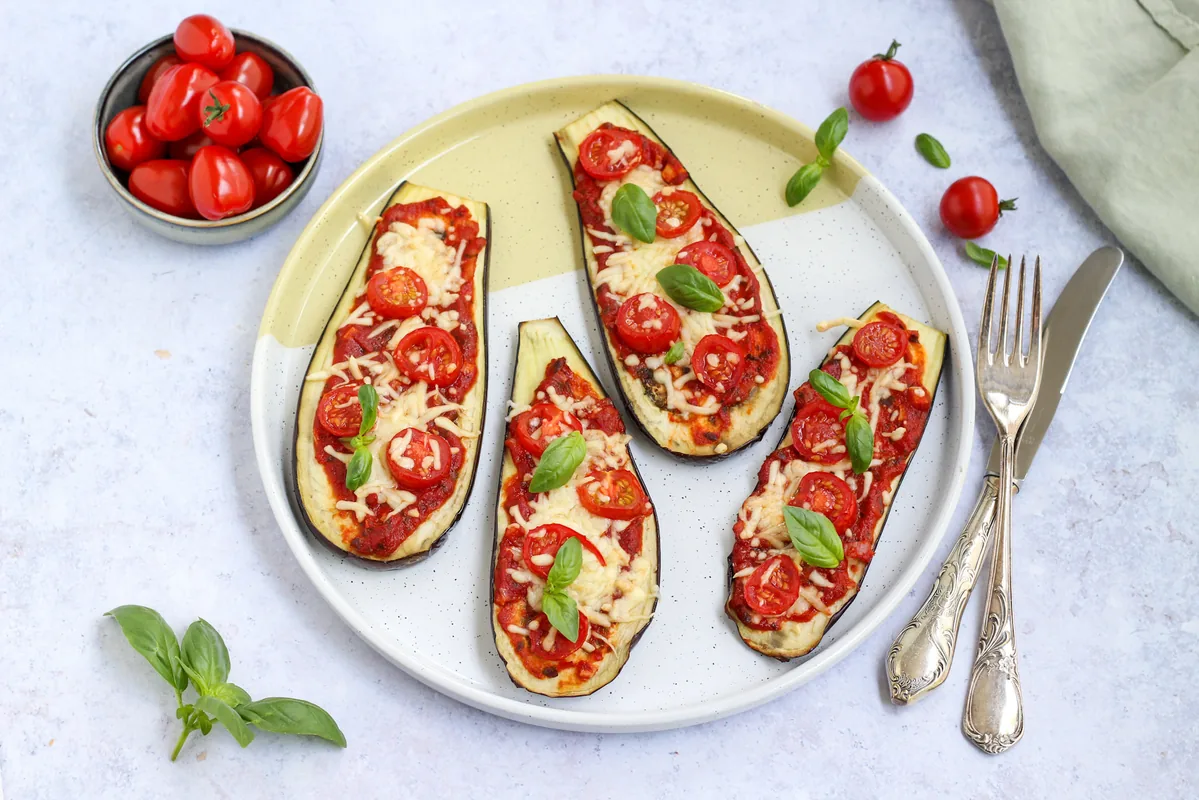
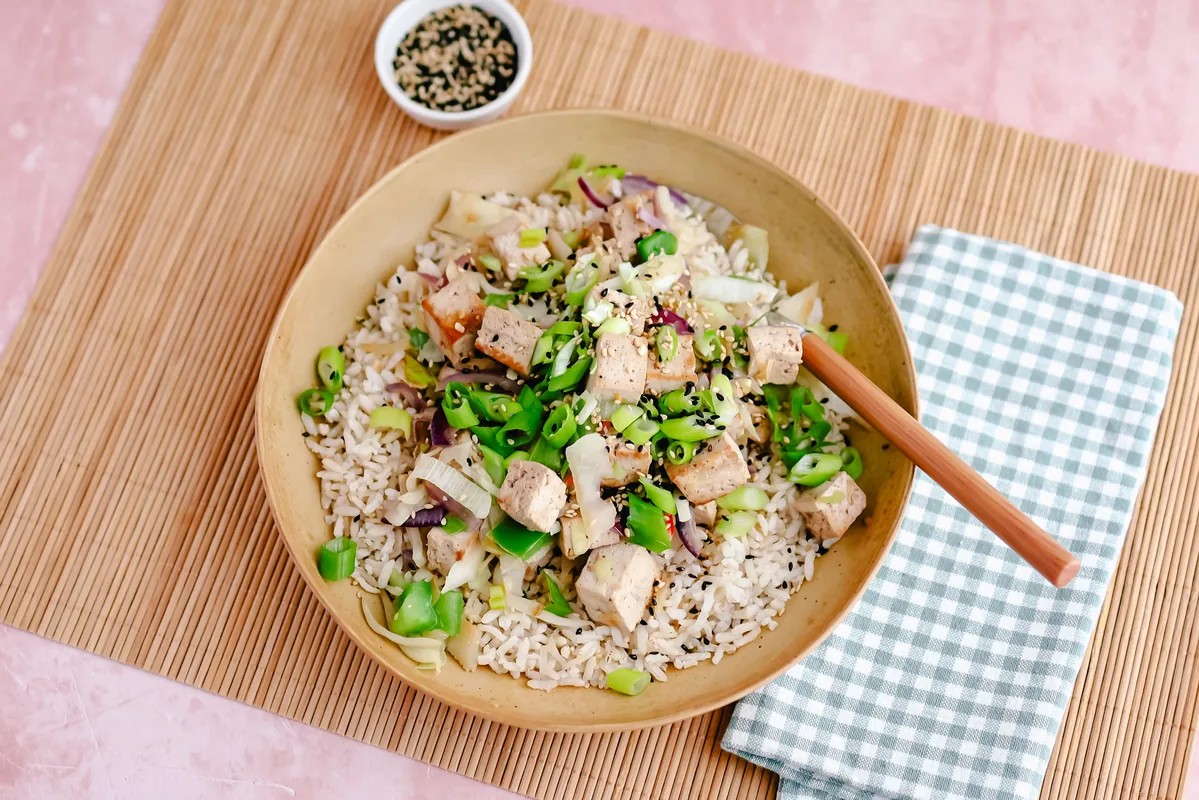
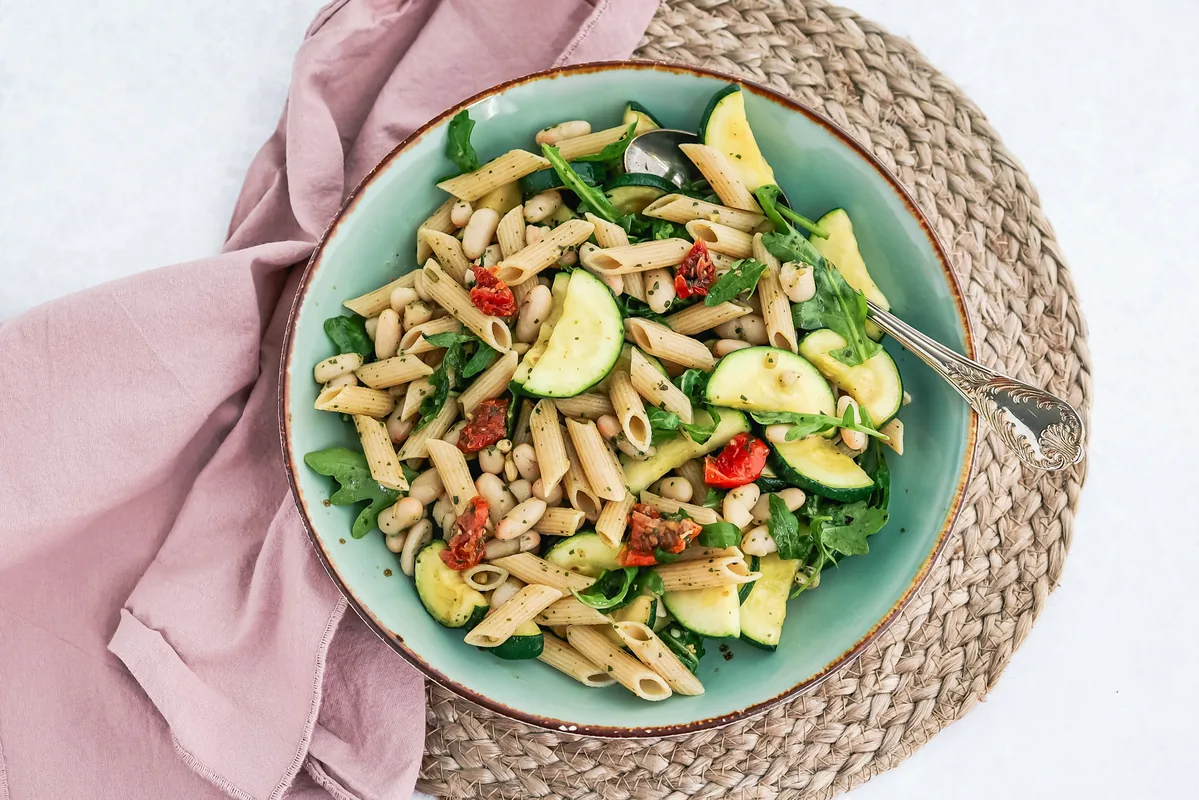
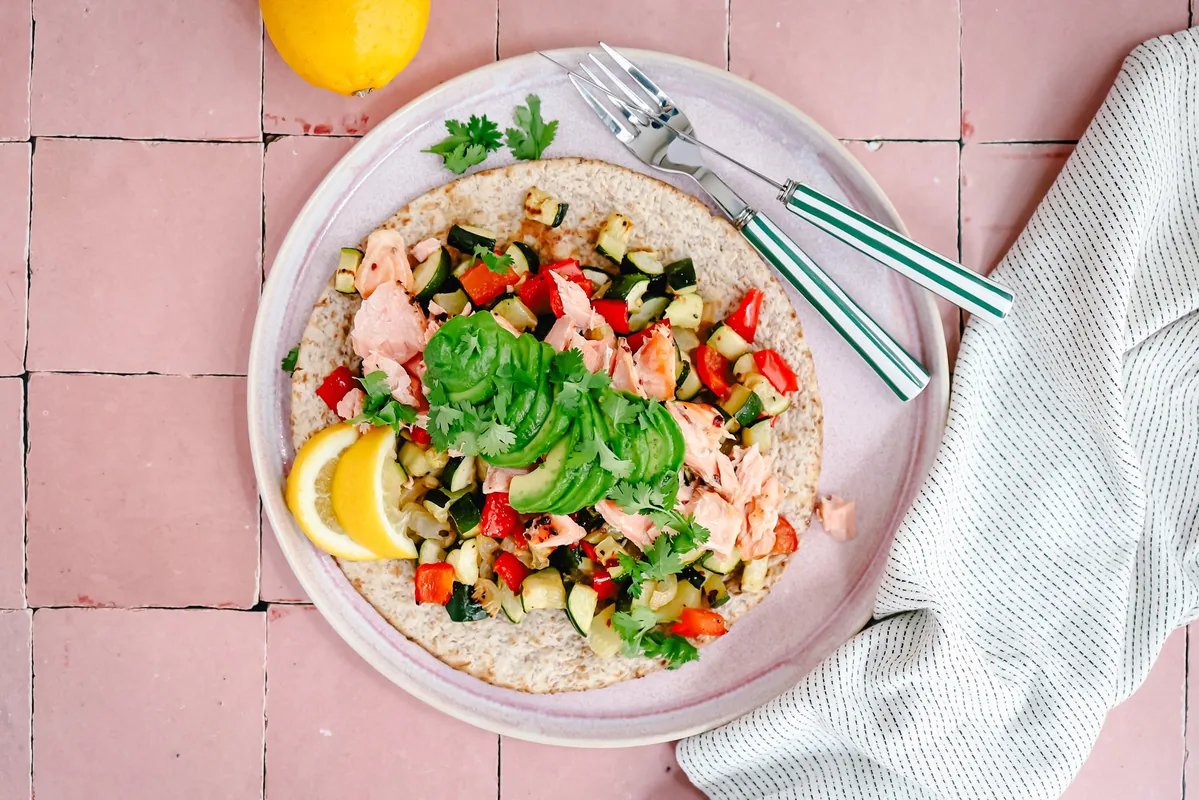

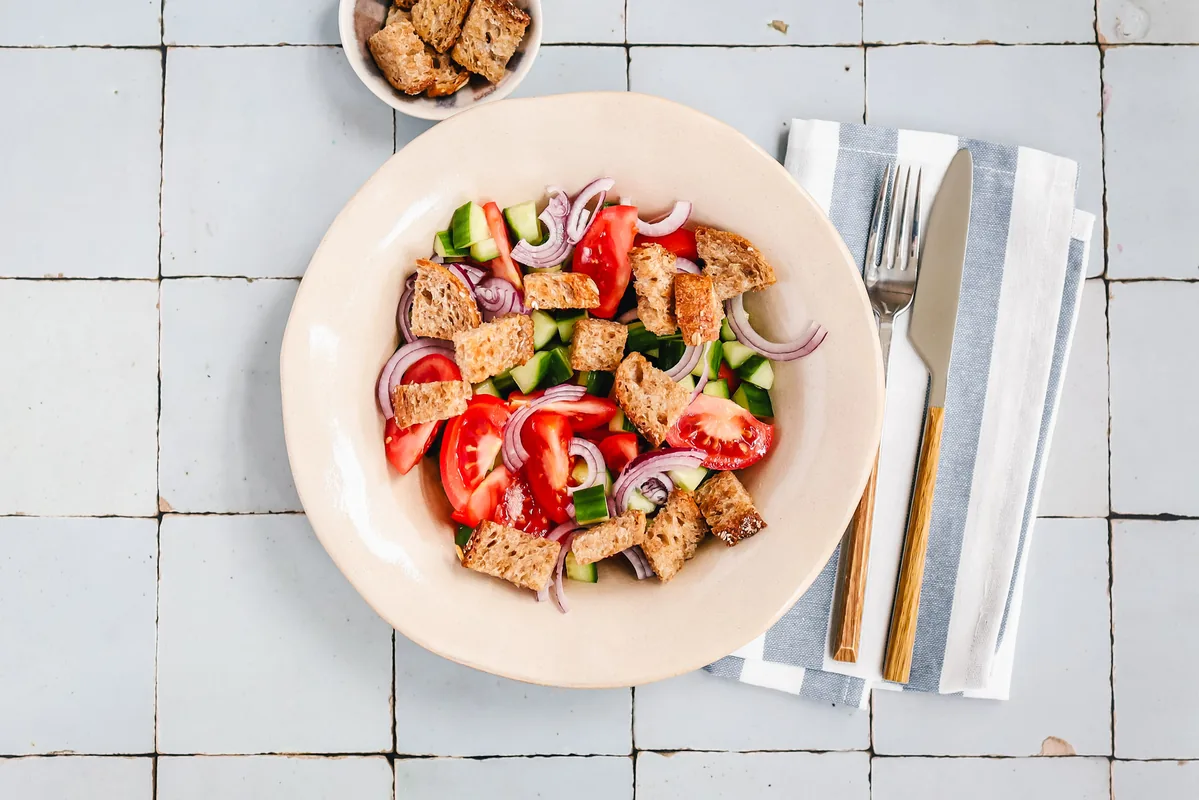

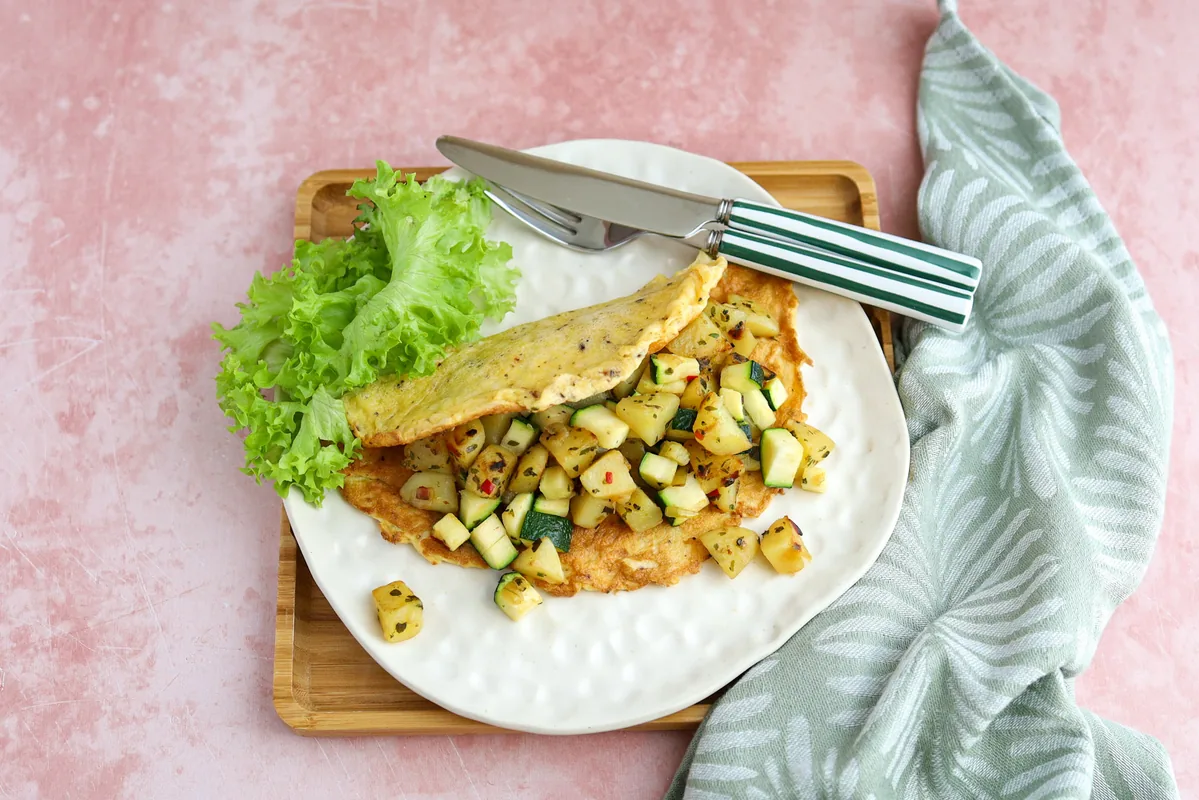
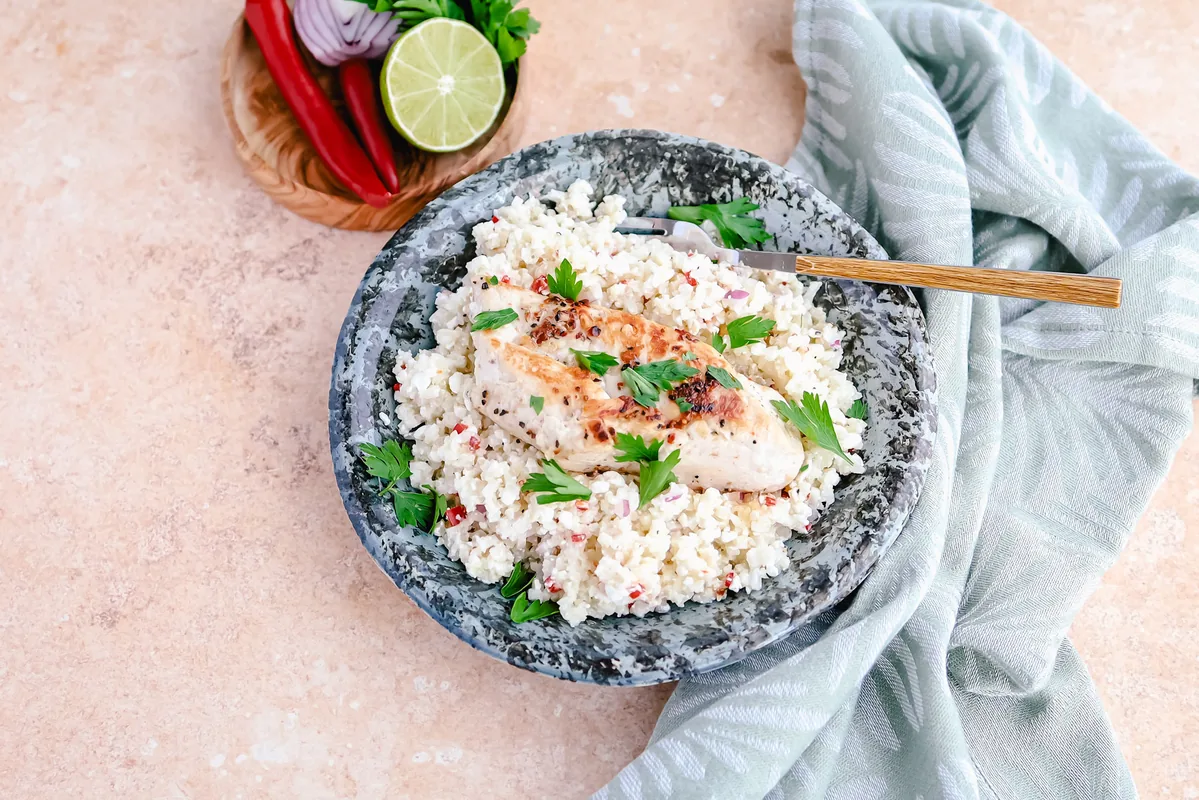
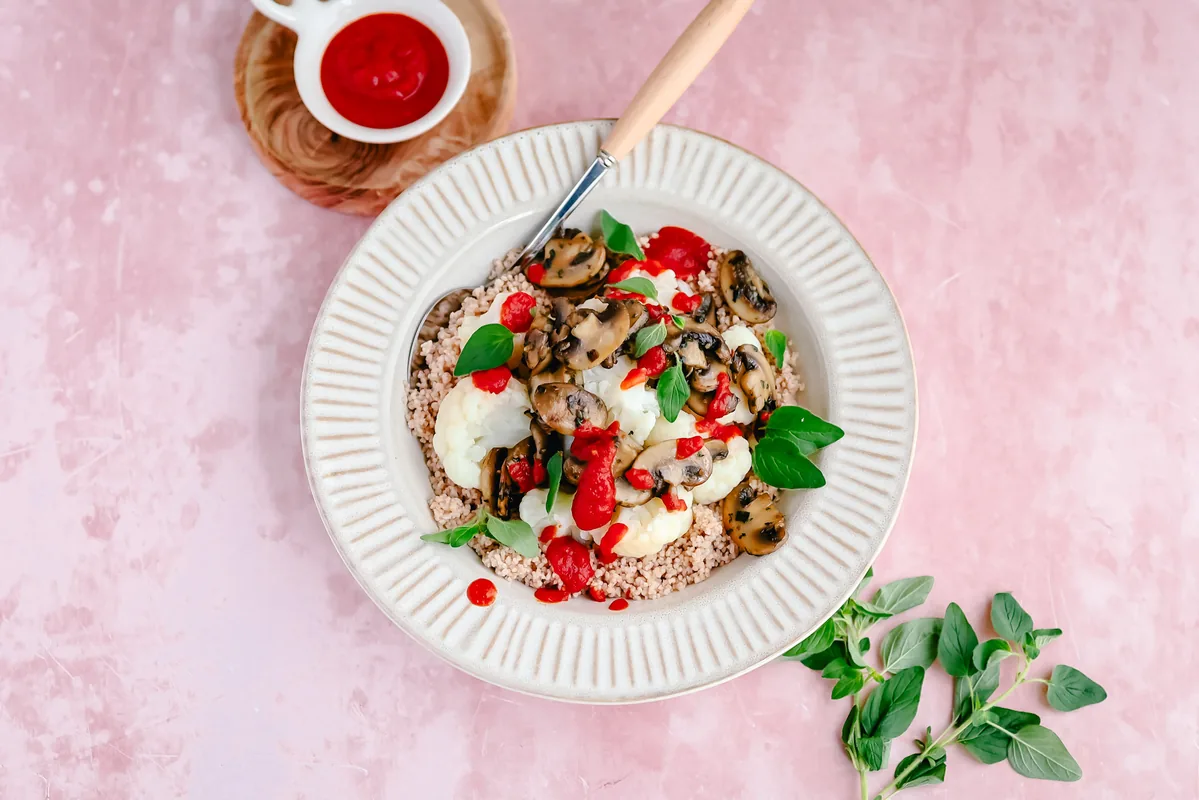
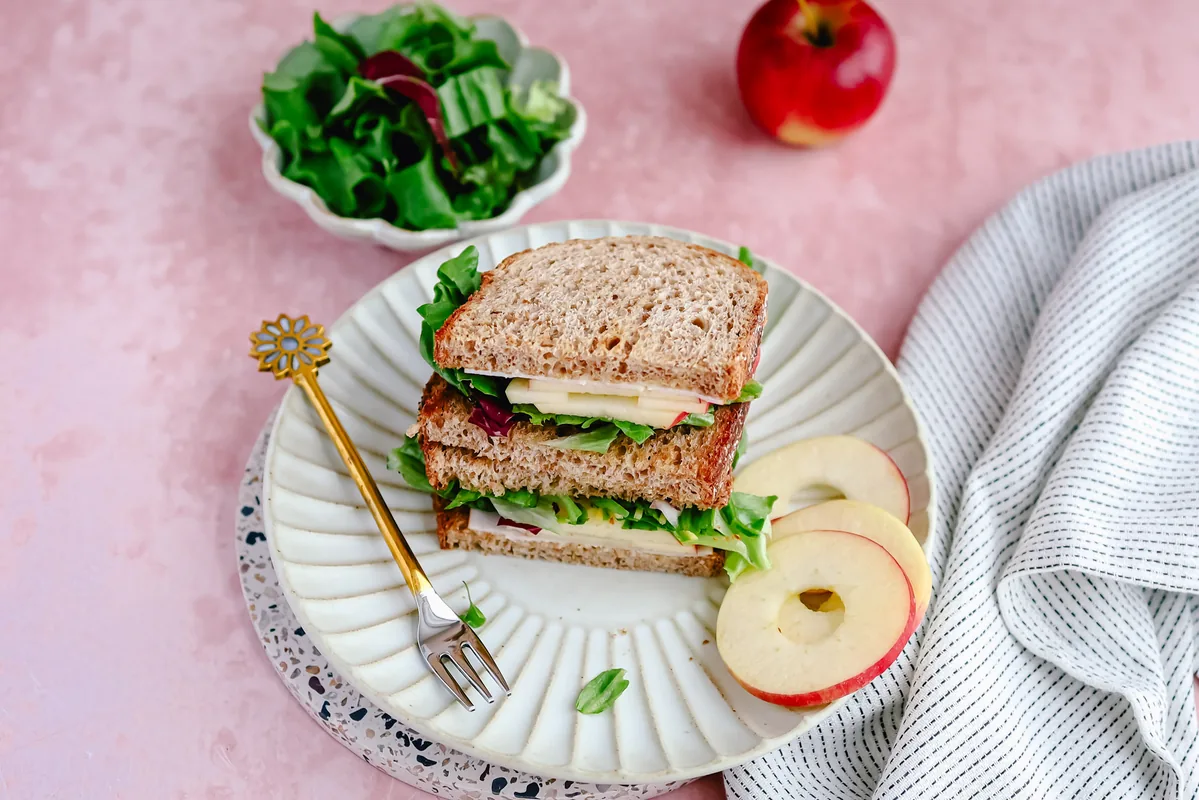
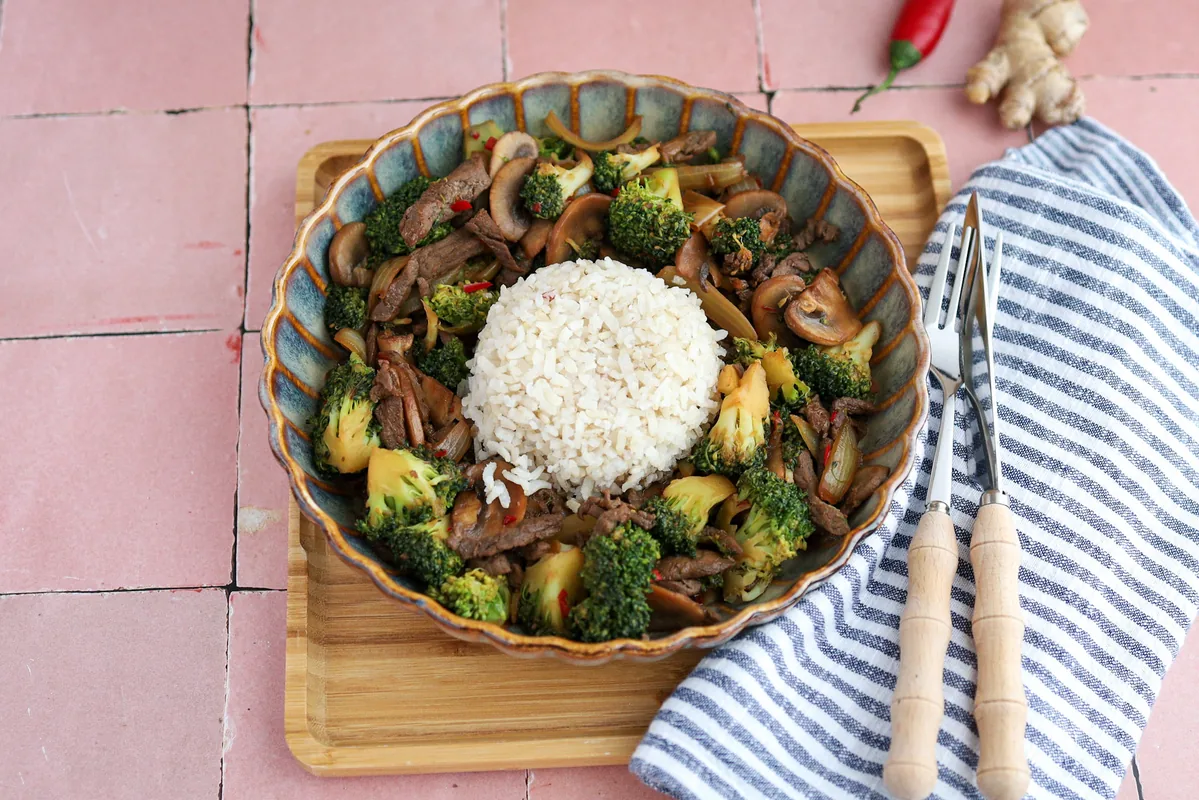
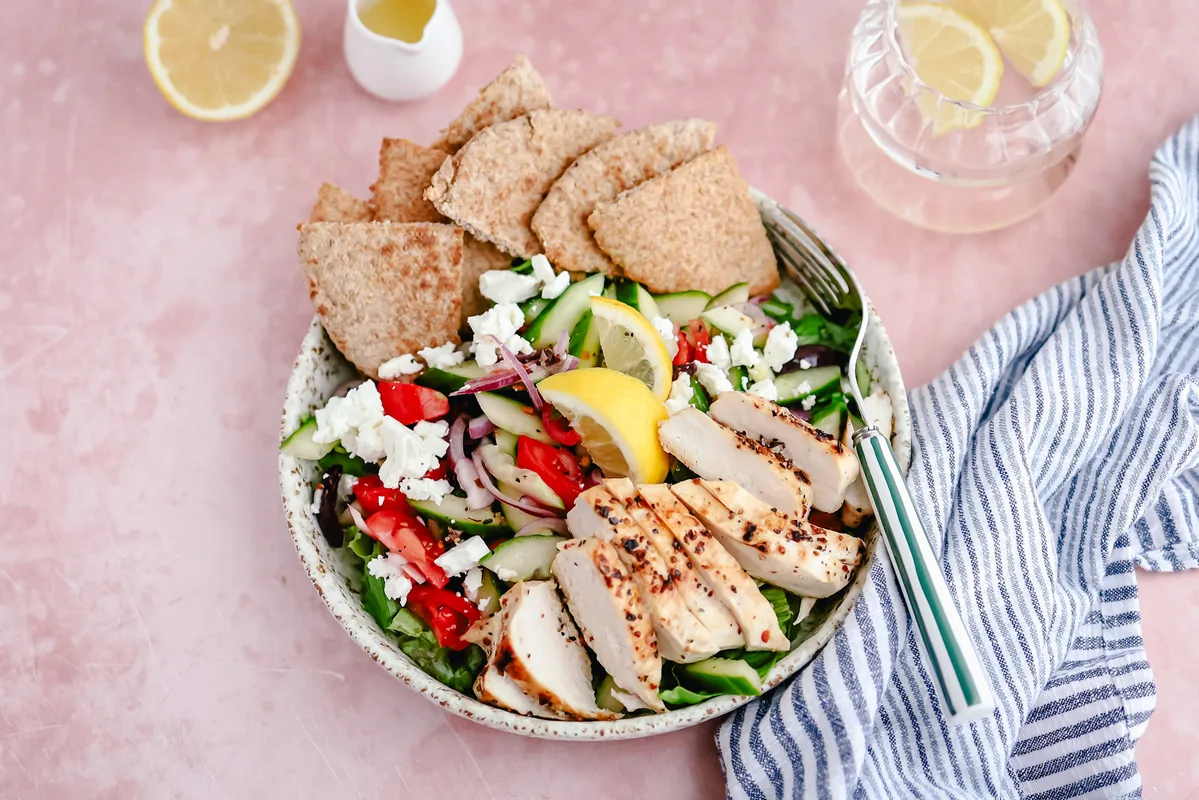
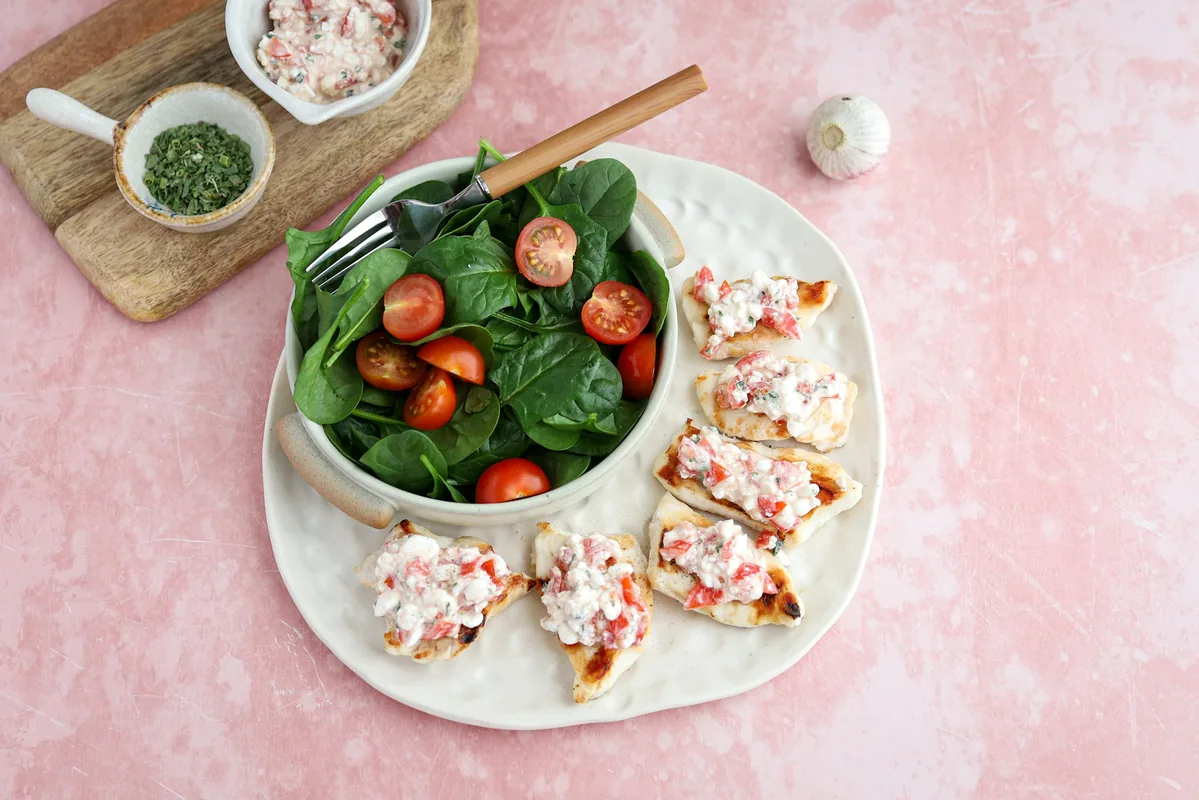
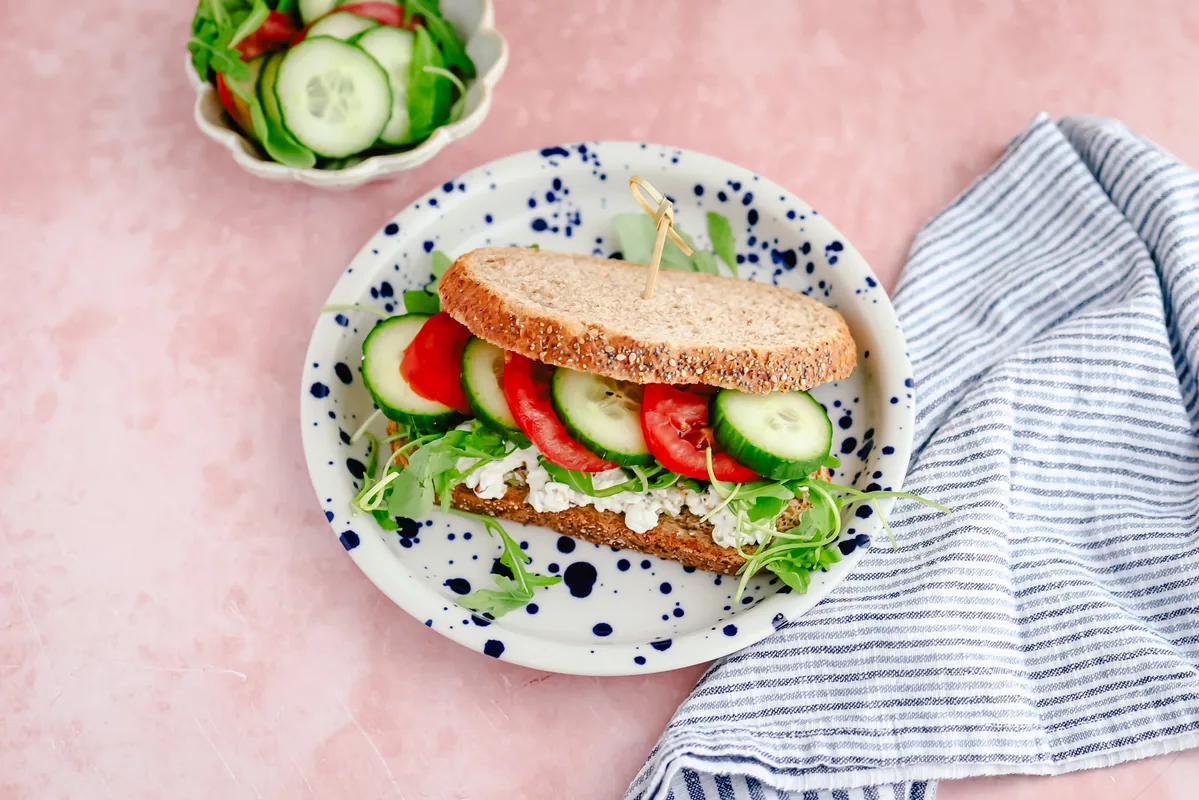
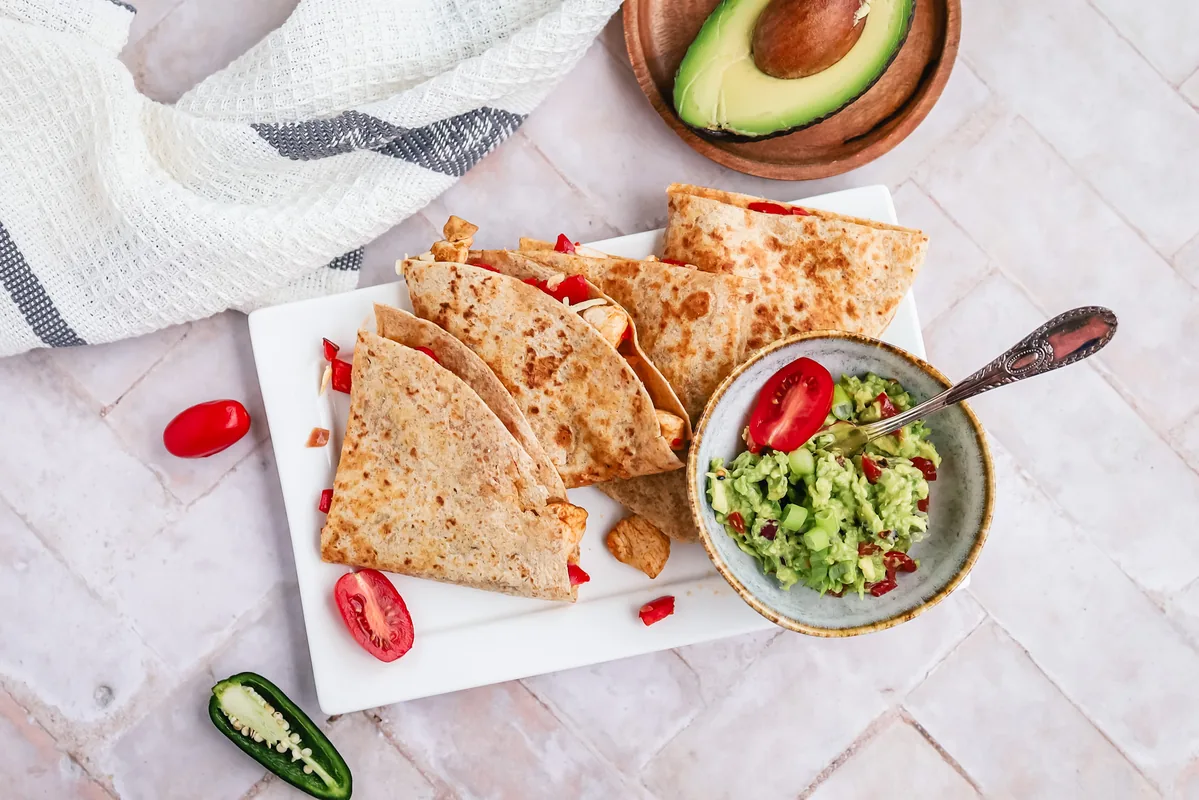
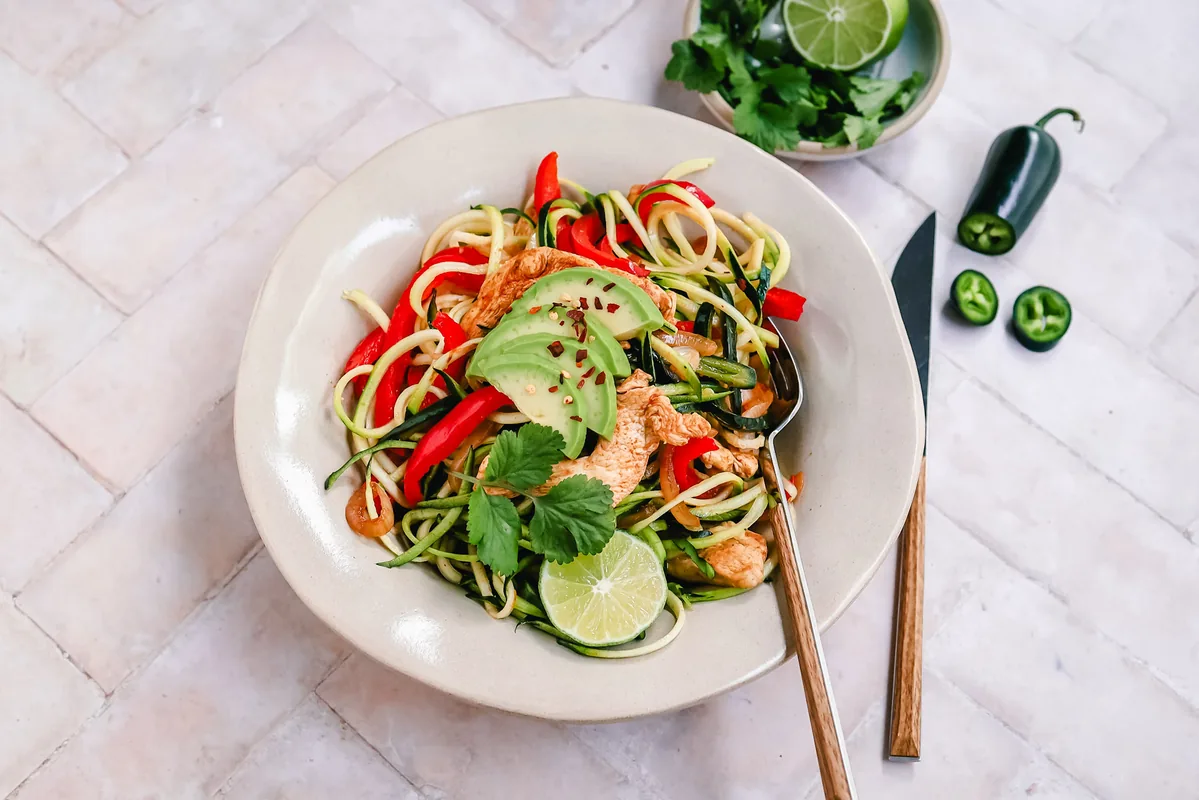

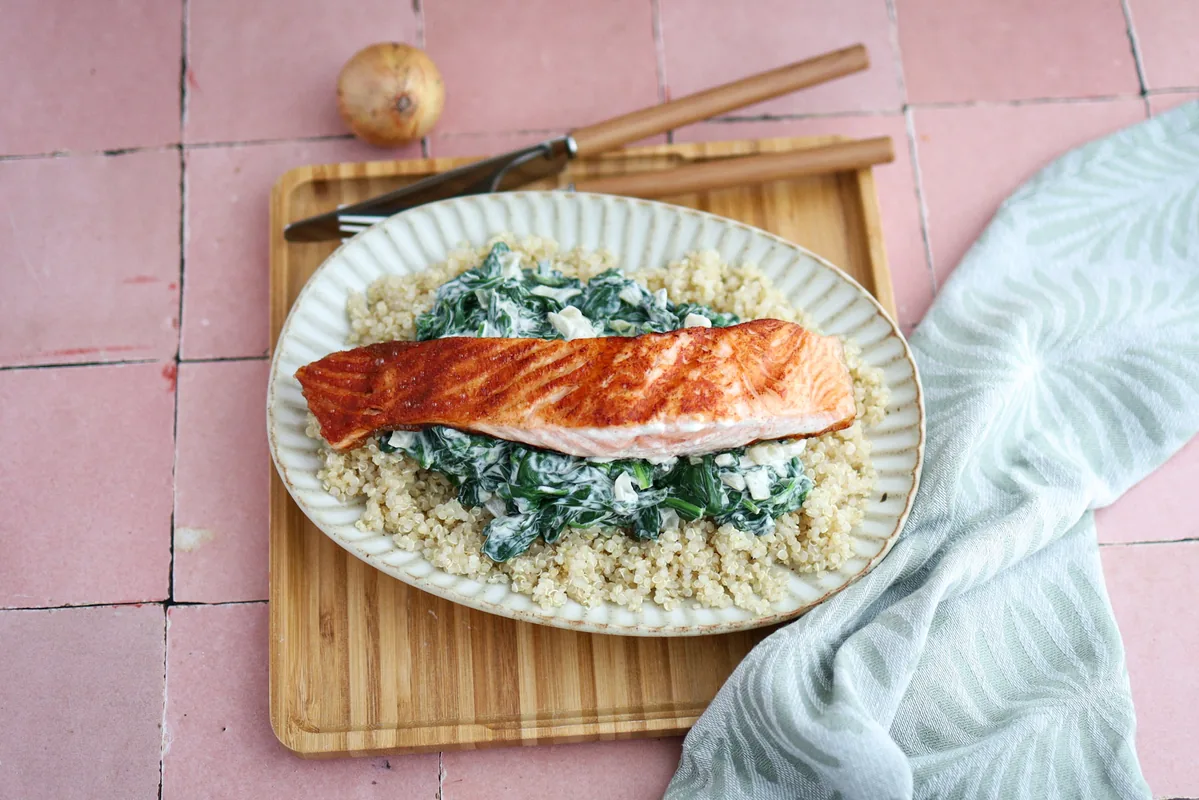
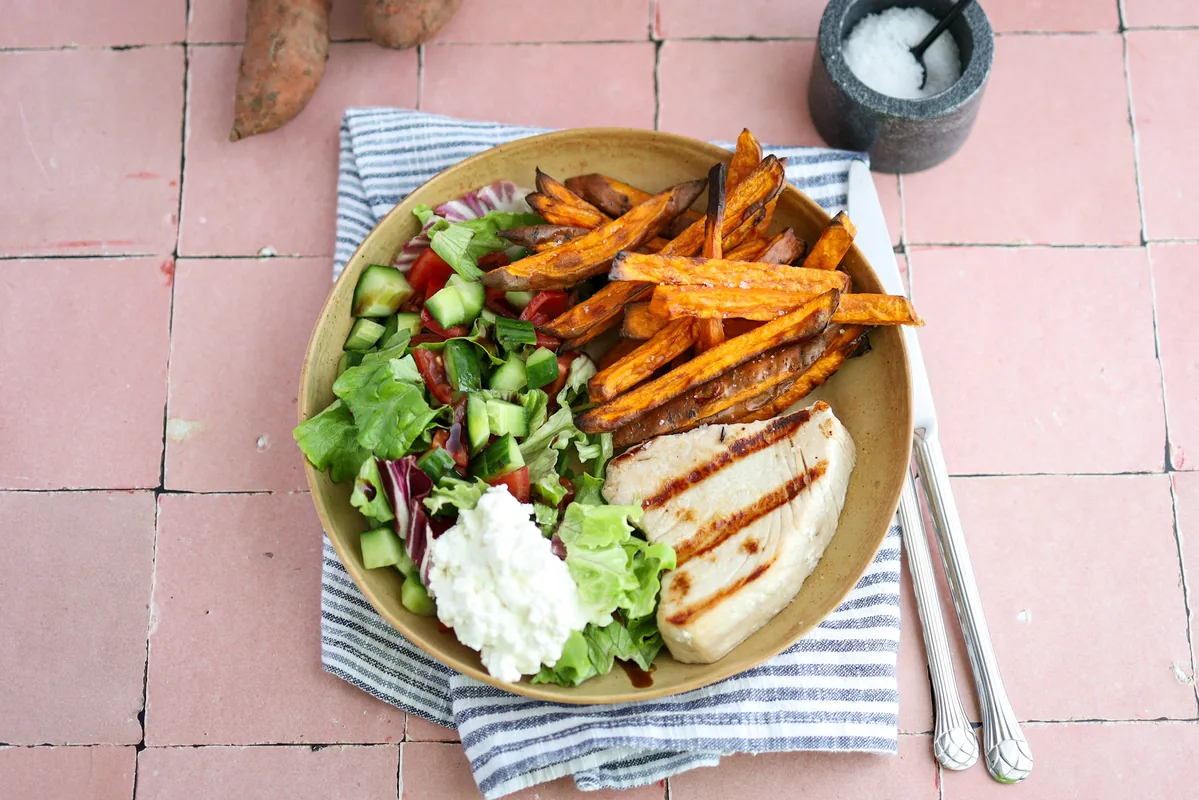
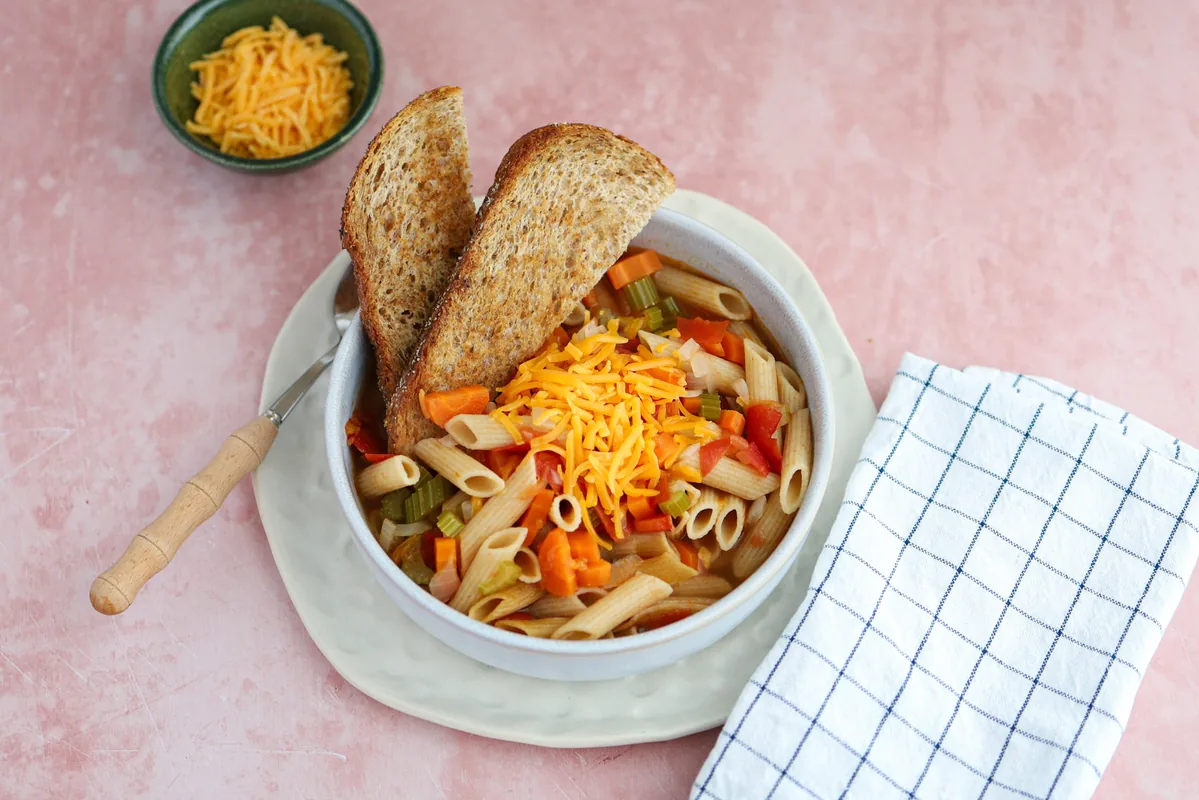
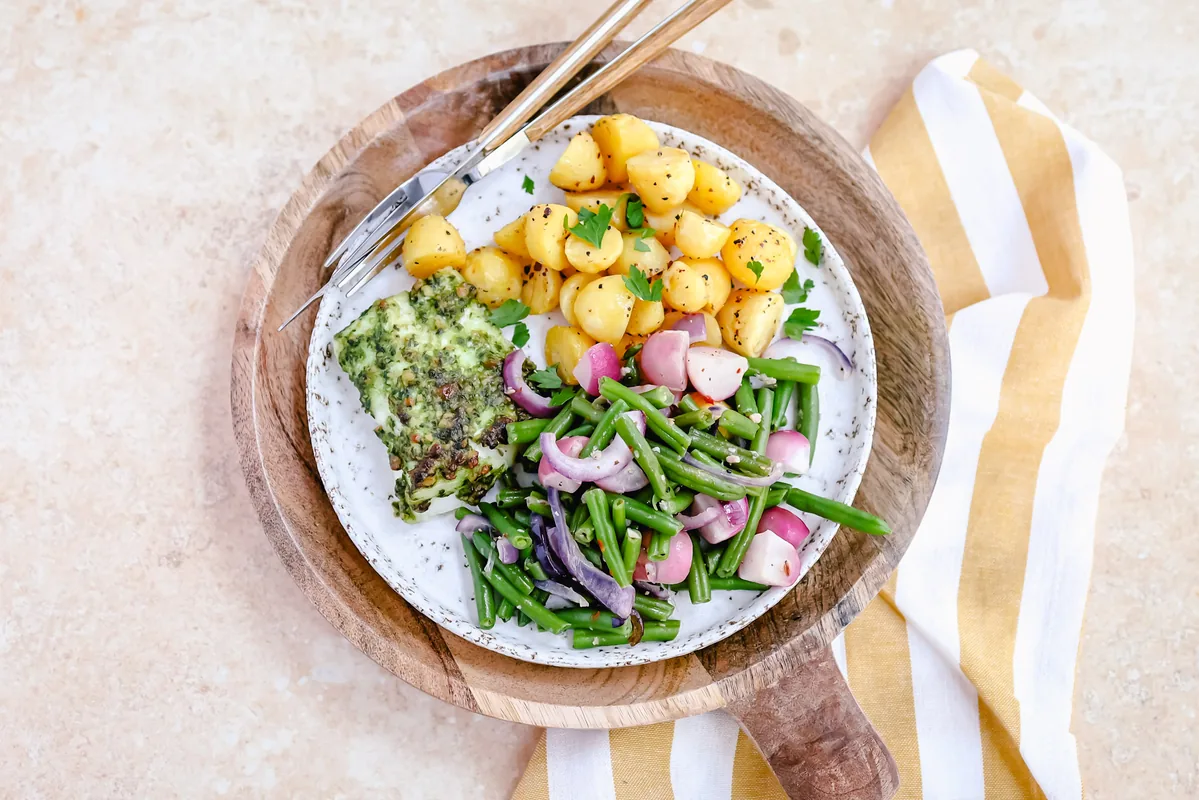
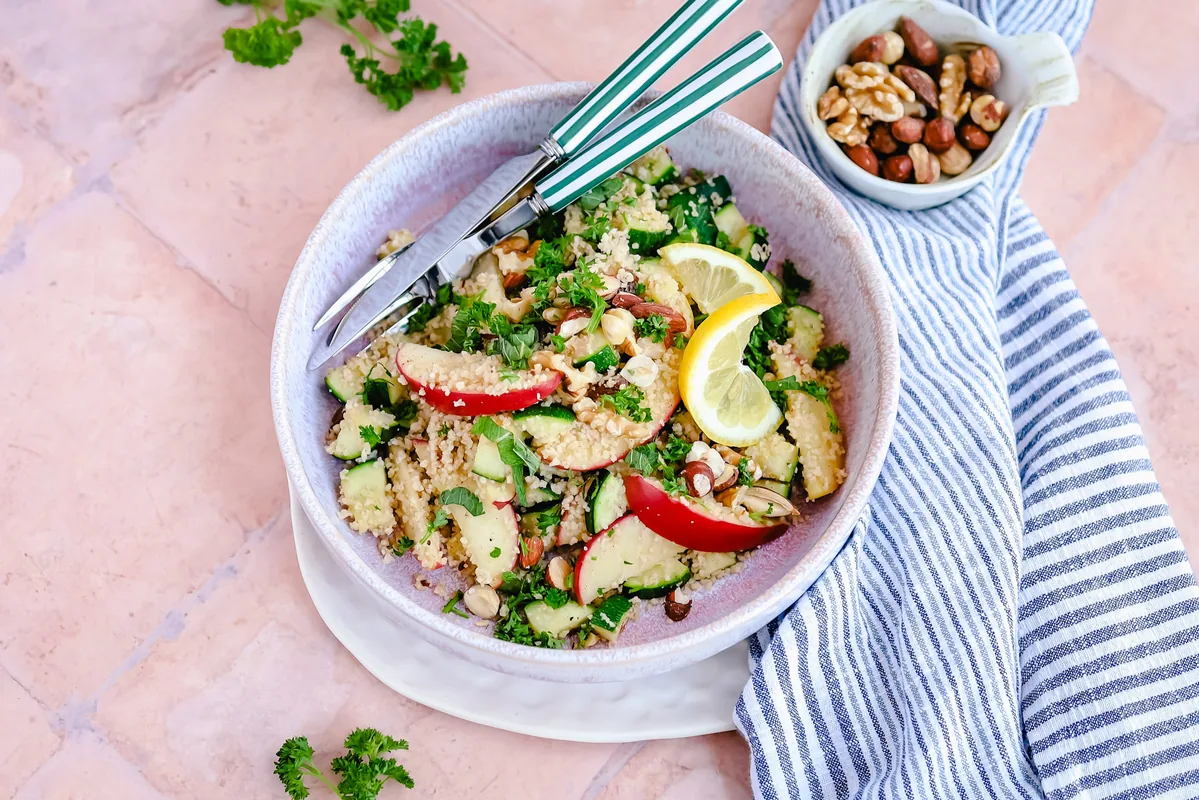
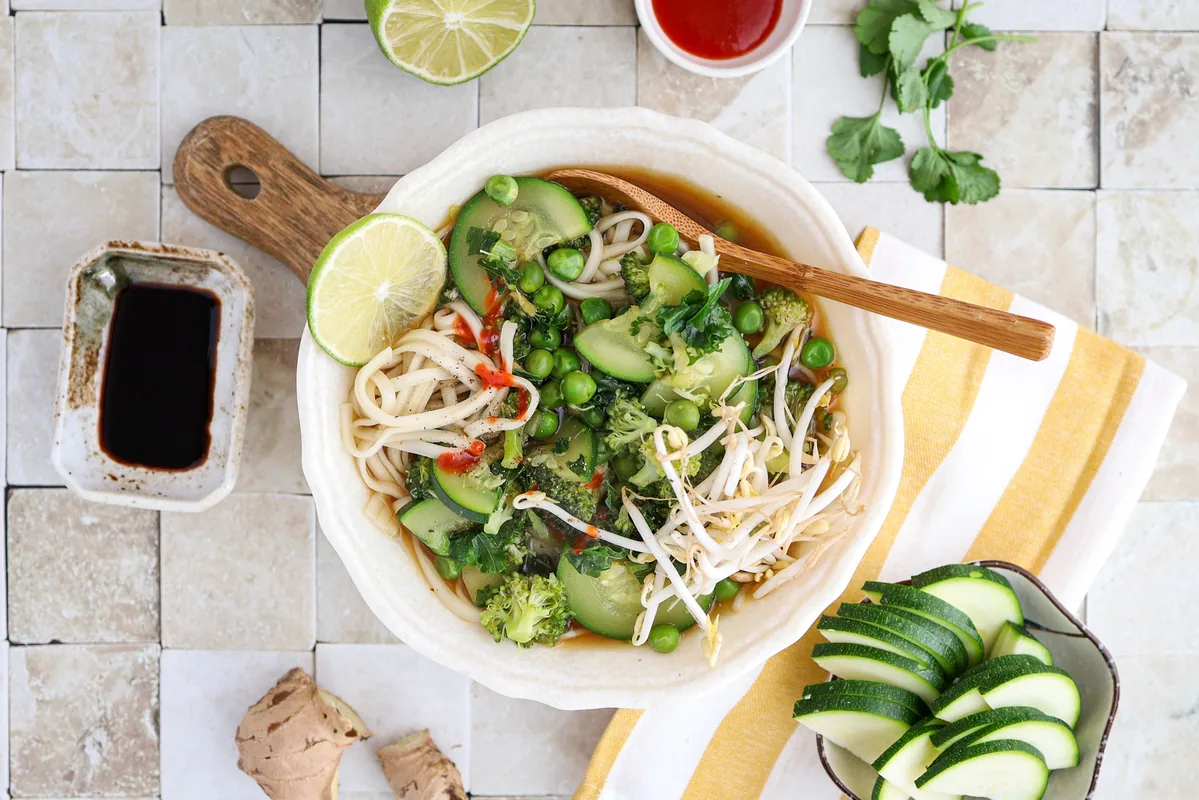

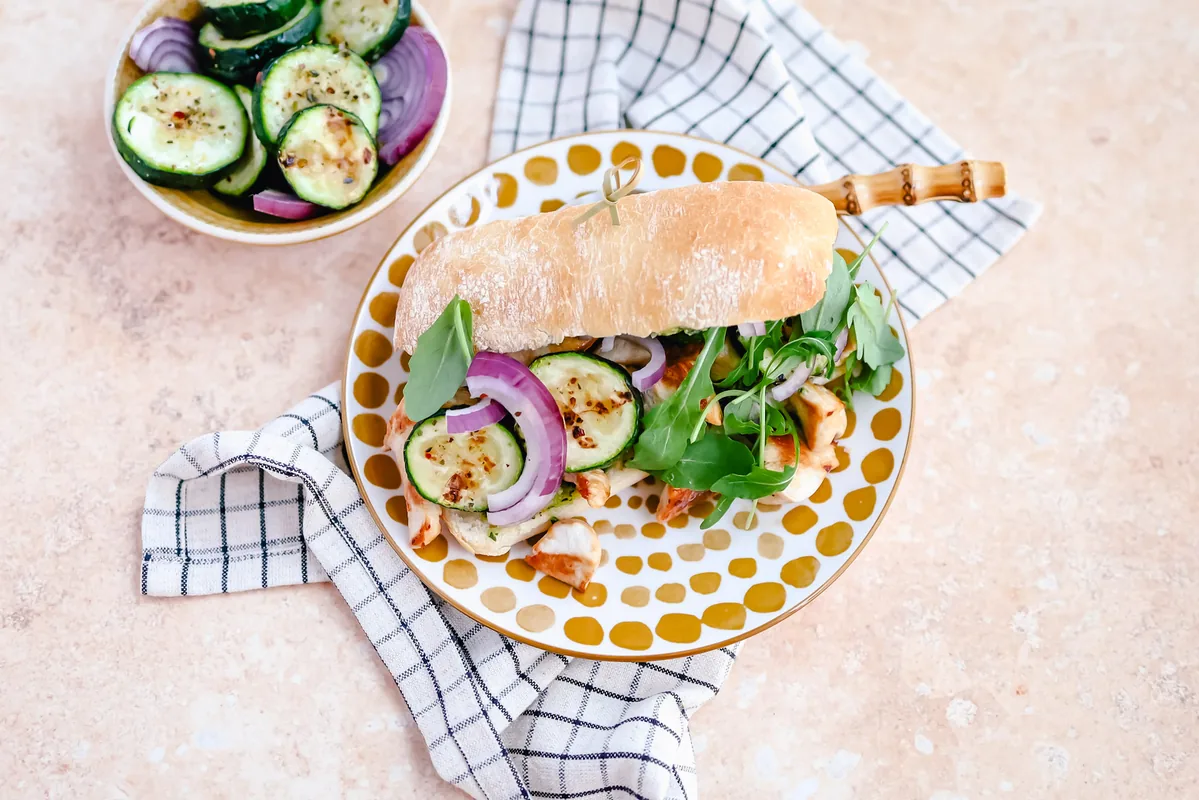
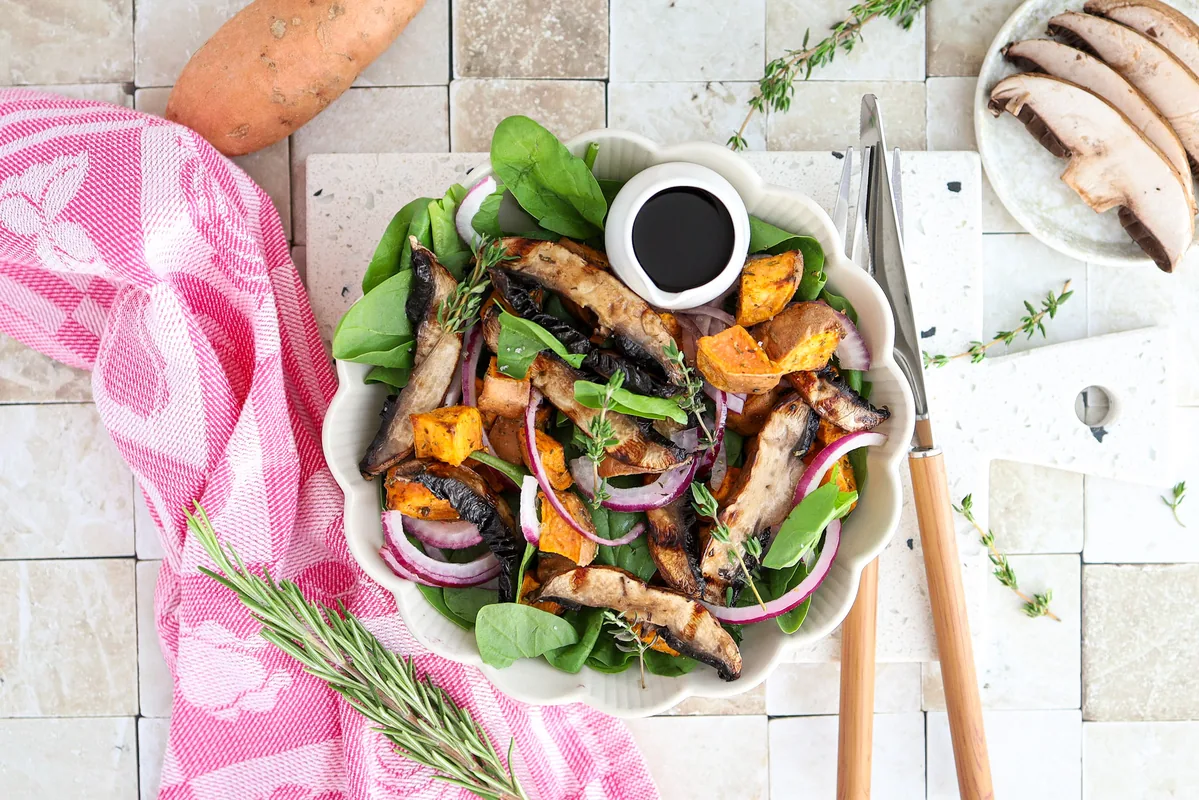

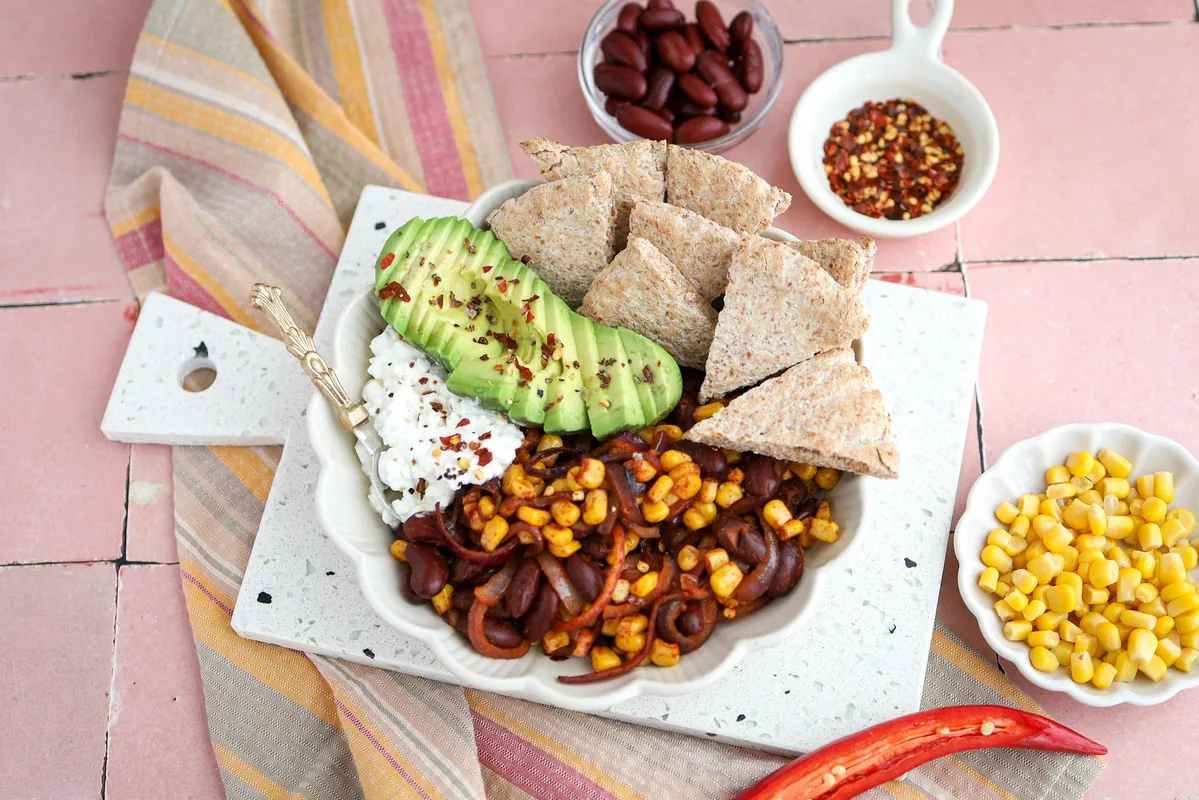
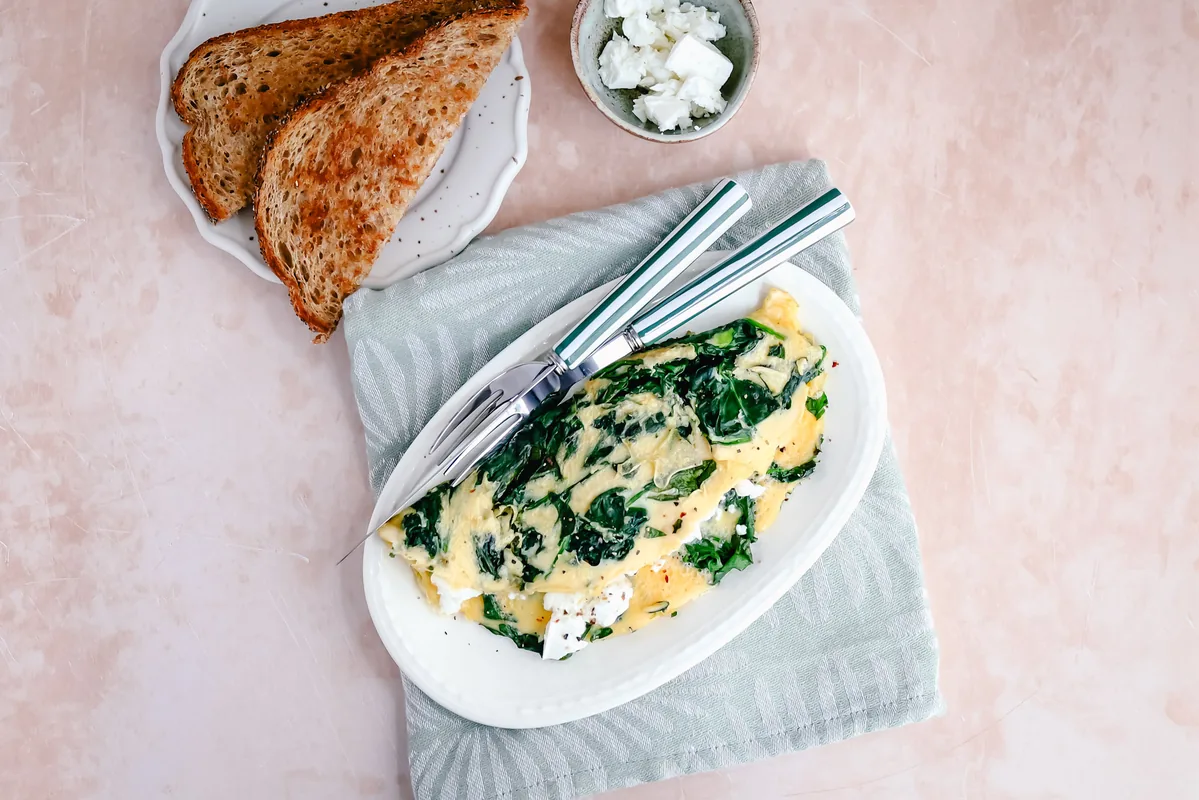
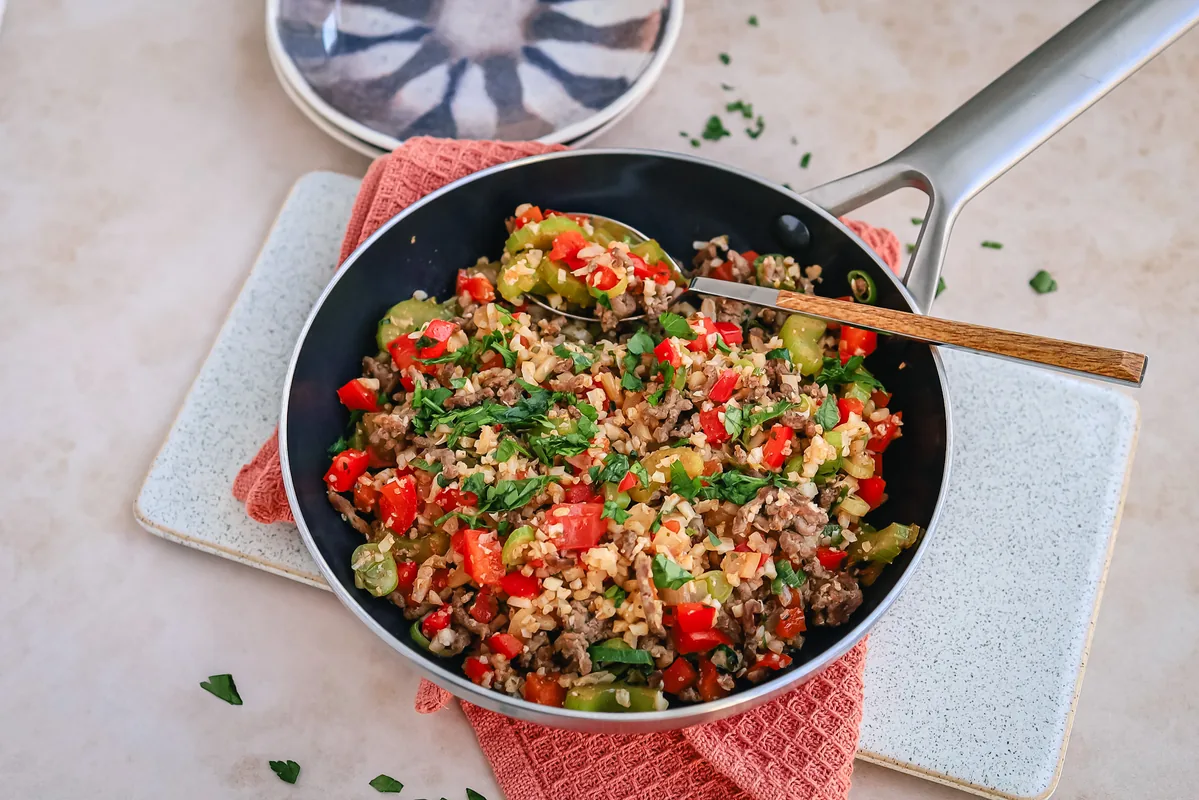
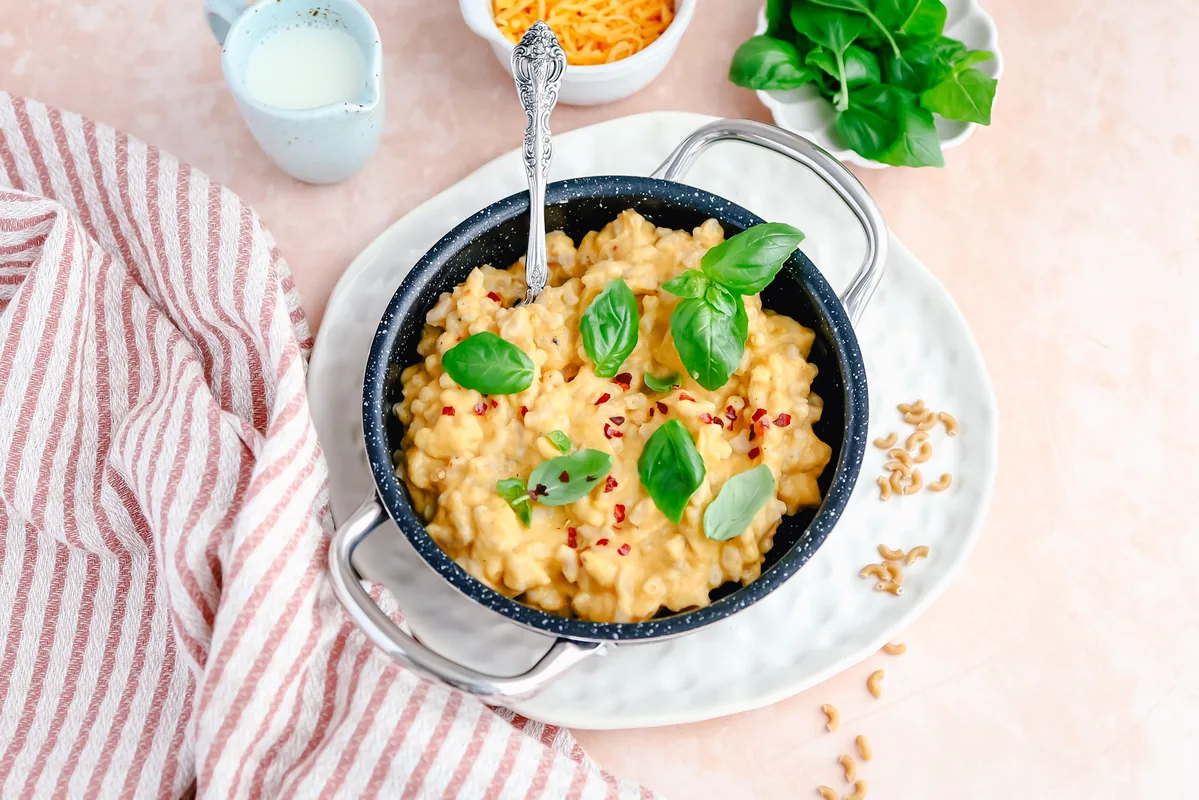
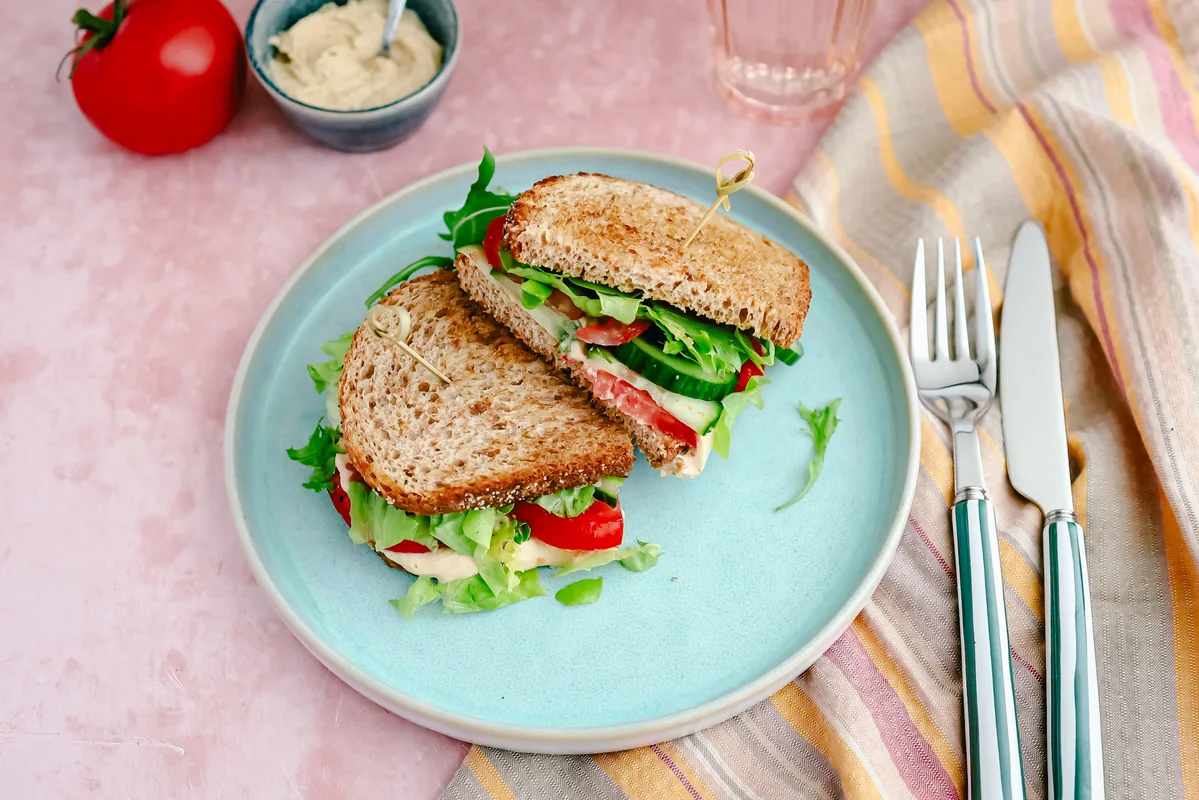
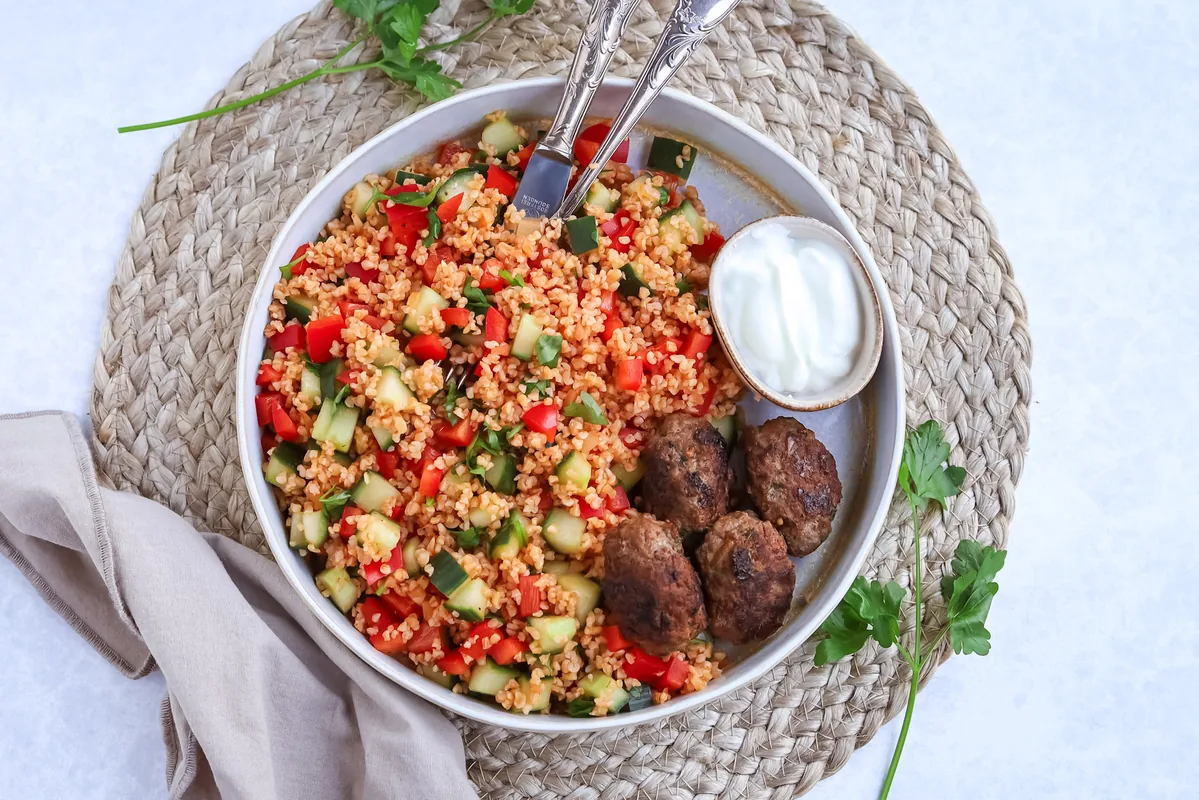
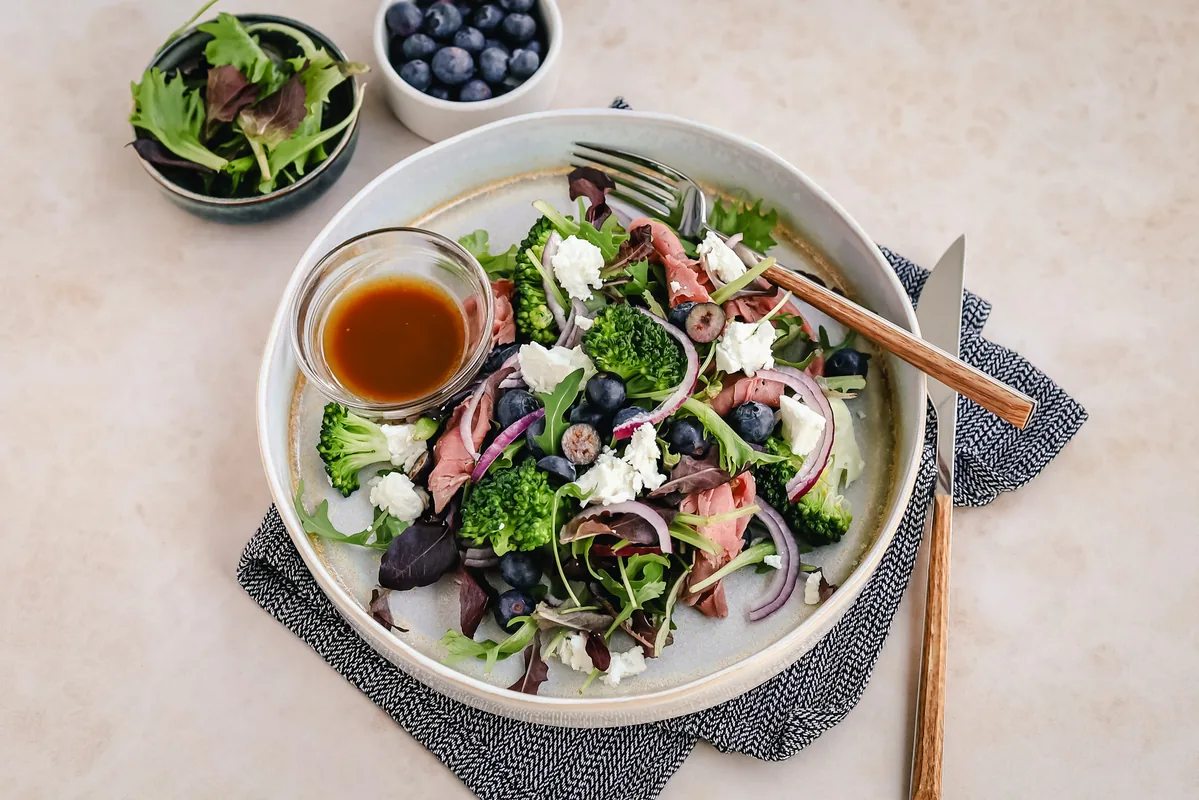
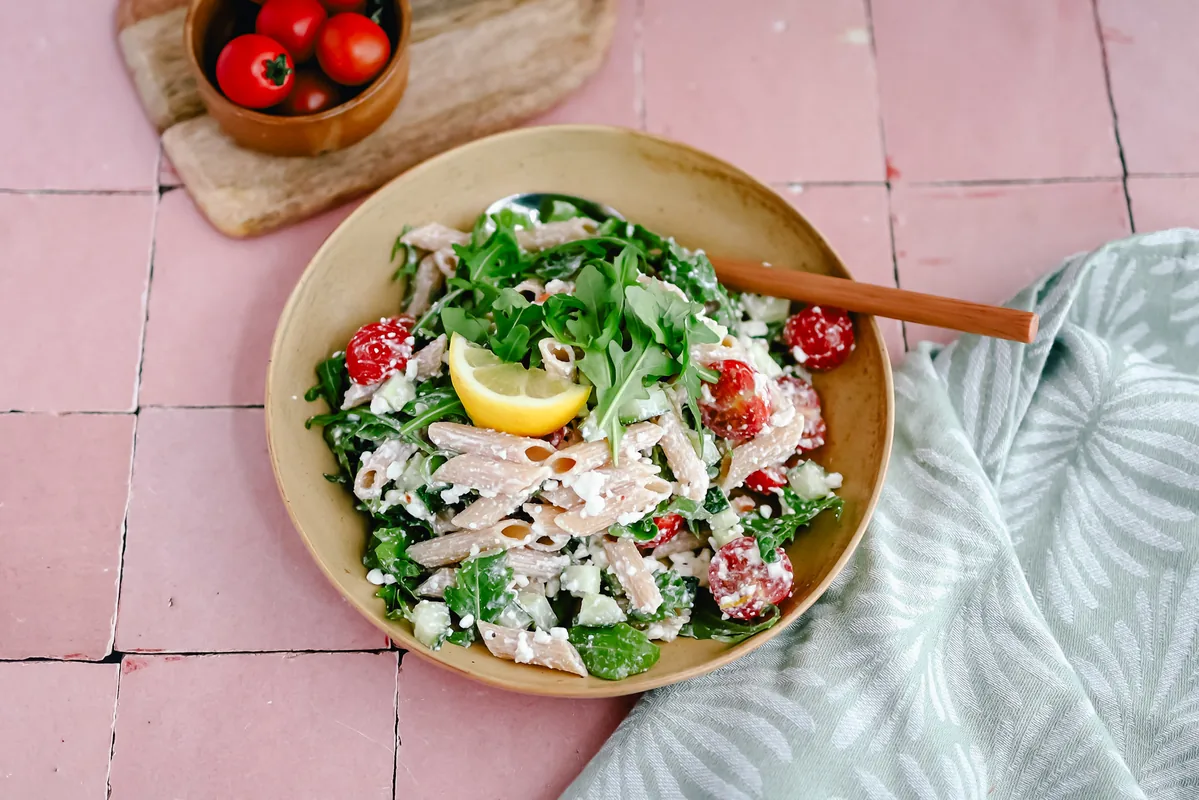
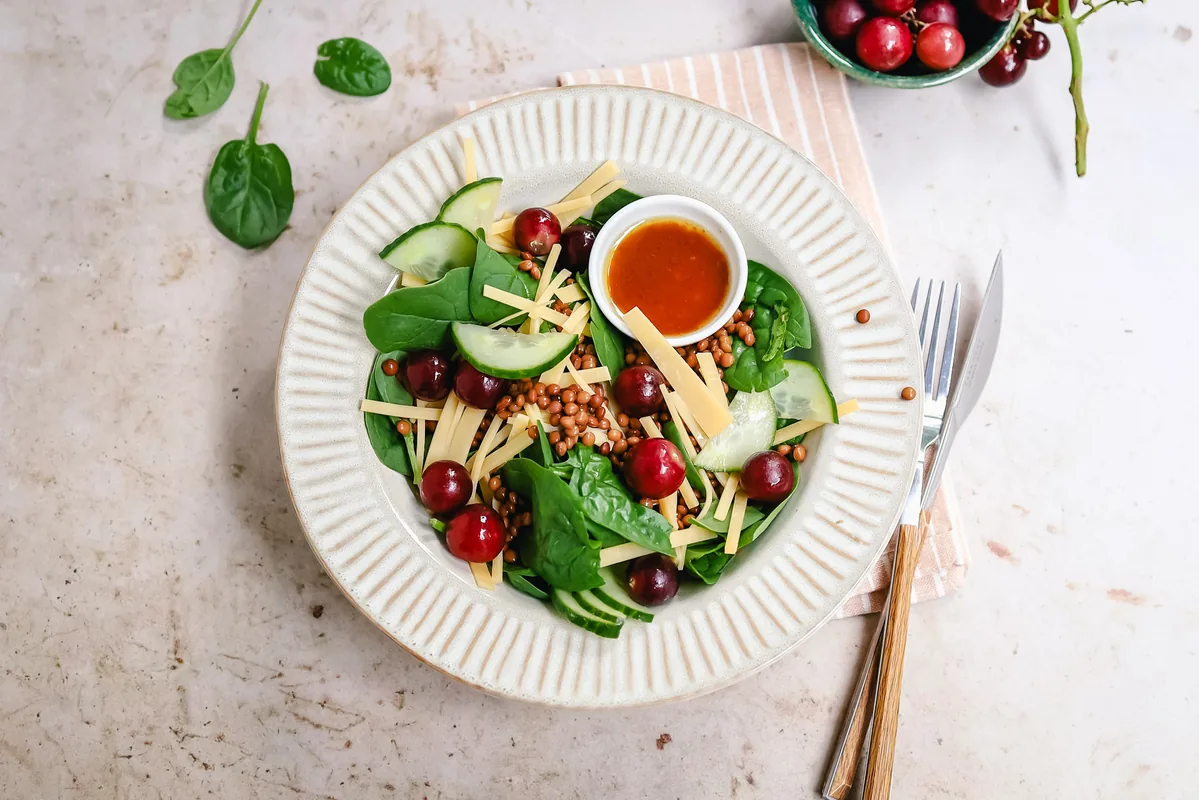
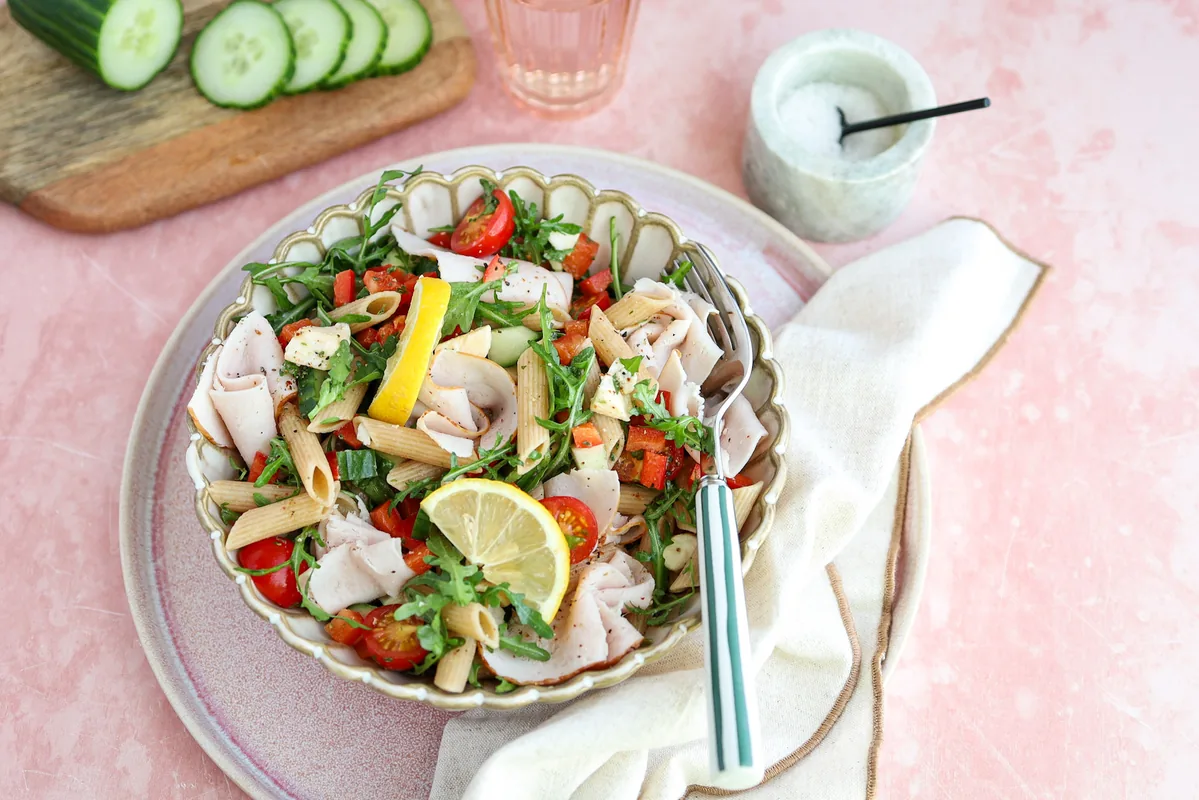
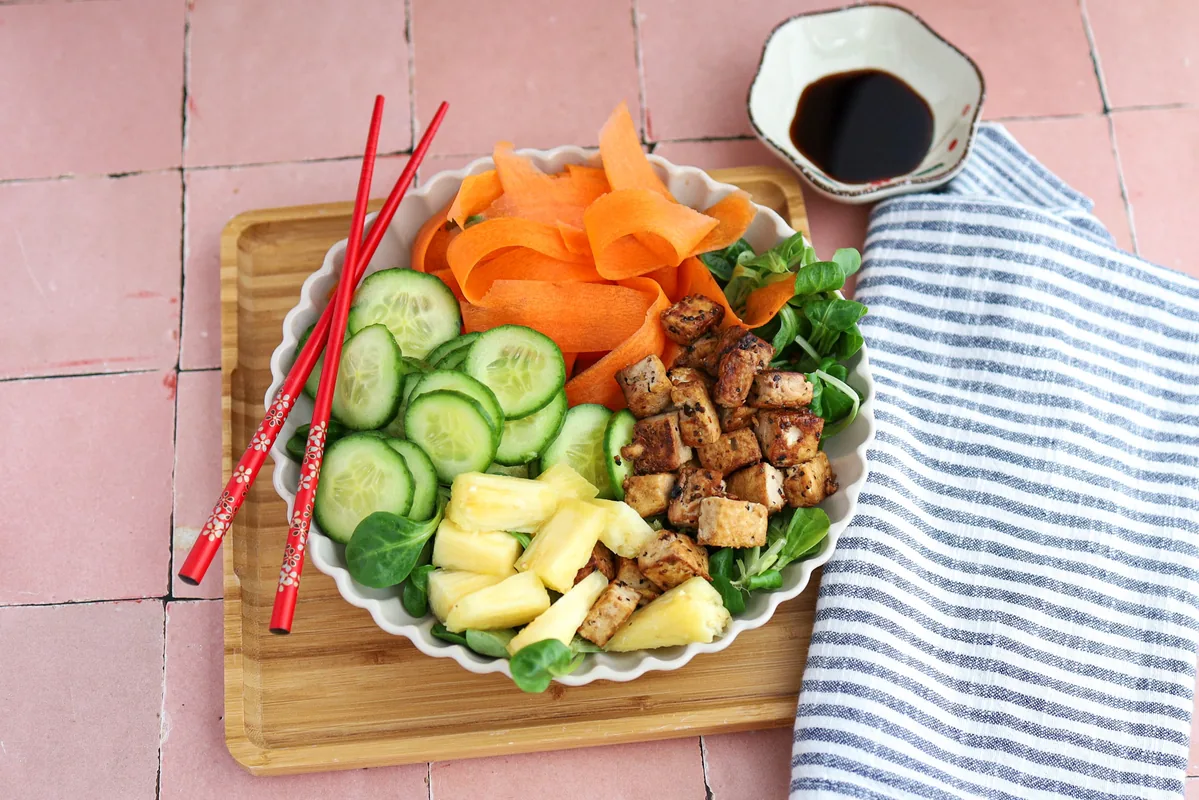
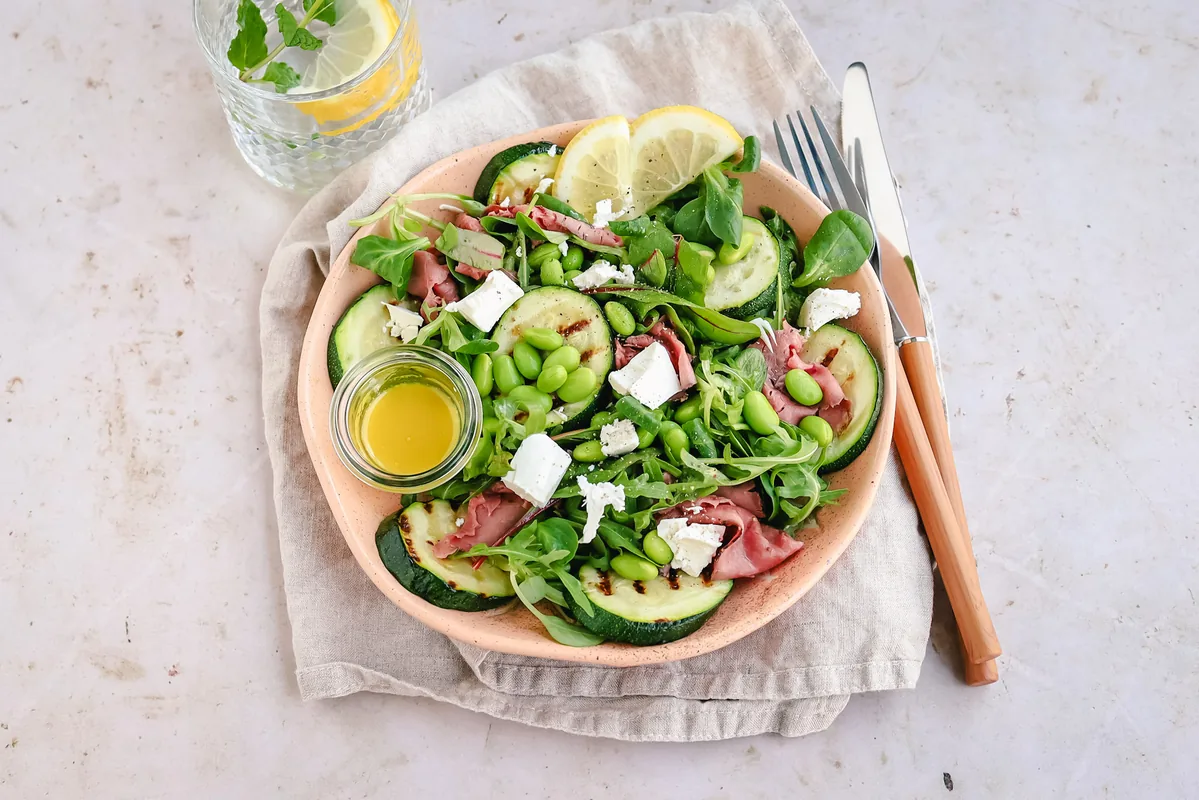
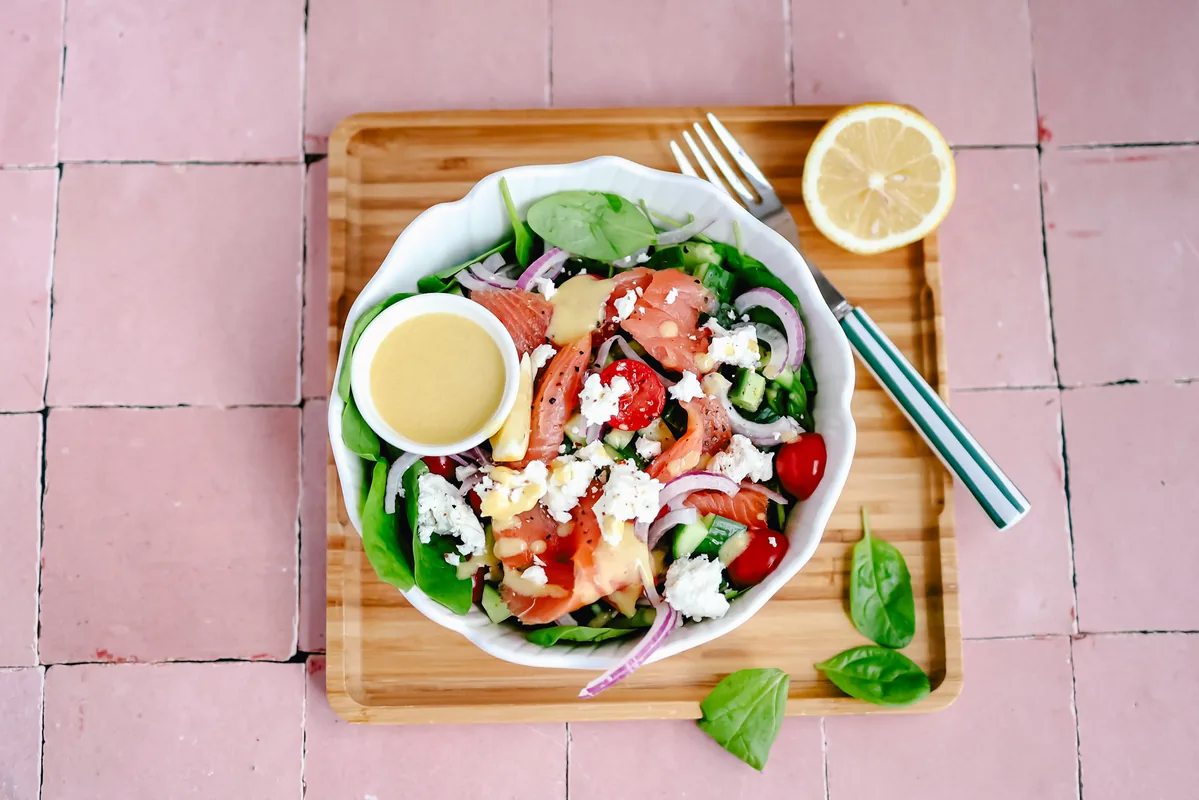
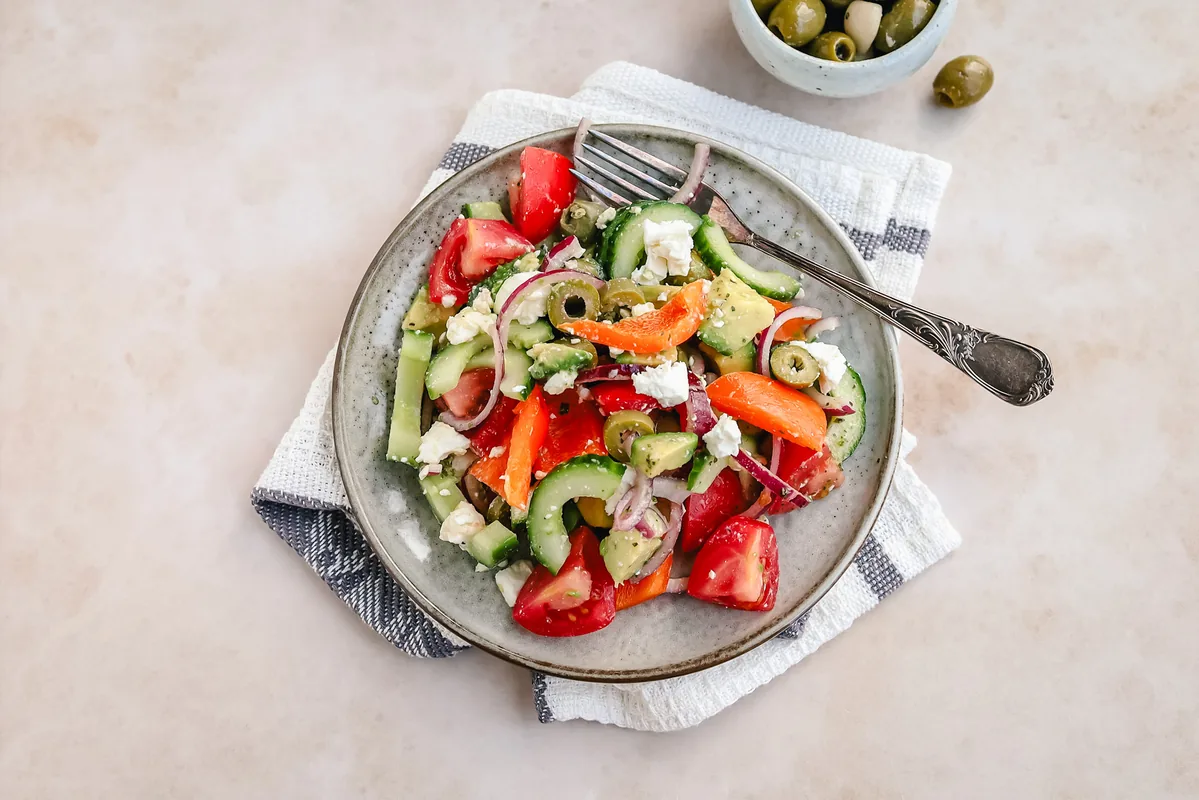
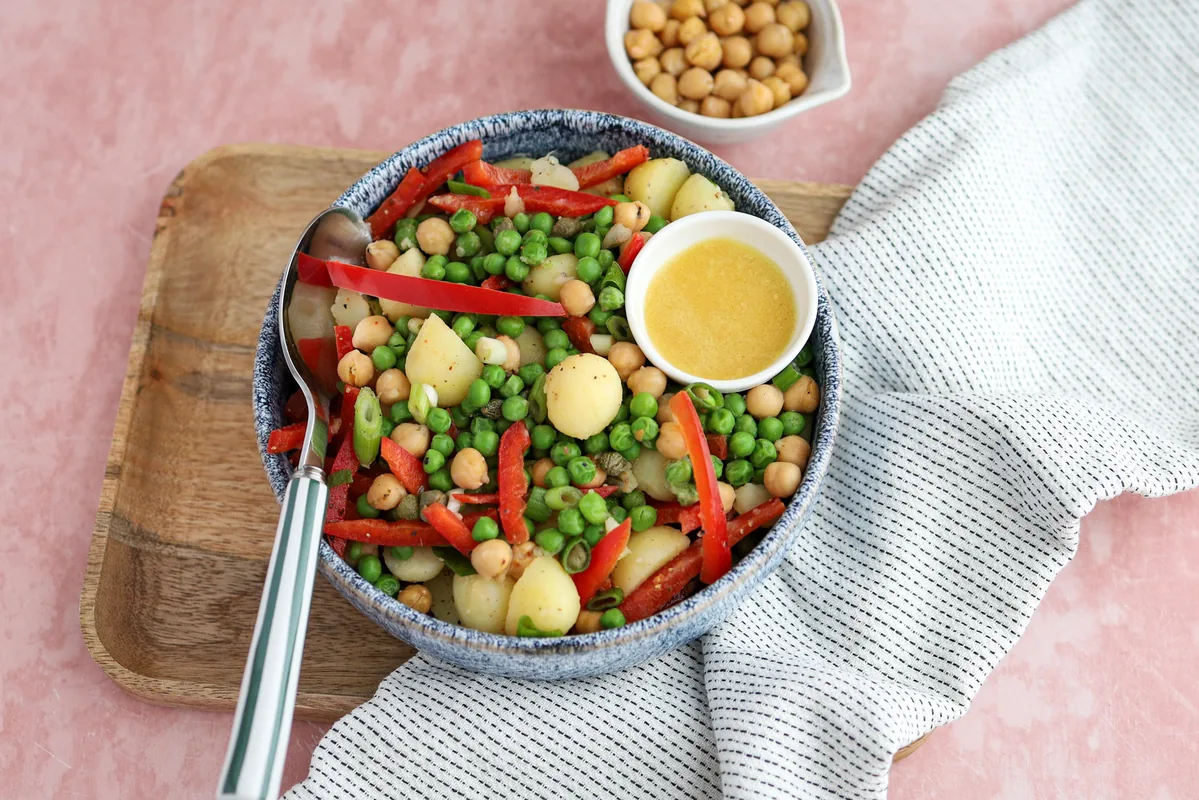
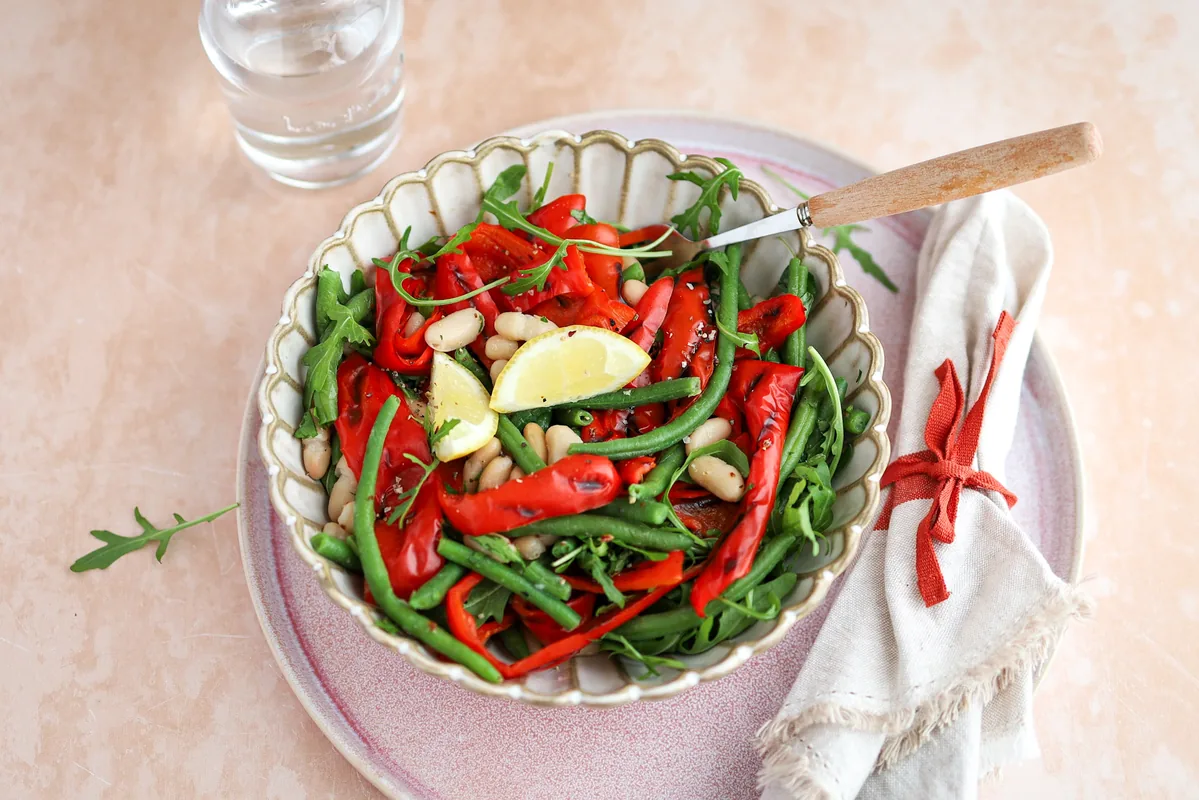
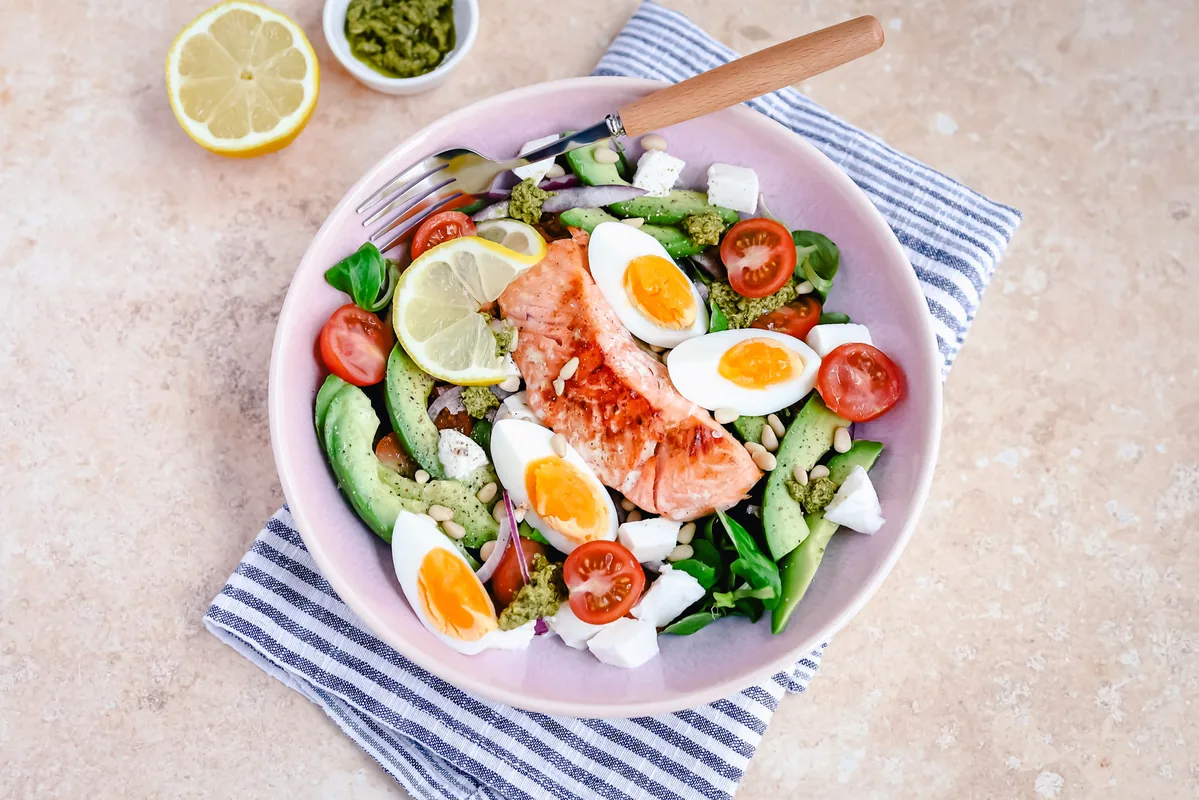
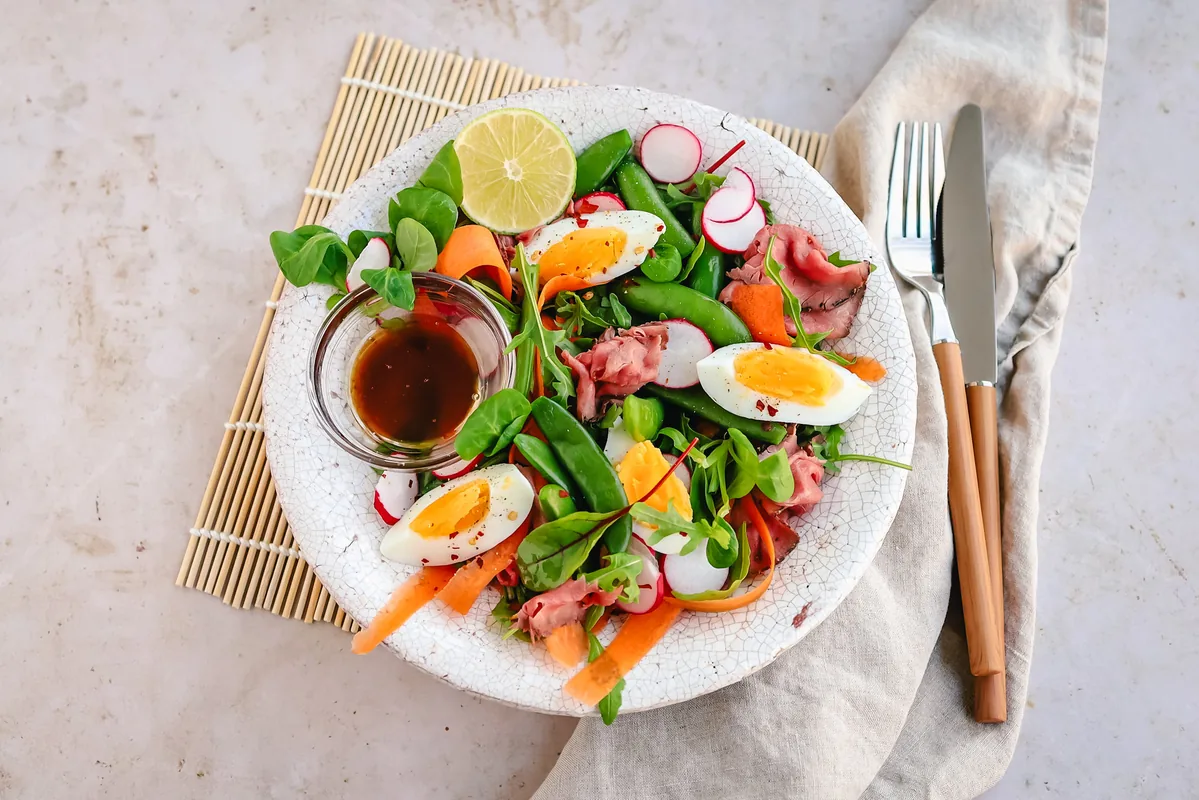
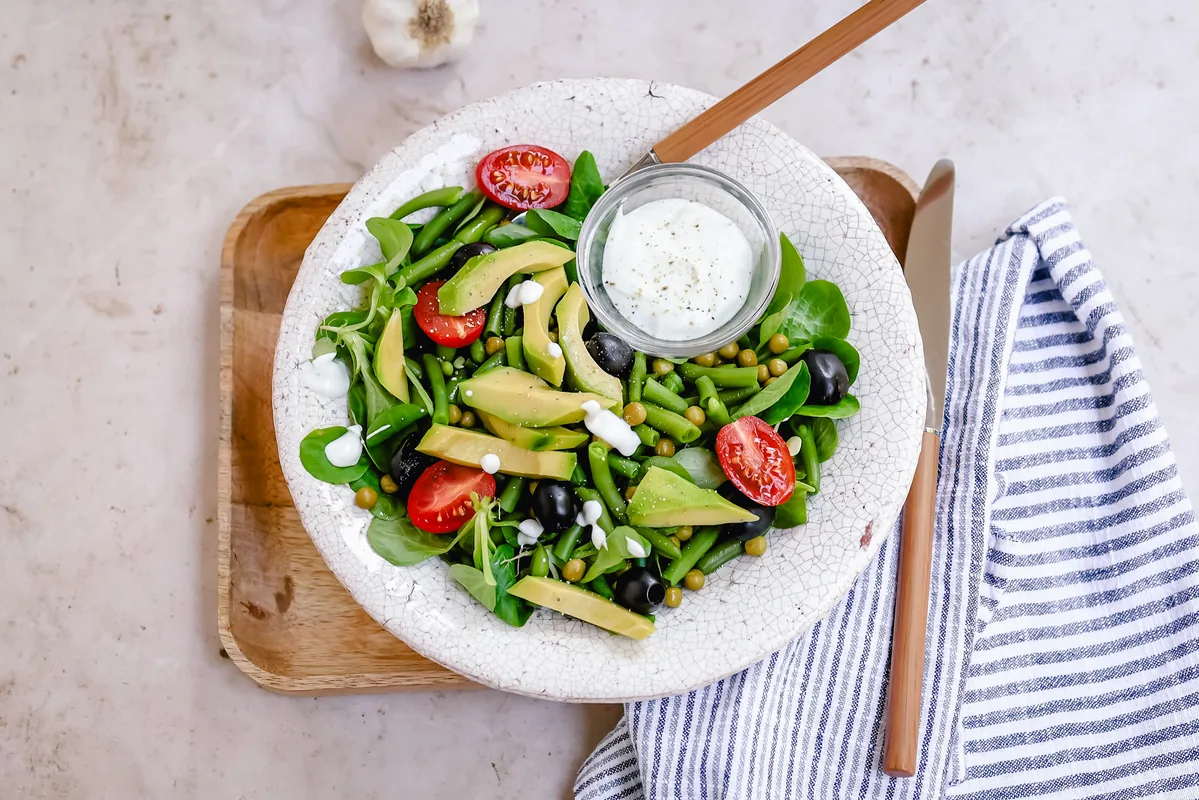
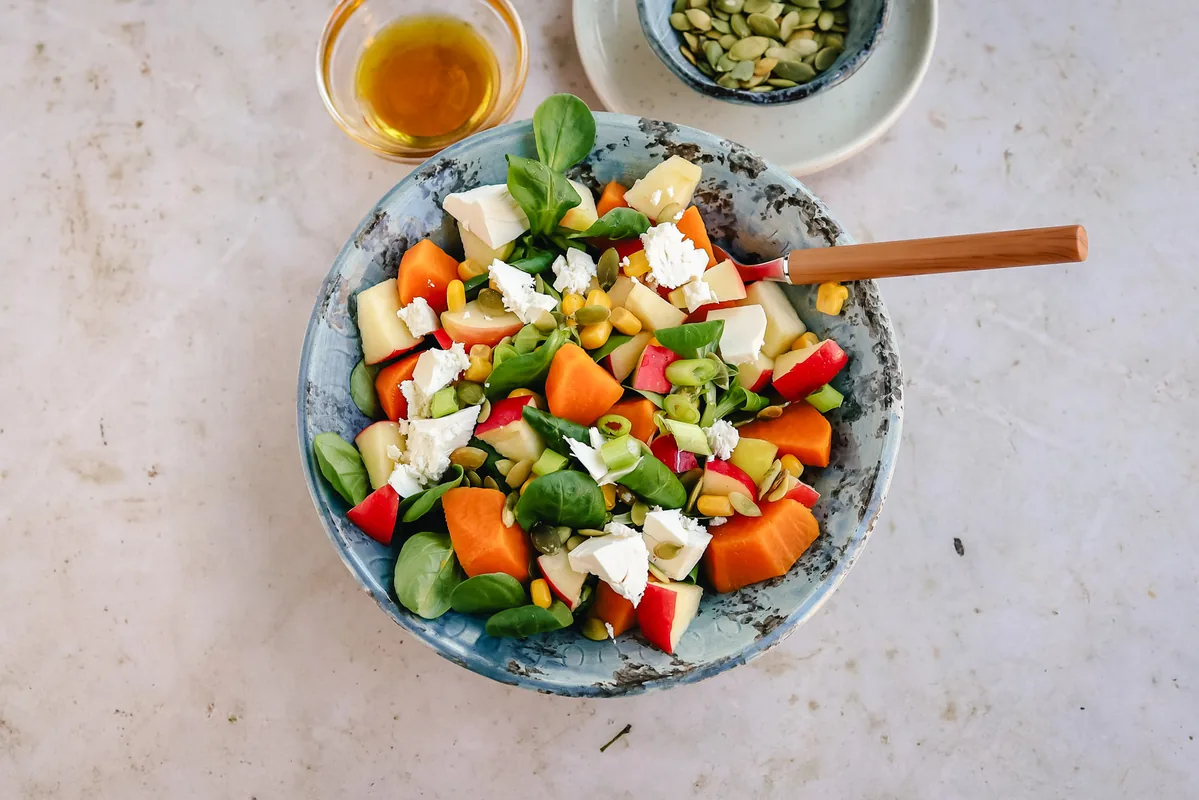
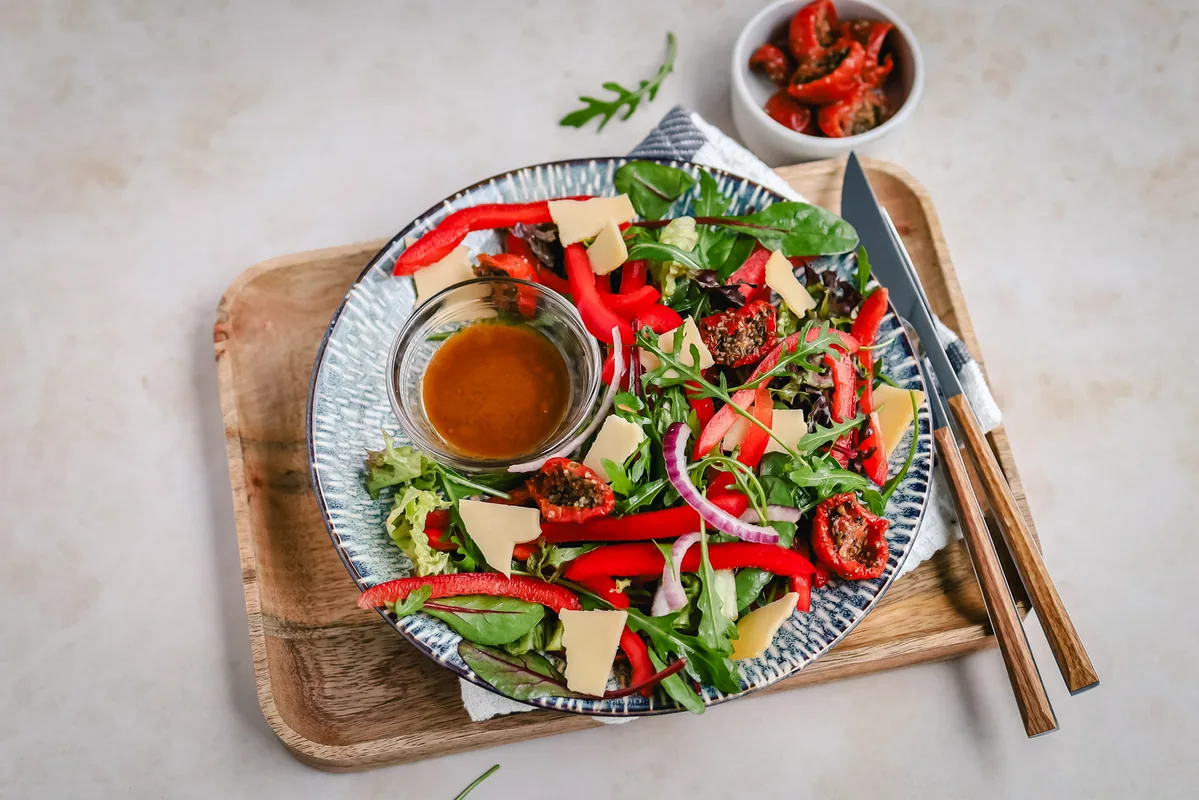
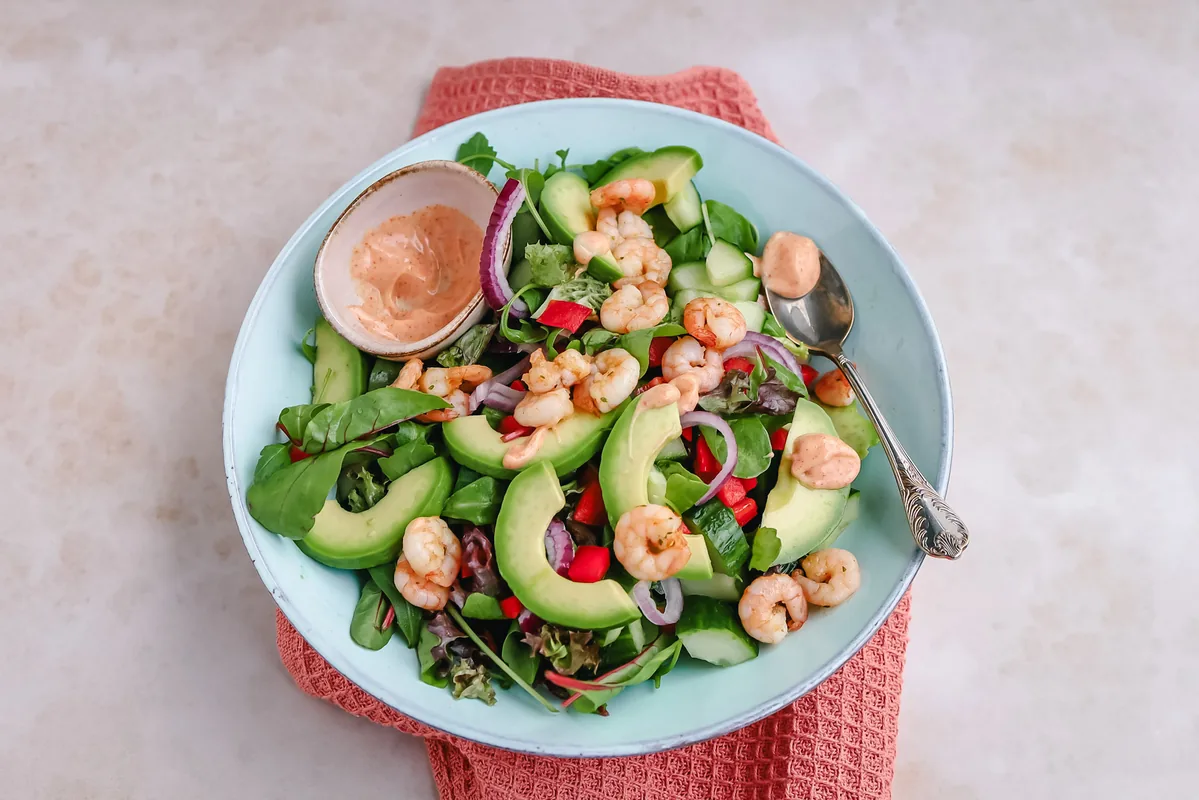
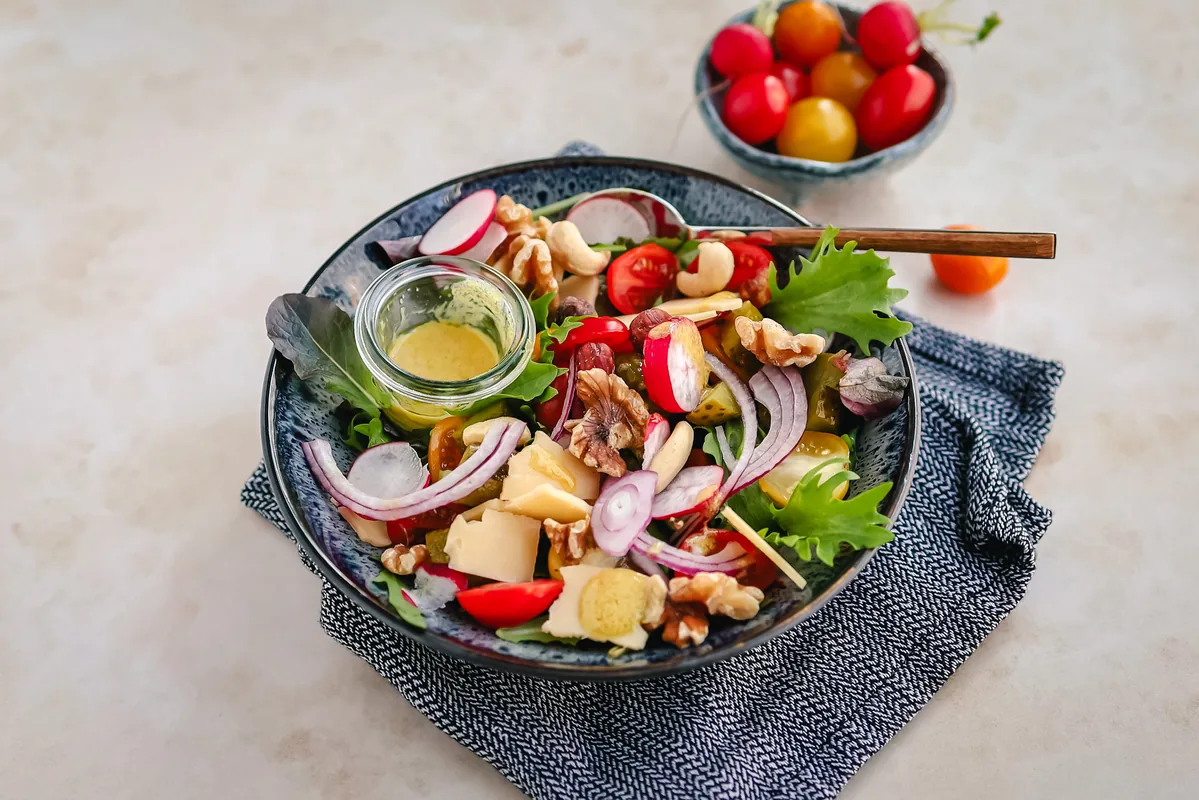
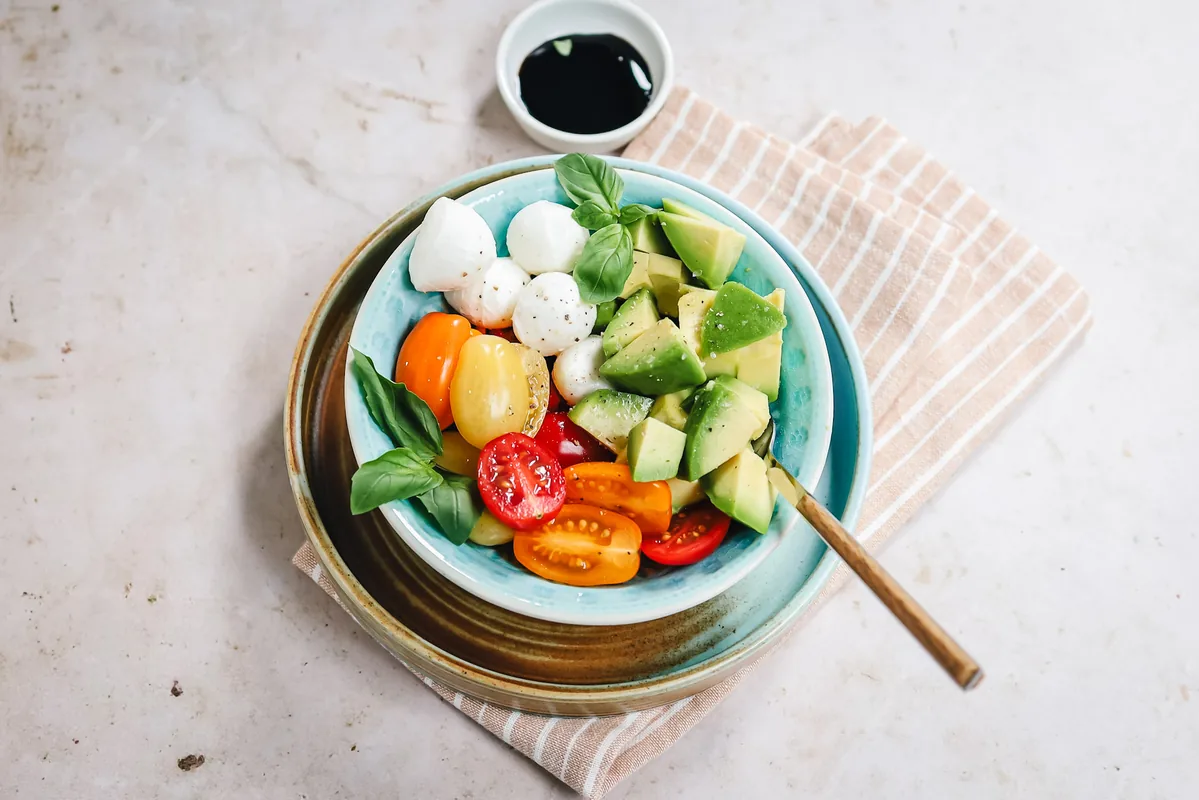
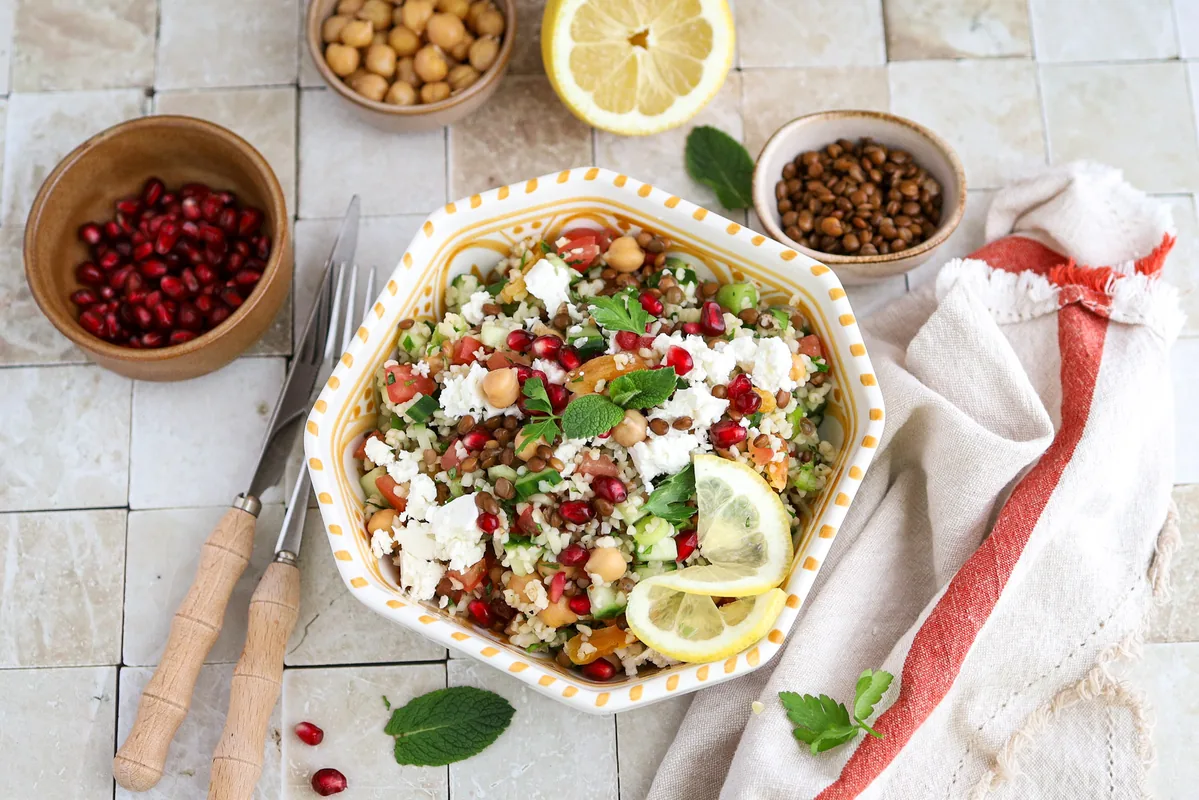
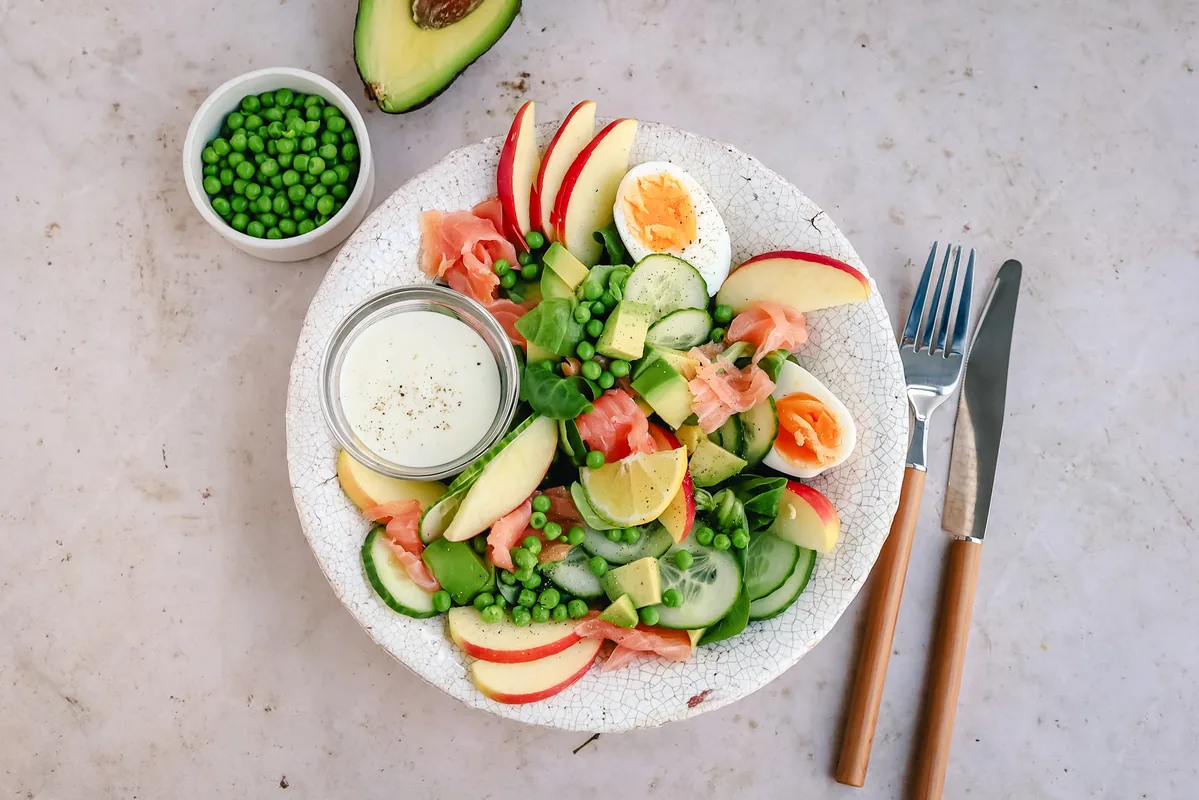
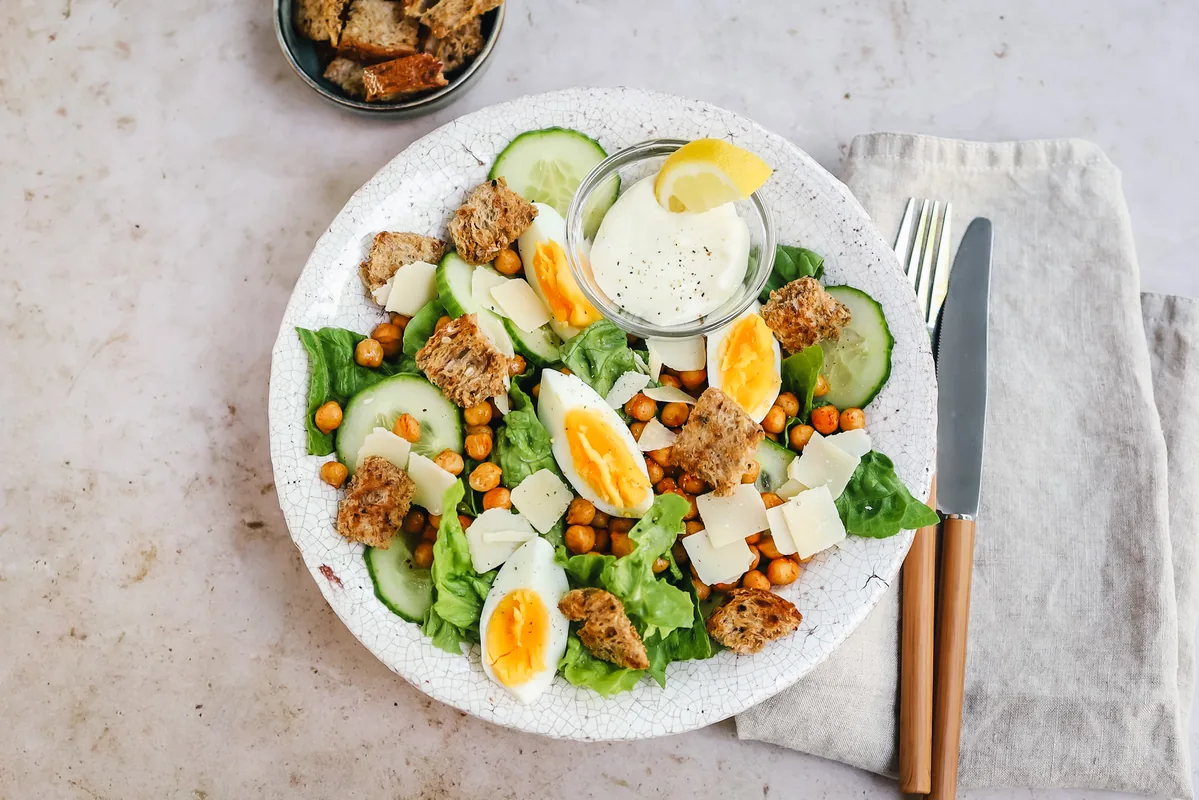
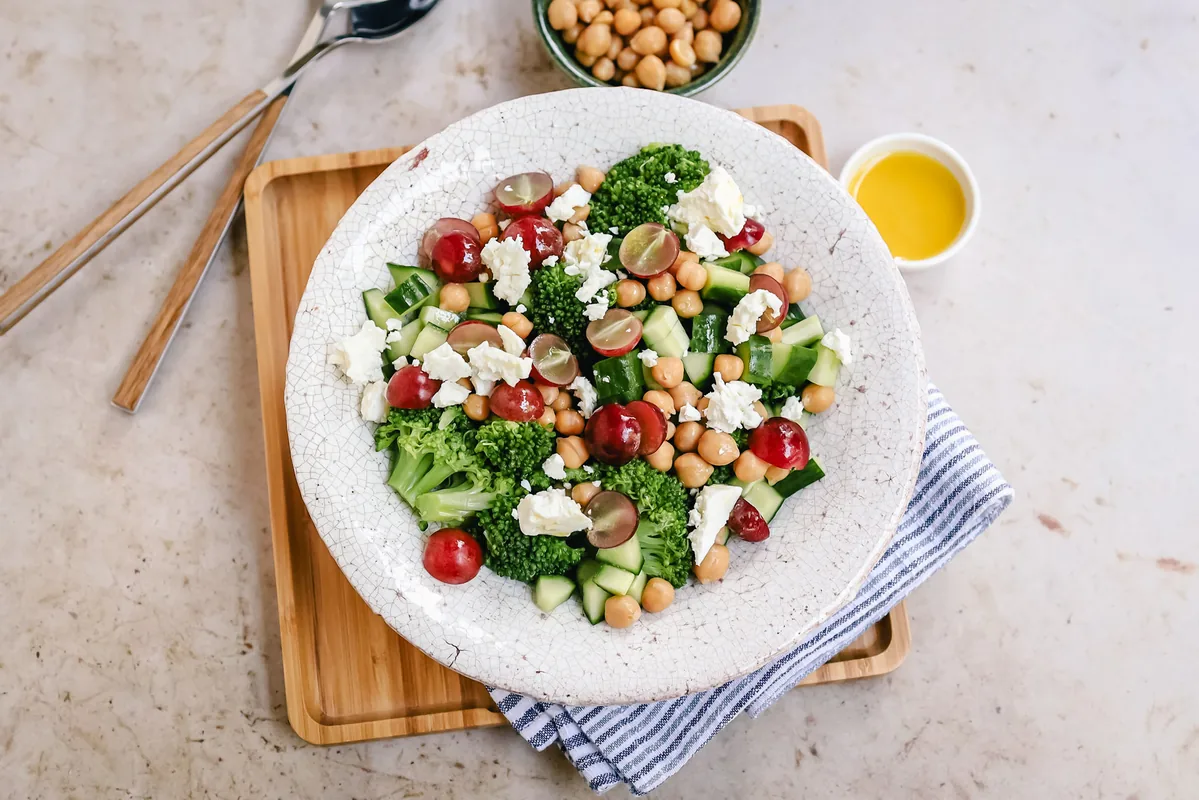
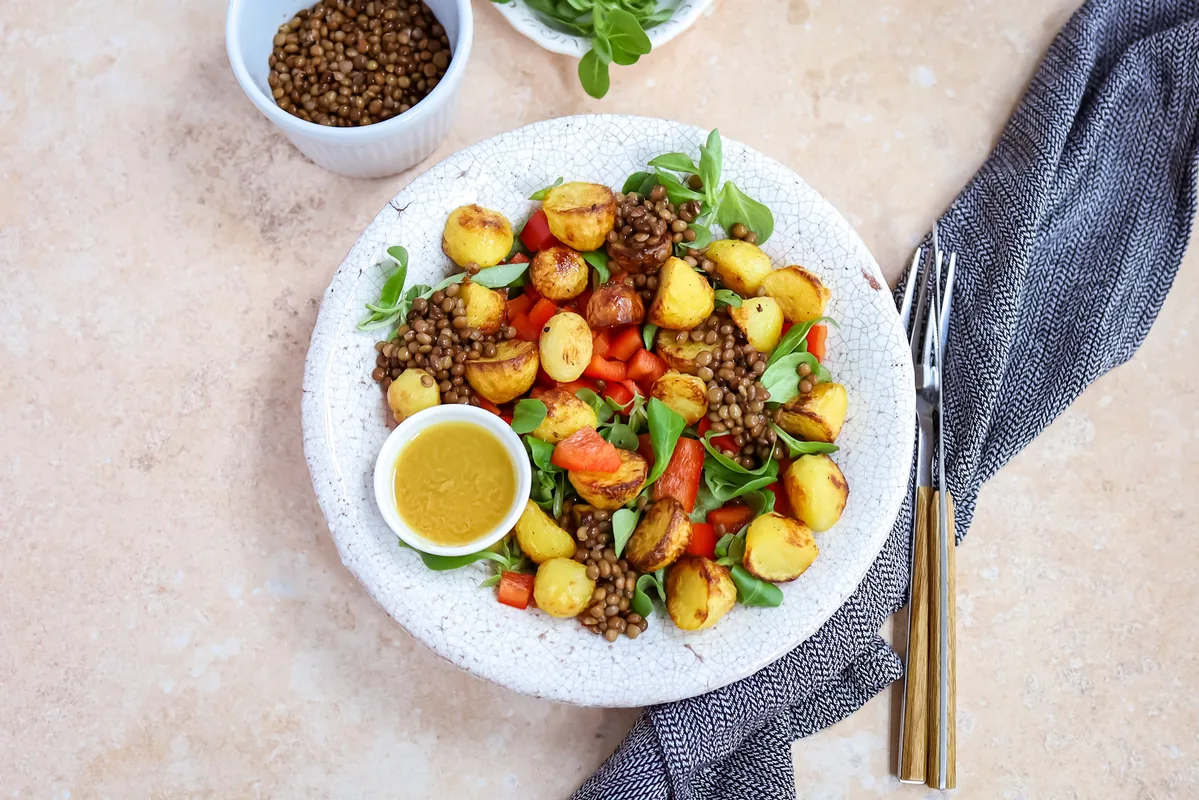
Every salad in this pool uses olive oil. That's not a flavor choice — it's the difference between absorbing the vitamins in those vegetables and wasting them. The threshold is 6 grams (half a tablespoon).
Browse this collection →








Age Changed Your Recovery. Just Not the Part You Think.
Read the 60-second breakdown →
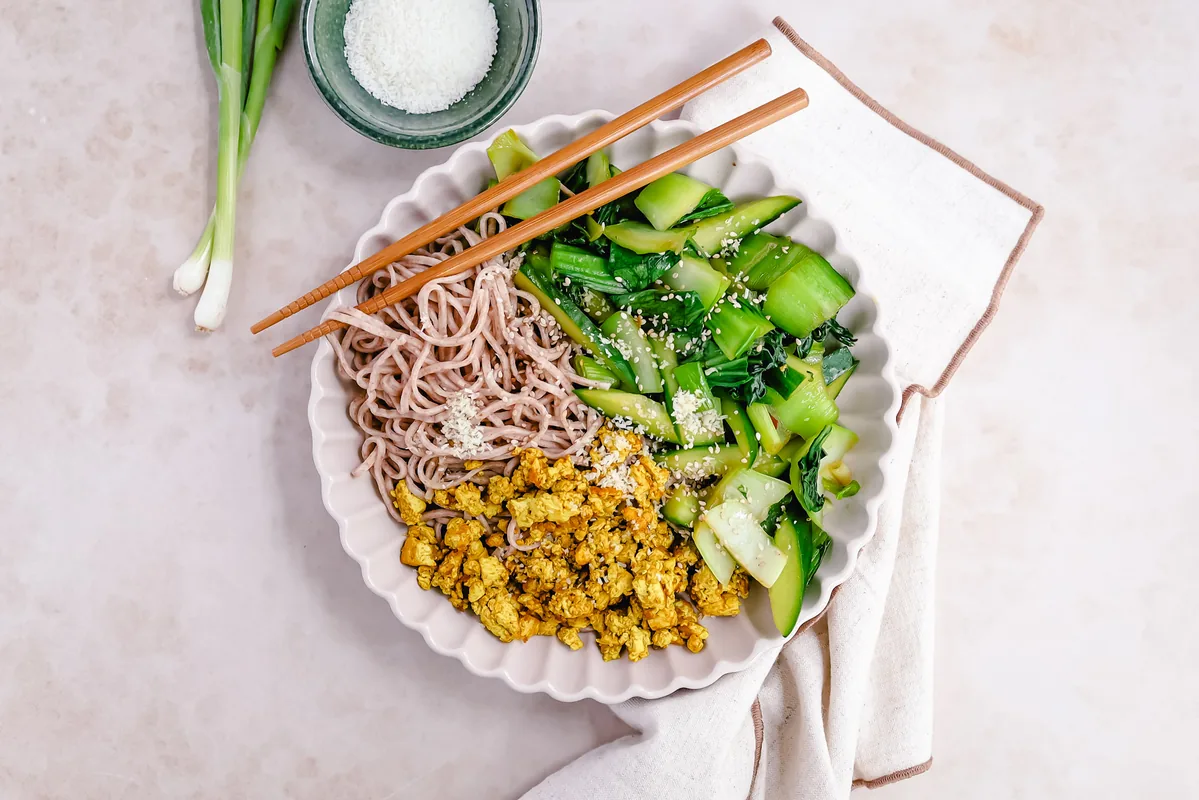
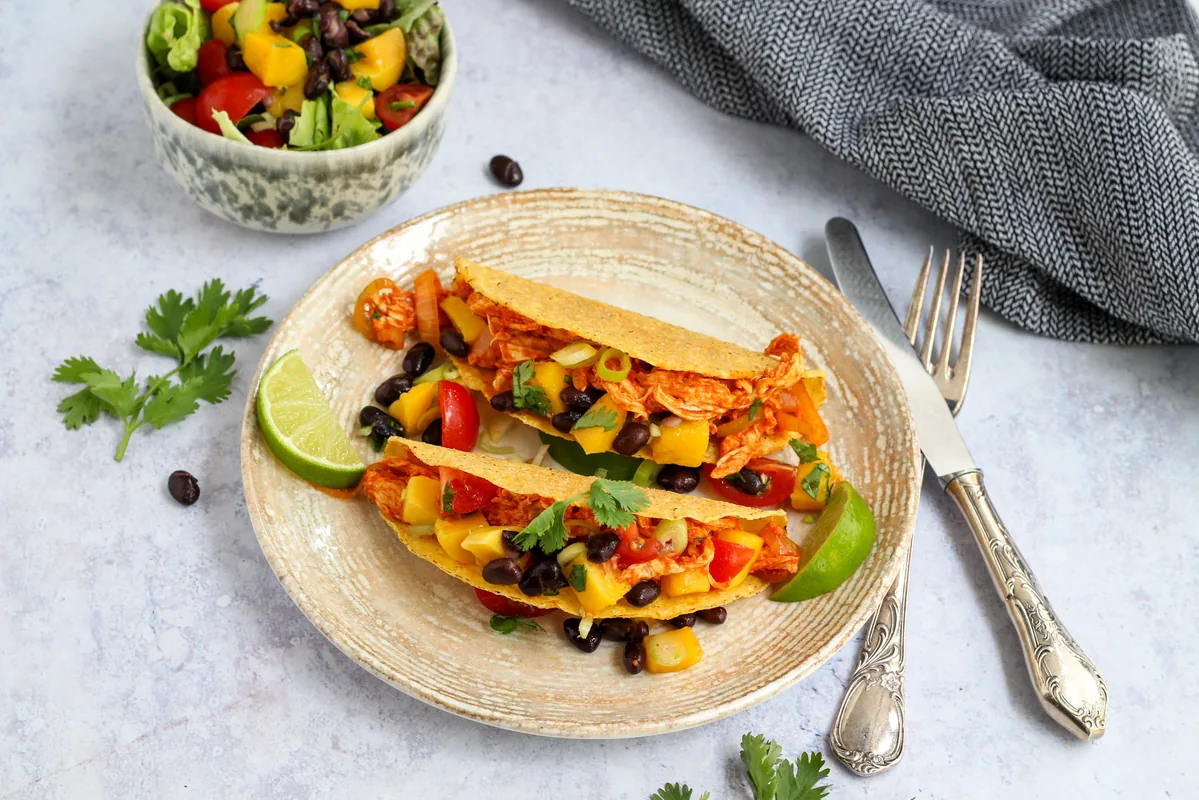
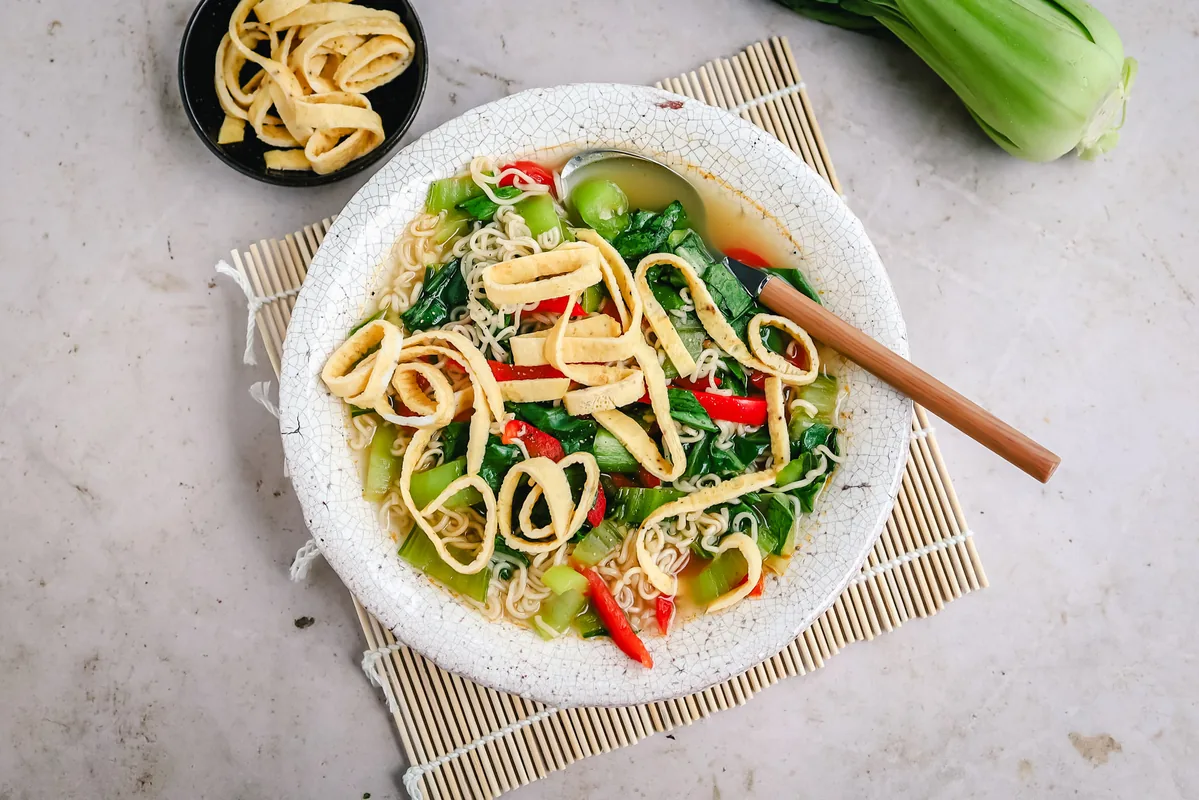
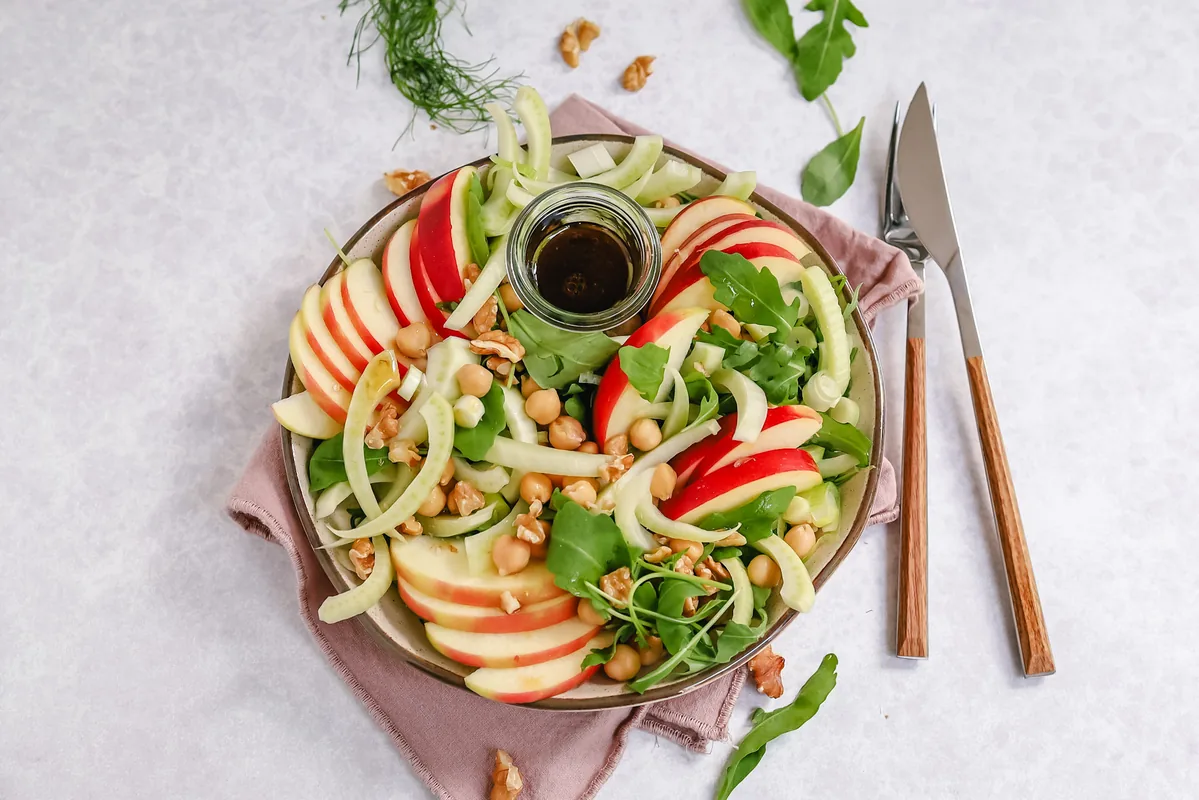


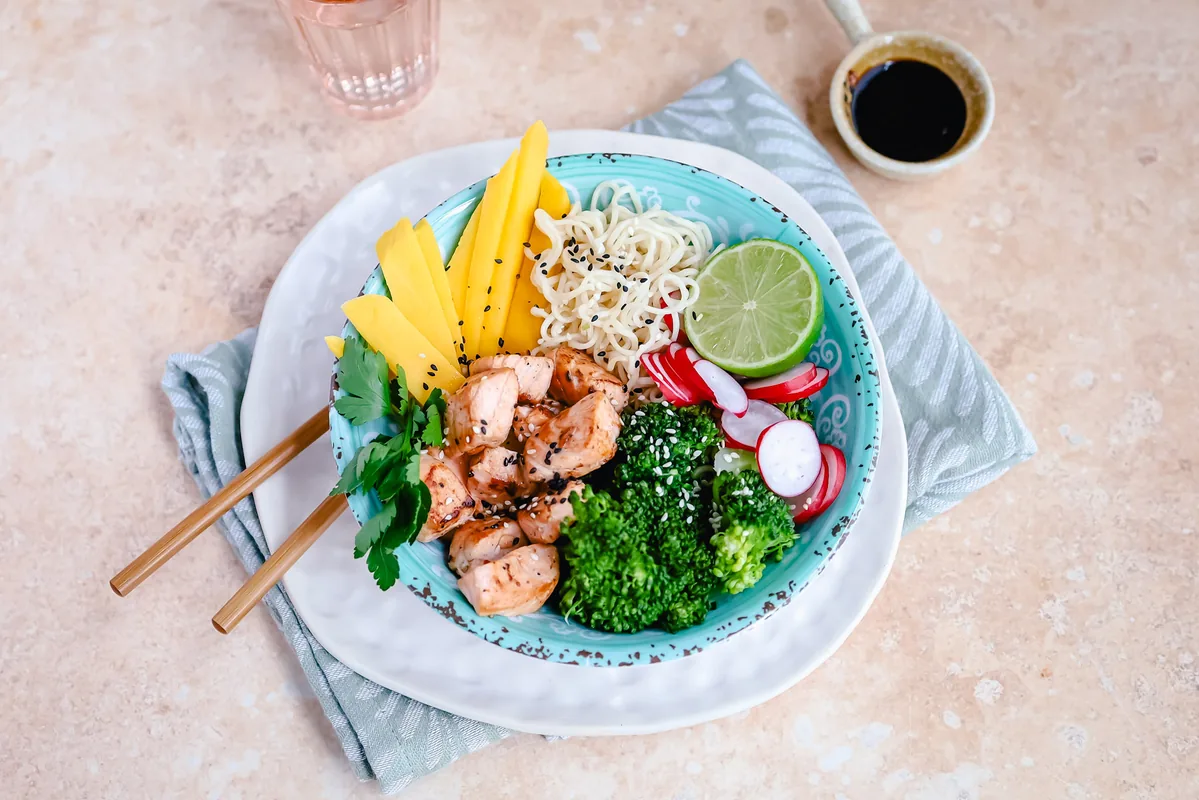


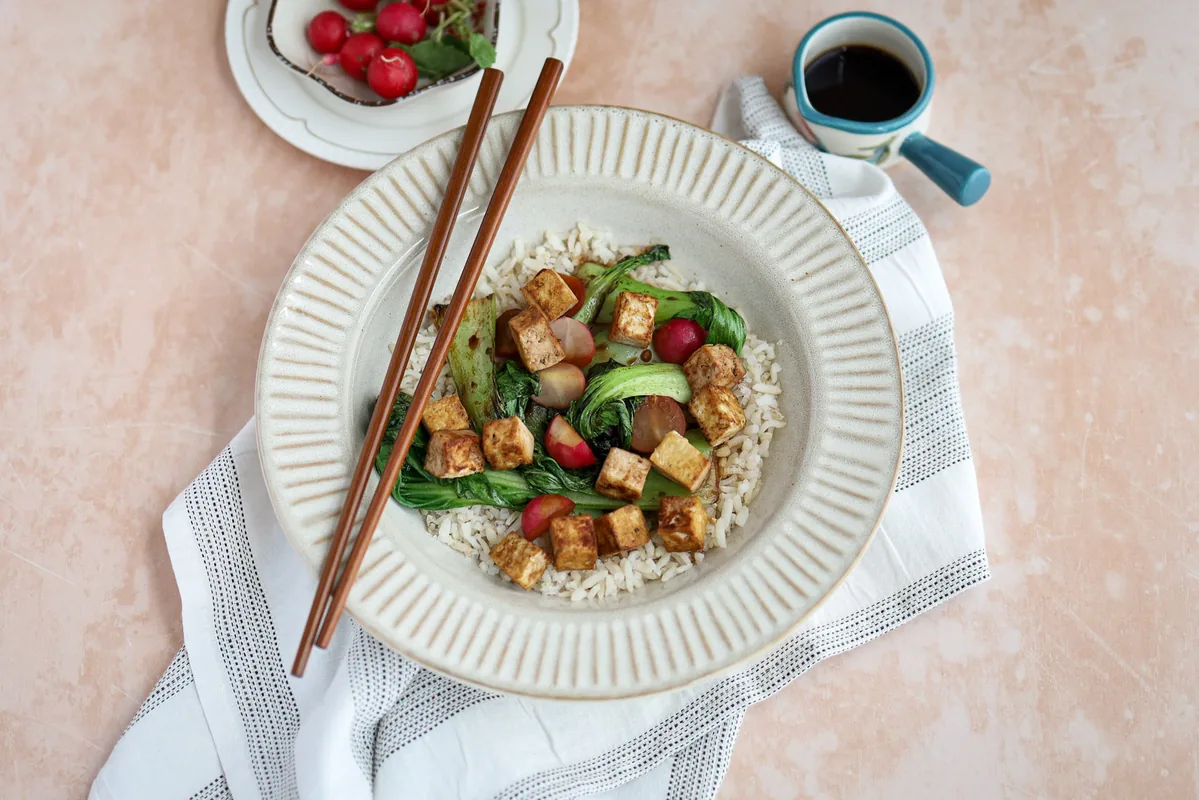
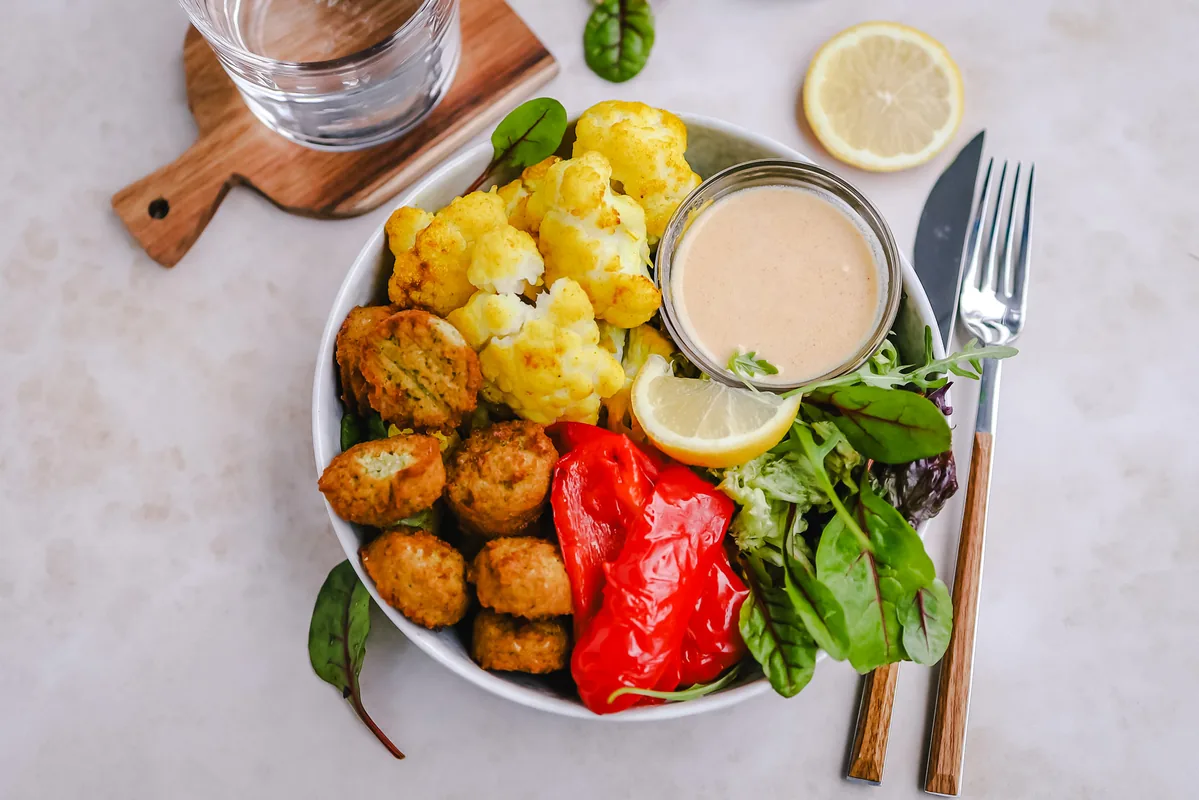
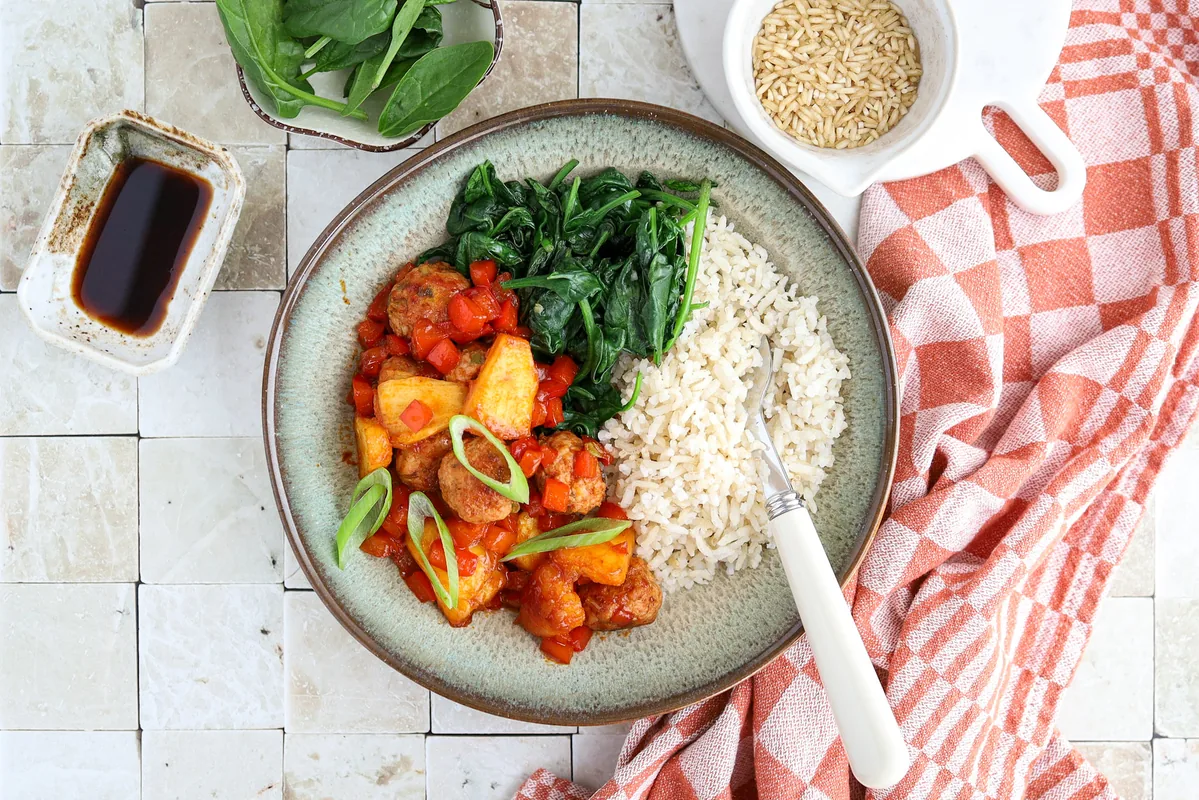
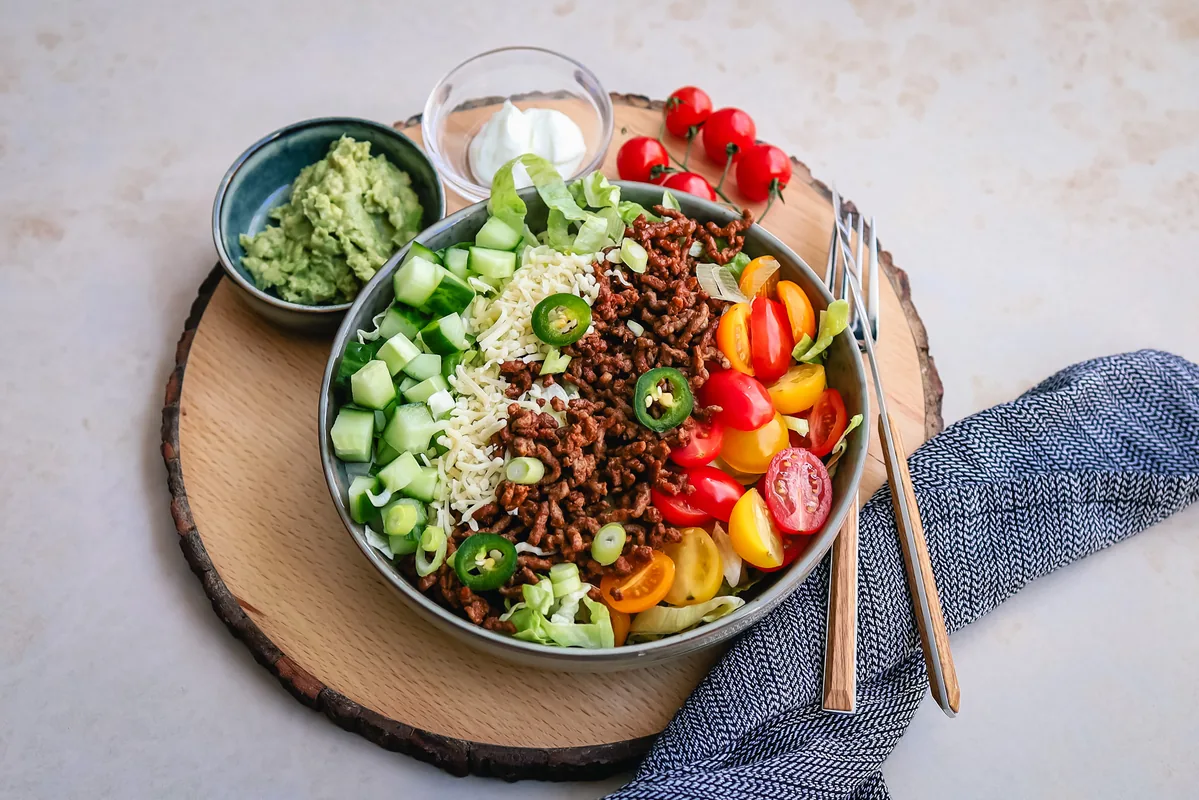
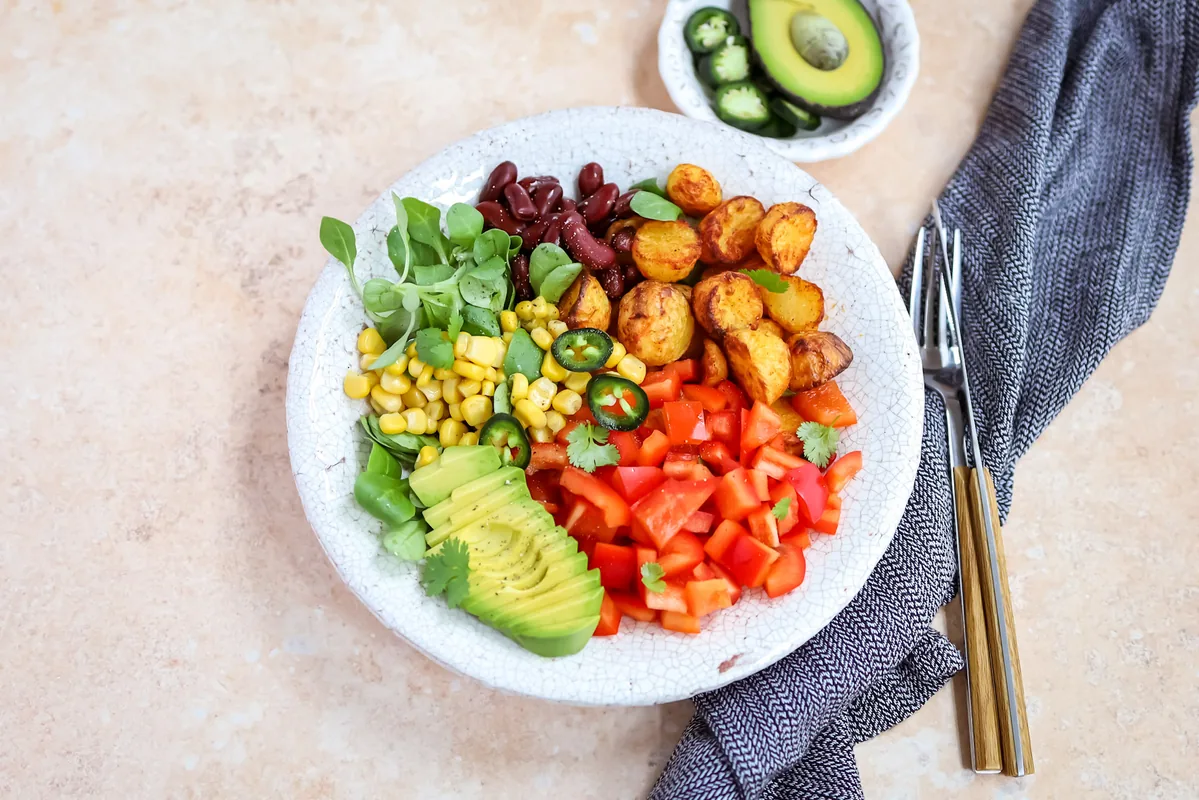
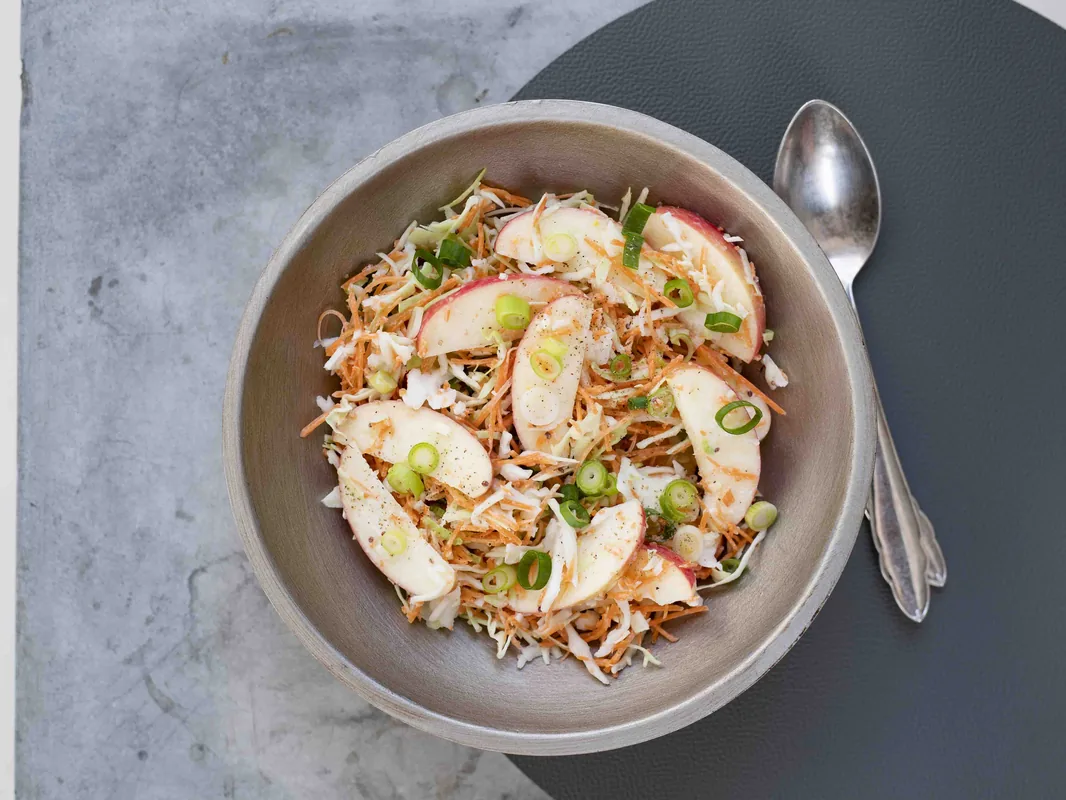
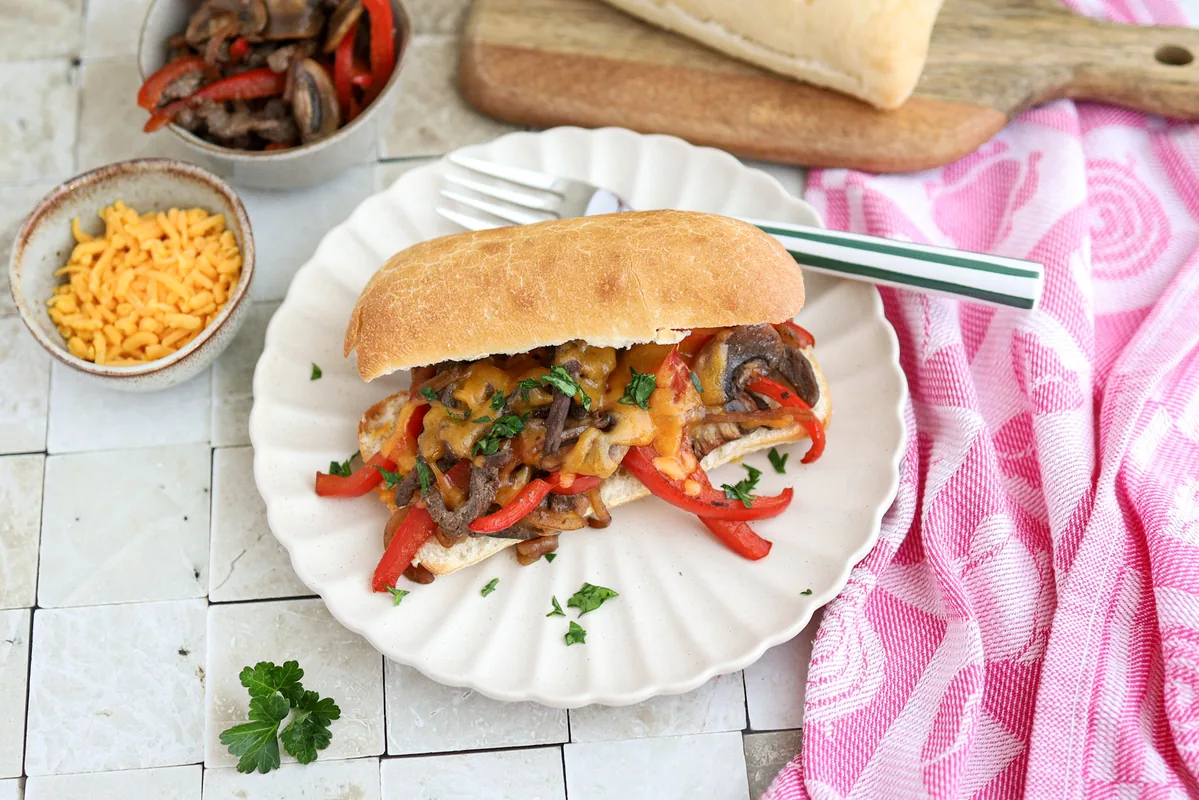
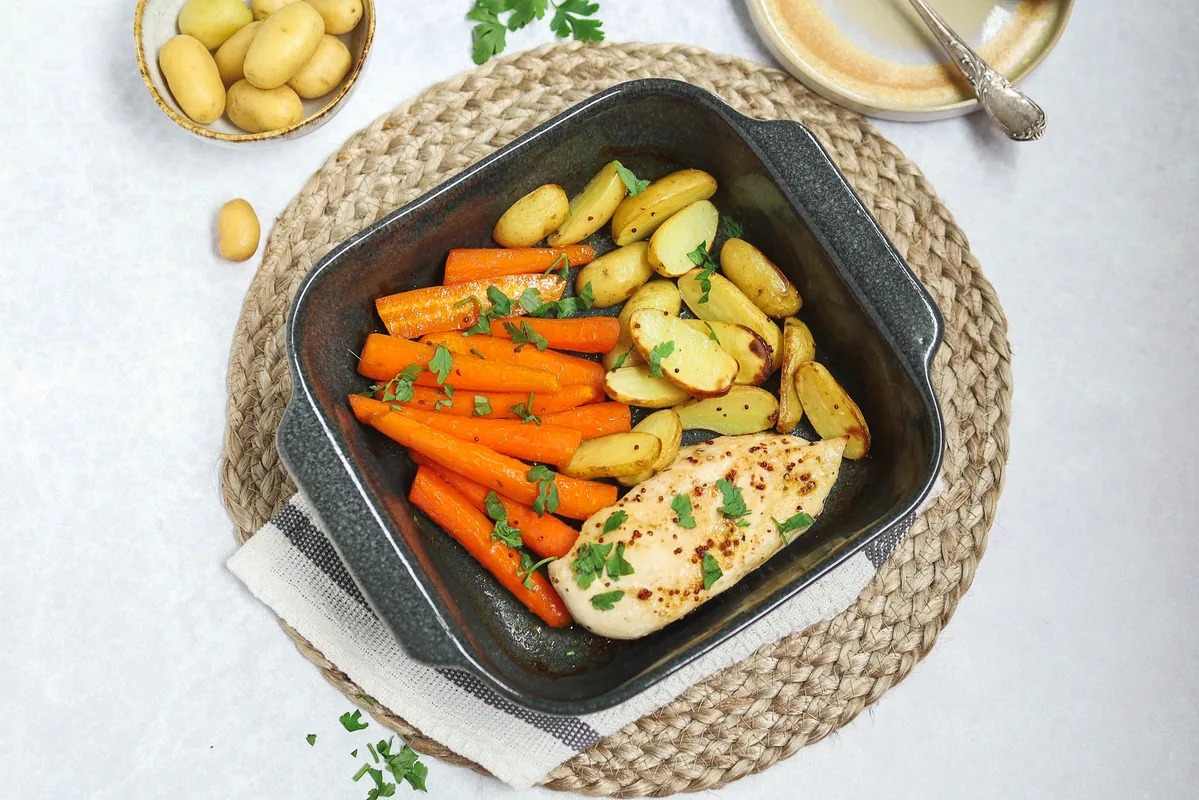
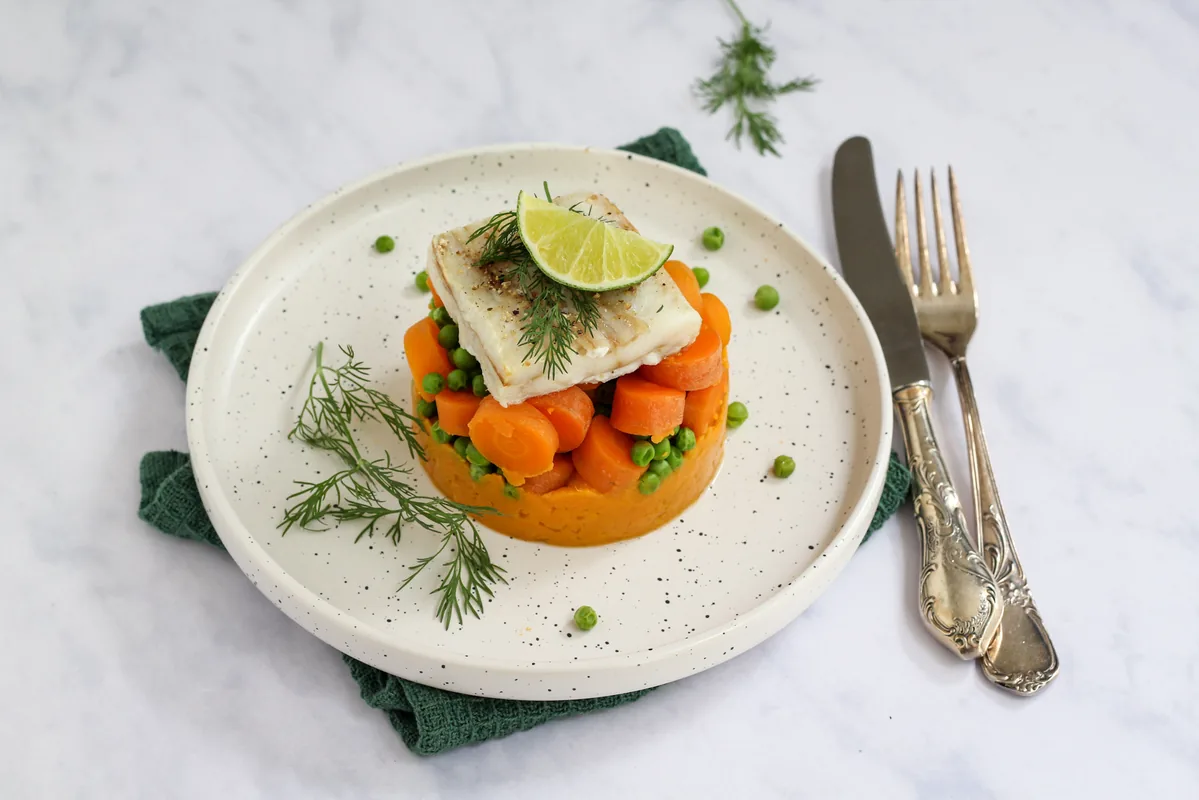
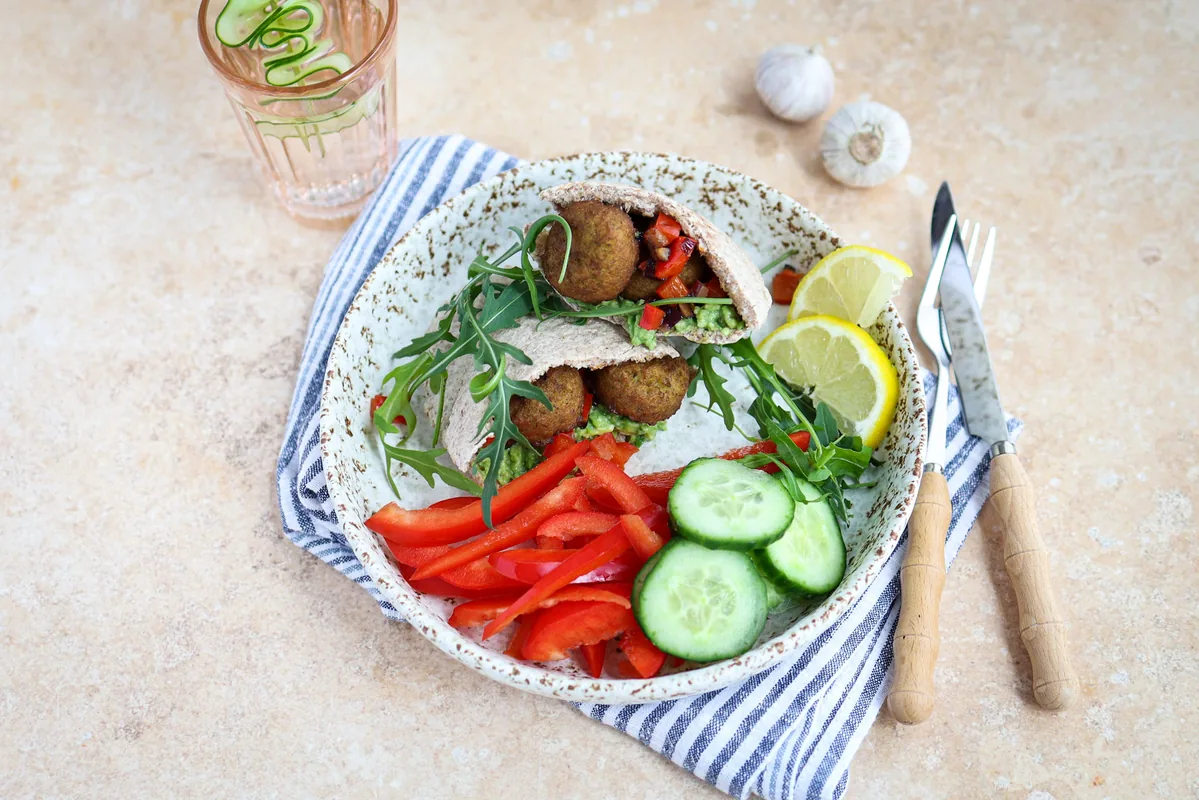
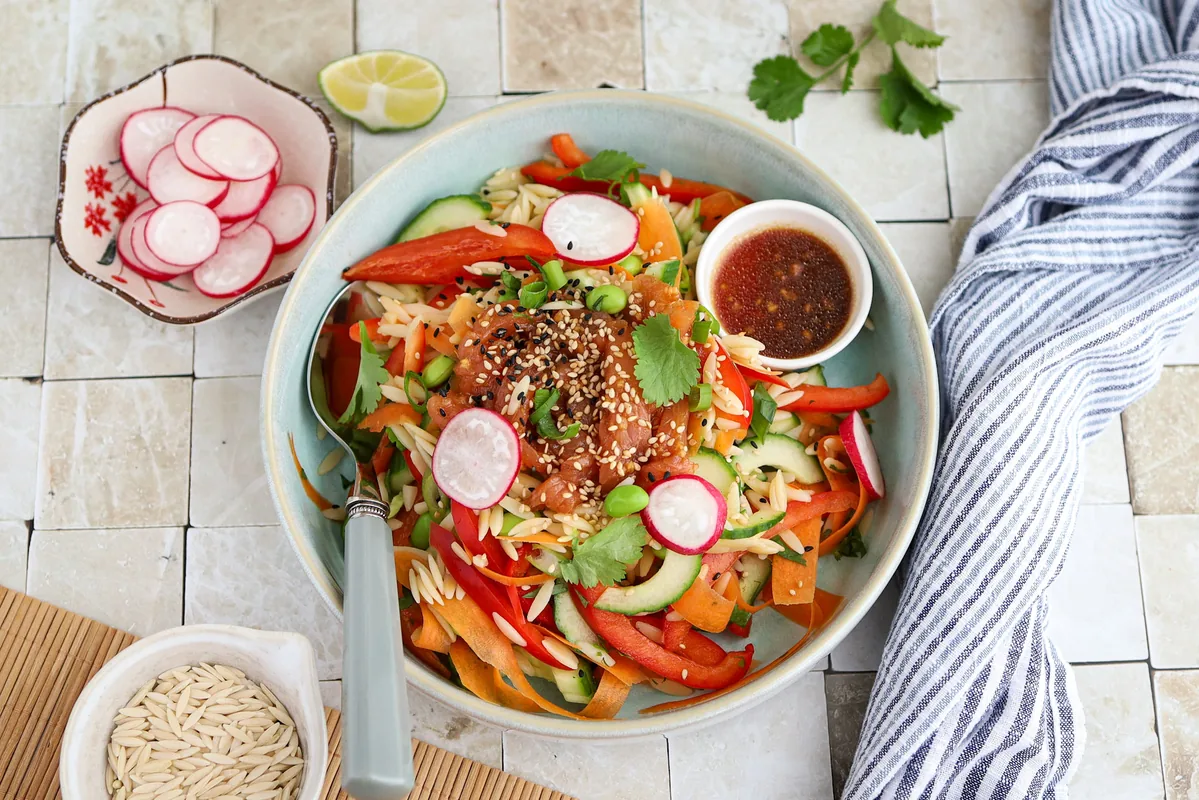
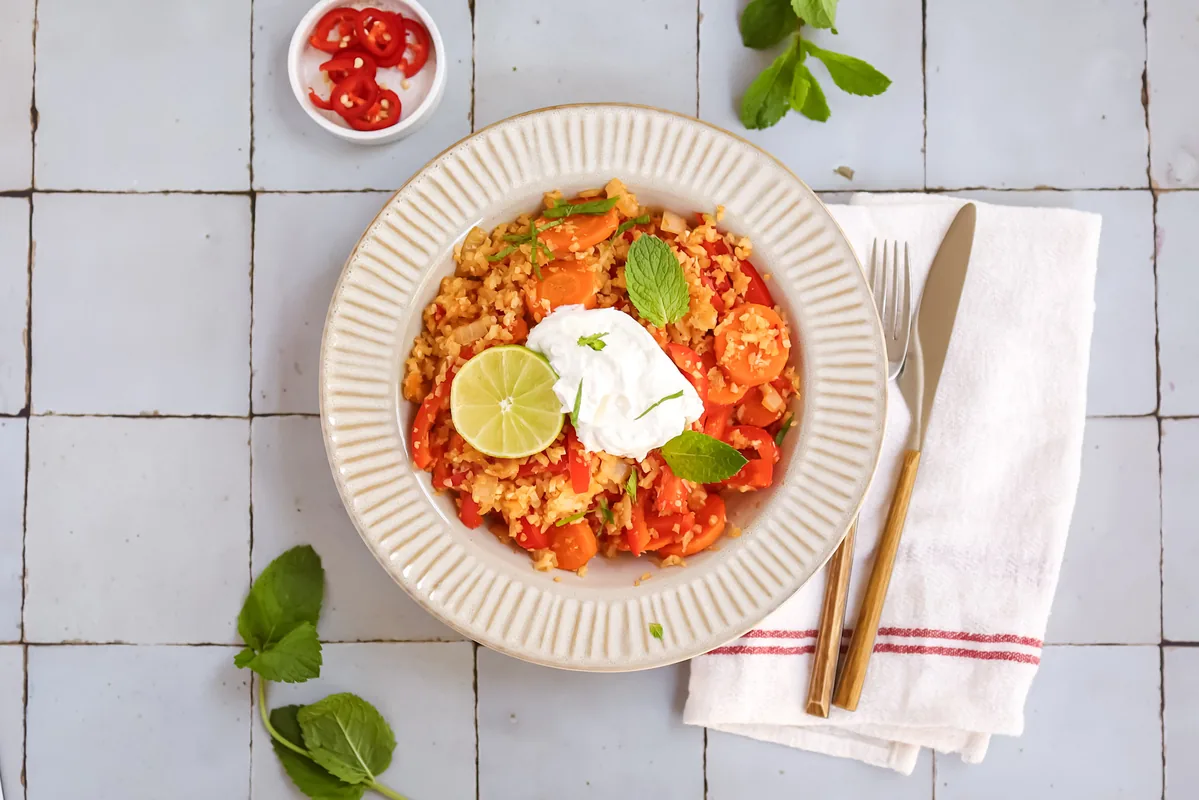
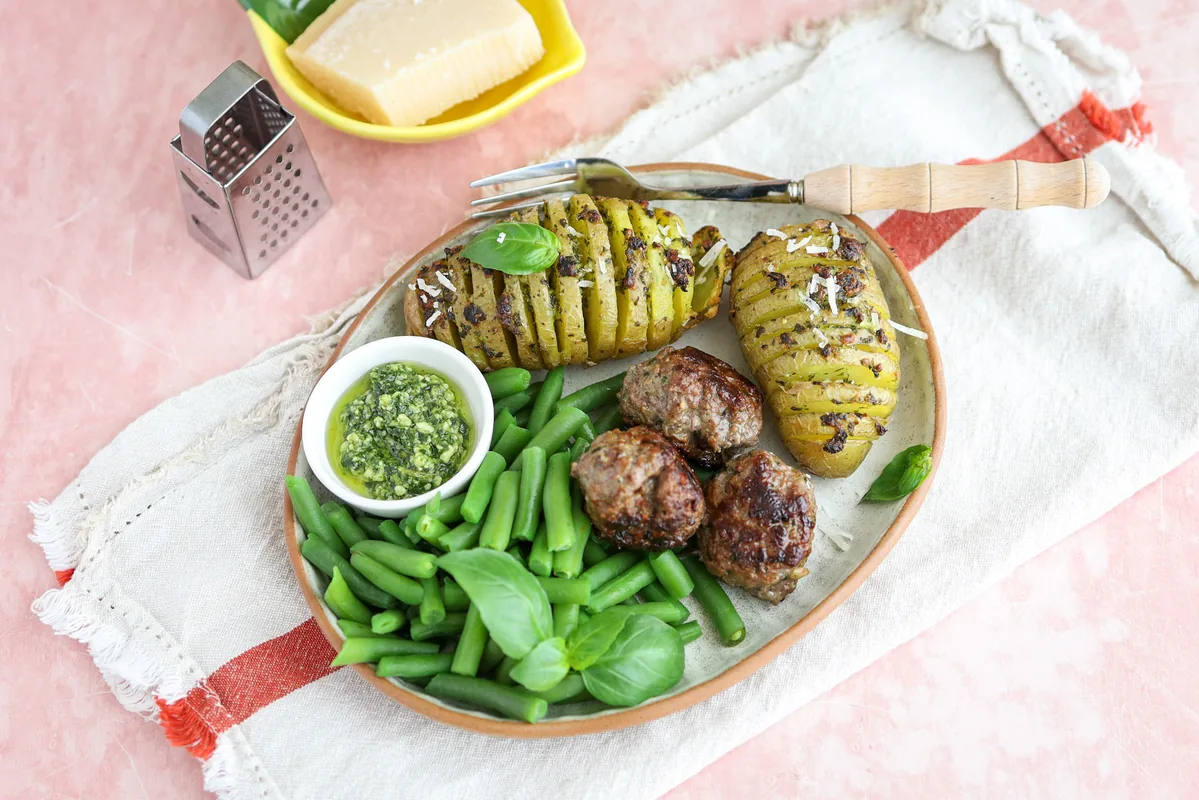
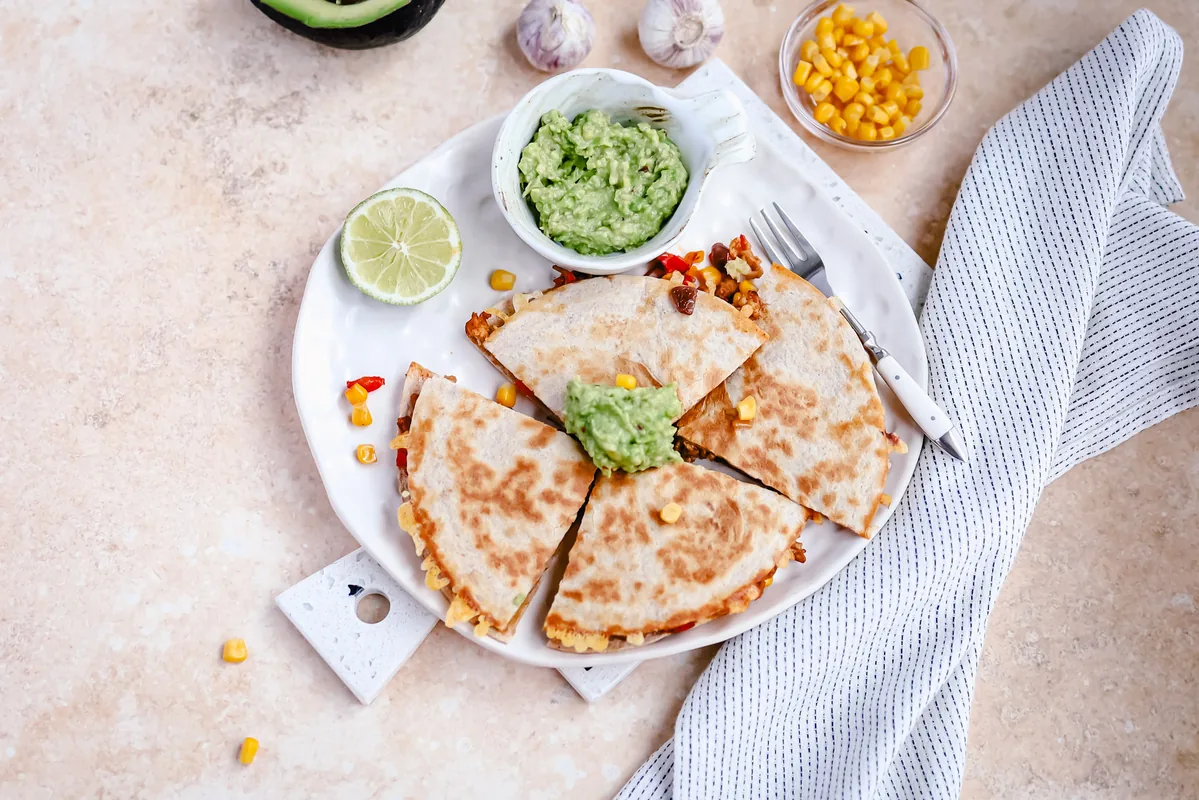
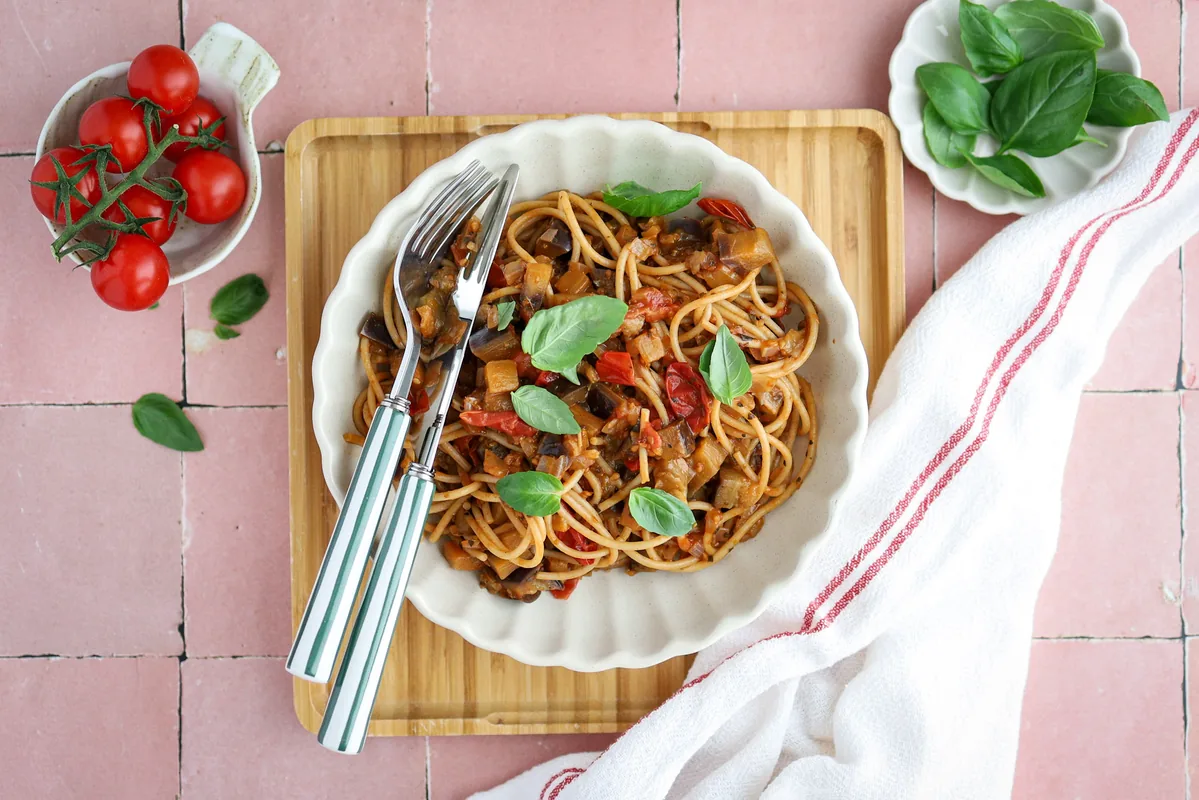
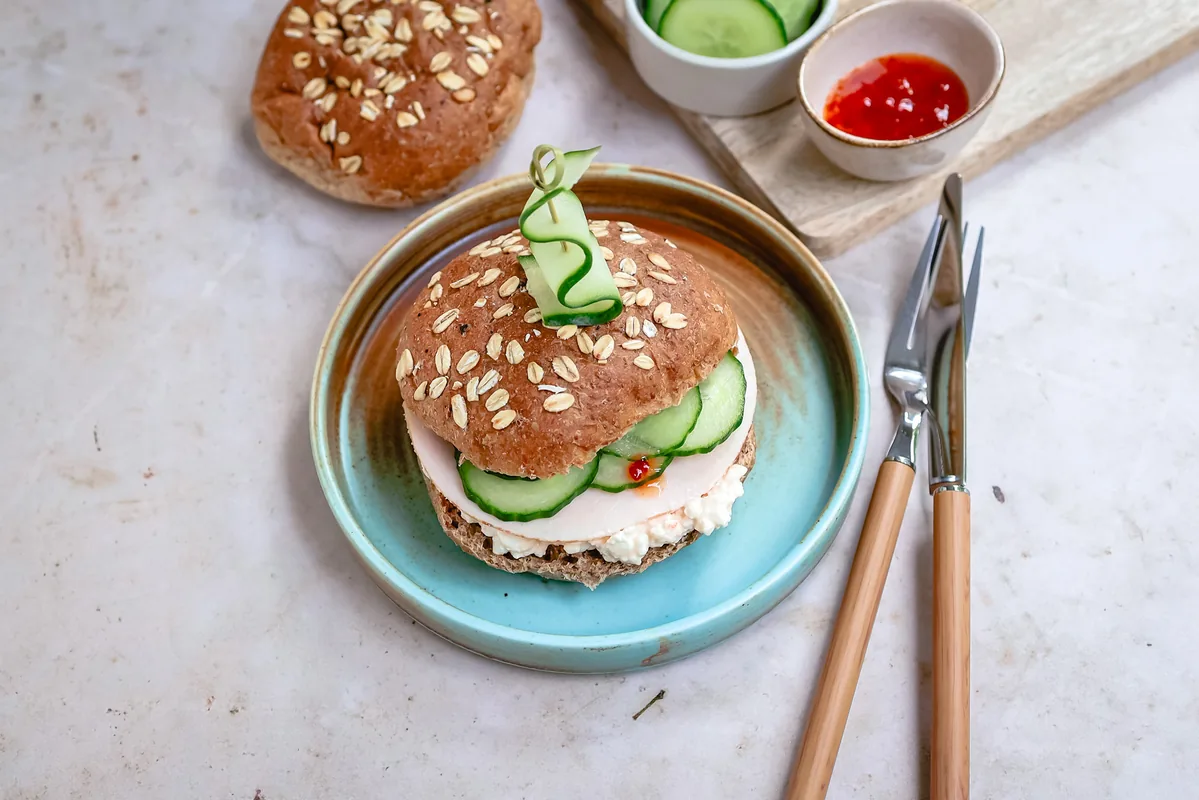
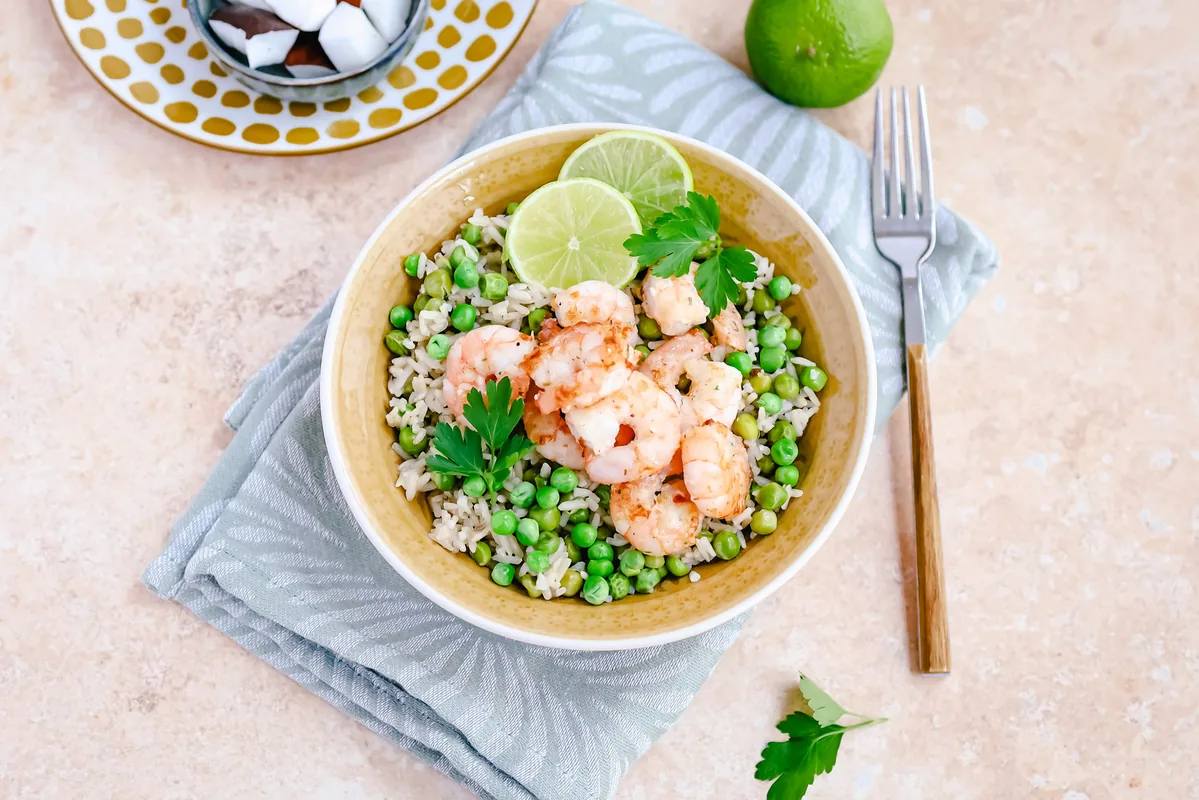

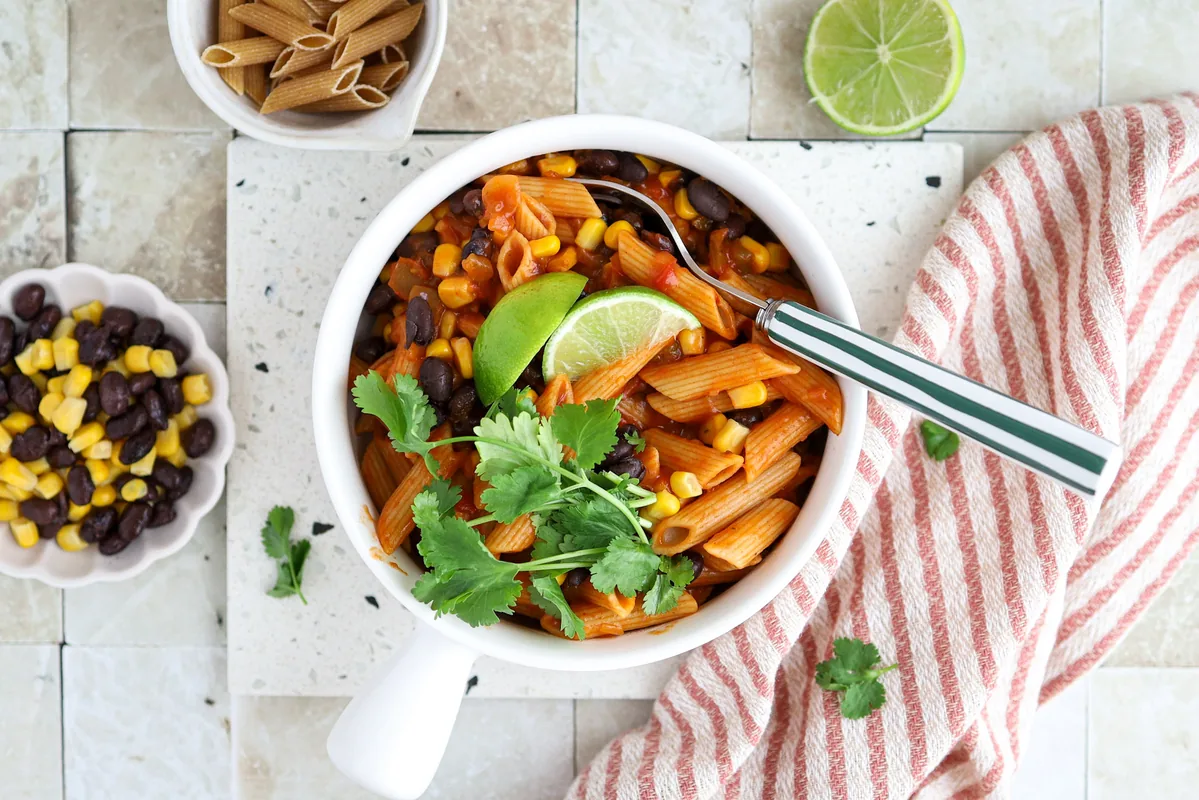
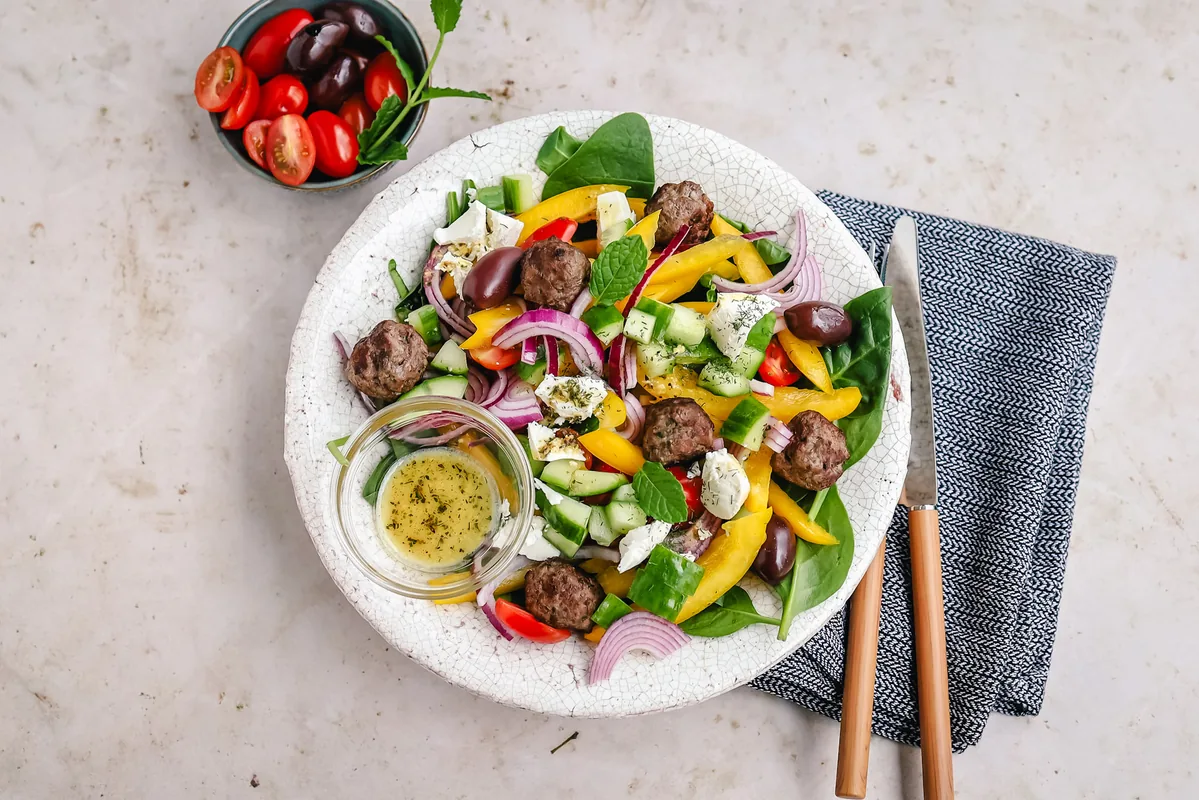
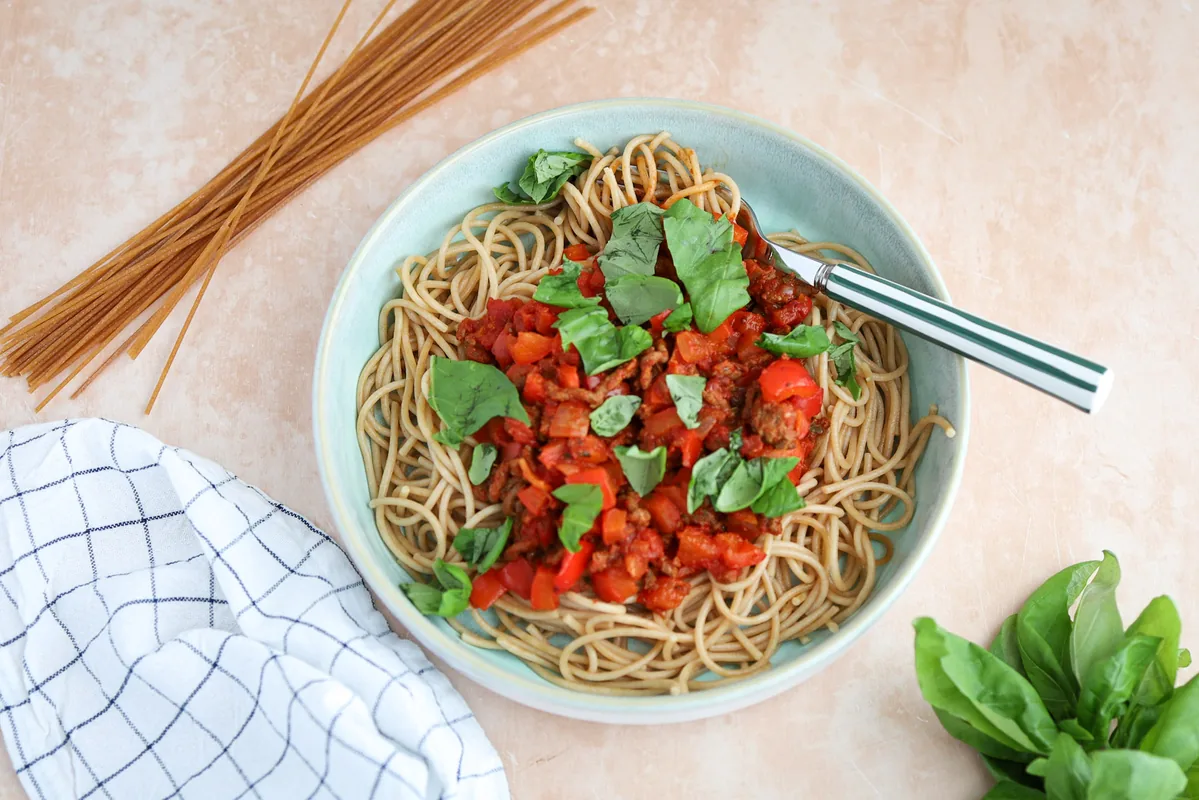
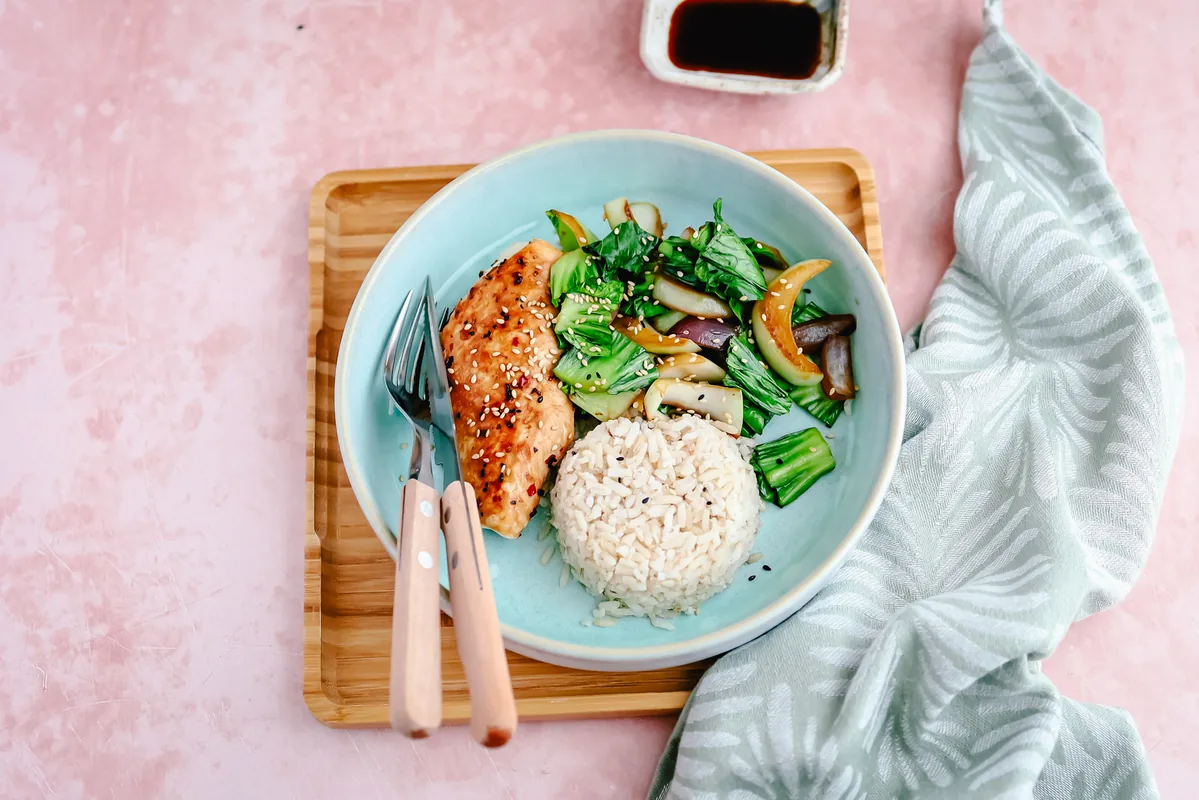
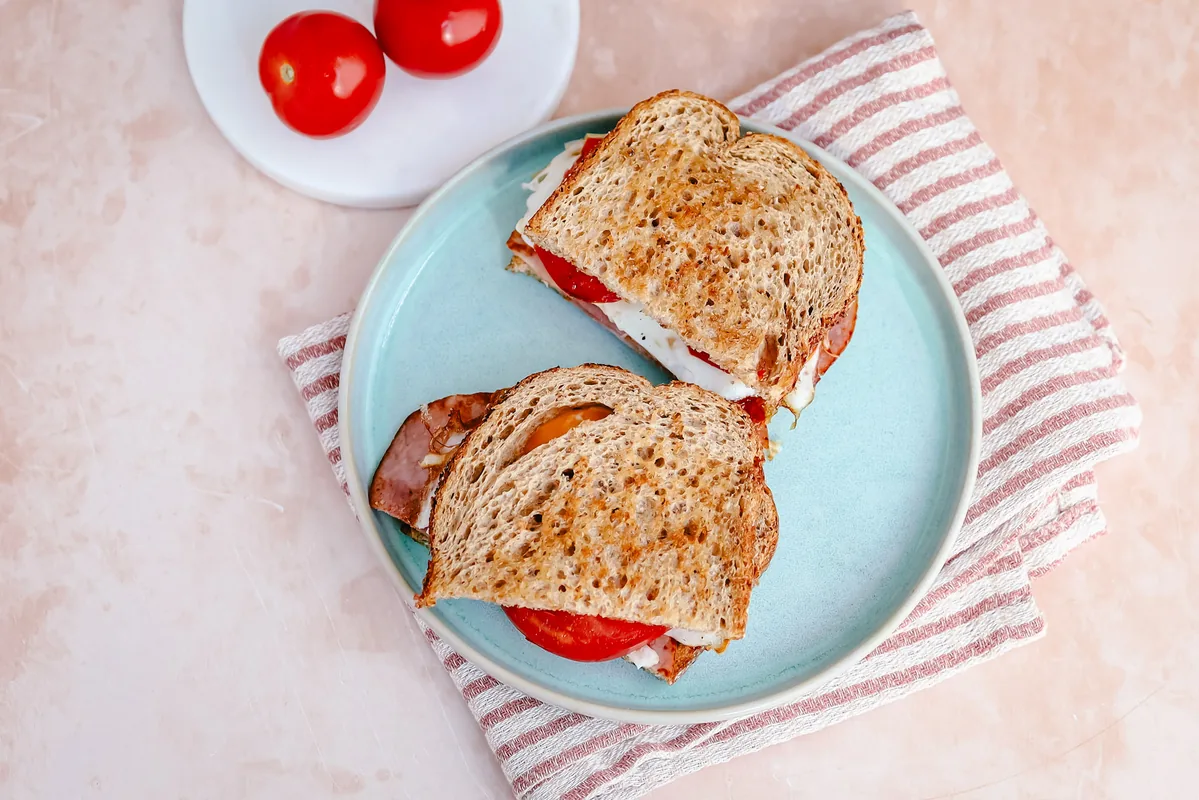
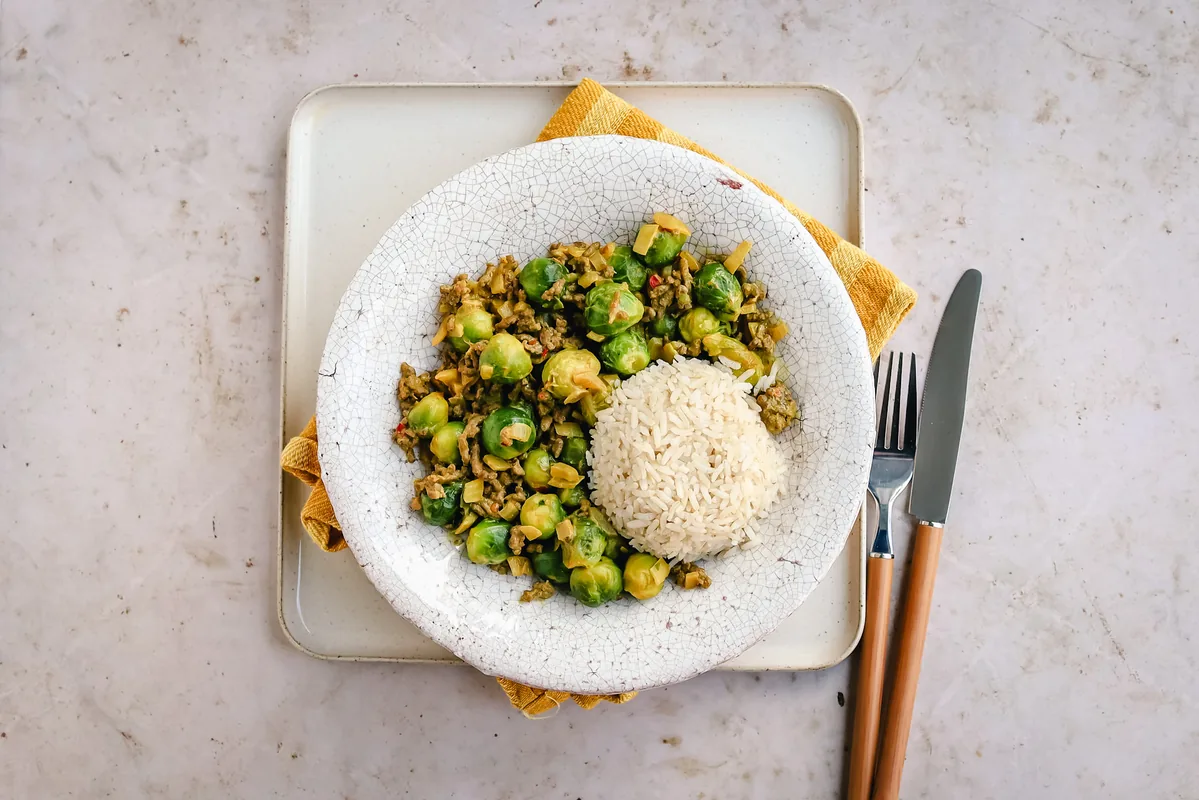
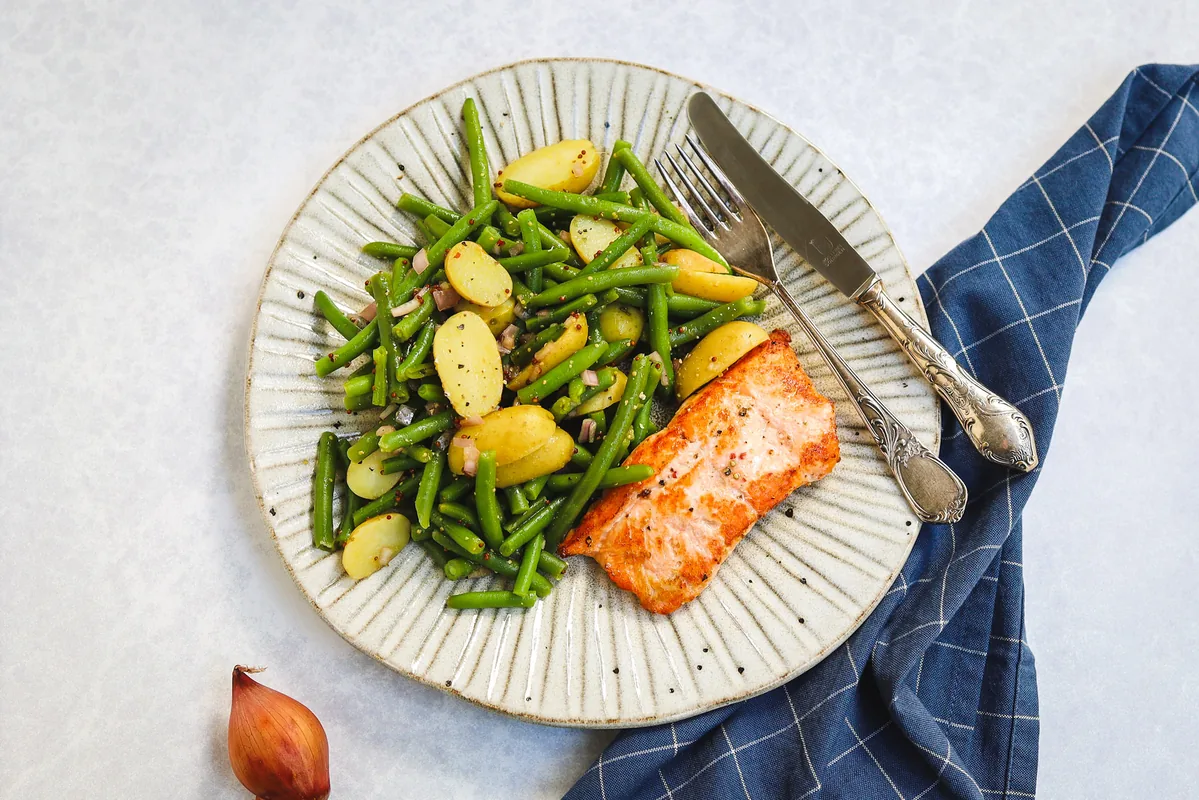
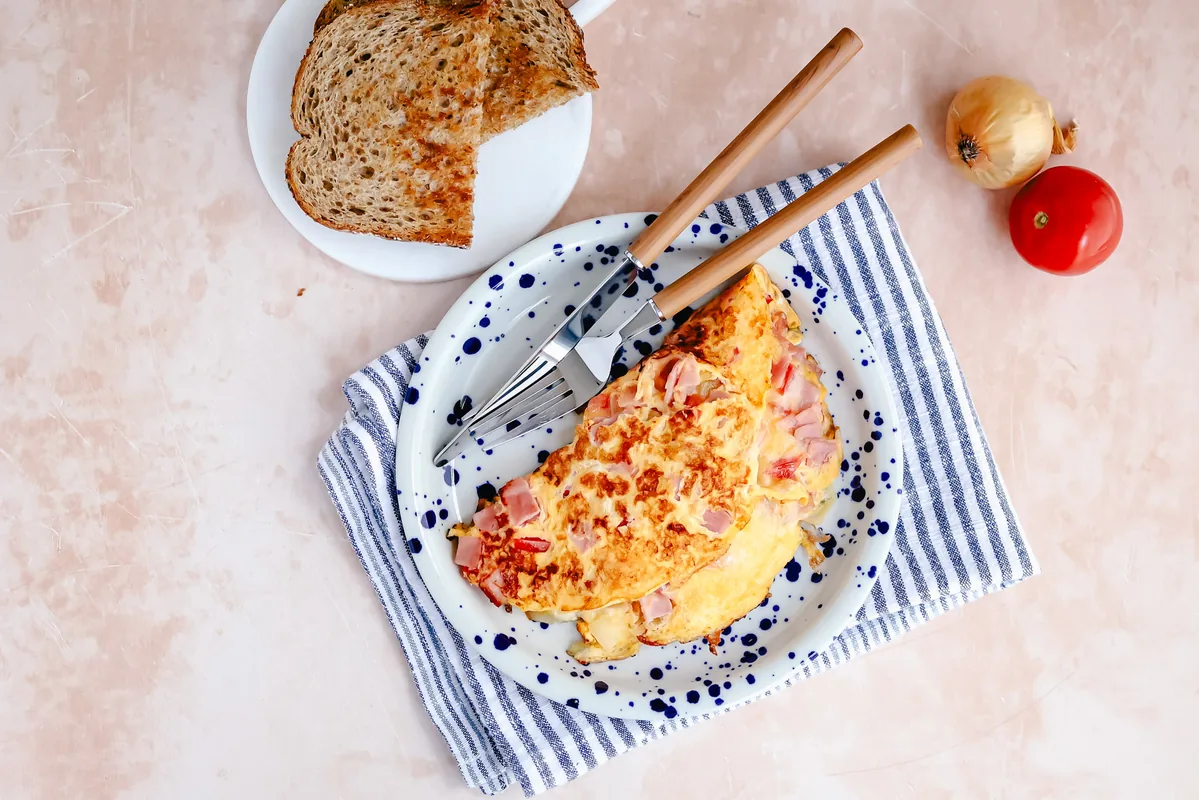

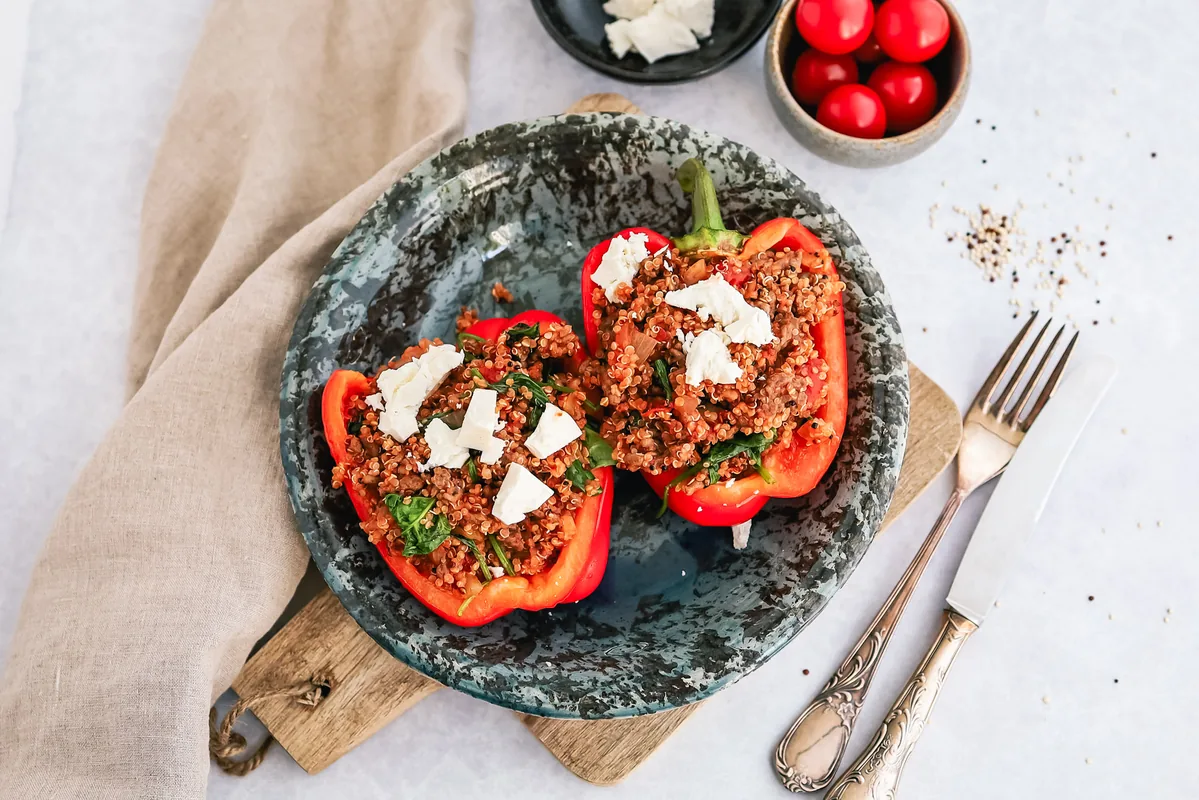
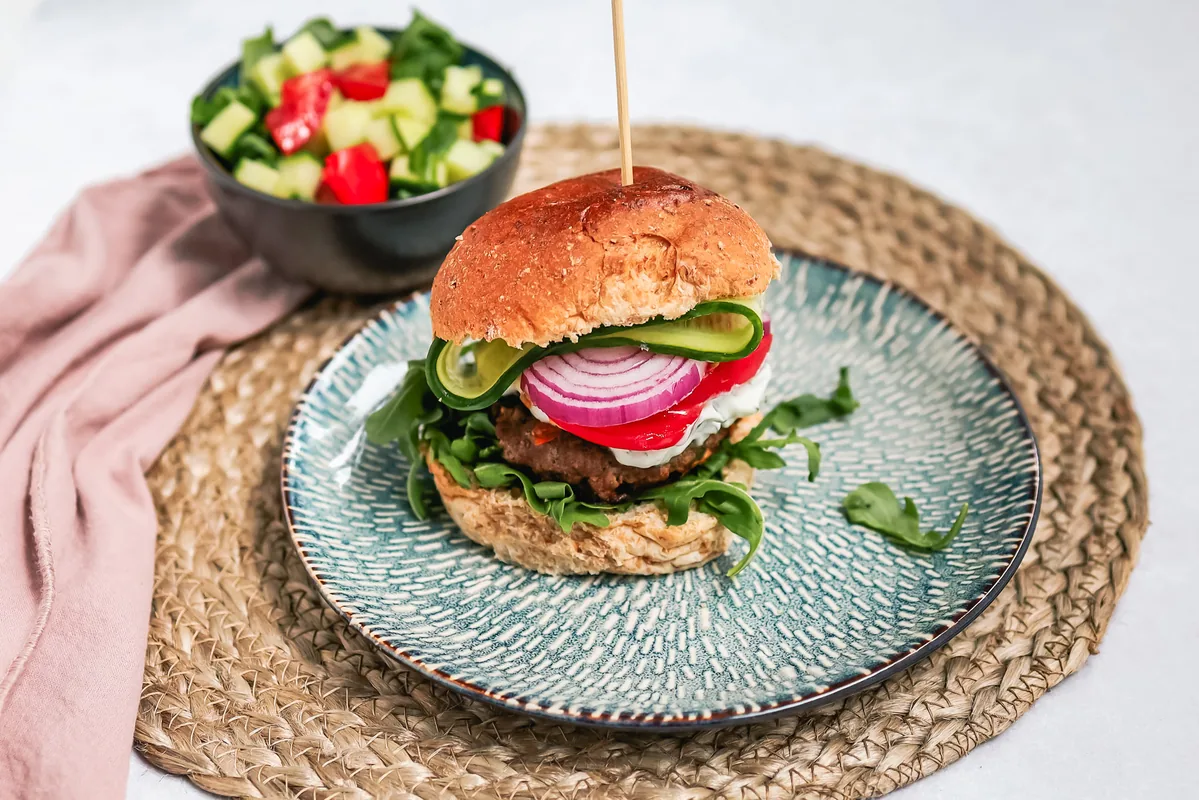
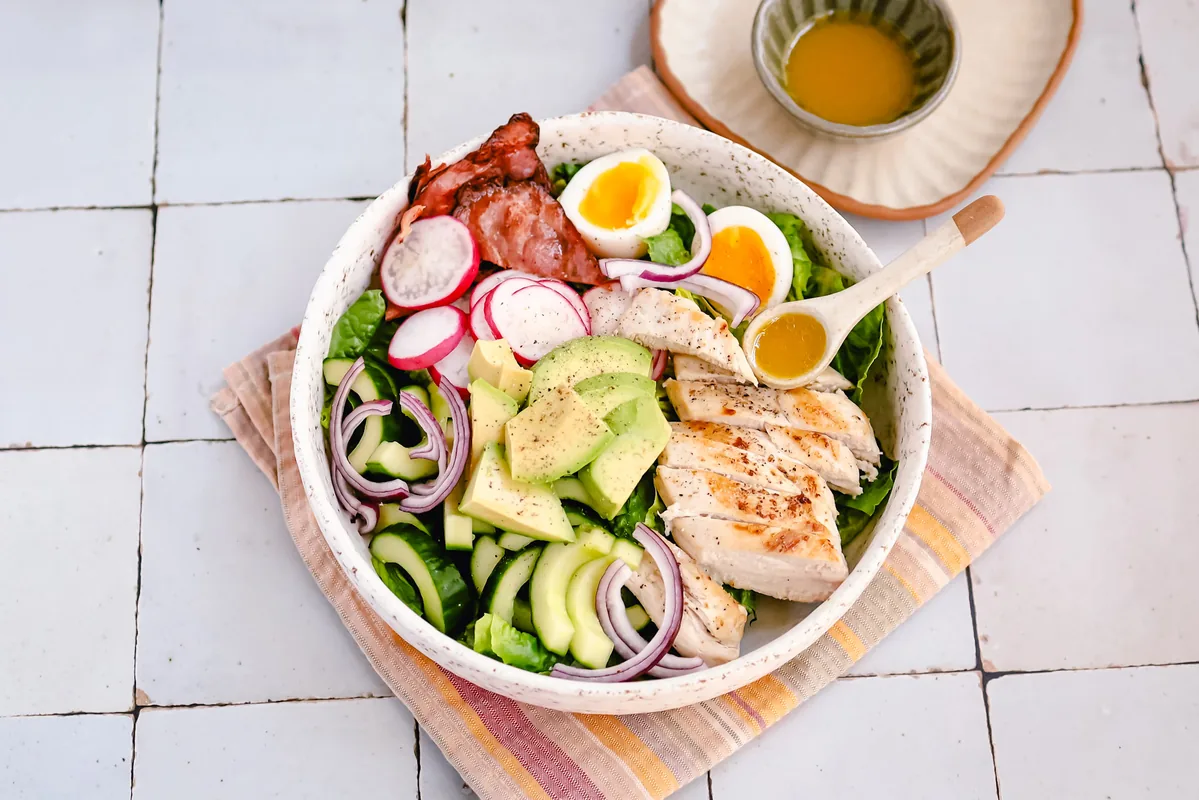
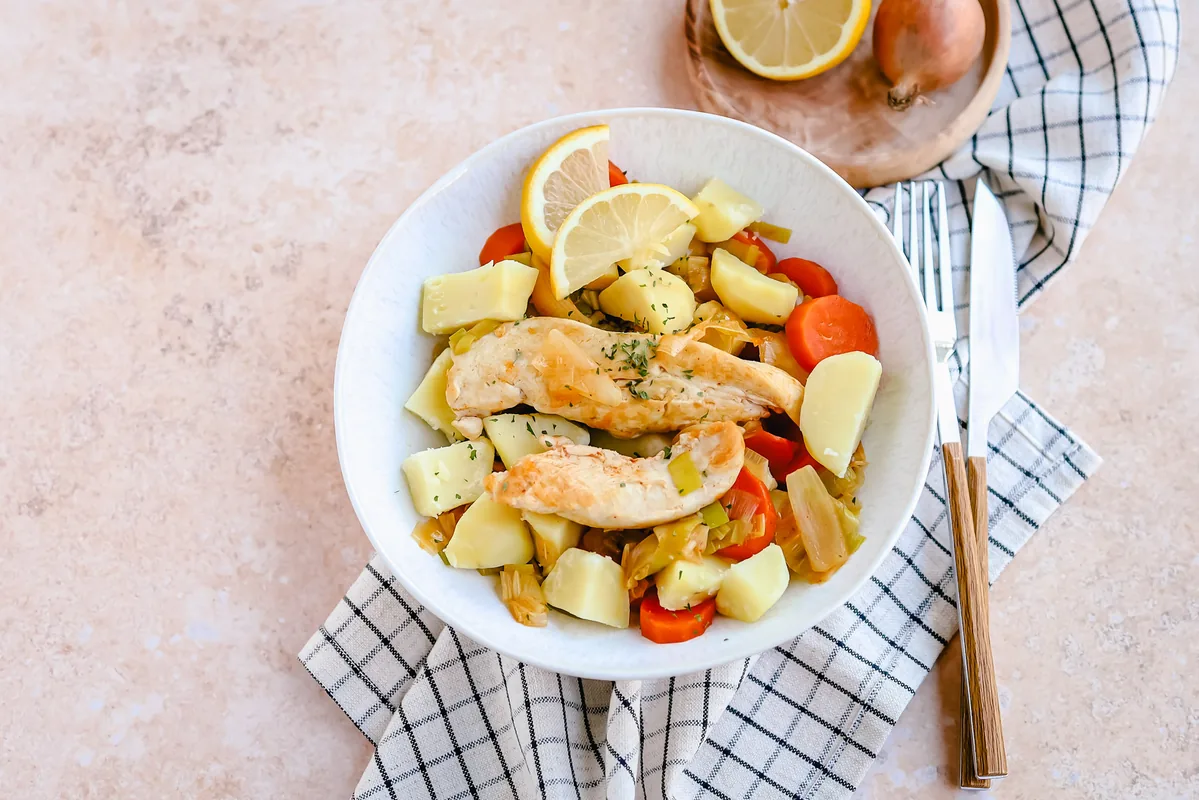
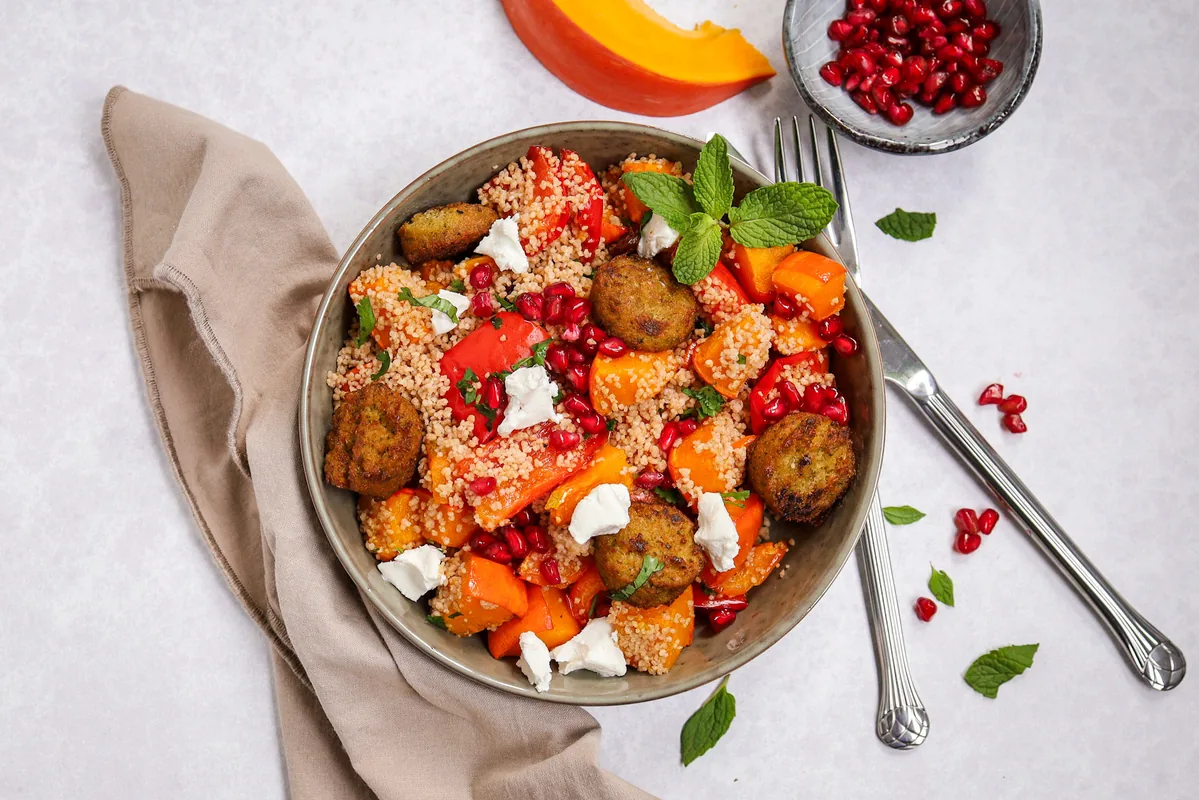
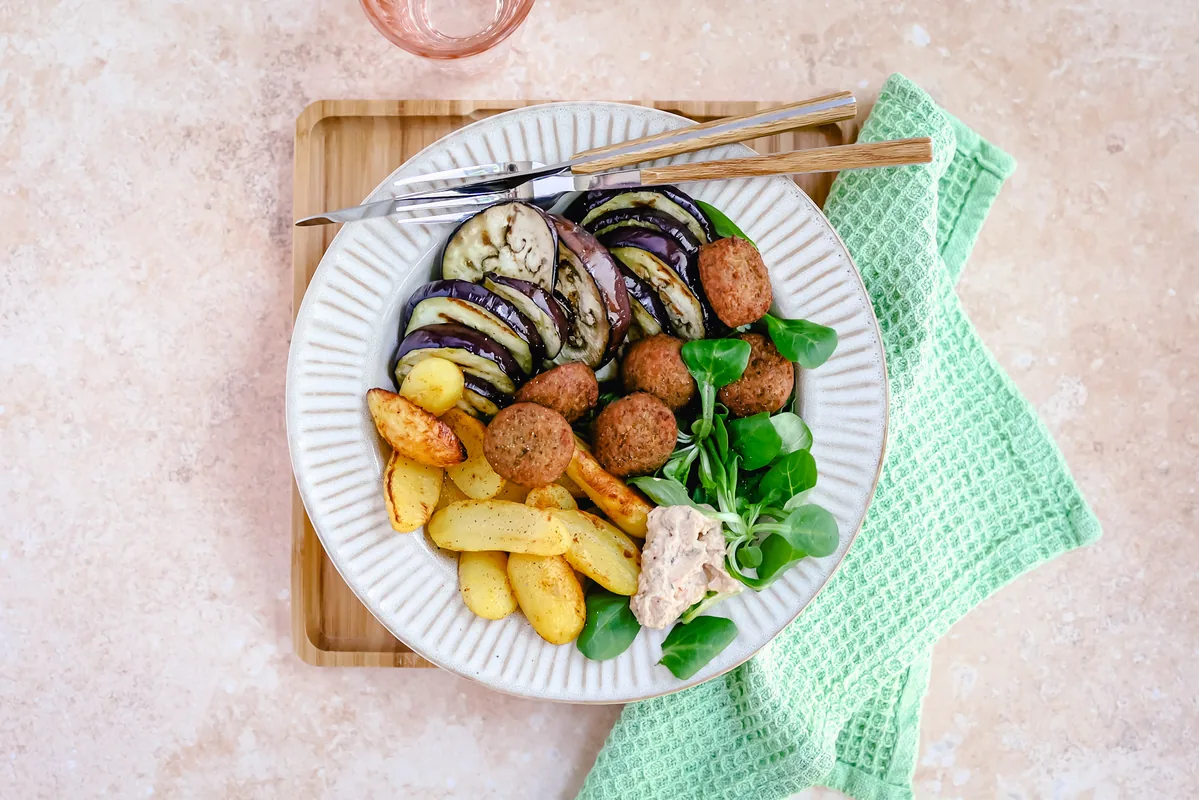
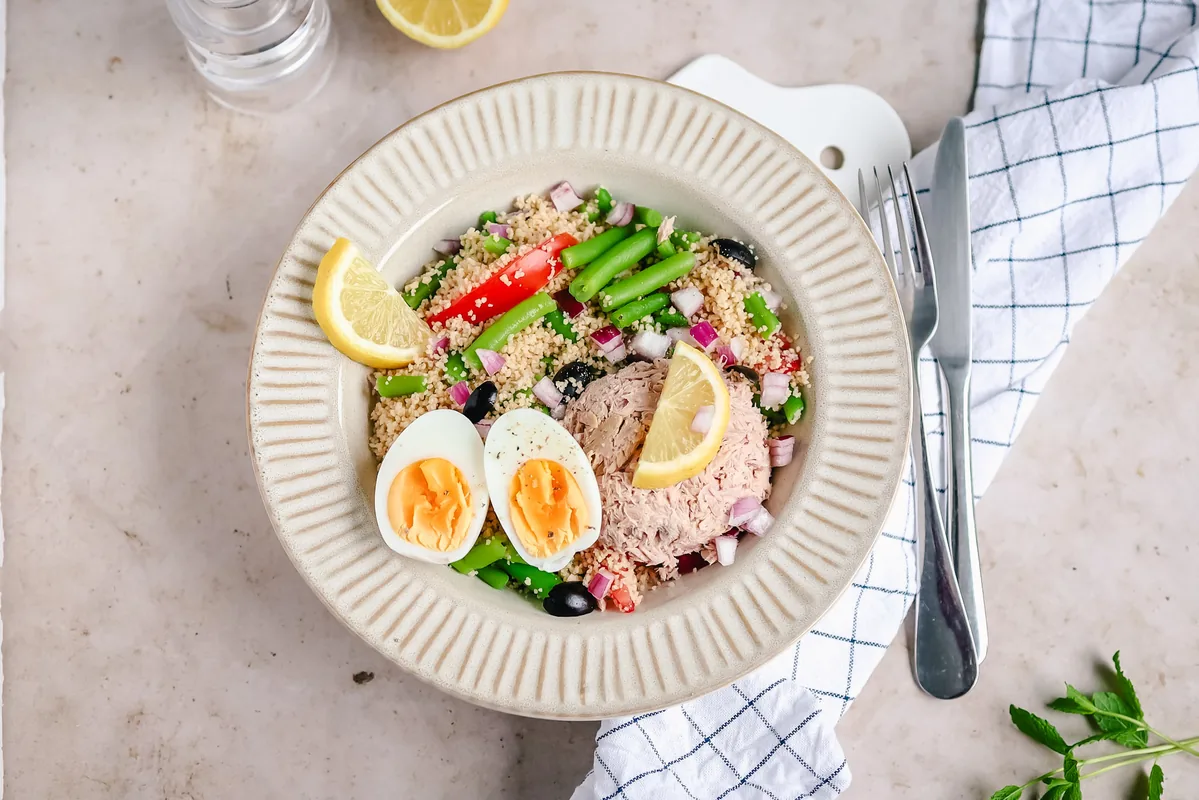
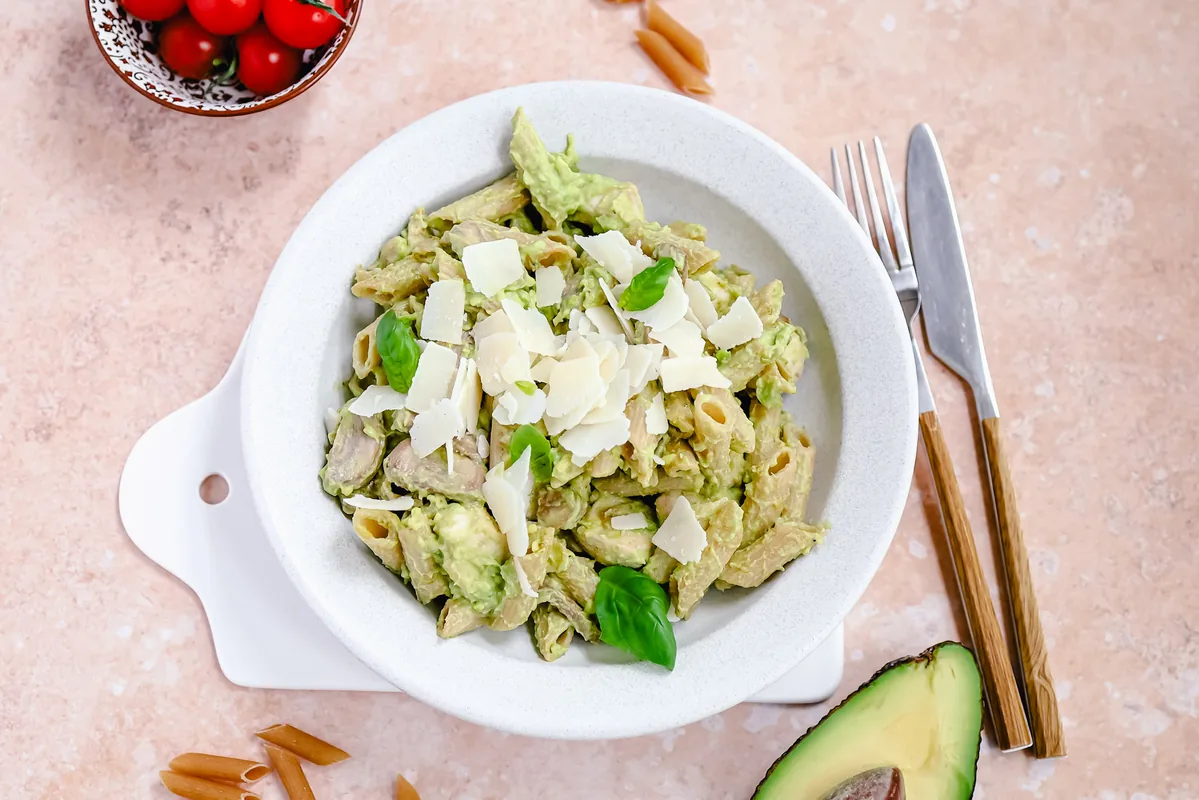
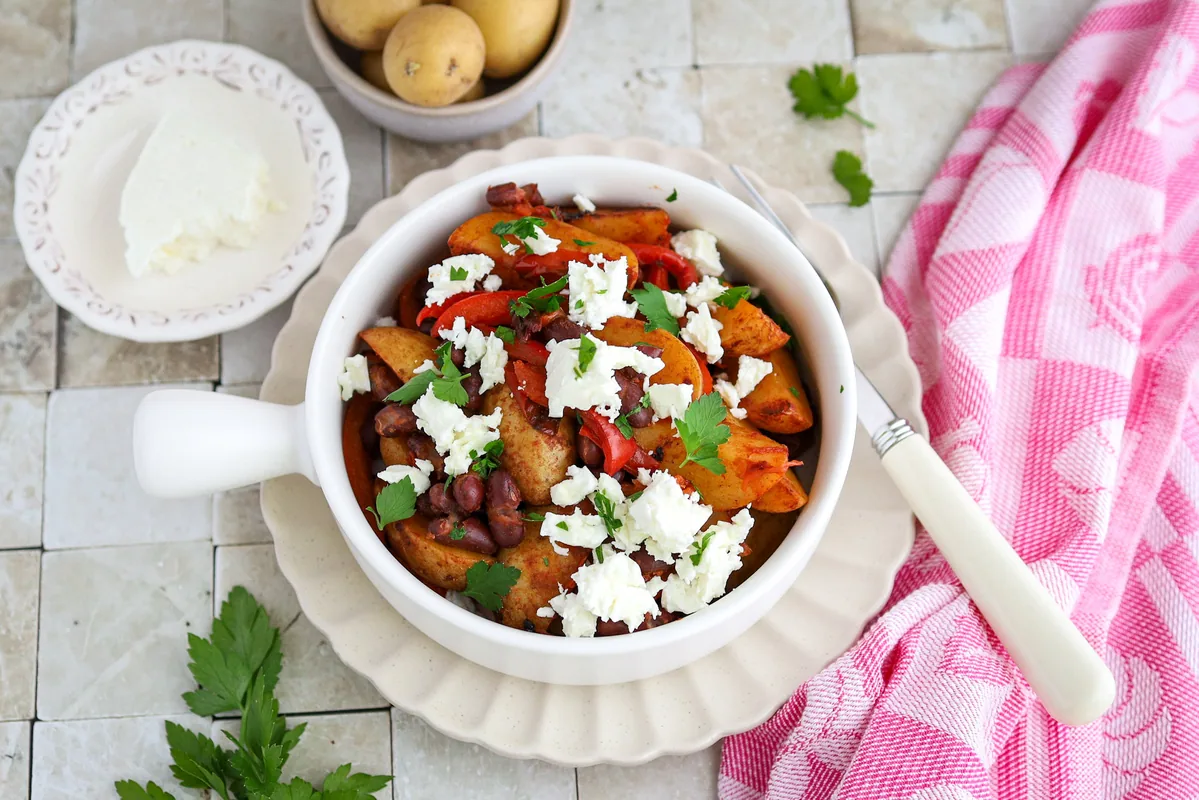

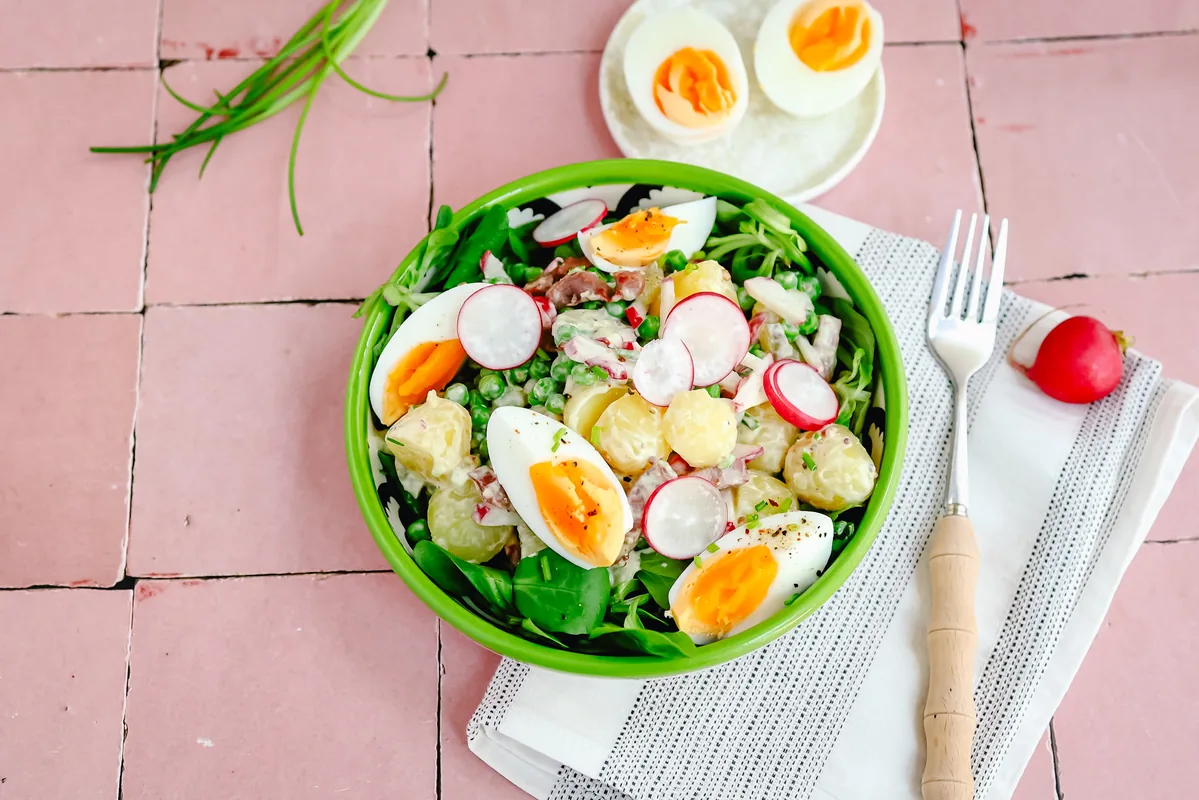
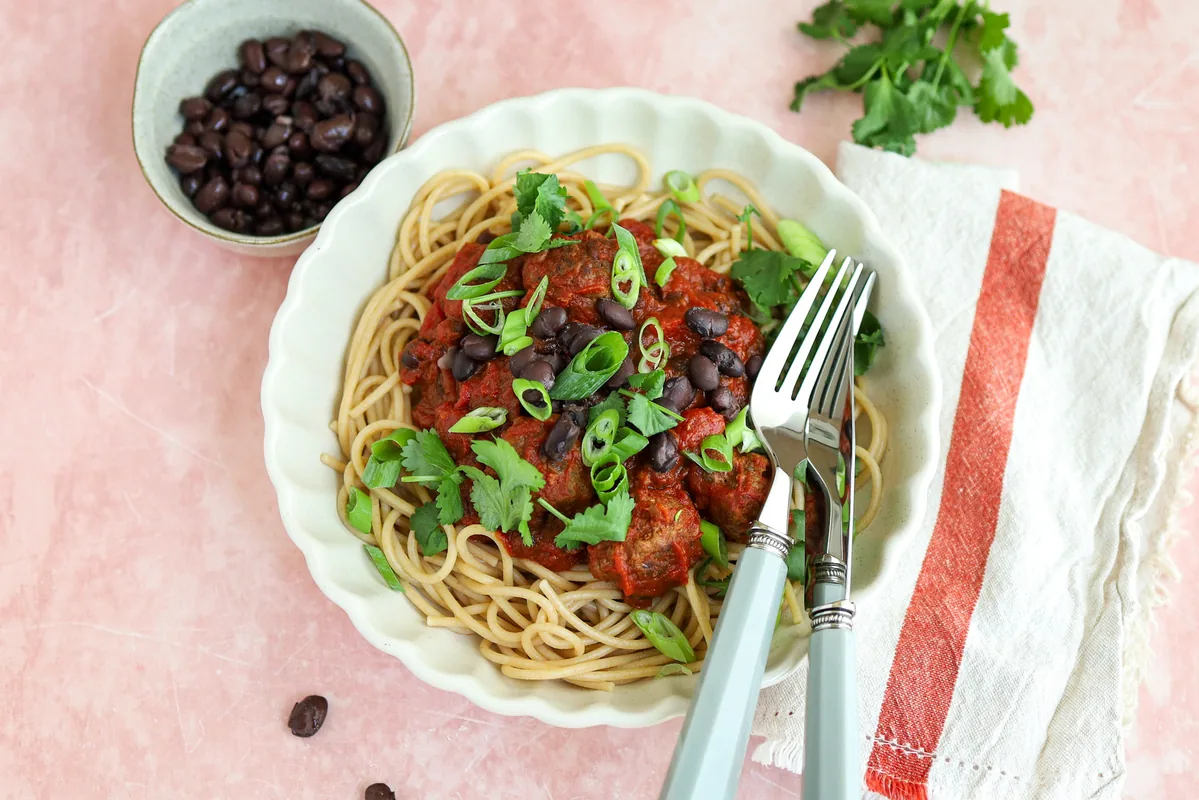
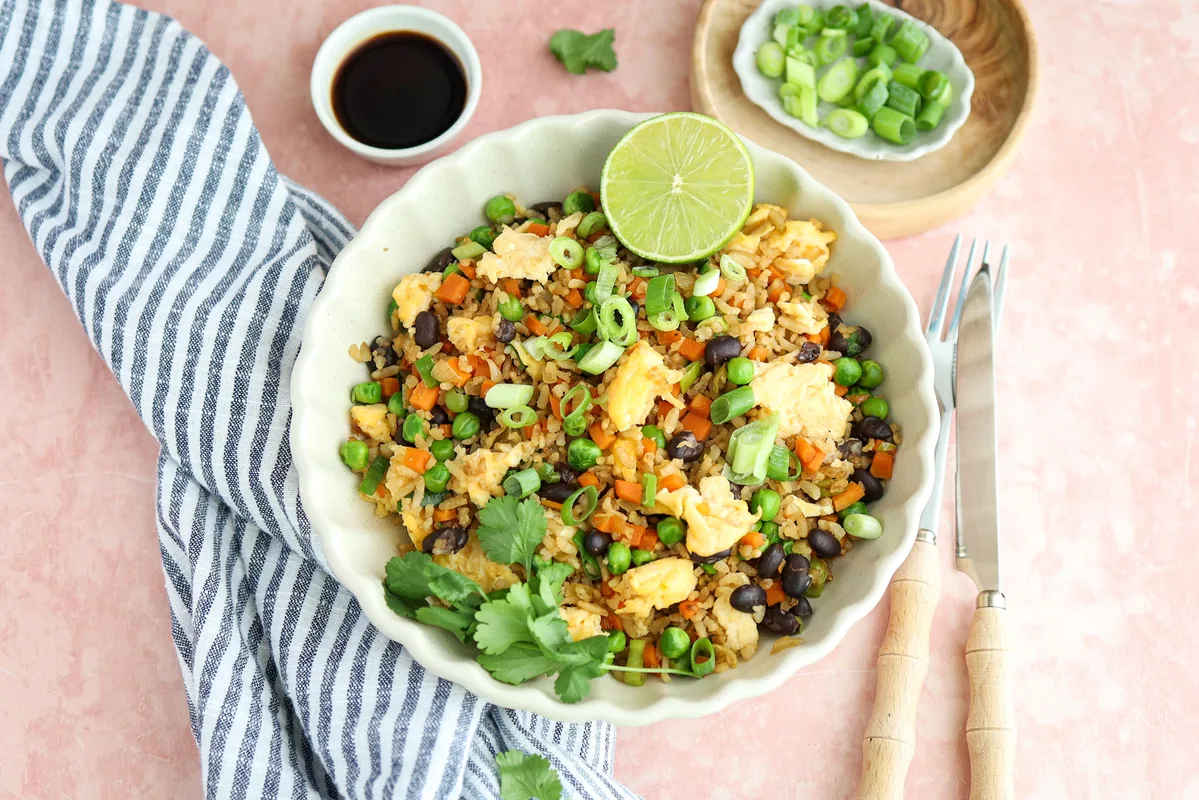
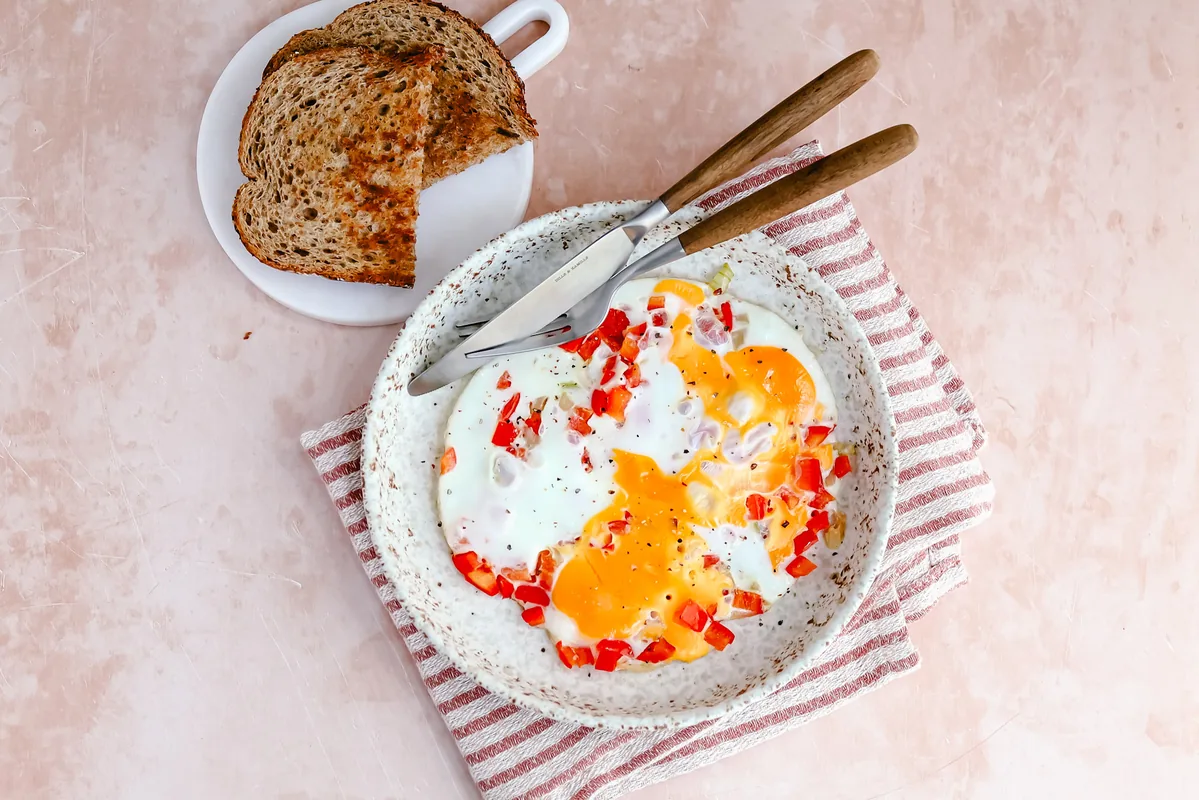
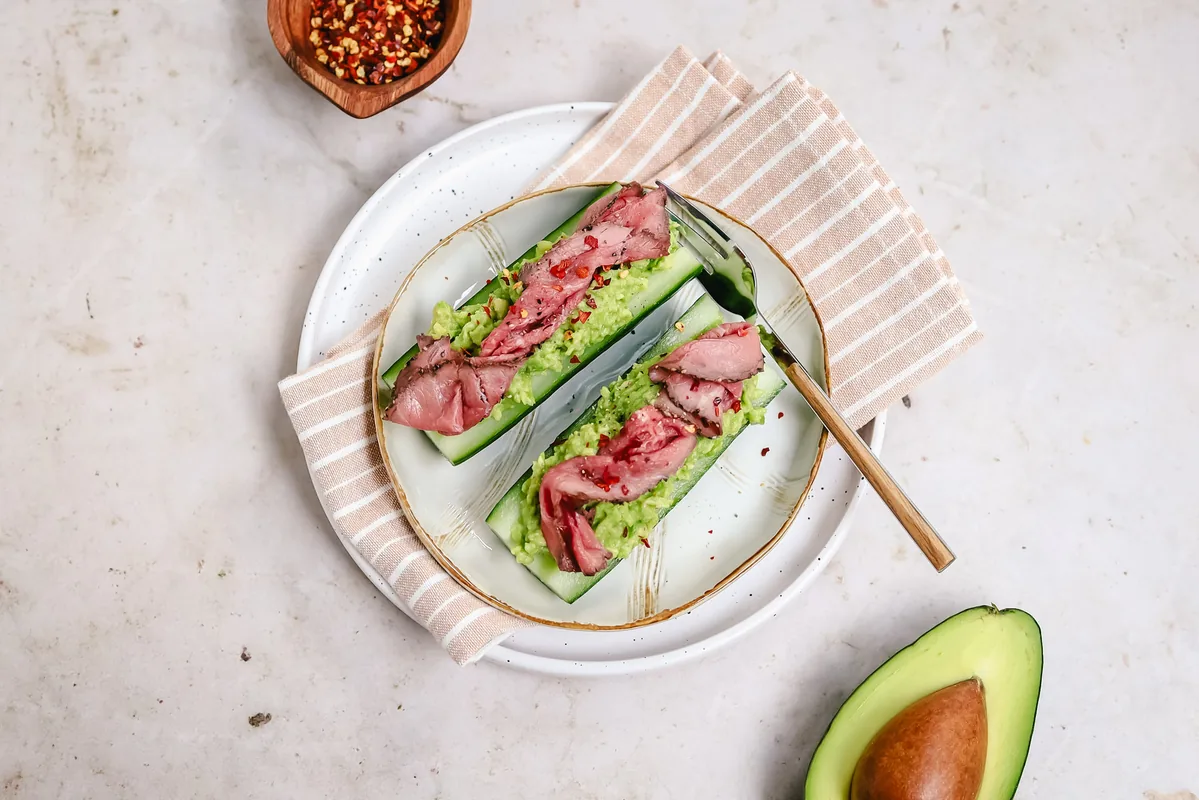
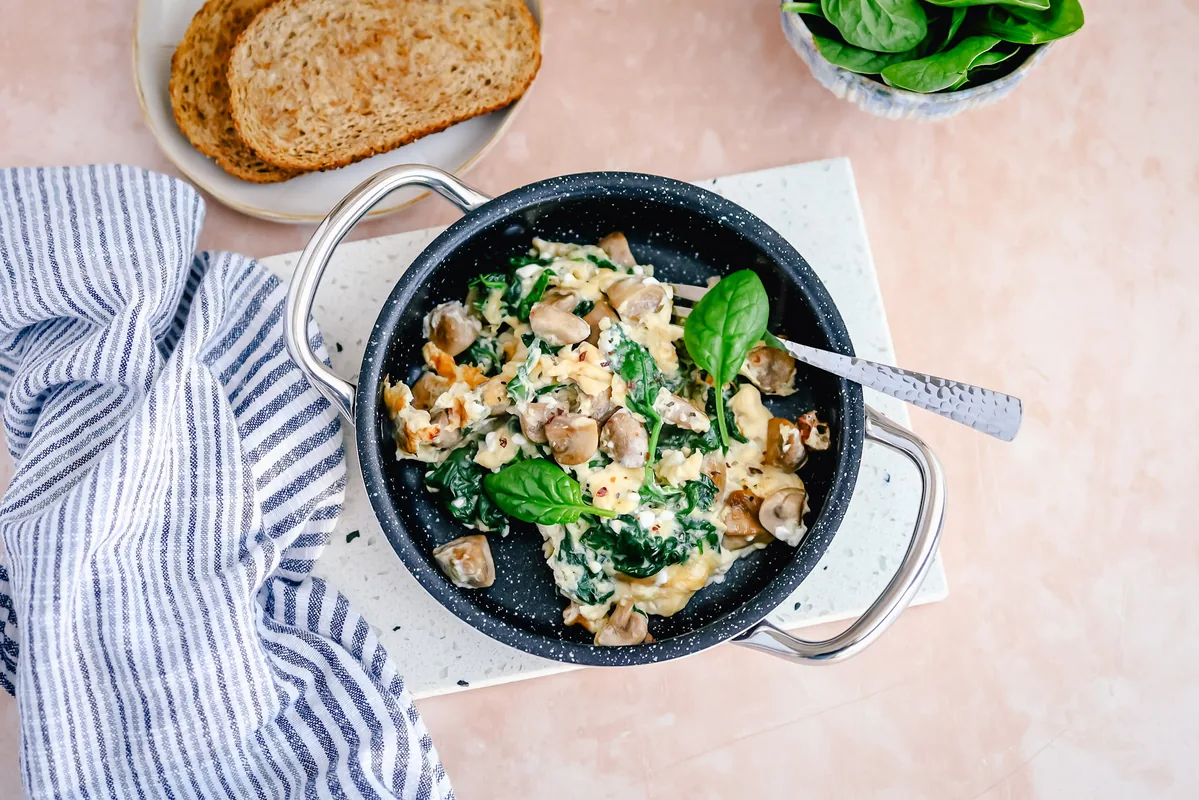
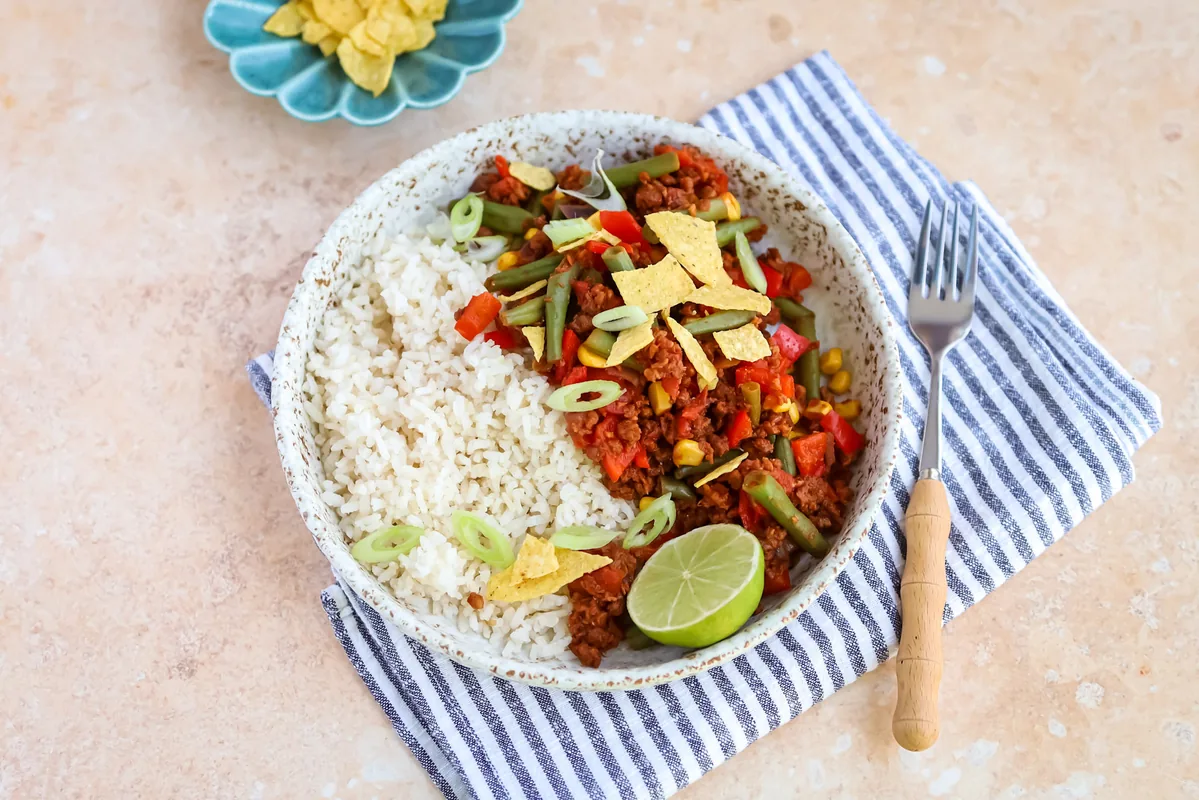
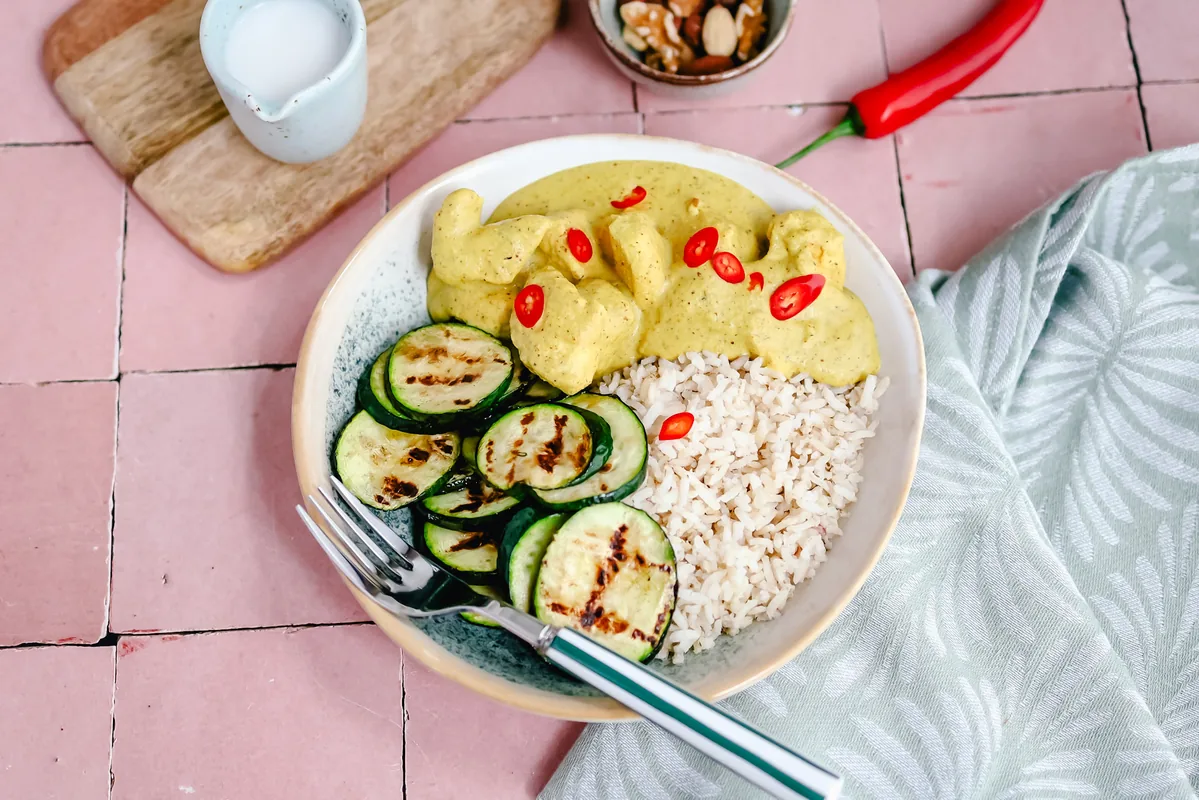
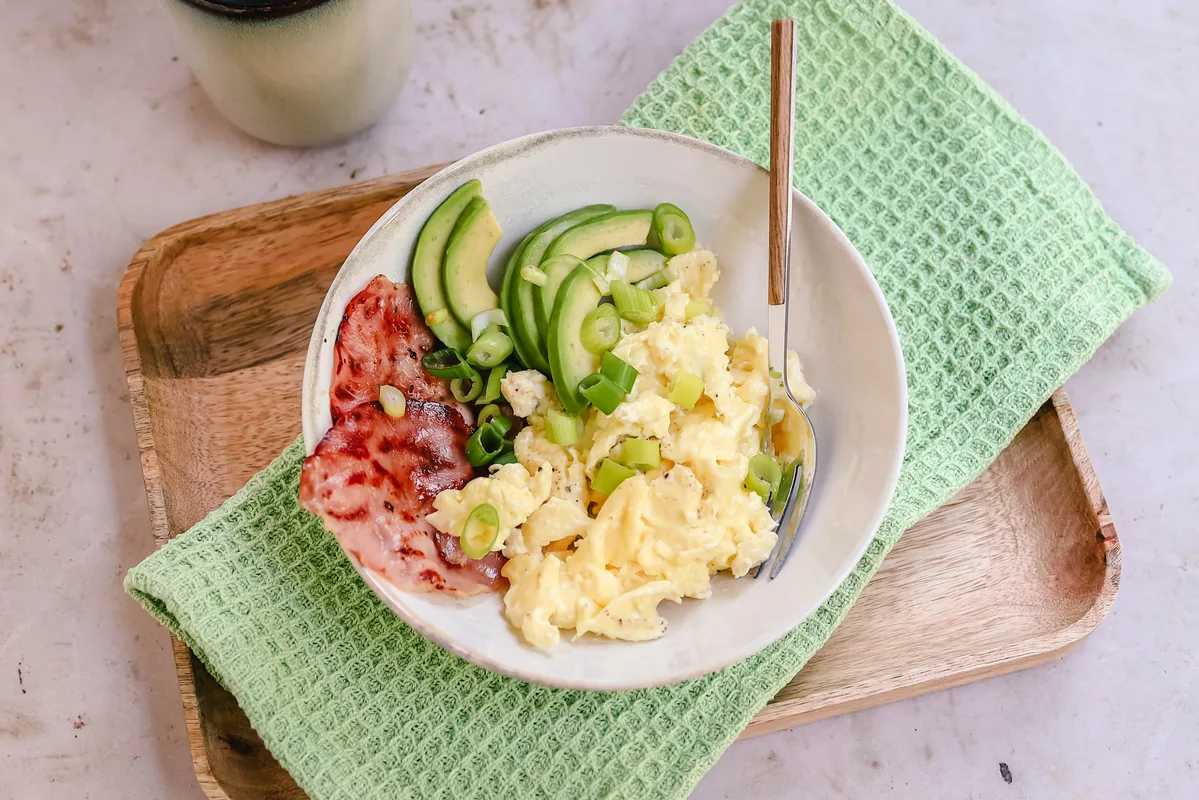
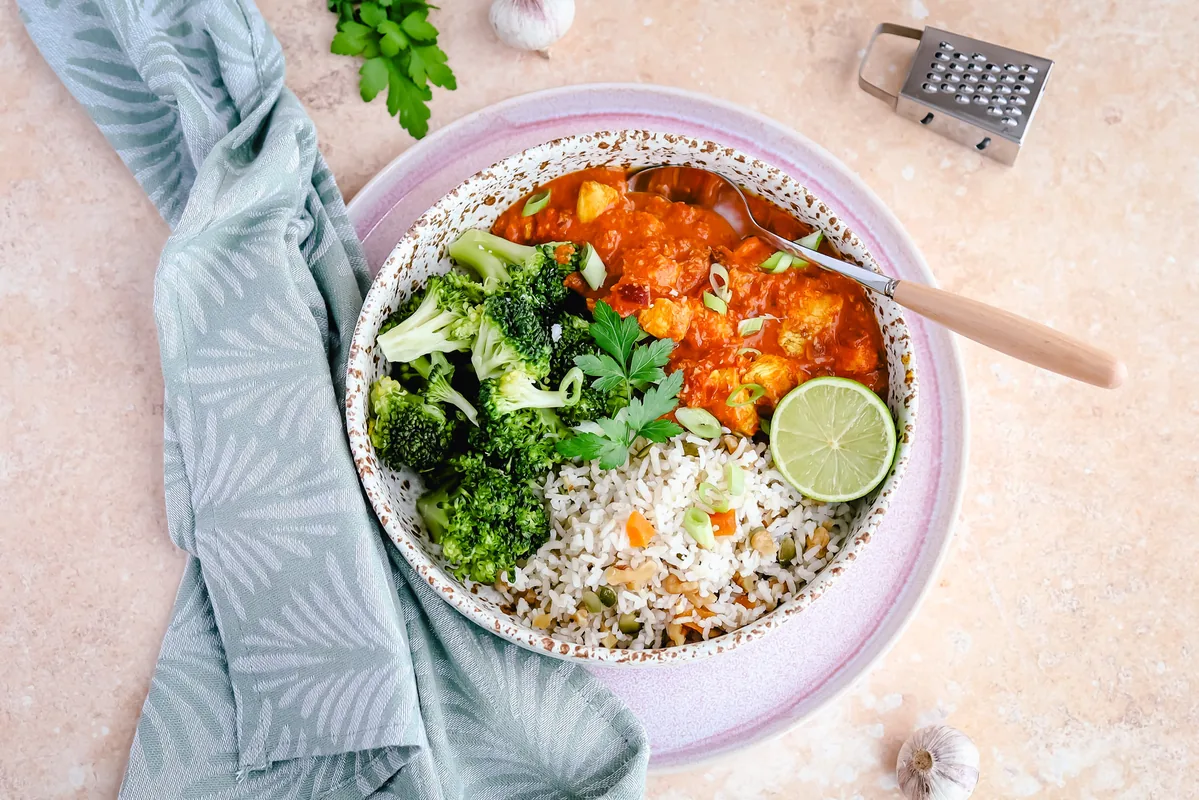
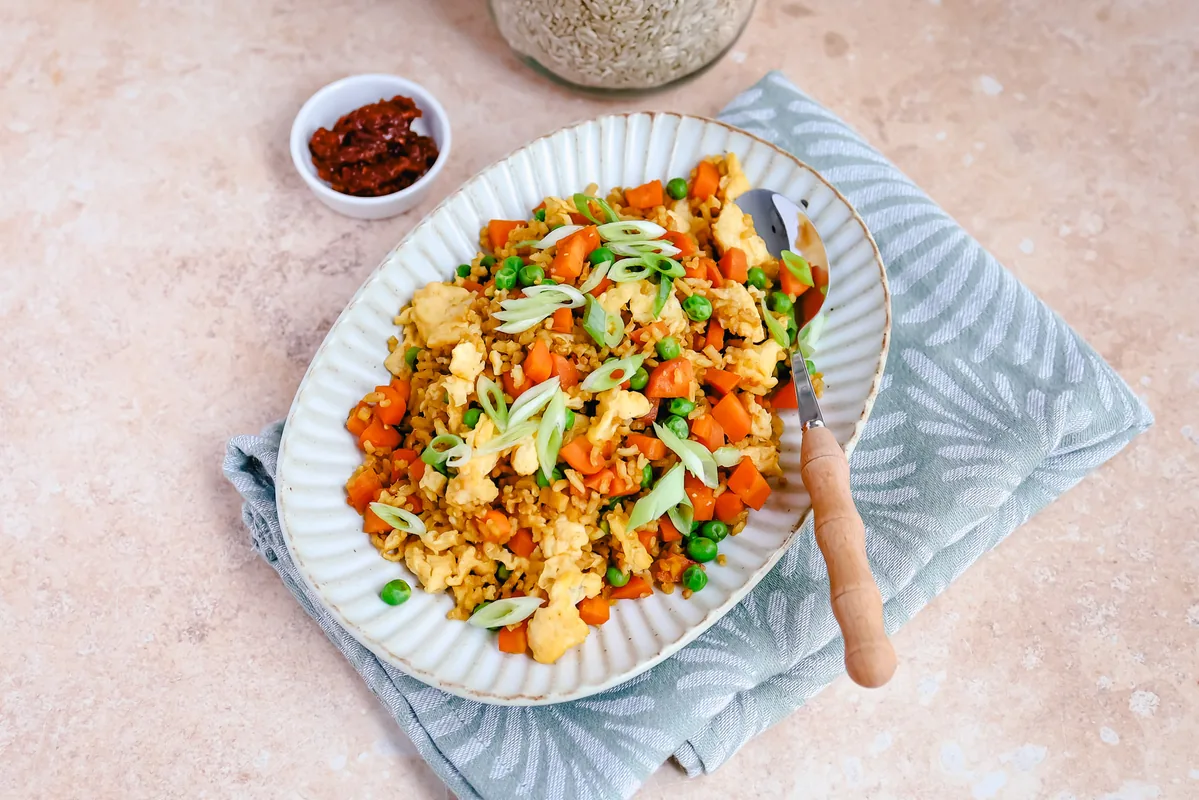
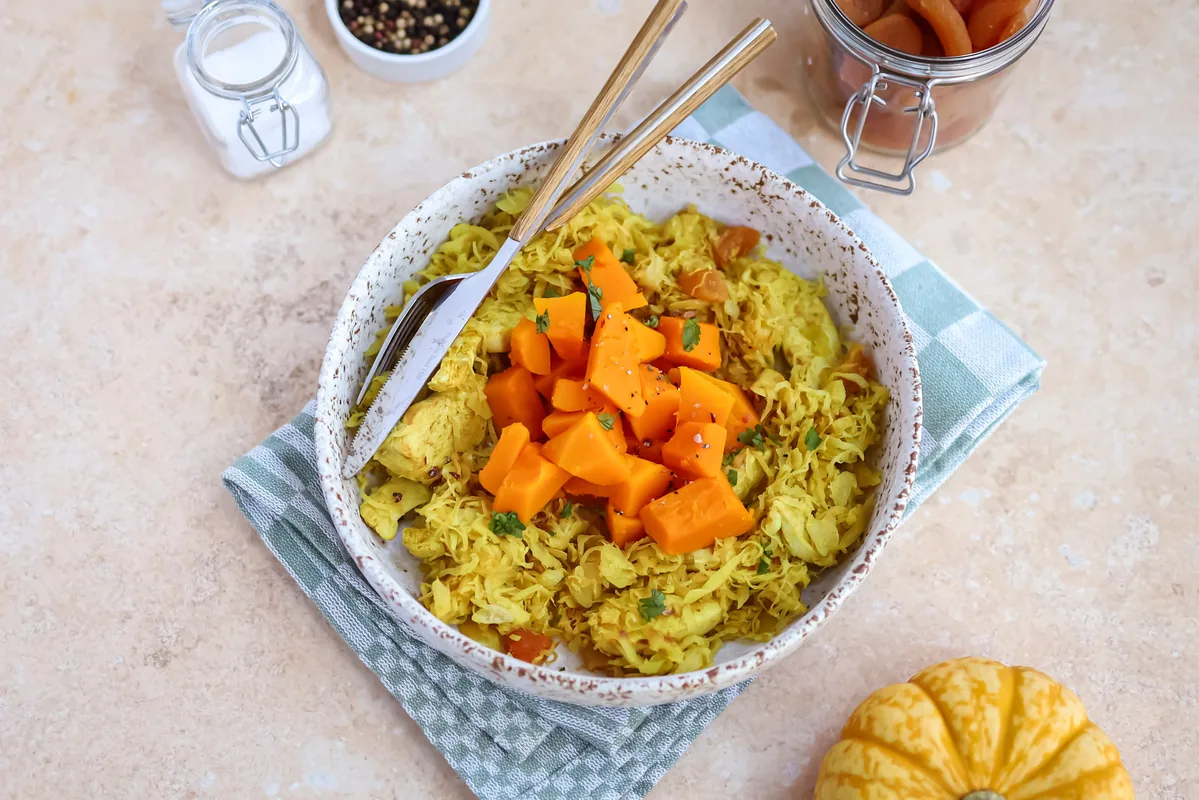
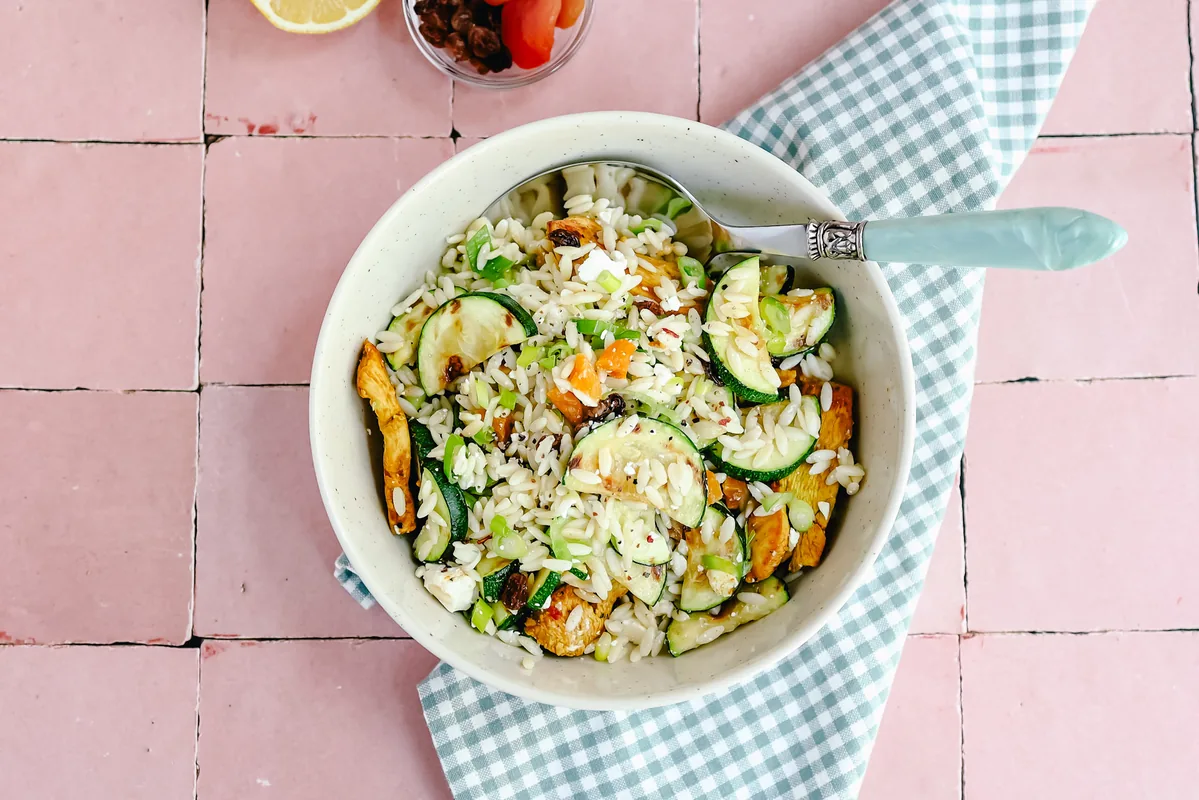
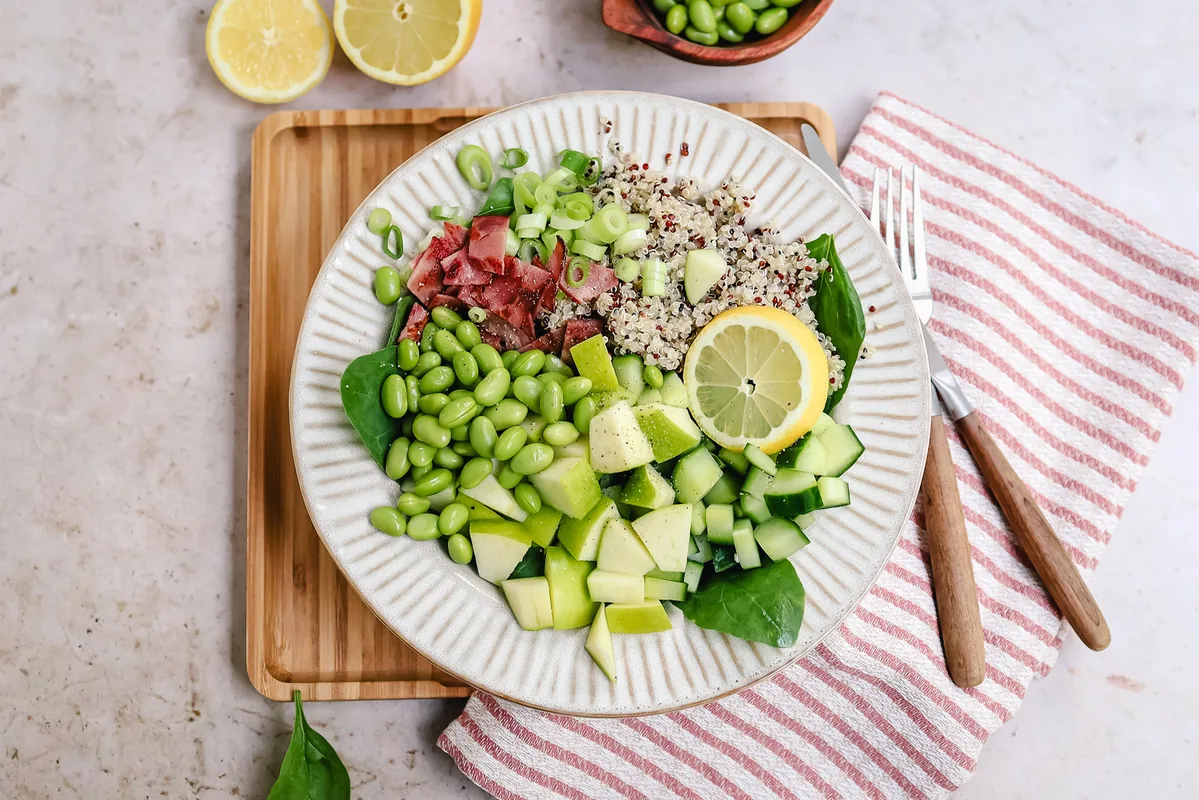
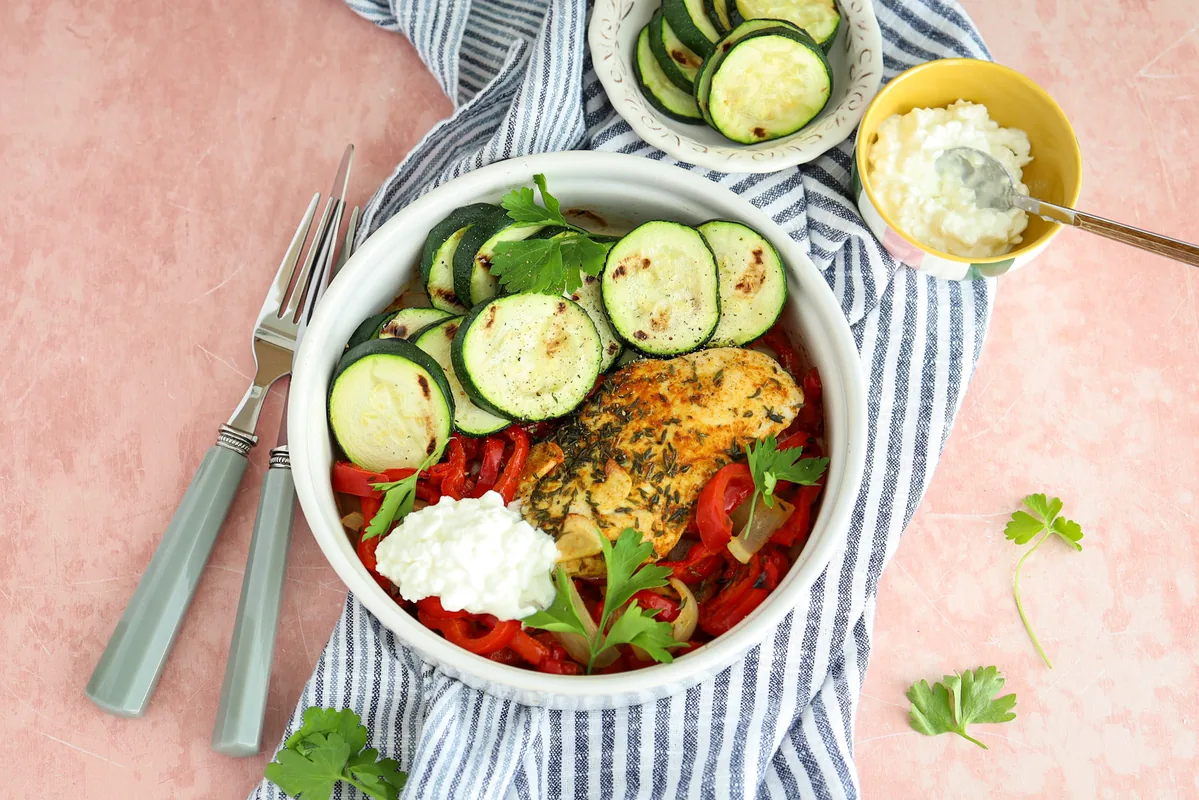

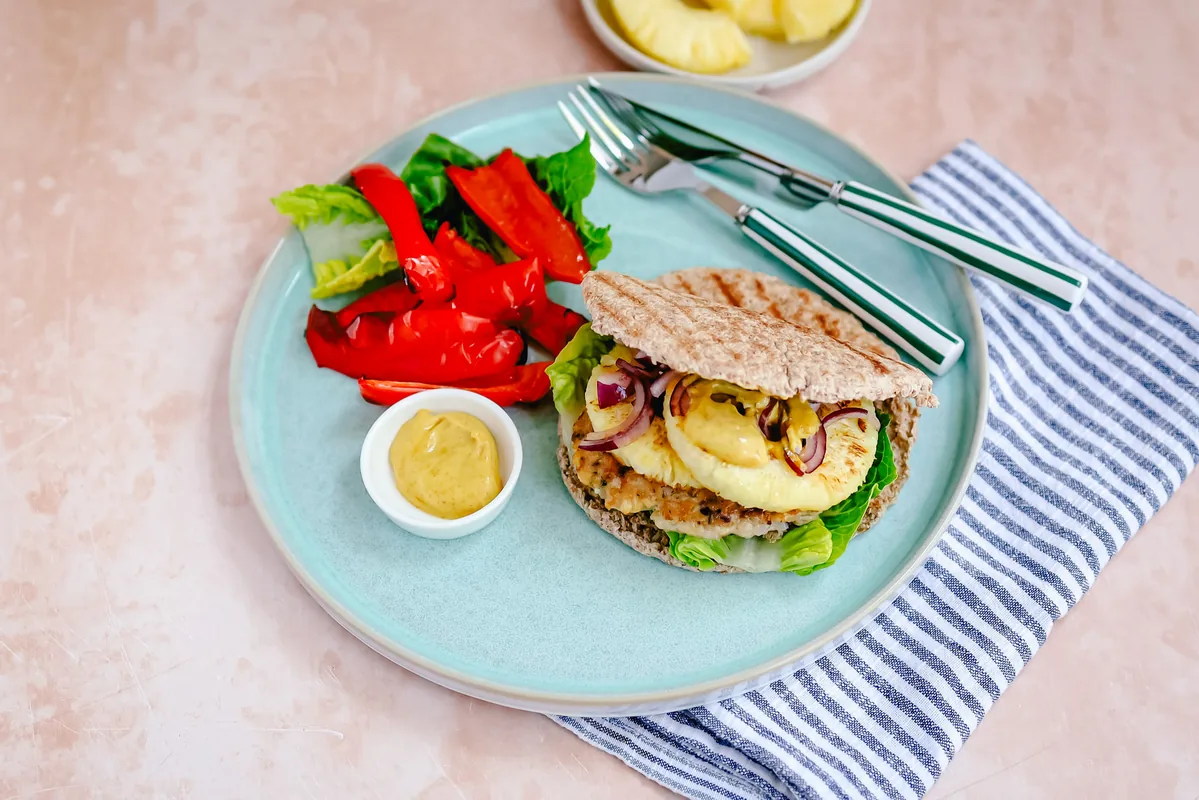
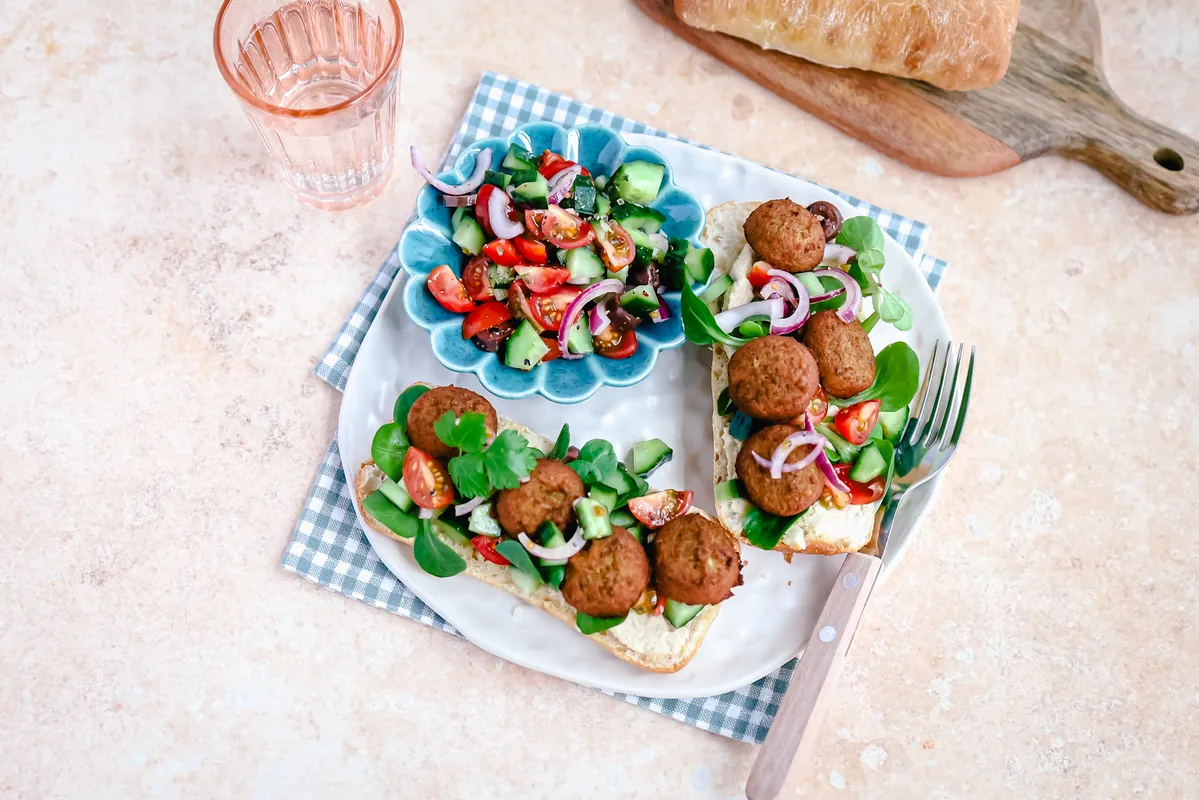
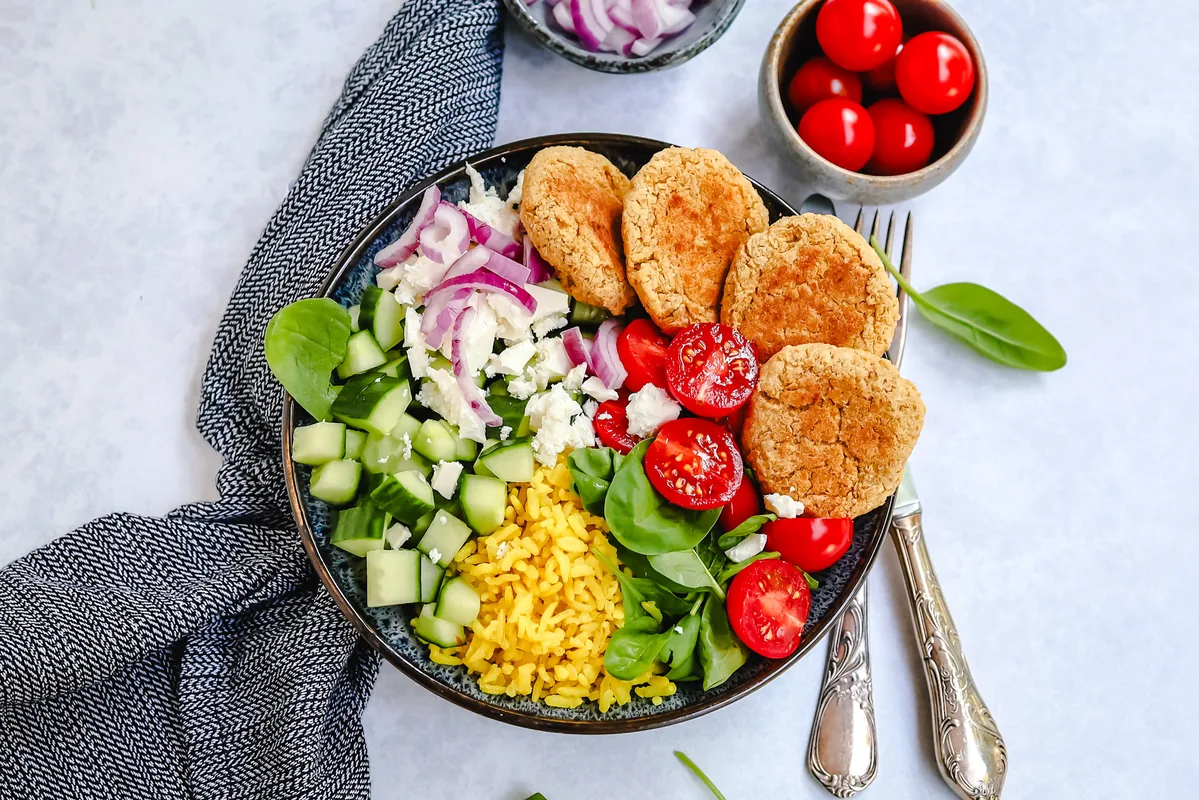
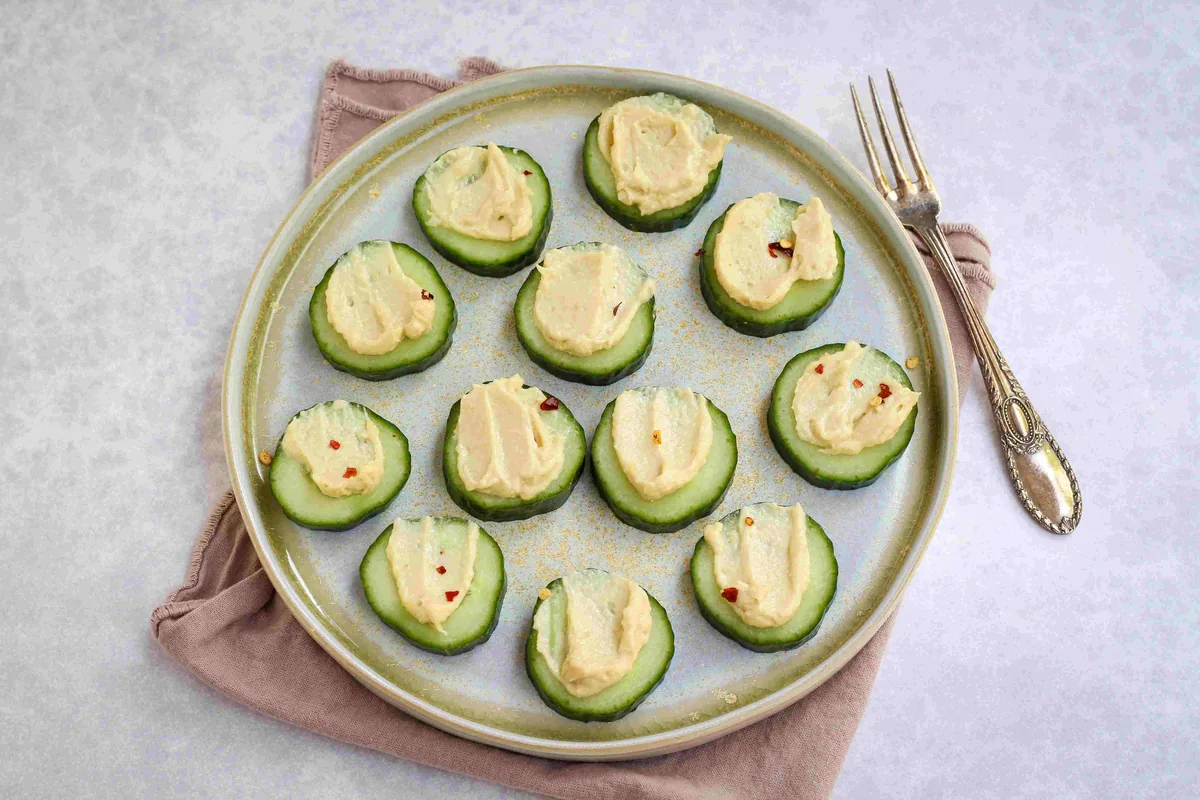
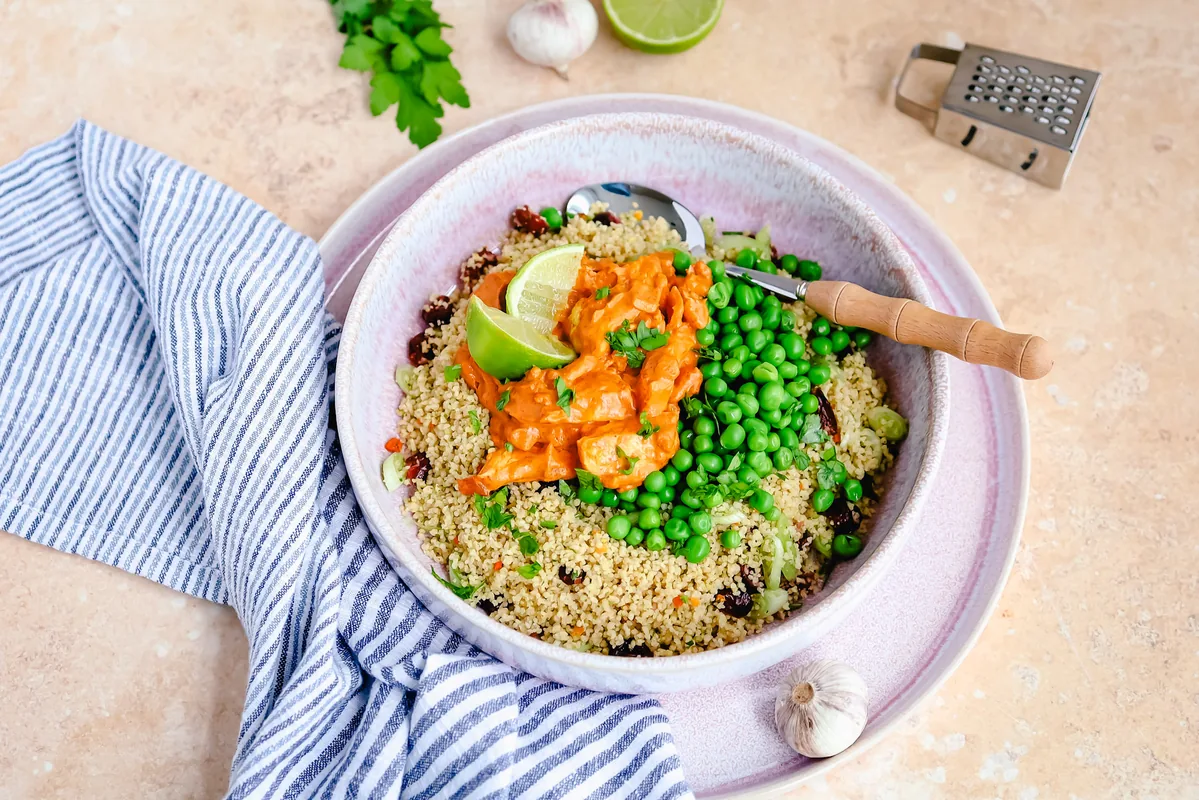
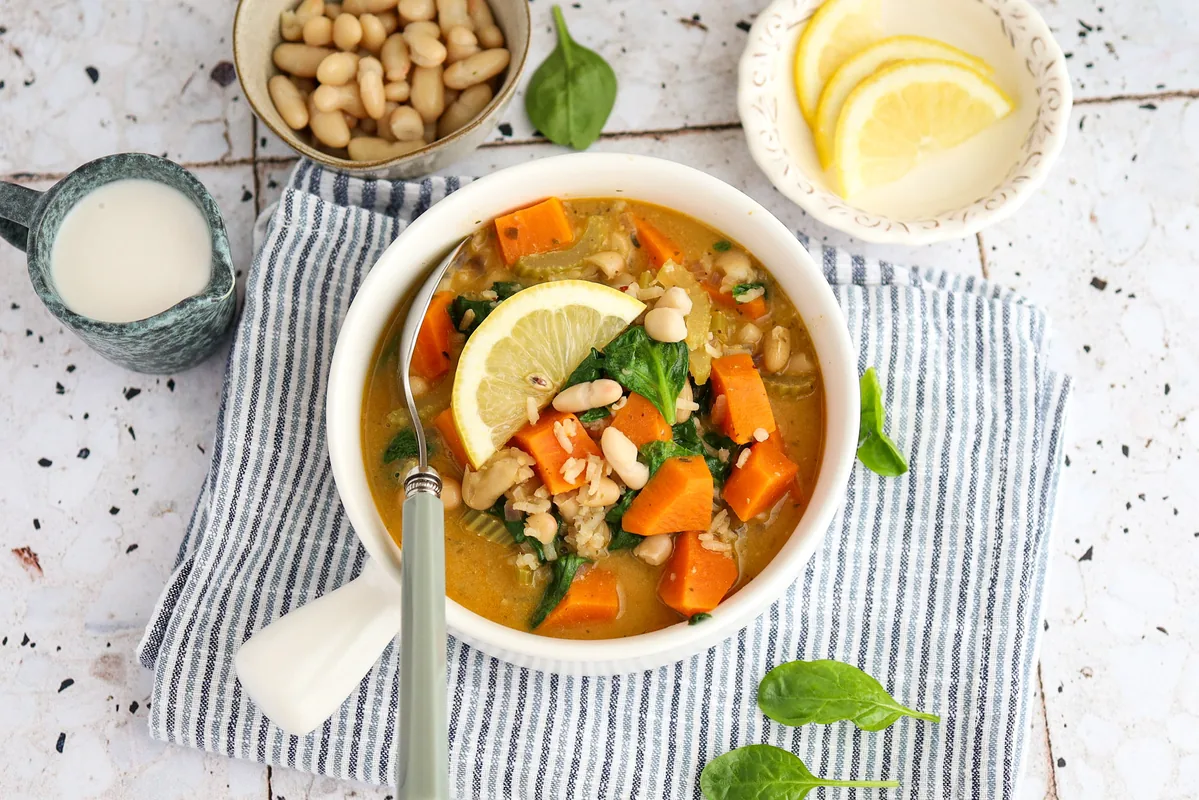
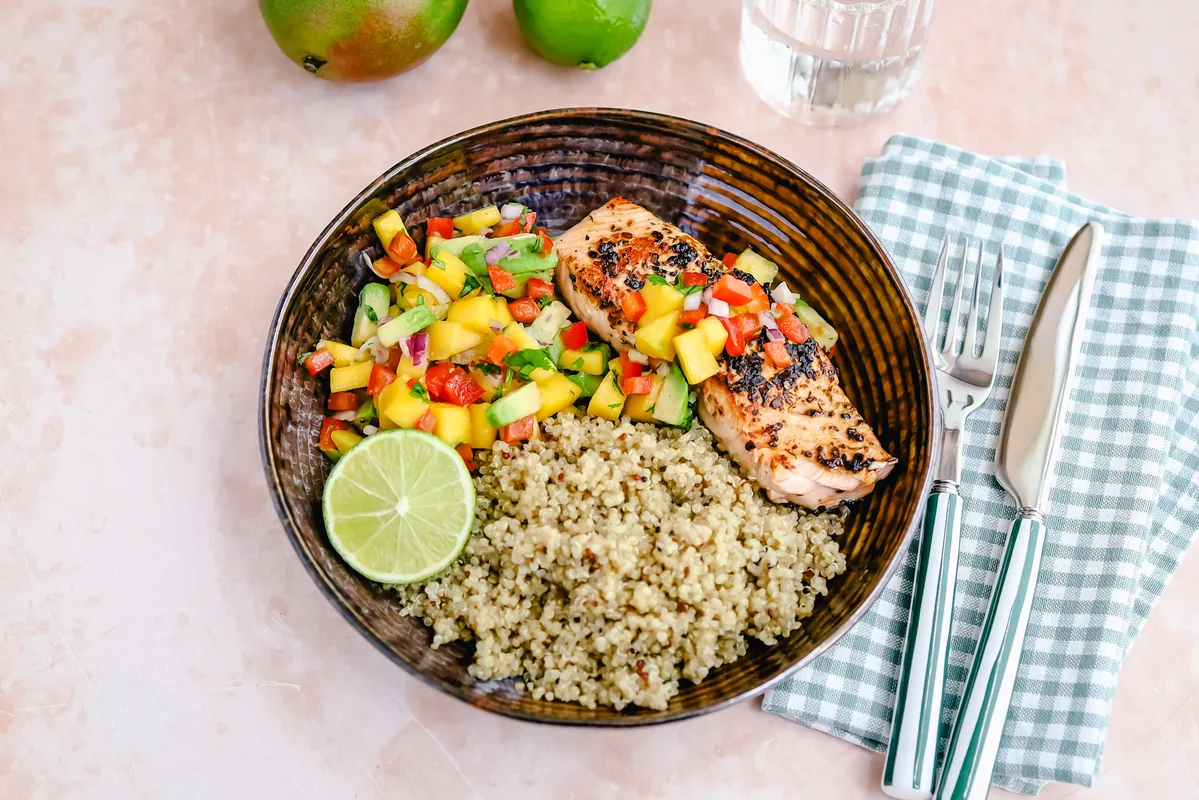
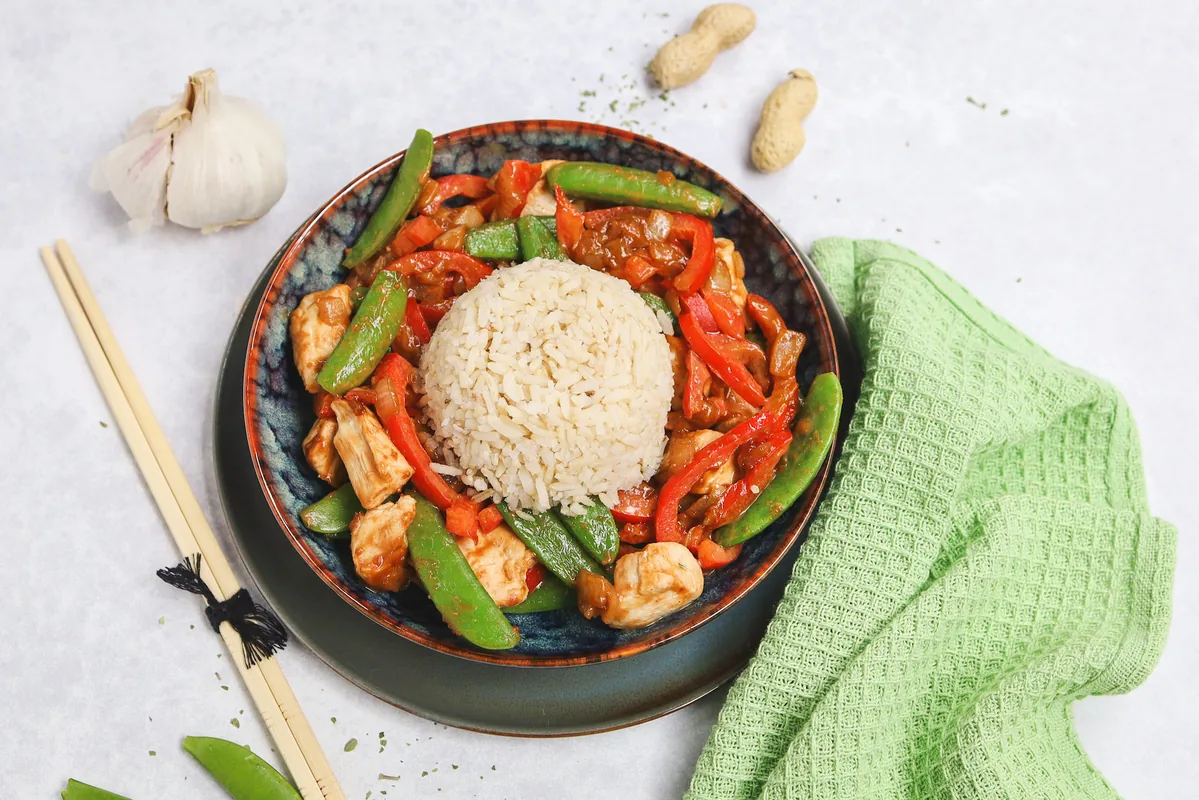
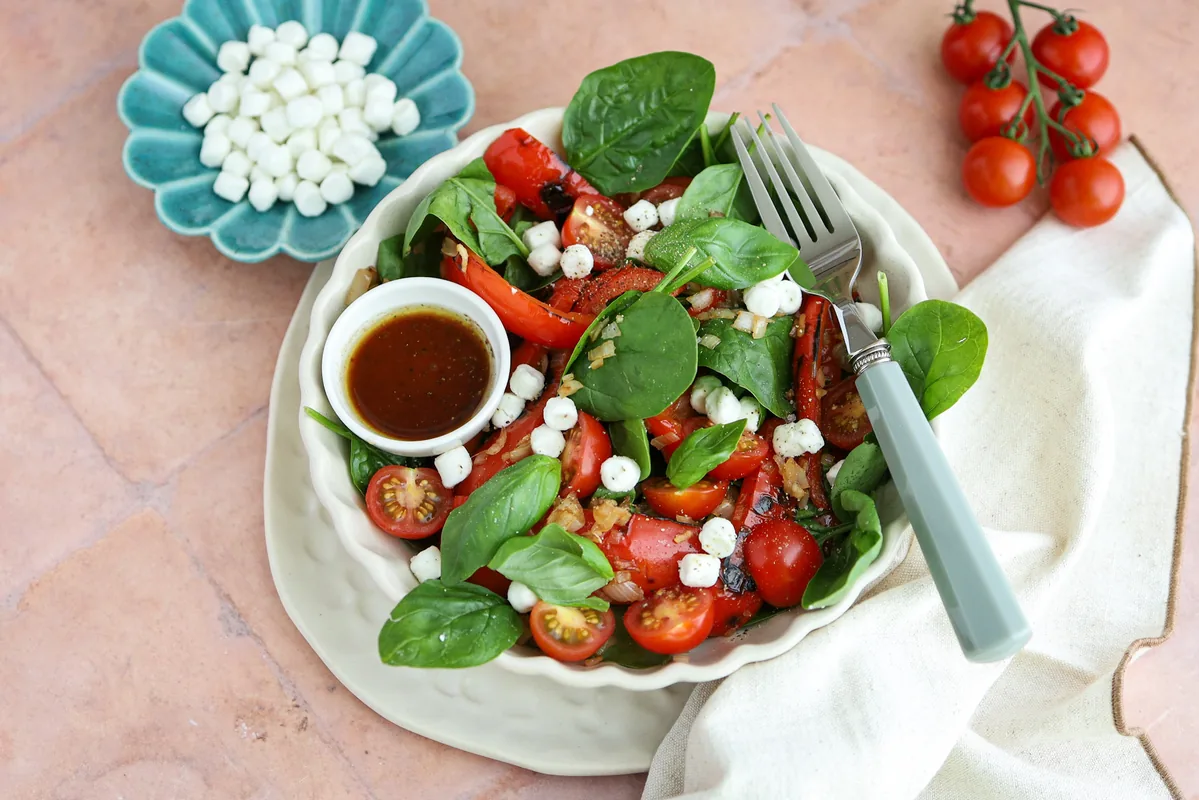
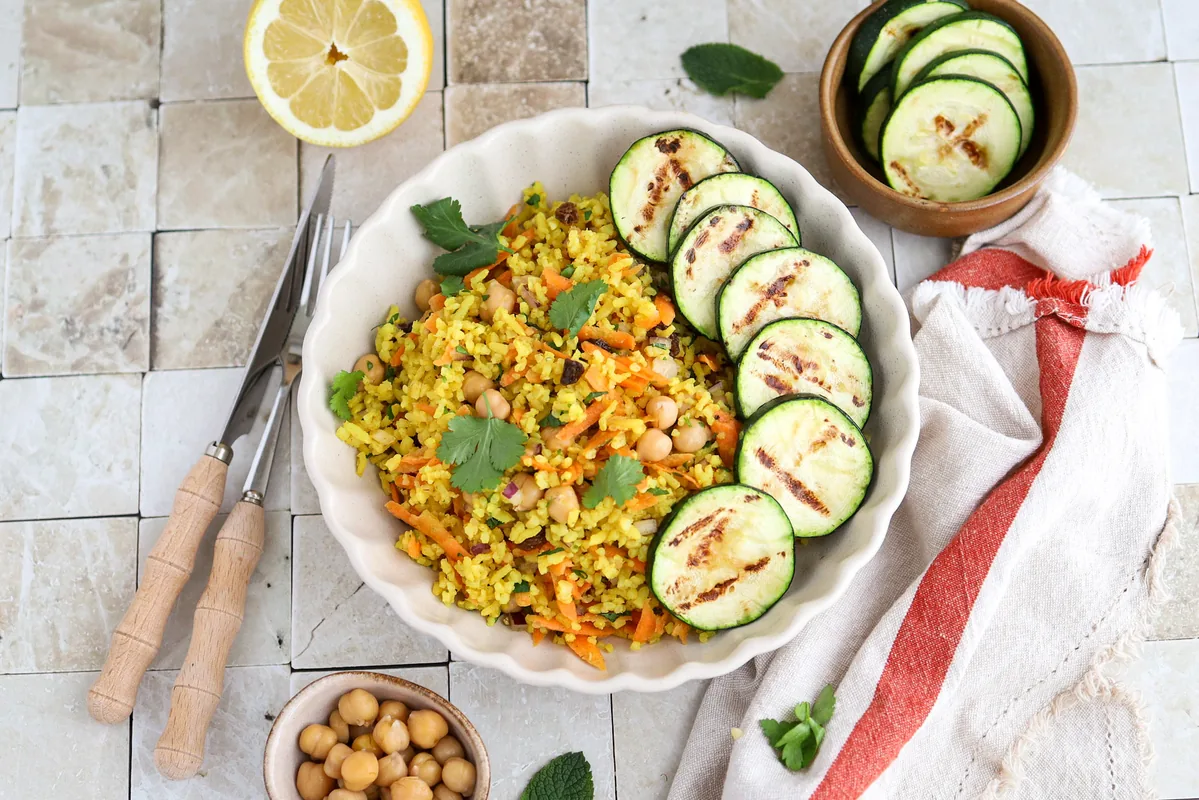
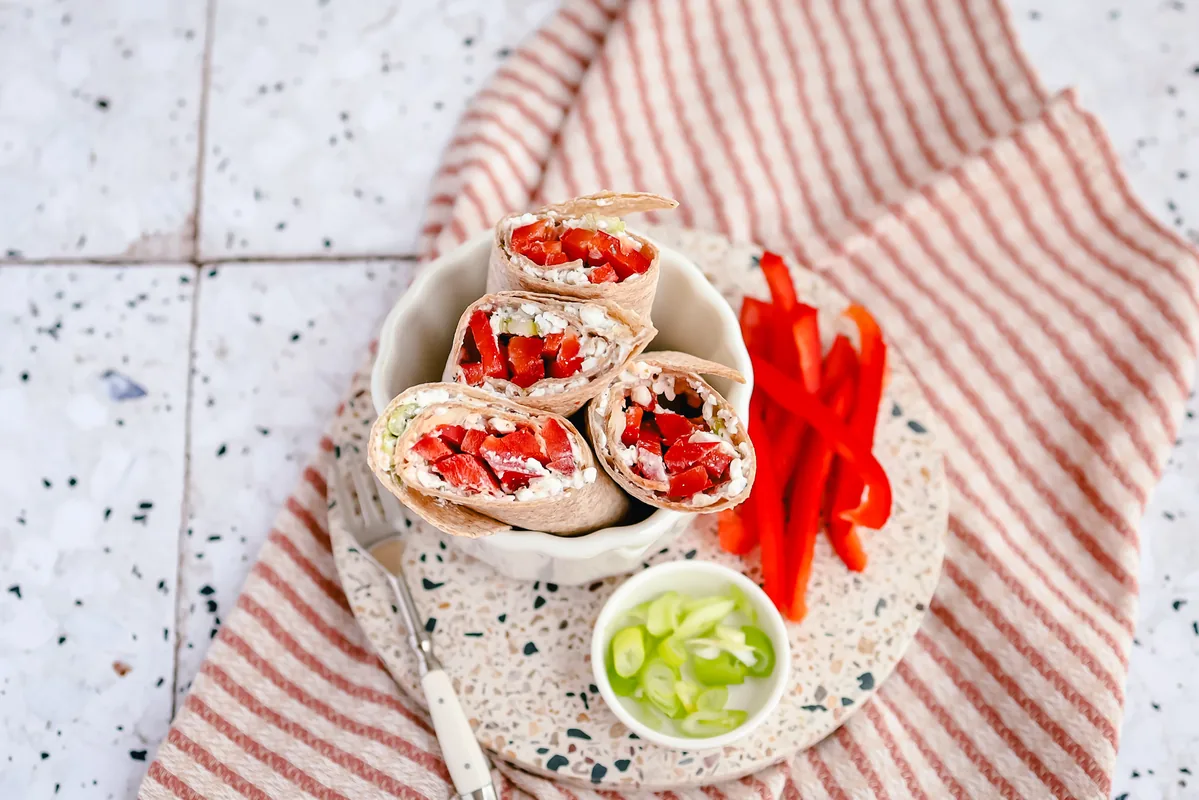
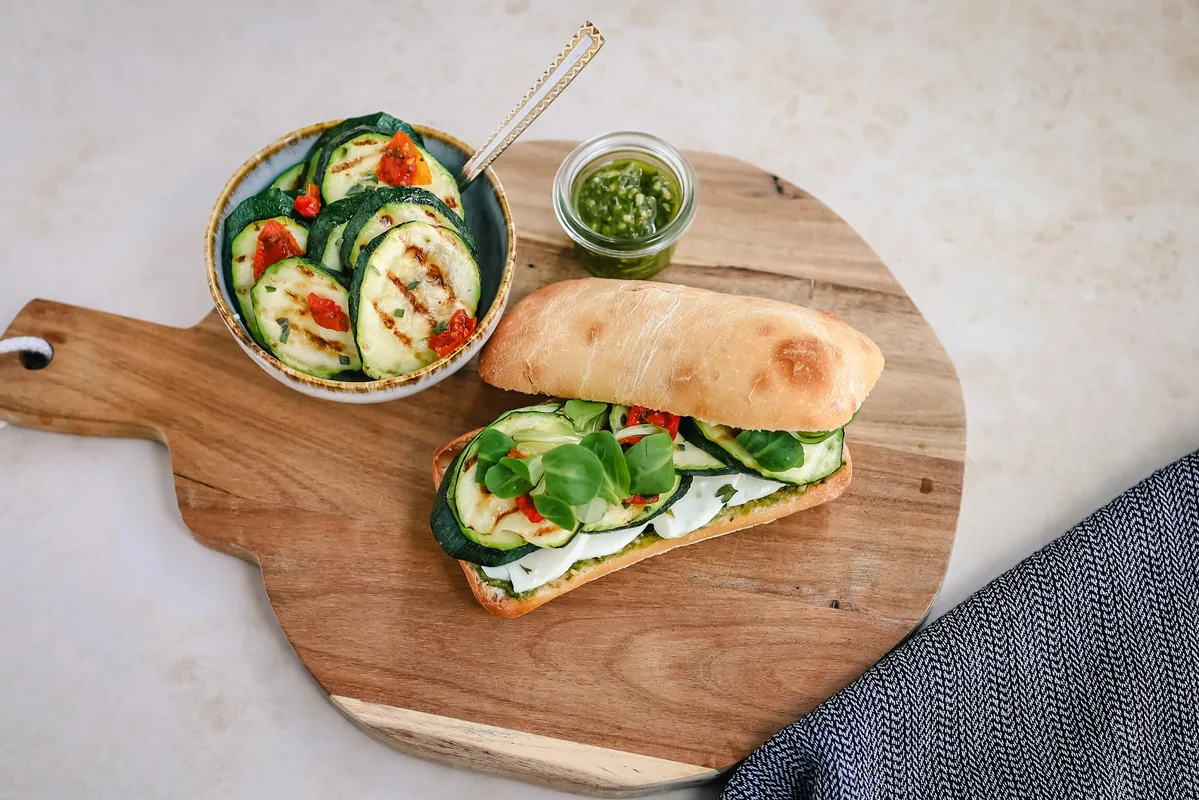
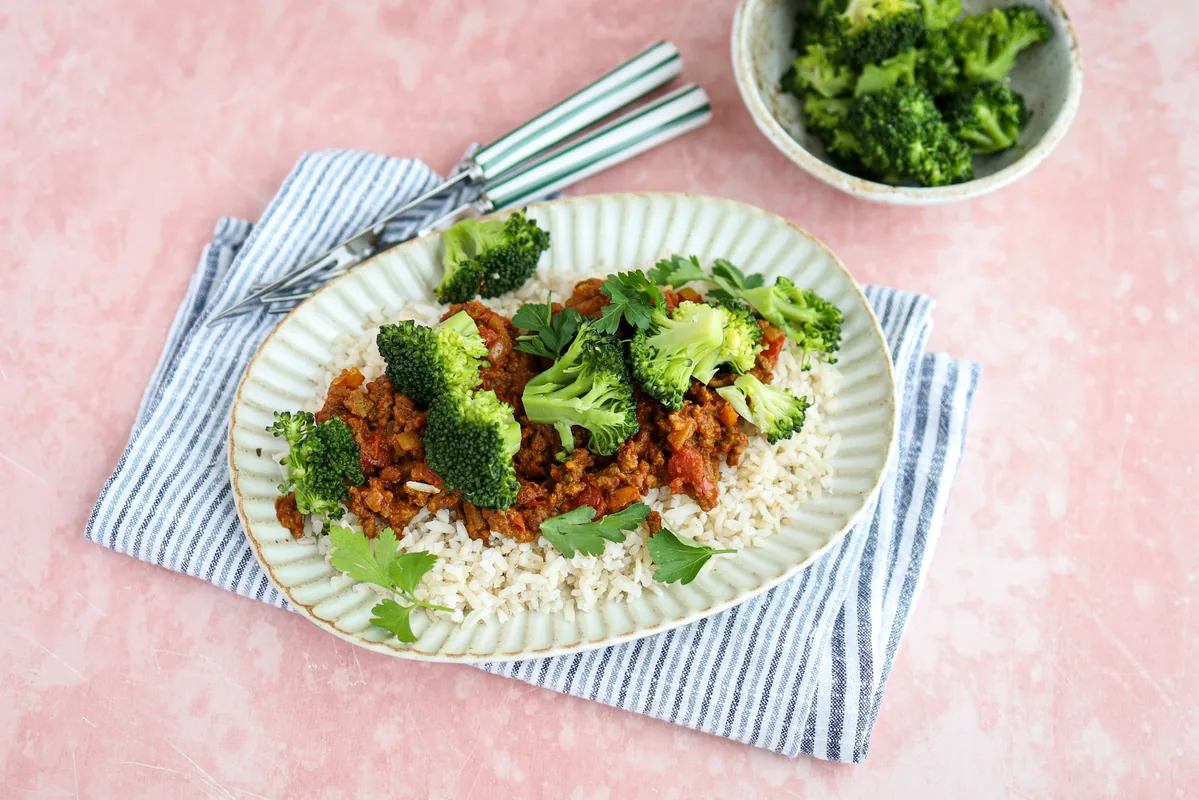
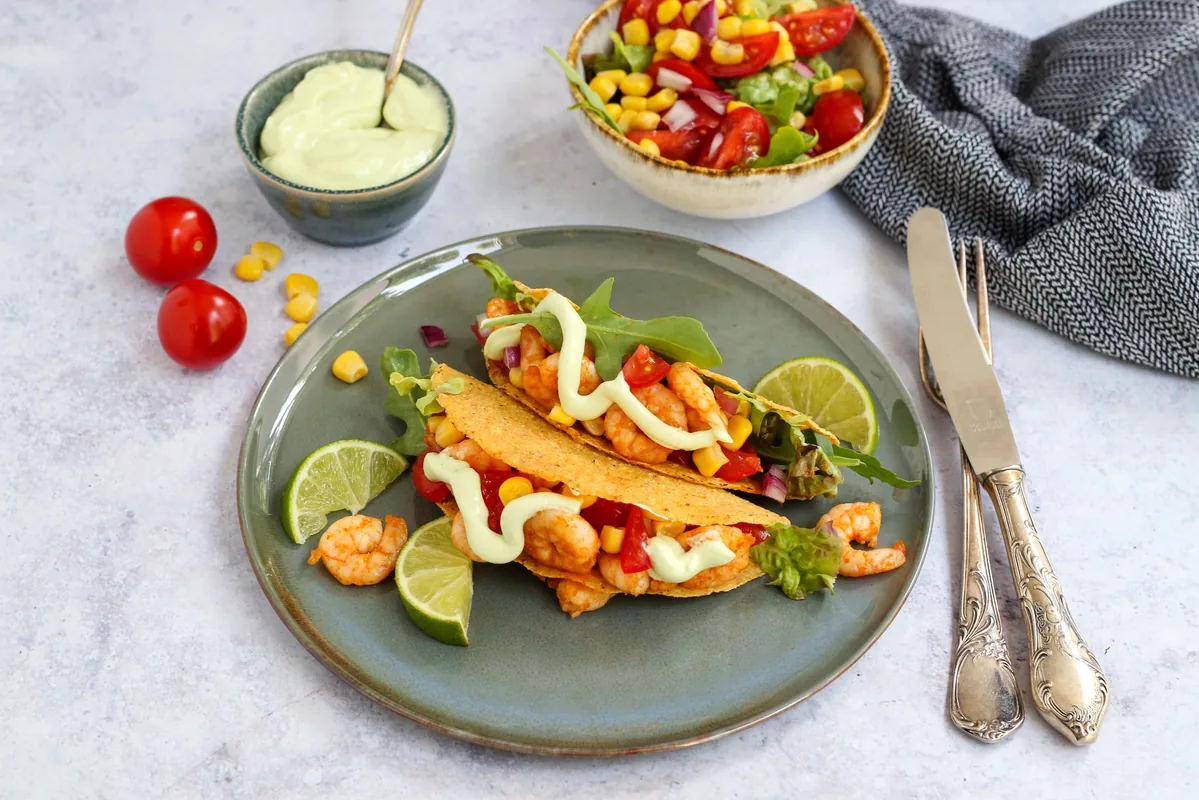
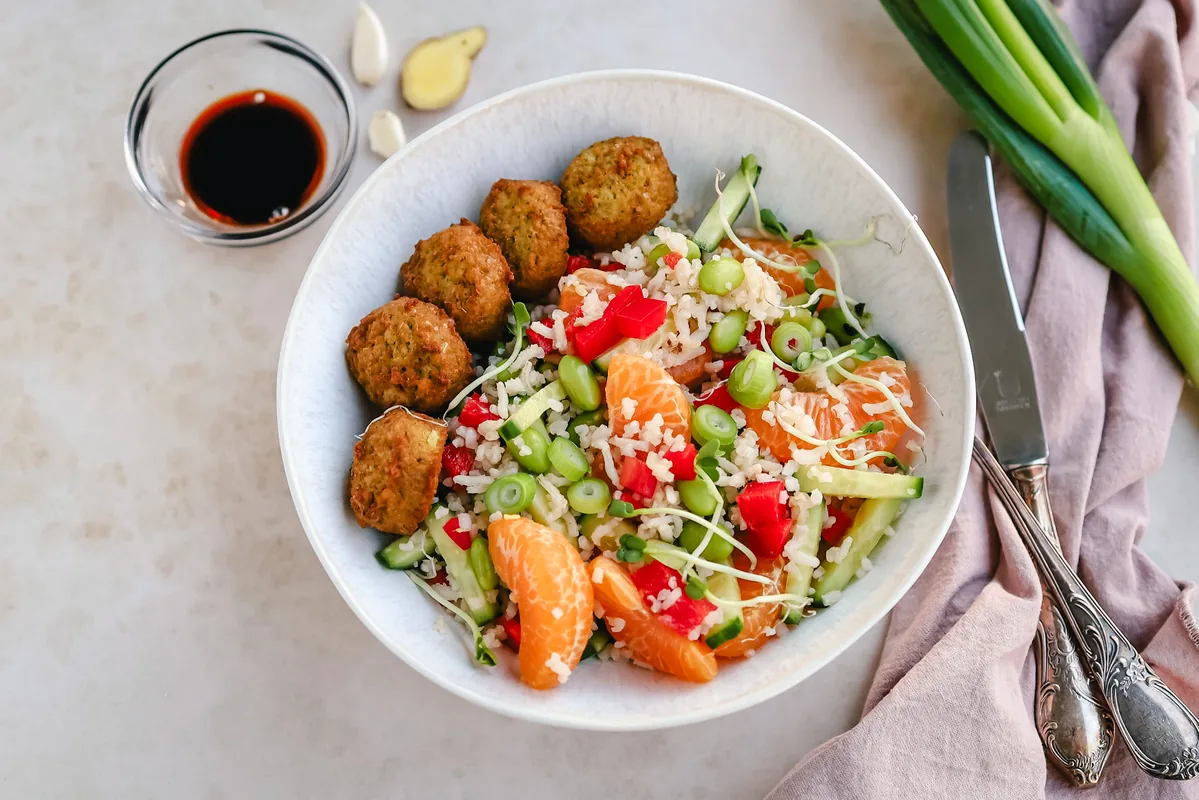
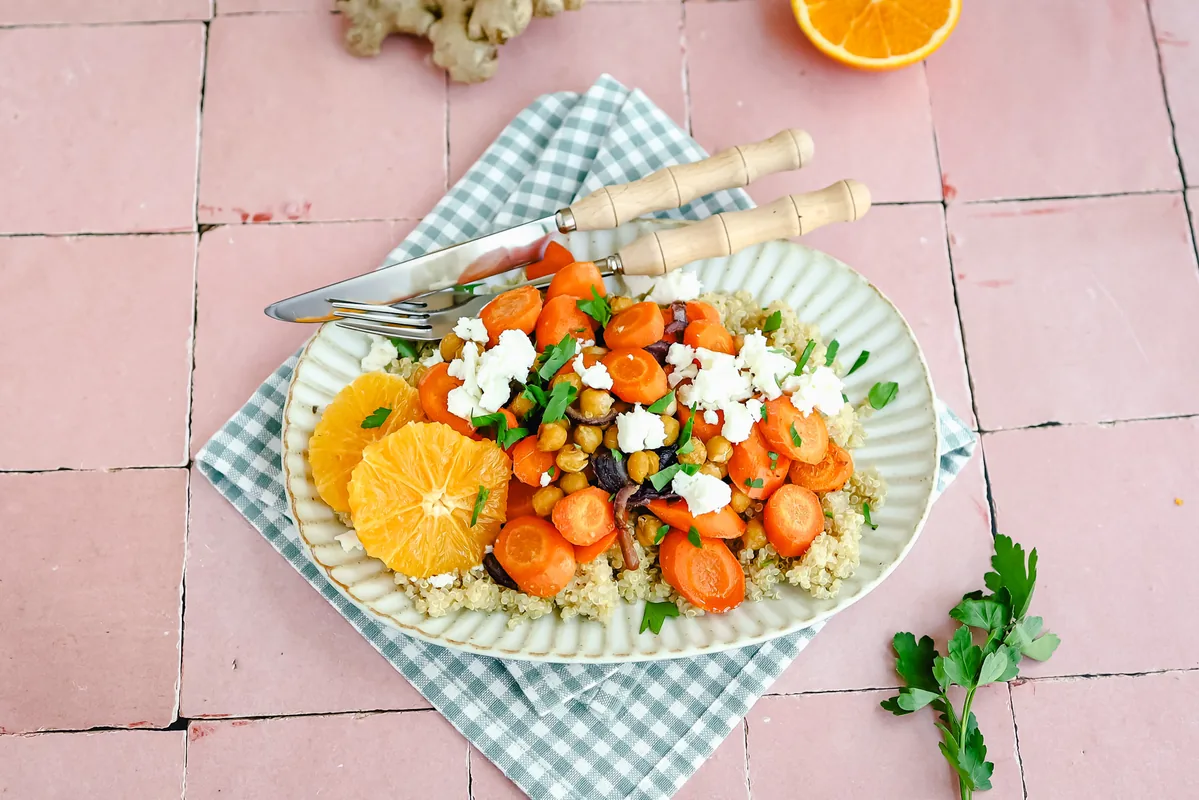
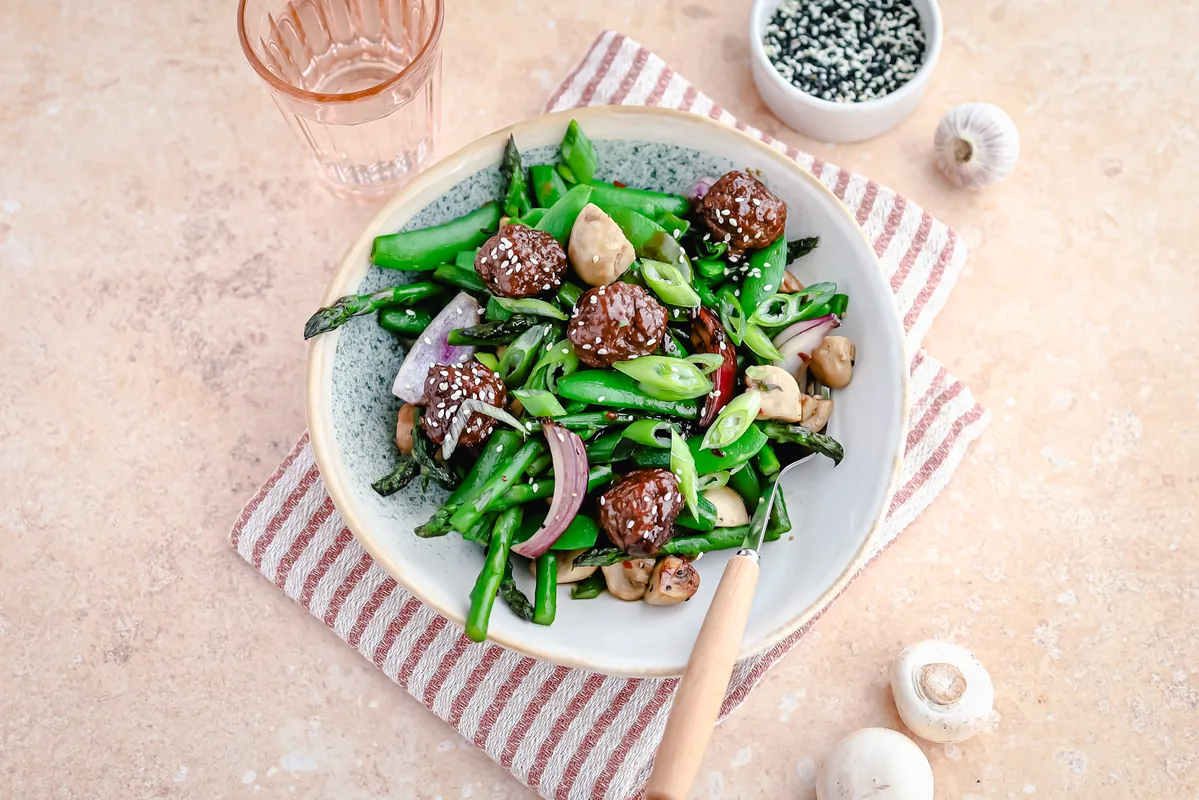
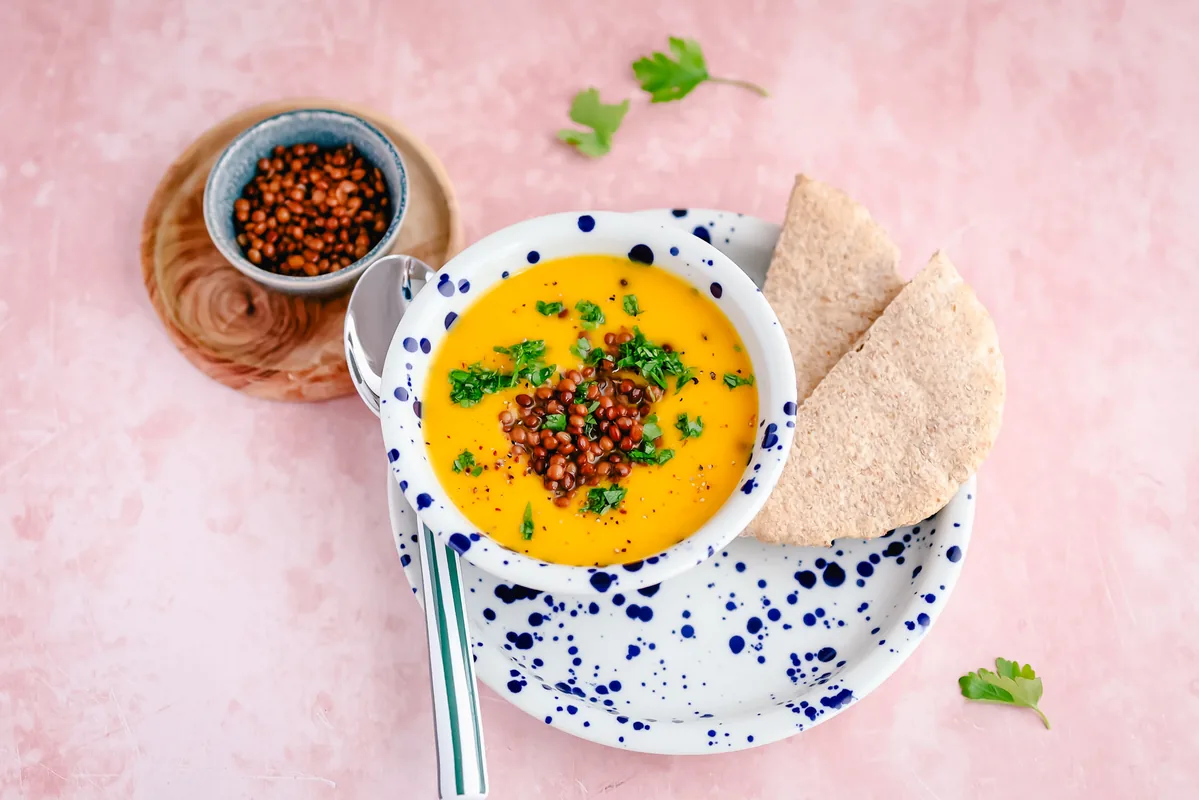
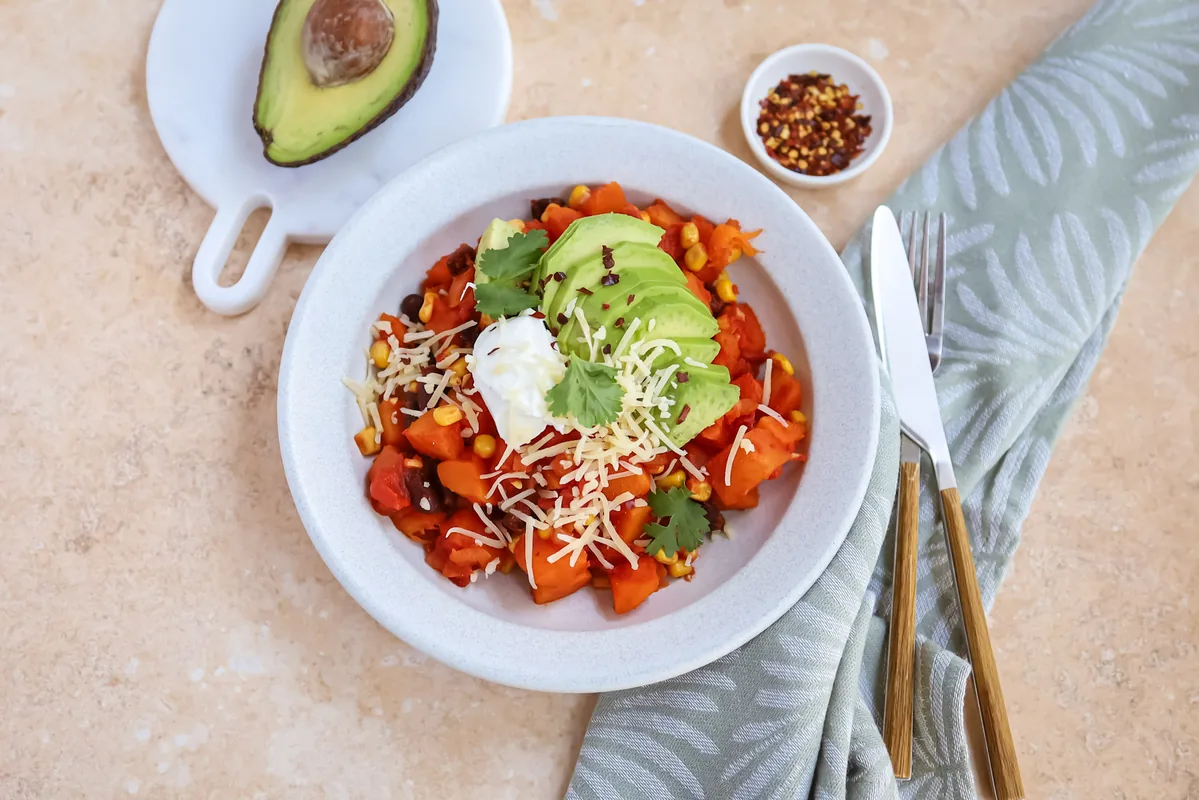
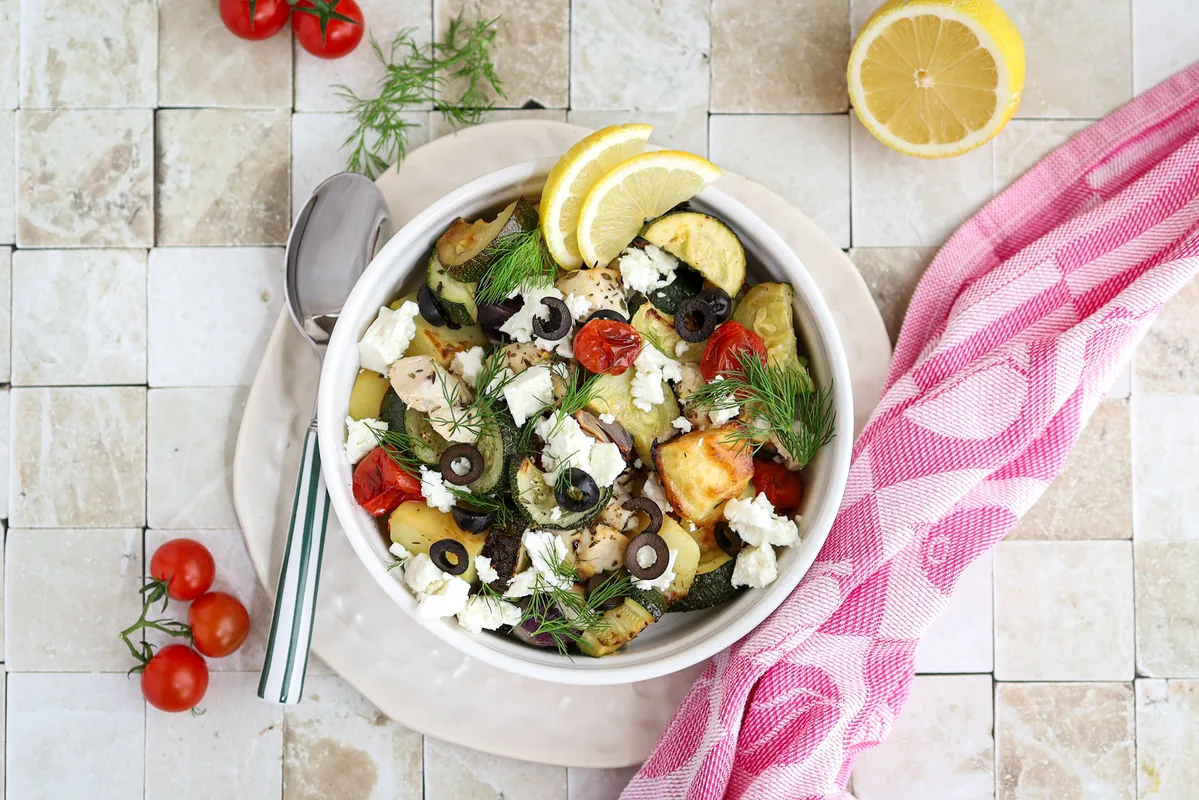

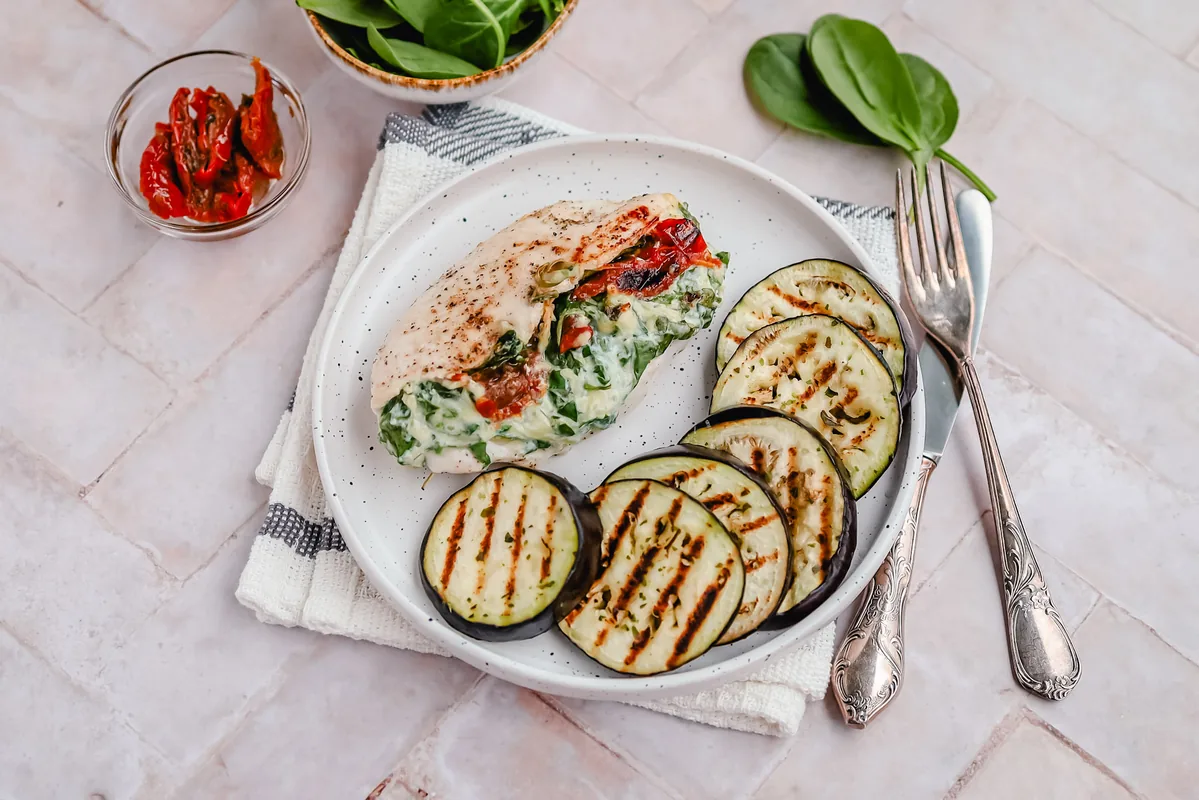
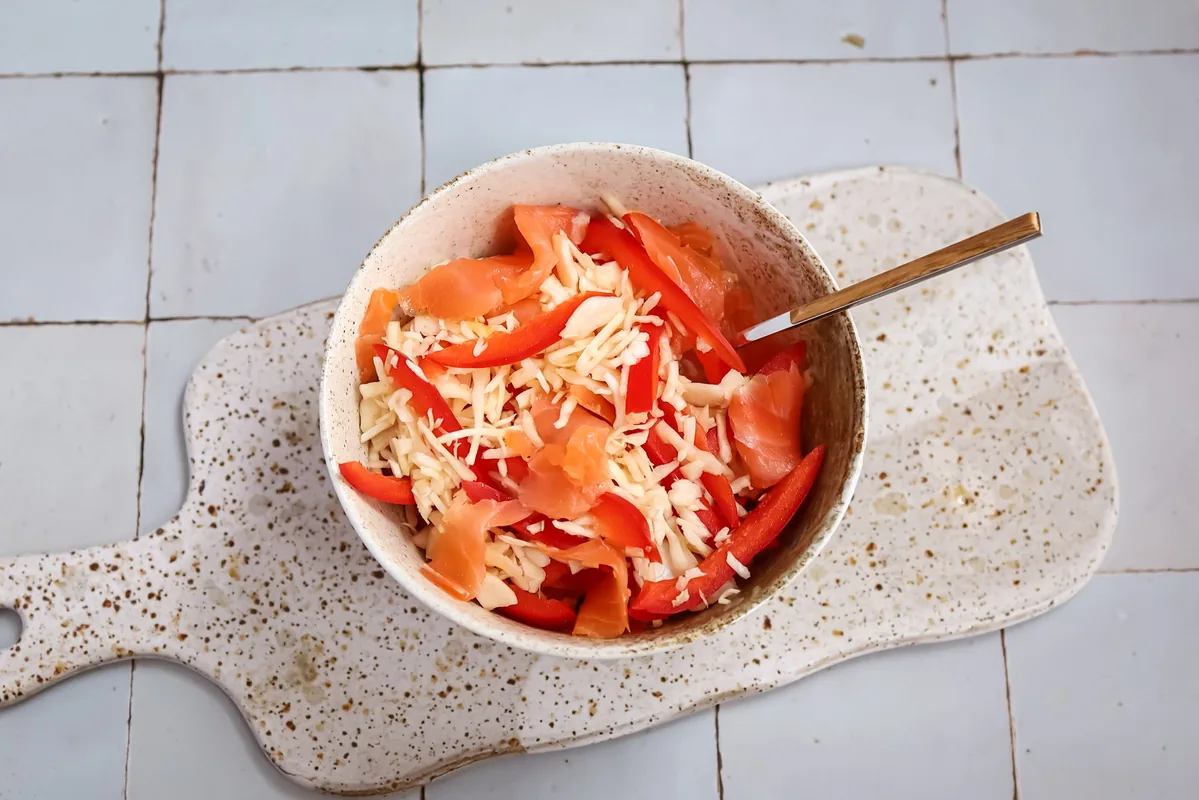
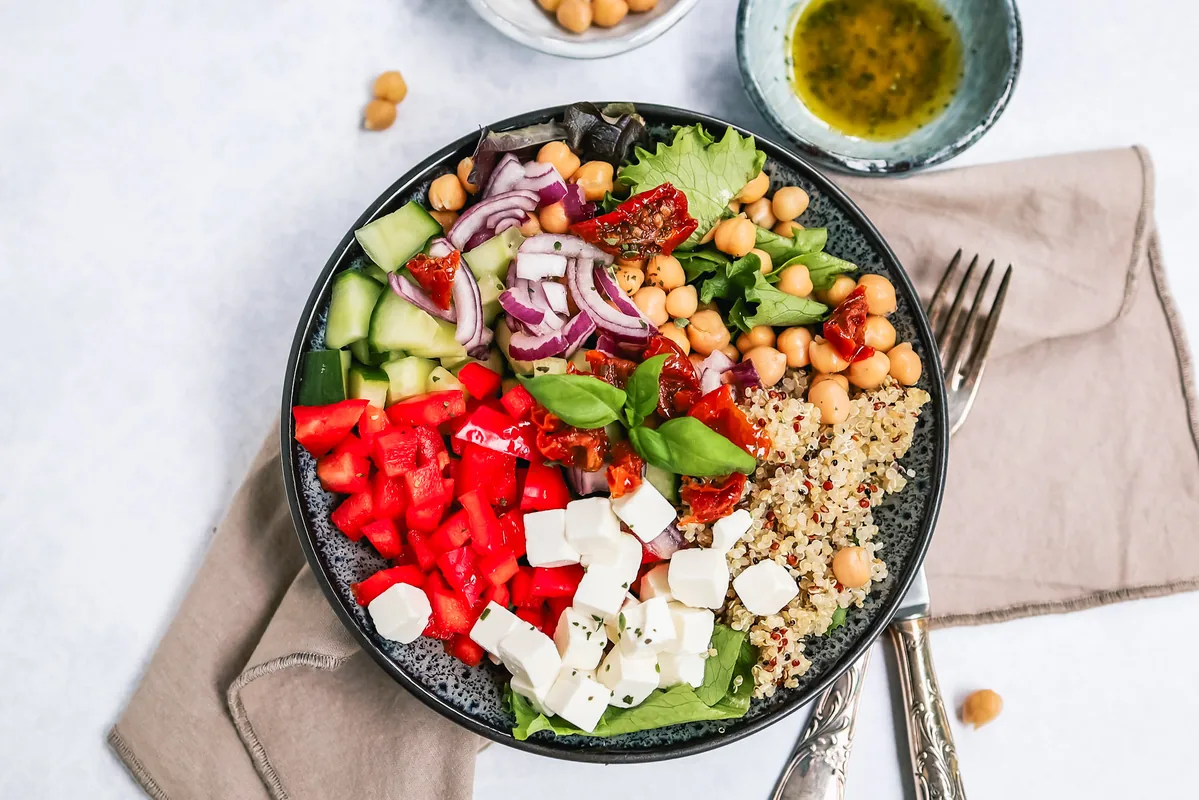
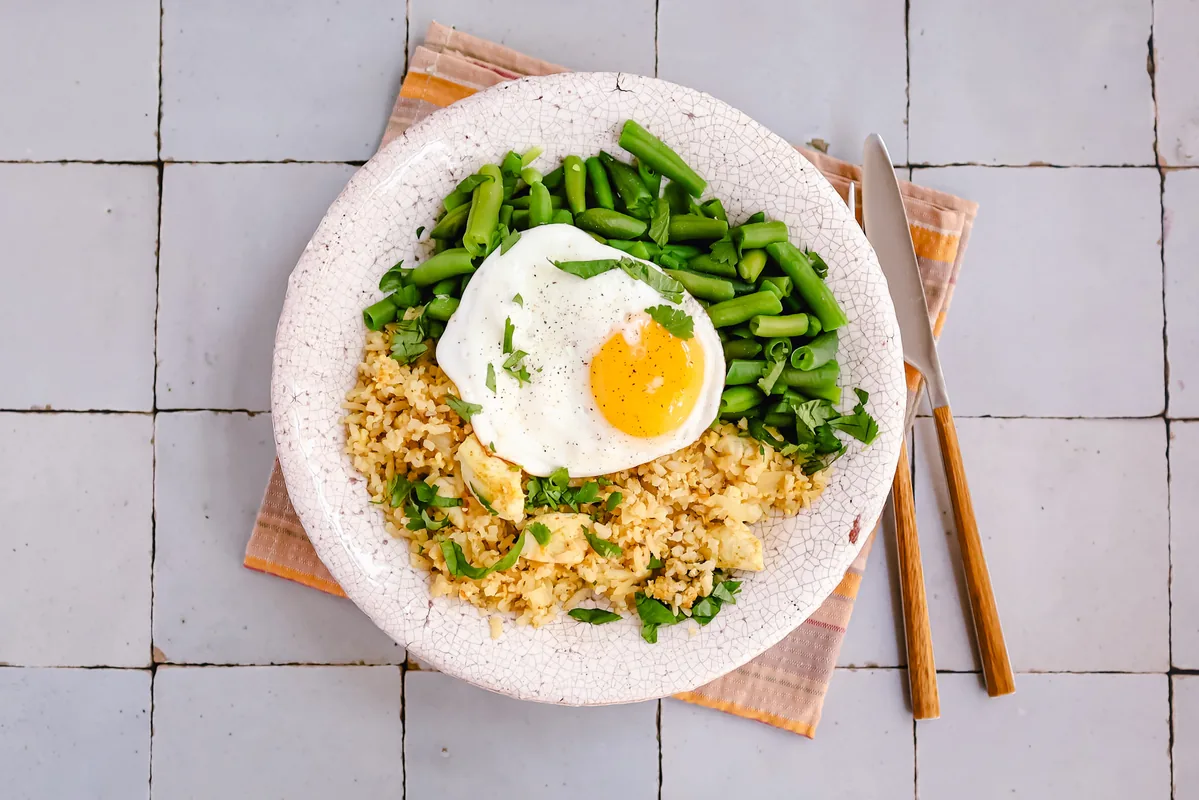

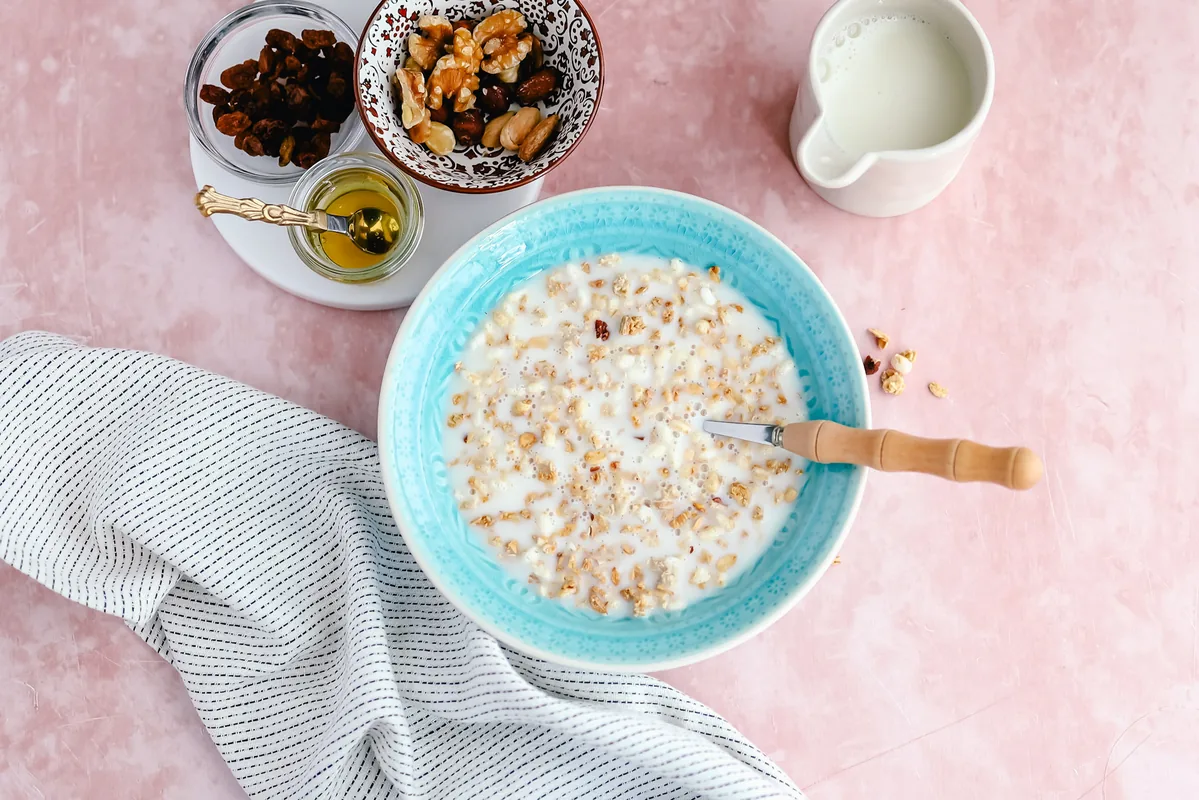
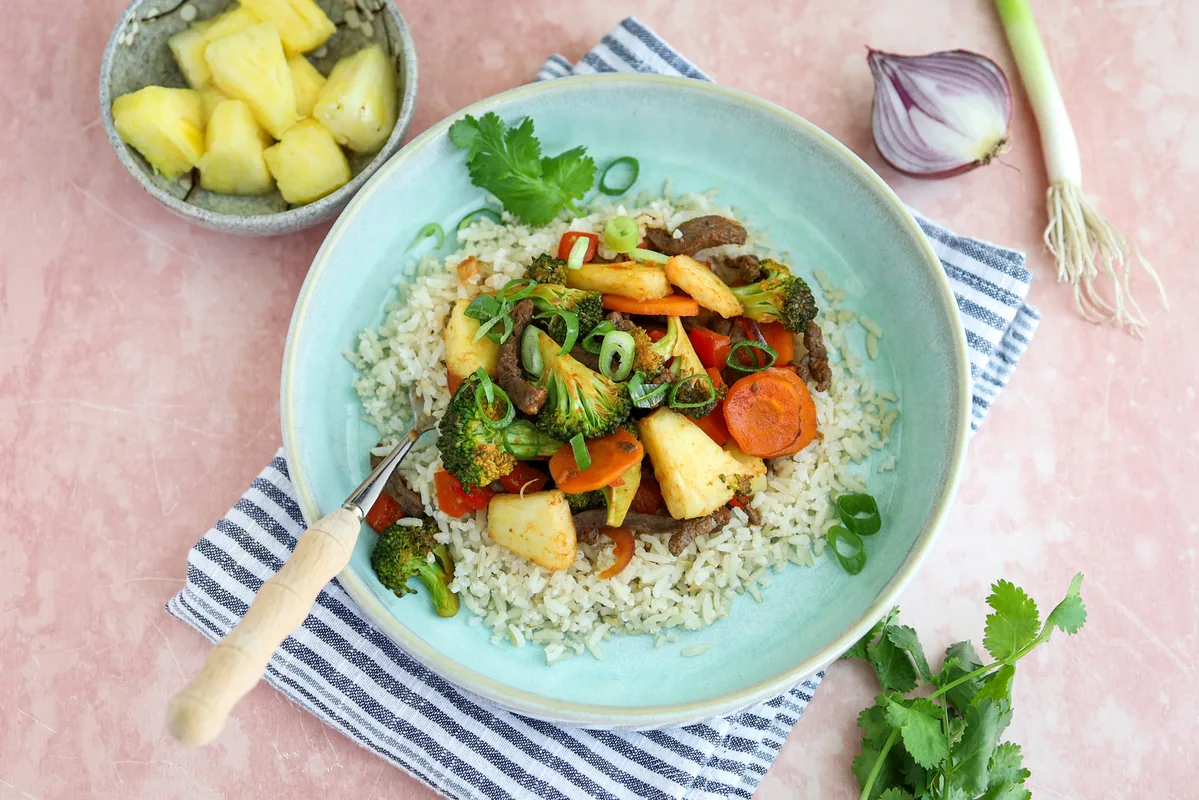
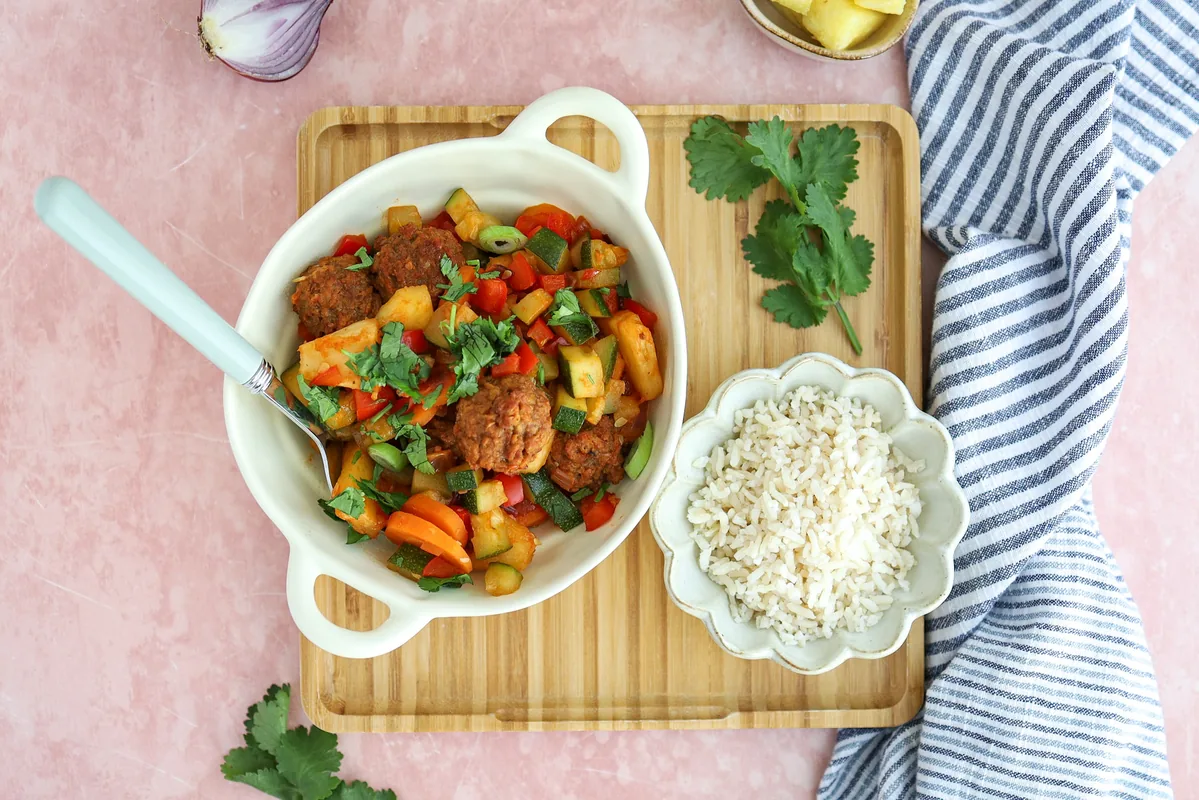
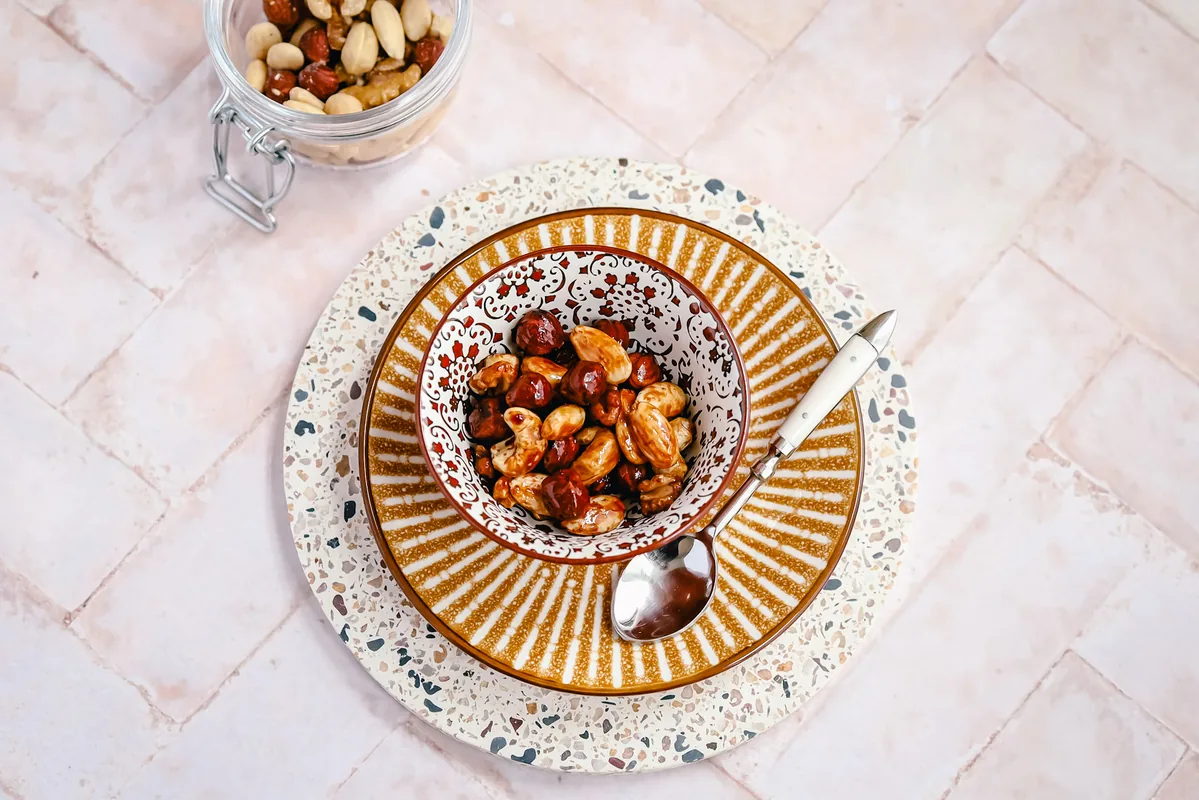

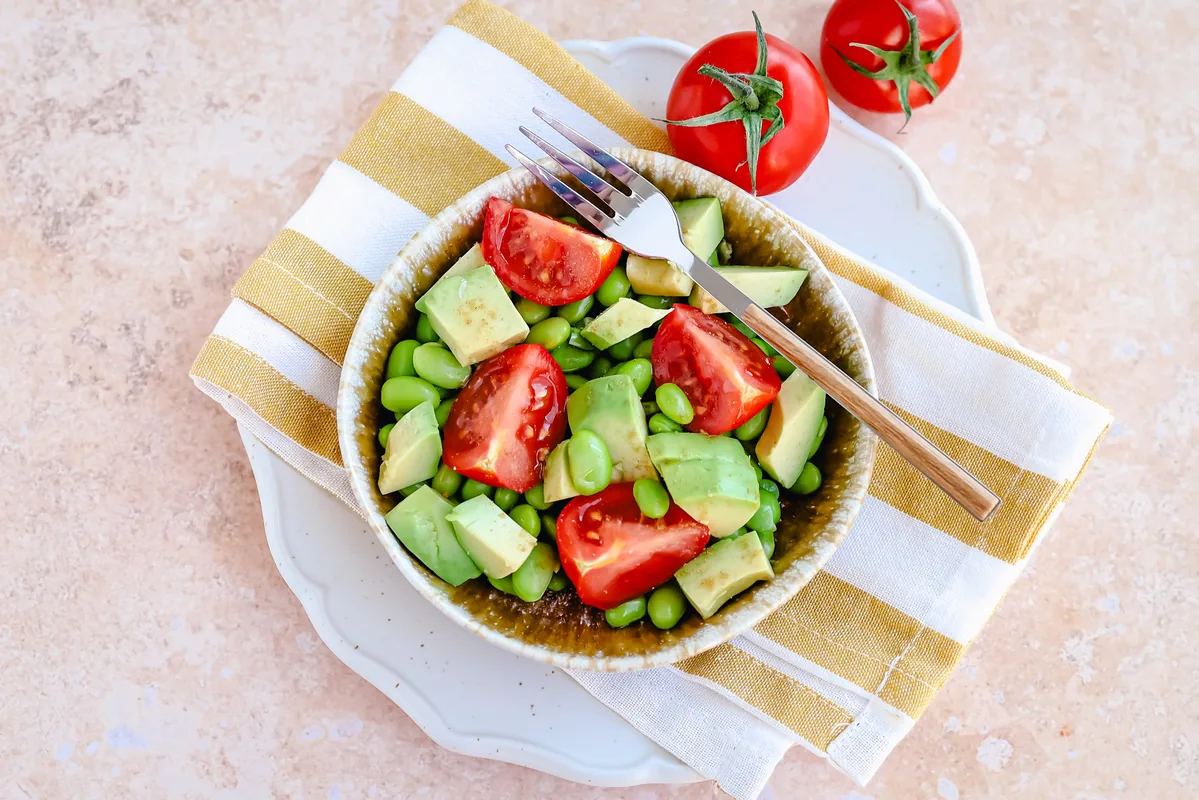
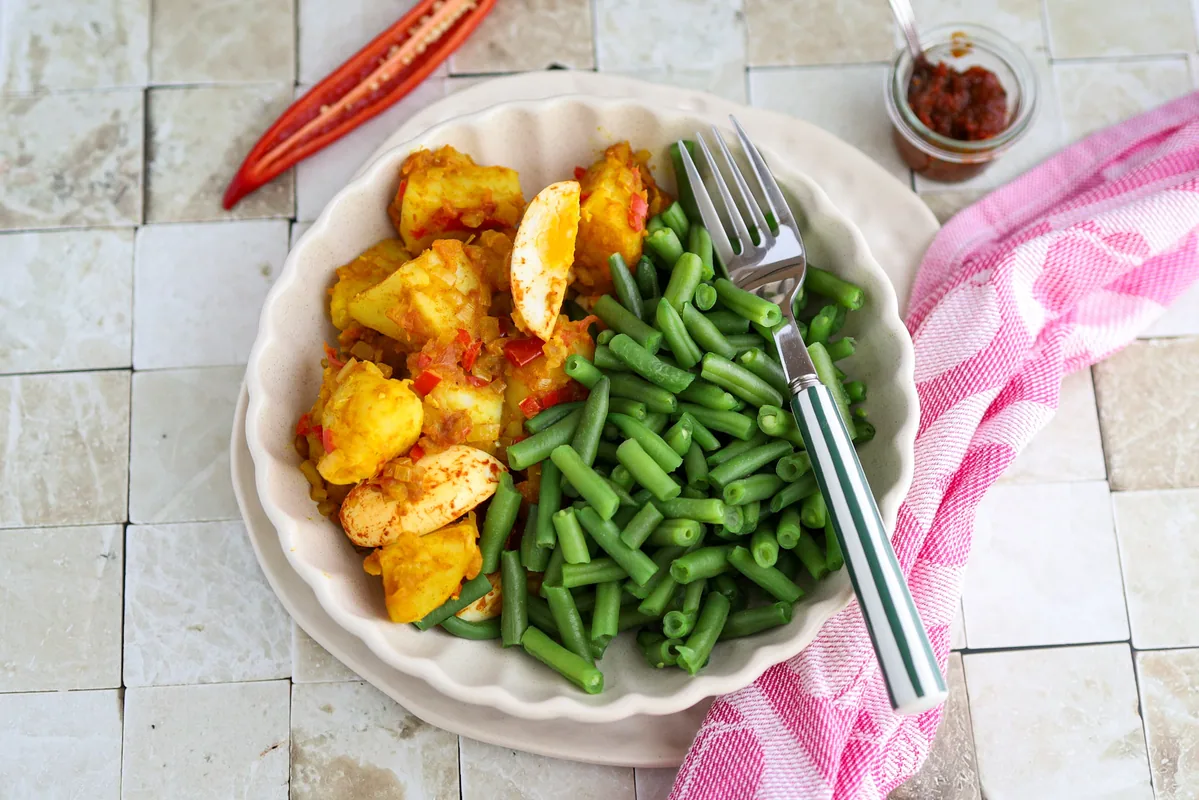
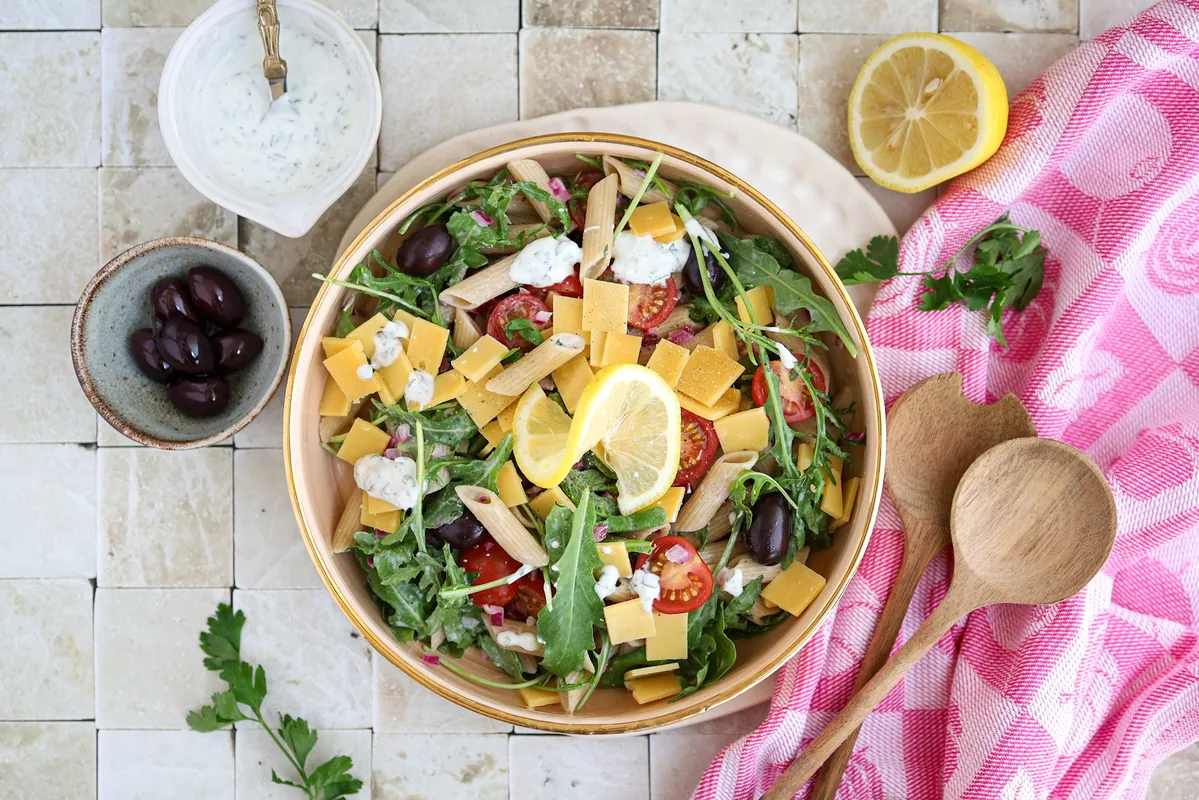

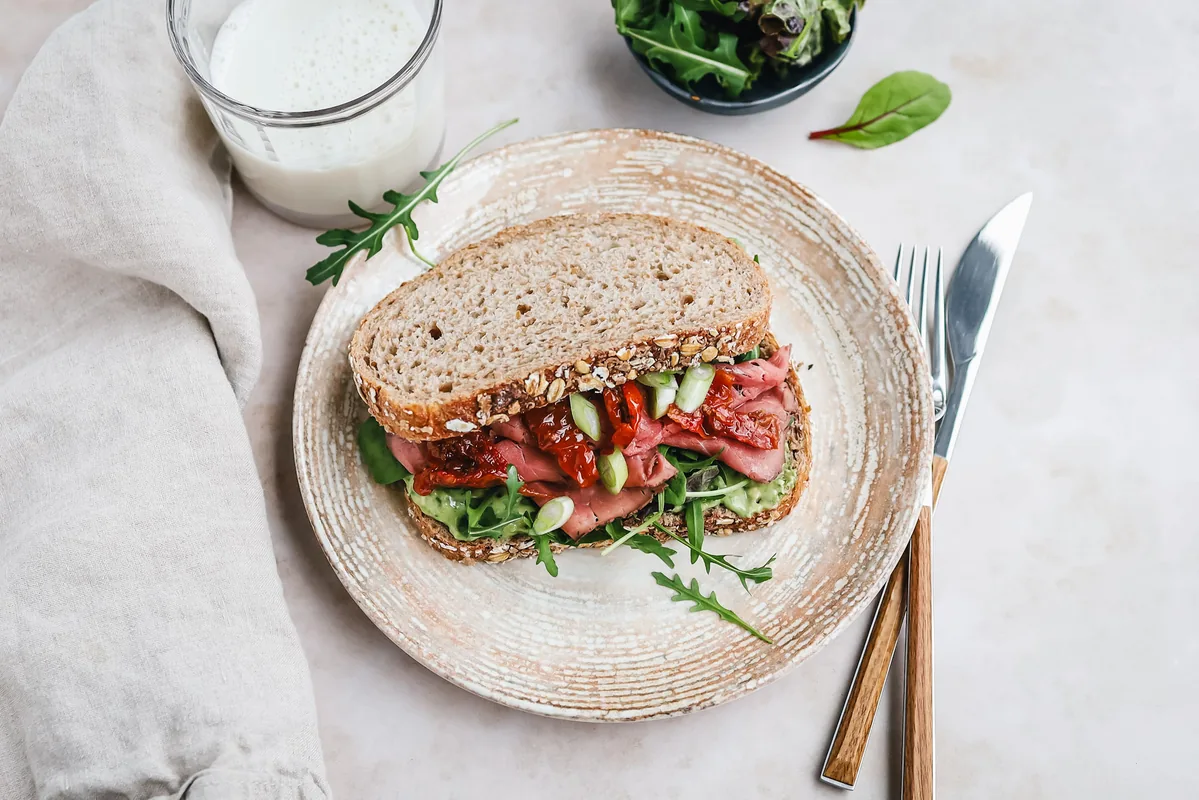
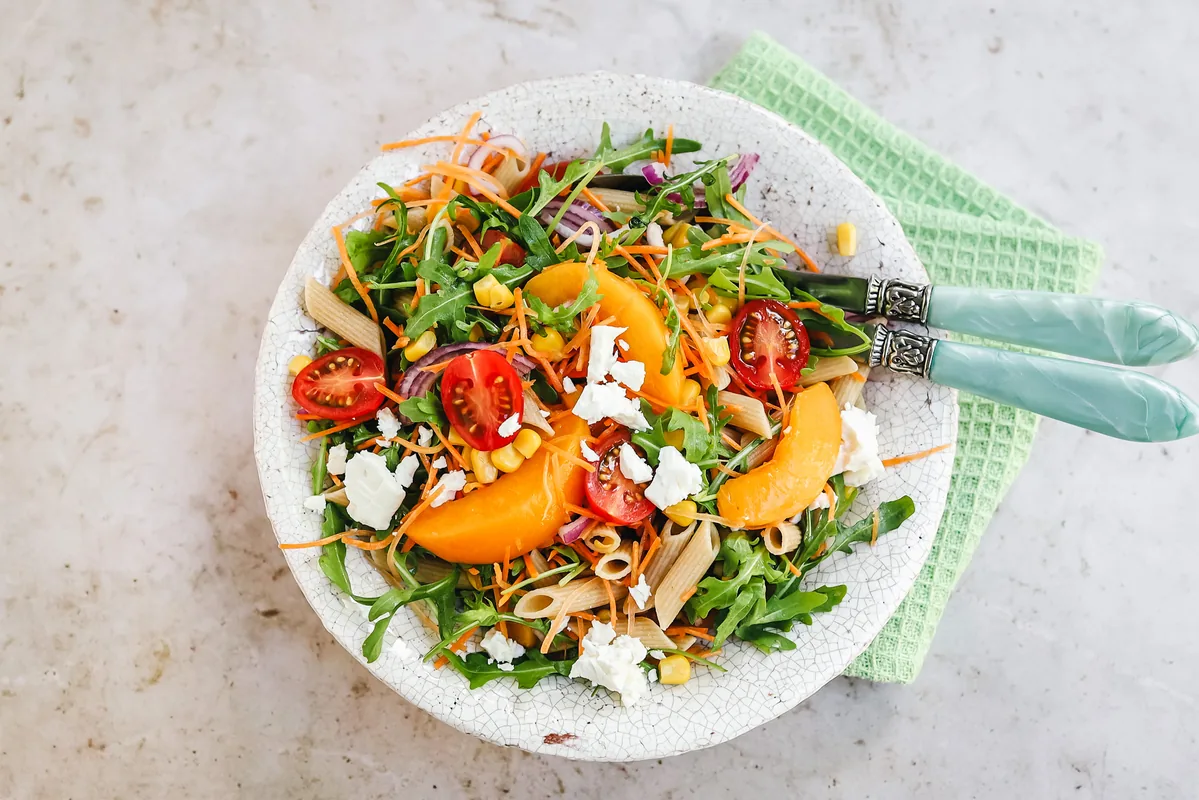
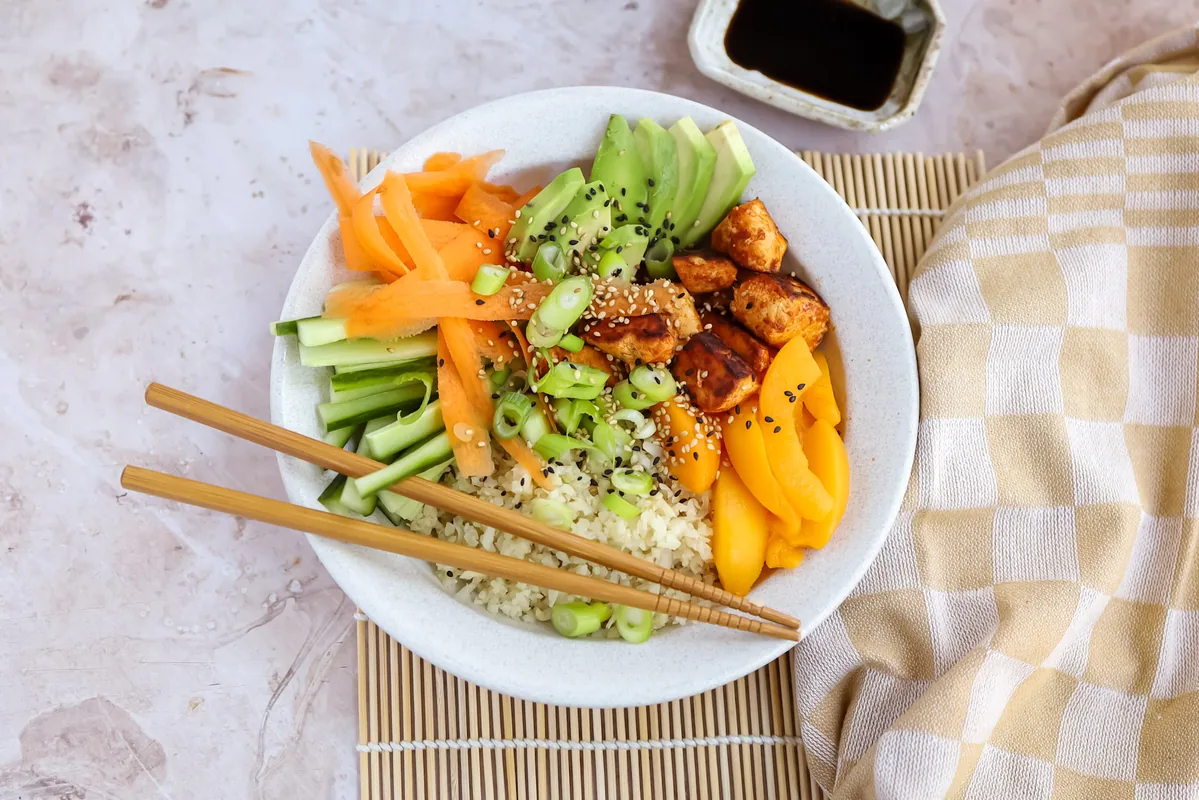
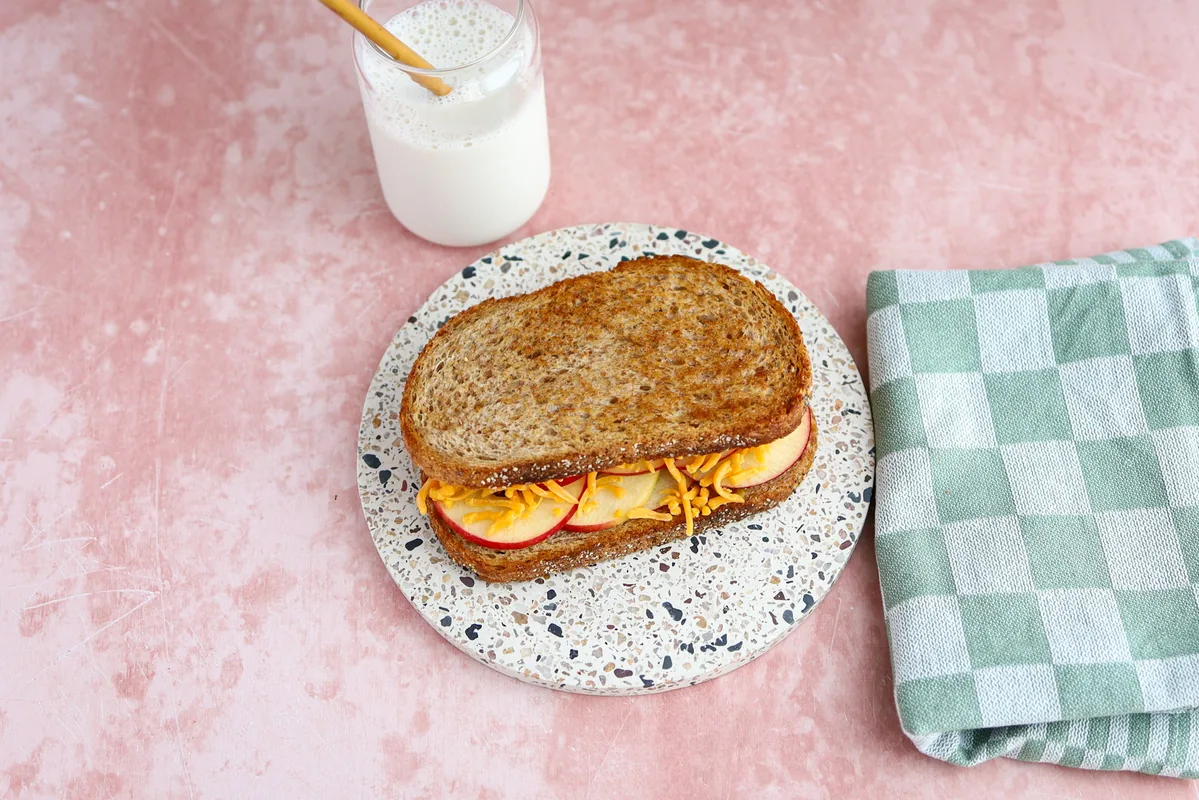
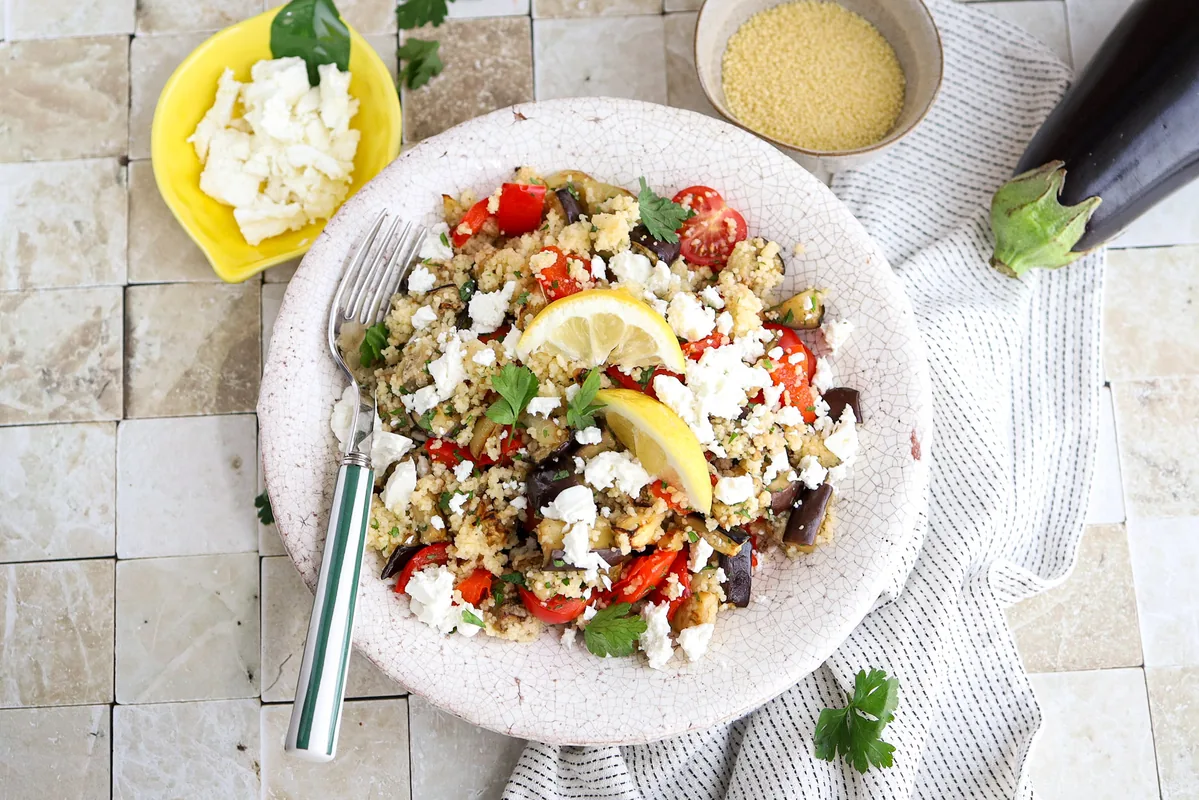

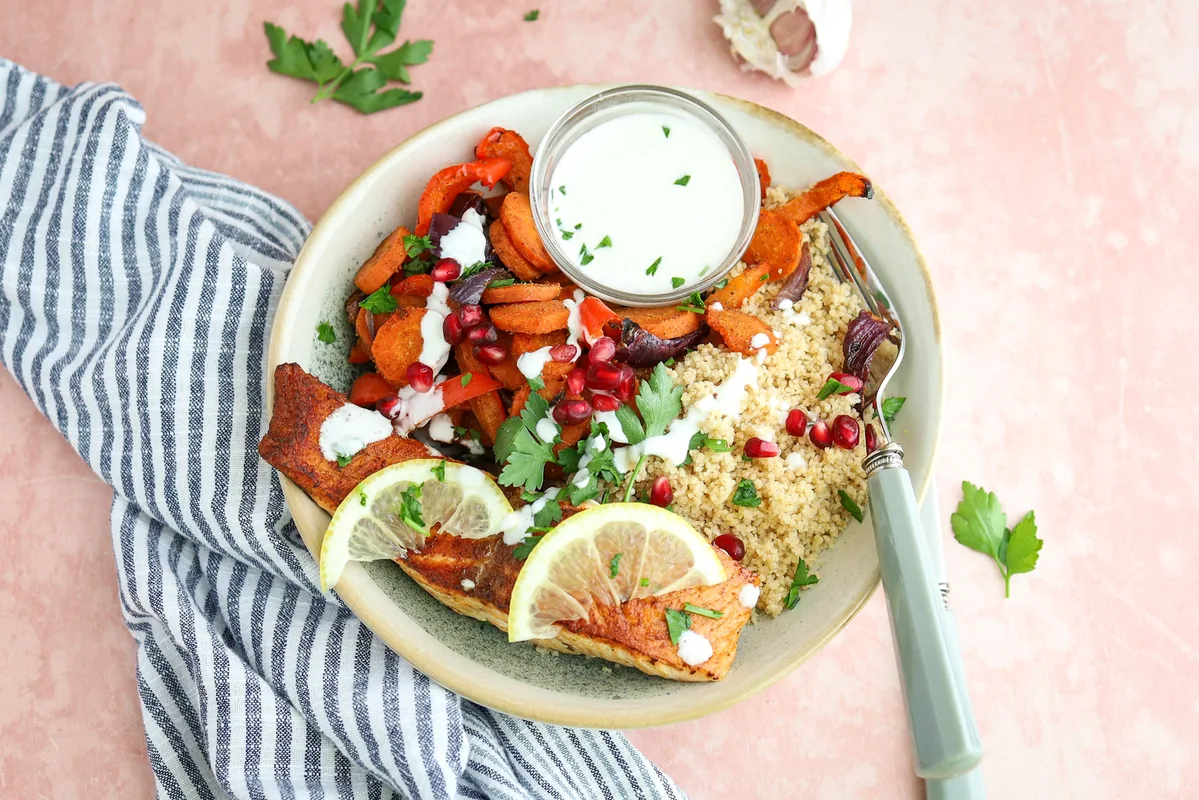
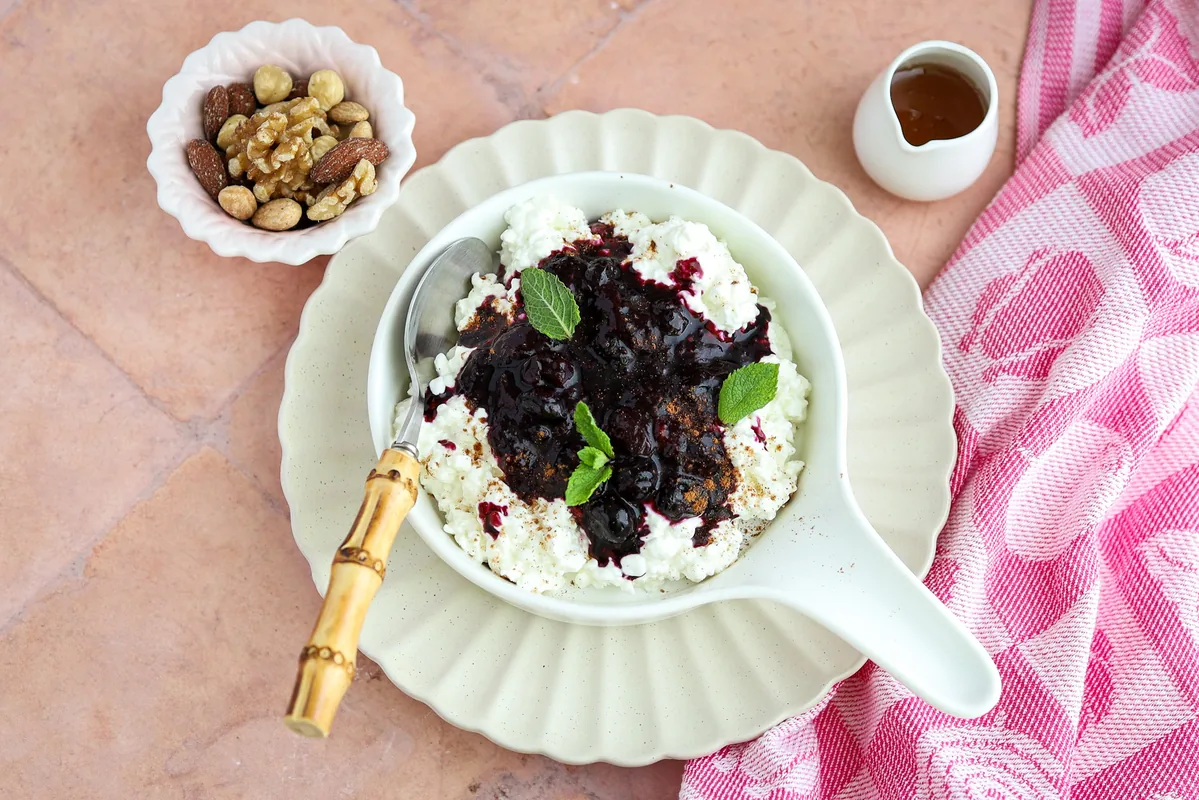
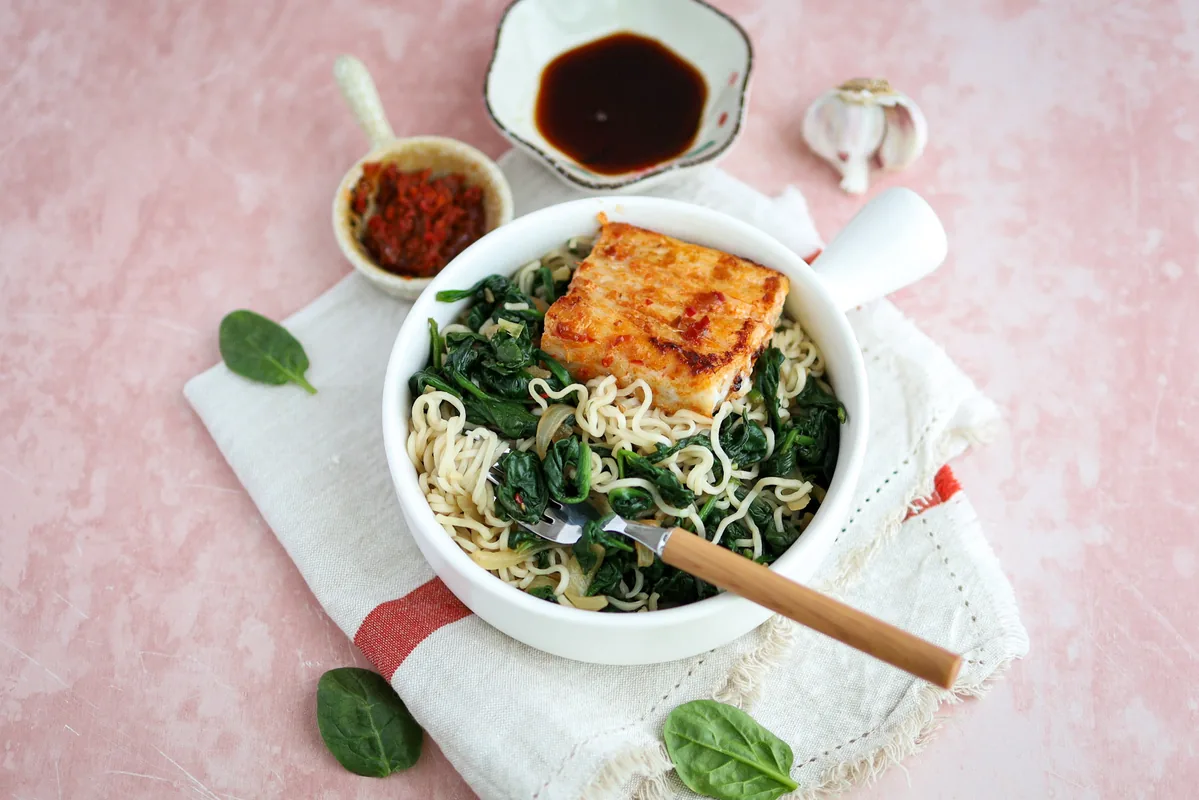
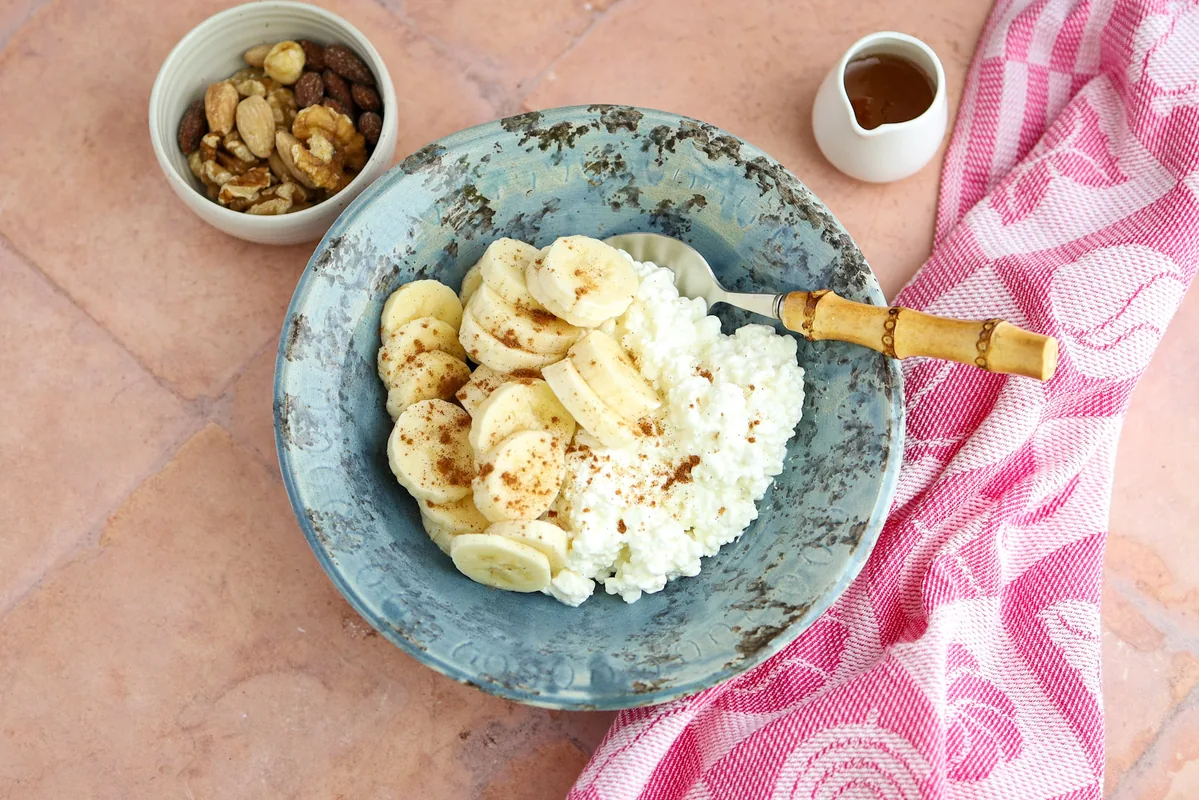
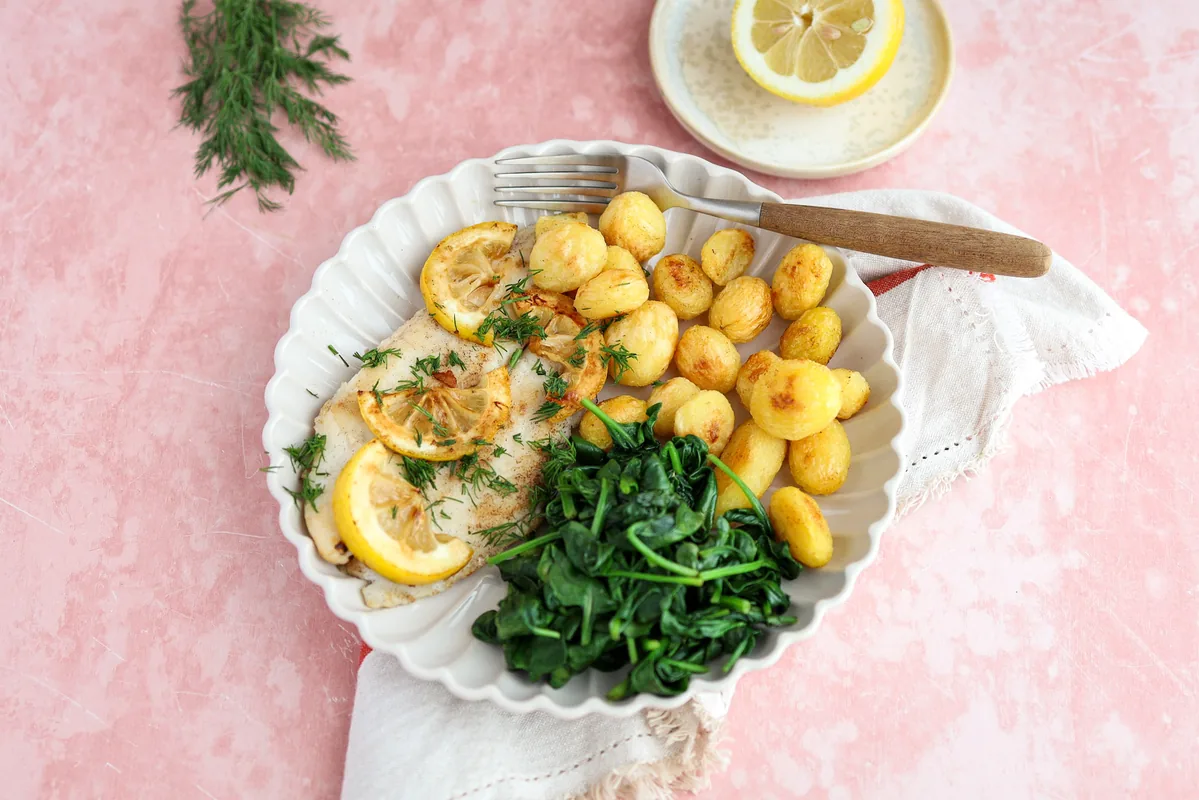
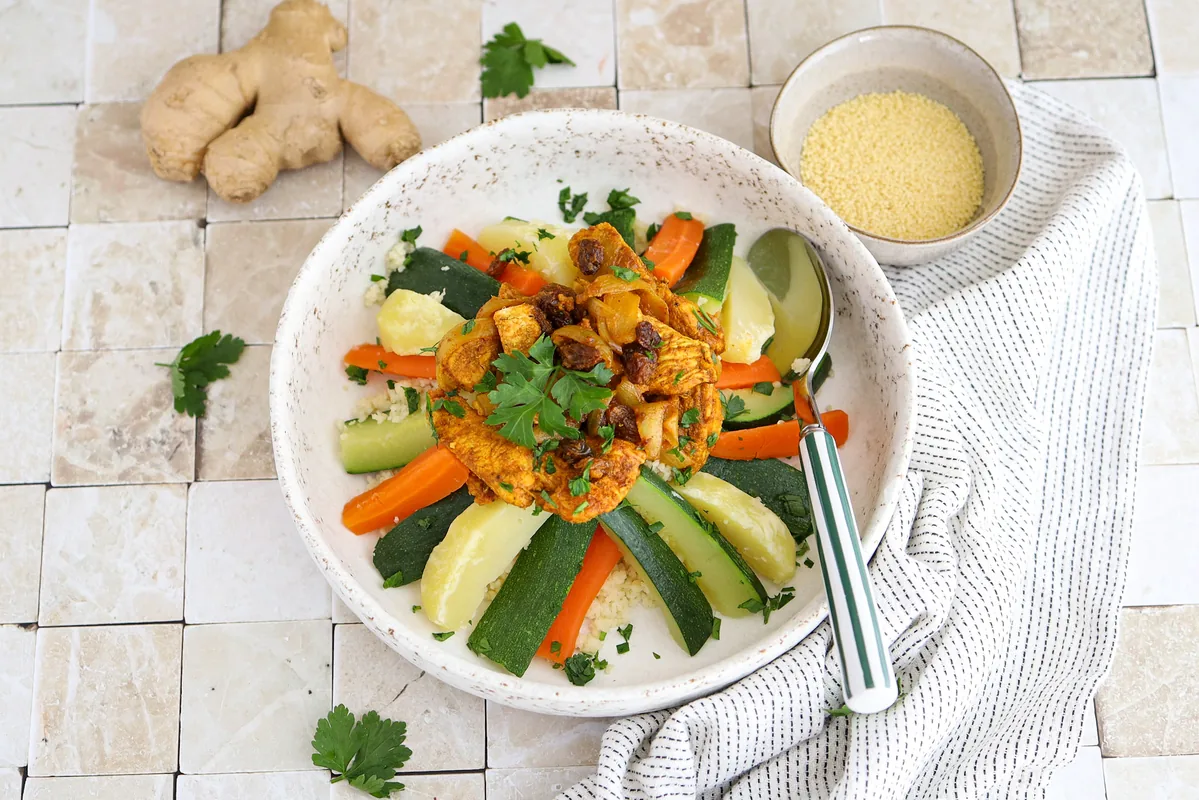
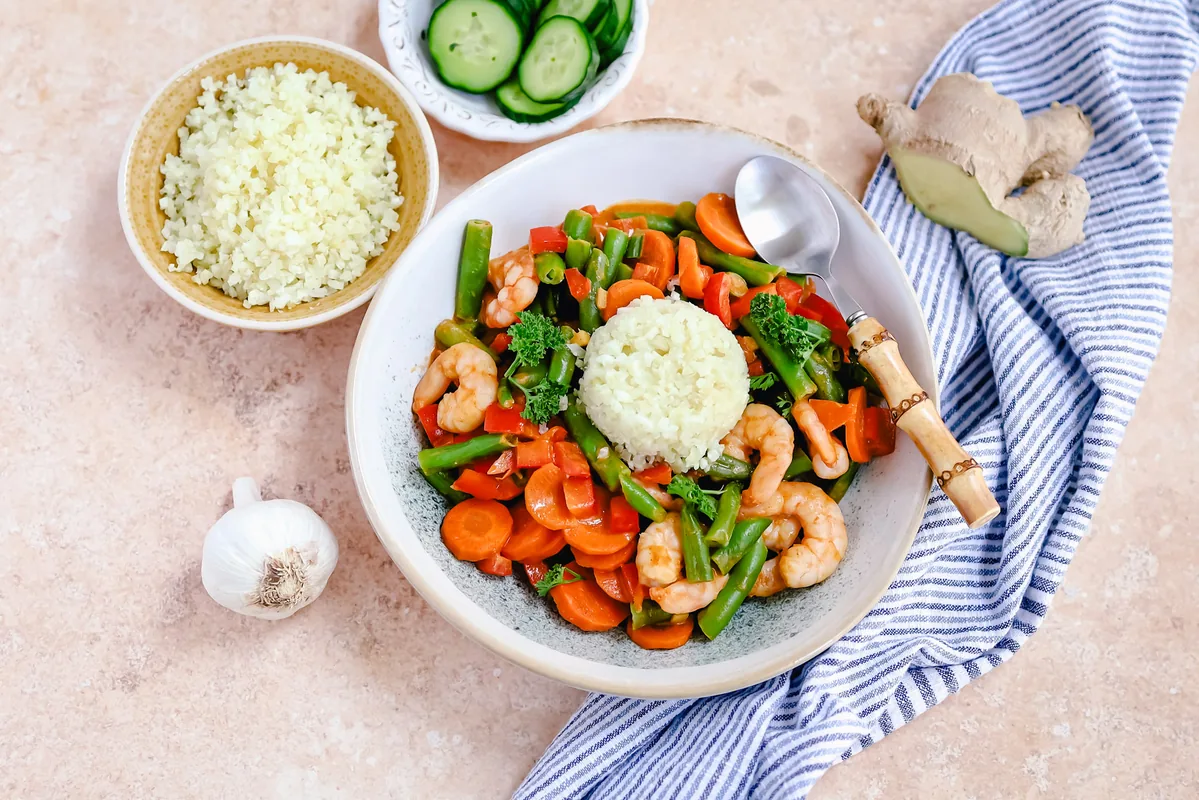


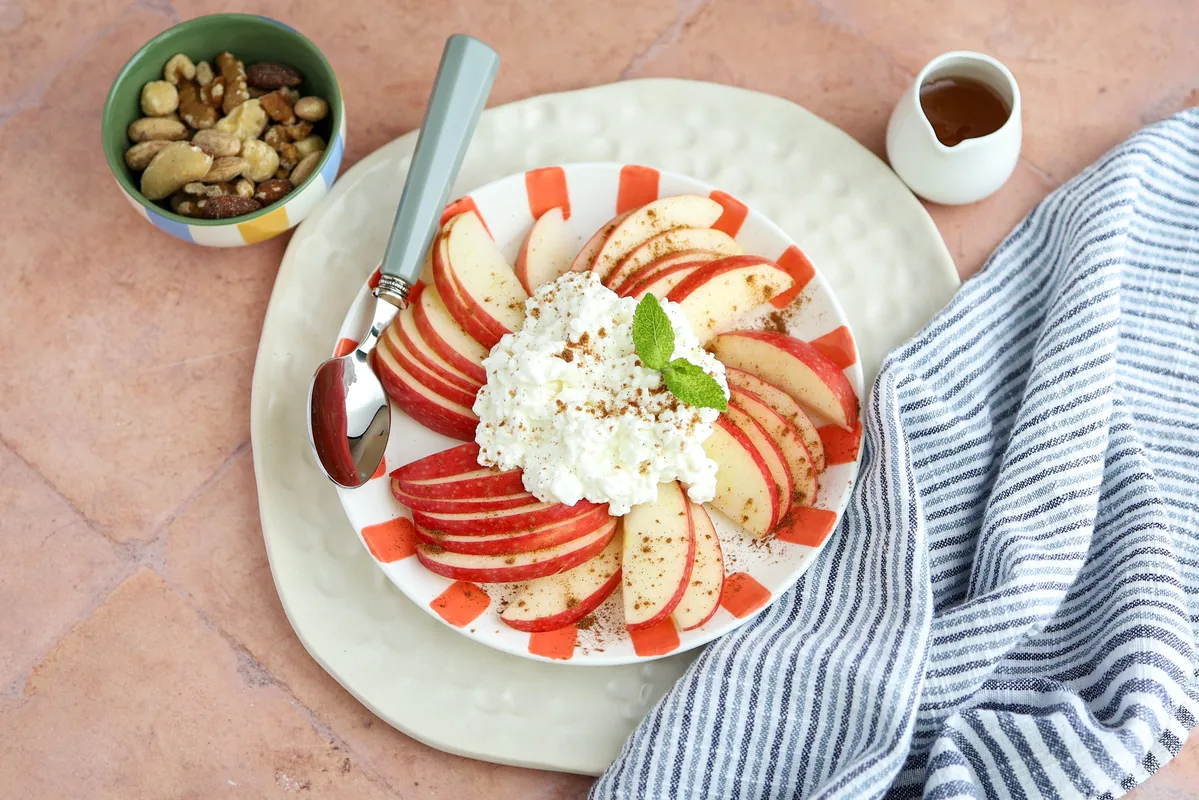

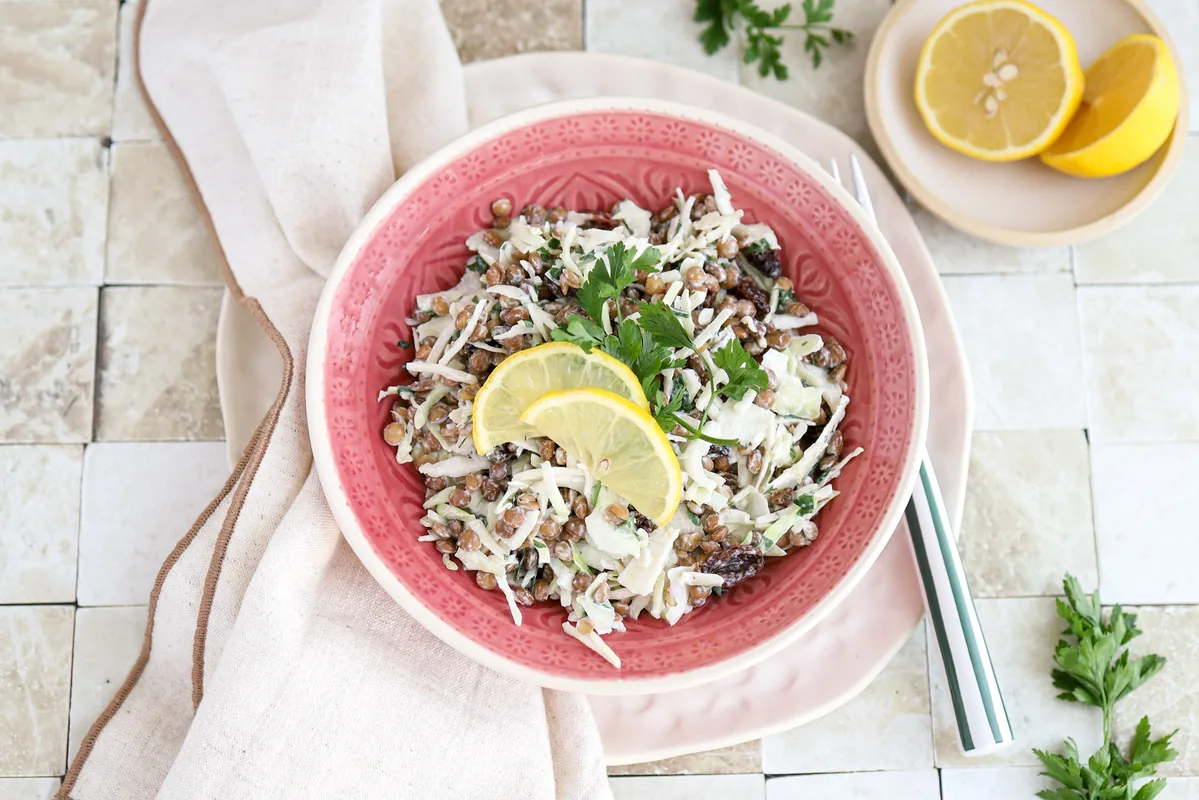
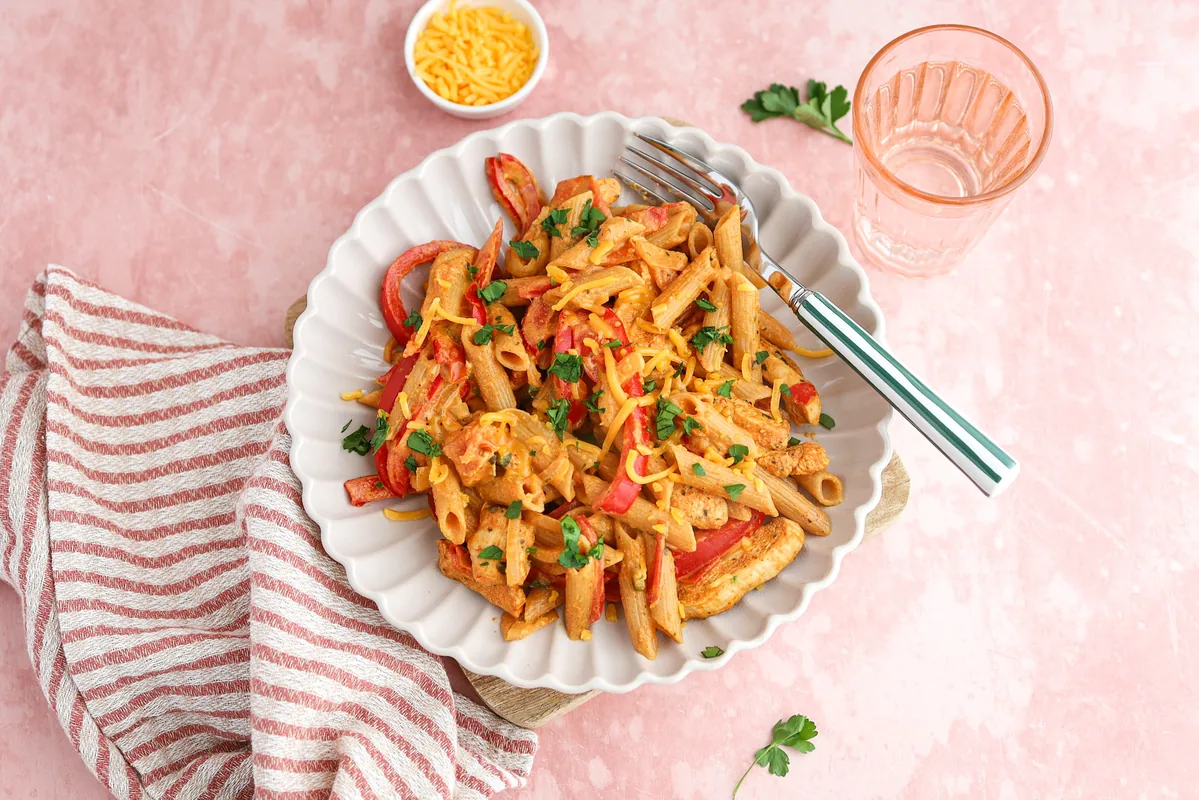

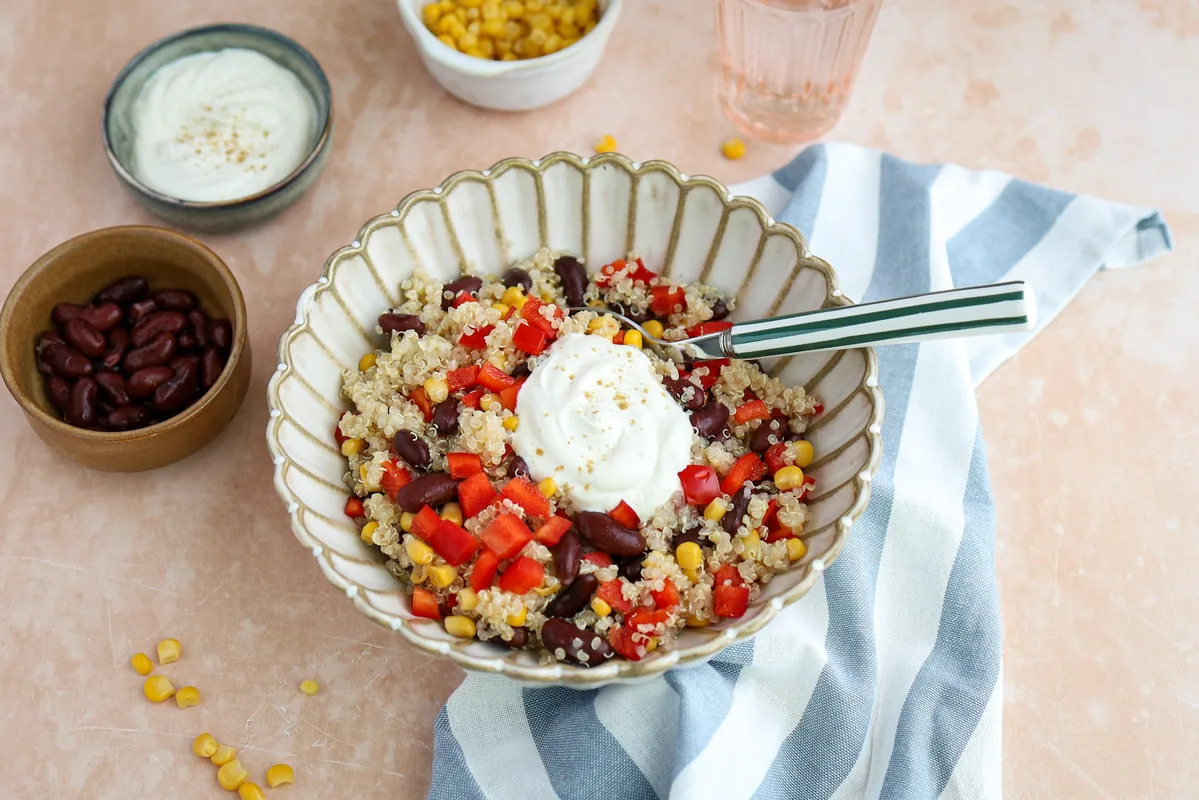
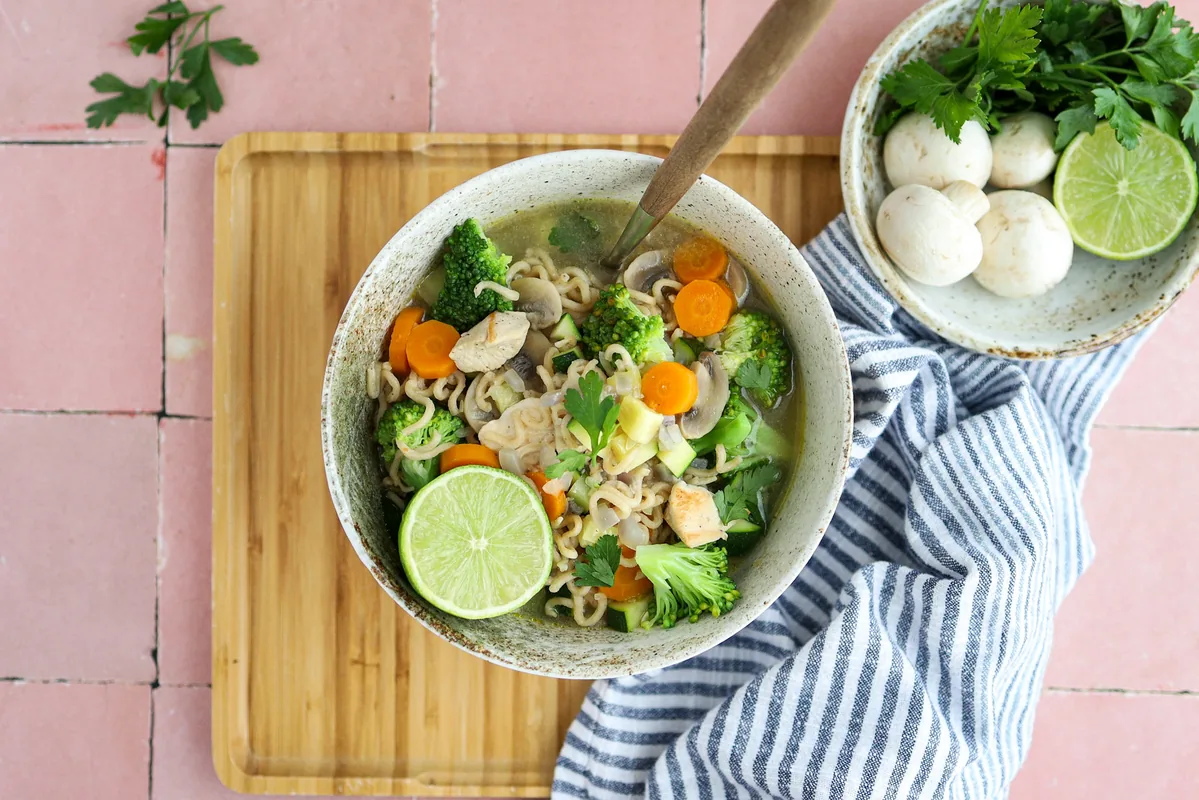
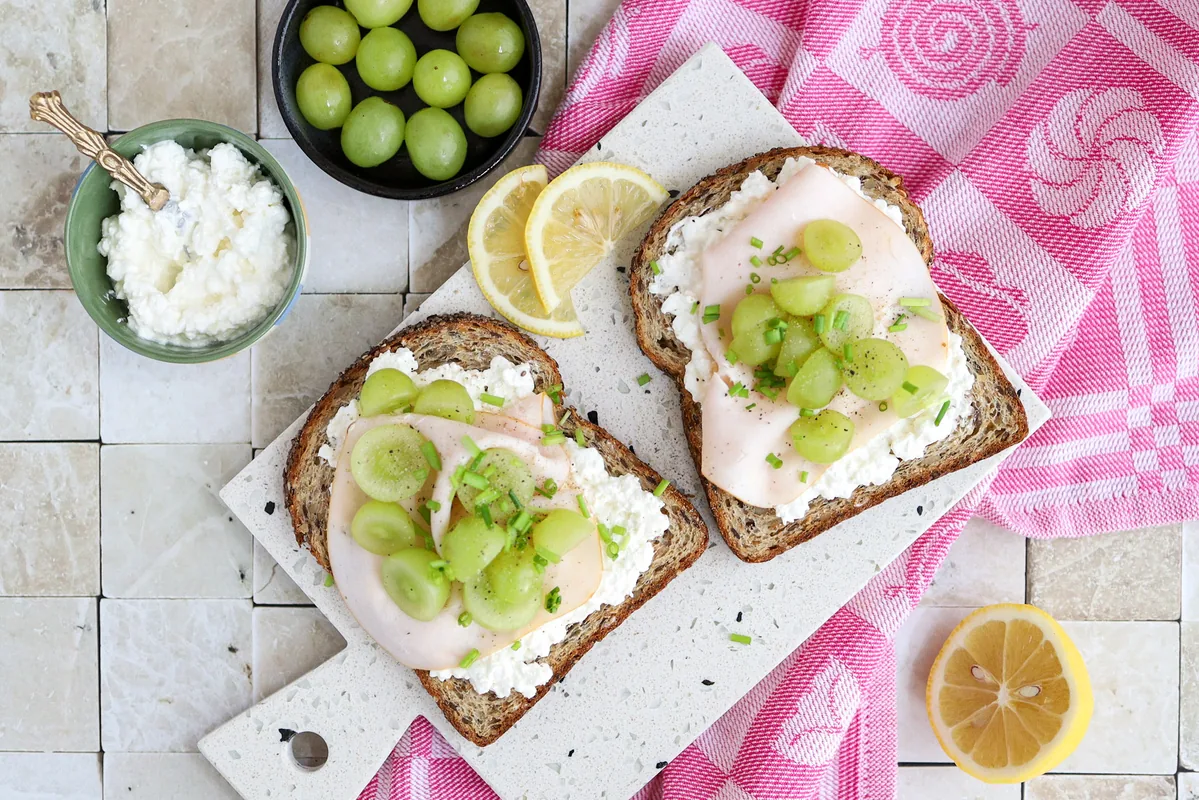
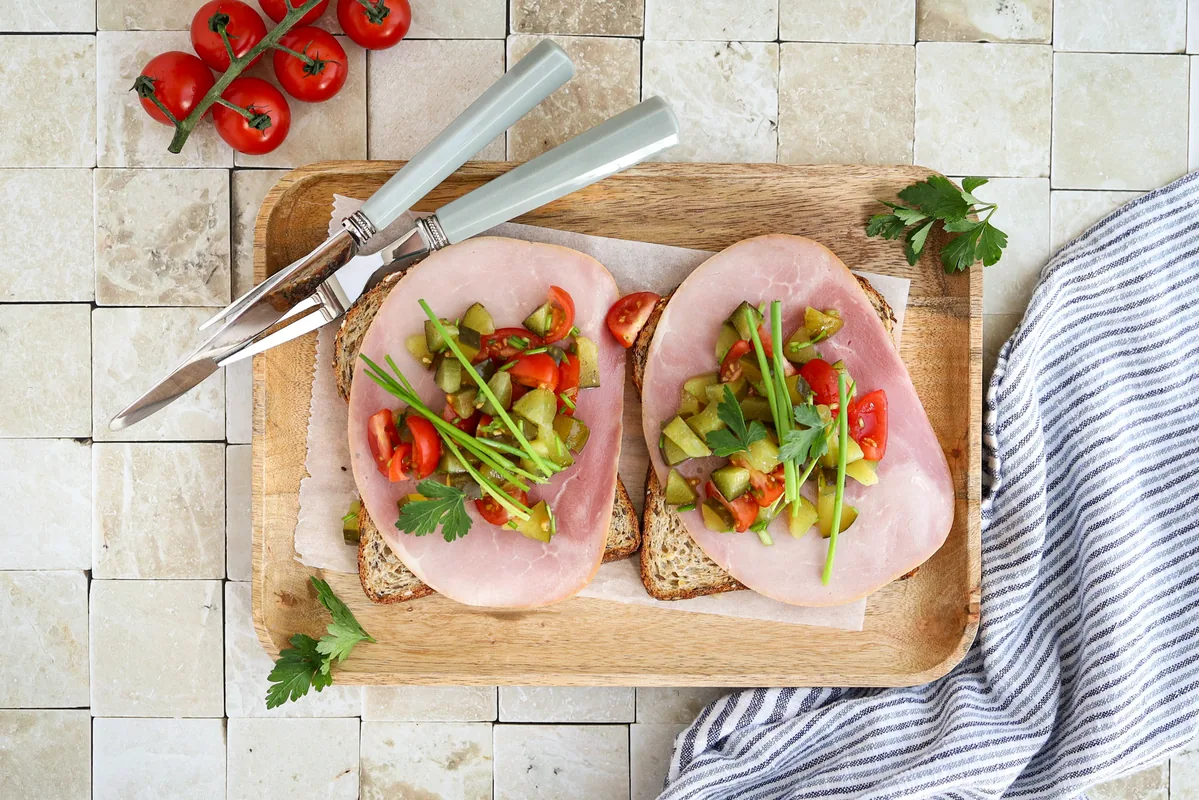



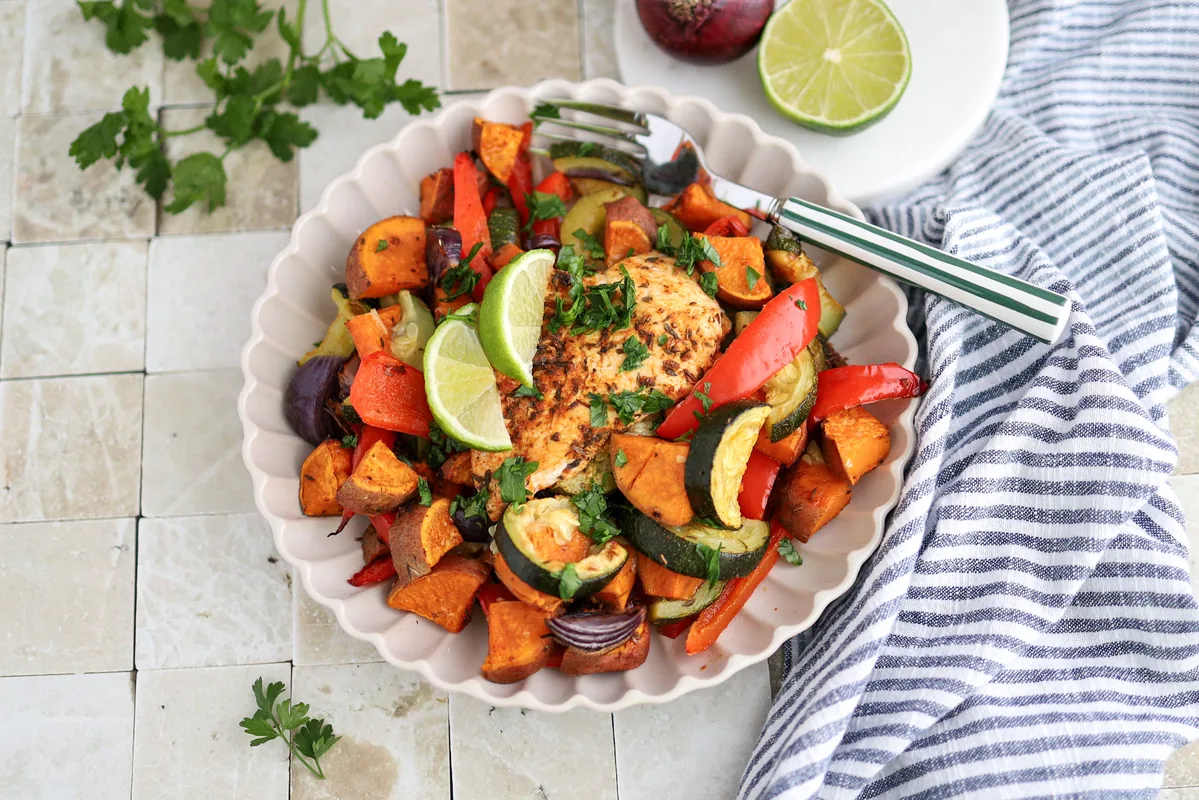
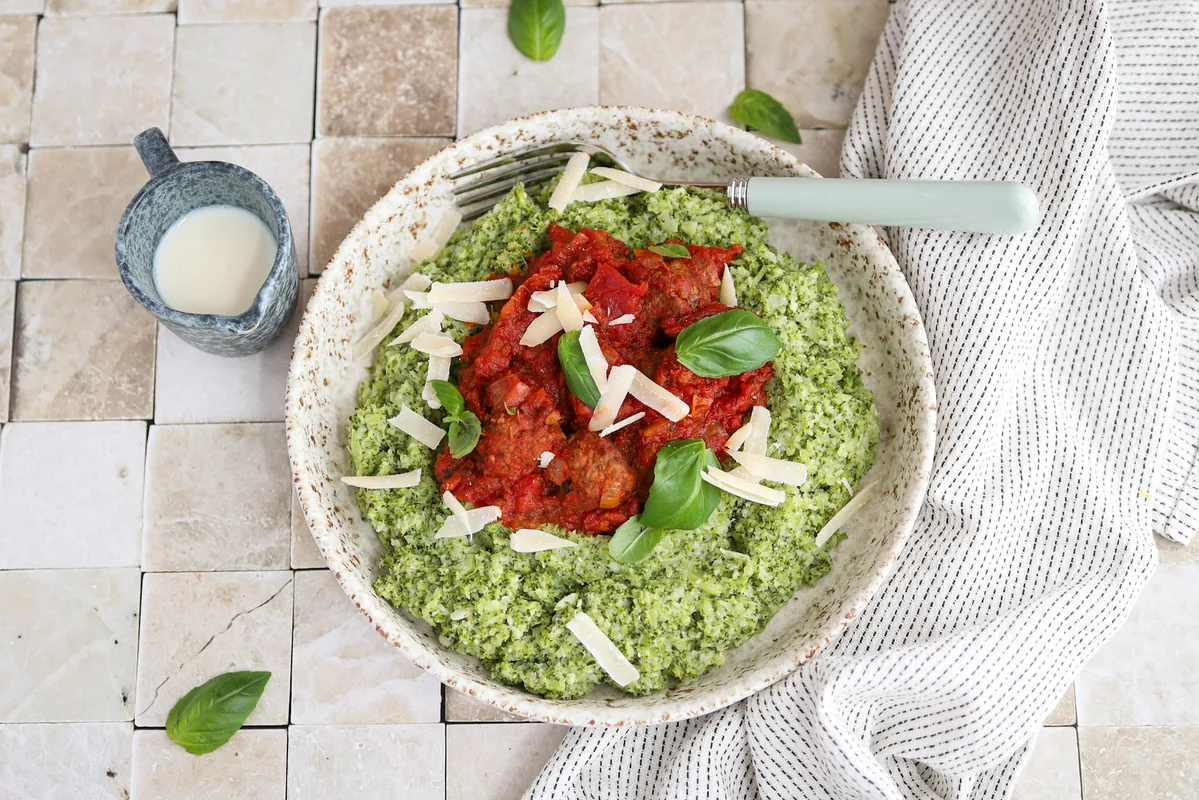


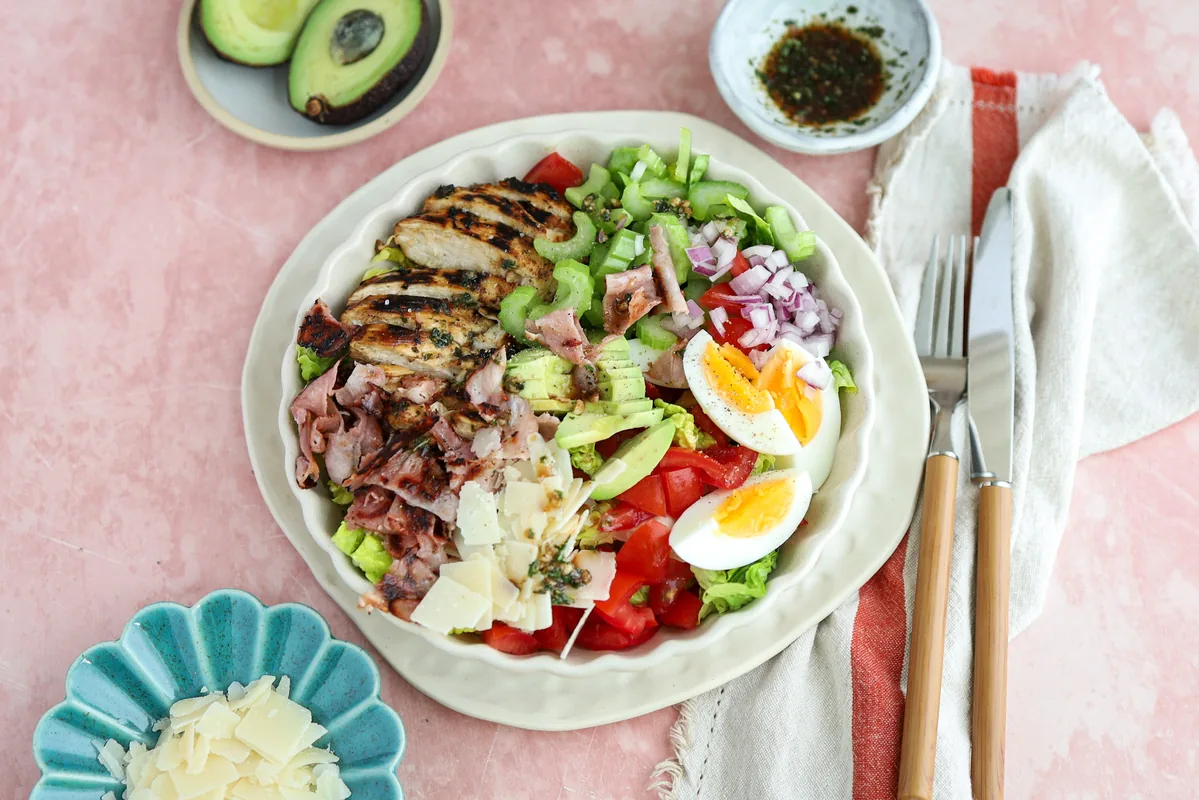
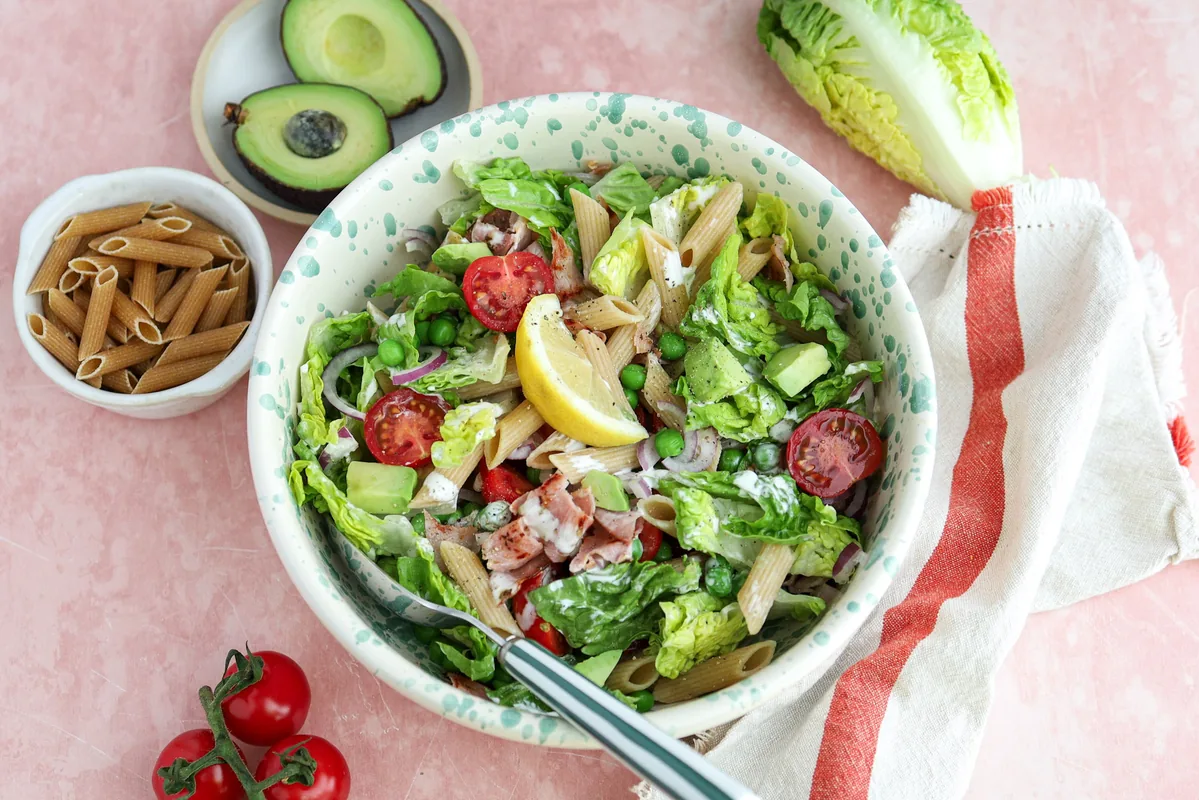


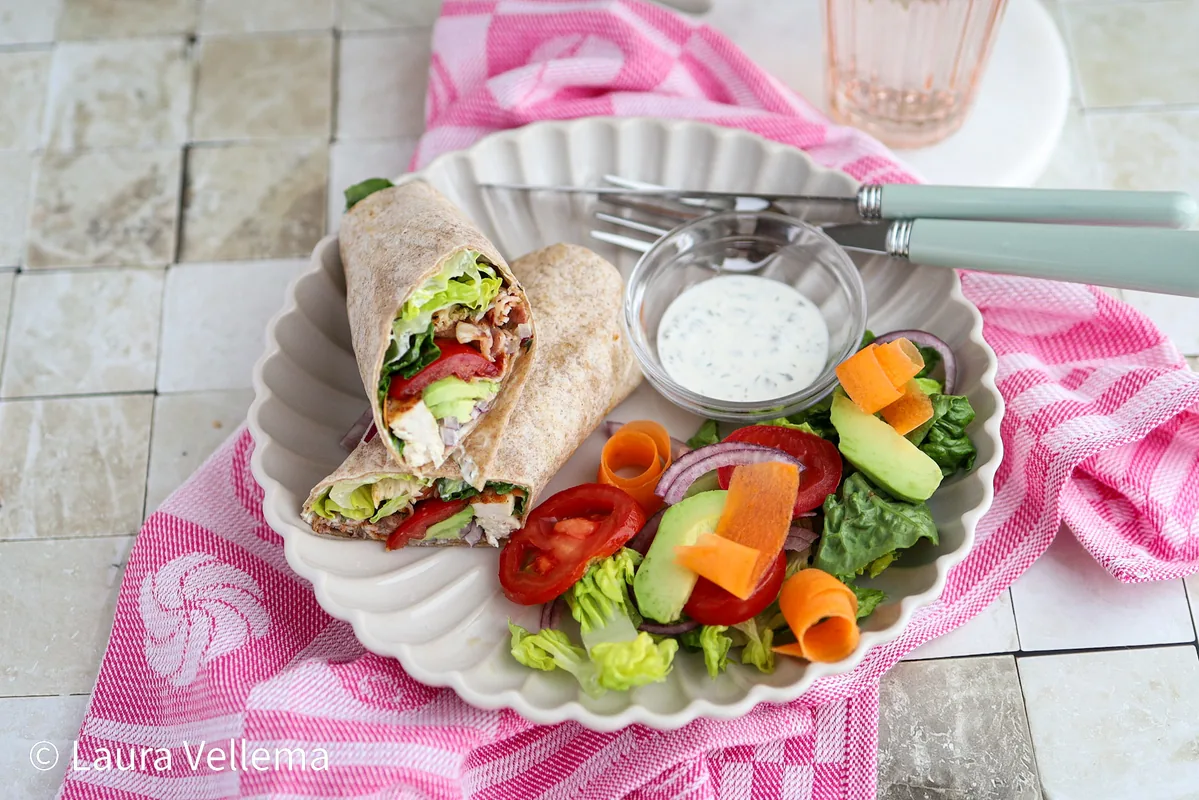
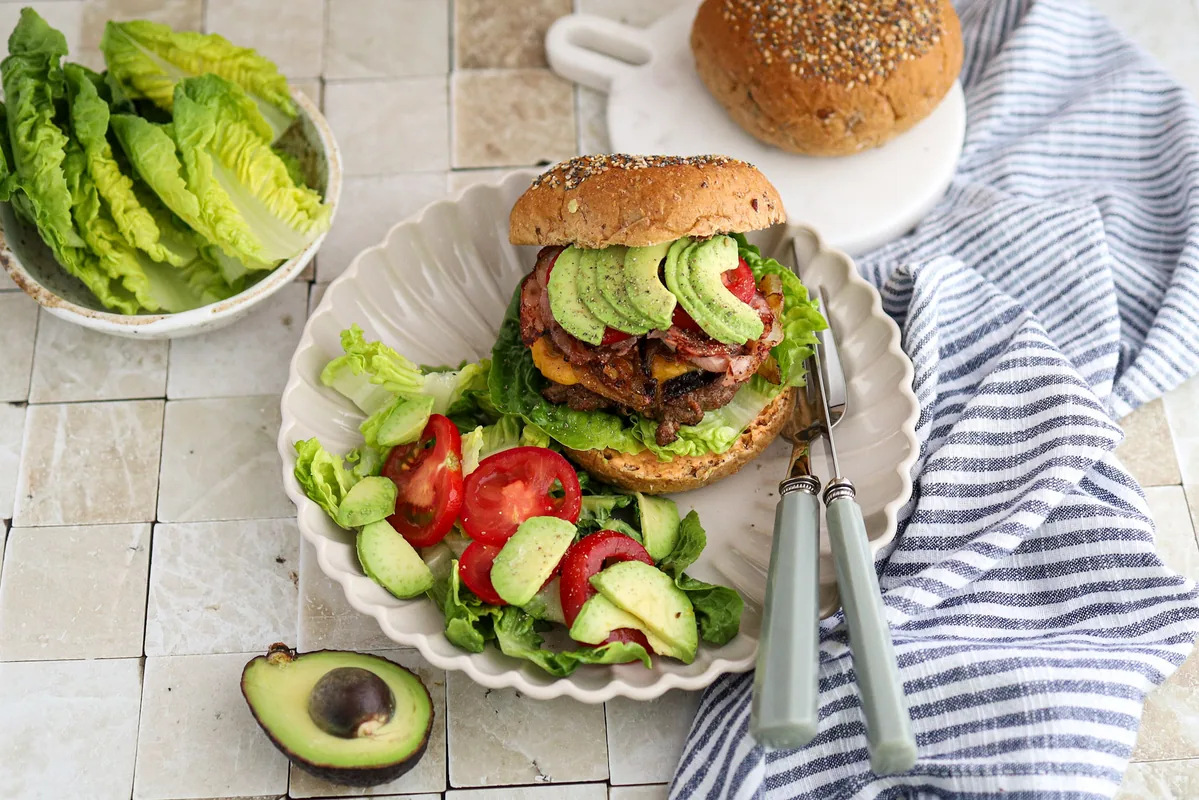

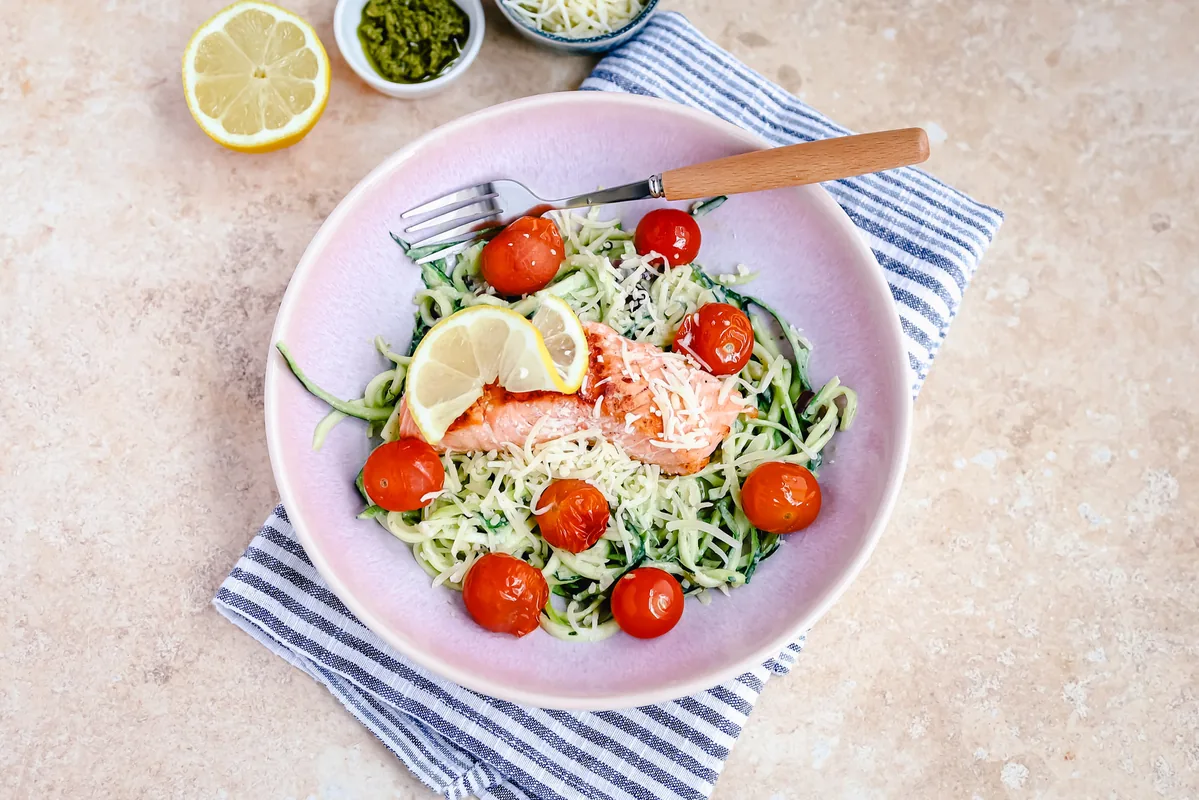
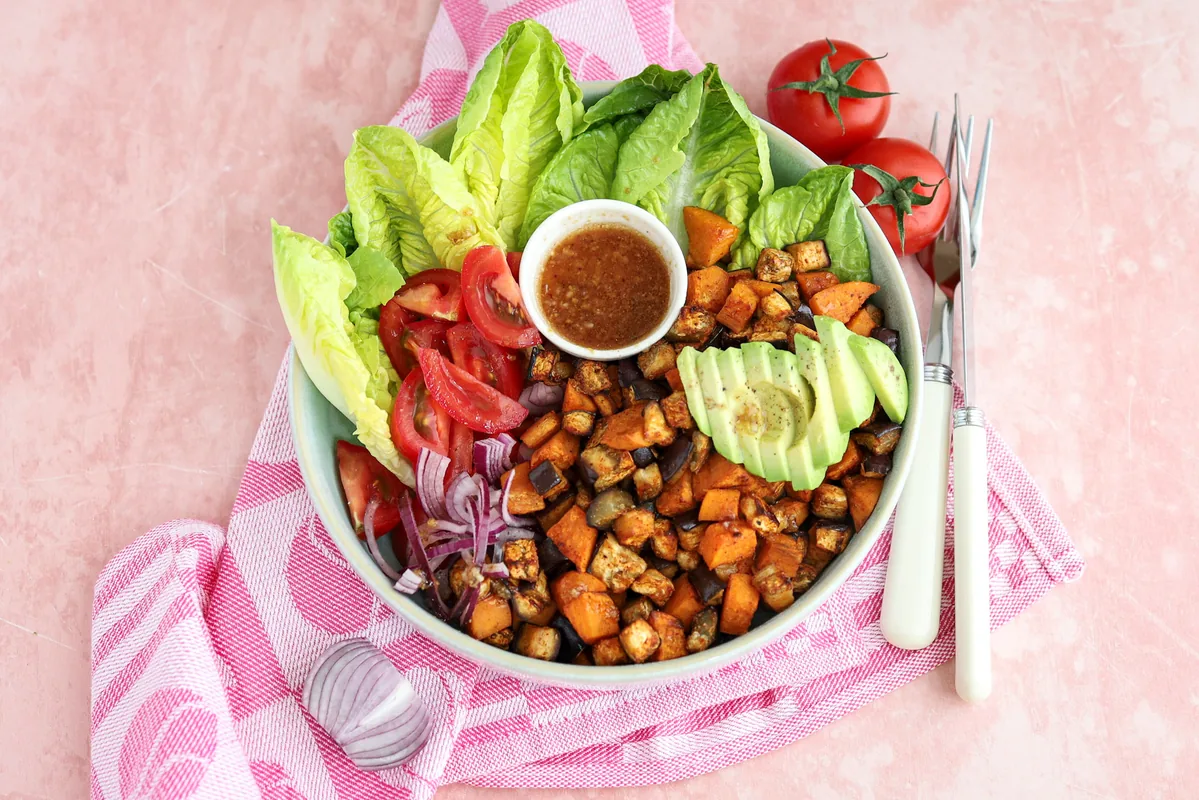

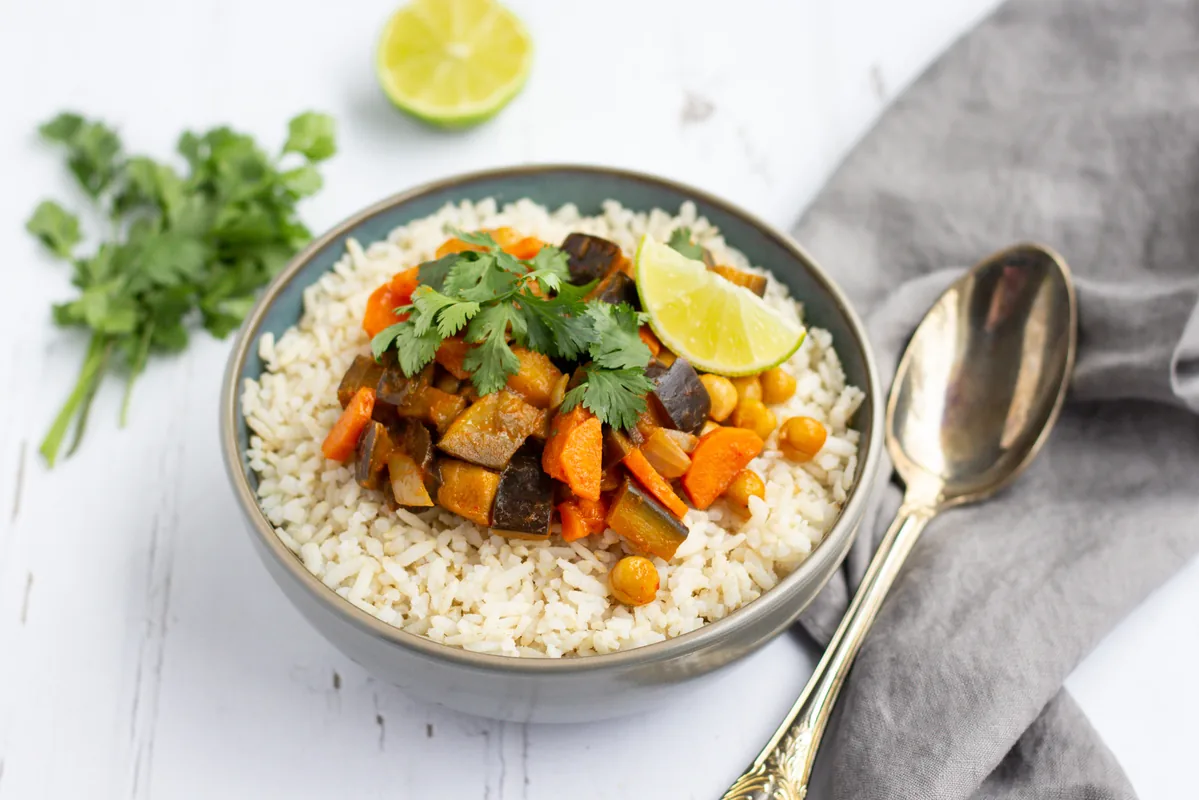


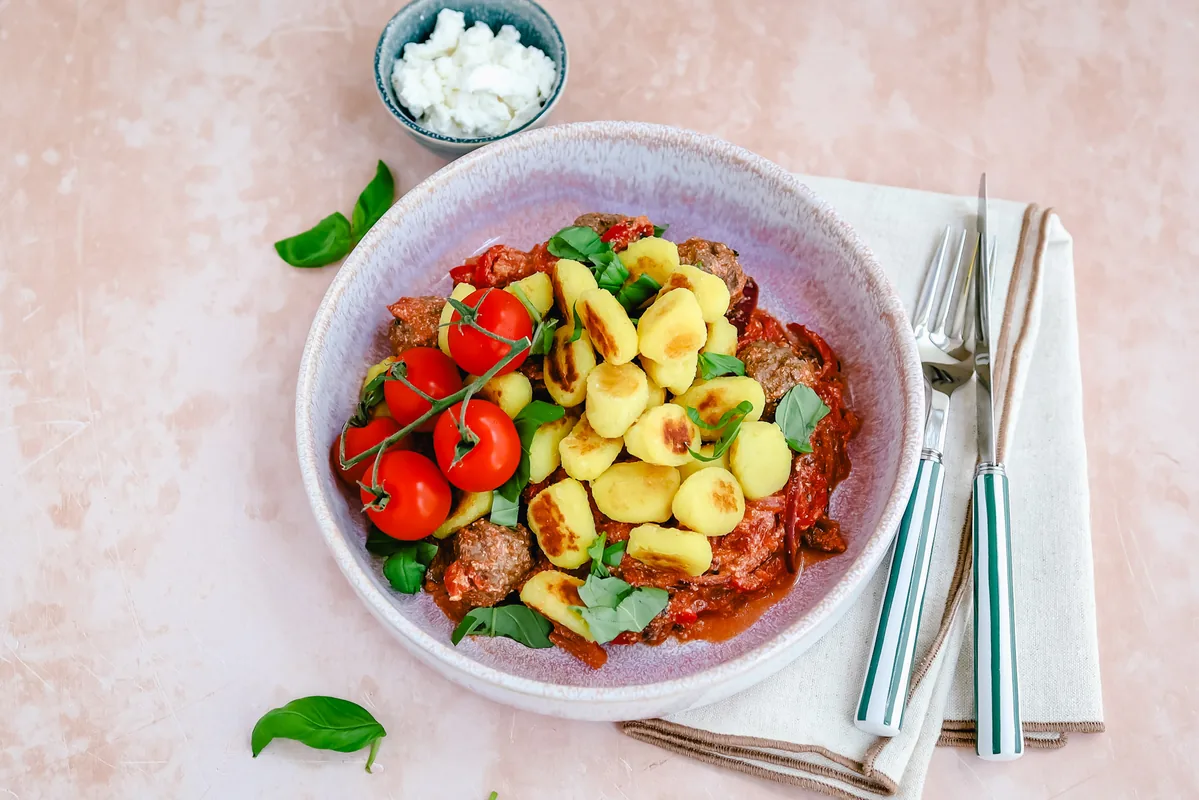

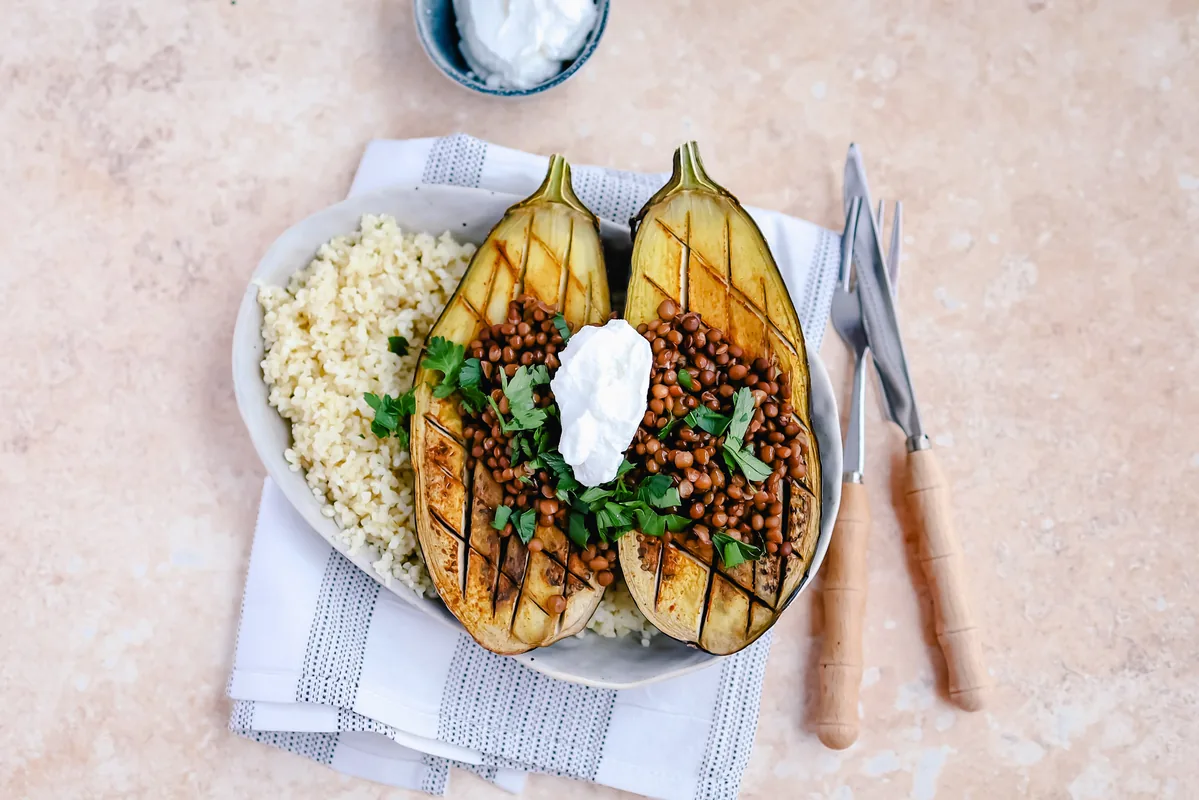
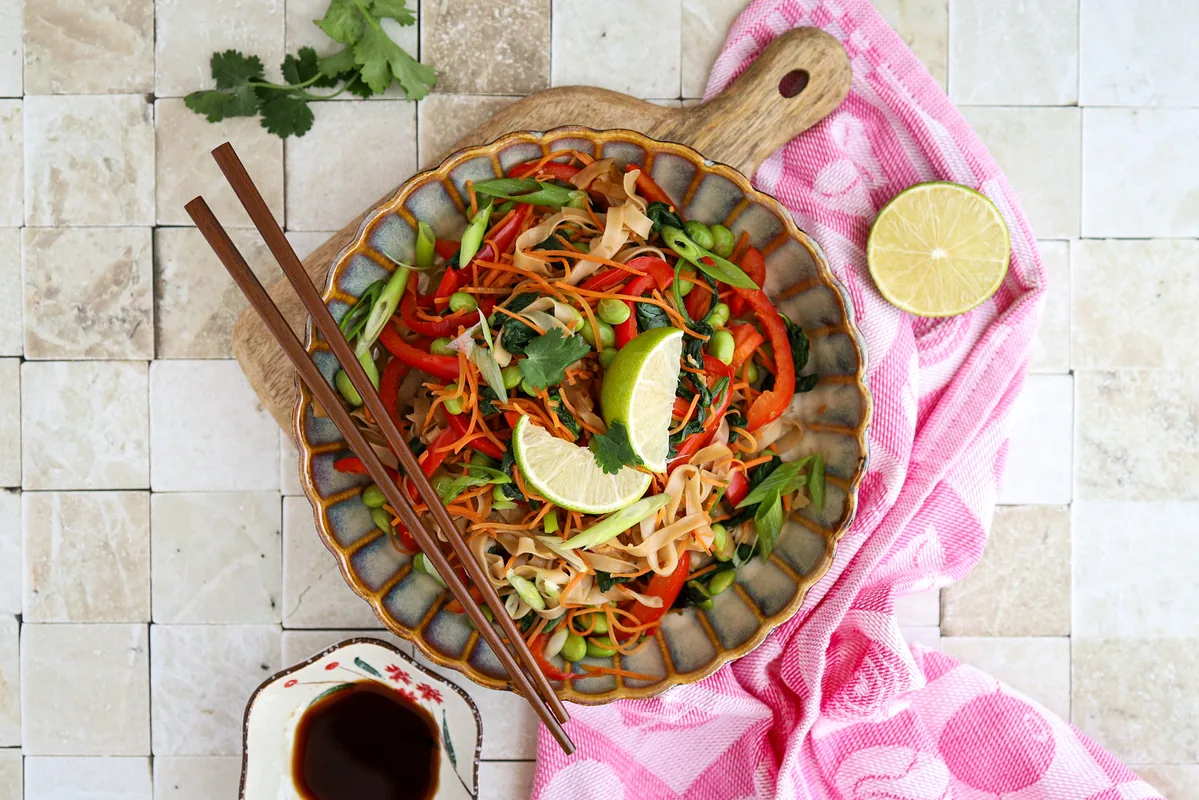
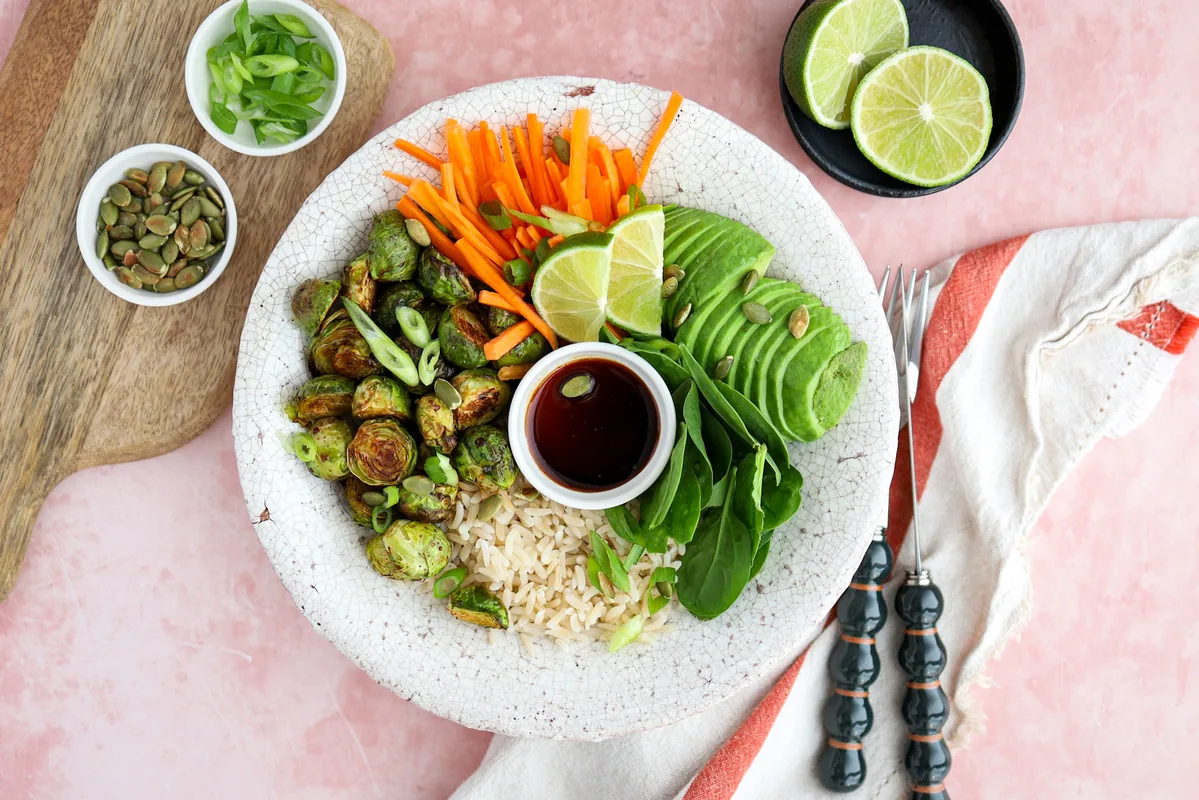
When you eat fewer calories to lose weight, your body has to get energy from somewhere — either from your fat stores or from your muscle tissue. Eating more protein during a cut tilts that balance toward burning fat and away from burning muscle. This was shown across 24 …
See the evidence →
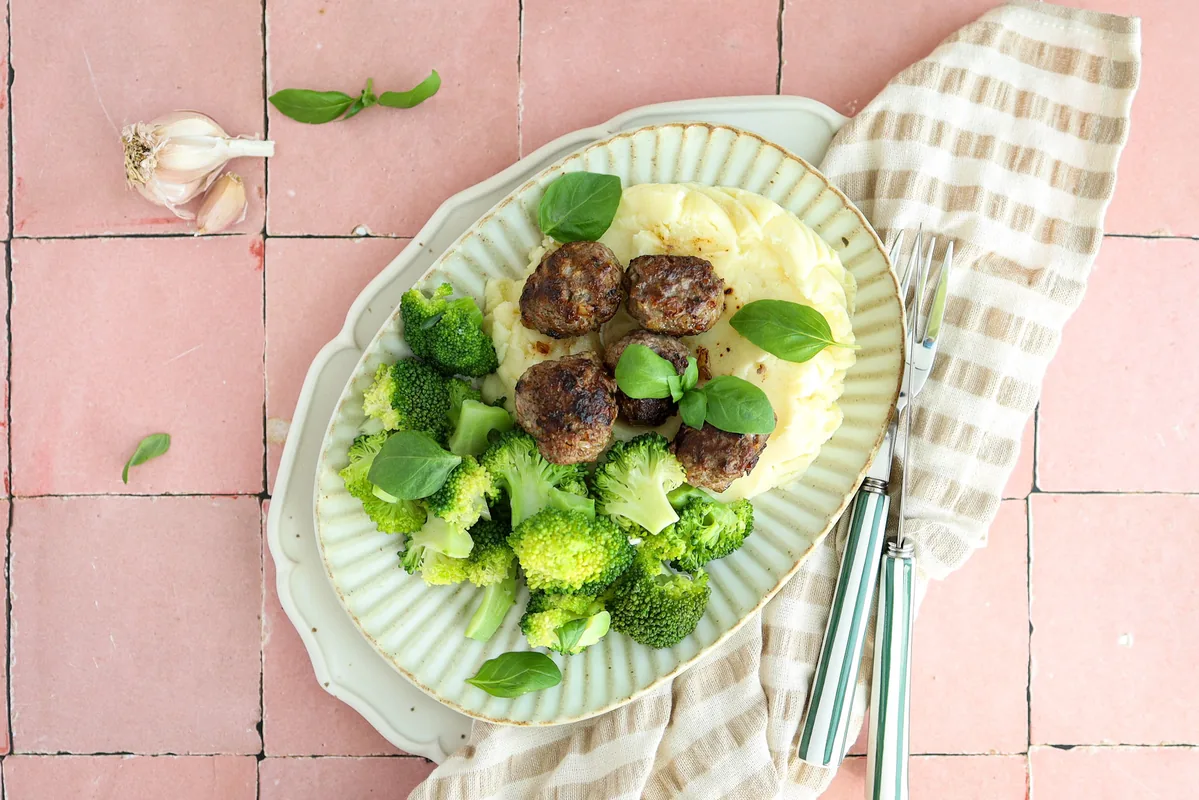


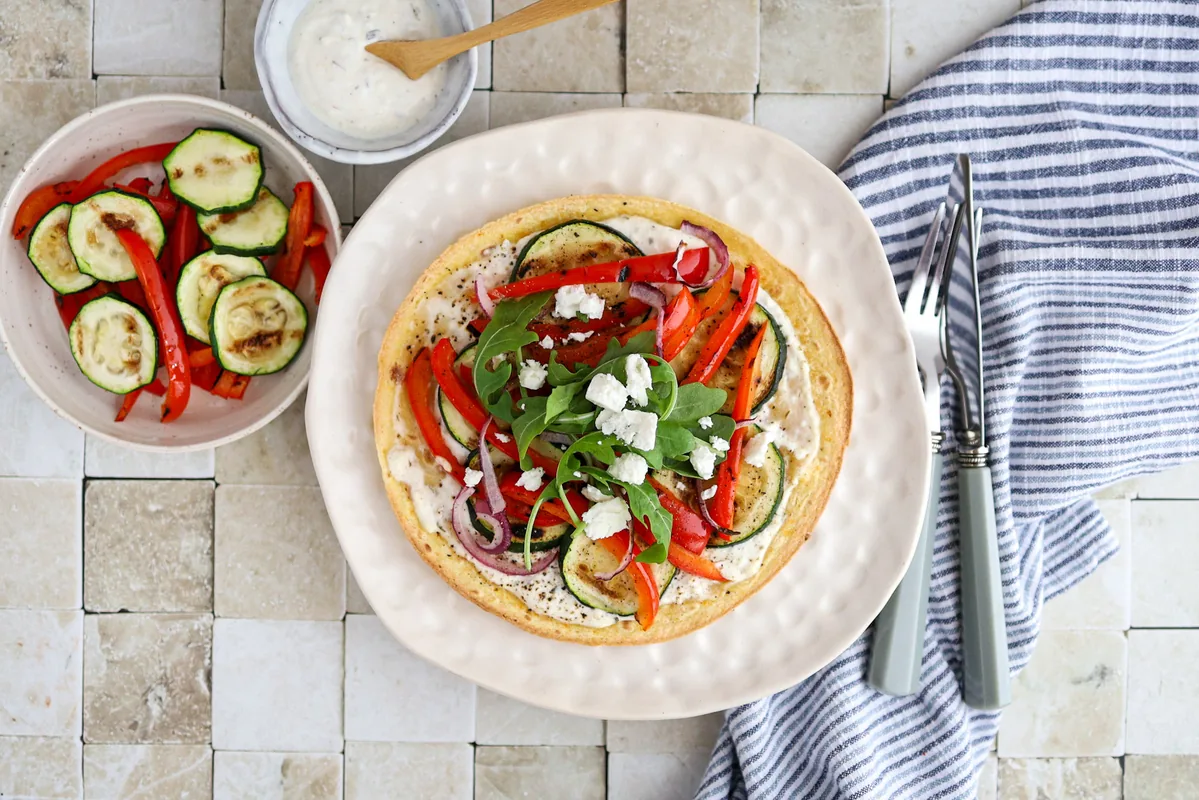
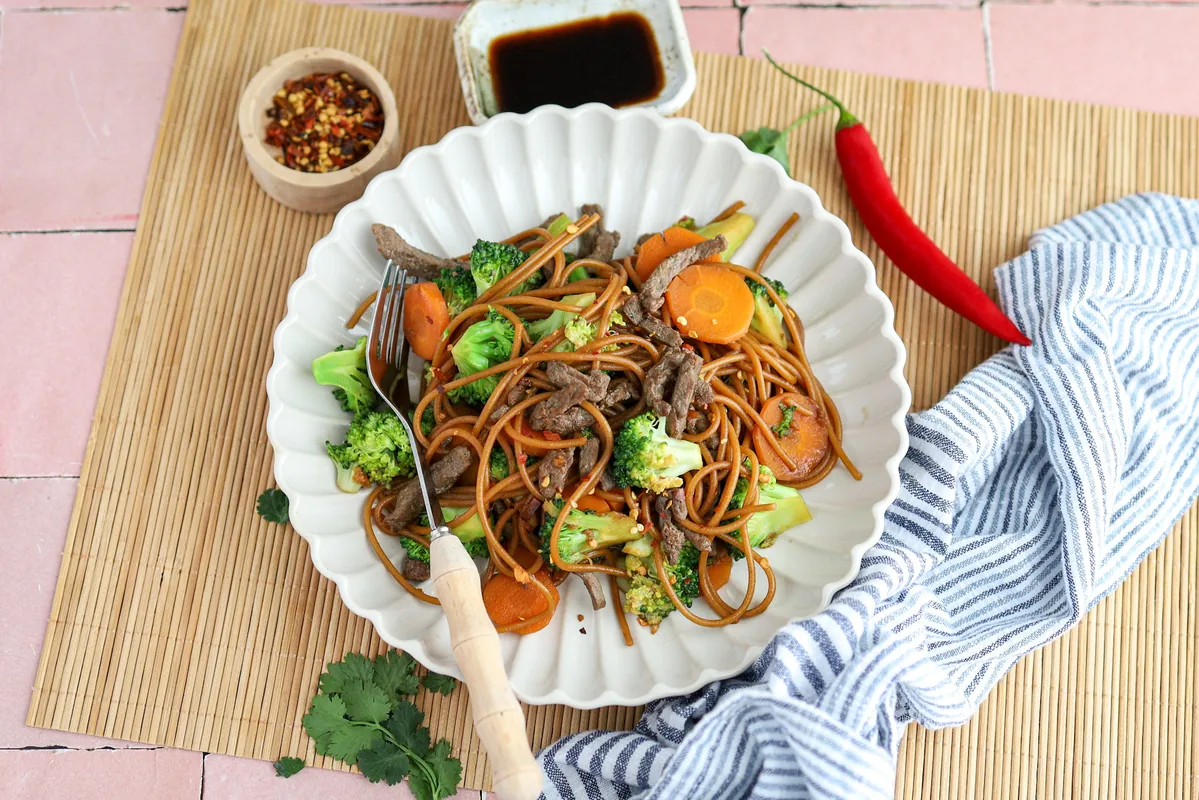
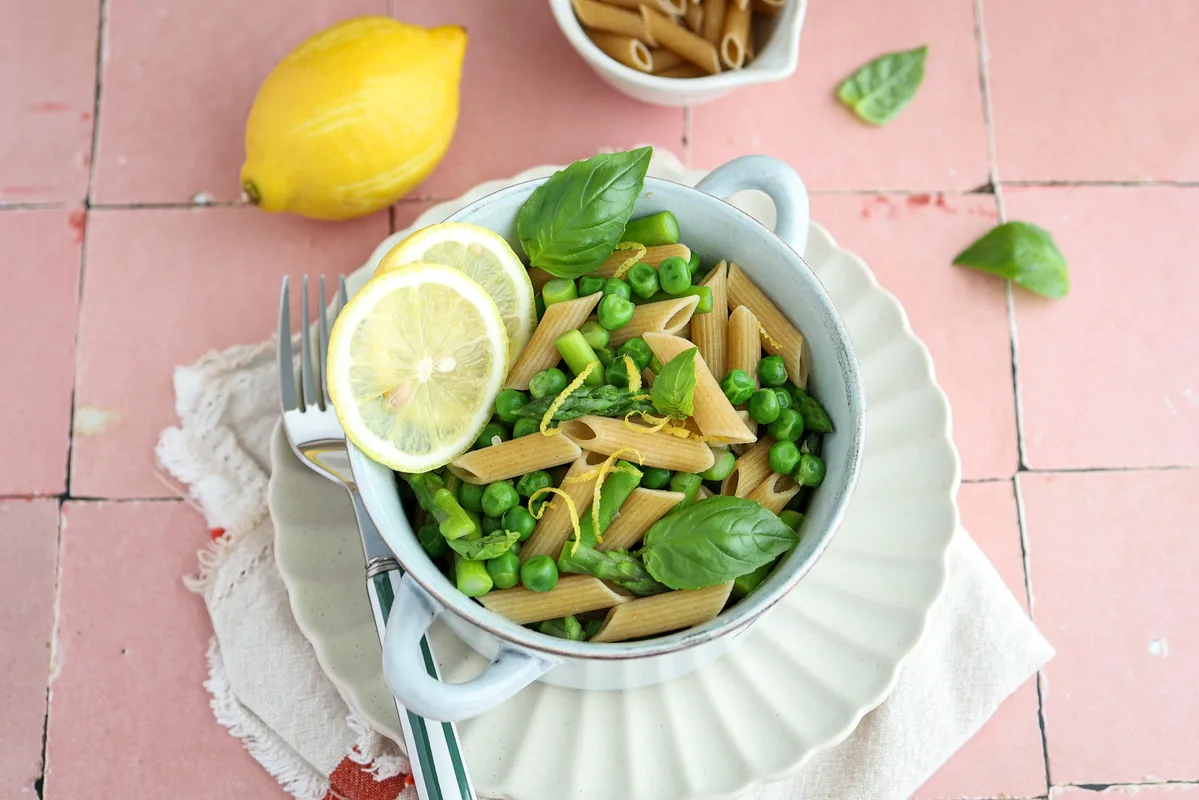


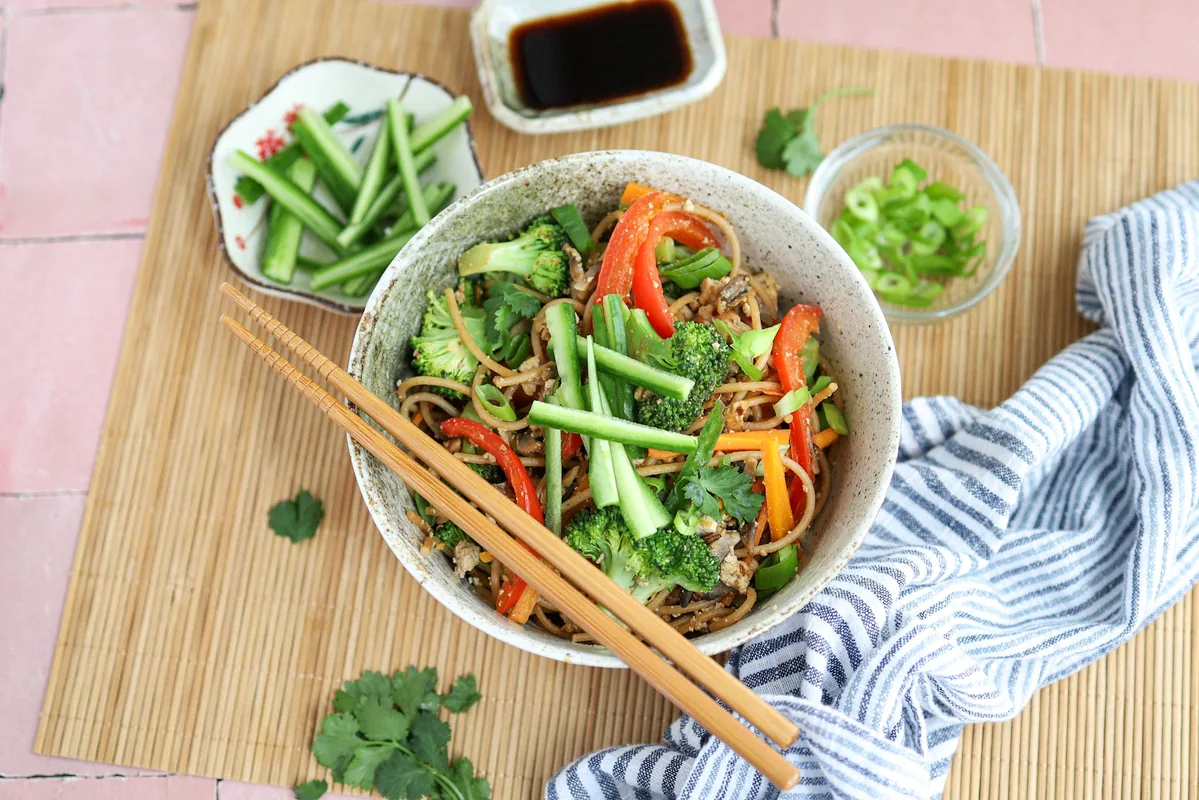




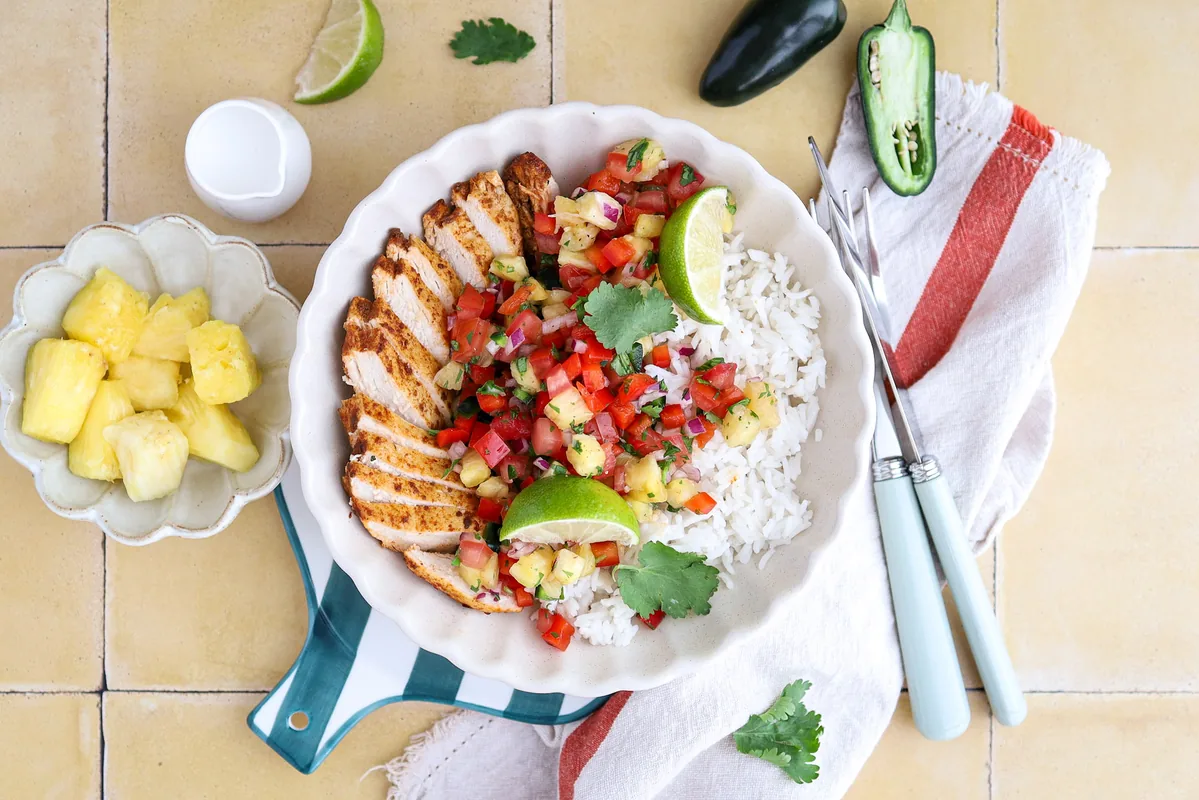
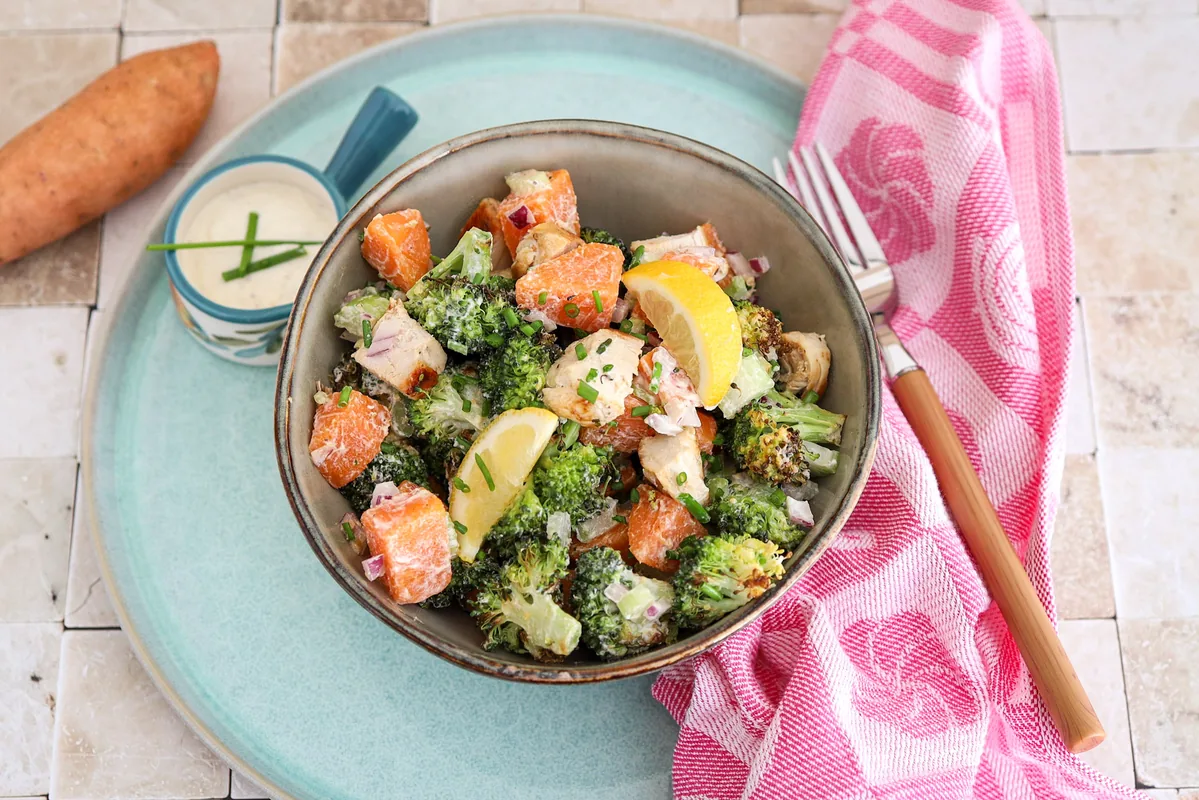

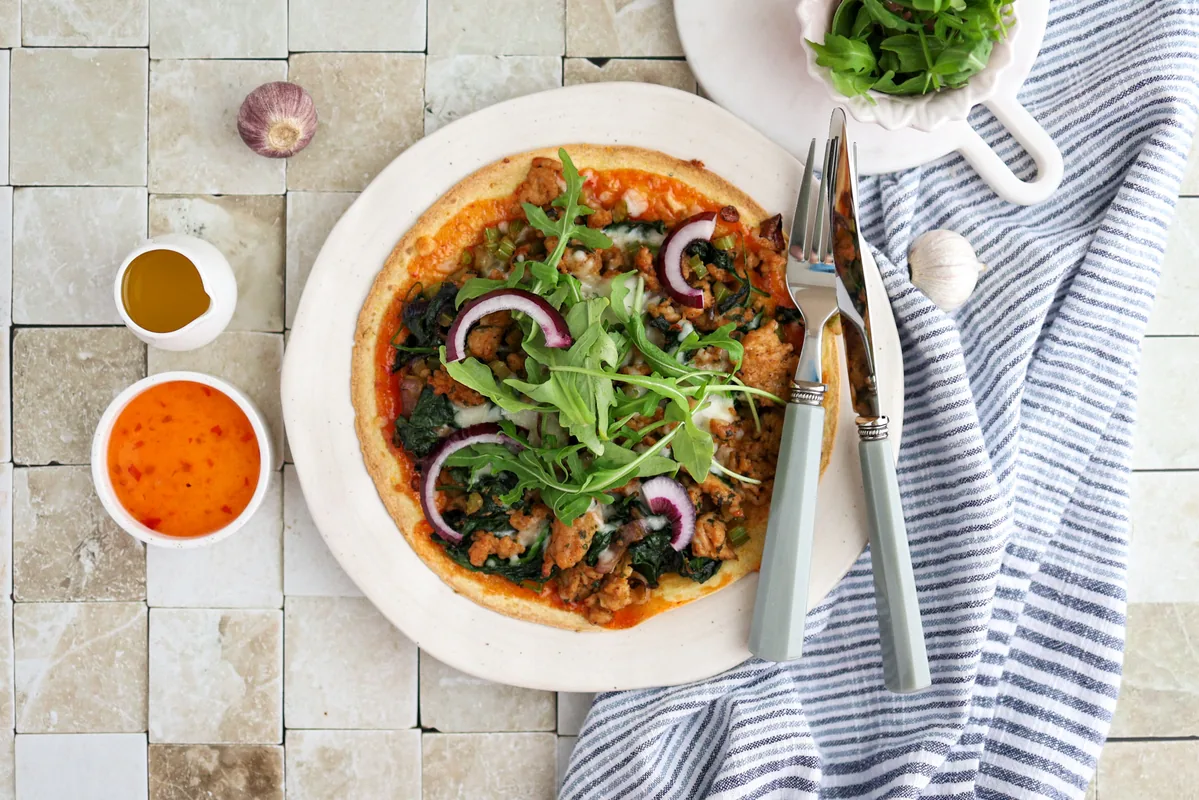
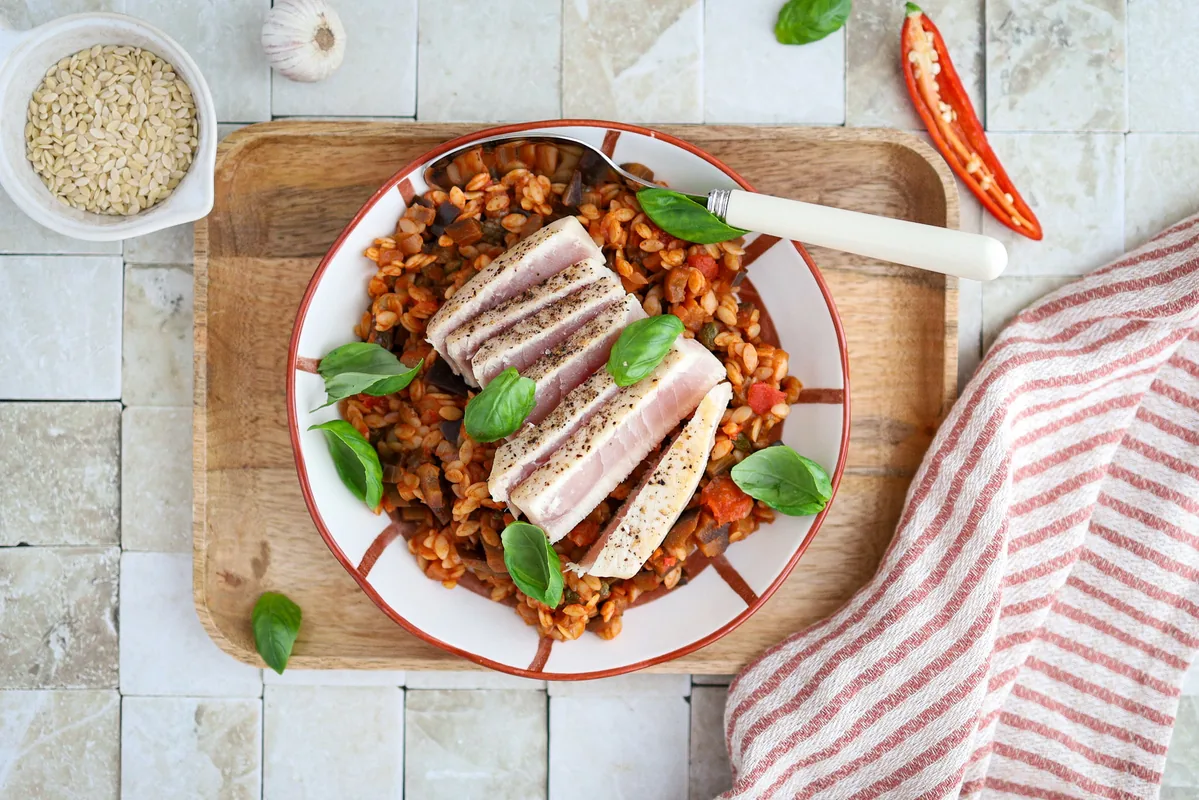
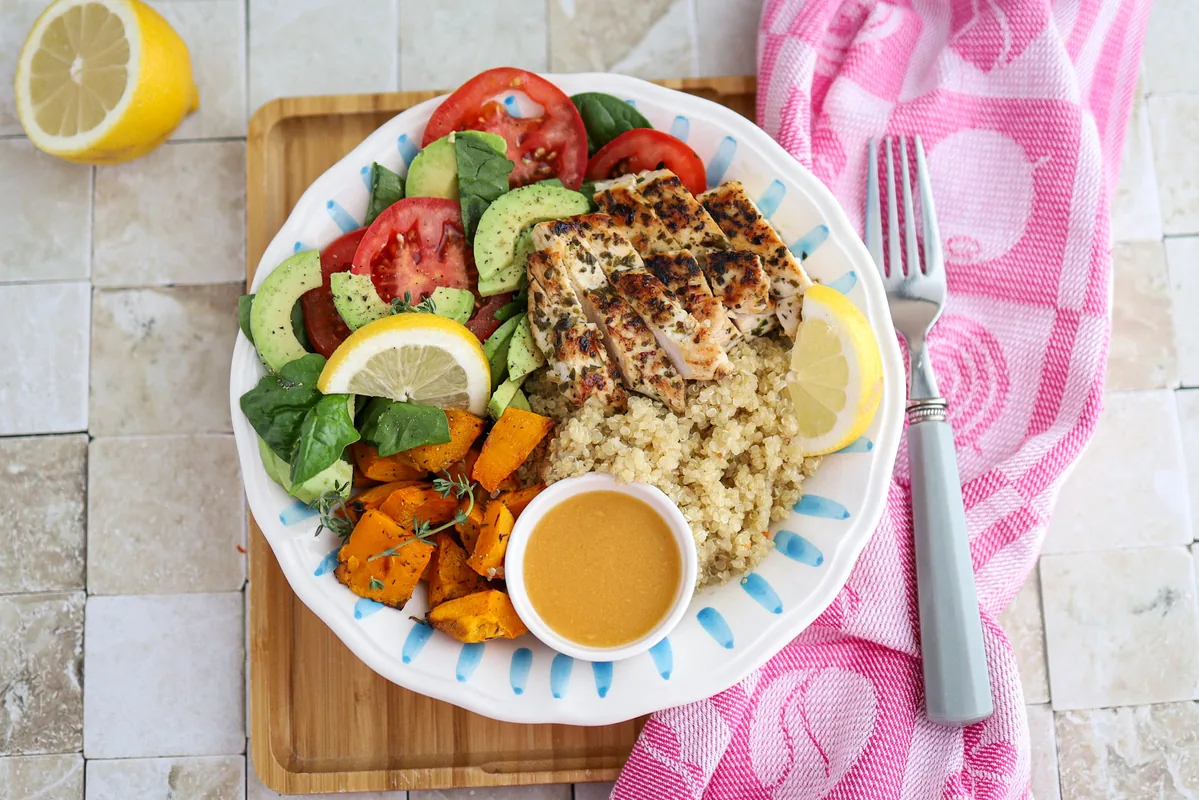
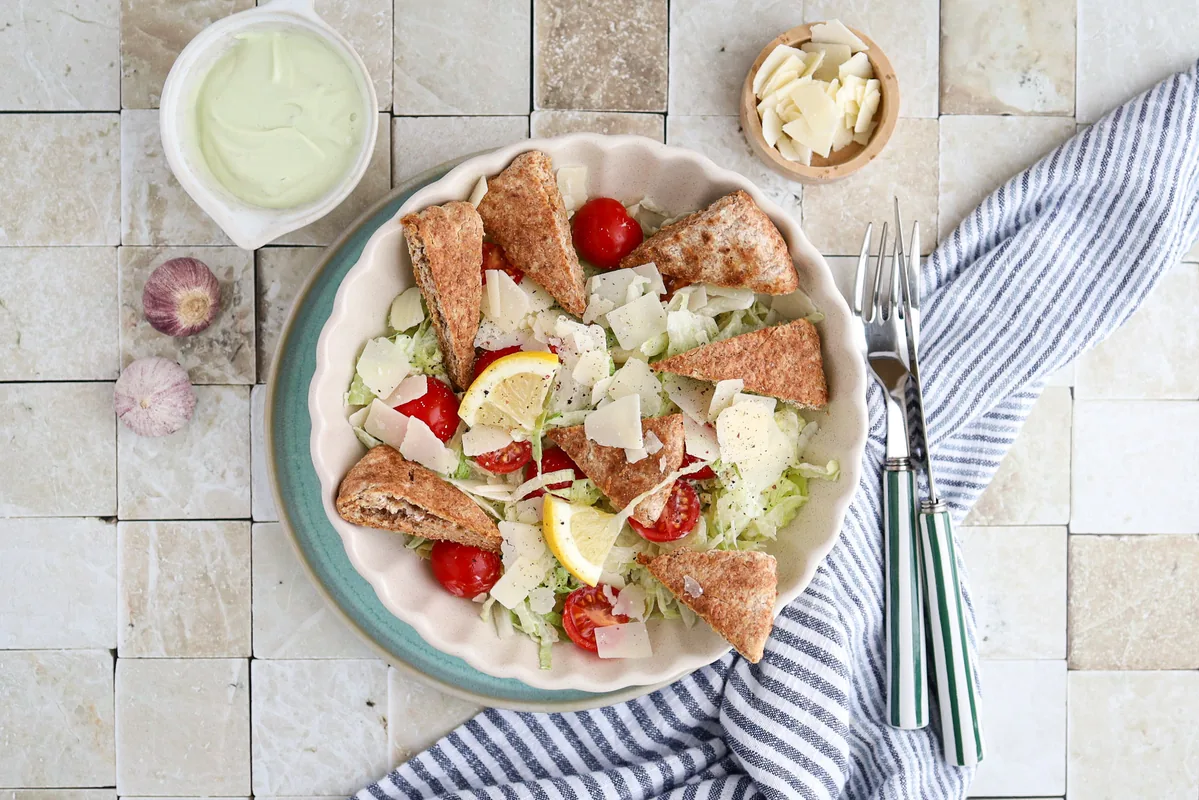
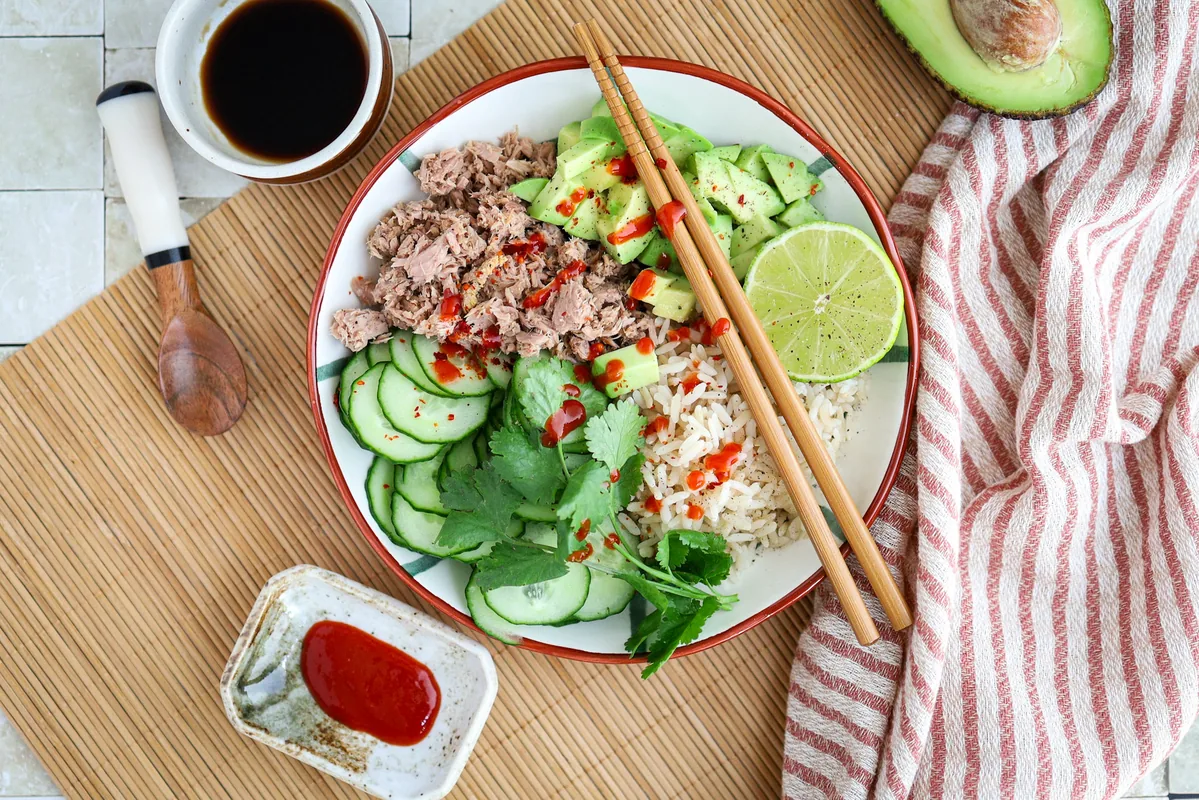
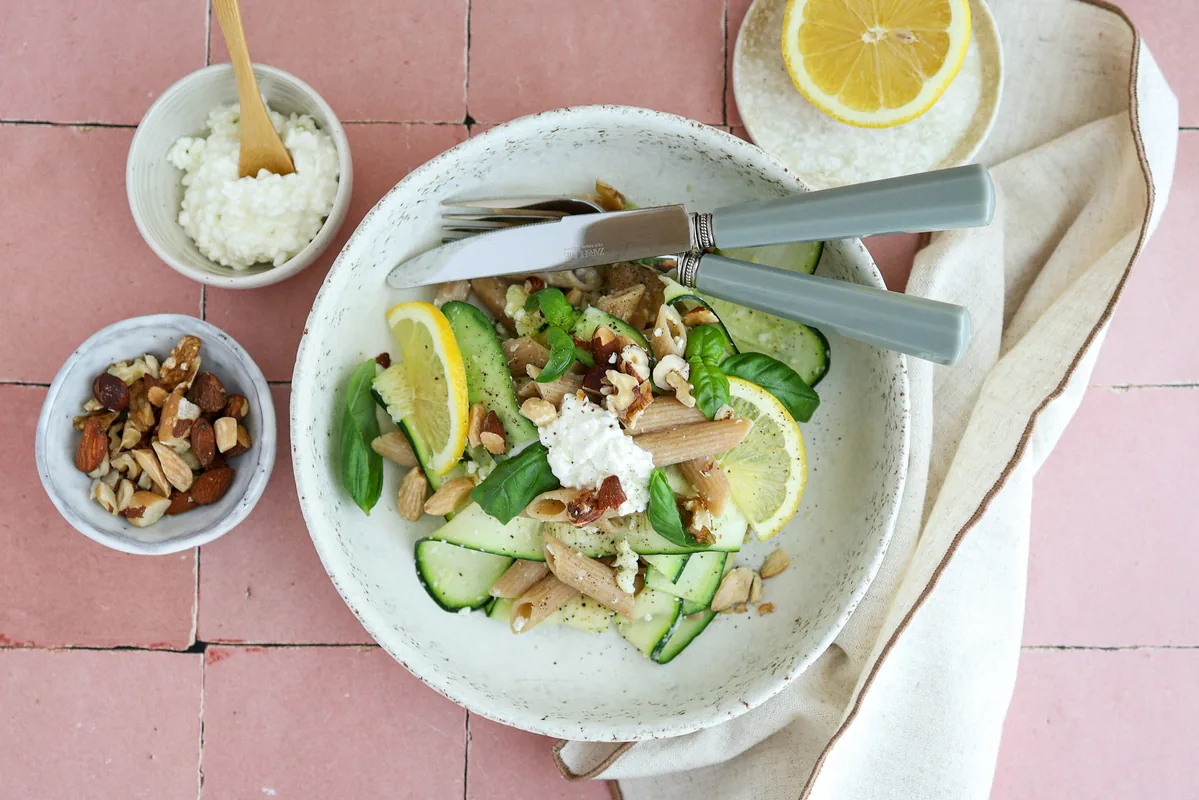
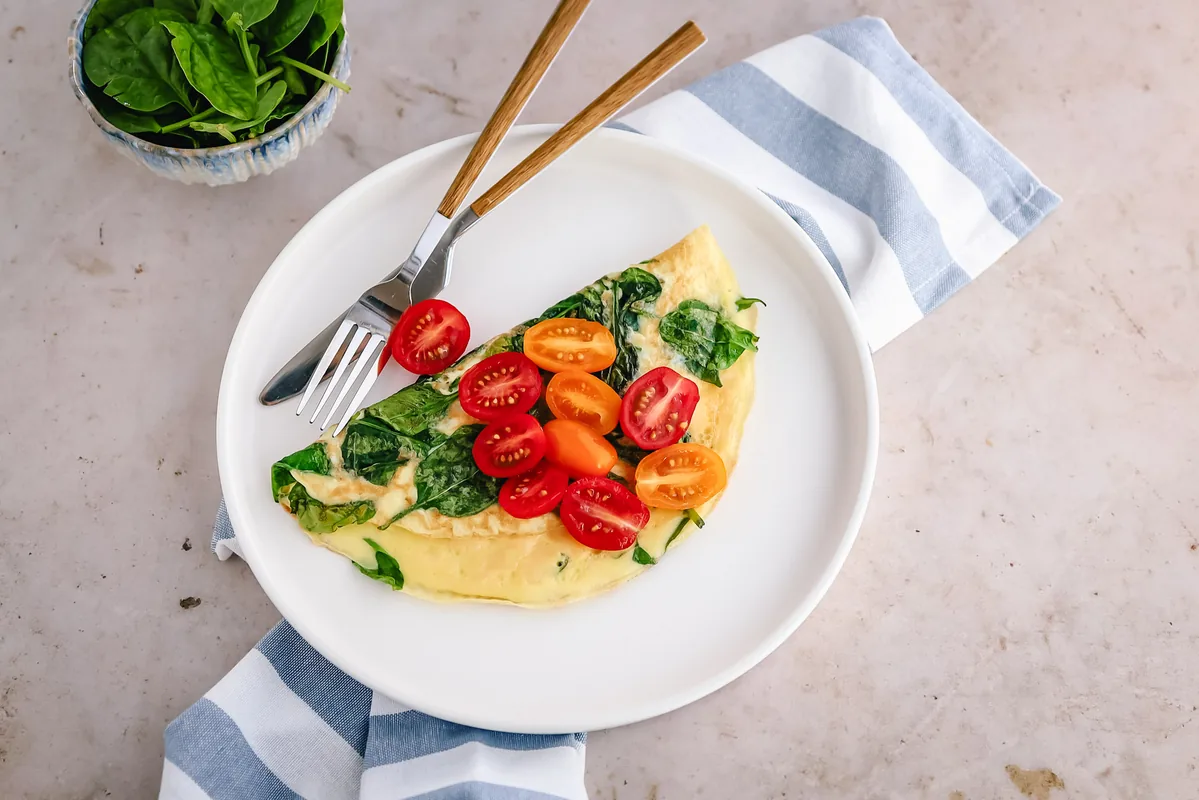
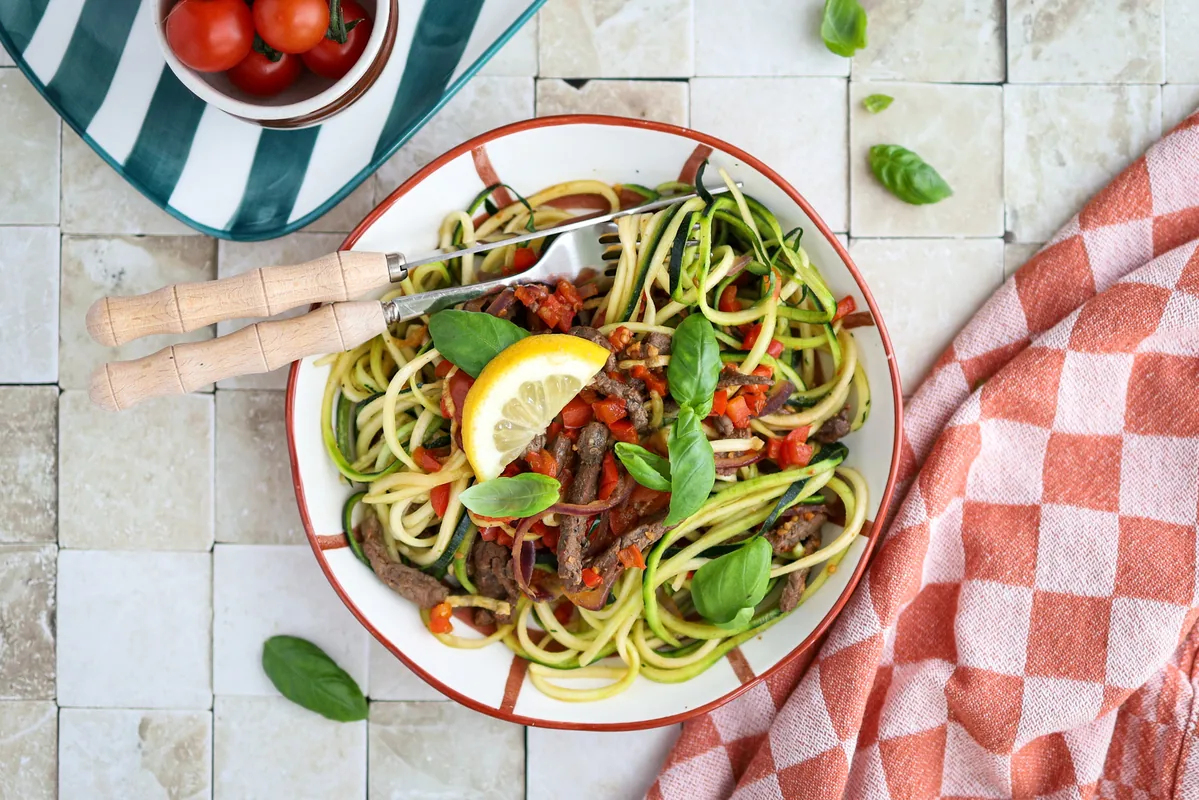
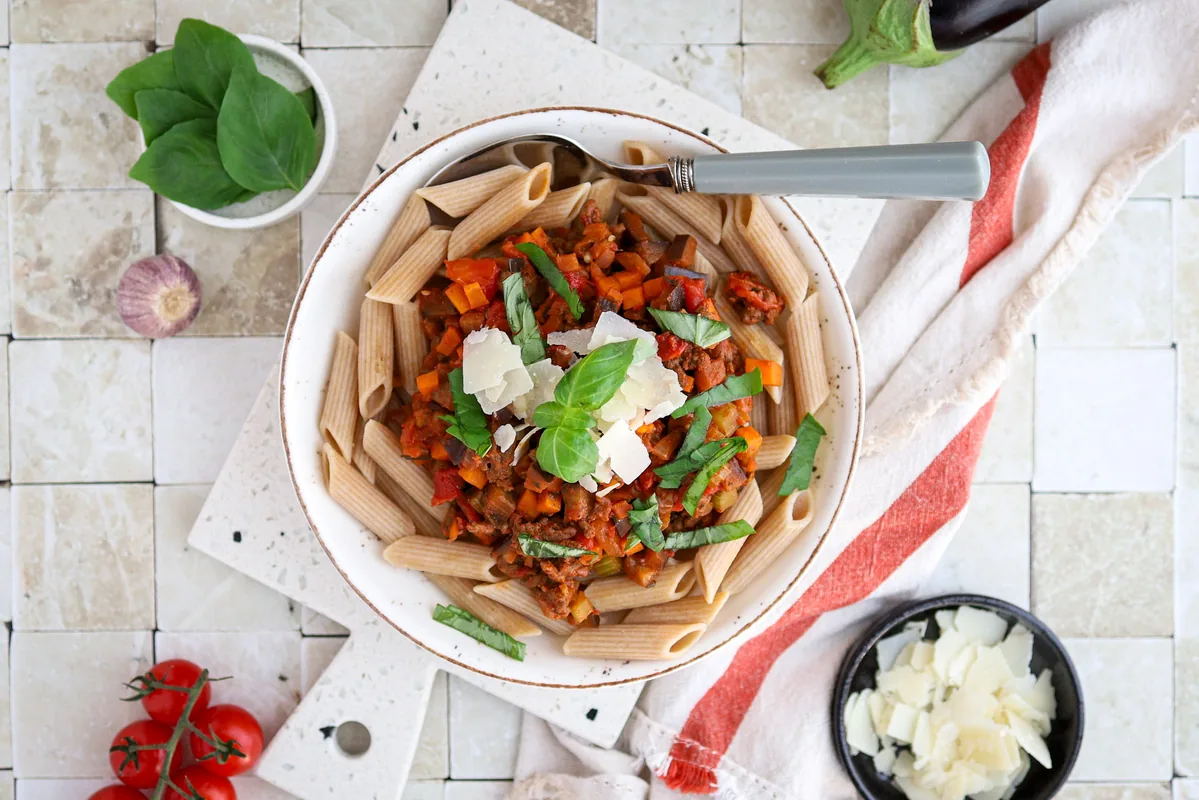
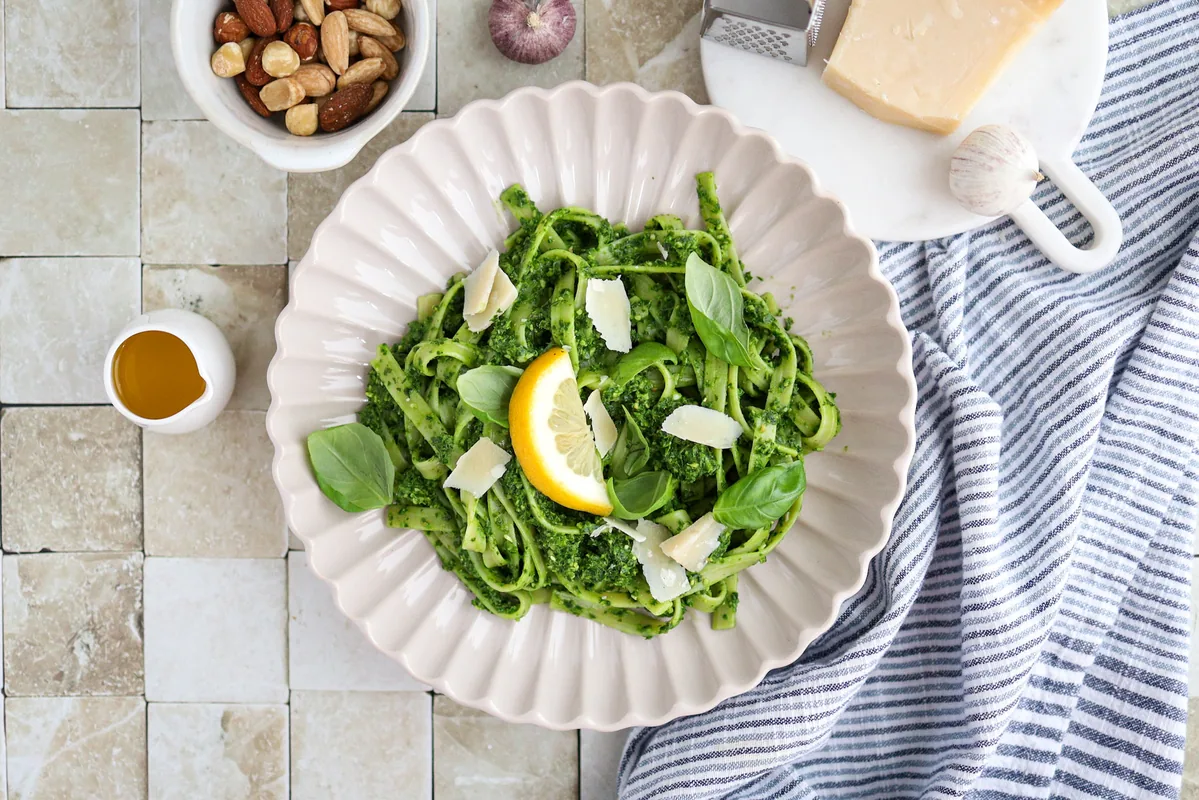
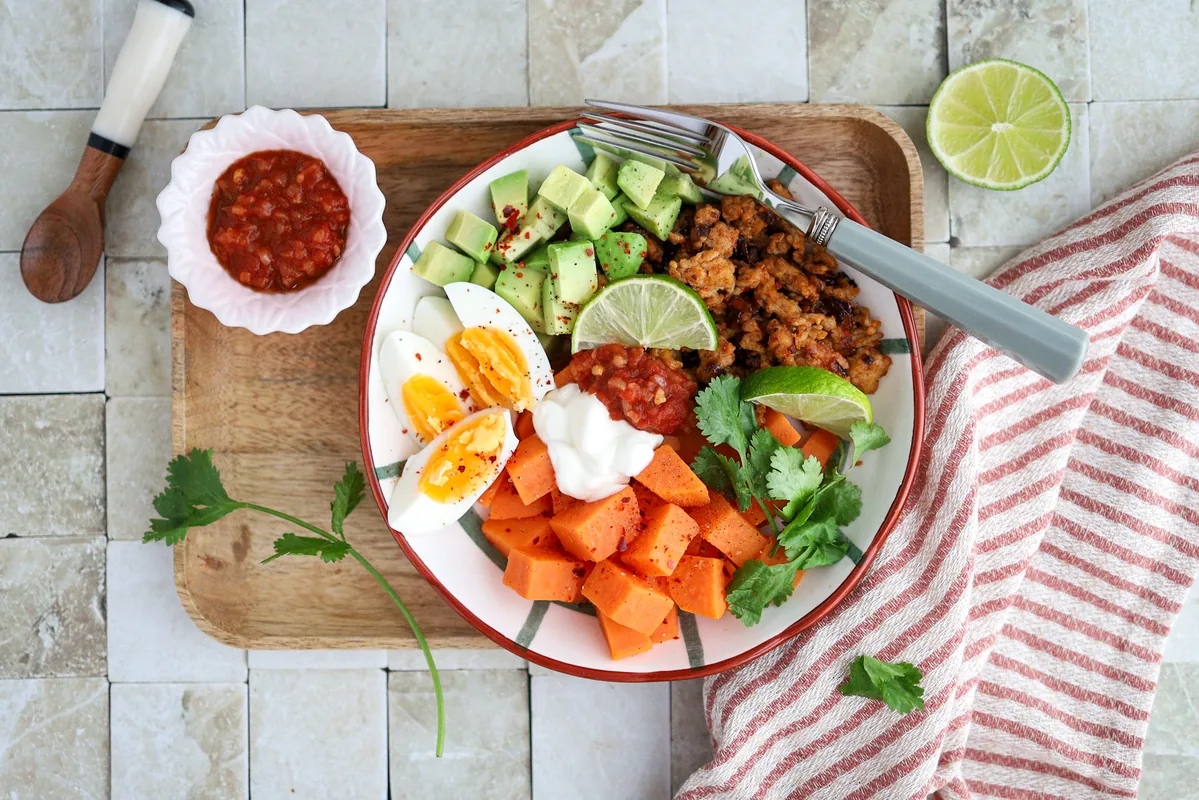
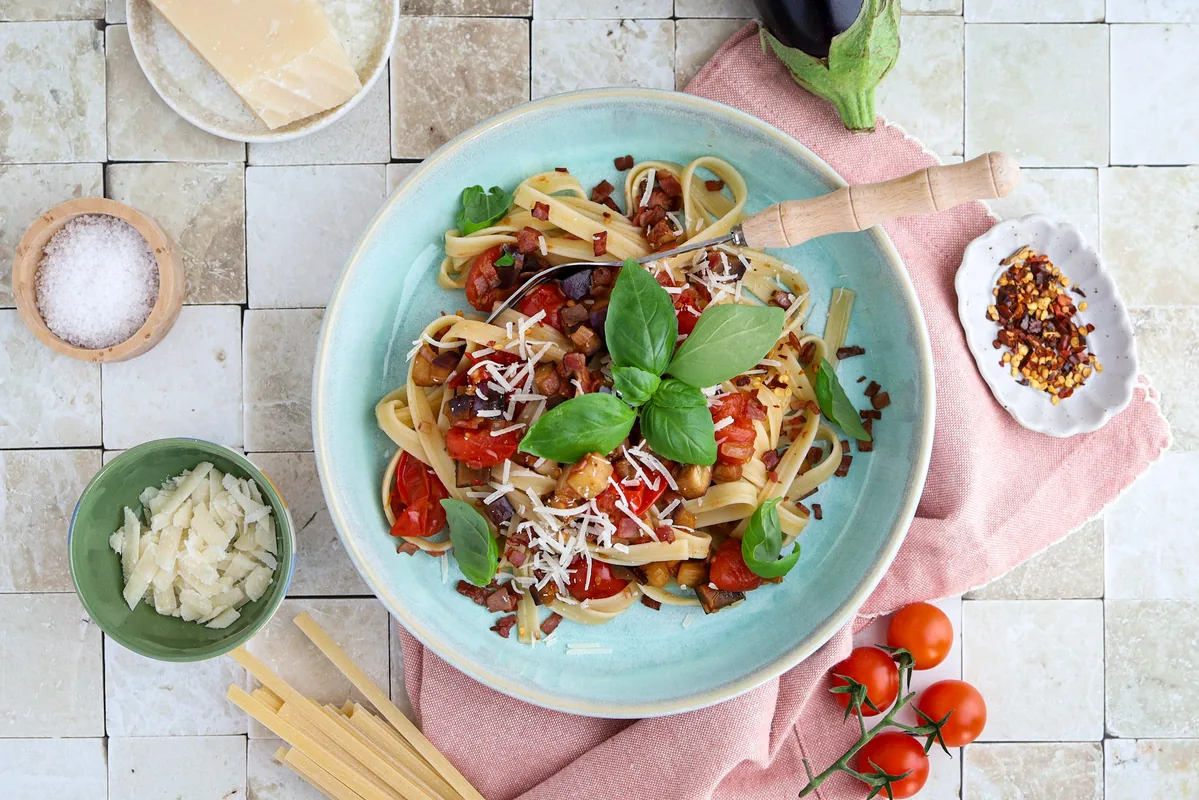
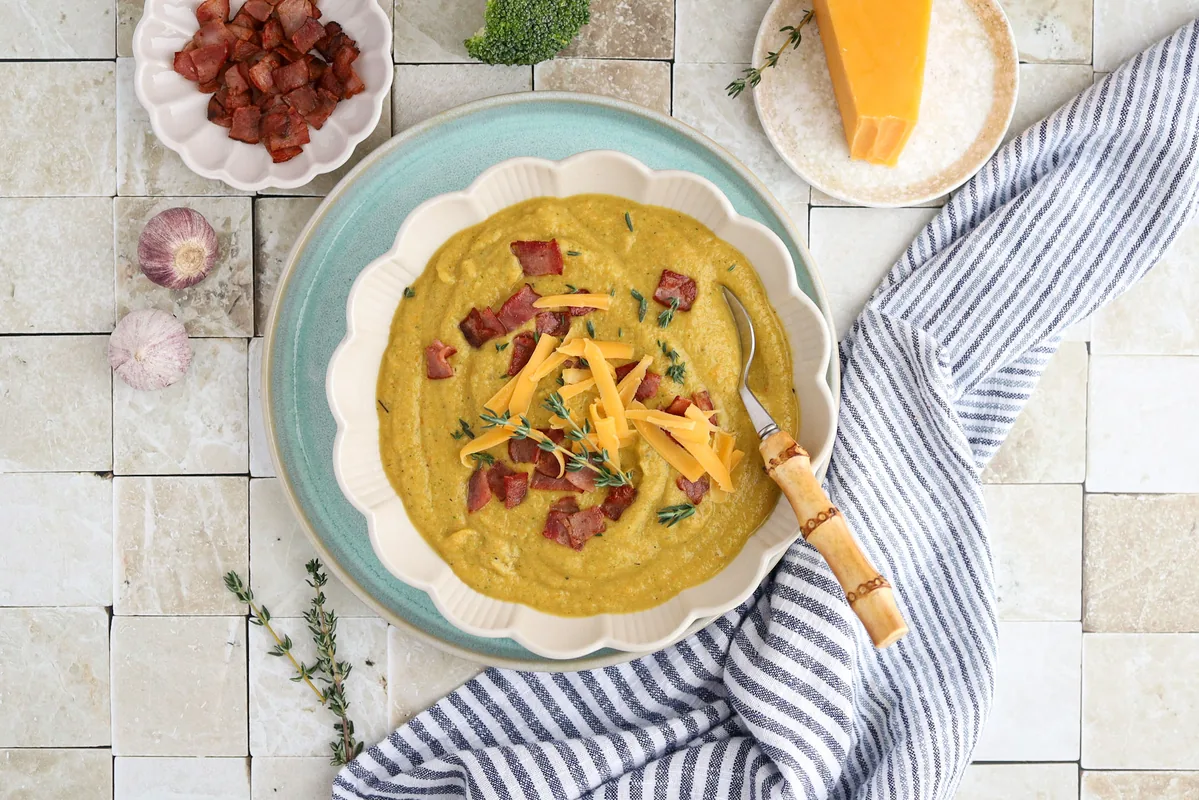

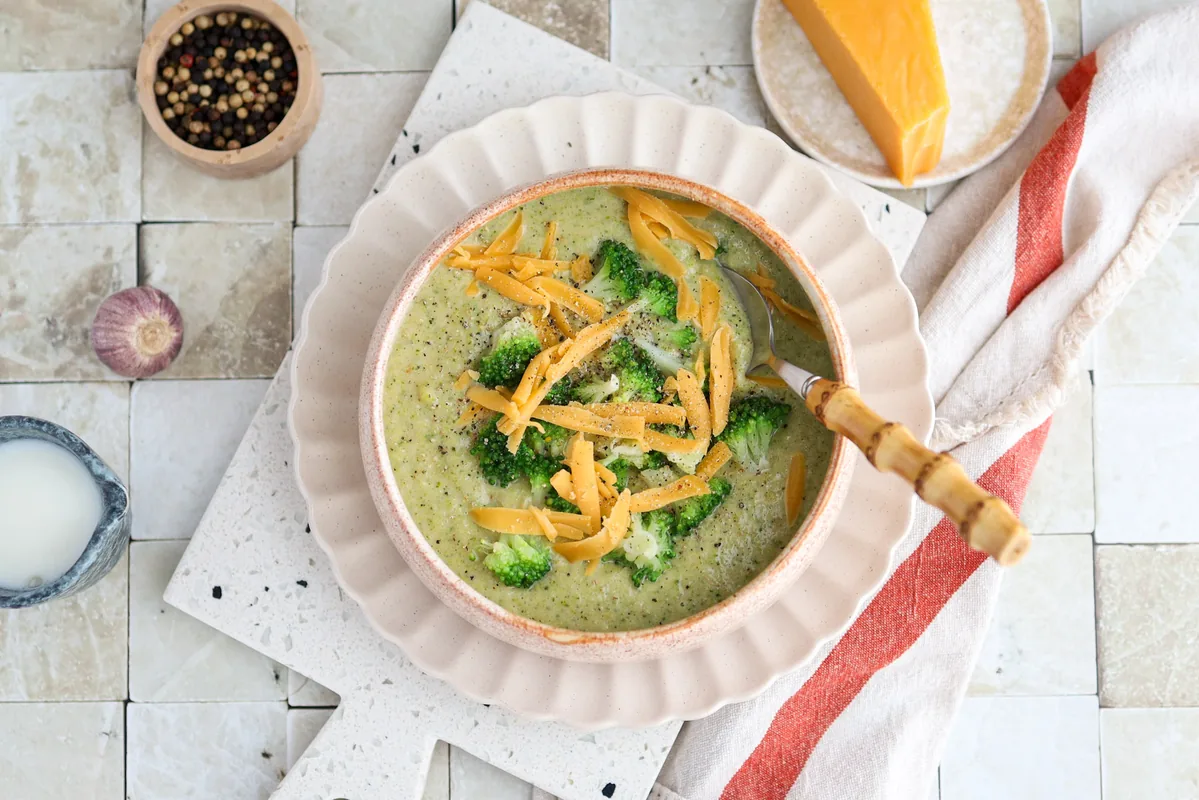
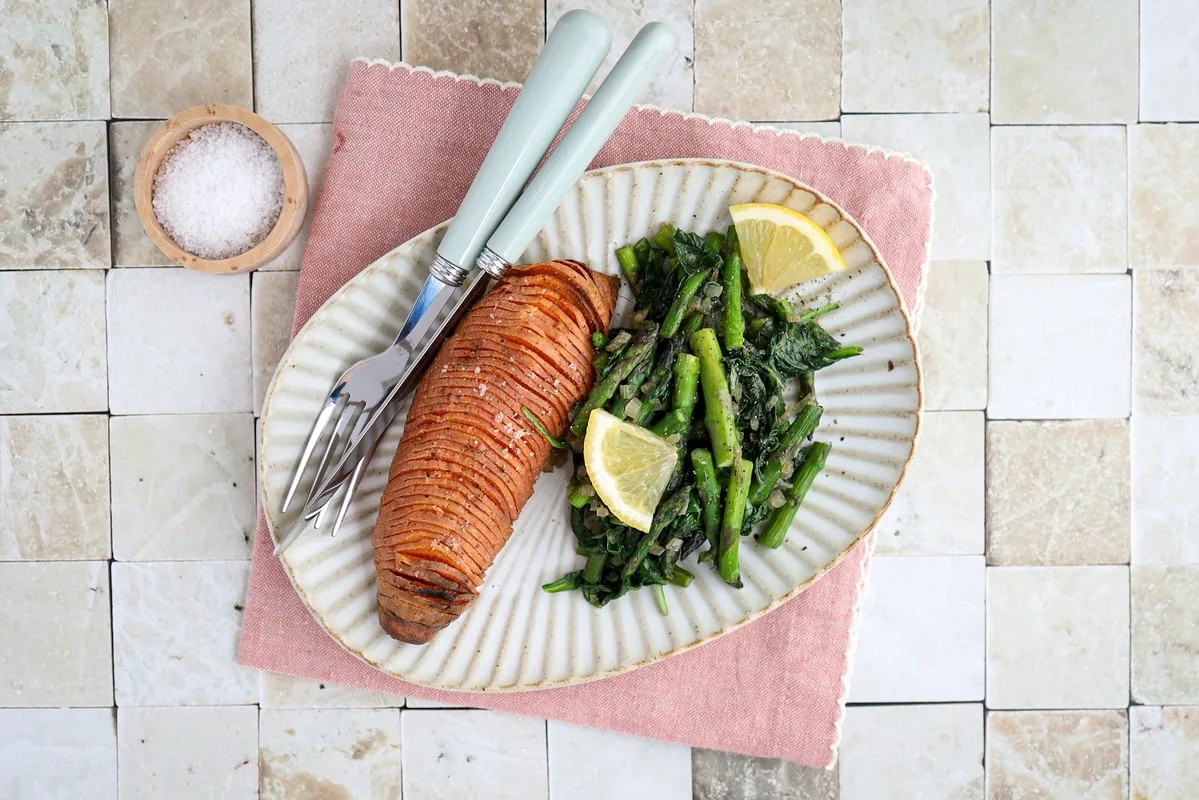
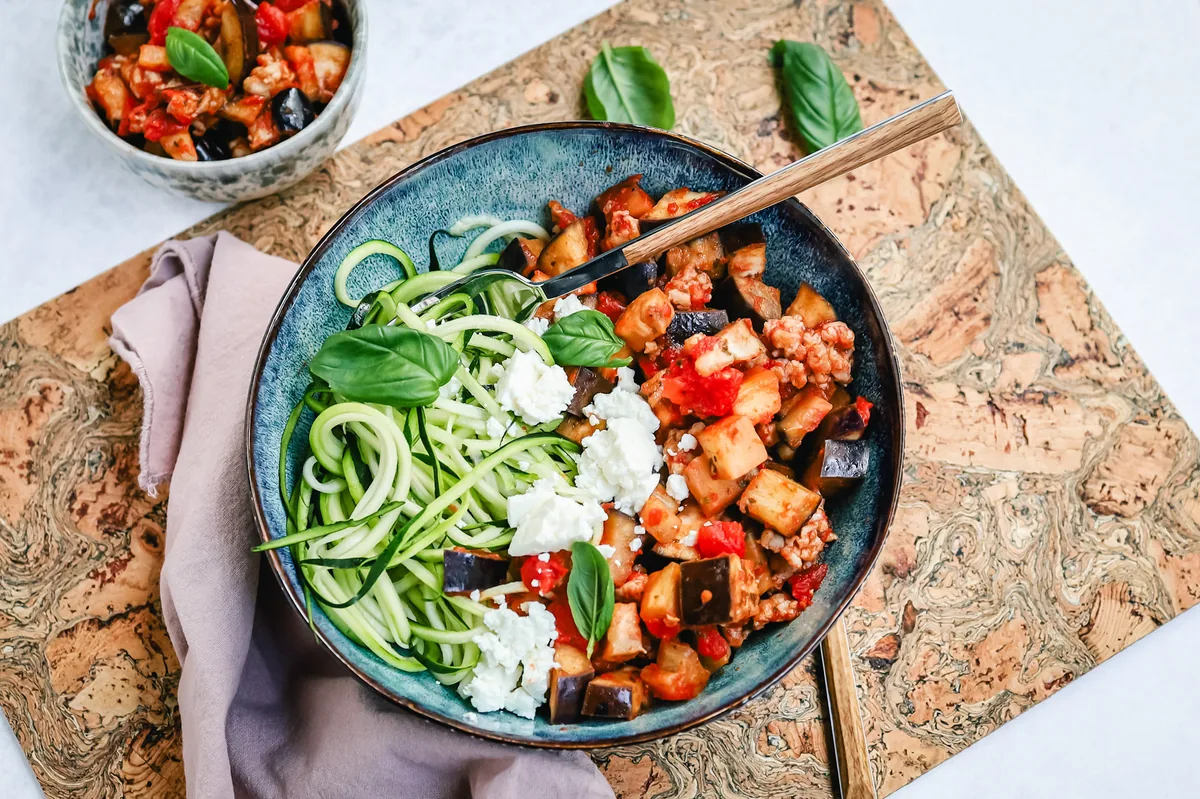
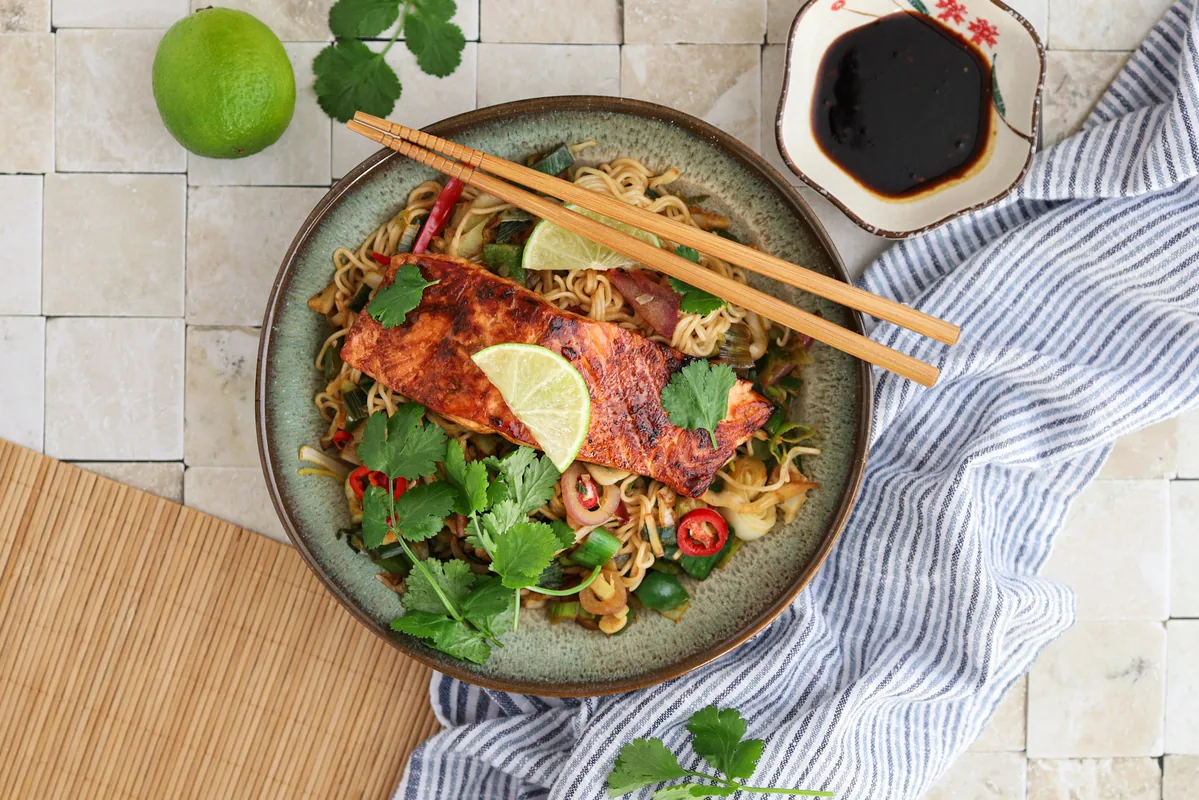
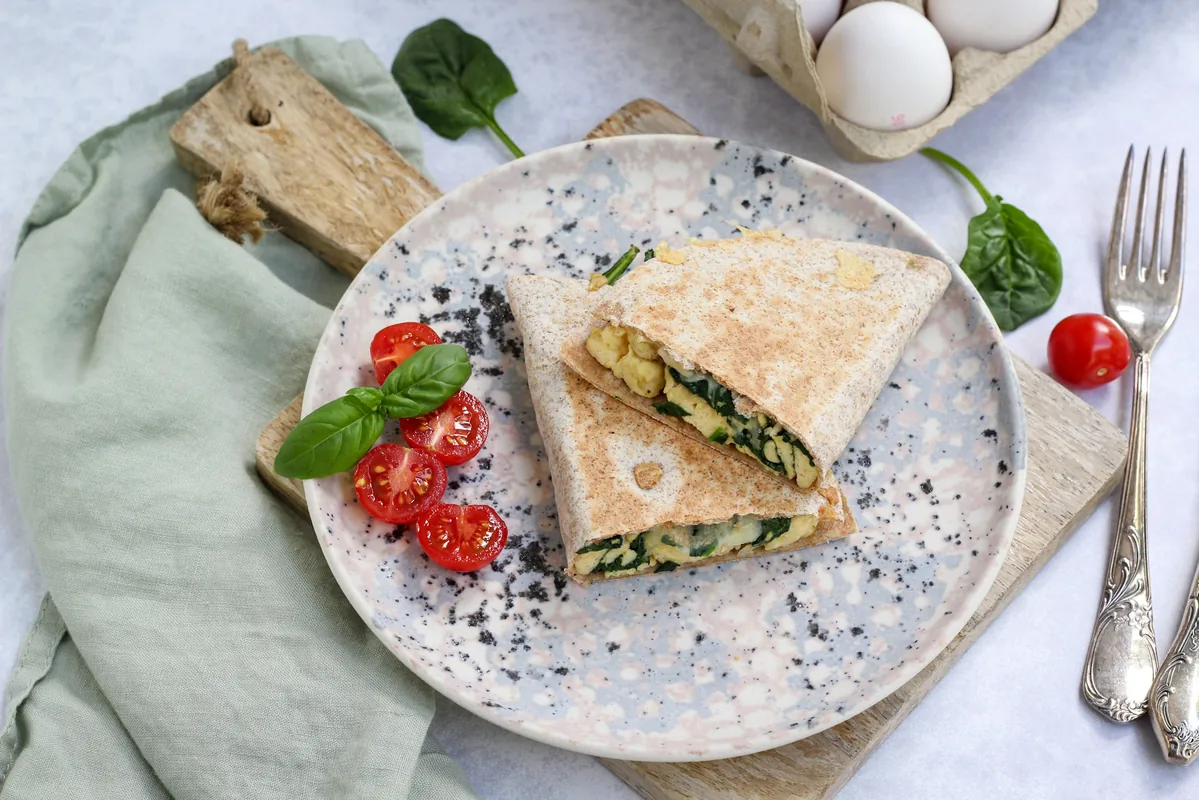




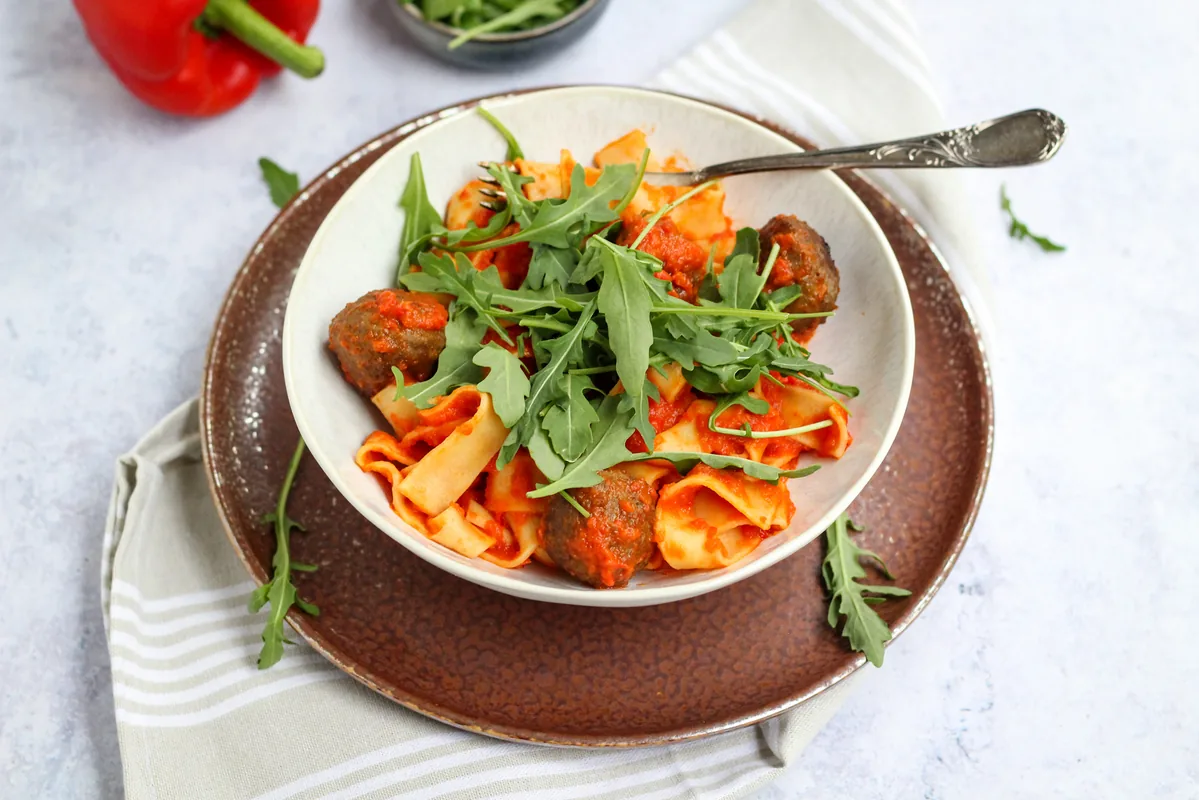
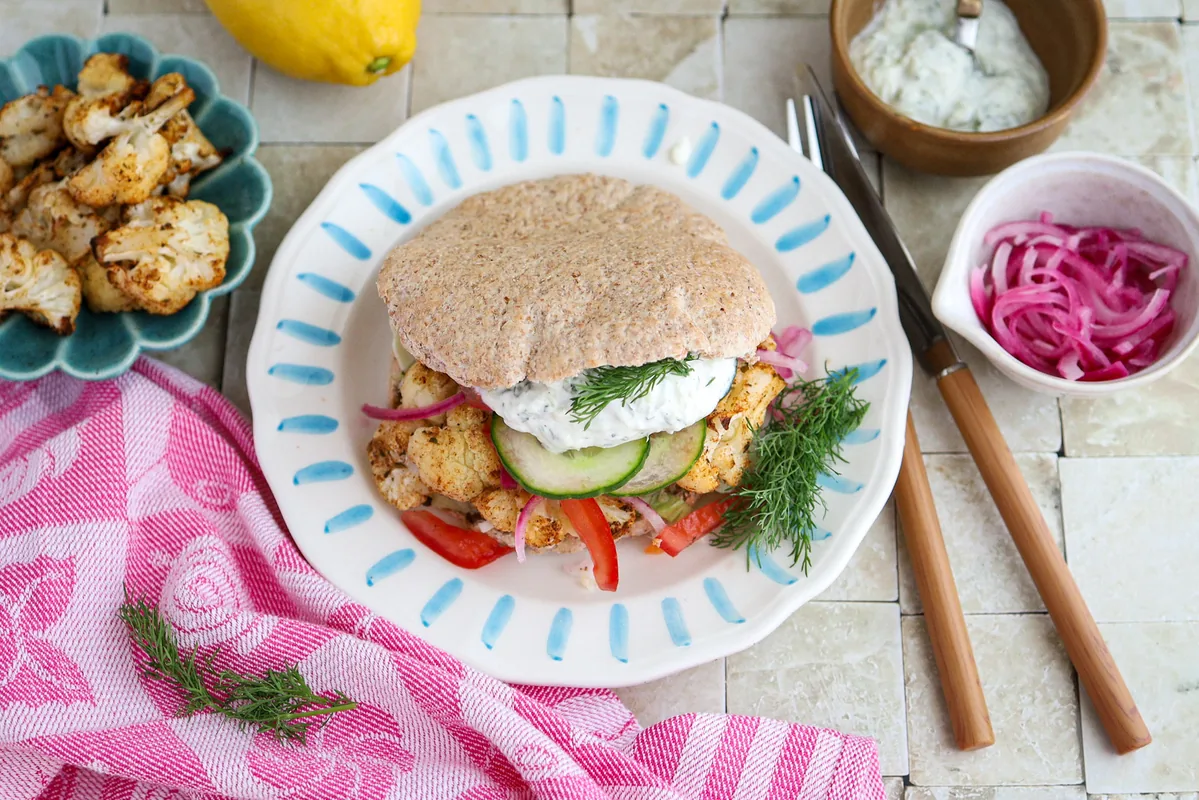
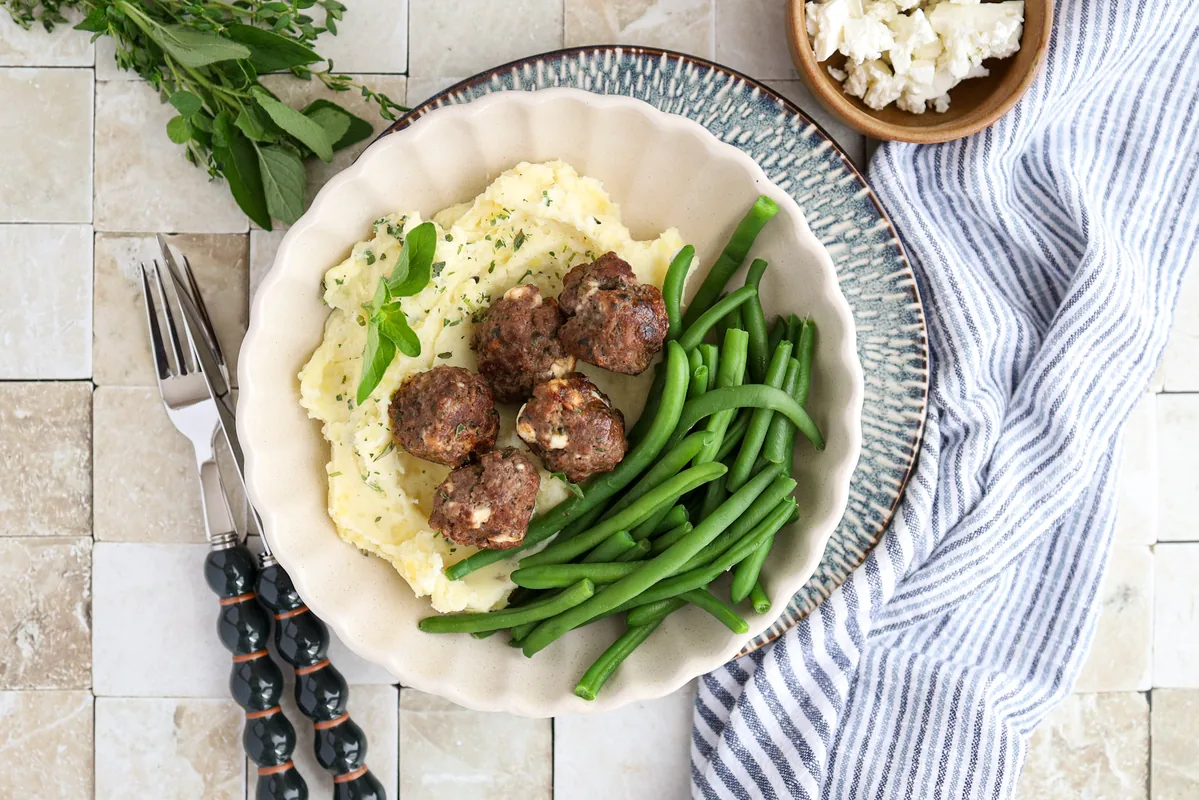



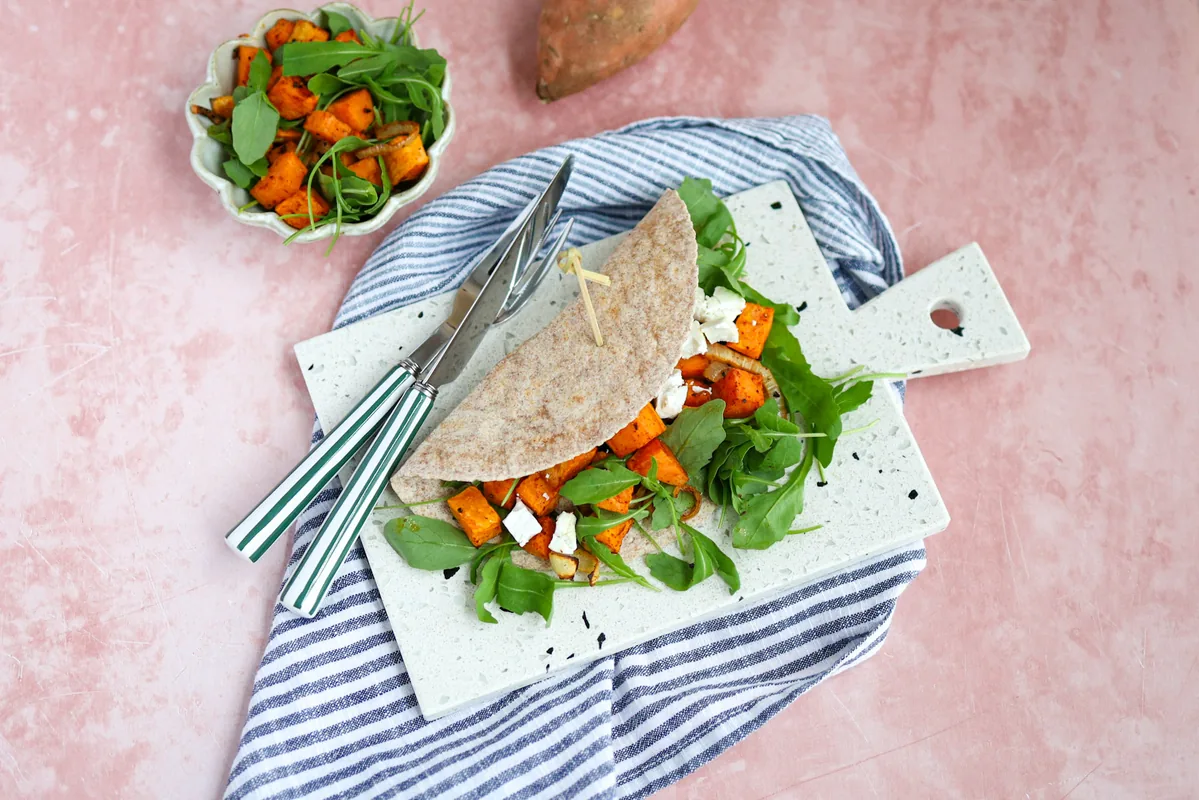
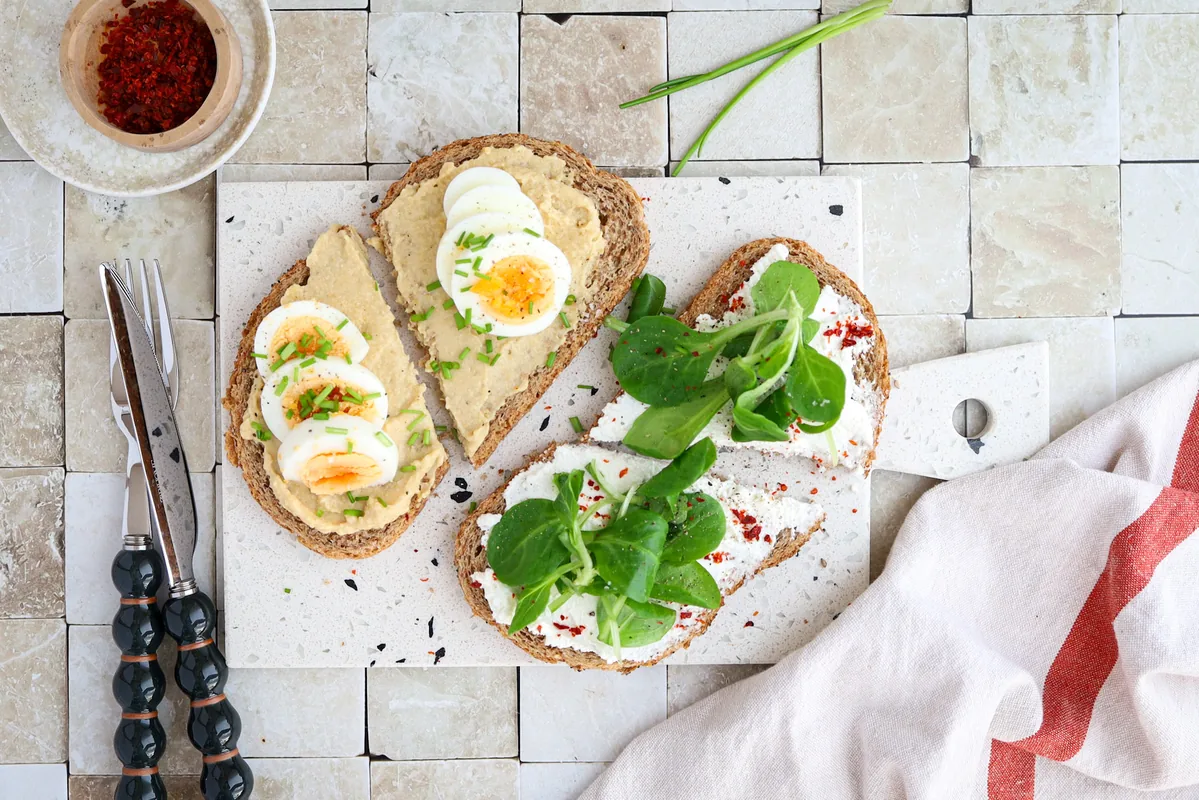

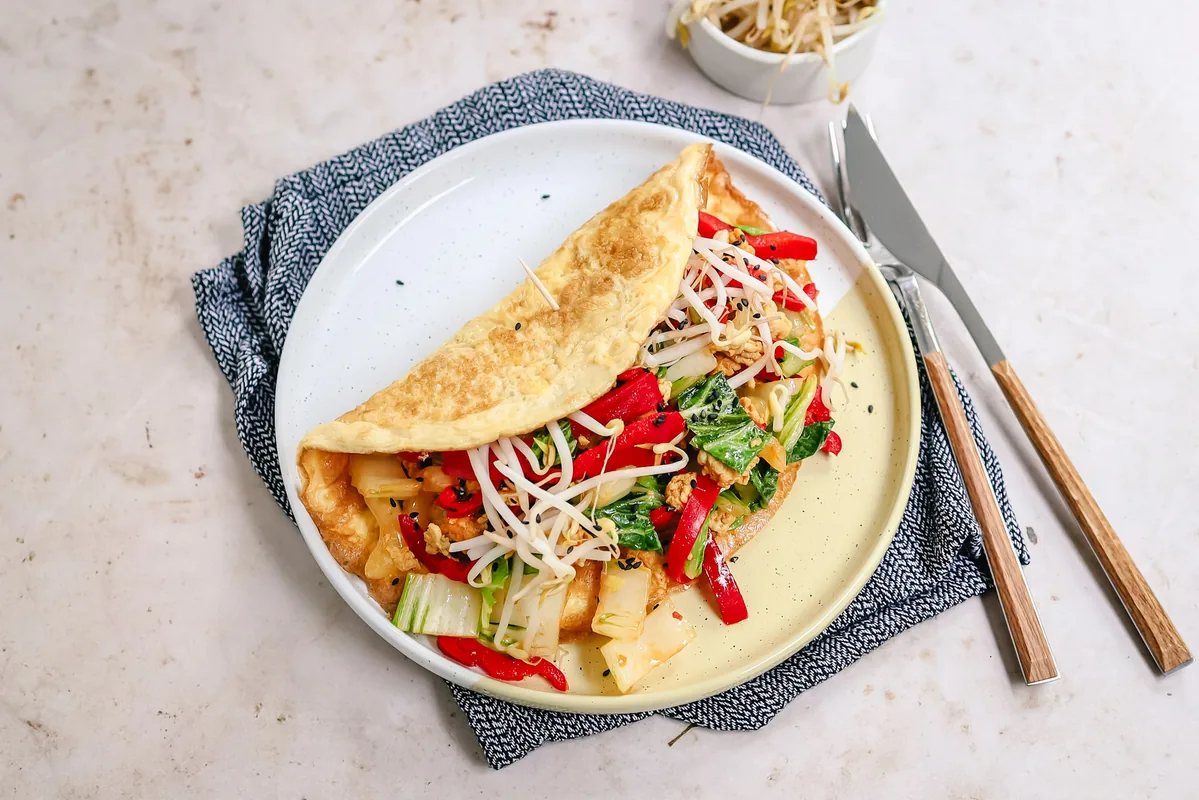


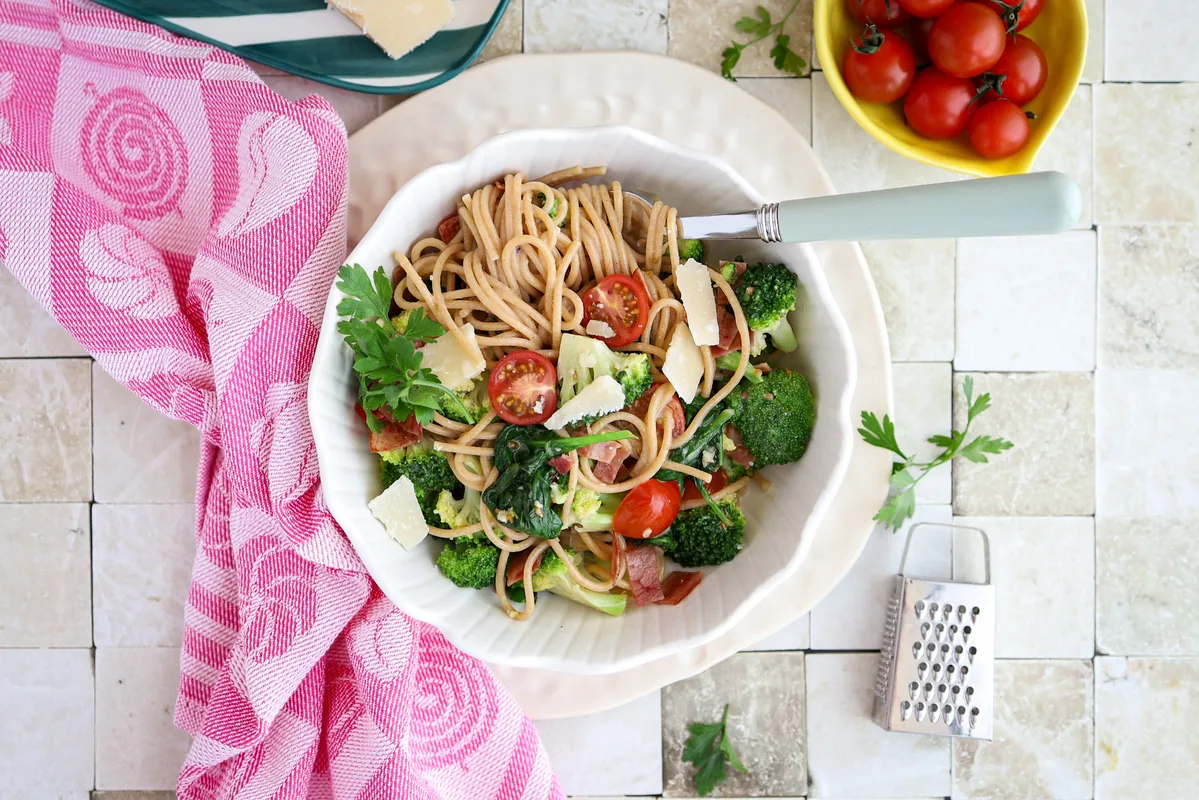








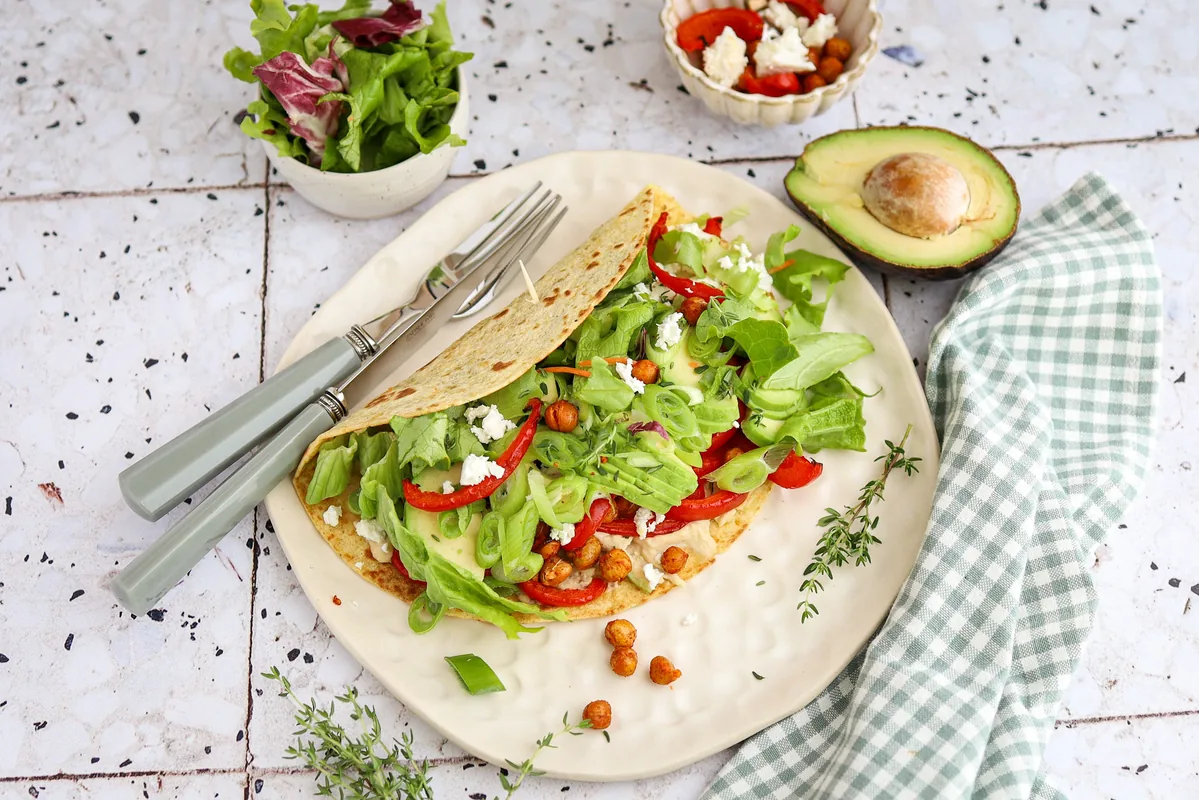

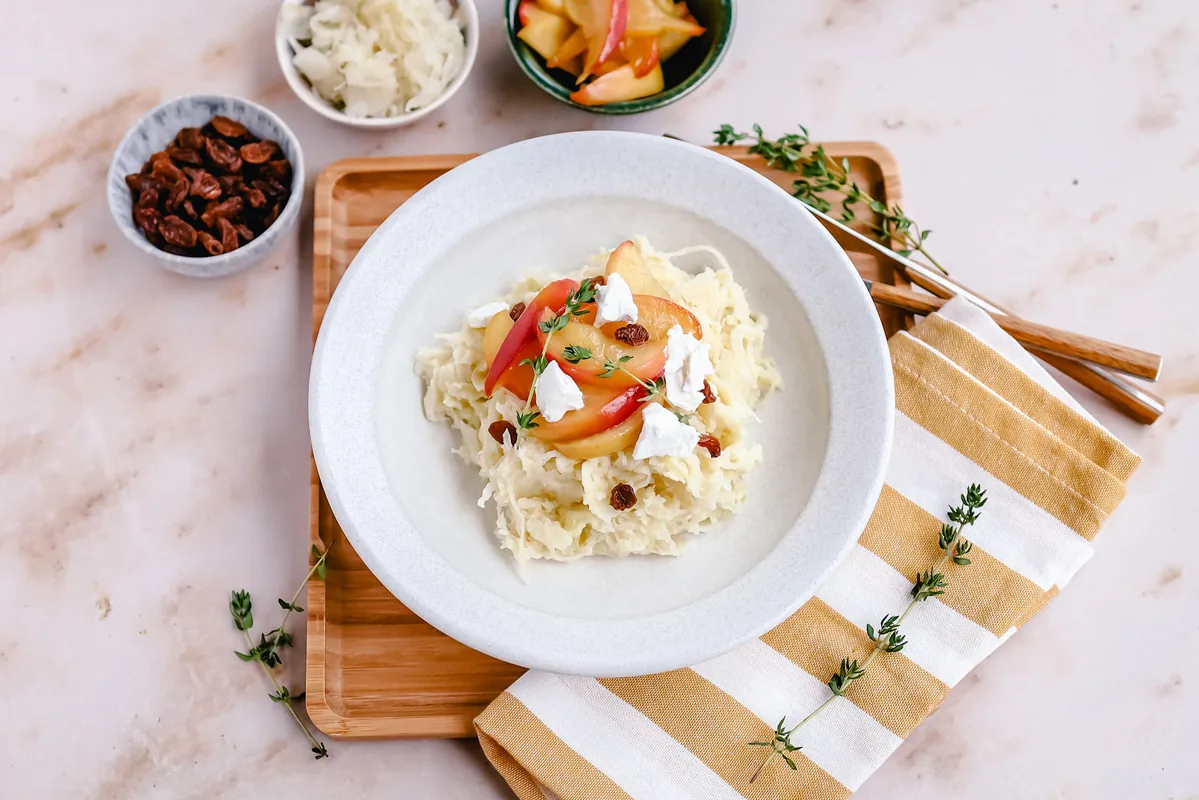


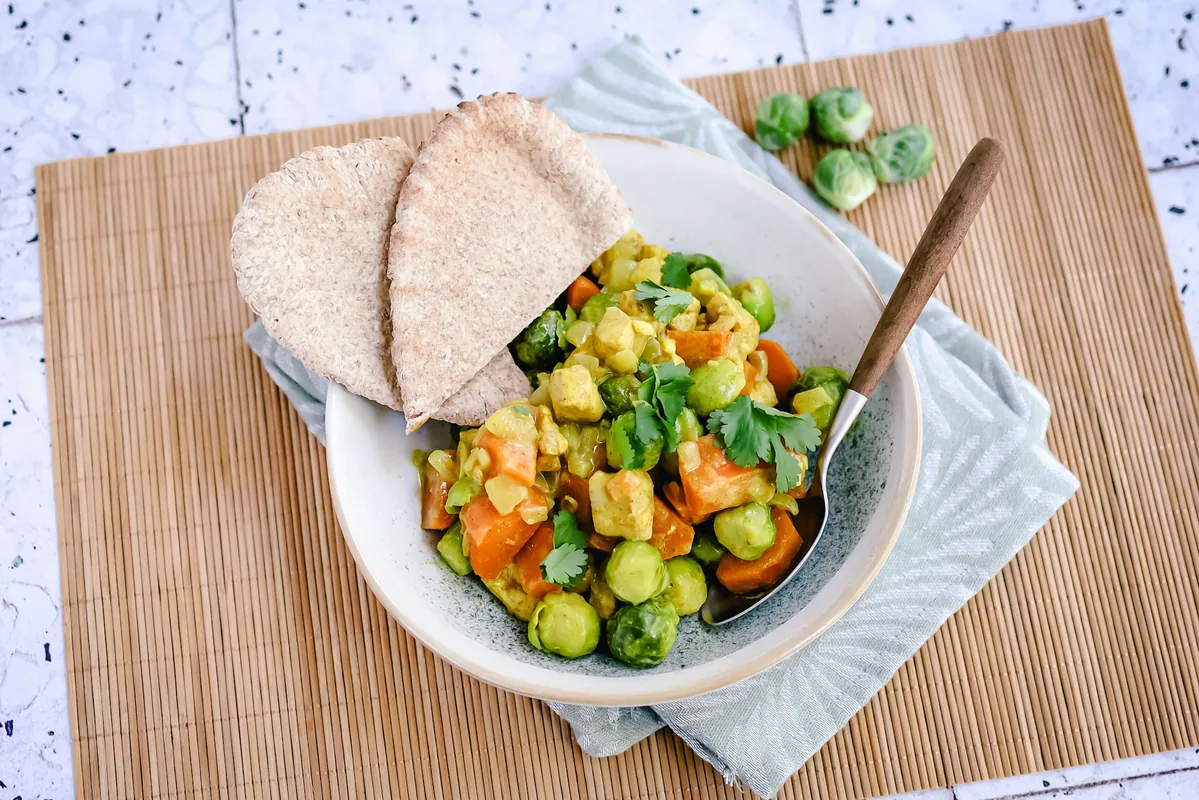

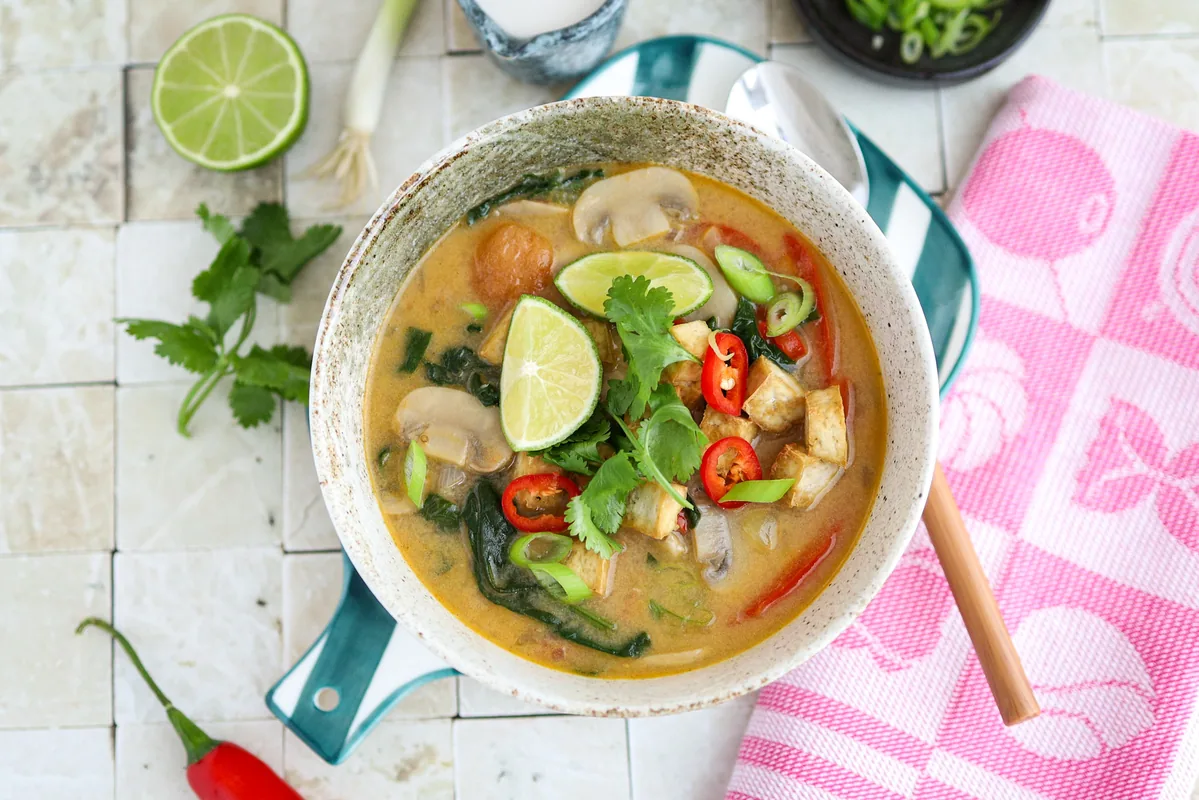
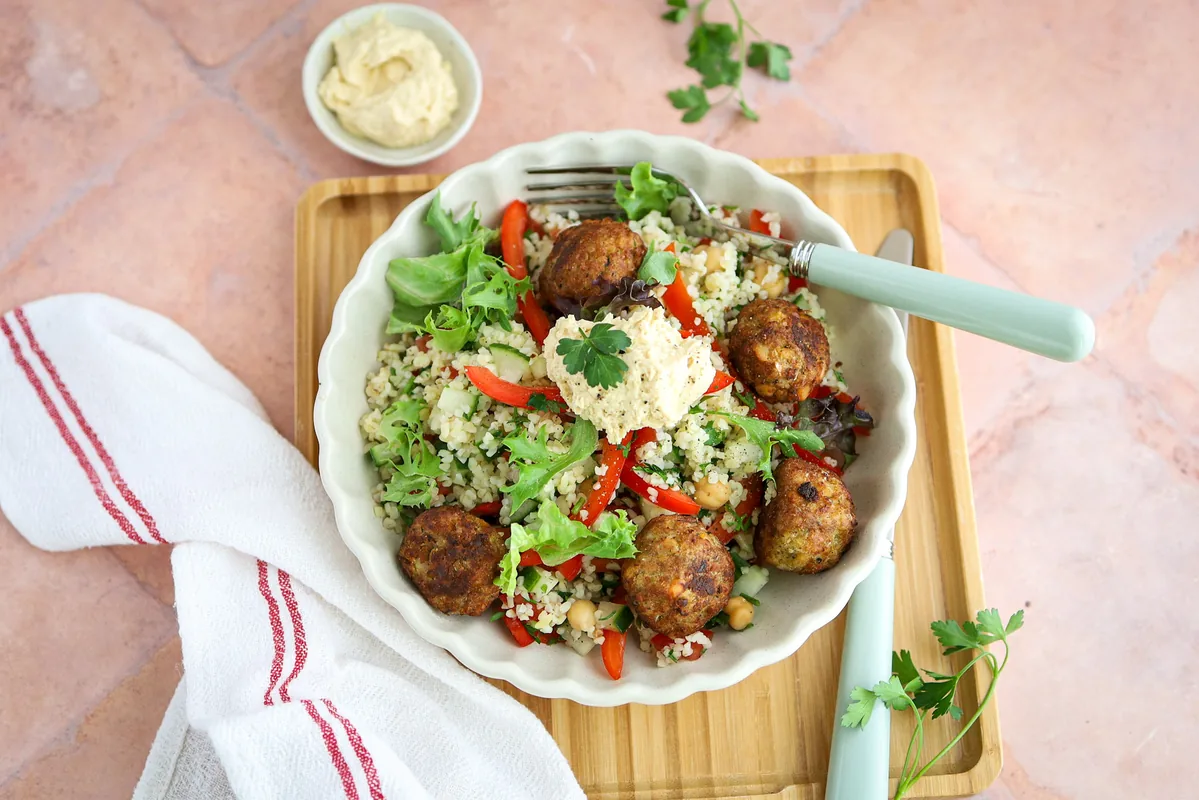
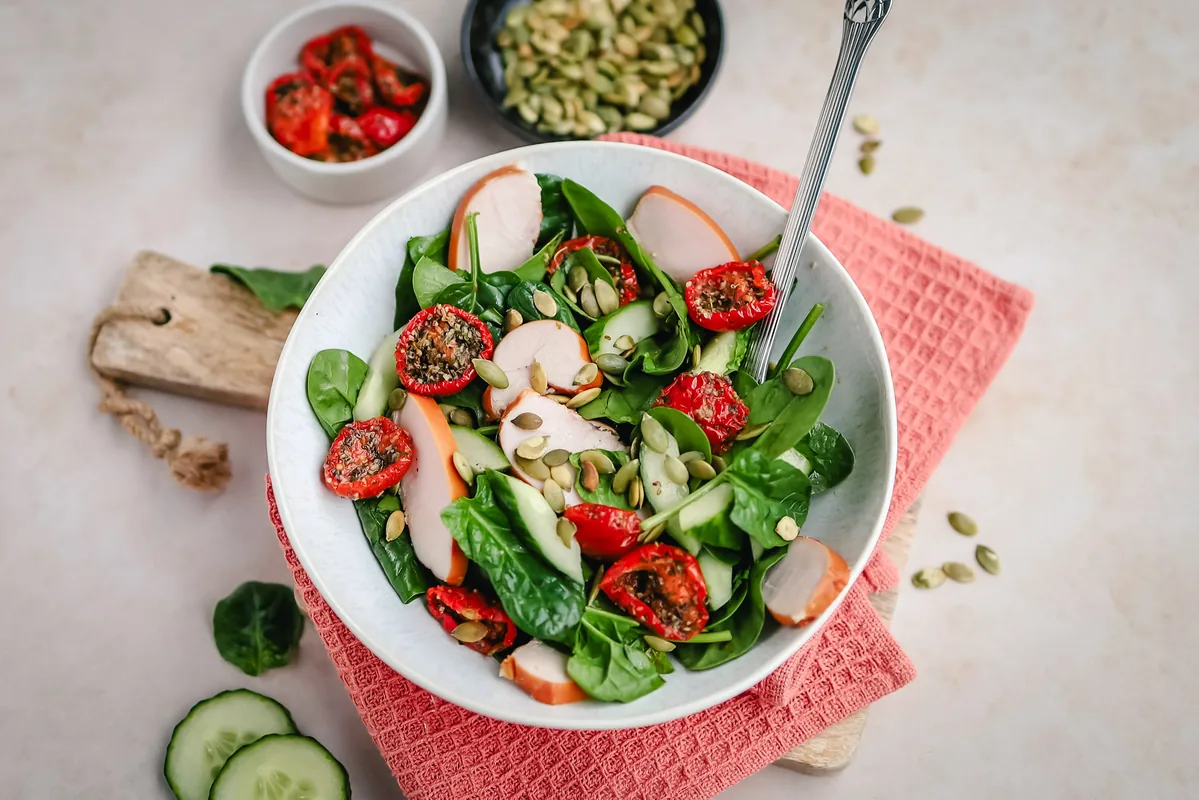

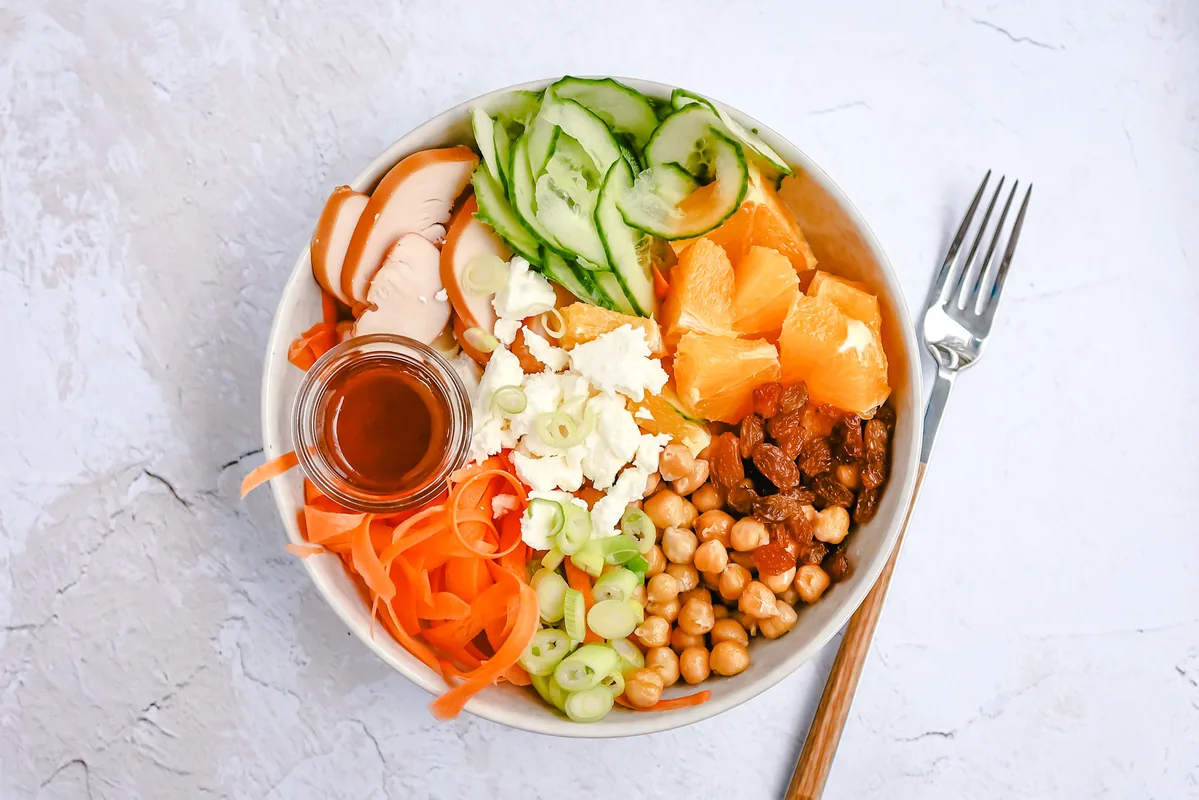


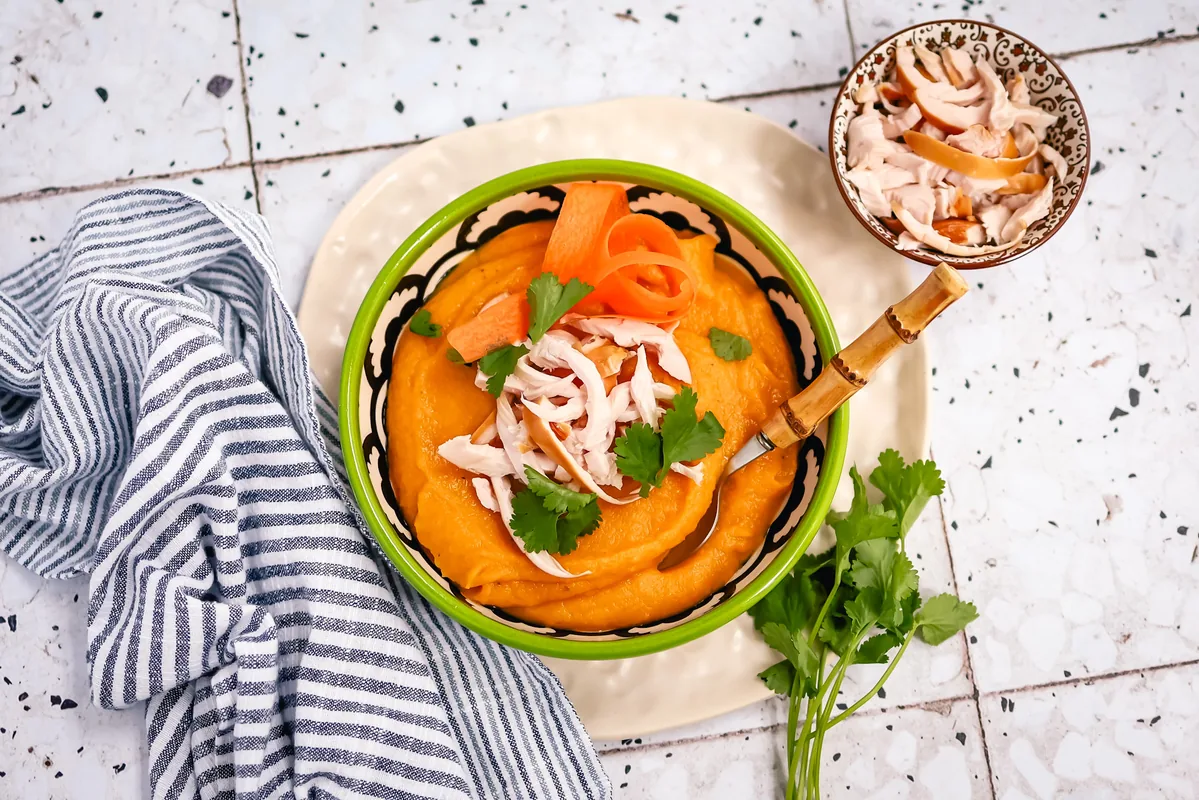
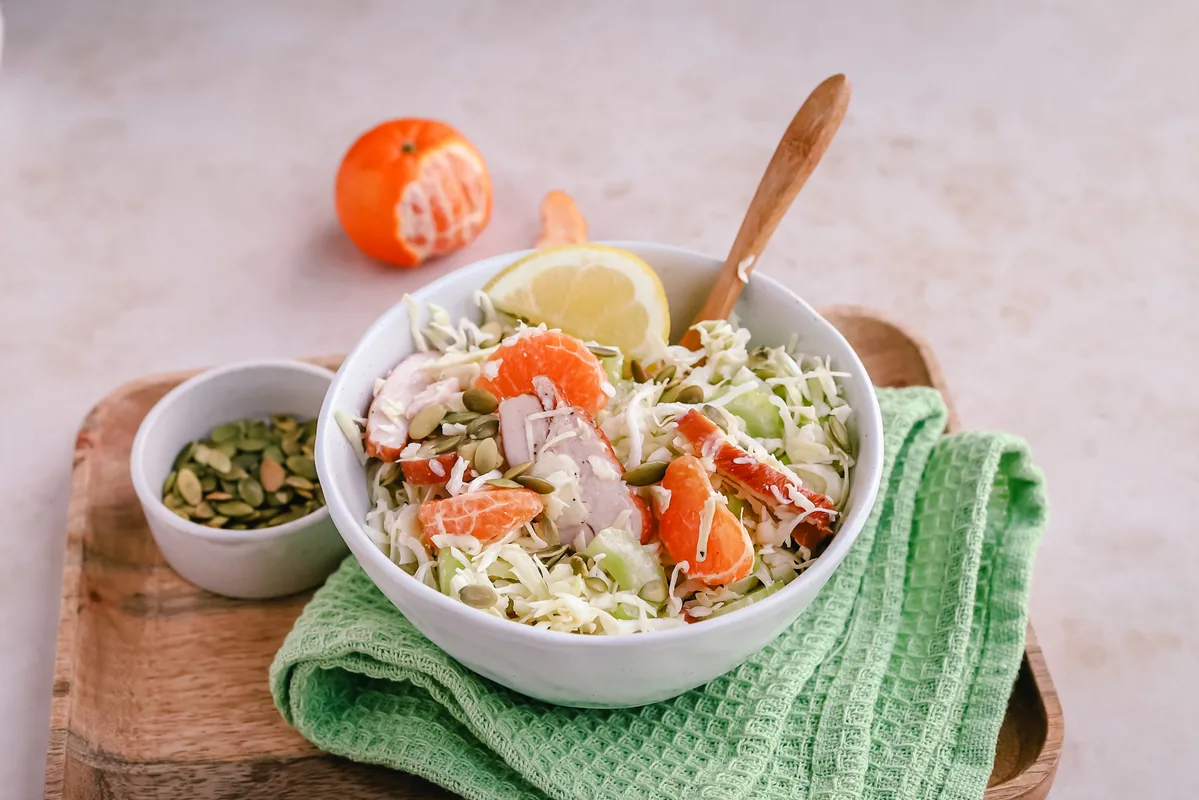
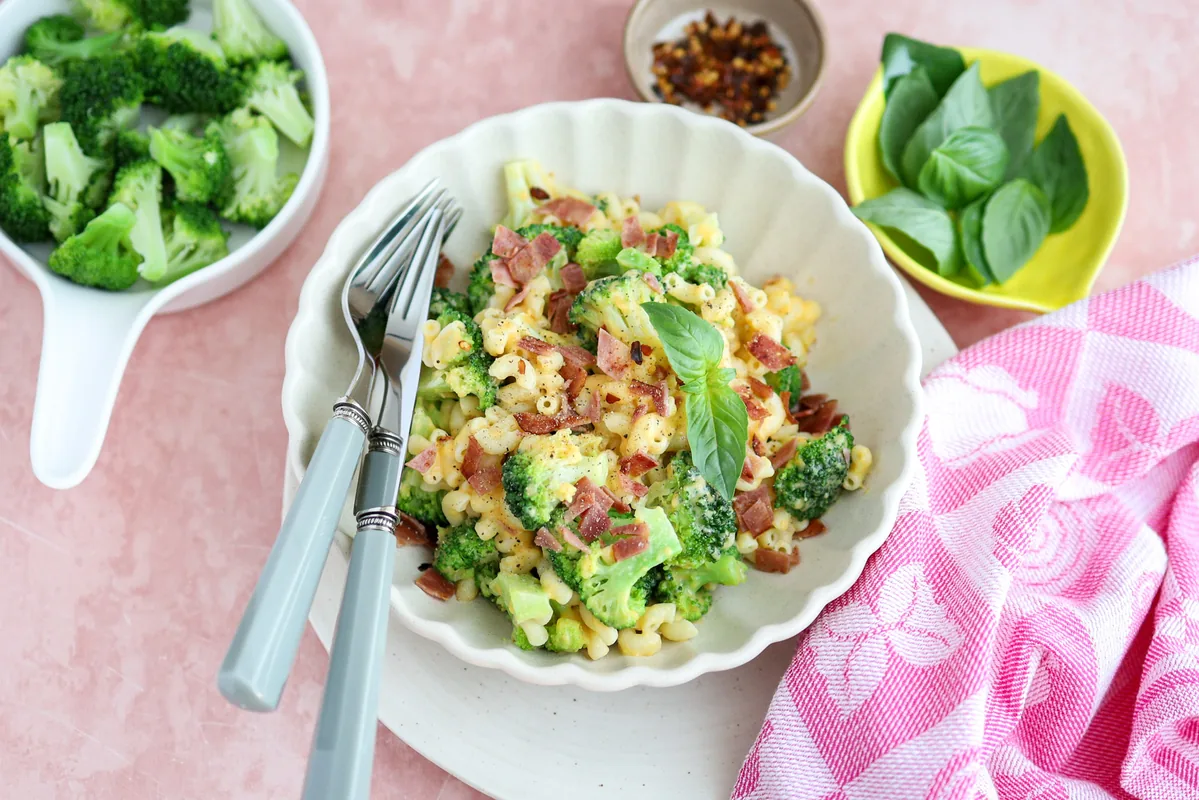

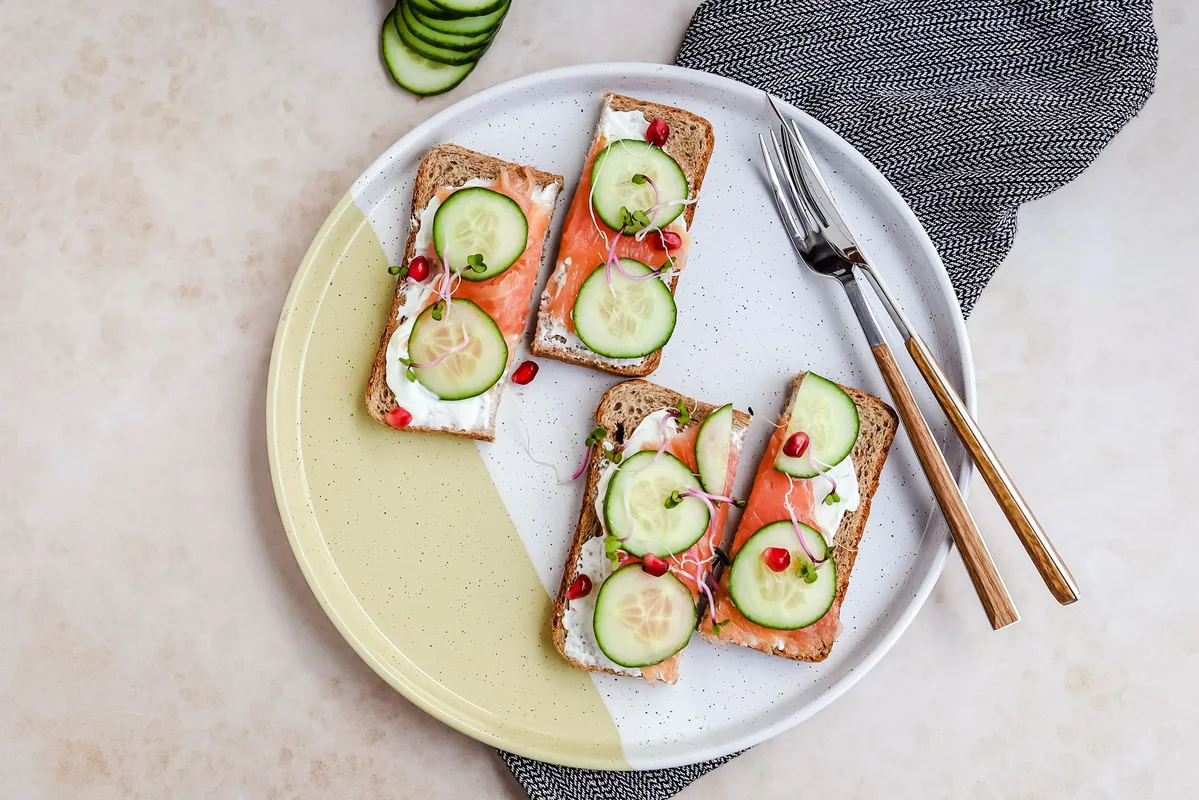
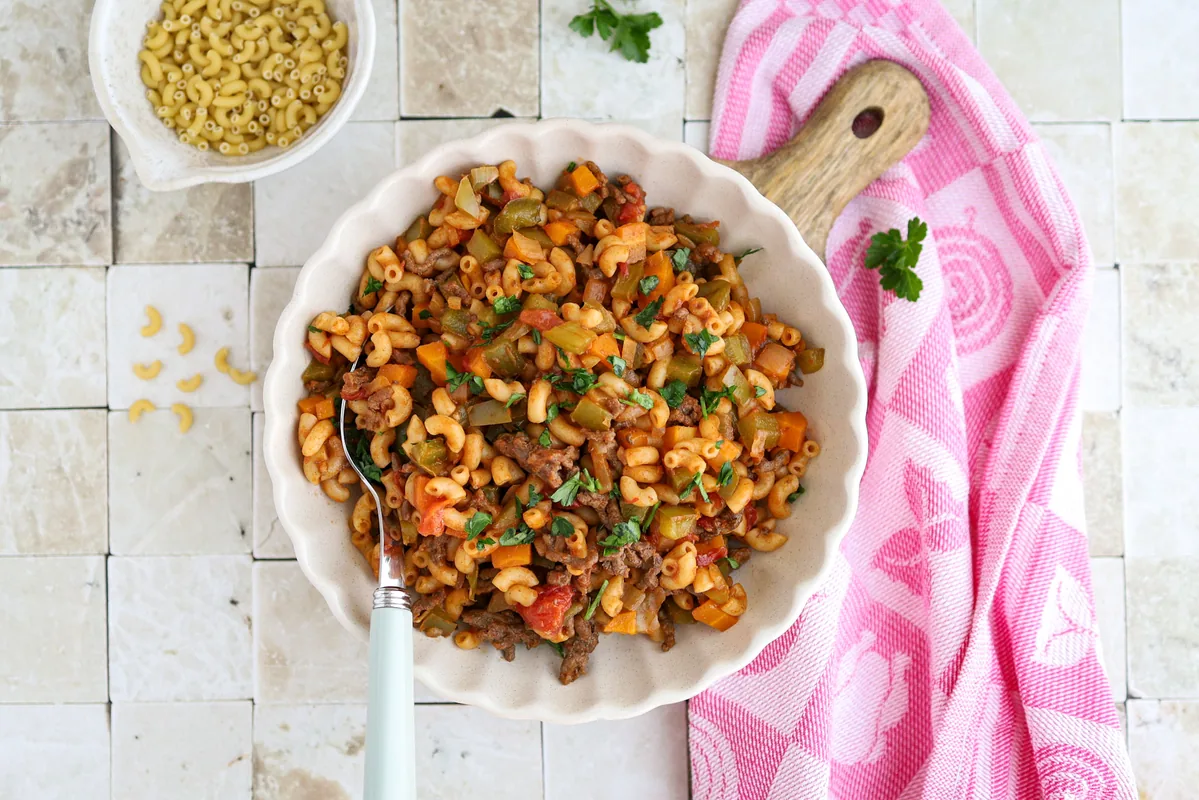

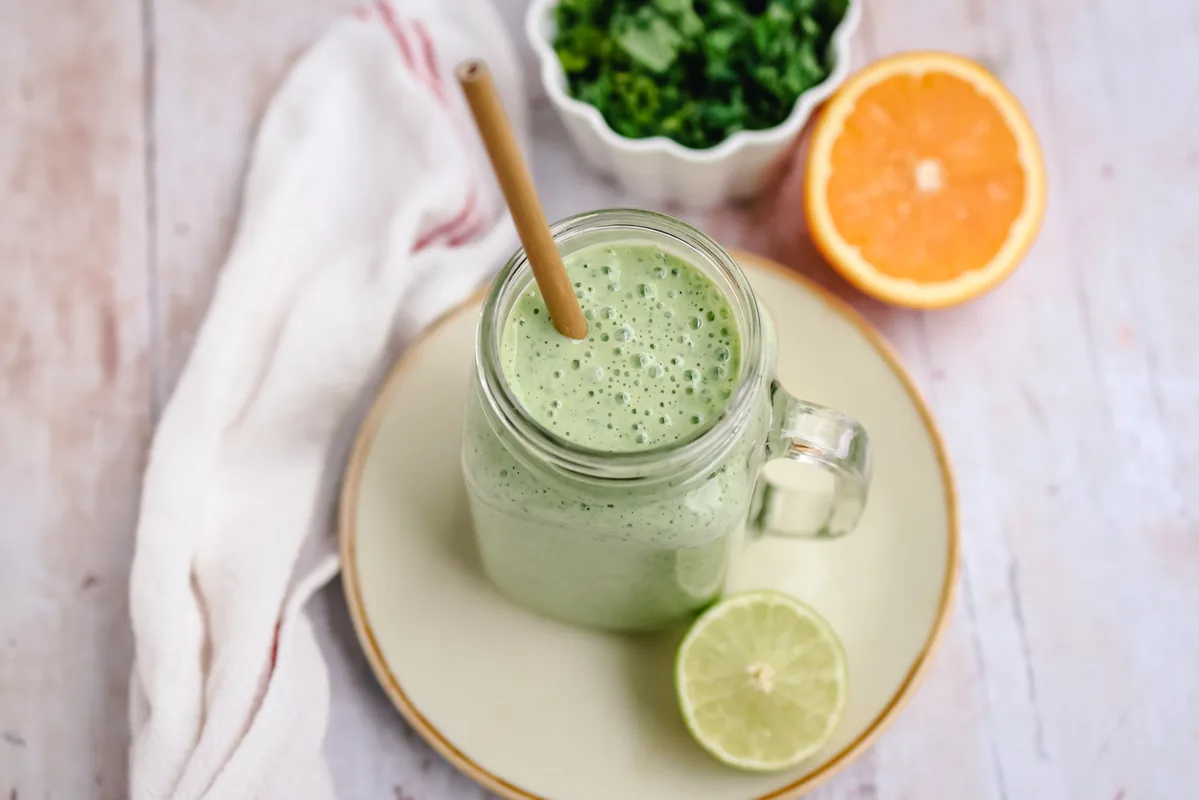

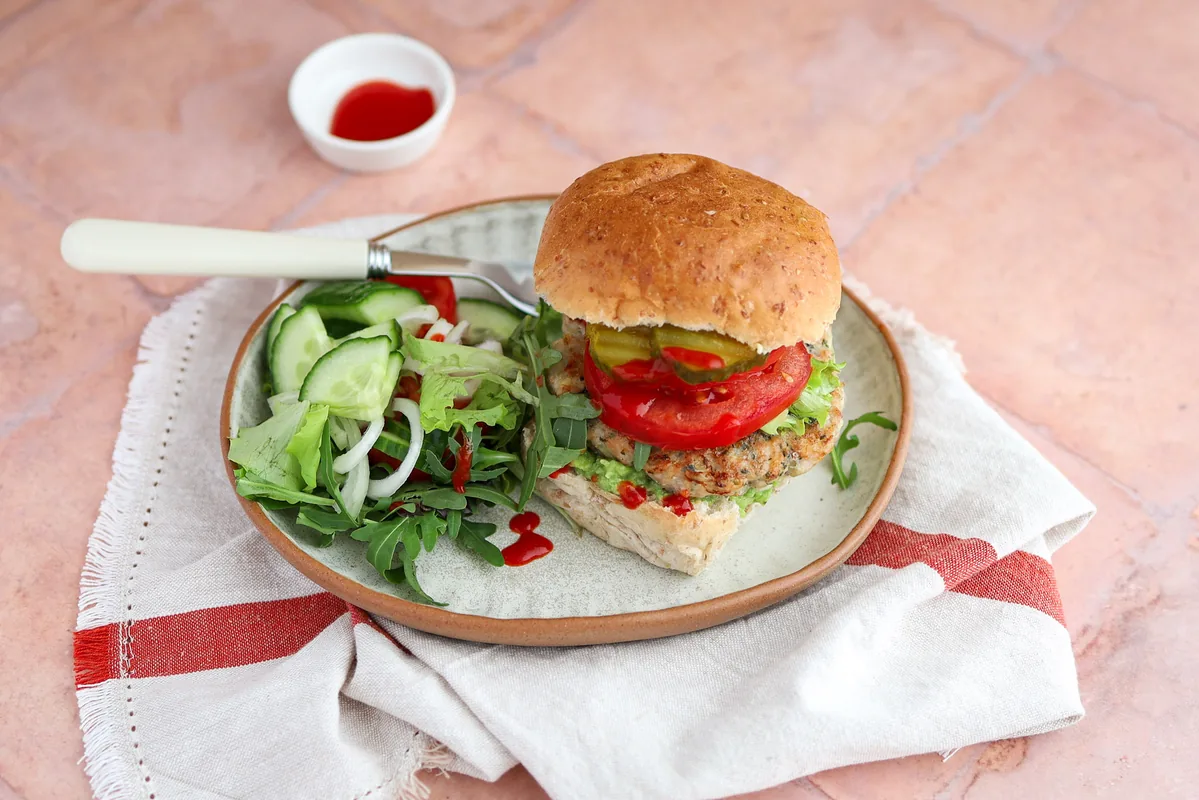
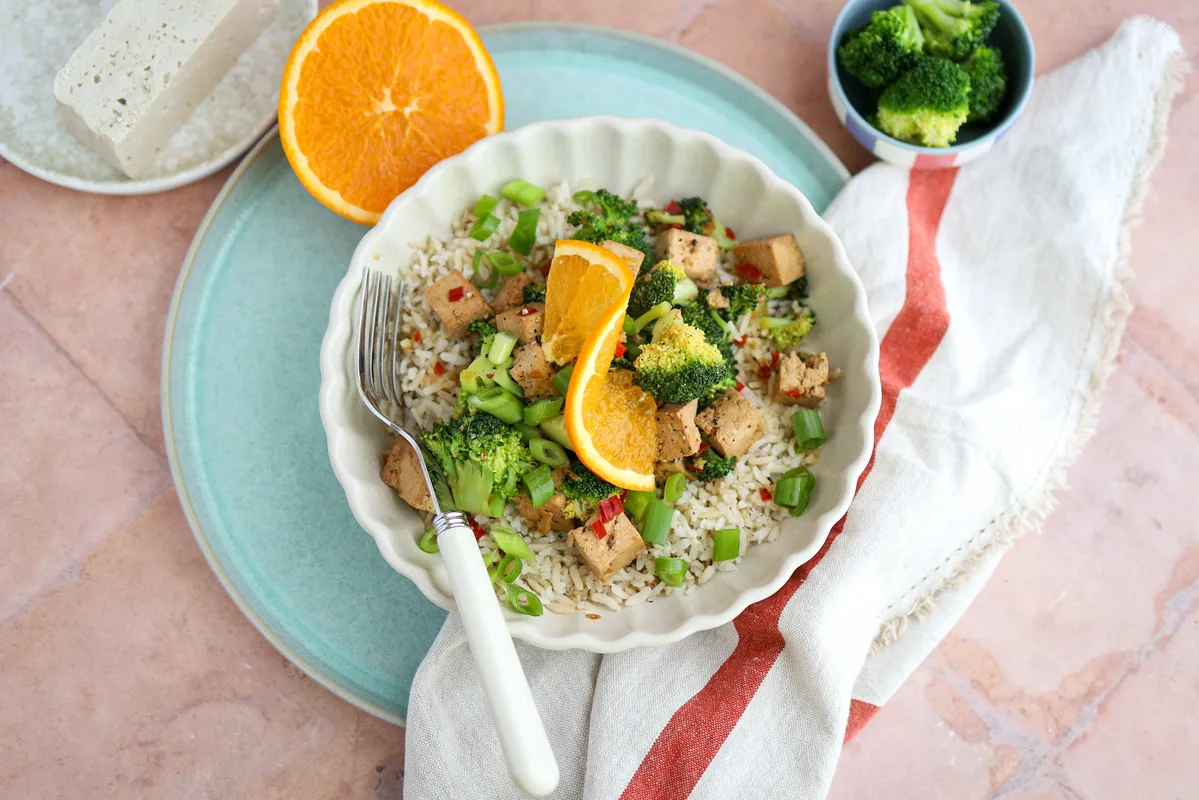
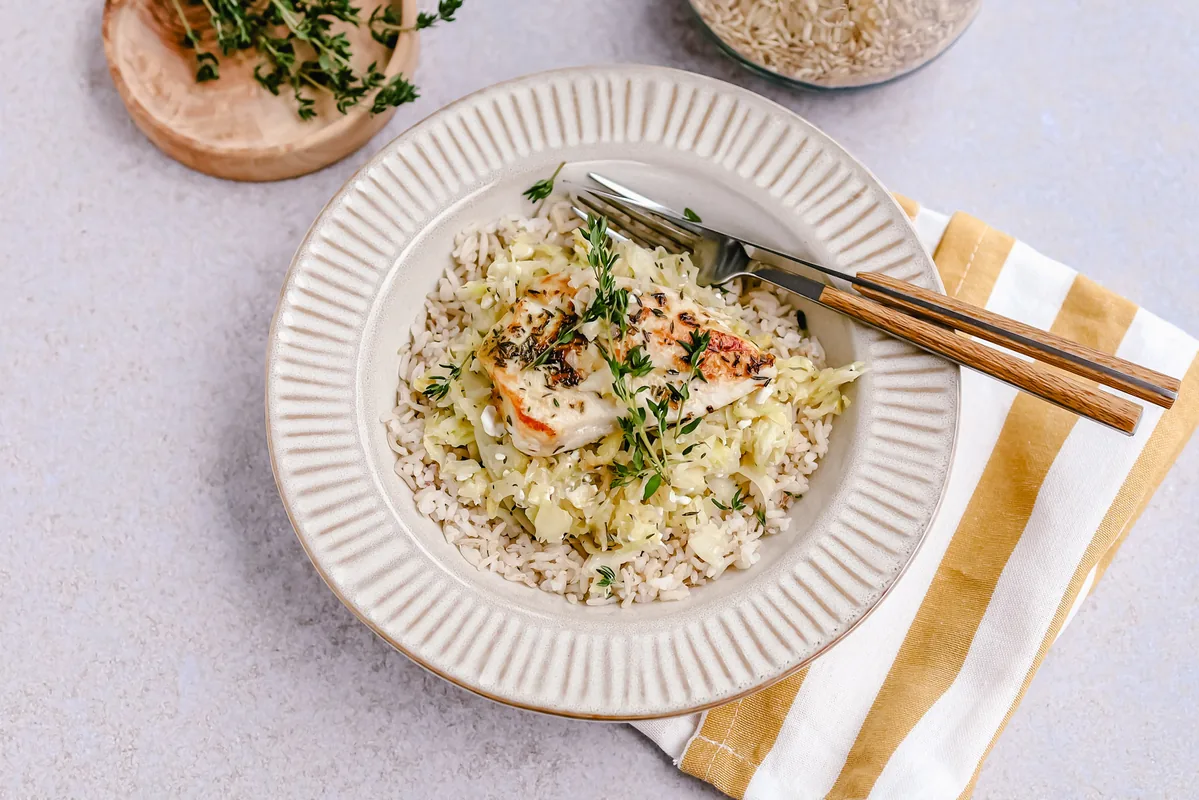
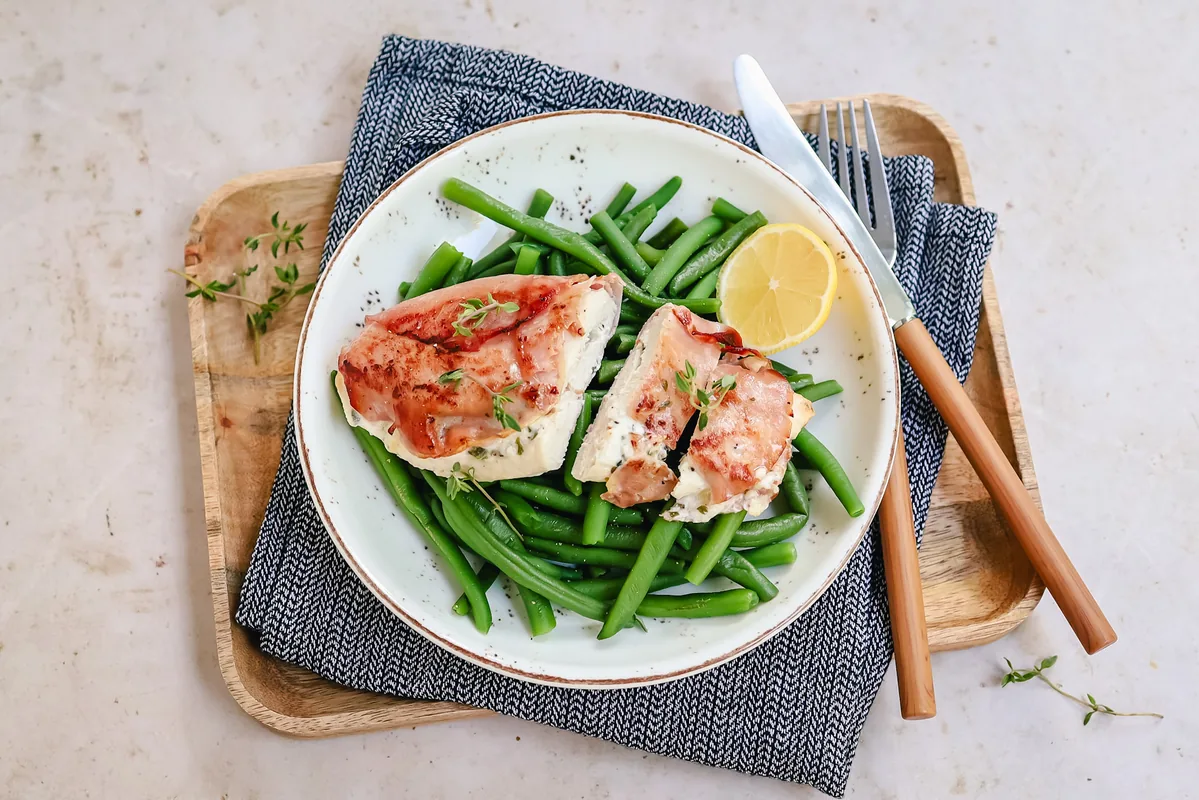
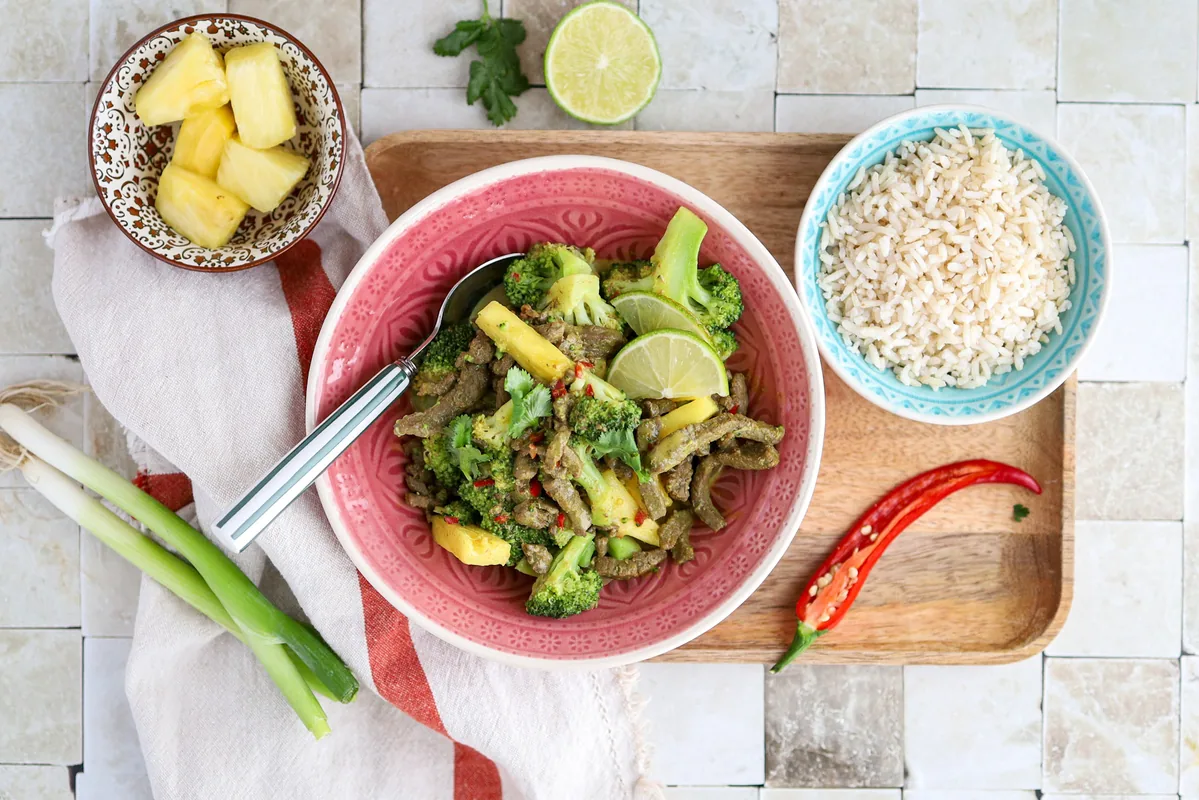
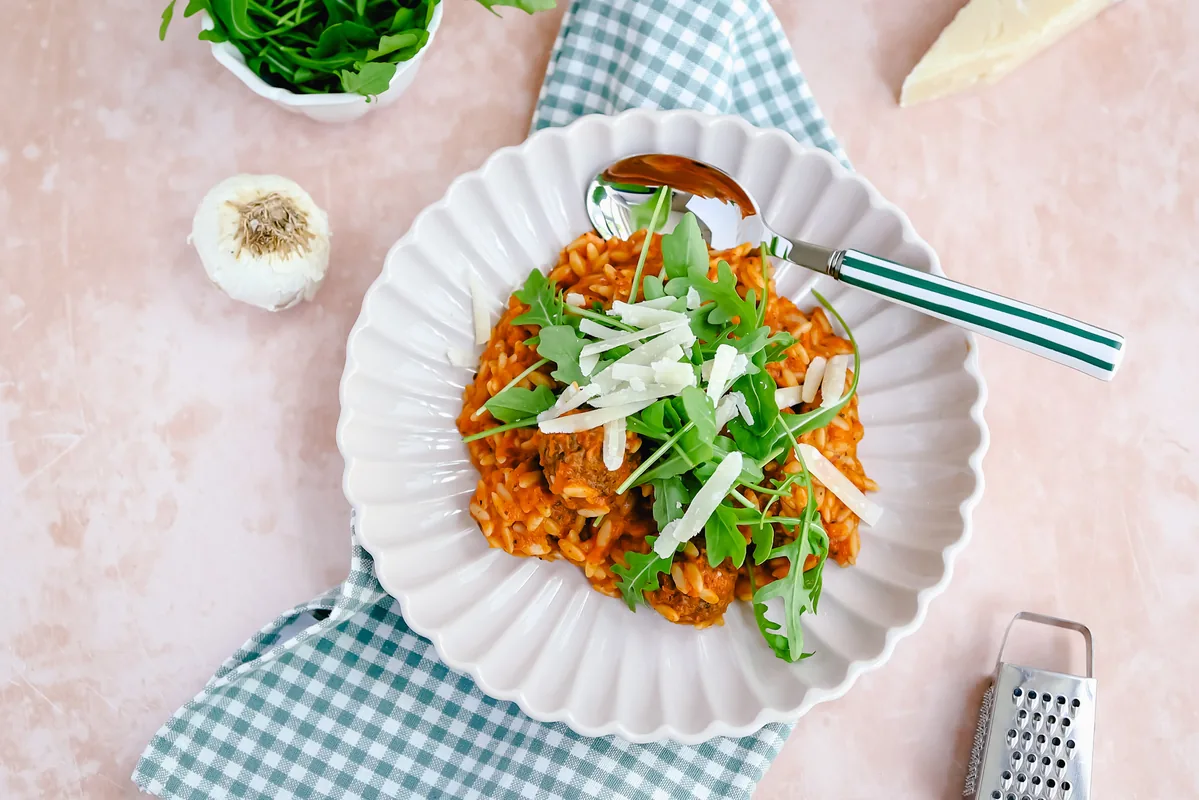

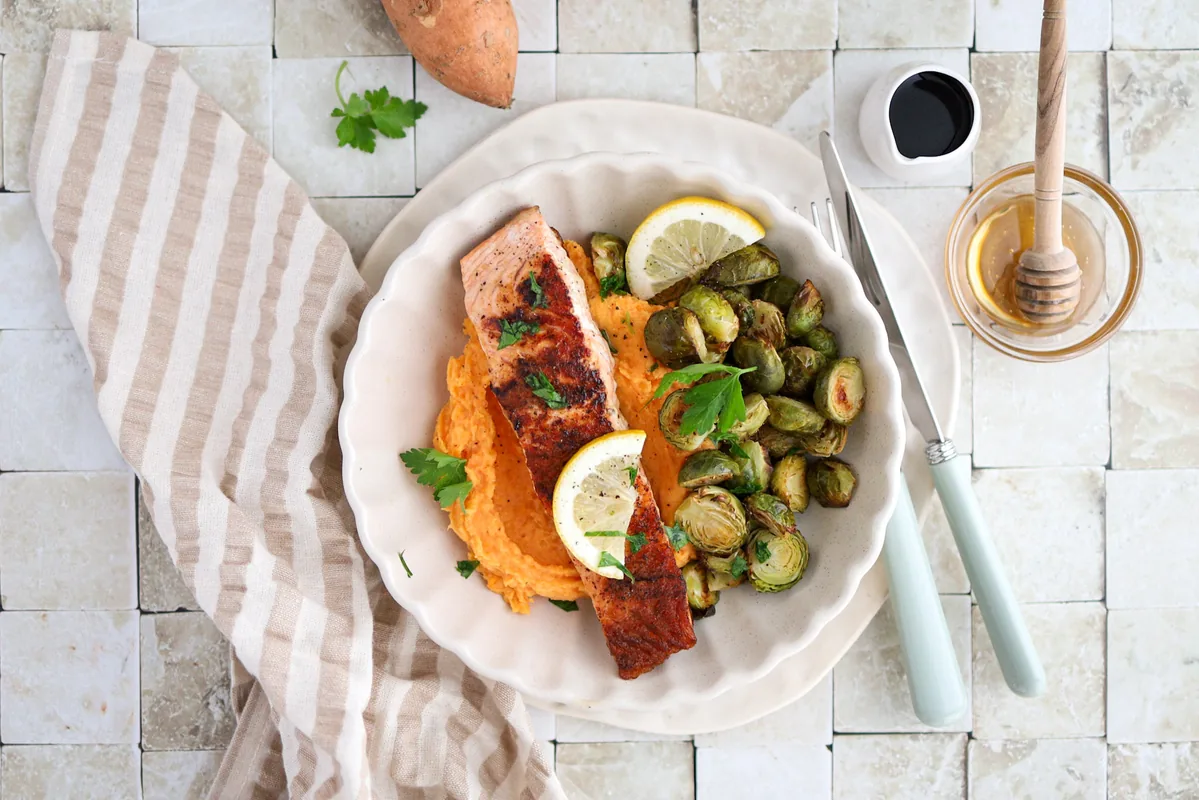

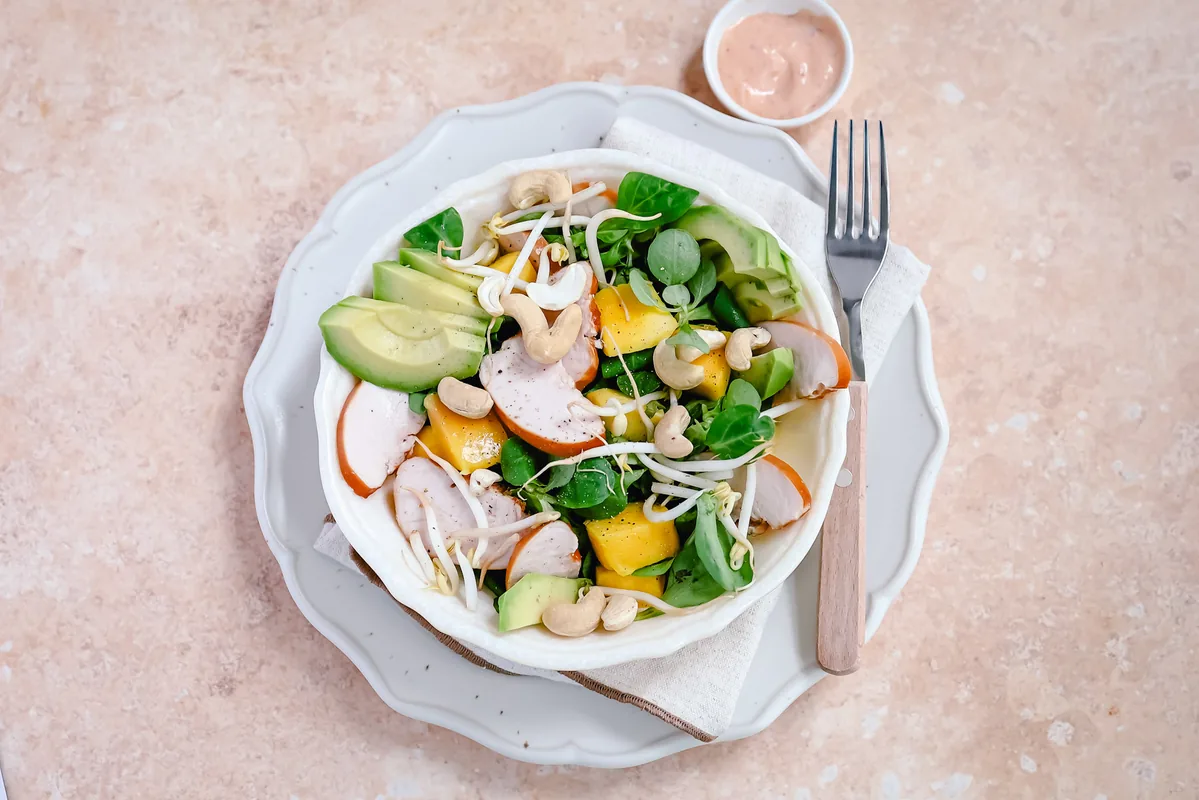
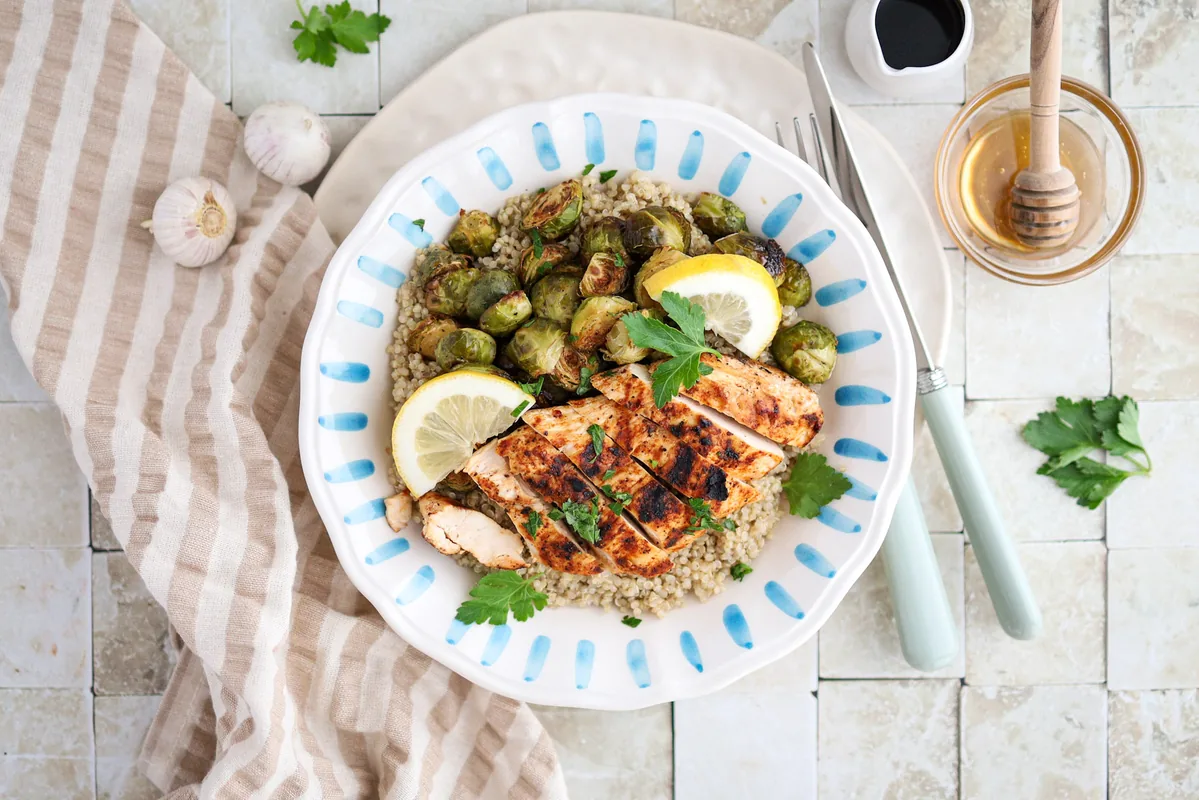
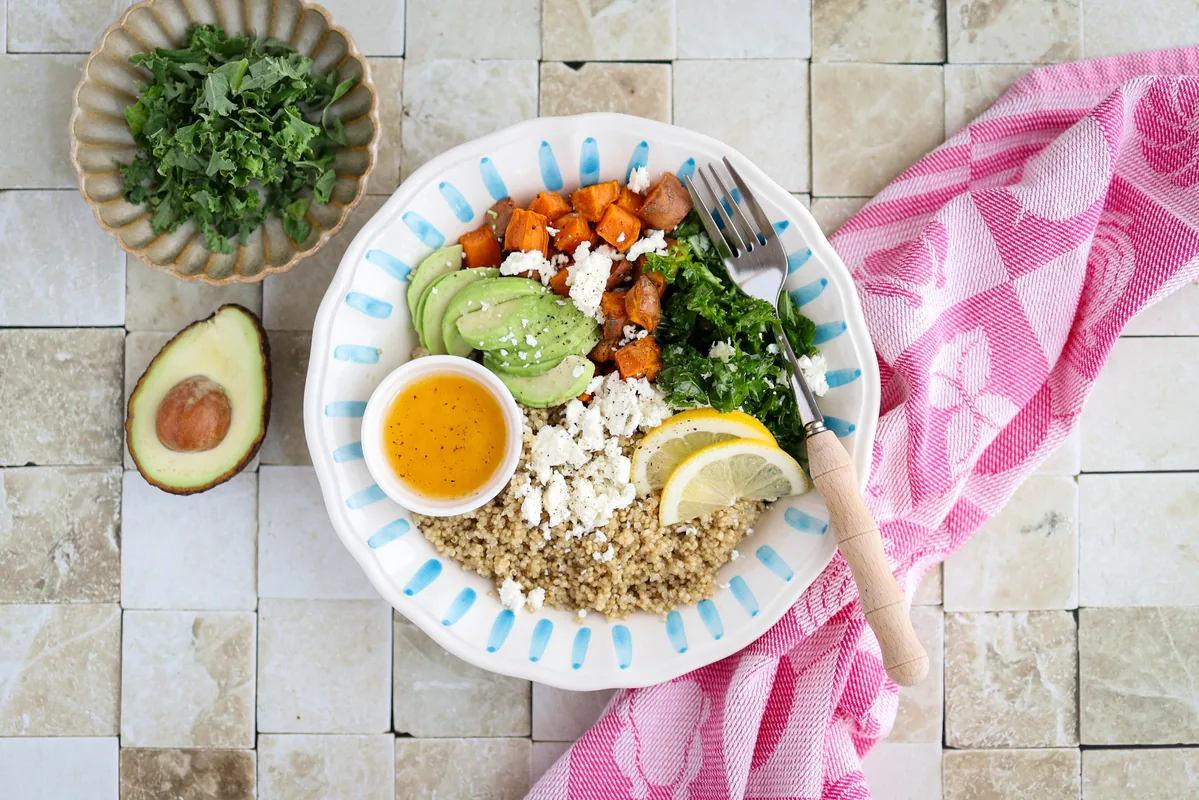
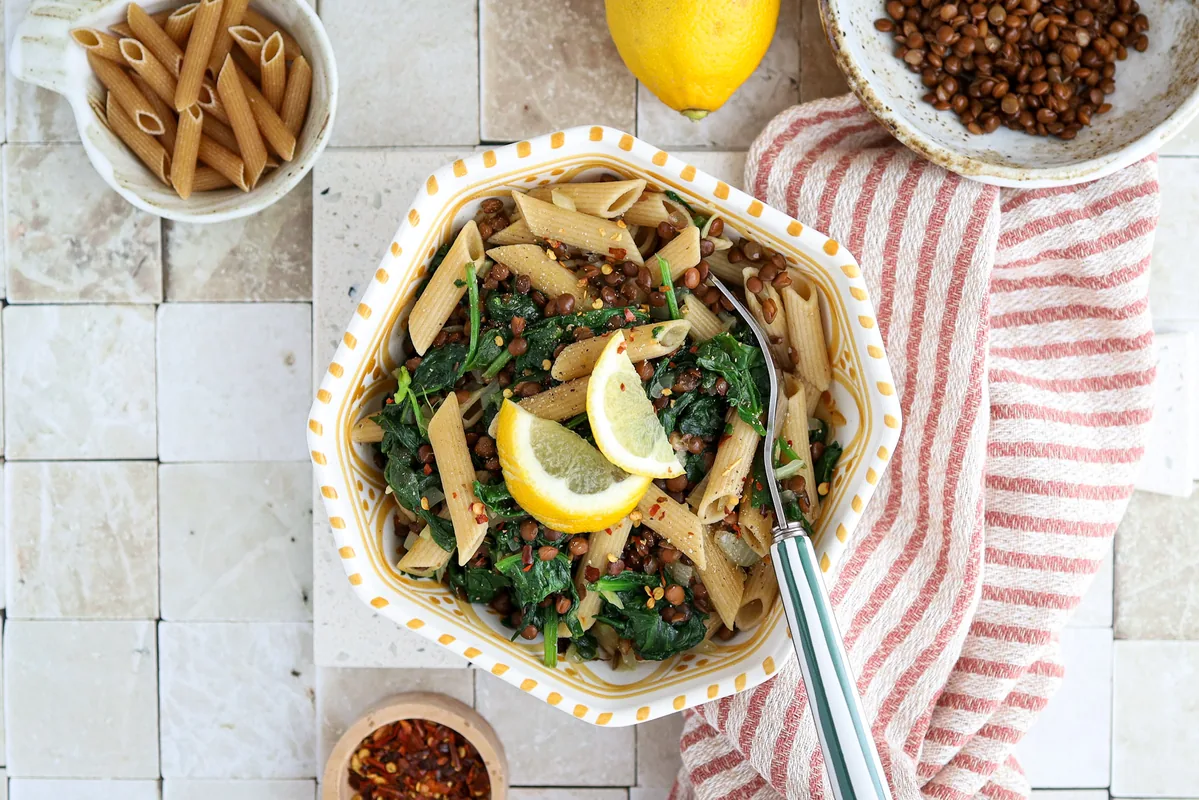
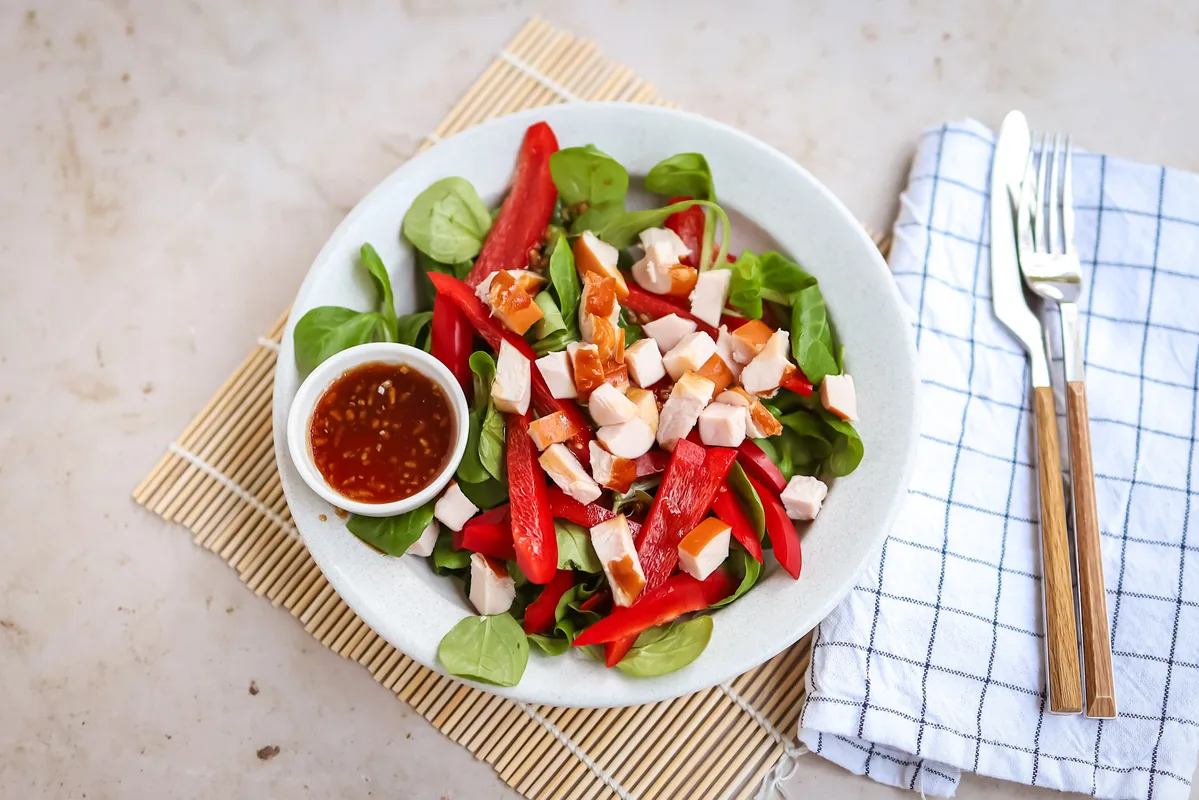
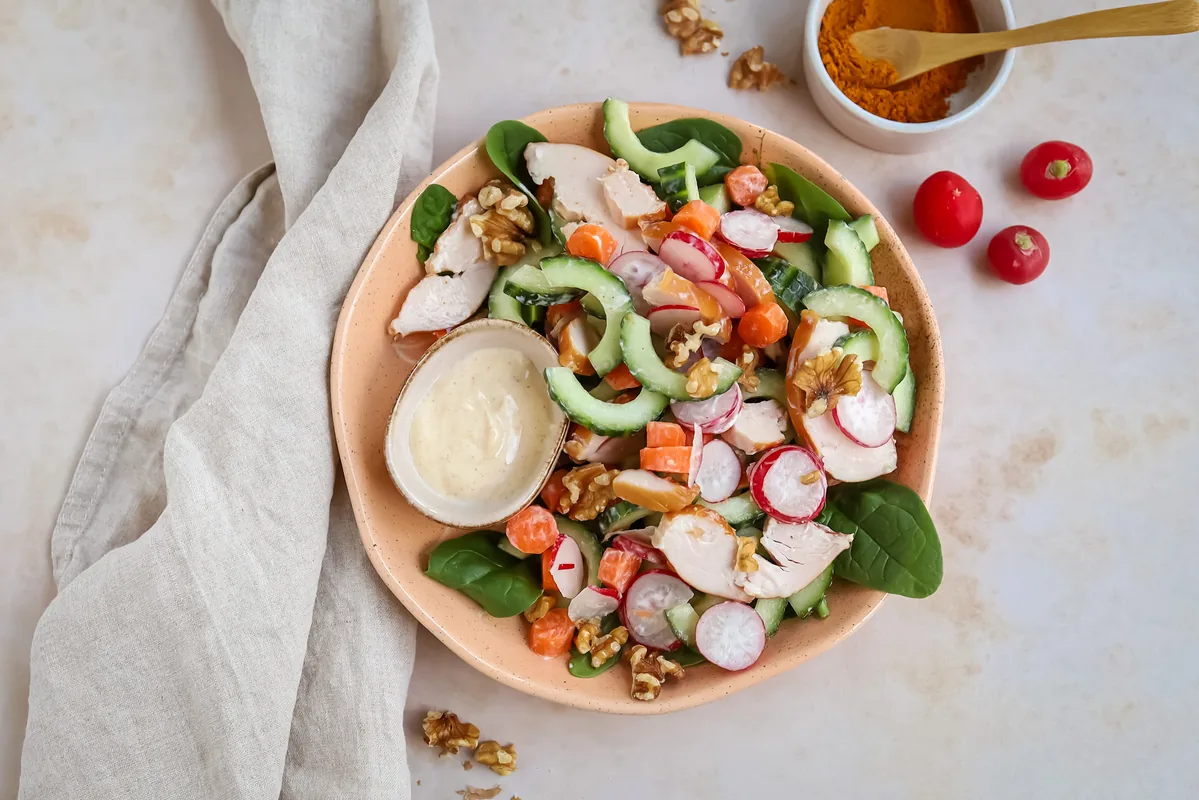

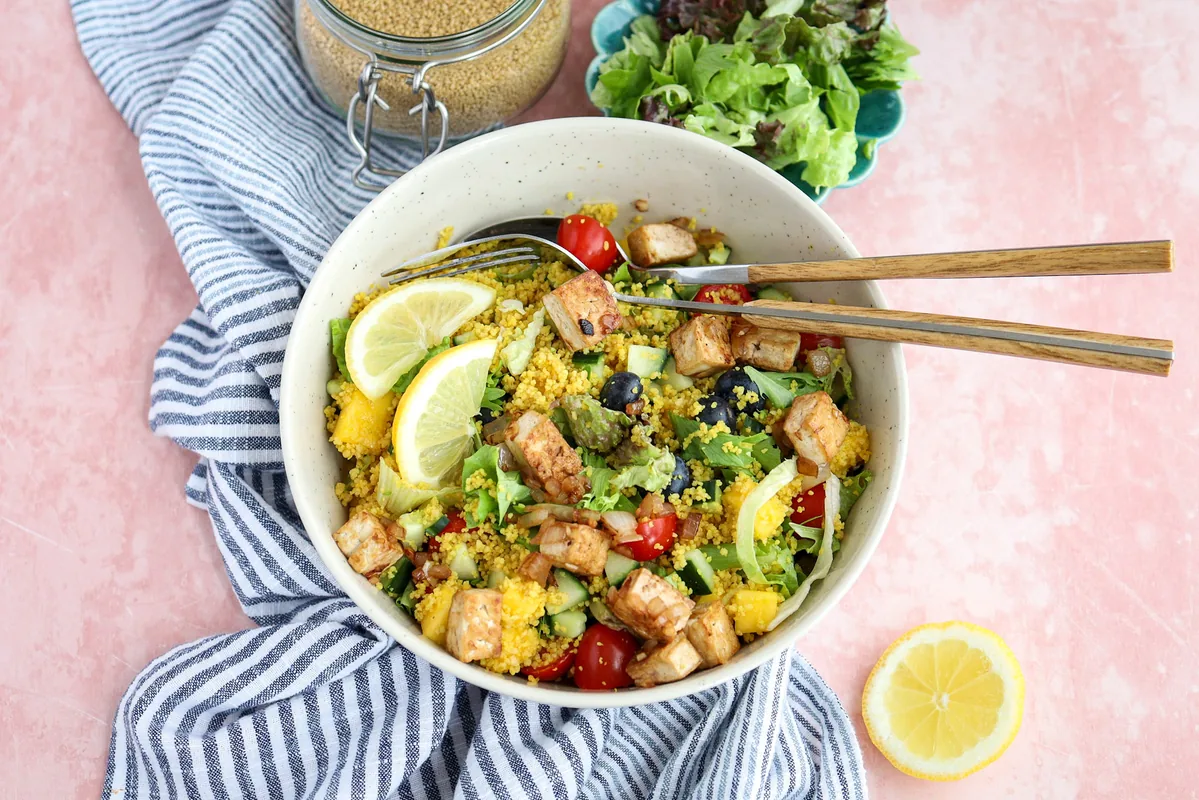

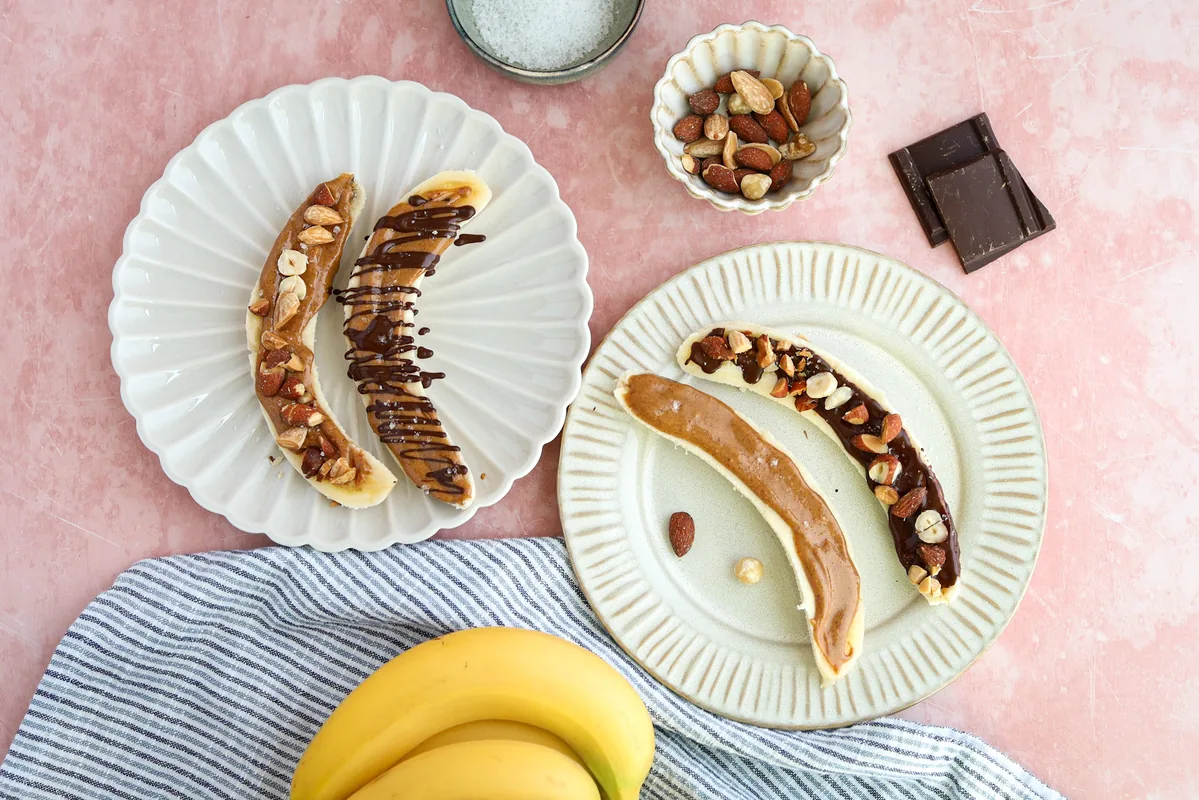
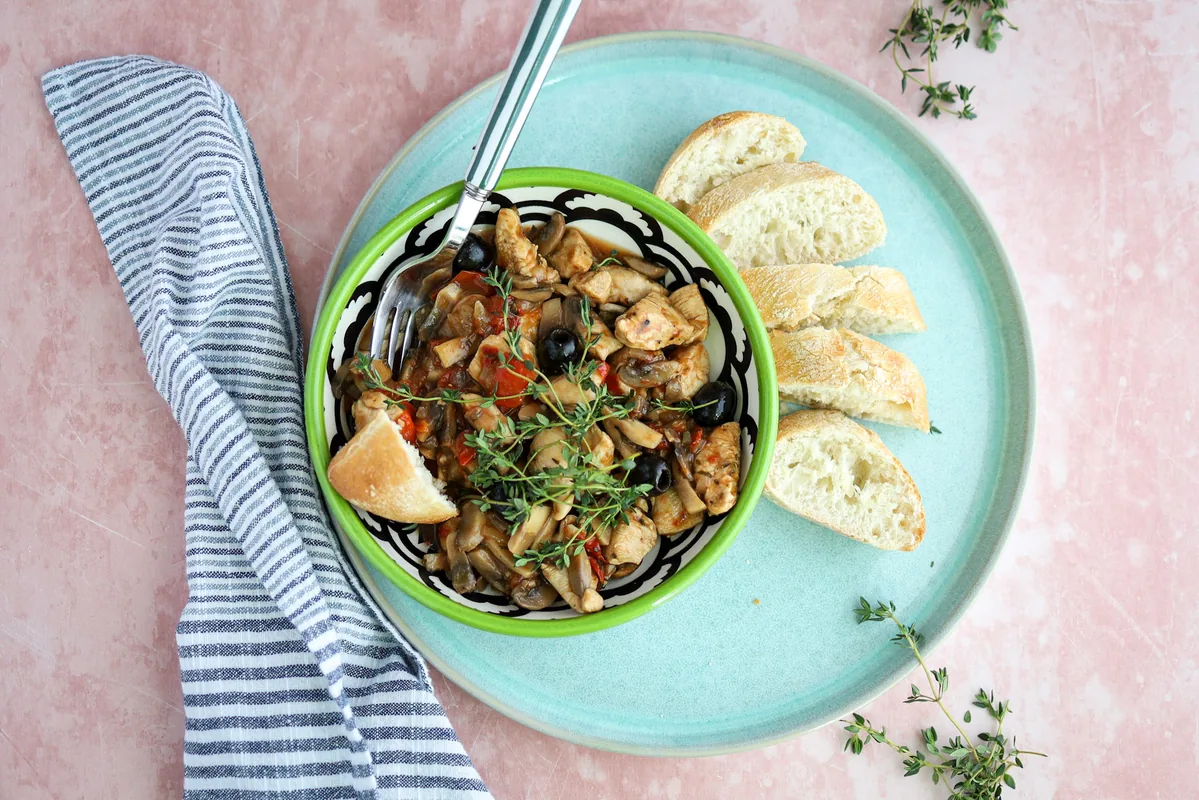
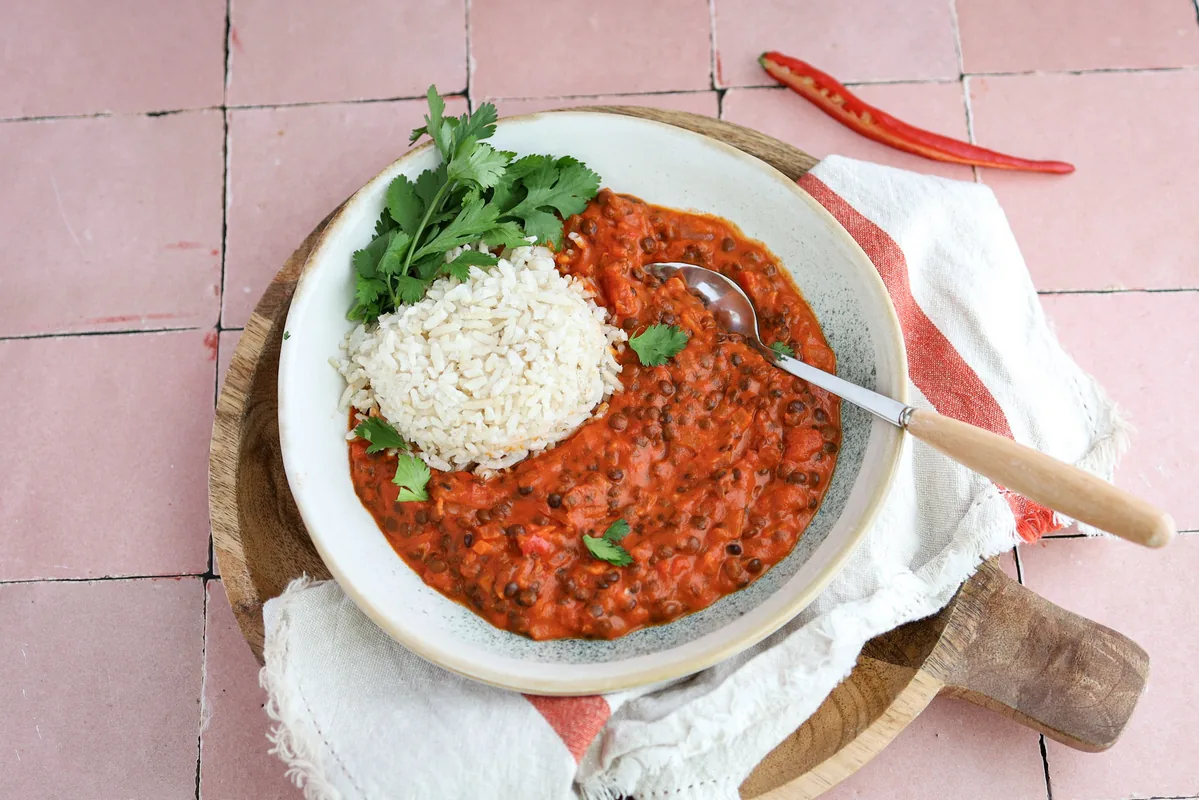
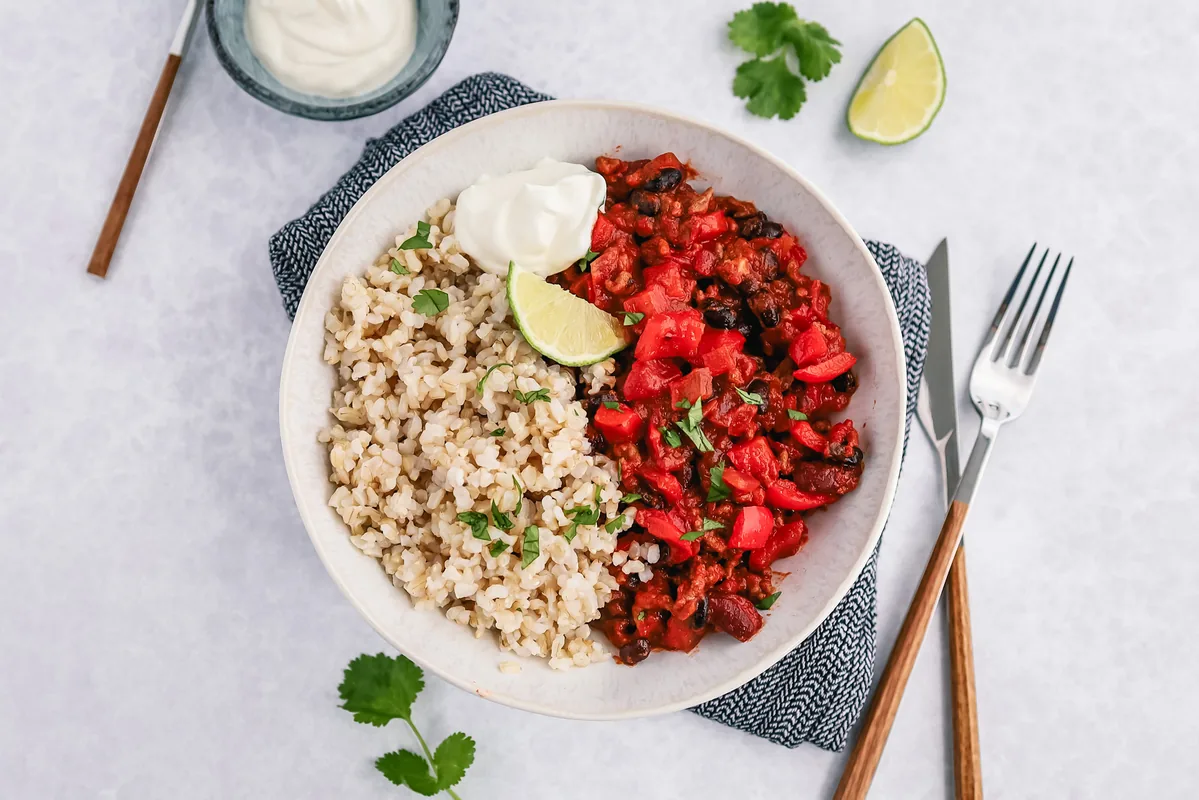

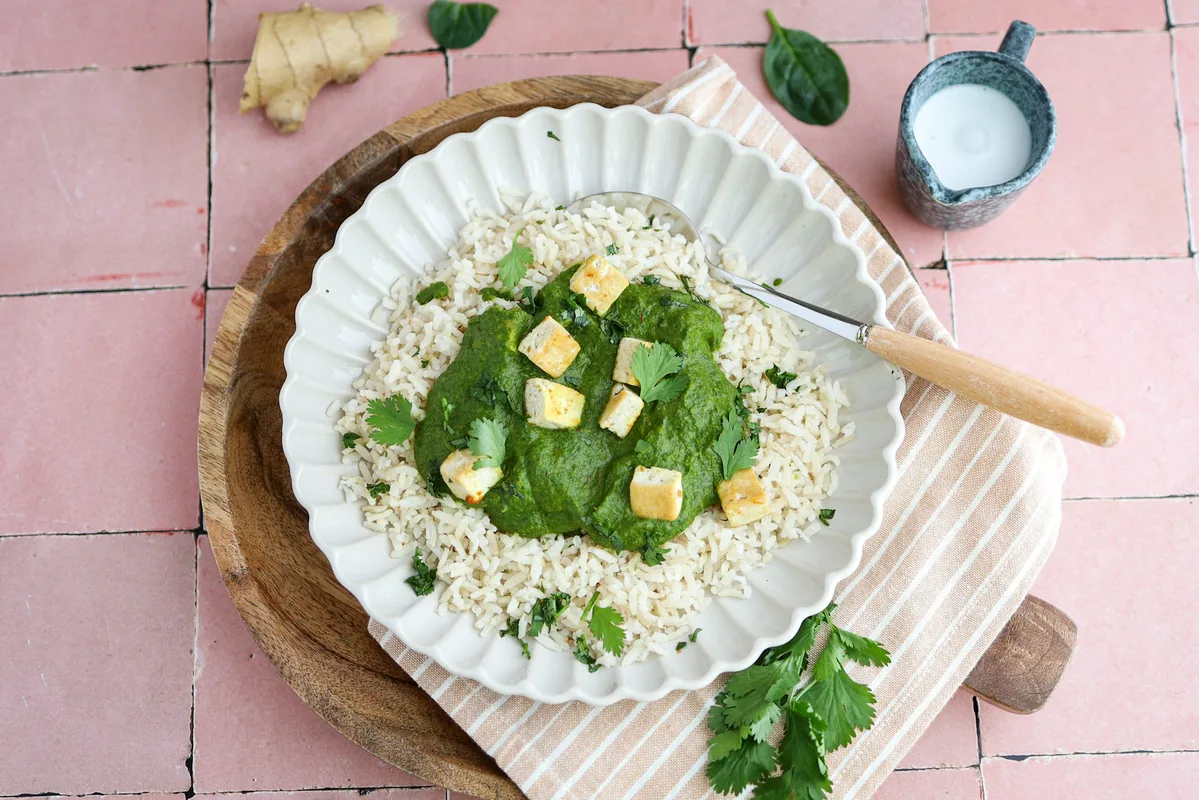

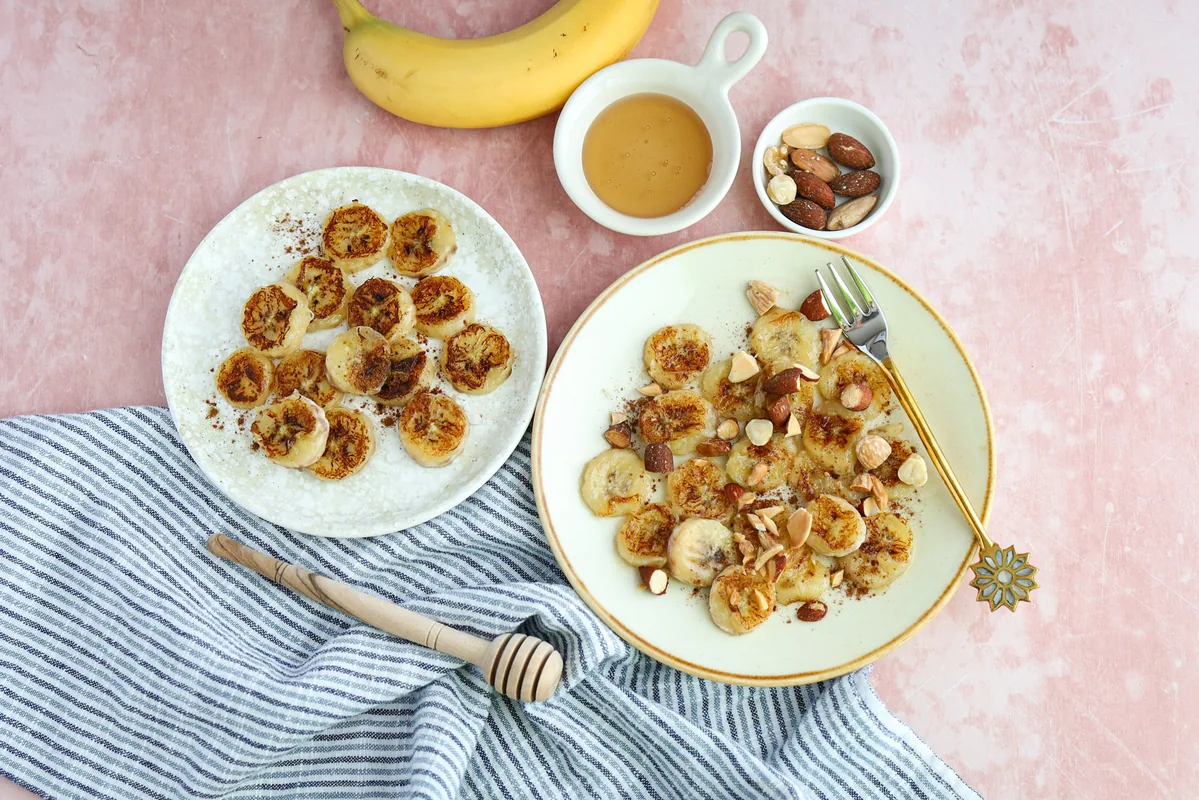
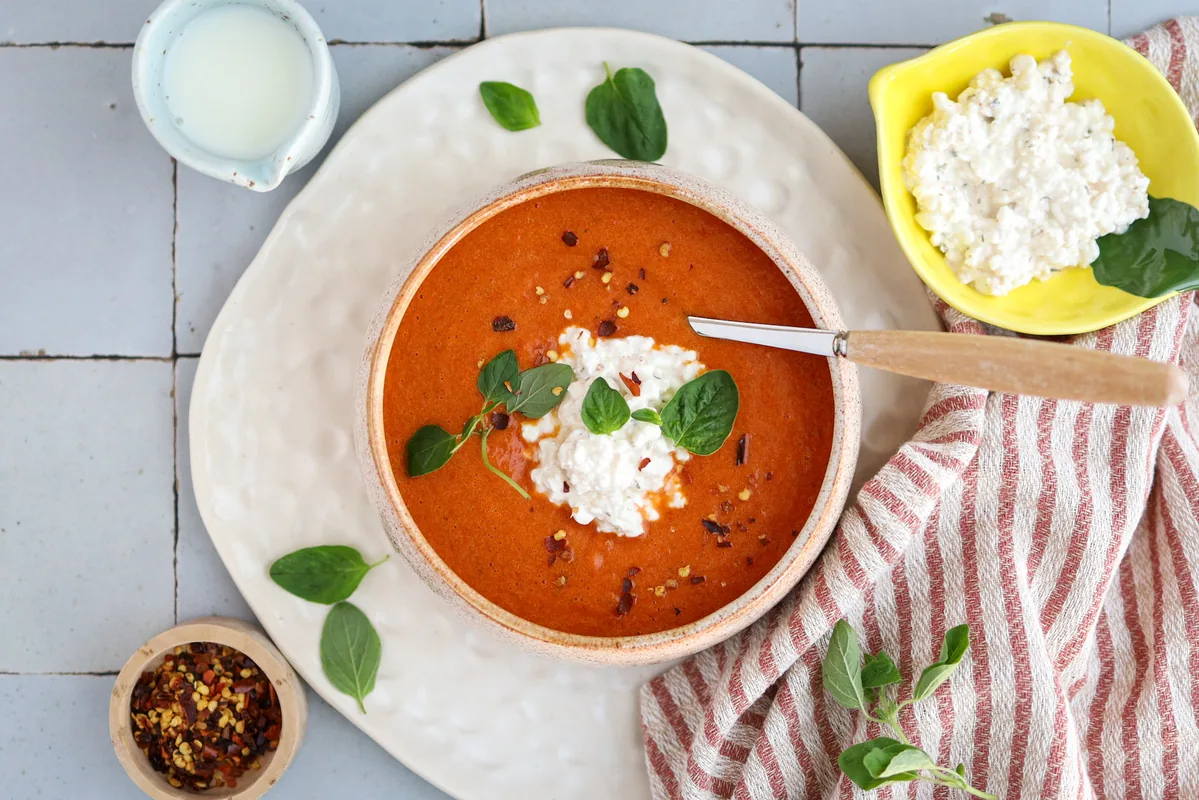
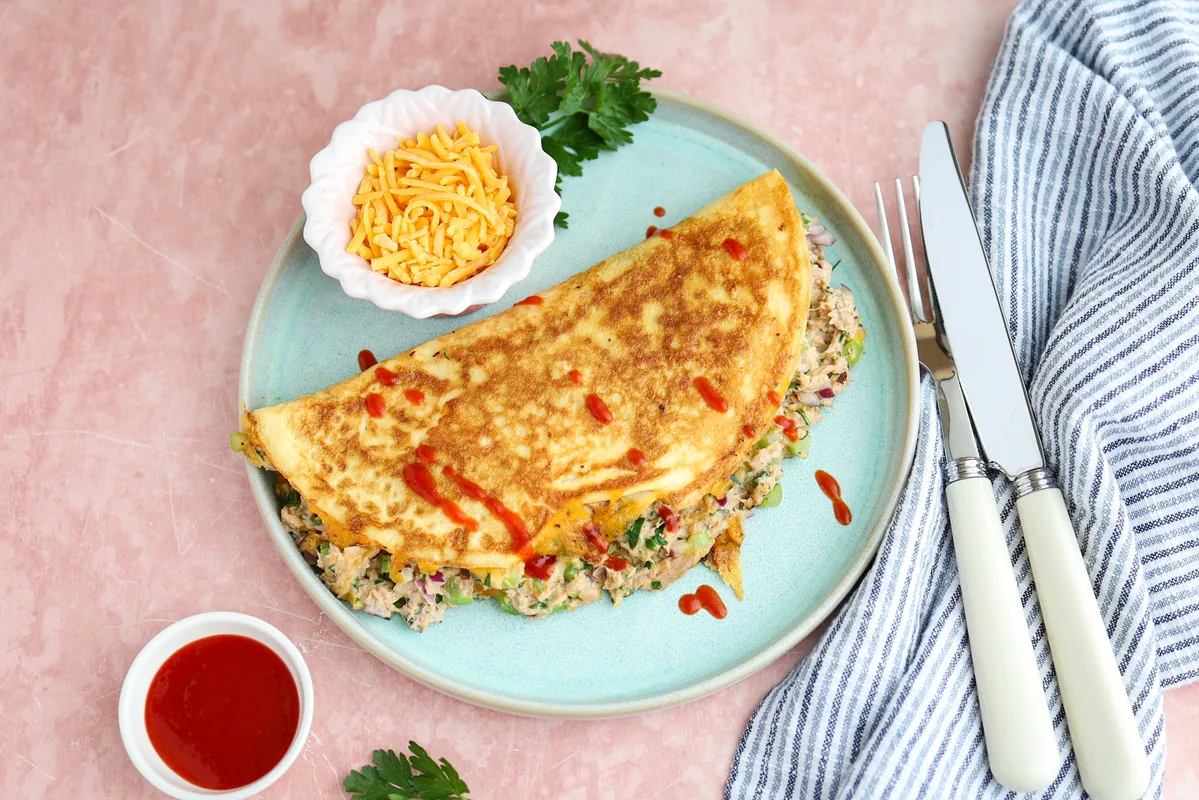

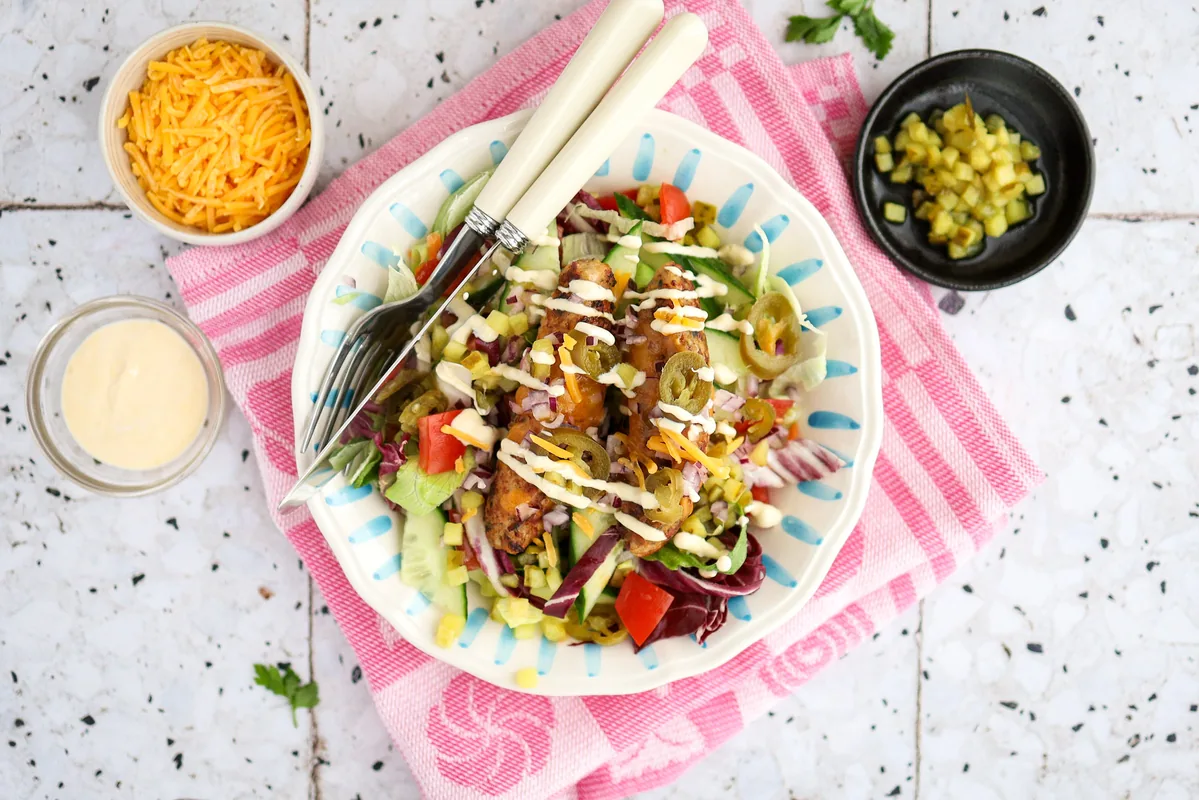
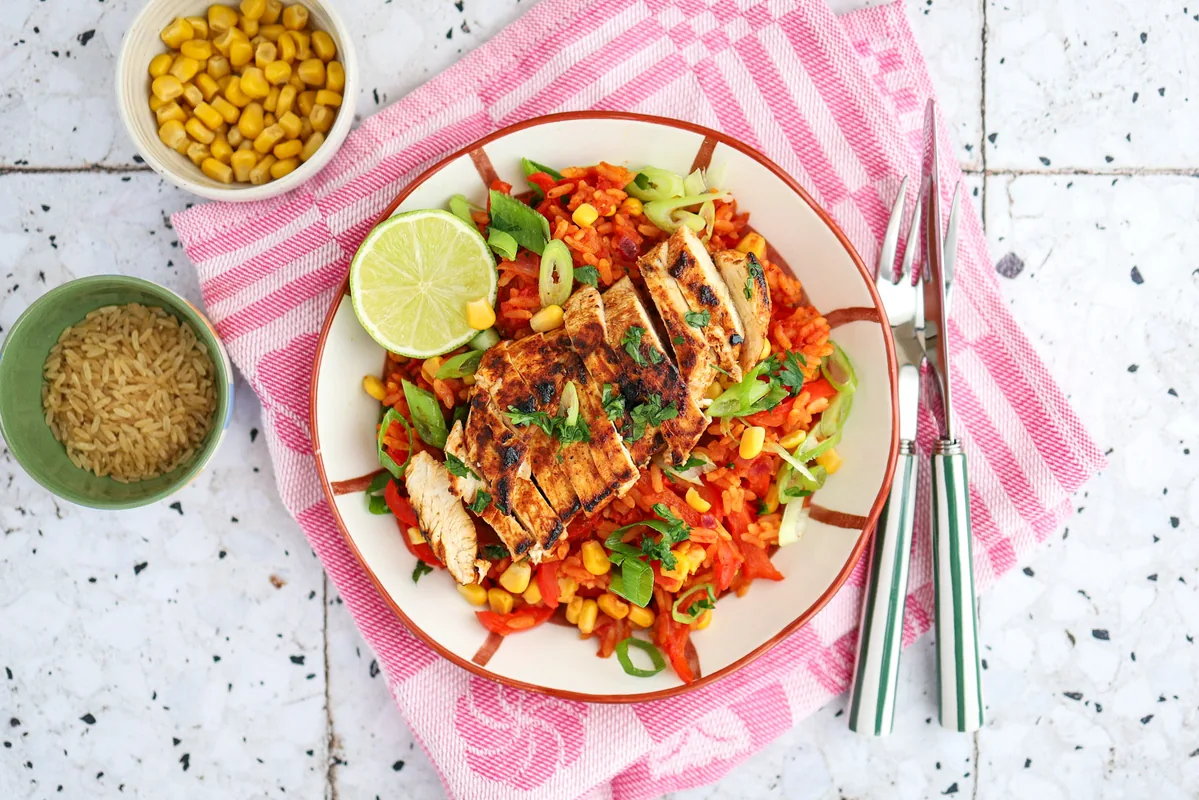
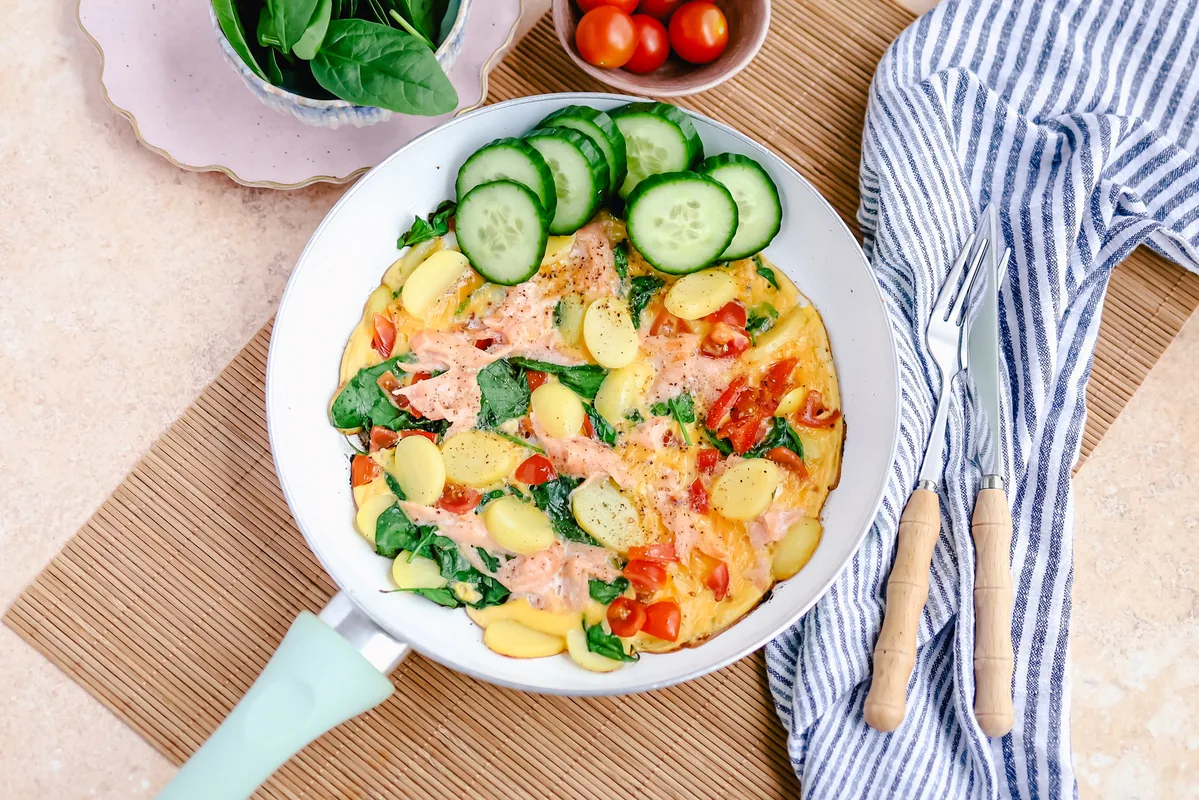

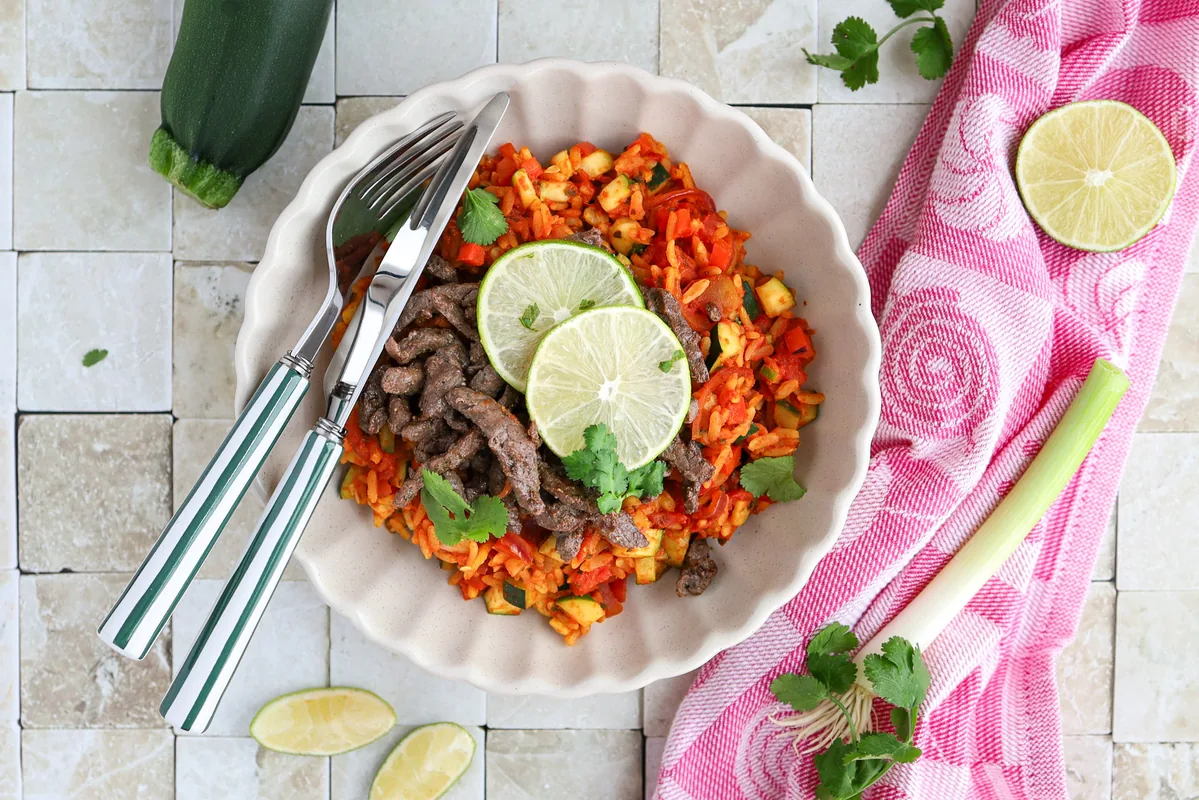
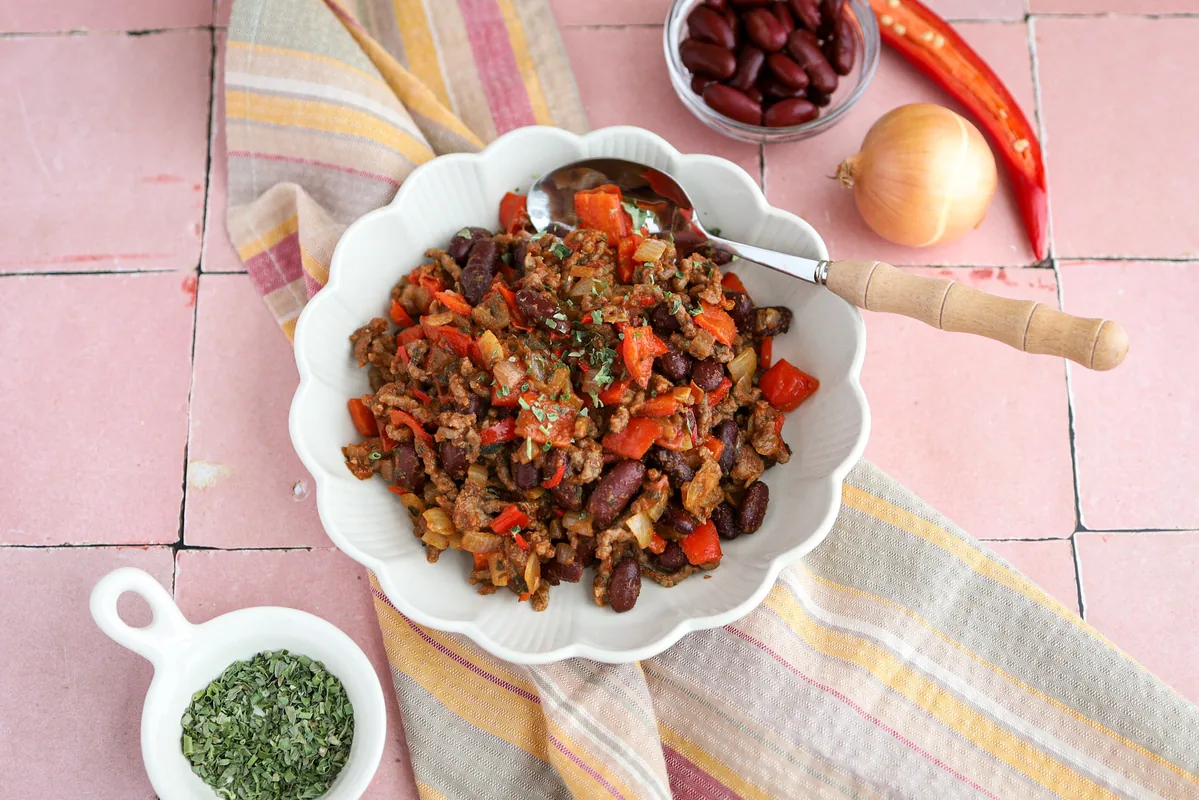


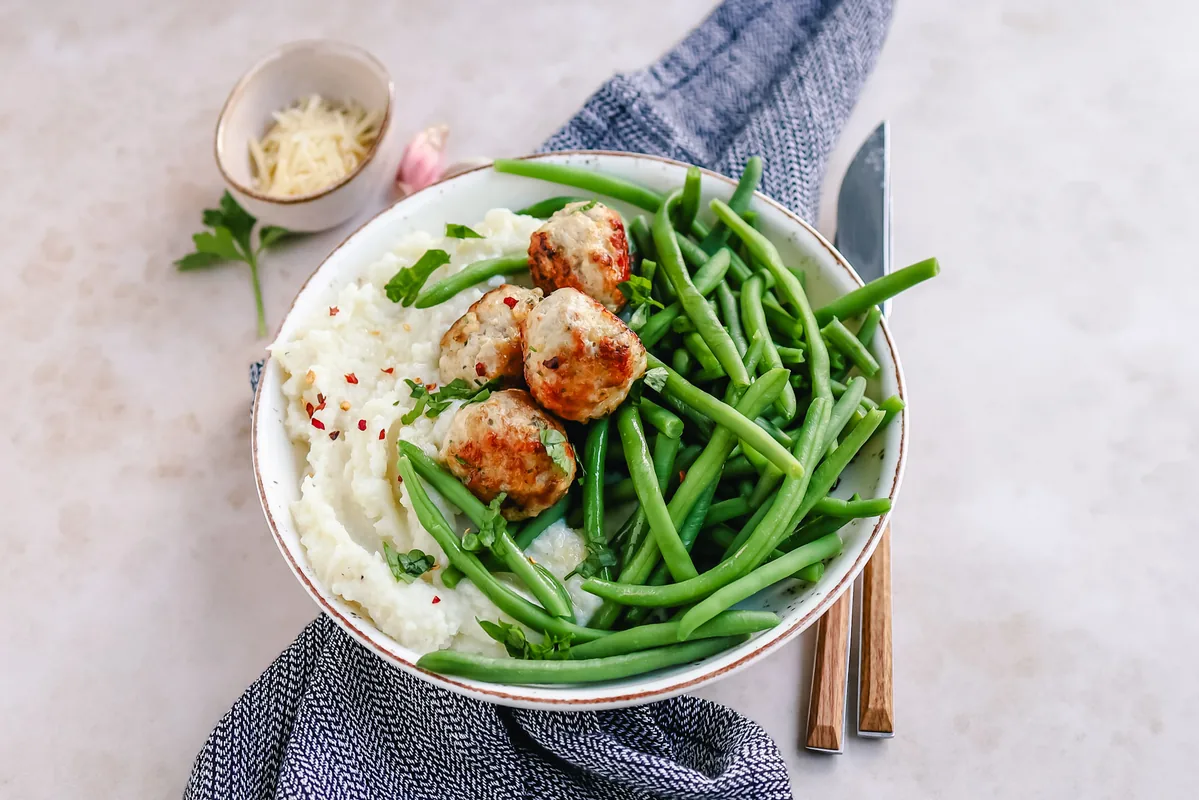

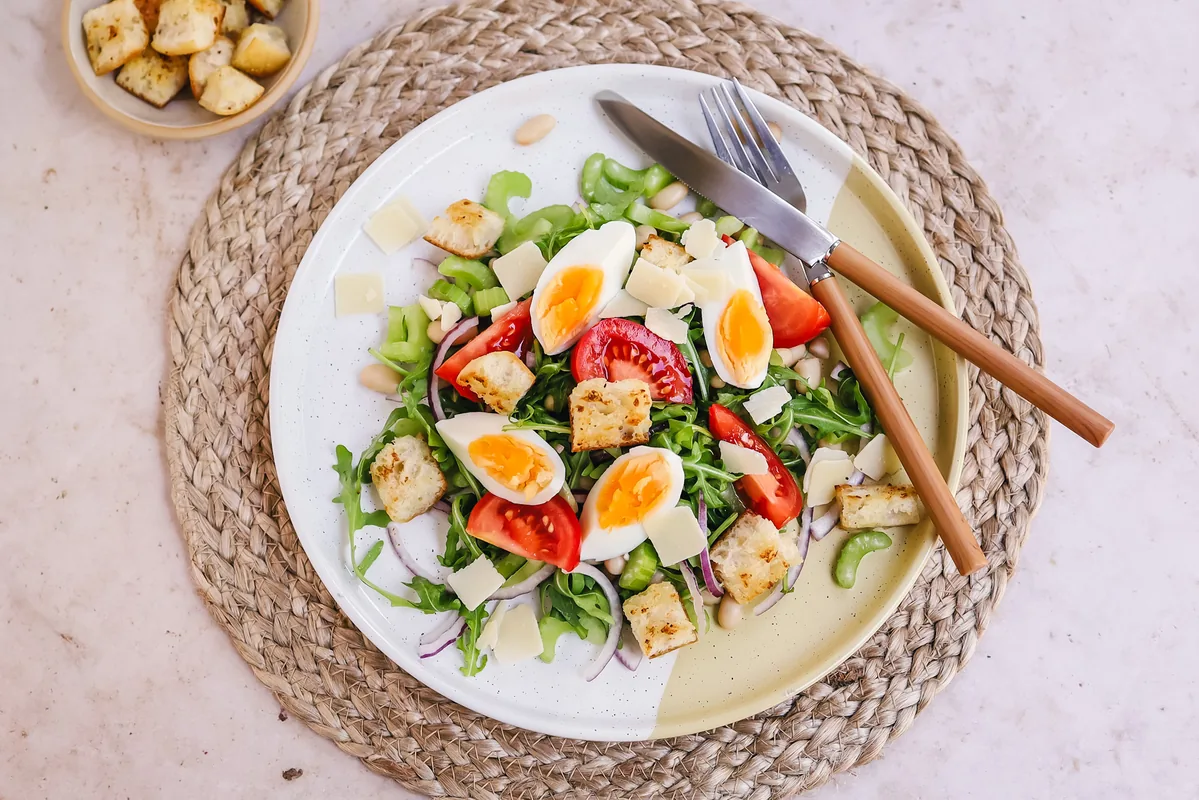


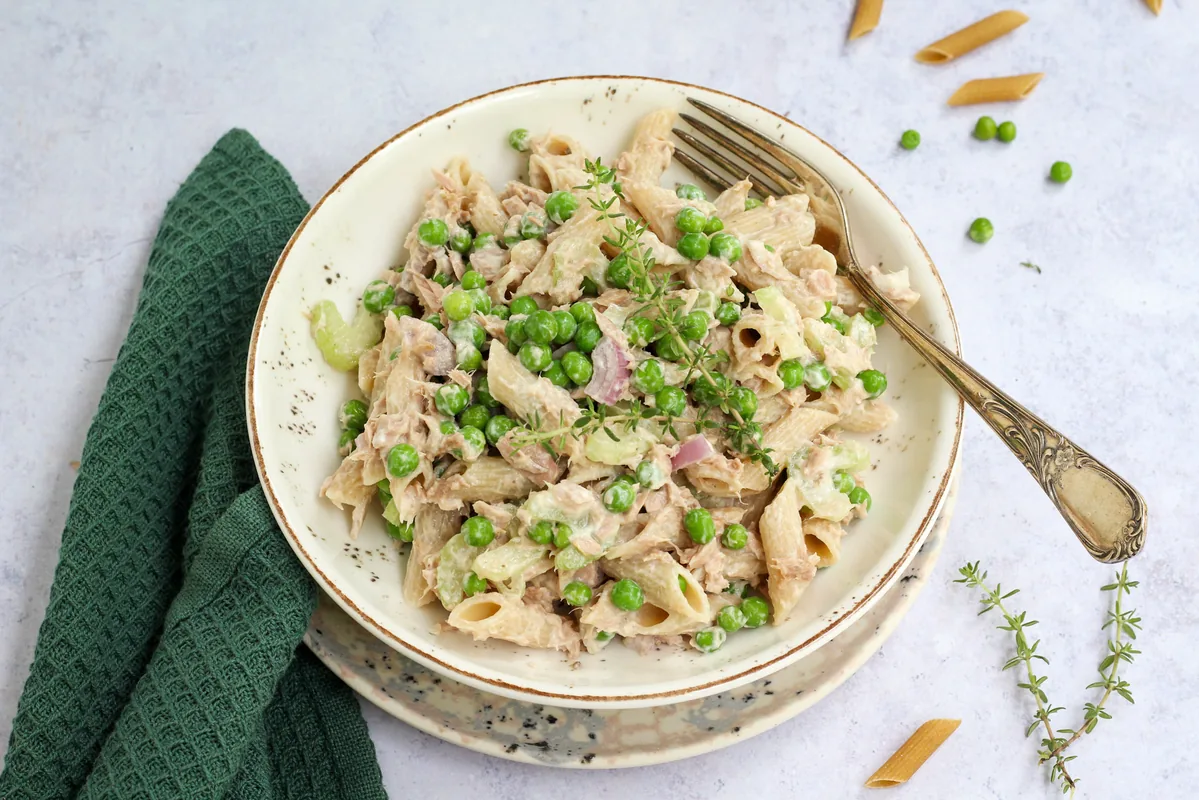
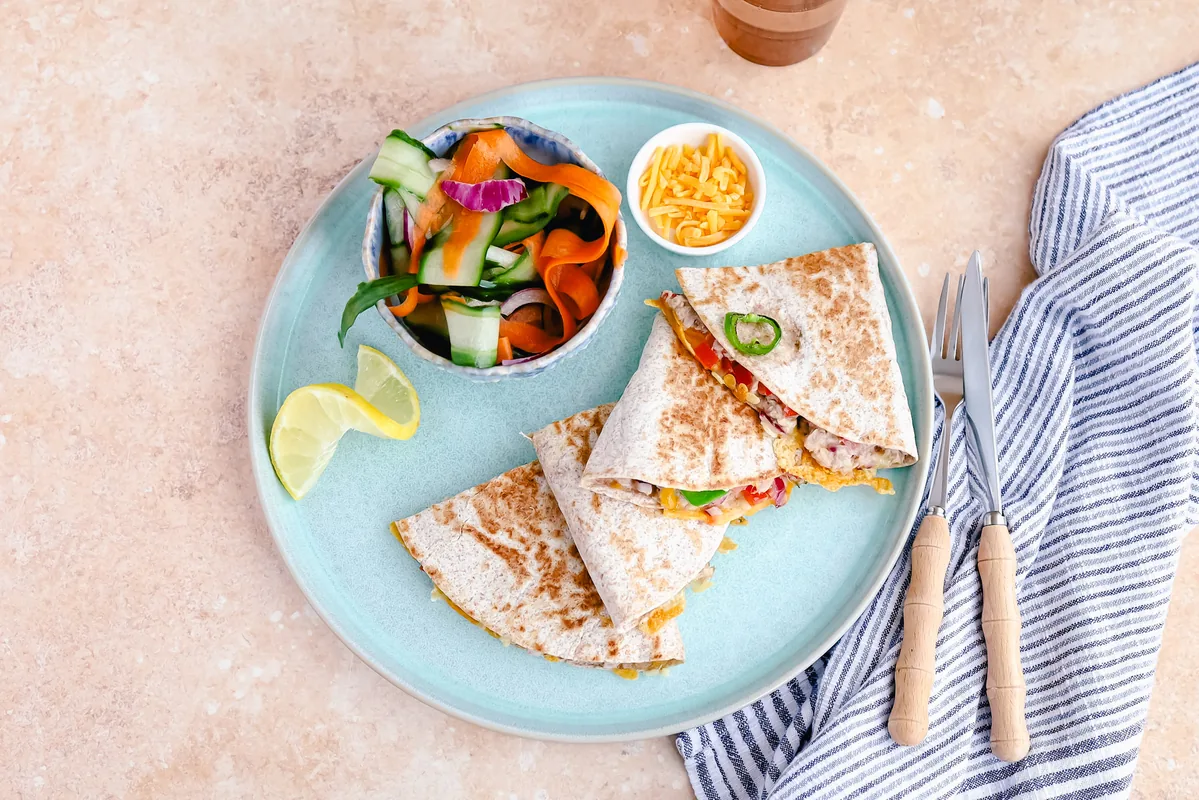
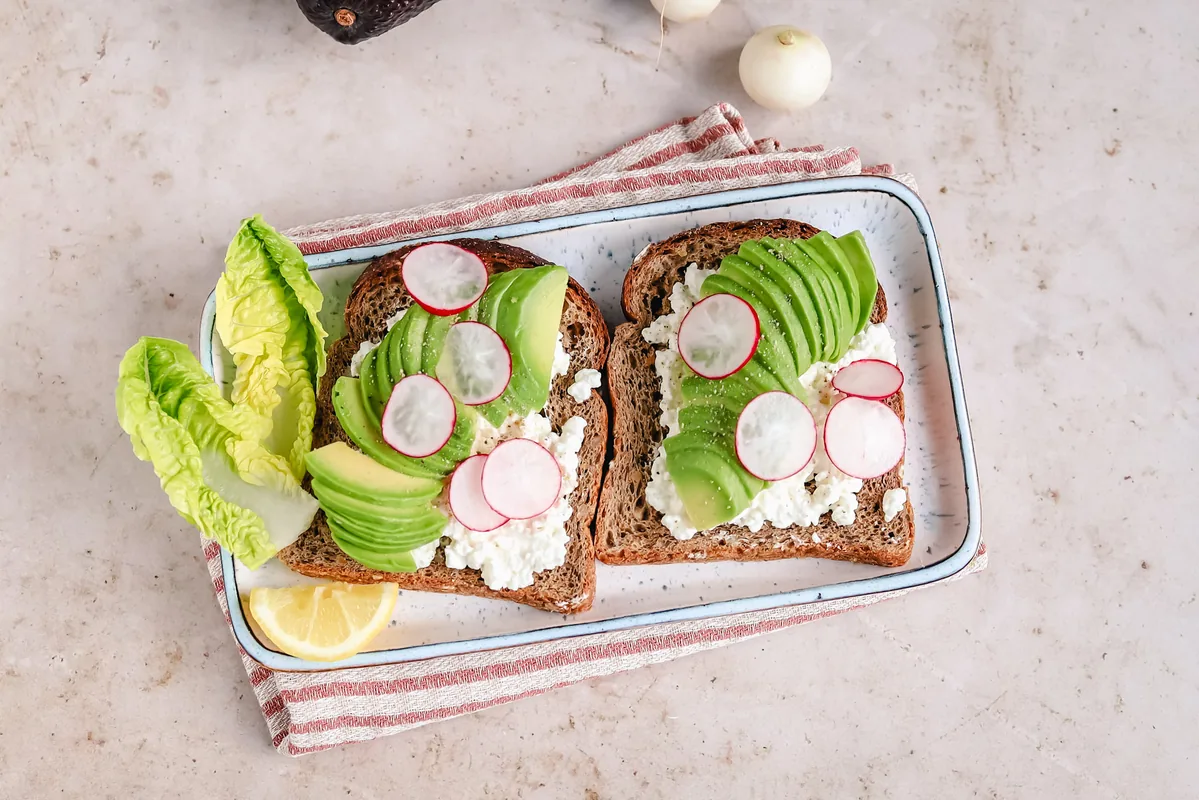

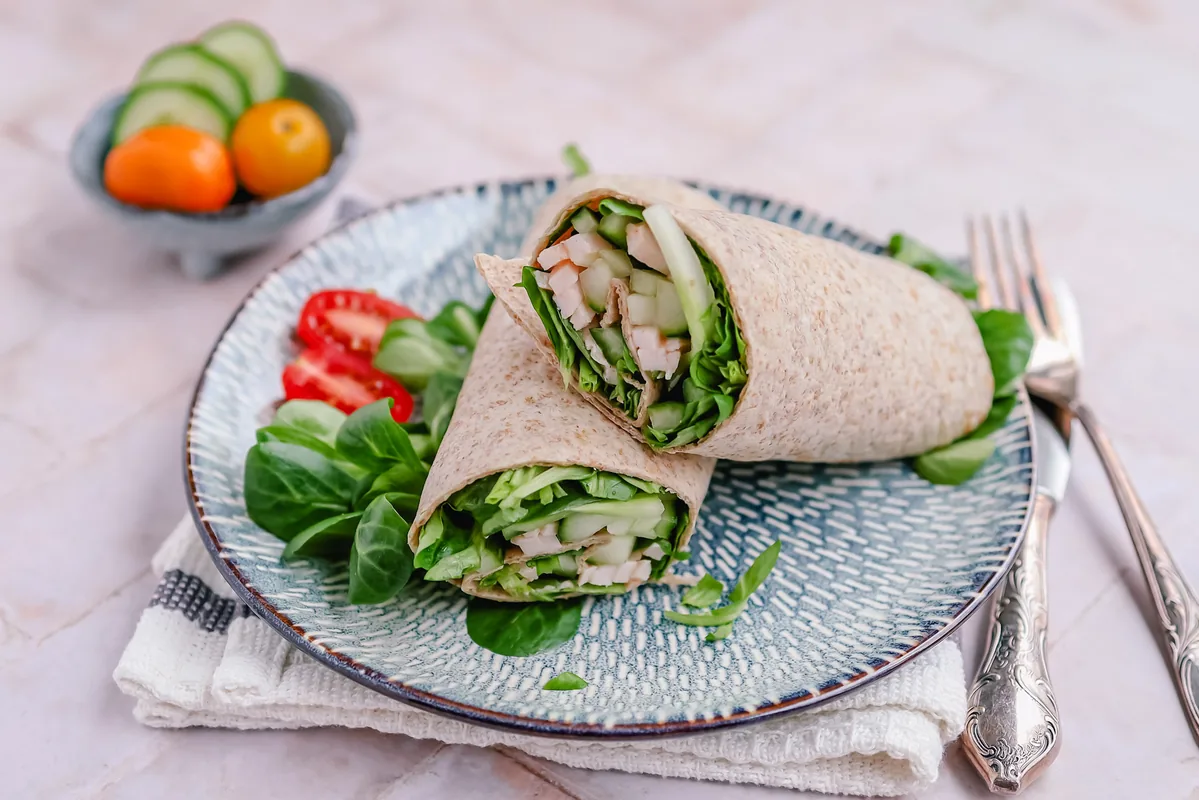
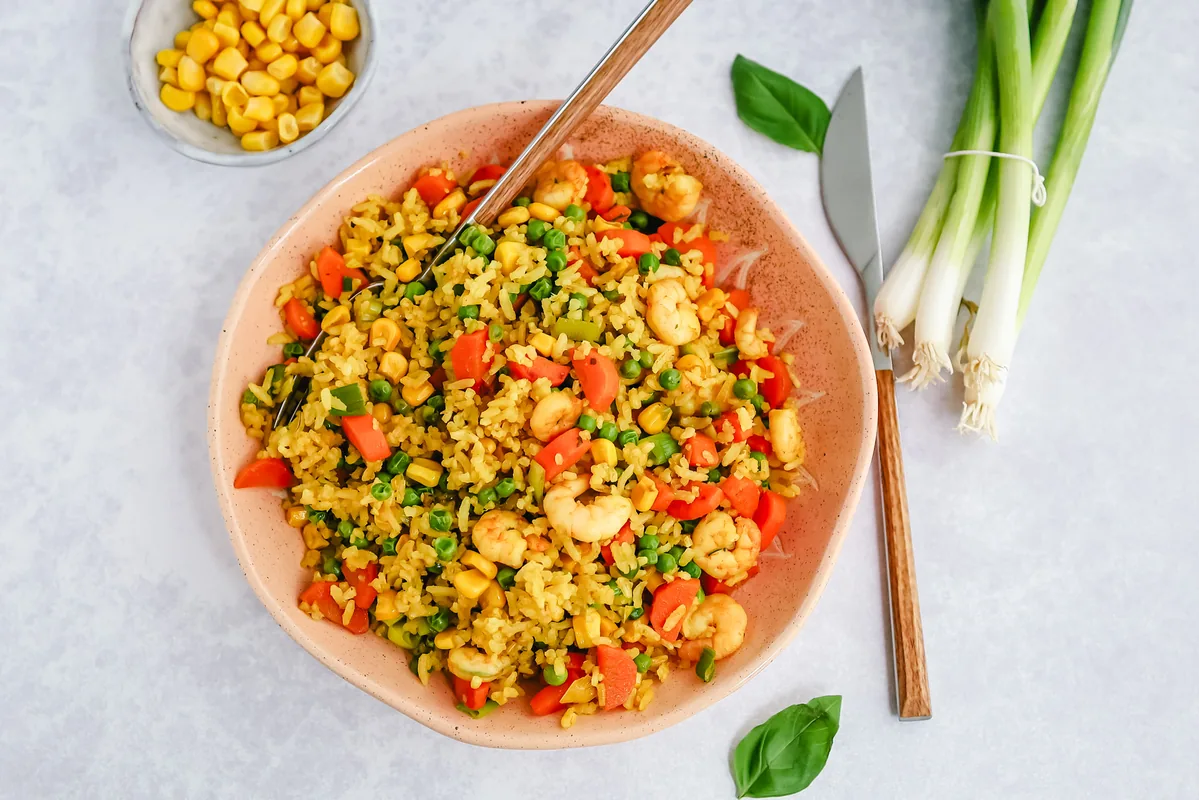

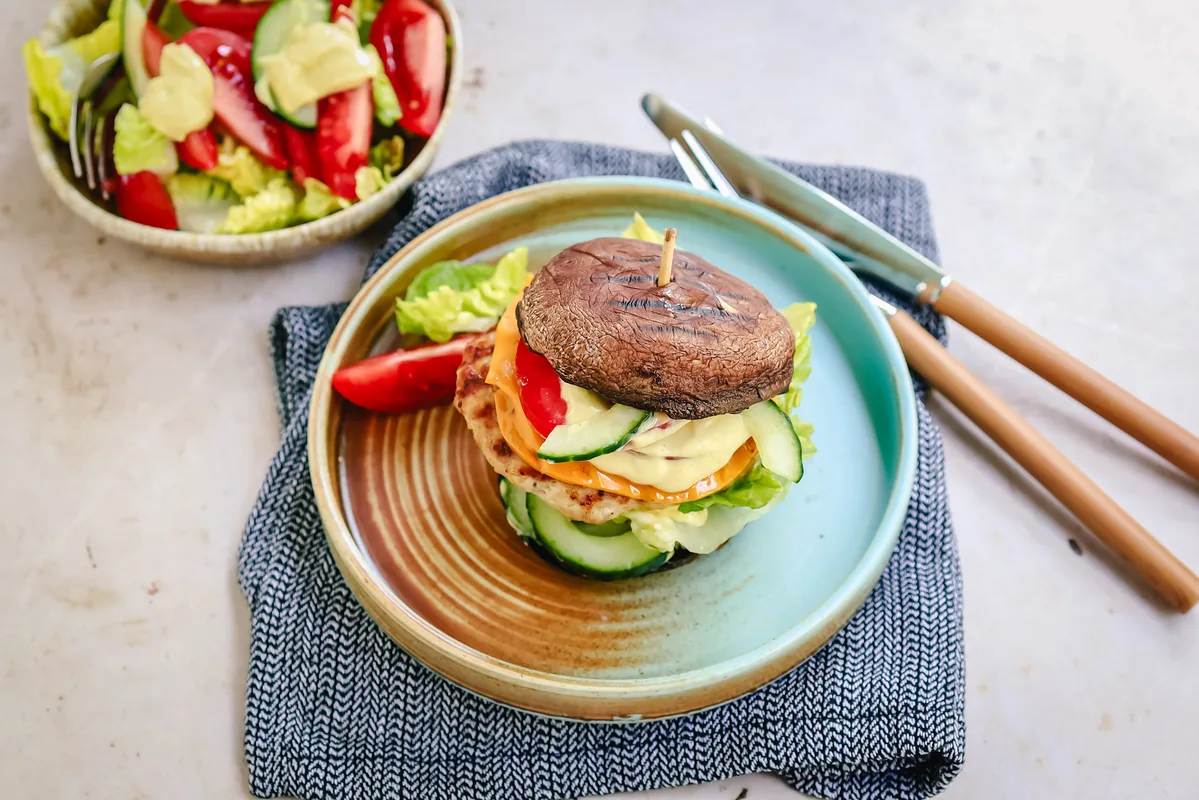

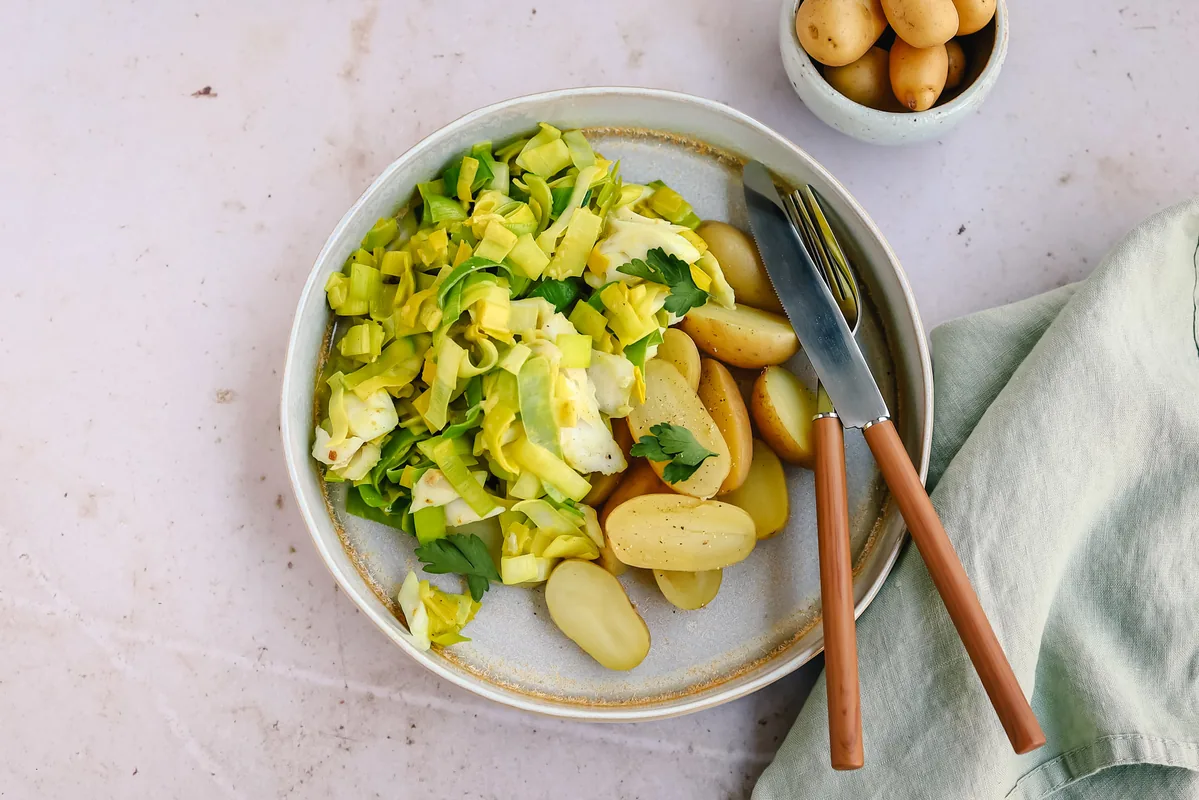


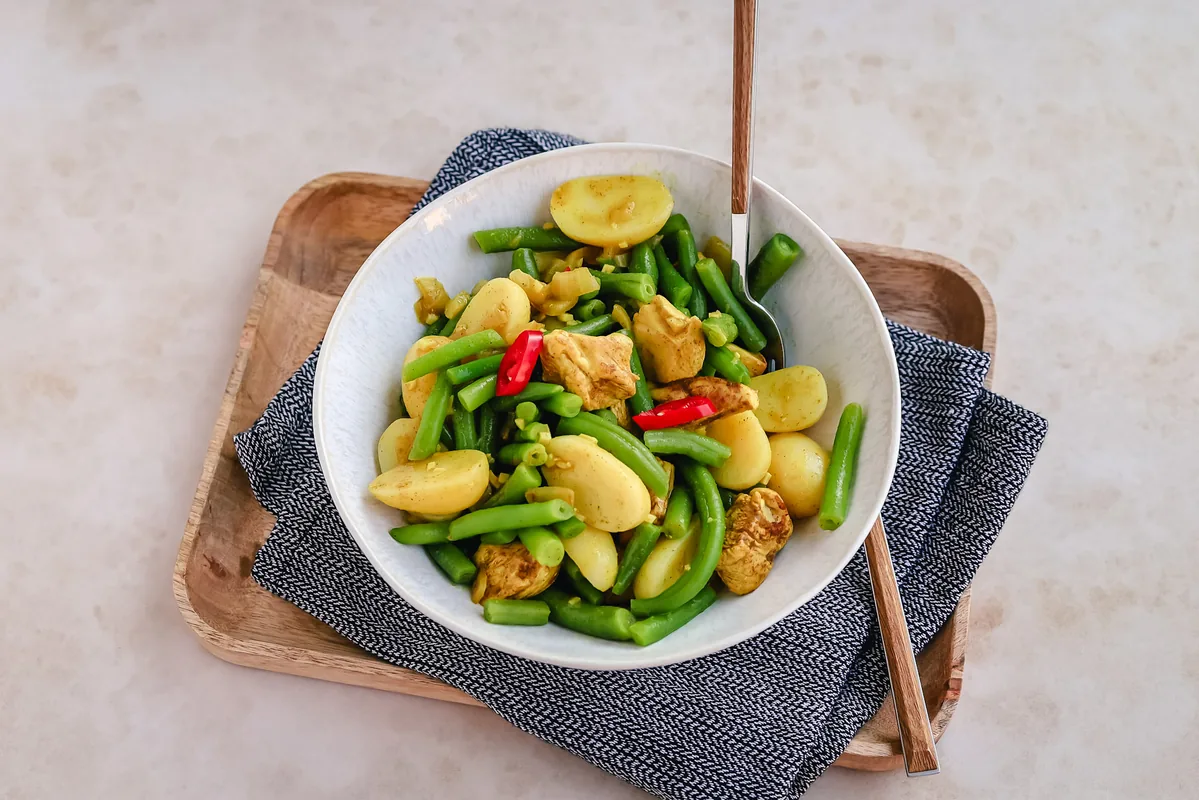

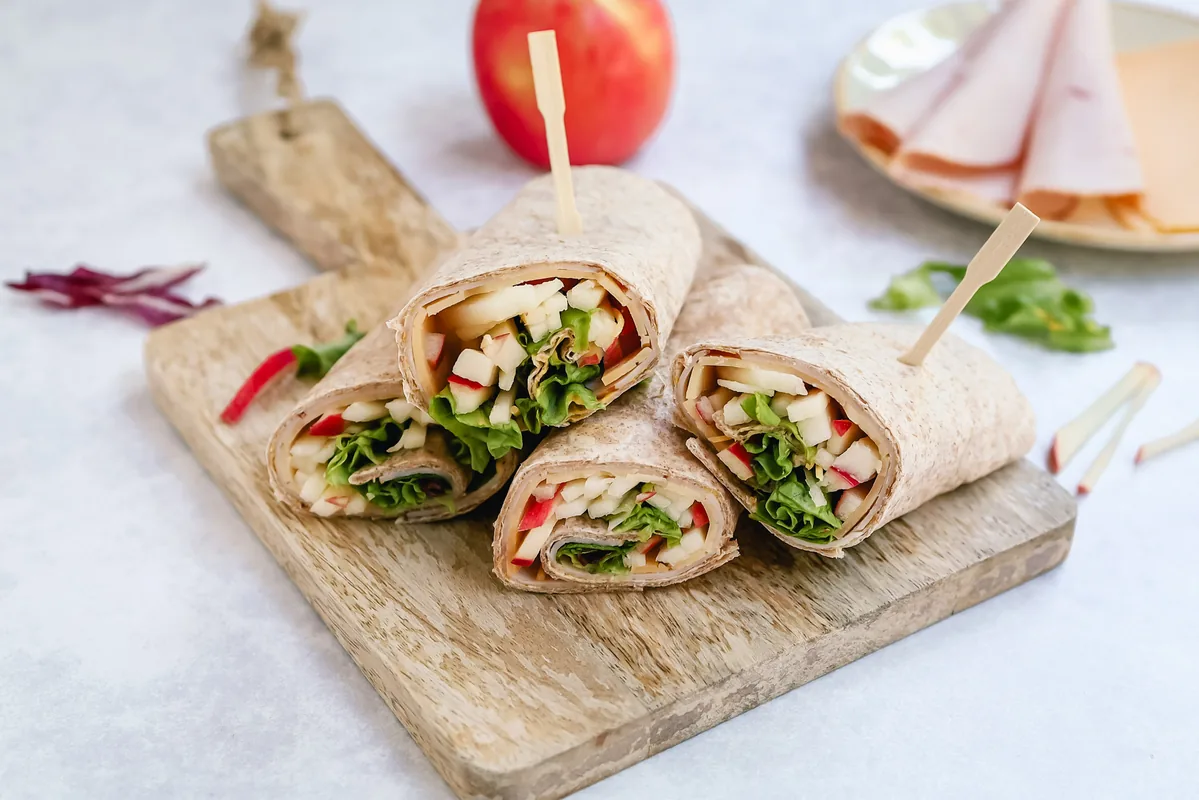
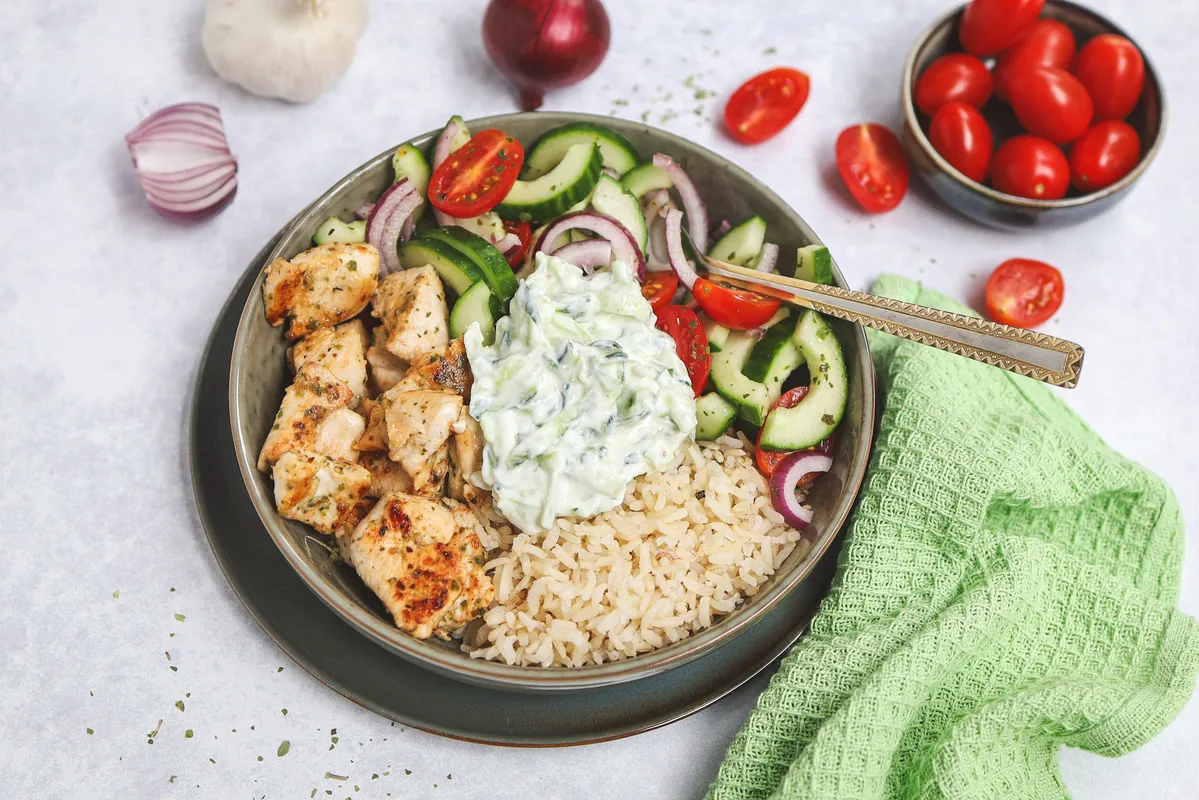
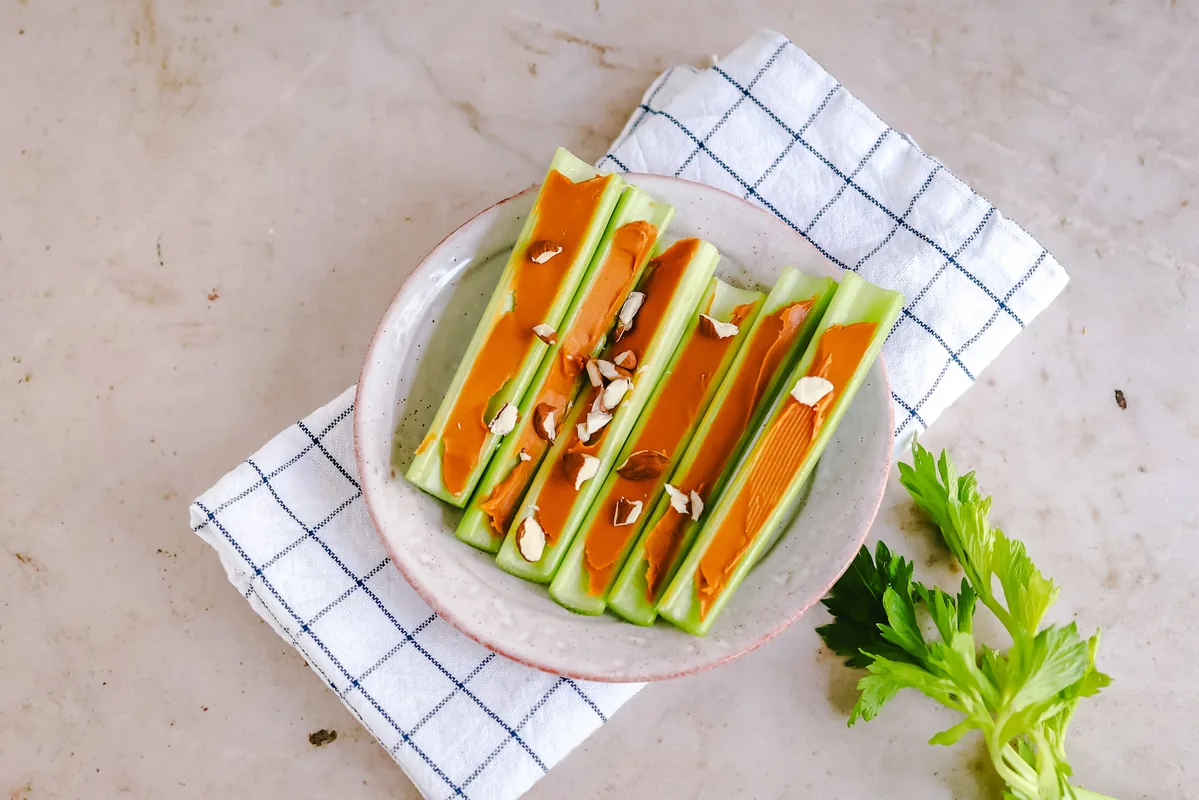
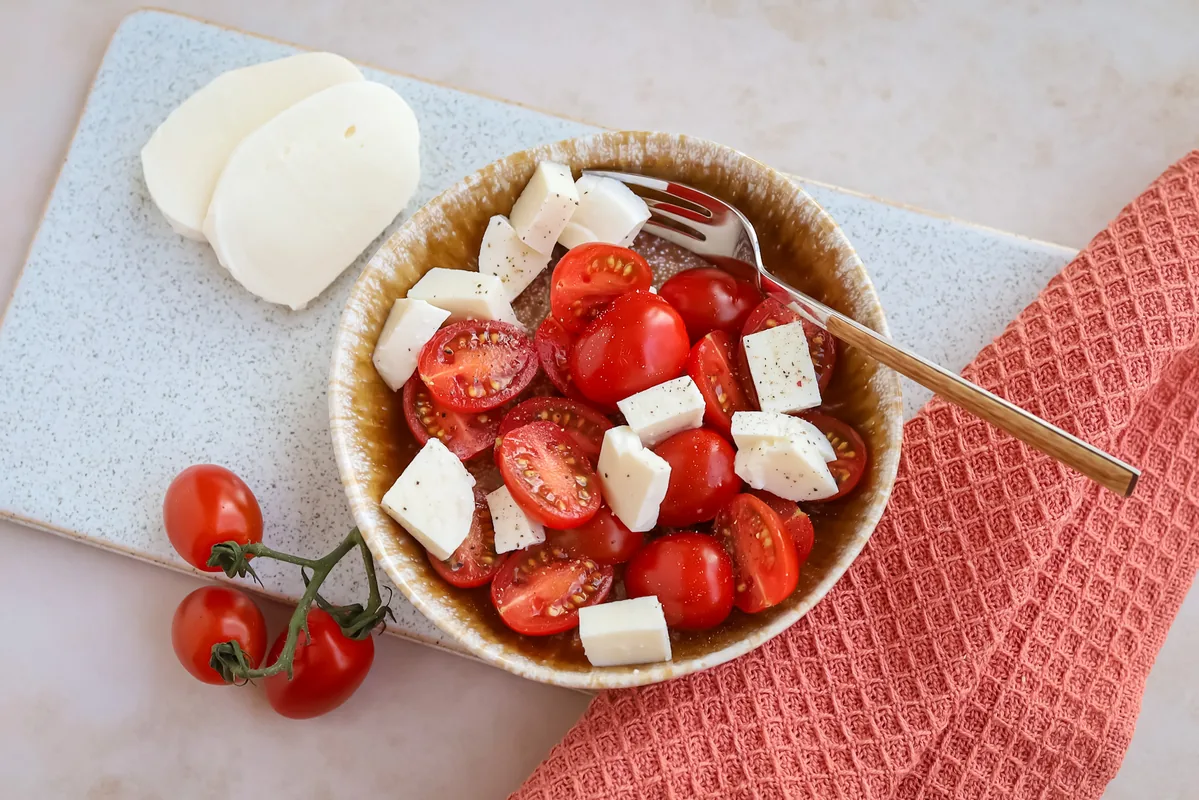

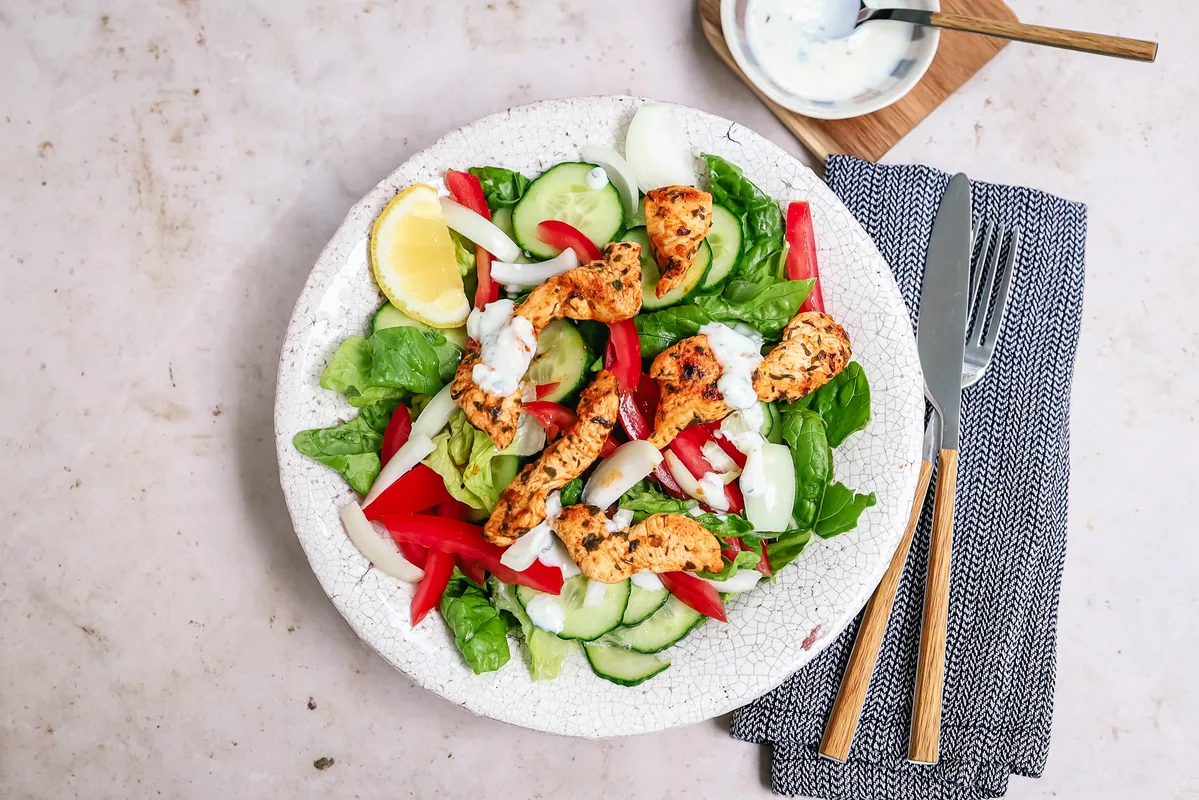
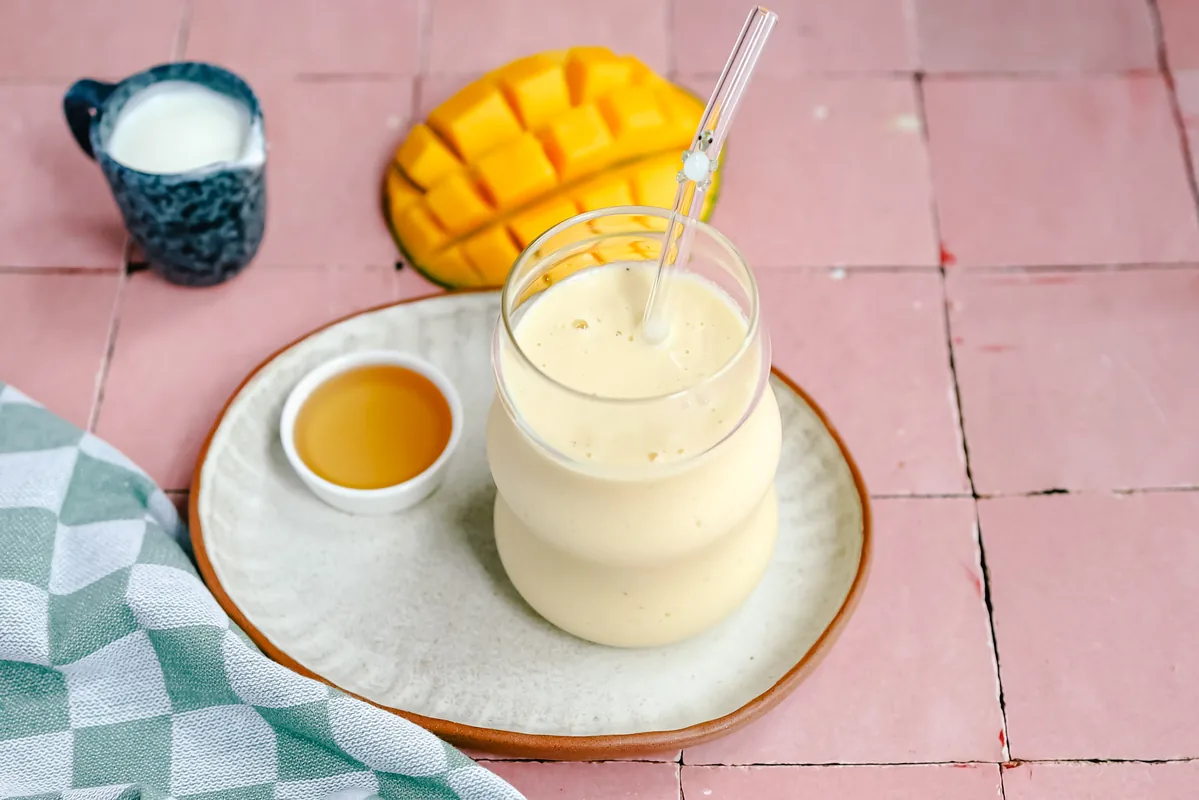

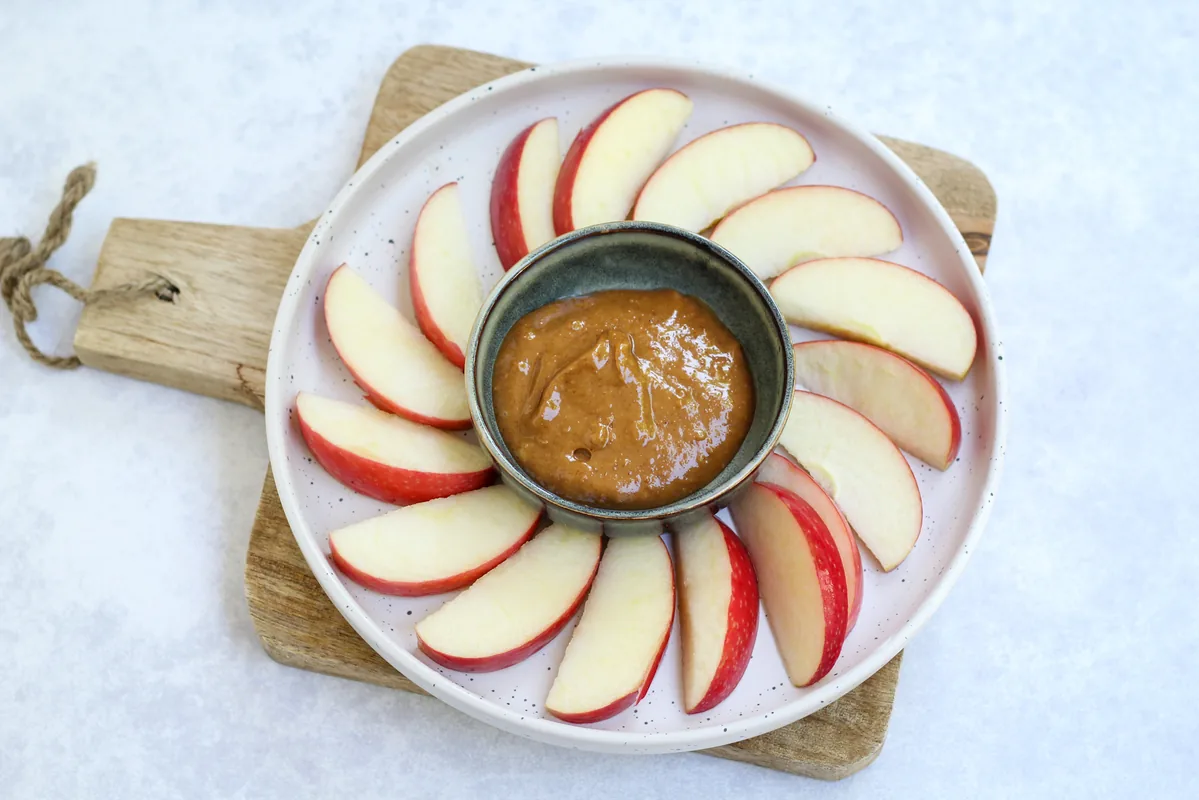
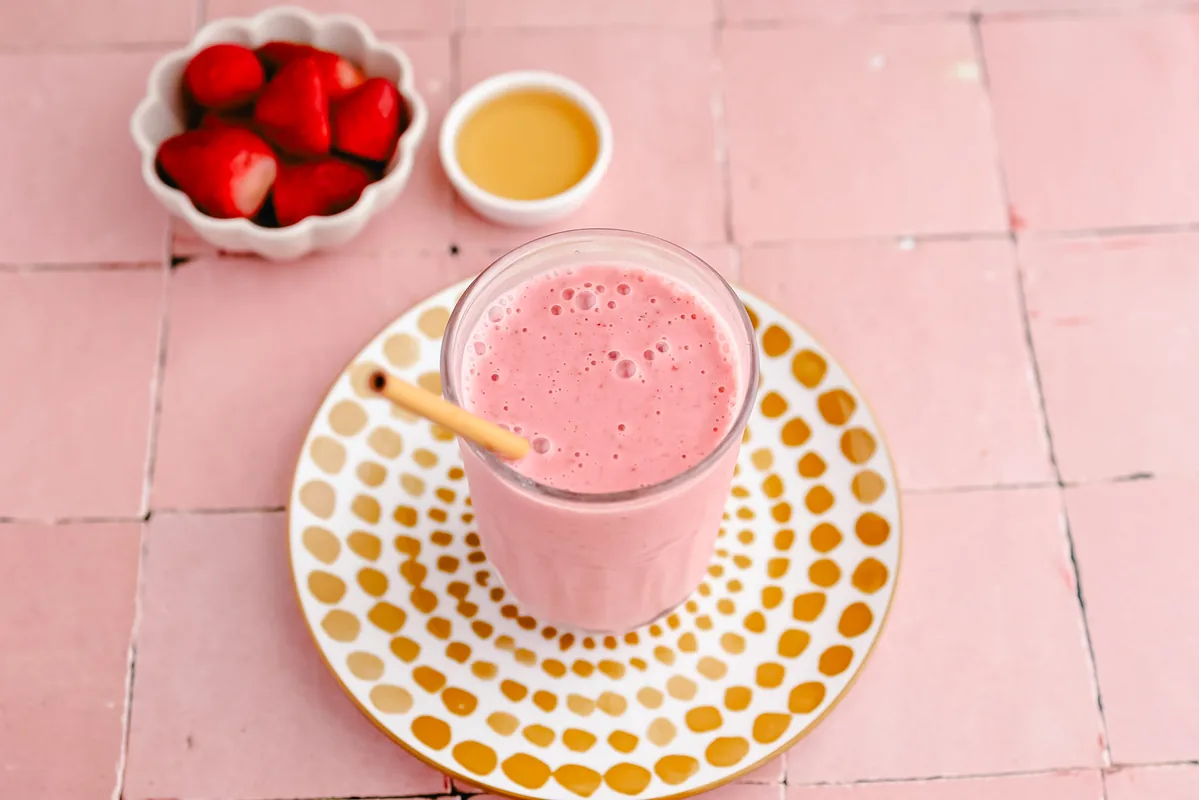



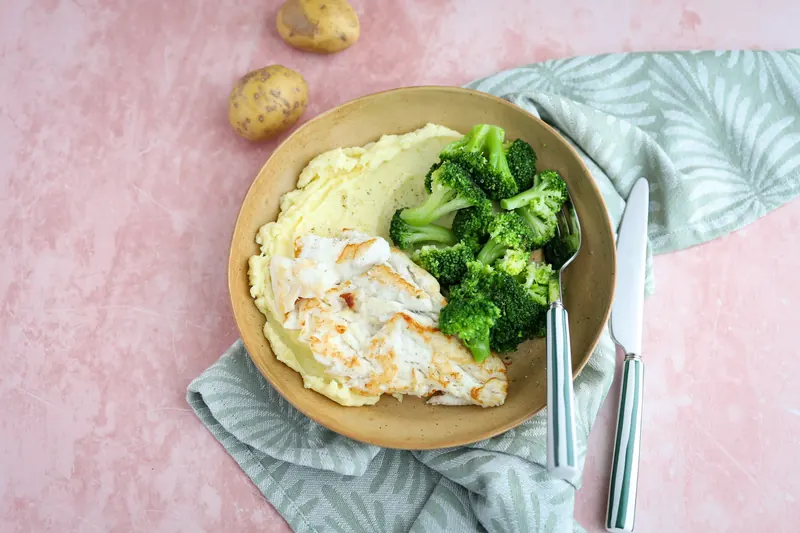


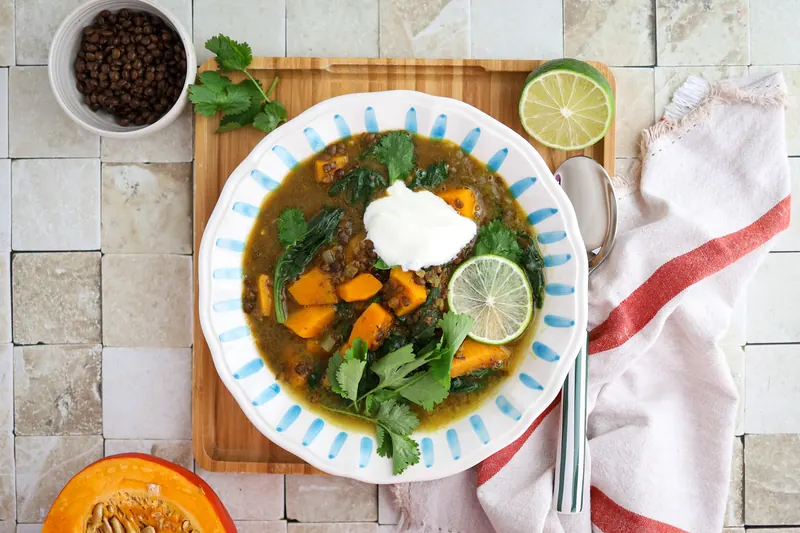




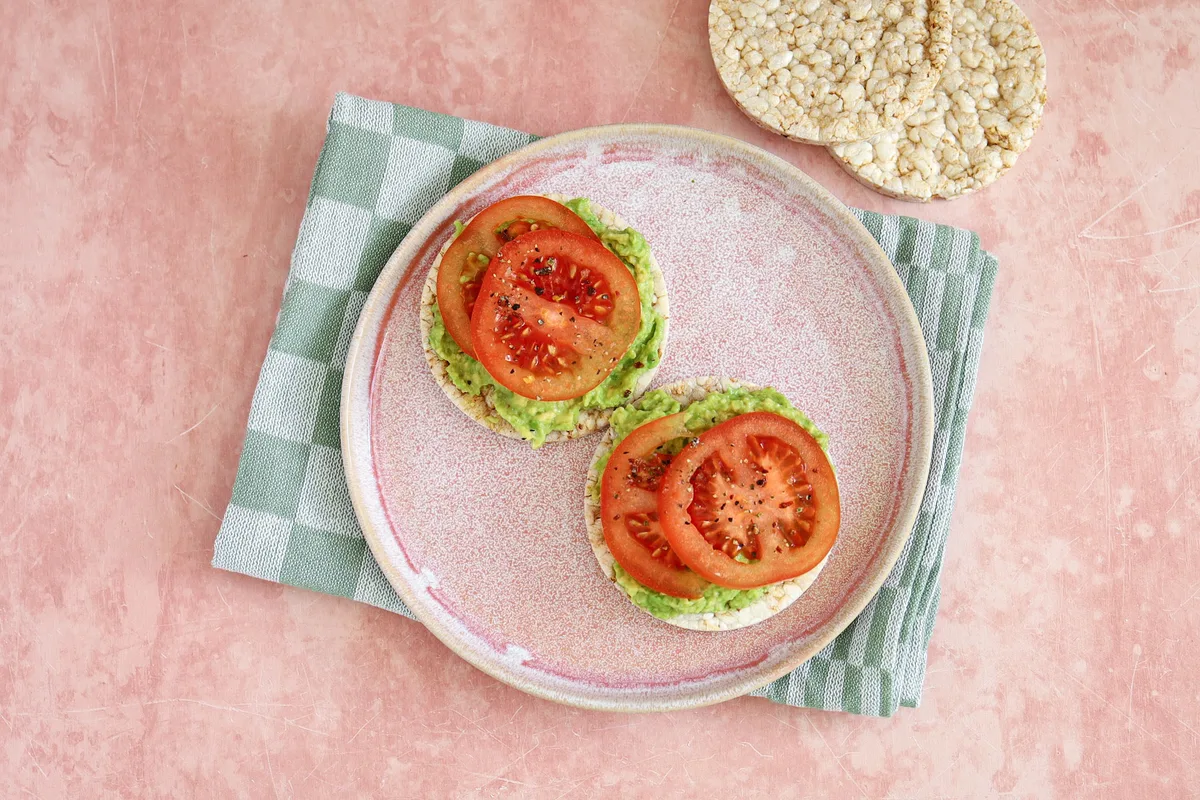
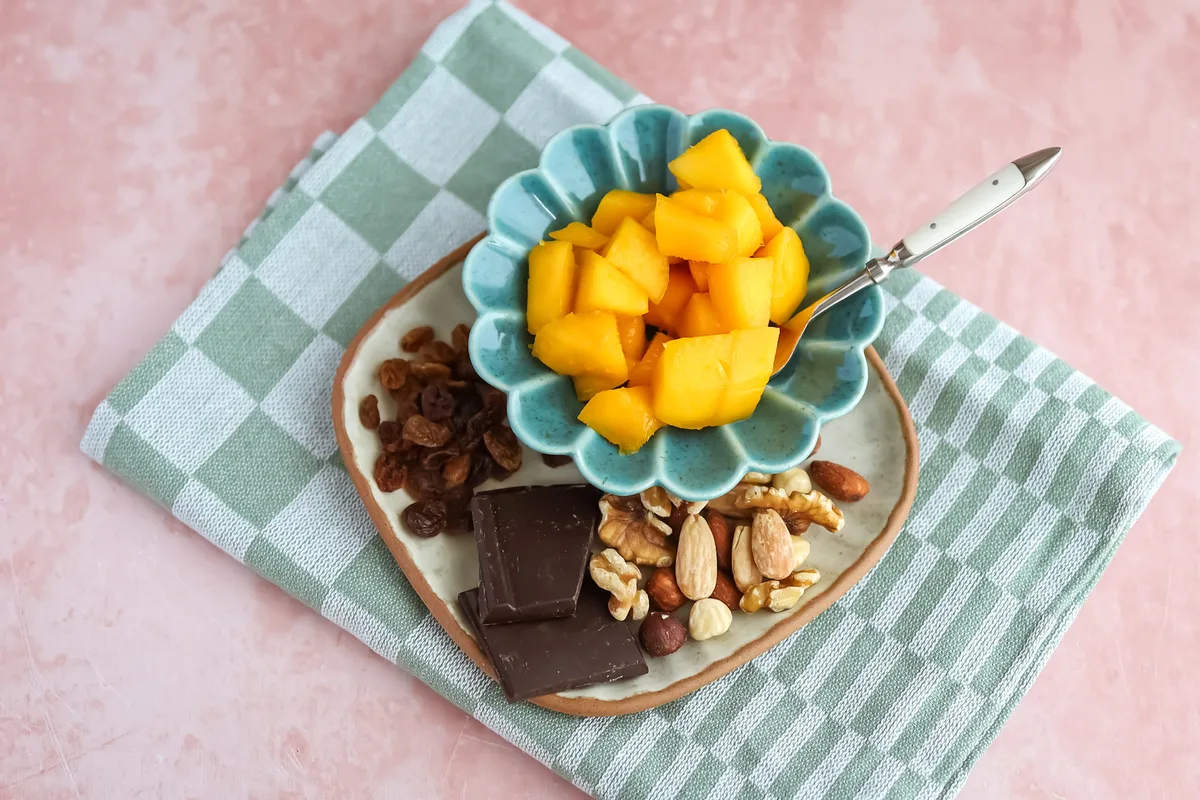
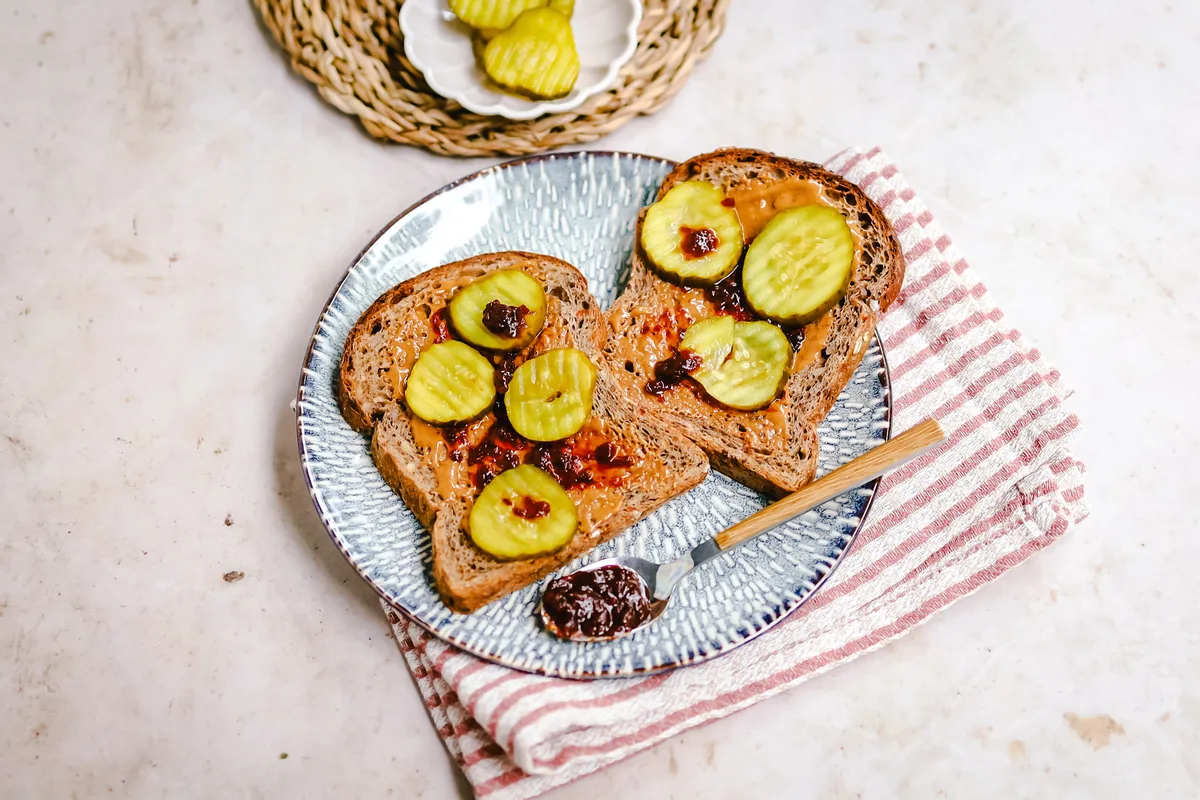
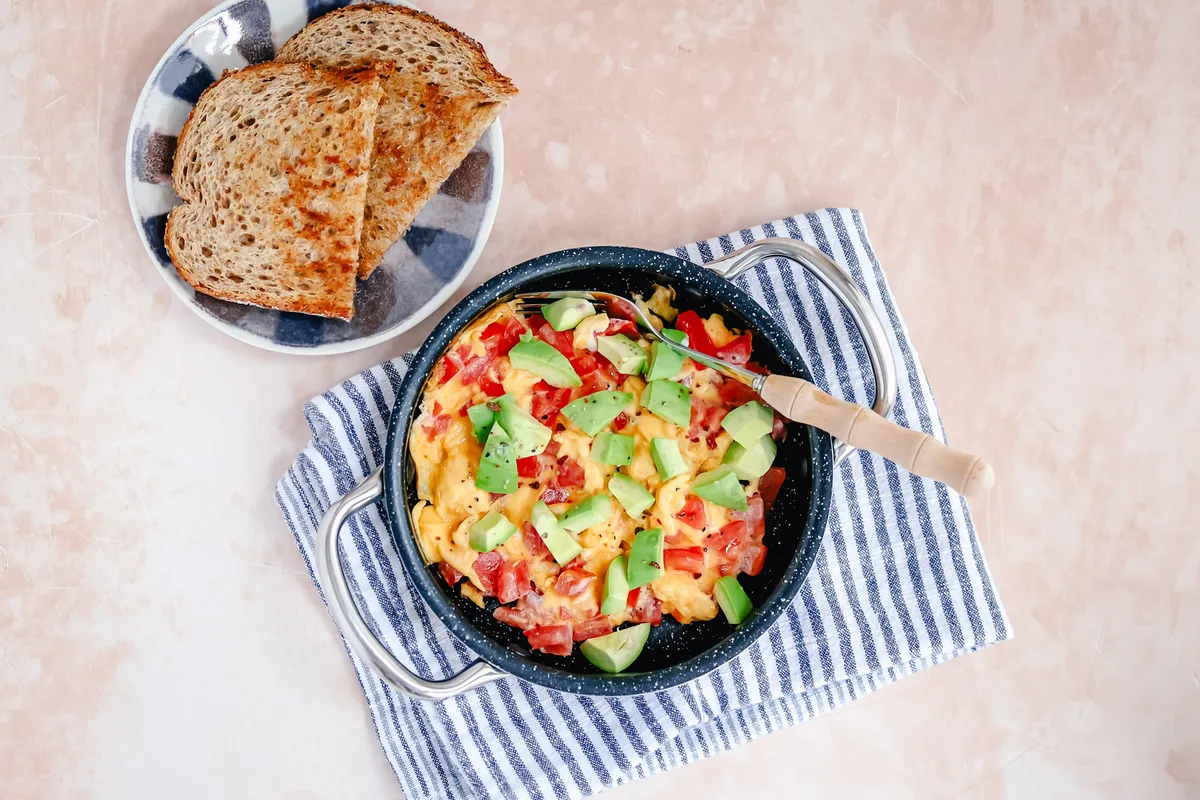





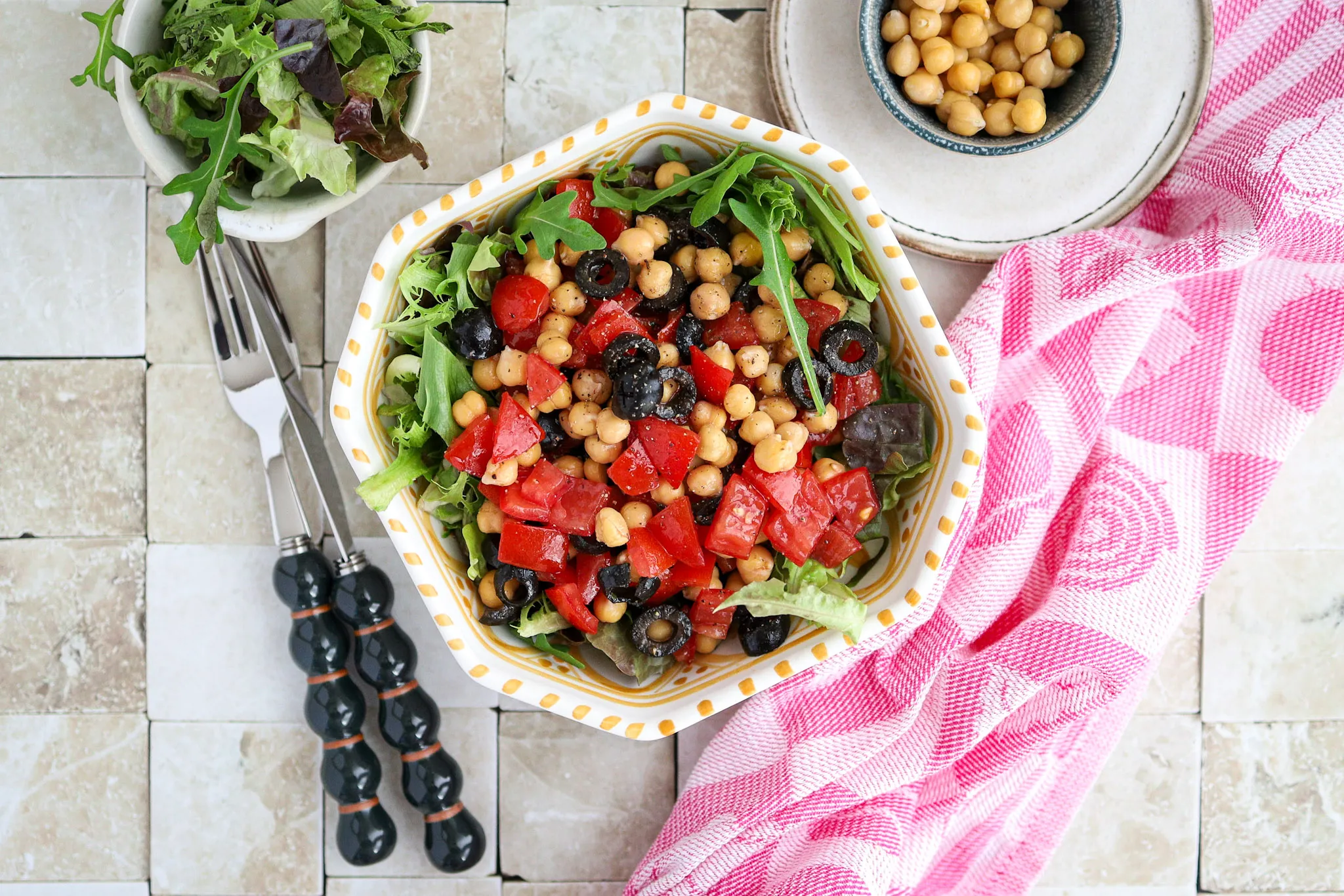


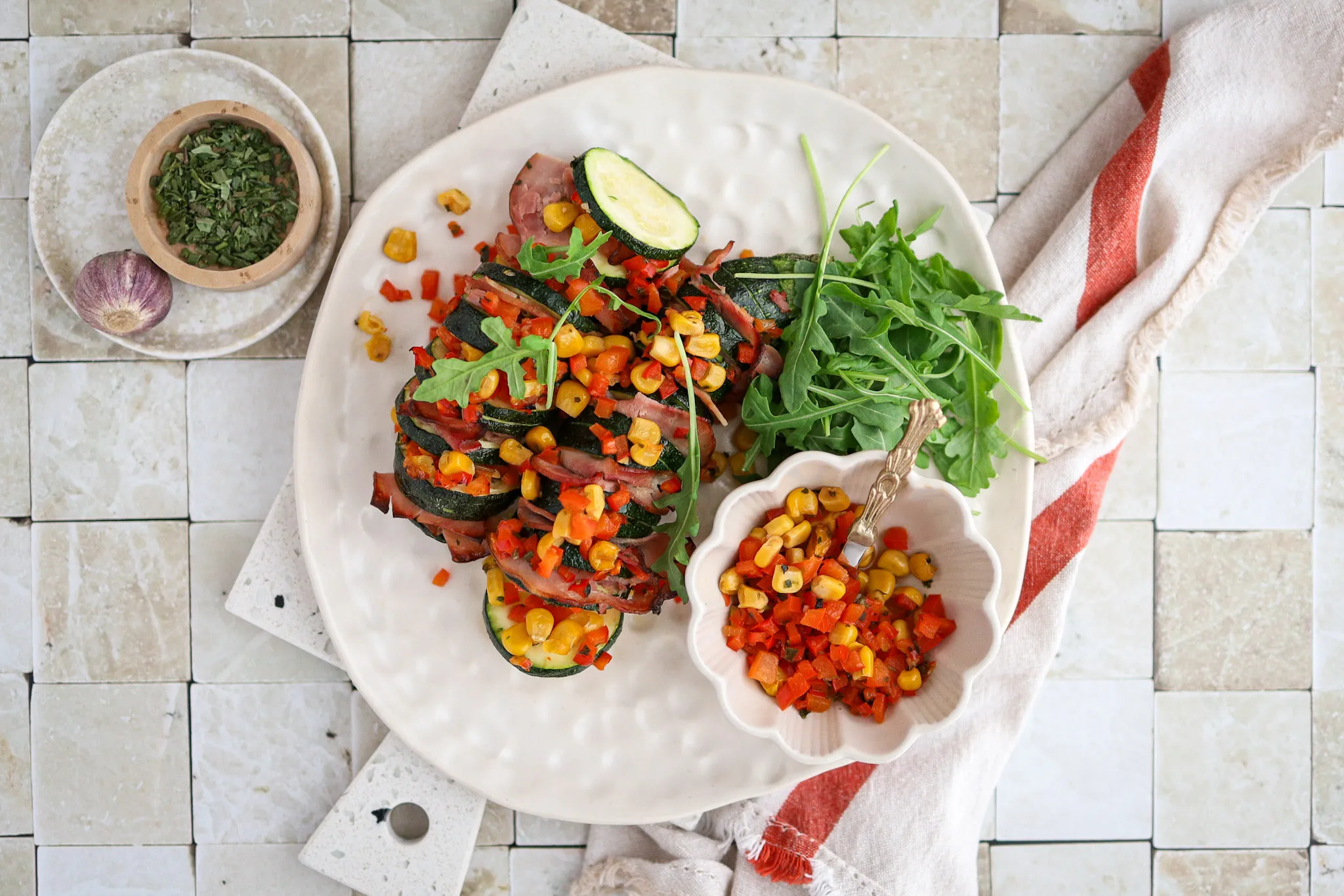
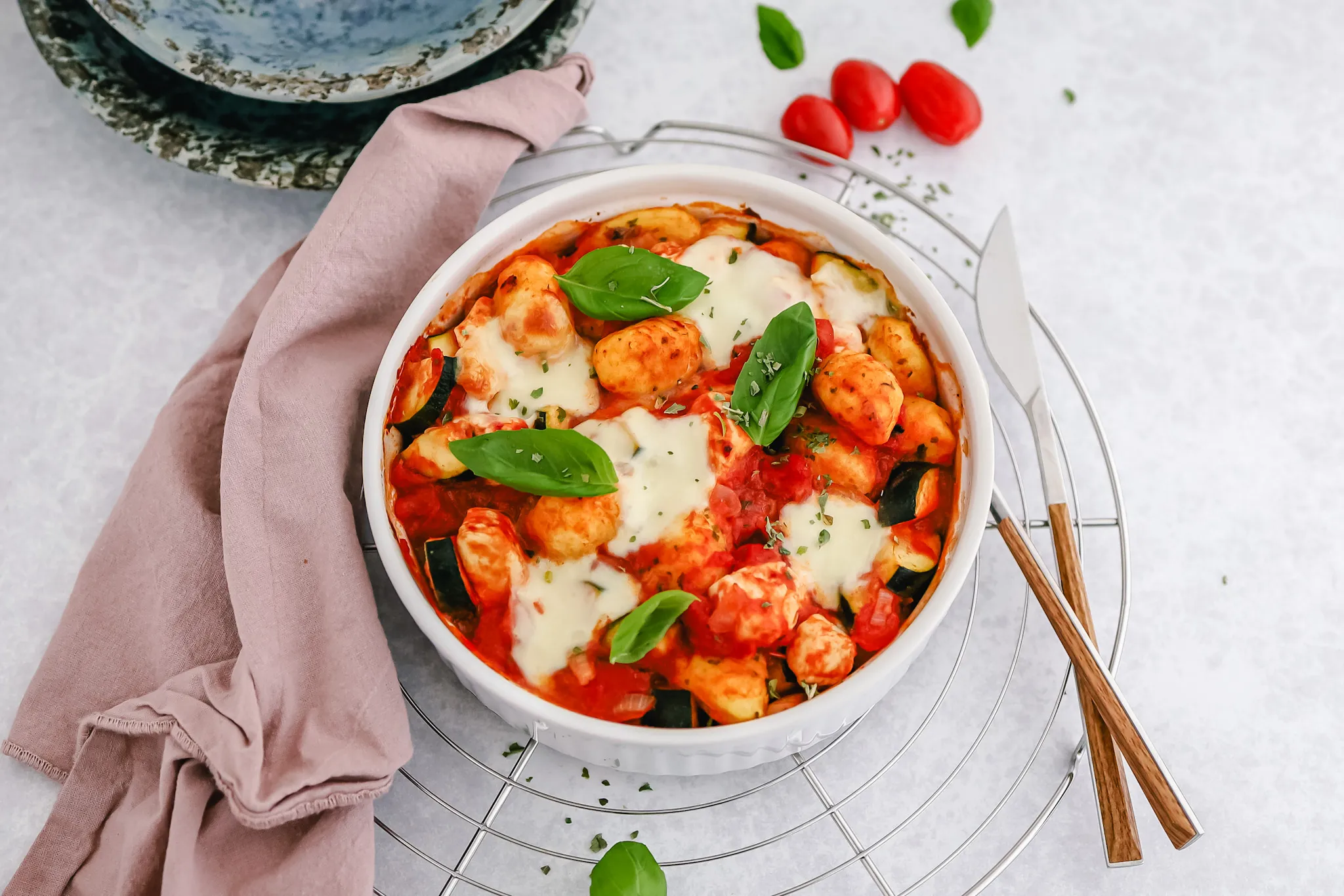
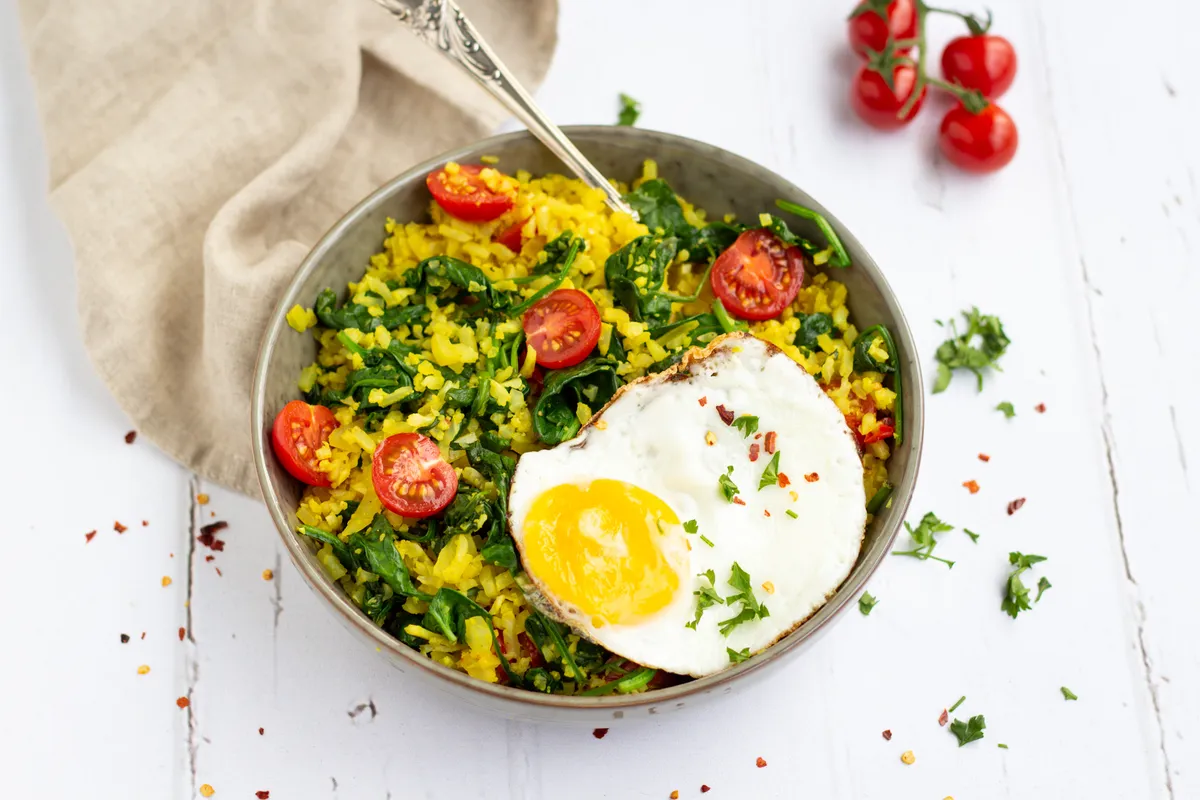




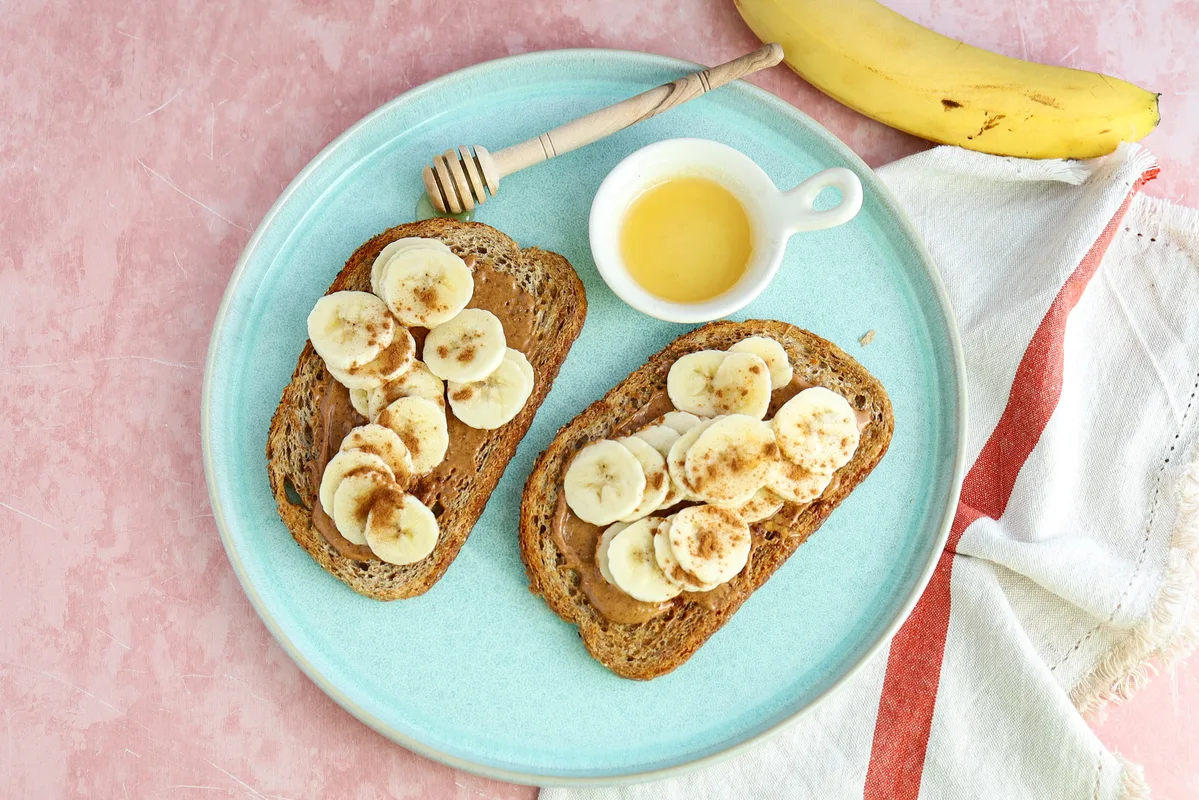
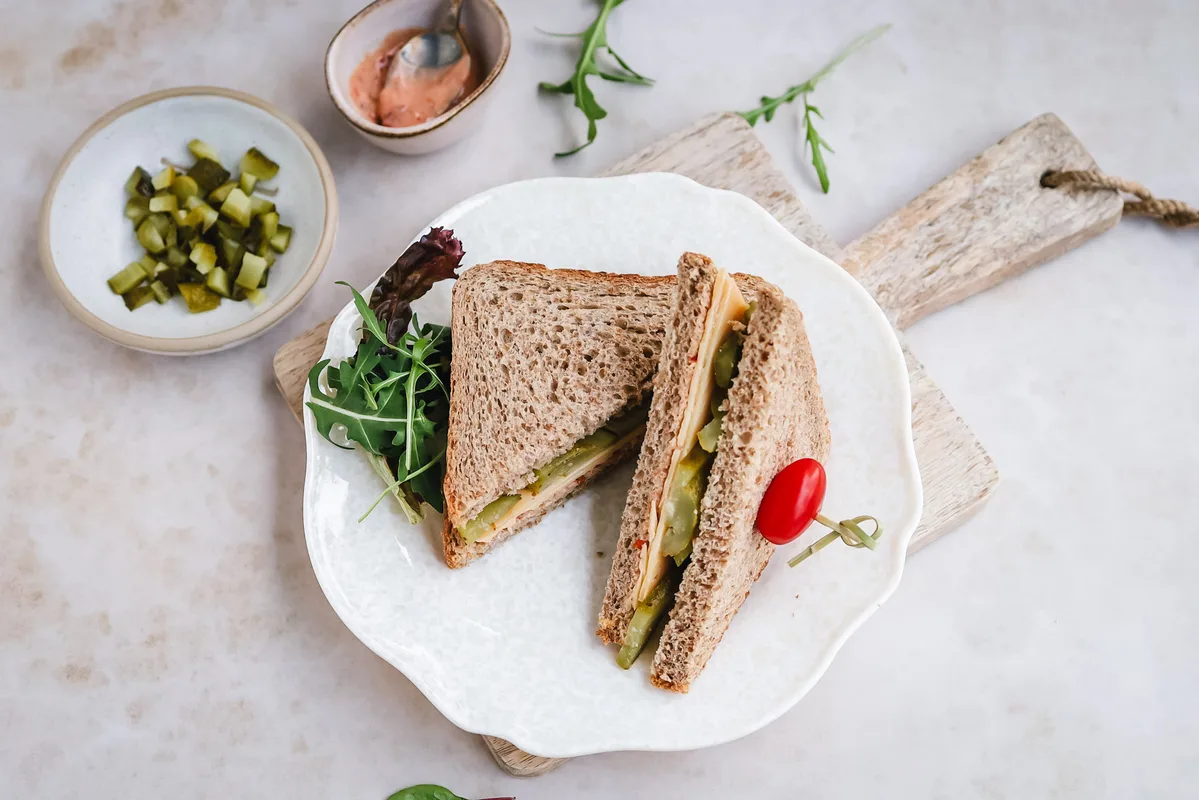
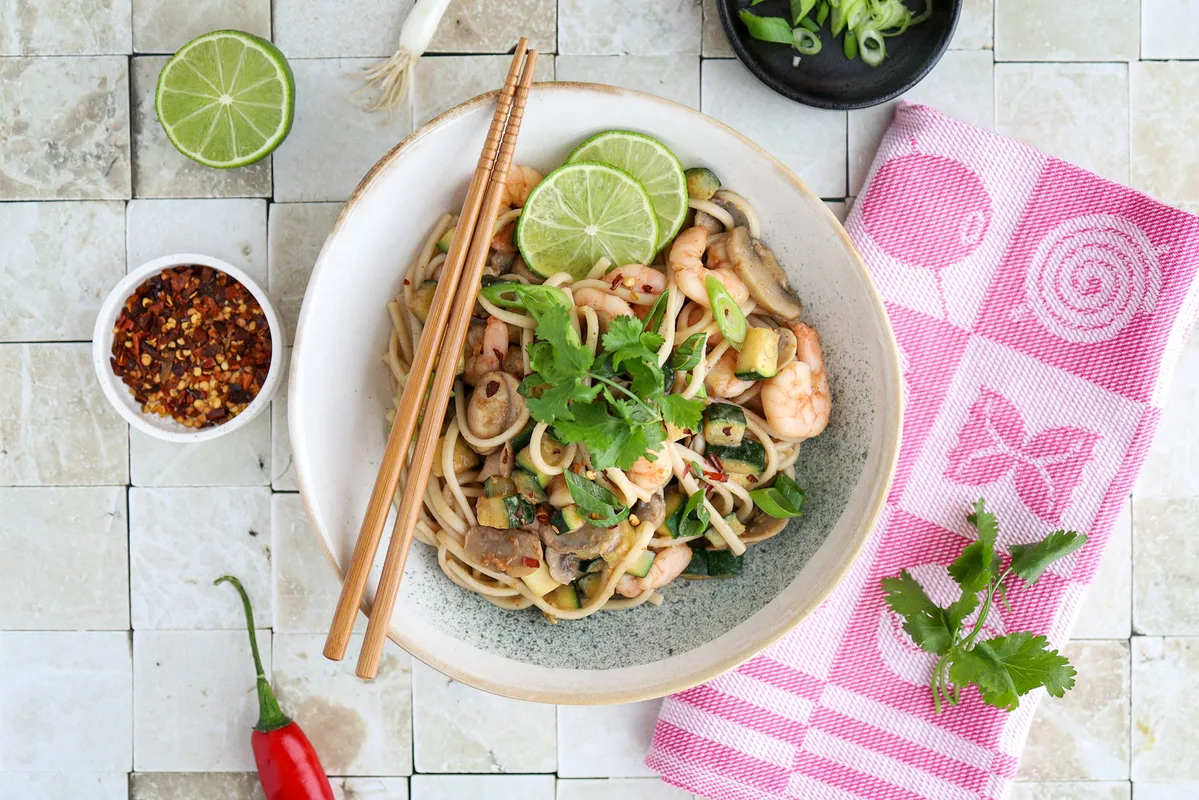
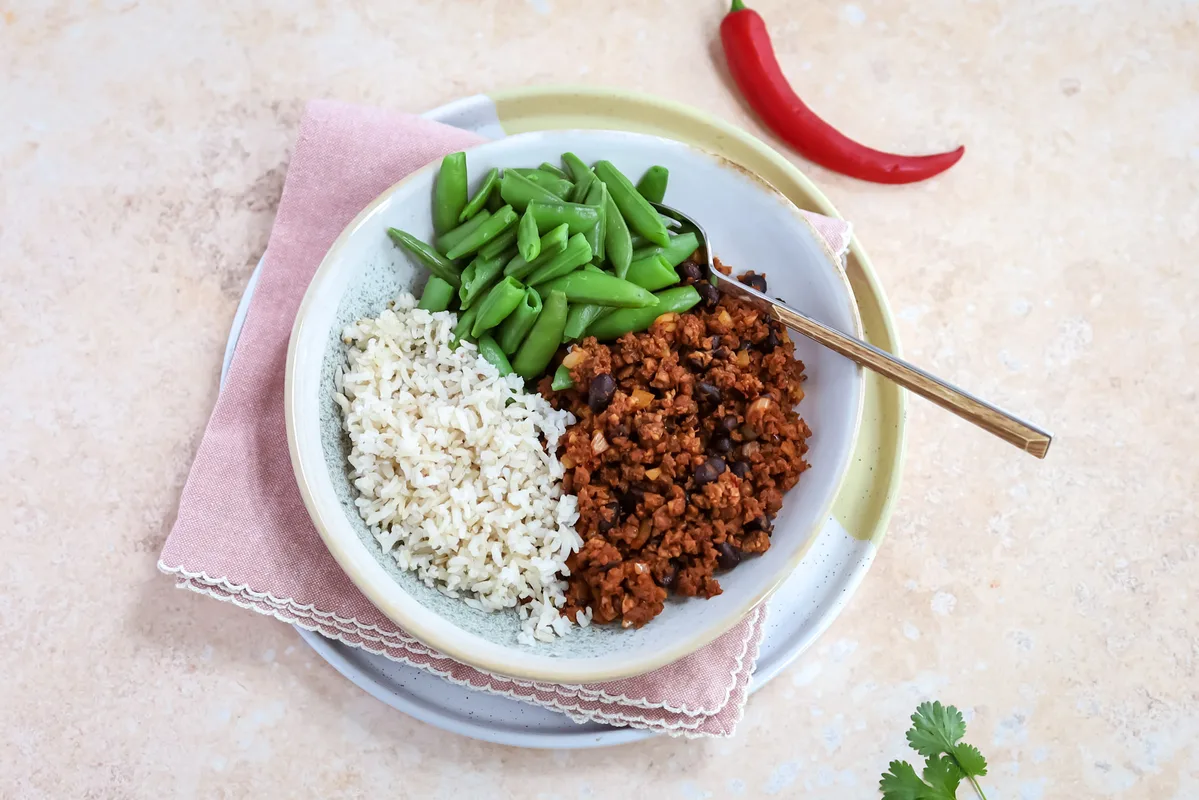

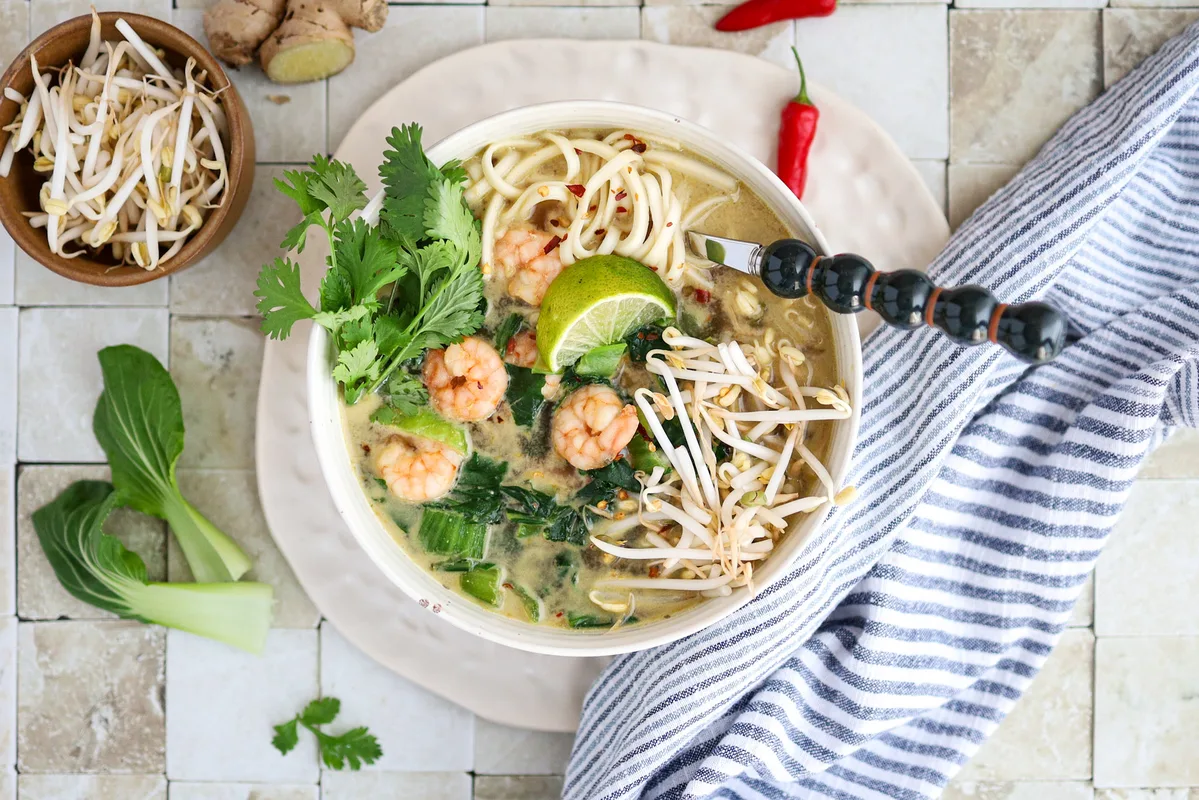
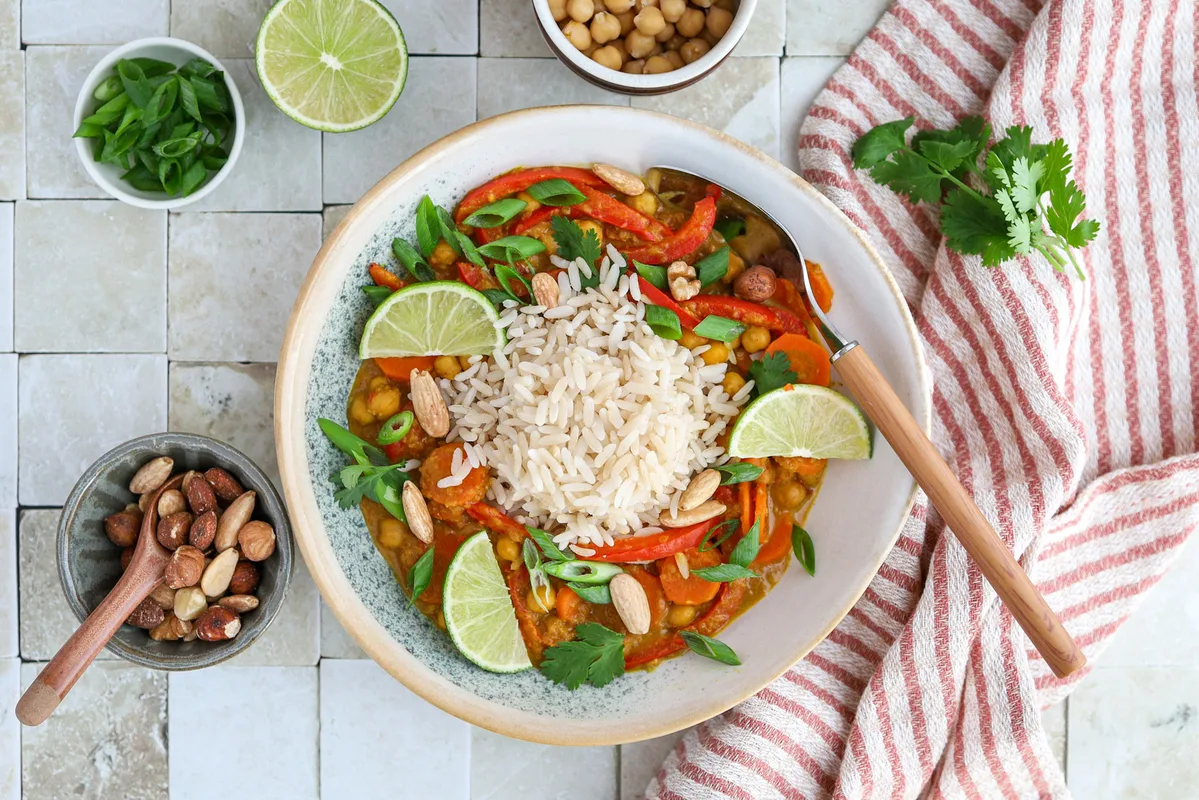
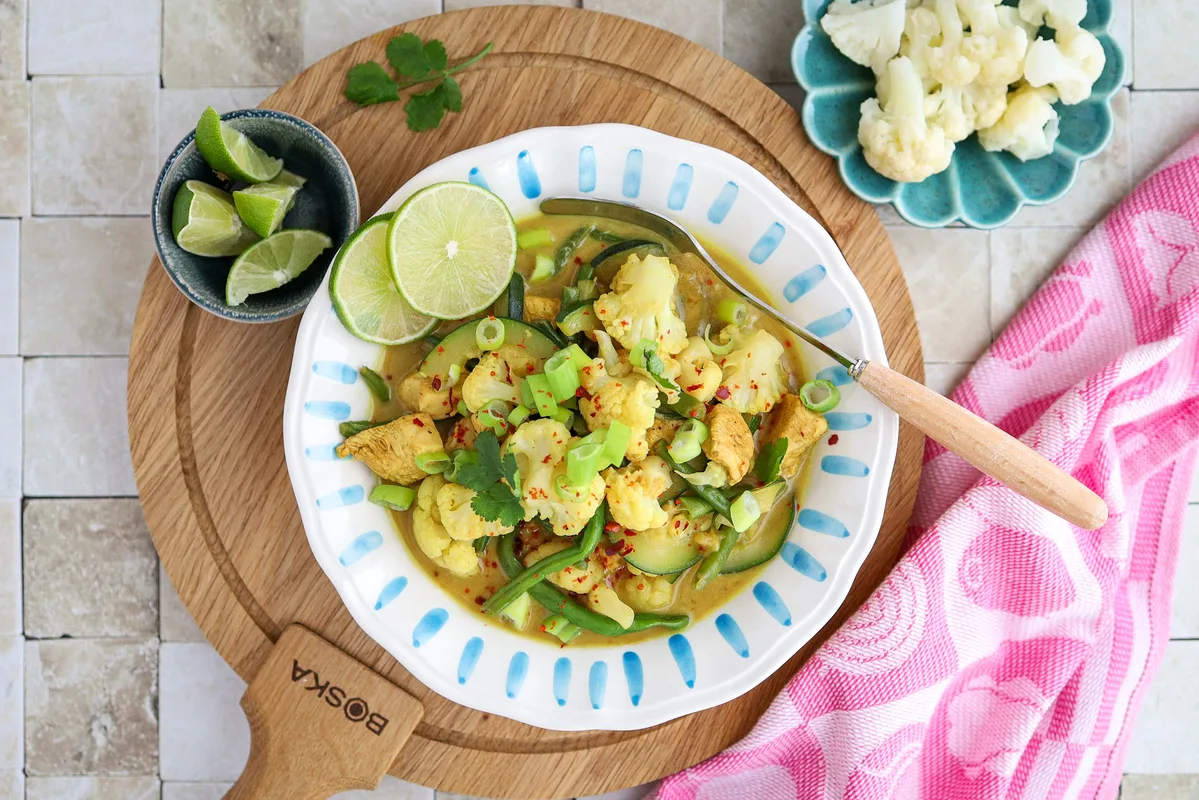
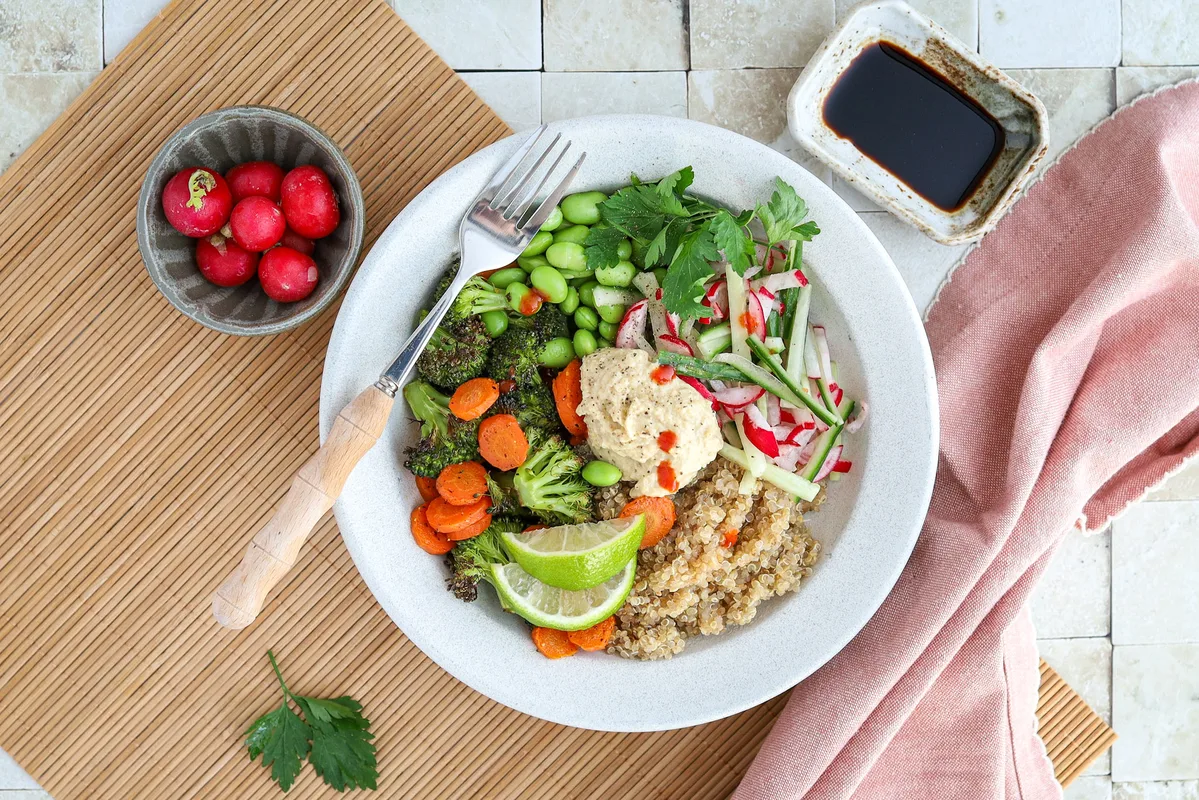
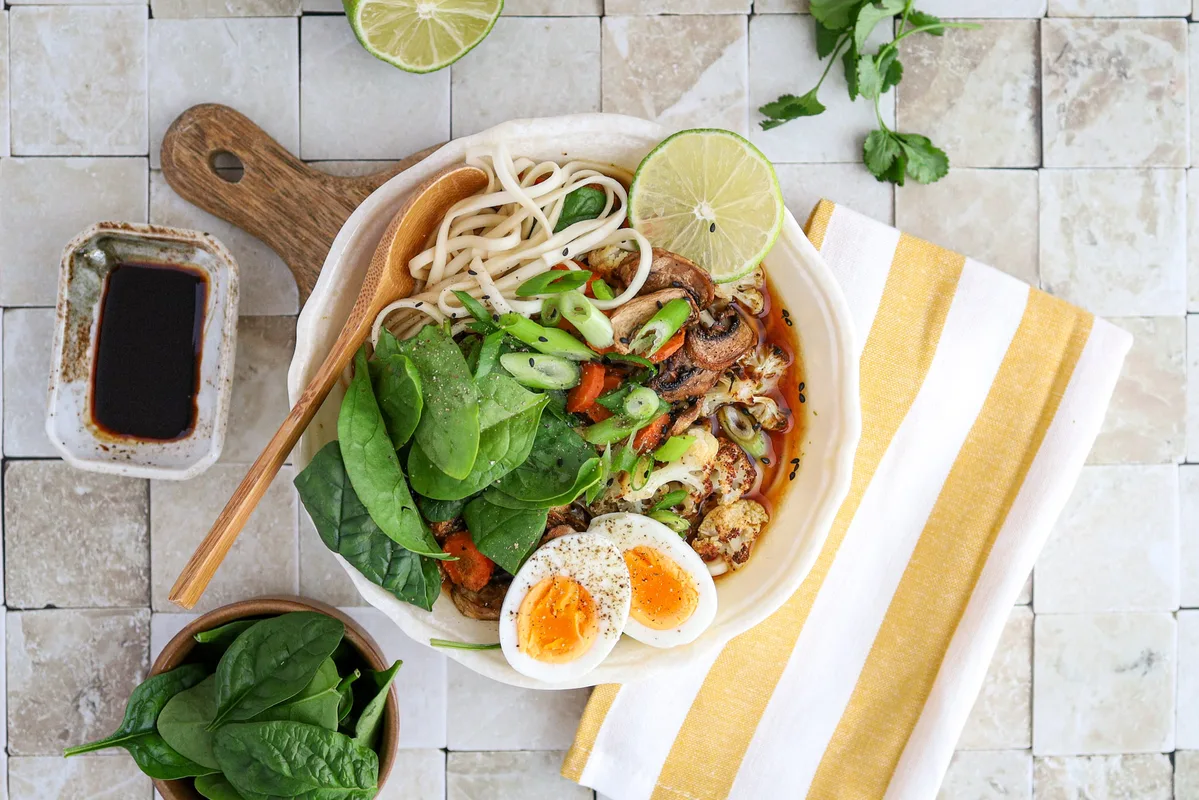

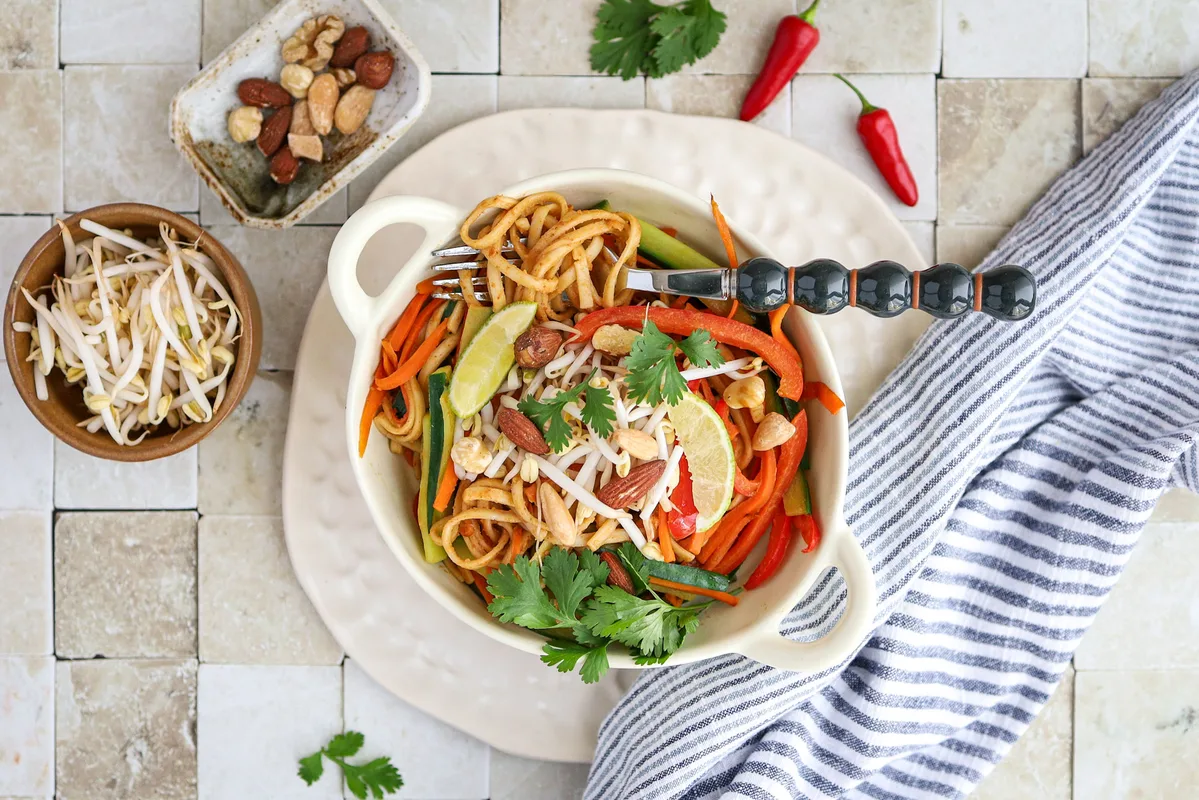
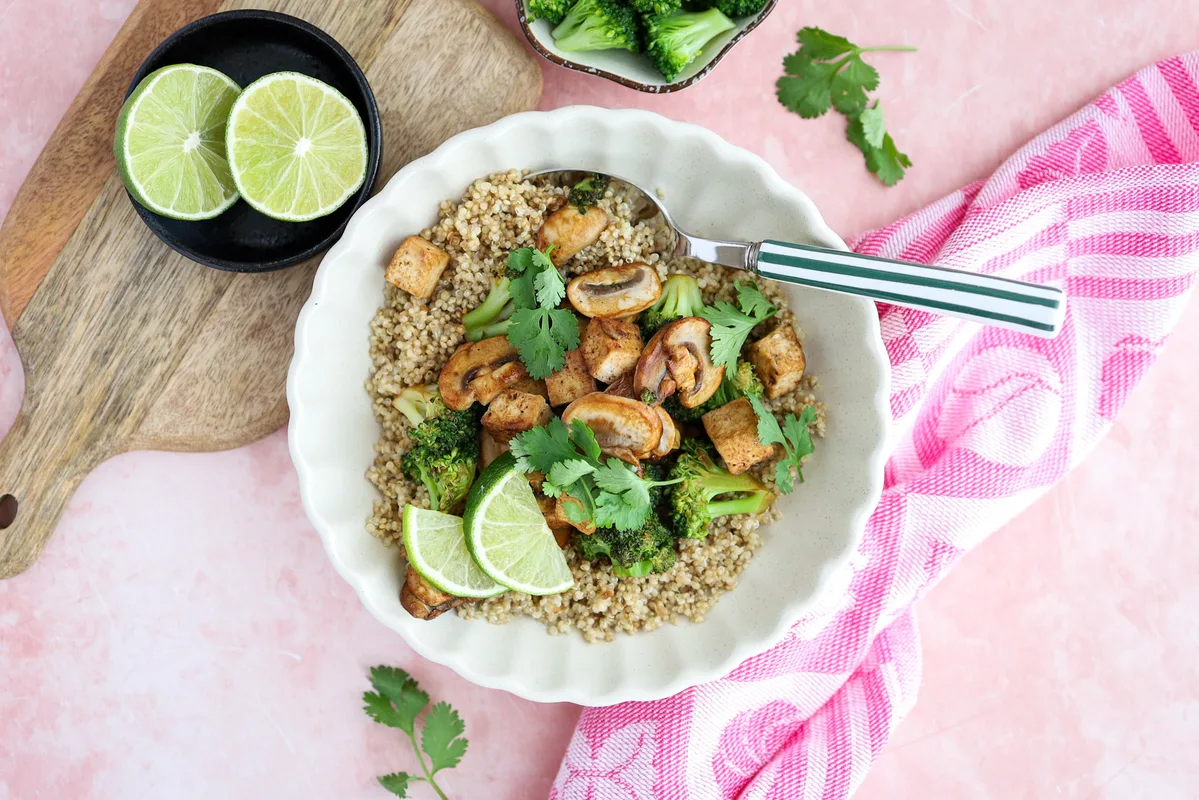
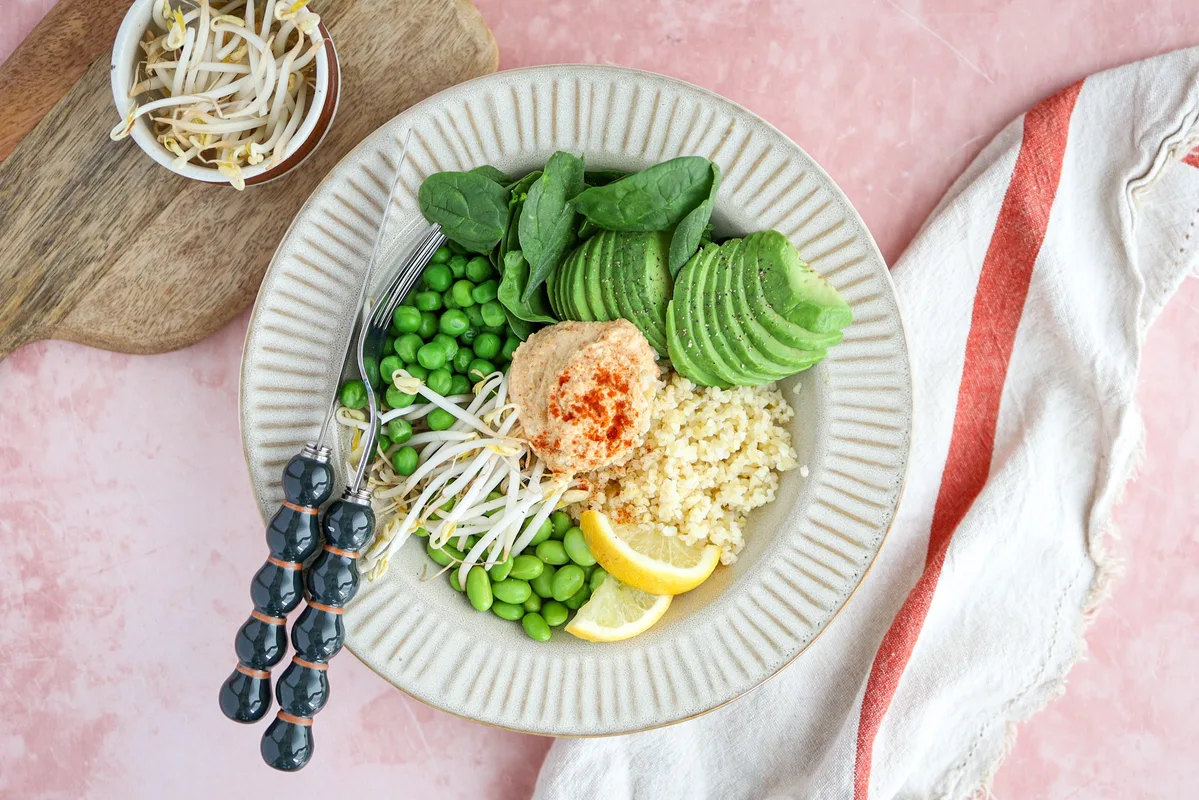
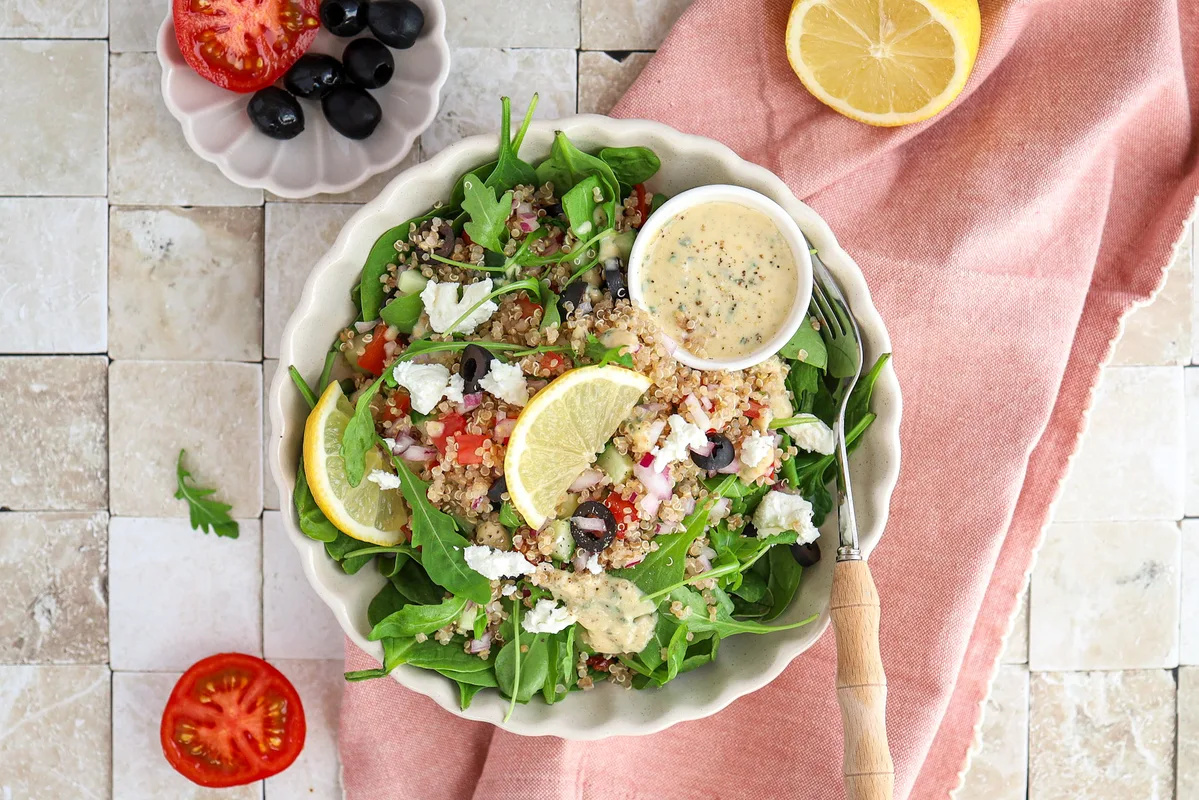
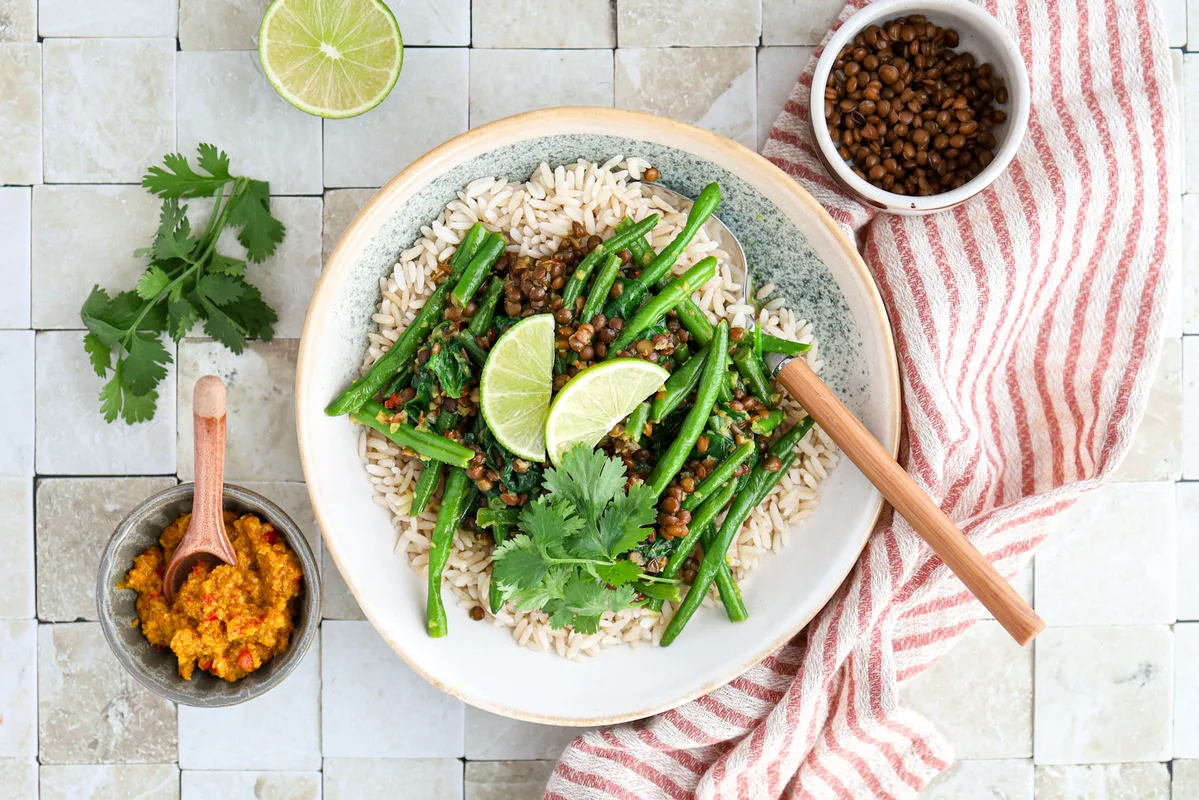
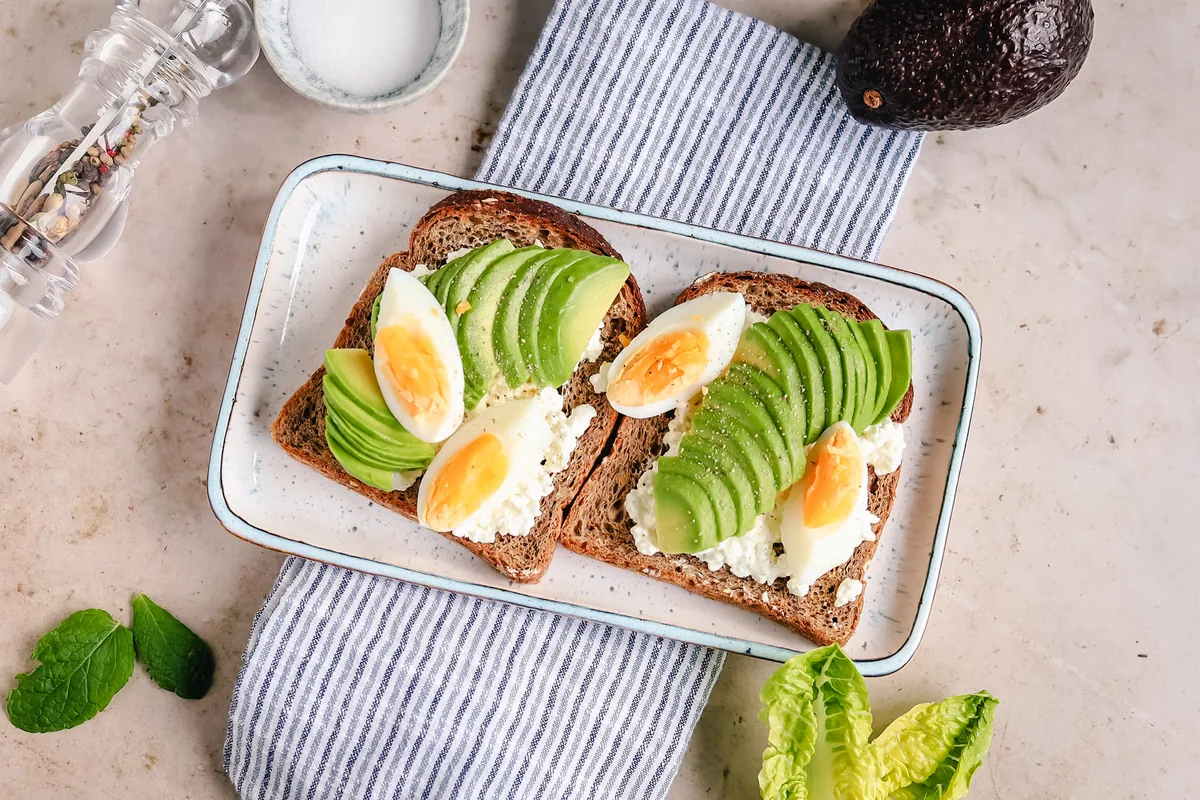
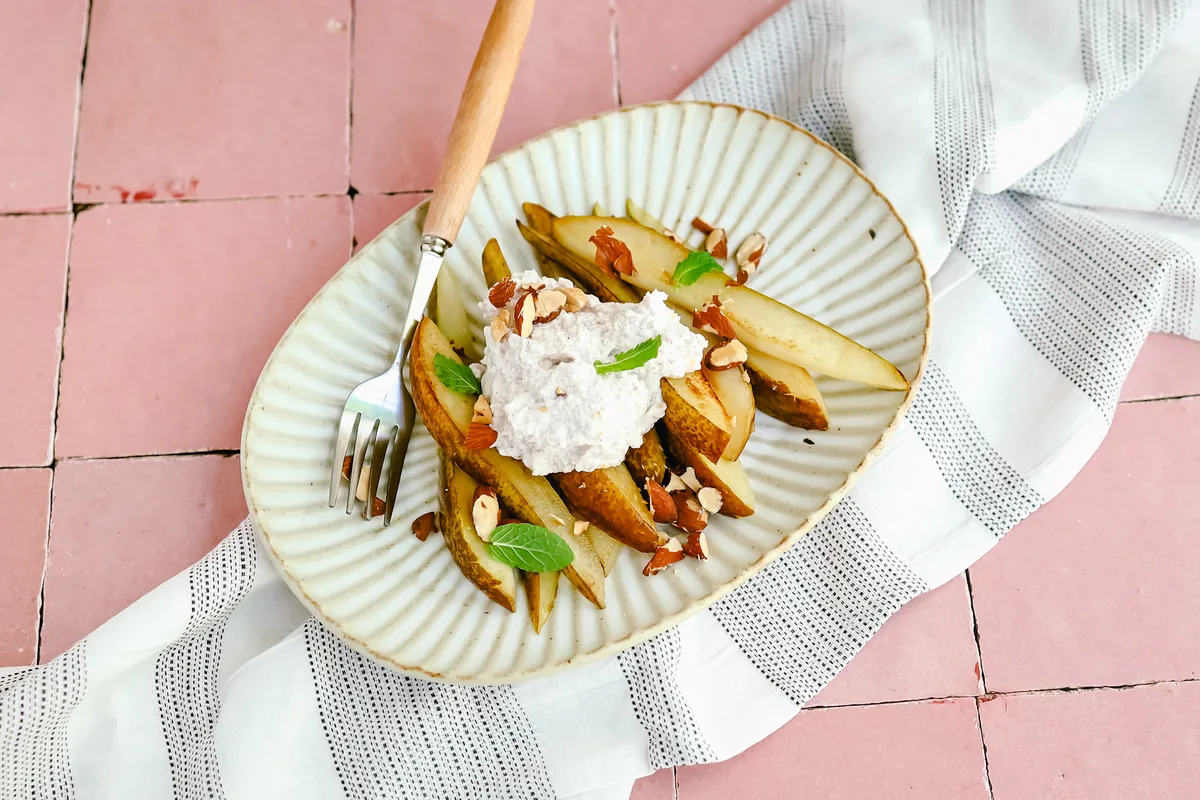













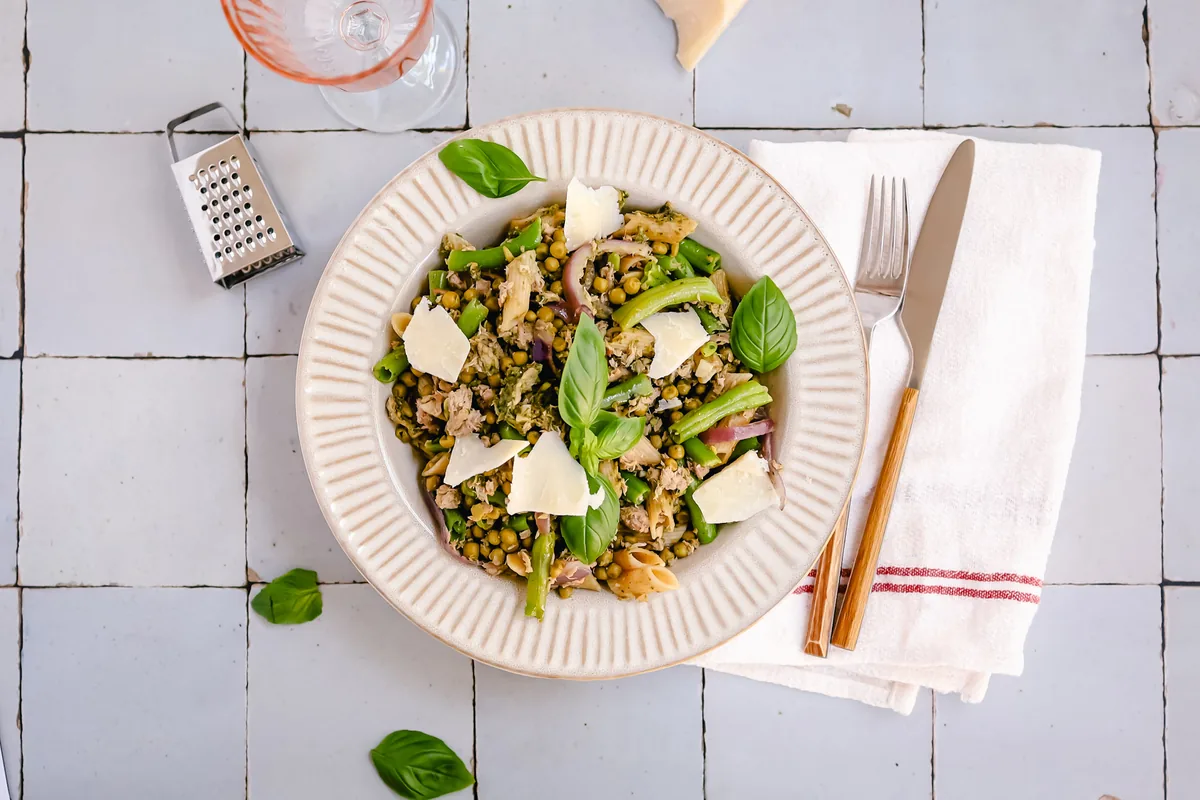

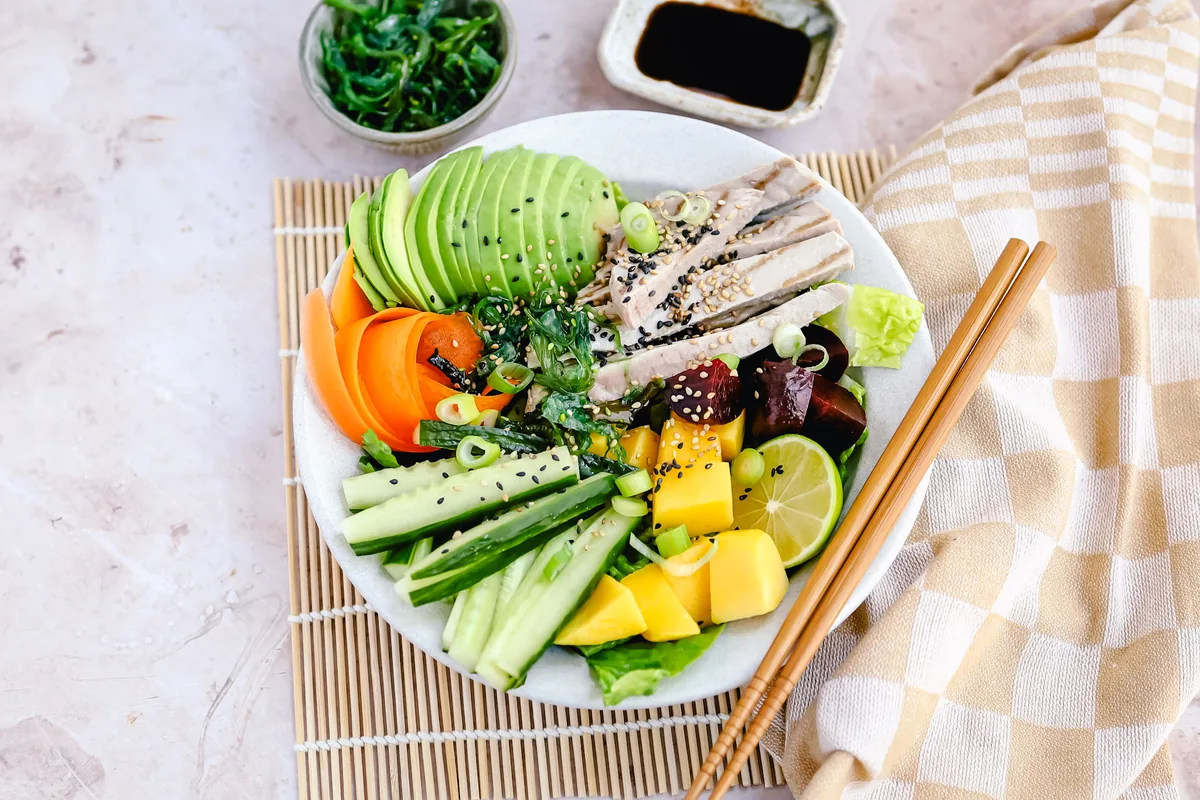


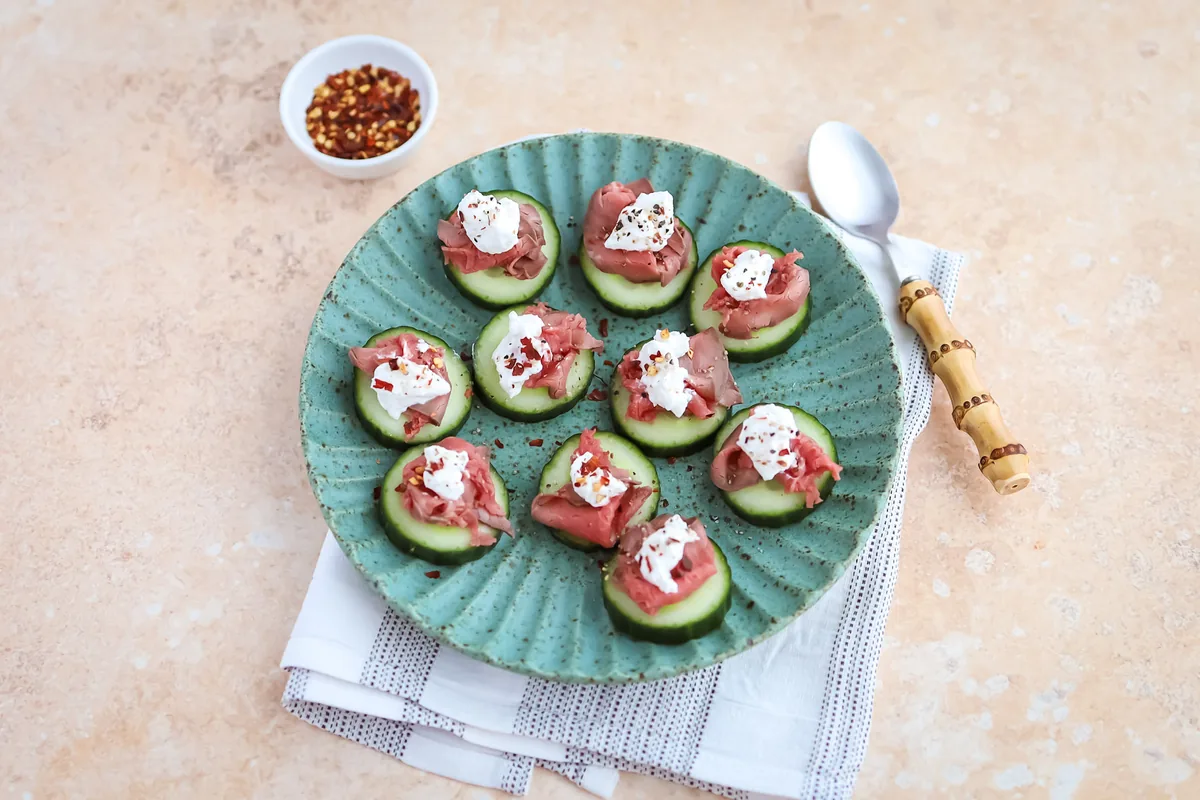

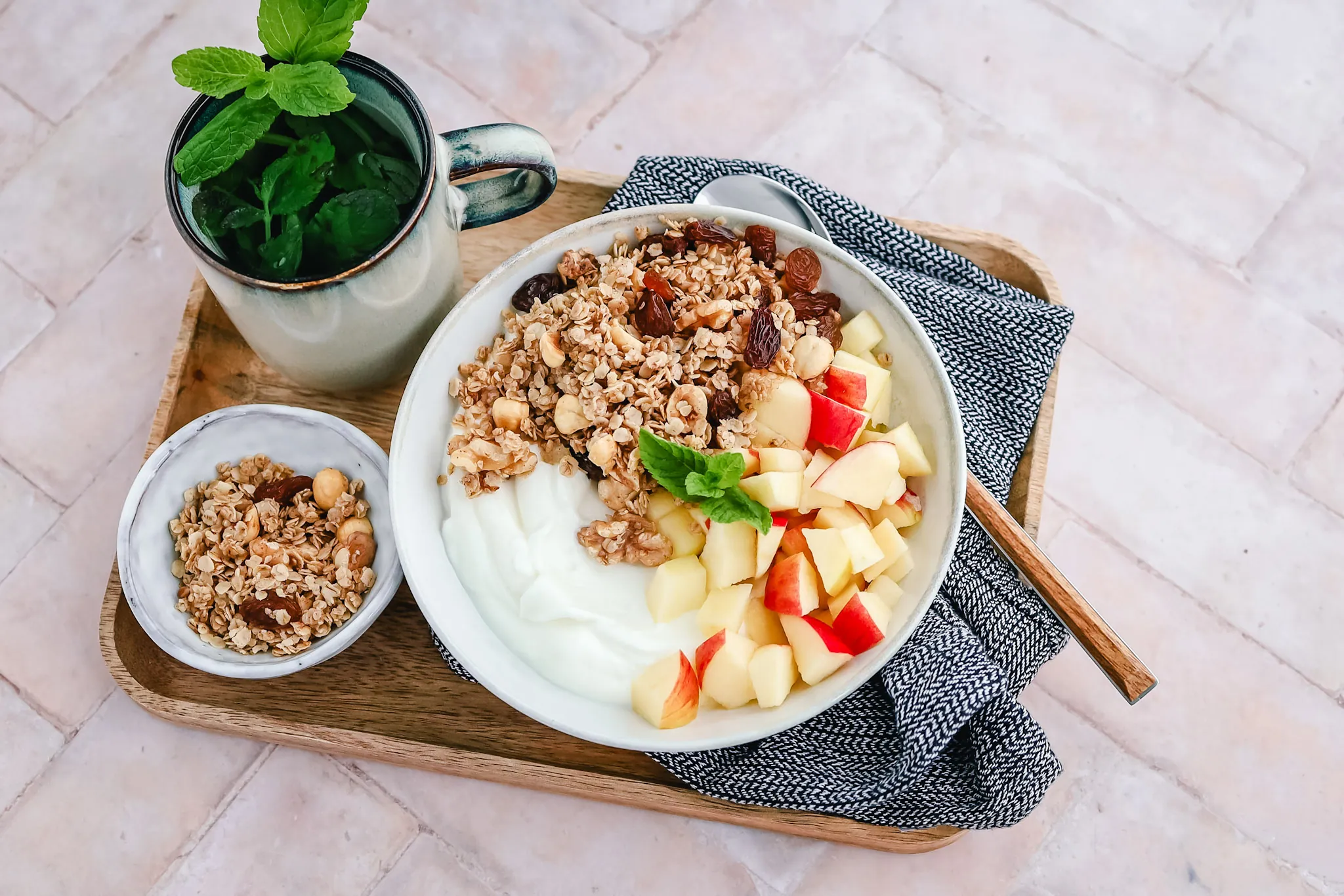






About this collection
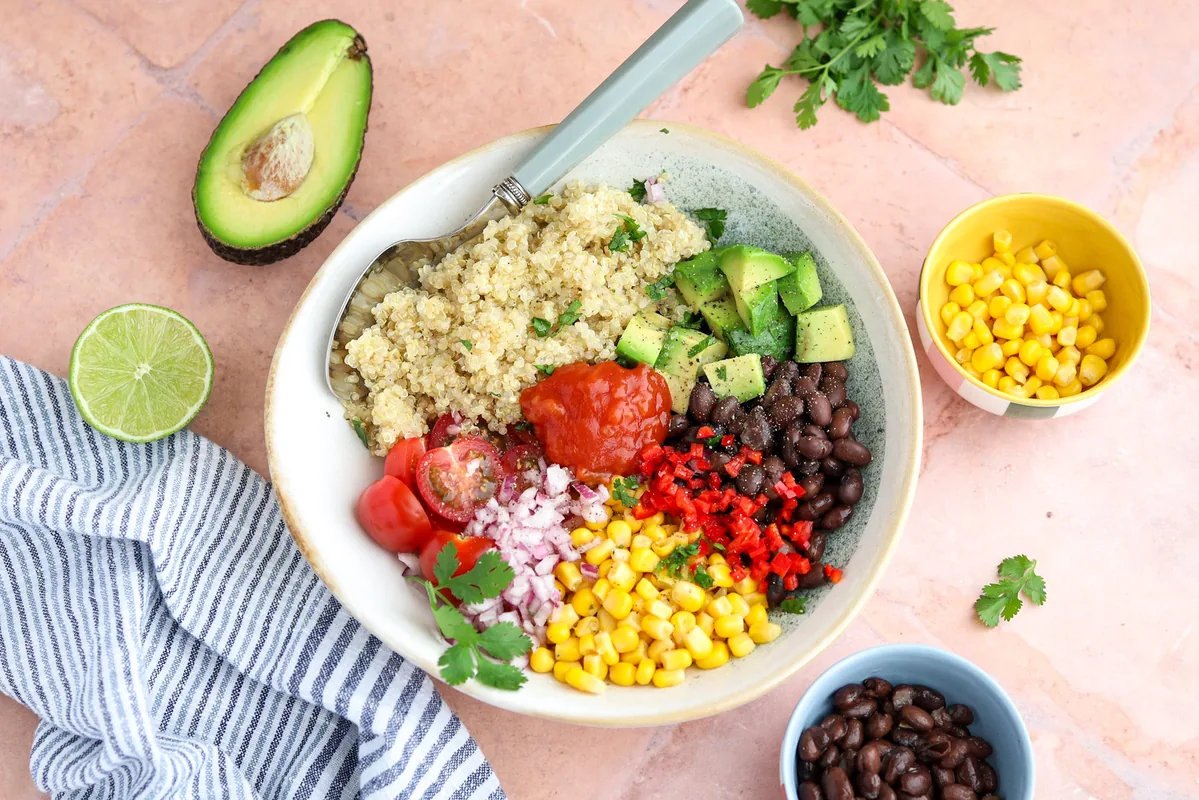
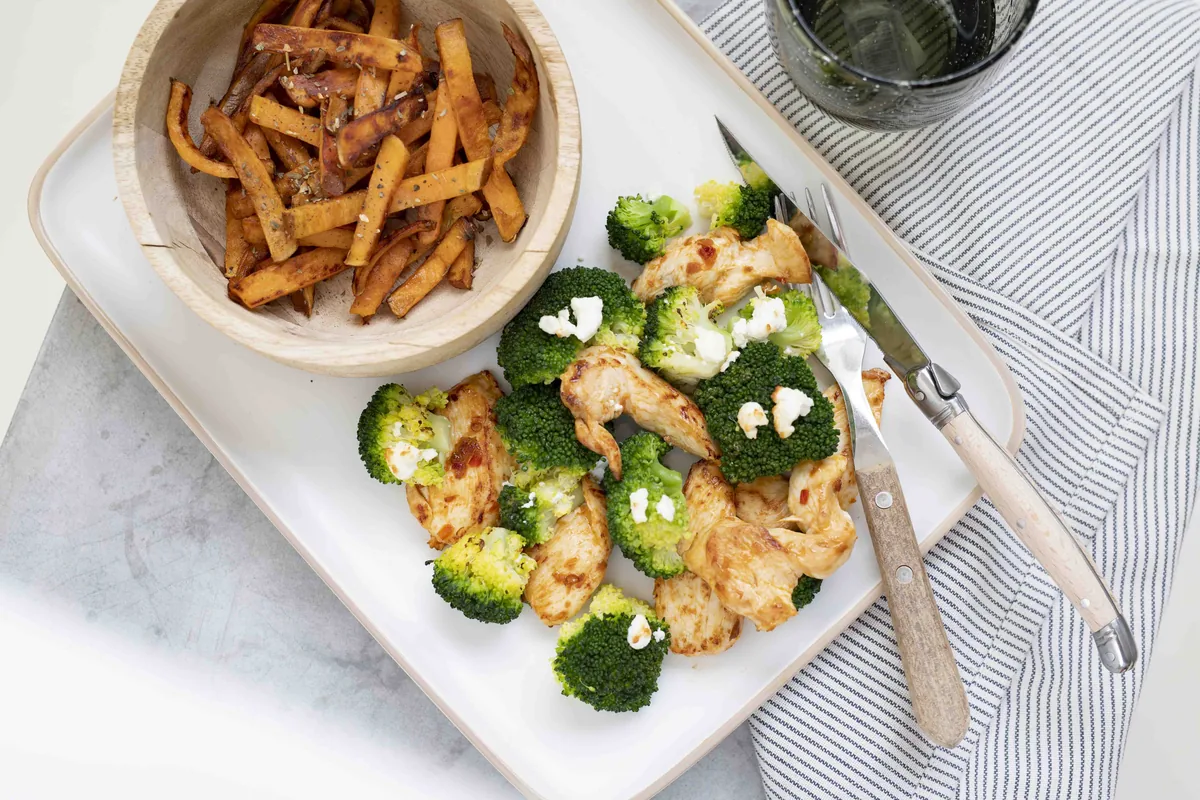
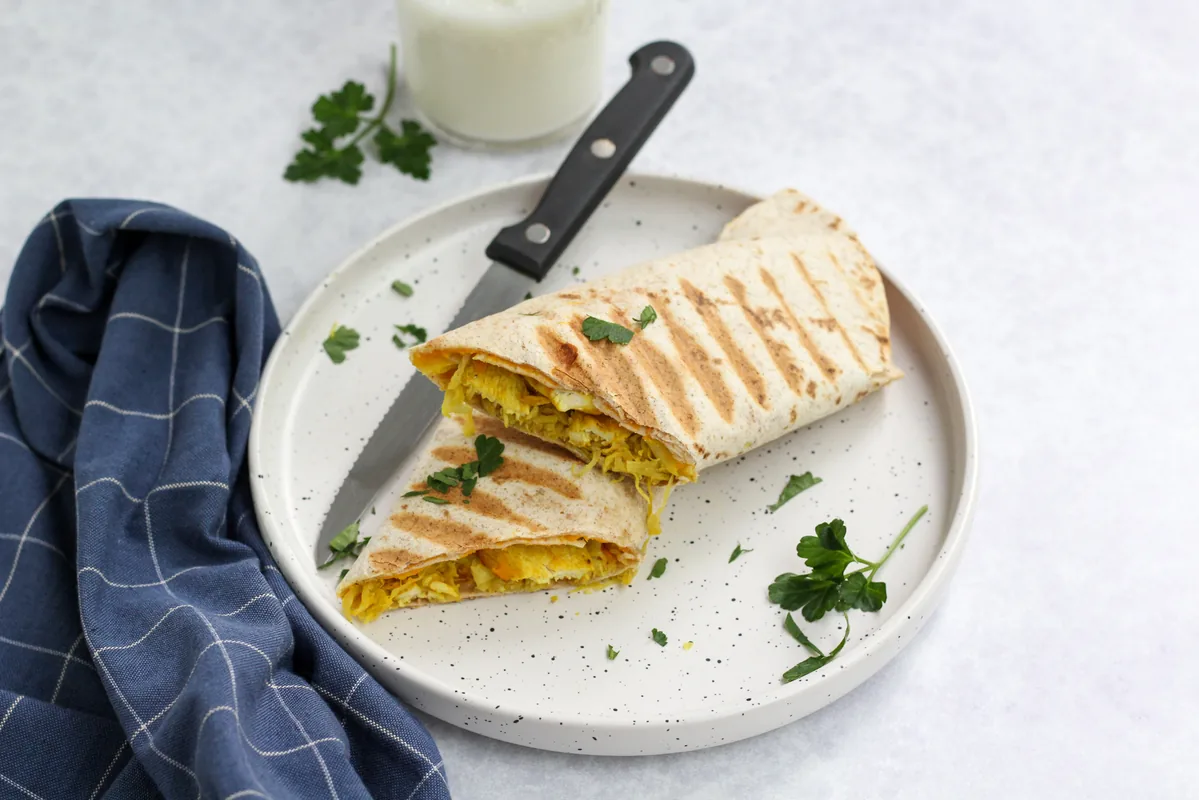
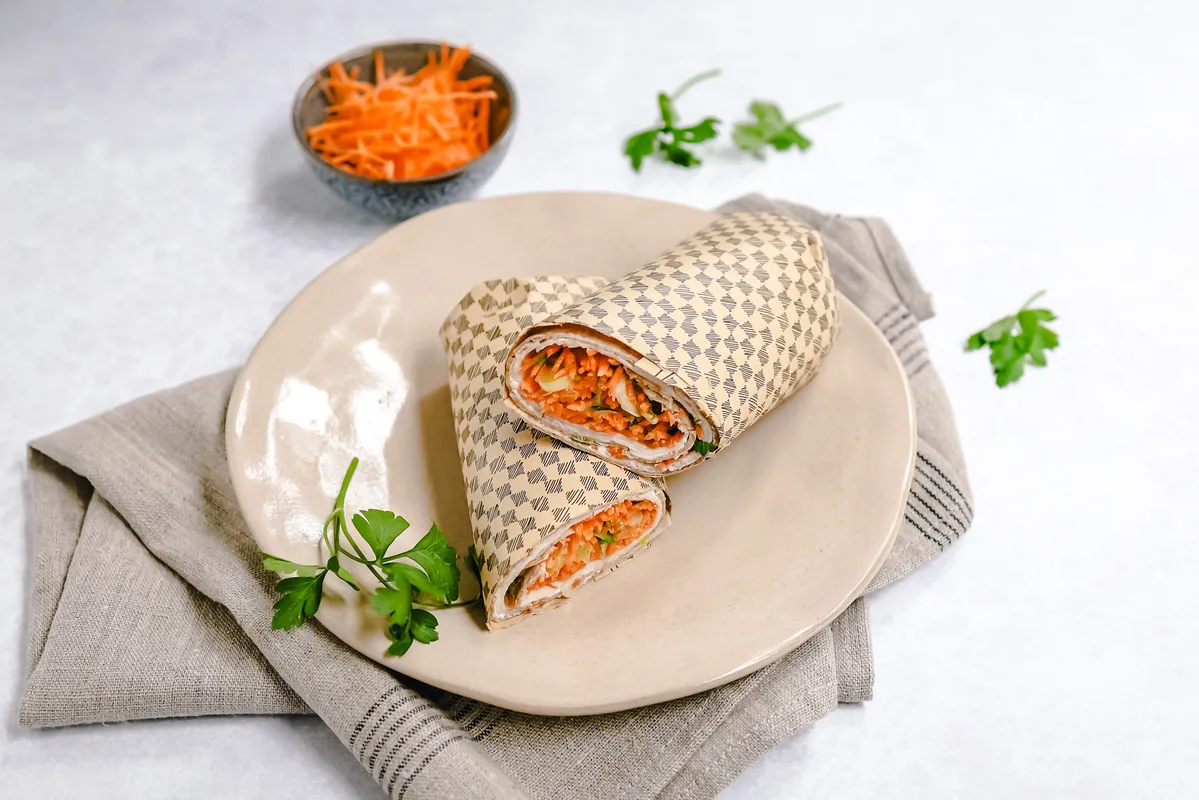
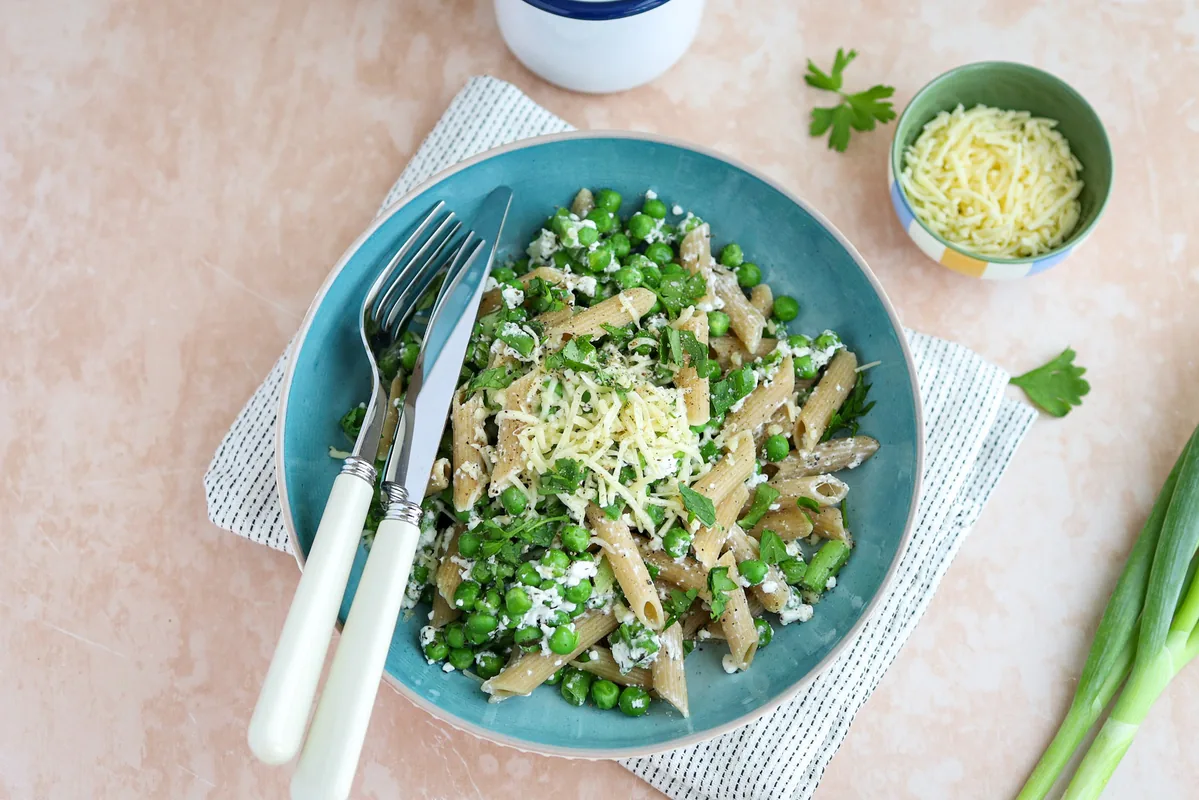
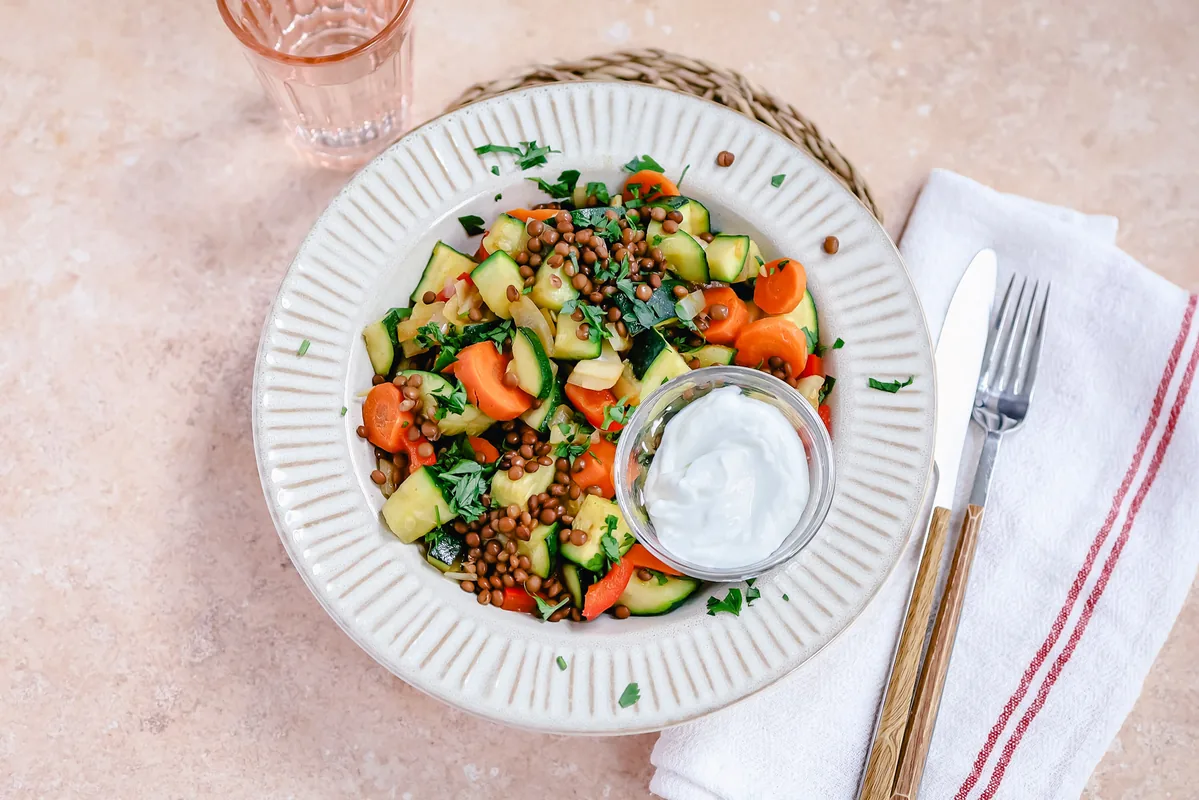
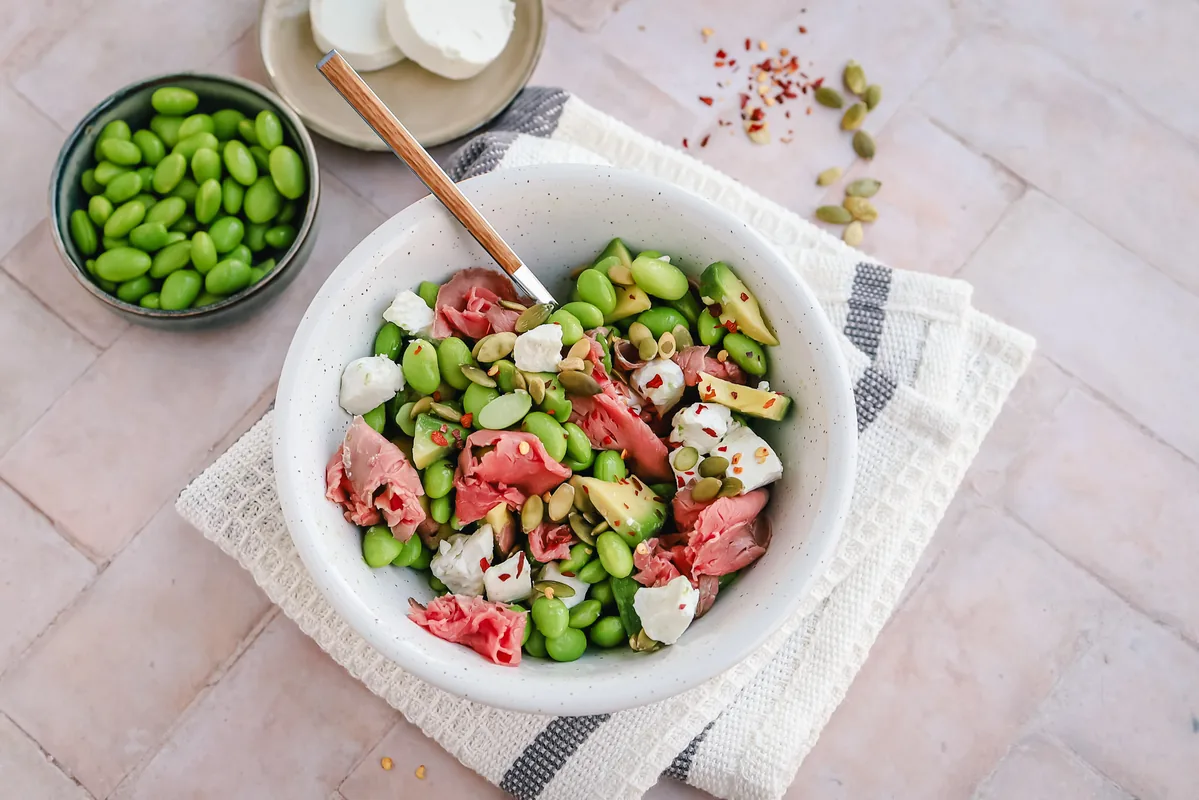
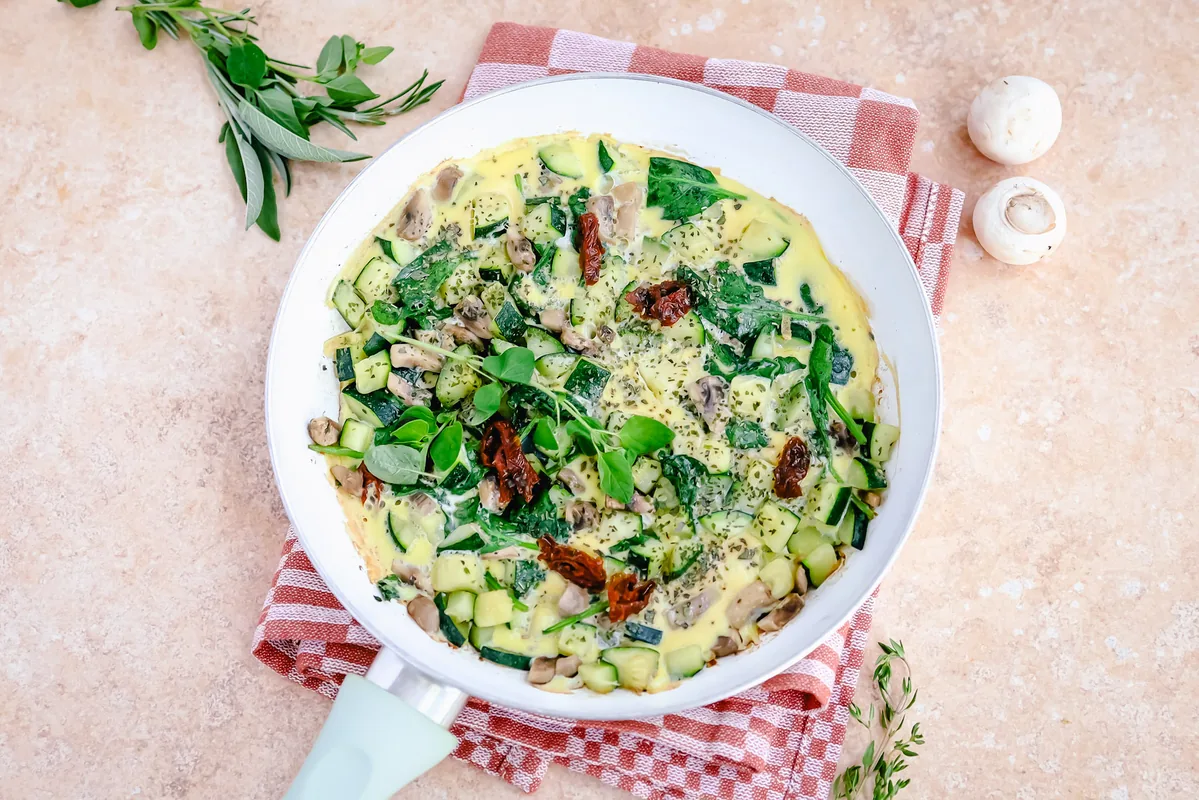
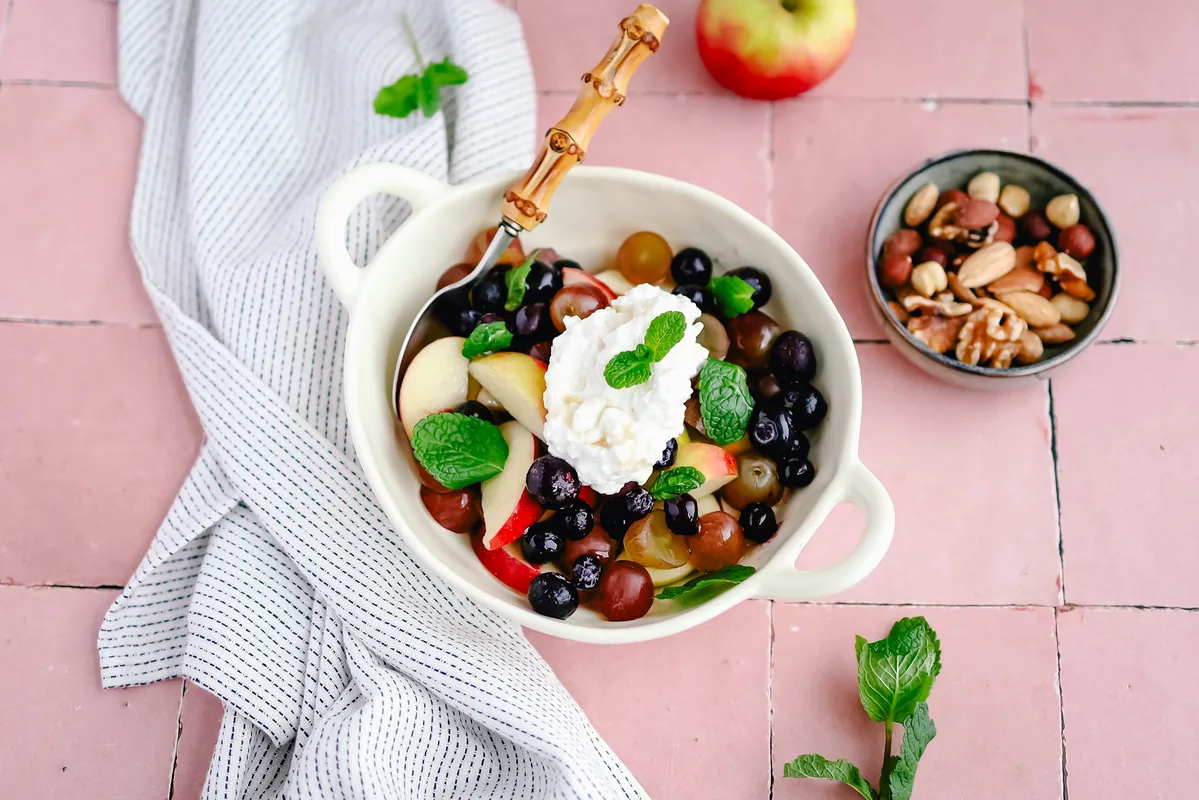
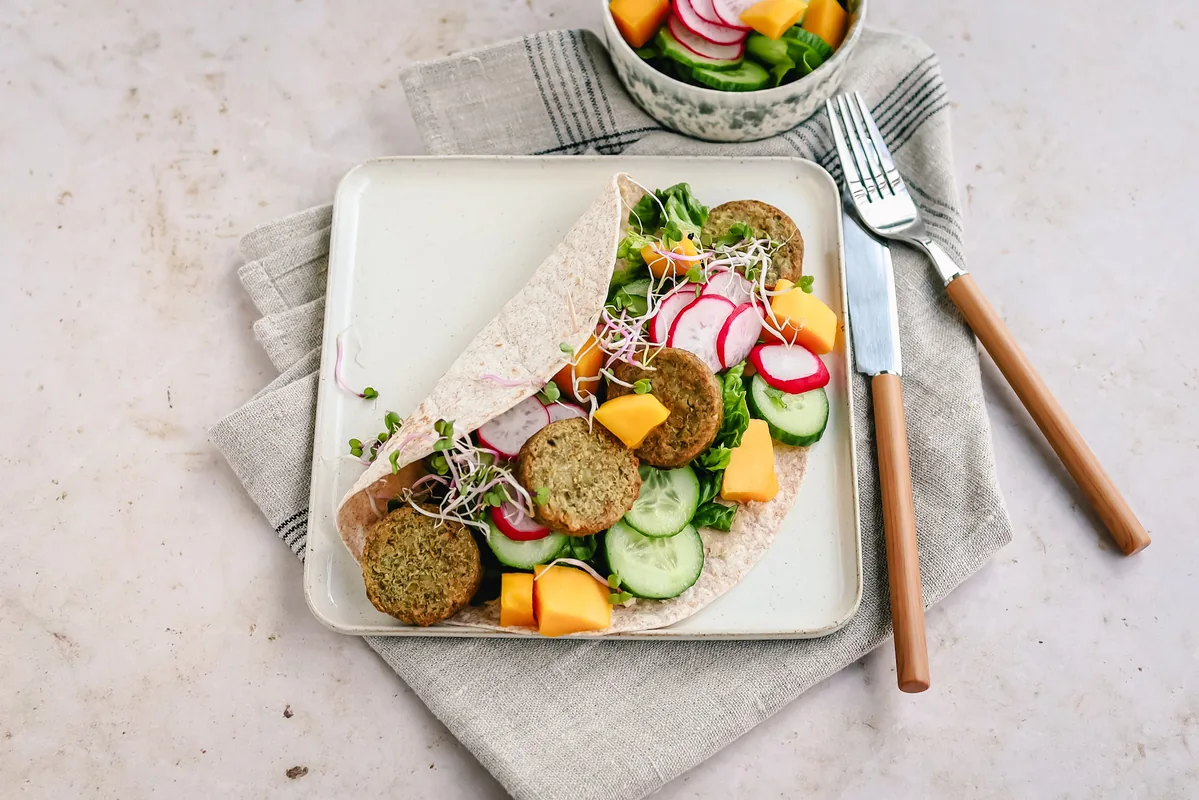
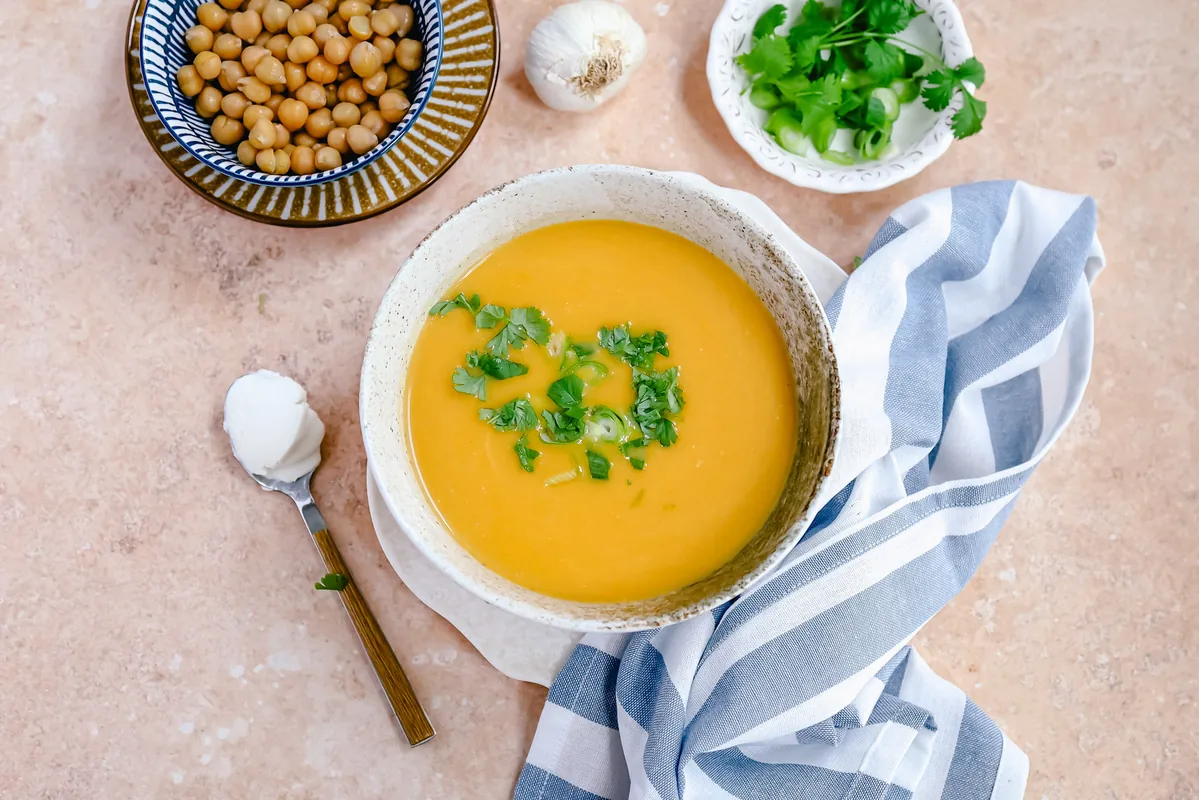
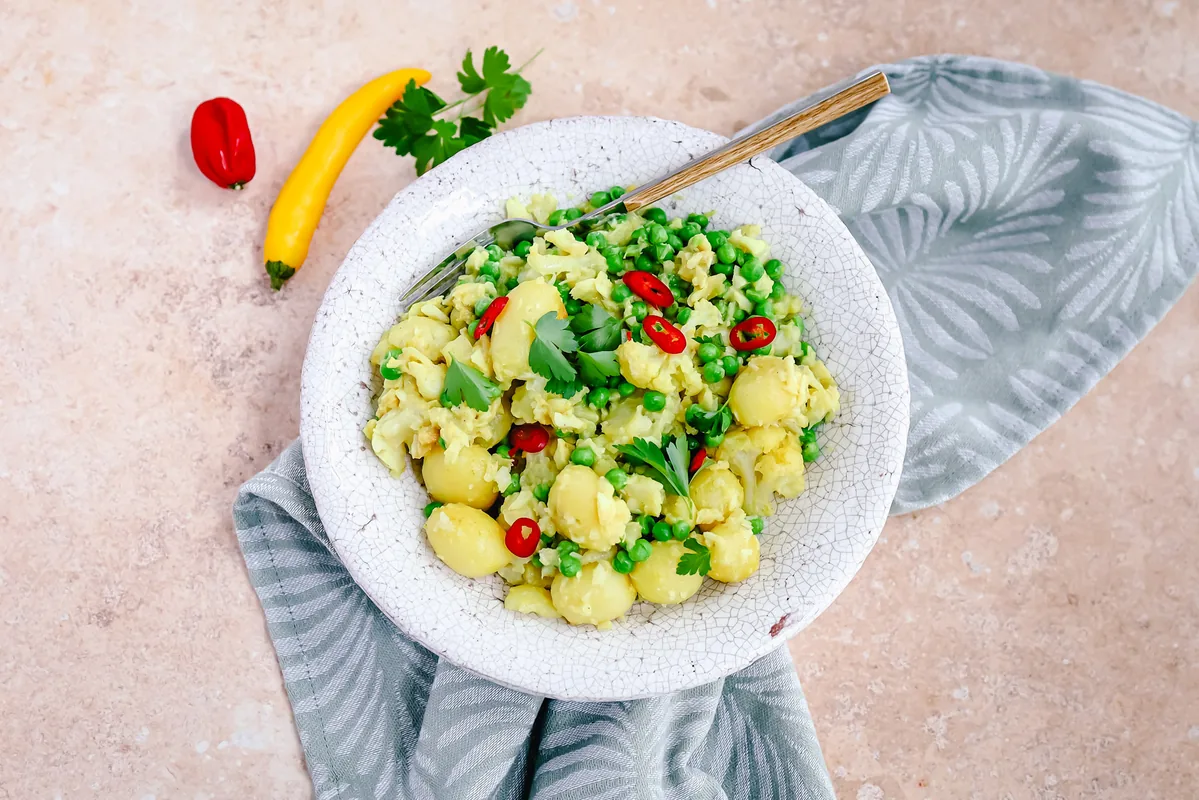
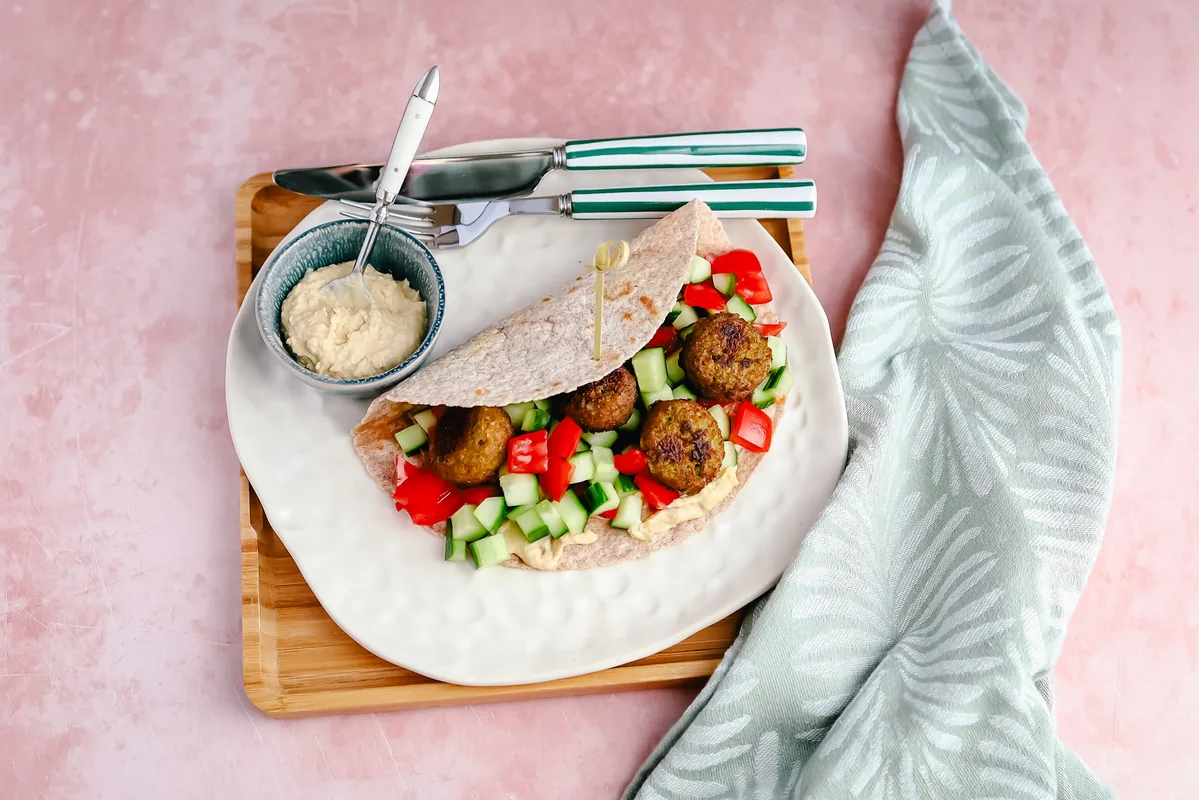
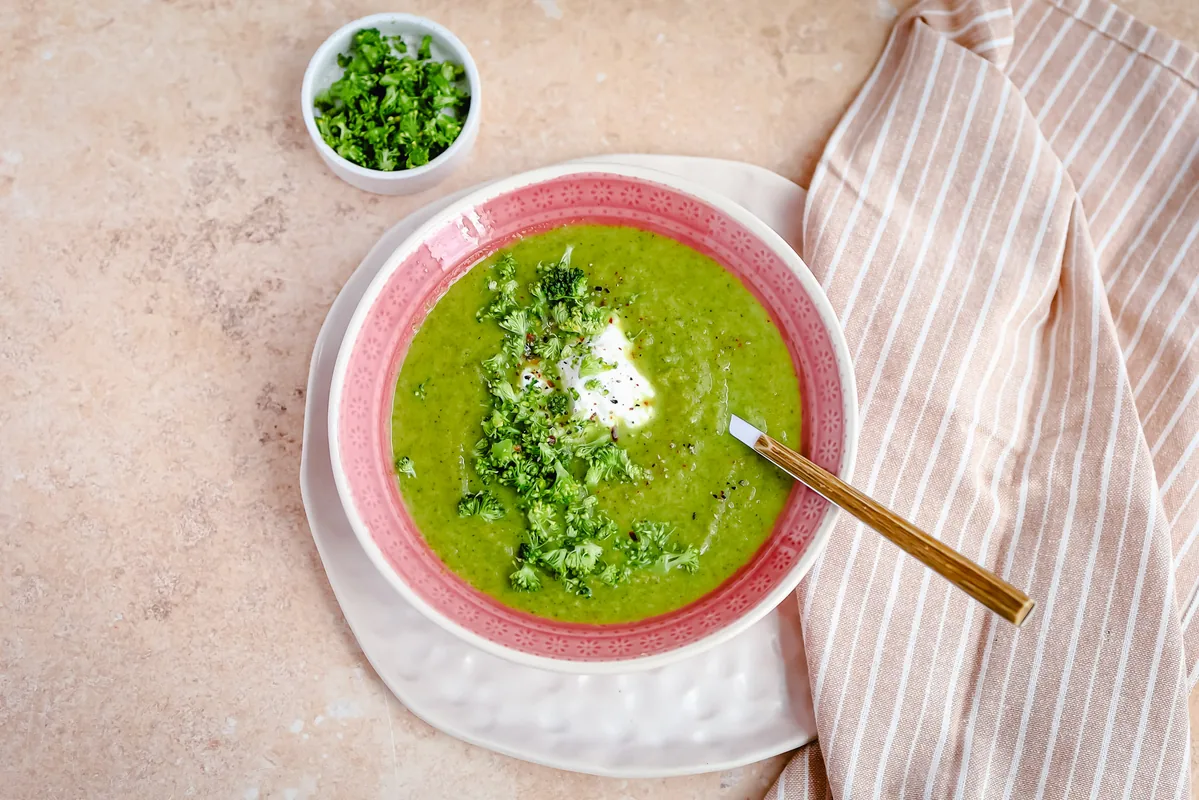
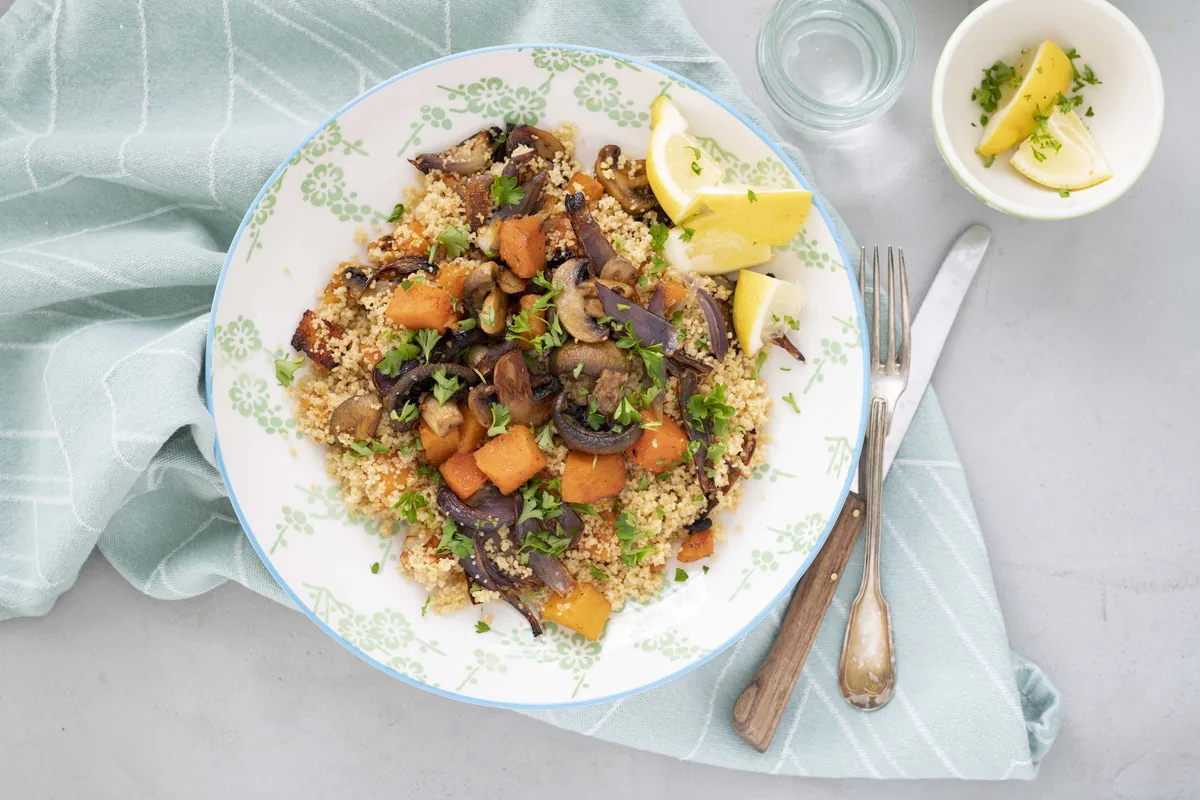
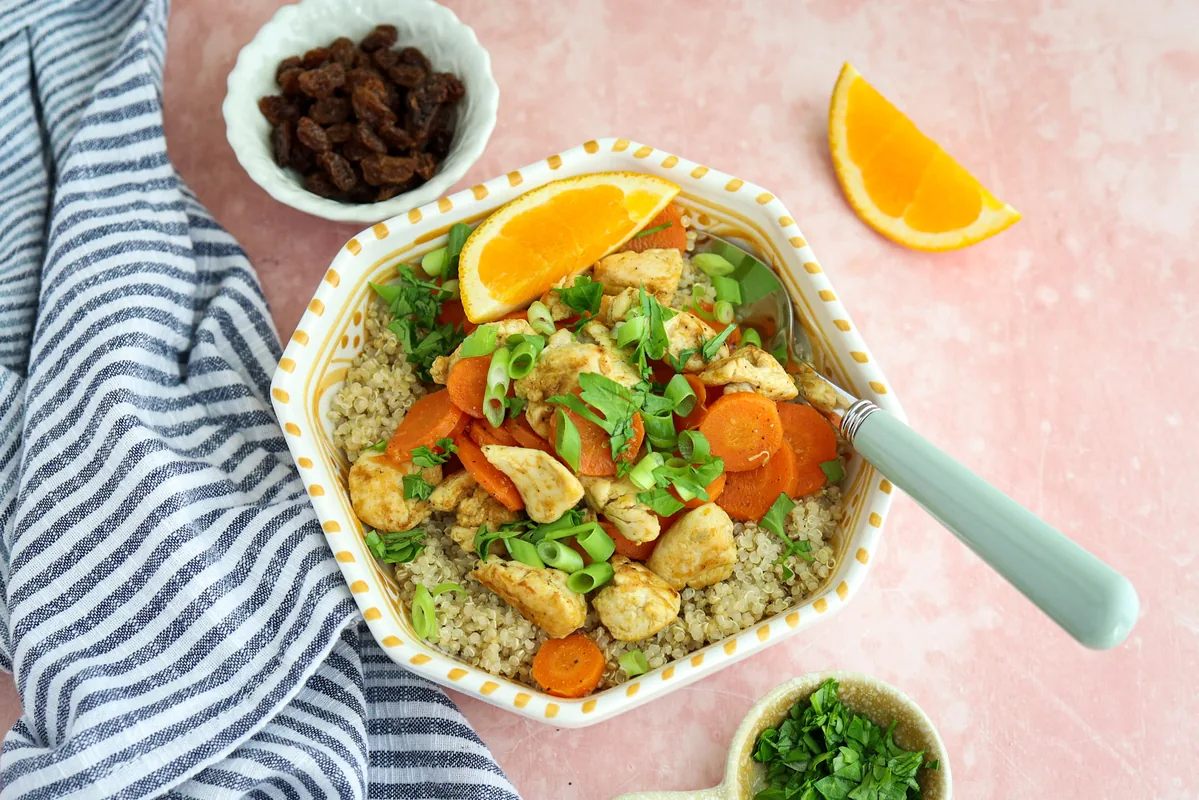
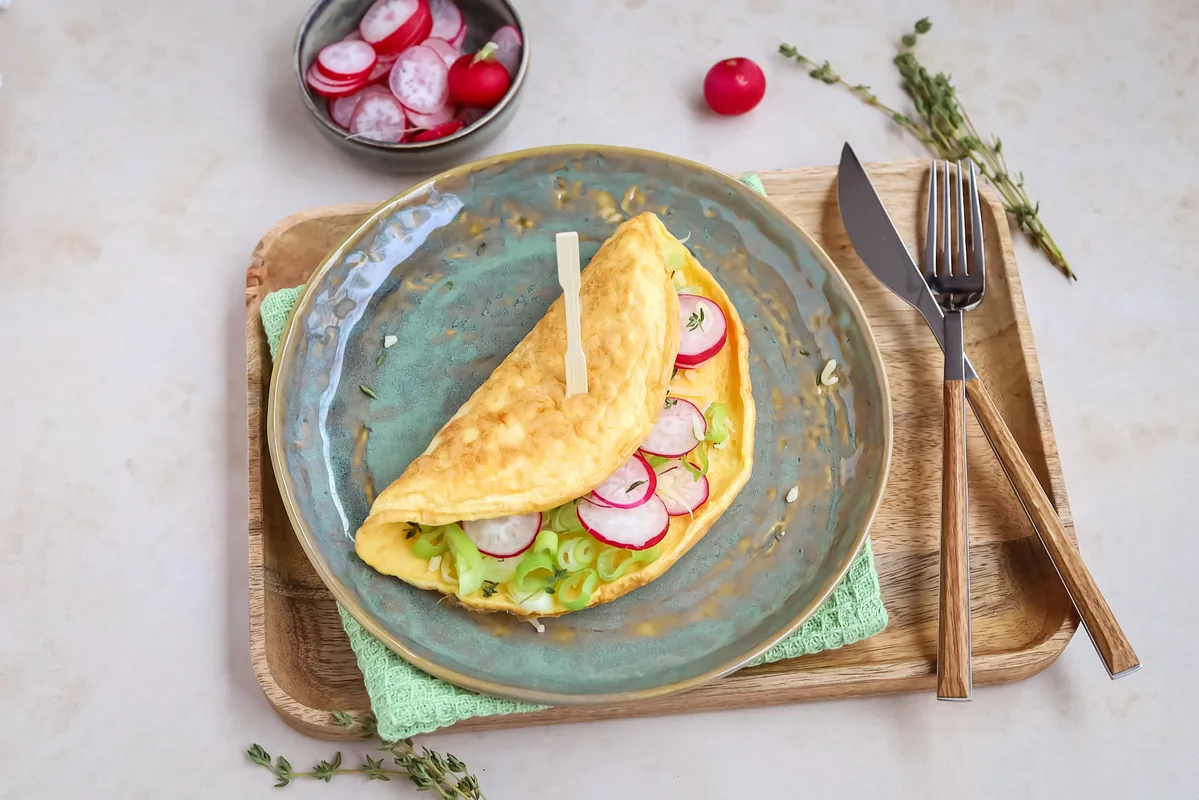
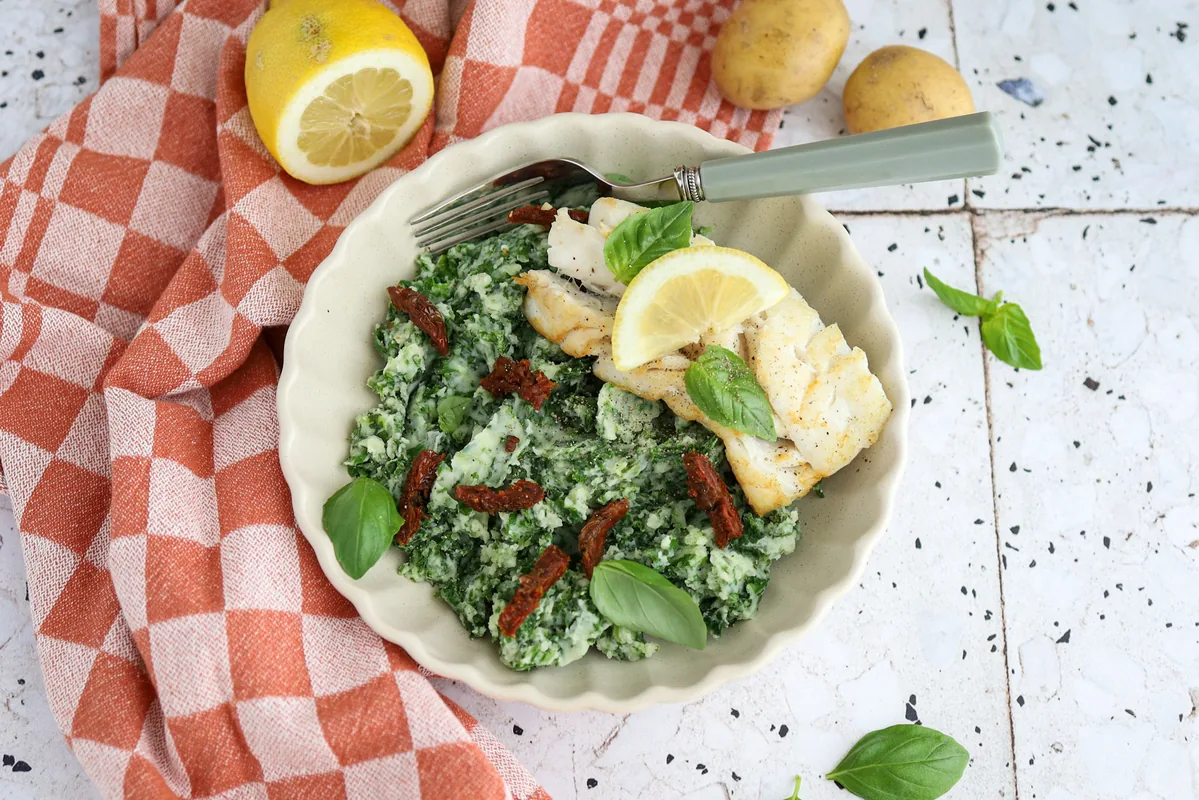
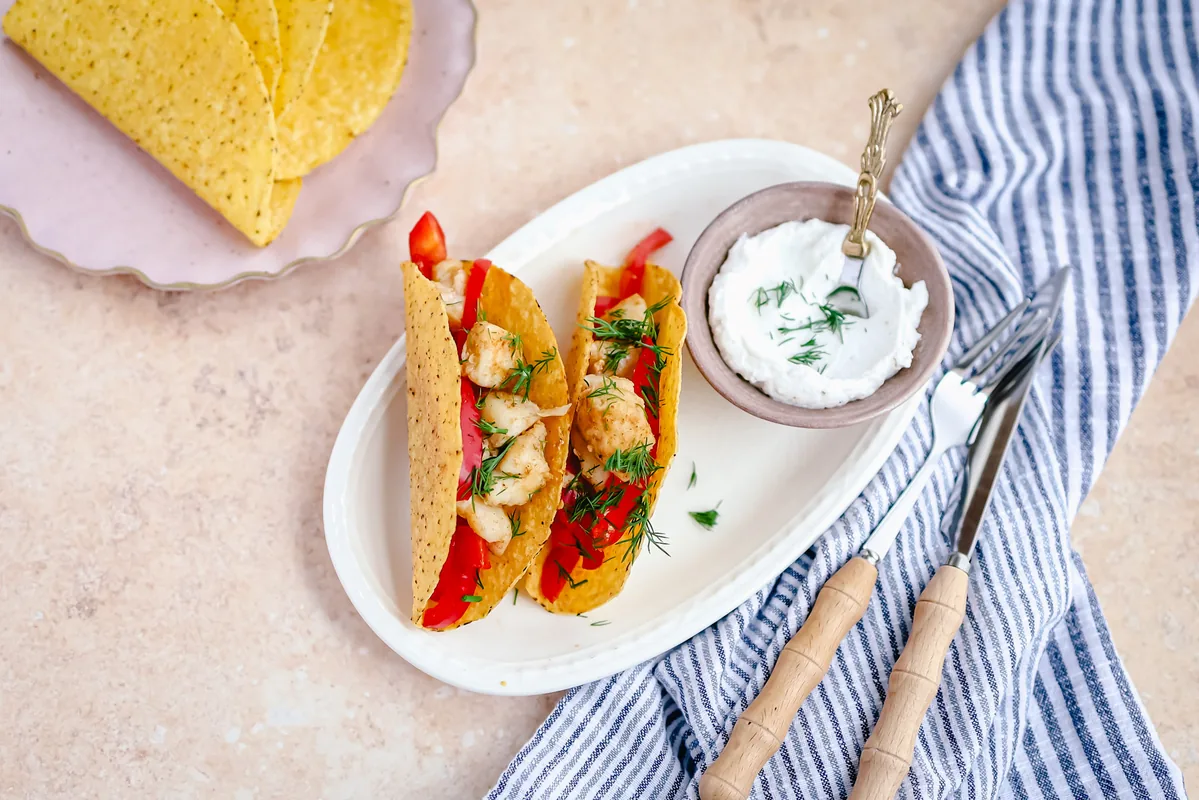
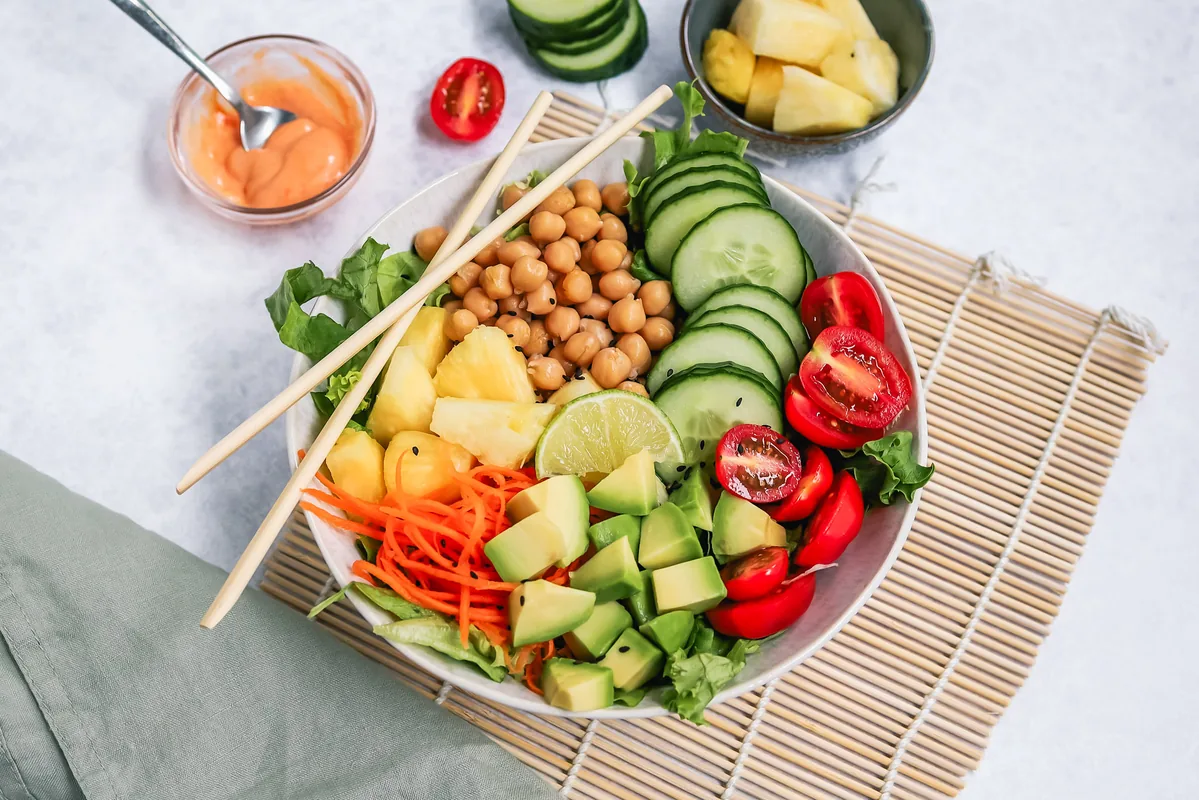
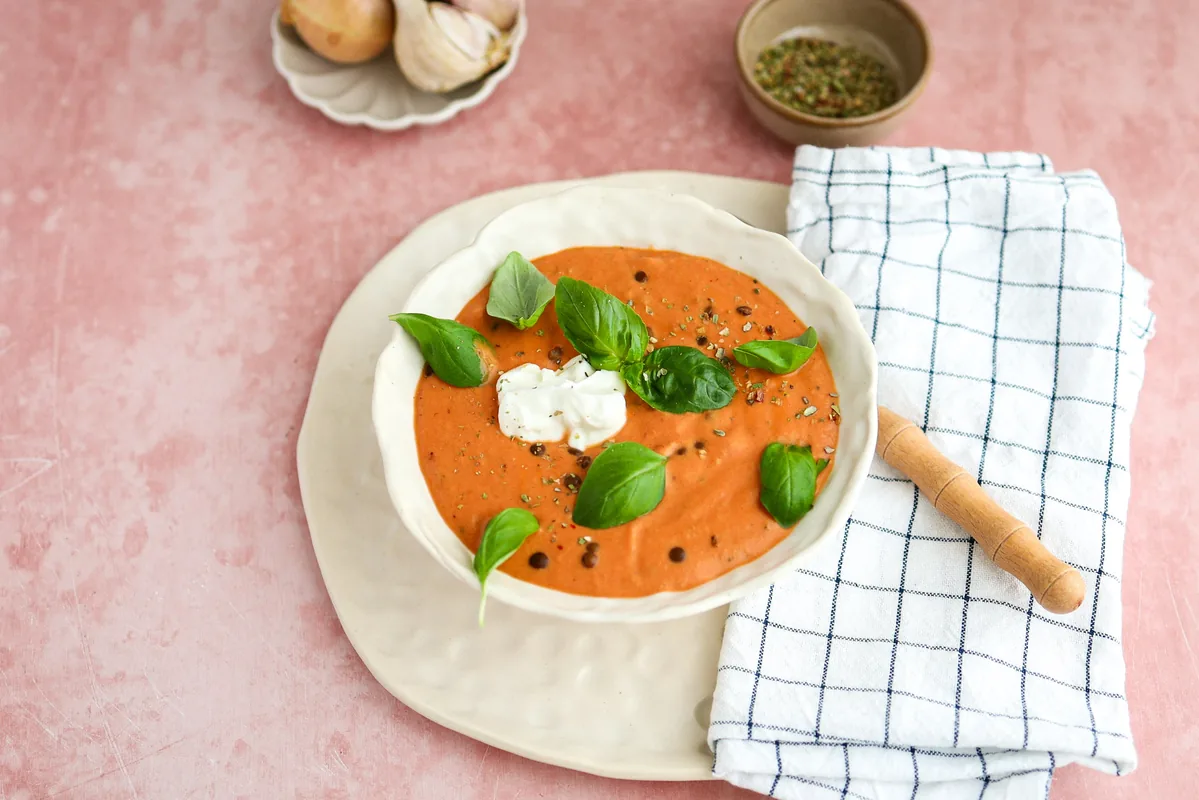
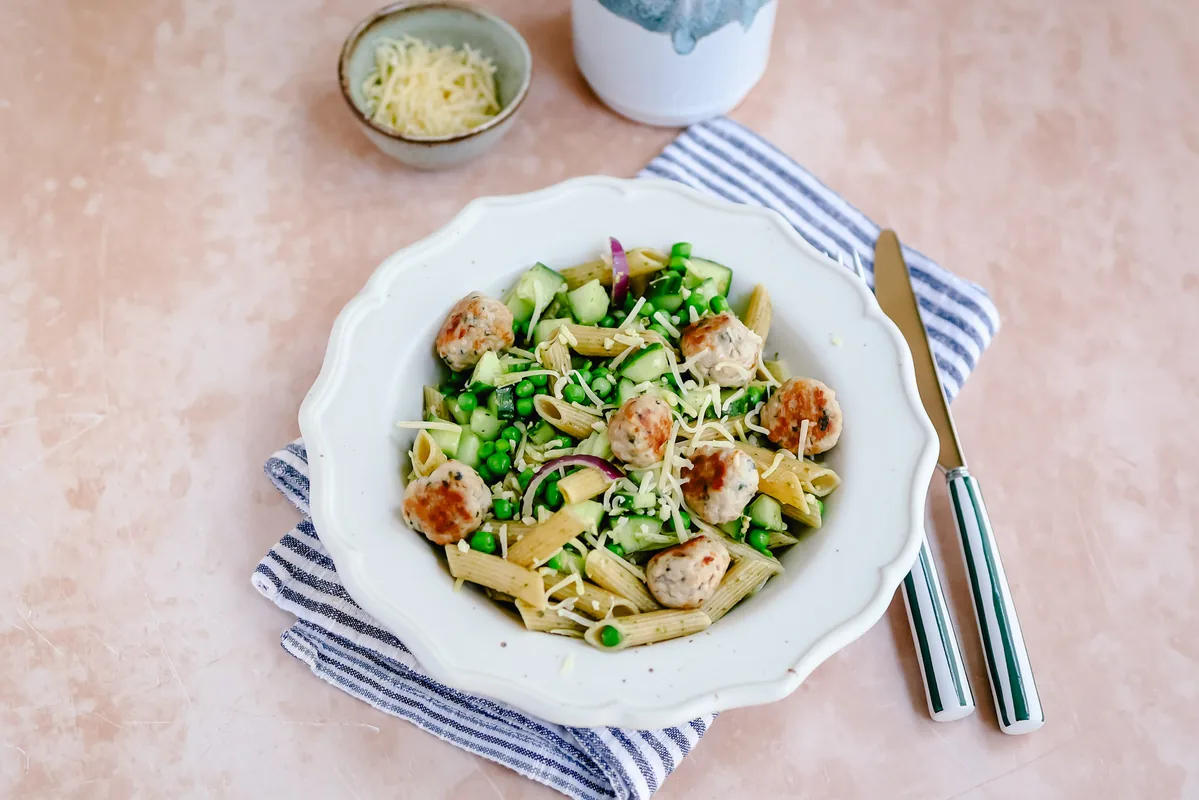
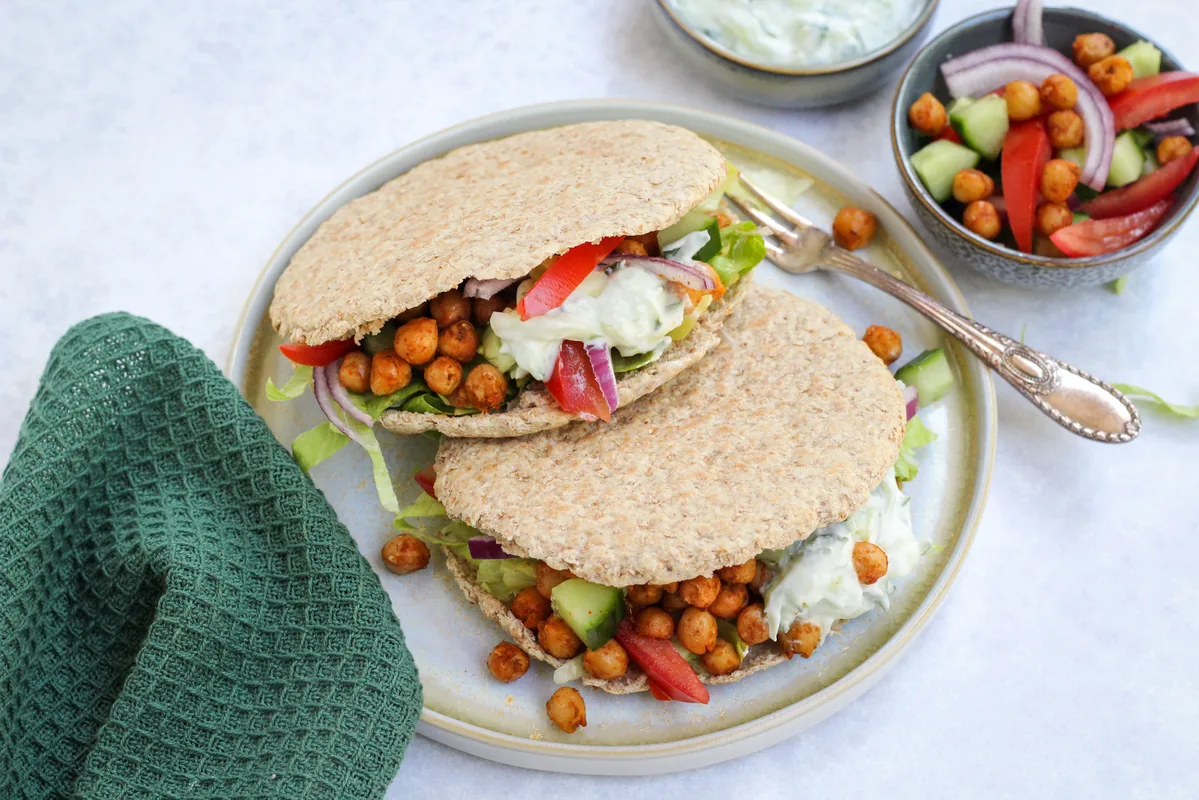
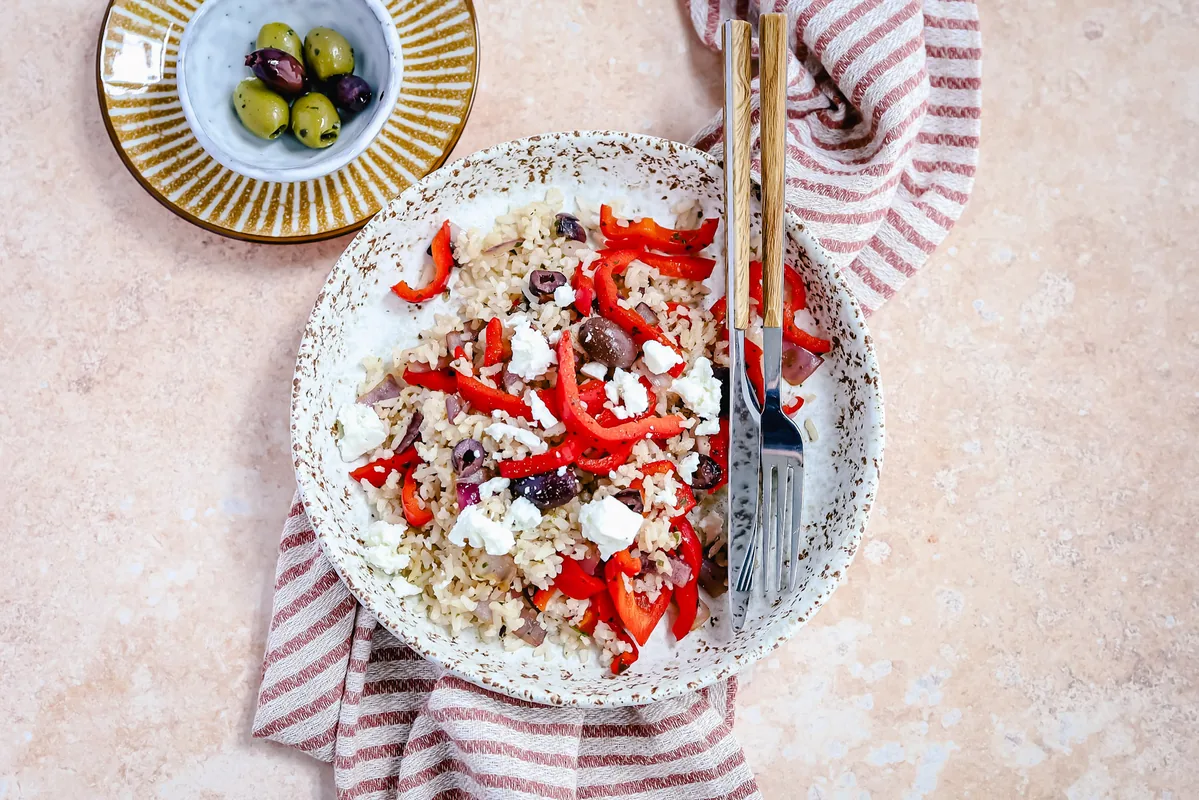
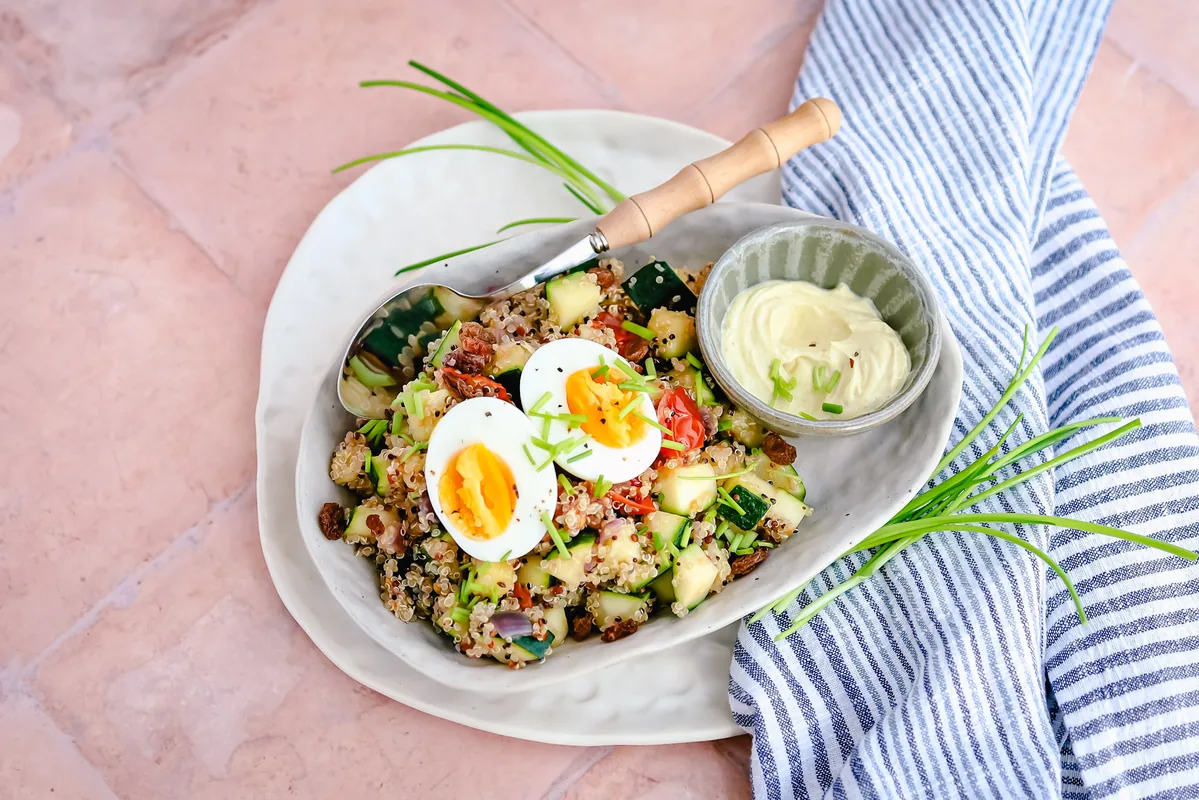
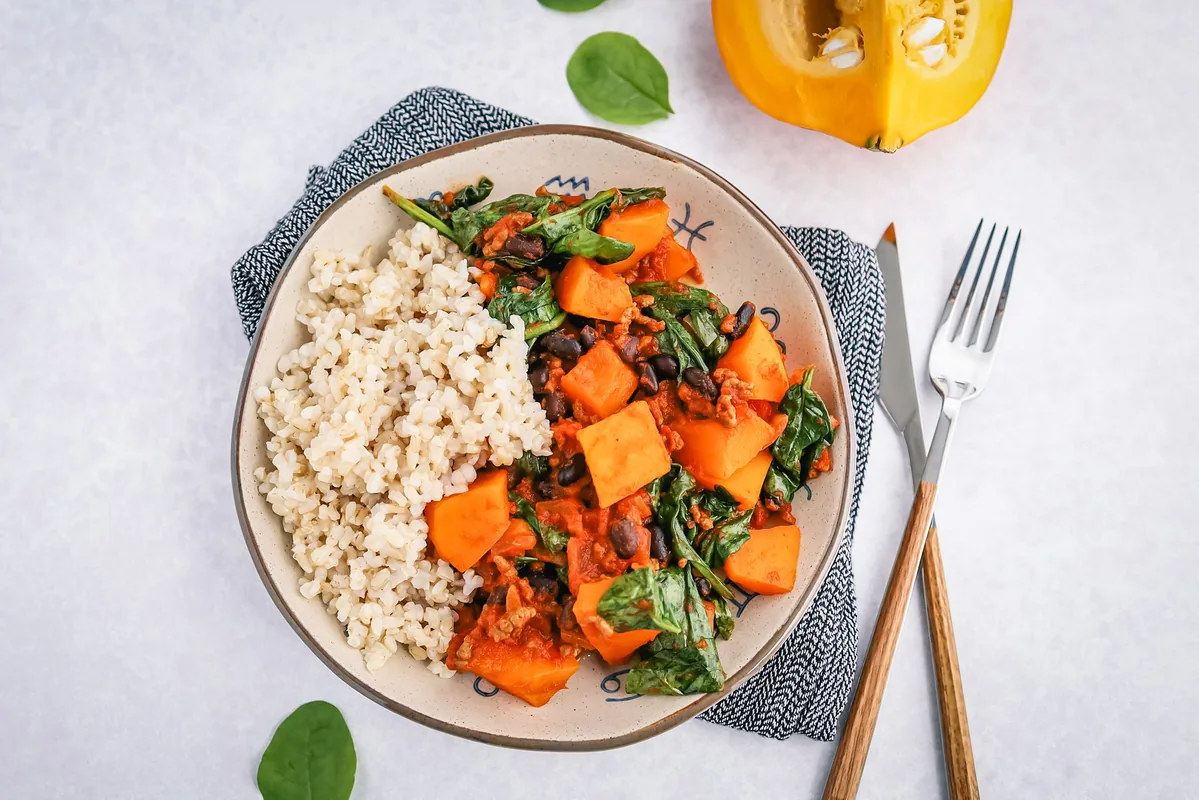
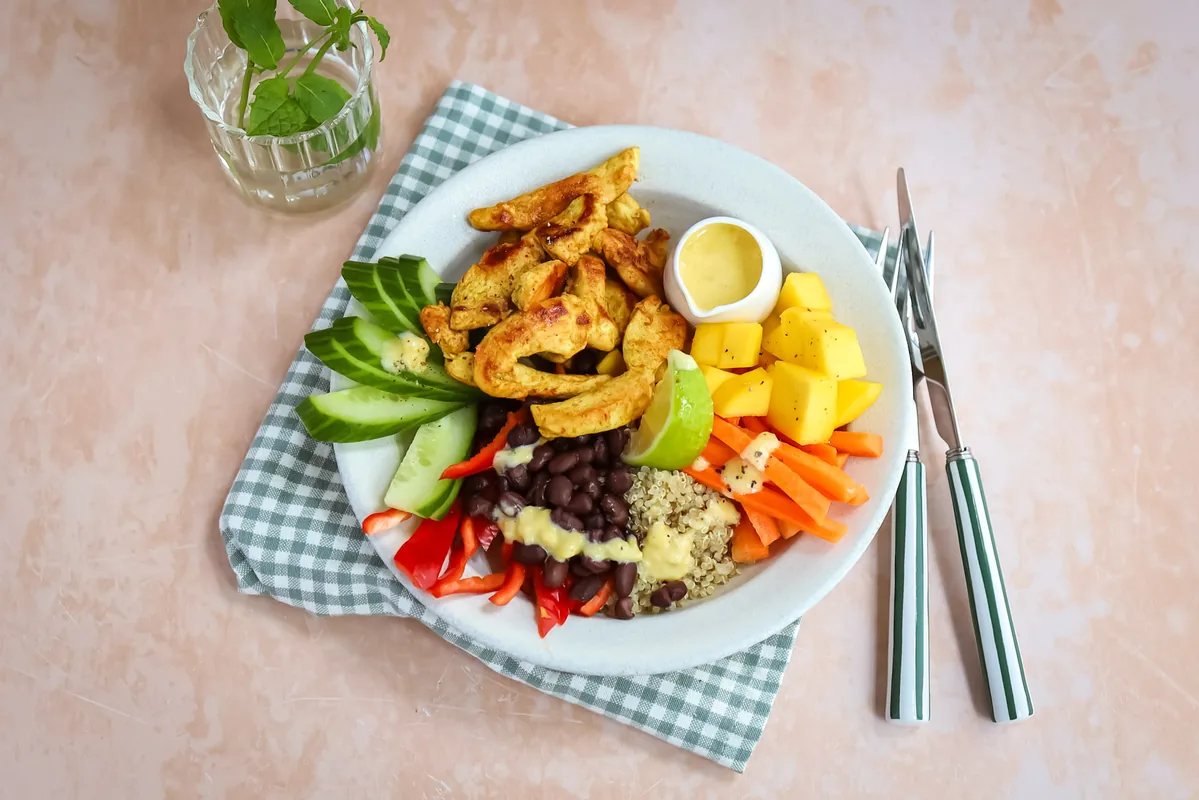
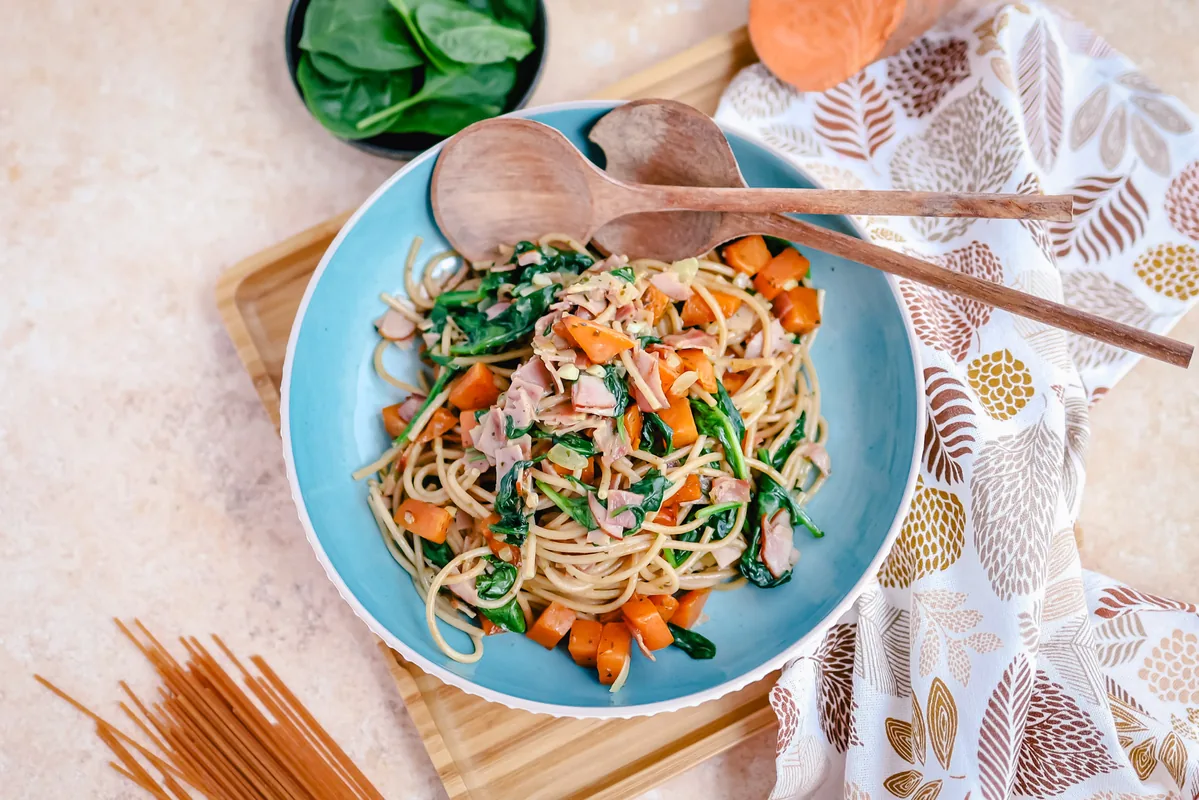
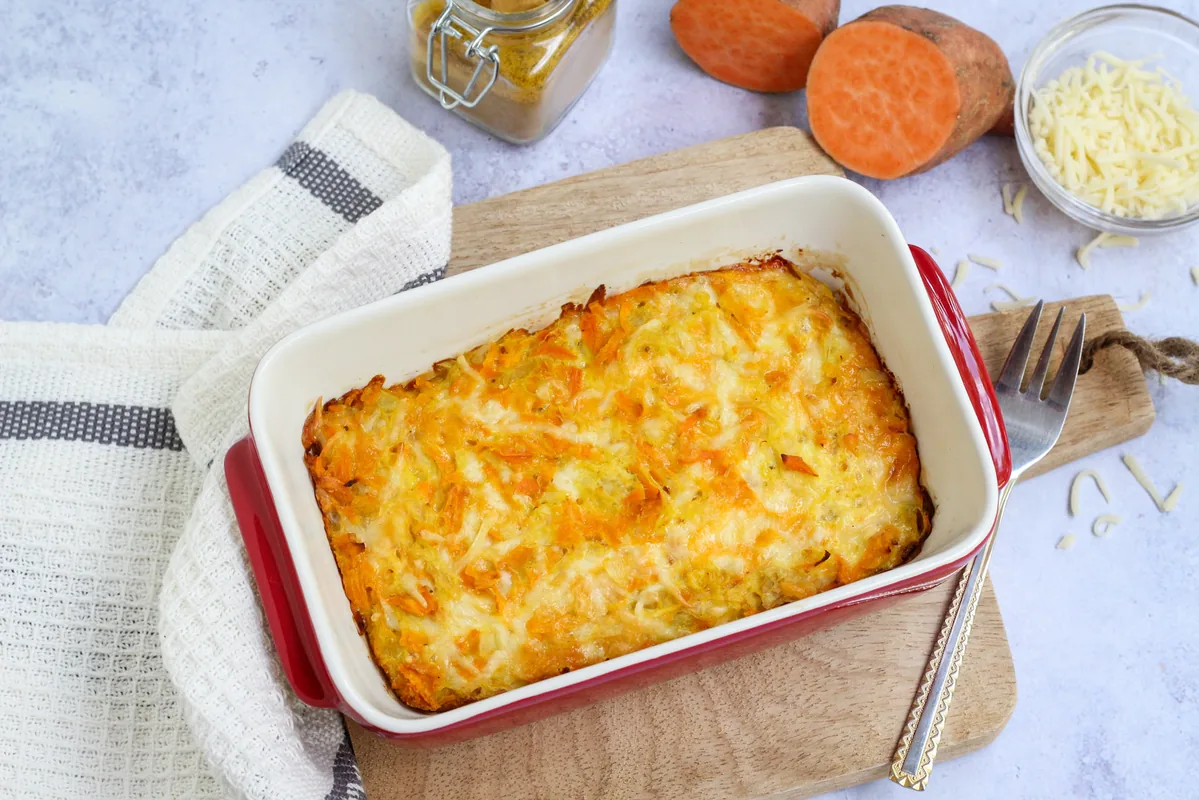
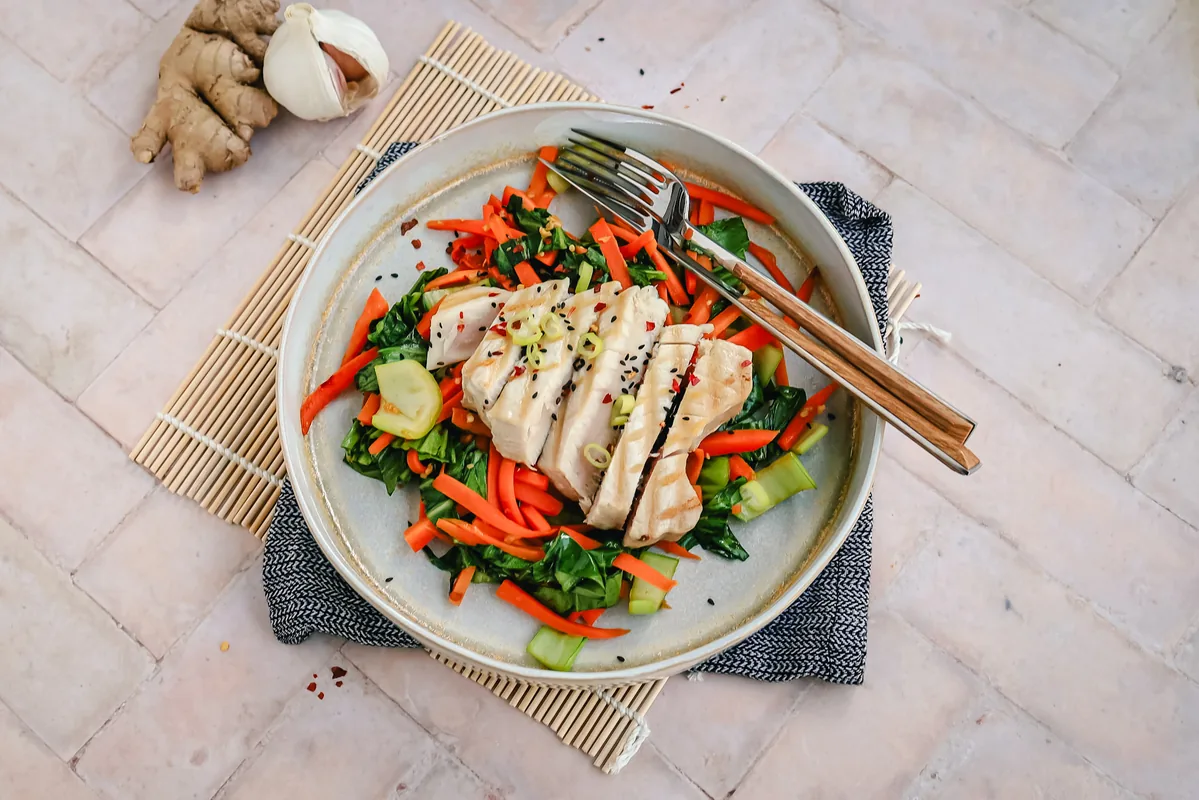
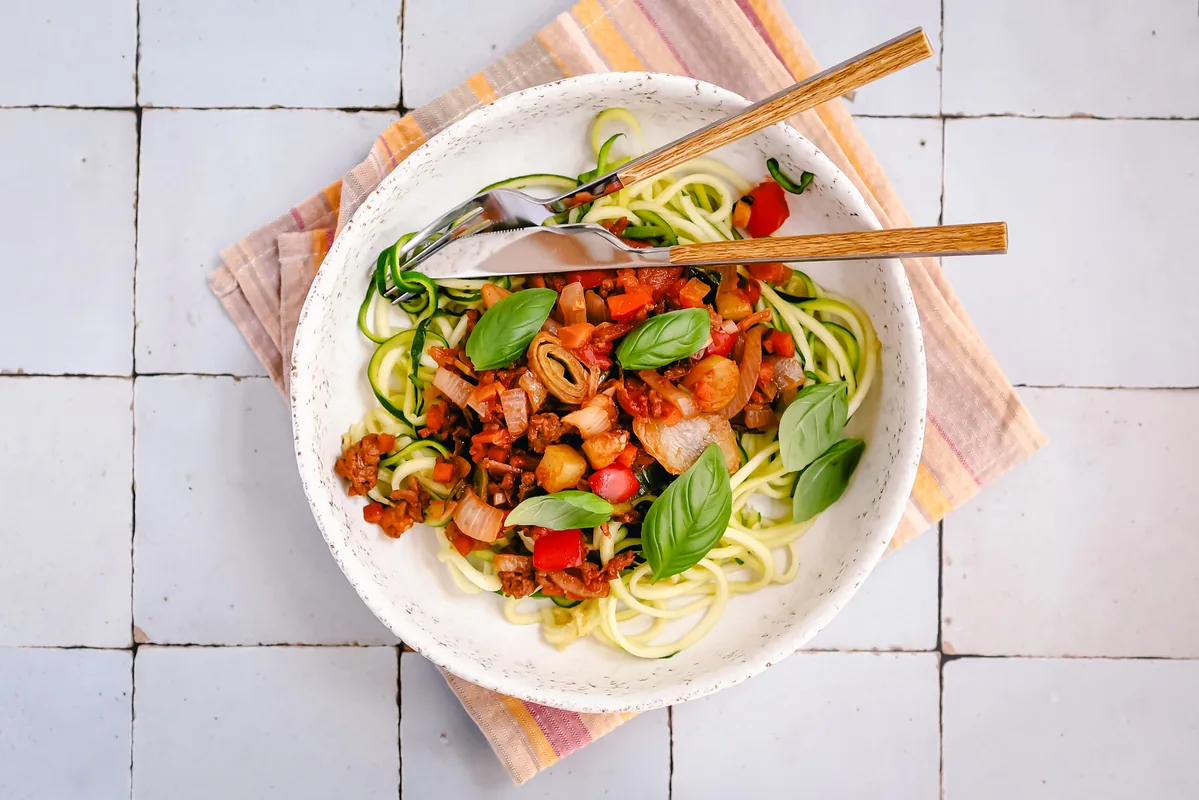
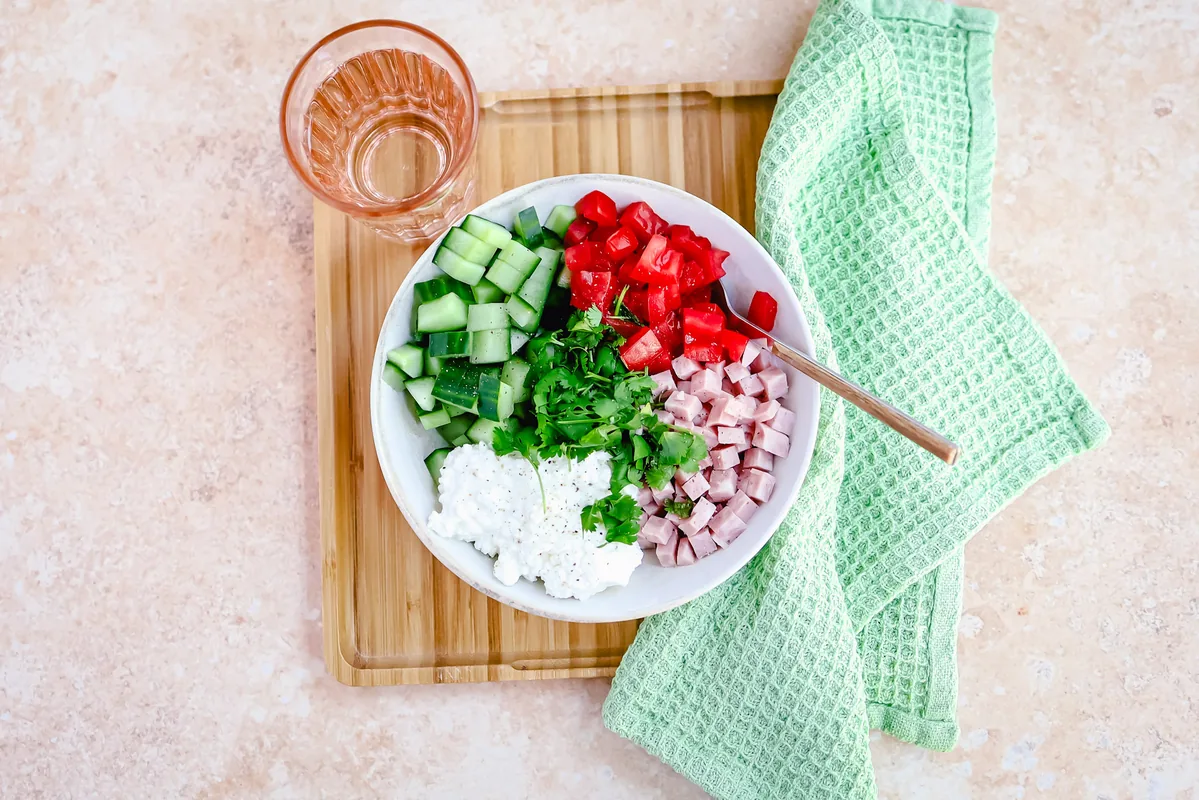
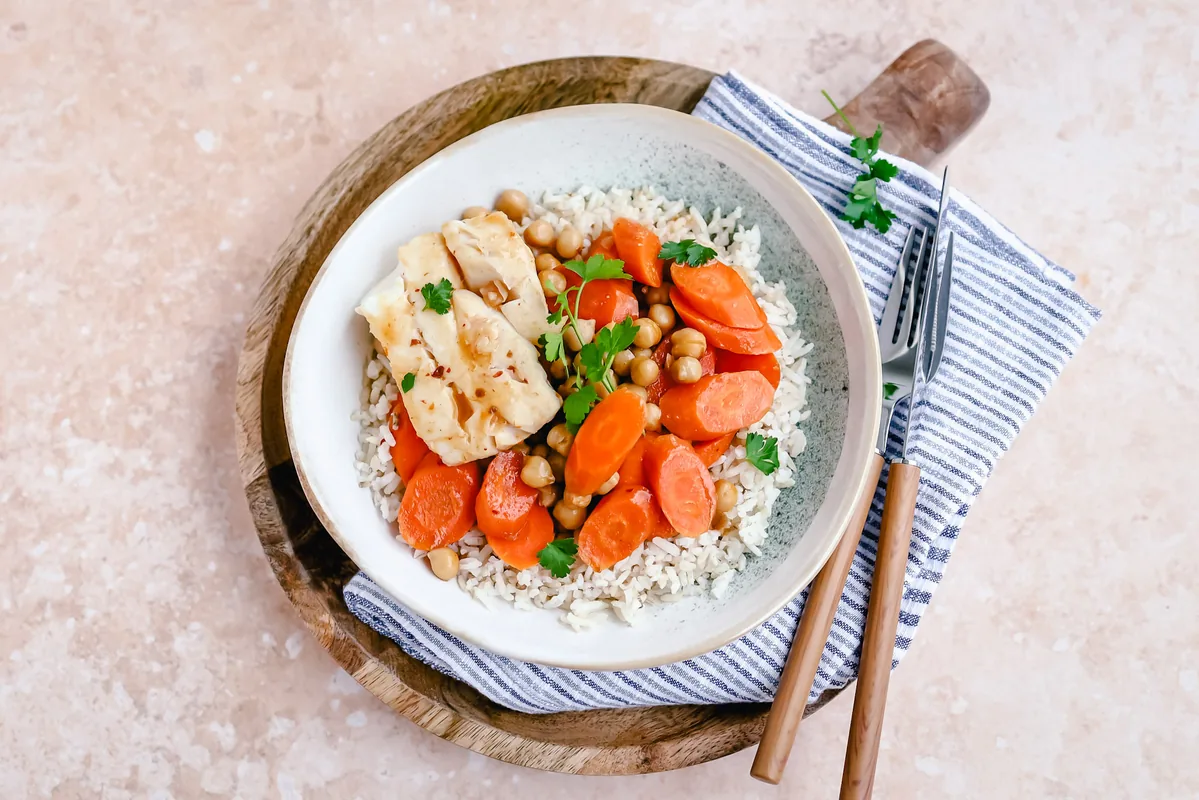
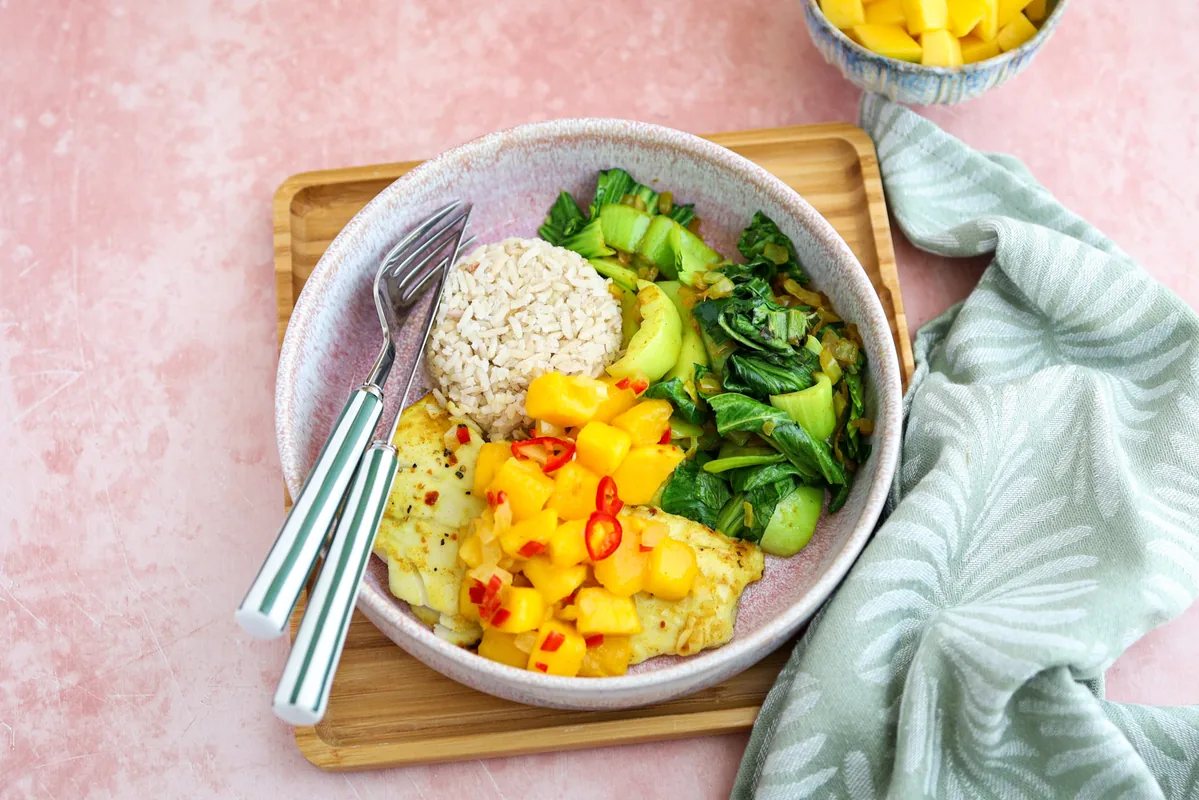
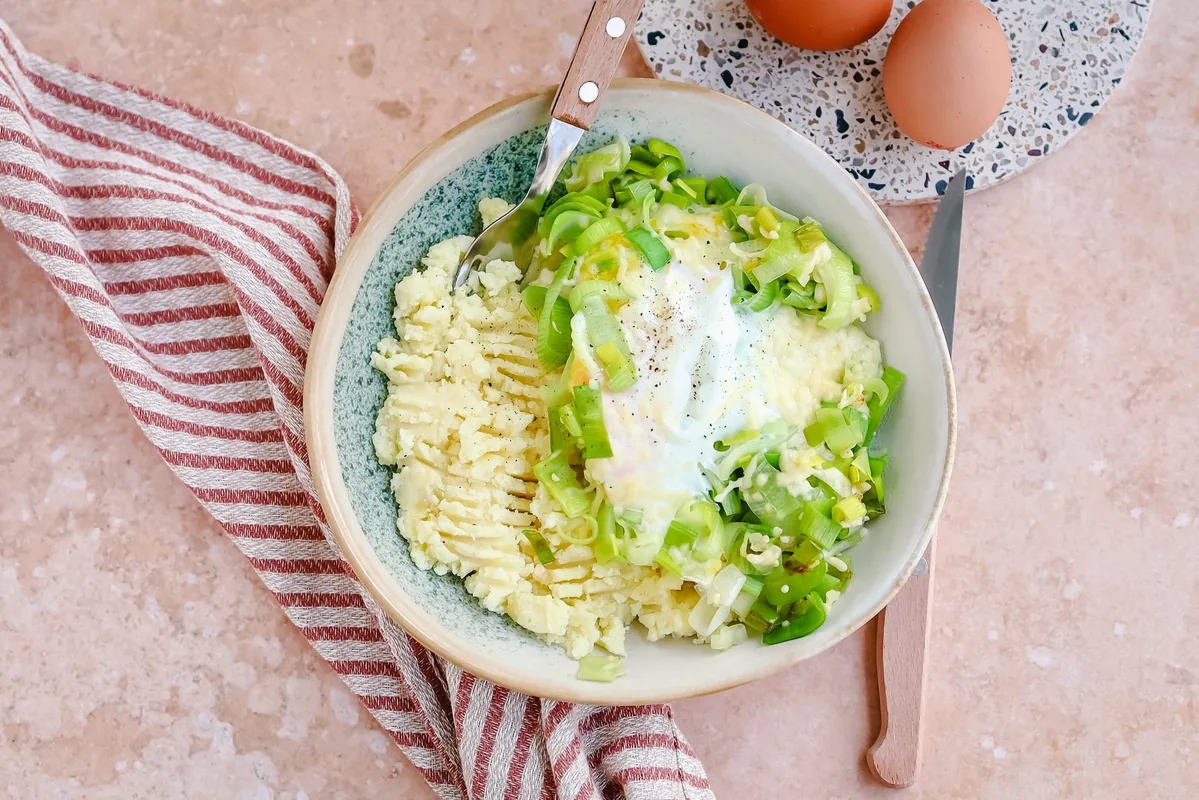
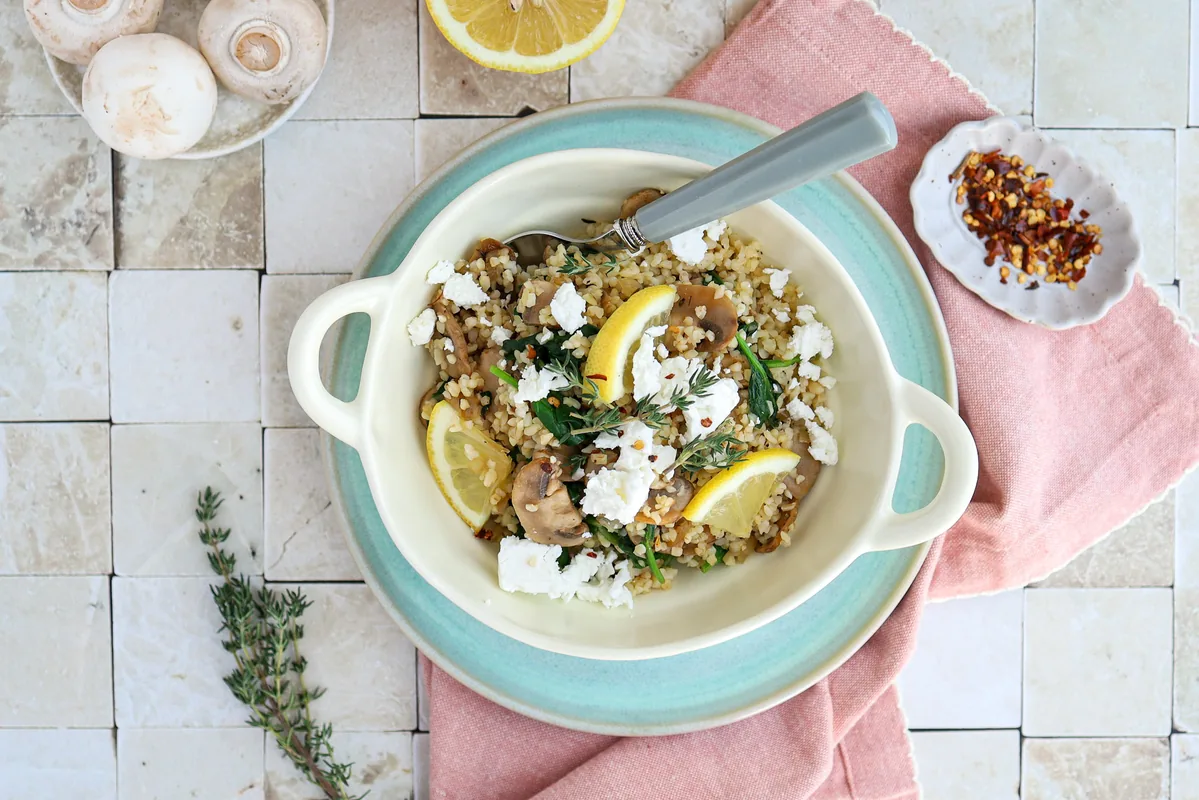
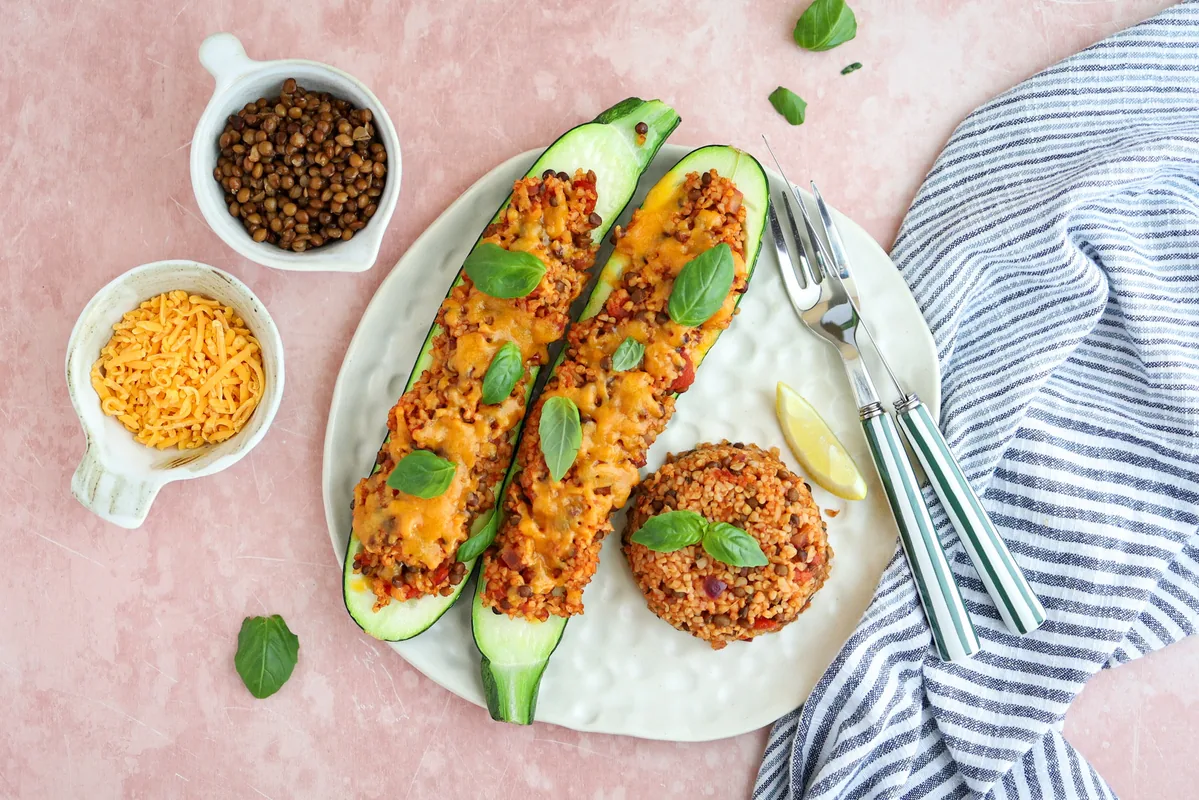
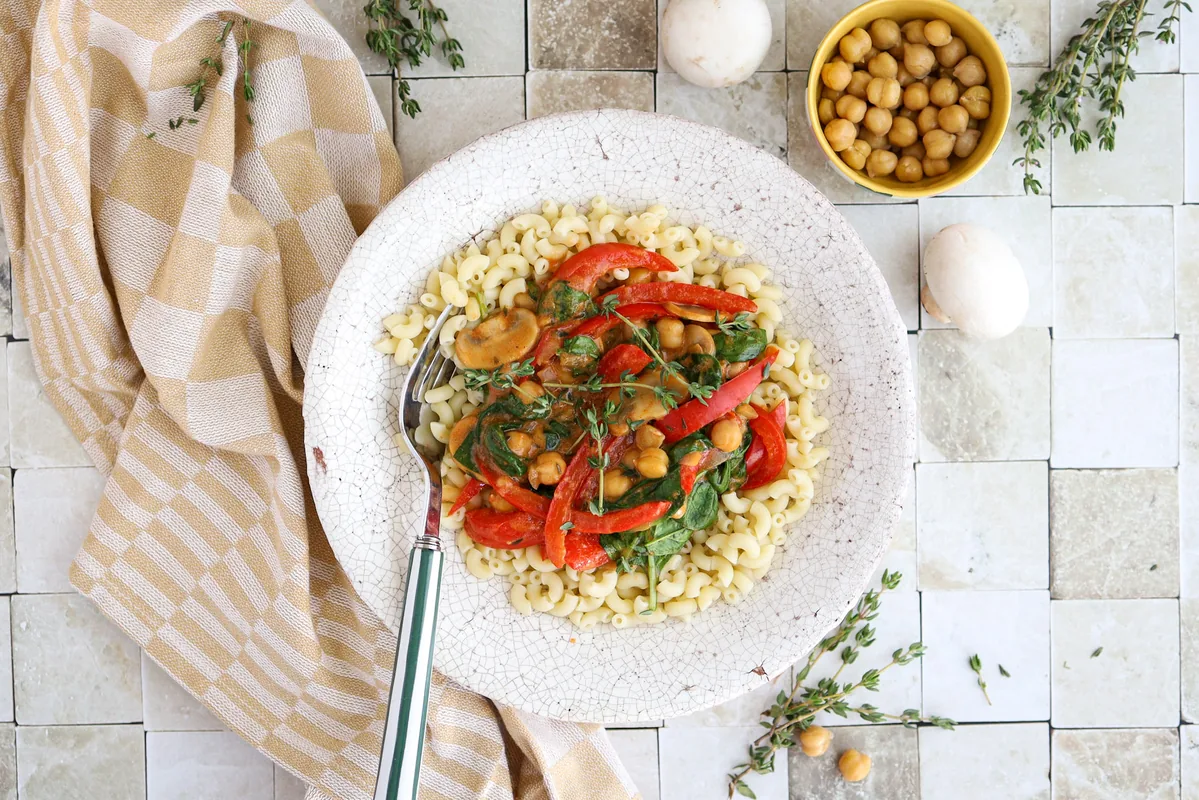
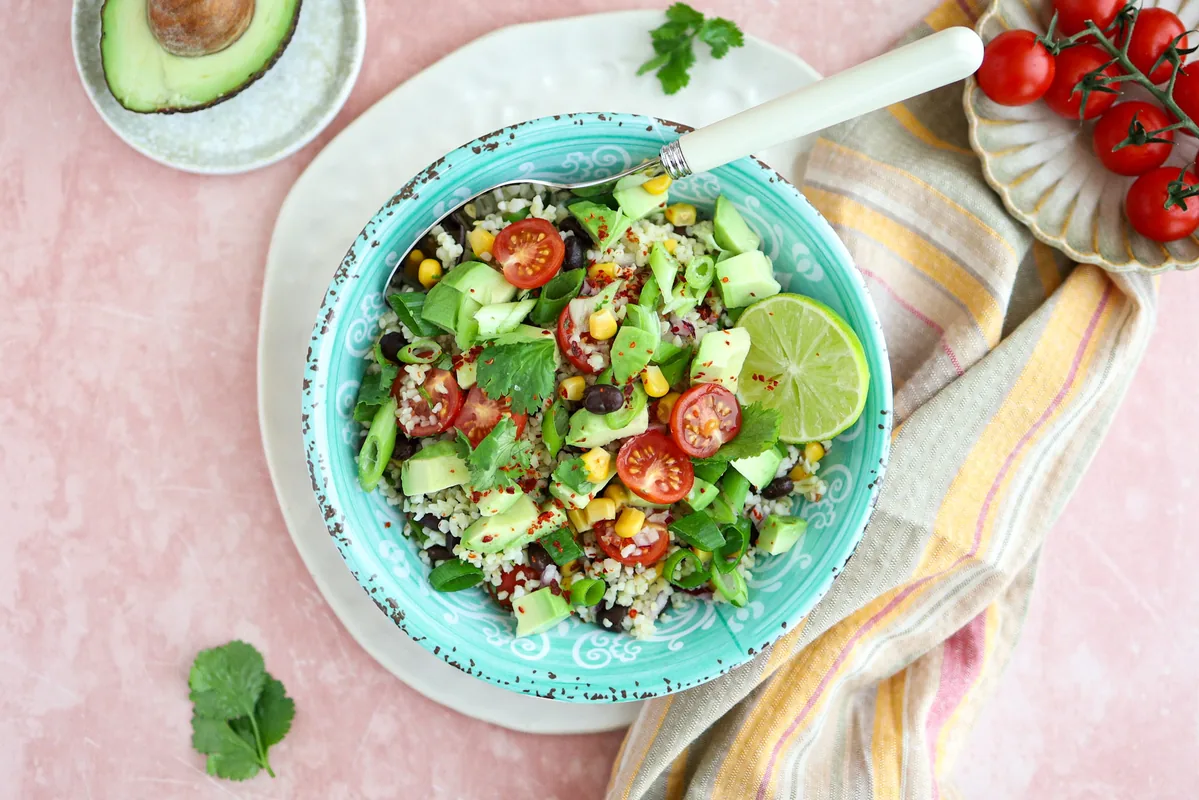
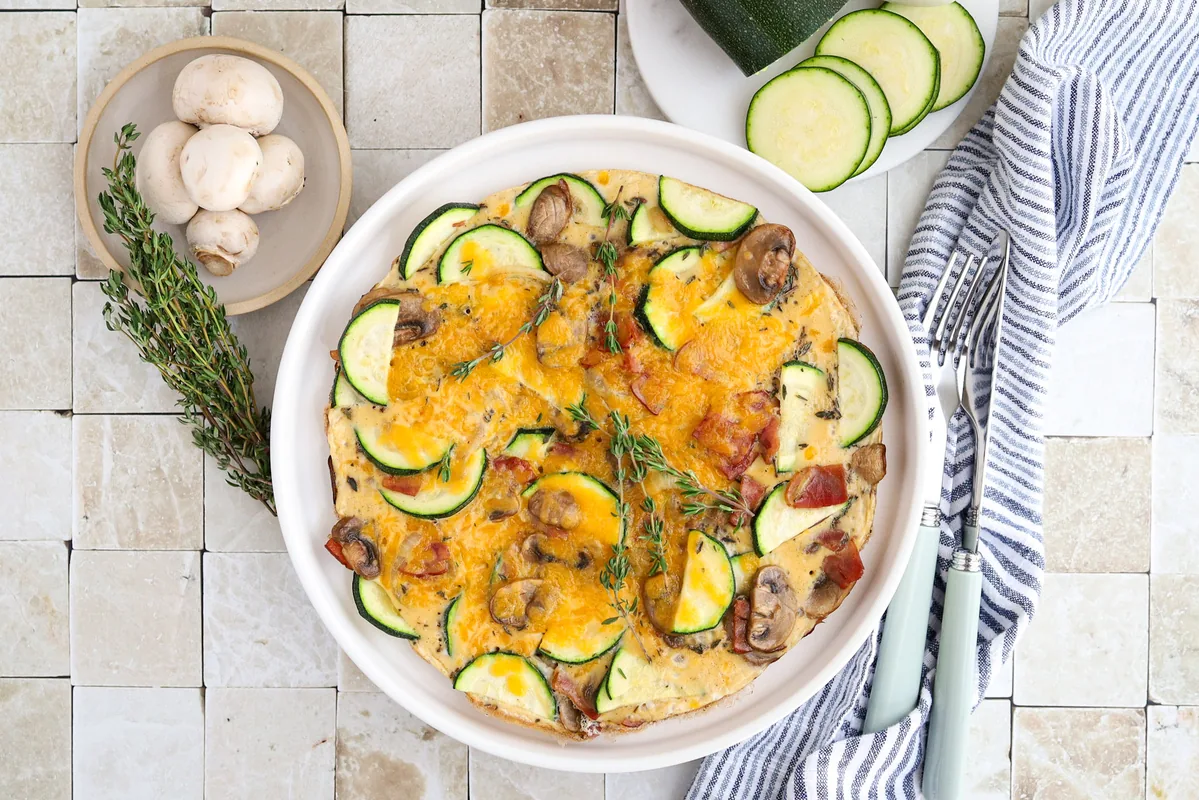
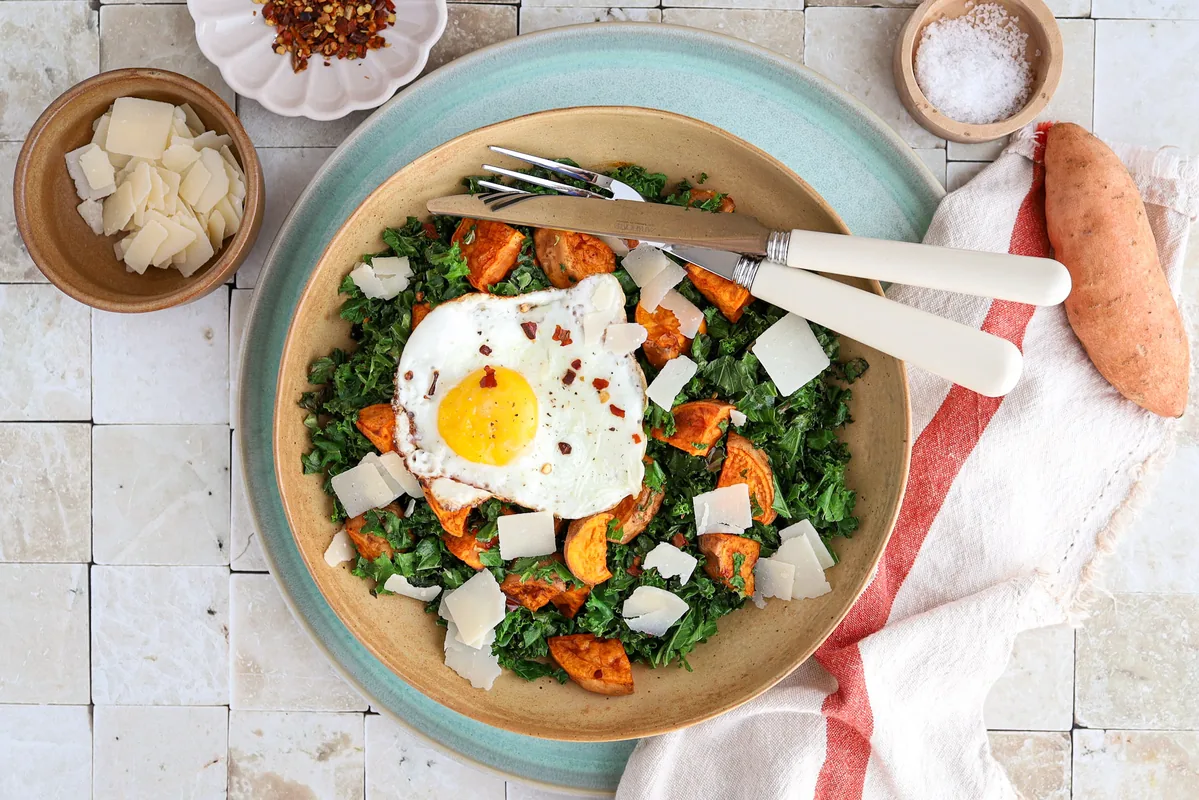
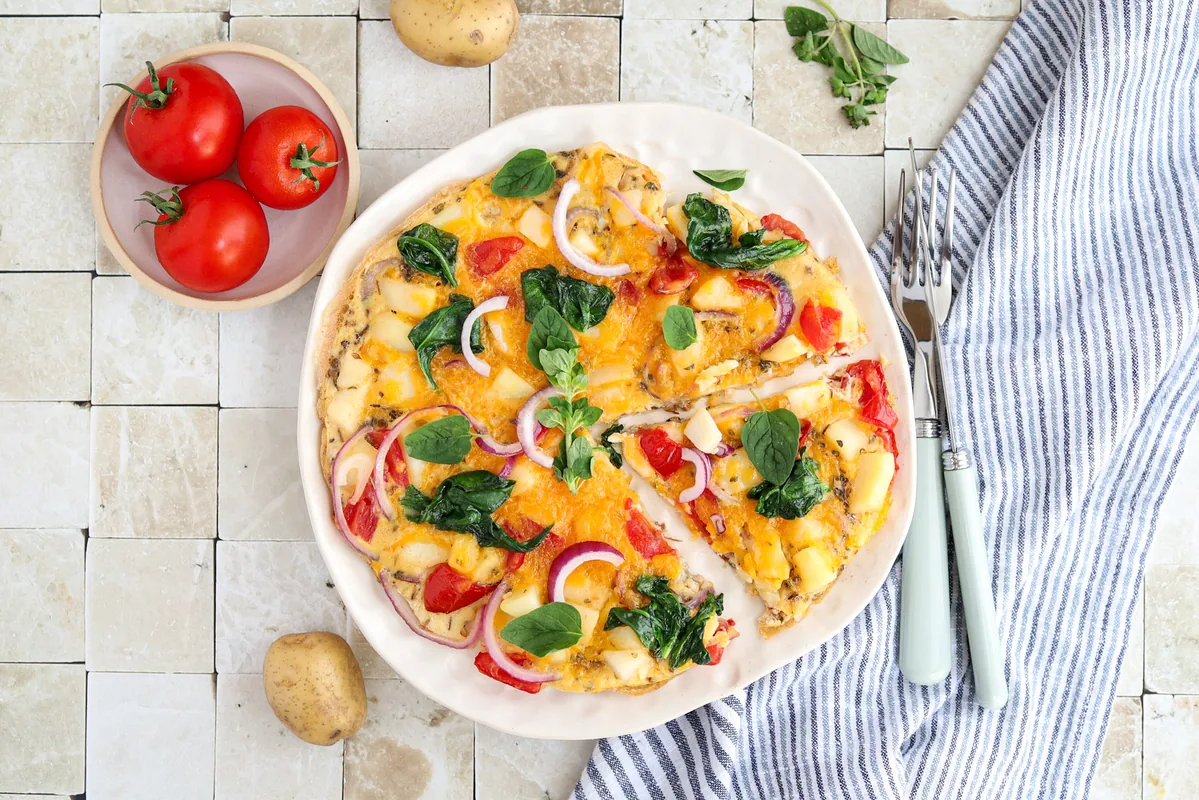
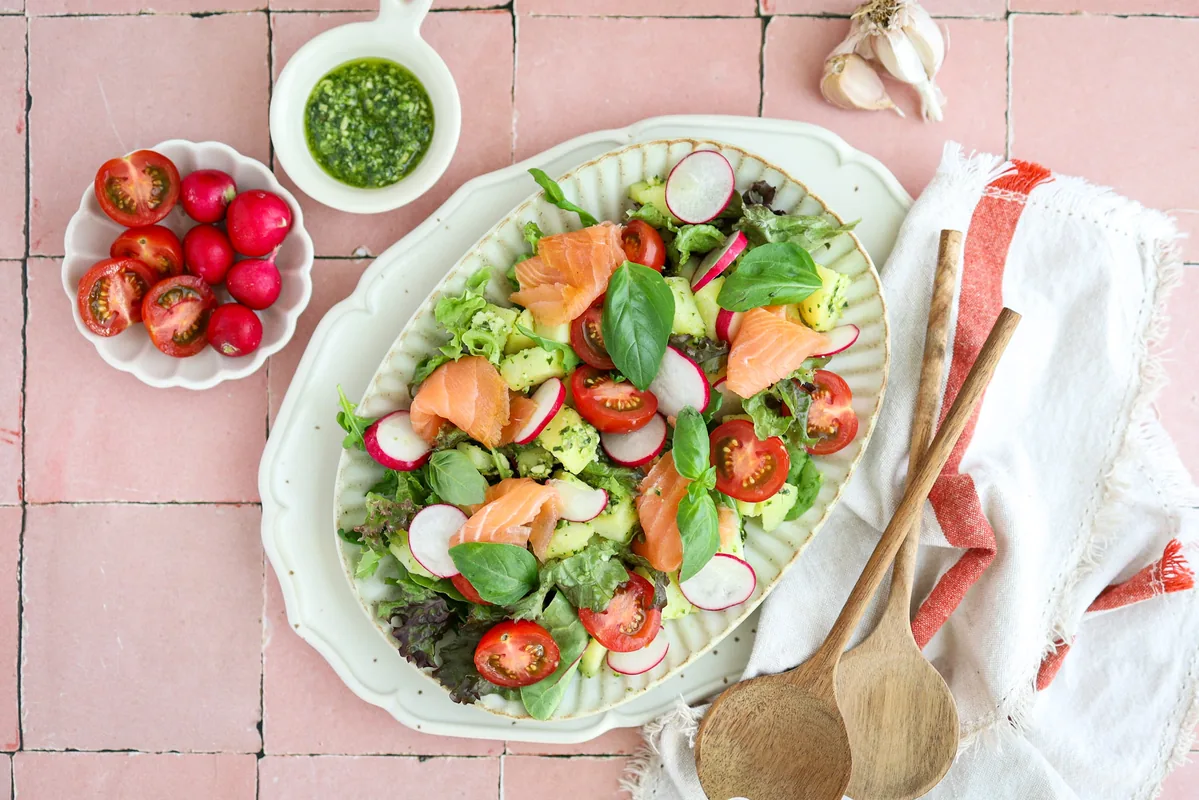
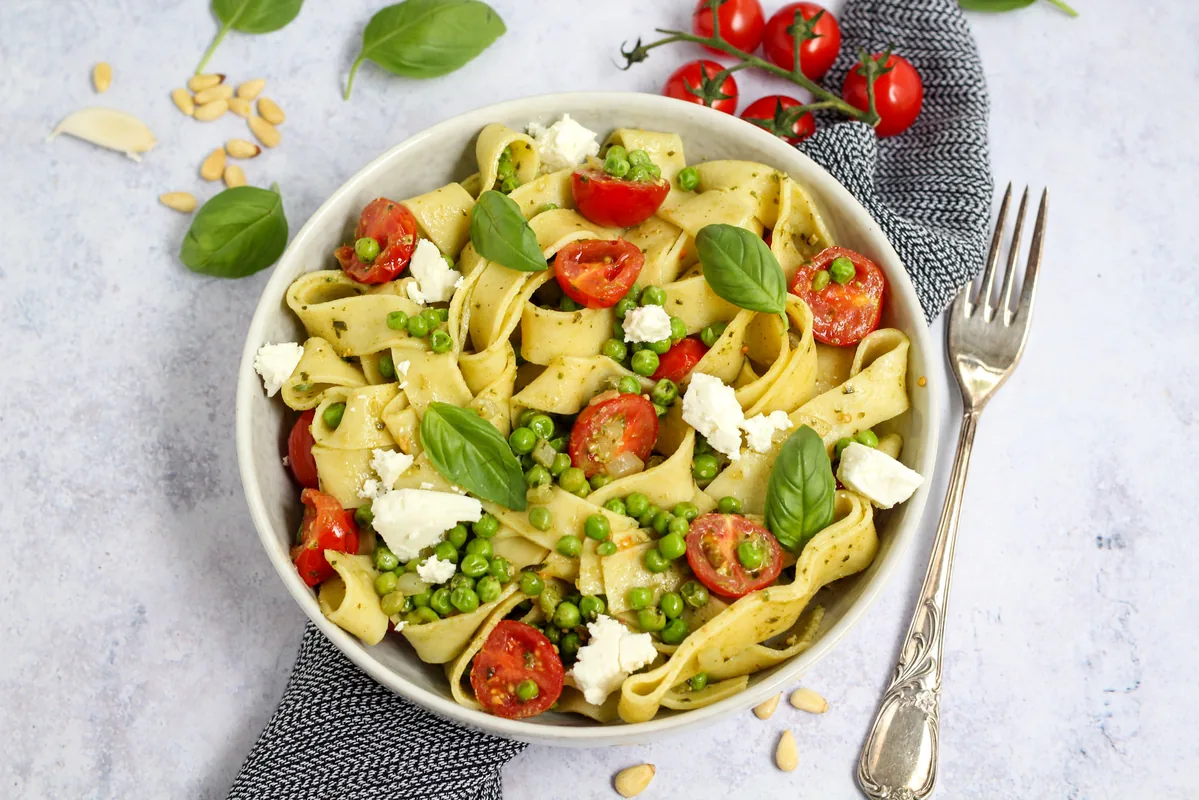
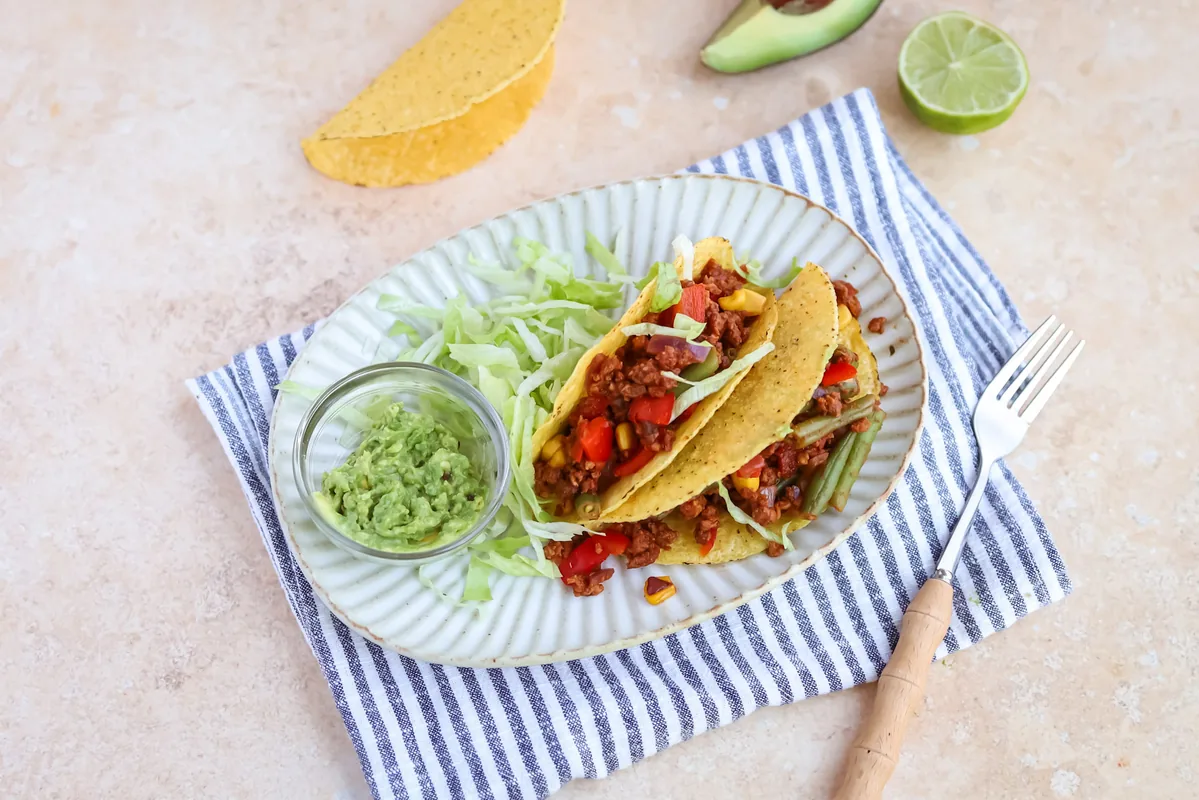
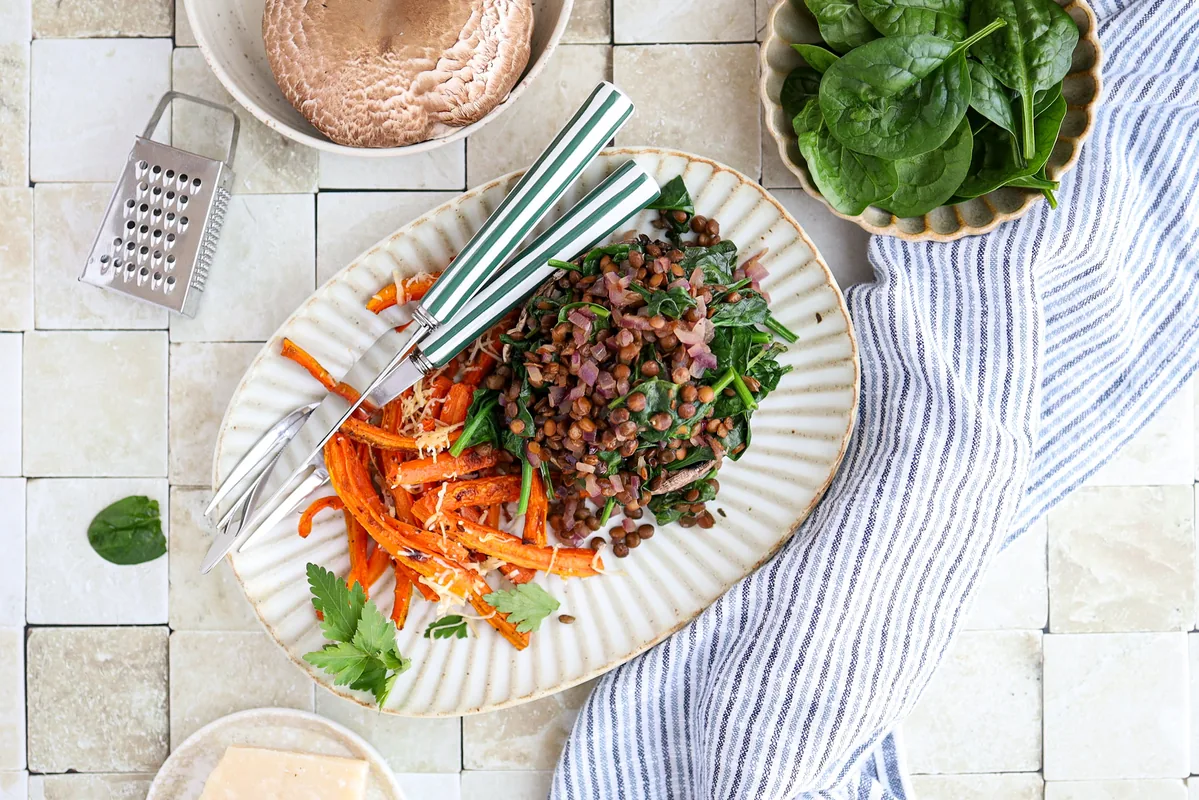
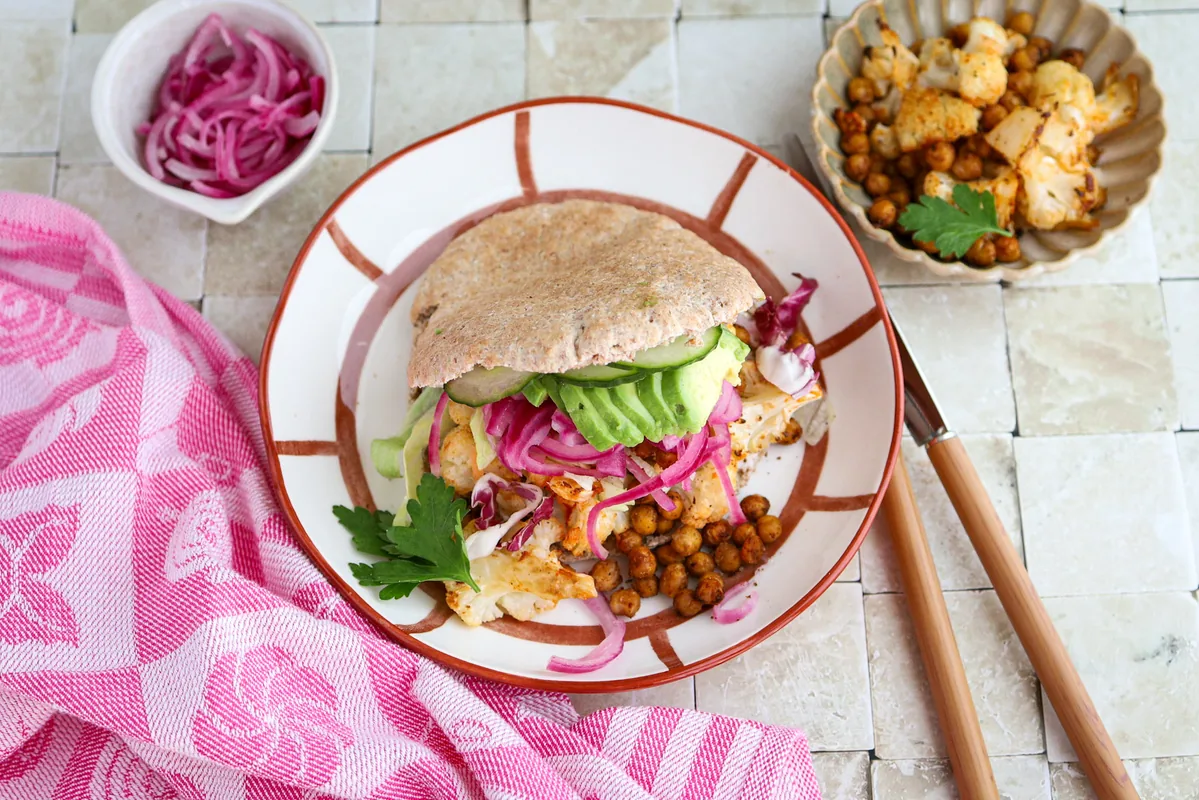
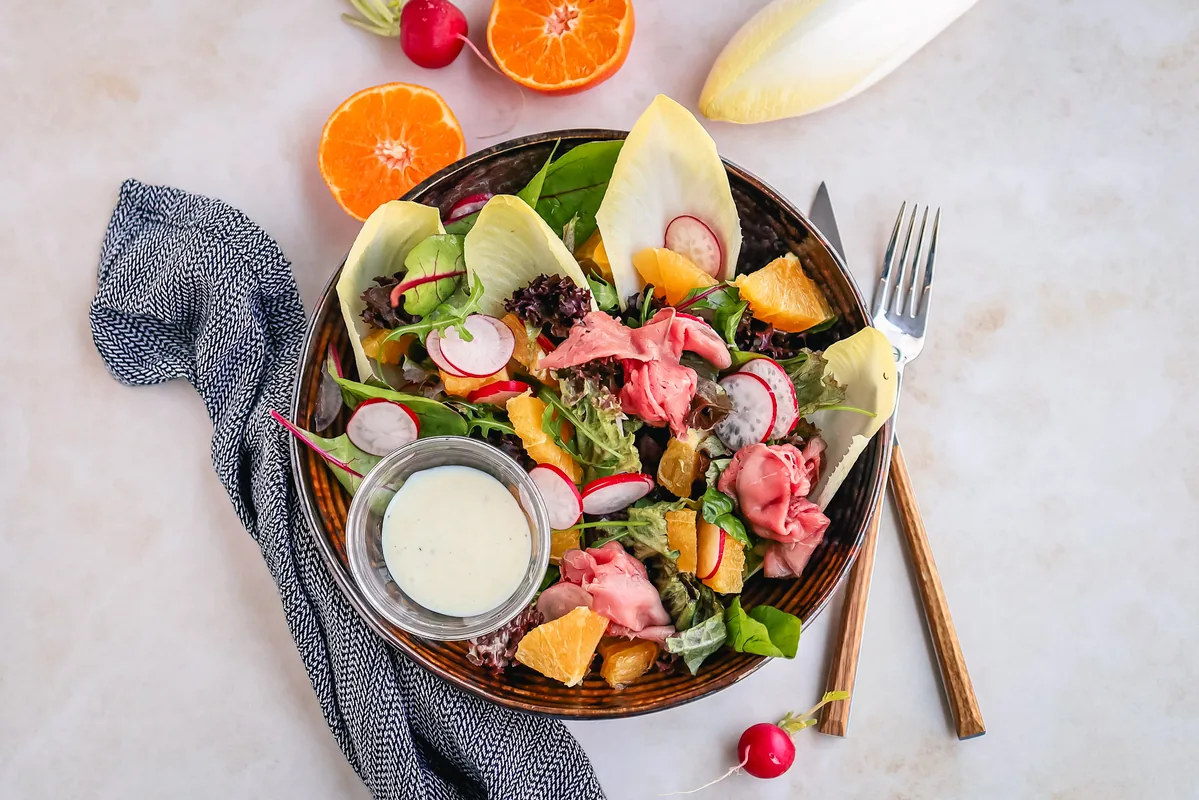
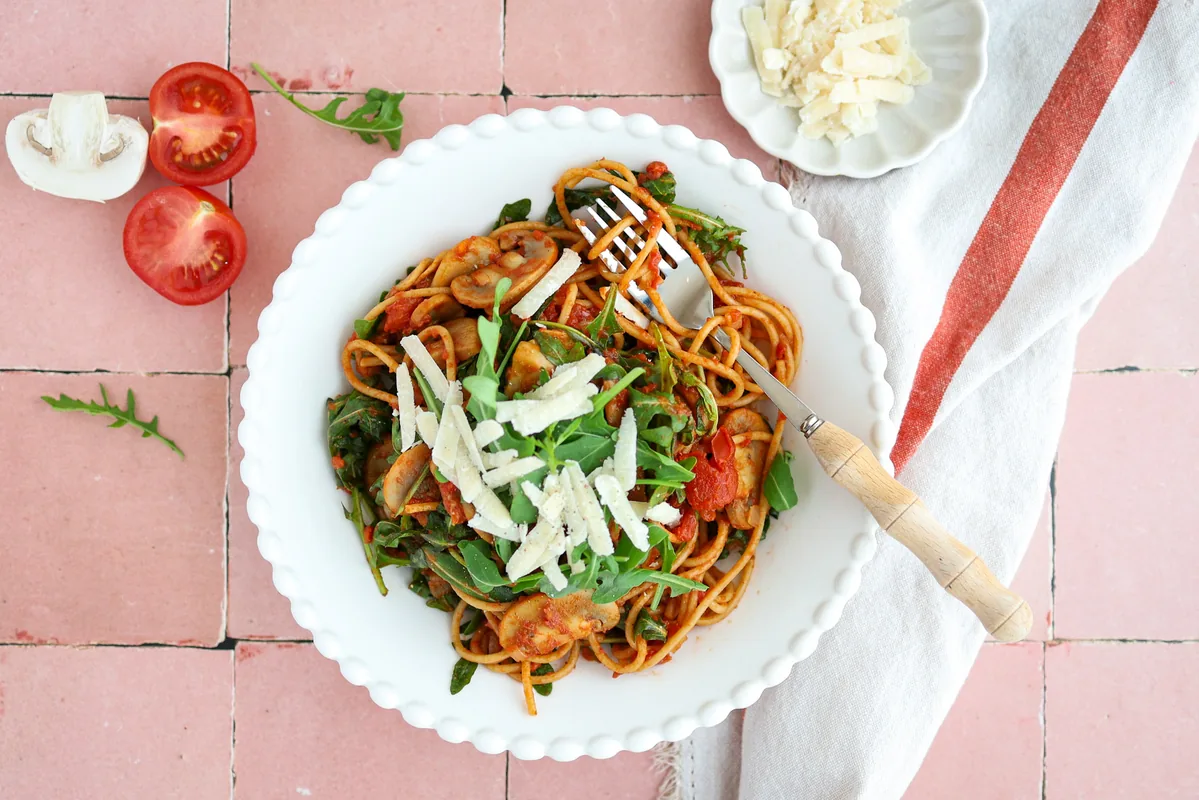
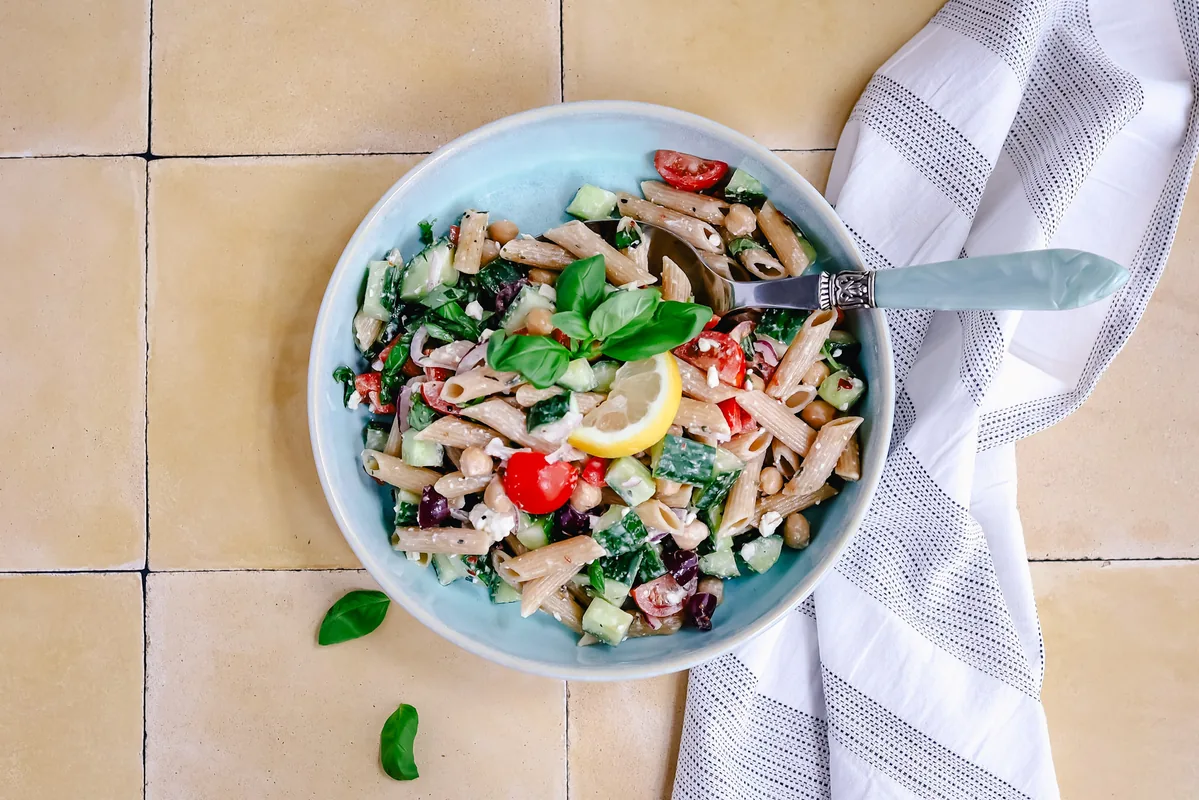
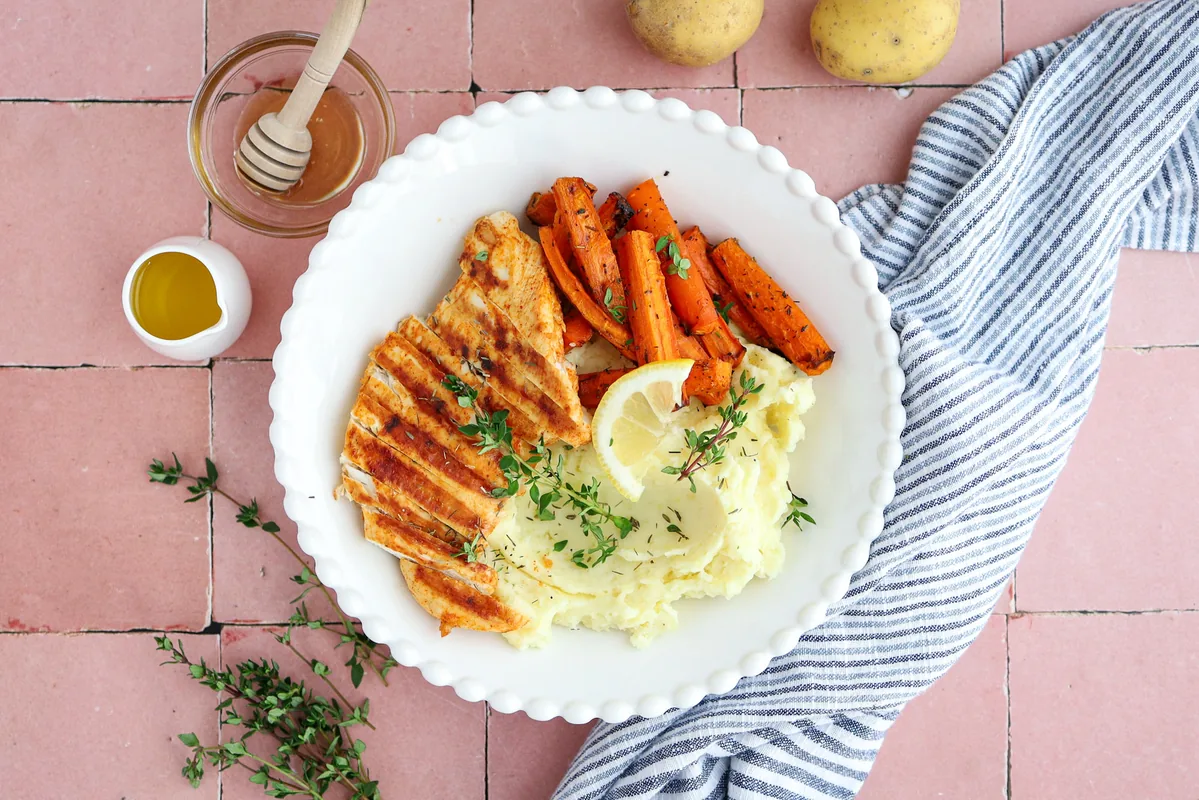
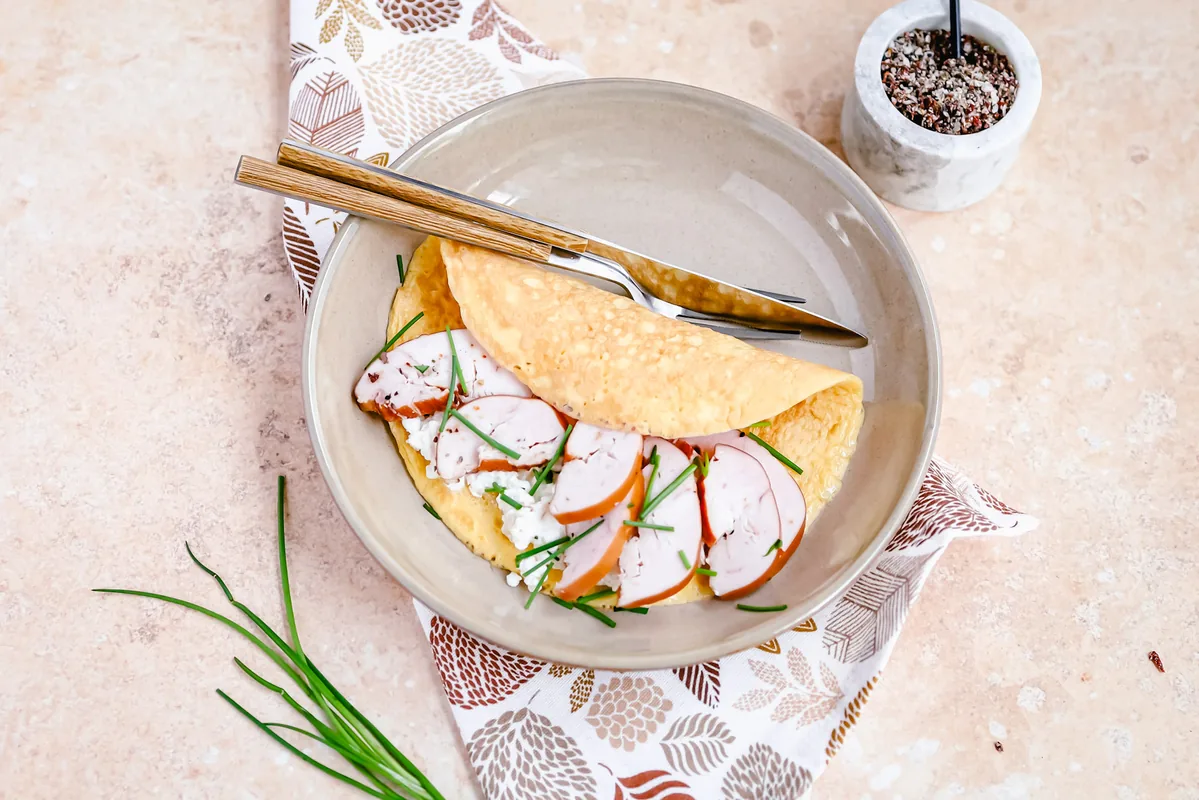
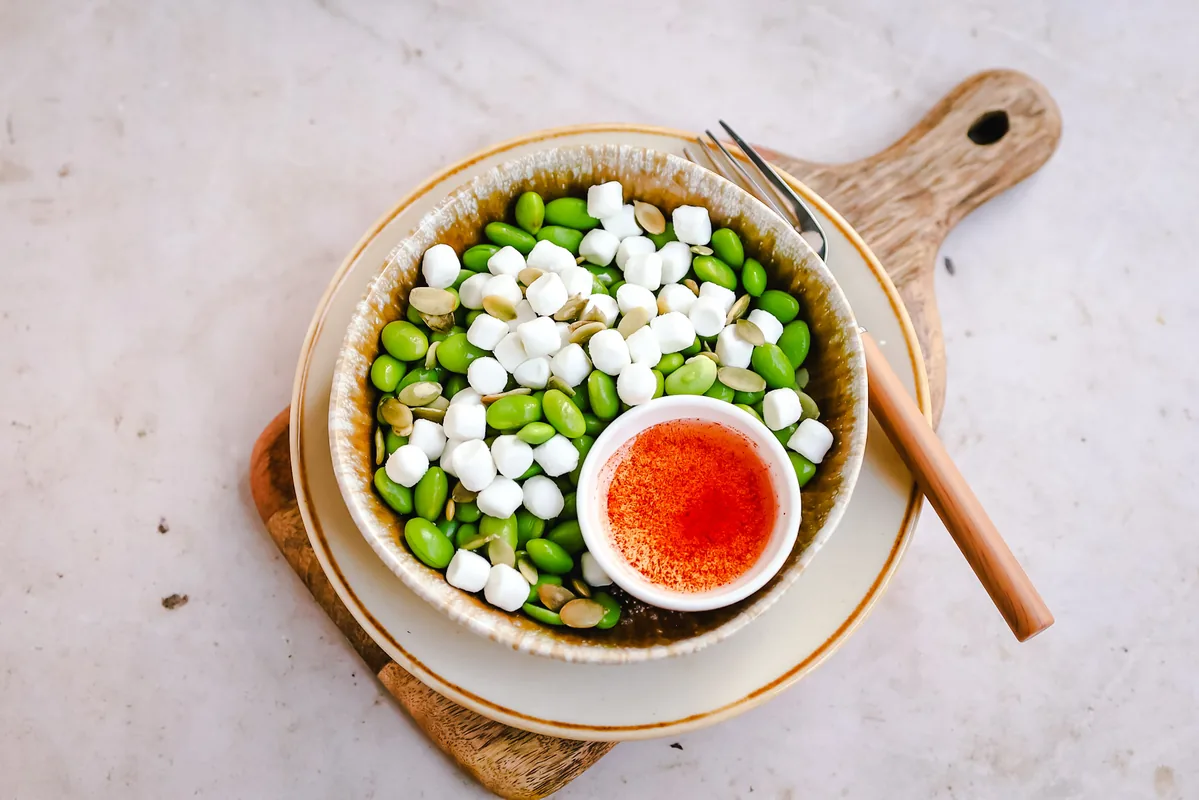
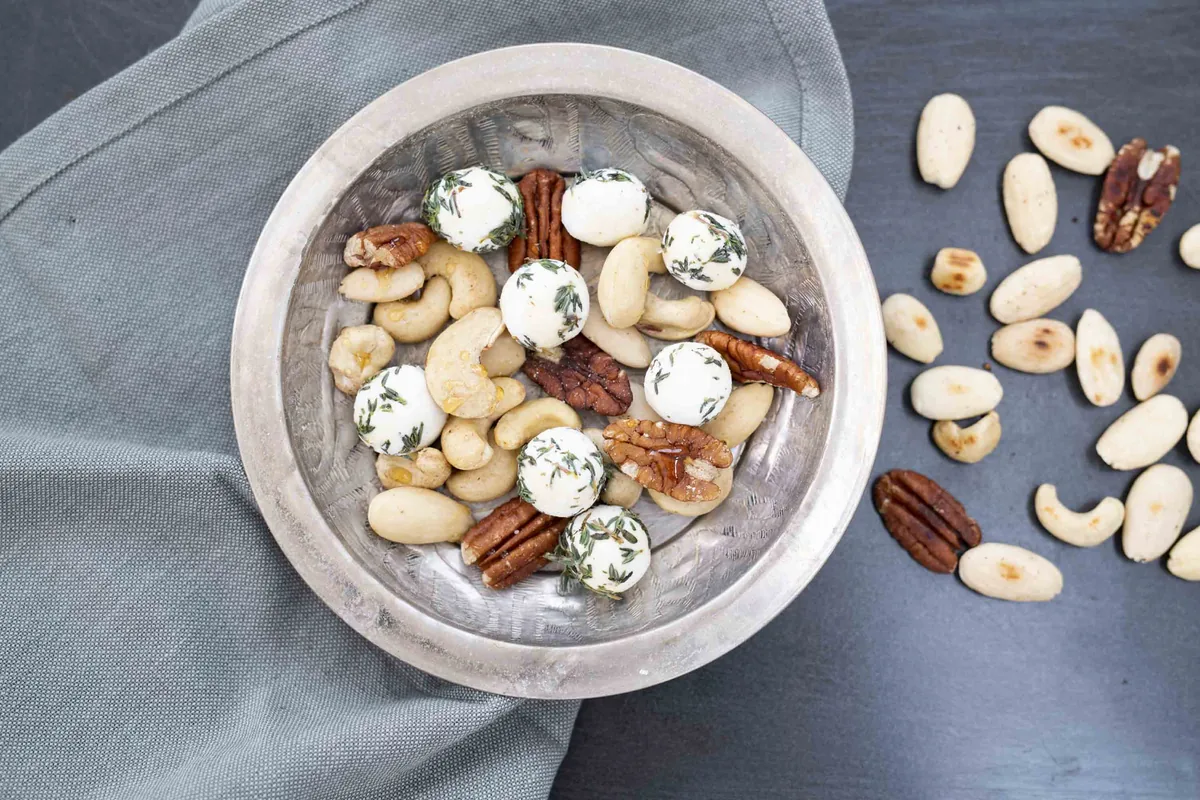
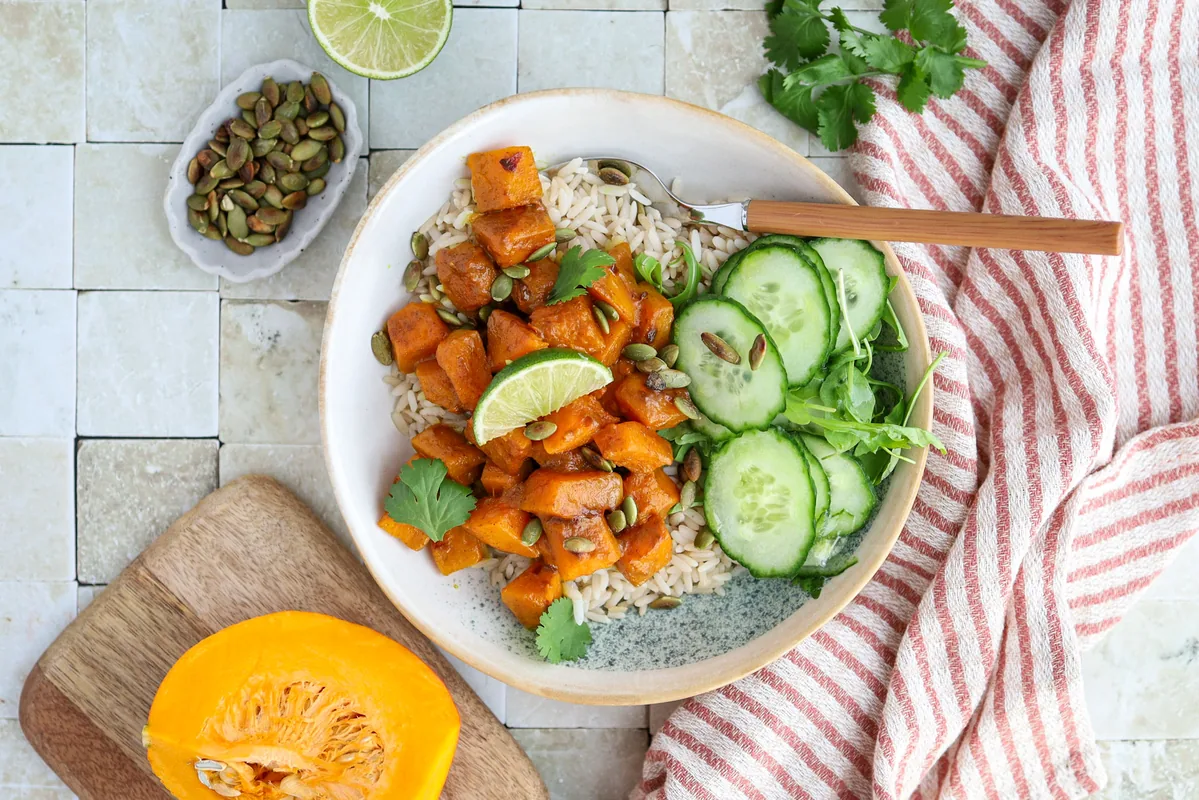
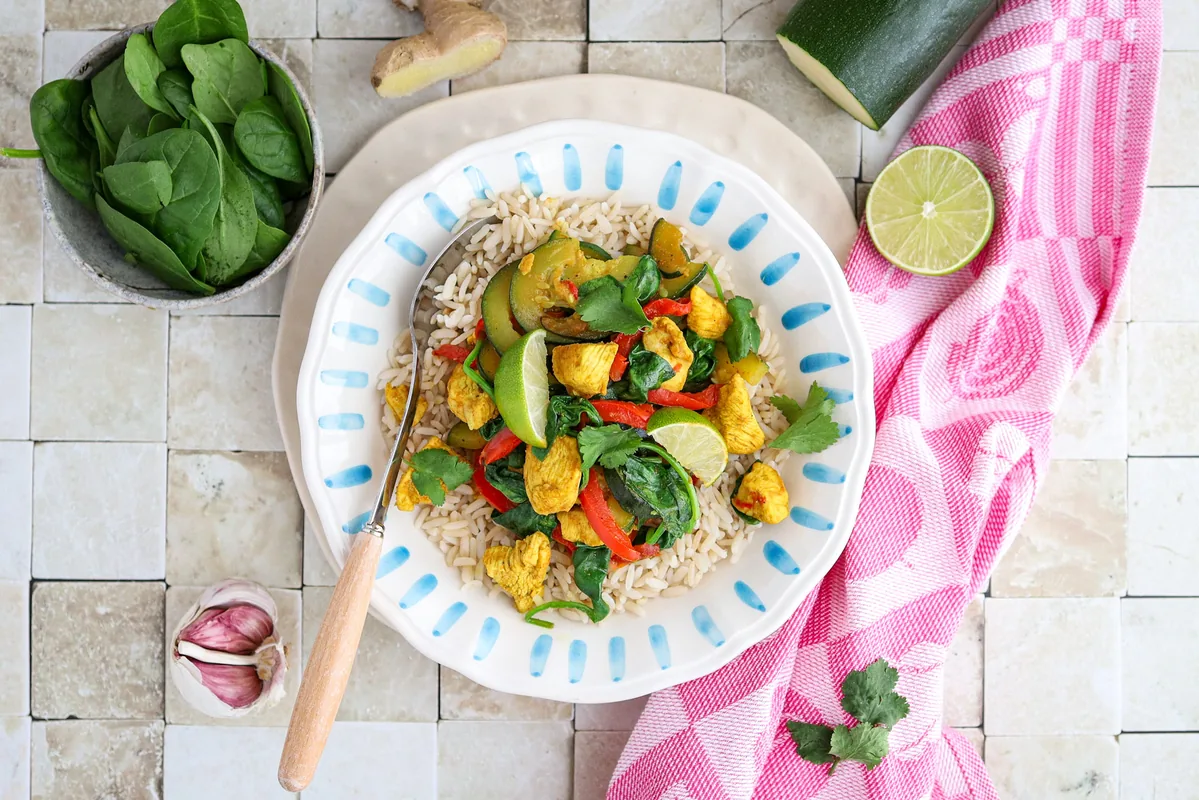
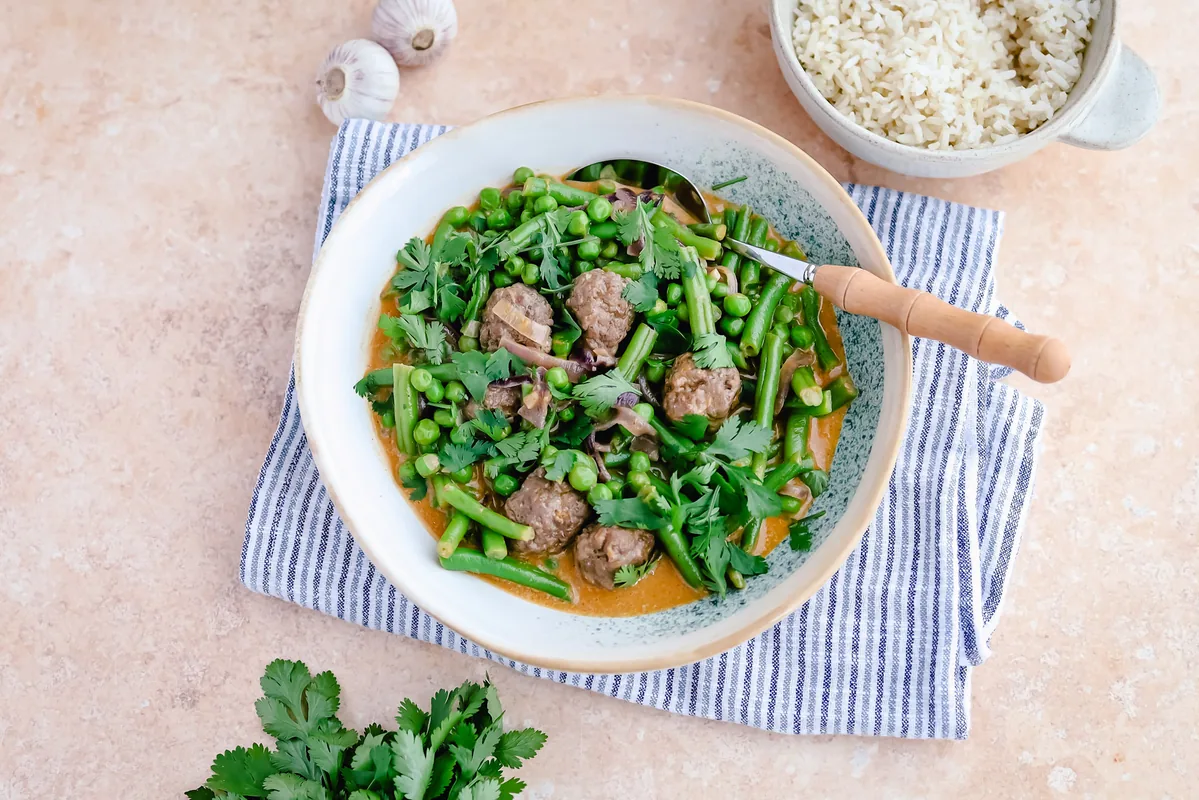
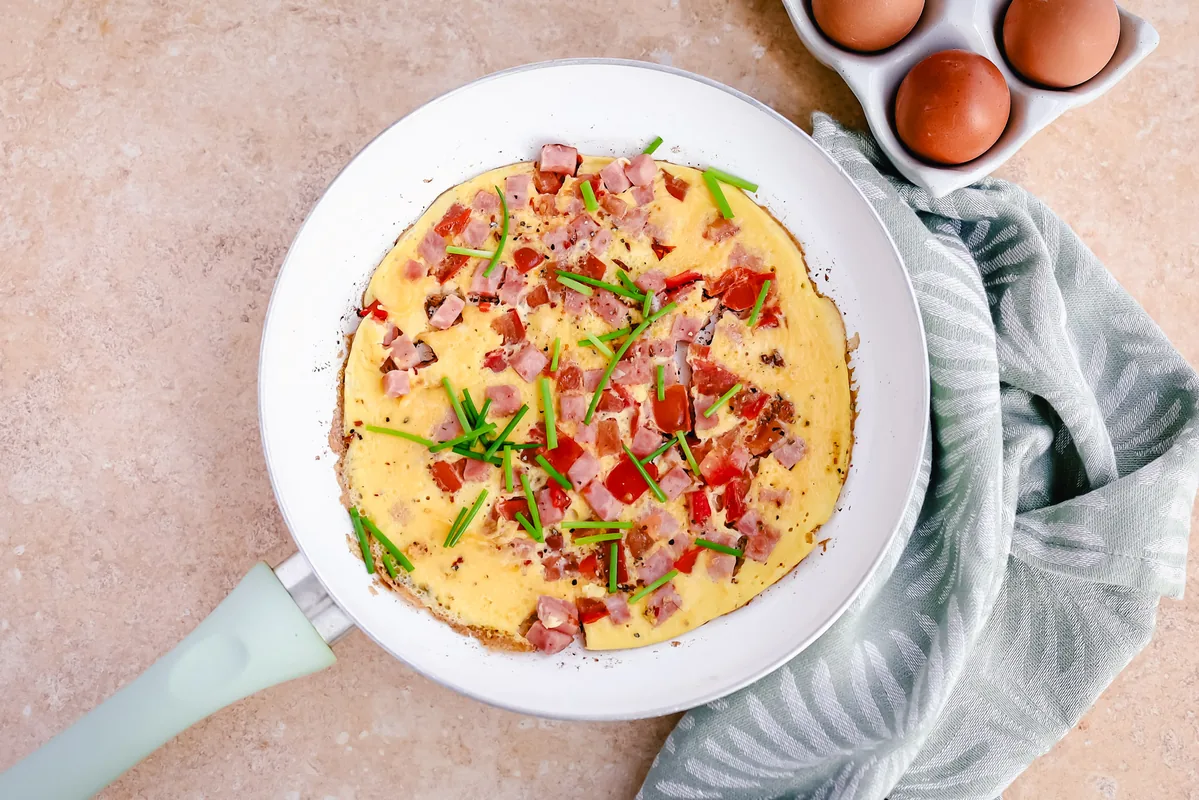
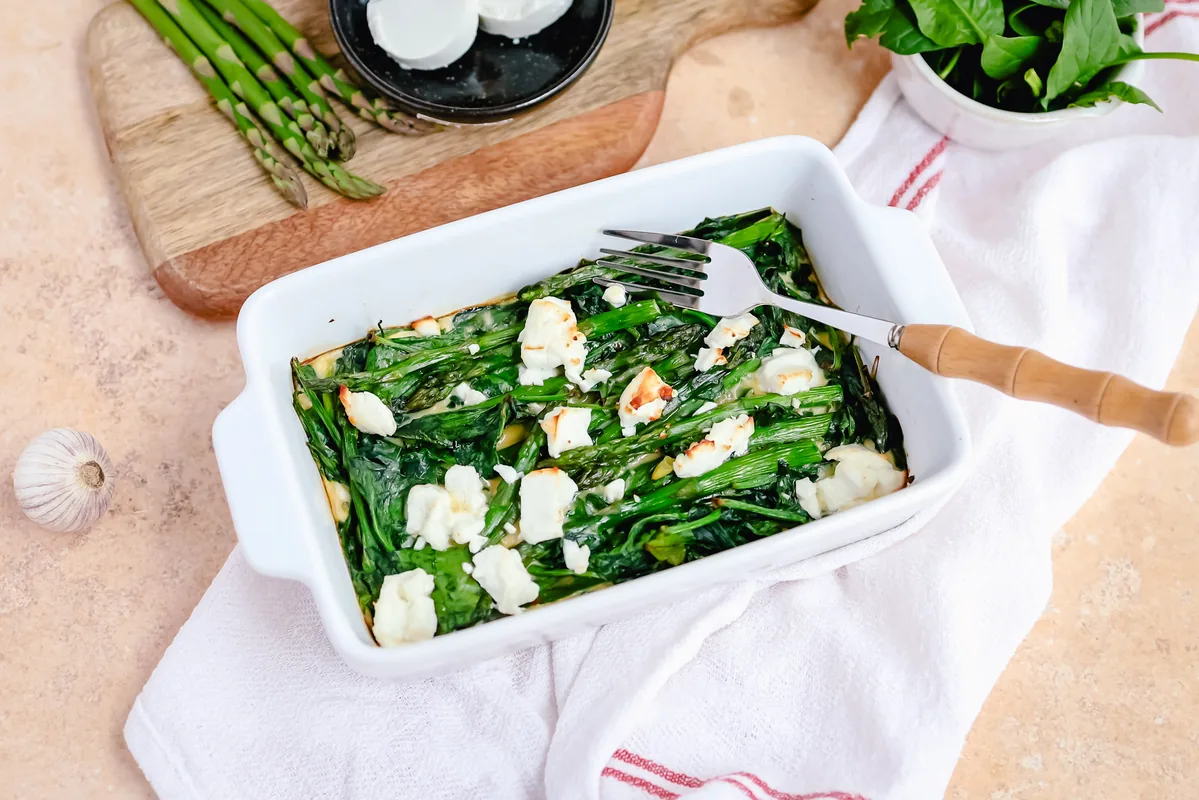
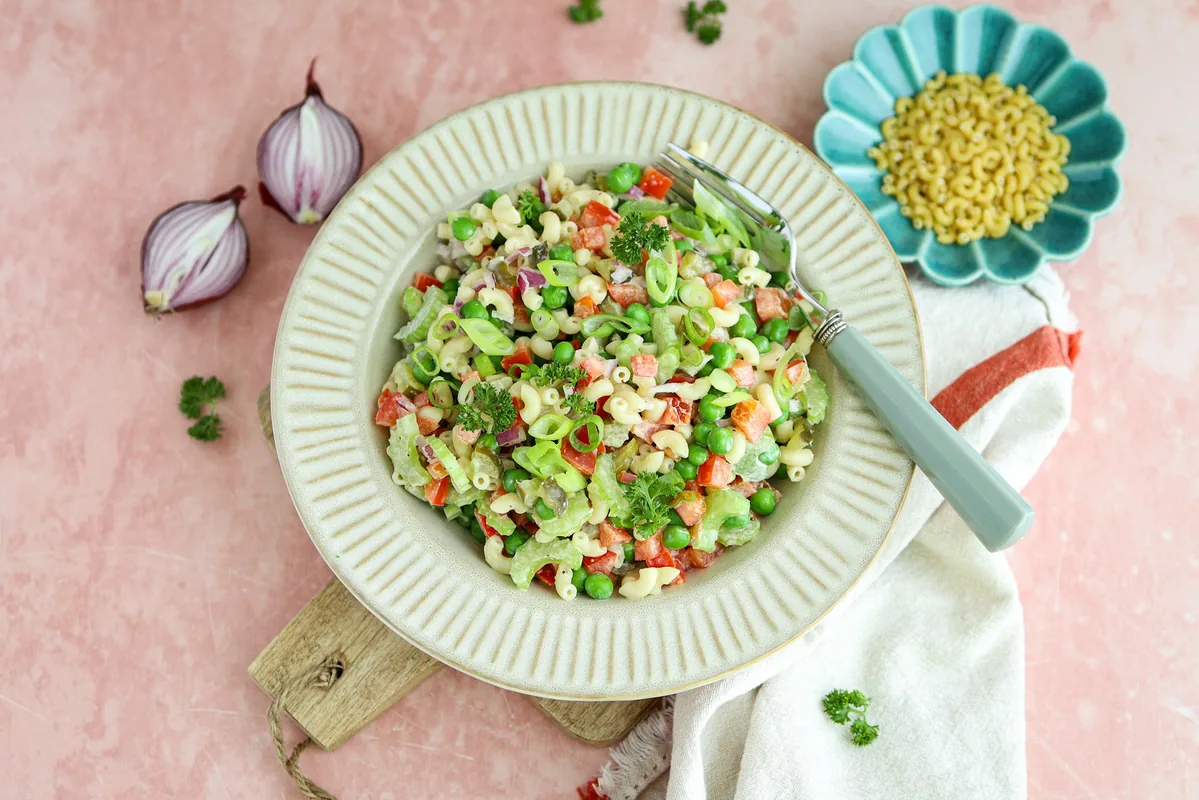
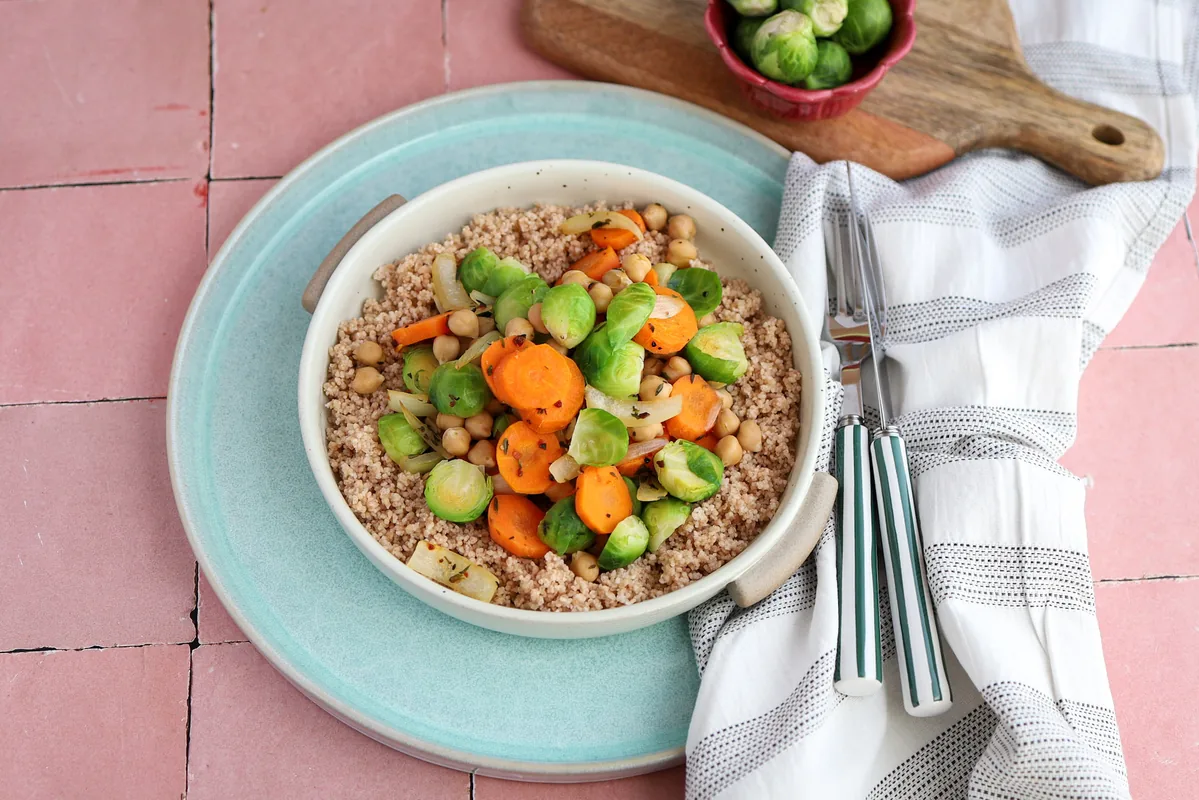
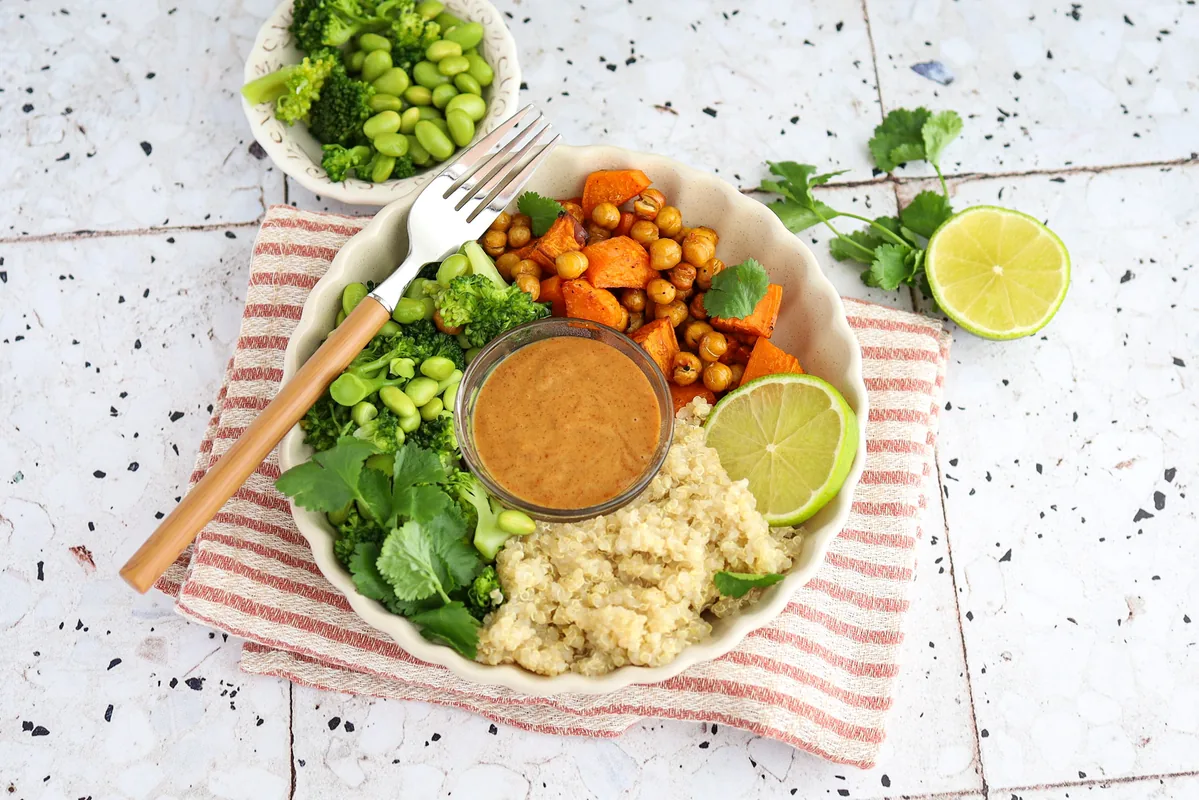
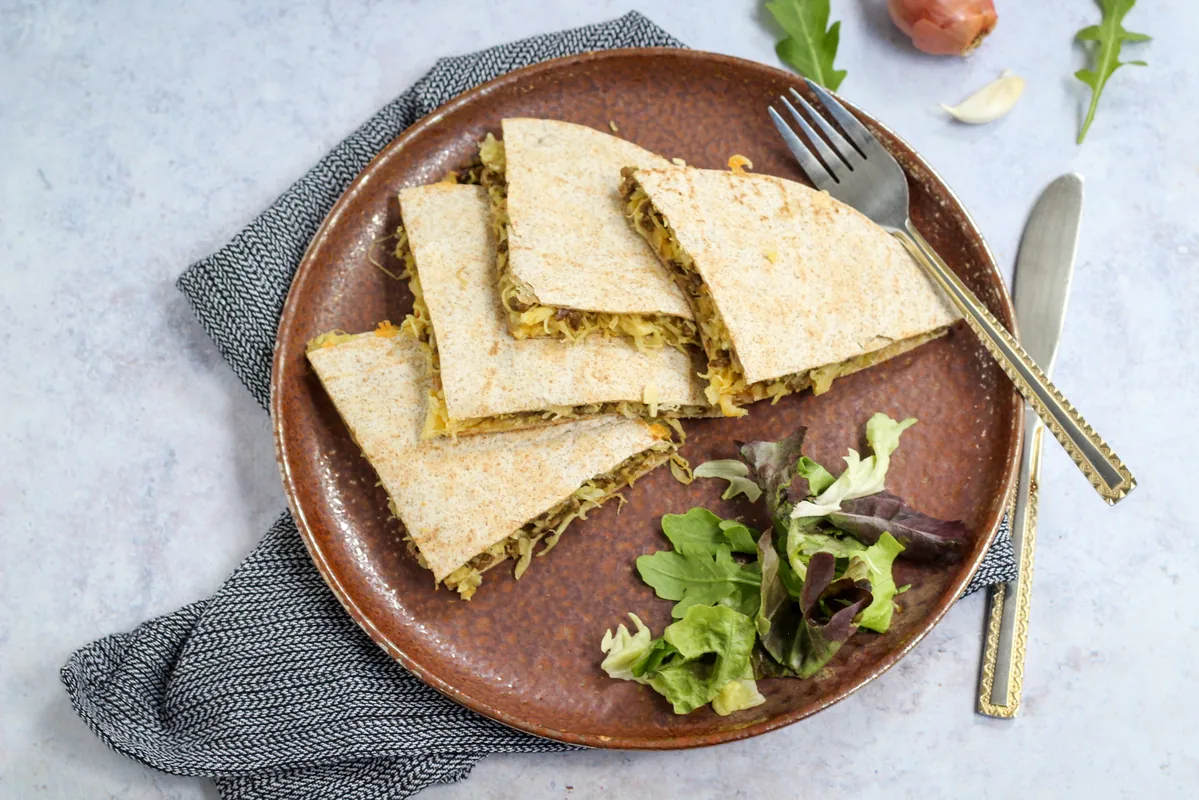
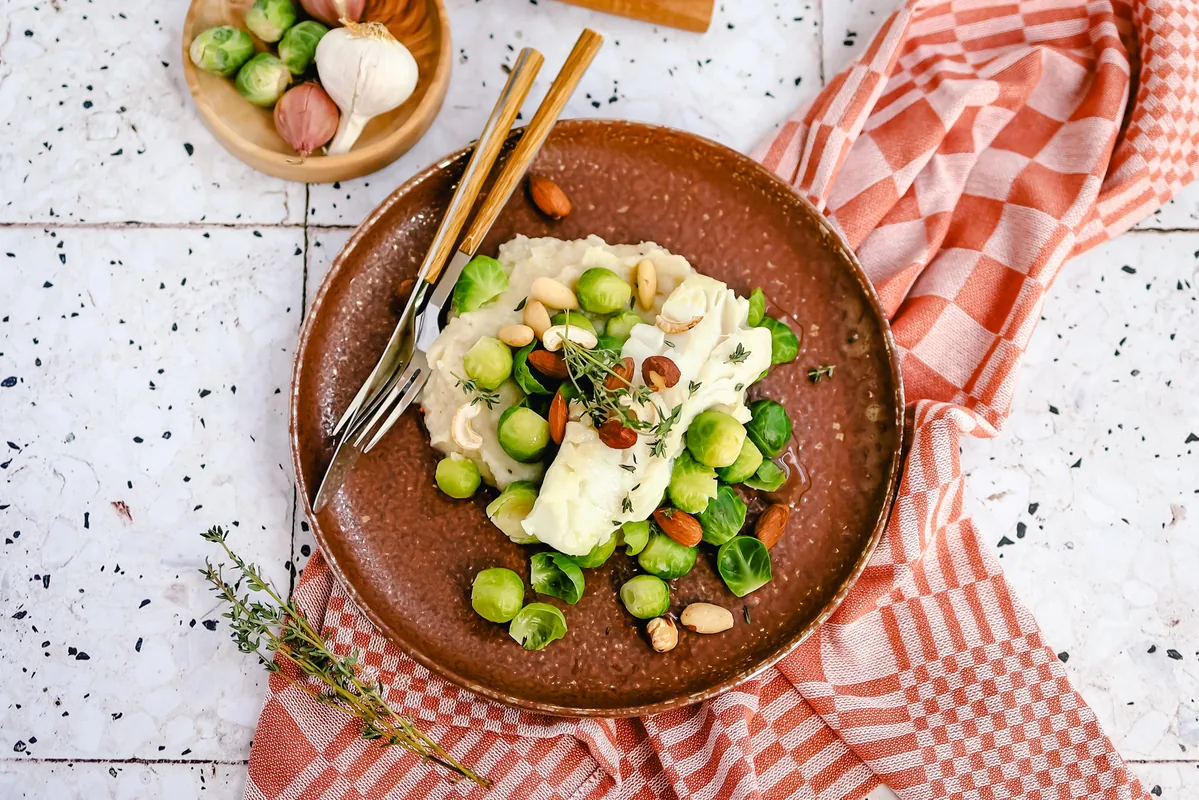
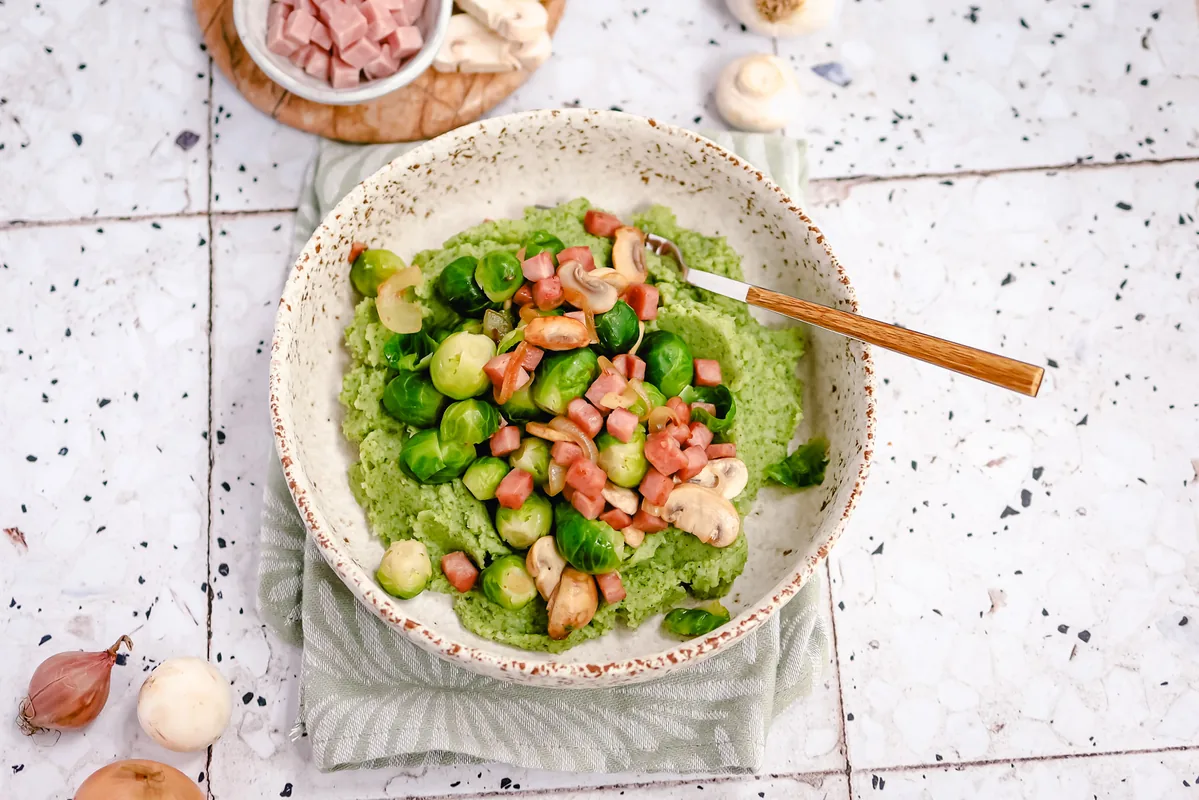
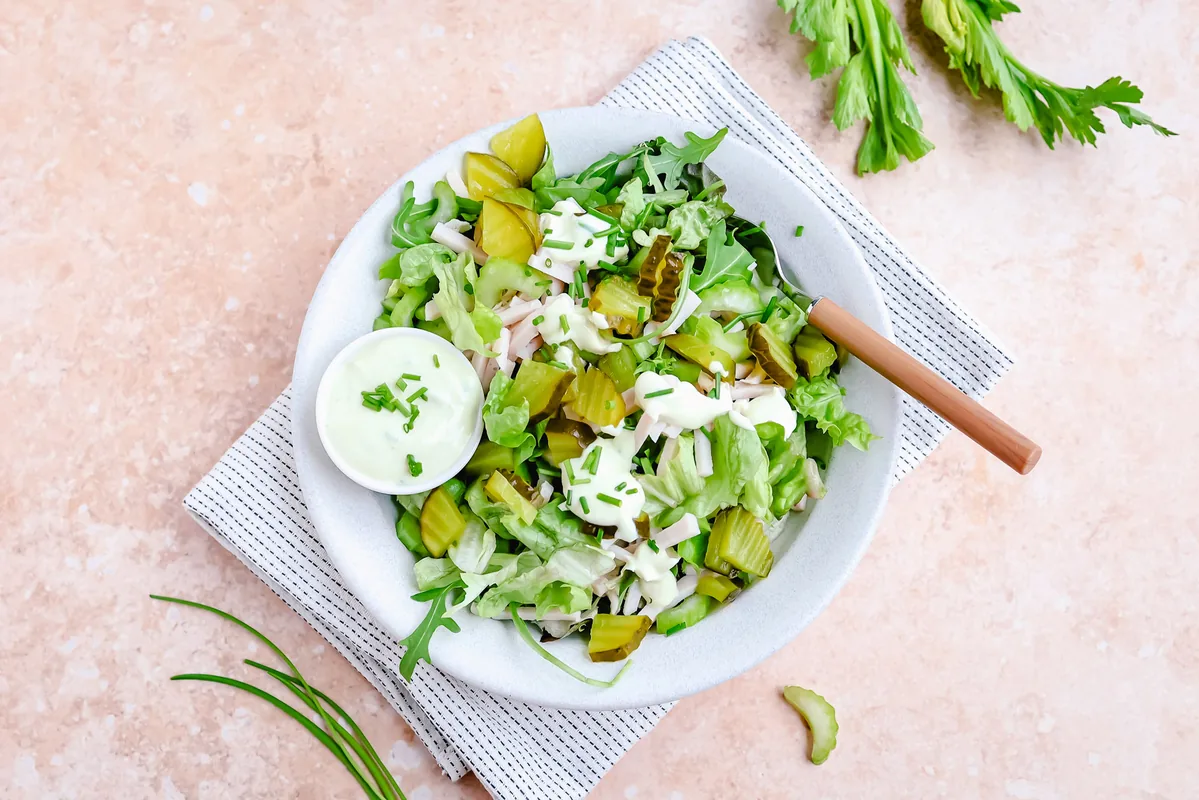
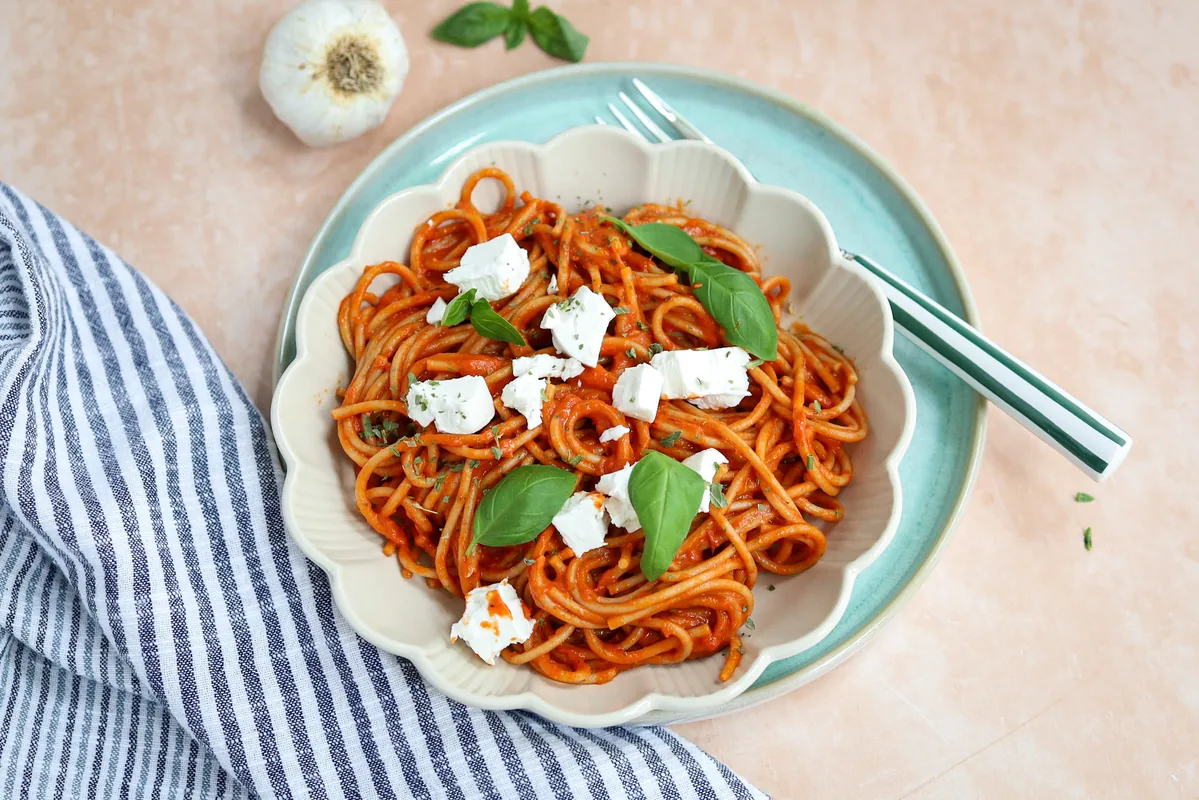
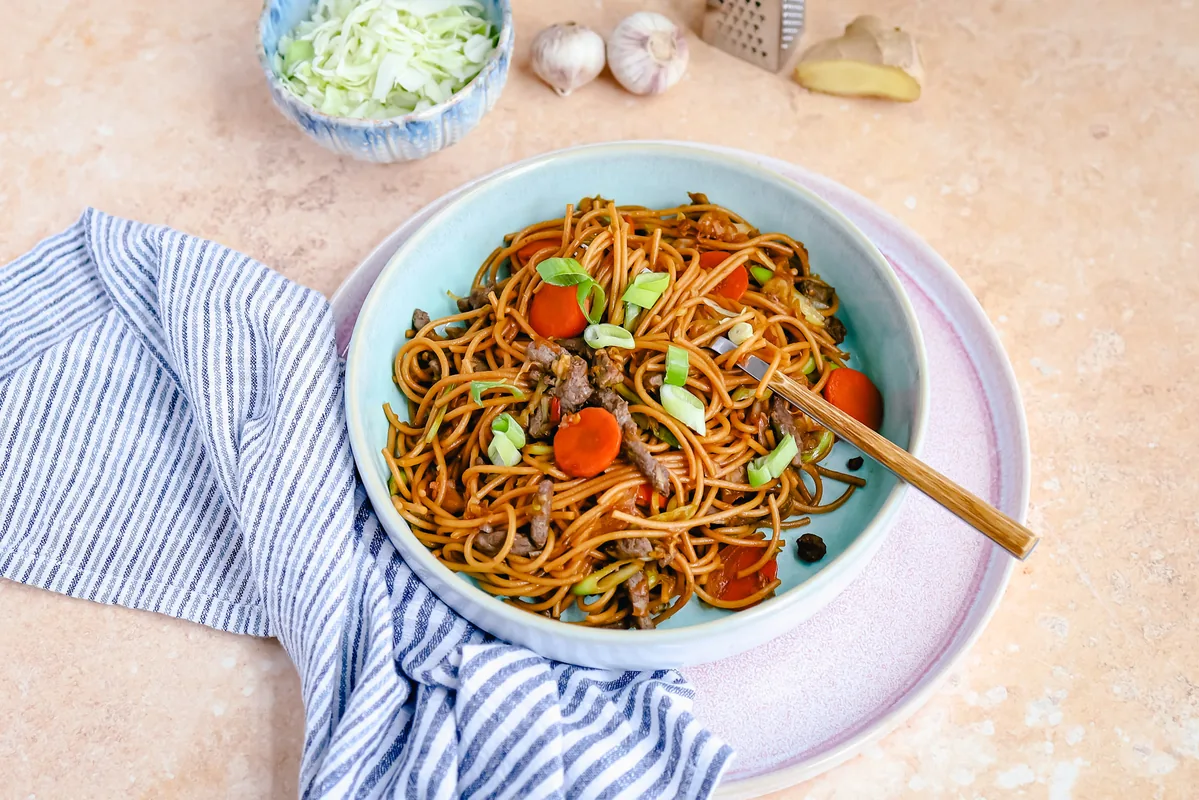
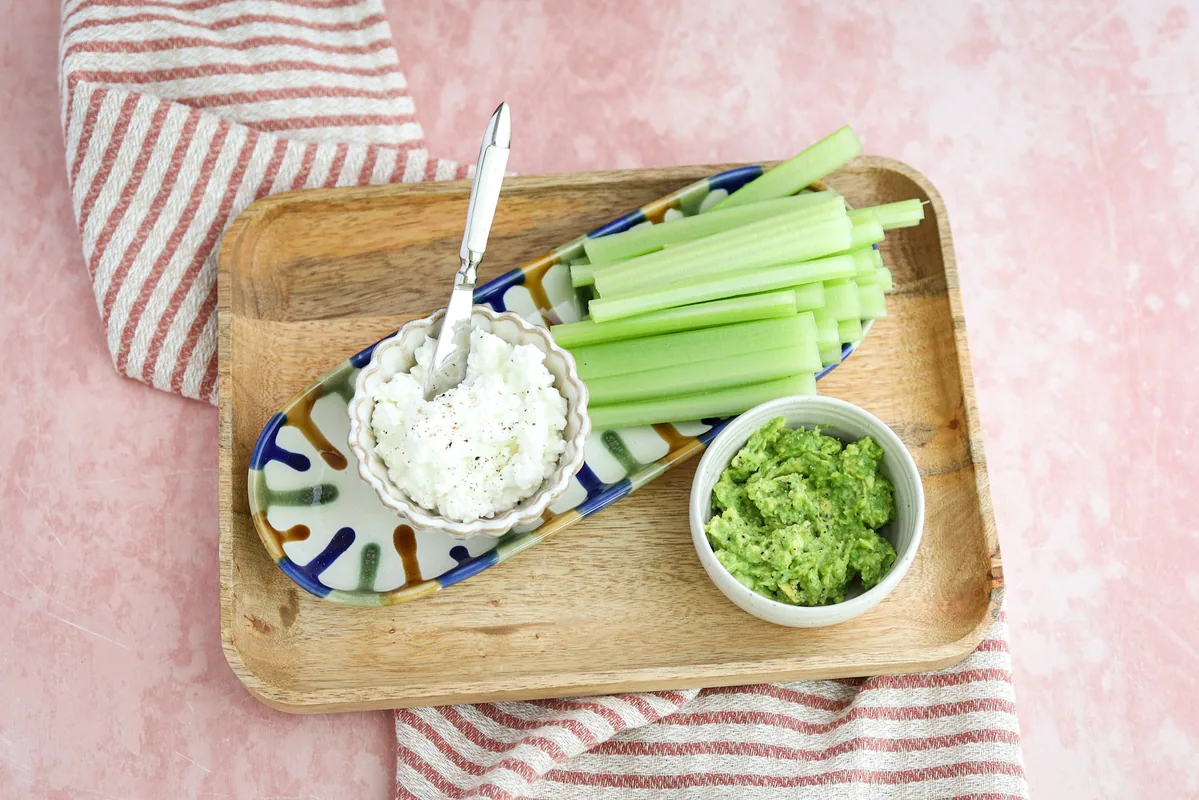
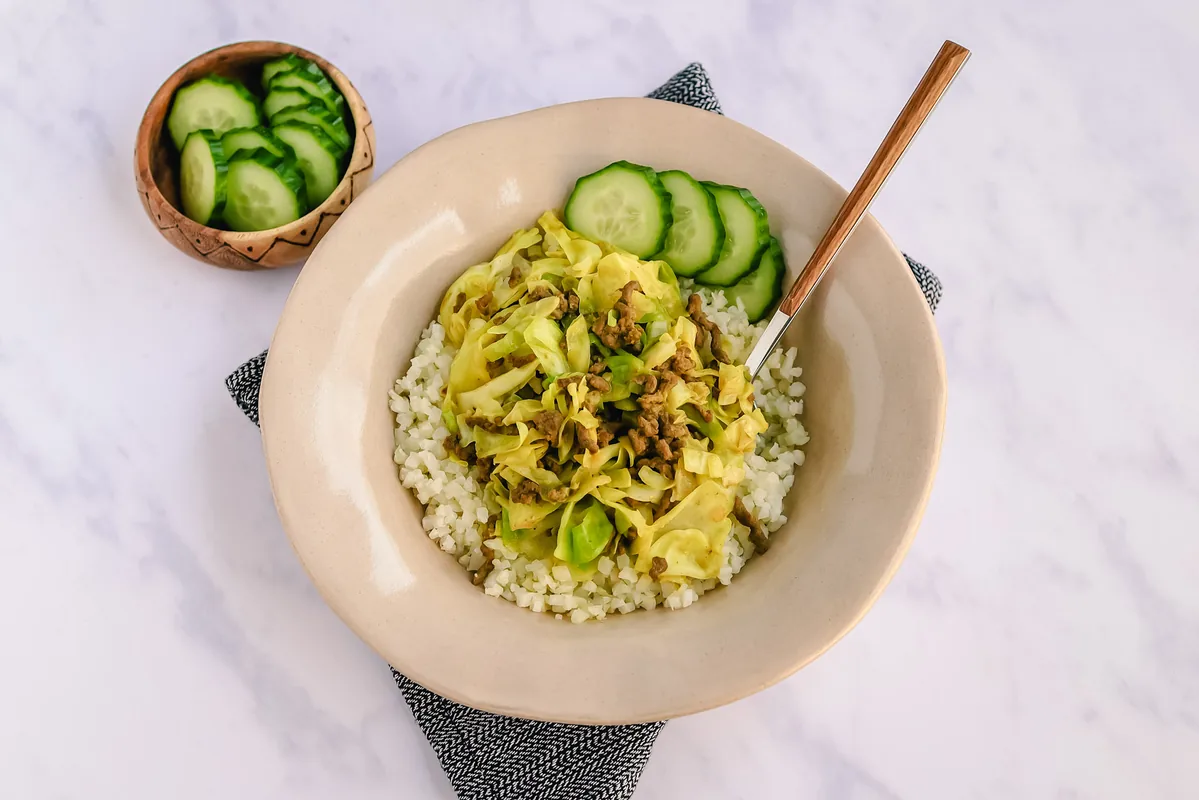
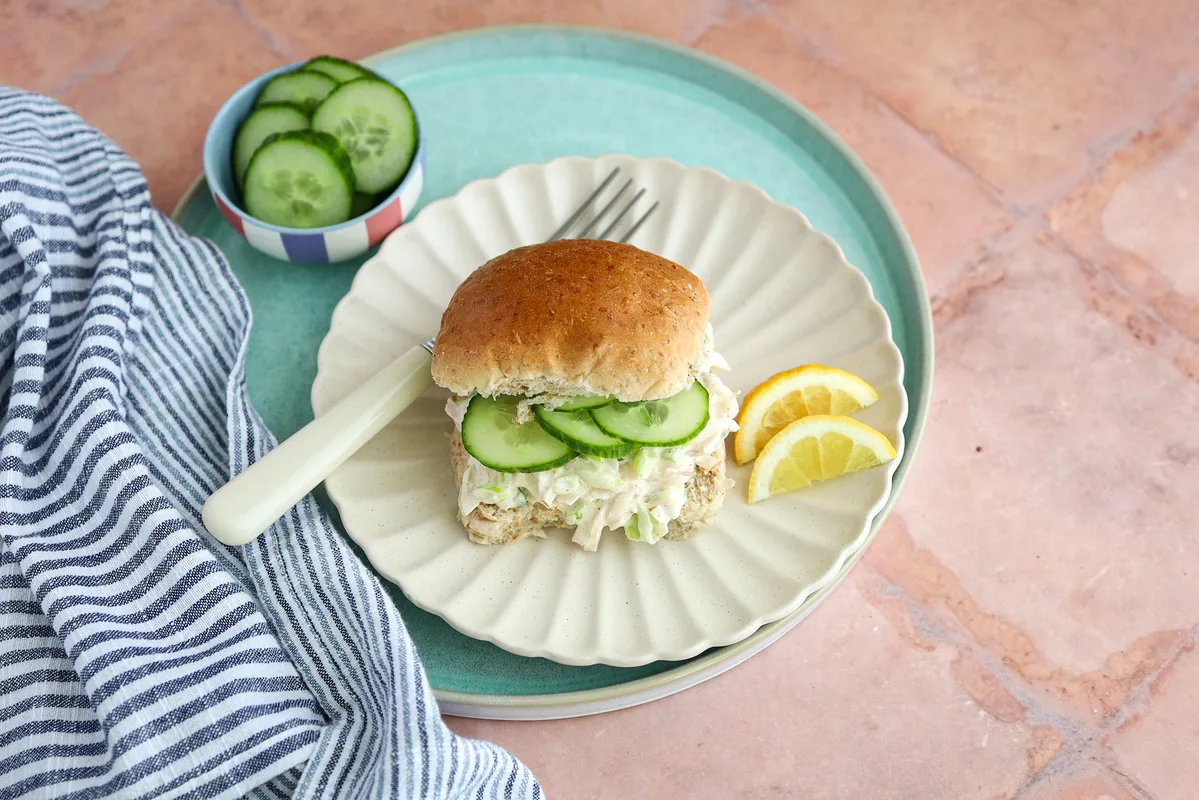
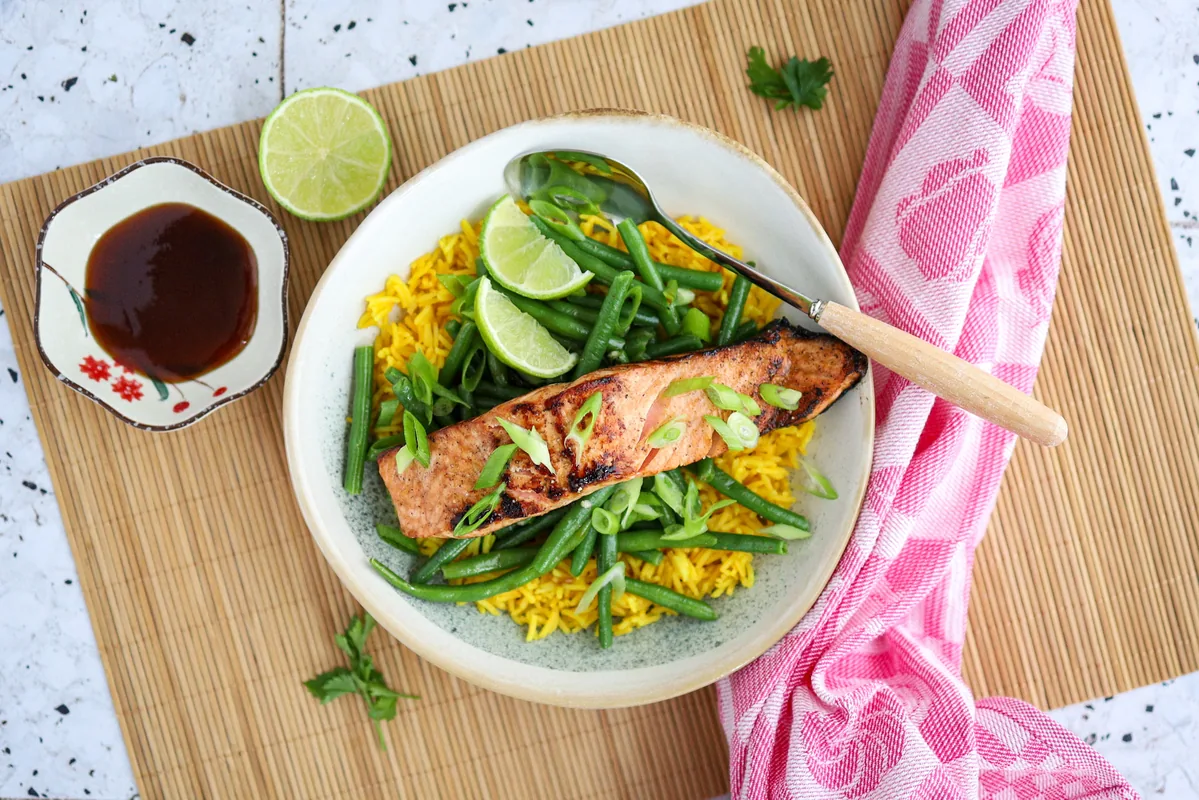
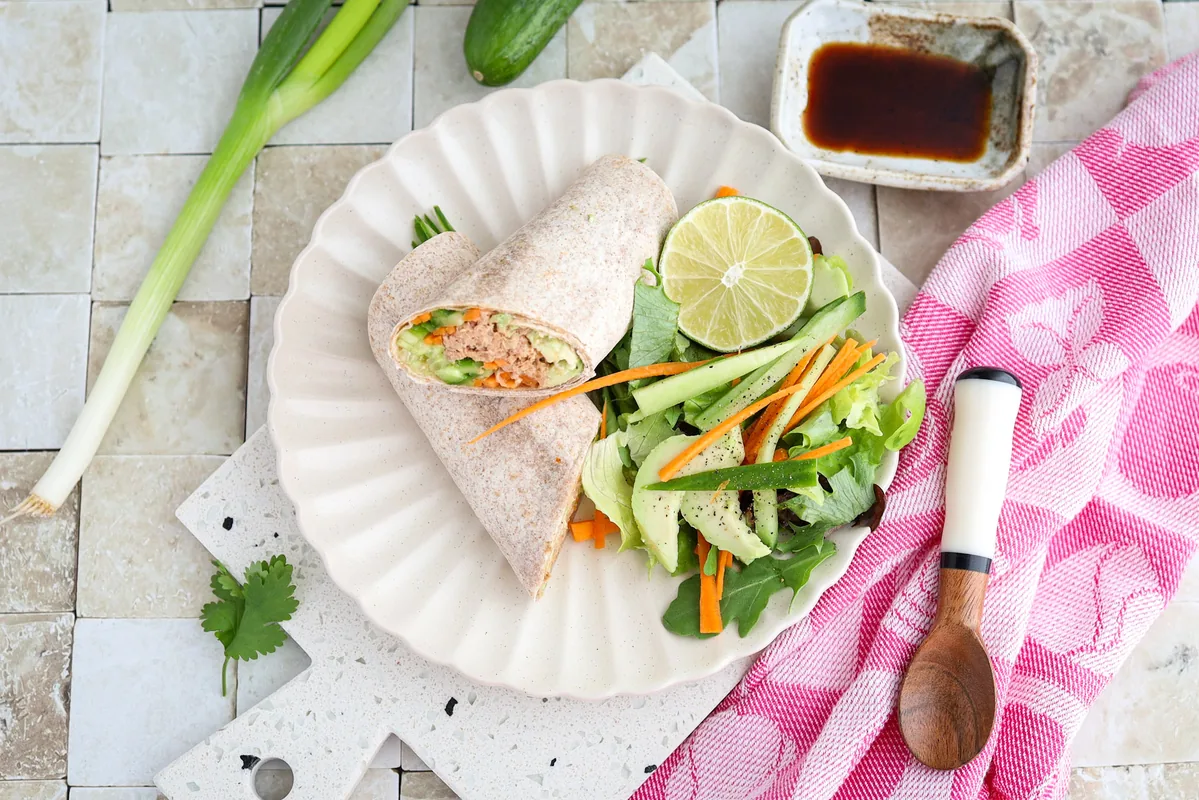
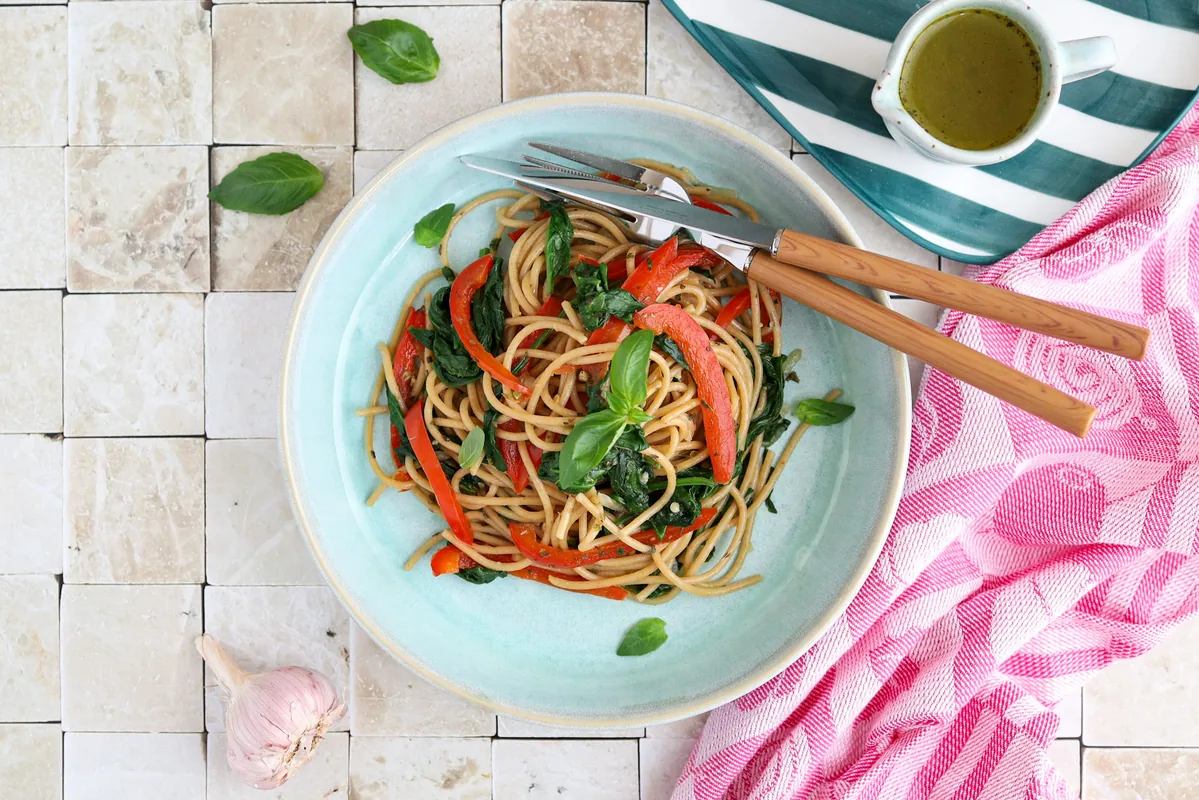
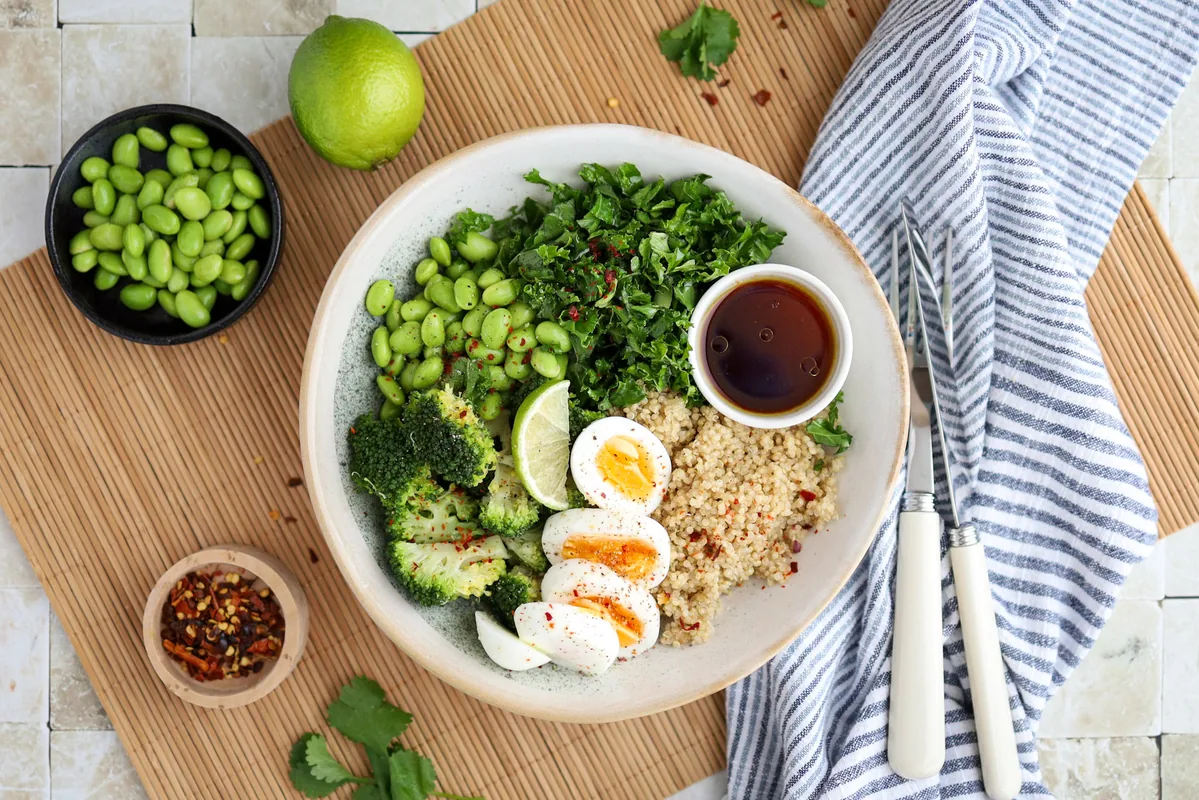
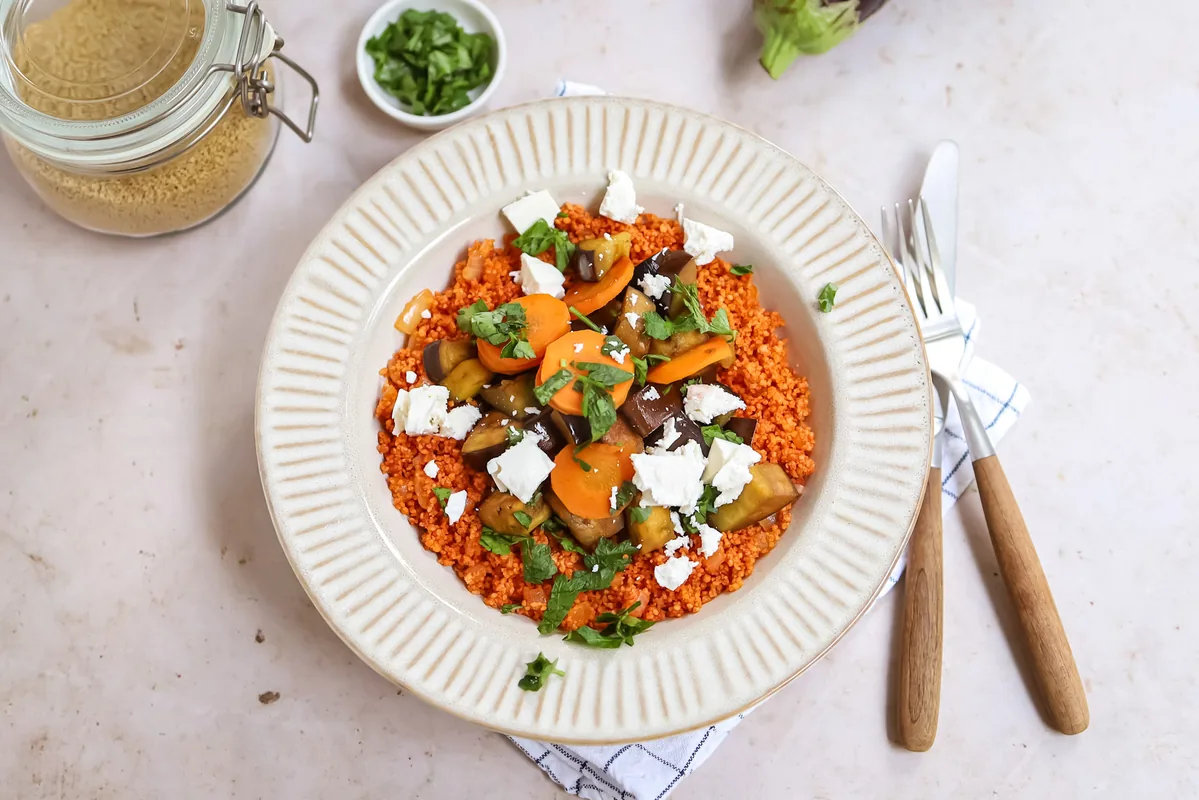
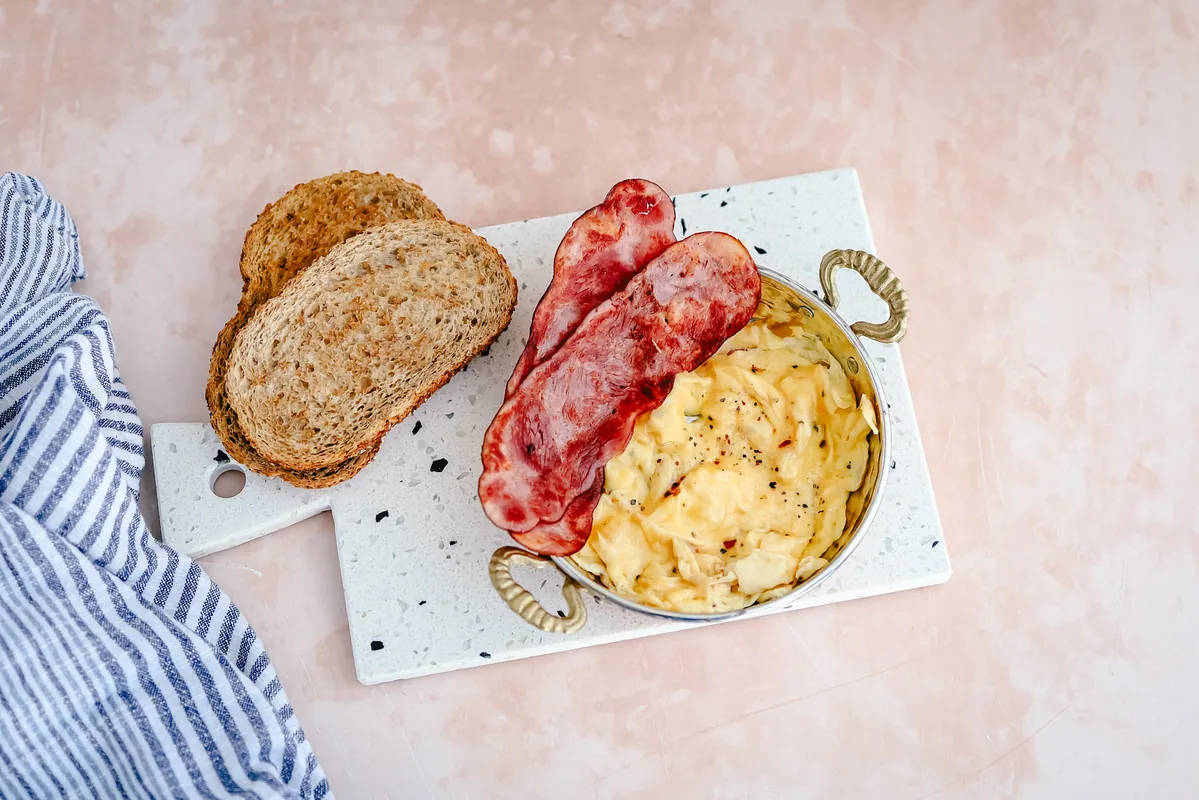
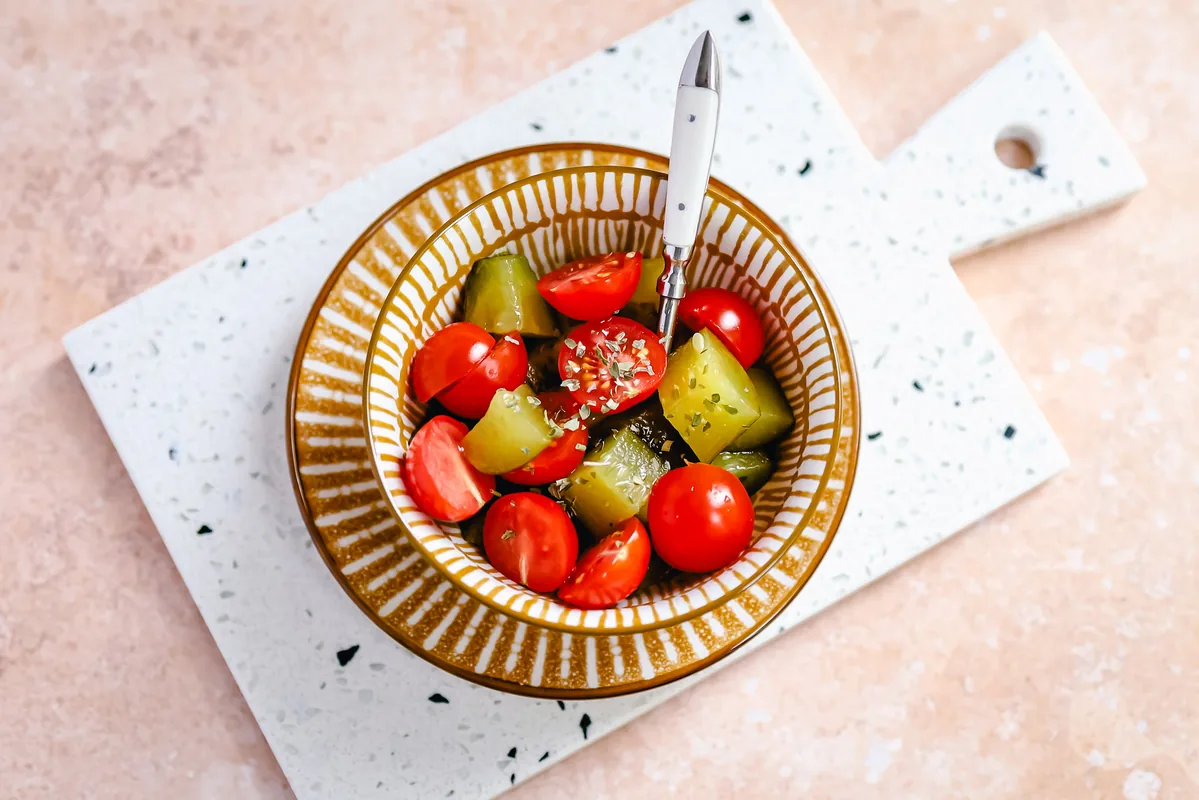
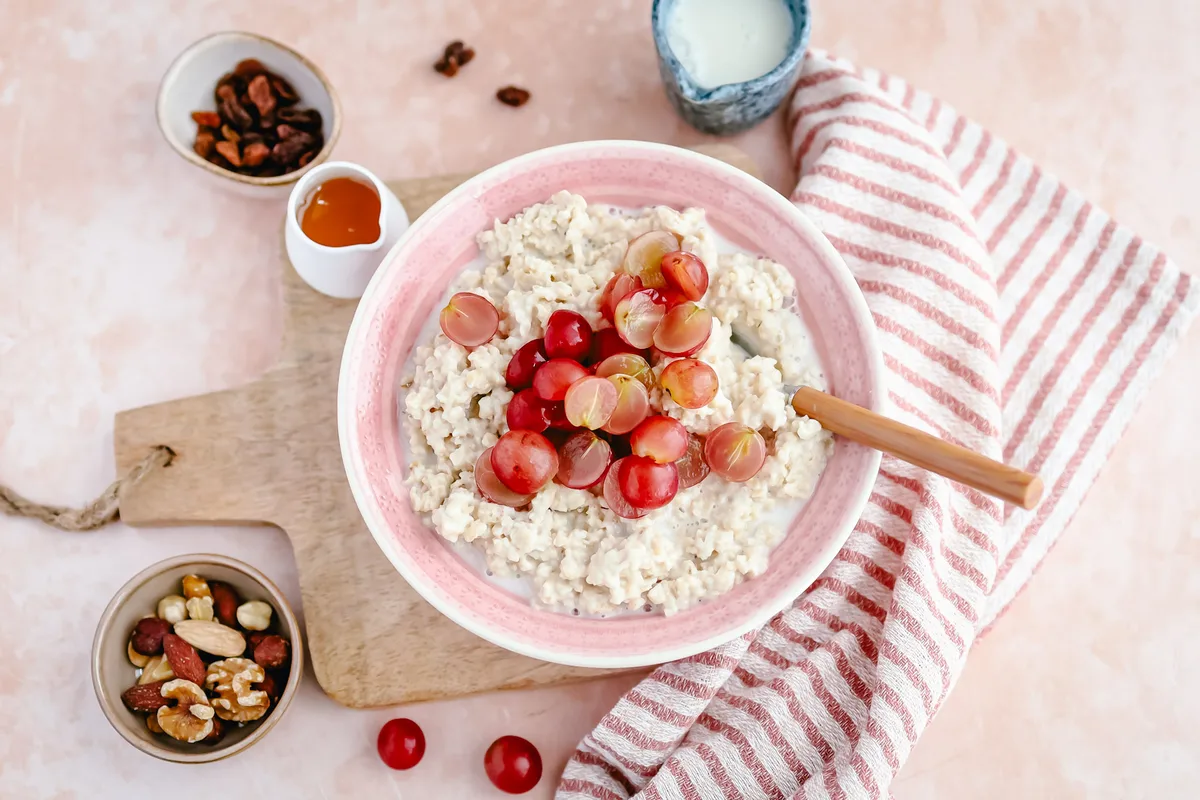
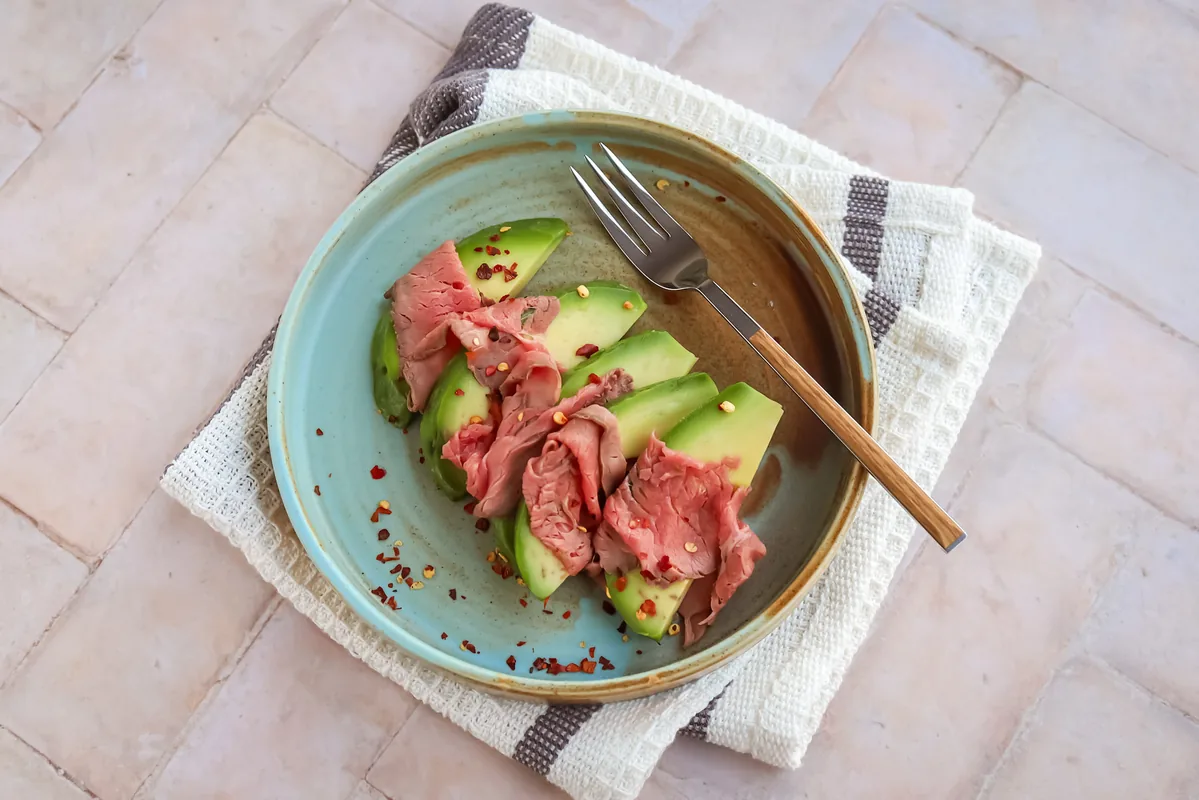
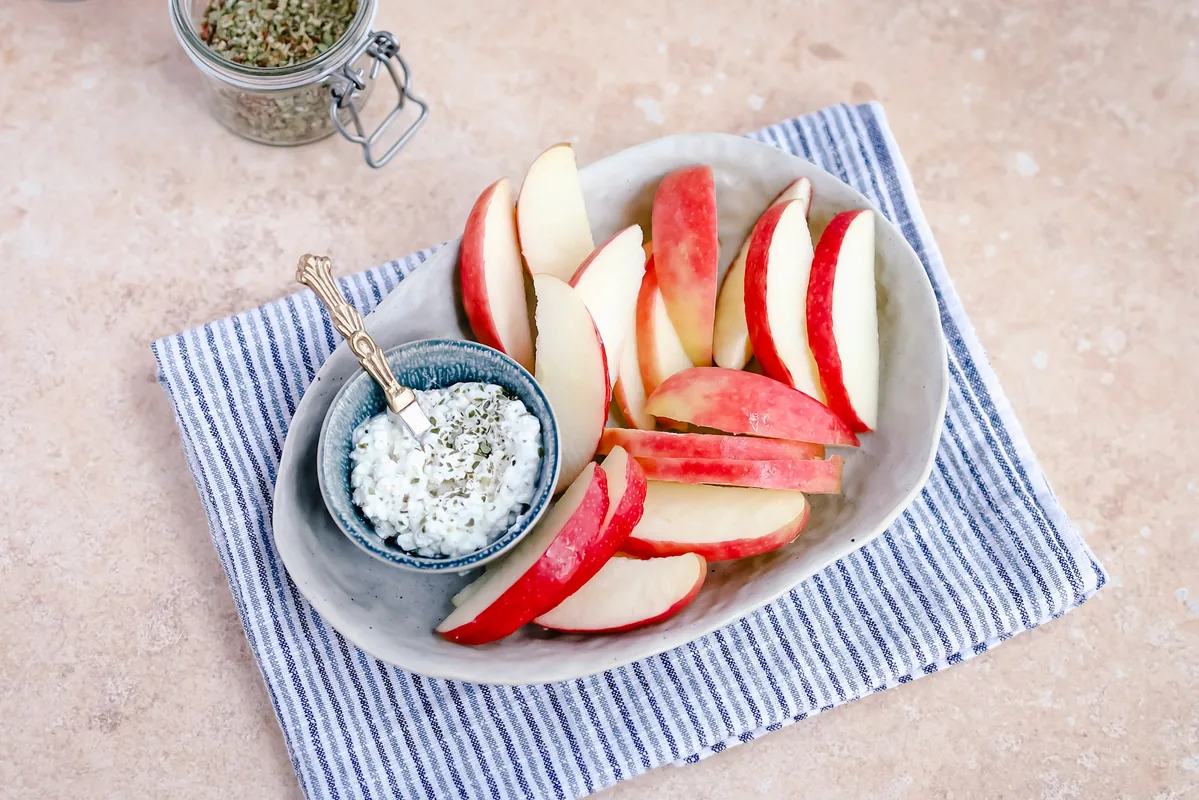
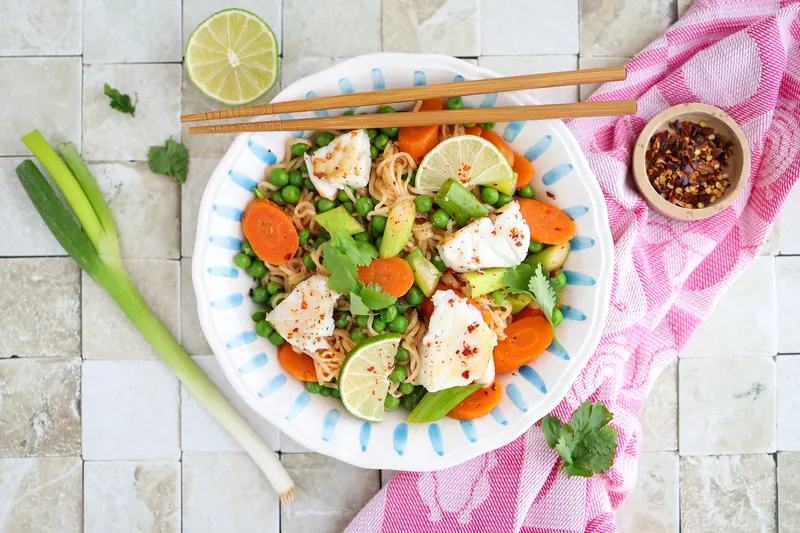
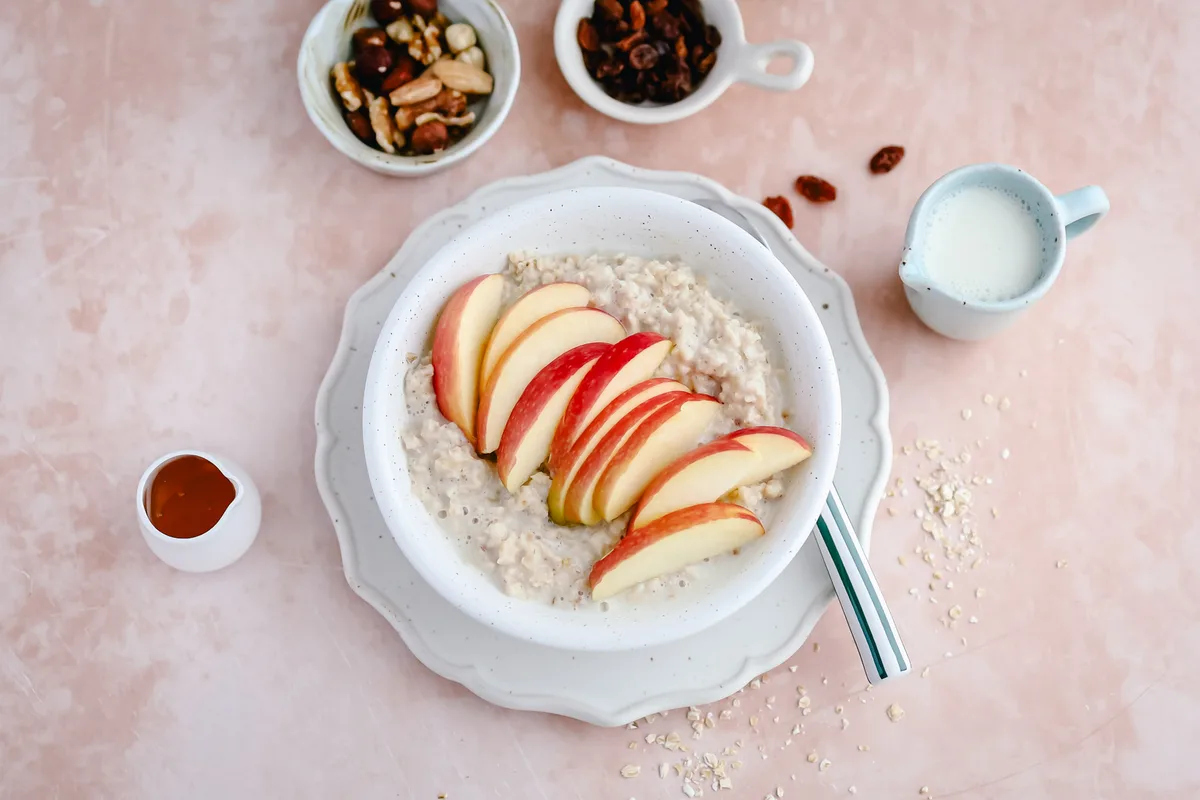
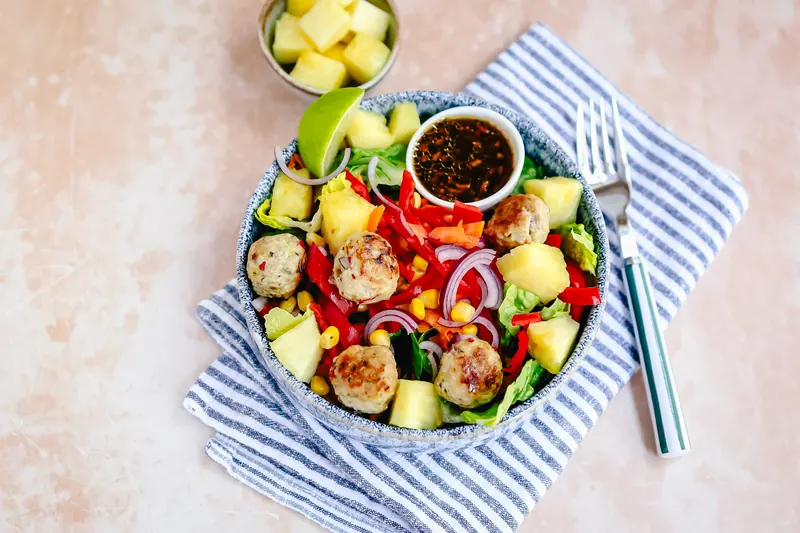
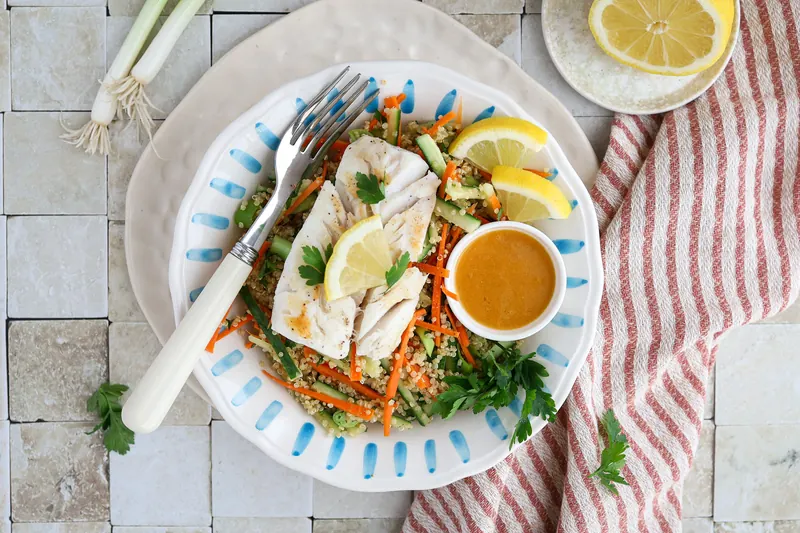
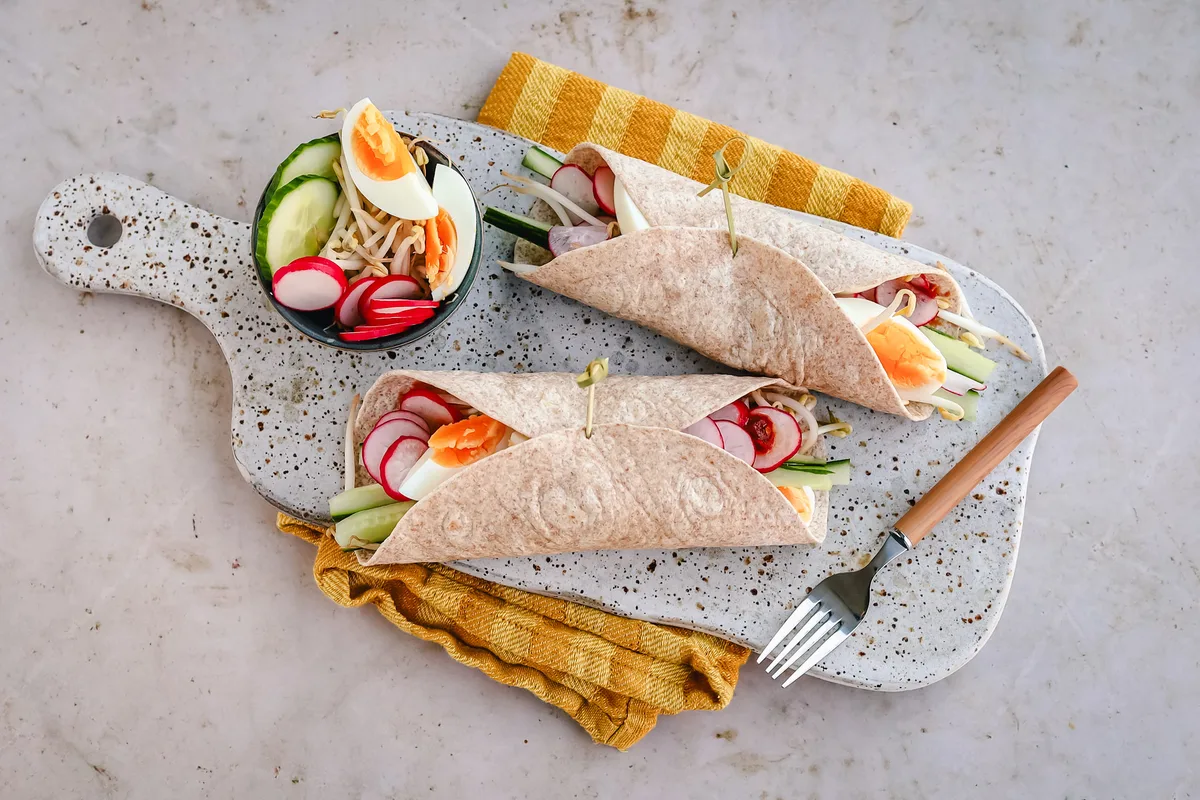
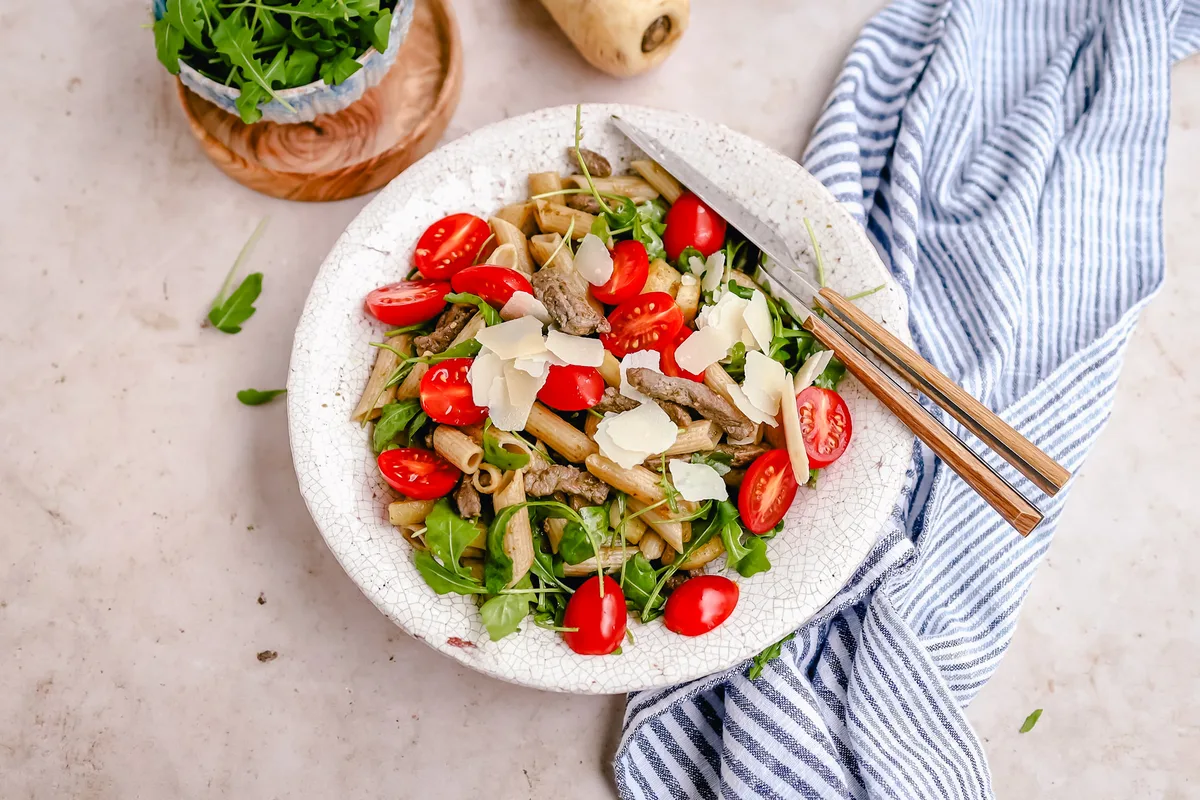
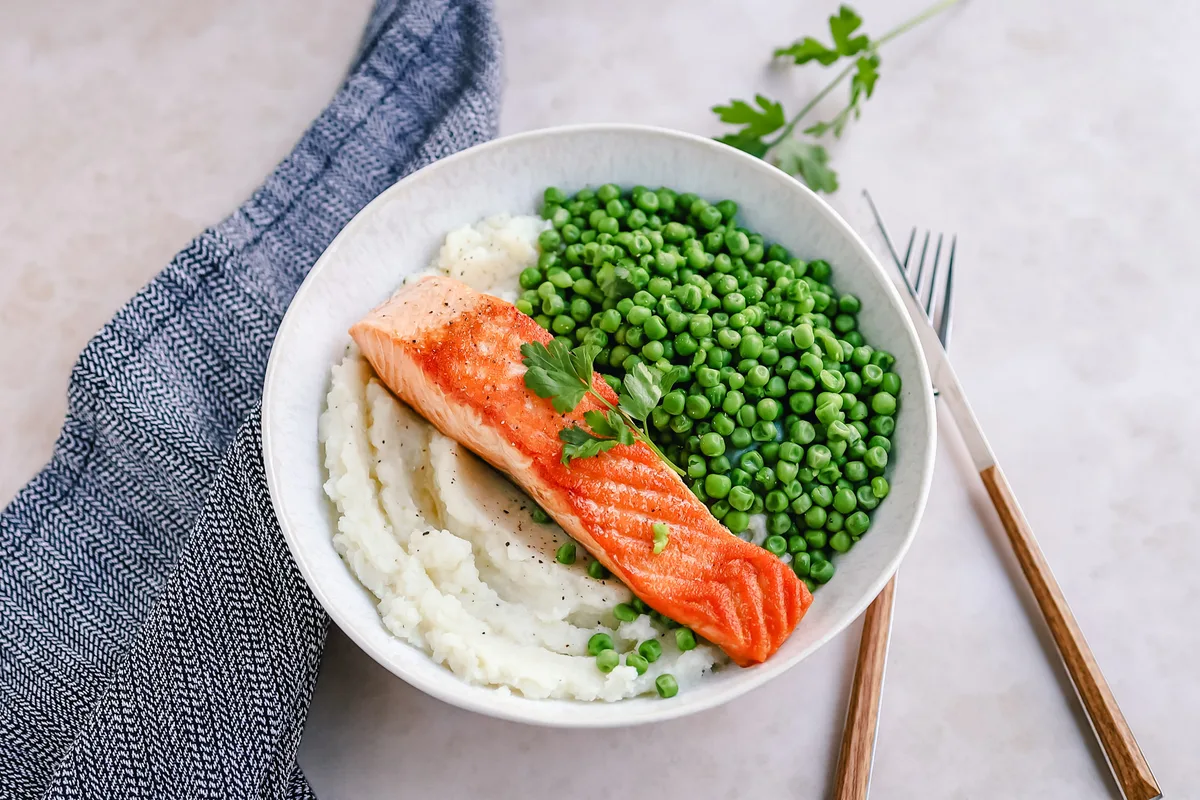
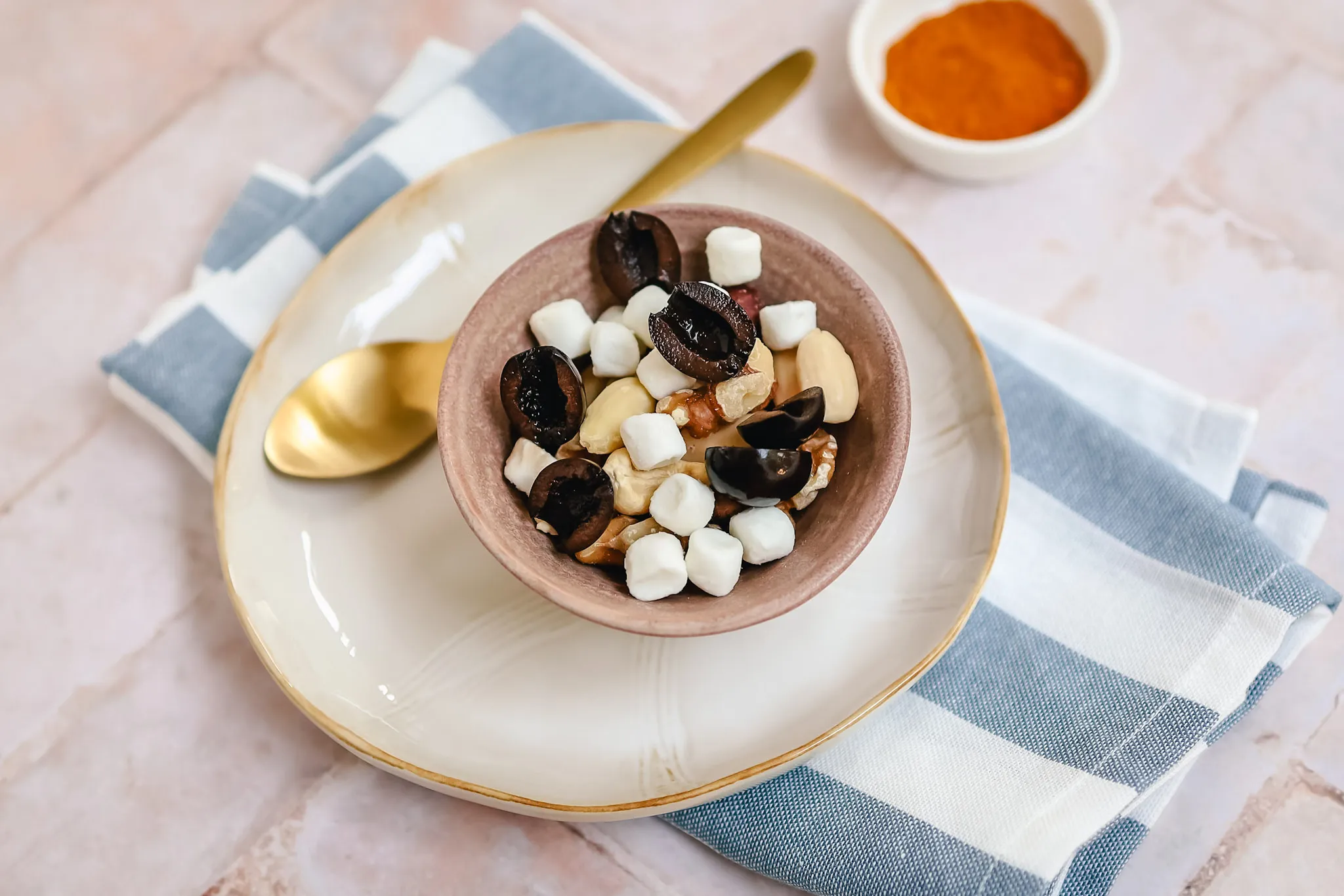
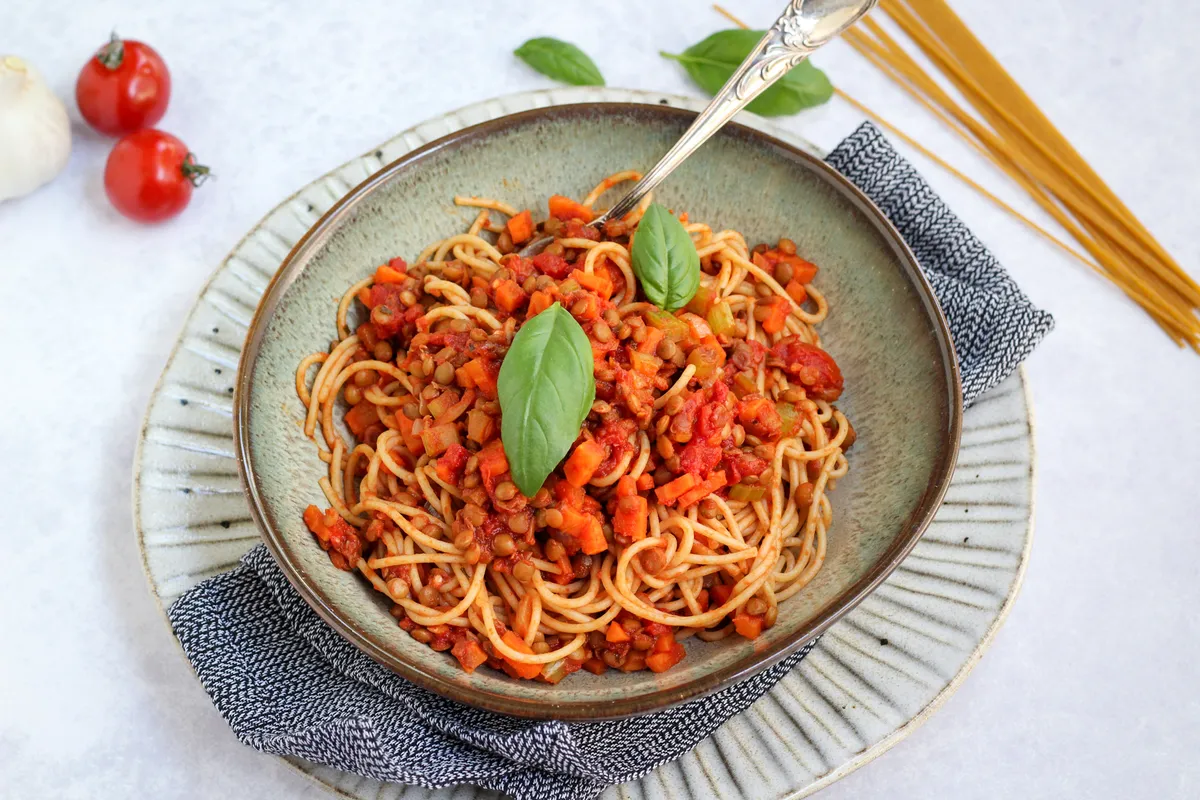
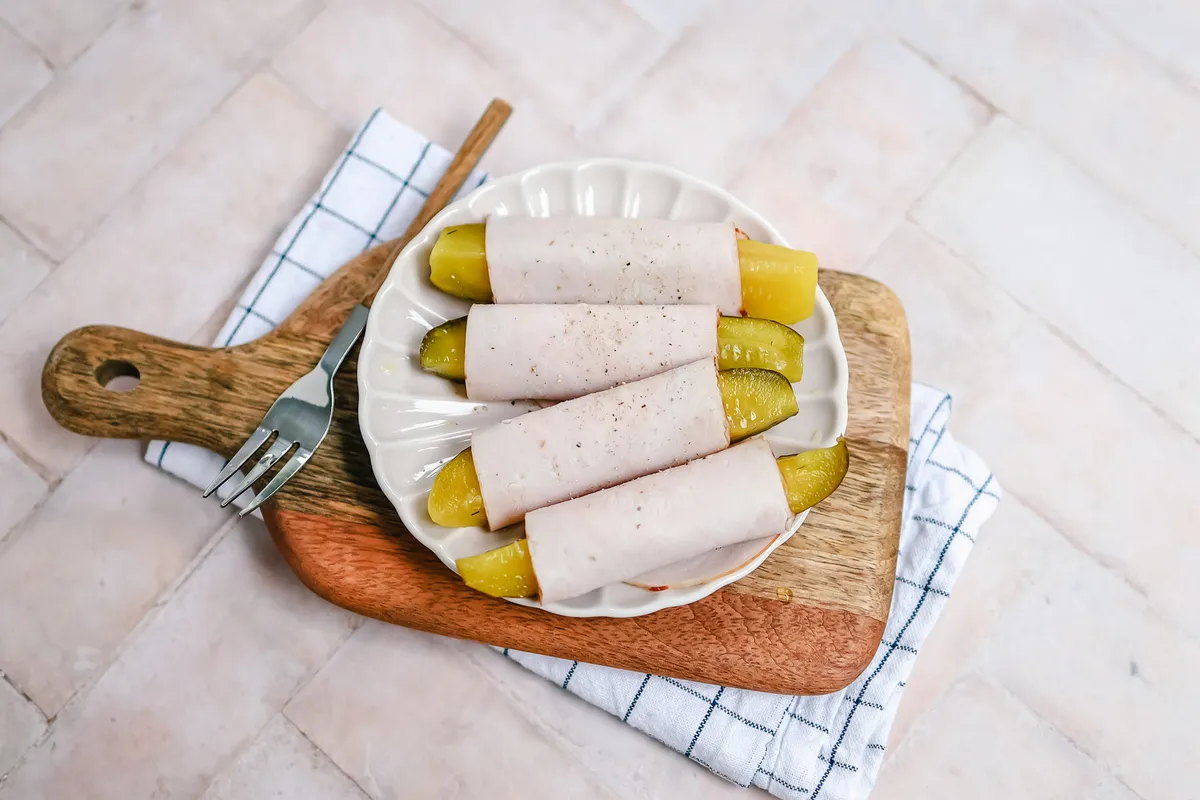
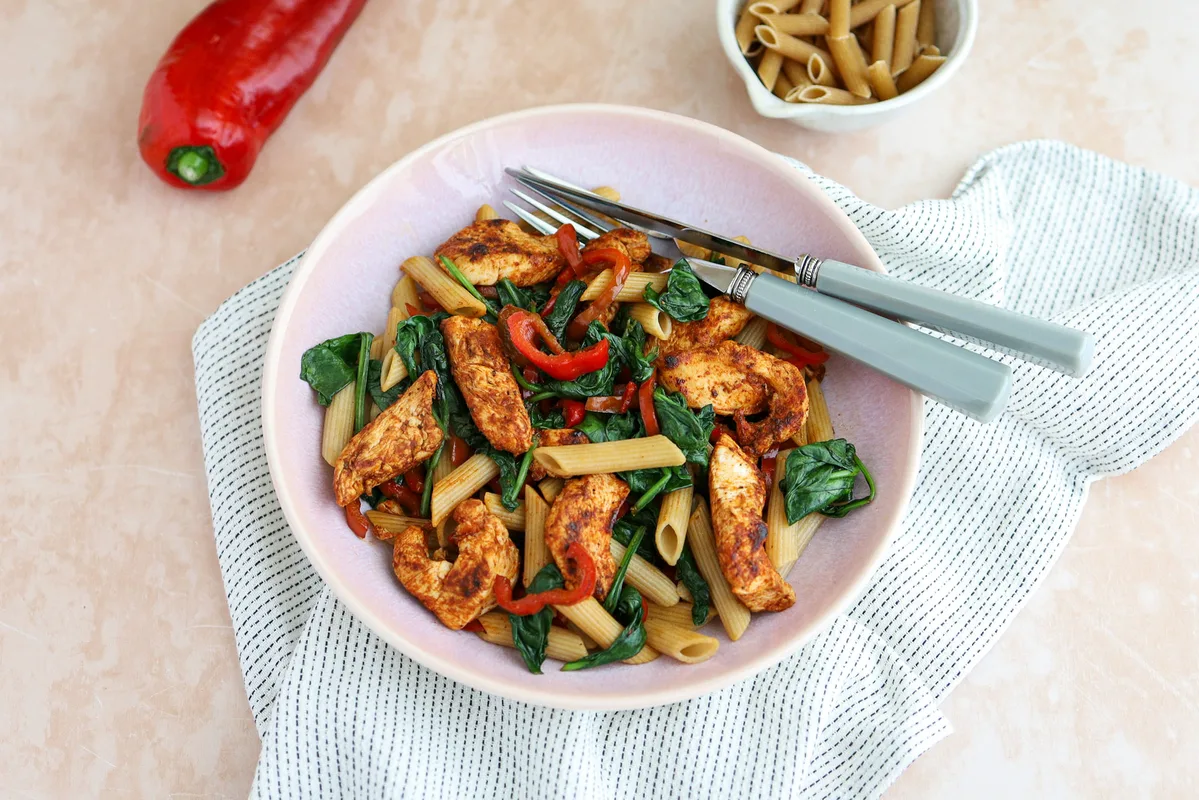
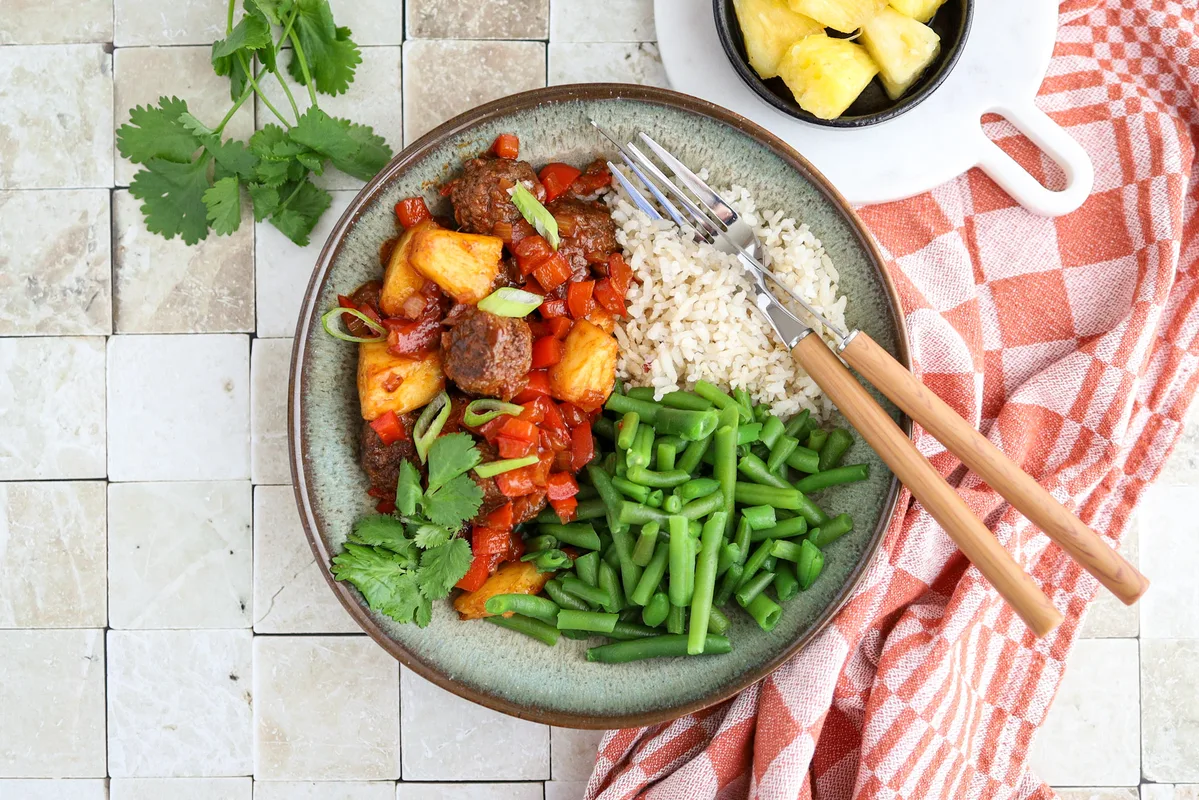
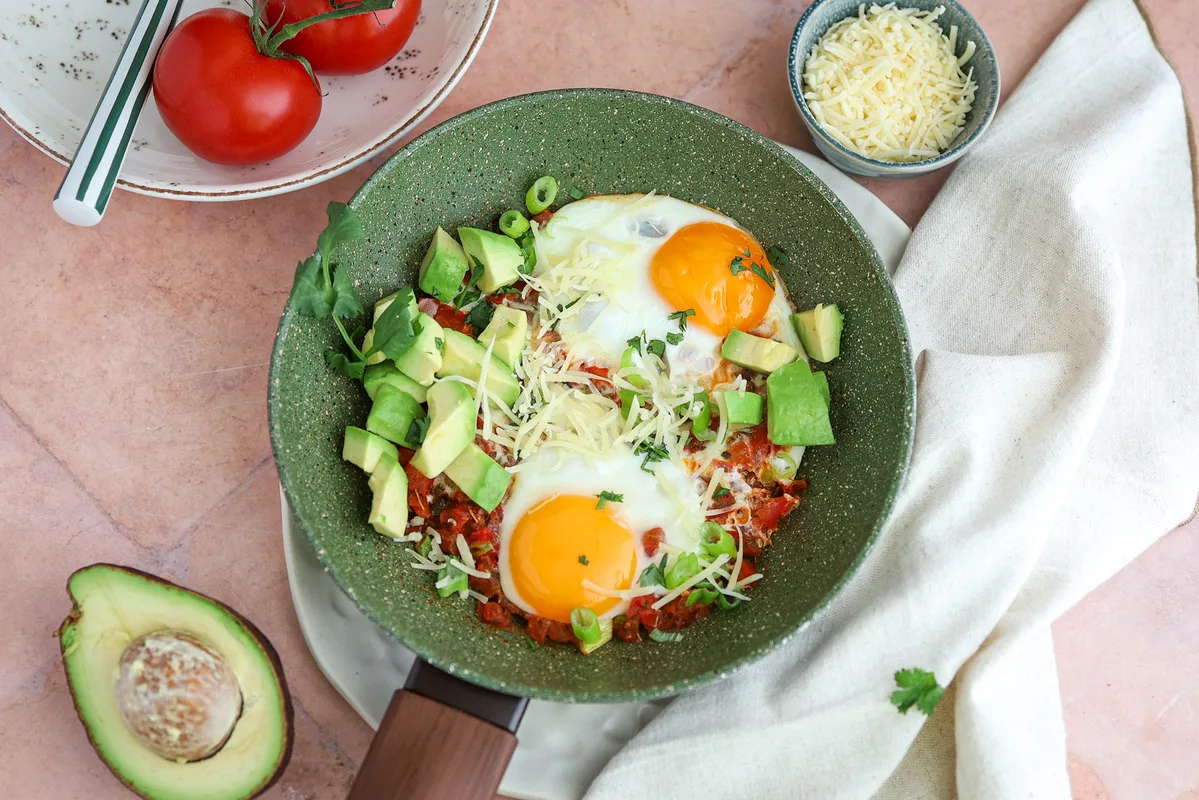
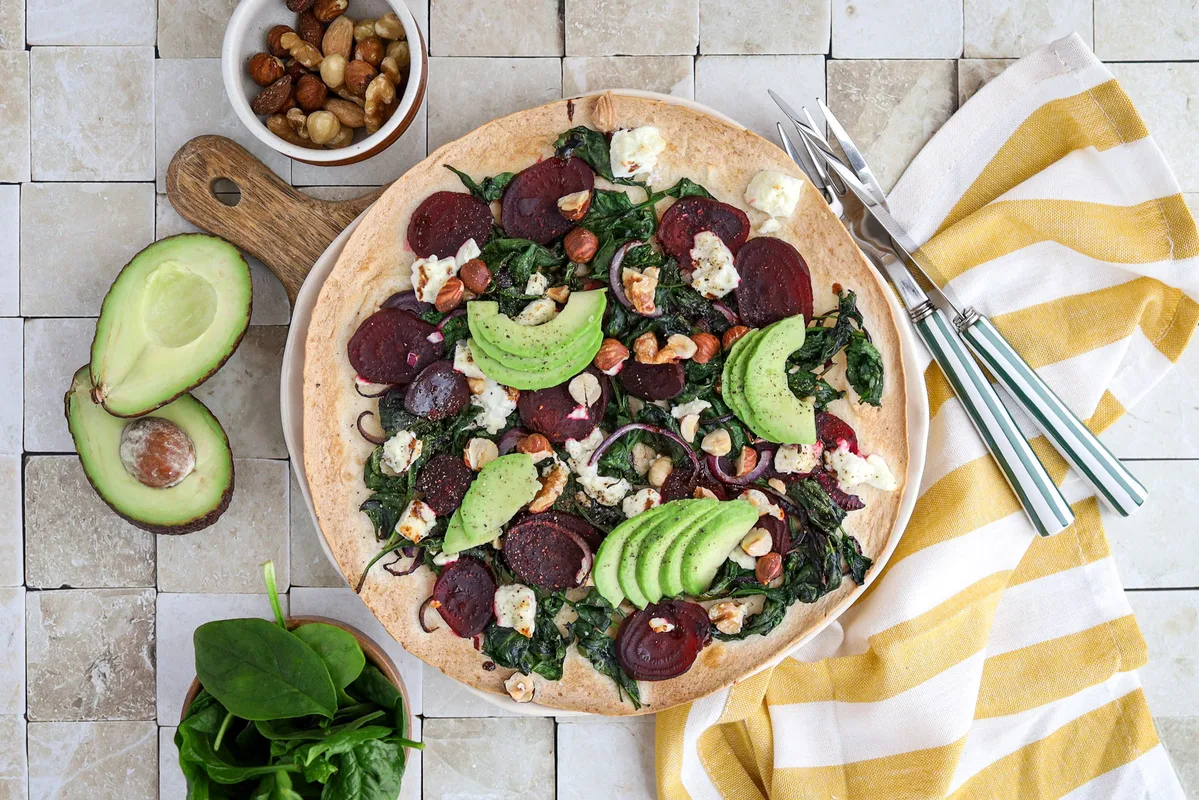
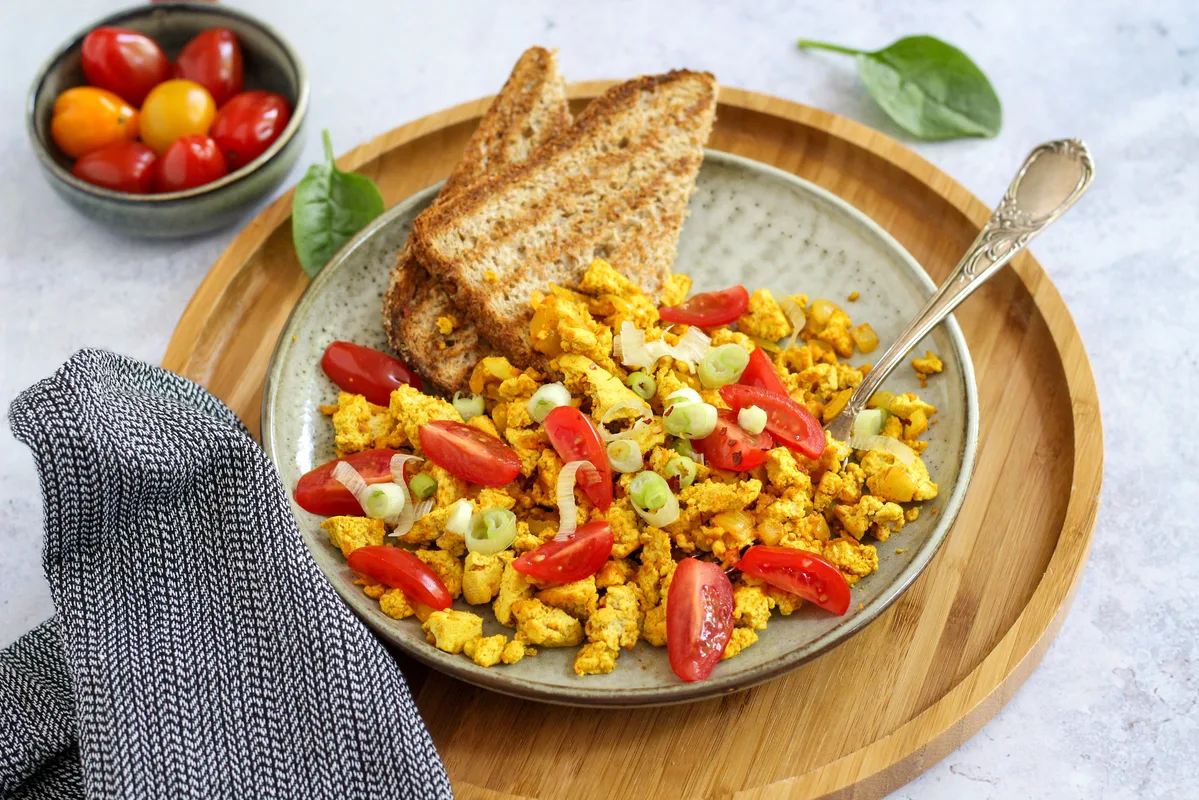
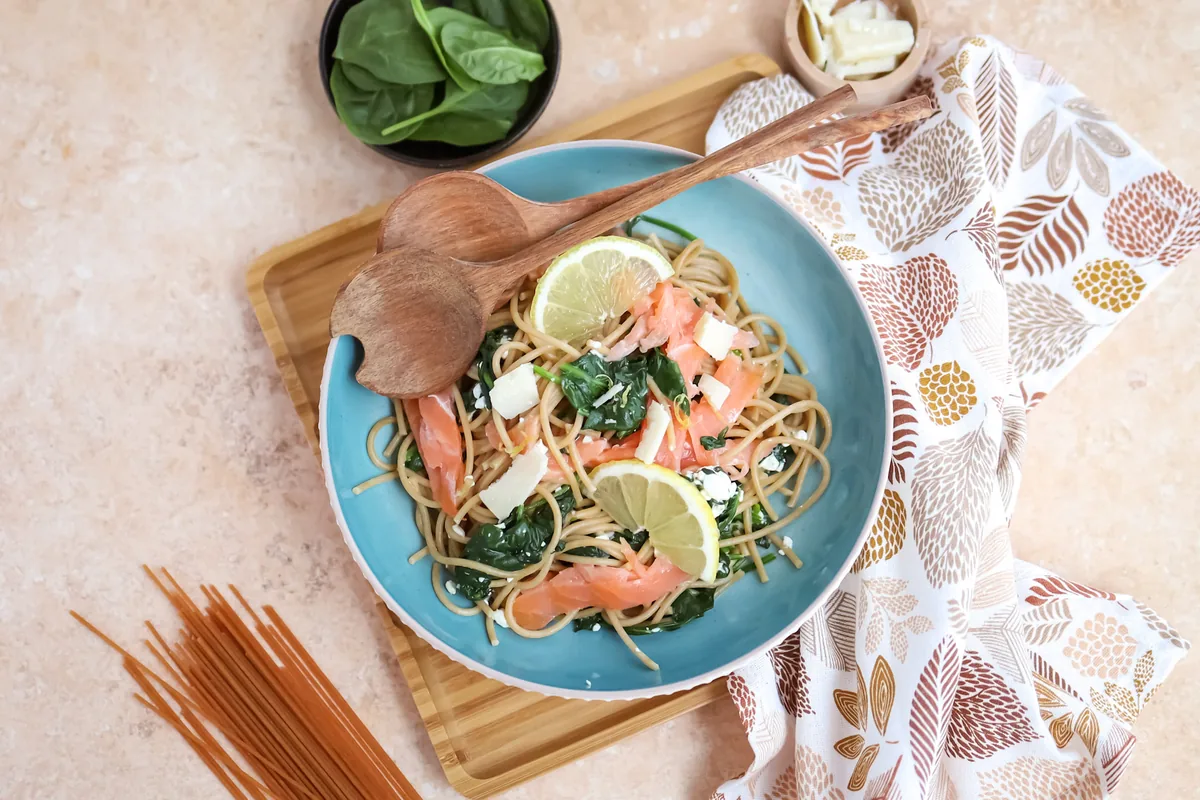
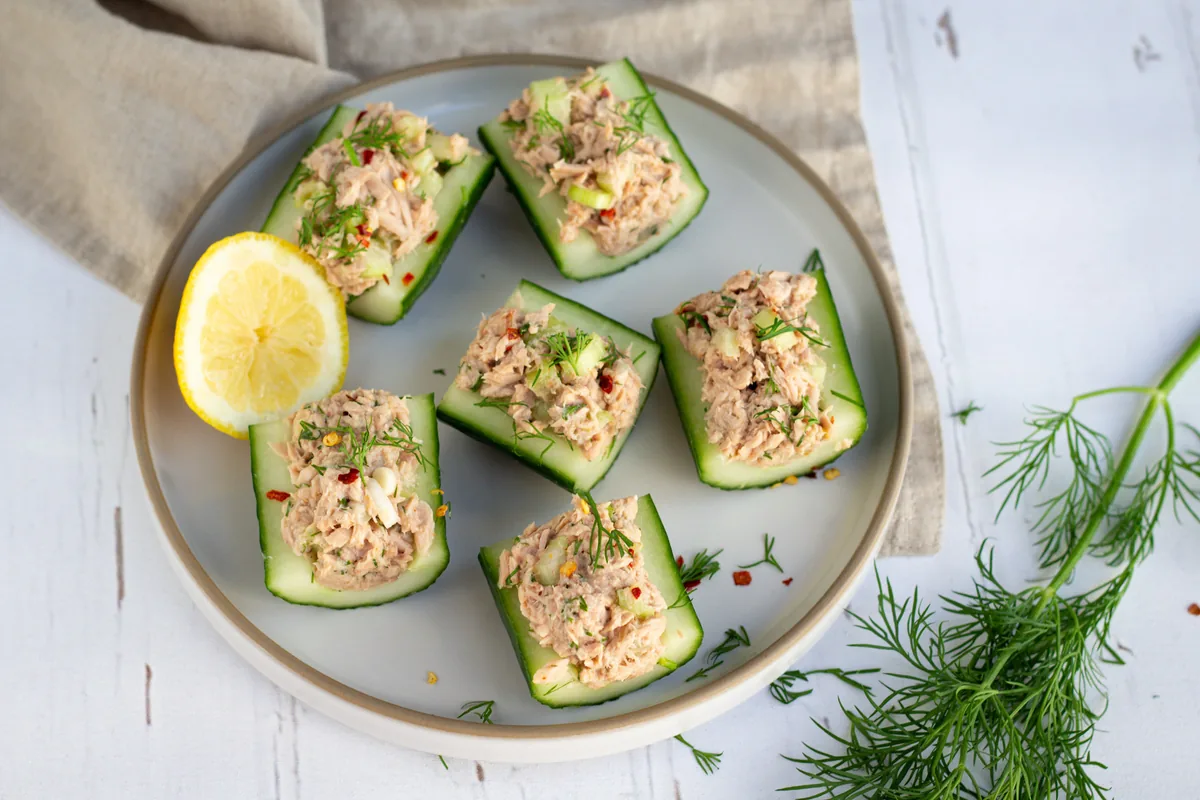
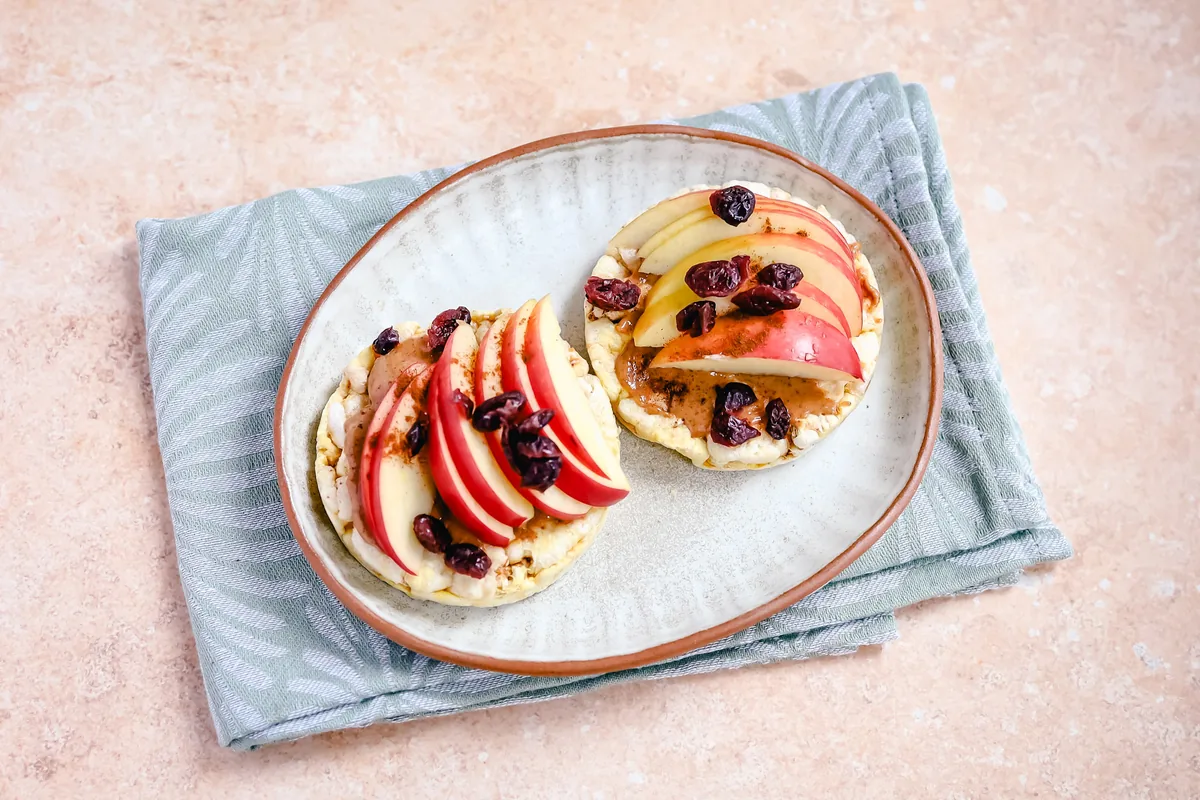
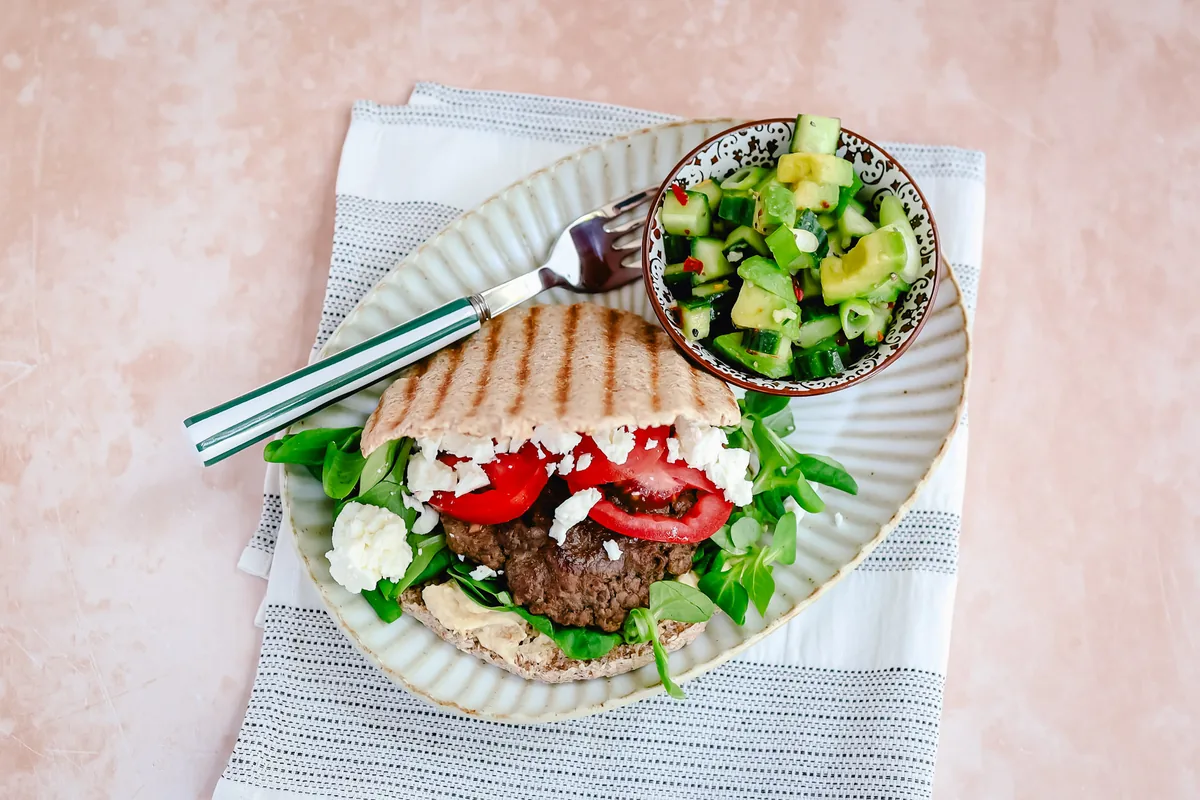
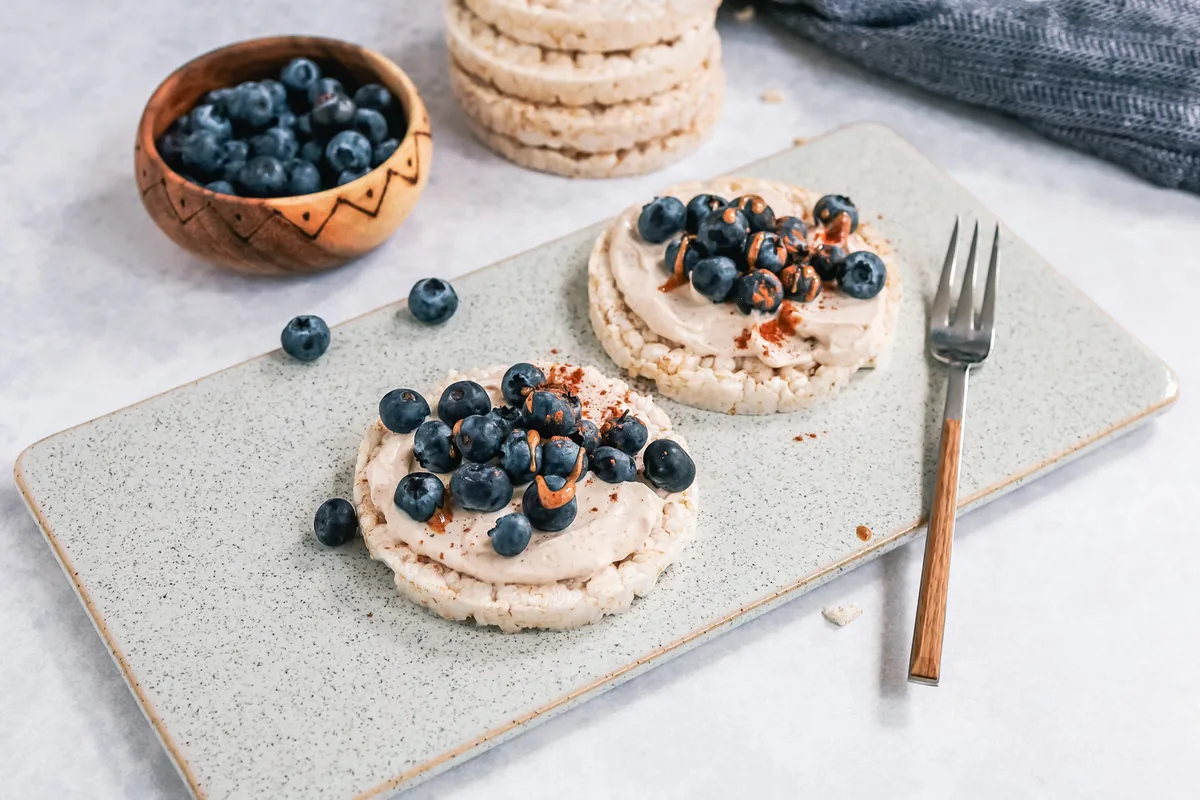
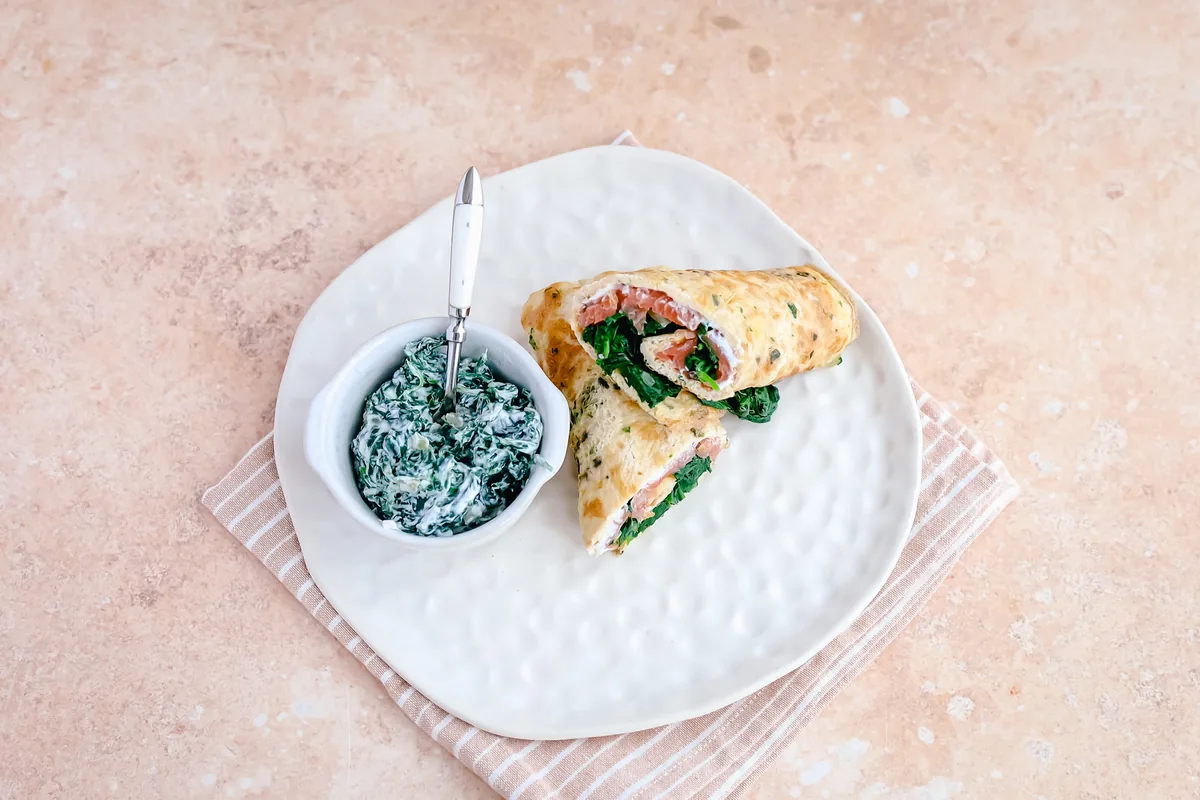
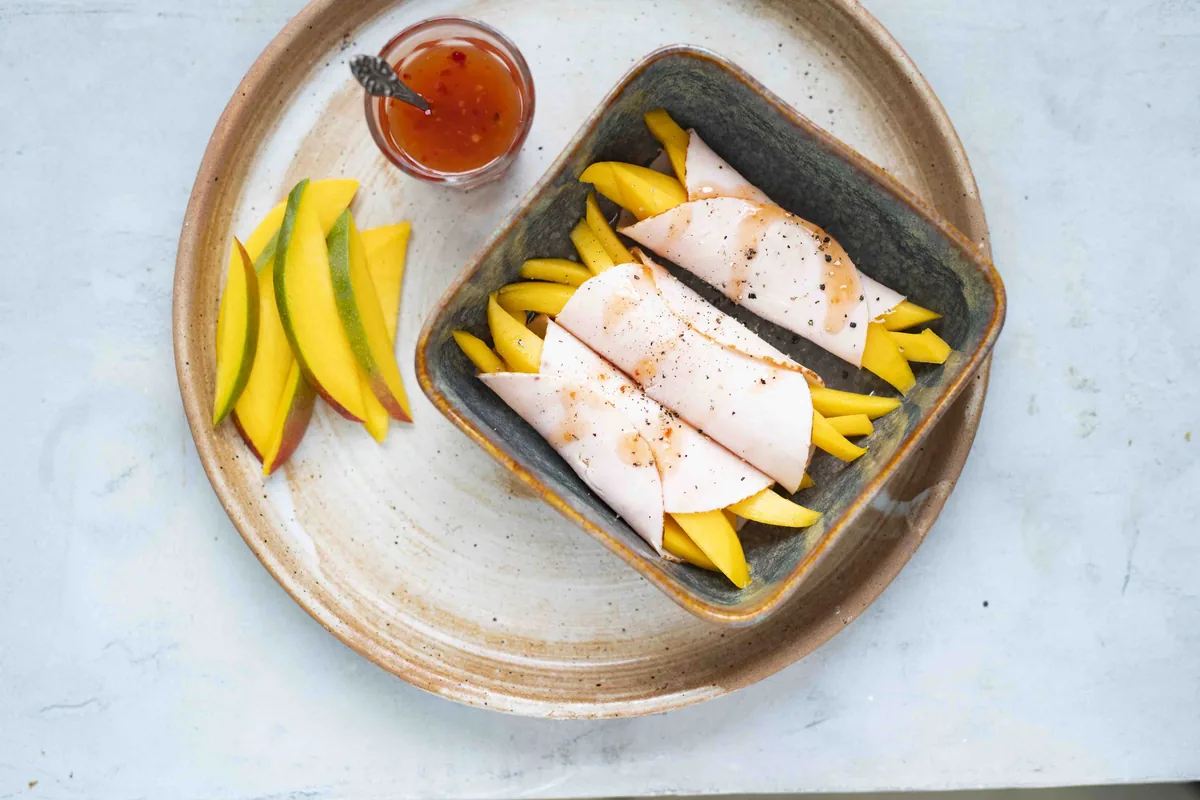
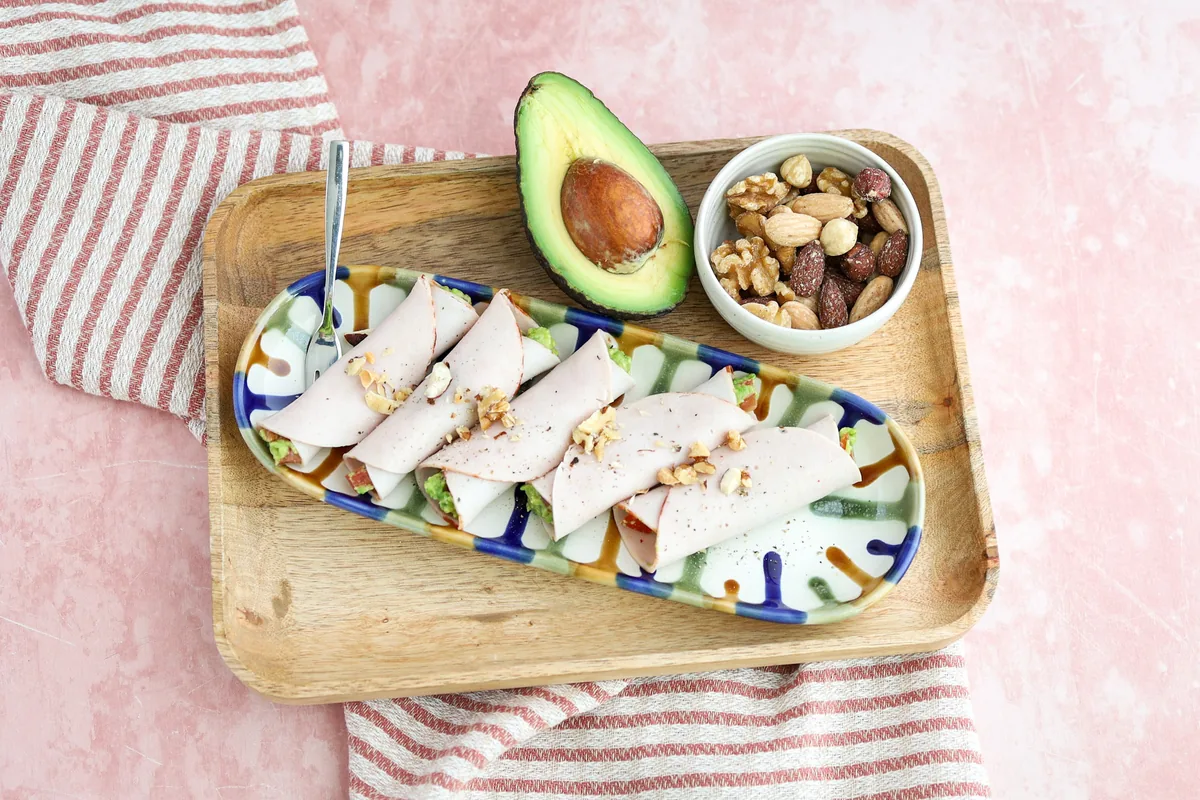
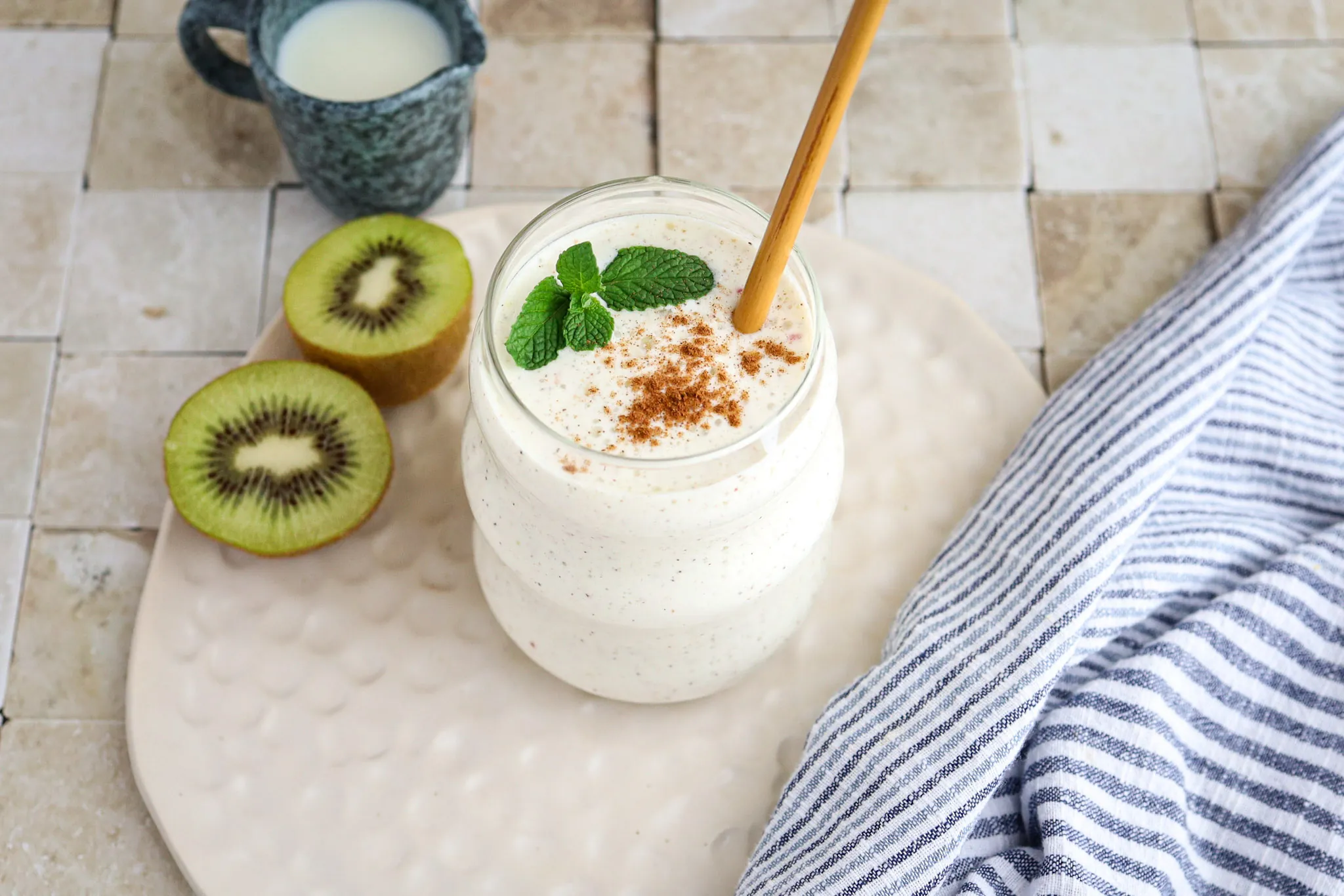
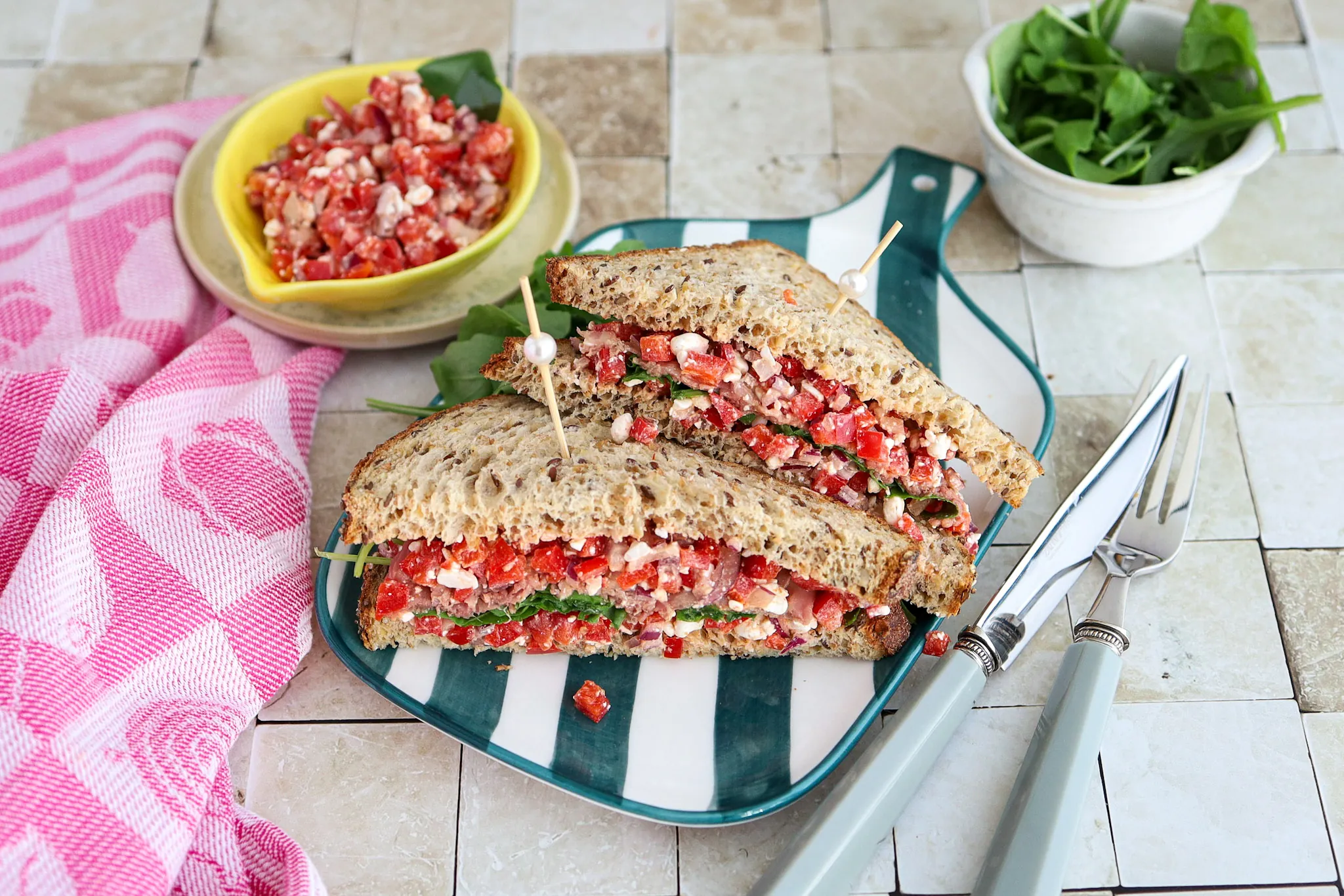
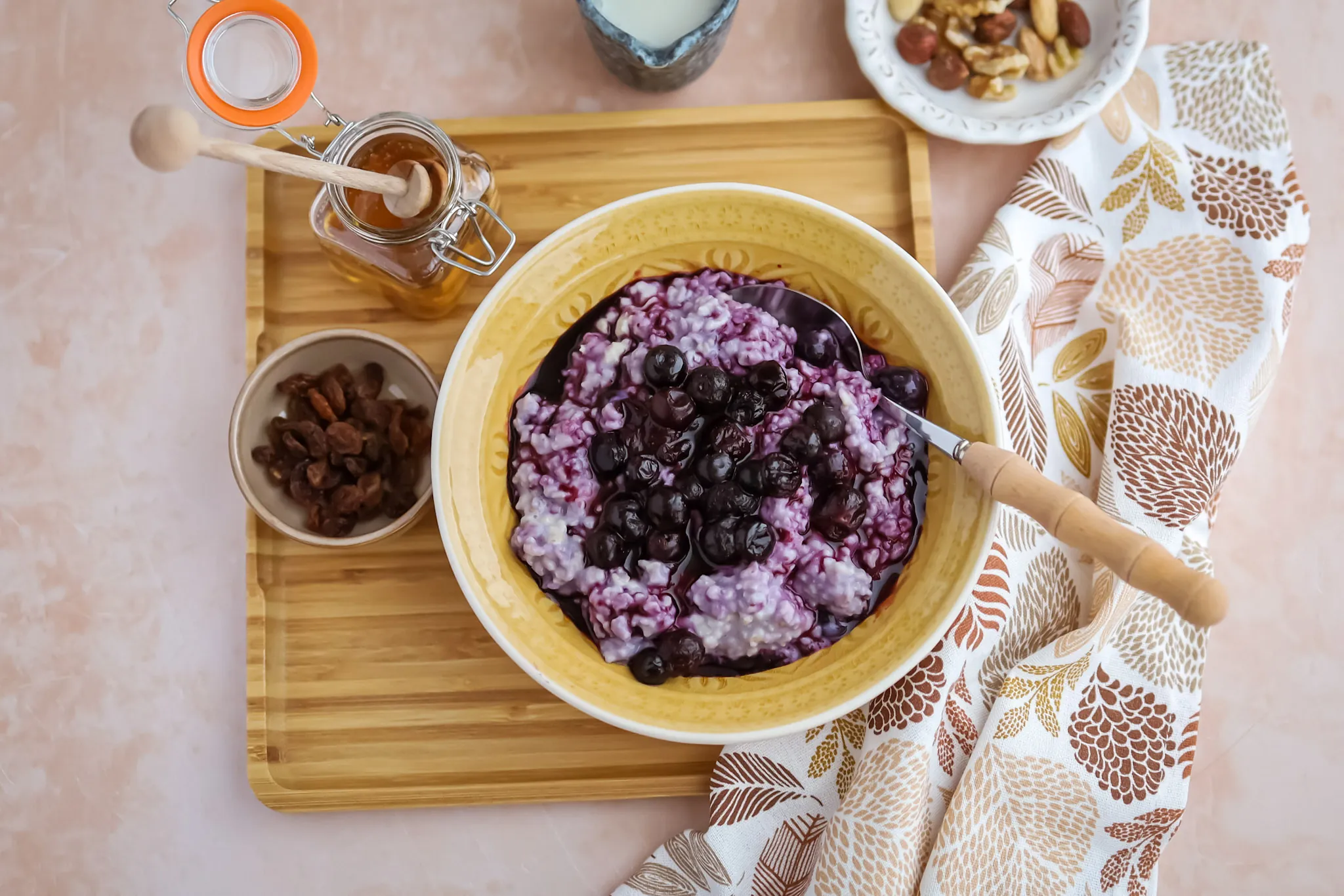
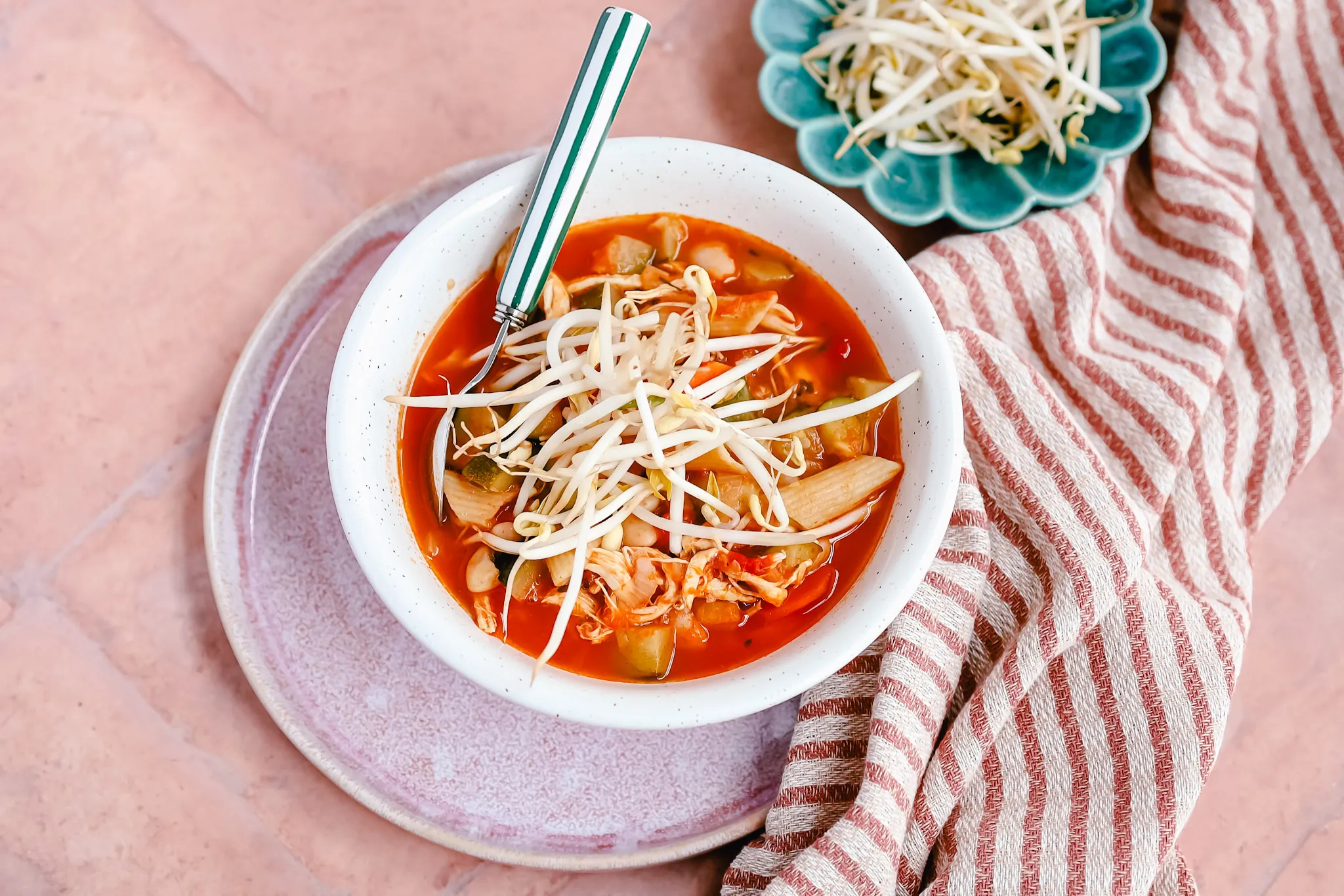
Every recipe here is portioned for one person. Not a family recipe divided by four — a meal built for a single plate with macros that belong to the serving you actually eat.
That makes this a macro friendly recipe collection in a way most aren't. When a recipe shows 32g protein, that number sits above a threshold identified by a 49-RCT meta-analysis on muscle protein synthesis. When it shows 12g fiber, that tracks against intervention data on satiety and fat loss. The macros are calculated, but they are also contextualized — grounded in the research that explains why the number matters.
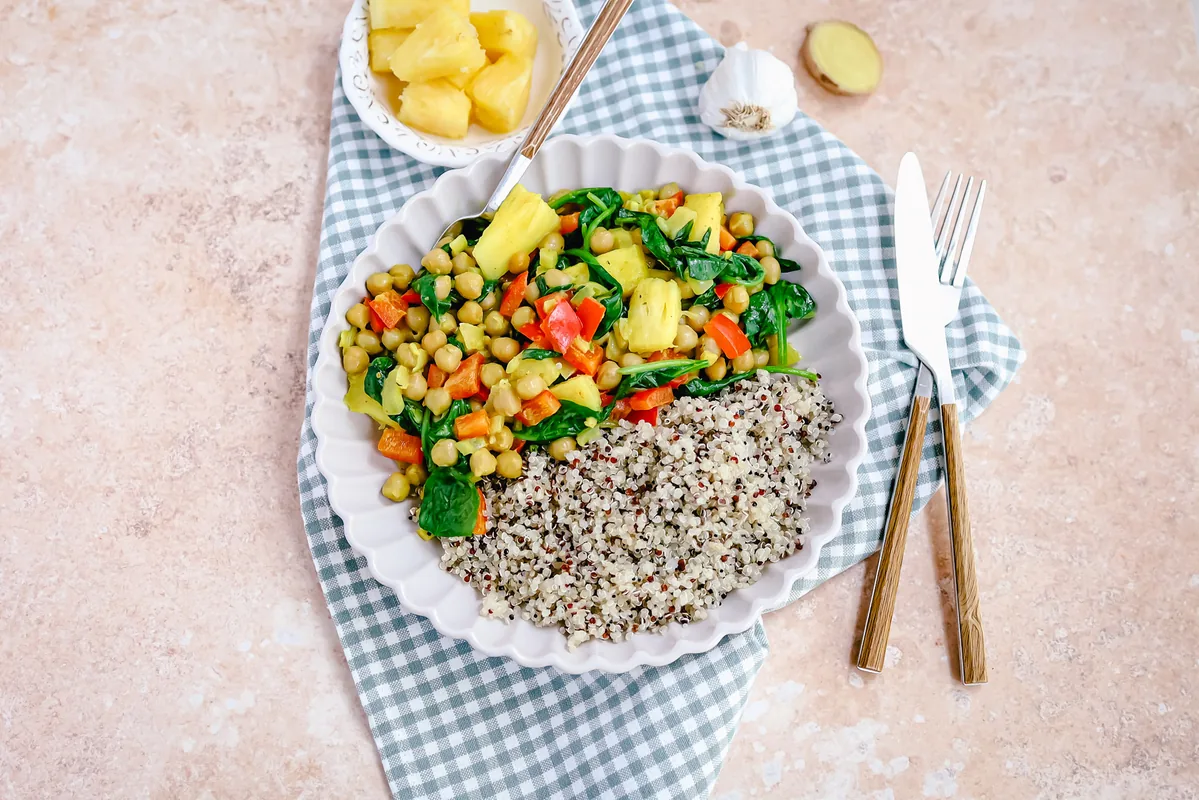
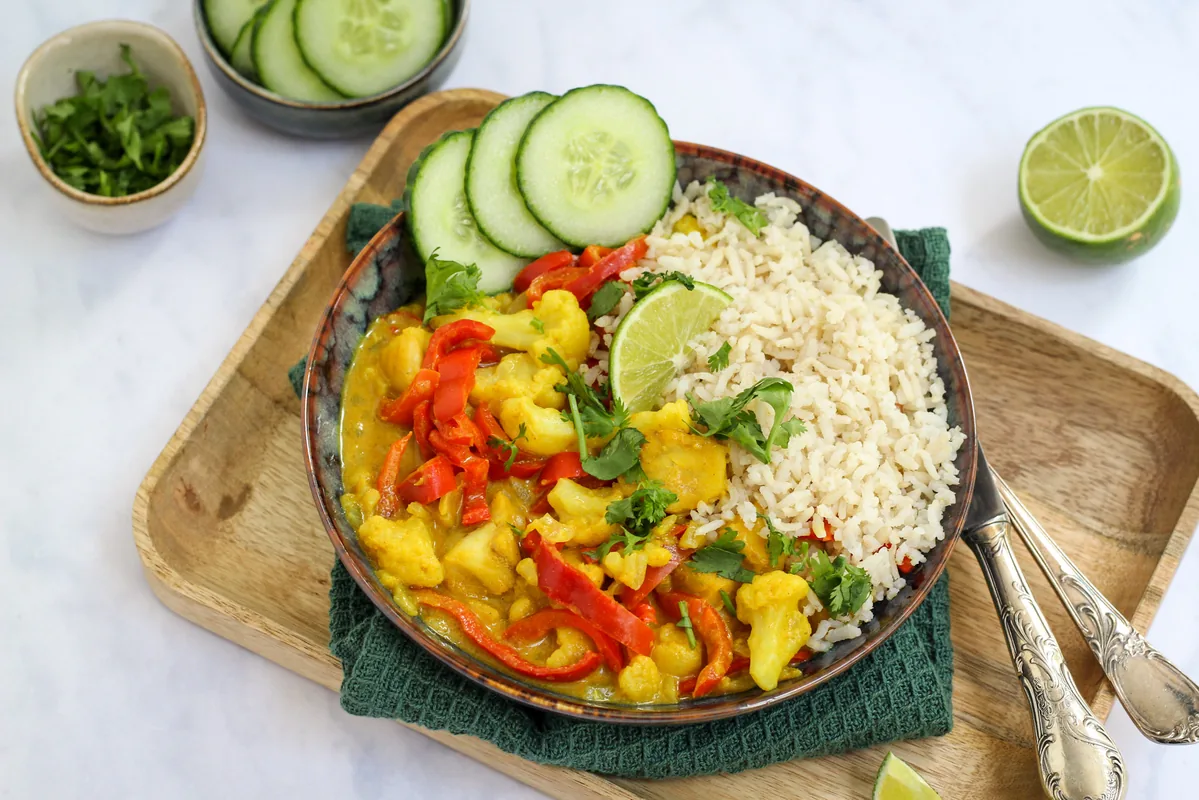
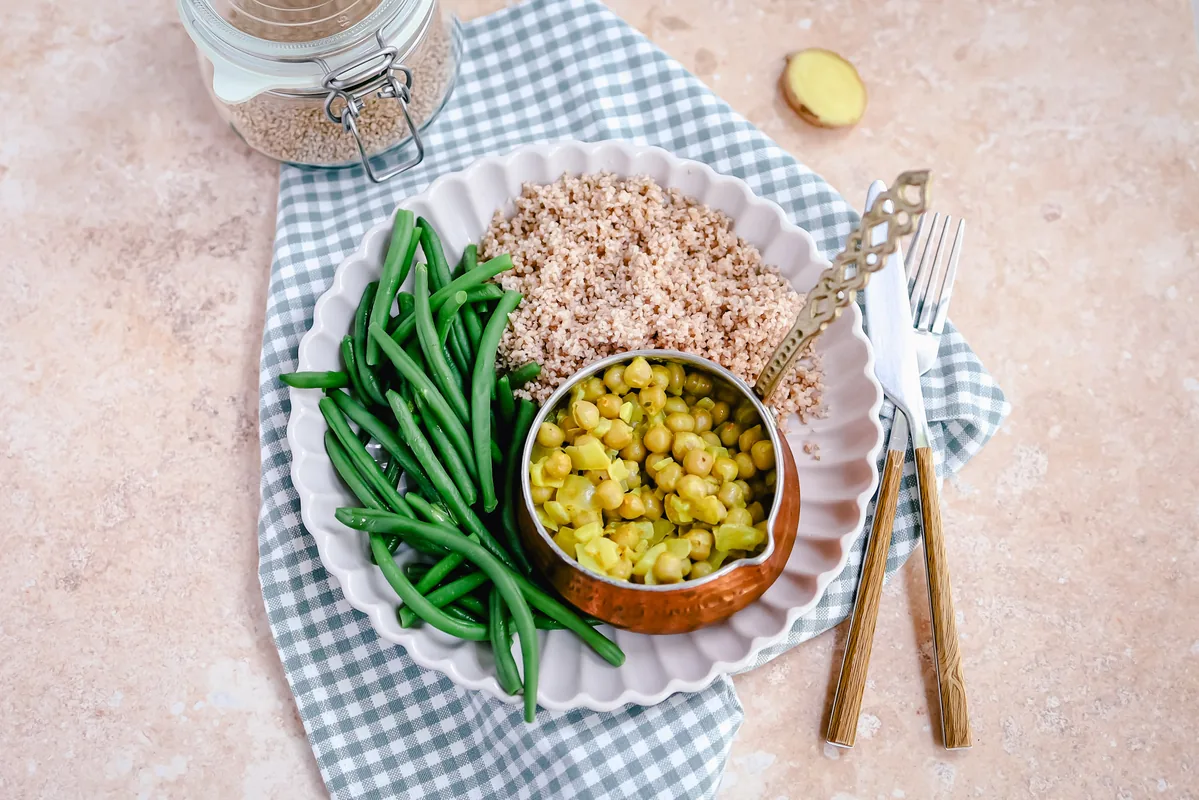
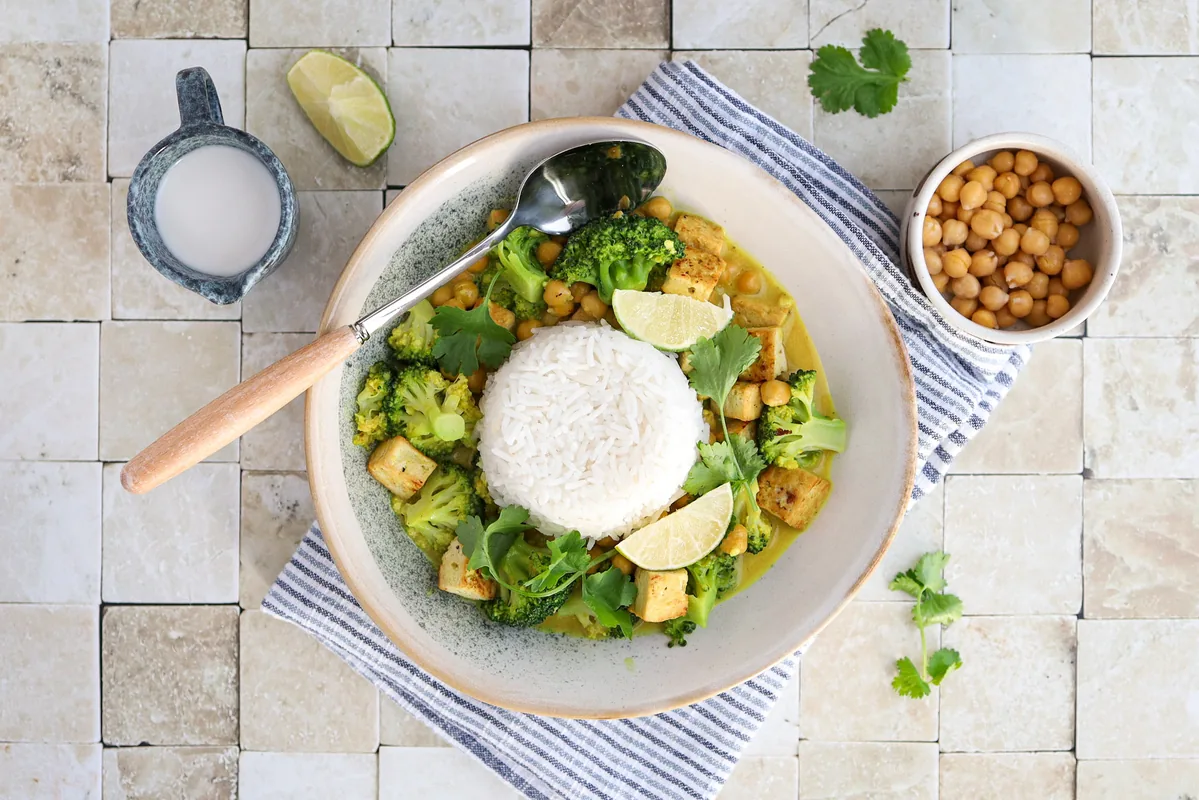
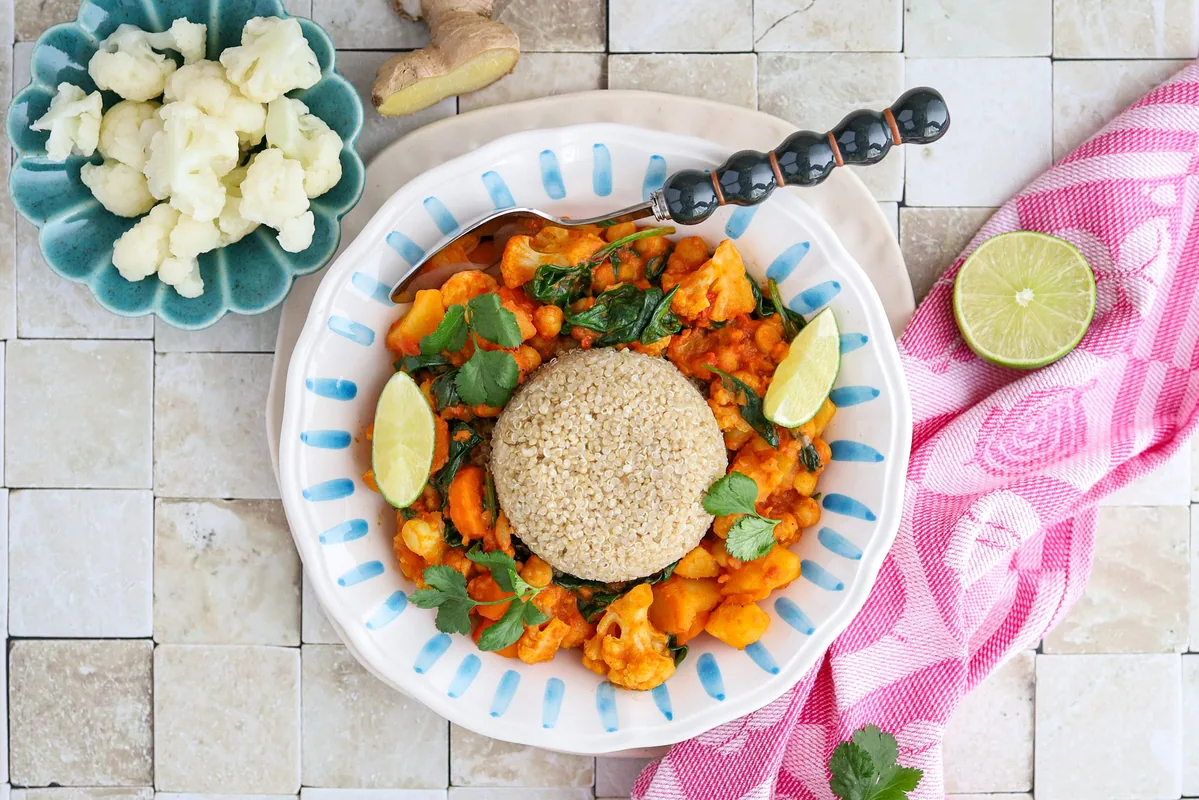
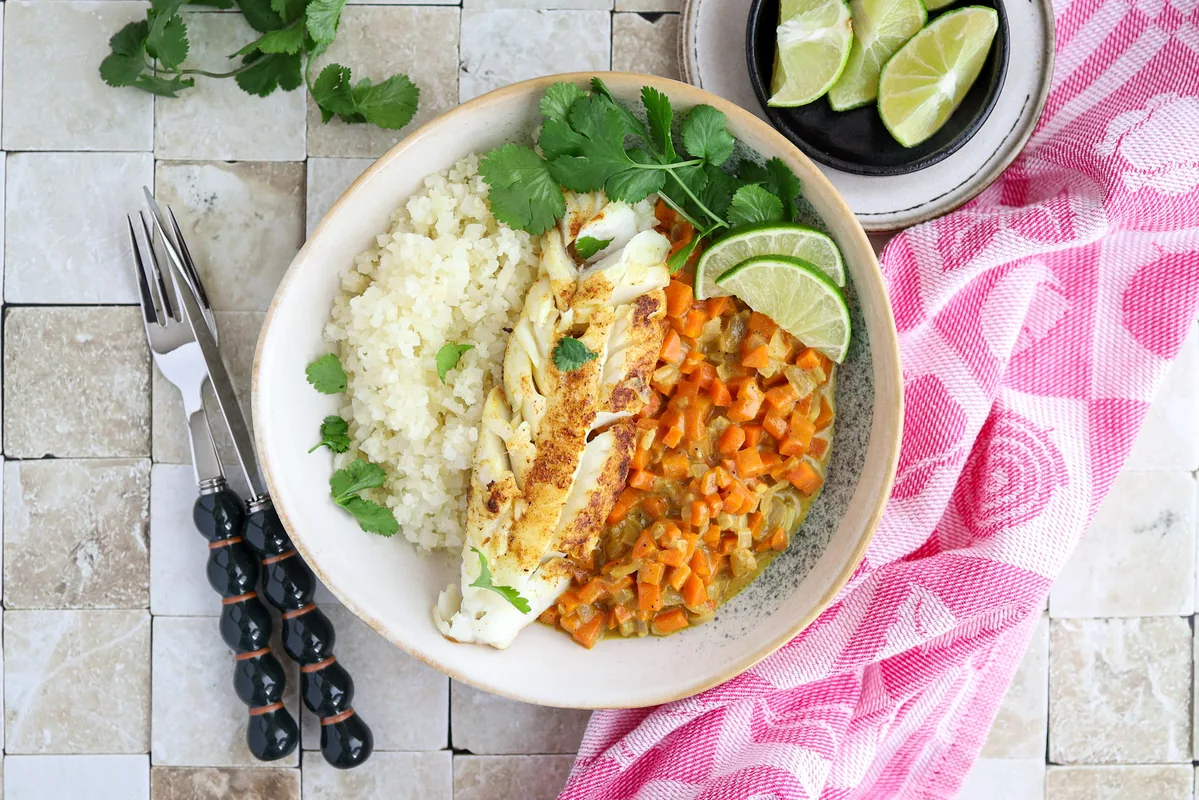
Underneath the nutrition data, each recipe connects to the evidence library. A chickpea curry links to a fiber and satiety trial. A salmon bowl links to an omega-3 dose-response analysis. A stir-fry with garlic and soy sauce connects to iron absorption research. Across the full collection, 154 grounded claims and over 23 evidence summaries trace ingredient pairings and nutrient interactions back to peer-reviewed studies with published citations, sample sizes, and P-values.
Every recipe is built for one. Premium members scale any meal to feed a household — same macros per person, same evidence connections.
Filter by protein, calories, diet, cuisine, ingredient, or prep time. Every recipe includes an audio narration of the science behind its key ingredients.