









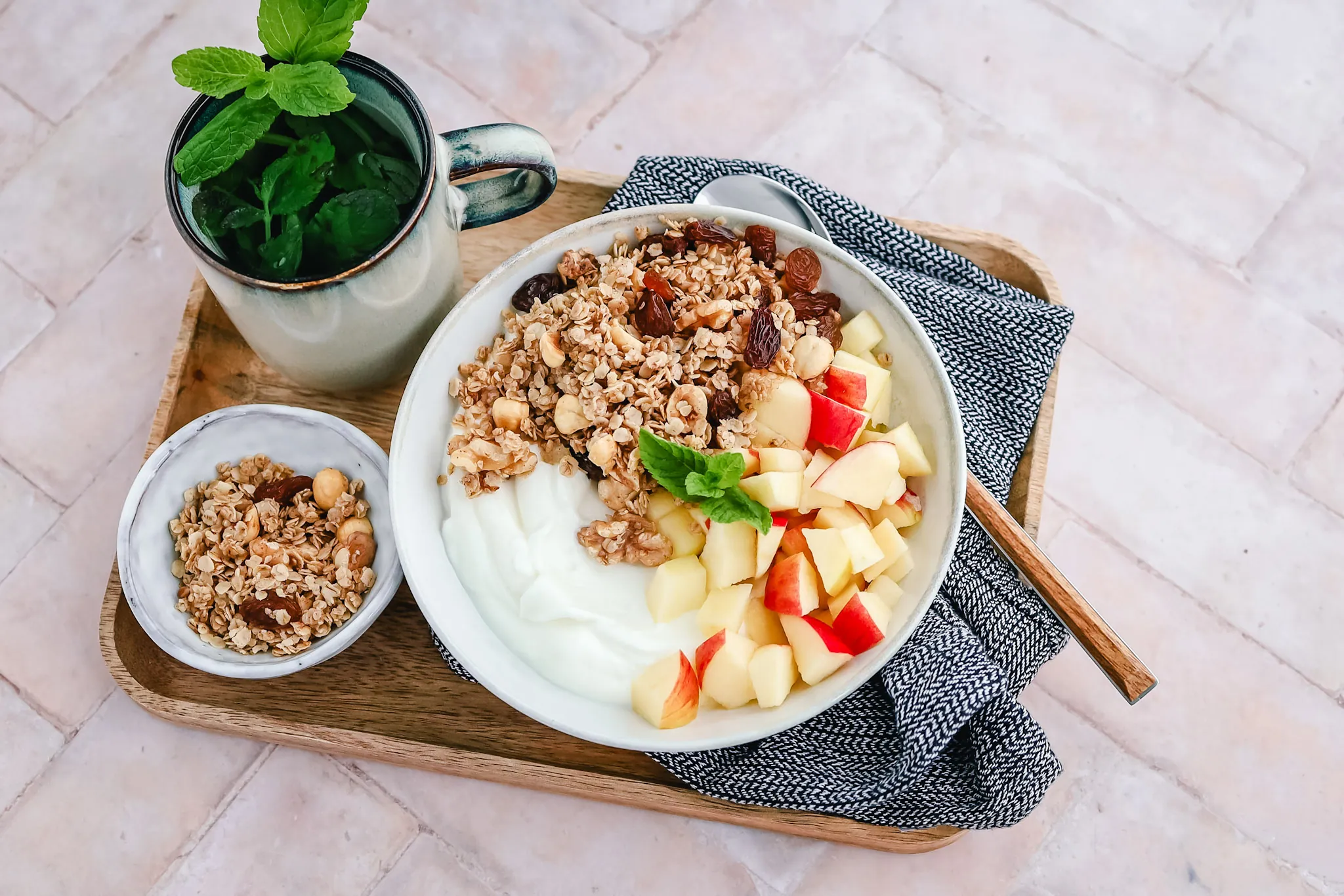

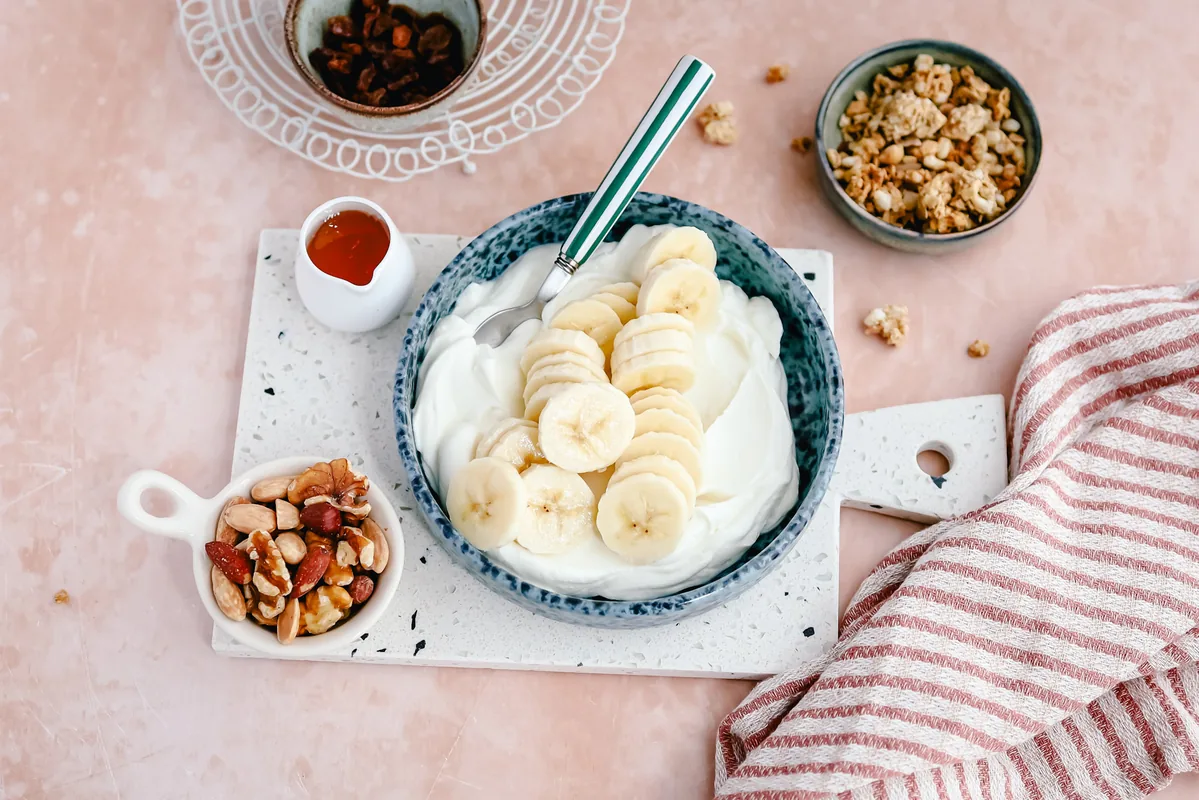
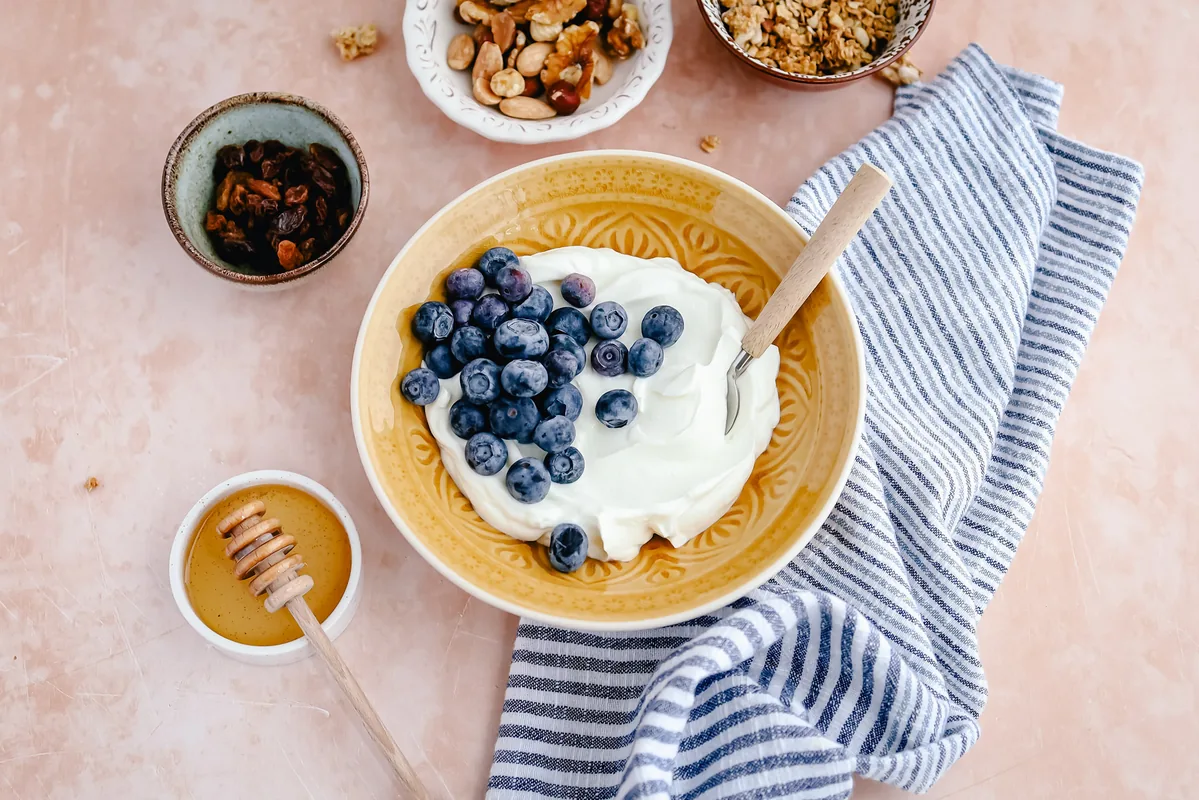
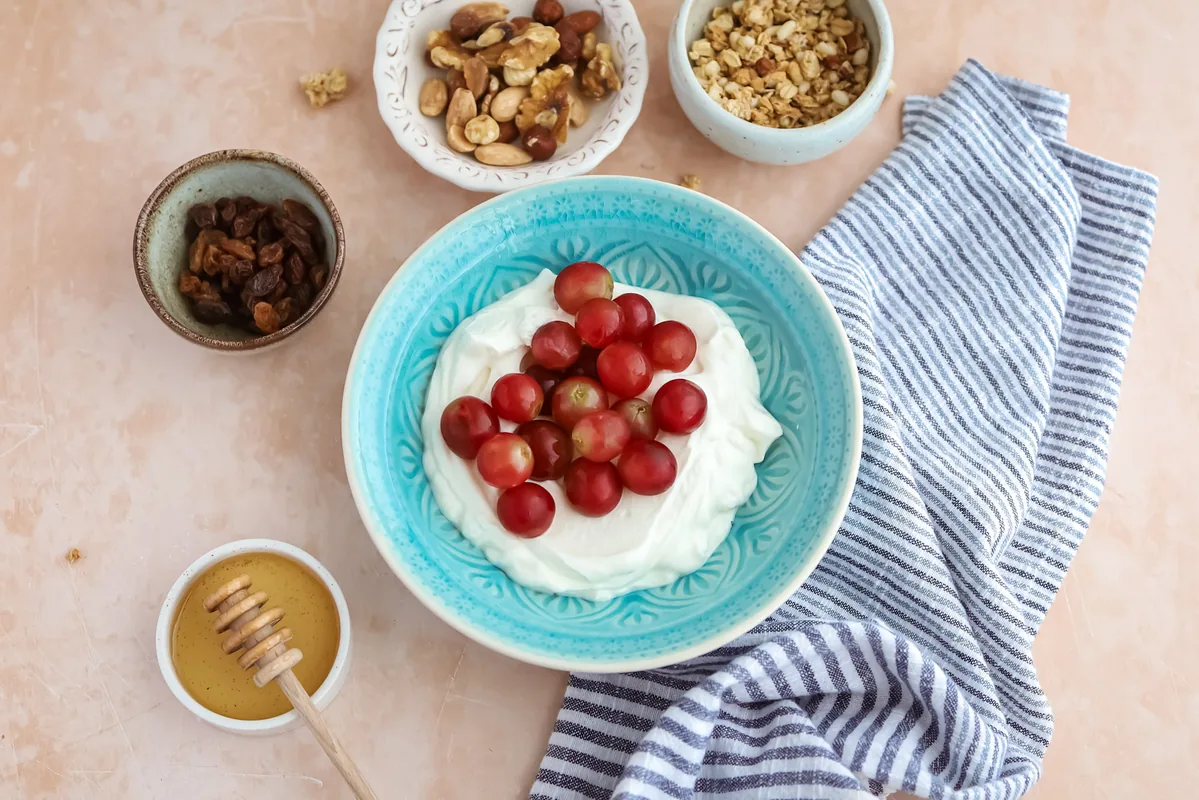


Your muscles run on a timer. A 2021 study published in Cell Reports found that a clock gene in muscle tissue peaks during early waking hours. Mice fed protein at breakfast built 17% more muscle than mice fed protein at dinner, even when the breakfast group ate less total protein for the day. Knockout mice without the clock gene lost the effect entirely. Cross-sectional data from 60 older women confirmed the pattern: more protein at breakfast correlated with higher muscle mass and grip strength, at equal daily totals.
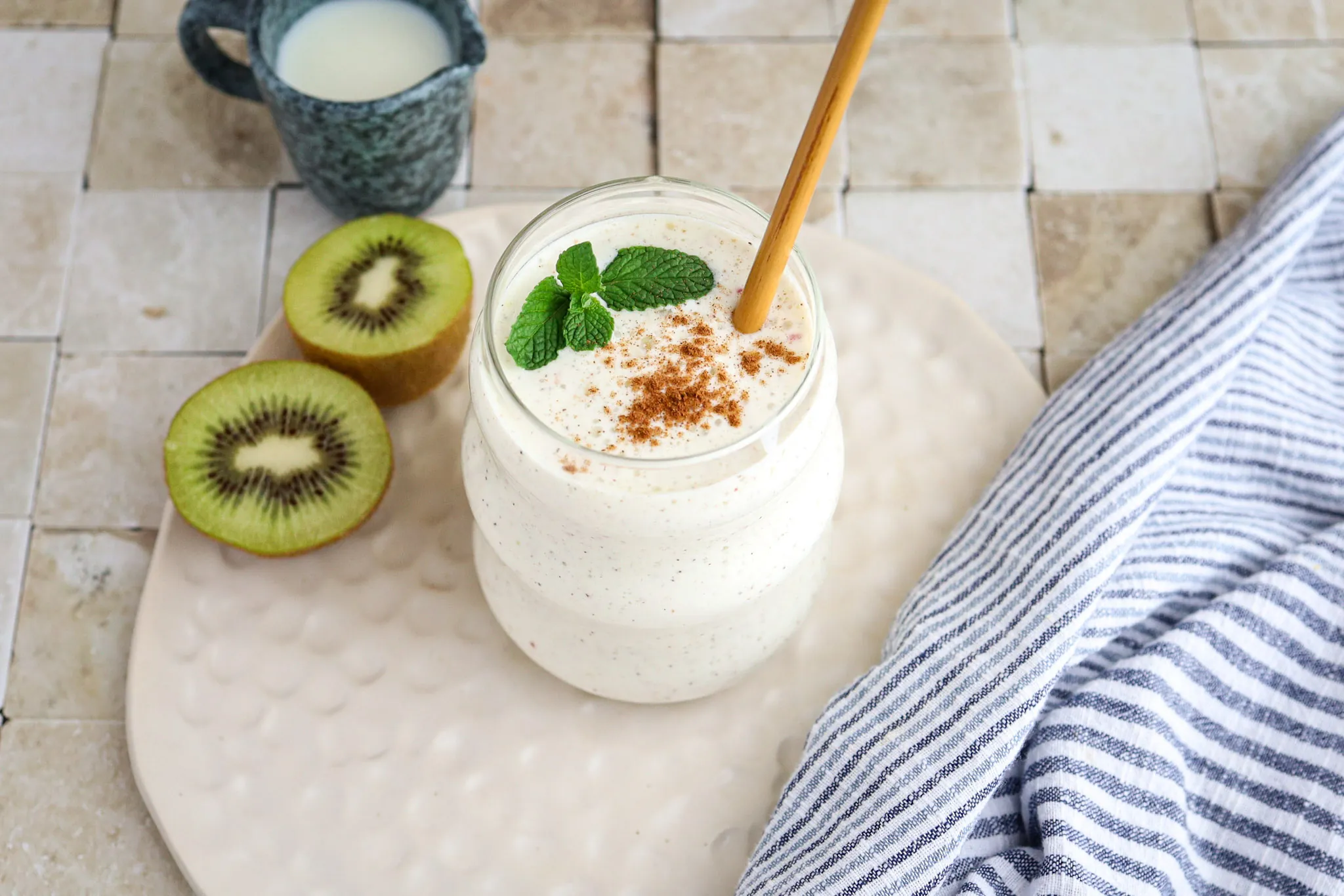
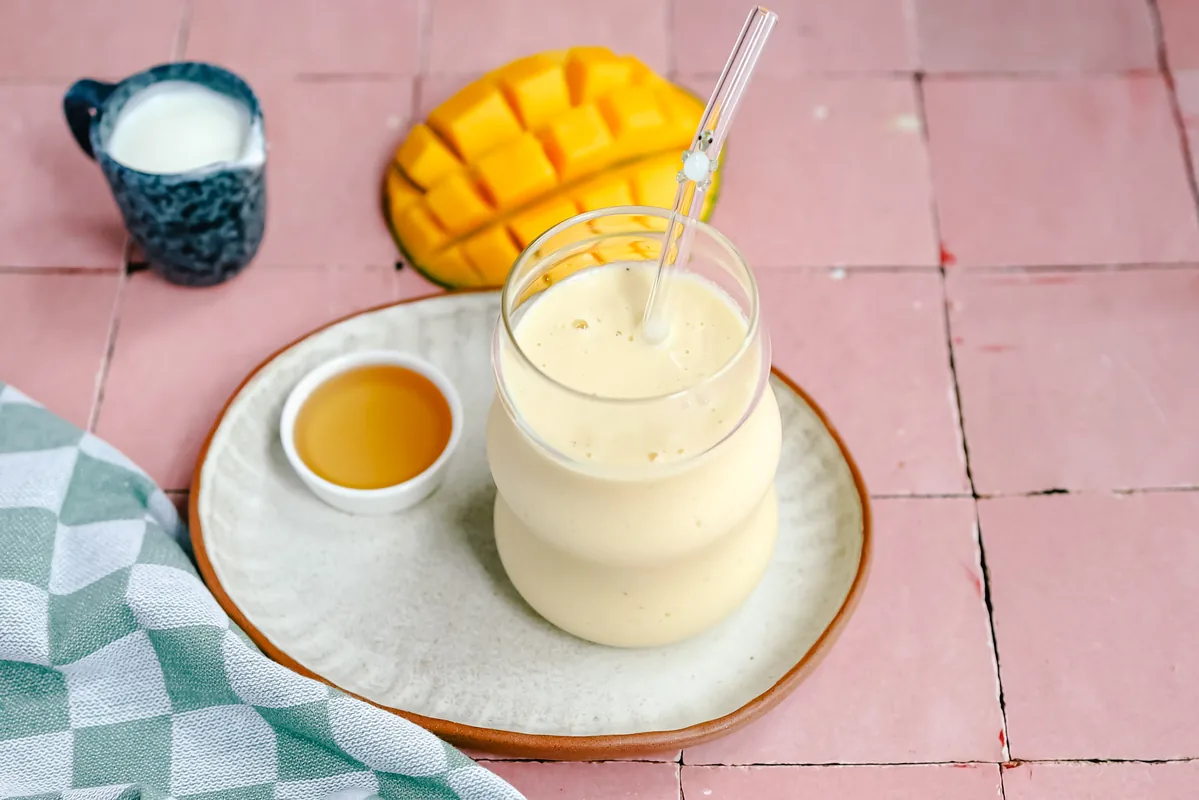
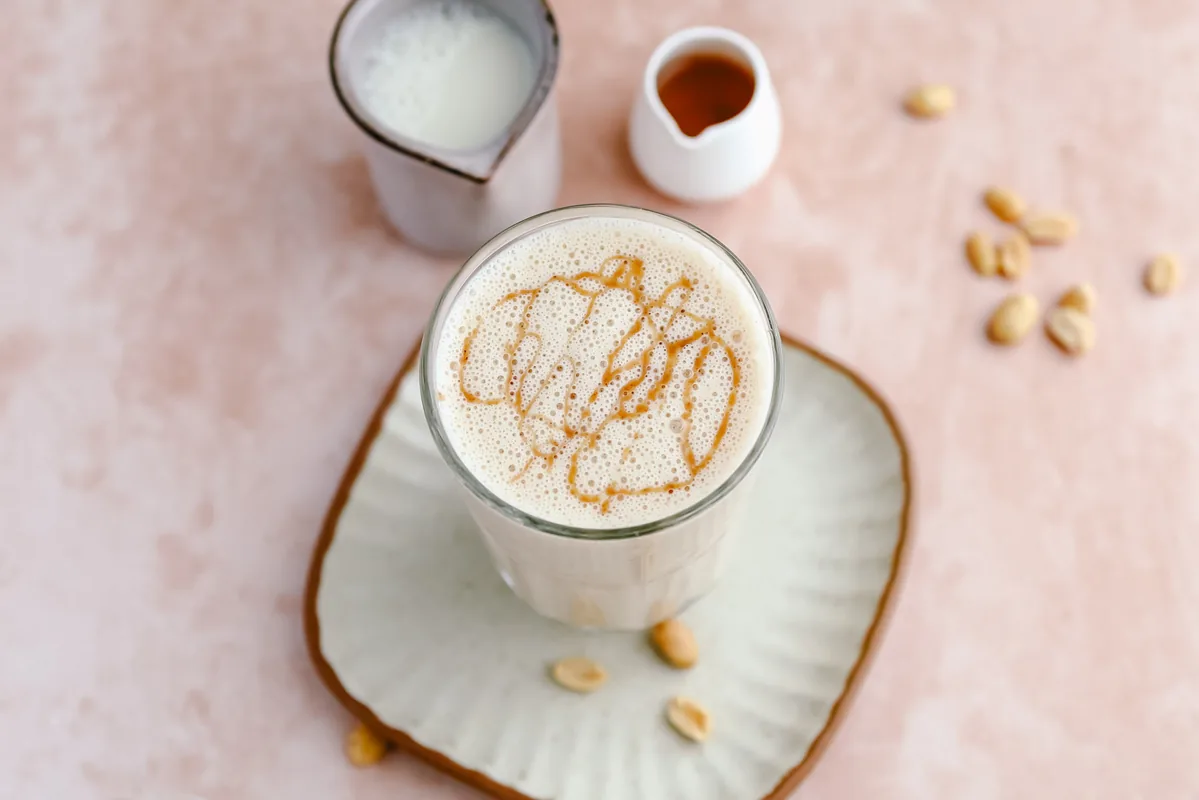
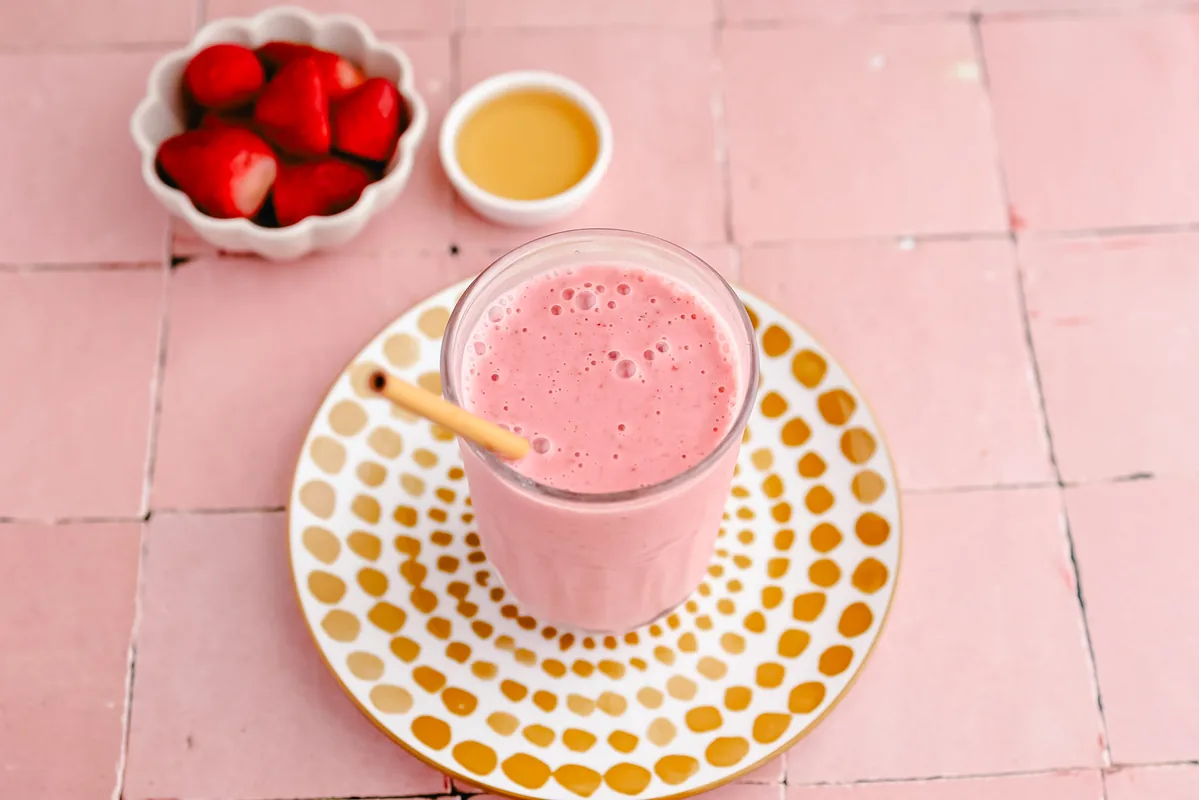
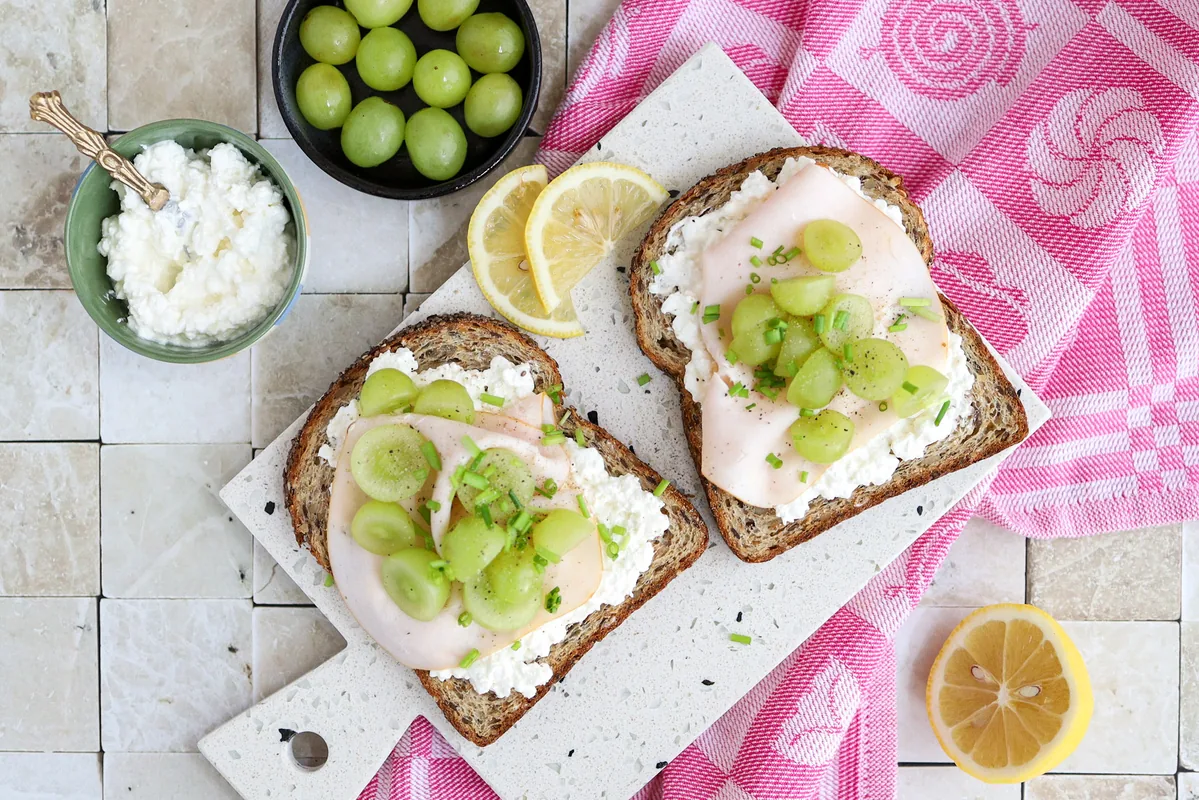
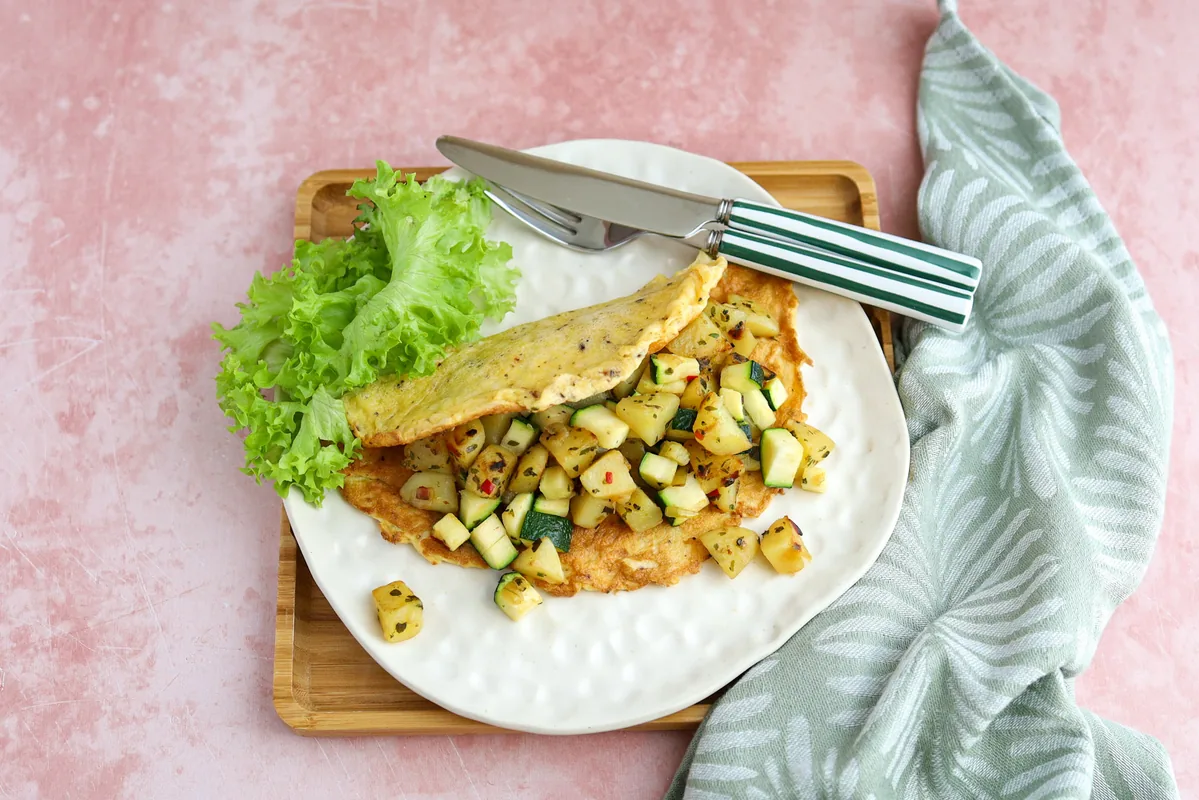
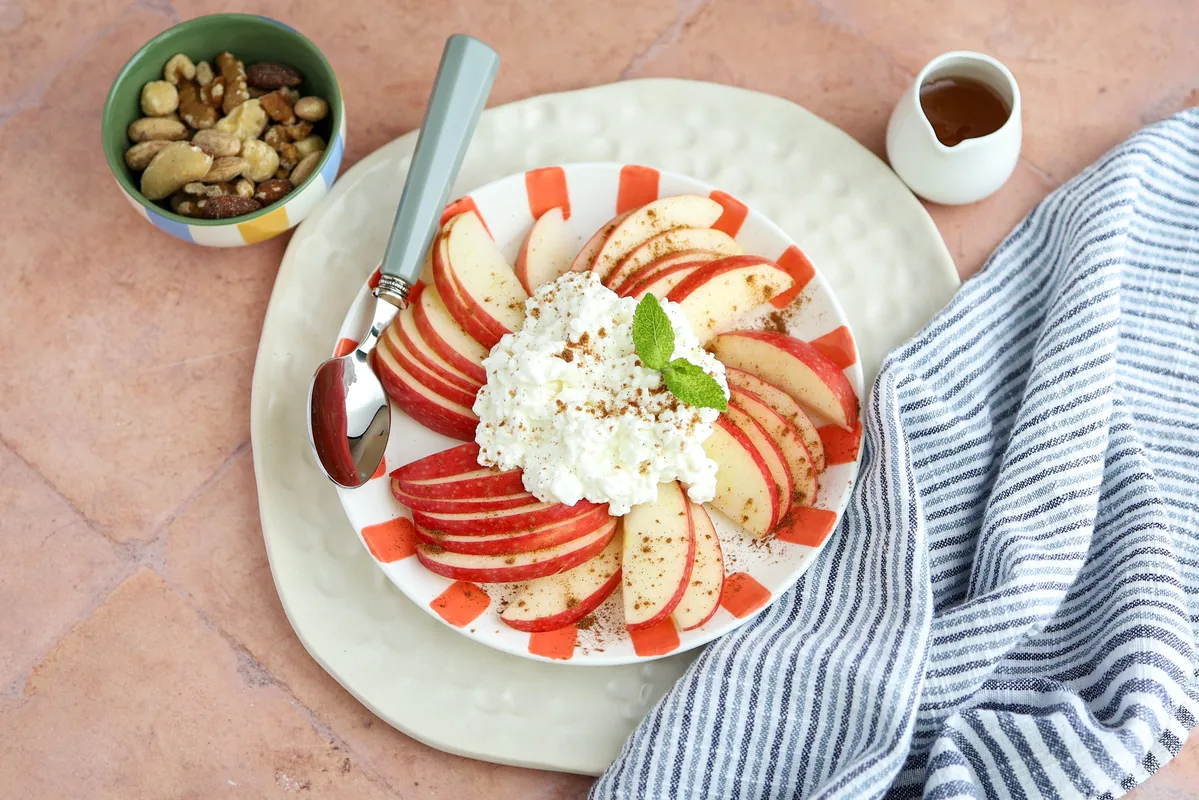
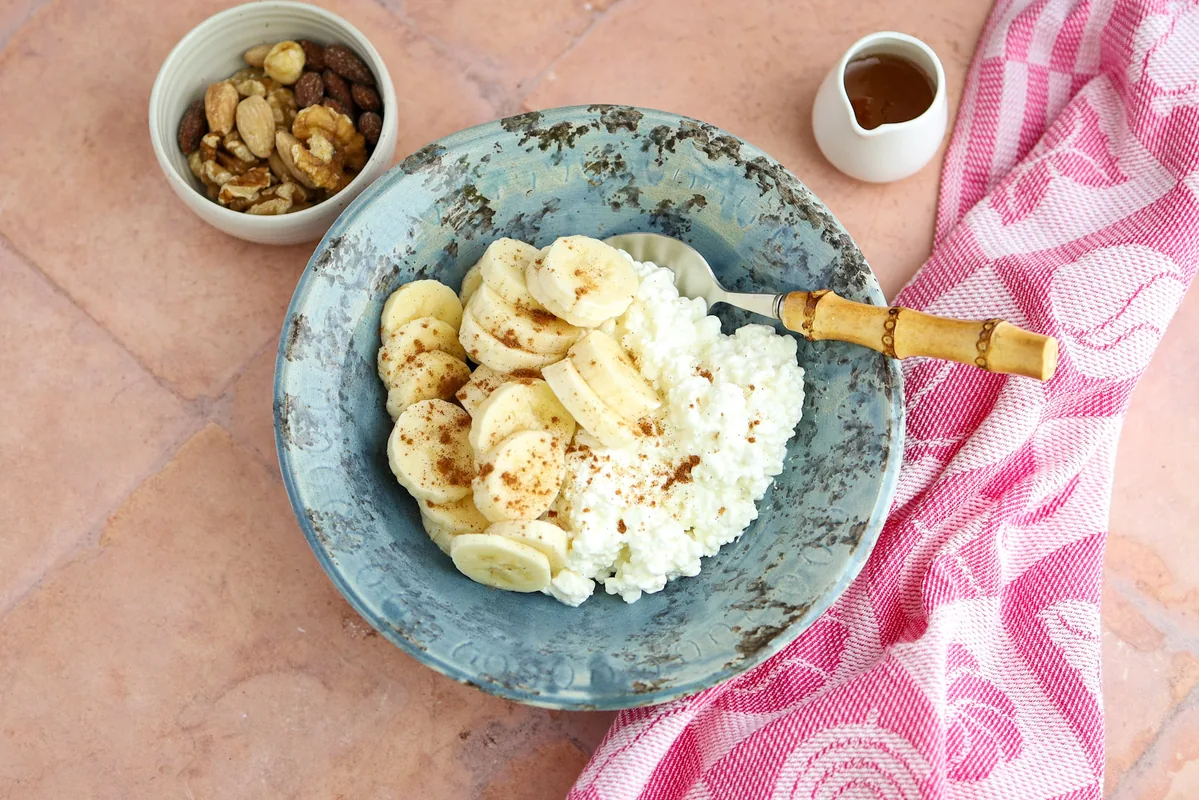
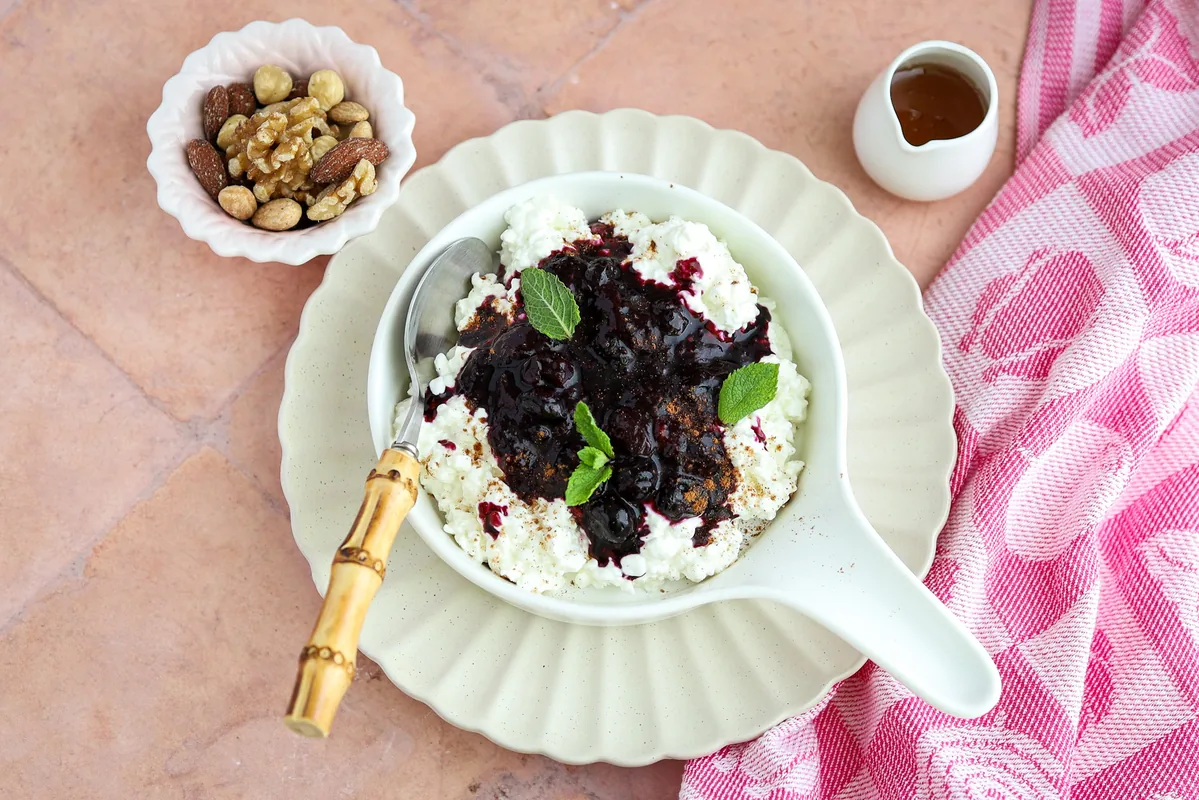
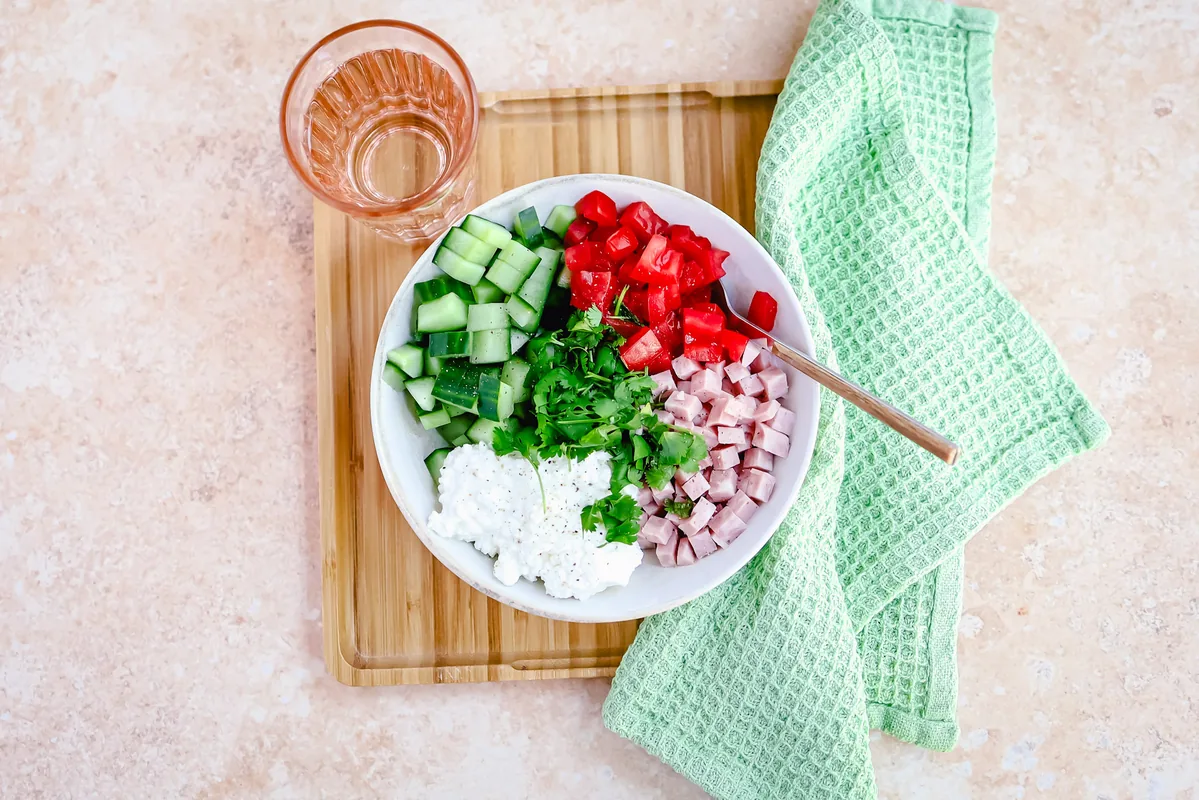
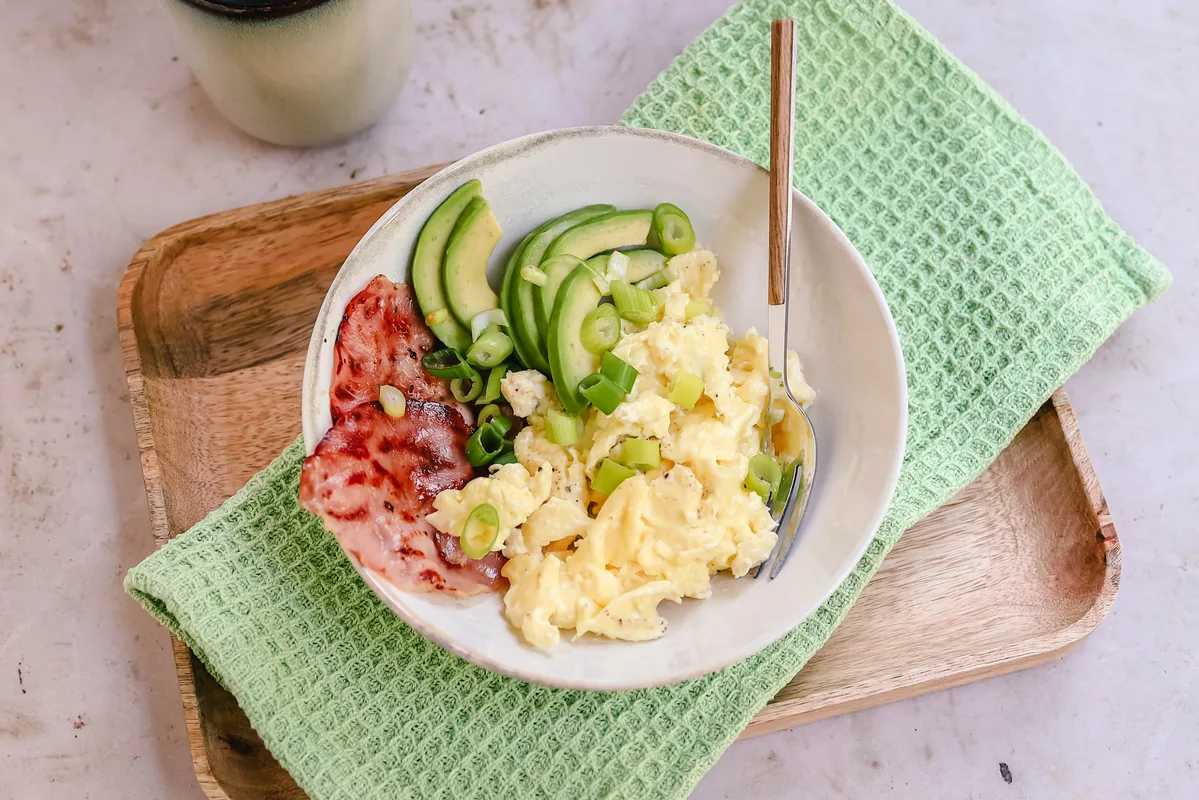
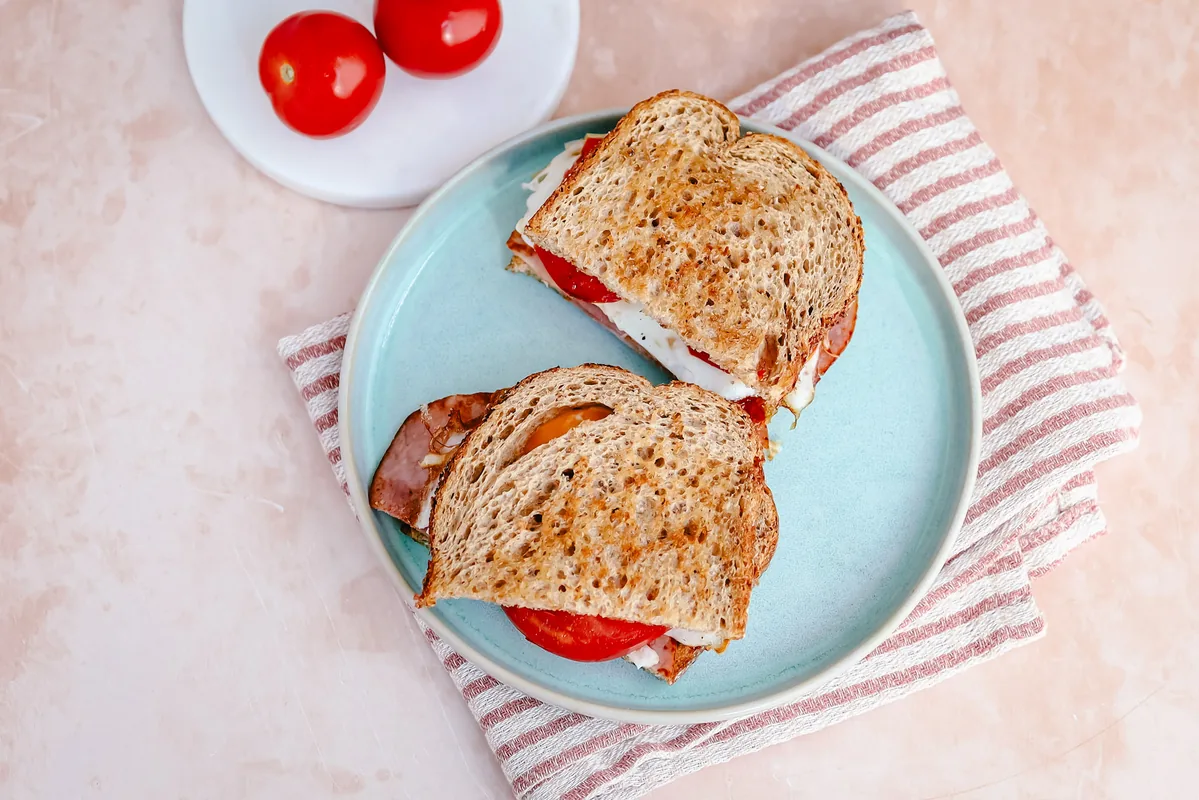
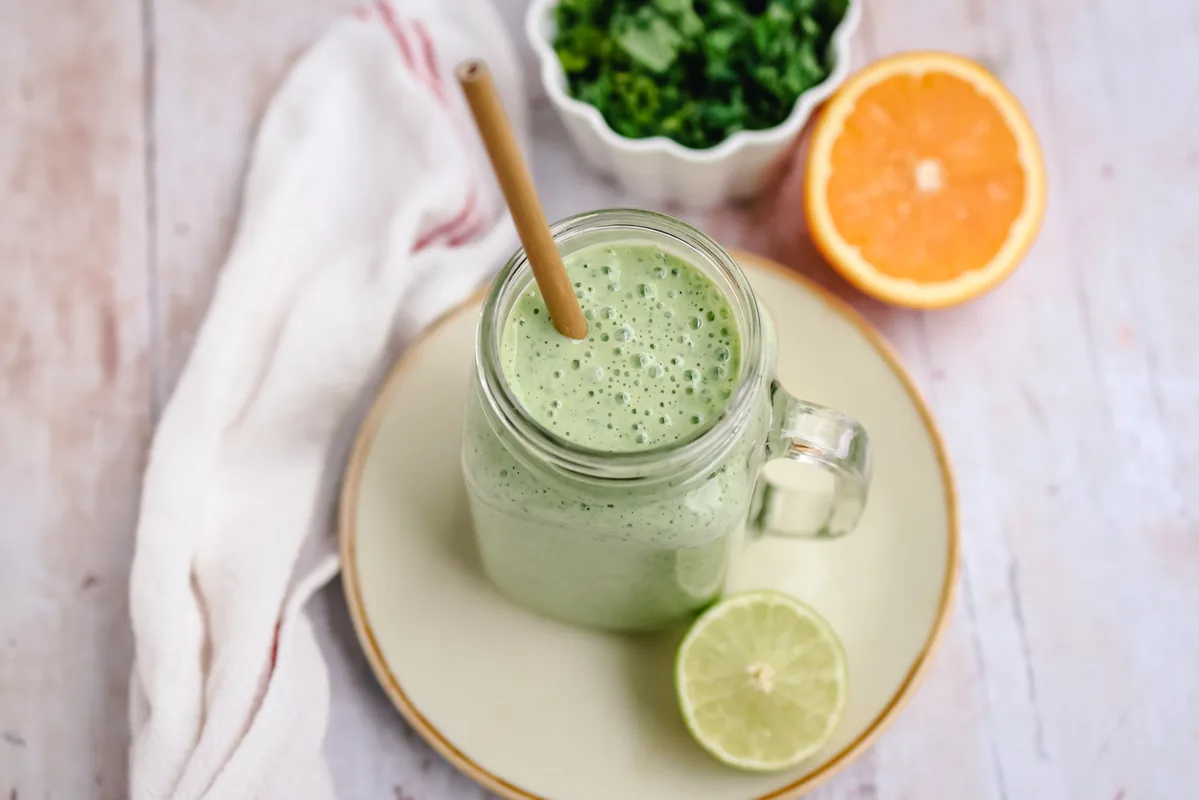
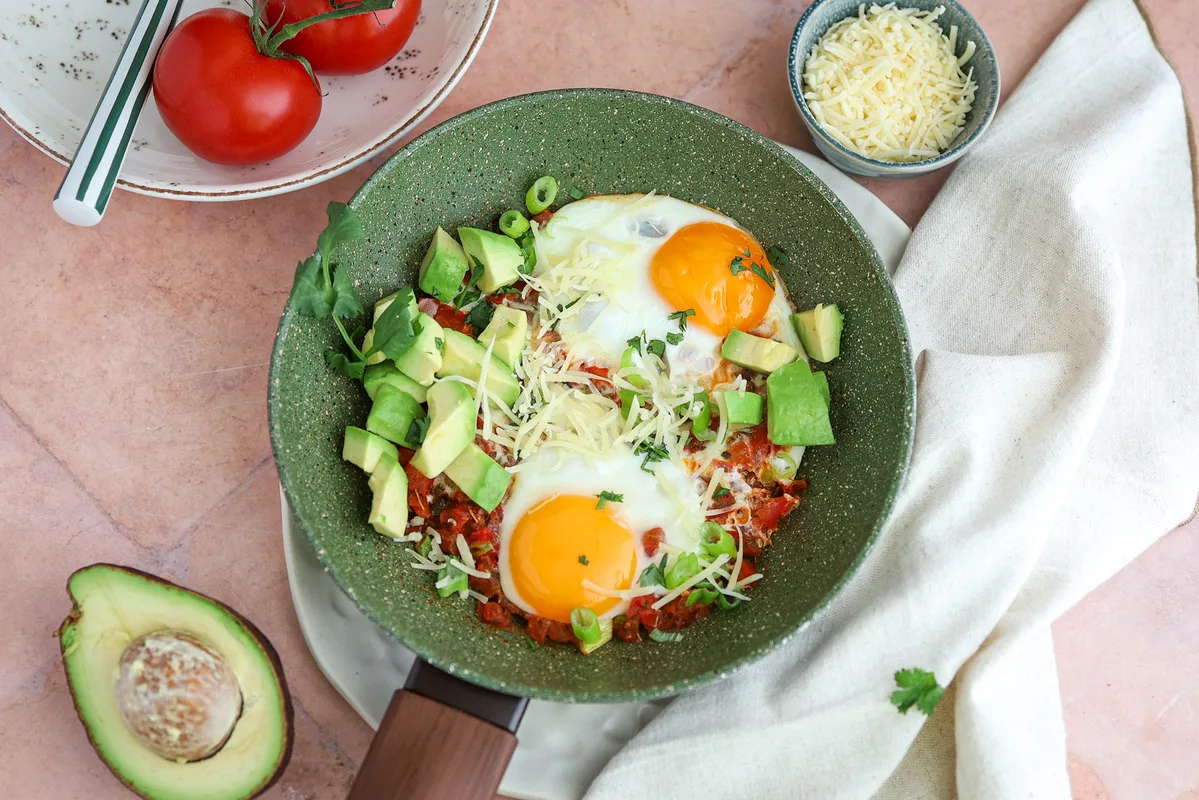
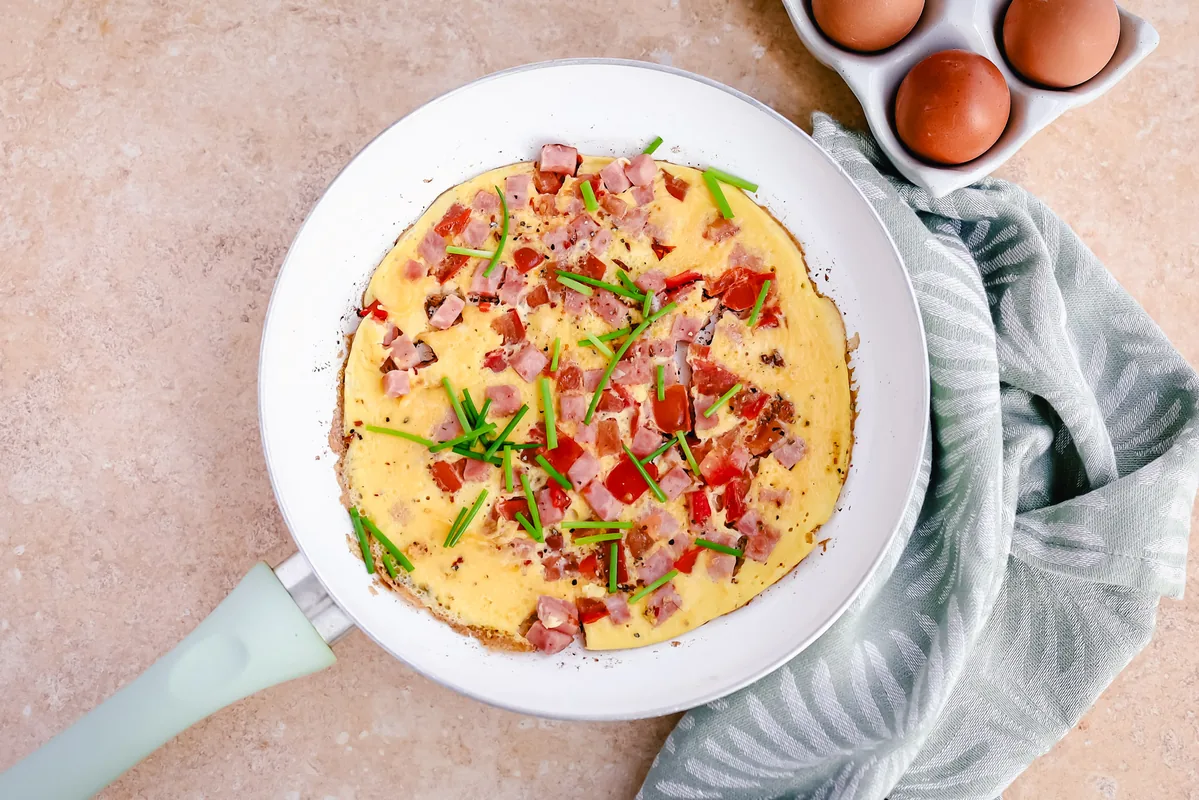
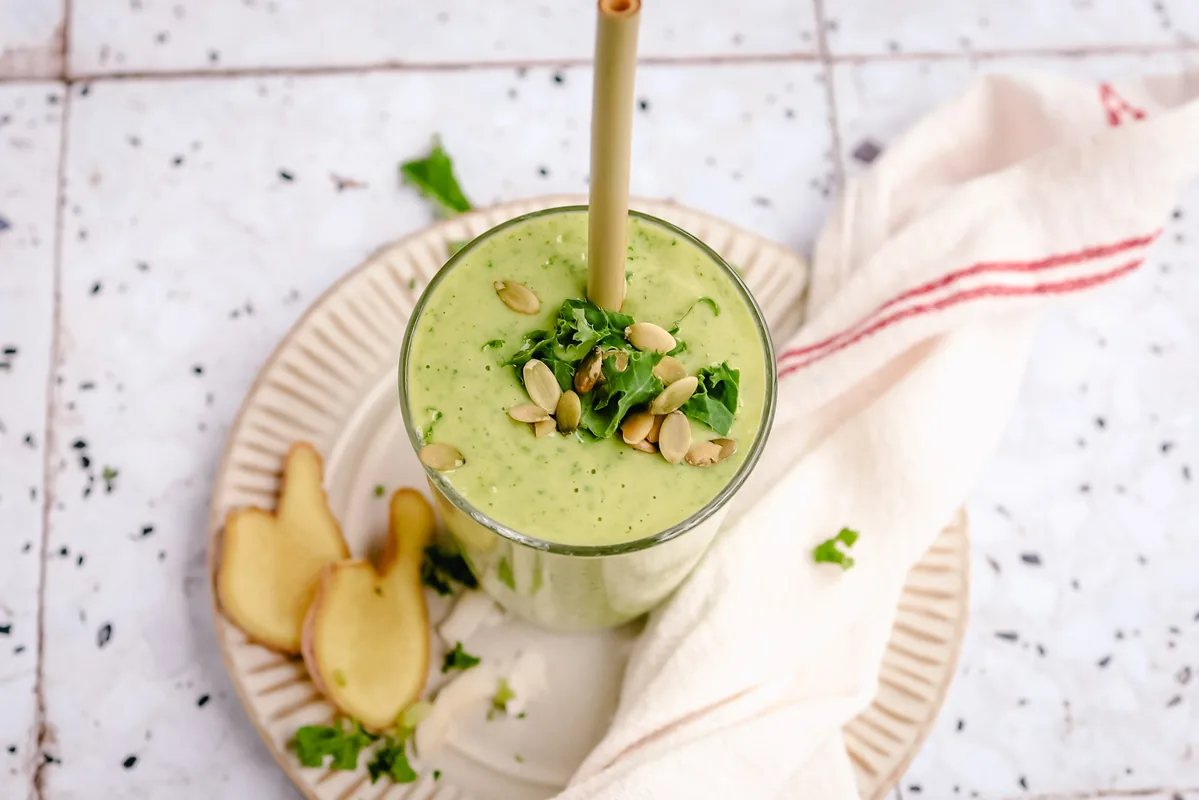
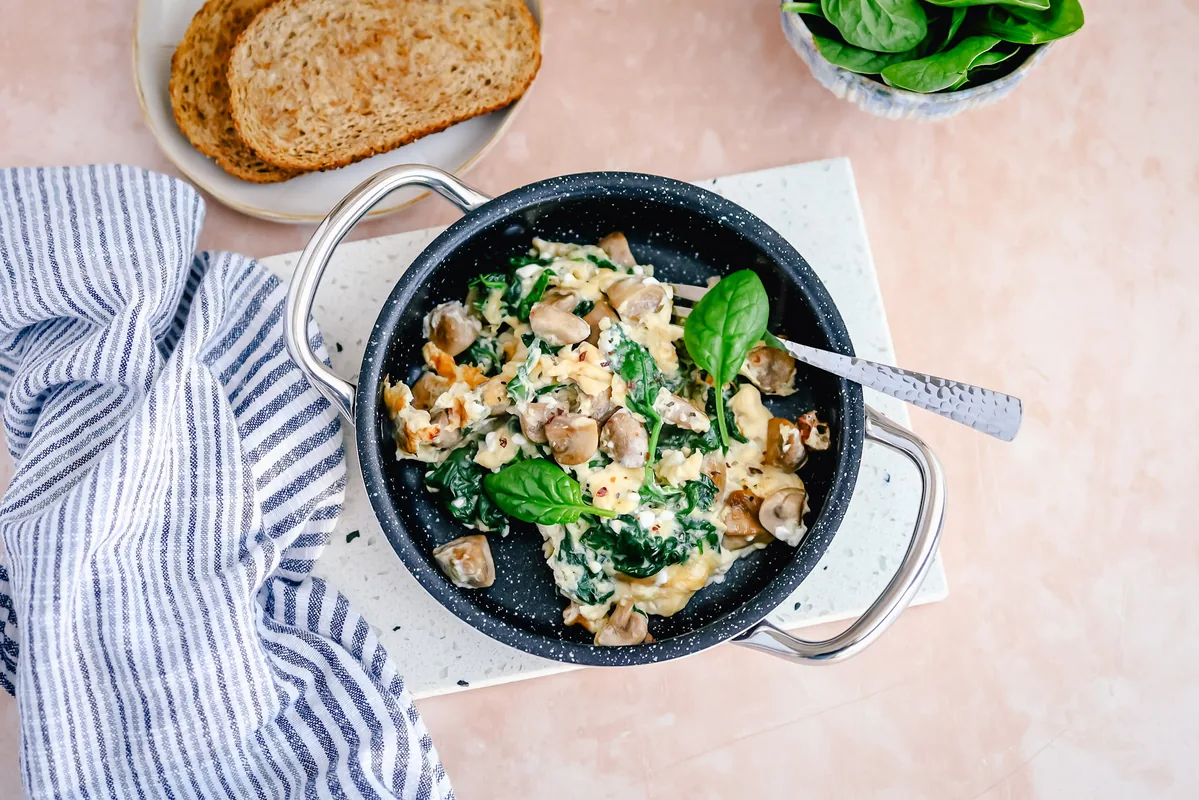
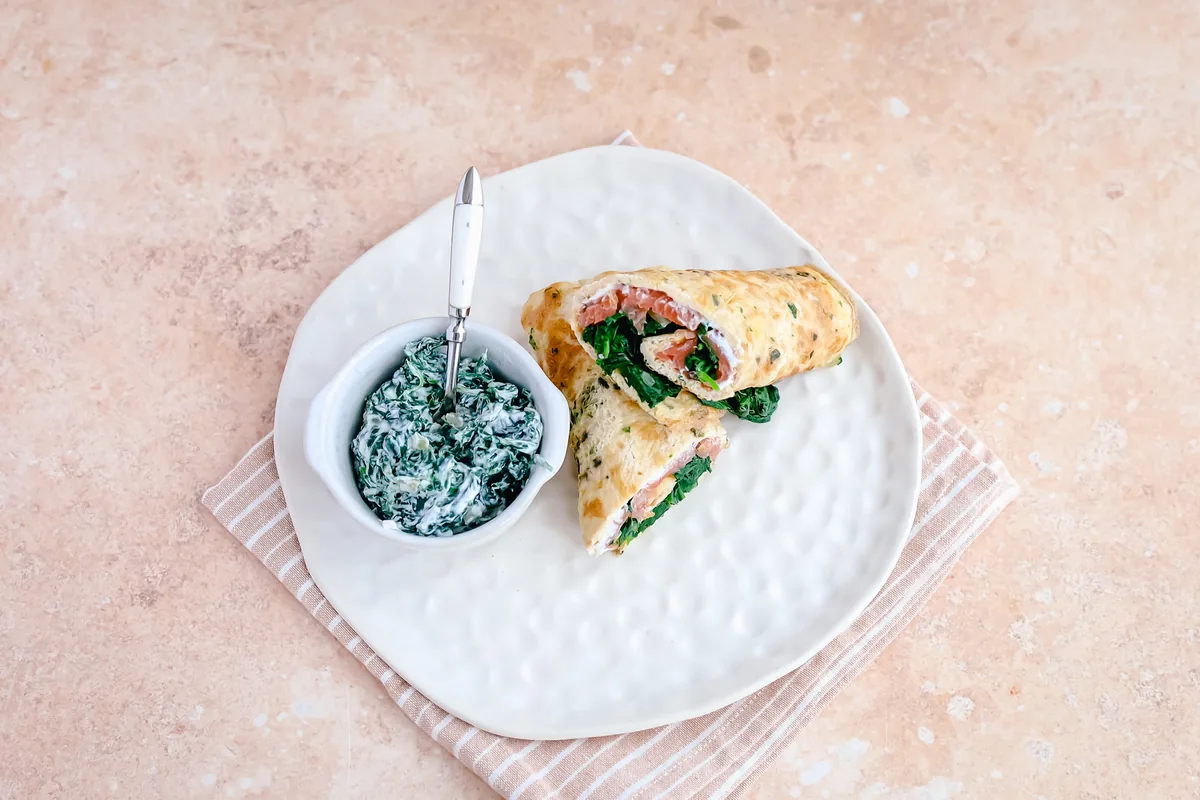
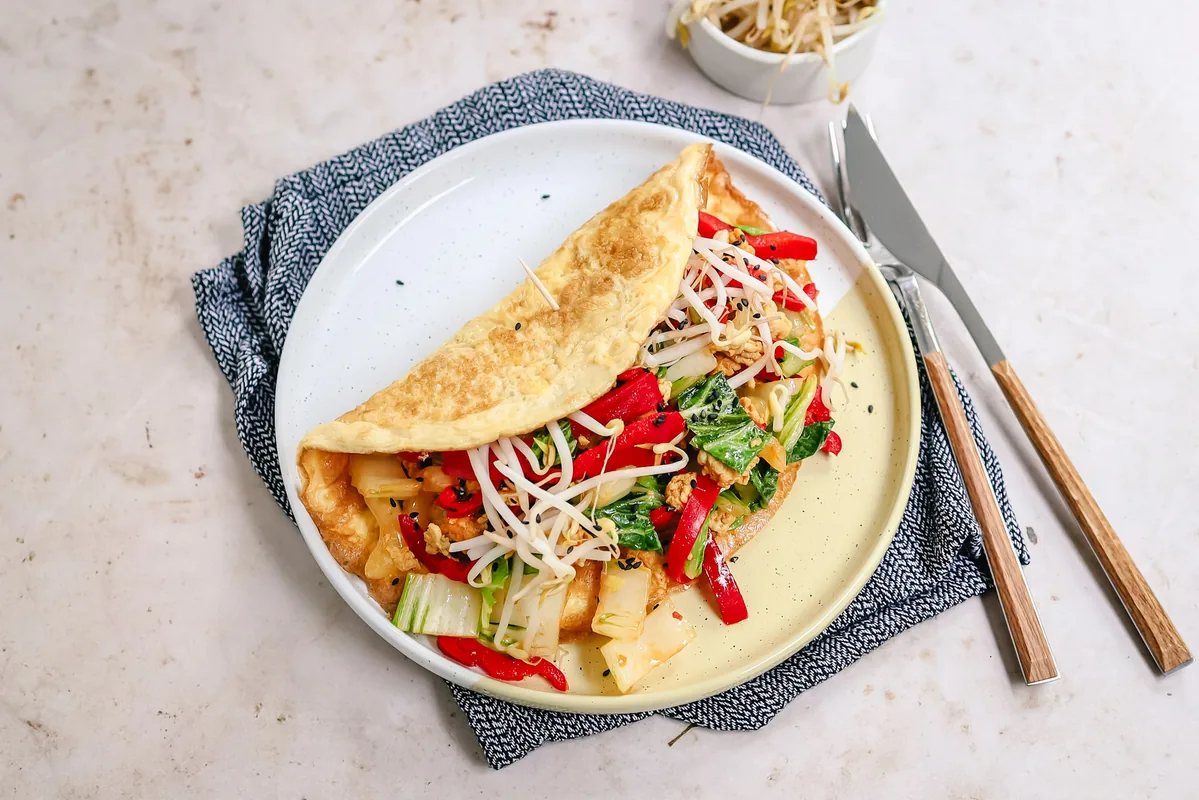
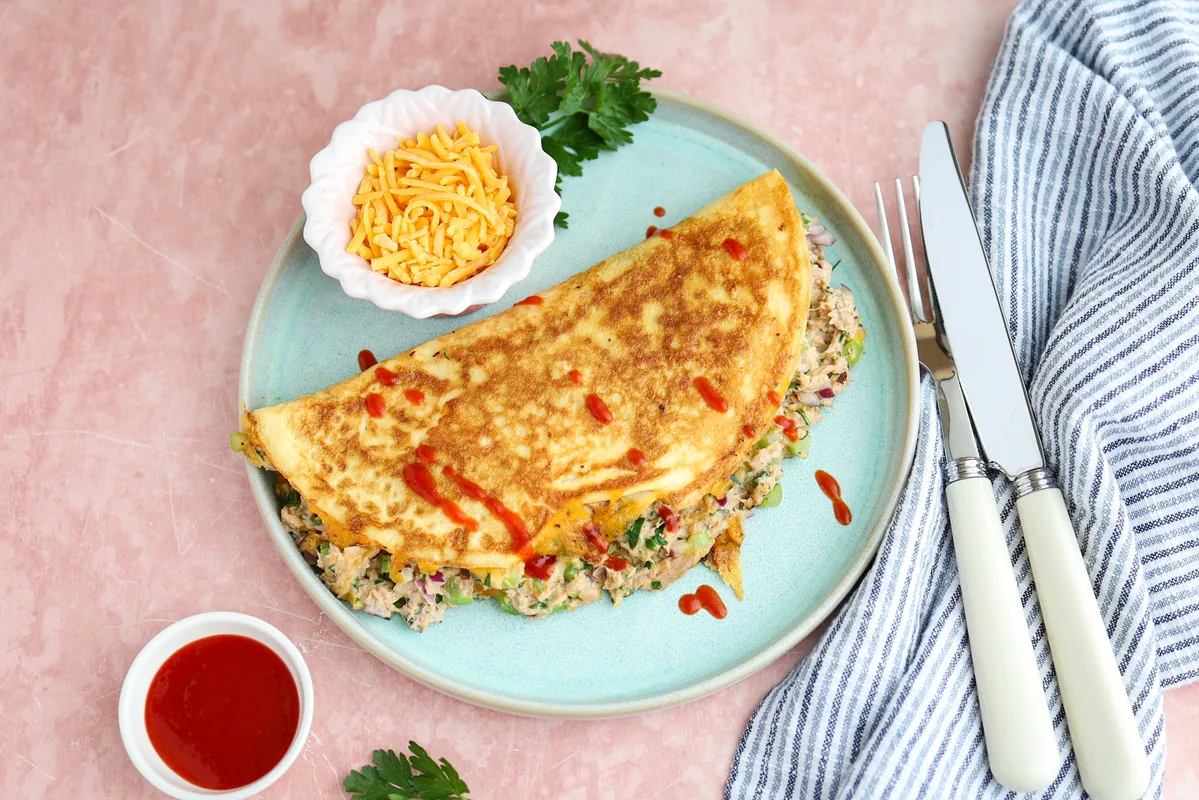
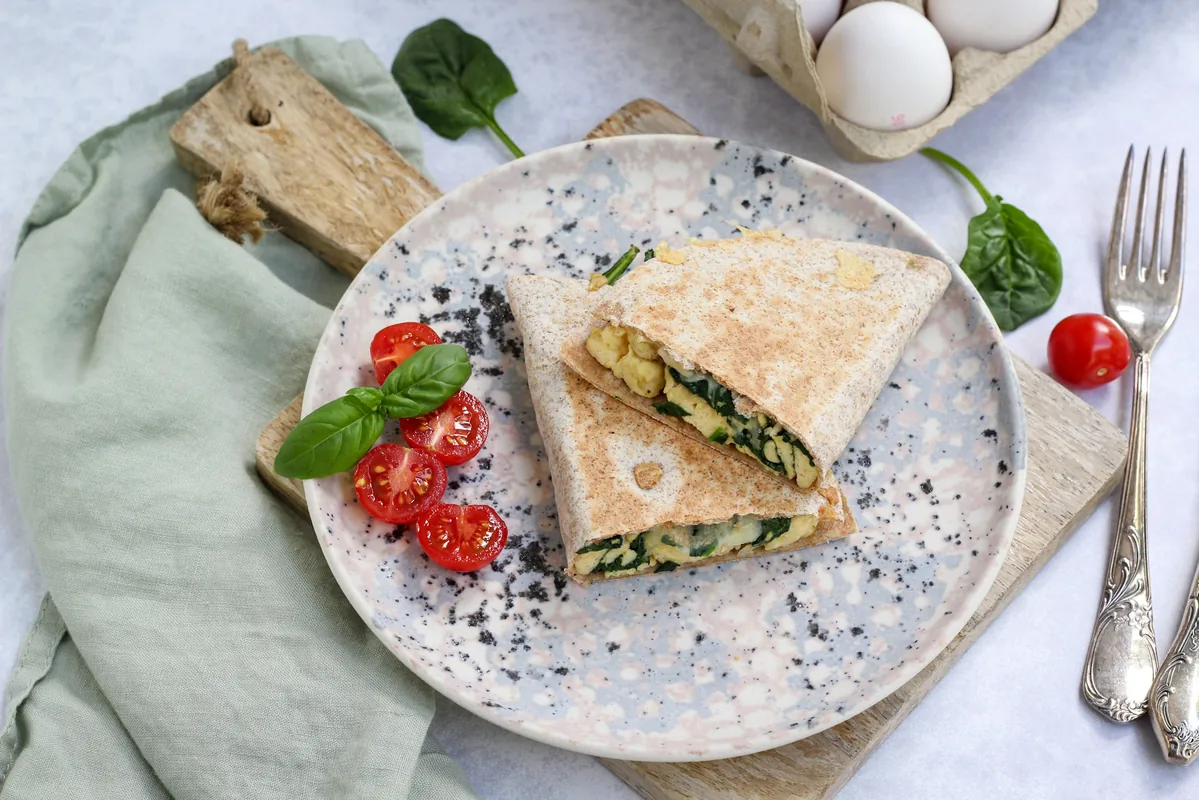
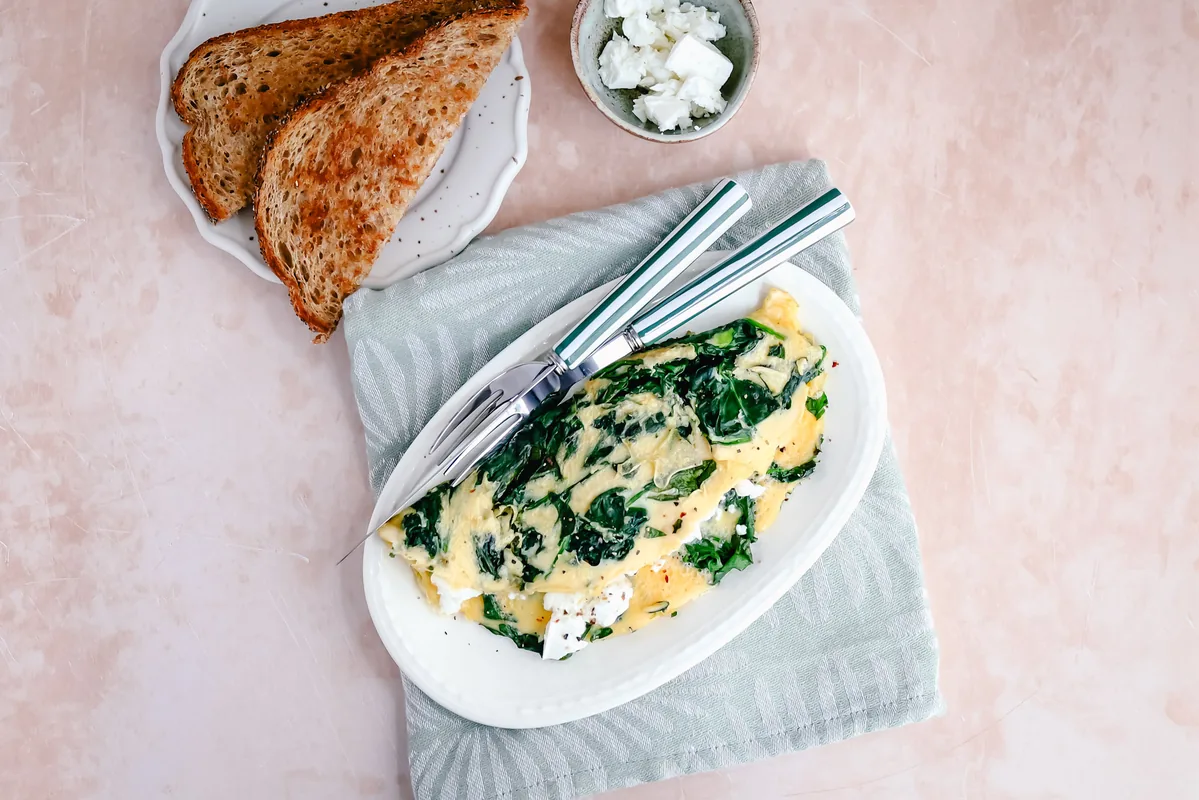
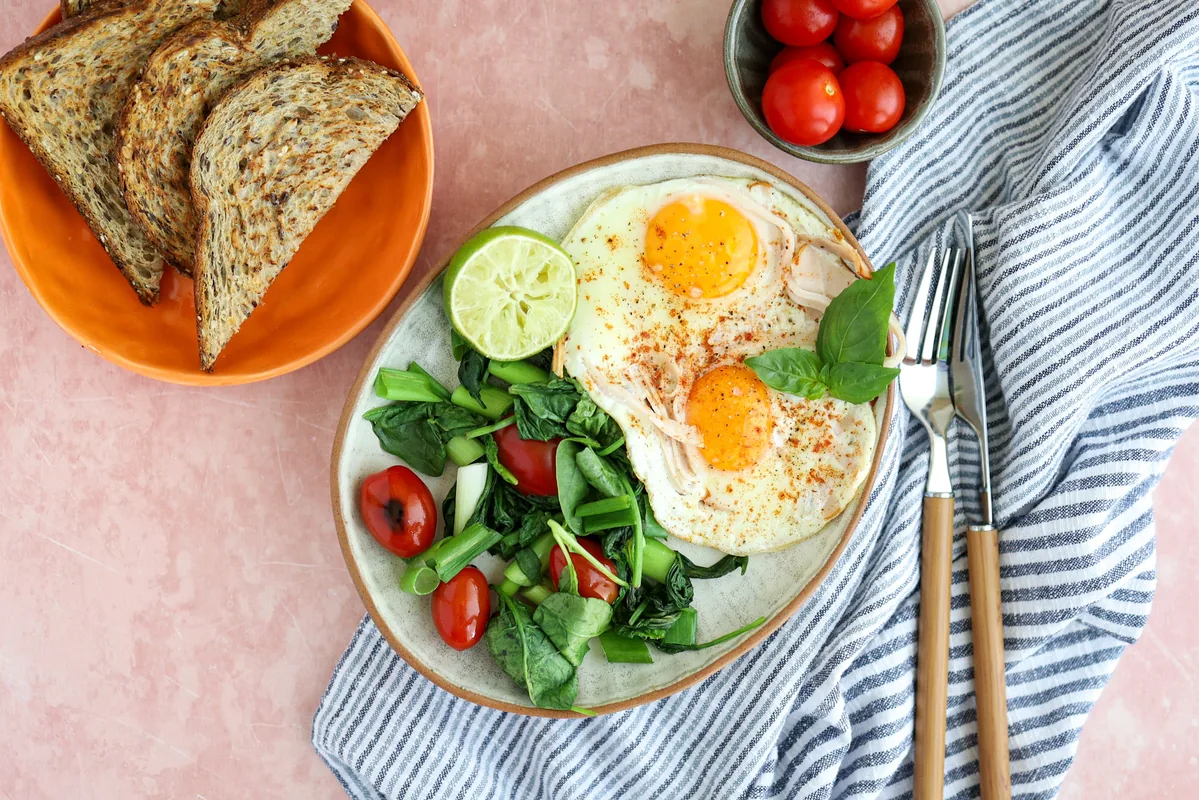
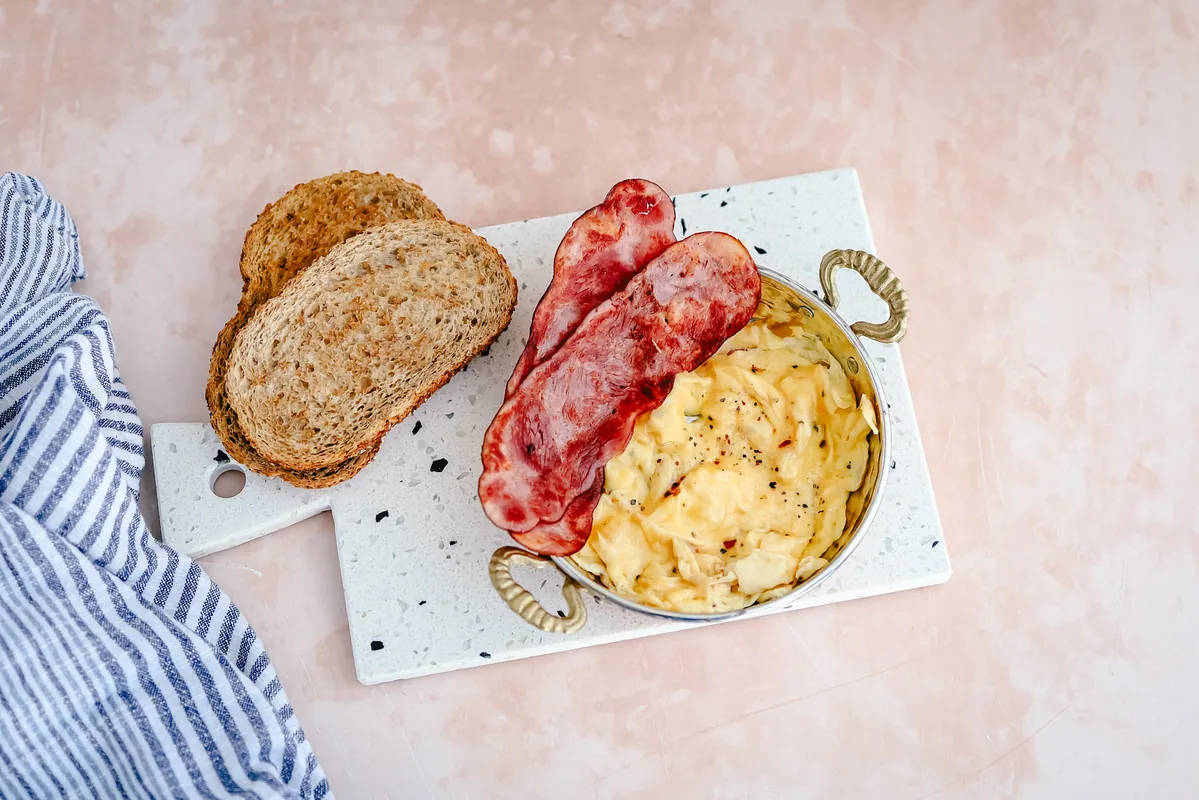
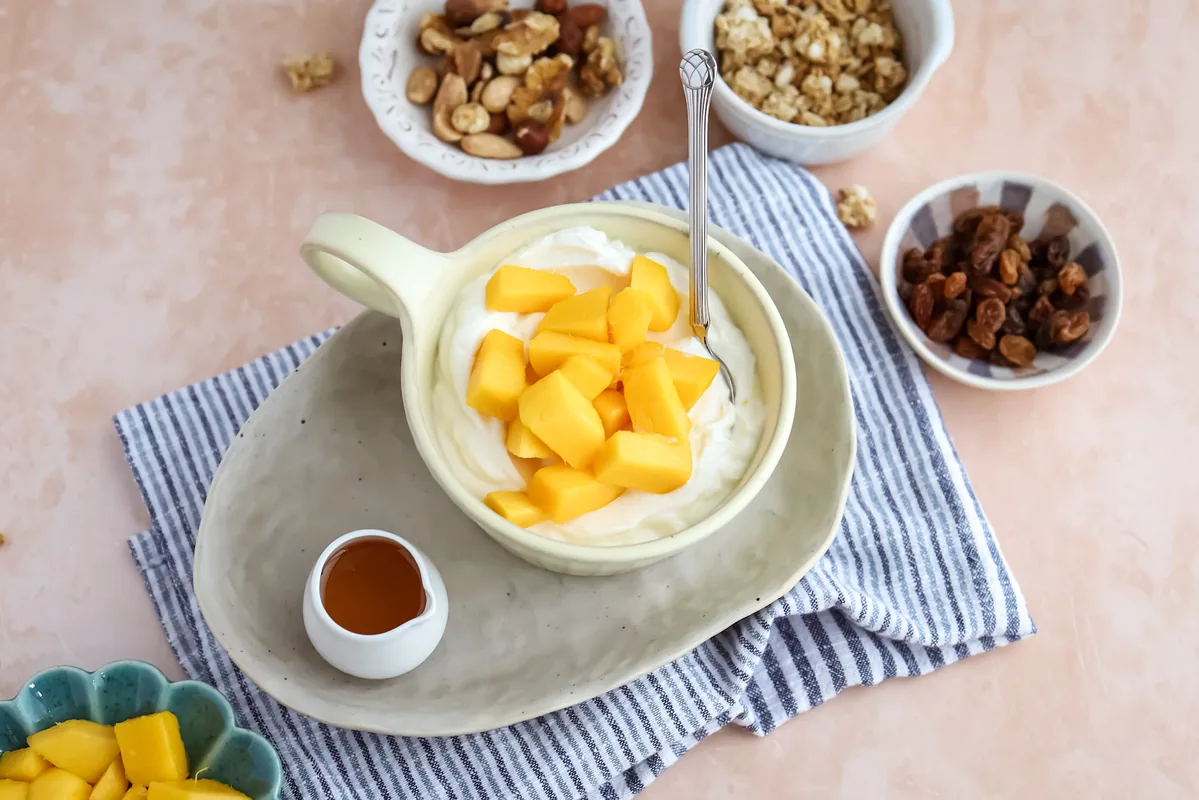
These 41 breakfast recipes land in that window. They deliver 25 to 64 grams per serving, median 30 grams, 5 minutes of prep. Twenty-two need zero cooking. Nine smoothies reach 25 to 48 grams without protein powder. The ingredient profile is dairy and eggs: yogurt in 20 recipes, eggs in 19, cottage cheese in 7.
Speed is the structural identity. The parent high-protein collection runs 15 minutes at the median across 511 meals. This breakfast subset runs at 5. Sixty-eight percent land vegetarian because yogurt bowls and smoothies are naturally meat-free. When a review pooling 49 randomized trials measured why protein controls hunger, the answer was hormonal: GLP-1, CCK, and PYY surge after protein intake, regardless of whether it came from a 5-minute bowl or a 30-minute omelet.
A separate study found that distributing protein evenly across meals, including roughly 30 grams at breakfast, produced 25% higher whole-day synthesis rates than loading the same total into dinner. Same food, different order, measurable difference.