

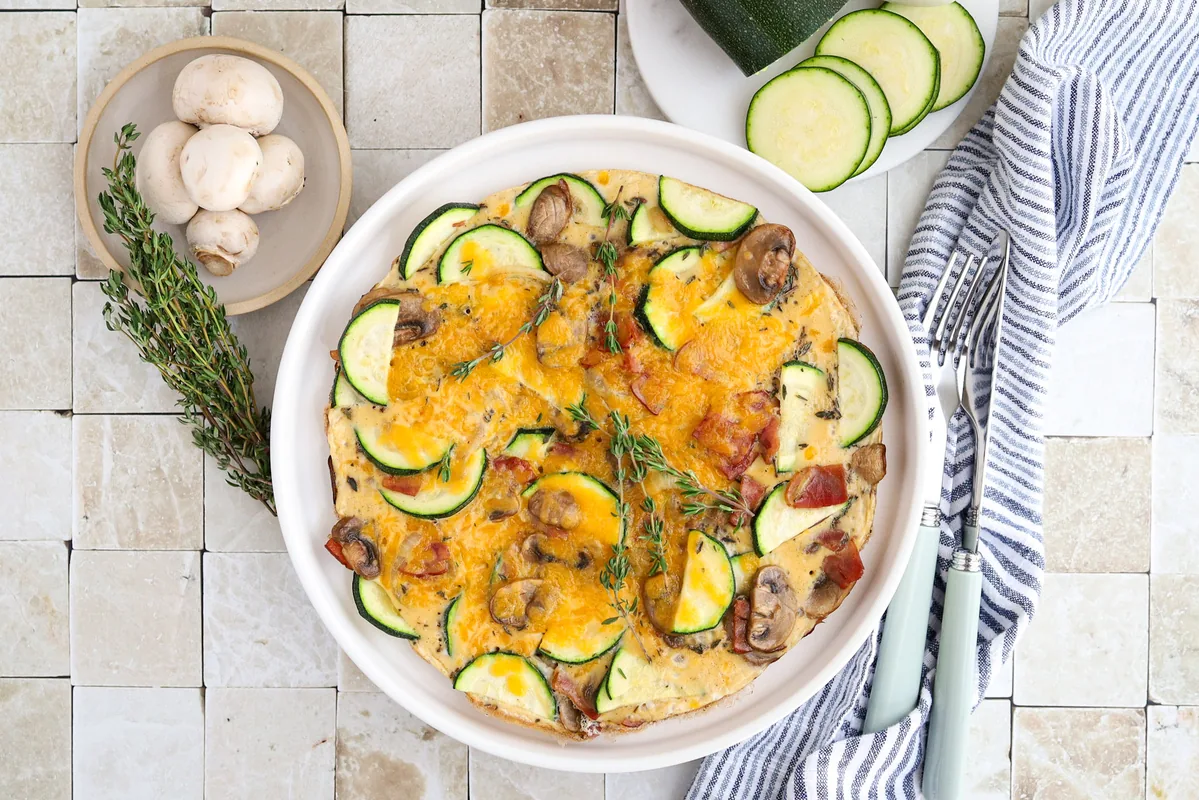
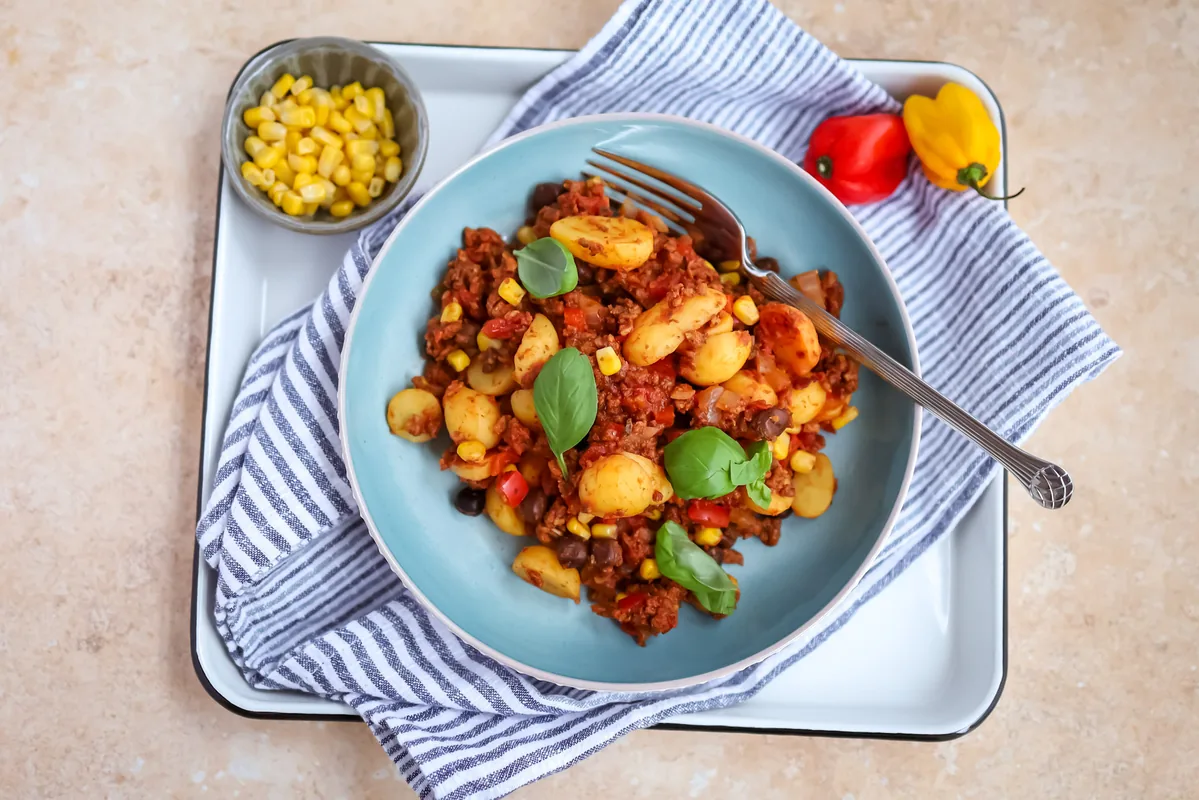
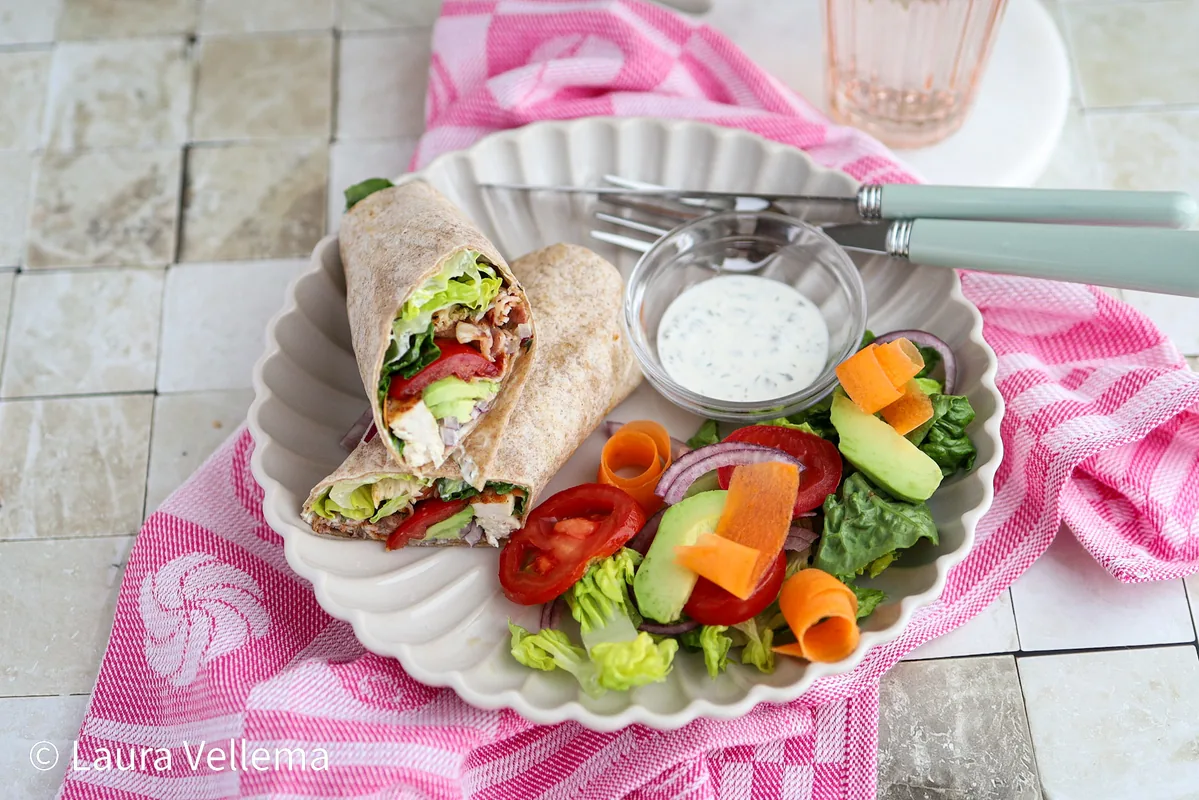
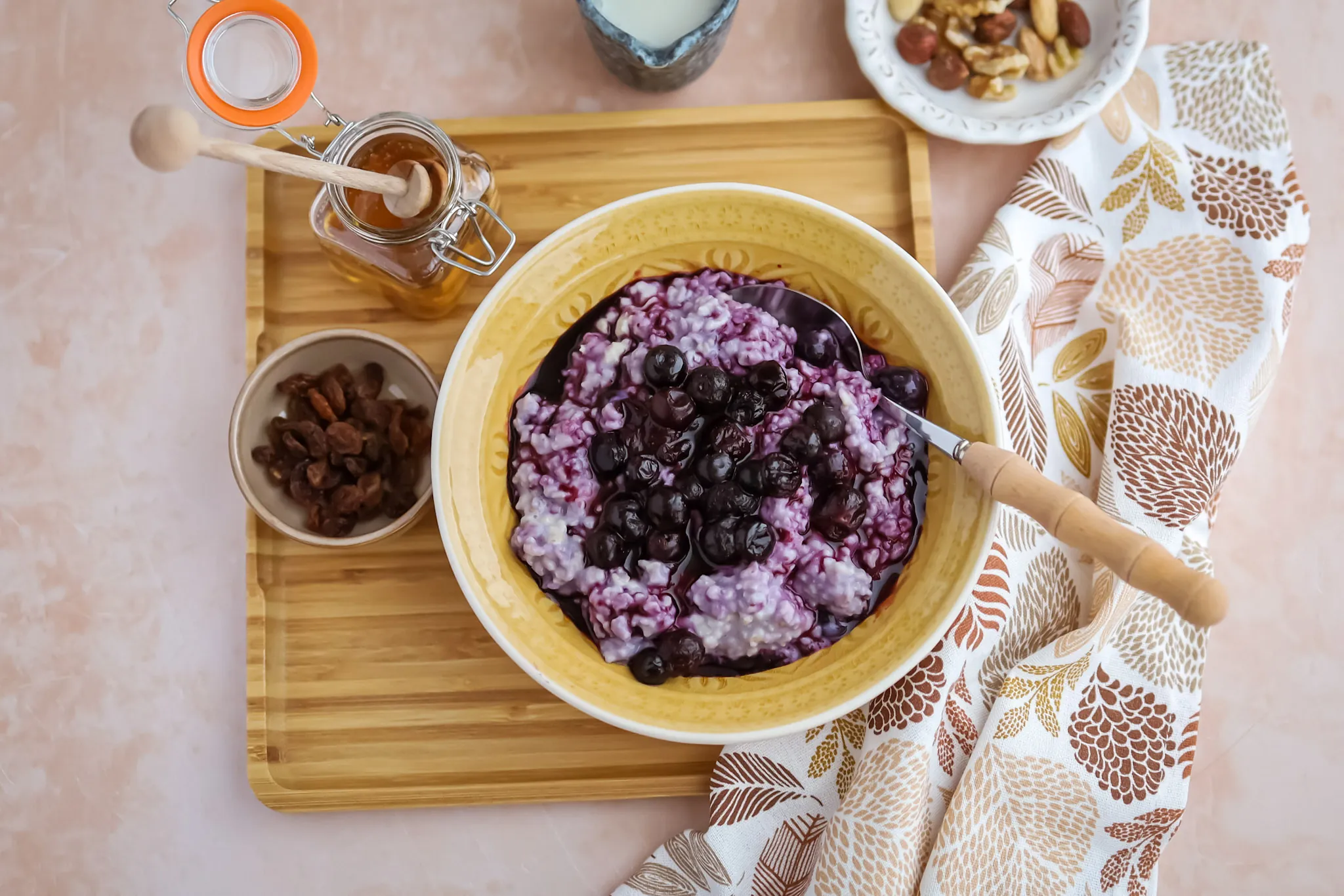



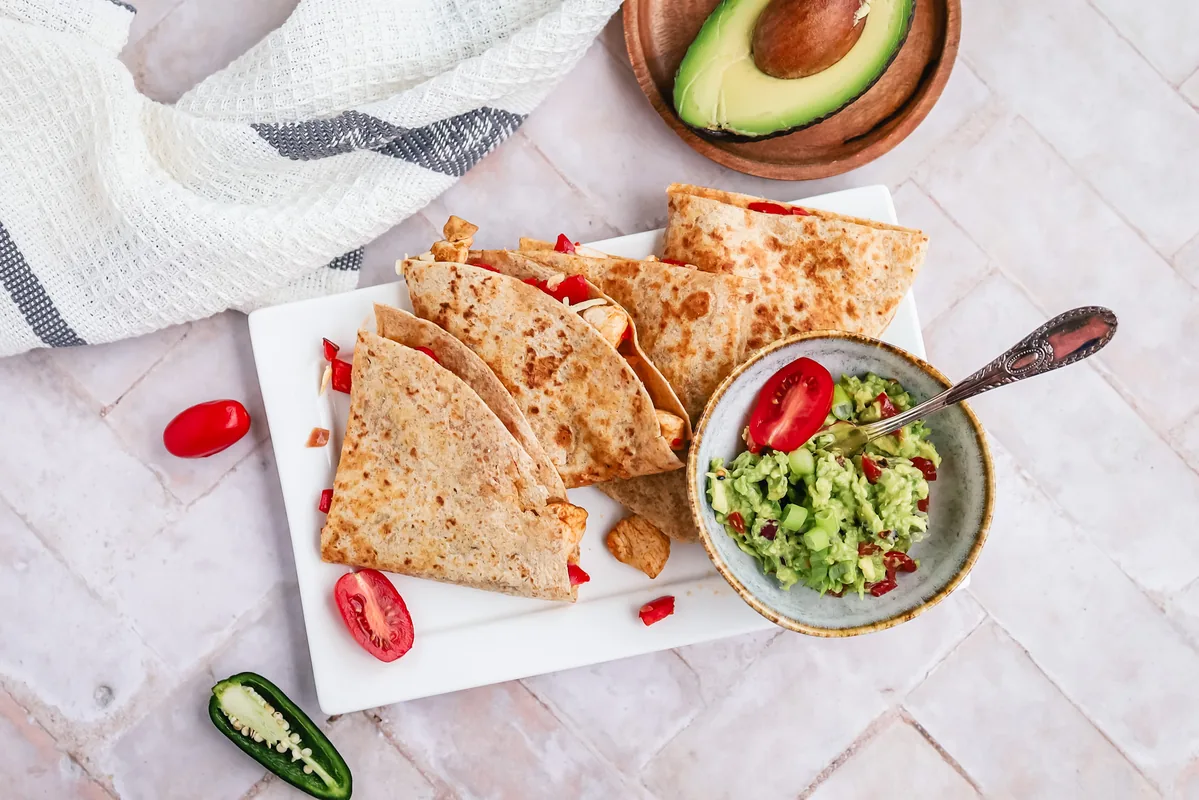

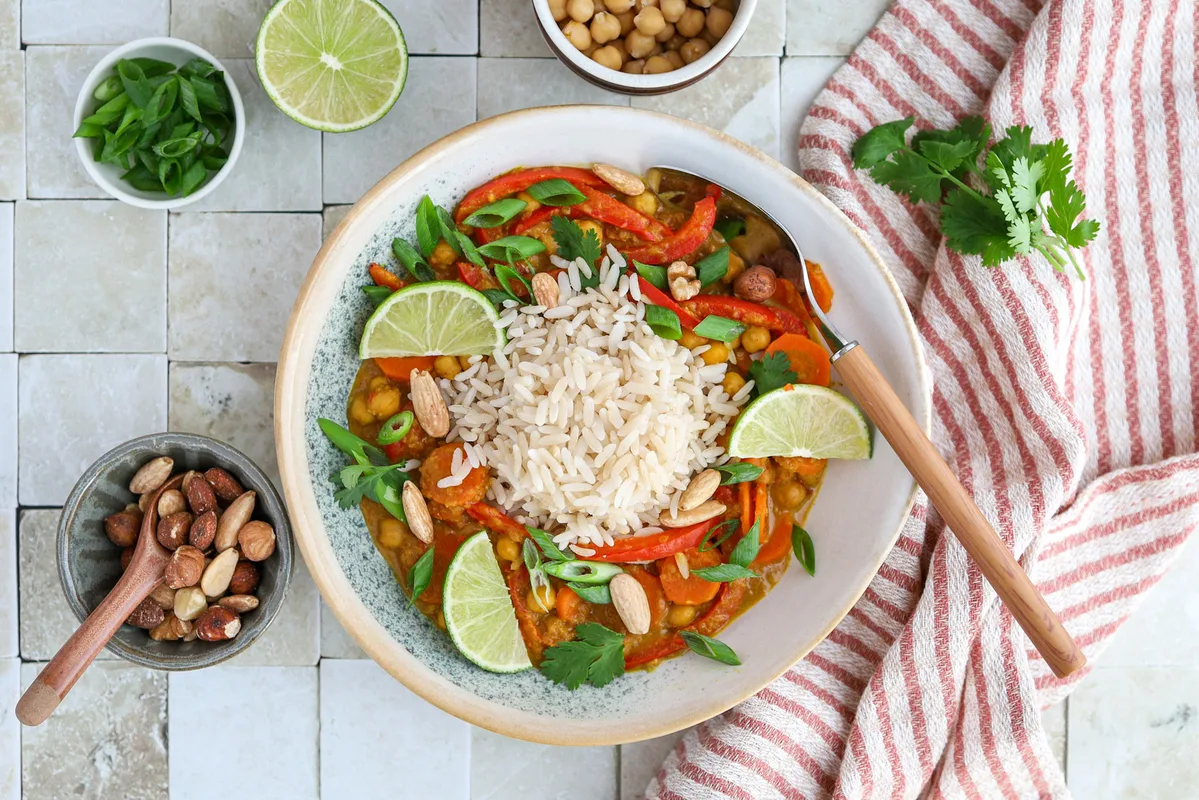
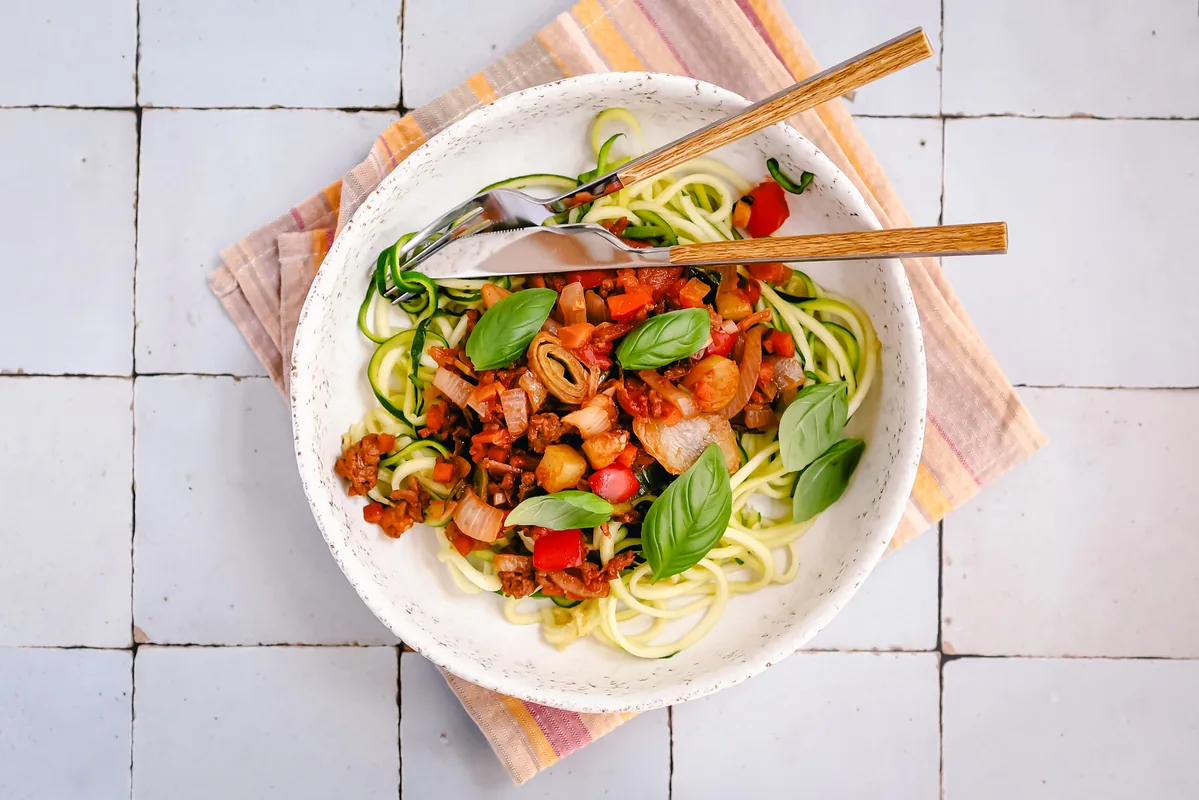
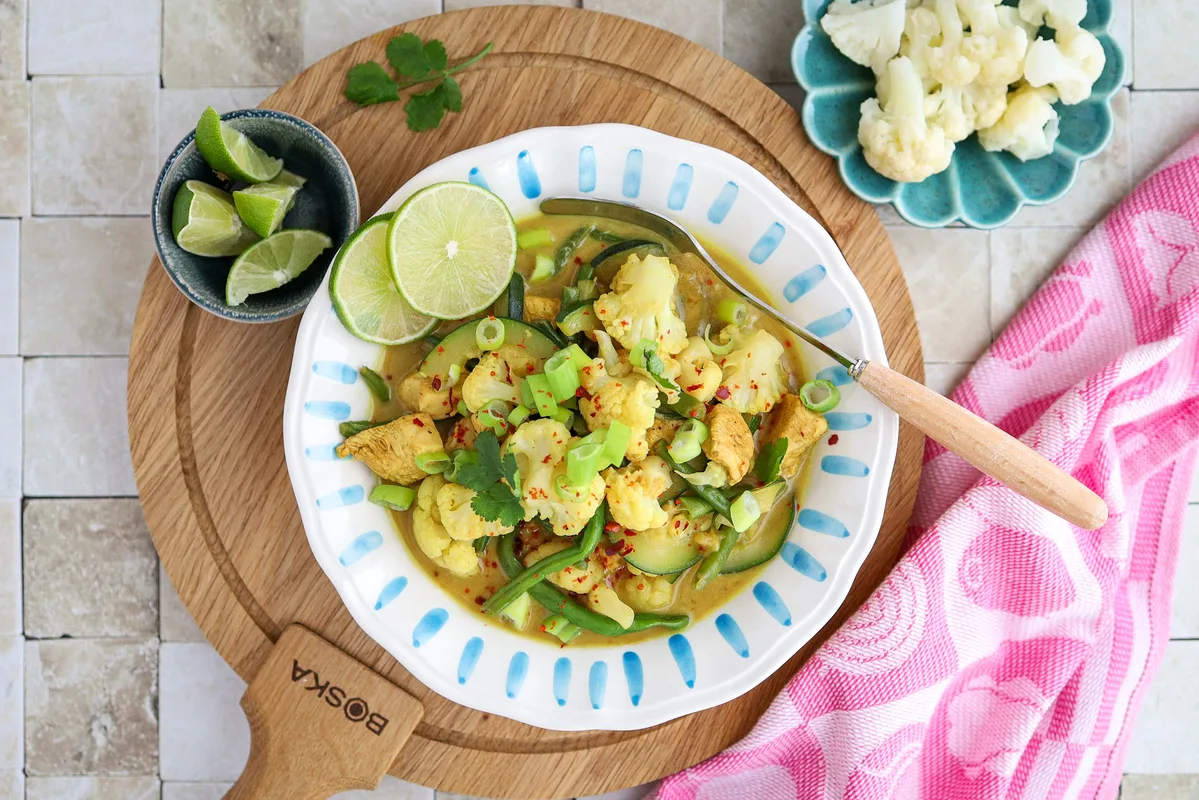
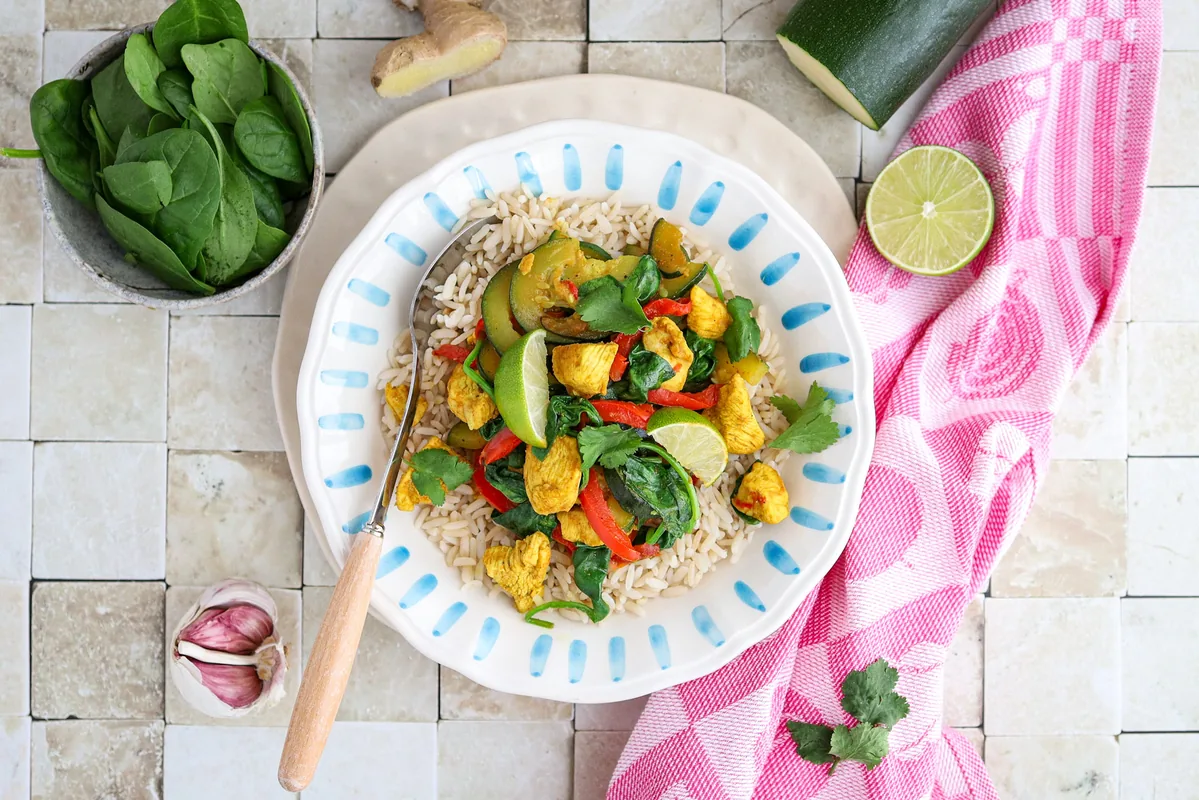
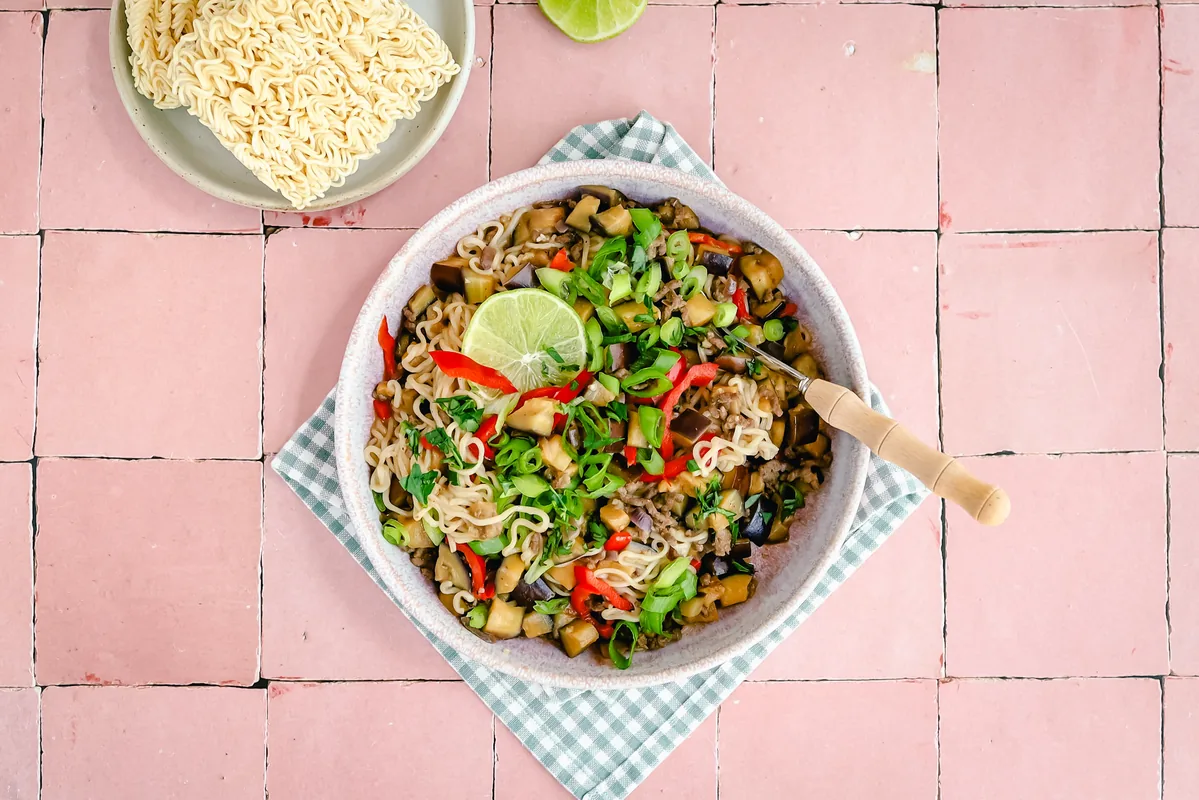
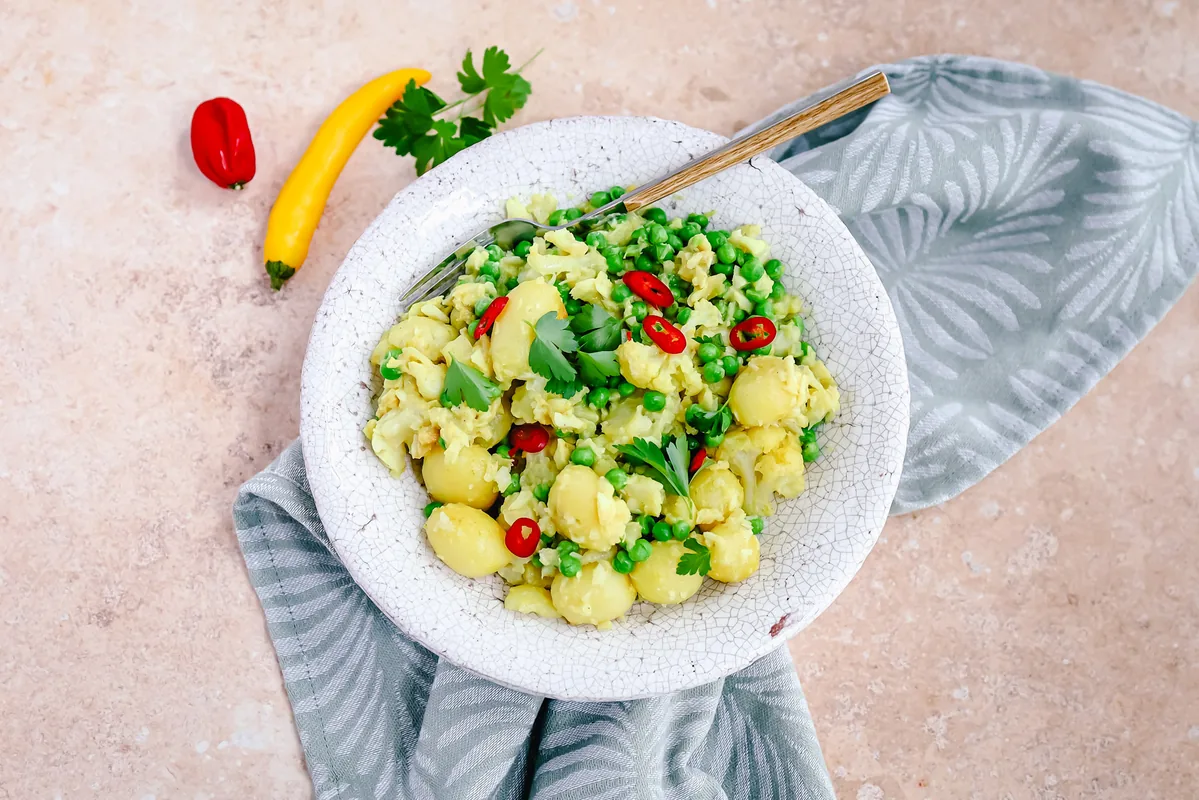
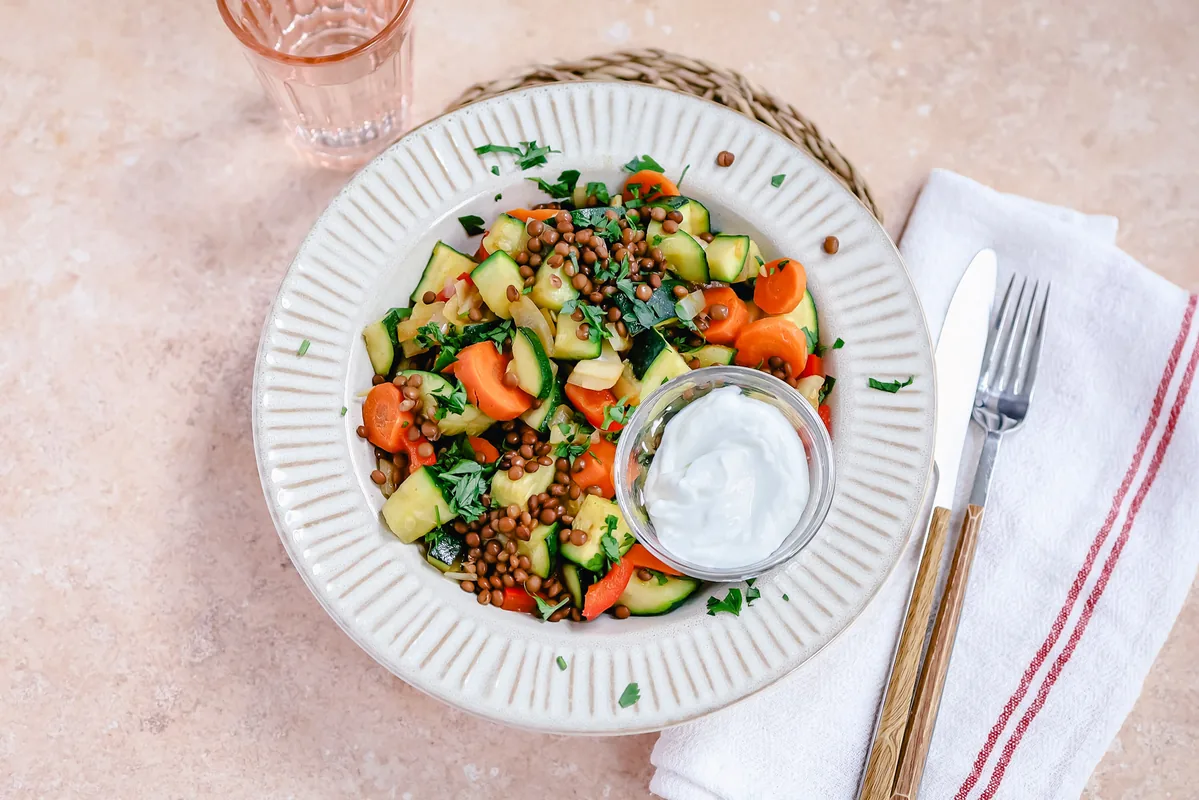
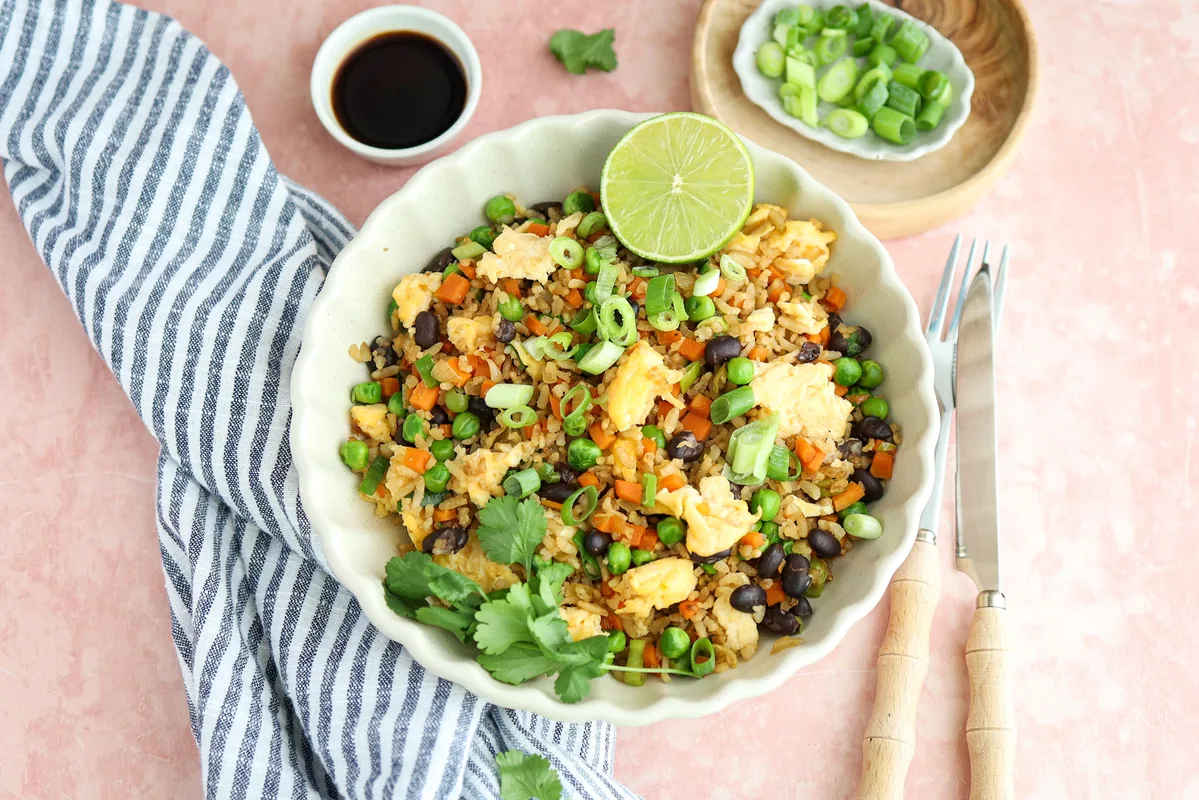
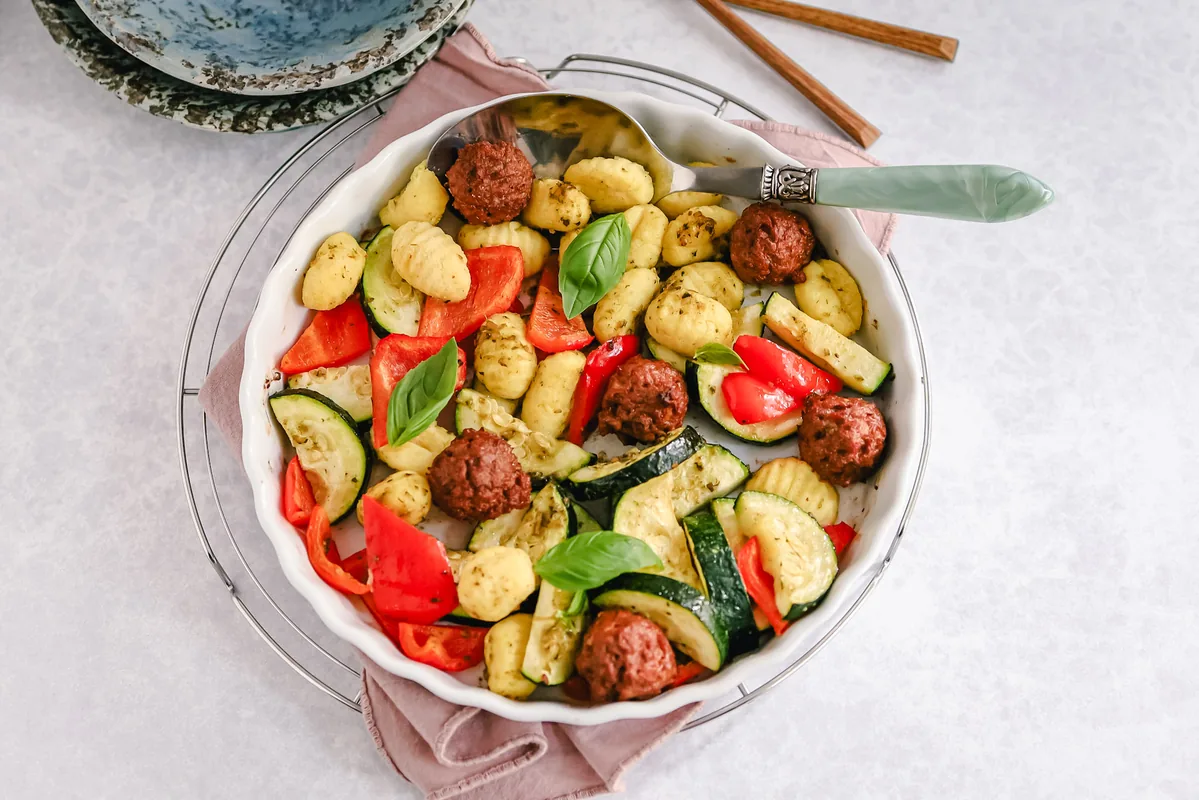

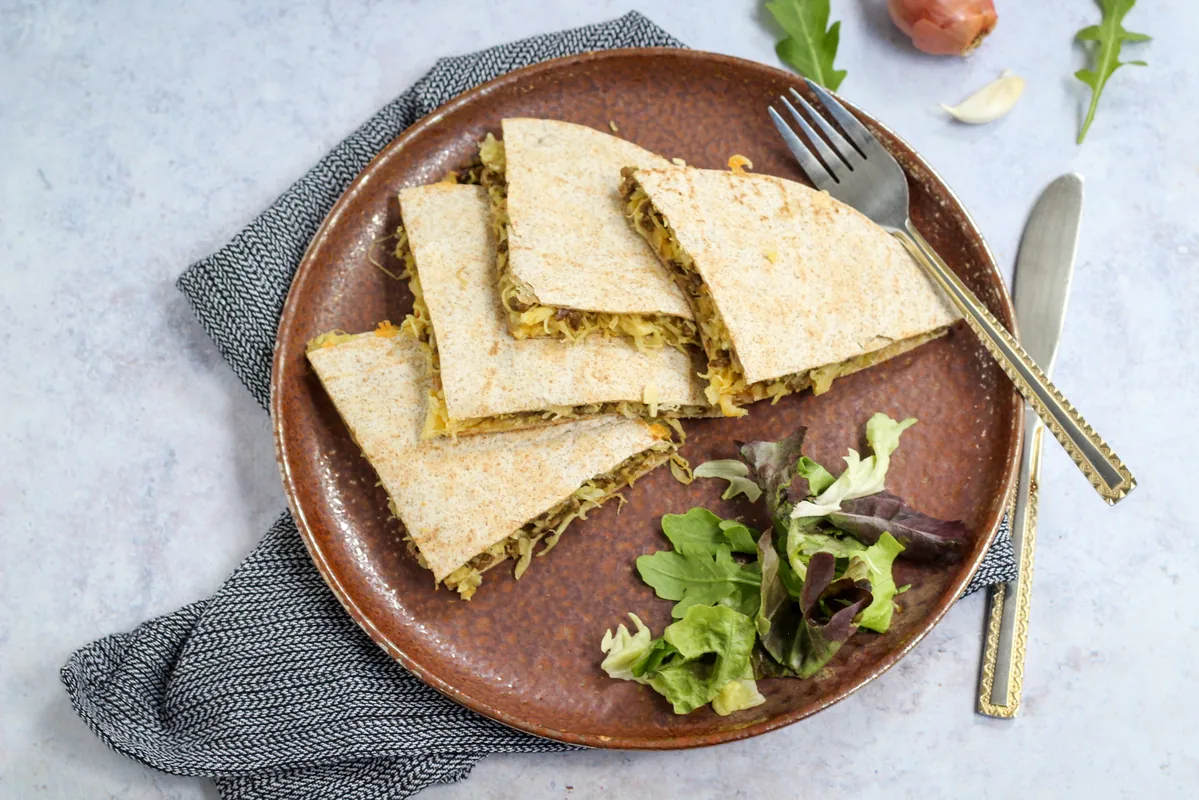







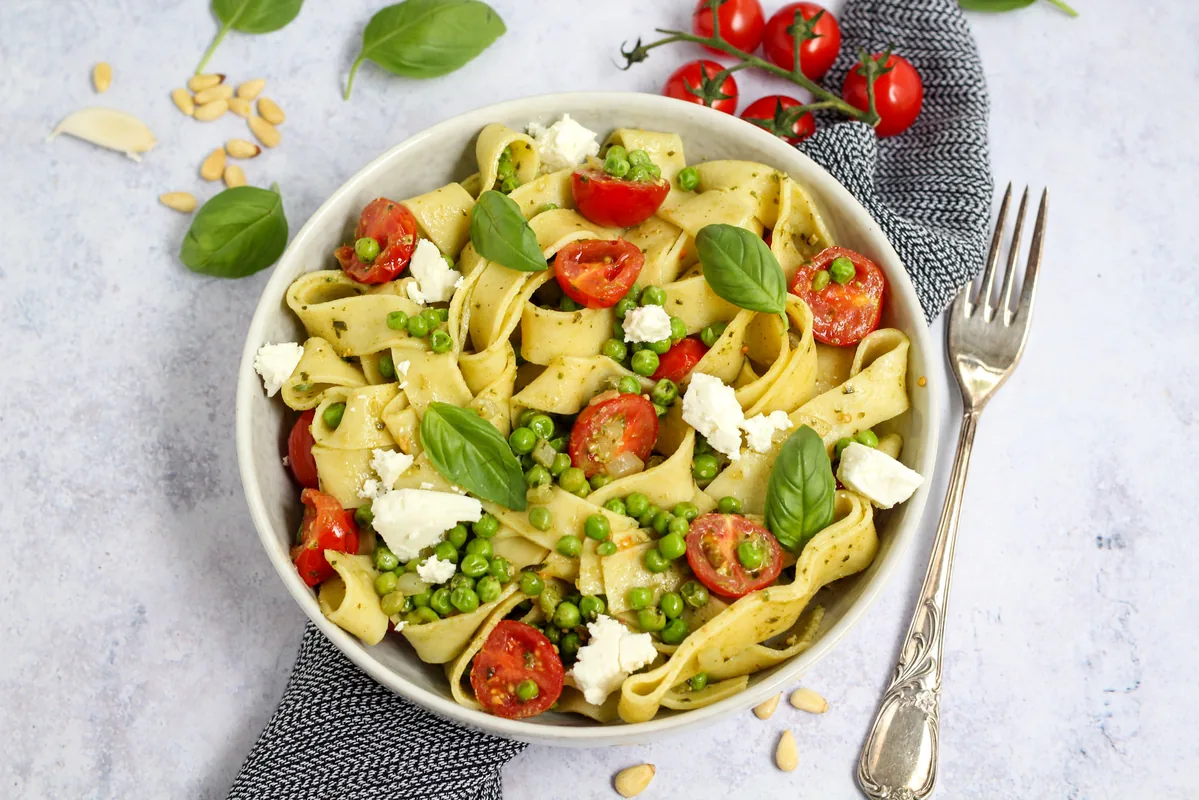
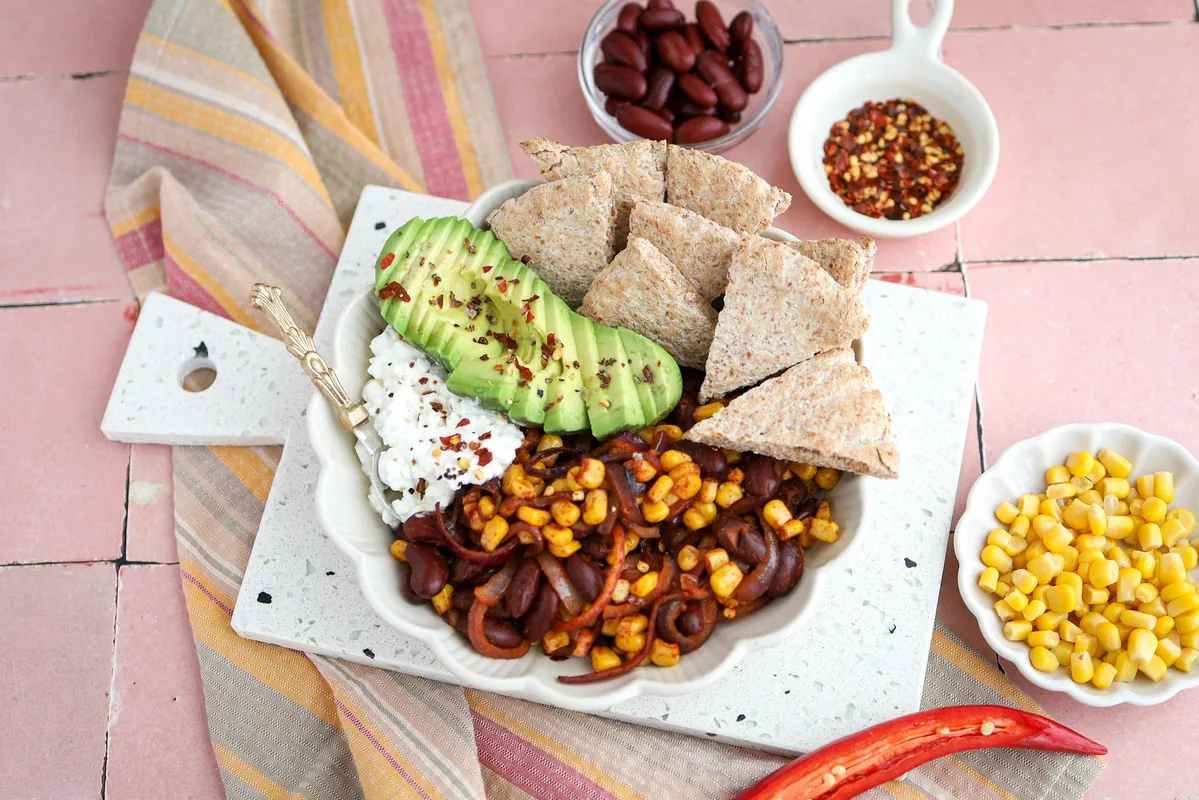
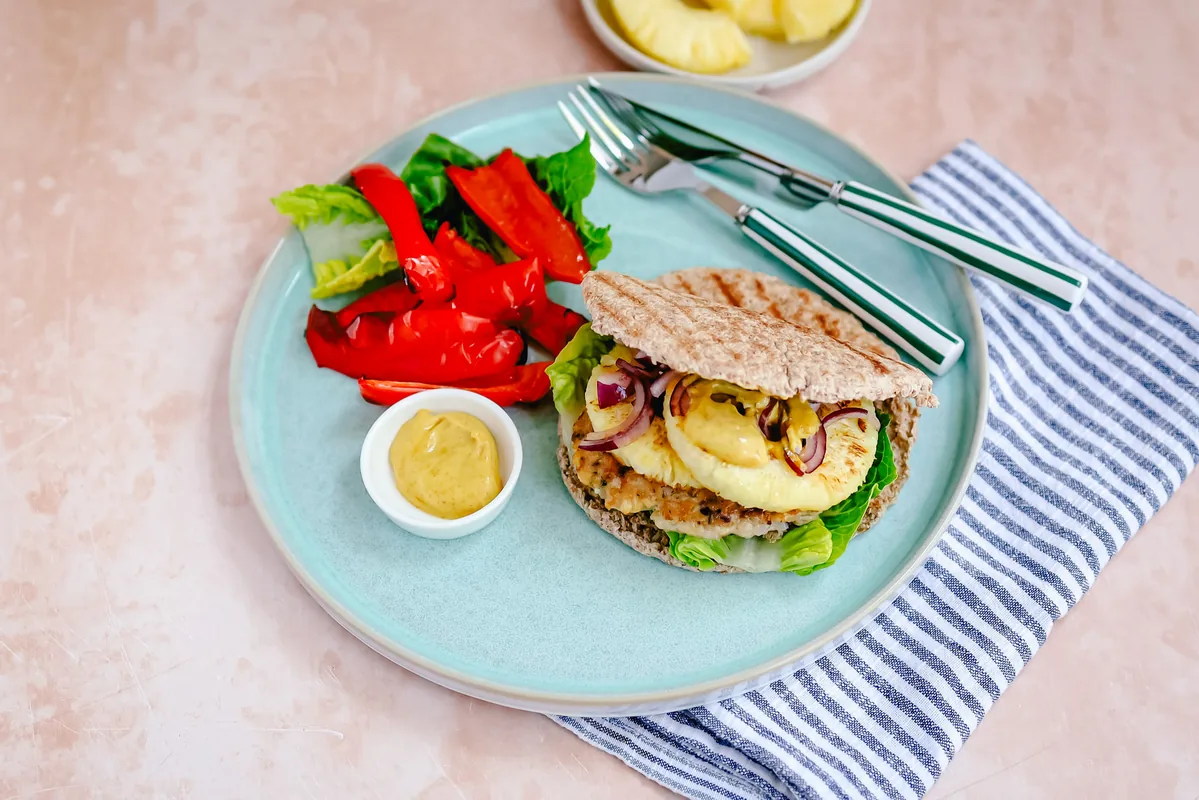

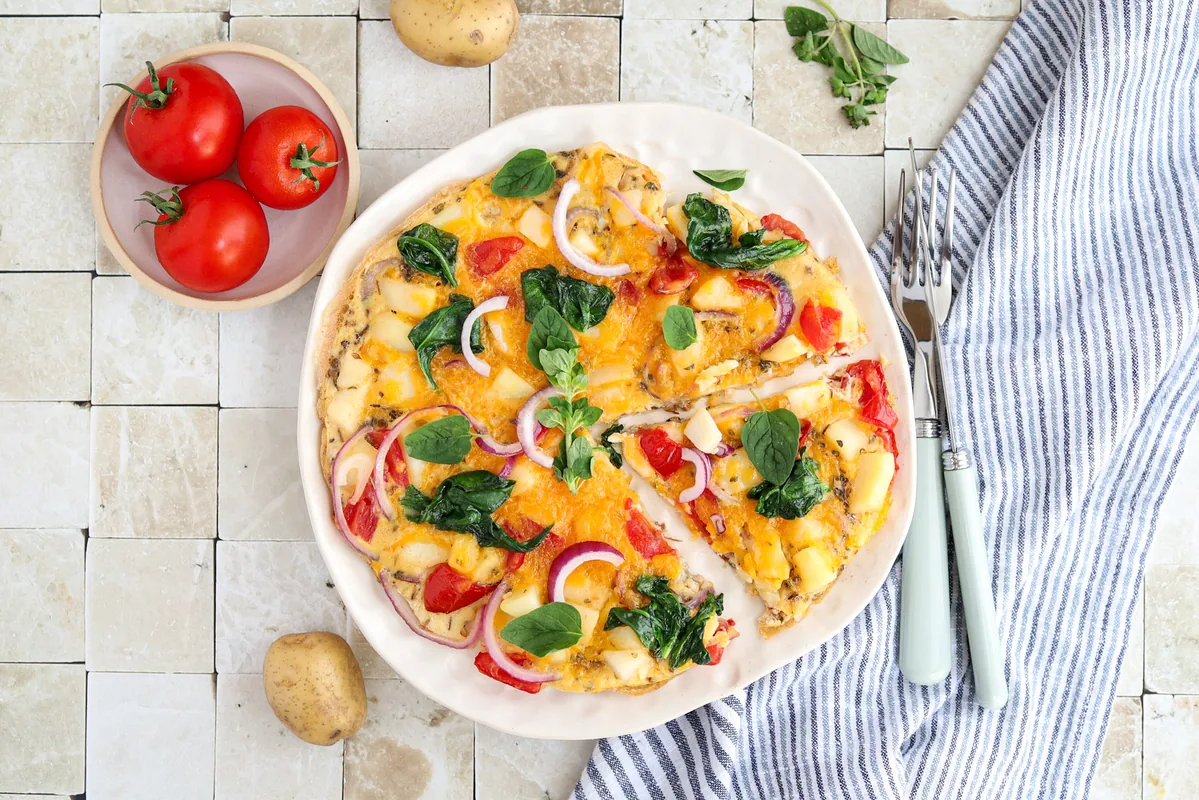



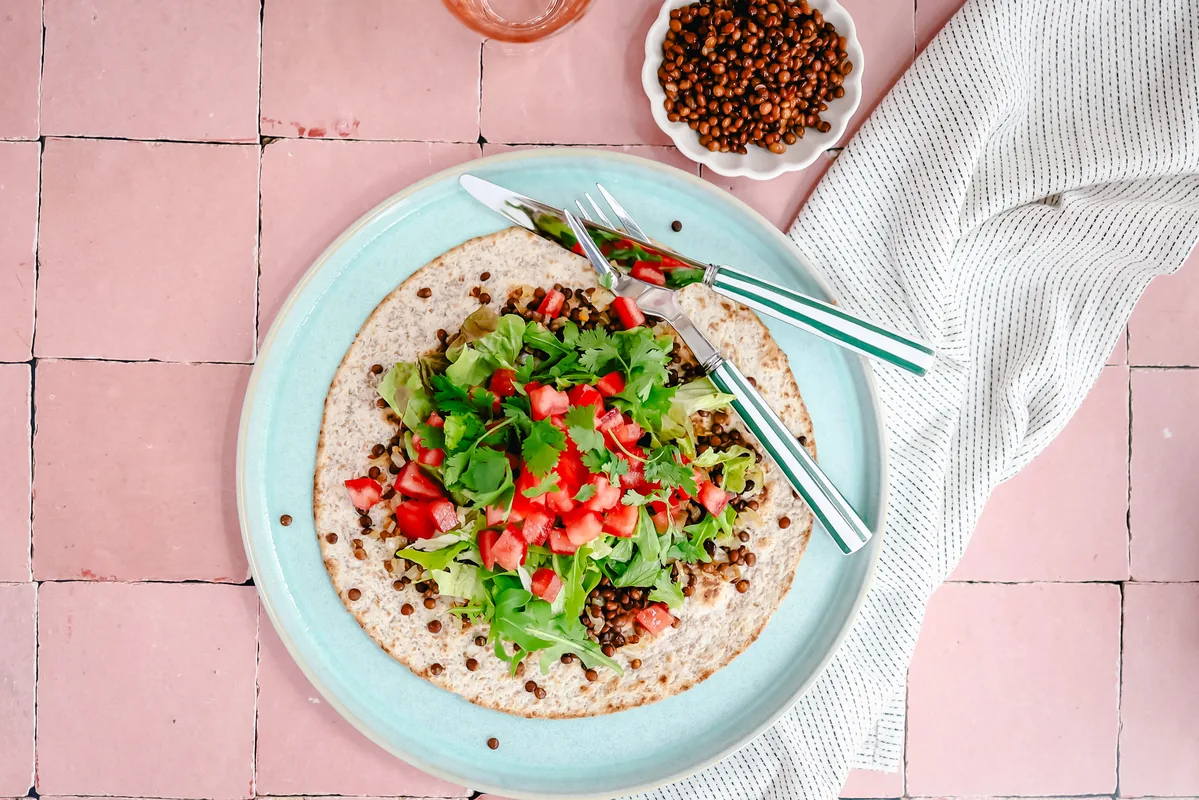
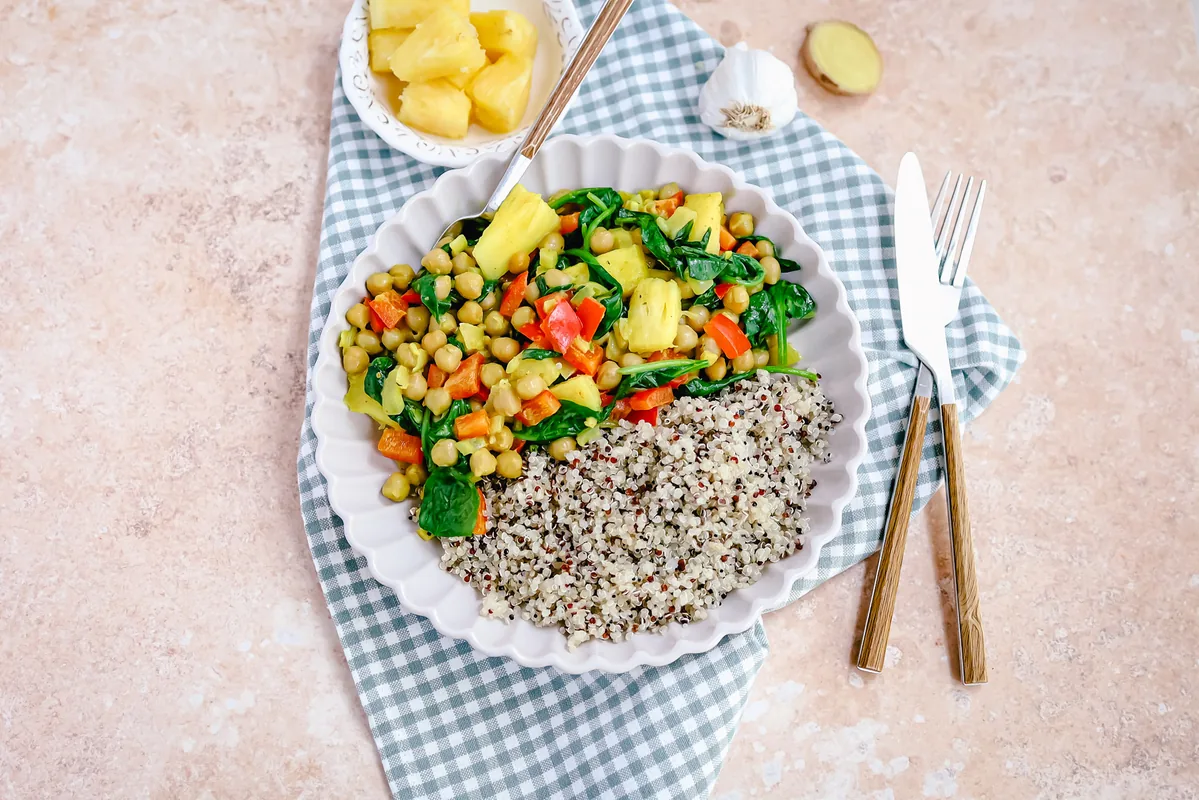
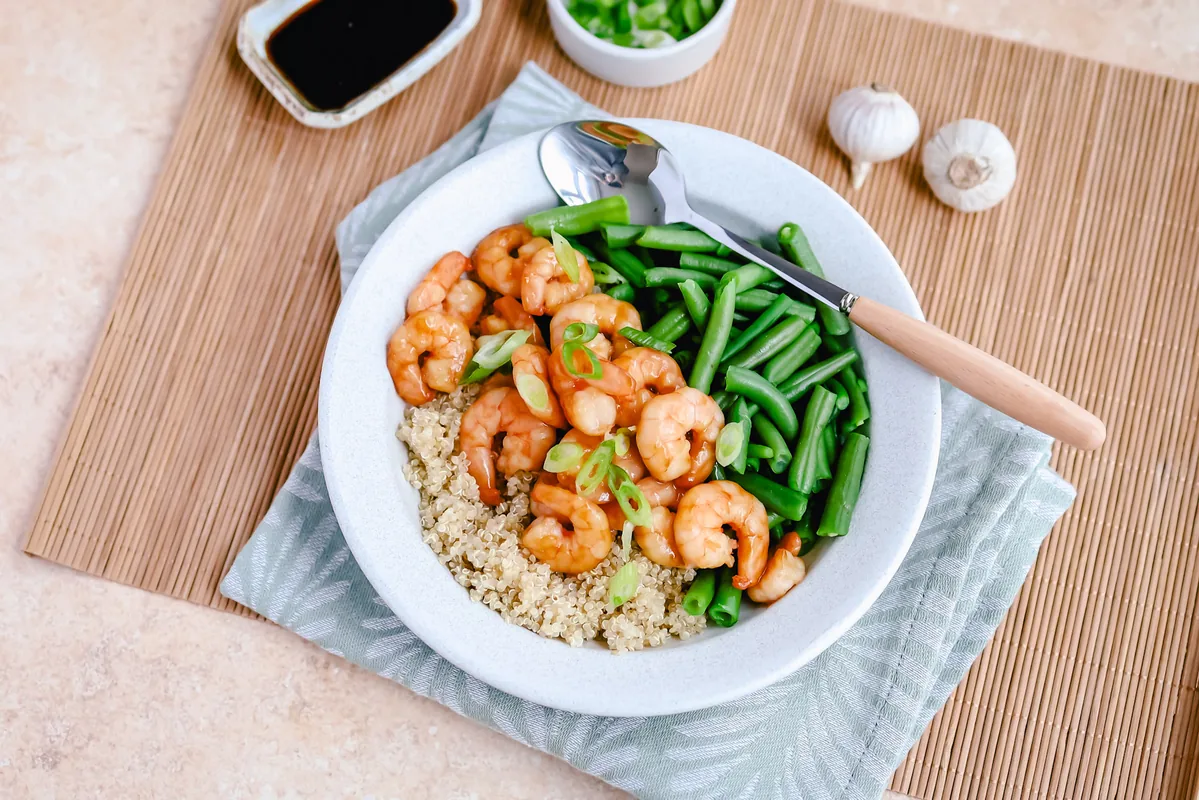
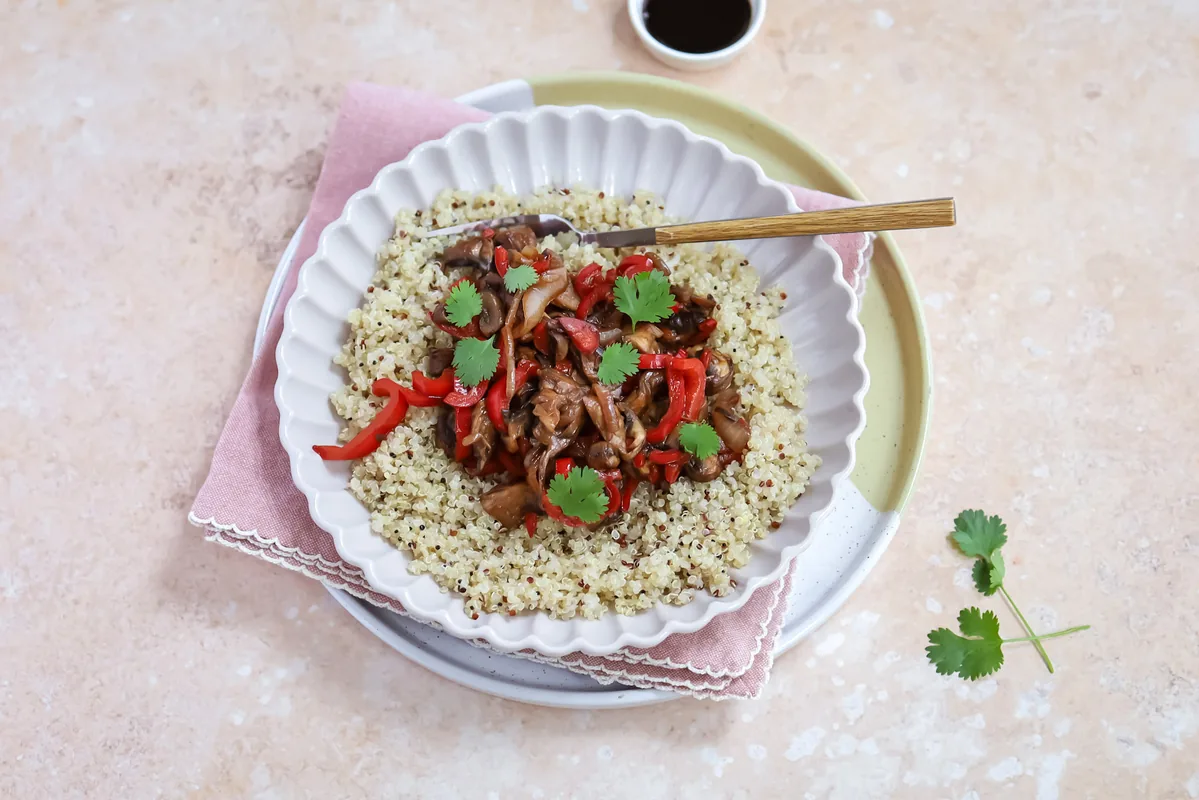
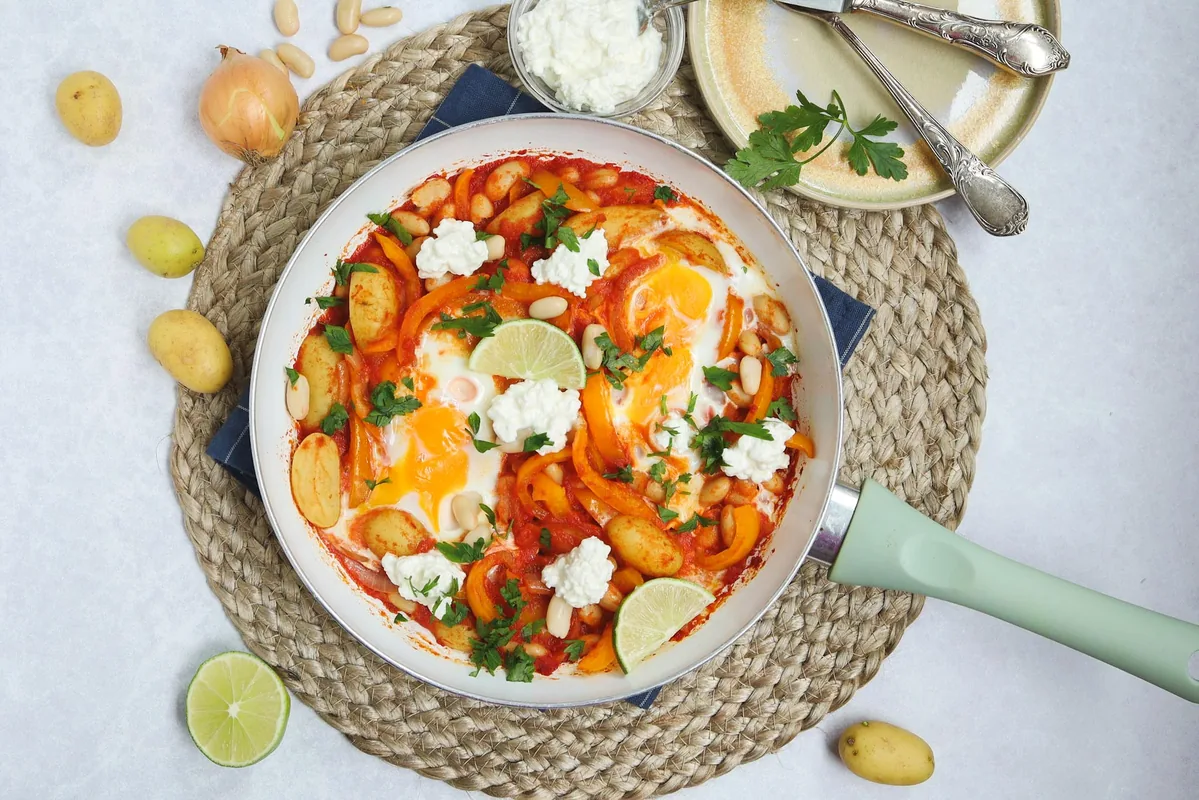
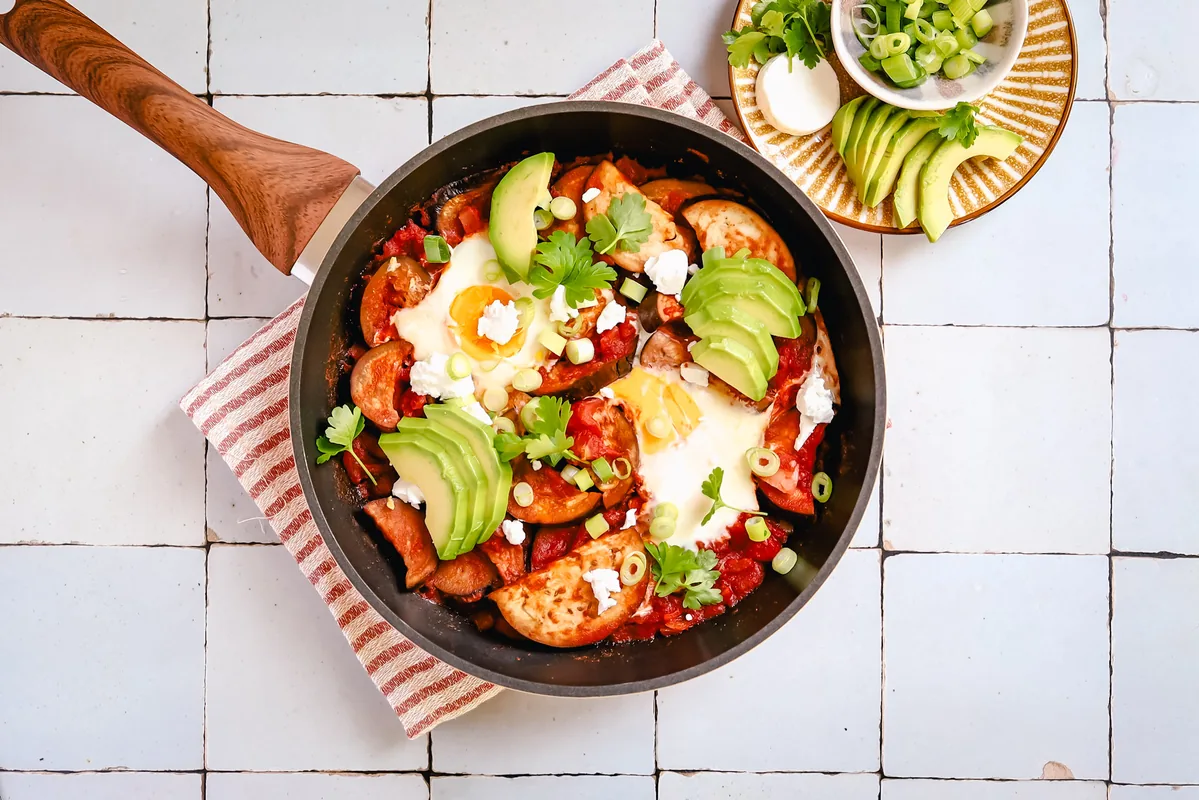
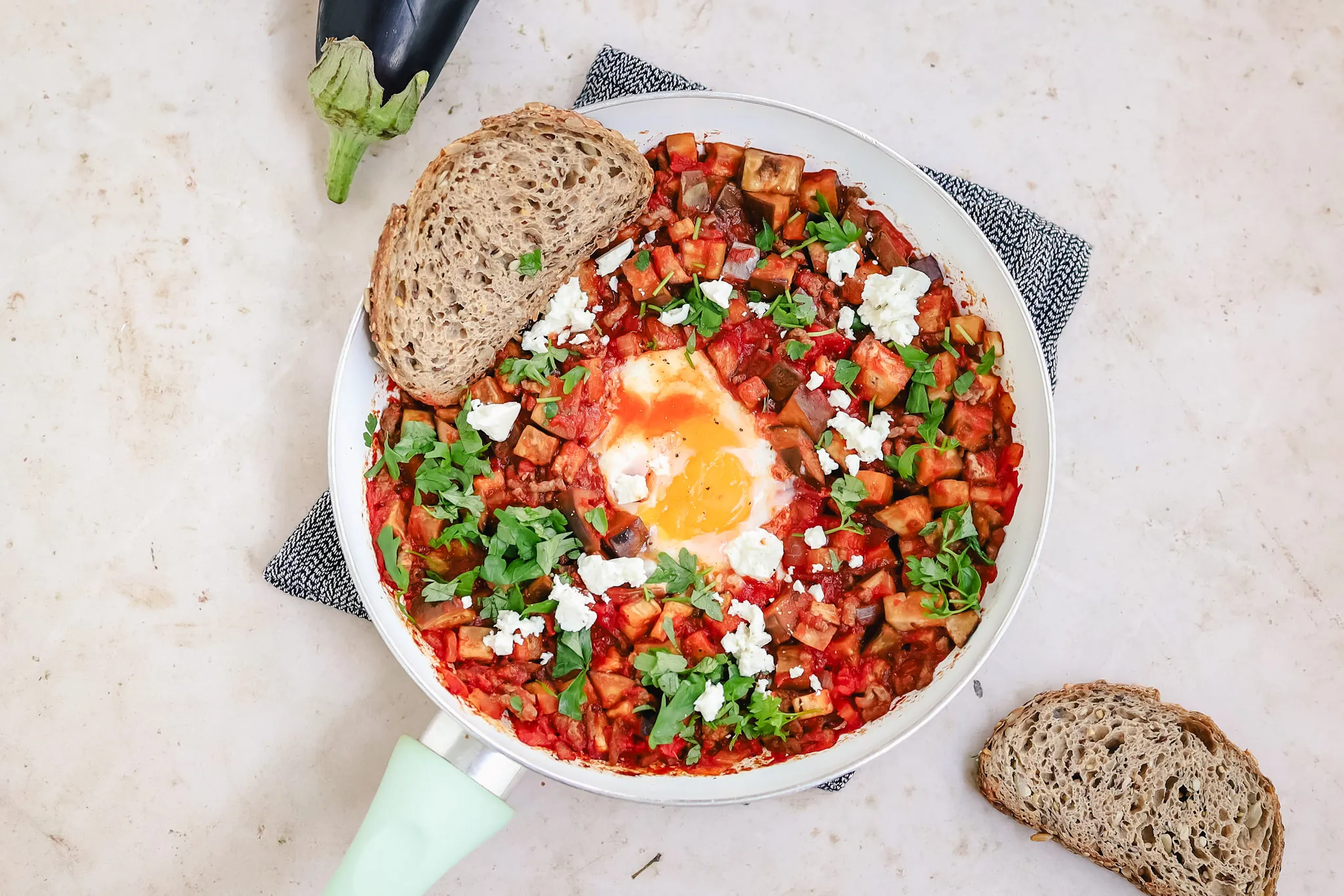
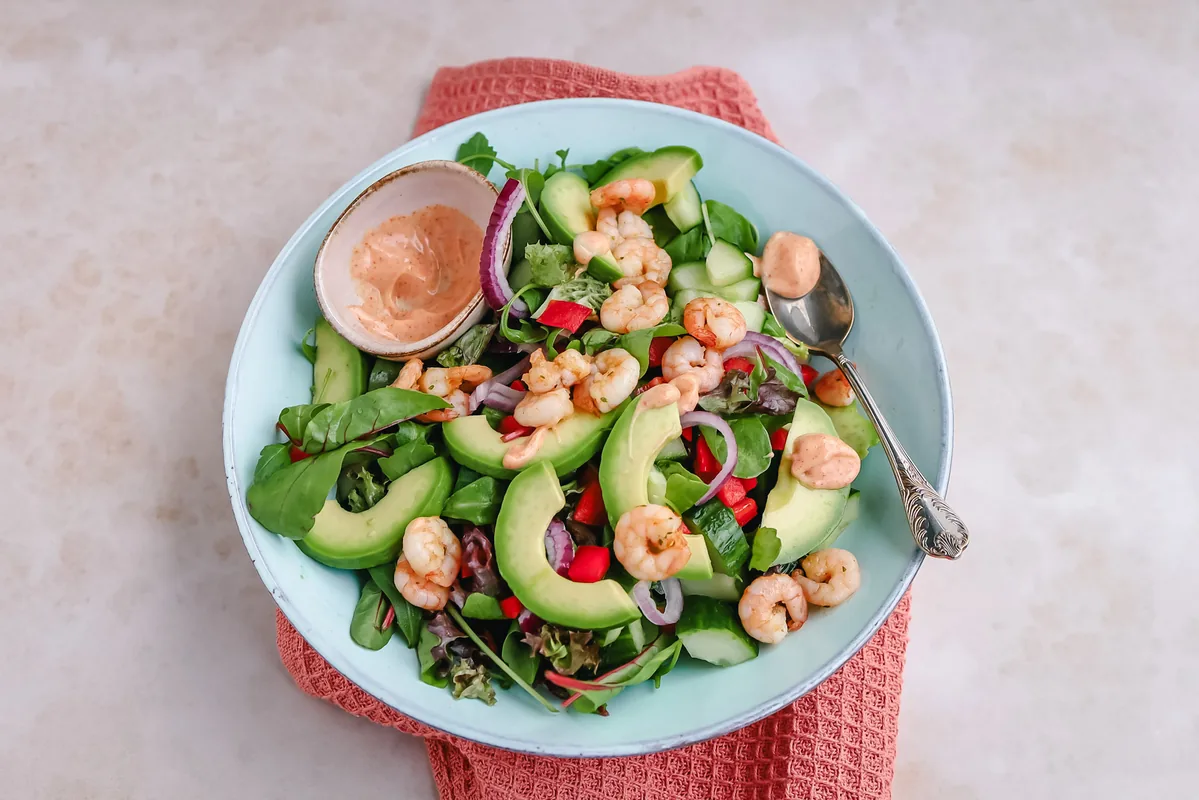

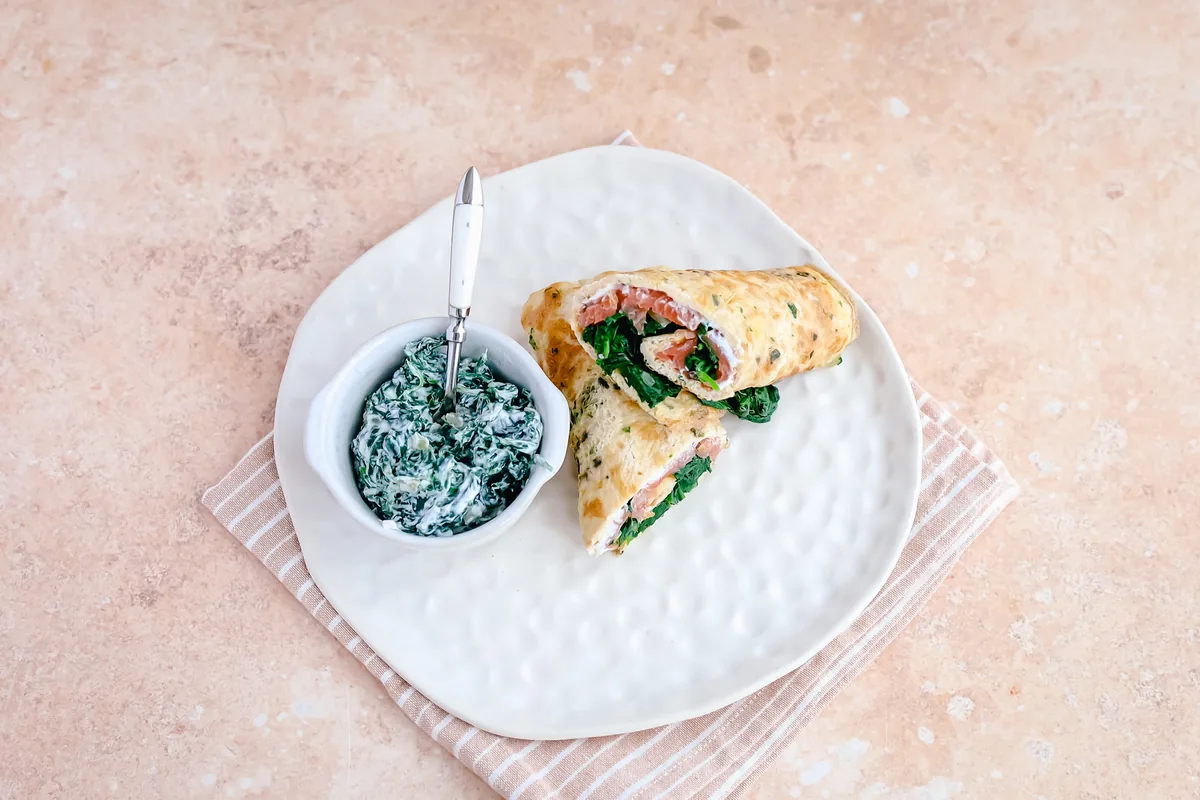
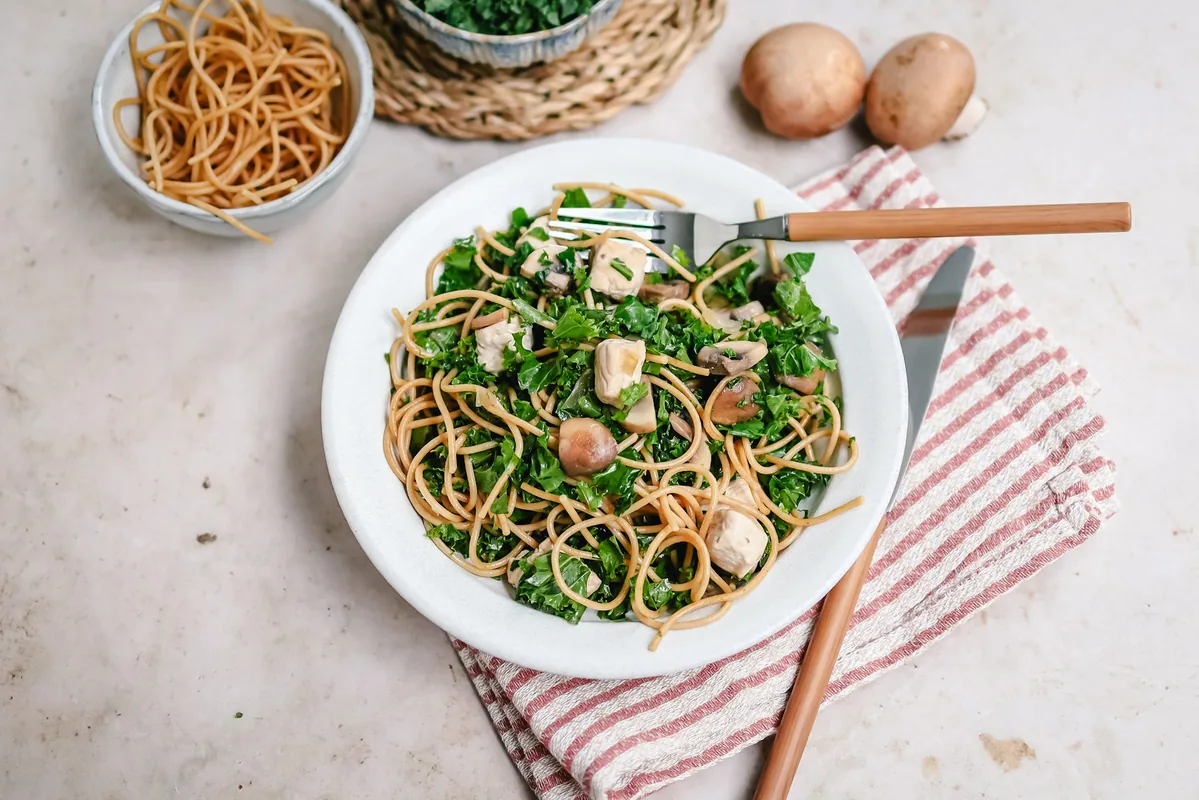
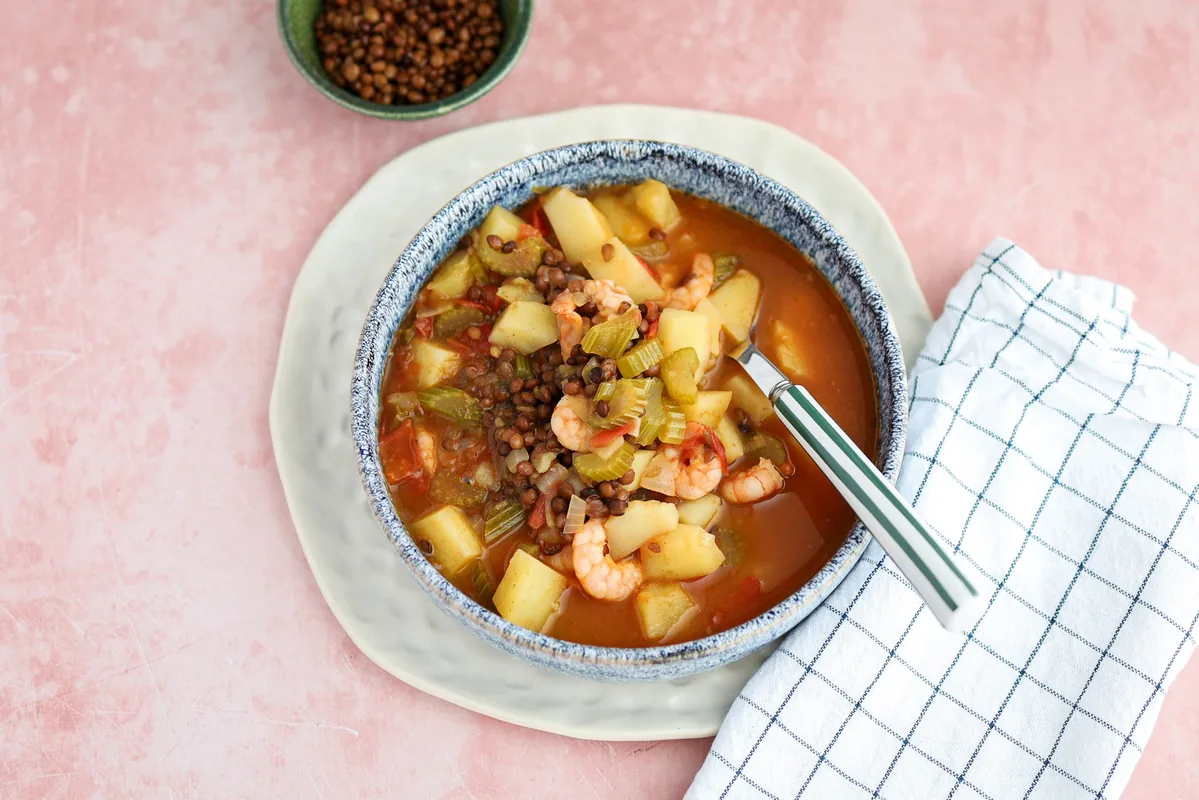
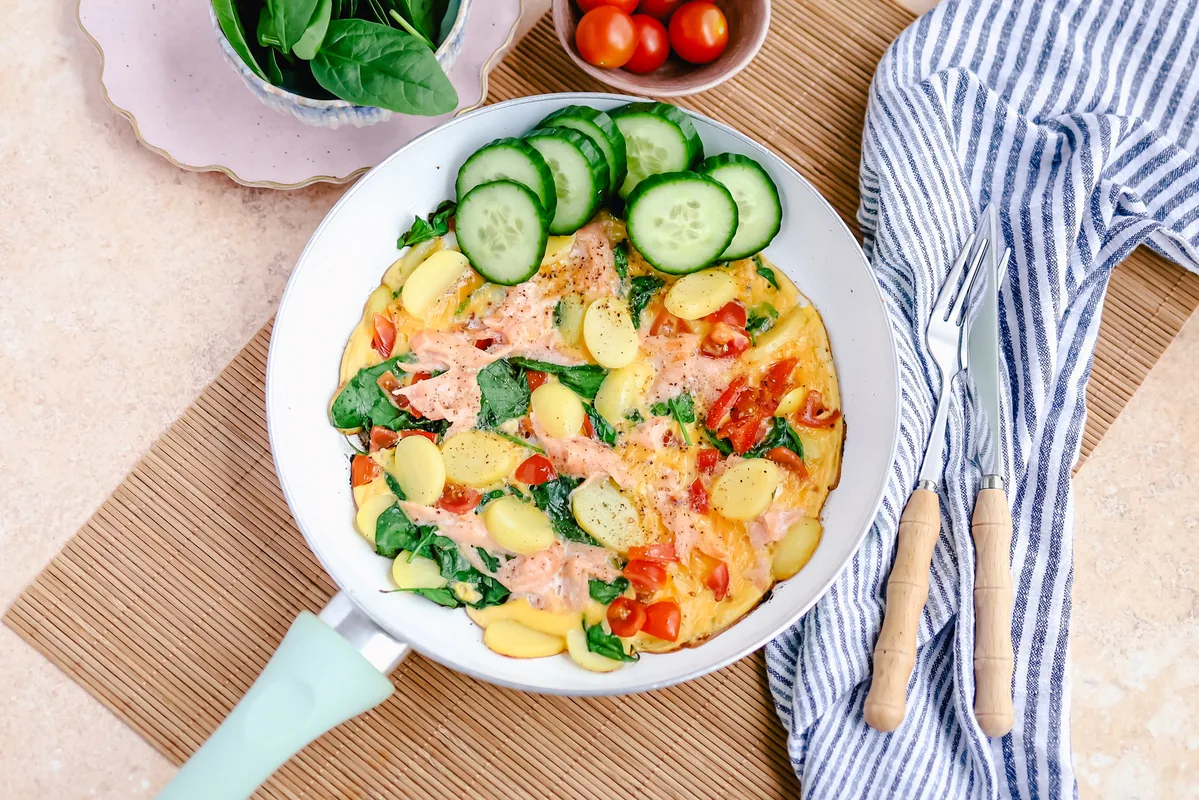
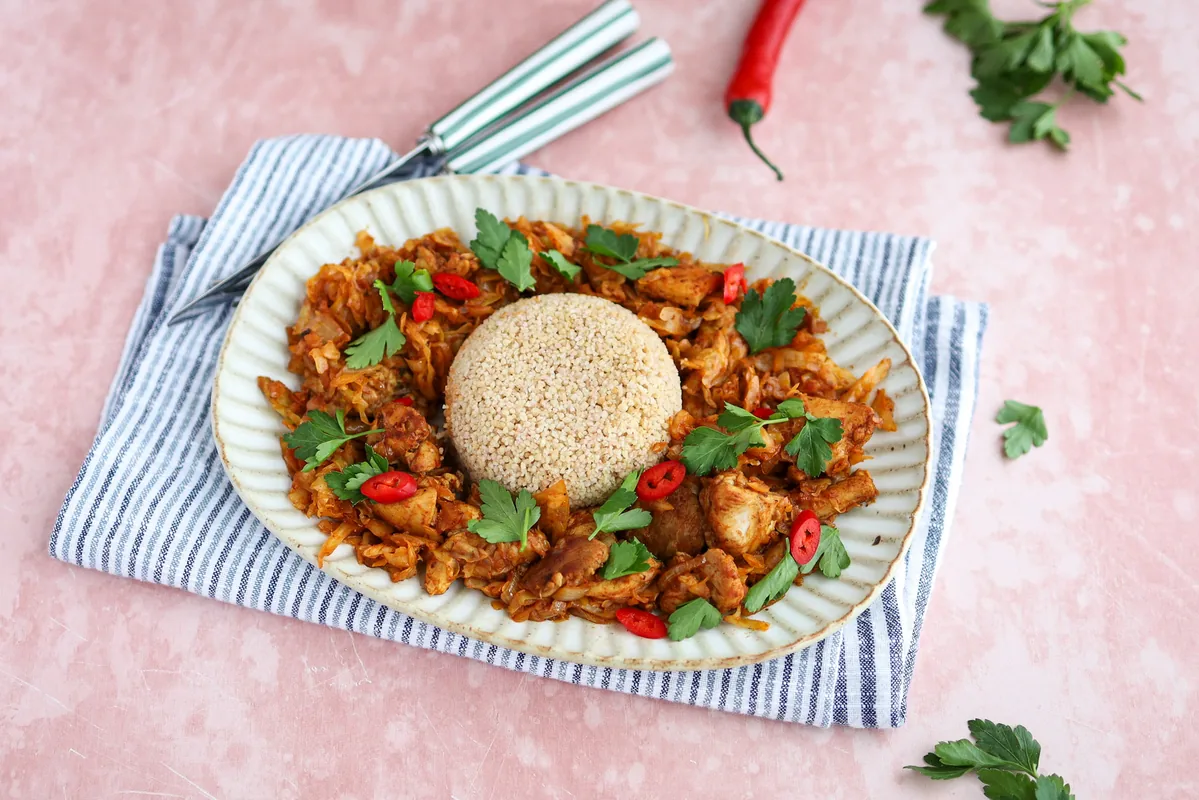
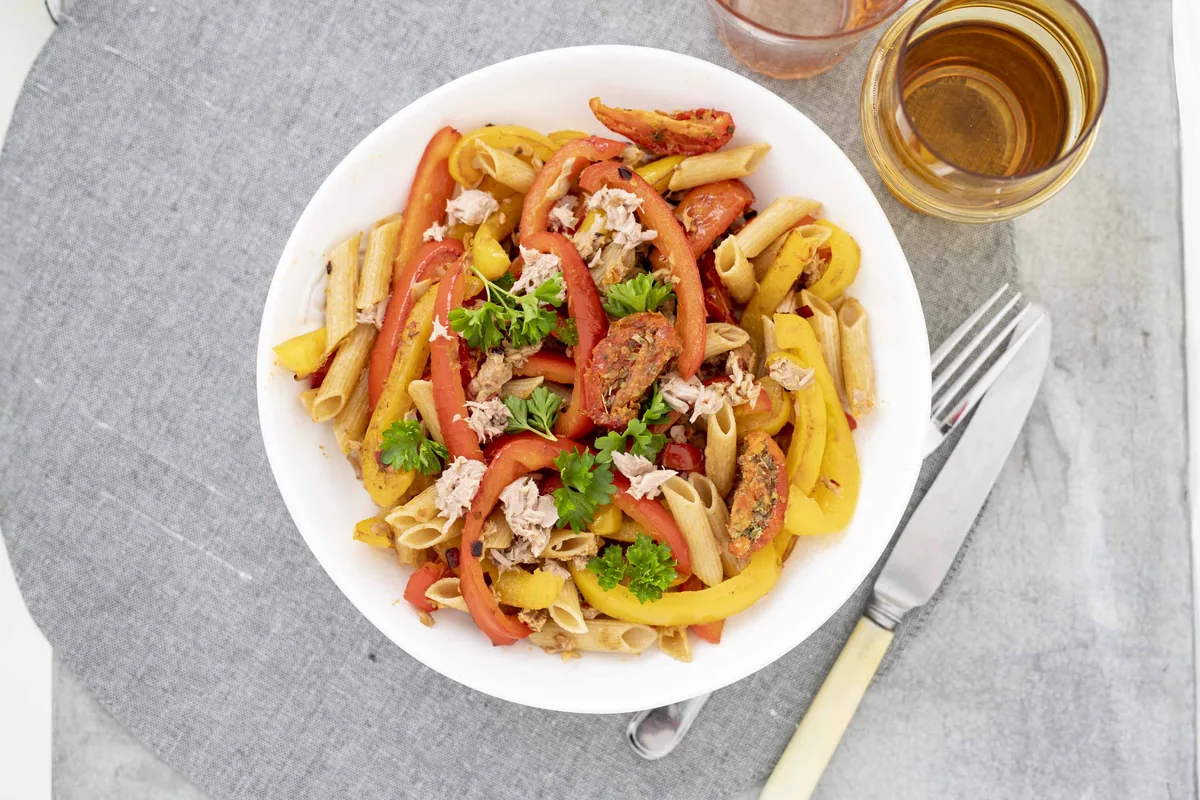
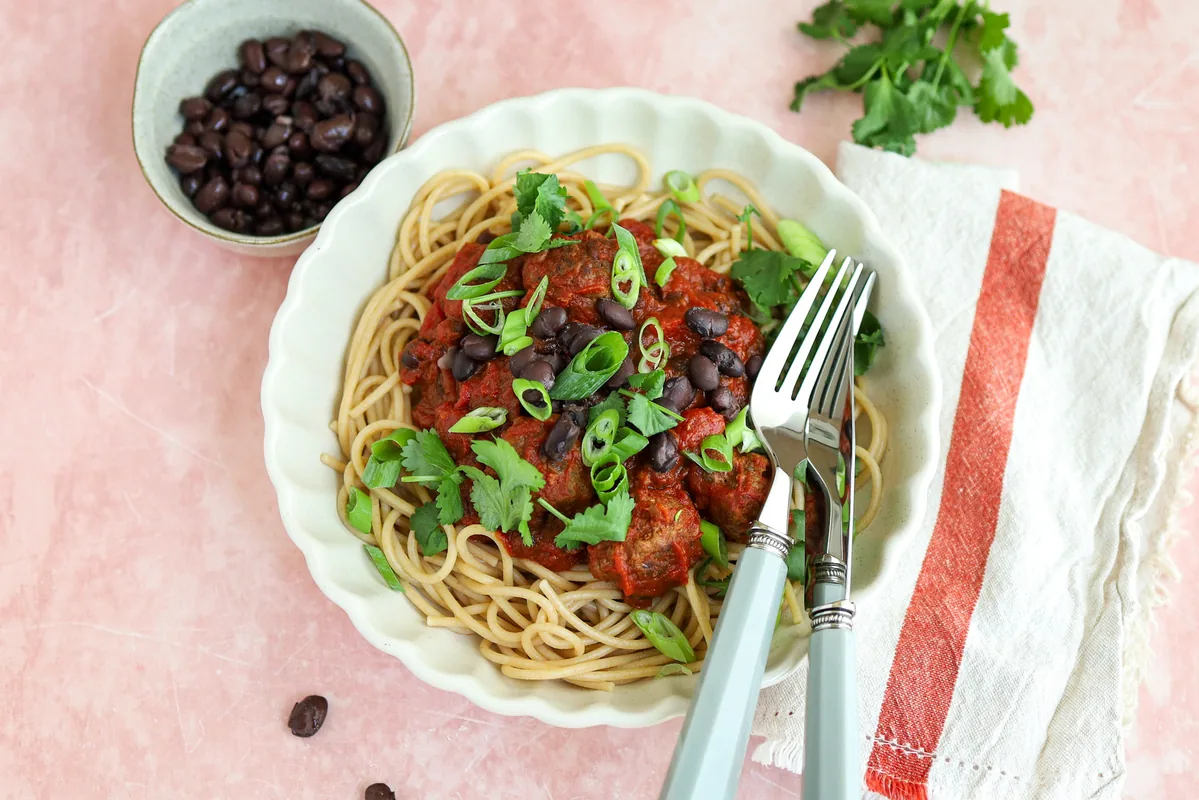
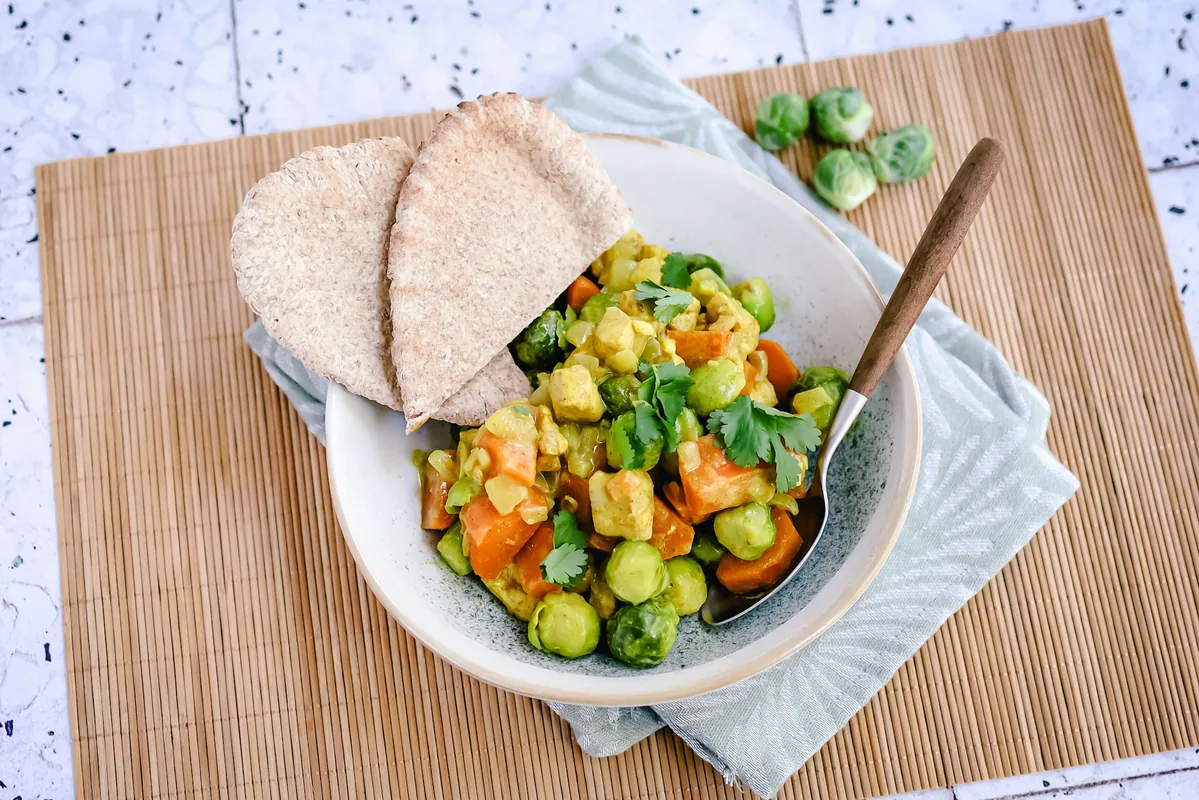




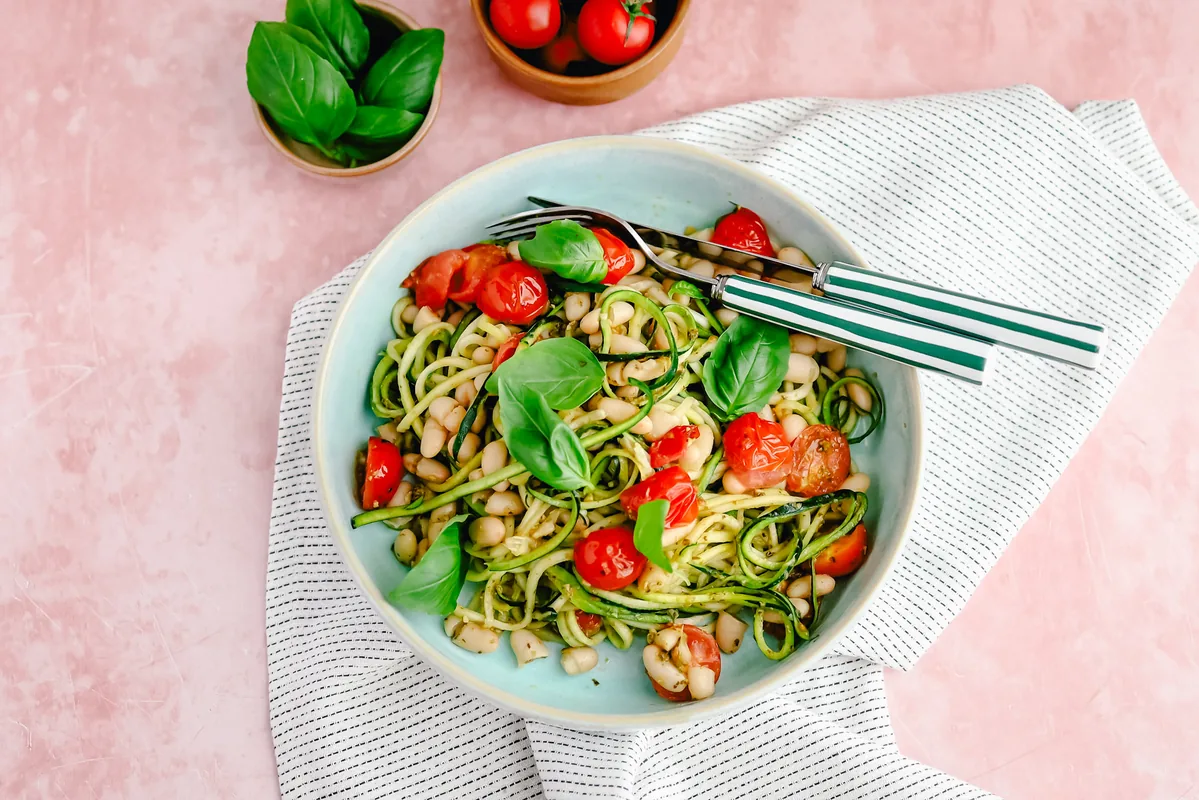
Nobody picks up a single pan because they’re thinking about lycopene. The pan comes out because it’s Tuesday, the sink is already full, and dinner needs to happen in fifteen minutes.
But the pan does something else while you cook.
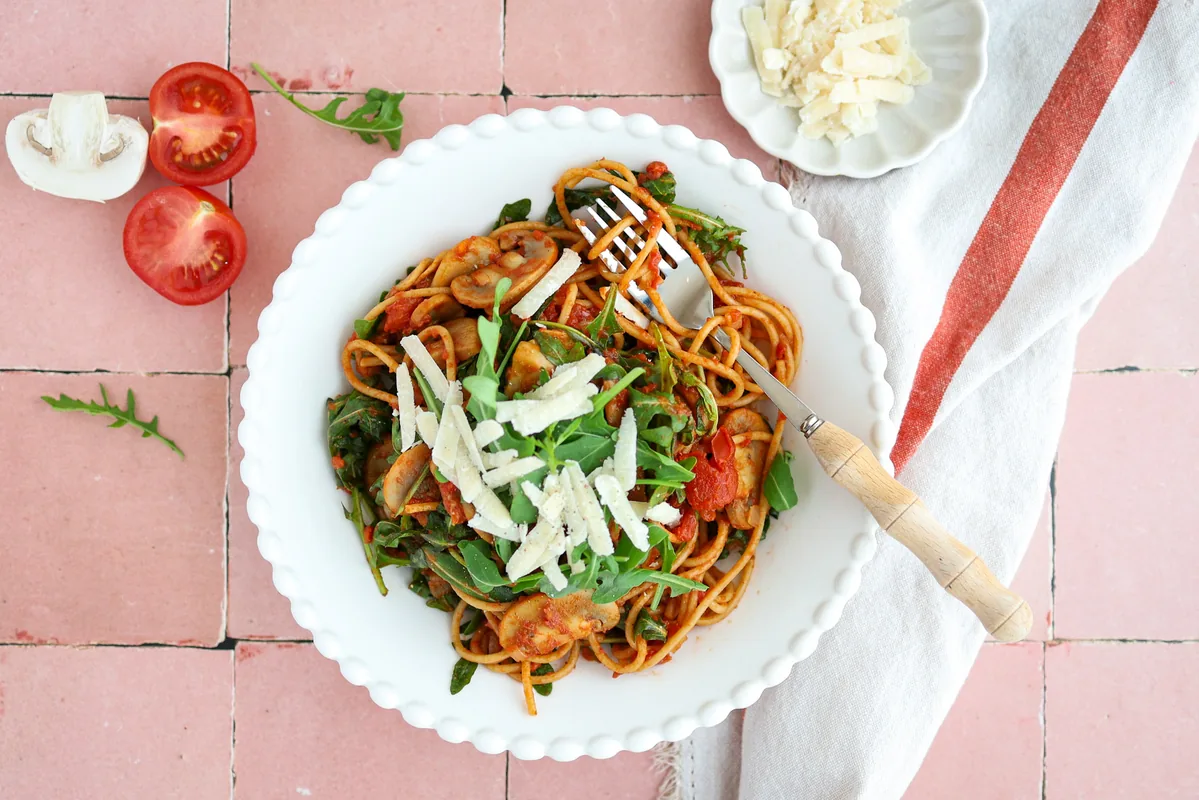
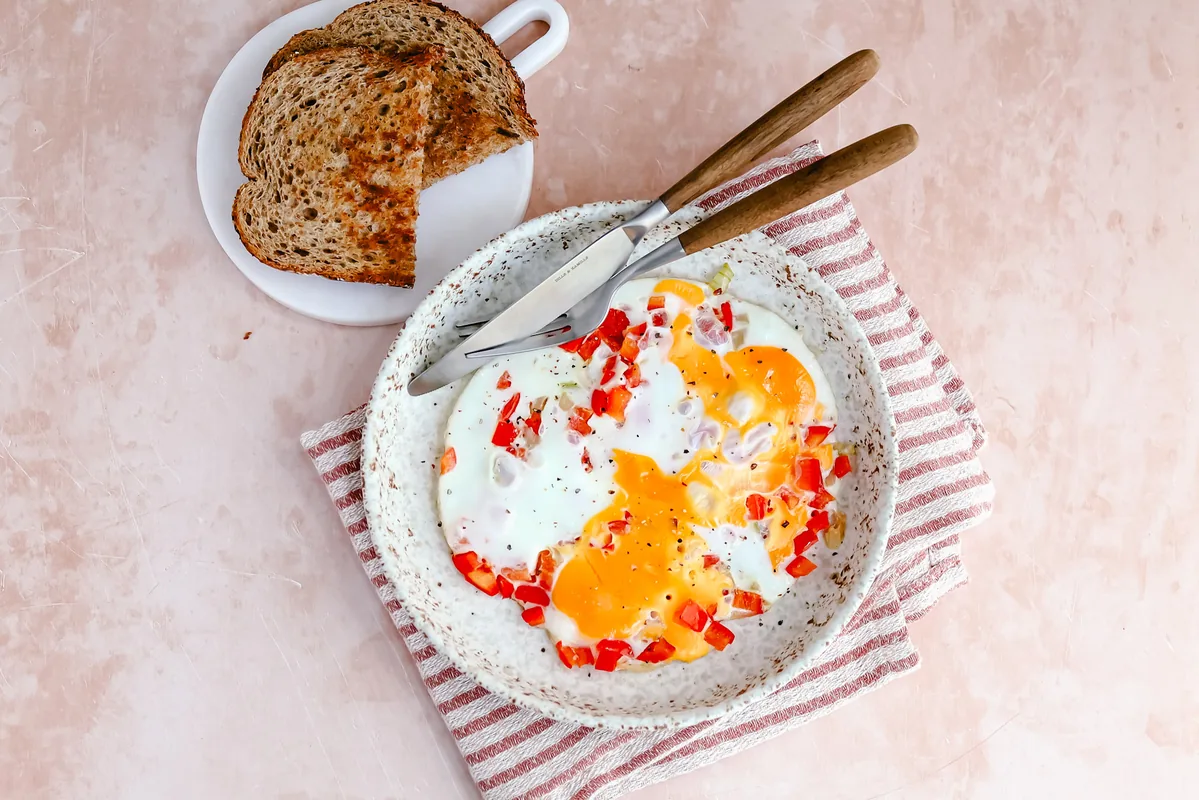
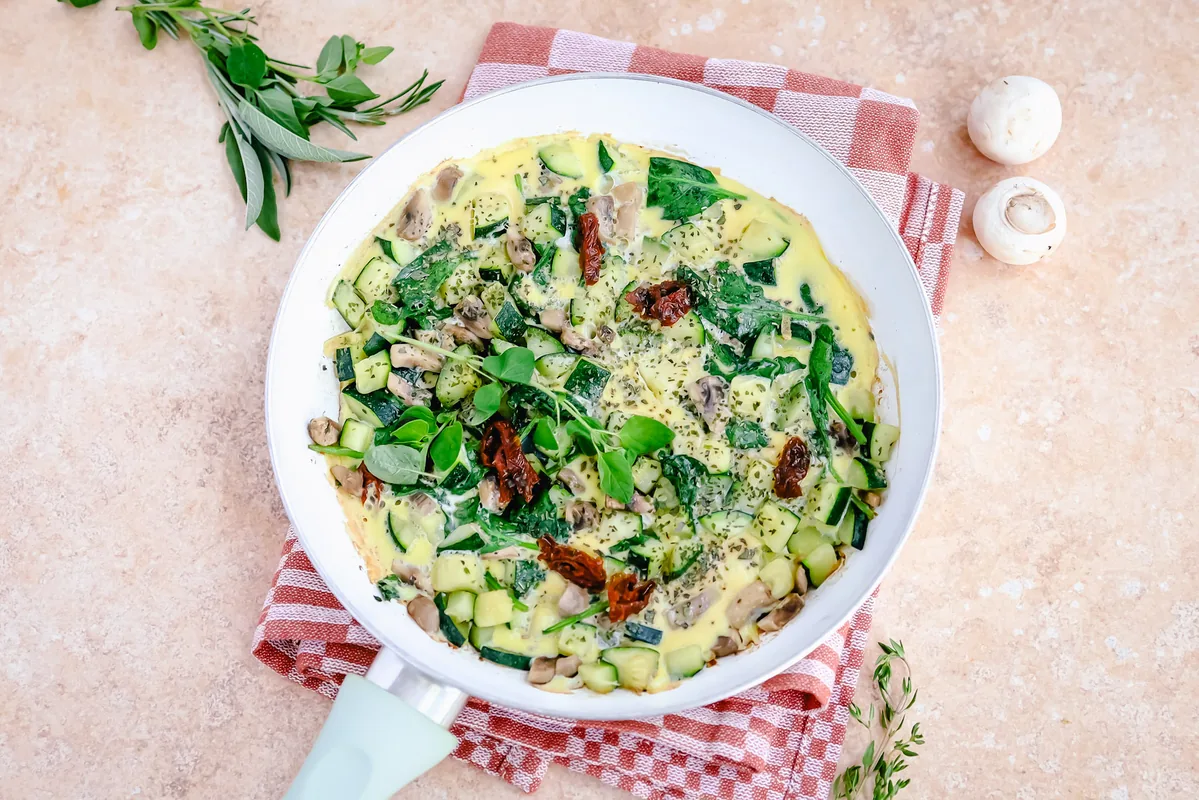
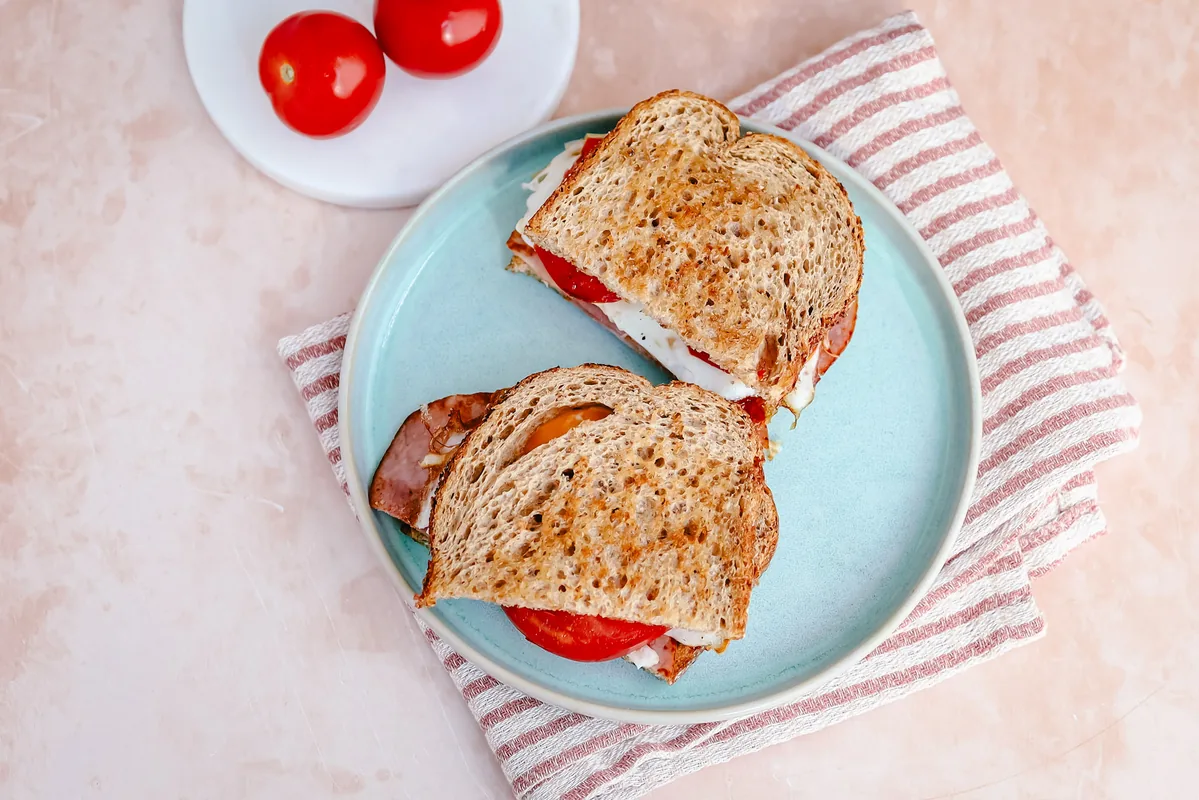
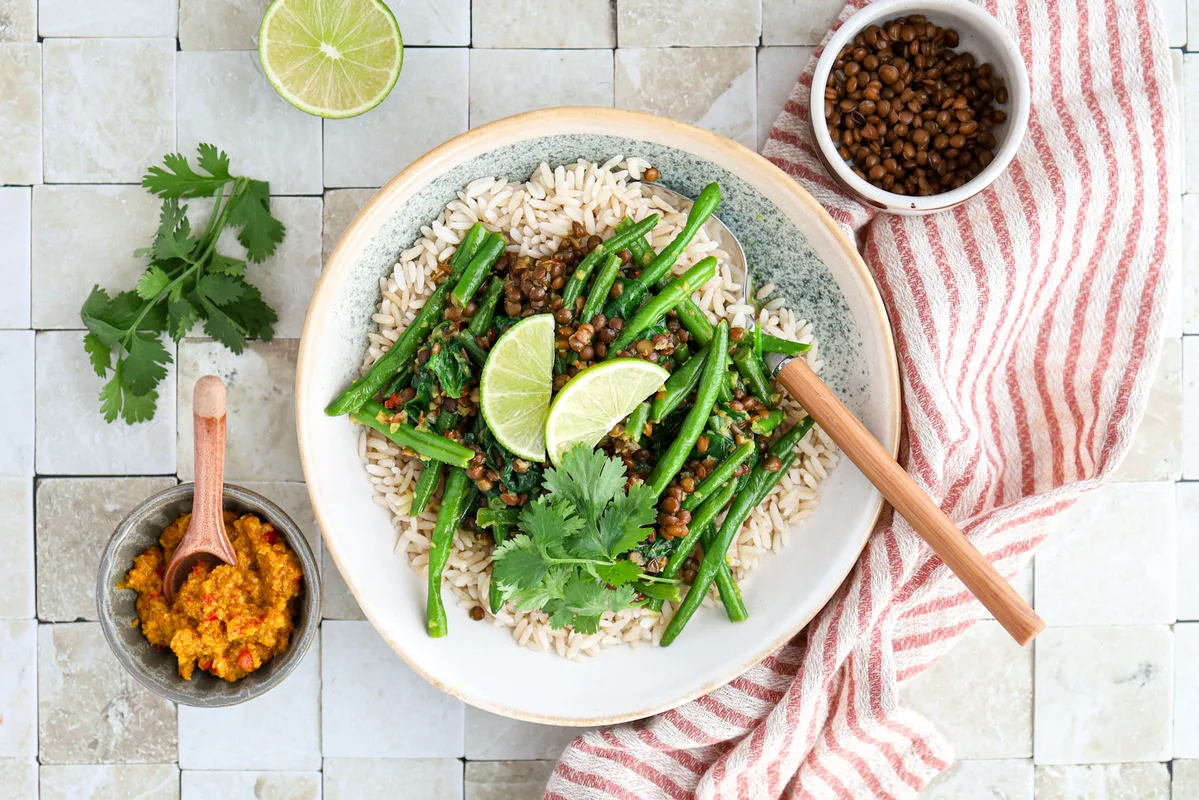
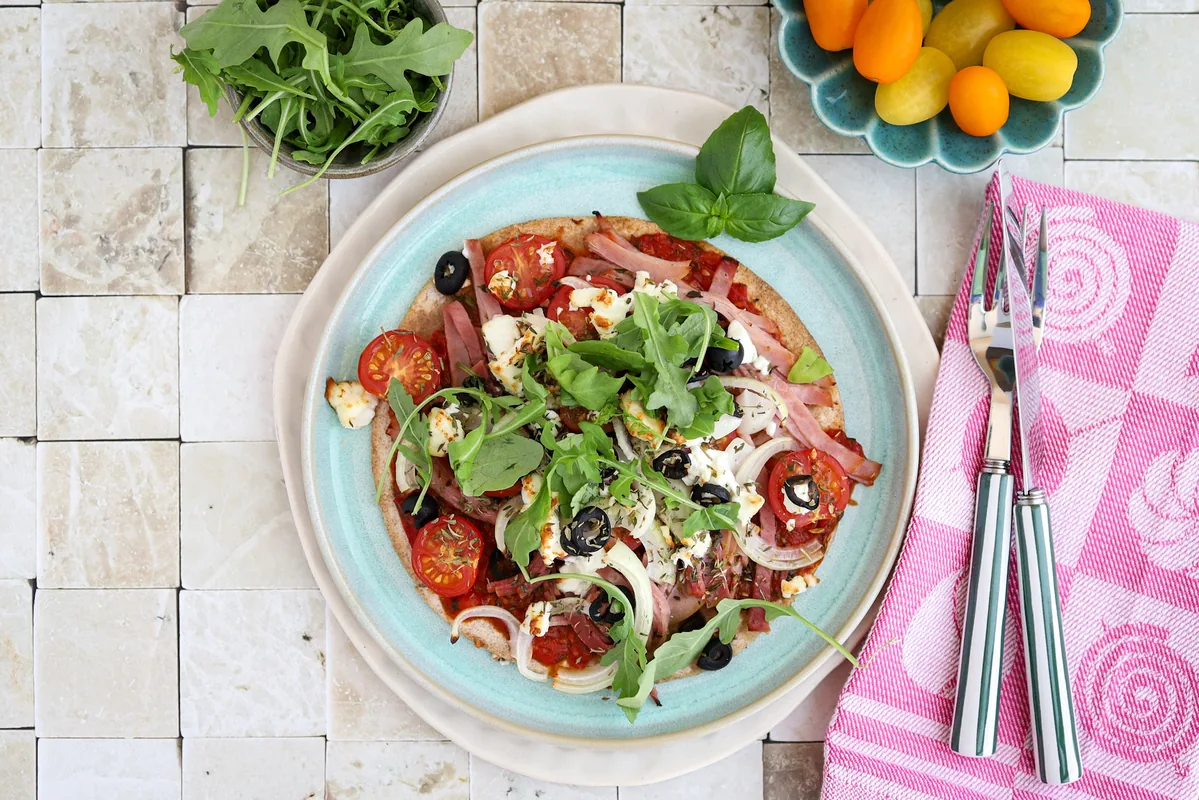
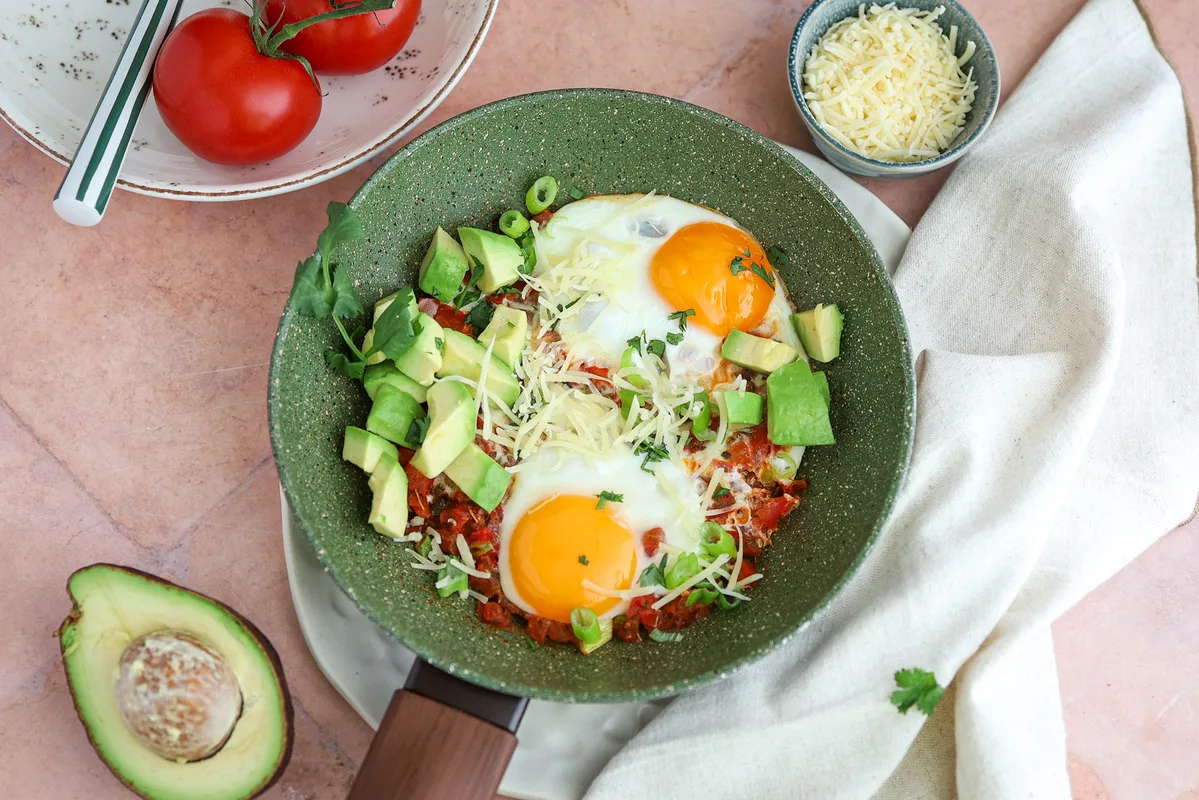
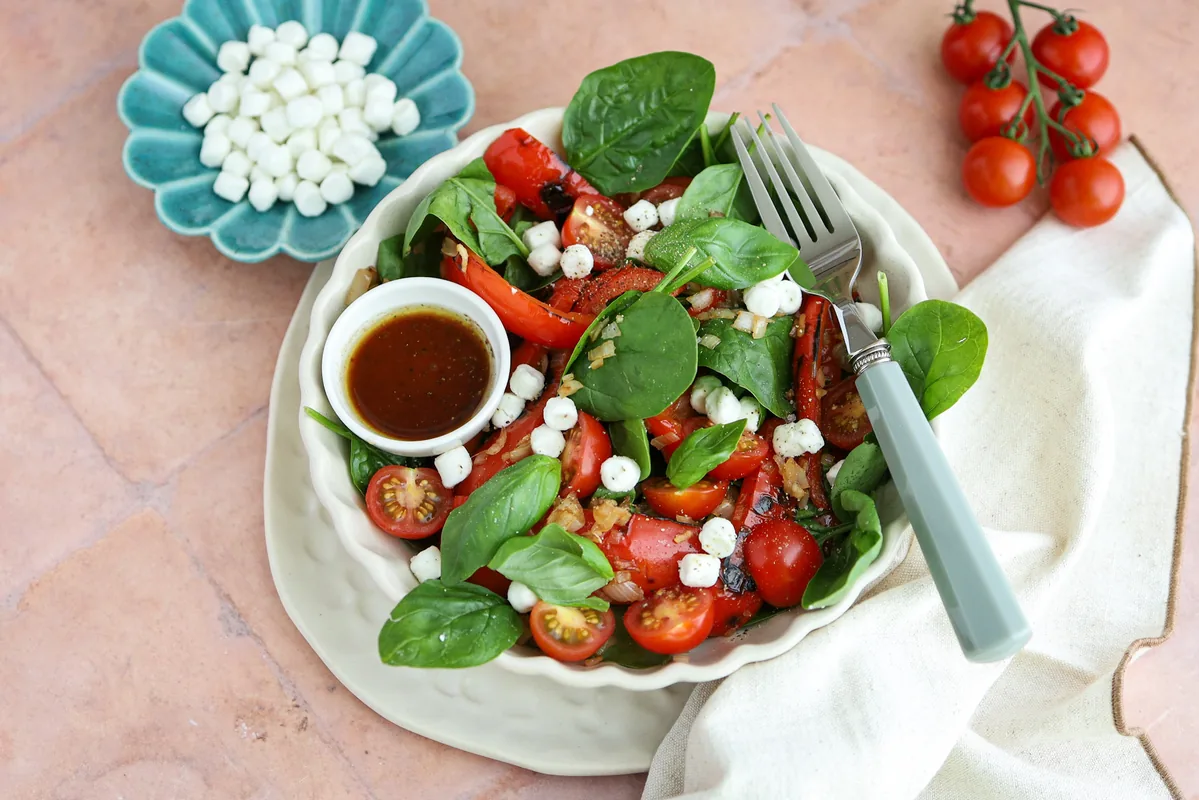
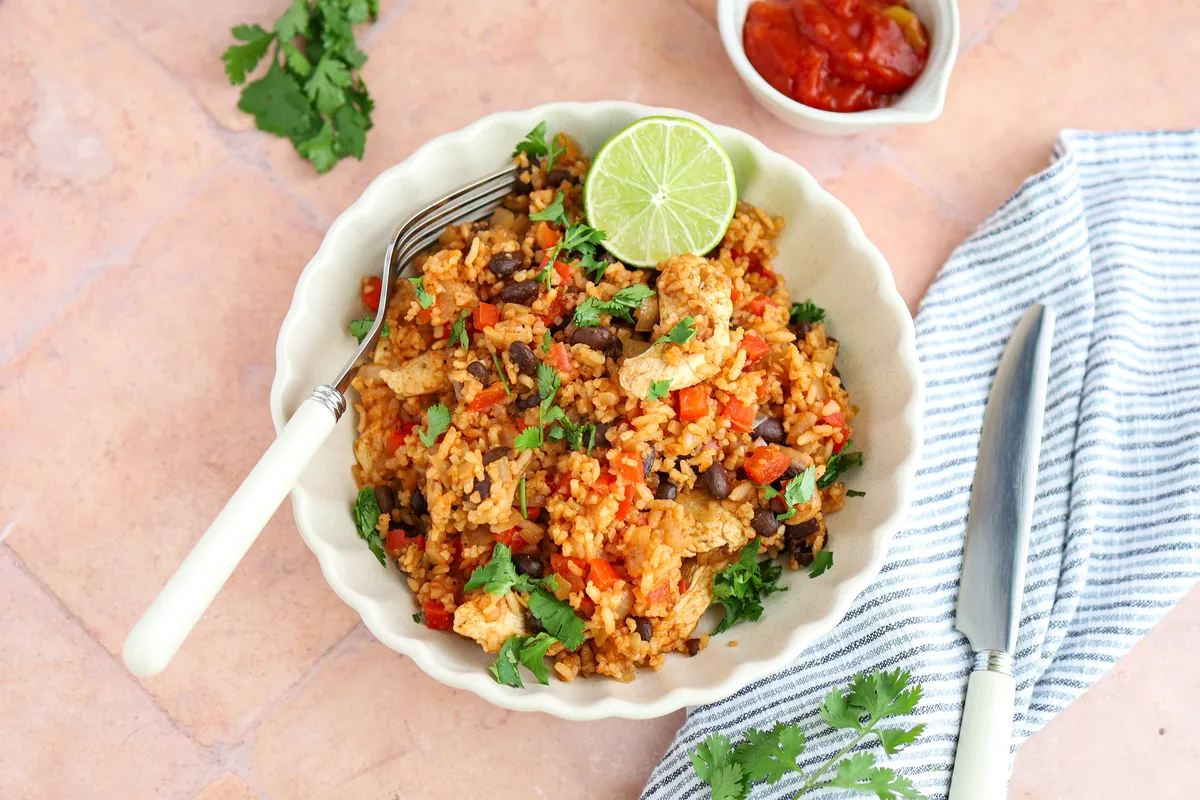
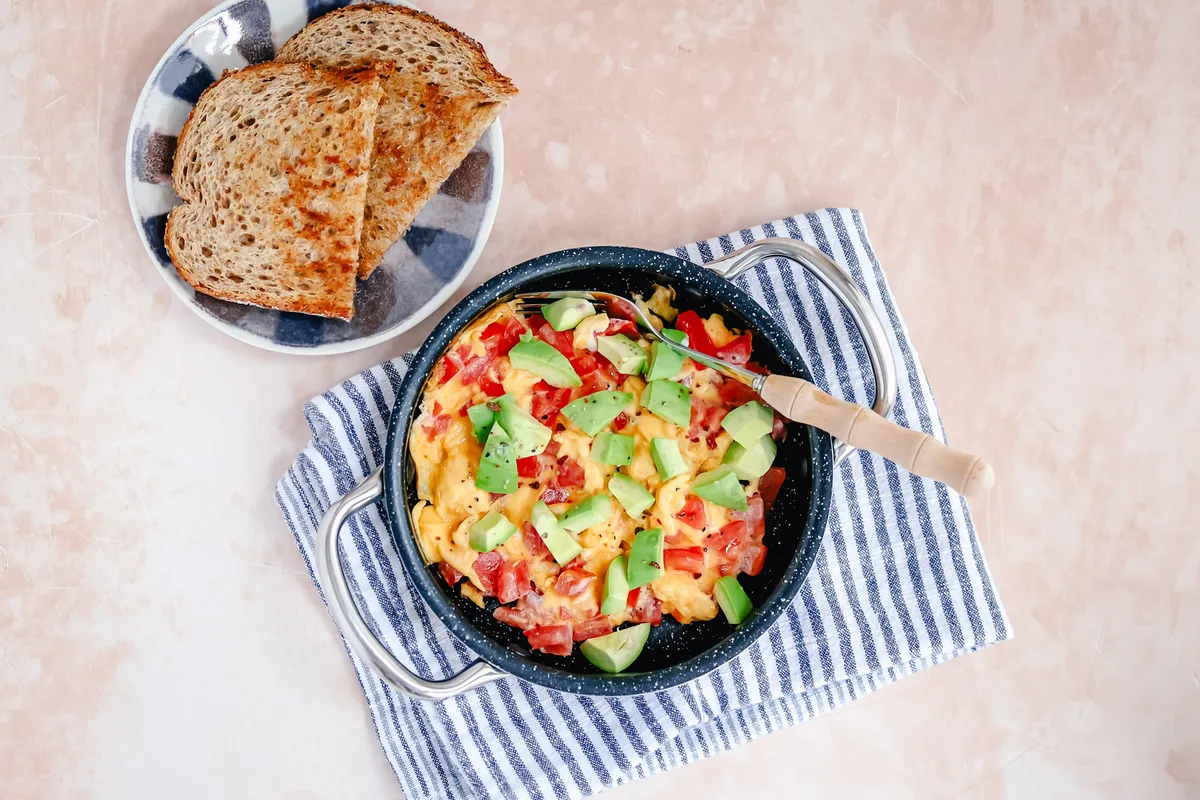
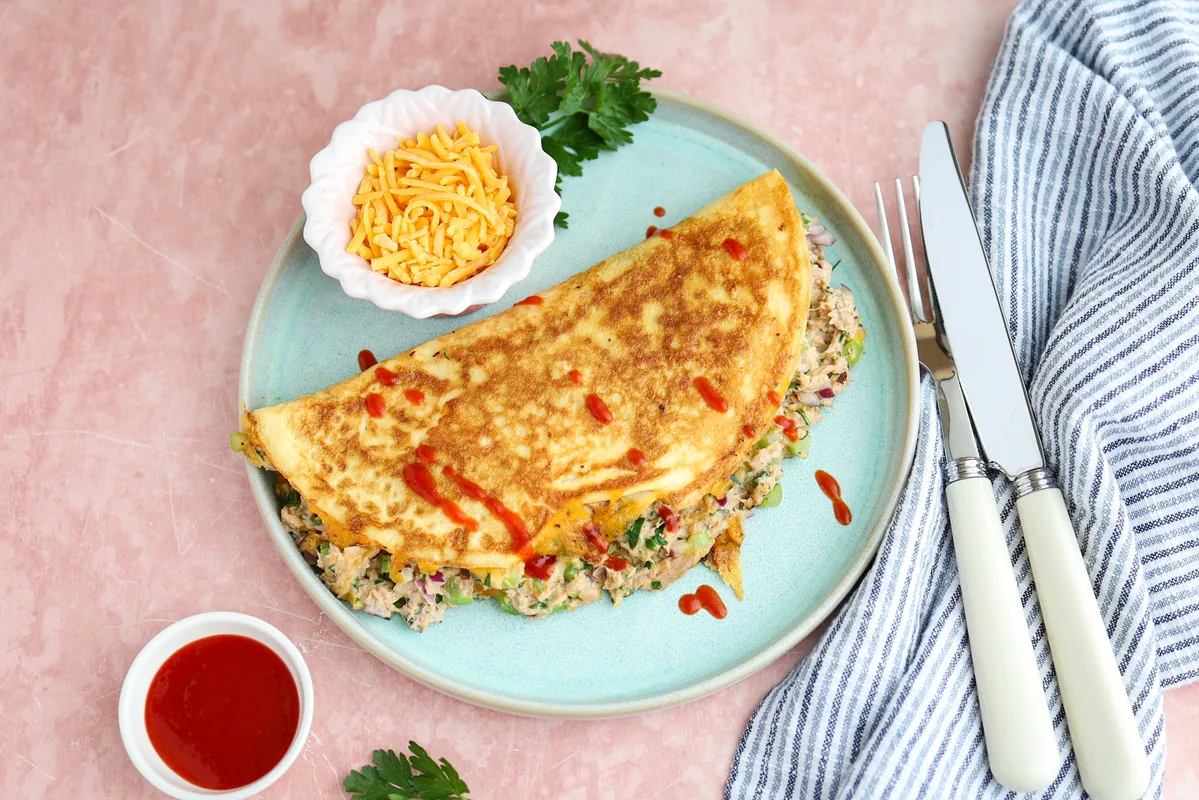
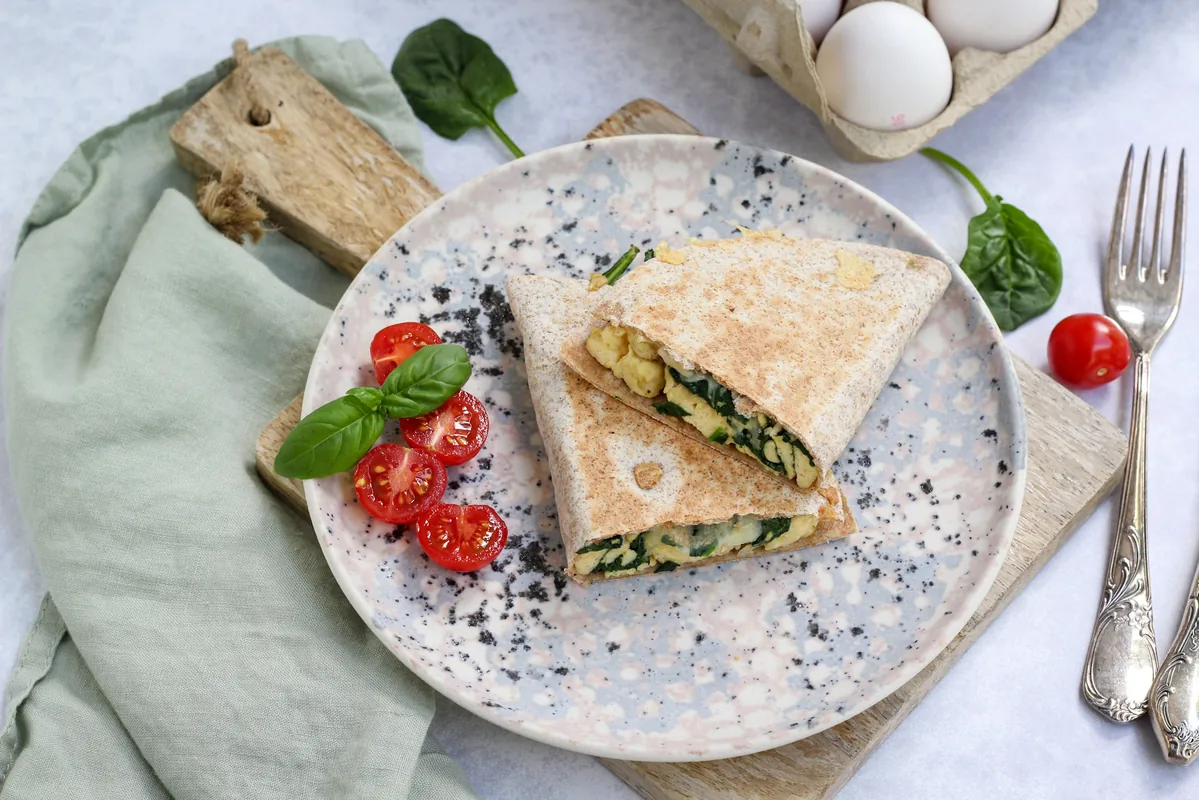
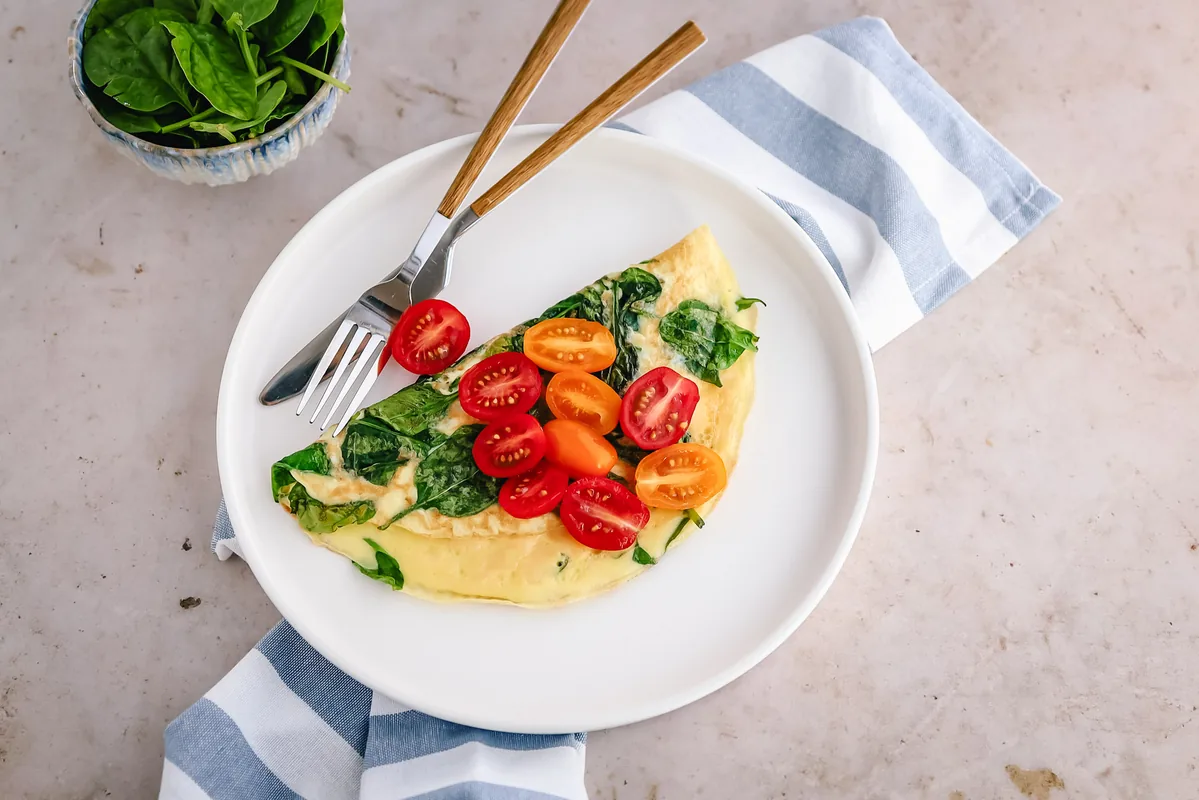
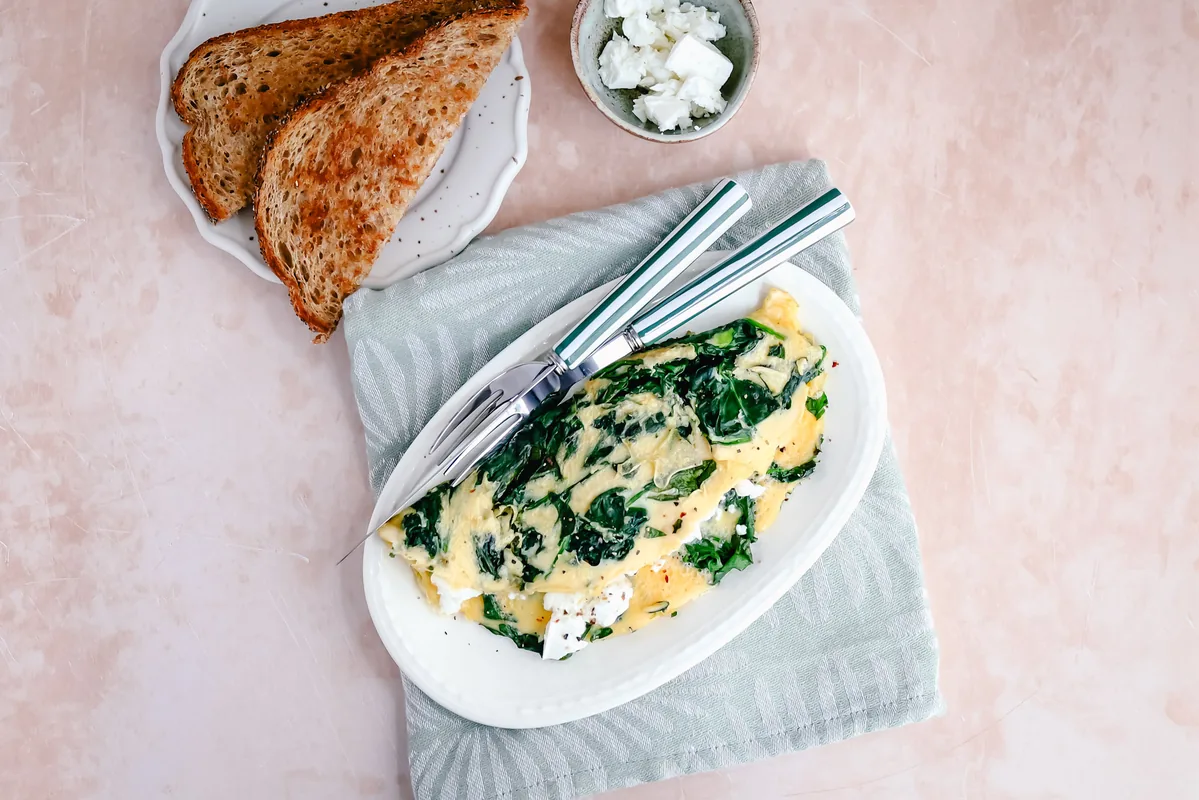
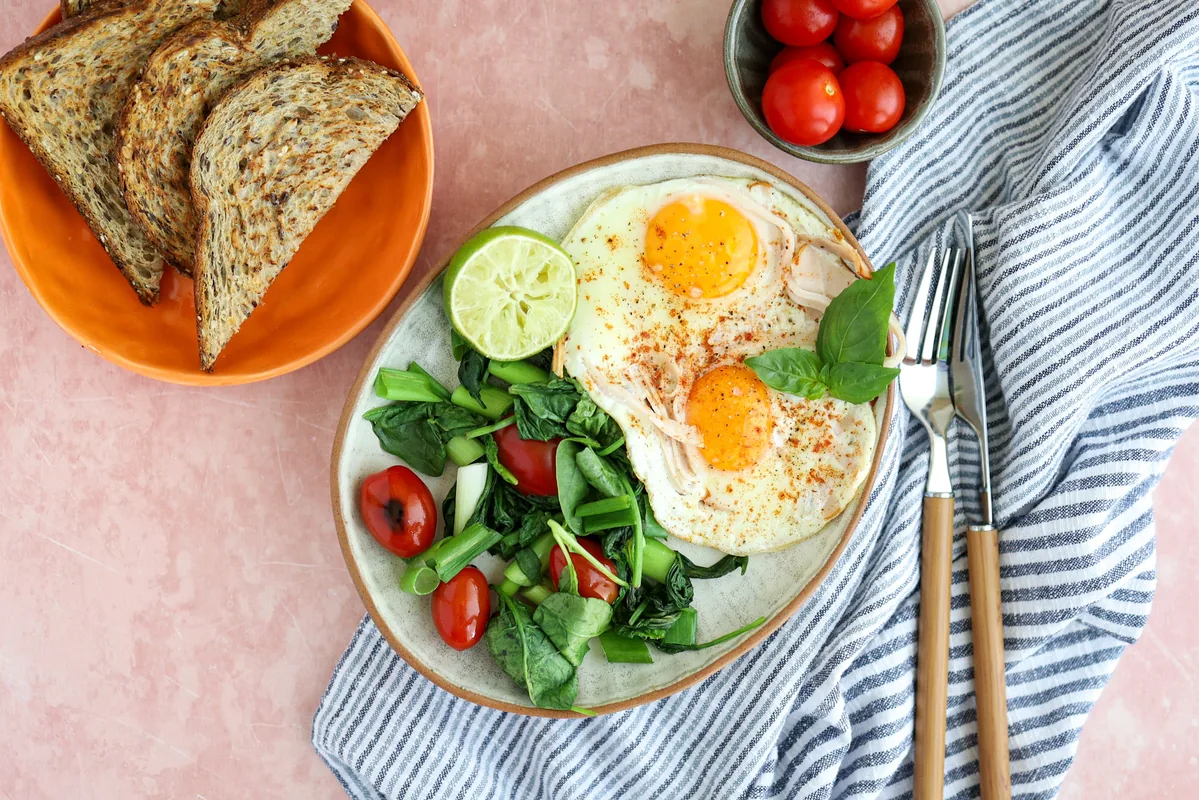
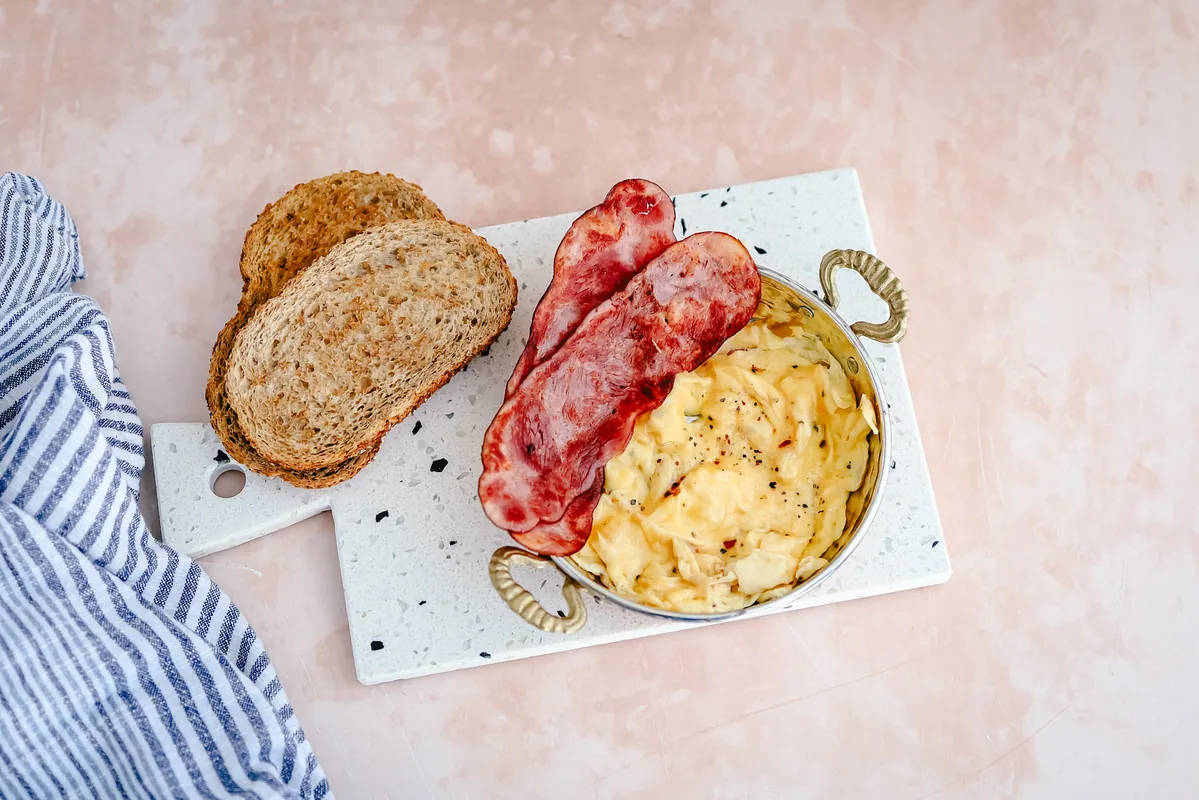
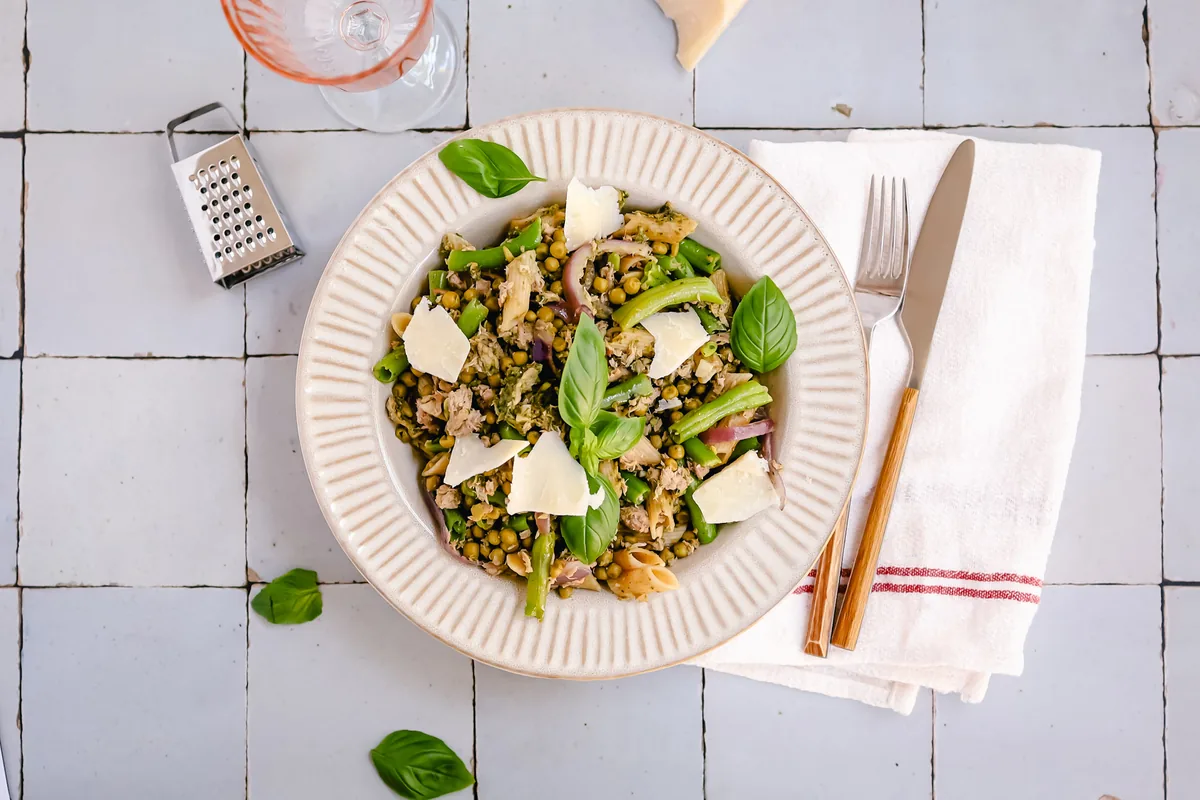
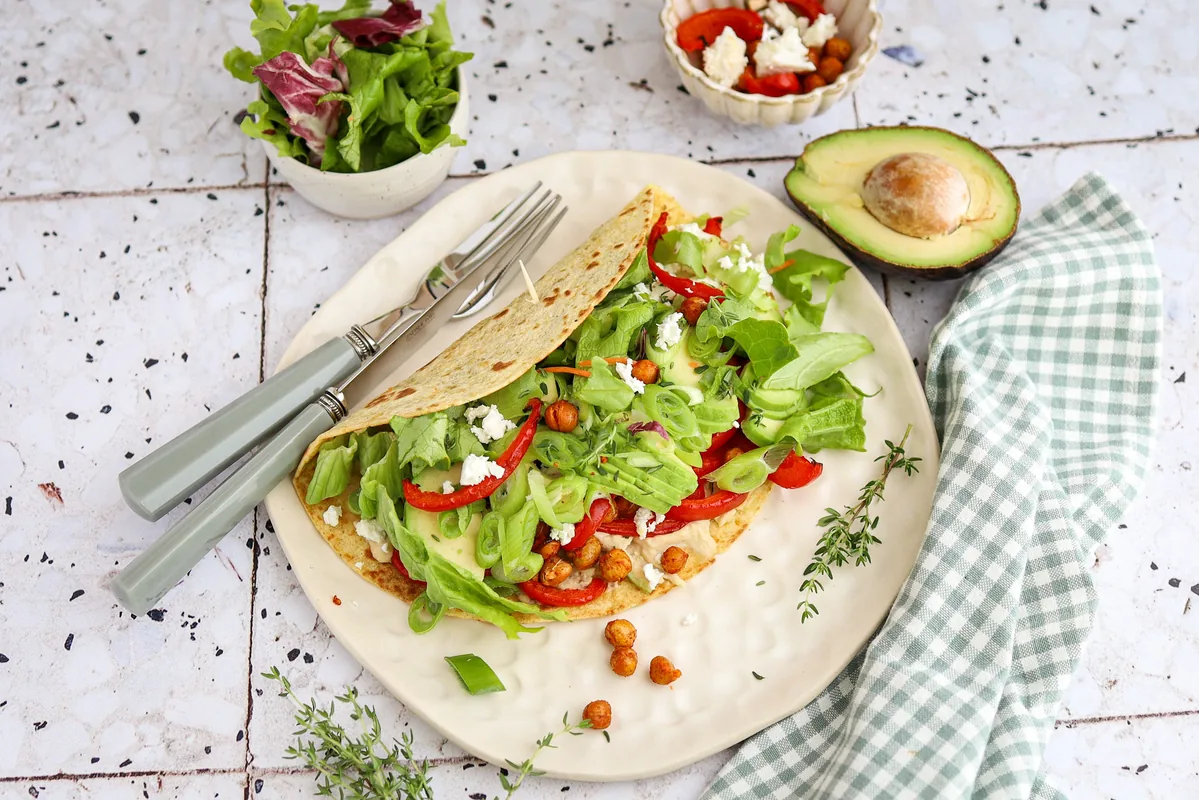
When tomatoes hit olive oil in a hot pan, a red pigment called lycopene becomes much easier for the body to absorb. Researchers measured the difference: 82% more lycopene in the bloodstream compared to tomatoes cooked without fat. When garlic cooks alongside chickpeas, compounds in the garlic grab onto the iron and increase absorption by up to 73%. Eggs scrambled into spinach or bell peppers deliver vegetable pigments into the bloodstream at 3 to 8 times the normal rate, carried by fats in the yolk.
None of it requires planning. The one-pan format forces ingredients into the same oil, the same heat, the same liquid. The cook makes dinner. The pan does the rest.
Twenty-nine recipes in this collection create at least one of these researched nutrient interactions, and another forty-three connect to a tracer study that found no upper limit on per-meal protein use. The median across all 121: 30 grams of protein, 15 minutes of prep, 9 ingredients.
You searched for one pan. The science was already in the recipe.