Cottage Cheese Toast with Avocado & Egg
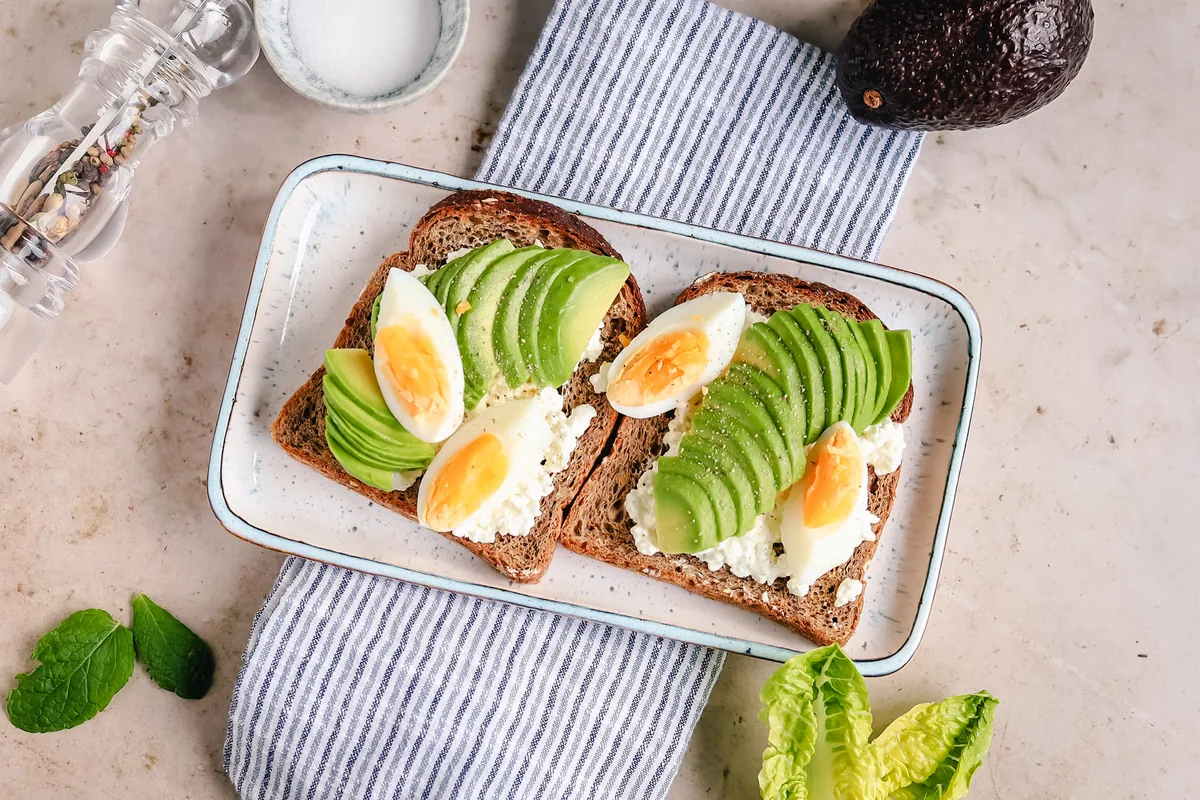
Tangy cottage cheese spread thick on whole wheat toast, topped with ripe avocado wedges and a boiled egg sliced open. Salt, pepper, done.
The cottage cheese pulls double duty here: it replaces butter as the creamy base while quietly adding protein that most toast toppings skip entirely. Ten minutes from start to finish, 402 calories, and 9 grams of fiber tucked into something that takes less time than waiting for your coffee to brew.
Tangy cottage cheese spread thick on whole wheat toast, topped with ripe avocado wedges and a boiled egg sliced open. Salt, pepper, done.
The cottage cheese pulls double duty here: it replaces butter as the creamy base while quietly adding protein that most toast toppings skip entirely. Ten minutes from start to finish, 402 calories, and 9 grams of fiber tucked into something that takes less time than waiting for your coffee to brew.
Ingredients
- egg 1
- avocado 0.5
- bread, whole wheat 2 slices
- cottage cheese, 4% milkfat 3 tablespoons
Method
-
Boil the egg for 6–8 minutes in a pot of water. Transfer it to an ice bath to cool, then peel and slice into wedges.
-
Slice the avocado into wedges.
-
Toast the bread to your desired level of crispiness.
-
Spread the cottage cheese over the toast and top with the avocado and egg wedges. Season with salt and pepper.
The recipe says 6 to 8 minutes for the egg, and the difference matters. Six minutes gives you a soft, jammy yolk that oozes over the toast when you cut into it. Eight minutes gives you a firm yolk that holds its shape in clean wedges. Both work. It is a texture preference, not a quality difference.
Behind this recipe
Why cottage cheese instead of cream cheese or butter?
Three tablespoons of cottage cheese add roughly 5 grams of protein for about 40 calories. The same amount of cream cheese delivers less than 2 grams of protein and more than double the calories from fat. The swap gives you a similar creamy, spreadable base with a tangier flavor and a better protein-to-calorie ratio.
Is 19 grams of protein enough for a full meal?
19 grams is on the lower side for a main meal if this is your only protein source until lunch. But protein is not the only thing holding you here. A crossover trial with 31 adults found that replacing some of the carbohydrate calories in a breakfast with half an avocado significantly increased satisfaction for hours afterward, shifting the fullness signal from a fast insulin spike to slower gut hormones (PYY and GLP-1) that sustain it longer. This meal's combination of fat, fiber, and protein creates a satiety profile beyond what the protein count alone suggests.
Does the avocado do anything besides add flavor?
Beyond the taste: avocado adds monounsaturated fat that research has linked to enhanced absorption of carotenoids from other foods in the same meal. In one crossover trial, adding avocado to a meal enhanced lutein absorption up to 5 times. Egg yolks are one of the richest dietary sources of lutein and zeaxanthin, naturally packaged in a lipid matrix. Eating them alongside avocado's fat gives those carotenoids a fat-rich environment that supports the absorption pathway.
This has 9 grams of fiber. Is that a lot for one meal?
Most adults get around 15 grams of fiber per day, well below the commonly cited 25–30 gram recommendation. Nine grams from a single 10-minute toast means this meal covers roughly a third of the daily target before the morning is over. The fiber comes from two sources most people do not associate with it: the avocado (~5g) contributes more than the whole wheat bread (~4g). A meta-analysis of 62 pooled trials found that fiber at this intake level supports modest, satiety-driven fat loss that compounds over time.
Read the full evidence review