
Recipe Collection

Soup Recipes

Nineteen percent slower. Same food. The only difference was the pot.

Nine of these 32 recipes cite research that tested the soup format specifically — not the ingredients, but what happens when you blend them into a bowl and eat them with a spoon.

Same ingredients, same calories — blend them and digestion slows by 19%
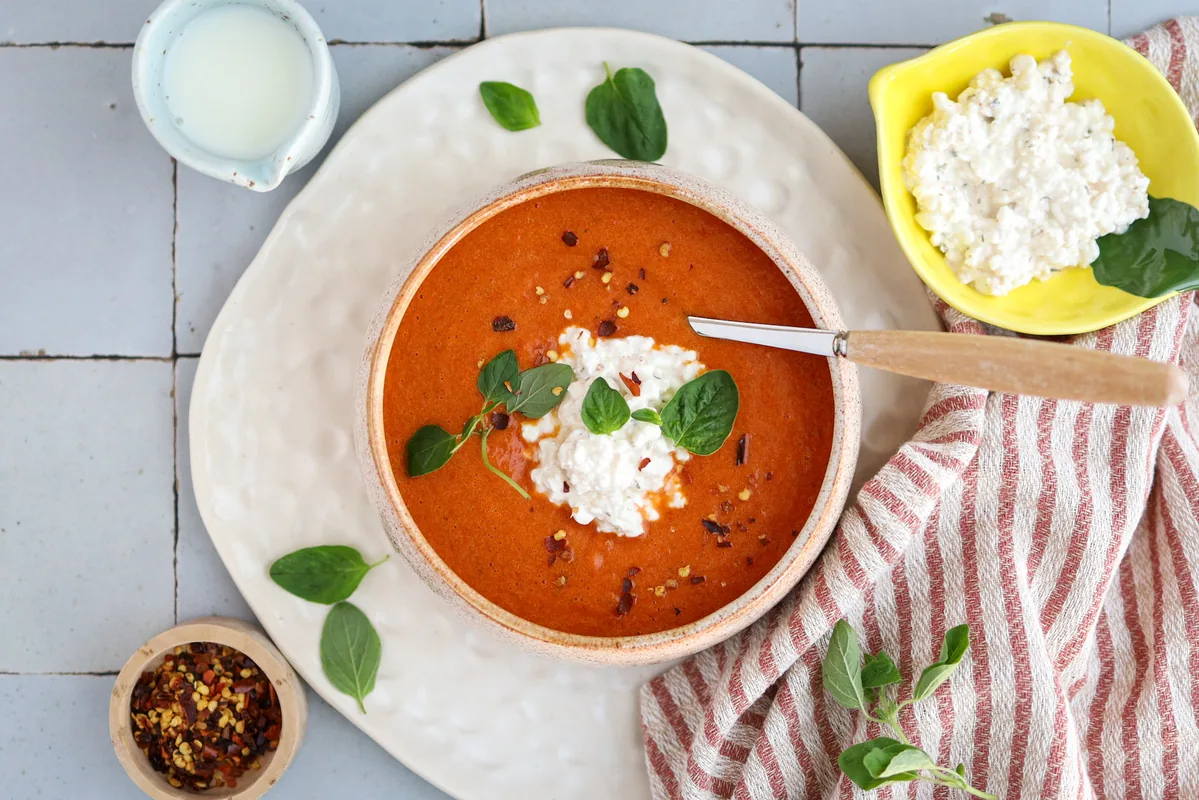
Bell Pepper Soup with Cottage Cheese
Dinner
Bell Pepper Soup with Cottage Cheese
15 min · 381 kcal
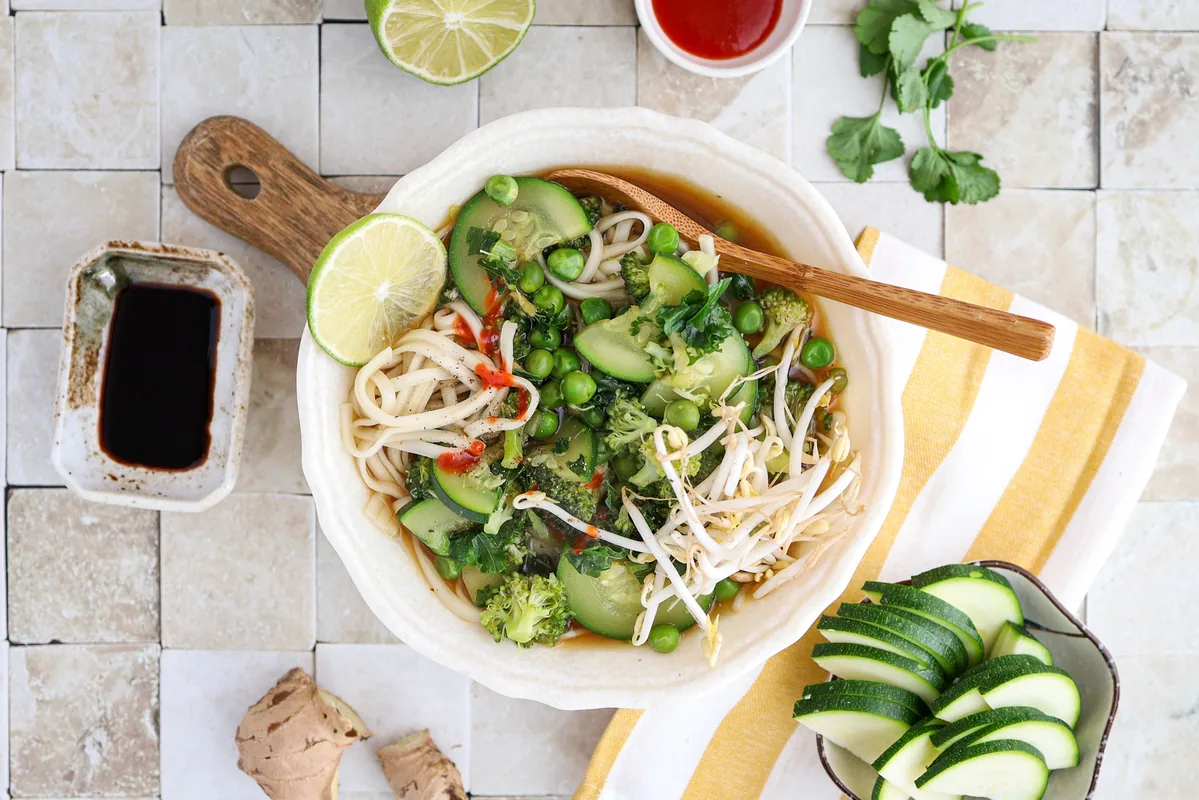
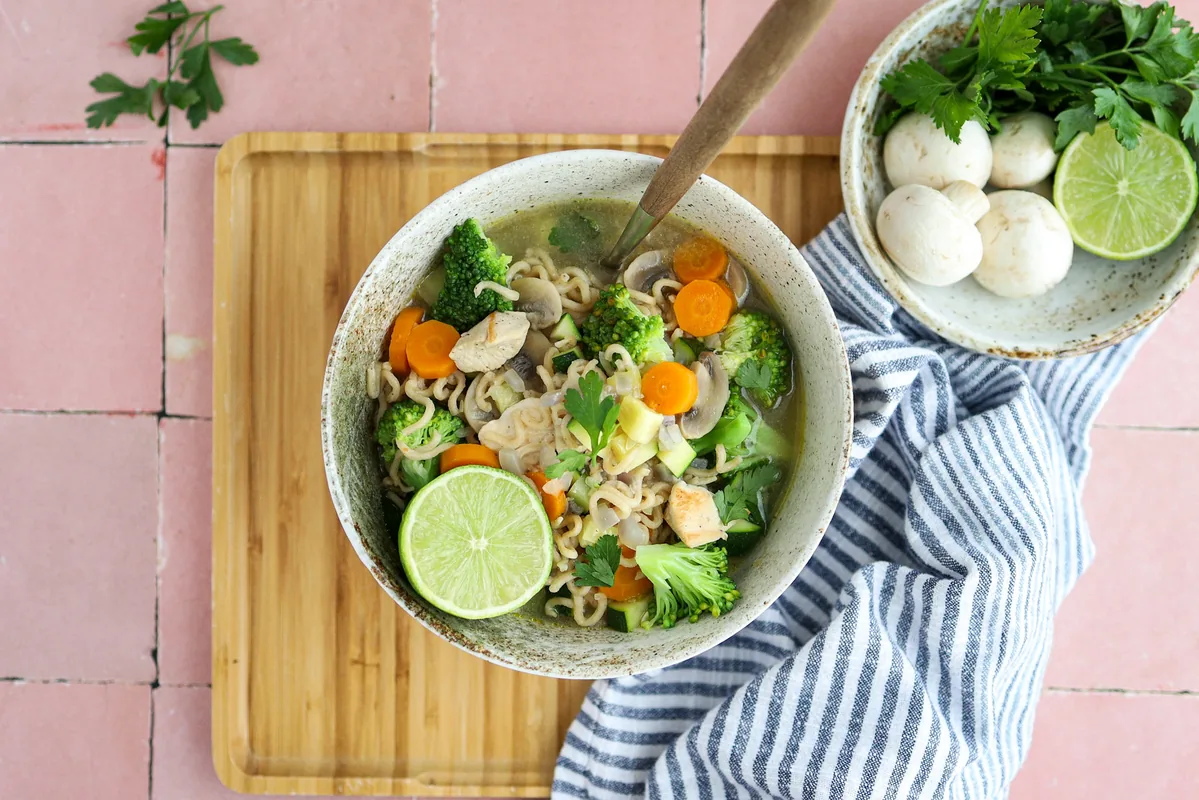
Broccoli, Zucchini & Peanut Noodle Soup
Dinner
Broccoli, Zucchini & Peanut Noodle Soup
20 min · 693 kcal
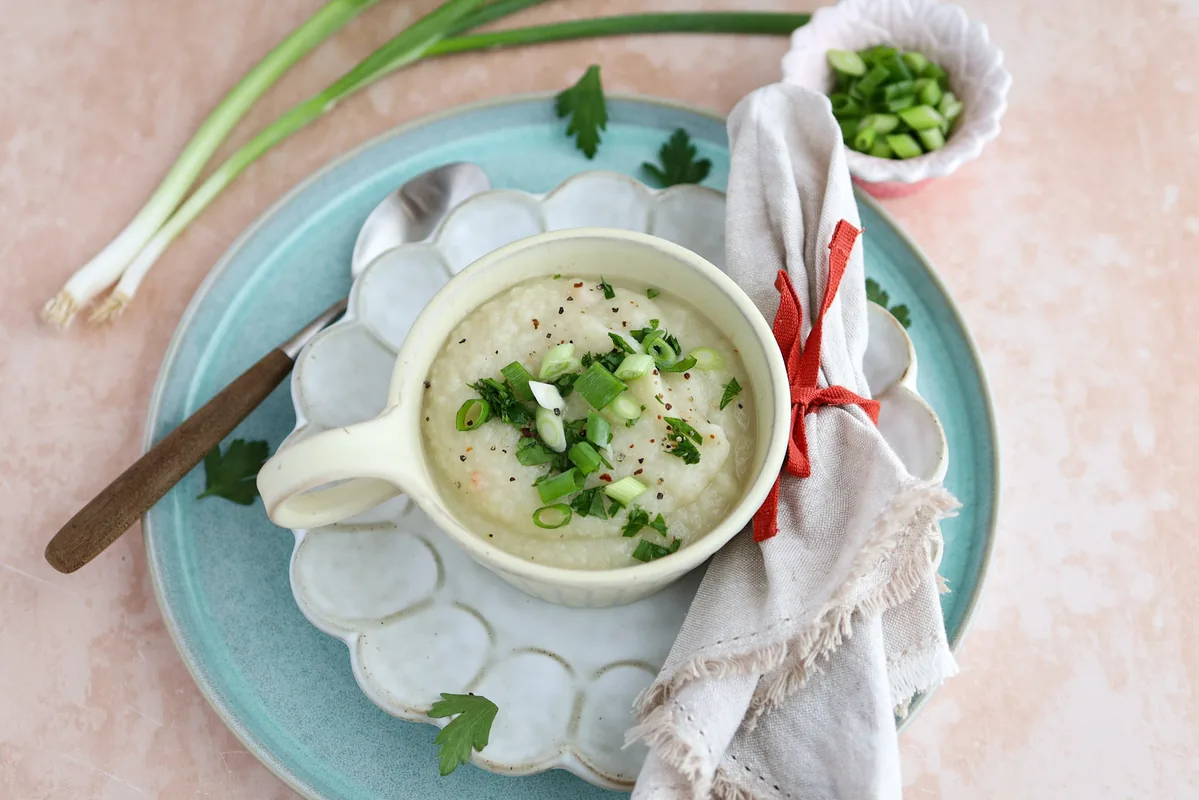
Cauliflower Soup
Lunch
Cauliflower Soup
20 min · 207 kcal
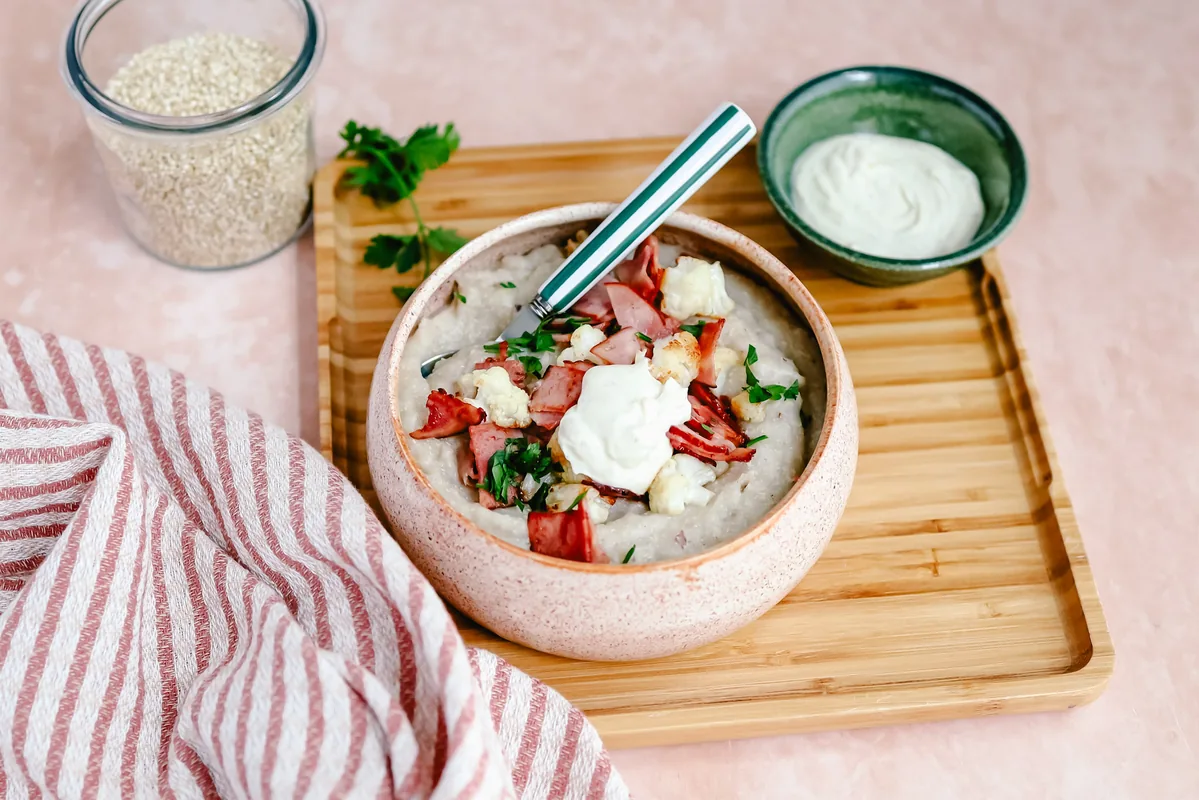
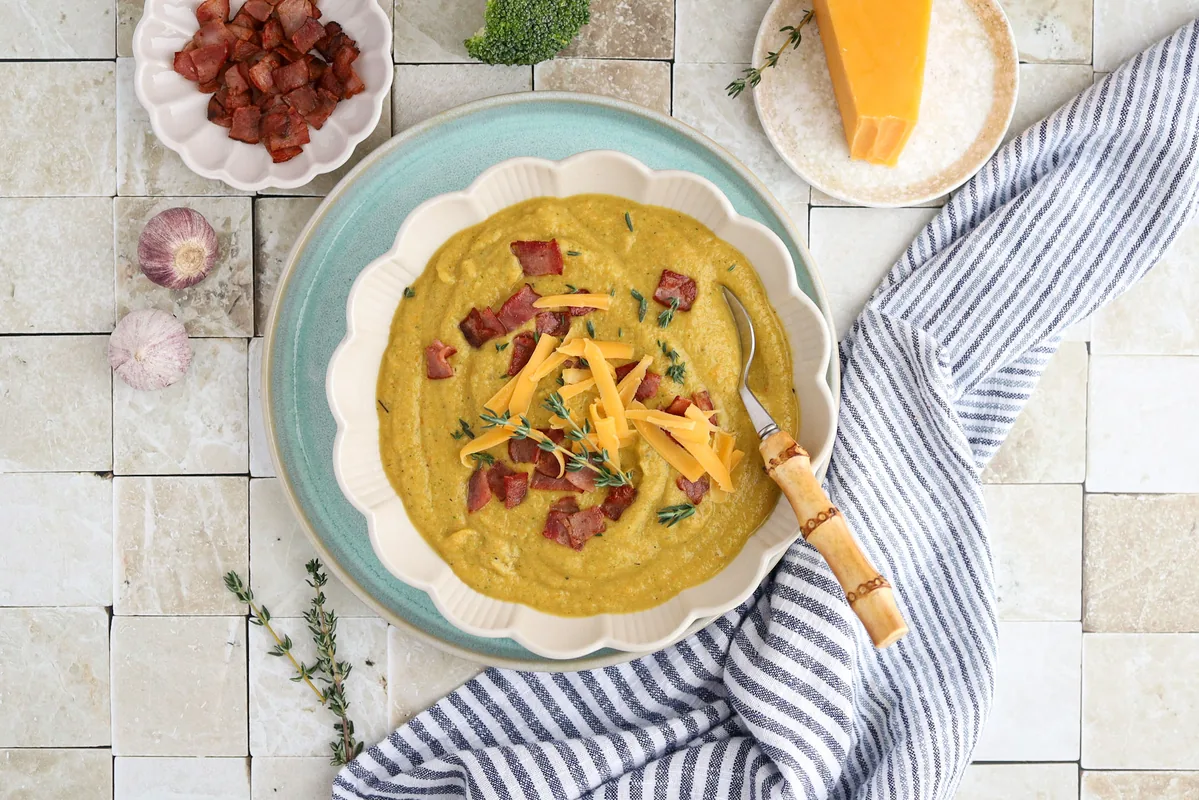
Cauliflower Soup with Bacon
Dinner
Cauliflower Soup with Bacon
20 min · 566 kcal
Cheddar & Crispy Bacon Soup
Dinner
Cheddar & Crispy Bacon Soup
20 min · 492 kcal
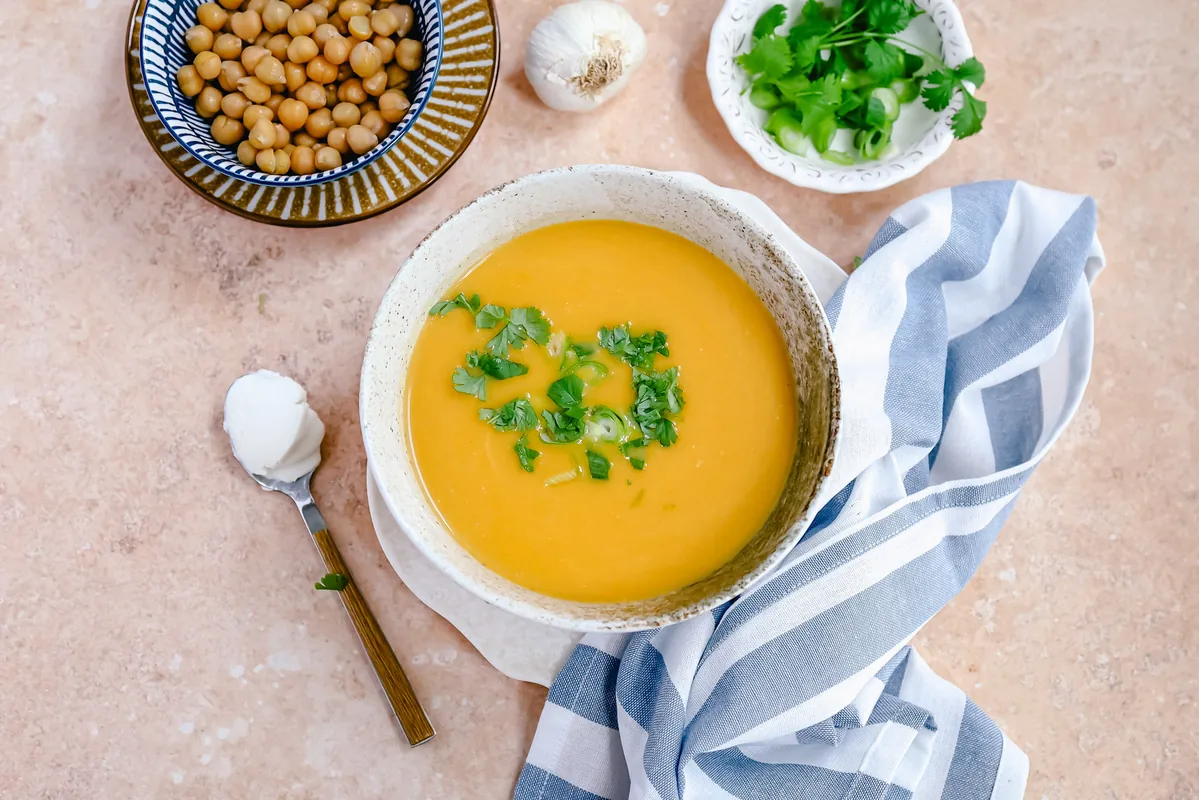
Chickpea-Beet Soup
Dinner
Chickpea-Beet Soup
25 min · 398 kcal
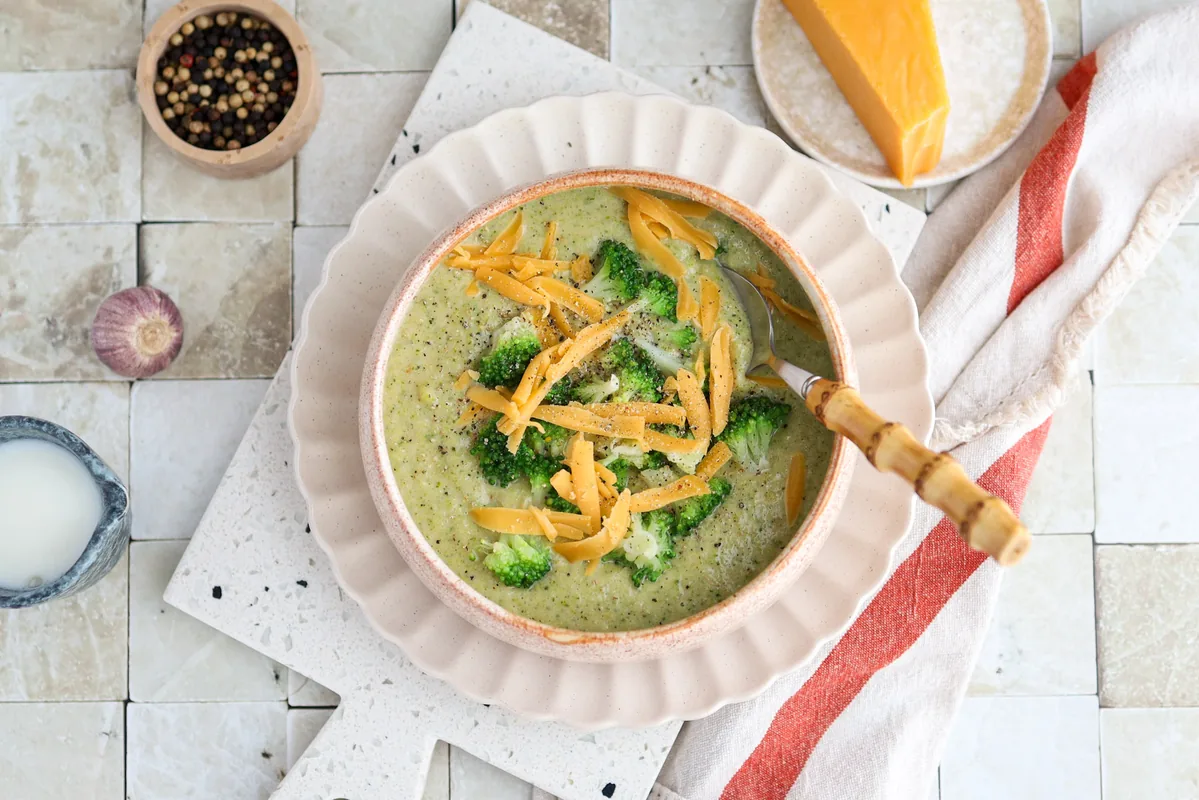
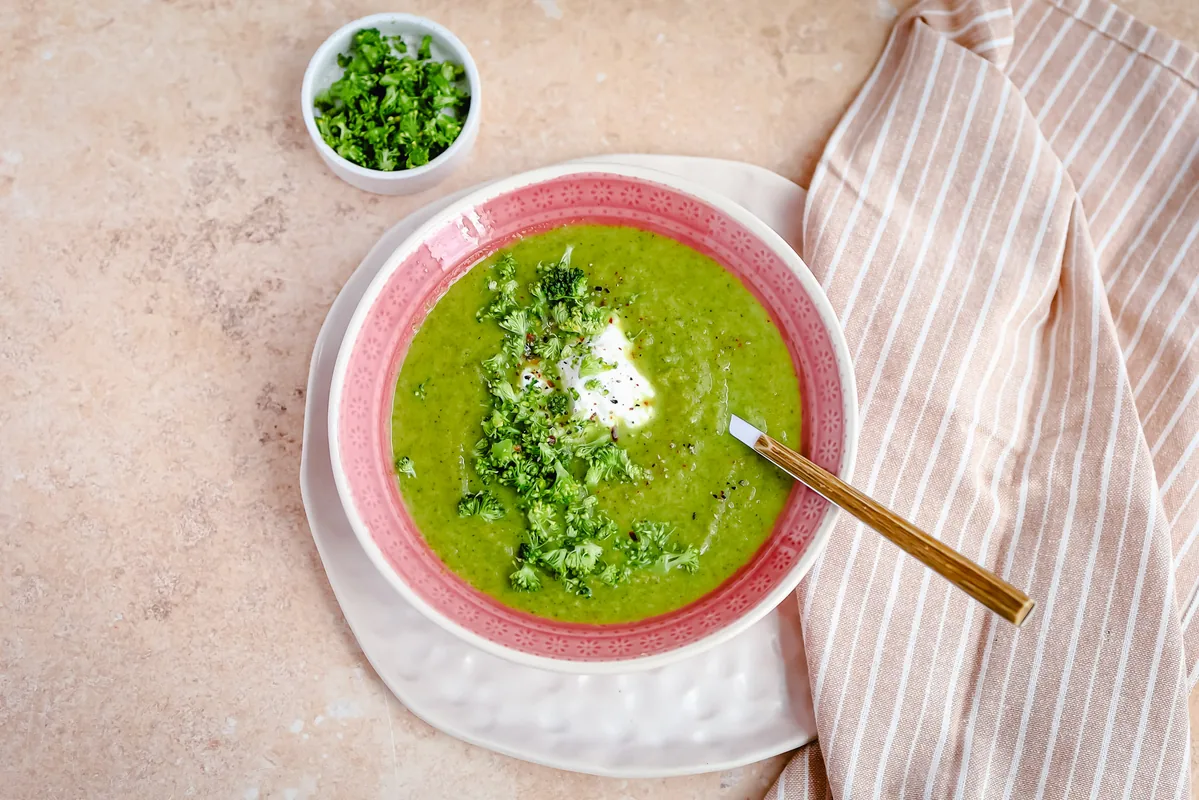
Creamy broccoli cheddar soup
Dinner
Creamy broccoli cheddar soup
20 min · 500 kcal
Creamy Kale-Zucchini Soup with Bacon
Dinner
Creamy Kale-Zucchini Soup with Bacon
20 min · 491 kcal
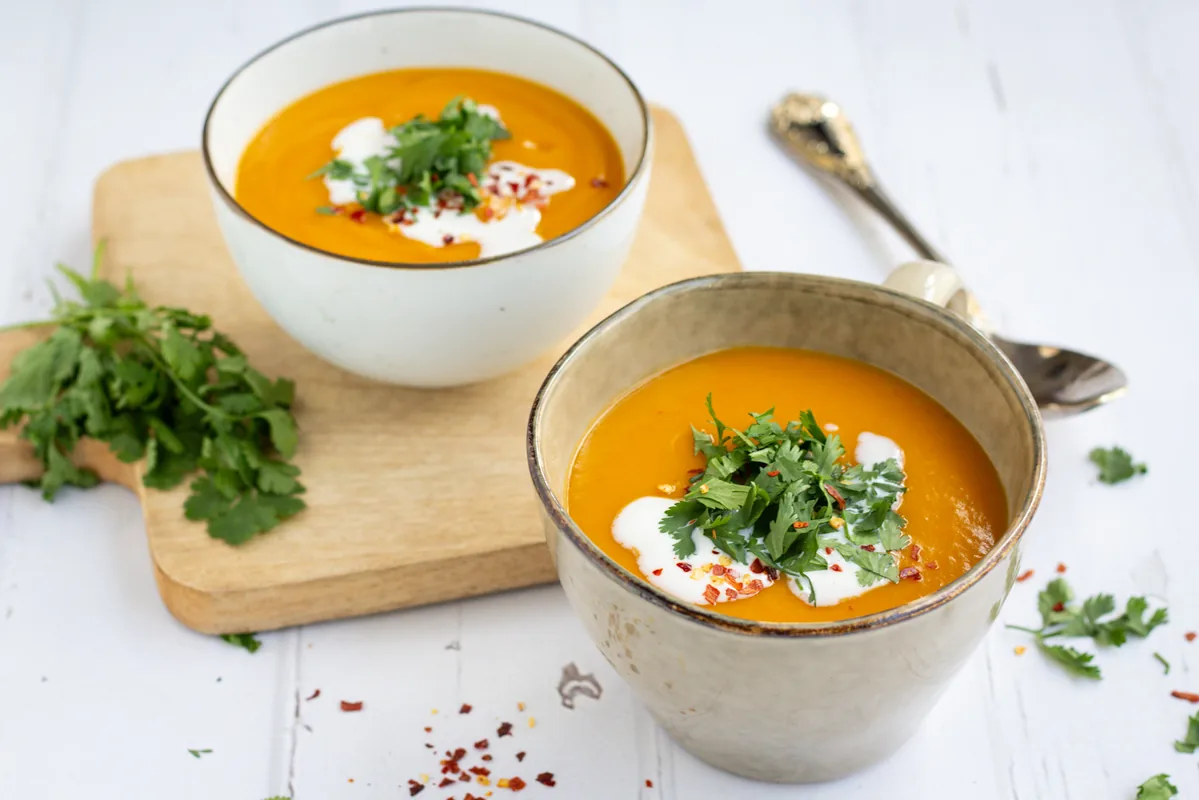
Creamy Pumpkin Soup with Coconut Milk & Scallion
Dinner
Creamy Pumpkin Soup with Coconut Milk & Scallion
20 min · 430 kcal
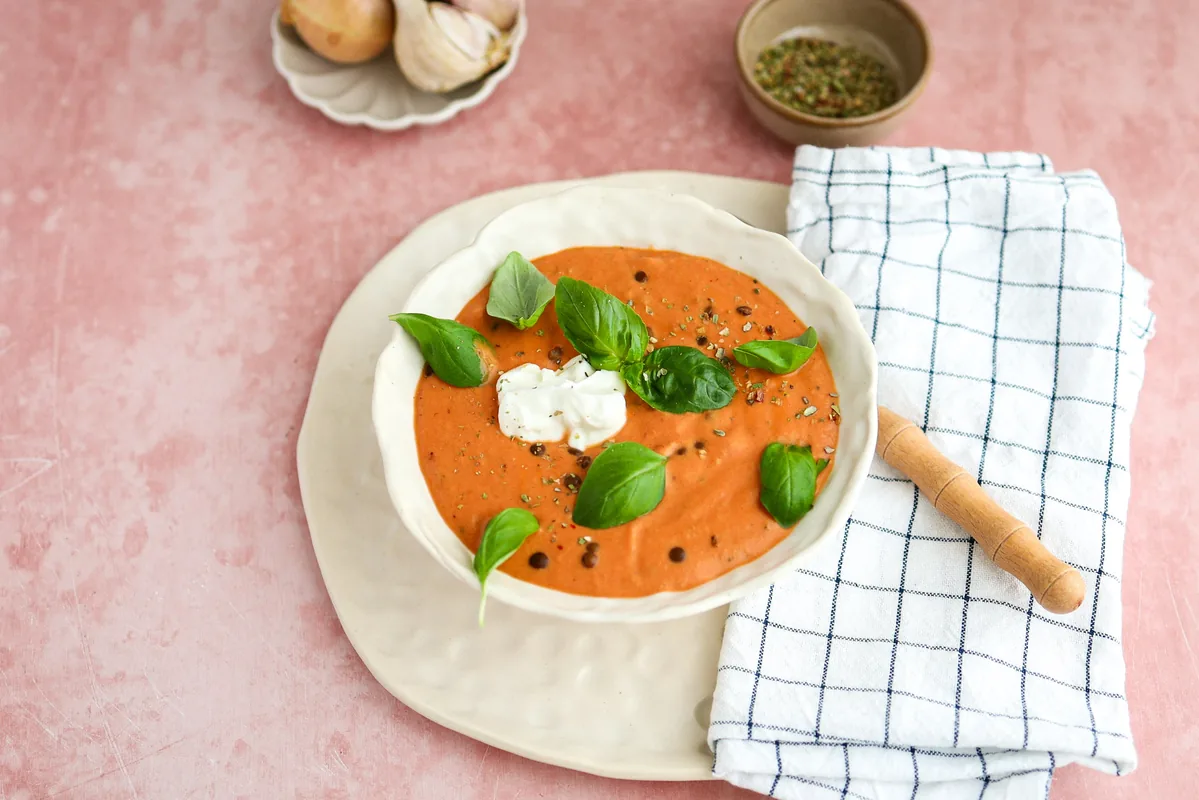
Creamy Tomato Soup with Lentils
Lunch
Creamy Tomato Soup with Lentils
20 min · 236 kcal
Curry & Coconut Soup with Broccoli
Dinner
Curry & Coconut Soup with Broccoli
15 min · 466 kcal
Hearty Italian Soup — Carrot, Zucchini, Pasta & Chicken
Dinner
Hearty Italian Soup — Carrot, Zucchini, Pasta & Chicken
25 min · 745 kcal
The science behind these recipes
SHORT
The format effect
Two independent studies found that blended/pureed meals empty from the stomach 19% slower and maintain fullness approximately one hour longer than the same meal eaten in chunks with water on the side. The key variable is format: a thick puree eaten with a spoon prevents gastric sieving (the stomach's separation of solids from liquids), while water served as a beverage alongside the same food had zero effect on subsequent intake.
The searcher chose a recipe format. That format is what research tested — and the result is measurable. Same food, different format, different satiety outcome.
CLAIM
Fiber per bowl
62 RCTs and 3,877 participants tested fiber's effect on body composition. The evidence shows a satiety benefit that builds with consistent intake. 72% of these soup recipes clear 10g fiber per serving — among the highest of any dish-type hub.
Legumes dominate this pool: lentils (5 recipes), chickpeas (3), black beans (2), cannellini beans (2). When you build a soup, legumes dissolve into the broth. The fiber density is structural, not accidental.
SHORT
What the water keeps
Boiling vegetables causes water-soluble nutrients to leach into the cooking water — 46–61% of glucosinolates from cauliflower, 80% of ergothioneine from mushrooms. In every other dish type, that water goes down the drain. In soup, the water IS the dish. Every leached nutrient stays in the bowl.
The format advantage nobody mentions. Soup captures what other cooking methods lose. The same vegetables, prepared as a stir-fry or a salad, deliver less of specific compounds than when simmered into a bowl you eat liquid and all.
9 of 32 recipes cite research that tested soup format specifically — pureed meals emptying 19% slower from the stomach, soup reducing subsequent intake by 26%
See the evidence →
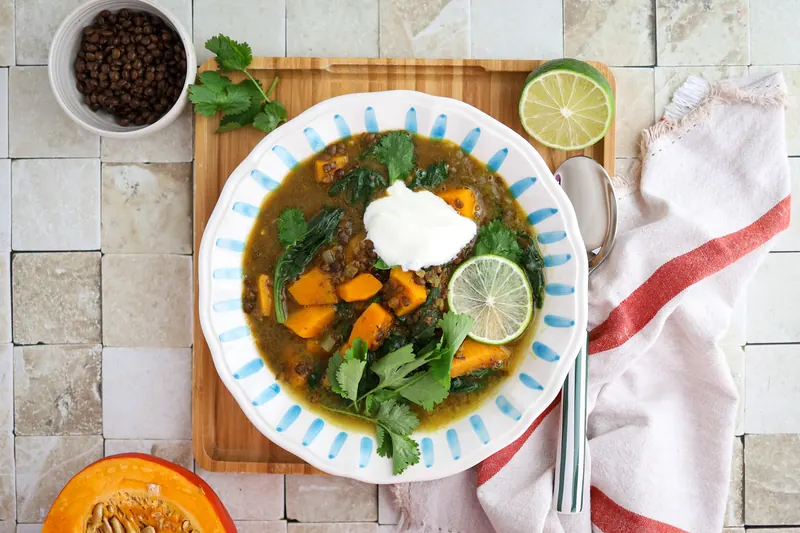
Indian Lentil Soup with Spinach
Dinner
Indian Lentil Soup with Spinach
20 min · 290 kcal
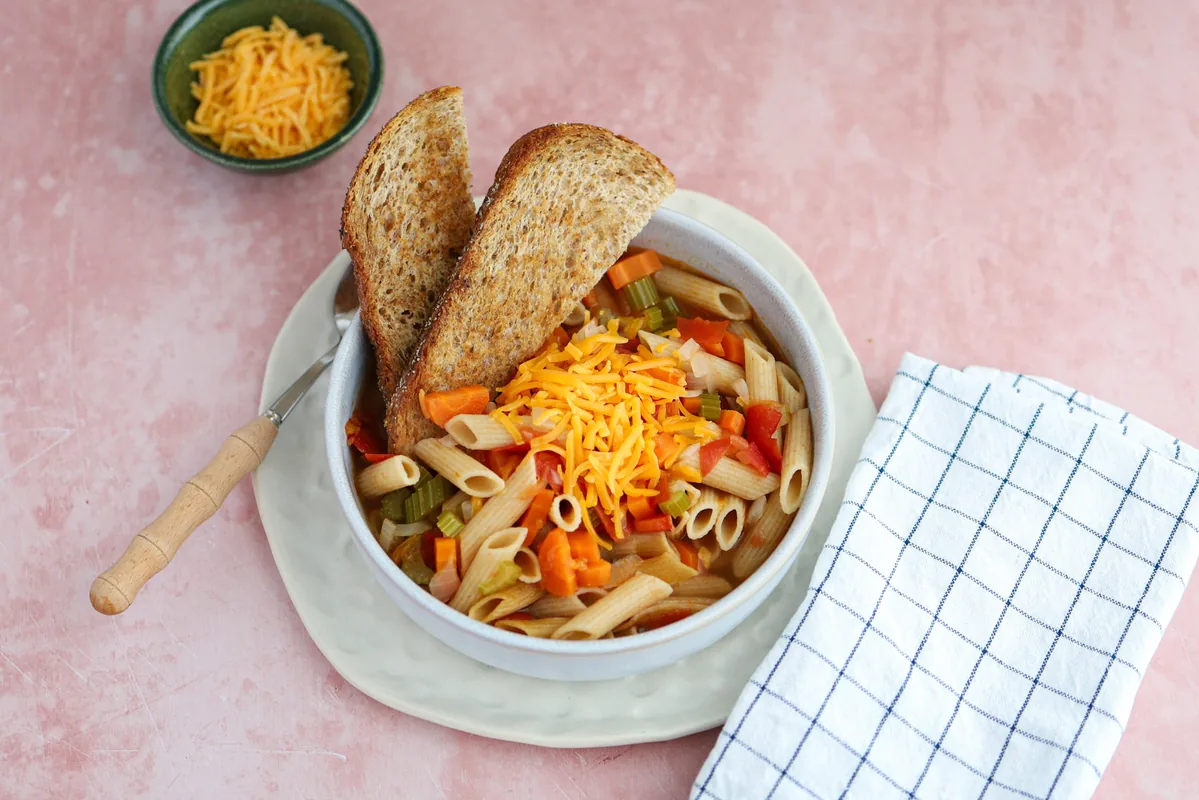
Italian Soup with Penne & Garlic Bread
Dinner
Italian Soup with Penne & Garlic Bread
20 min · 760 kcal
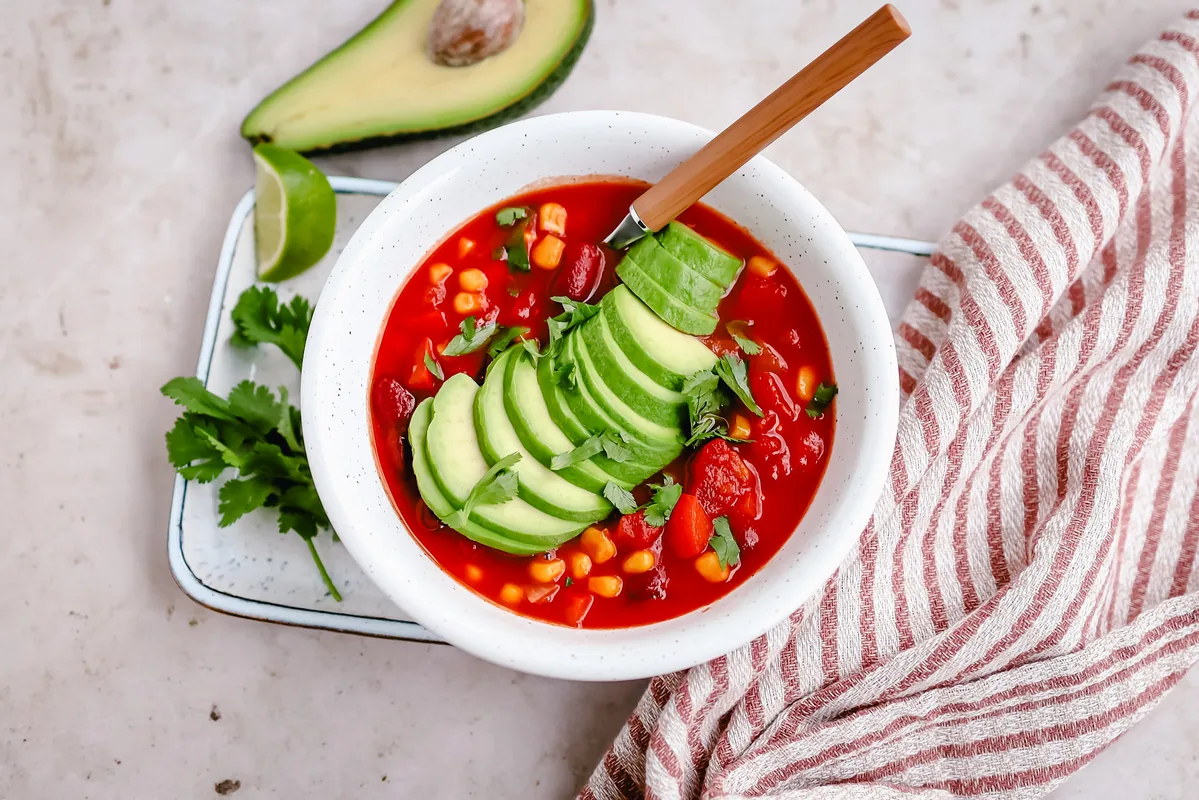
Mexican Tomato Soup
Dinner
Mexican Tomato Soup
20 min · 523 kcal
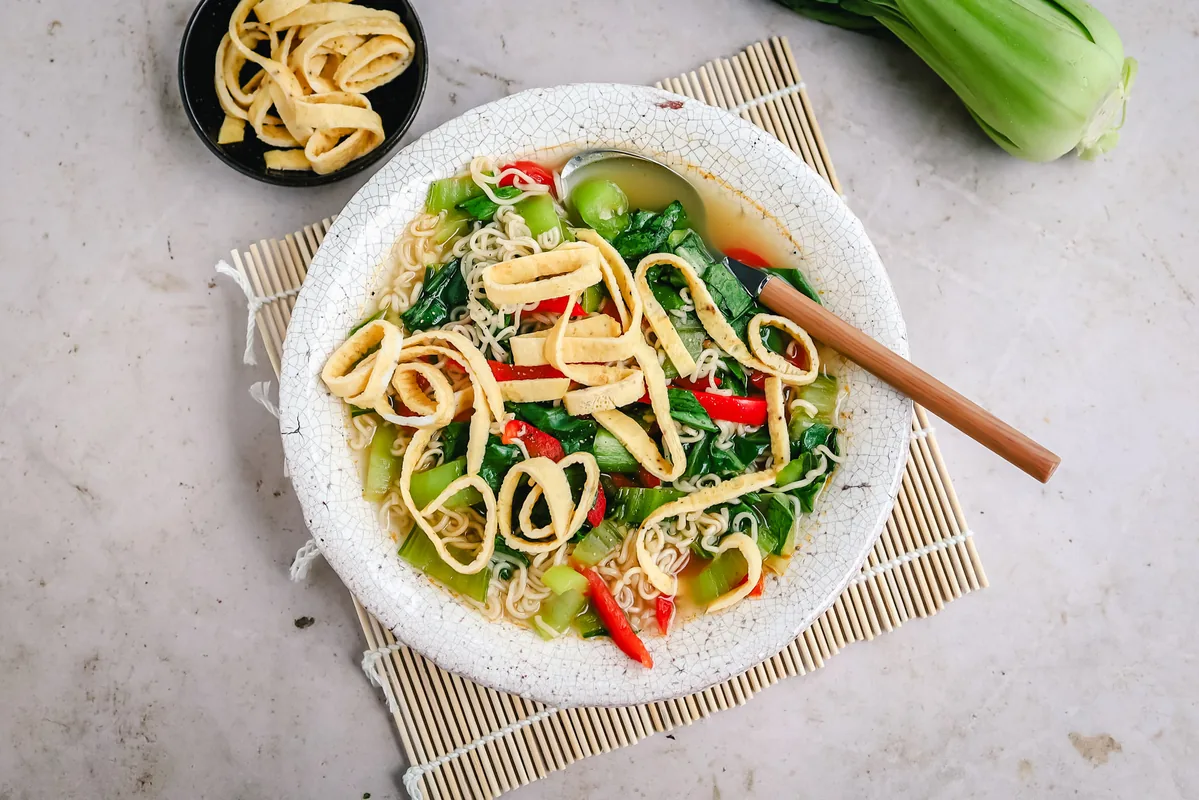
Noodle Soup with Bok Choy, Bell Pepper & Omelet Strips
Dinner
Noodle Soup with Bok Choy, Bell Pepper & Omelet Strips
15 min · 698 kcal
Orzo Soup with Lemon & Chickpeas
Dinner
Orzo Soup with Lemon & Chickpeas
20 min · 627 kcal
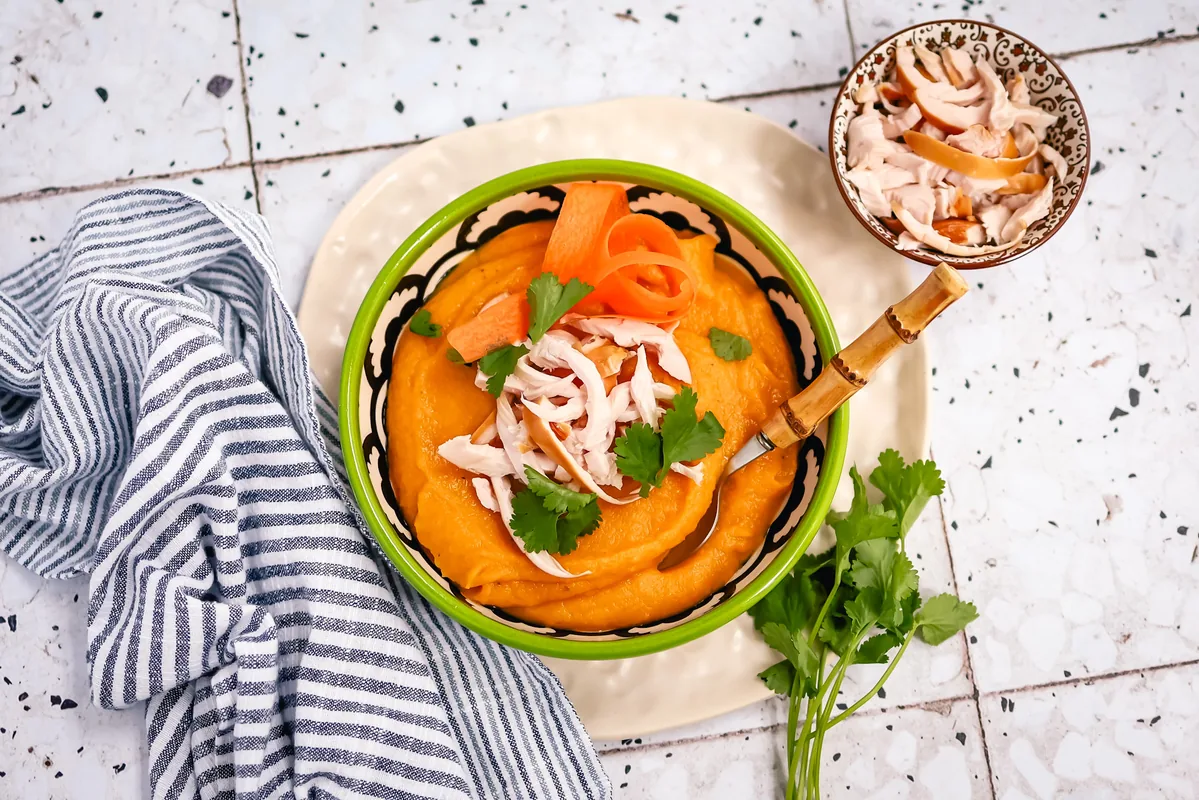
Parsnip-Carrot Soup with Grilled Chicken
Dinner
Parsnip-Carrot Soup with Grilled Chicken
20 min · 382 kcal
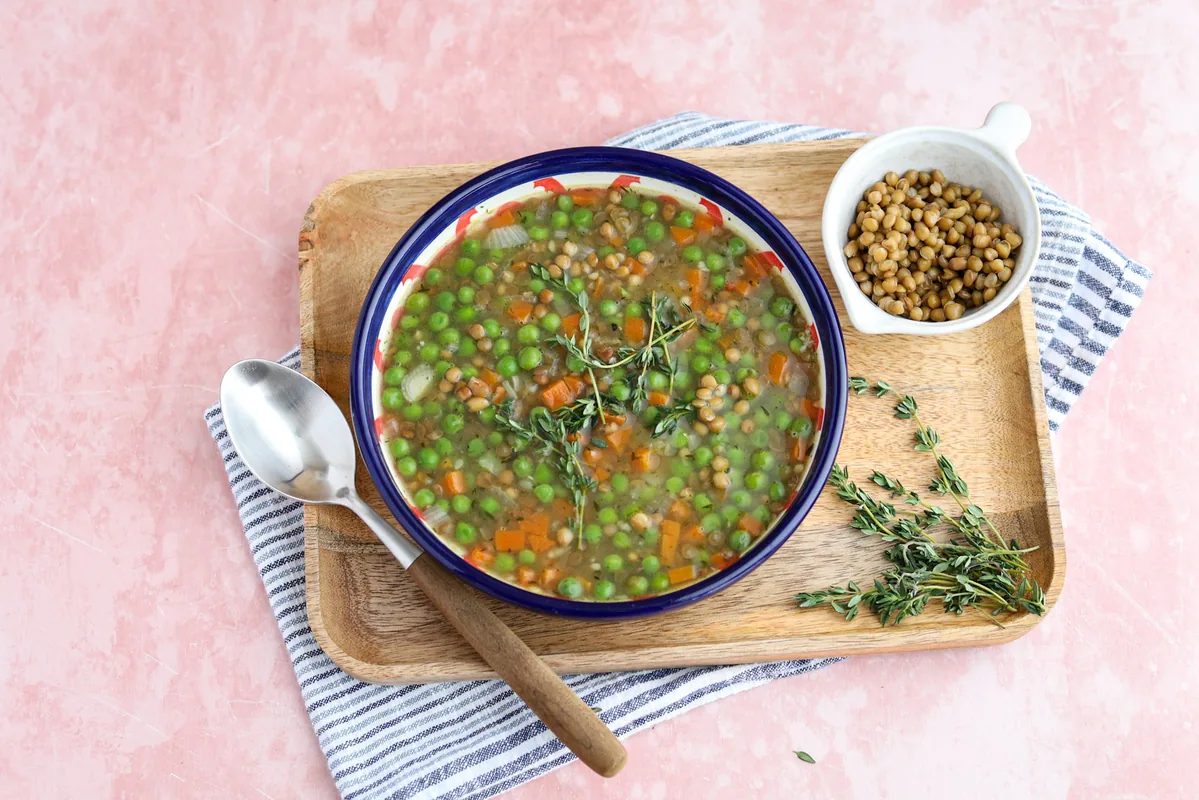
Pea Soup with Lentils
Lunch
Pea Soup with Lentils
25 min · 402 kcal
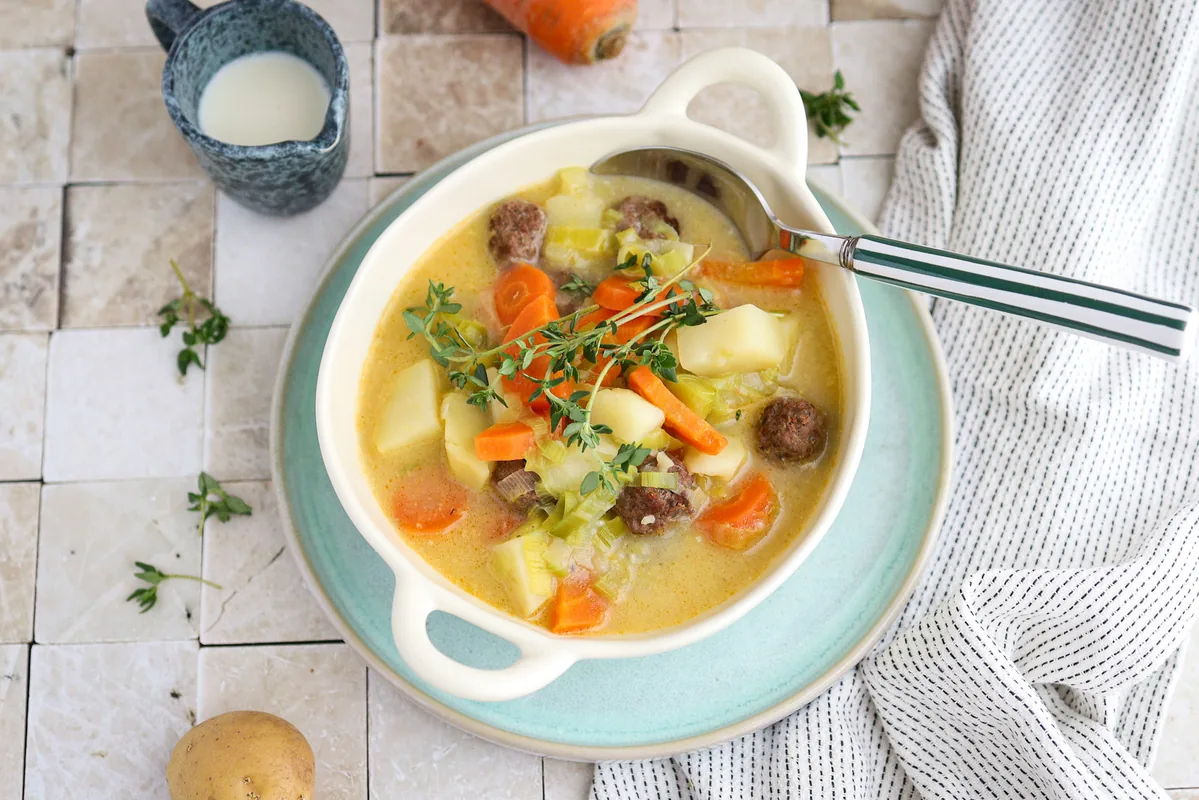
Potato Soup with Leek, Carrot & Meatballs
Dinner
Potato Soup with Leek, Carrot & Meatballs
20 min · 523 kcal
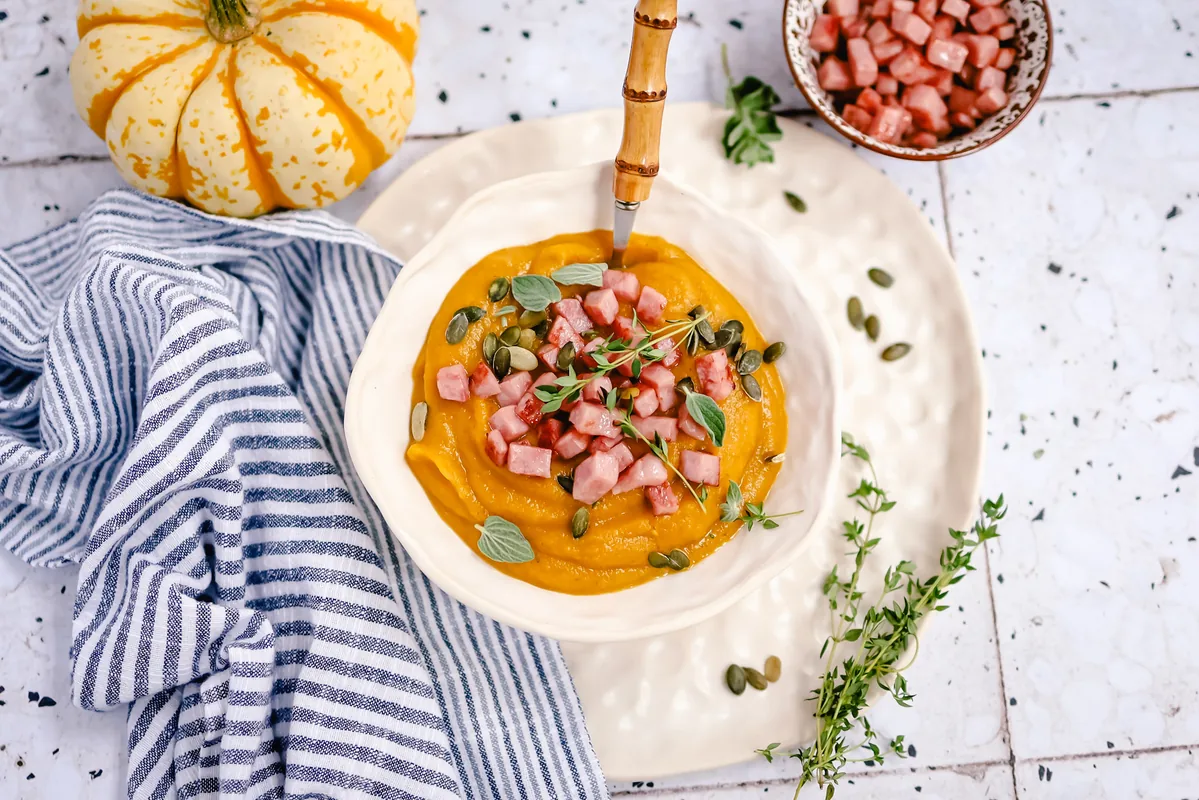
Pumpkin Cauliflower Soup with Ham Cubes
Lunch
Pumpkin Cauliflower Soup with Ham Cubes
20 min · 519 kcal
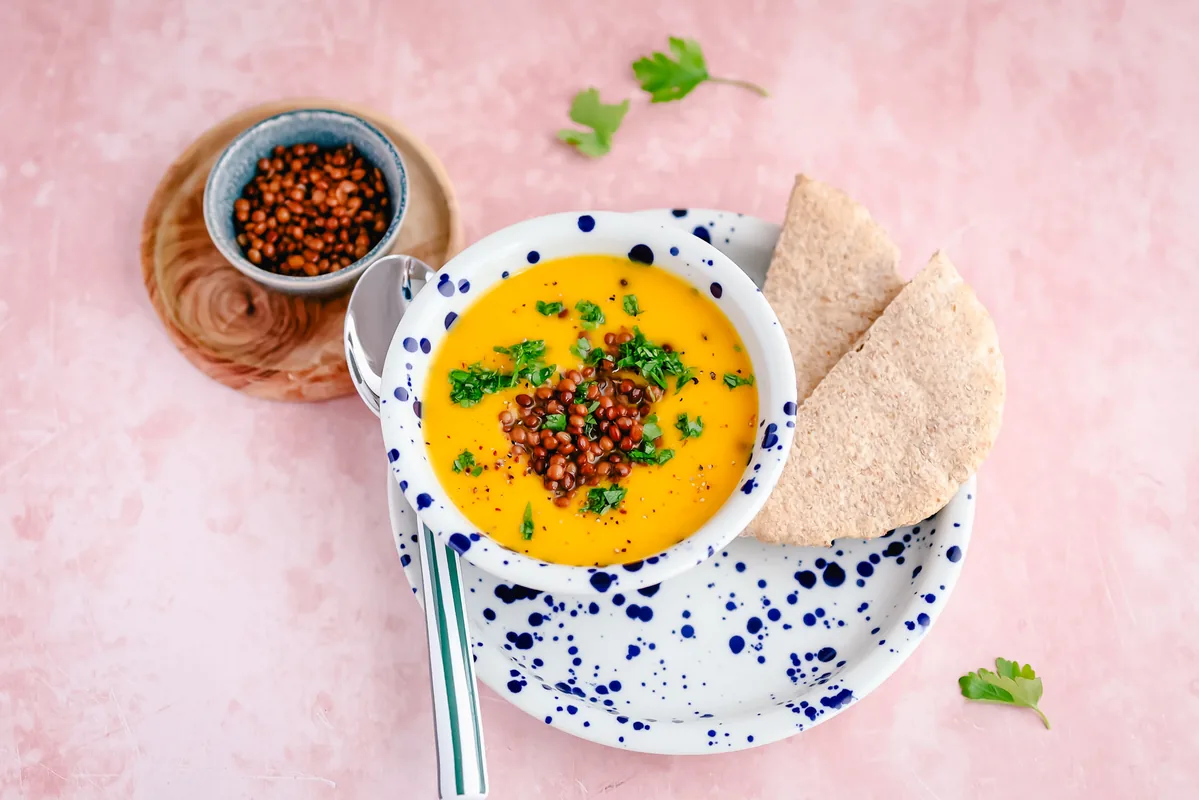
Pumpkin Soup with Lentils & Pita Bread
Lunch
Pumpkin Soup with Lentils & Pita Bread
20 min · 501 kcal
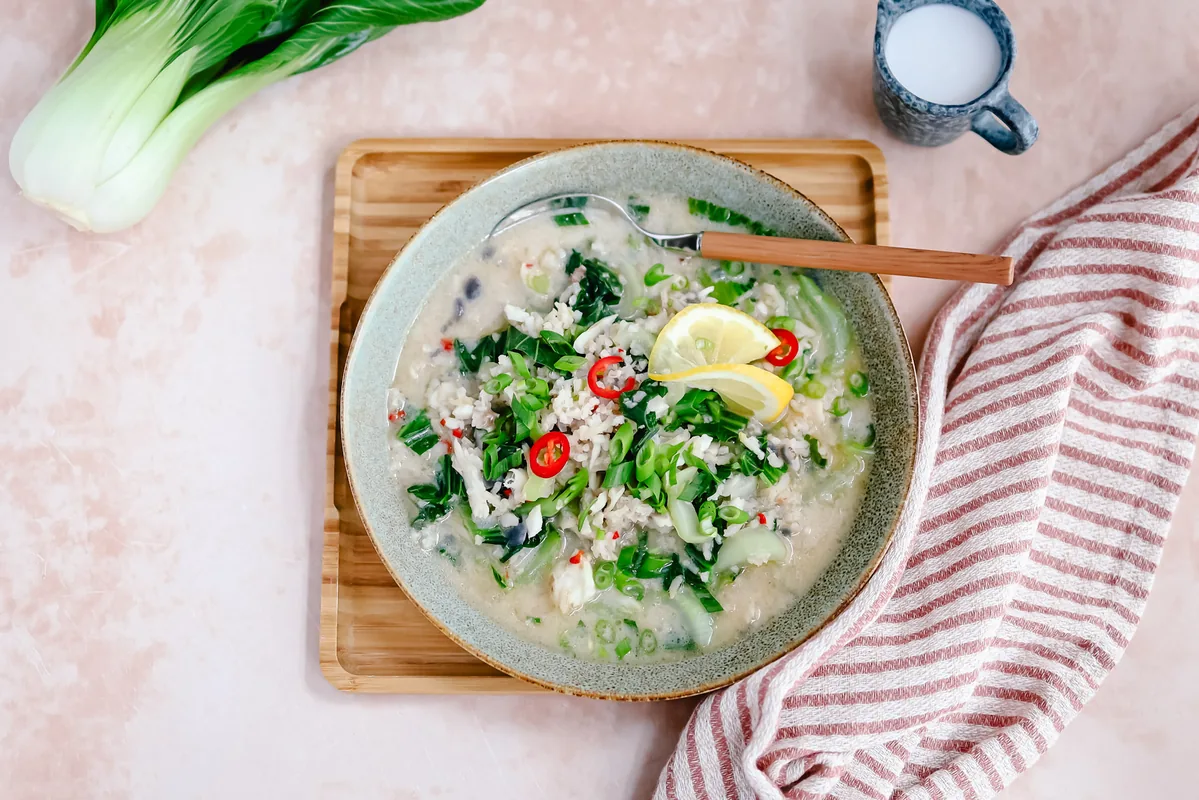
Quick Spicy Soup with Fish and Rice
Dinner
Quick Spicy Soup with Fish and Rice
15 min · 933 kcal
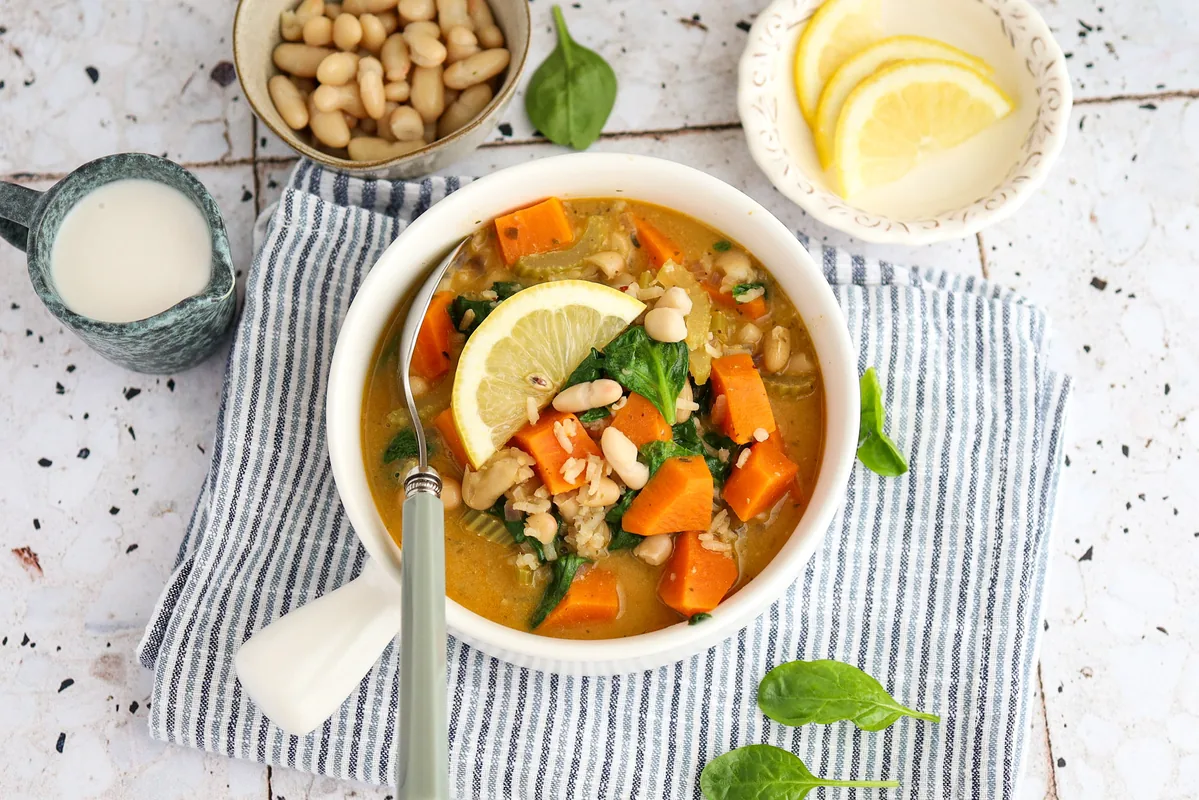
Rice Soup with Sweet Potato, Spinach & Cannellini Beans
Dinner
Rice Soup with Sweet Potato, Spinach & Cannellini Beans
20 min · 749 kcal
Roasted Sweet Potato Soup
Dinner
Roasted Sweet Potato Soup
30 min · 379 kcal
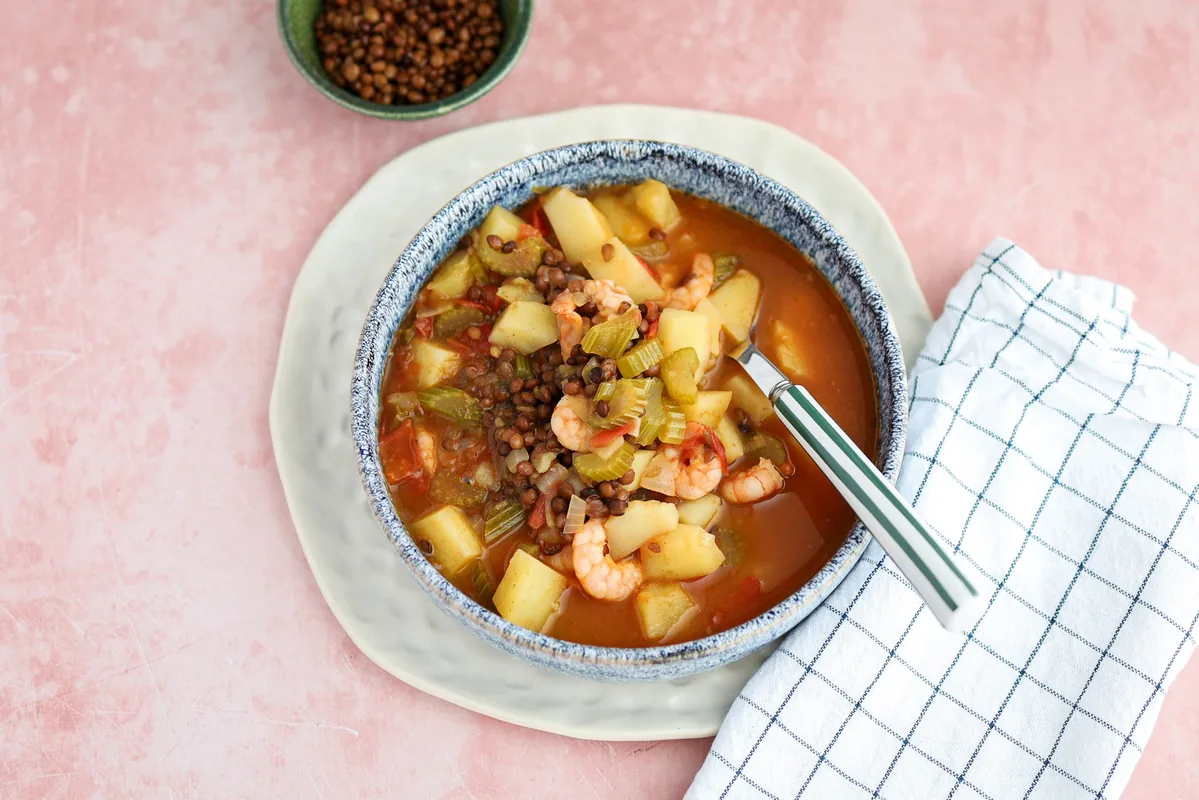
Spanish Lentil Soup with Shrimp
Lunch
Spanish Lentil Soup with Shrimp
15 min · 401 kcal
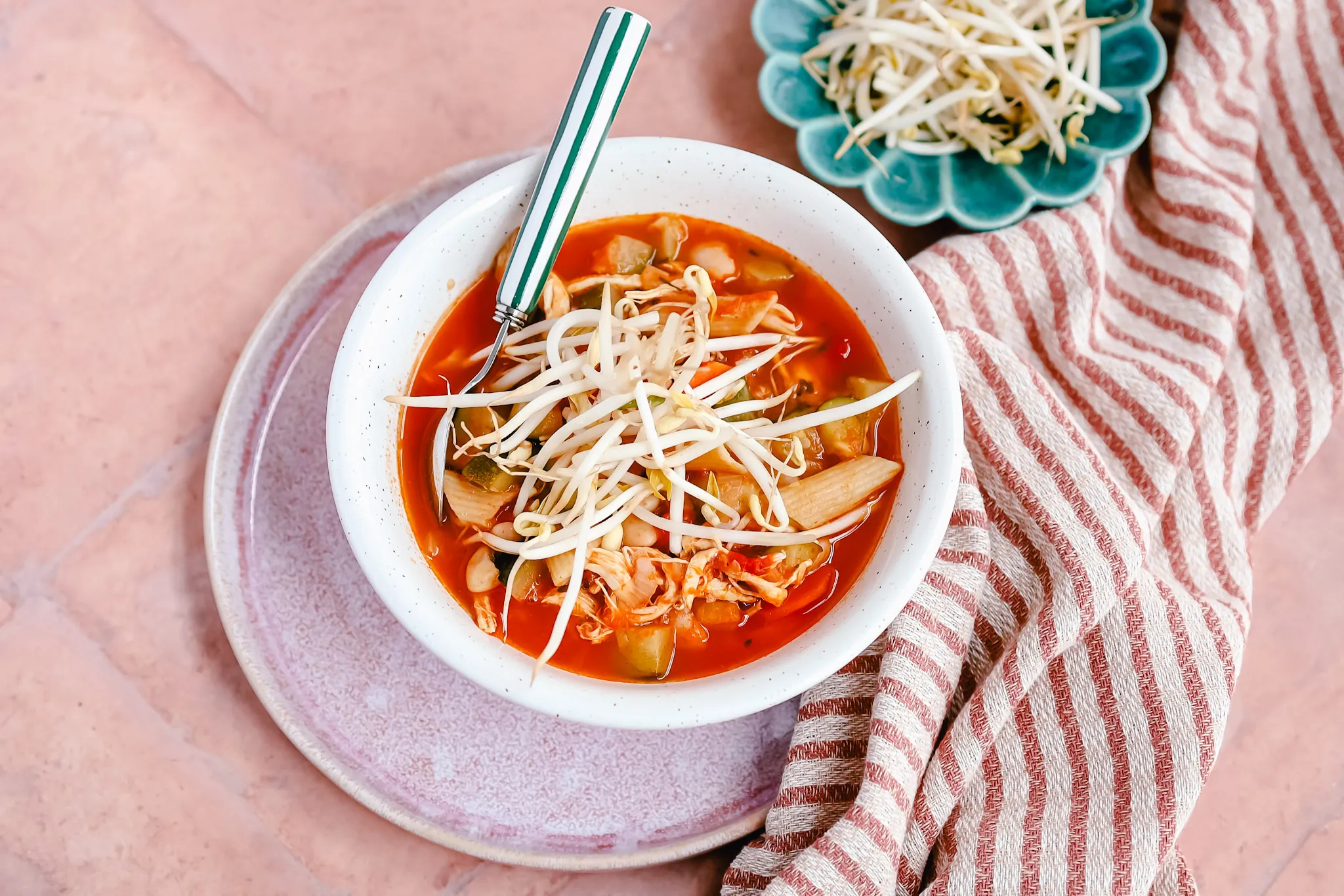
Tex-Mex Chicken Noodle Soup
Dinner
Tex-Mex Chicken Noodle Soup
20 min · 688 kcal
Thai Coconut Soup
Dinner
Thai Coconut Soup
25 min · 441 kcal
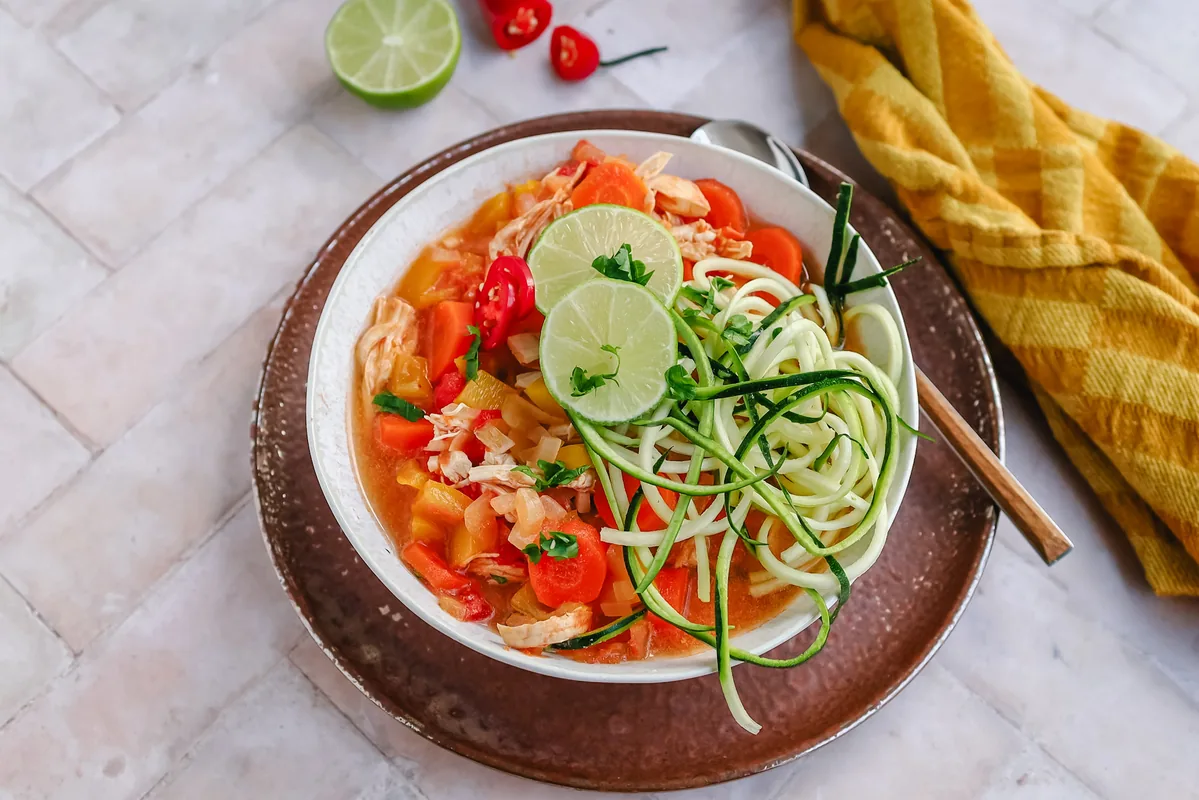
Thai Zoodle Soup with Chicken
Dinner
Thai Zoodle Soup with Chicken
20 min · 463 kcal
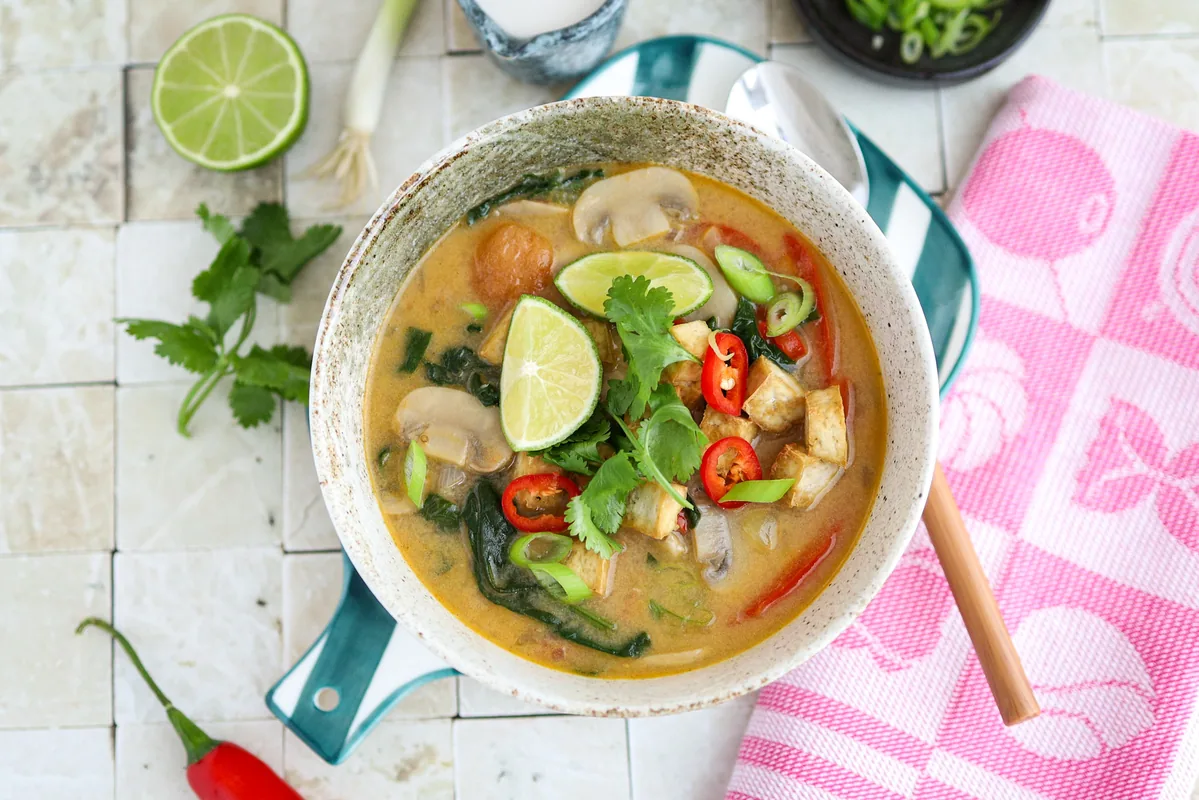
Tom Kha Tofu Soup
Dinner
Tom Kha Tofu Soup
30 min · 557 kcal
72% of these soups deliver 10g+ fiber per serving, connected to a 62-RCT meta-analysis (3,877 participants) on fiber and body composition
See the evidence →
Vegetable Soup with Spaghetti & Meatballs
Dinner
Vegetable Soup with Spaghetti & Meatballs
20 min · 626 kcal
Zucchini-Pea Soup with Smoked Salmon
Lunch
Zucchini-Pea Soup with Smoked Salmon
15 min · 477 kcal
About this collection

When researchers blended a meal into a thick puree and gave it to the same people who’d eaten the identical food as solid chunks with water, the puree emptied from the stomach 19% slower (P=0.008). Same ingredients. Same calories. The only variable was format.

Nine of these 32 recipes build on it. The format itself is what research tested — not what’s in the bowl, but what happens between the lid going on and the spoon coming out. A second study found that water incorporated into food reduced subsequent energy intake by 26% compared to the same ingredients served as a casserole. Water served as a beverage alongside the food had zero effect.

The format story goes deeper than satiety. When researchers tested lentils in three food formats — muffin, chili, soup — the soup version cut insulin response by 54–55% compared to the same carbs from white bread. And the cooking water that drains away in a colander for every other dish type is the dish itself here. Glucosinolates from cauliflower, ergothioneine from mushrooms, beta-carotene from sweet potato — all water-soluble, all captured in the bowl instead of lost down the drain.

Legumes run through the collection: lentils, chickpeas, black beans, cannellini beans. When they dissolve into broth, 72% of these soups hit 10g fiber or higher per serving. Median 496 calories and 12 grams of fiber per bowl. The format research shows this combination is measurably more satiating per calorie than the same ingredients served any other way.

Frequently asked
Is soup actually filling enough for a meal?
Two independent studies tested this directly. In Santangelo 1998, pureed meals emptied from the stomach 19% slower than the same food eaten as chunks with water (255 vs 214 minutes, P=0.008). In Rolls 1999, soup reduced subsequent energy intake by 26% compared to the same ingredients as a casserole. The mechanism: a thick puree prevents the stomach from separating solids and liquids (gastric sieving), keeping the food in the stomach longer. Water served as a beverage alongside the same meal had zero effect on subsequent intake.
Does blending vegetables destroy their nutrients?
The opposite happens with soup. Boiling causes water-soluble compounds to leach into the cooking water46–61% of glucosinolates from cauliflower, 80% of ergothioneine from mushrooms. In a stir-fry or steamed side dish, that cooking water goes down the drain. In soup, the cooking water IS the dish. Every leached compound stays in the bowl. Heat does degrade some nutrients, but for the water-soluble nutrients that soup captures, the format is a measurable advantage.
How much protein is in a typical soup?
Protein runs at 21.5 grams per bowl at the median across these 32 soups. Seven recipes exceed 30 grams — six in the 30g band, one above 40g. The protein comes from varied sources: chicken (4 recipes), lentils (5), chickpeas (3), beef (2), tofu (1), shrimp (1), cod (1). On per-meal protein thresholds: 40g triggered 20% greater anabolic response than 20g in resistance-trained subjects, and 100g produced elevated synthesis lasting beyond 12 hours. The idea of a fixed ceiling has not survived the data.
Are soup recipes good for weight loss?
The format has measurable properties relevant to weight management. Rolls 1999 found soup reduced subsequent energy intake by 26% compared to the same ingredients as a casserole. A 62-RCT meta-analysis on fiber (3,877 participants) found a satiety benefit that accumulates with consistent intake — and 72% of these soups clear the 10g fiber mark. Median 496 calories per bowl. The evidence points to soup being more satiating per calorie than the same ingredients in other formats. The research reports format properties, not weight-loss guarantees.
Can I find vegan or gluten-free soups here?
Eleven of the 32 recipes carry a vegan label, and 22 are gluten-free. Full breakdown: 59% vegetarian, 66% dairy-free. The vegan soups lean heavily on legumes — lentils, chickpeas, black beans — so protein and fiber come from the same ingredient.
The Full Picture

Thirty-two recipes. Nineteen grounded facts. Three science strip cards. Here is where the evidence has edges.

The satiety research (Santangelo 1998, Rolls 1999) tested pureed and blended formats specifically. A thick puree prevents gastric sieving because the stomach cannot separate solids from liquids. But many soups are chunky or broth-based with distinct pieces. The format effect measured in these studies may not apply equally to every recipe here.

The lentil insulin finding (Chamoun 2024, n=20) tested lentils specifically. Whether the format effect on insulin extends to soups built around chicken, beef, or other bases remains untested in this specific comparison.

Nutrient capture — the advantage of keeping cooking water in the bowl — applies to water-soluble compounds: glucosinolates, ergothioneine, certain B vitamins. Fat-soluble vitamins (A, D, E, K) do not leach into water the same way. The format advantage is real but compound-specific.

Sample sizes across the format studies are small: Santangelo n=8, Rolls n=24 per condition, Chamoun n=20. The findings are replicated and directionally consistent, but they represent controlled laboratory conditions.

FitChef reports what research found. We do not provide medical or nutritional advice. Evidence connections are verified under the Skeptic Protocol. For our verification methodology, see How We Verify.

FitChef is a digital publisher and evidence synthesis platform. We aggregate and structure publicly available research for informational purposes. FitChef does not perform original clinical research, provide medical advice, or offer treatment recommendations. Certainty tiers reflect the volume and agreement of the underlying evidence, not an editorial endorsement of study quality. Consult a qualified healthcare professional before making changes to your diet or exercise regimen.

Scan to install FitChef
Listen on the go Free. One tap install. No app store needed.
Install app