
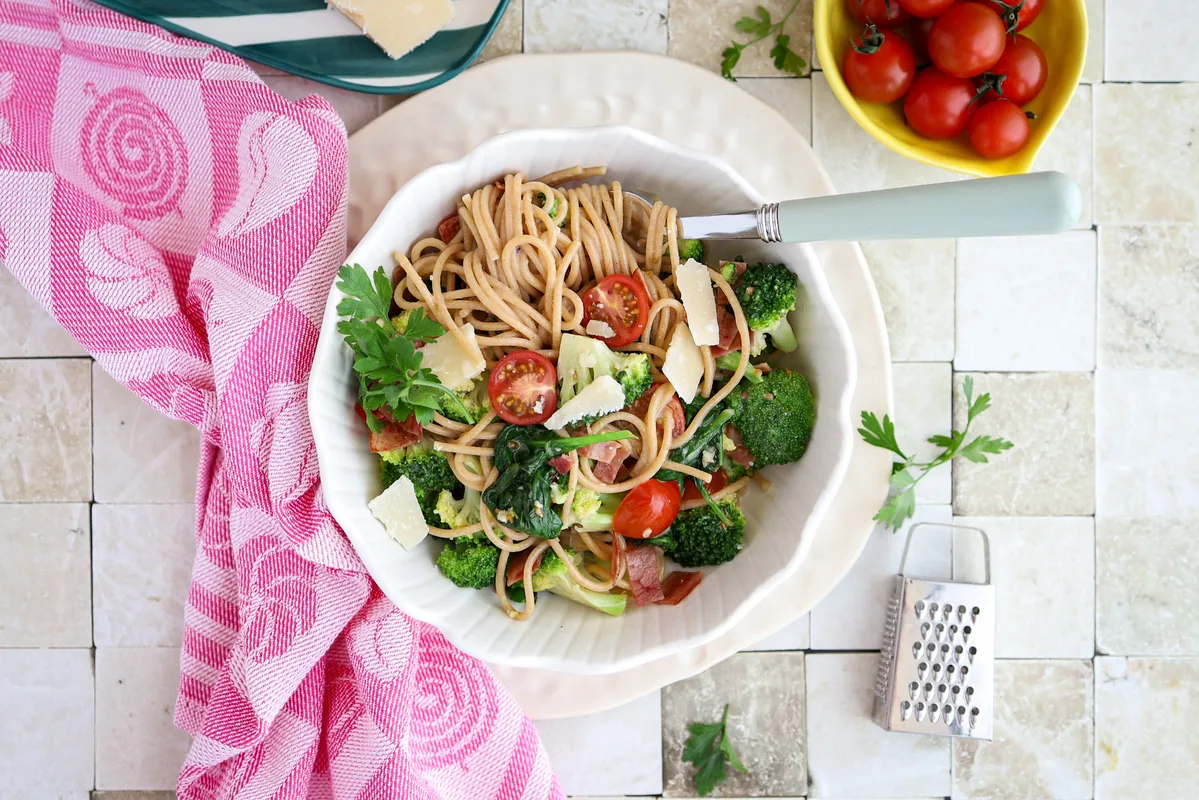










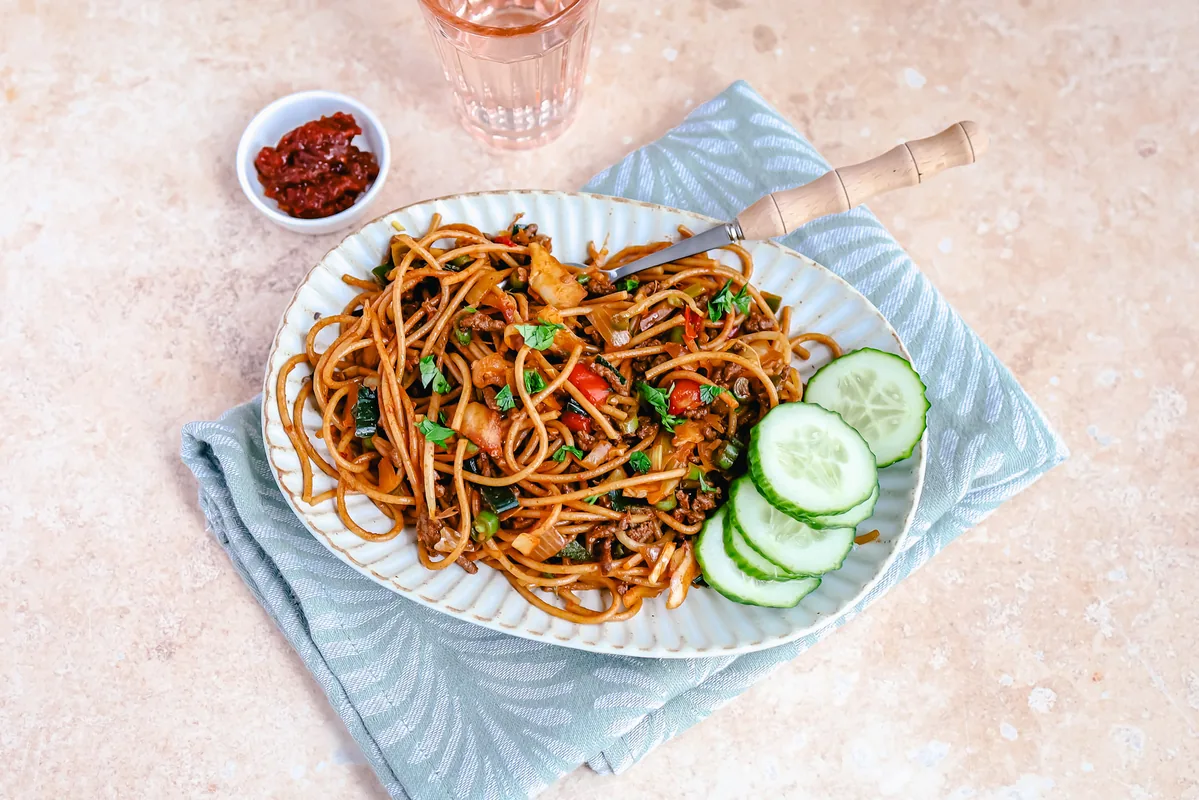
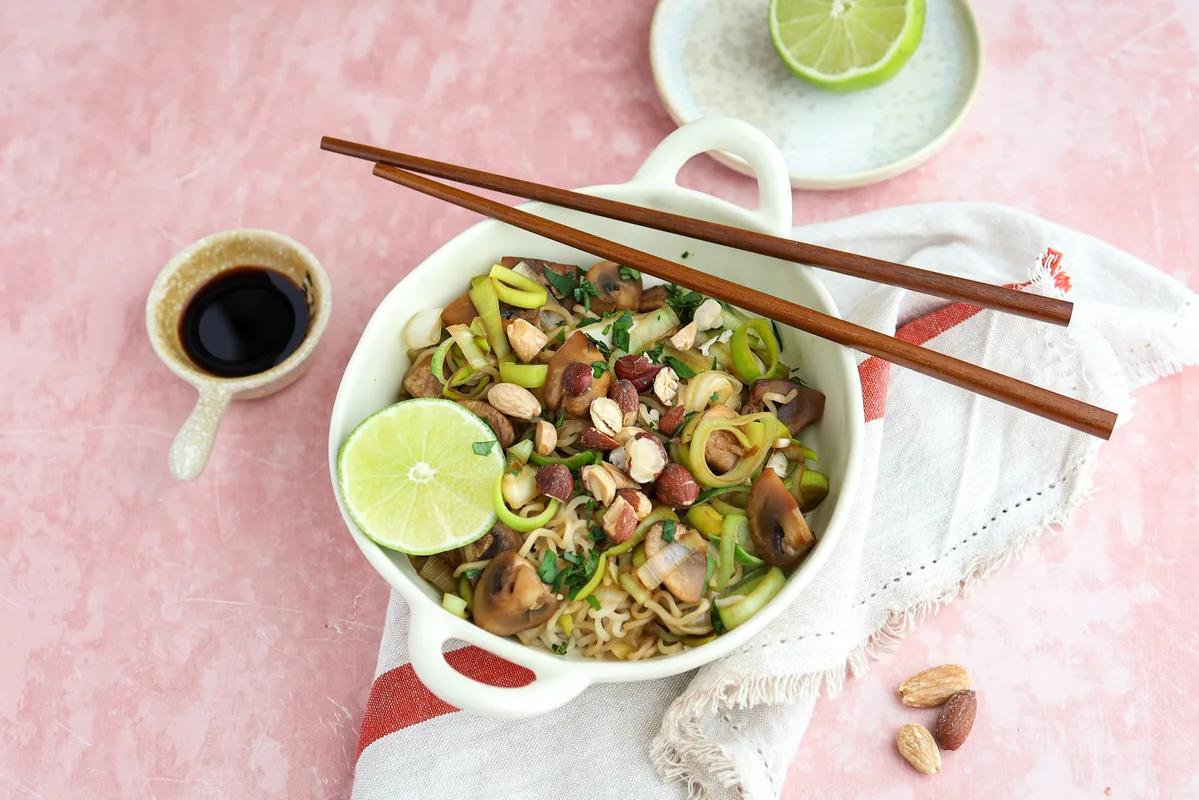
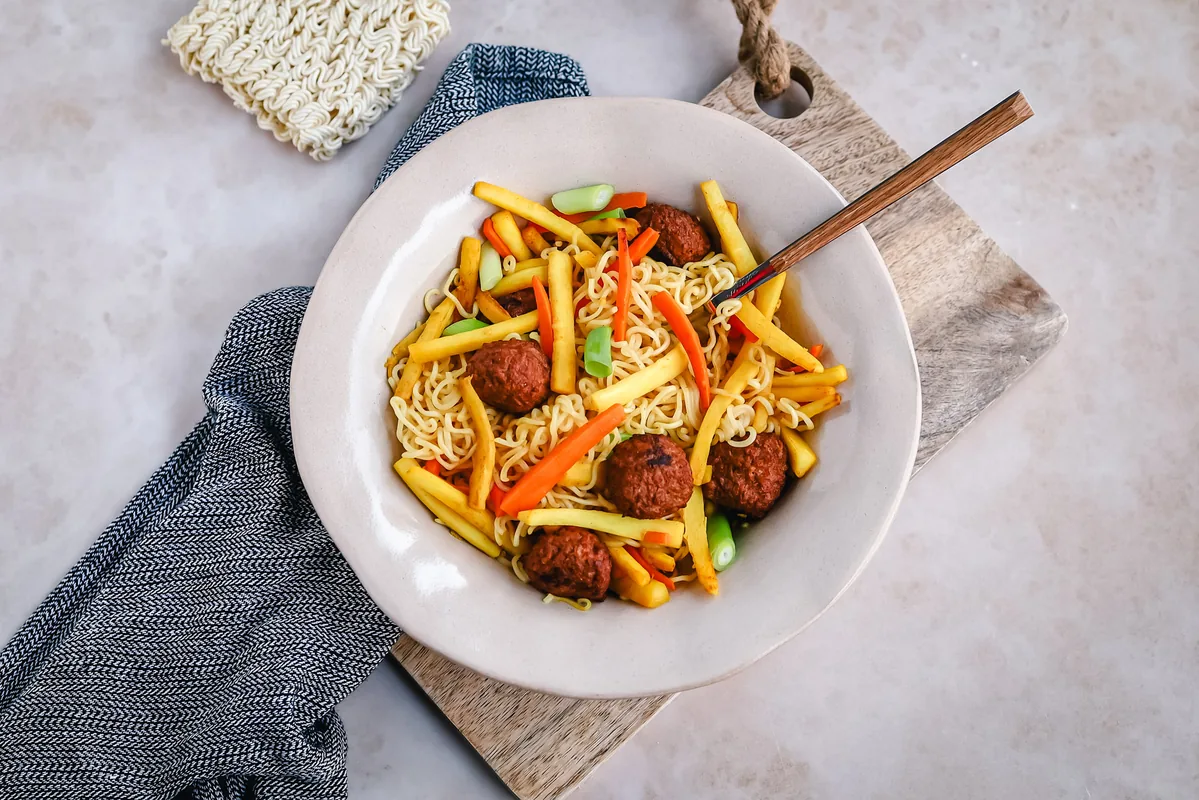
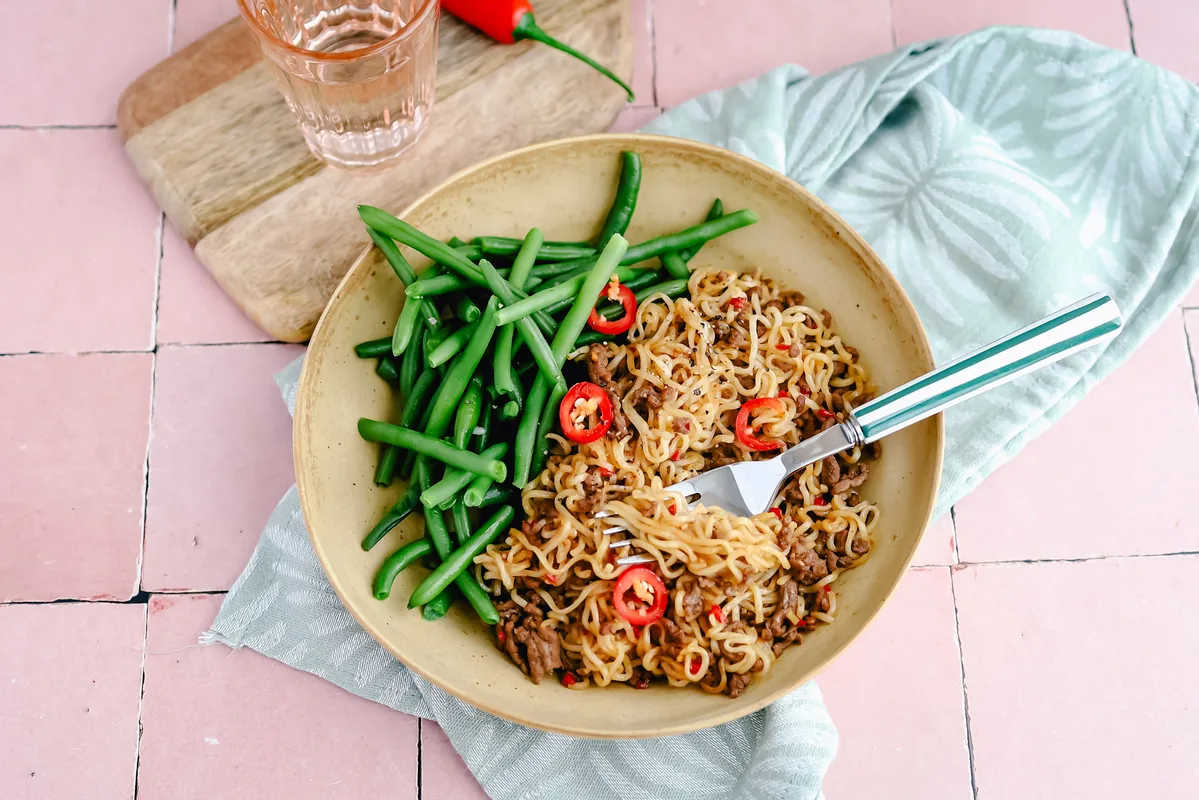


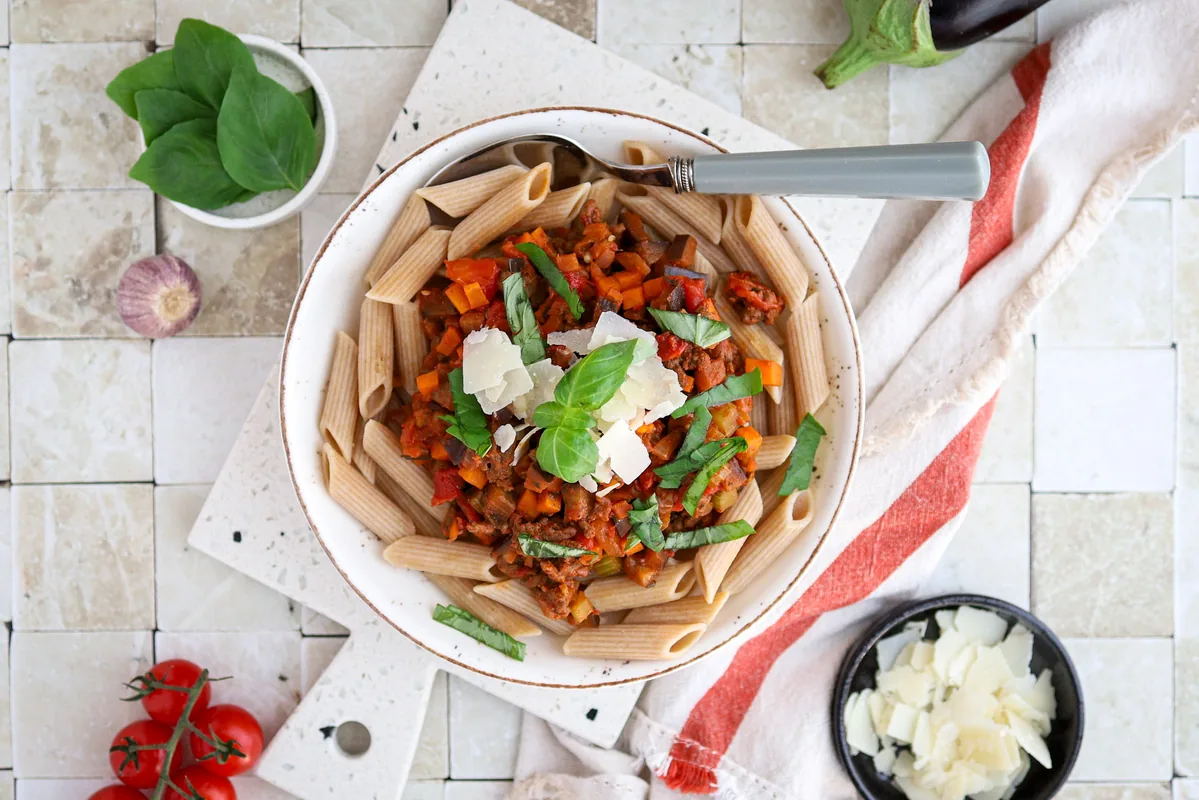

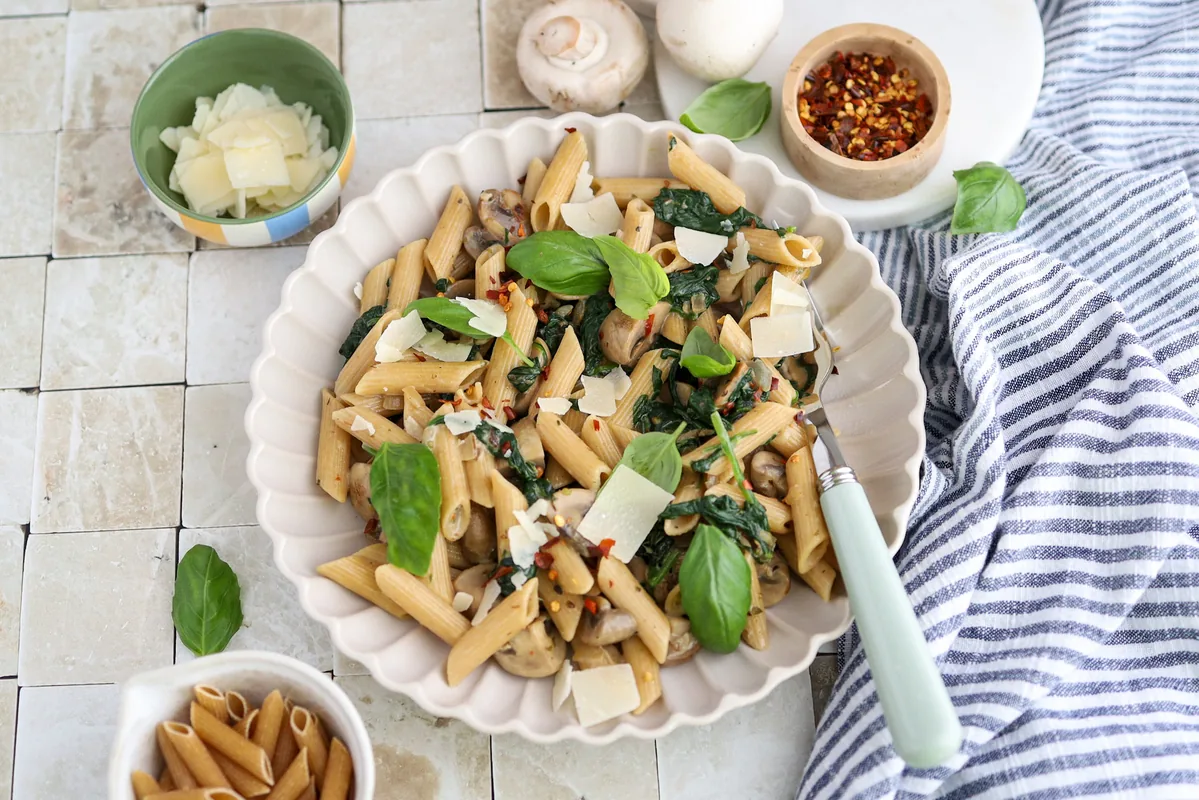

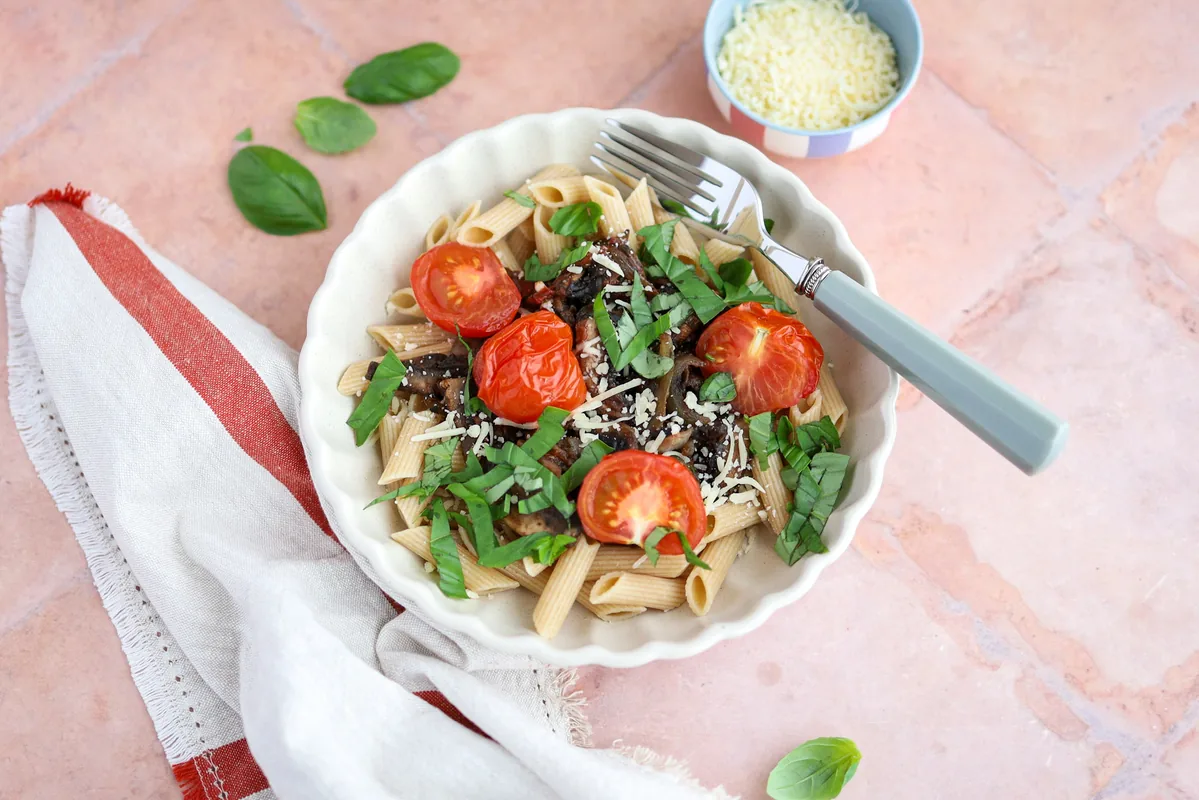
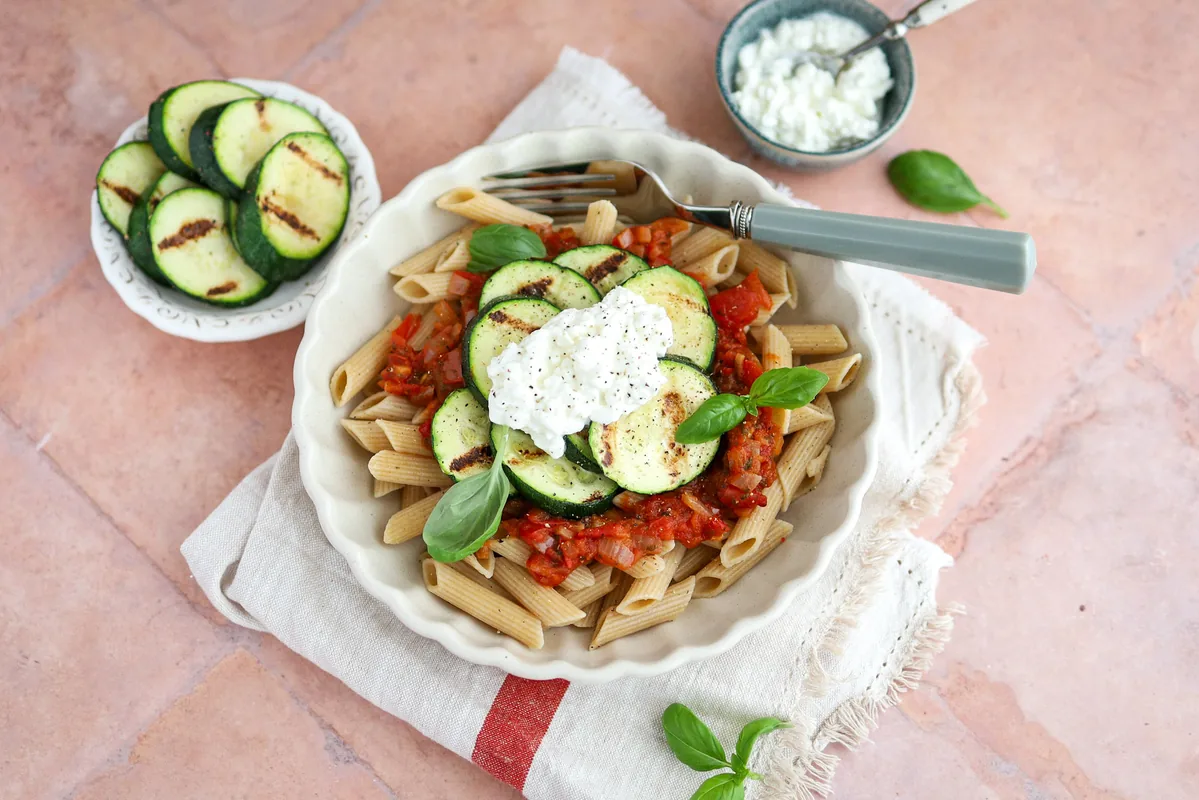
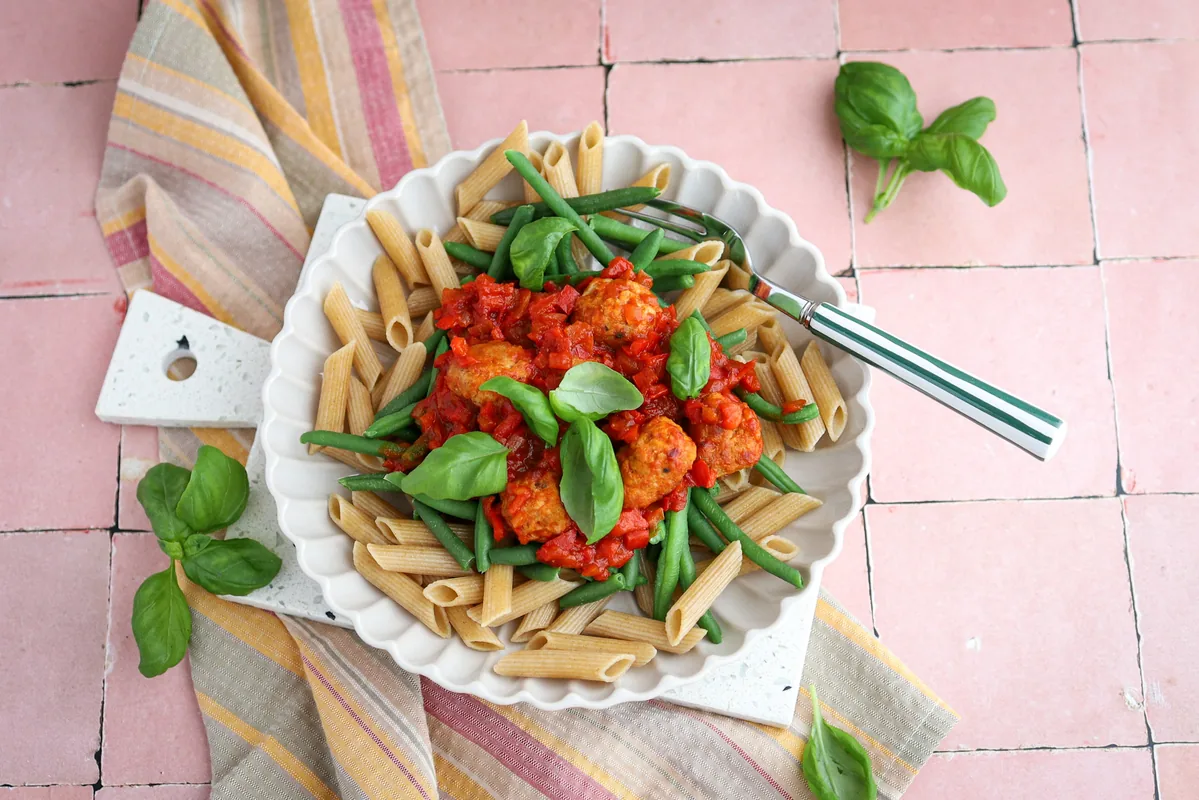

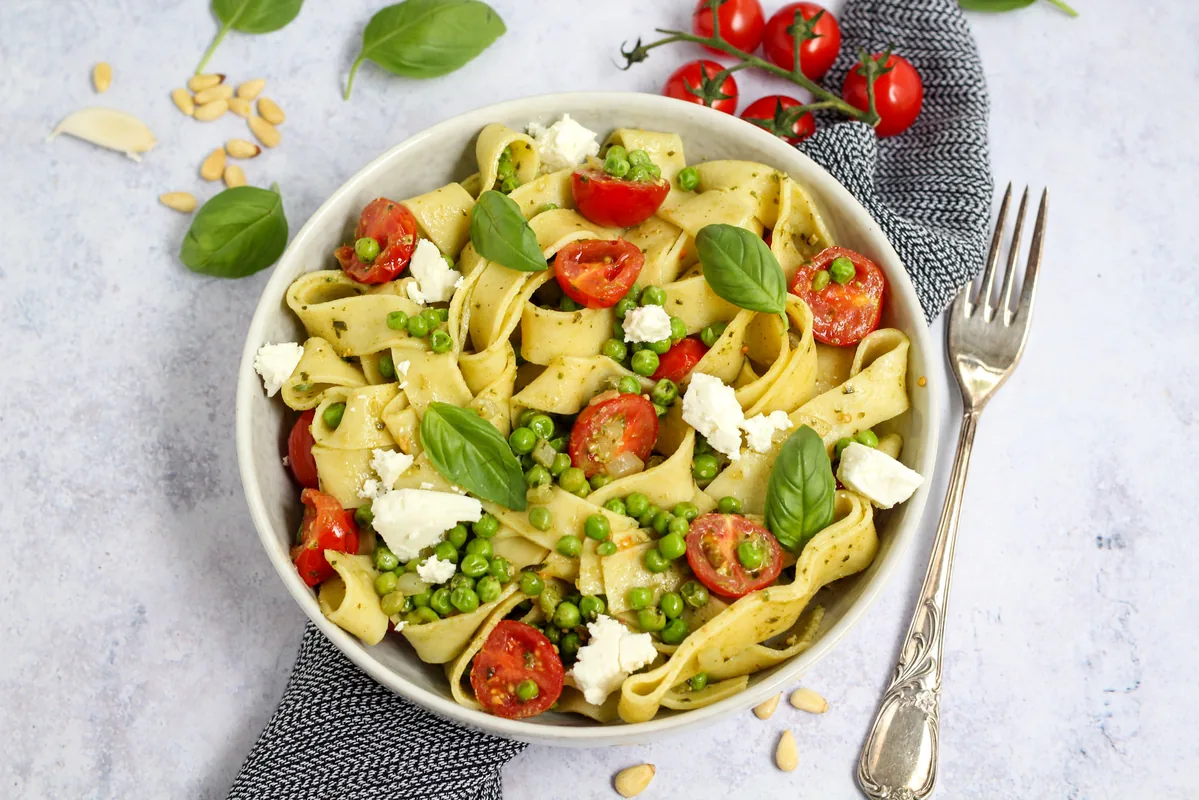
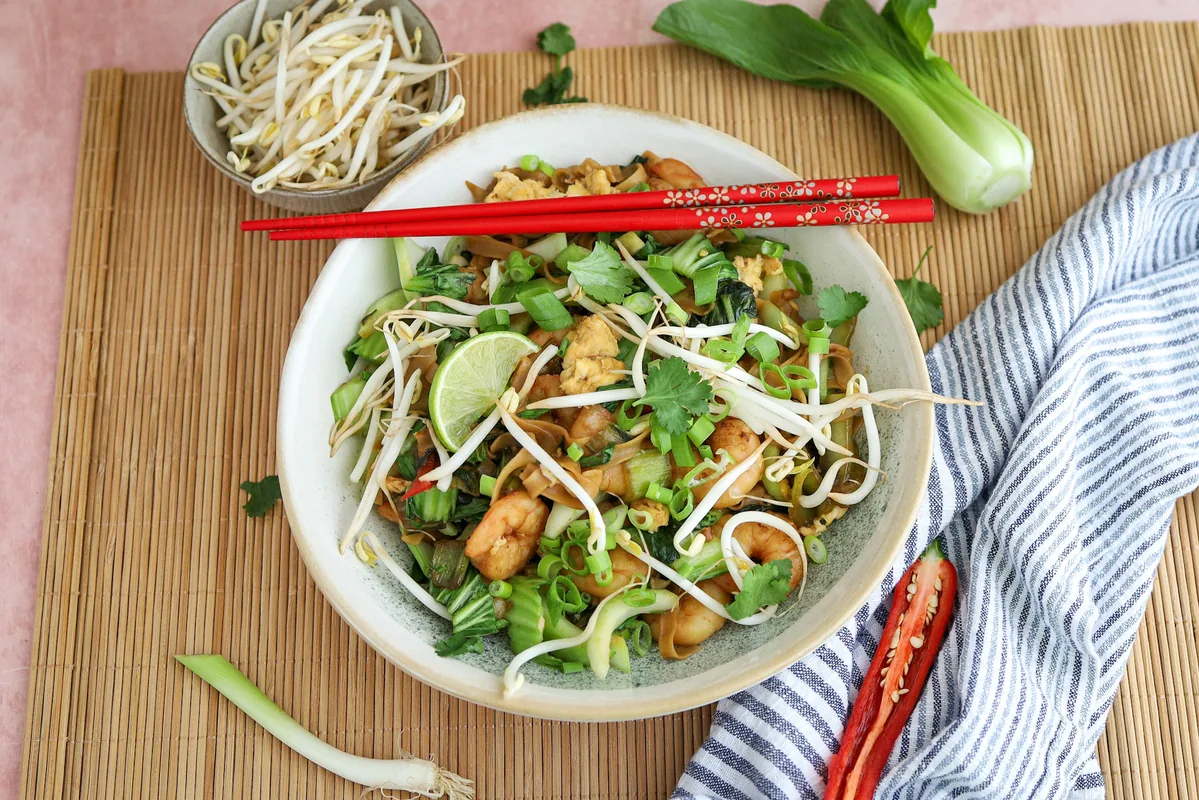

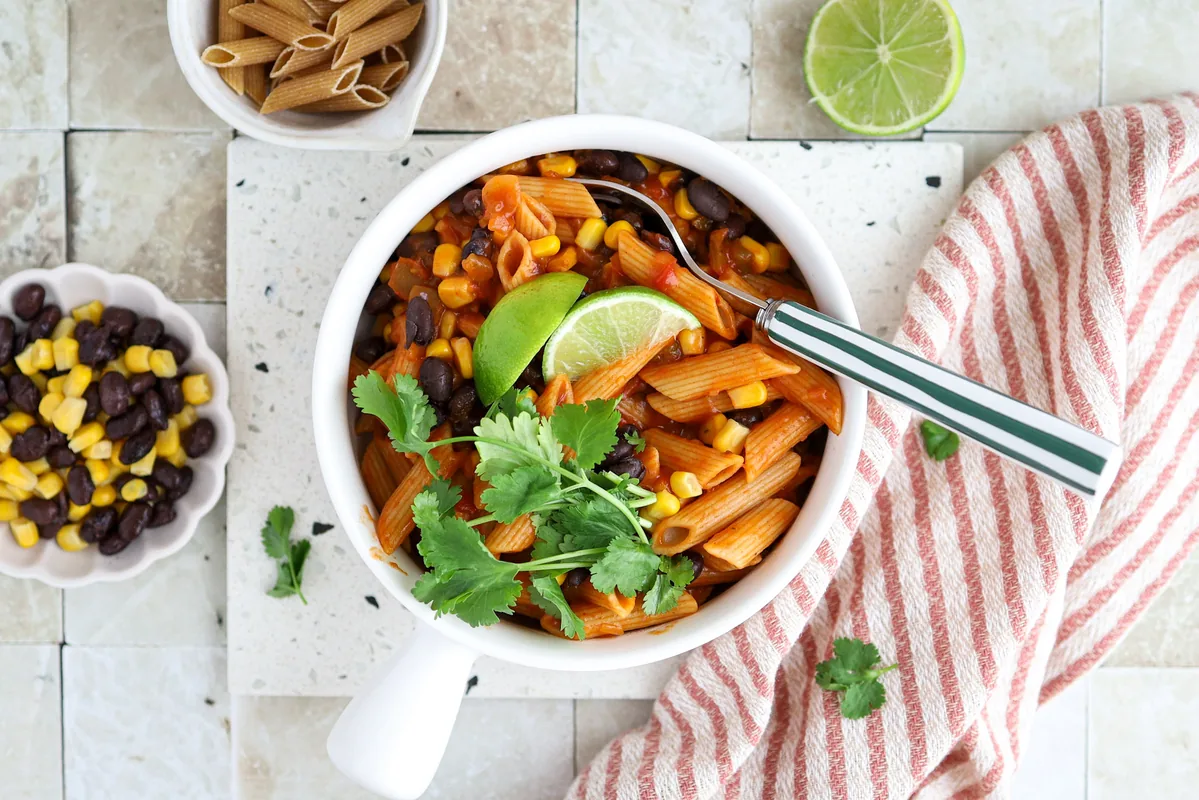
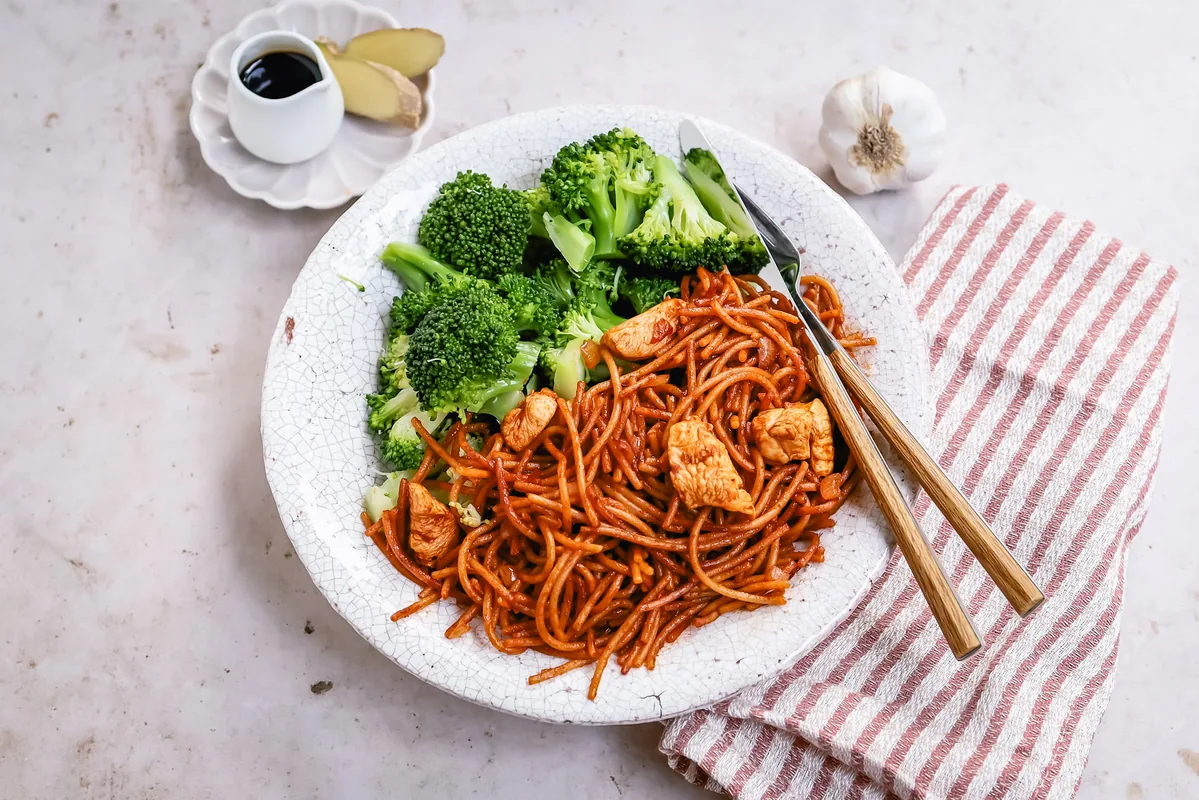
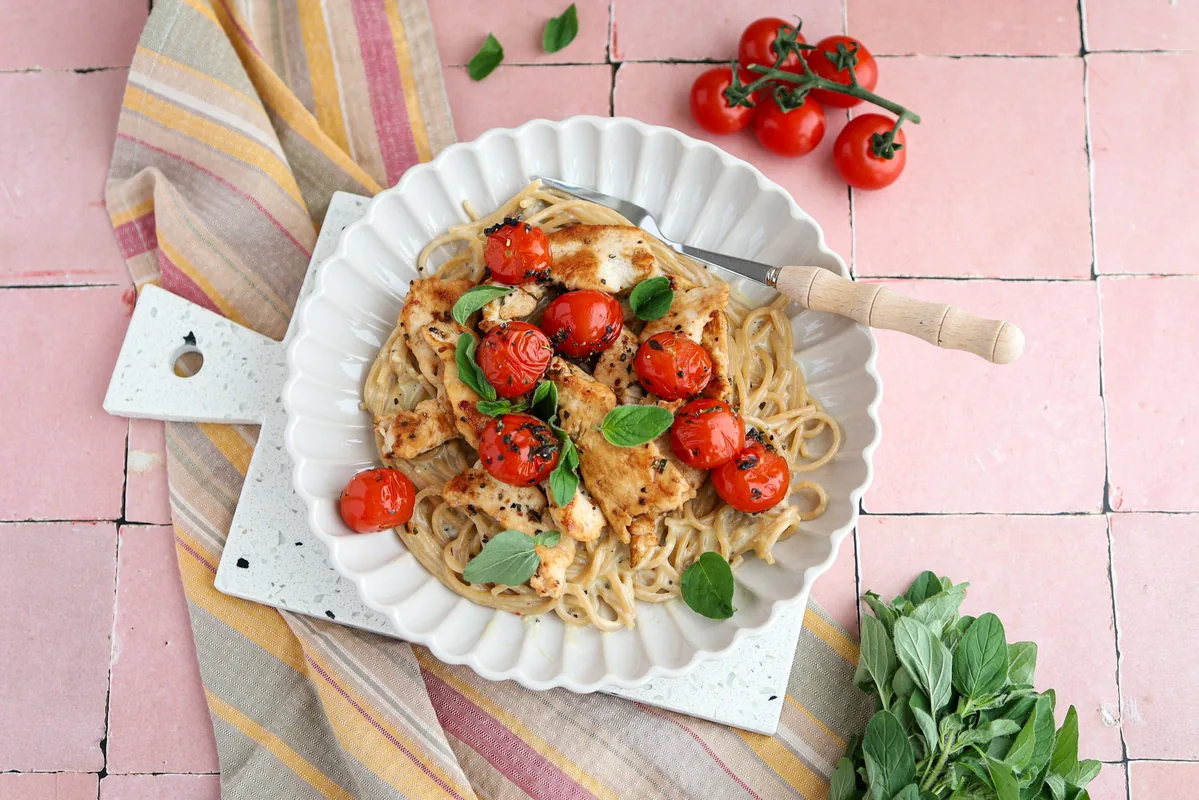
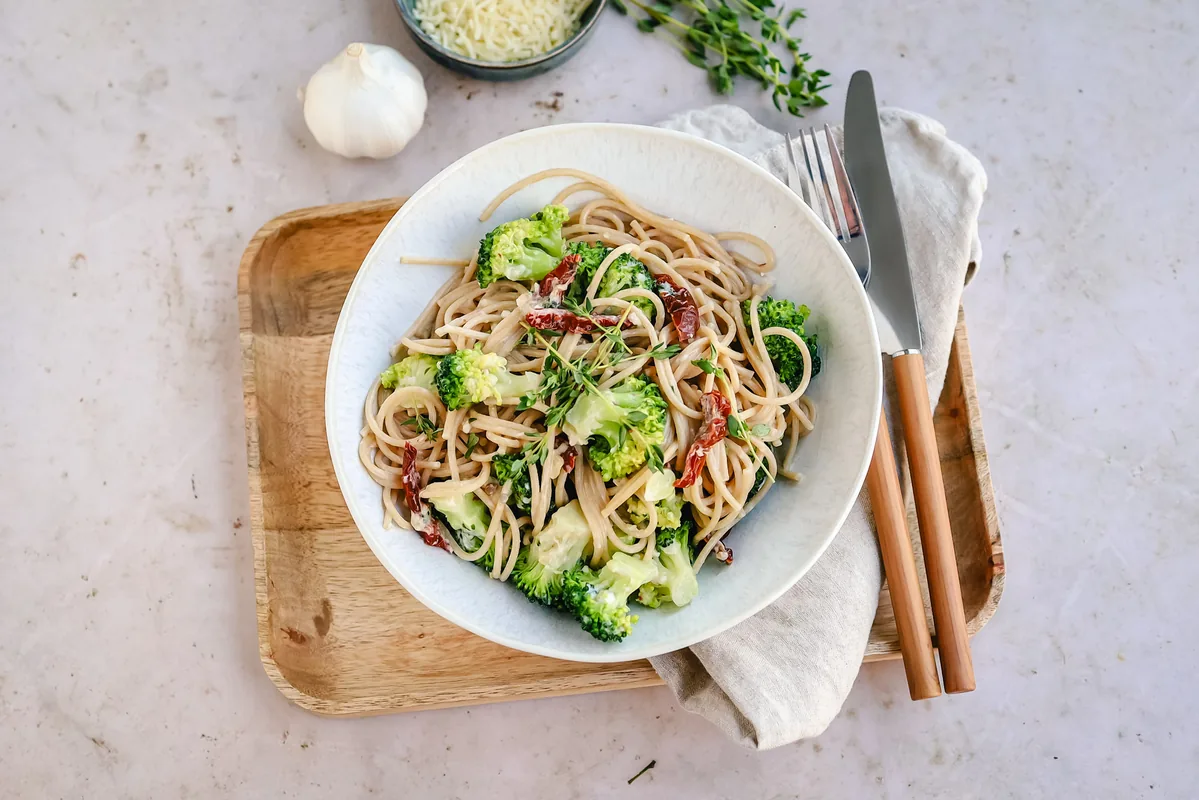
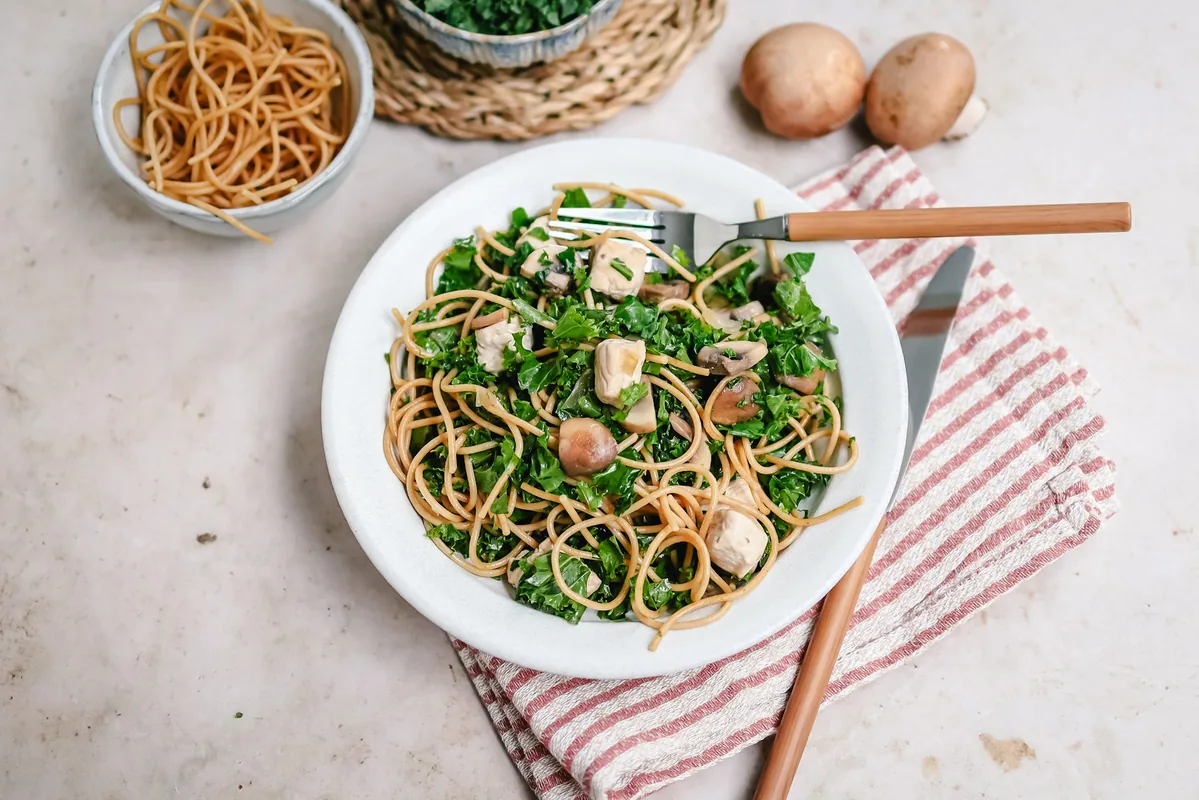

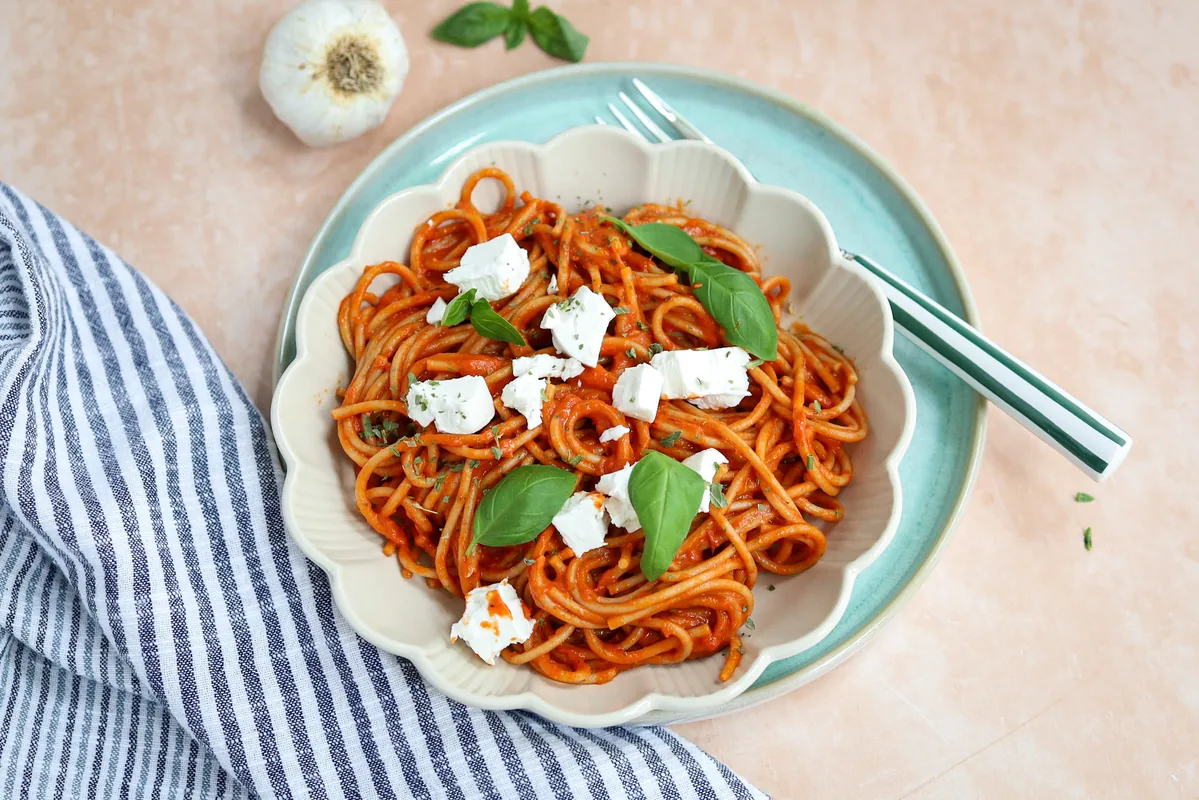

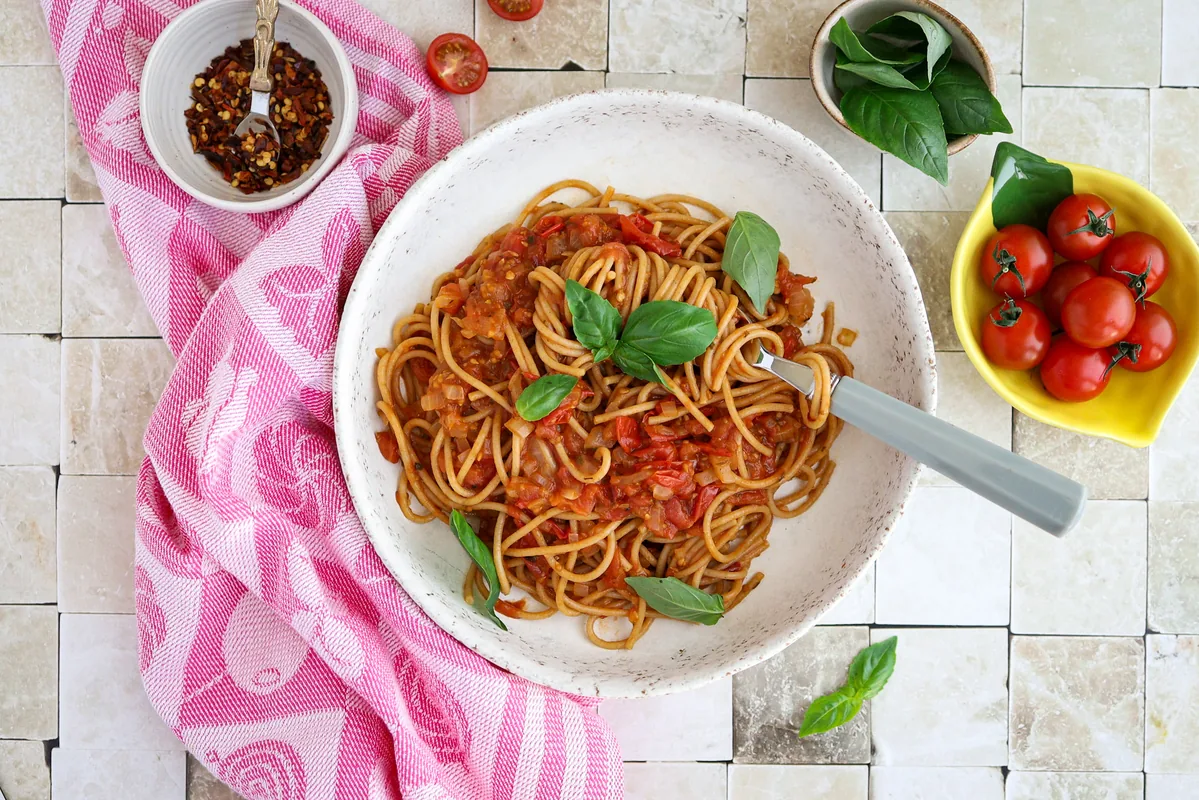

Garlic hits hot olive oil and something measurable happens. The sulfur compounds in garlic convert 60–68% of lycopene to Z-isomers, a form 8.5 times more absorbable in humans. That sauté step in nearly every pasta recipe isn't just aromatics. It's a studied nutrient activation mechanism.
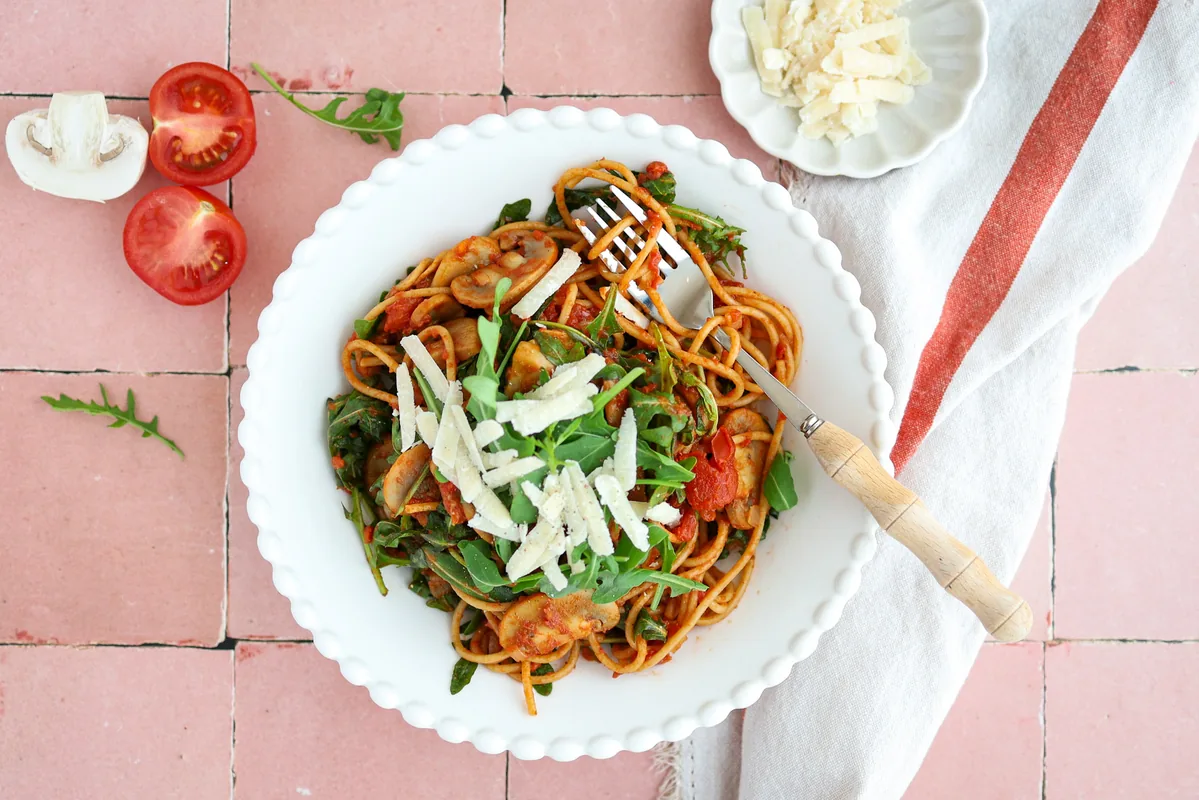
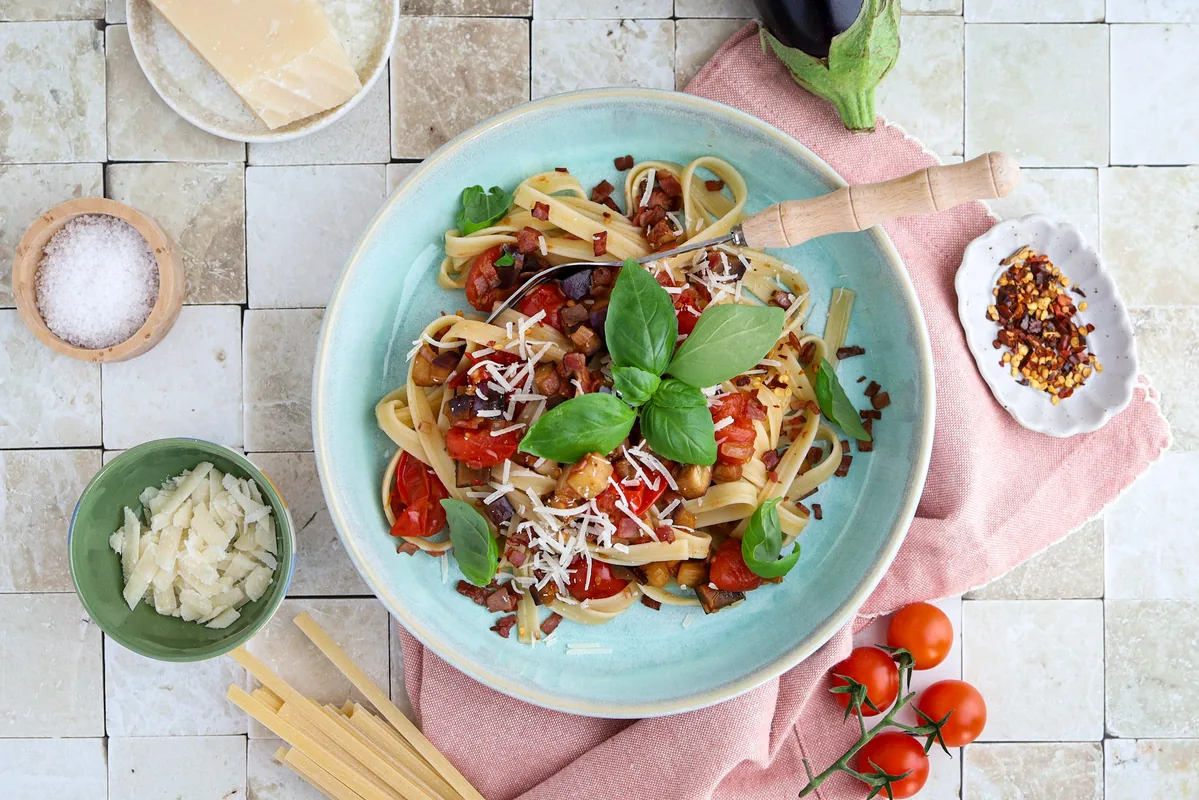
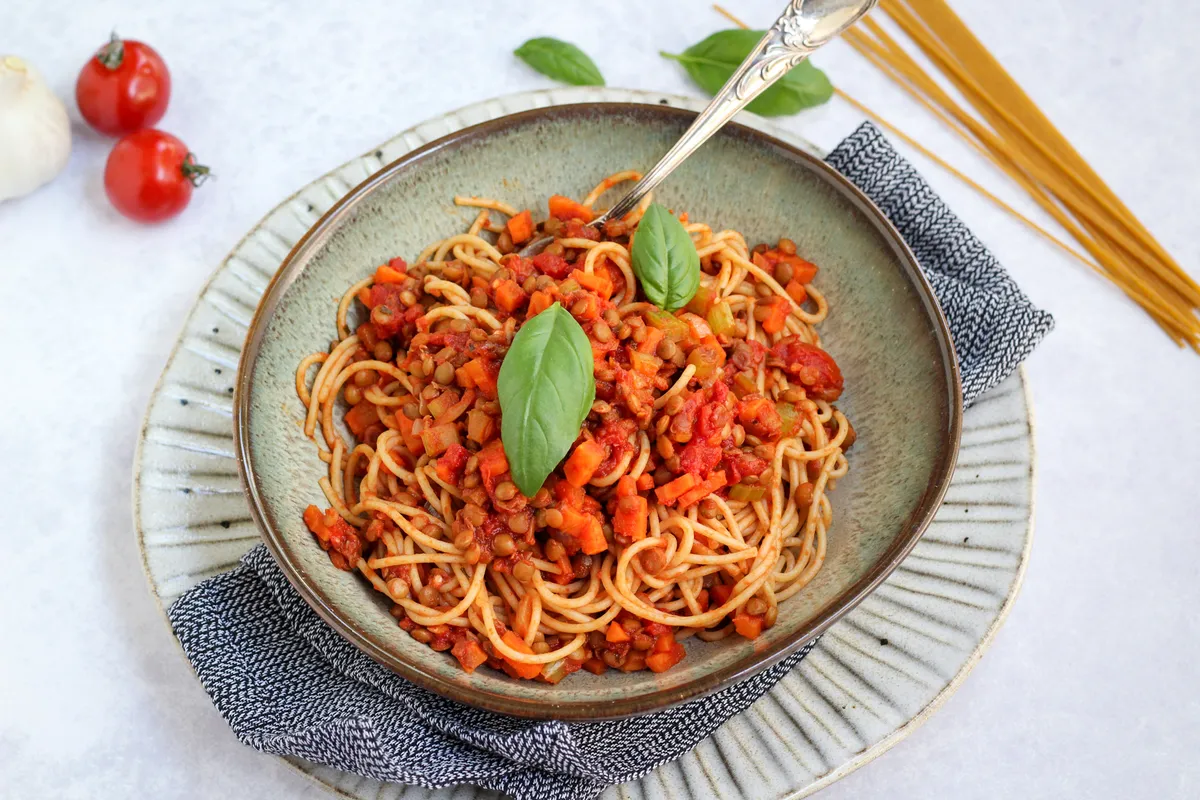
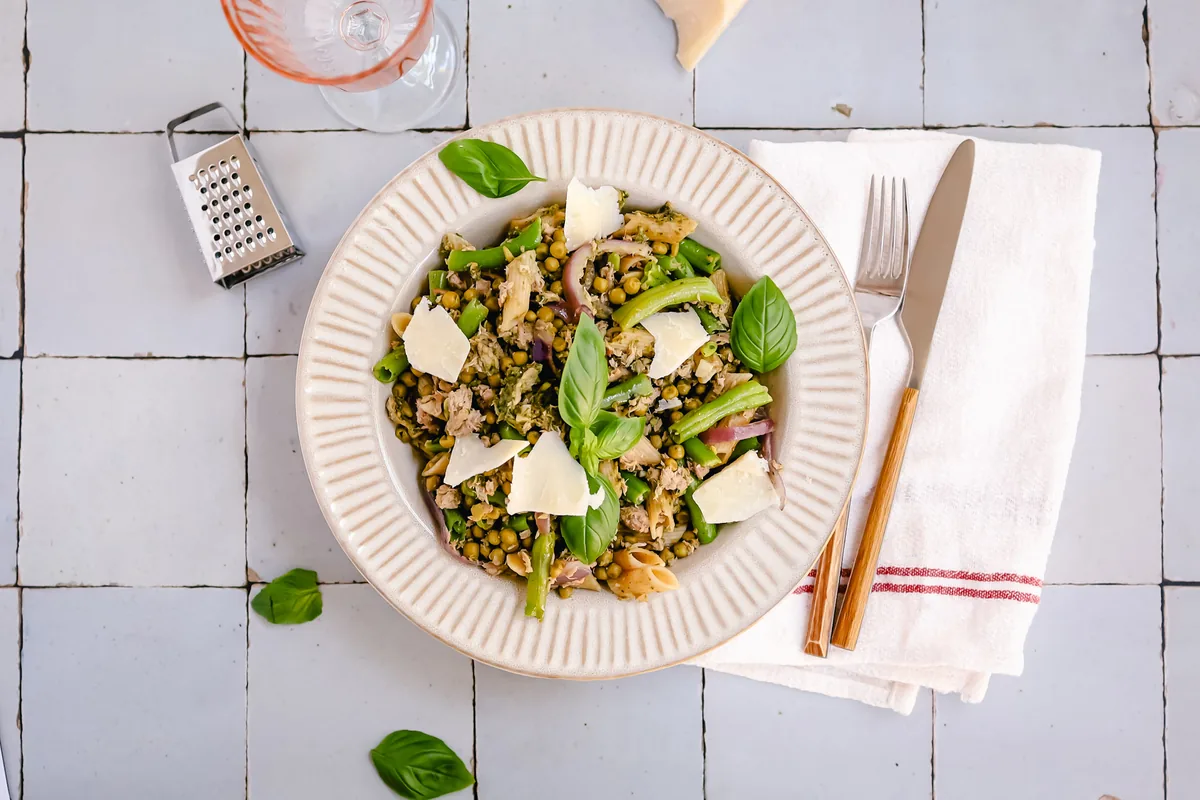
The sequence continues. Tomatoes added to that oil see their lycopene absorption increase 2.5 to 3.8 times compared to raw. The oil itself loses 40–75% of its protective compounds with heat, but what remains still exceeds the EU threshold for its approved heart-health claim. Even the finishing step has data: 500mg calcium reduced lycopene absorption by 83% in a crossover trial, which means the Parmesan is competing with the tomato underneath.
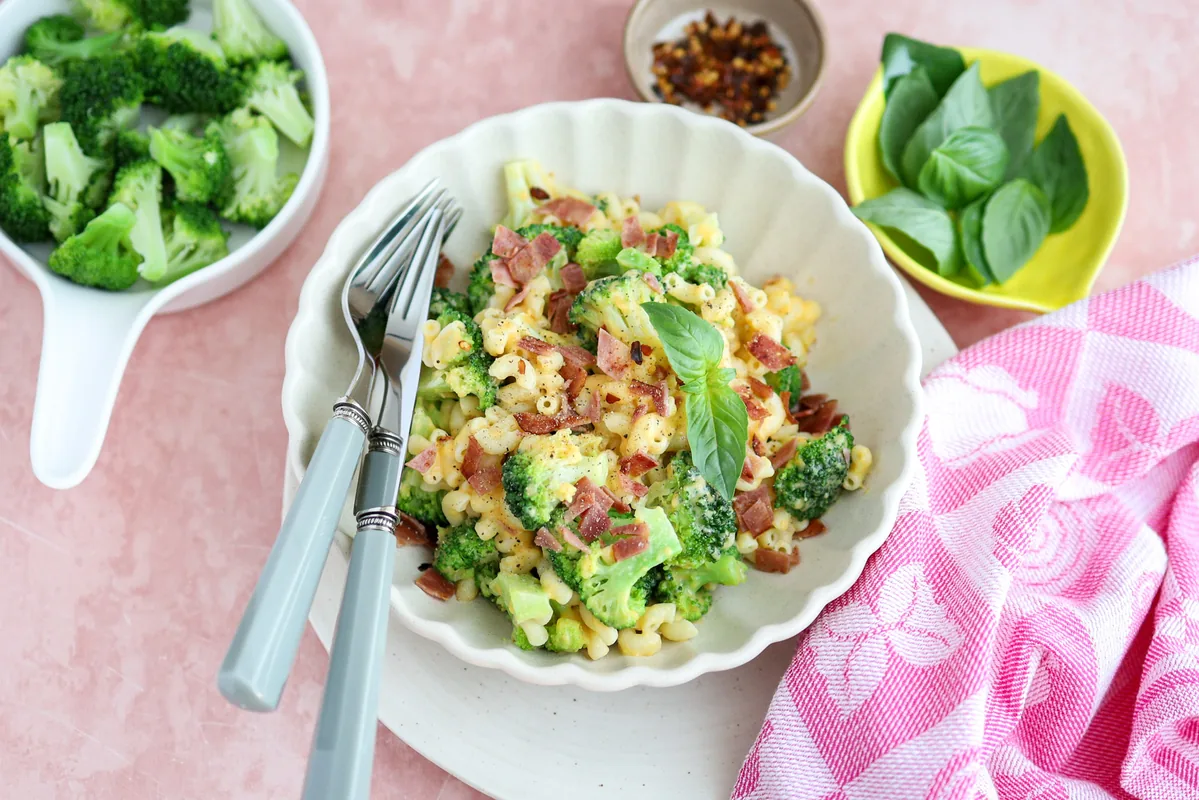
Then there's the number cooking chemistry can't explain. 82% of these 90 pasta recipes deliver 10g or more fiber per serving, a median of 12g. People come to pasta for carbs and protein. The fiber nobody expected is the finding a combined analysis of 62 controlled trials linked to body weight reduction without calorie restriction.
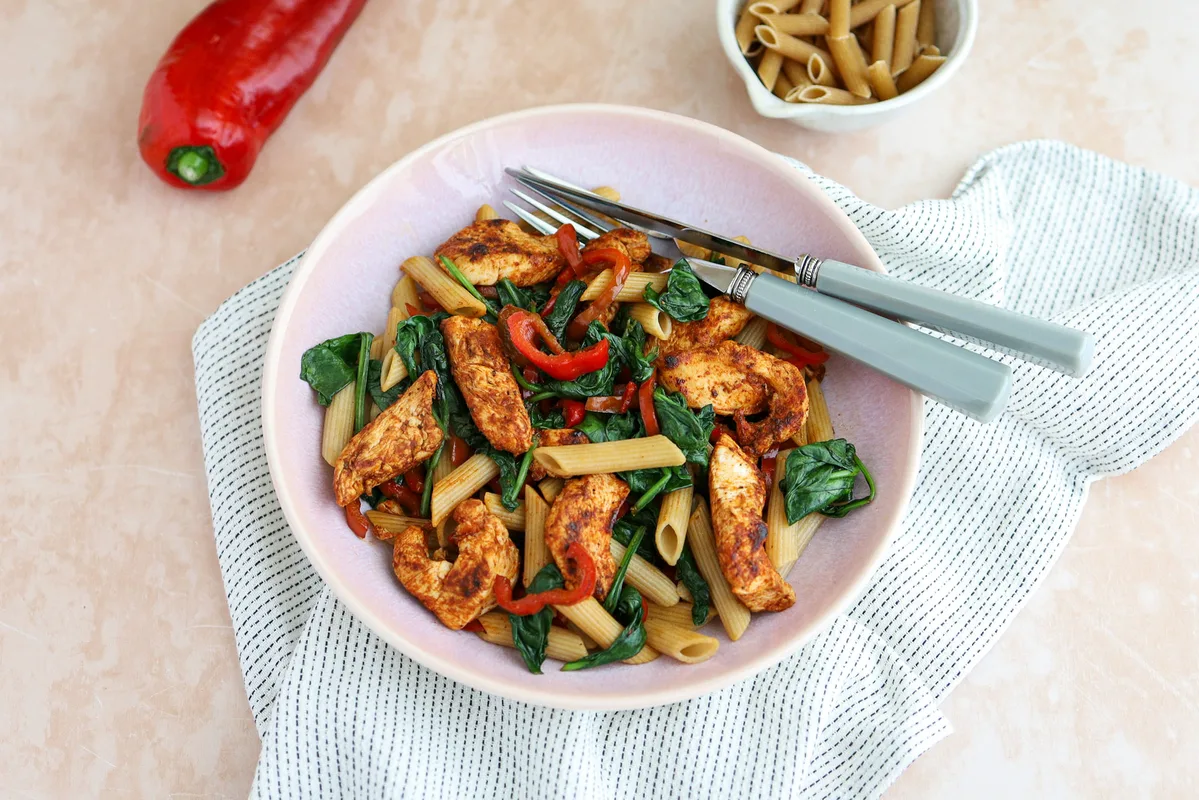
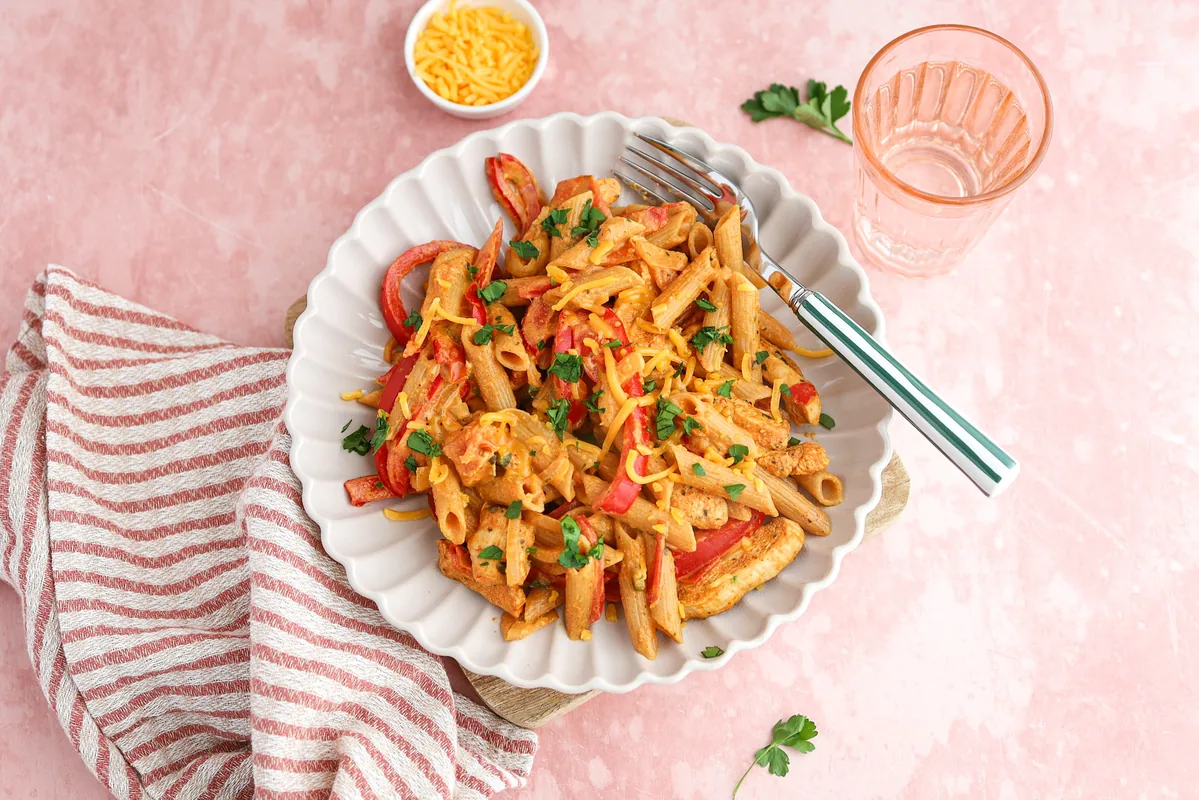
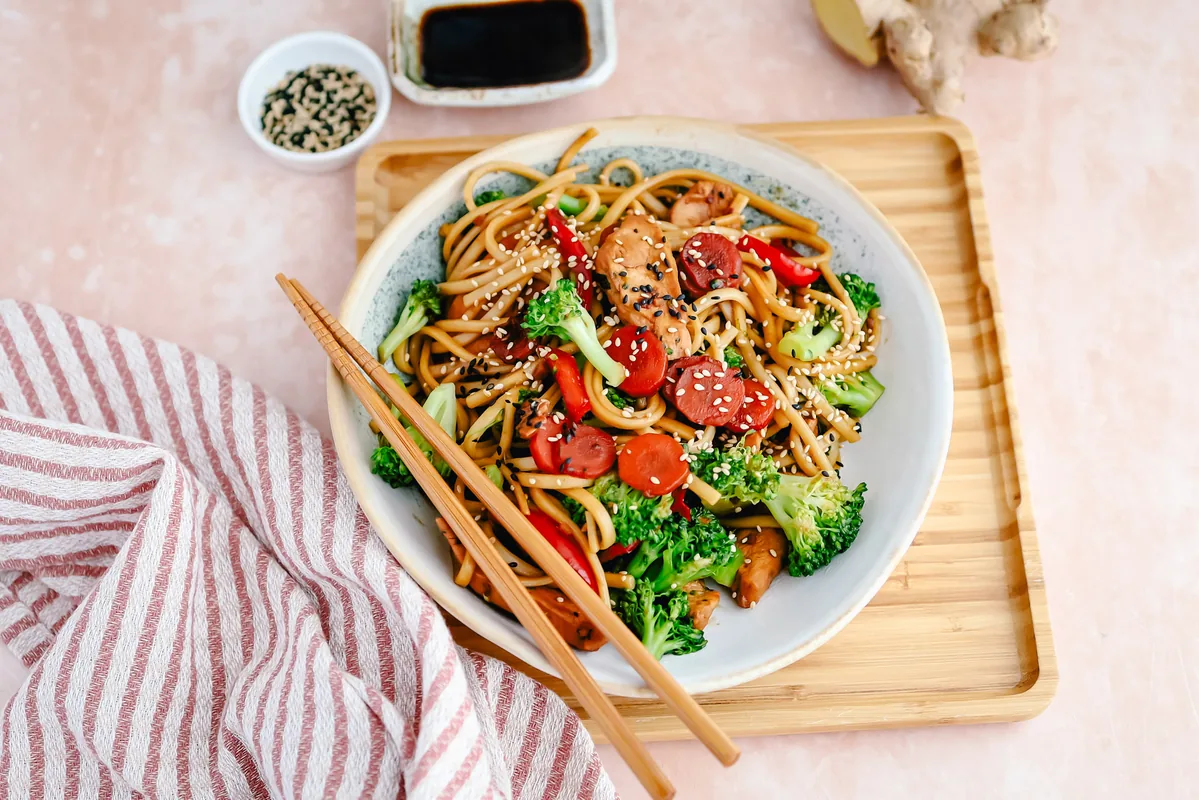
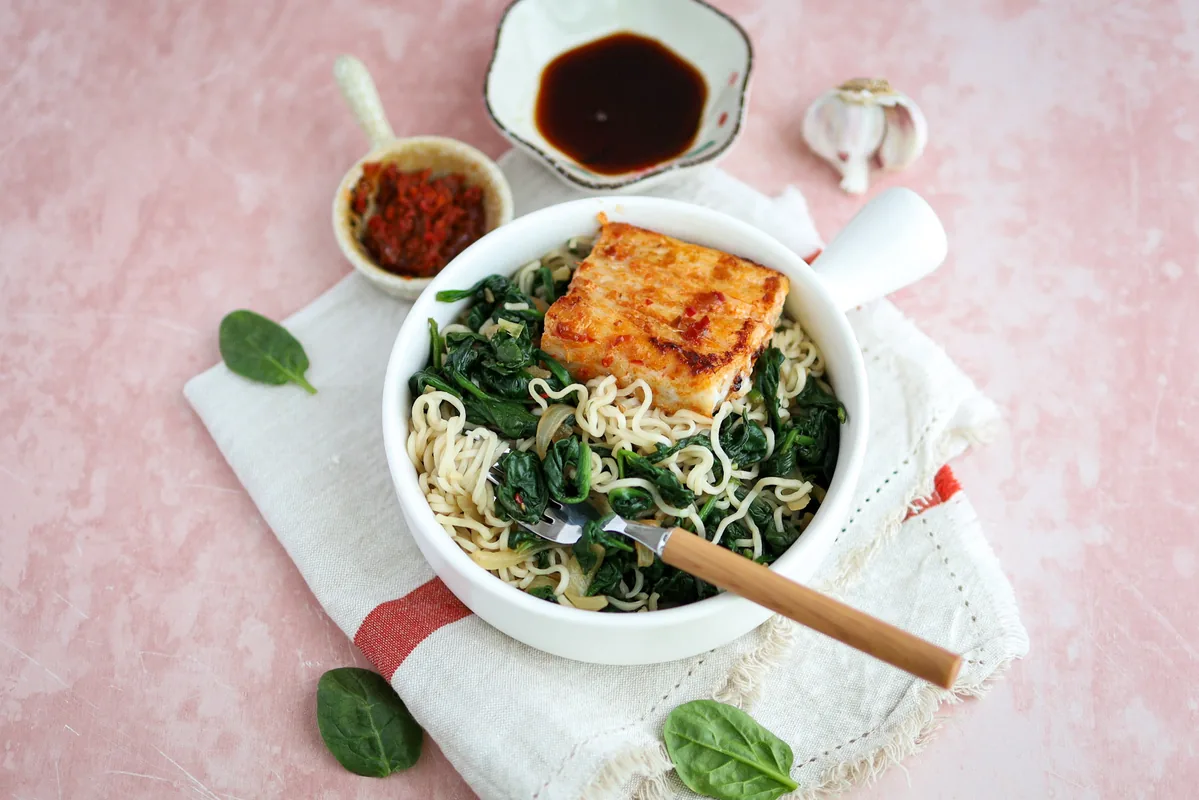
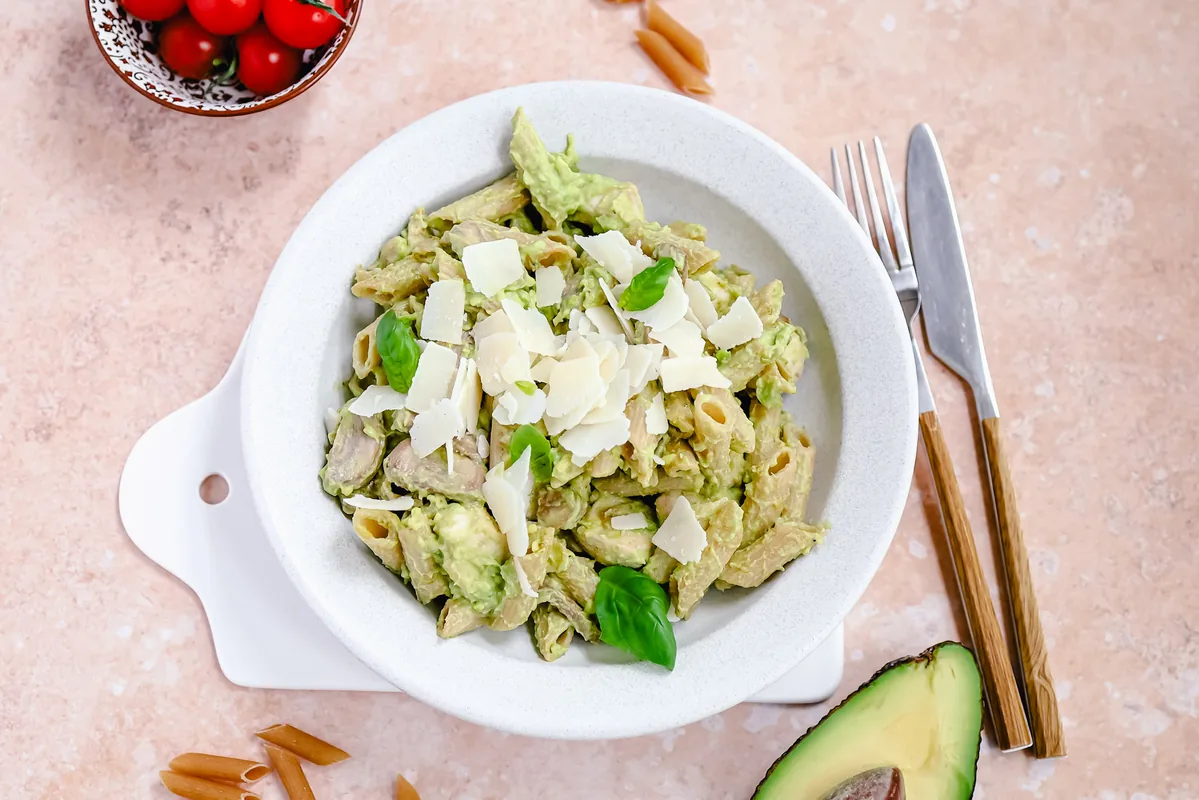
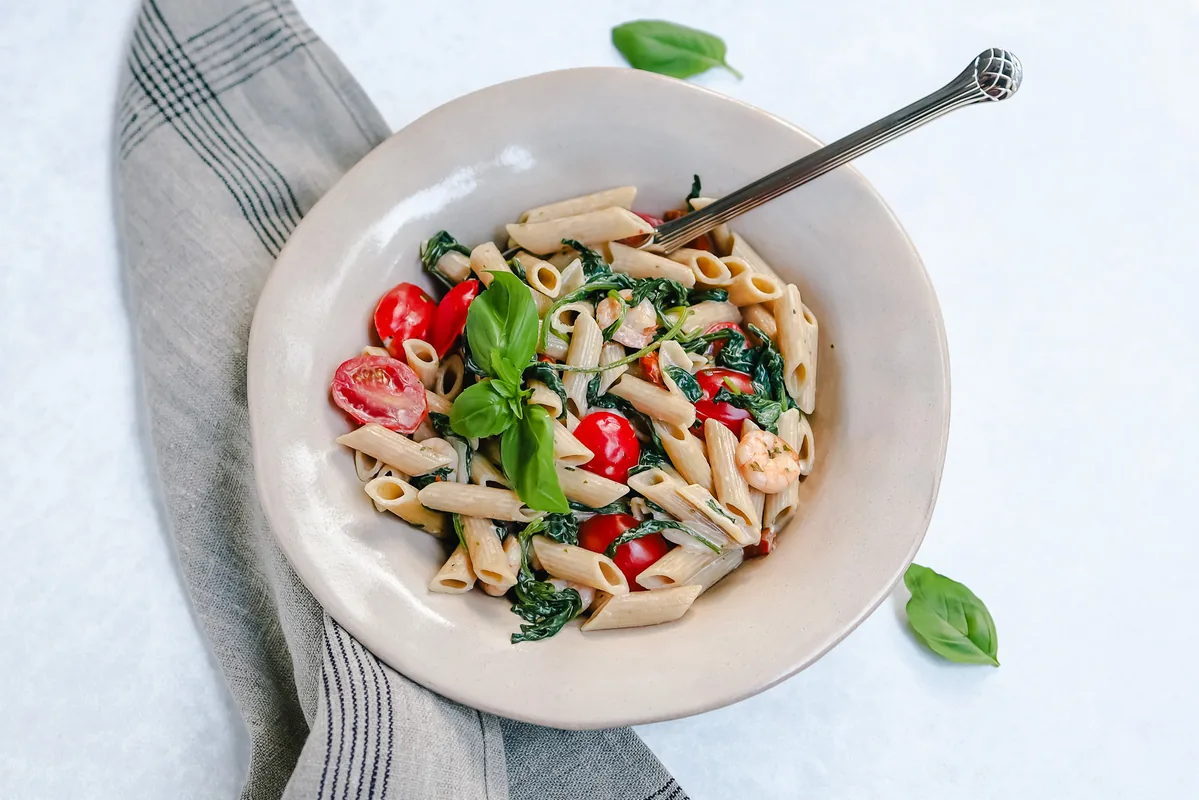
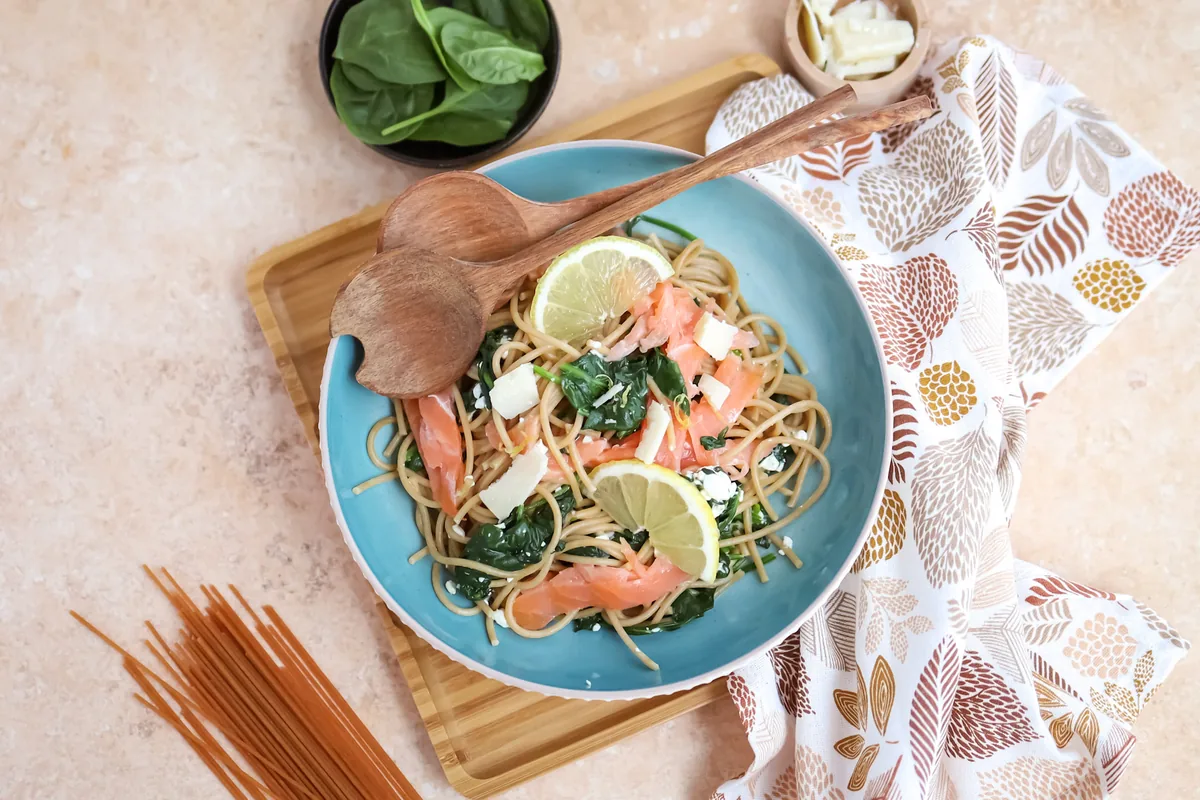
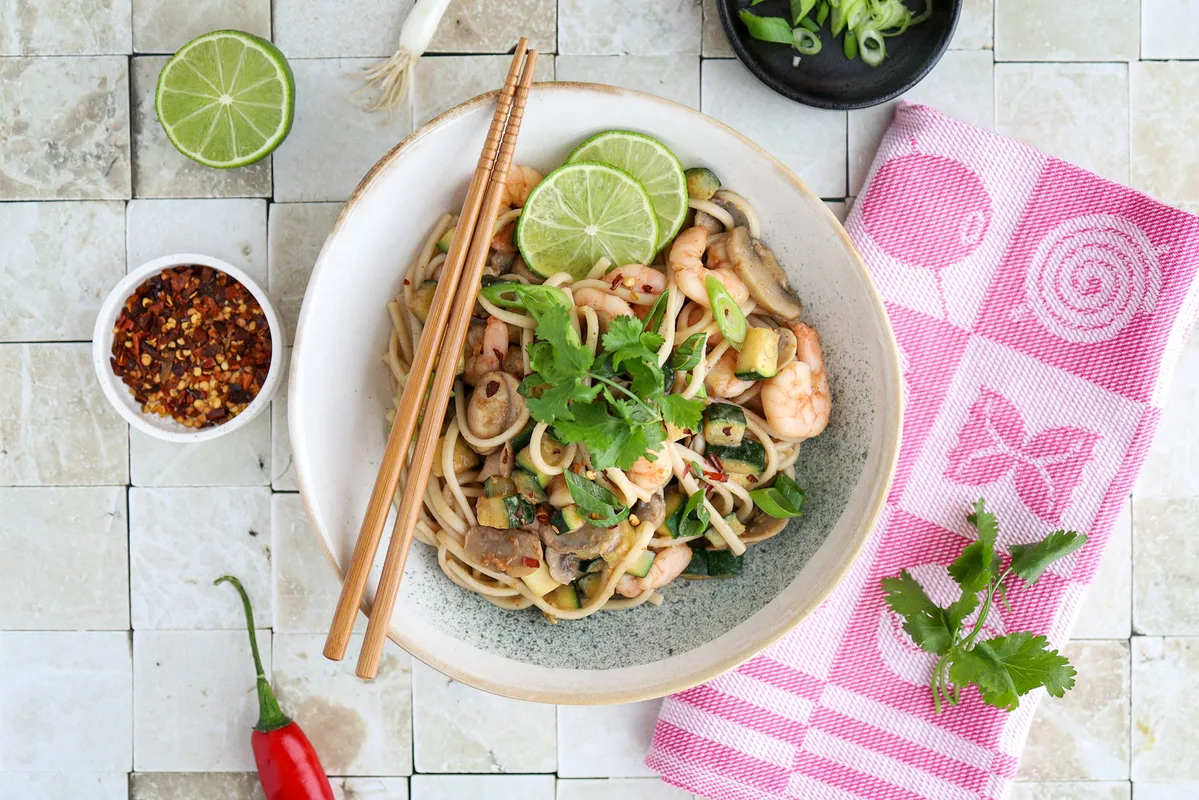
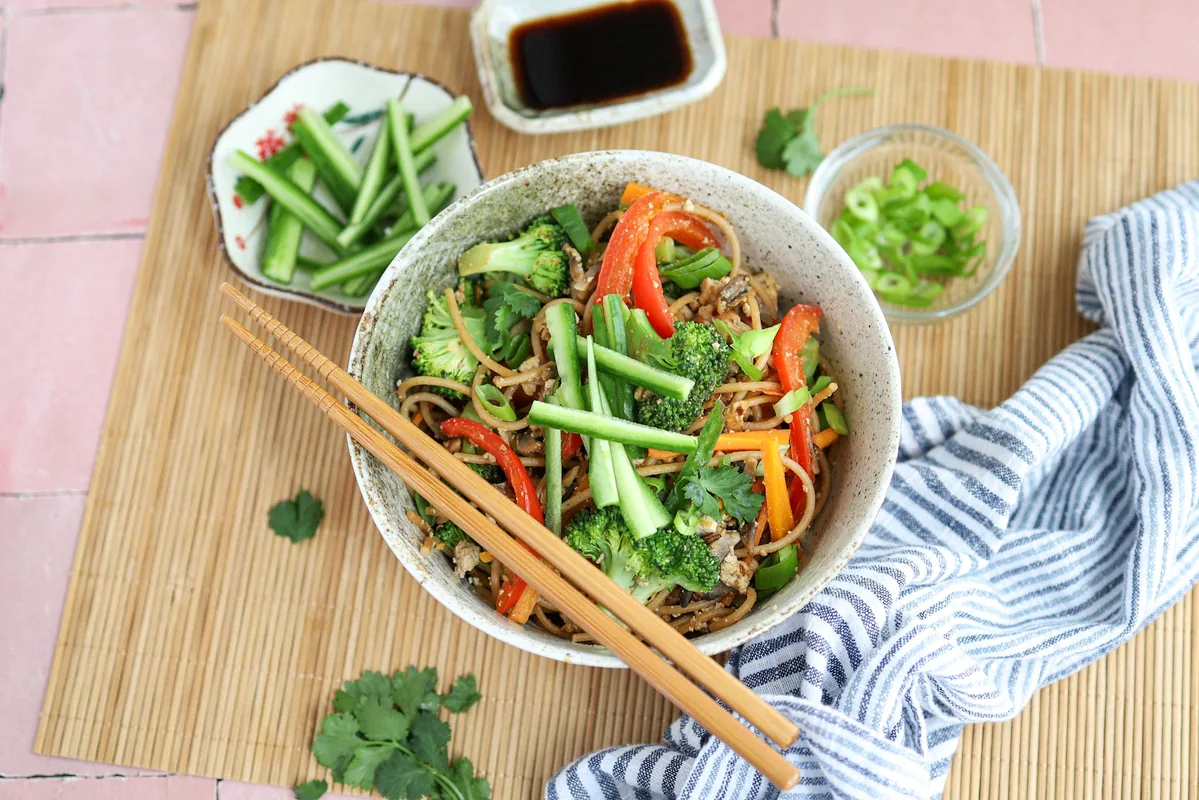
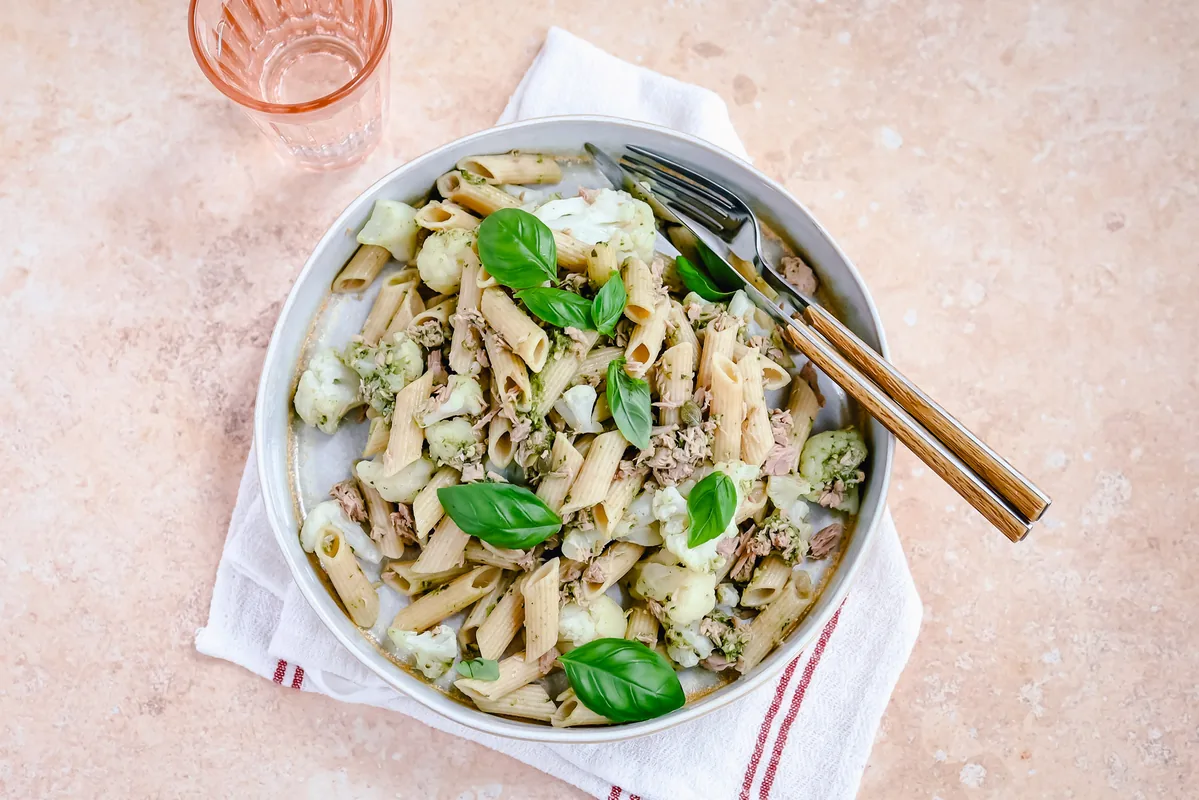
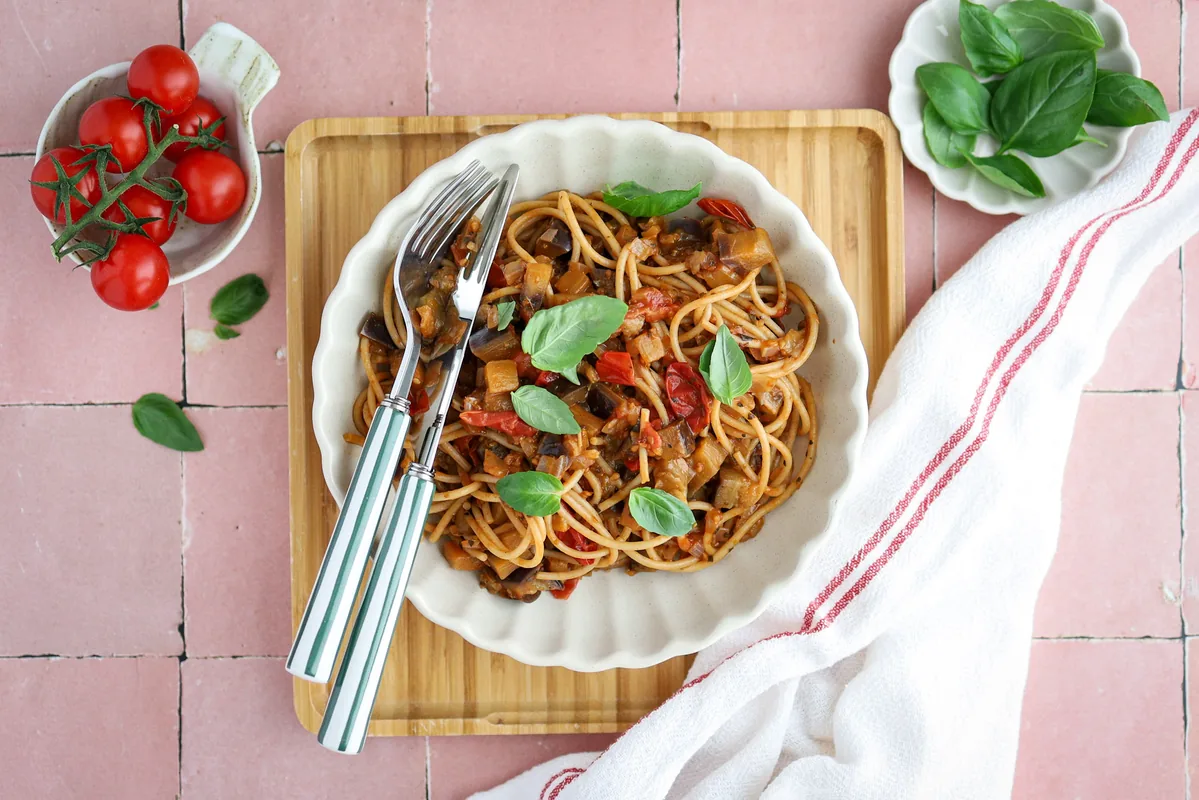
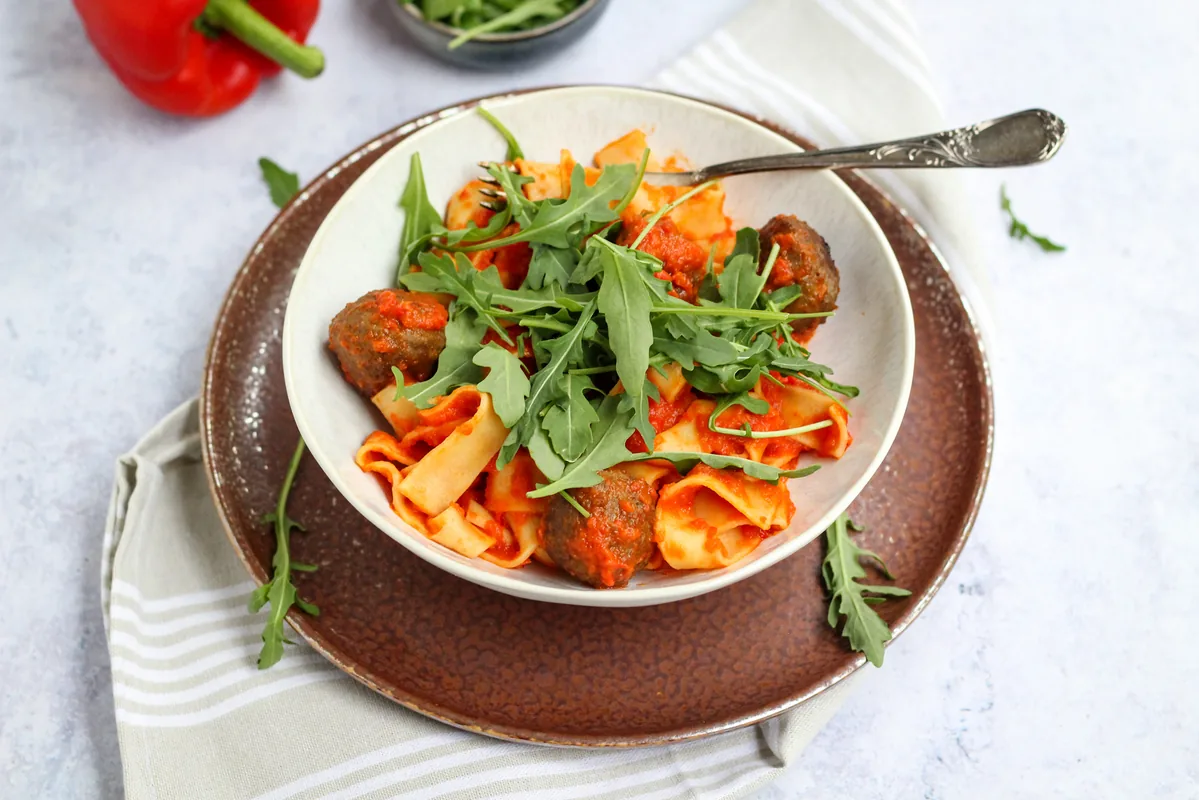
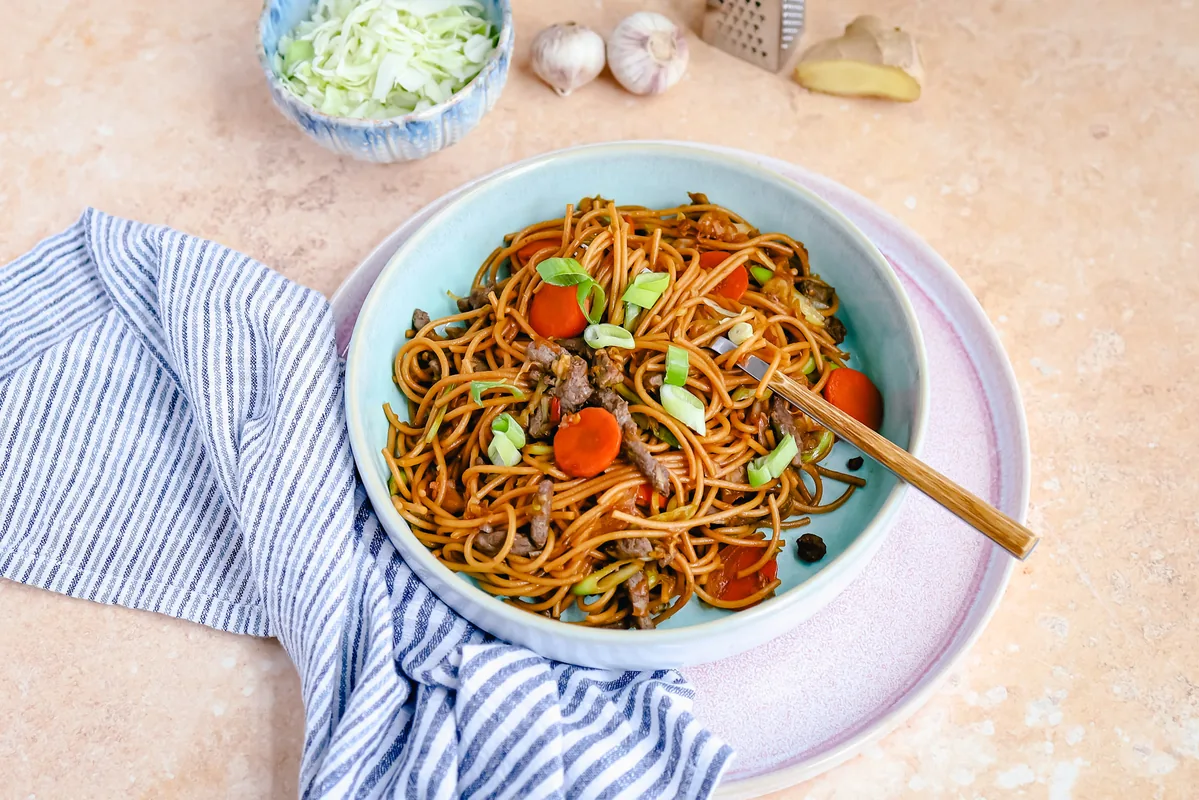
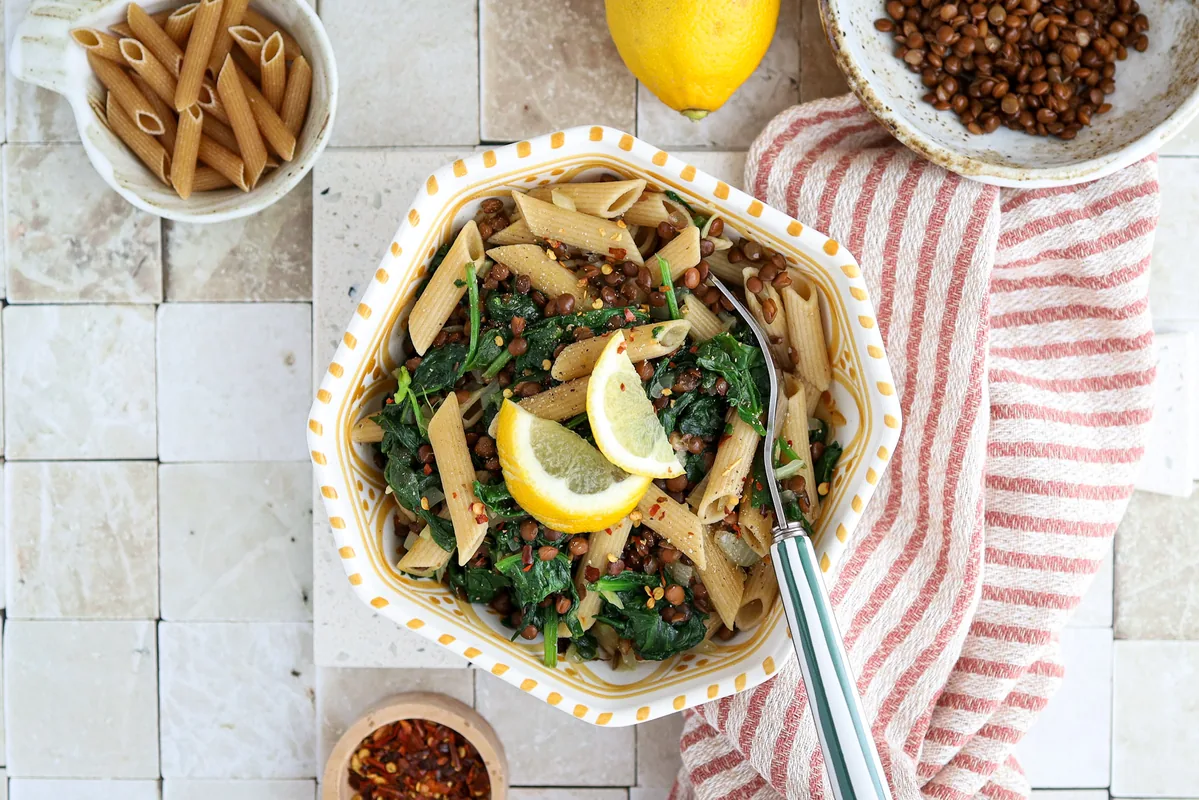
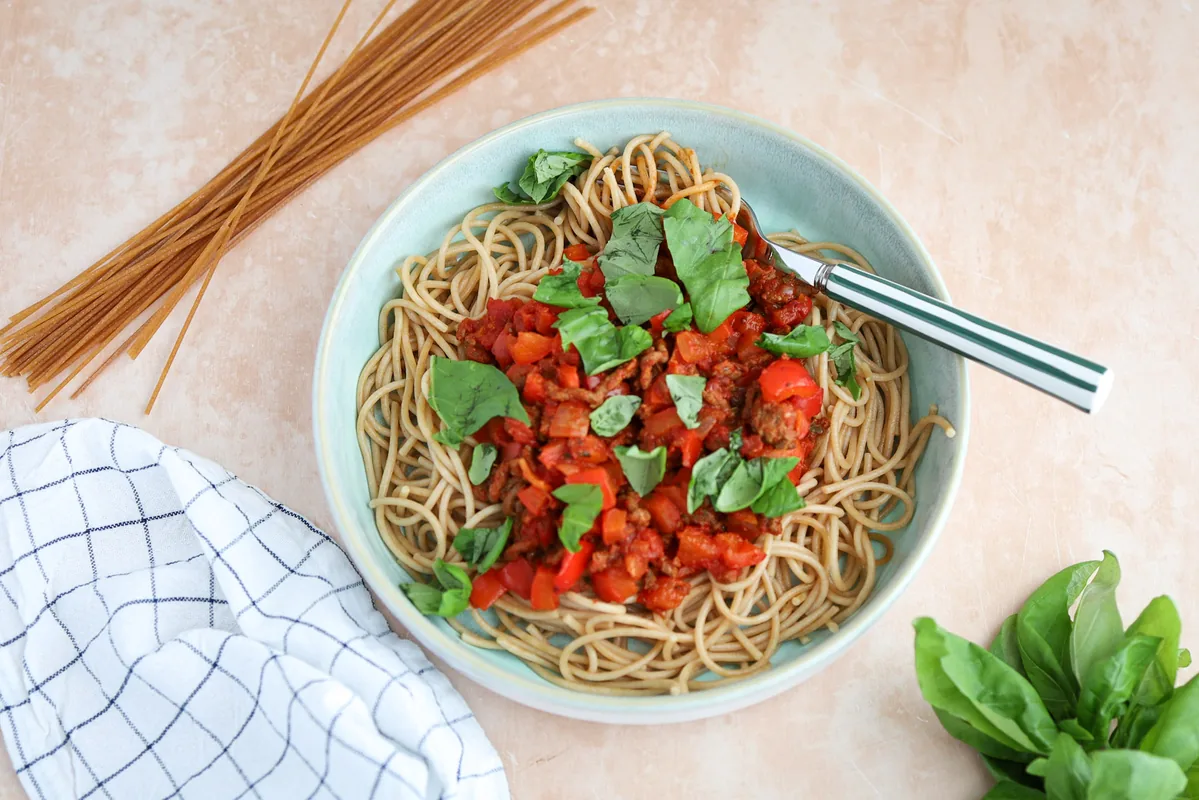
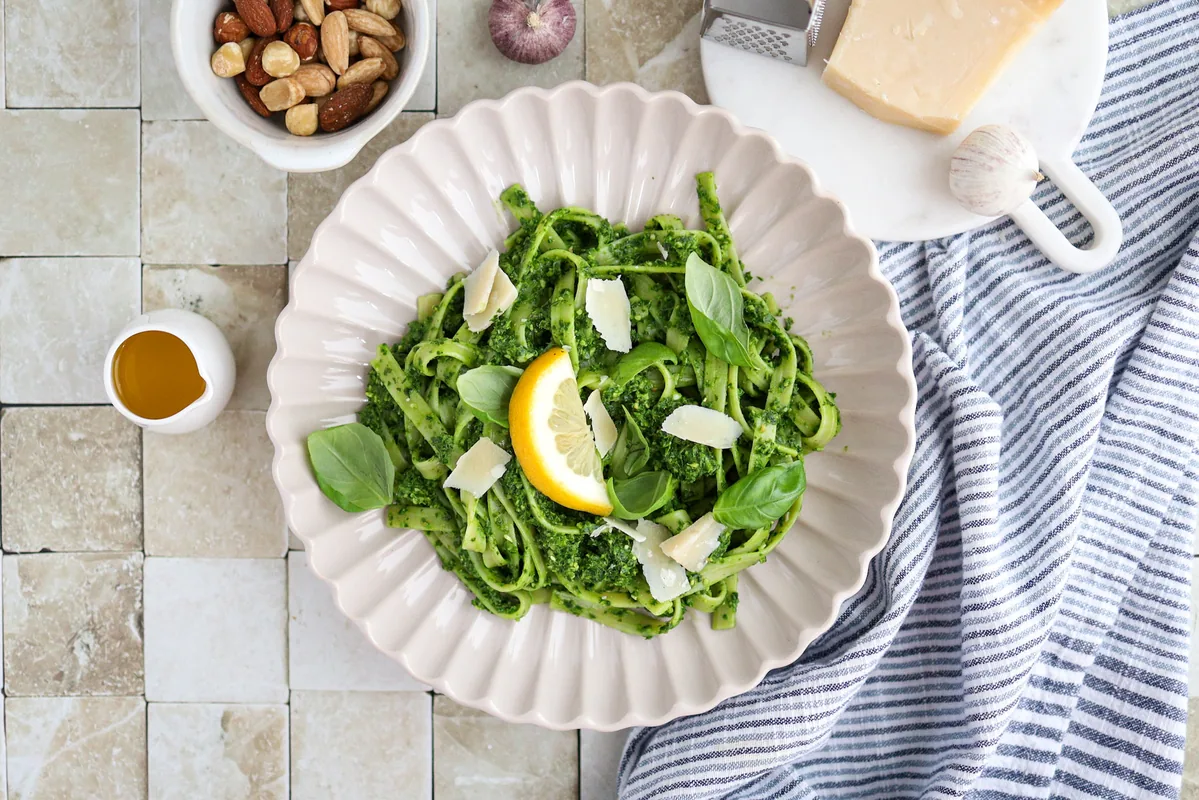
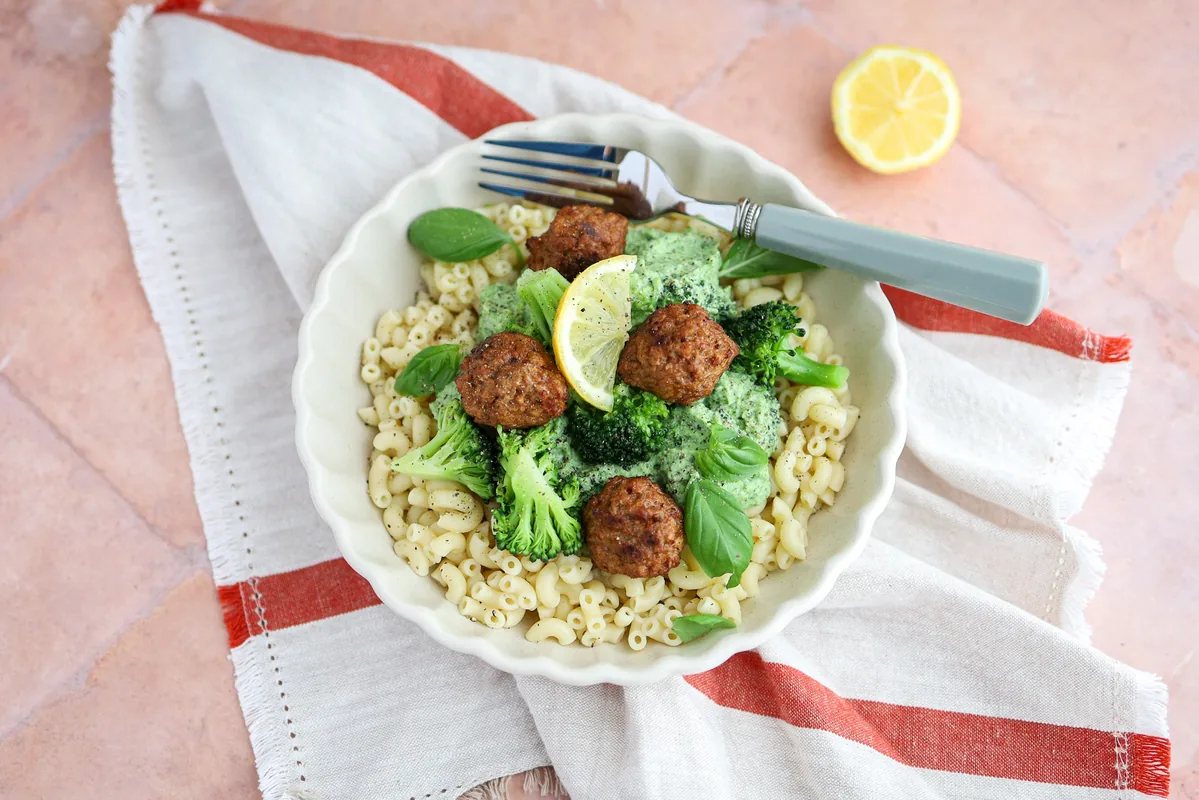
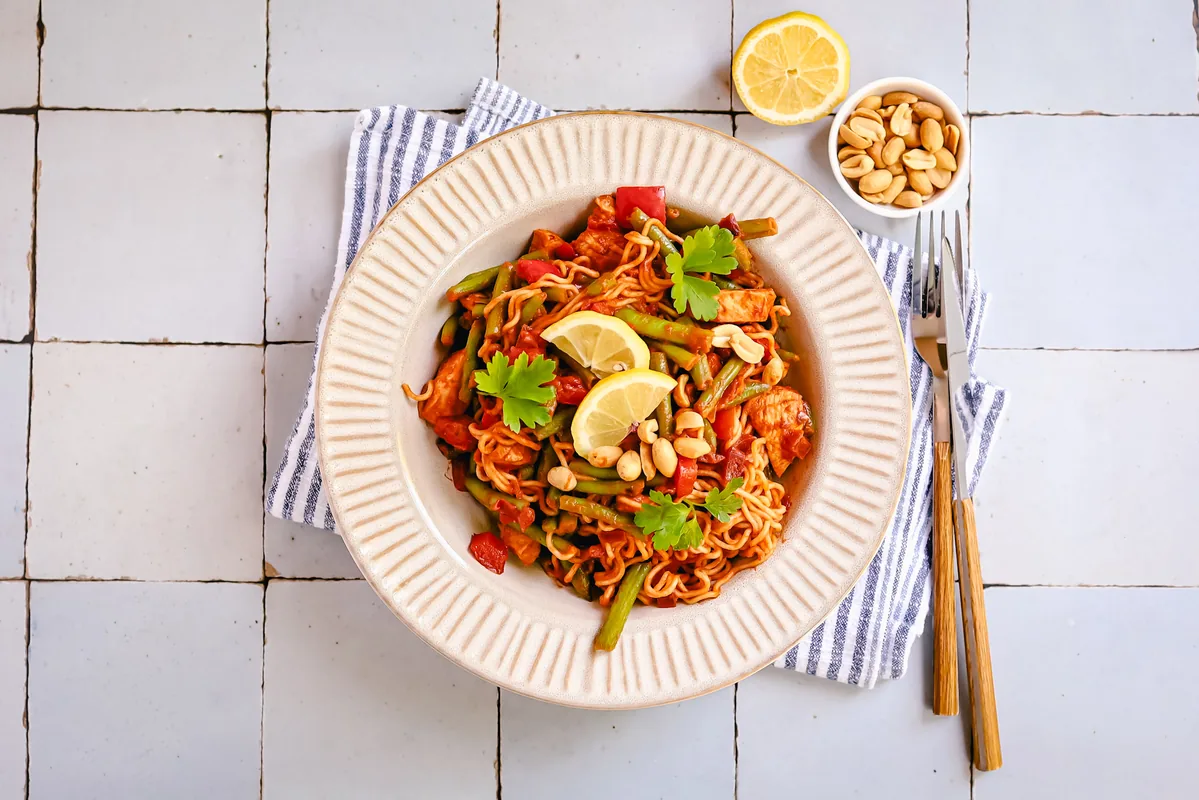
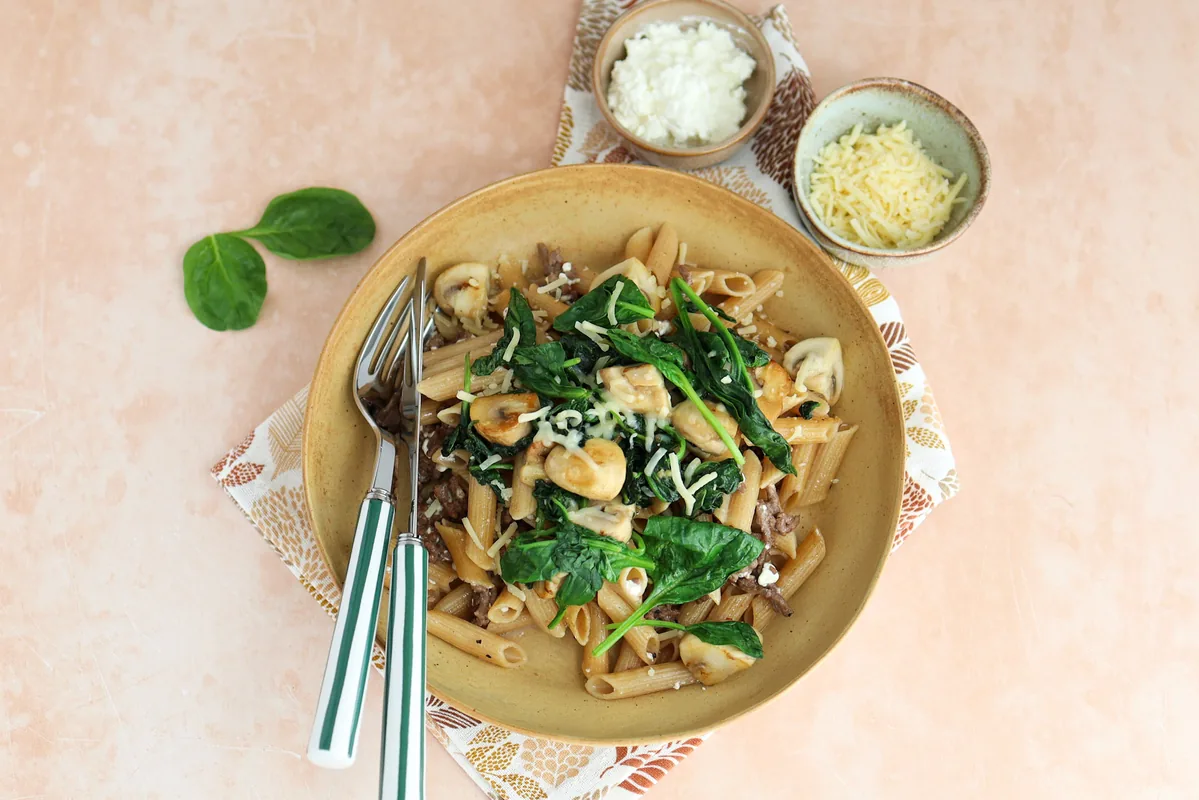
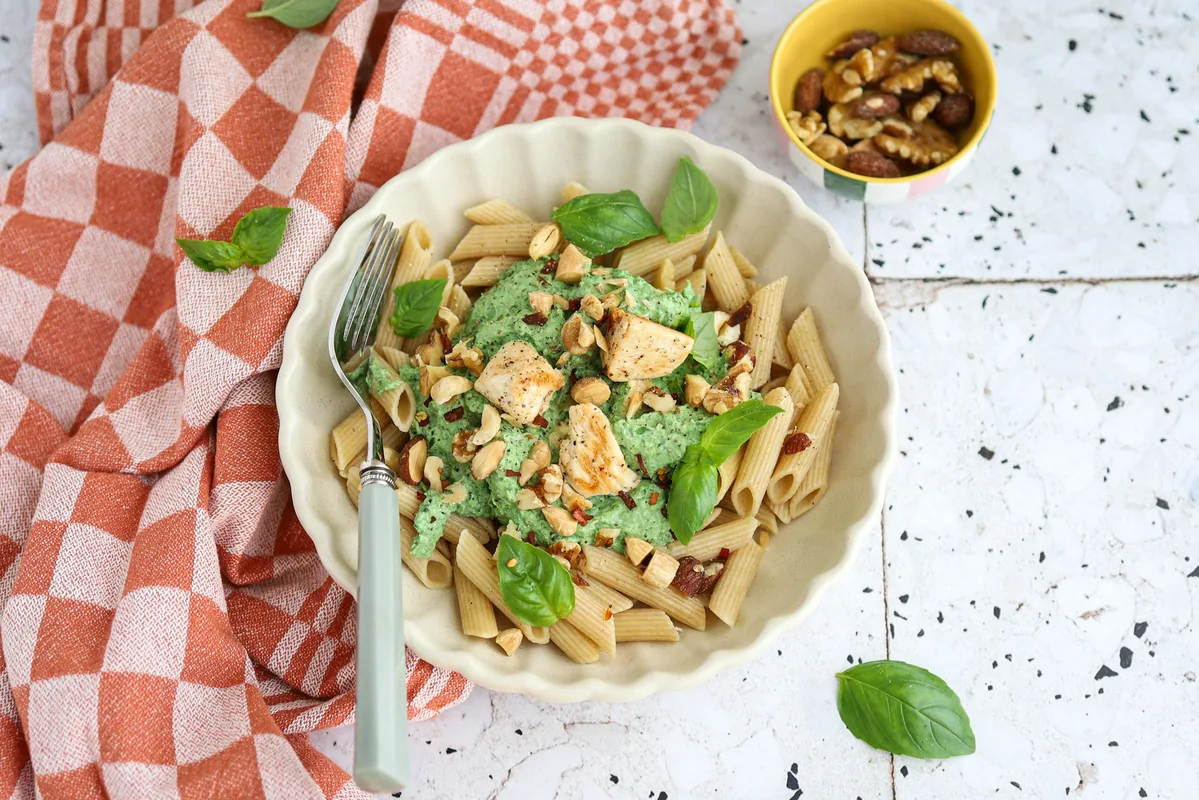
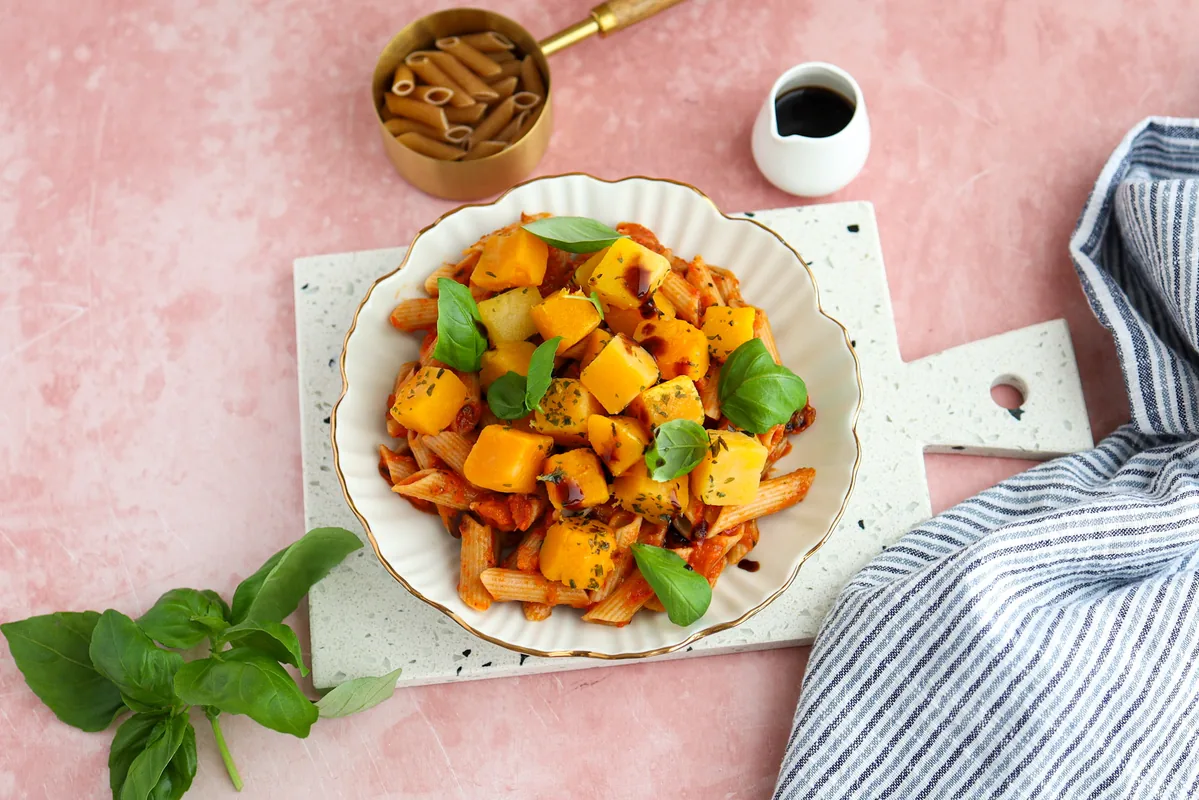
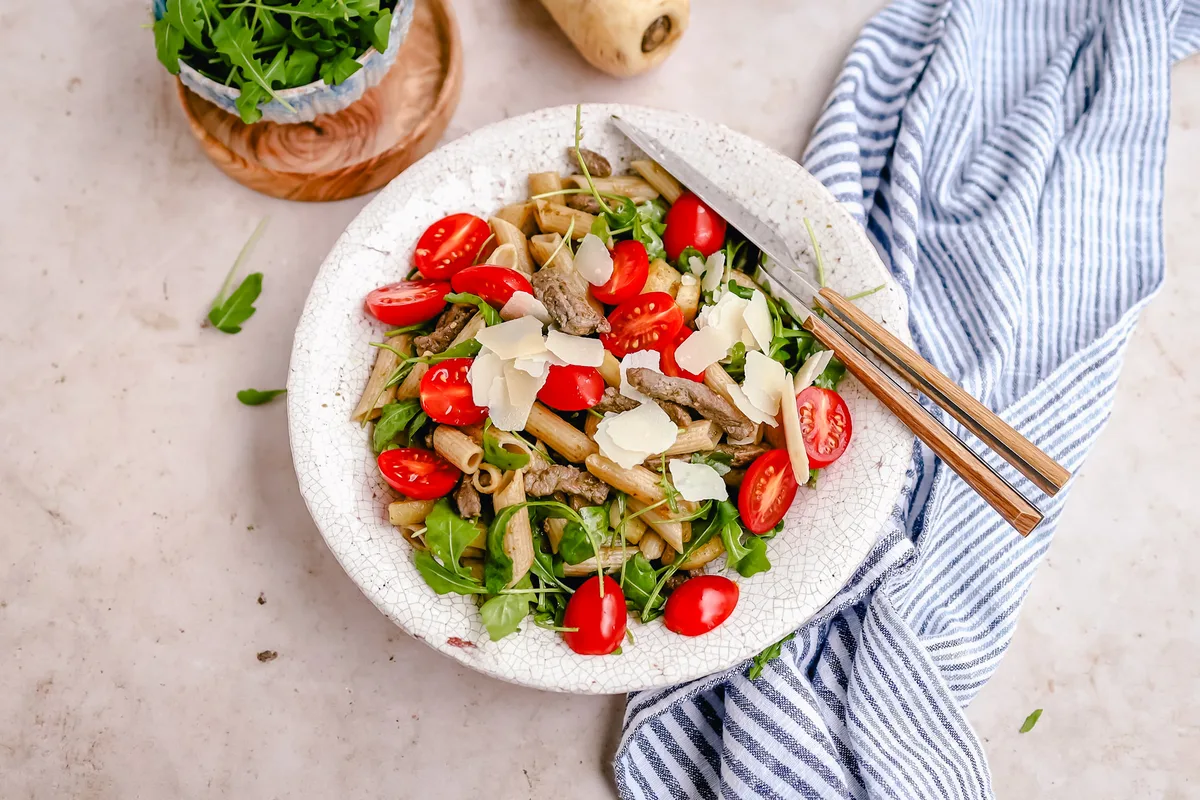
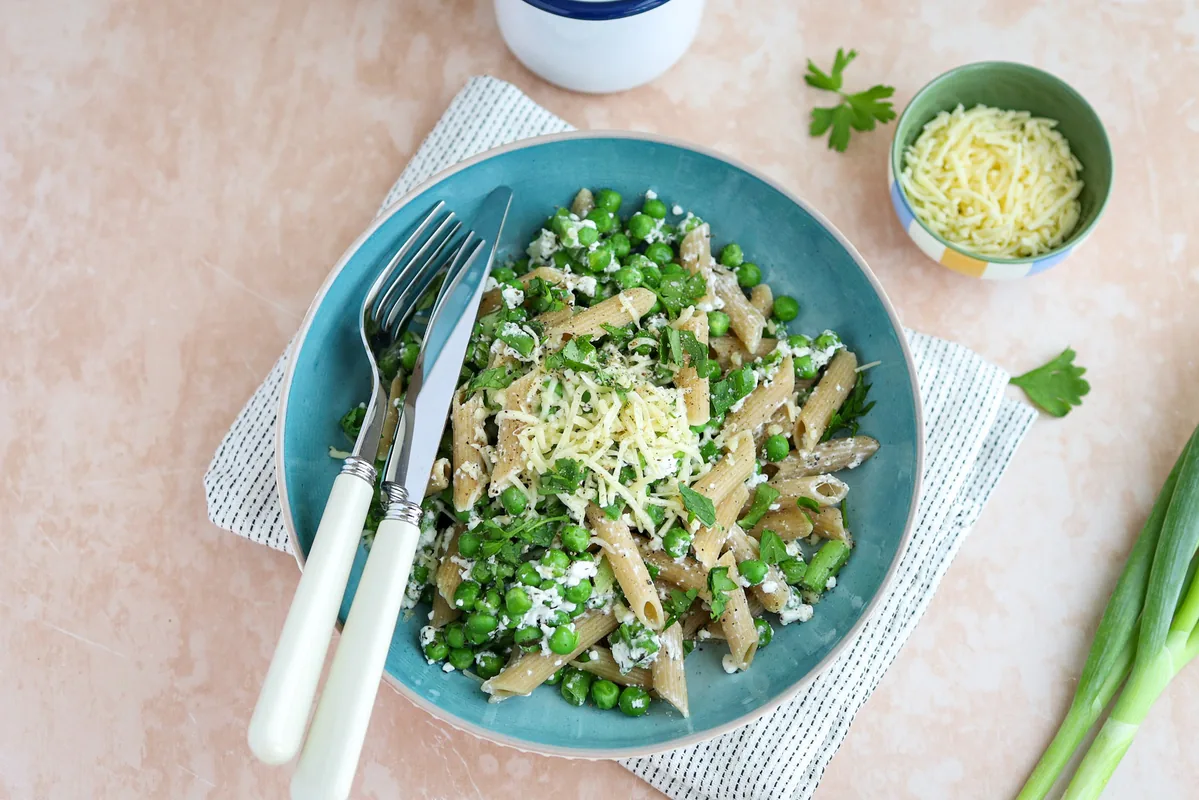
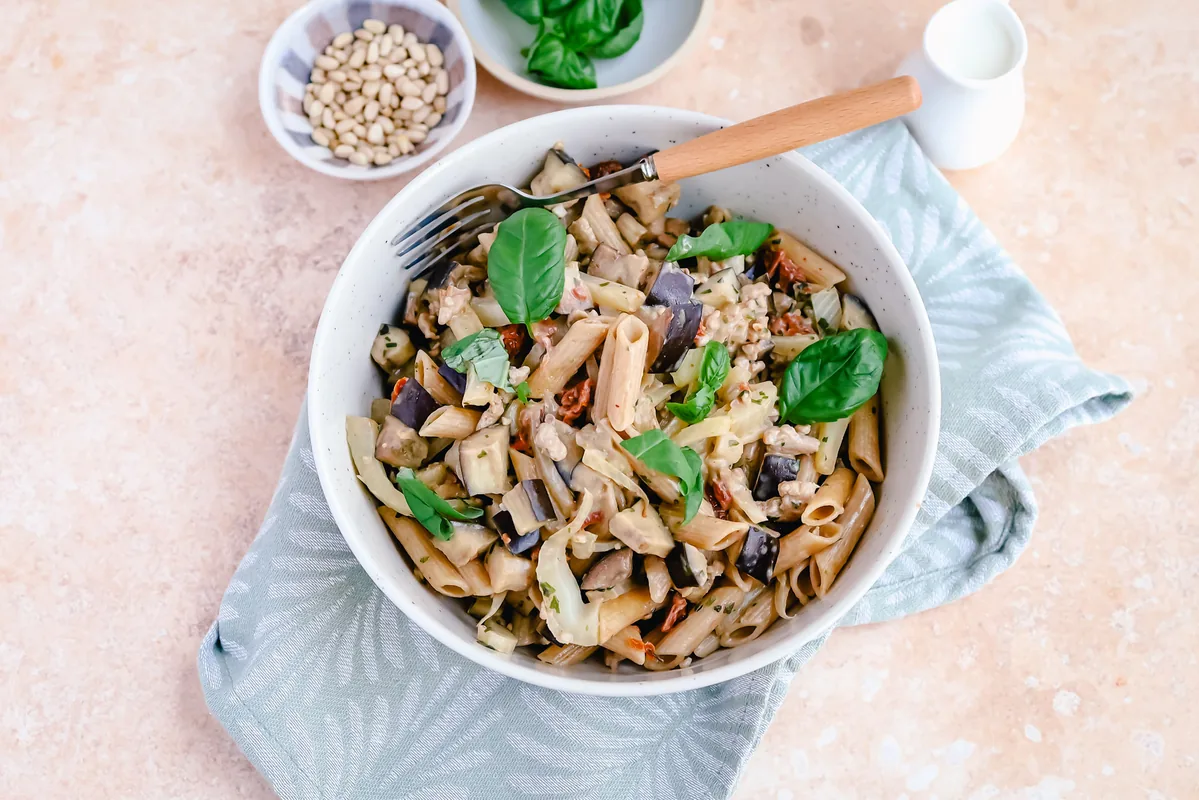
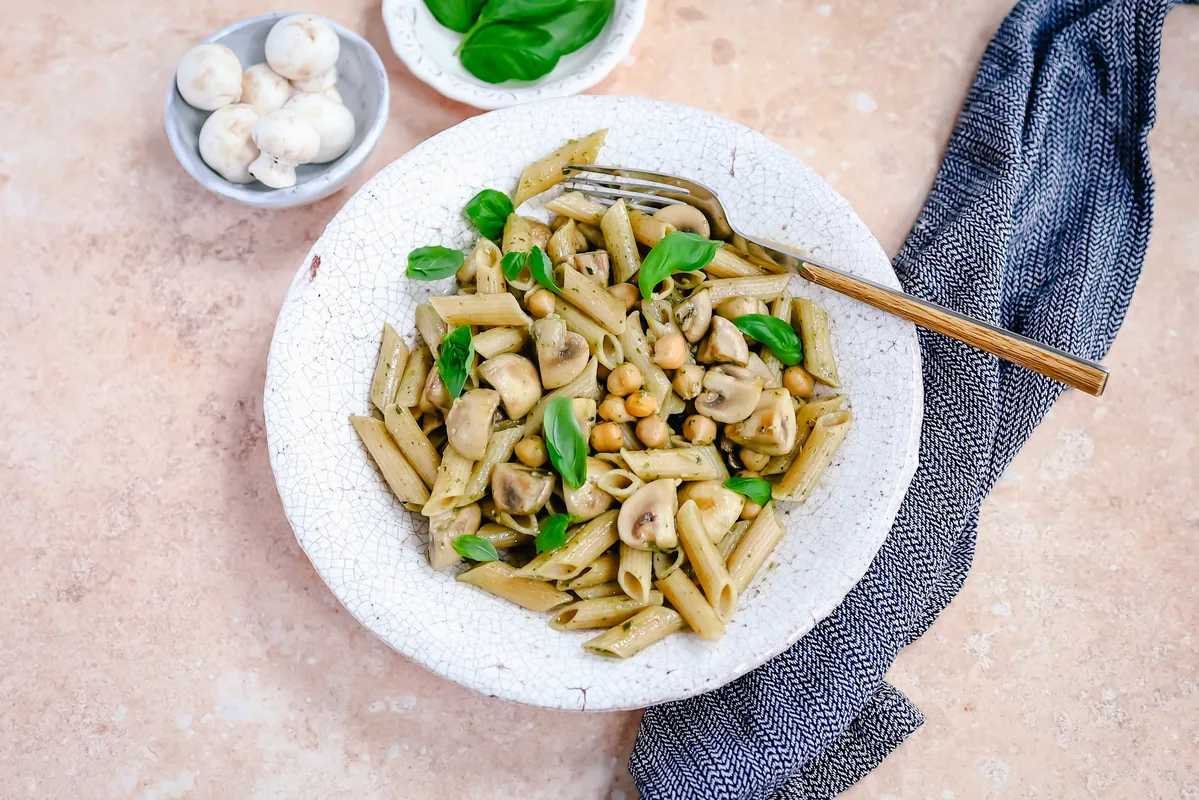
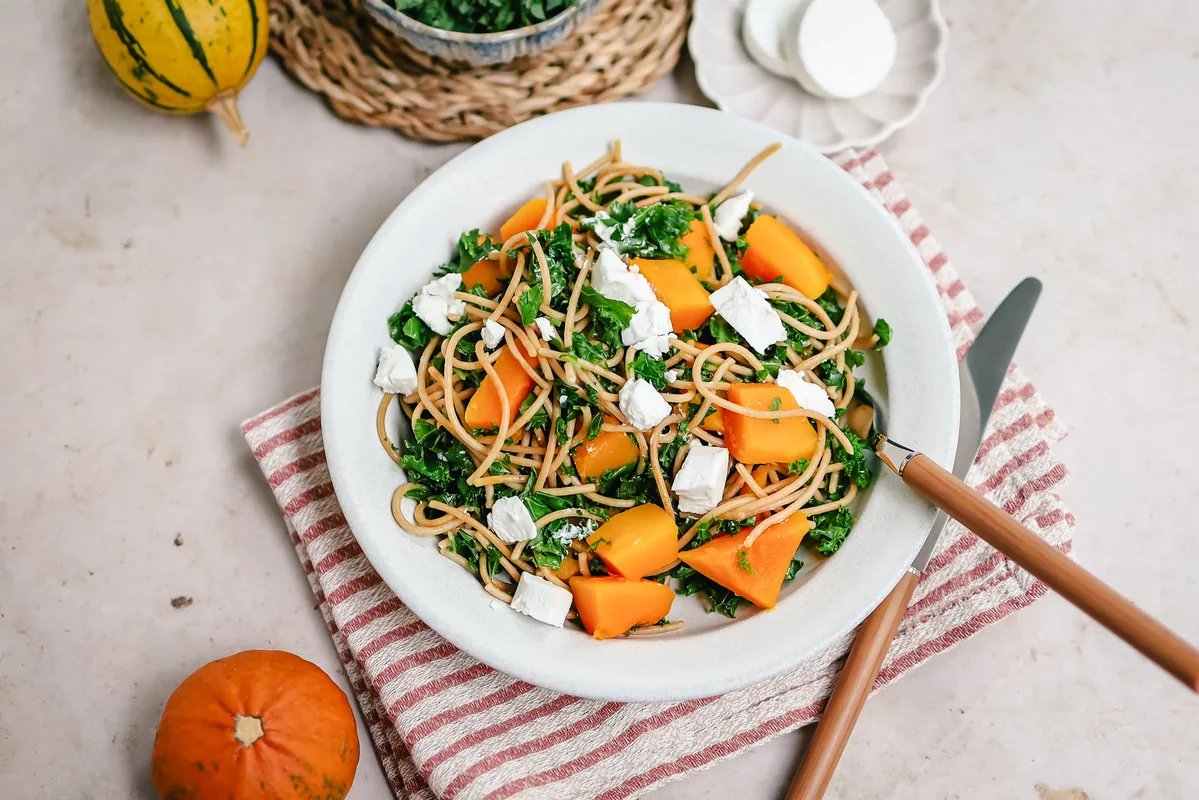
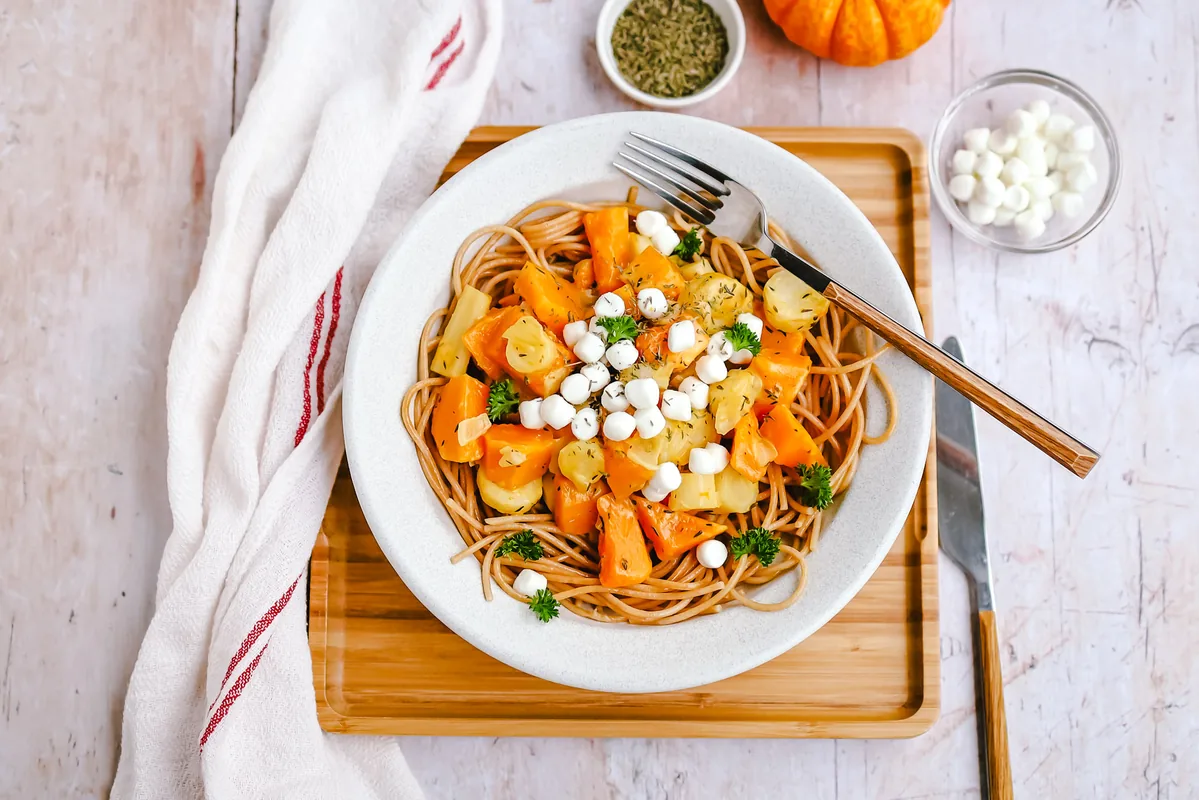
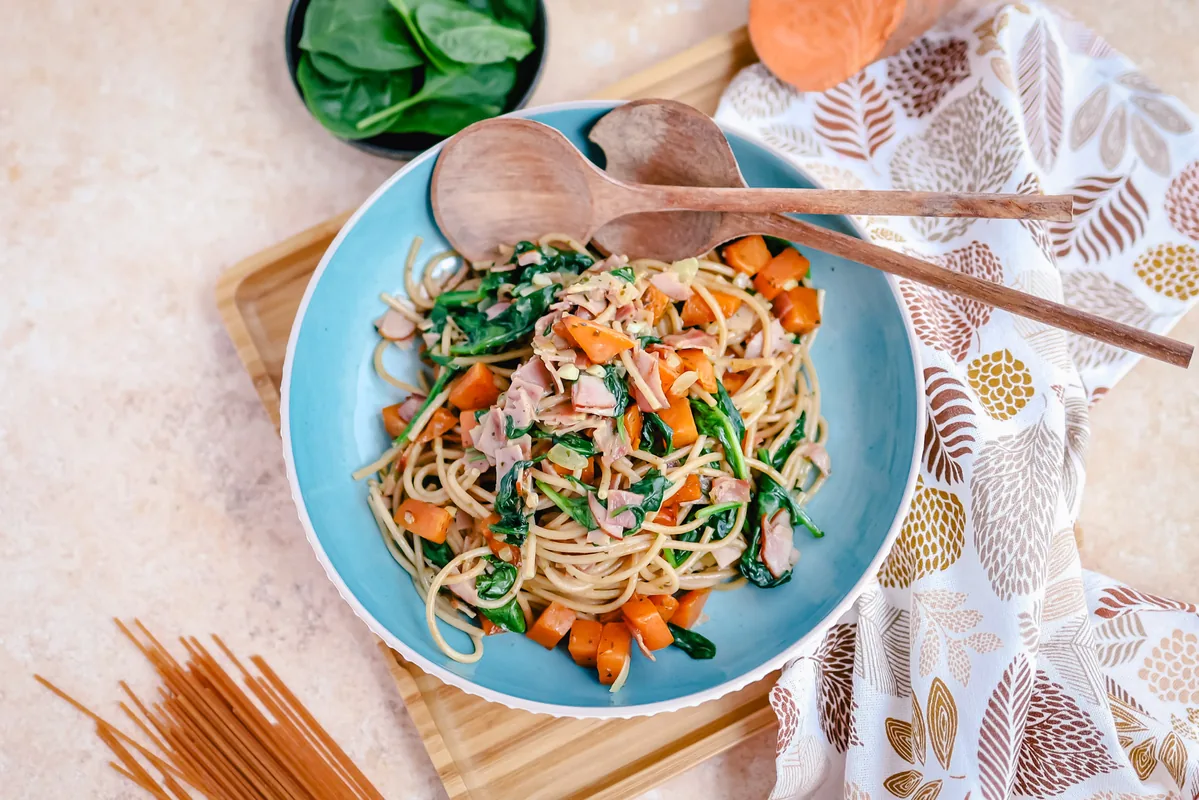
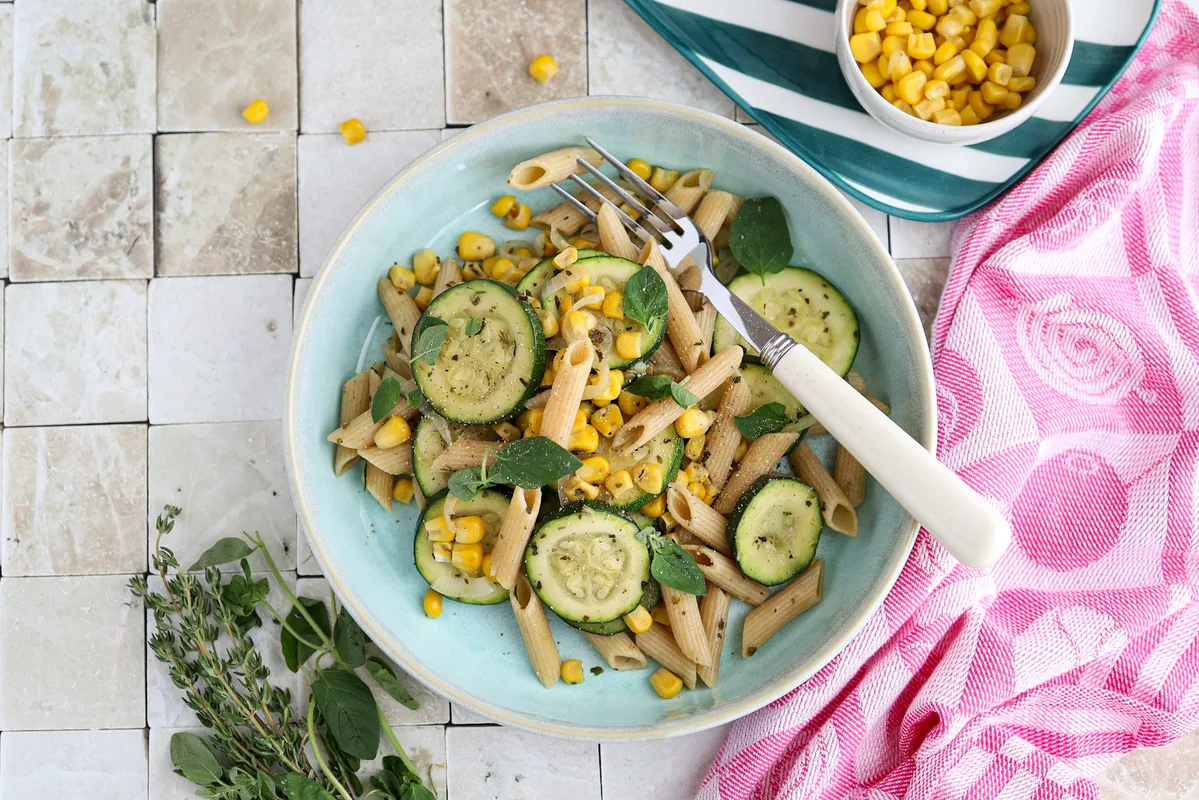
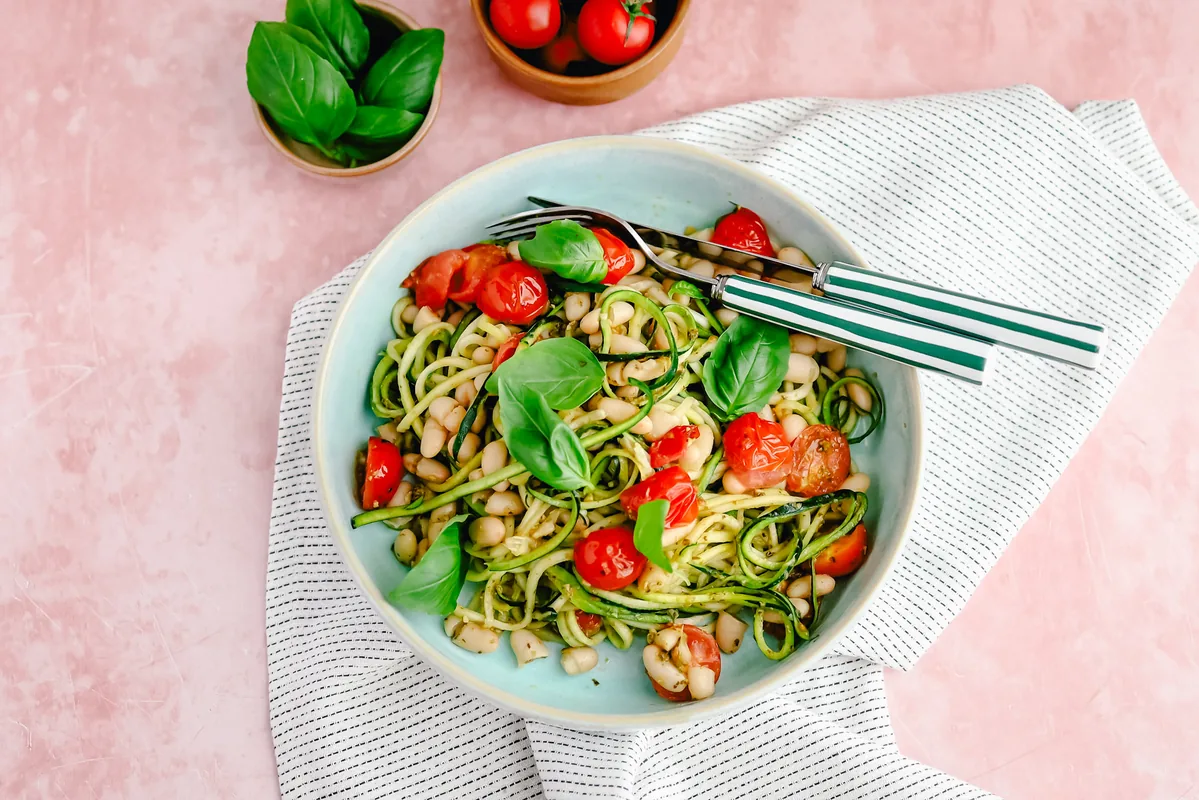
The median pasta recipe here: 35g protein, 12g fiber, 666 kcal, 15 minutes, 9 ingredients. The recipes are fast. The science behind the technique is deep.