
Recipe Collection
Stir-Fry Recipes
Stir-frying doesn’t destroy nutrients. In one case, it multiplied them eightfold.
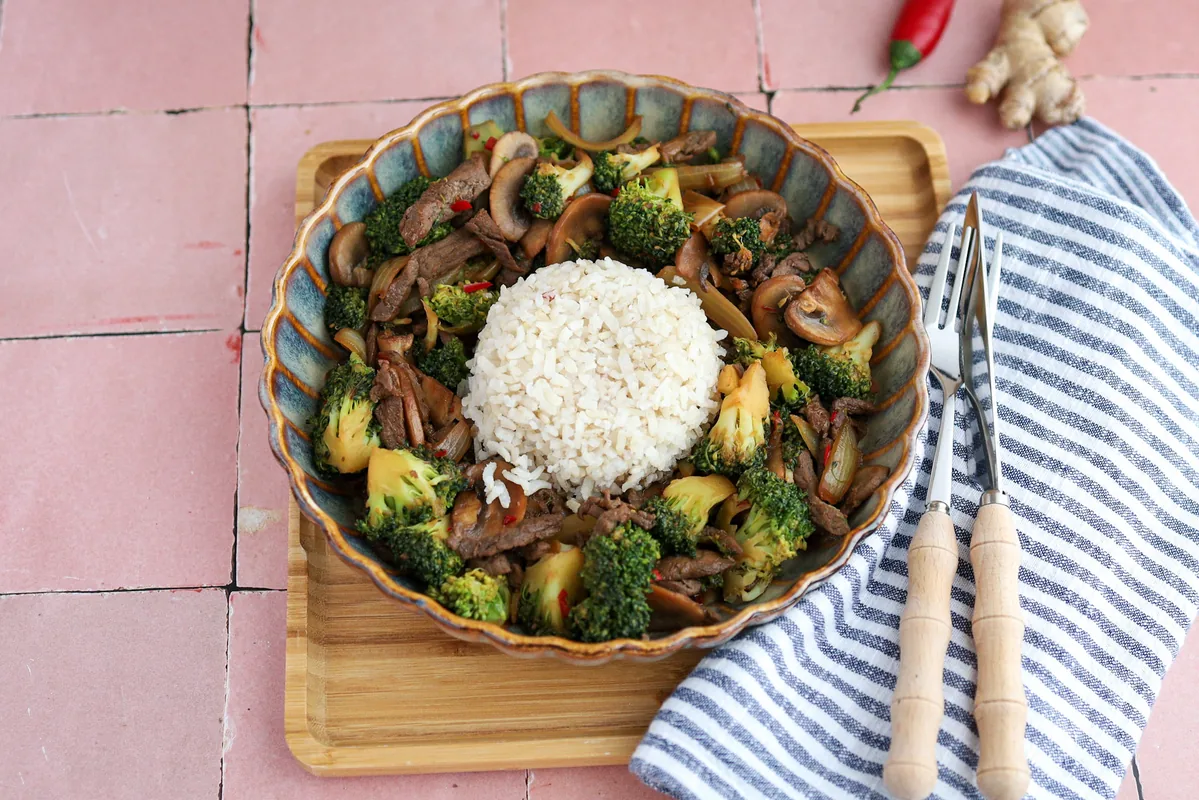
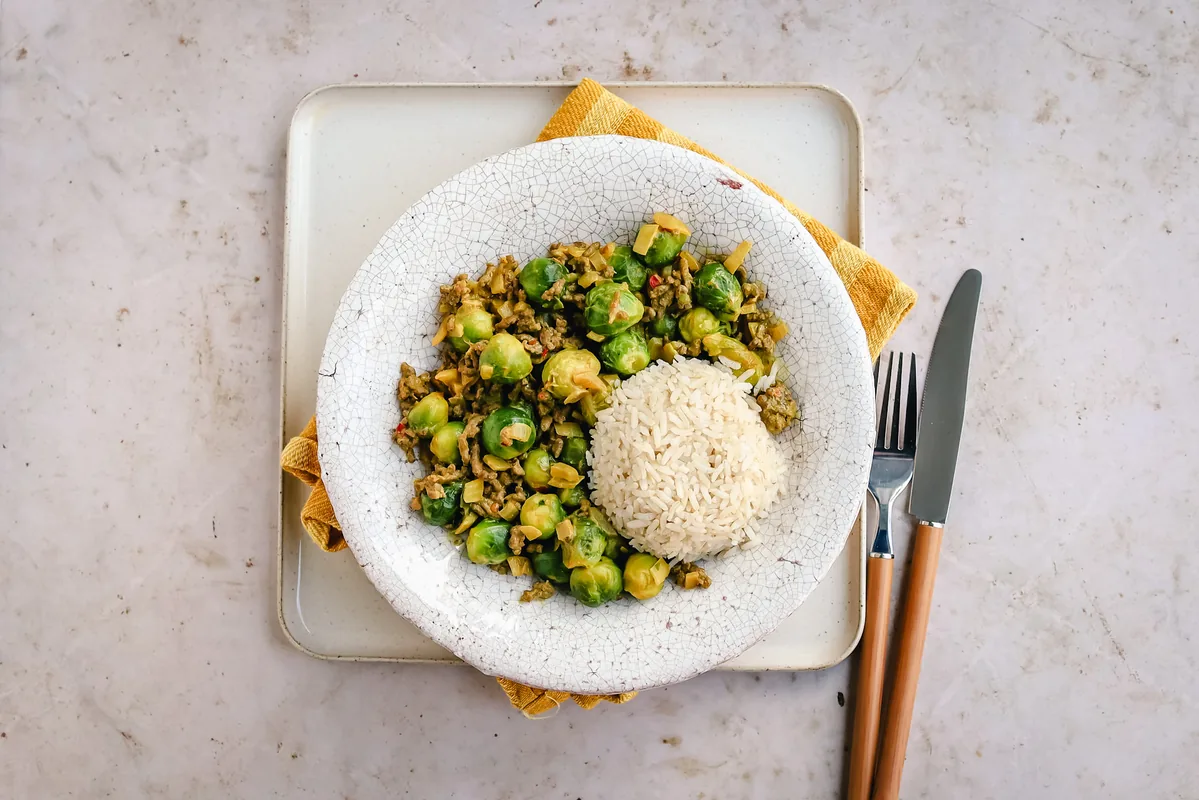
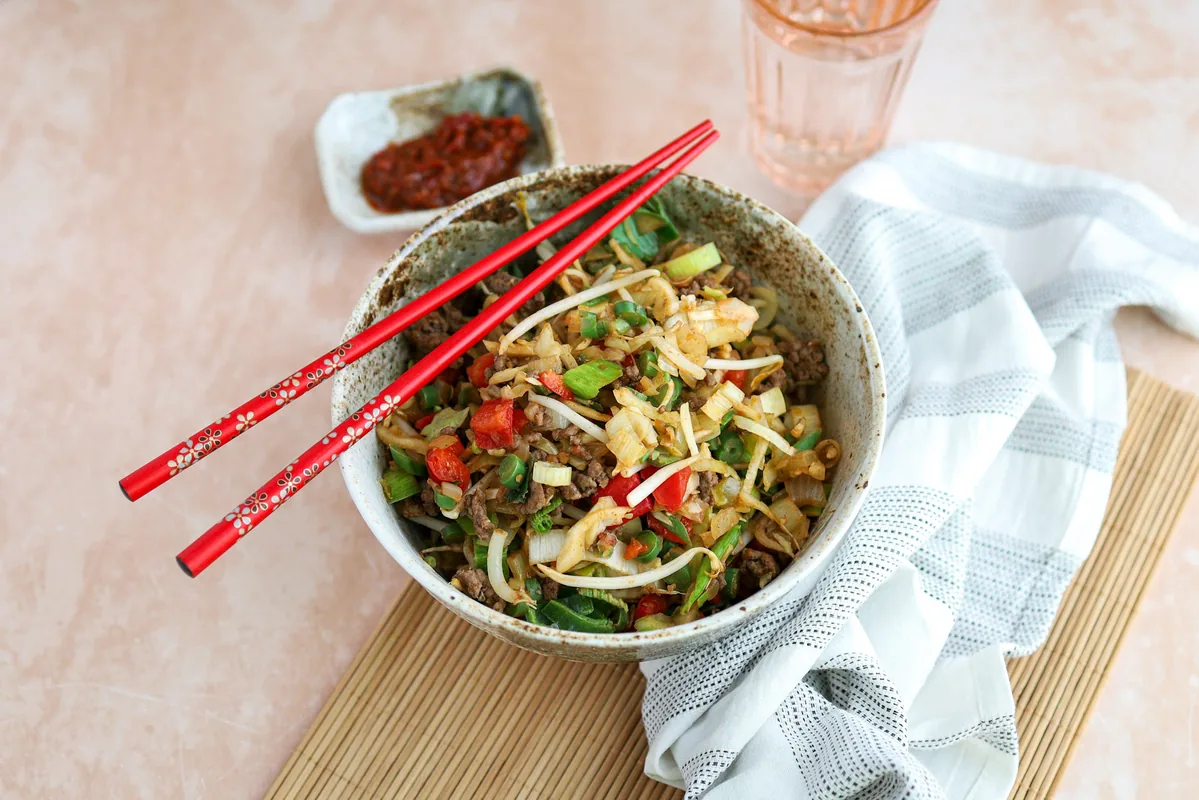
Ten of these twenty recipes carry peer-reviewed findings about what stir-frying does to the nutrients inside them — isothiocyanates multiplied, iron absorption tripled, protein digestibility nearly doubled.
Half cross 30g protein. Not one takes longer than 20 minutes. The typical stir-fry:
30g protein · 15 min

The science behind these recipes
SHORT
Heat multiplied what raw couldn’t unlock
Stir-frying cauliflower produced 7.9× more isothiocyanates (cancer-preventive compounds) than raw cauliflower.
Five of these twenty recipes contain vegetables where the cooking method determined the nutrient outcome.
SHORT
The condiment nobody credits
Fermented soy sauce tripled non-heme iron absorption — from 3.5% to 11.4% — through fermentation products, not acidity.
Soy sauce appears in 11 of these 20 stir-fries. The iron mechanism works every time.
SHORT
Cooking protein is not destroying it
Cooked egg protein is 91% digestible vs 51% raw — cooking nearly doubled what your body can use.
Every stir-fry in this collection starts with the step that changes protein bioavailability.
10 of 20 recipes carry grounded science about what the pan does to nutrients
See the evidence →

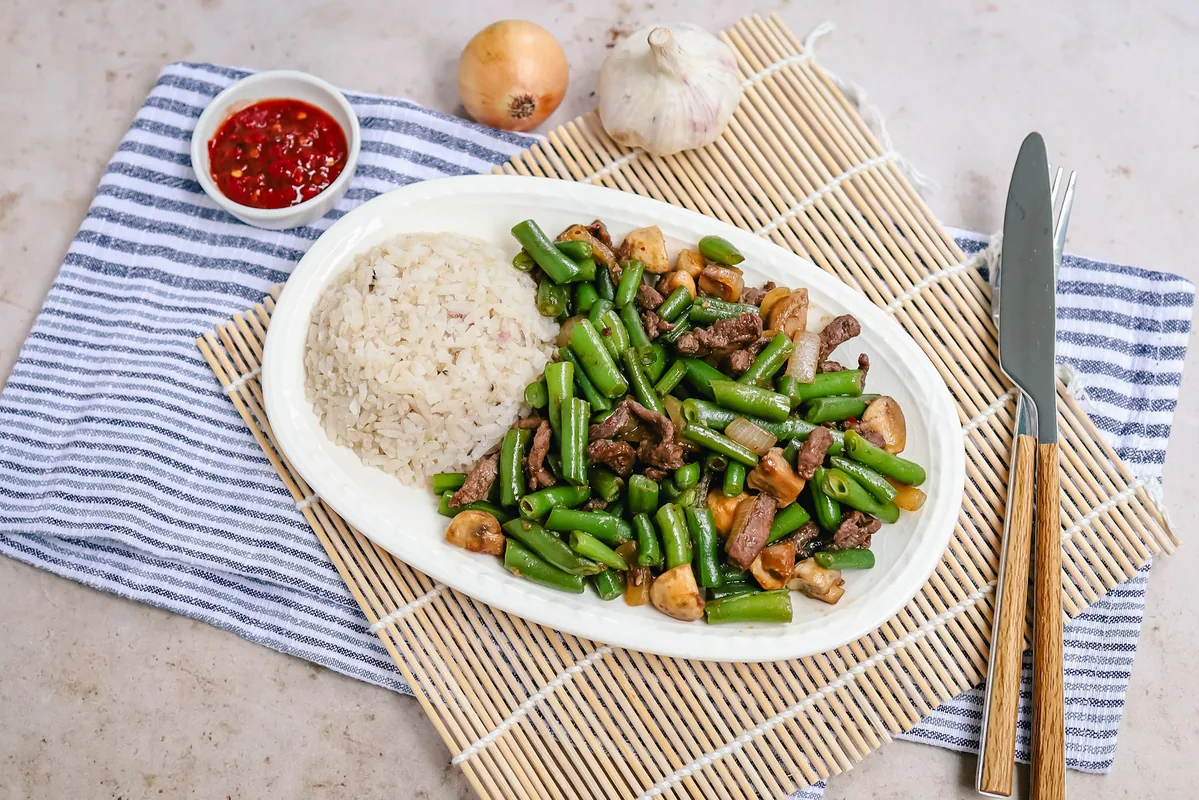
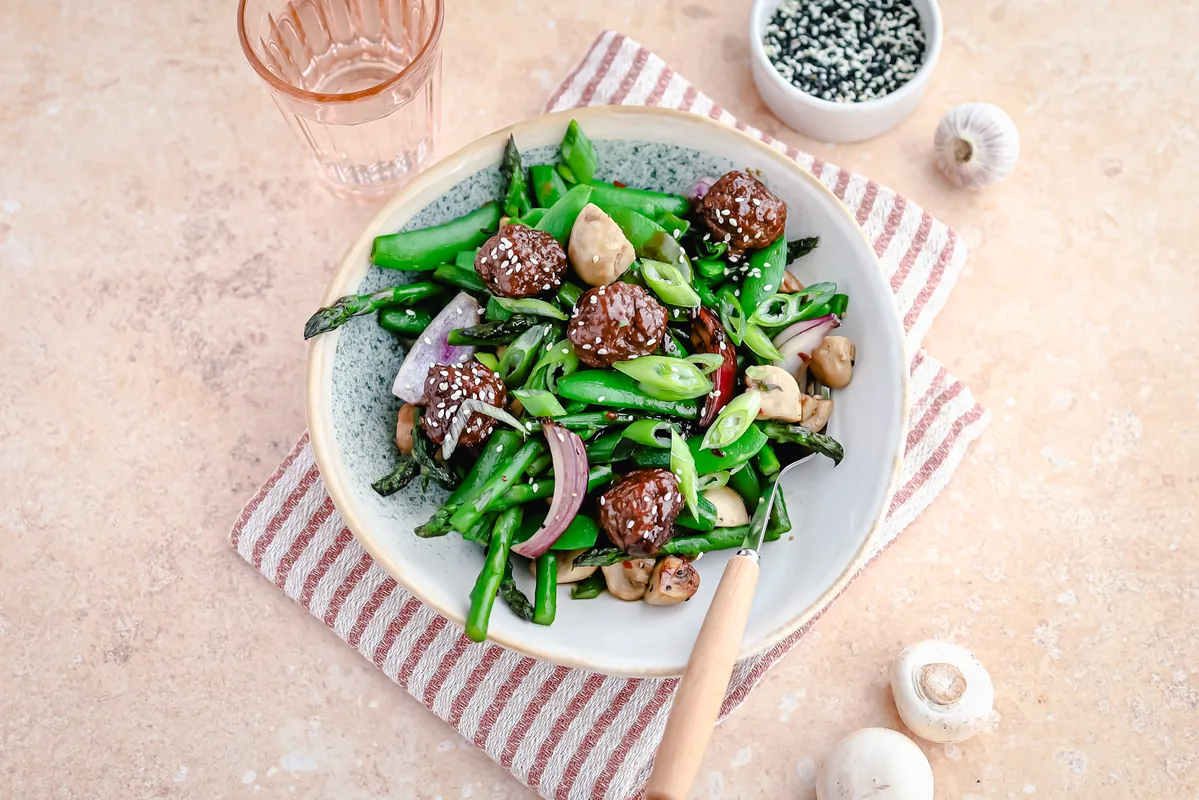
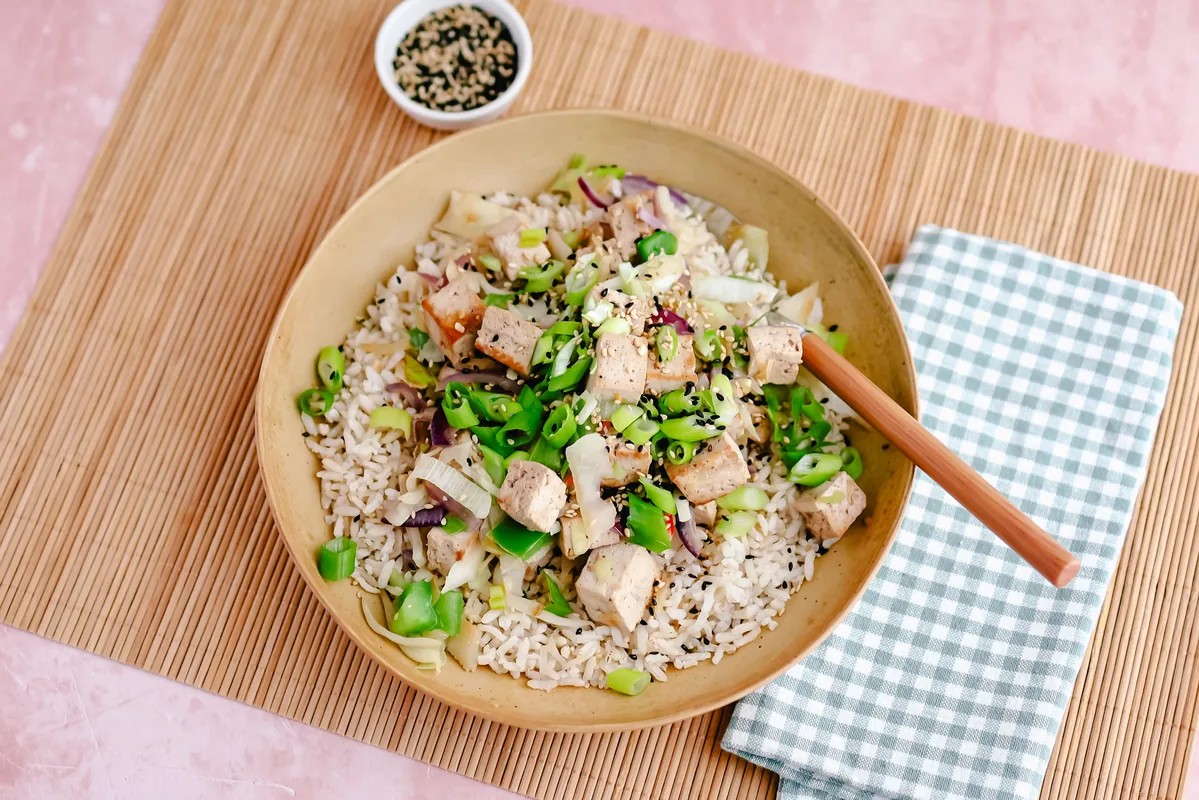
About this collection
A hot wok changes your food before you taste it. That sounds like common sense — heat softens vegetables, oil carries flavor, speed keeps things crisp. But the changes that matter most are invisible. Stir-frying cauliflower produced 7.9 times more isothiocyanates — cancer-preventive compounds — than eating the same cauliflower raw. The brief blast of dry heat destroyed a competing enzyme that normally diverts these compounds into inactive byproducts, while preserving the enzyme that produces them.
That is not a recipe tip. That is a controlled measurement from food science research, and it applies to five of the twenty recipes in this collection.
The pattern runs deeper than one vegetable. Adding soy sauce to a rice-based stir-fry tripled non-heme iron absorption — from 3.5% to 11.4% — through a mechanism driven by fermentation products, not acidity. Cooking protein in the pan nearly doubled its digestibility, from 51% raw to 91% cooked. Oil in a stir-fry unlocked fat-soluble vitamin absorption that drops to zero without it.
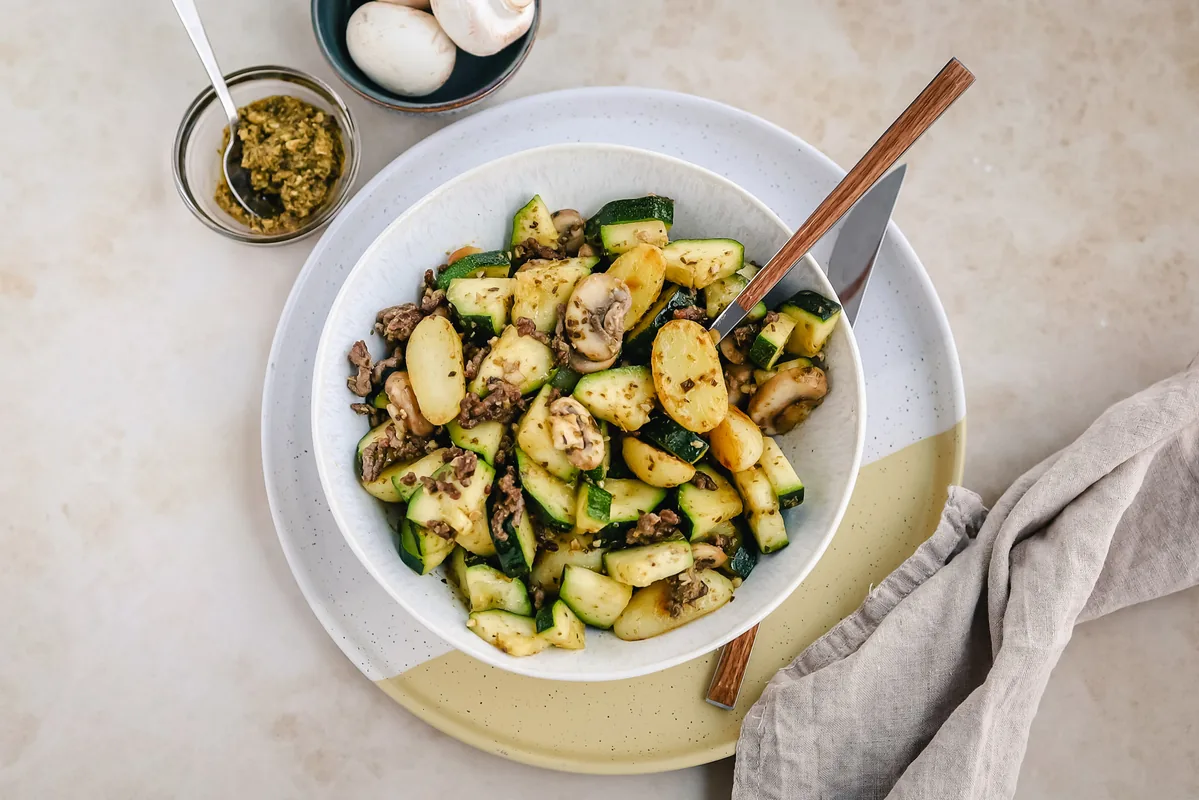
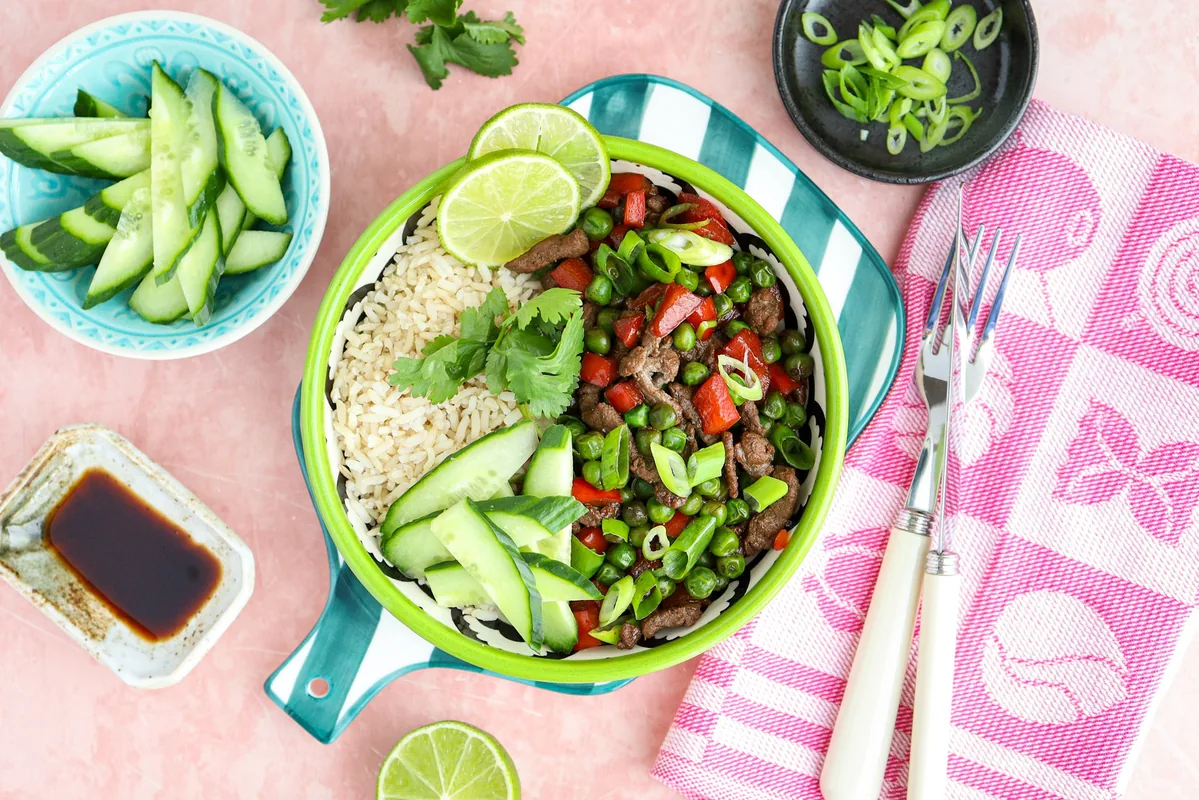
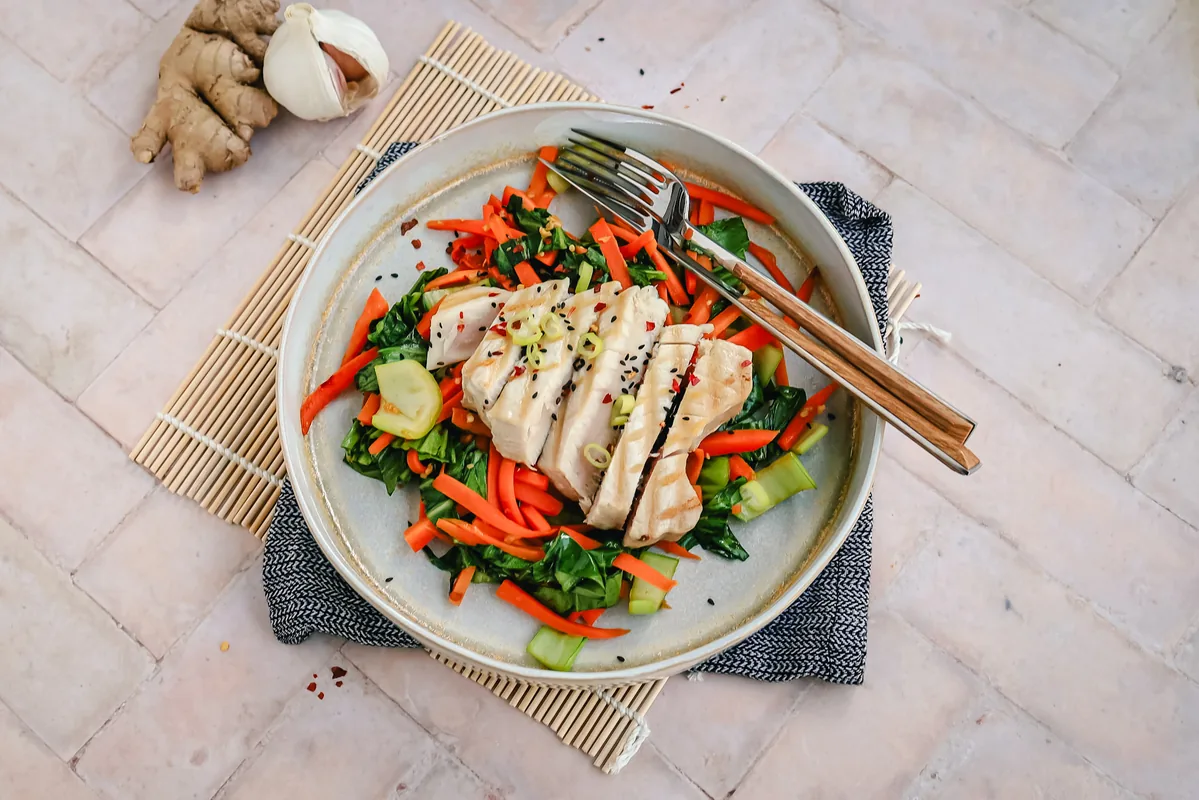
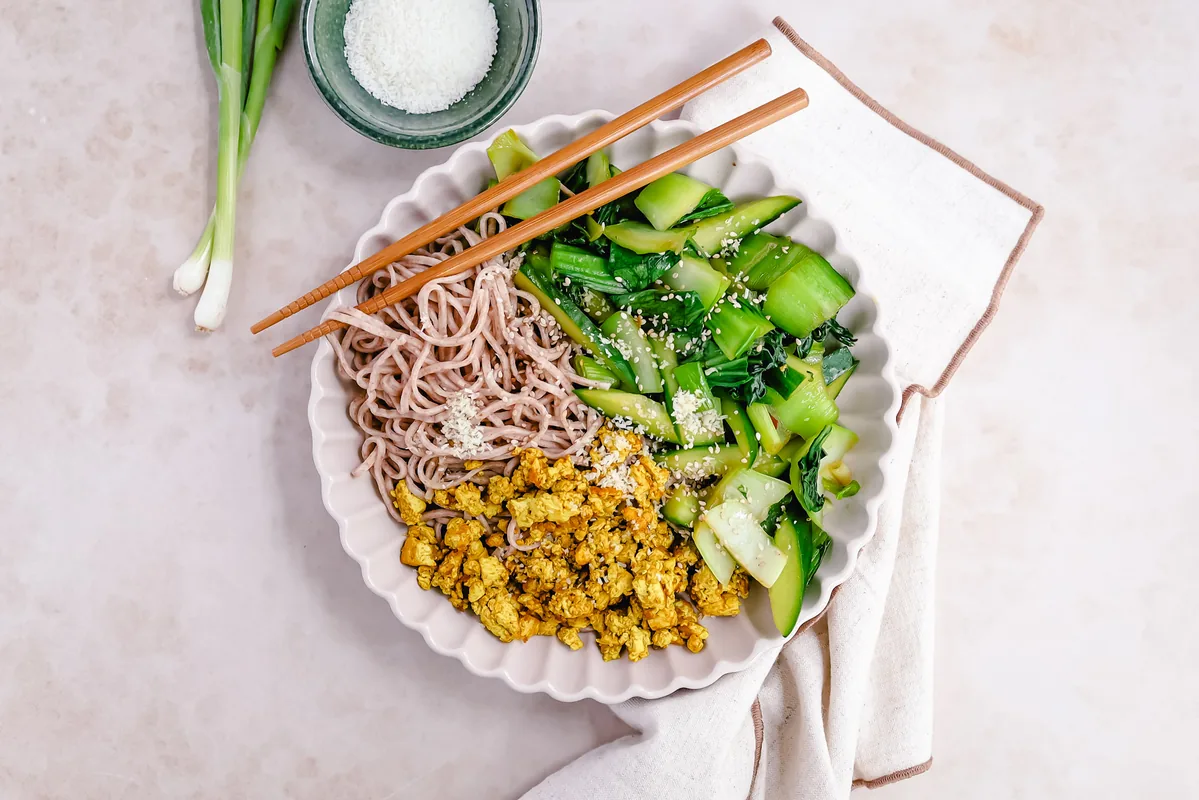
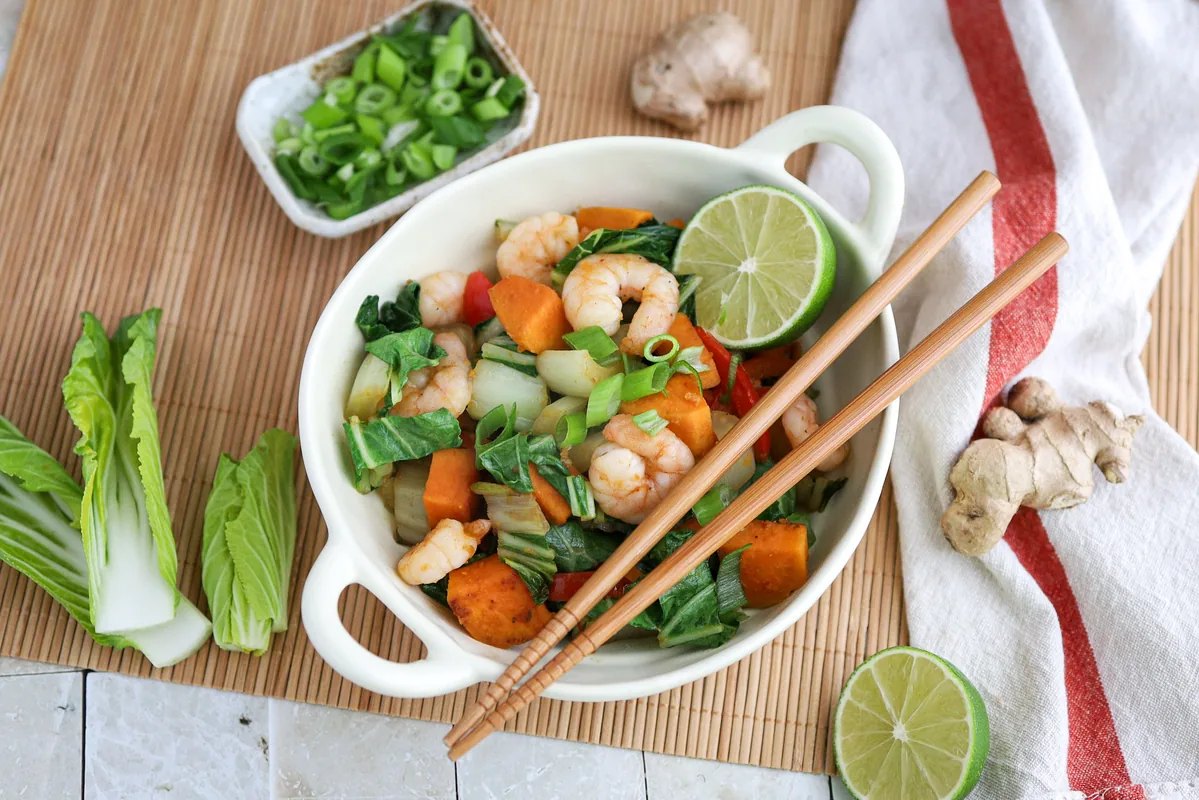
Ten of these twenty stir-fries carry grounded science about what the method does to what is inside them. The rest are built the same way — median 30g protein, 15 minutes, 9 ingredients — with beef, tofu, chicken, and shrimp across the protein range. Seventeen are dairy-free without trying. The wok never needed butter.
Frequently asked
Does stir-frying vegetables destroy their nutrients?
The opposite, in at least one measured case. Stir-frying cauliflower produced 7.9 times more isothiocyanates — cancer-preventive compounds — than eating the same cauliflower raw (Wang et al., 2020). The brief dry heat destroyed a competing enzyme that normally diverts these compounds into inactive byproducts. Boiling is the method that loses nutrients to water — not dry-heat stir-frying. The full breakdown is in this Short on cooking and vegetable nutrients.
How much protein do these stir-fries have?
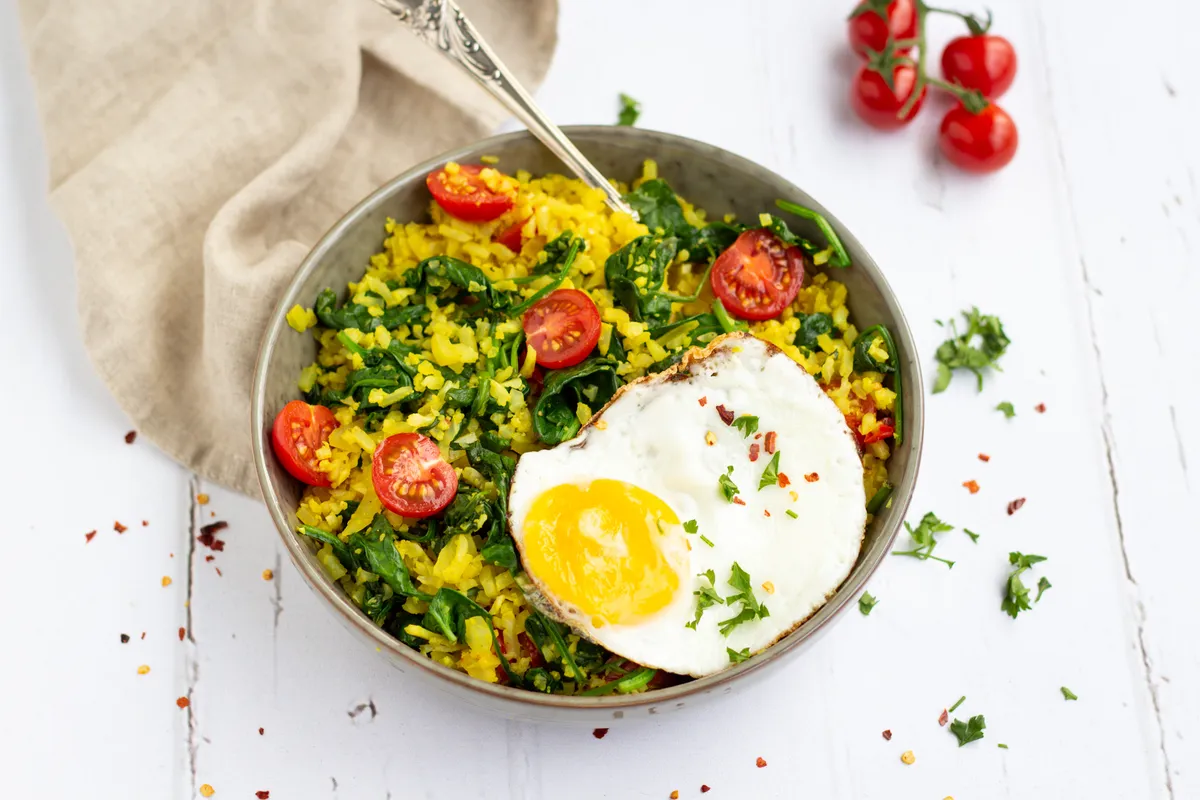
Thirty grams per serving at the median, running from 10g (cauliflower rice with egg) to 55g (chicken satay). Ten of the twenty cross 30g — the threshold where a single meal maxes out muscle protein synthesis in most adults. Fourteen hit at least 25g.
Can I get enough protein from a tofu stir-fry?
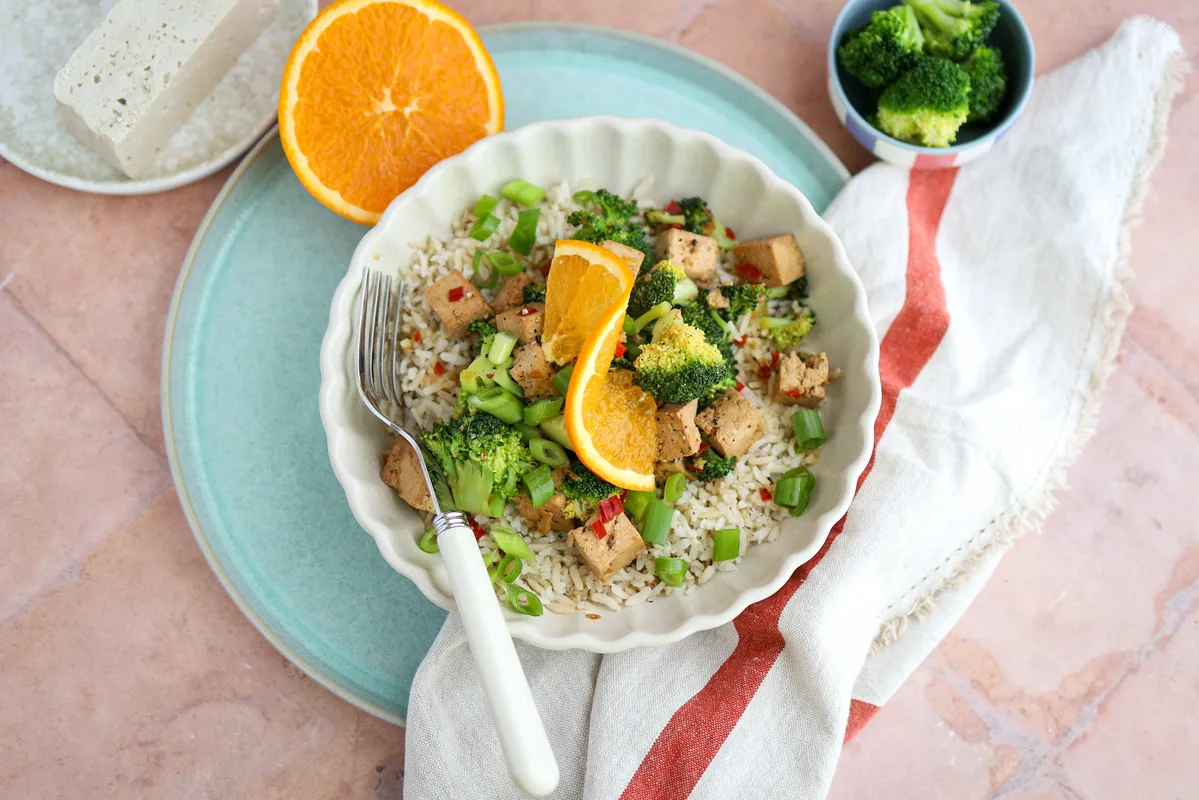
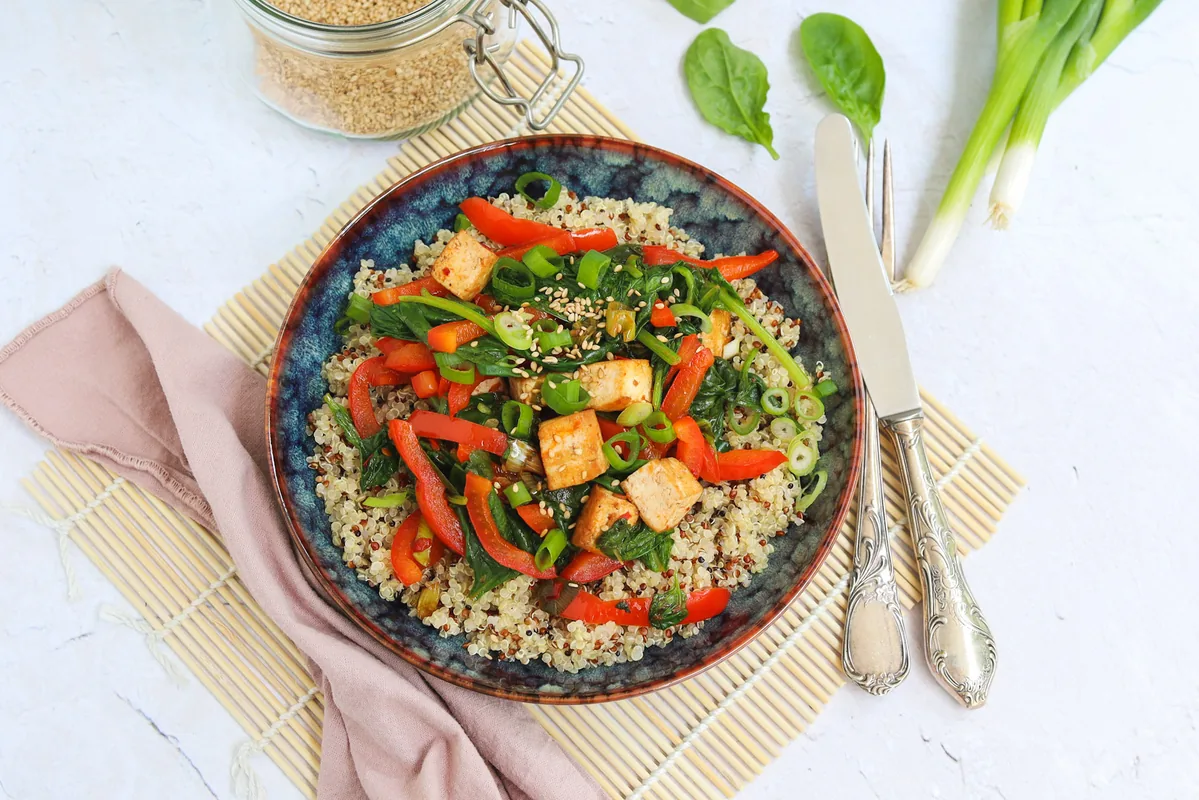
Four of these twenty recipes use tofu as the main protein — the second-most common source after beef. Tofu stir-fries in this collection range from 23g to 29g protein per serving. Controlled trials comparing soy-based and meat-based protein found identical hypertrophy when total grams matched, though plant sources demand higher plate volume.
Are most stir-fries dairy-free?
Seventeen of twenty stir-fries here are dairy-free. The cooking method drives this — stir-frying uses oil, not butter or cream. High-heat wok technique produces flavor through caramelization, not dairy fat.
Does soy sauce actually help with iron absorption?
Fermented soy sauce tripled non-heme iron absorption — from 3.5% to 11.4% — when added to a grain-based meal (Baynes et al., 1990). The mechanism is fermentation products, not the sodium or the acidity. Soy sauce appears in 11 of these 20 stir-fries. More on the mechanism in this Short on soy sauce and iron.
How long do these stir-fries take to make?
Every recipe finishes in 15 to 20 minutes, with a median of 15. The median ingredient count is 9. All twenty are rated easy, all are stovetop-only, and none requires advanced technique. Nine also work as lunch.
The Full Picture
The only filter here is the cooking method — stir-frying. Macros follow from what that filter produces: a 30g protein median sitting next to 602 kcal and 10g fiber. Some recipes deliver 10g protein; others hit 972 kcal. The spread is wide because the wok is the only constant.
The science strip findings come from controlled studies on specific foods (cauliflower isothiocyanates, soy sauce iron absorption, egg protein digestibility). These measurements apply to those specific foods under those specific conditions — they do not mean every stir-fried vegetable responds the same way. Where the evidence is specific, we say so.
Seven grounded facts across the collection trace to individual studies, not meta-analyses. Participant counts run from 12 to 78. We report exactly what each study found and attribute it to the researchers who measured it.
FitChef reports what research found. We do not provide medical or nutritional advice. Our verification process is documented on the Skeptic Protocol, How We Verify, and AI Transparency pages.
Published Jul 11, 2026