
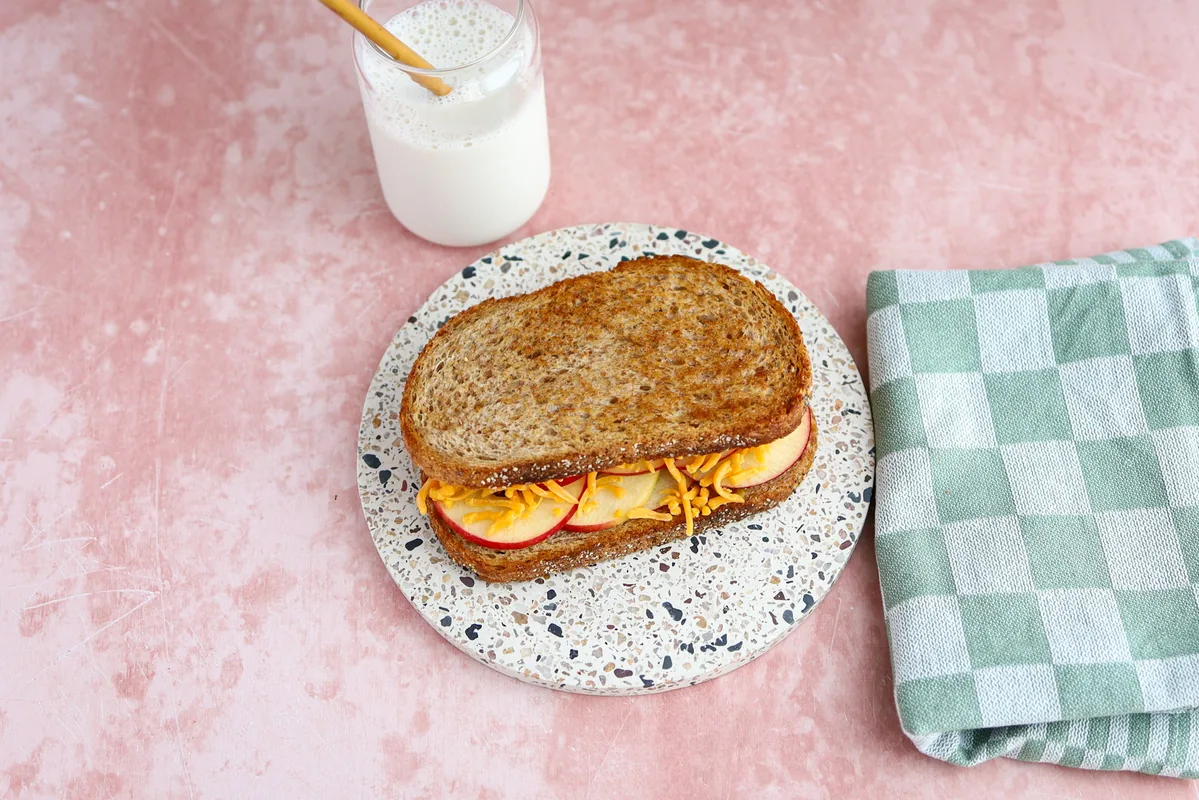

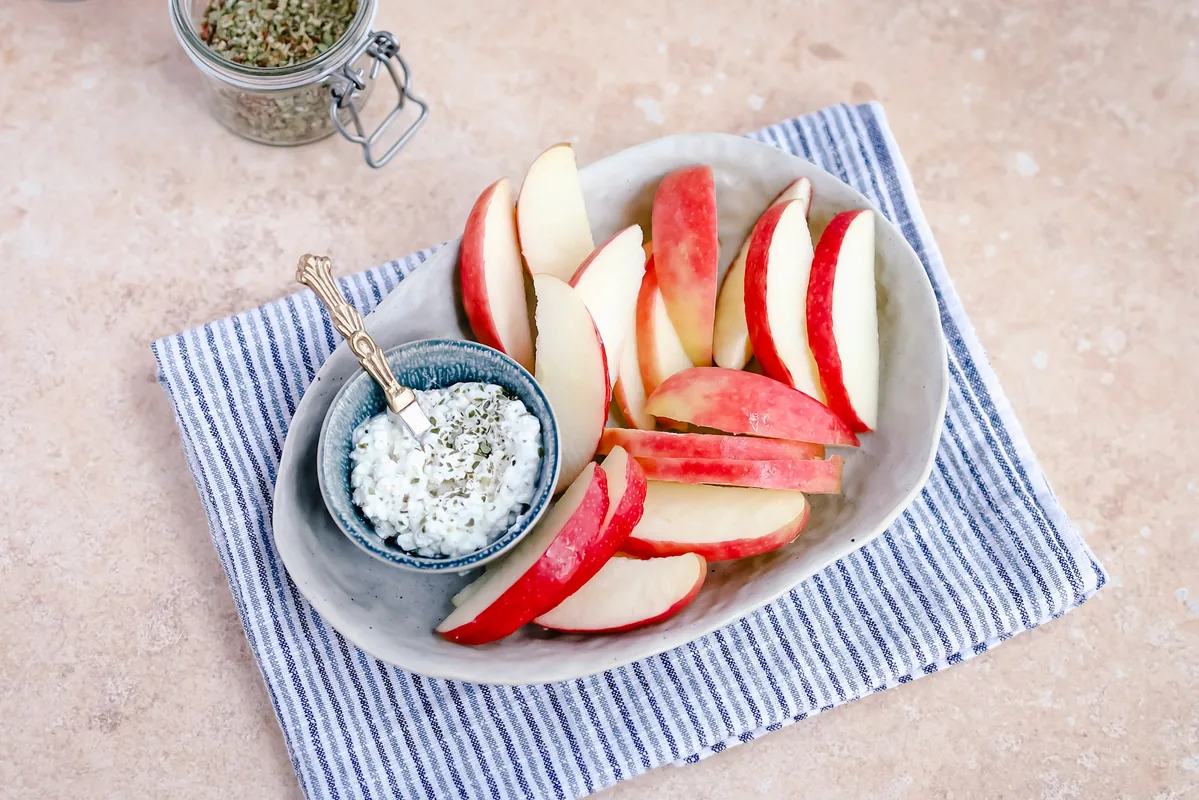
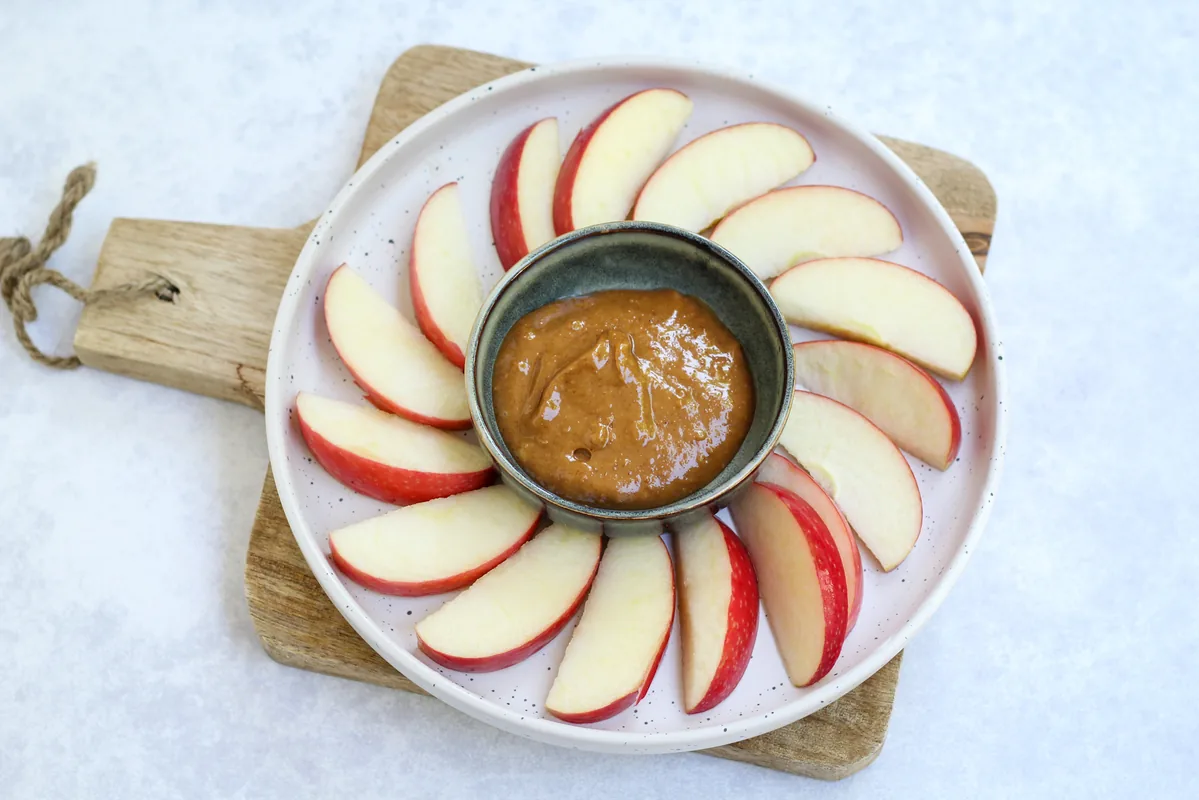



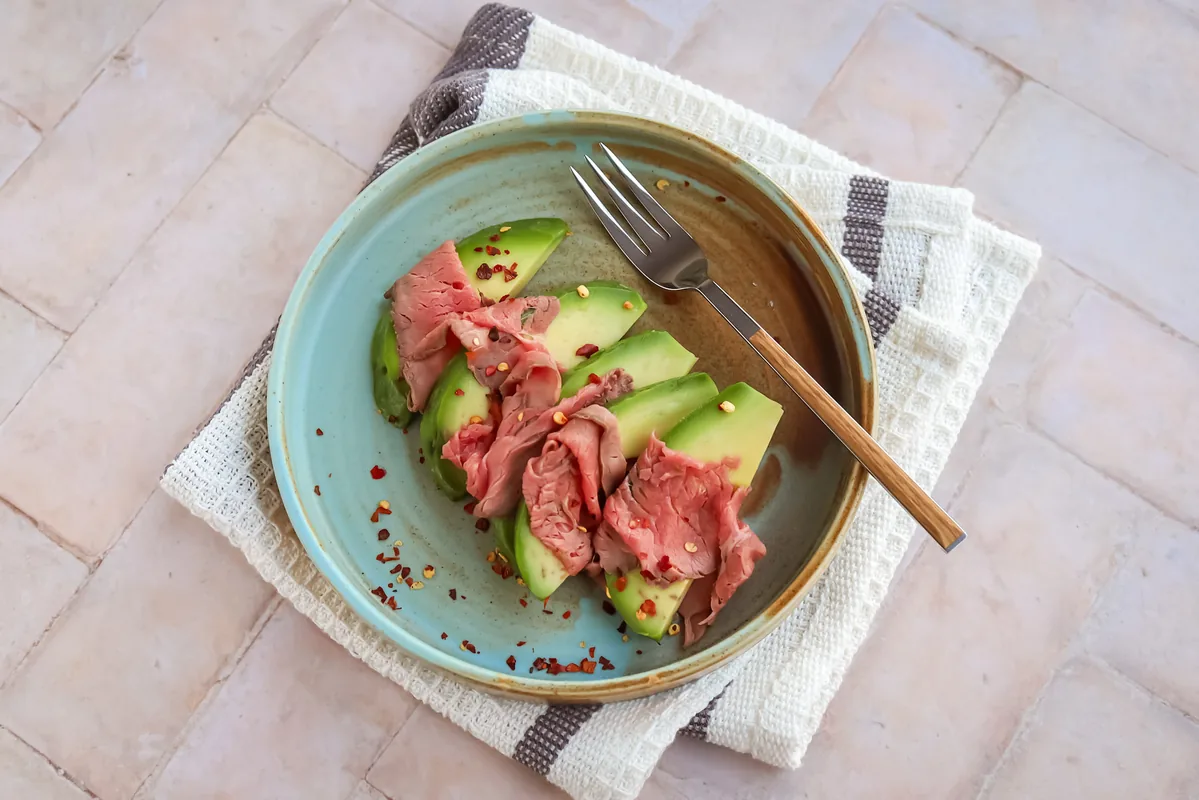

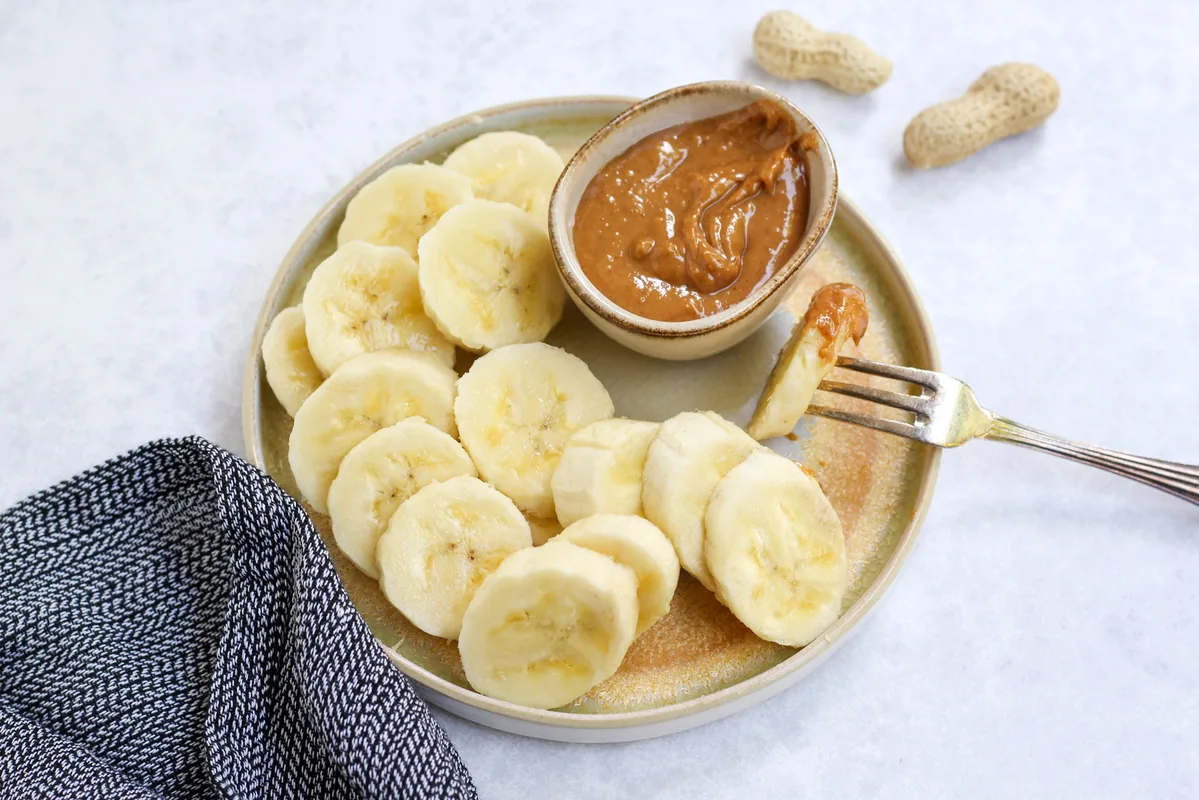
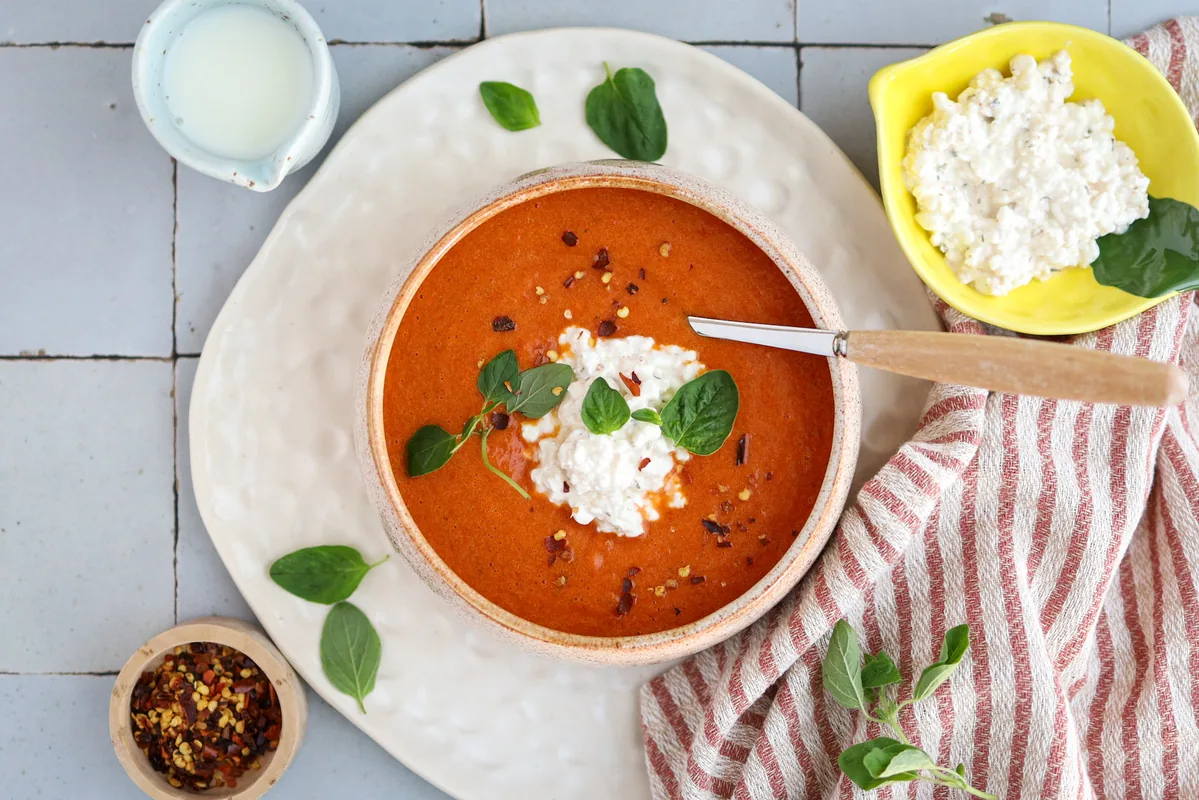

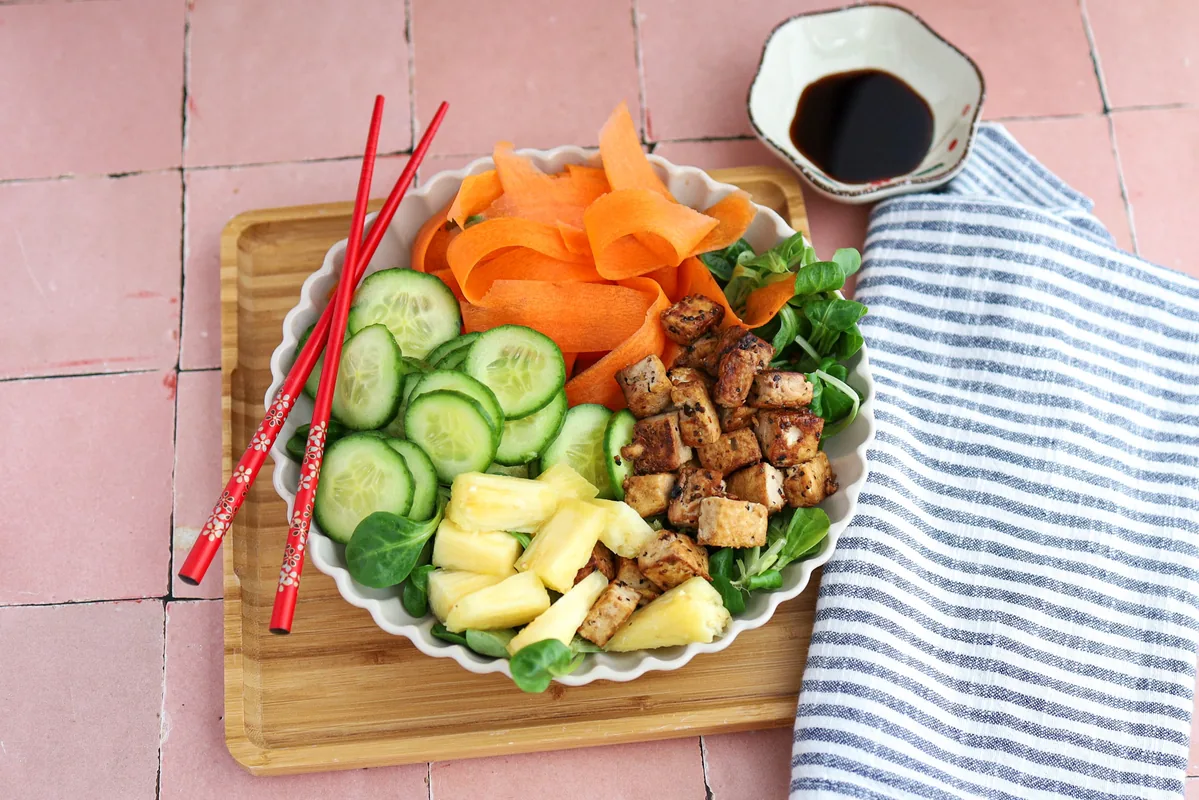
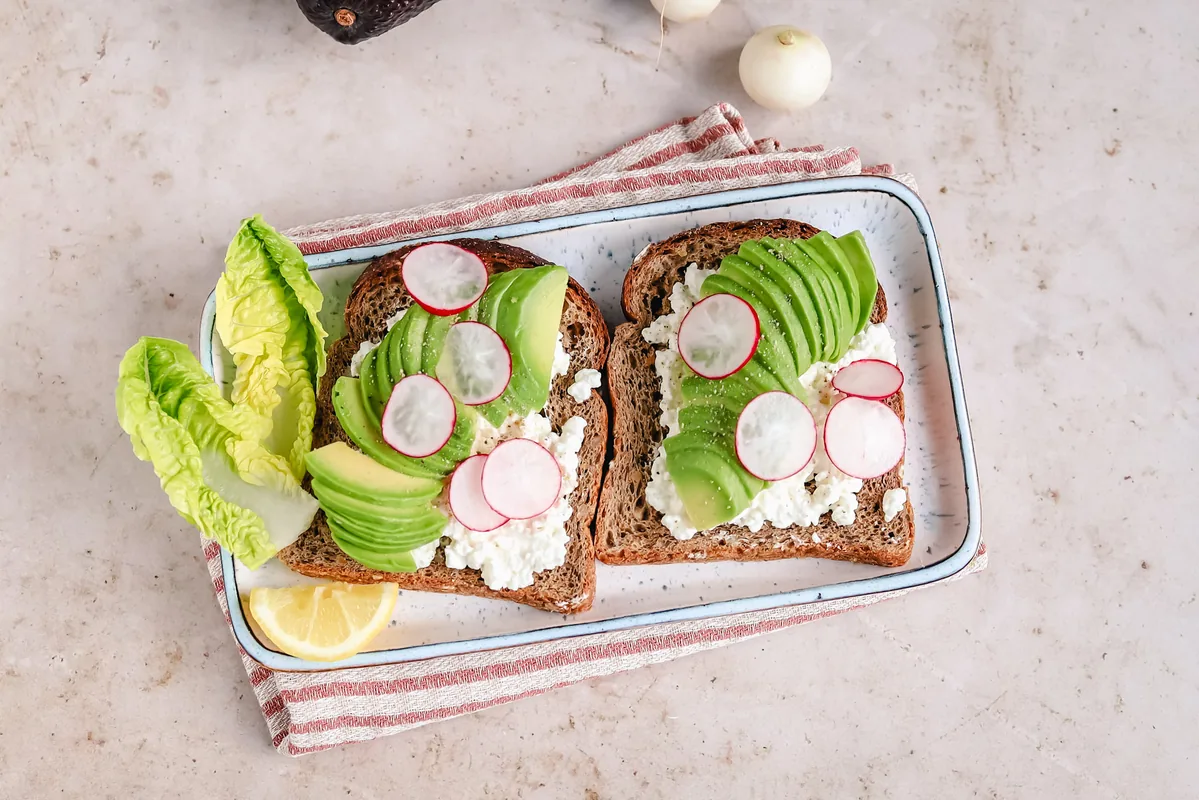
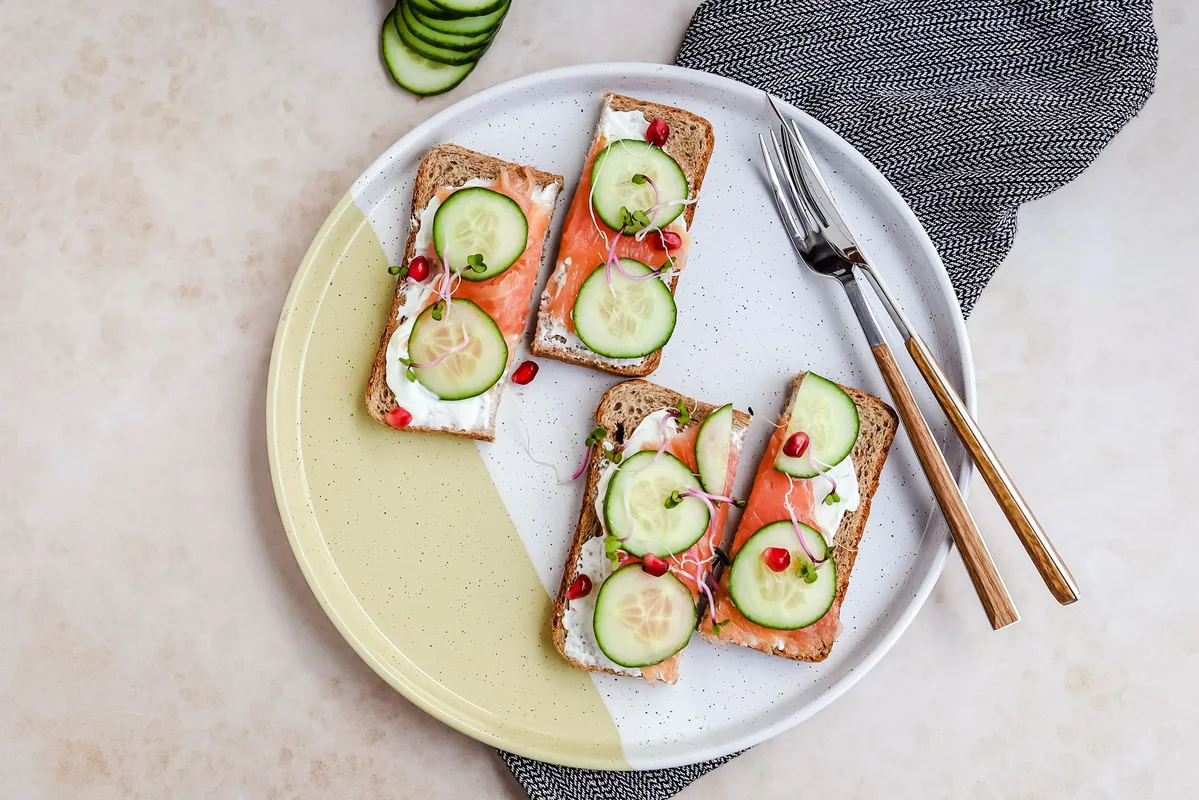

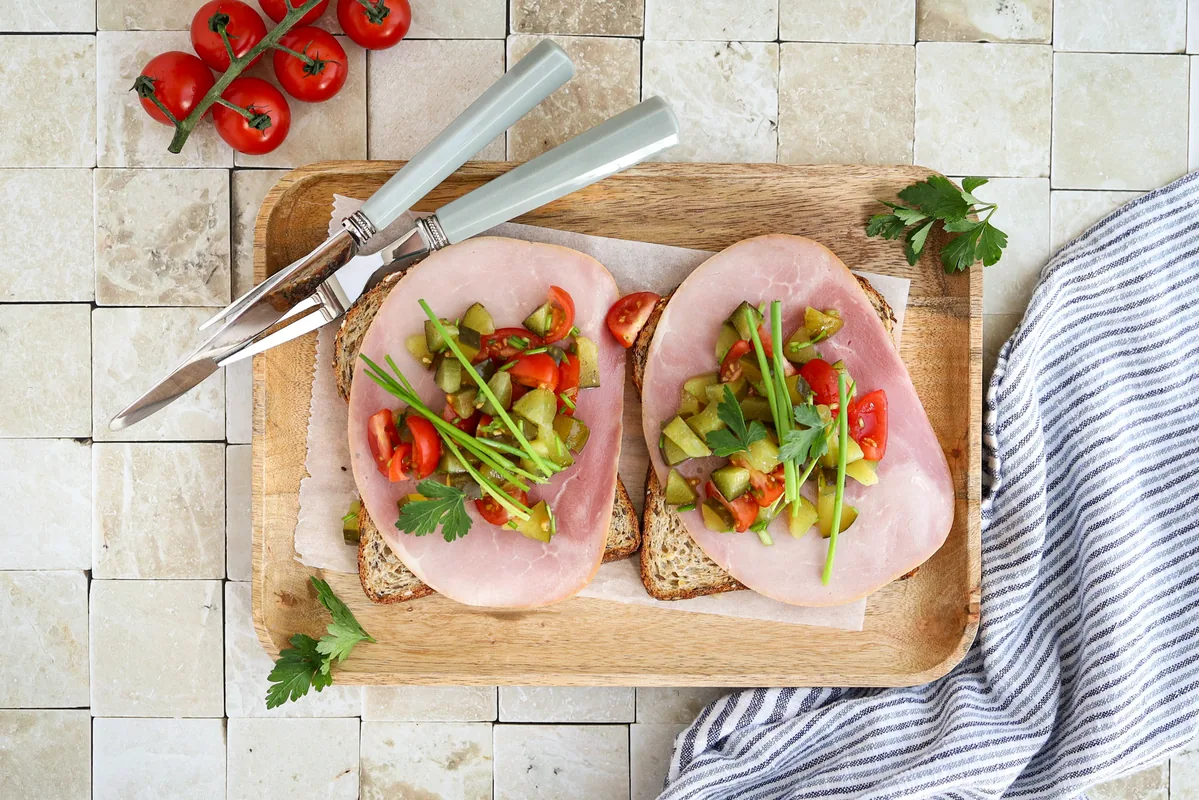


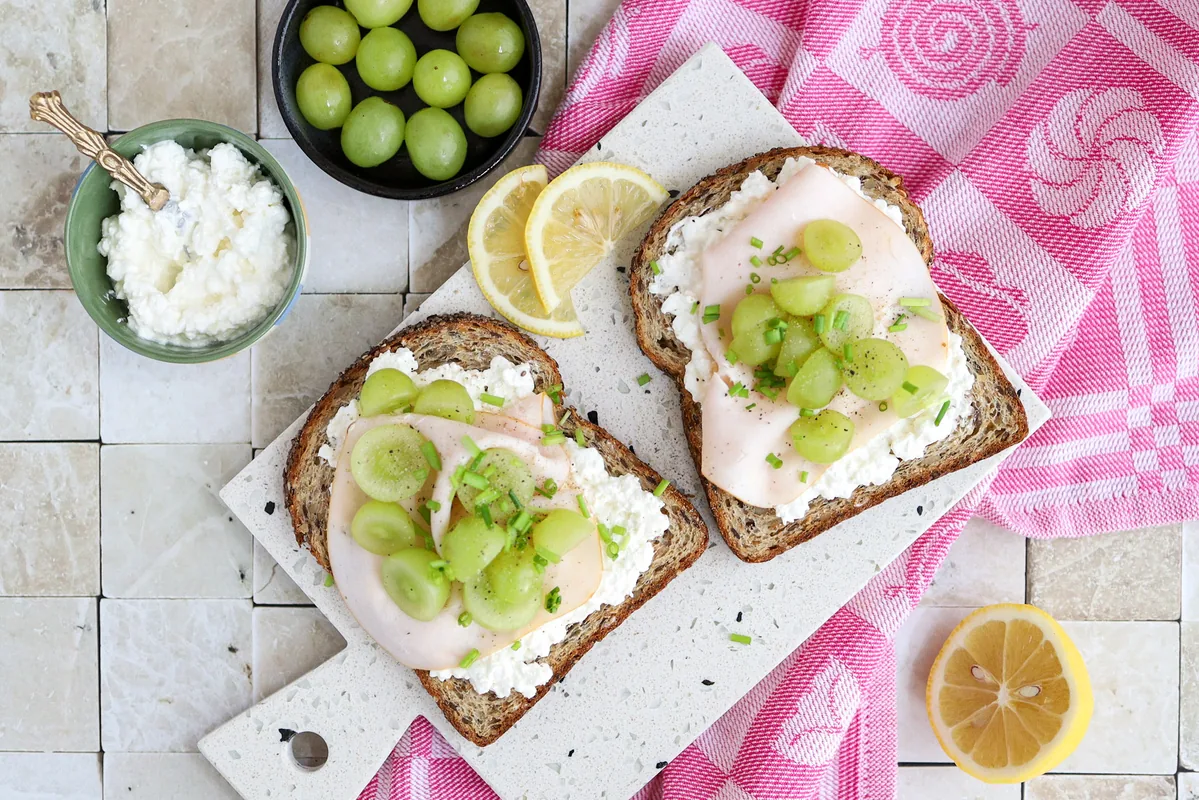
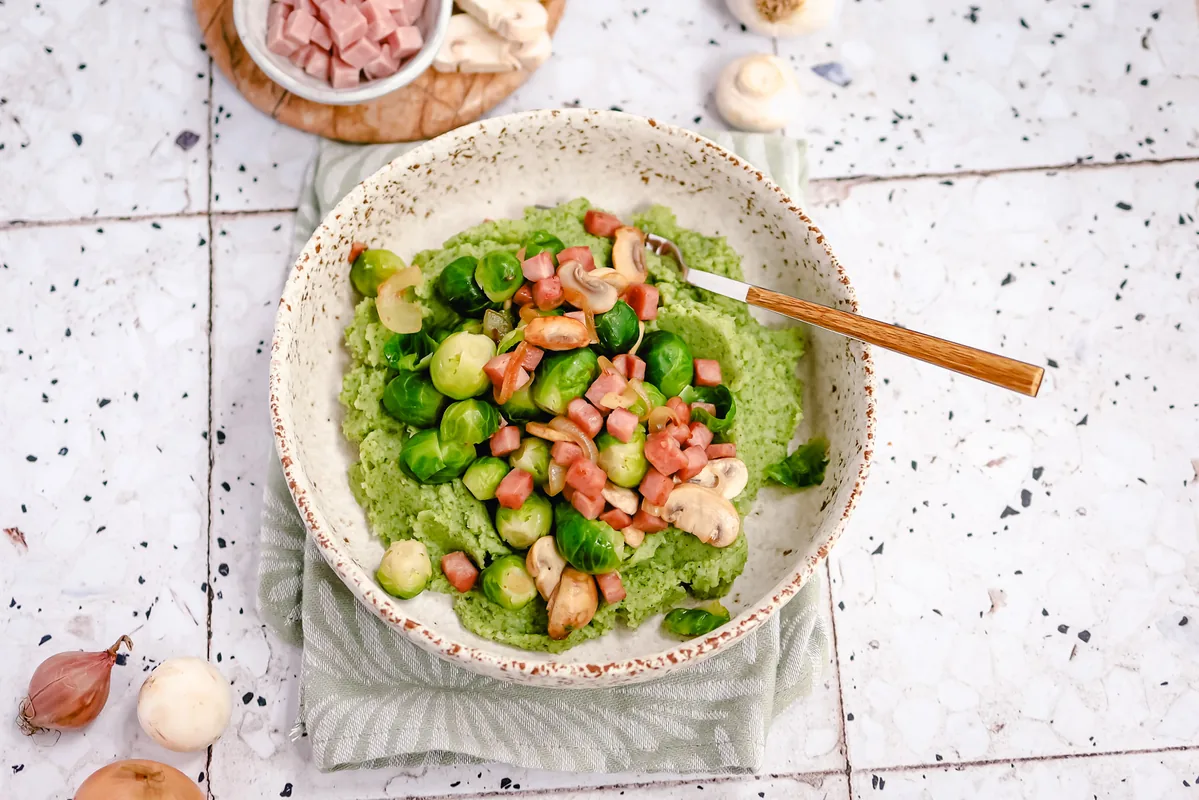
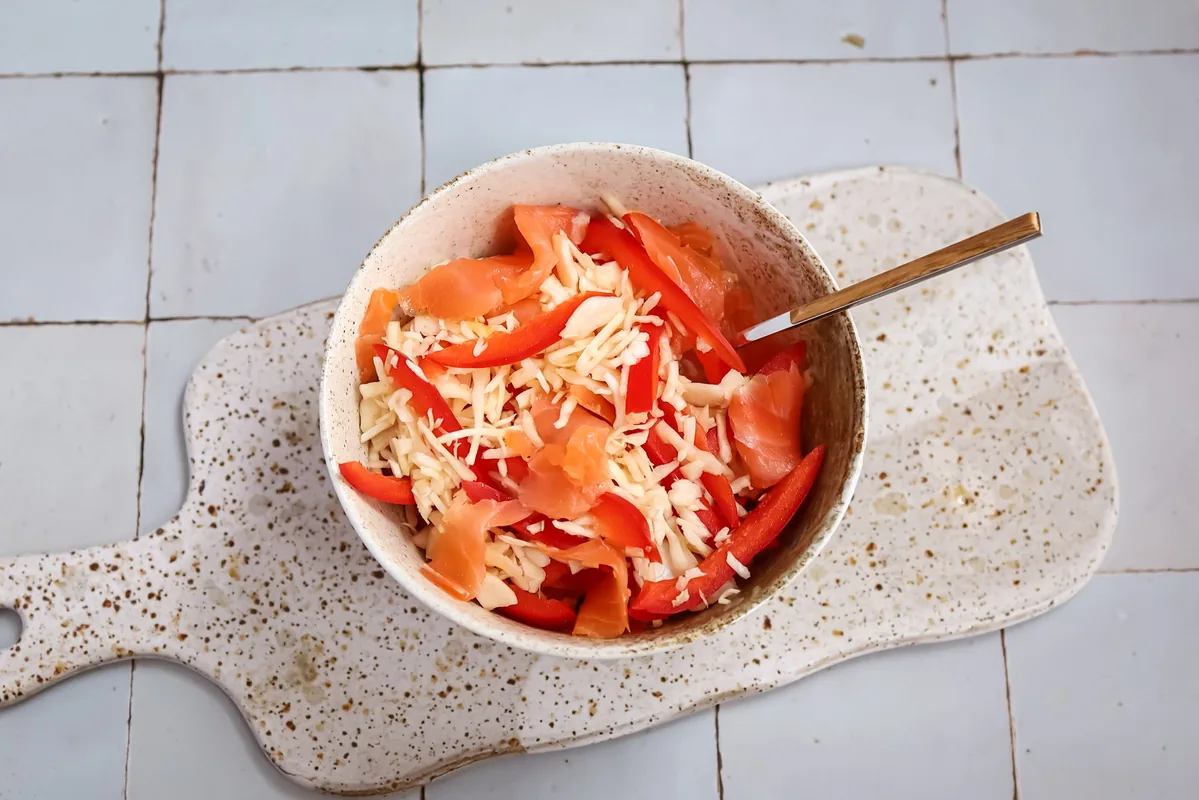
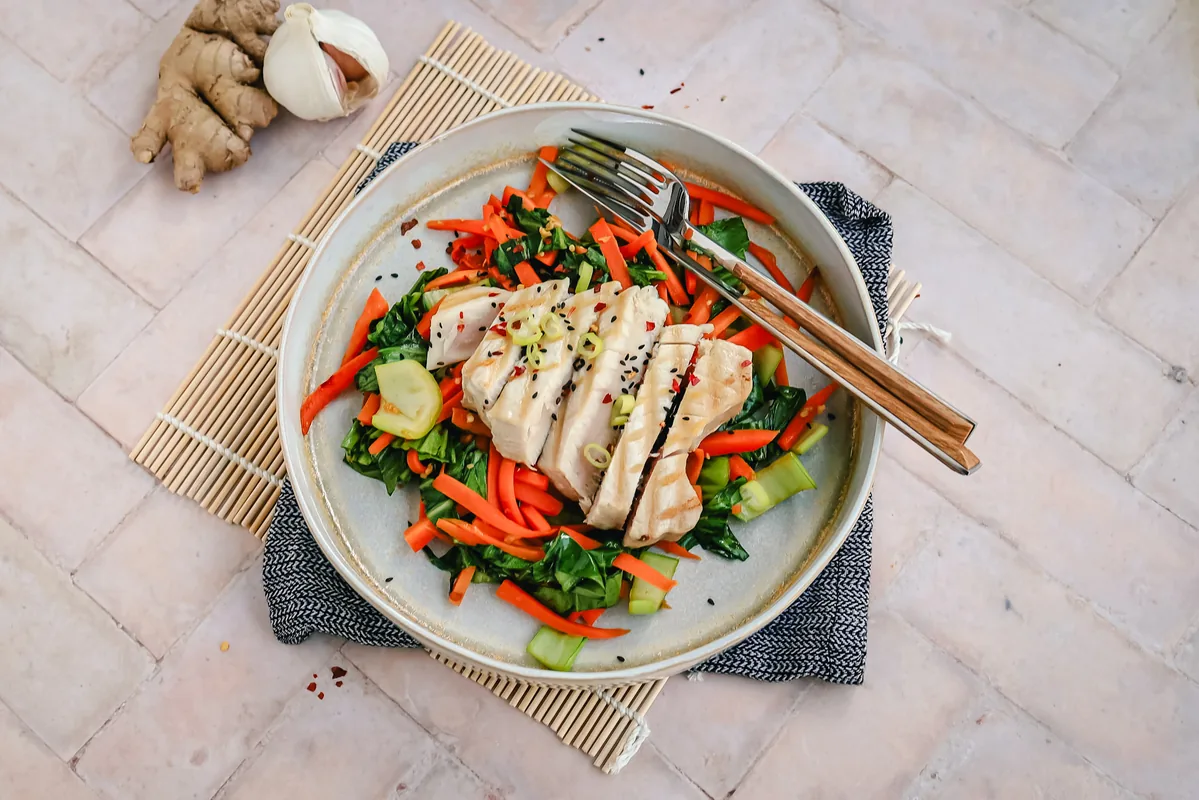


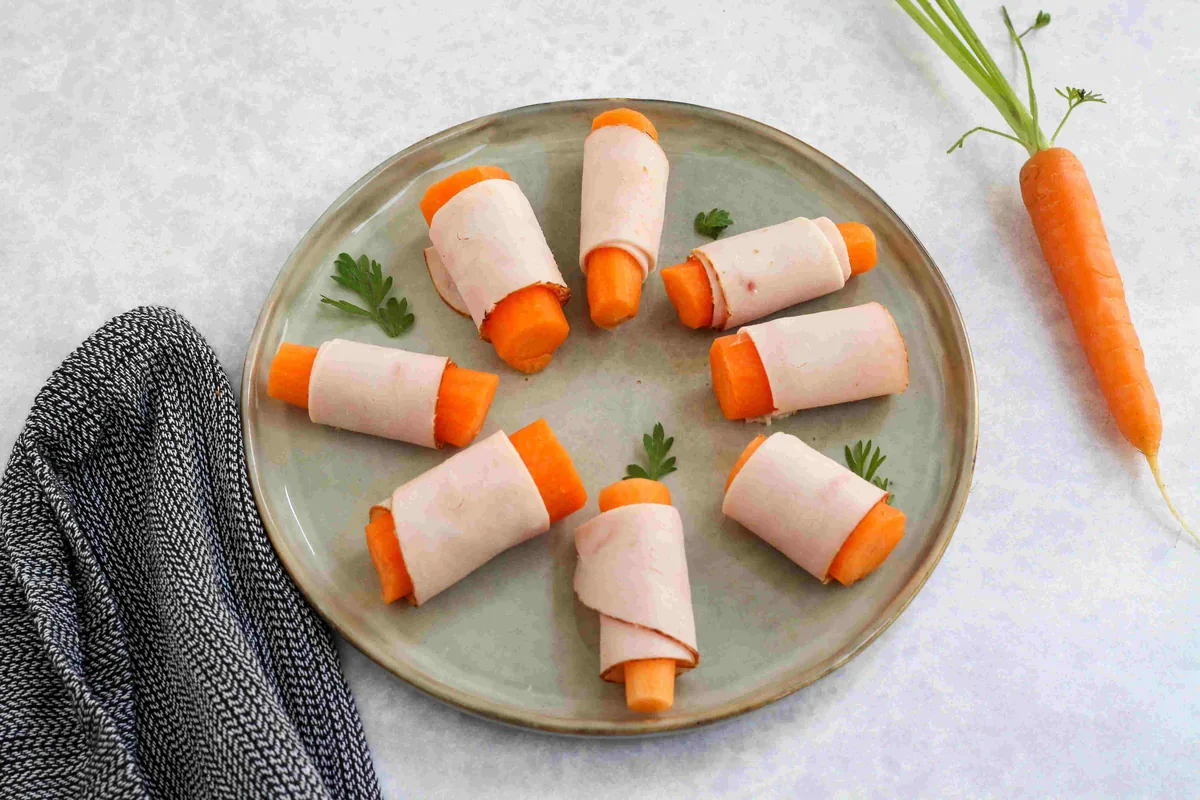
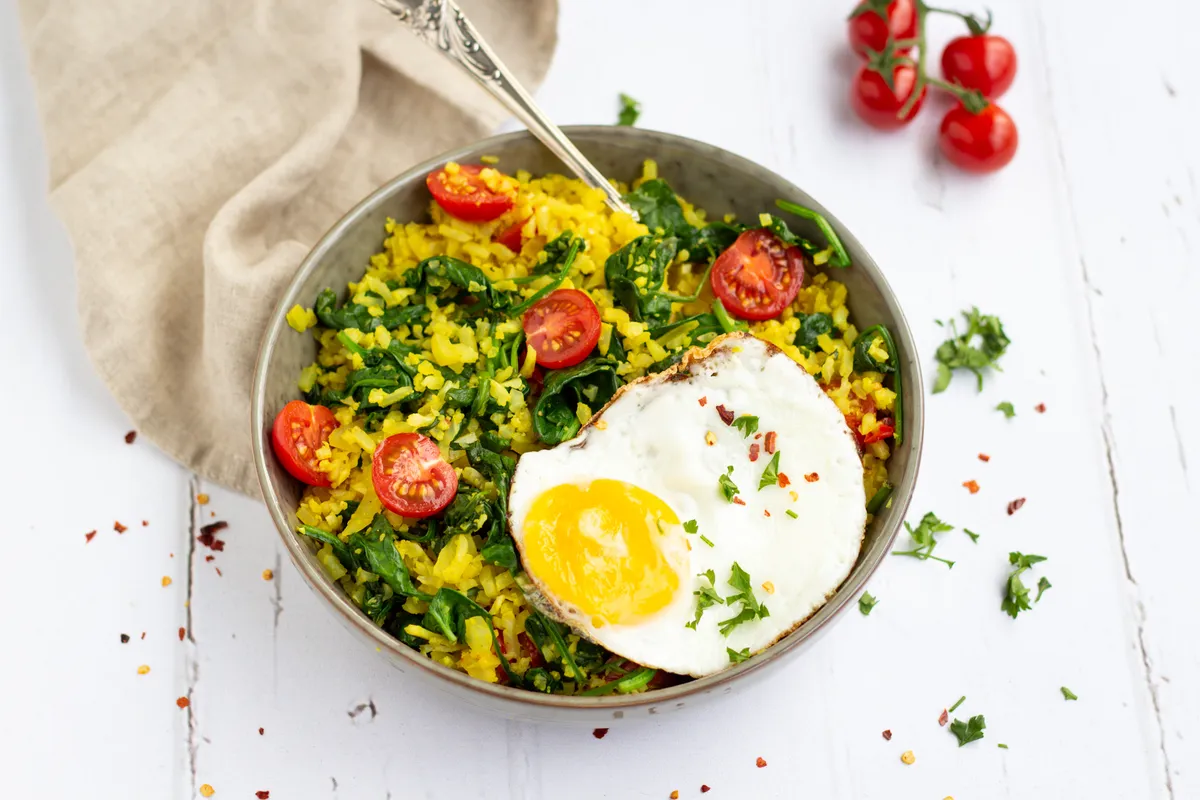
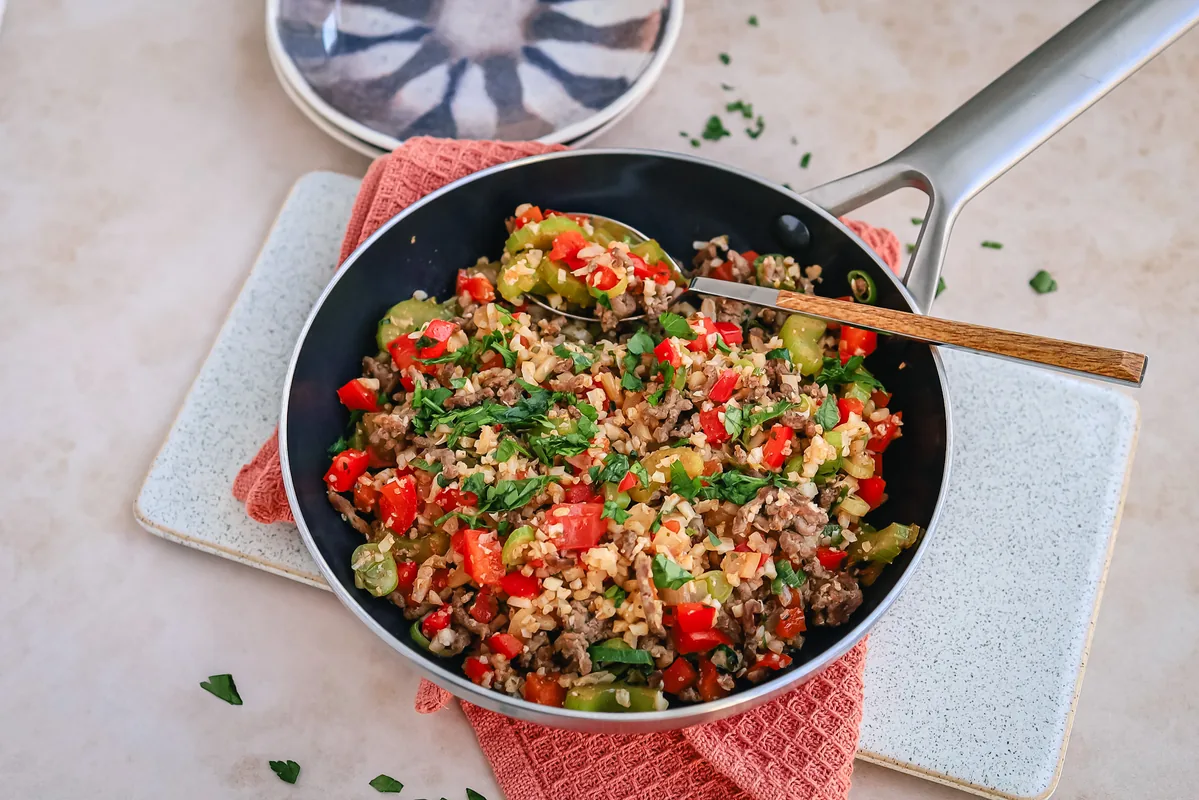


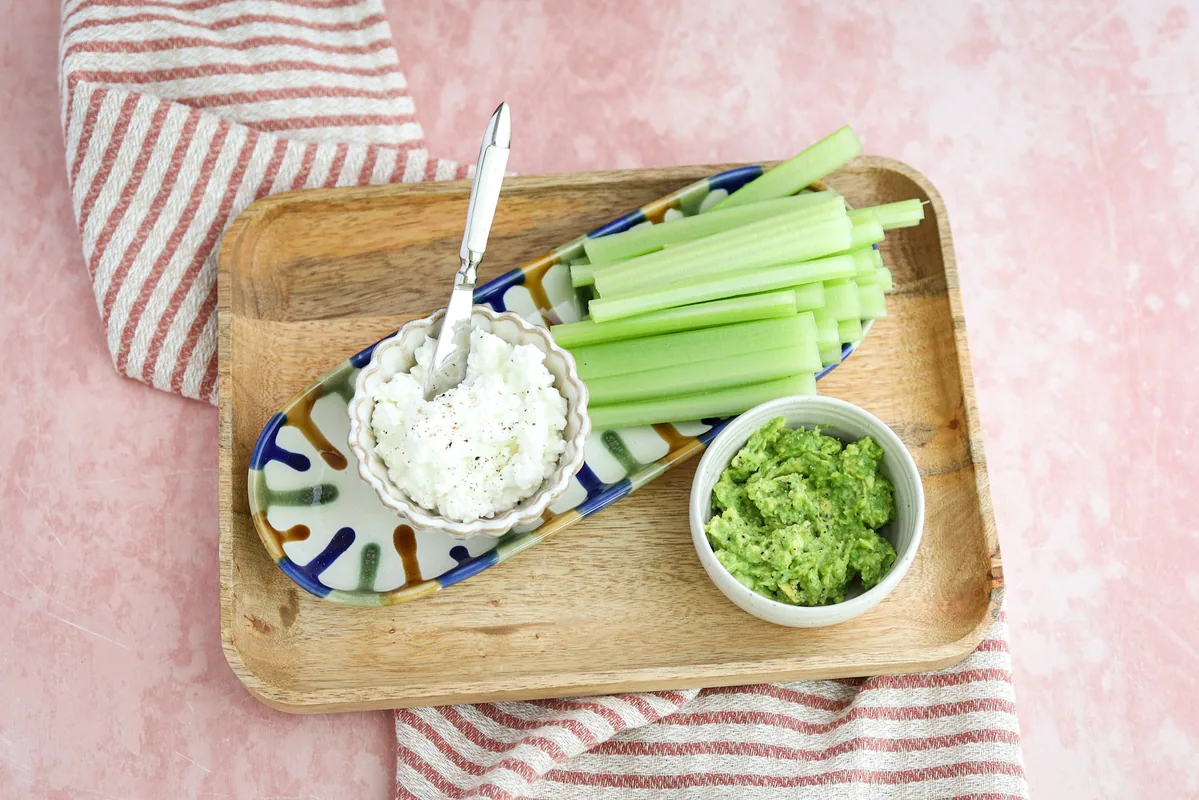
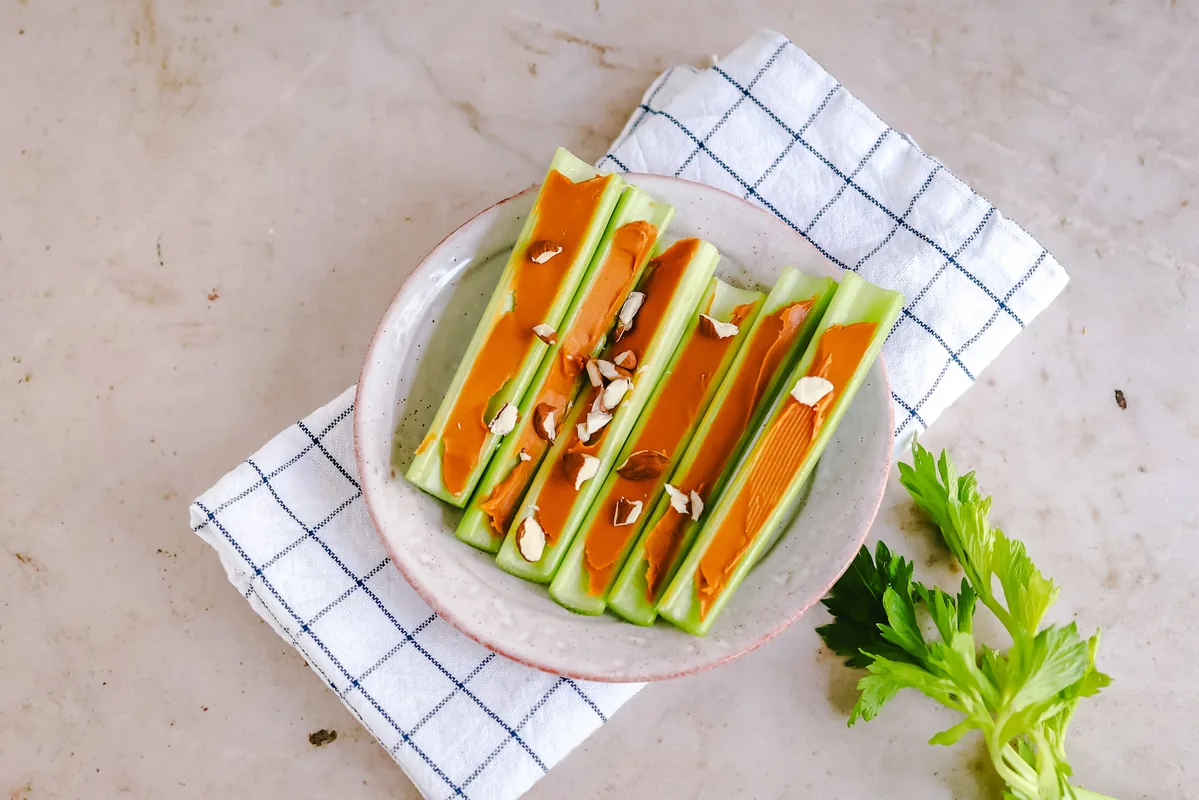


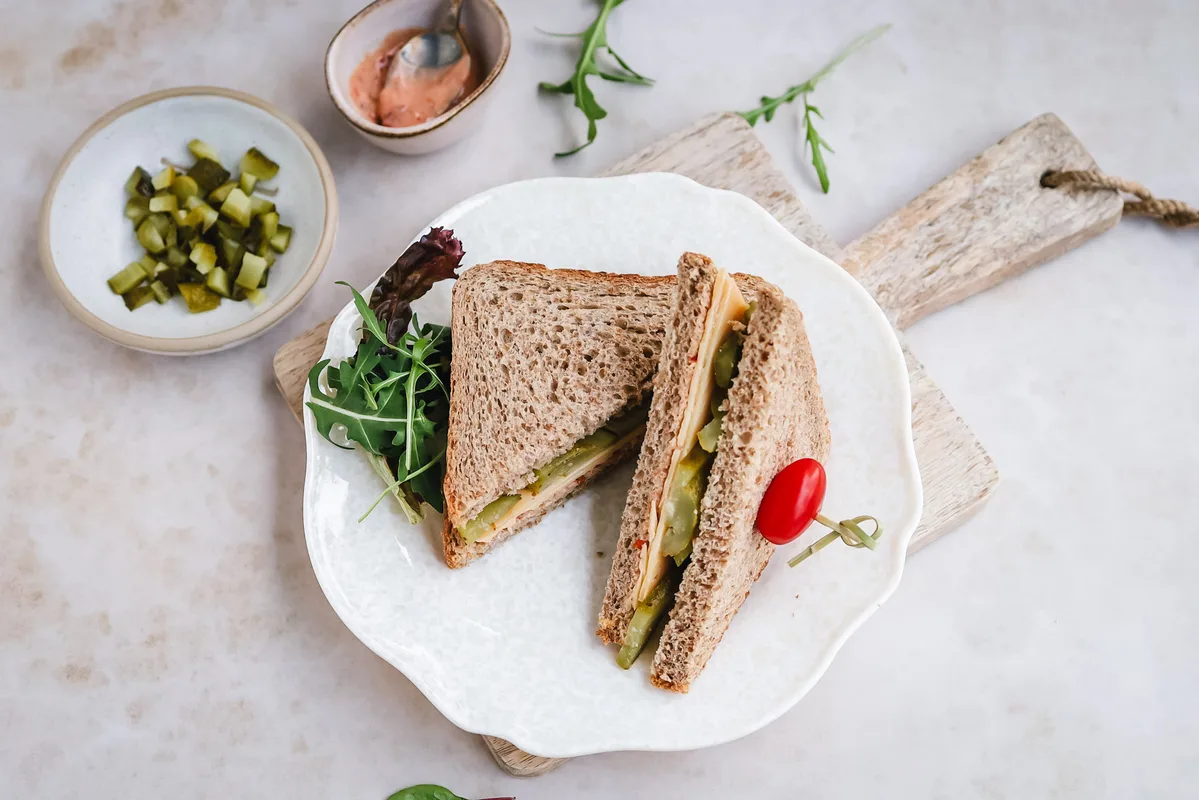
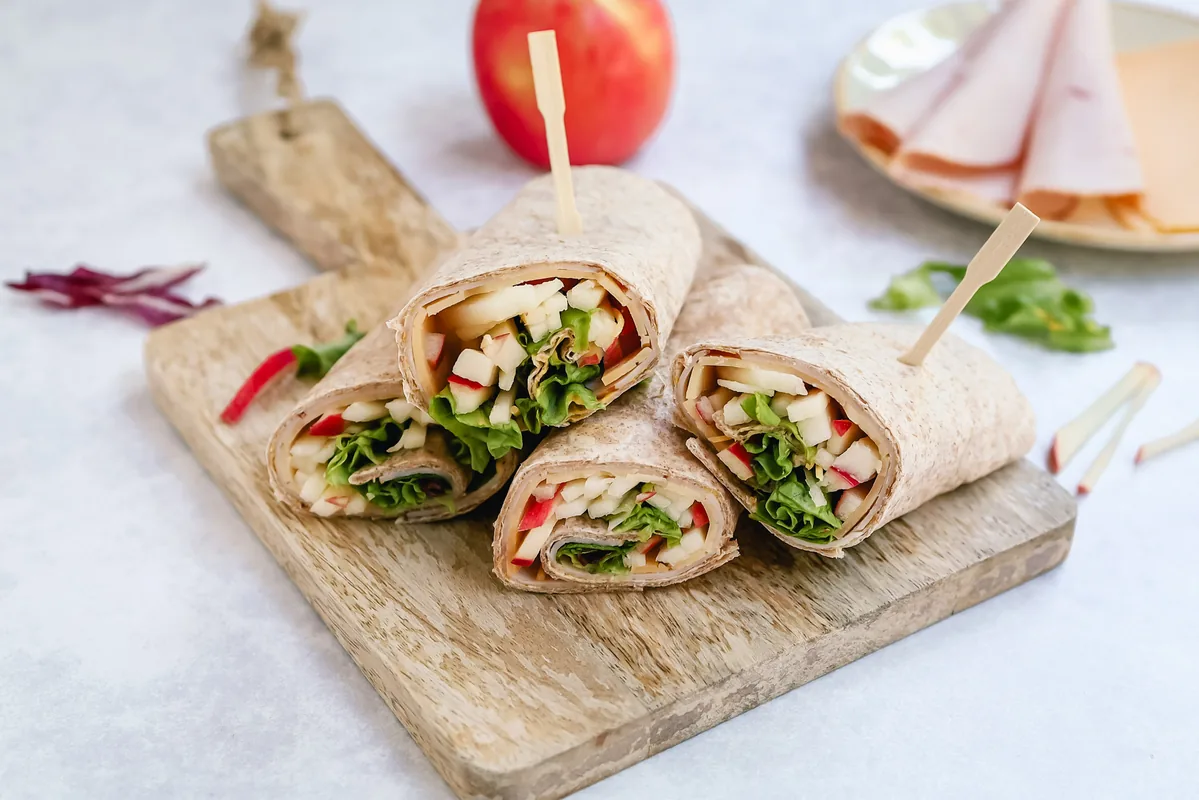
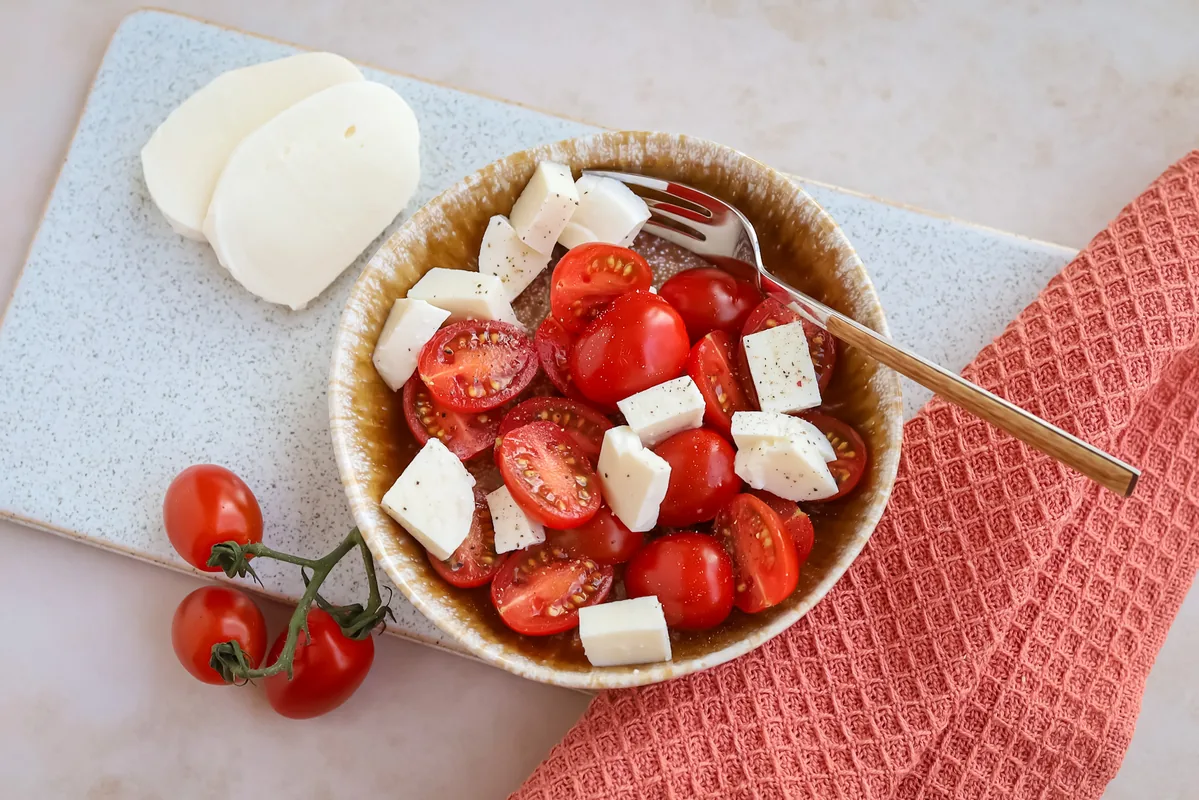
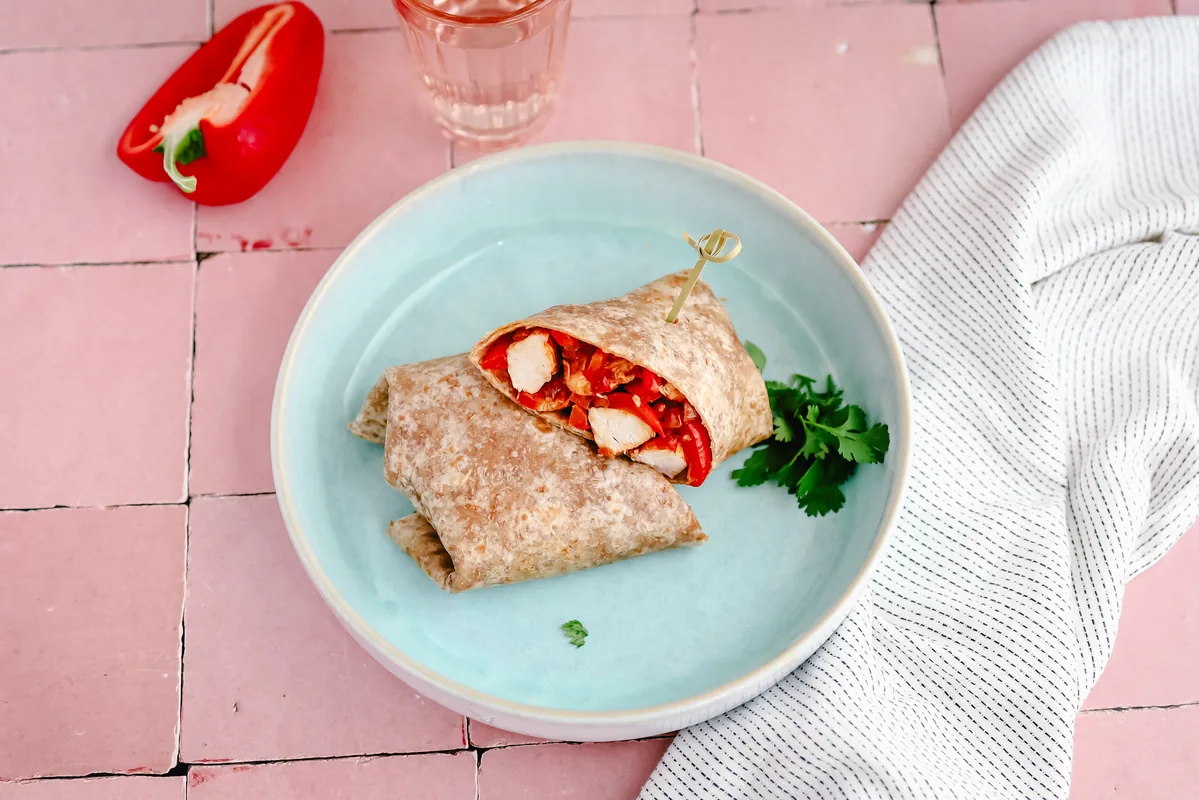

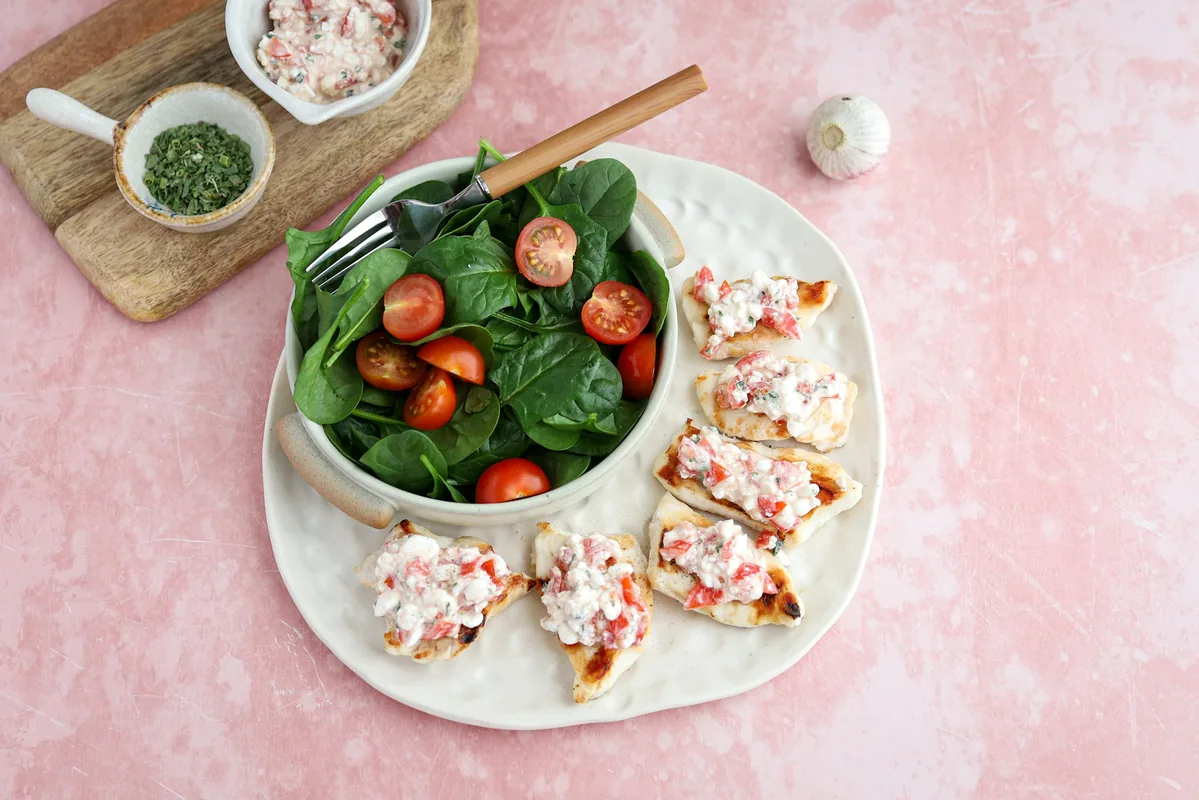
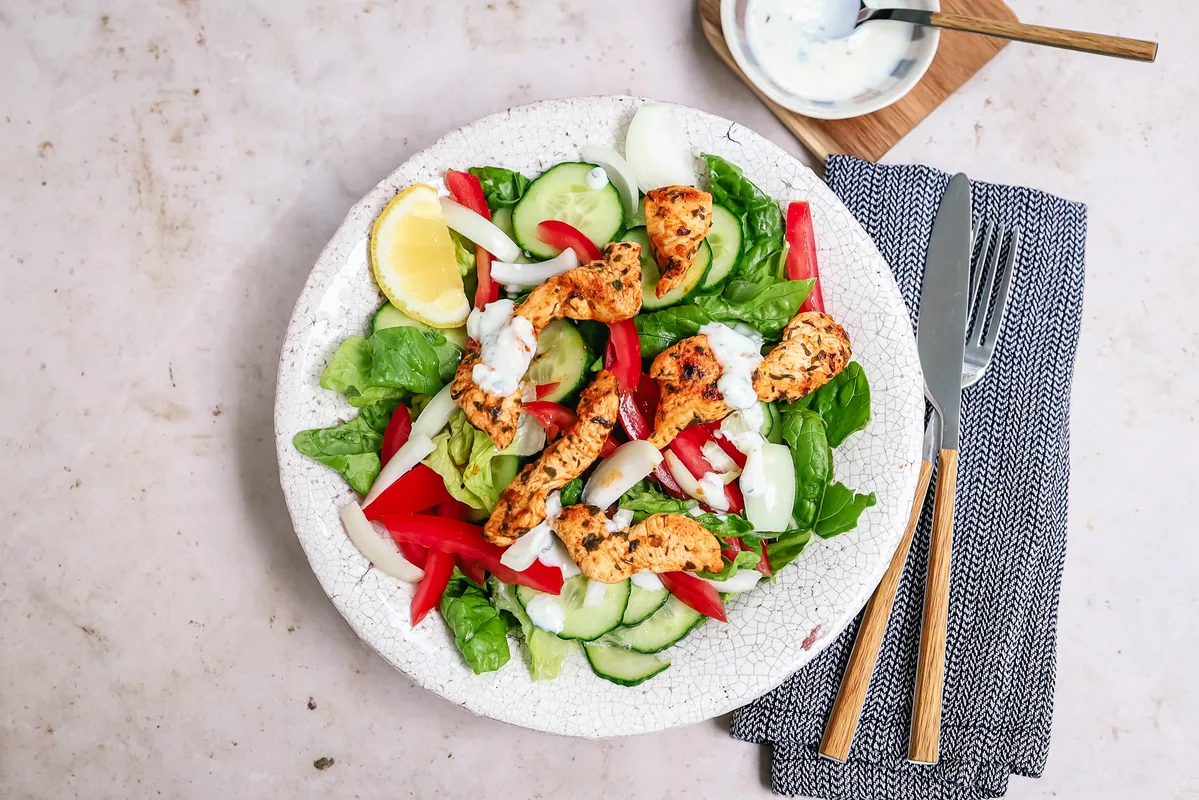

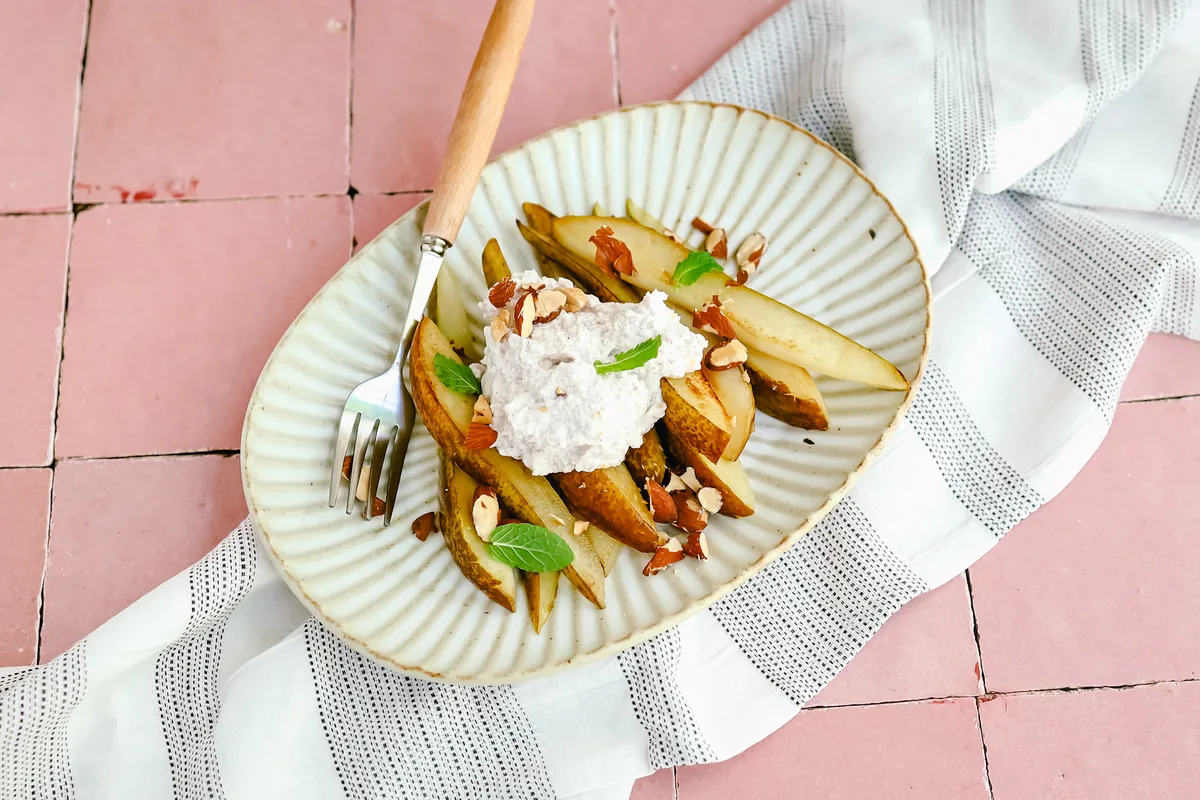
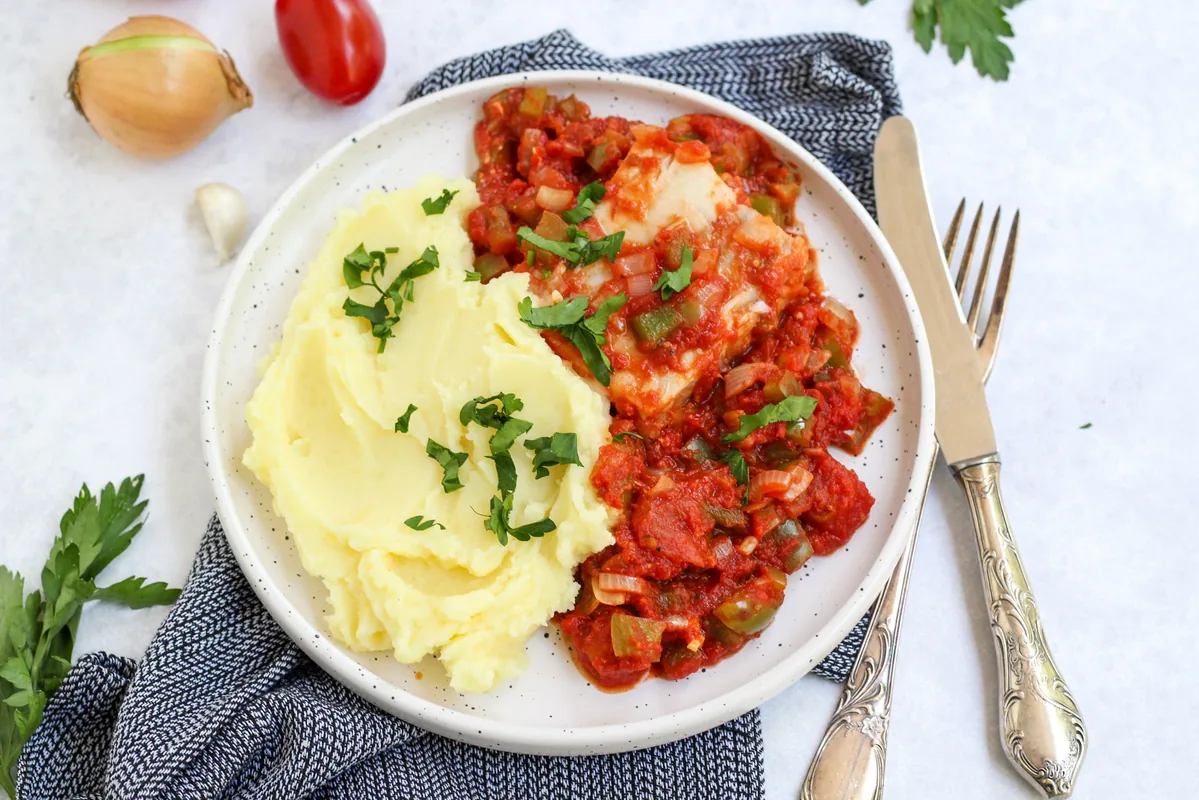
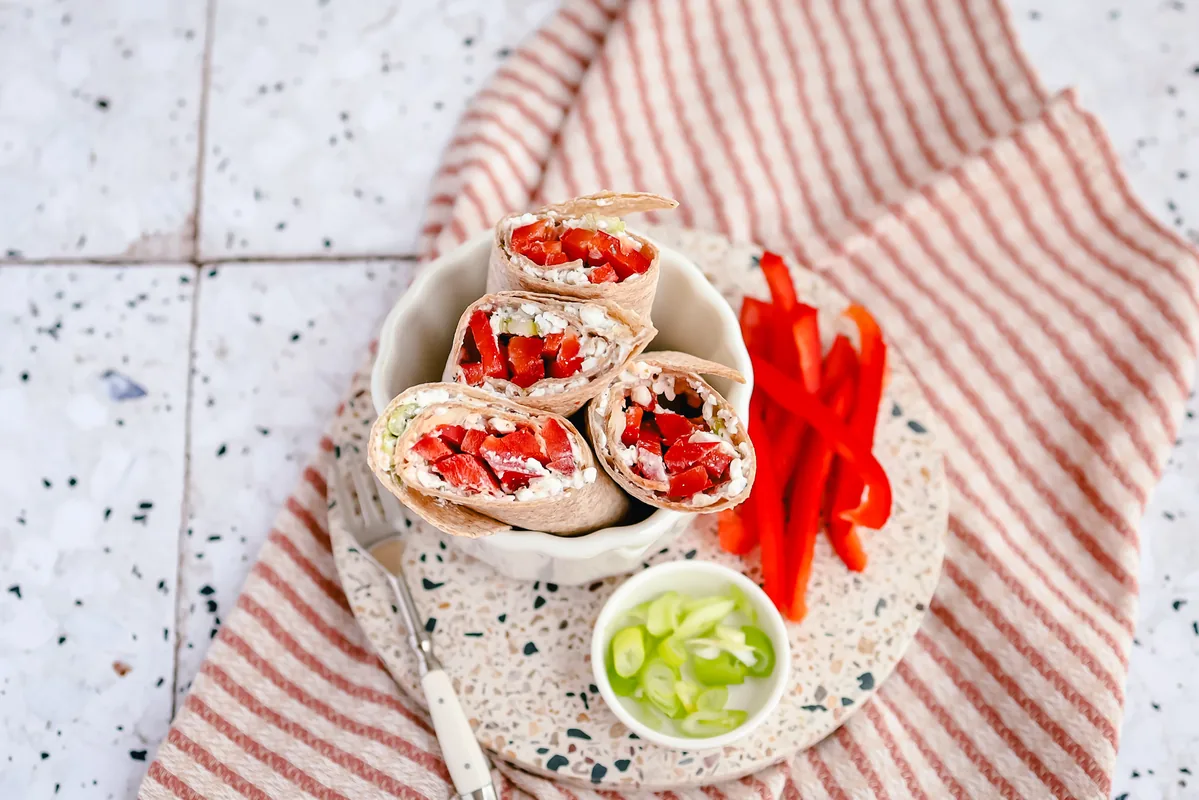
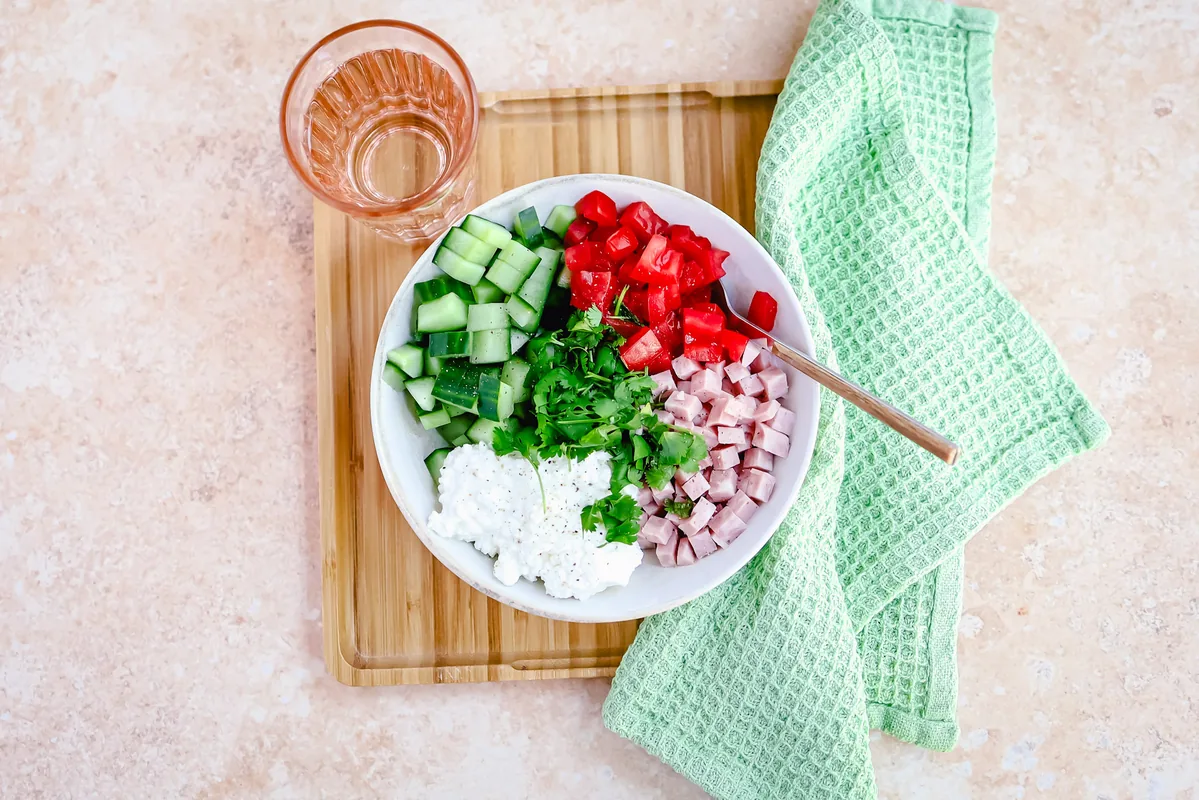
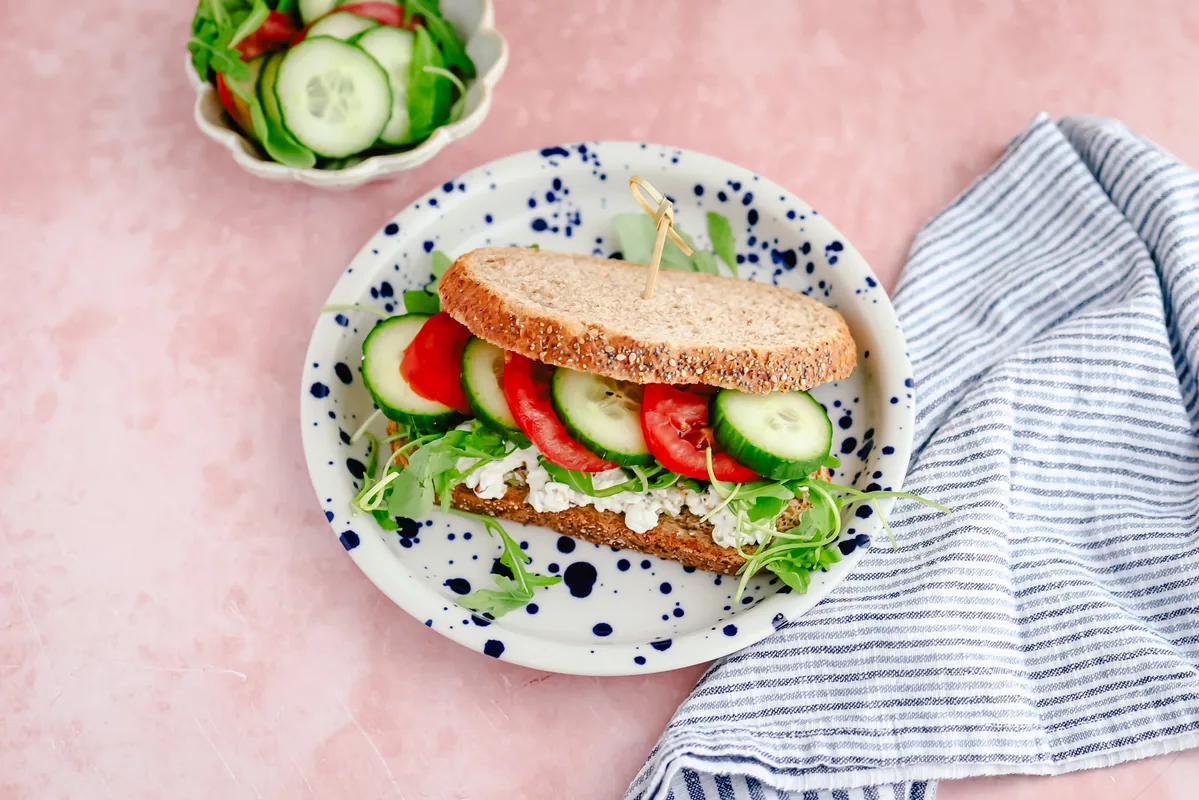
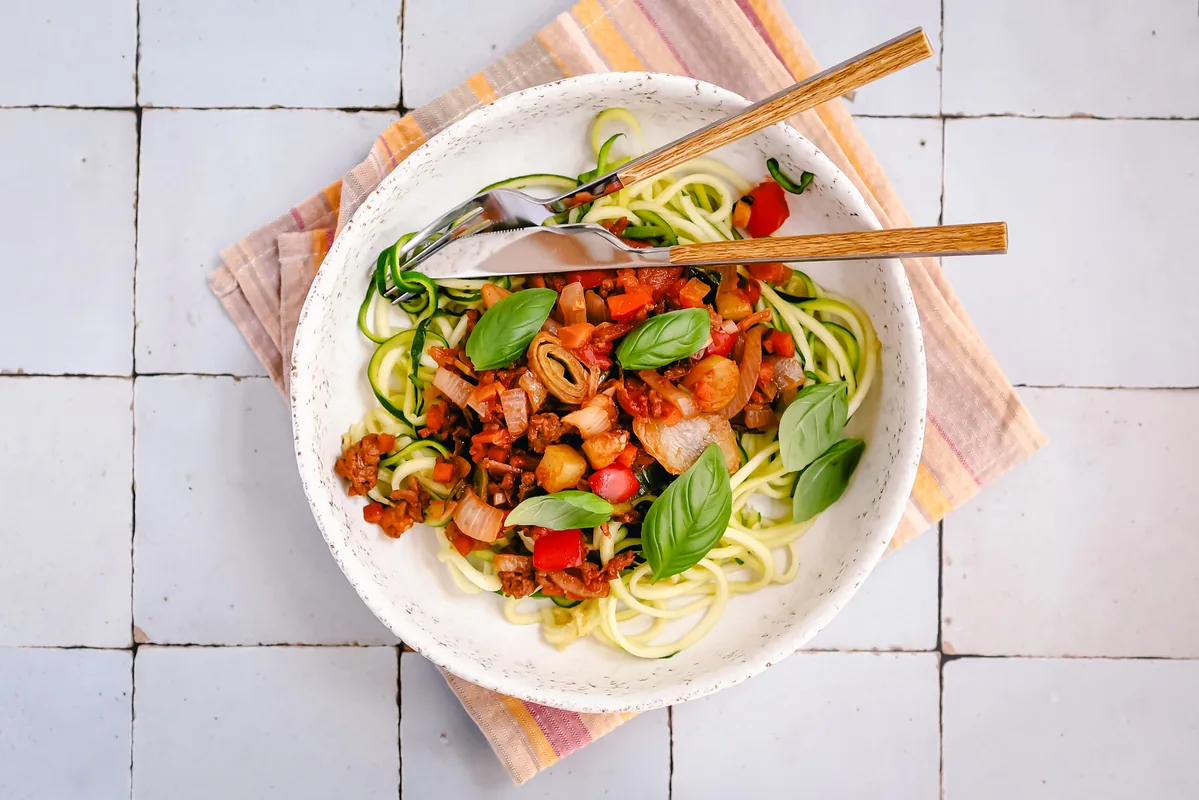
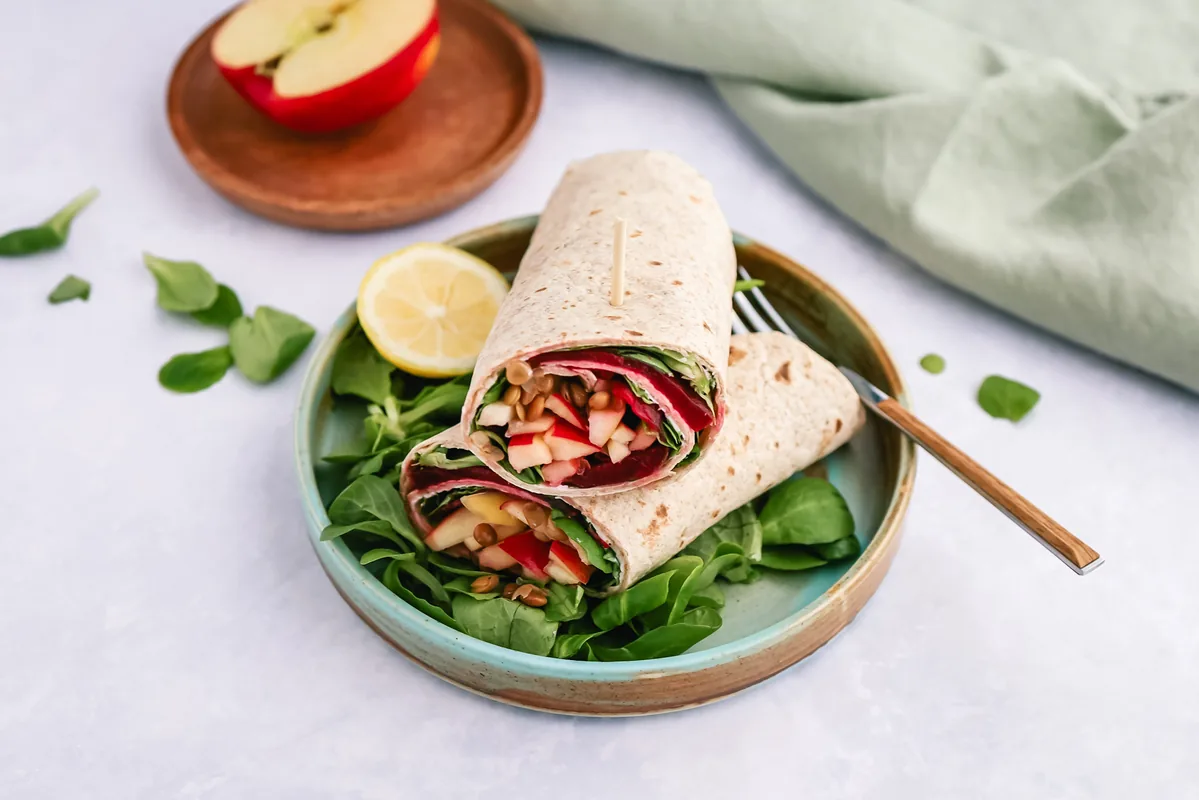
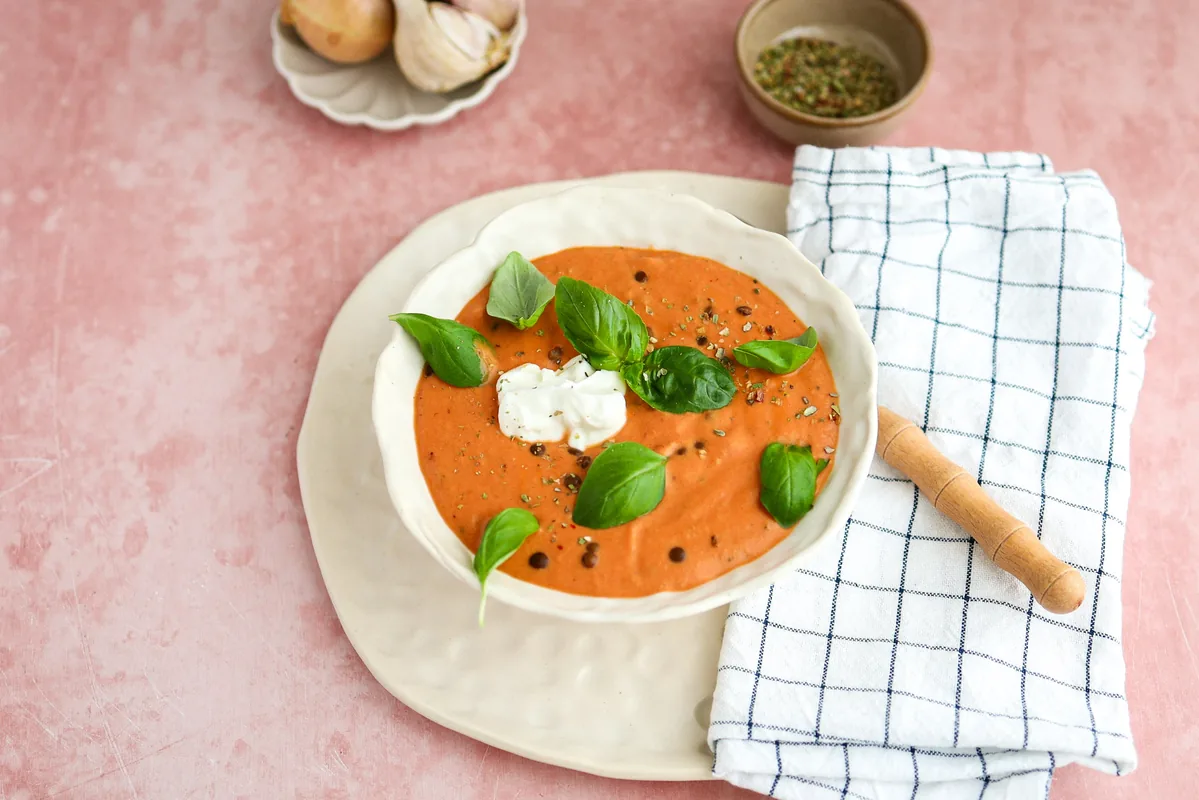
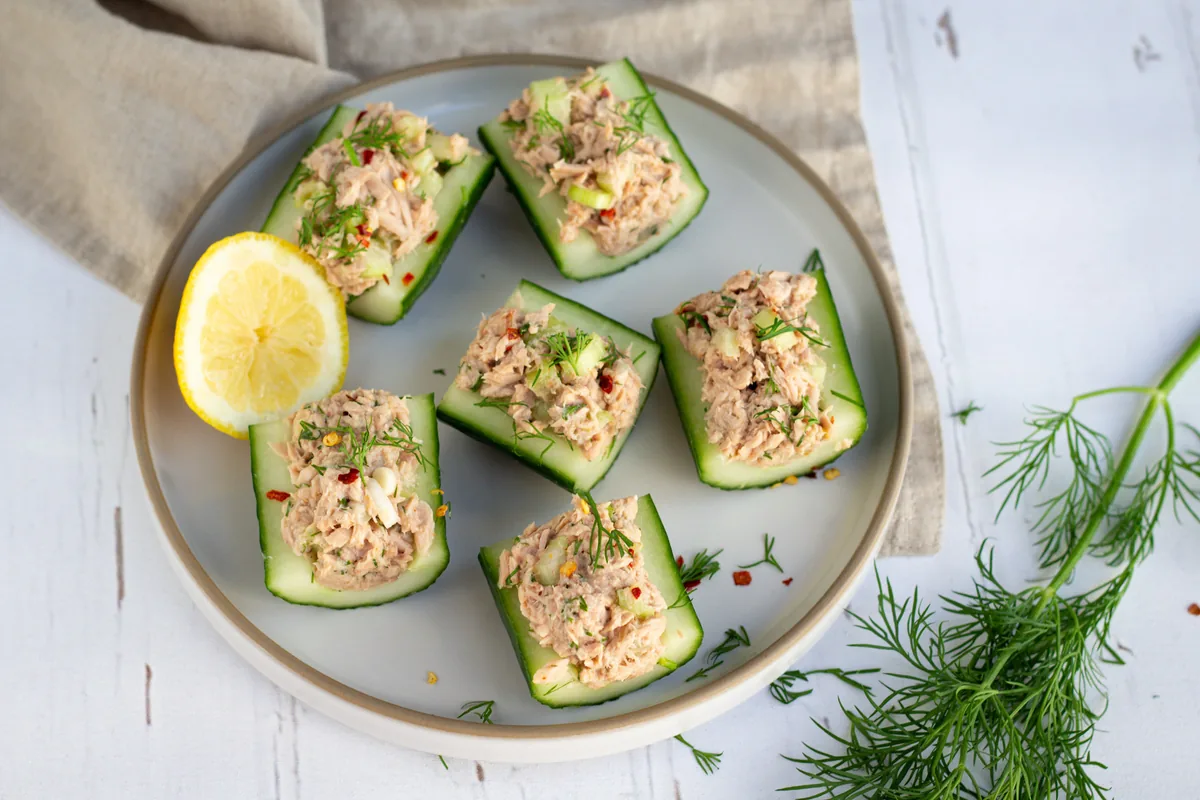
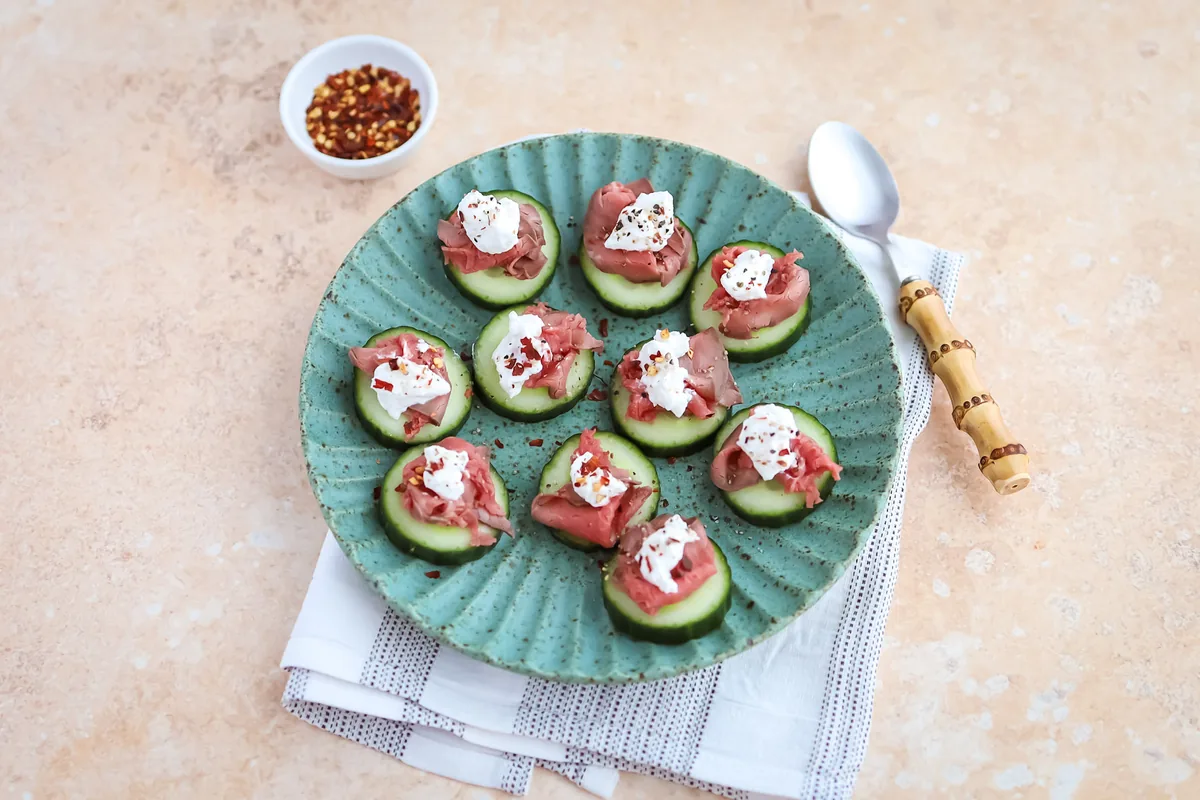

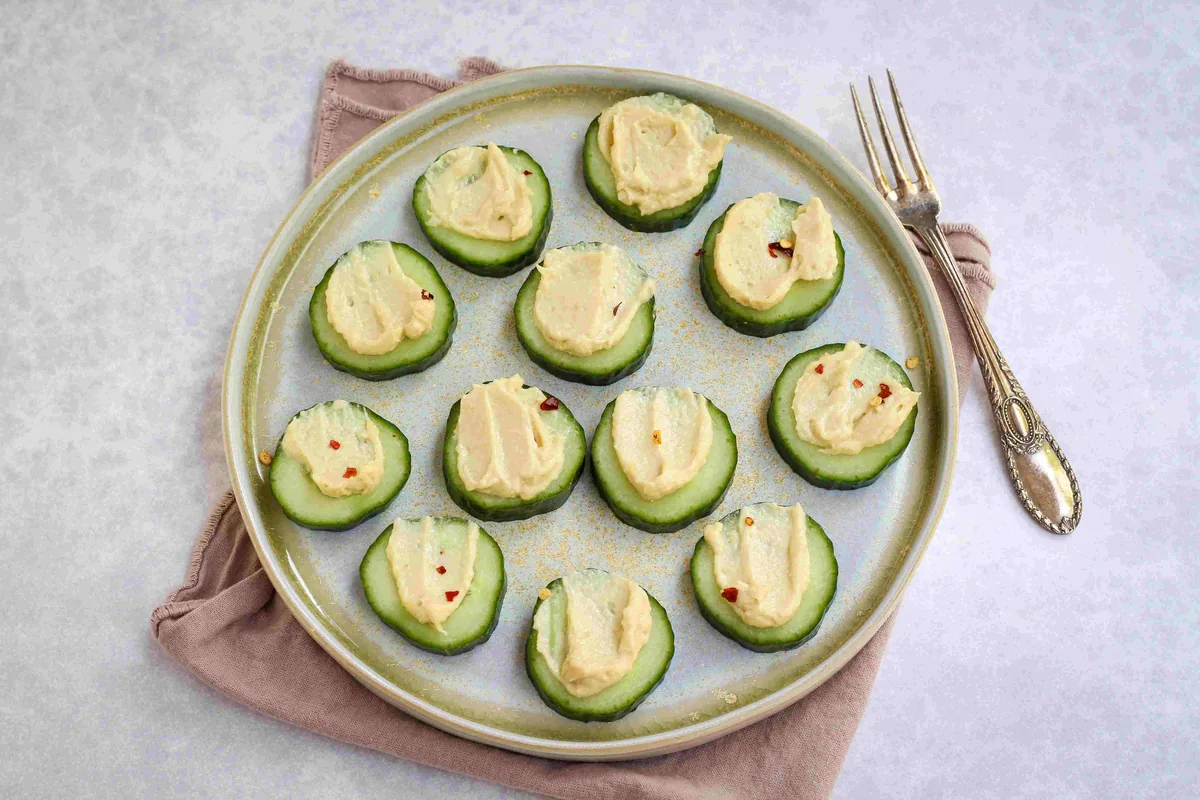
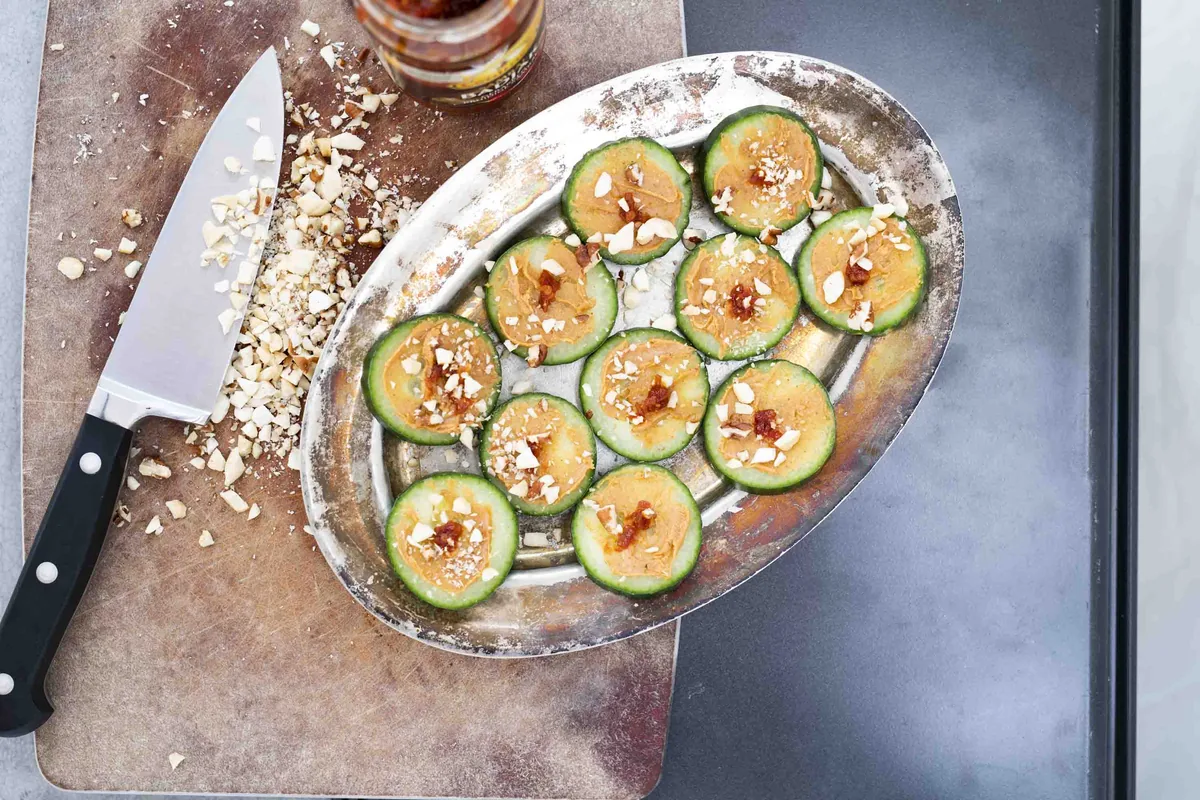



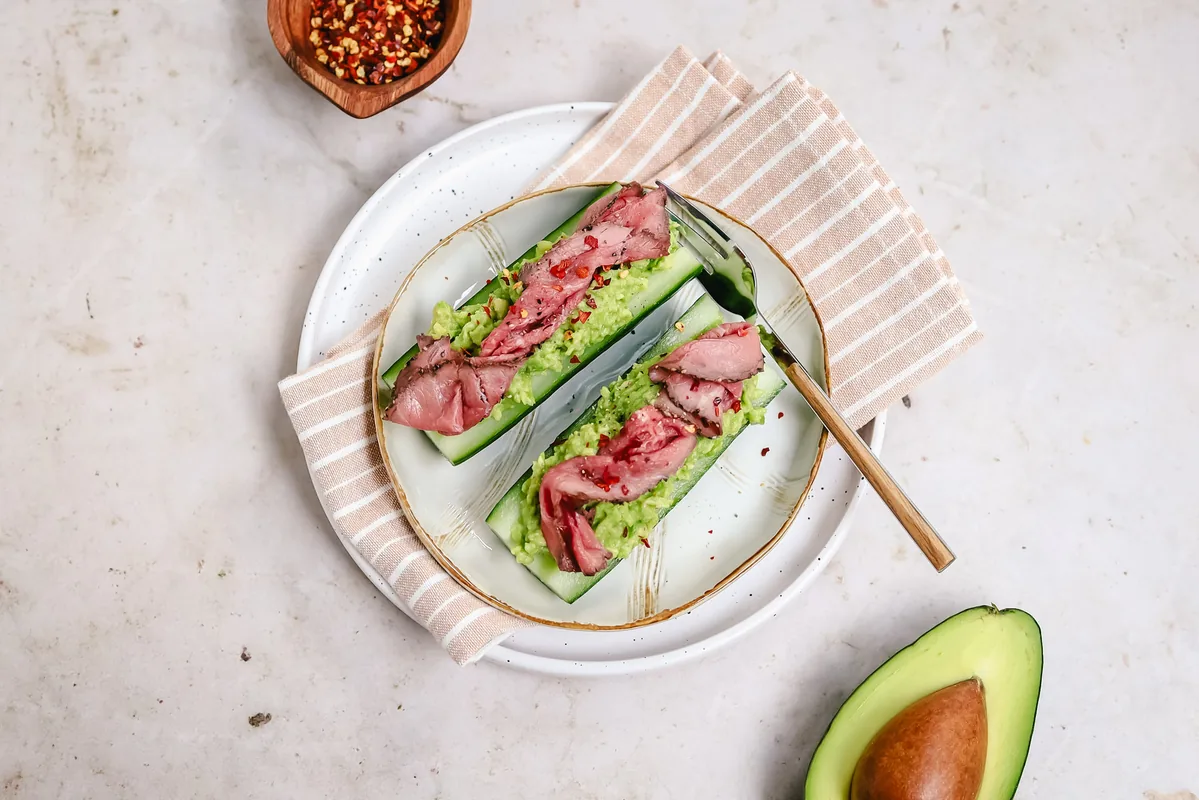
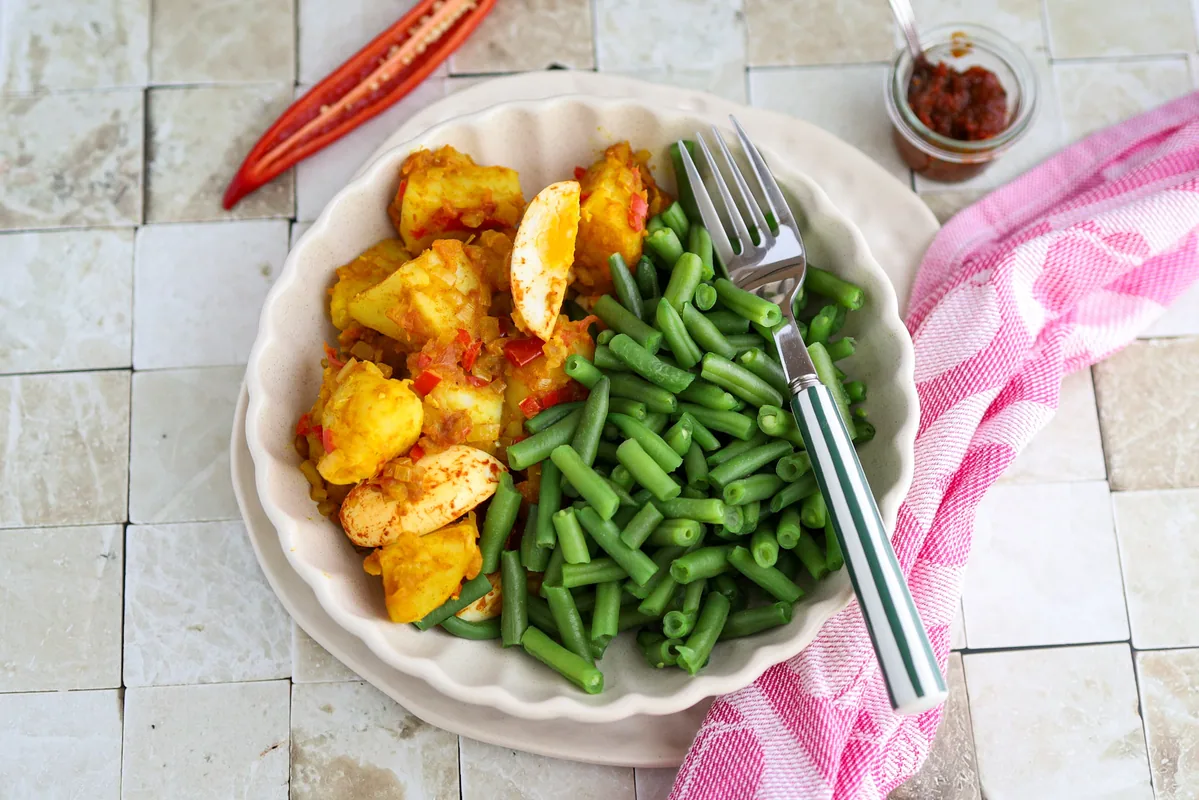
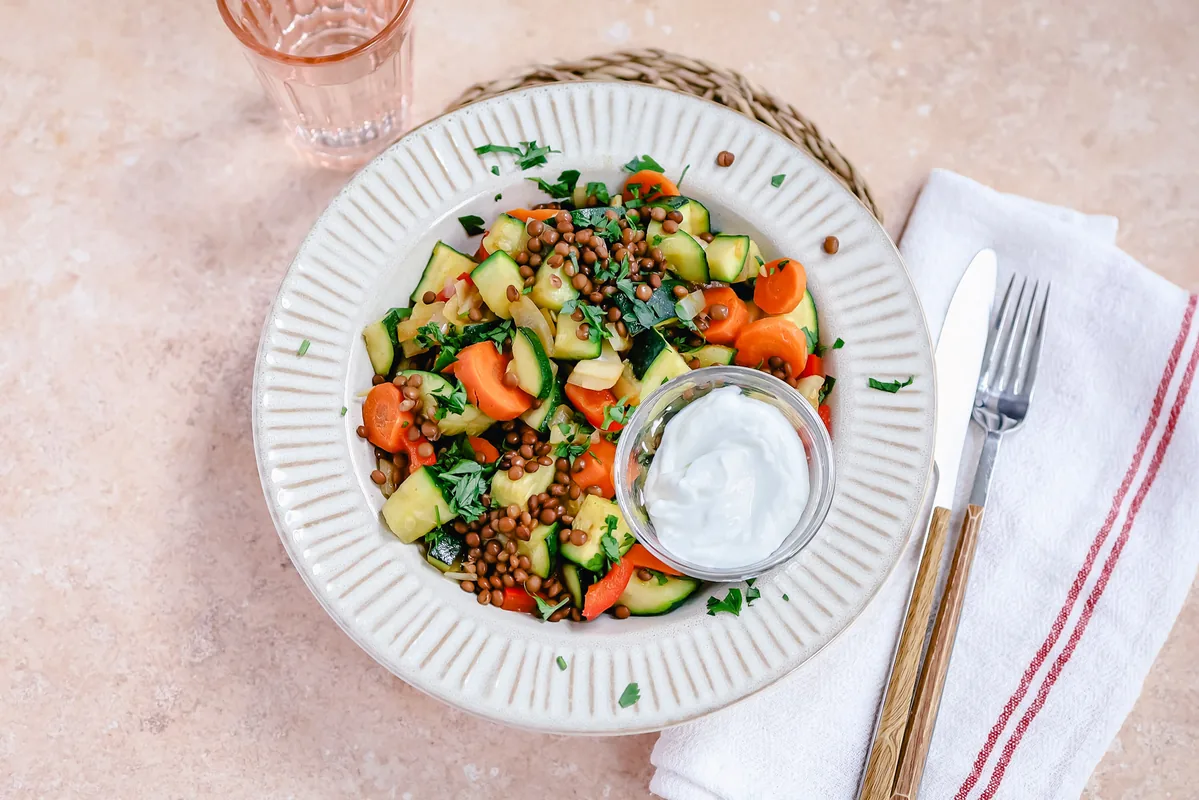
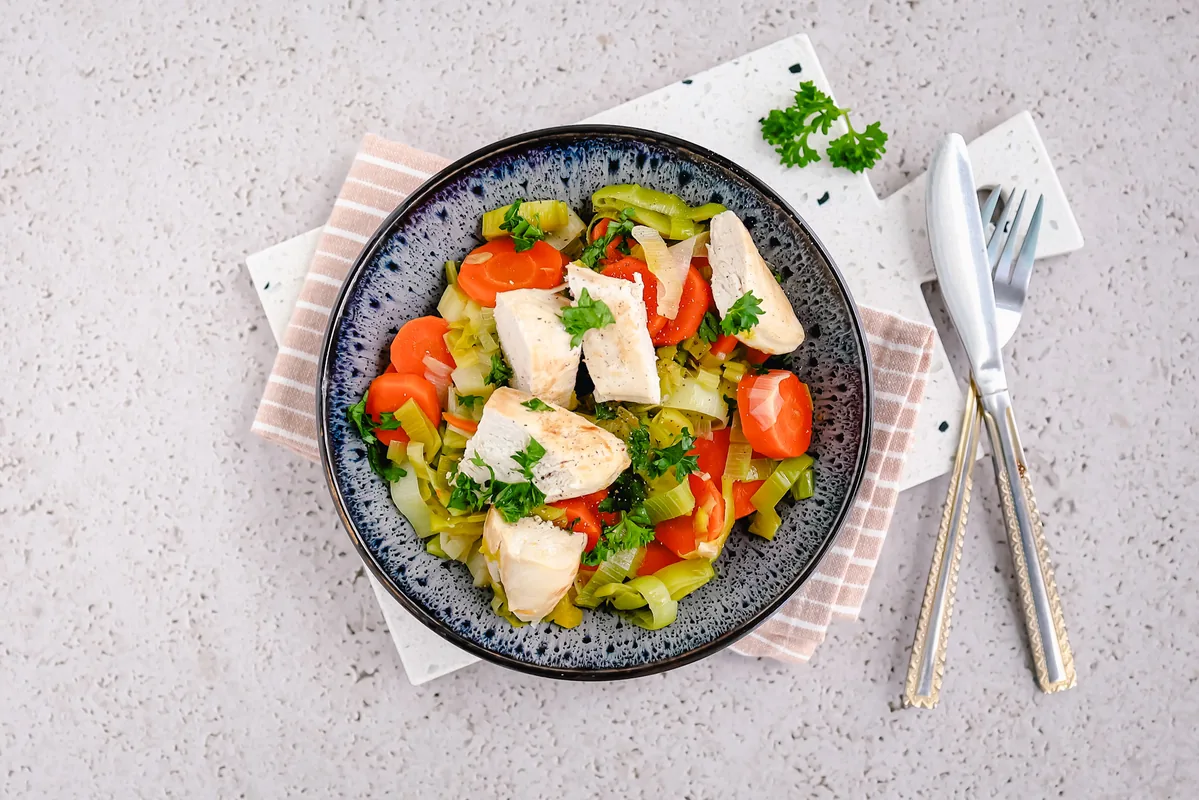
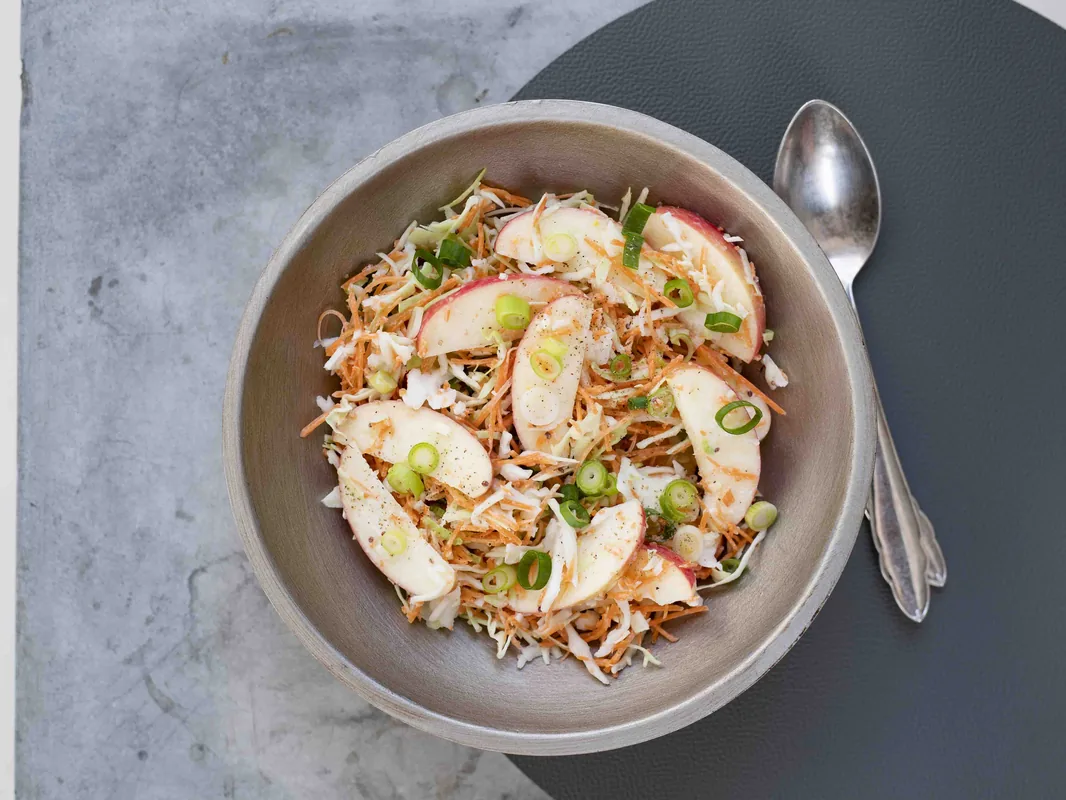
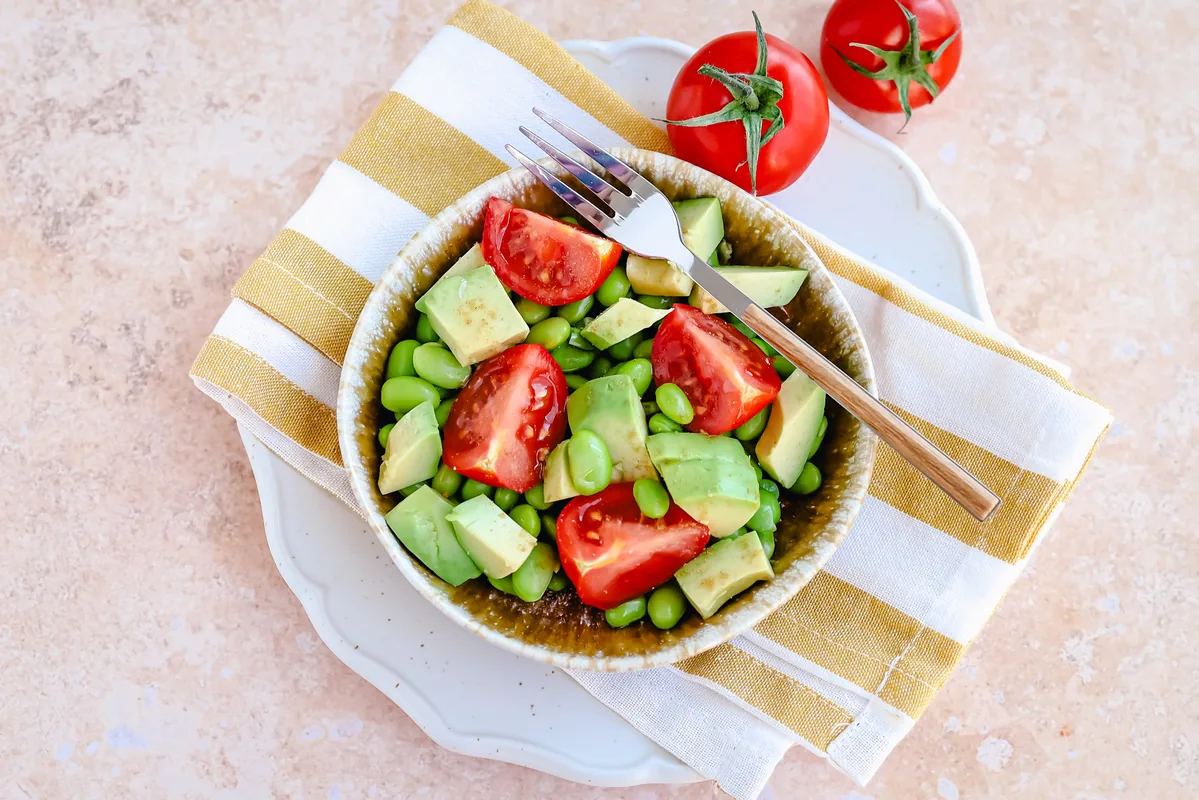
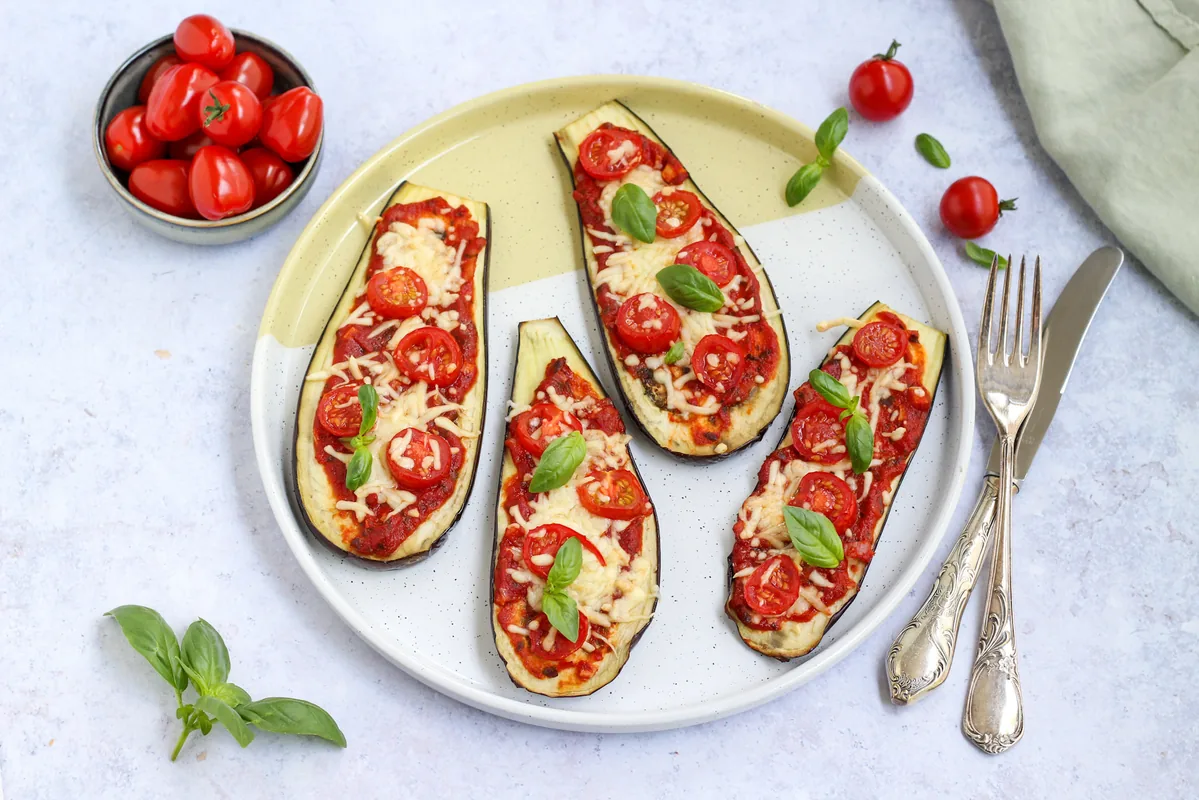

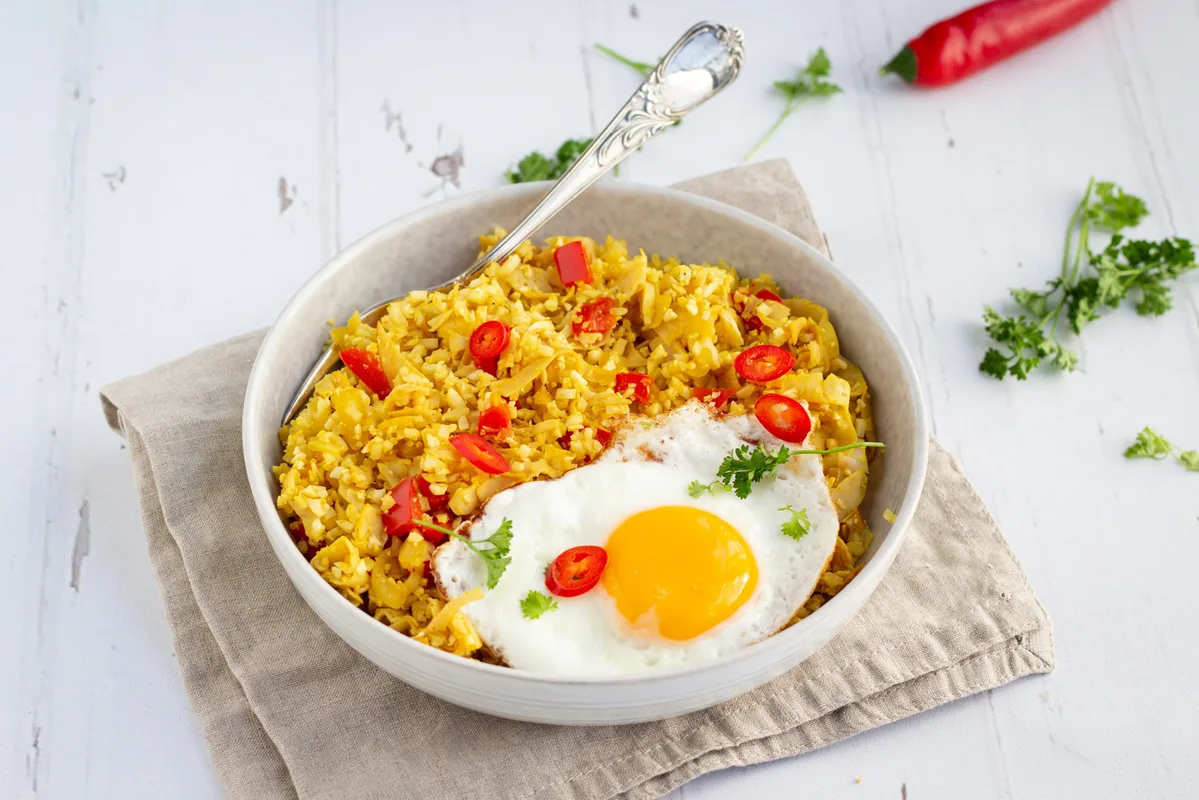
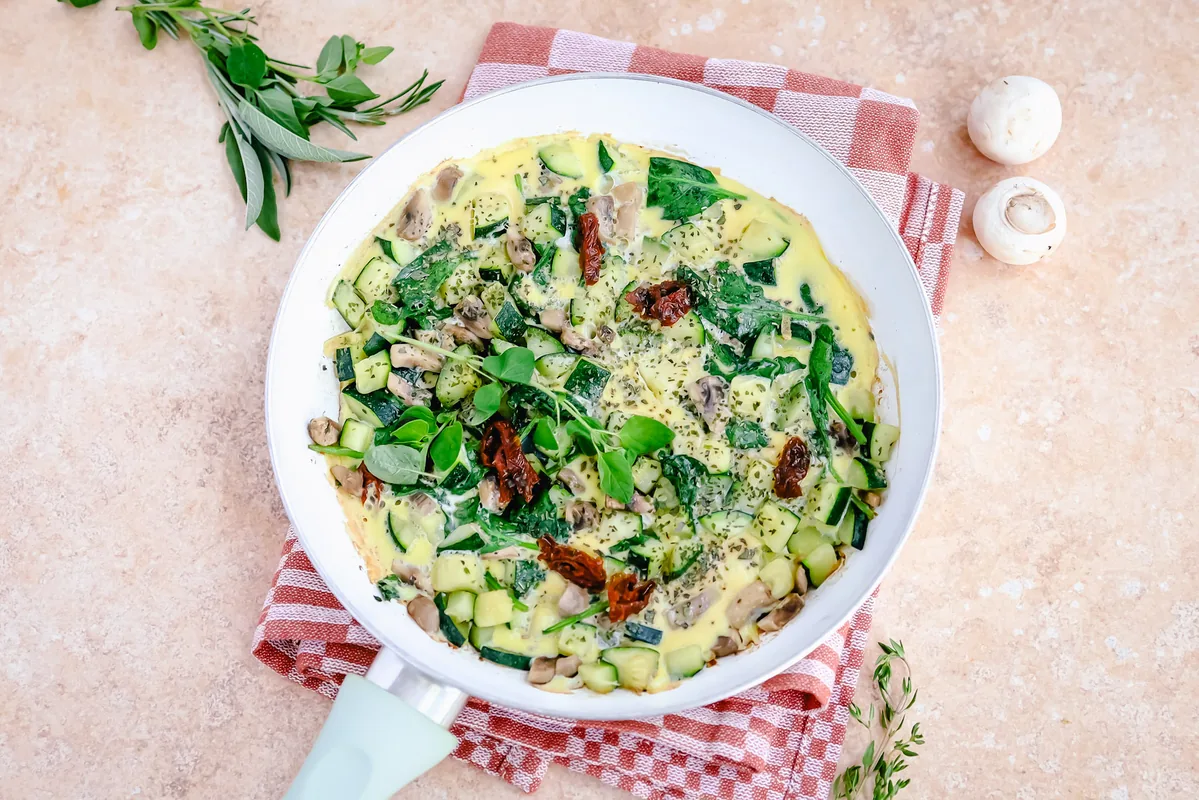
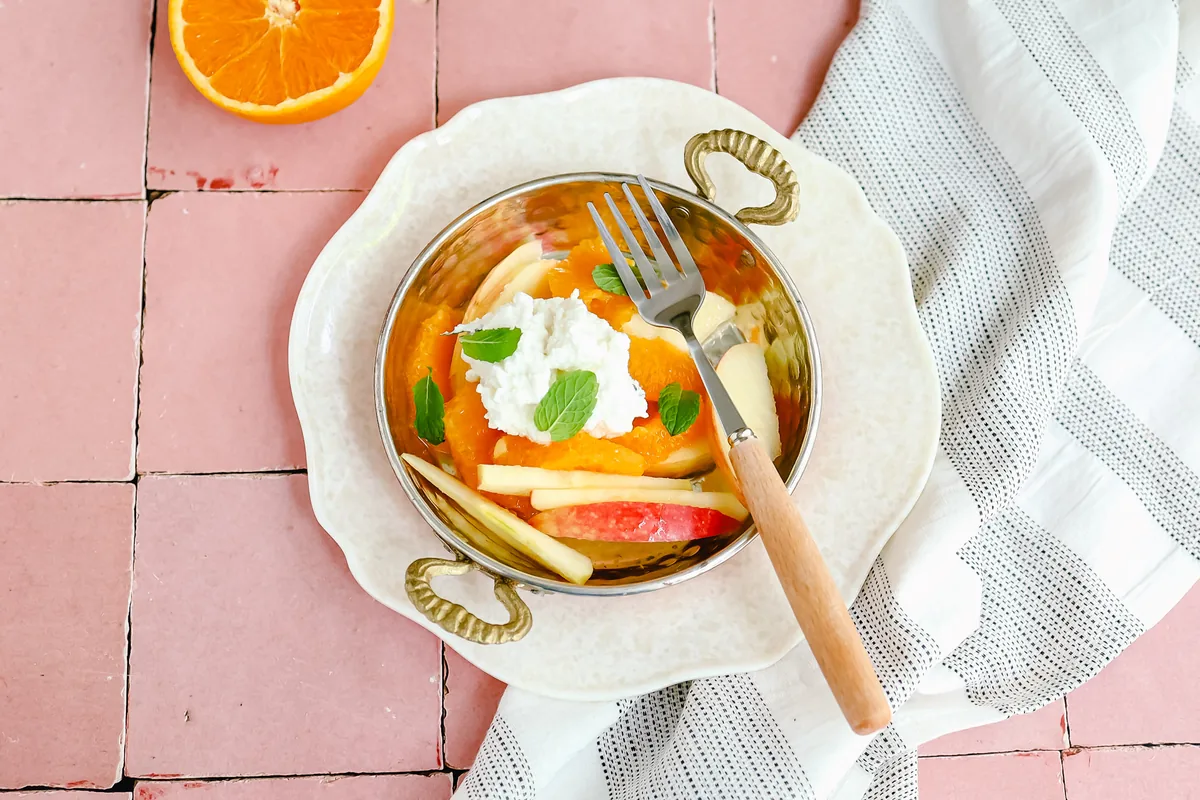
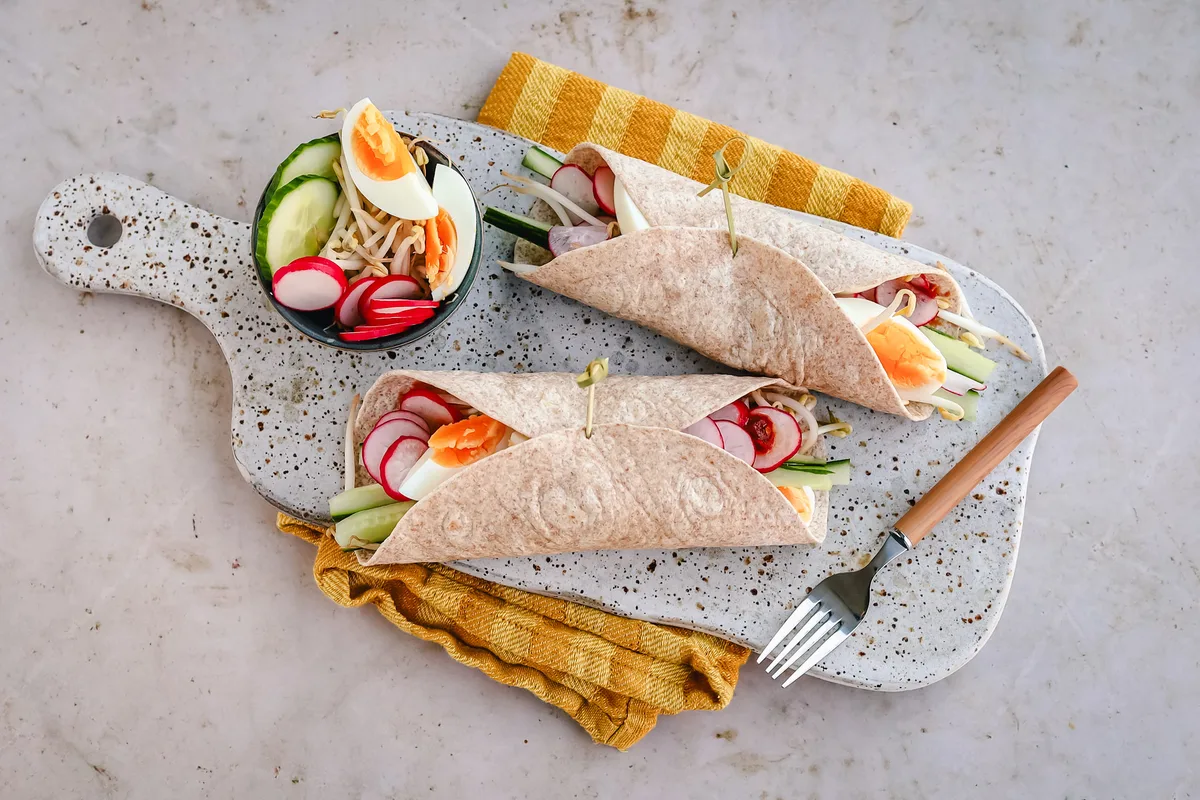
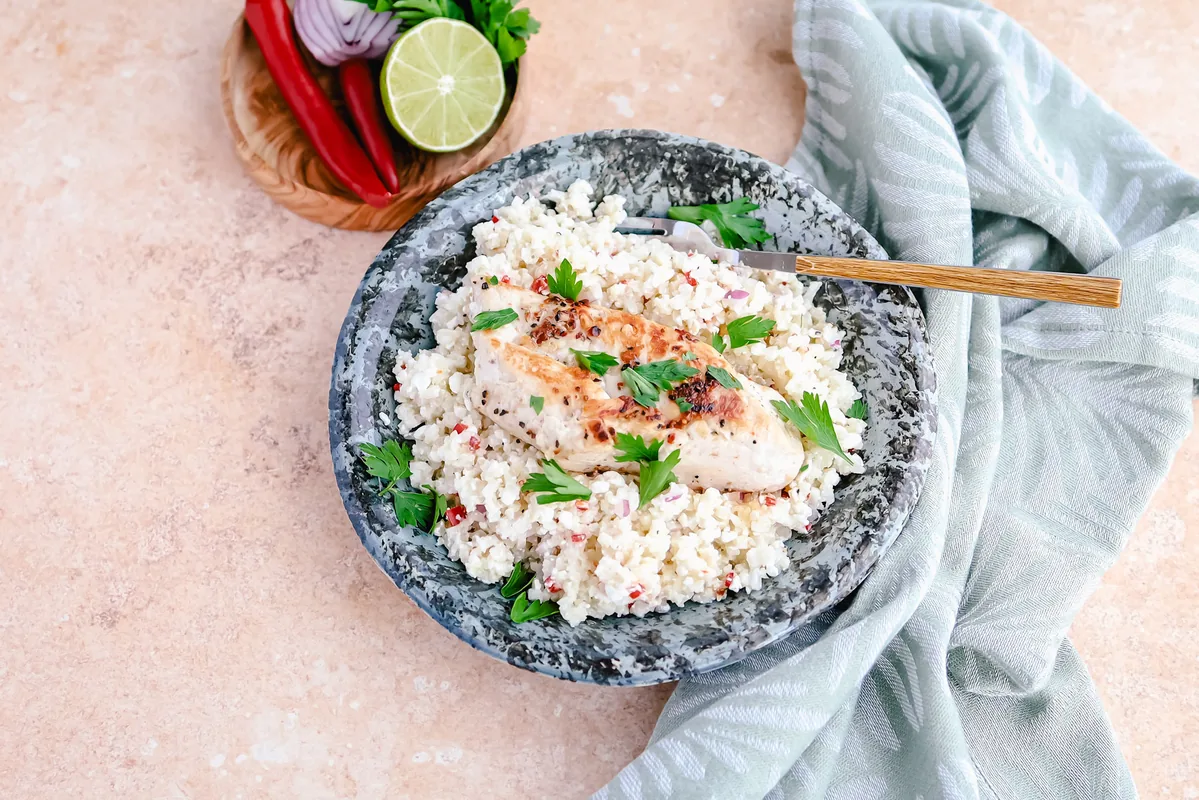


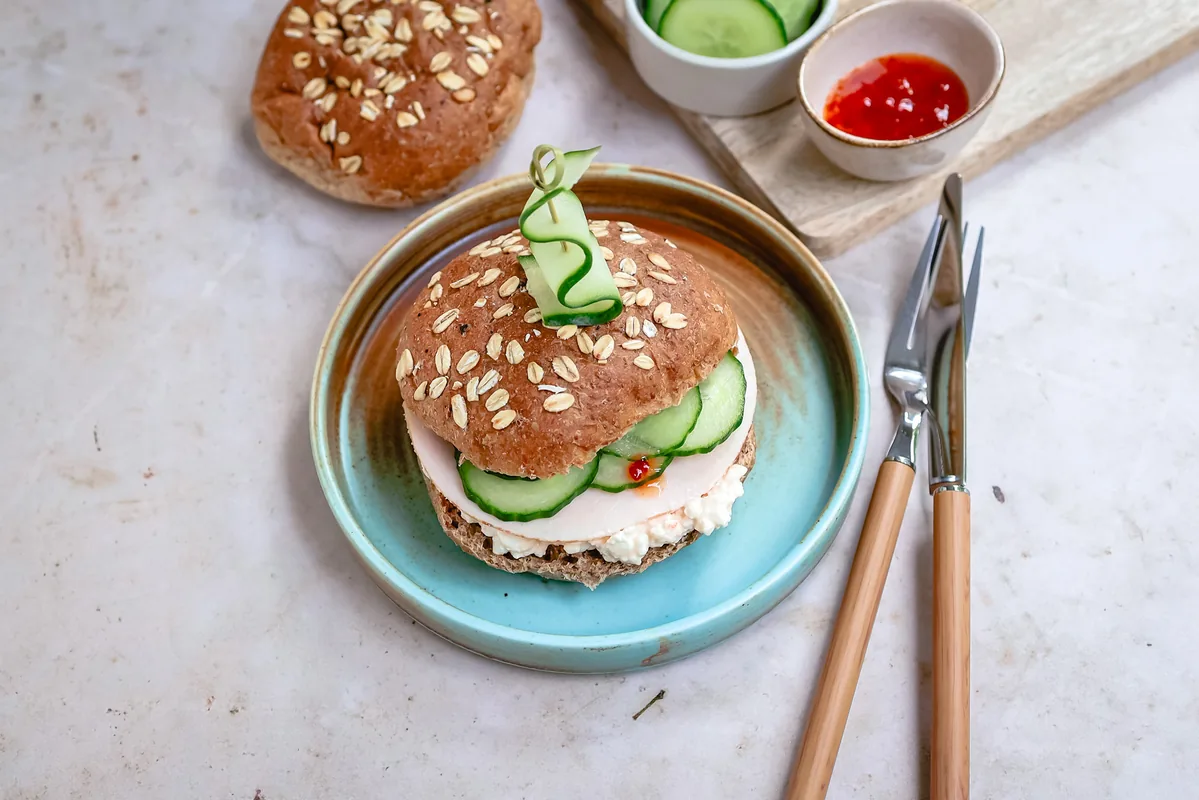

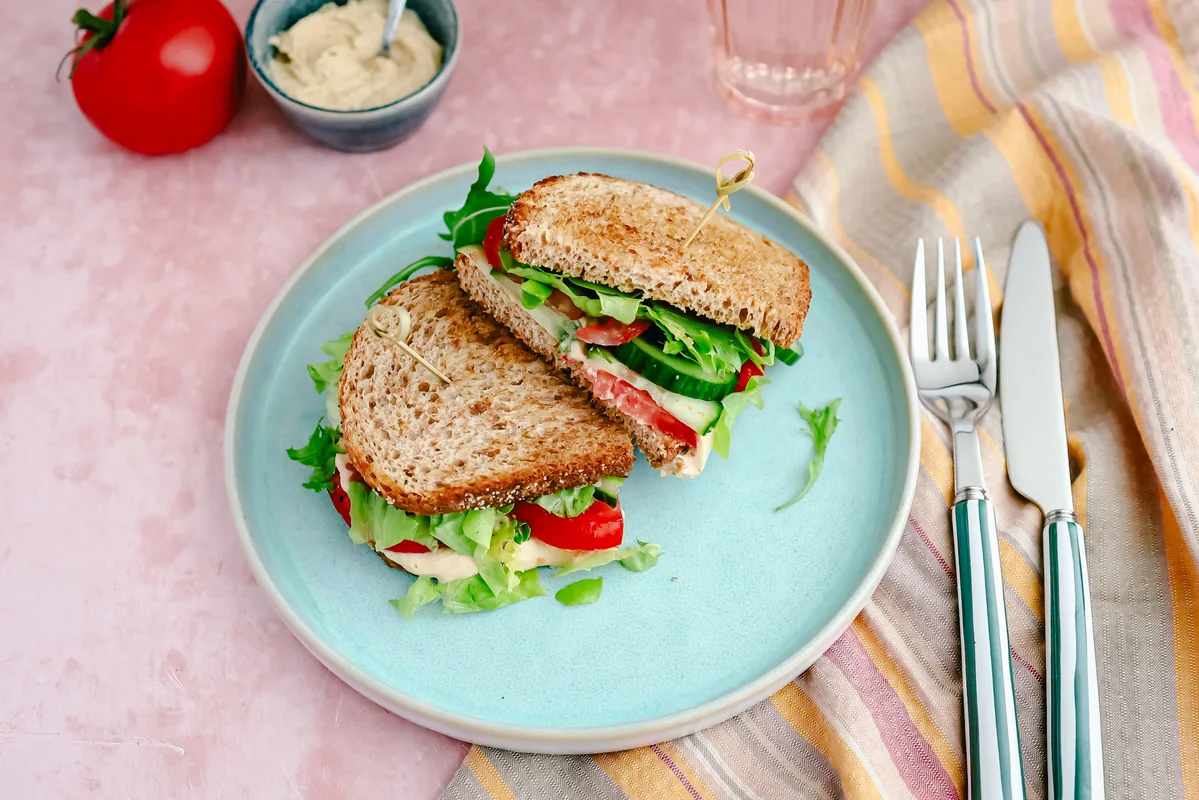
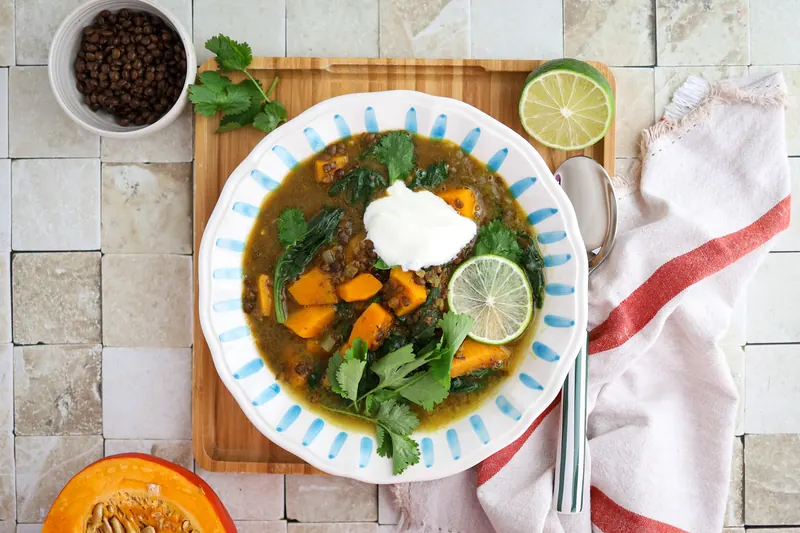
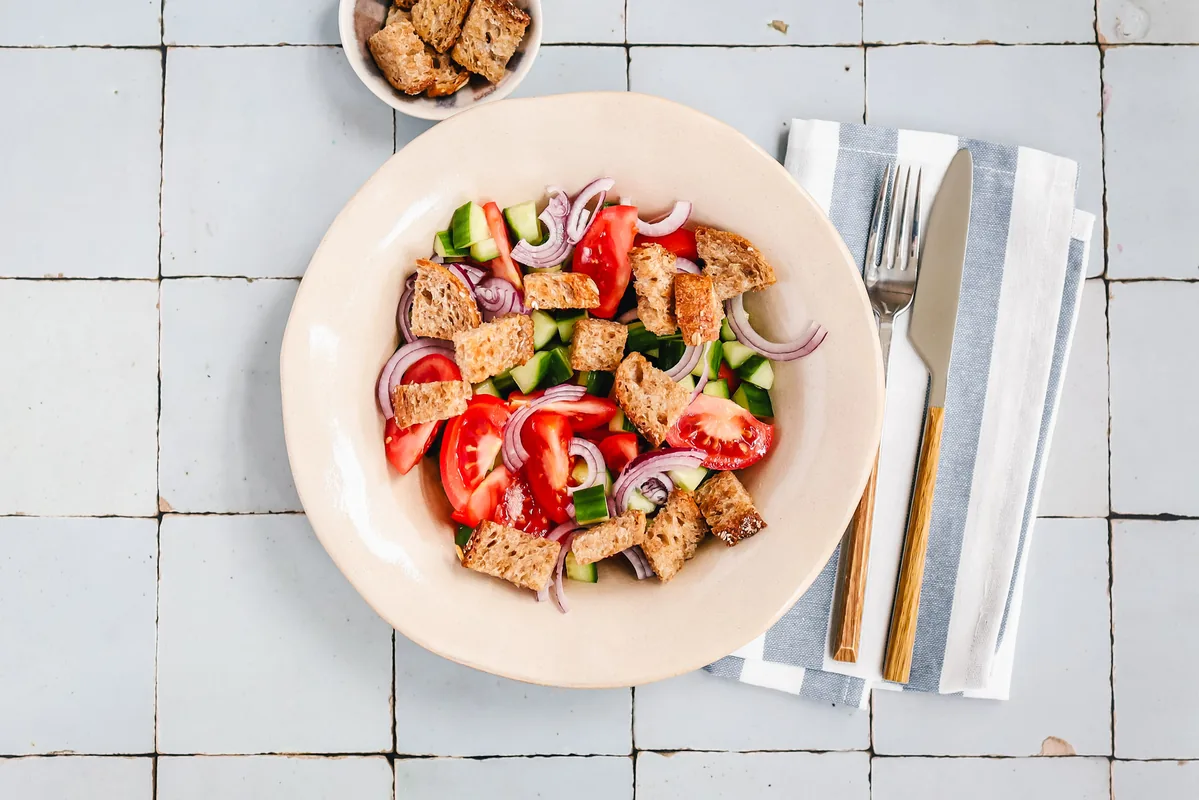

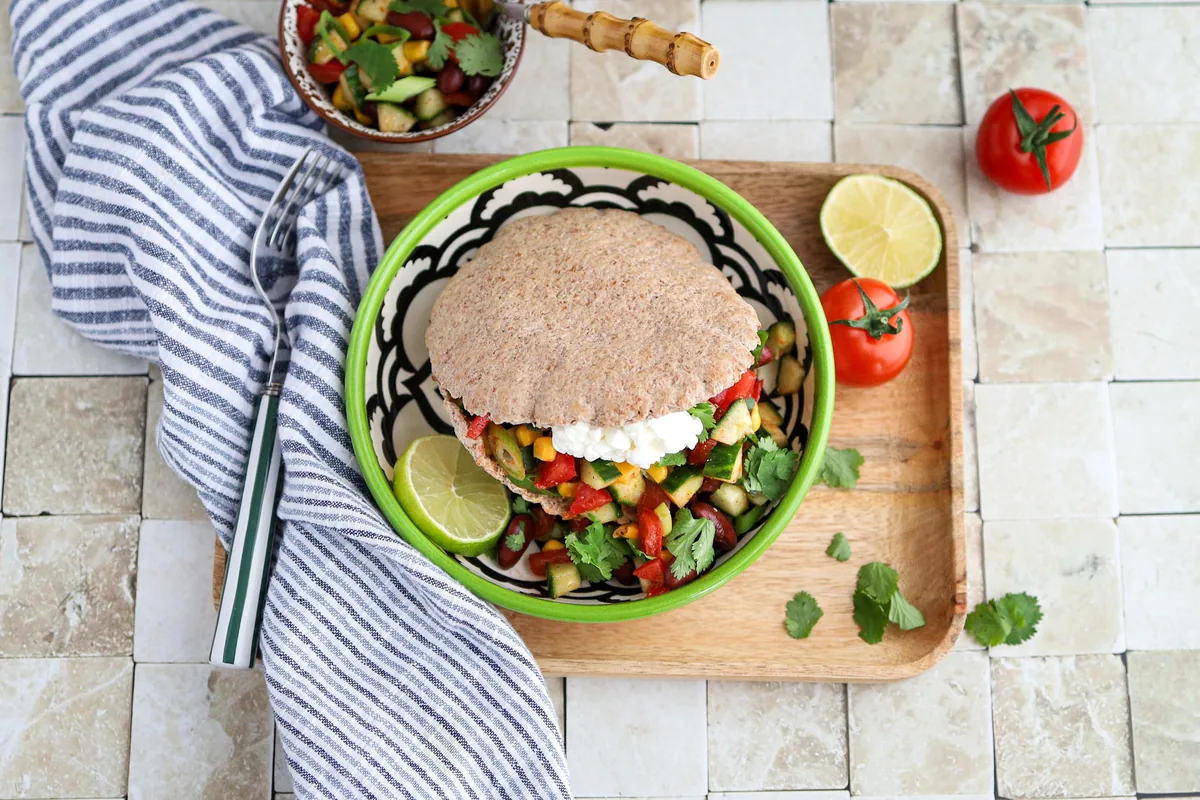
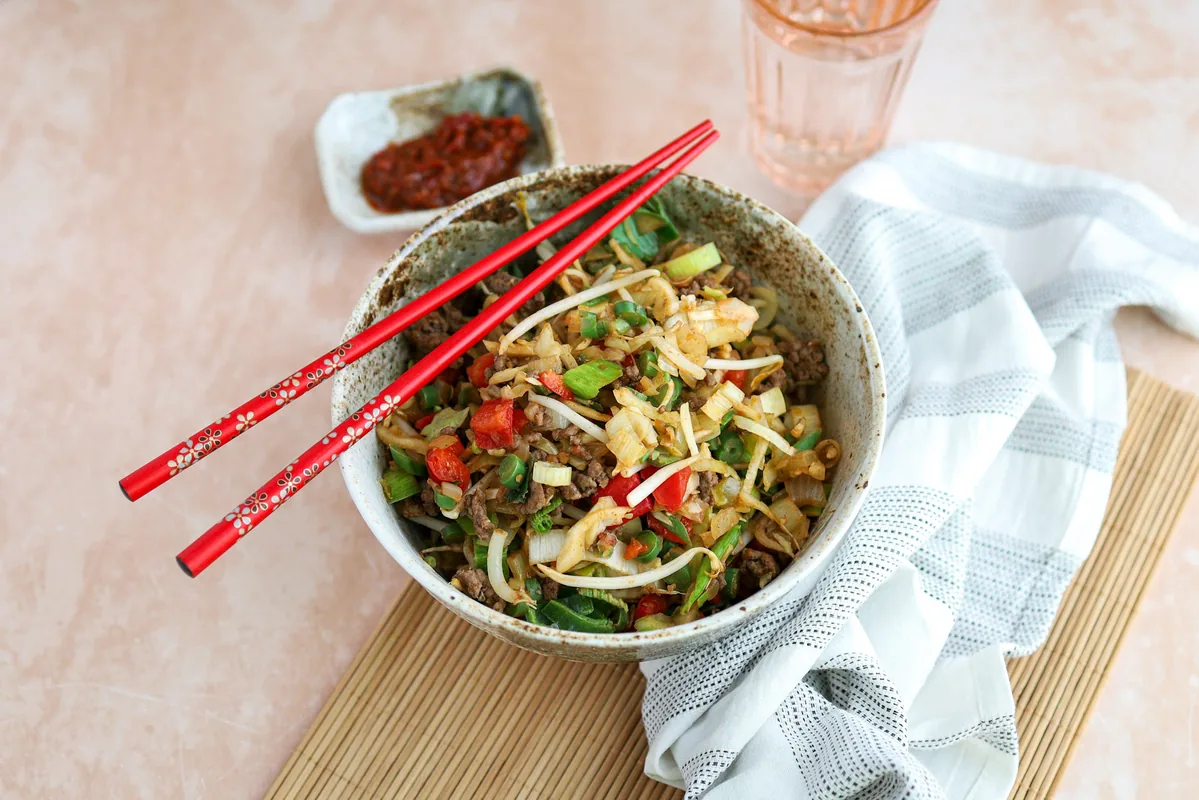
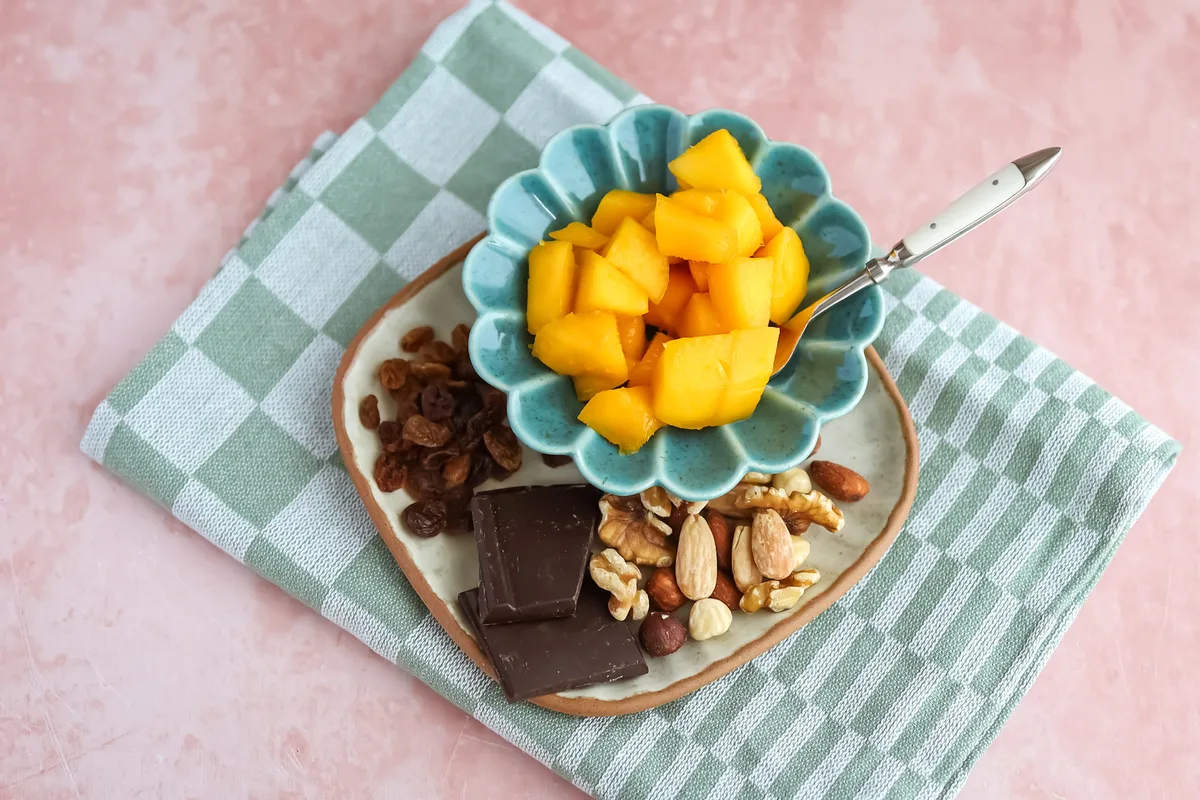

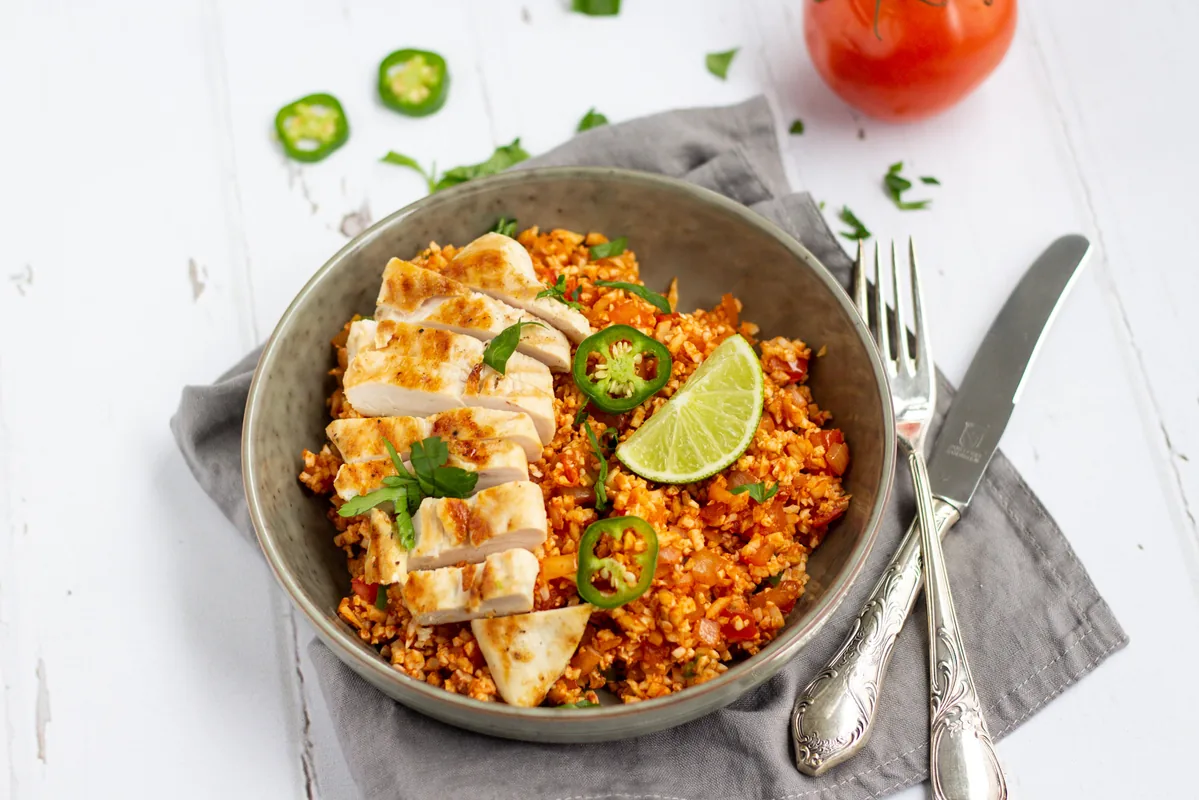

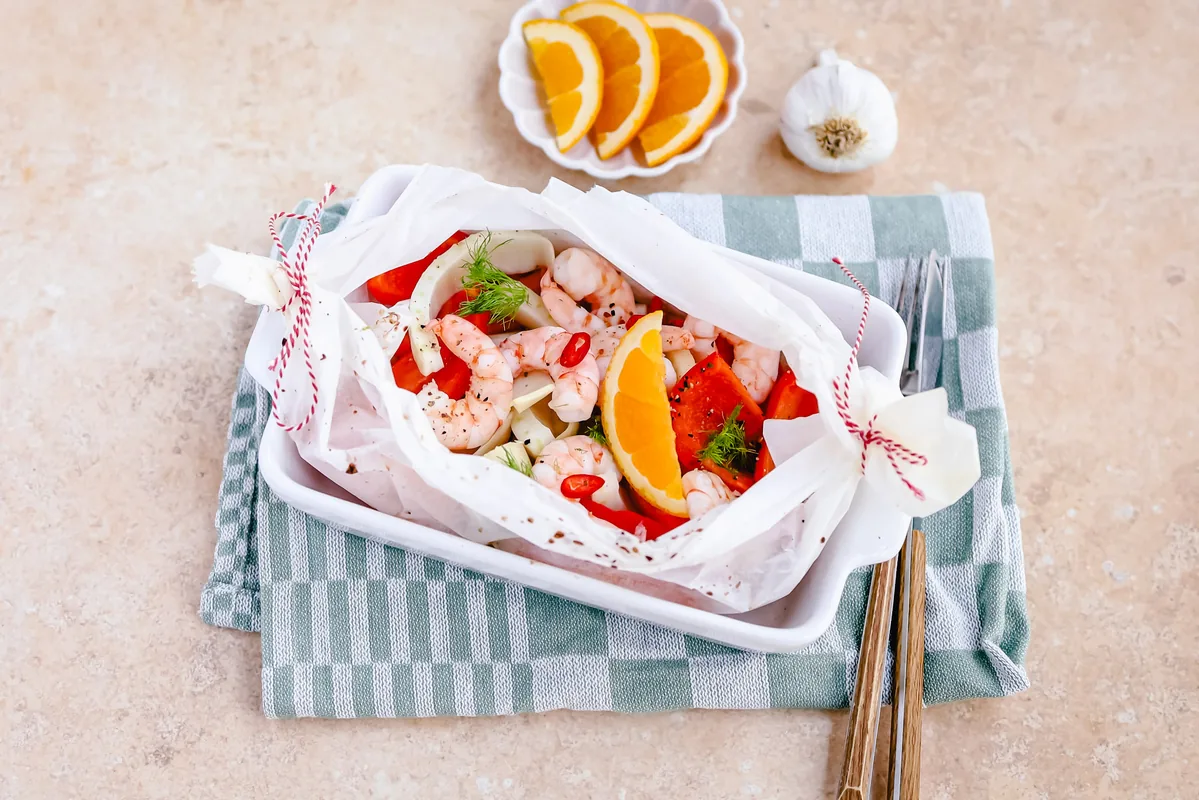

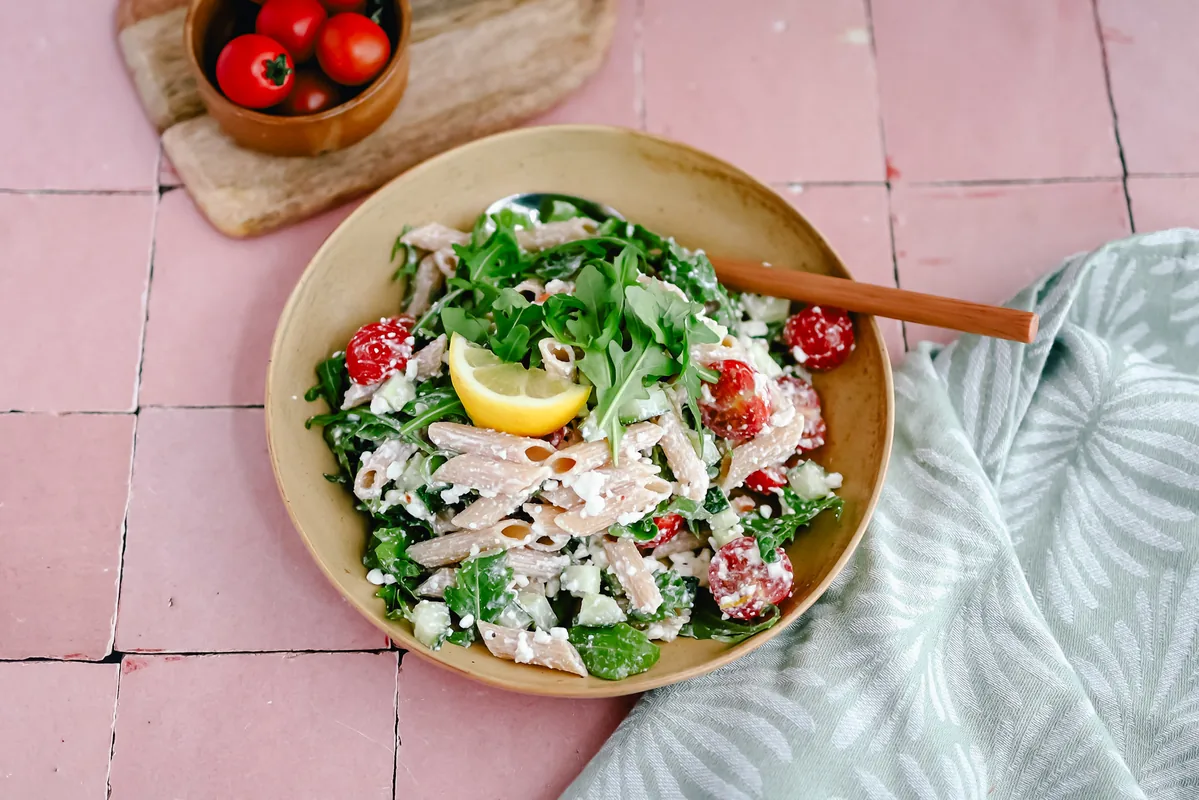
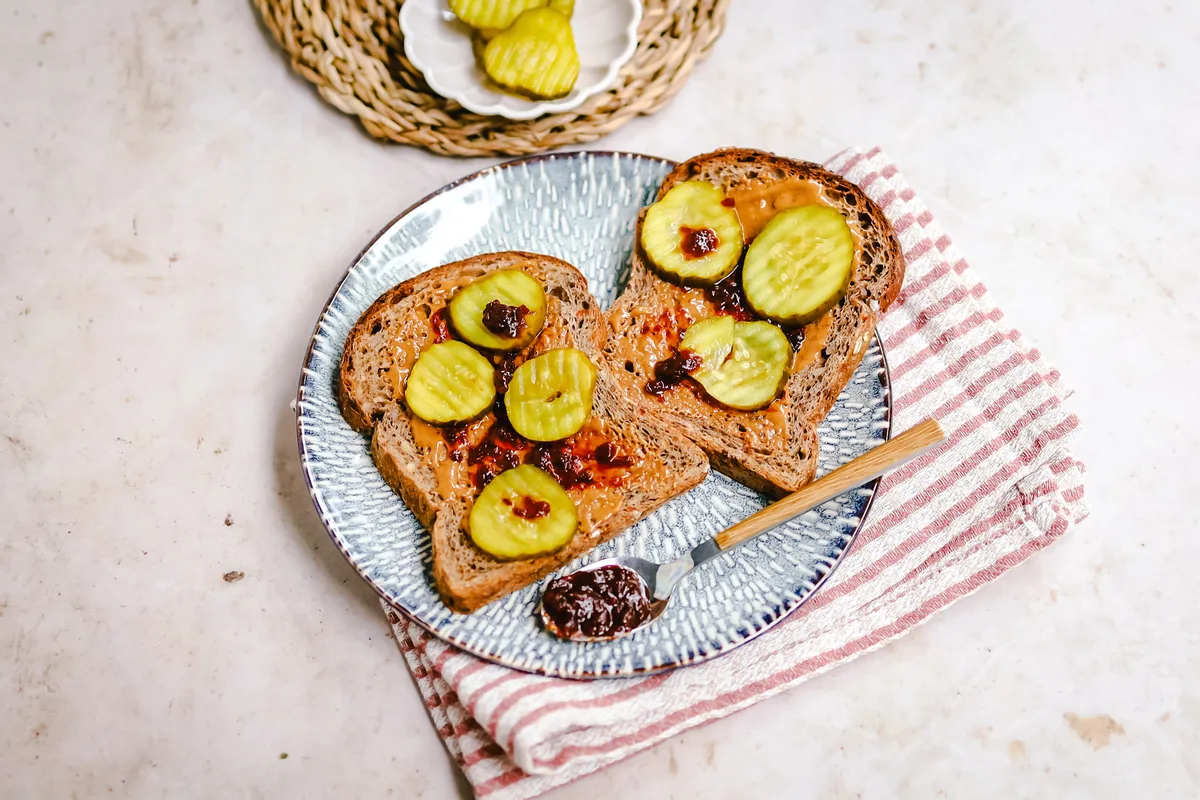


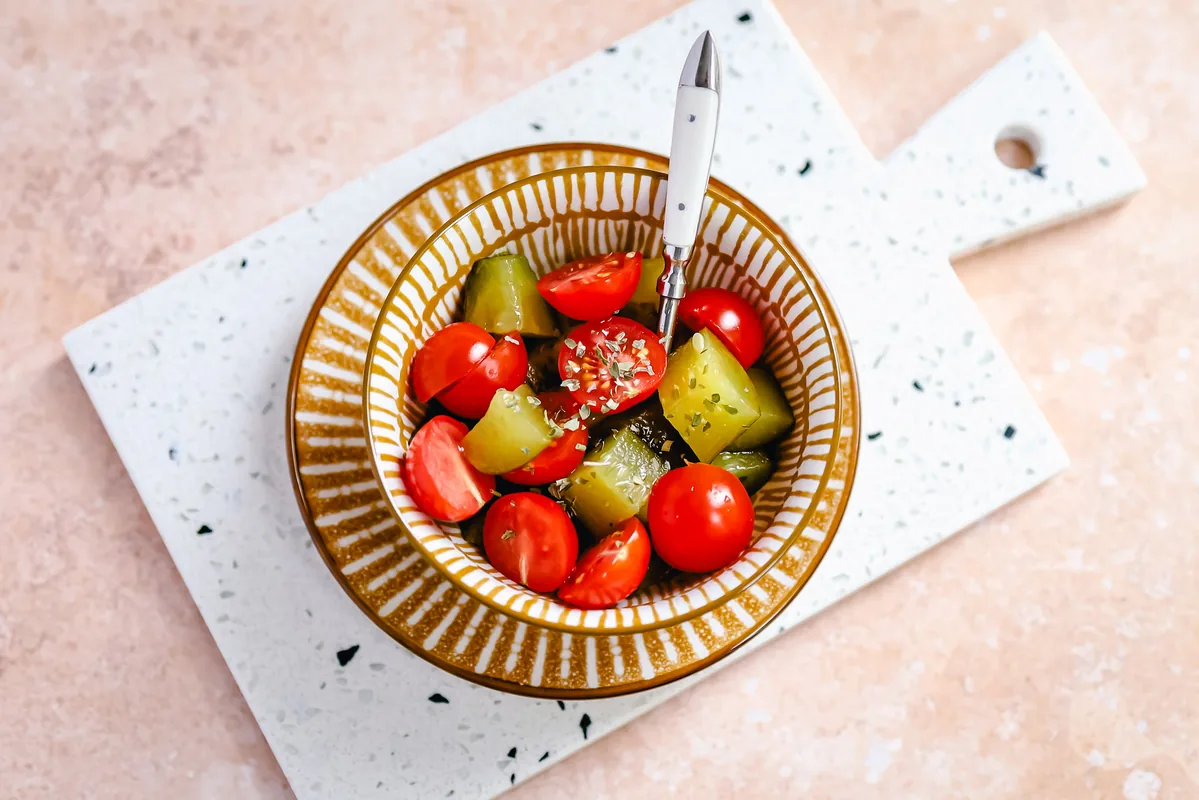
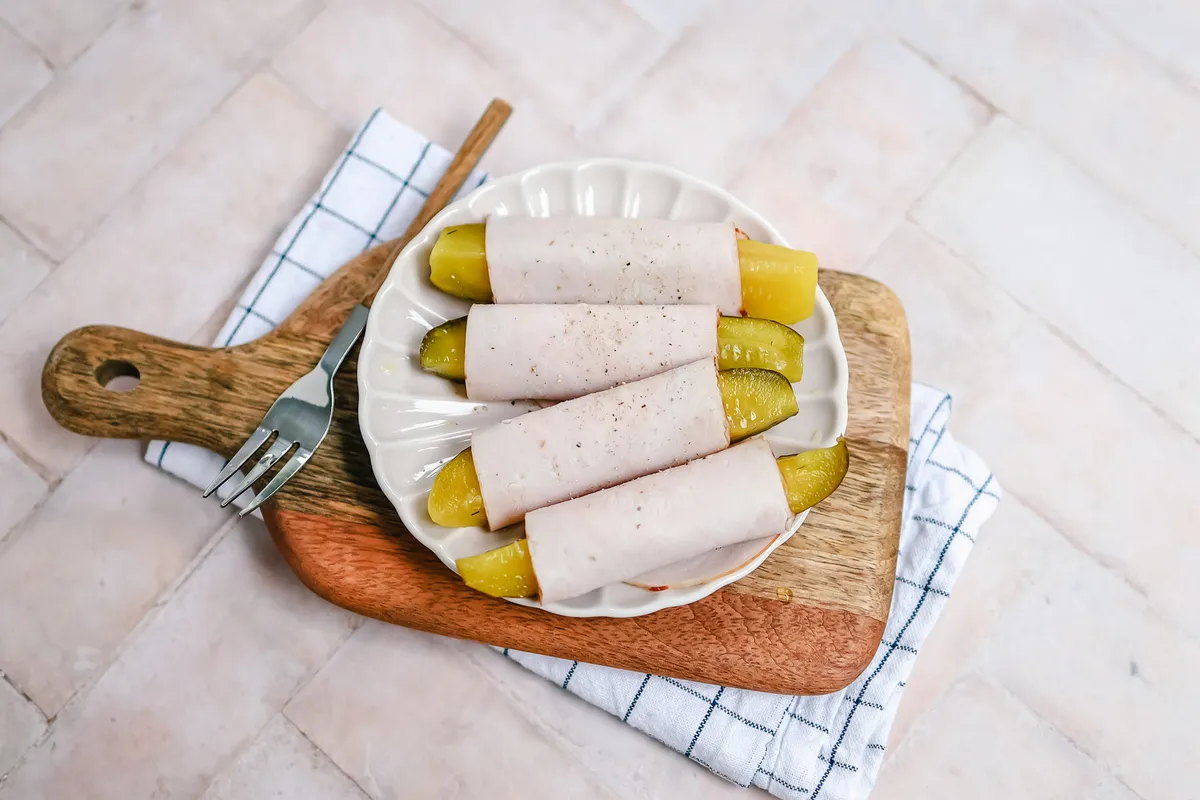
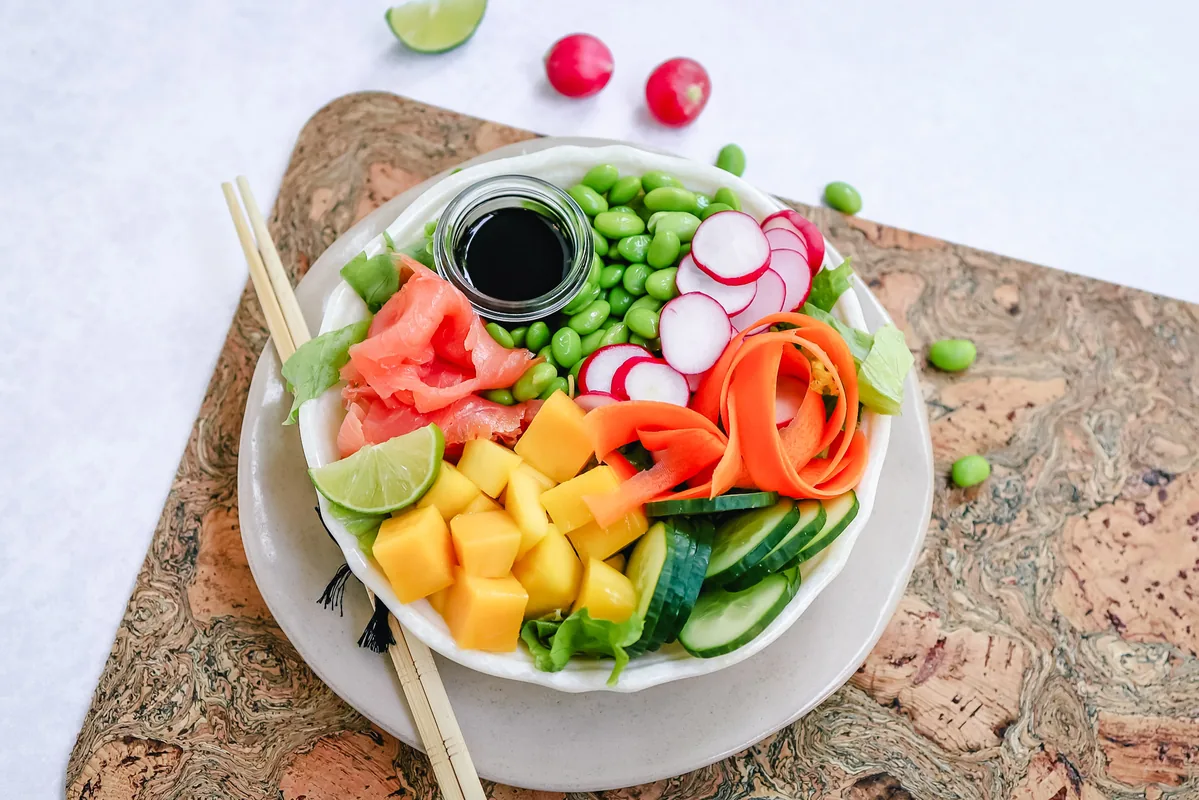
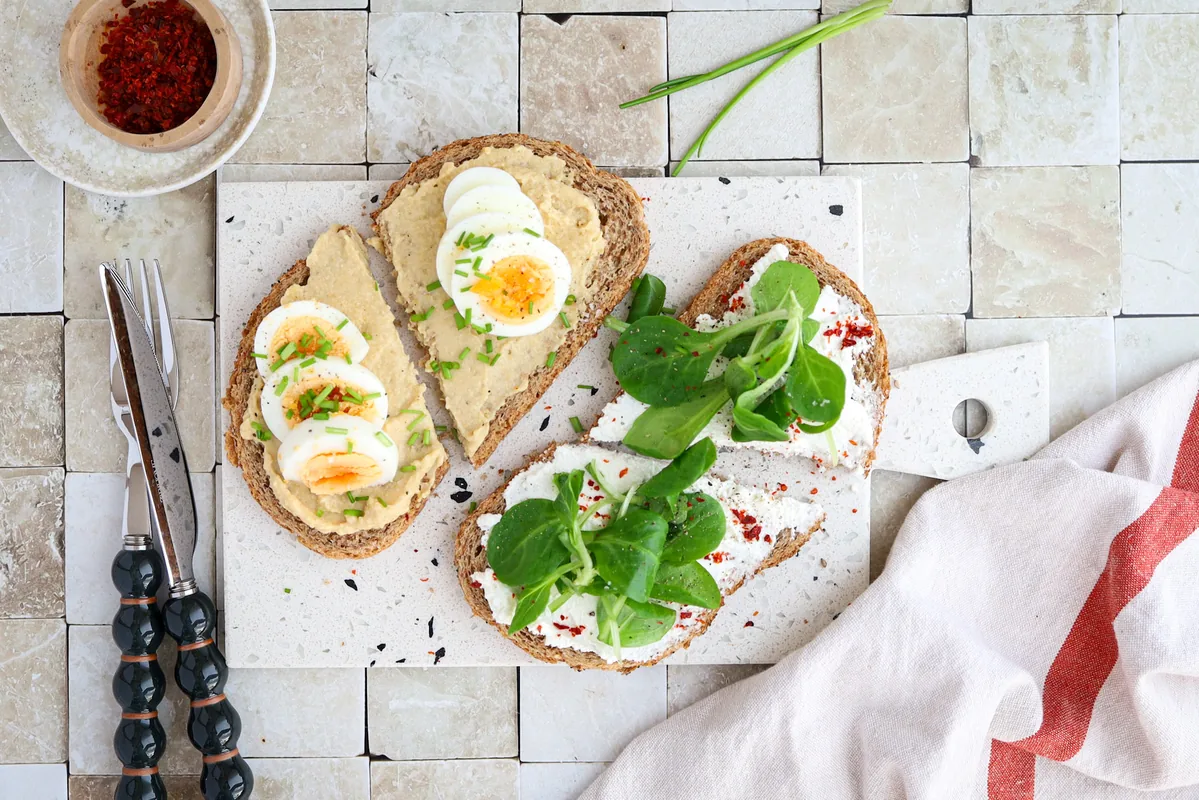

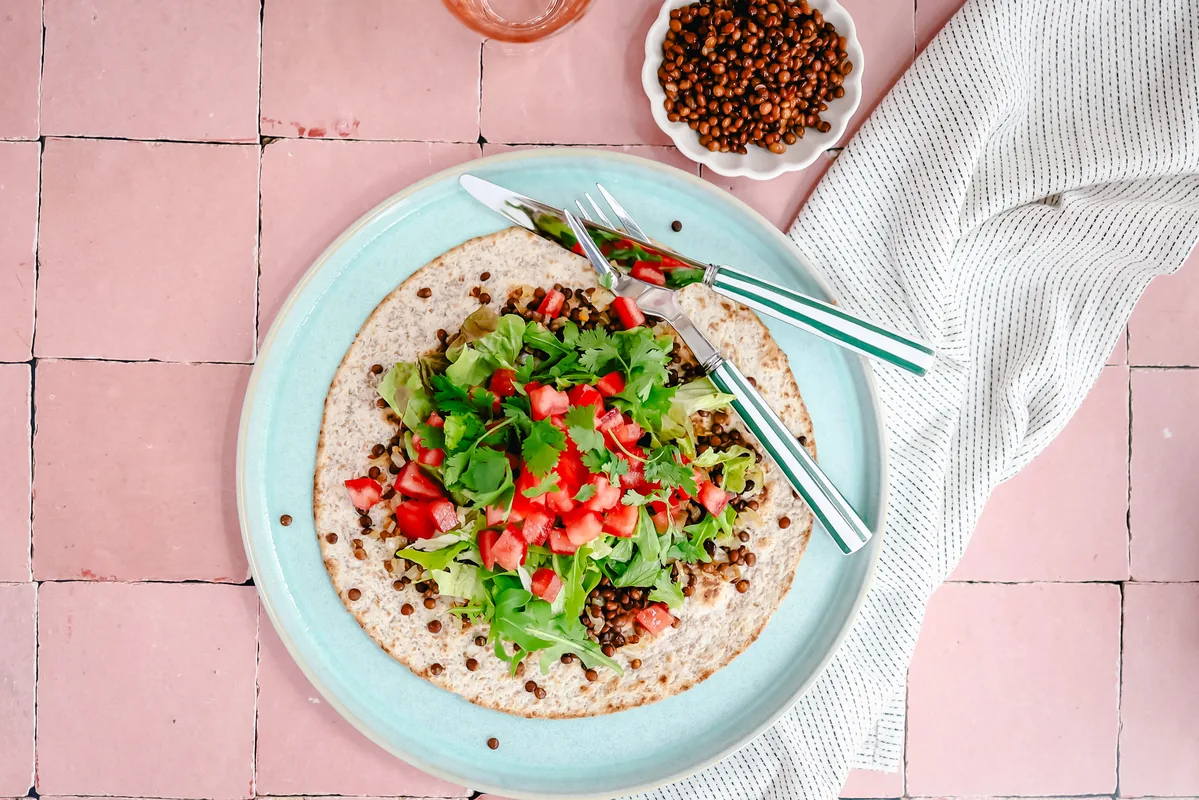



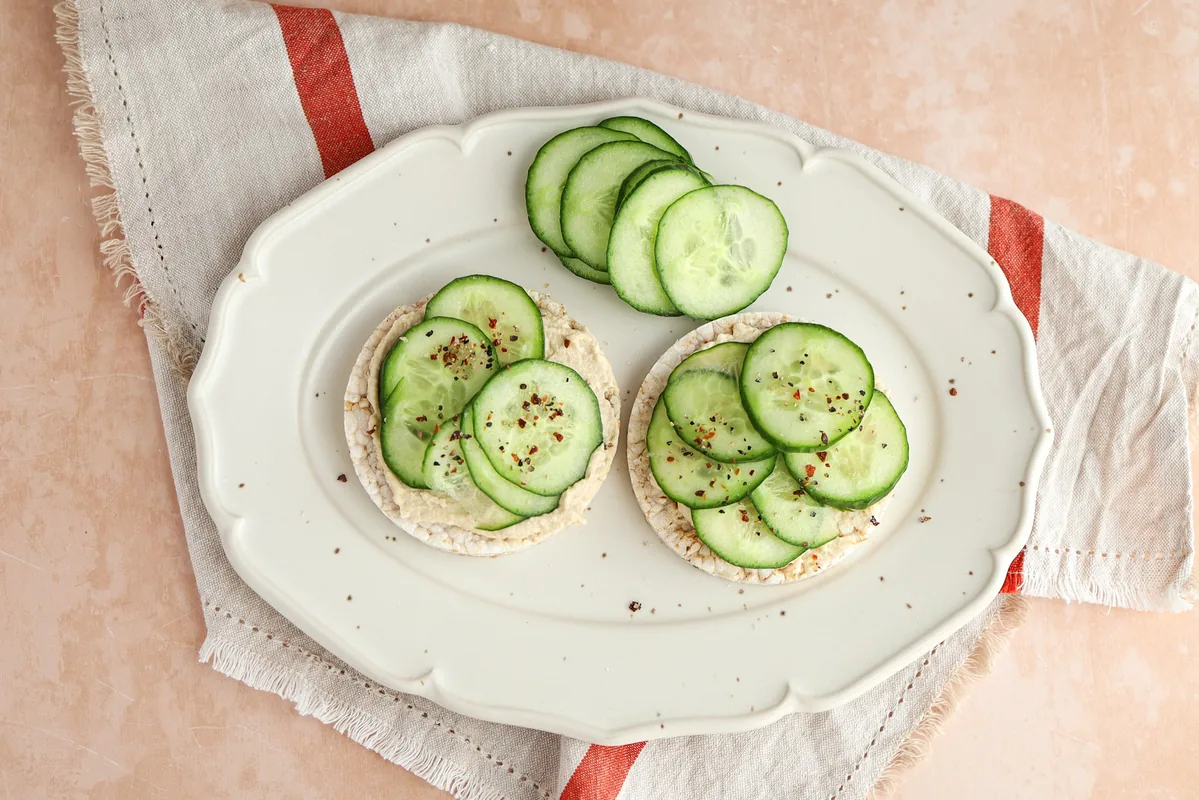

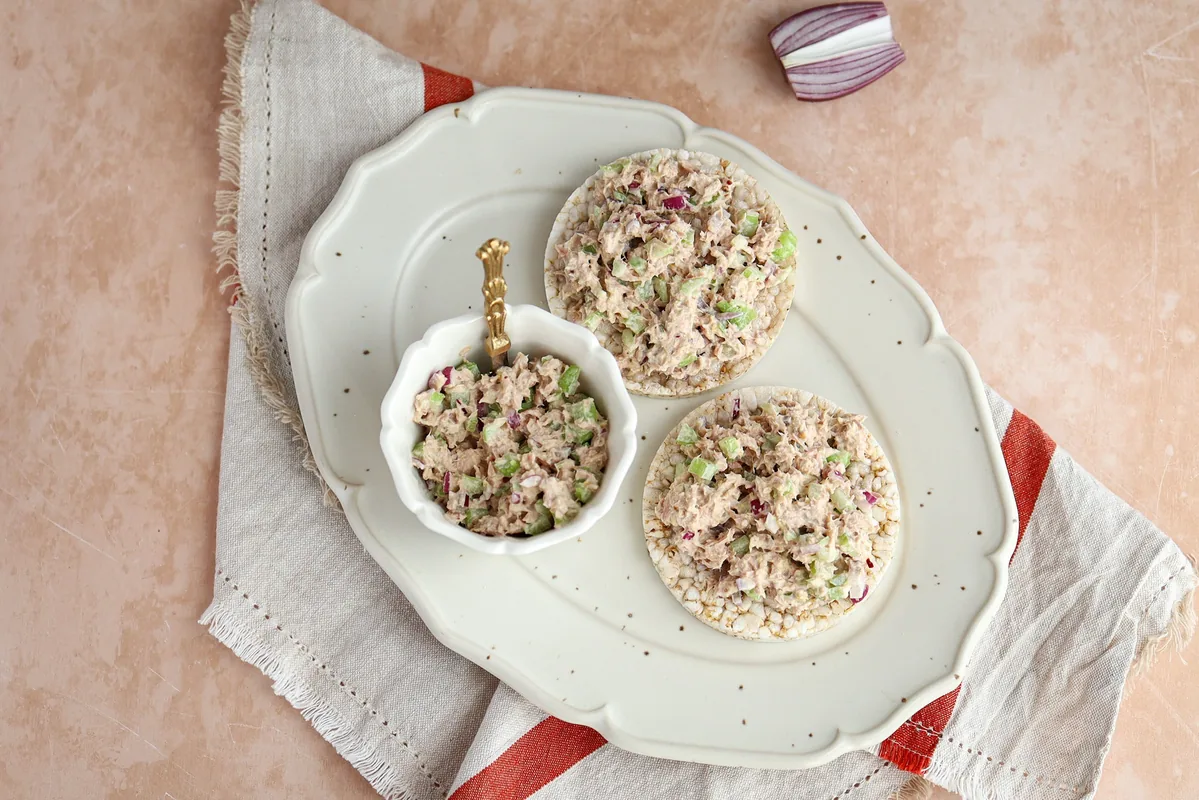
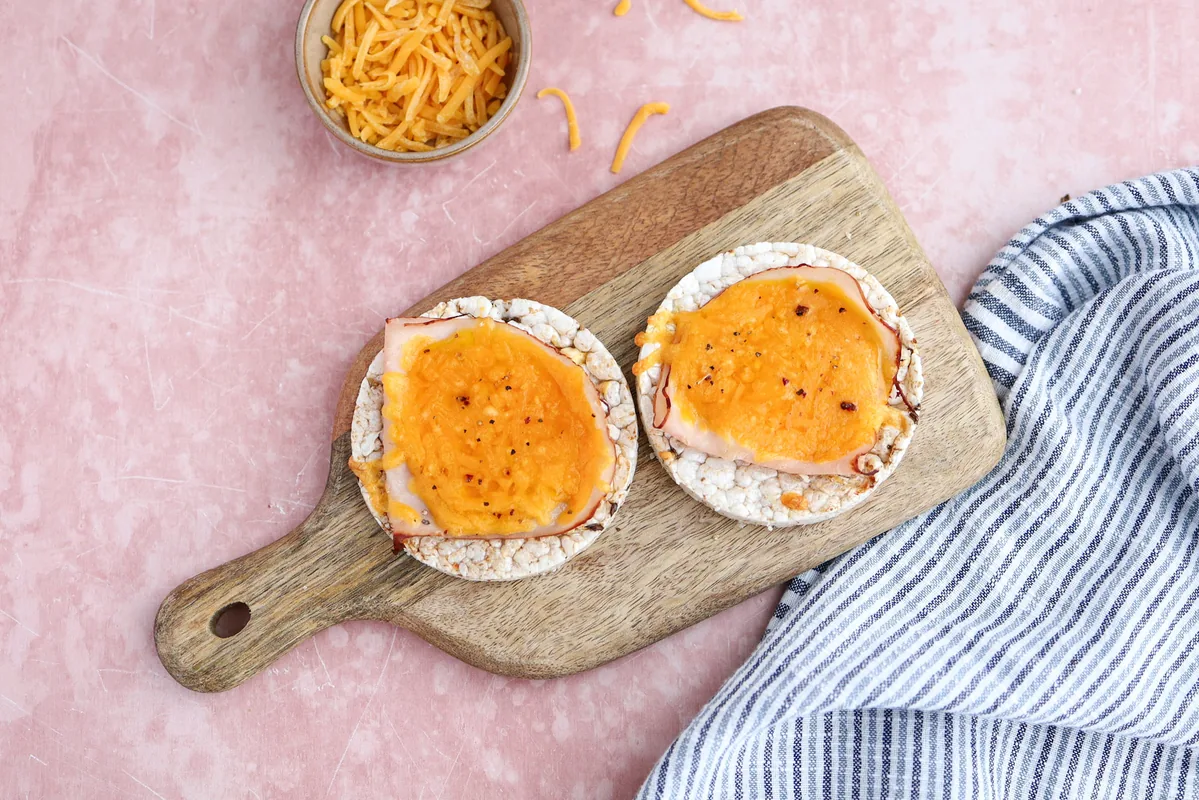
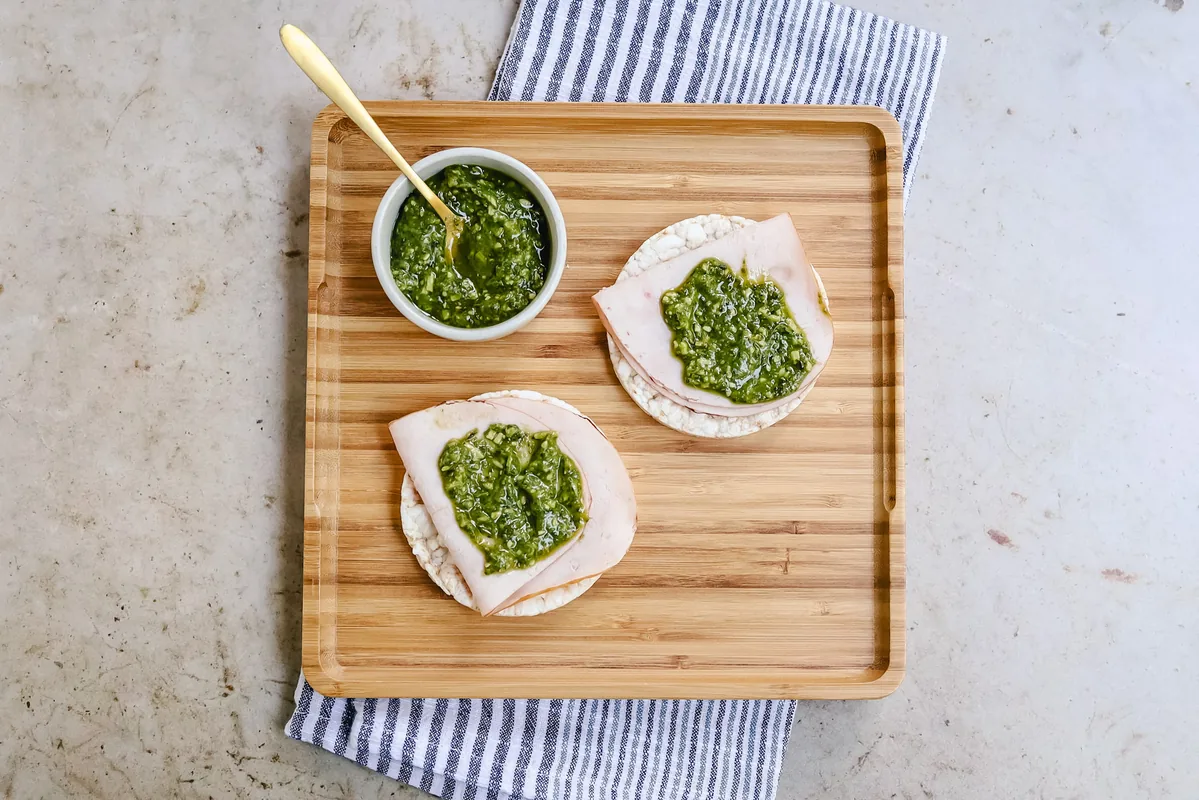
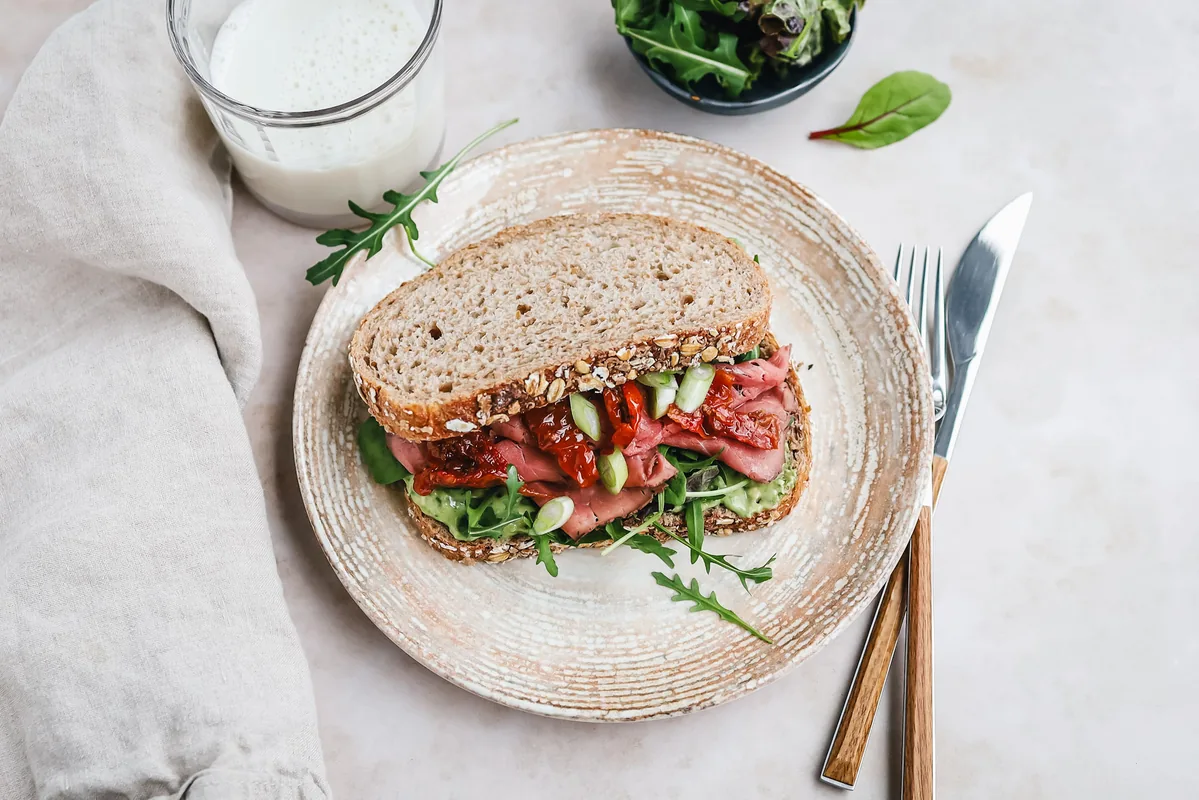
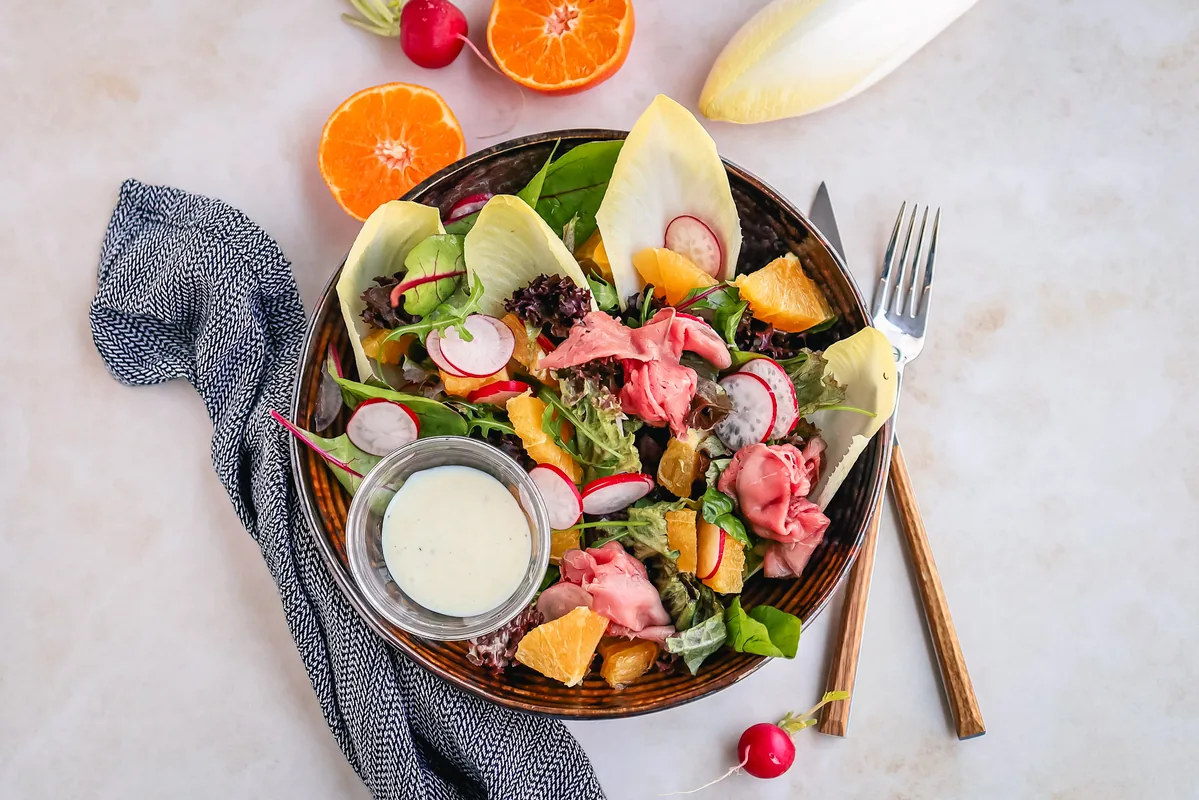
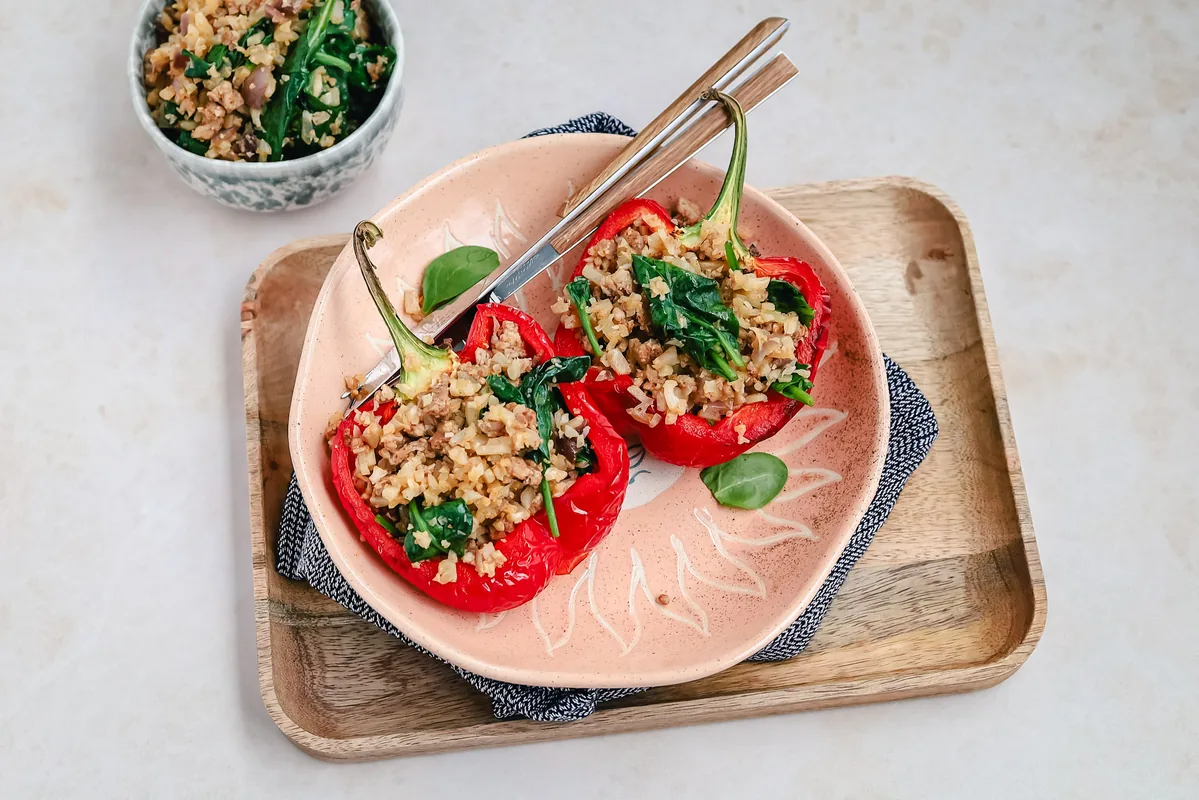

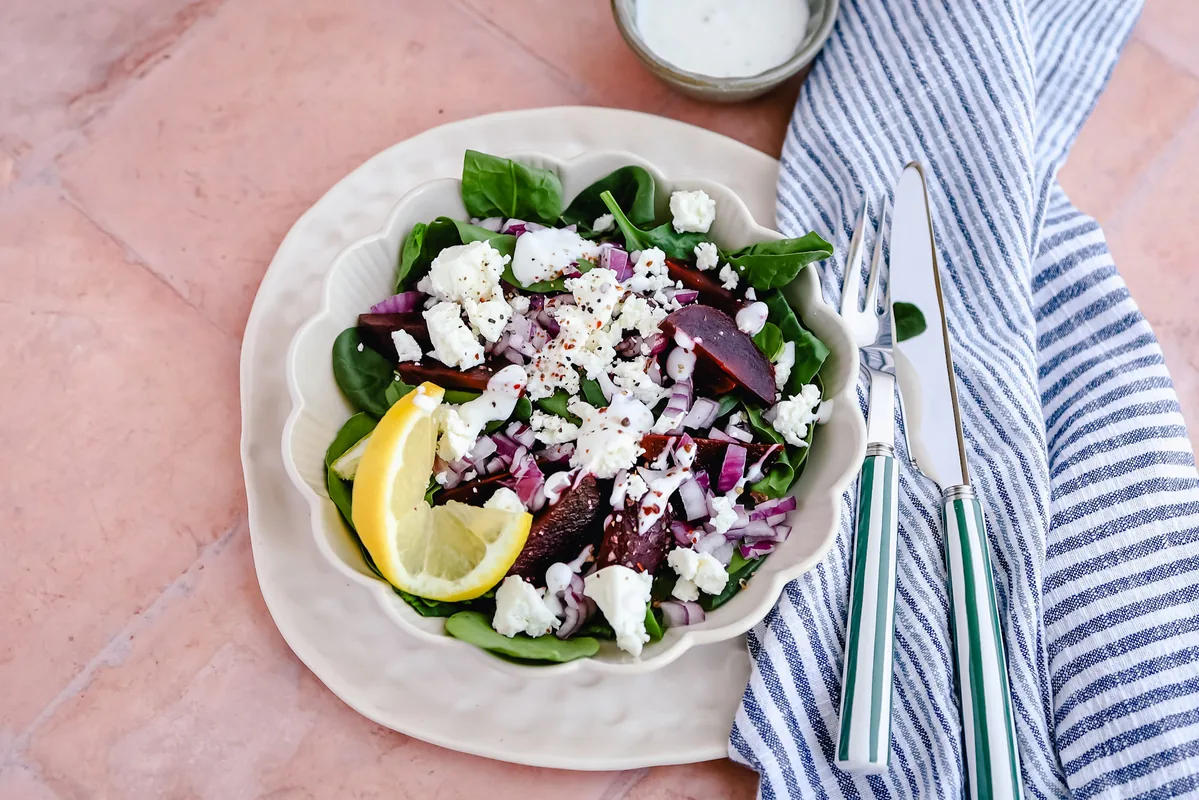
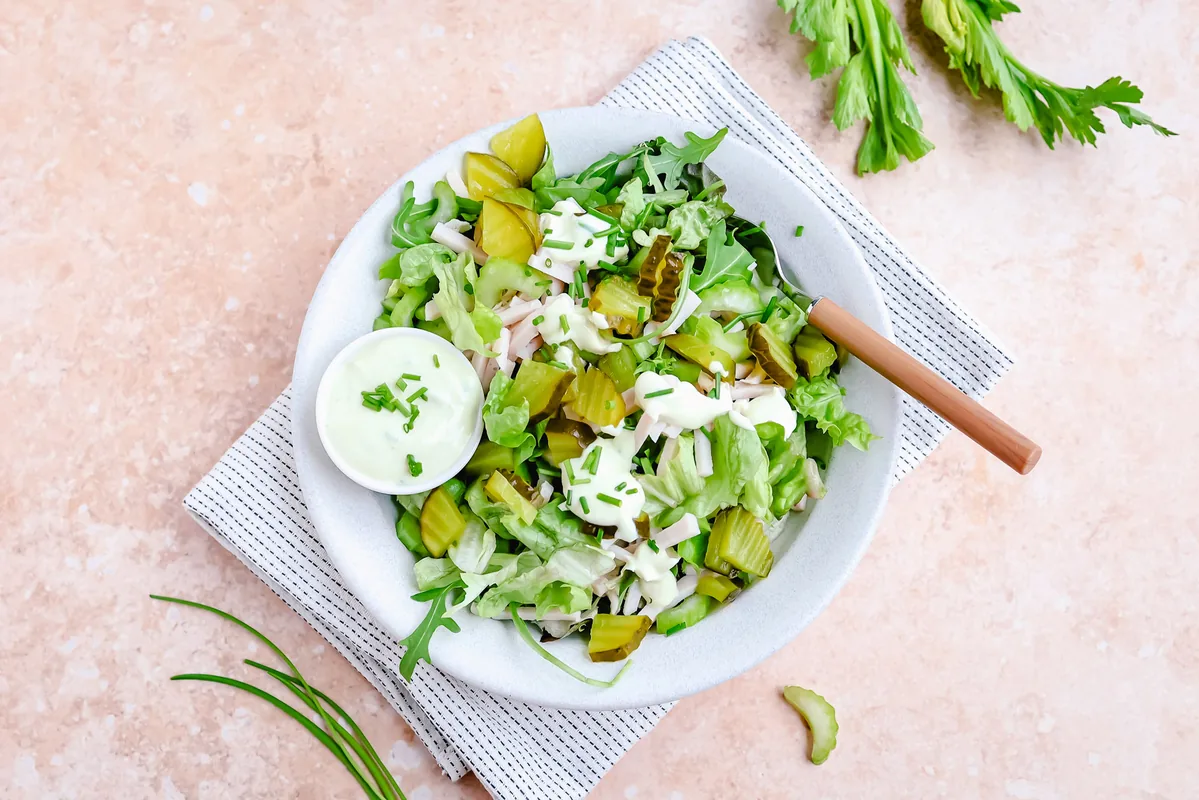
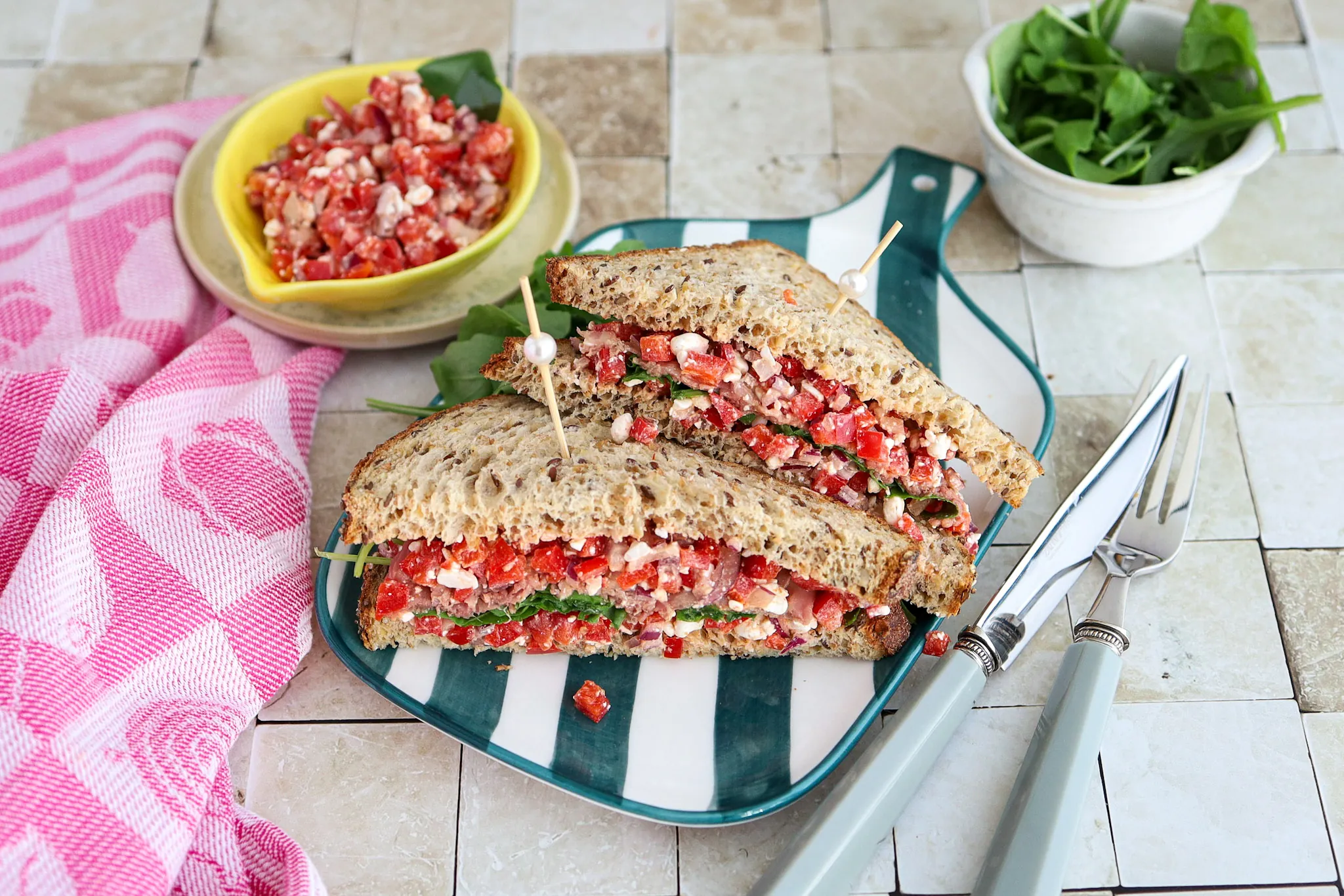
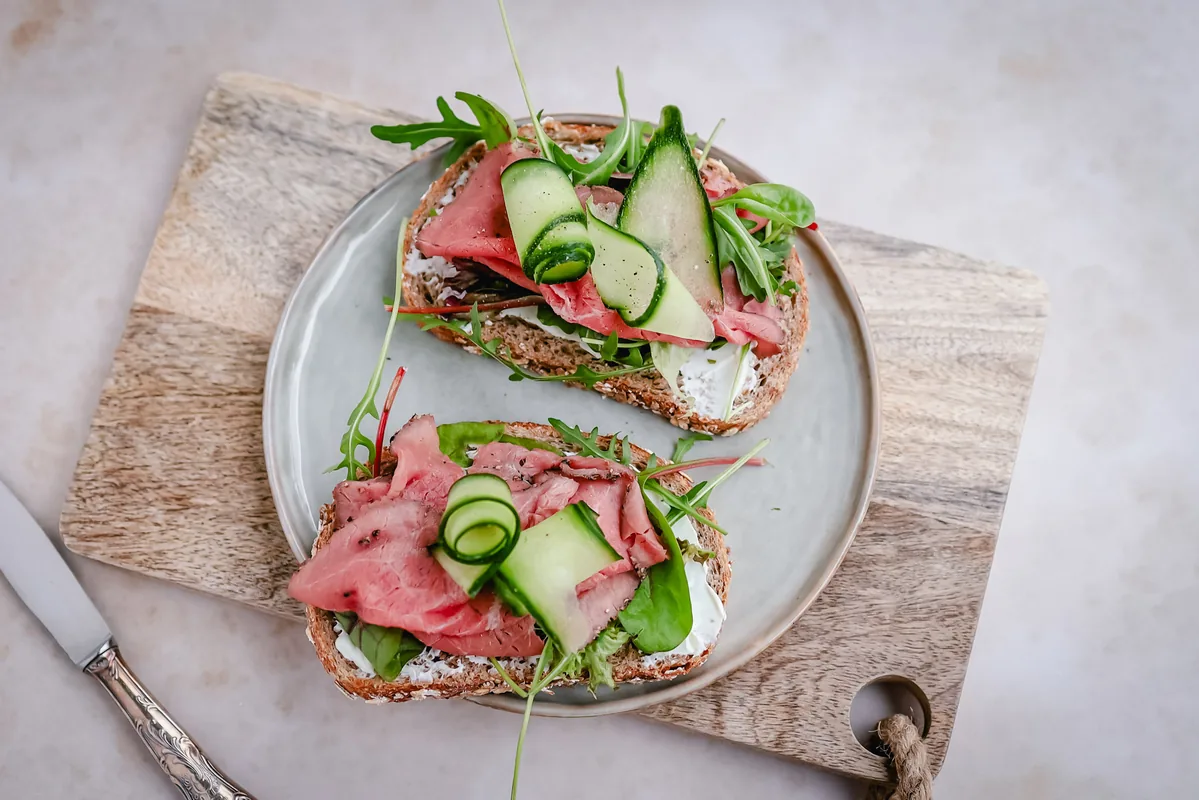
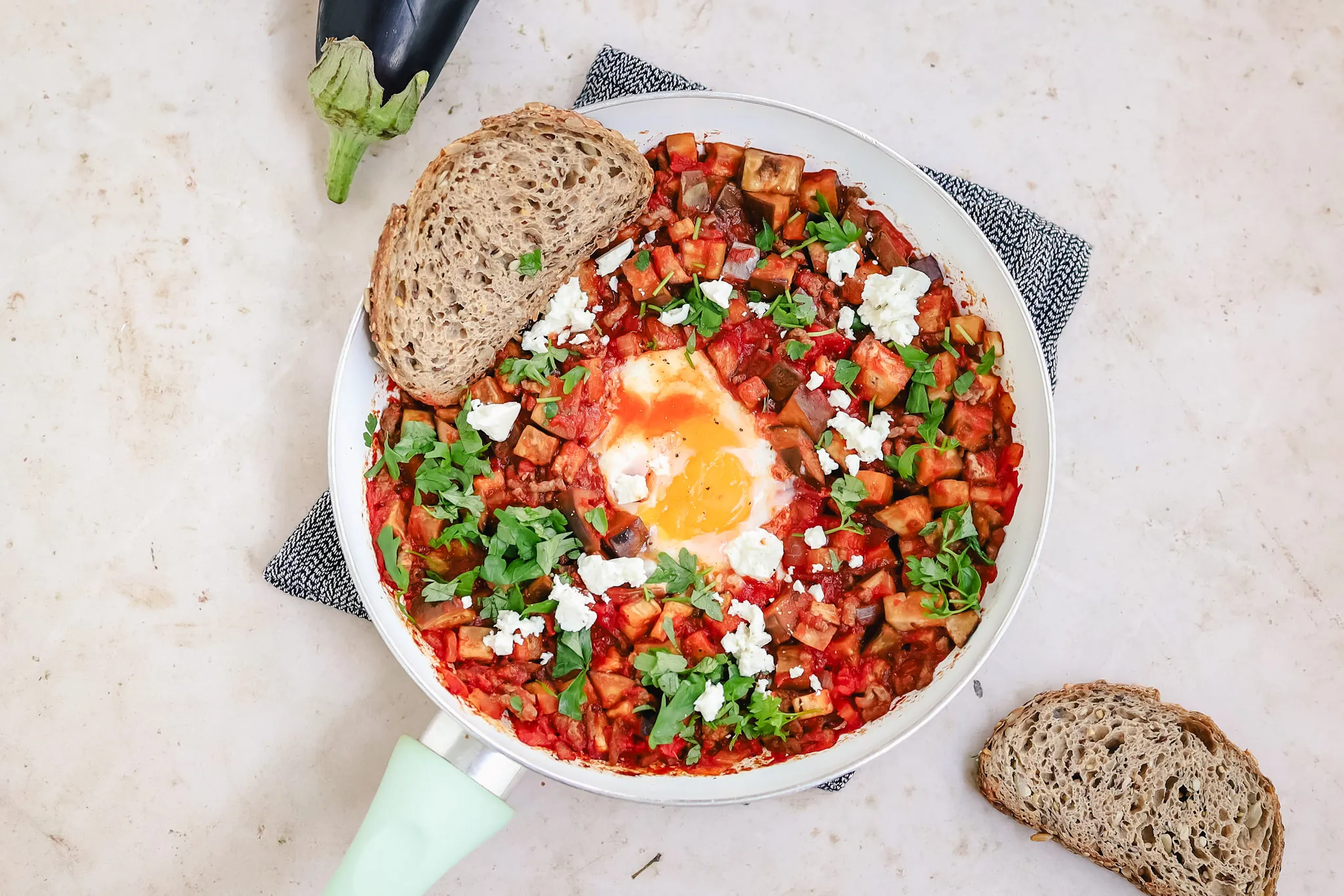

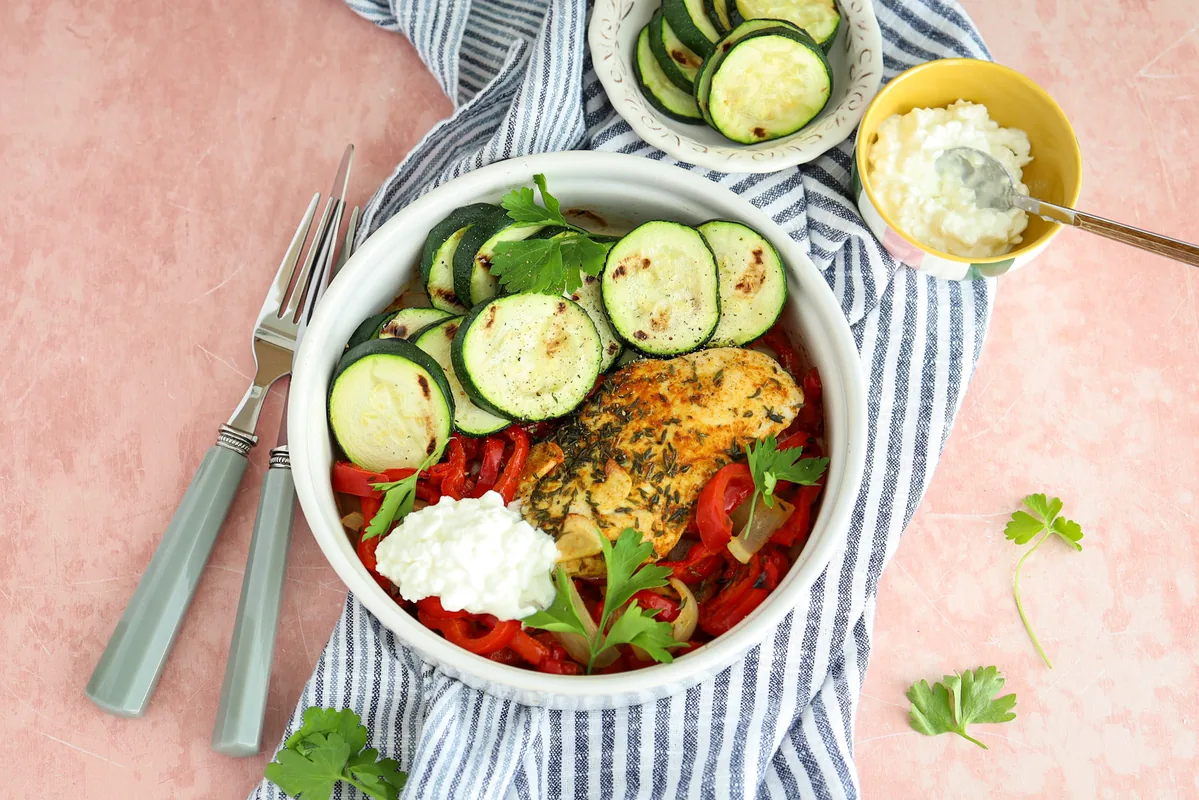

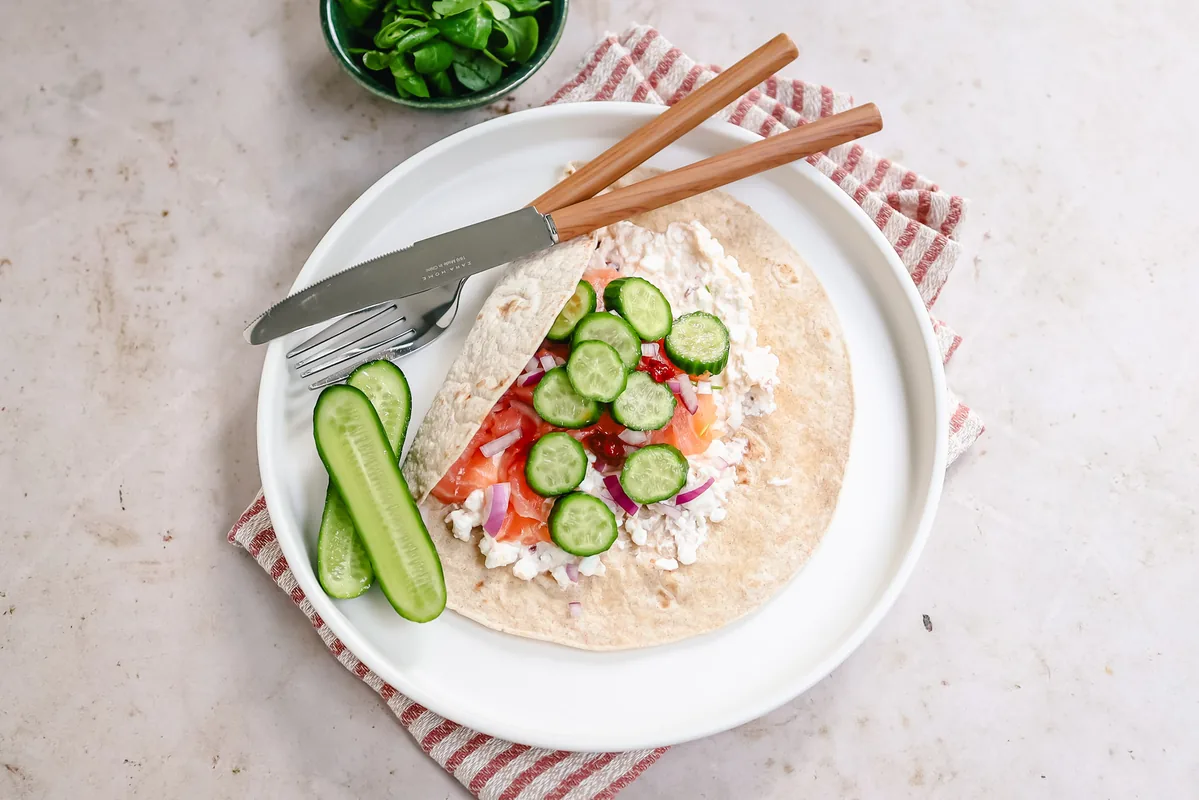
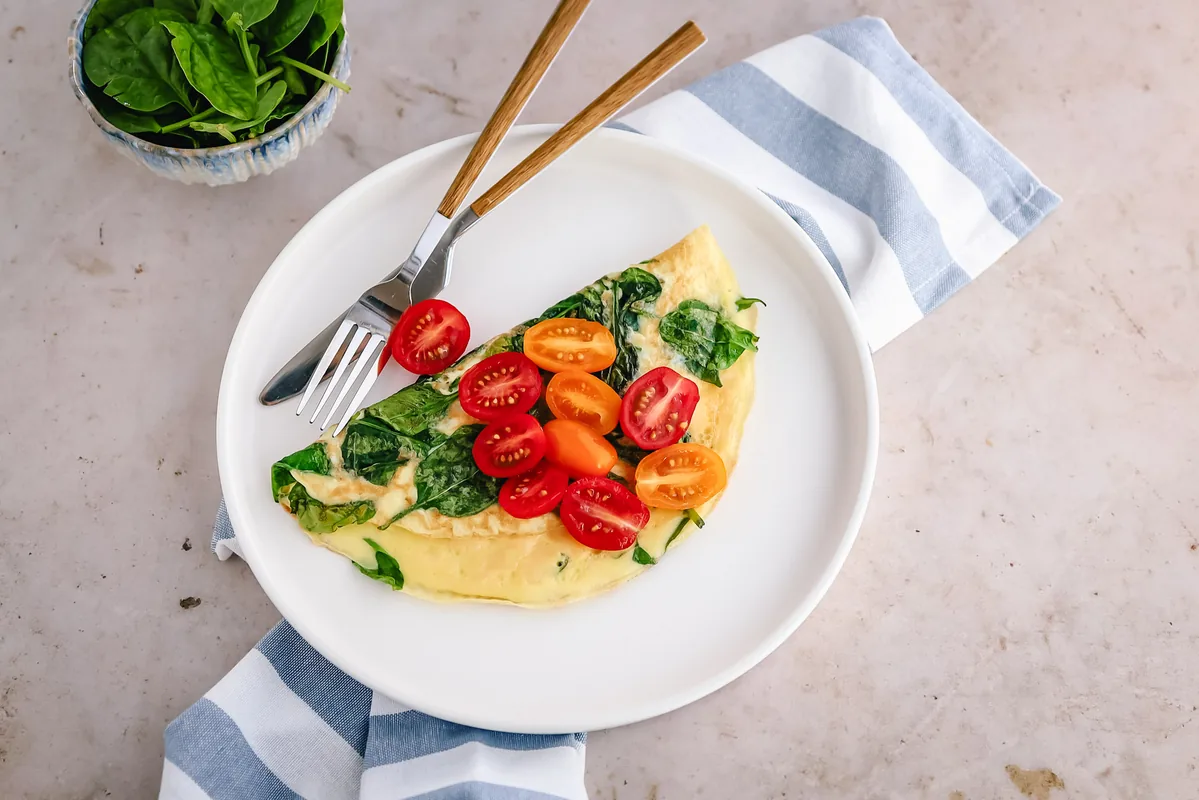
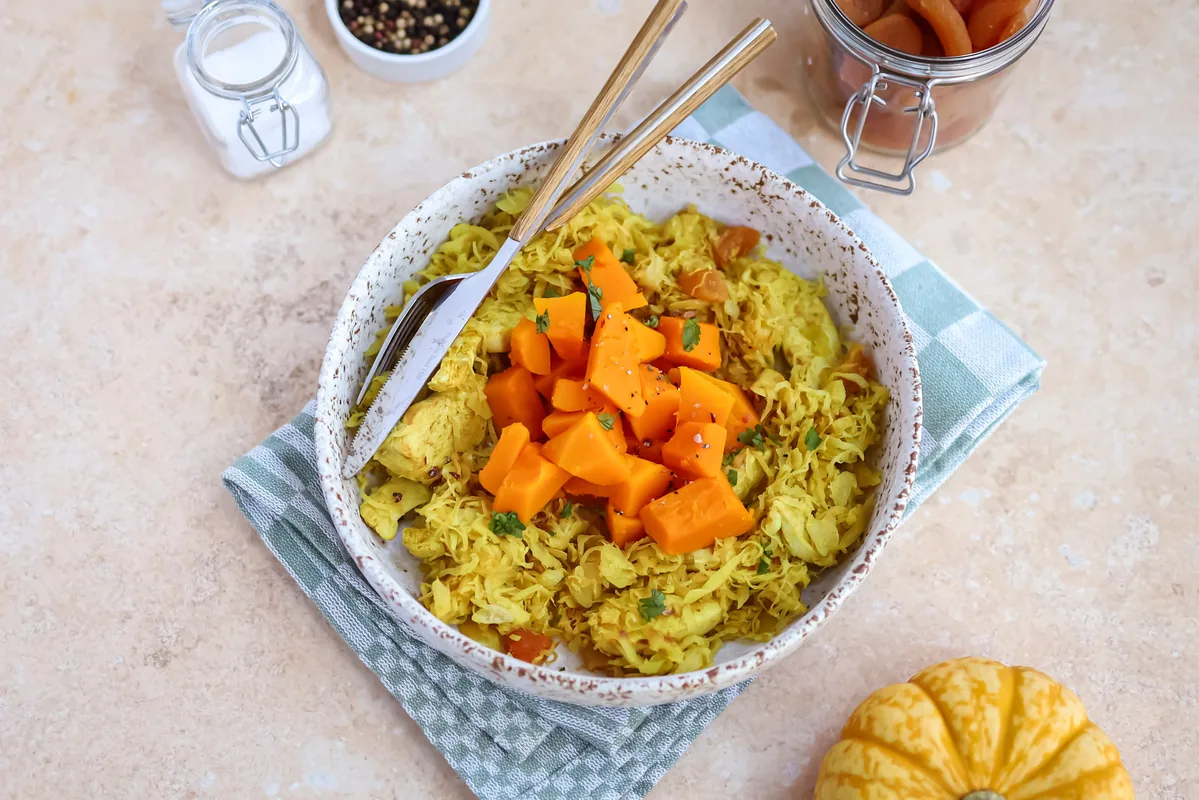
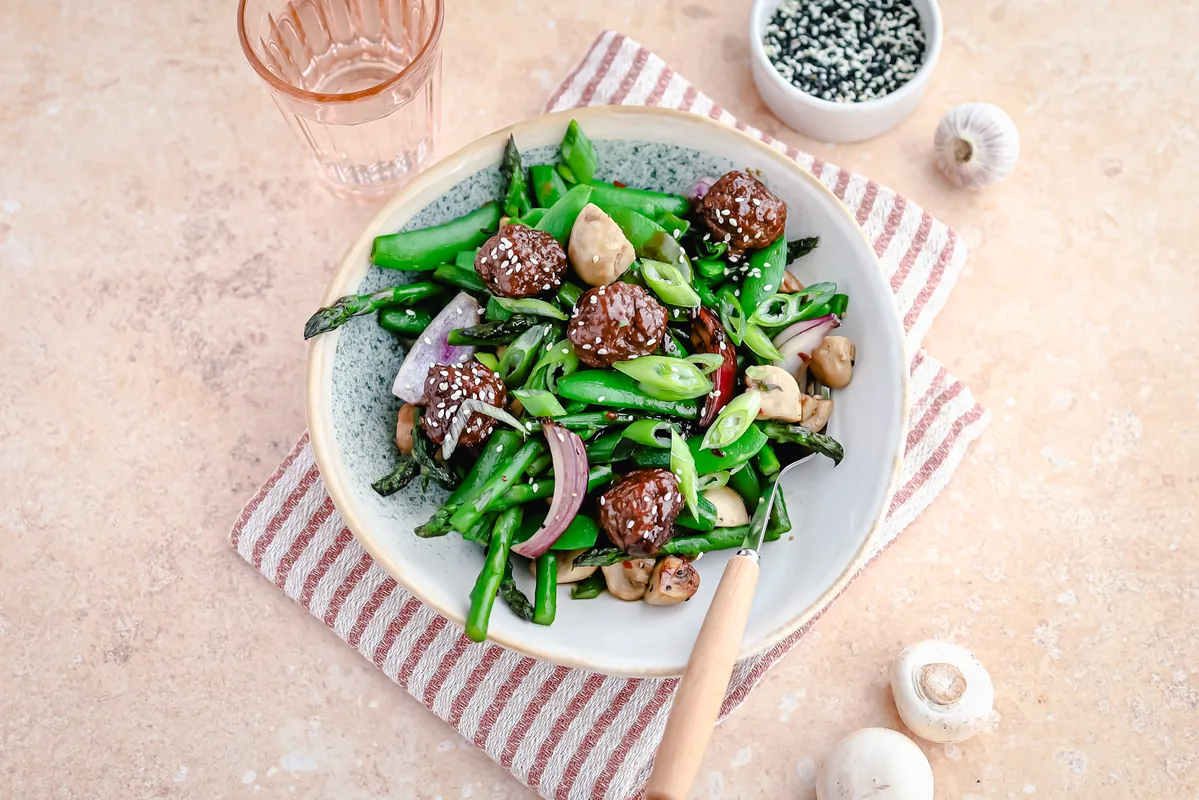
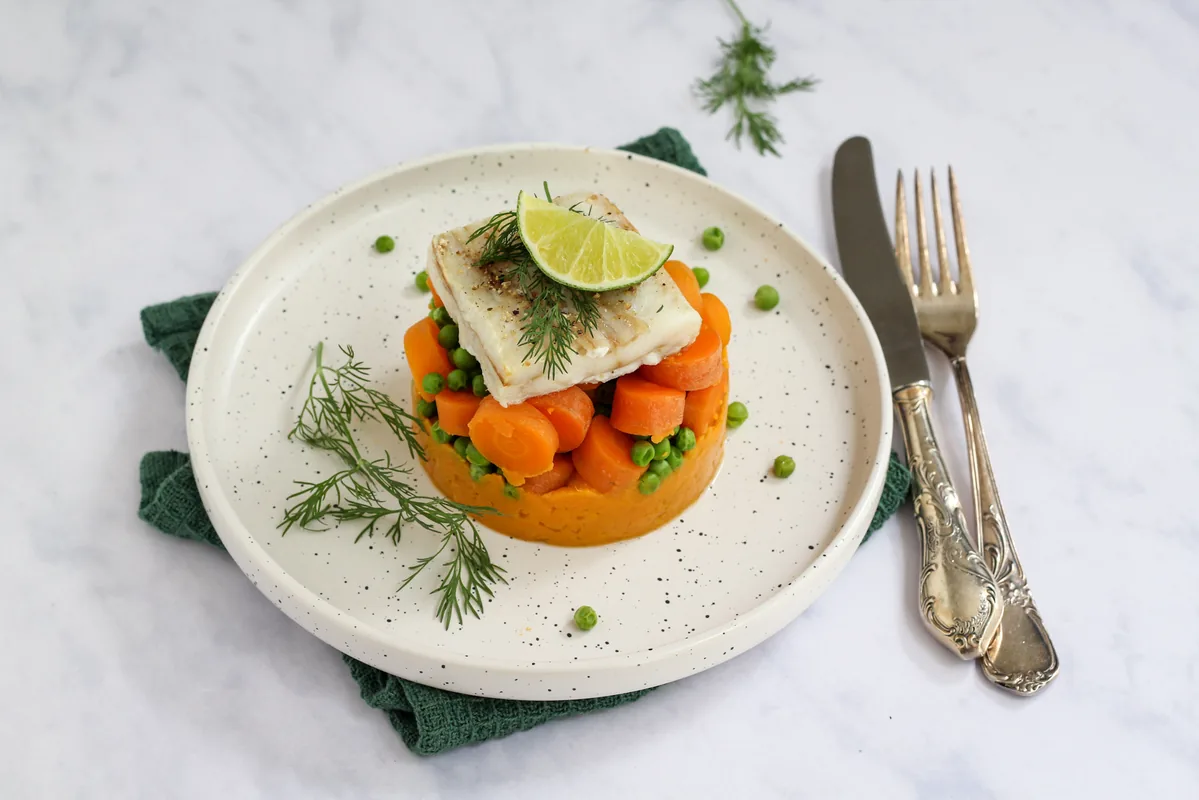
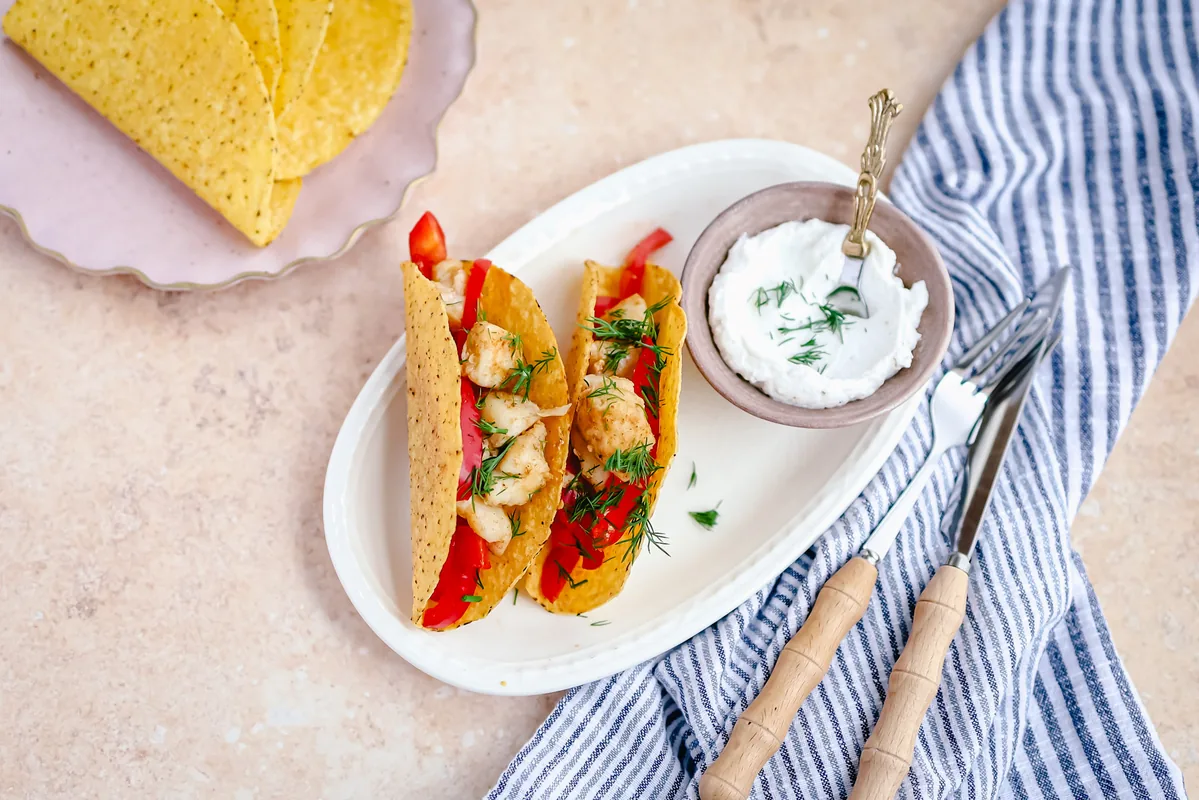
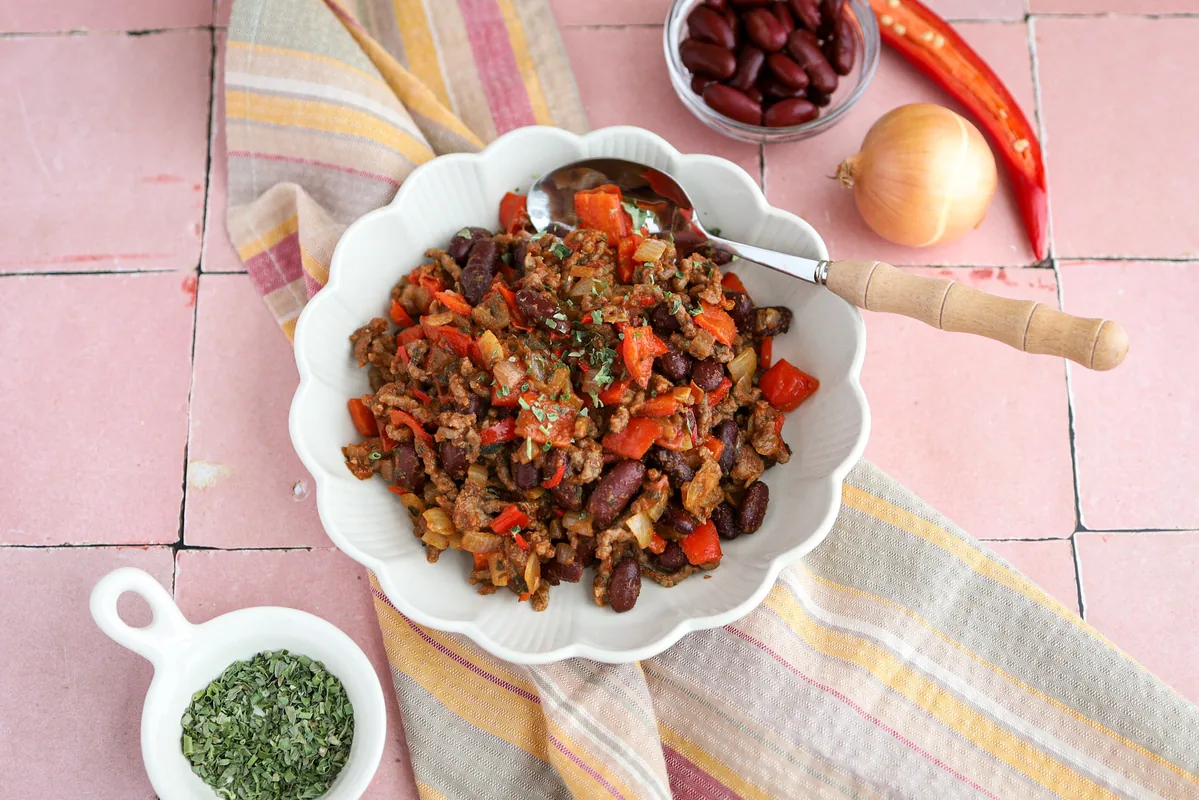

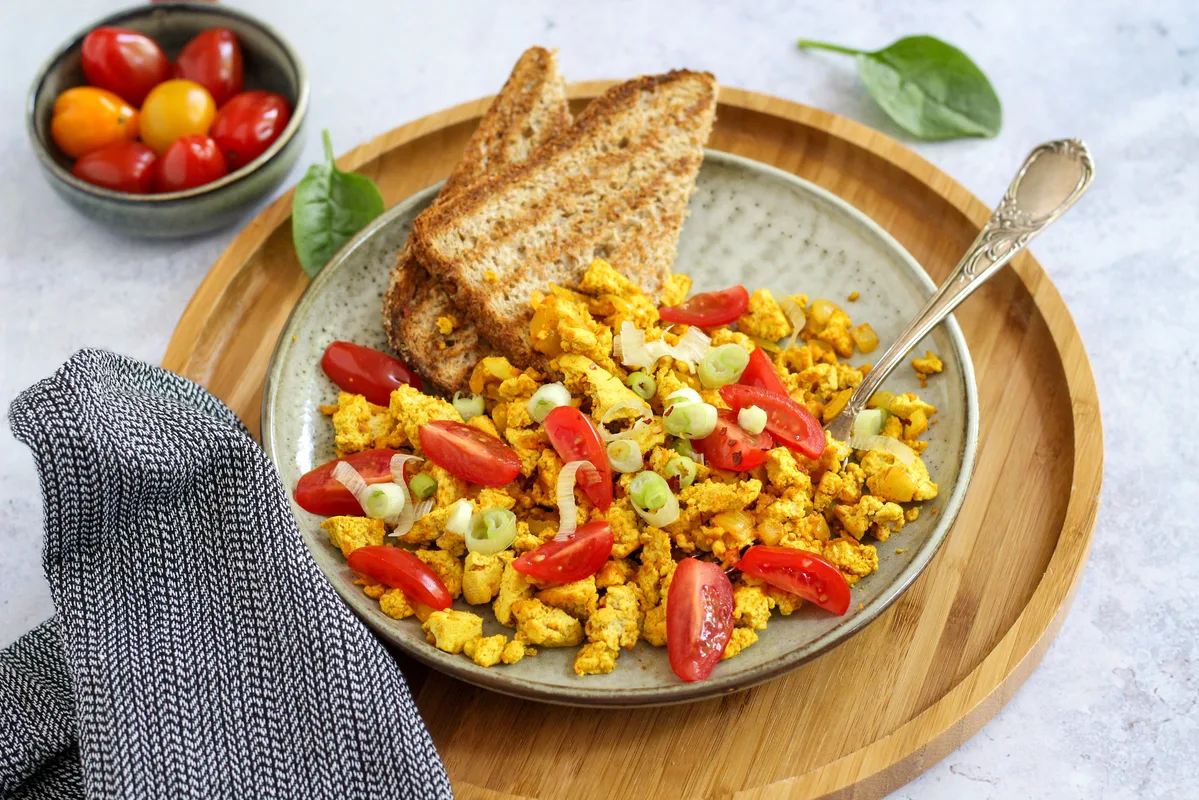
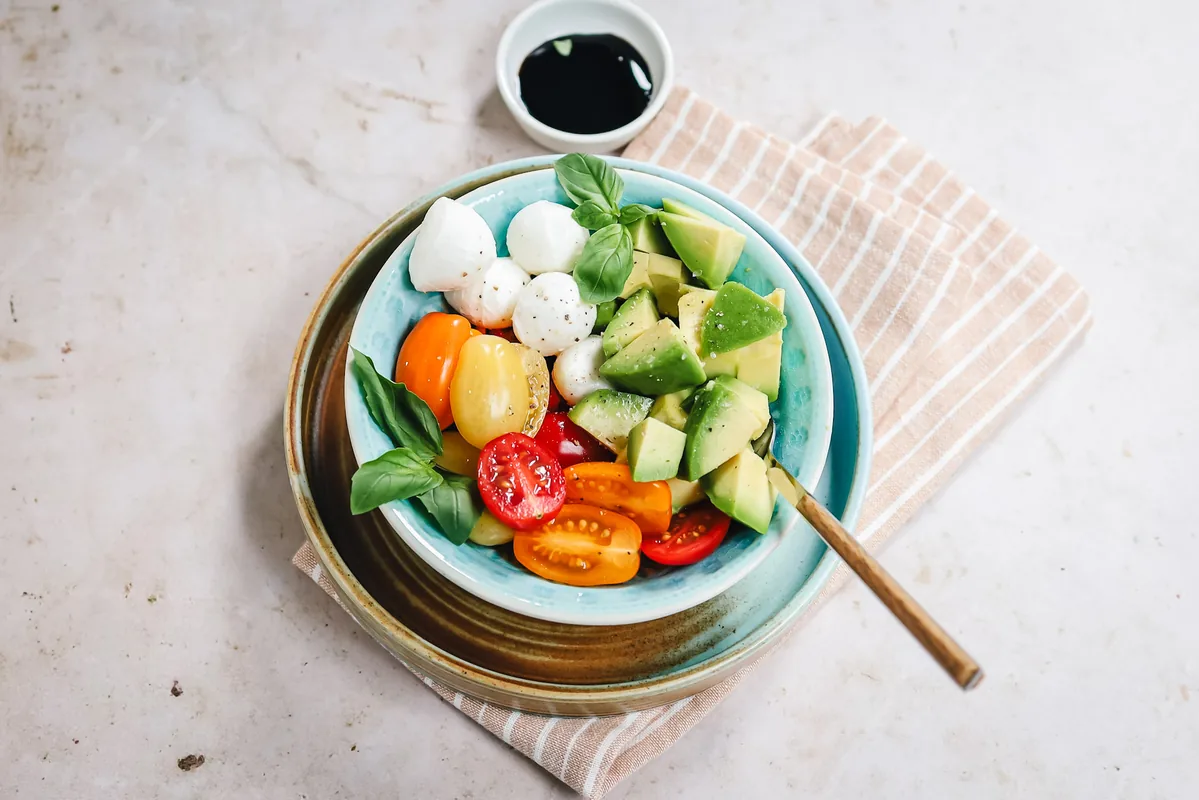

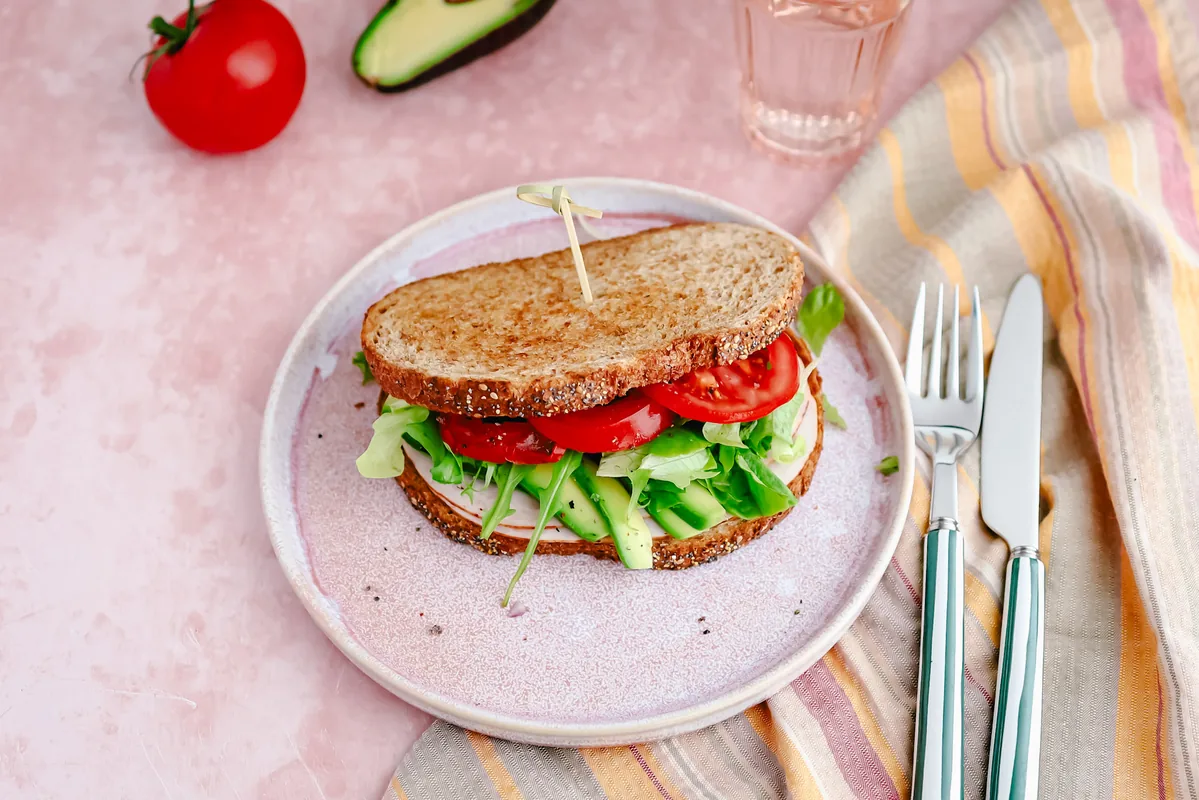

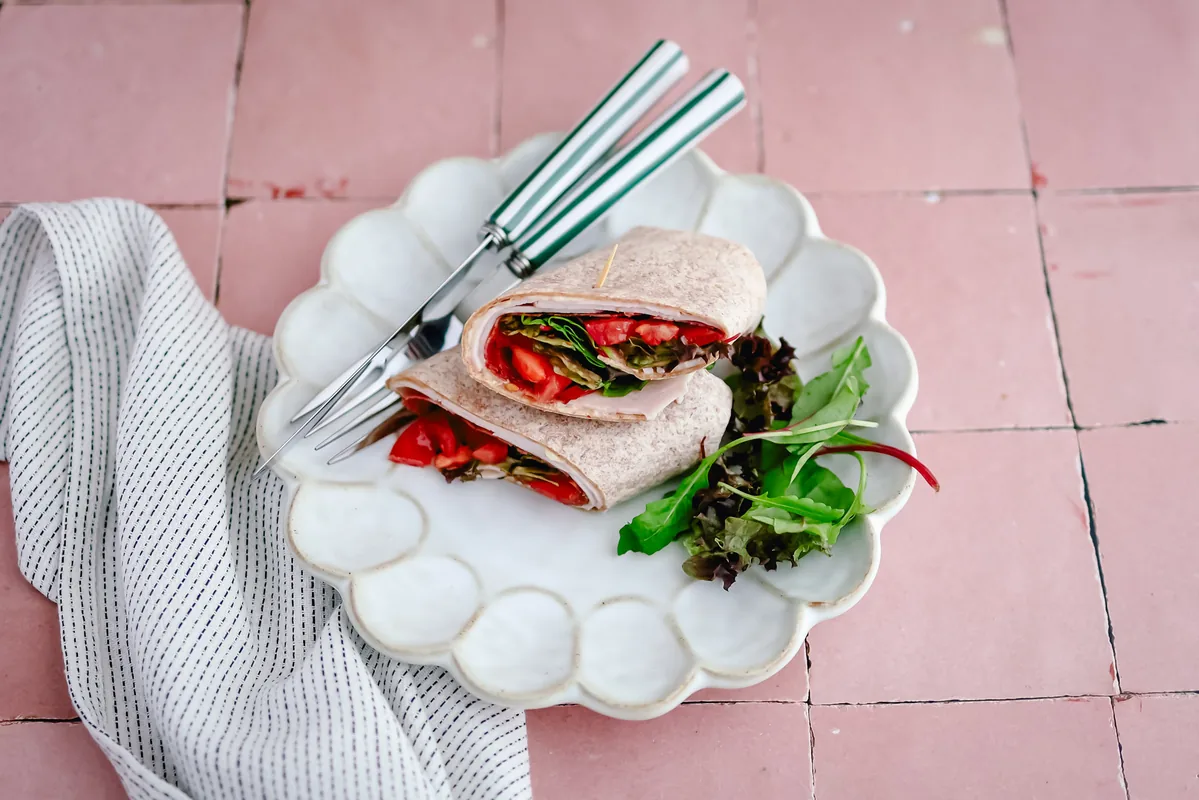

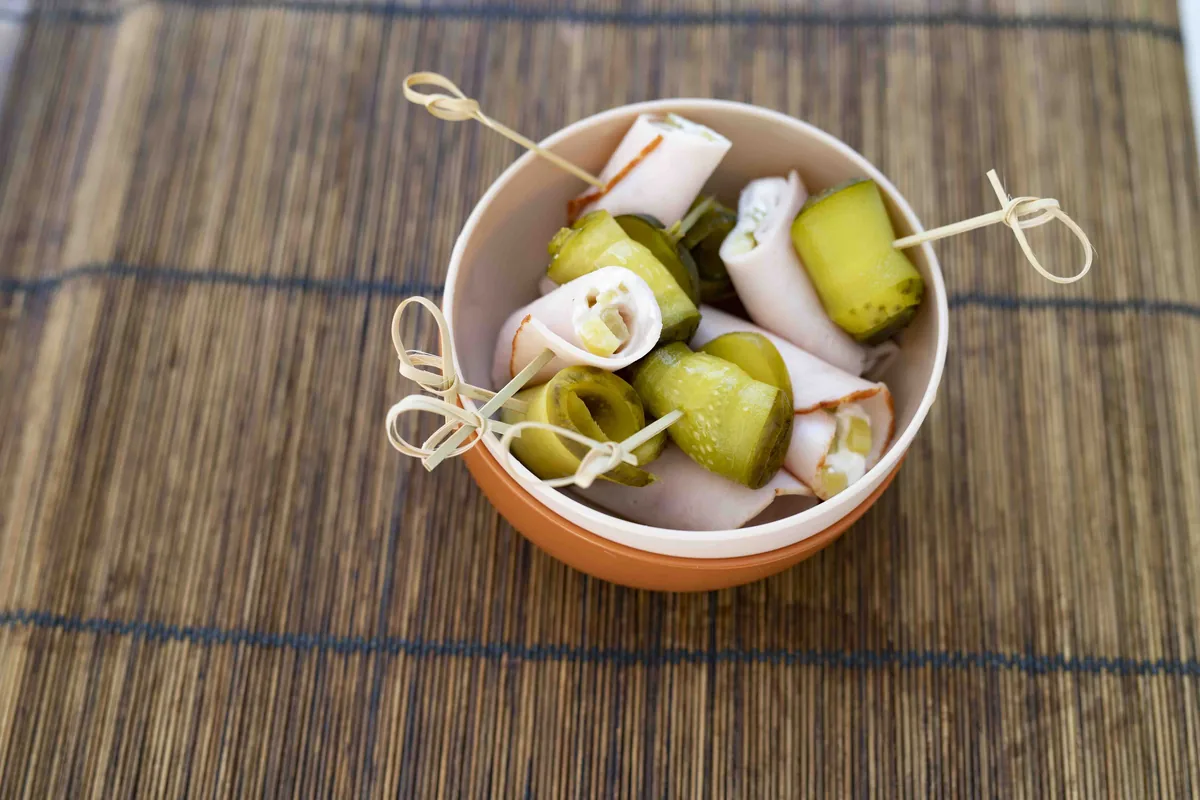
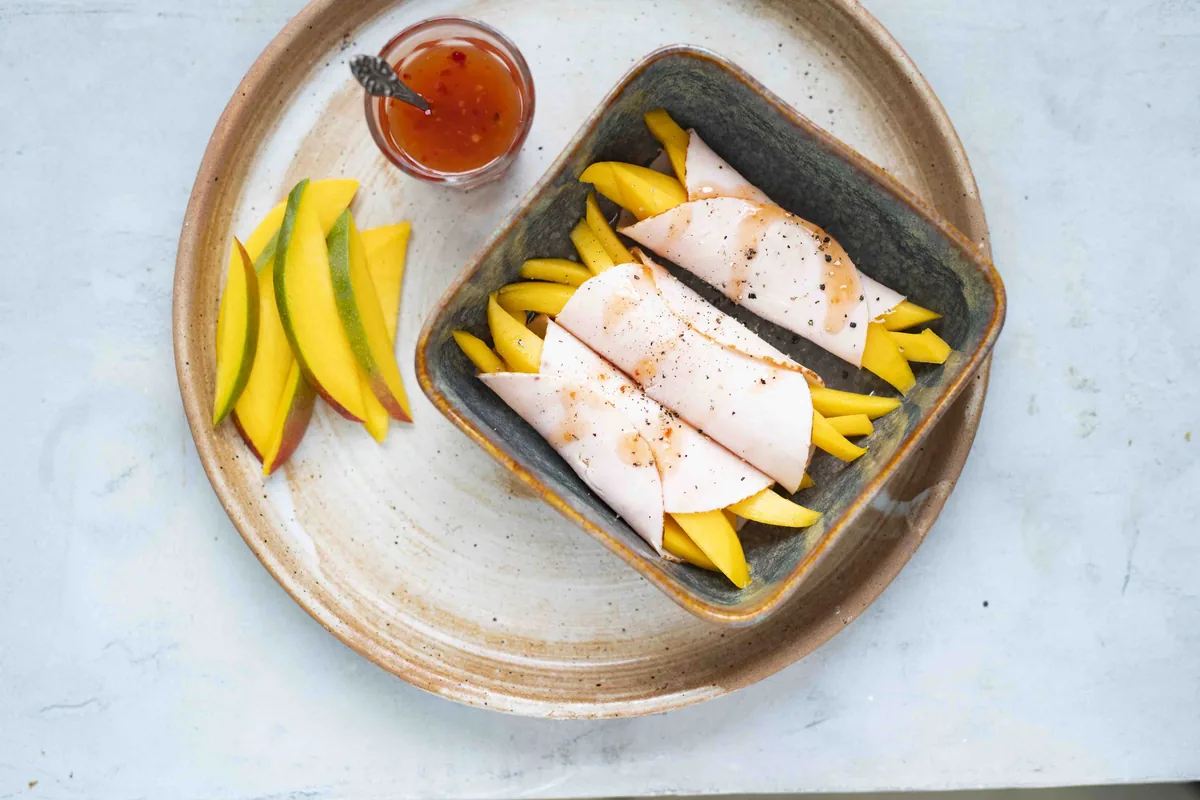
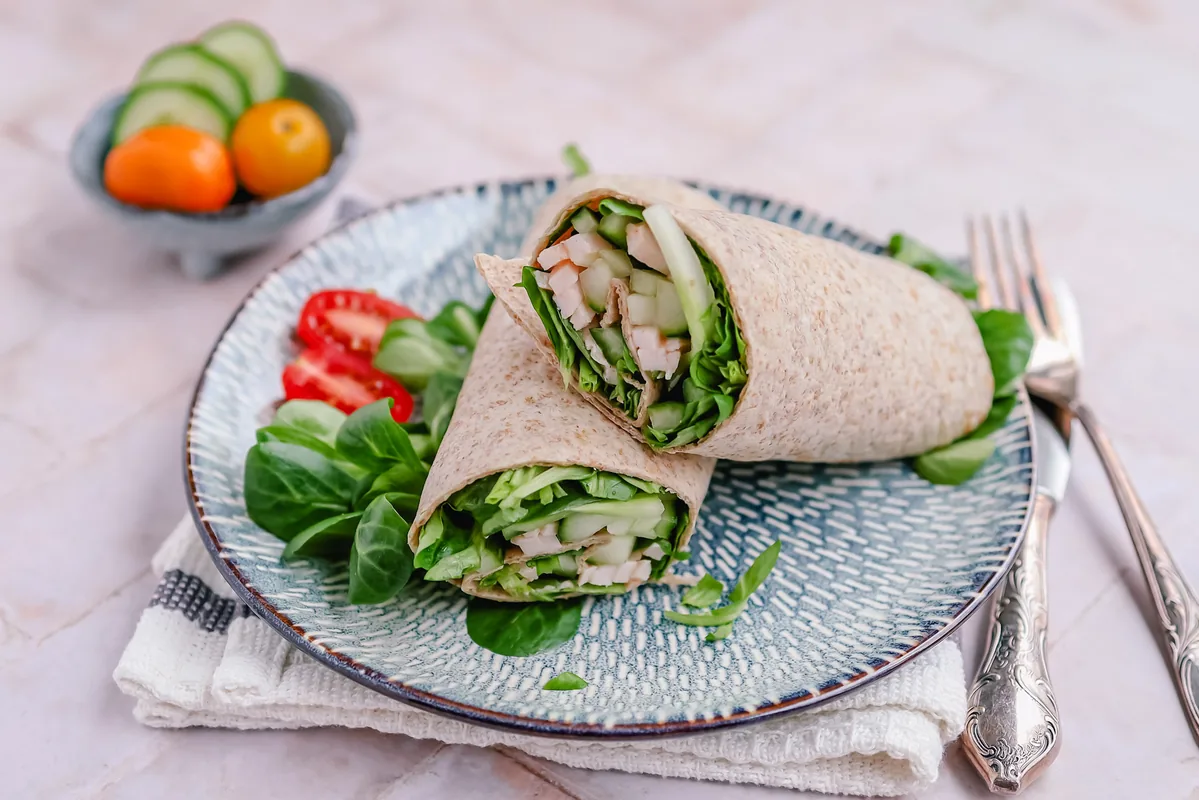
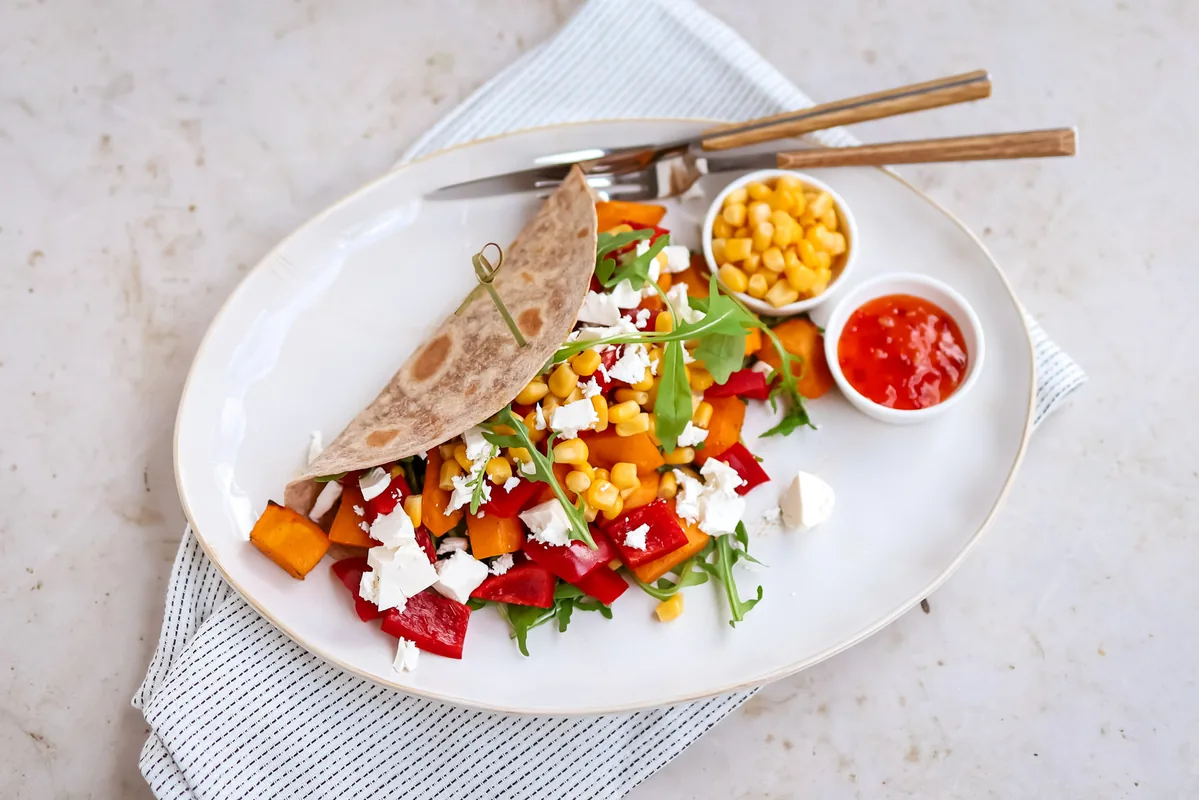
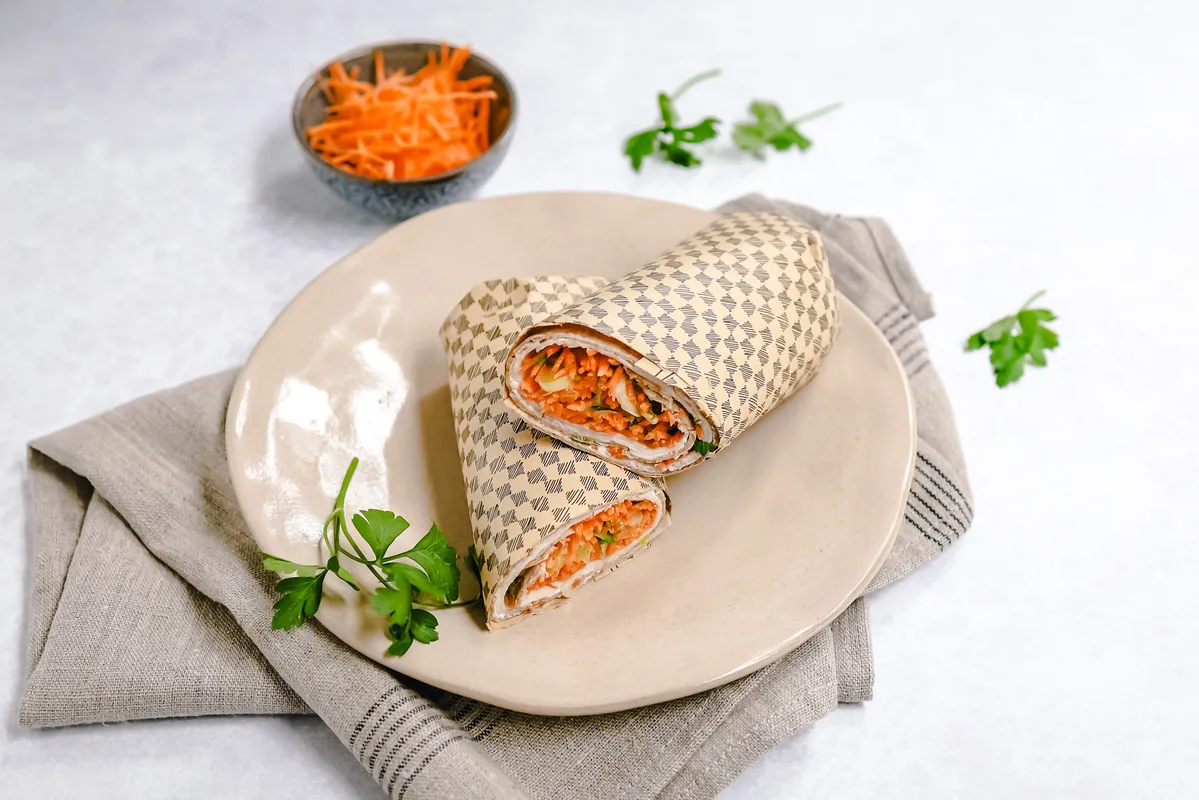
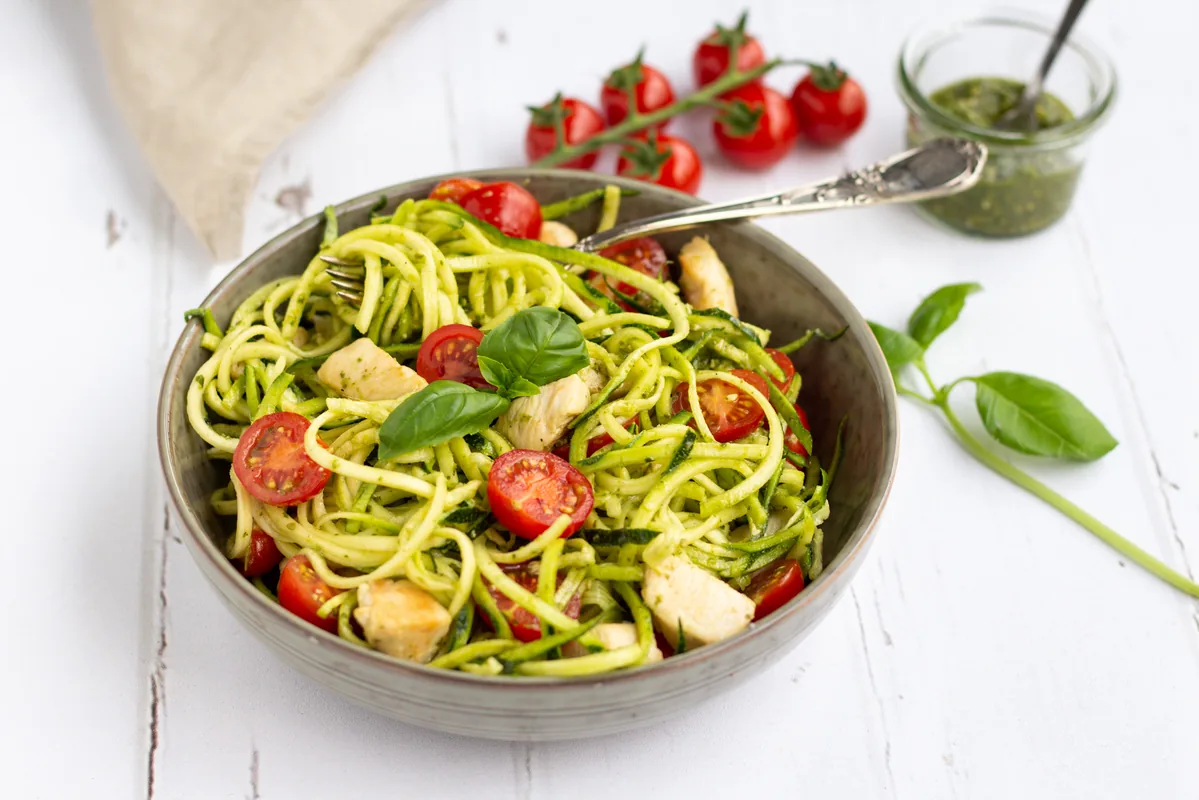
Tuna on cucumber, turkey with carrot sticks, chickpea salad, a bowl of chili. They read like calorie restriction. The macronutrient profile says something else: 23.4% of total energy comes from protein, four points above the full recipe collection’s 19.6%. Fifty-eight percent of these meals qualify as high-protein under Europe’s threshold. Nobody engineered that. When calories drop, carbs and fats absorb the cut first. Protein holds.
A review of 24 trials covering 1,063 people in calorie deficits found that higher protein shifted the composition of weight loss: 0.87 kg more fat lost, 0.43 kg more muscle preserved. The protein concentration in these meals is the variable those trials identified.
The collection splits into two shelves. Sixty-seven meals sit below 300 calories, with 79% requiring zero cooking. Eighty-nine run between 300 and 399 calories: salads, sandwiches, stir-fries, soups. The gap between a grab-and-go protein hit and a full dinner plate is 90 calories.
Across the collection, 24 claims and 40 research shorts connect to these recipes. A 61-trial analysis of 6,925 people confirmed that total calories determine fat loss, with one exception: protein quantity shifts body composition on its own.