







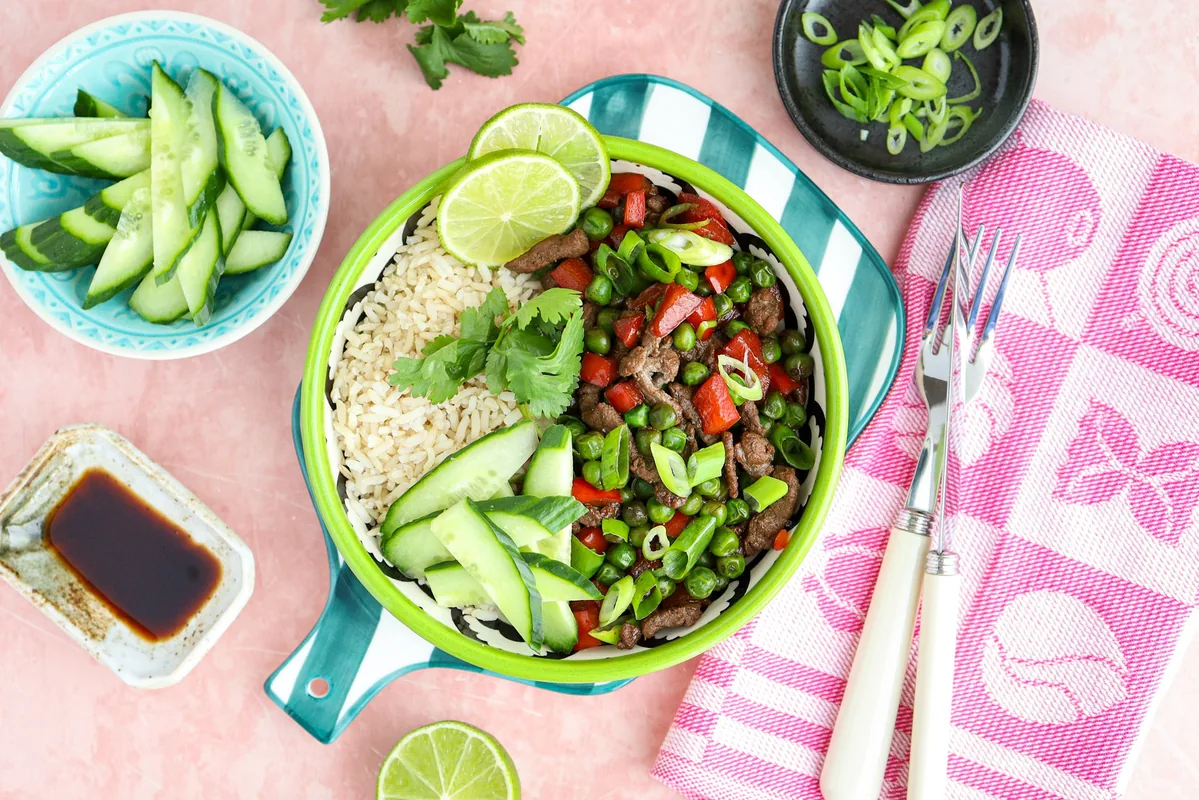
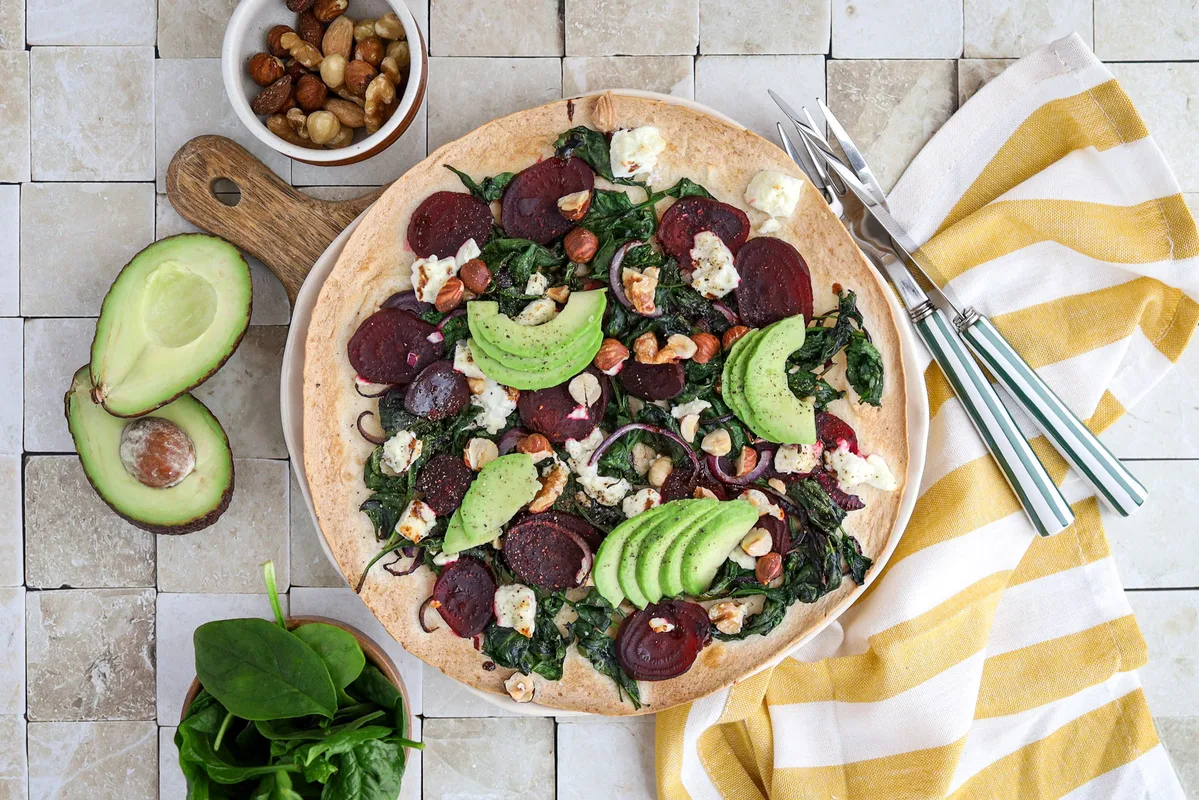
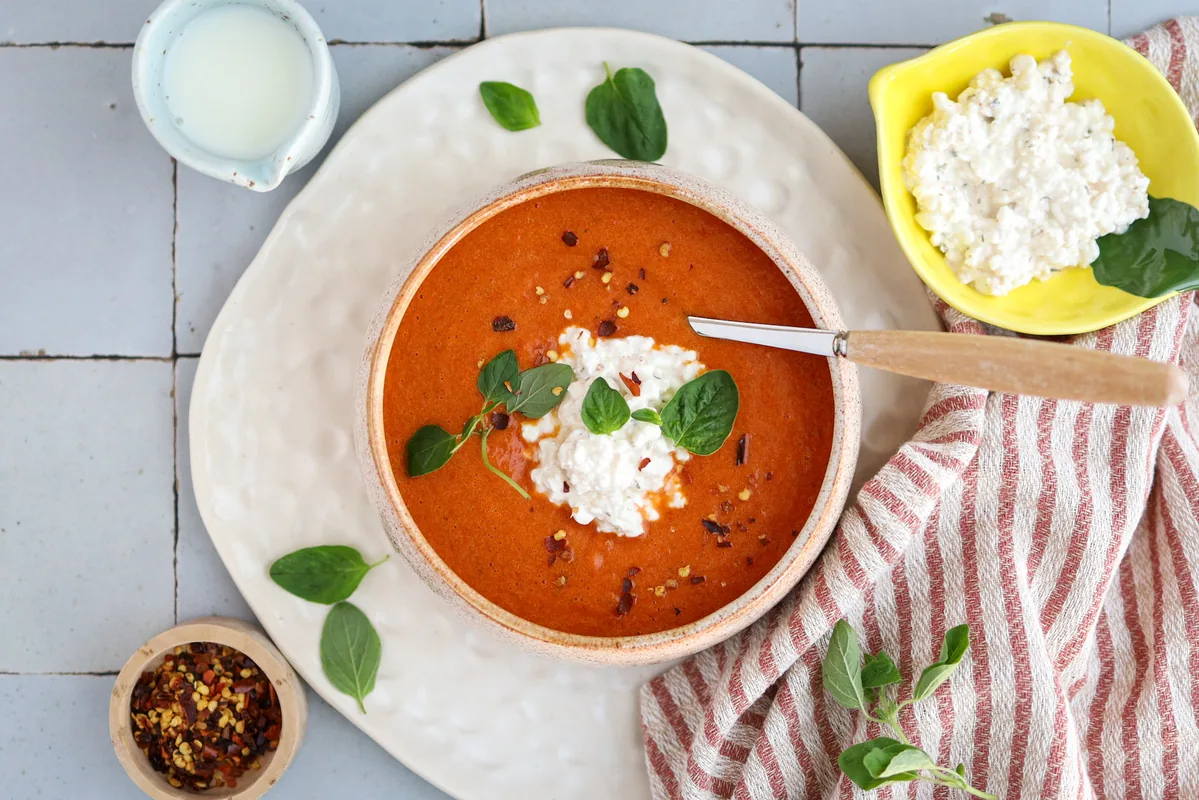


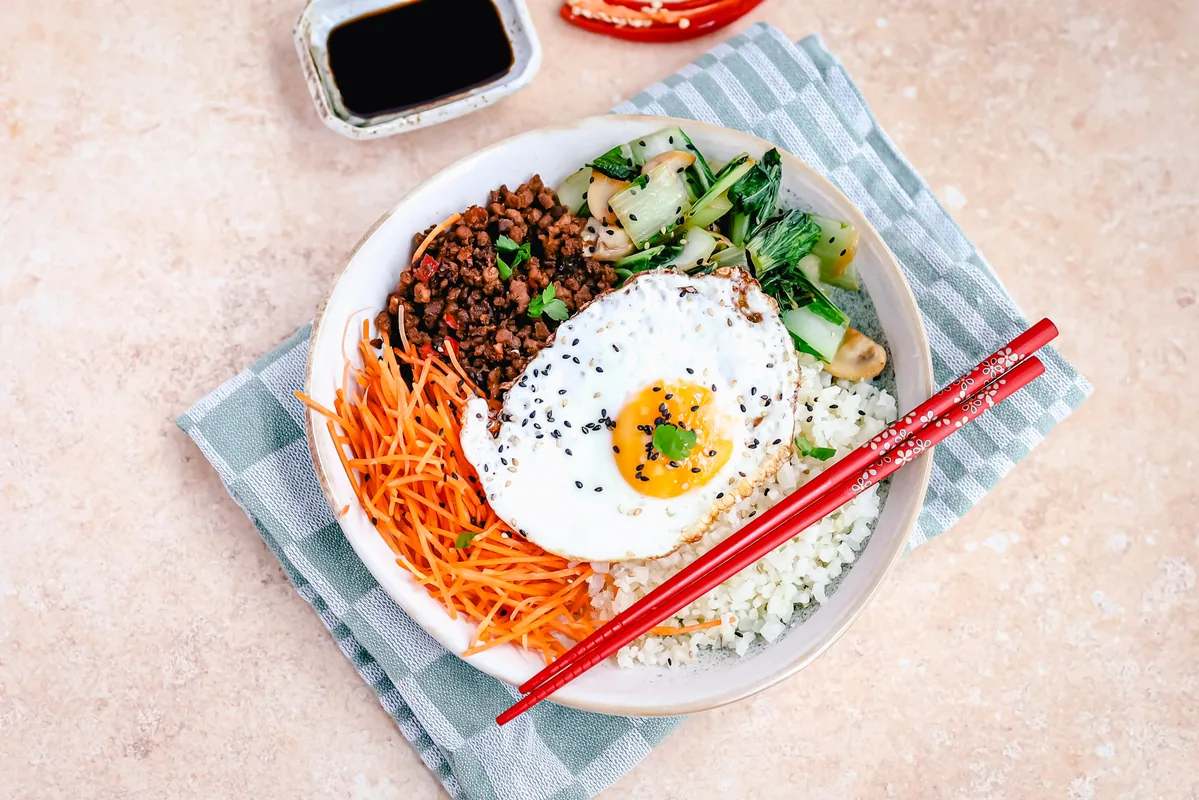
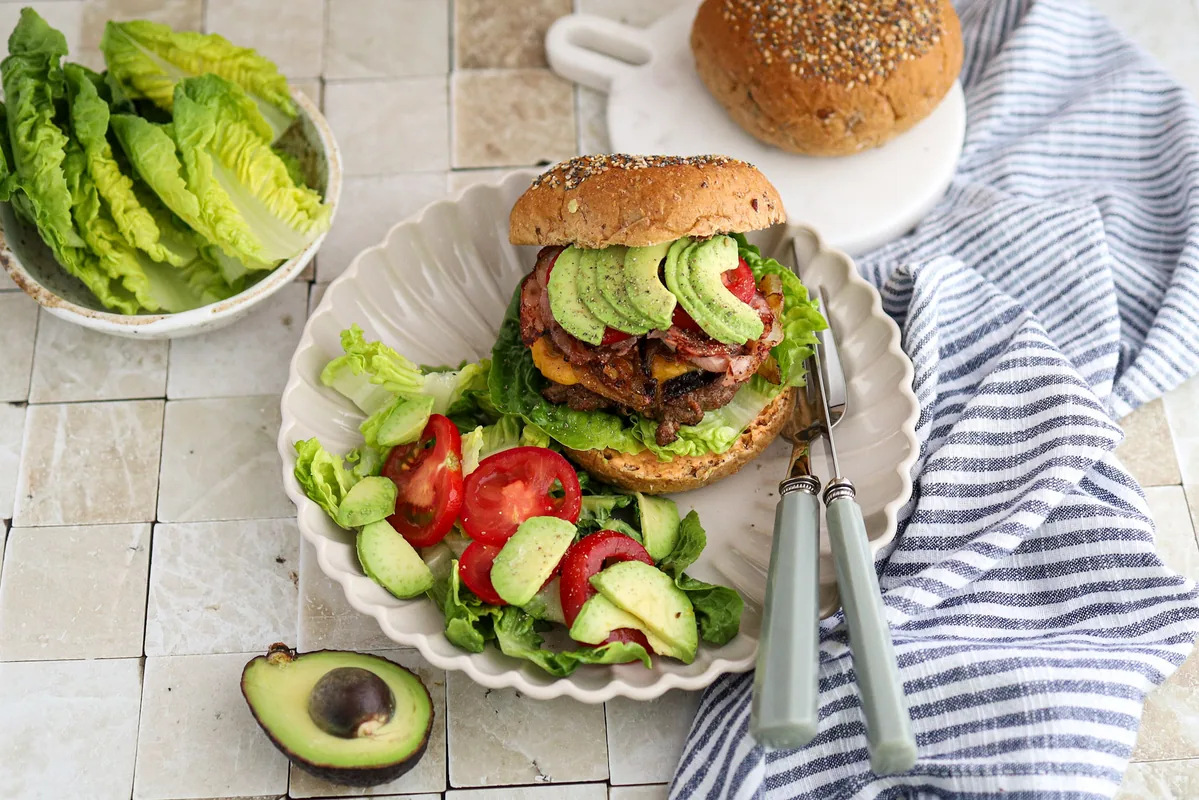
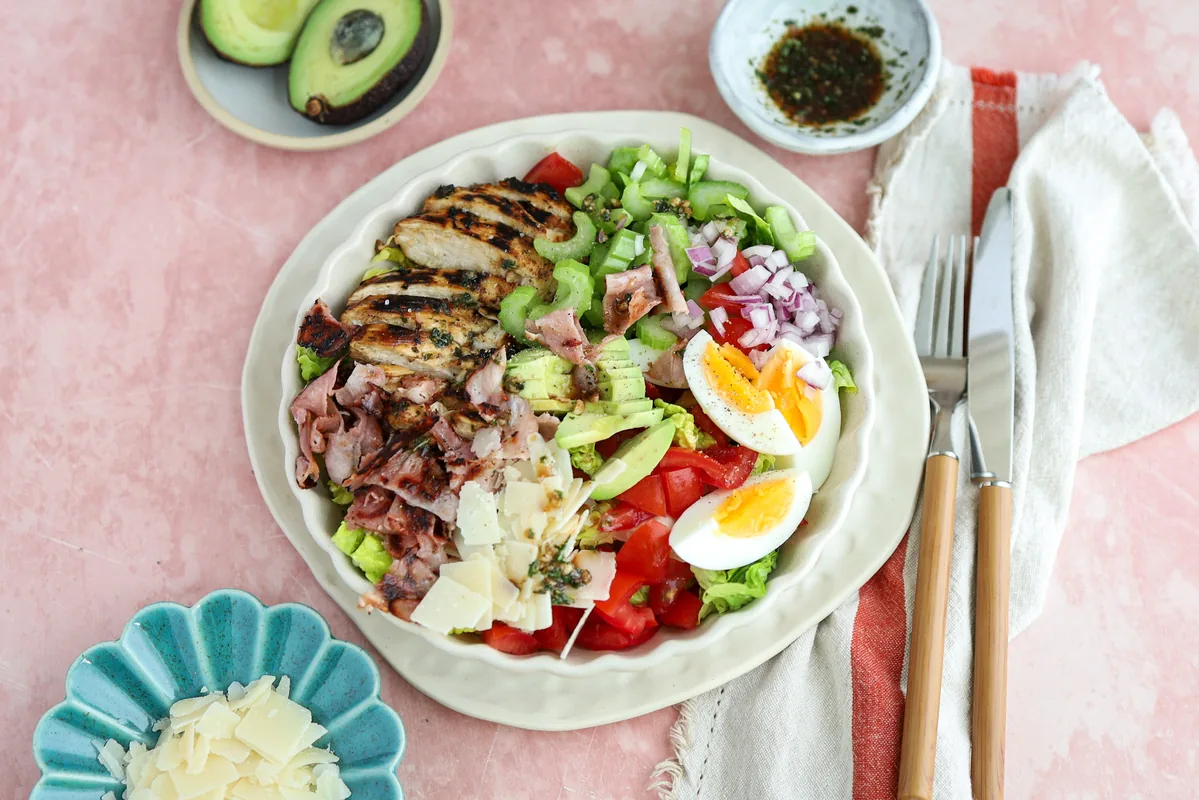


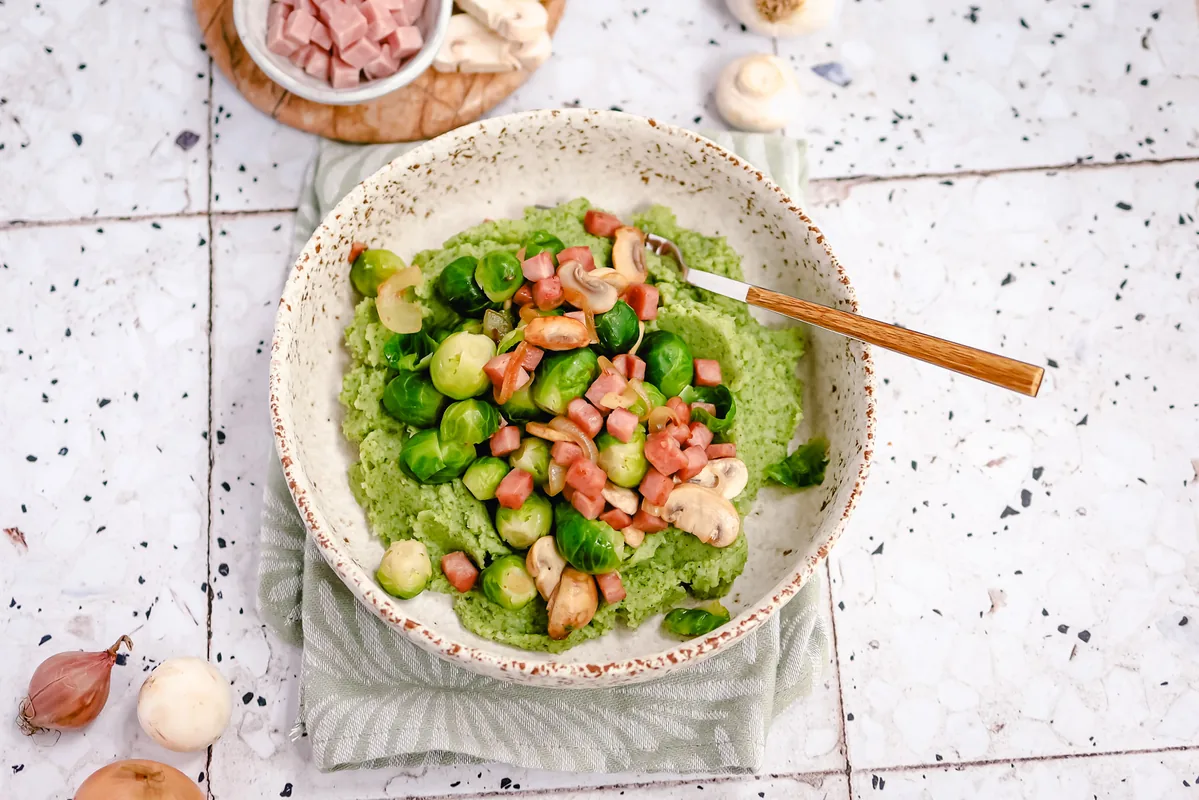
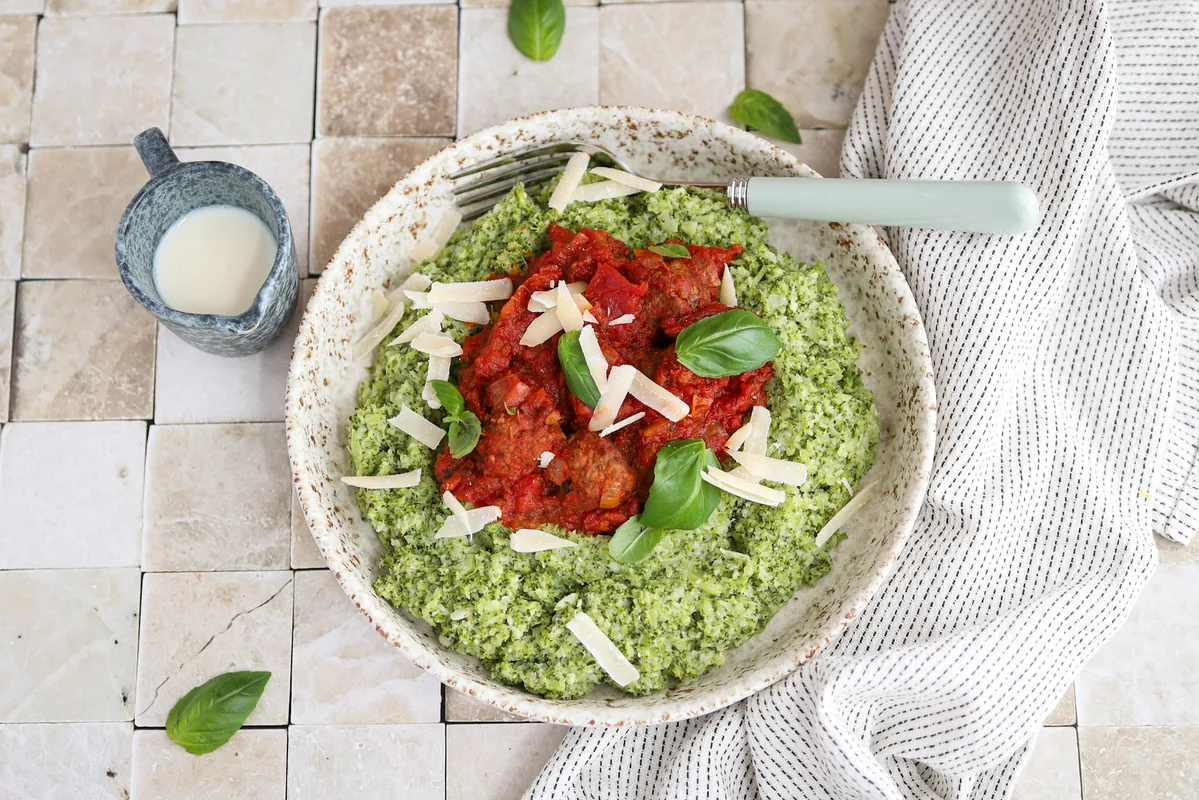




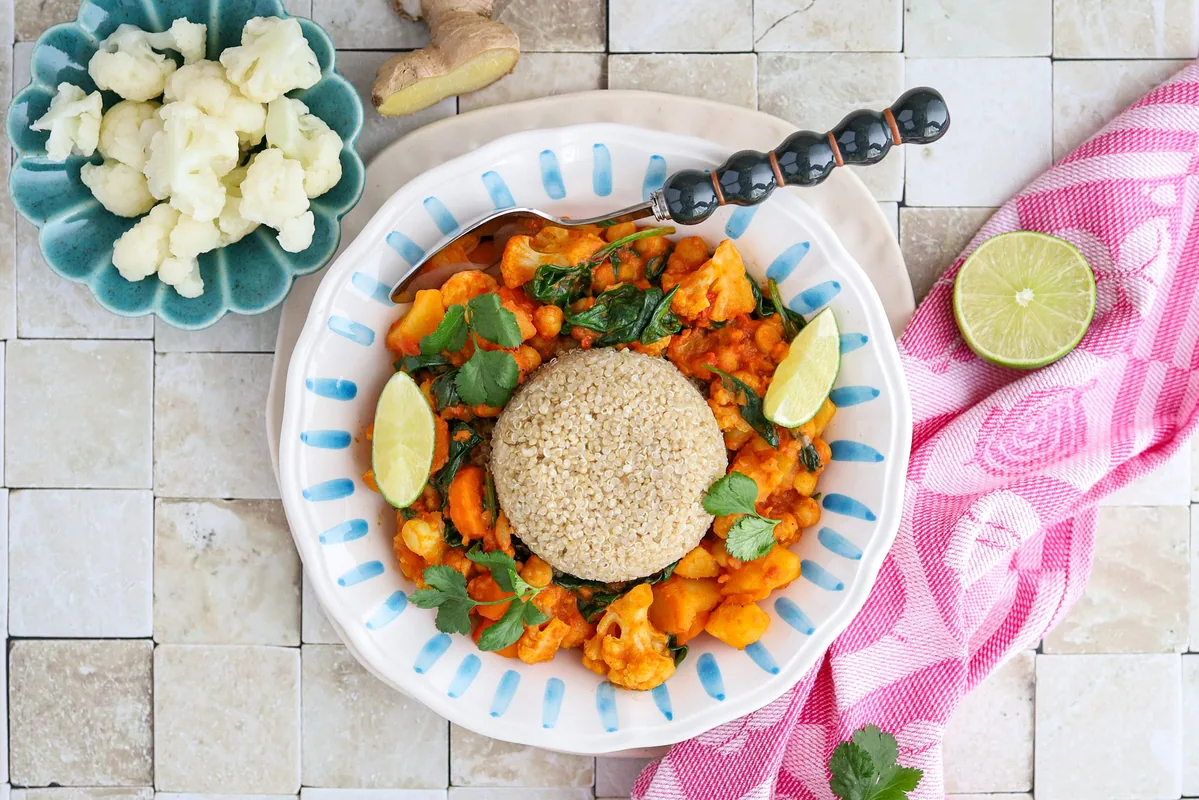
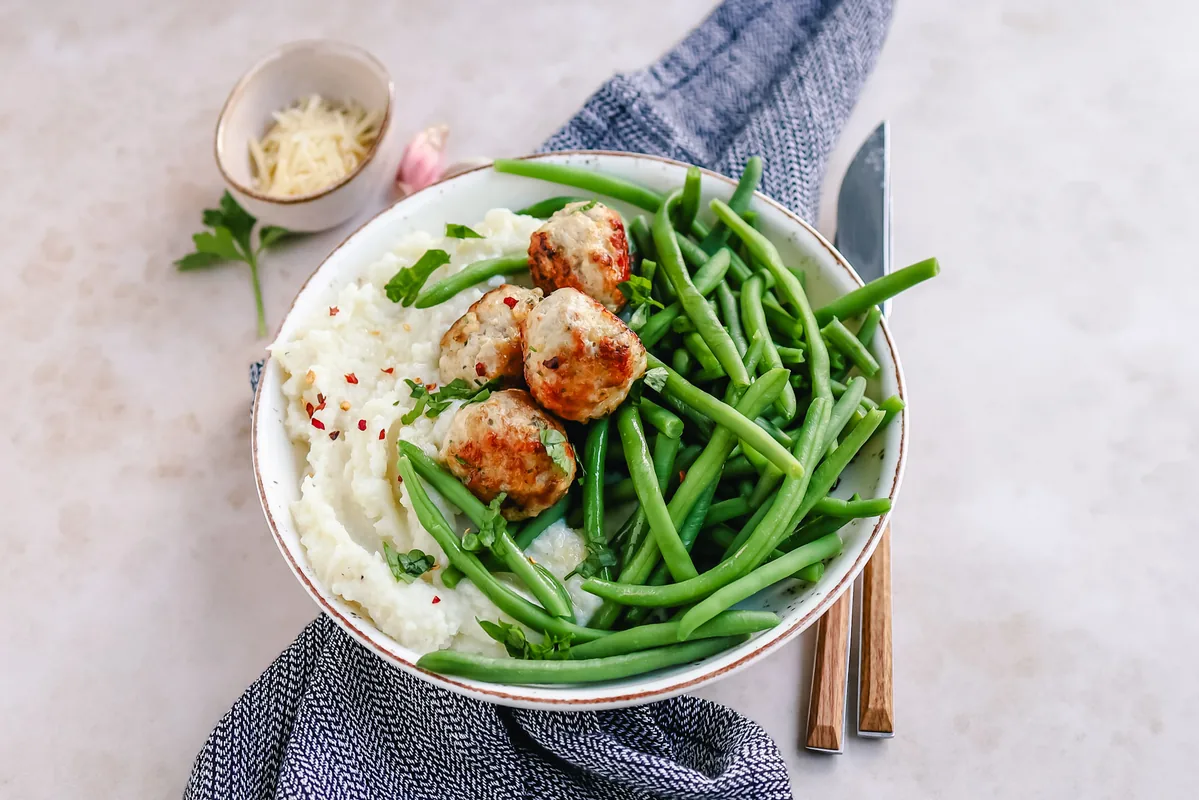
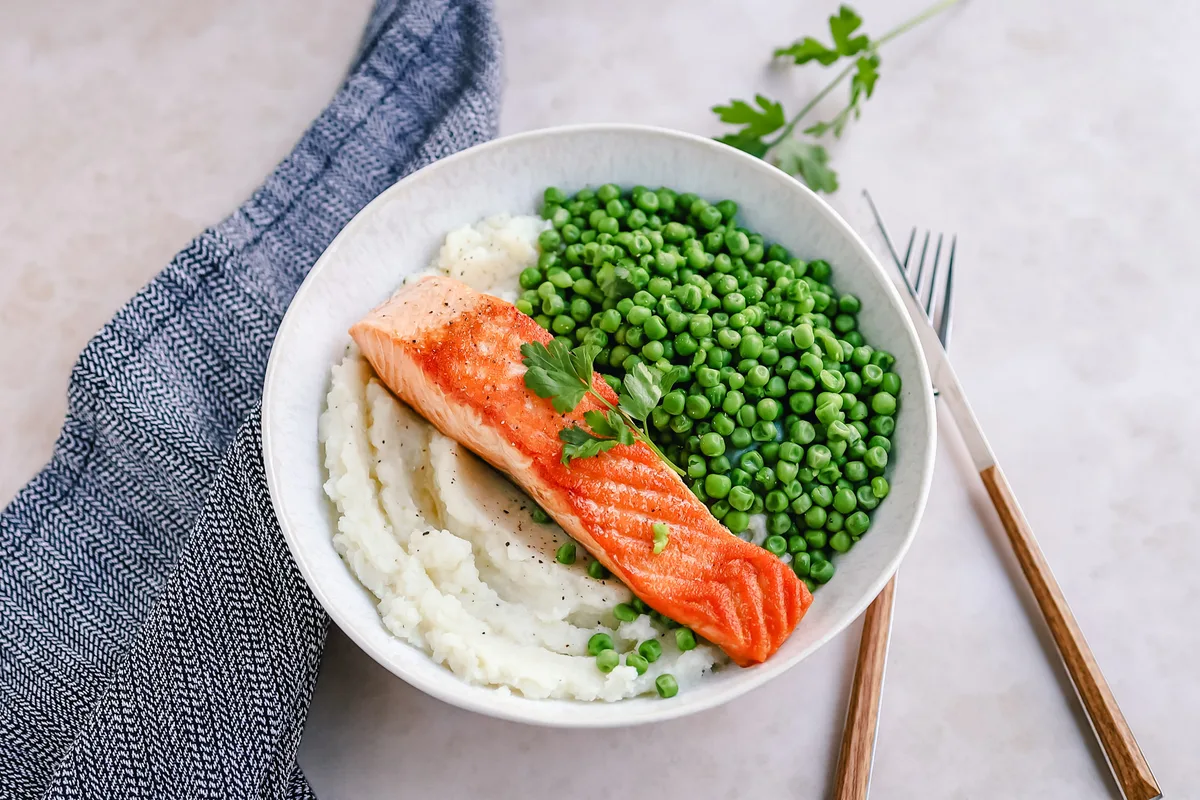
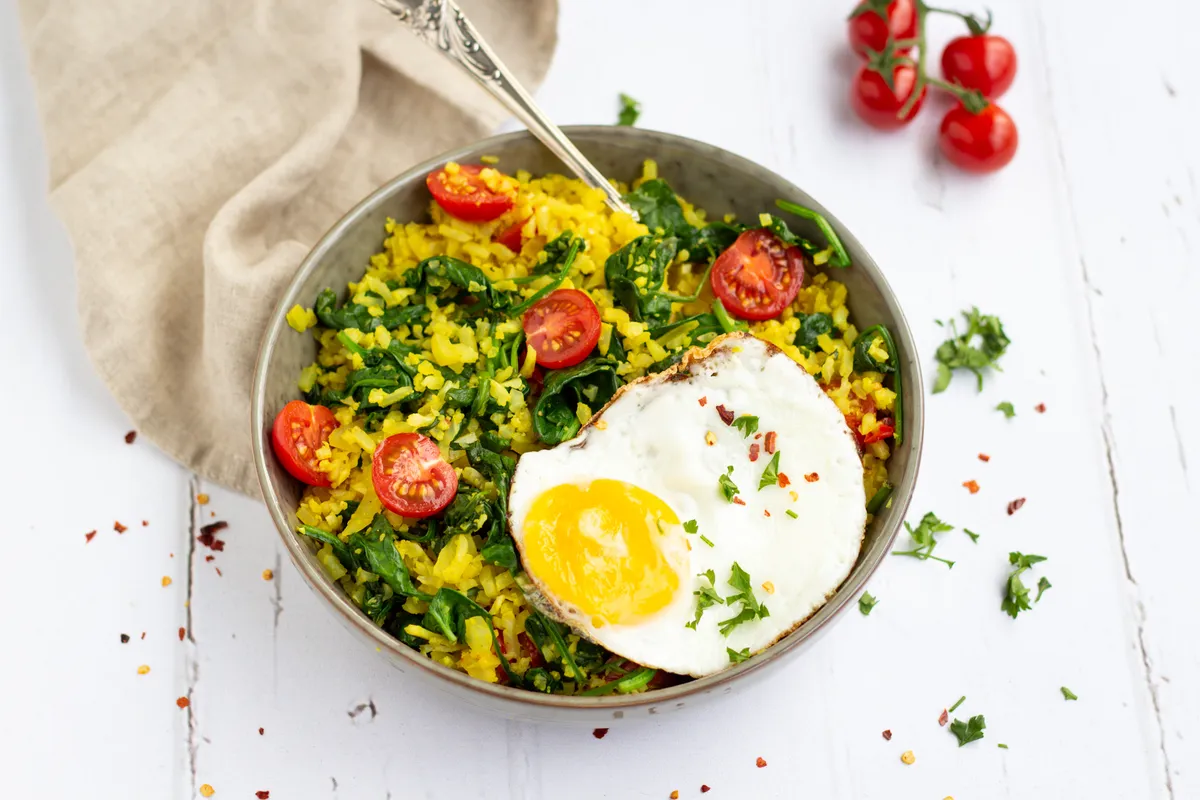
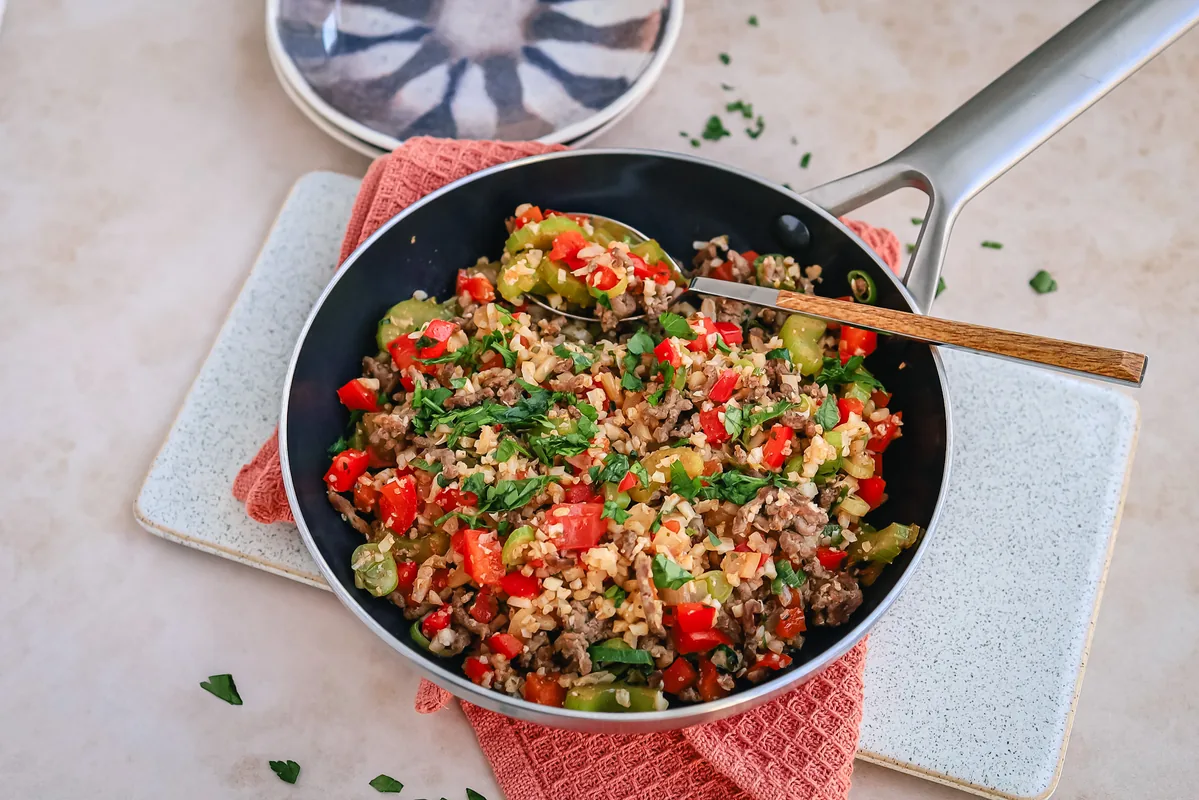
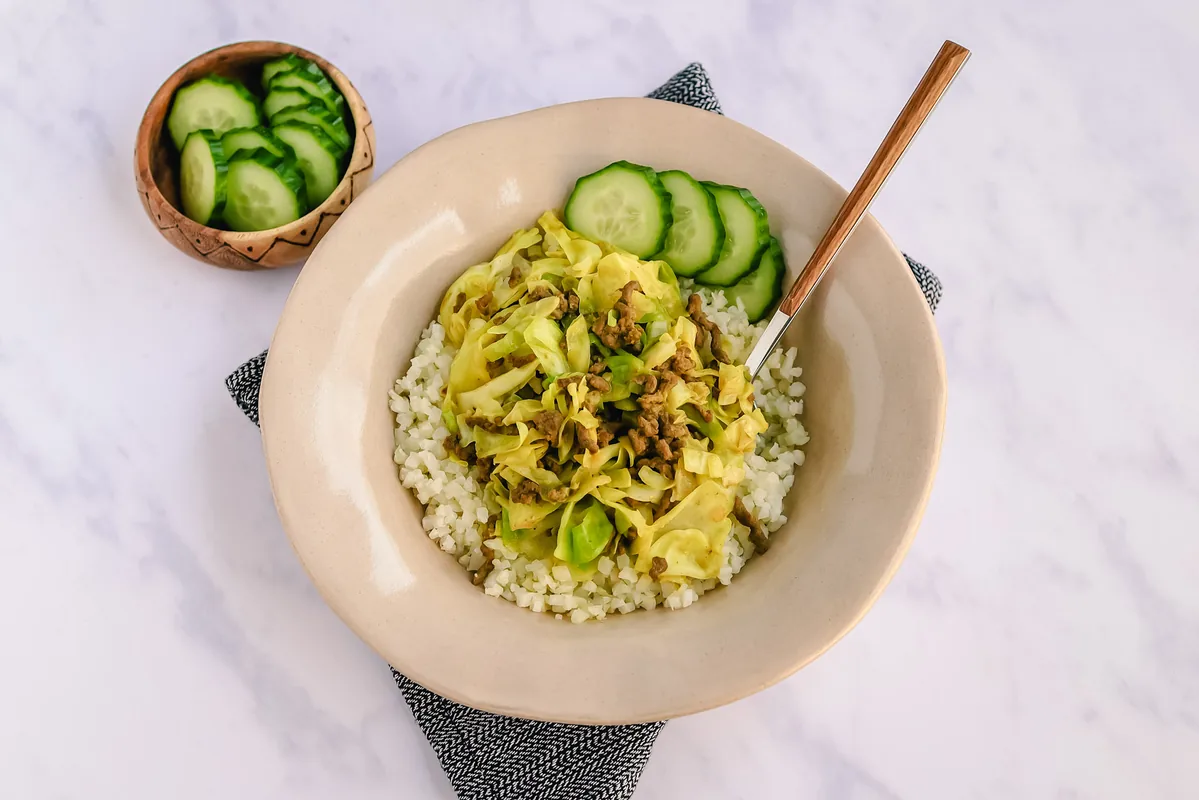
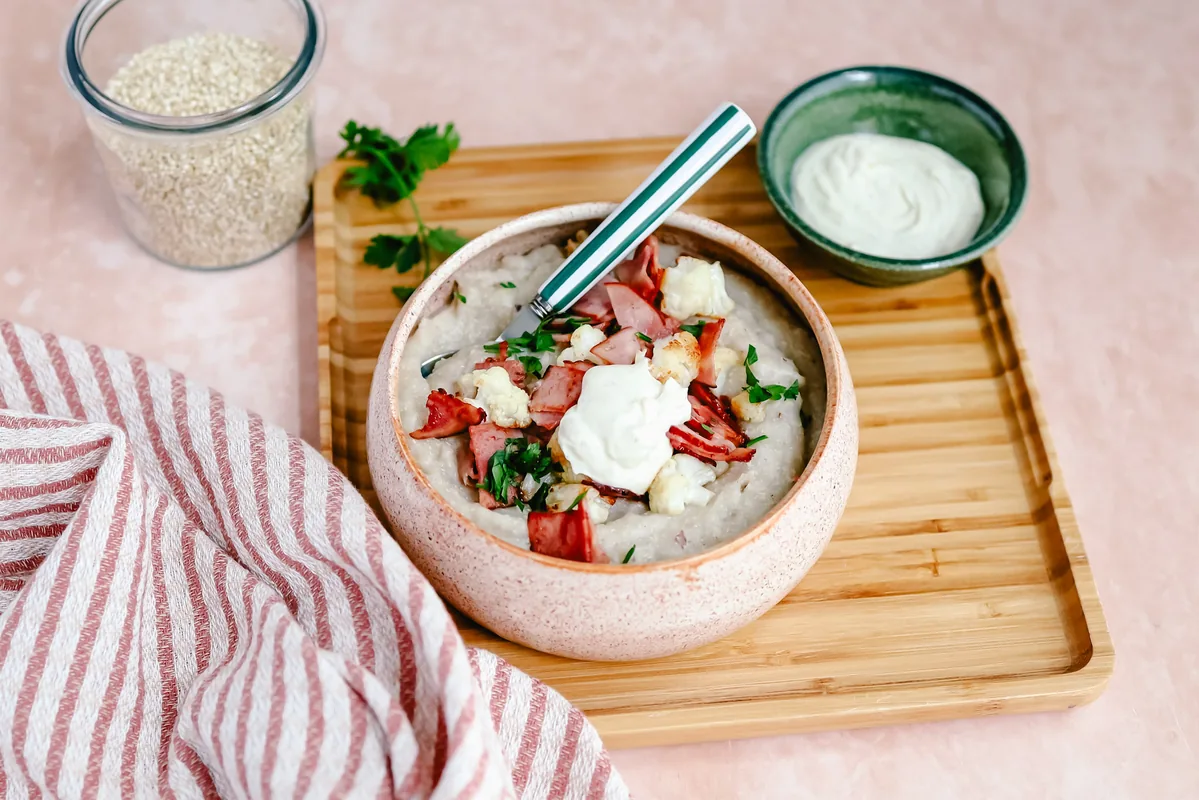
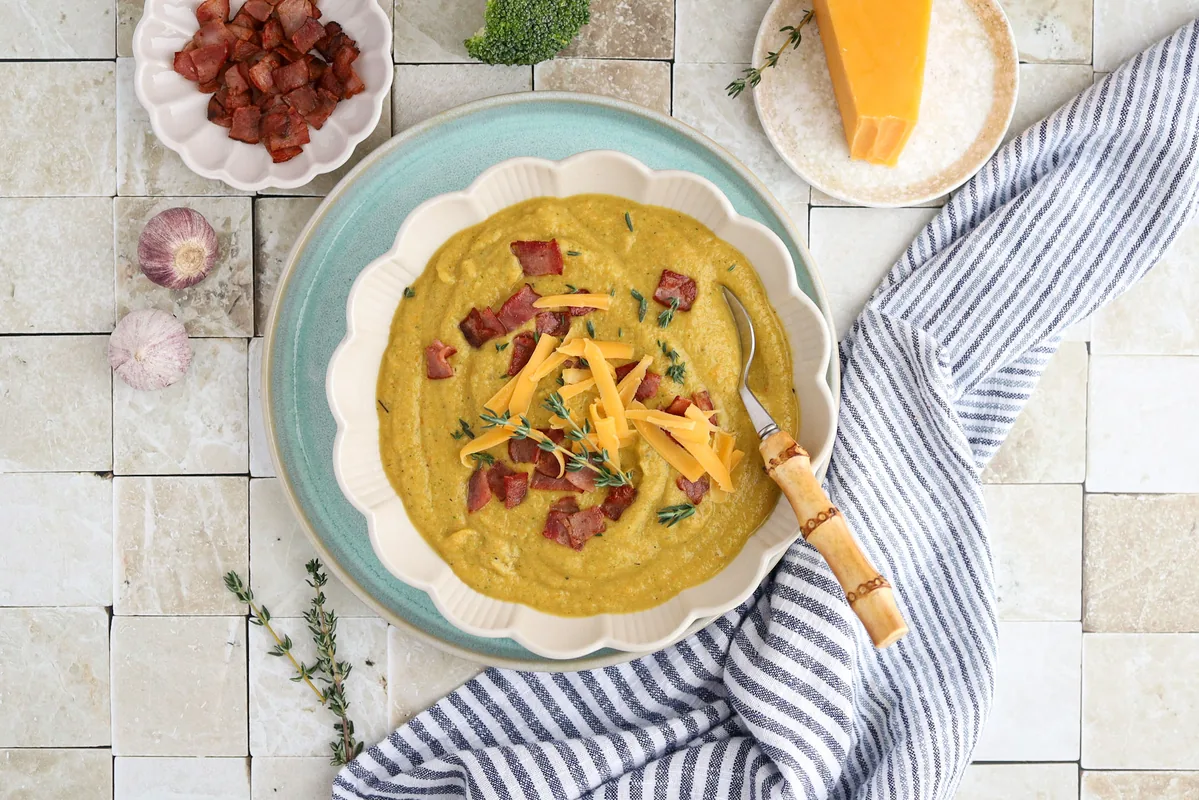

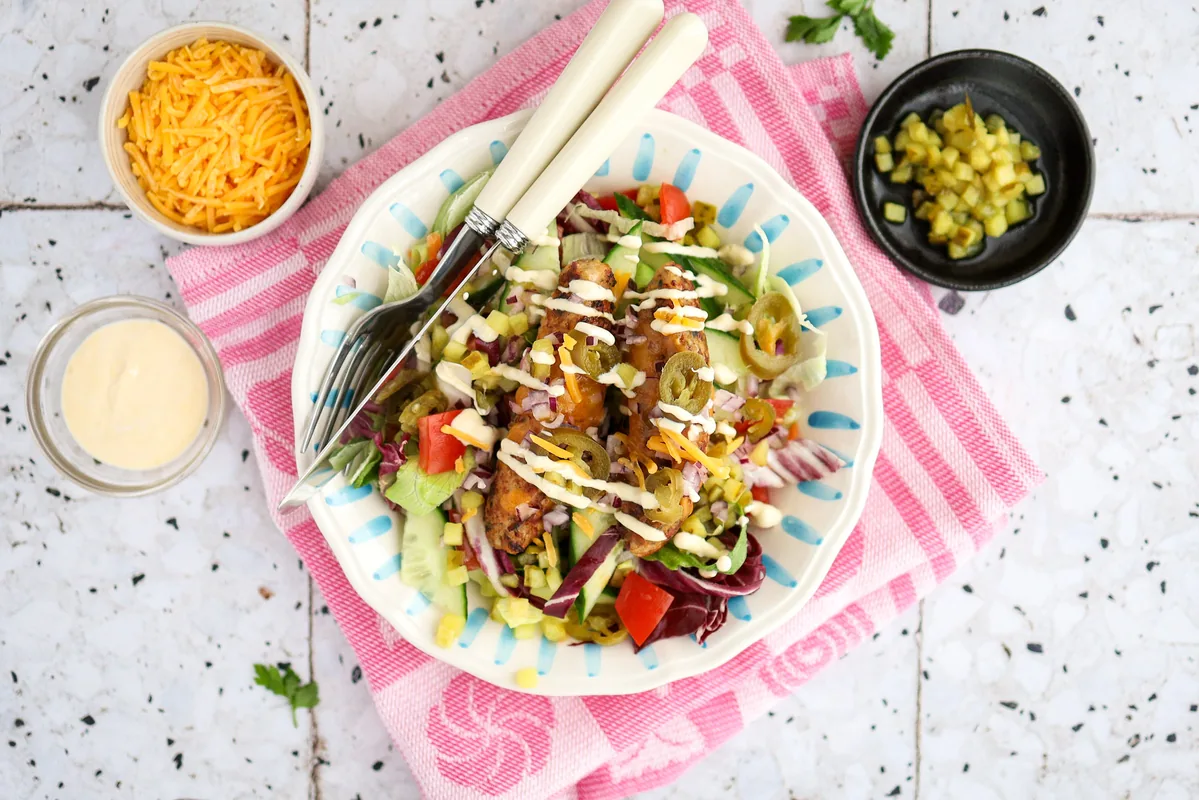
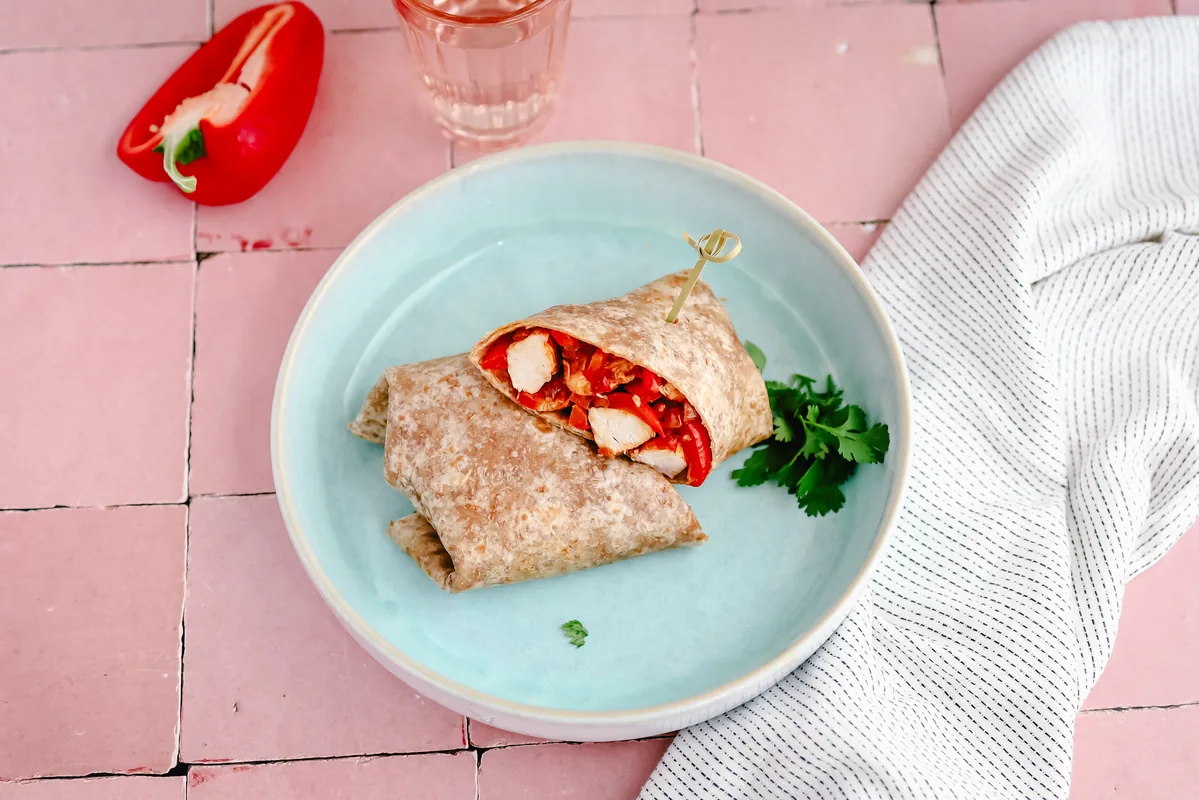


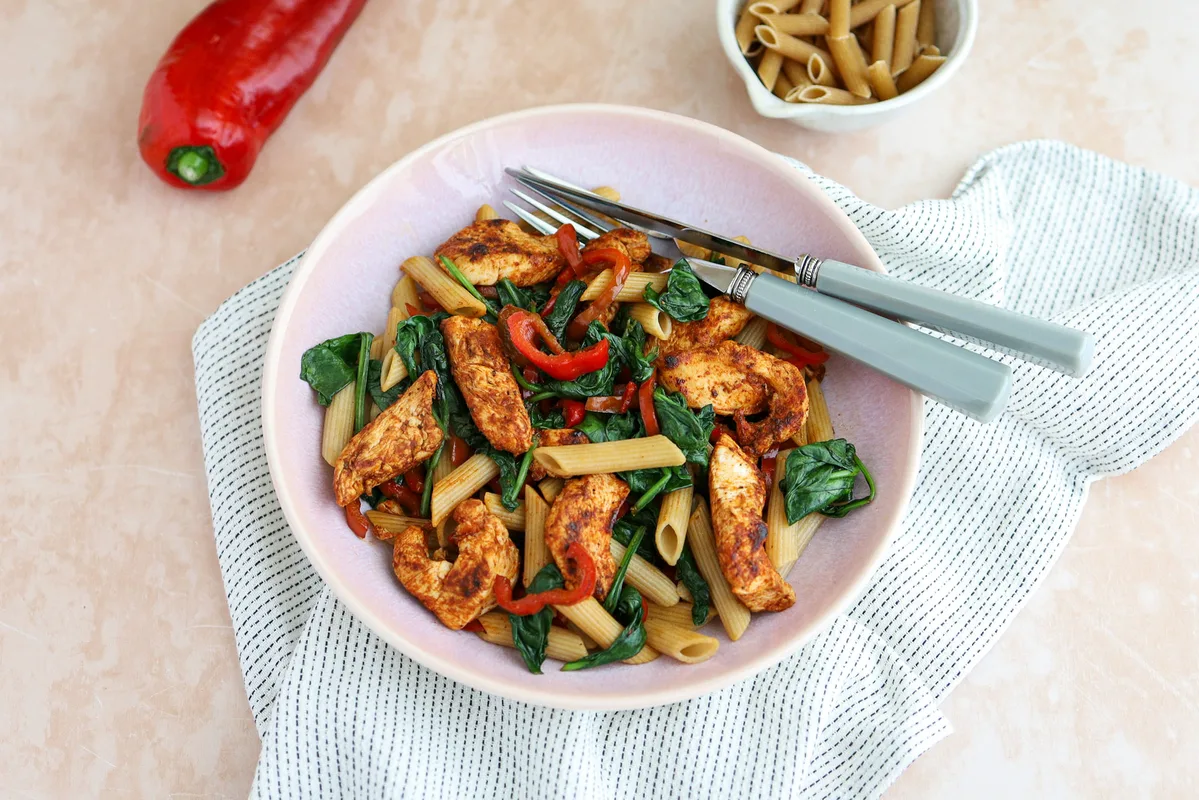

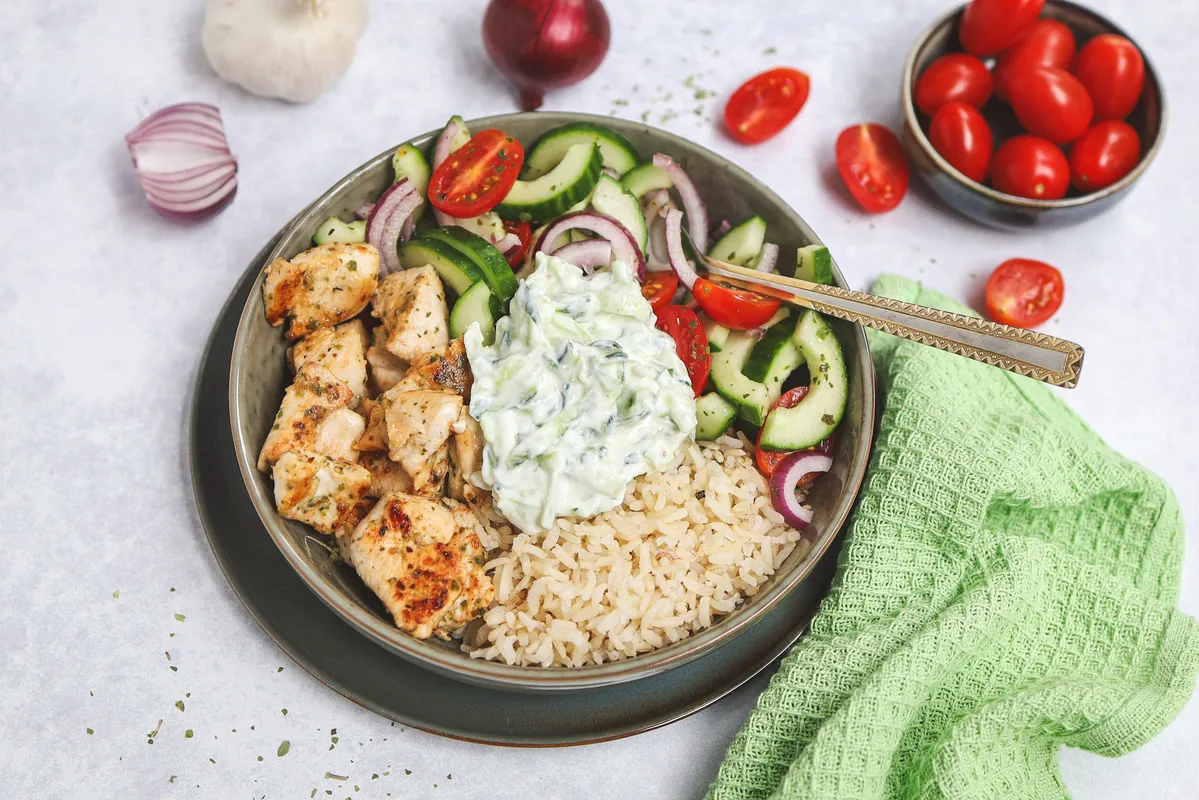



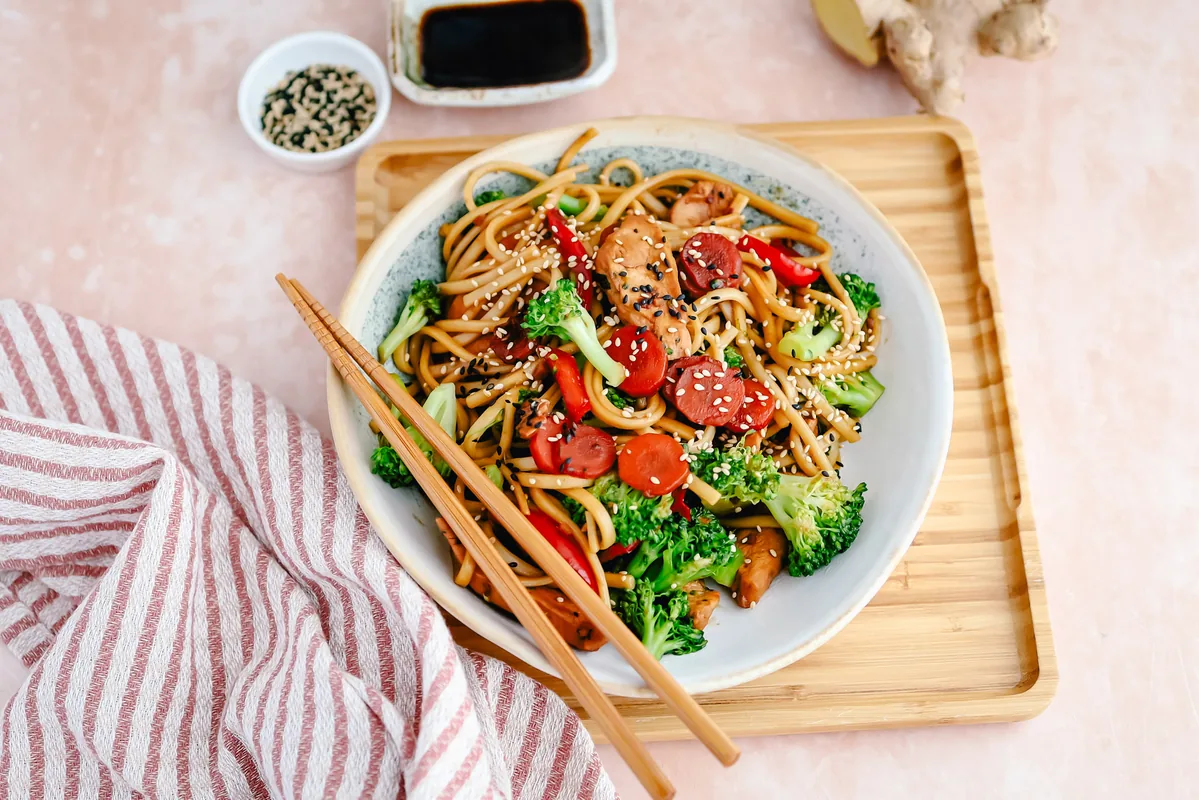

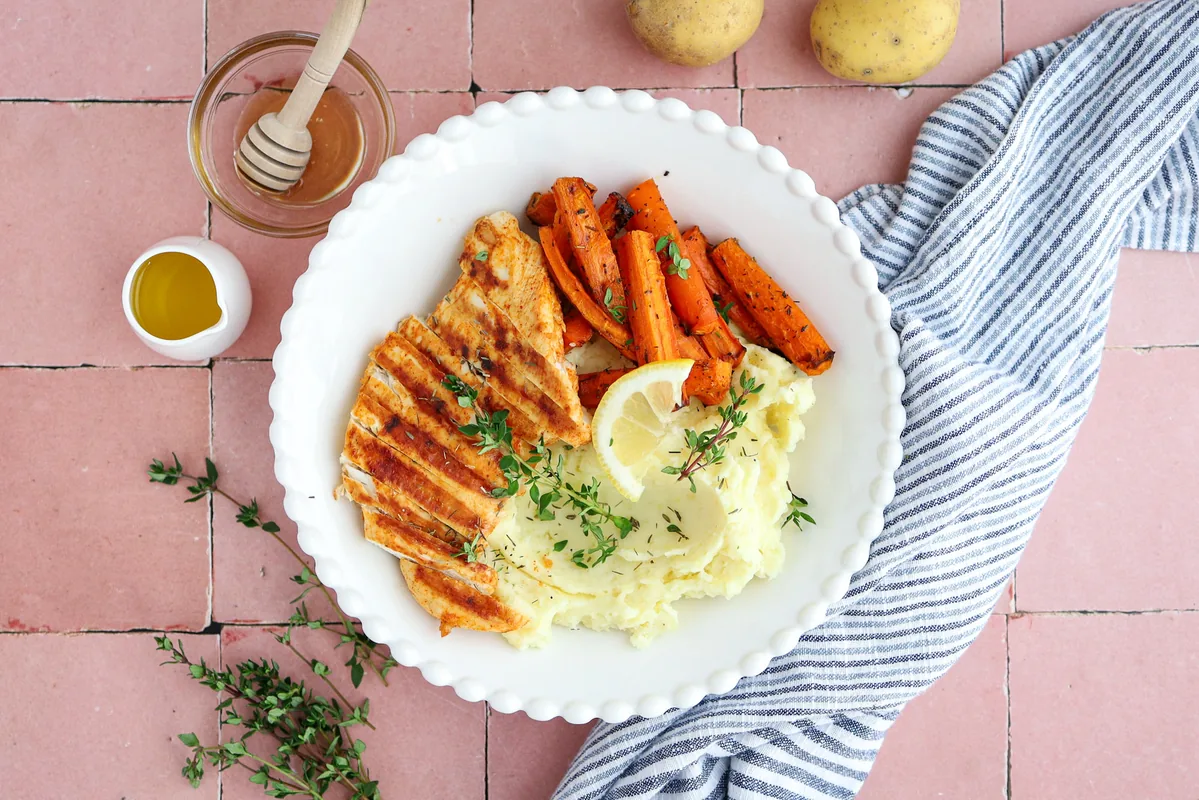
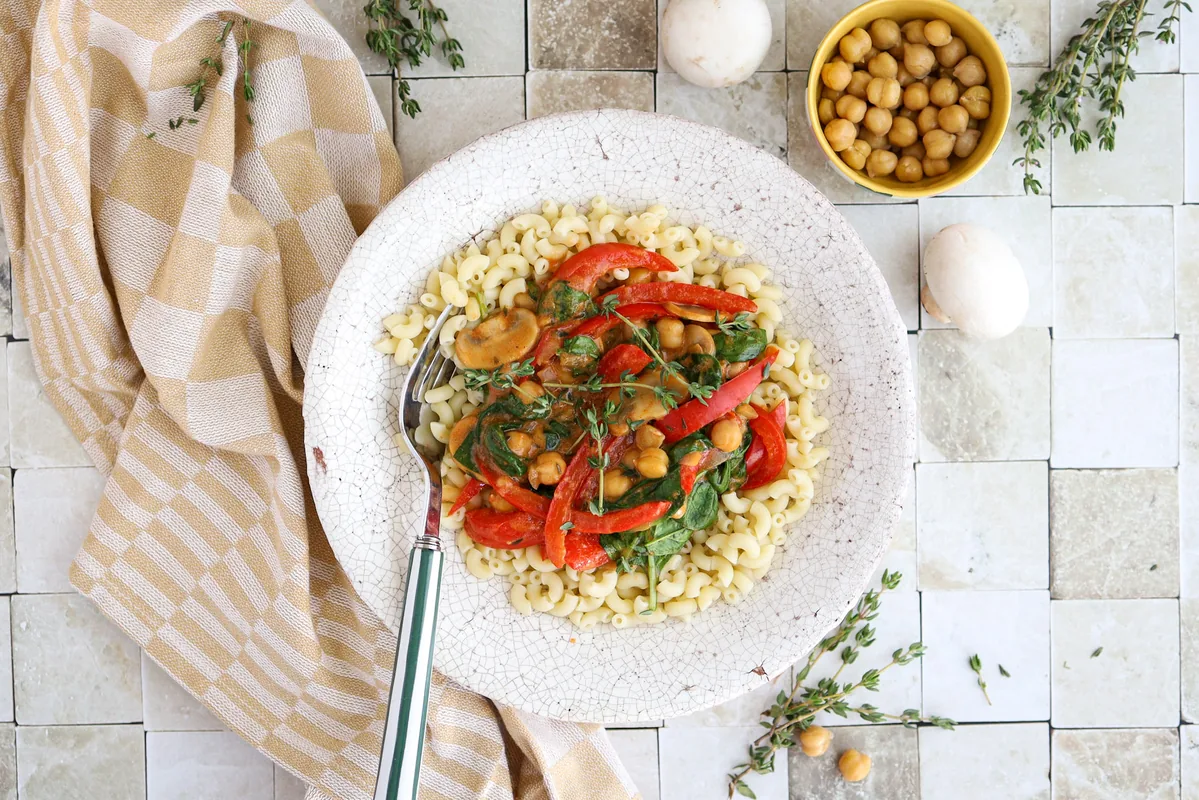
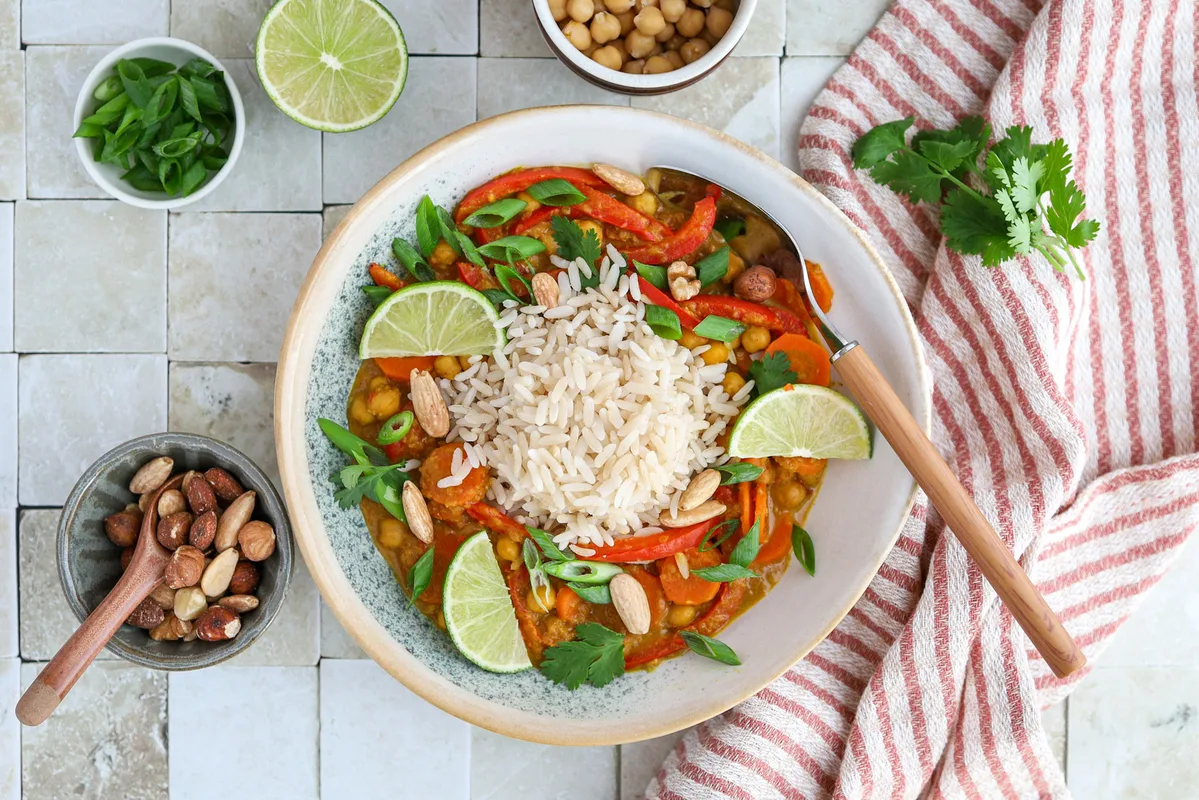
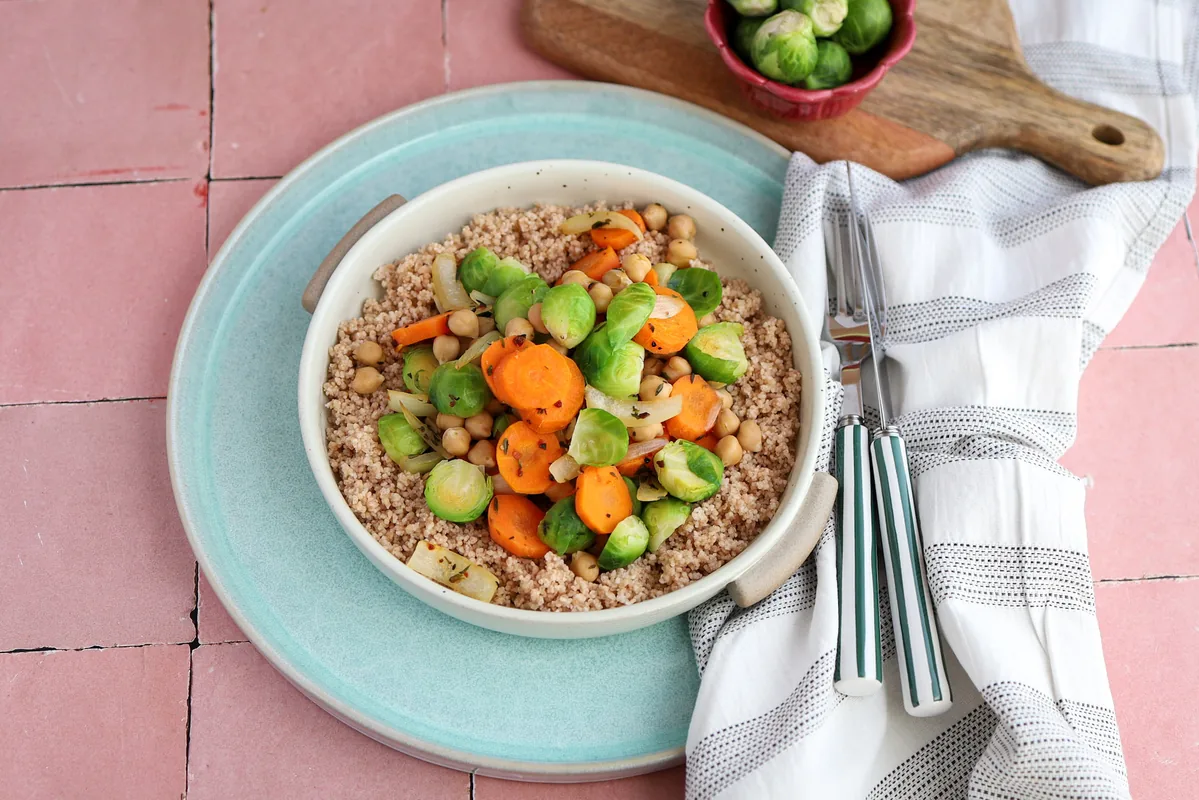

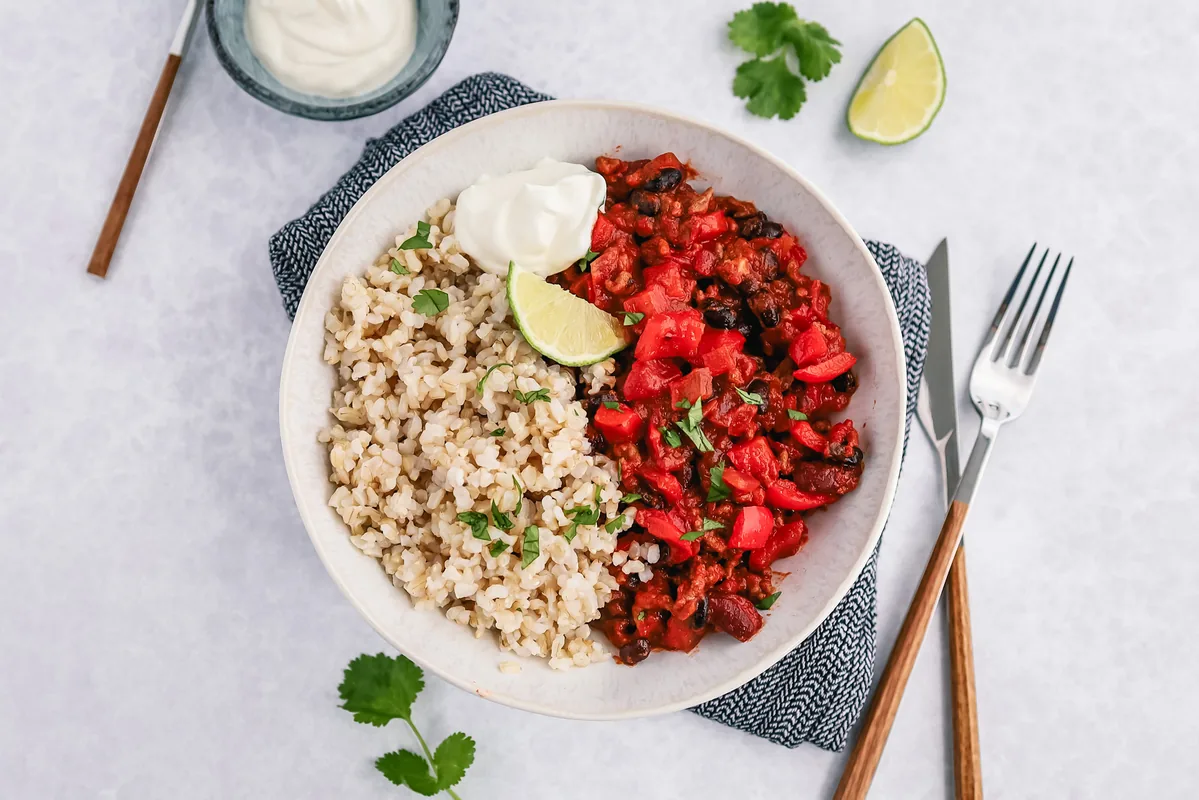
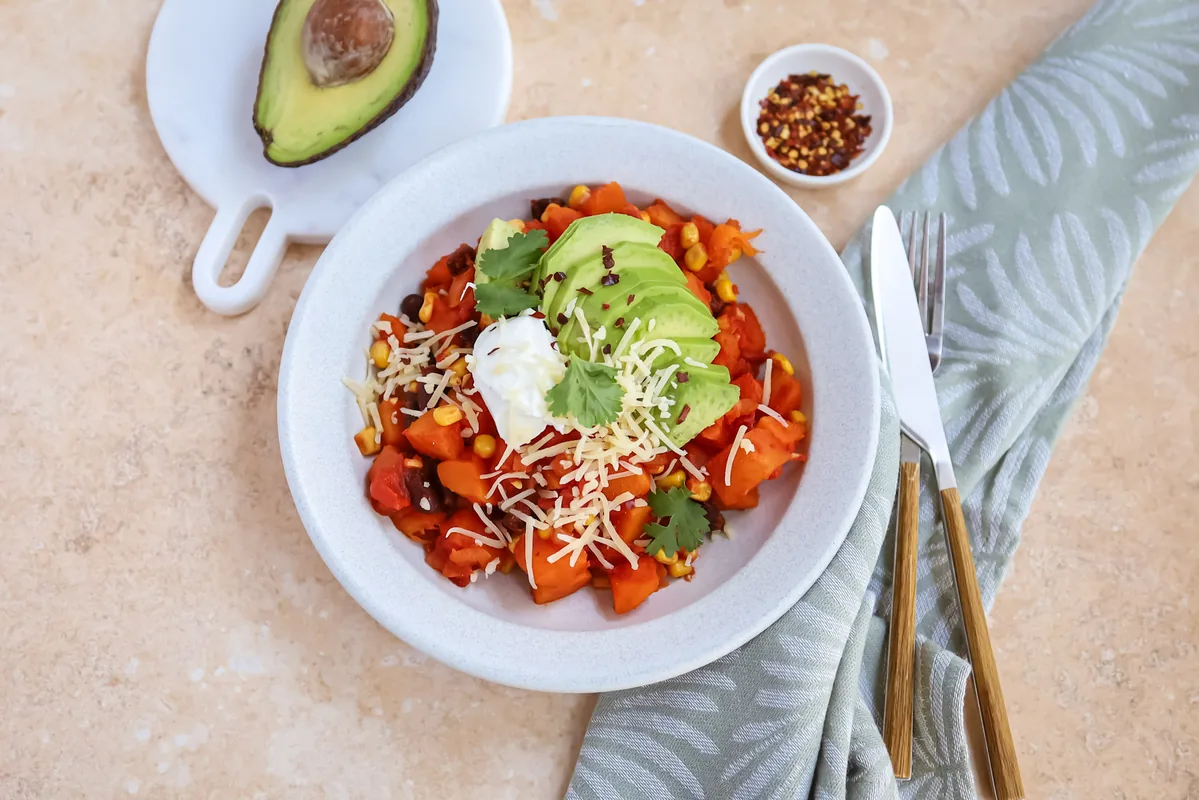
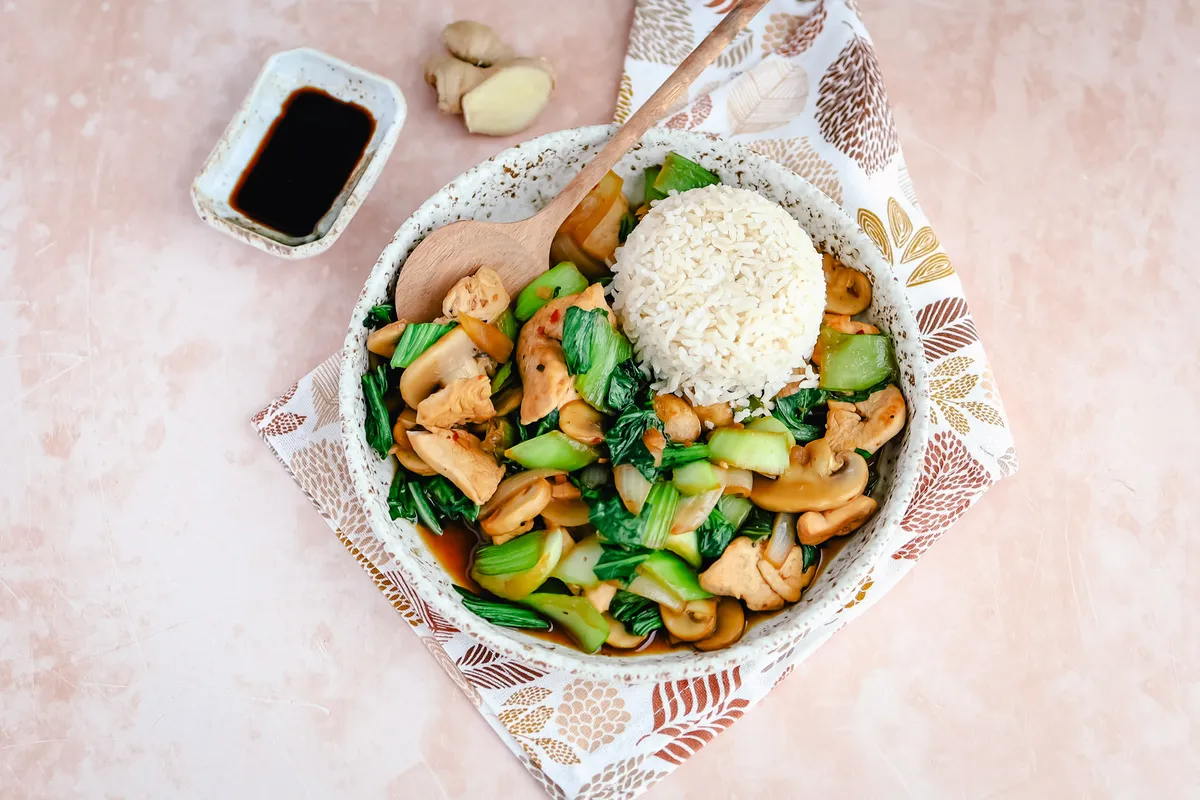
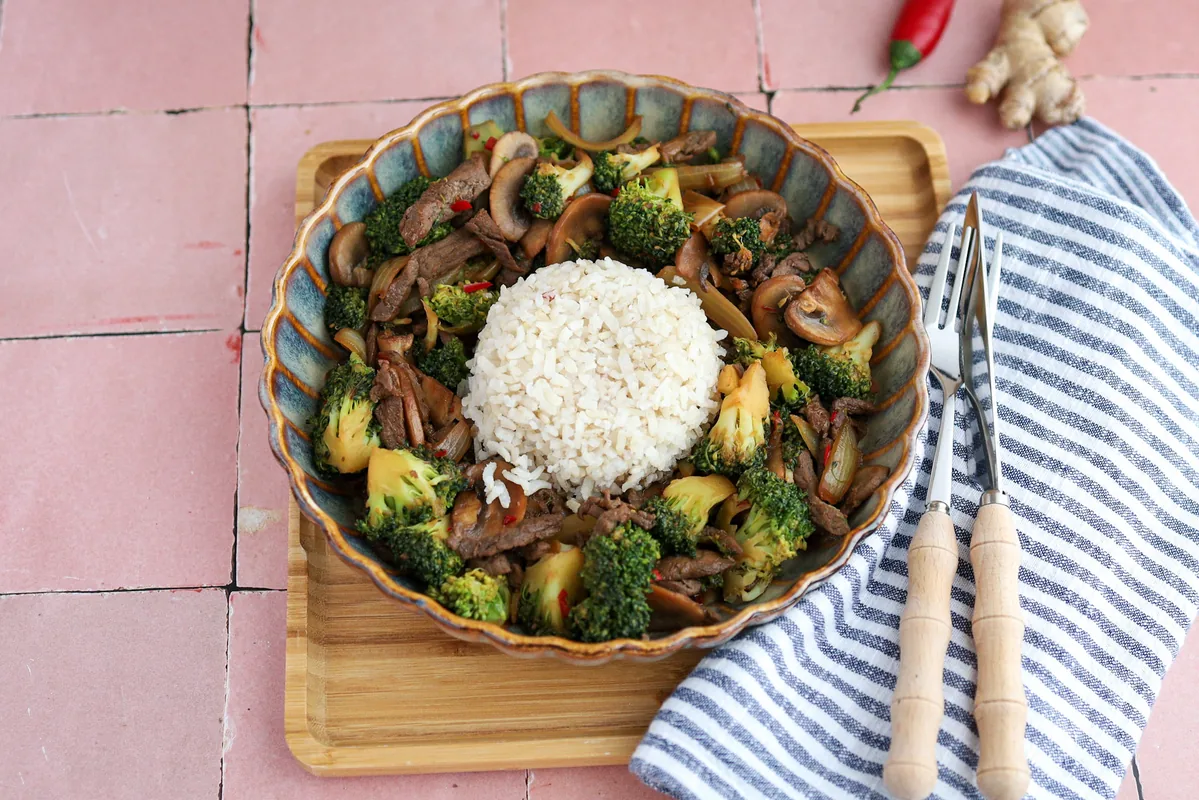


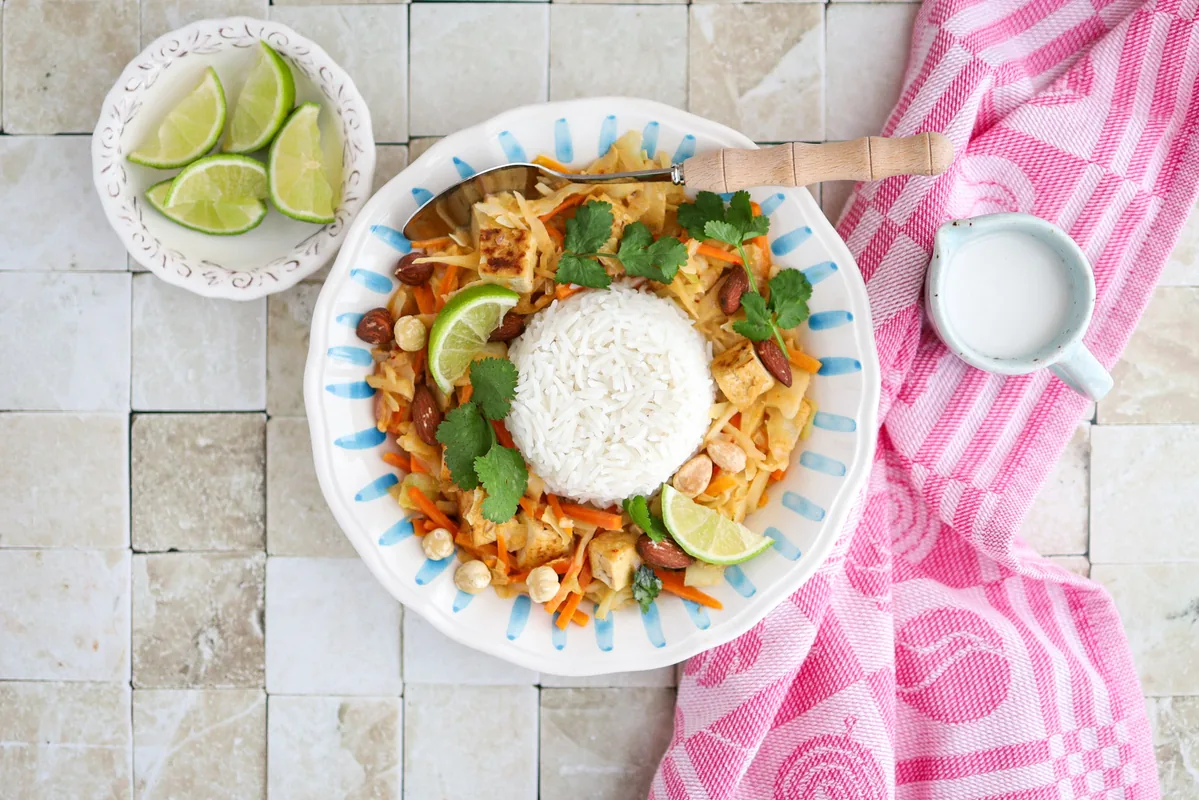

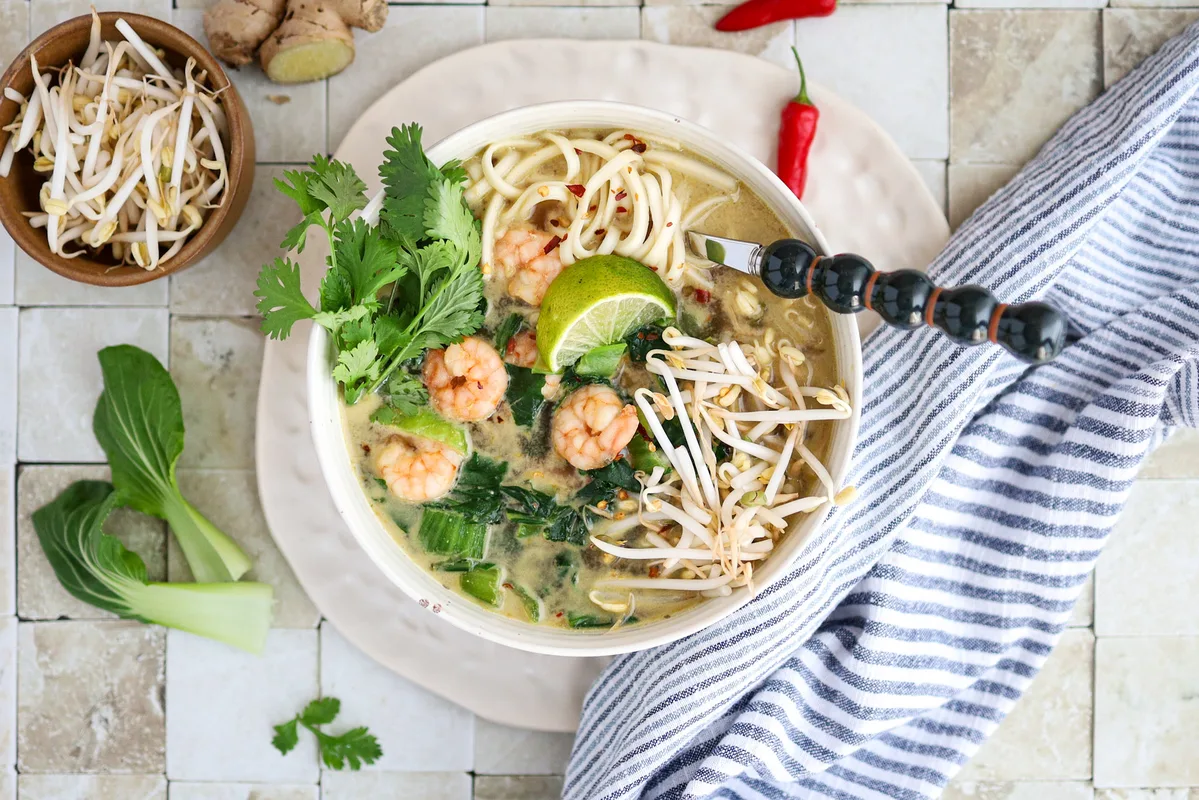
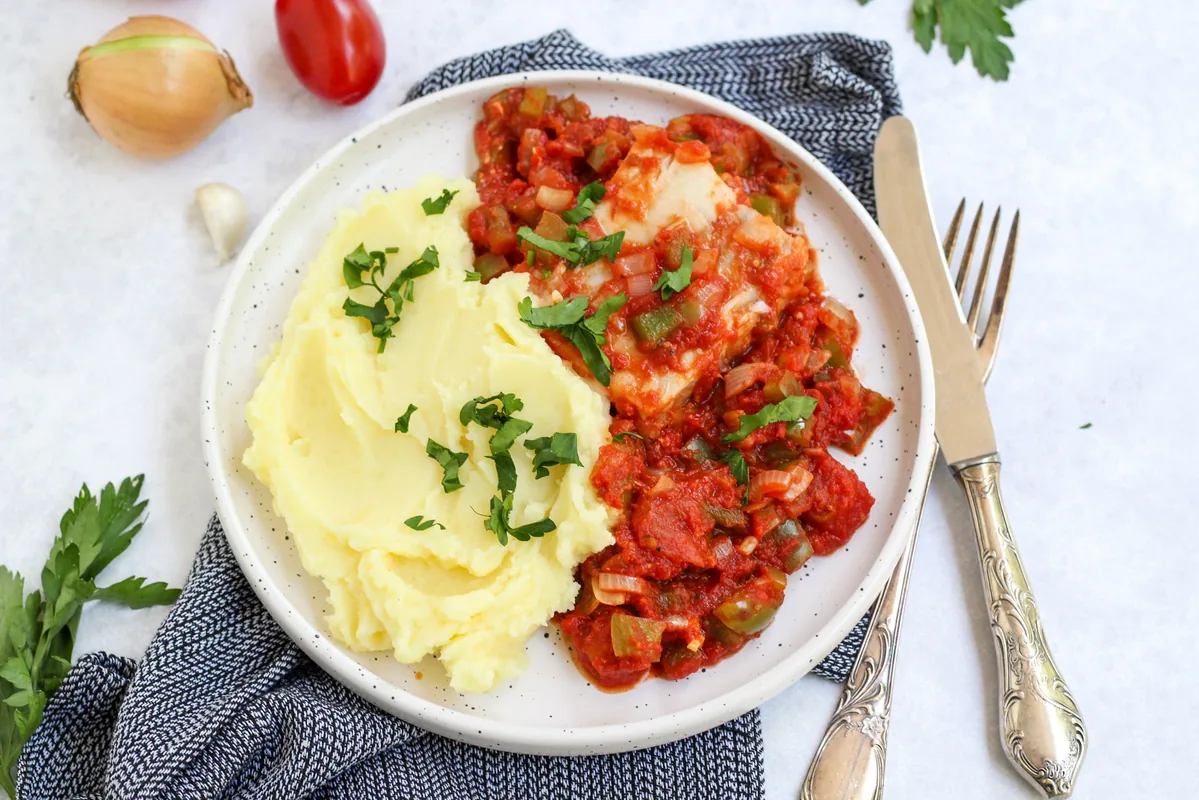
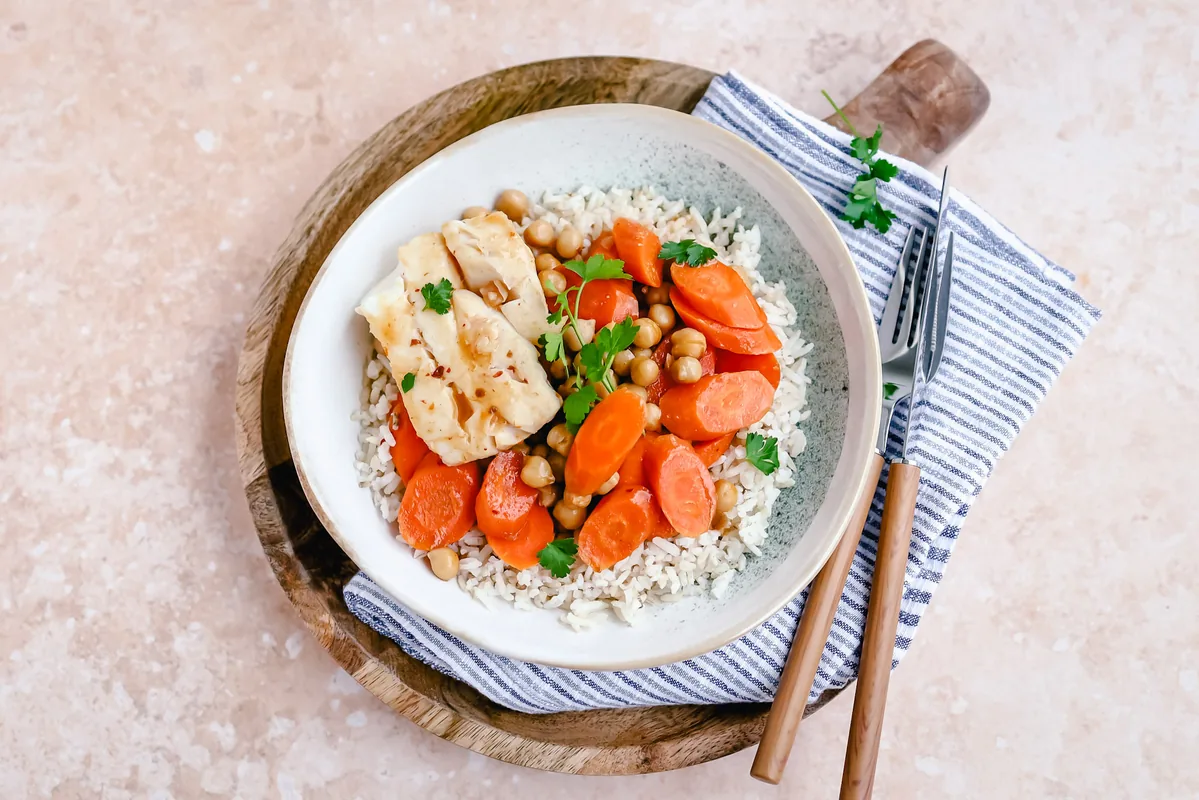
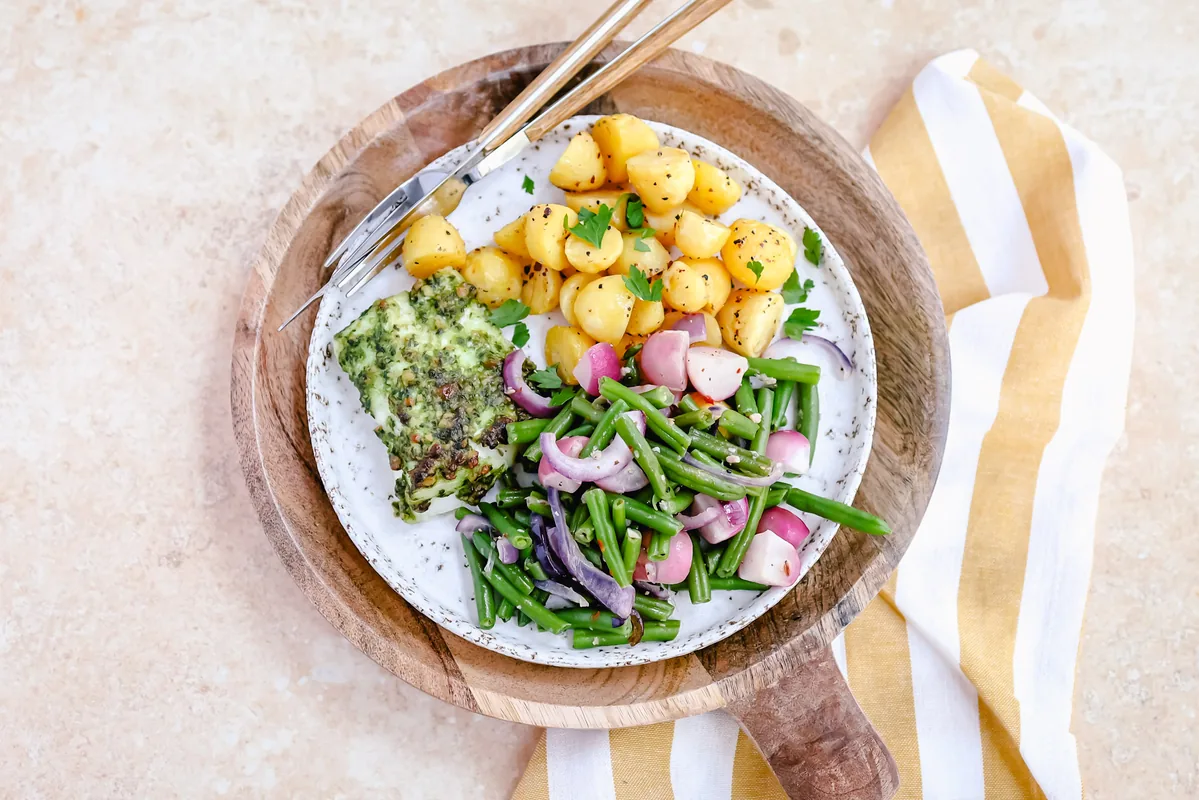
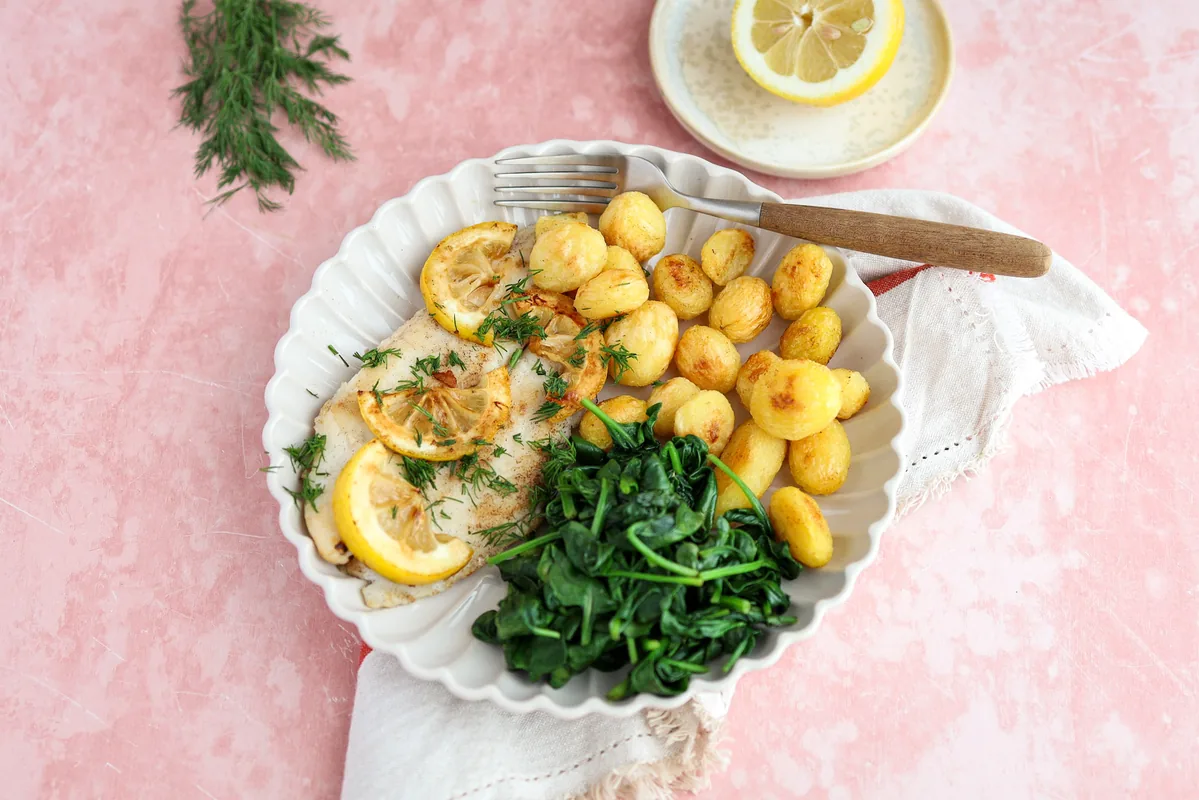
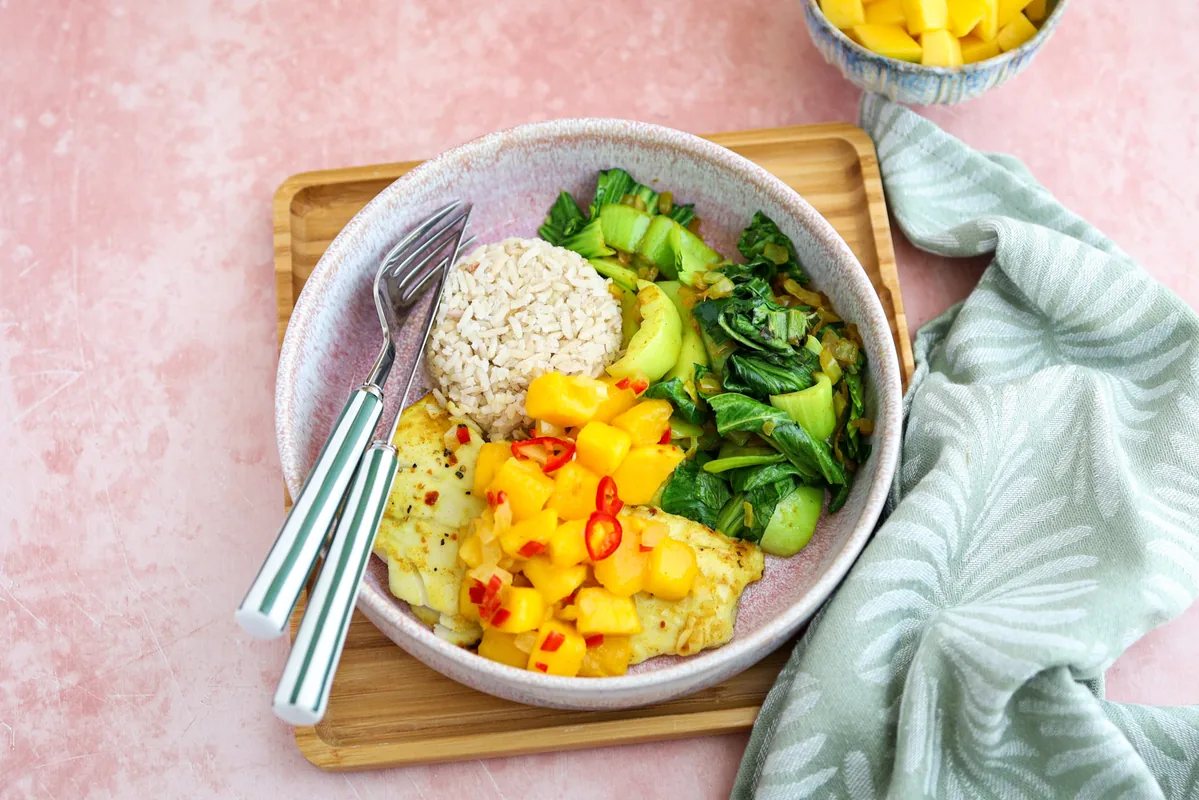

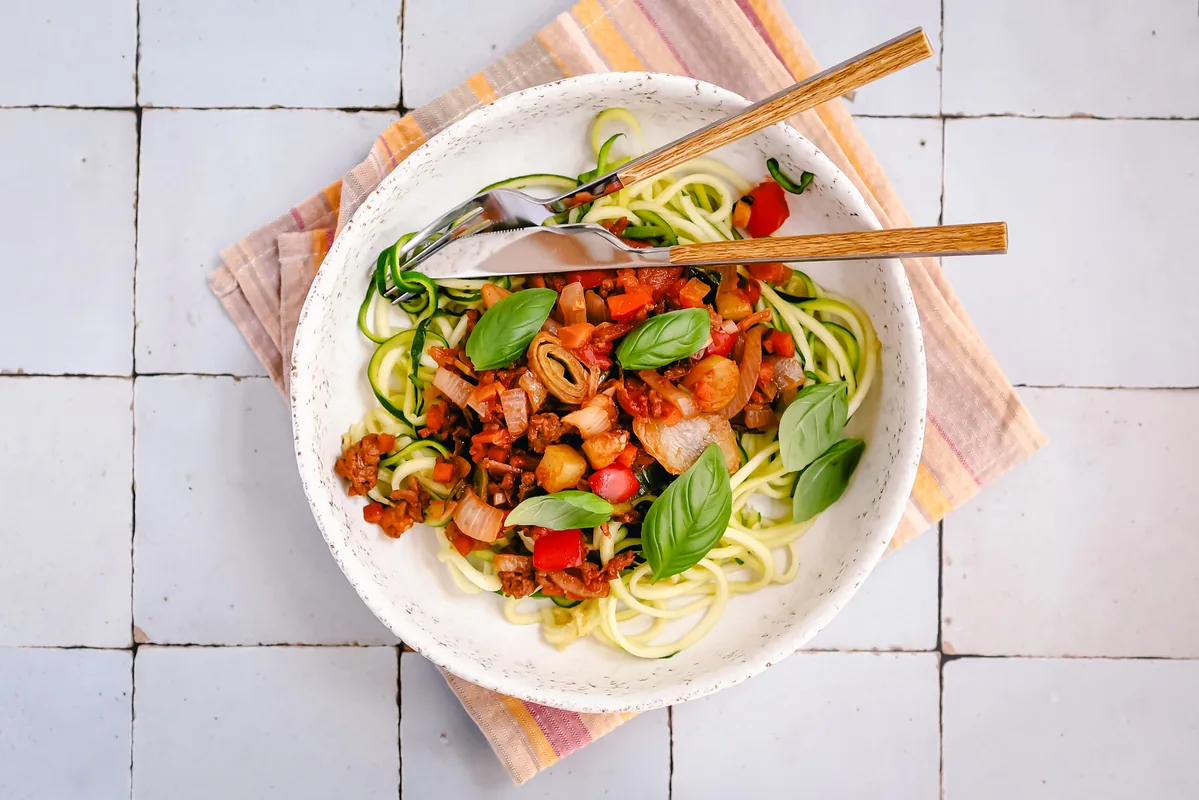
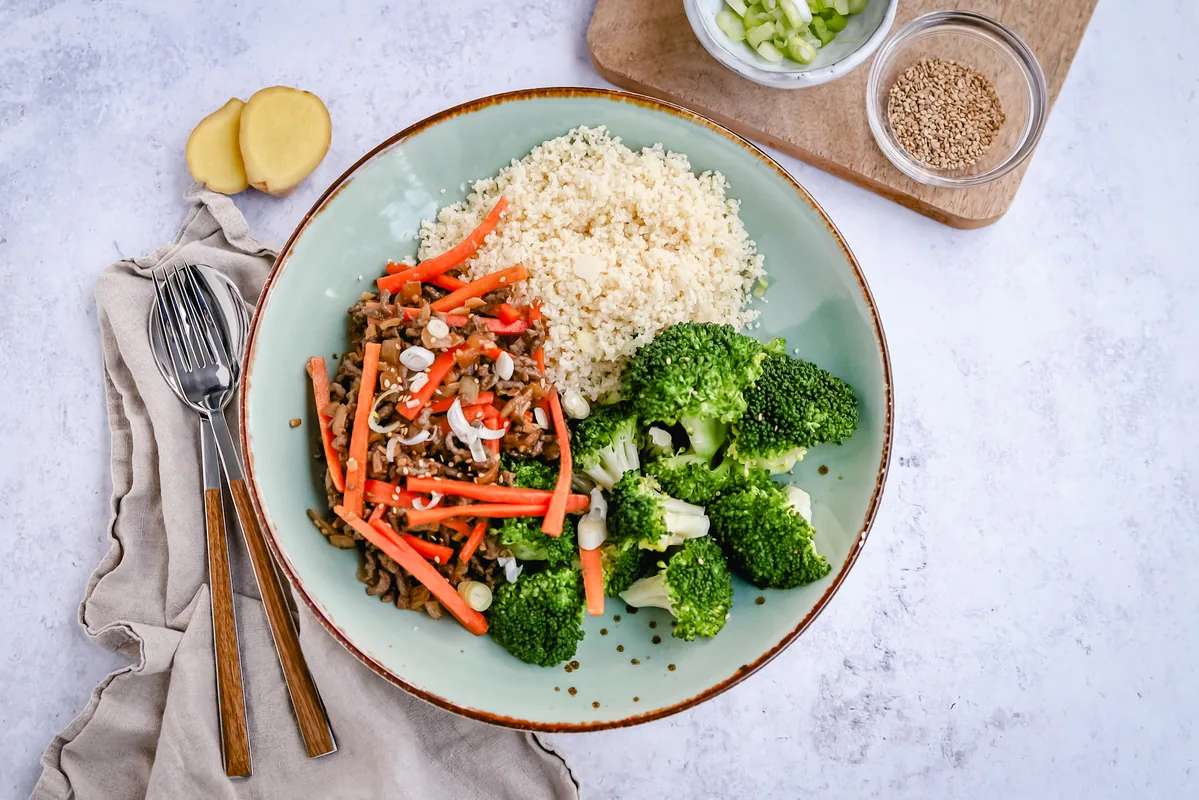
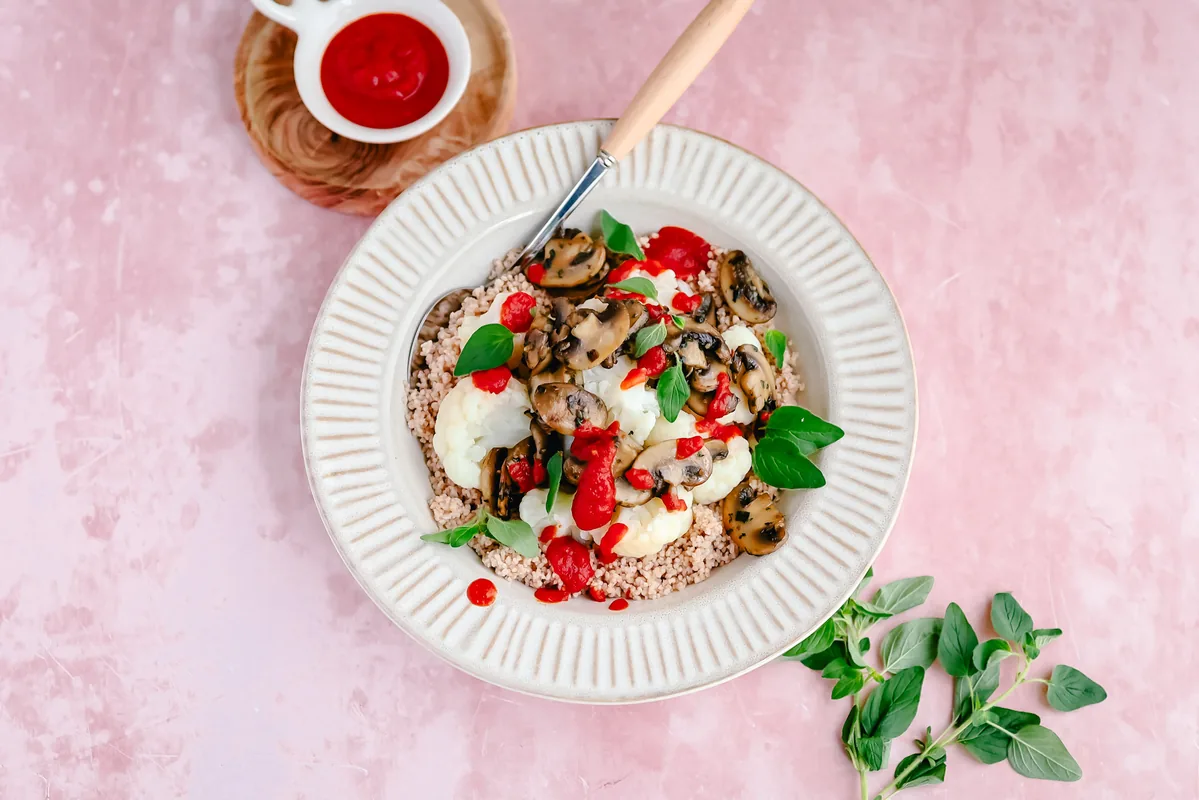
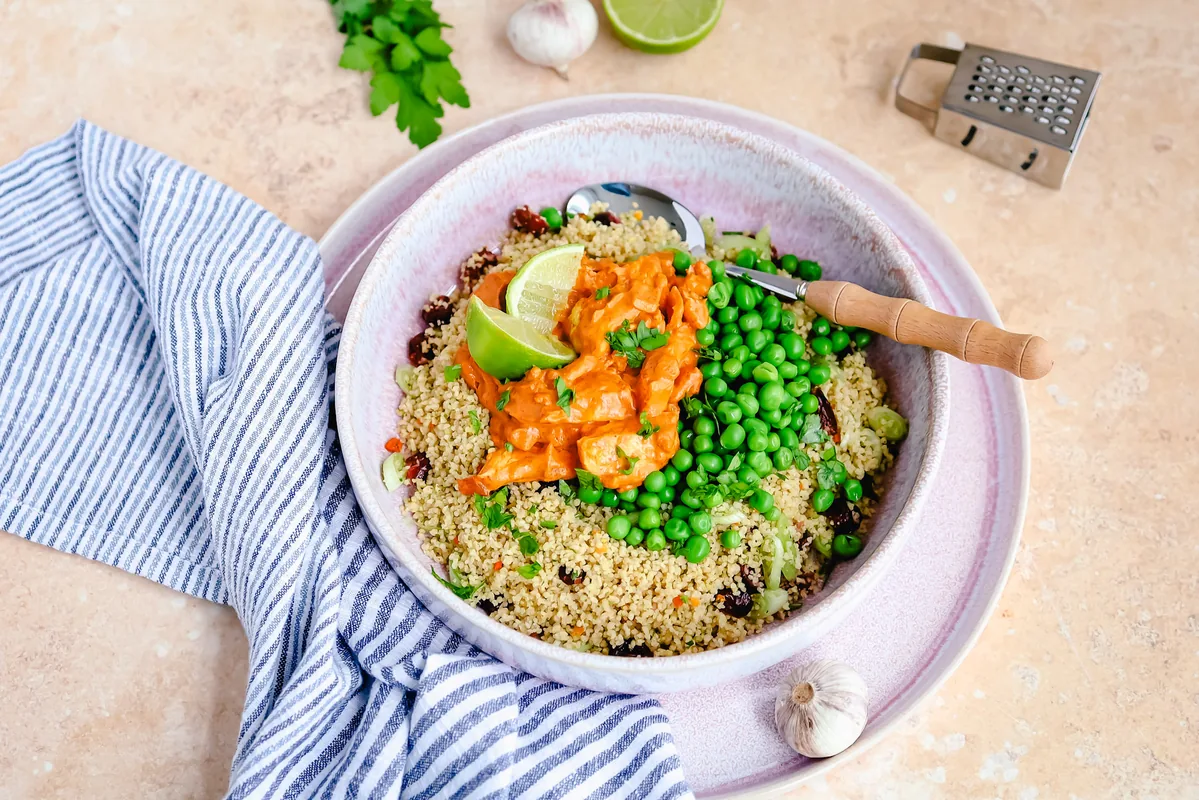
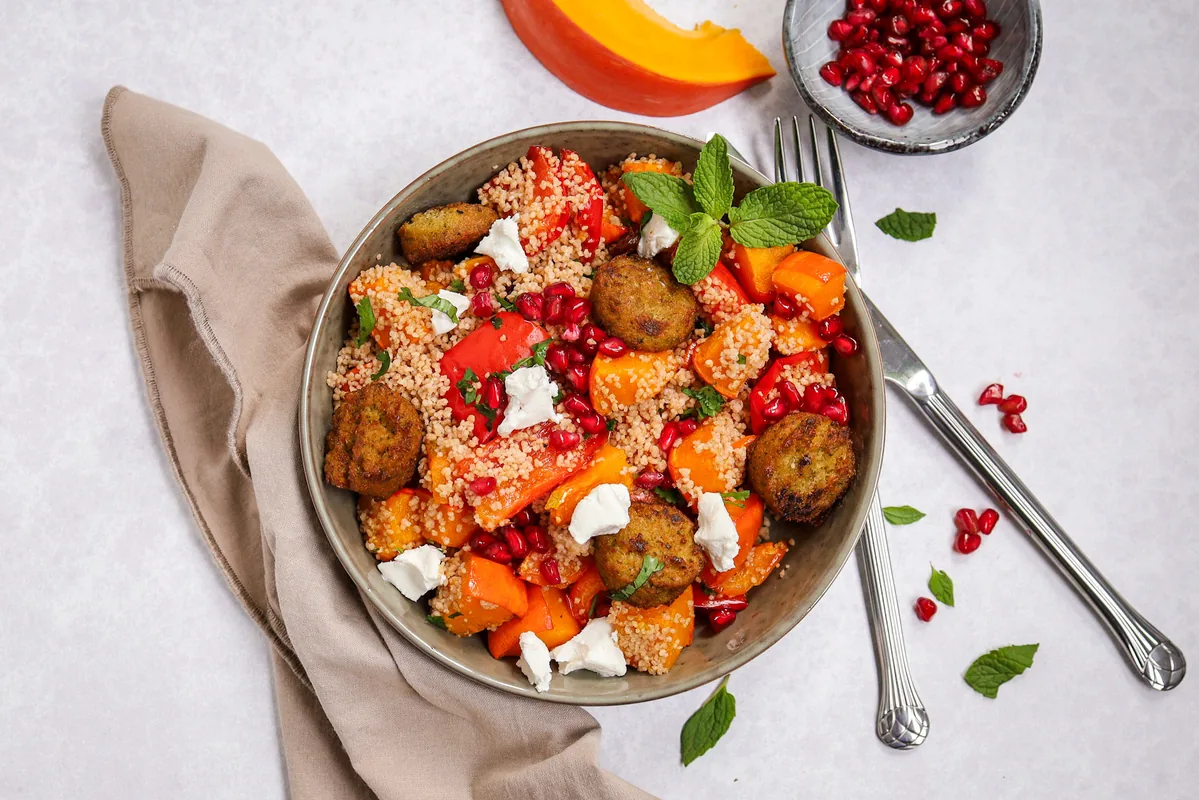
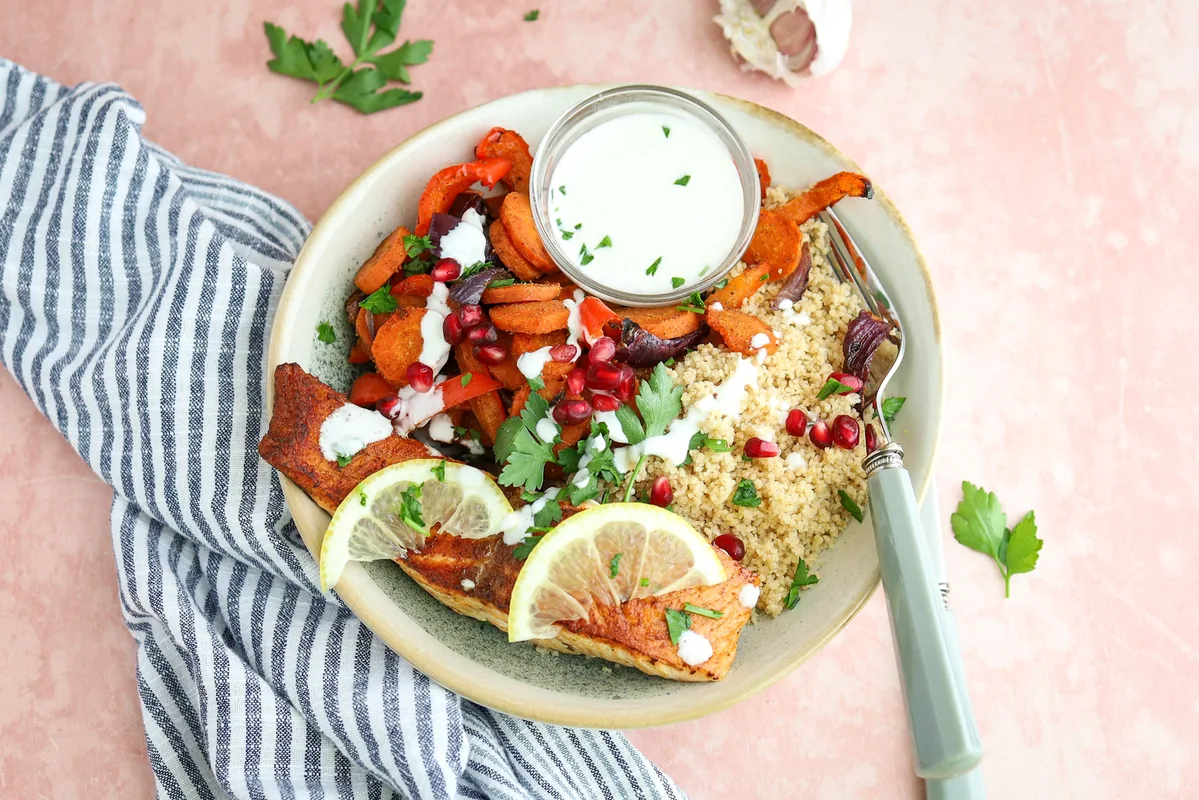
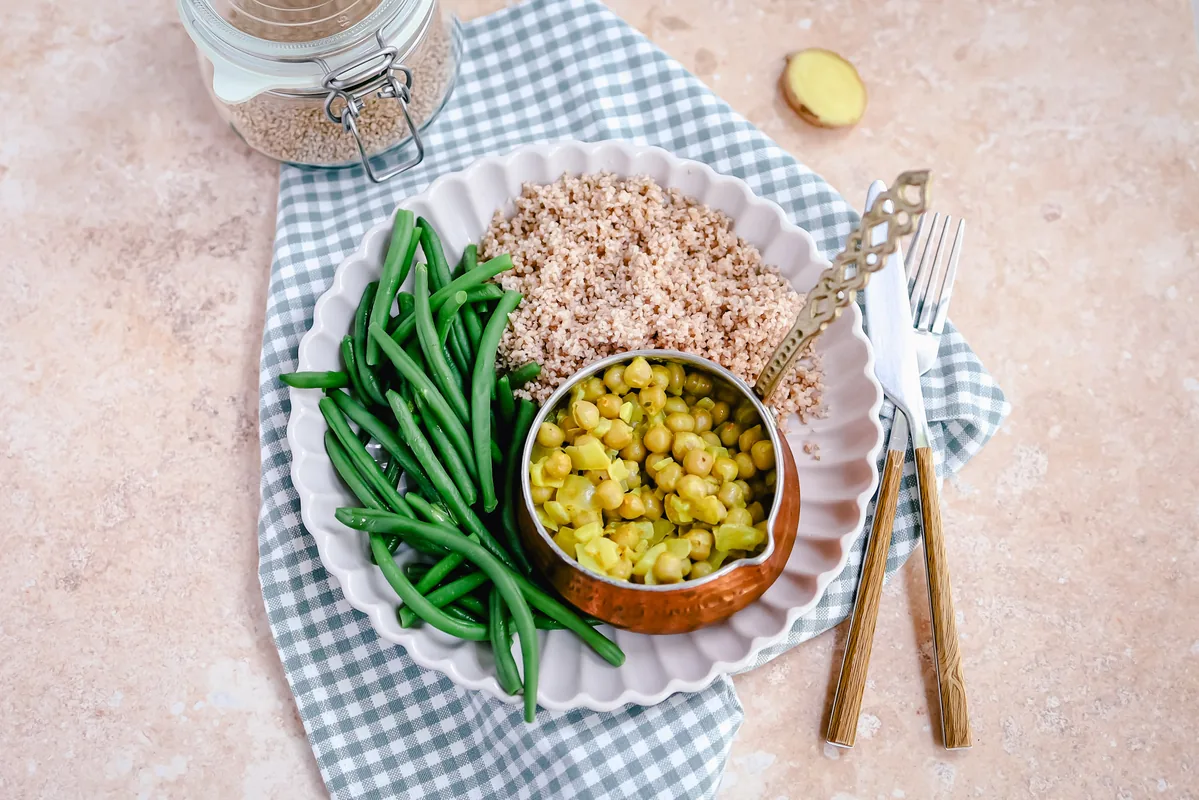
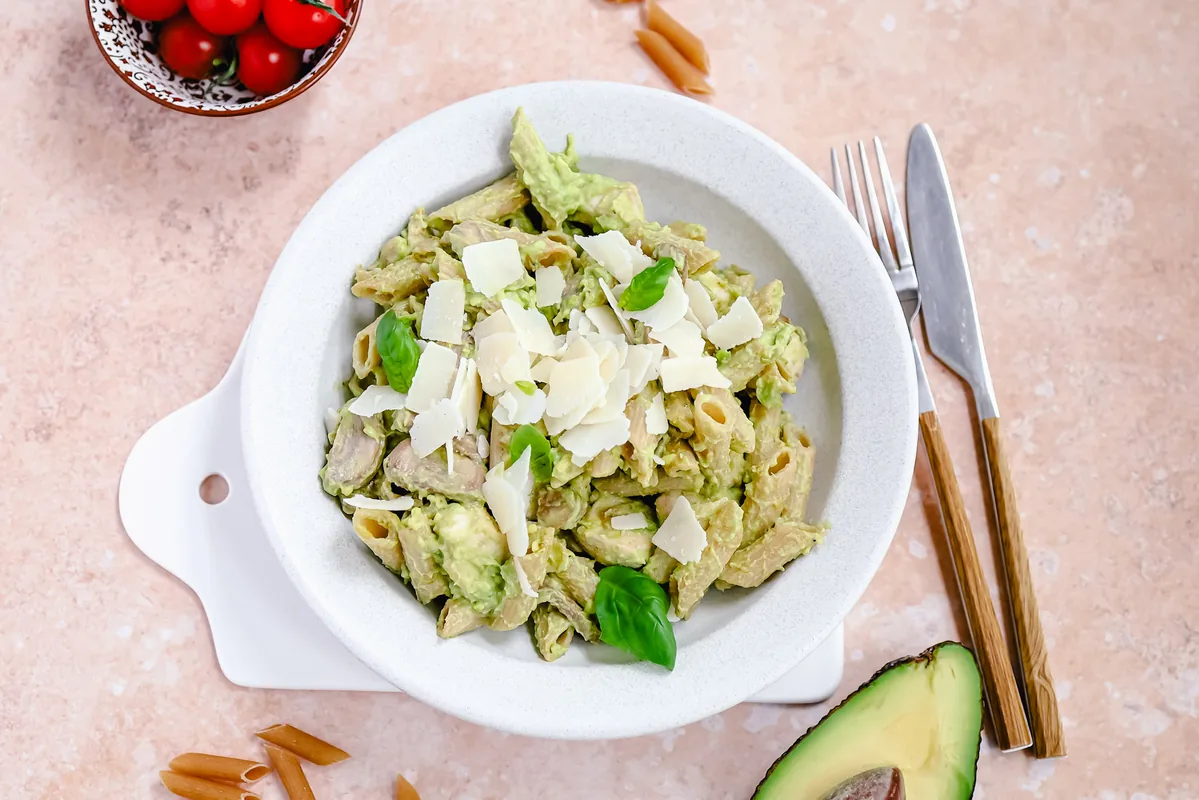
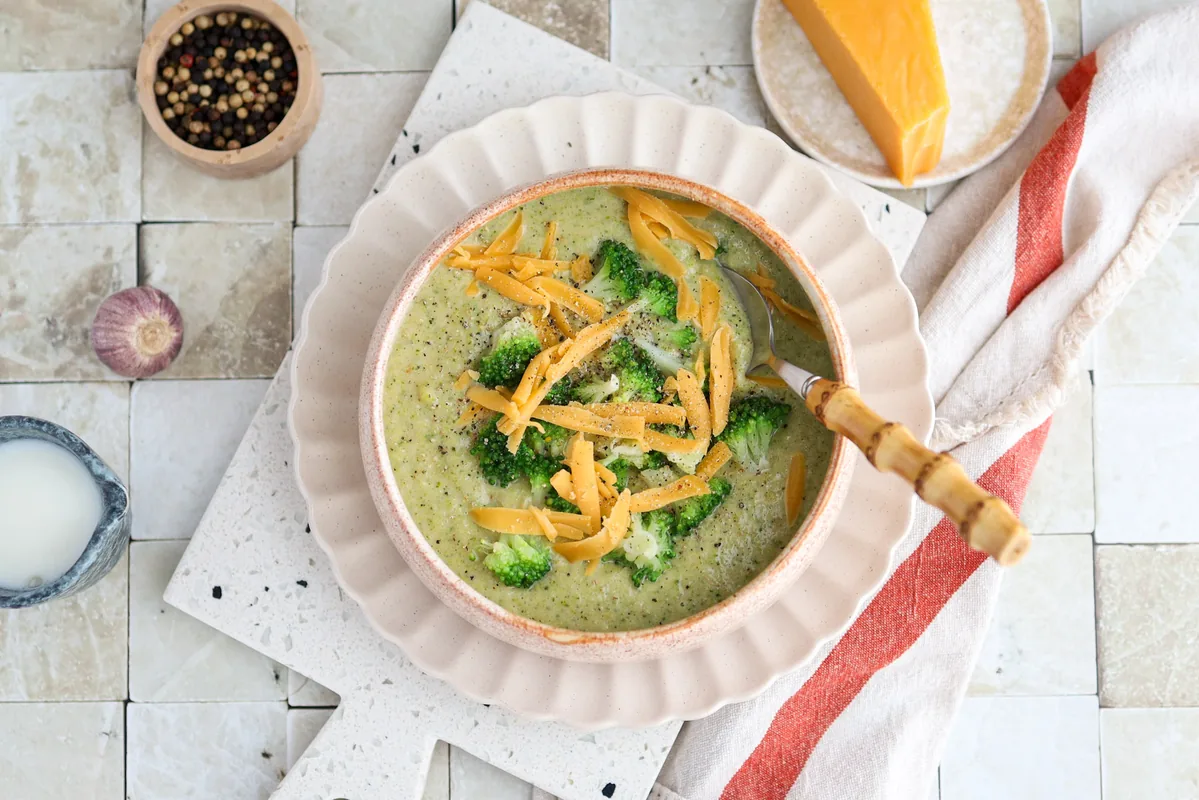
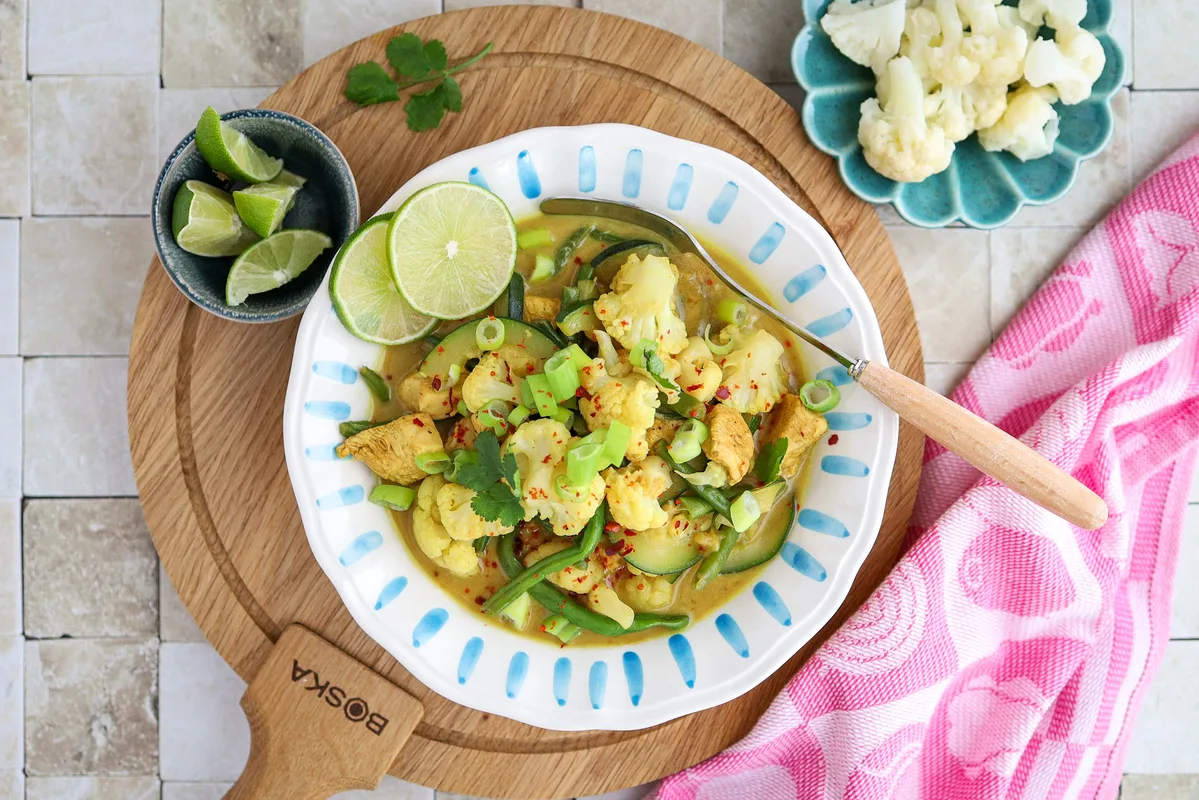

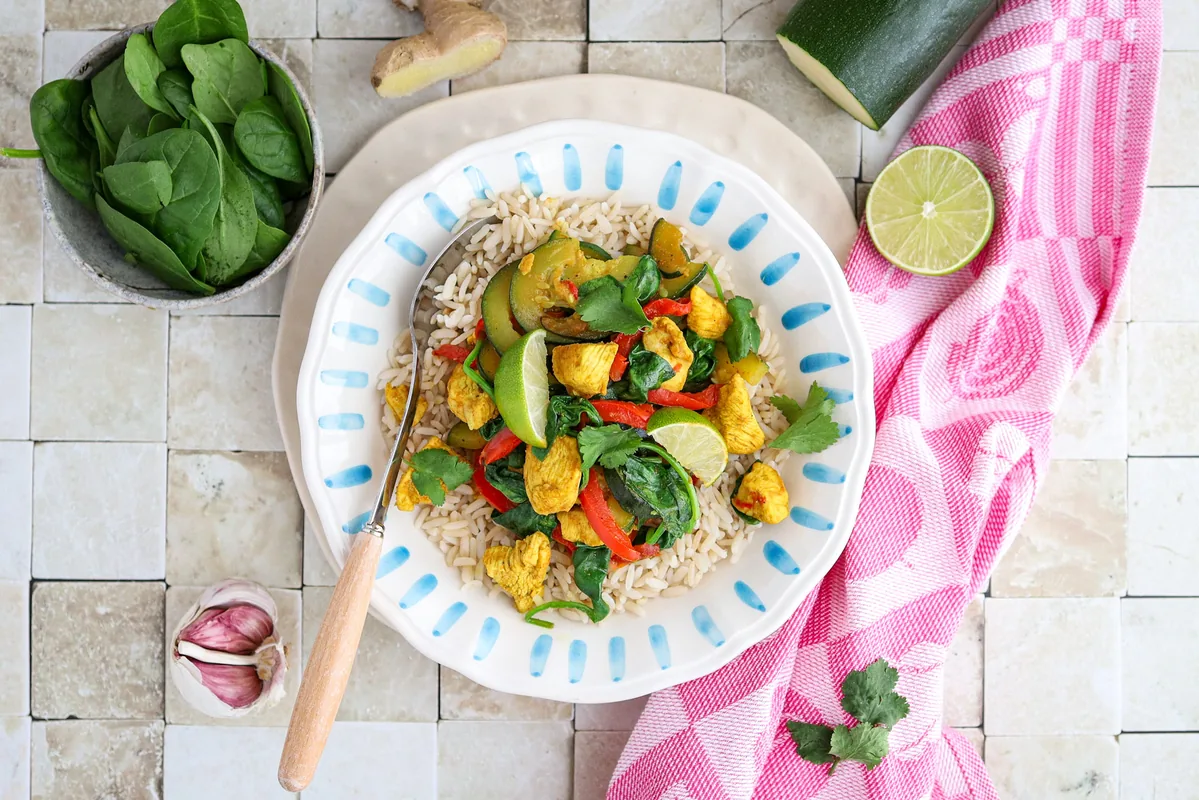

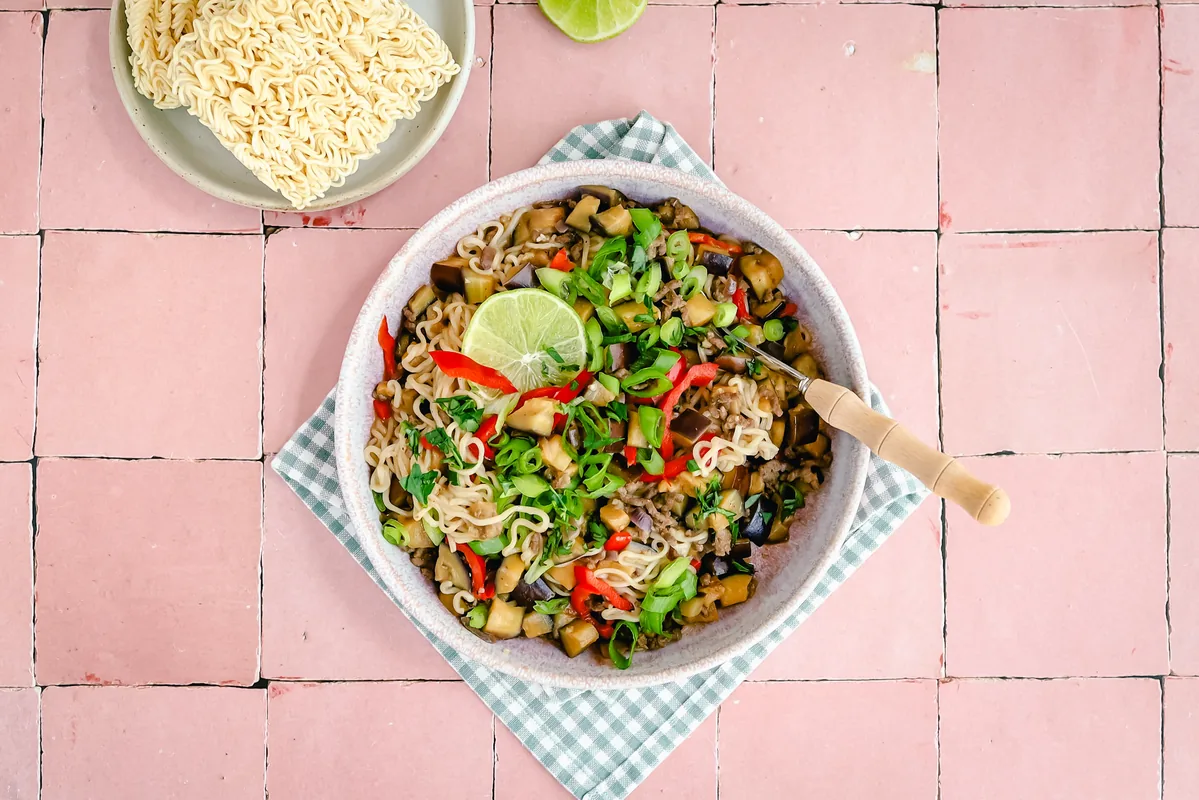
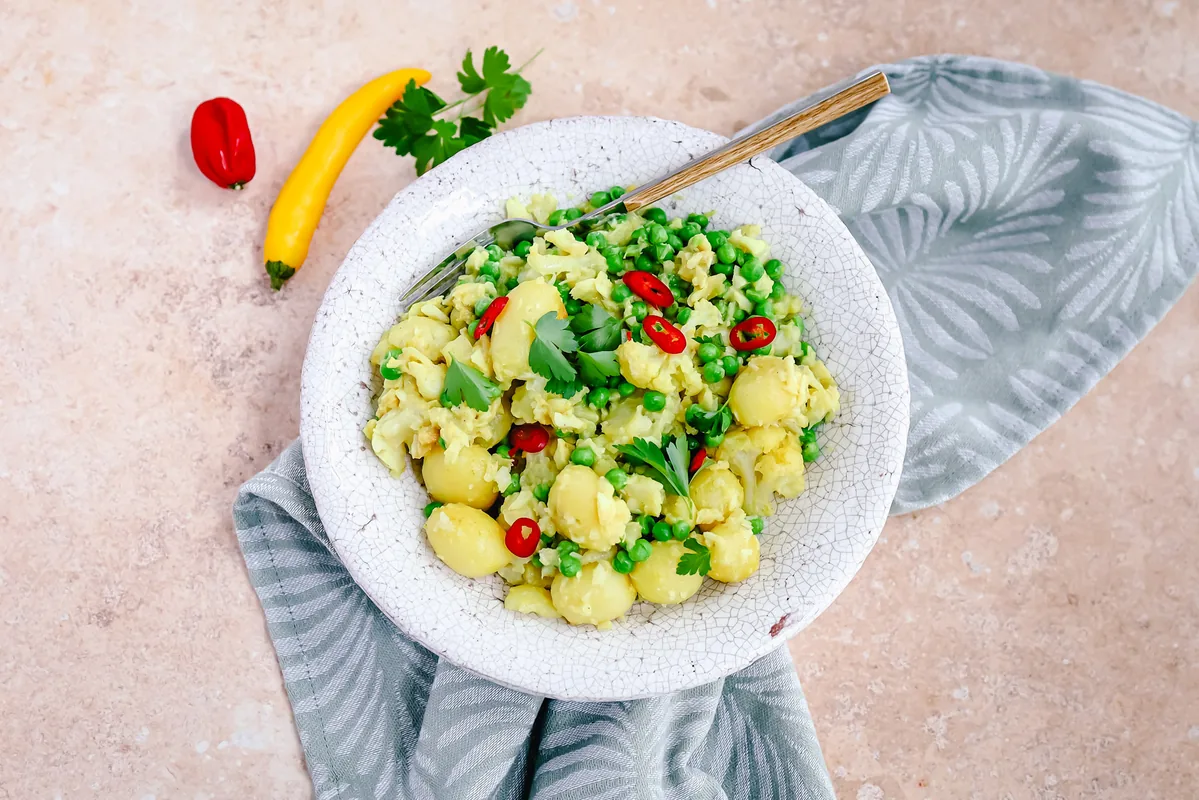
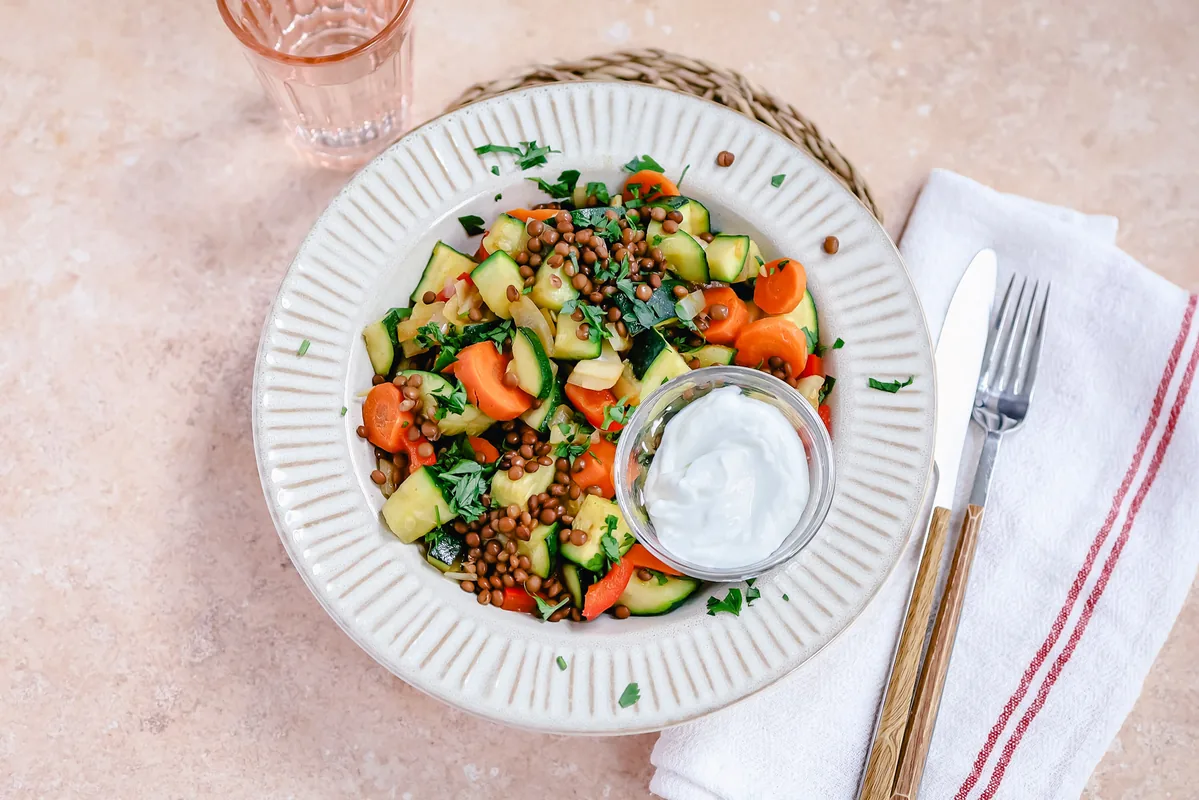



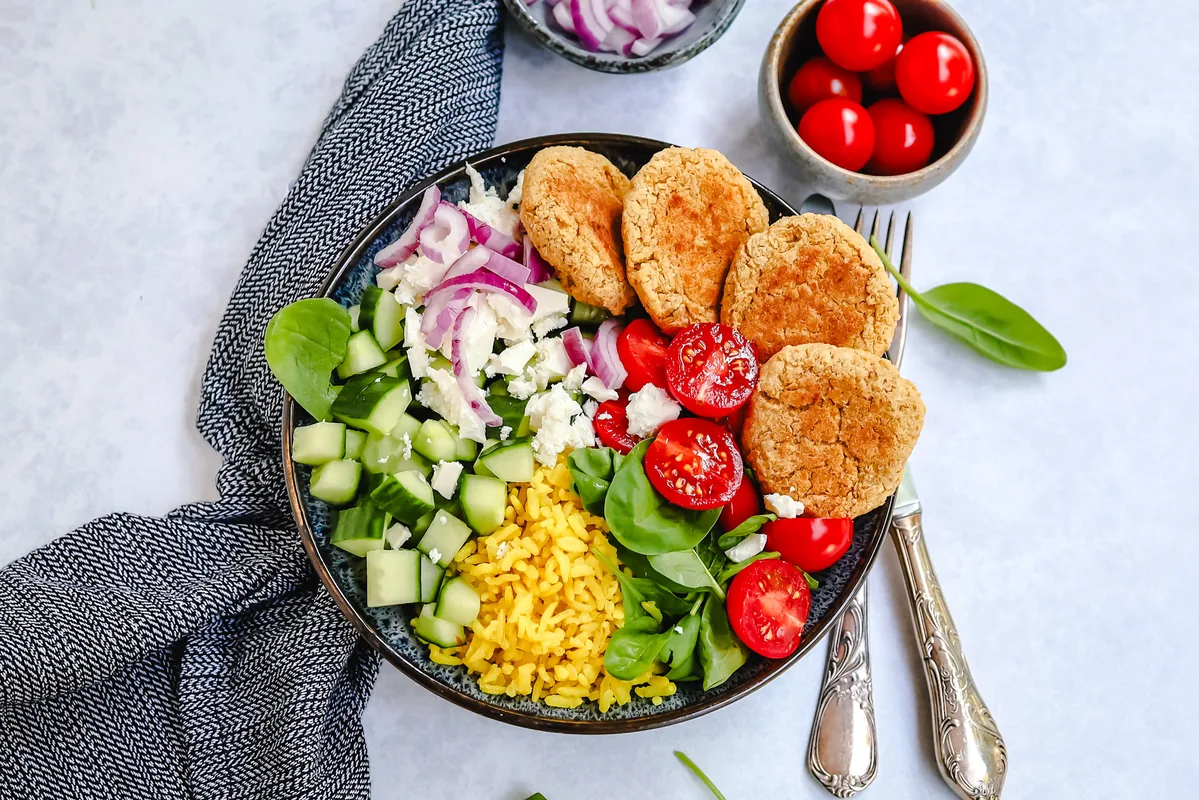
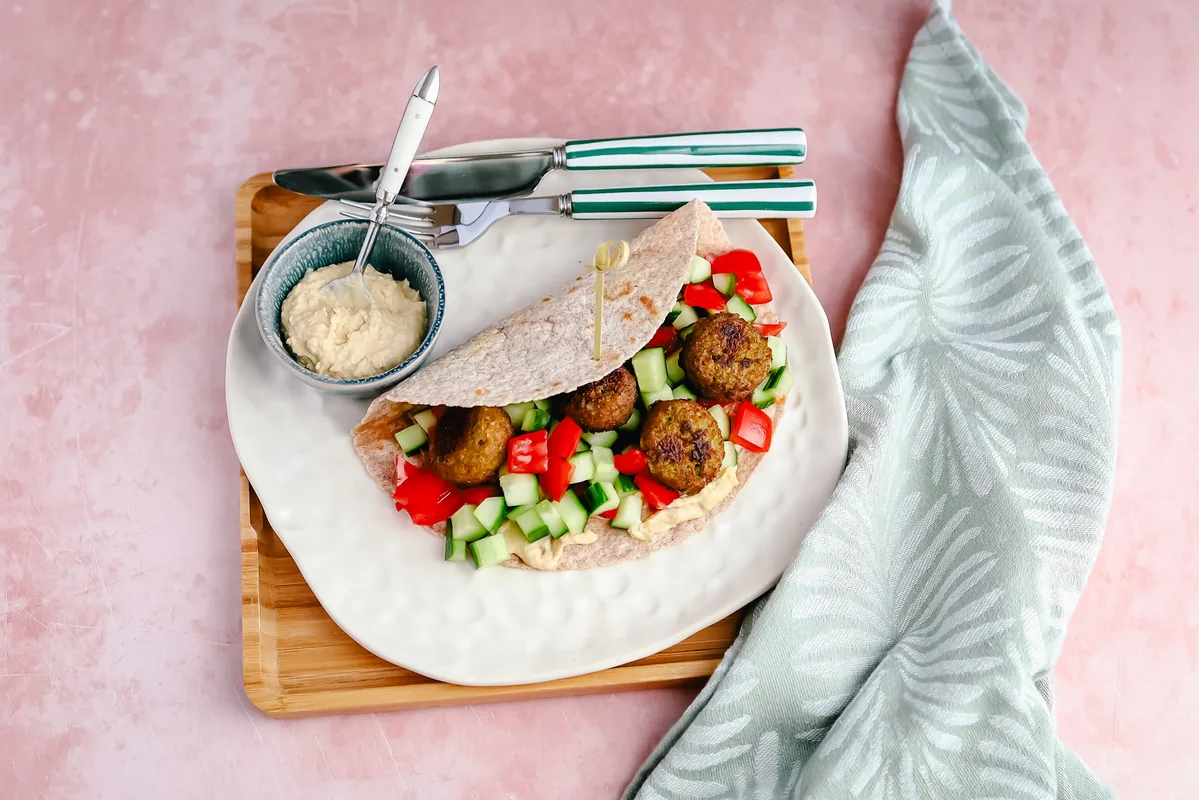
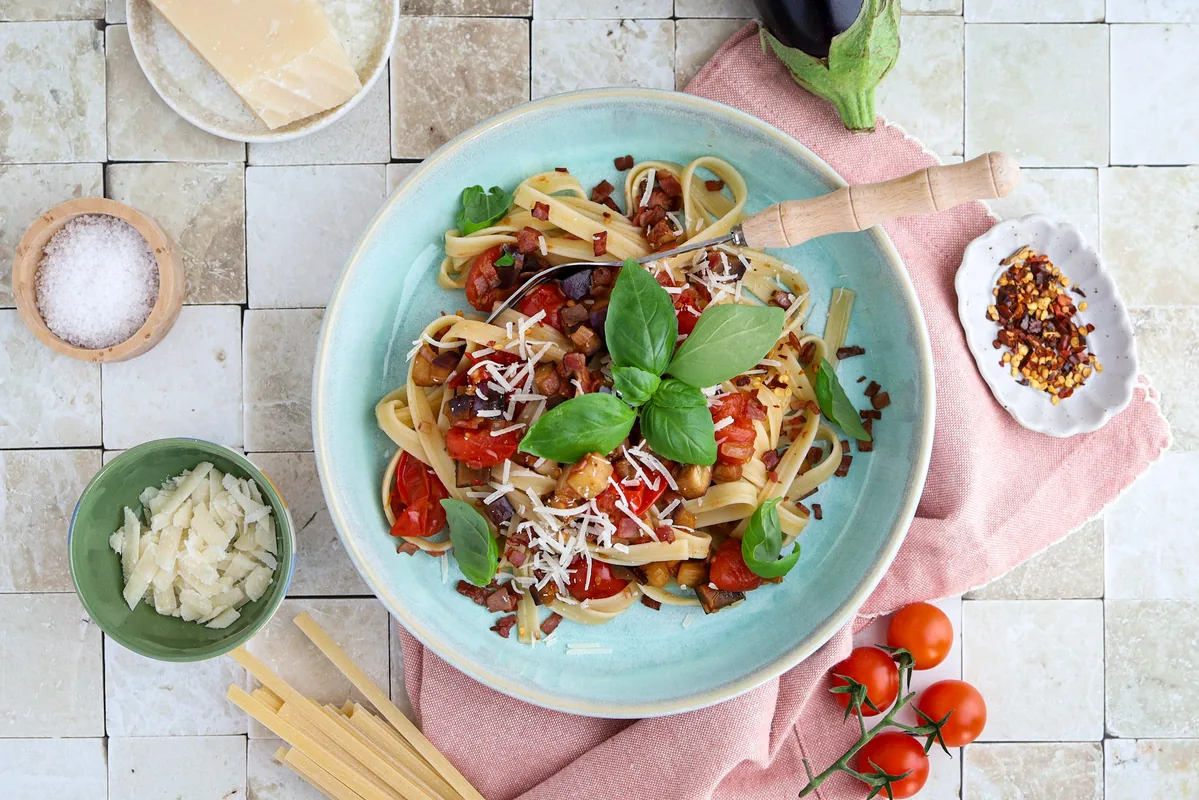
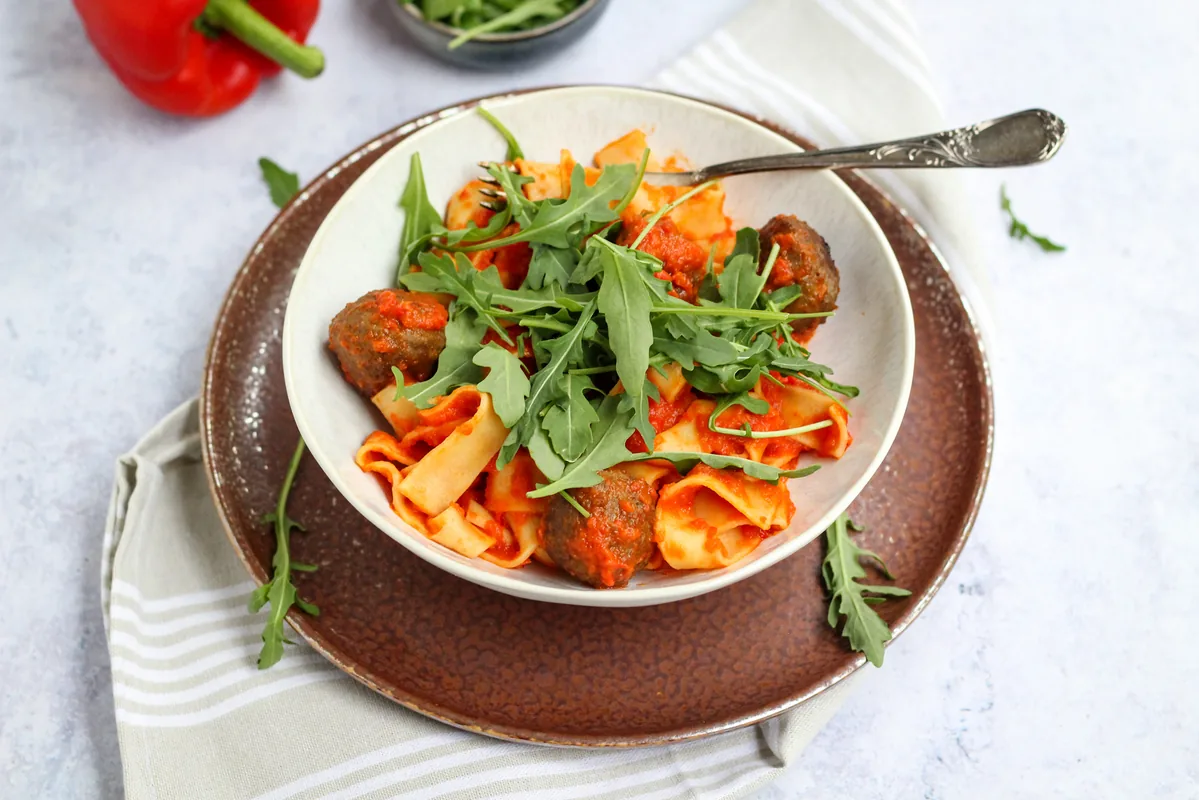
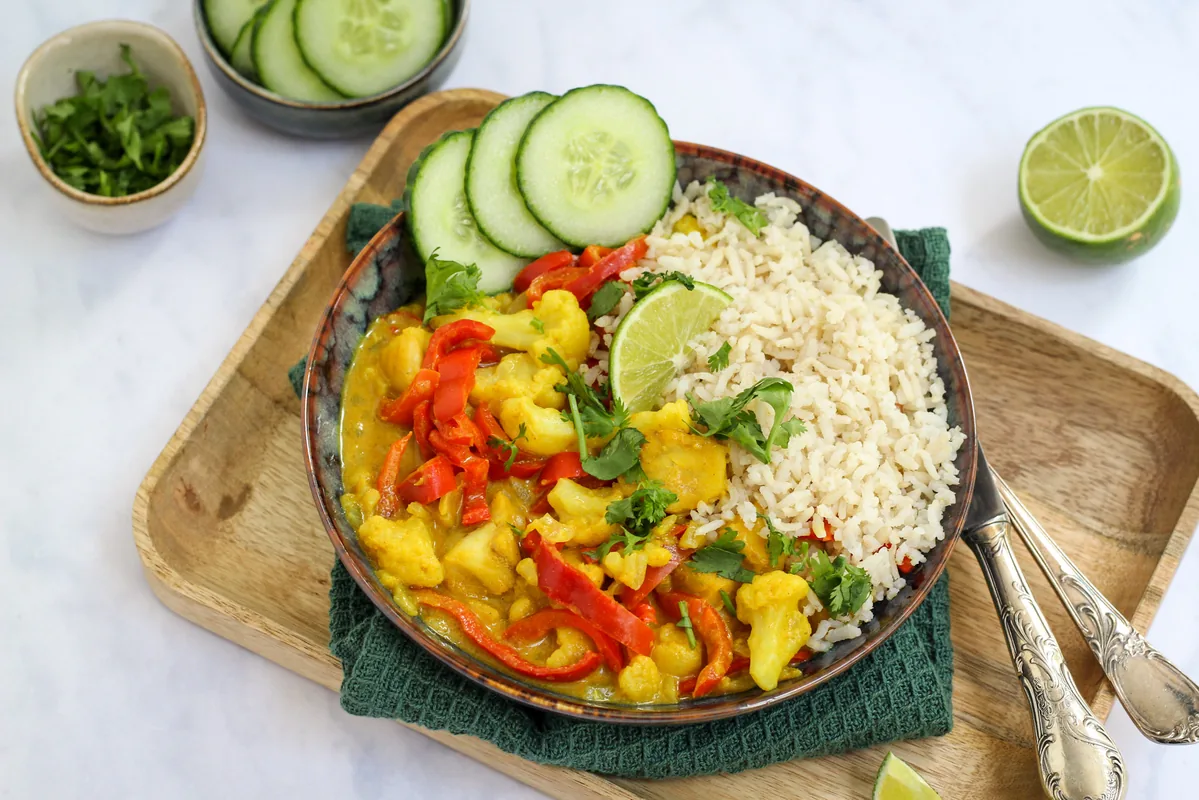
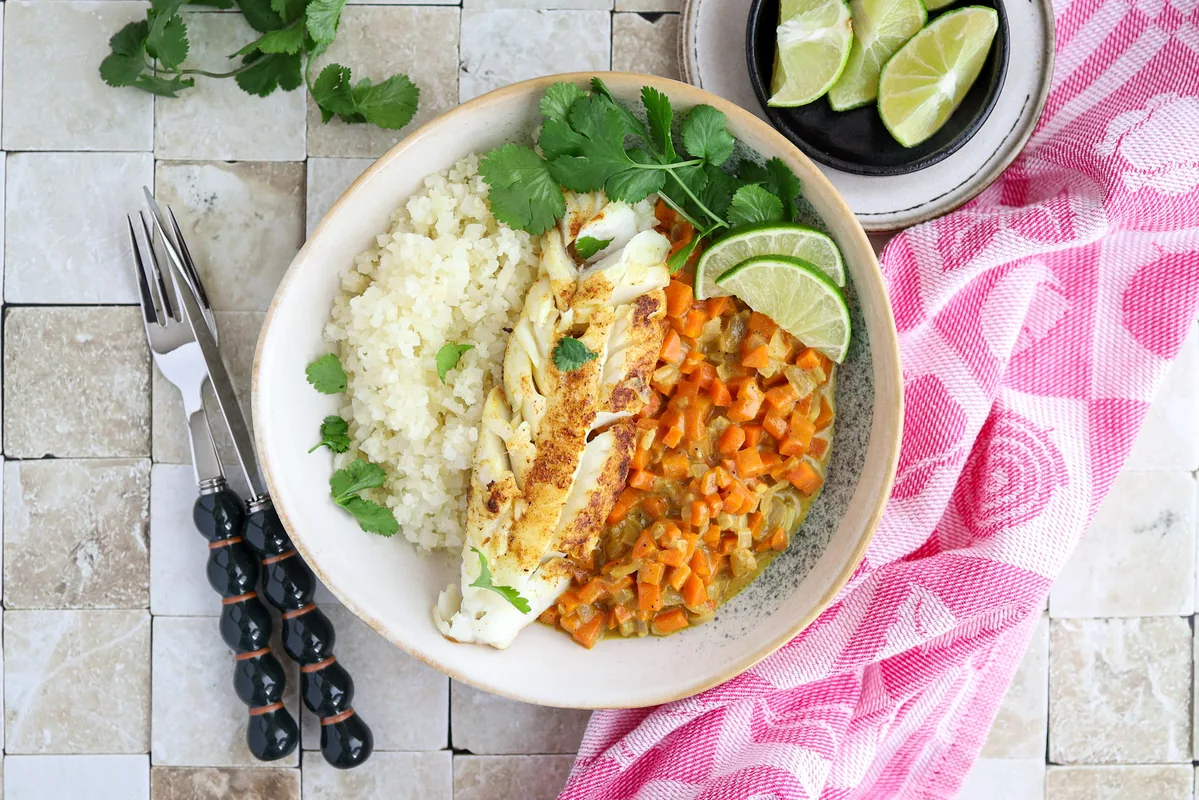
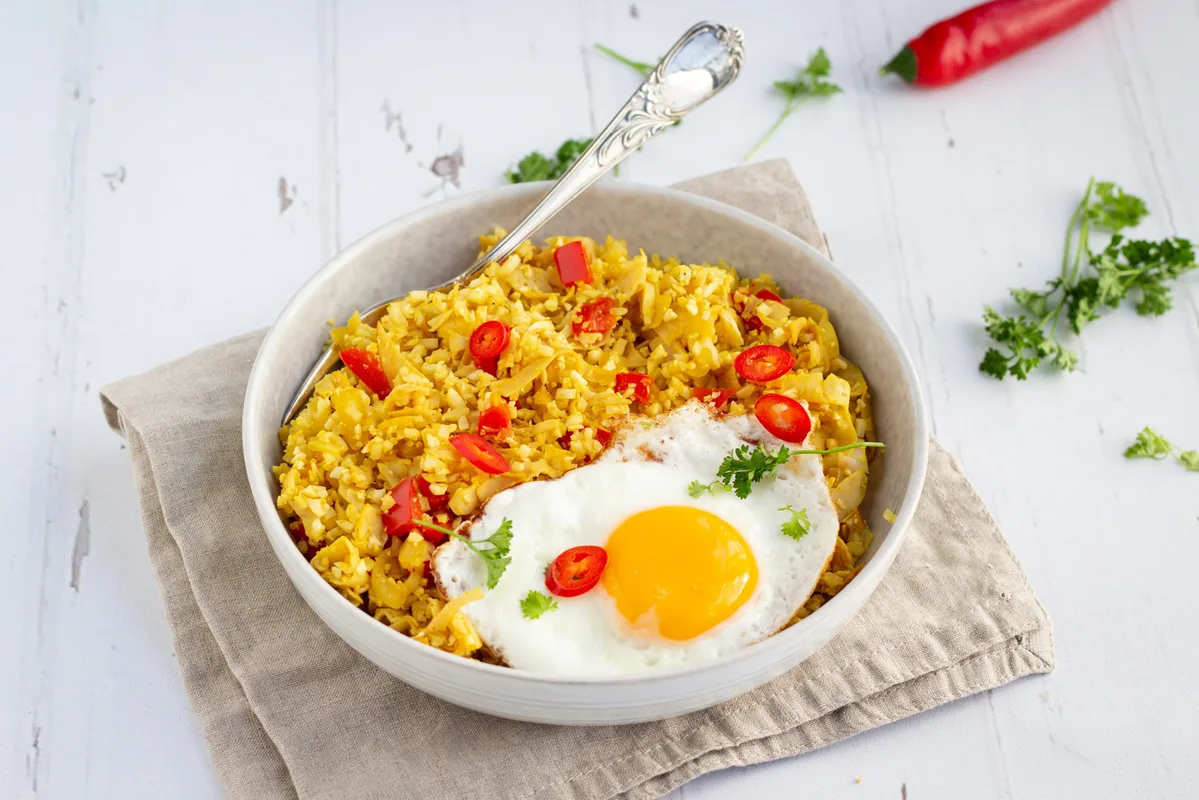
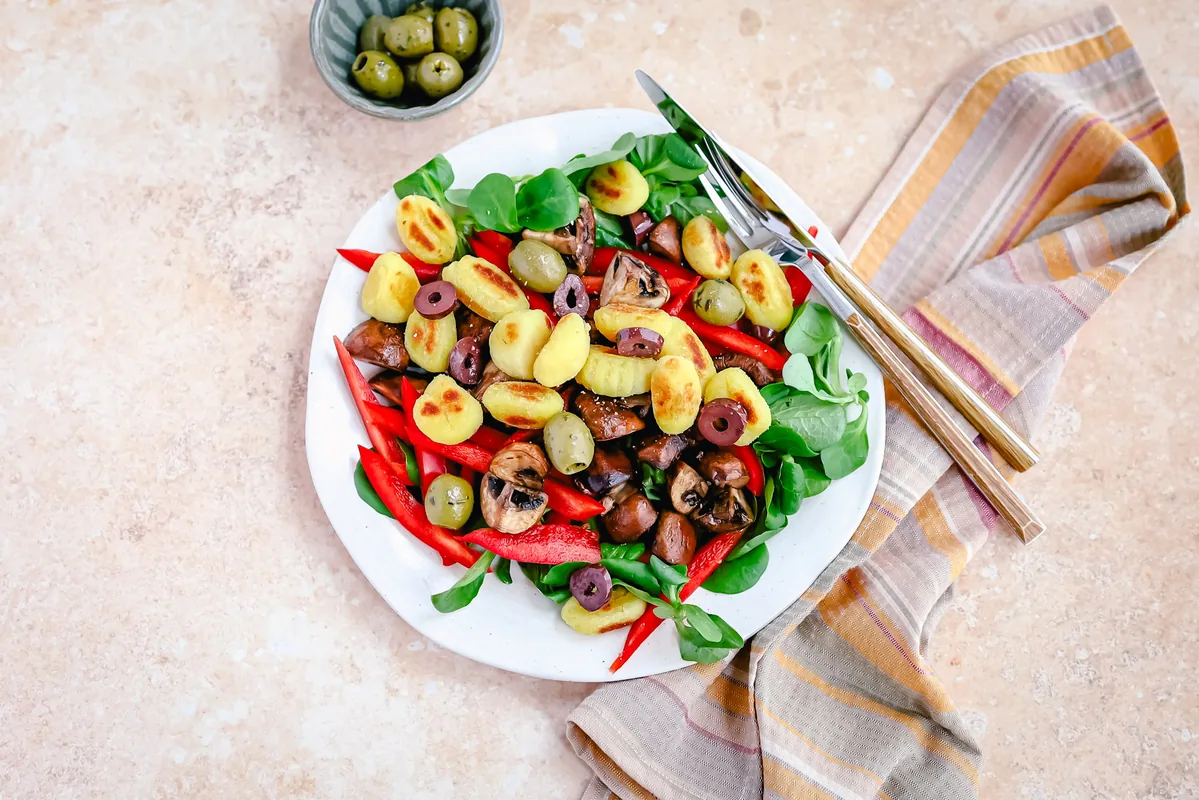

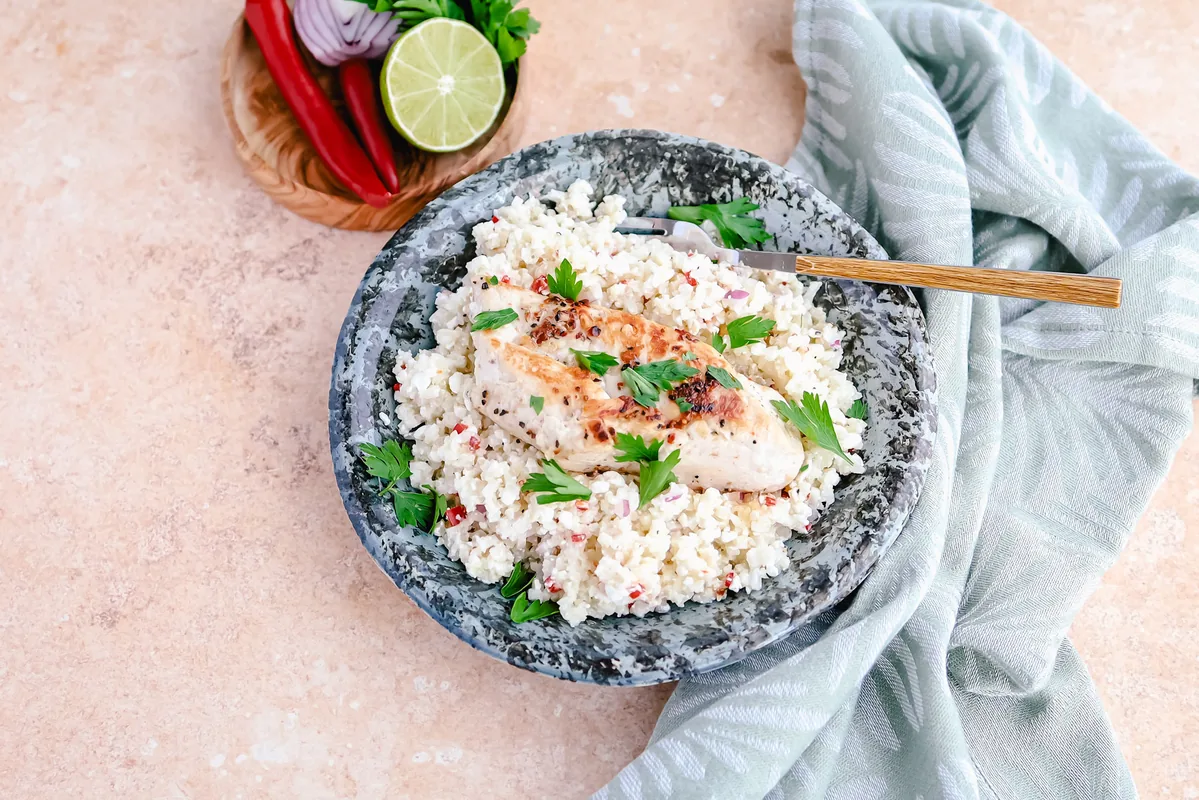
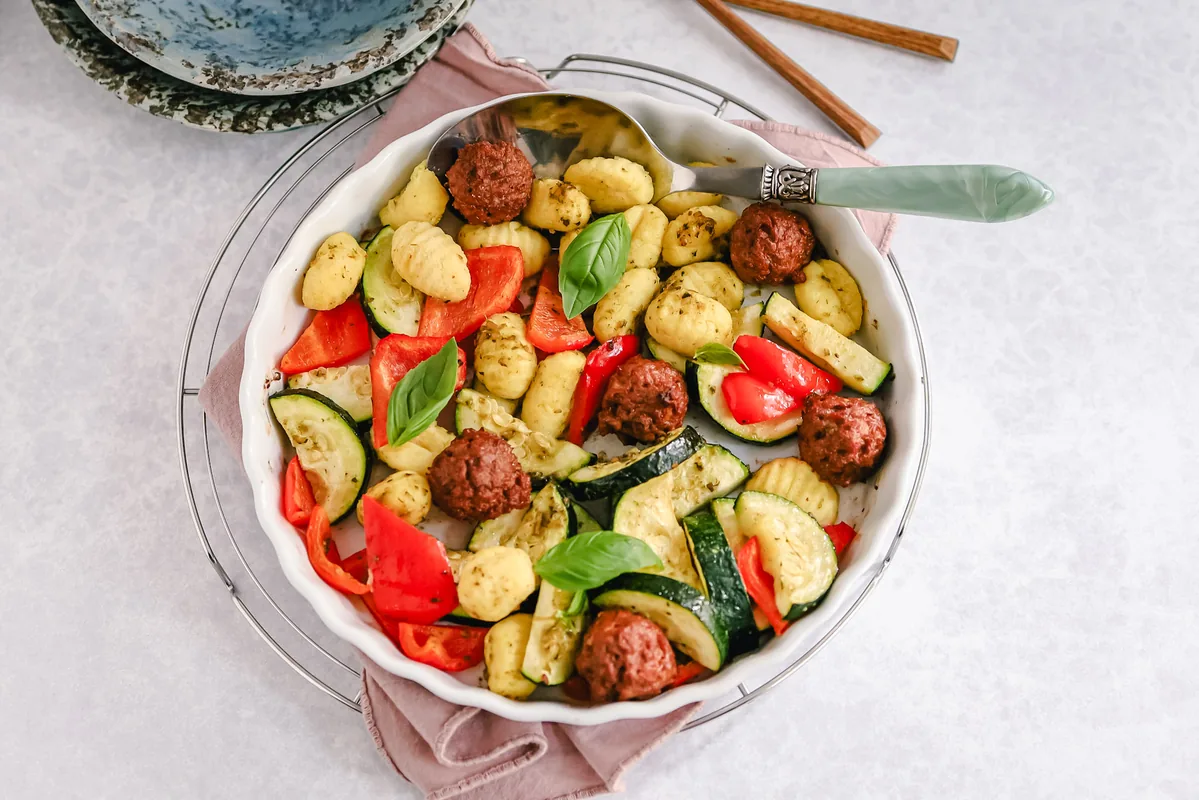
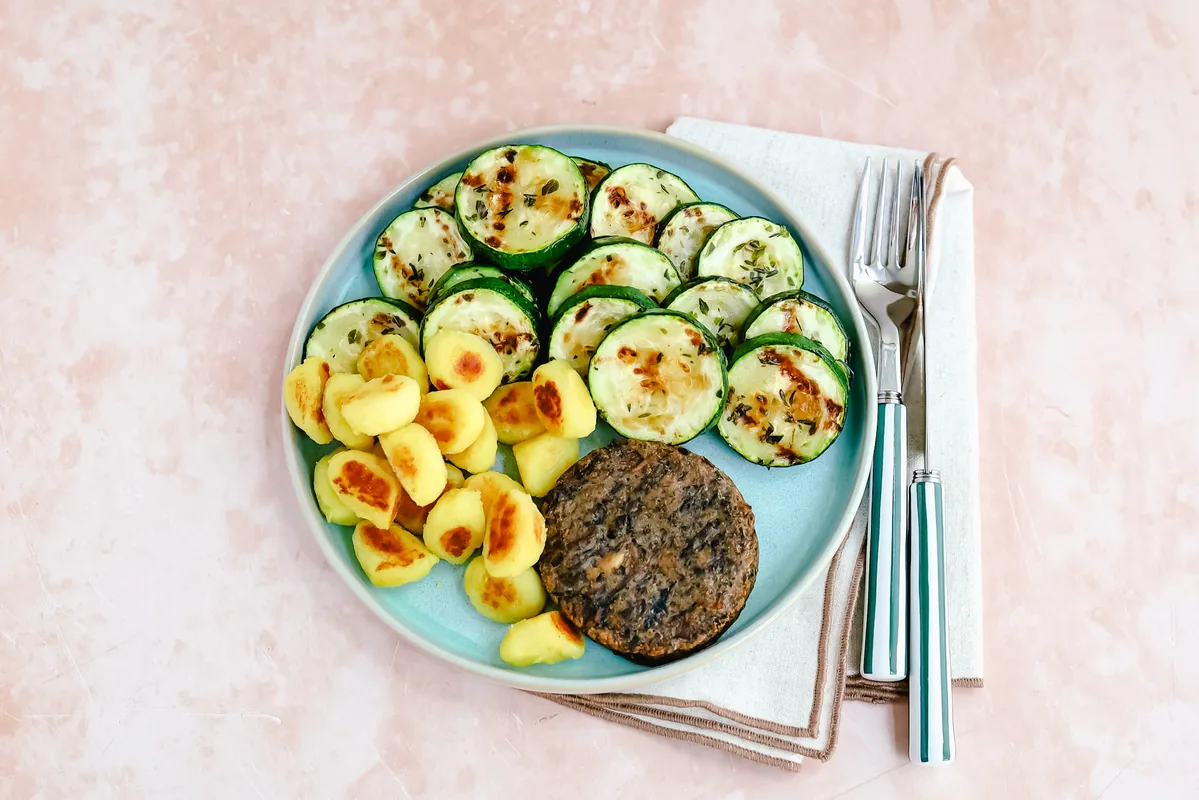
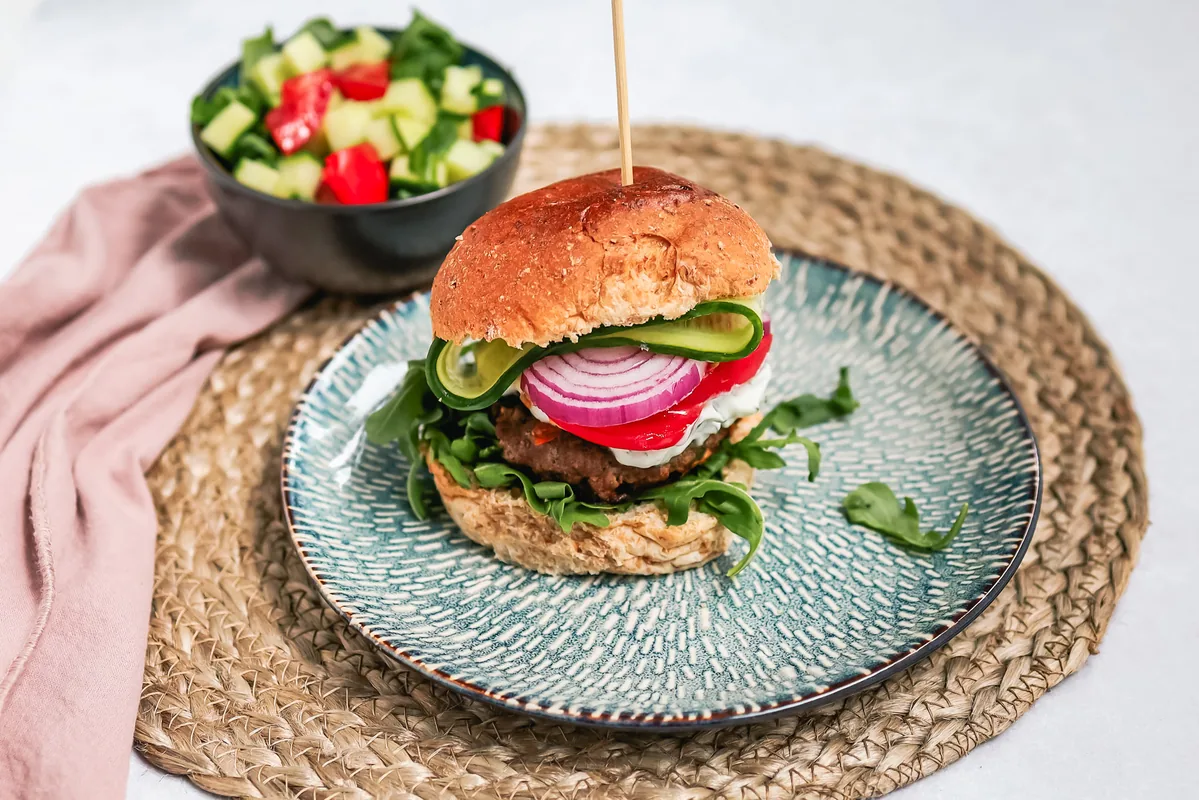
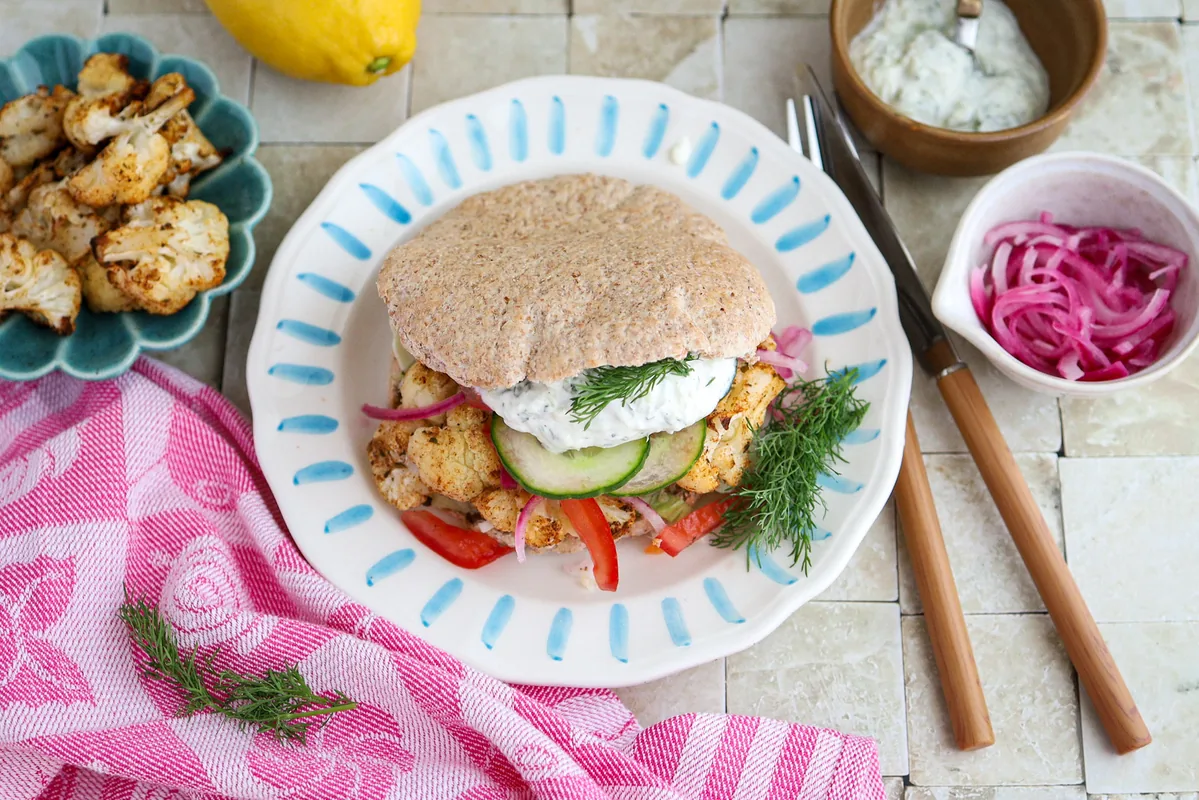
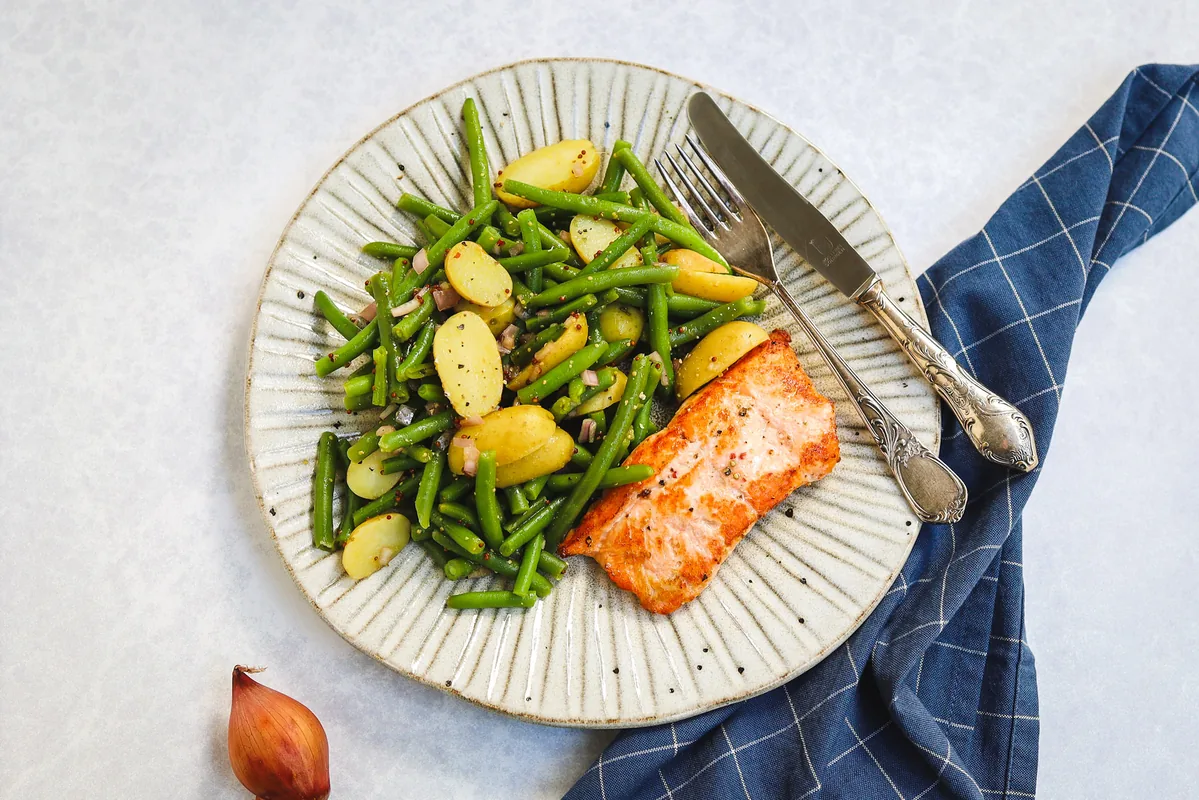


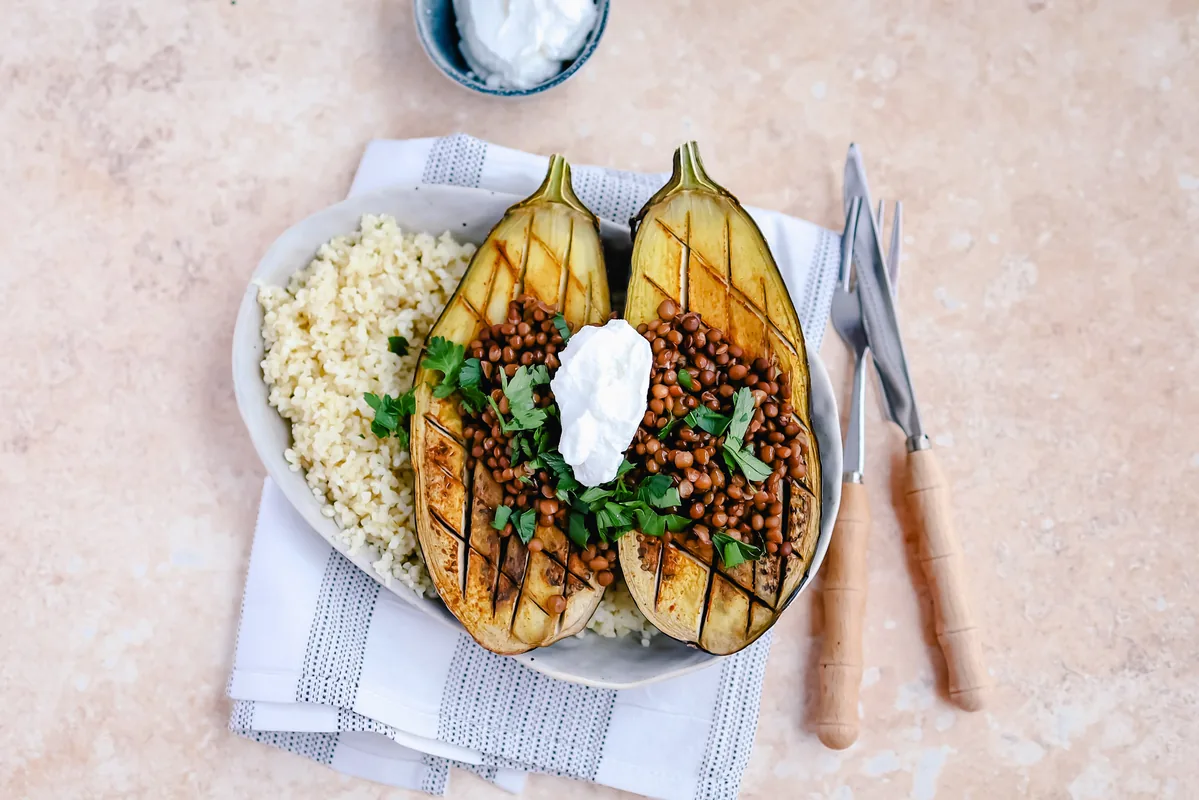

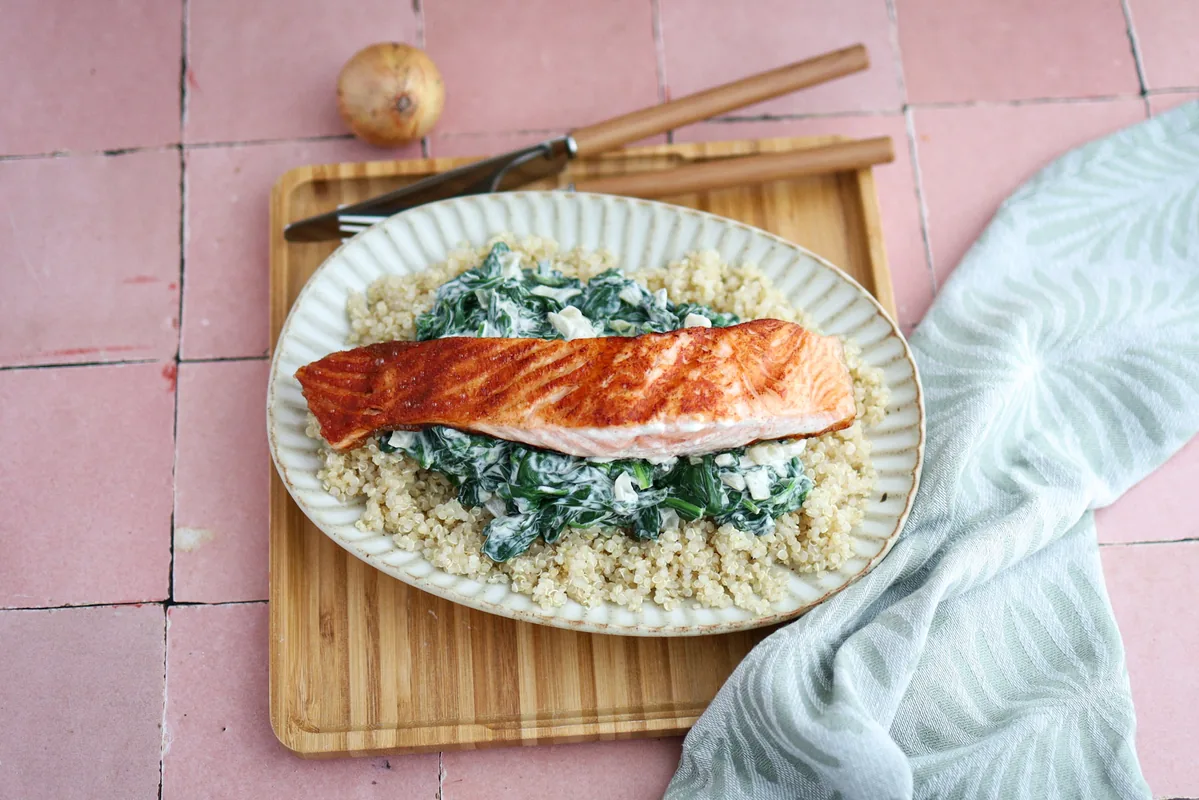
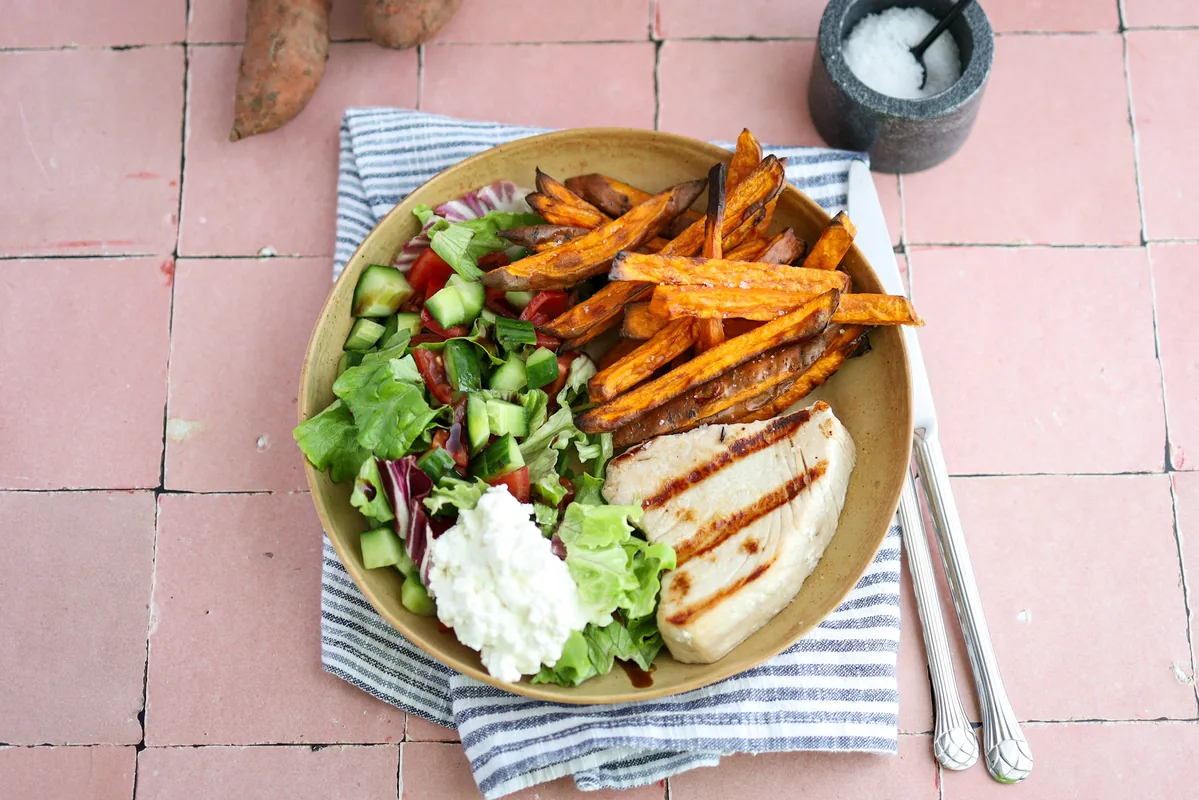
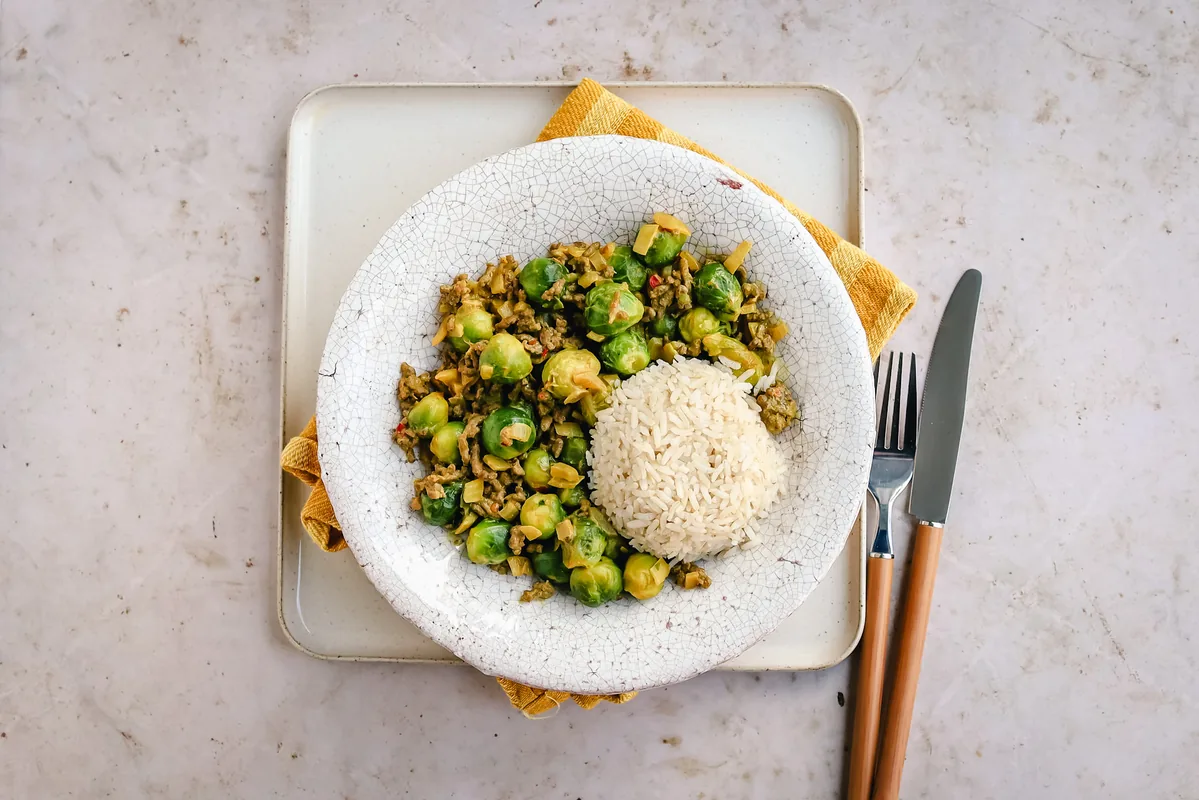
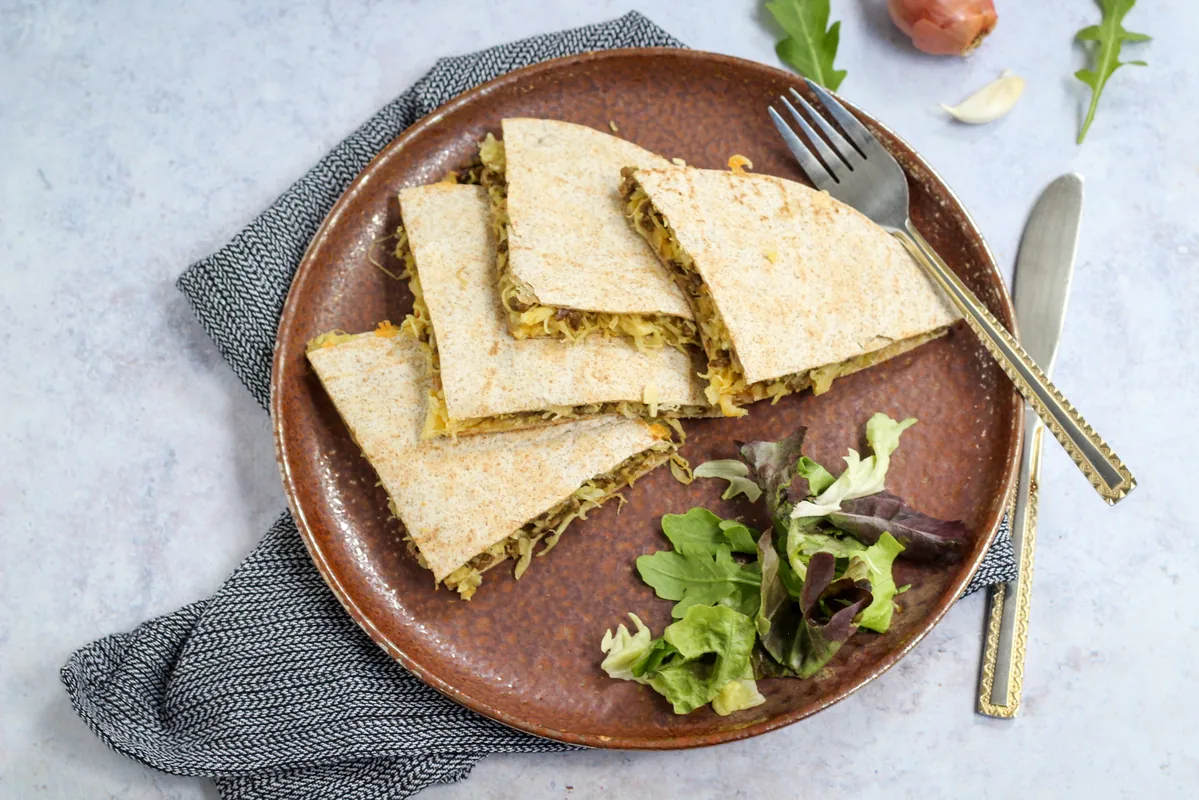

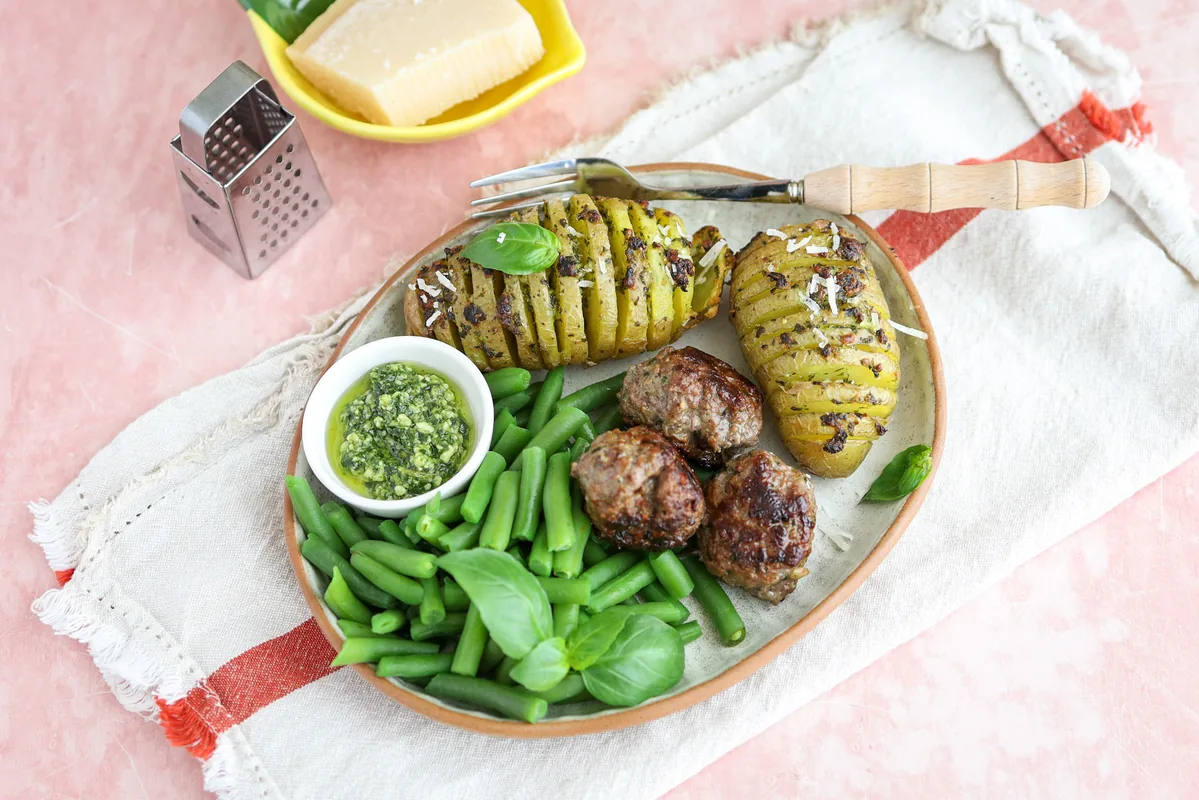


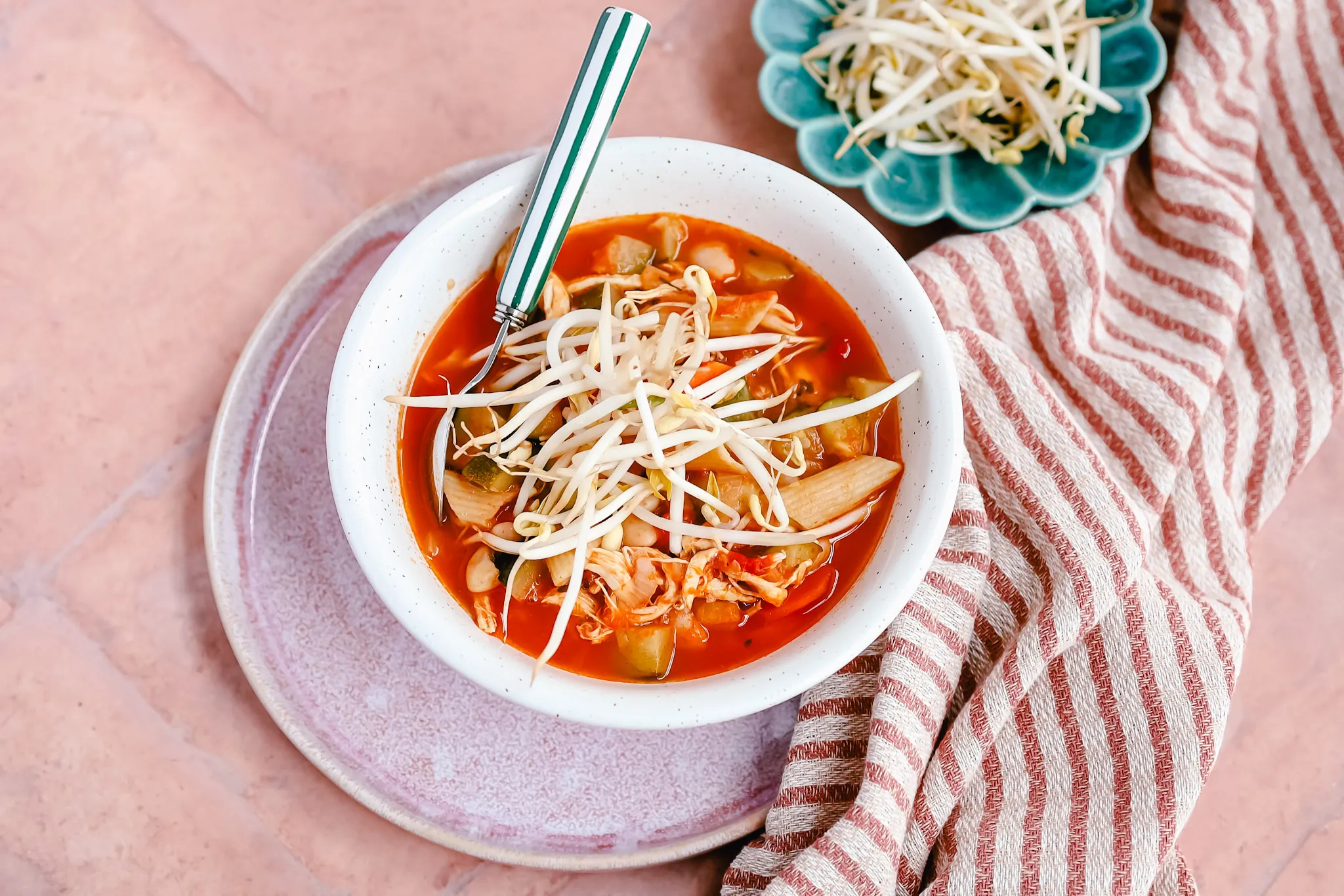
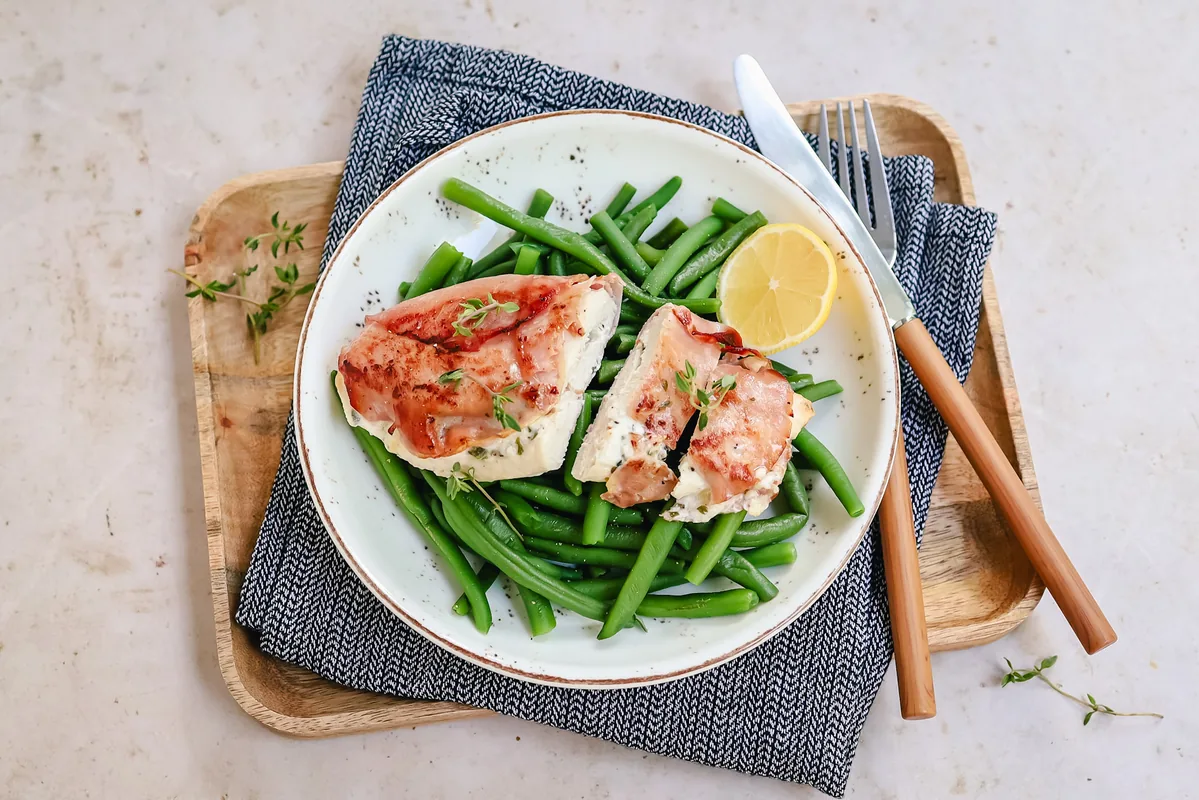
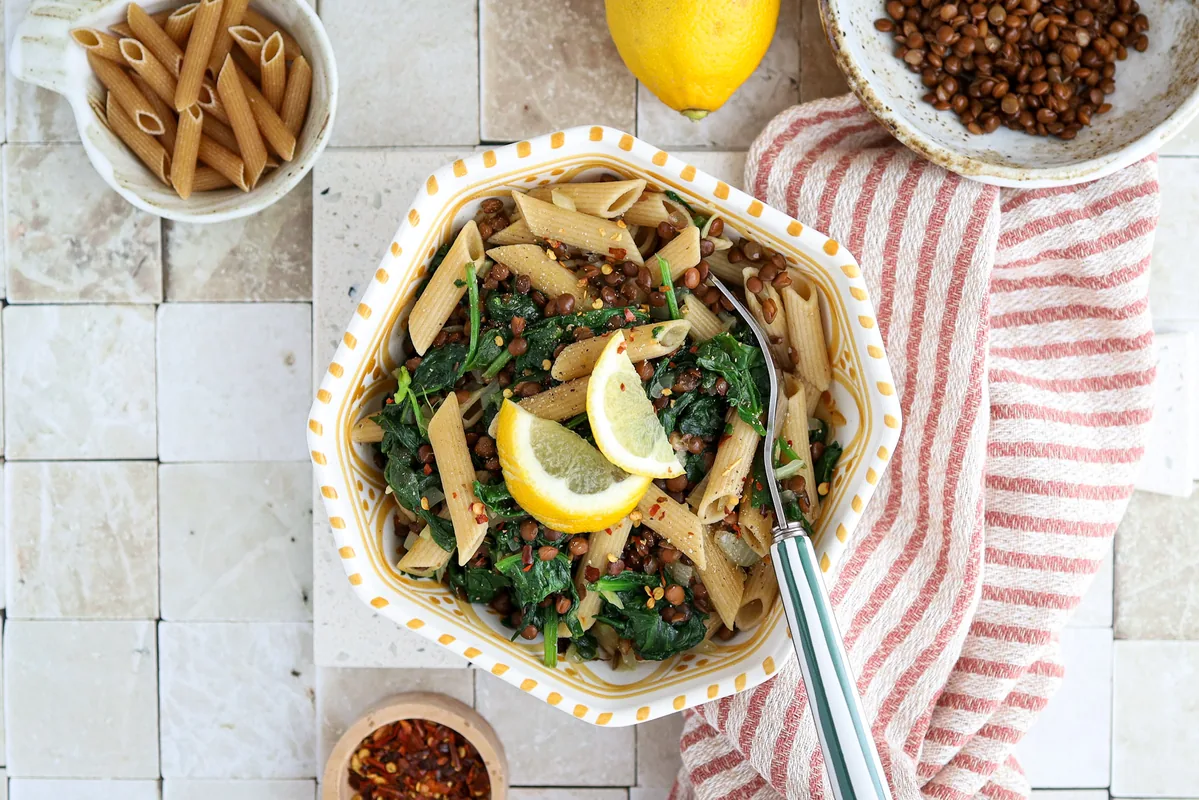
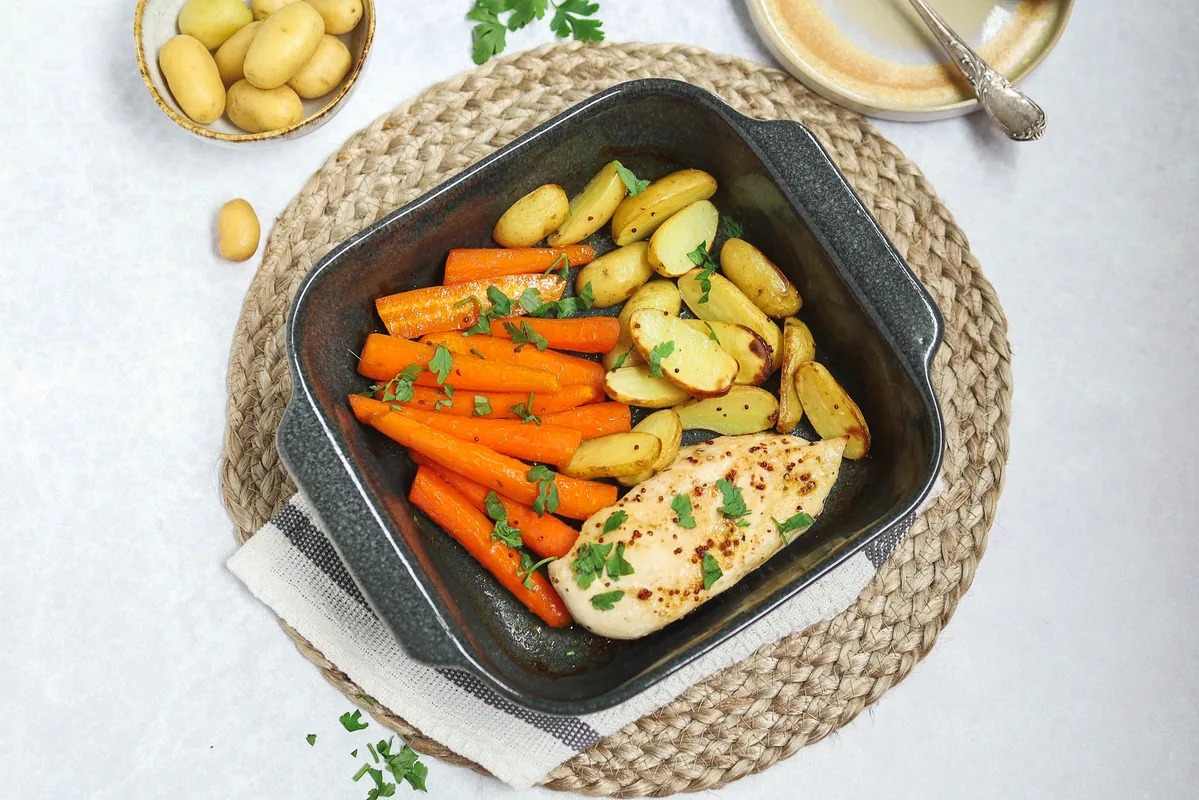
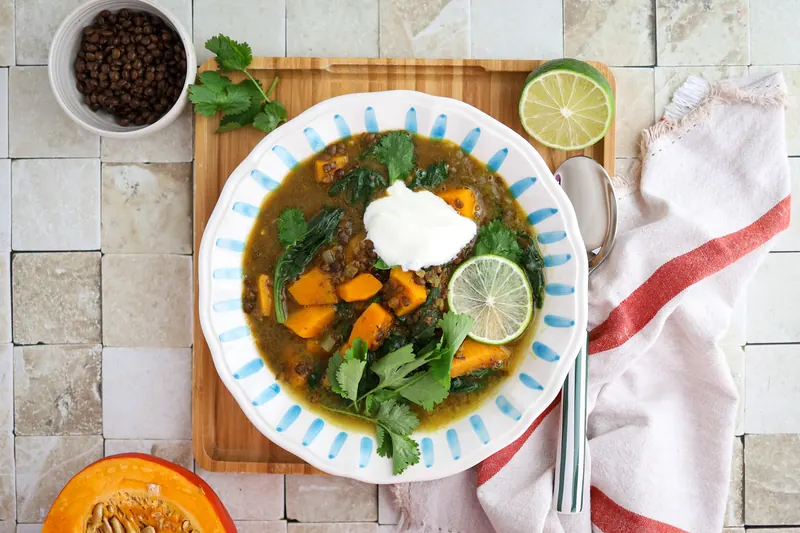
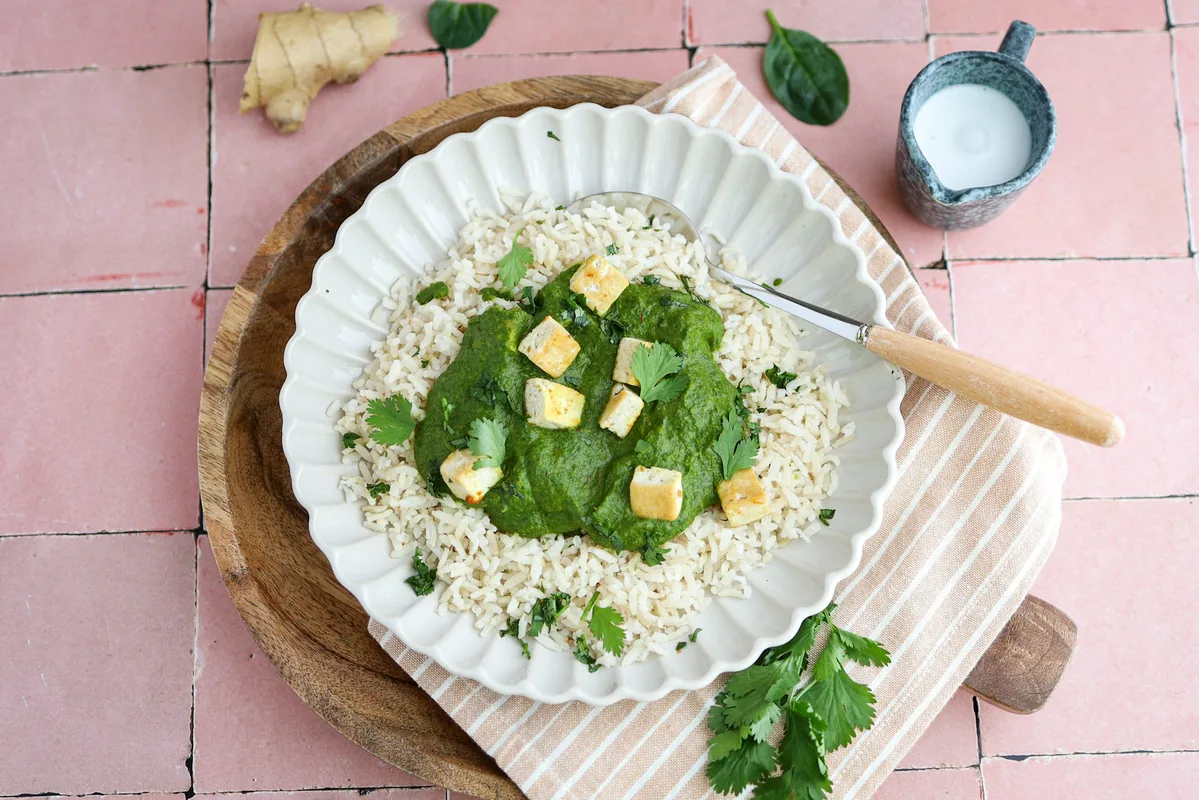
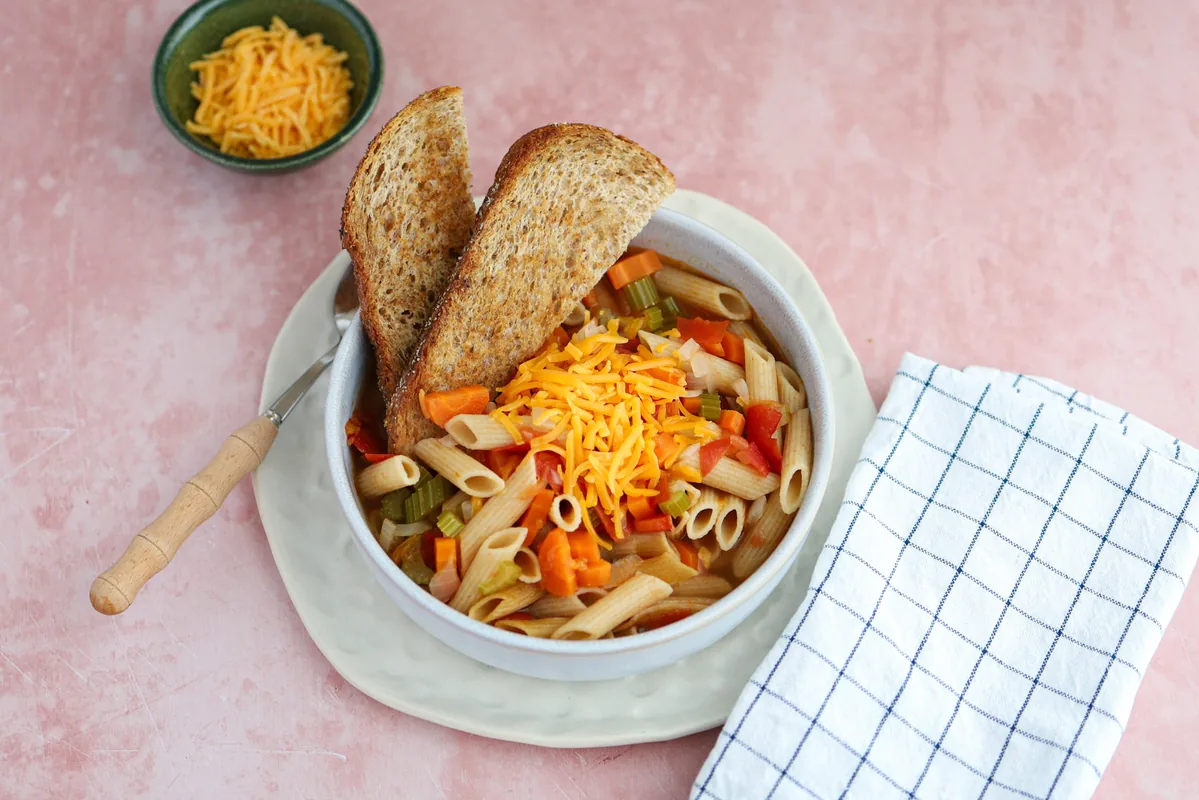
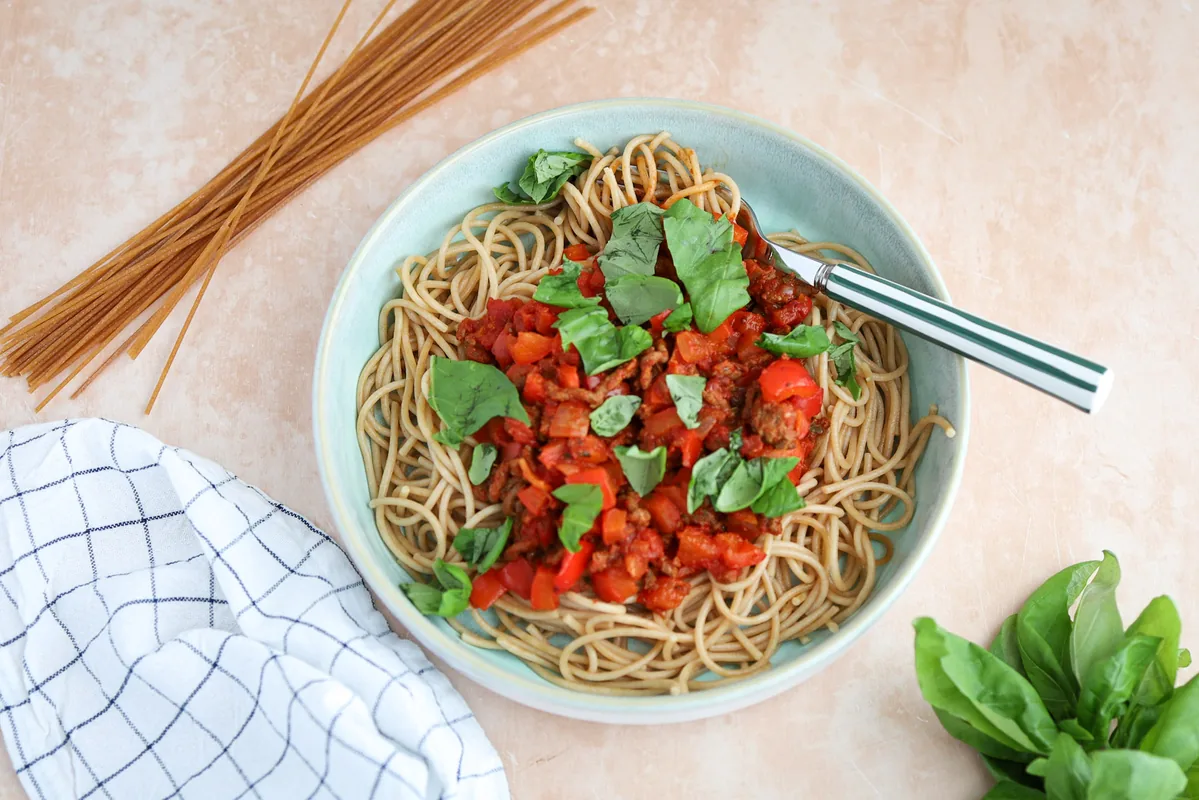





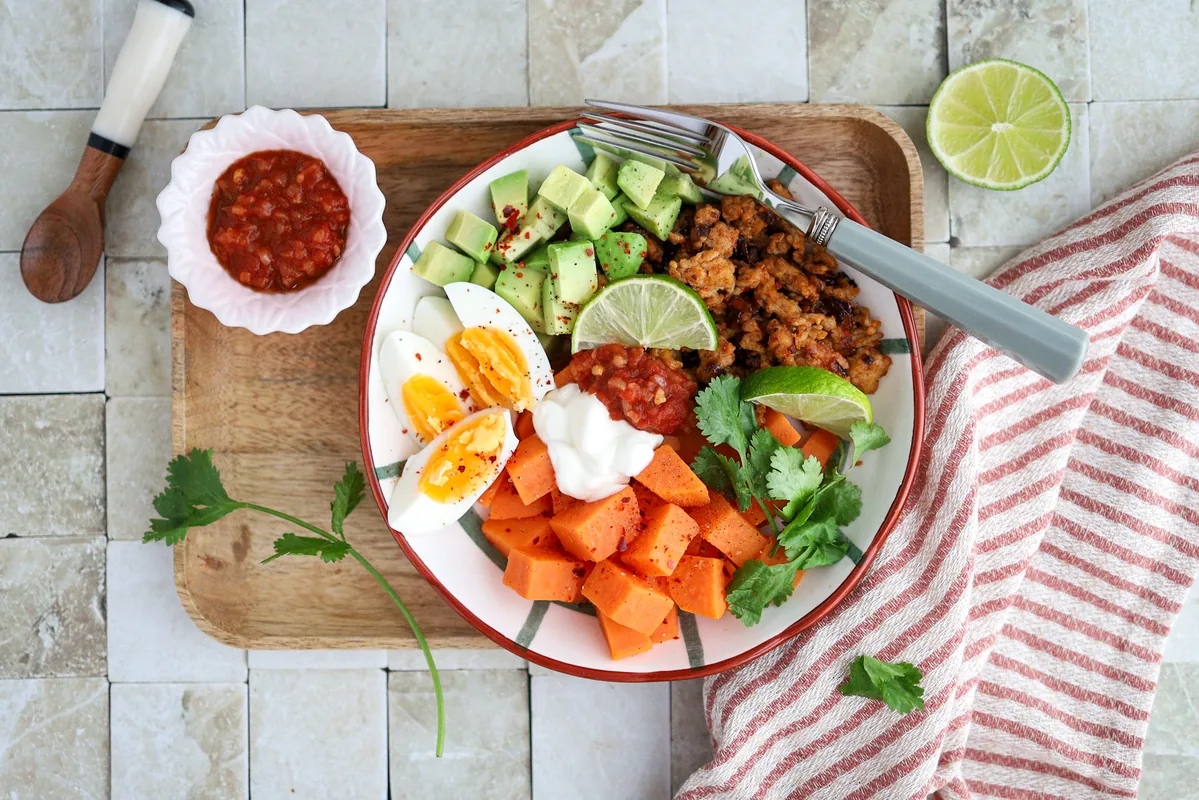

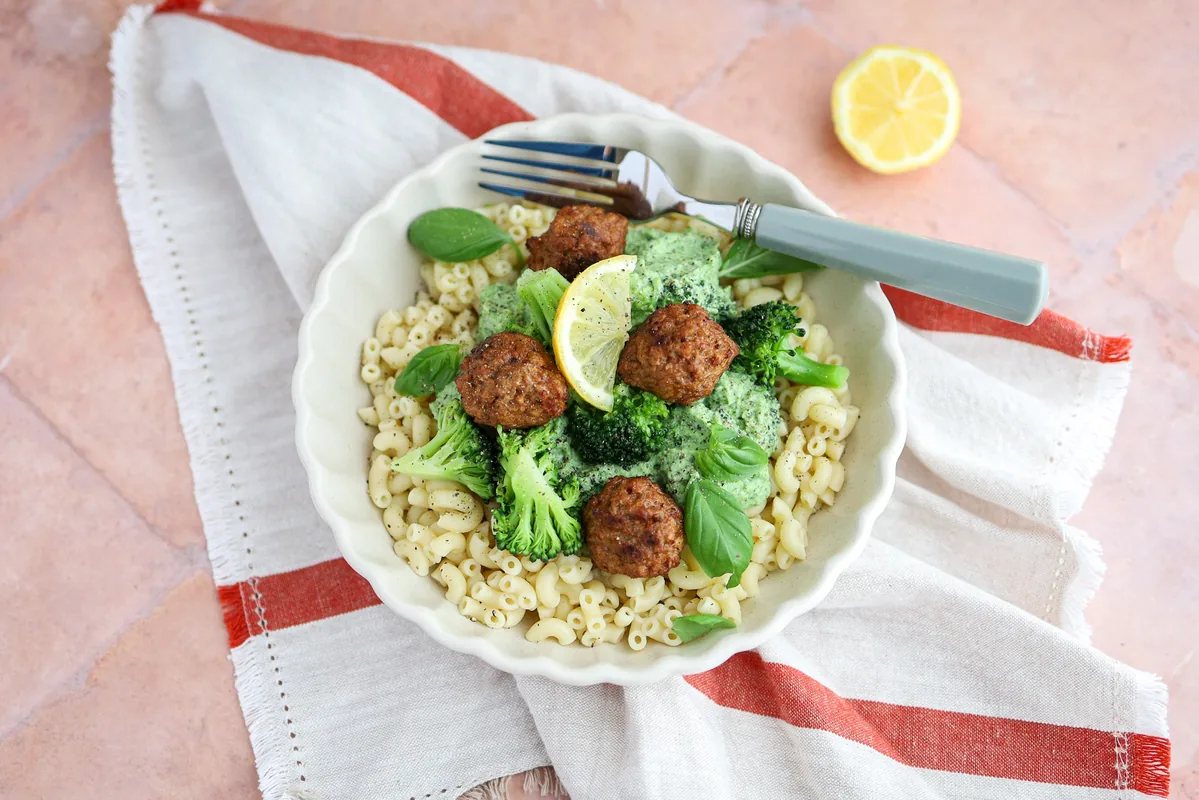

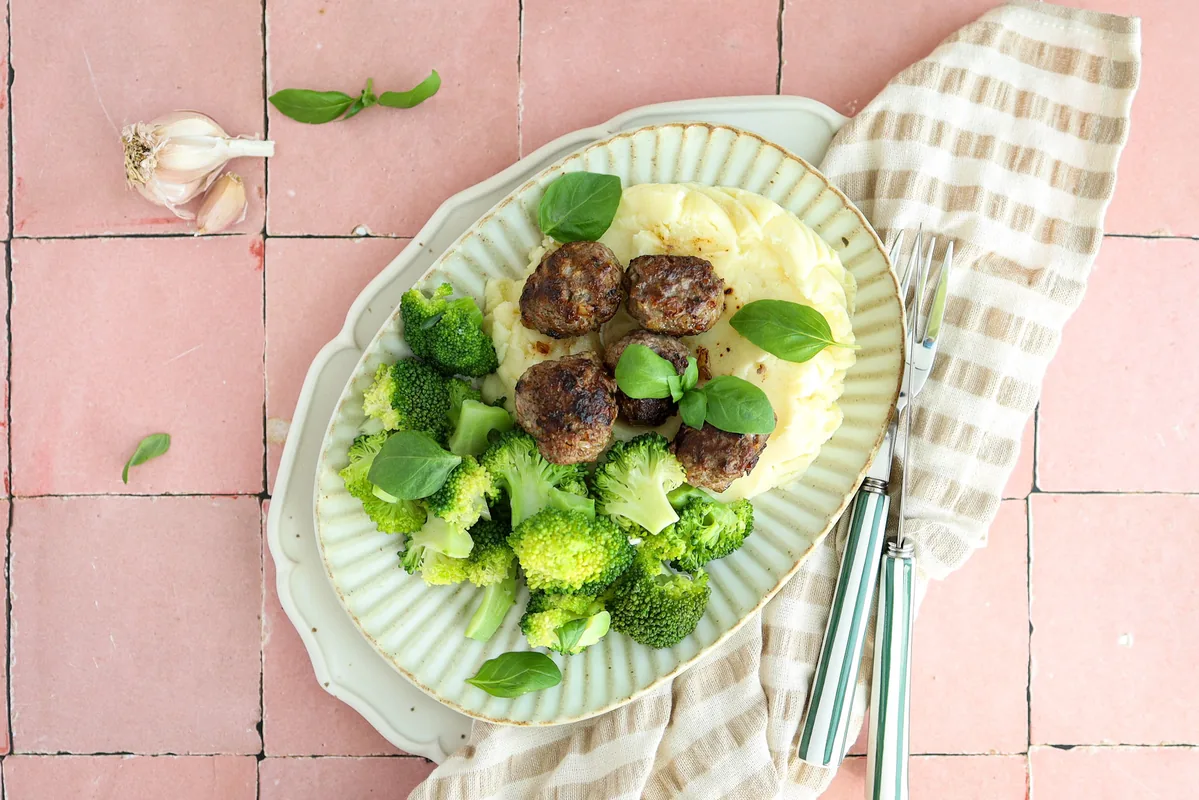
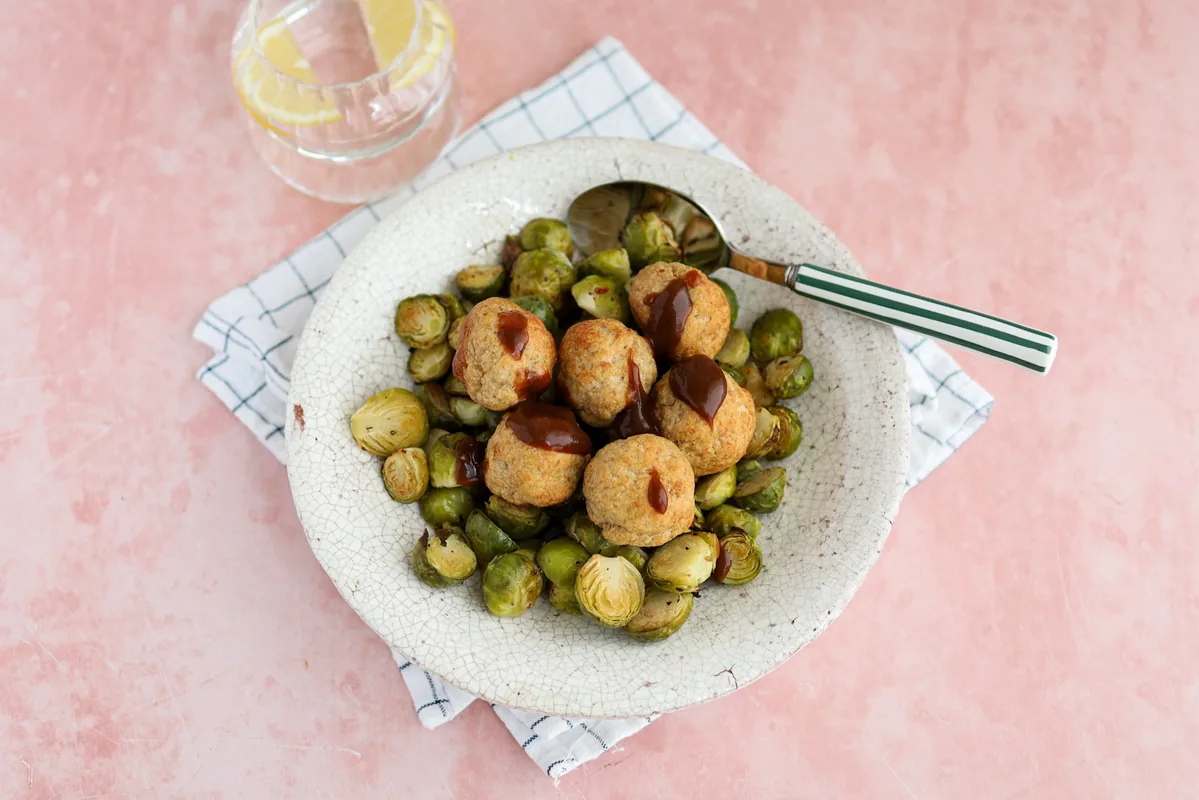






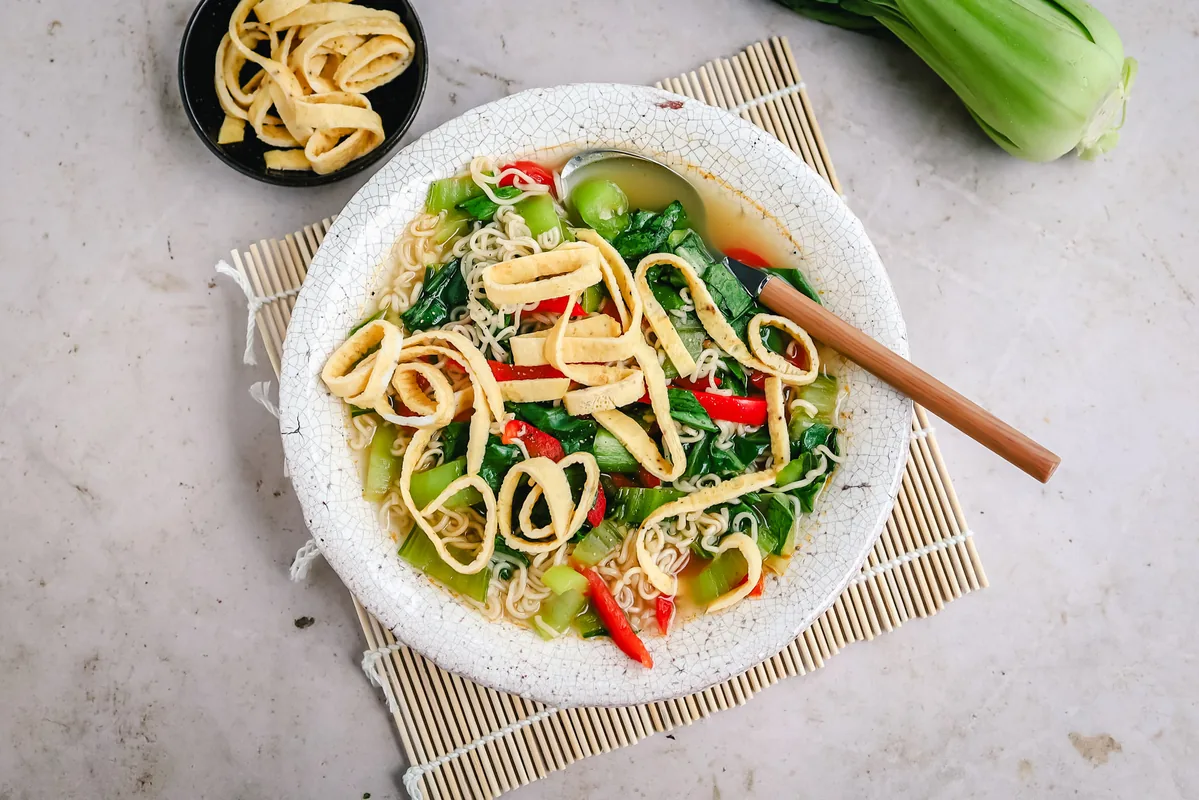
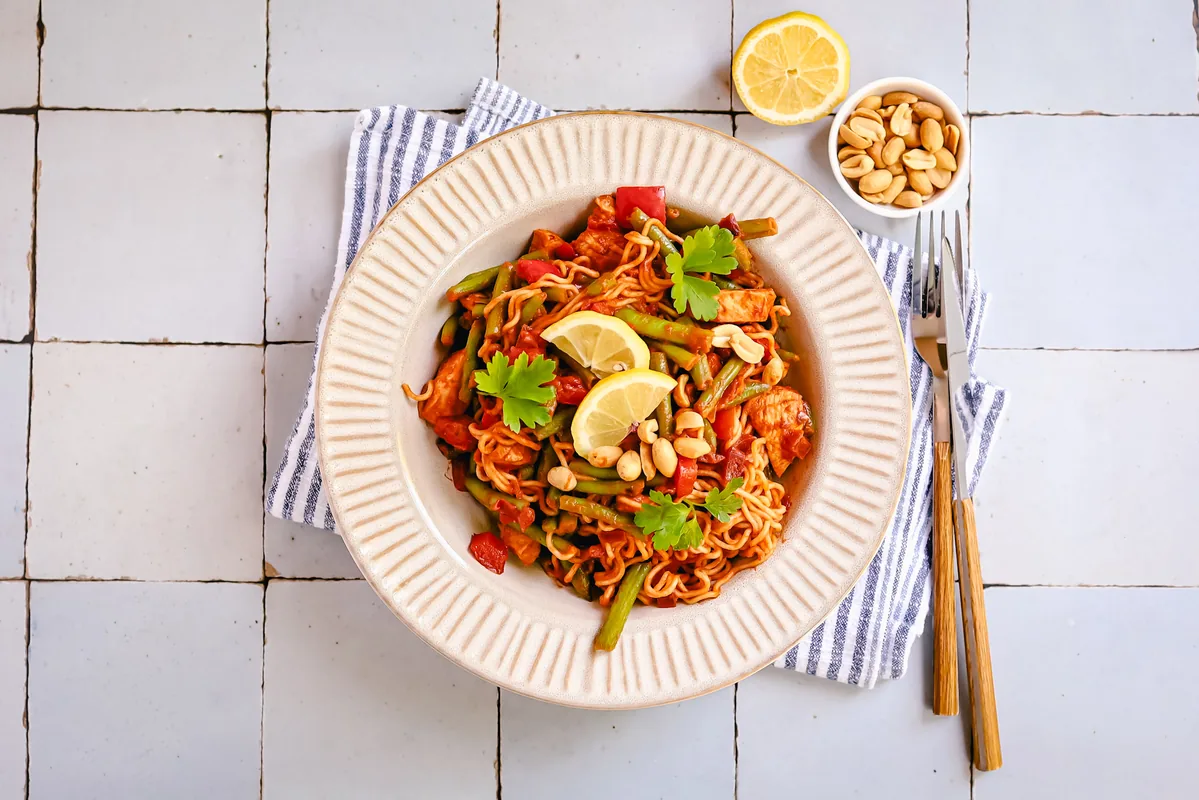
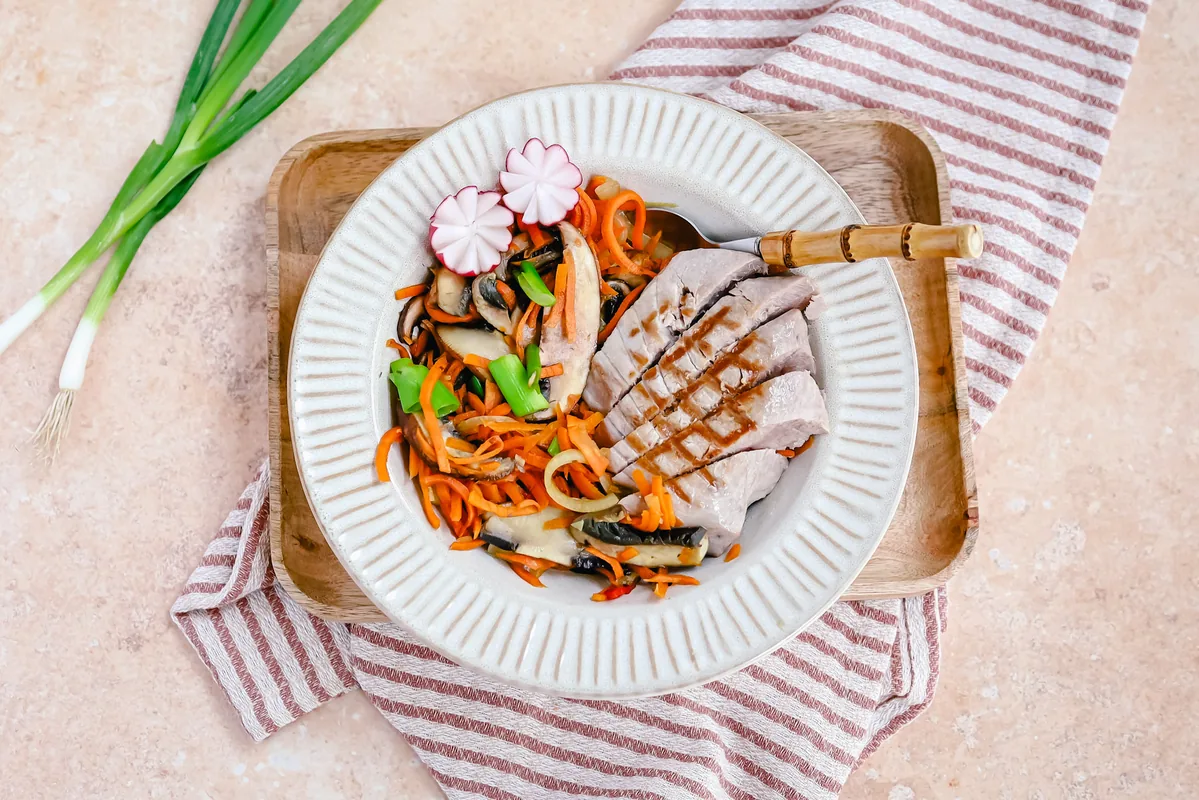
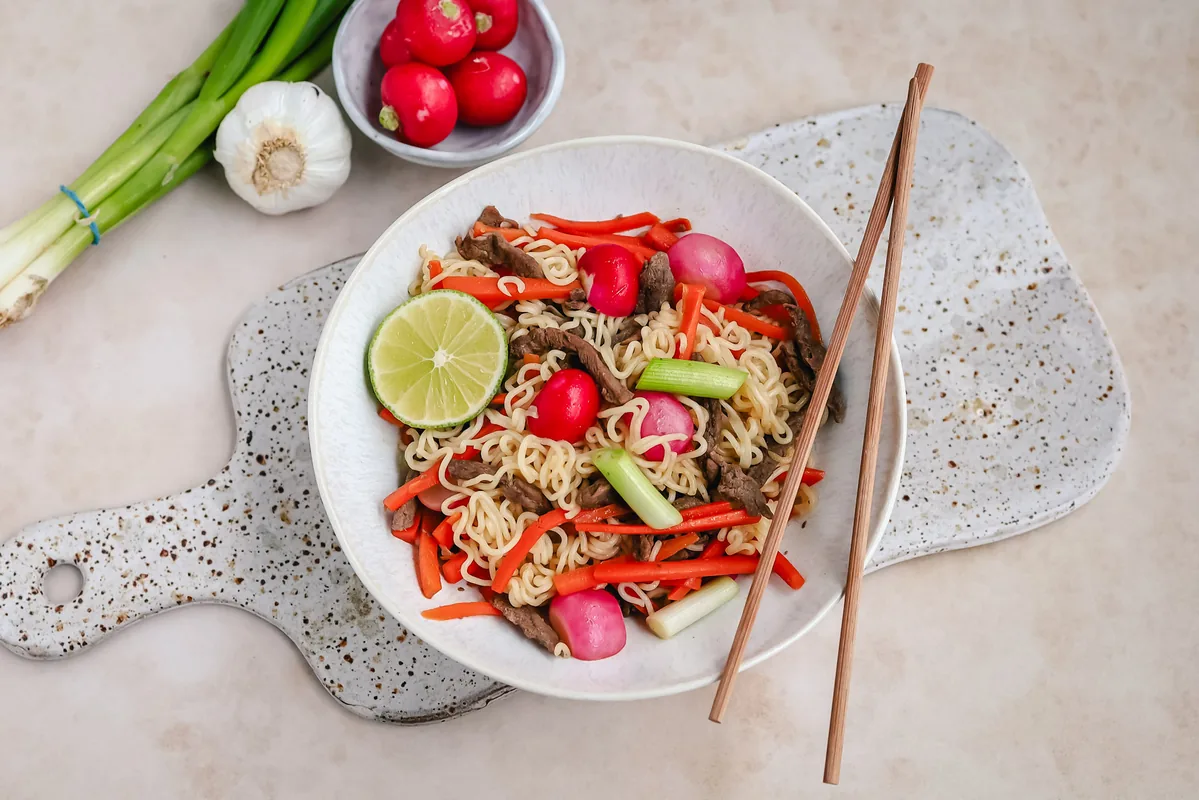
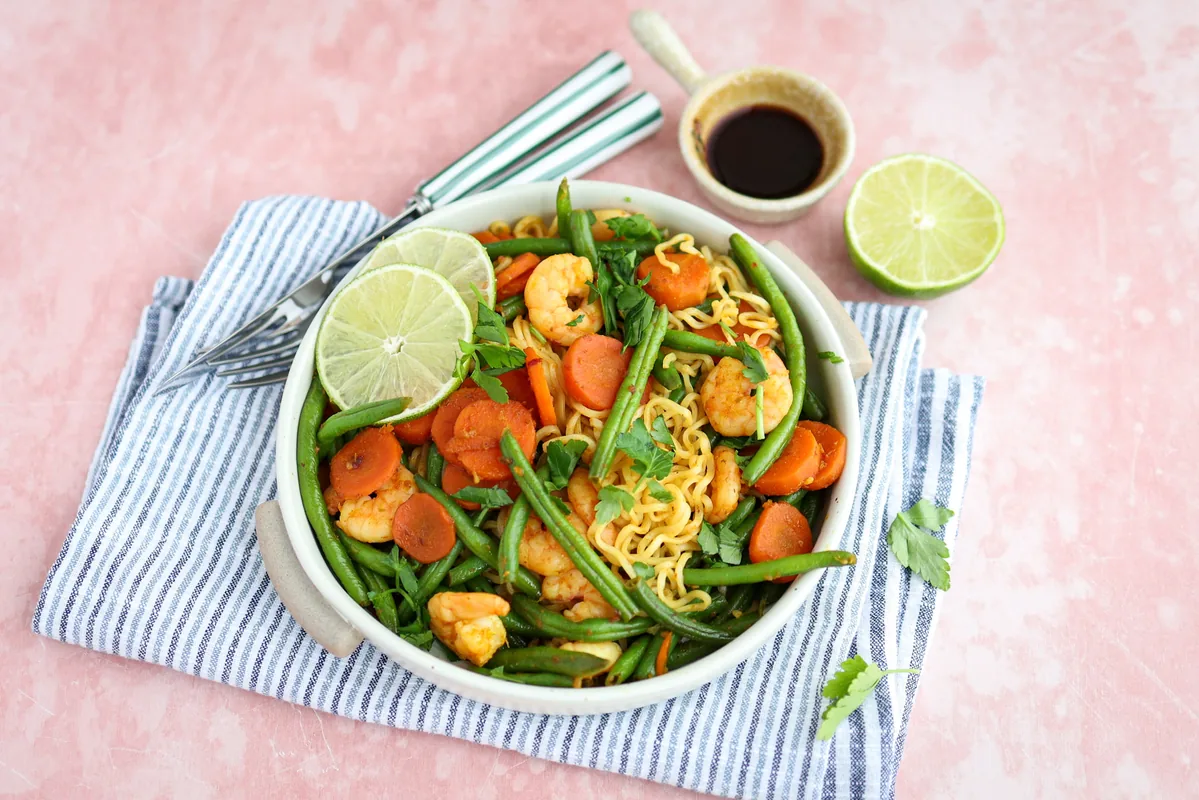
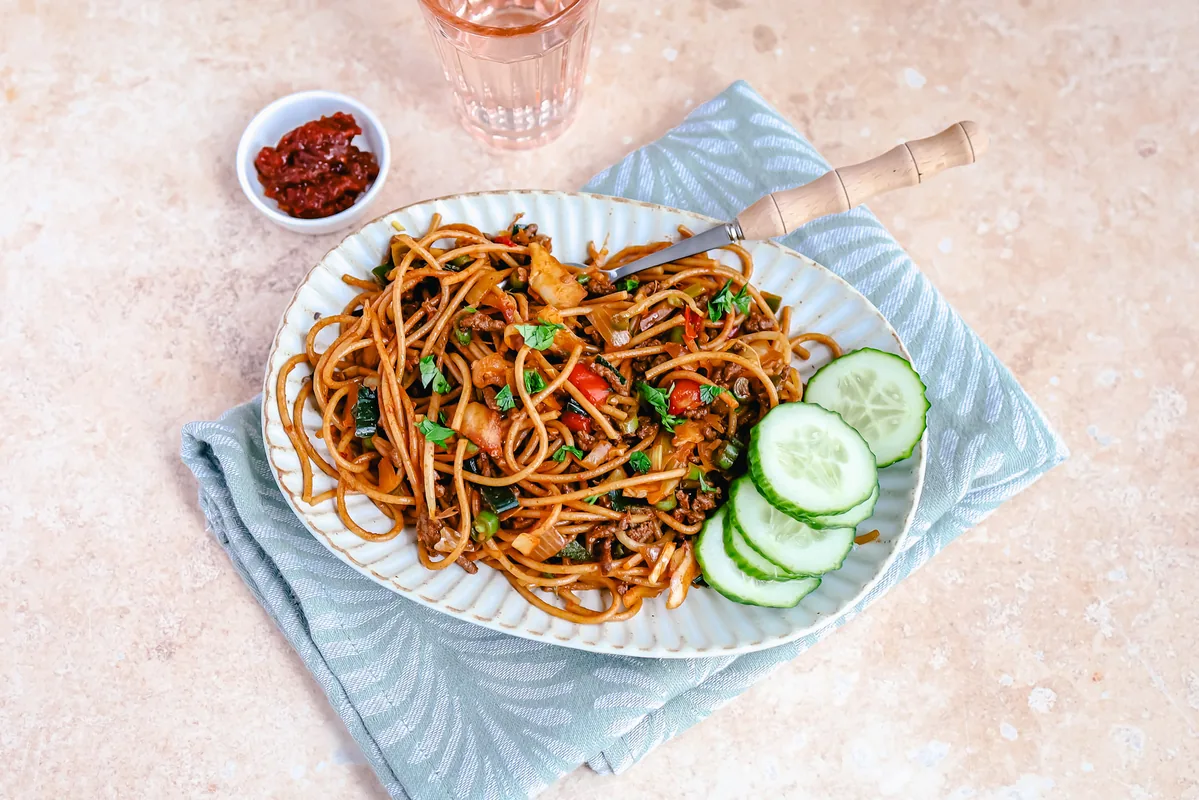
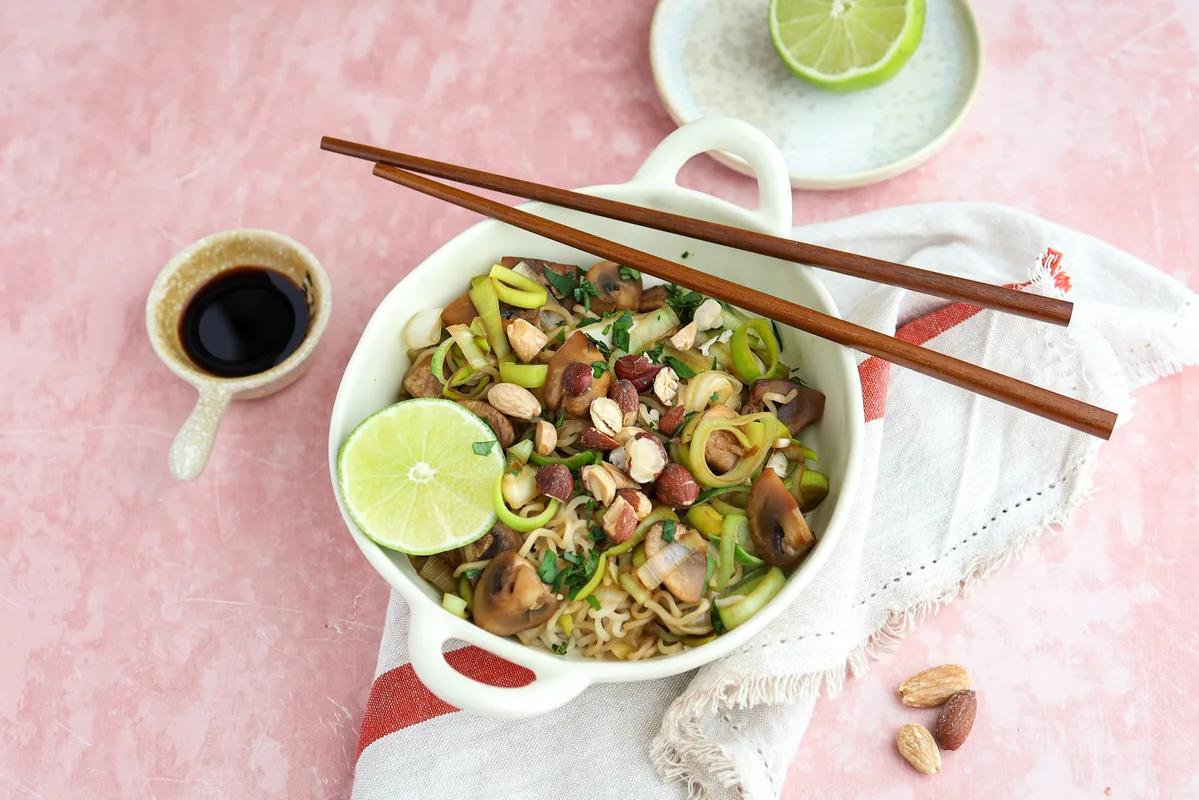
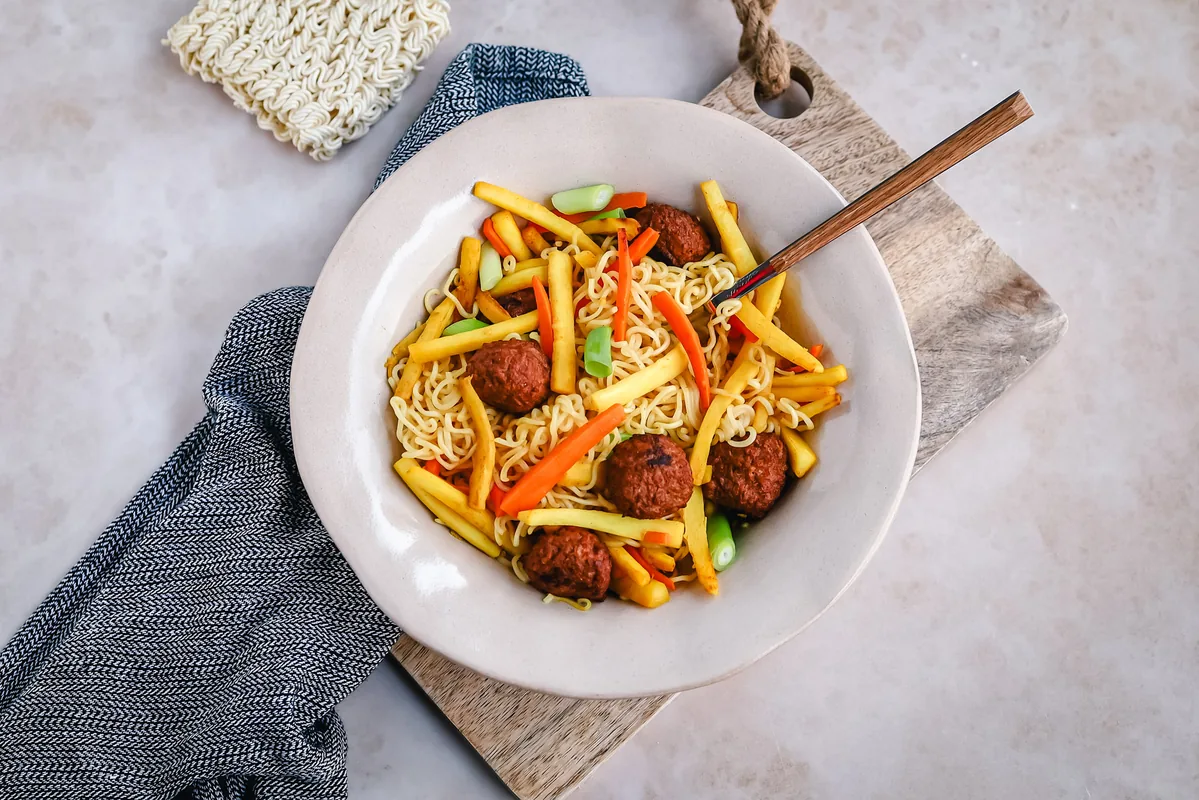
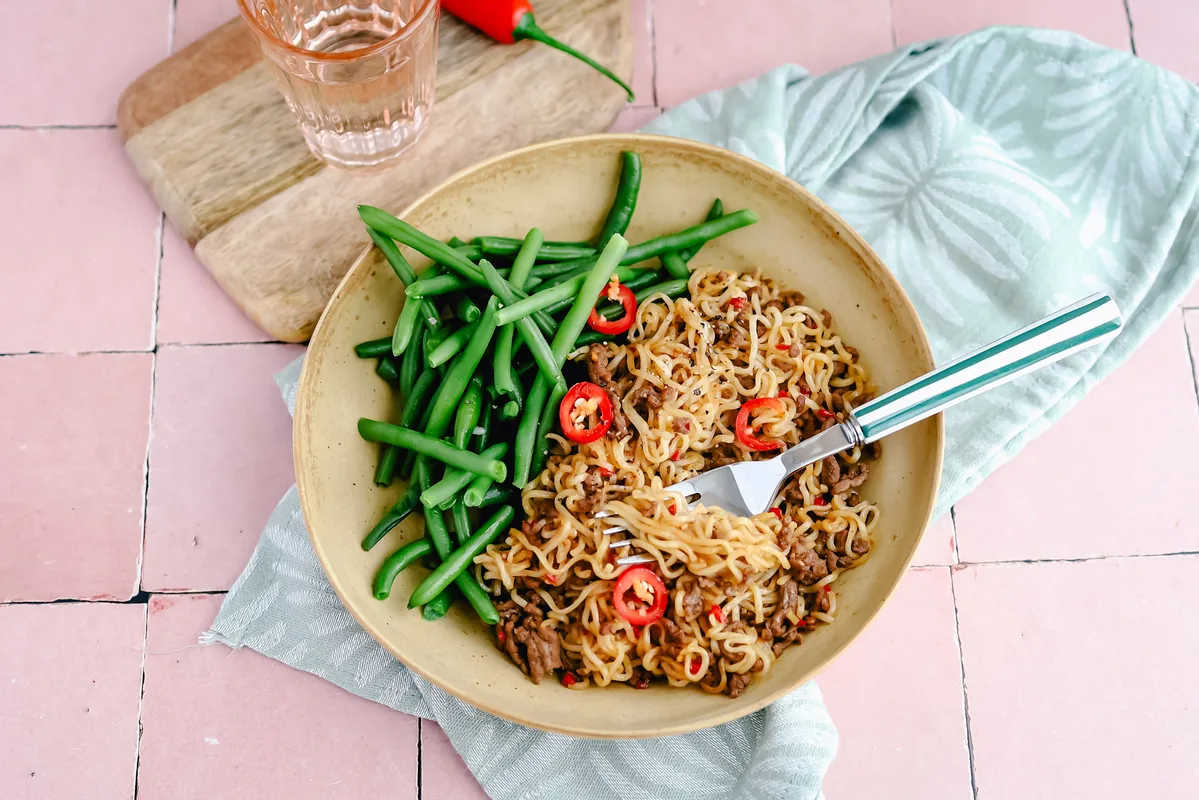

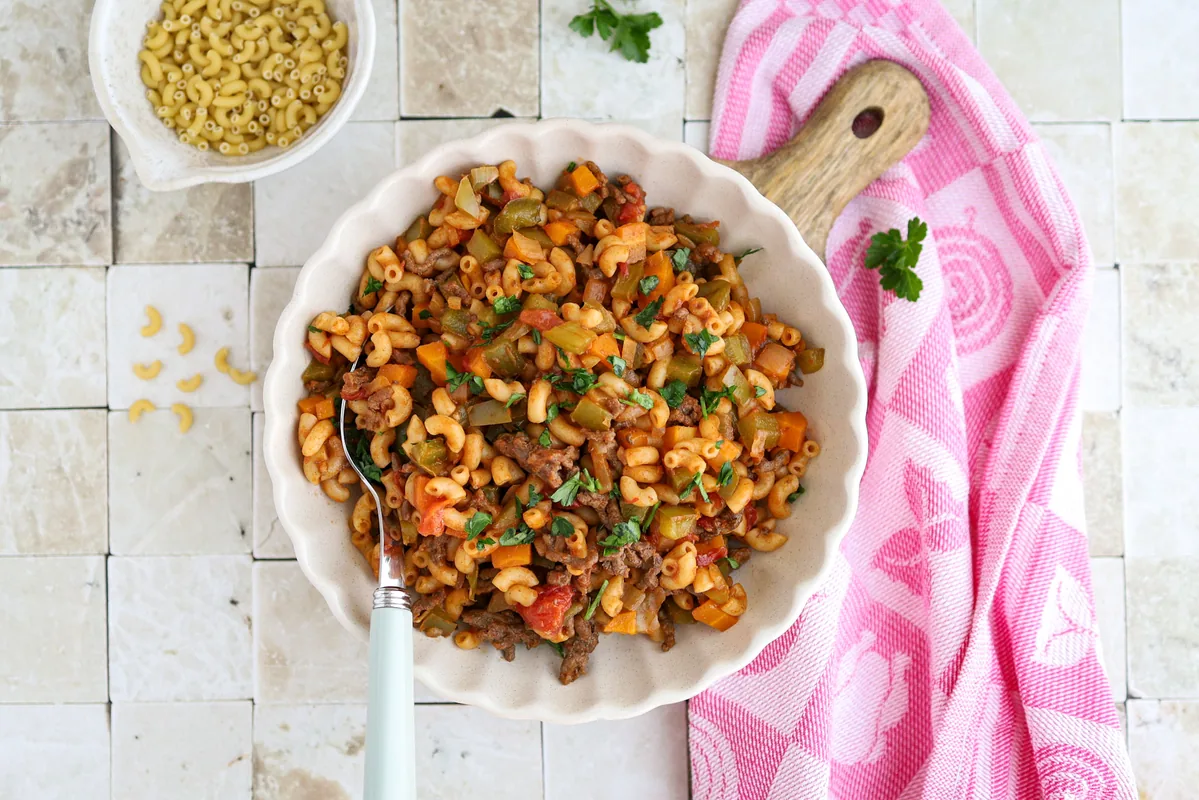
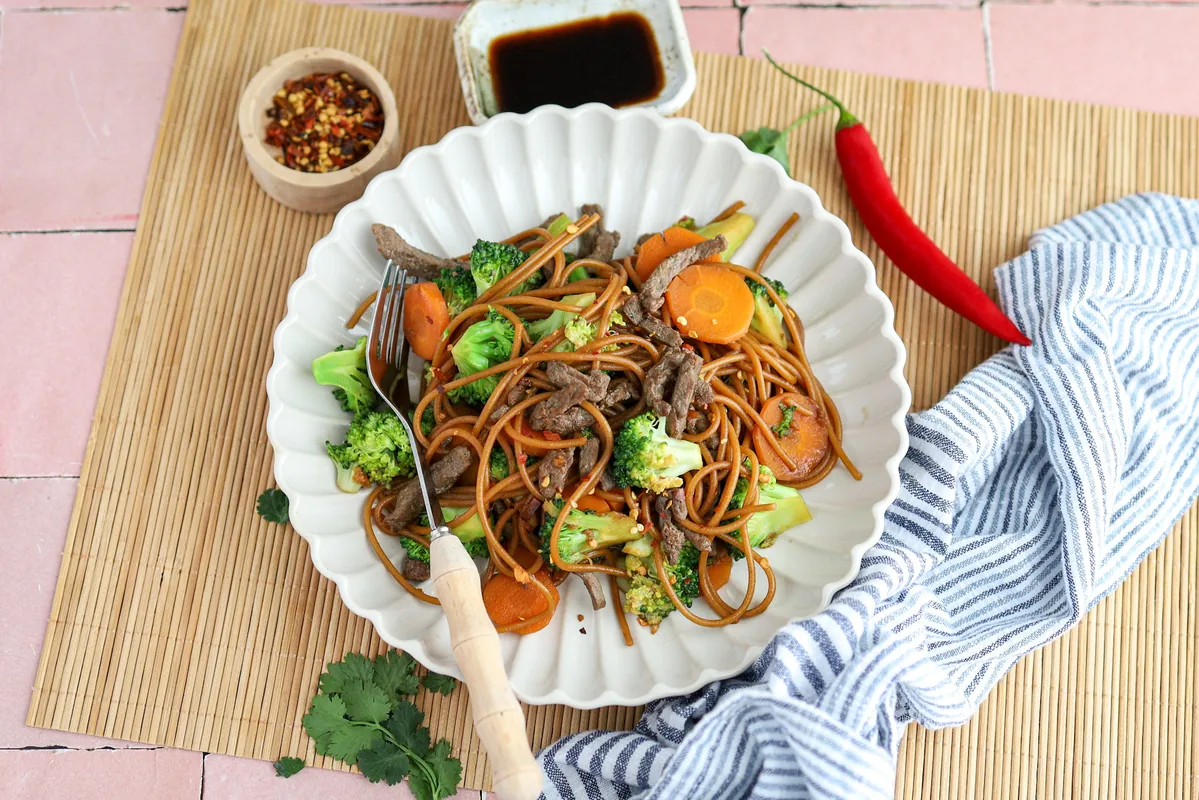
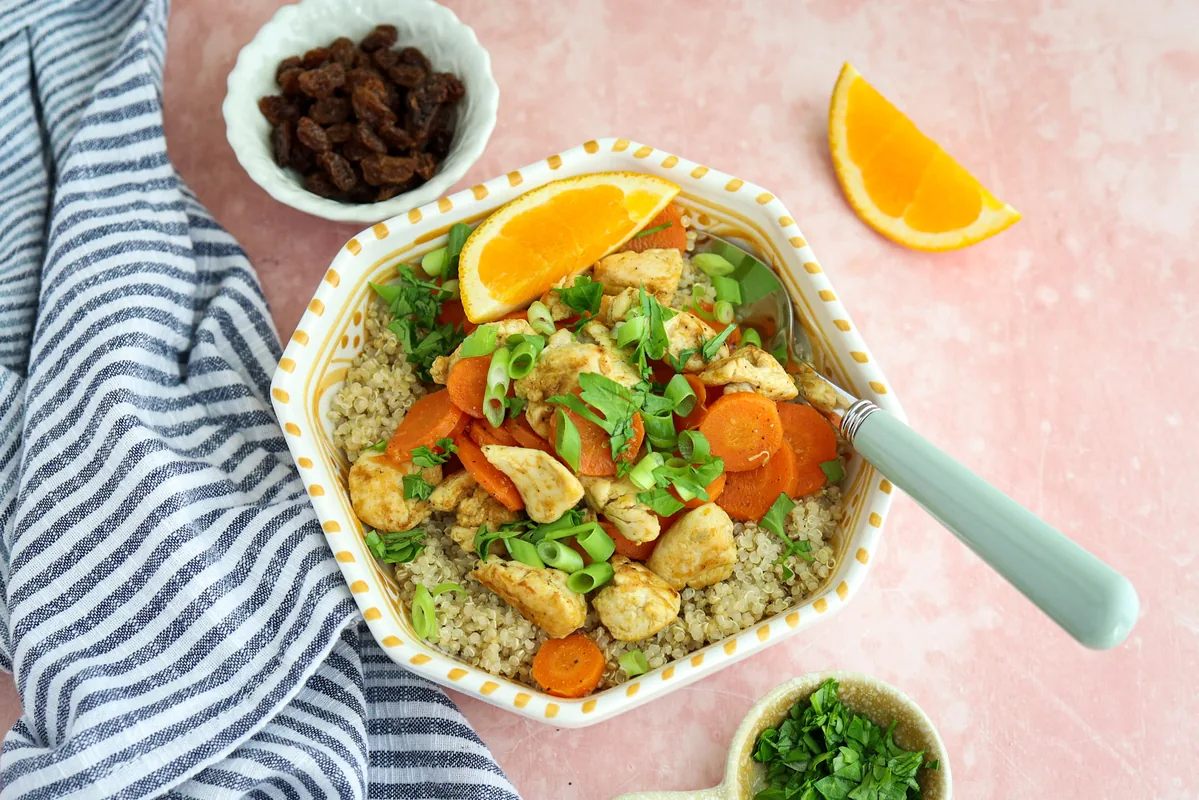


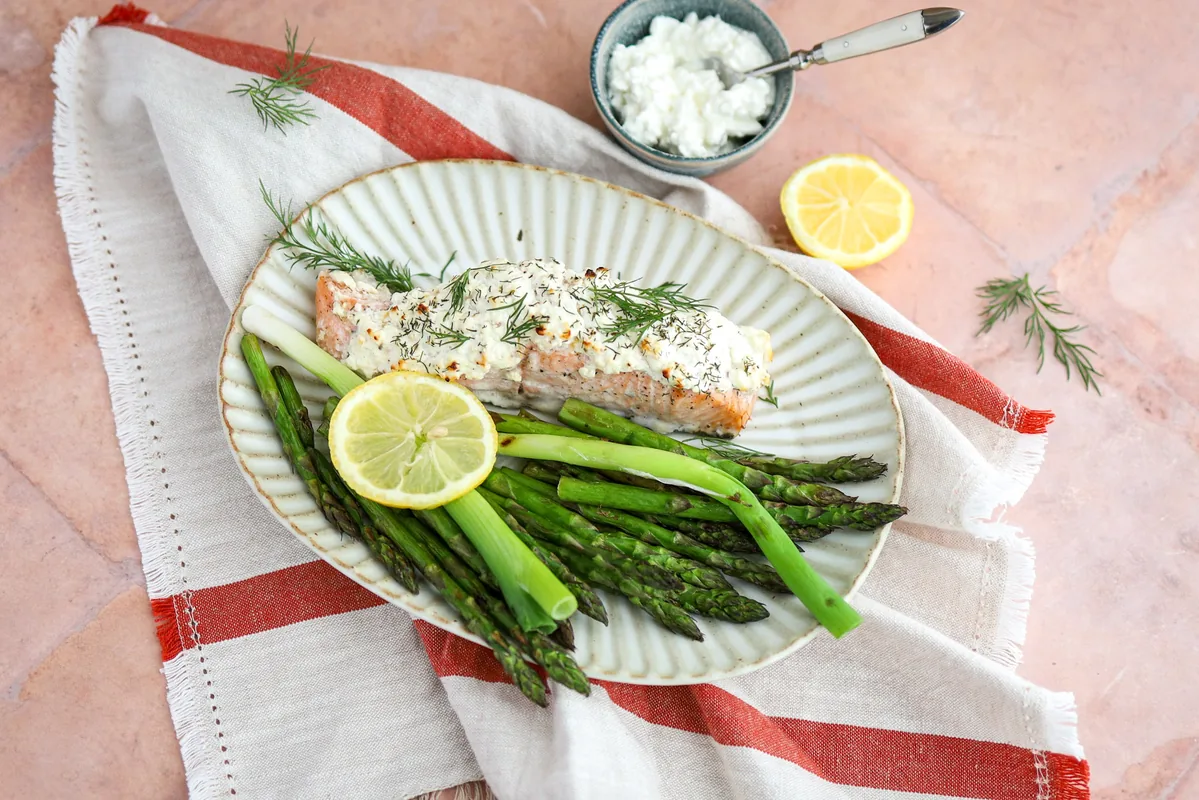
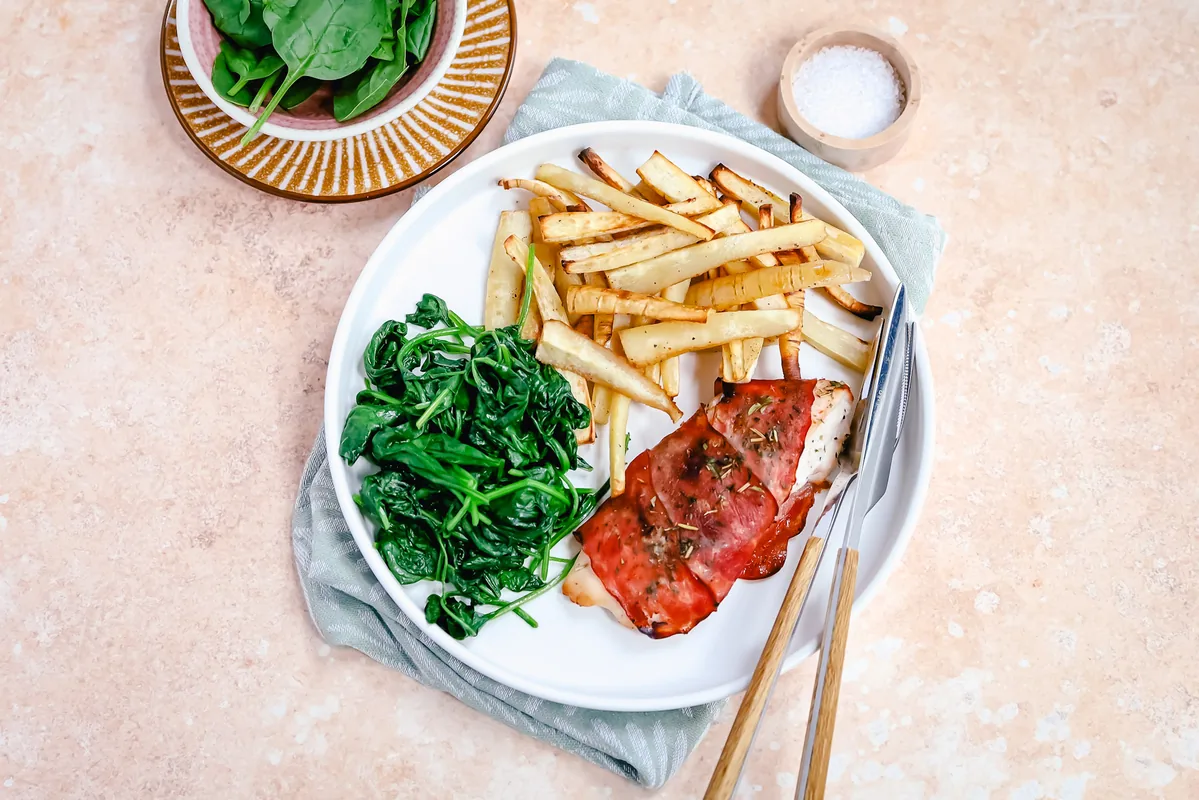
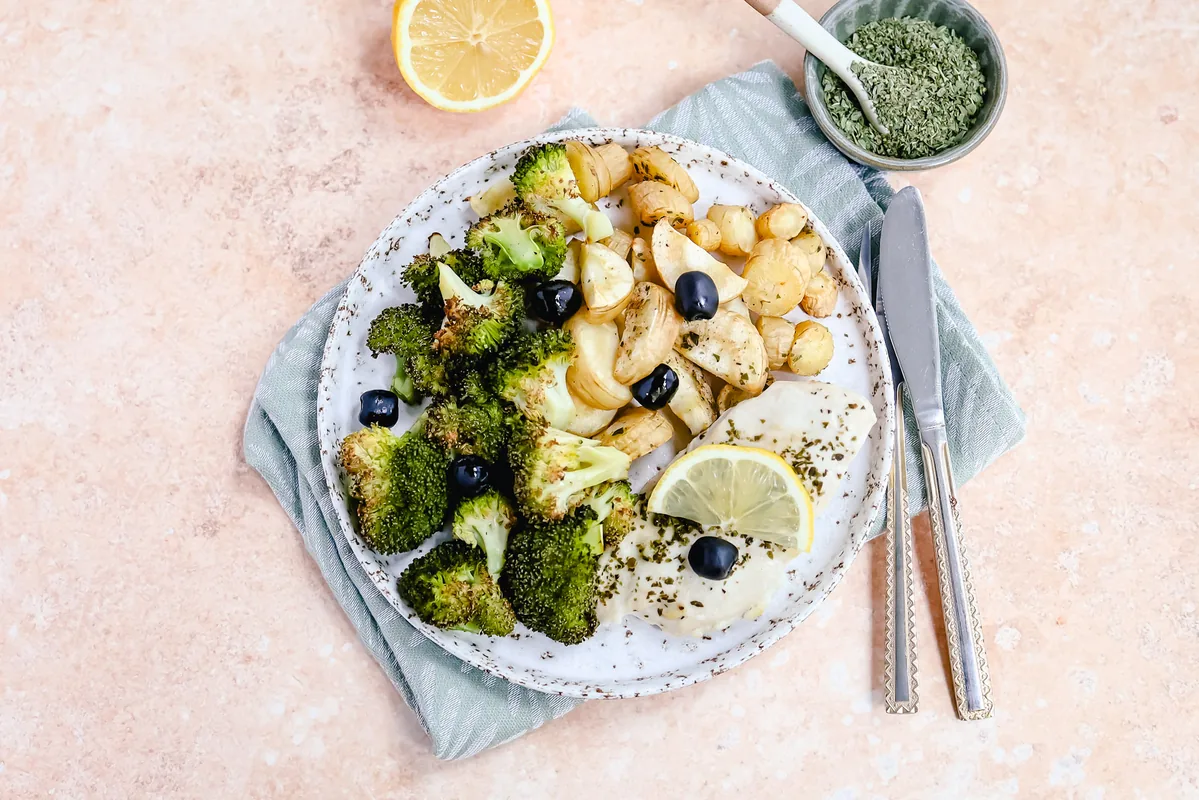
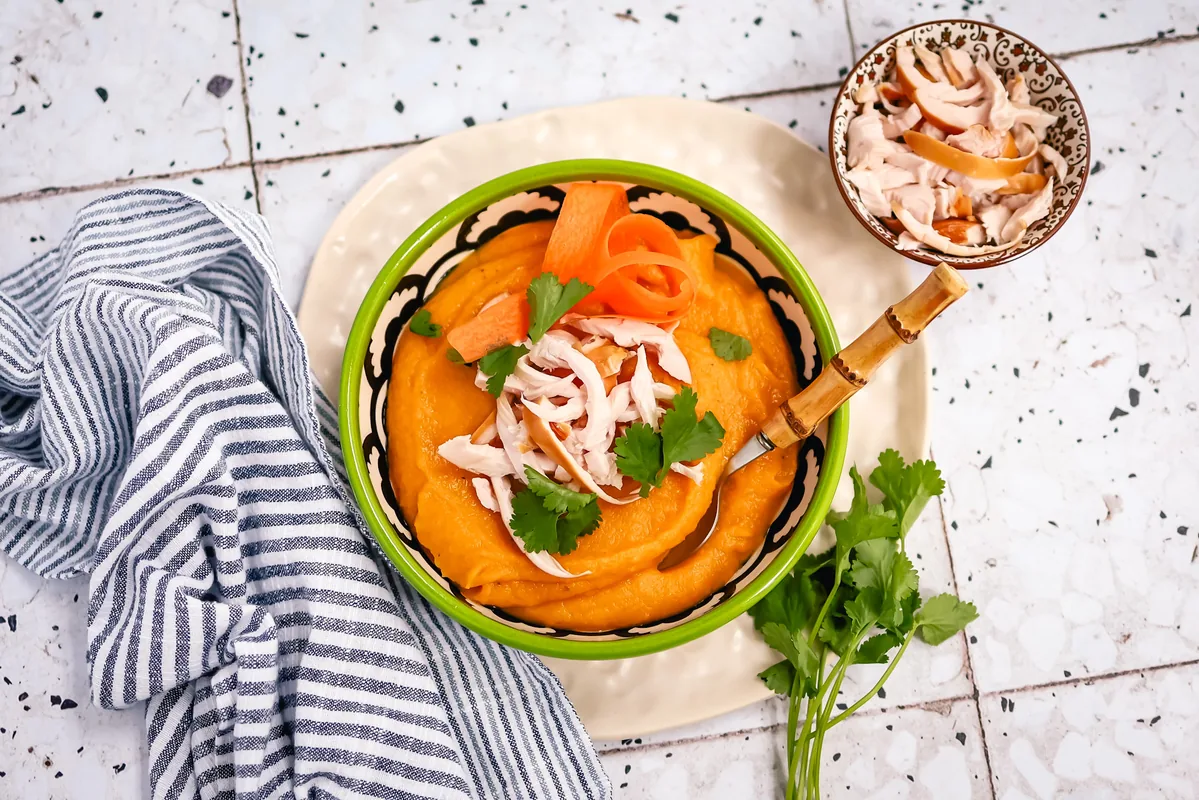
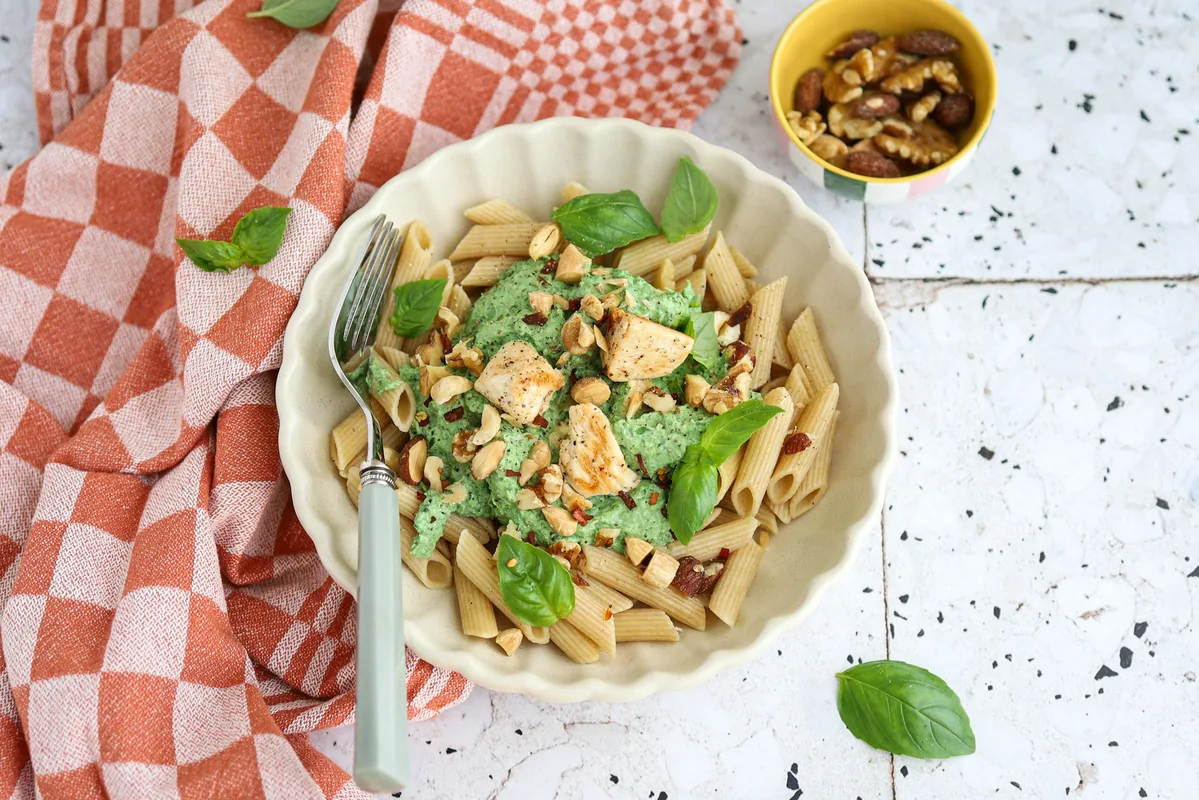
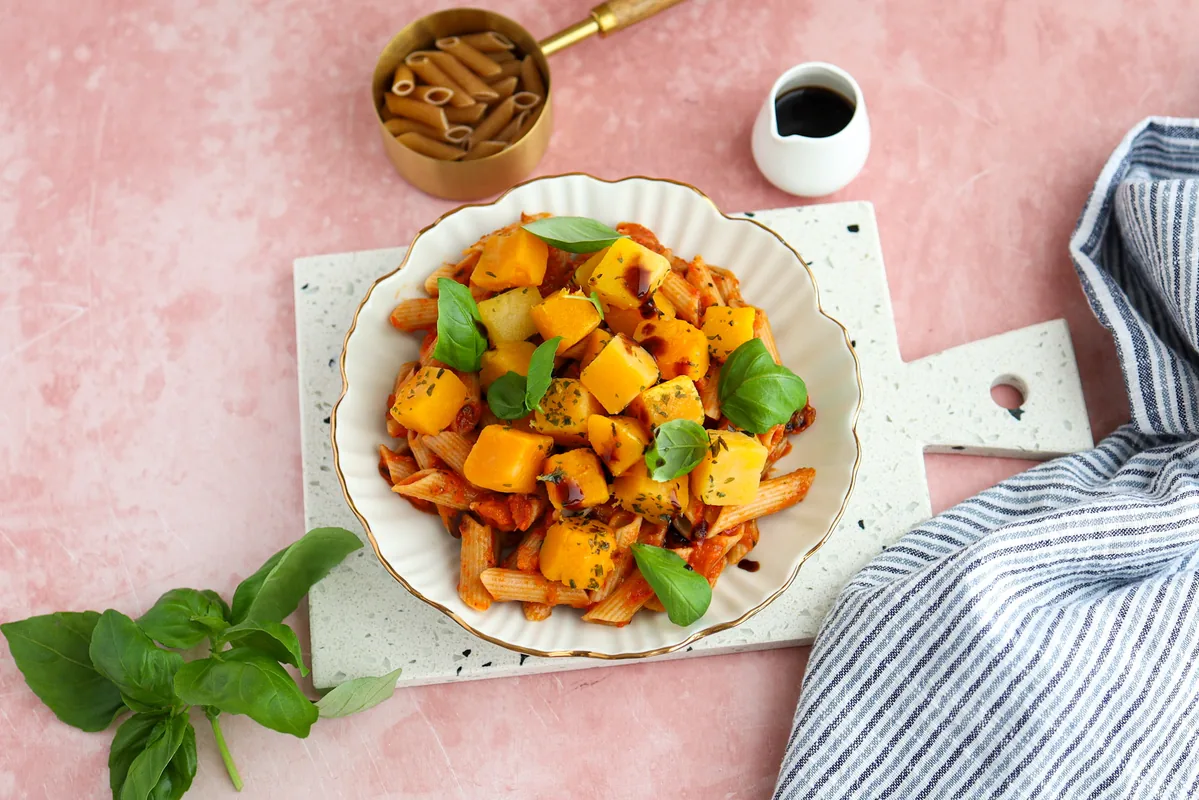

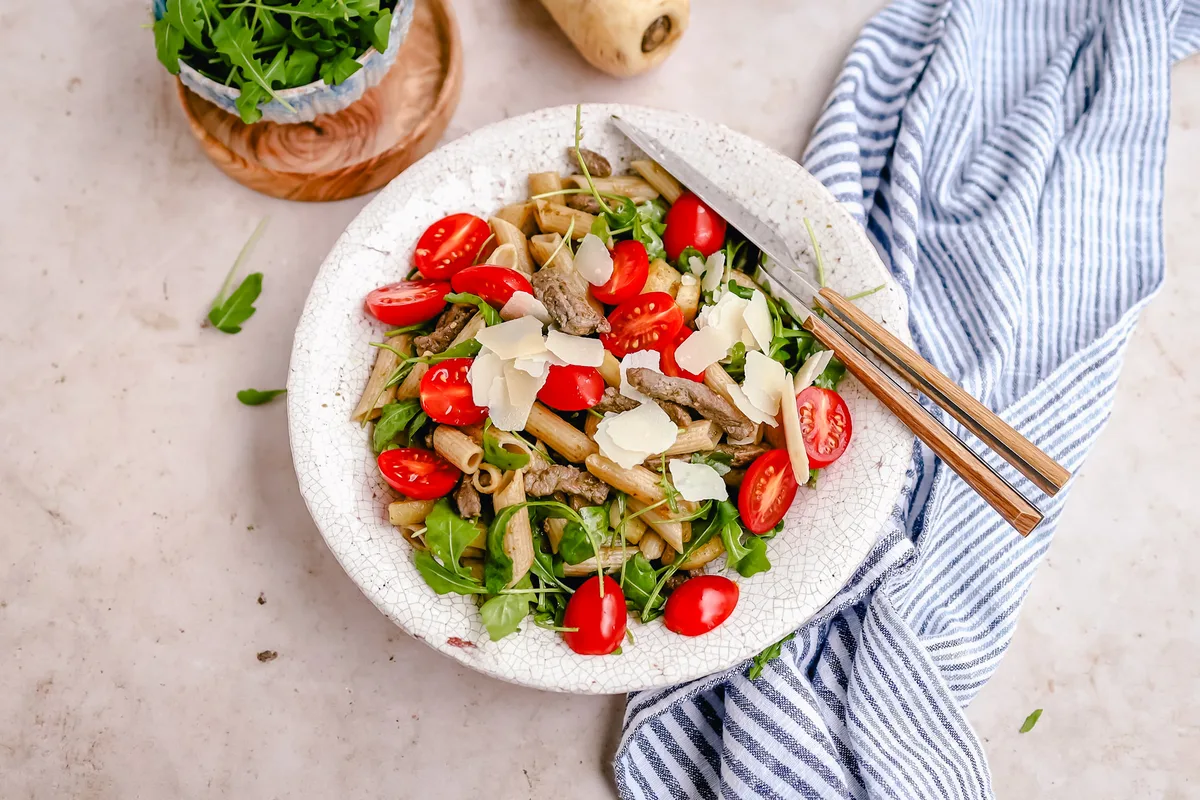
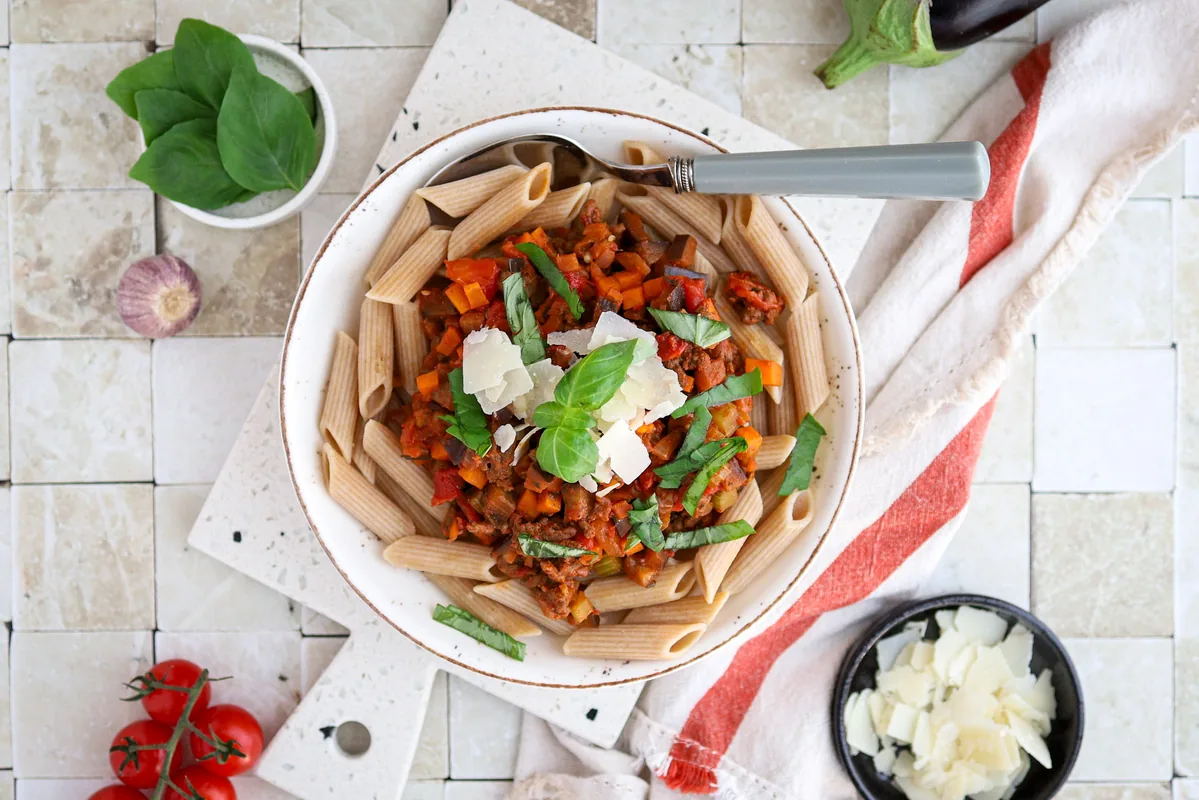












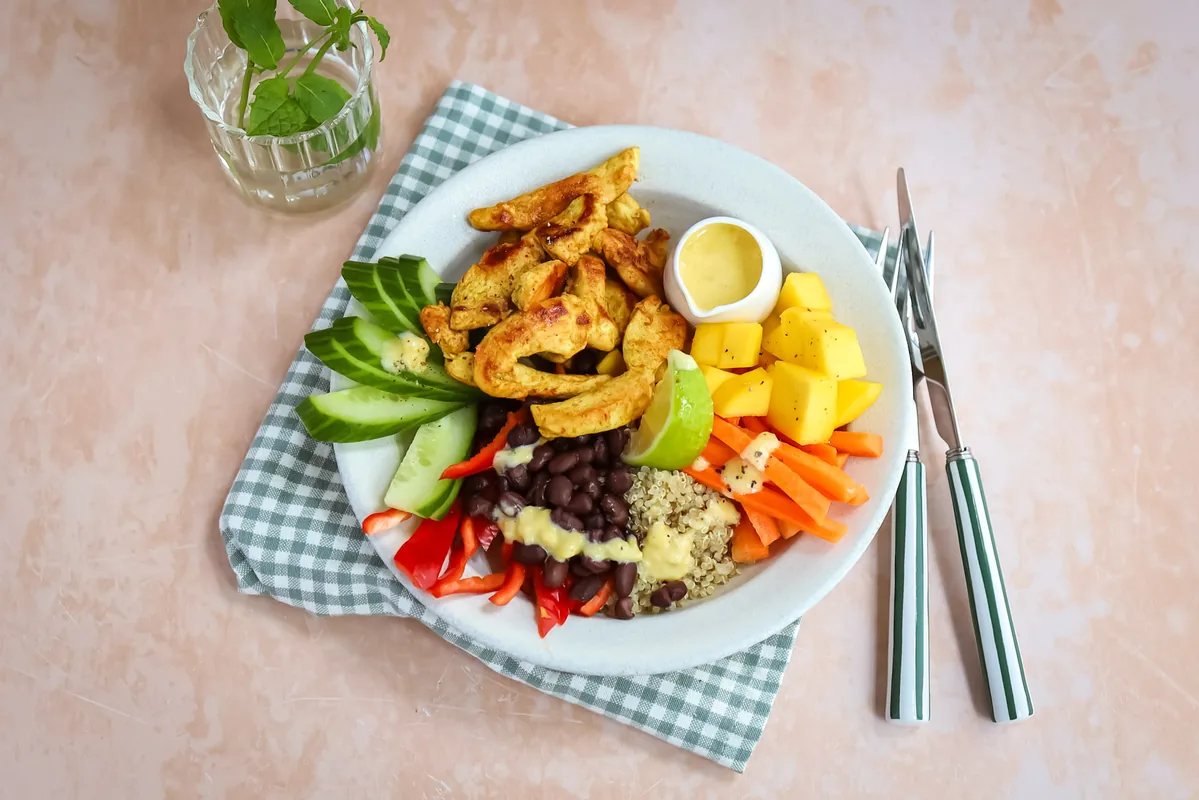
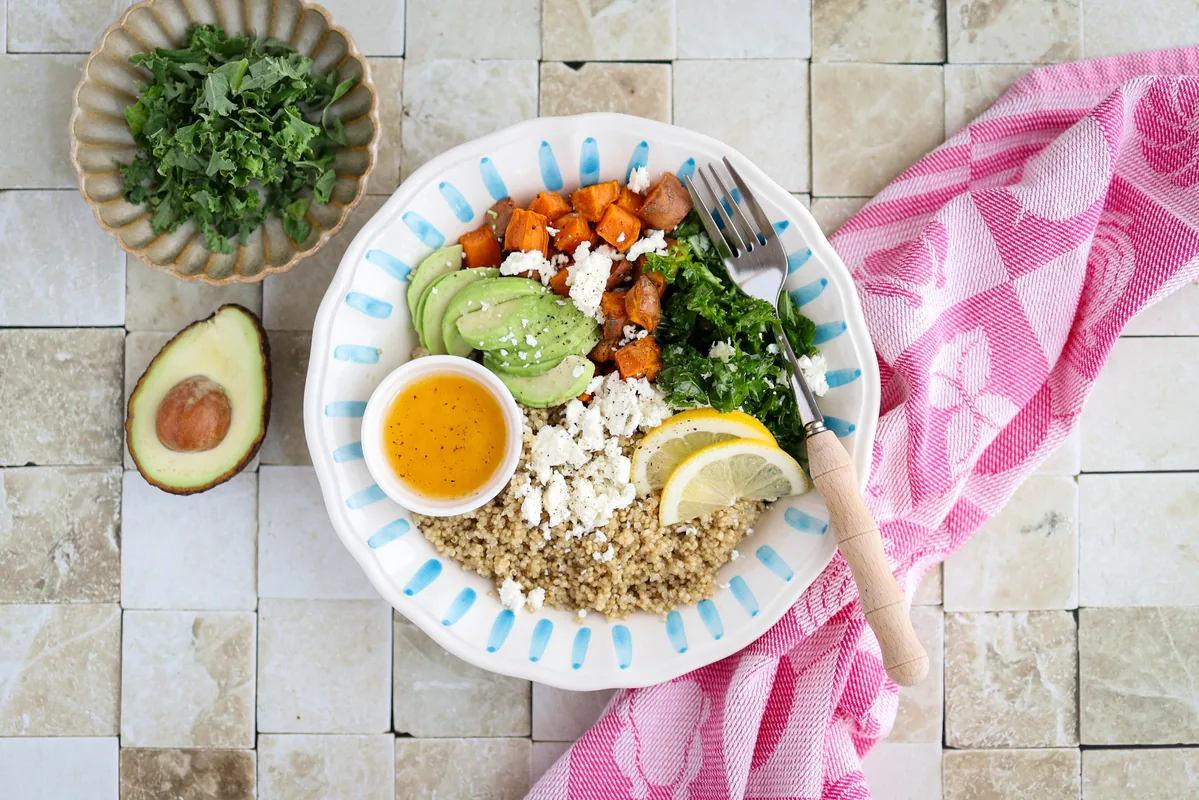

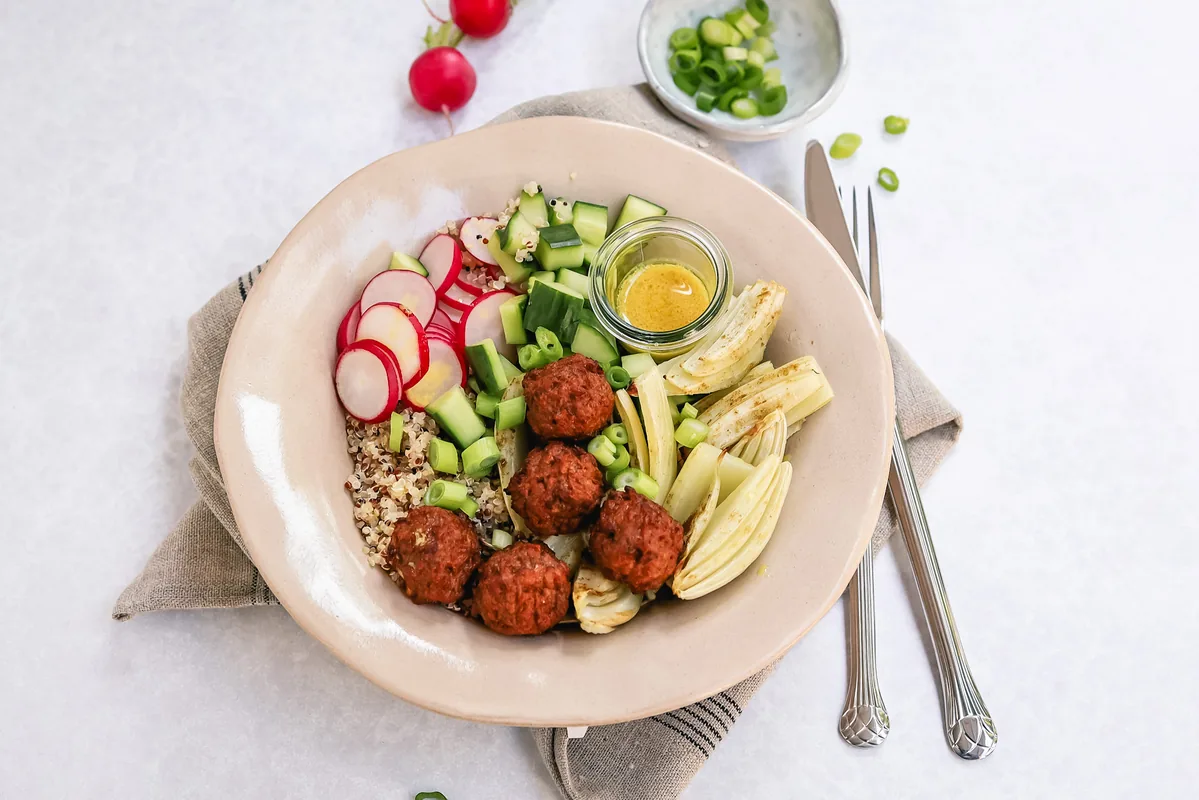
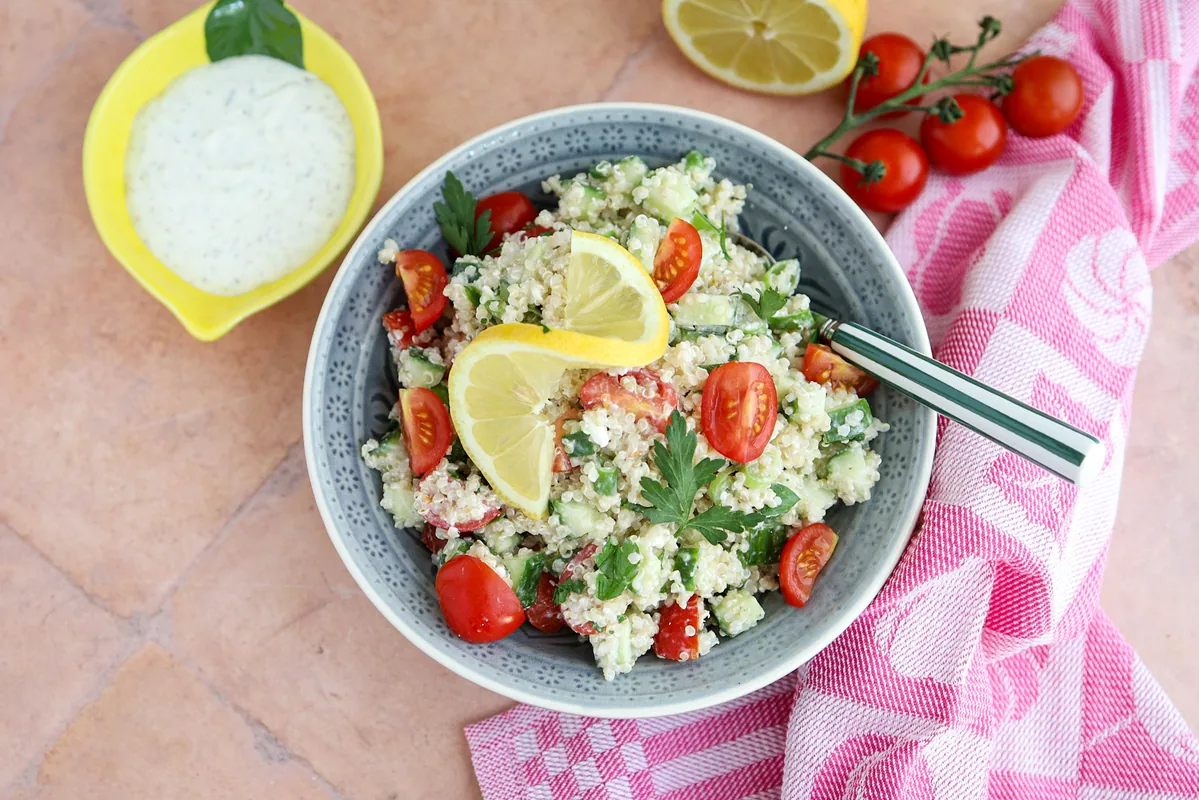
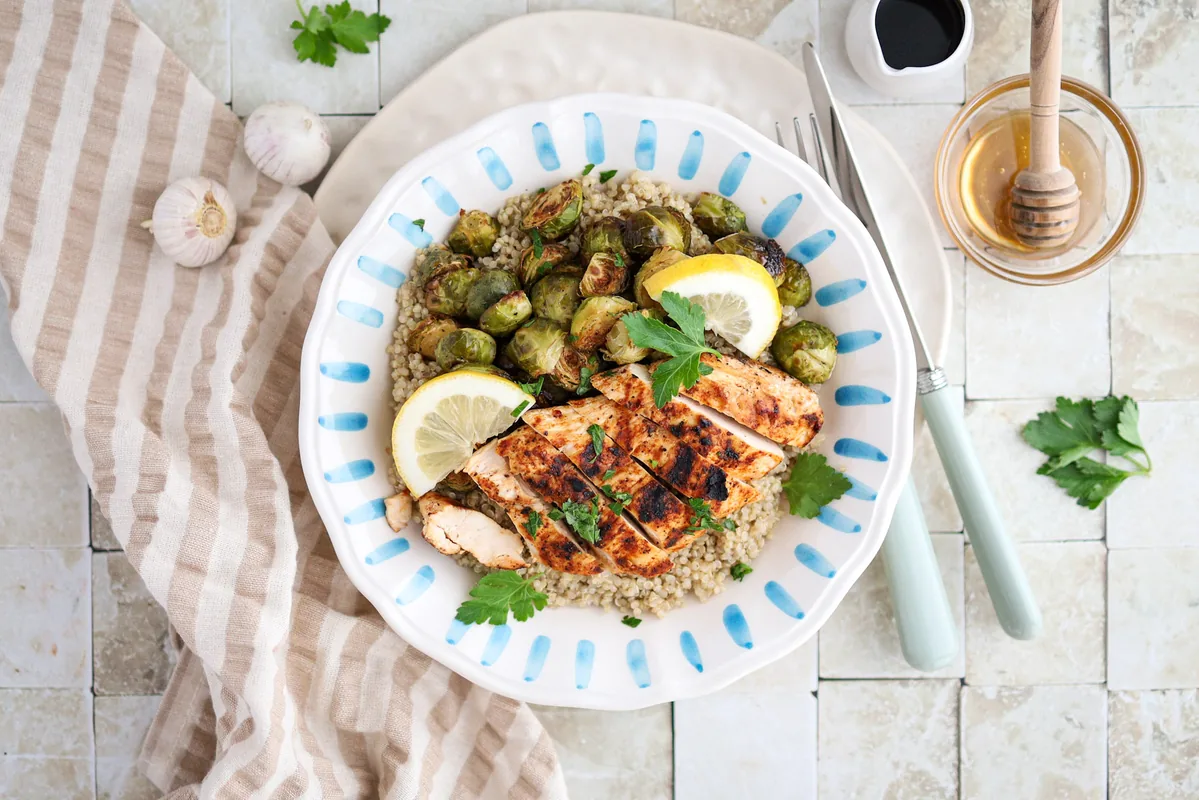
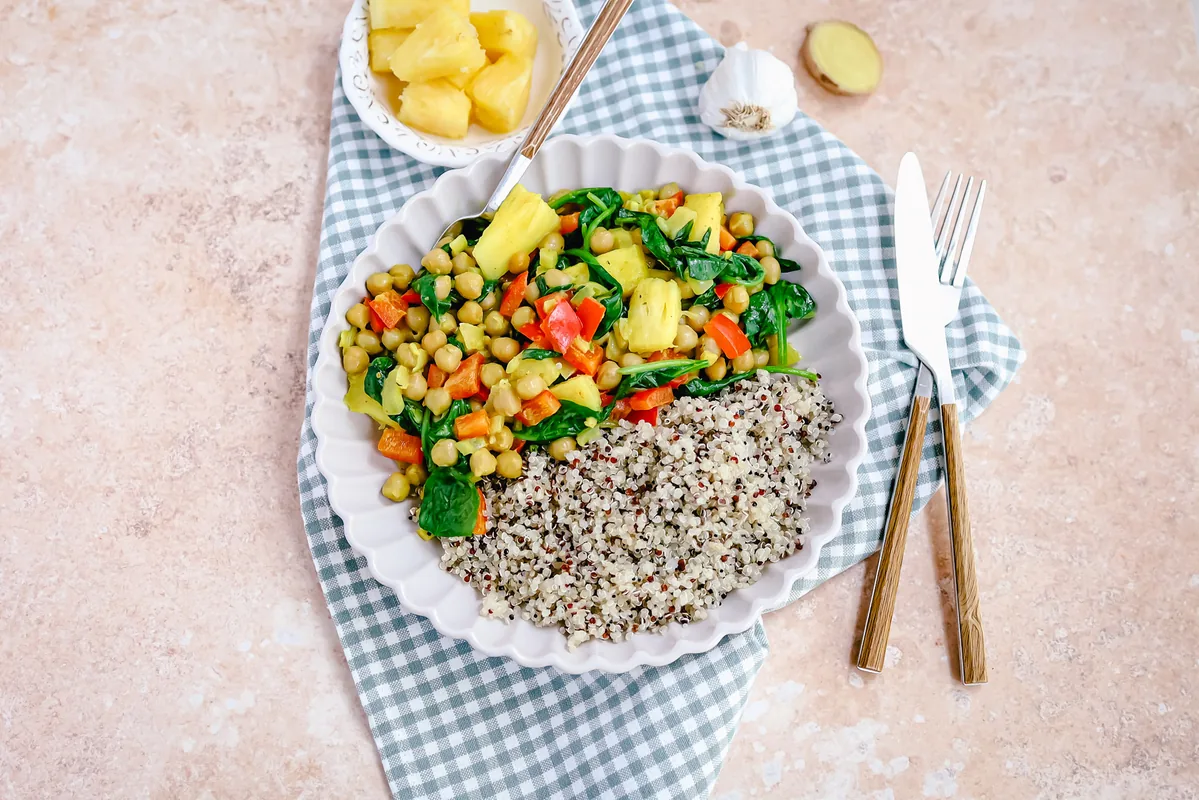
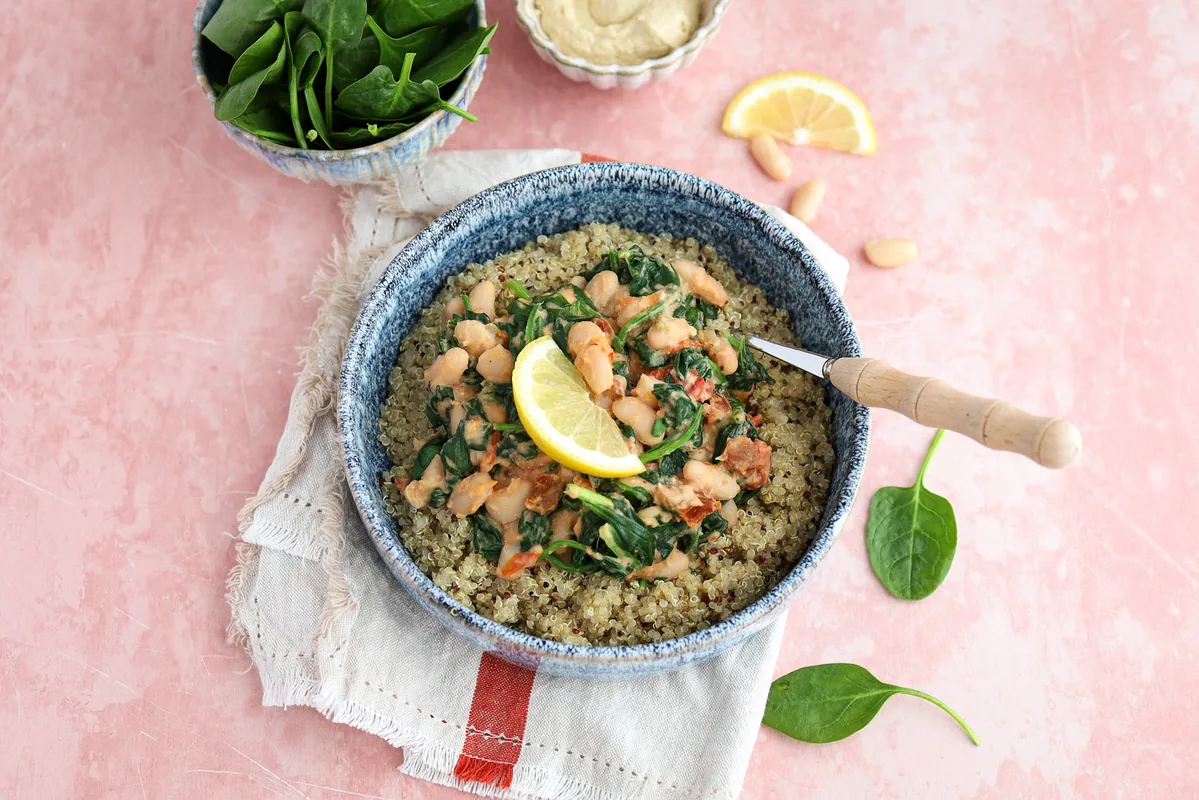
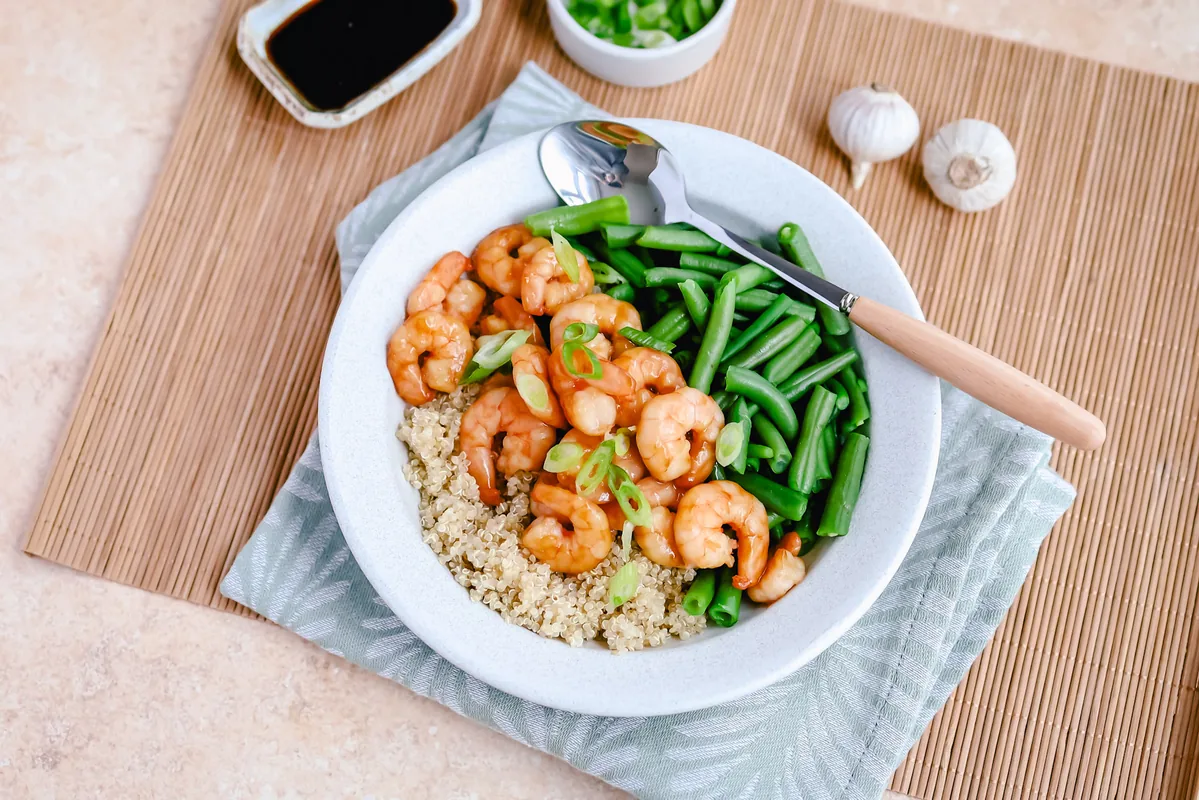

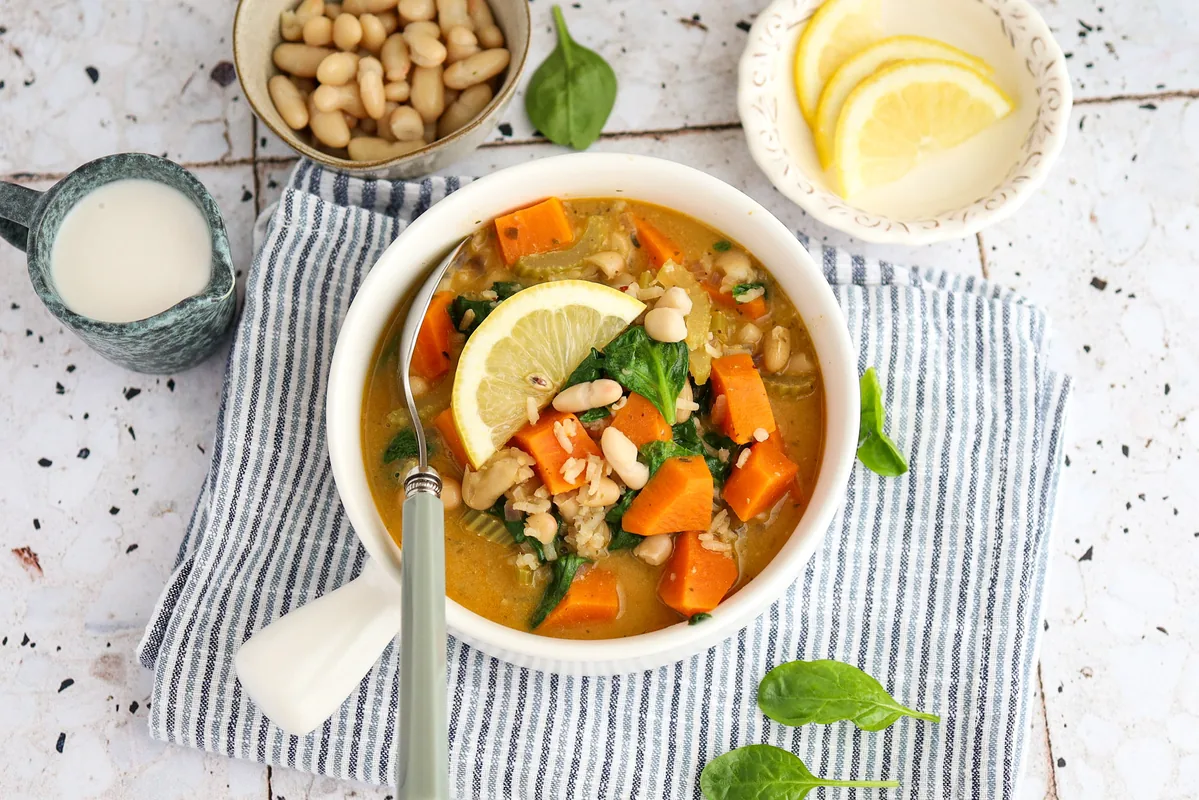
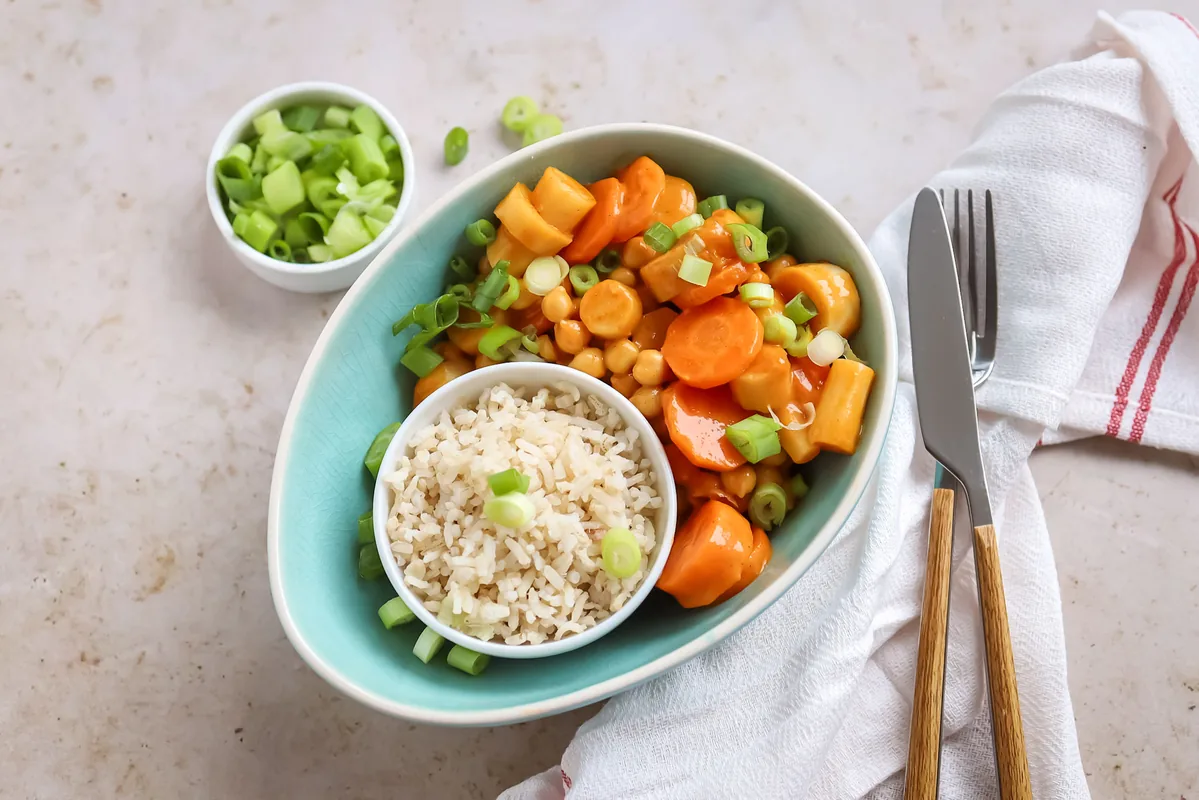
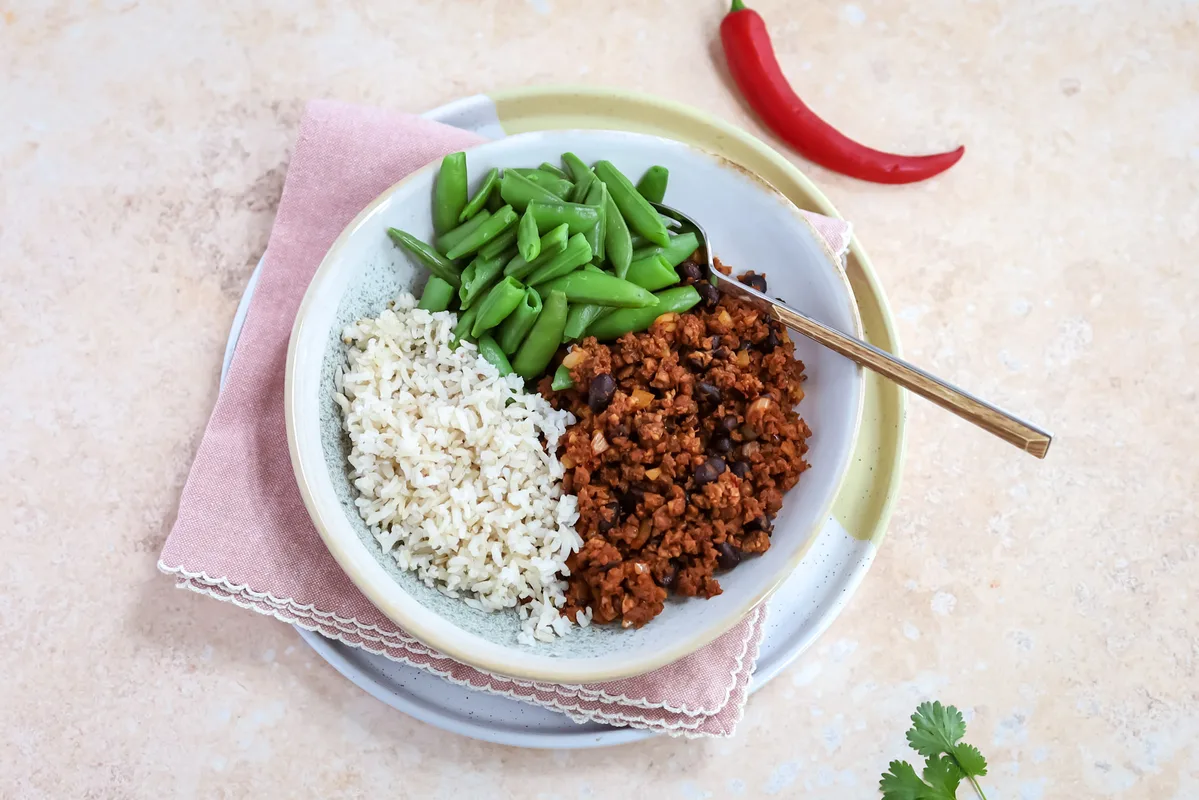
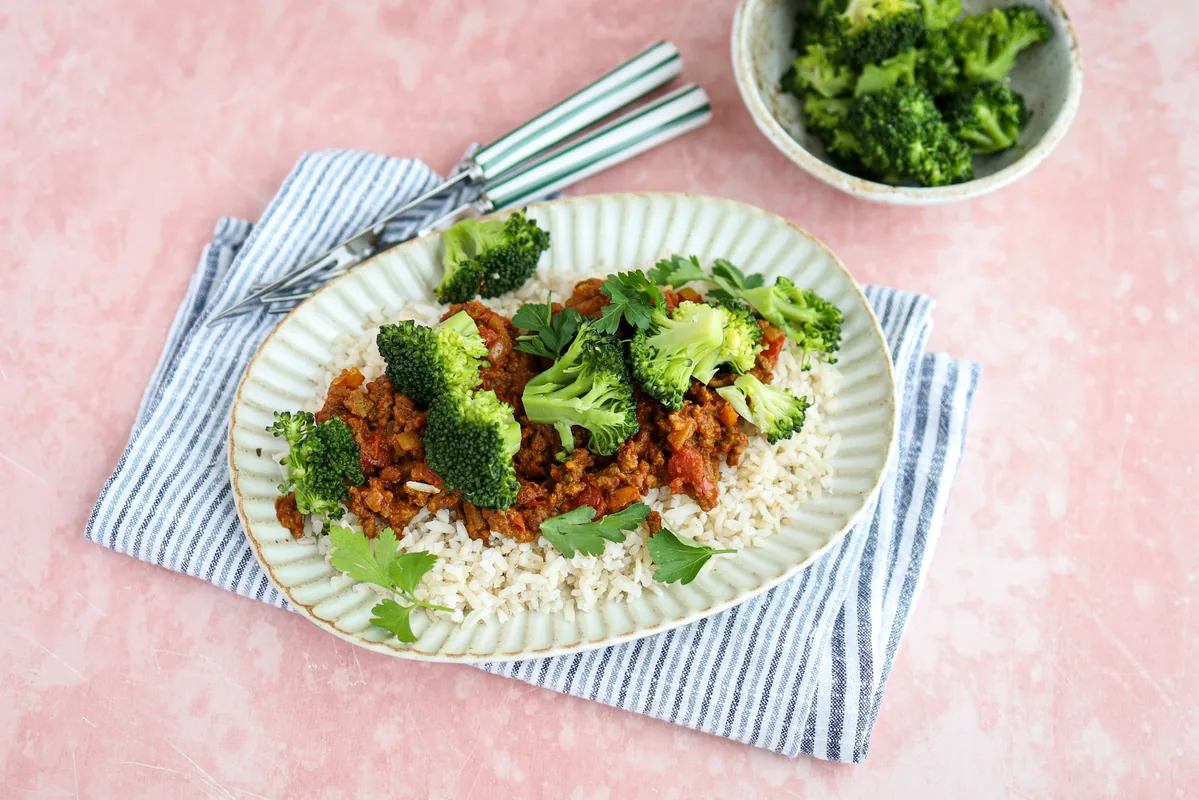


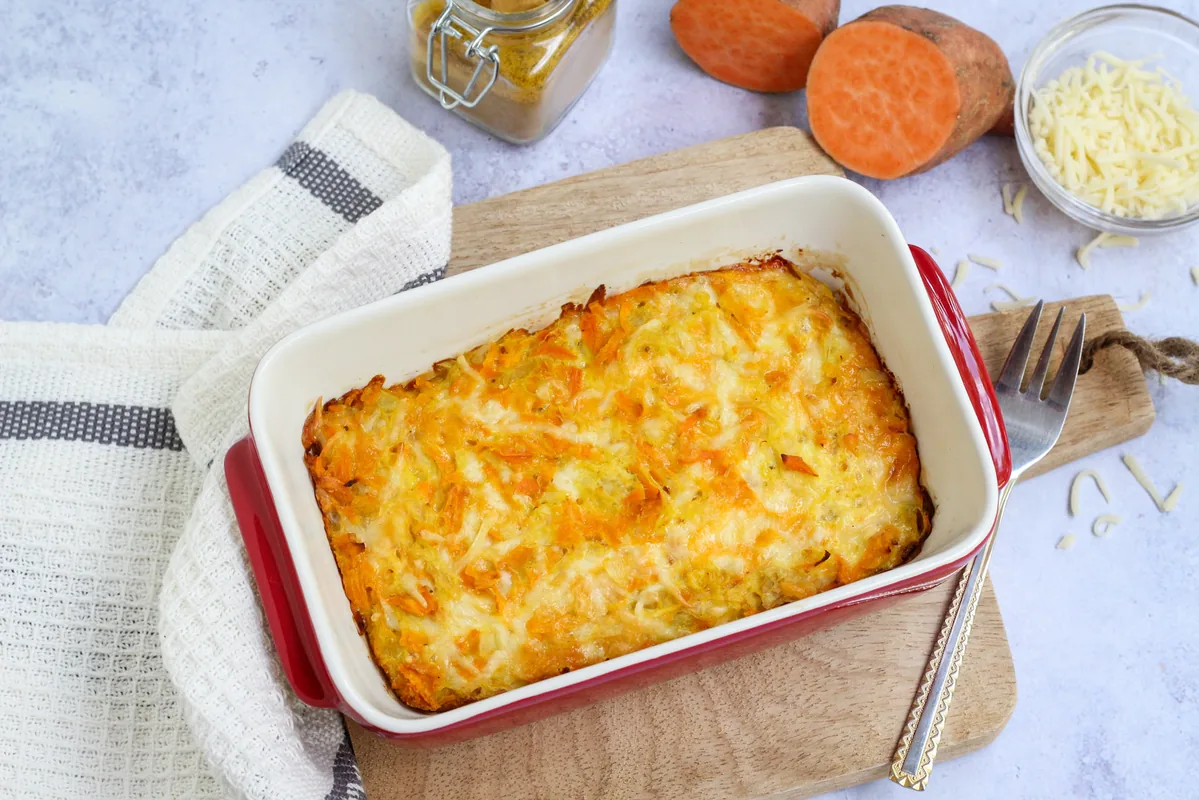
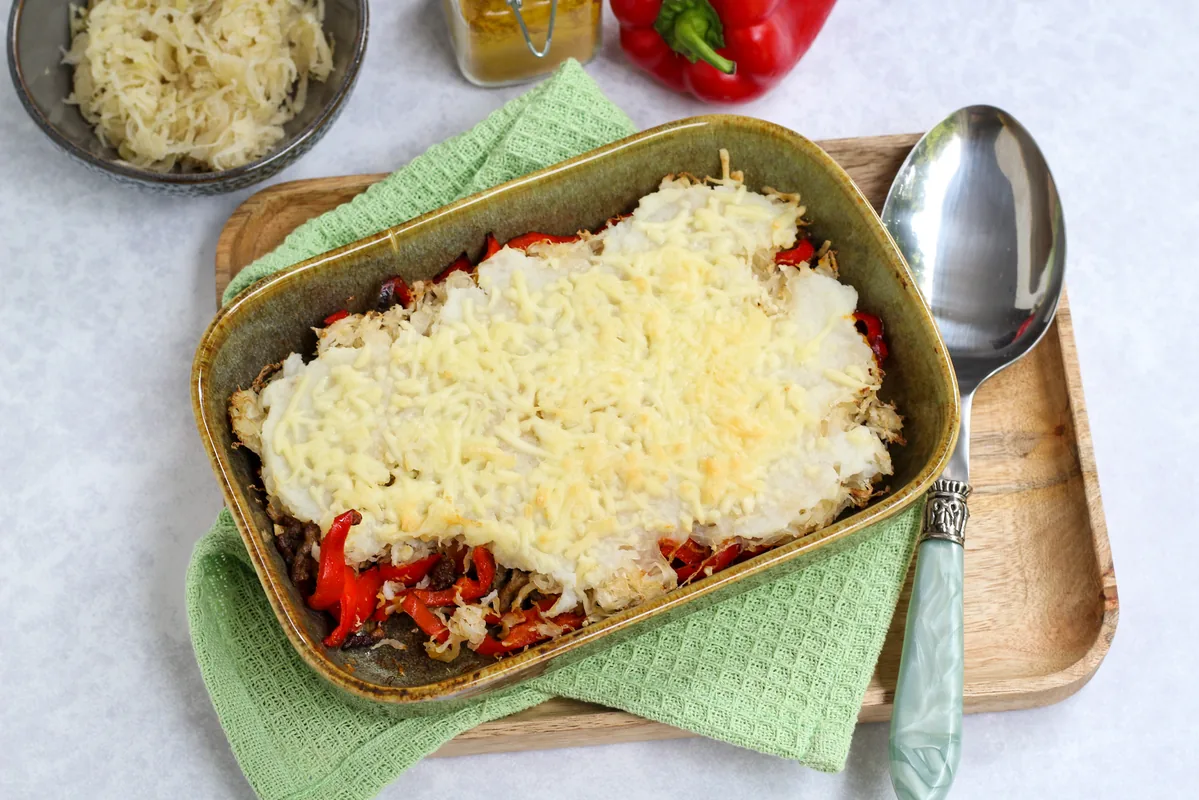
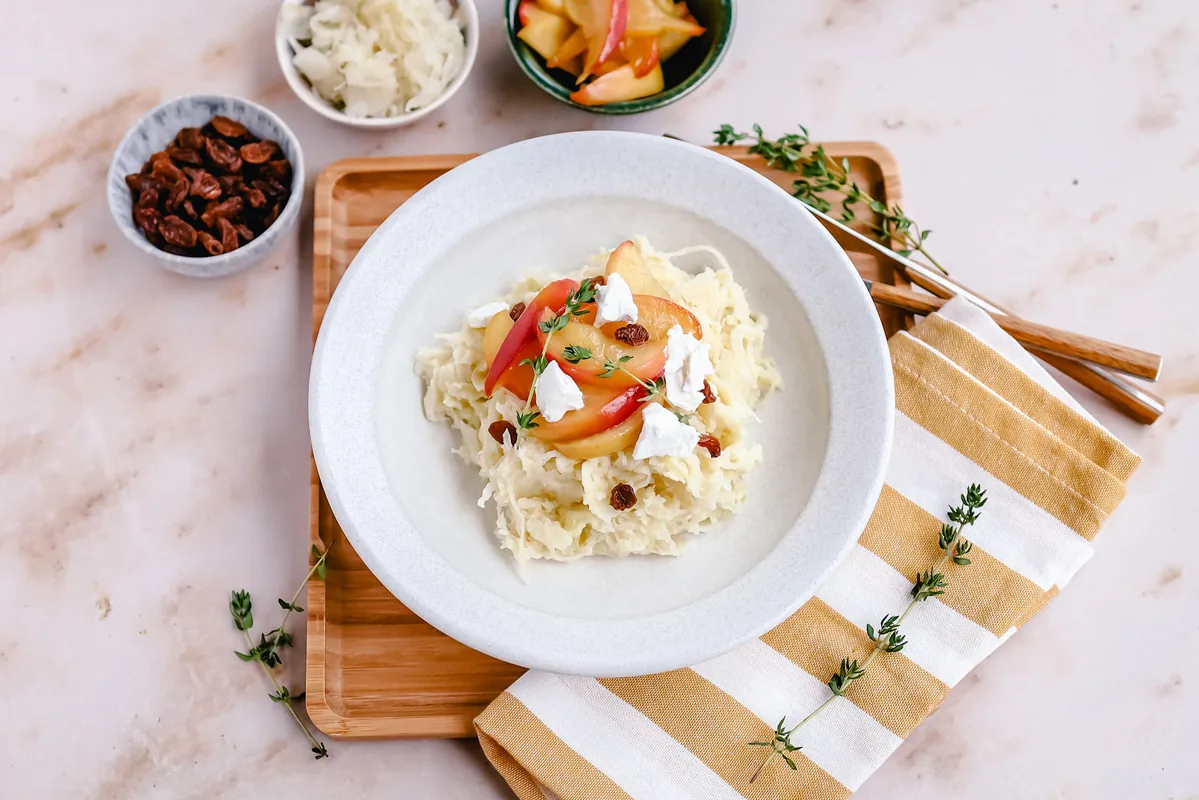
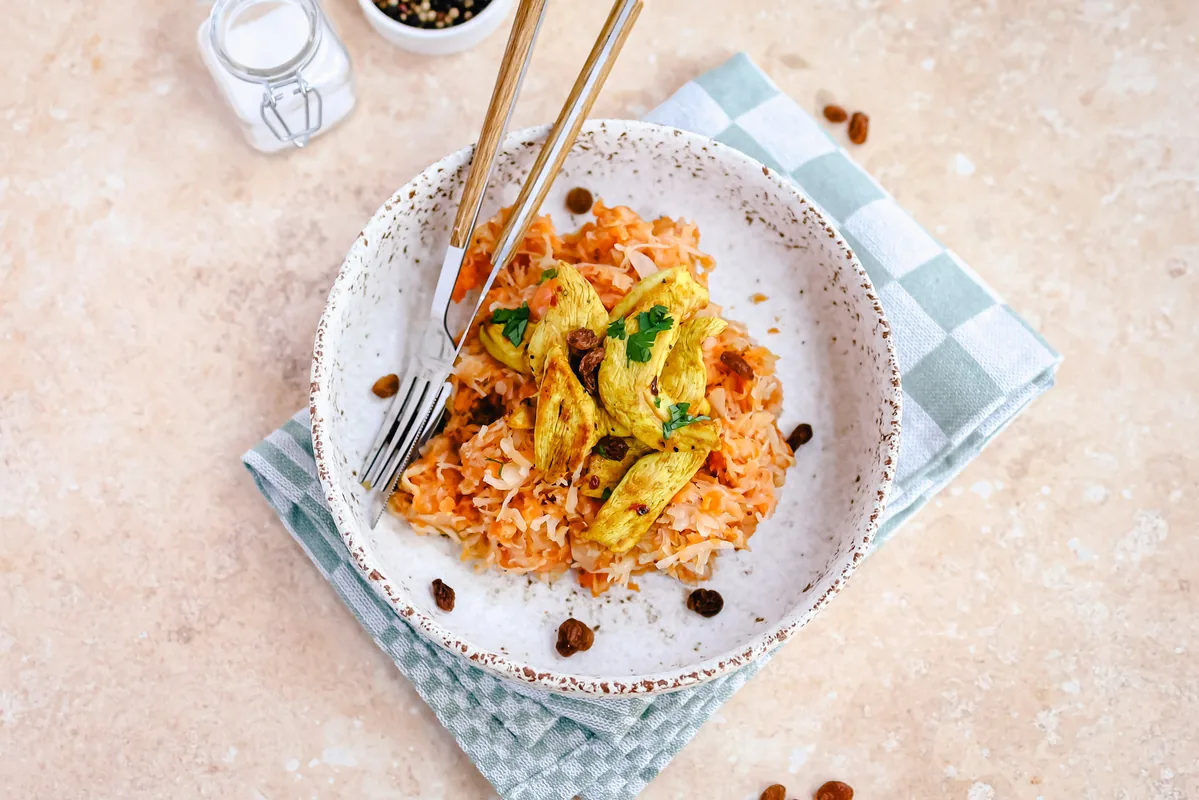
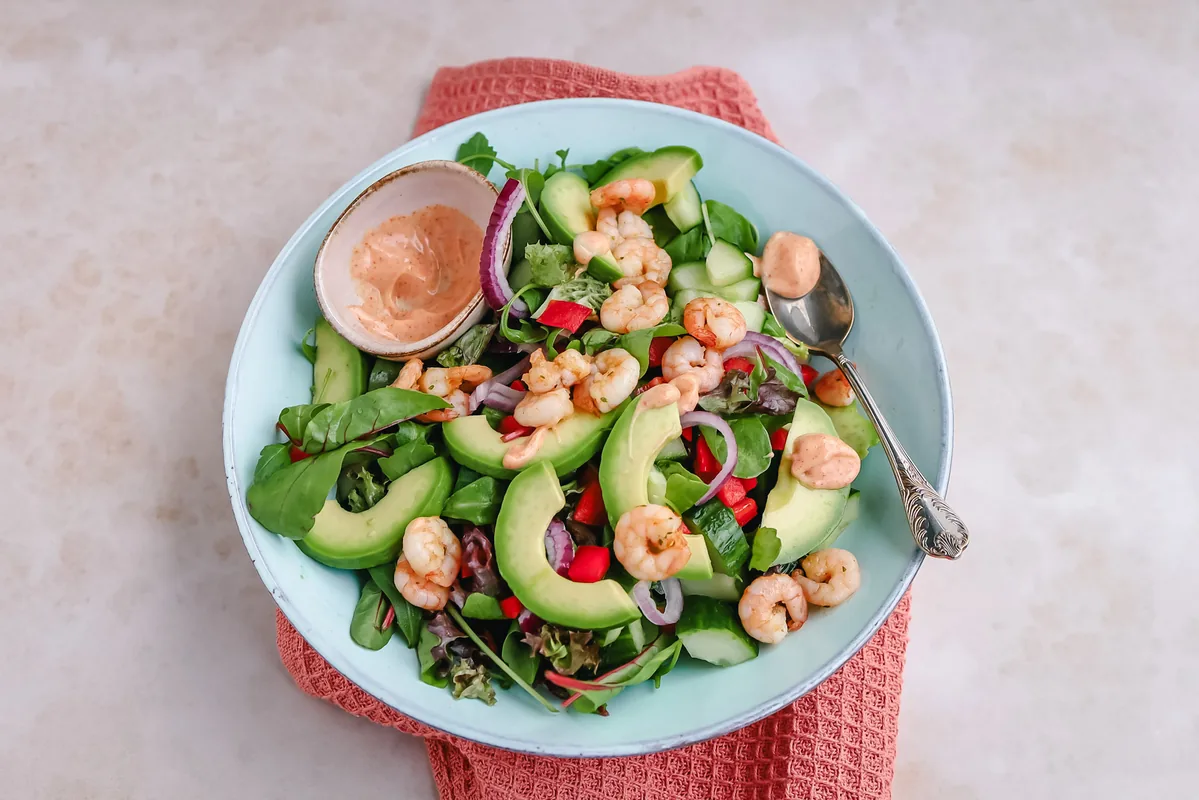
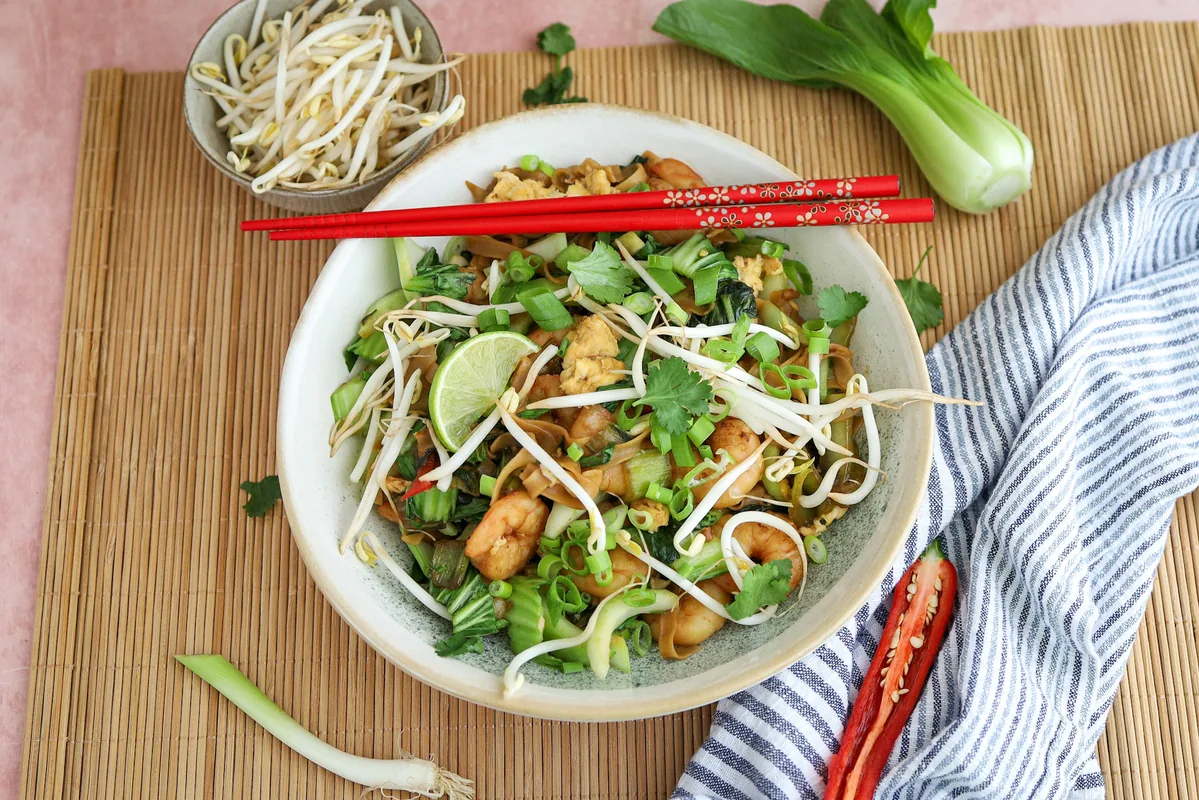
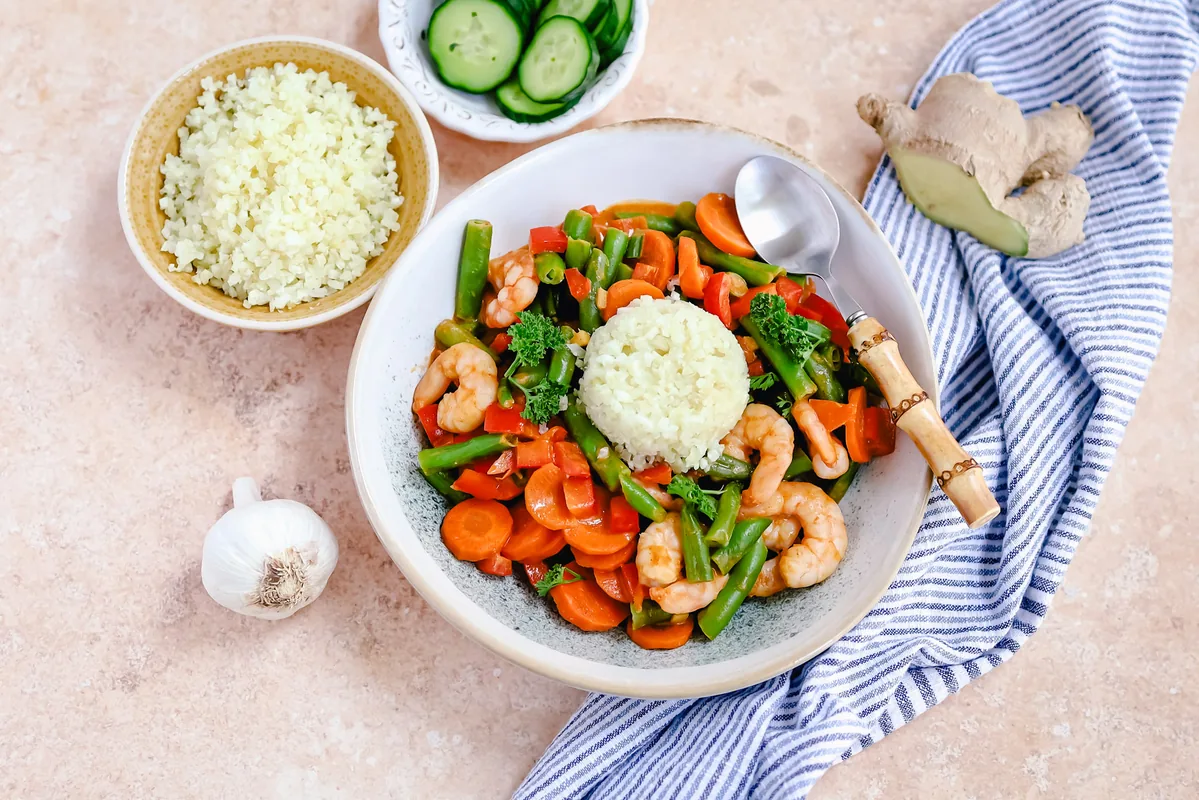
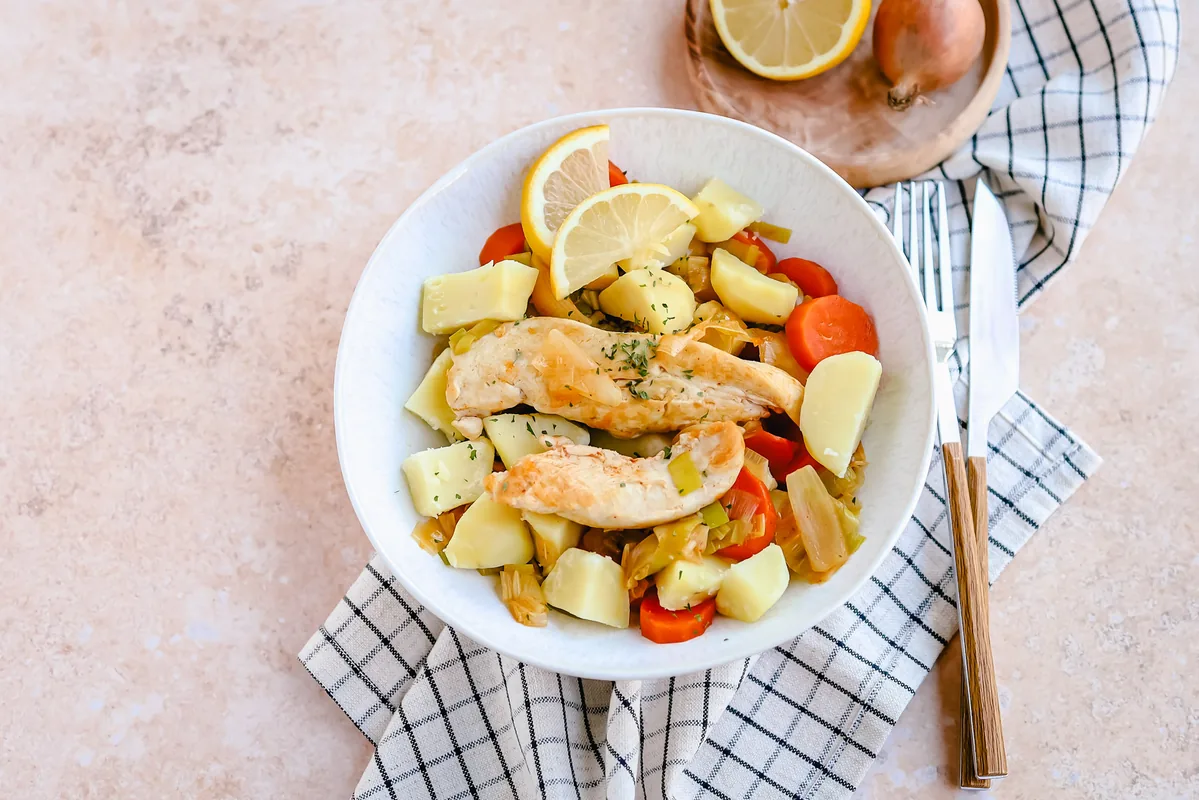

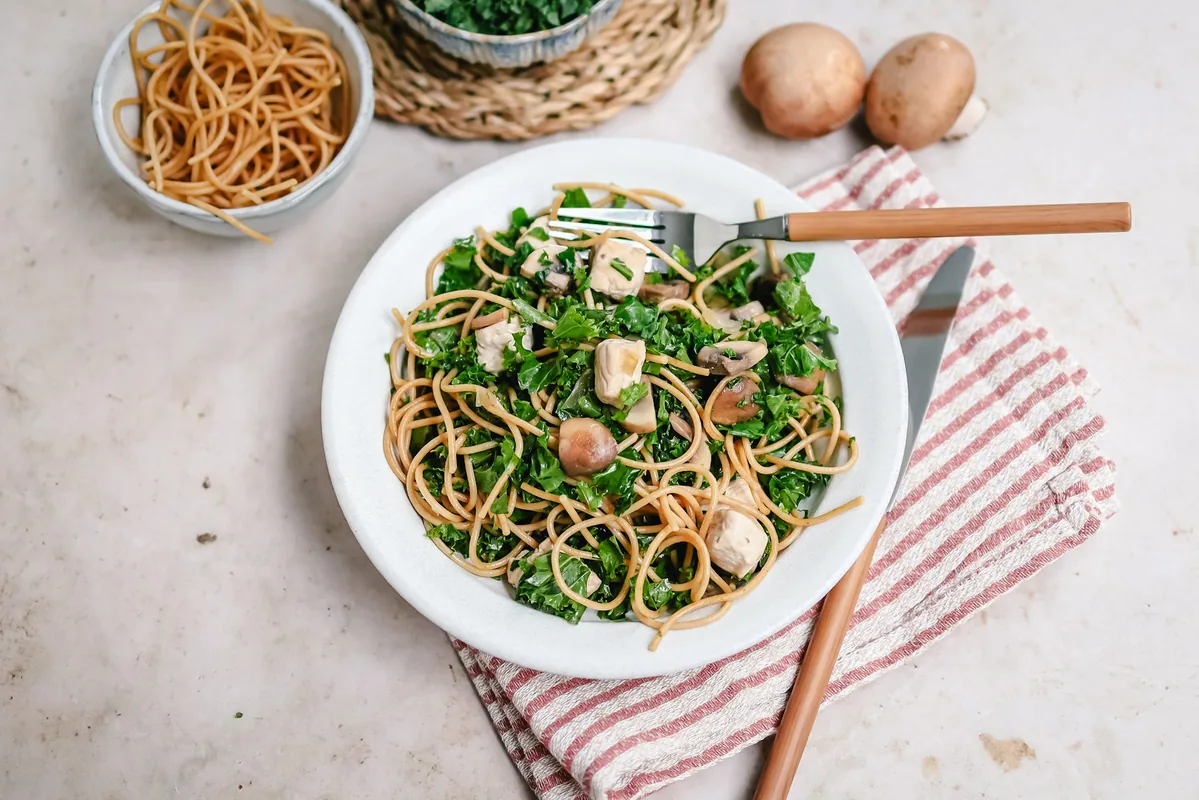

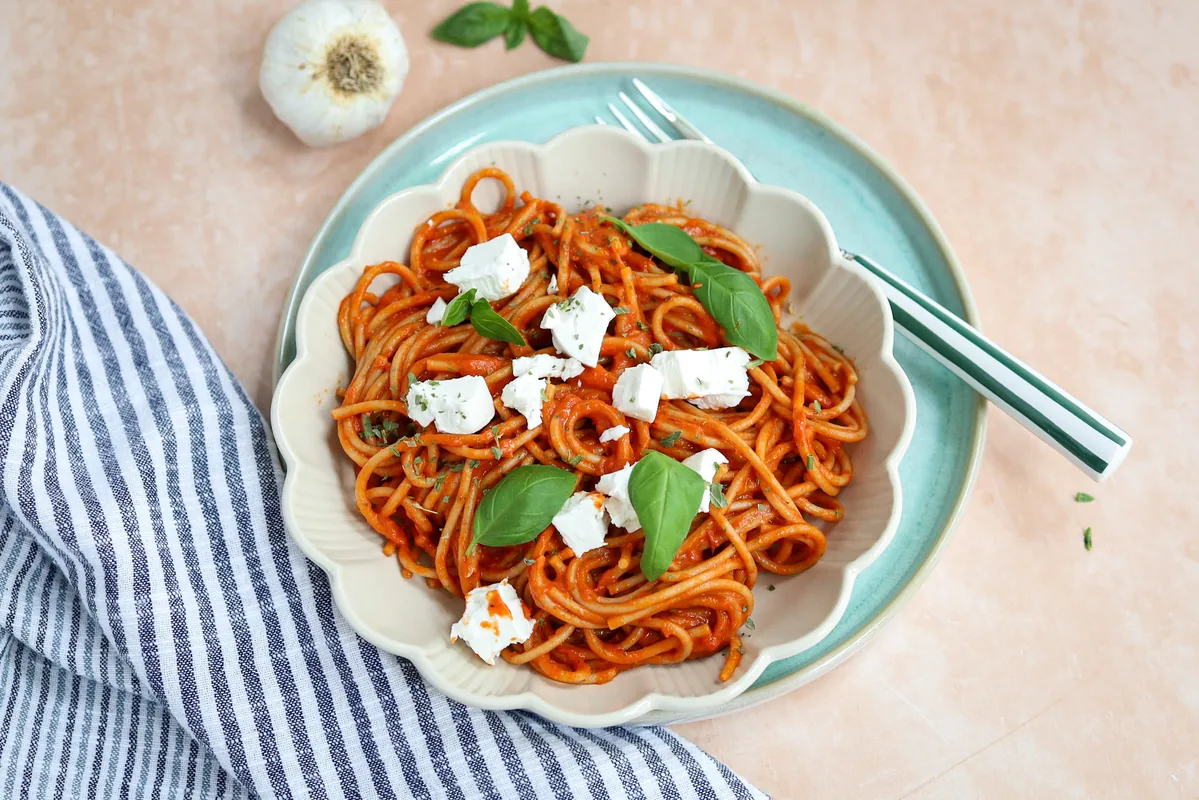
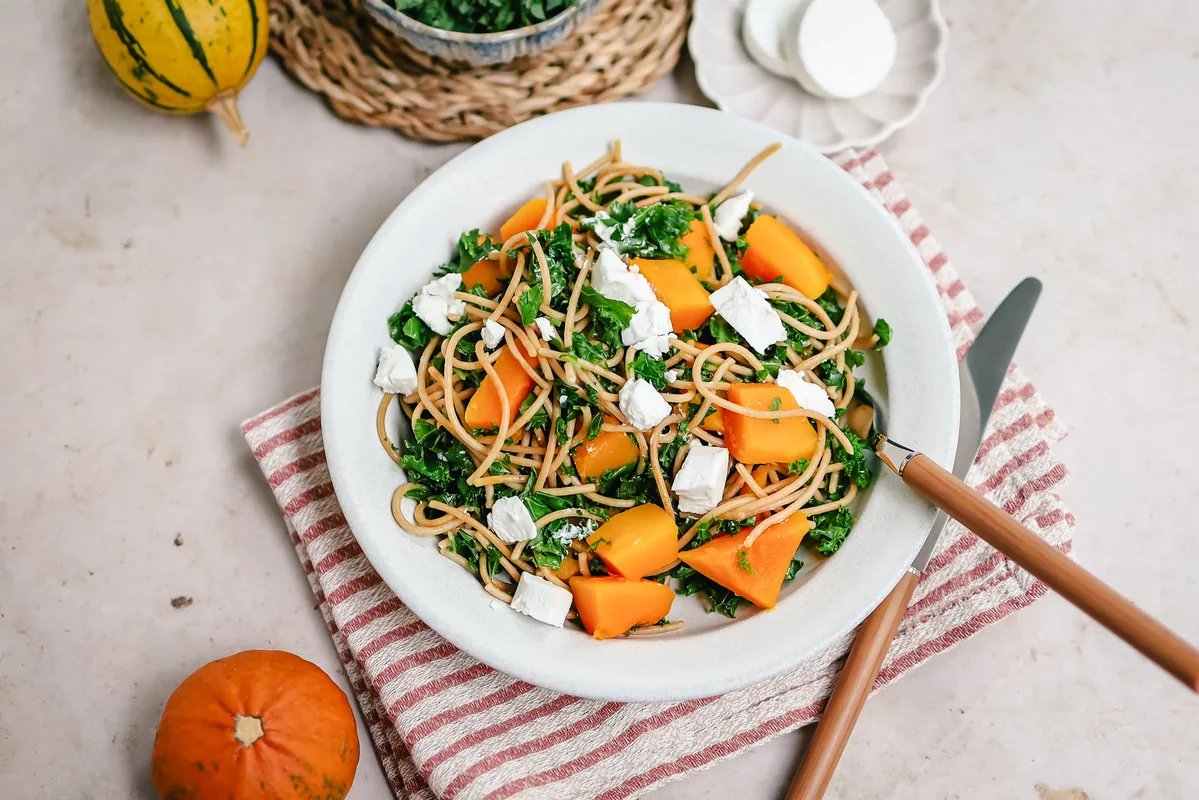
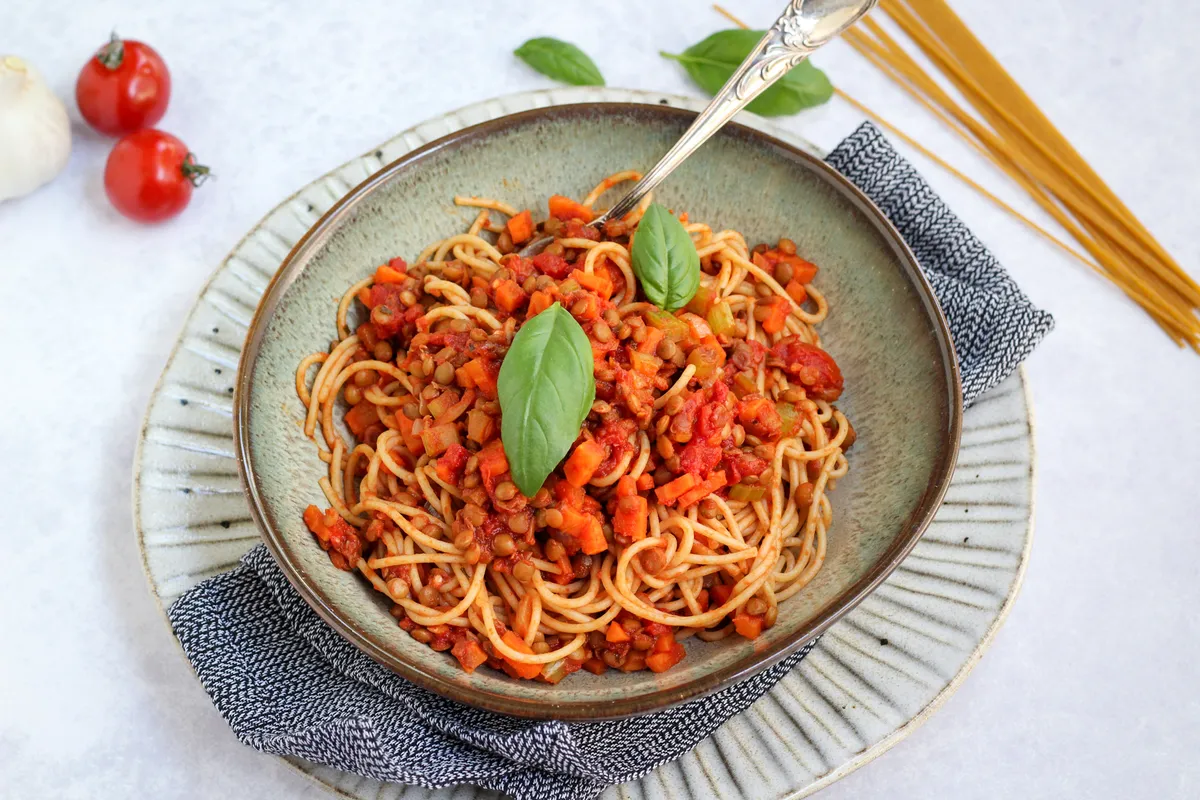

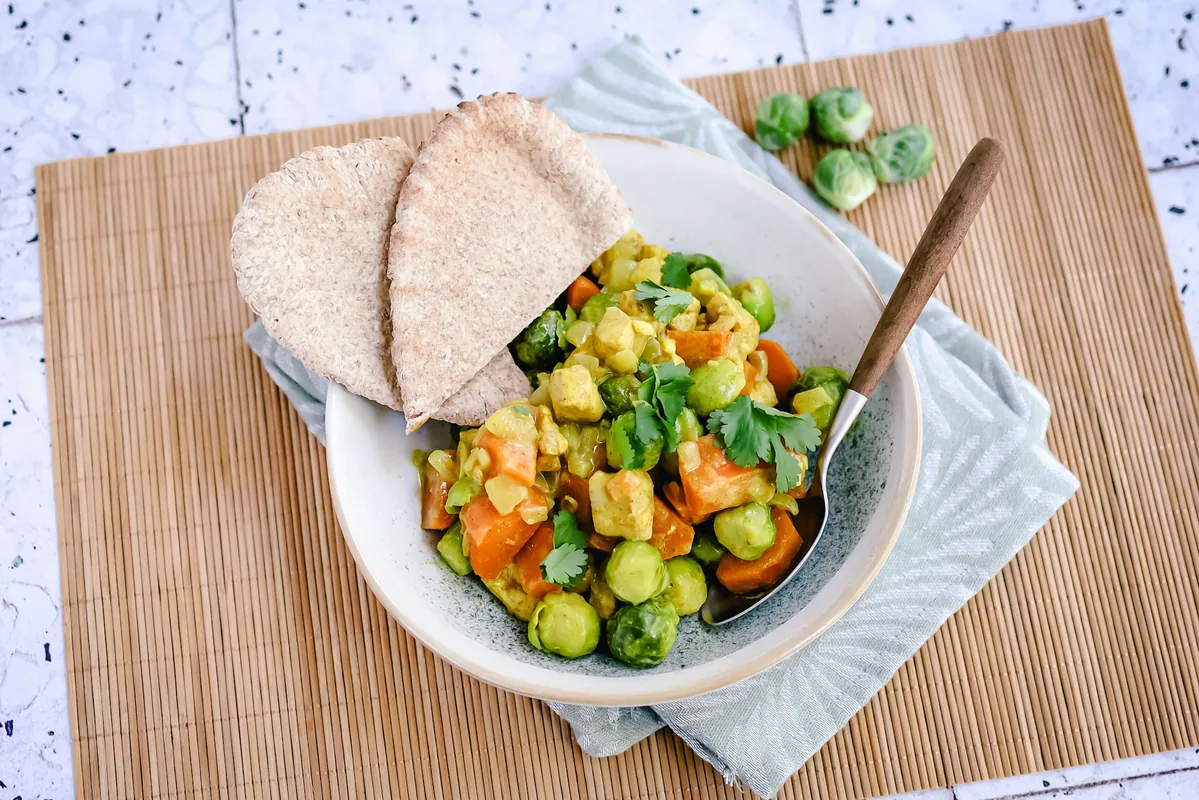
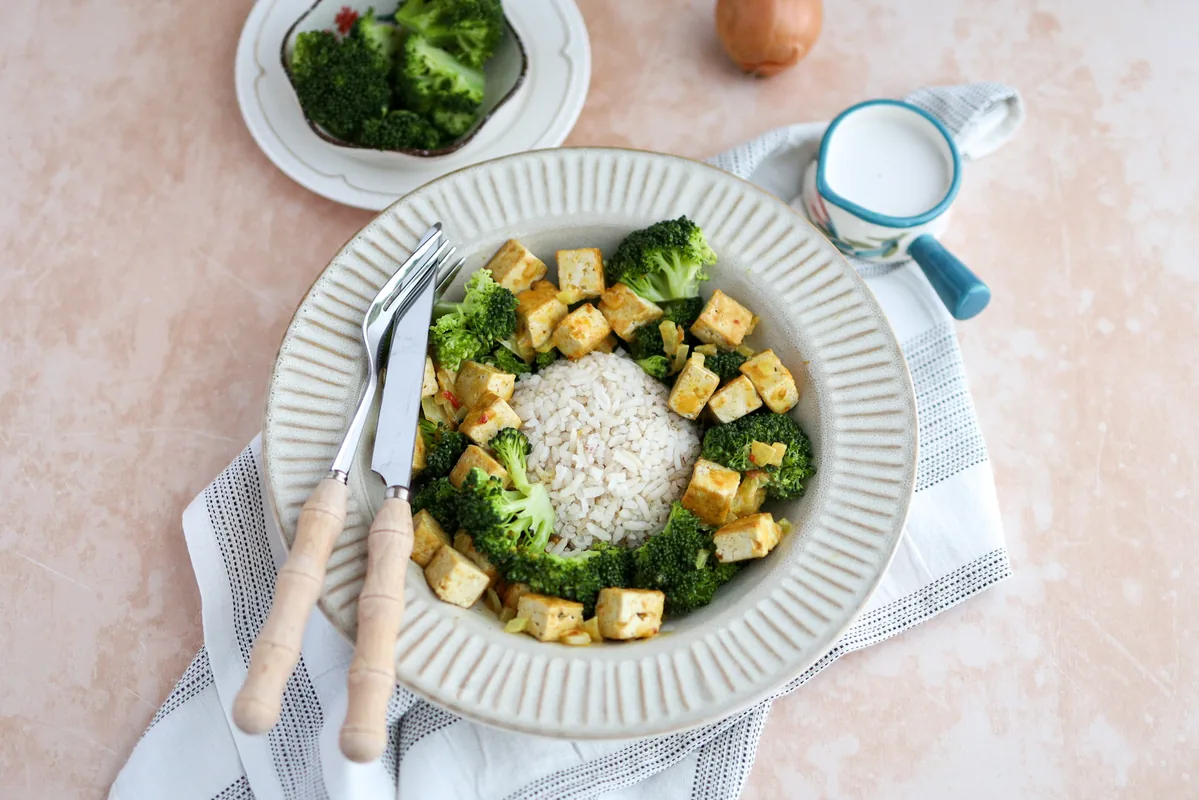

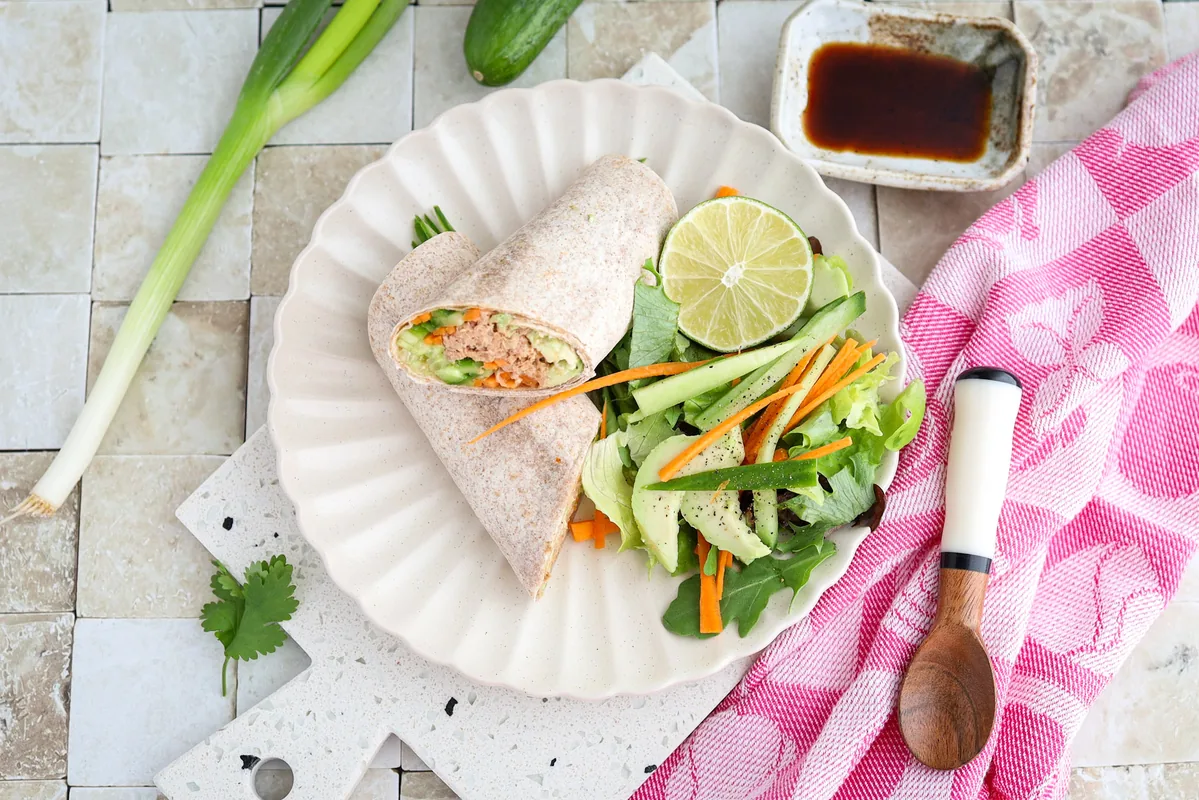
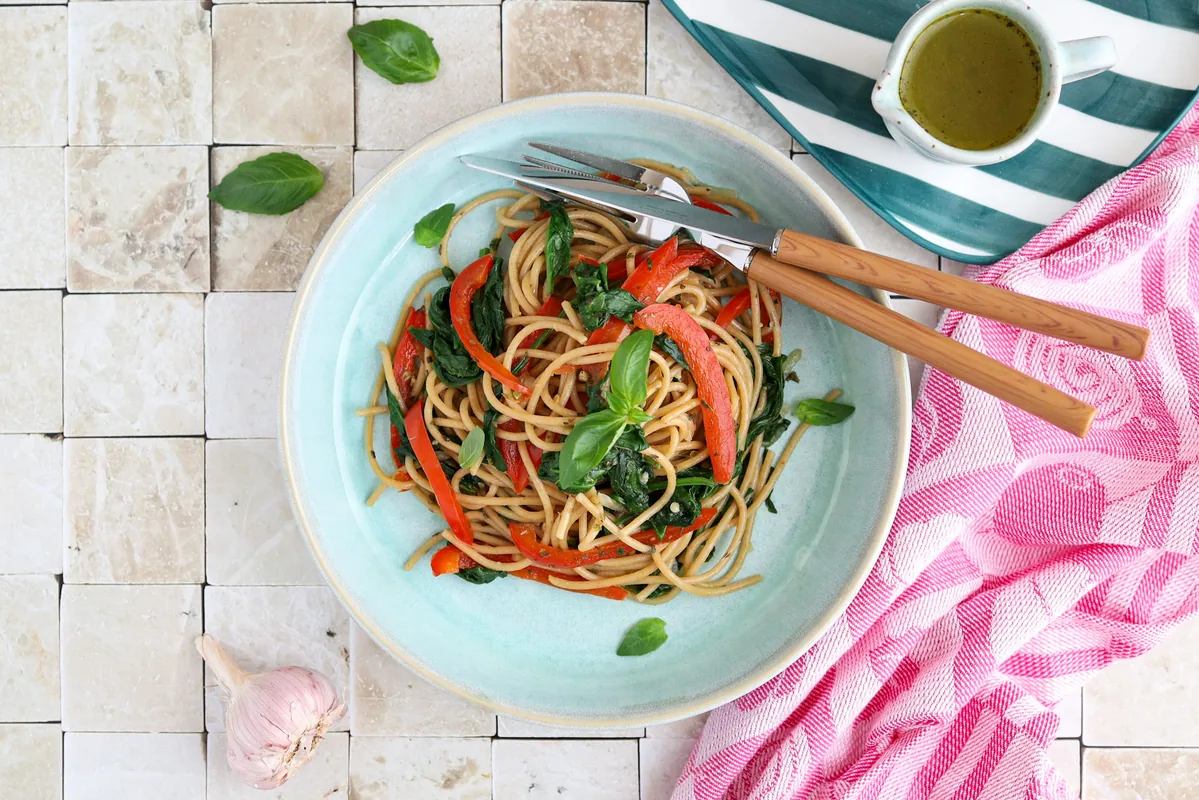
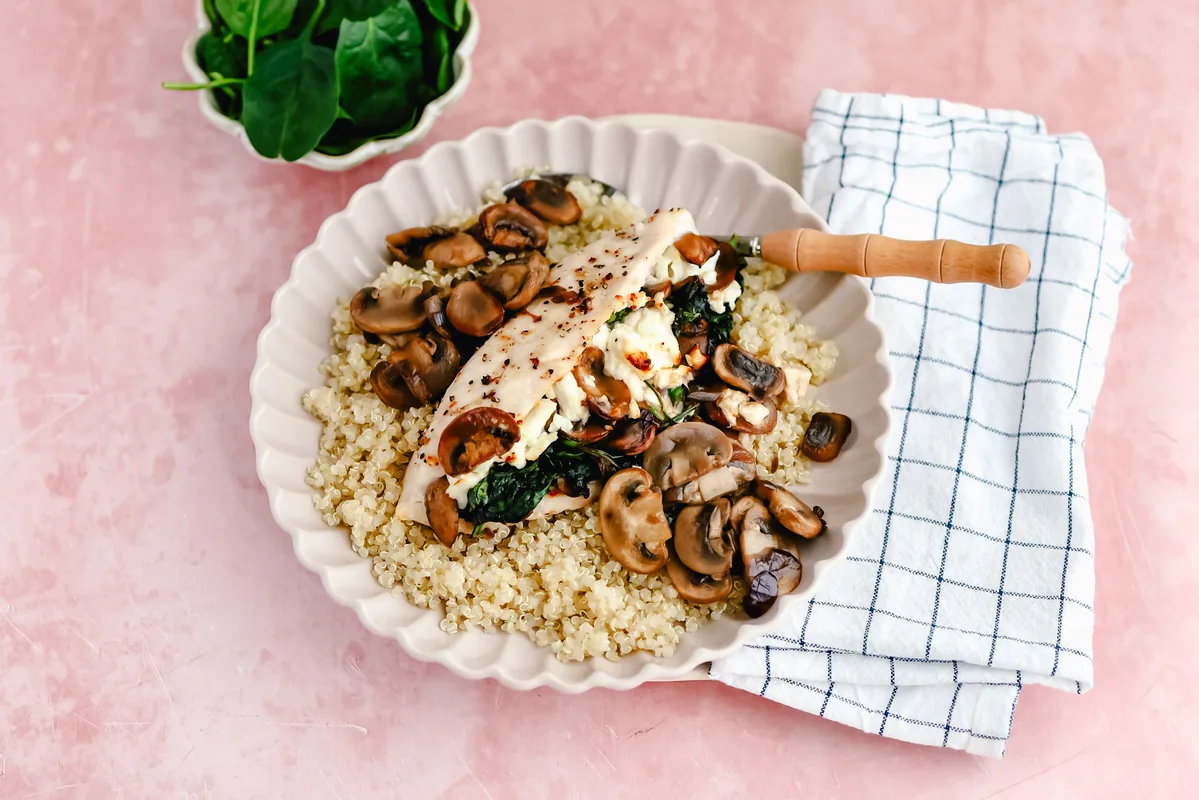
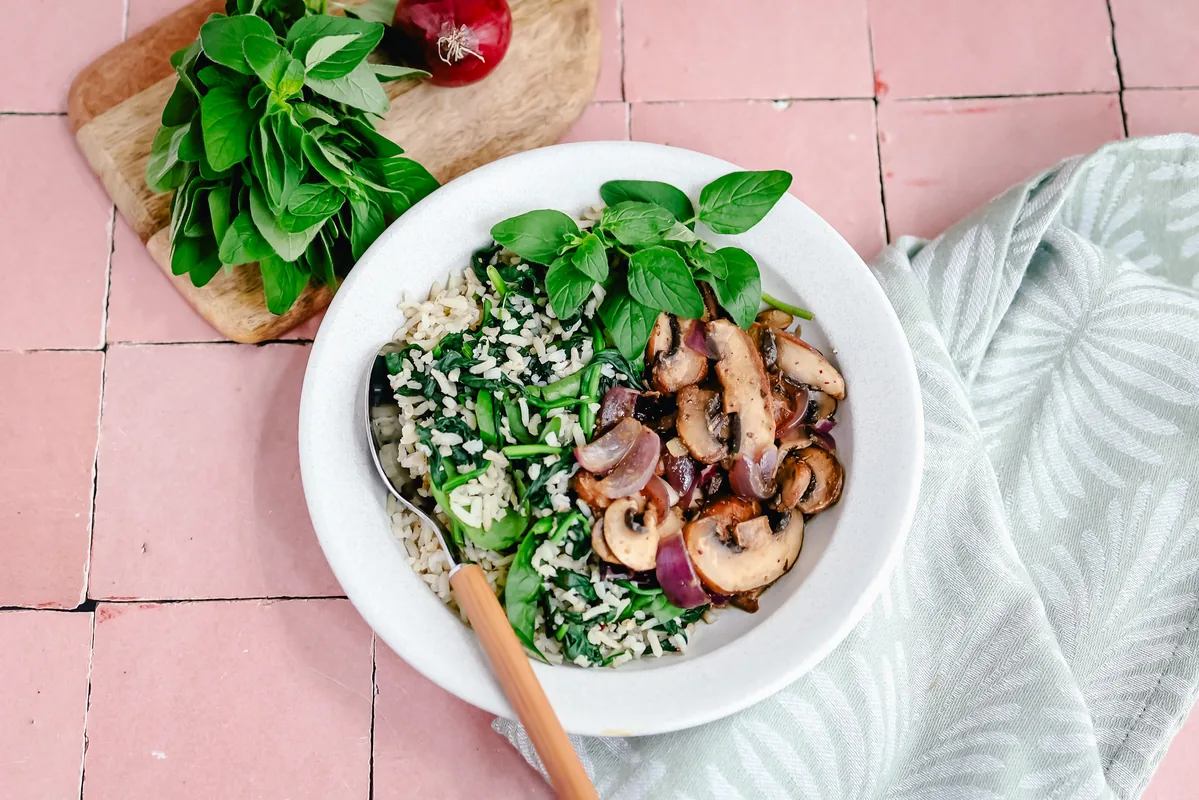
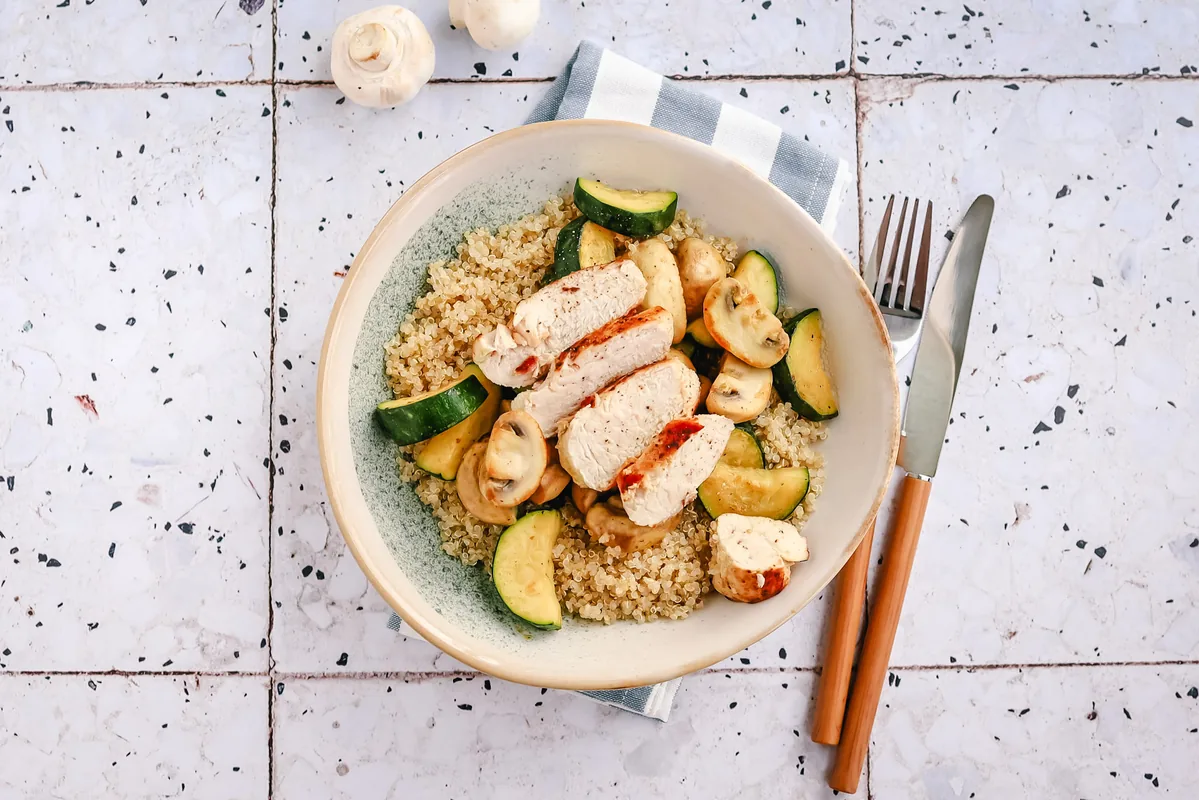
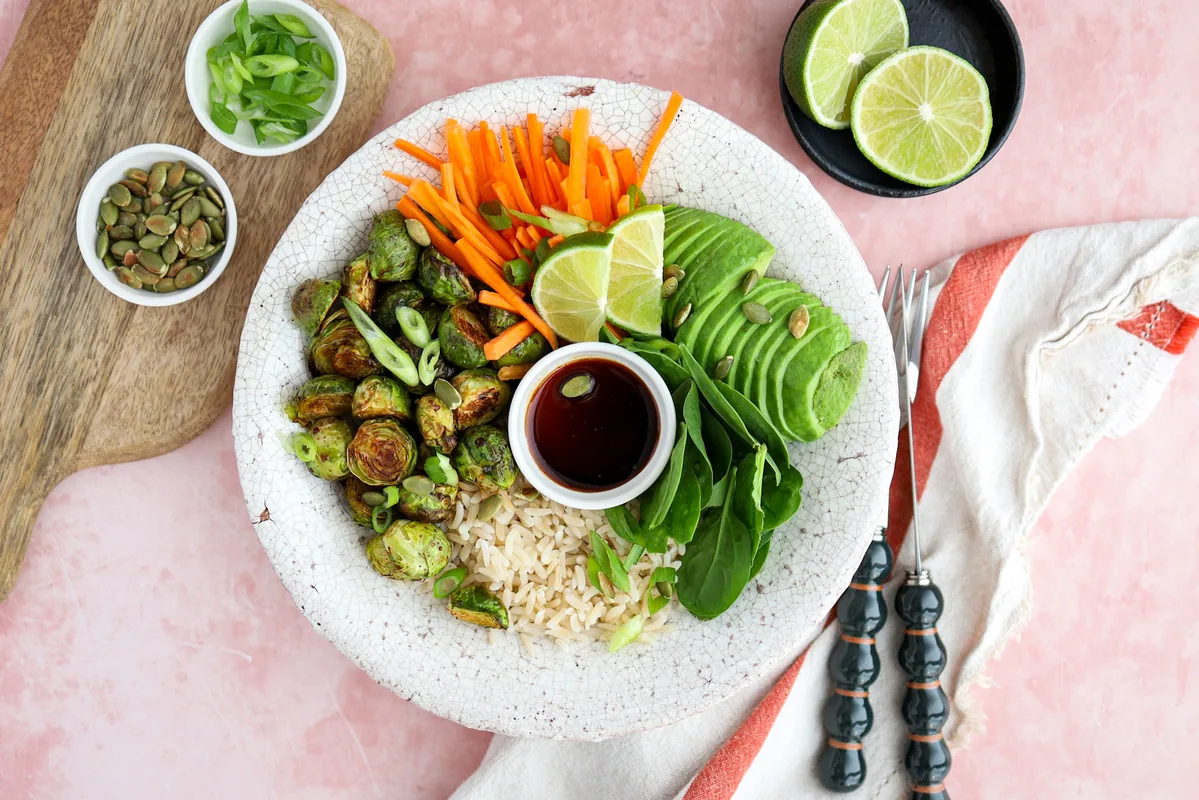

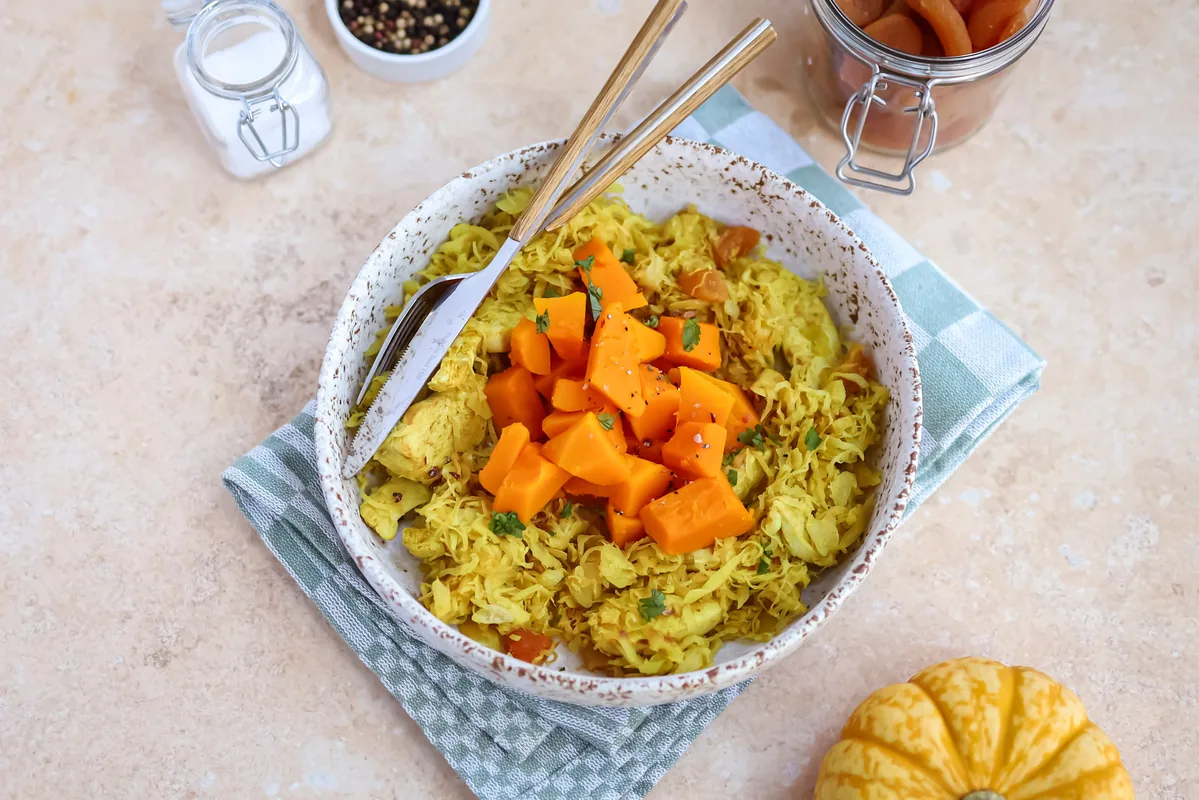
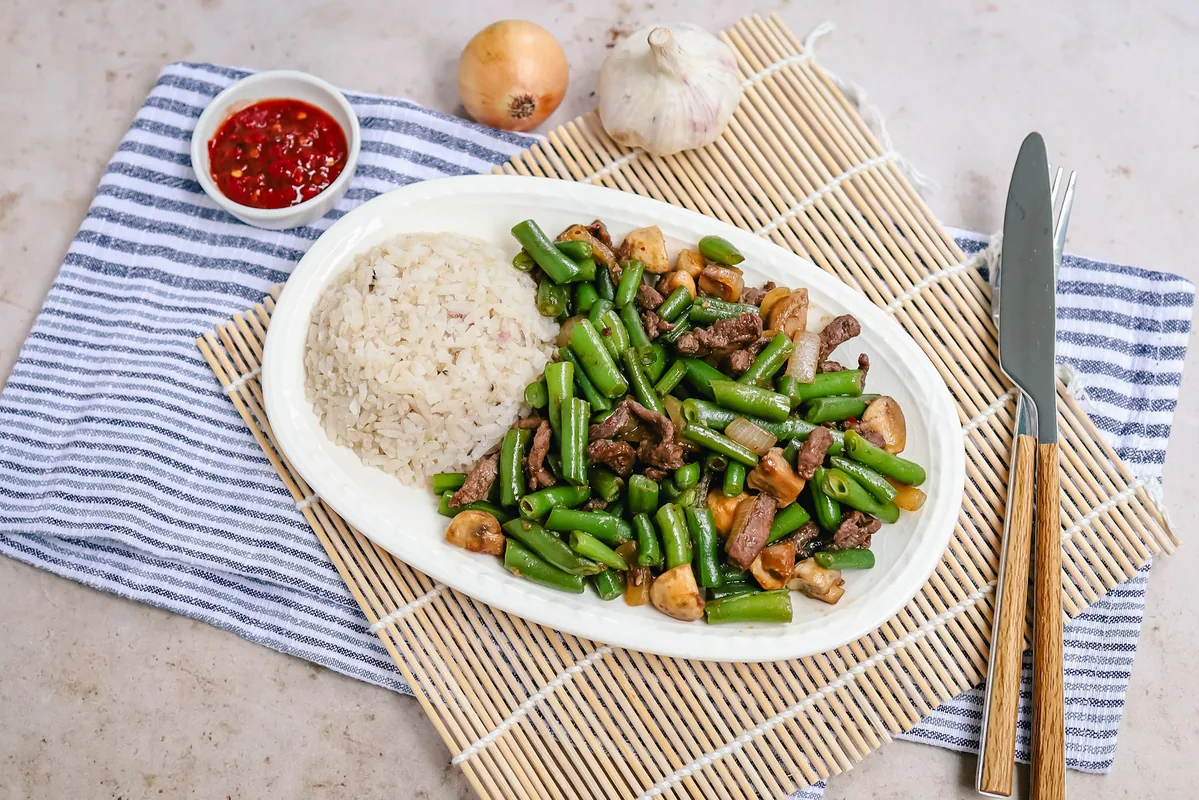
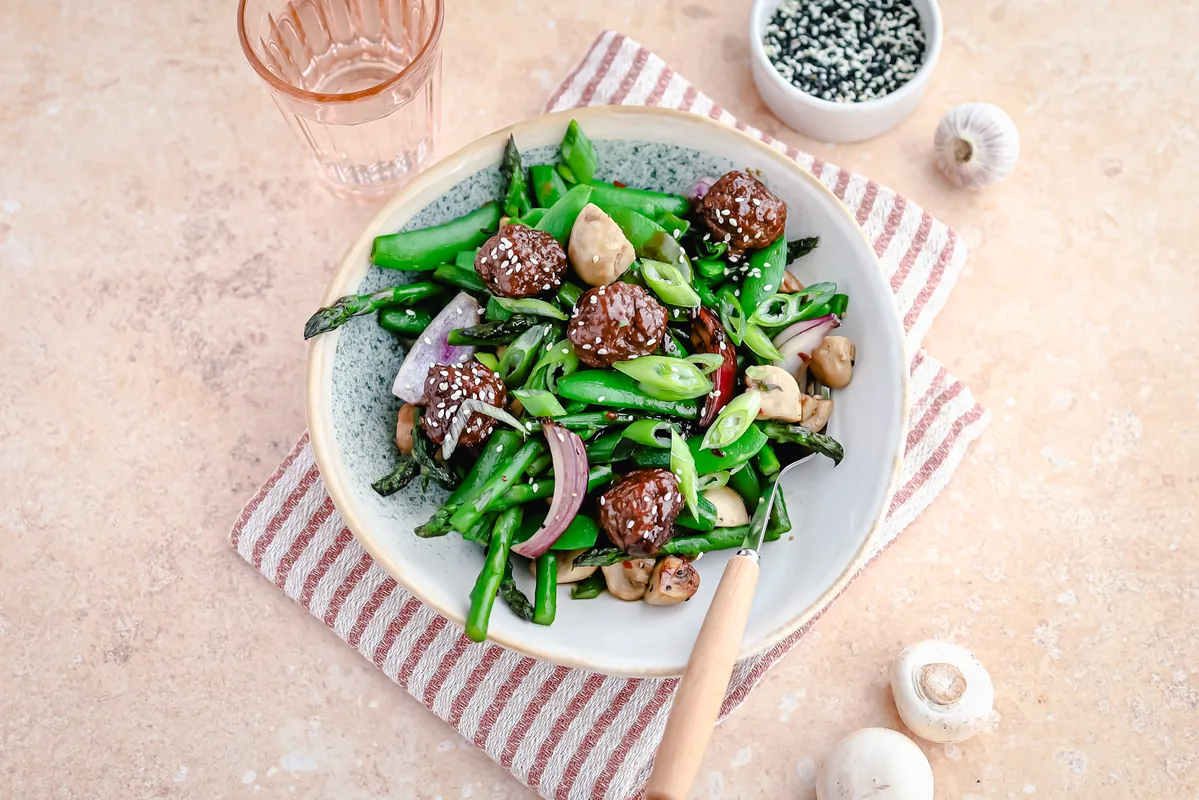
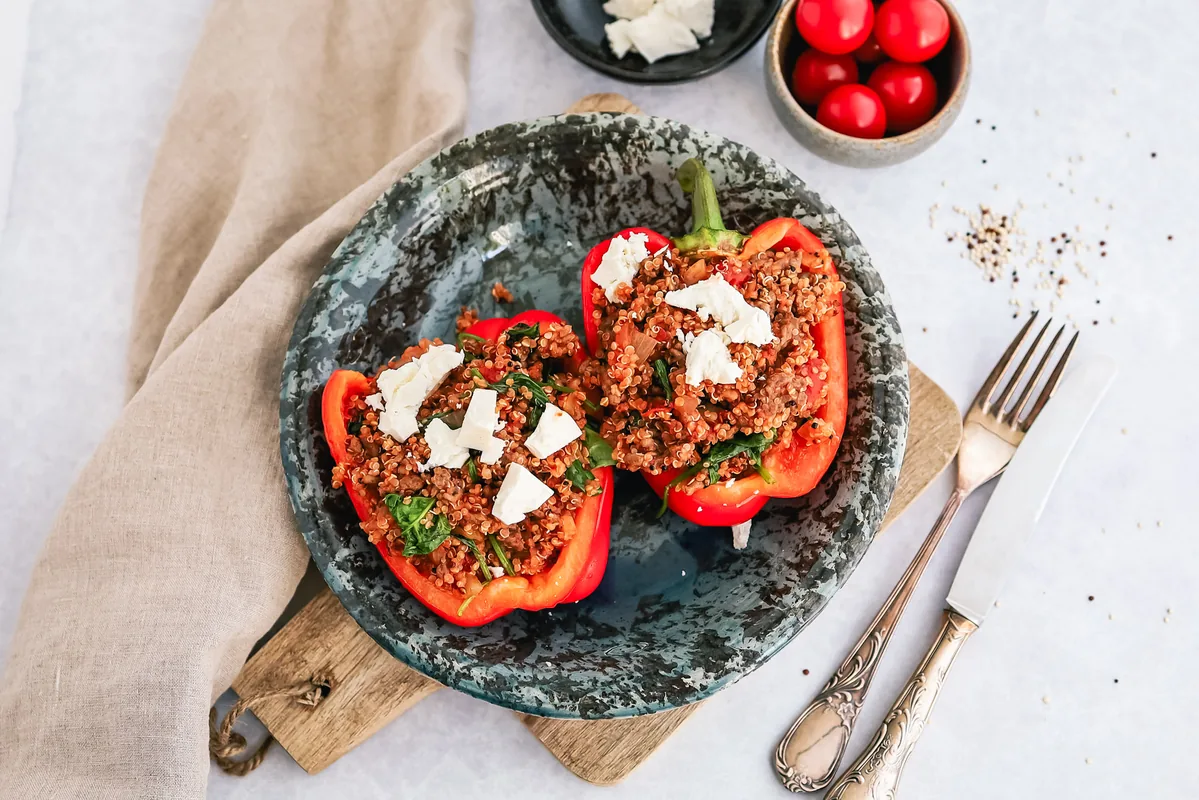



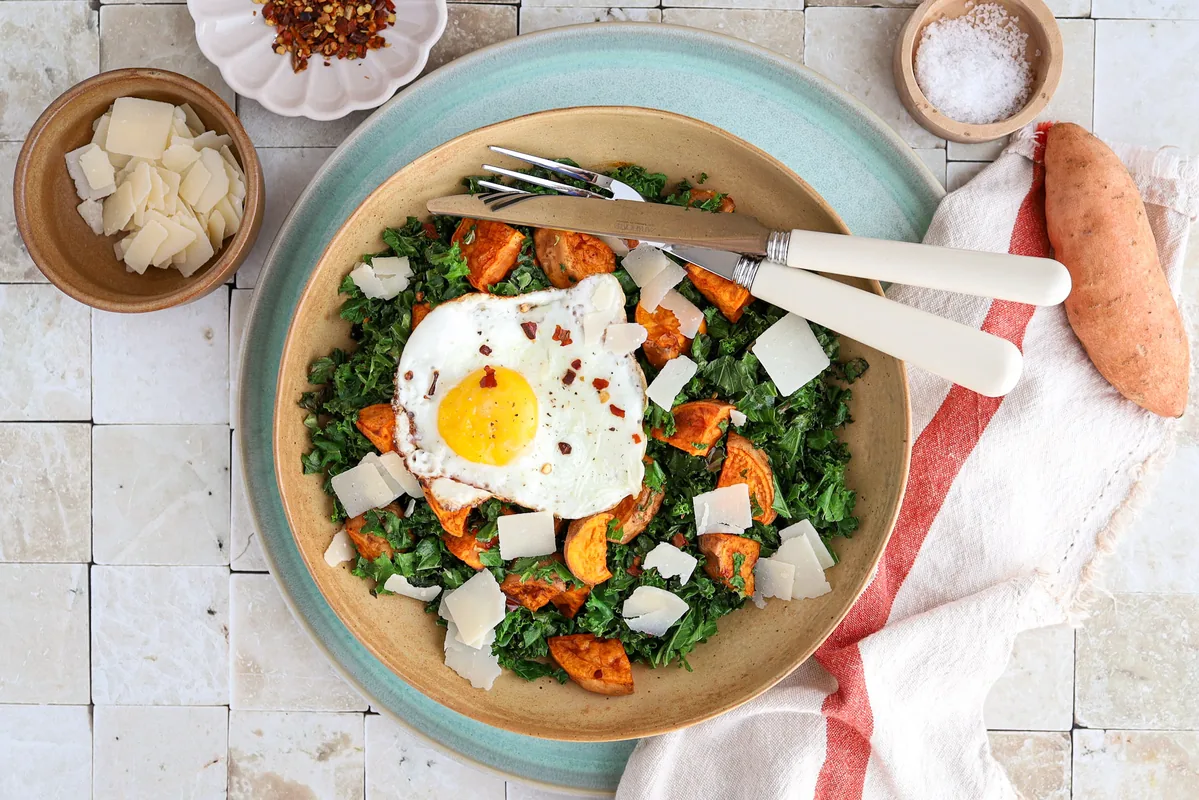
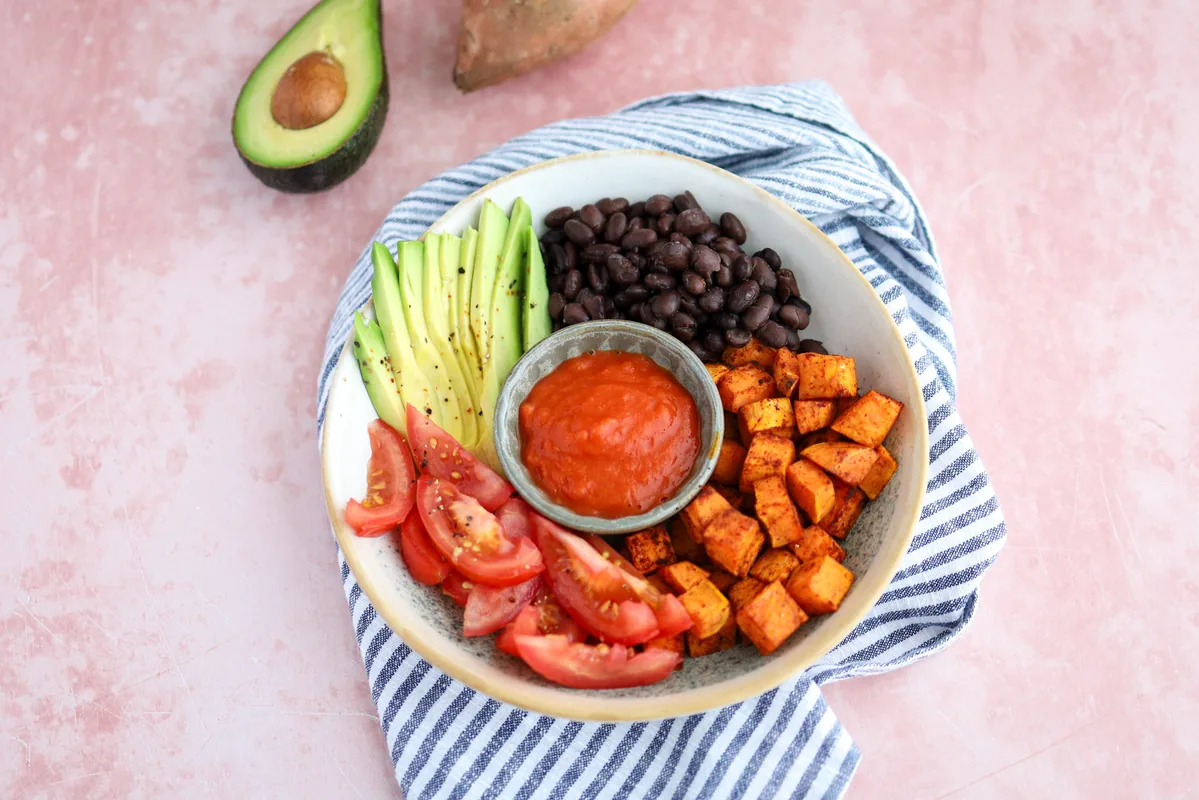
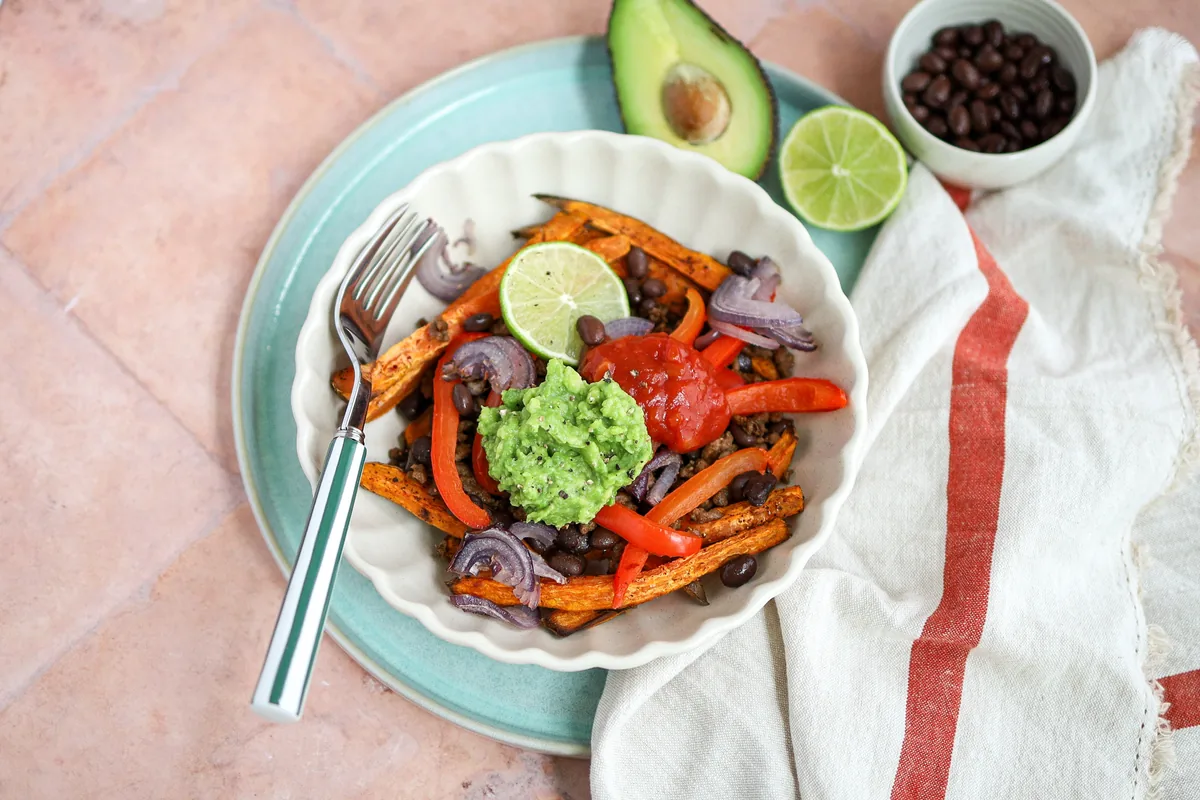
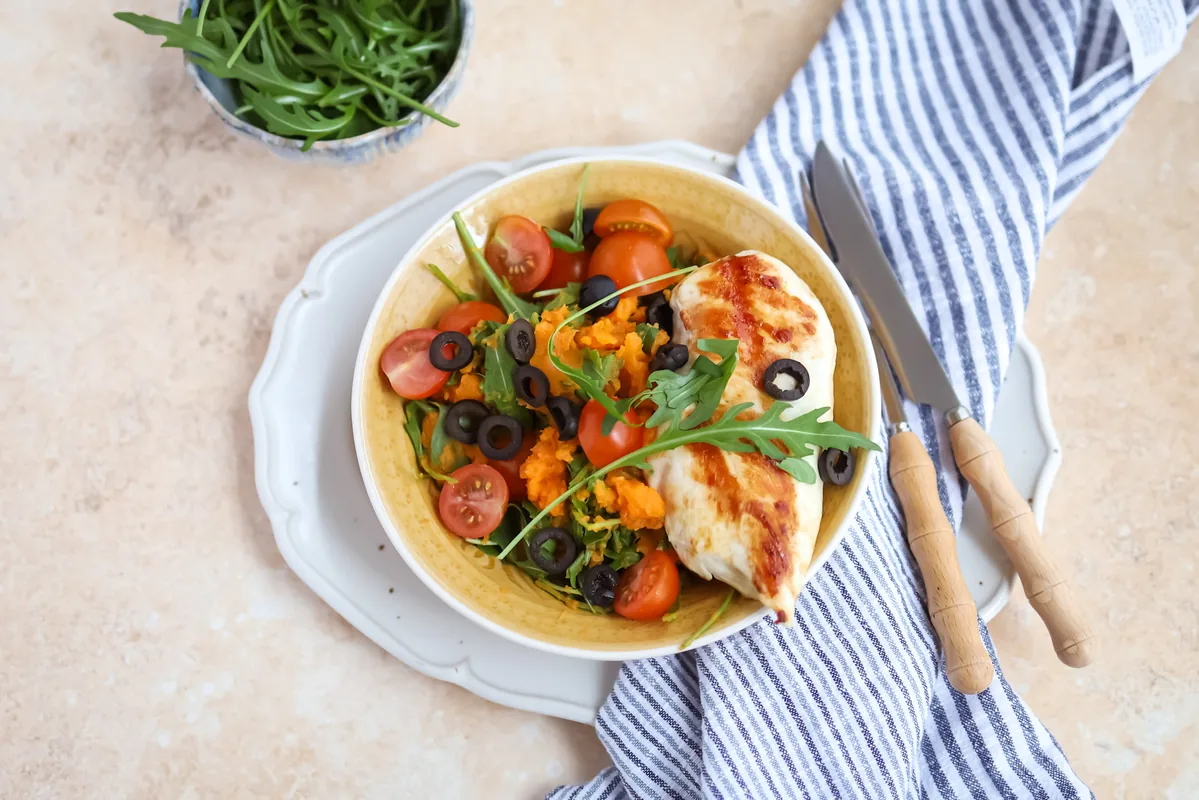



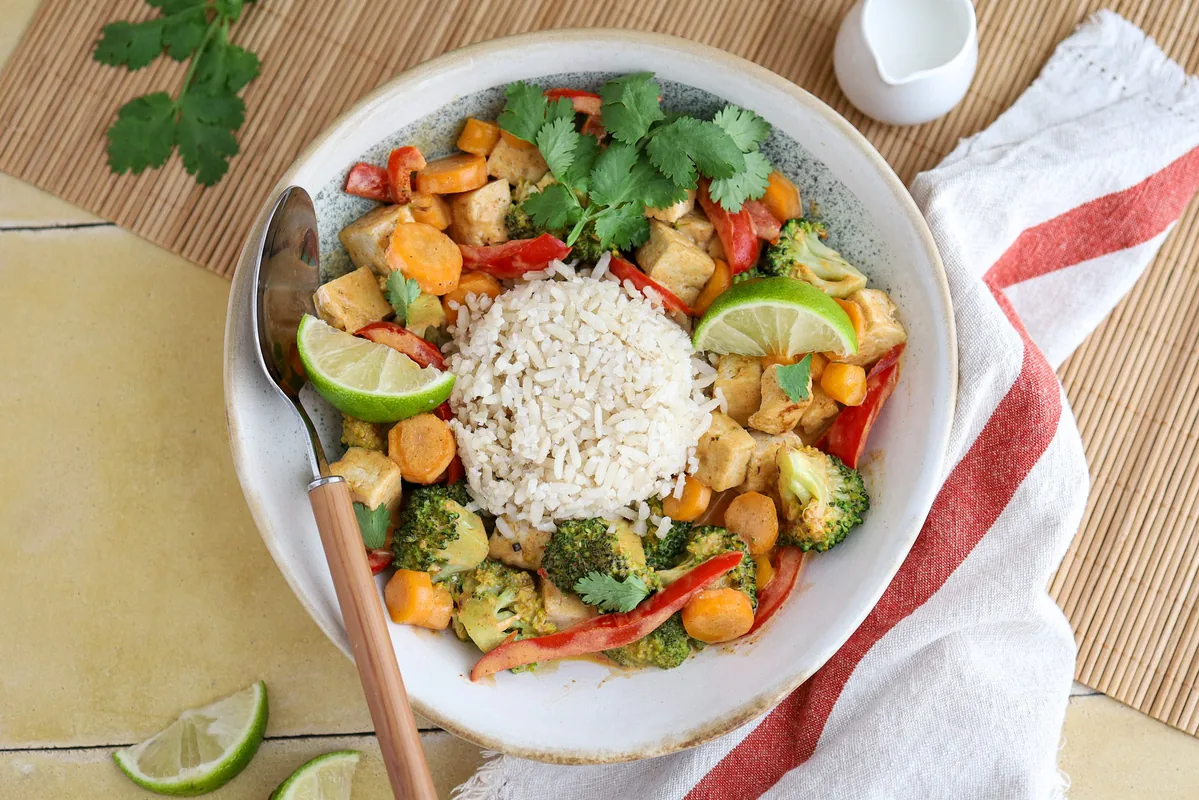


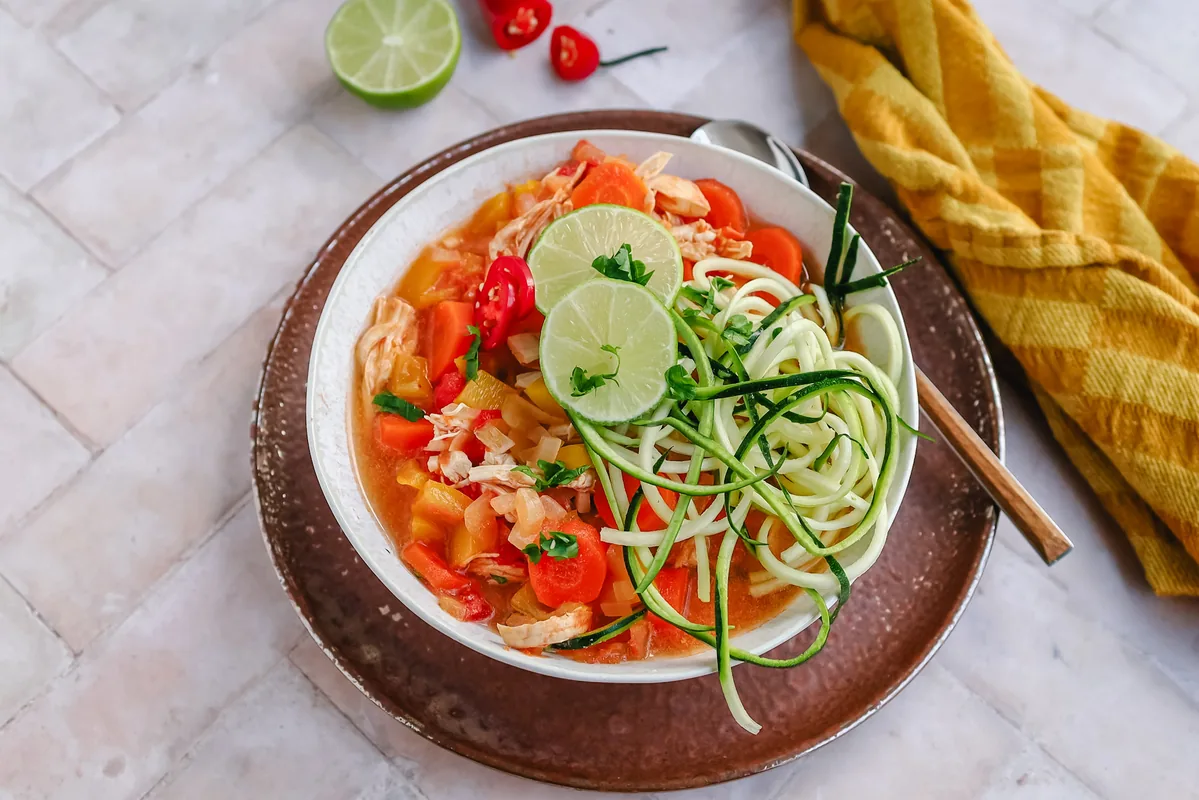
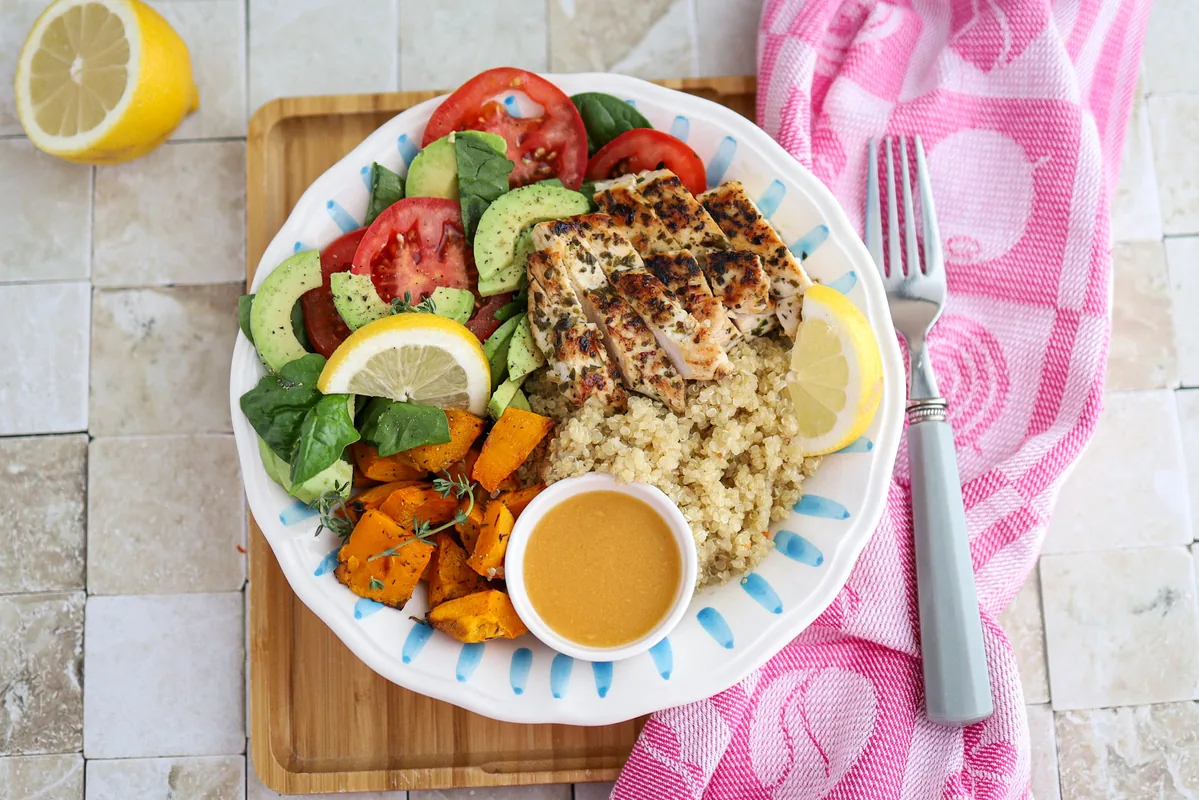
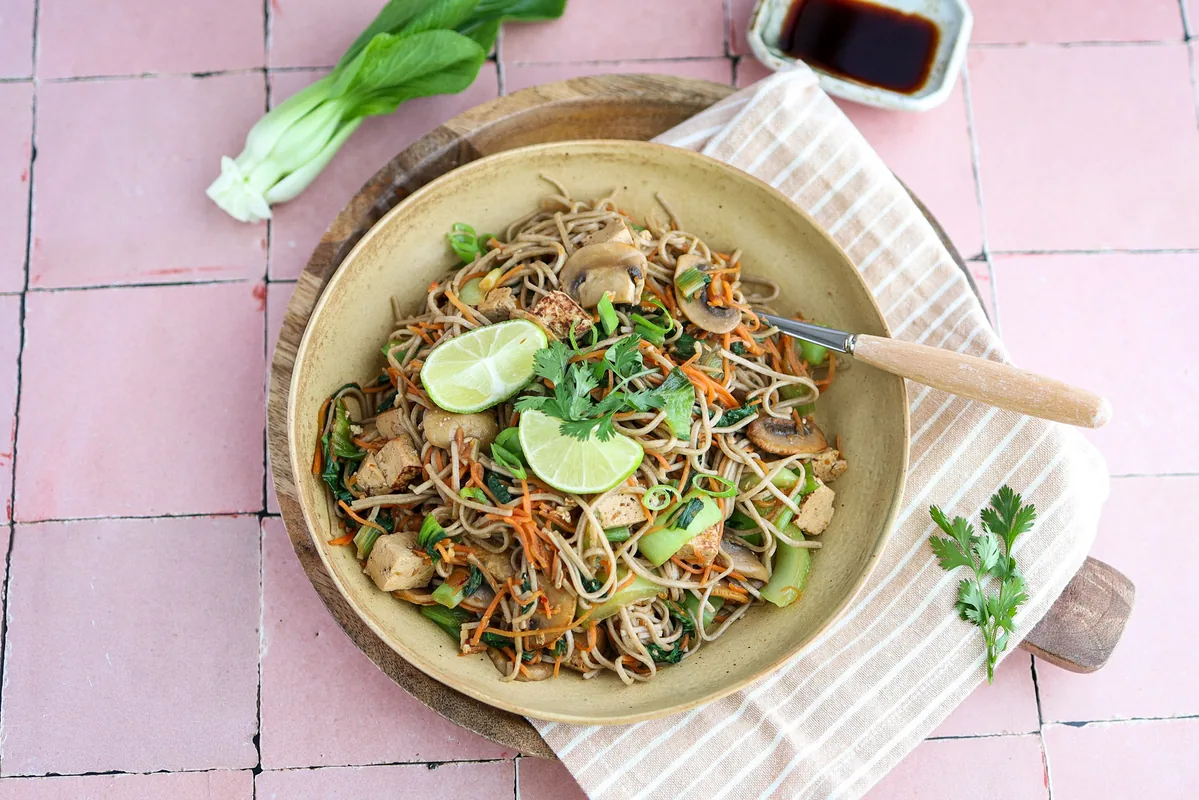
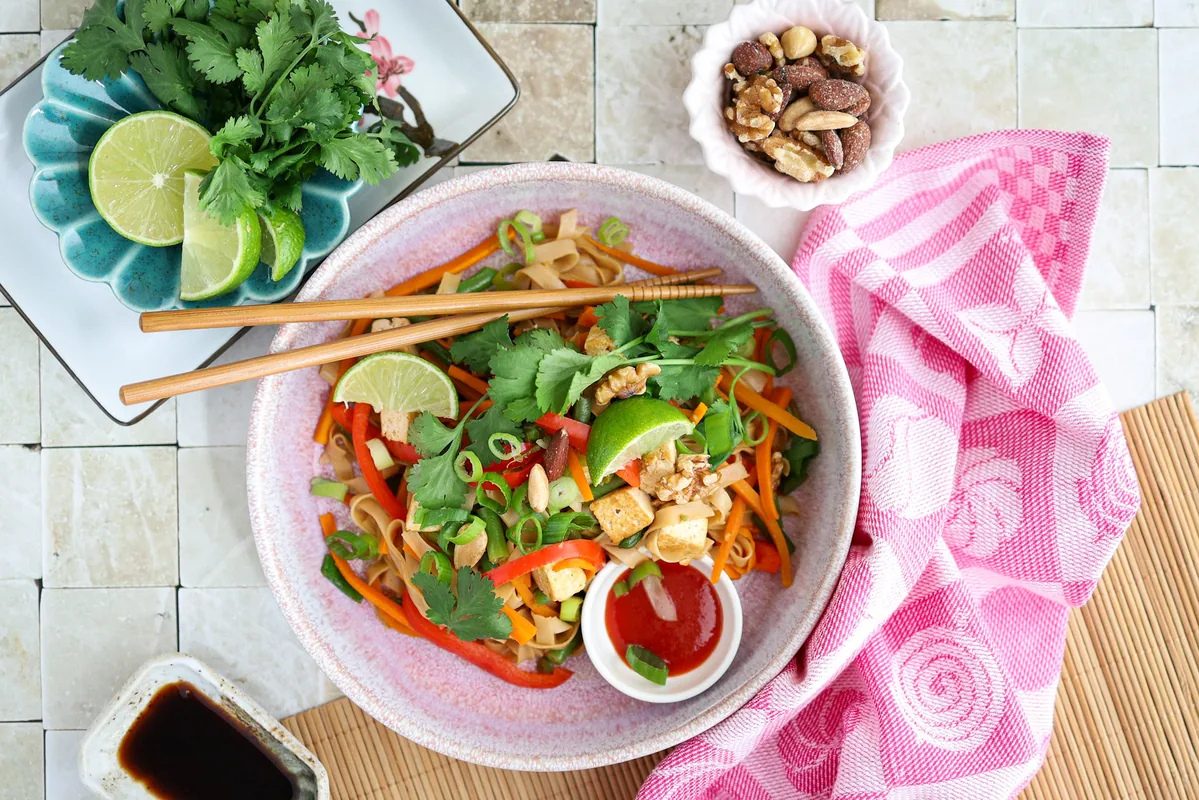
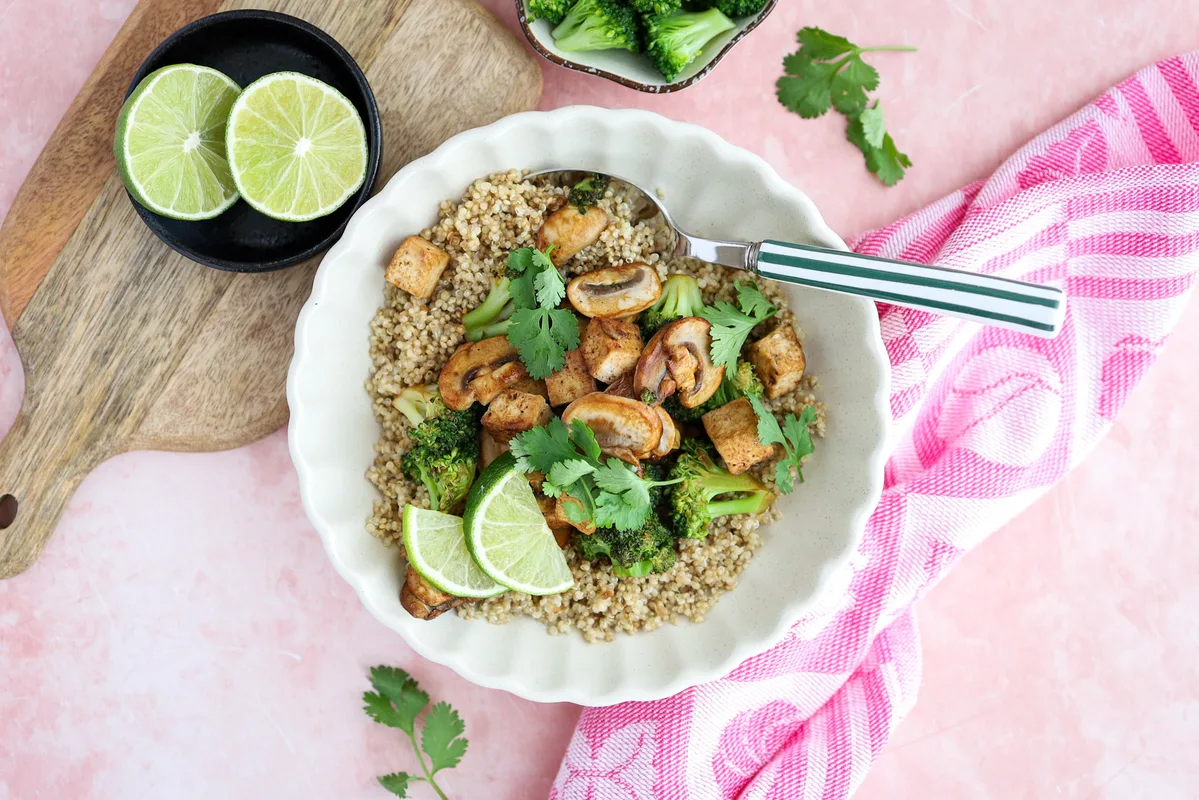
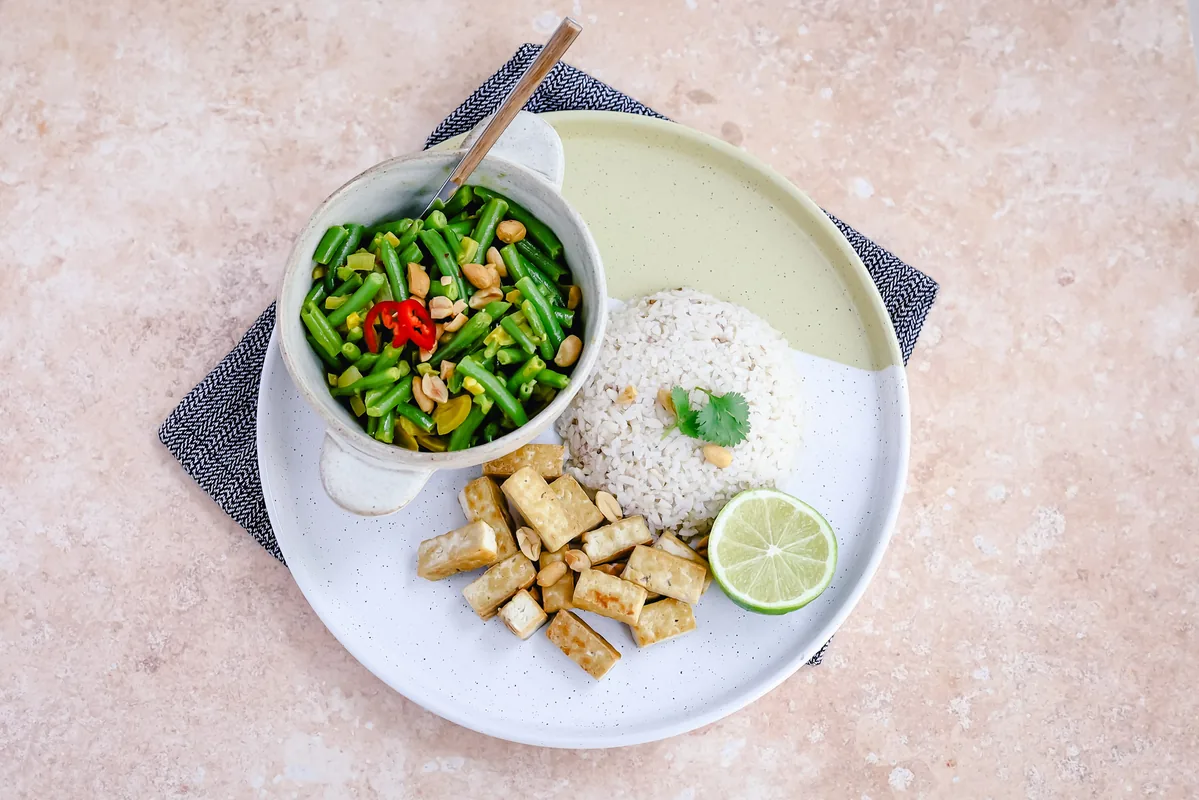
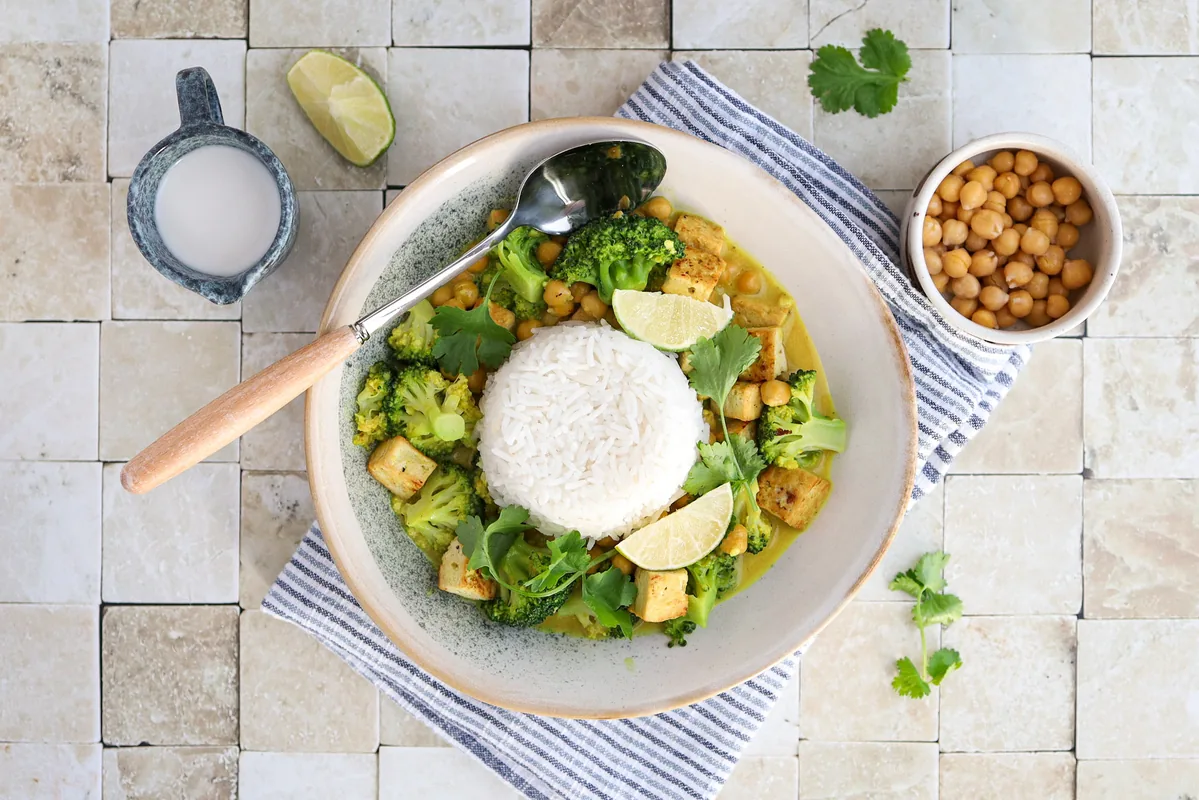
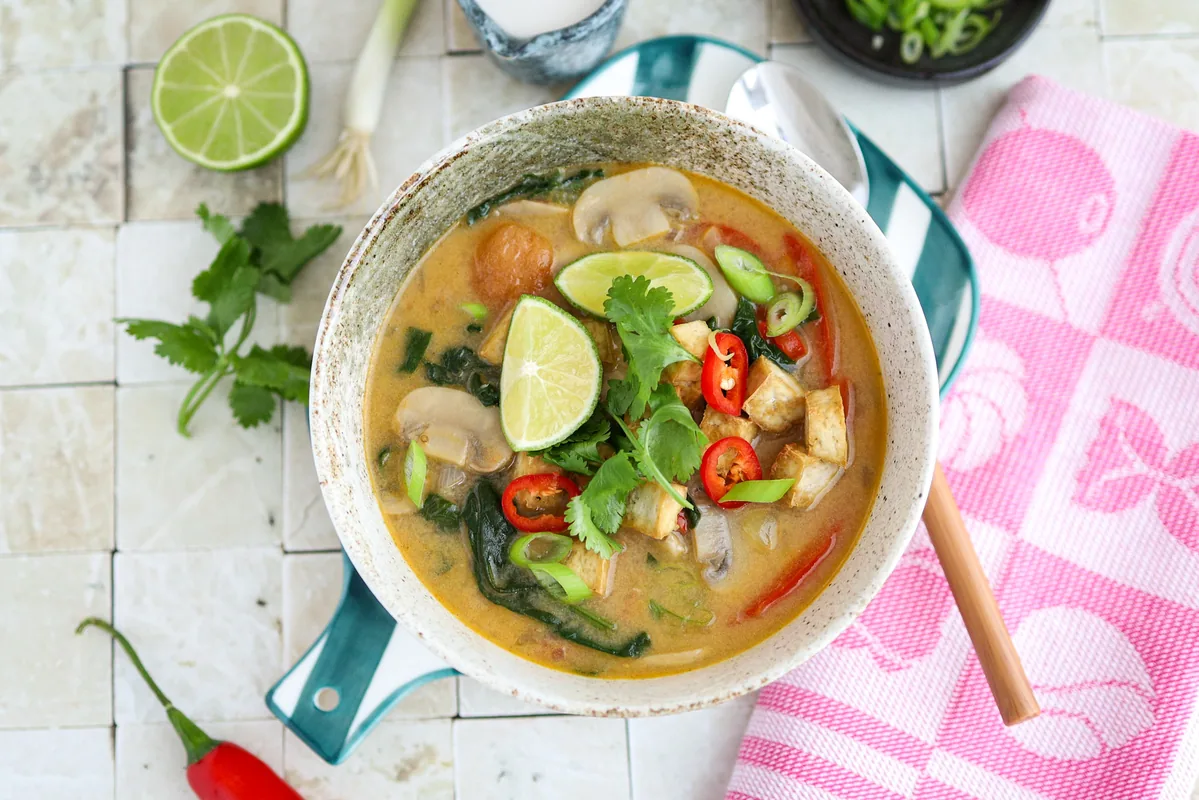
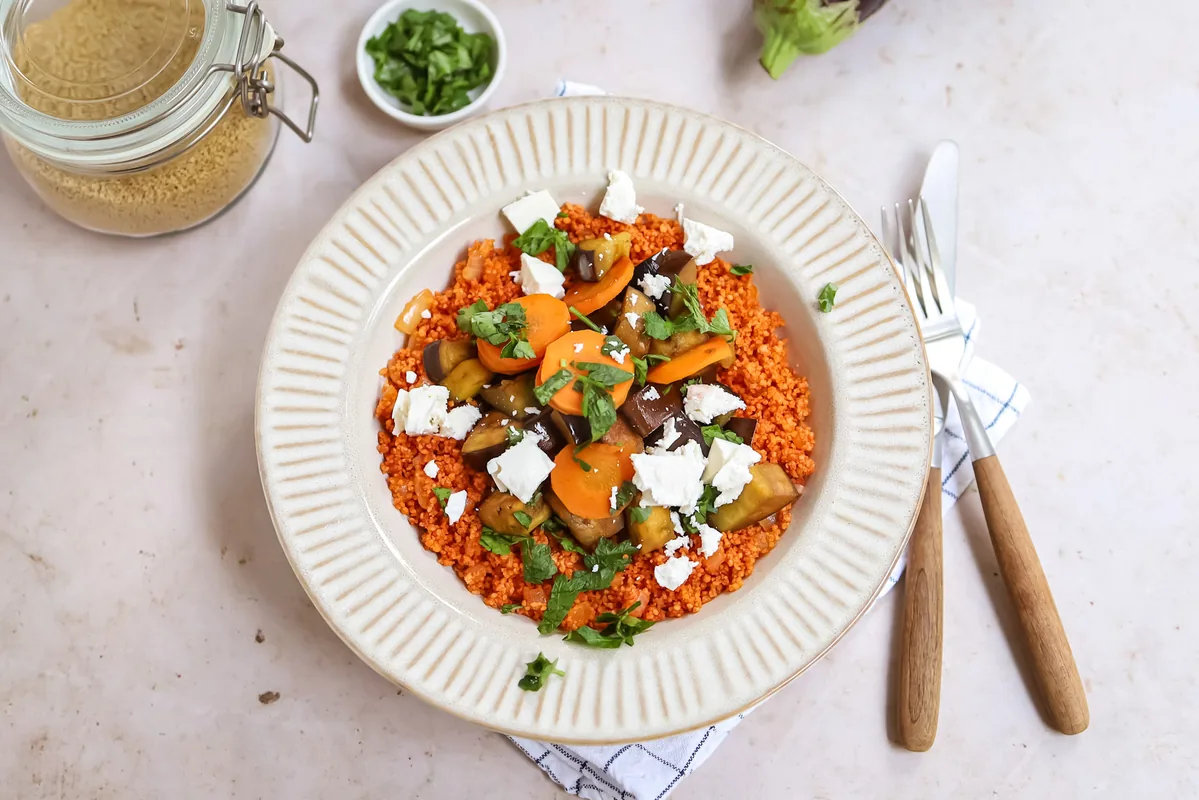
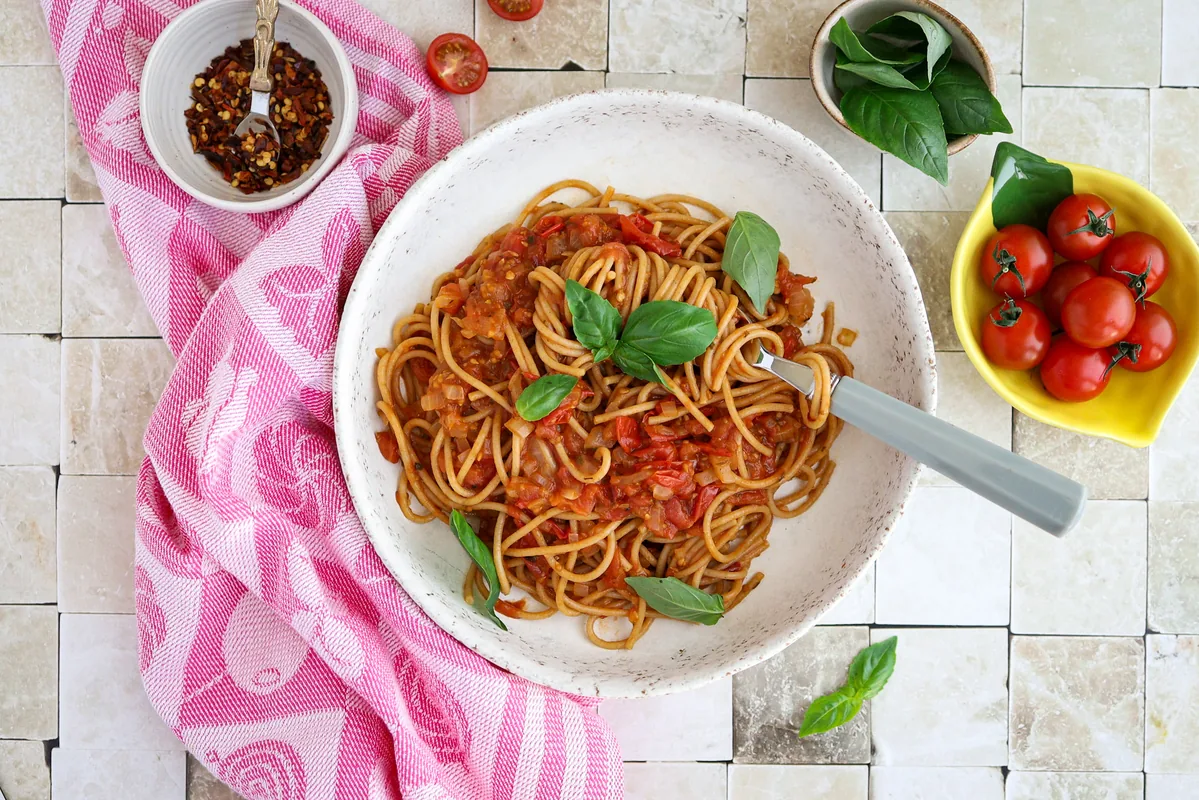
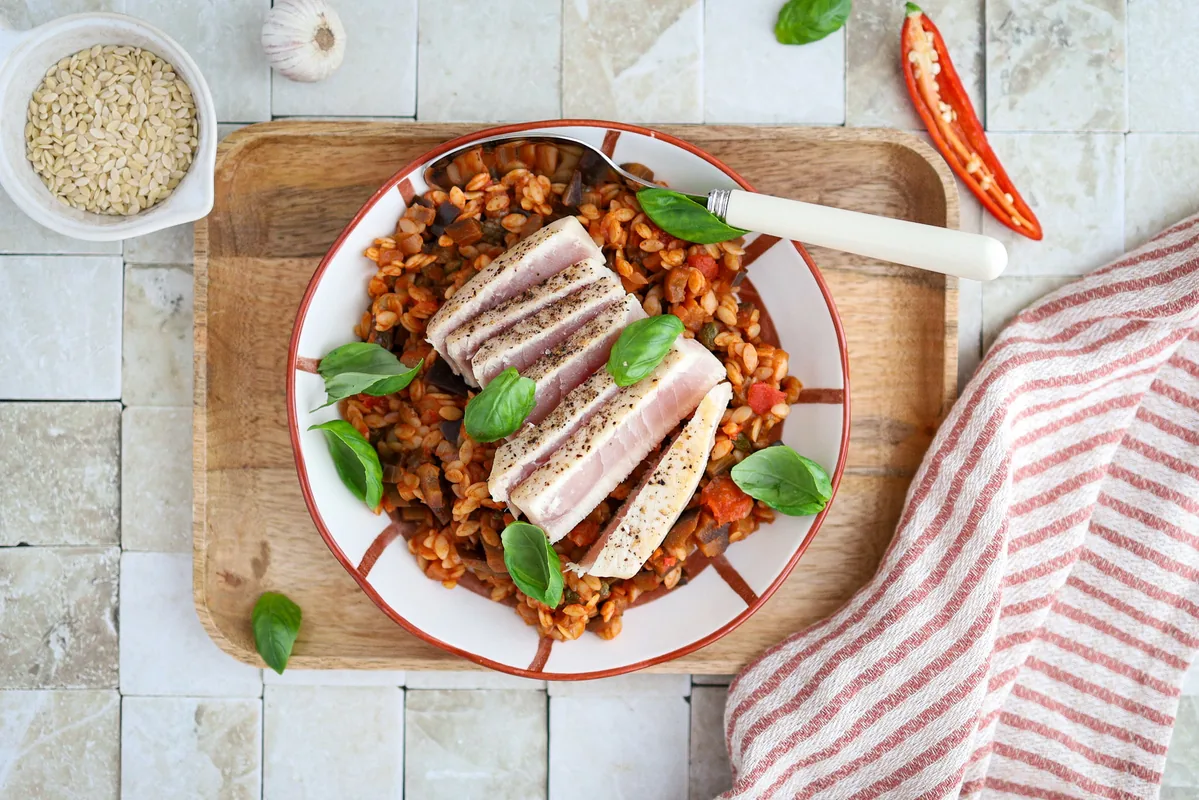

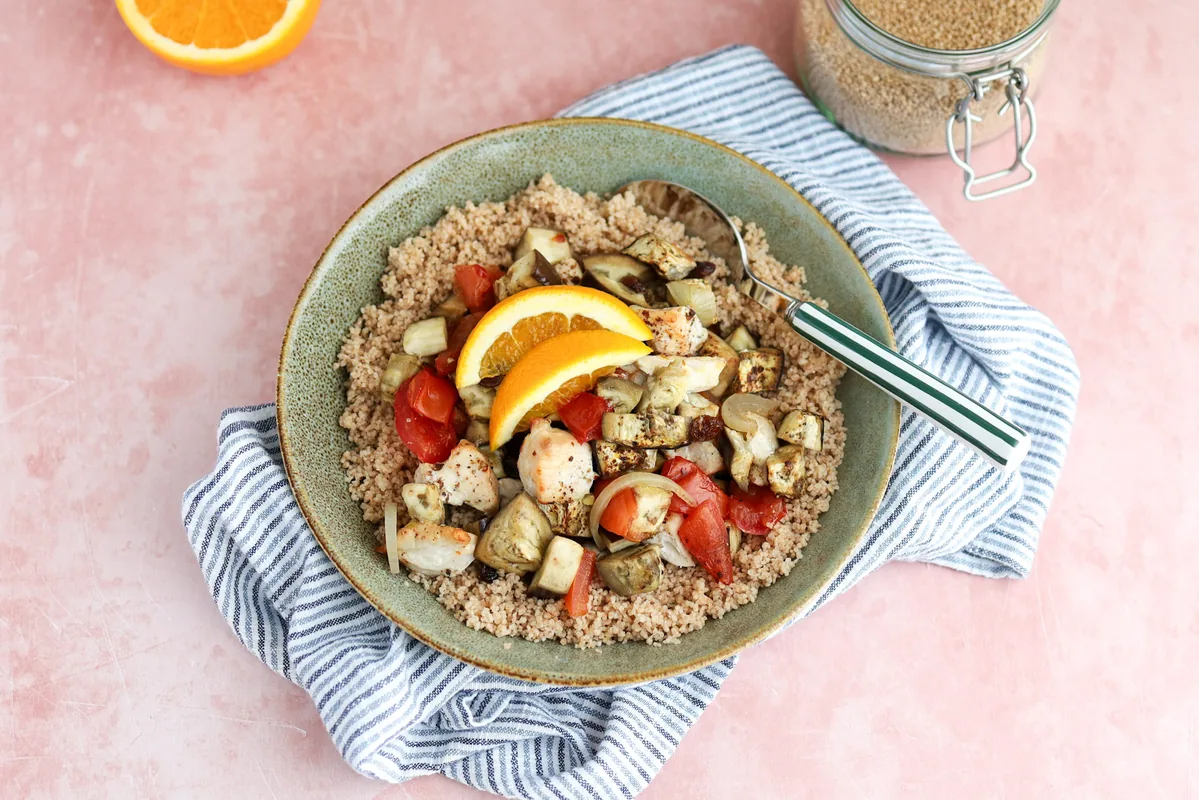
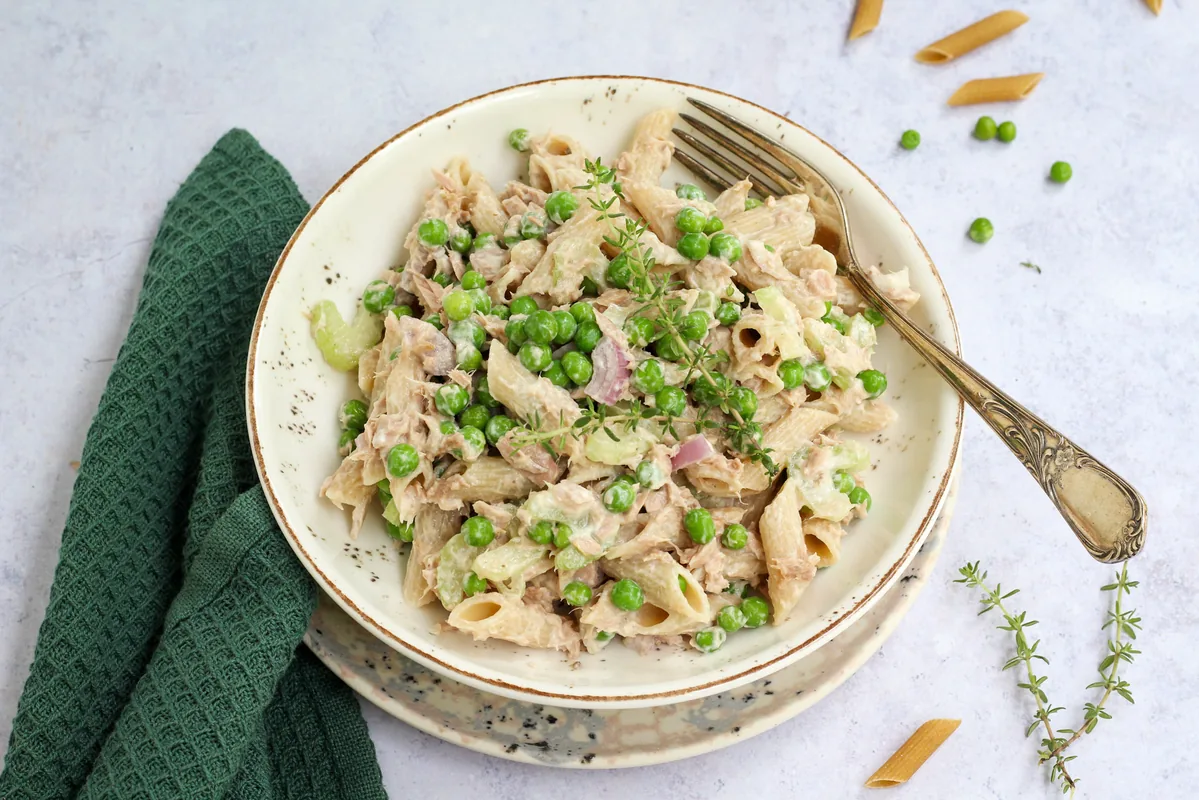
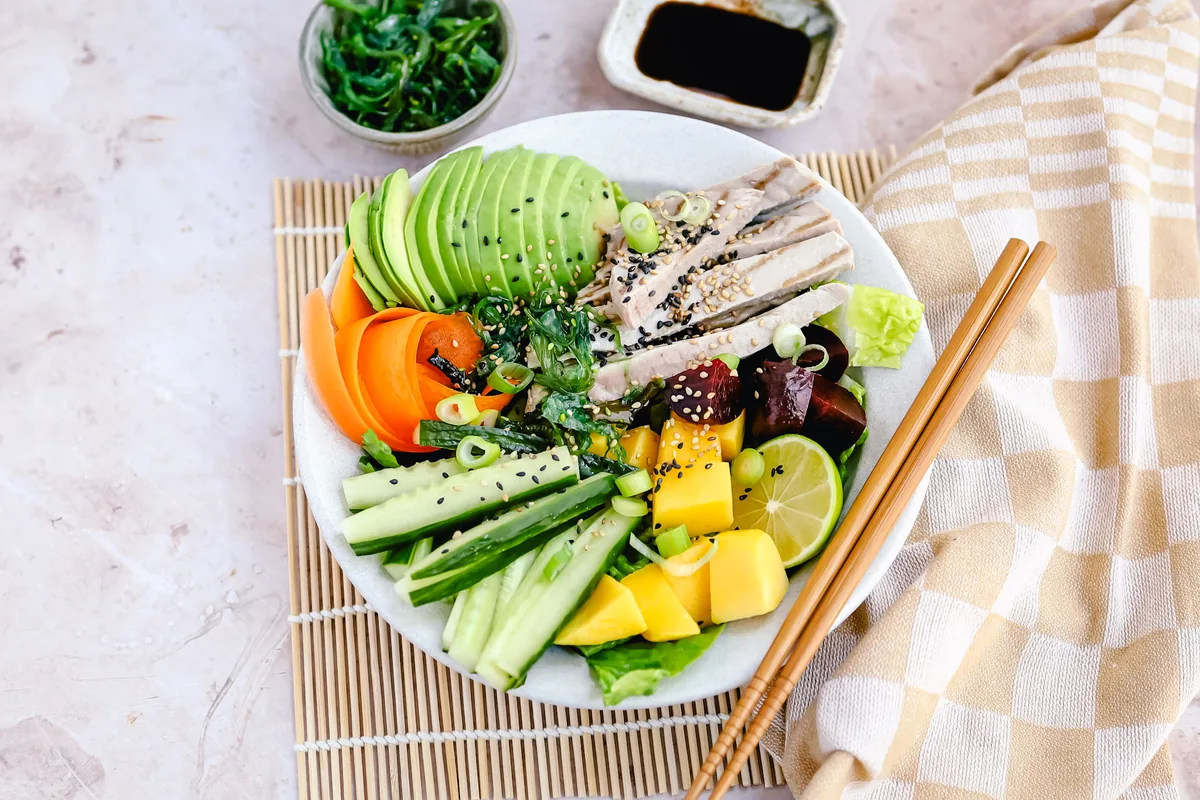
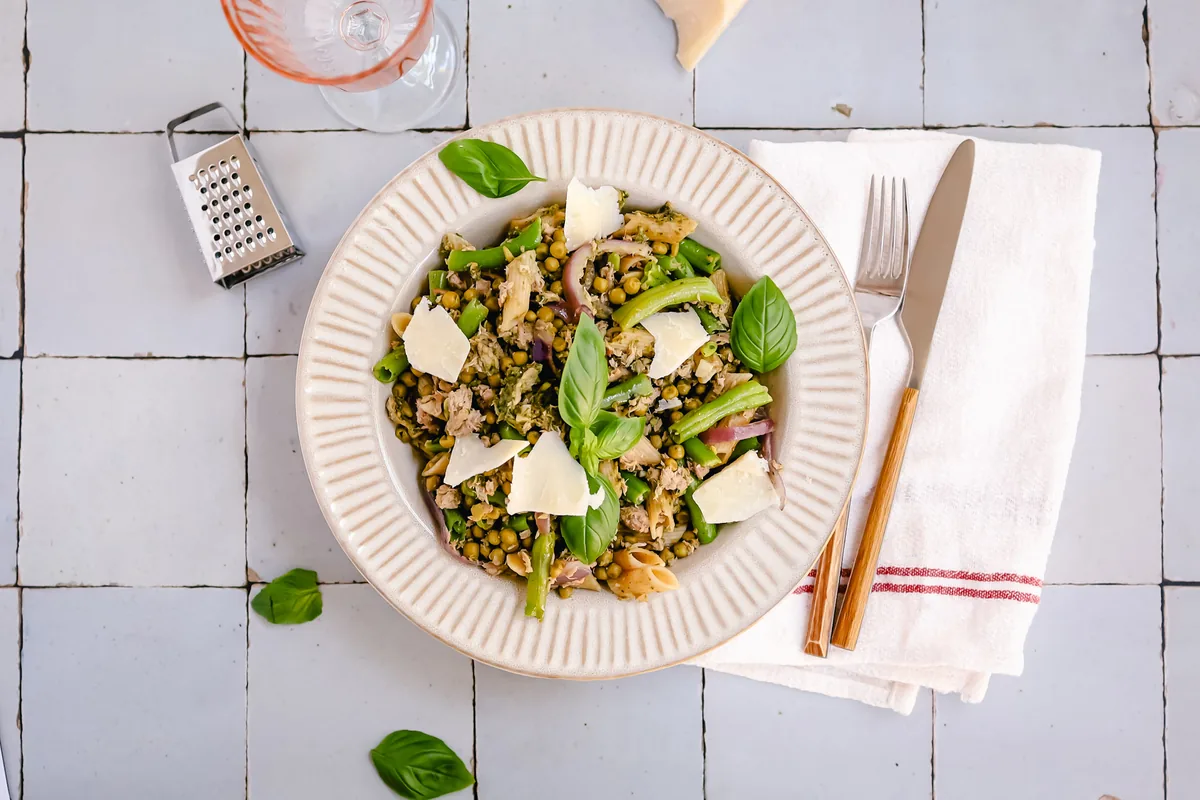

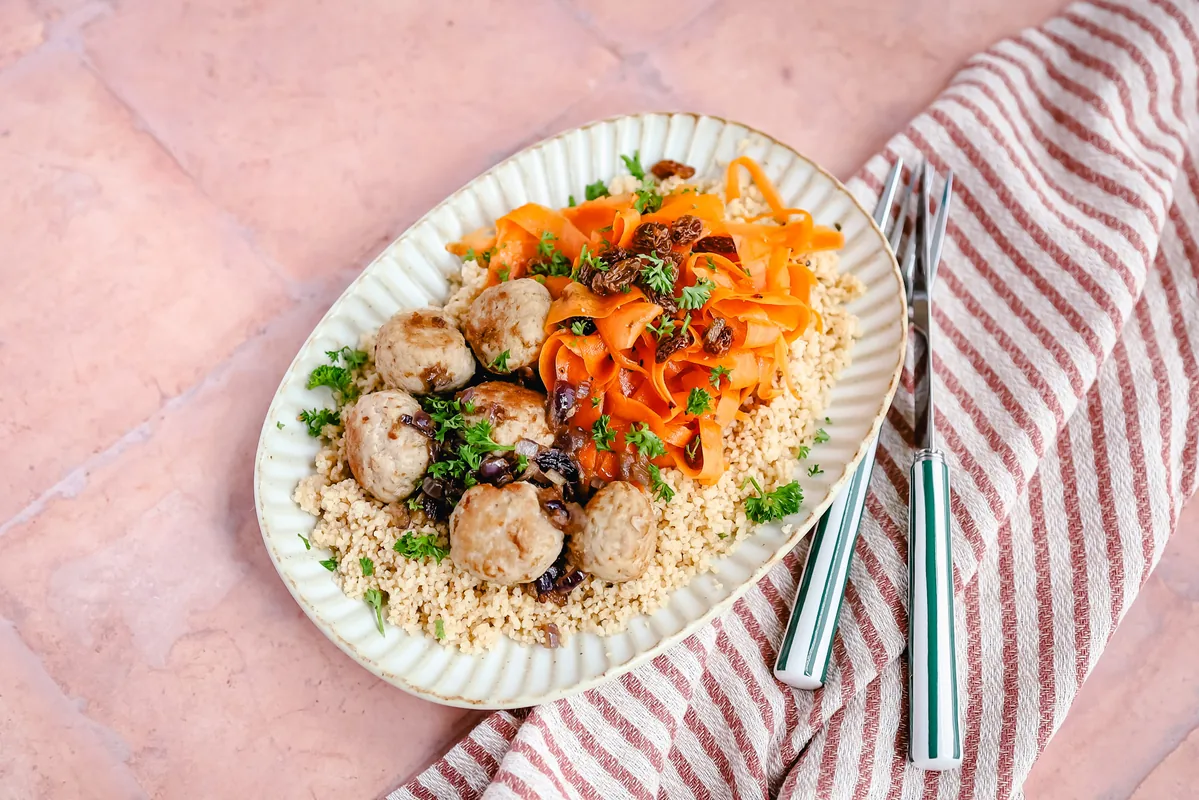

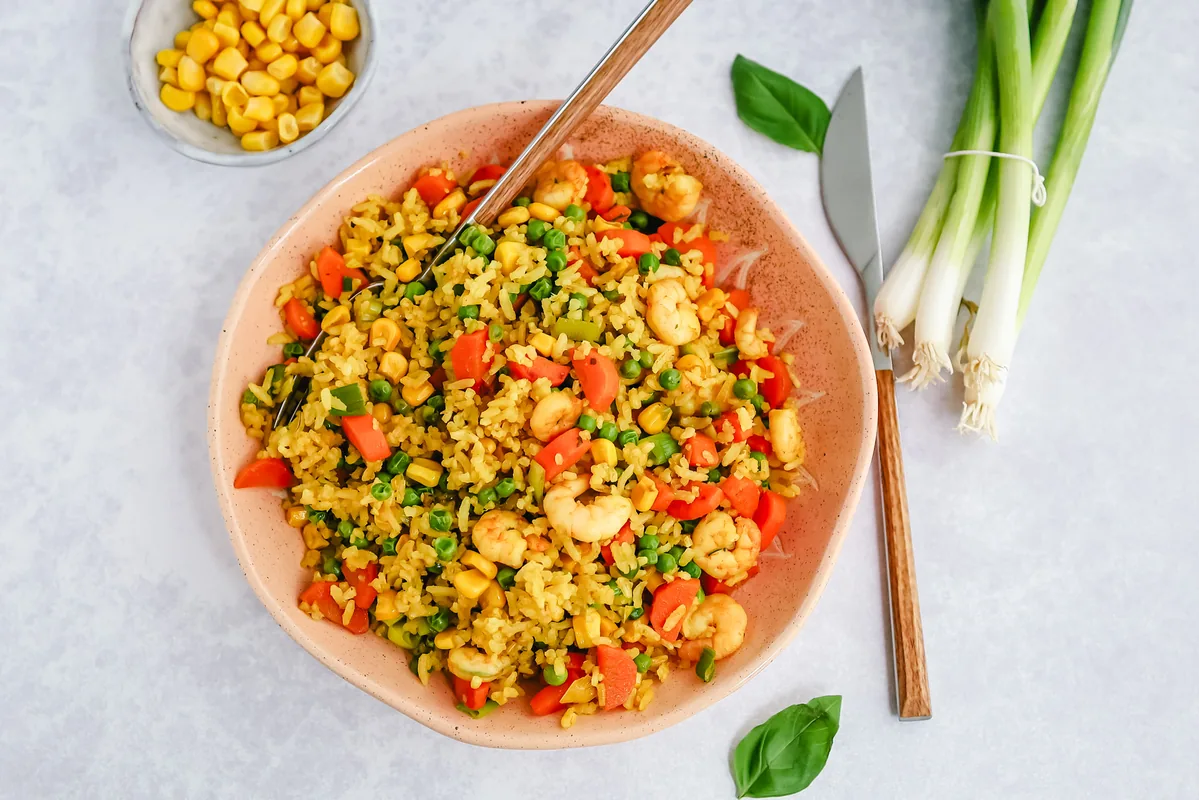

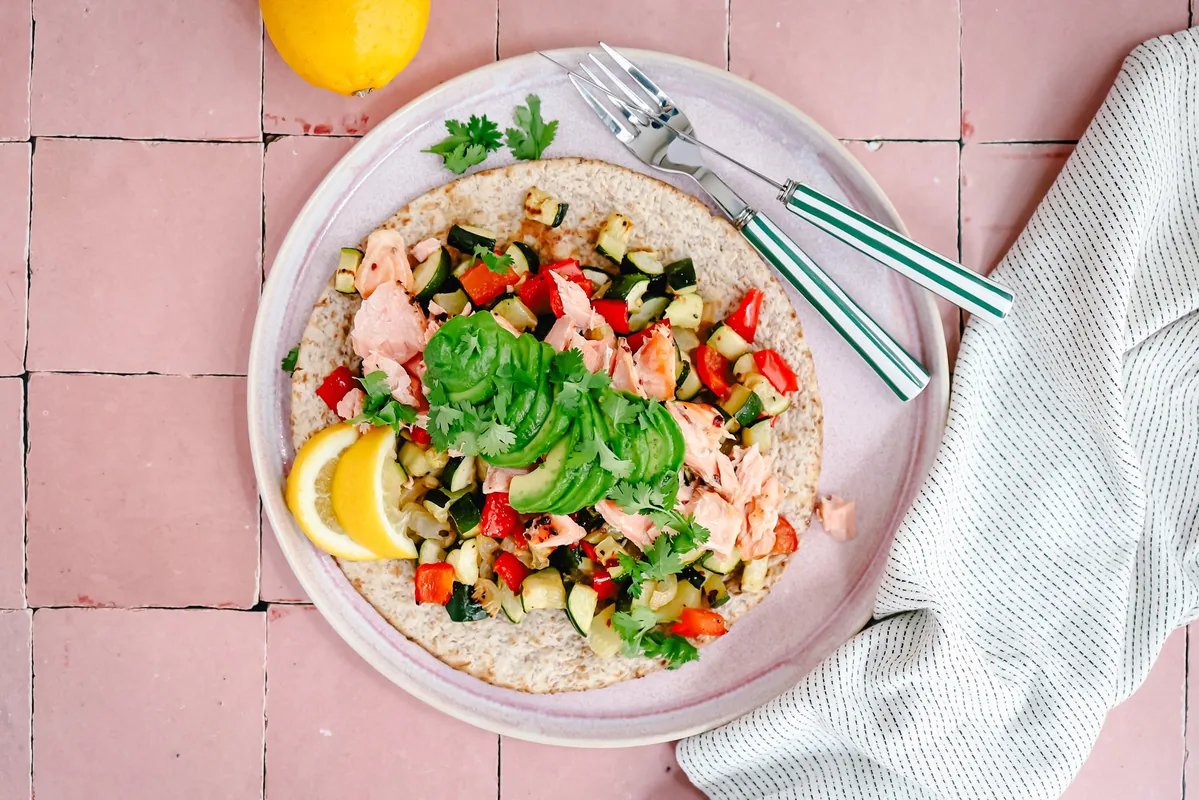


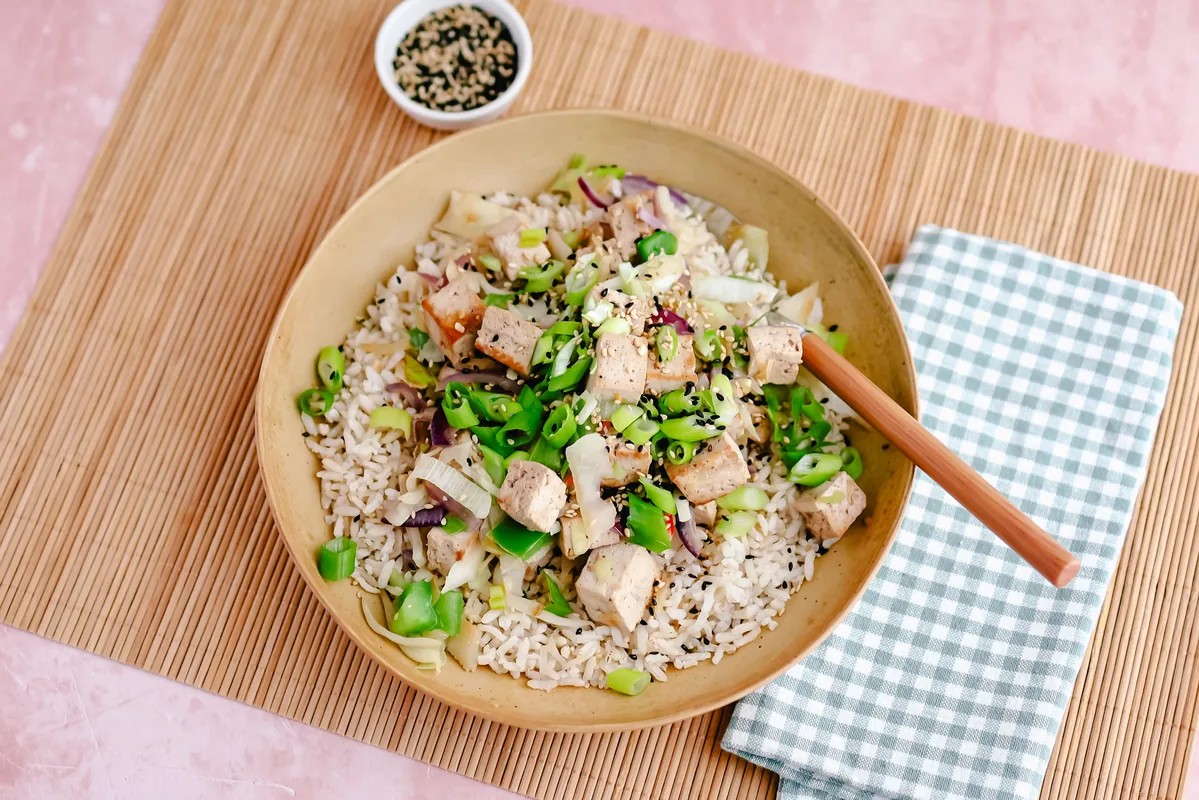


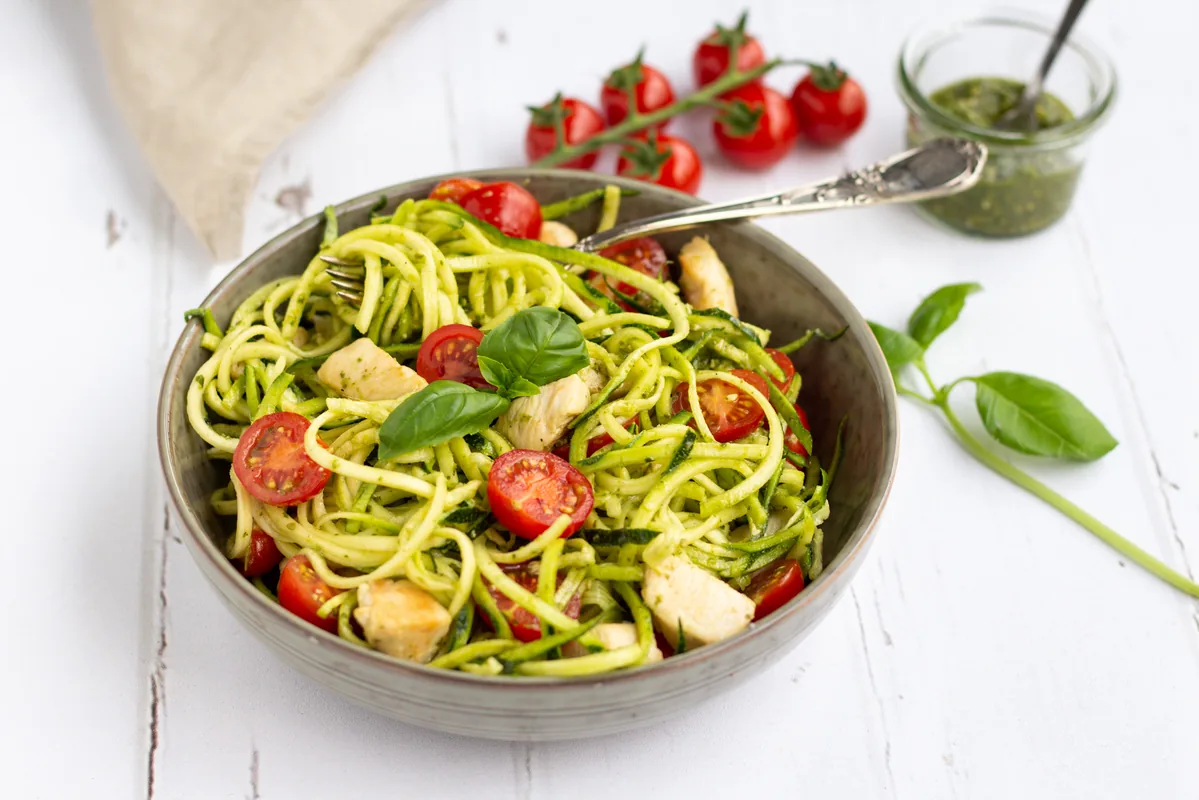
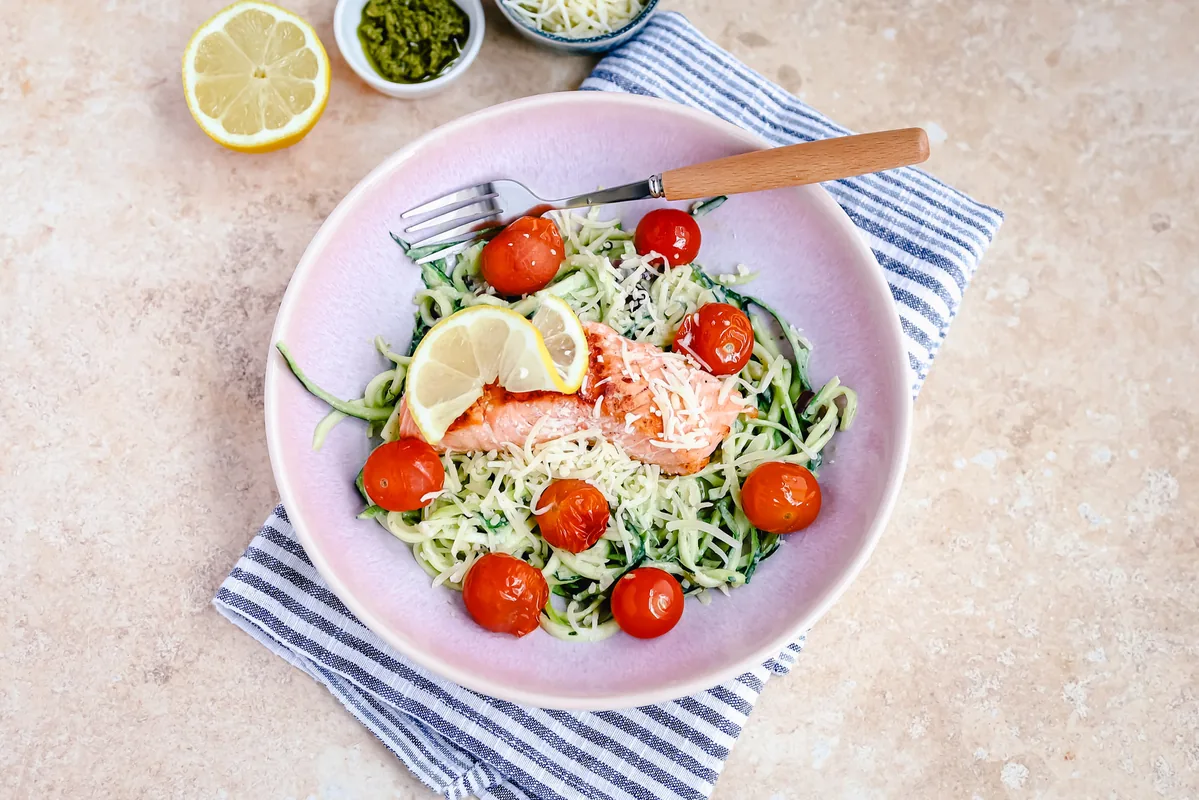
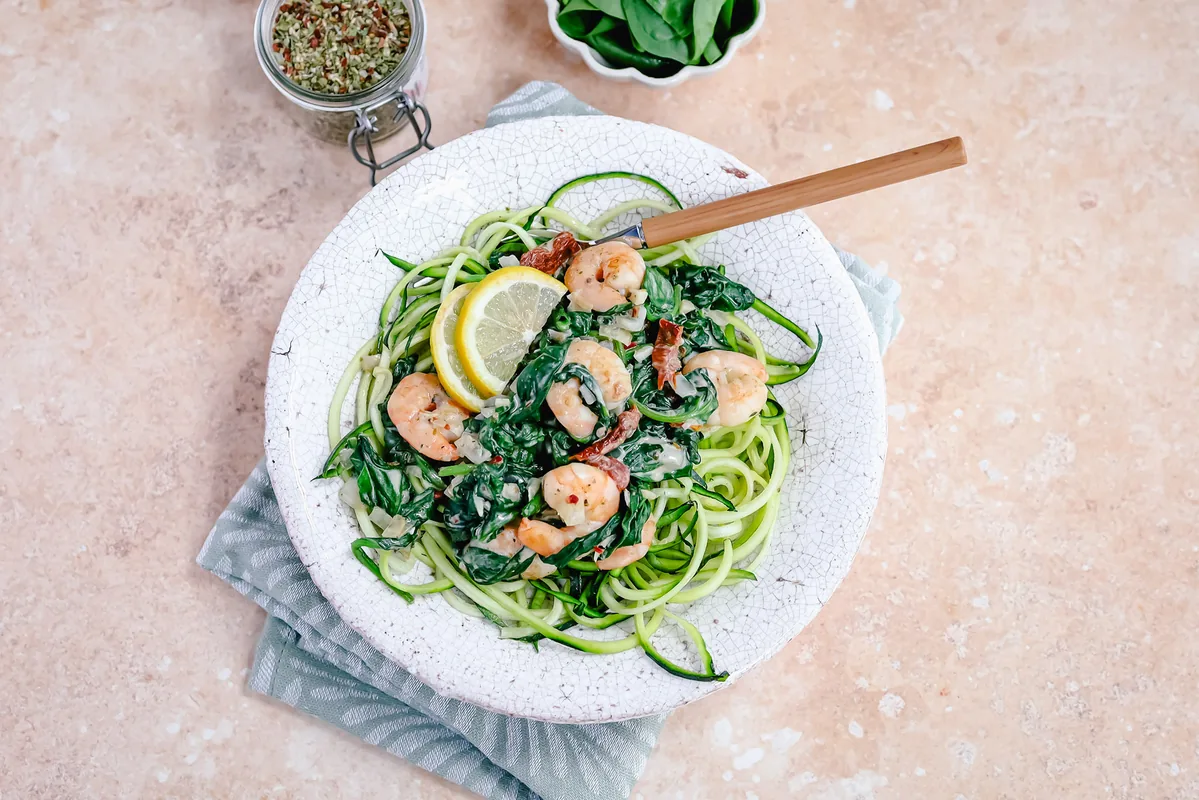
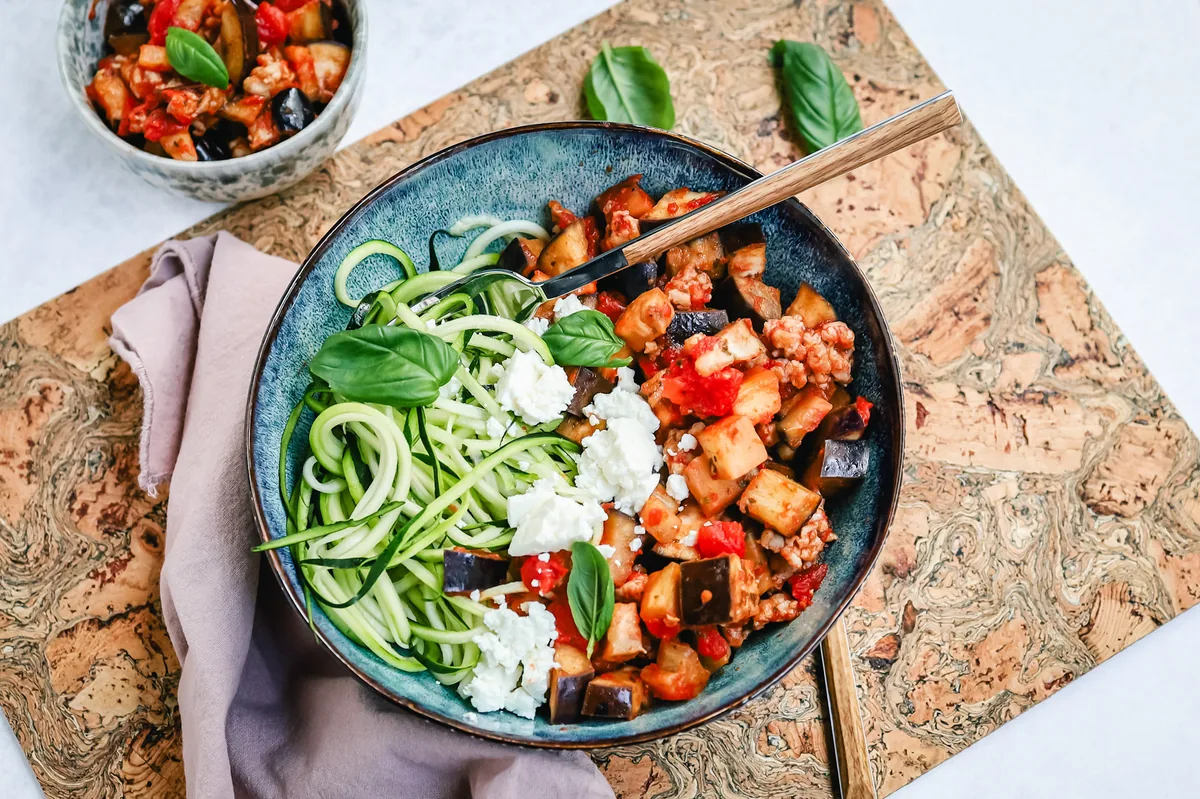




Stir-frying cauliflower produced 7.9 times more of a cancer-preventive compound than leaving it raw. Stewing the same vegetable halved it. Same food, different pan, opposite result. The same pattern runs underneath this entire collection.
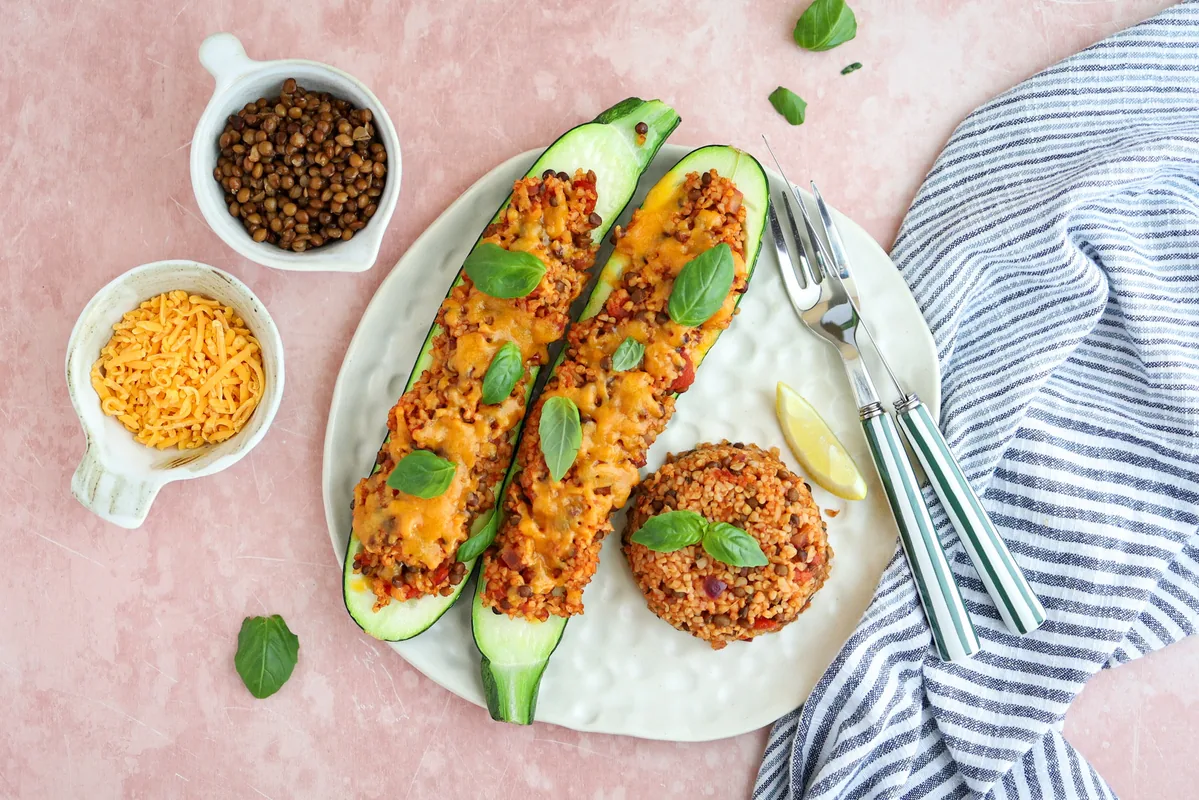
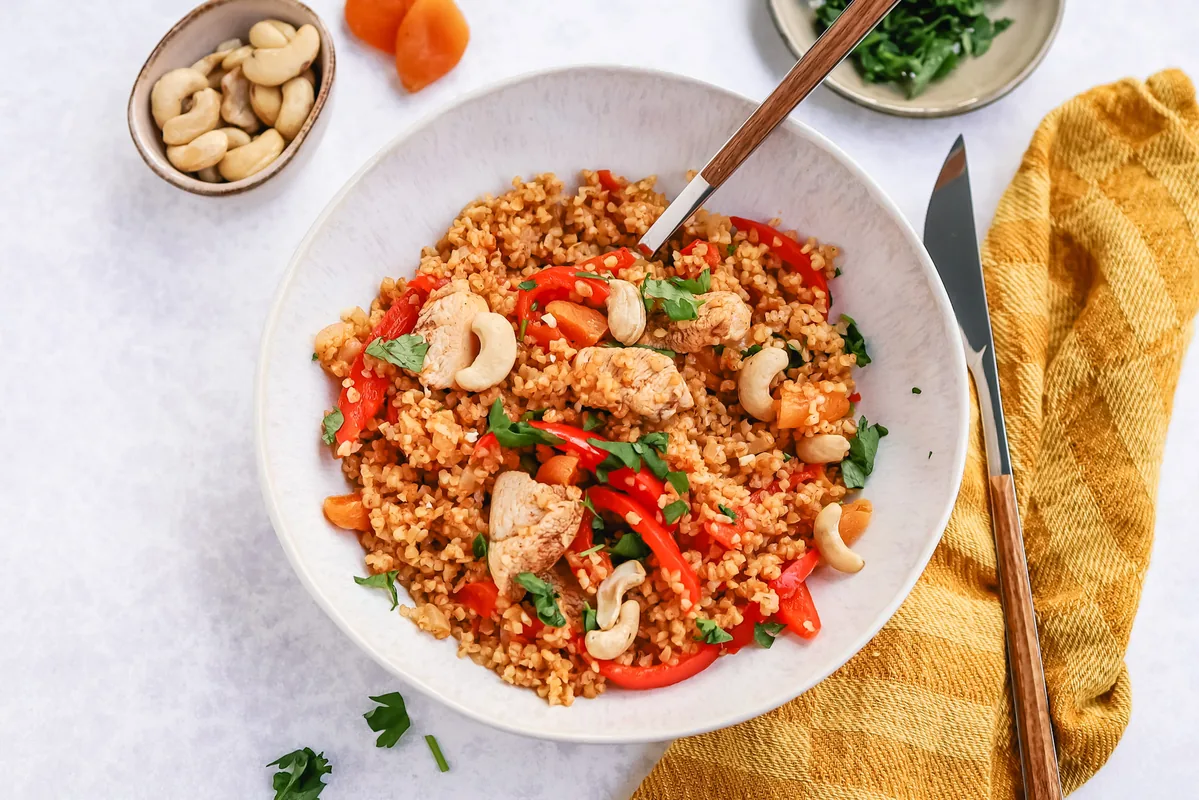
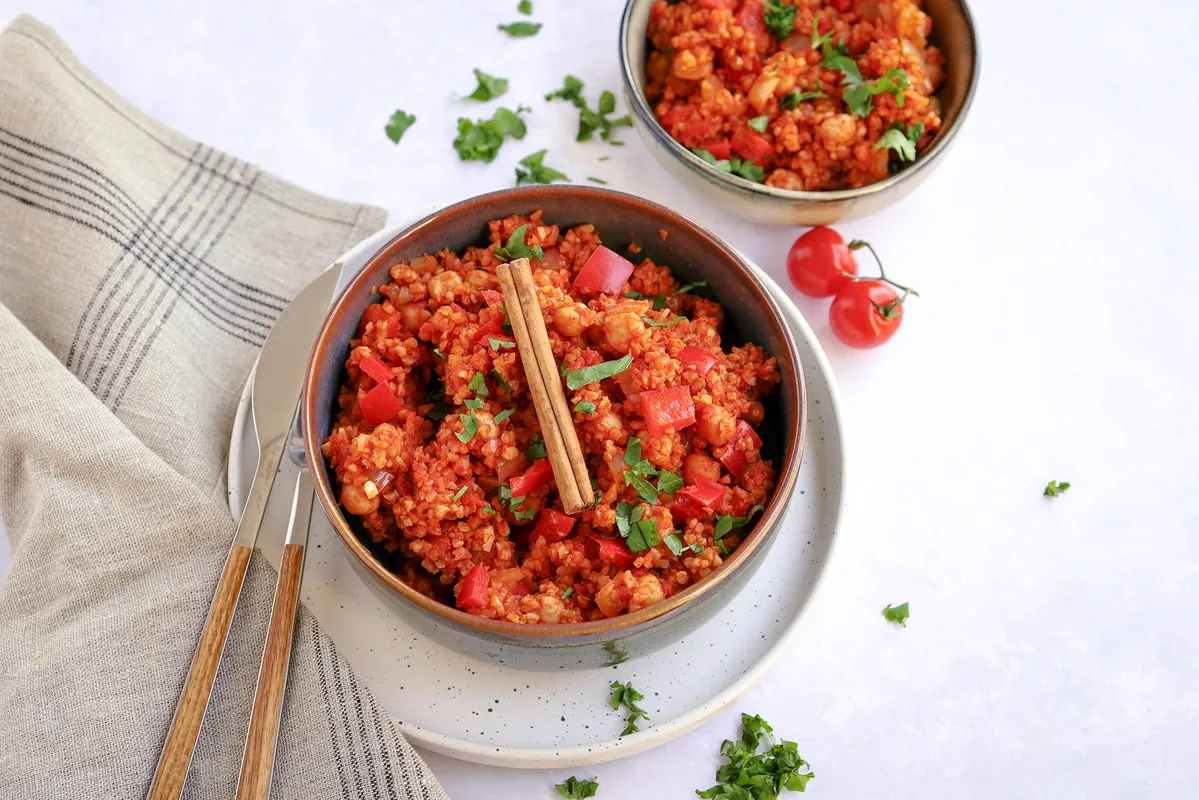
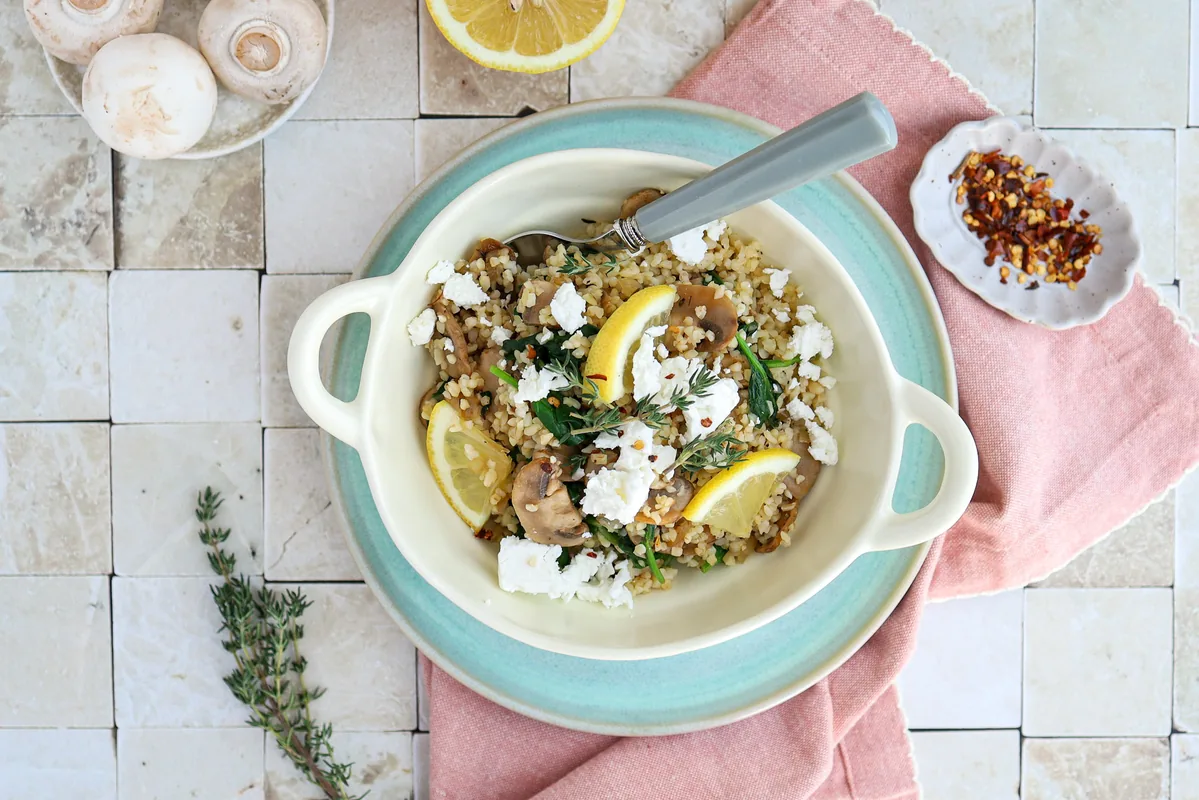
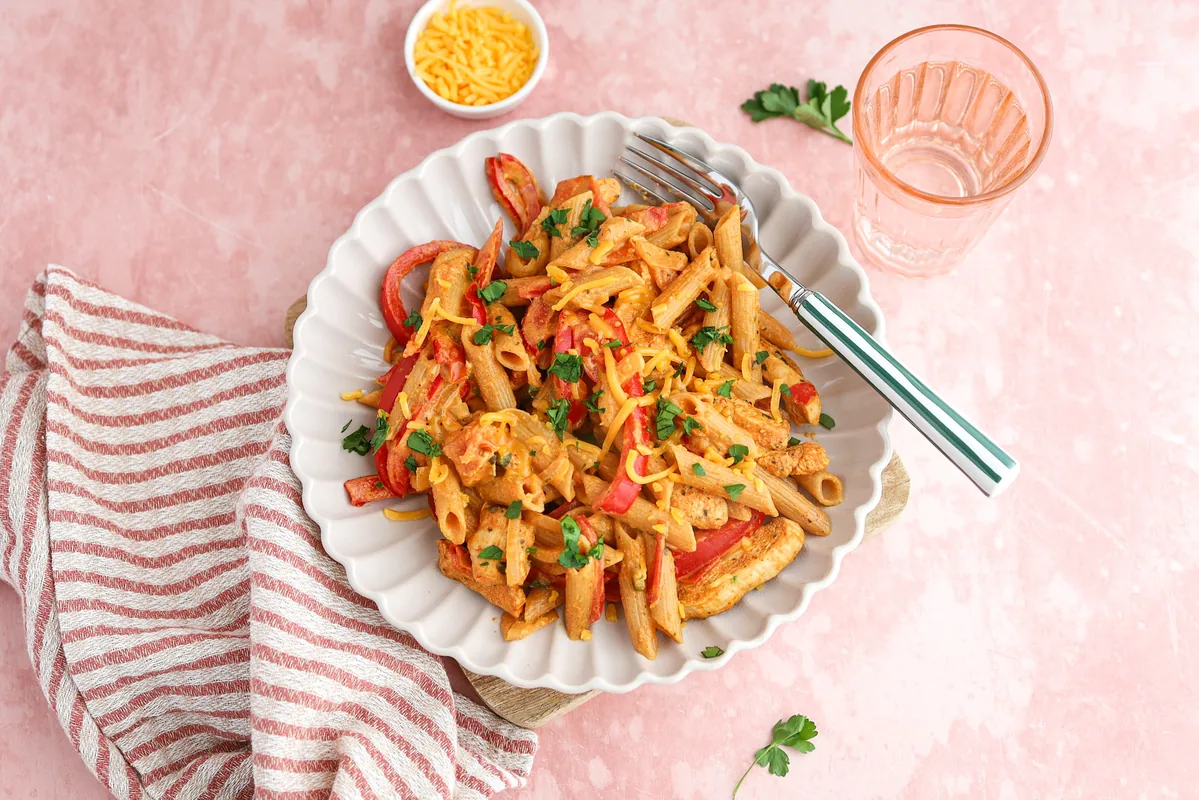
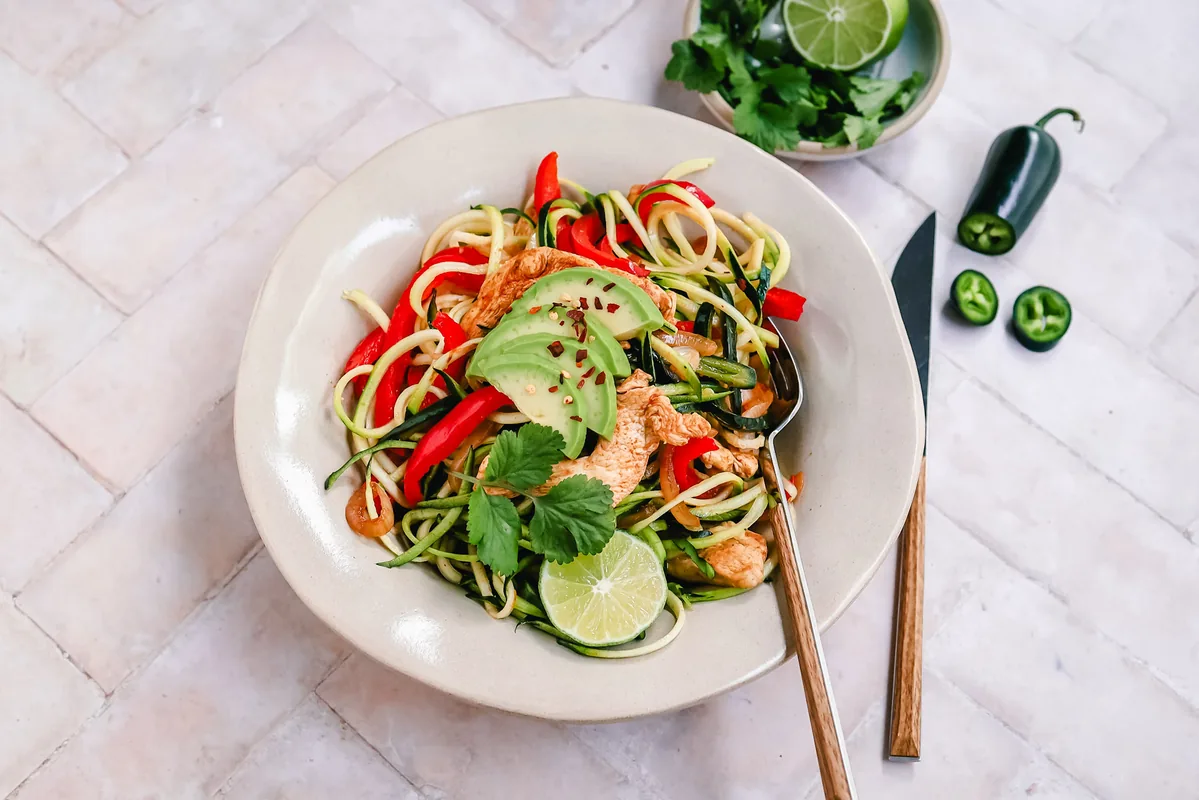
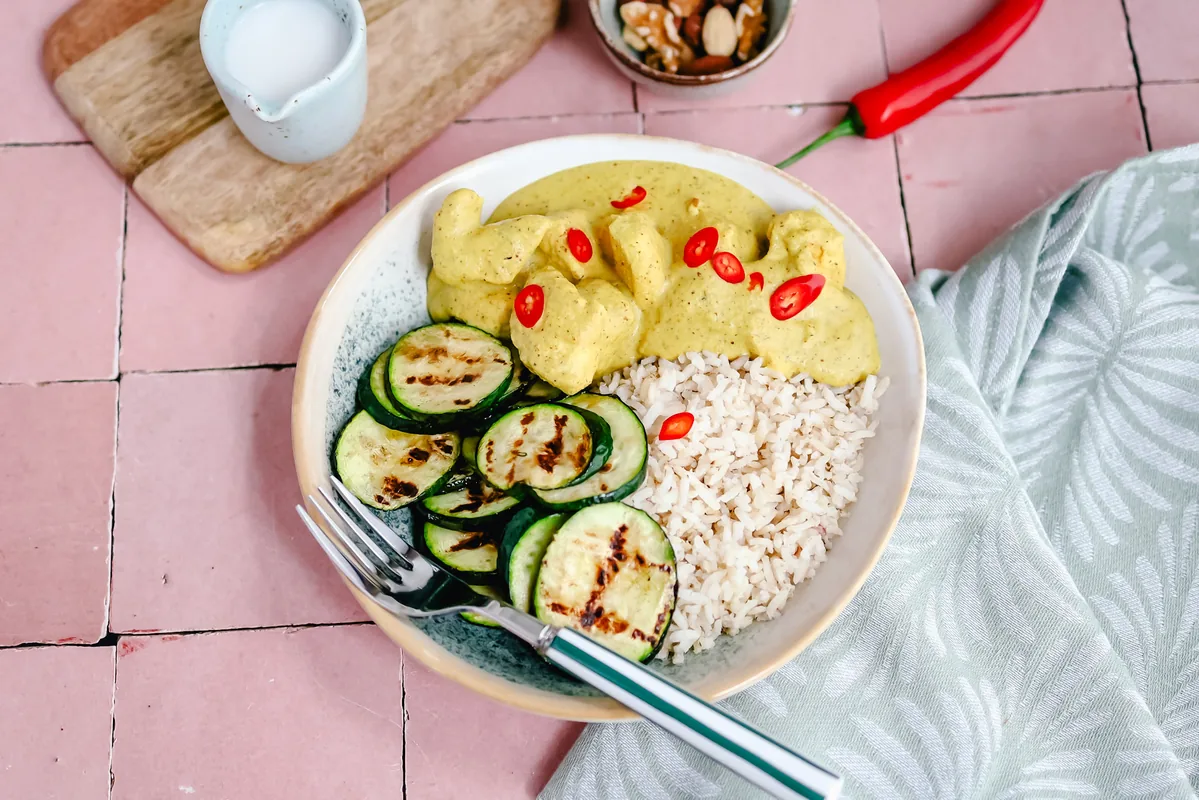
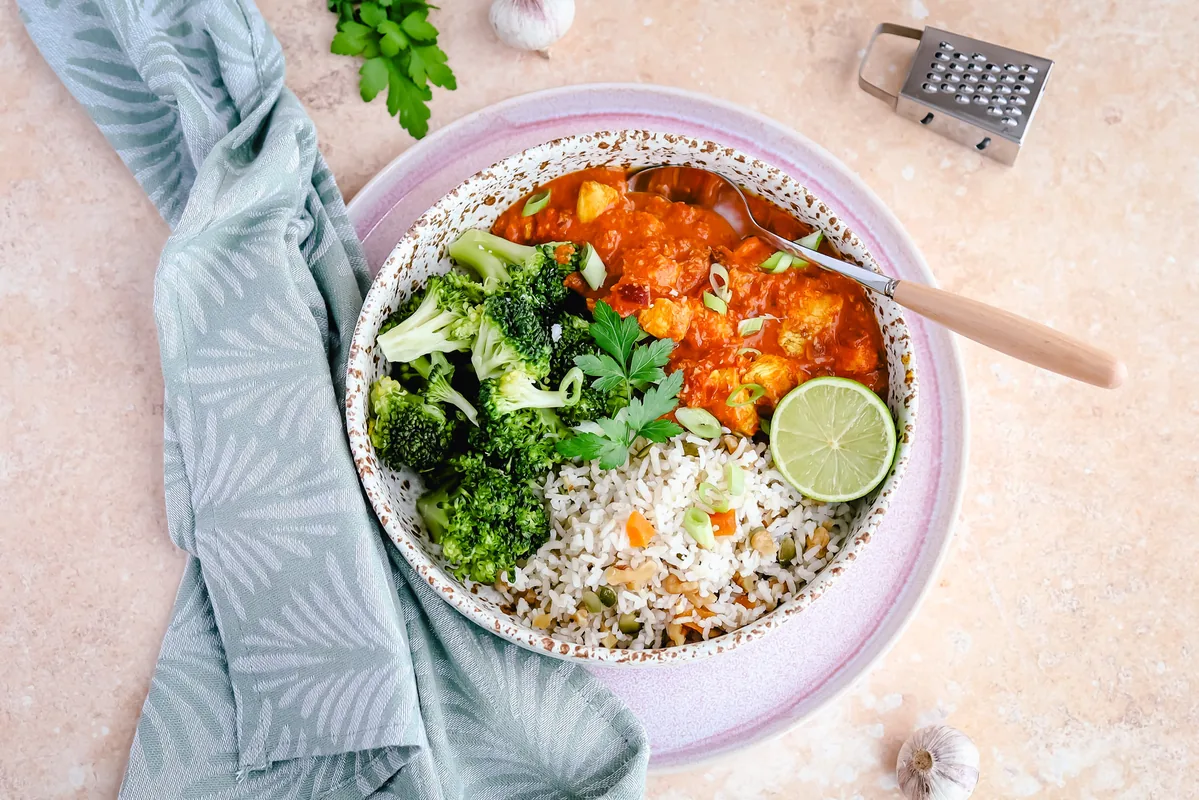
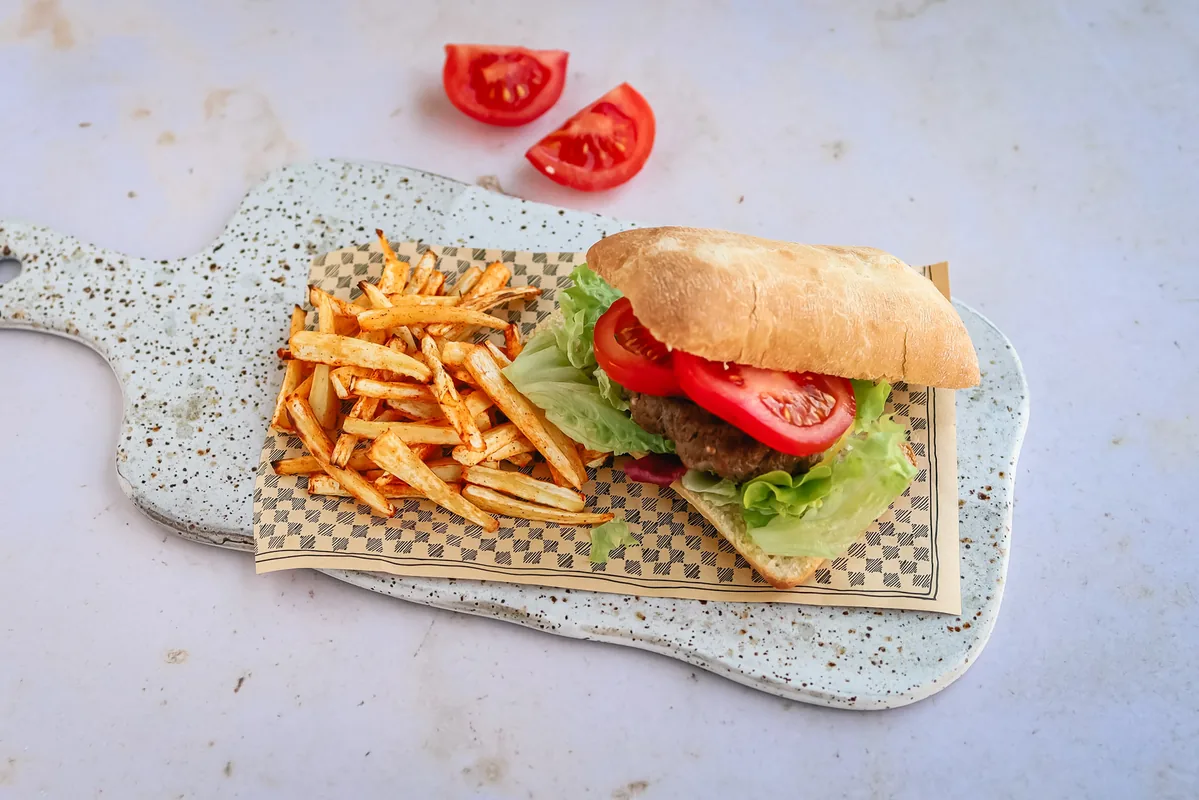
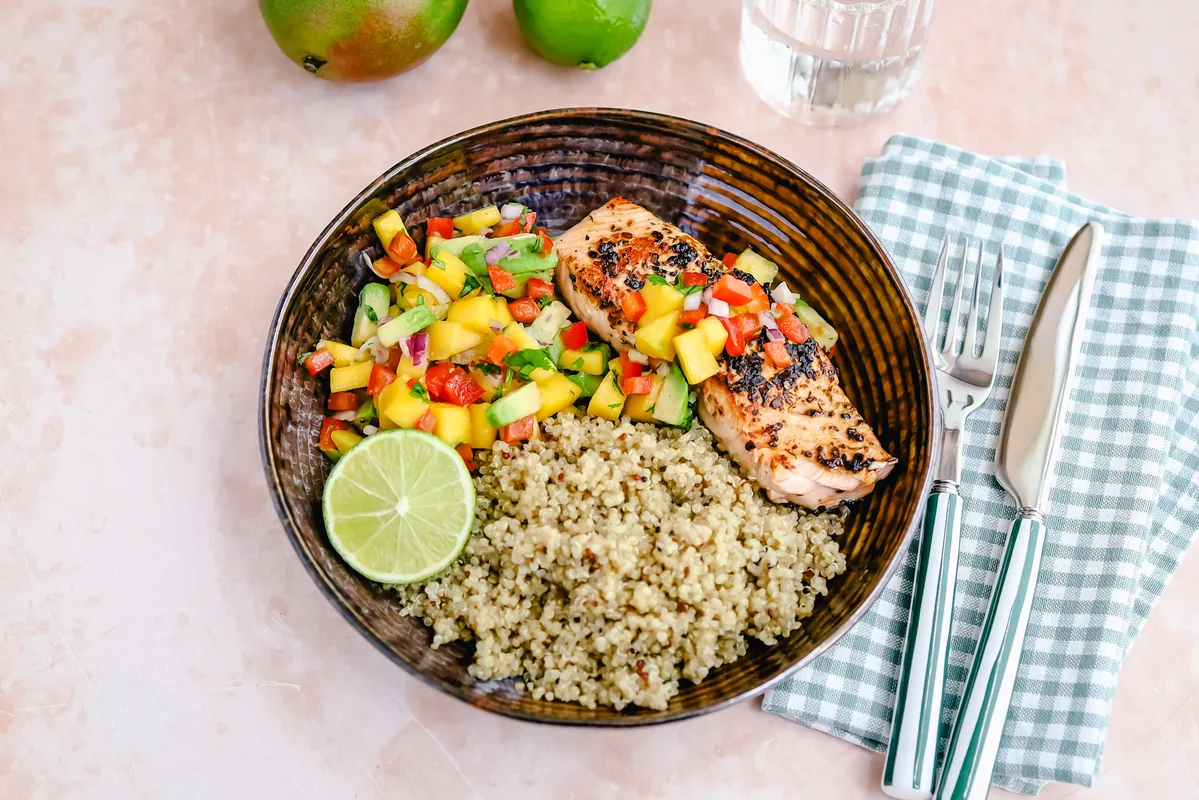
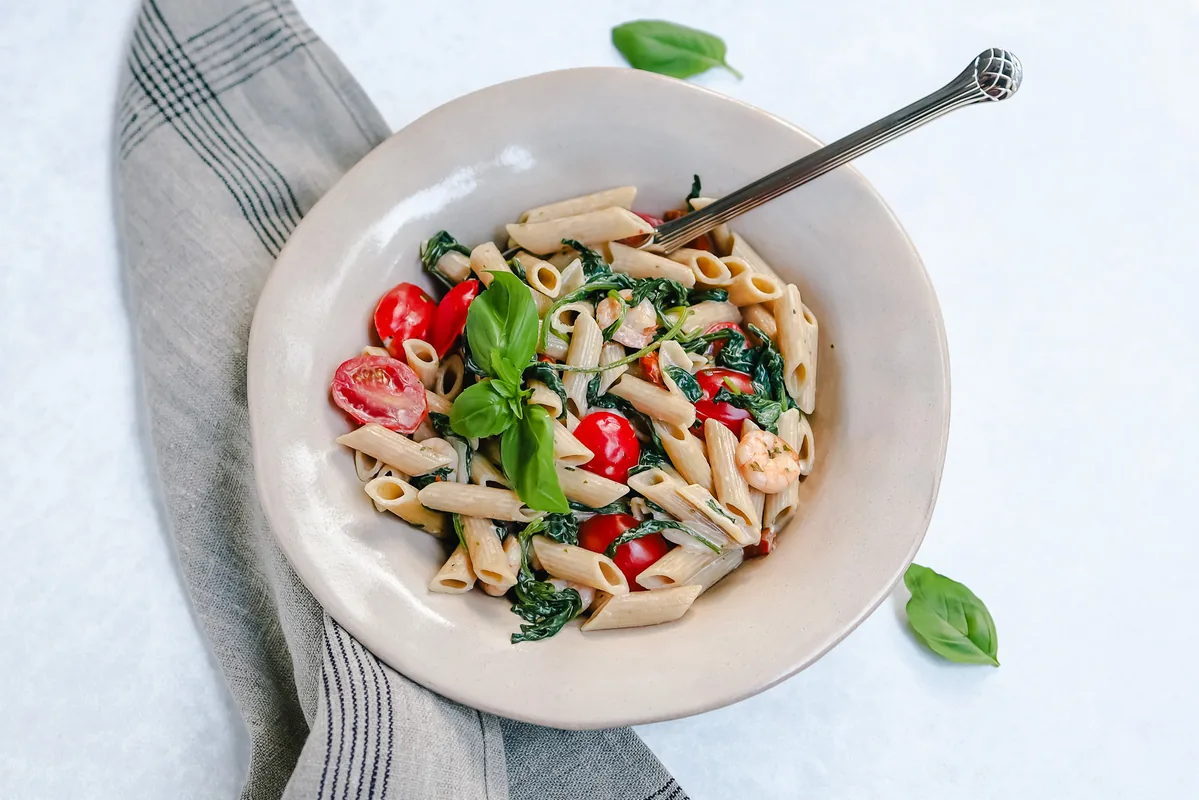
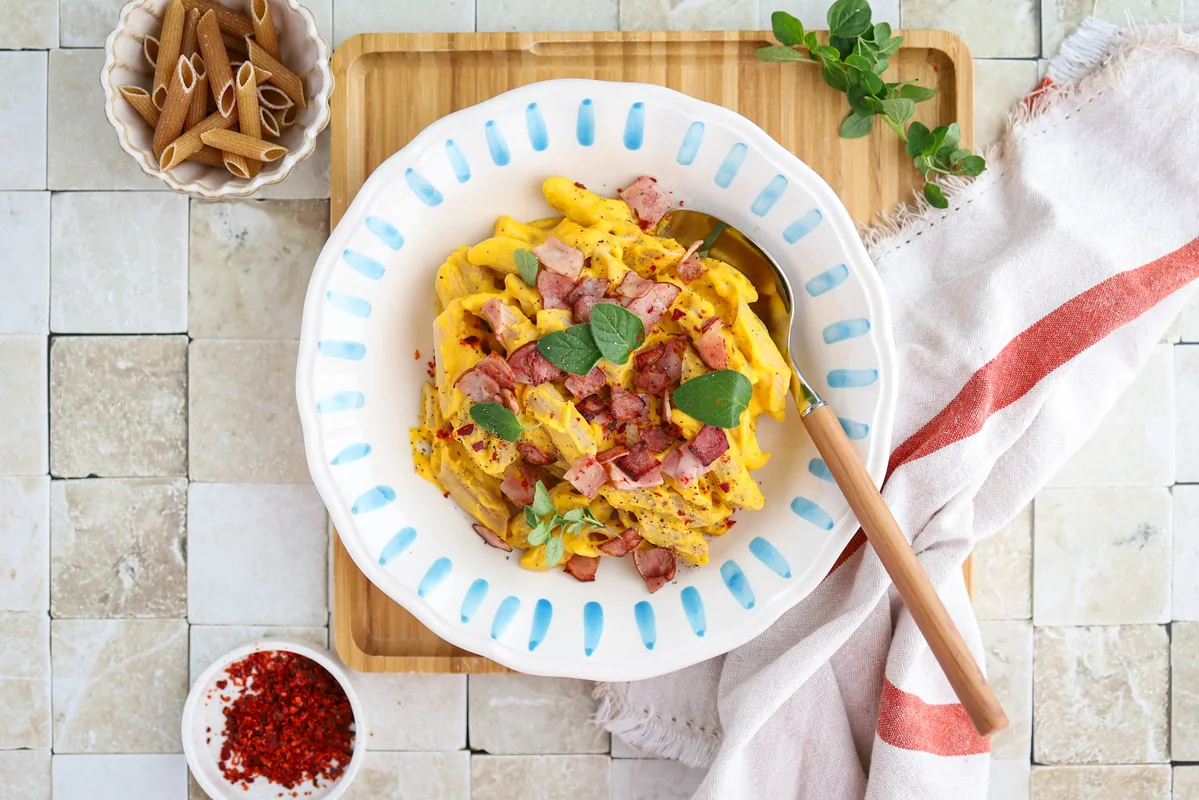
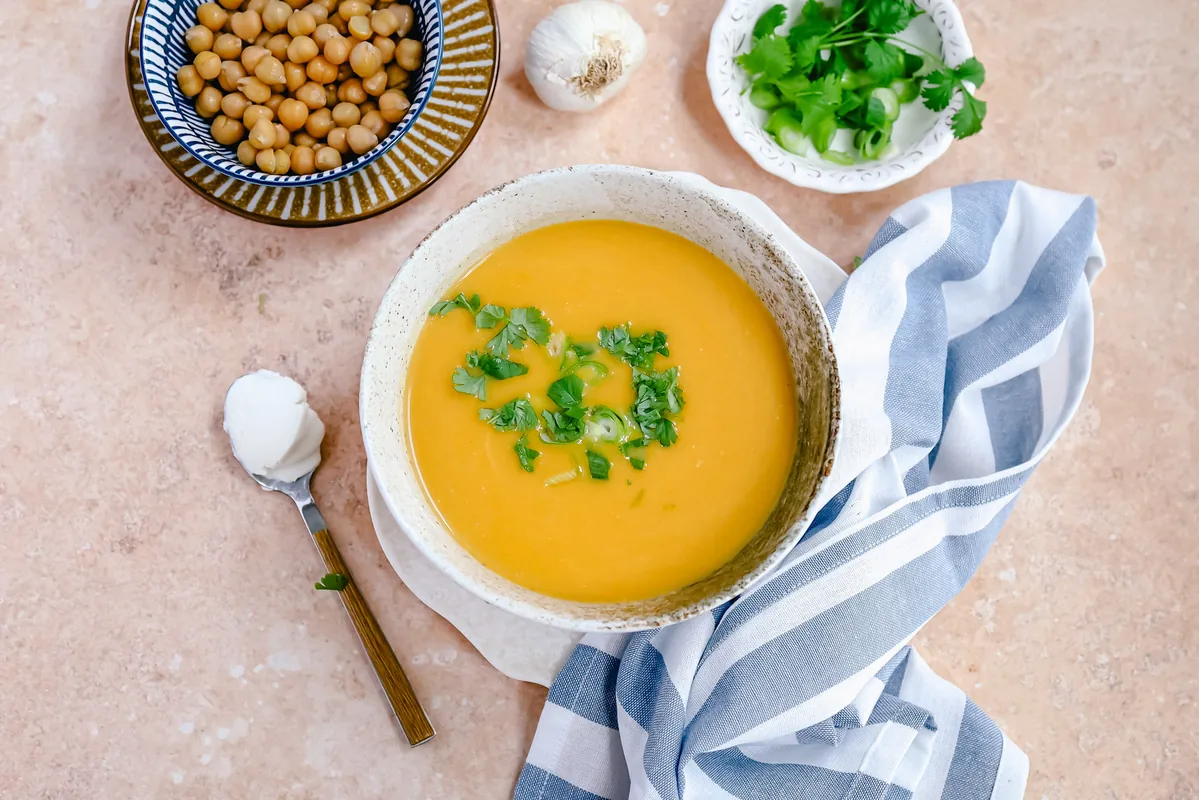
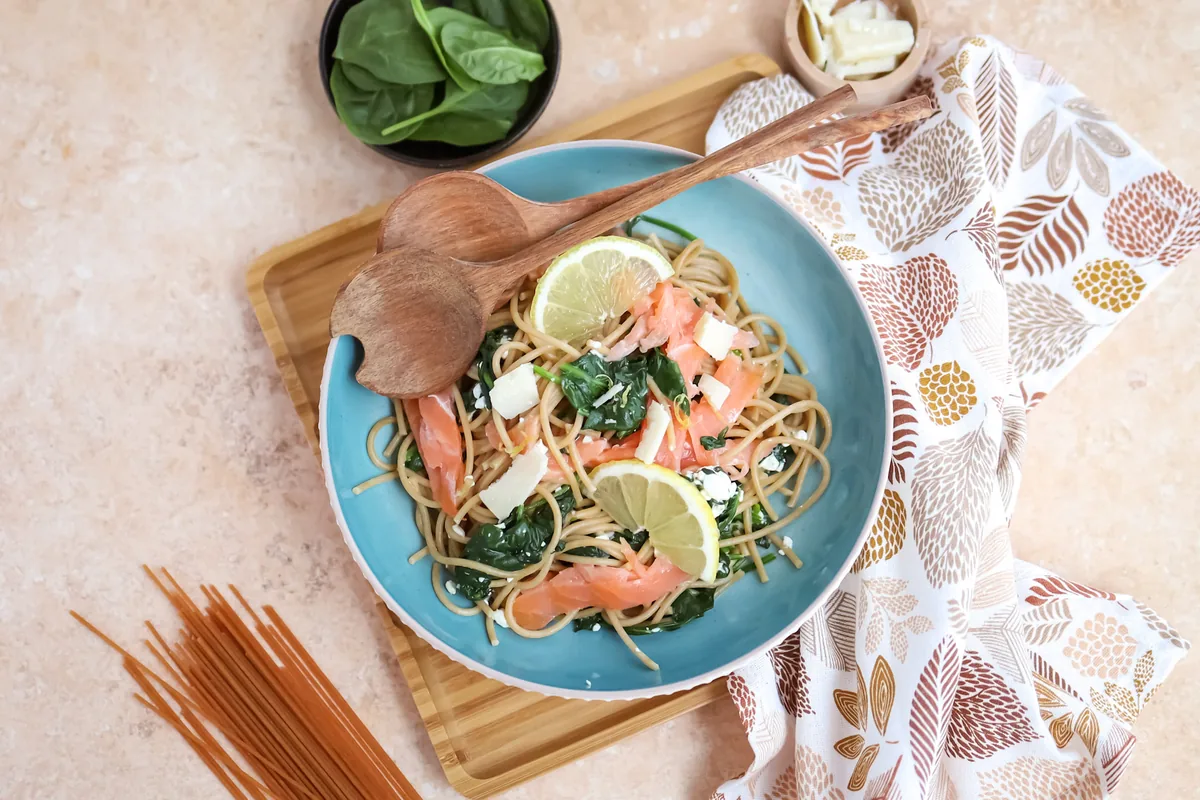
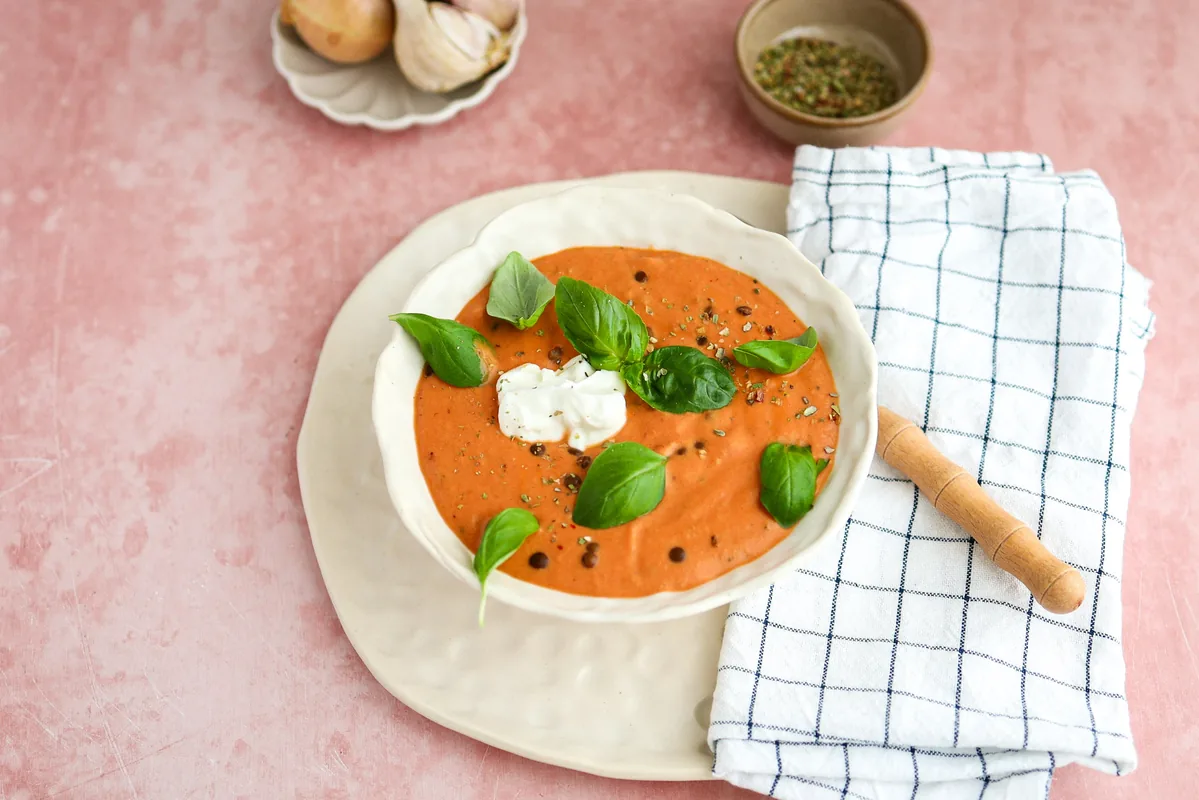
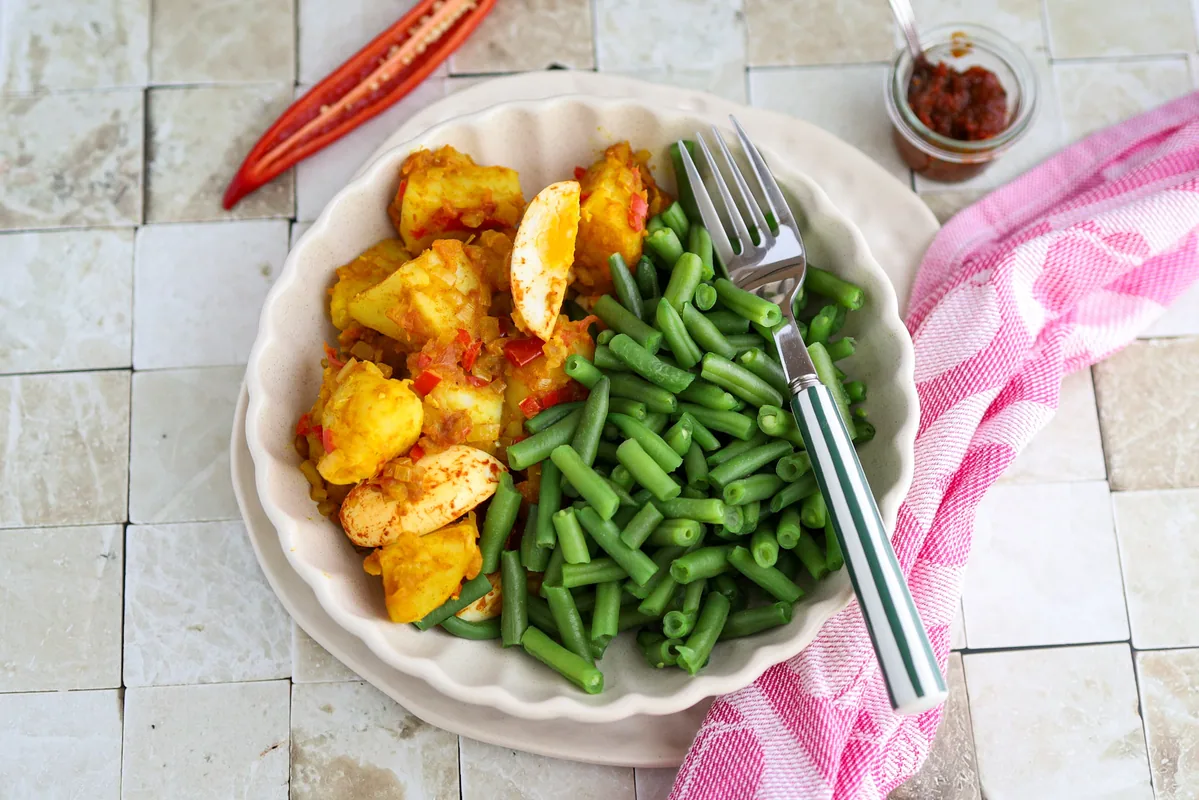
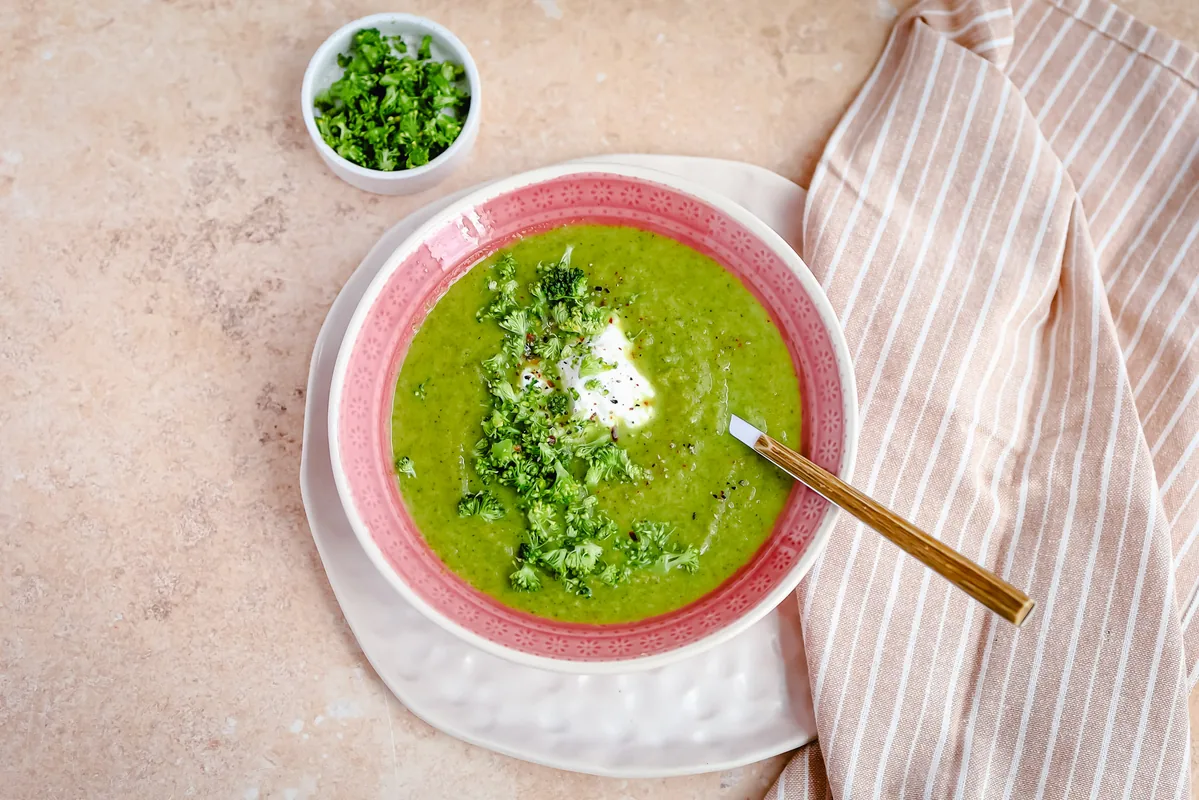
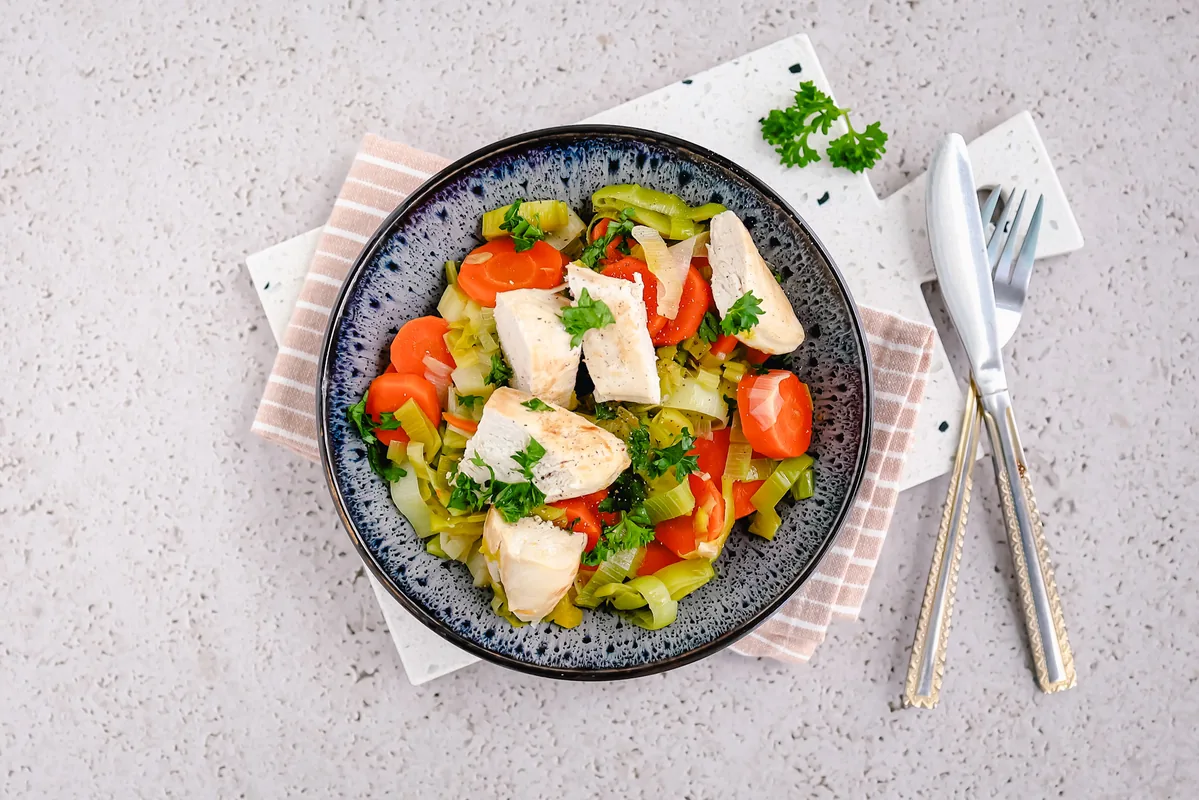
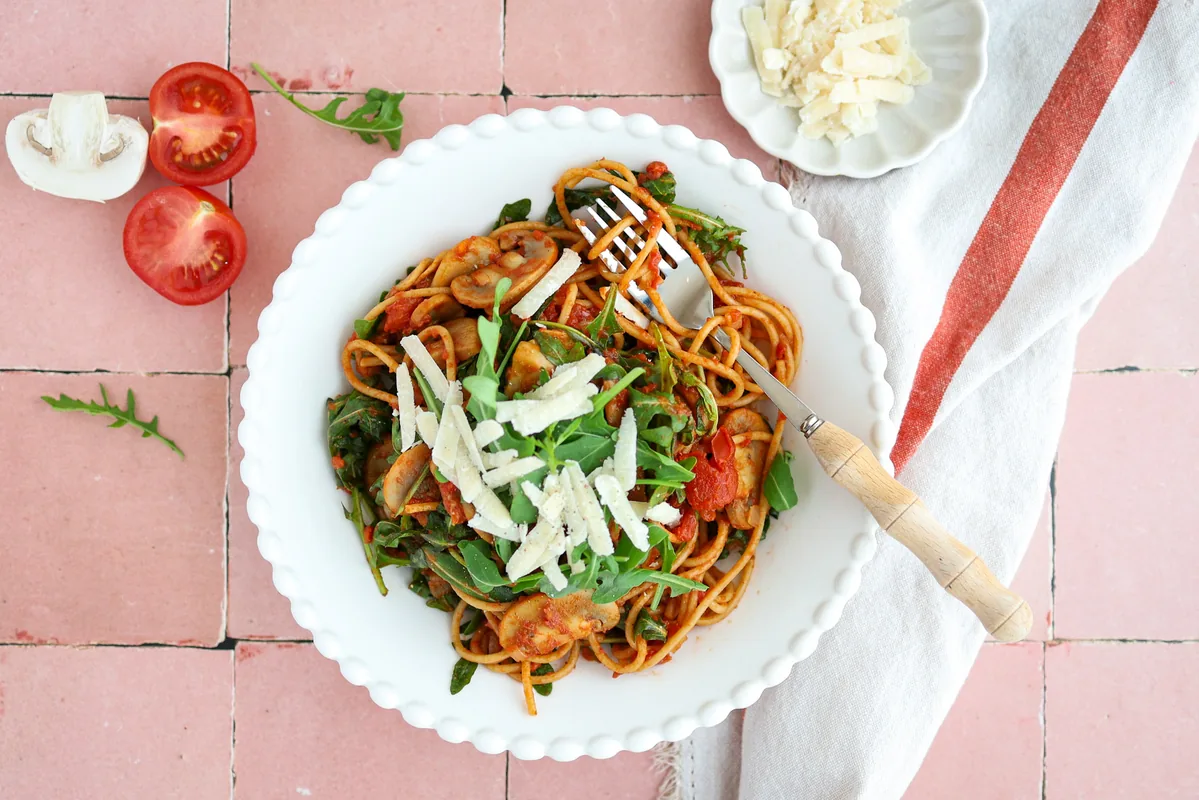
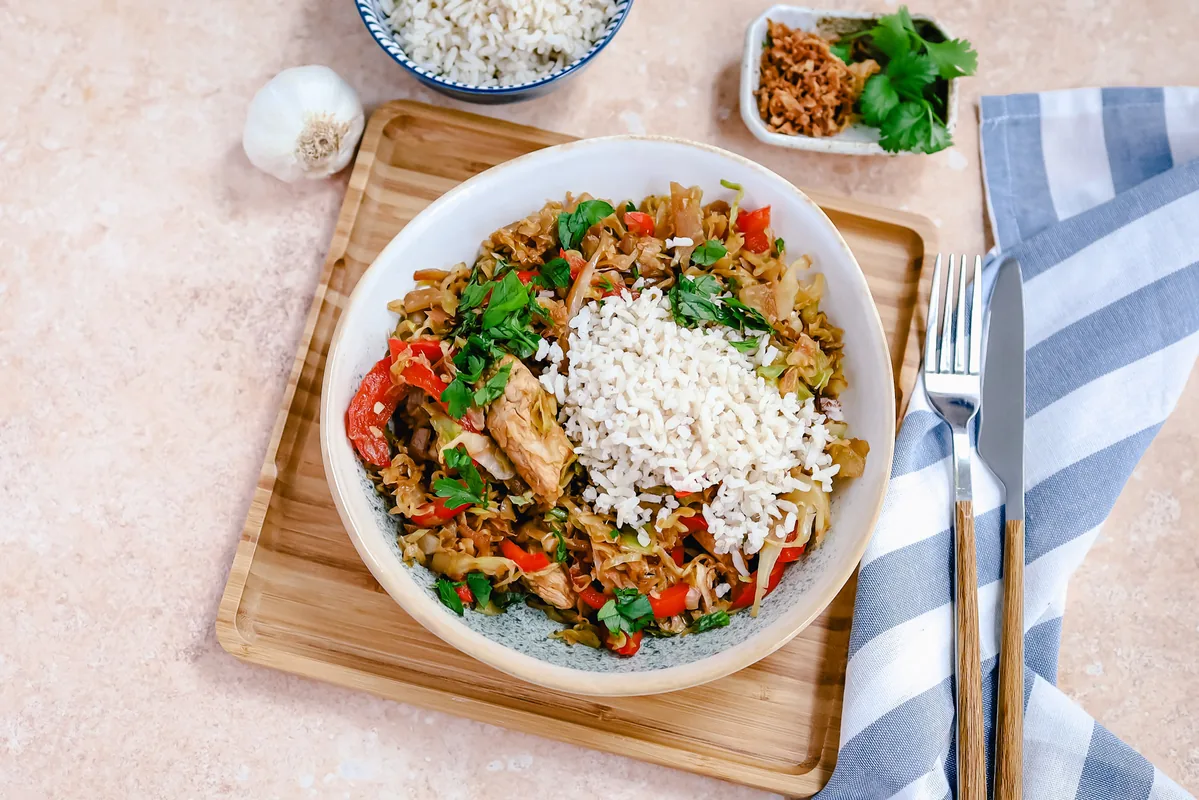
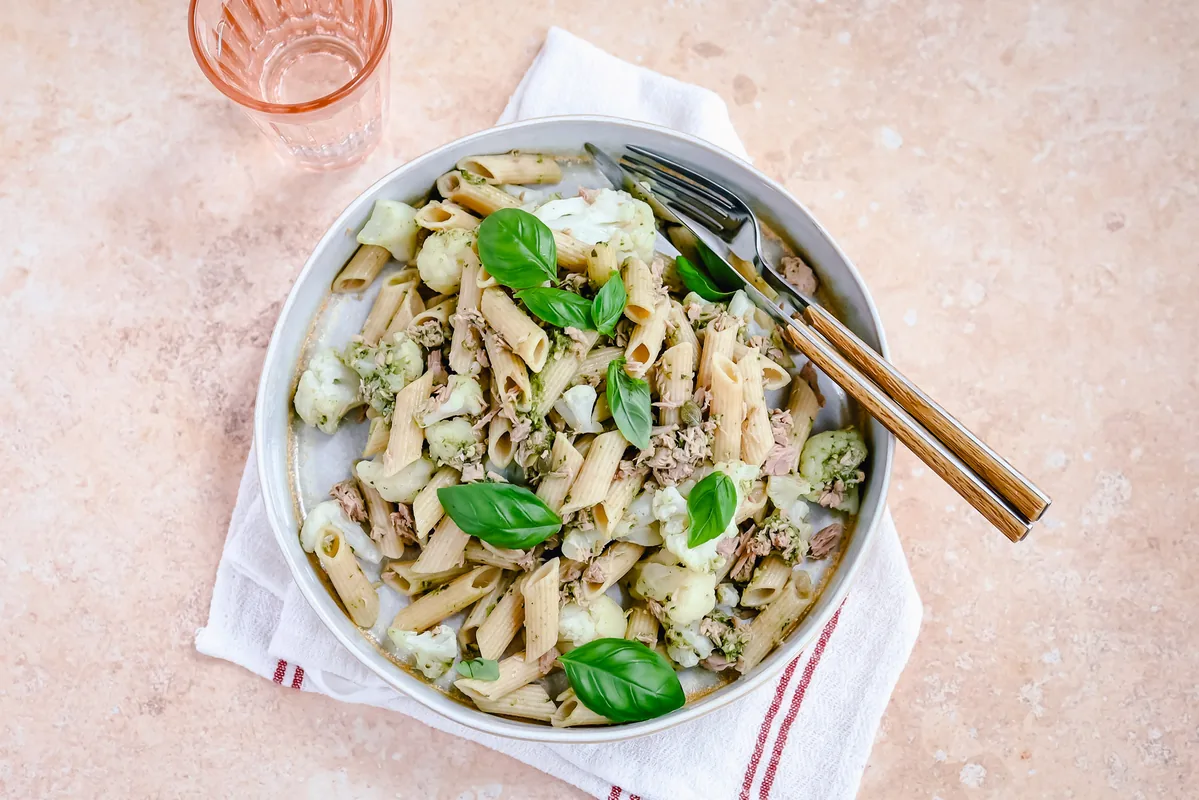
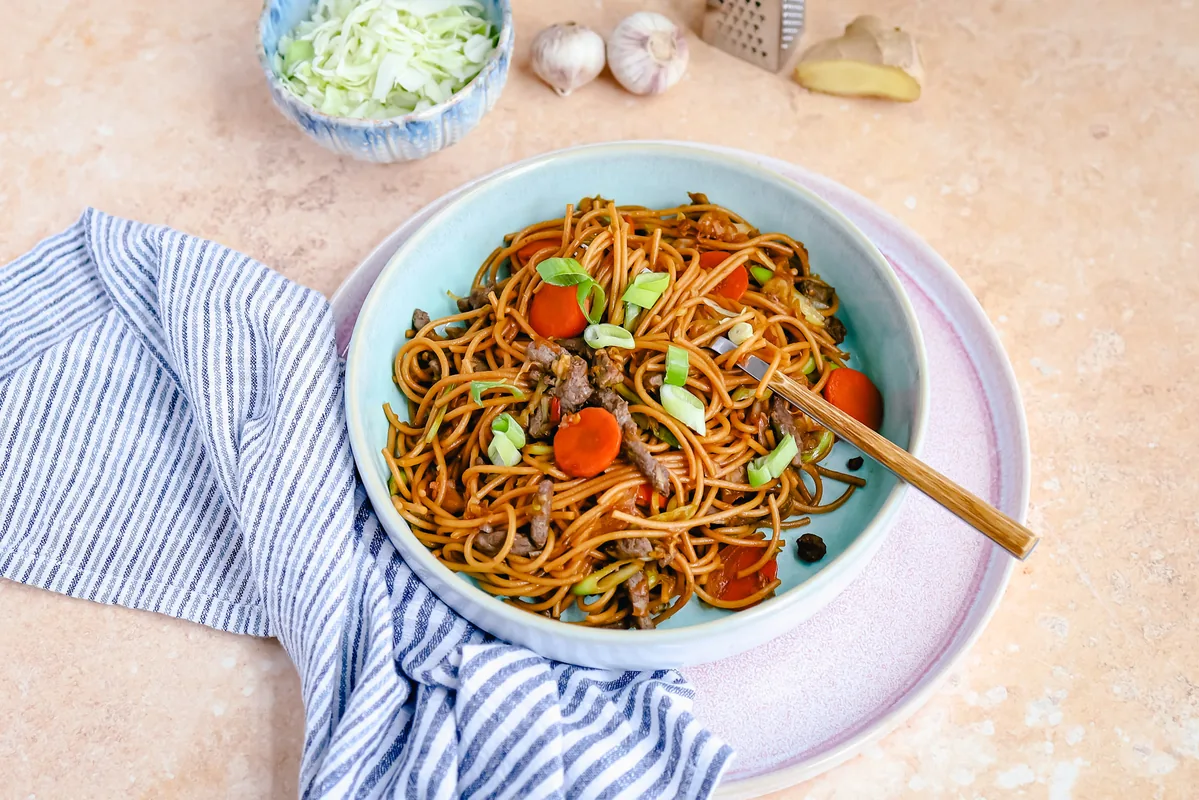
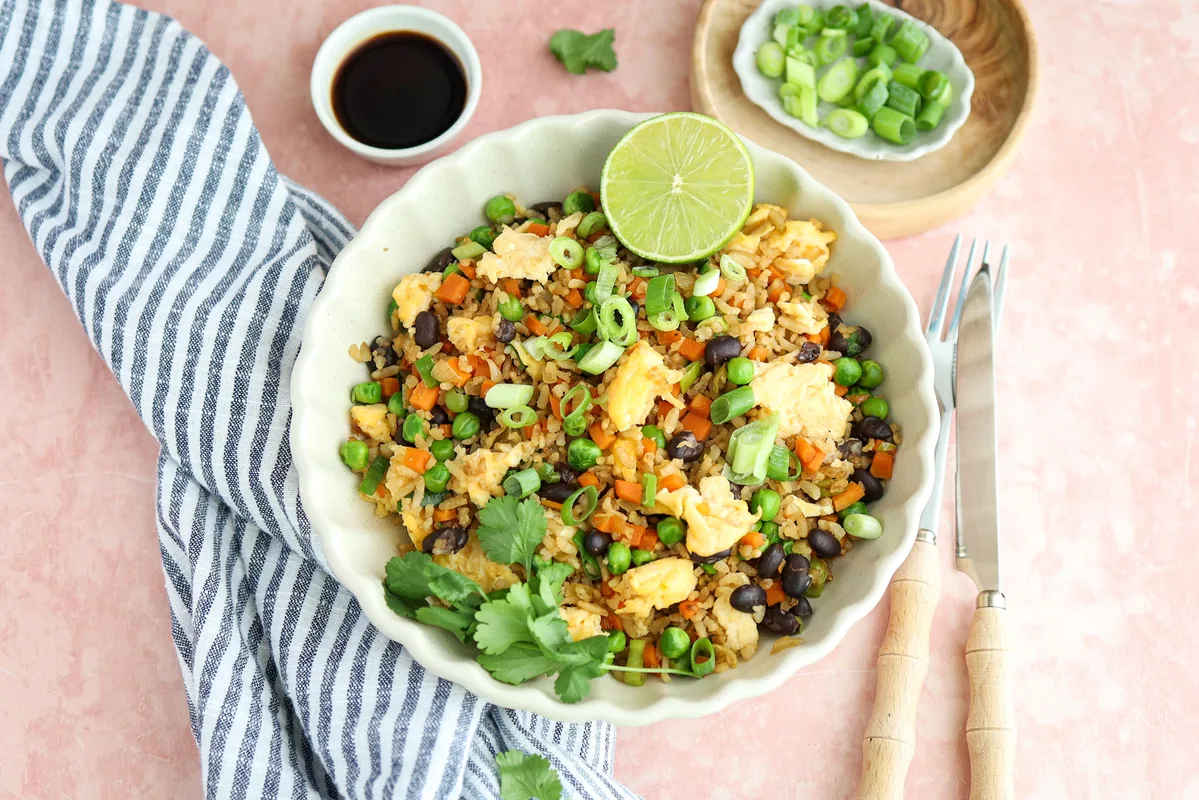
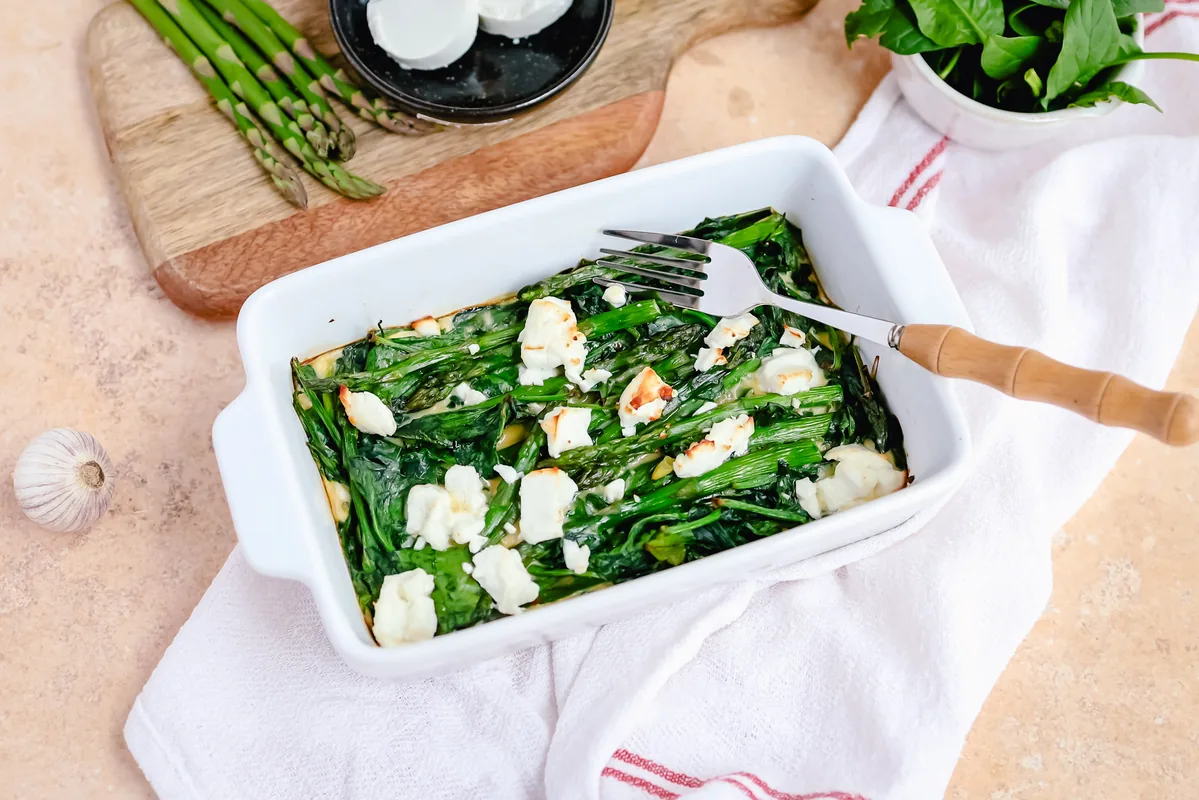
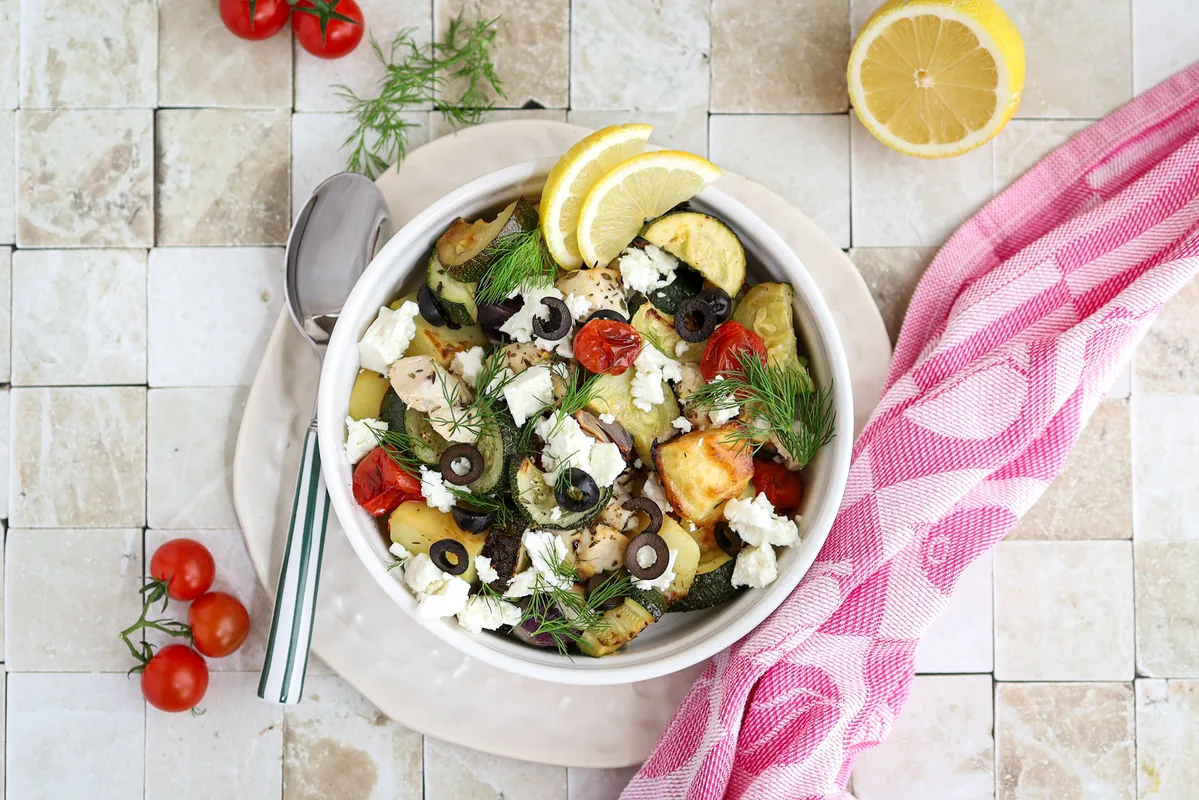
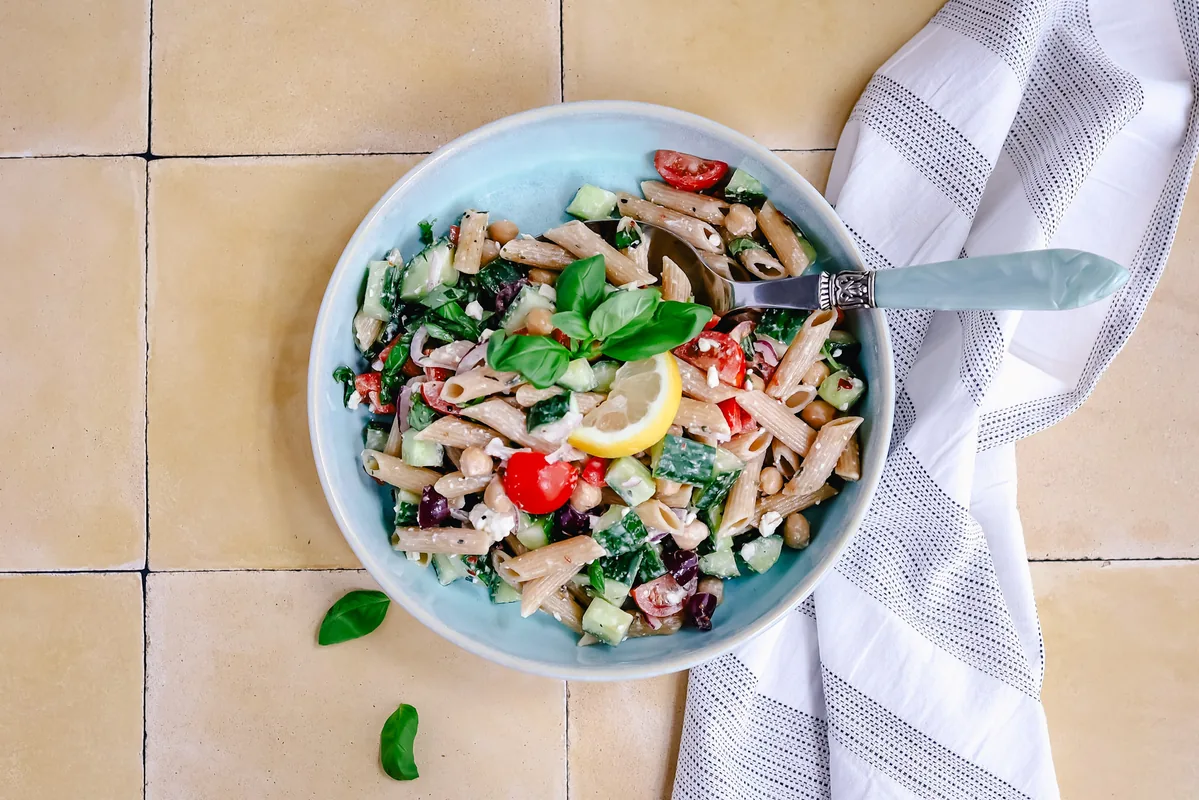
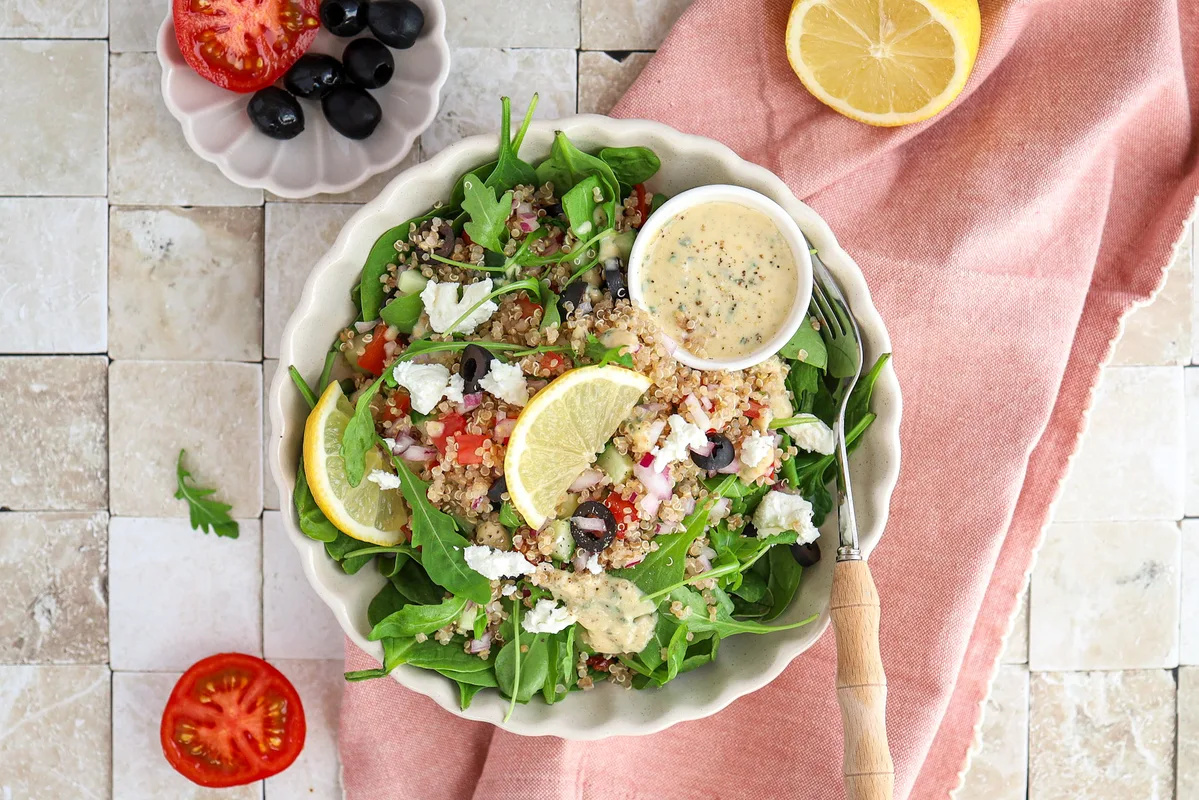
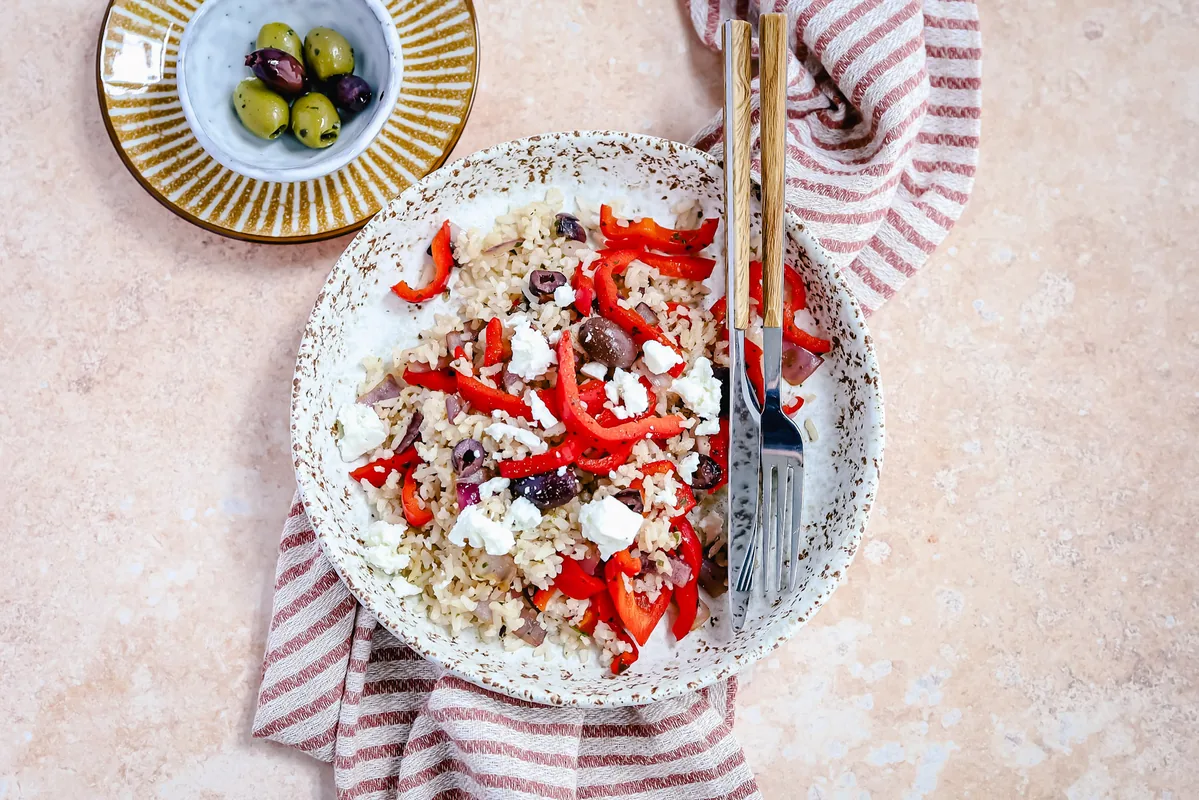
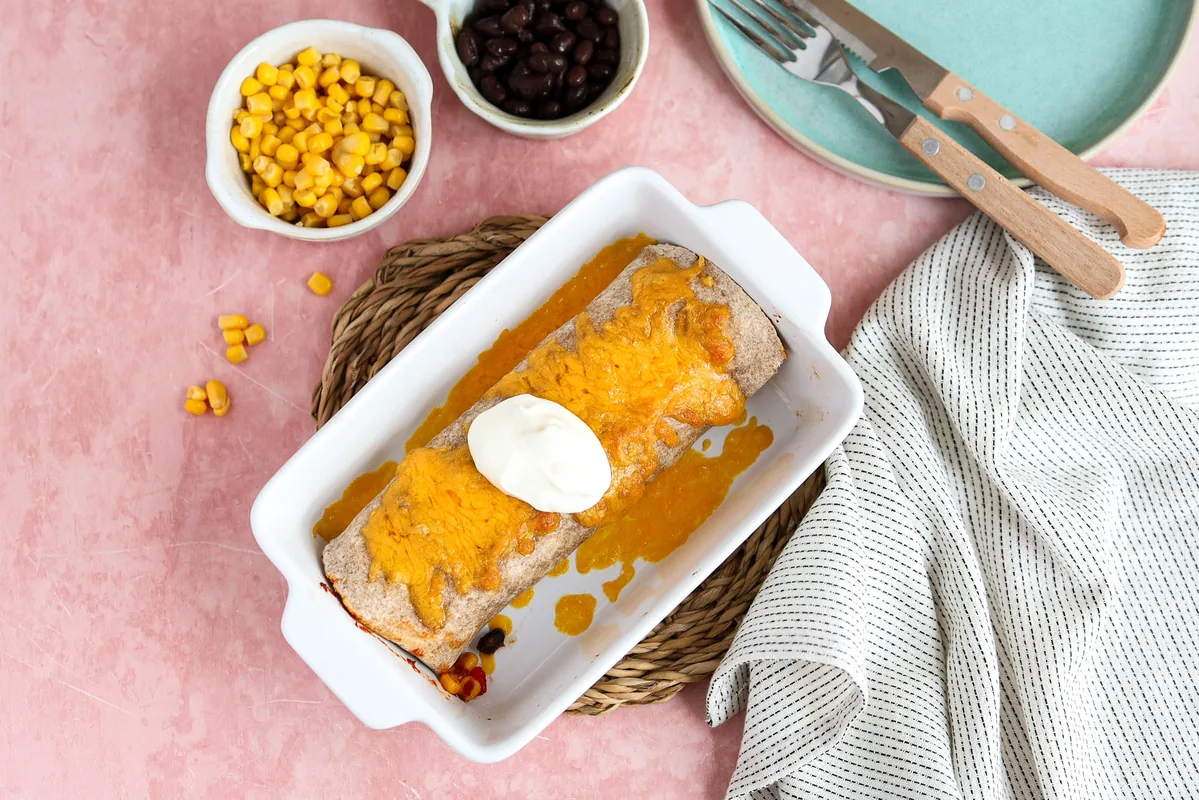
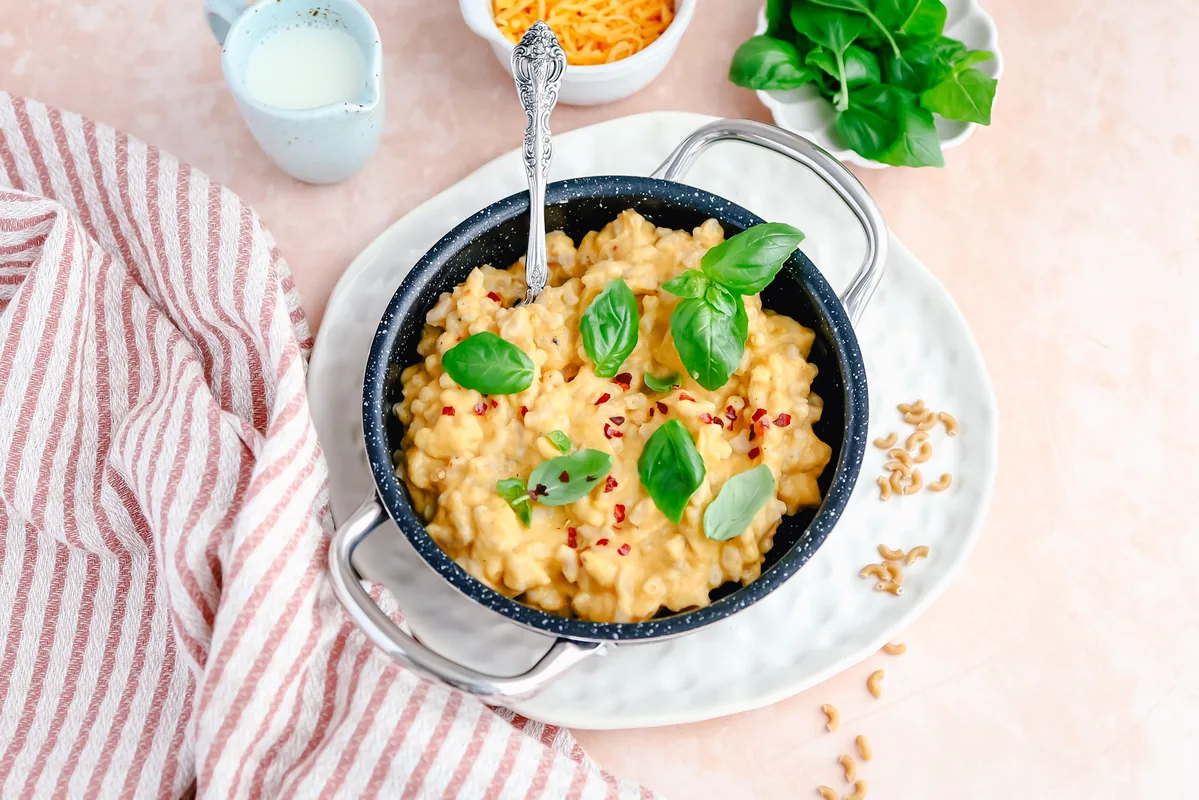
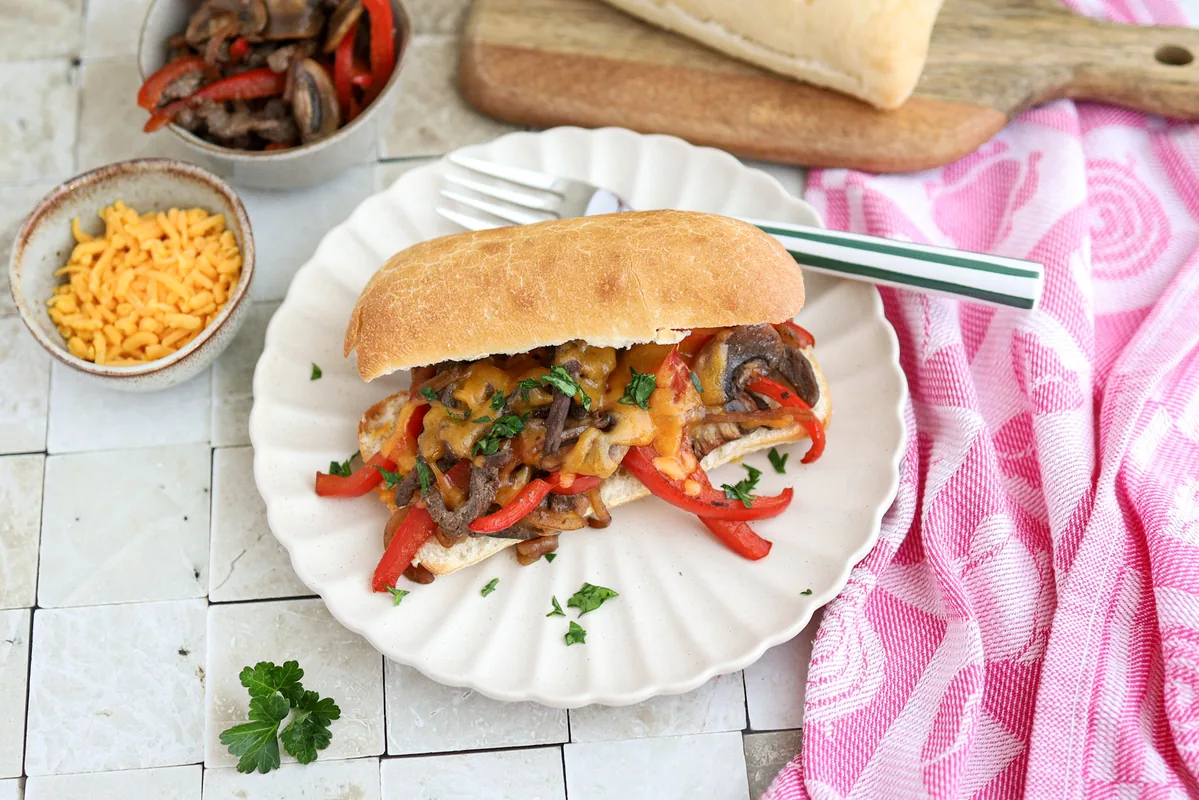
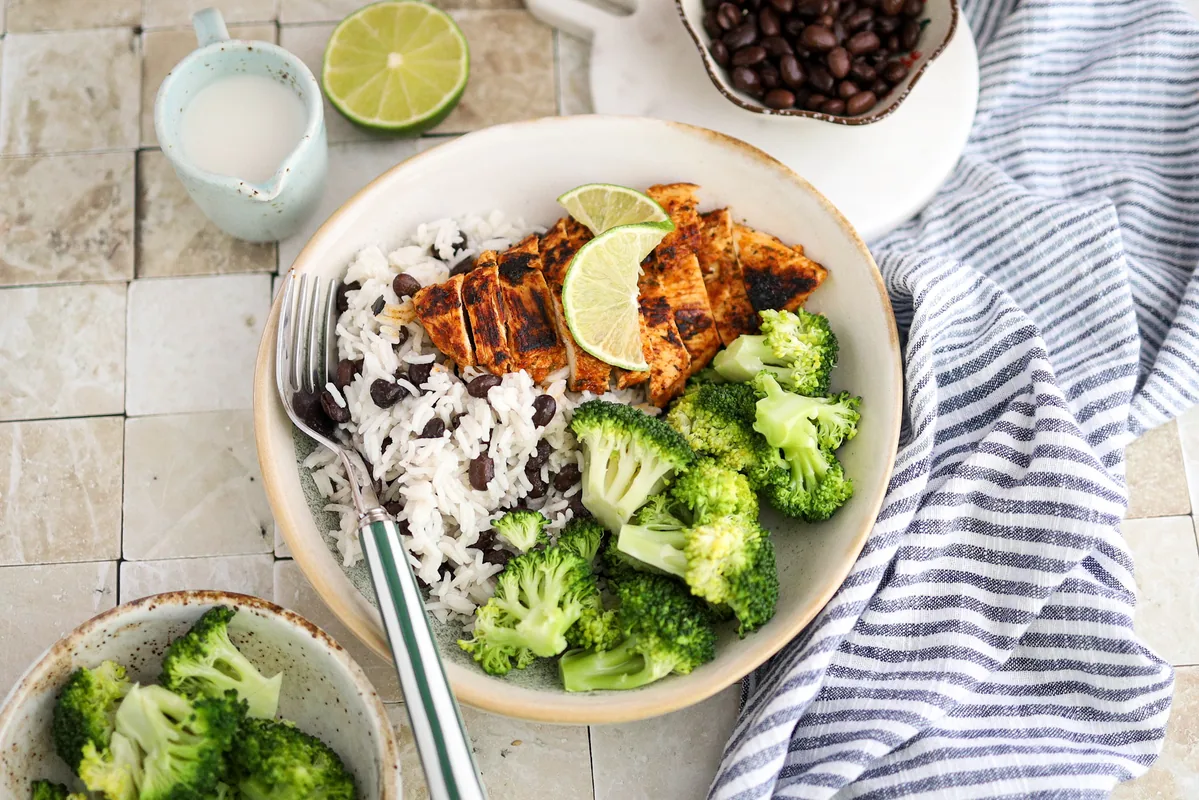
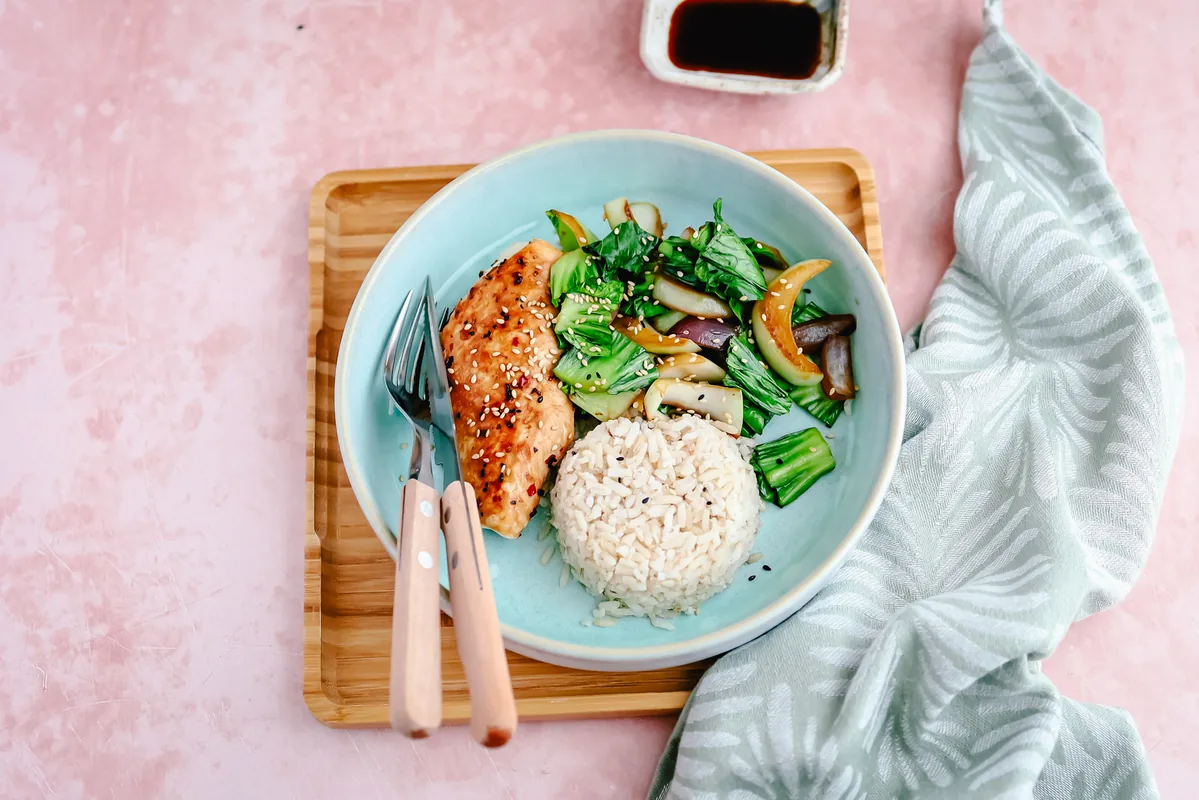
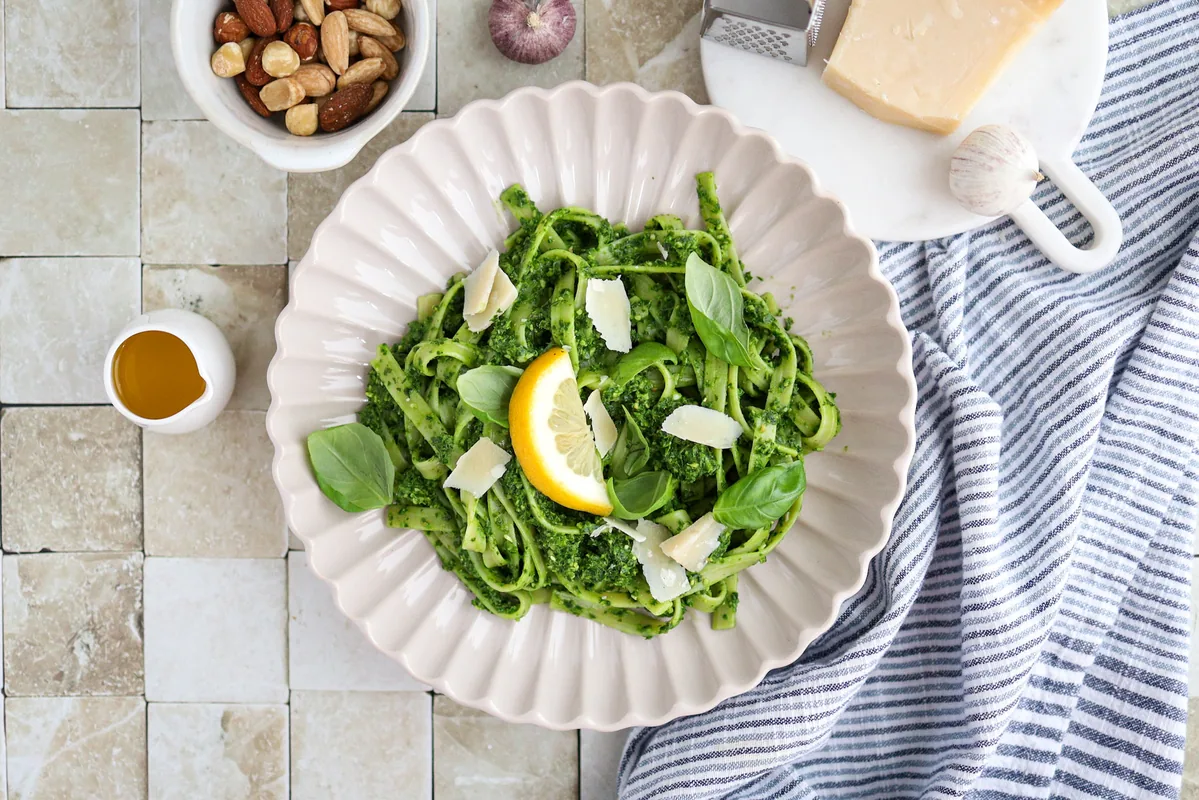
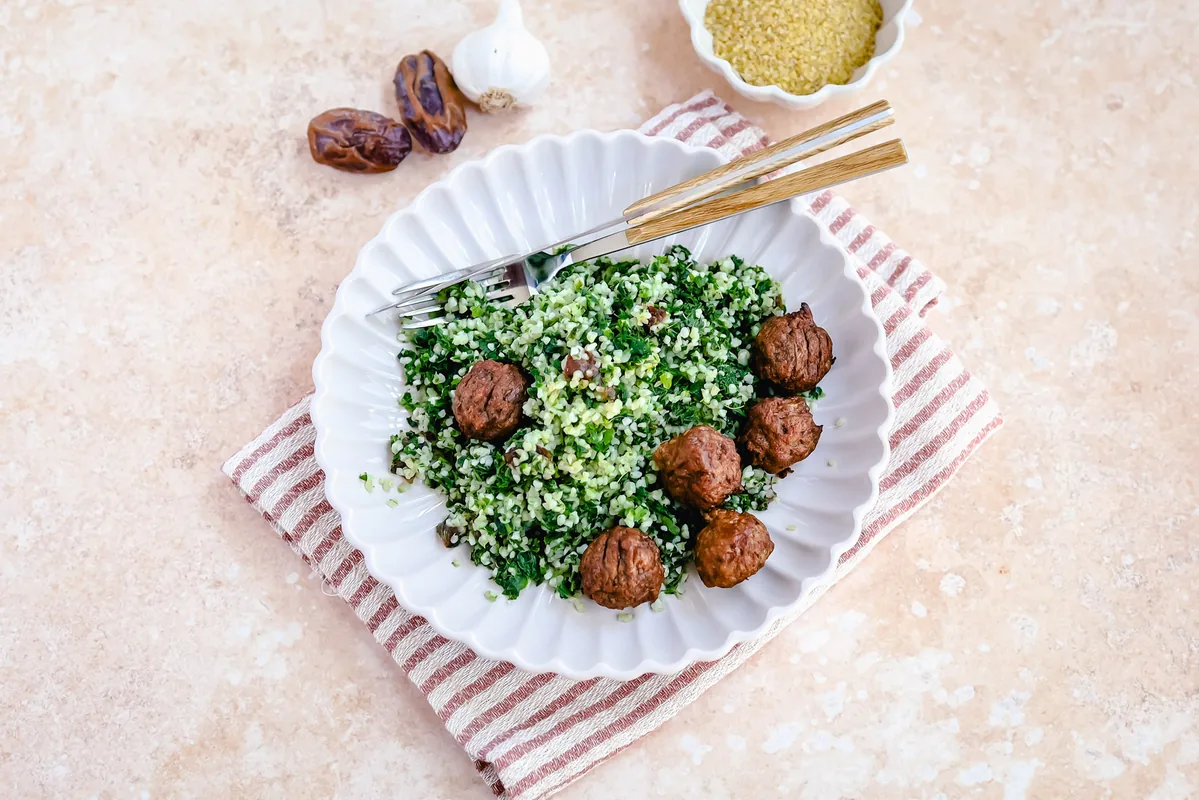
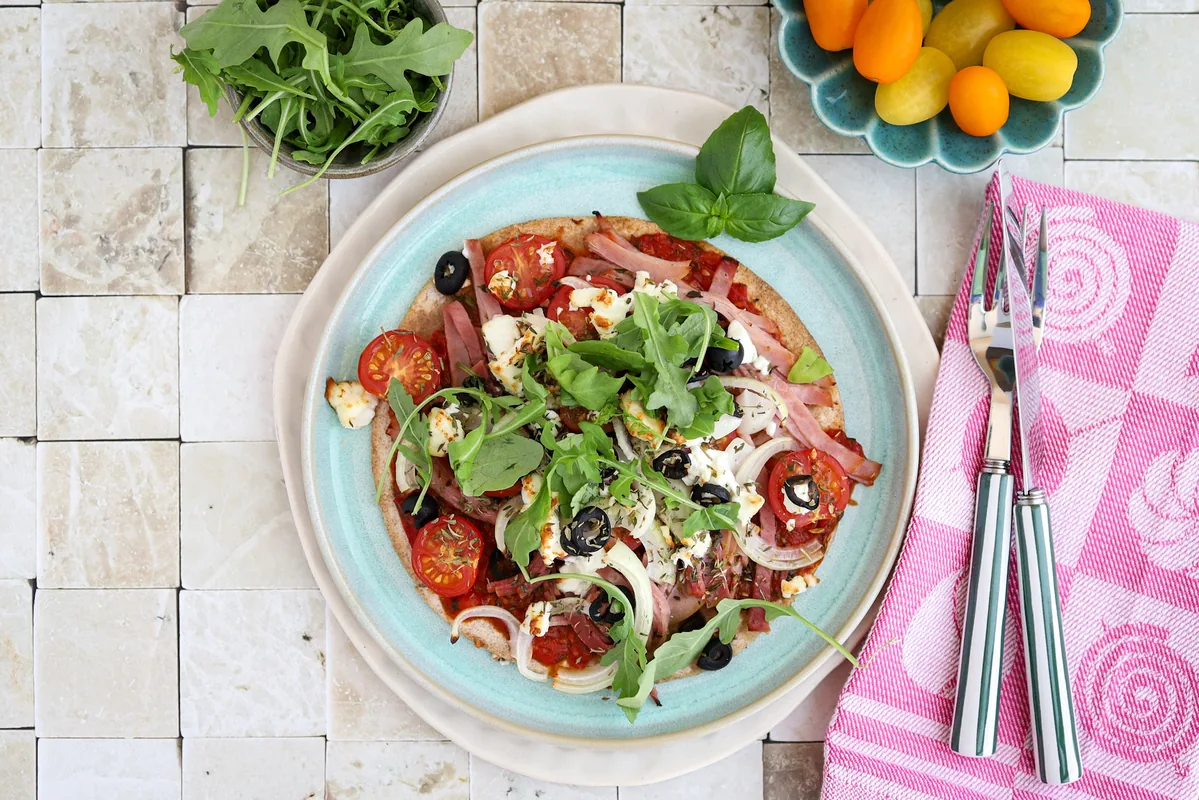
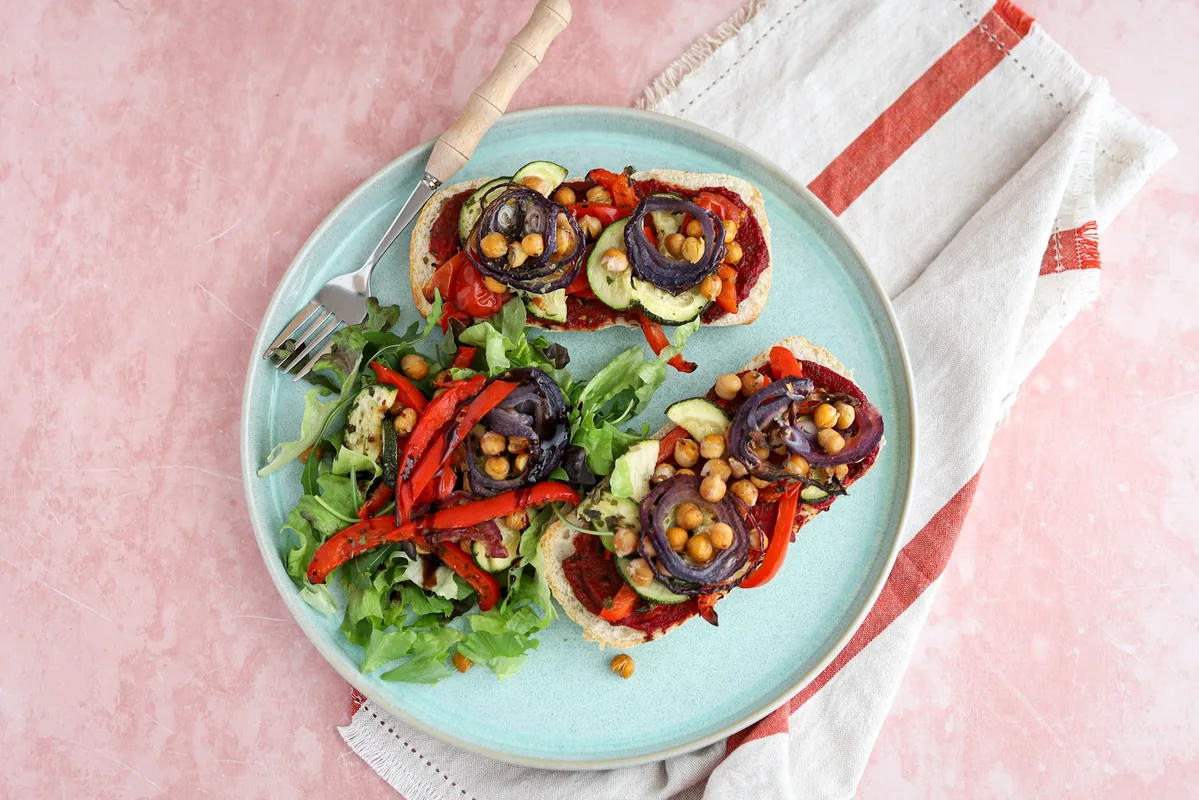
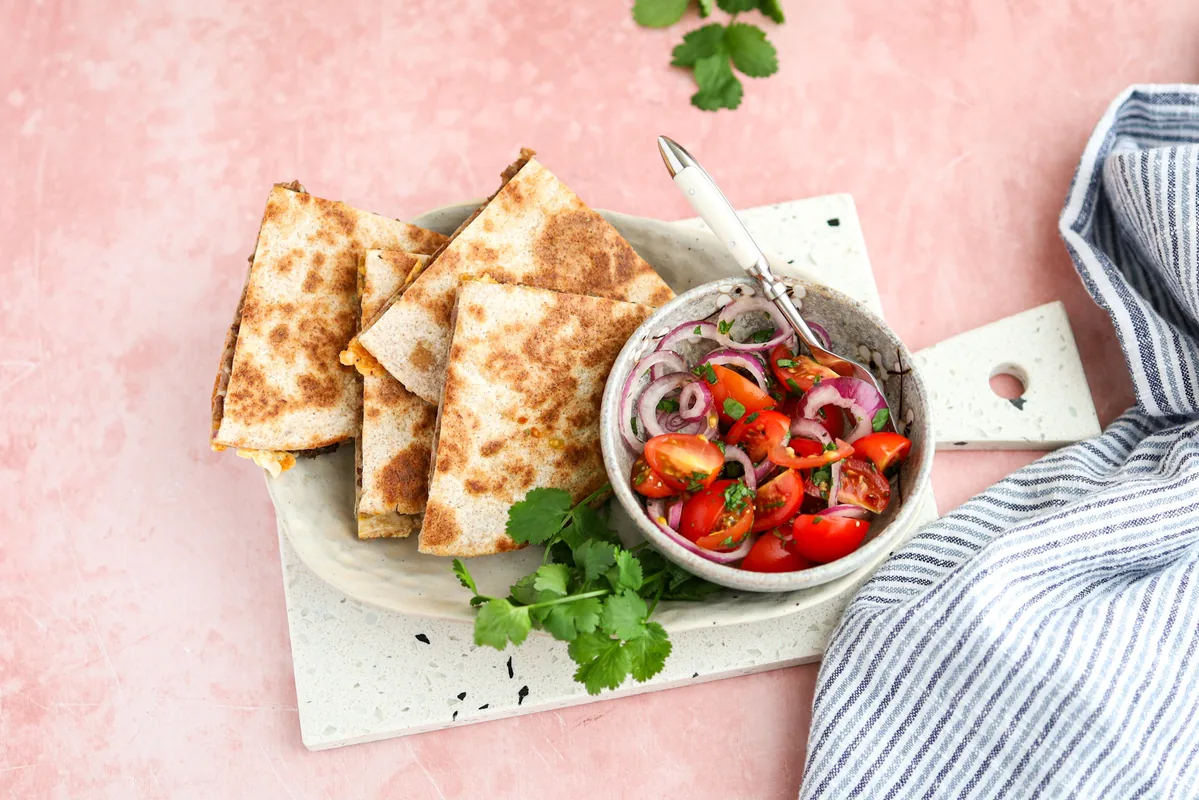
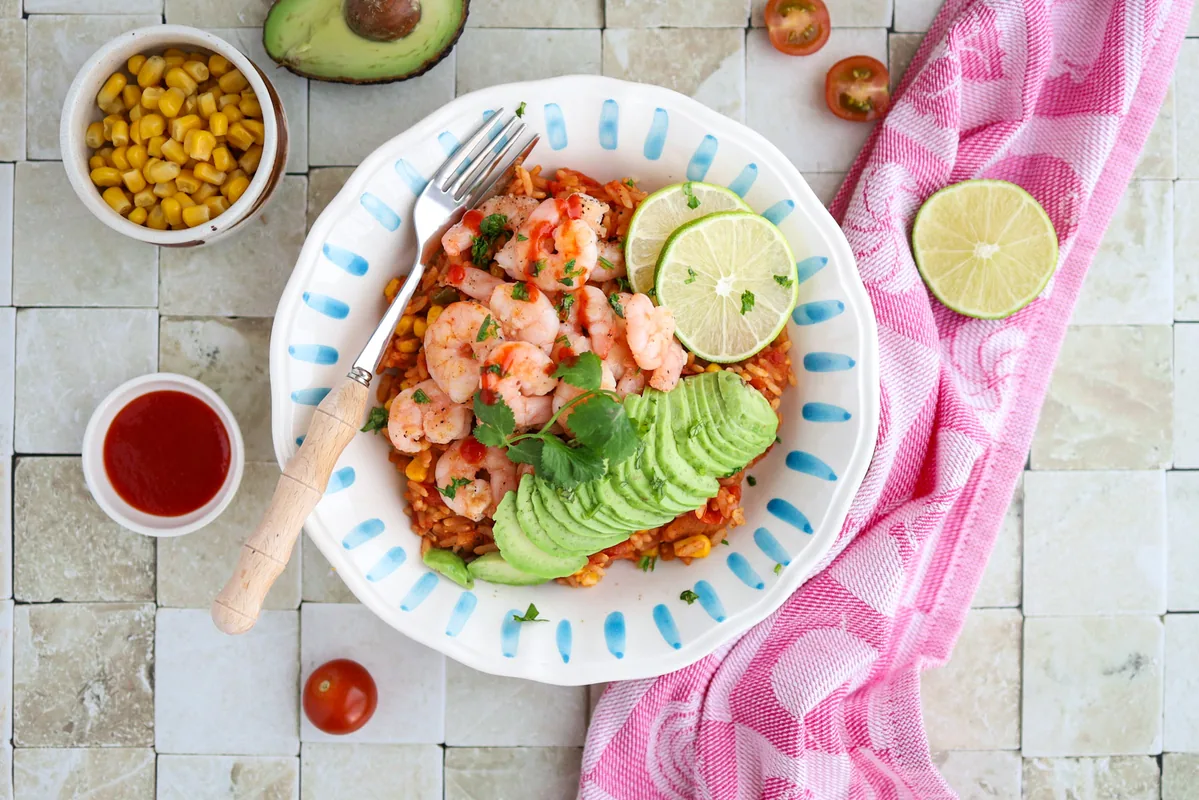
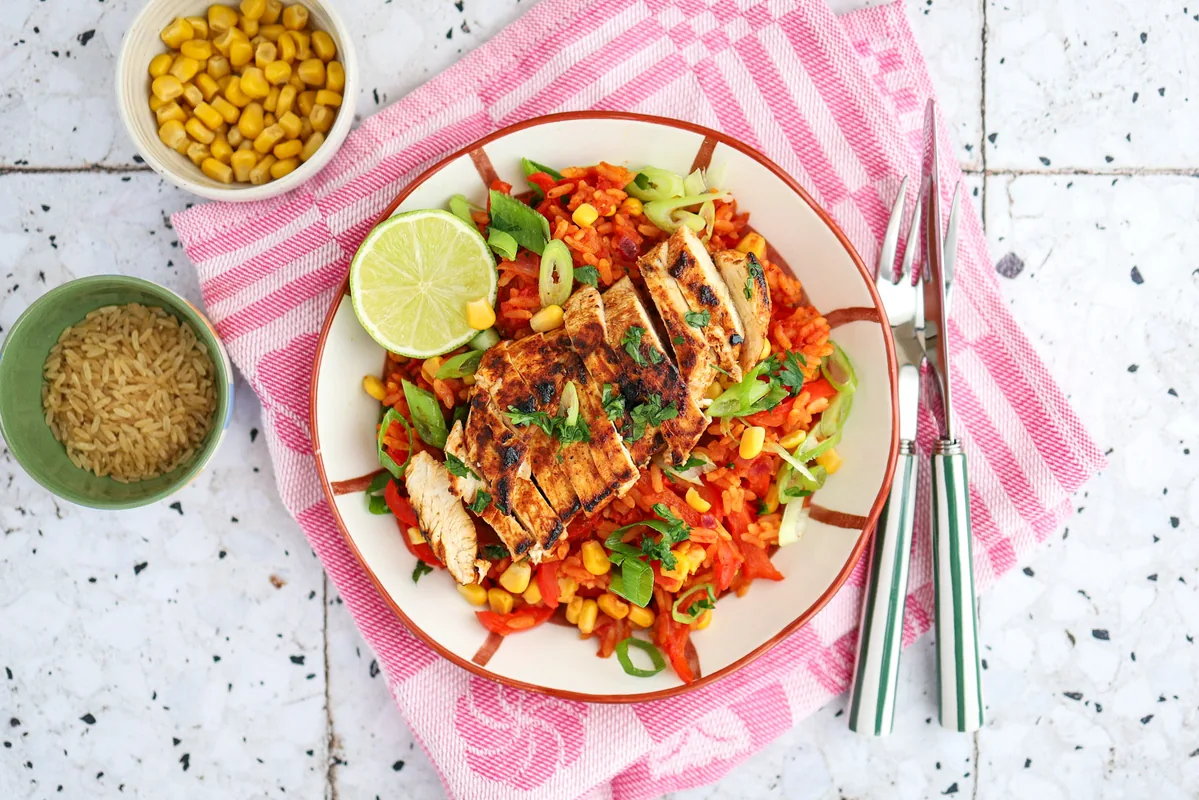
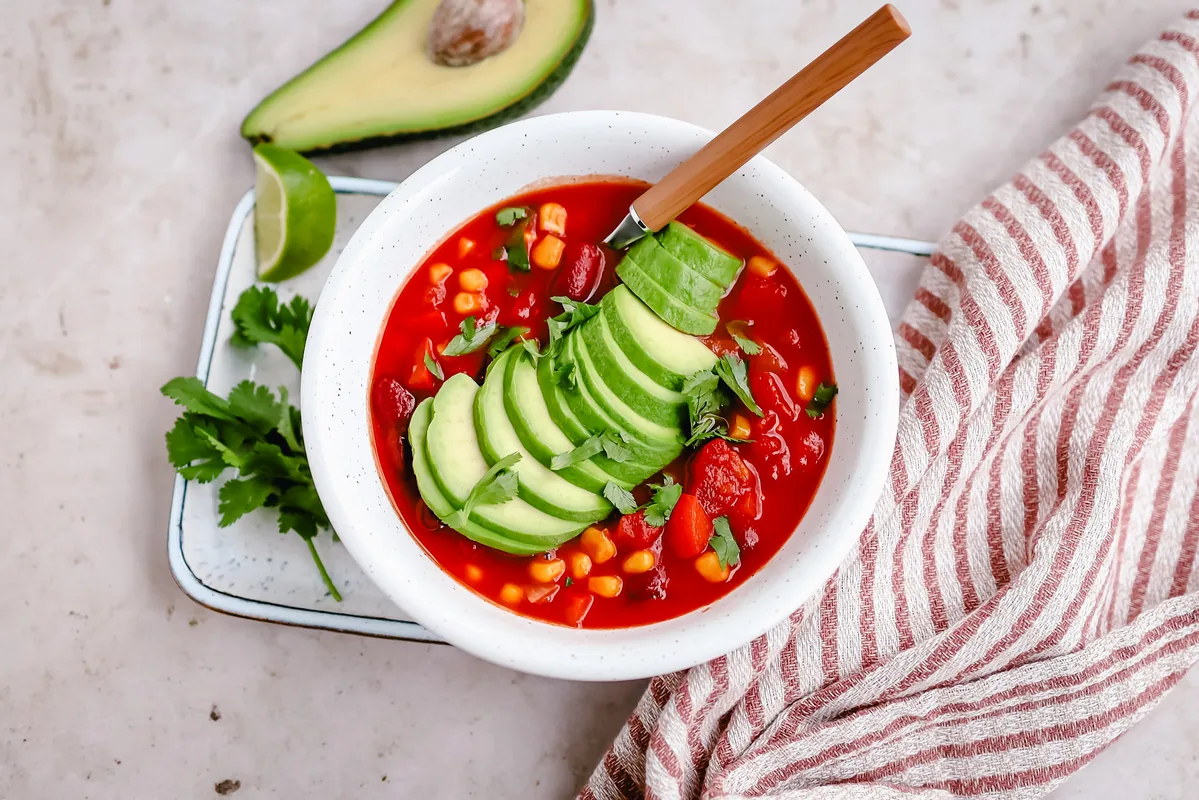
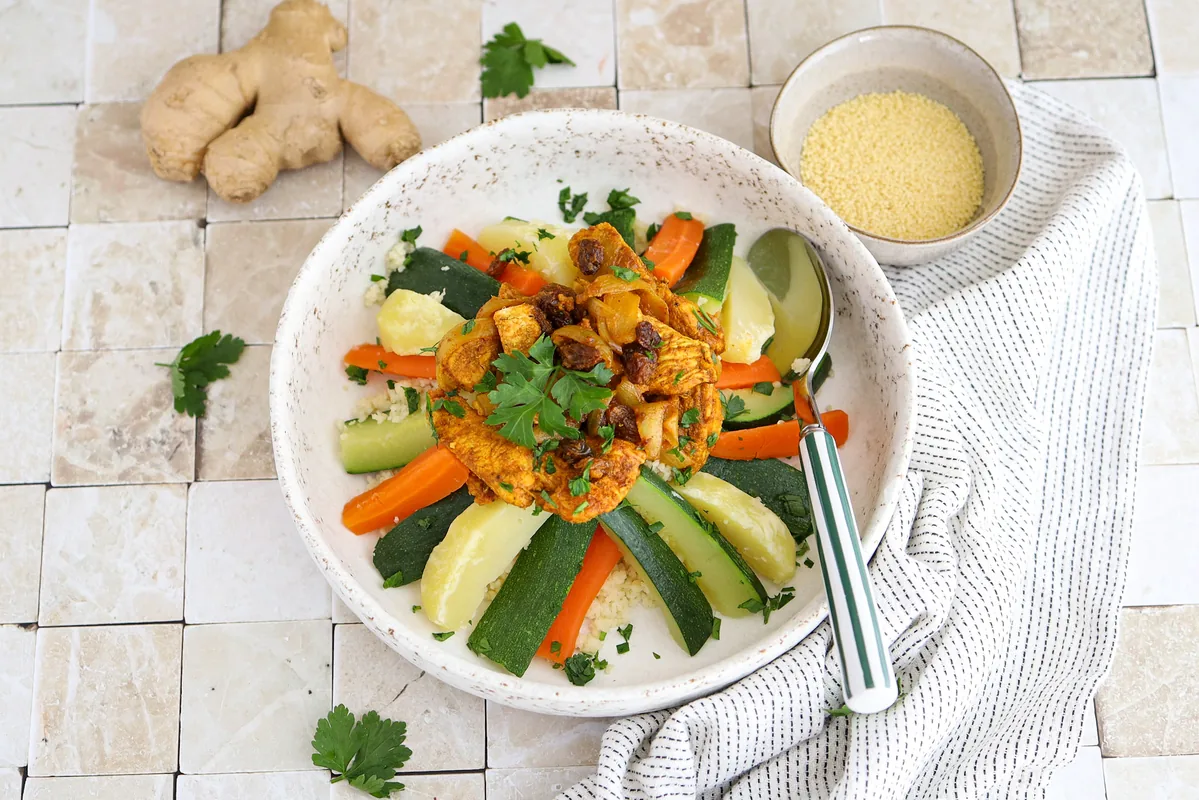
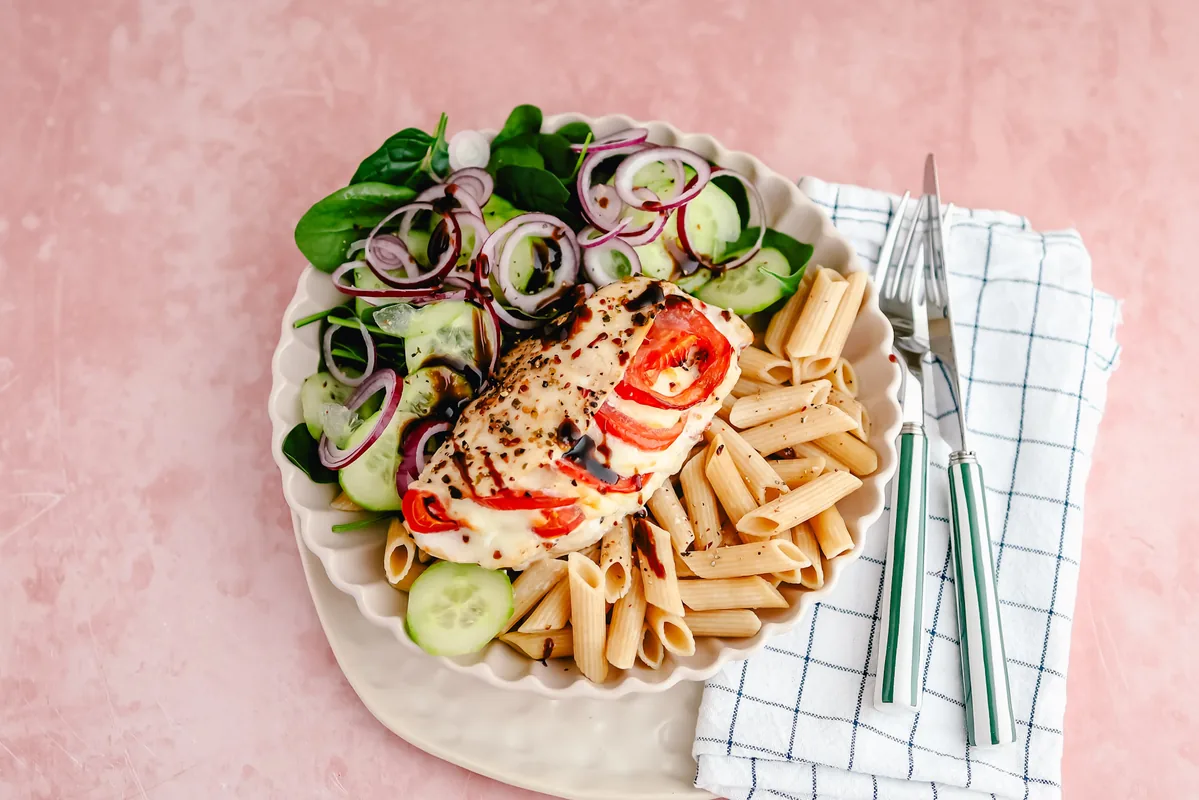
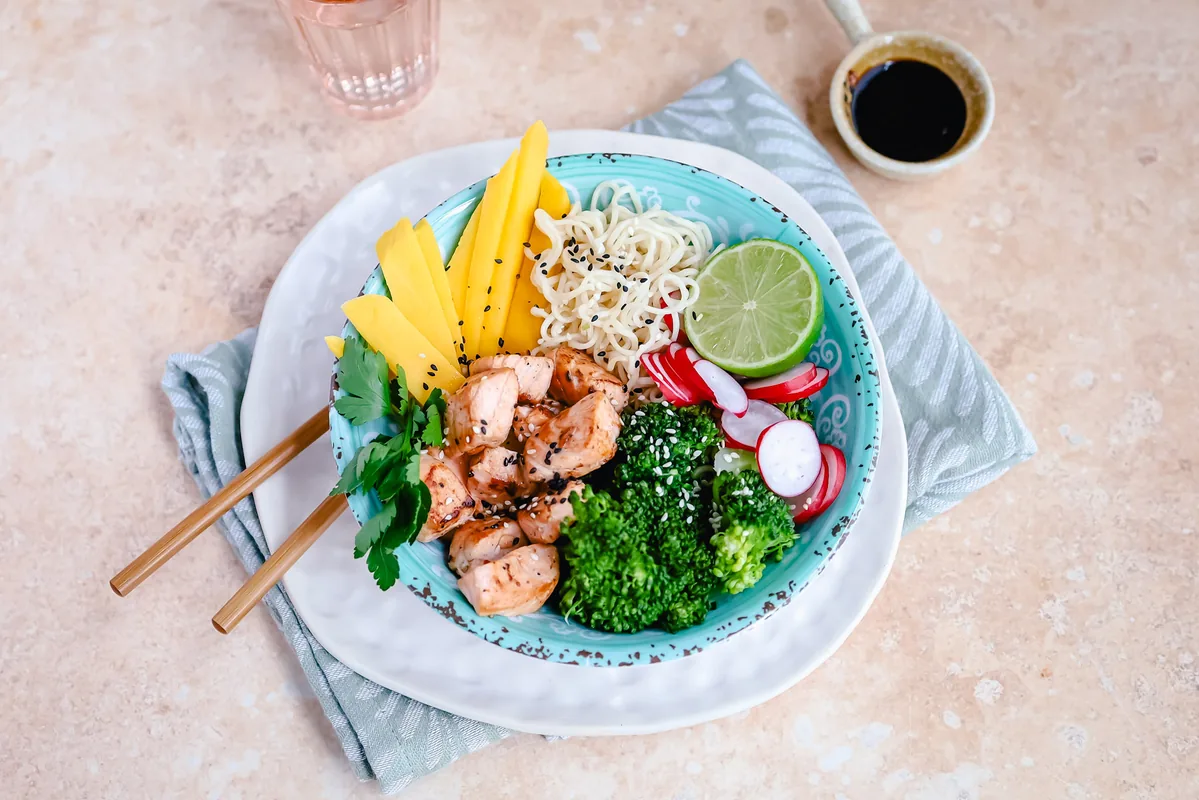
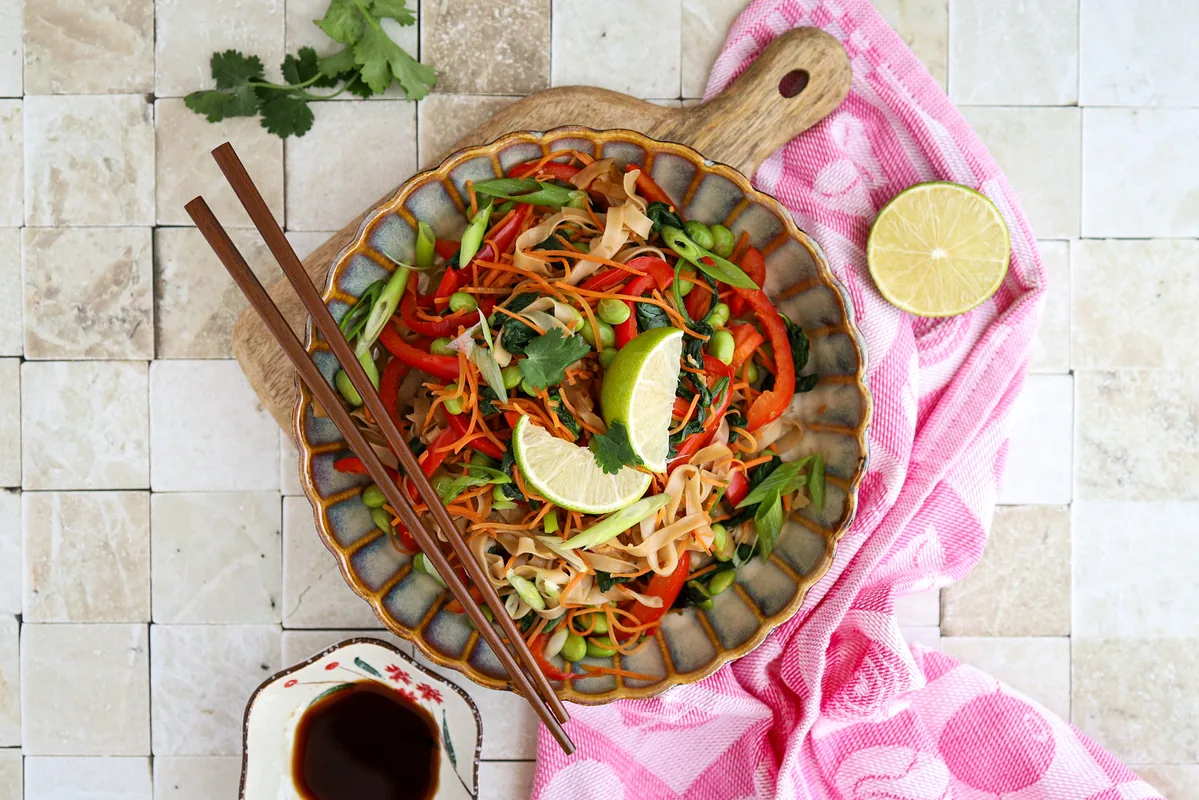
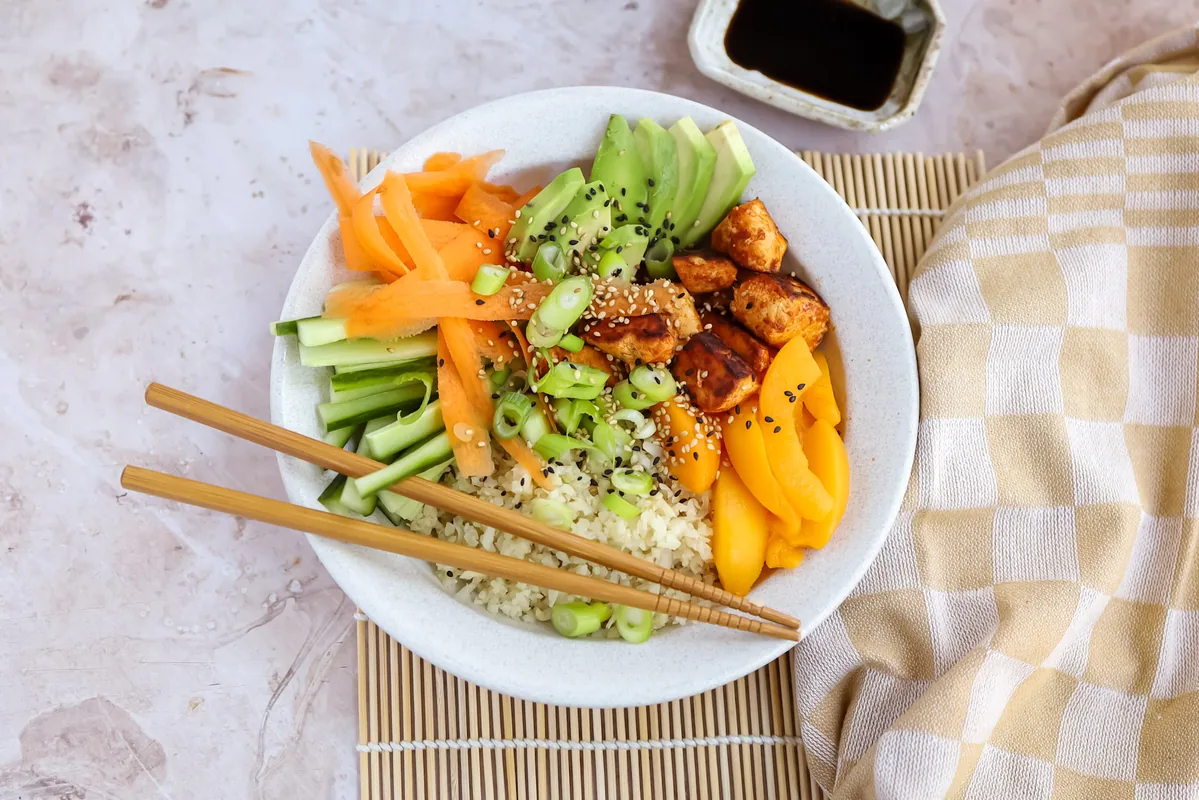
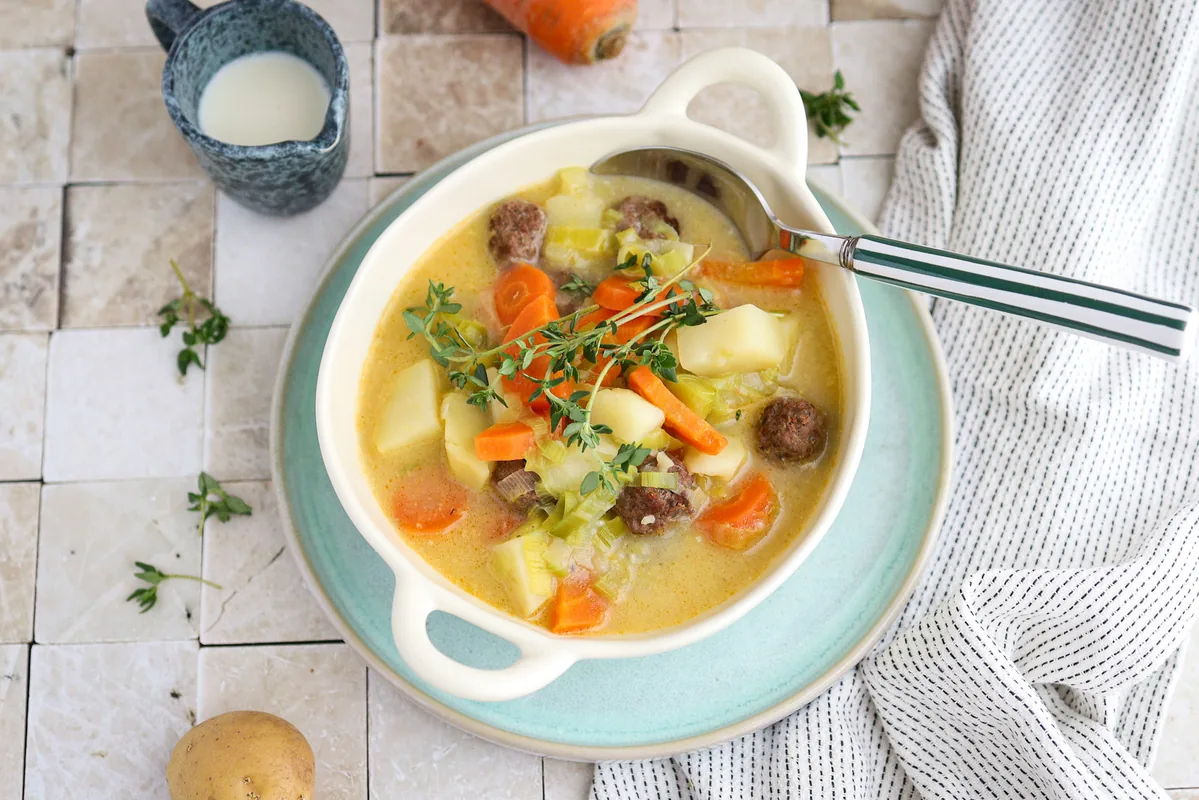
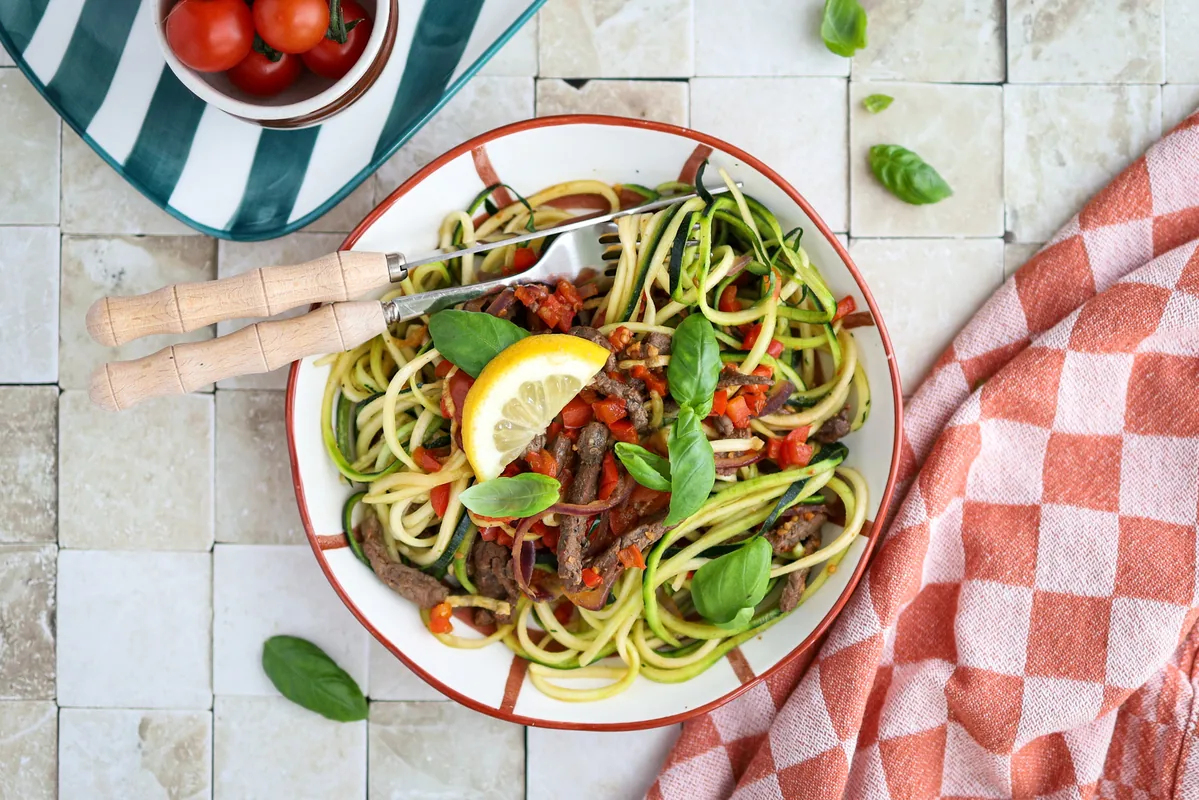
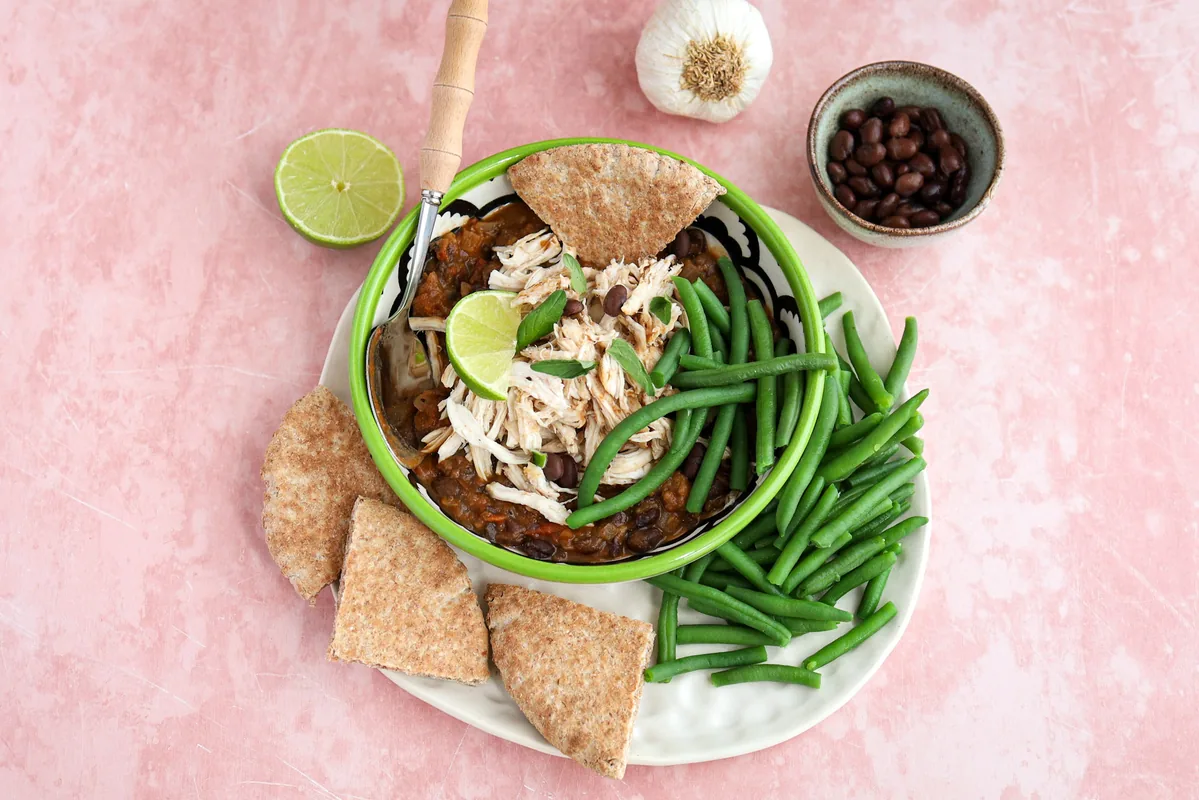
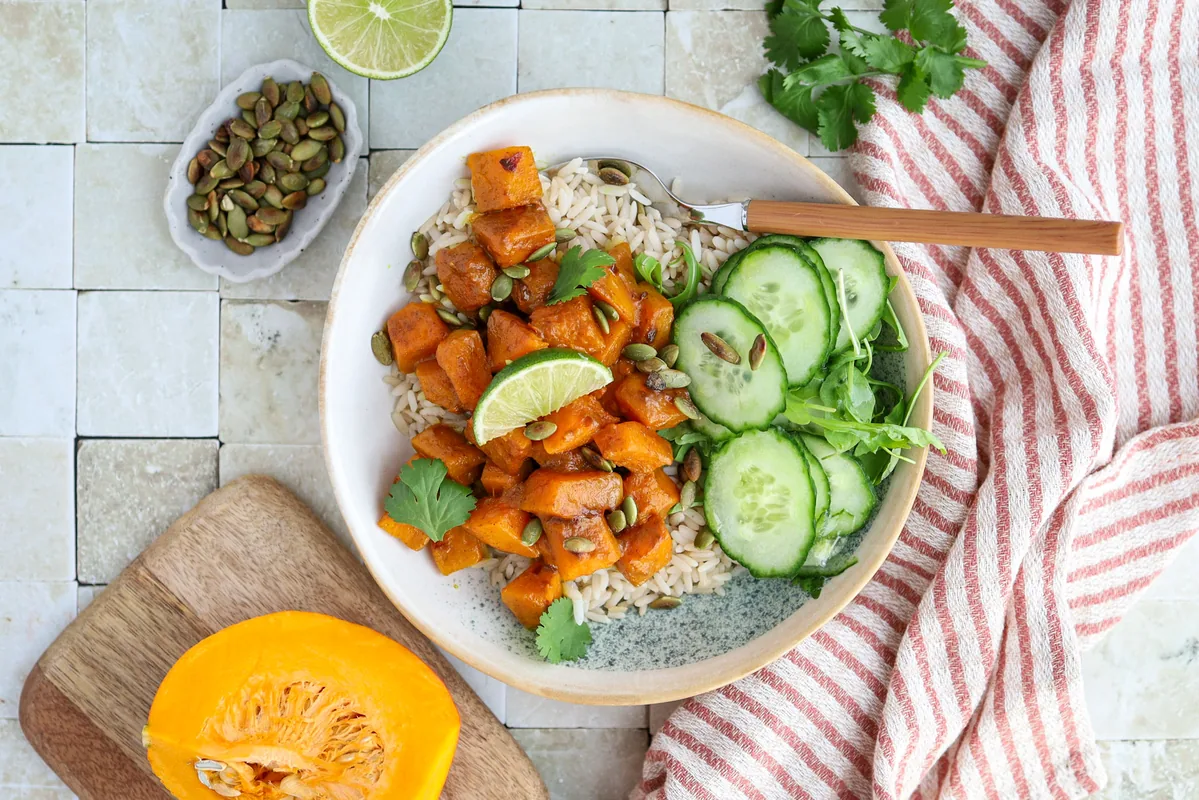
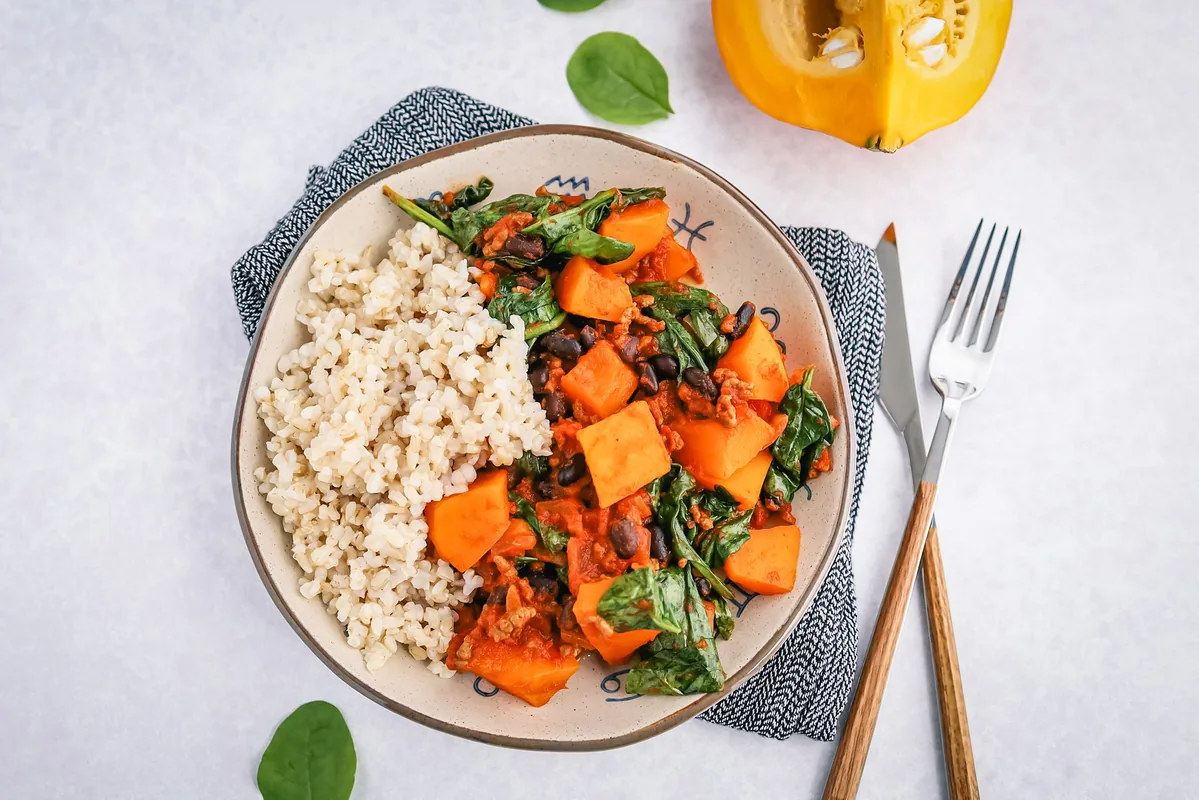
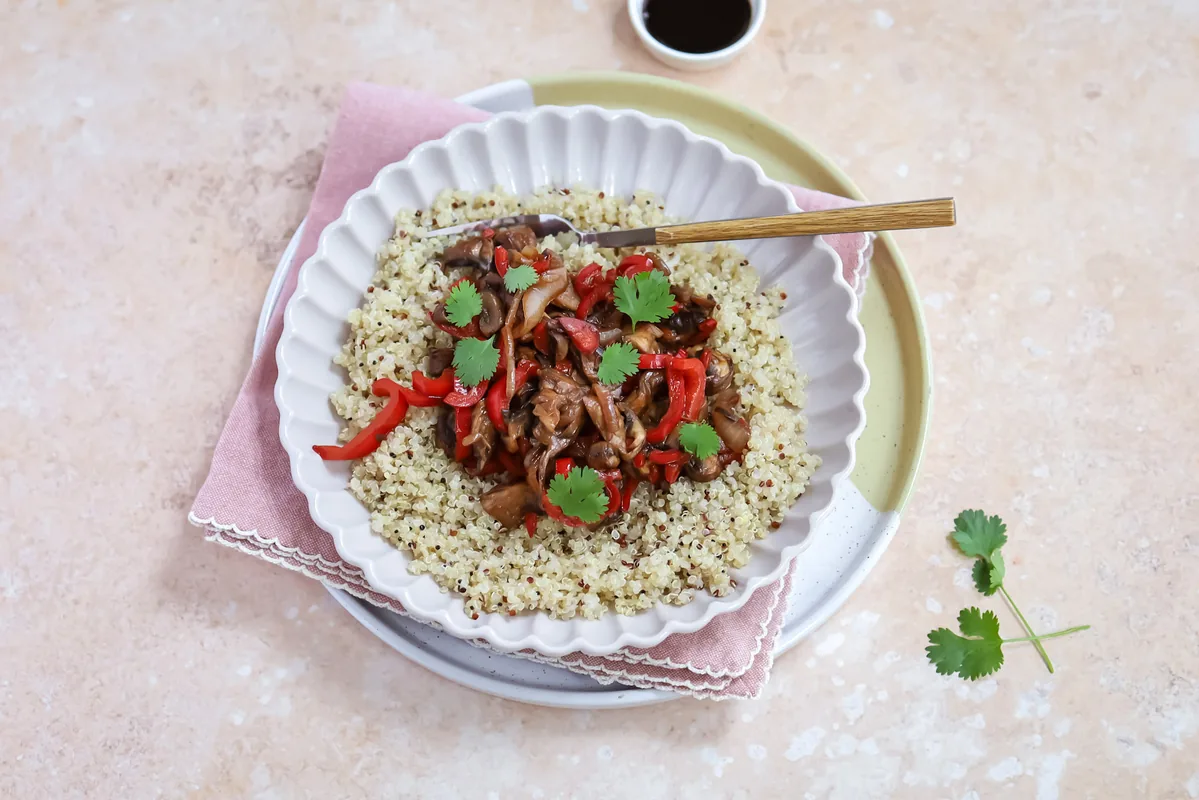
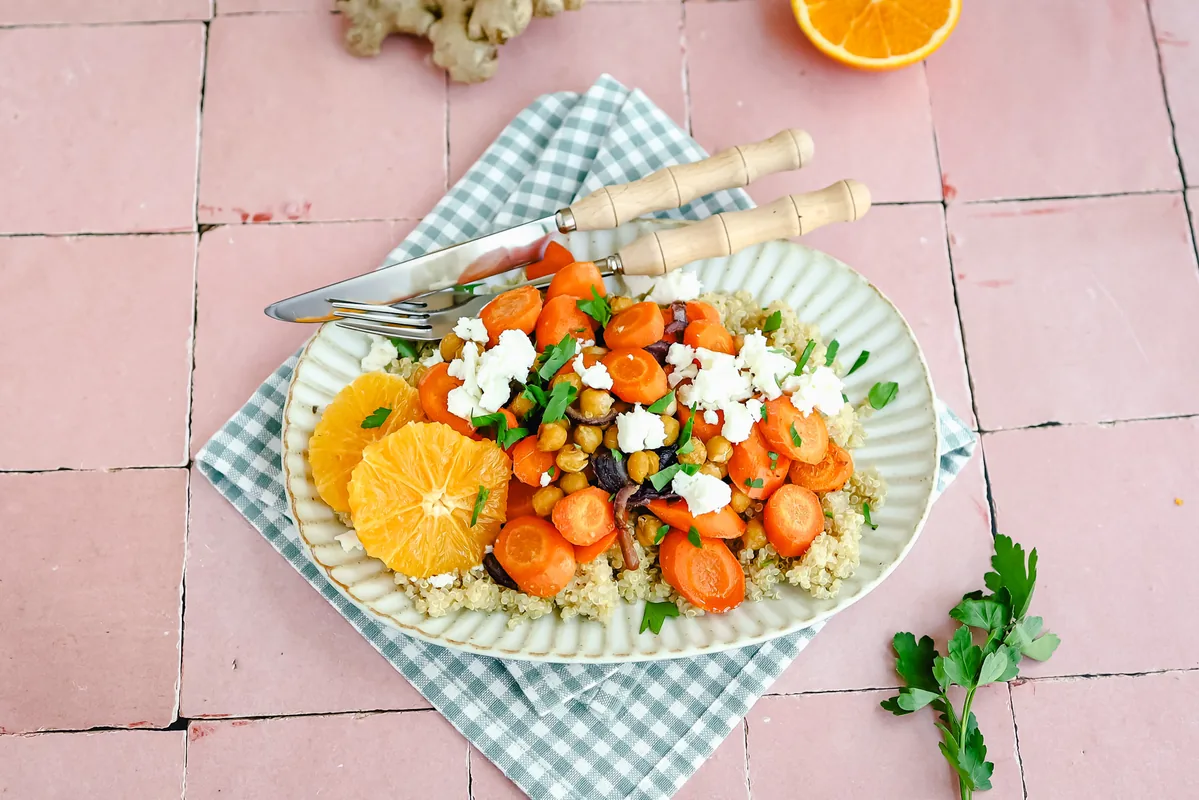
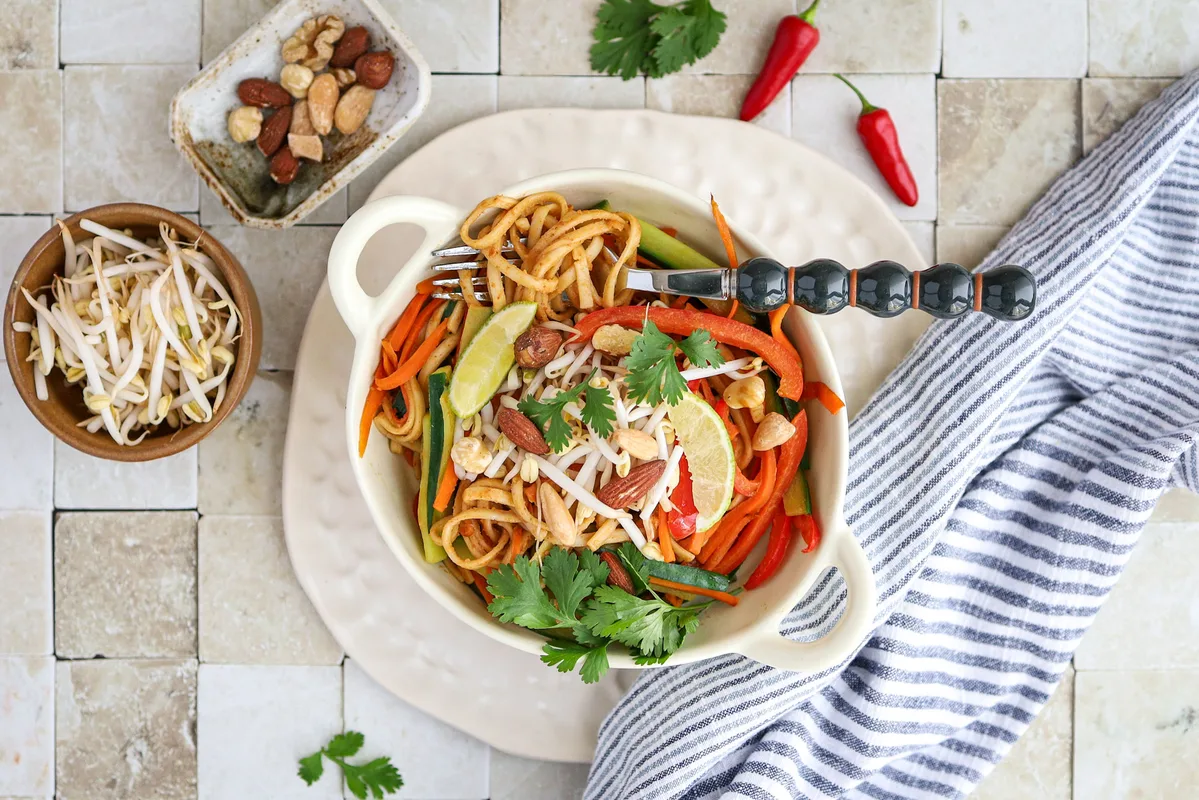
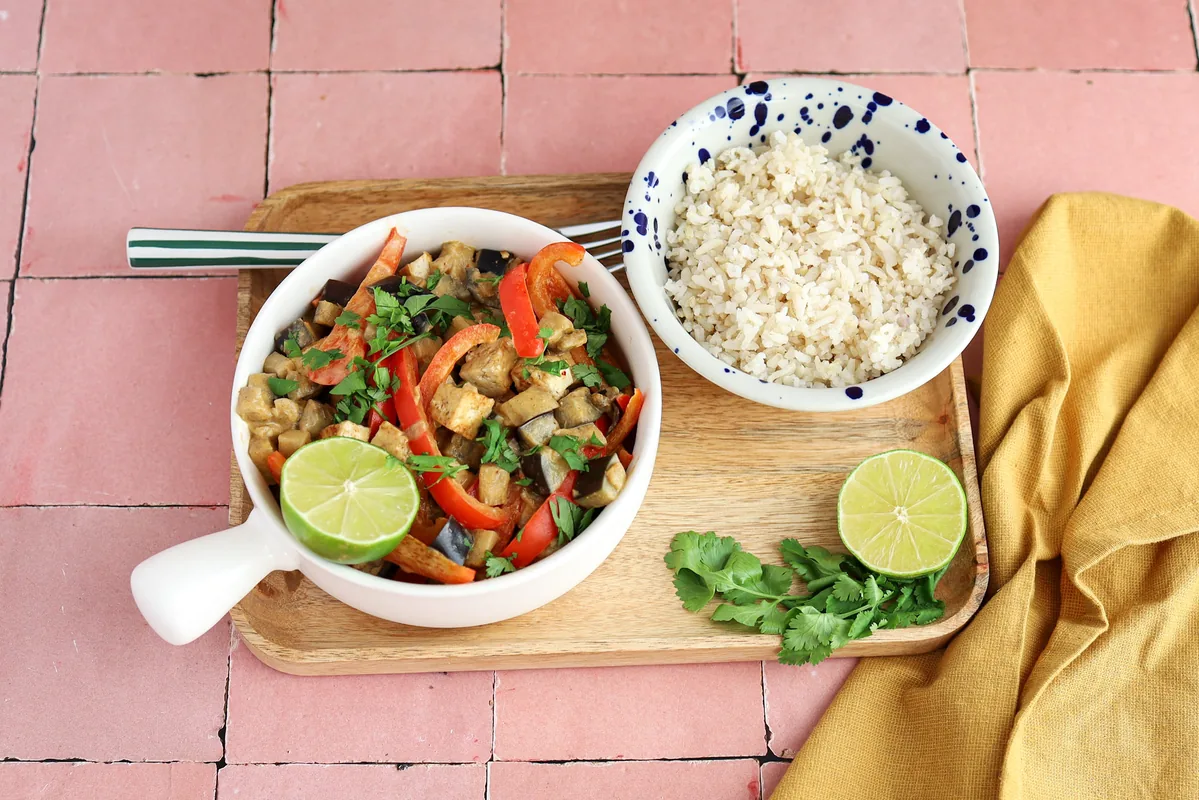
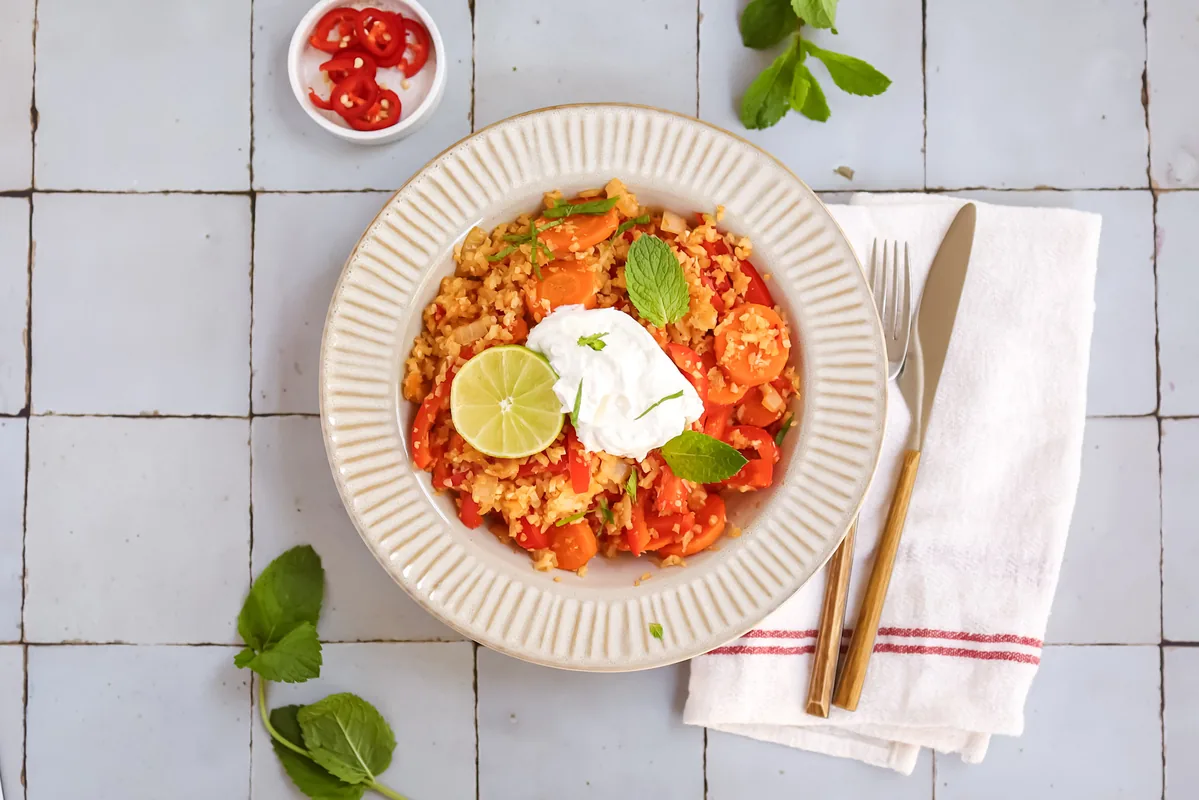
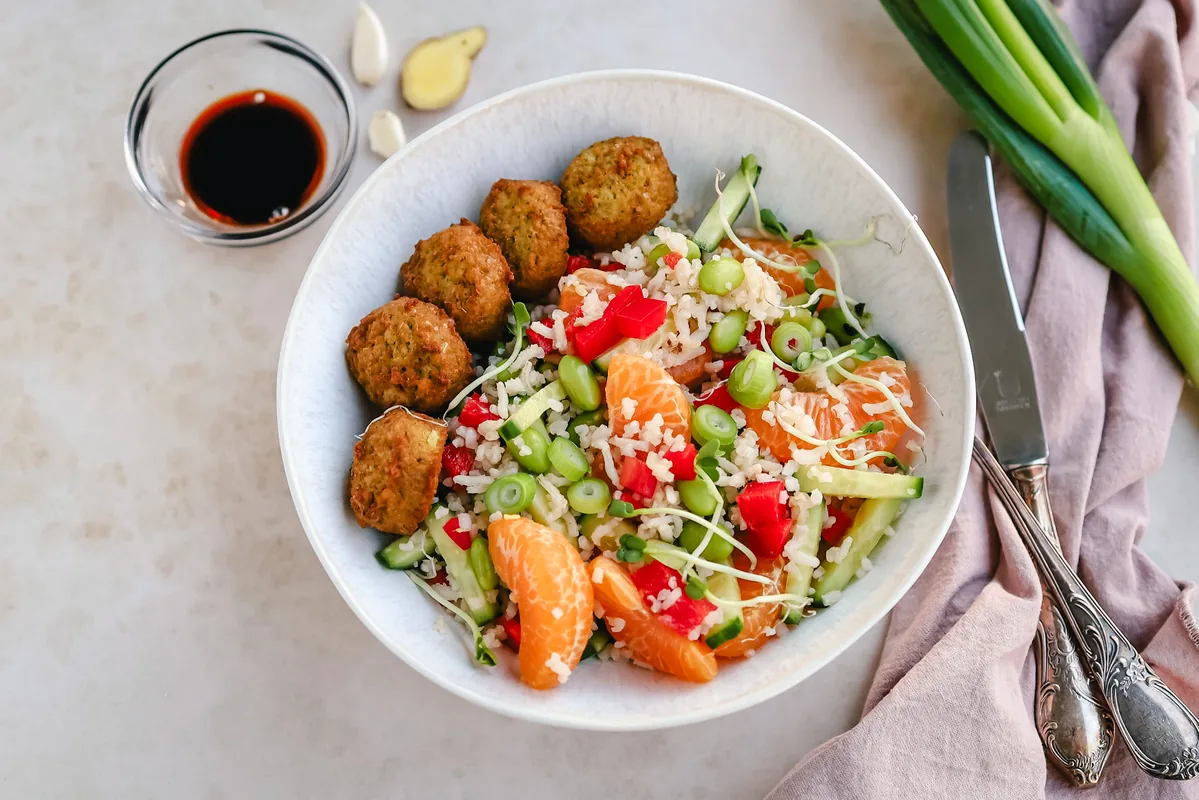
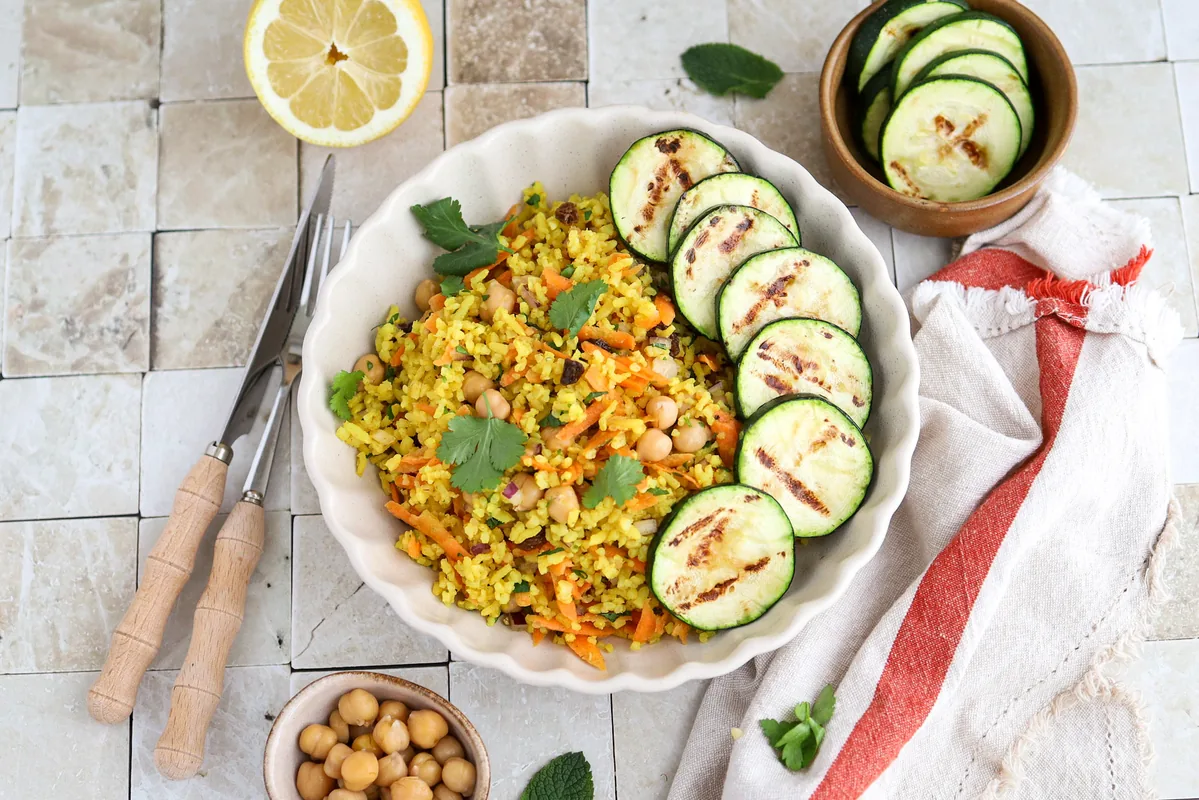
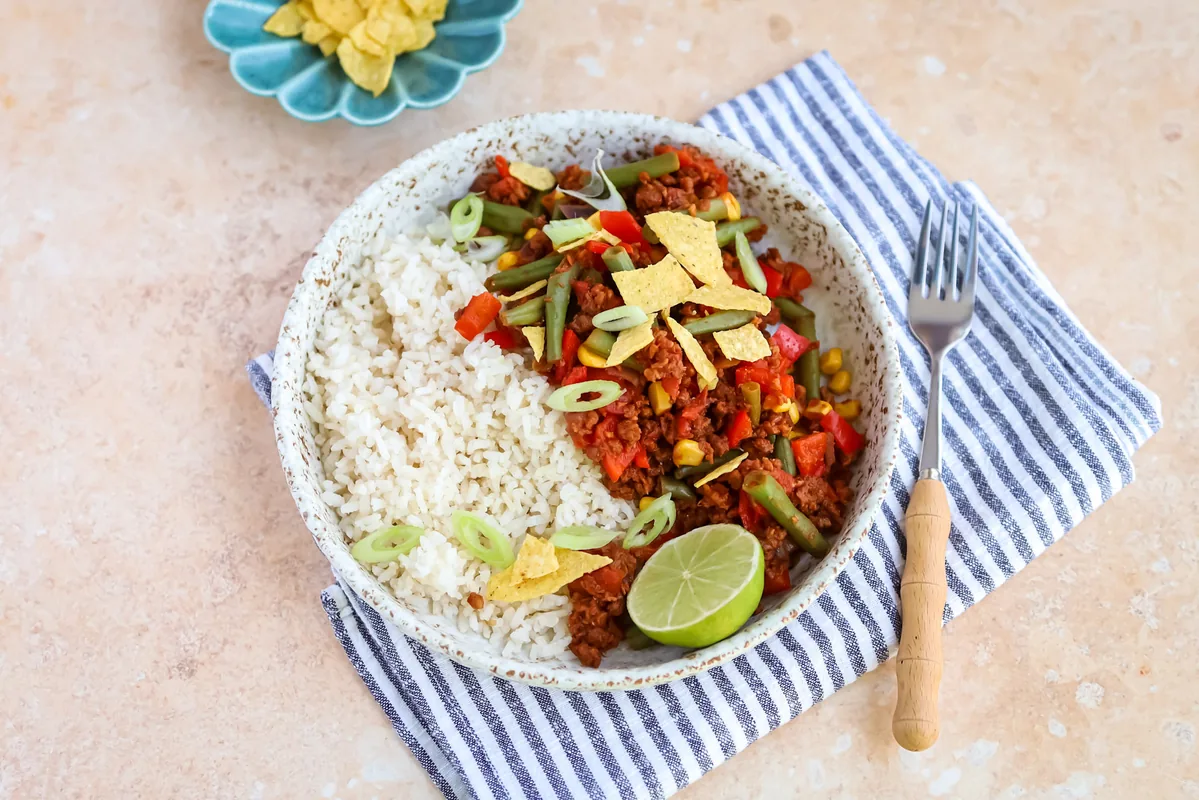
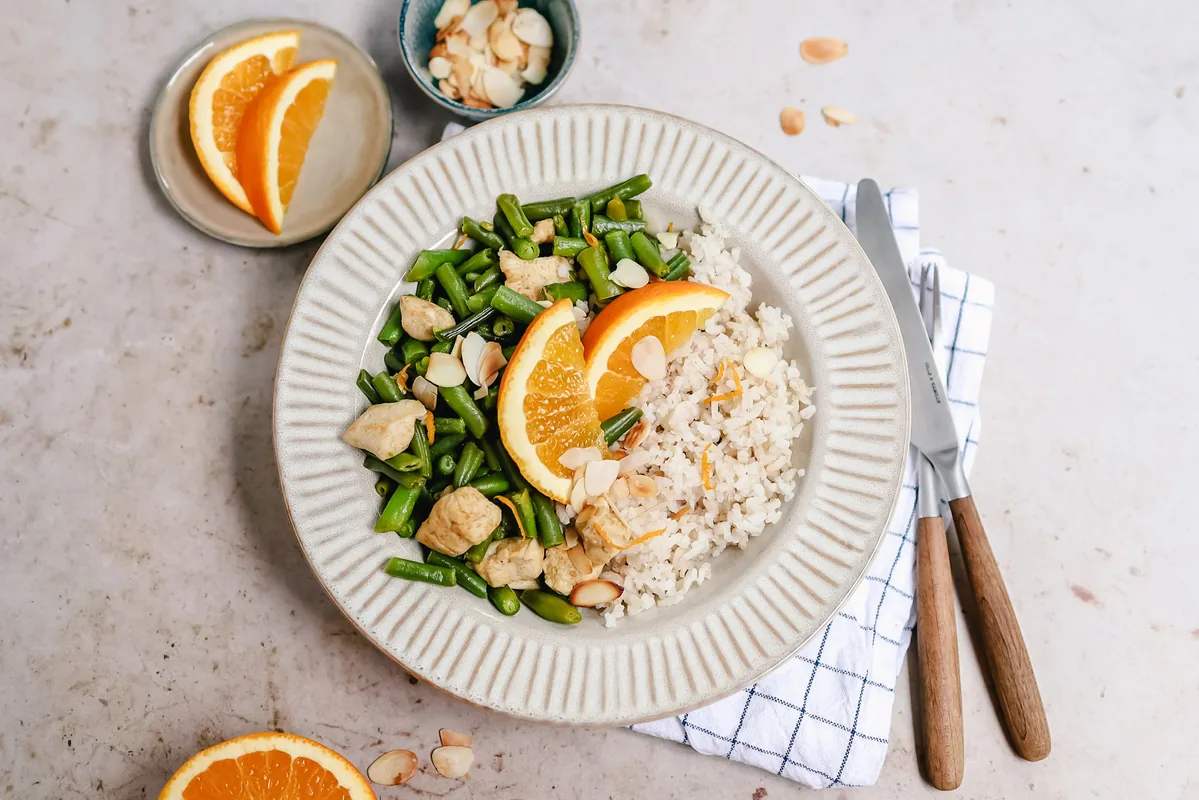
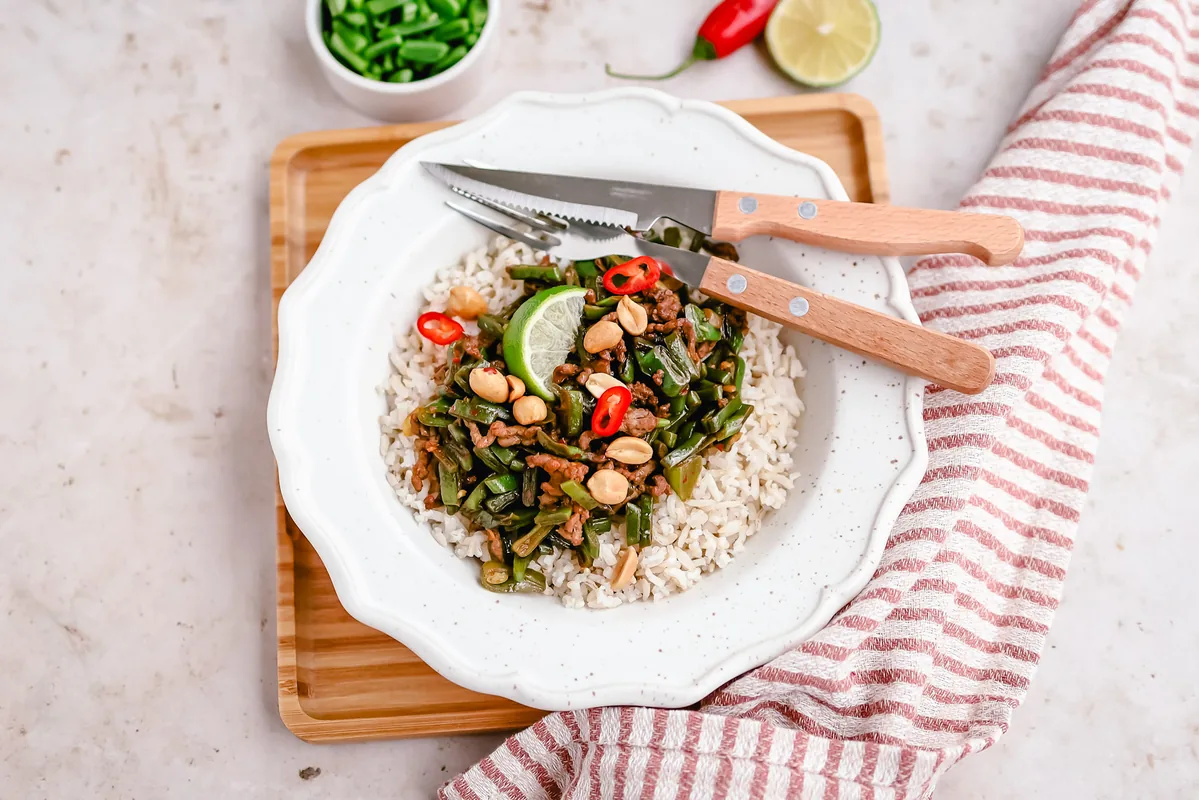
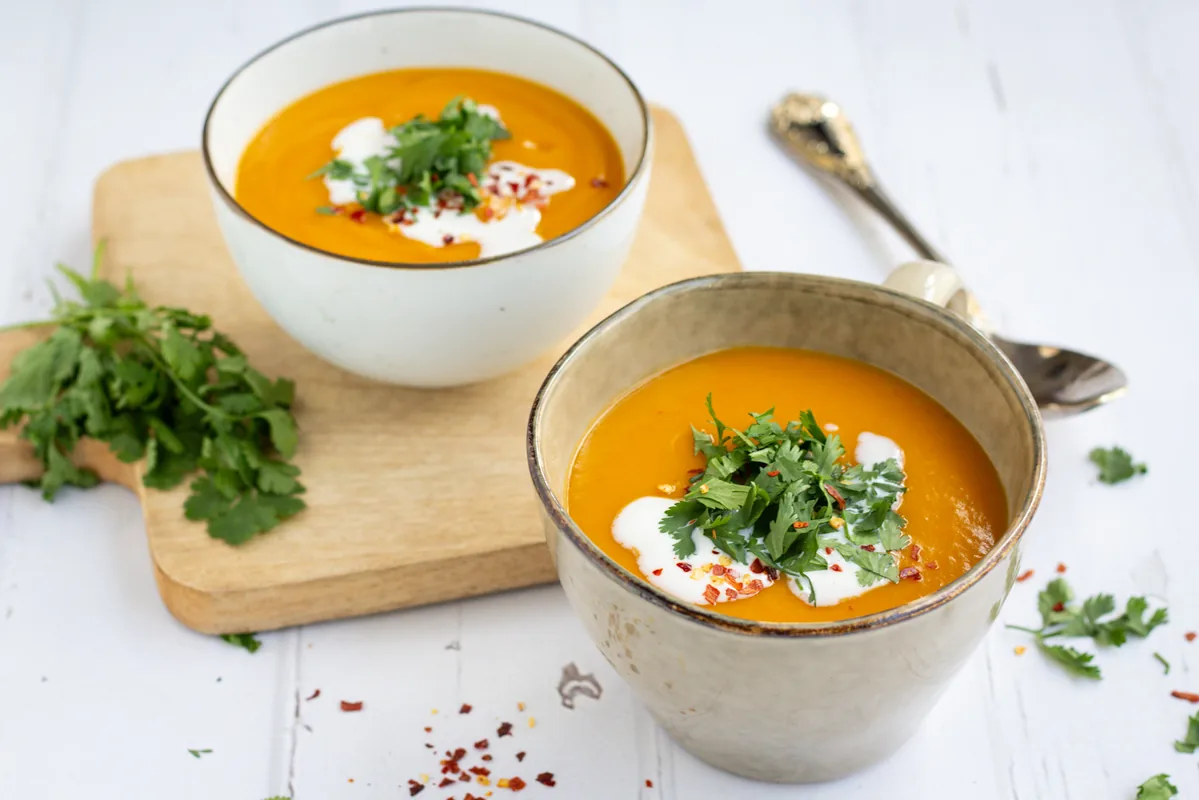
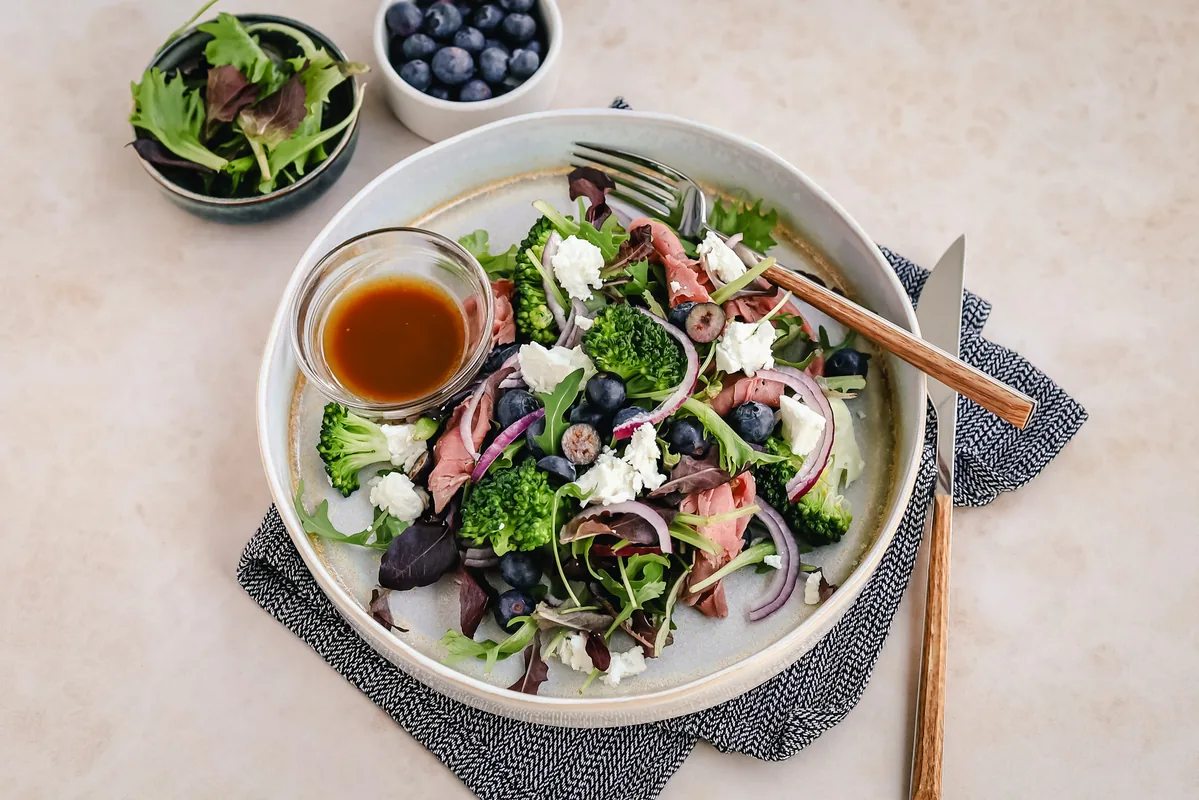
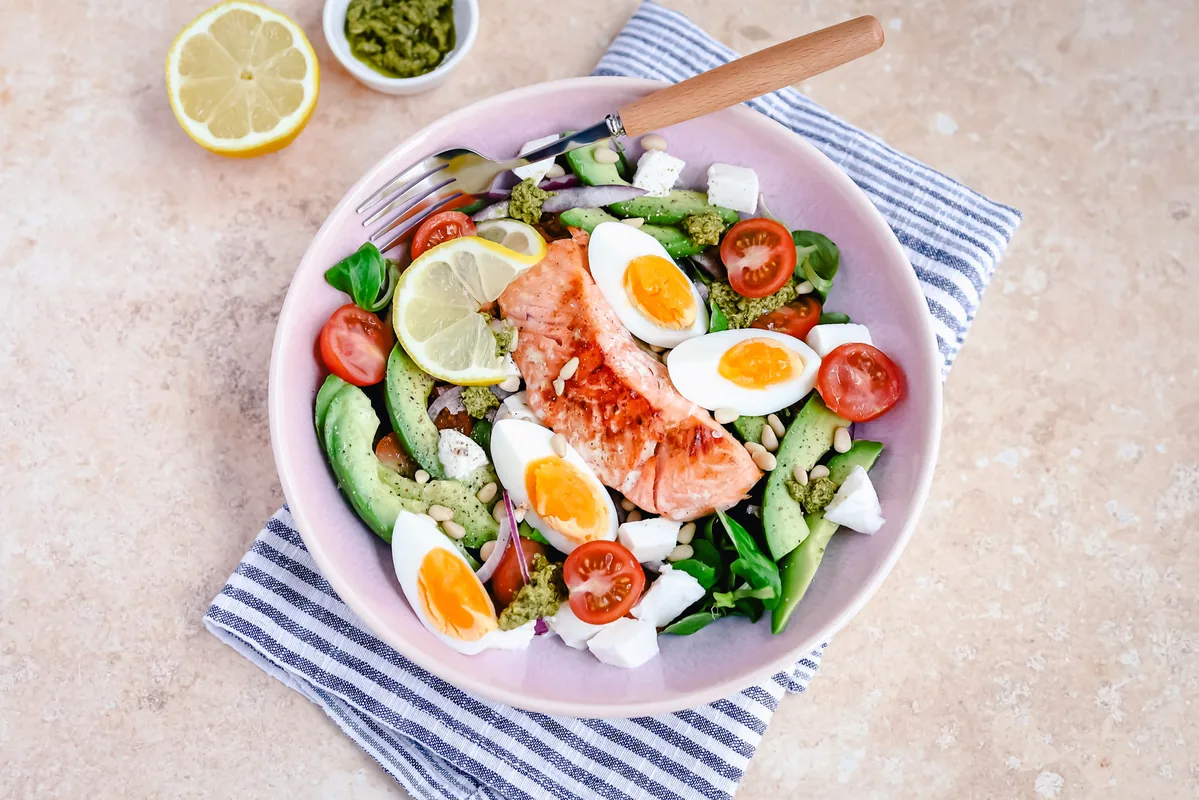
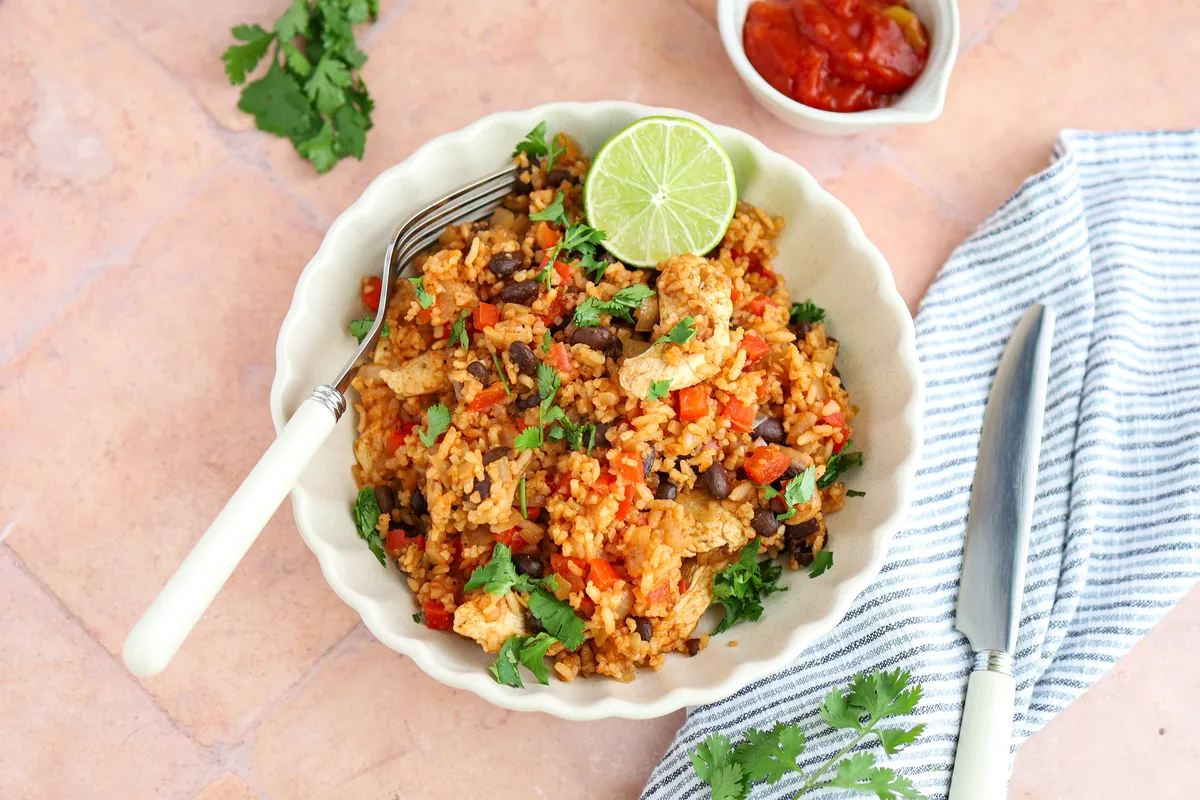
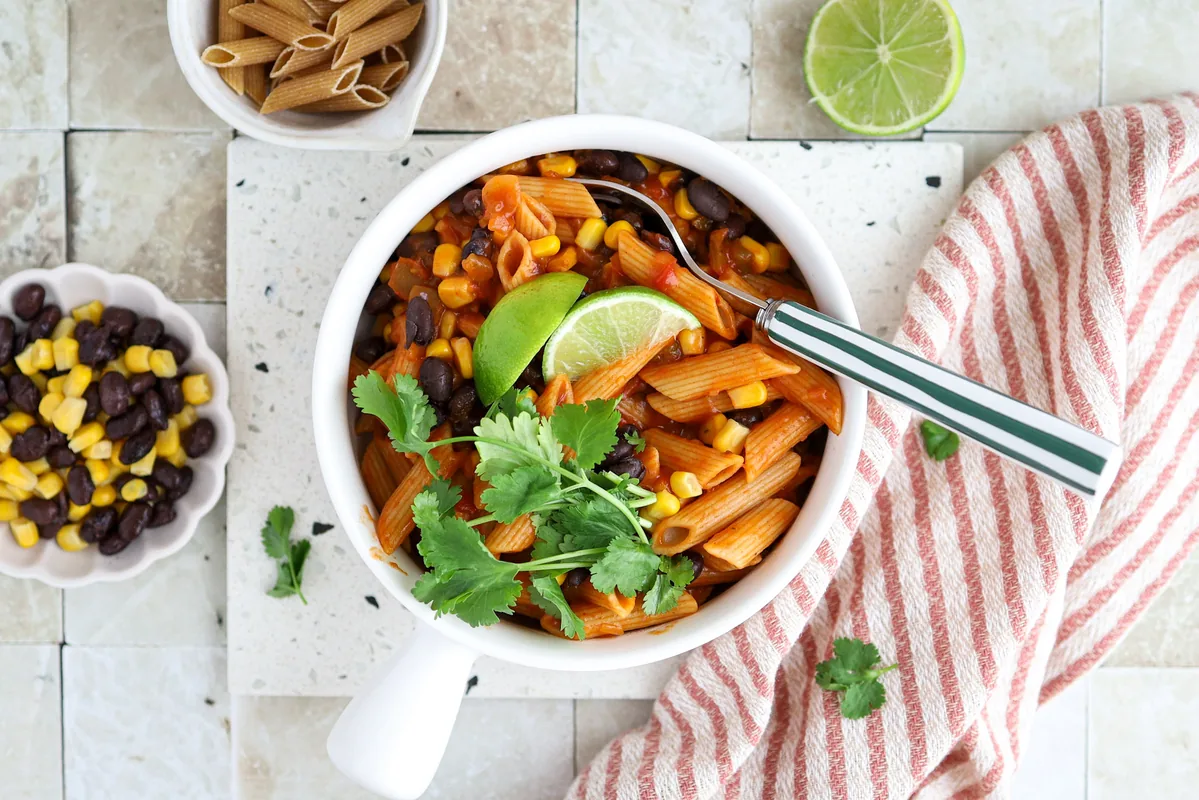
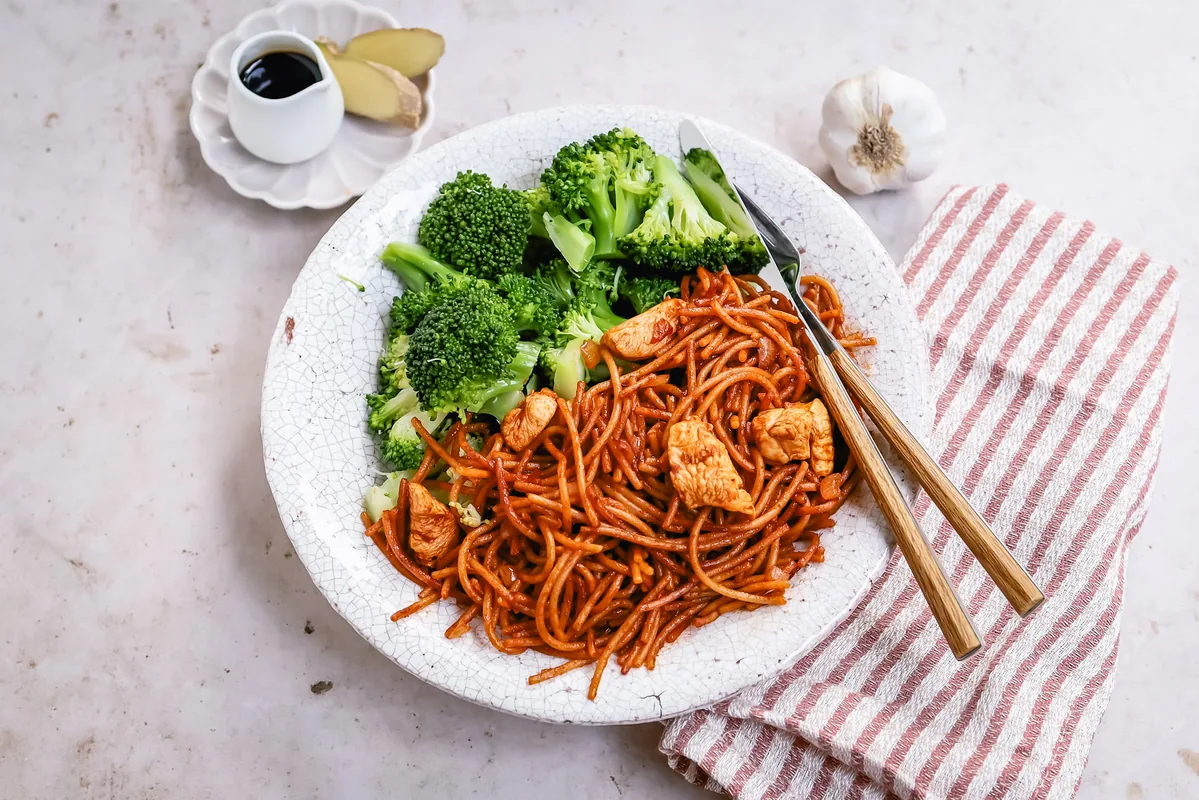
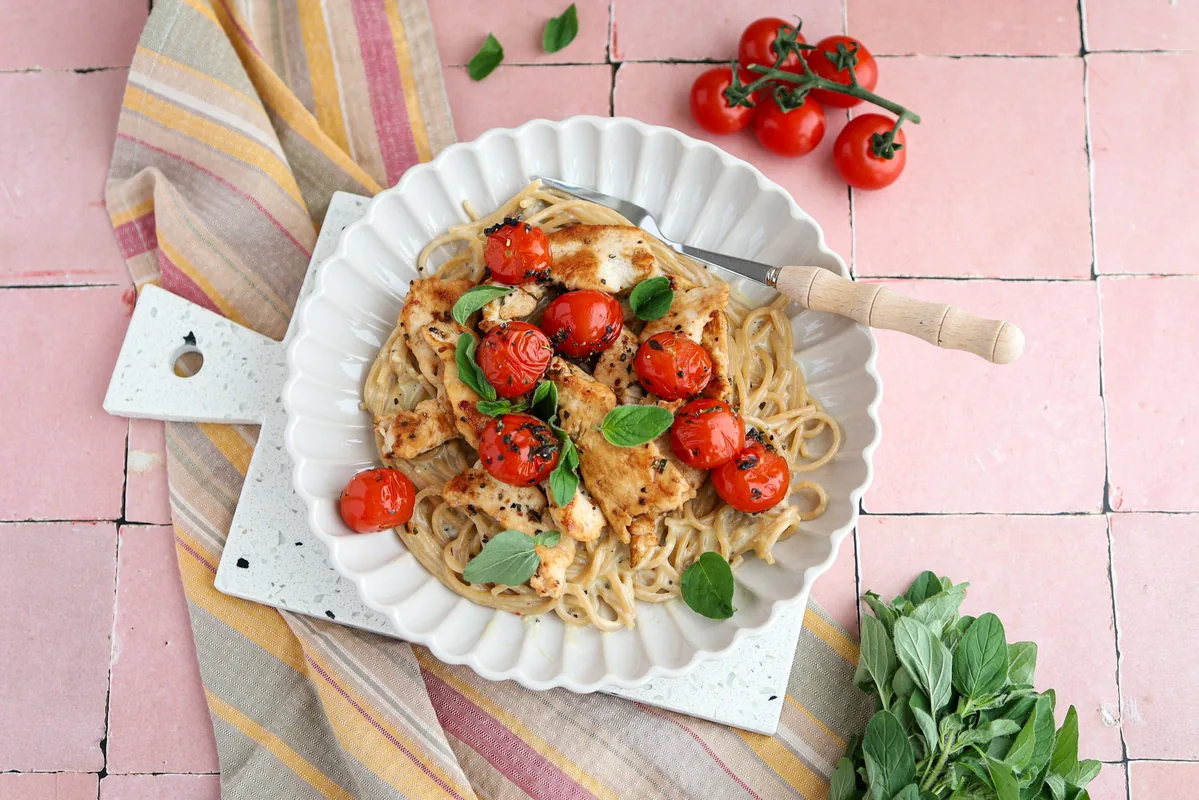
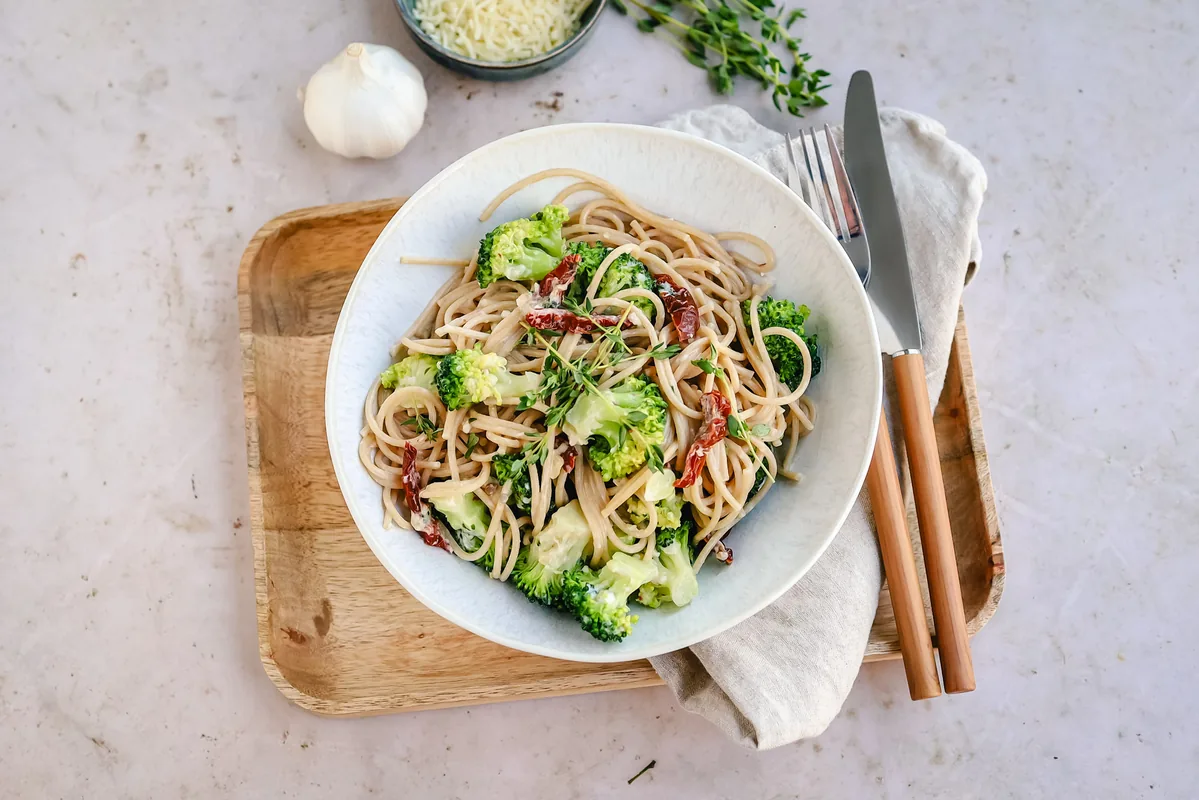
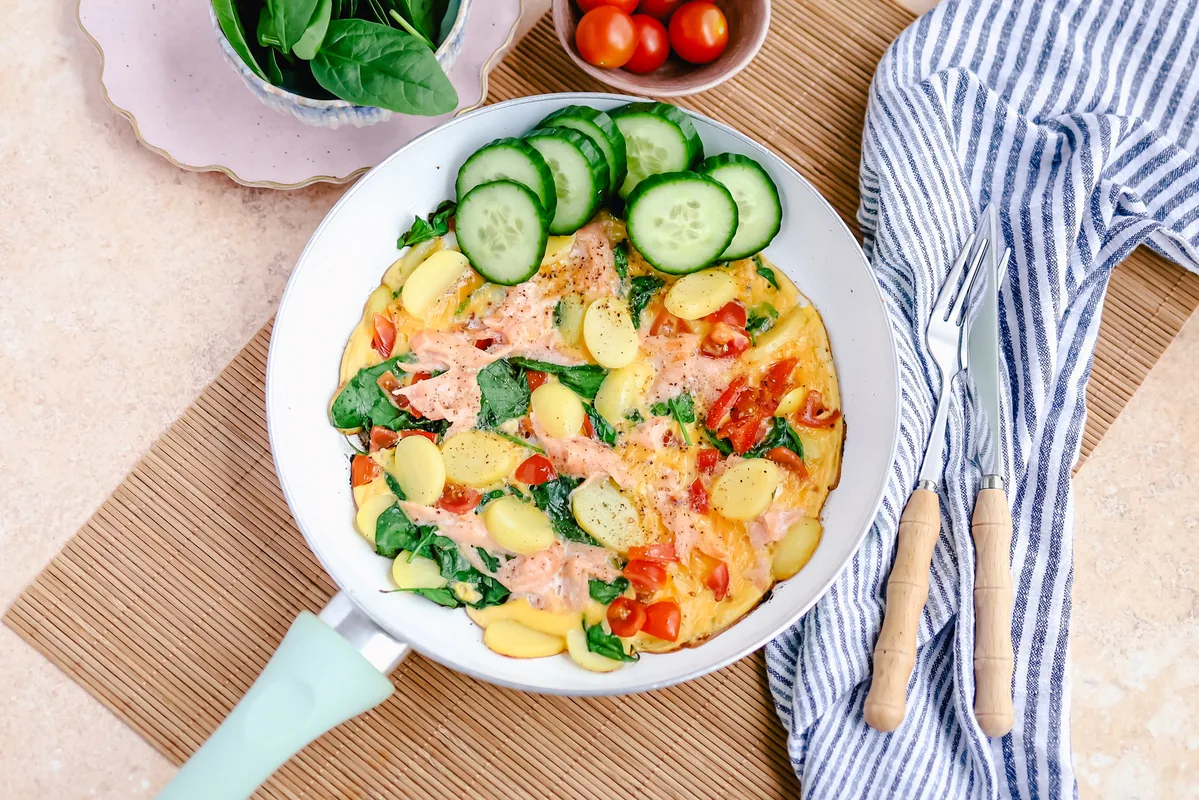
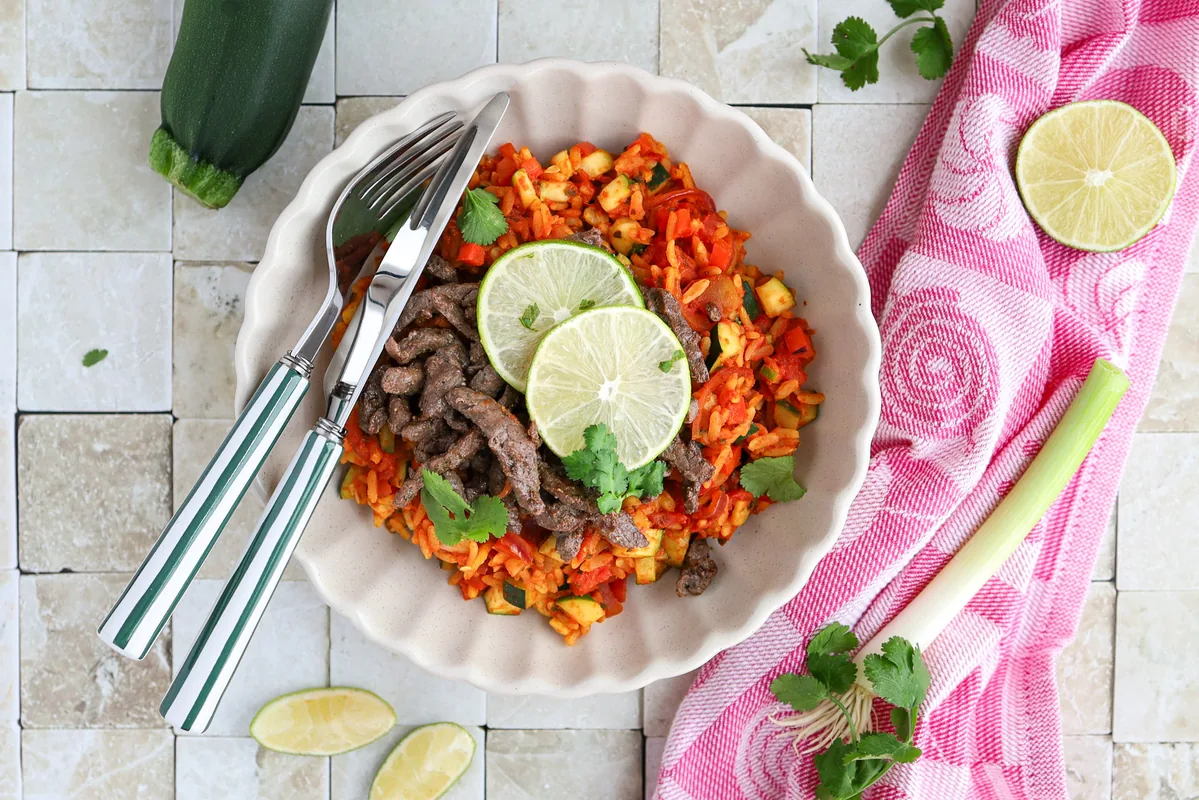
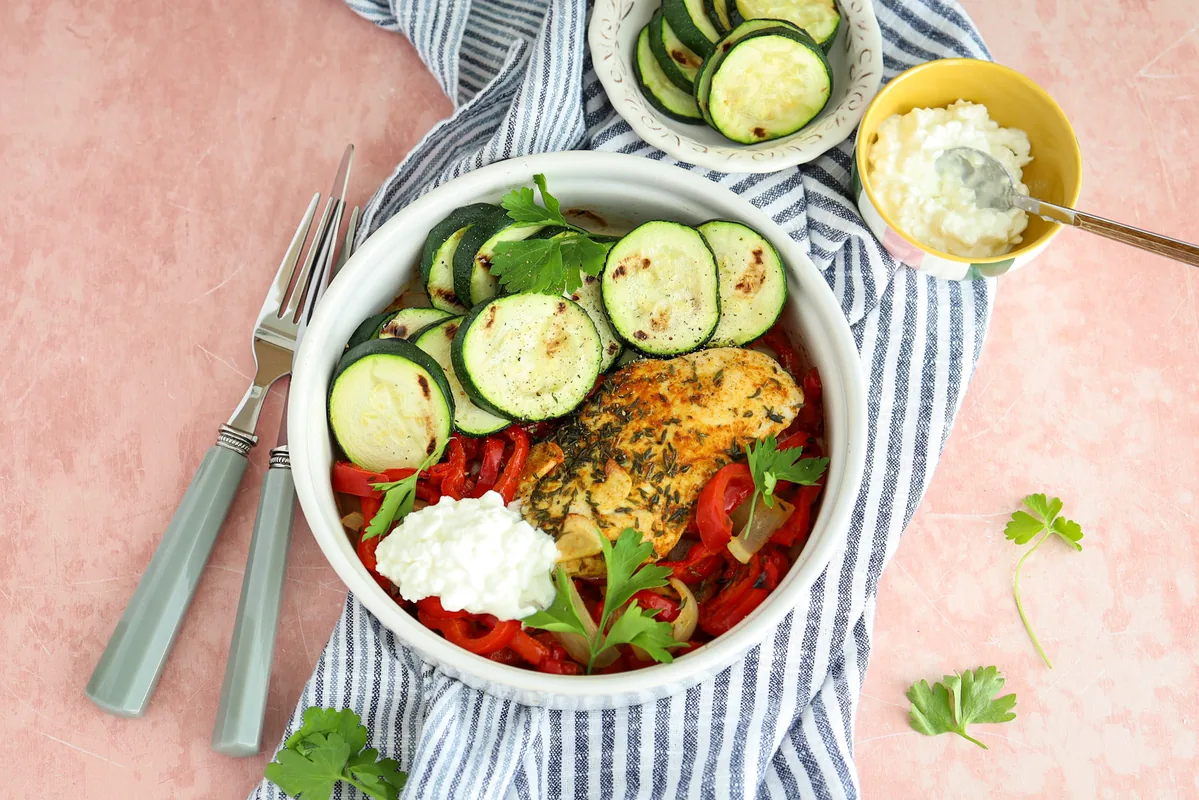
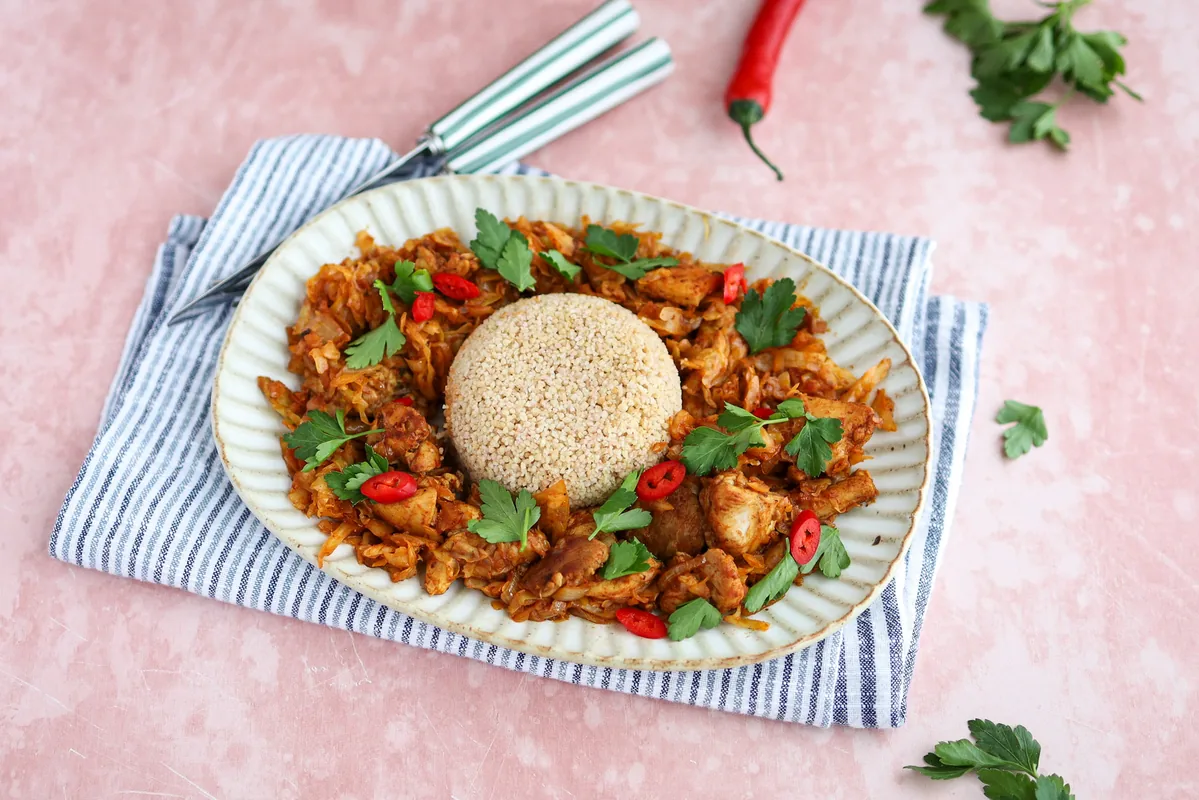
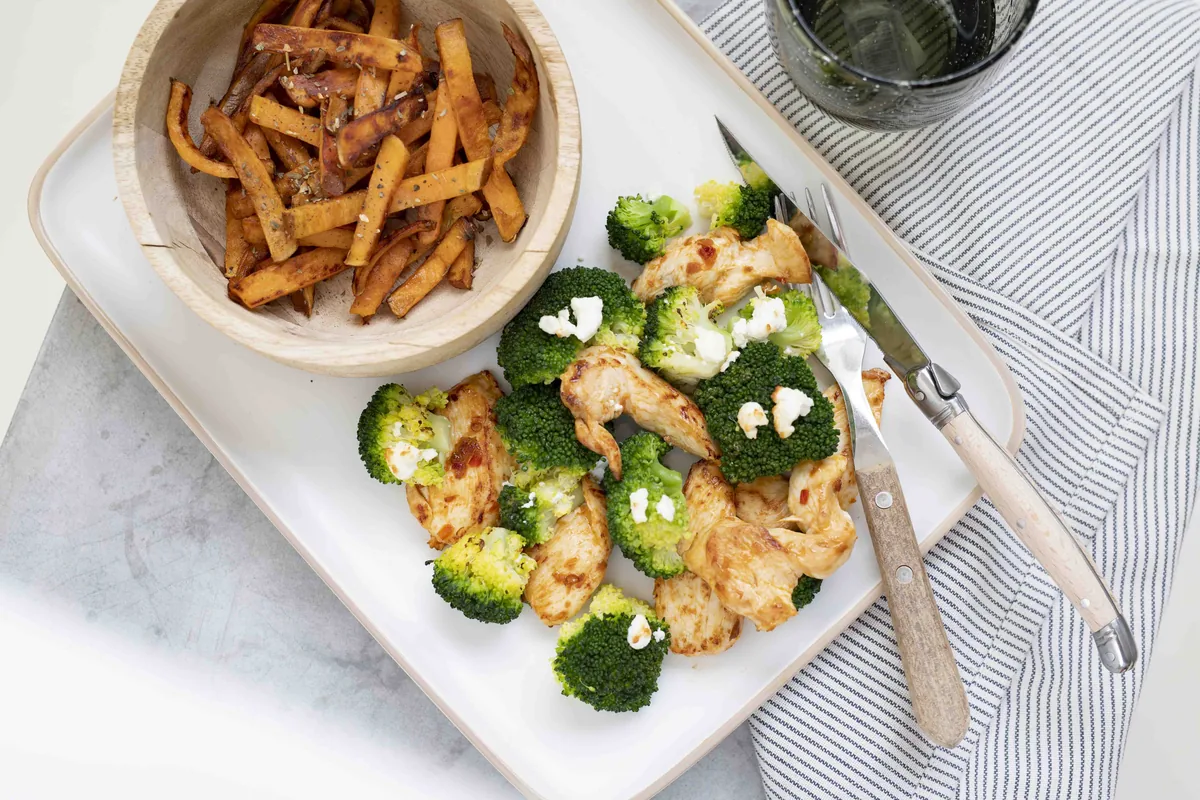
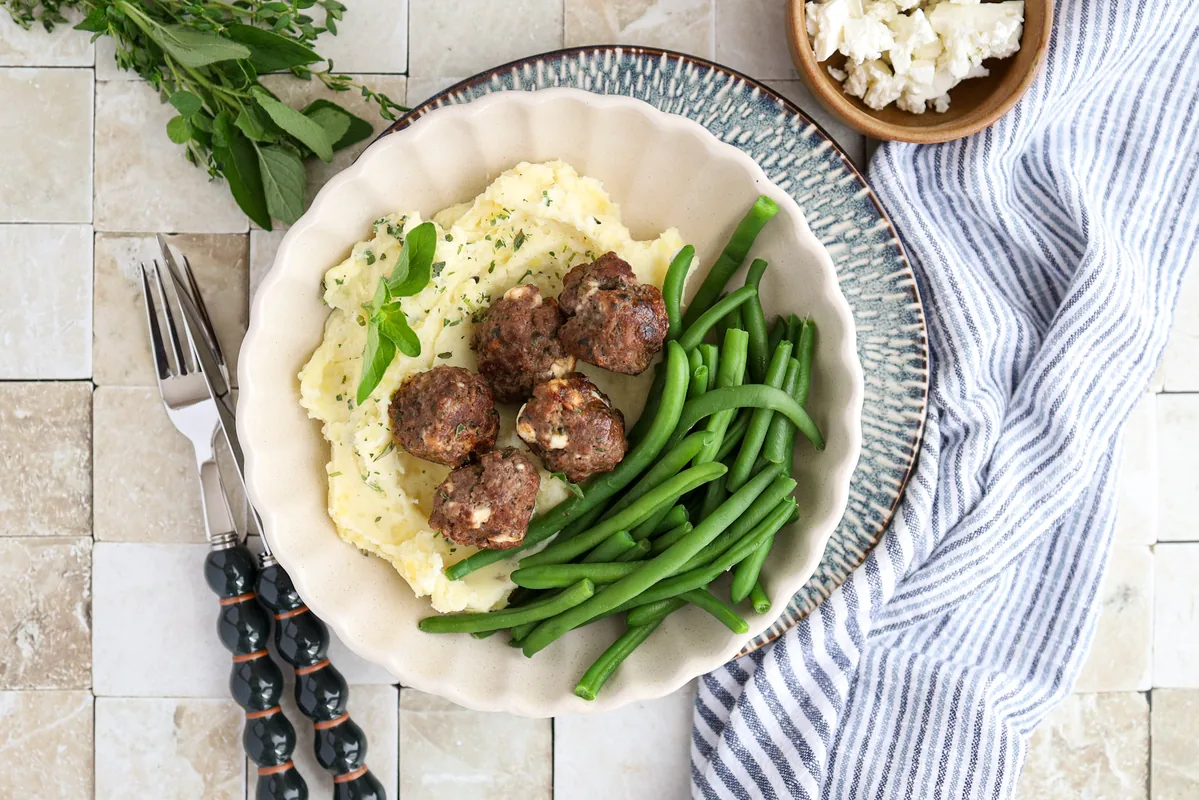
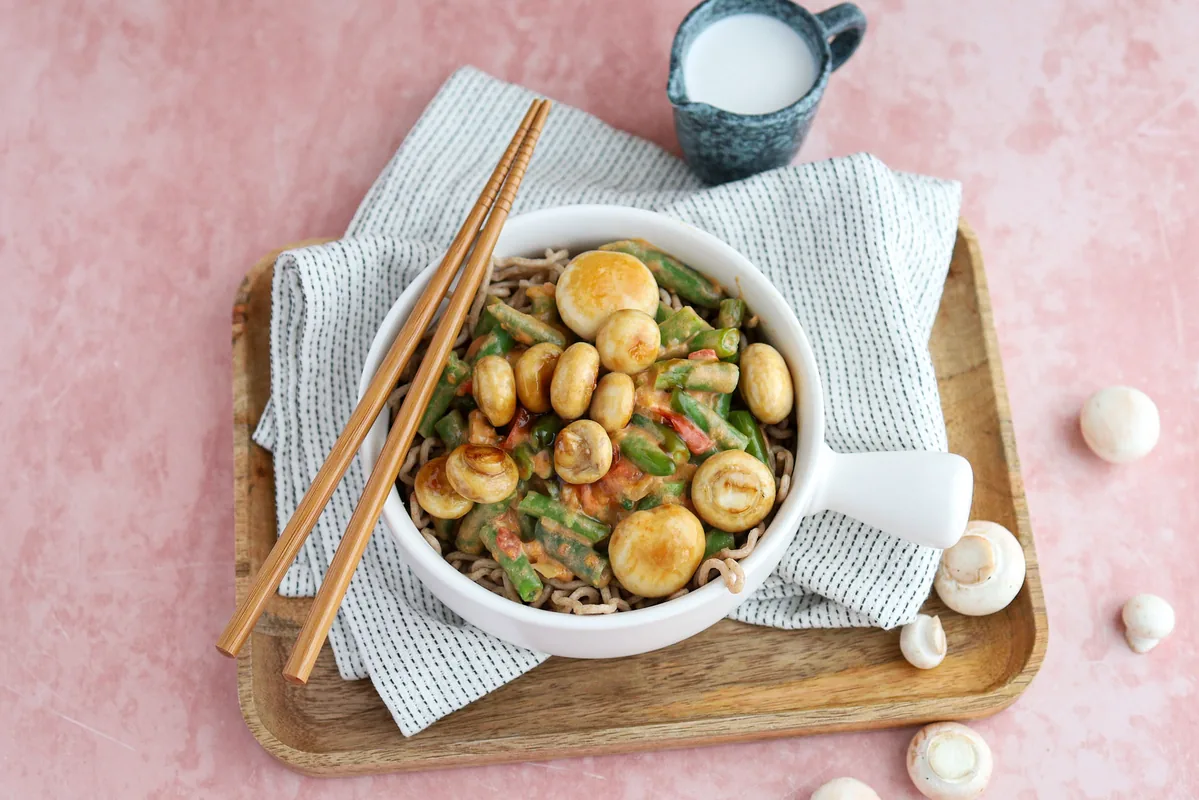
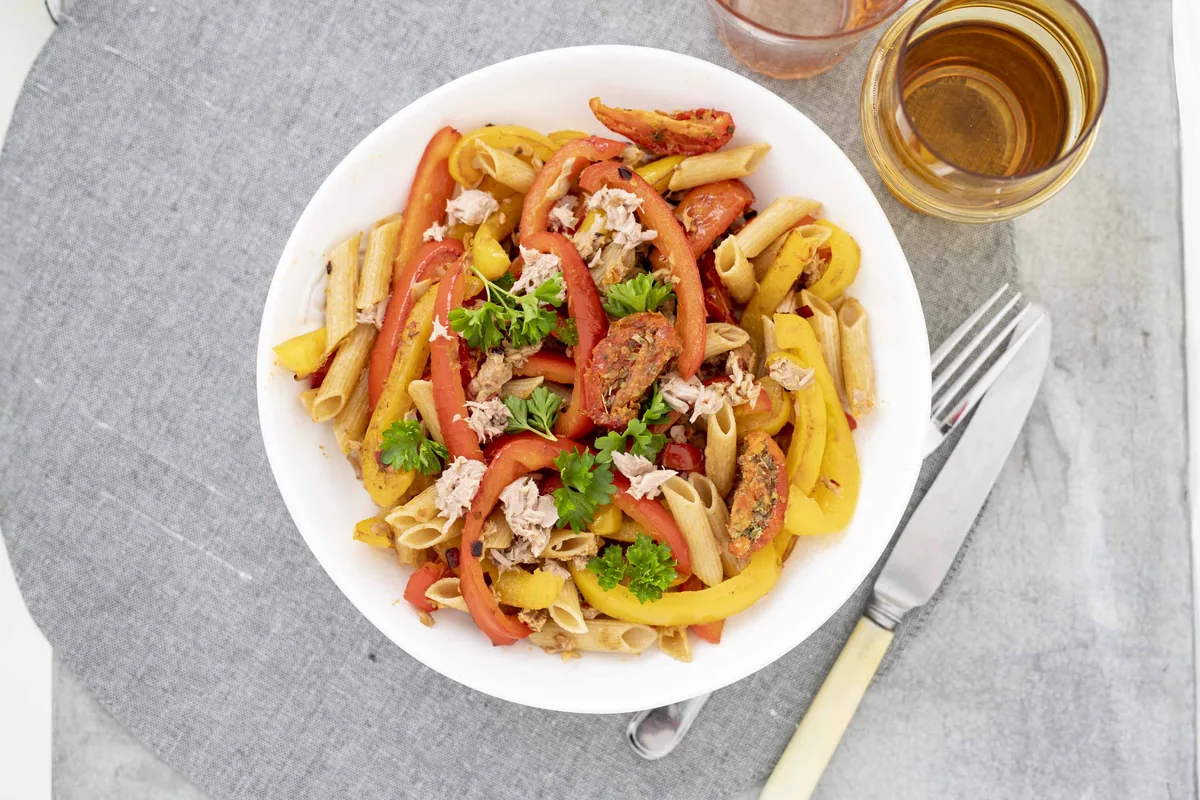
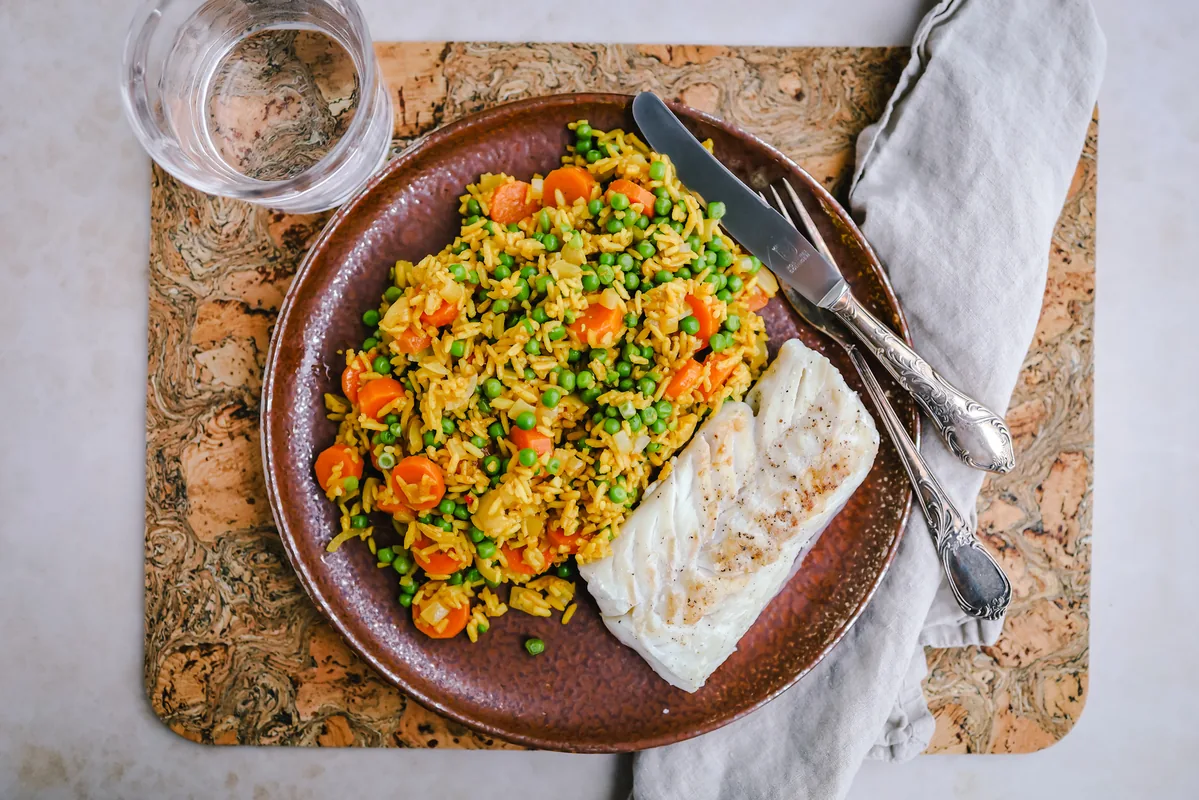
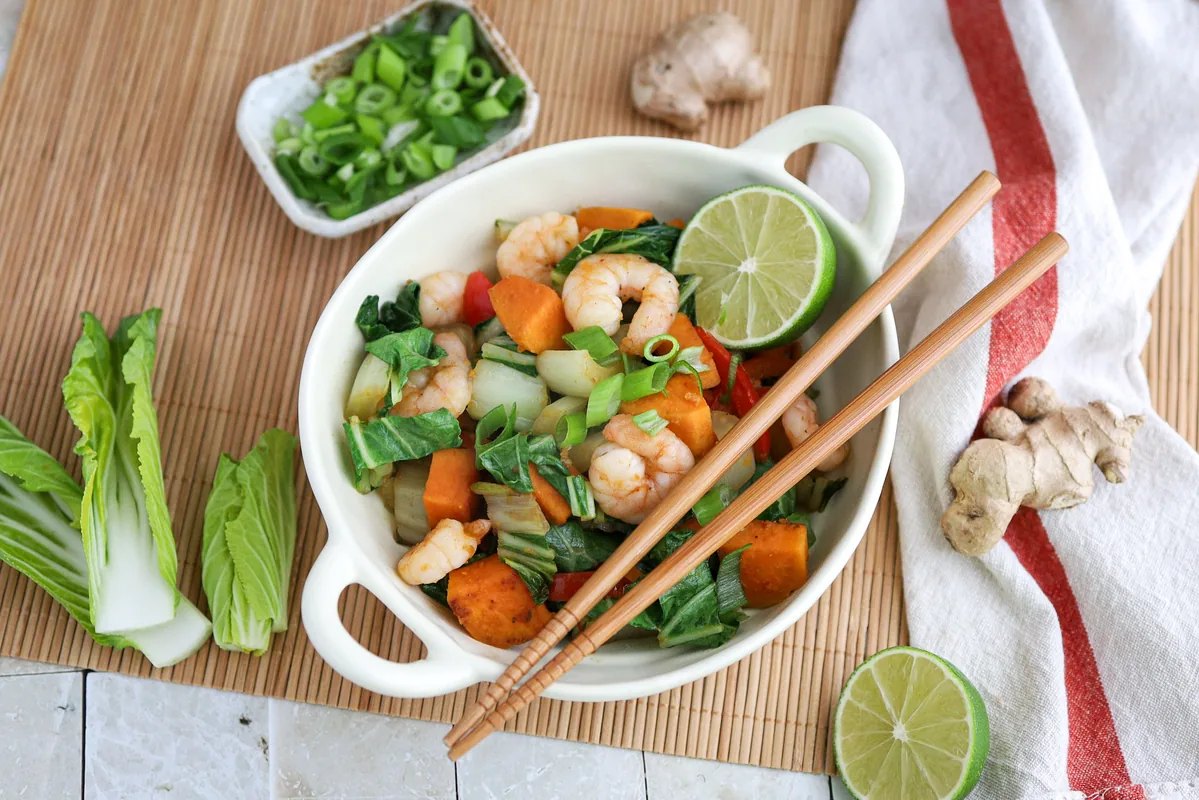
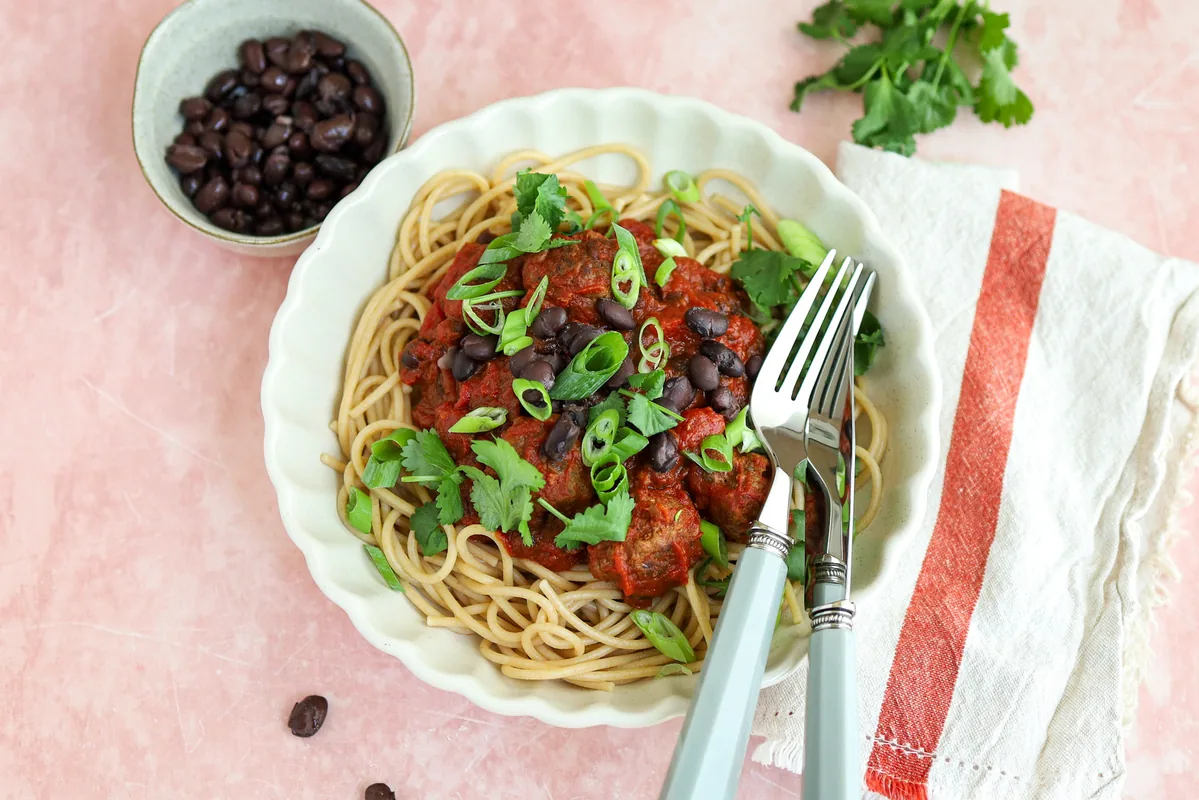
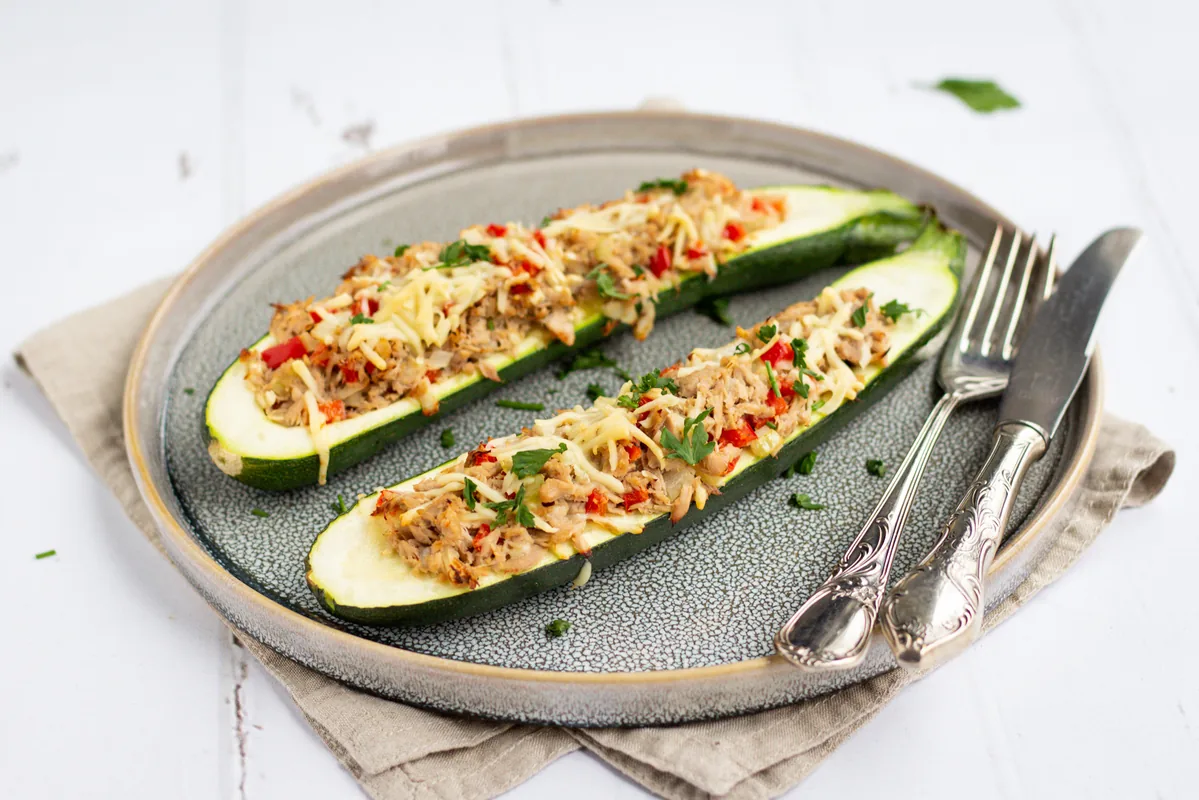
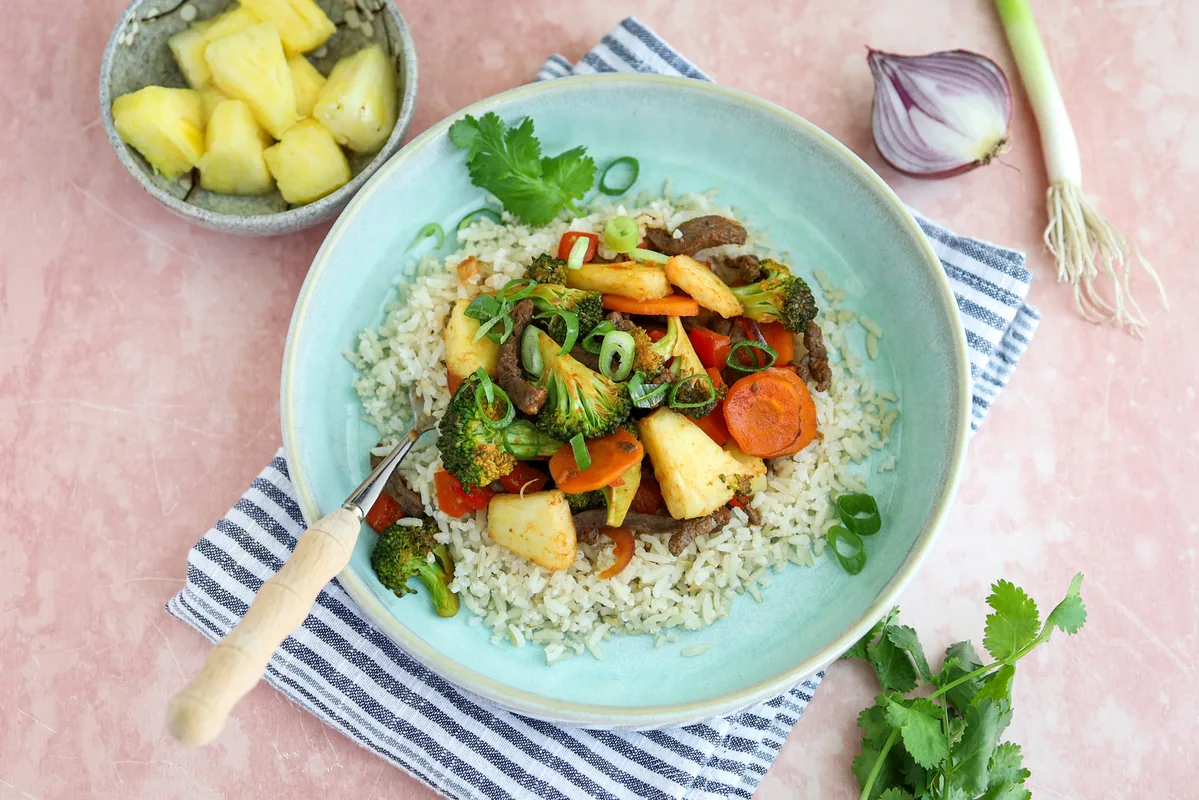
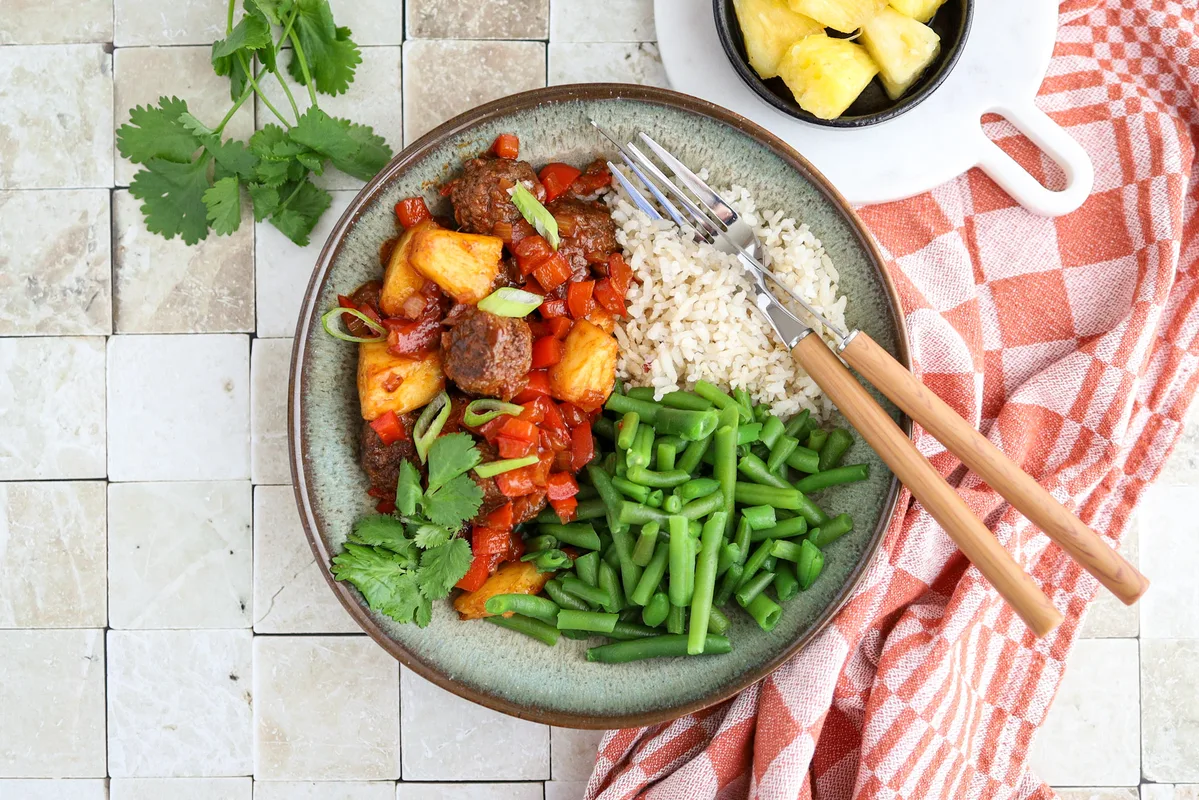
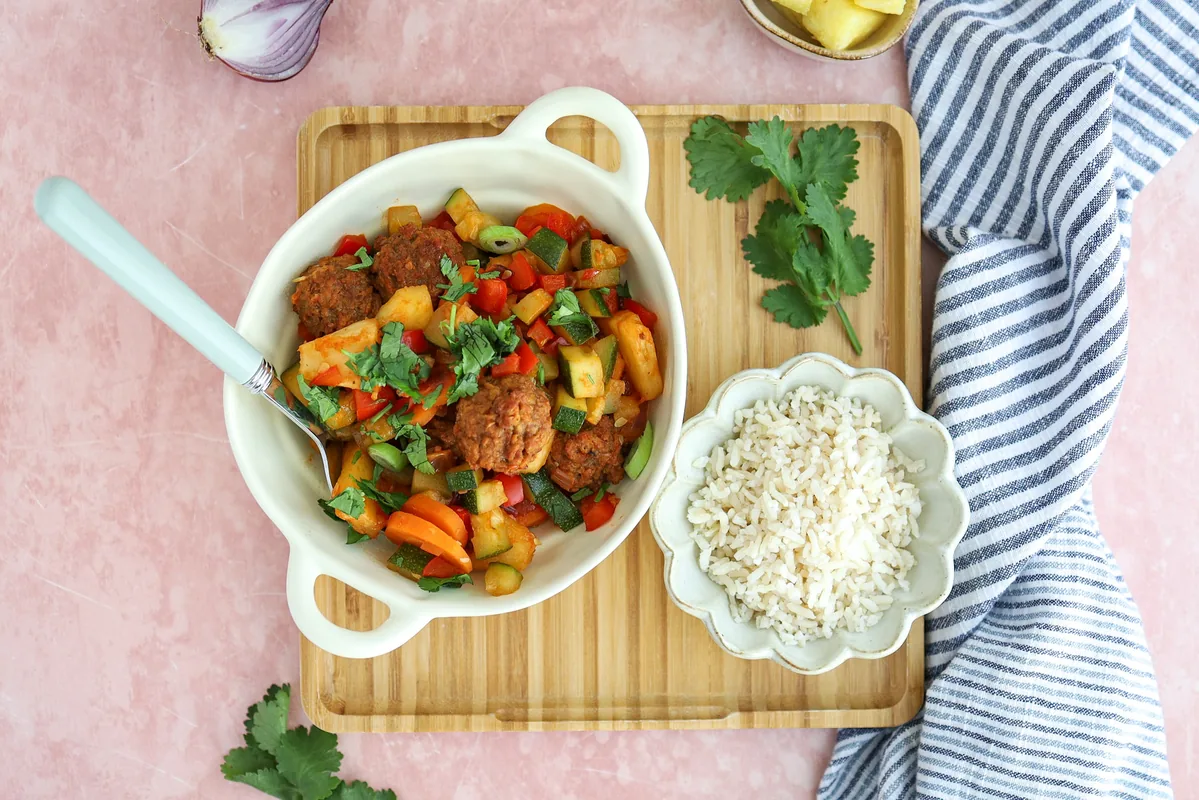
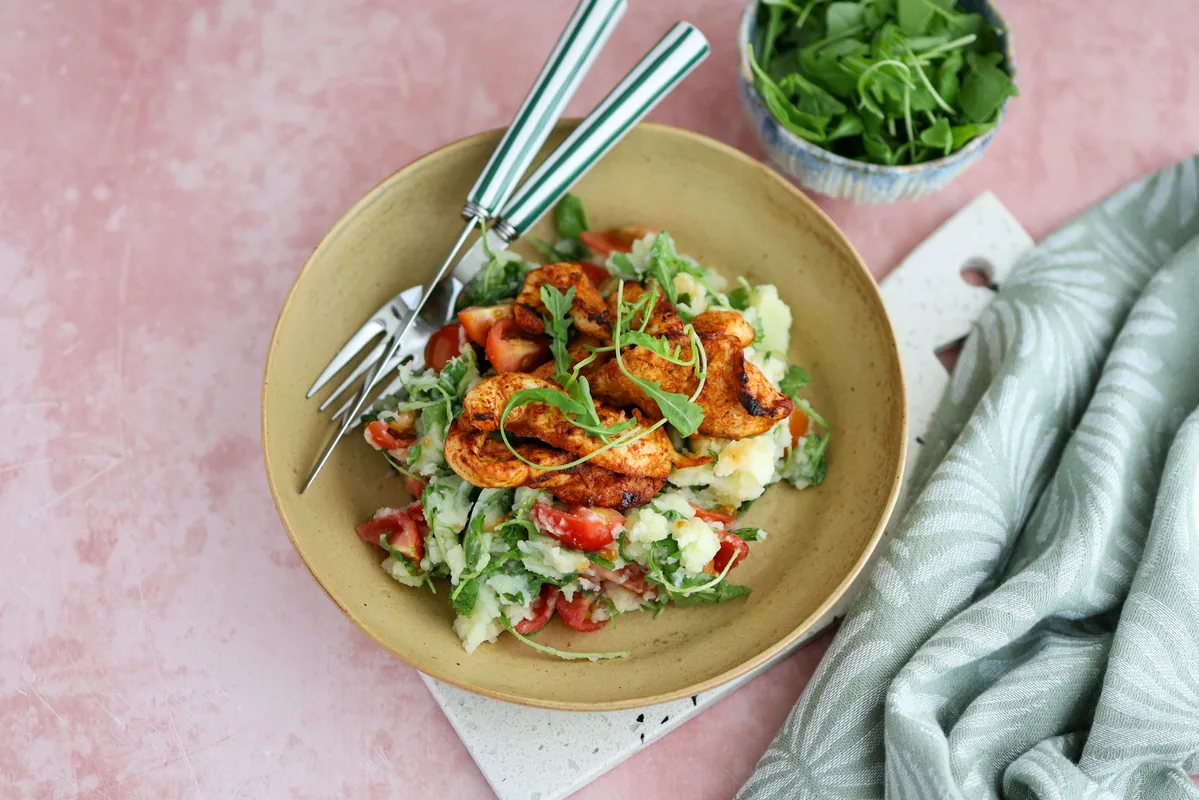
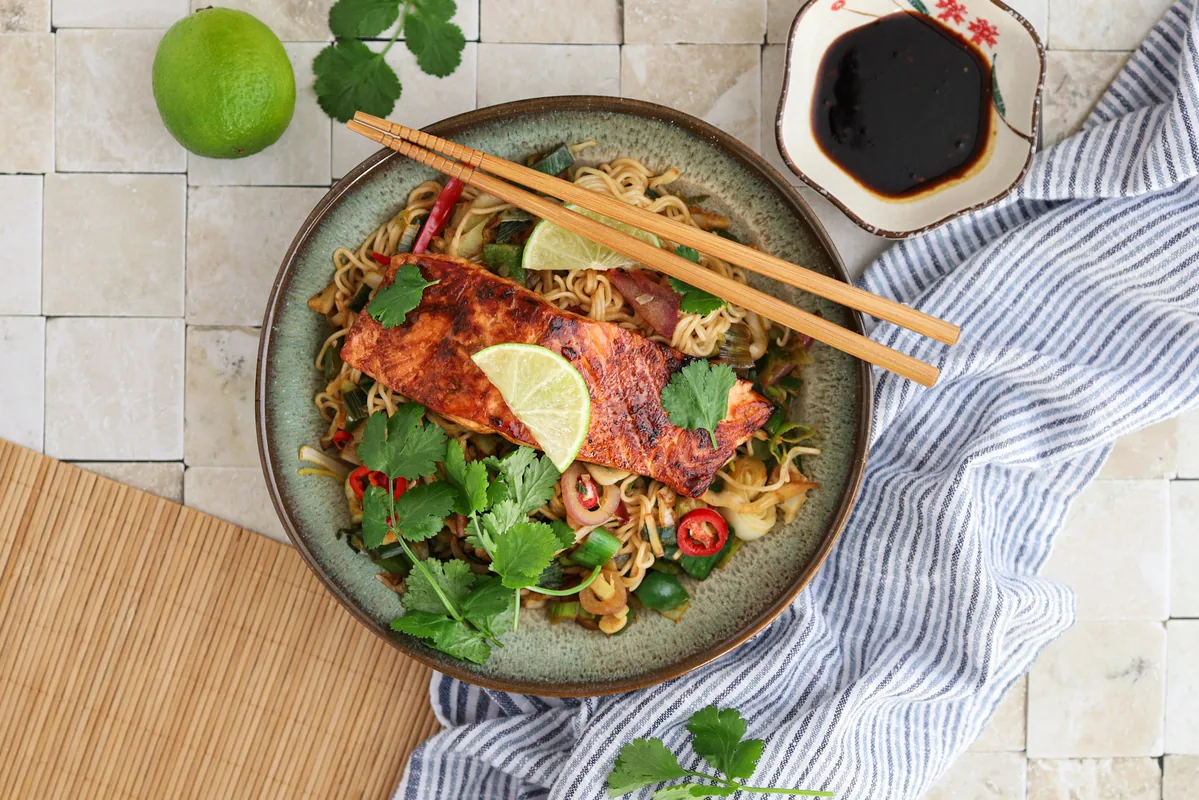
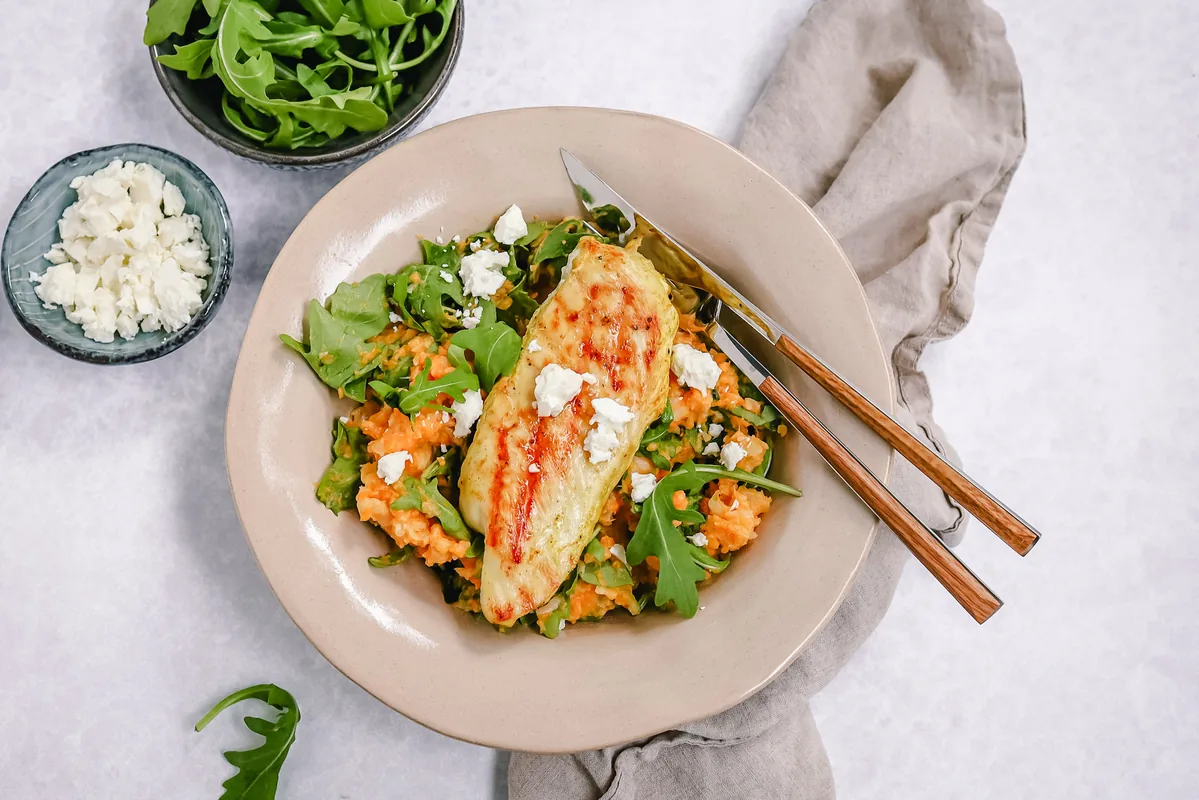
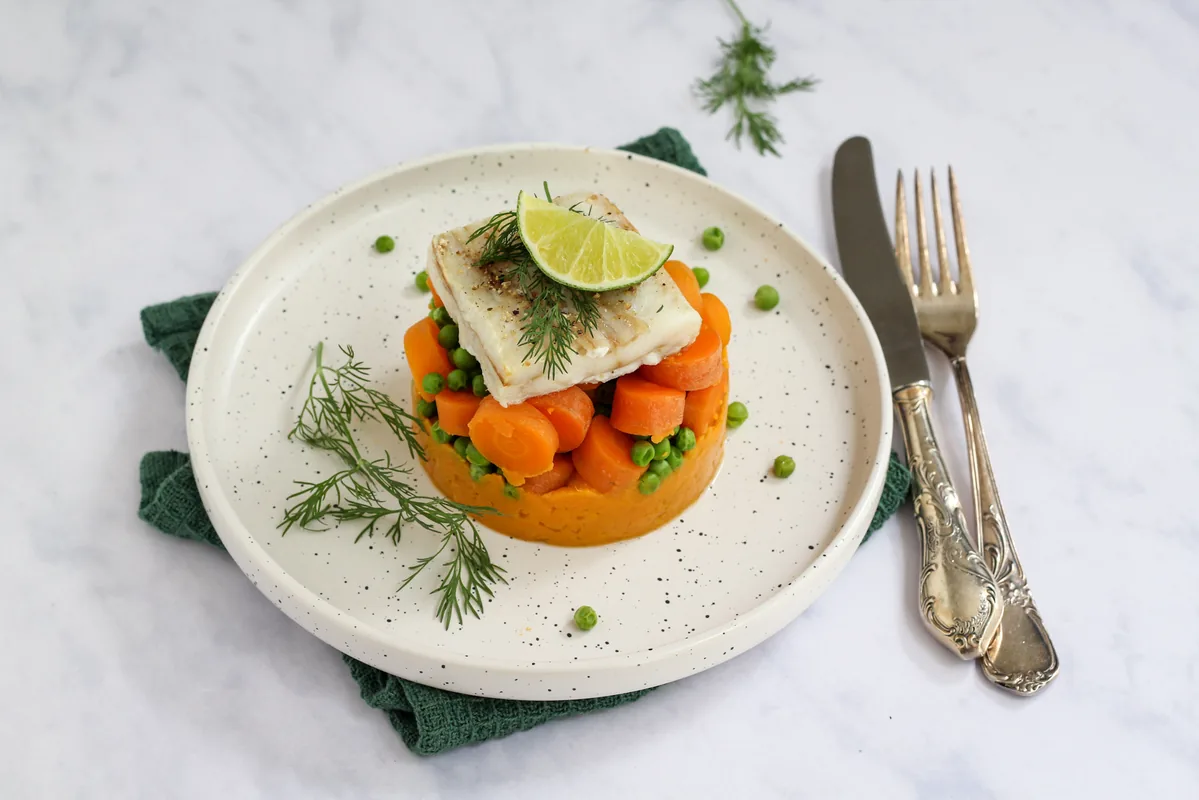
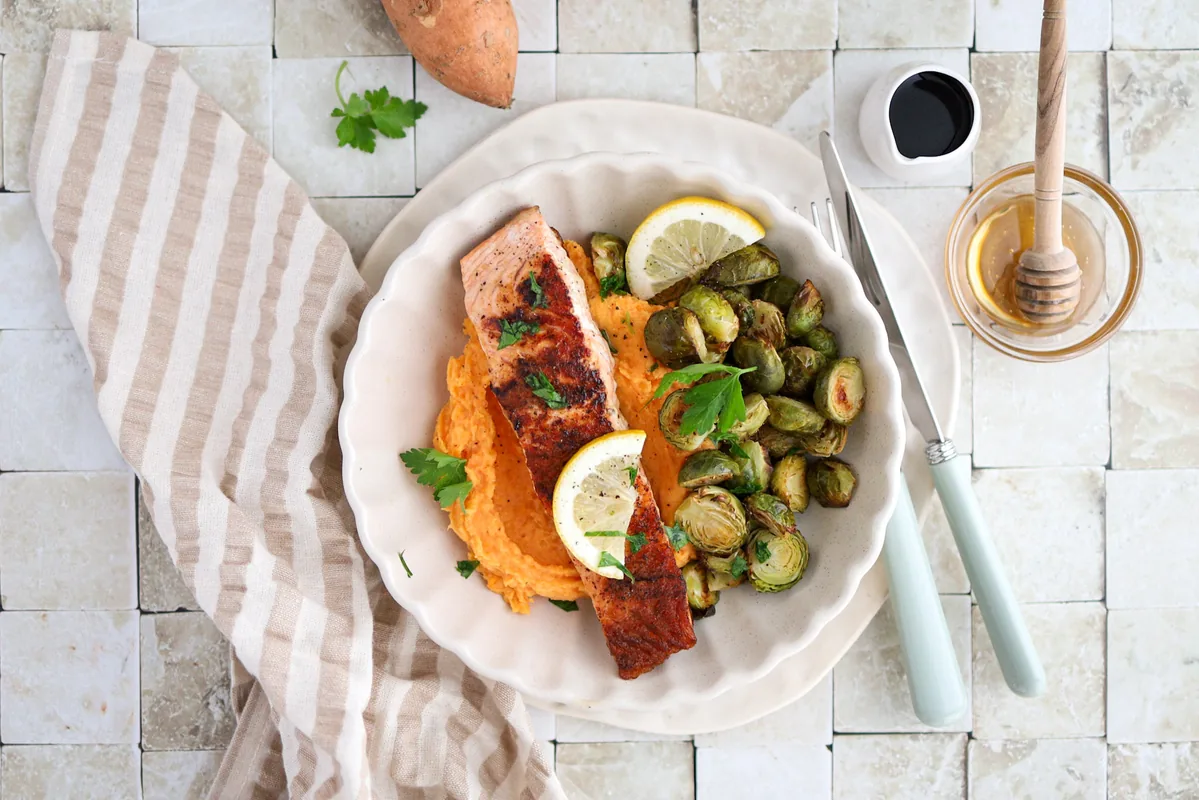
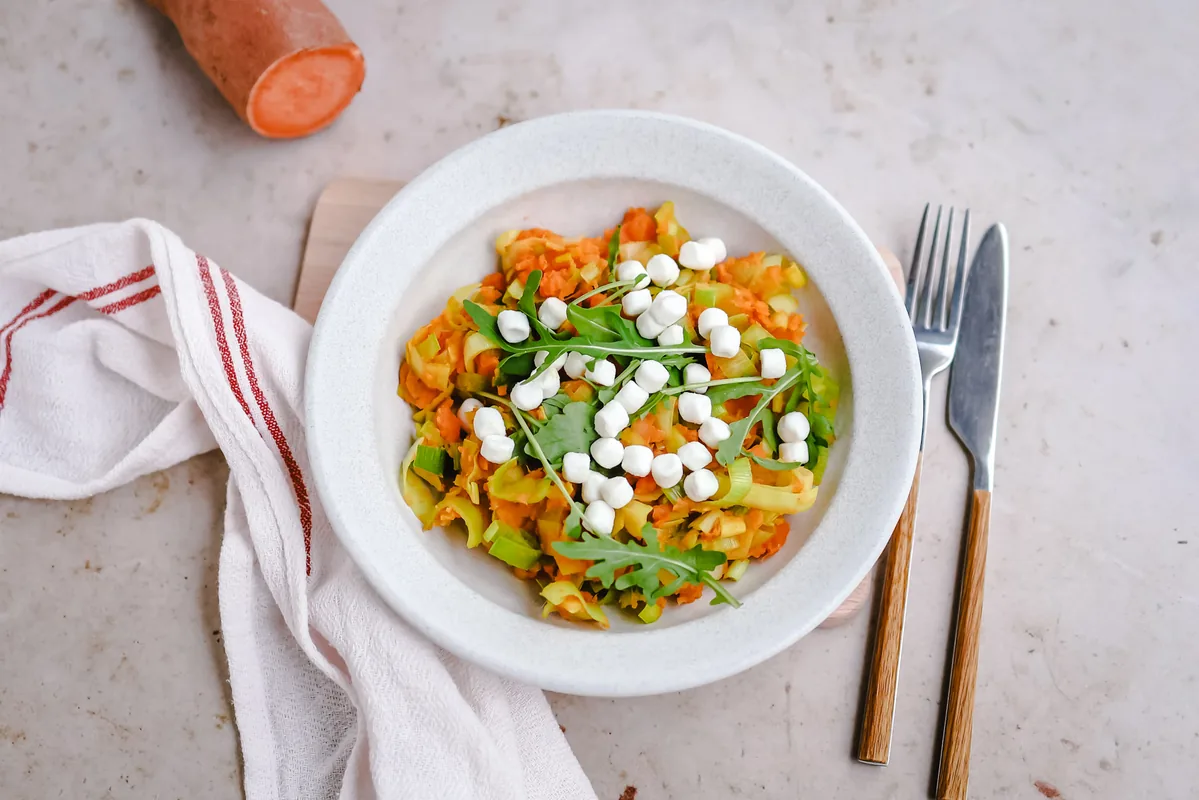
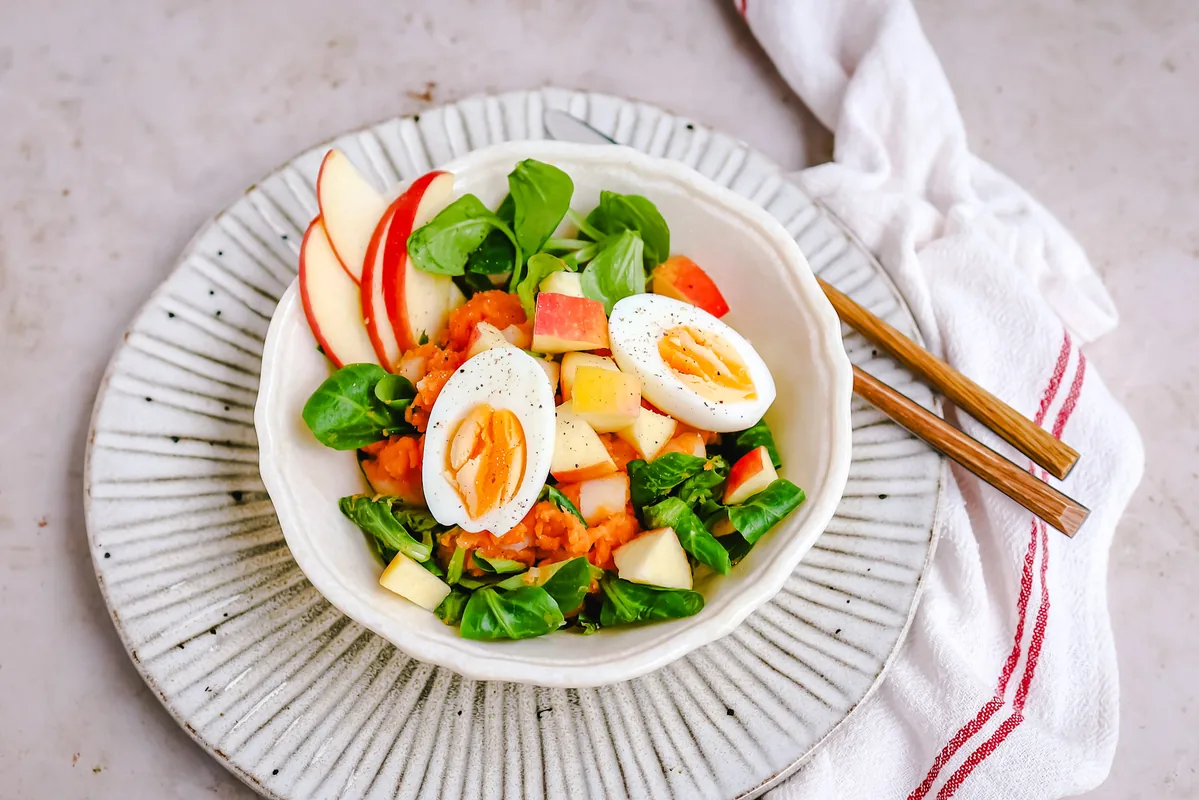
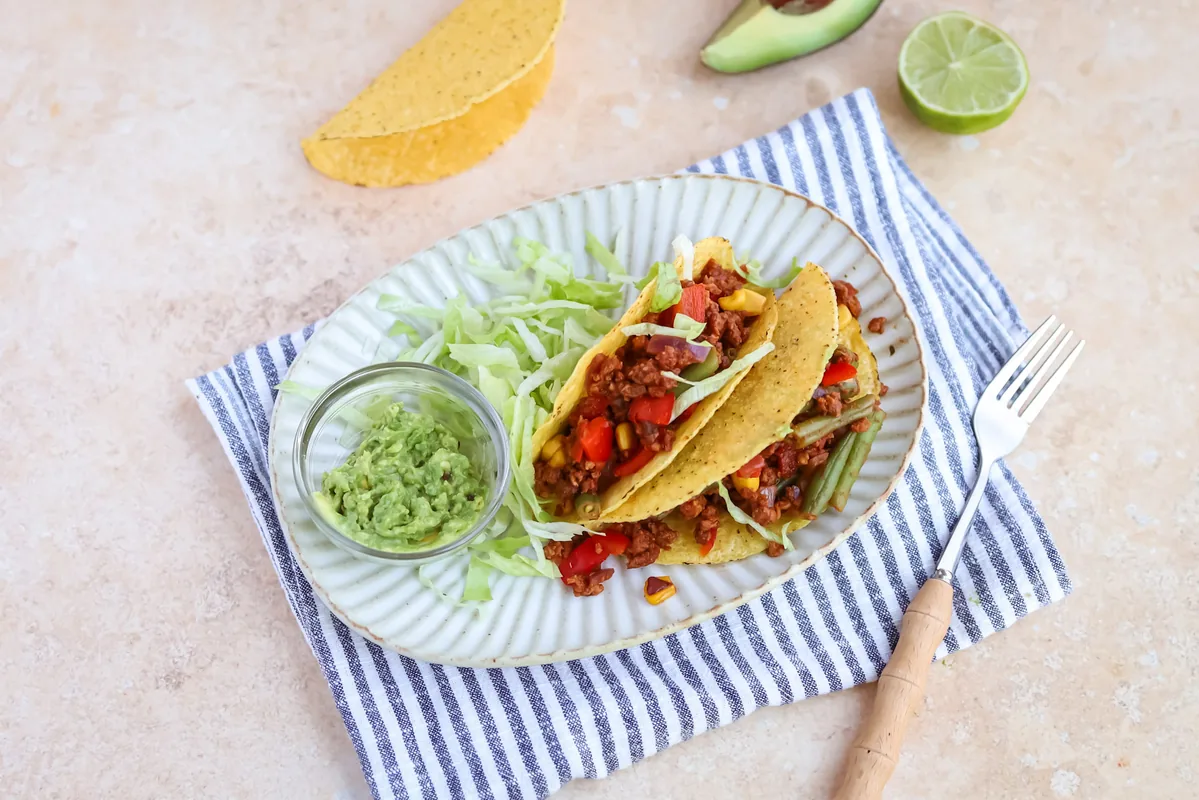
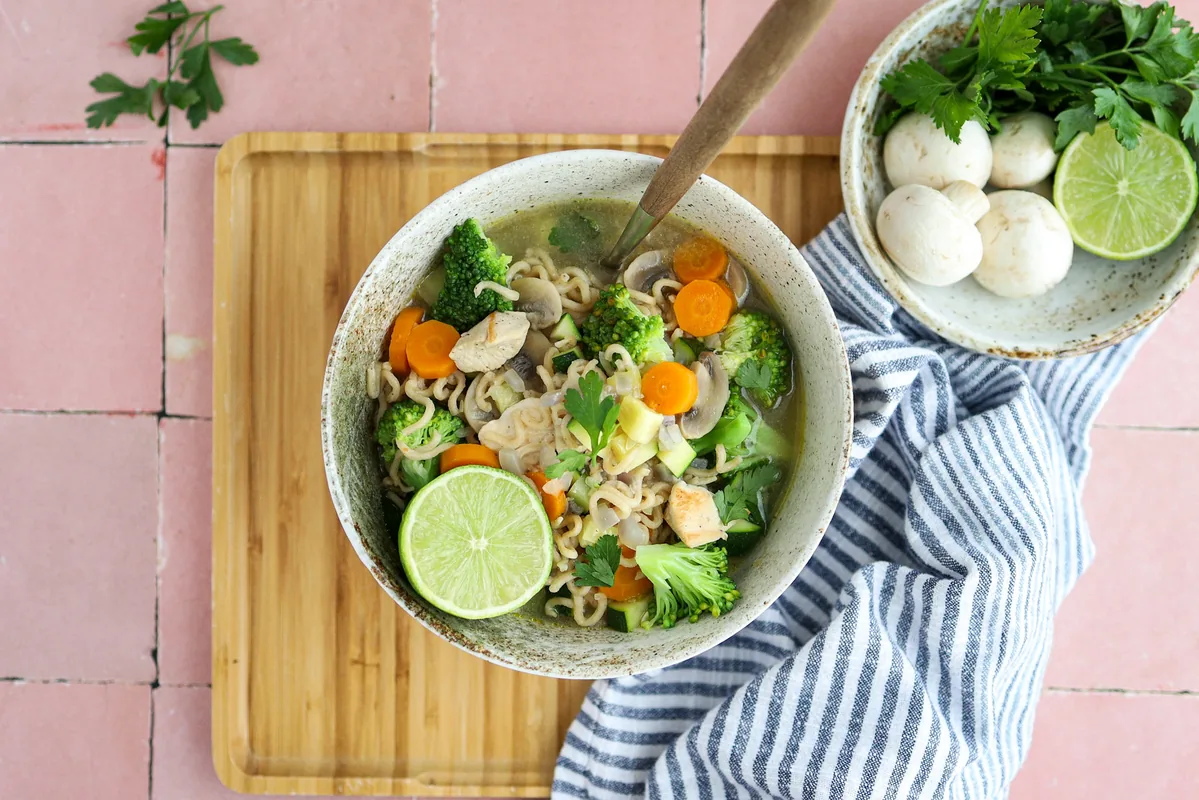
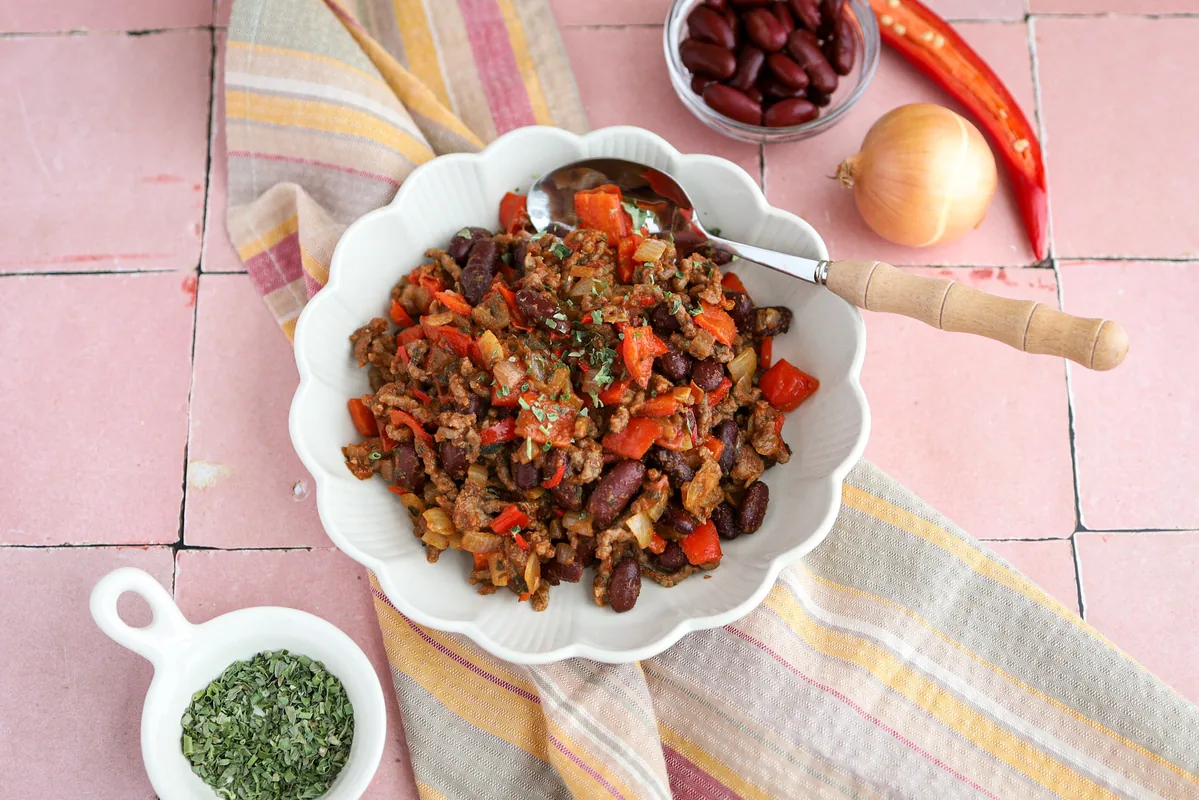
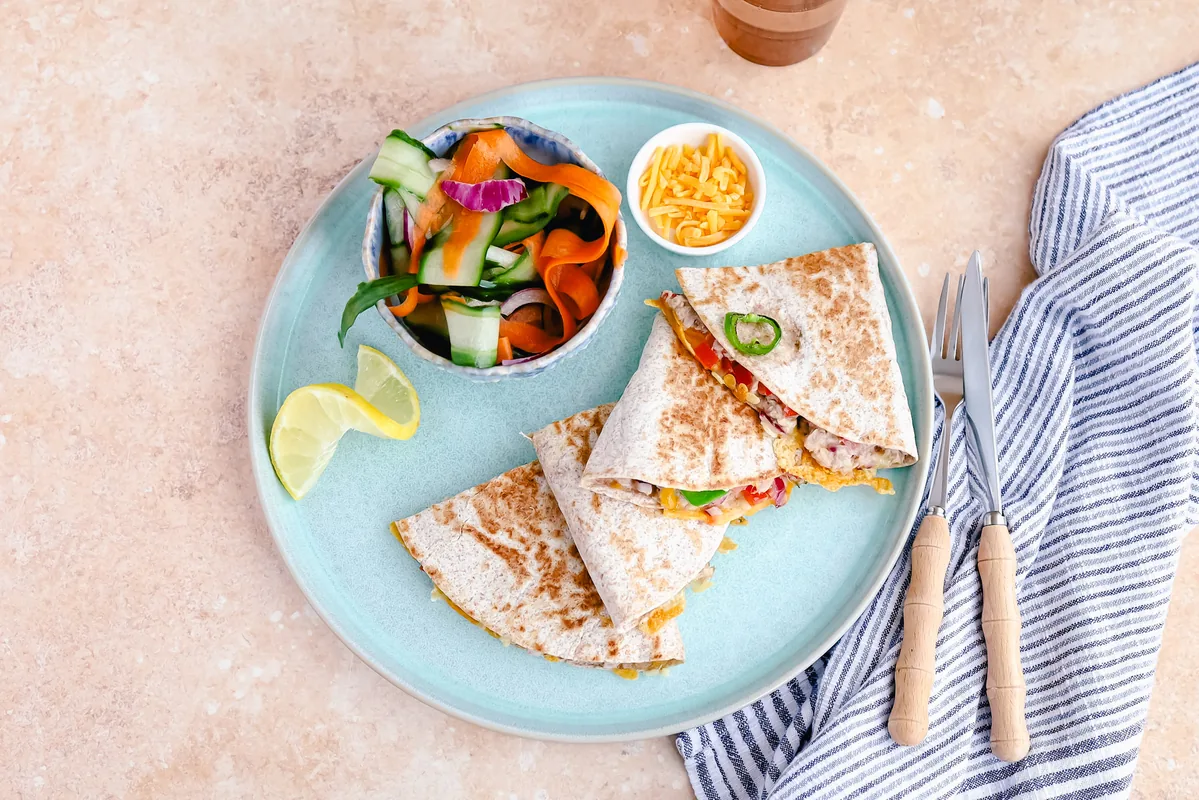
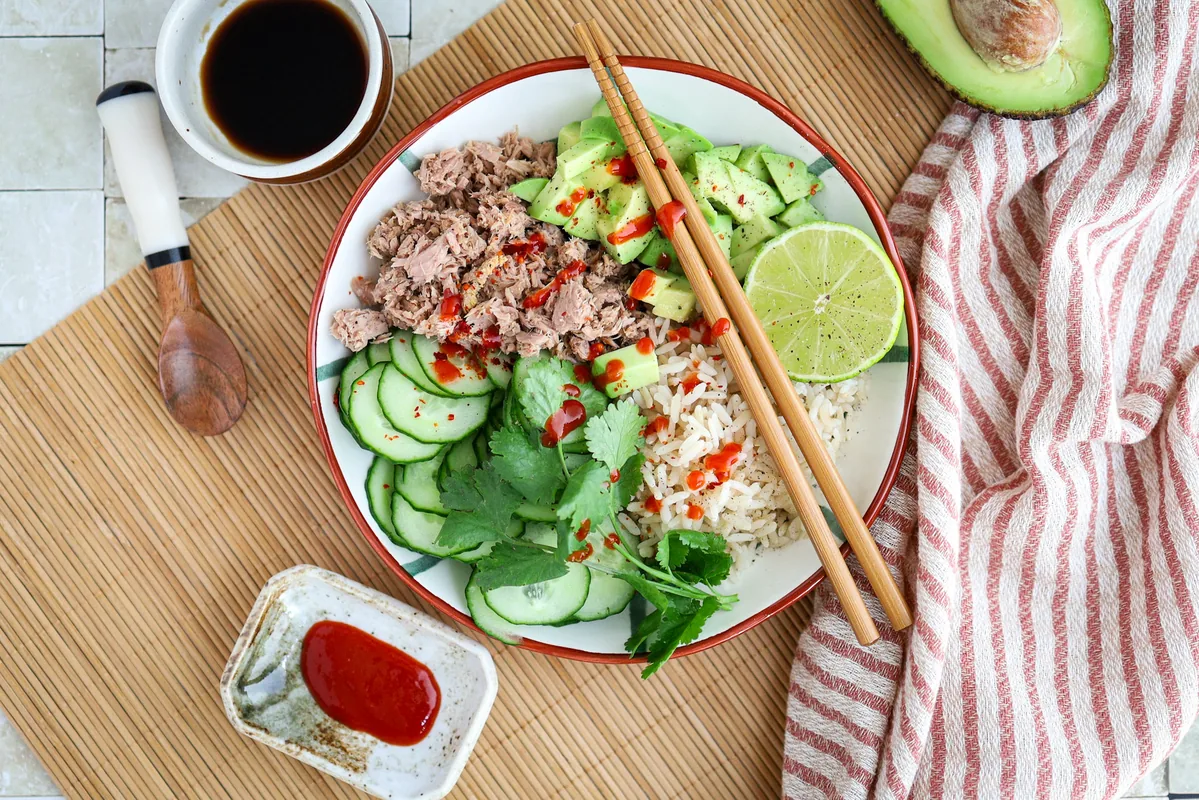
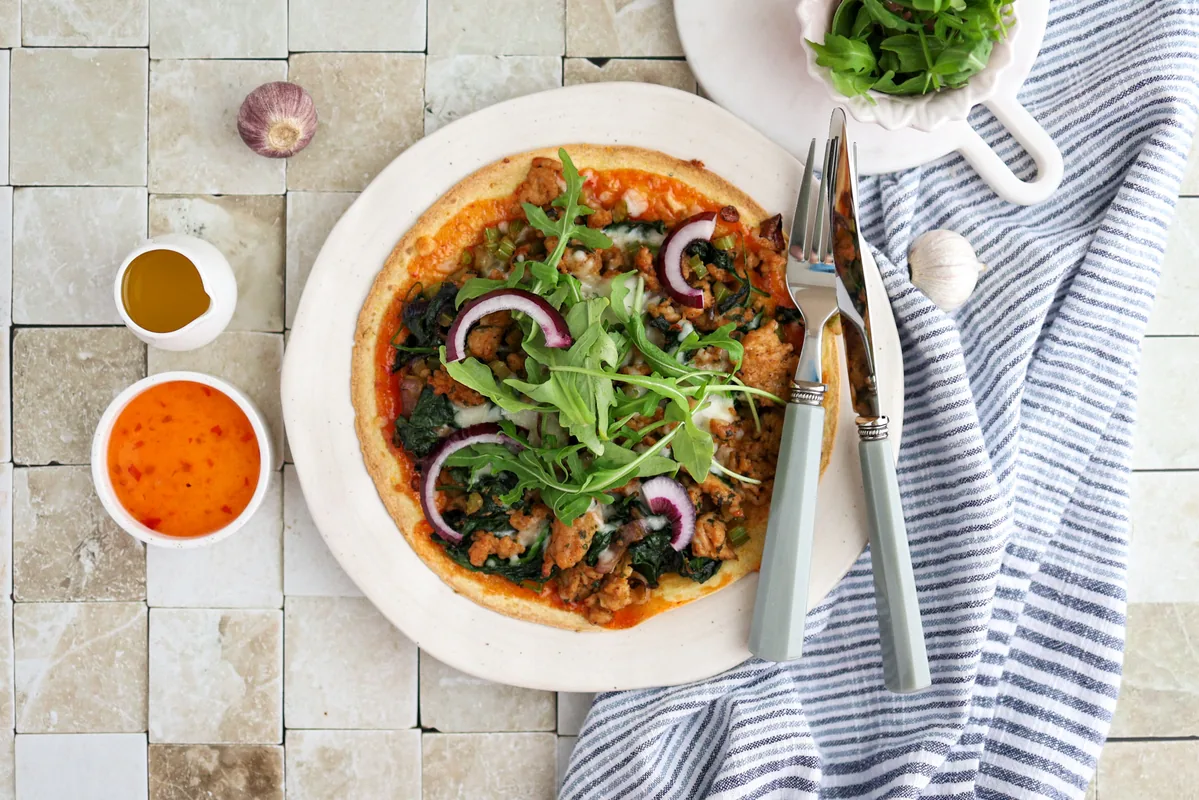
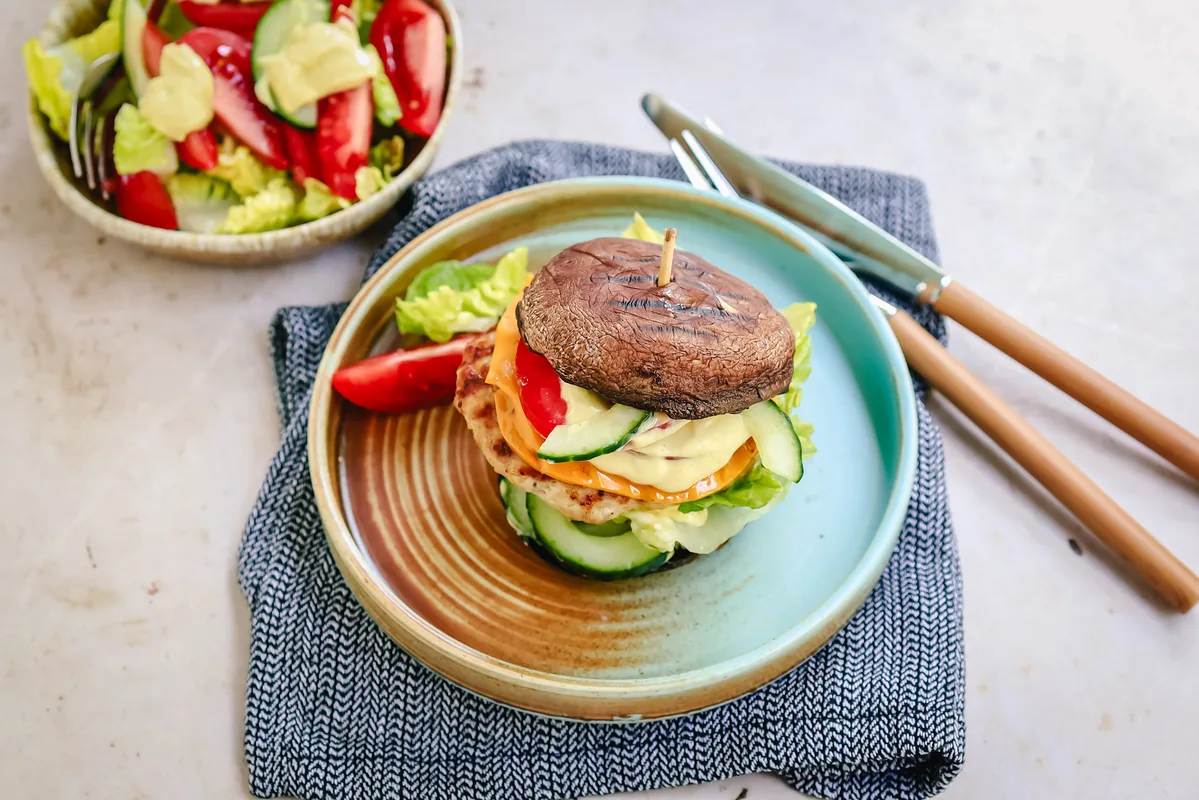
The collection spans 494 dinners across 13 dish types and 5 cuisines, from pasta to curry to stir-fry. Median: 31g protein, 20 minutes, 10 ingredients. But the differentiation isn’t the macro profile. It’s what happens when these recipes hit the stove. 491 out of 494 dinners require cooking, and 80% of every cooking-science evidence connection in the FitChef library is a dinner recipe. Breakfast is yogurt bowls. Lunch is salads. Dinner is where heat transforms the food.
That transformation is measurable. When a meal contains no added fat, fat-soluble vitamin absorption drops to essentially zero. As little as 6 grams of added oil crosses the threshold for meaningful absorption. Every dinner here clears it.
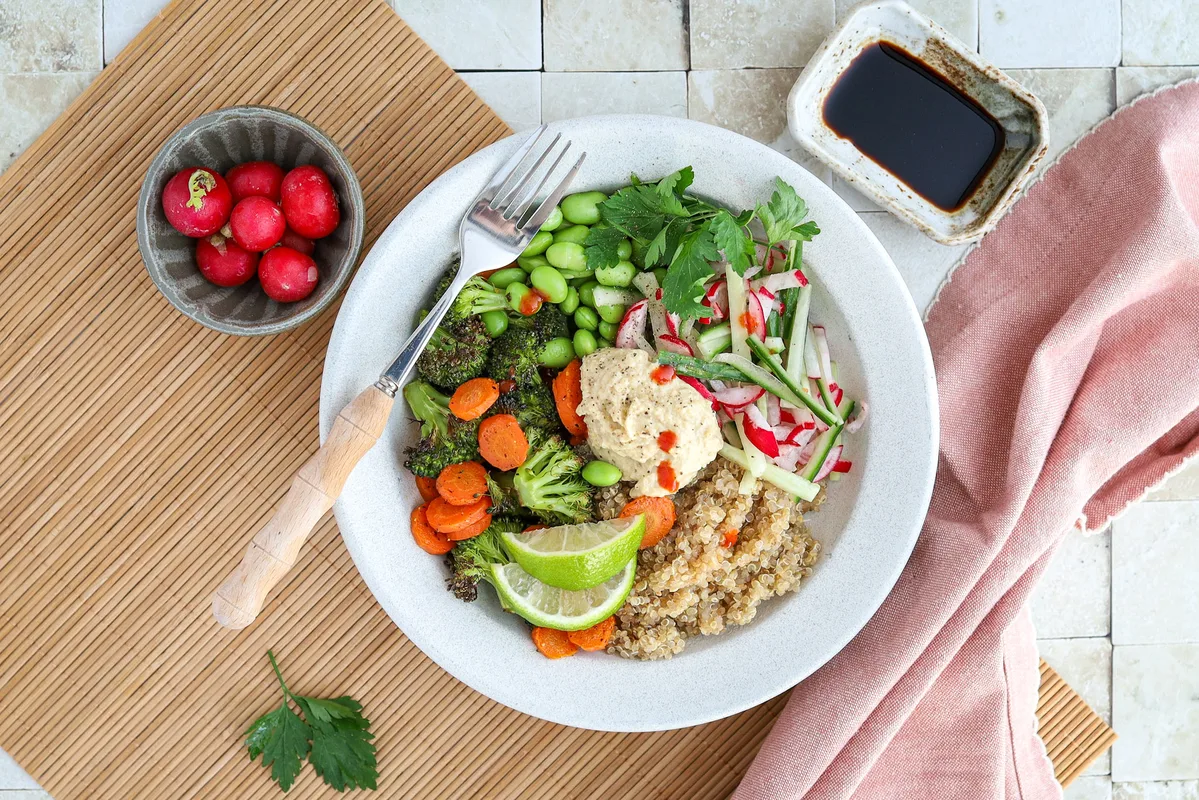
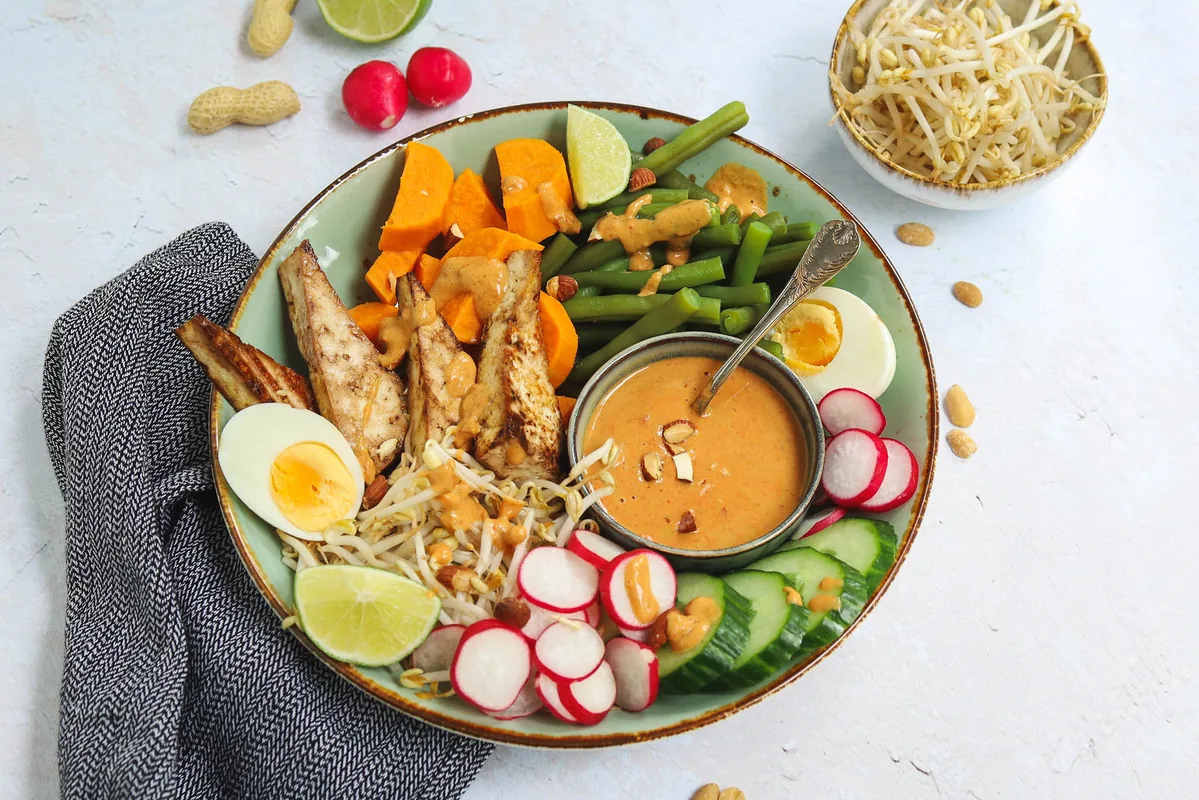
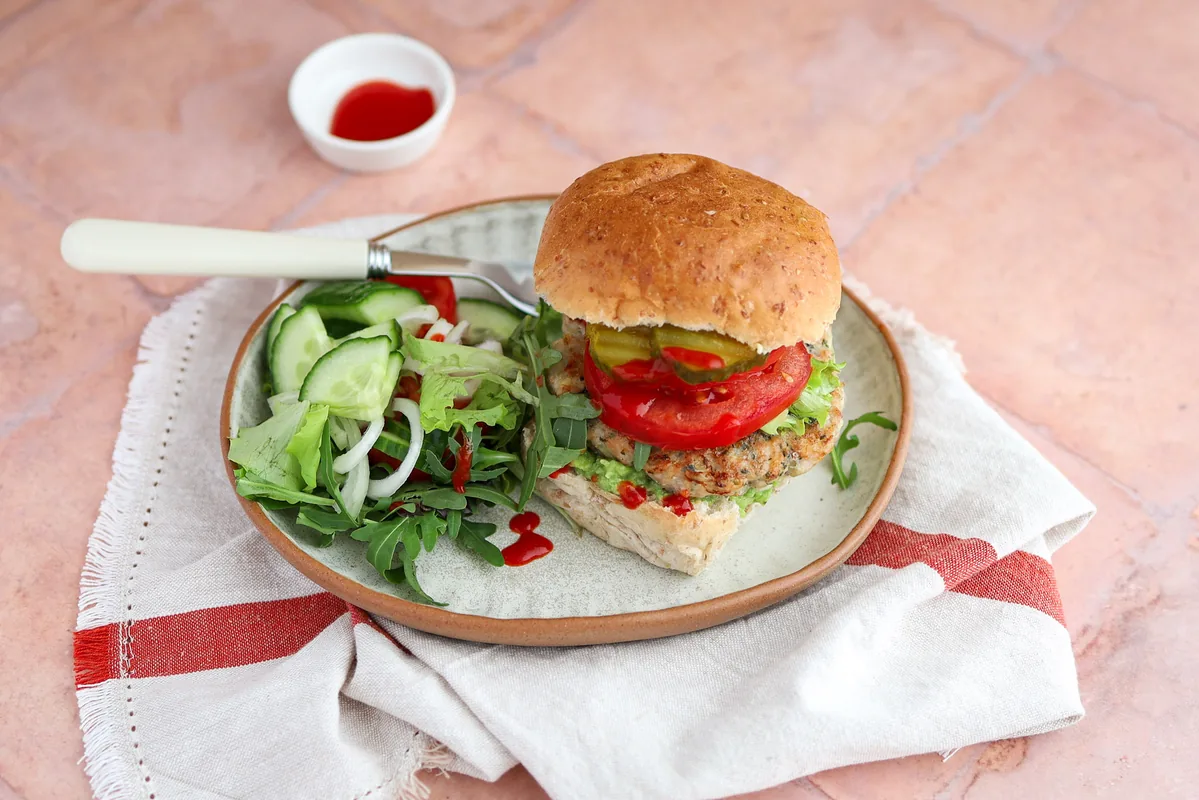
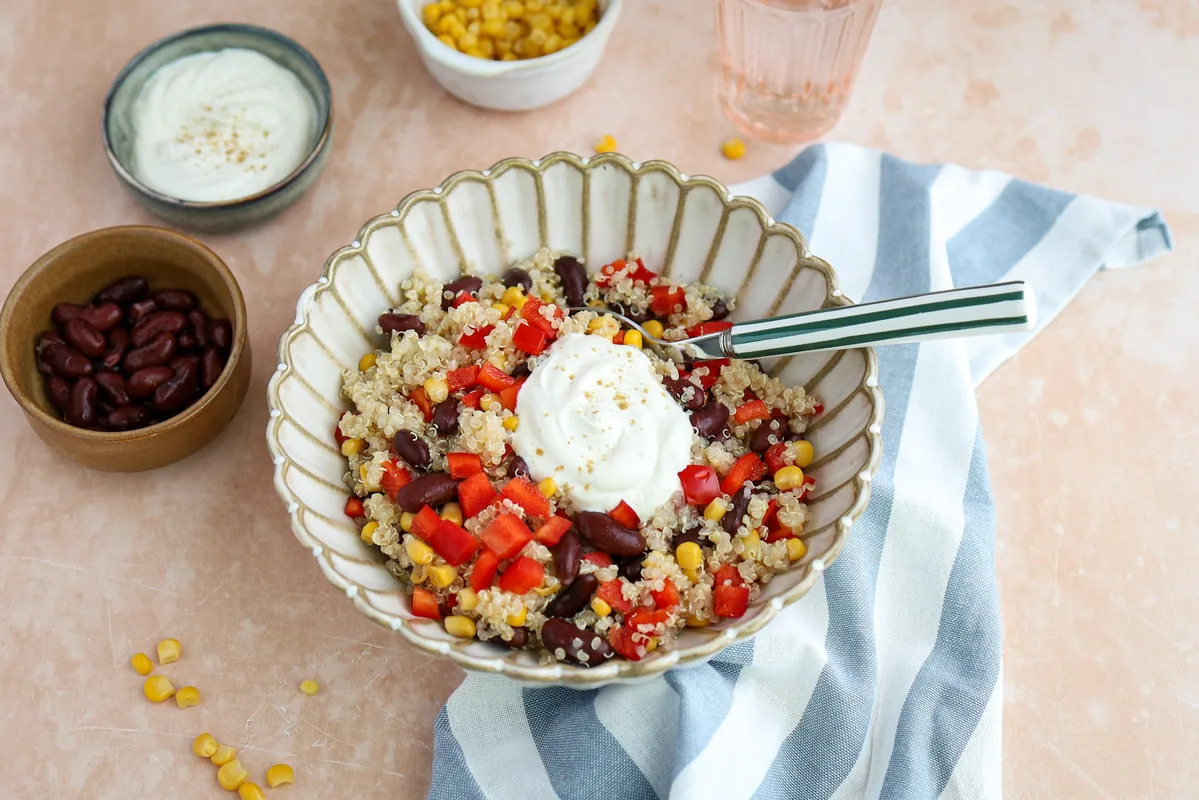
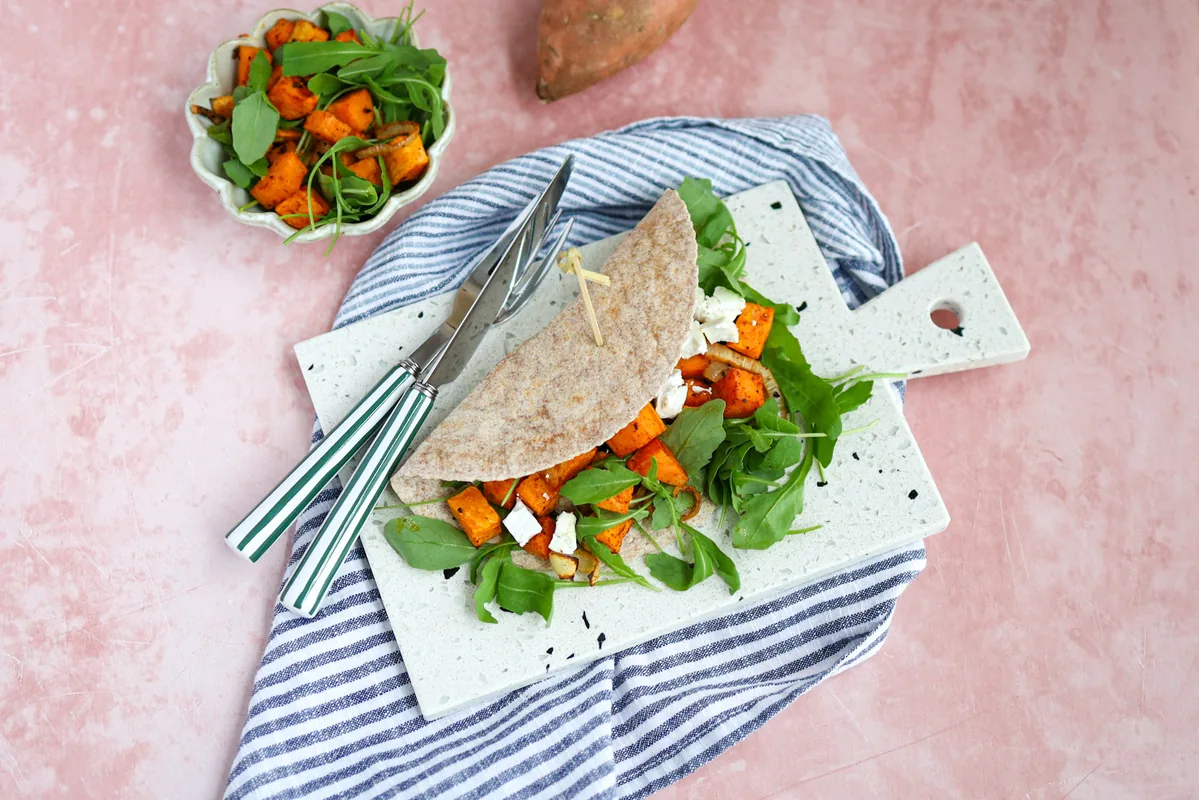
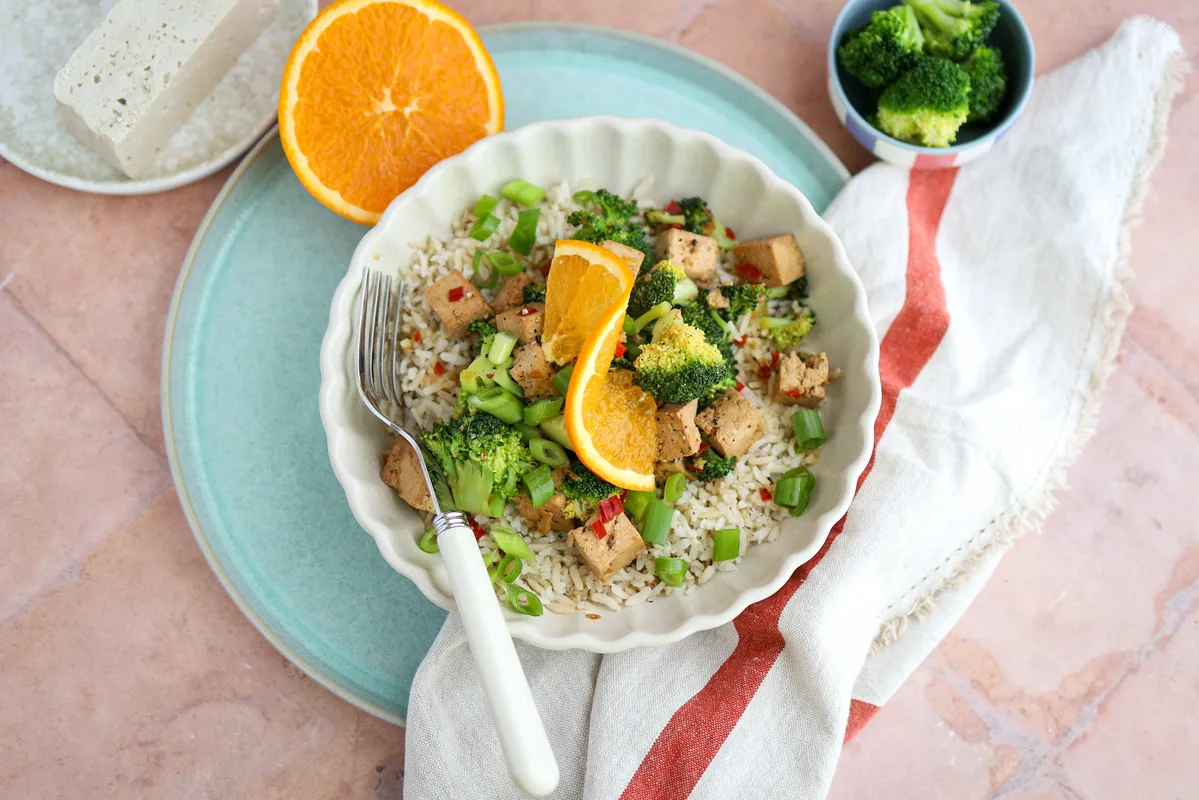
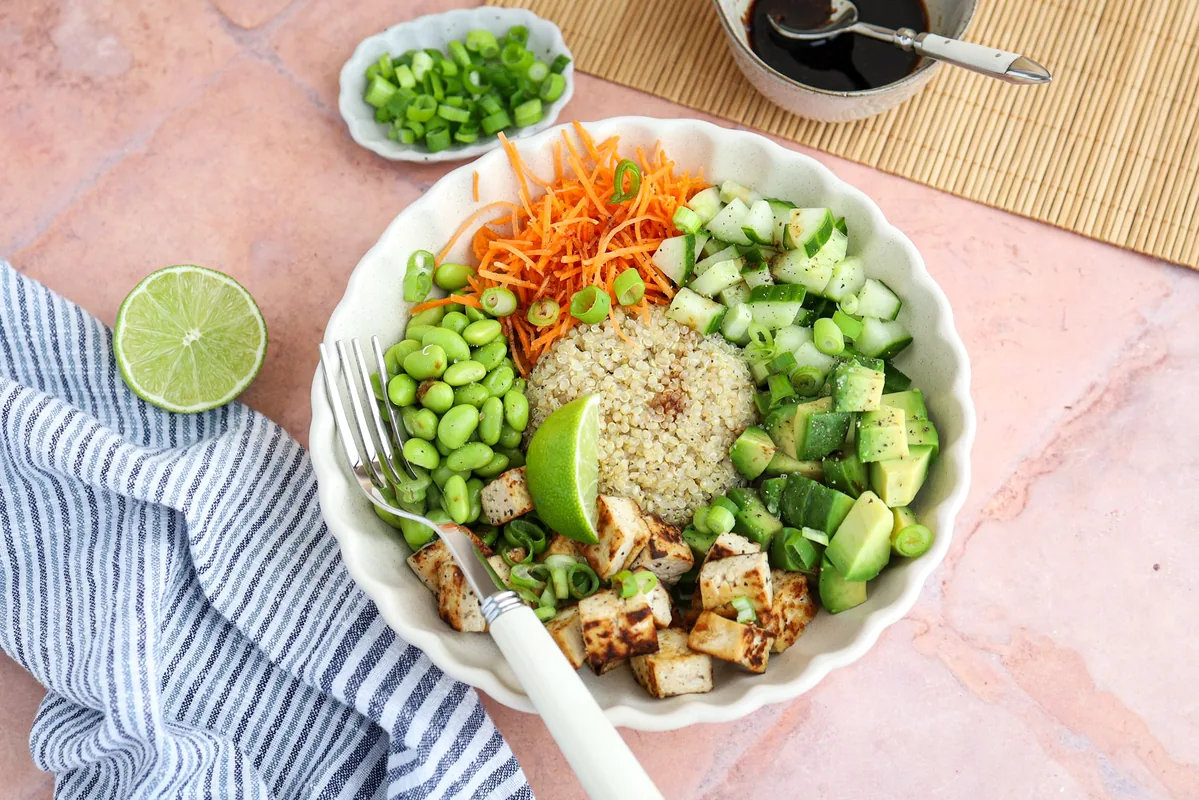
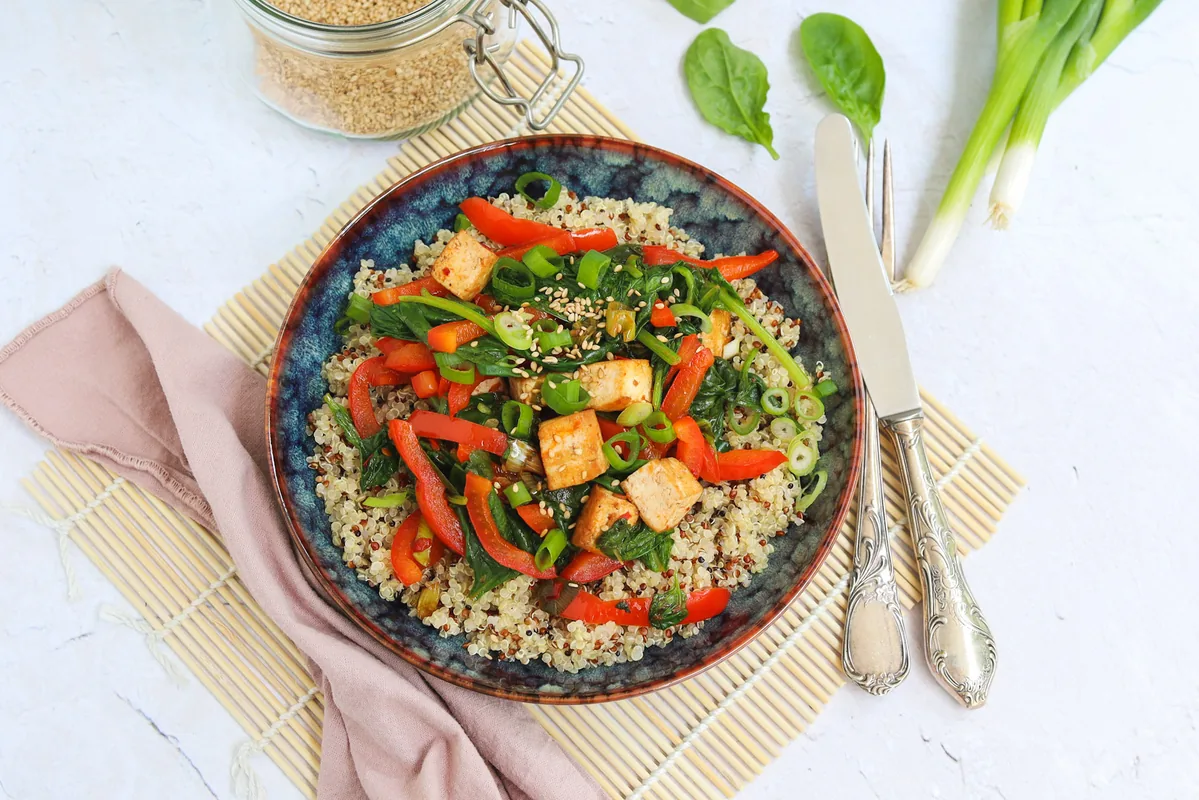
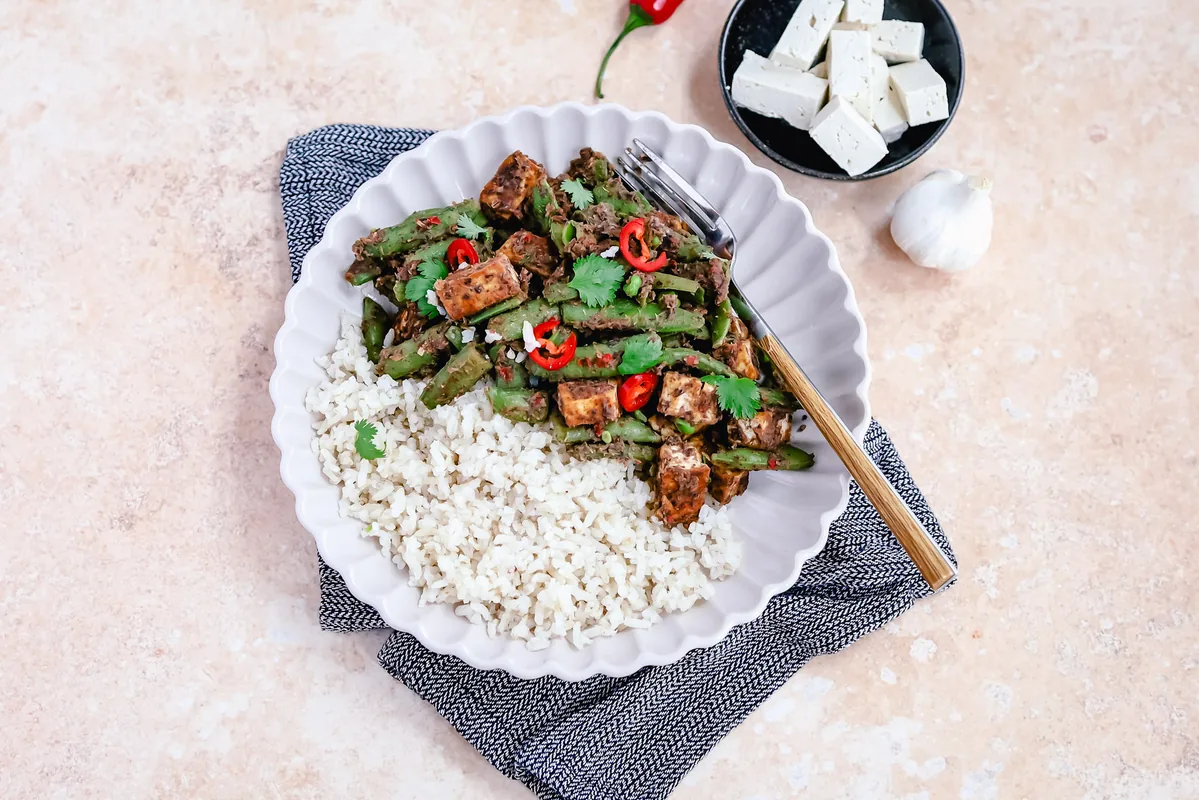
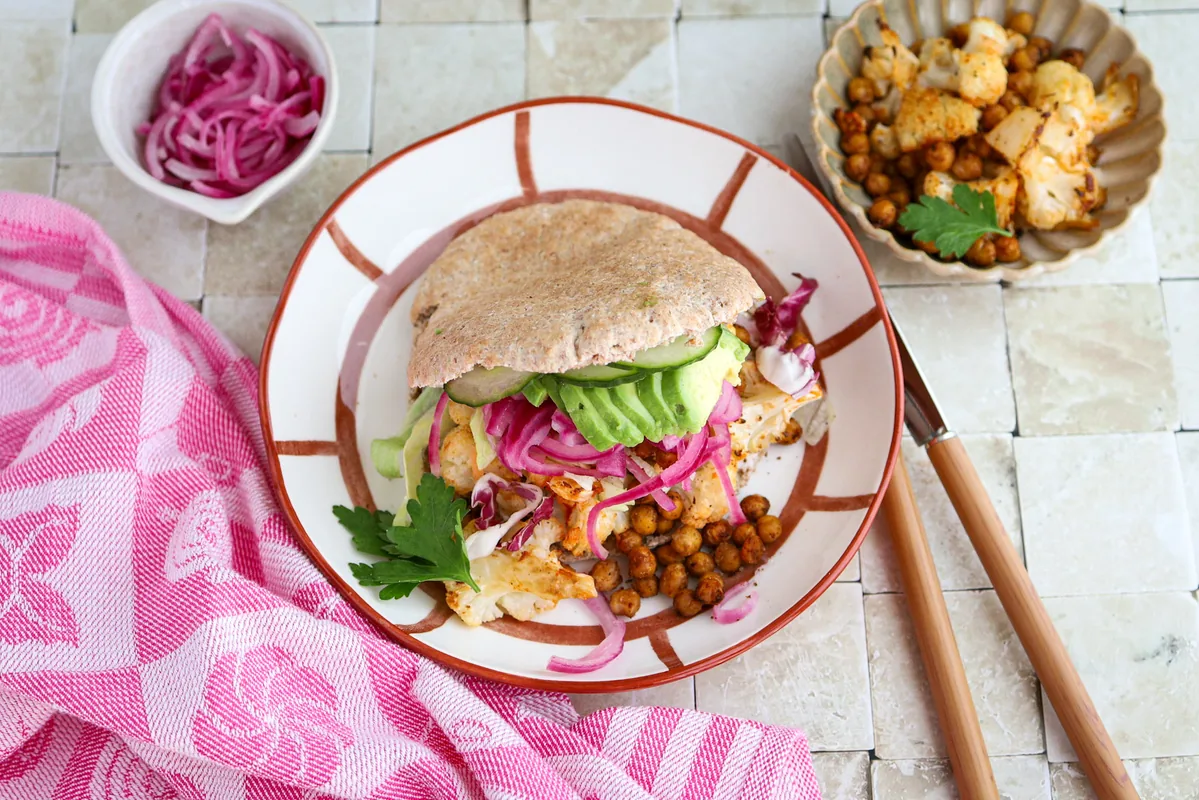
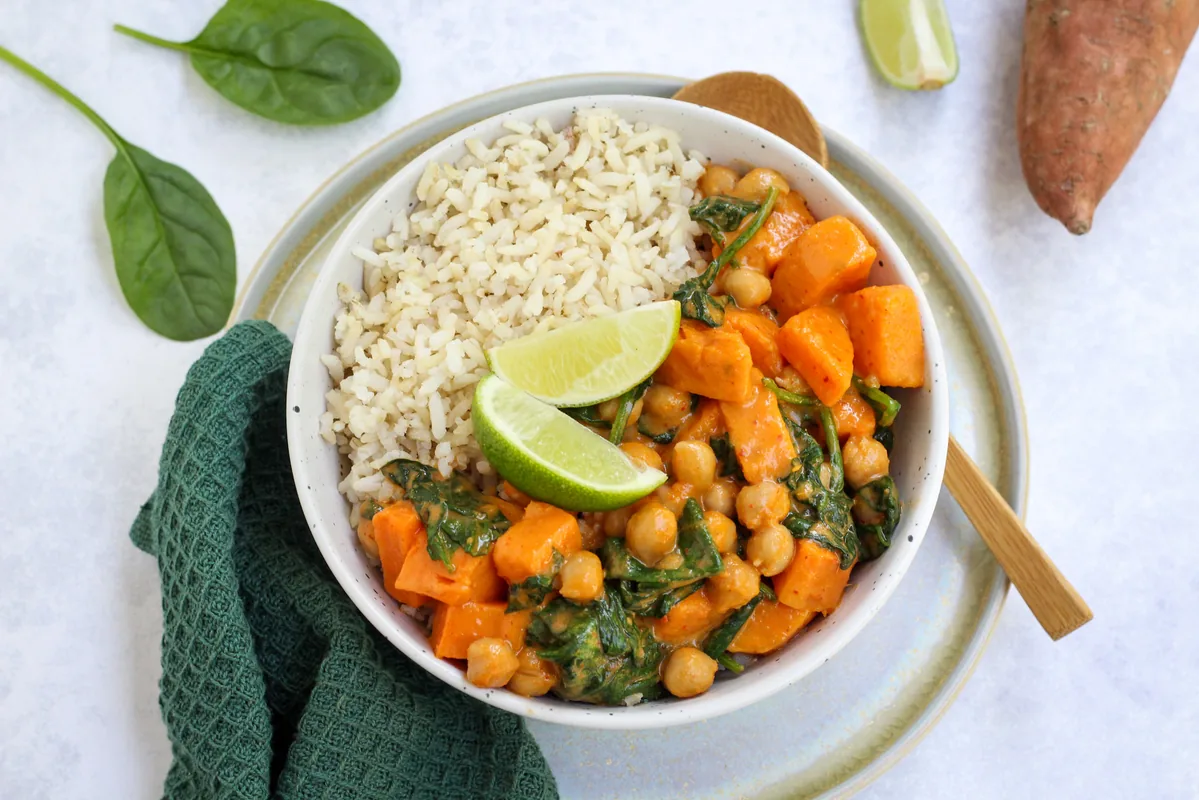
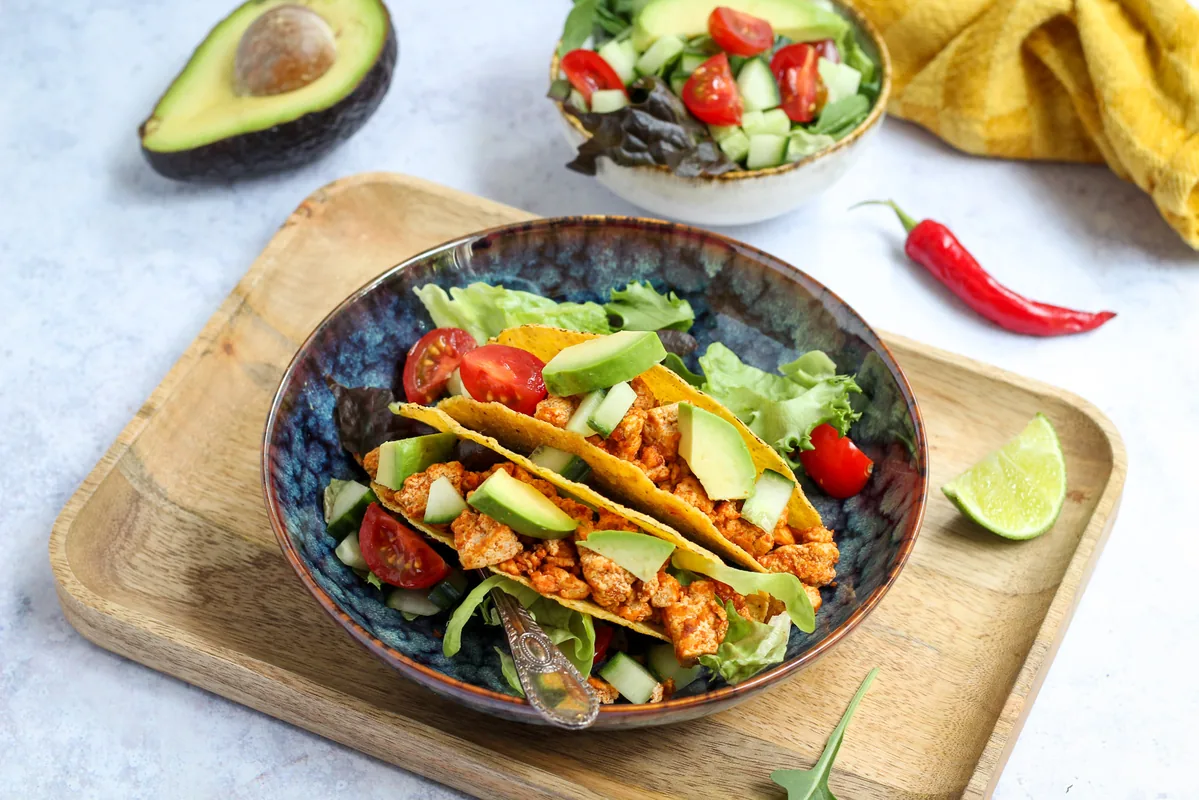
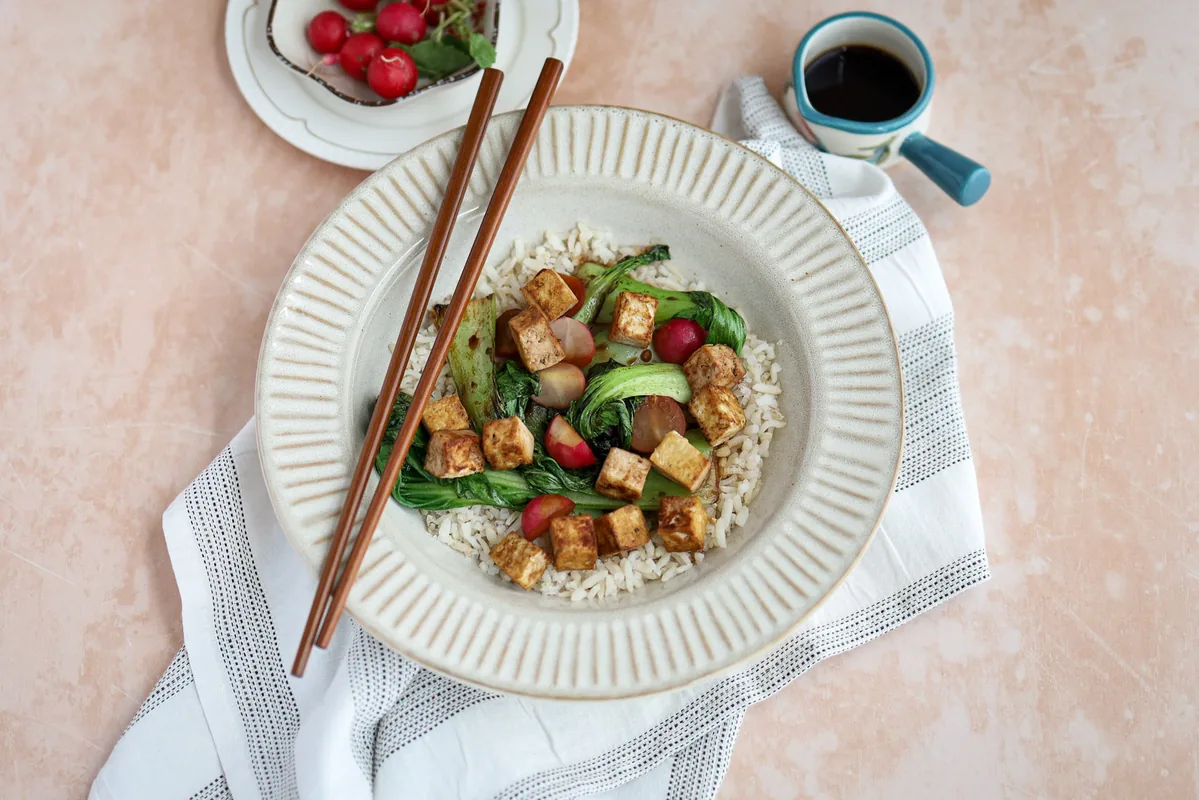
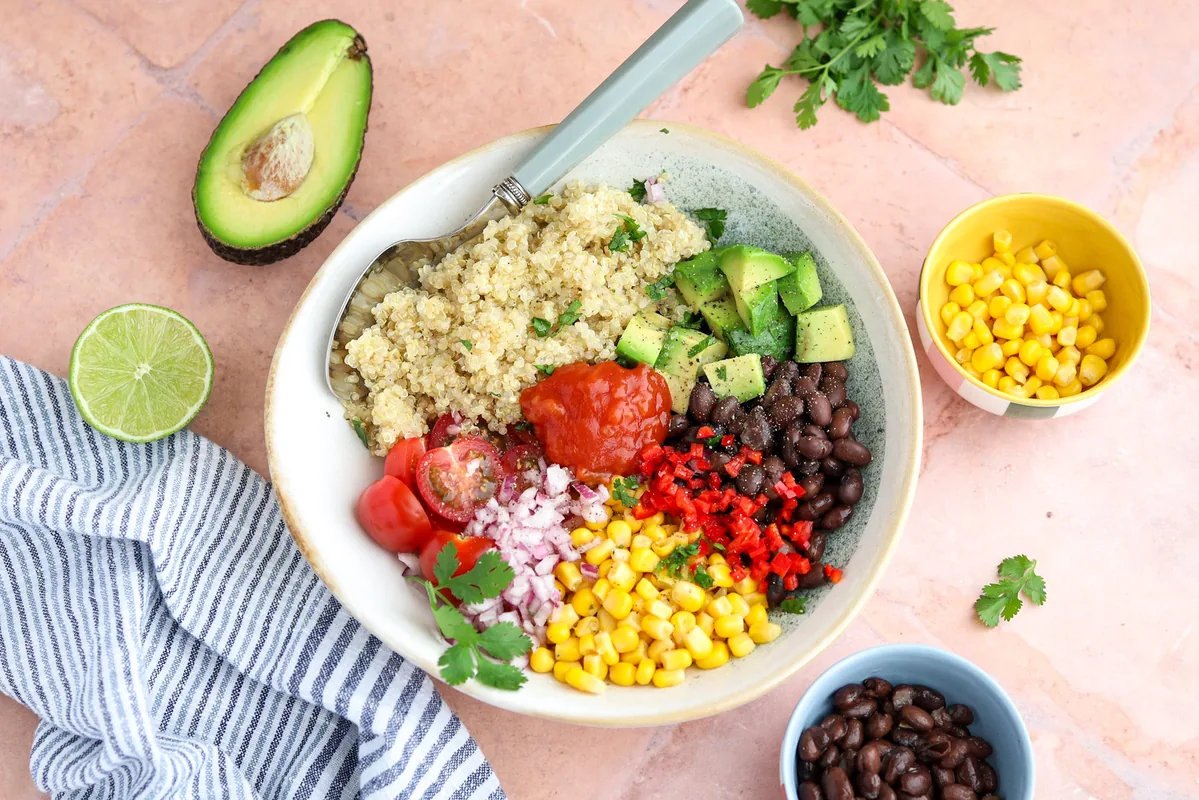
The protein question spans the full range. Non-vegetarian recipes deliver a median of 34g. The 181 vegetarian dinners land at 24g. A 12-week trial combined with a 9-study meta-analysis found no difference in muscle growth when total protein reached 1.6 g/kg, whether the source was plant or animal. The practical gap between a chicken stir-fry and a tofu bowl is smaller than most people assume.
Nearly 4 in 10 recipes connect directly to a peer-reviewed finding. The cooking method determines whether a nutrient multiplies or disappears.