


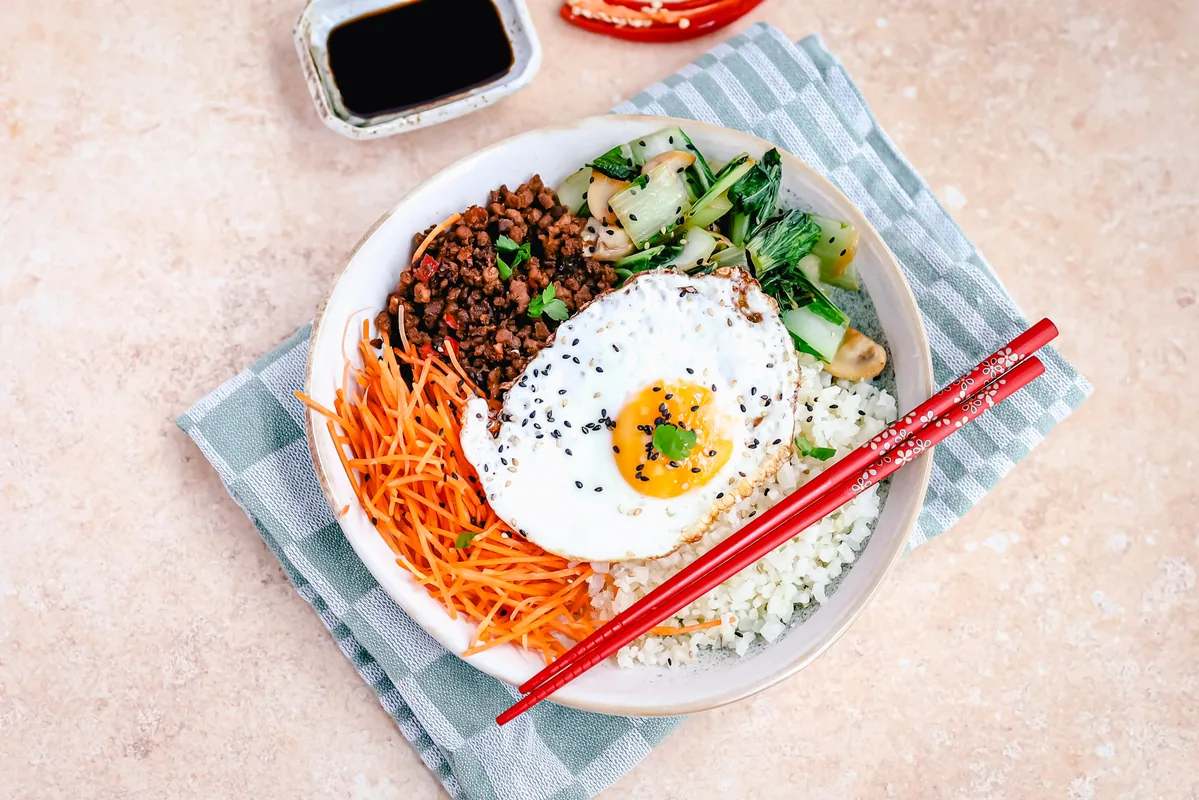
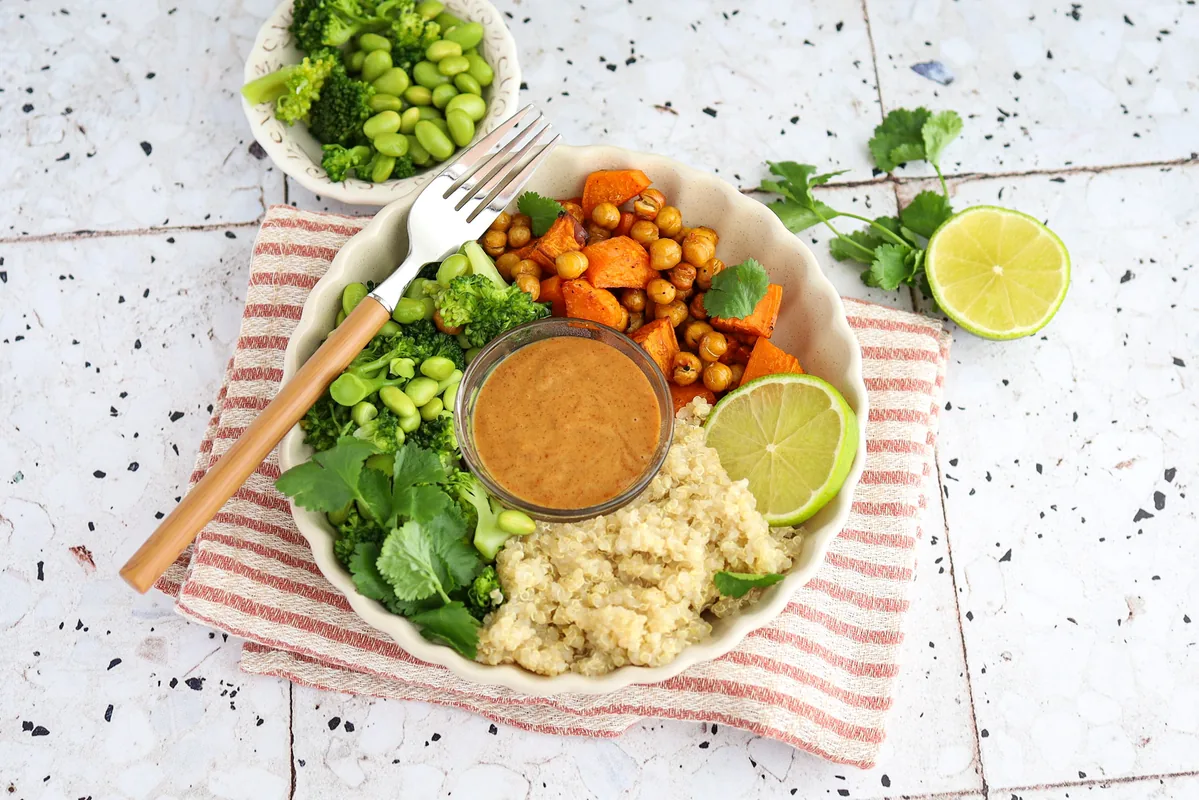

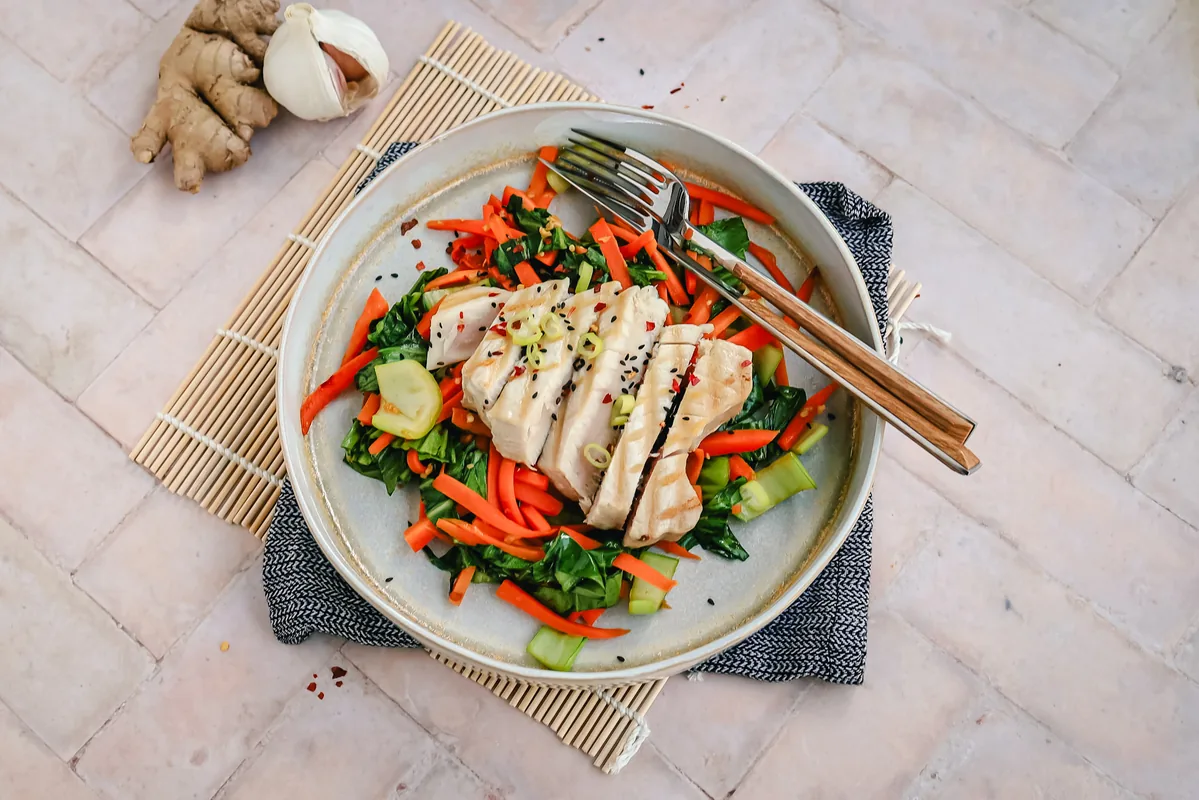
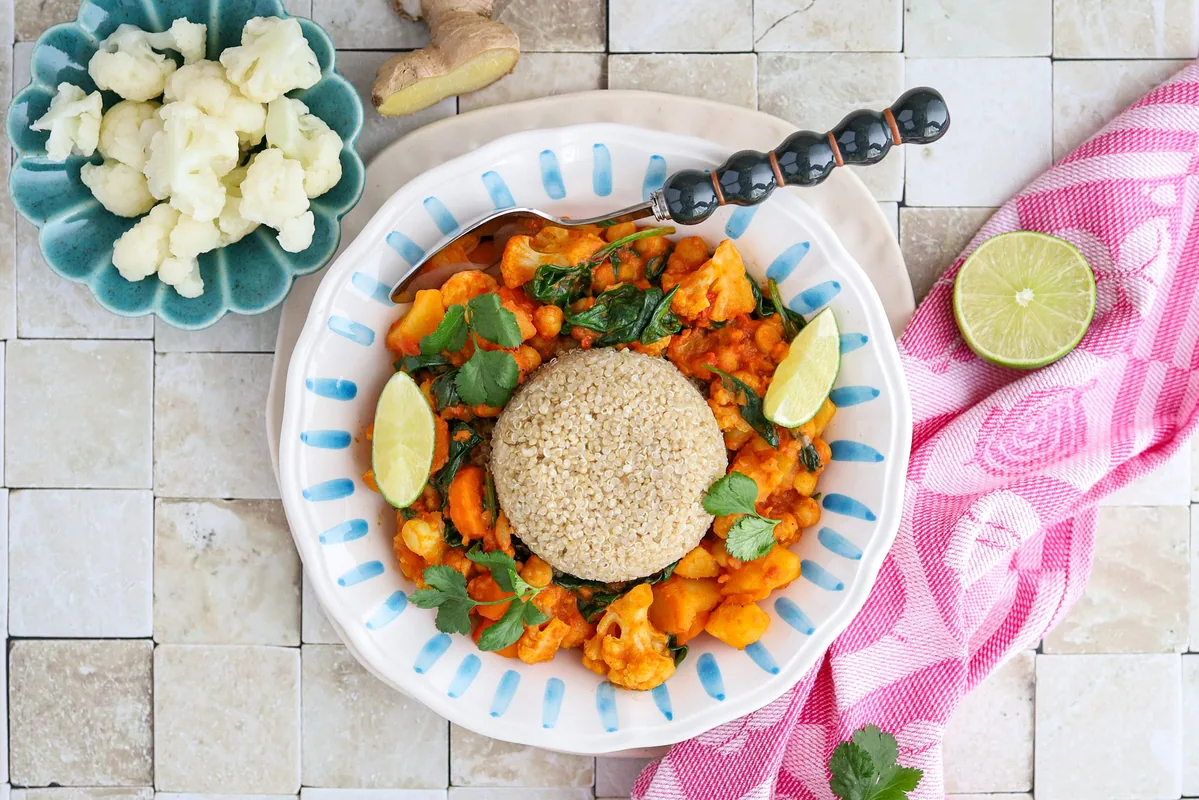







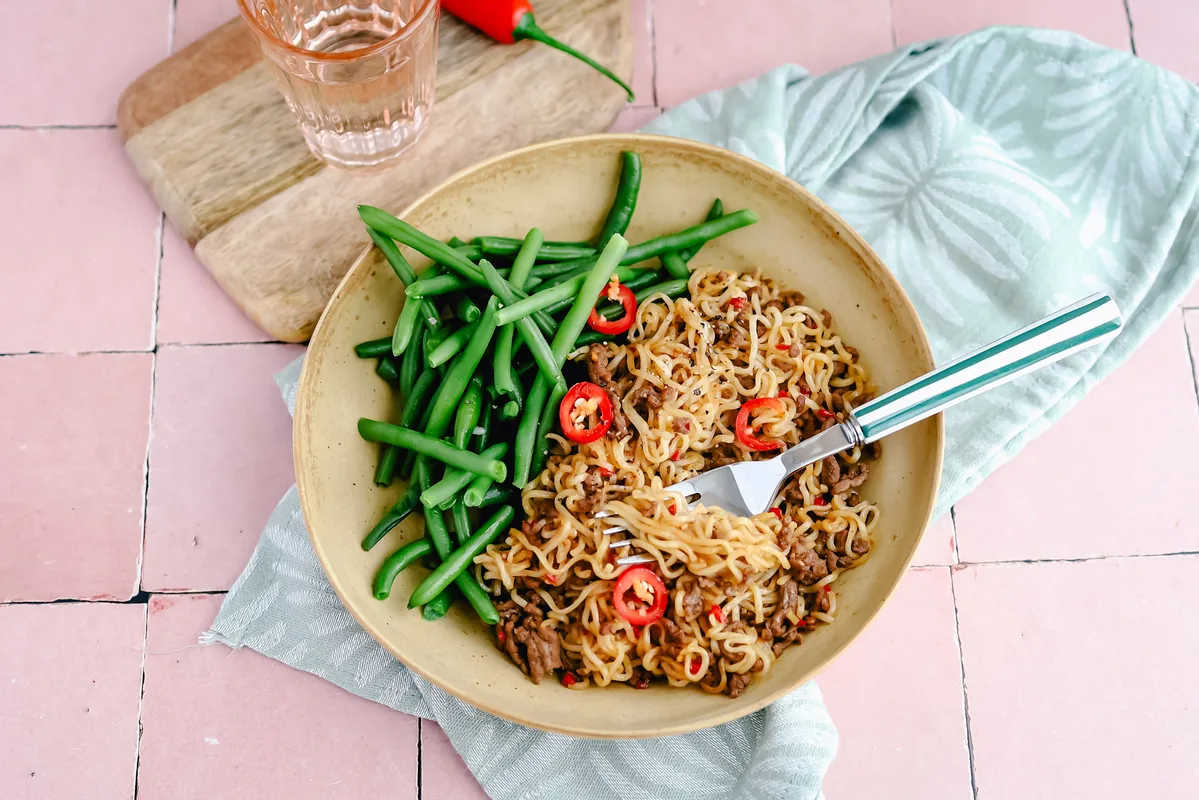
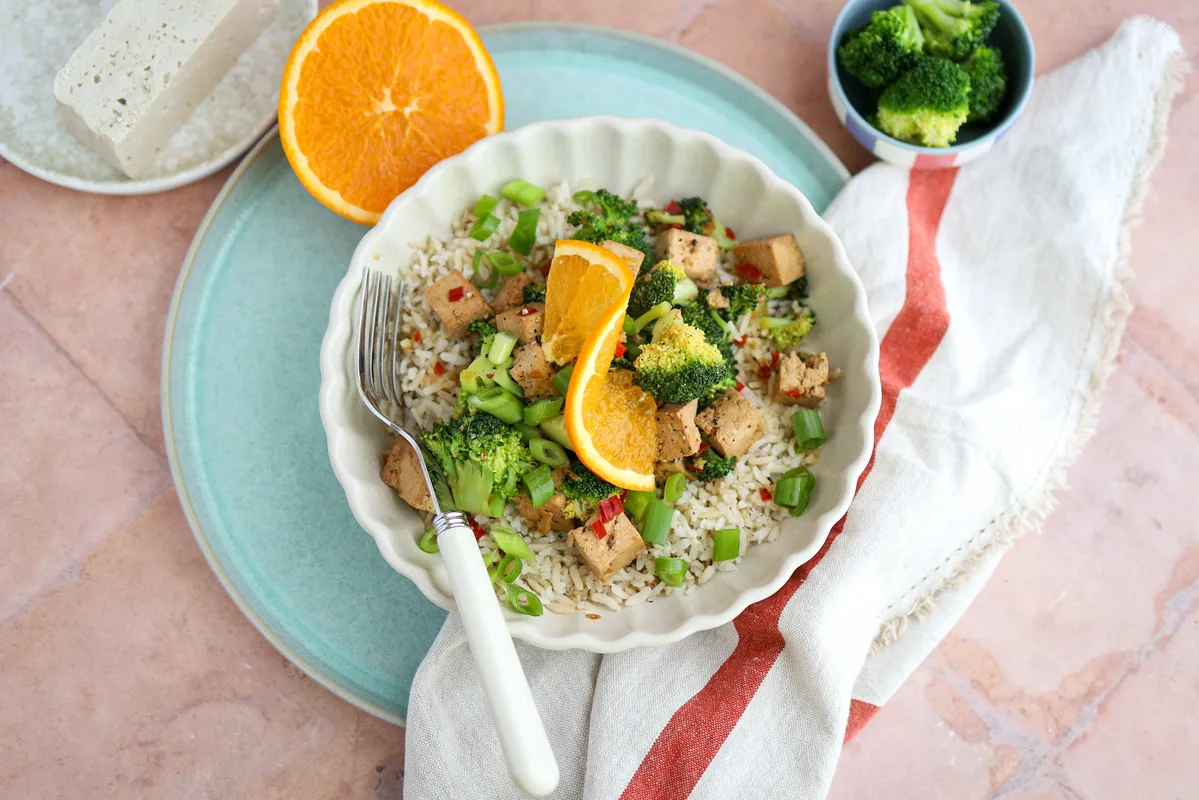
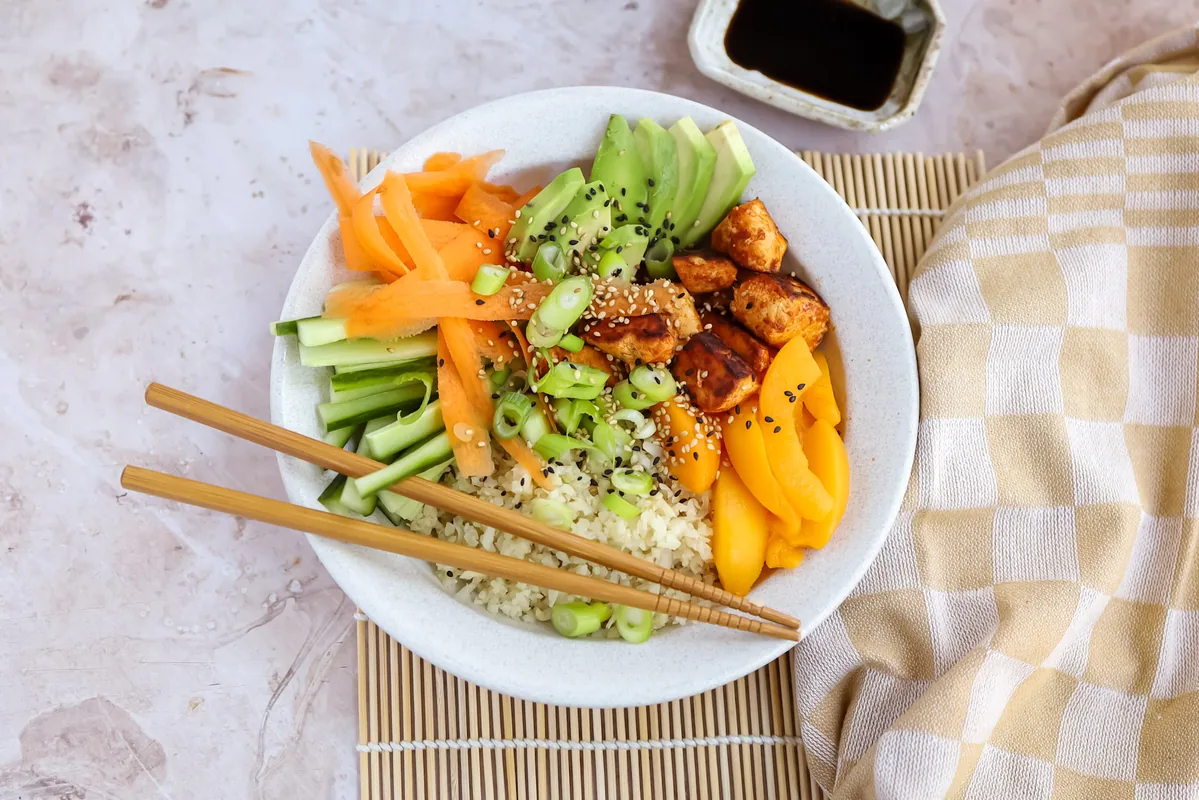
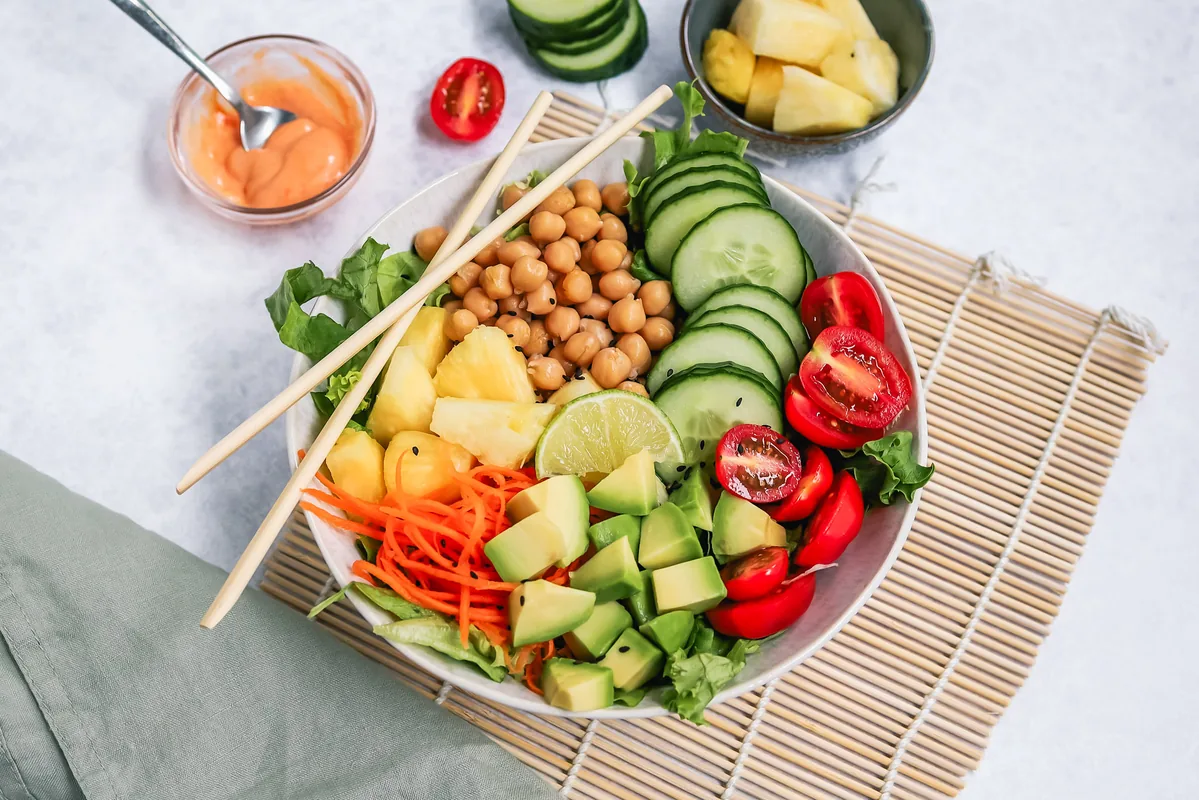

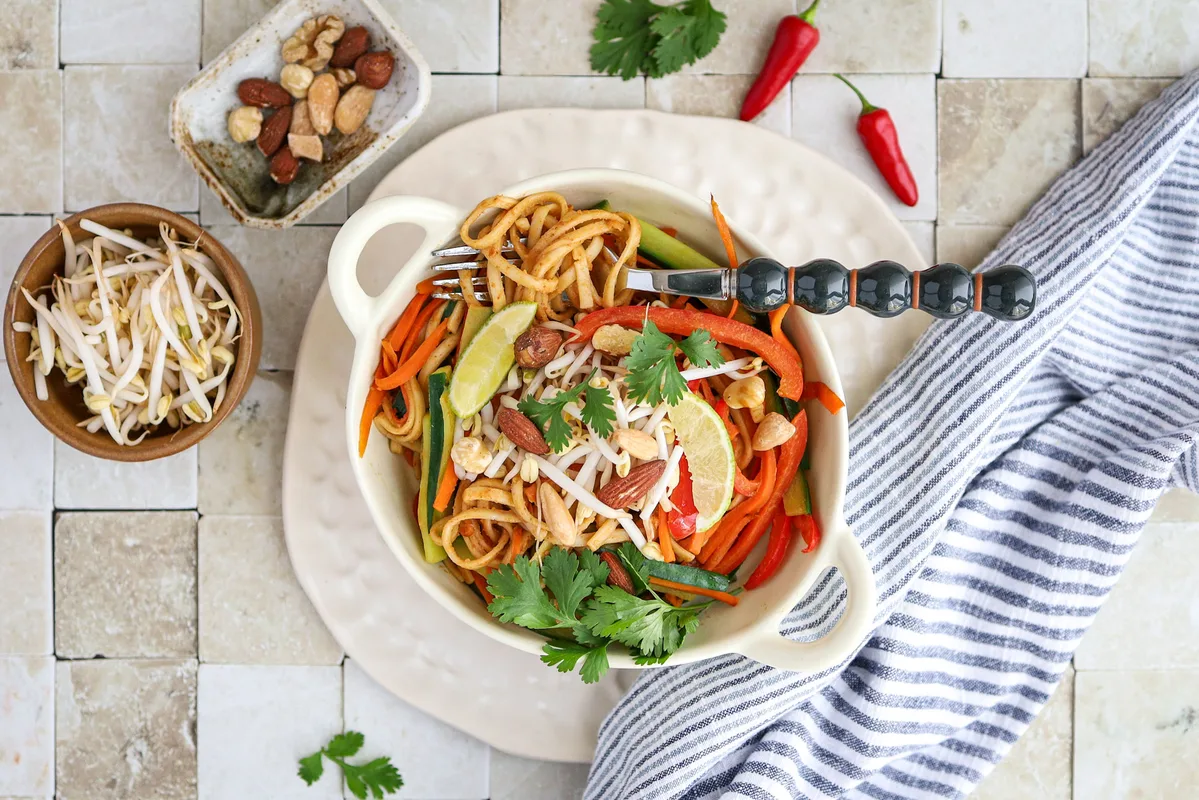
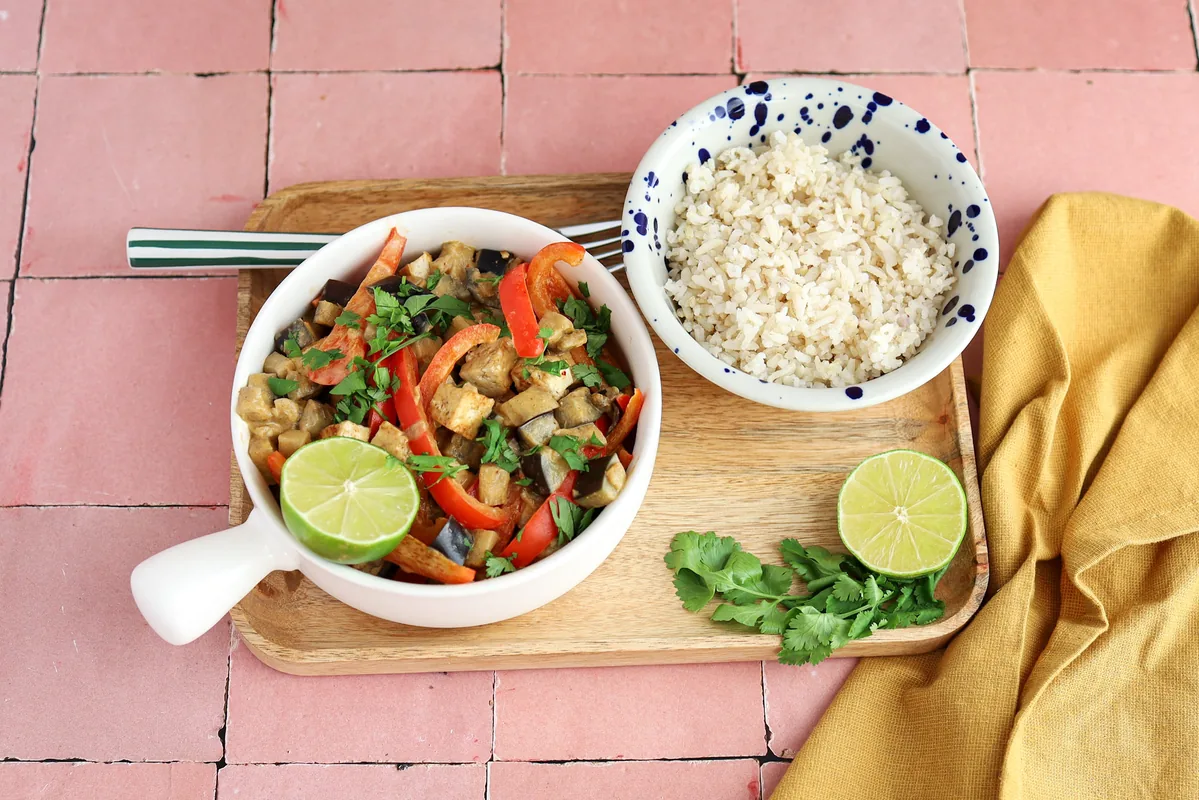
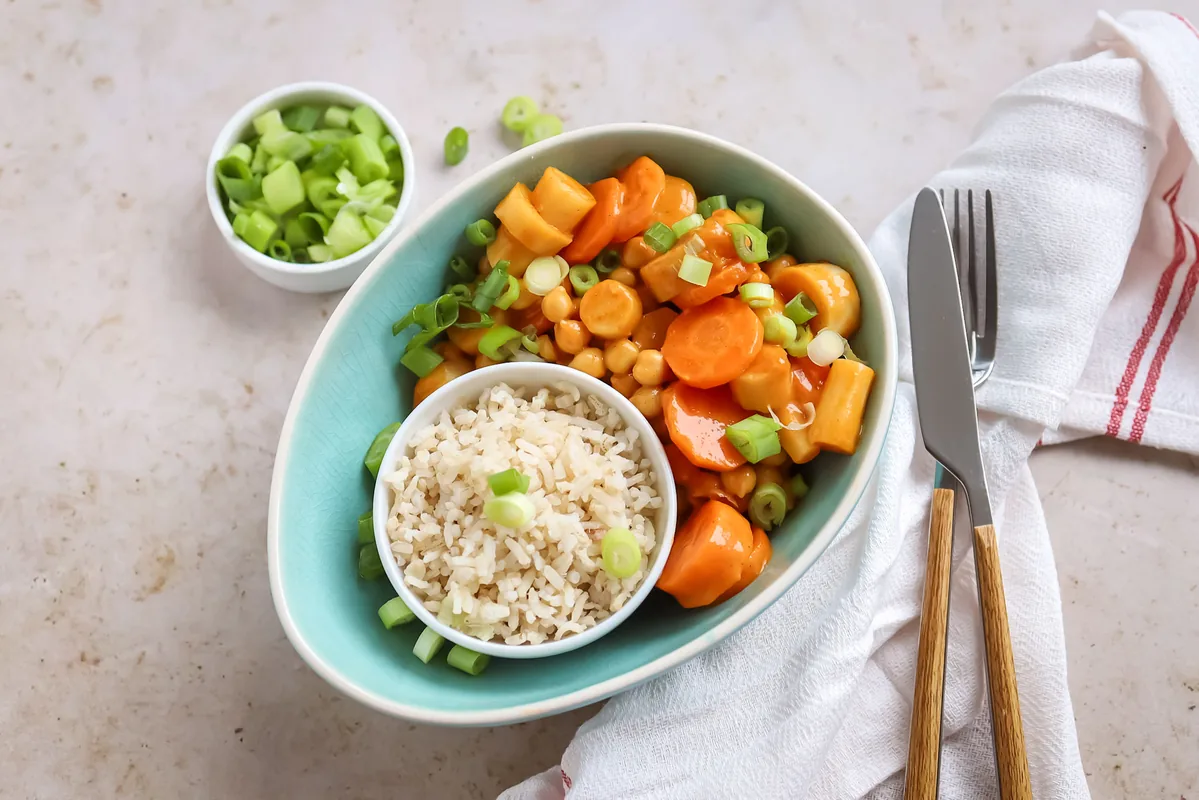
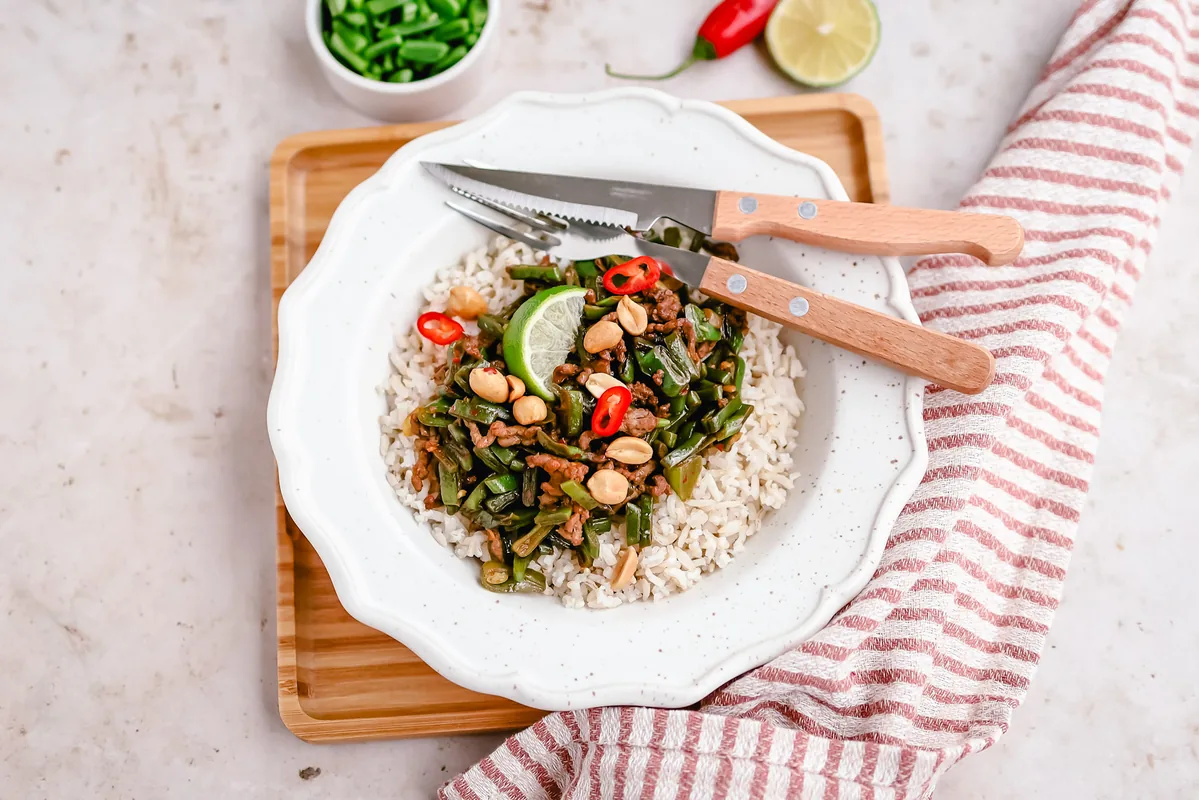
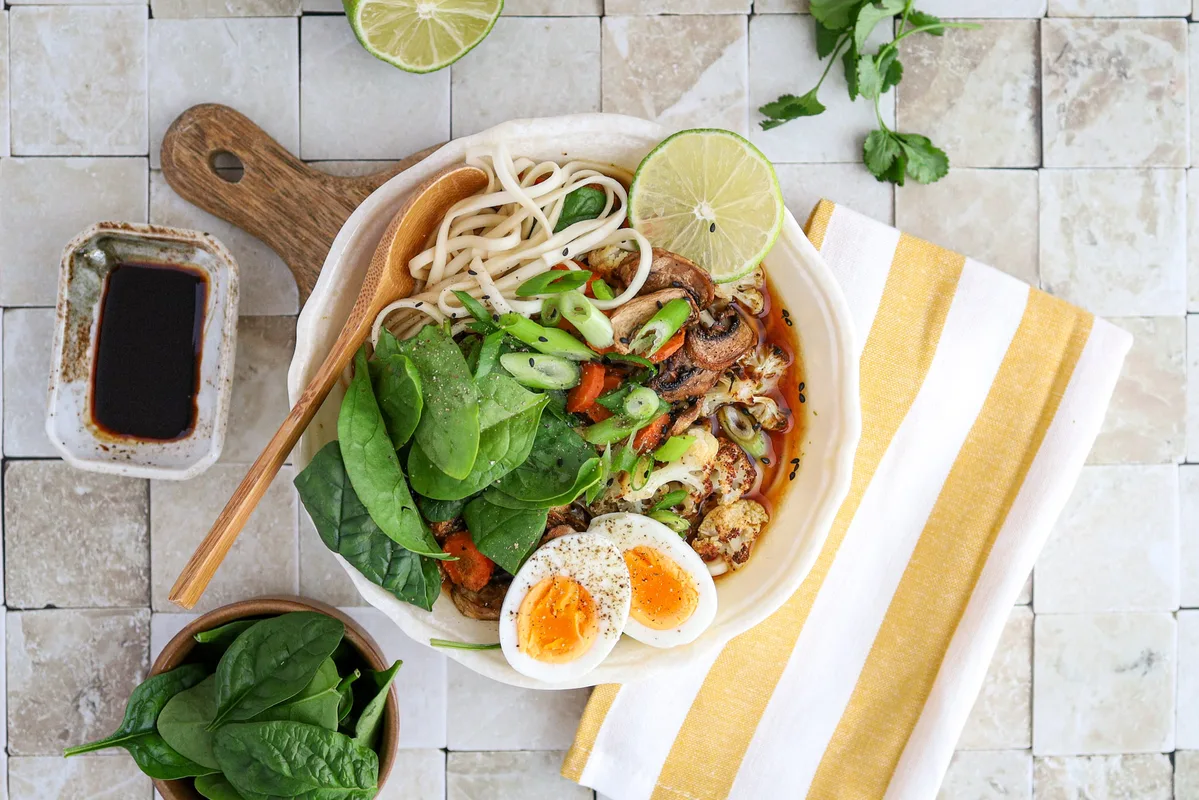


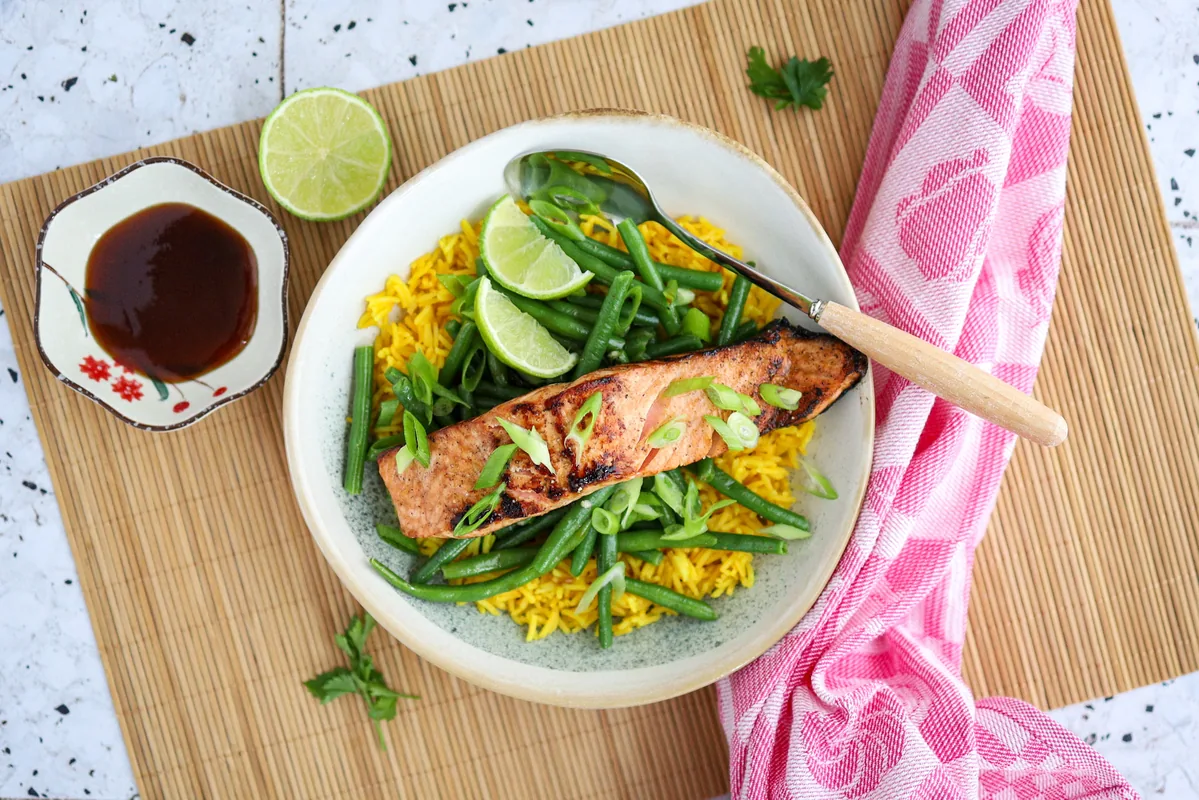

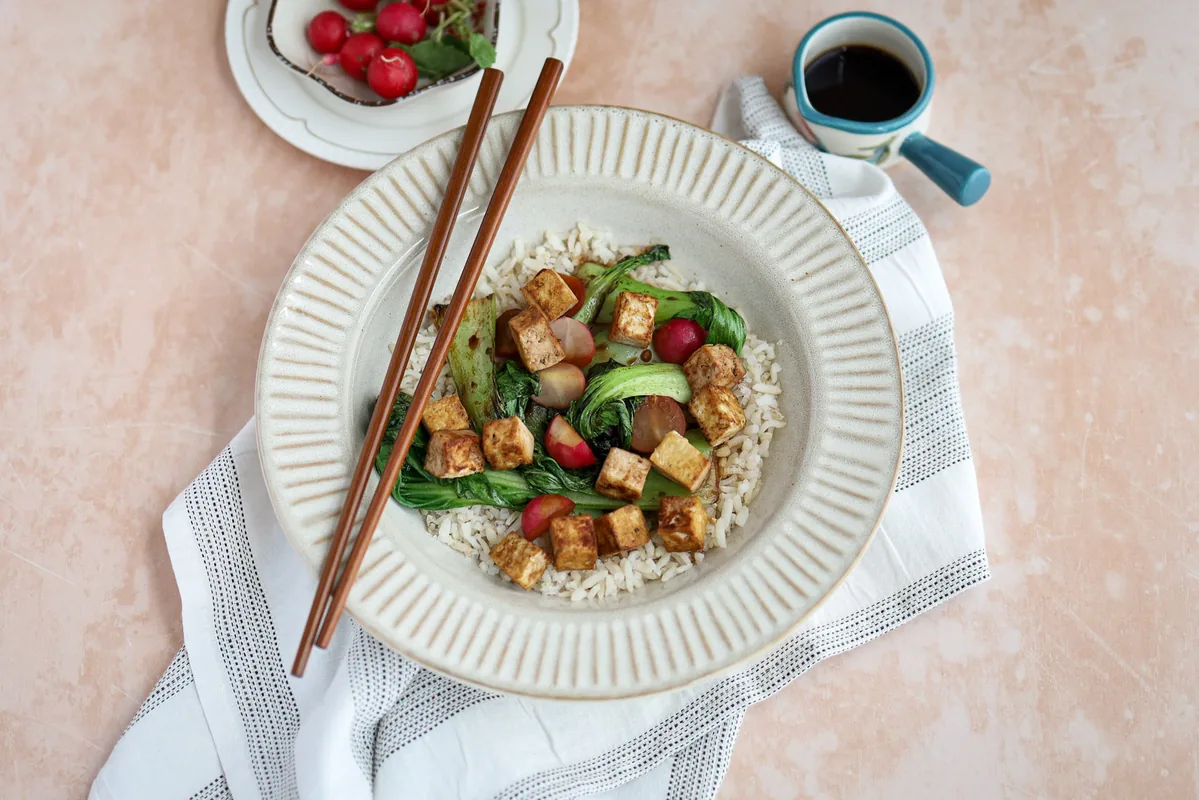
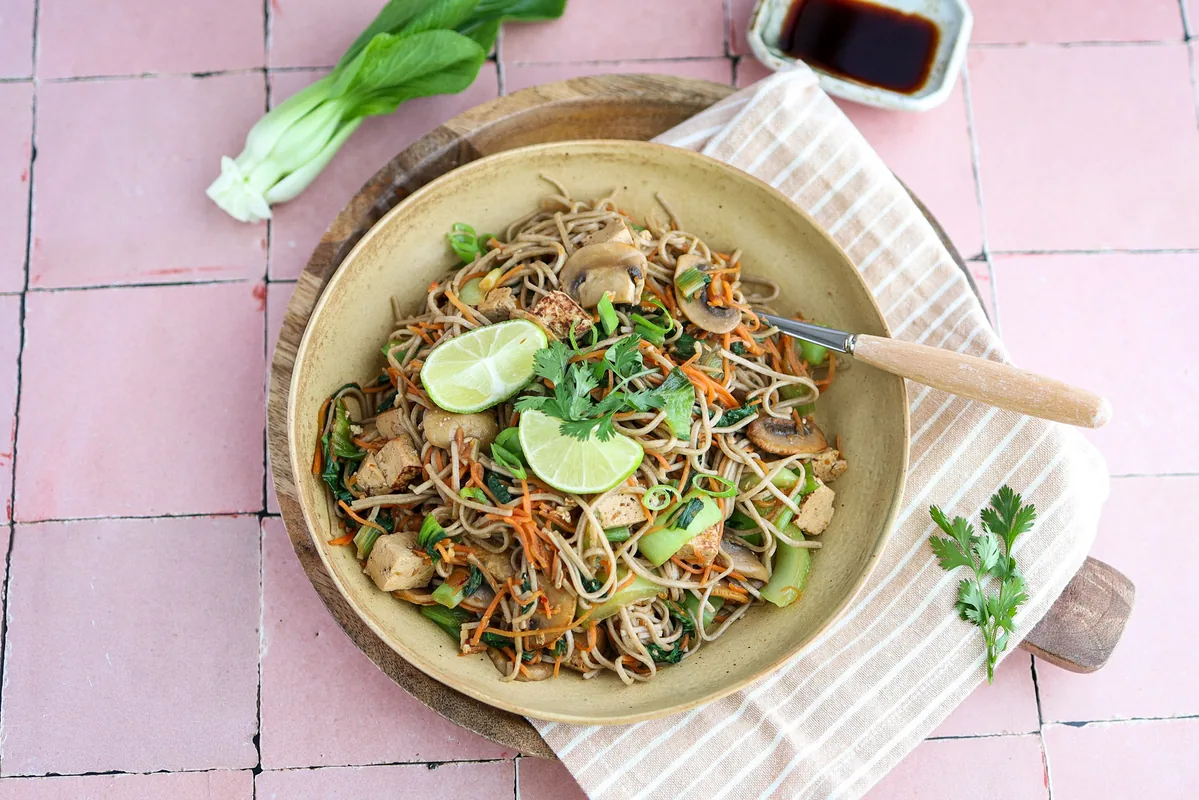
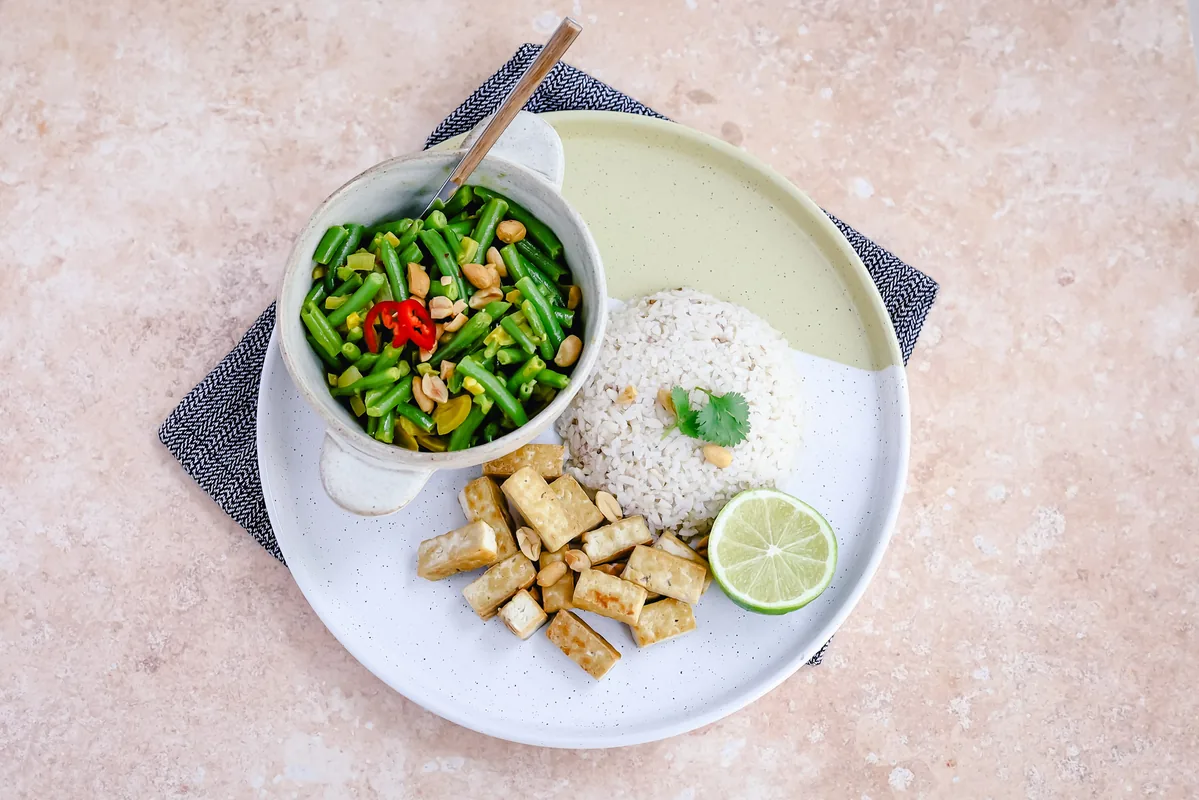

Fermented soy sauce added to a rice meal tripled iron absorption — from 3.5% to 11.4% (P=0.0002). Not a supplement. Not a special ingredient. The condiment already sitting on the table, doing something the label never mentioned.
One finding of six. Stir-frying carrots pushed beta-carotene absorption from 11% to 74% — a 6.5x increase measured with isotope-labeled carrots, the gold standard for tracking what actually reaches the bloodstream. Turmeric powder consumed in a fat-containing curry delivered 44 times more curcumin than the same dose taken alone. Garlic and onion, the aromatics that go in the pan first because the dish tastes flat without them, rescue iron from plant sources. Peanut butter blended into a high-carb sauce reduced the blood sugar spike by 30%.
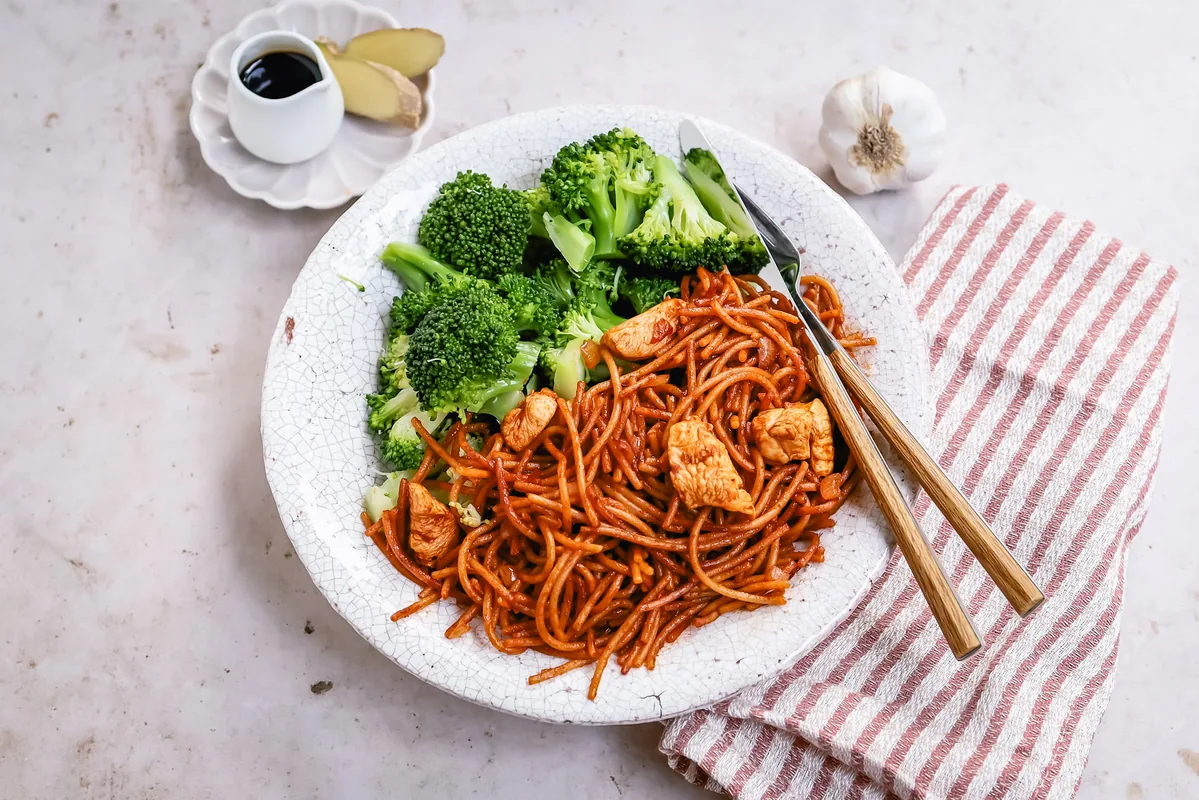
These are not exotic additions. They are the standard moves of Asian cooking — the soy sauce poured over fried rice, the turmeric stirred into curry, the garlic crushed before the oil gets hot. Each one was independently tested, and each came back as a measured multiplier.
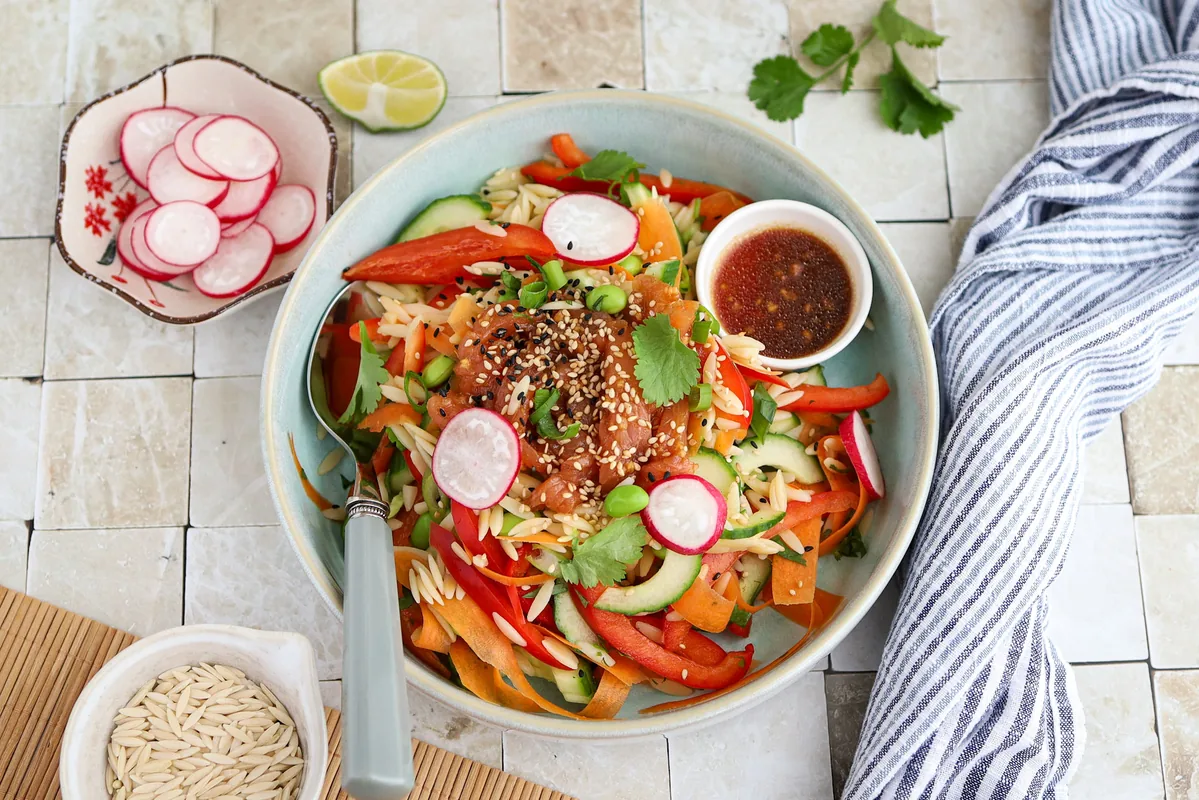
The collection runs 70 recipes across Chinese, Japanese, Indian, Indonesian, Thai, and Korean traditions. Median 31 grams of protein in 15 minutes. 94% naturally dairy-free — not because dairy was removed, but because these cuisines never used it. And 20% of the recipes combine plant and animal protein in the same bowl — the kitchen tradition that protein-equivalence research has since validated.