

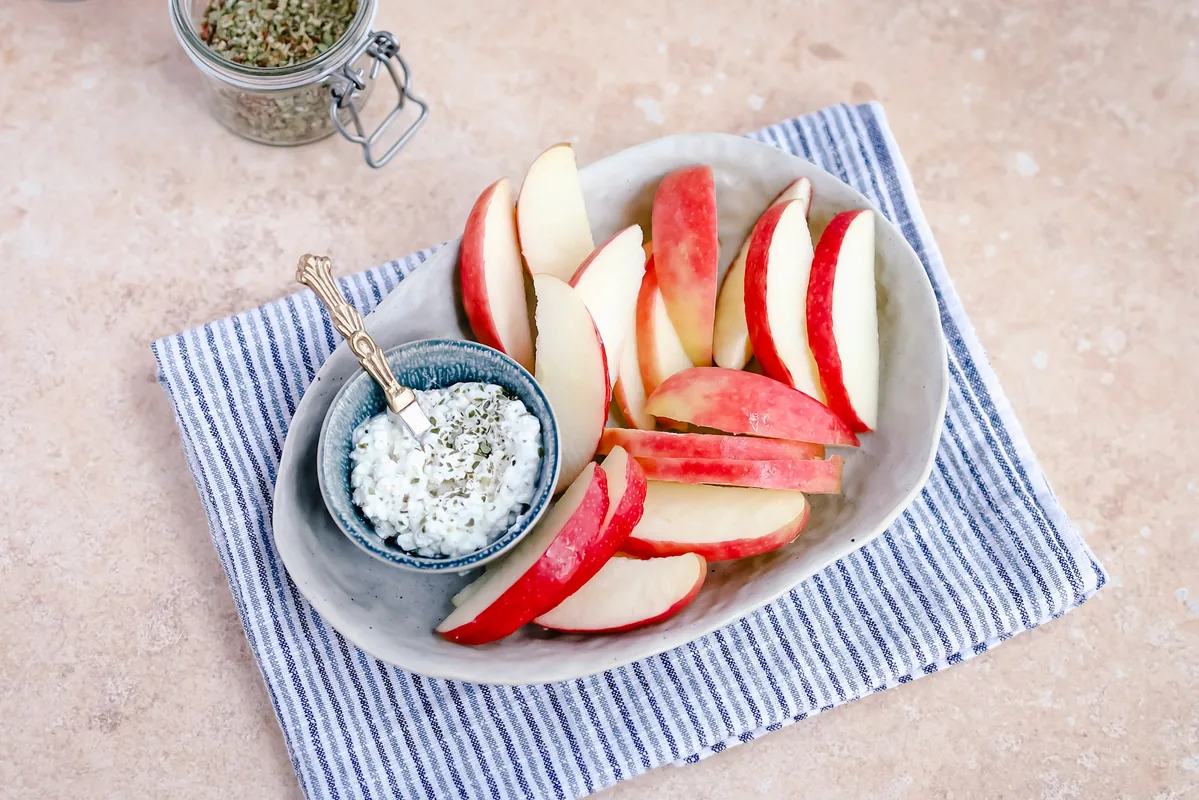
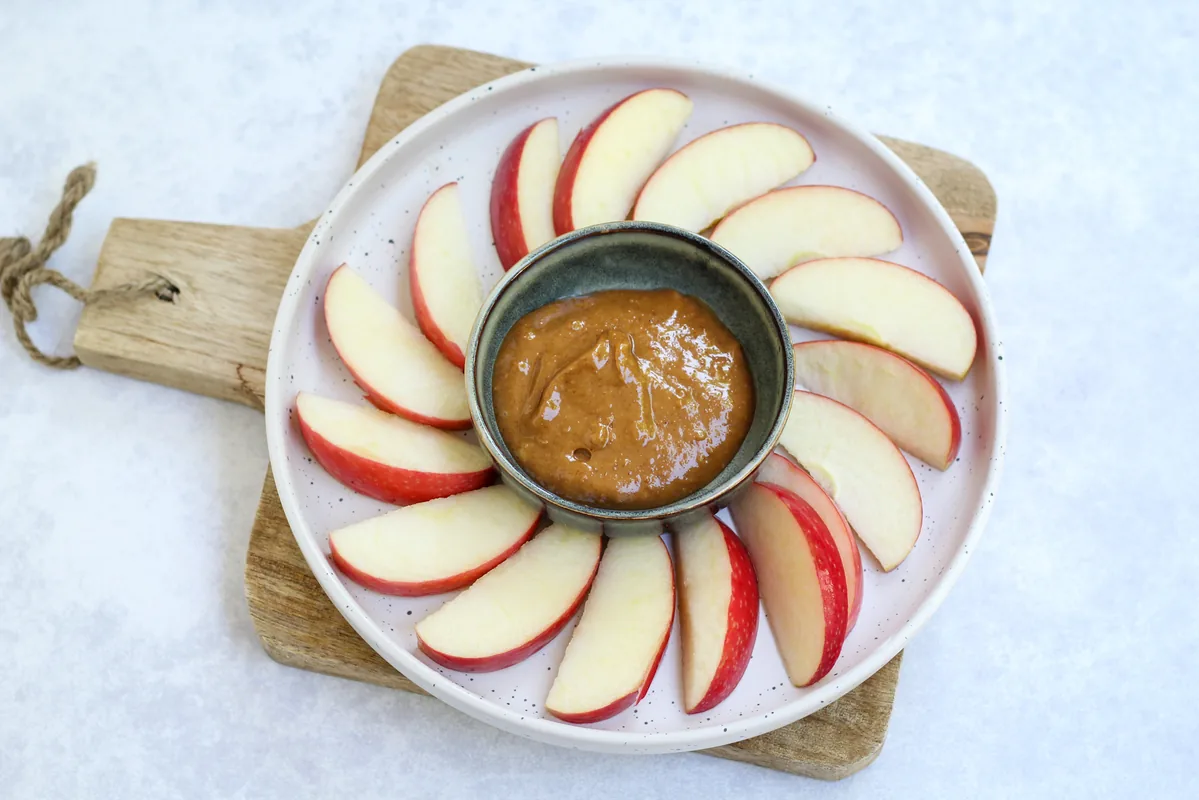



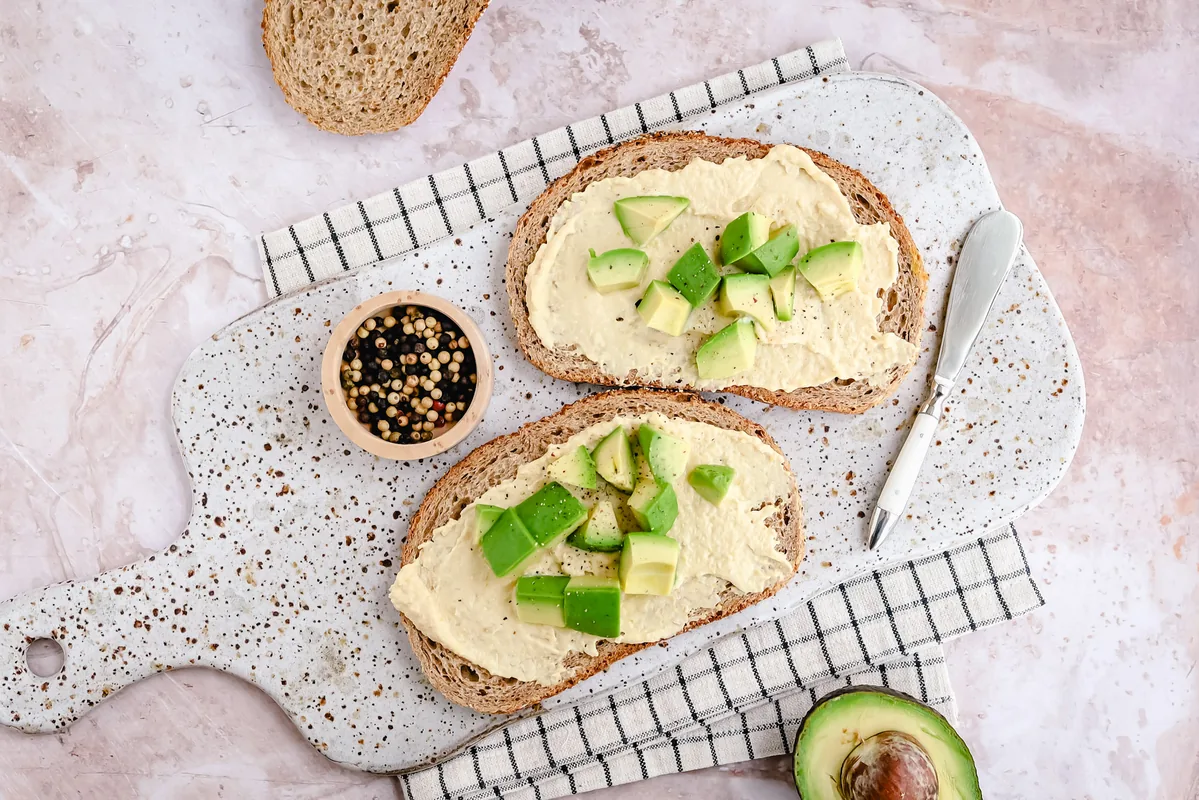


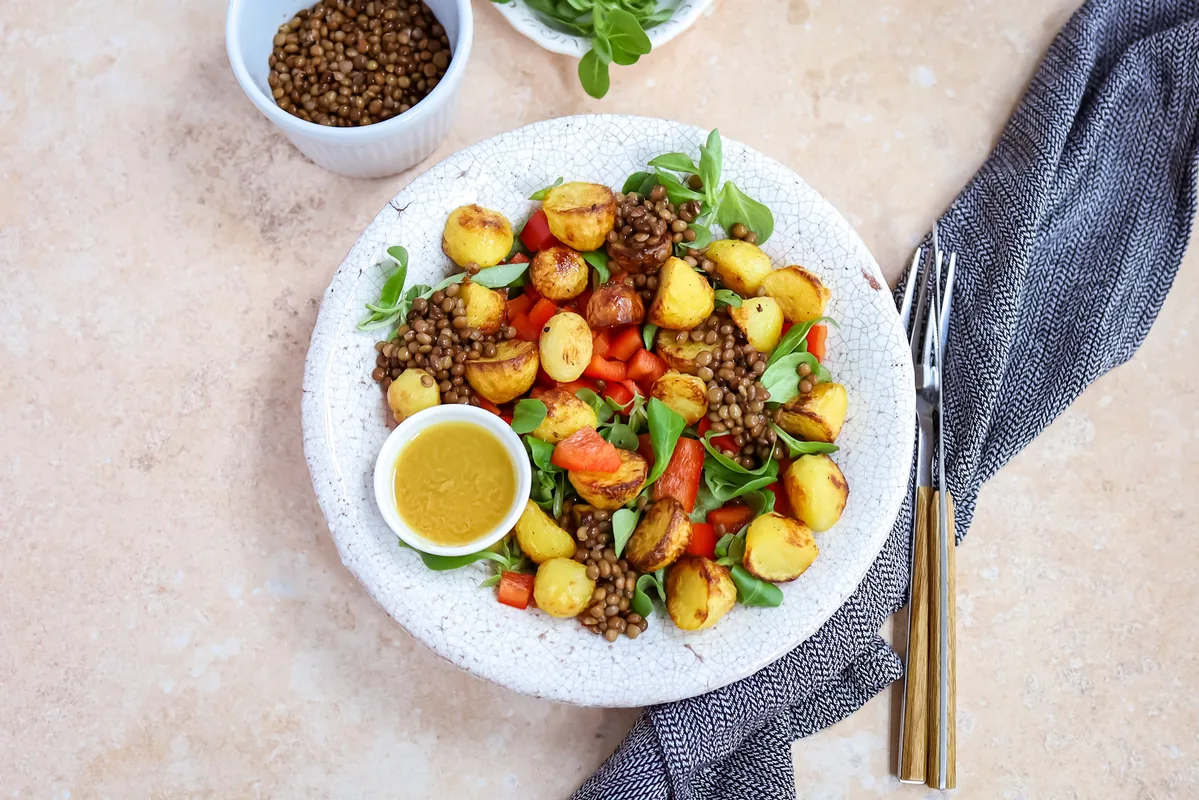












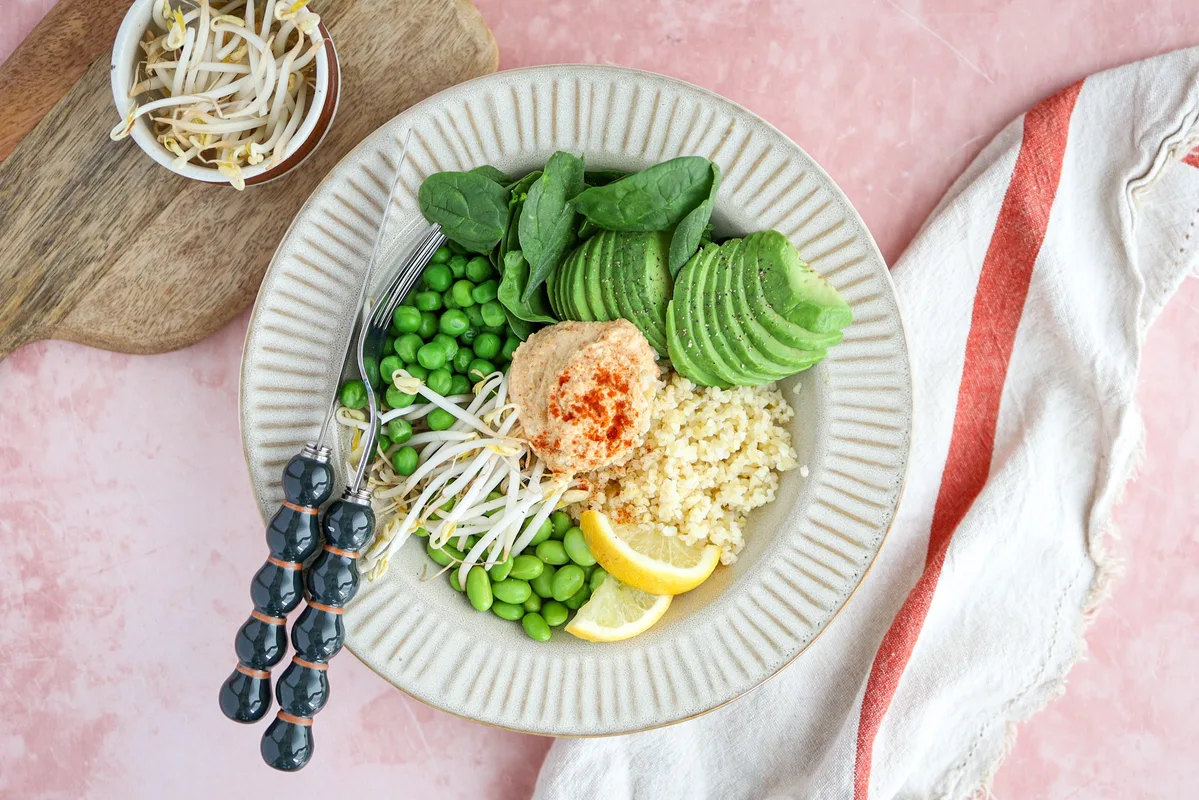
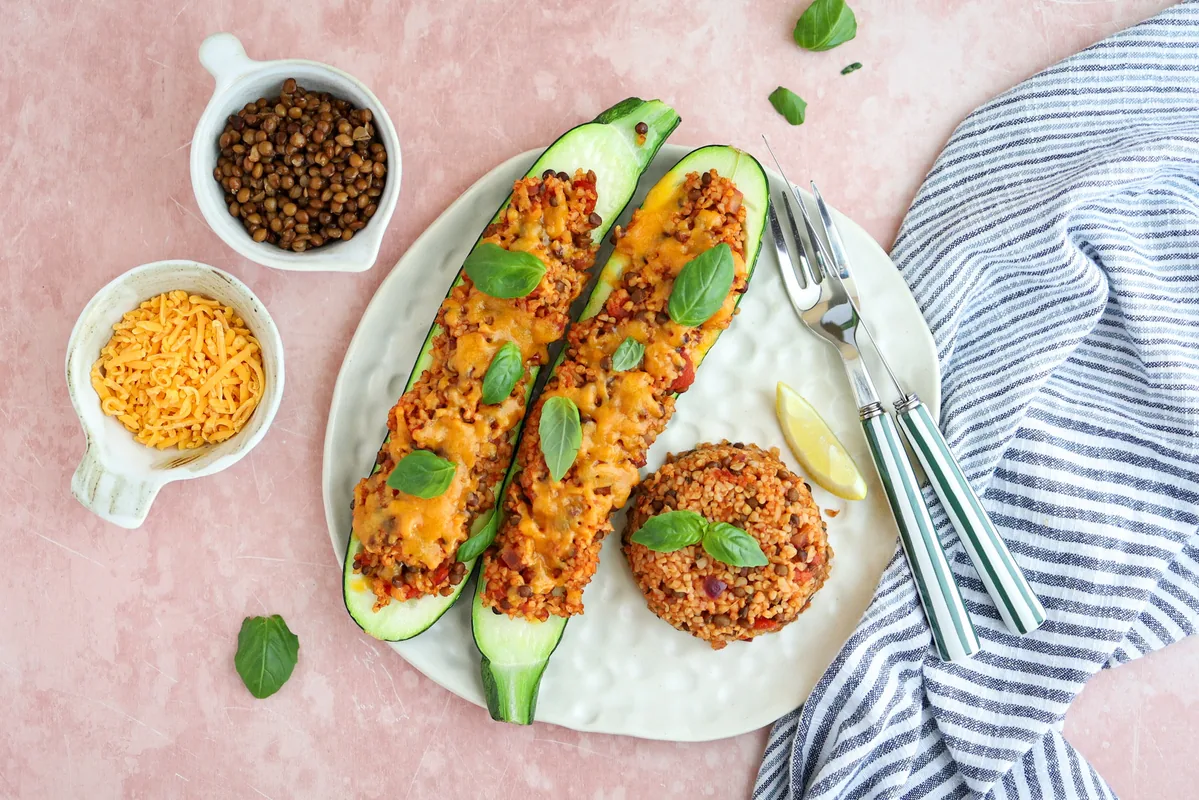
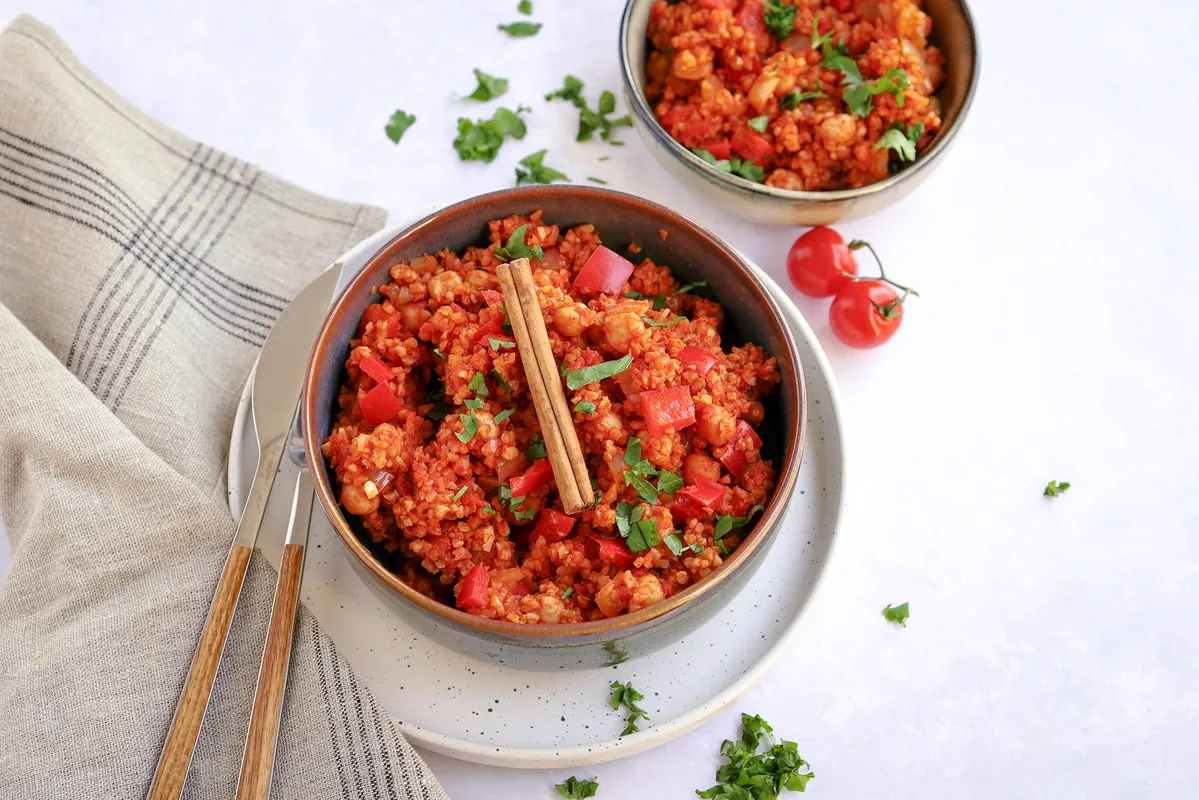
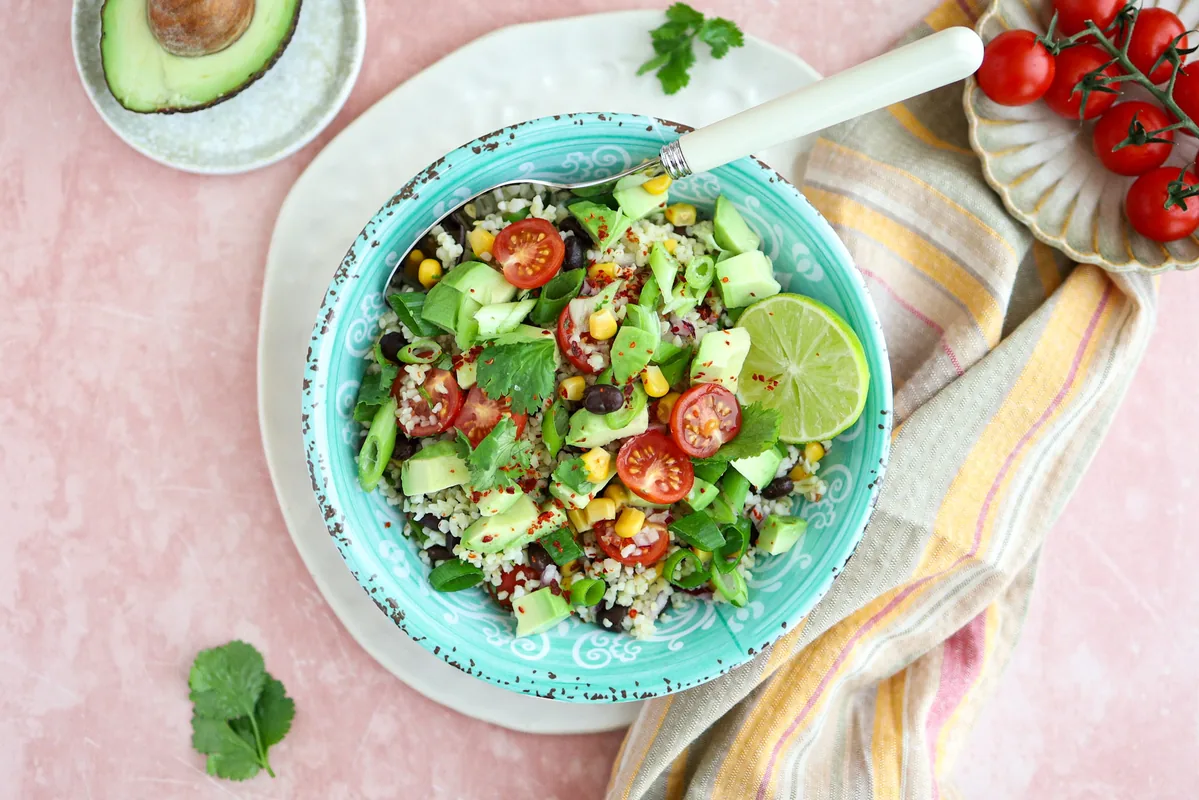










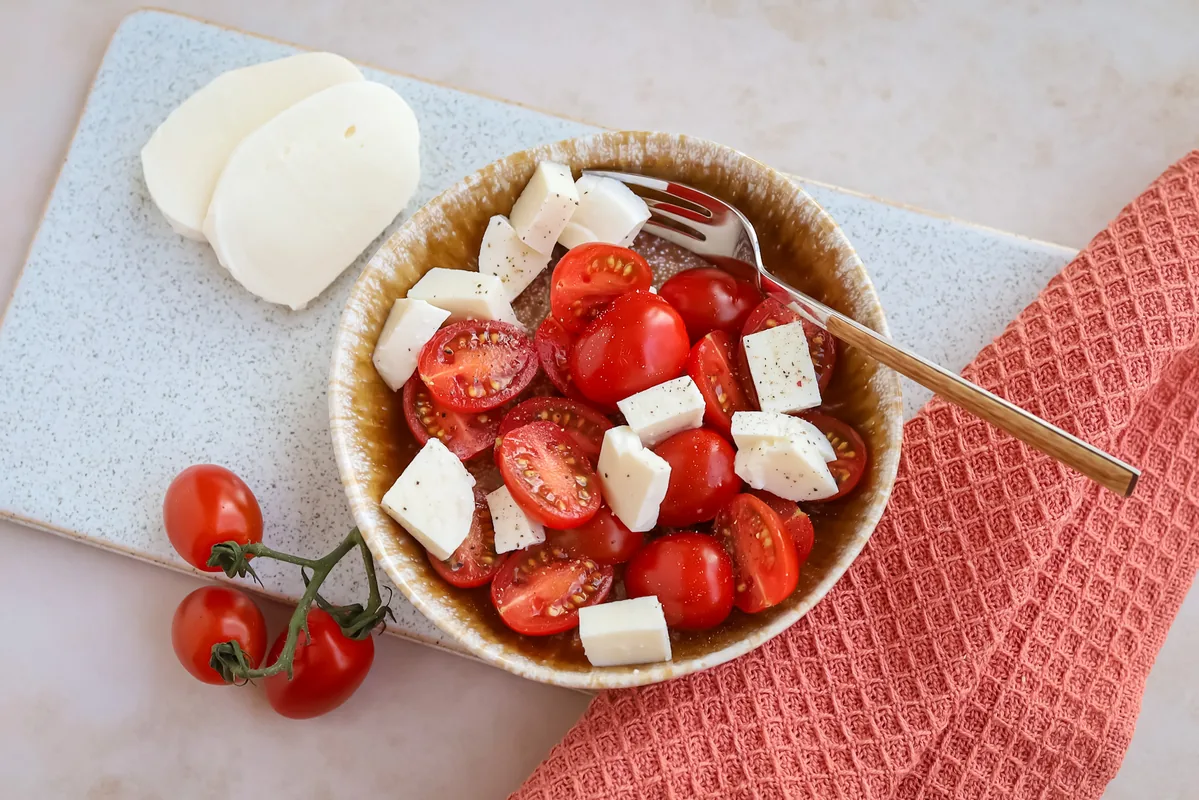
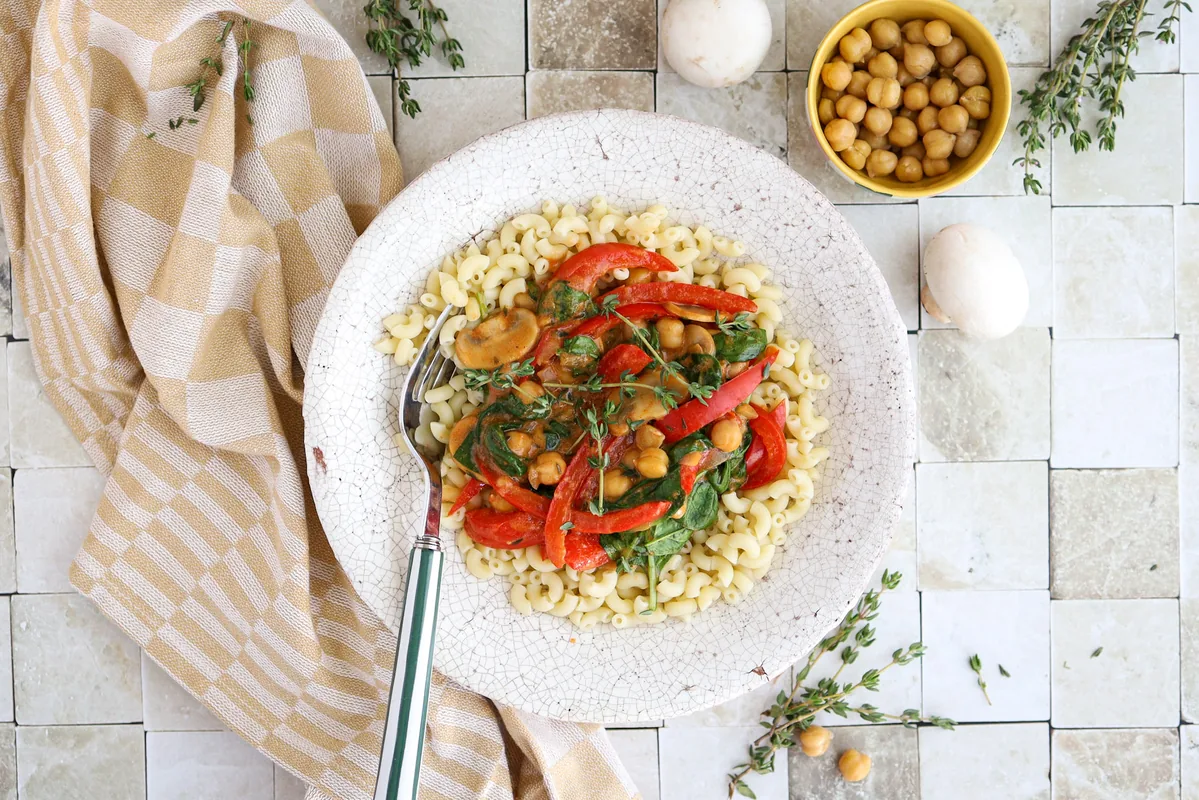
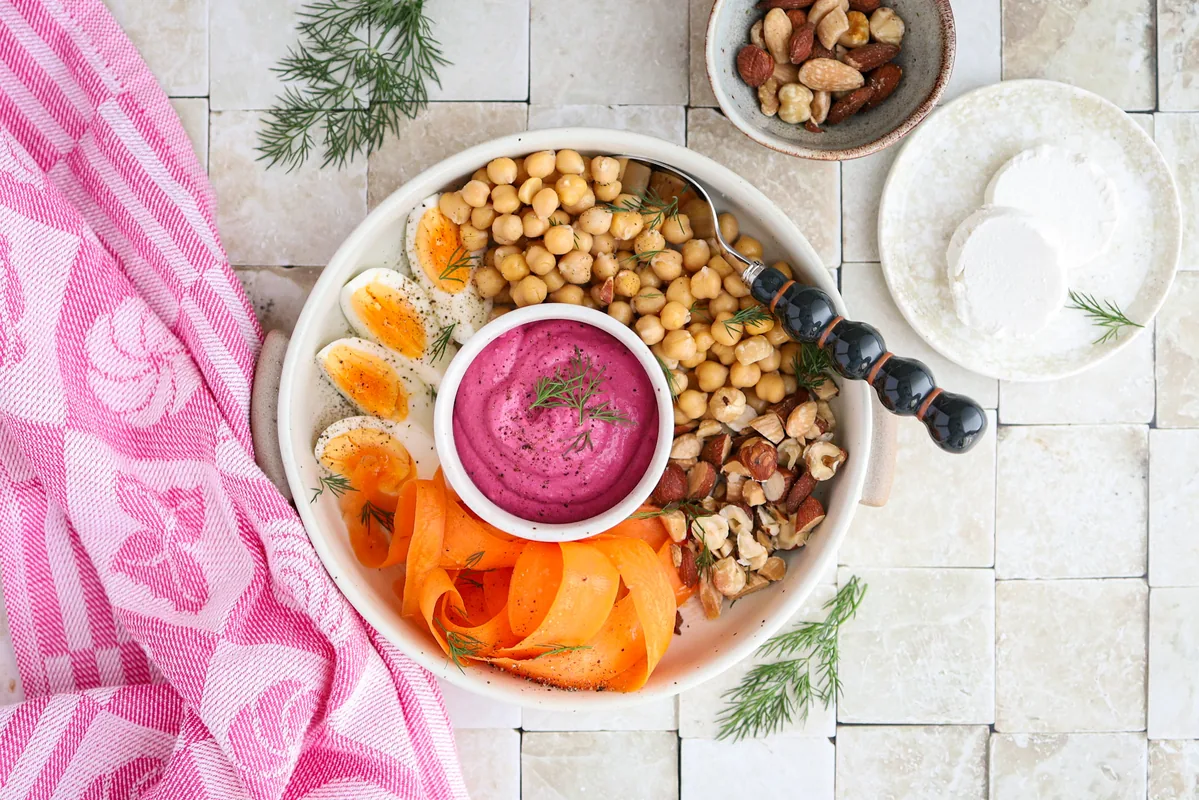
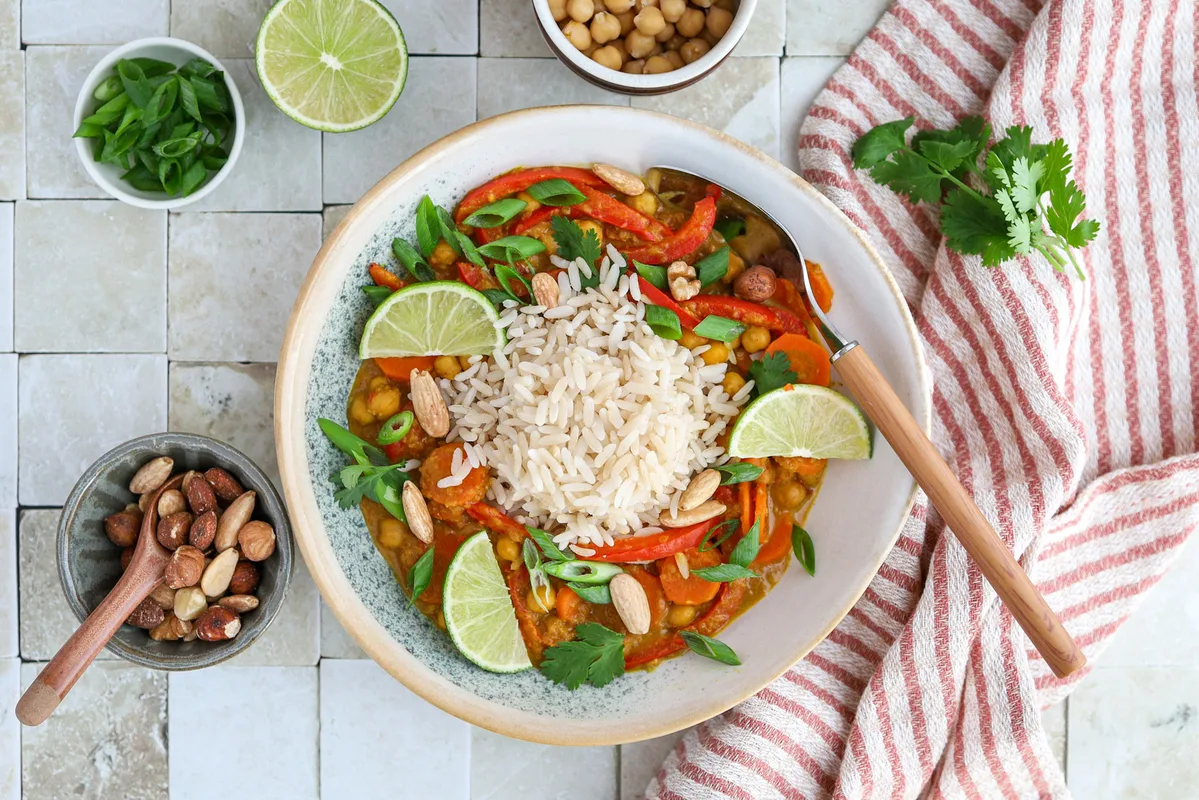

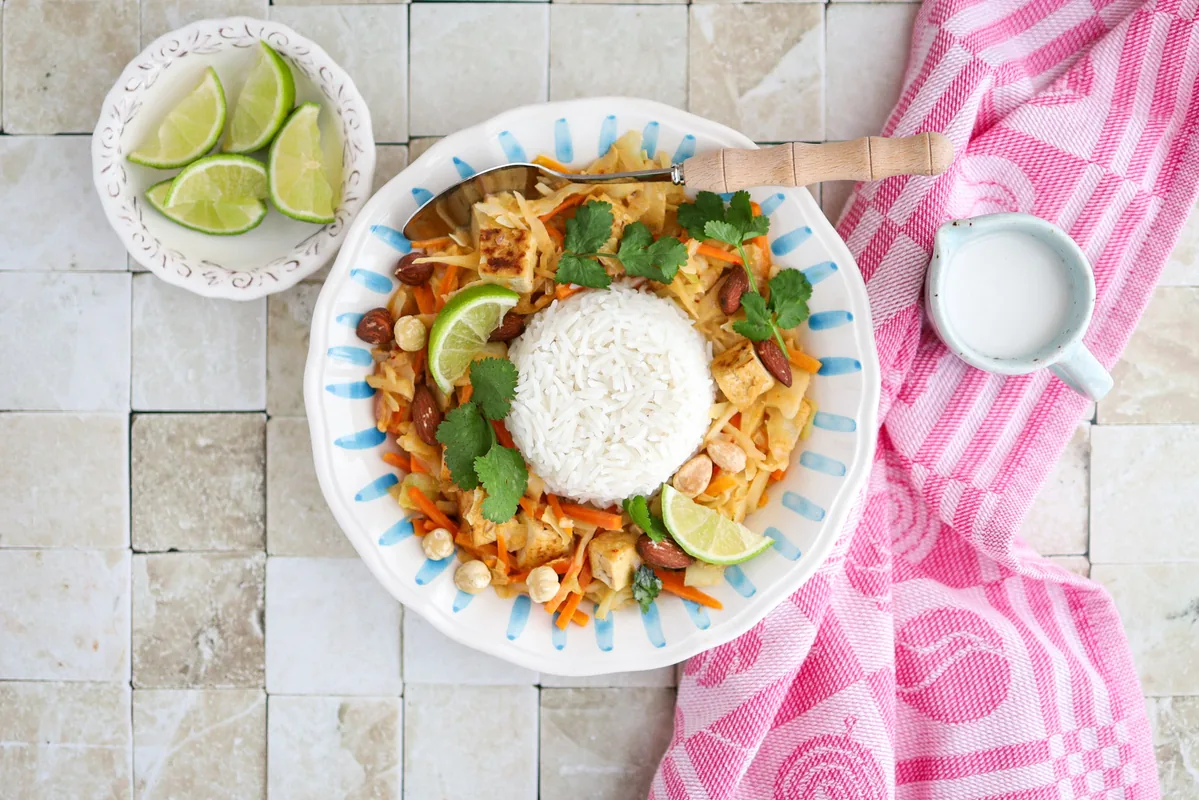
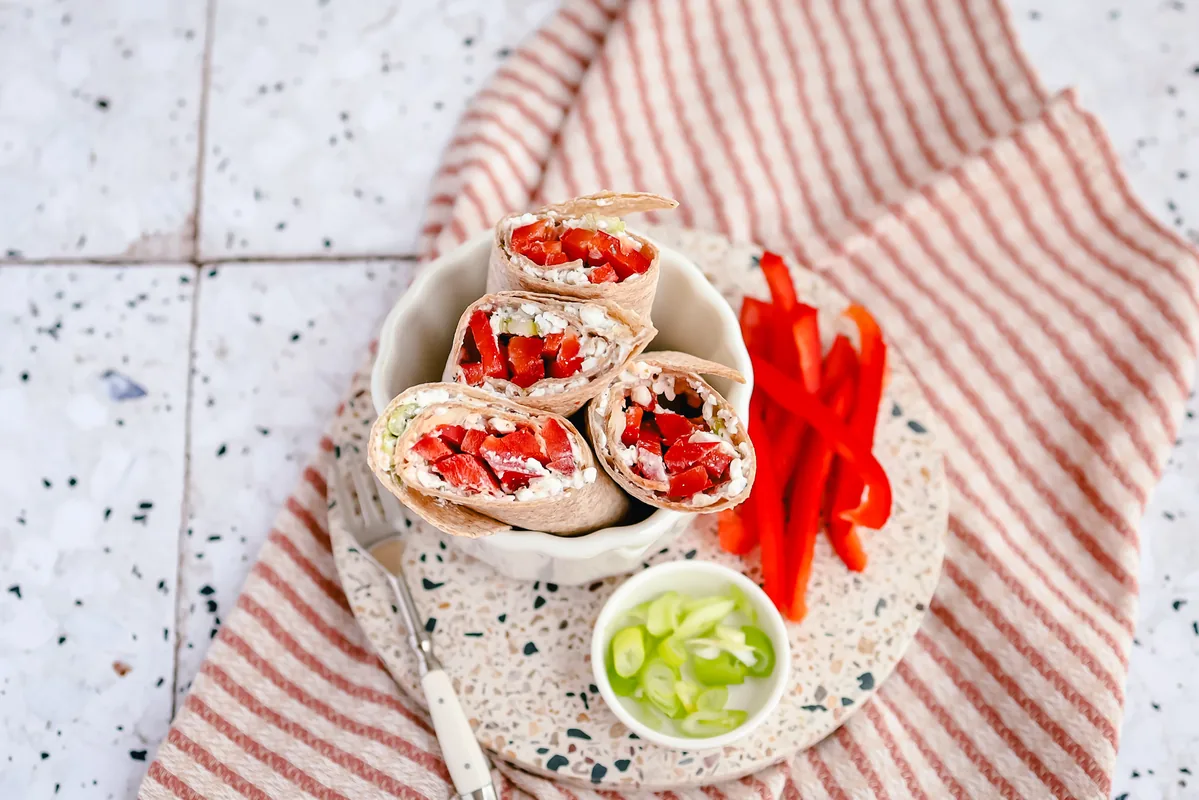
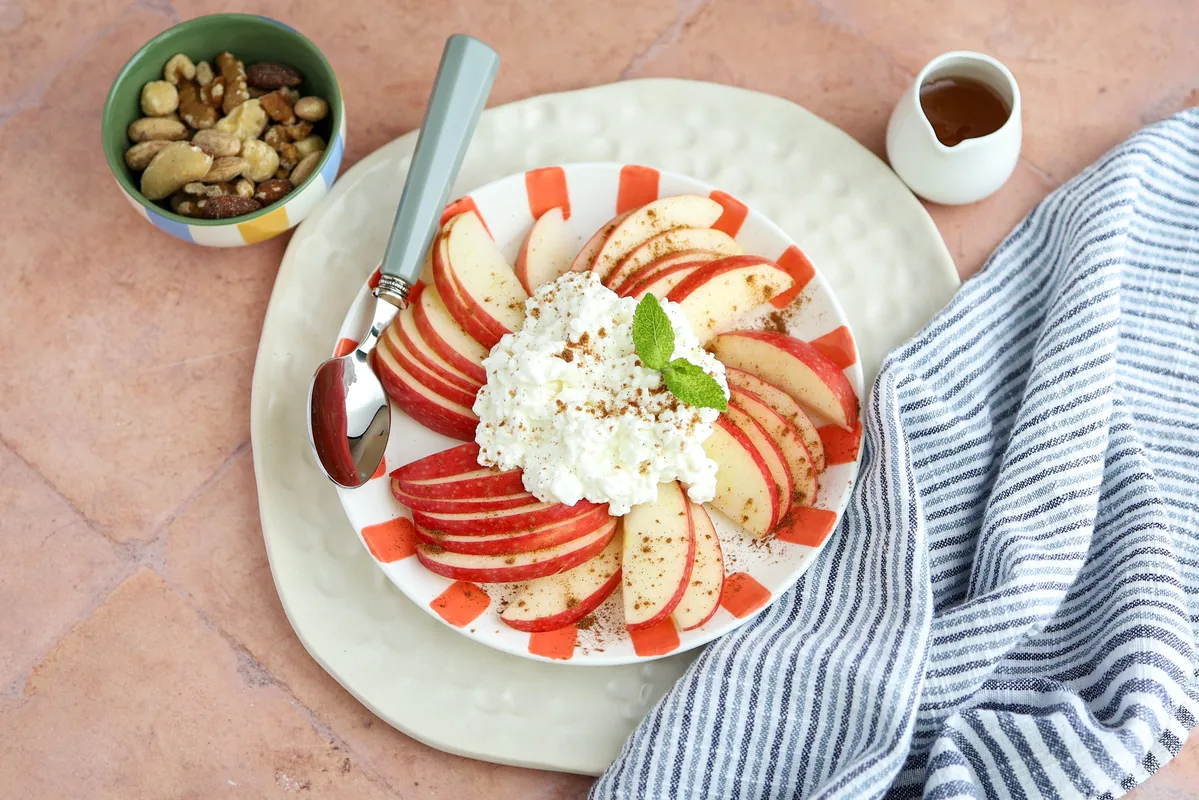
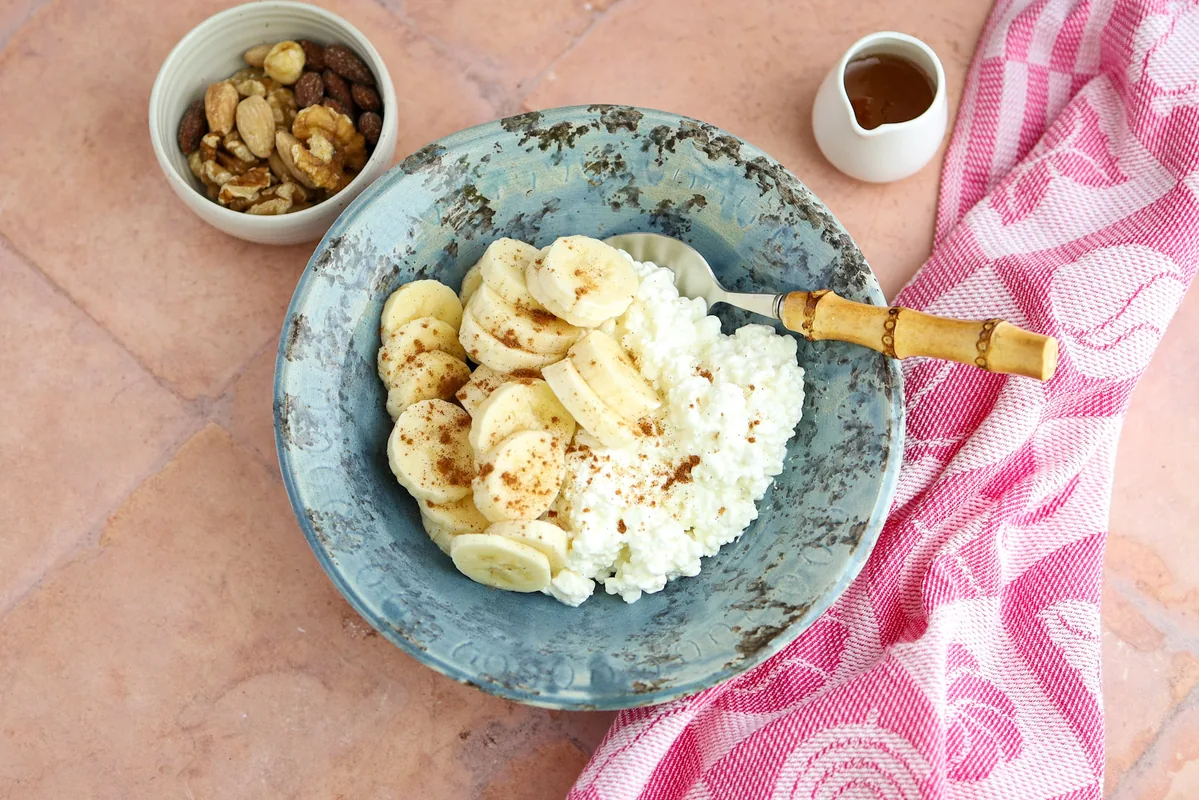


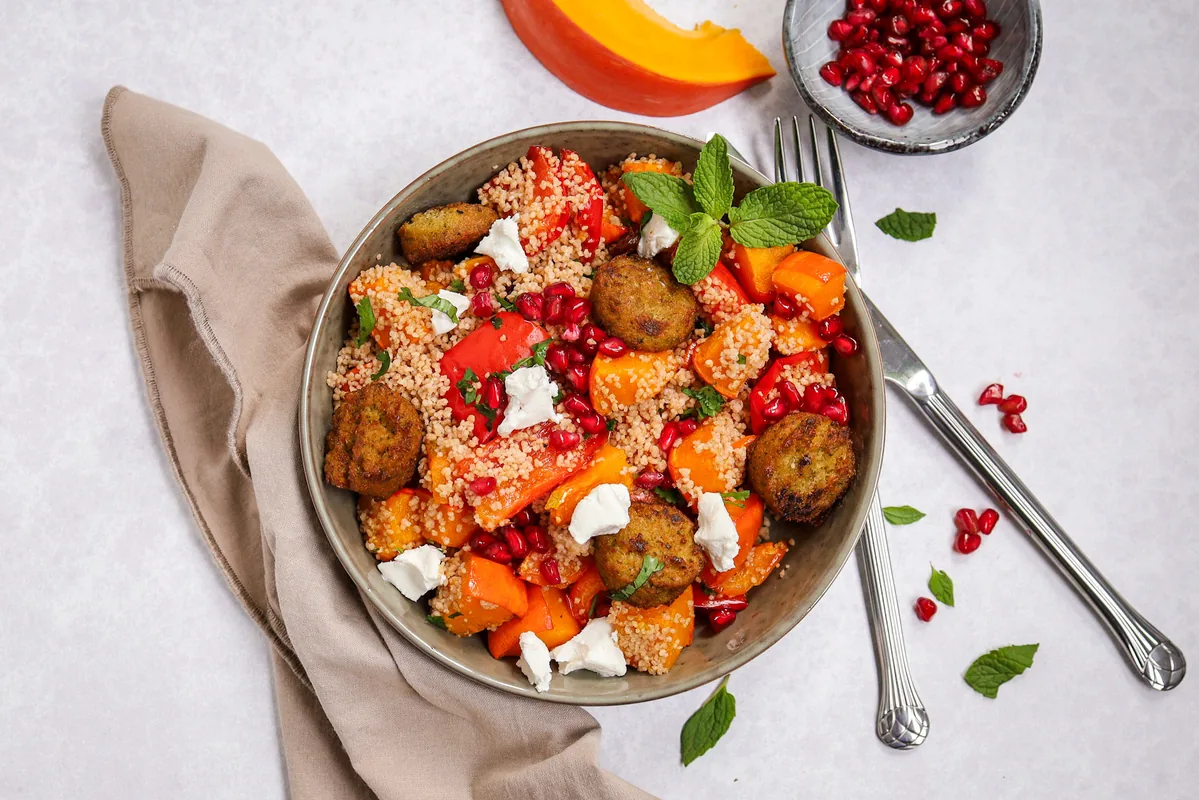
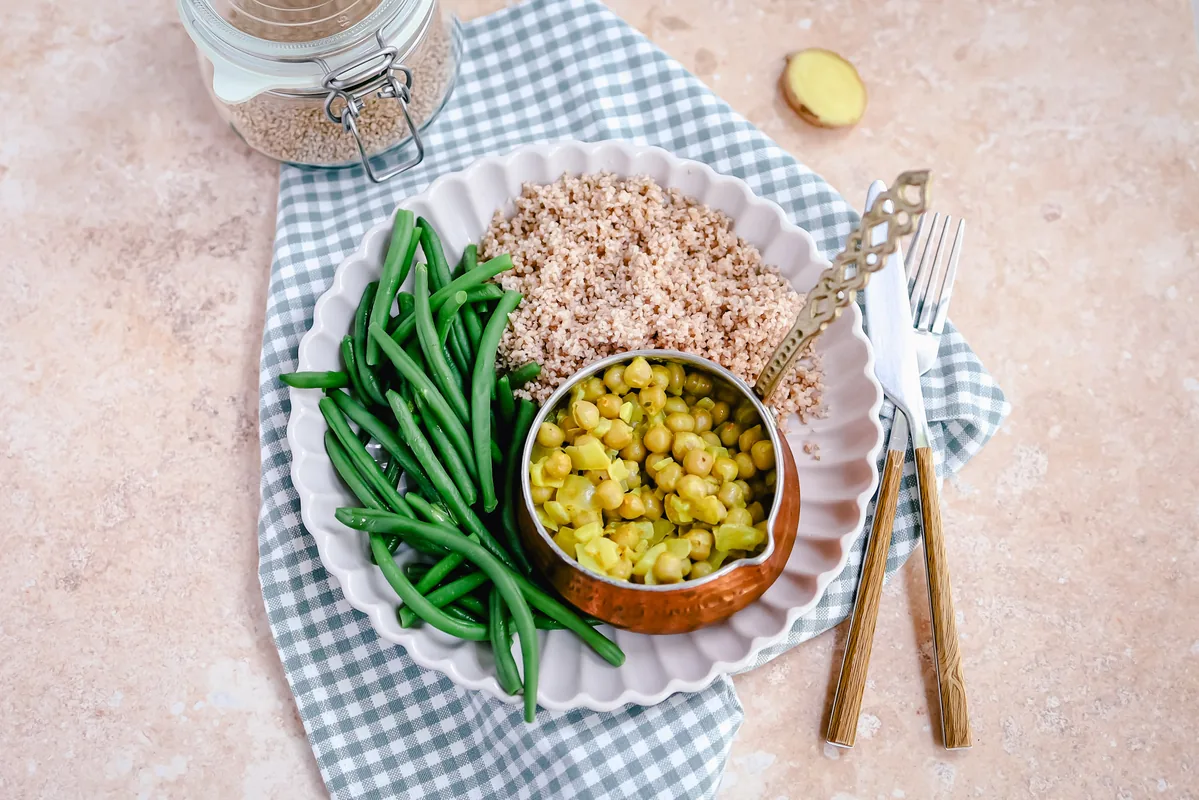
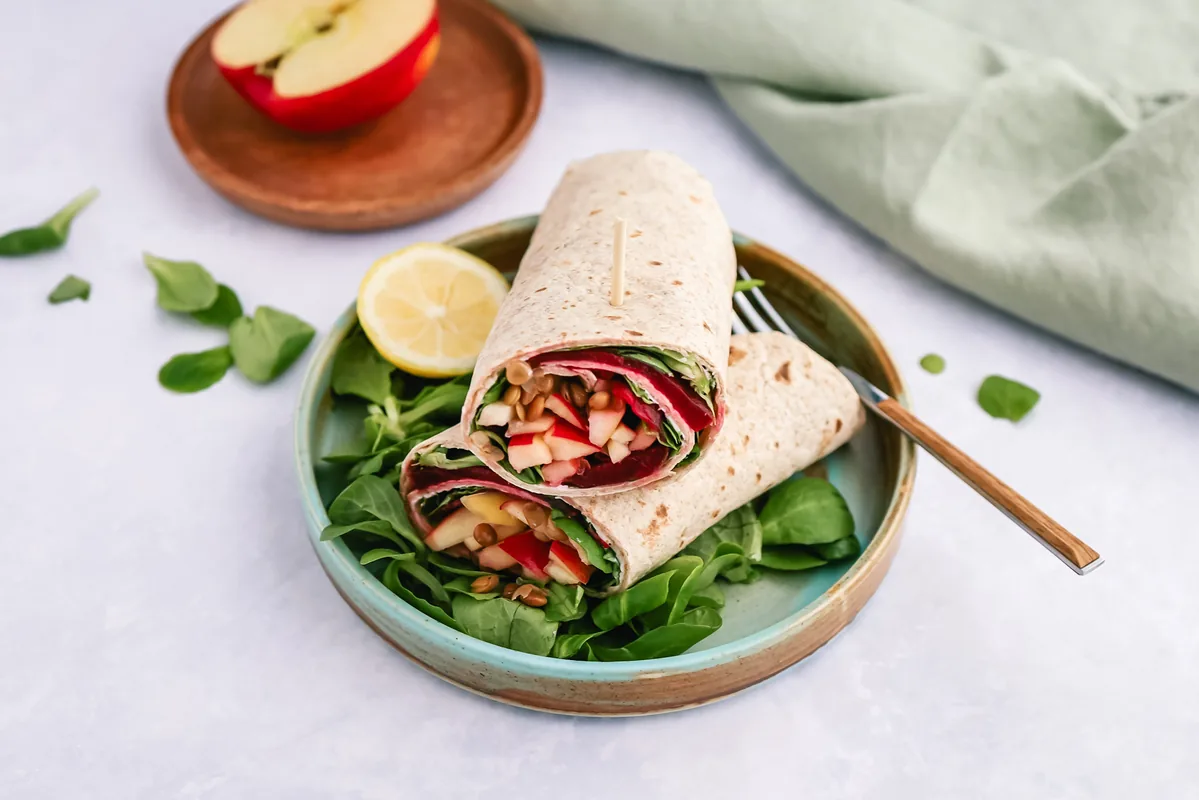
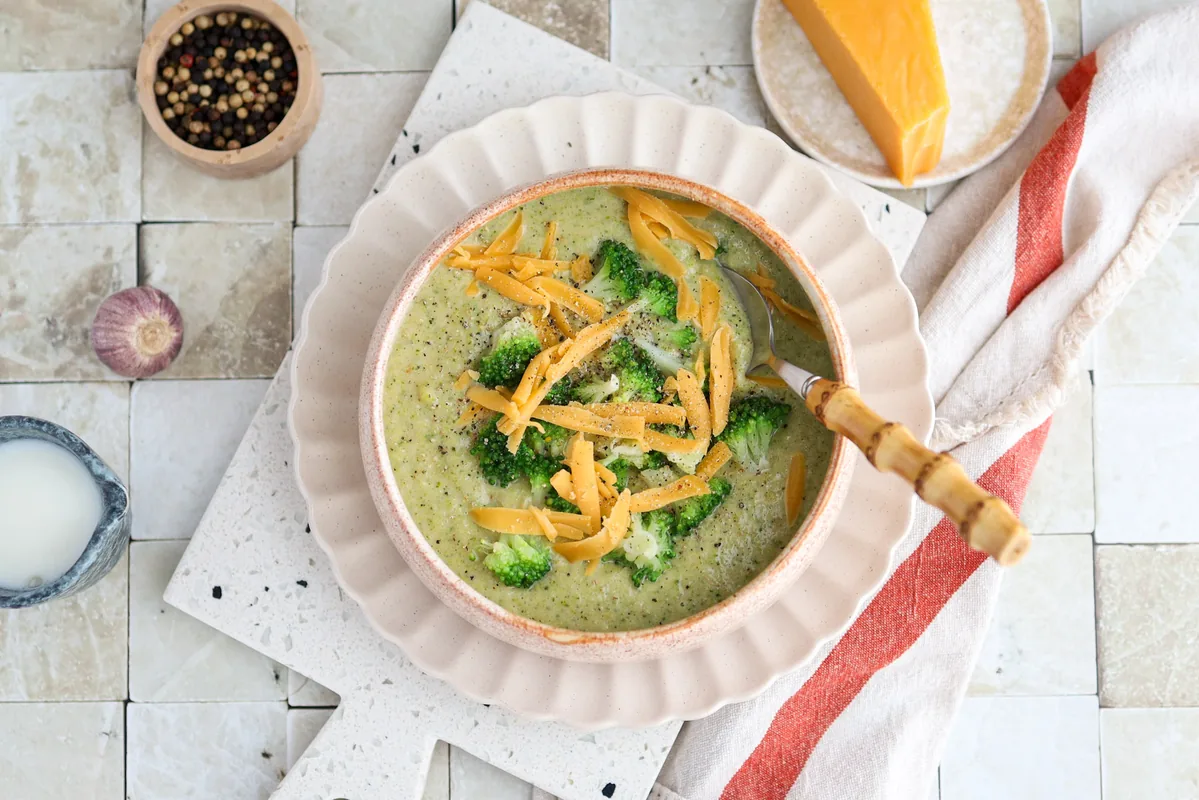





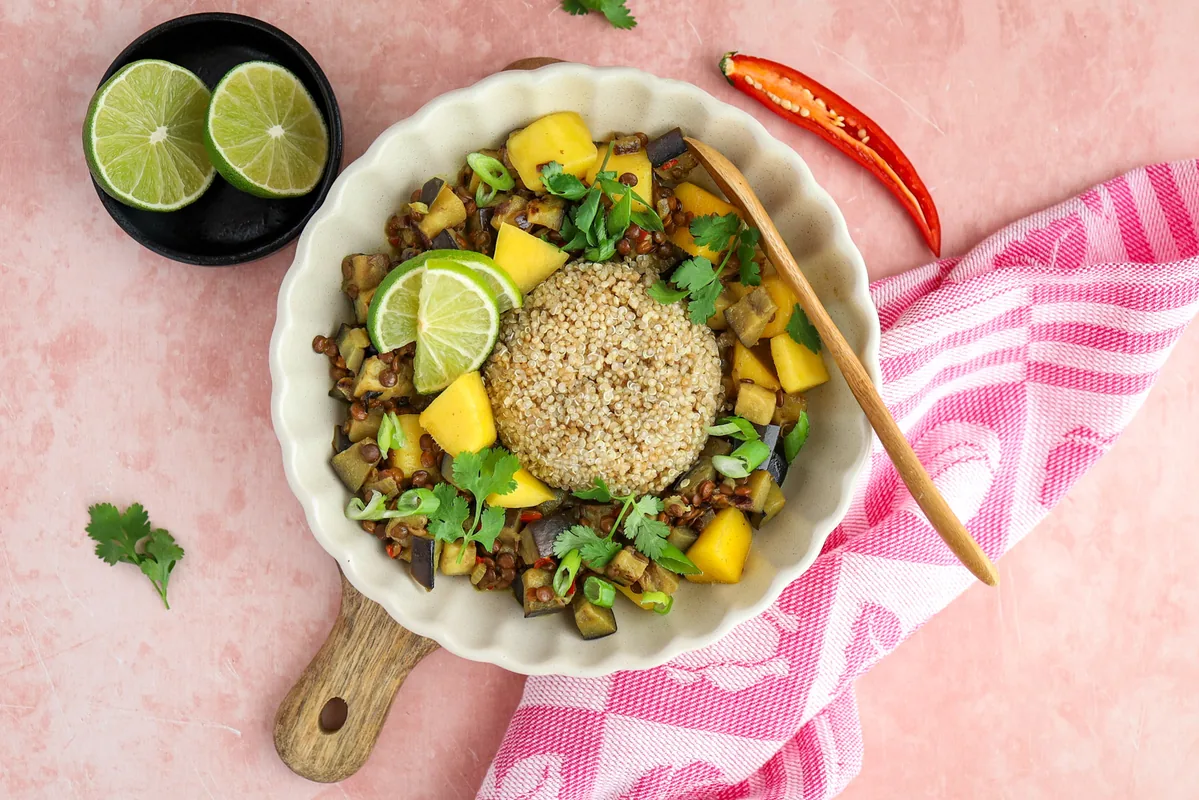
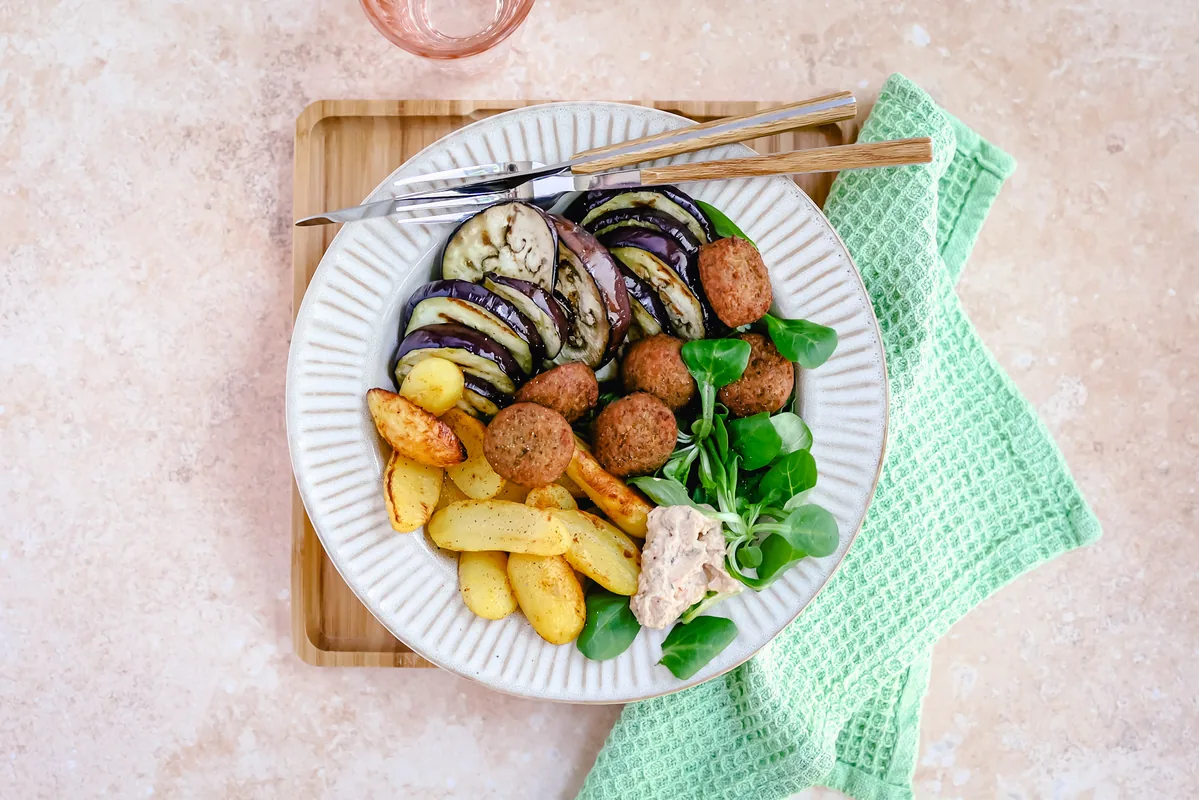
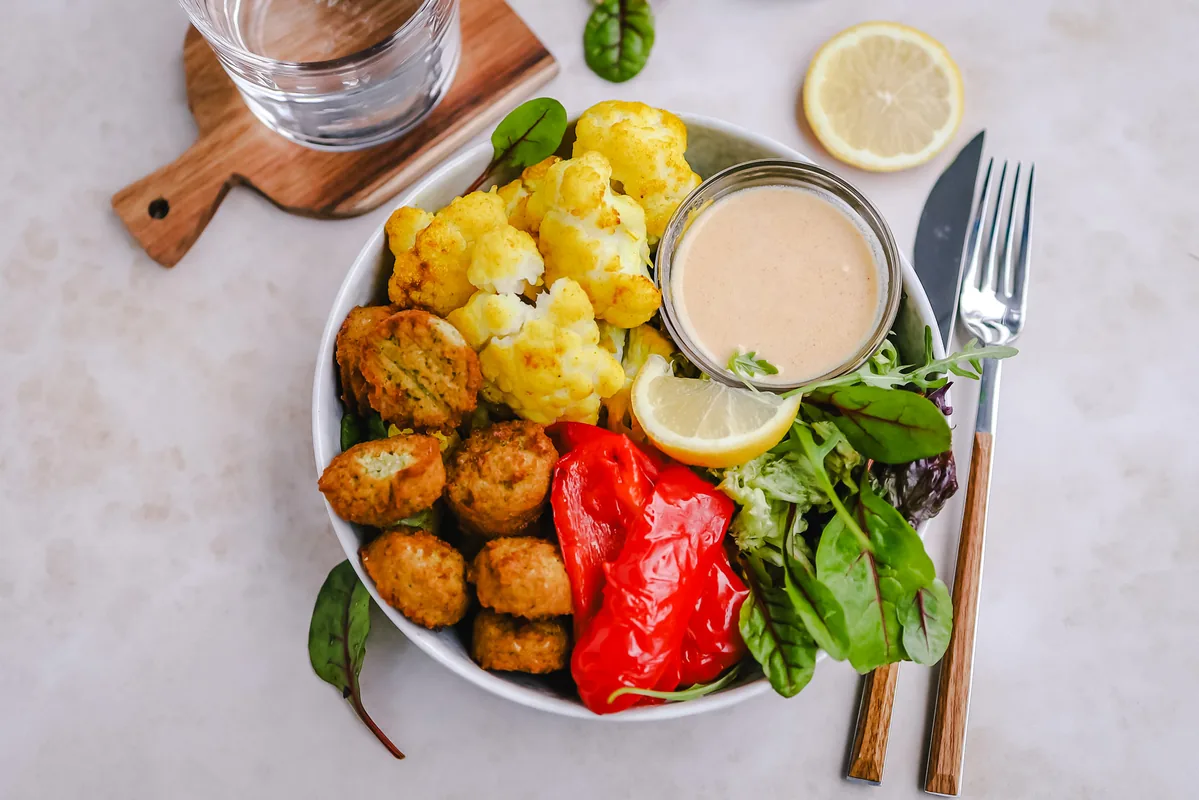
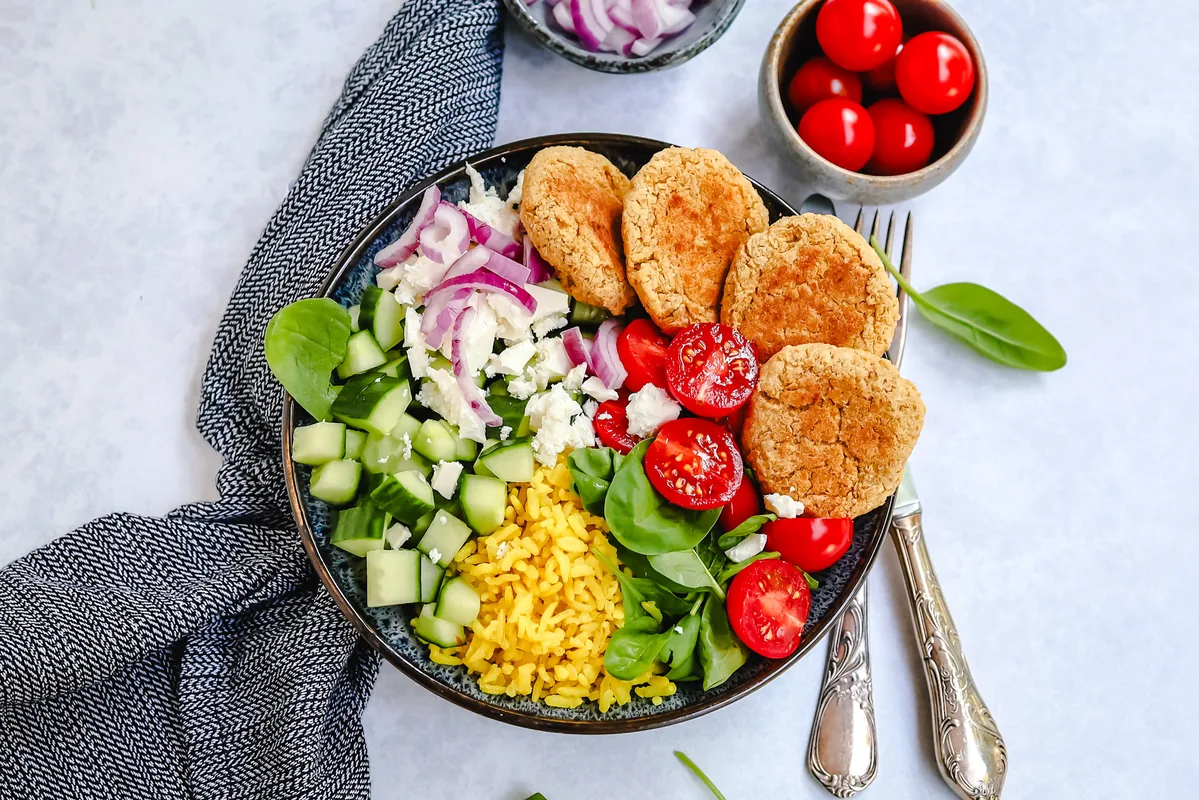
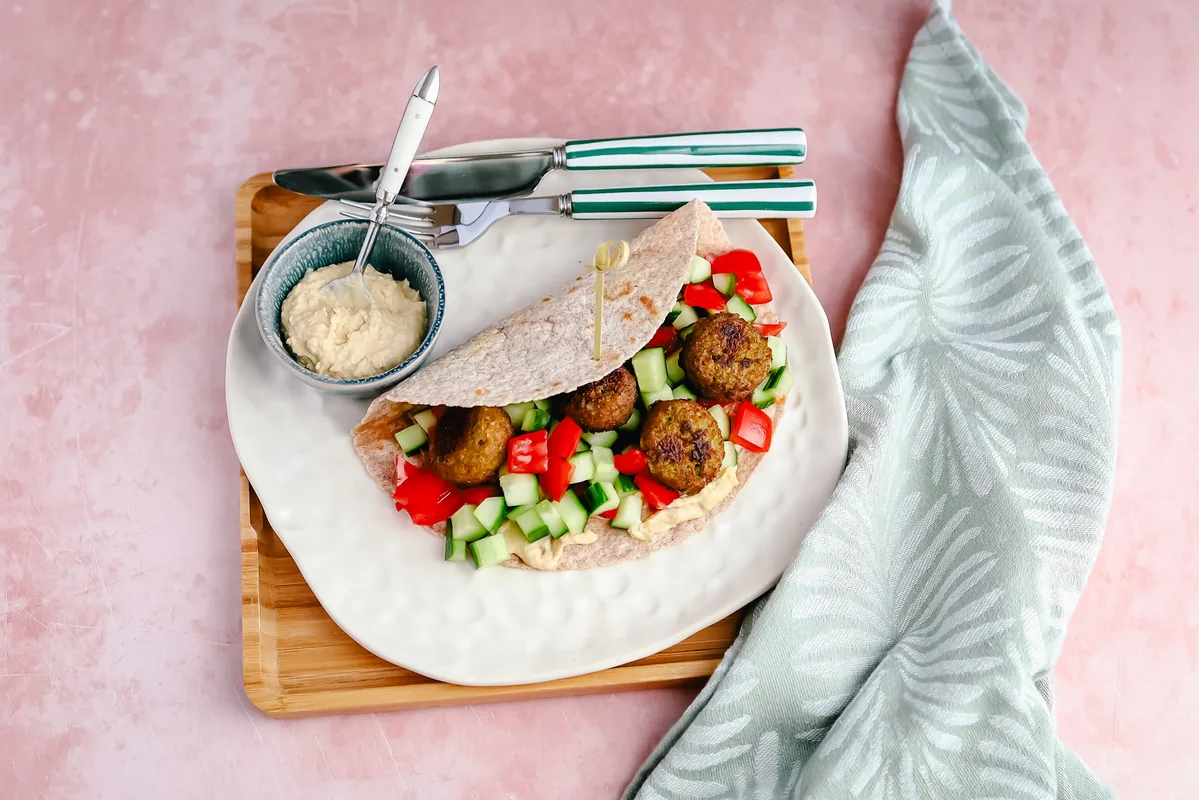
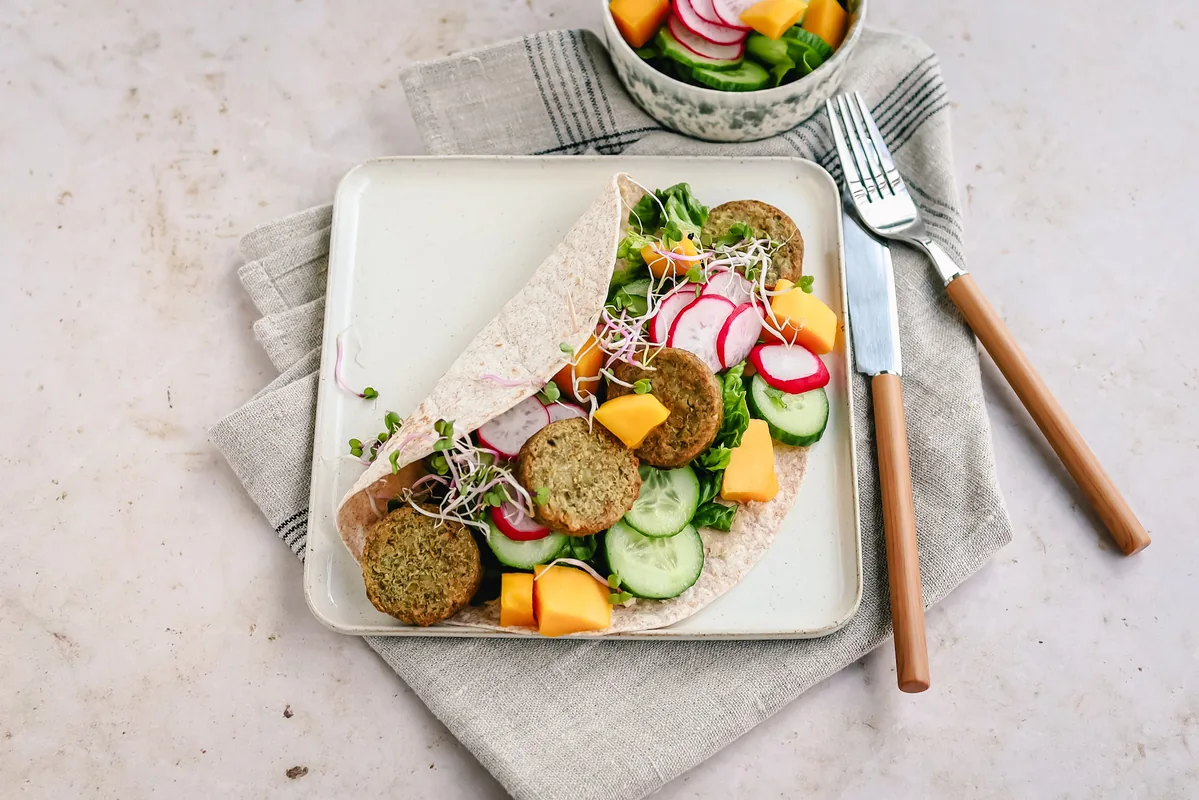
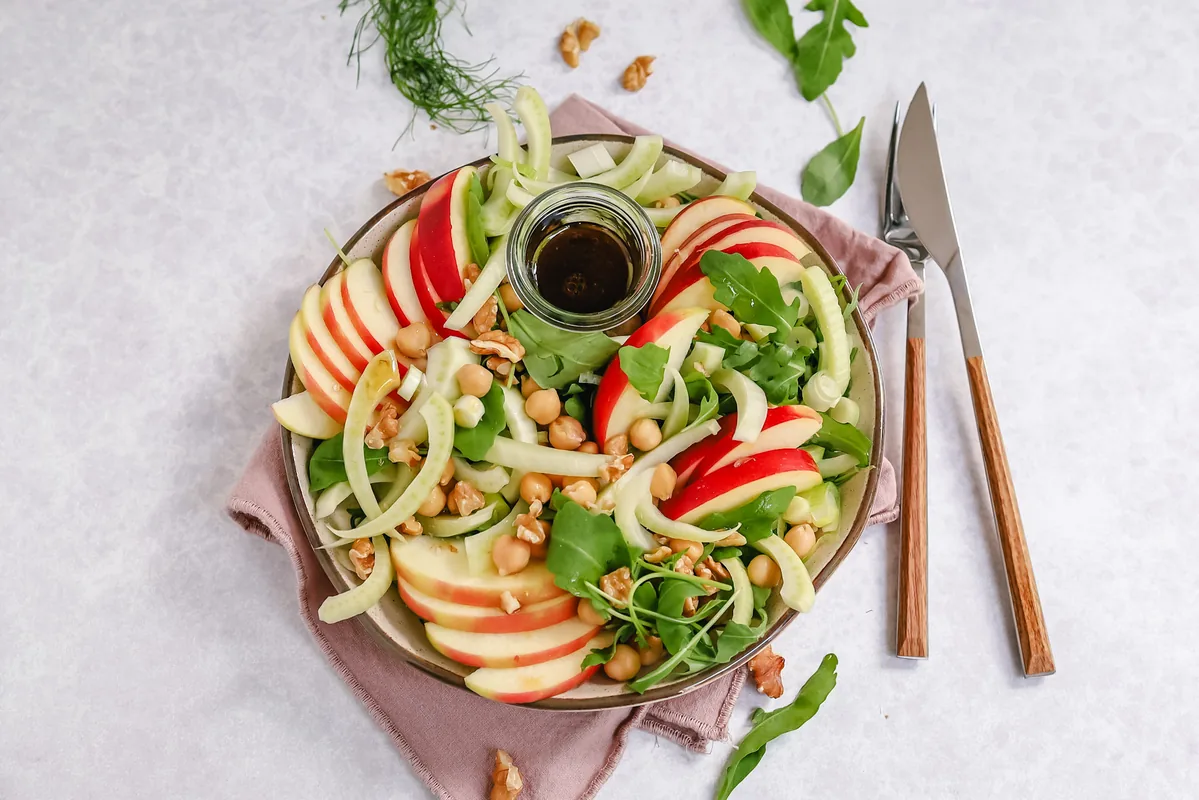




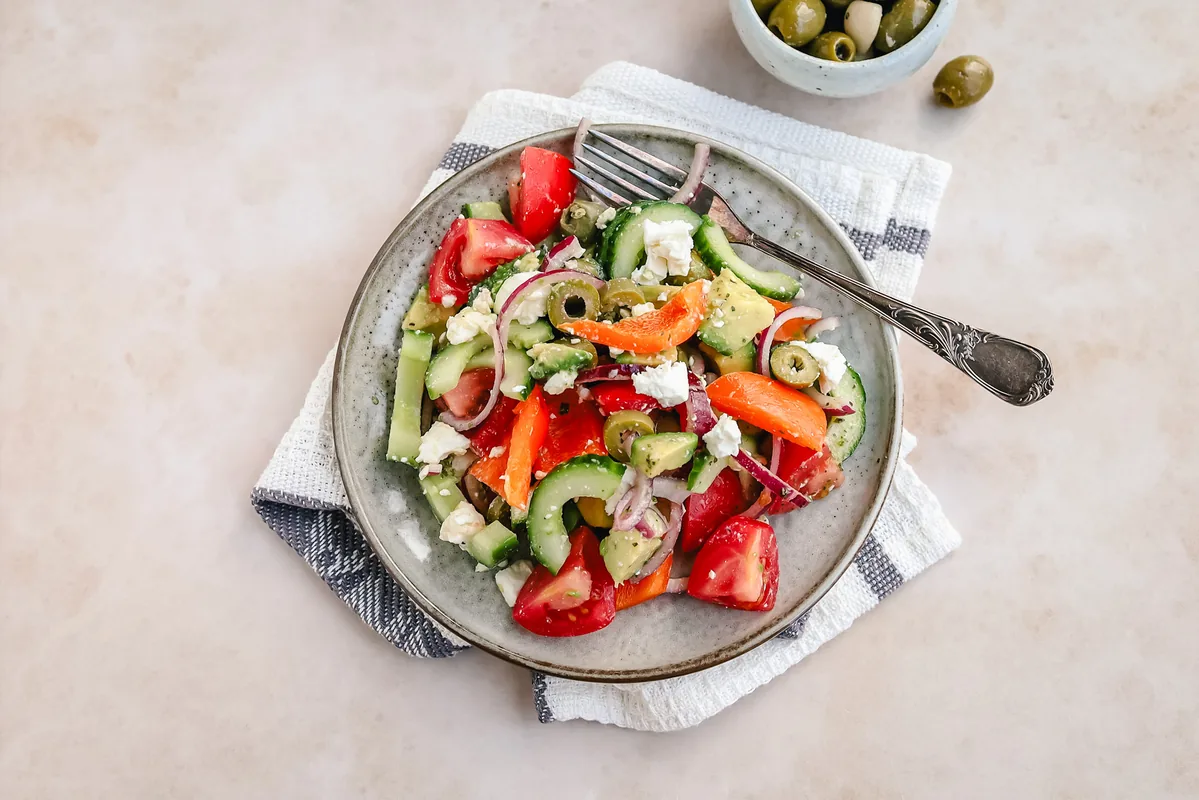
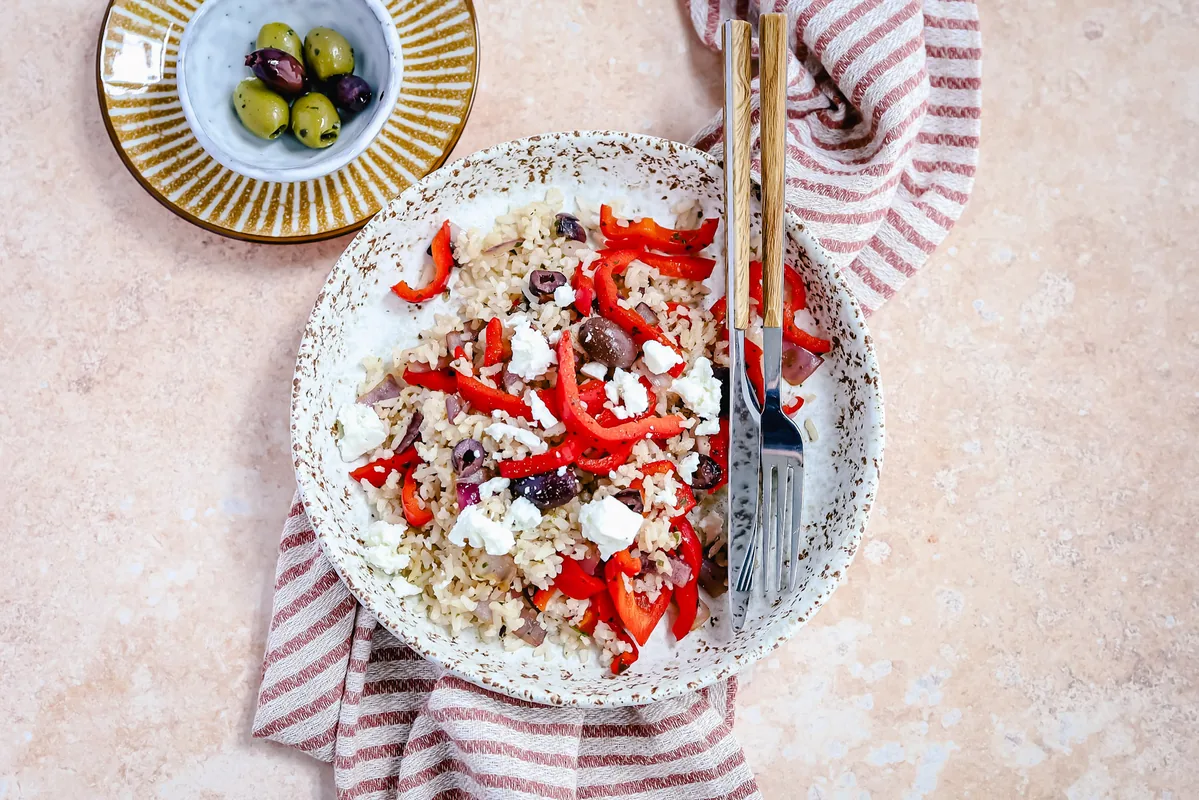
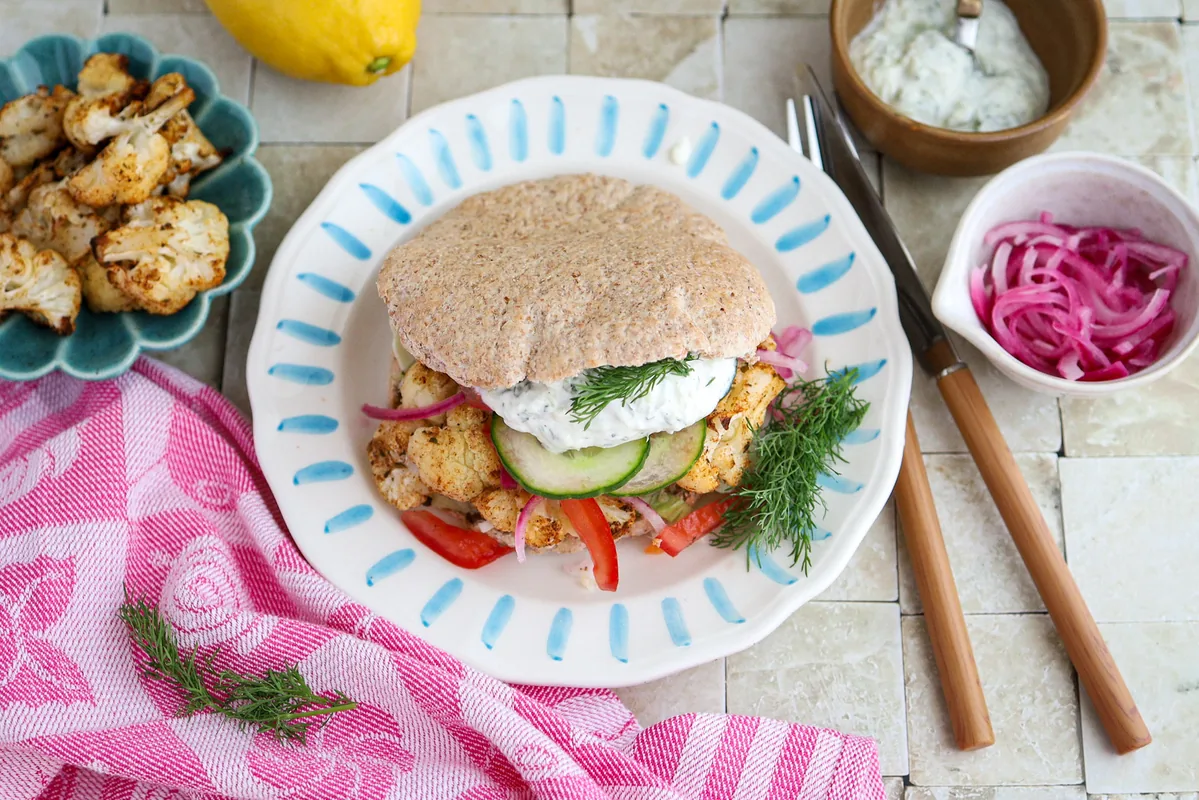


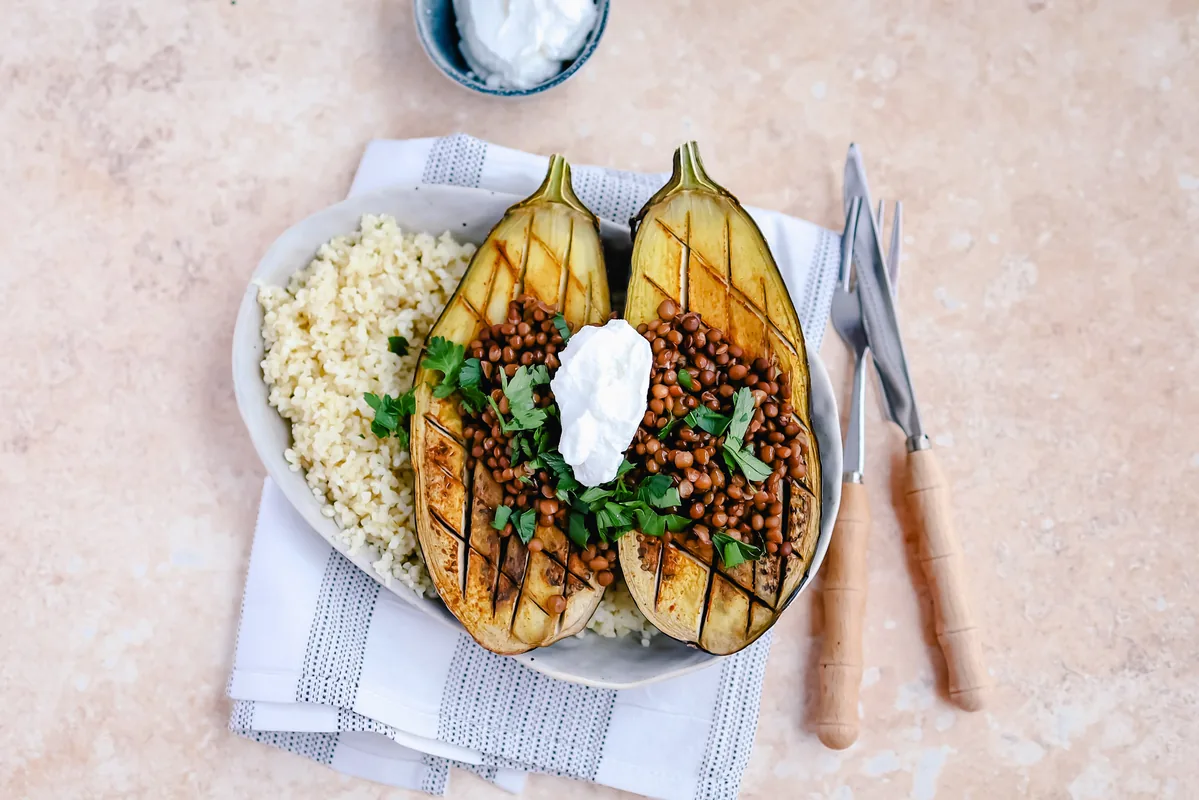







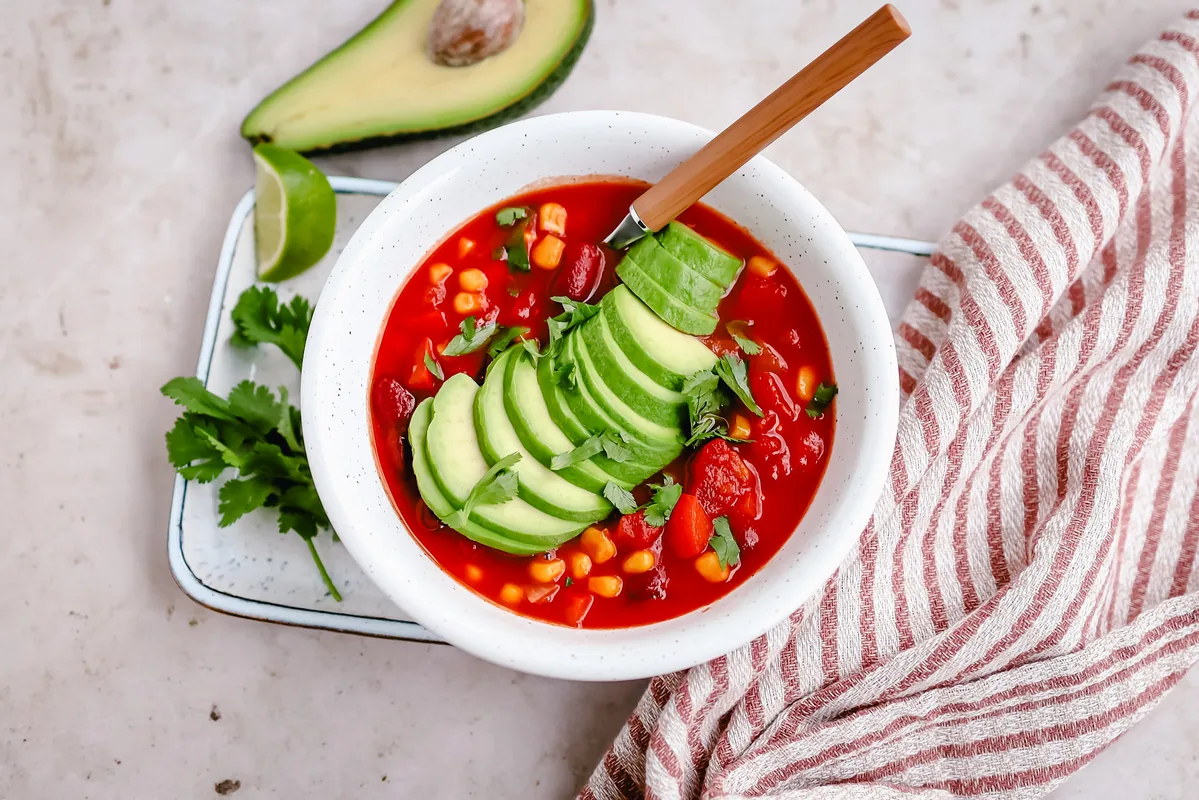
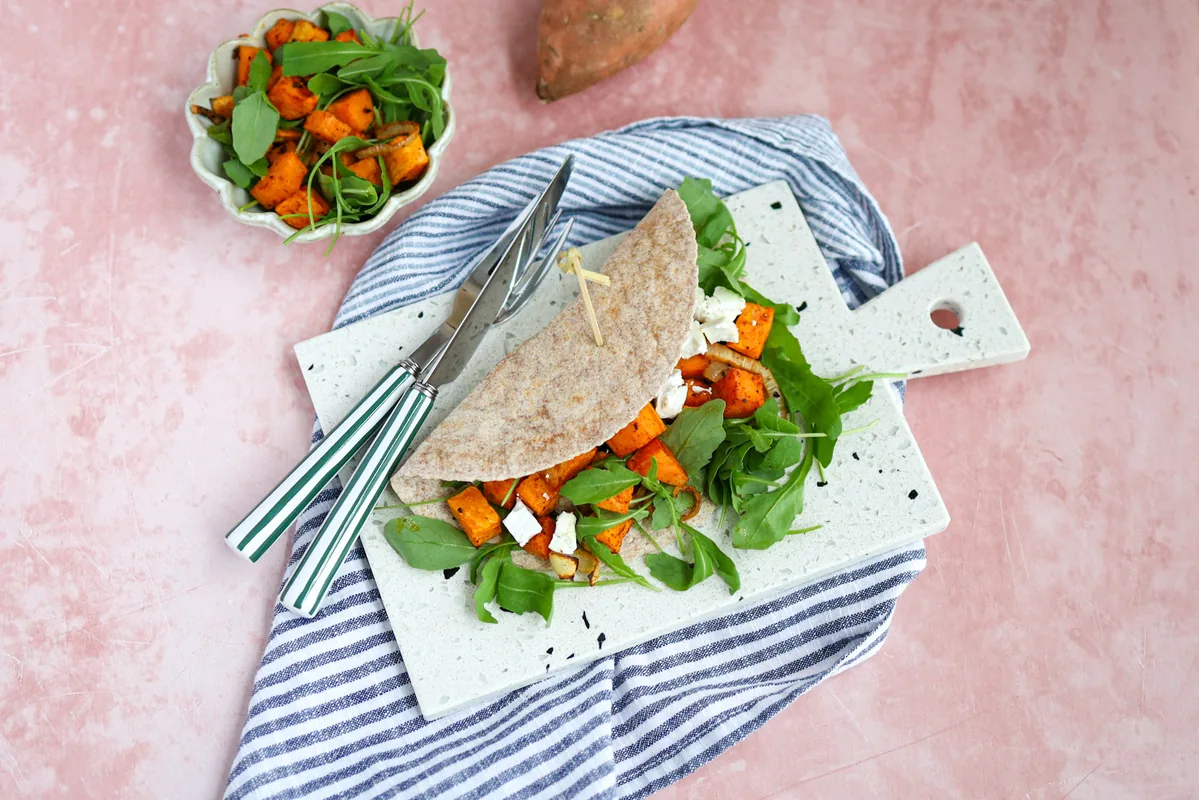
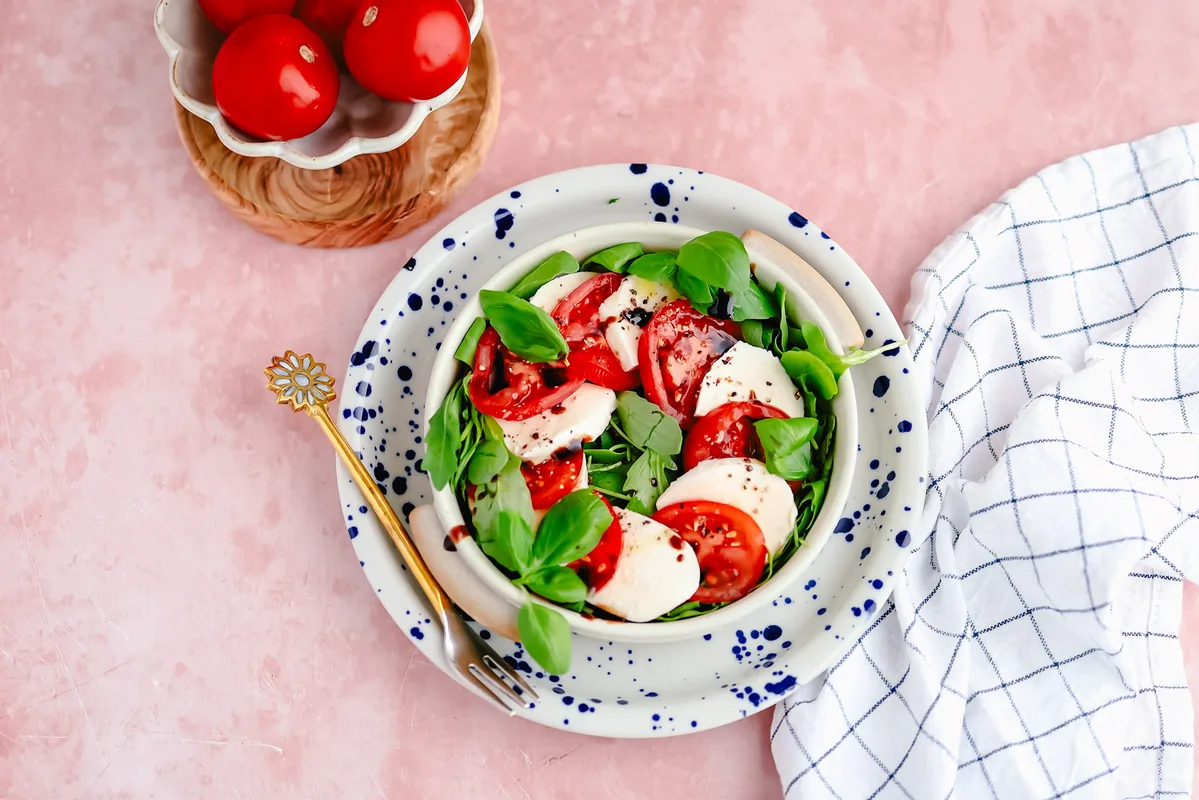

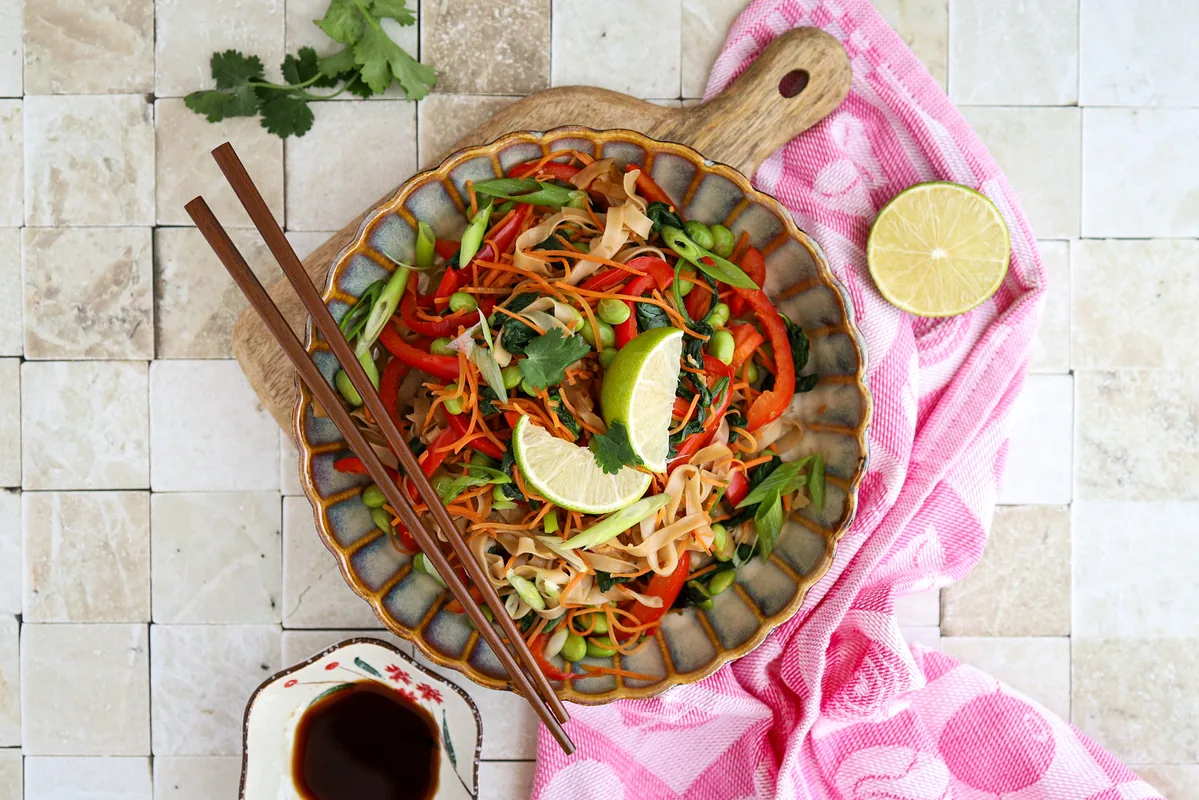
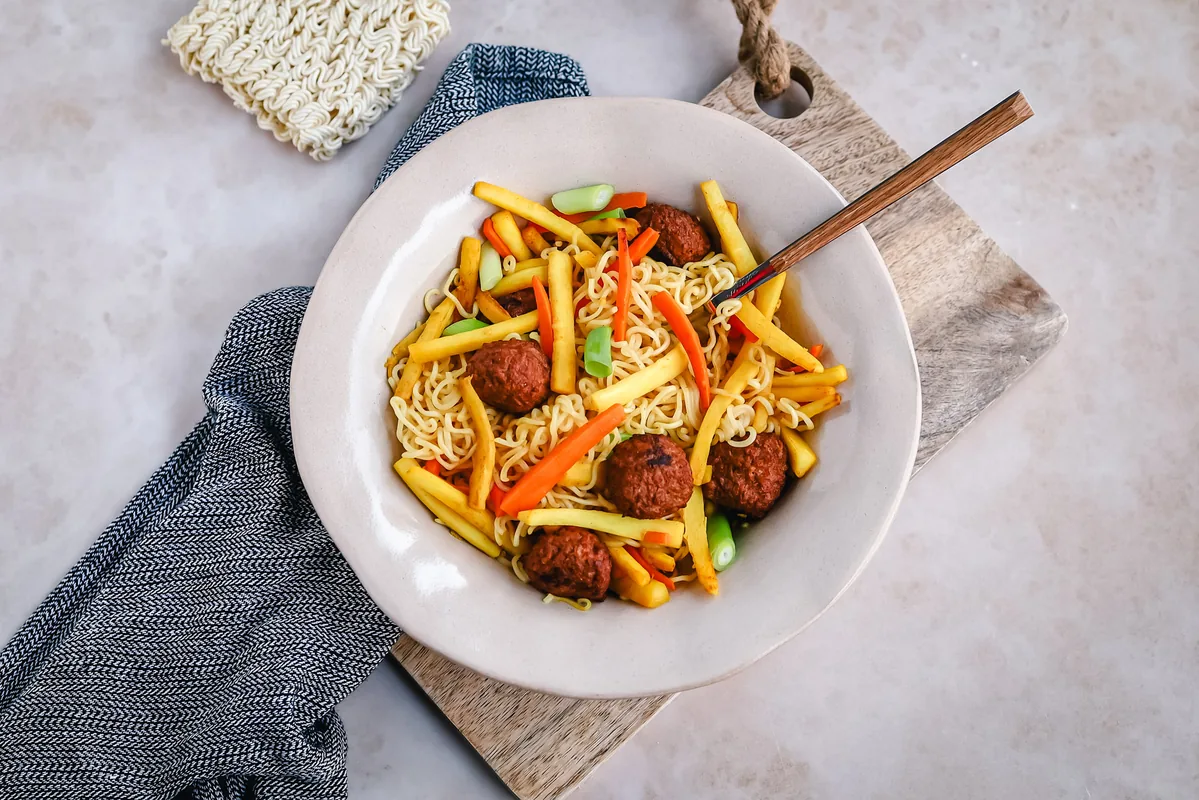
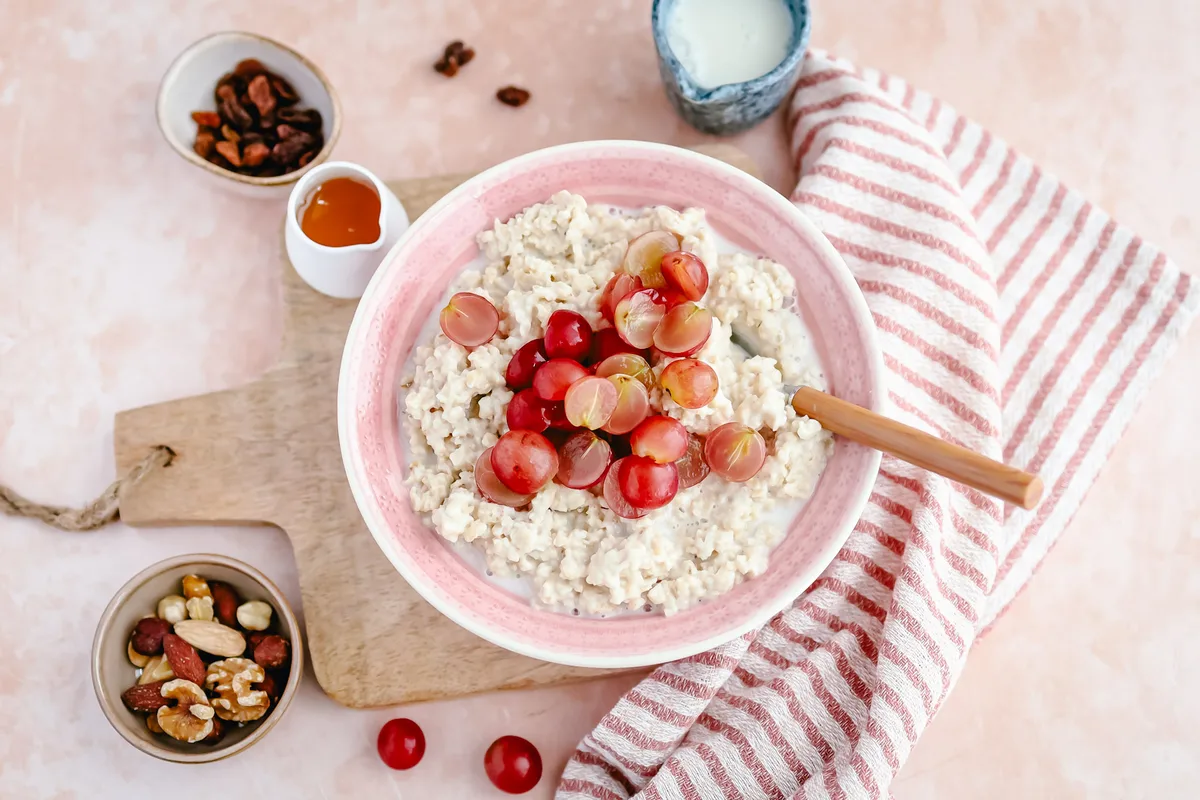
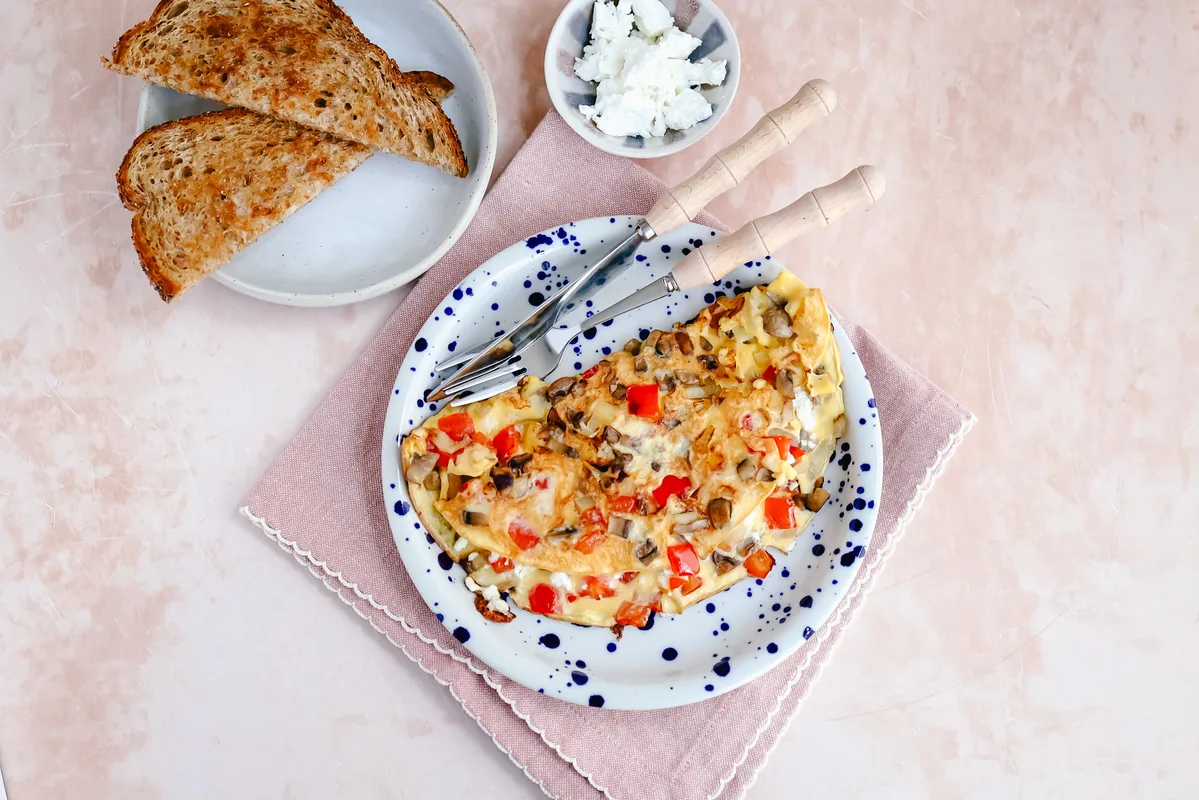


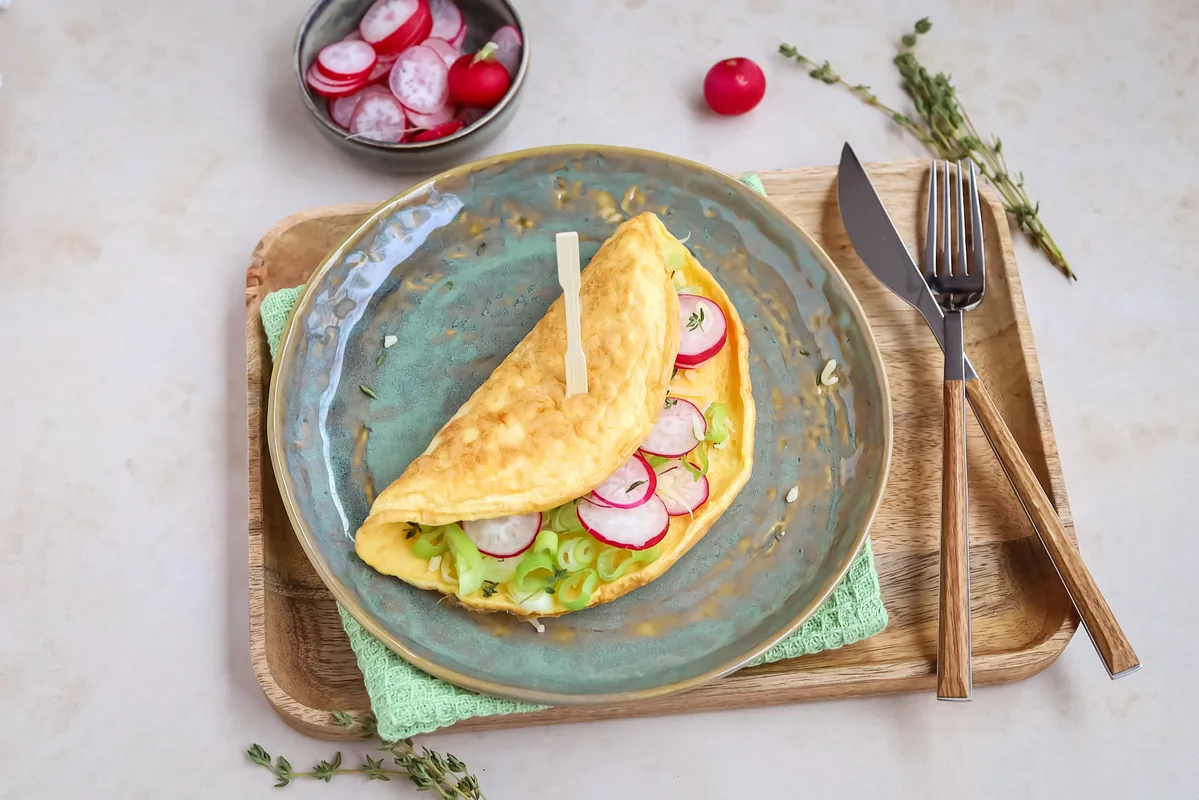


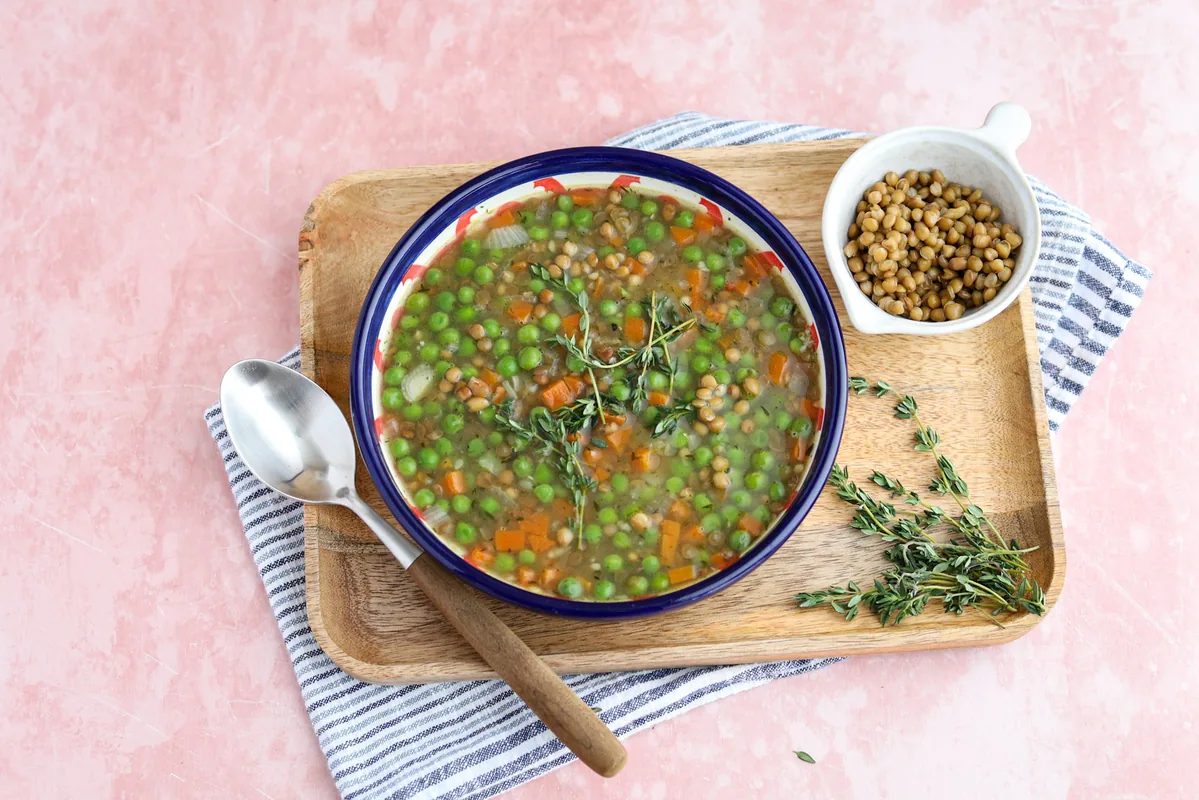

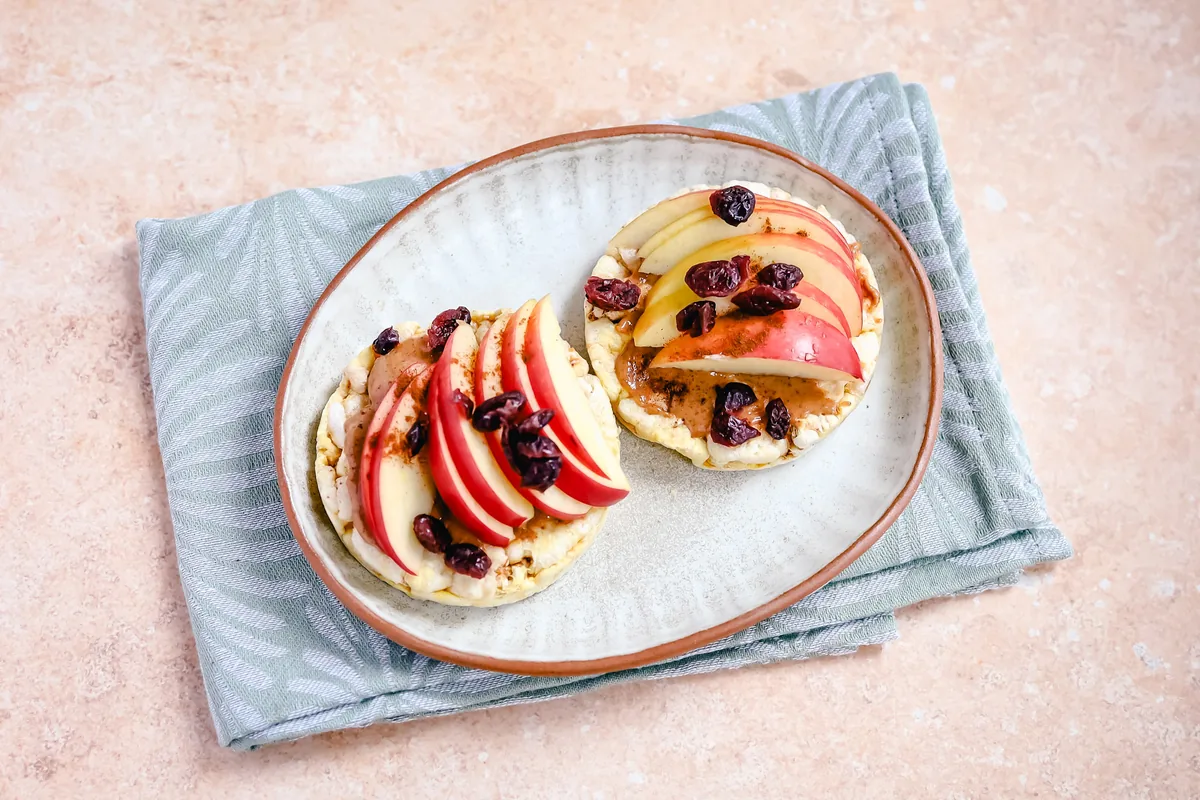
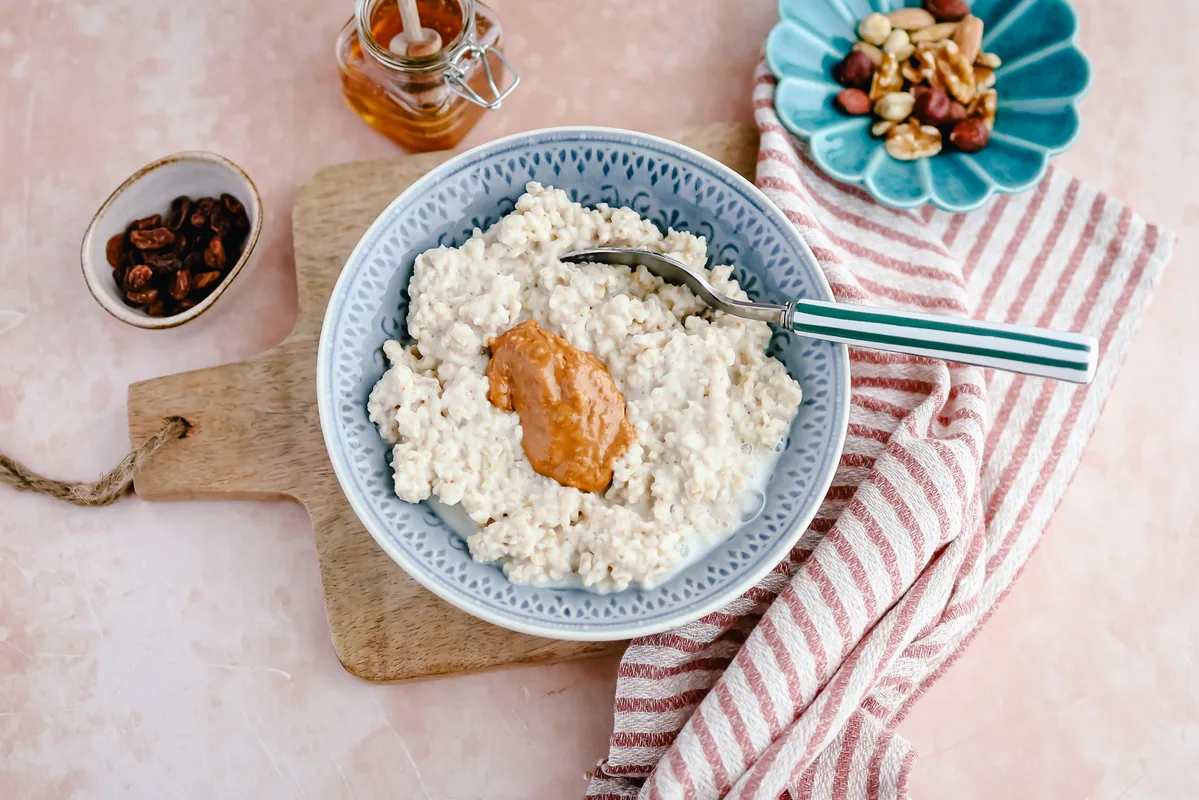
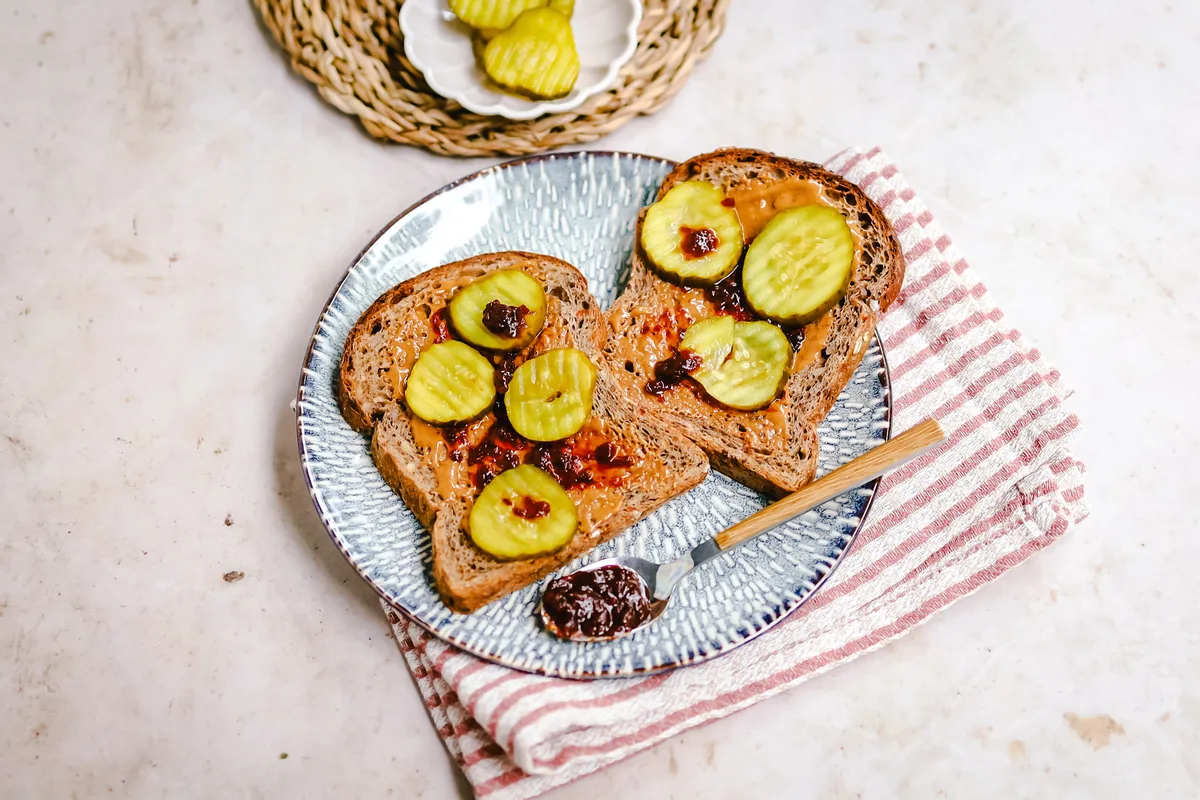












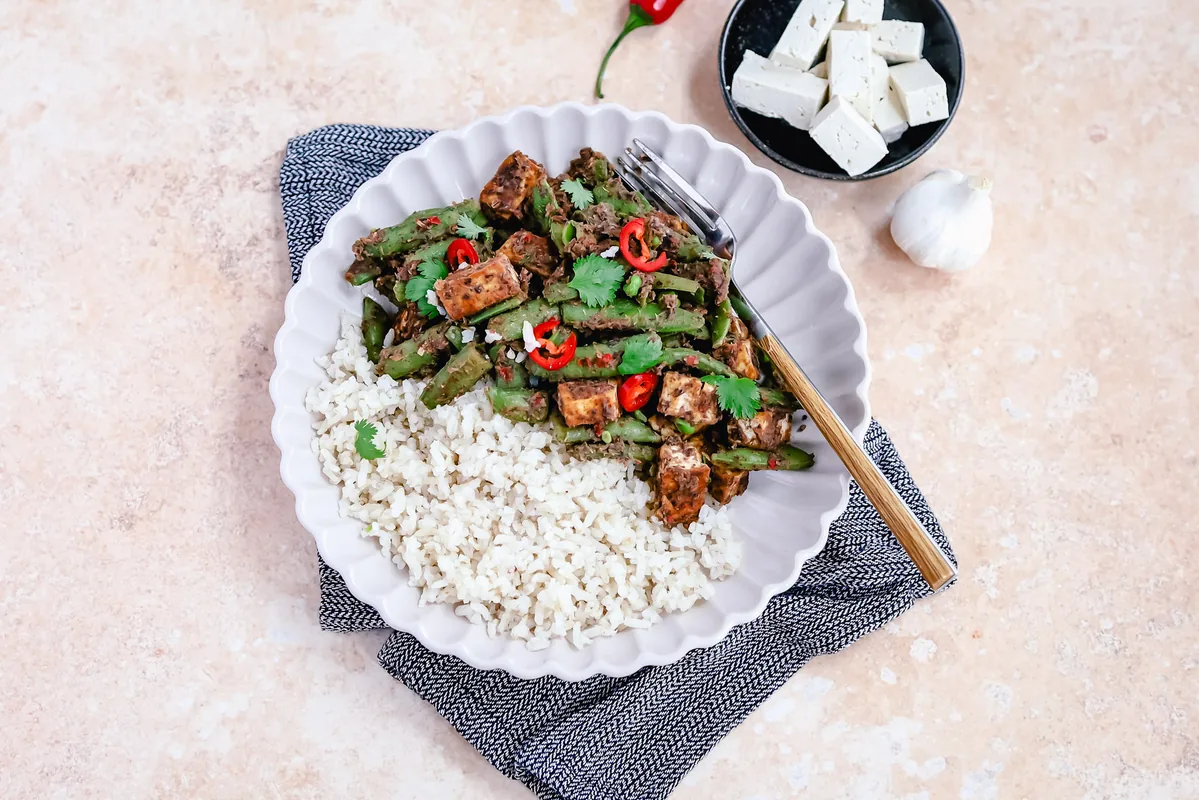
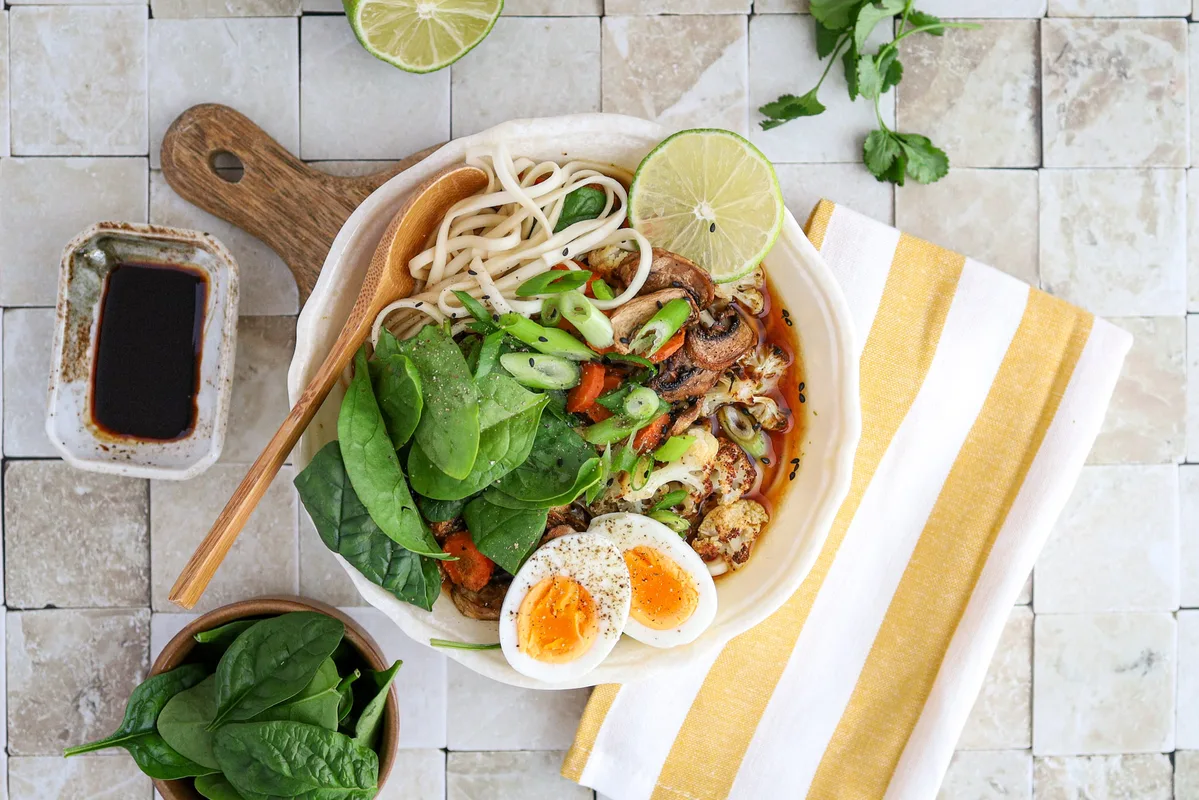



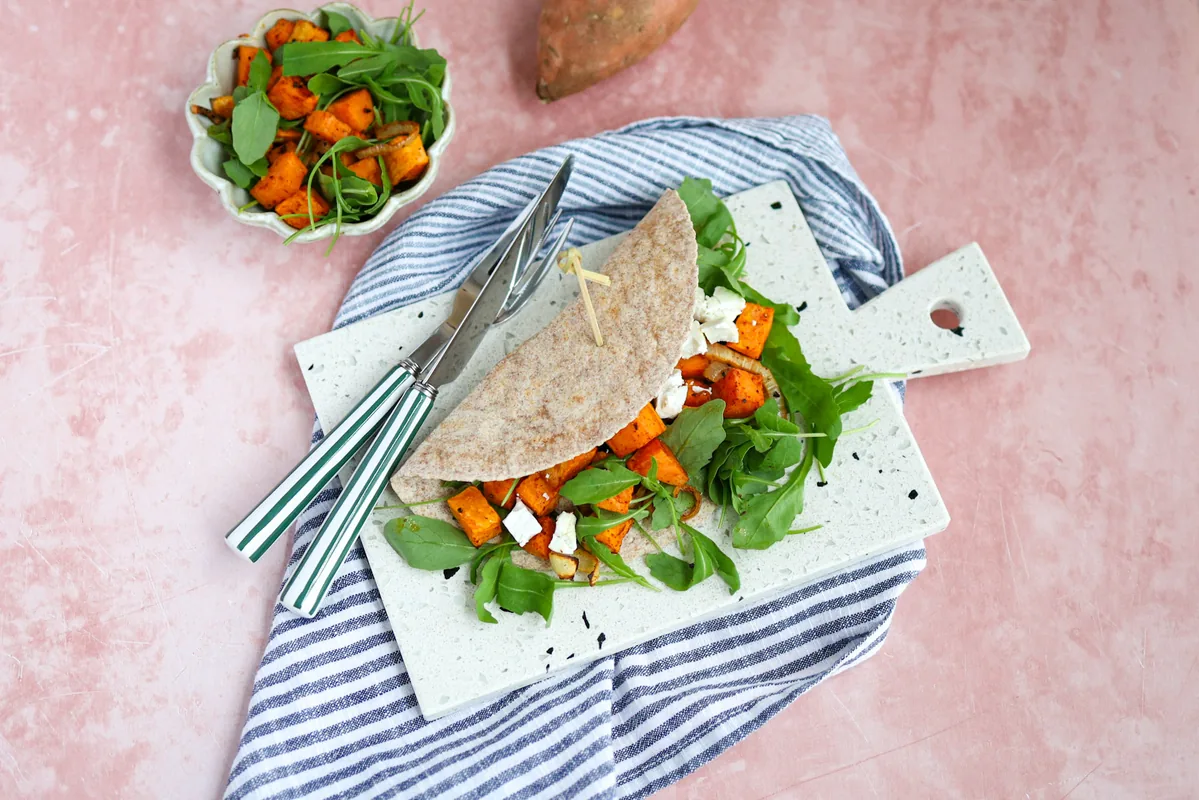

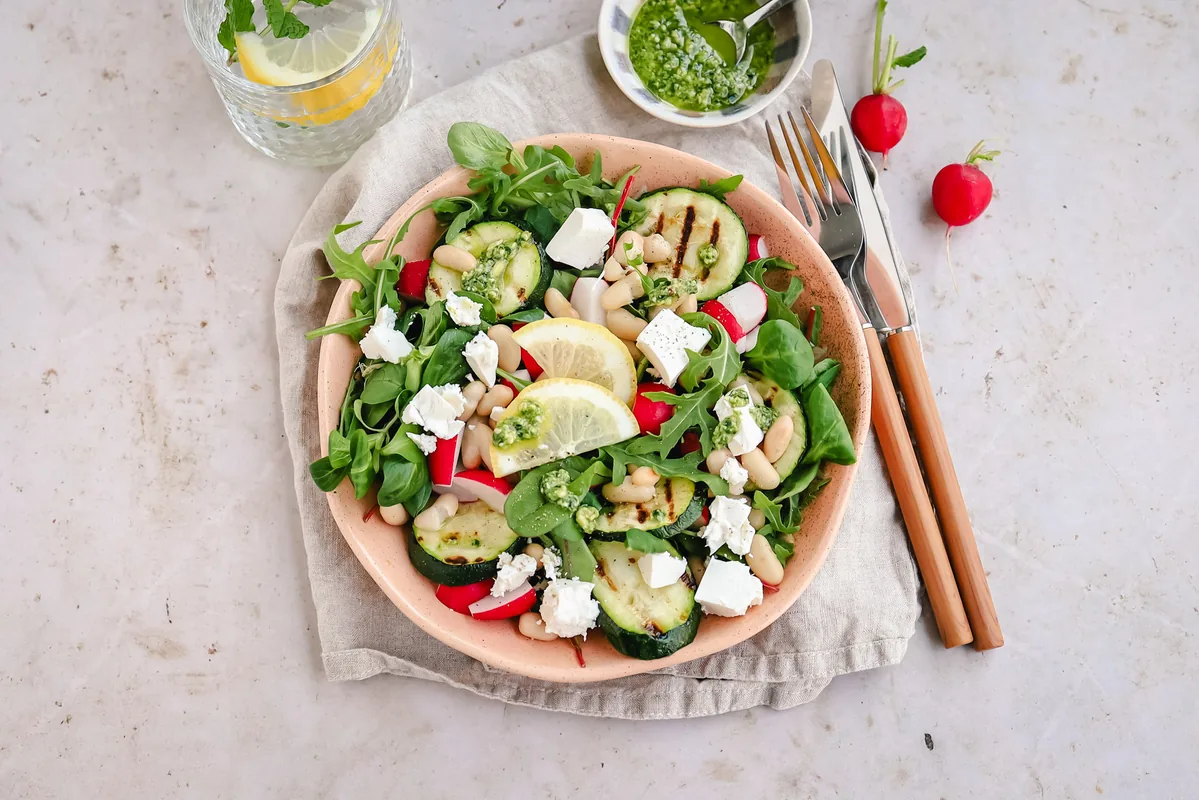
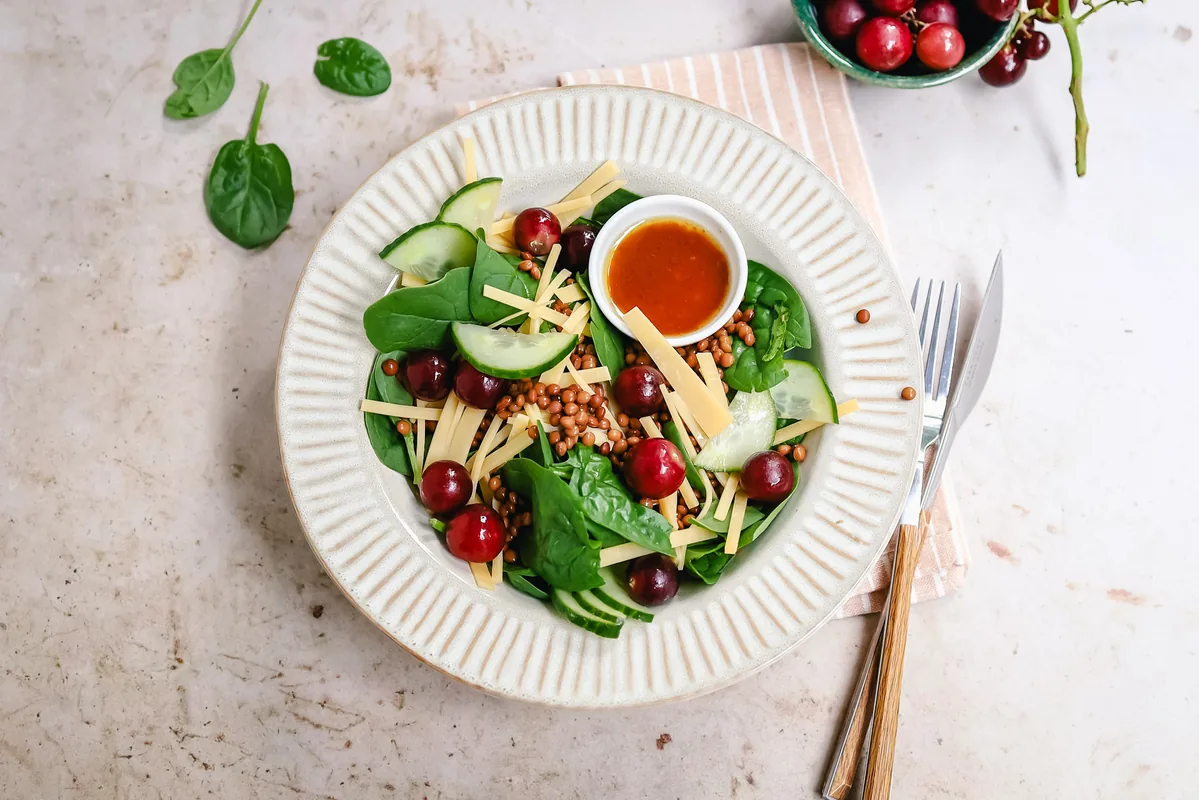
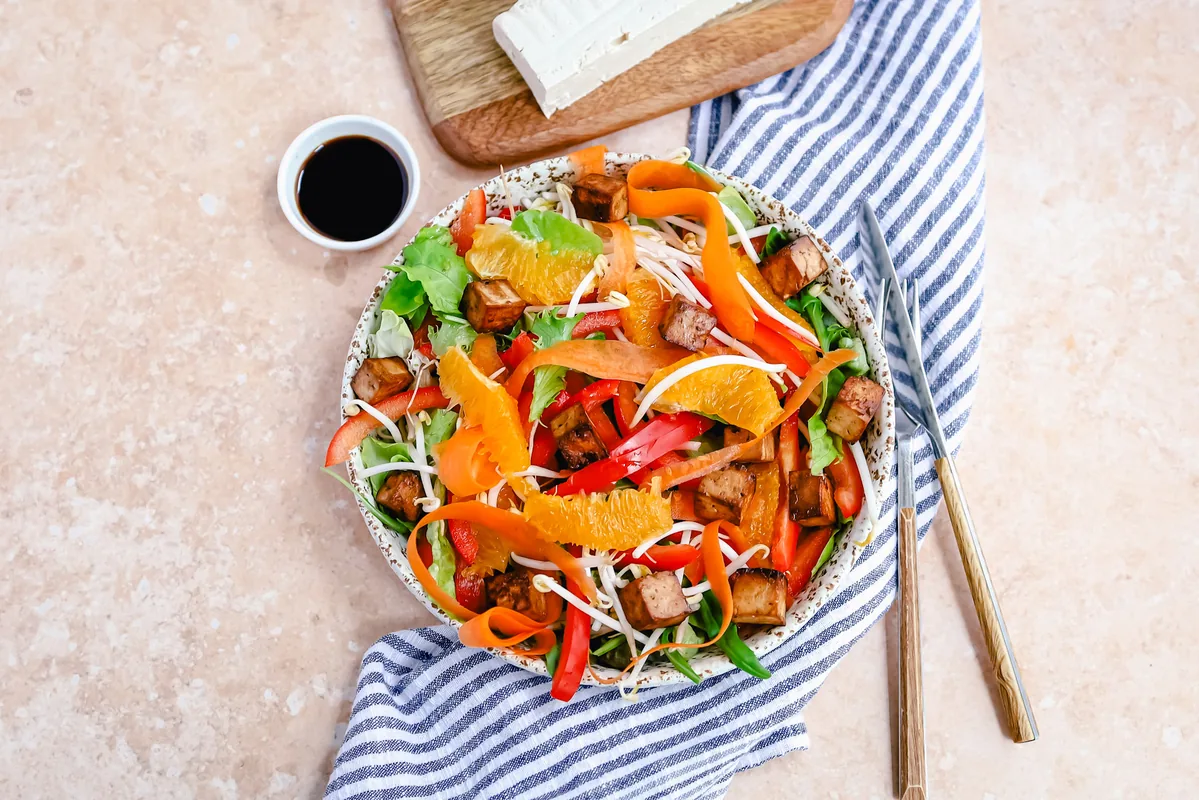
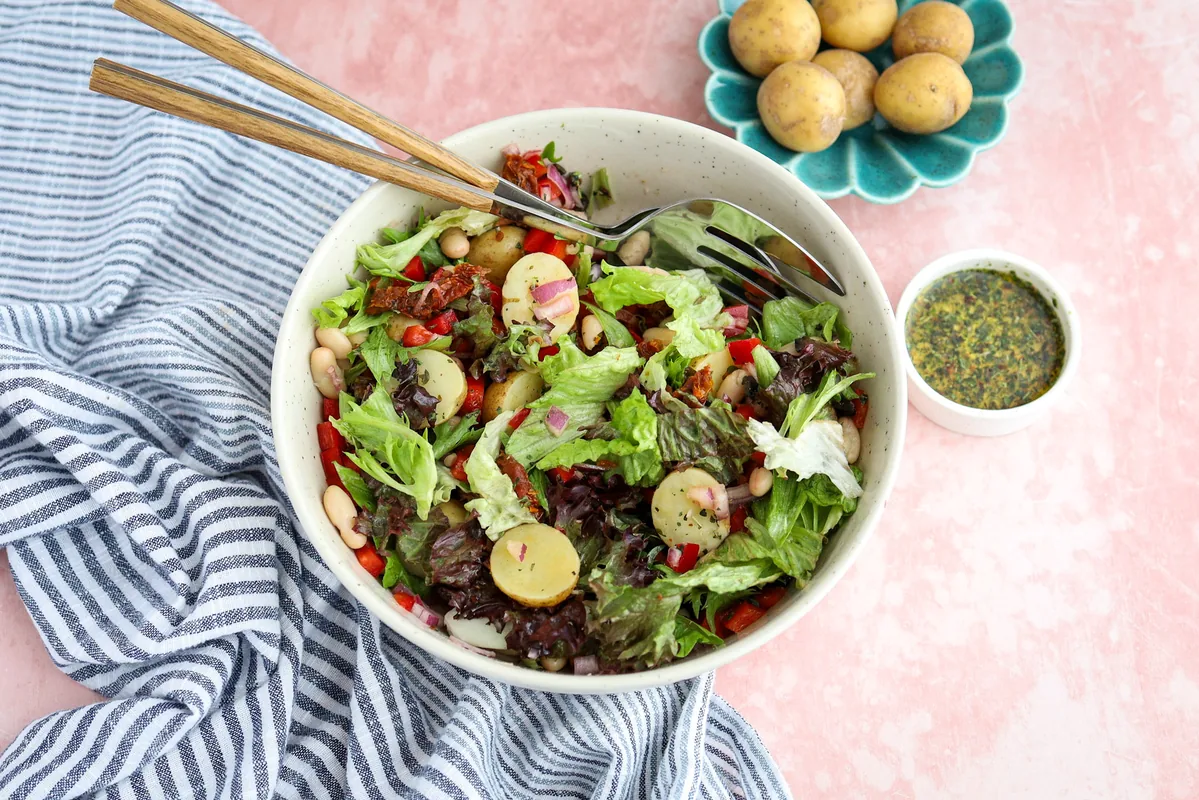
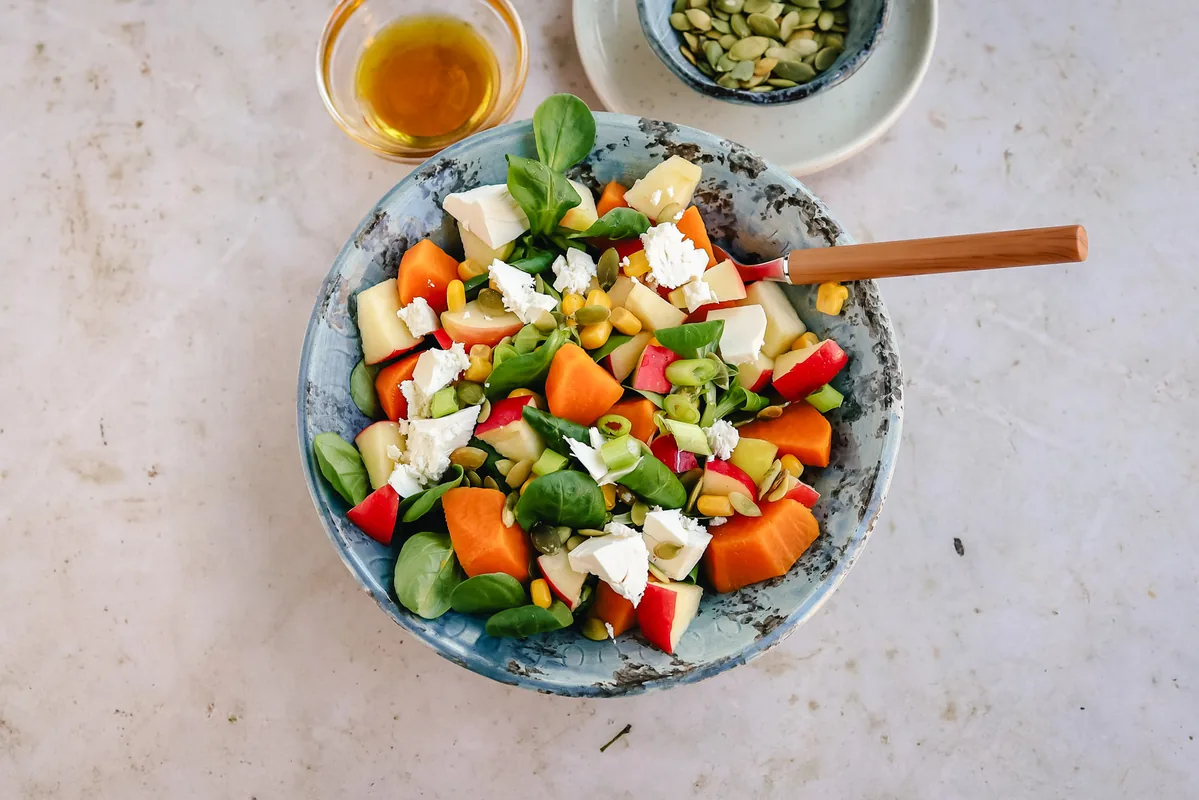
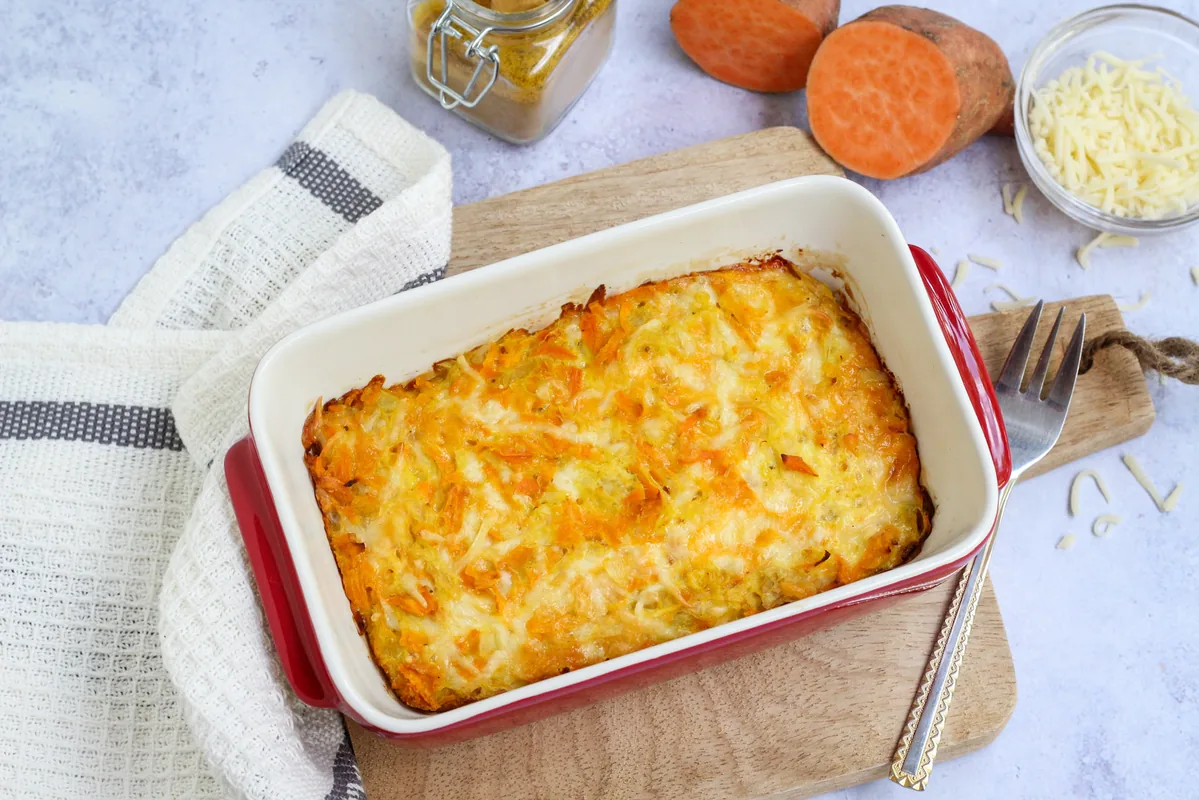
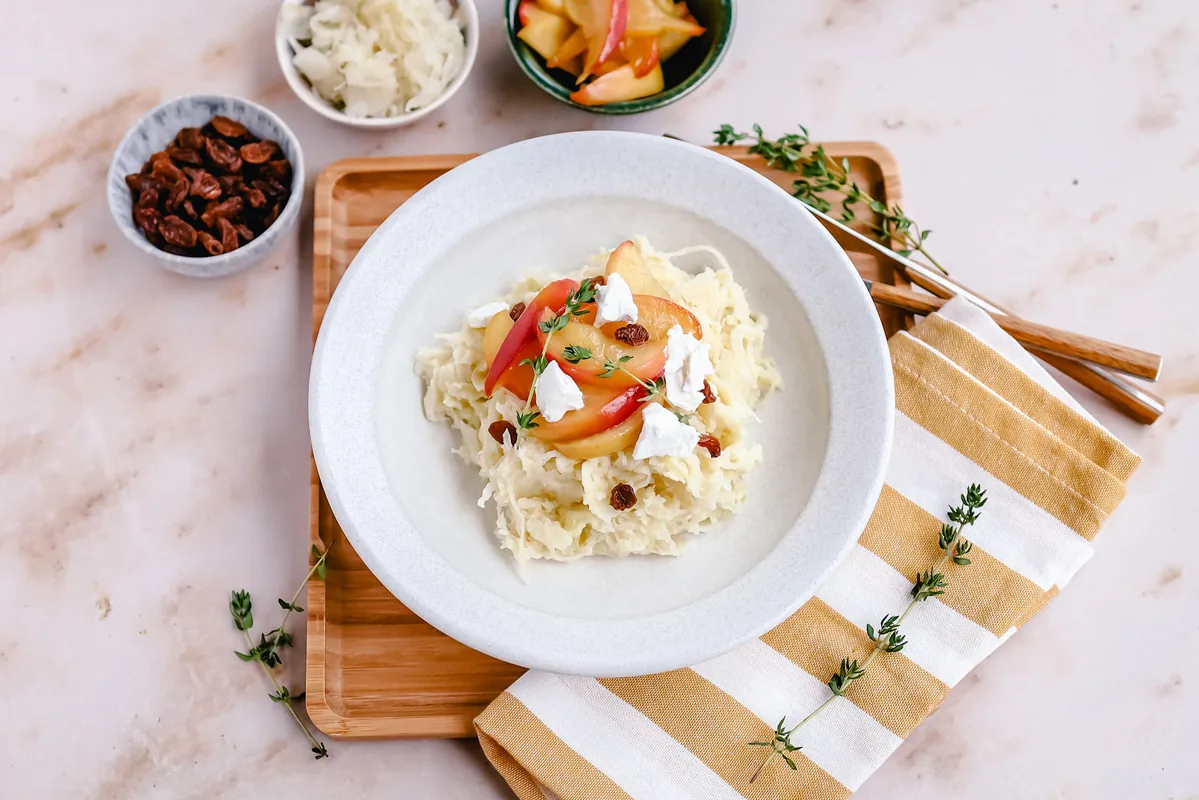

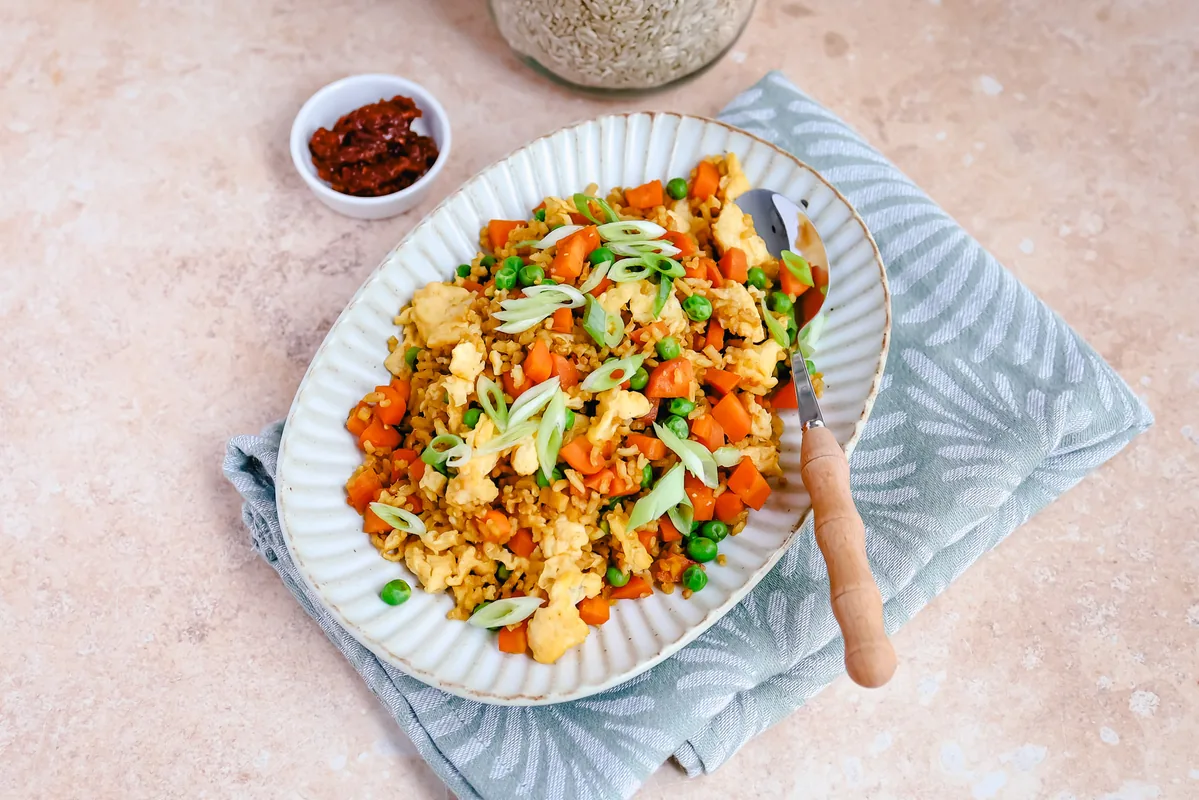






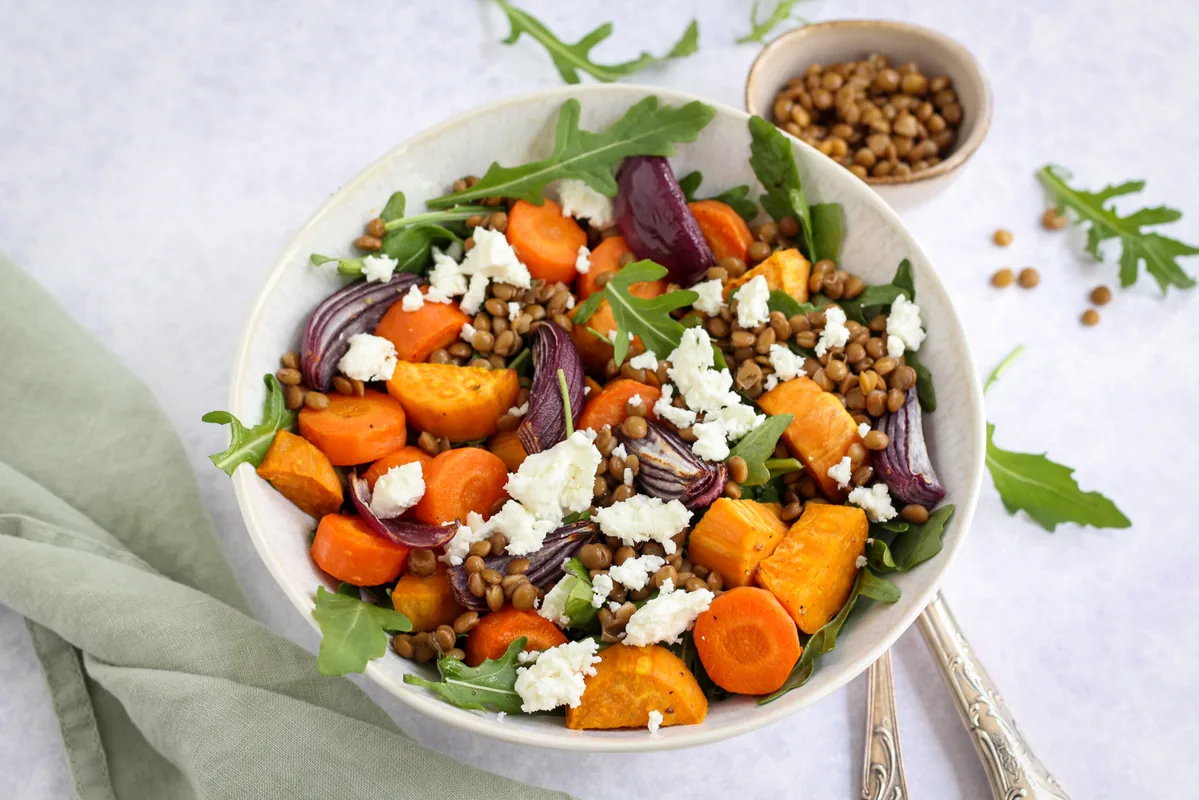
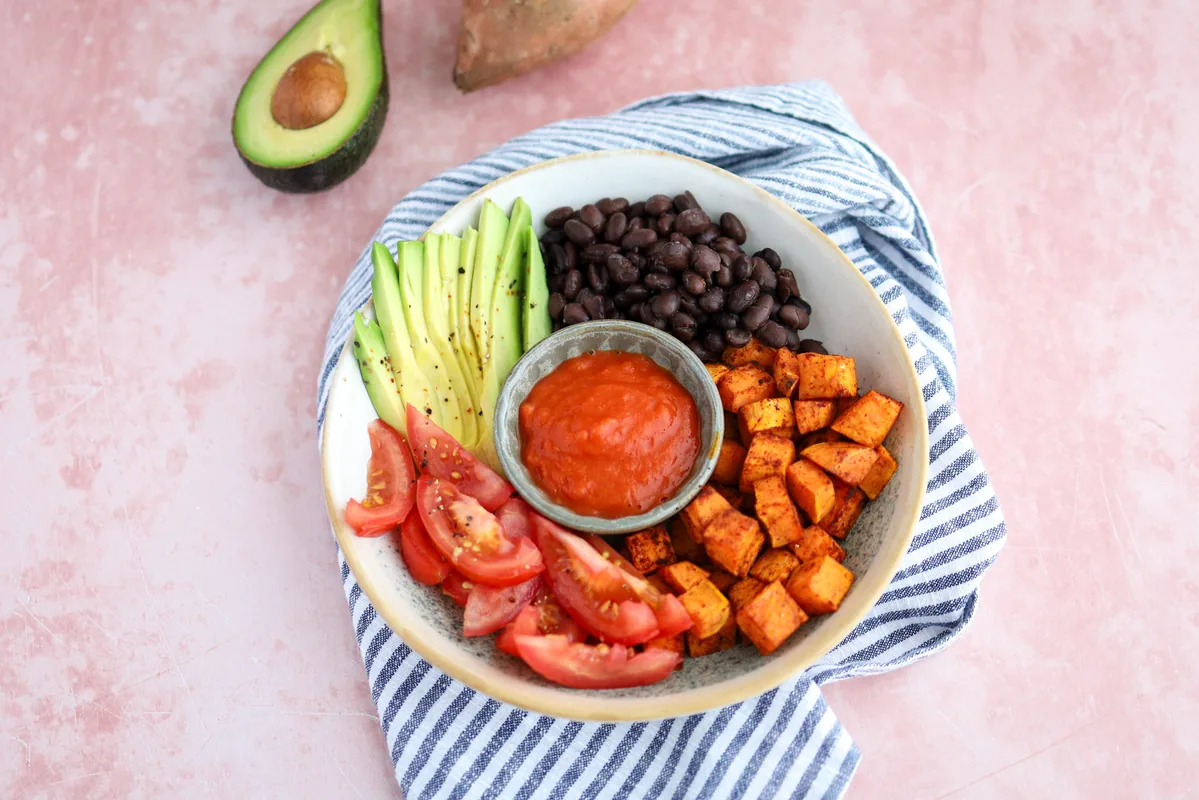
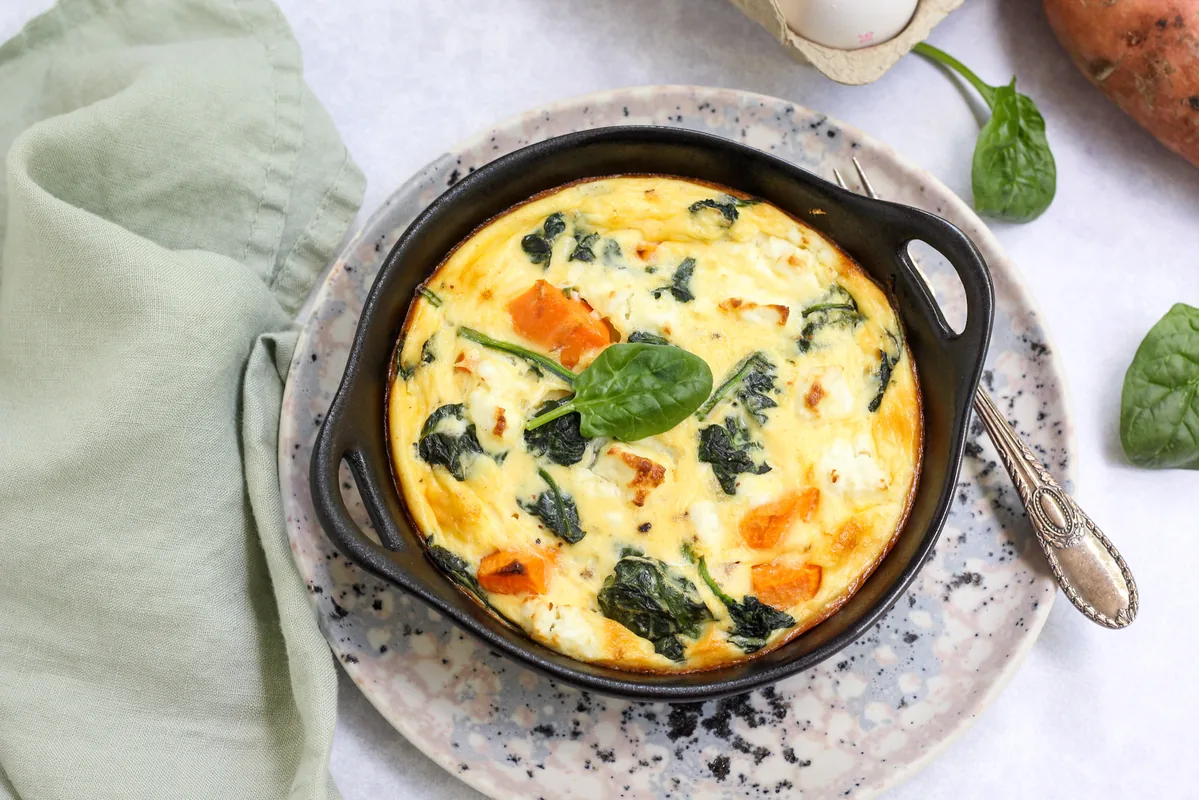
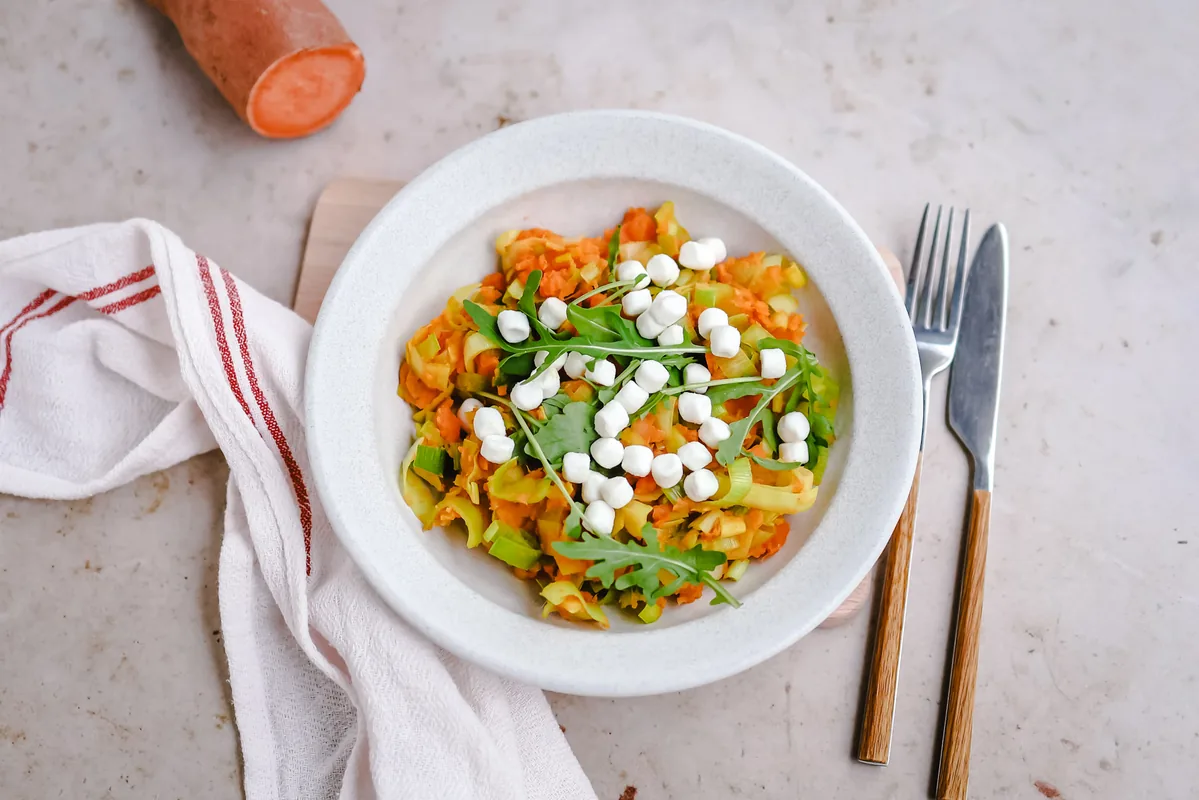



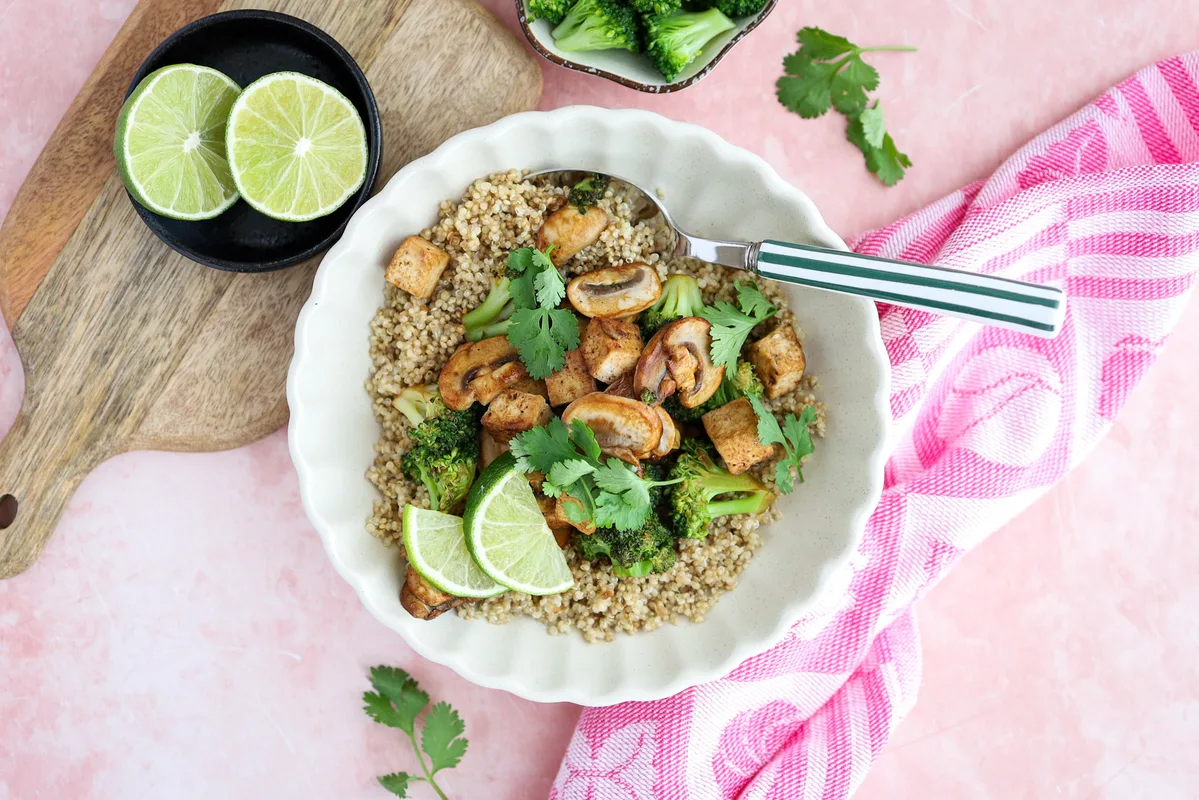
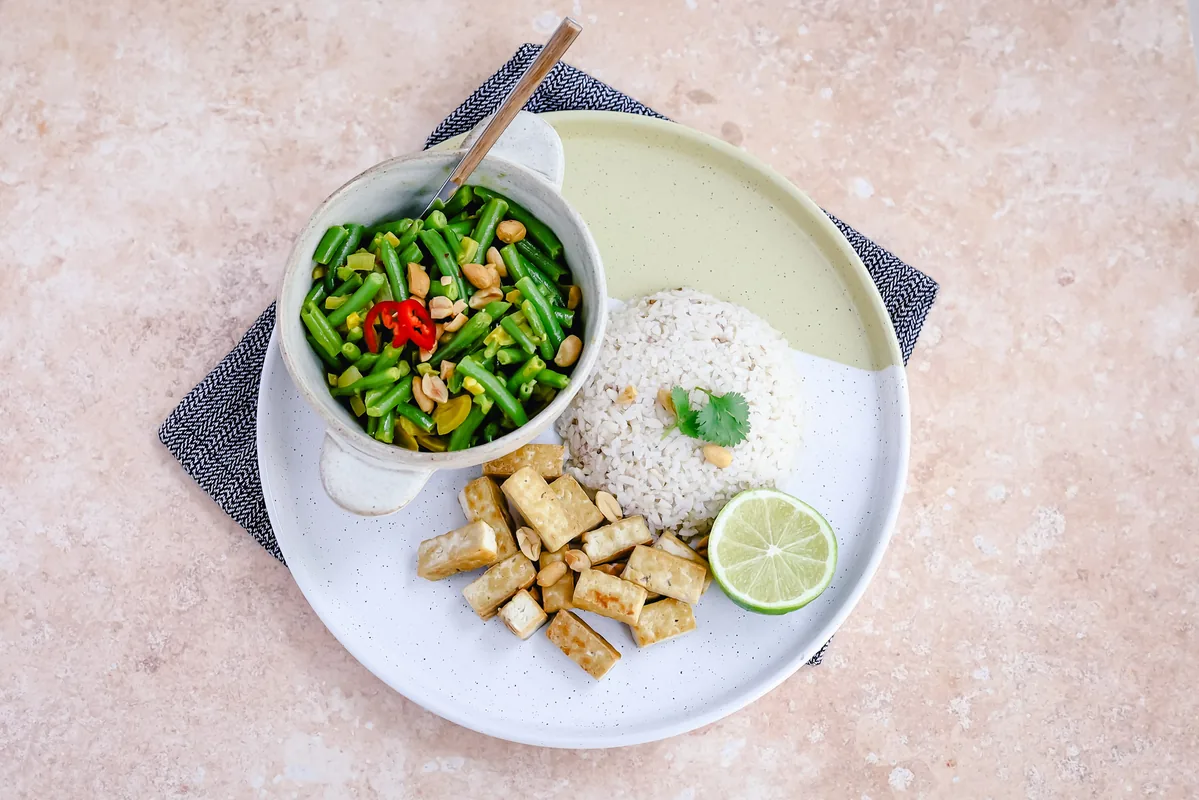
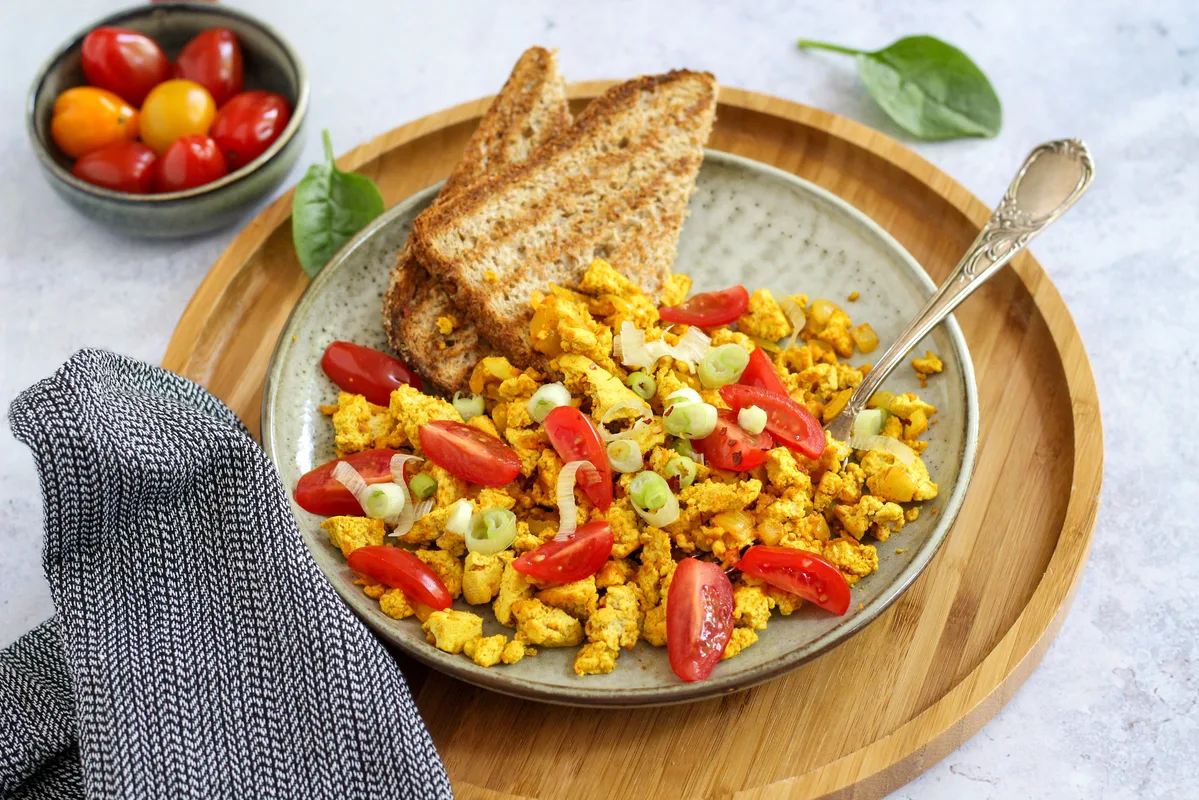
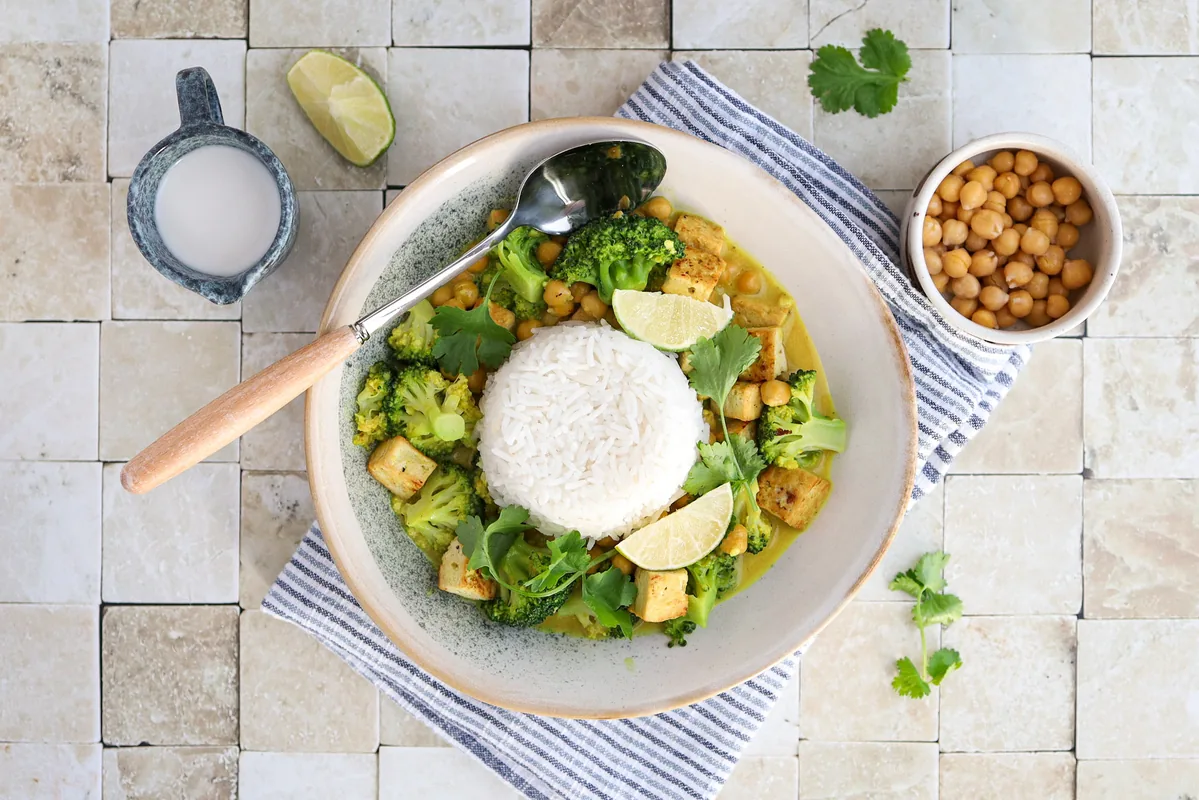









Take chicken out of a stir-fry and the protein drops. That part everyone fixates on. What nobody tracks: the fiber, the iron-absorption science, and the 13 protein sources that remain when the meat leaves the plate.
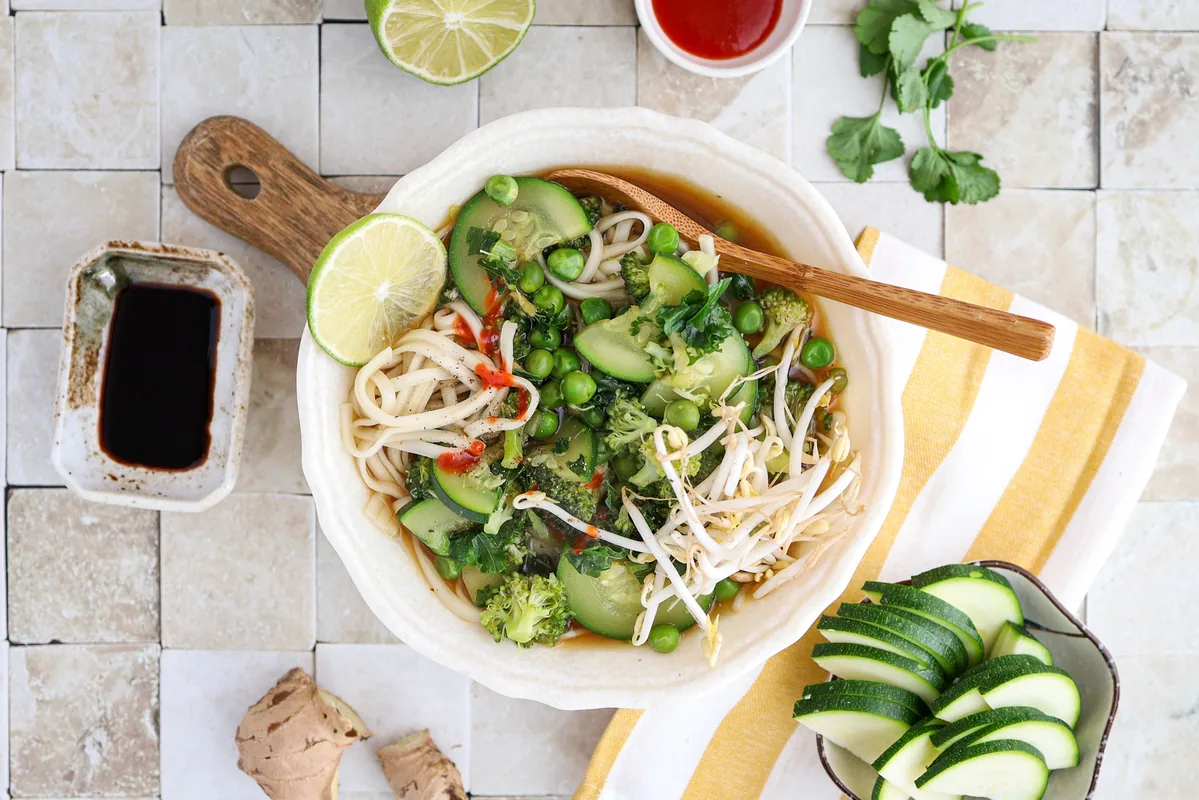
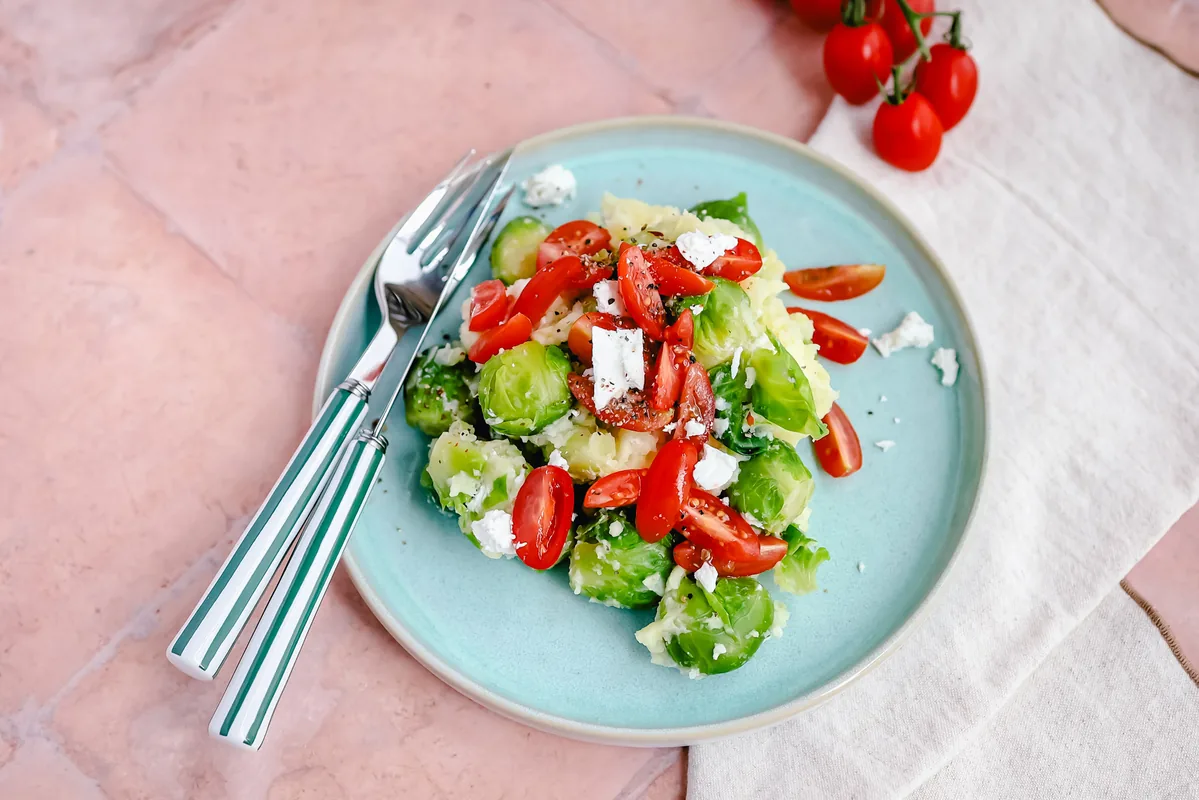
Across 389 vegetarian recipes, median protein lands at 22 grams per serving — 6 grams below the full library of 825 meals. The fiber sits at 11 grams, which is the exact median of every recipe on the site, including all the chicken breasts and ground beef. Removing meat did not dent the fiber. The plants were carrying it the entire time.
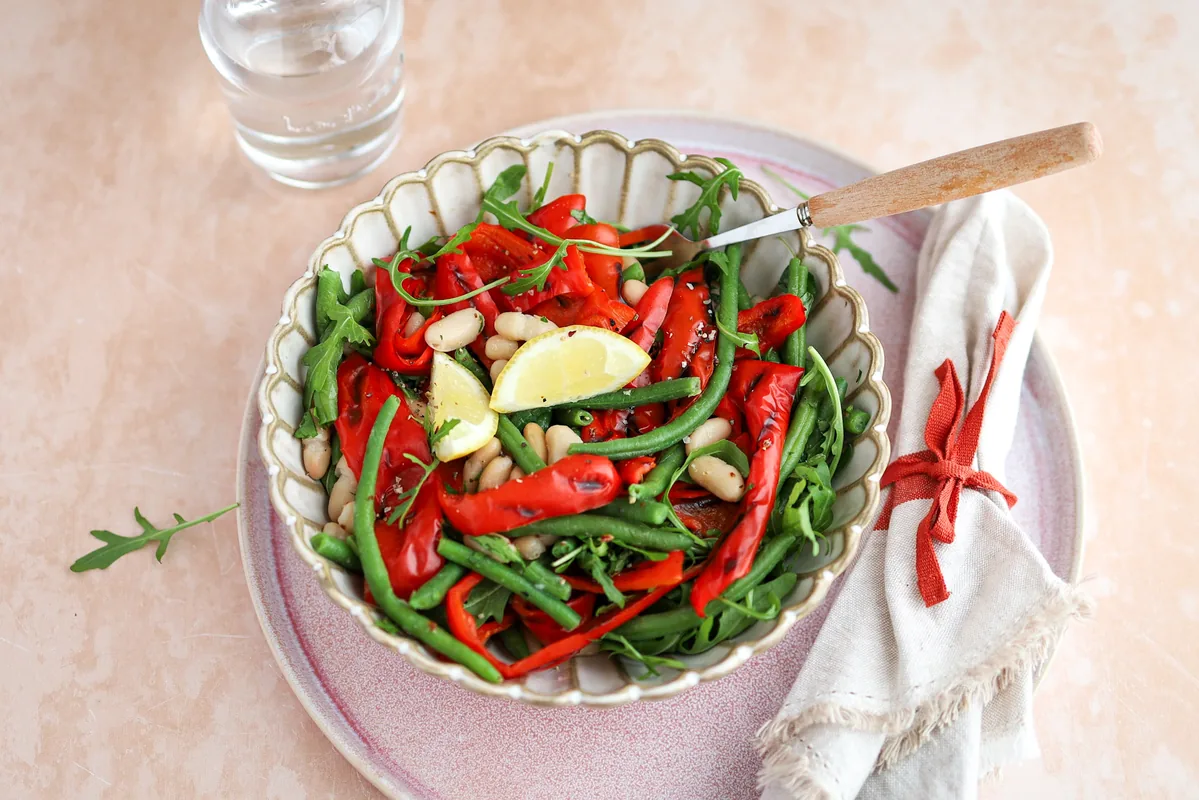
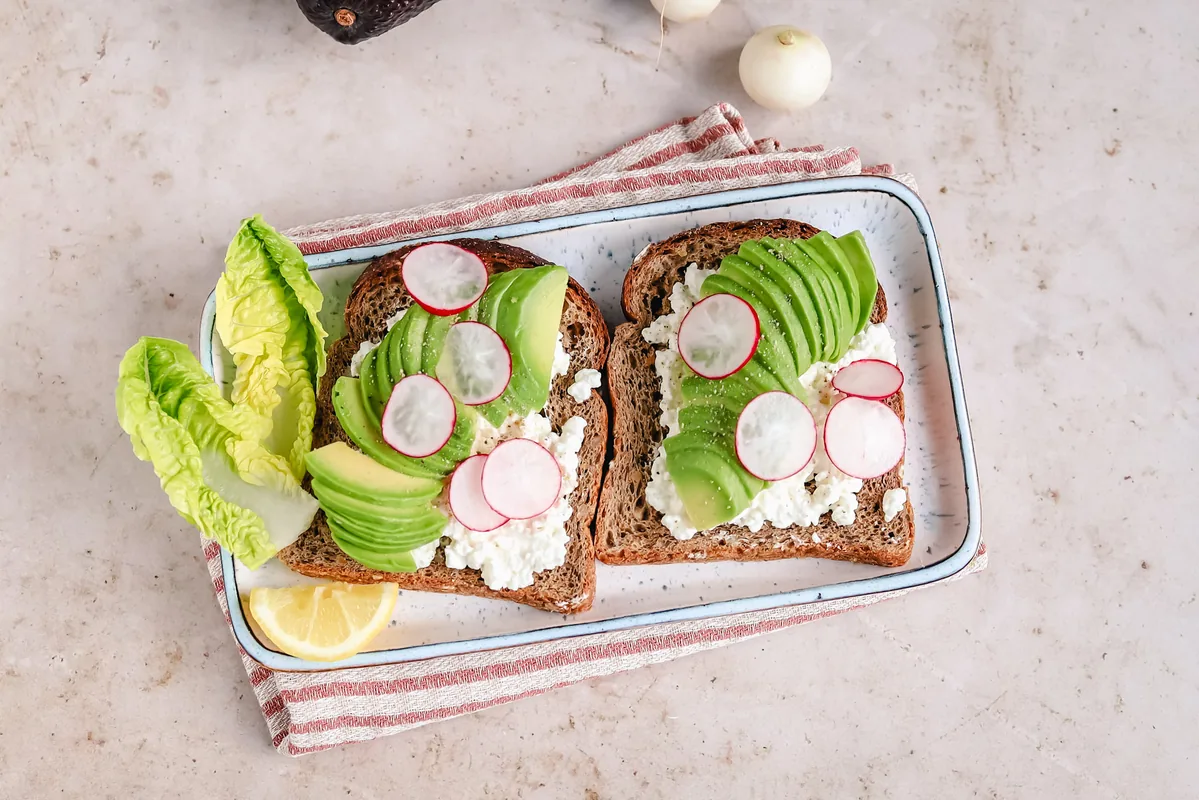
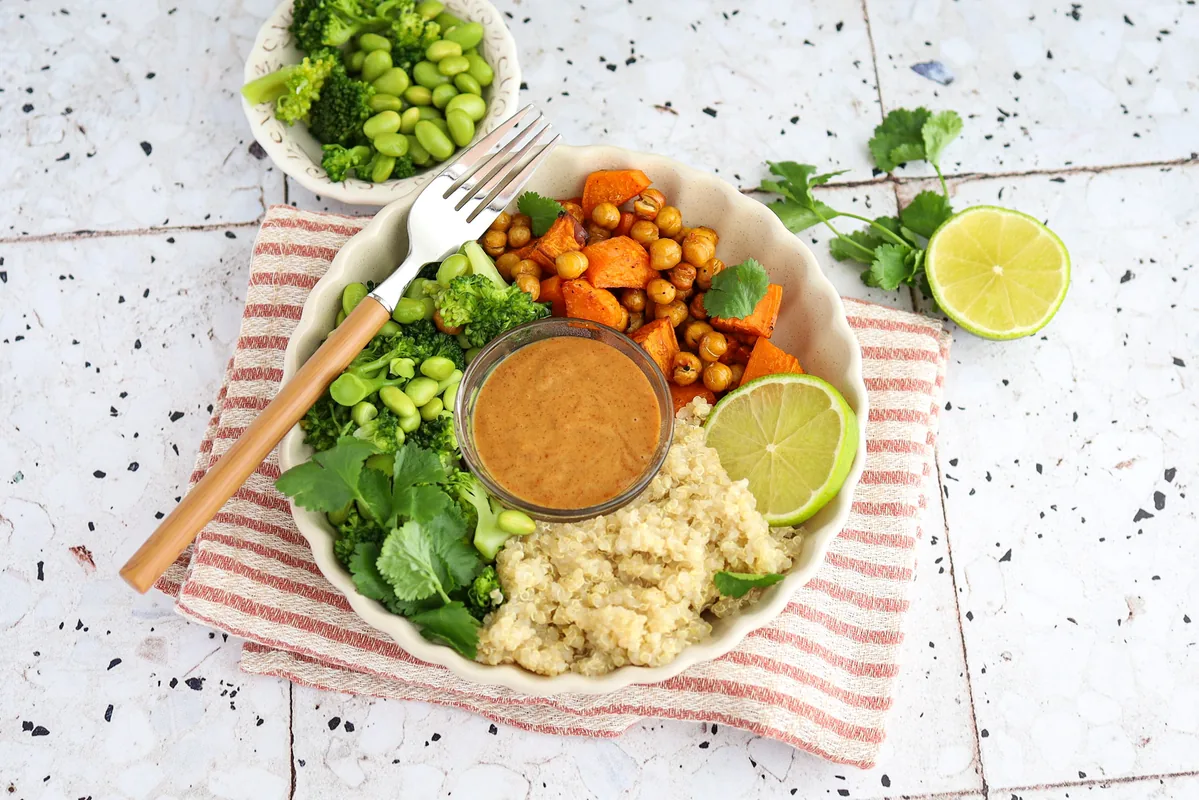
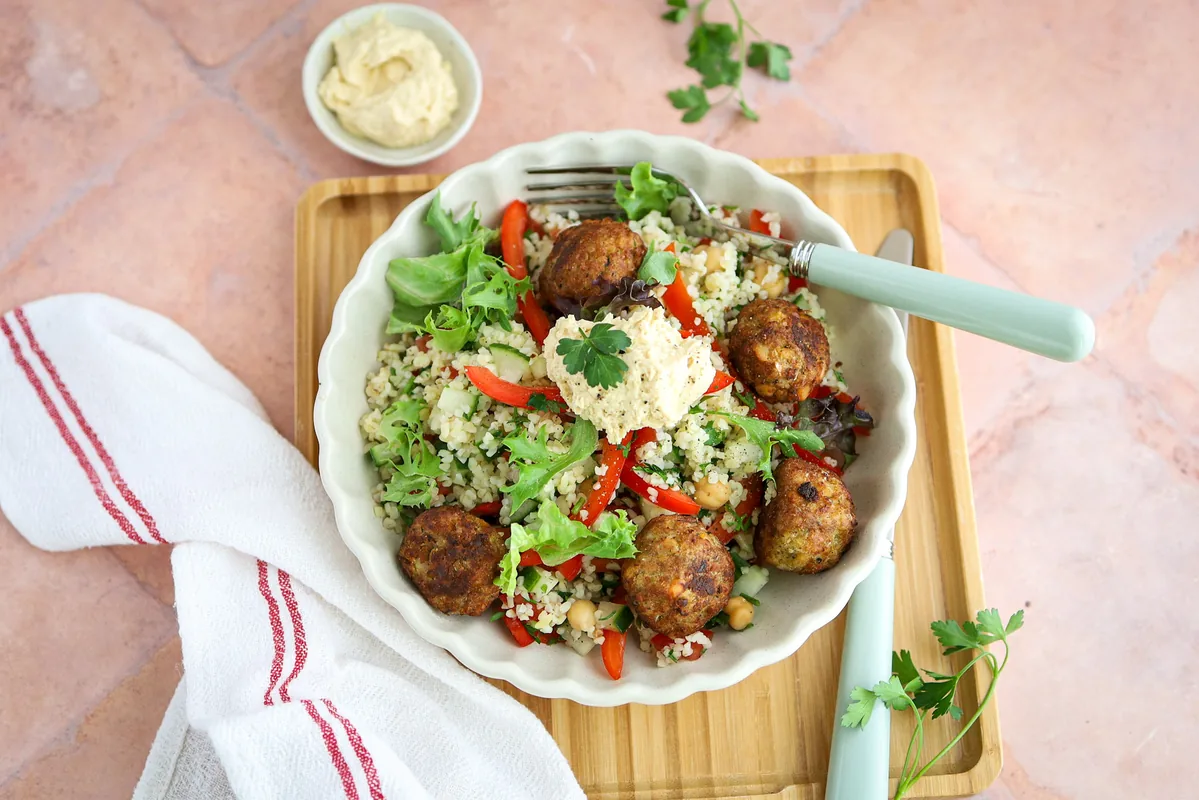
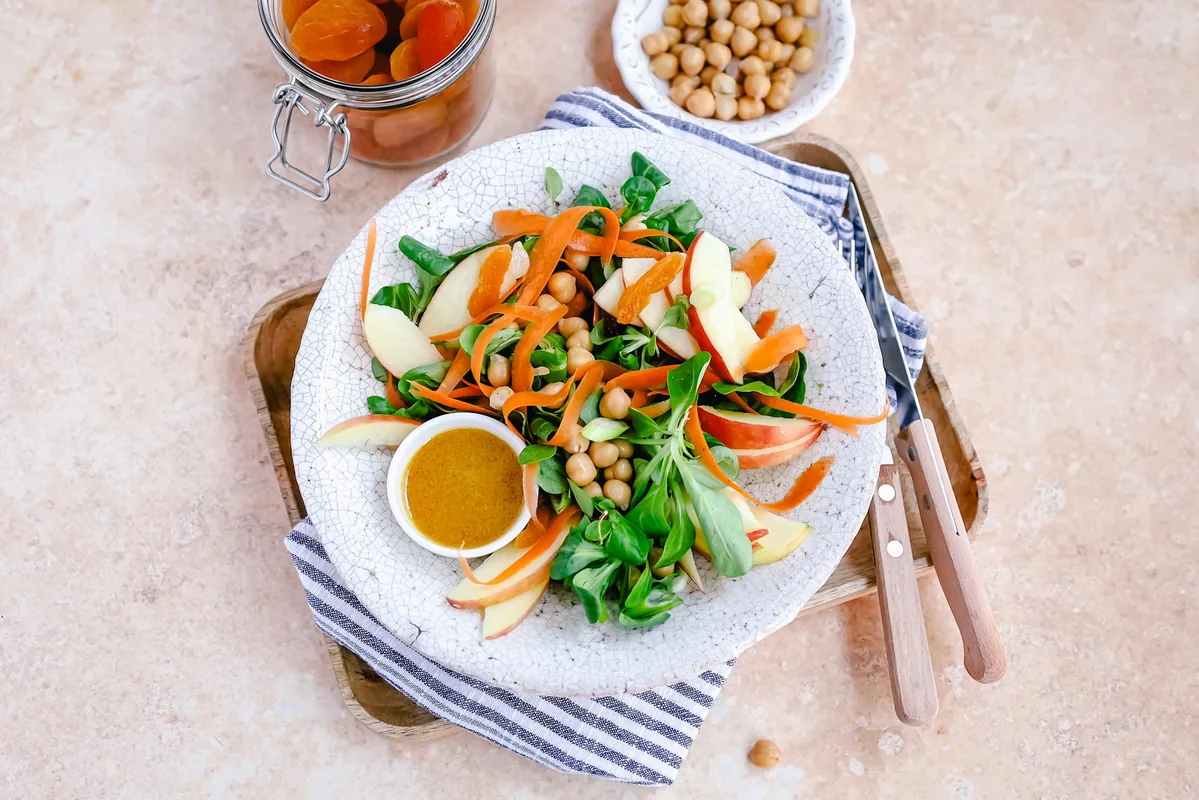
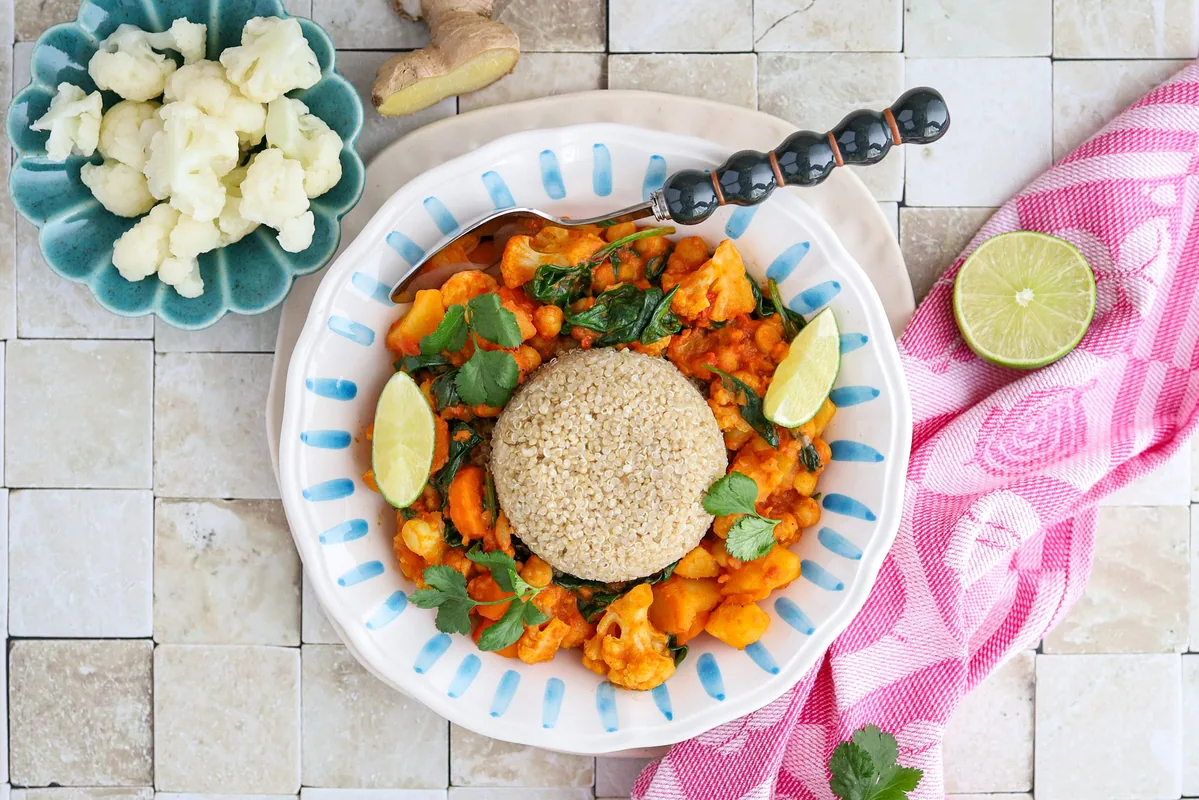
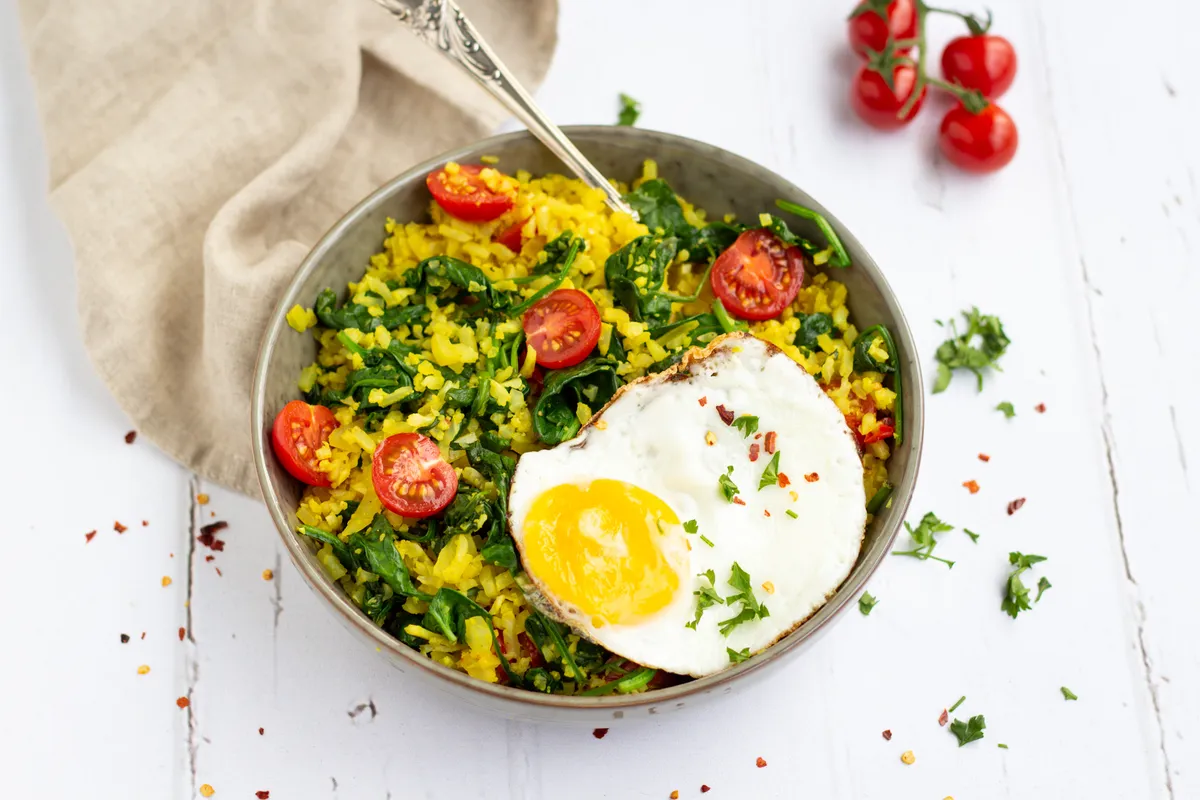
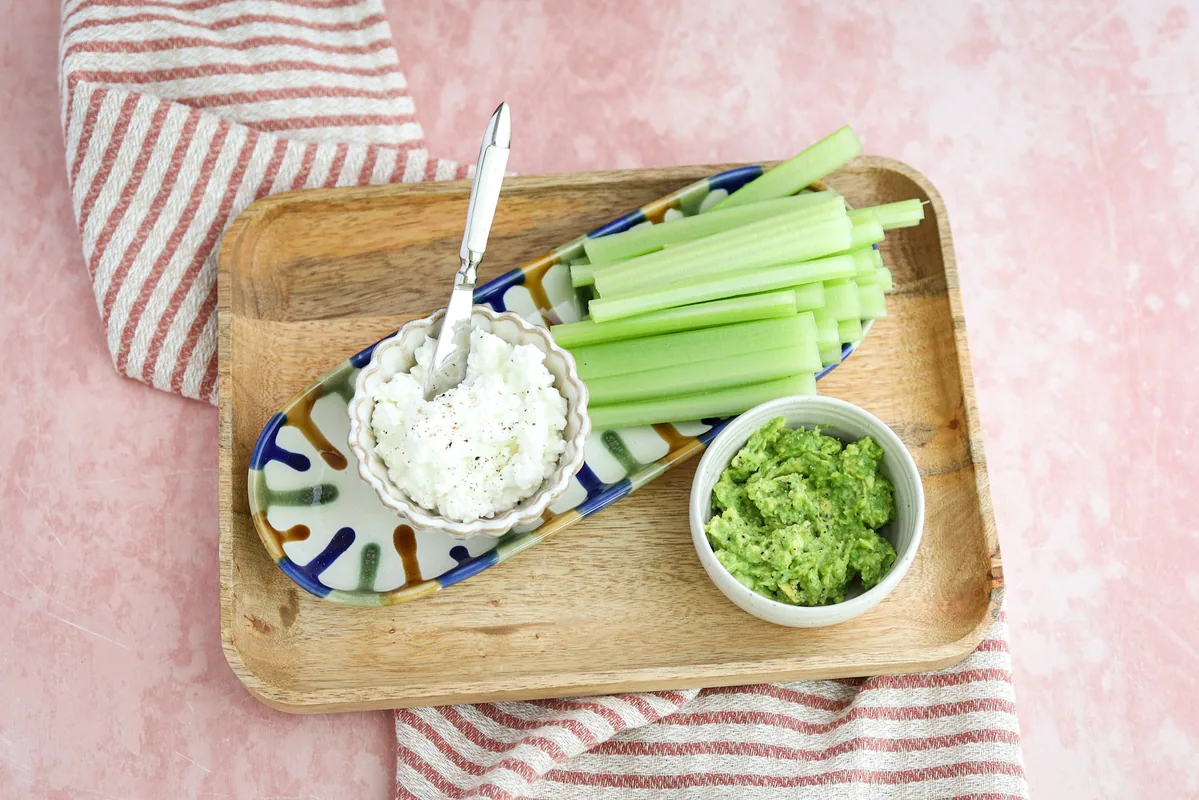
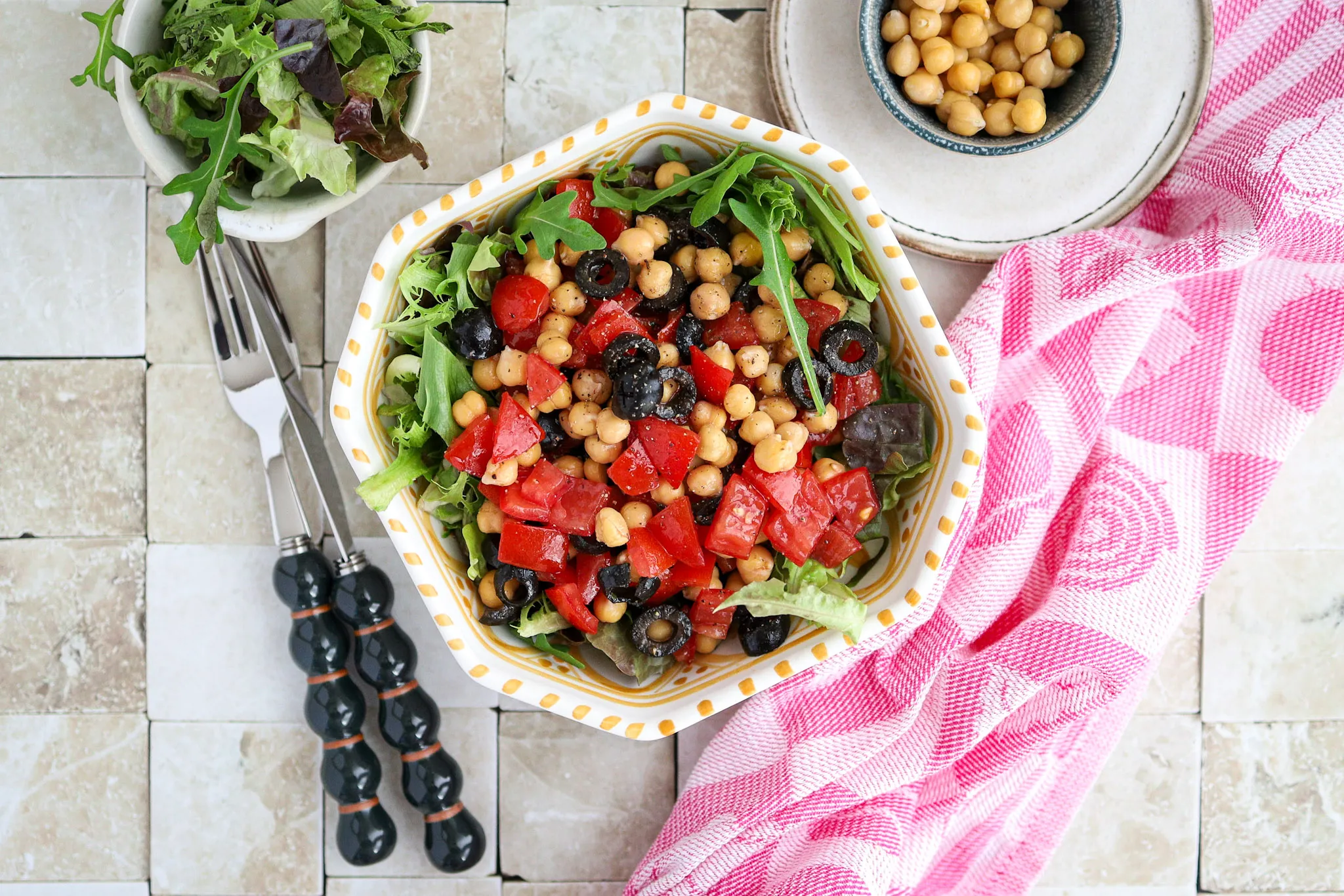
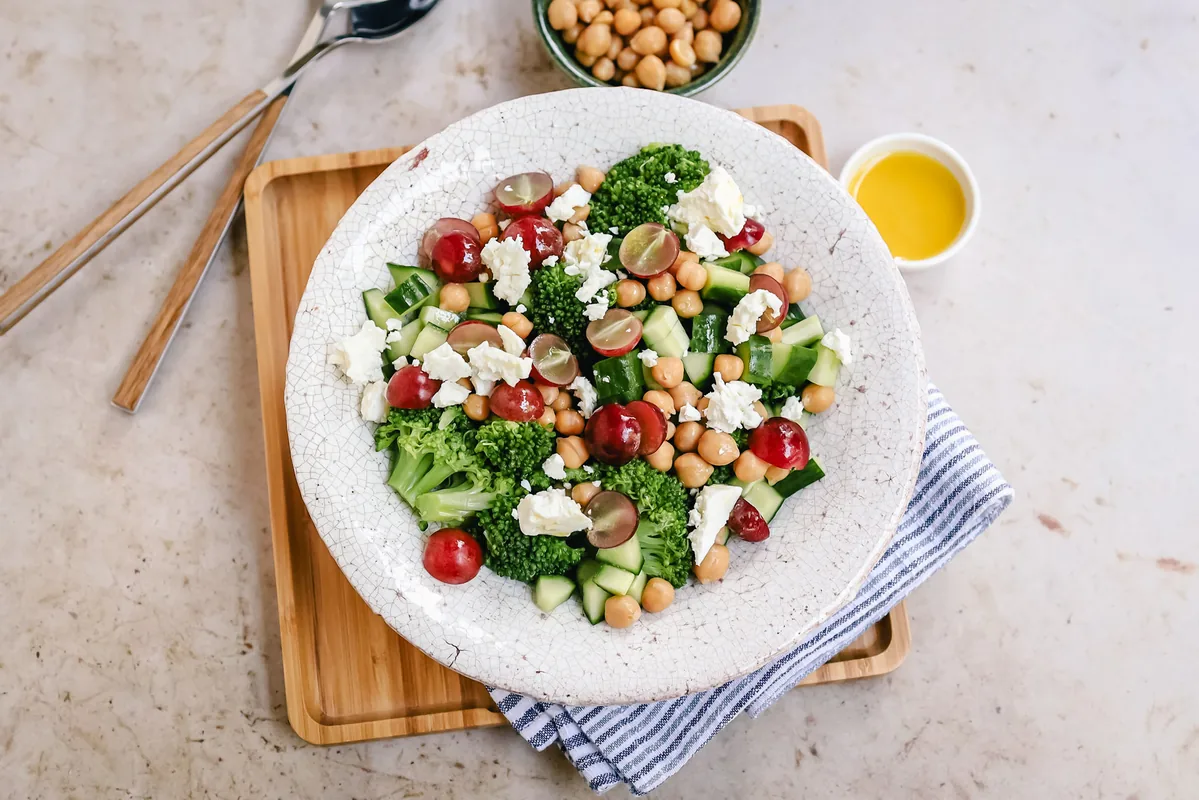
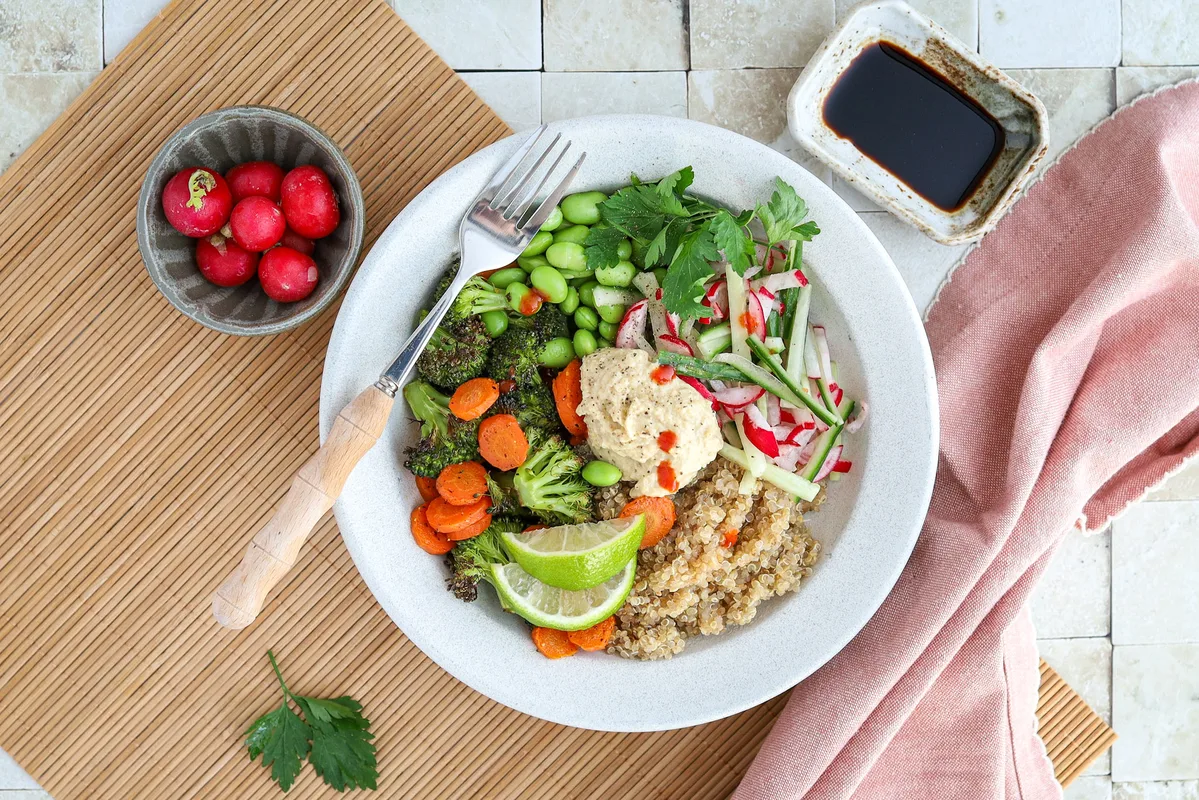
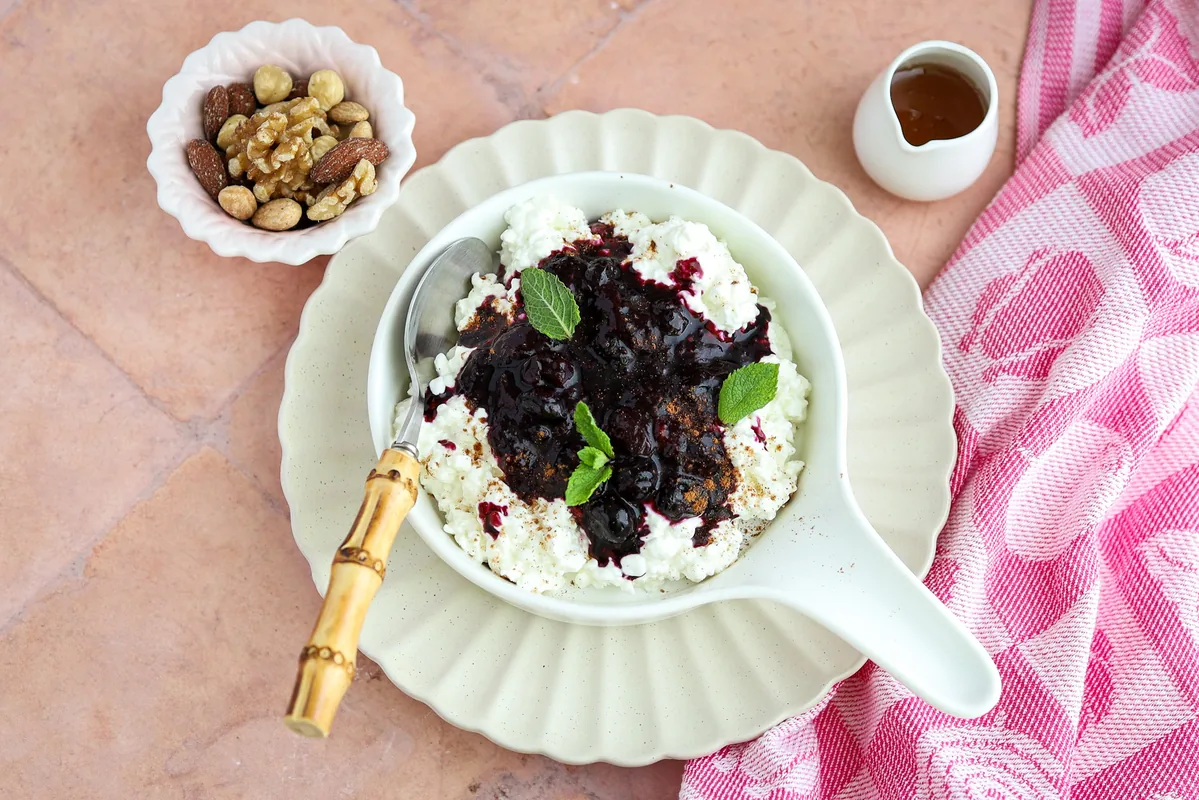
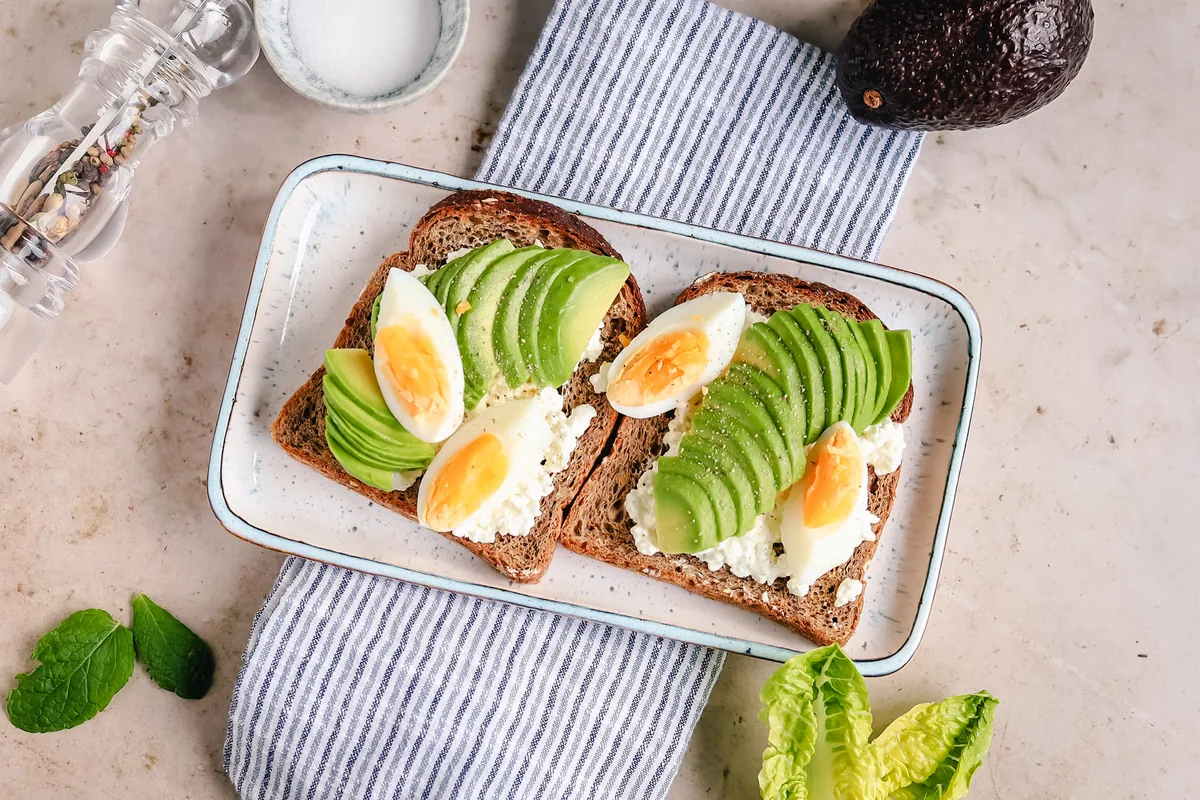
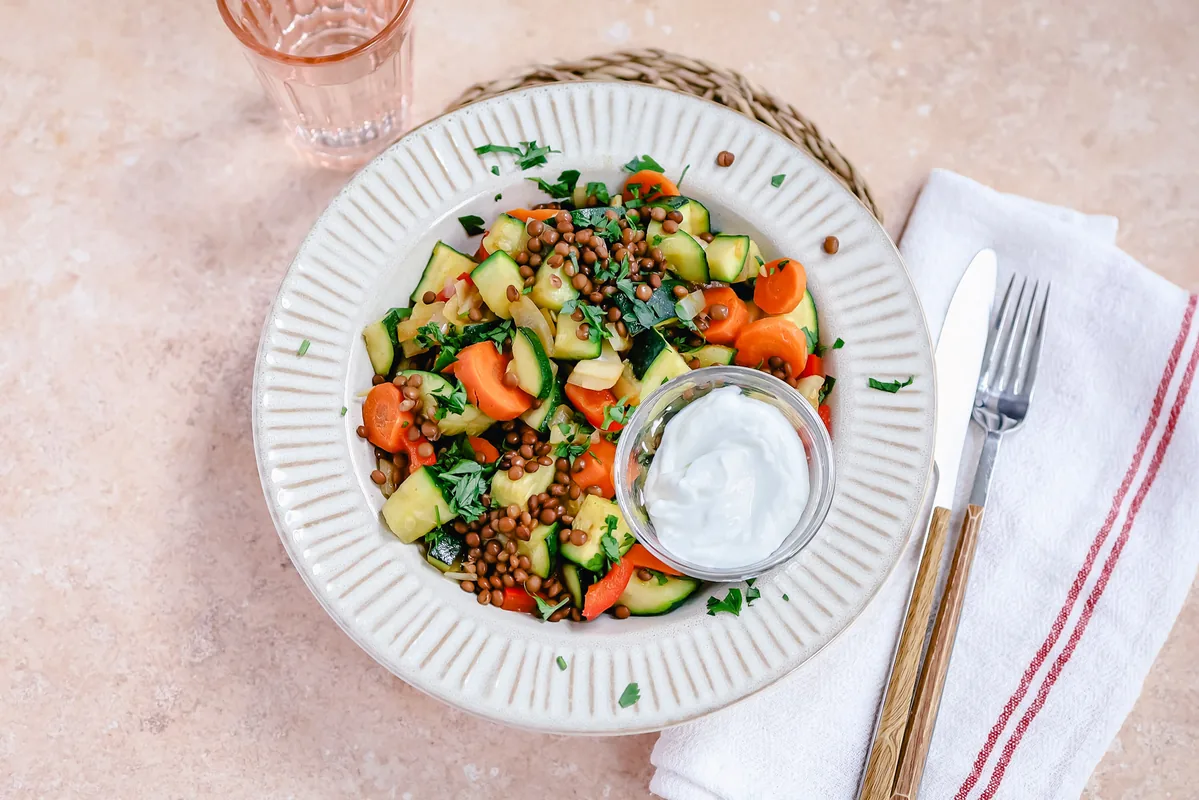
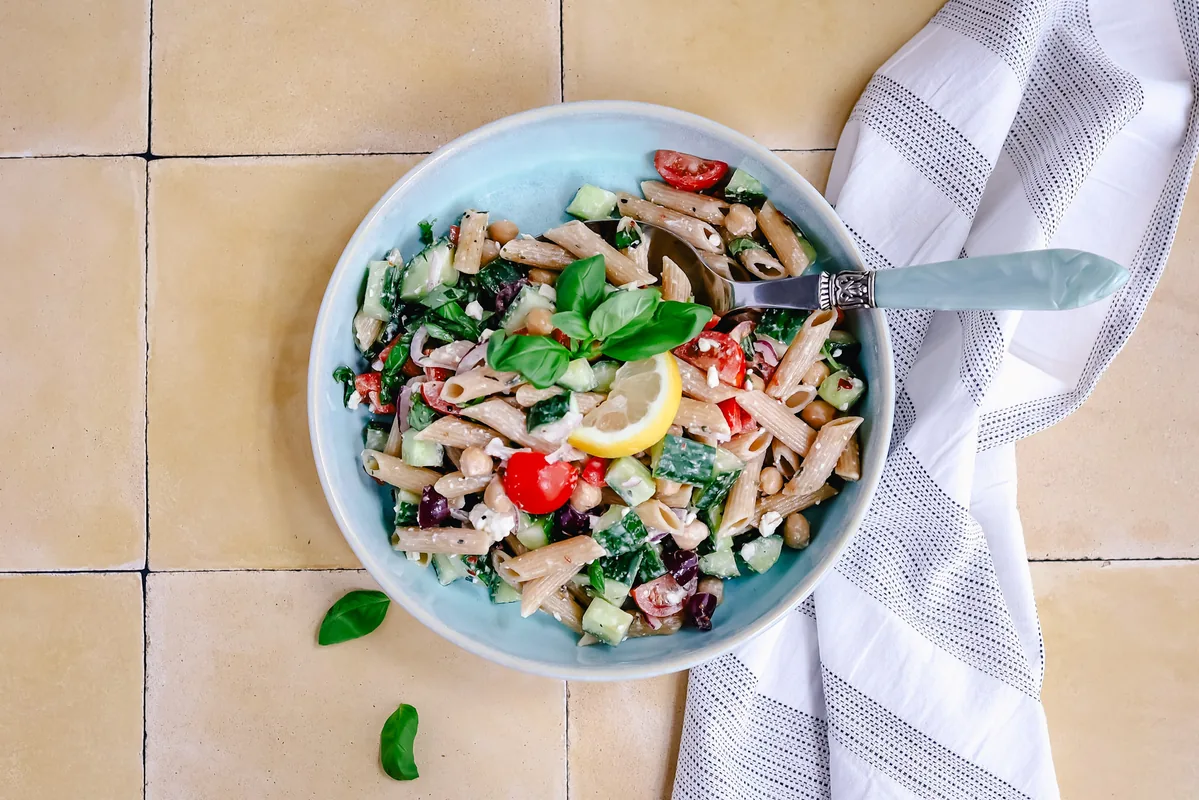
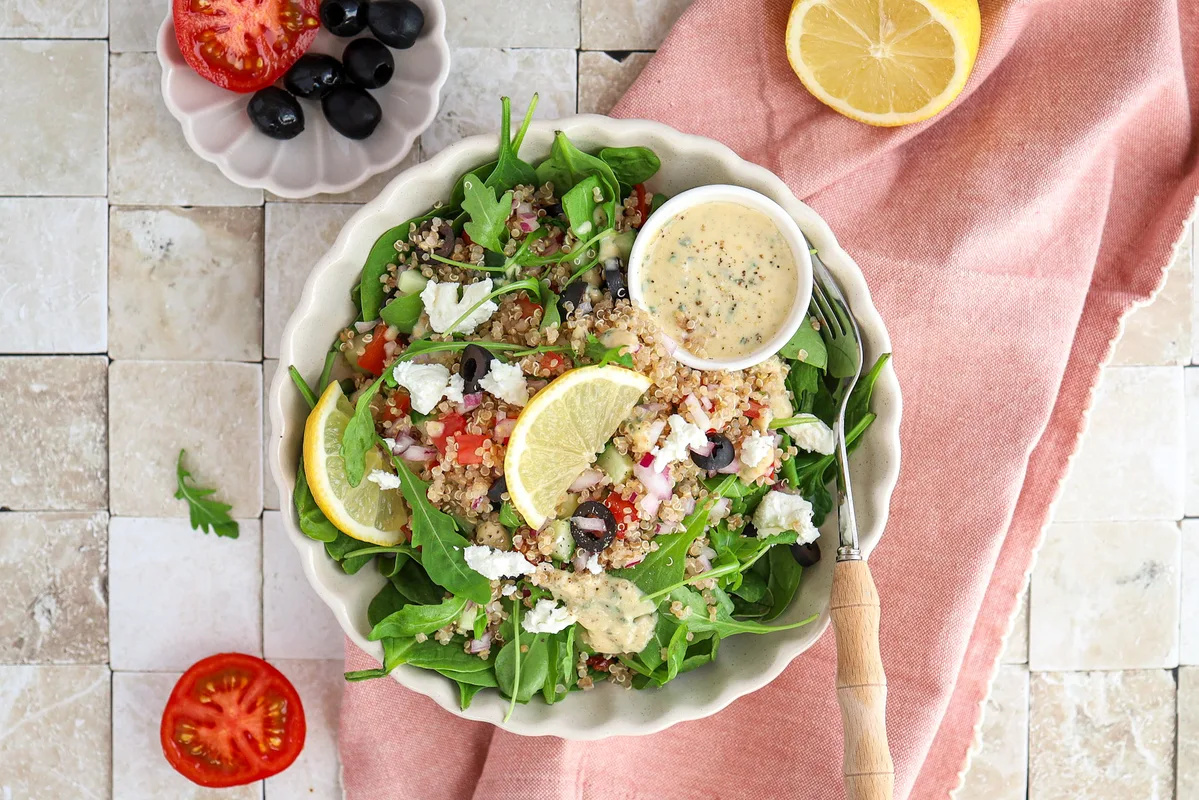
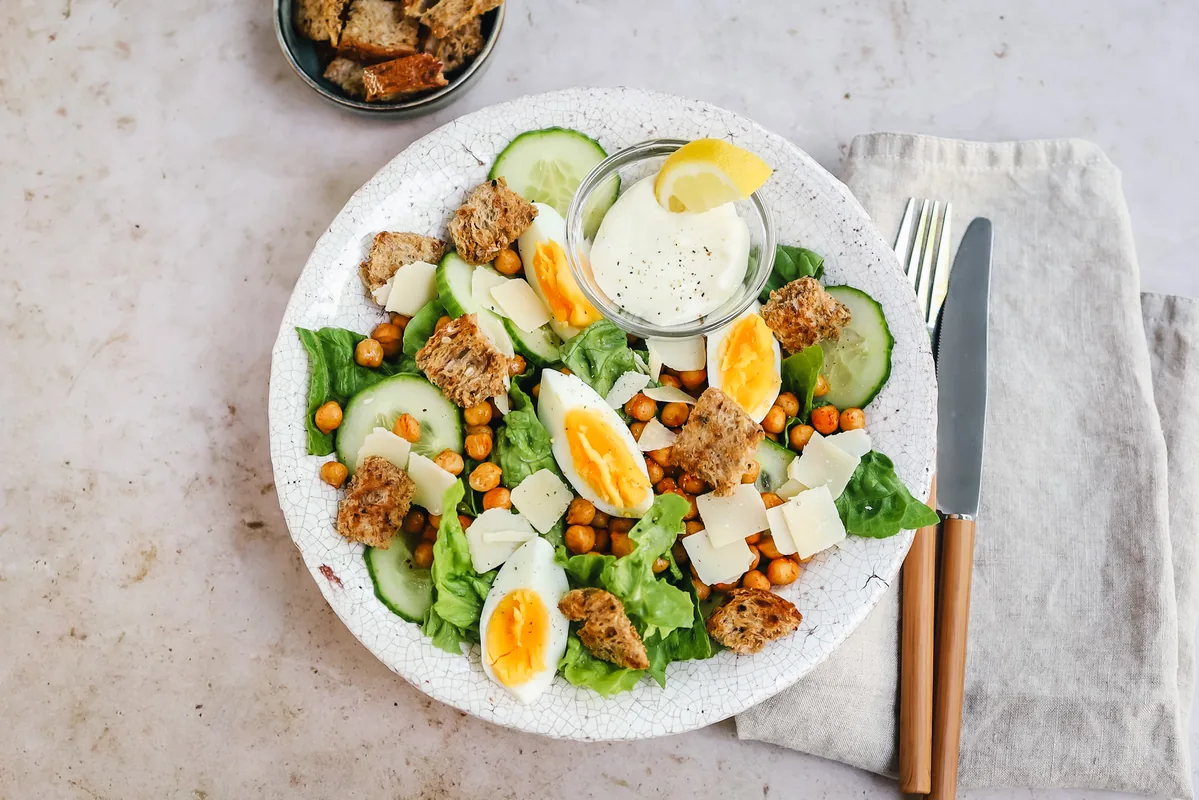
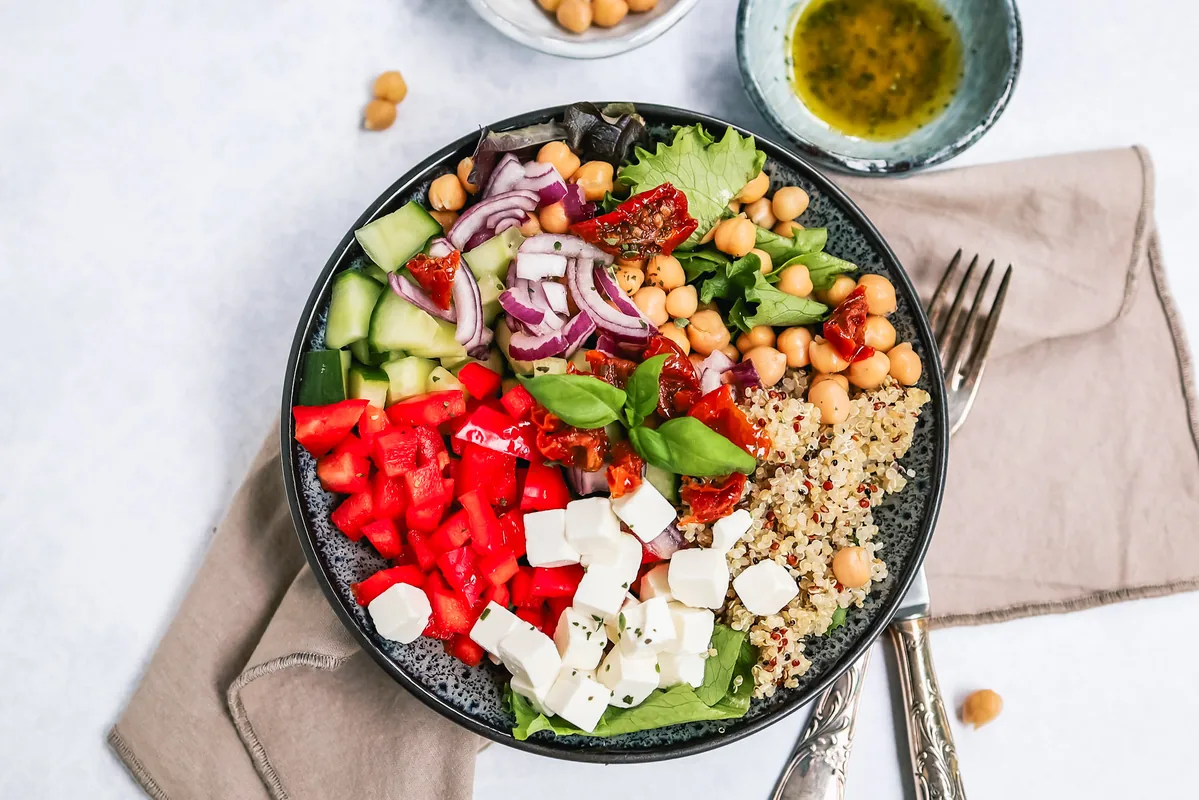
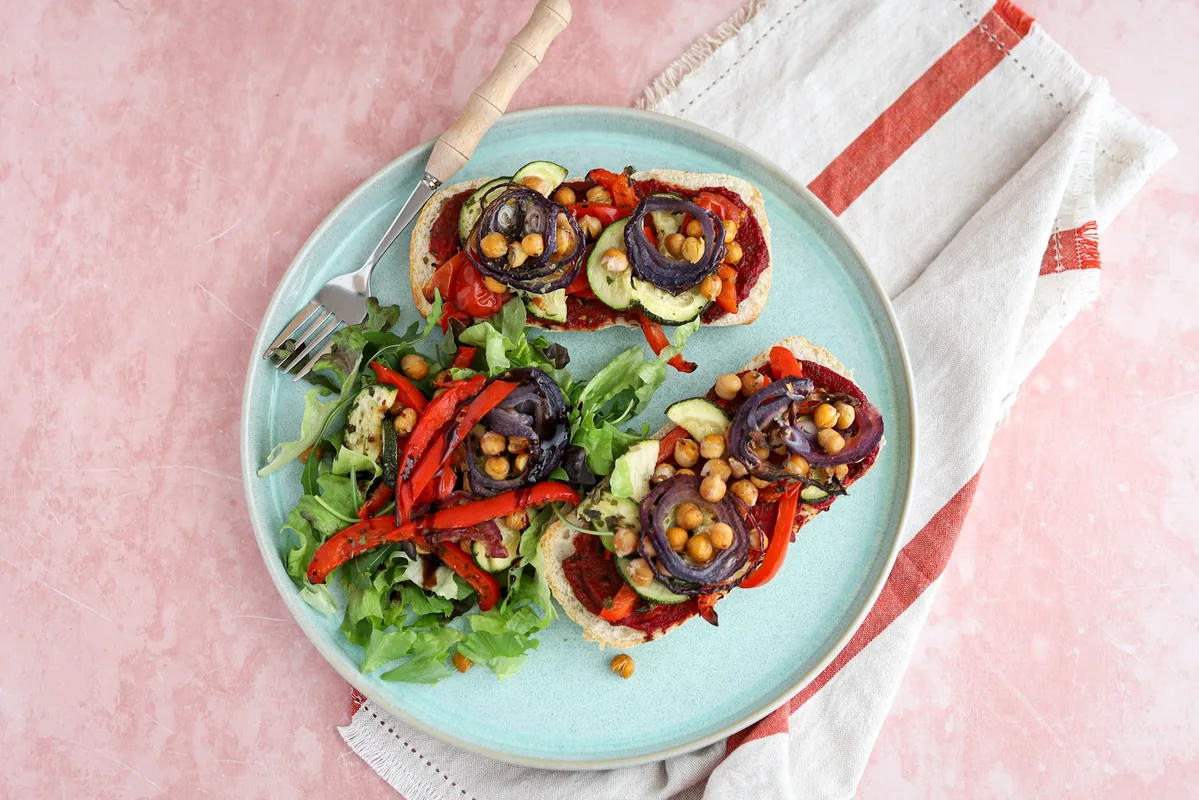
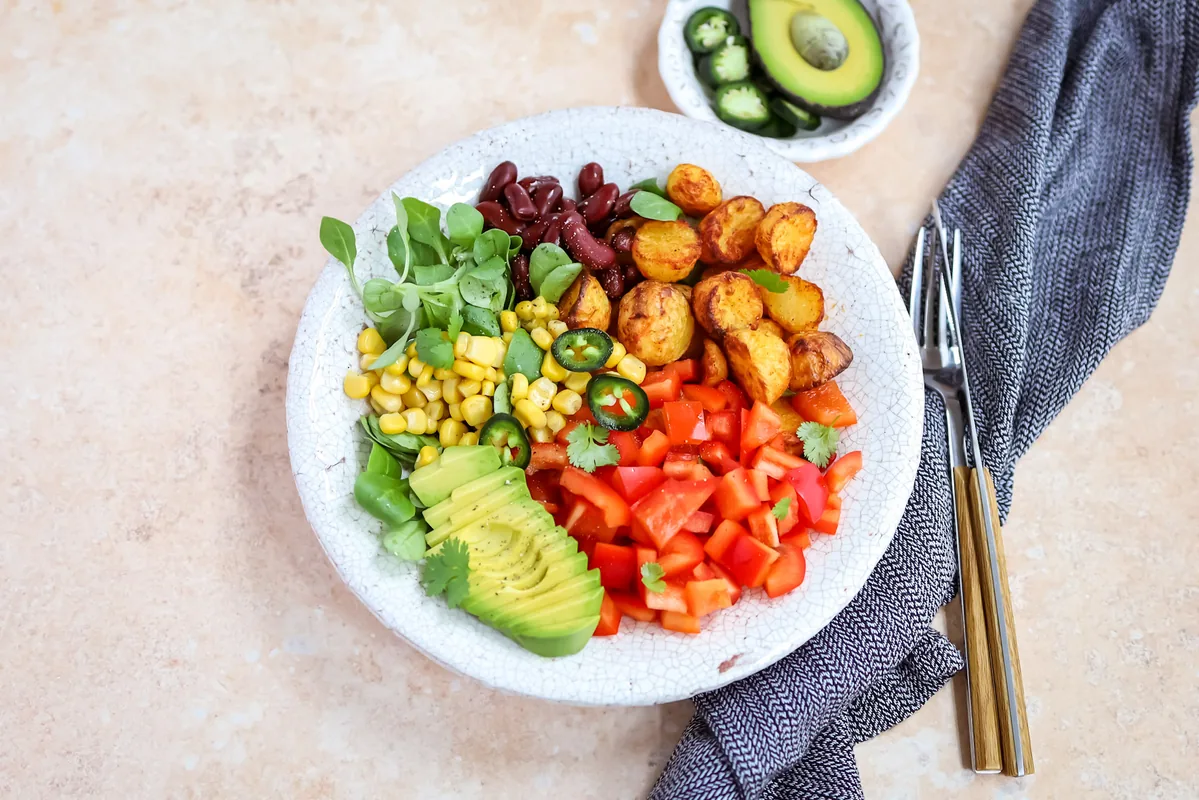
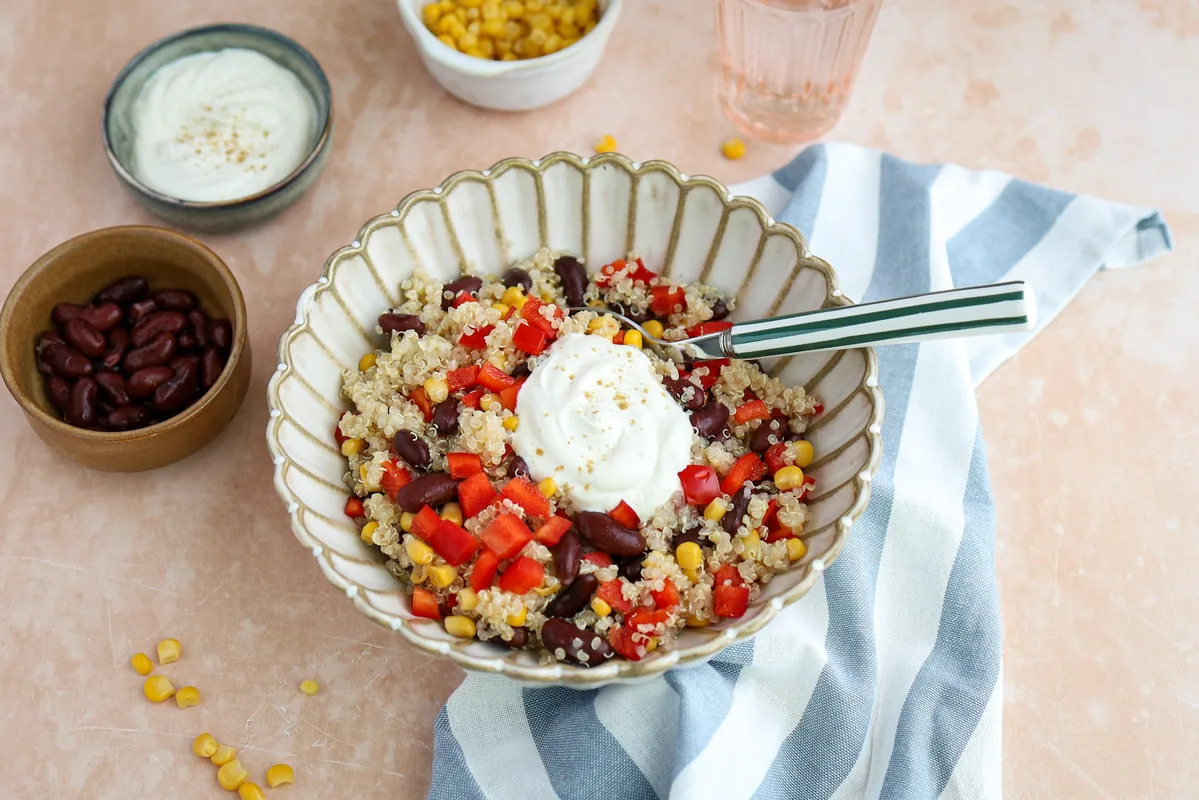
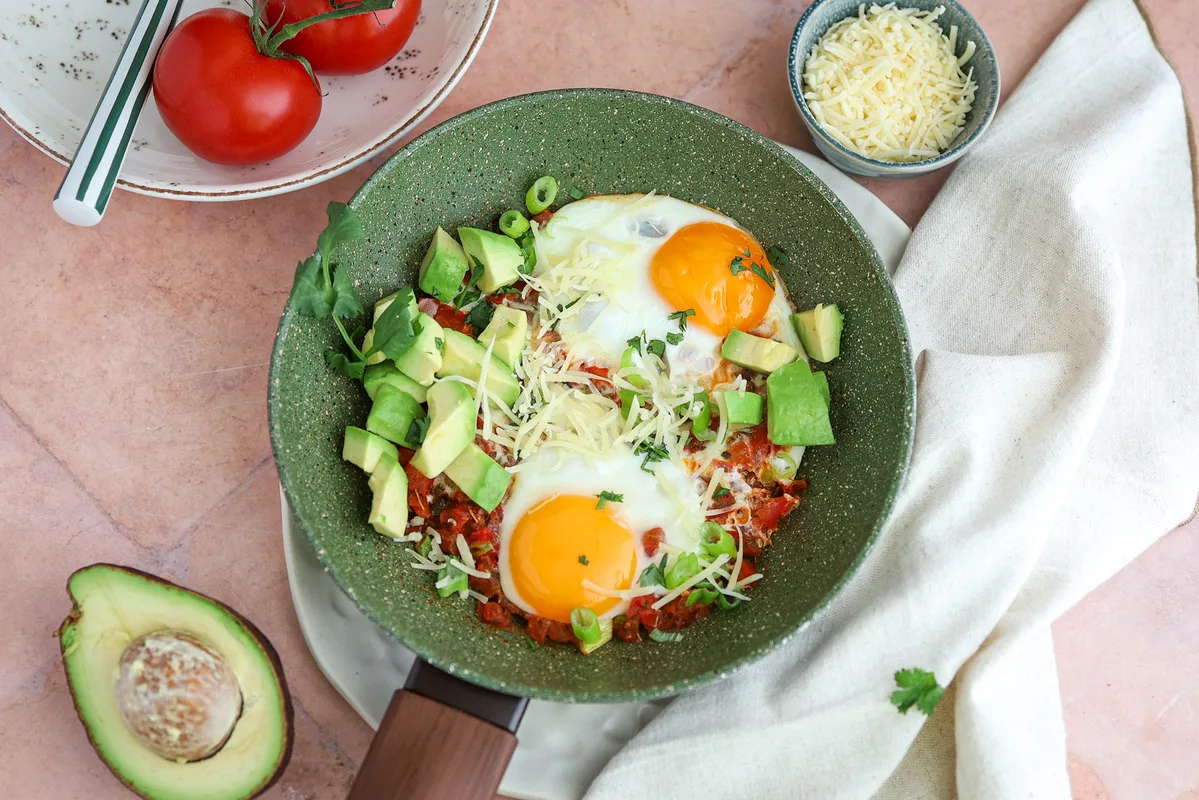
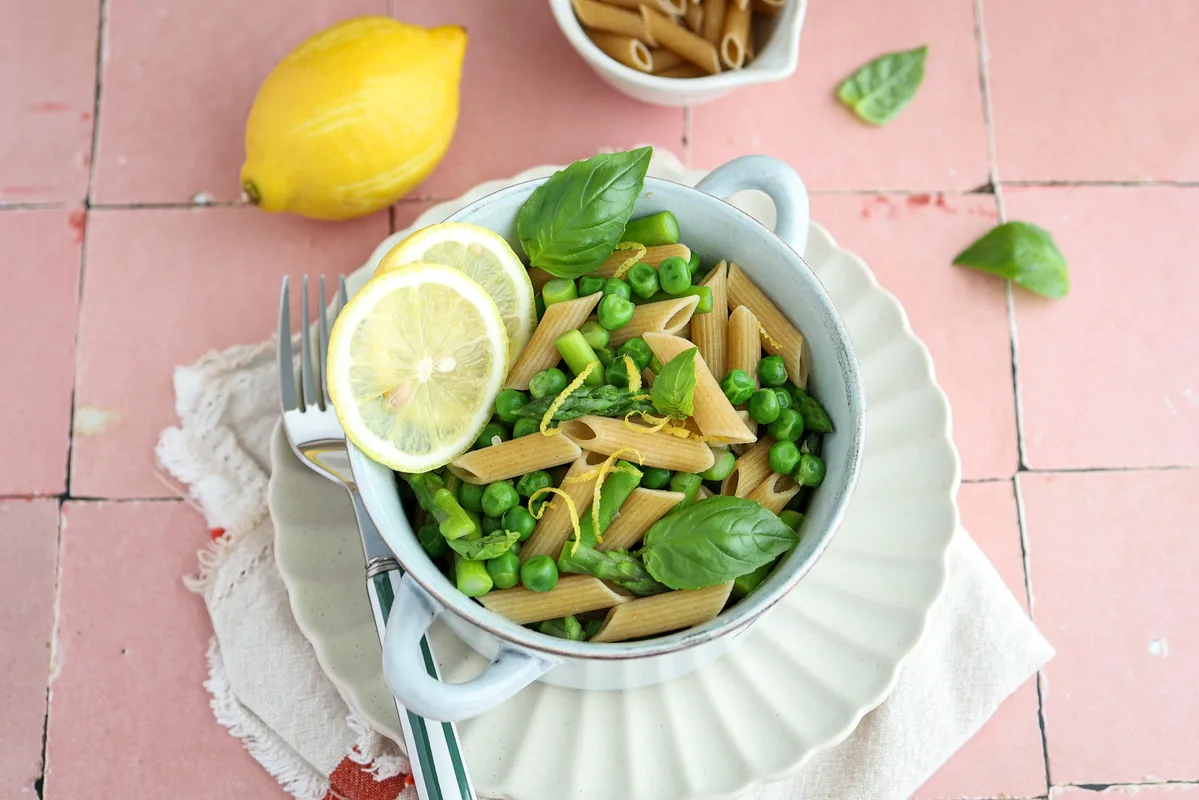
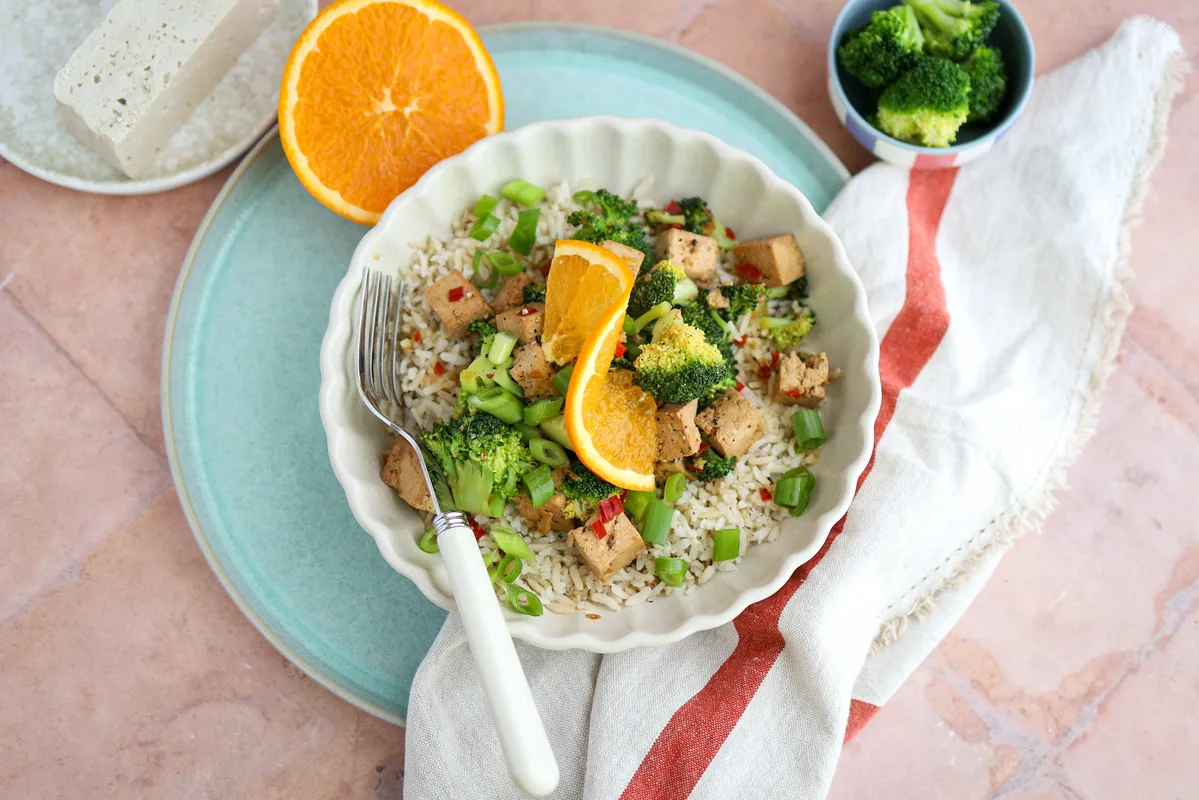
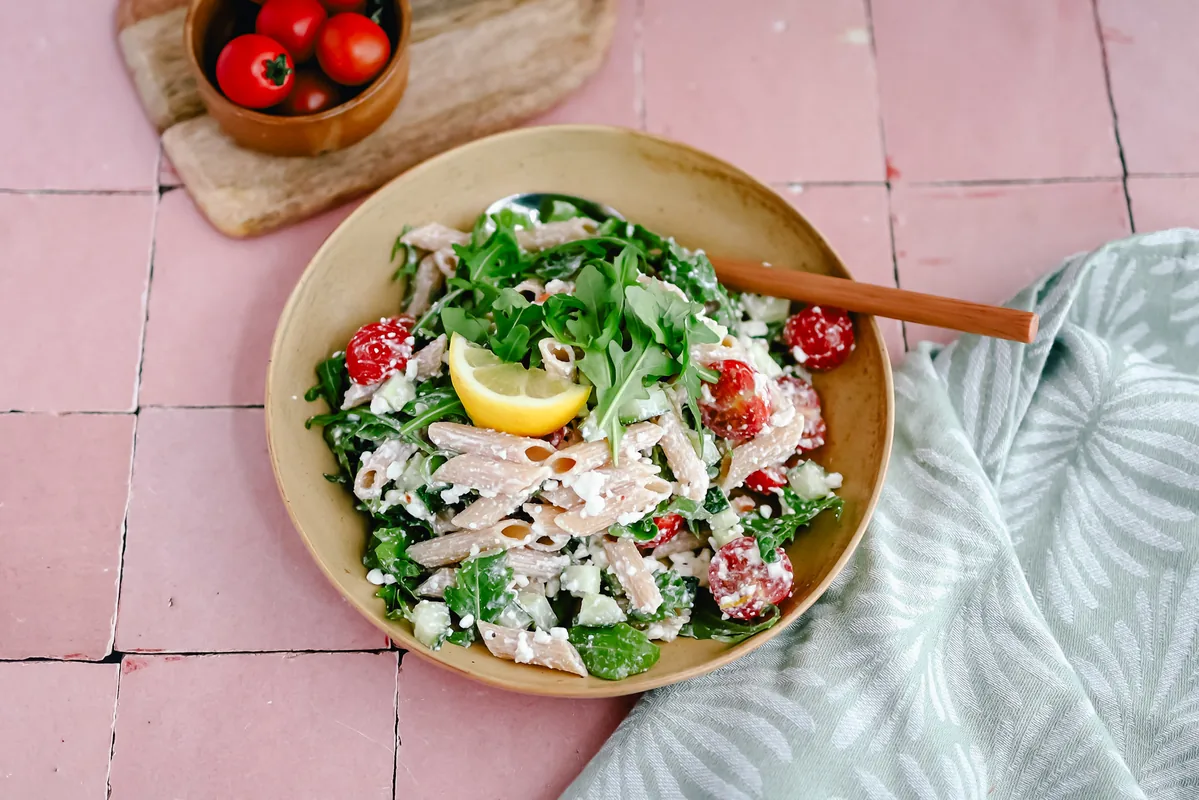
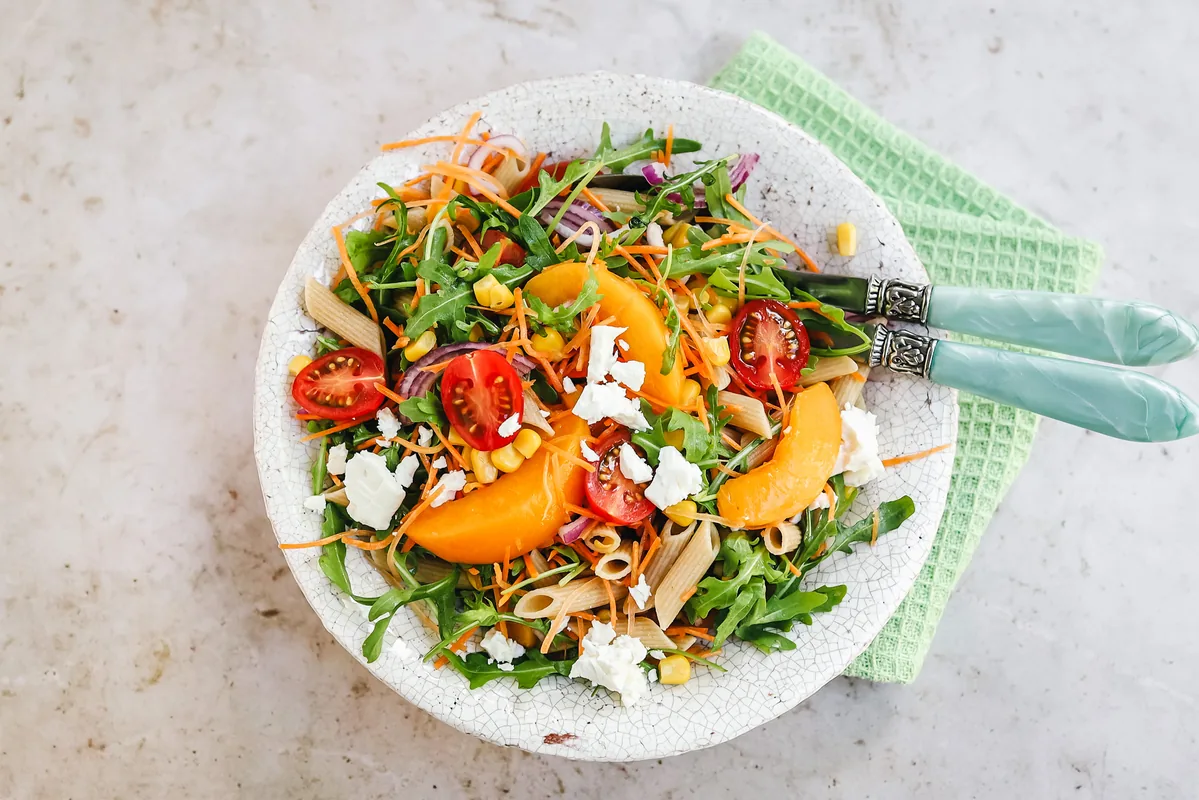
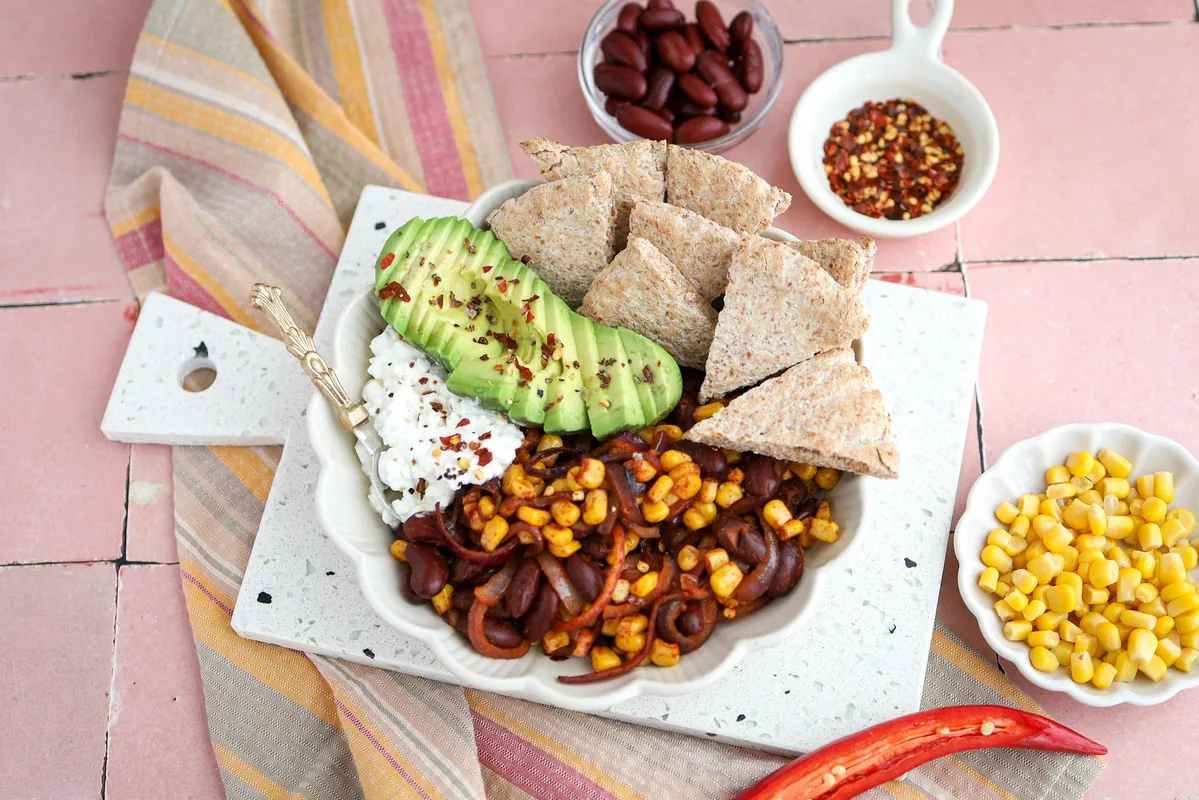
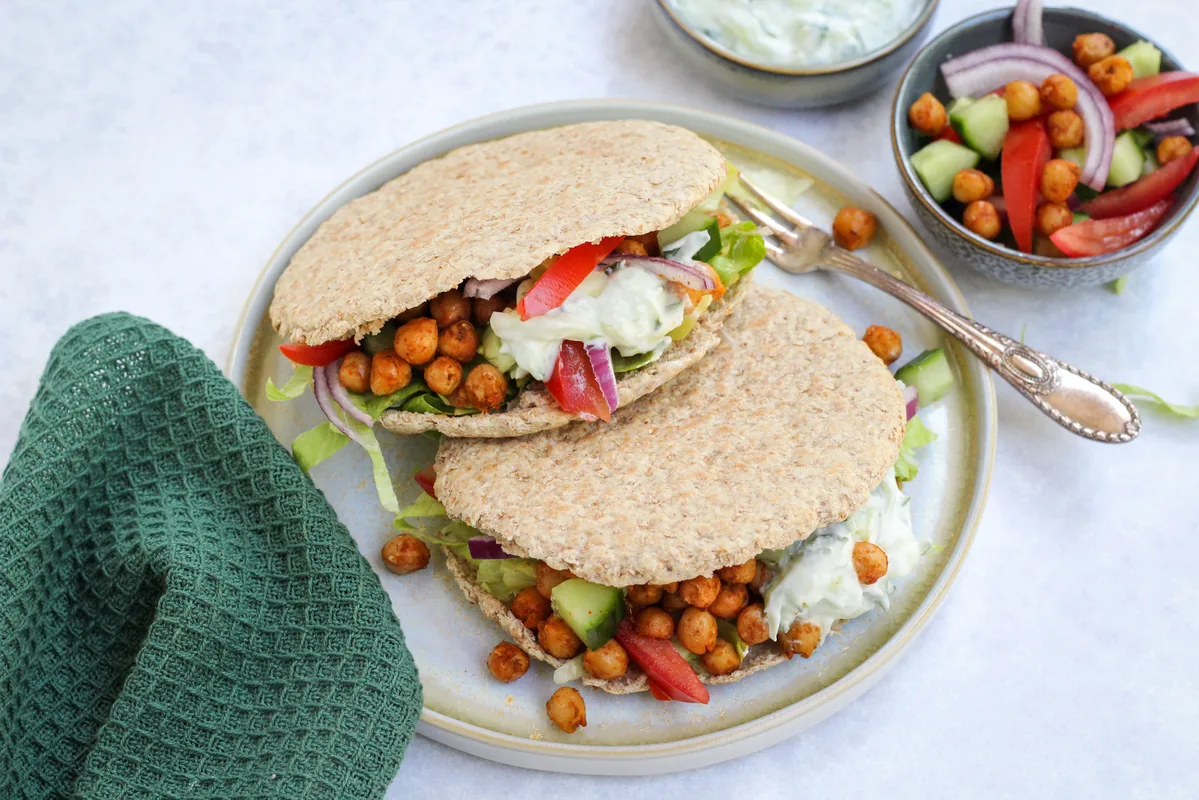
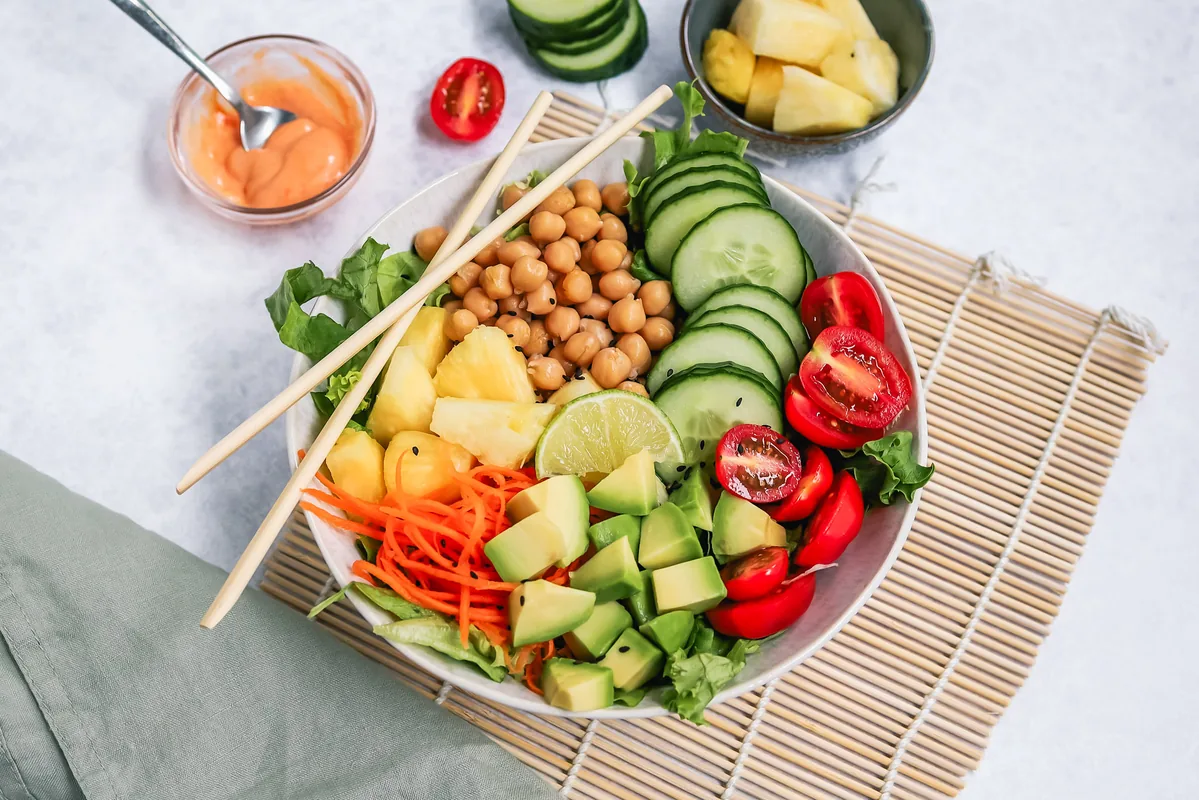
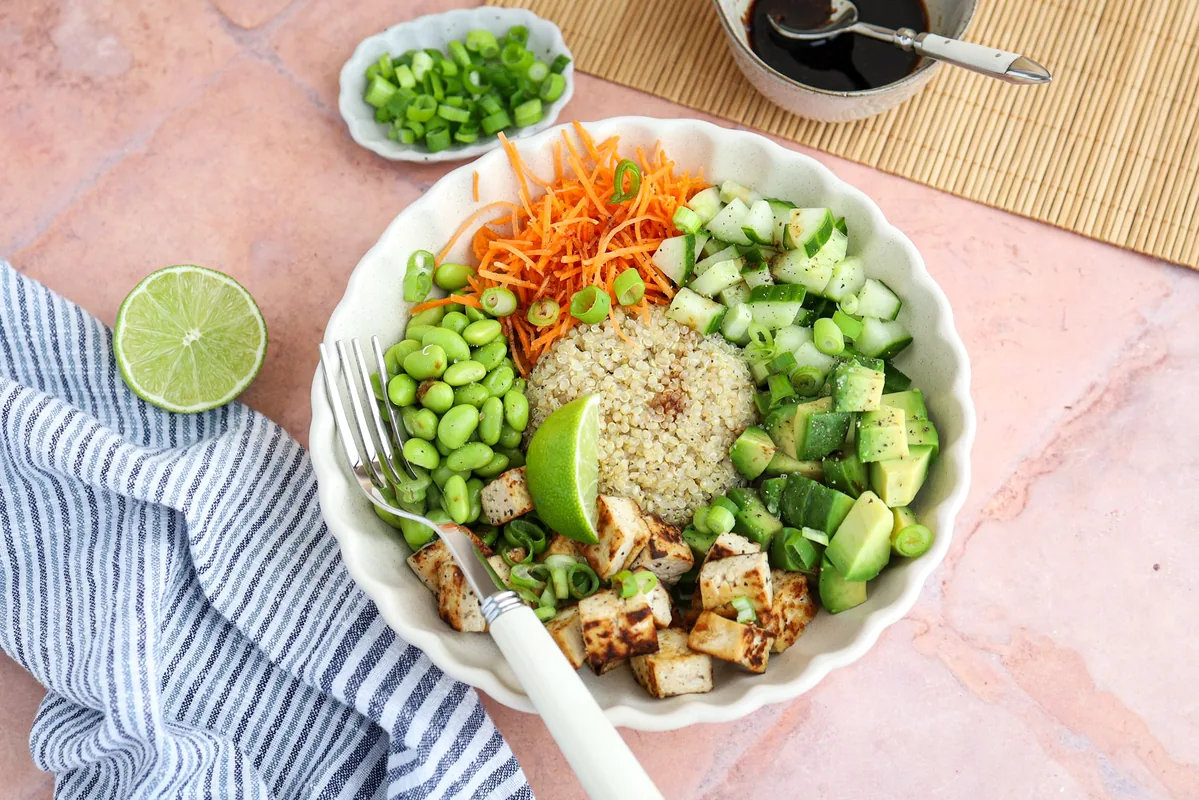
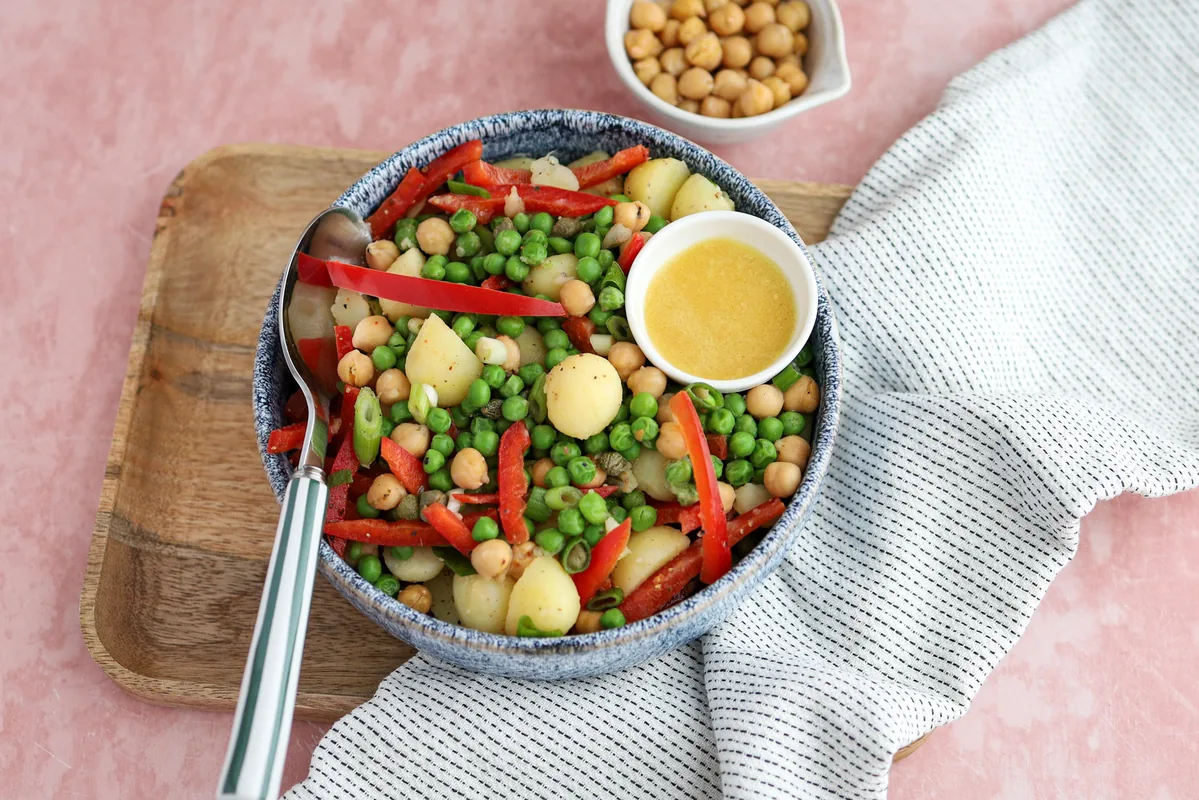
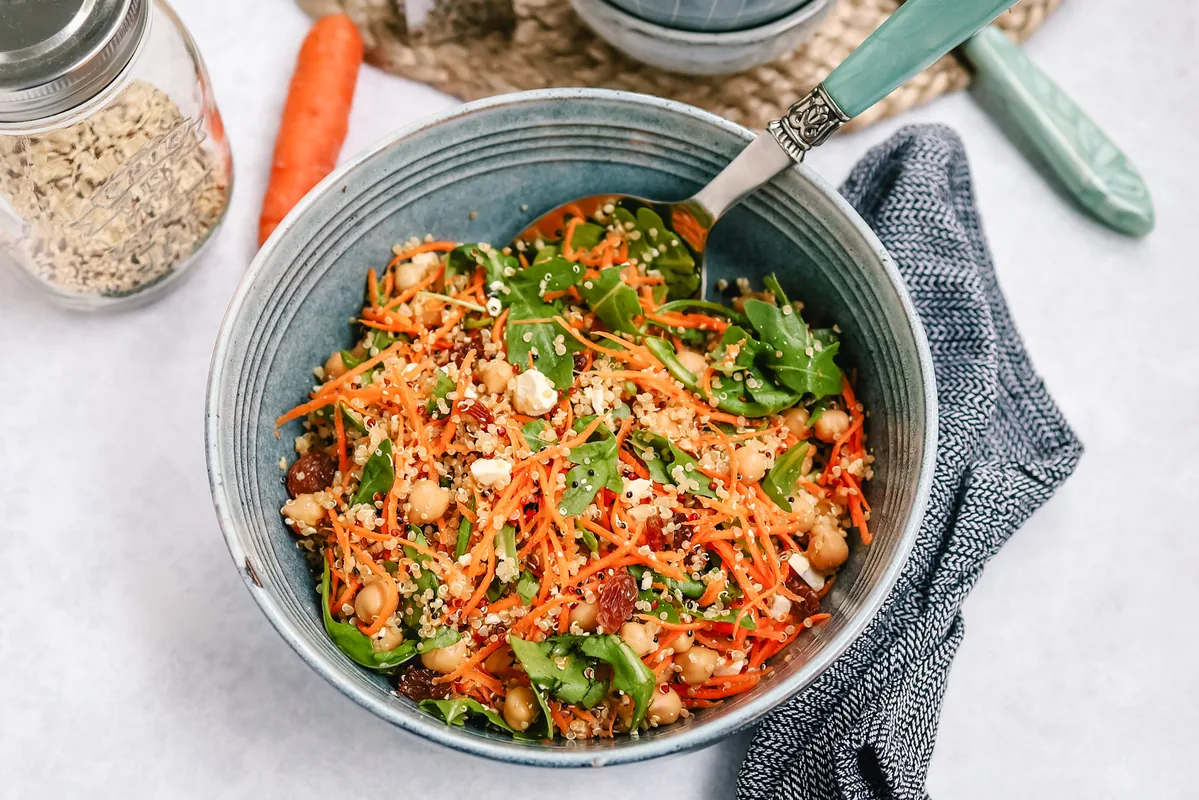
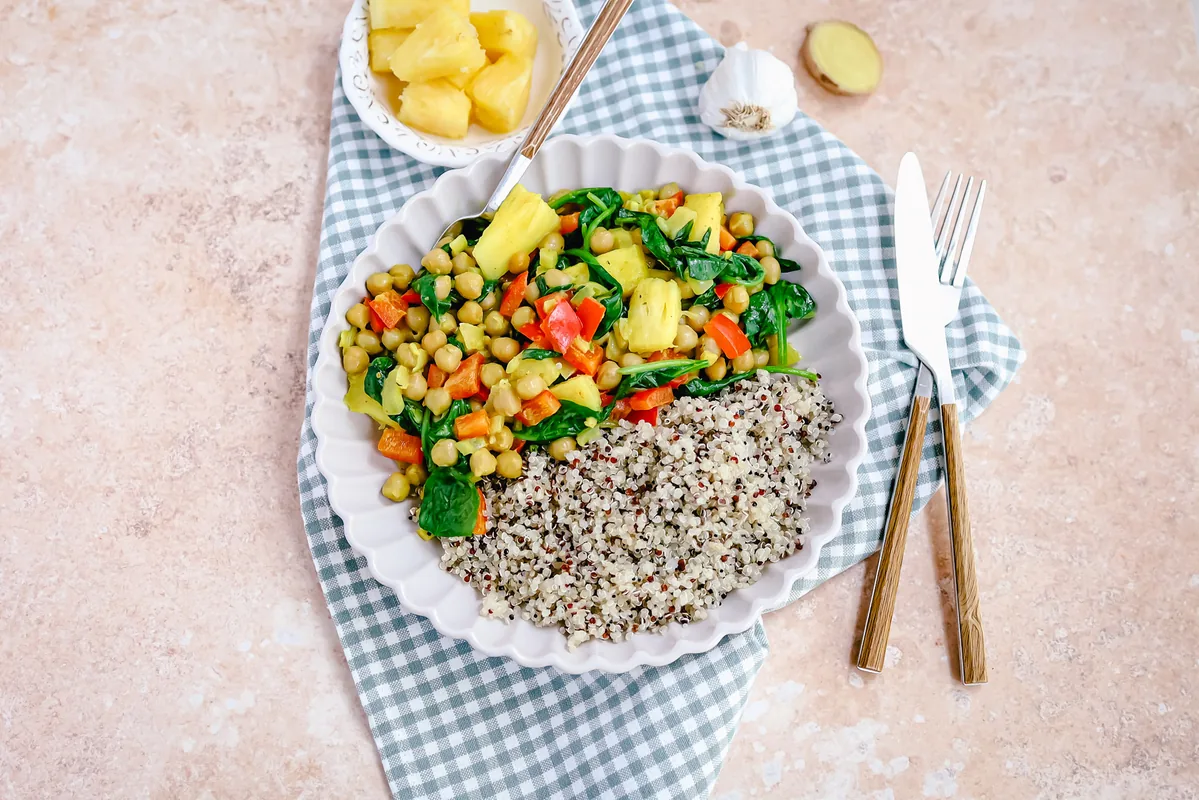
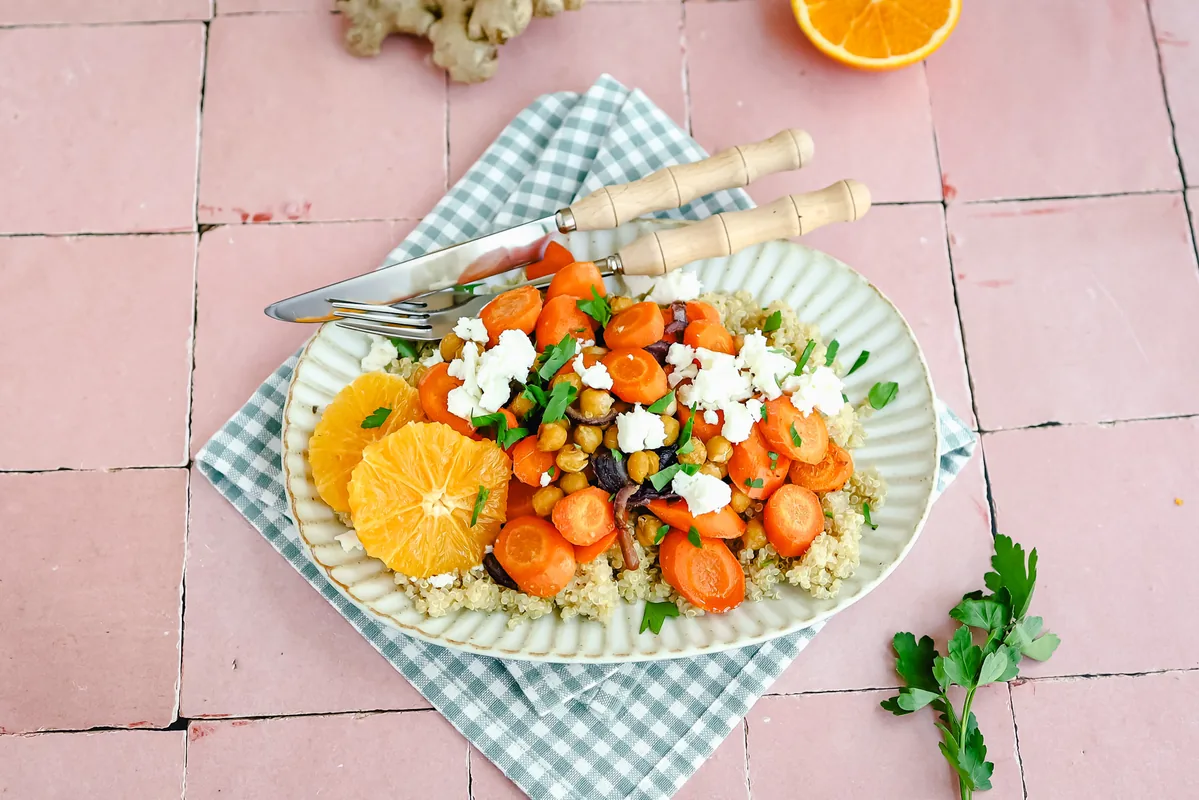
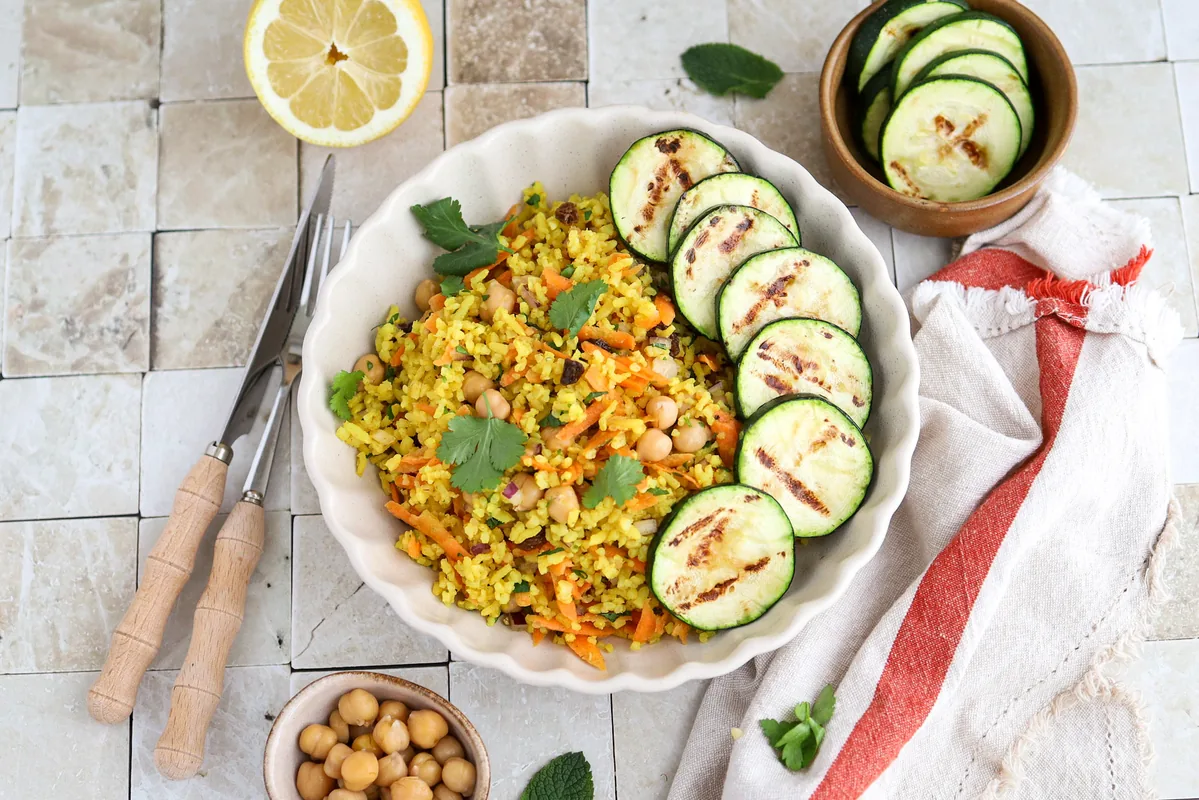
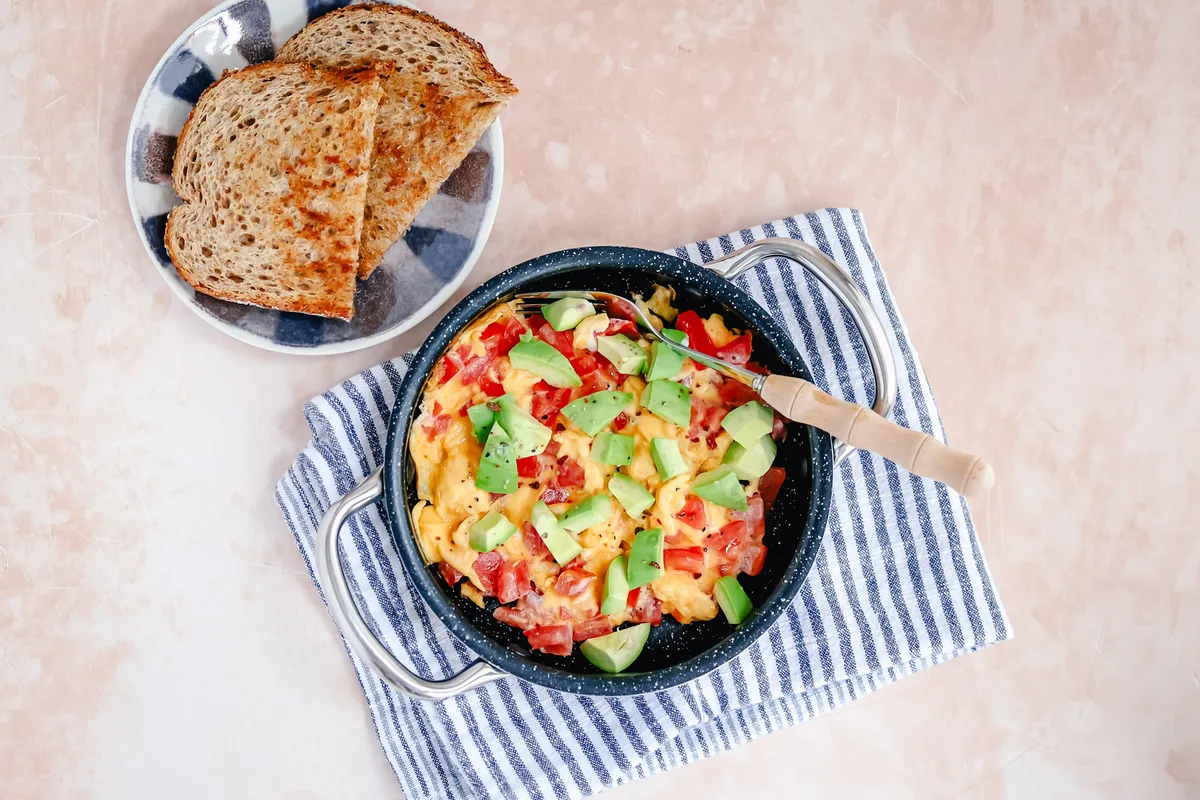
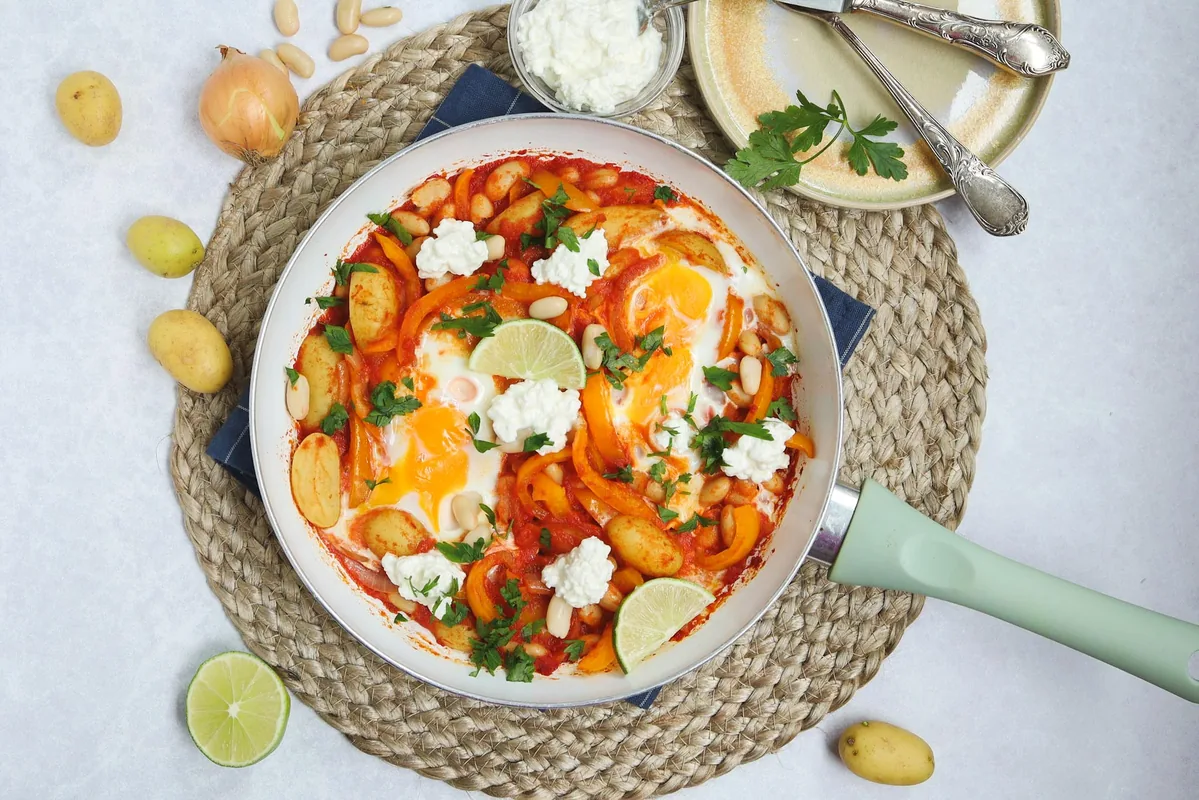
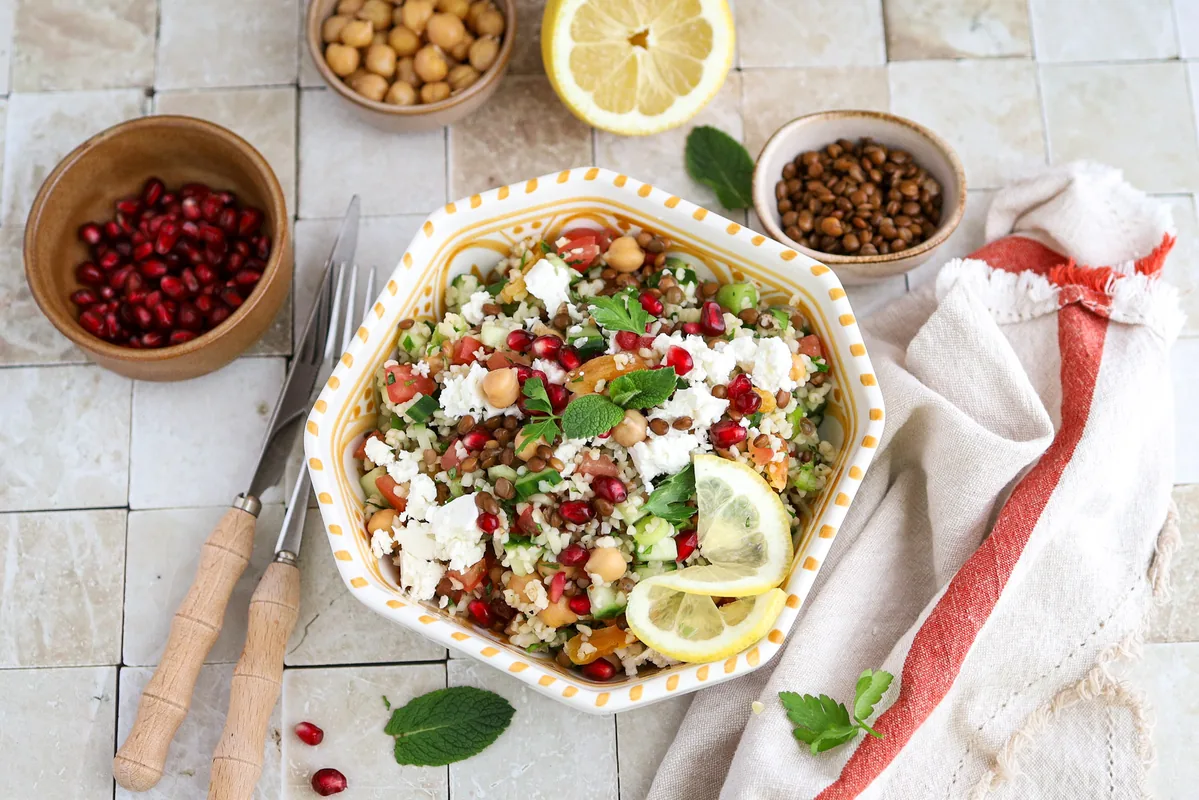
That rewrites the math. 149 of these meals clear 25 grams of protein from combinations most meat-eaters never assemble: chickpeas and quinoa, cottage cheese and eggs, lentils and yogurt. Nineteen percent stack two or more protein sources in a single serving. And across 304 participants and five independent measurement methods, plant protein built the same muscle as animal protein at 1.6 g/kg/day. The gap was volume, not biology.
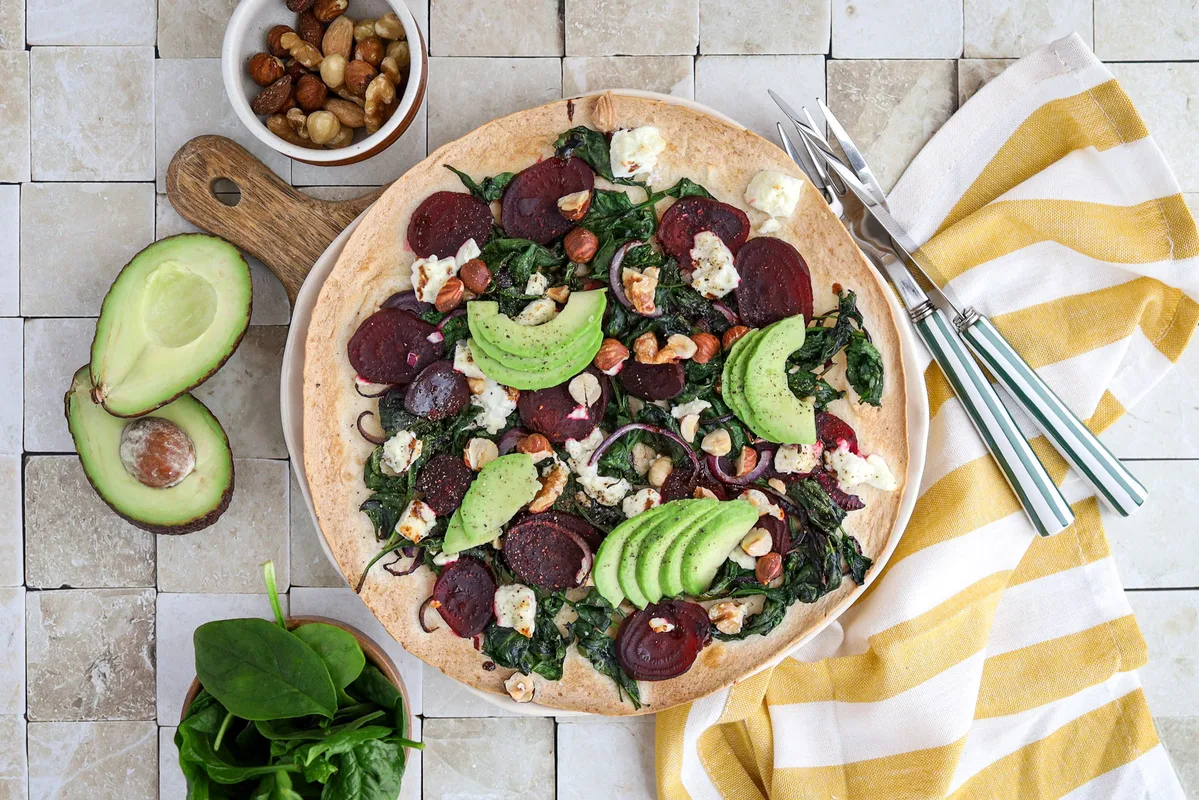
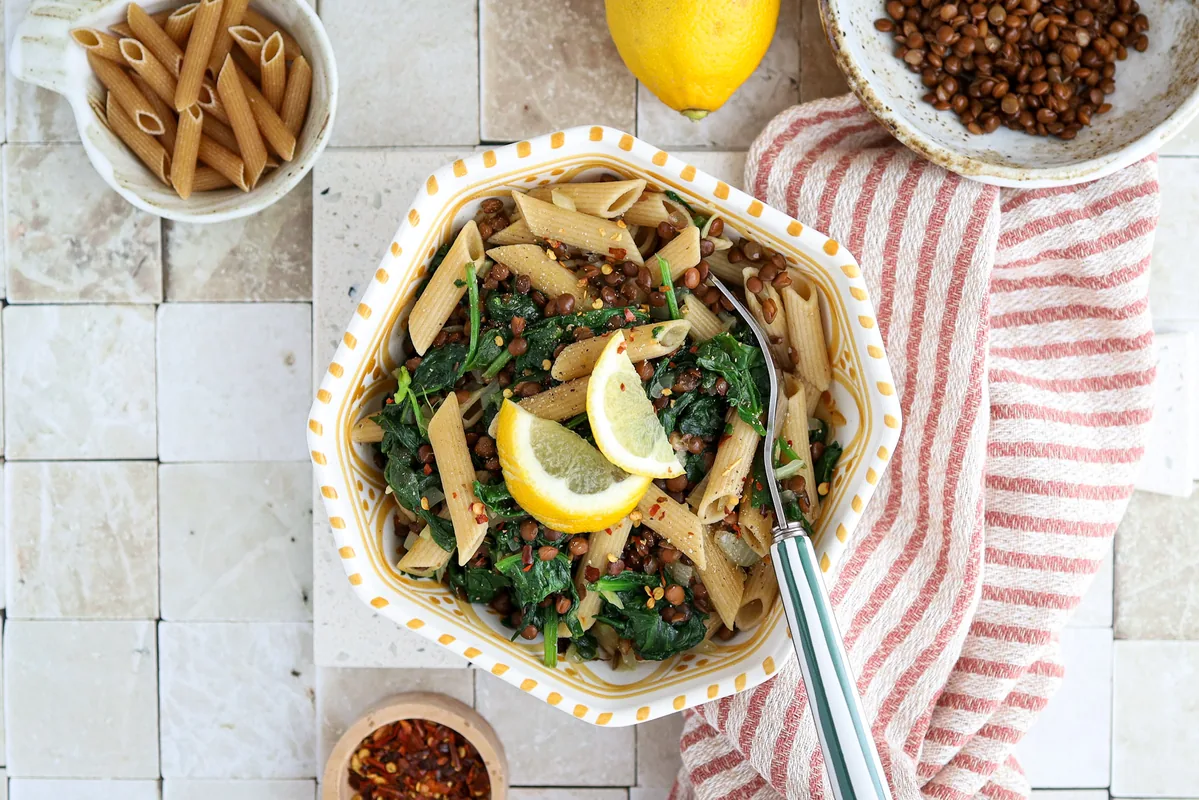
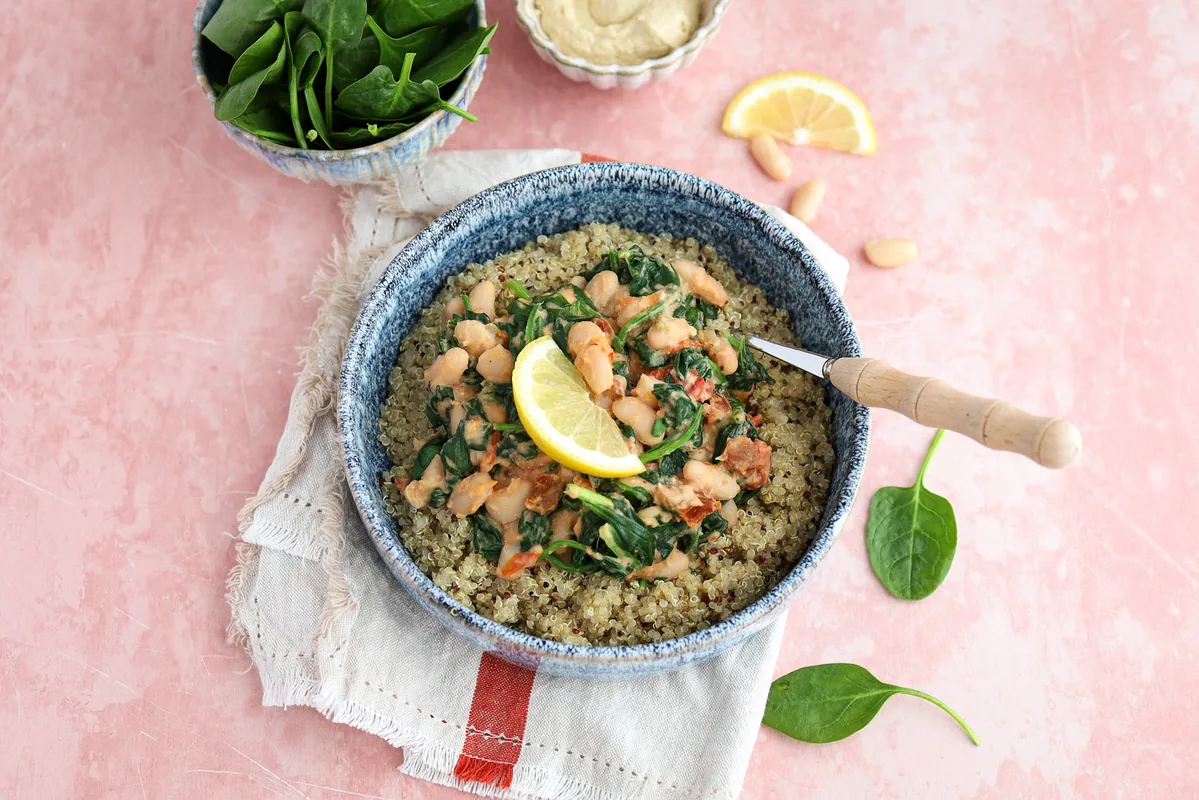
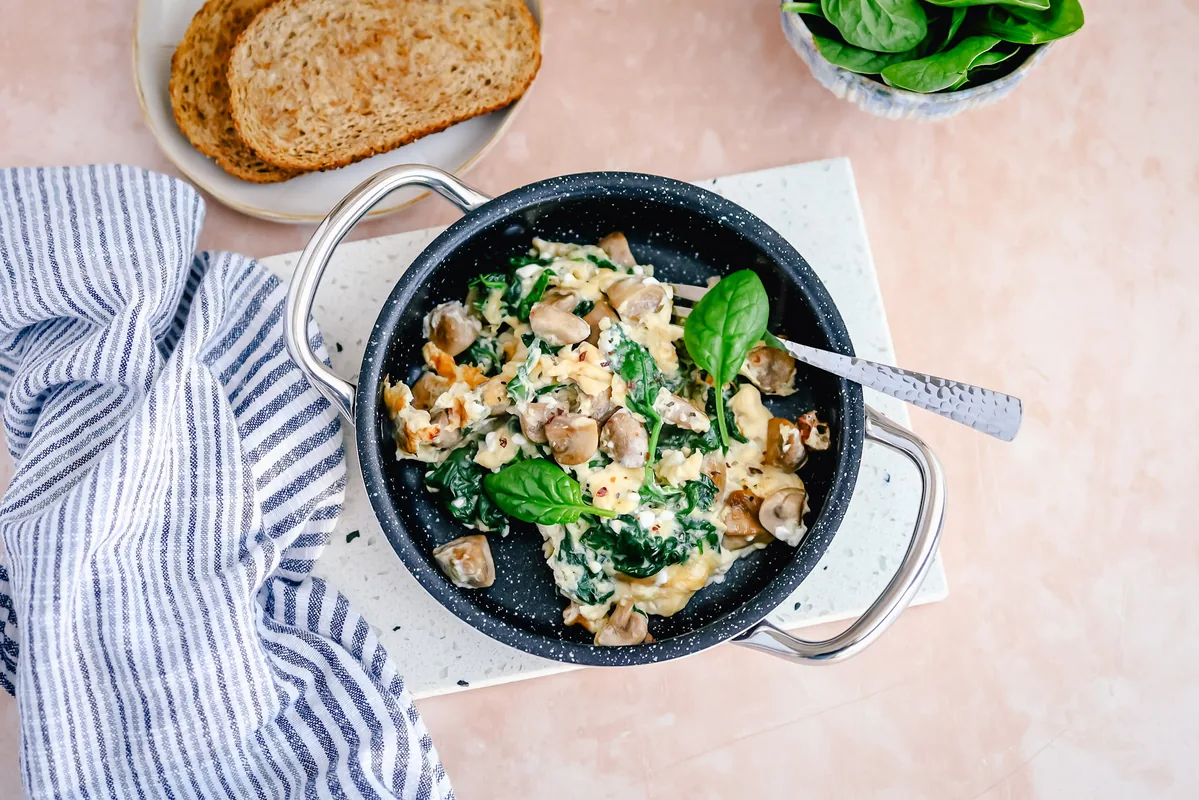
Then there is a science story that only exists here. Oxalates have zero measurable effect on iron absorption (P=0.86) — the molecule generations of home cooks blamed for blocking iron in spinach was innocent. The actual blockers are polyphenols and tea, which wipe out 79–94% of absorption. Heme iron from meat ignores all of this. Non-heme iron from plants does not. That makes every iron decision in this collection a skill.