Carrots are beta carotene. The association is so complete it barely registers as a belief — it's just chemistry. Orange vegetable, orange pigment, absorbed.
Nobody eating a raw carrot has ever paused to ask whether the beta carotene actually makes it from the food to the blood. It's a carrot. Obviously it does.
Can You Actually Absorb Beta Carotene from Raw Carrots
Raw carrots contain abundant beta carotene, but without dietary fat at the same meal, your body absorbs essentially none of it. A controlled trial found zero carotenoid absorption from raw vegetable salad eaten with fat-free dressing. Adding more than six grams of fat — a tablespoon of oil or a handful of nuts — switched absorption from nothing to meaningful.
— Brown et al. 2004 · Am J Clin Nutr · n=7
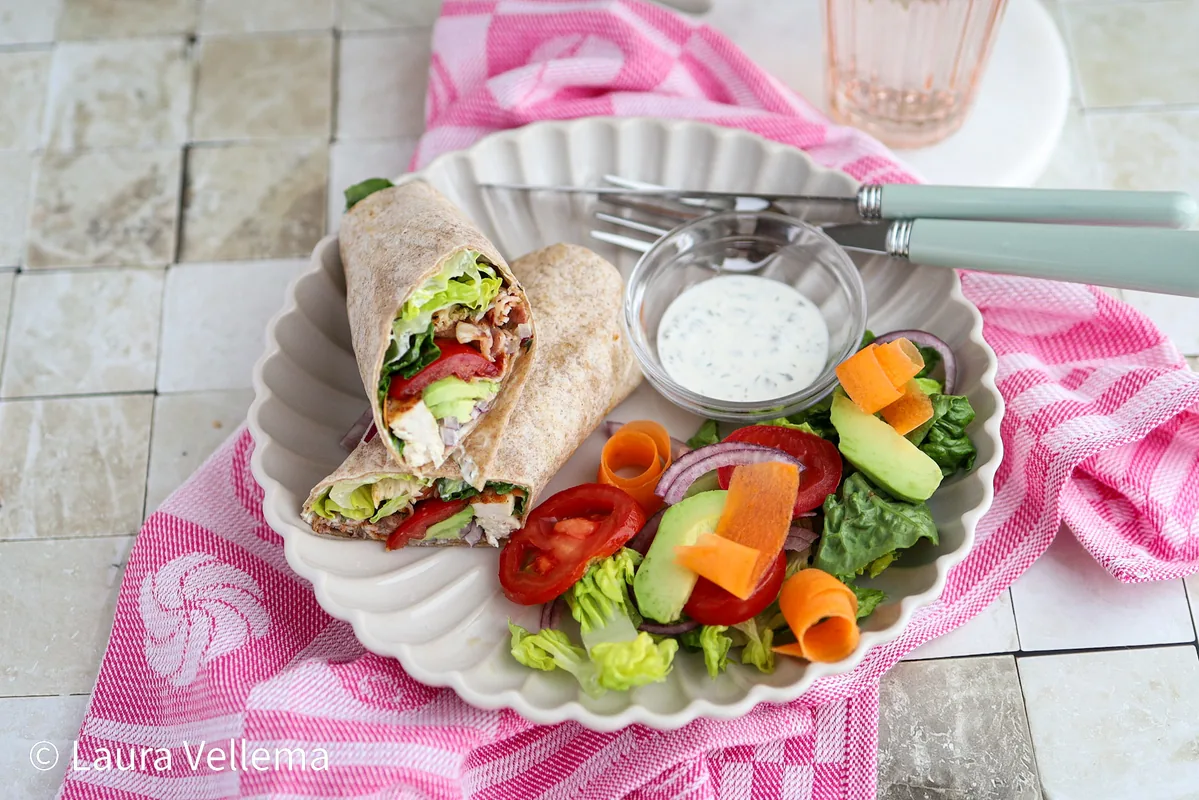
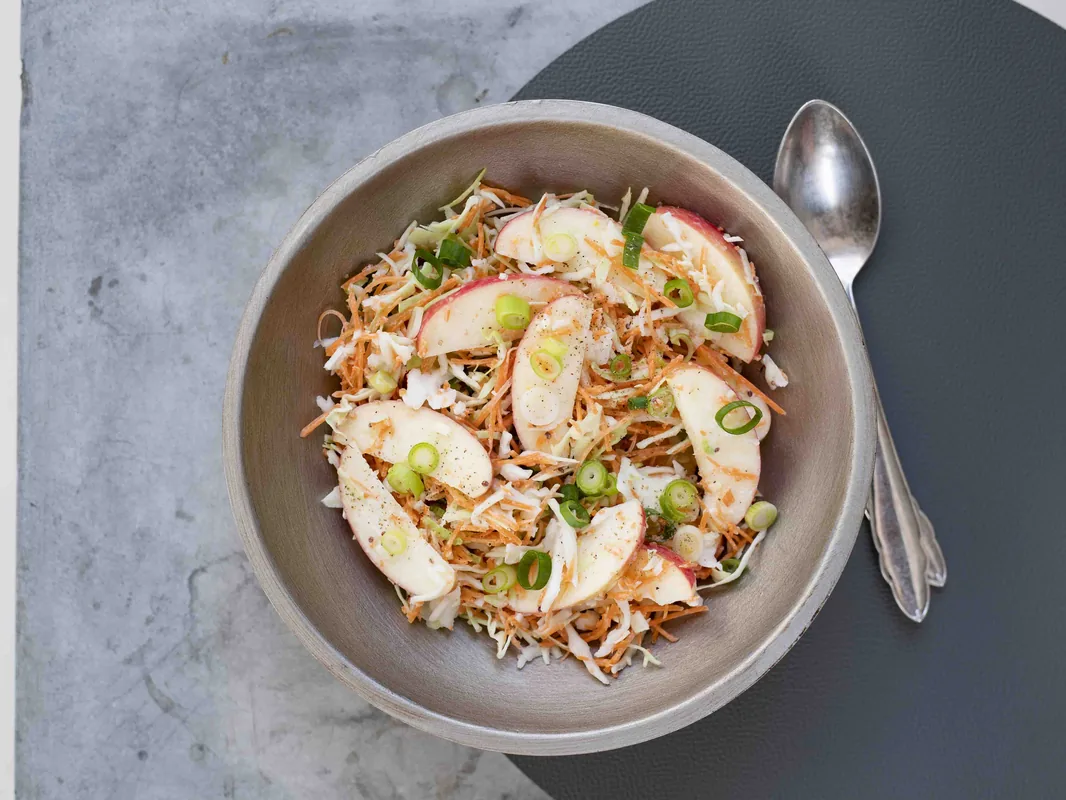
Same people. Same salad — spinach, romaine, shredded carrots, cherry tomatoes. Three dressings: no fat, six grams of oil, twenty-eight grams.
With the fat-free dressing, beta carotene absorption was negligible — essentially zero. Not reduced. Not diminished. The pigment that makes carrots orange passed through the body like it was never eaten.
Six grams of fat flipped the switch. Beta carotene appeared in the blood for the first time. Twenty-eight grams pushed it higher still. The variable between nothing and something was never the carrot. It was the fat eaten alongside it.
Beta carotene is fat-soluble, locked inside the cell walls of the raw vegetable. Your gut cannot crack those walls open on its own. Fat dissolves the barrier, pulls the pigment free, and ferries it across the intestinal lining into circulation.
Without fat, the carotenoids stay trapped inside the plant — present in the food, absent from the blood.
The minimum for meaningful absorption was more than six grams of added fat. A tablespoon of olive oil. A few walnut halves. Enough avocado to cover a spoon. Below that threshold, the body treated seven milligrams of beta carotene the same way it treats fiber — something that enters and exits unchanged.
This was one controlled experiment with seven people, each eating the same salad three ways. Small sample, young adults, partially industry-funded. But the finding has held for over twenty years and three hundred citations, and the biochemistry underneath it — fat-soluble pigments require fat to cross the gut wall — is not the part anyone disputes.
Every raw carrot you have ever eaten came loaded with beta carotene. The missing ingredient was never inside the vegetable. It was on the plate next to it. What cooking does to the same equation and why scrambling an egg into a salad multiplied absorption eightfold both trace to the same molecule sitting at the gate, doing nothing until fat arrives.
For the broader picture of what fat actually does beyond flavor, the answer reaches further than carrots.