

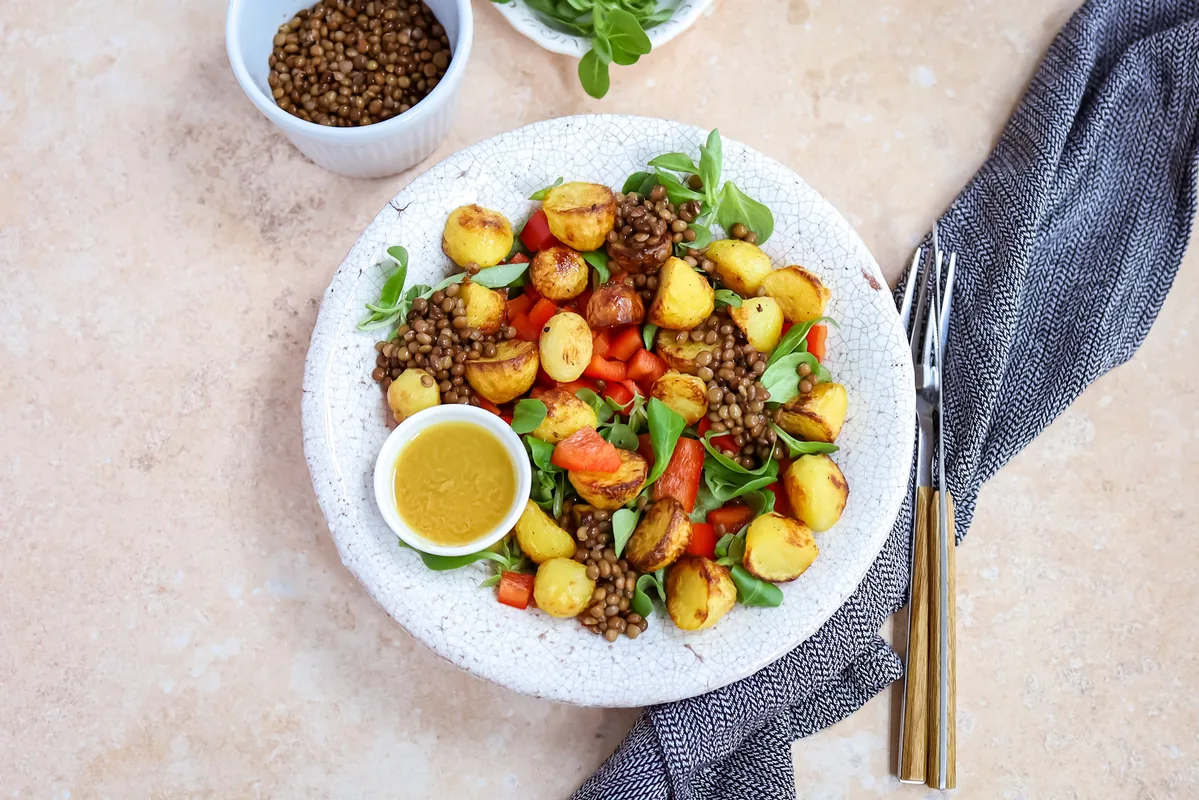



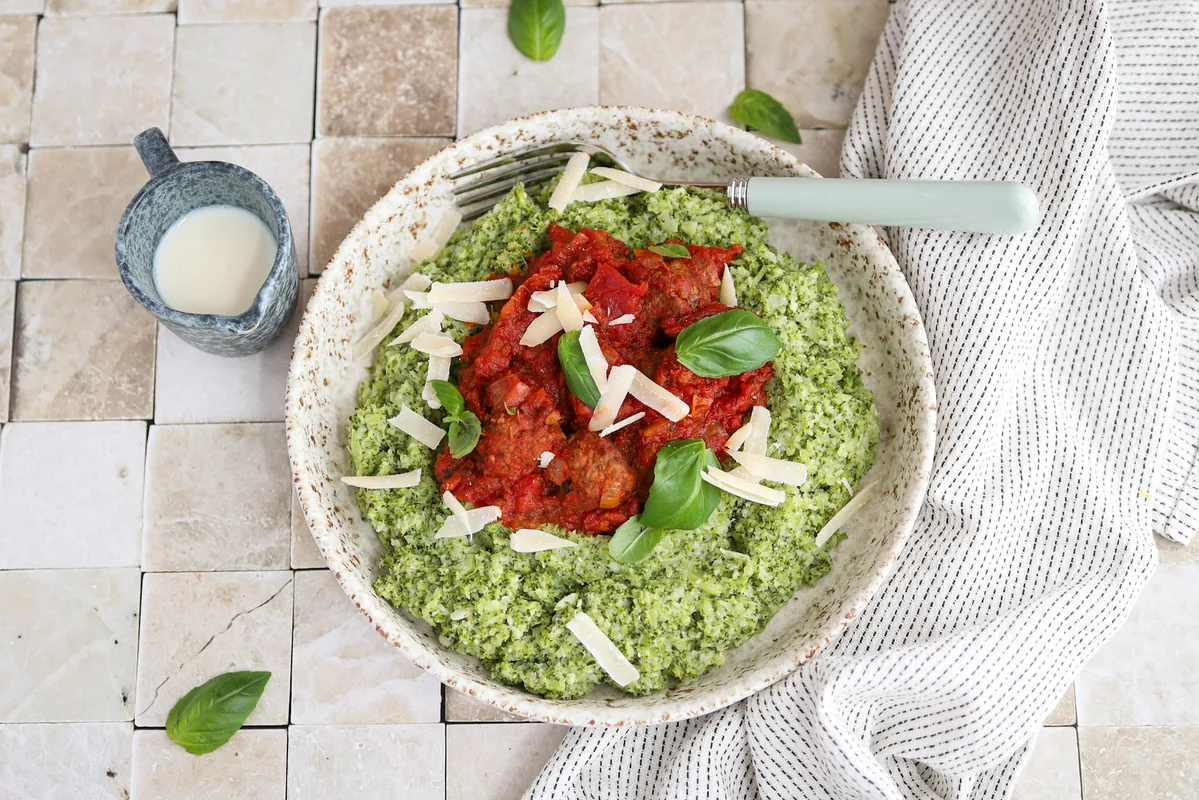


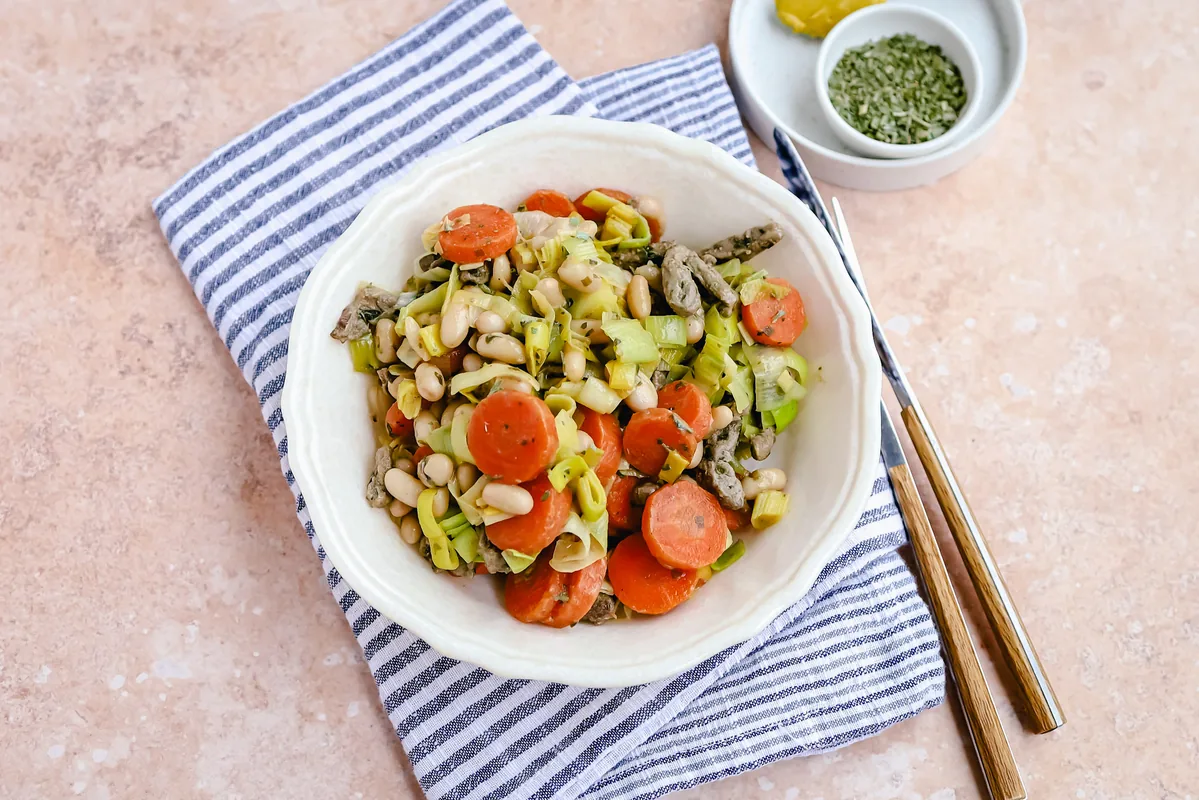
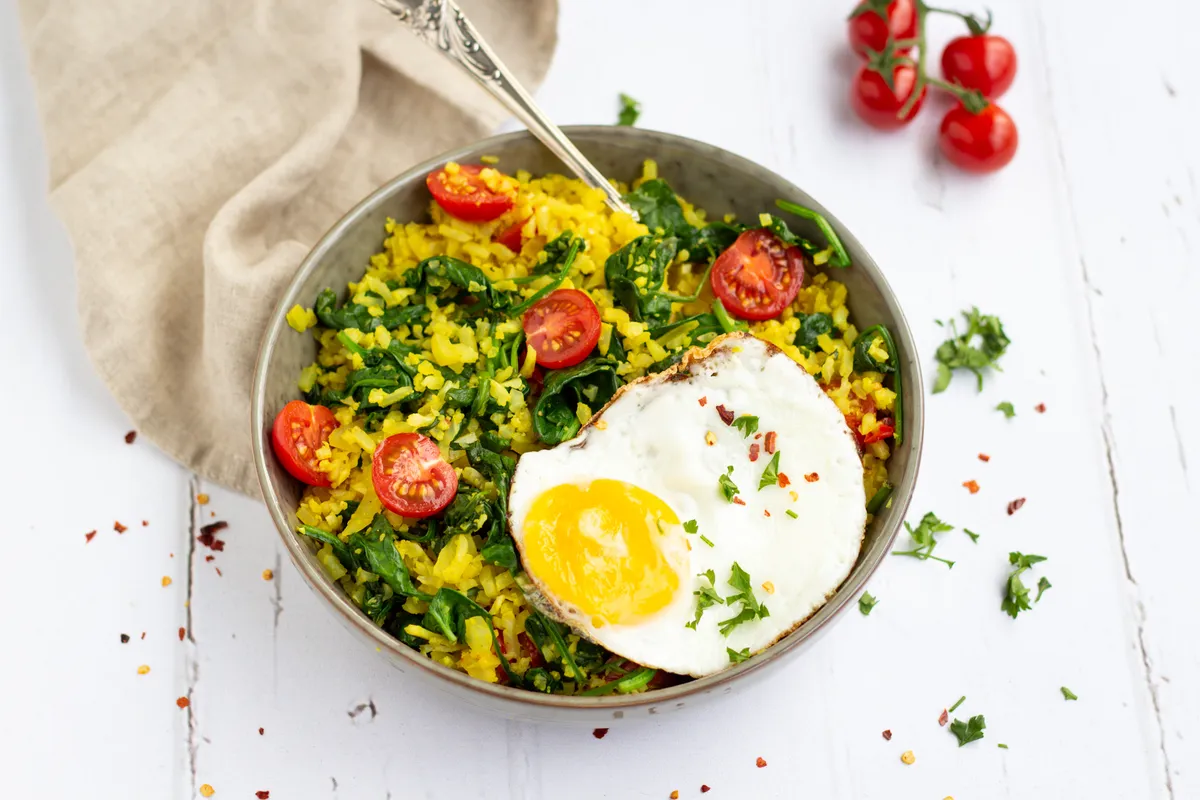


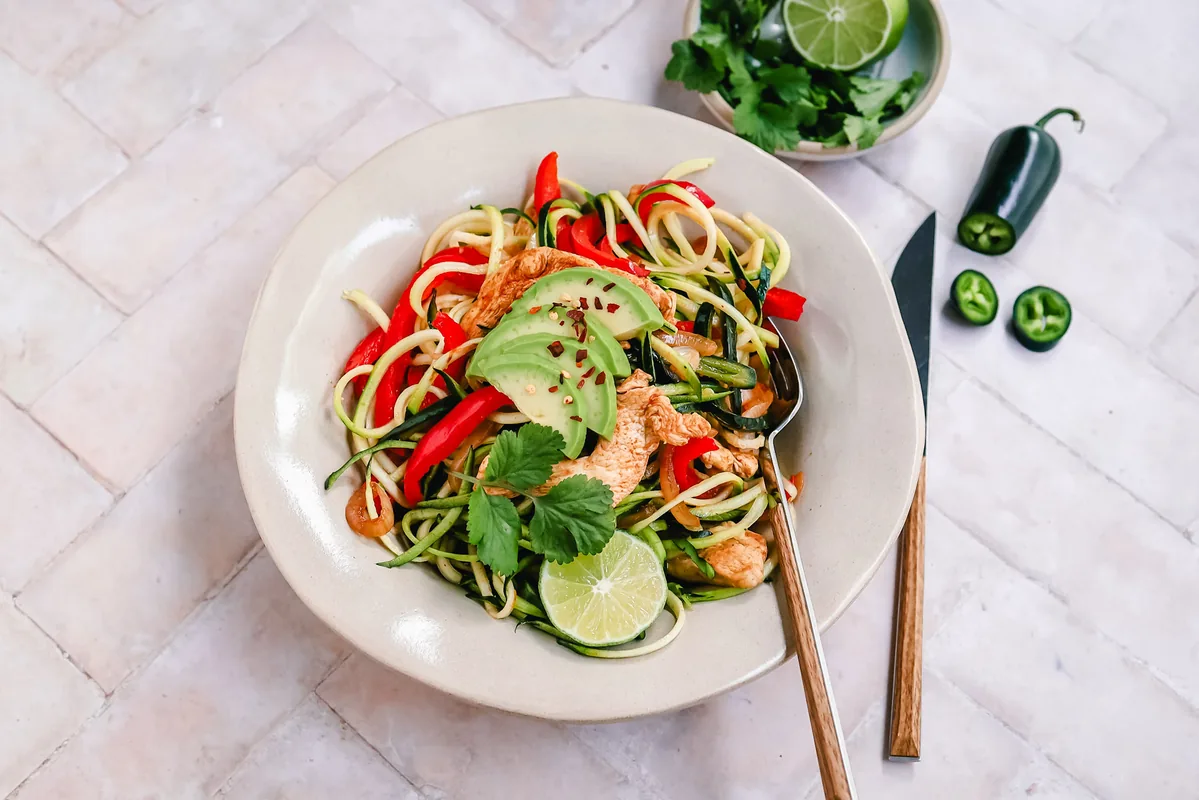
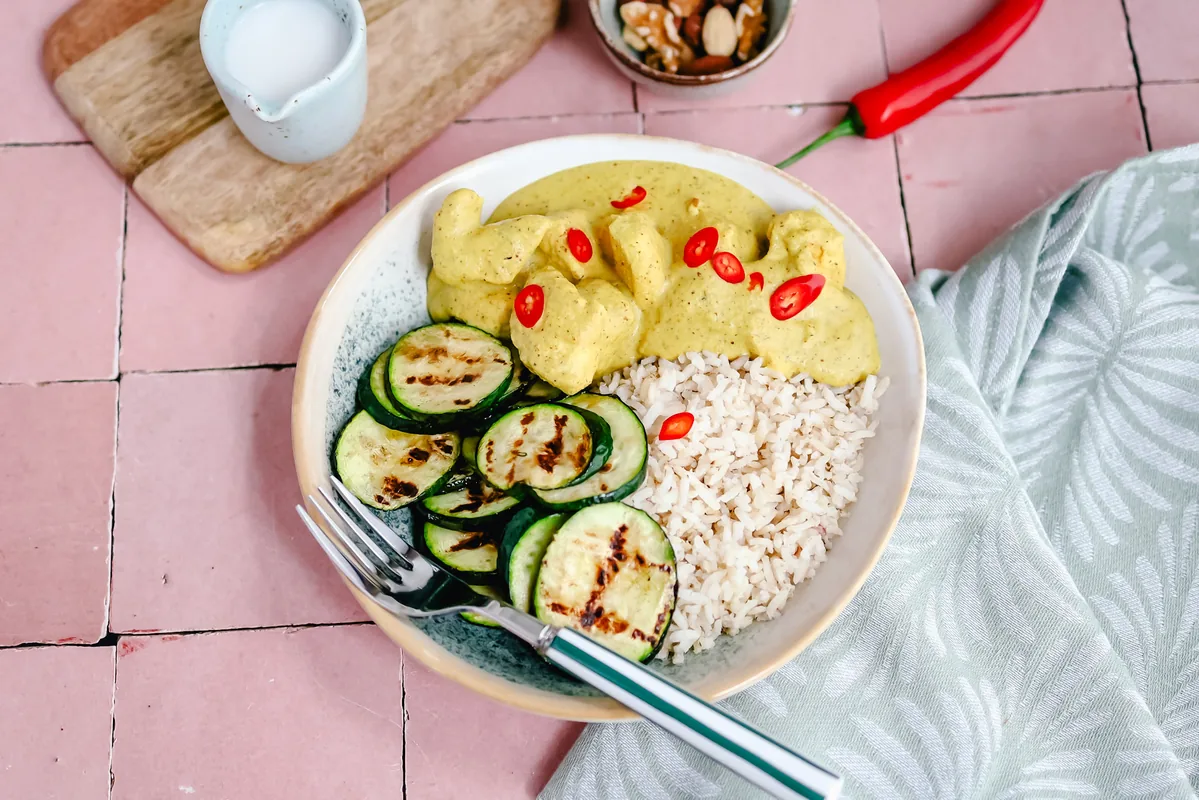
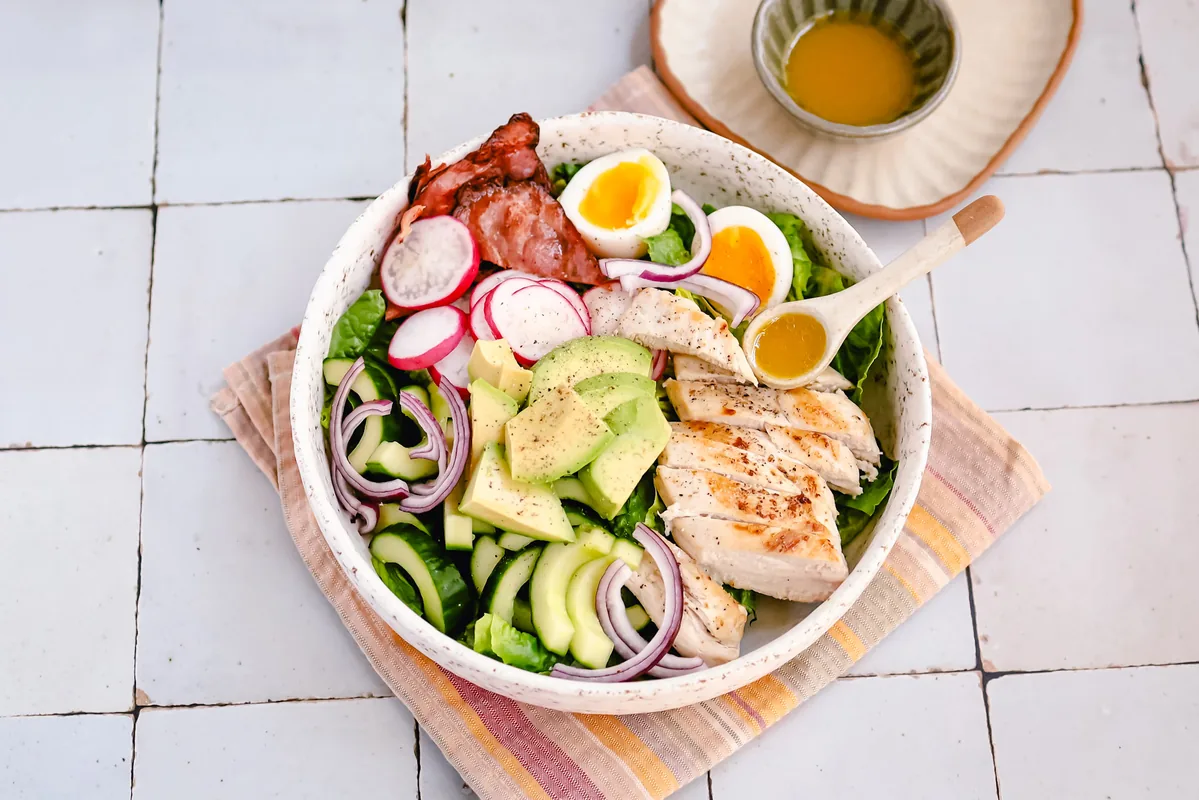


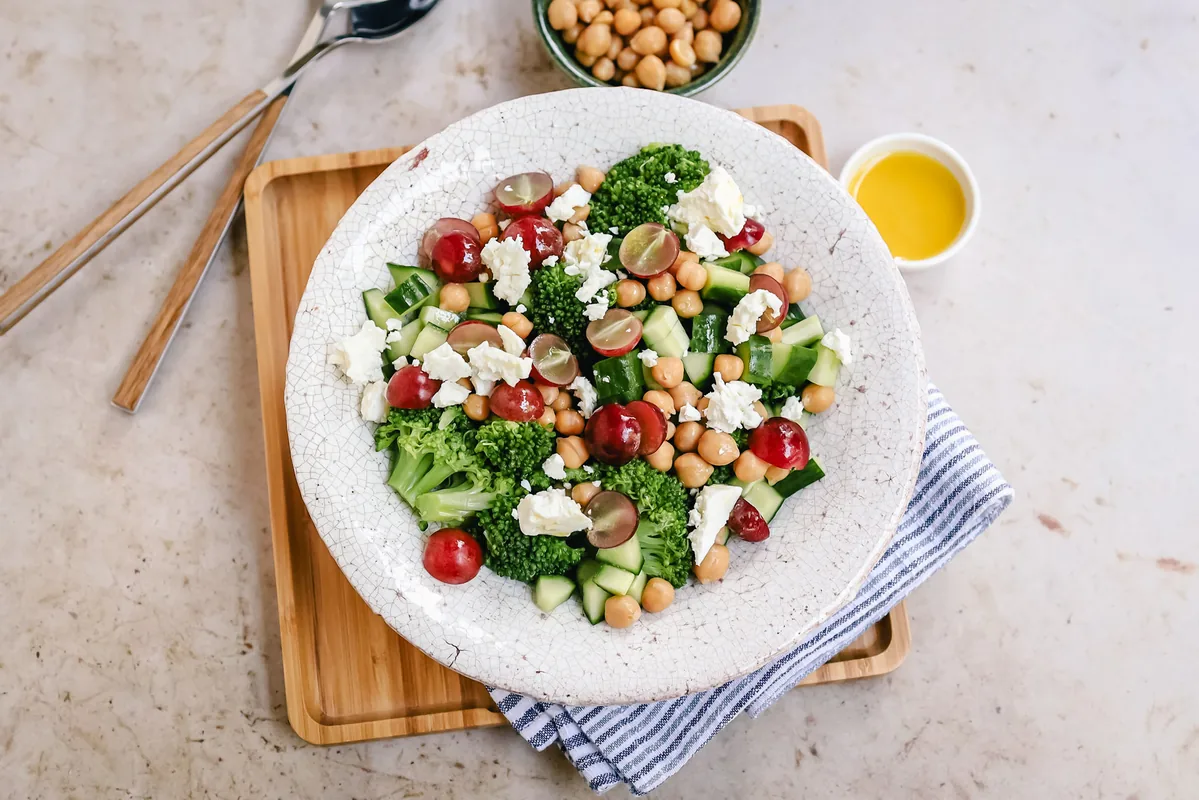
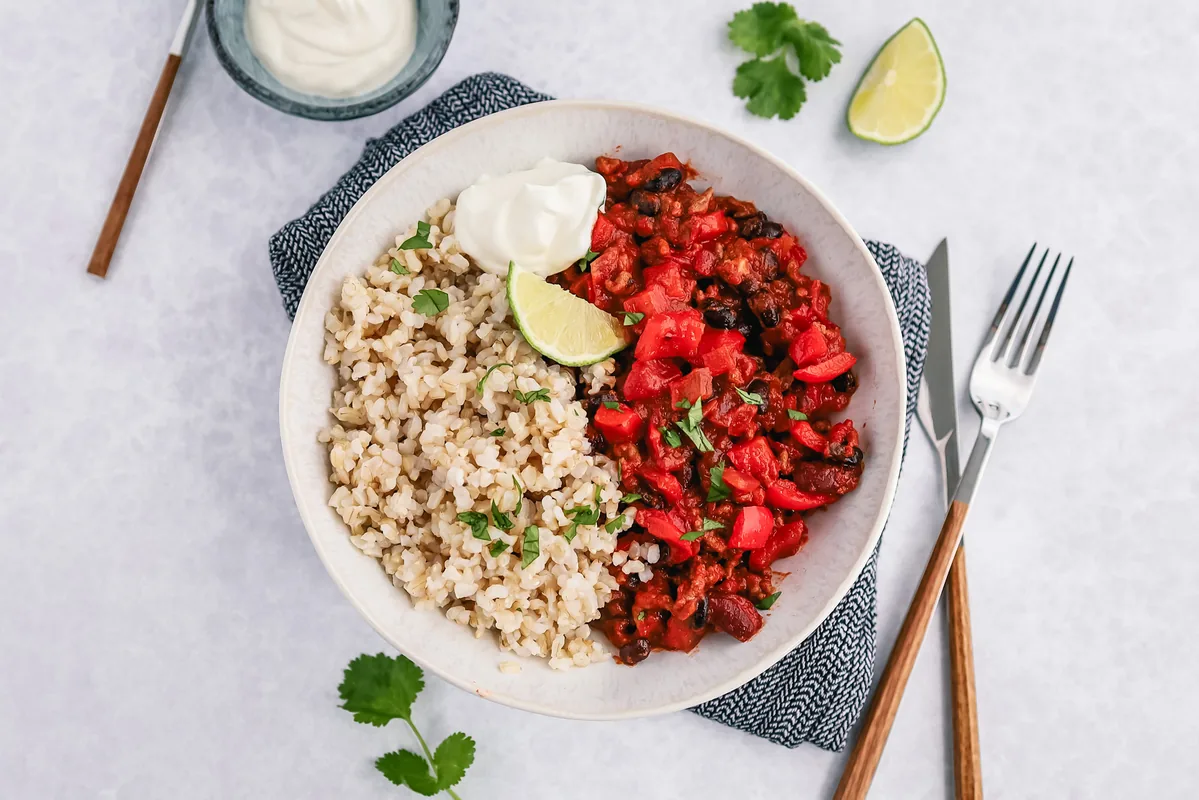







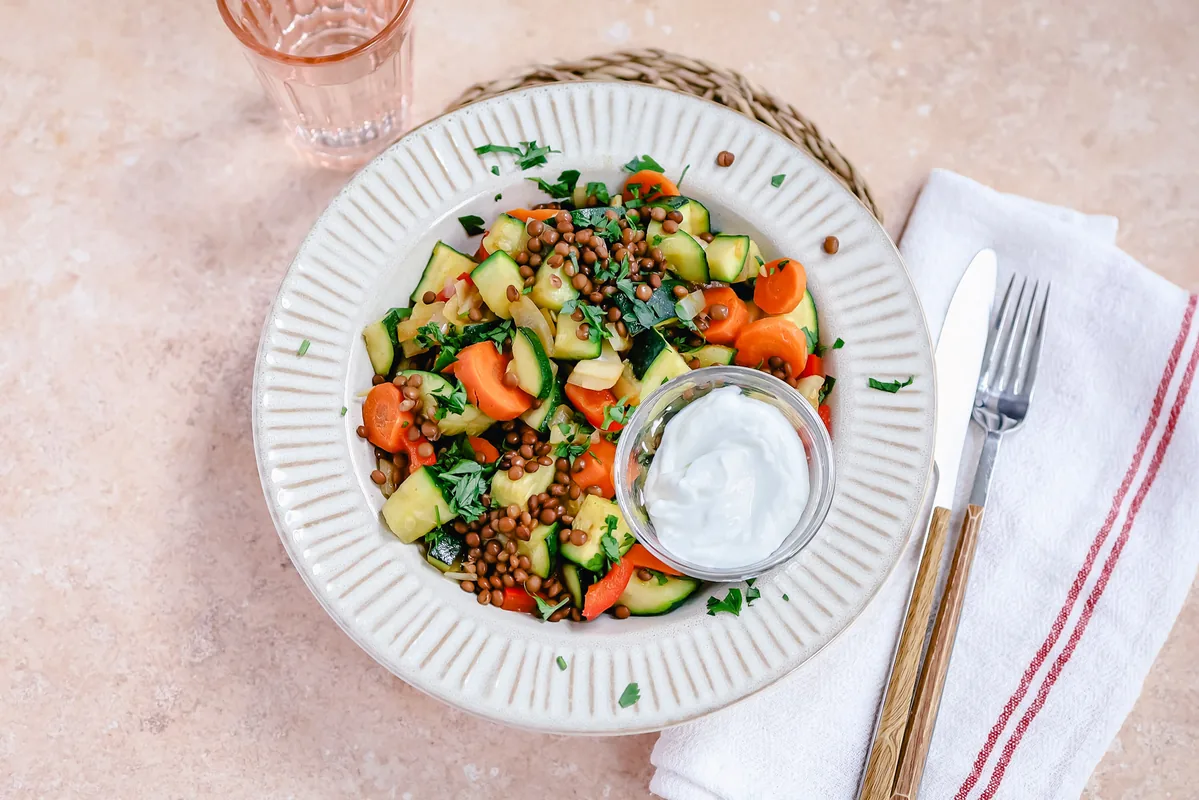
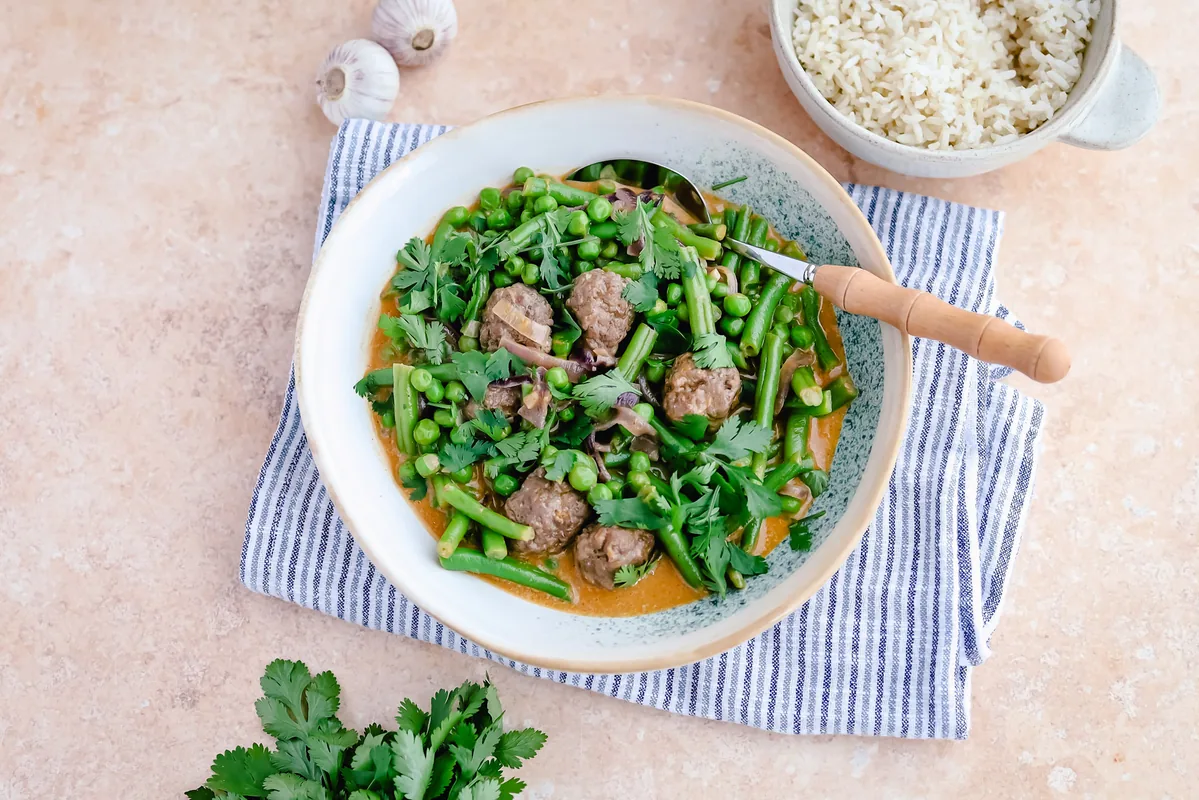
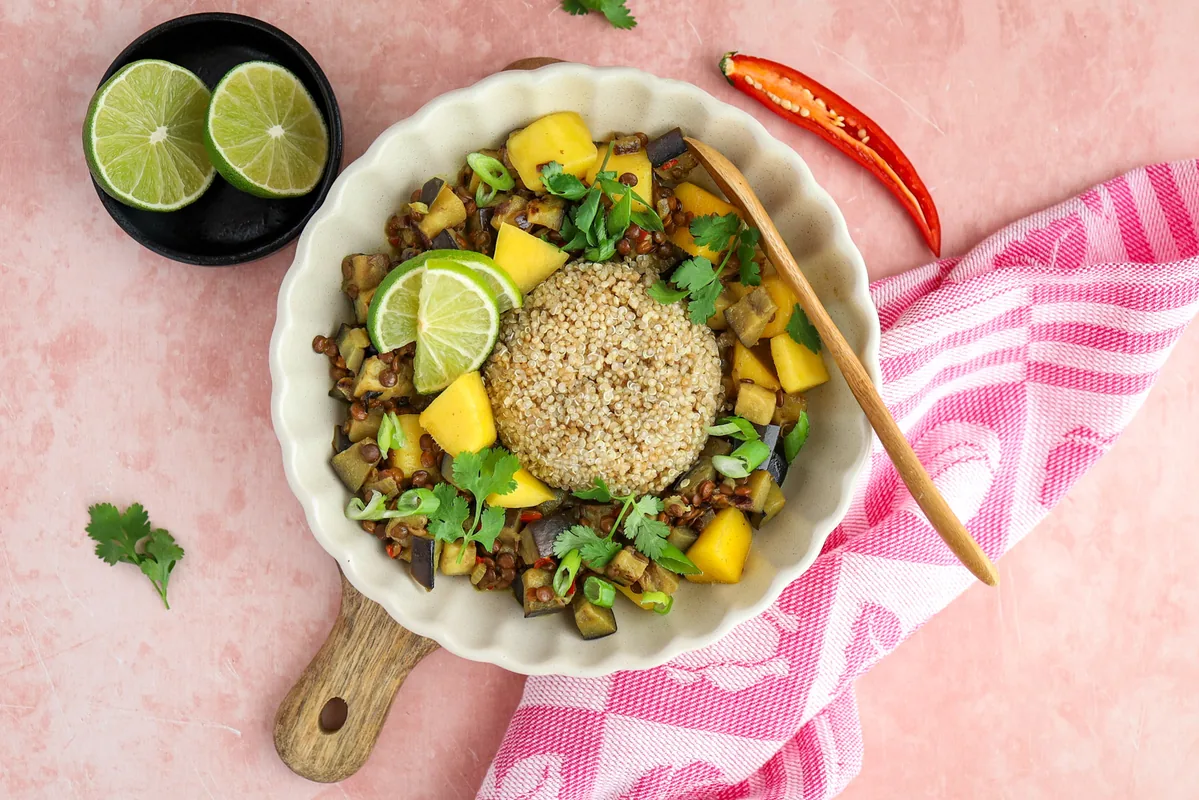
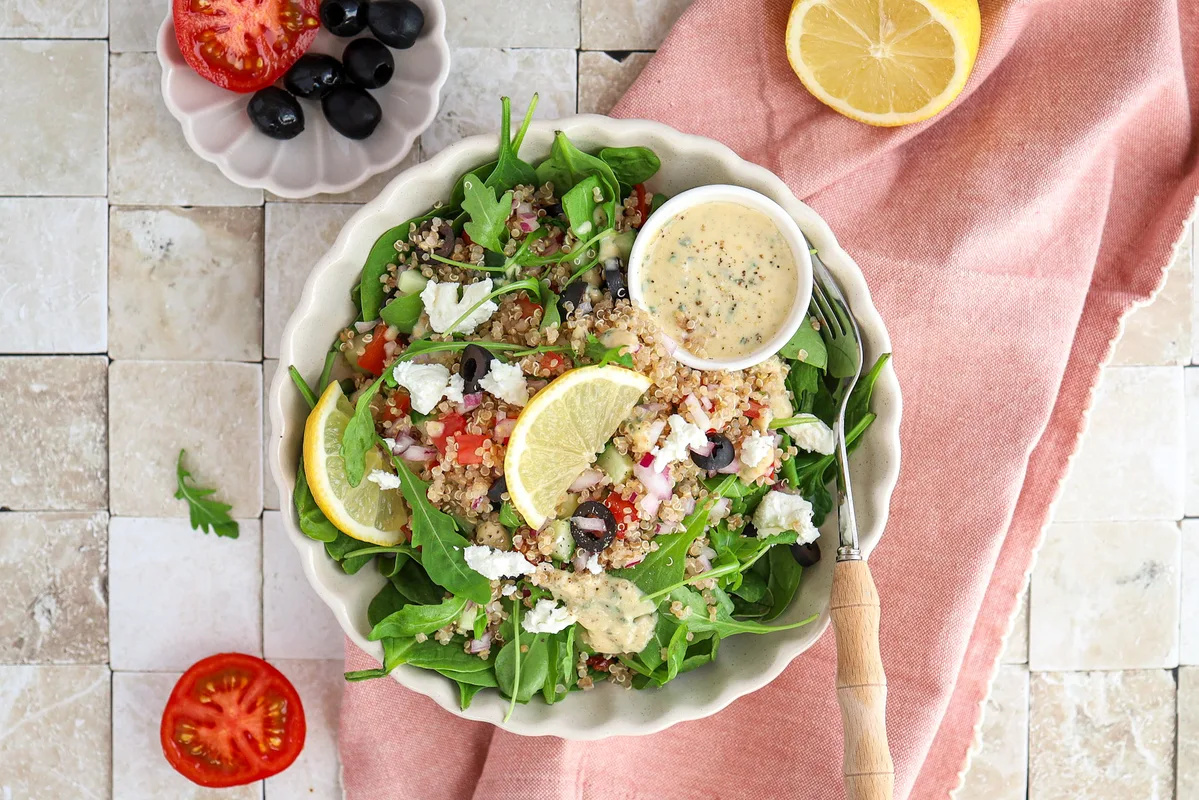
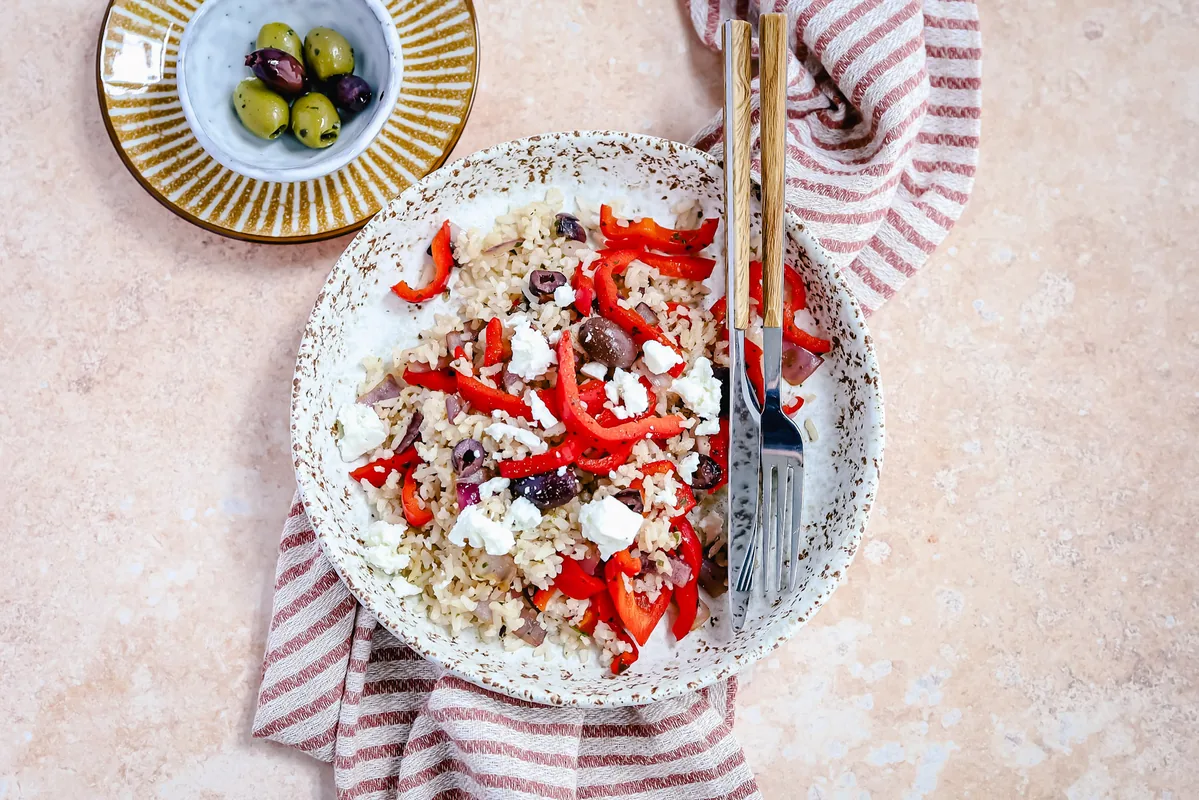
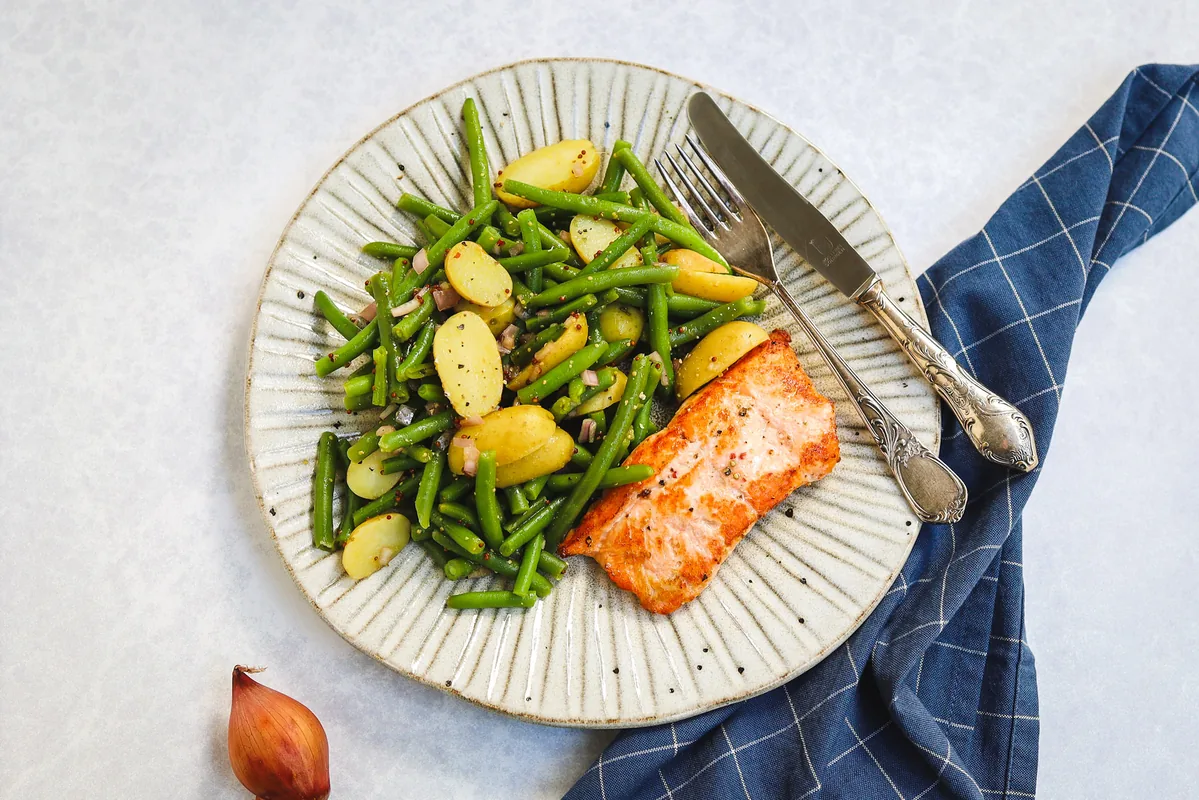


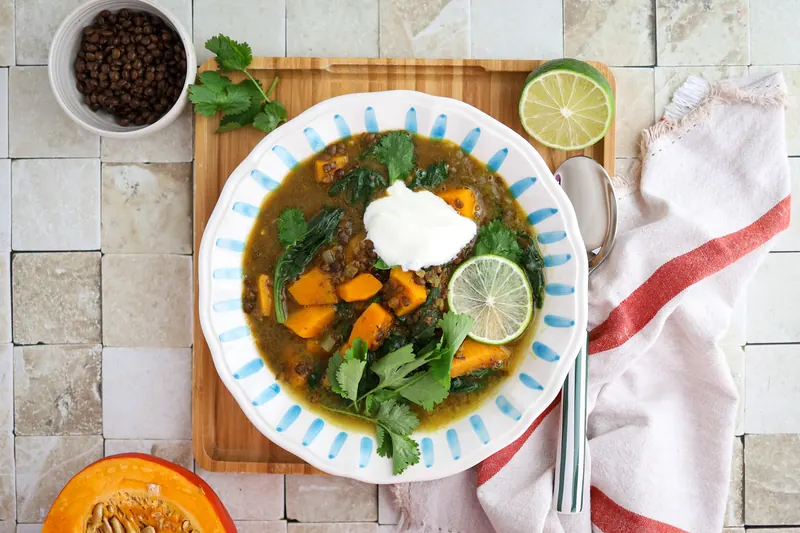
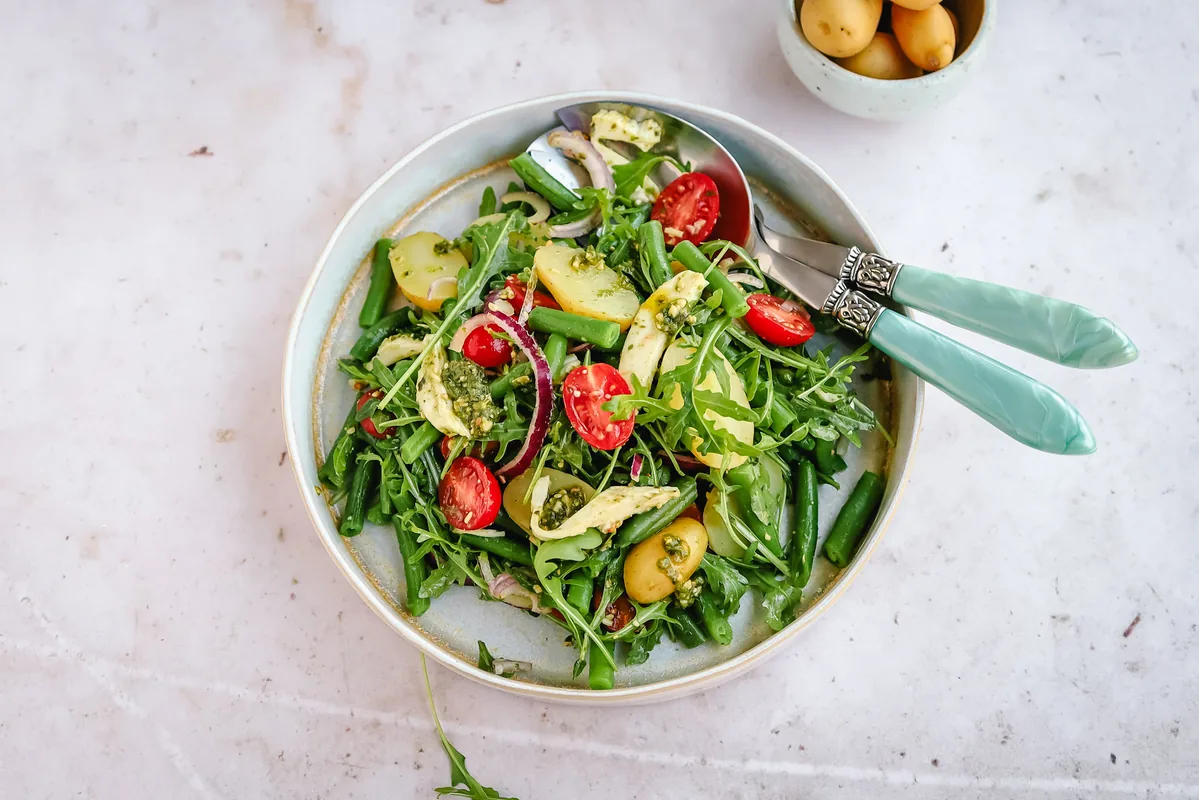


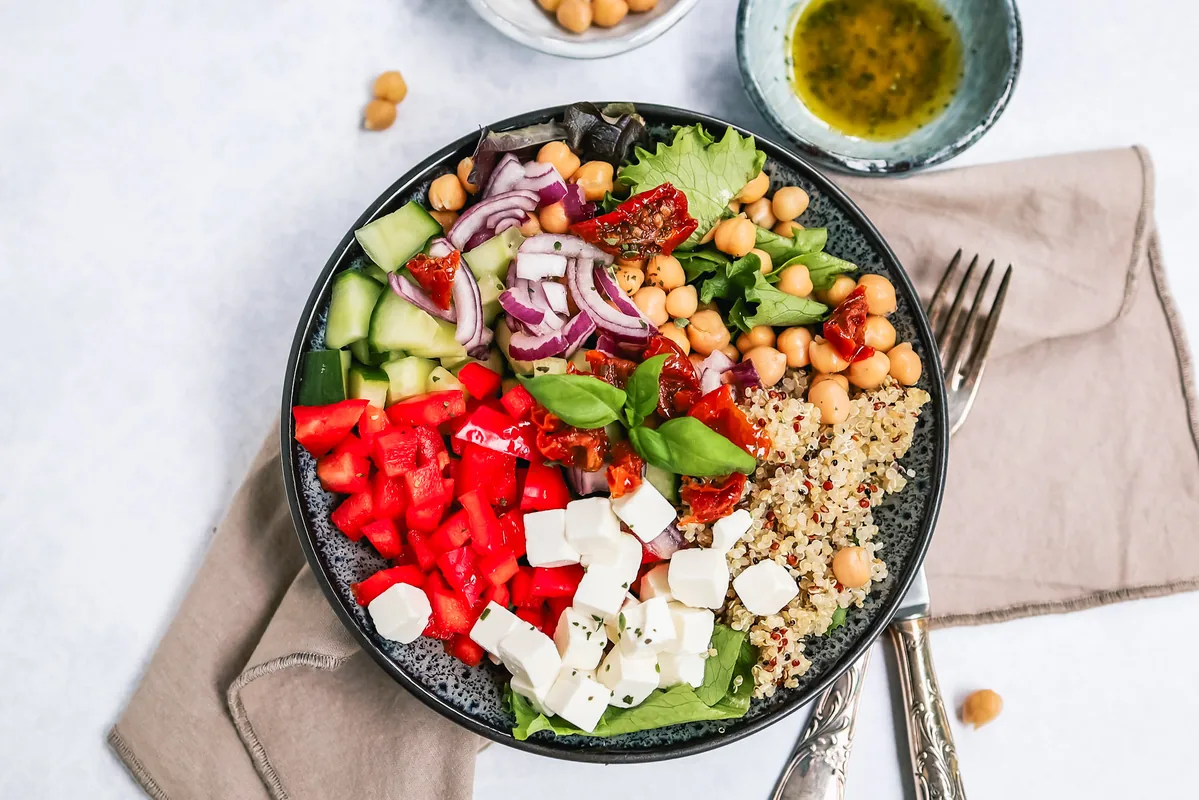
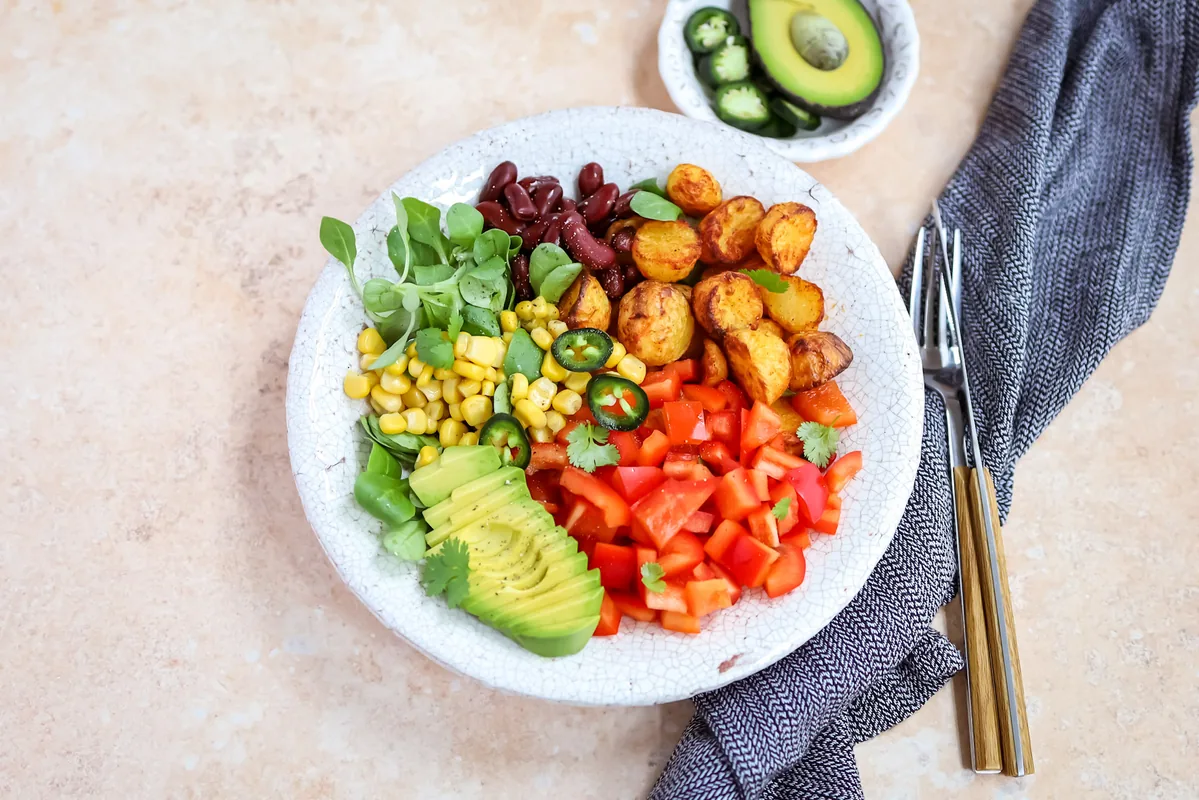
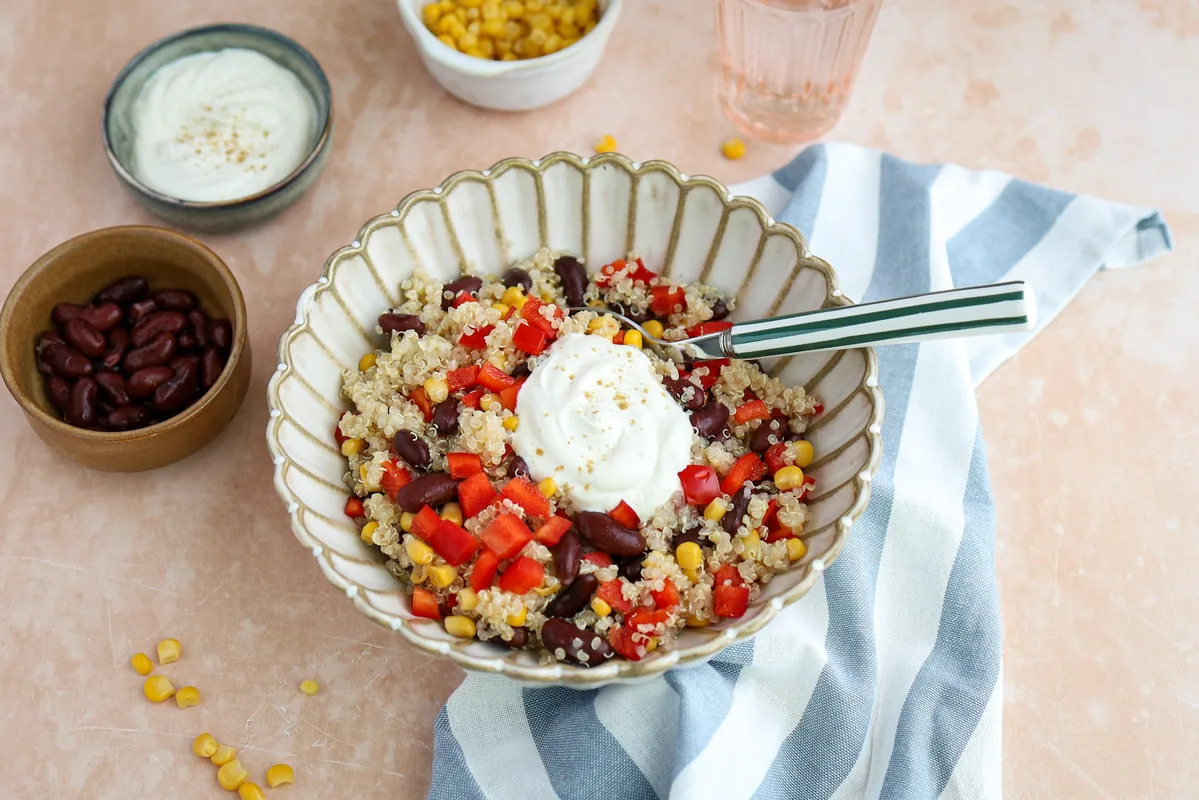
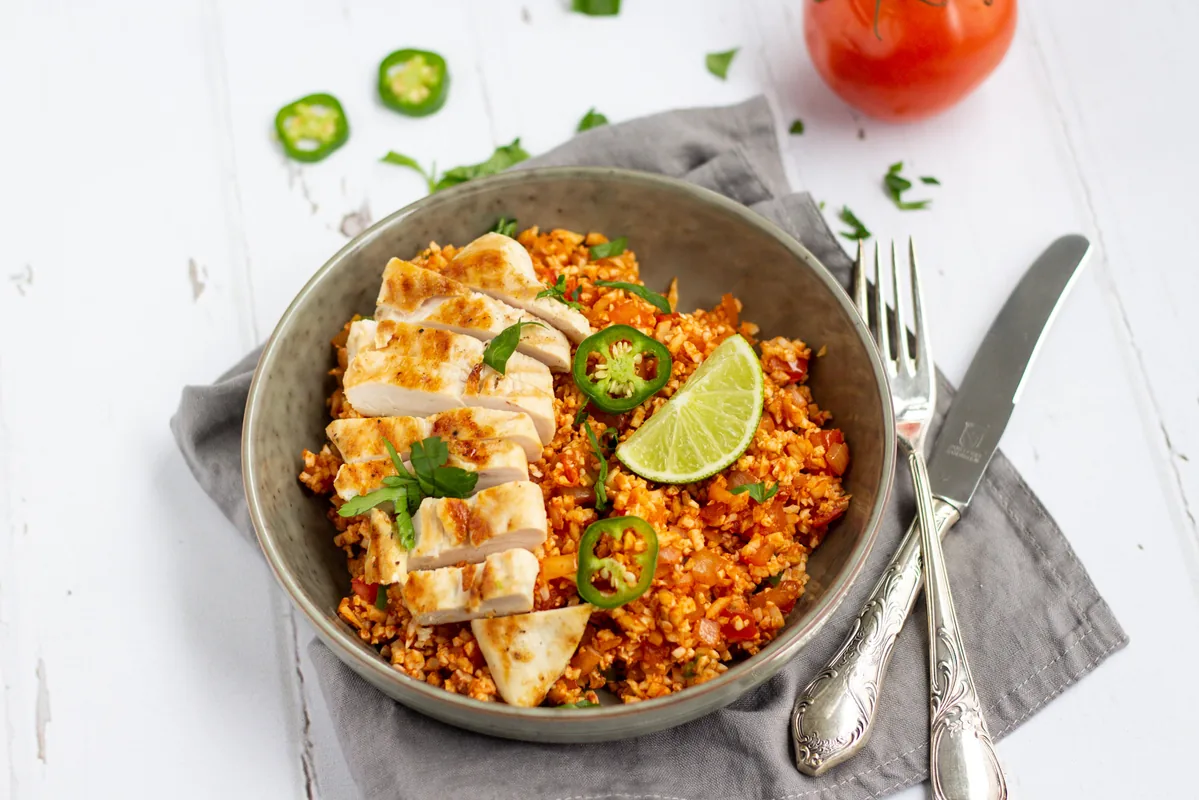
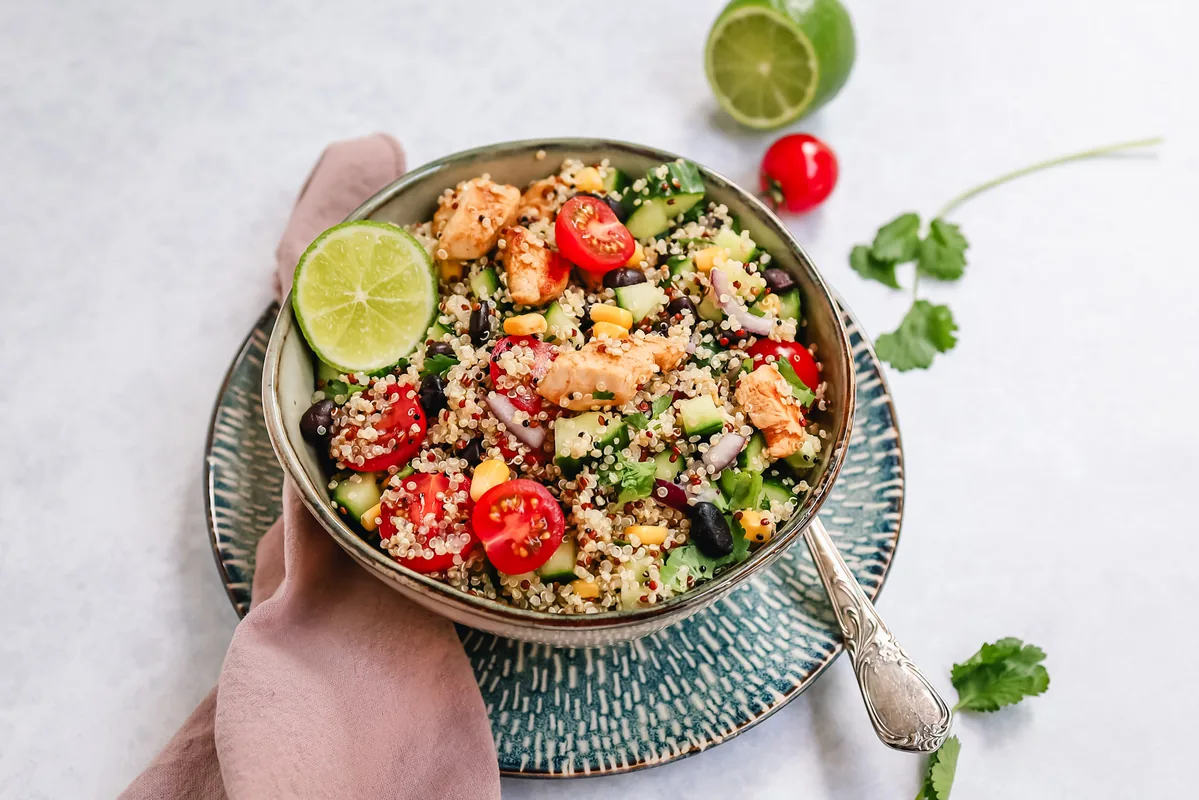

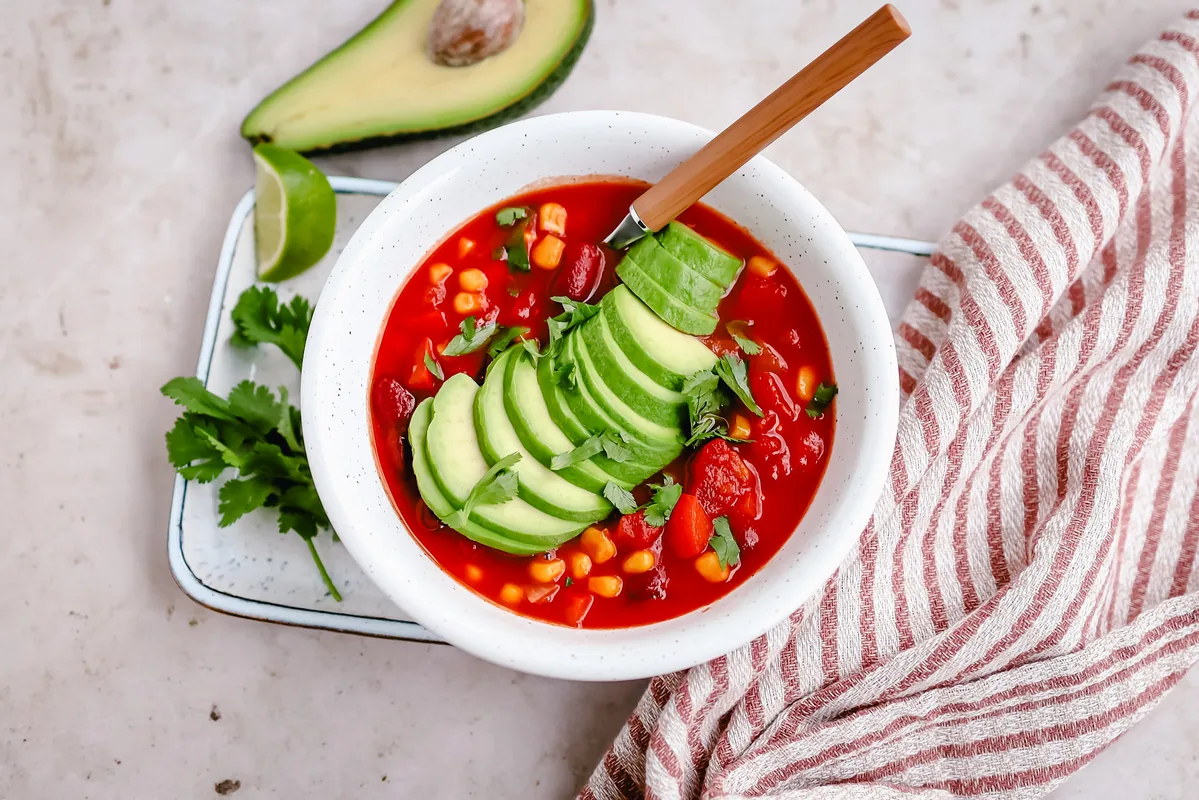
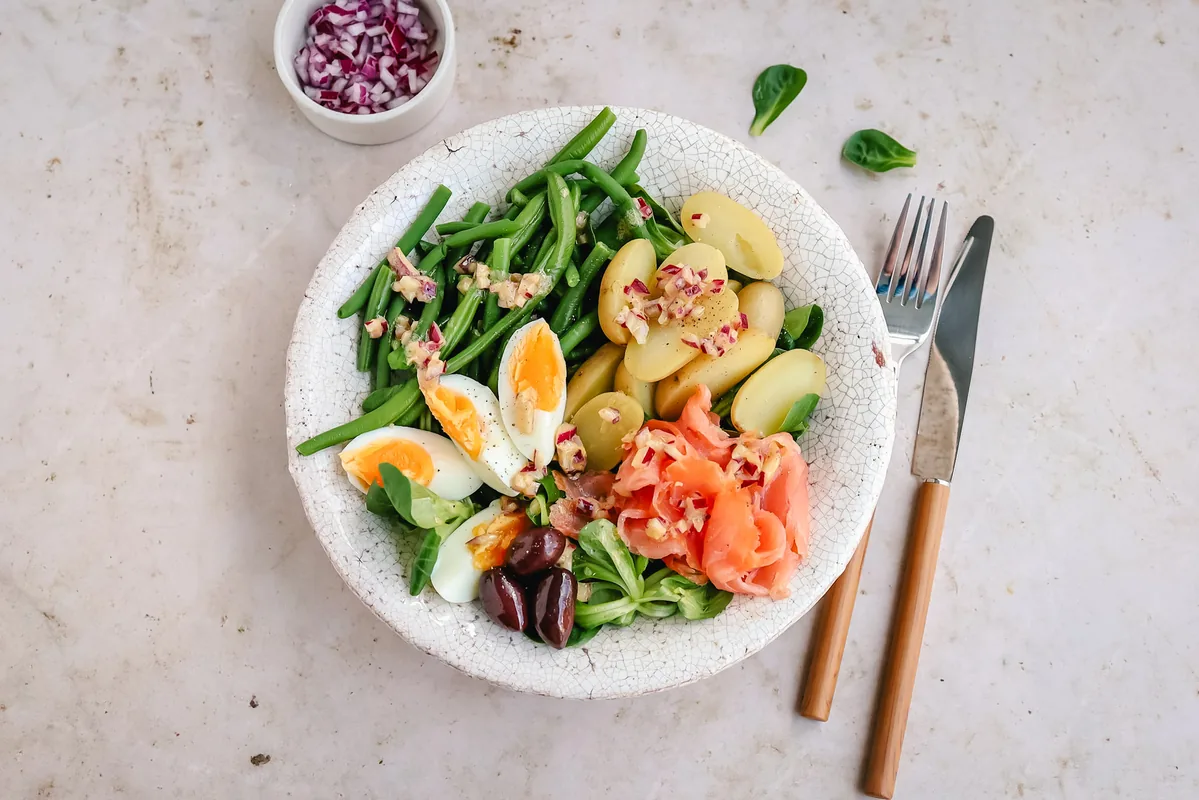

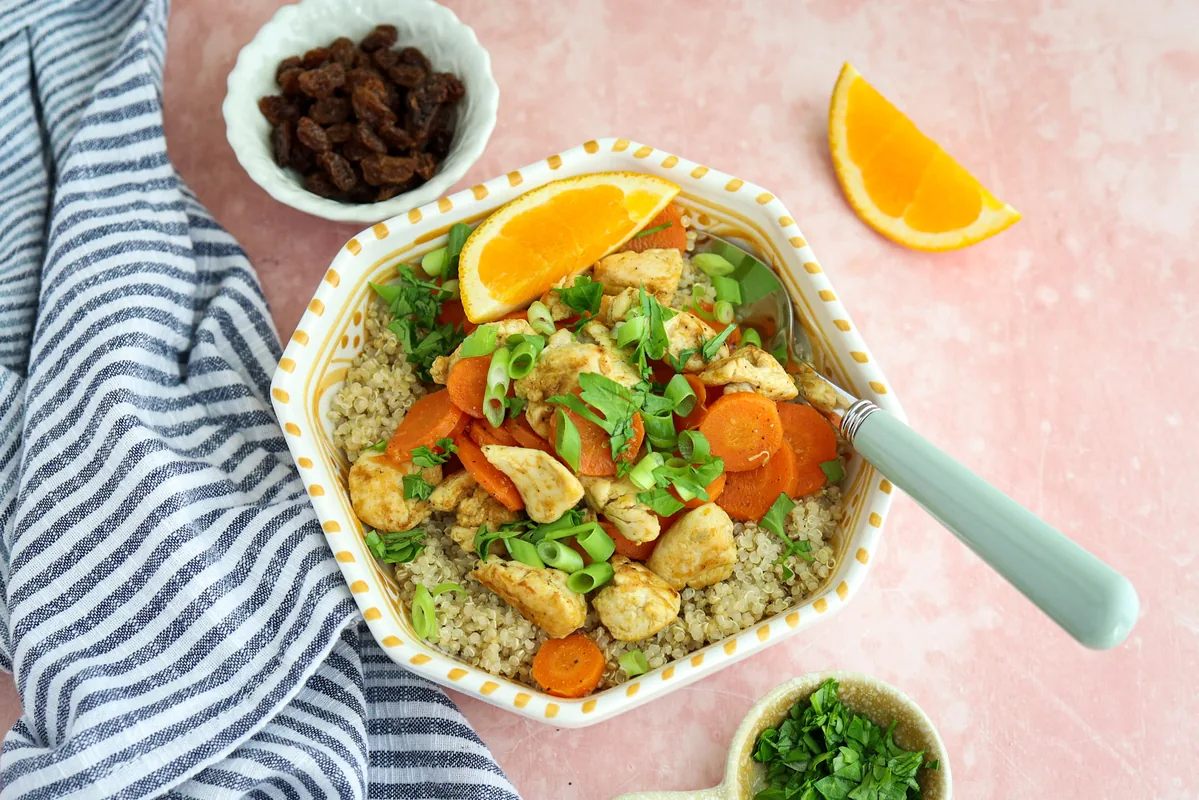

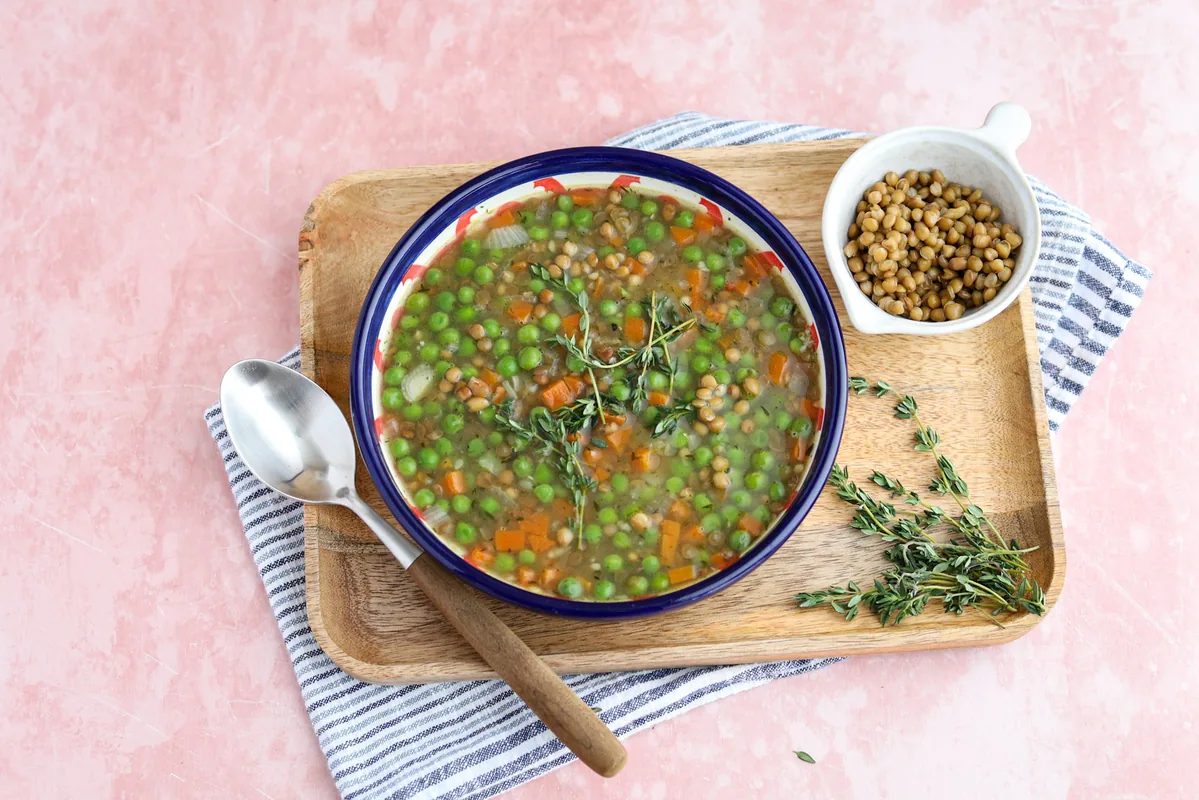
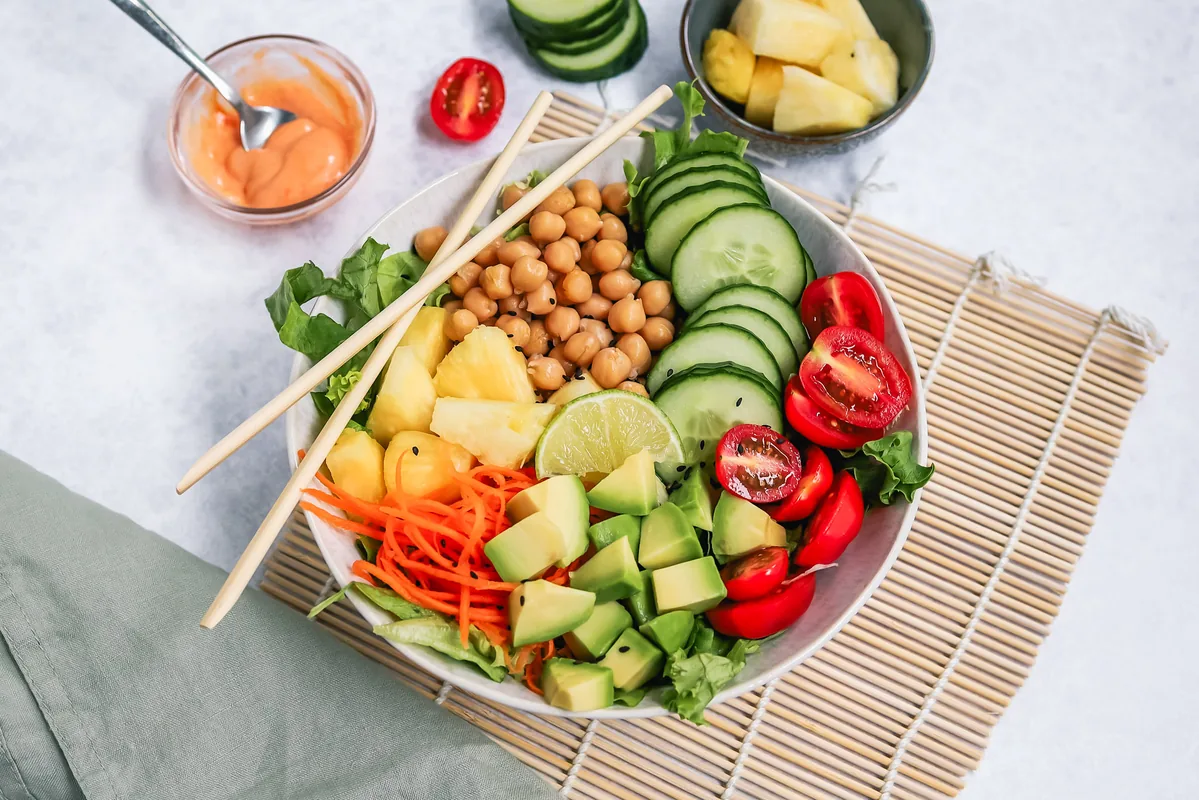
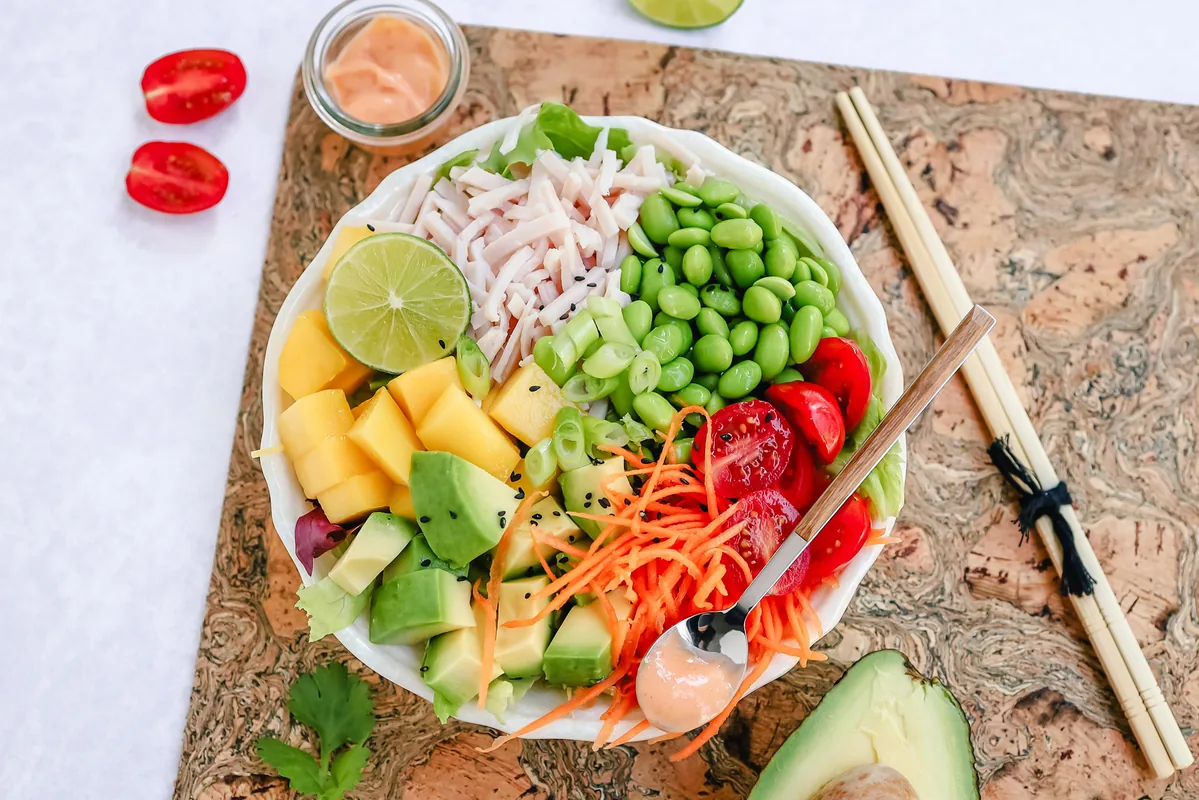
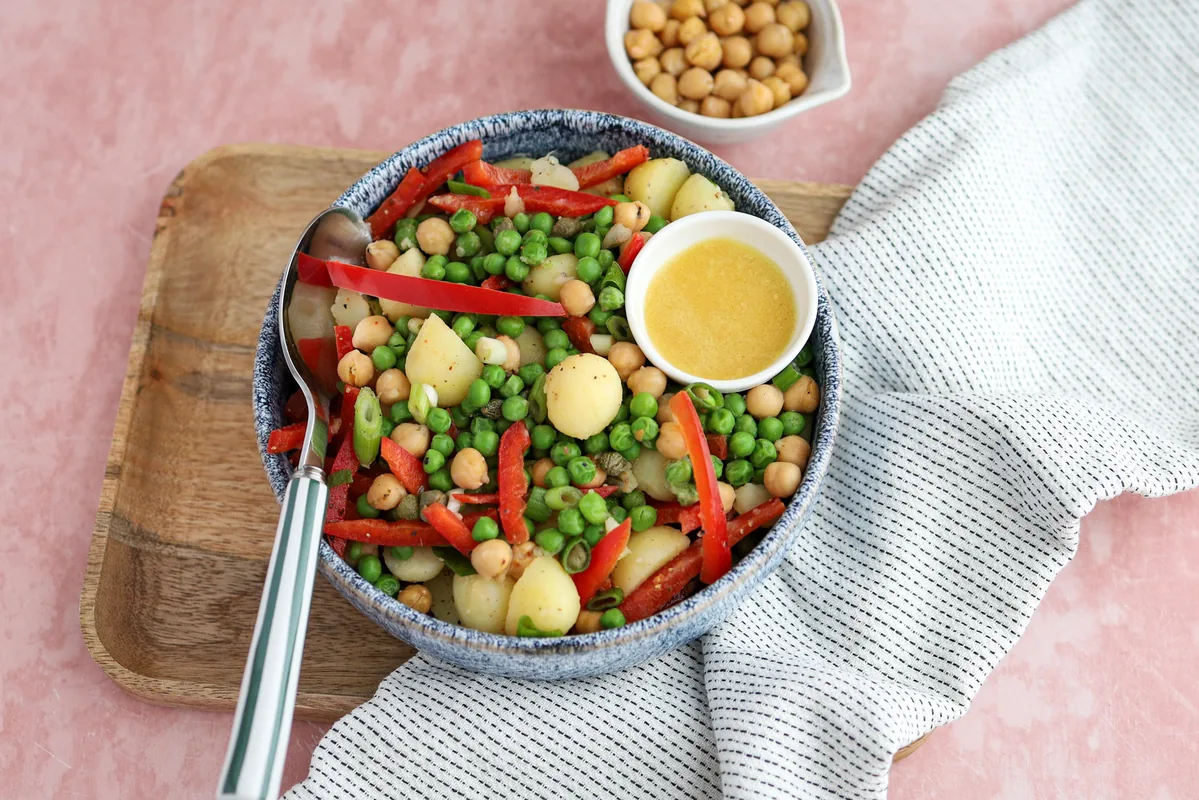
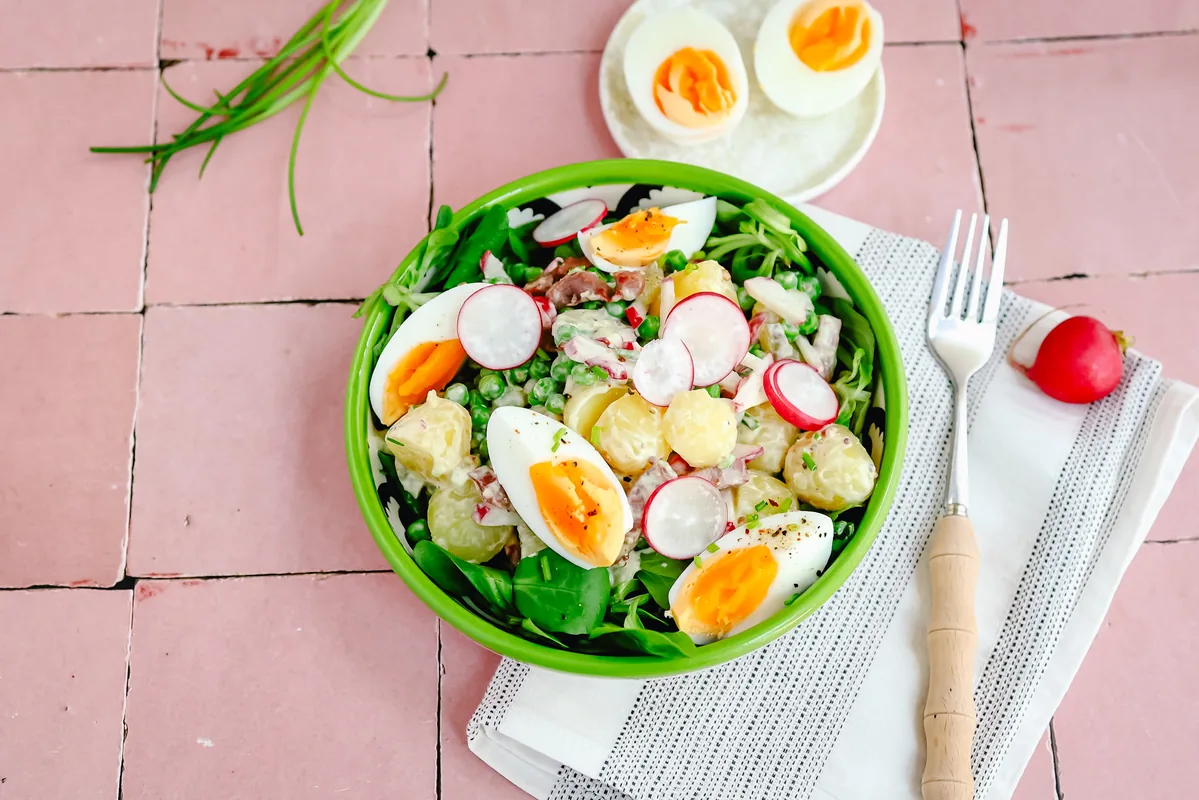
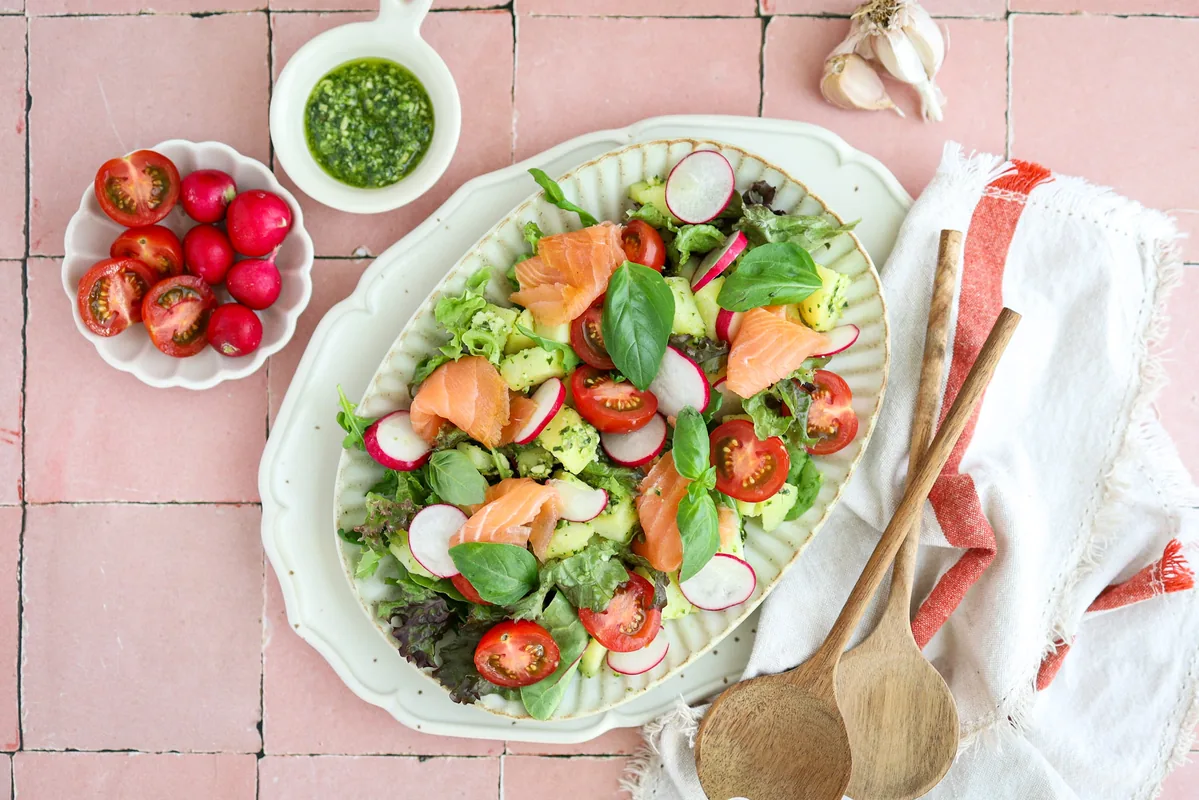

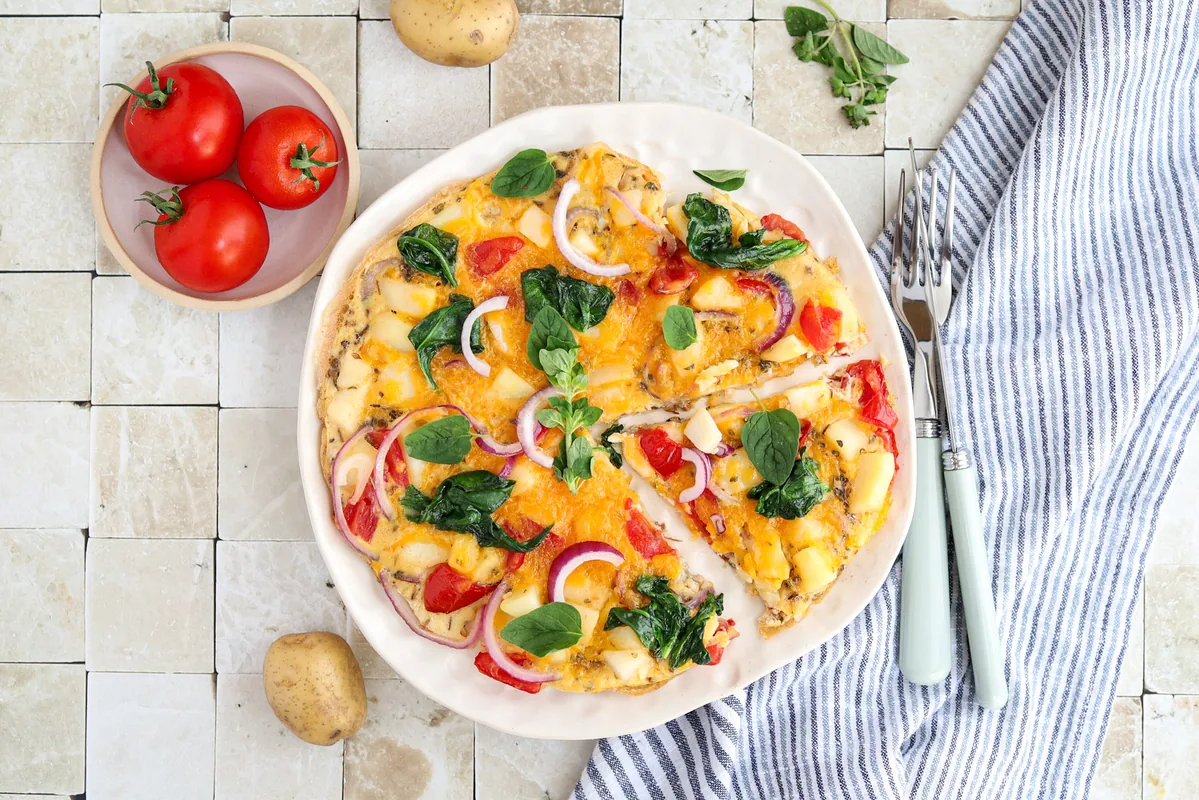

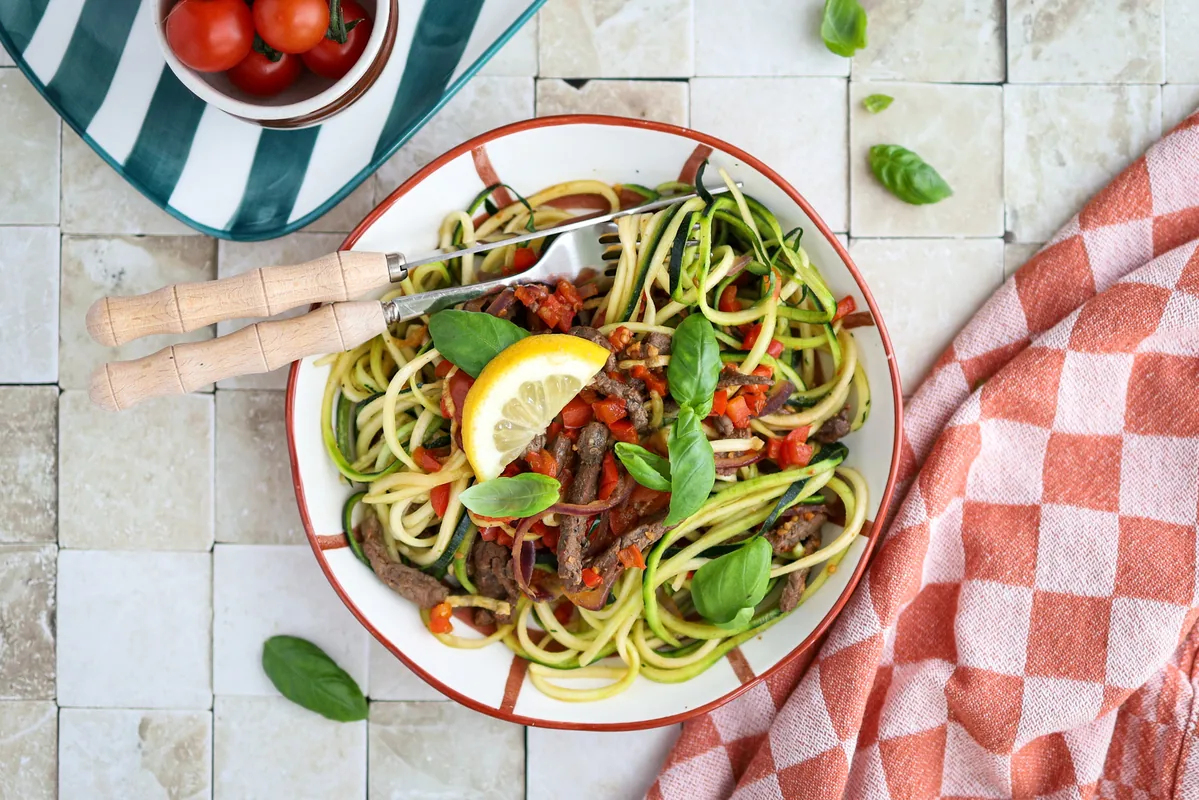

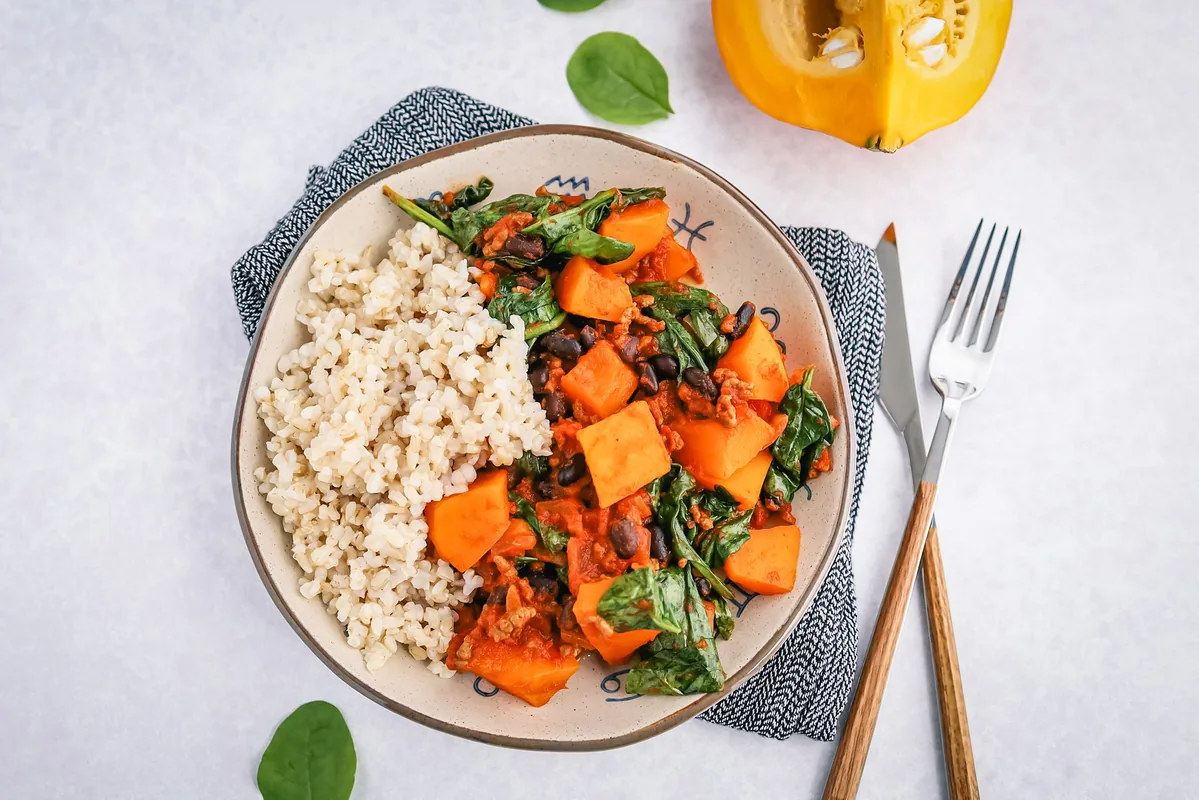
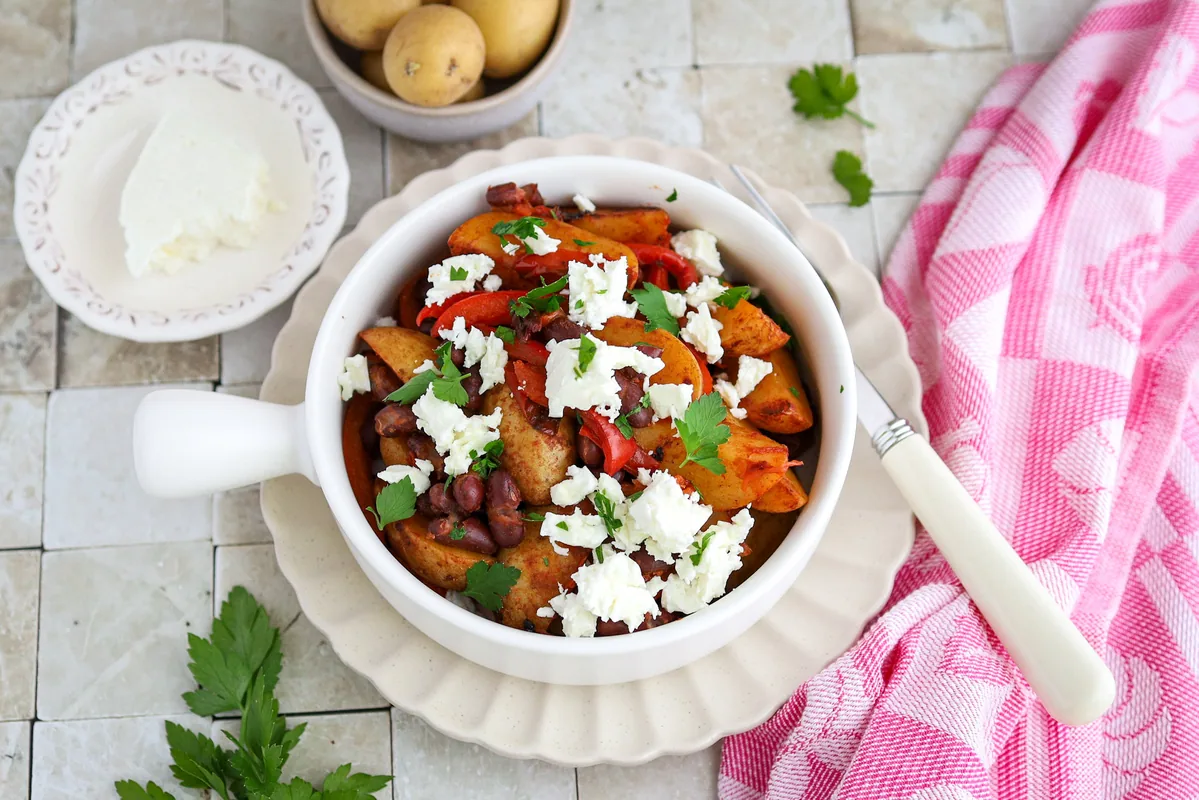
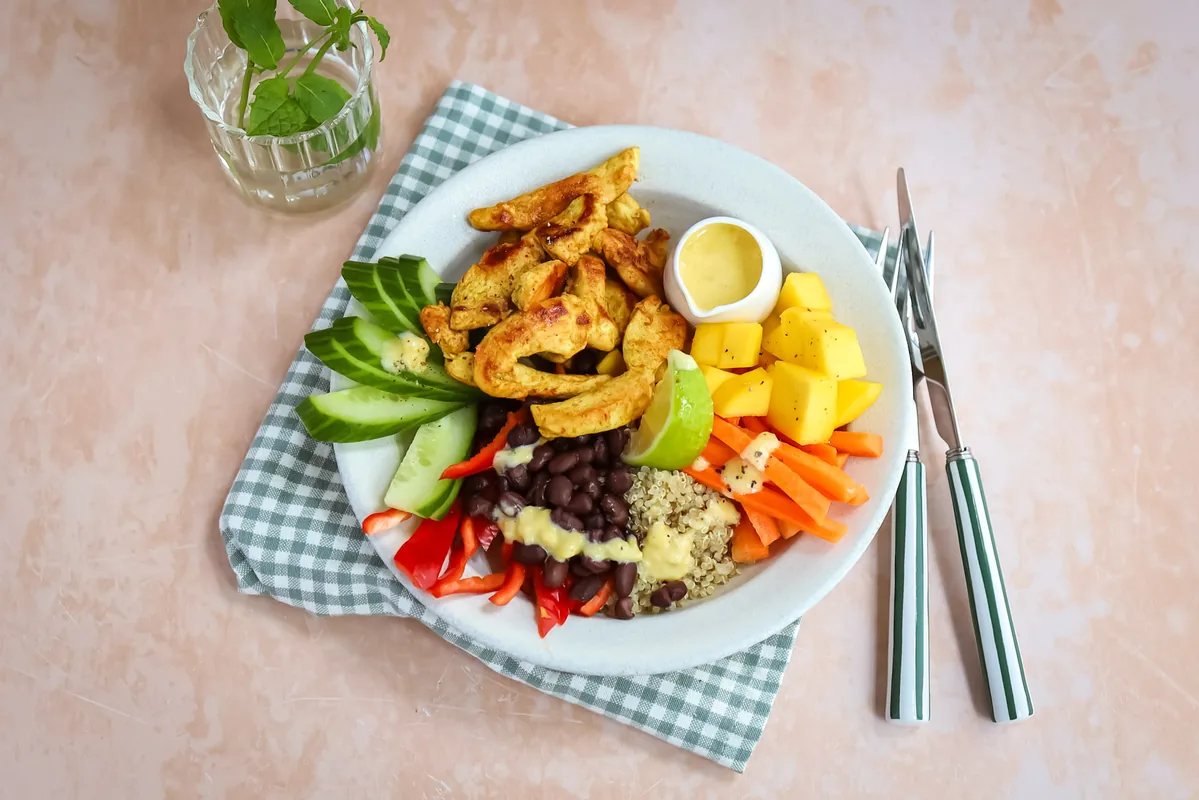
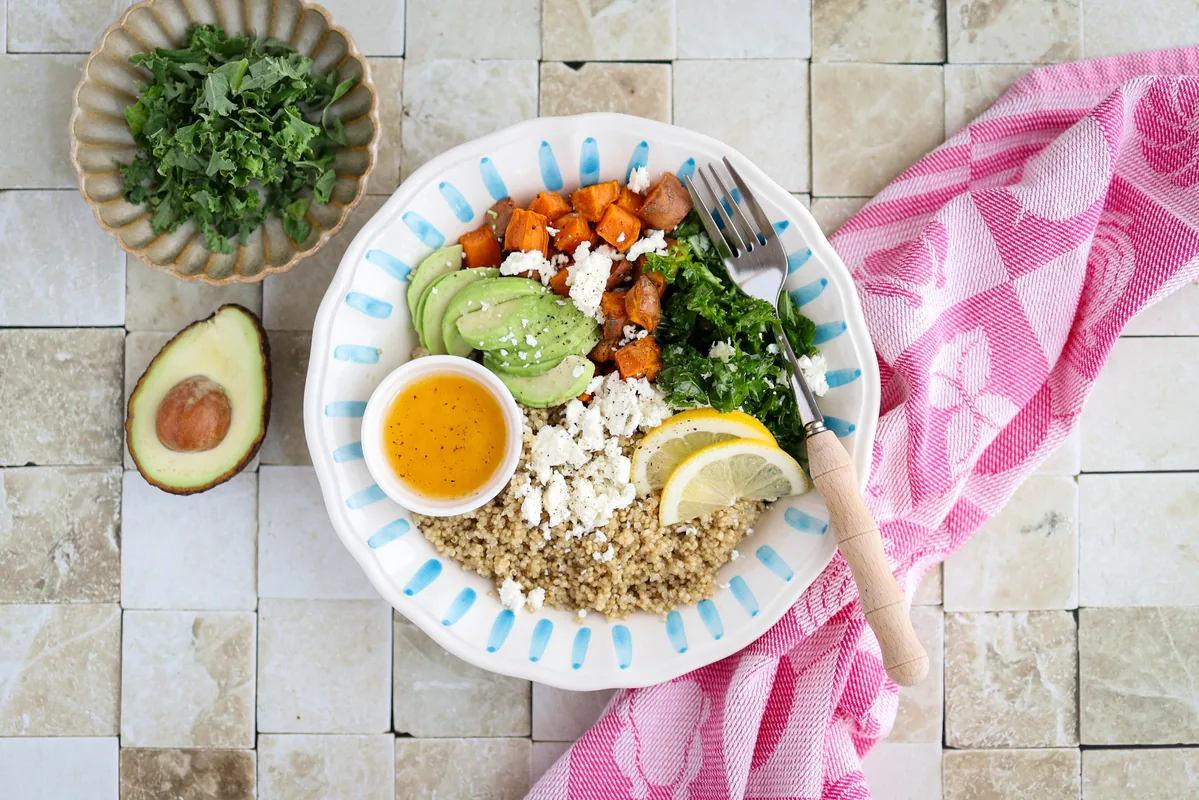
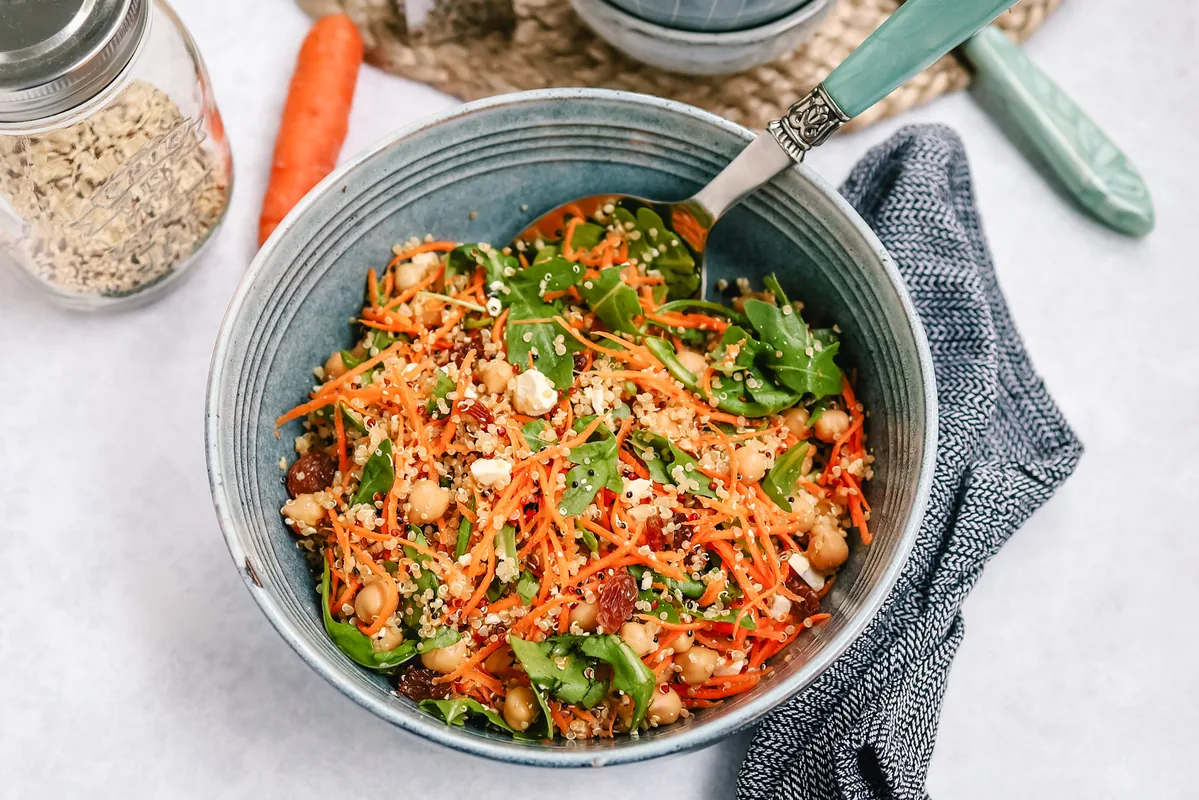

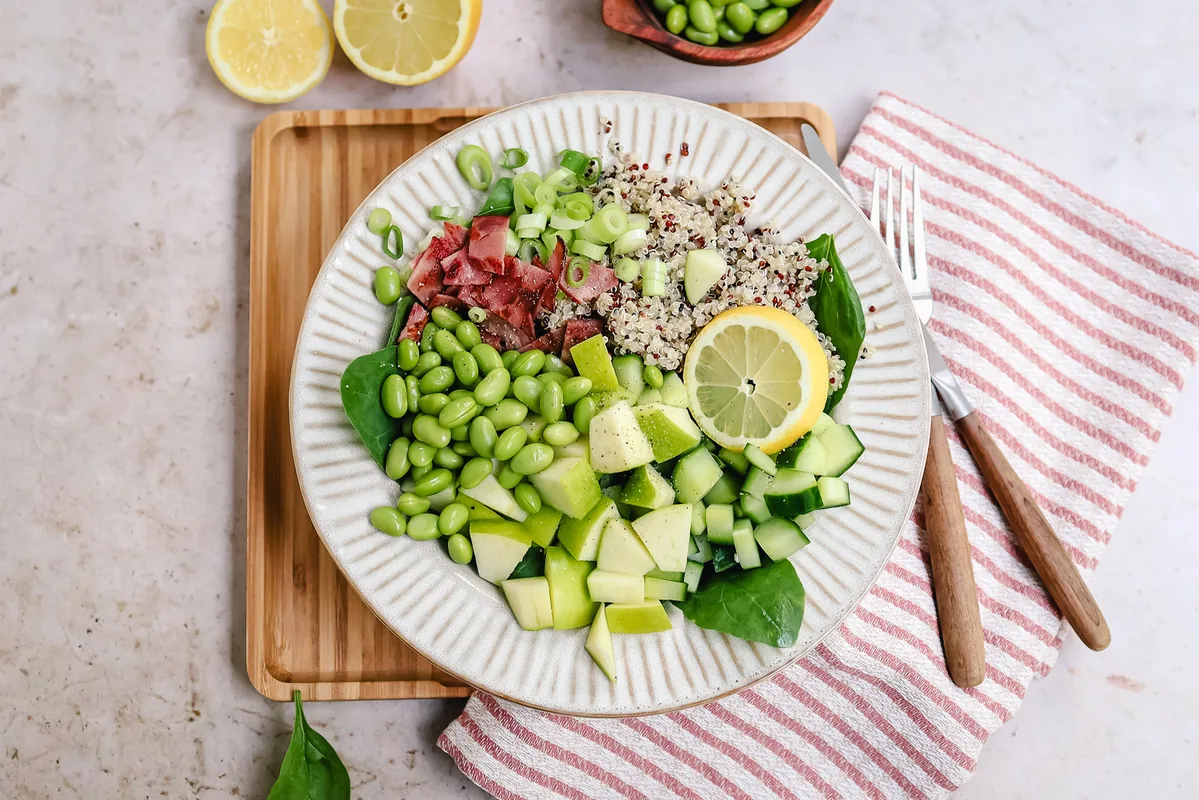
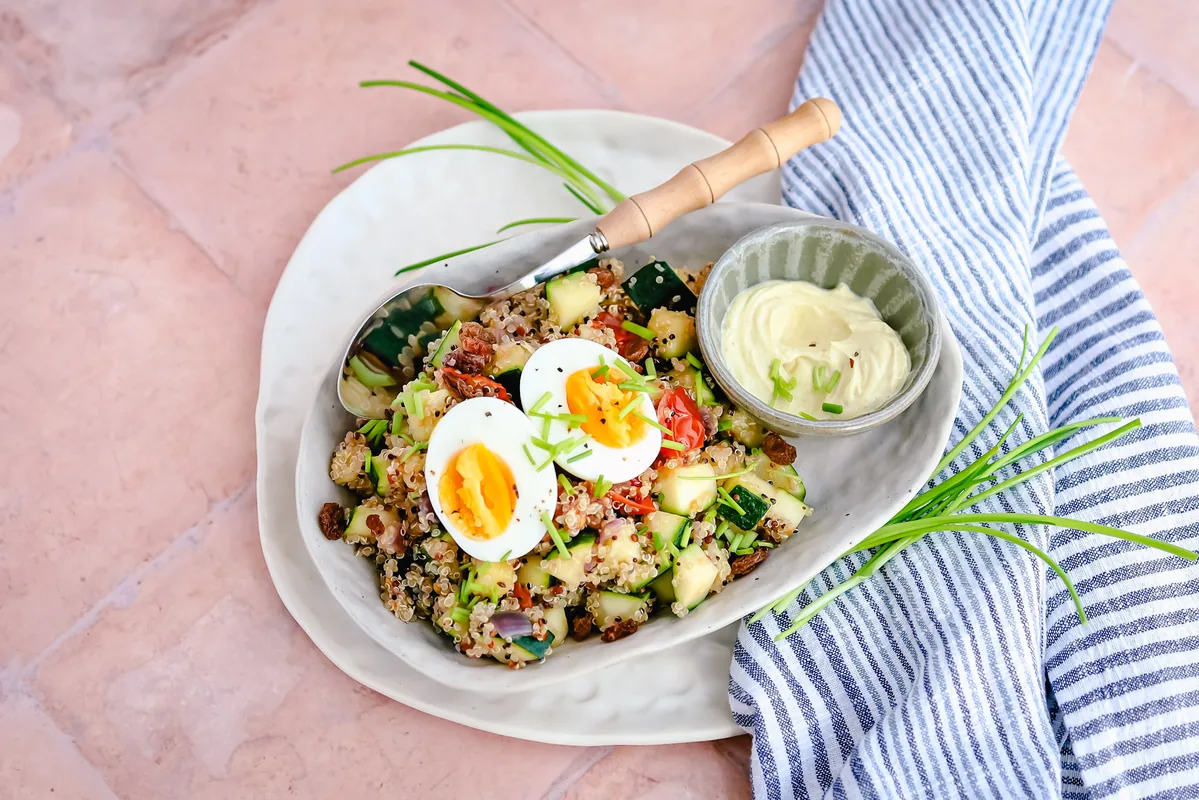
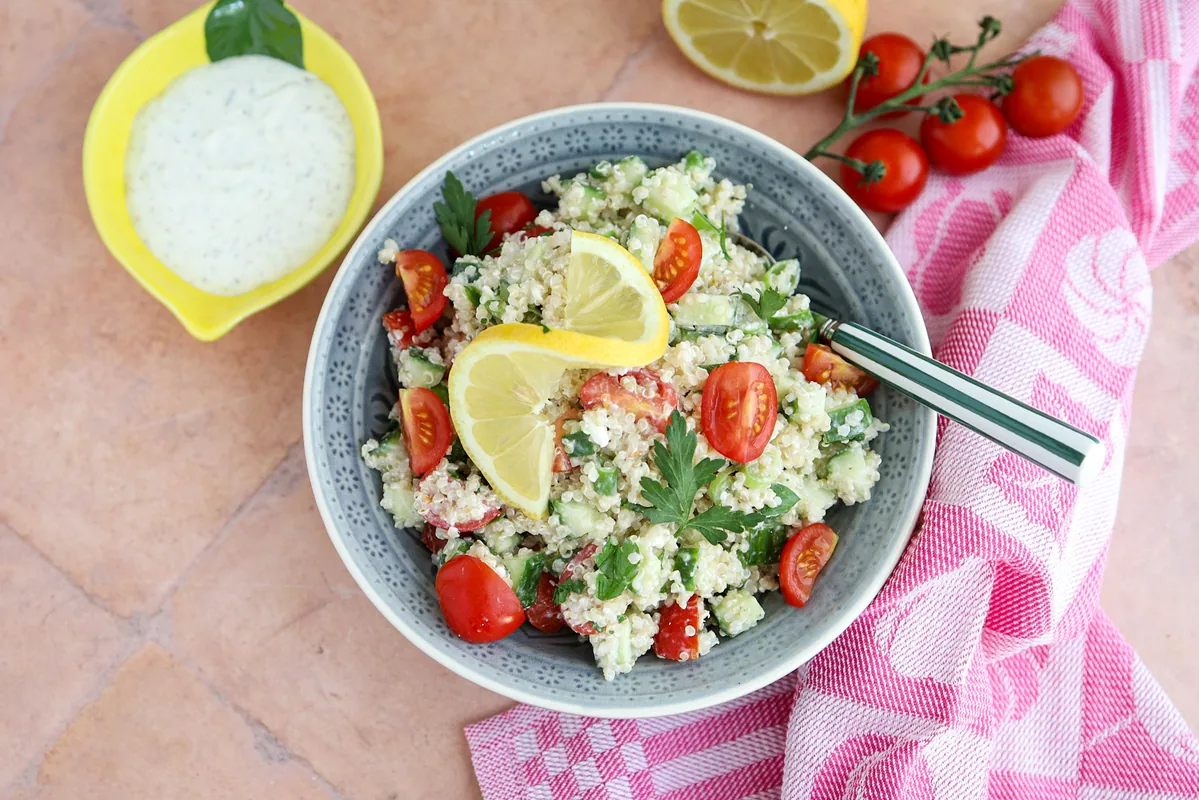
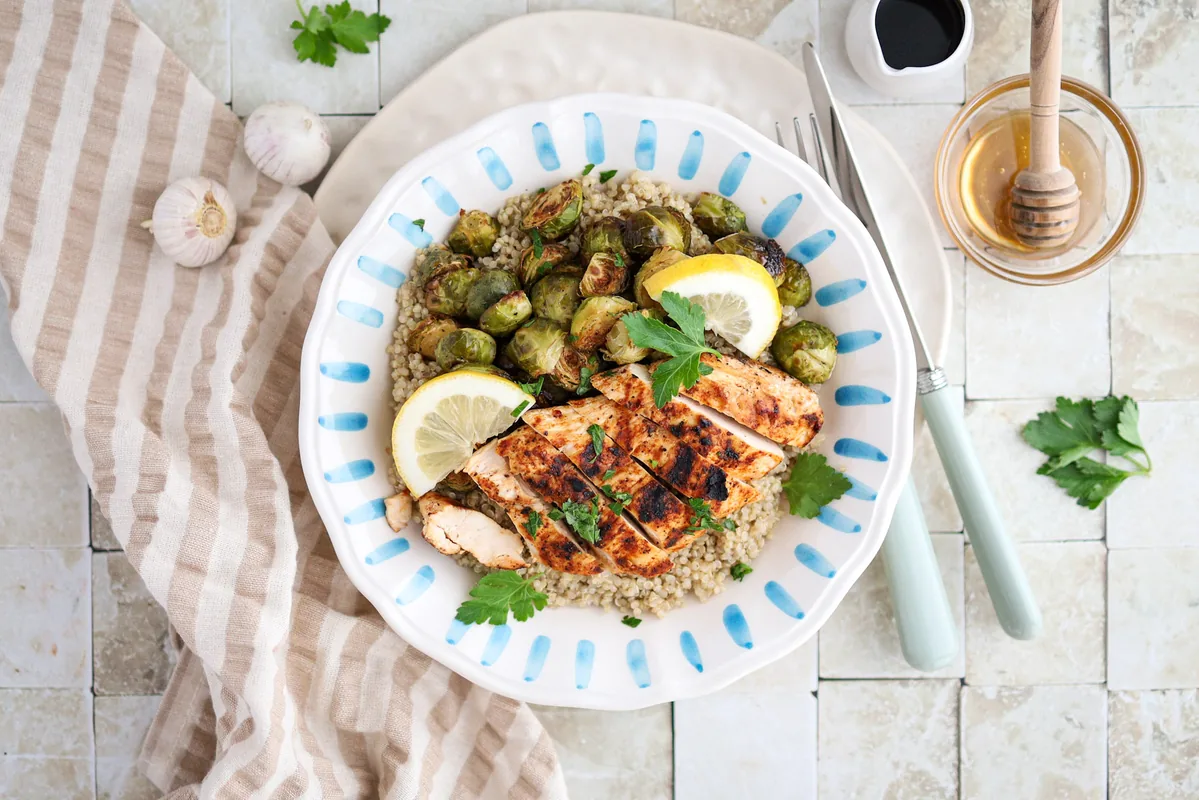

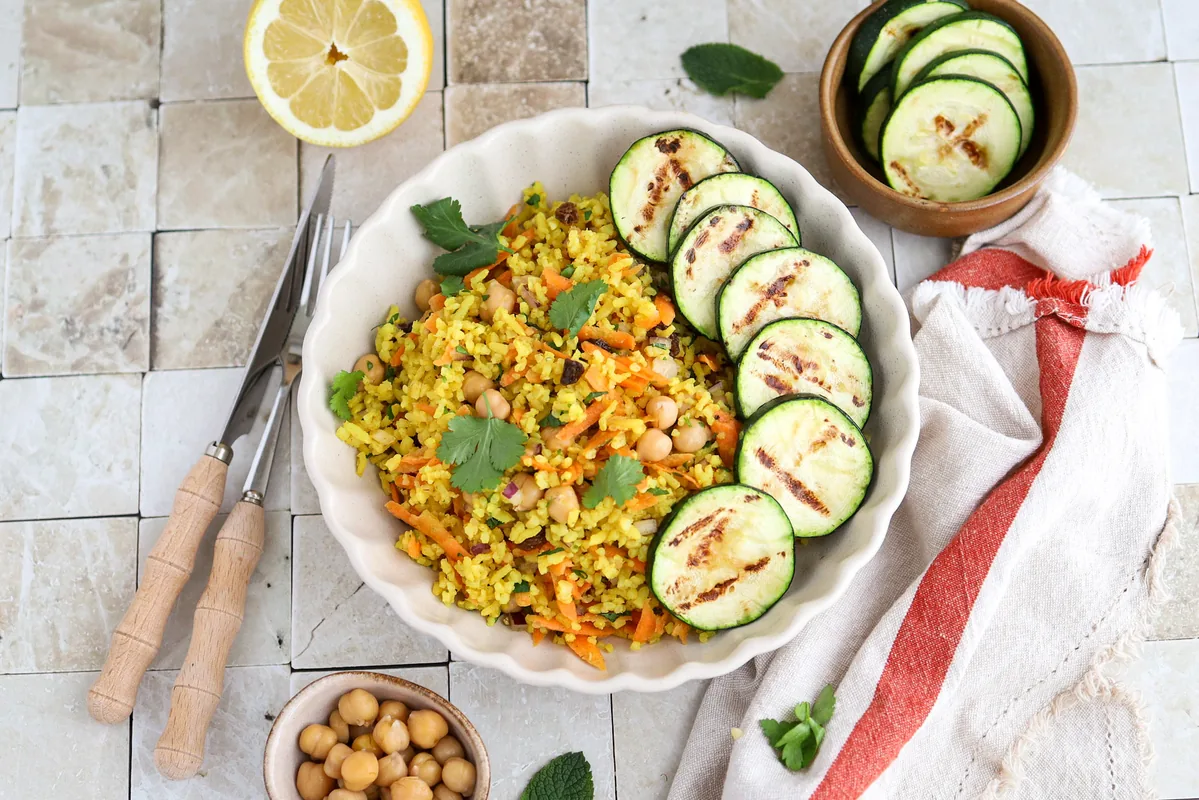
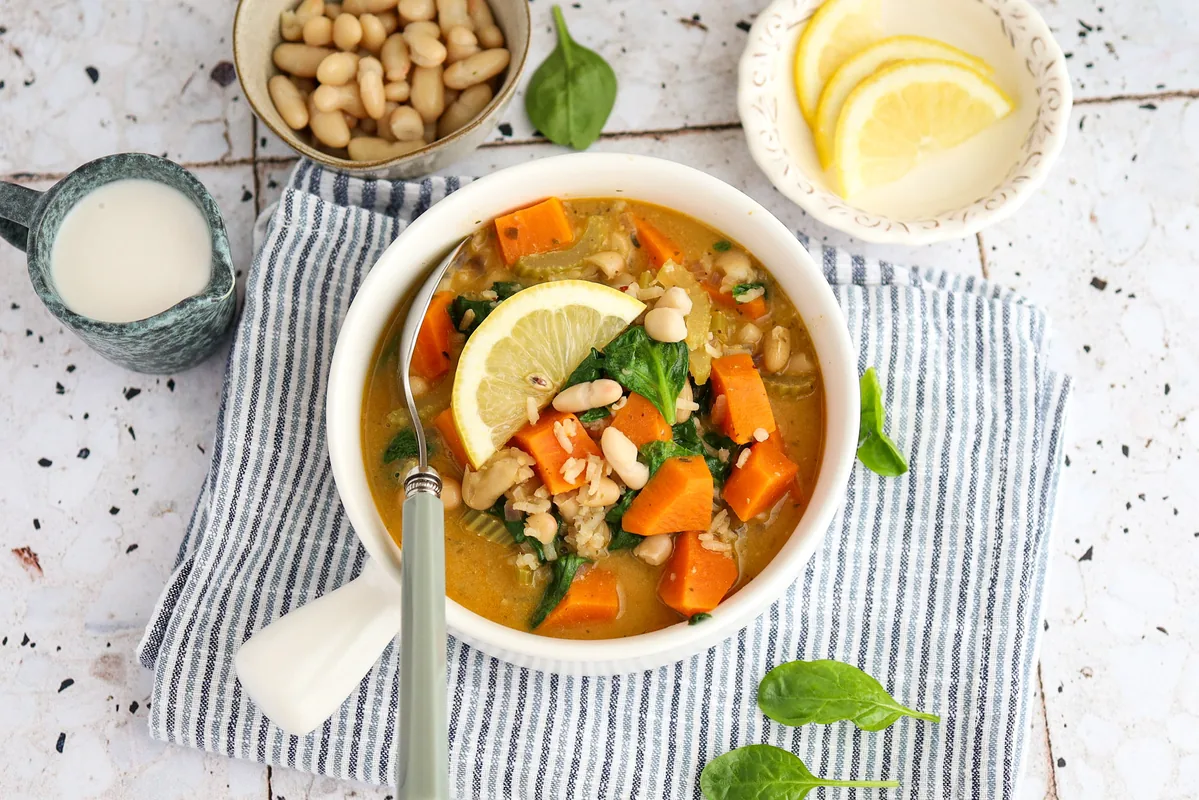
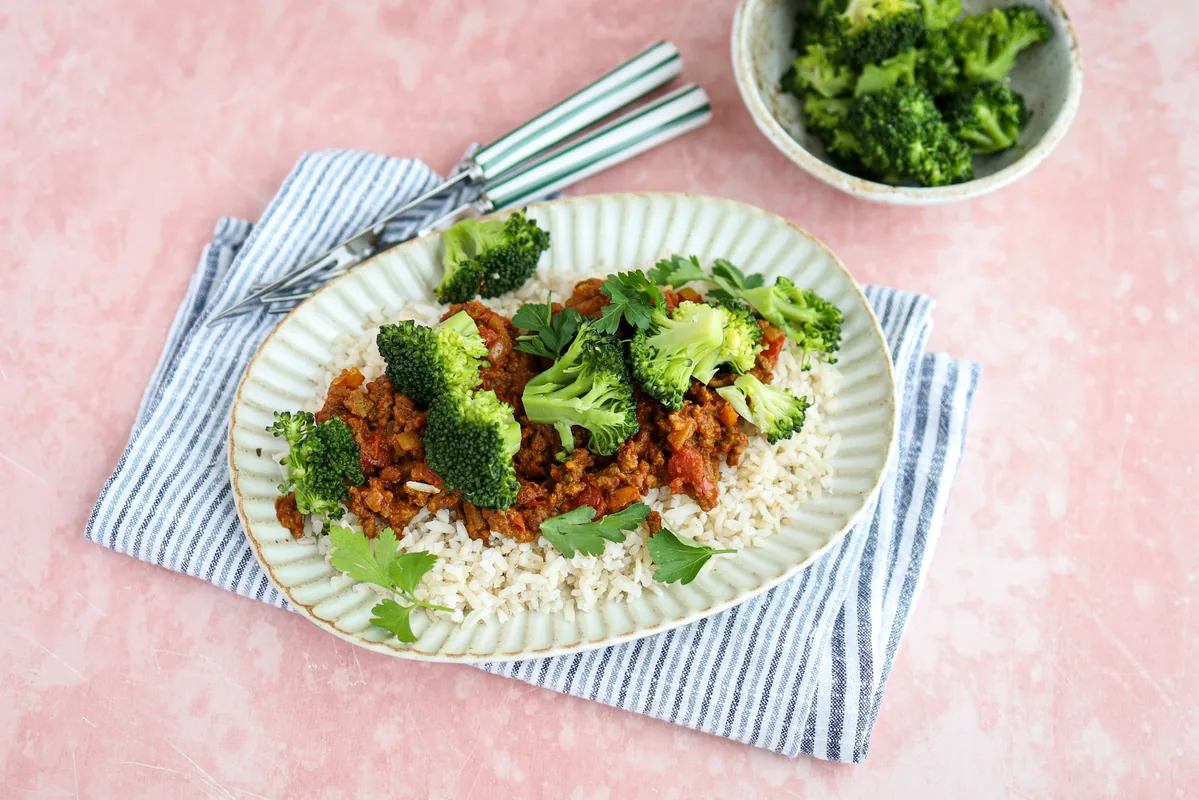
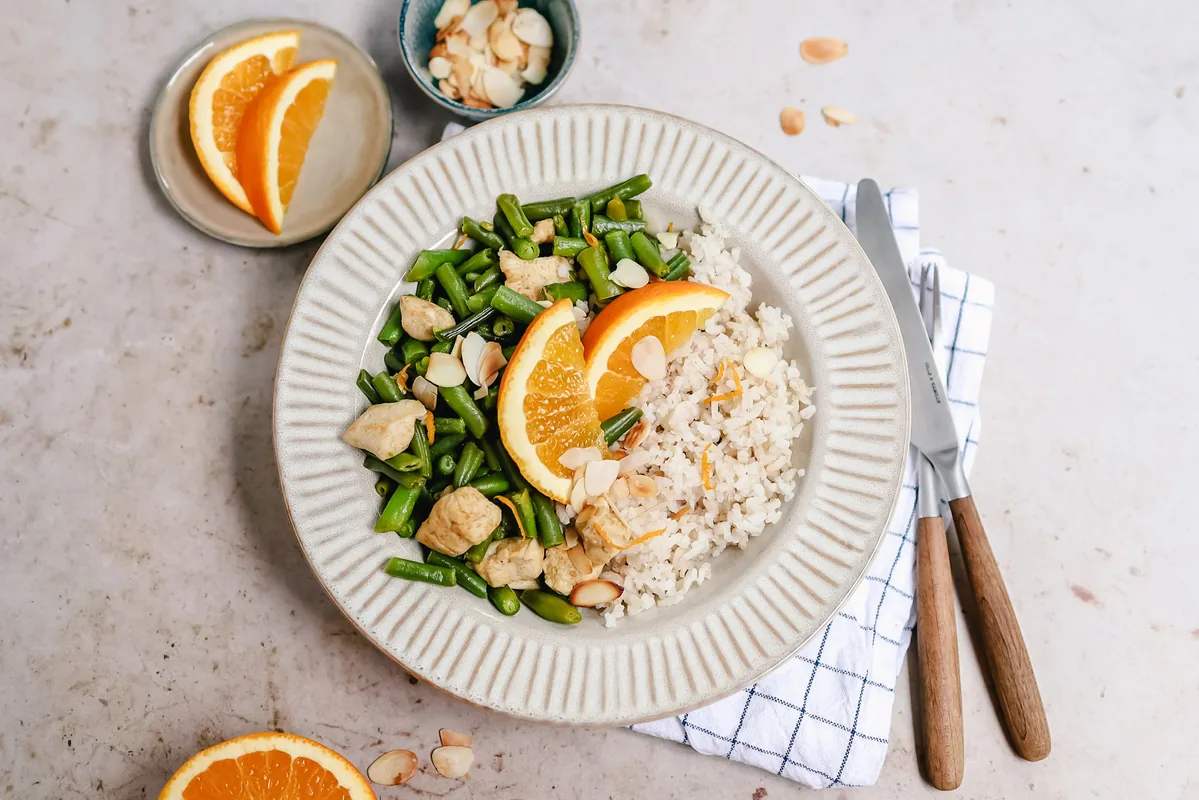
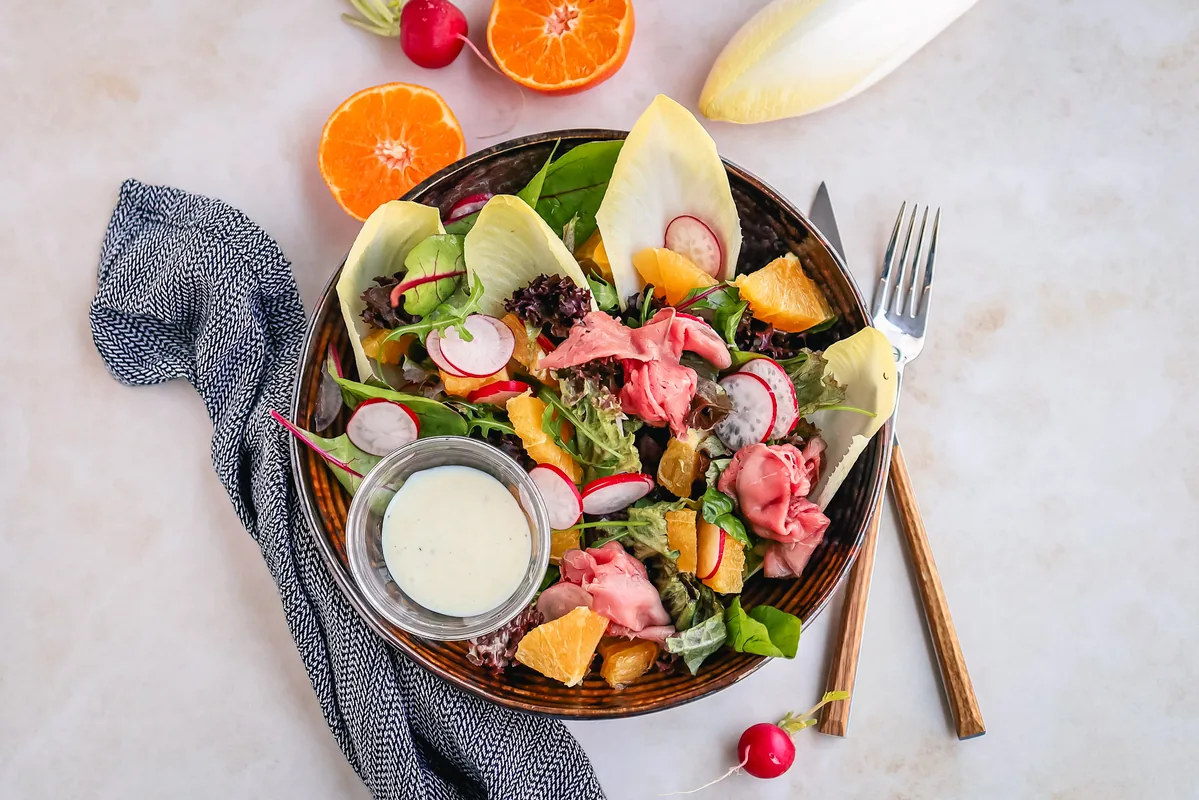
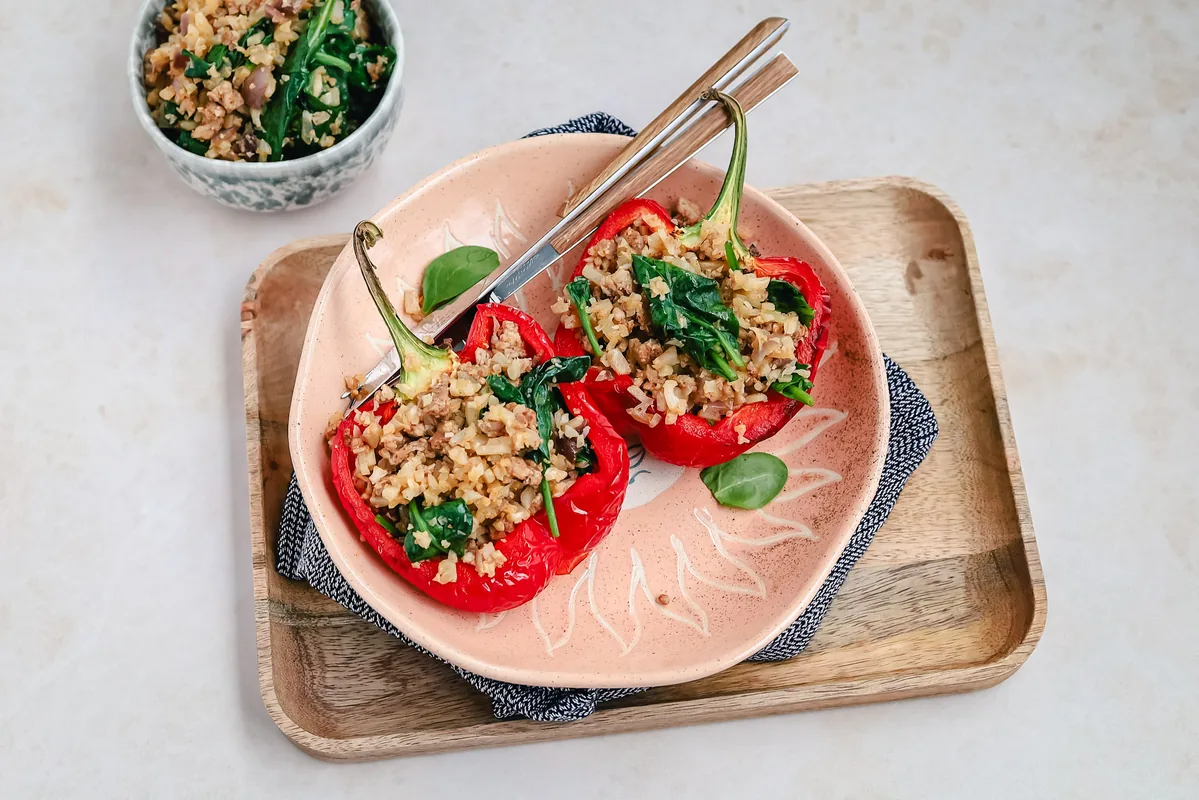



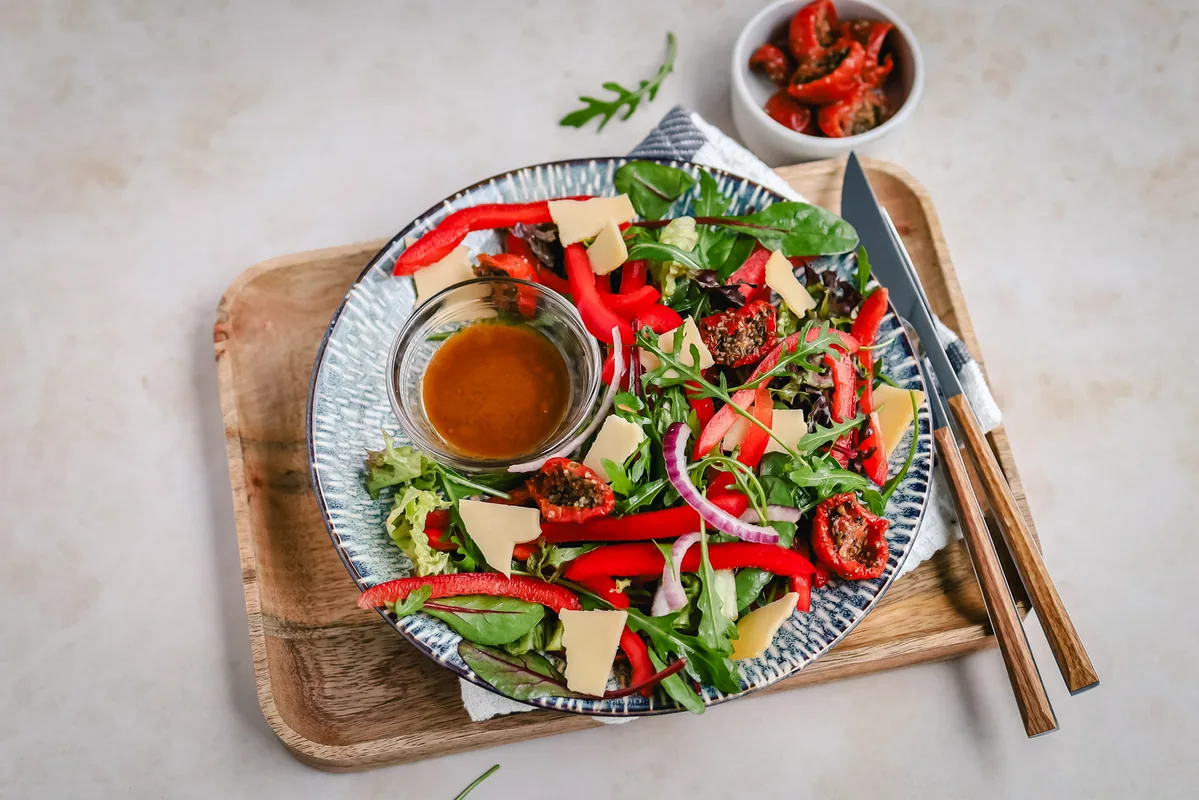
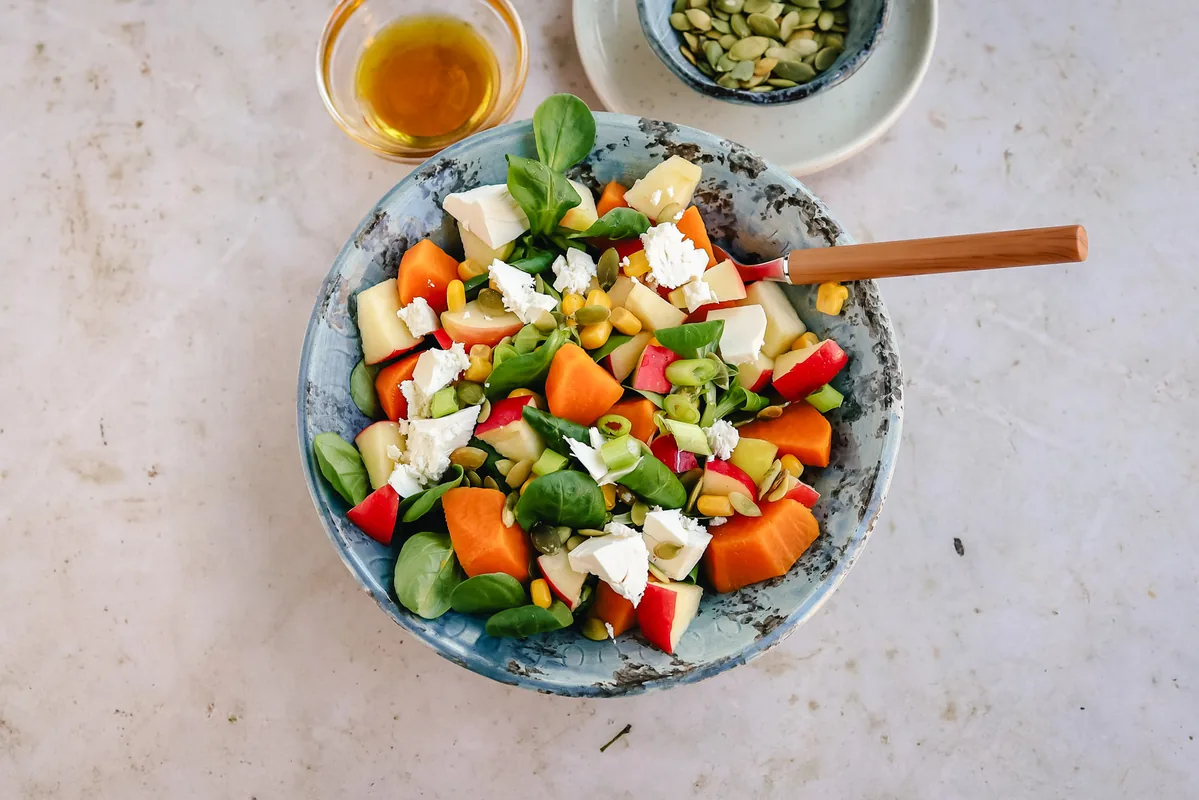
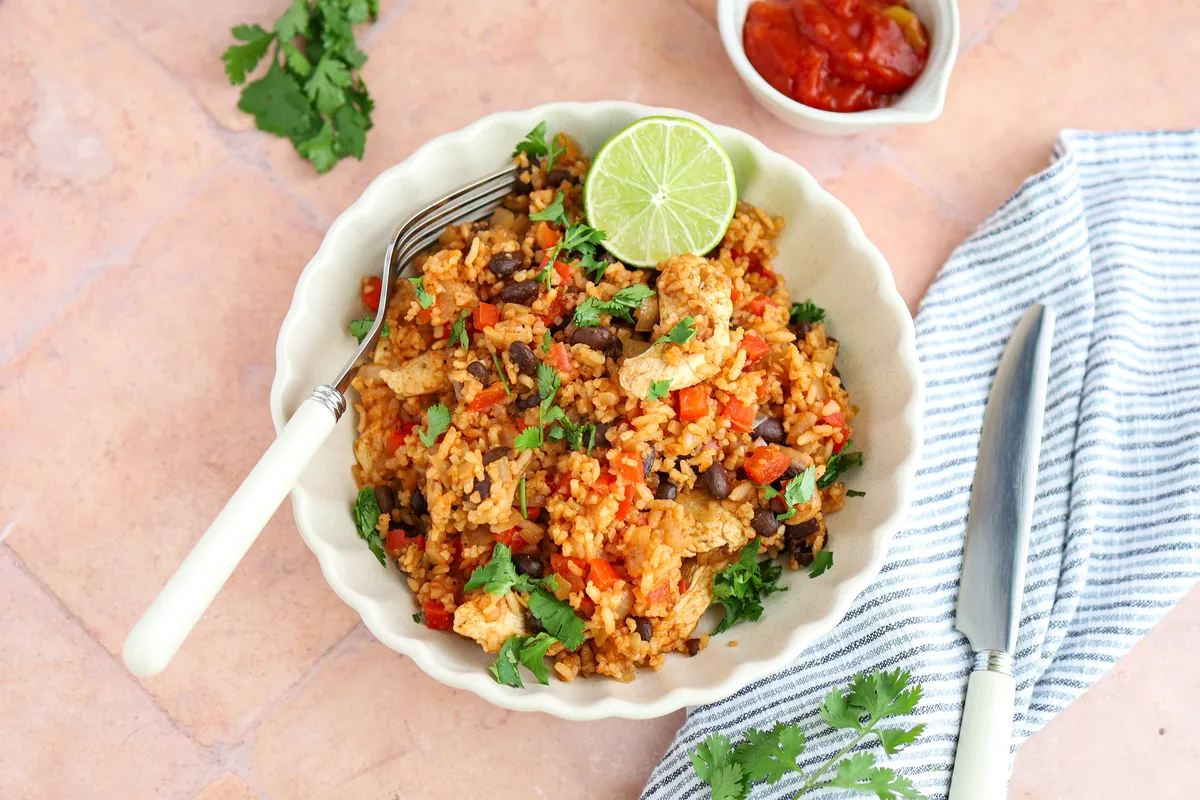

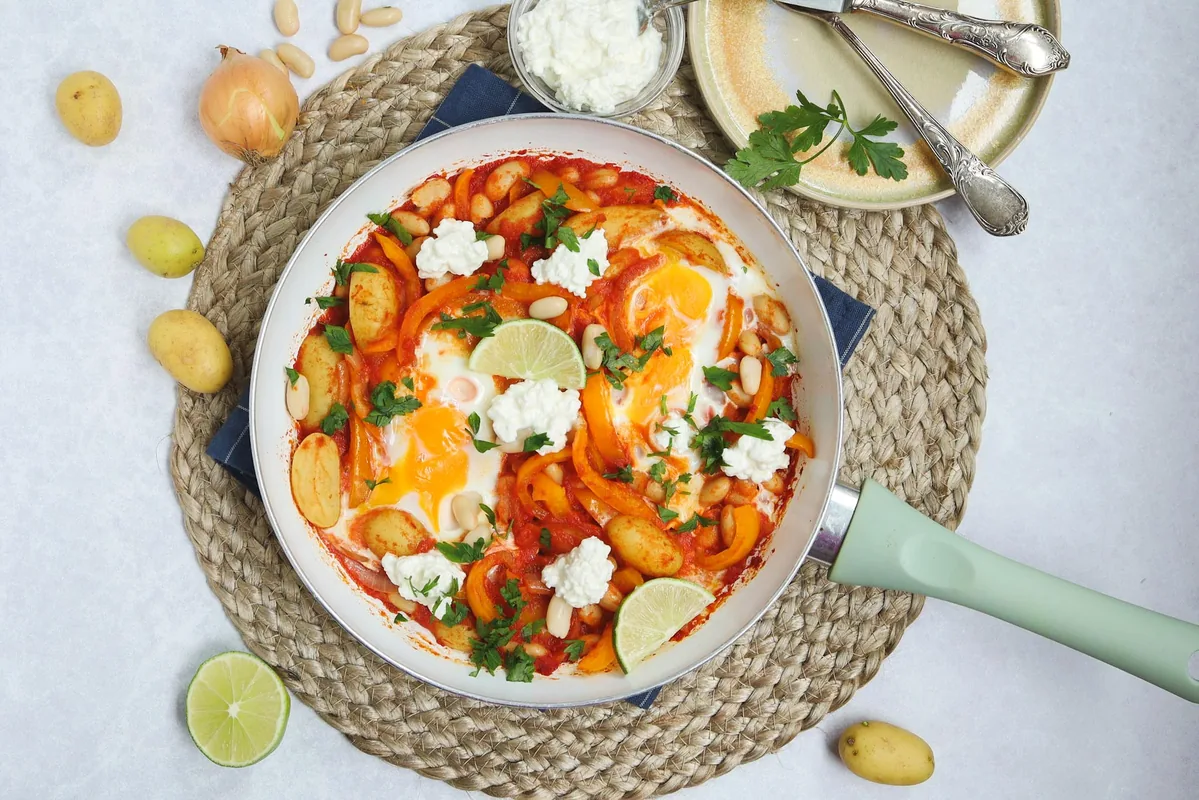
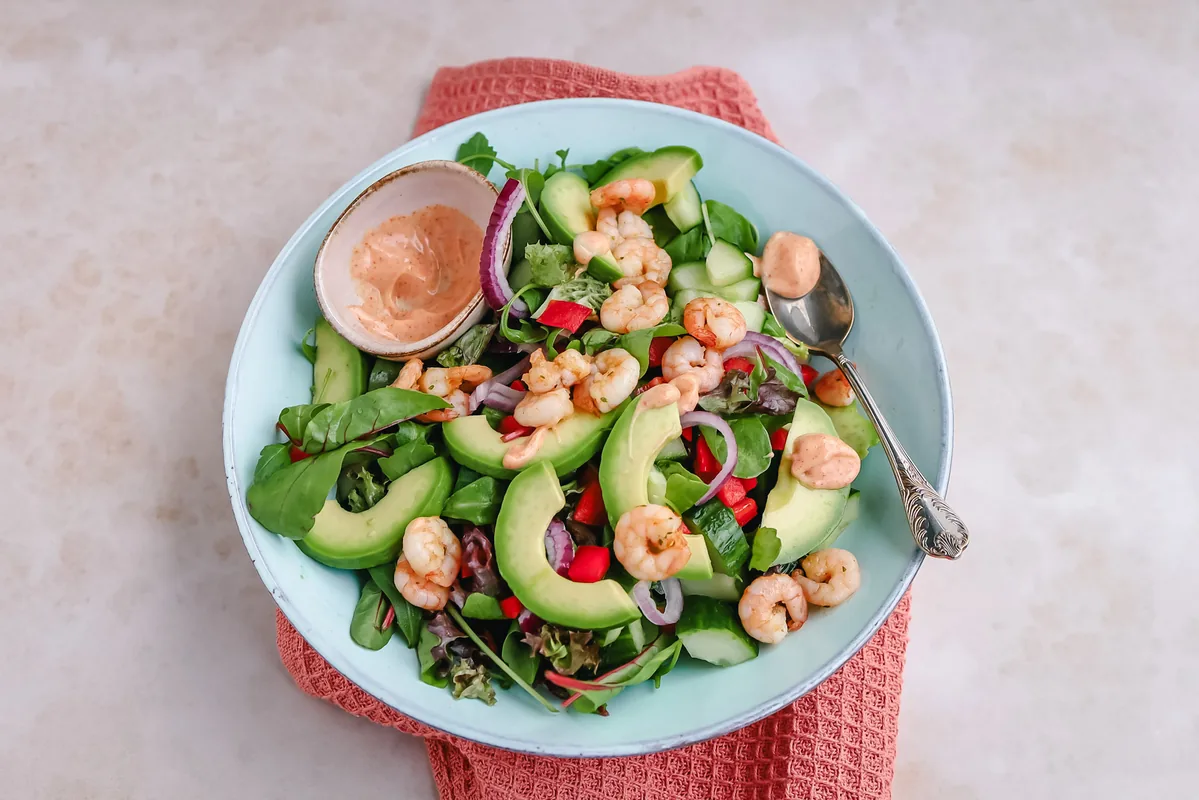
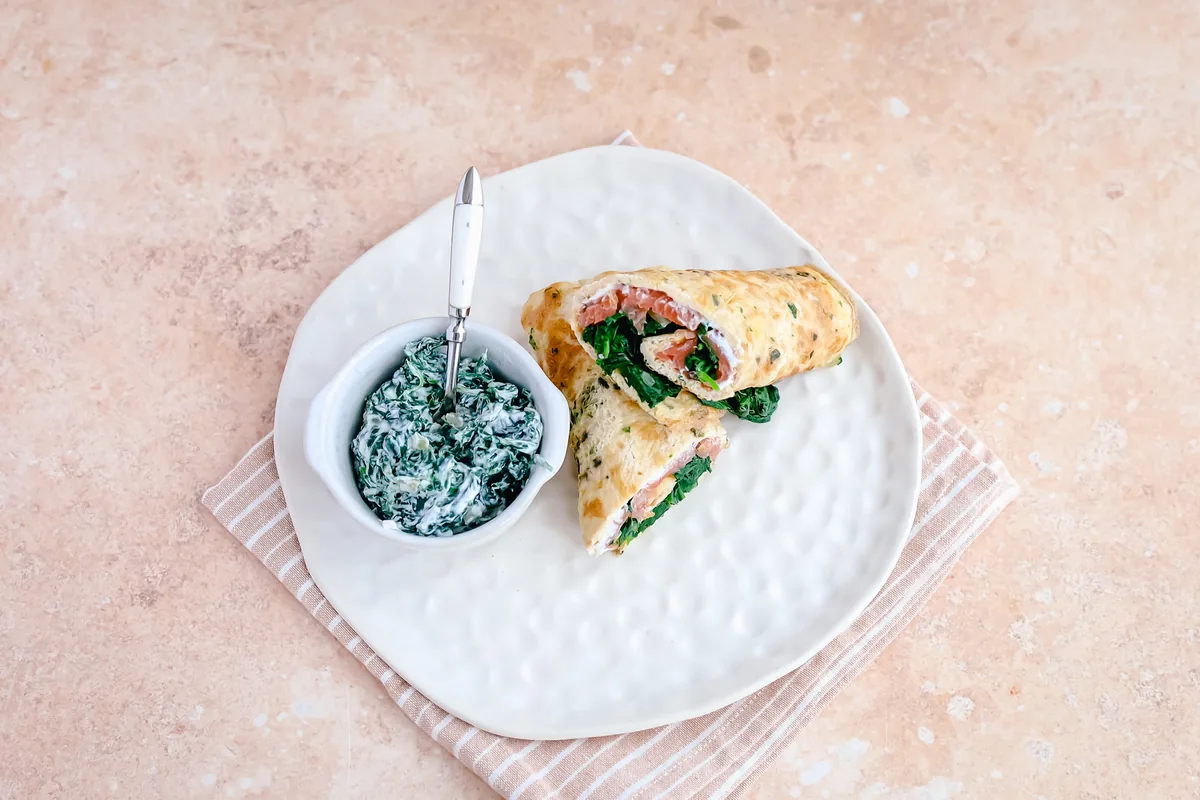

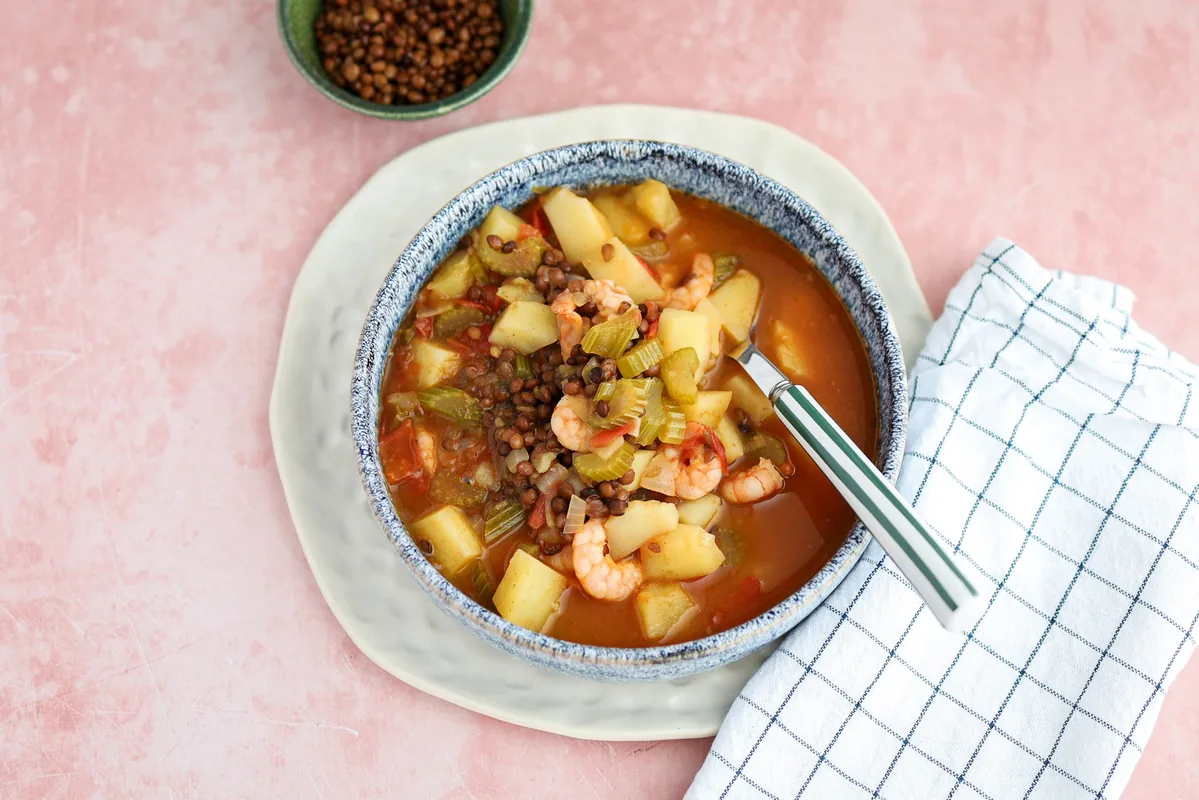
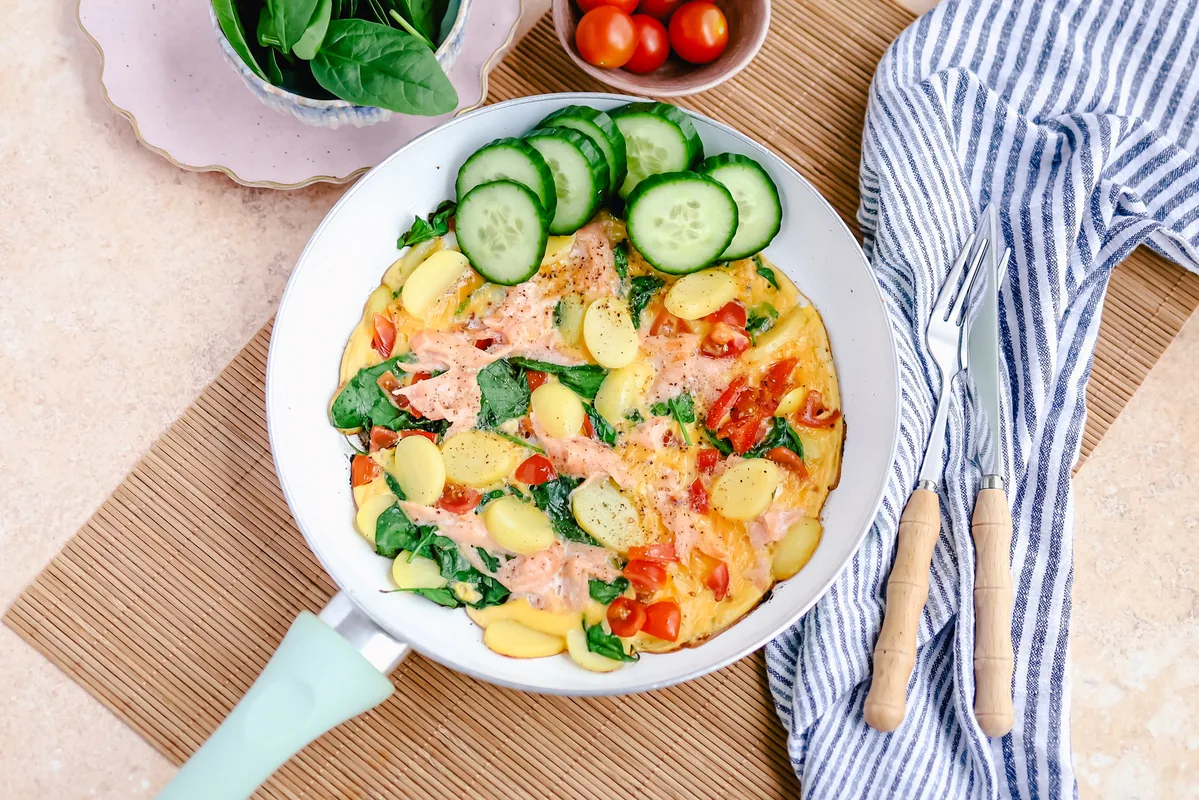
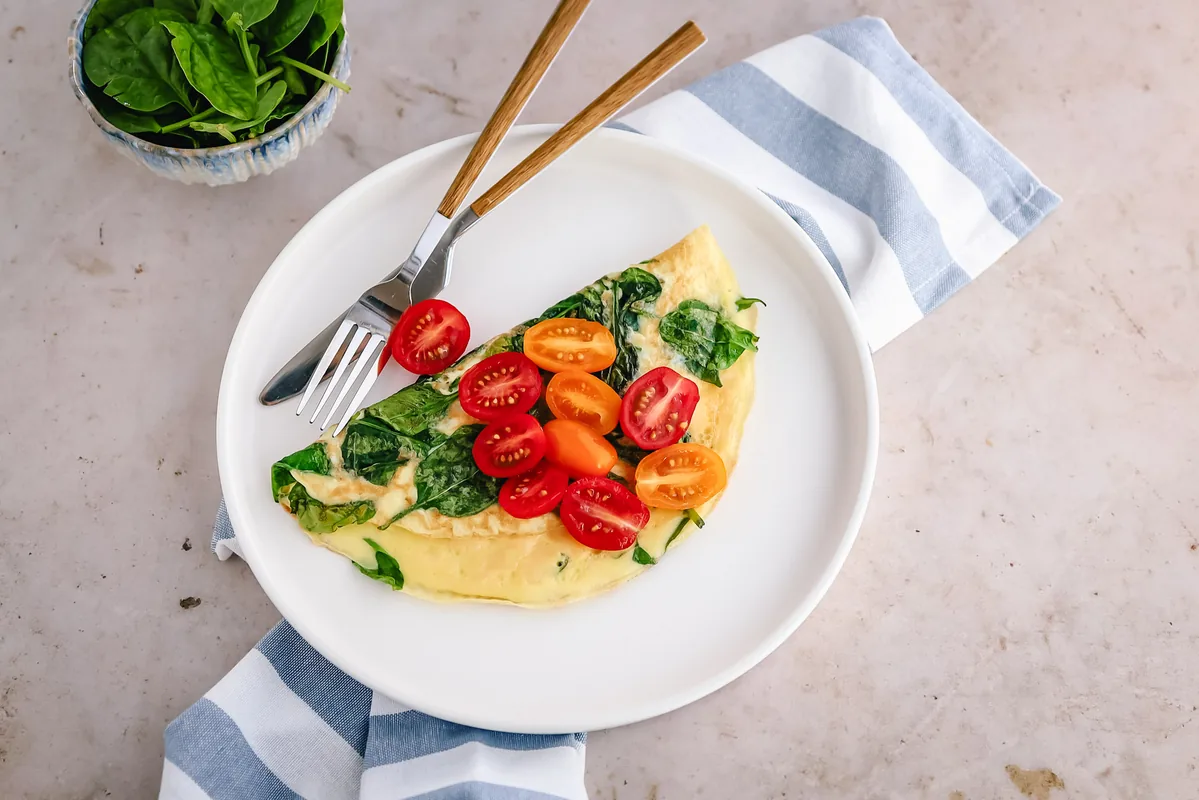
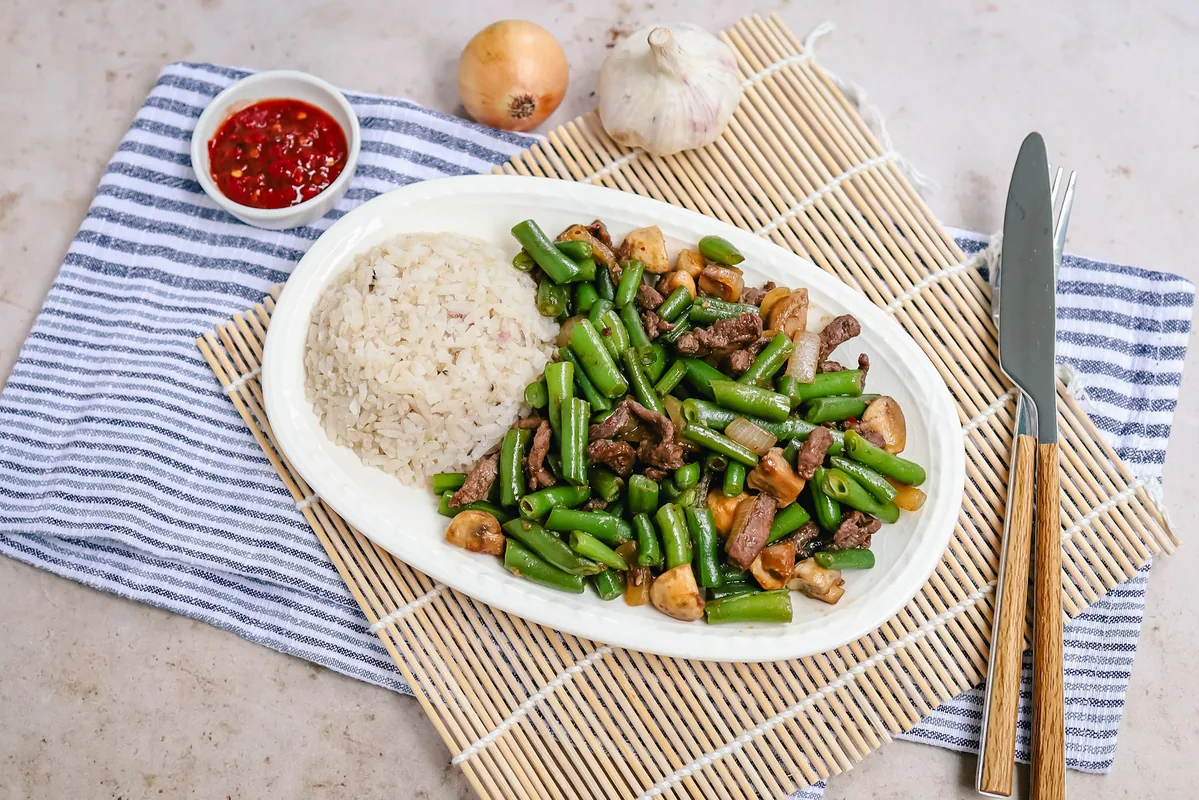
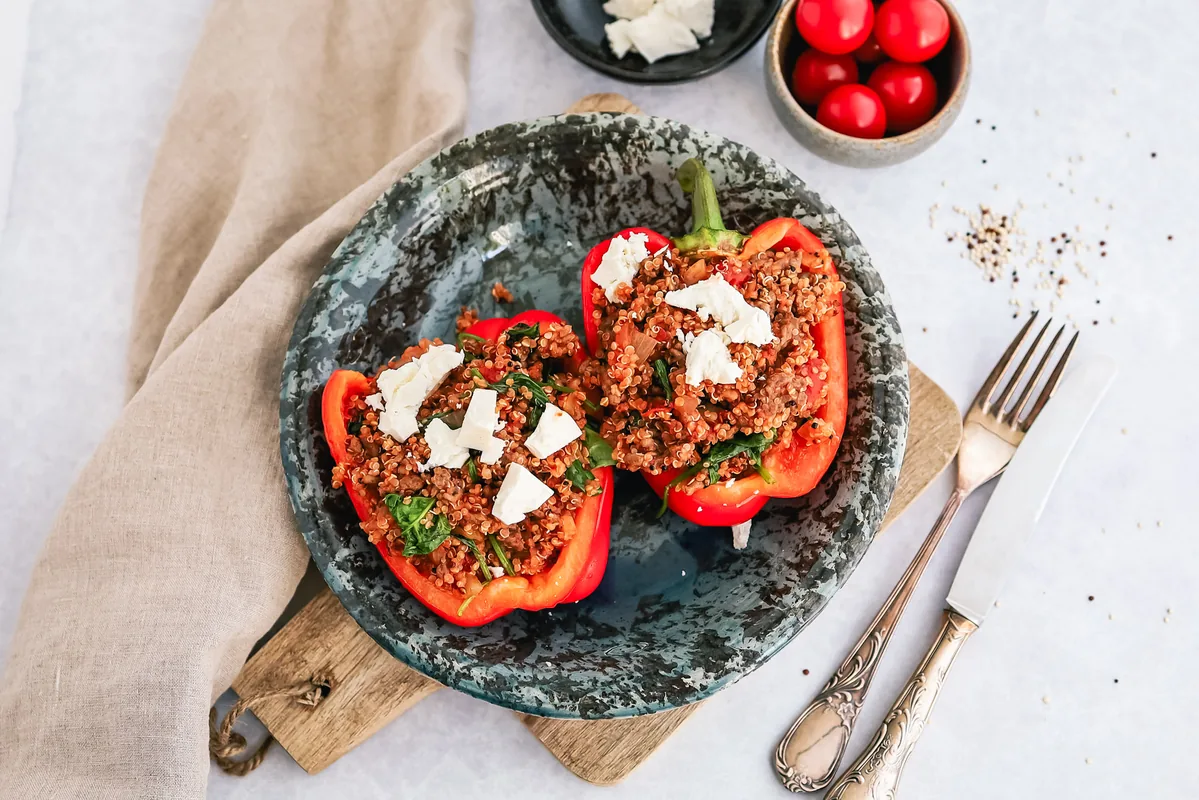
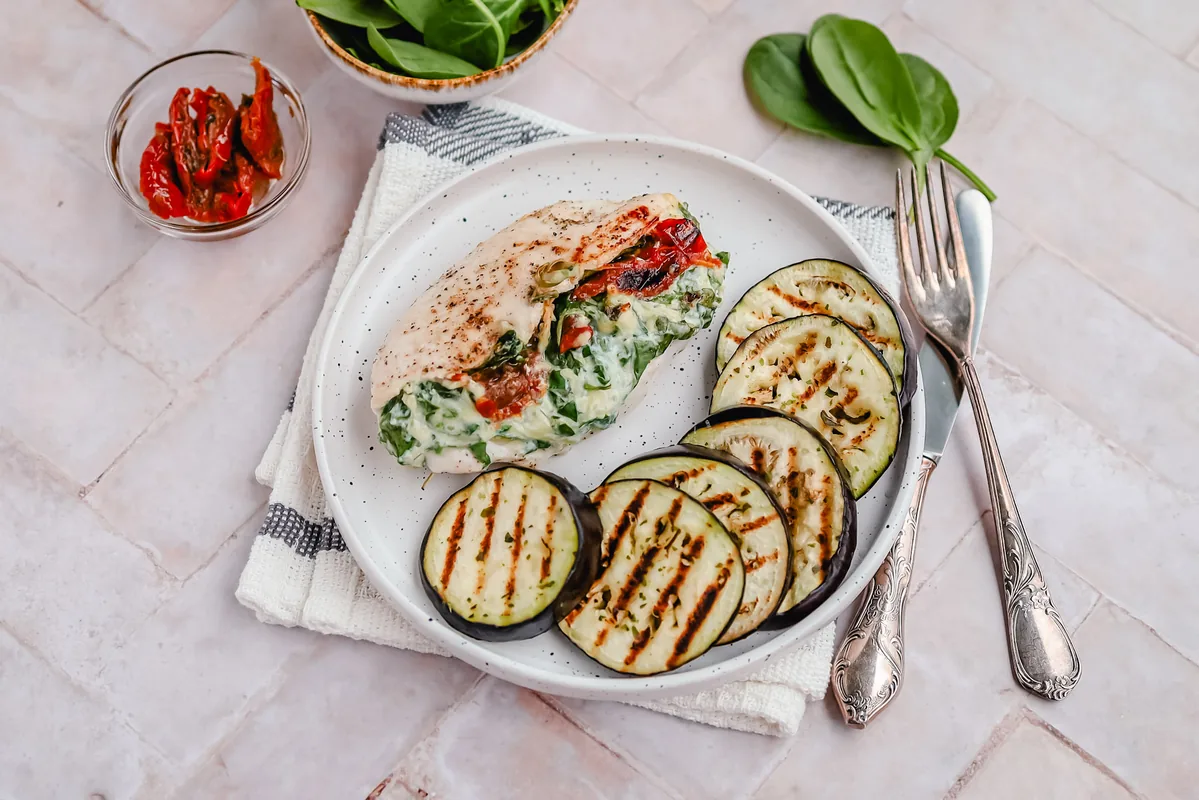
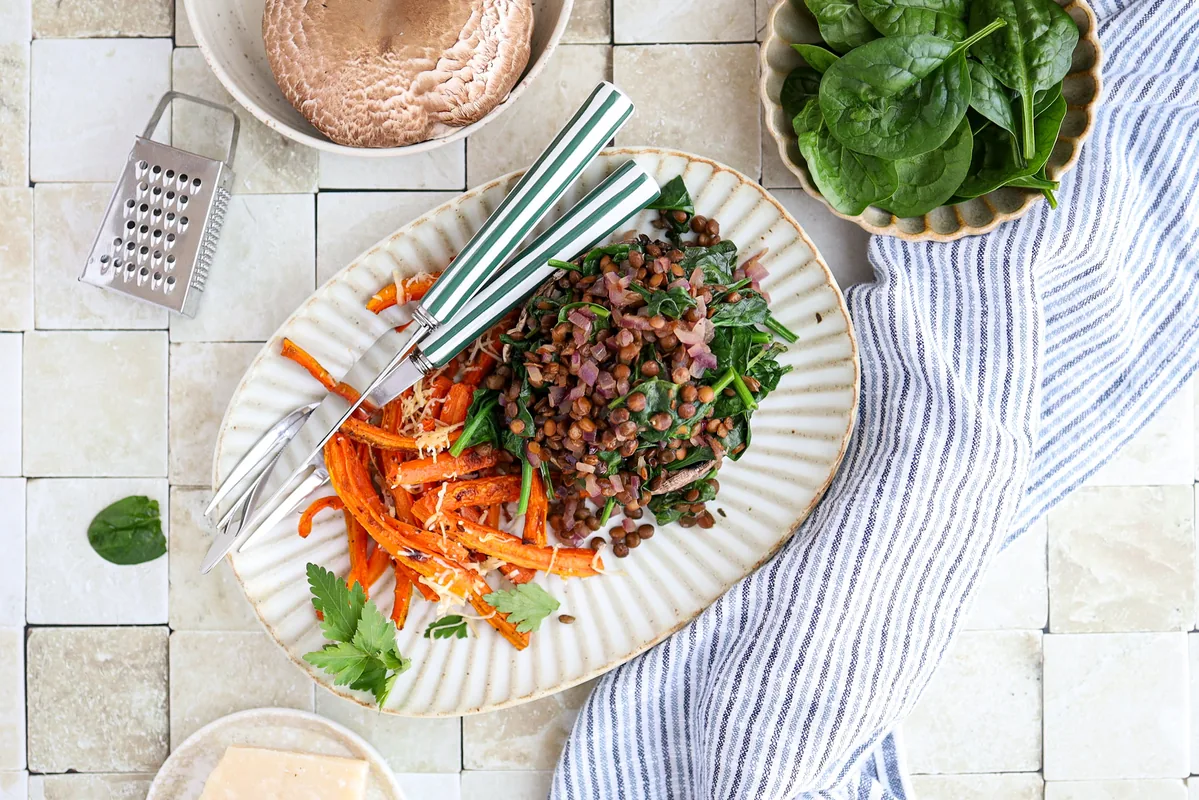
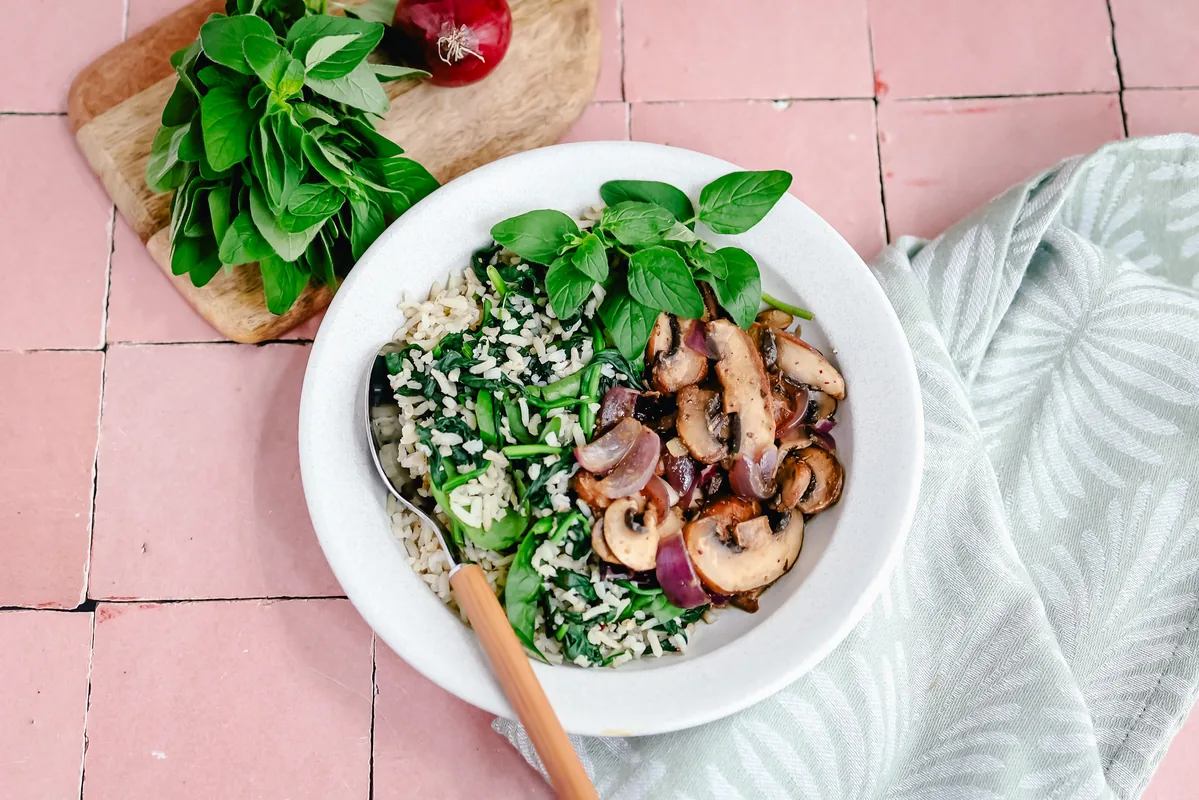

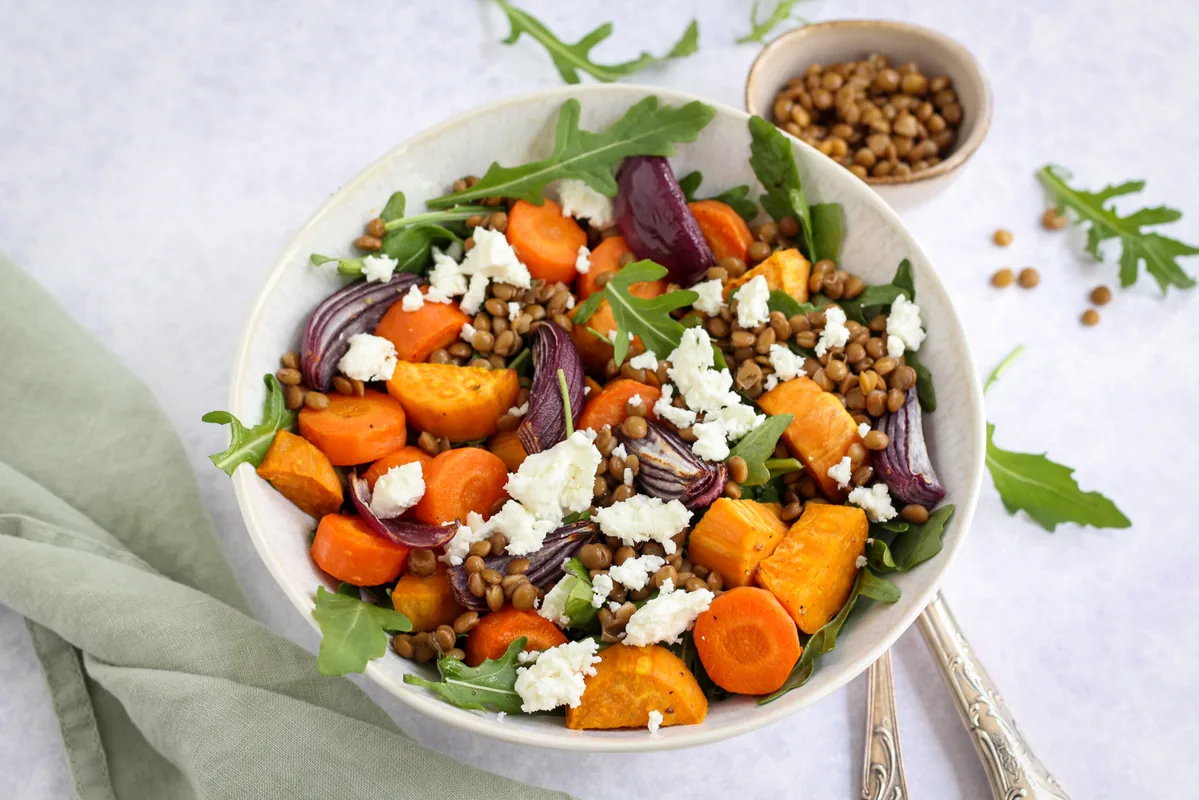
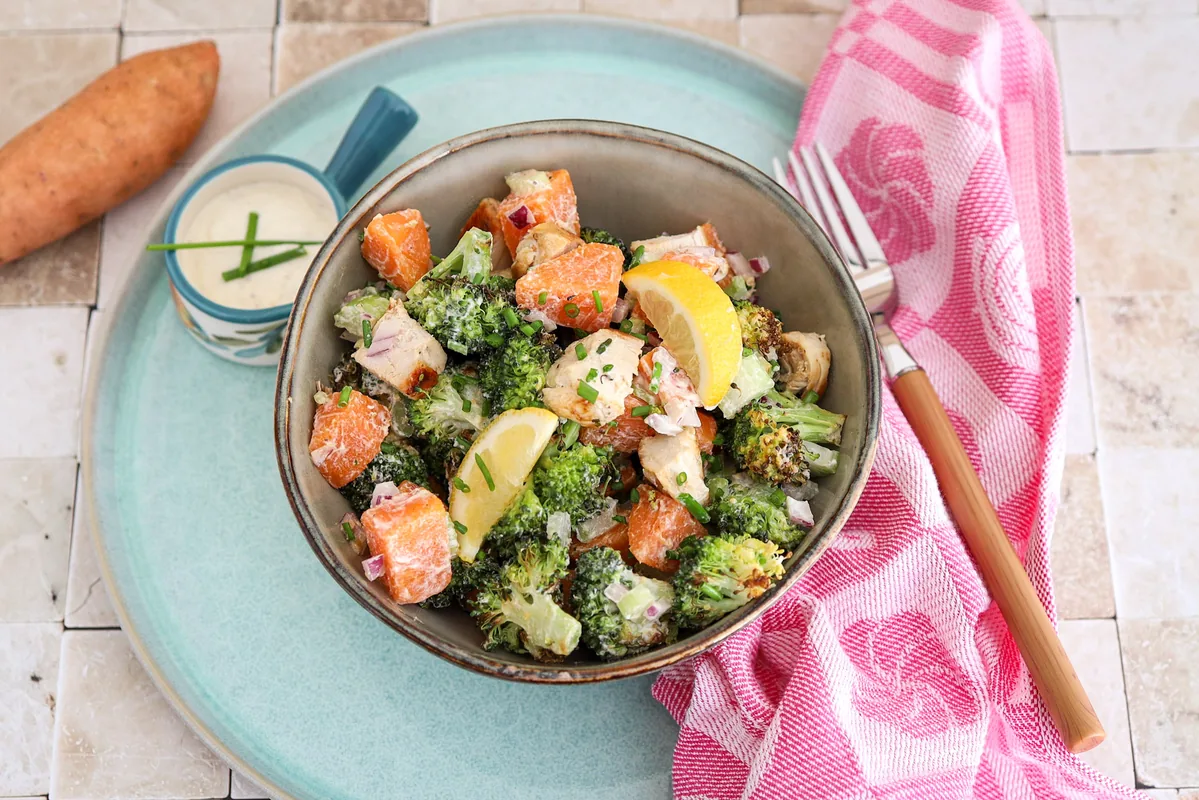
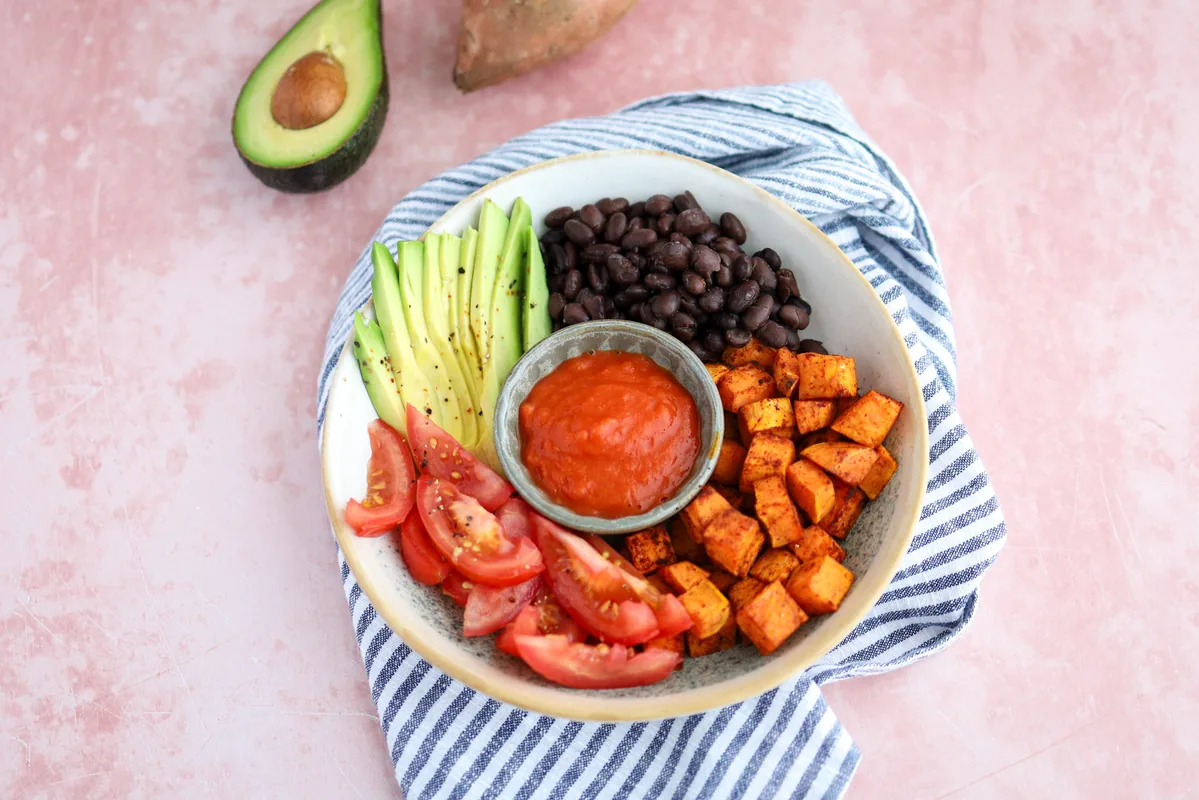
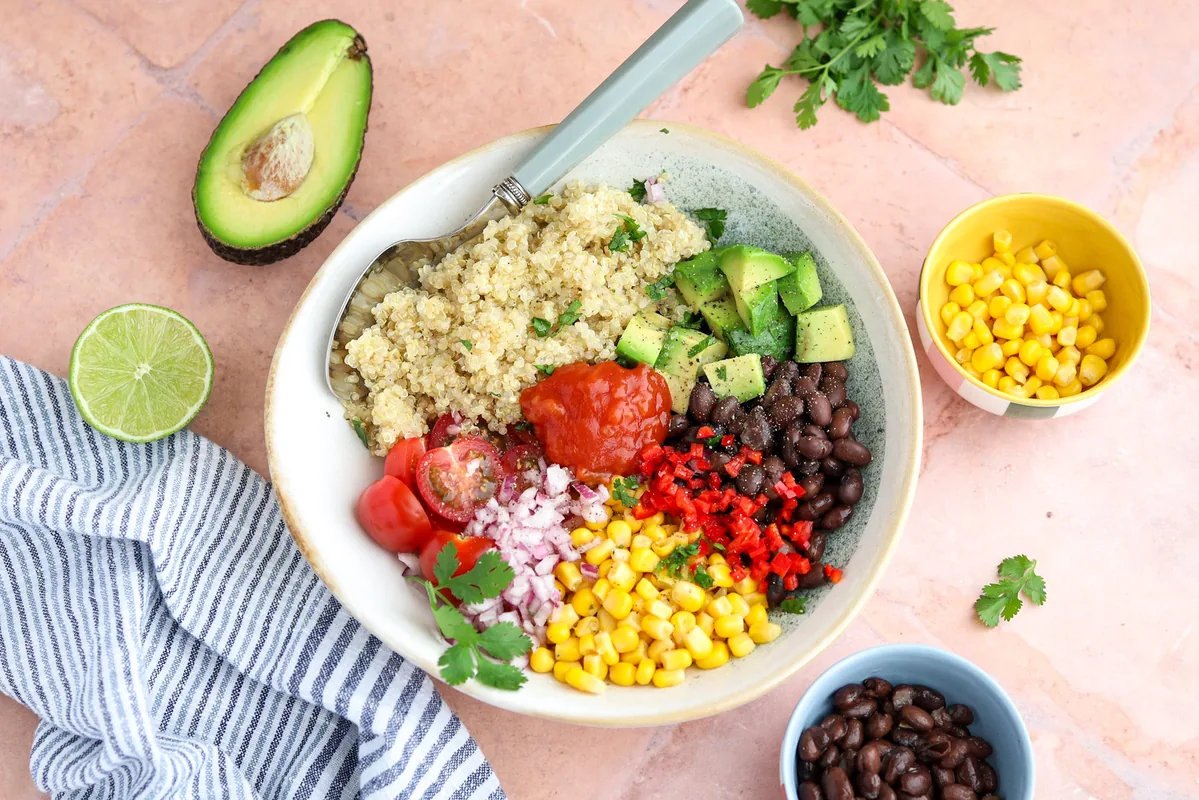
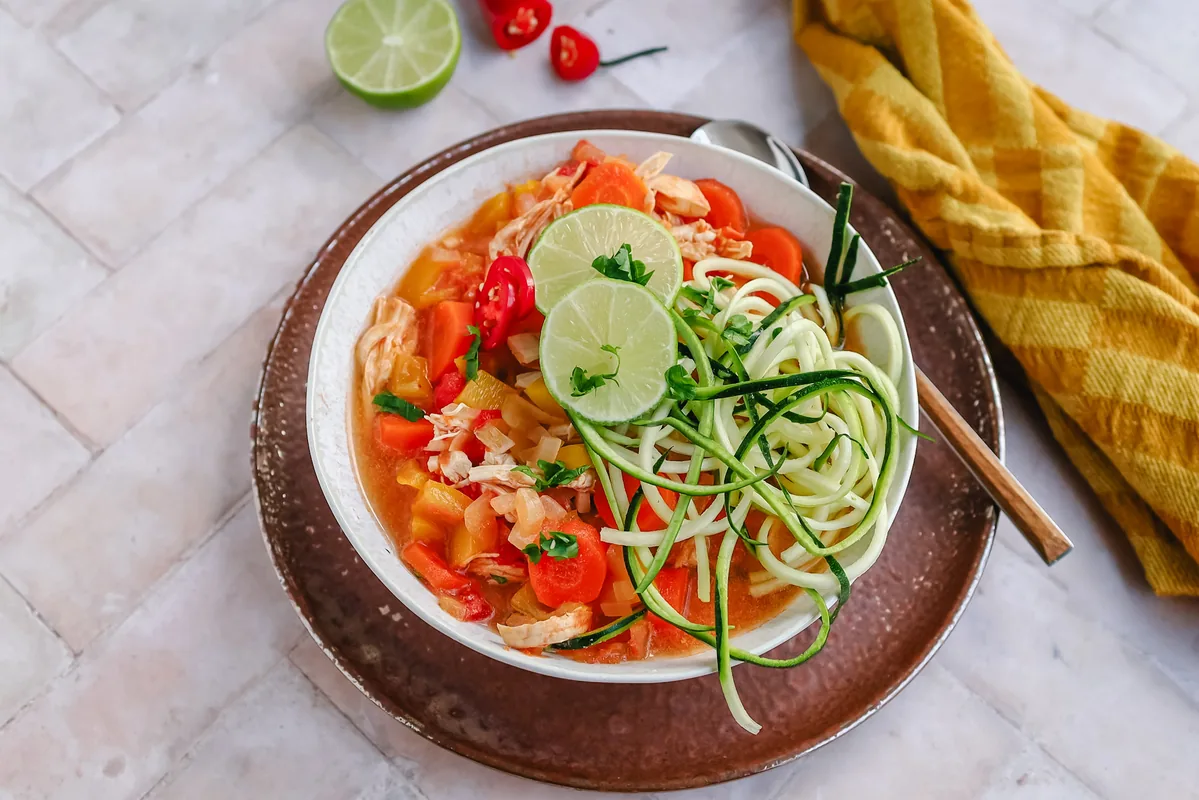
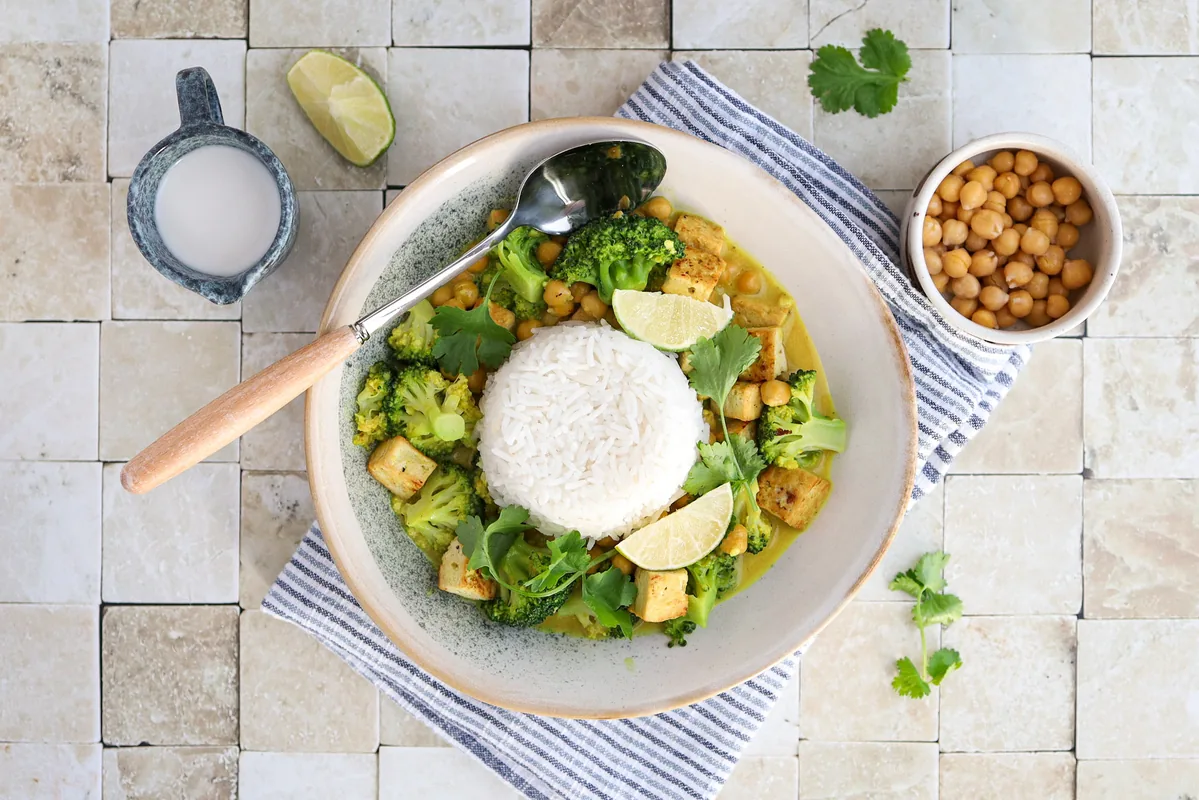
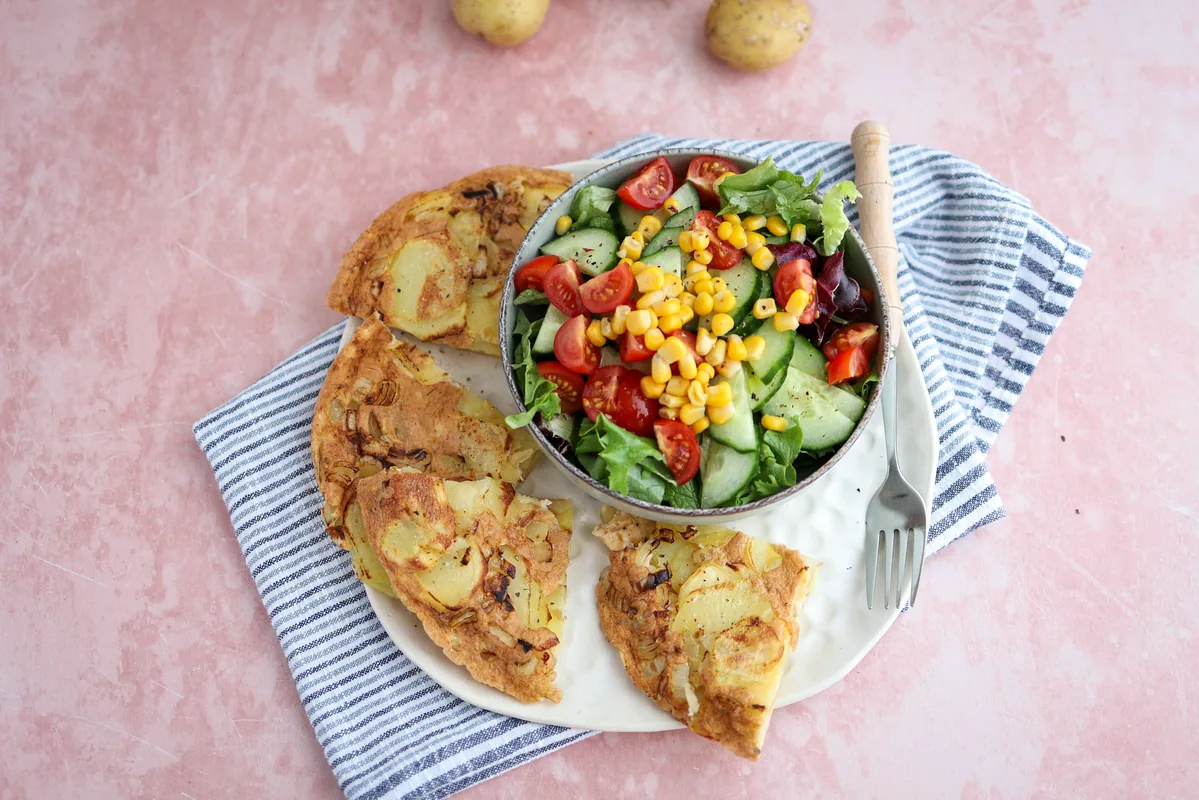
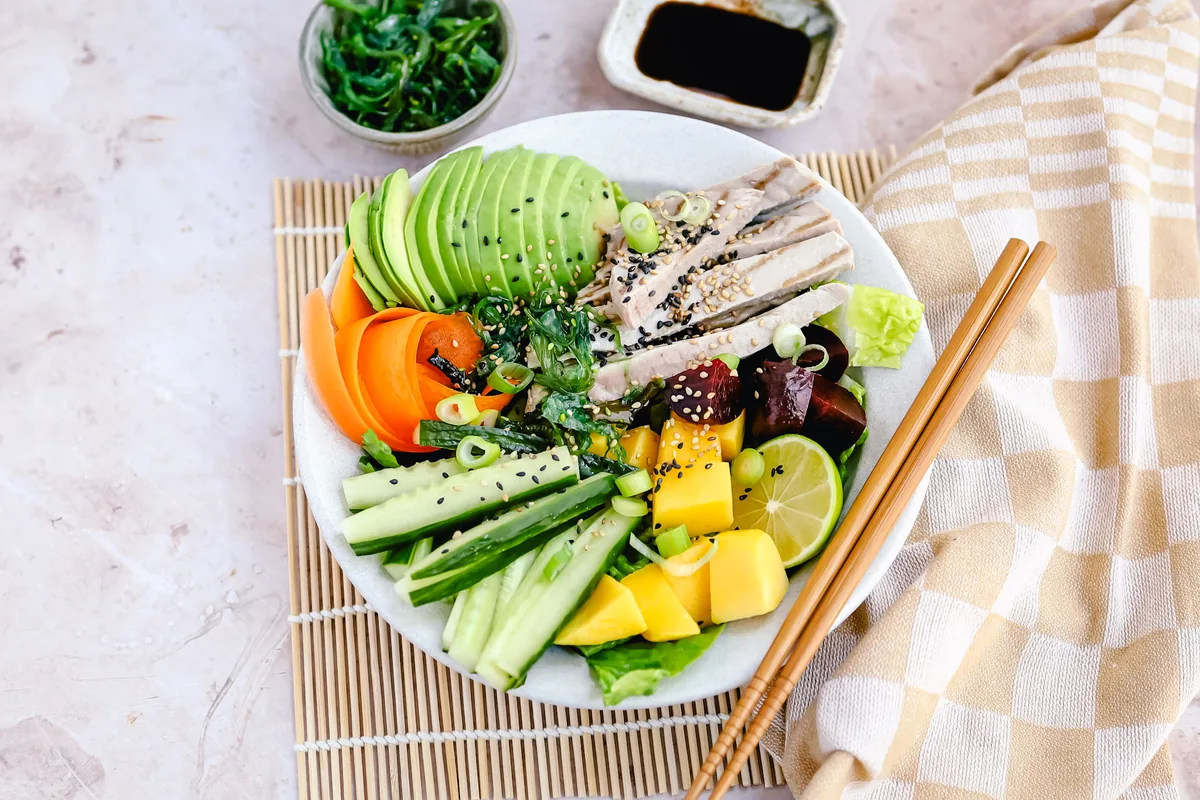
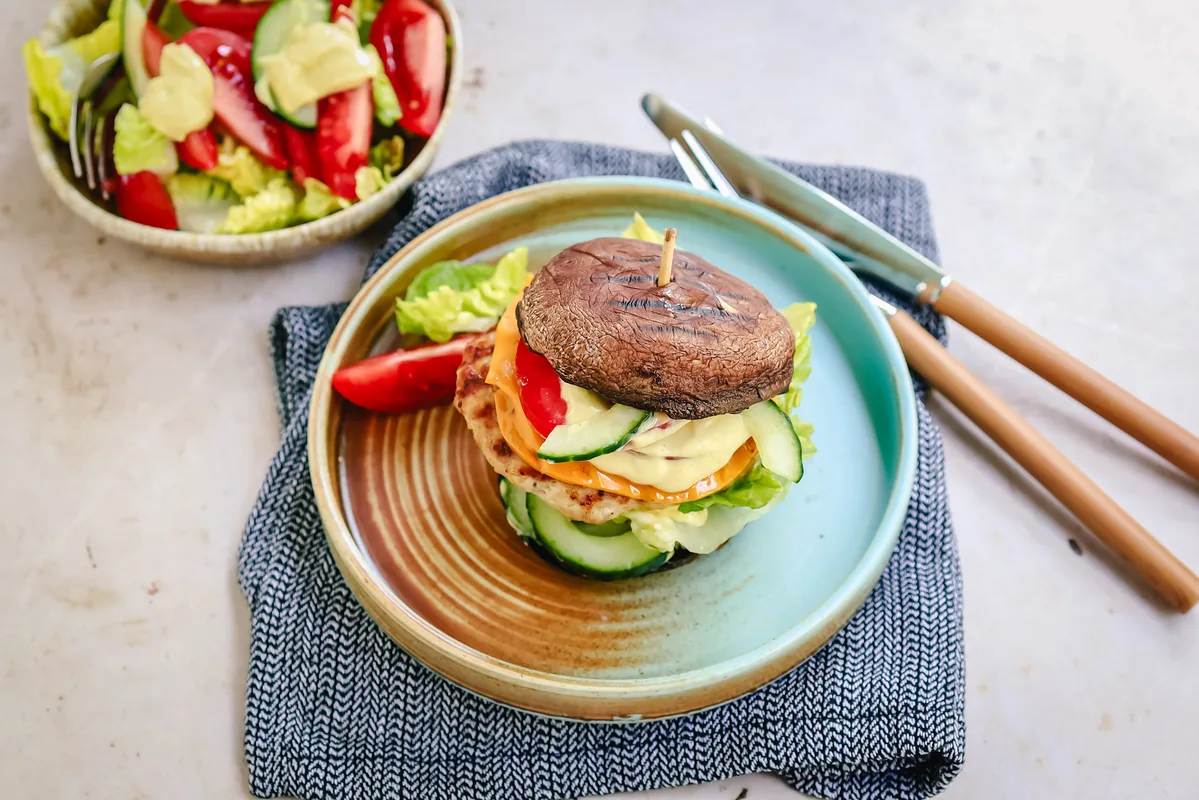


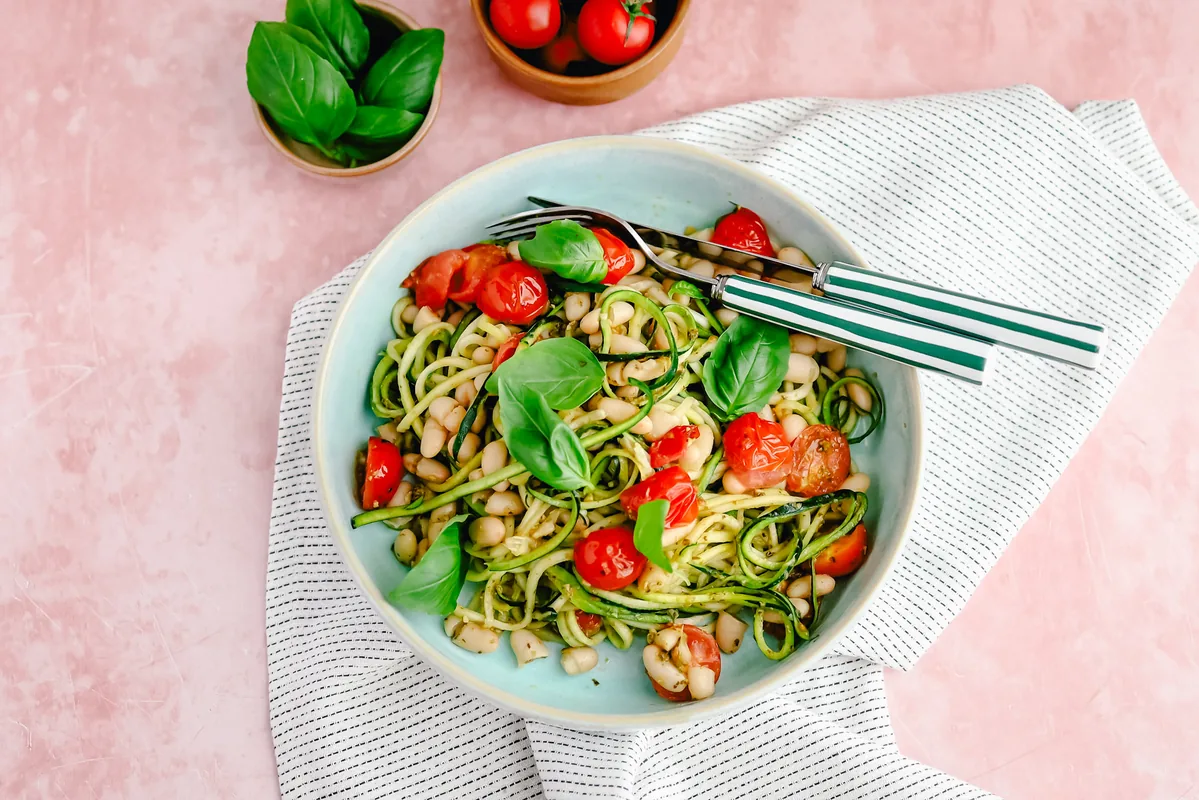

Fiber went up. That’s not what happens when a dietary restriction filters a recipe collection — or at least, not what anyone expects. But when gluten-free narrows to lunch, wheat-based formats (sandwiches, wraps, pasta) drop out, and what fills the gap is 48% salads and soups, 36% legume-based meals, and grain bowls built on quinoa, black beans, and lentils. Those formats carry more fiber per serving than the meals they replaced.
Across these 123 recipes, median fiber sits at 12 grams per serving — 2.1 grams per 100 calories, compared to 1.8 in the broader gluten-free collection and 1.8 across the full recipe library. Sixty-three percent clear 10 grams. That density matters: 62 pooled trials with 3,877 participants found viscous fiber produces reproducible weight reduction through satiety. Not fast. Consistent.
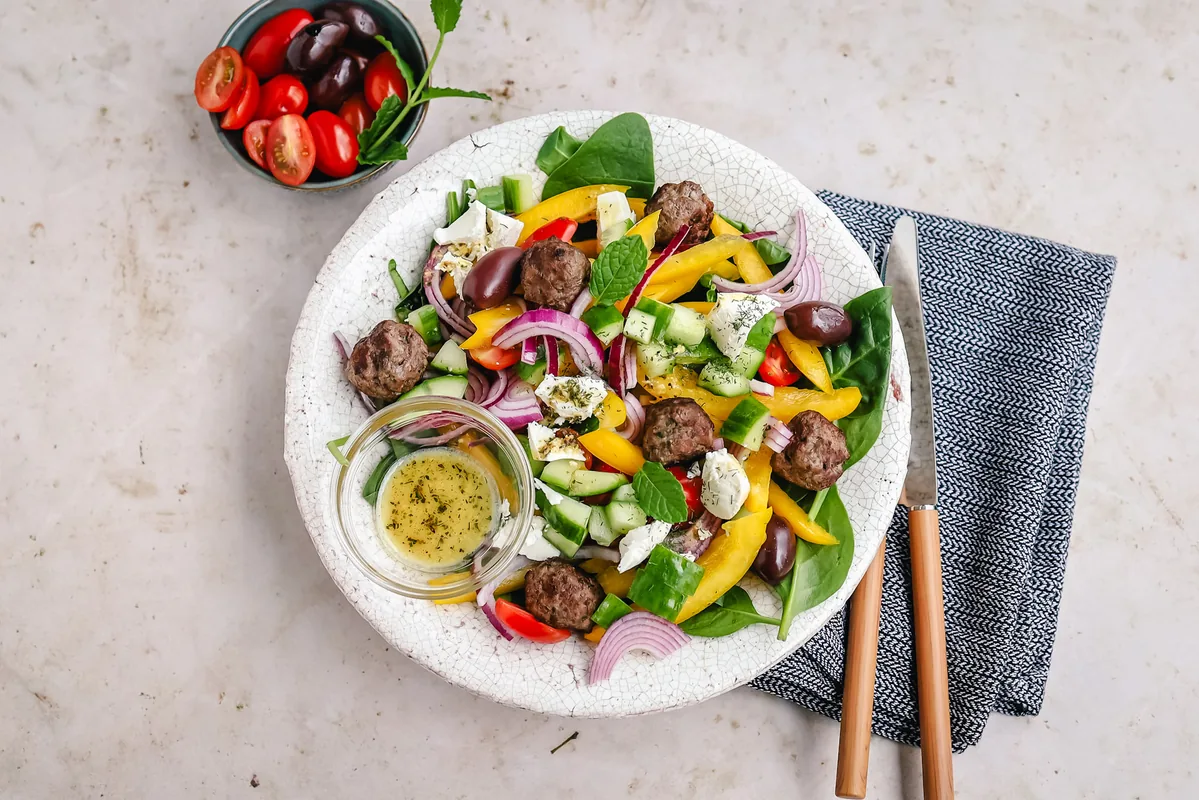
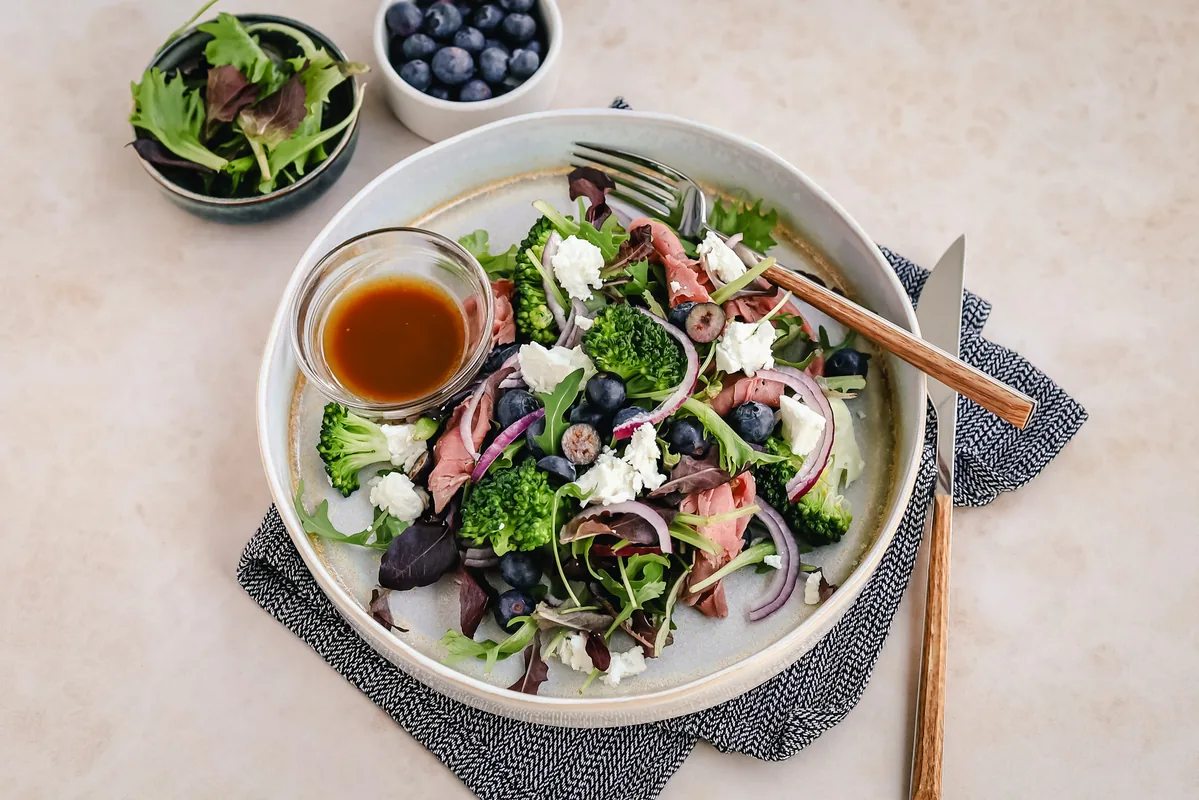
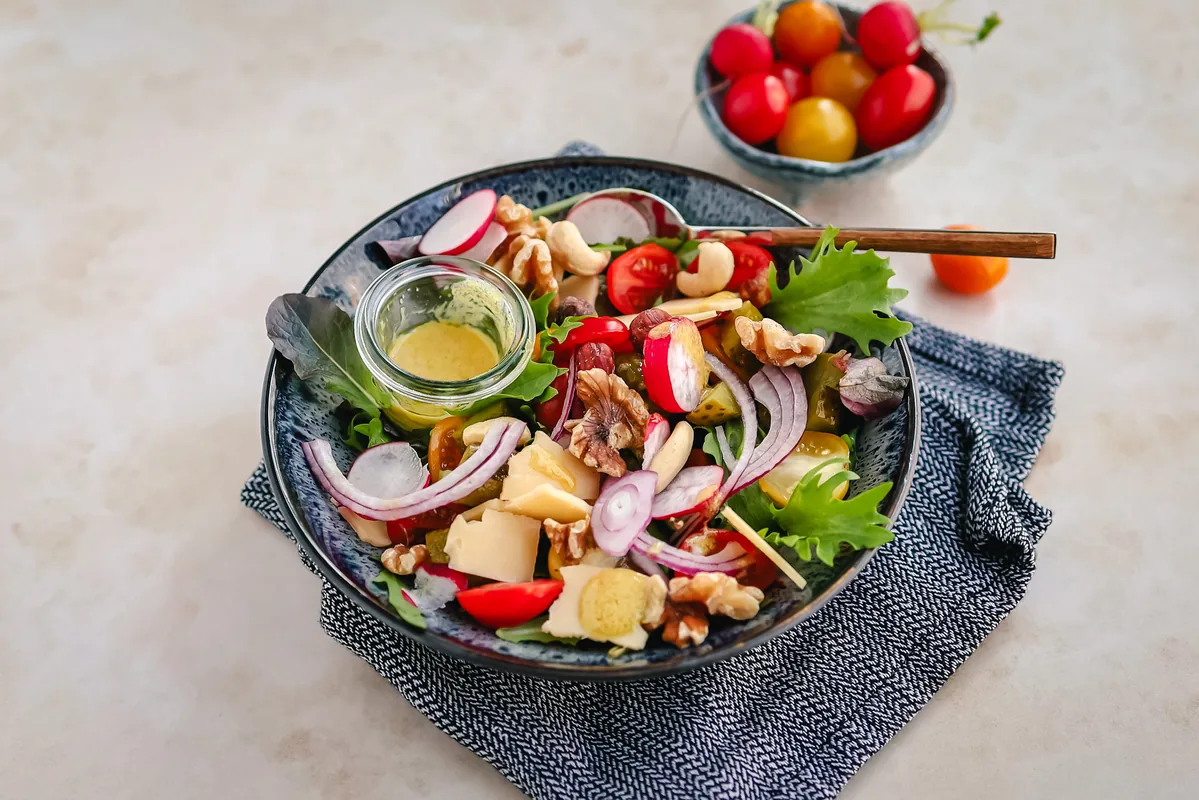
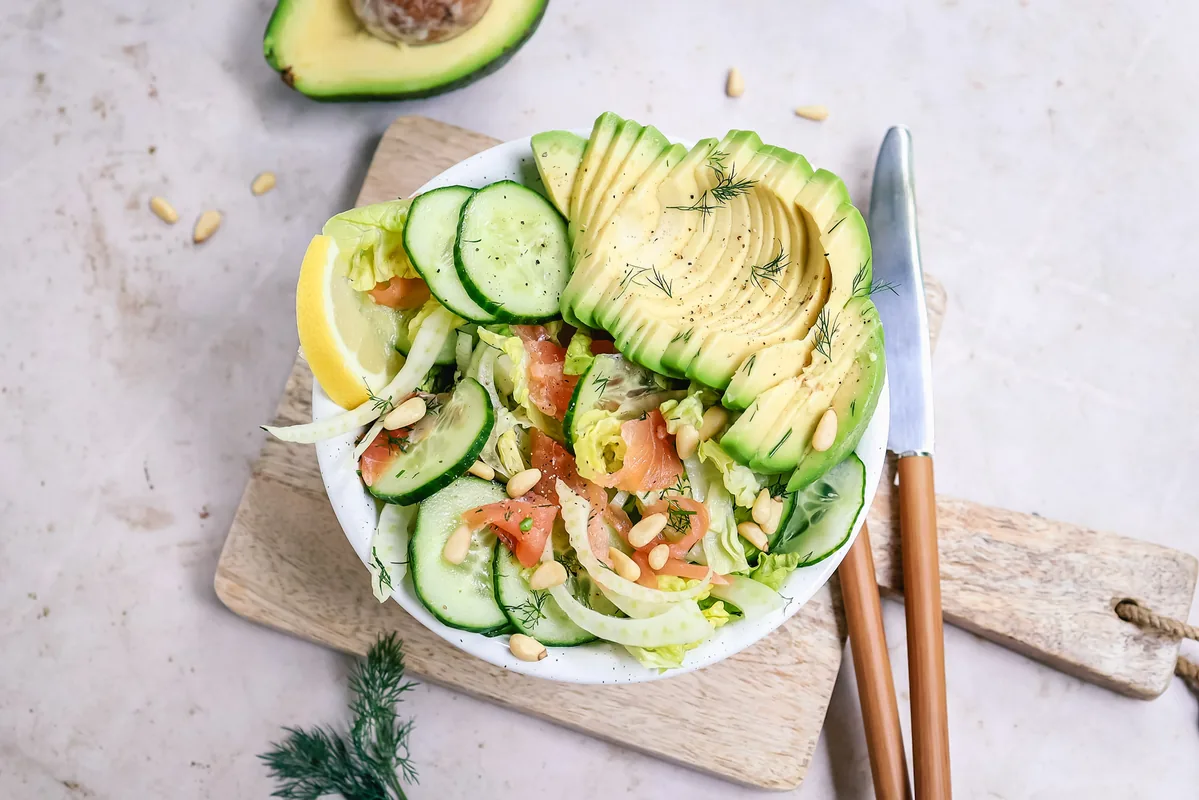
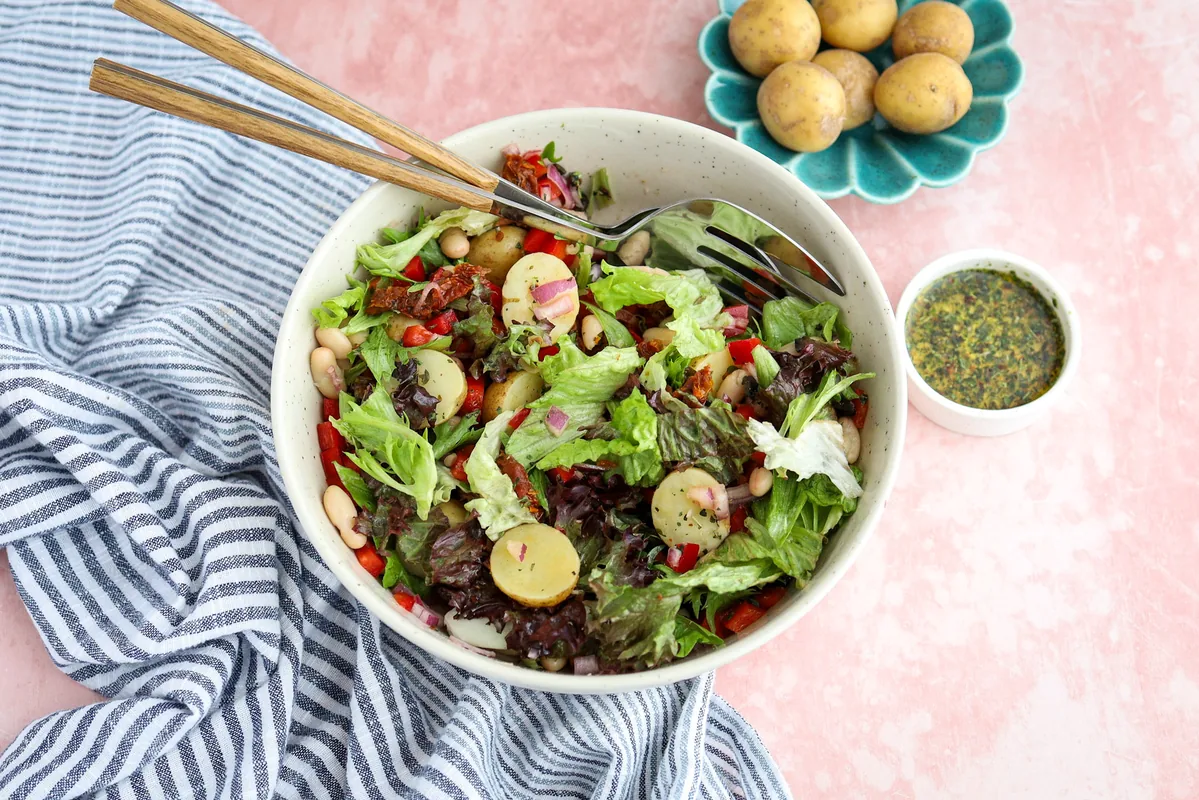
The absorption science clusters here at 2–3x the expected rate. 32% of these lunches are salads, and without added fat, carotenoid absorption from raw vegetables is essentially zero. The dressing is doing the nutrition work. In the 36% that are legume-based, garlic and onion sulfur compounds increase iron availability by up to 73%. The ingredients that seem like flavor are the ones making the minerals accessible.
Median across the collection: 25g protein, 535 calories, 15 minutes, 9 ingredients. Nearly half are vegetarian. Nearly half are dairy-free. Both happened because the gluten-free constraint routes naturally toward plants.