

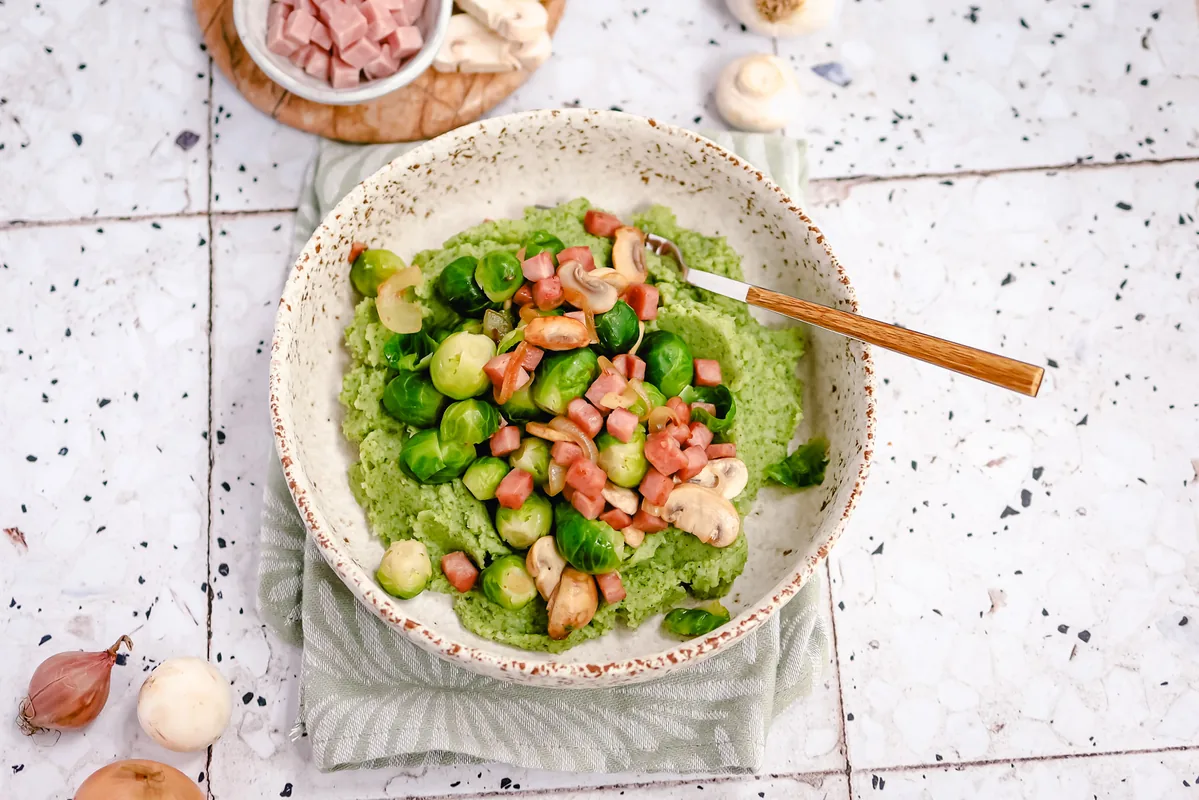
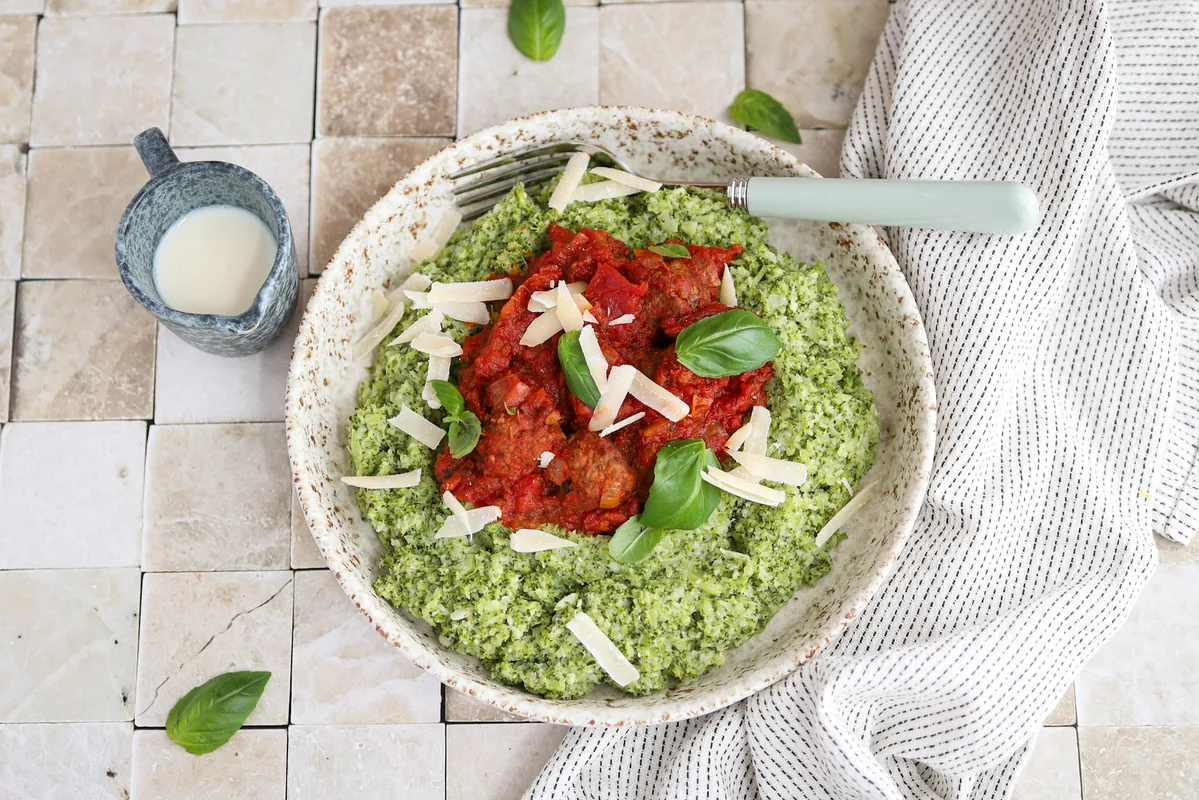
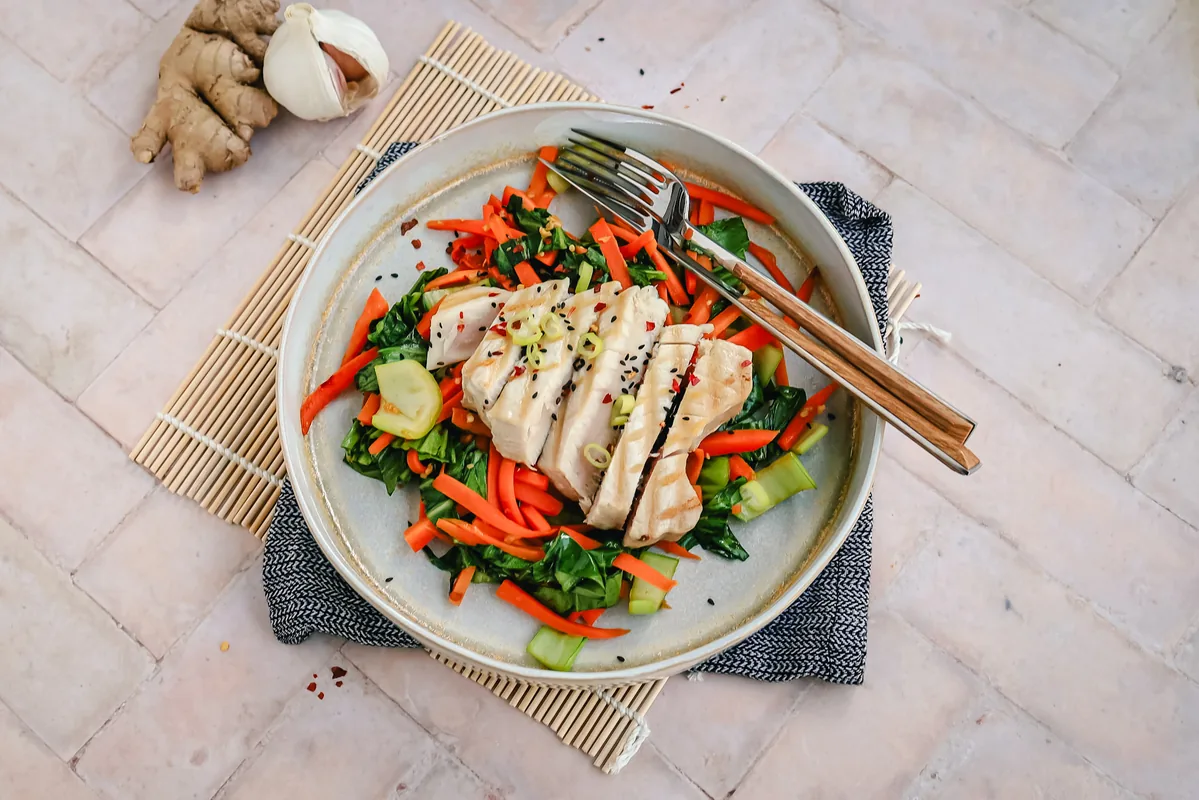
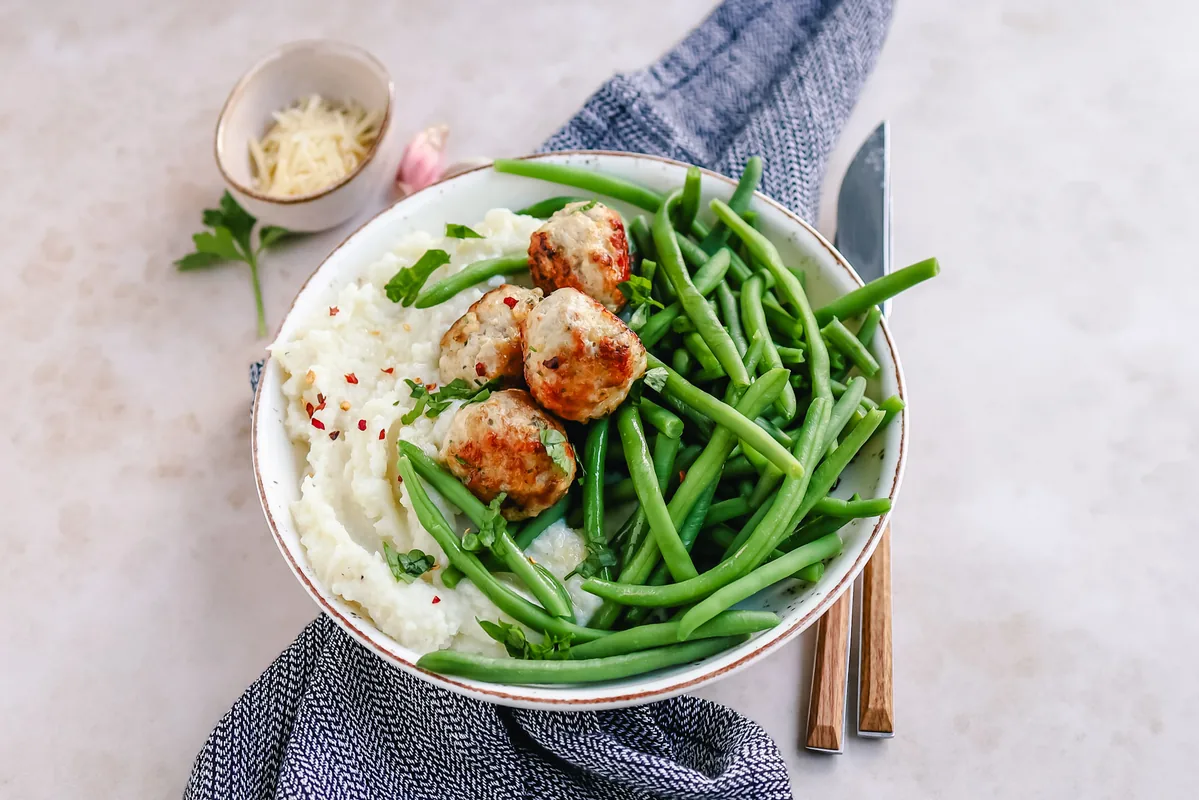



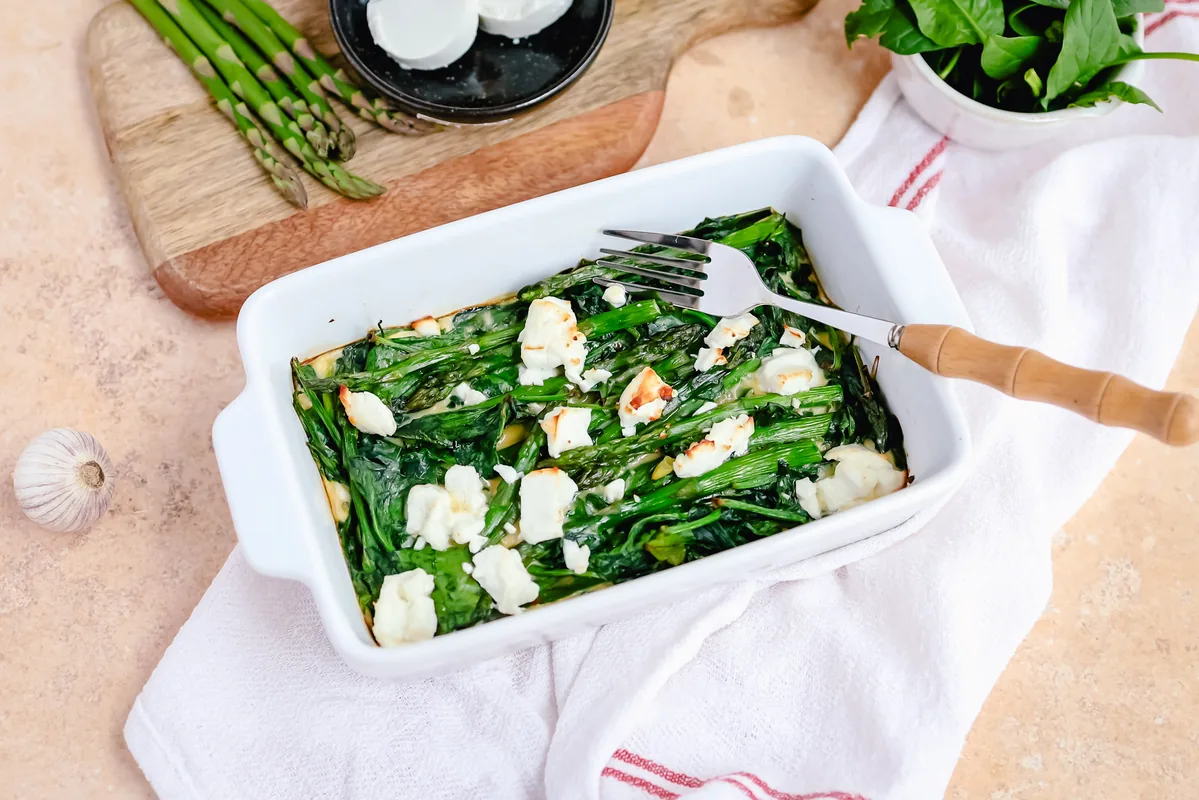
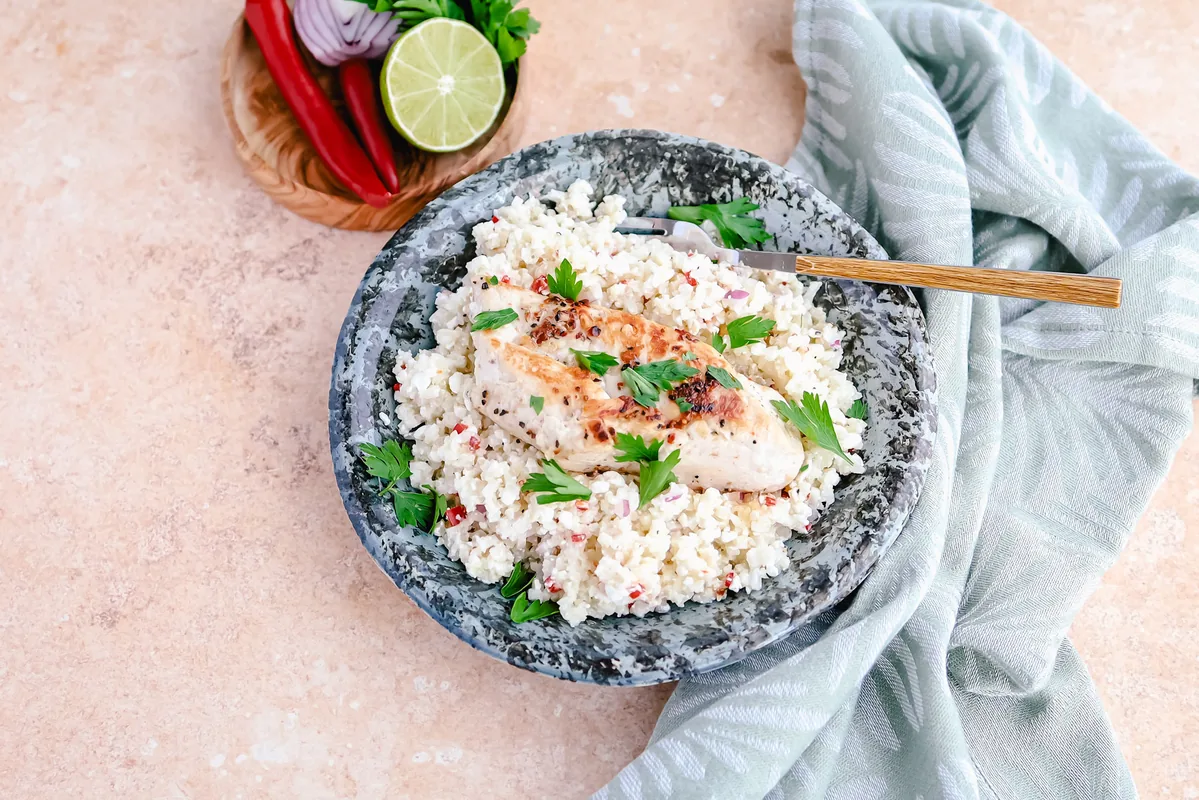

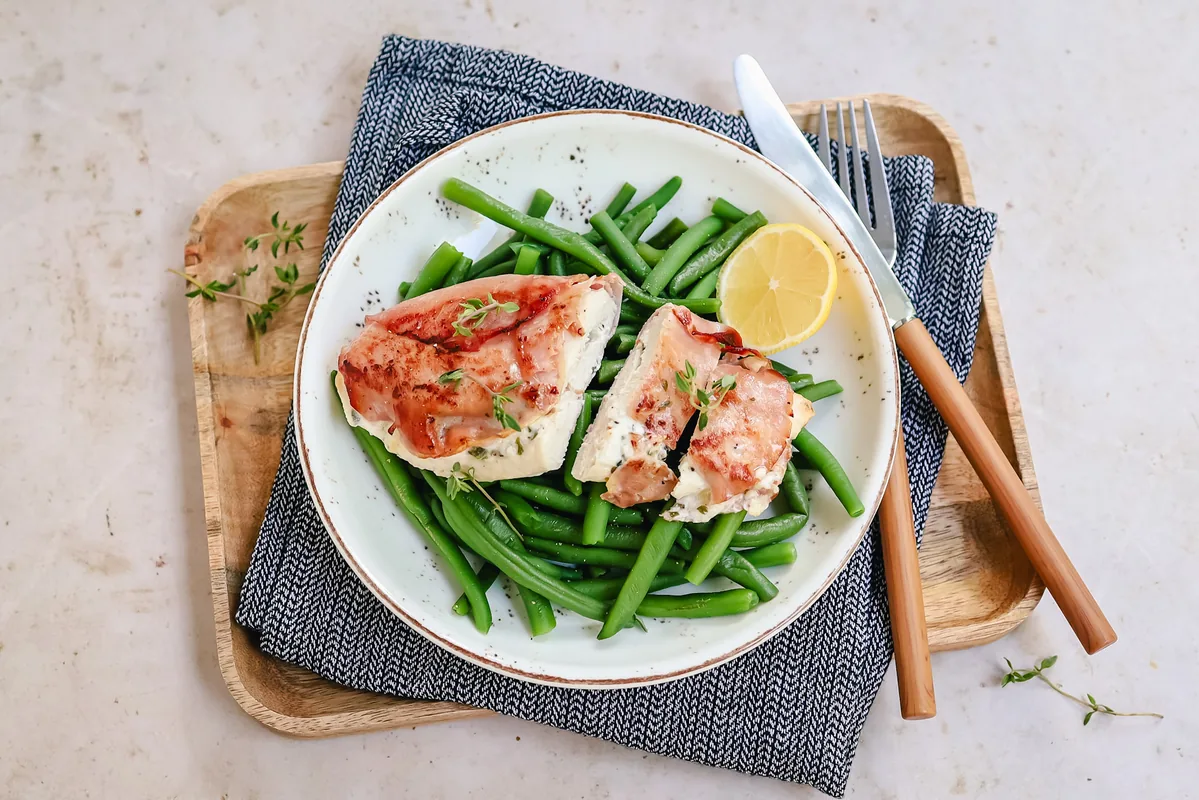
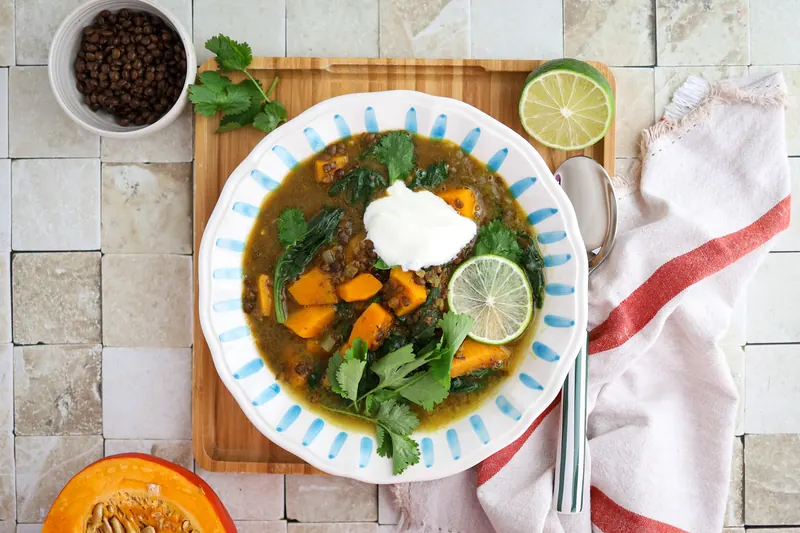
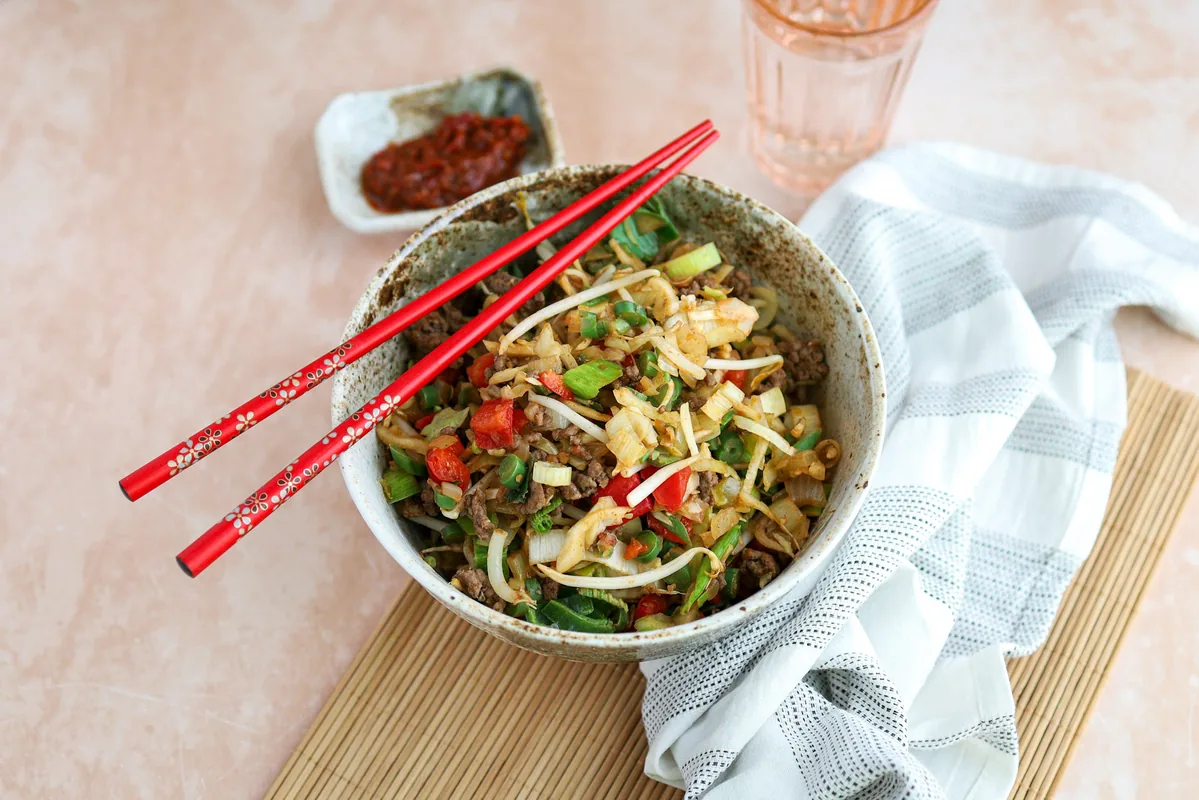
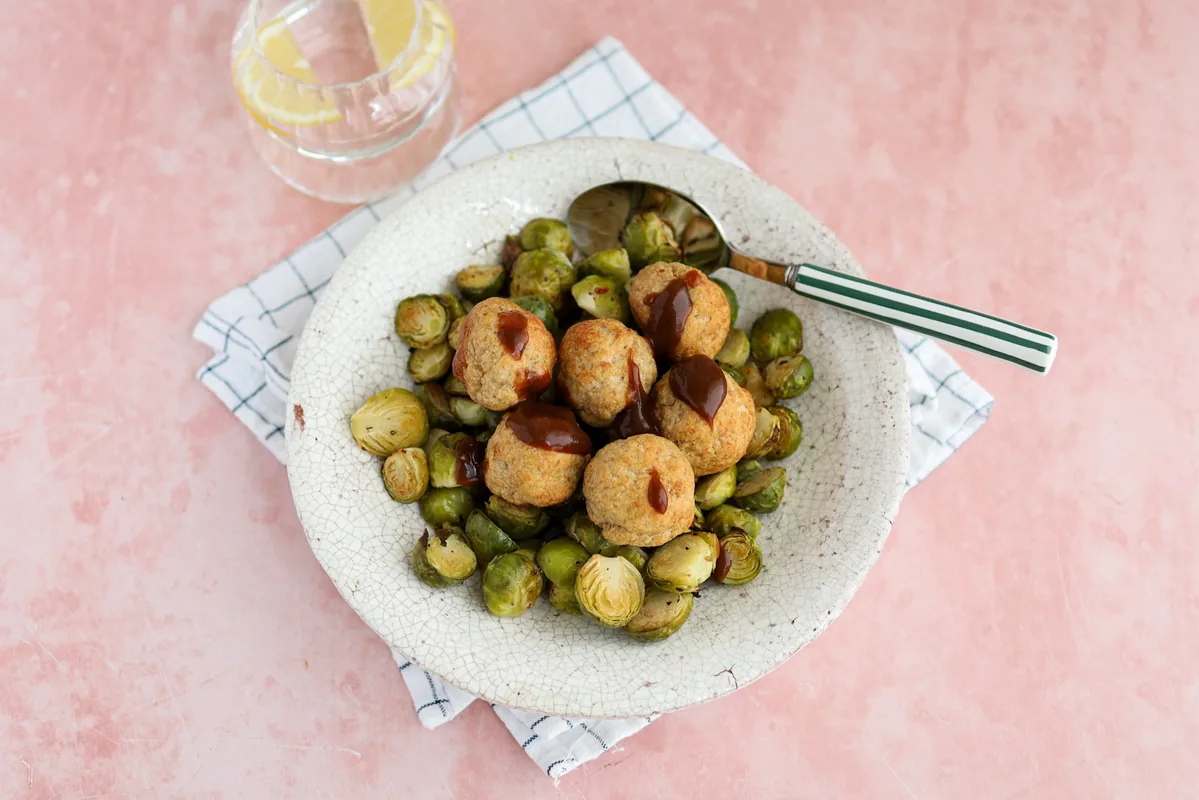

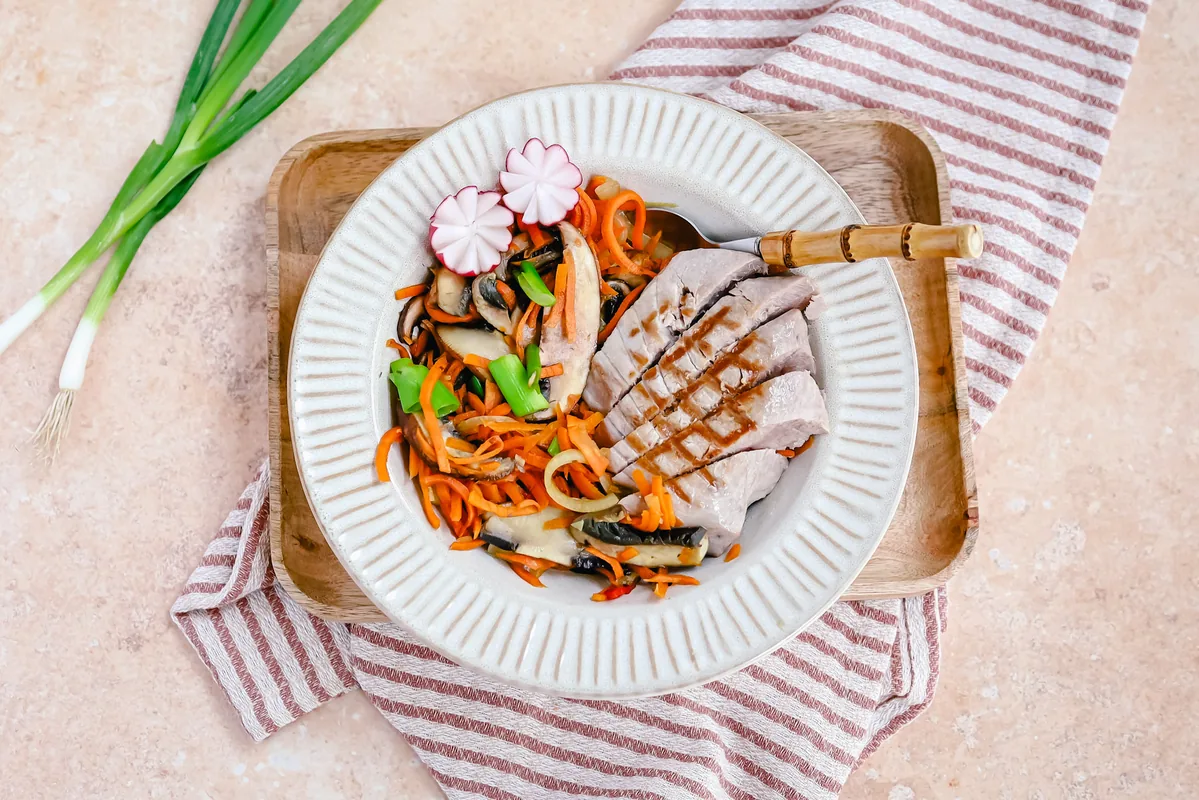
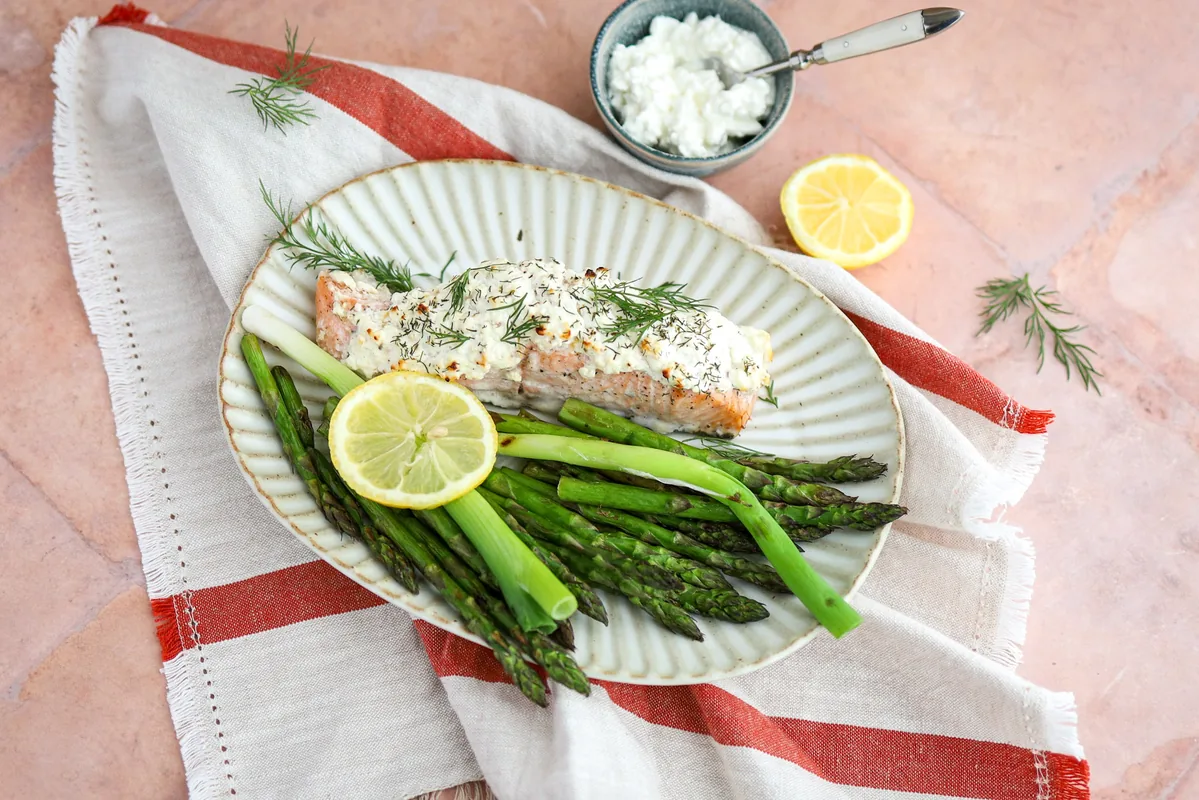
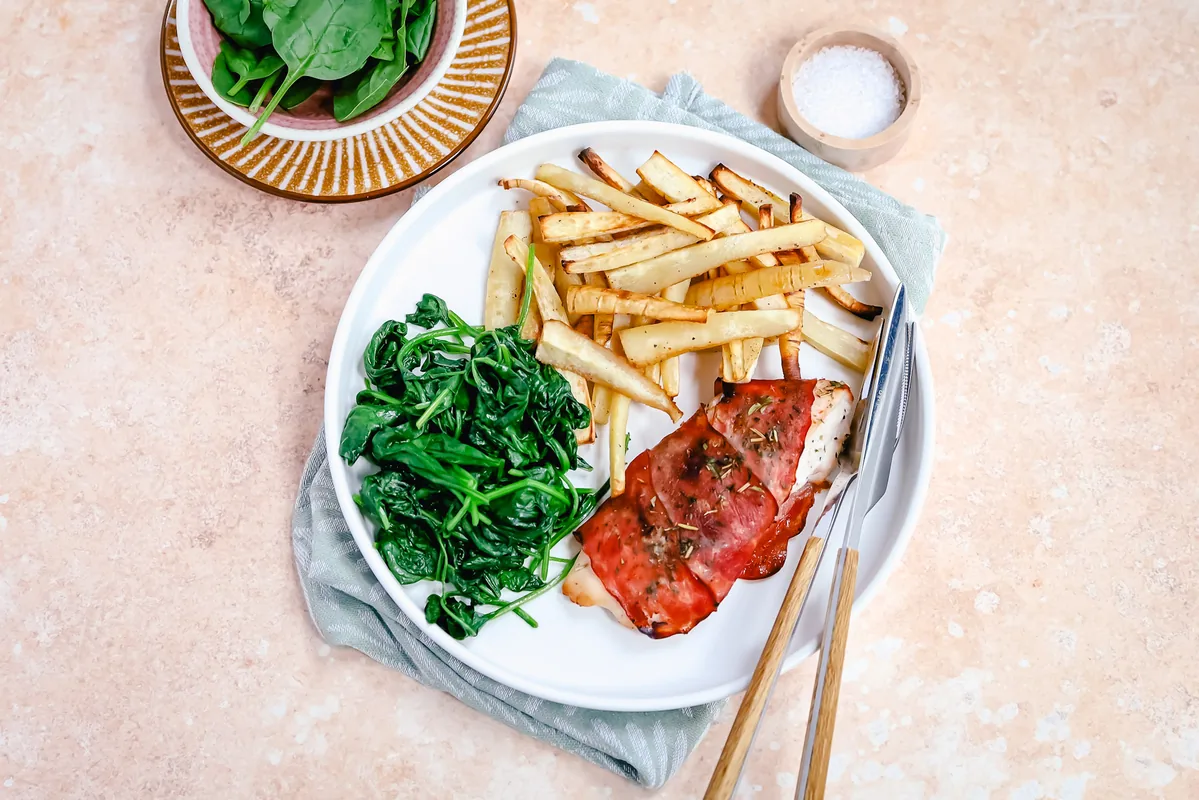
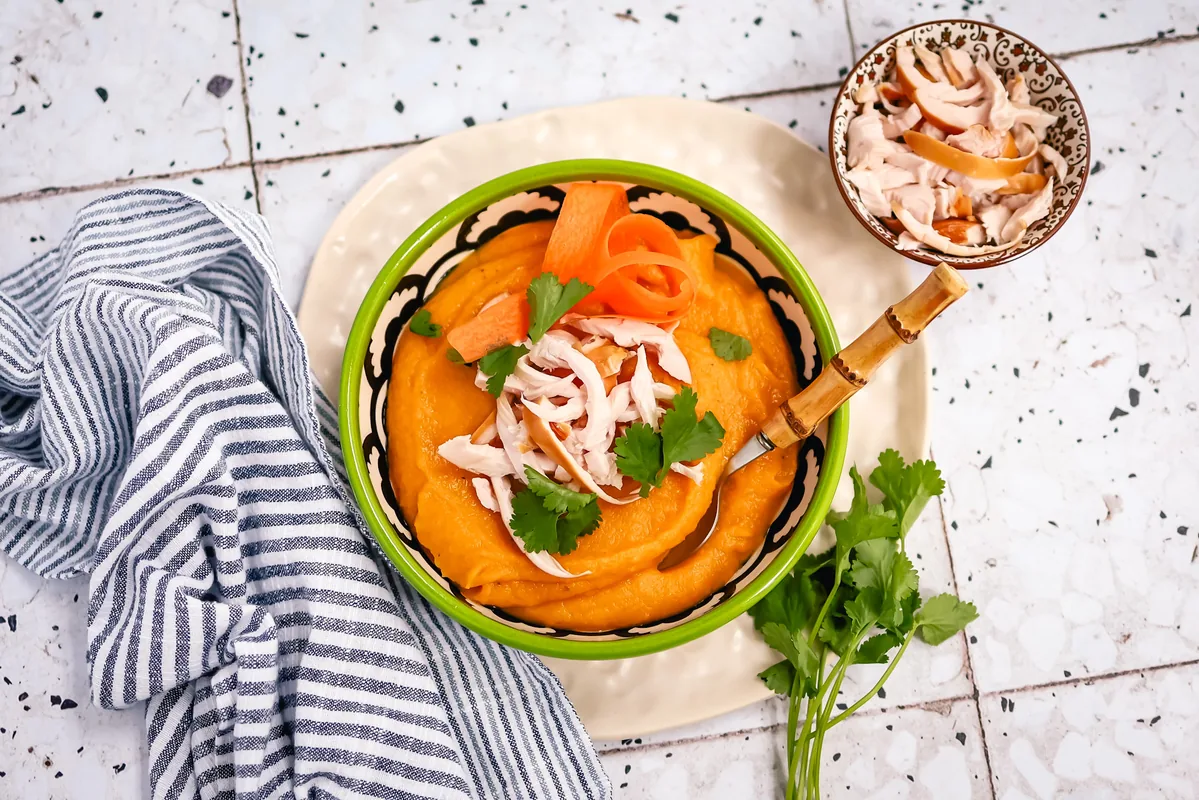
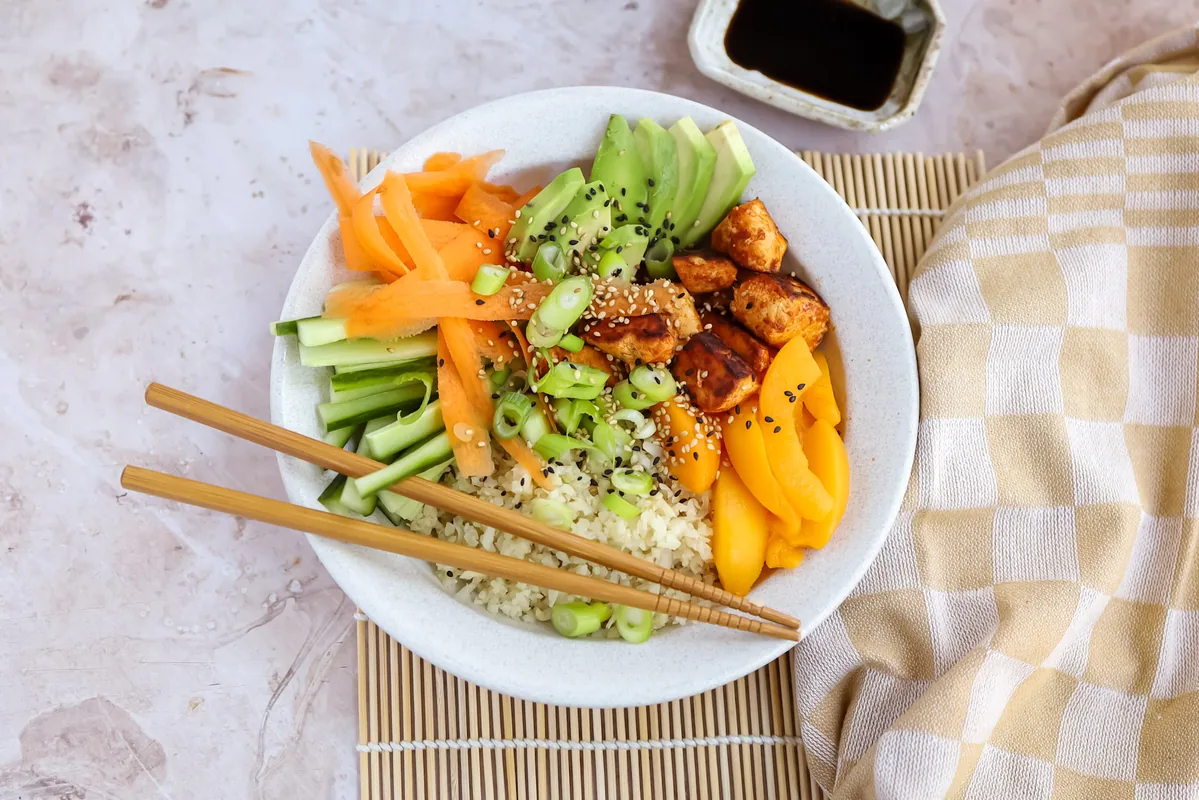
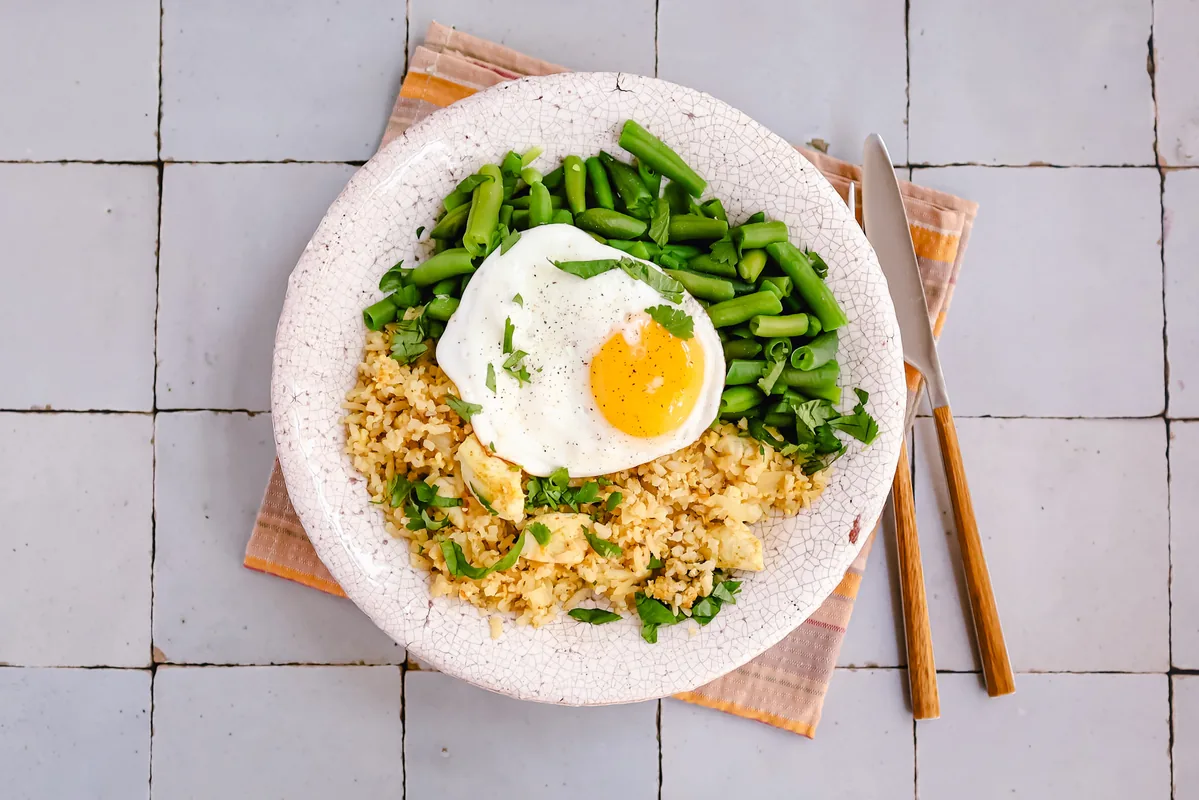

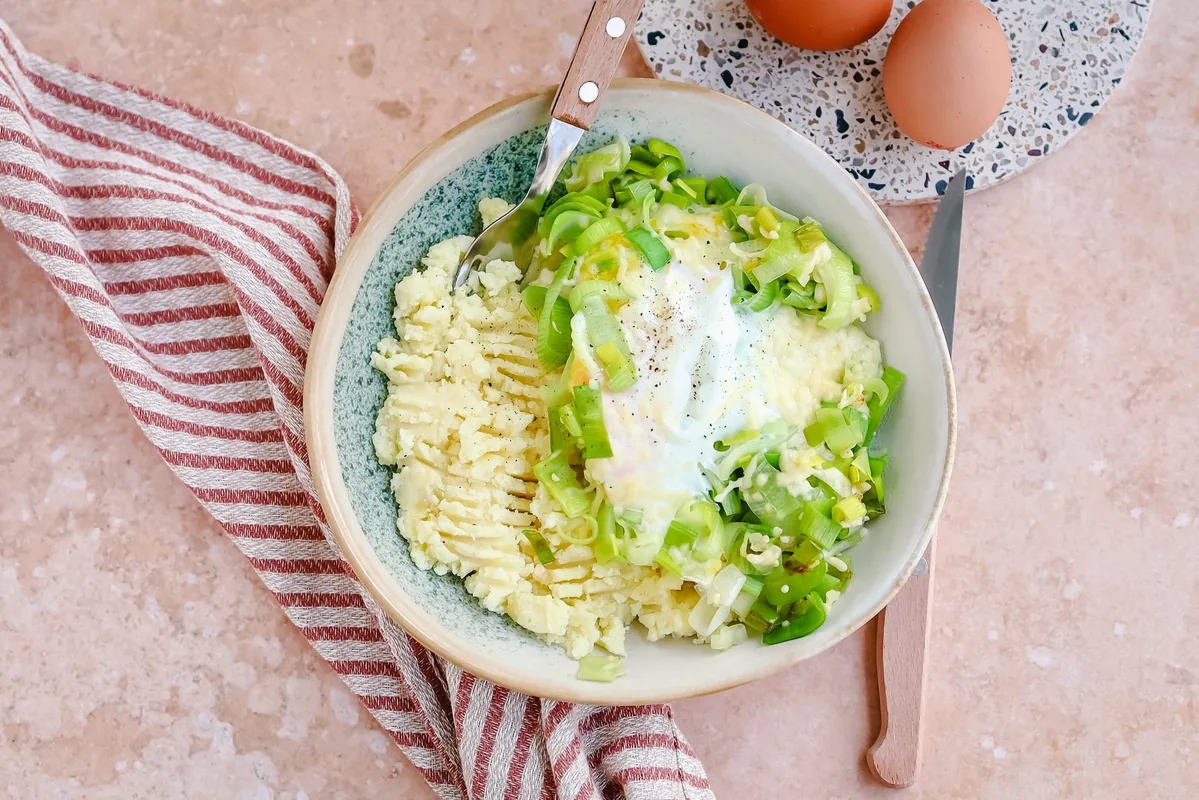

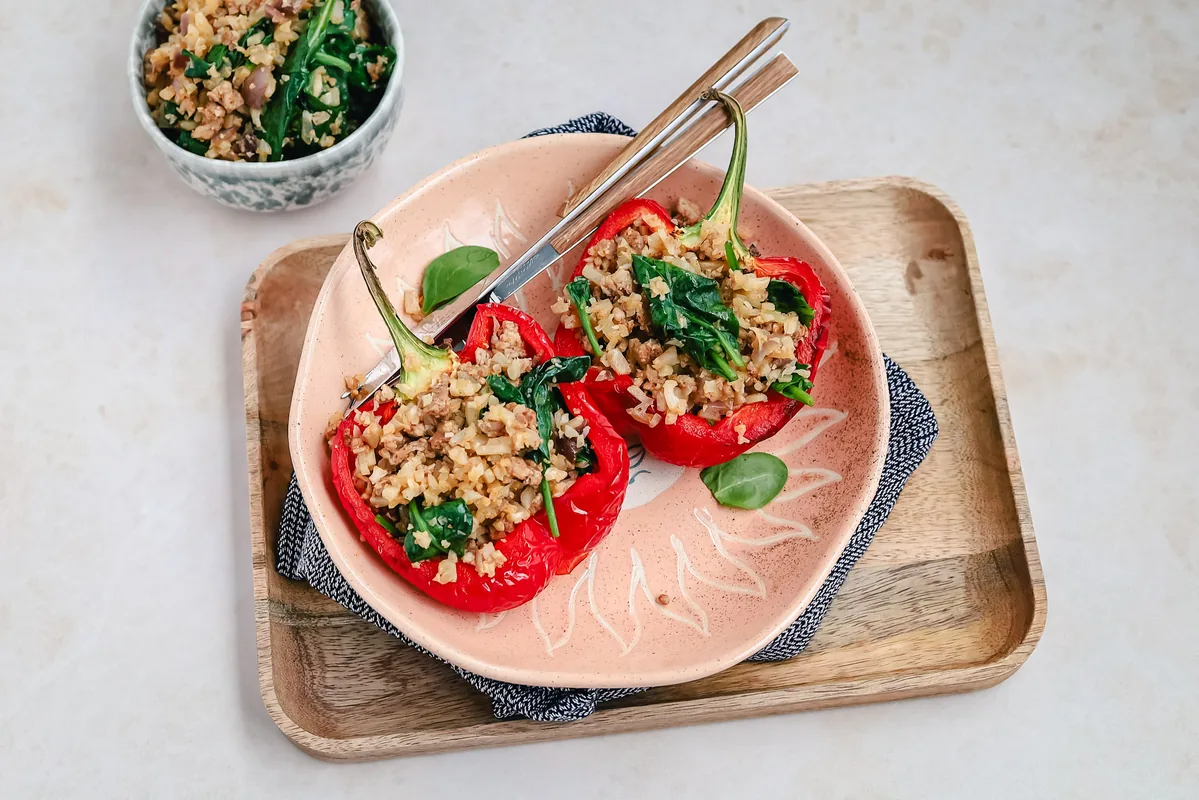
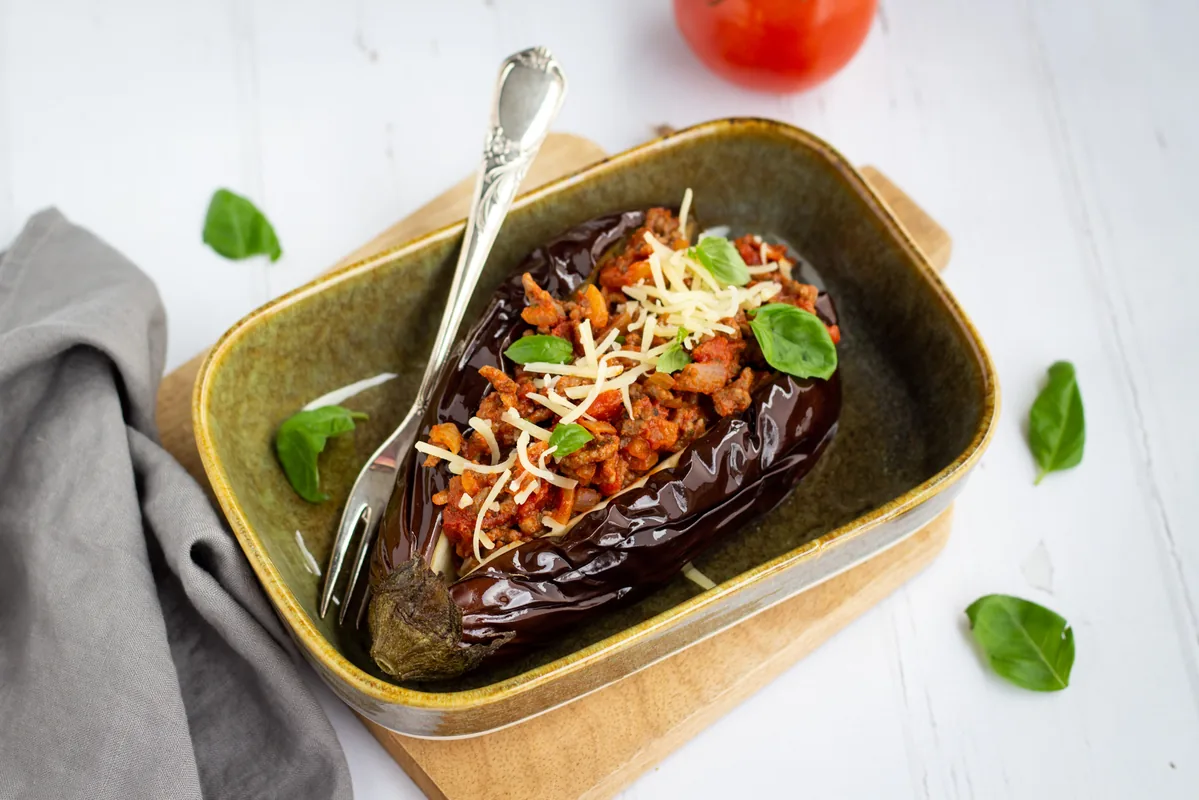

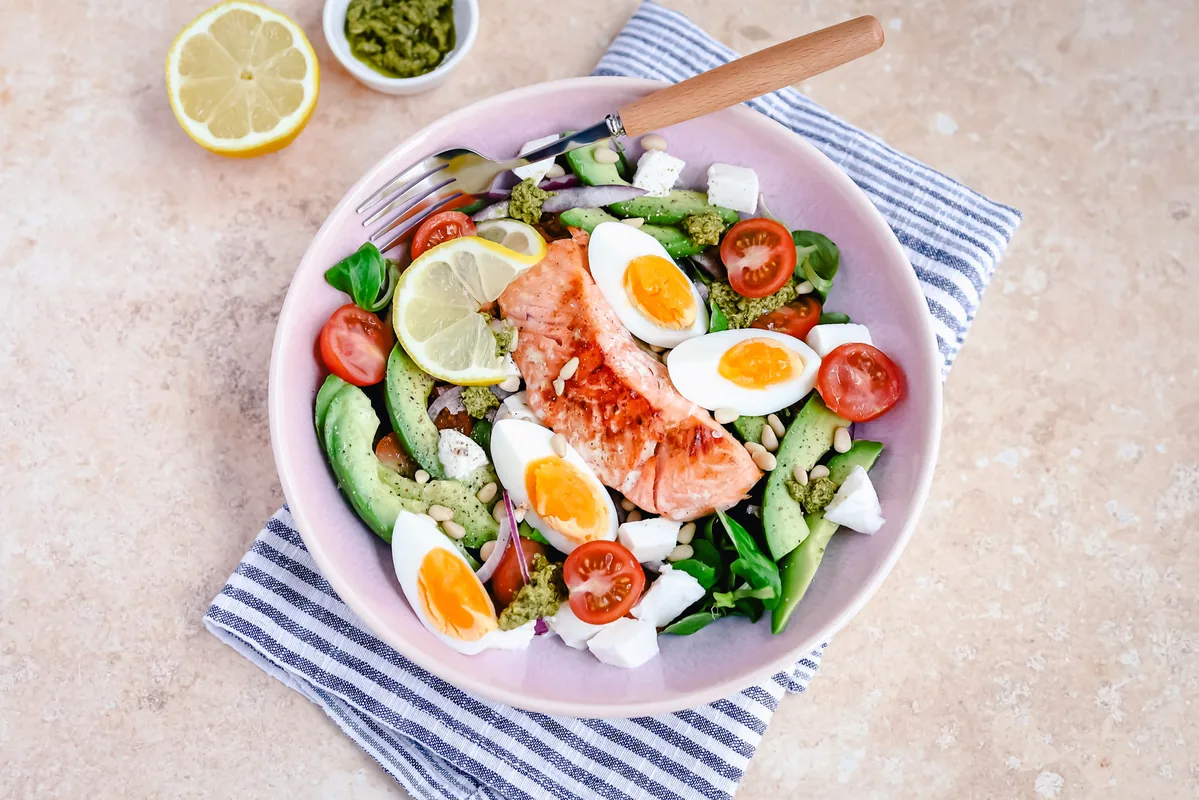
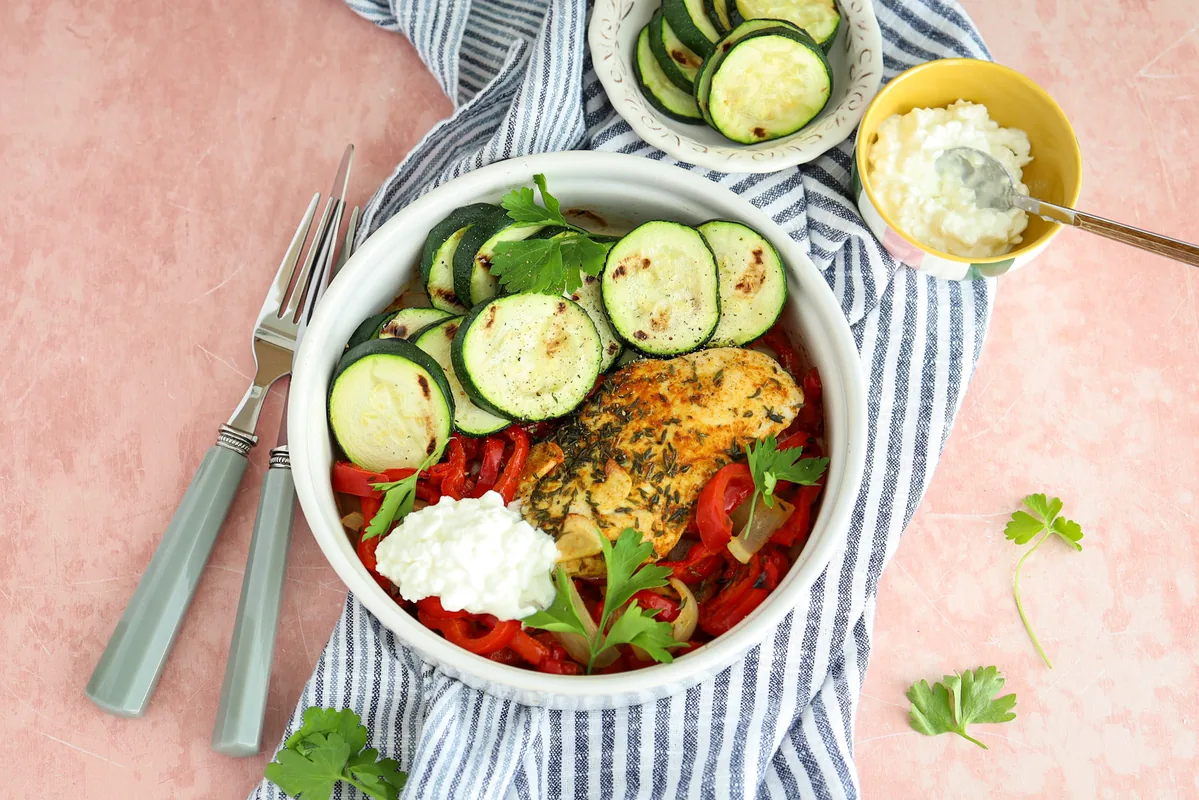
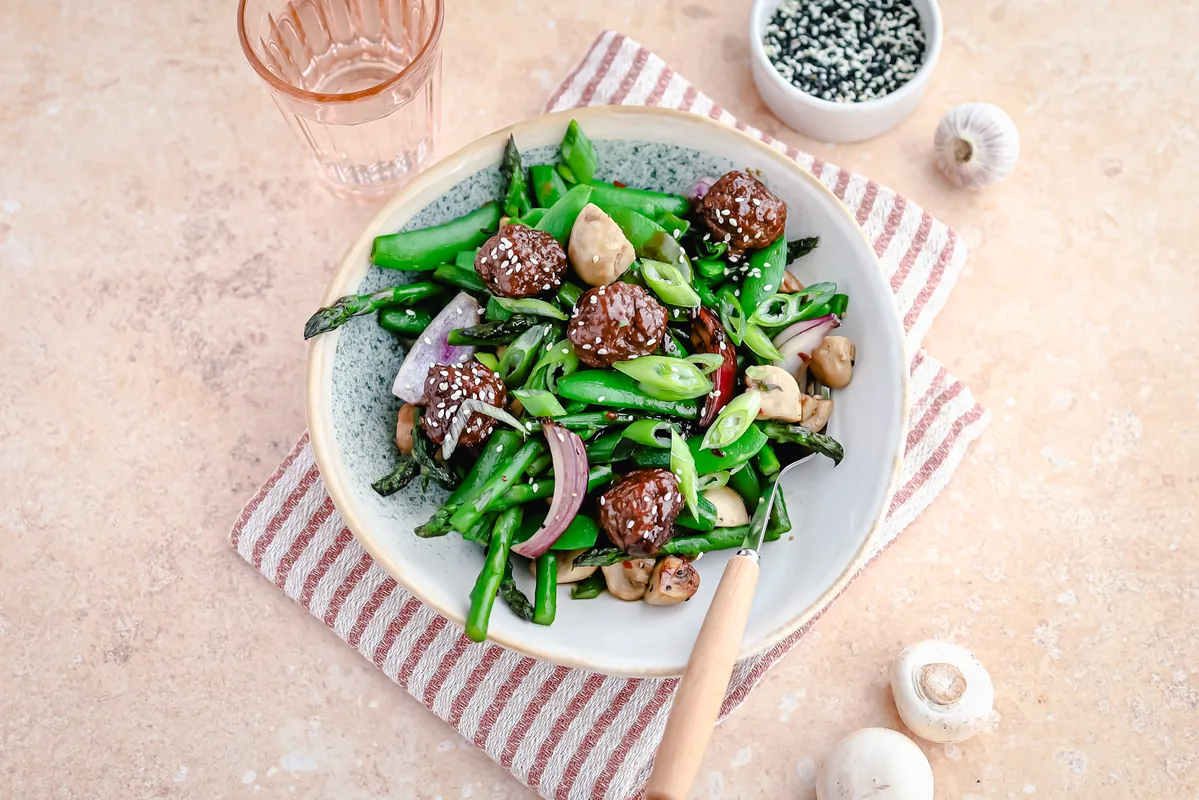
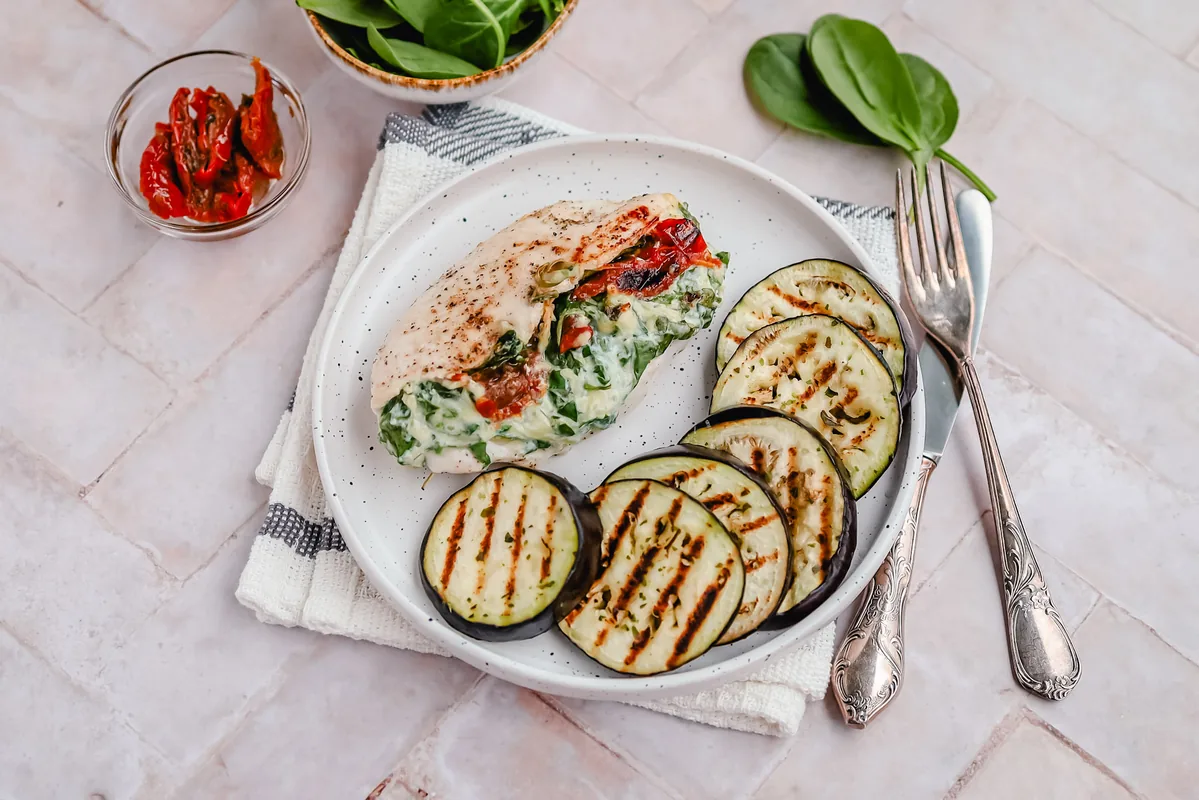
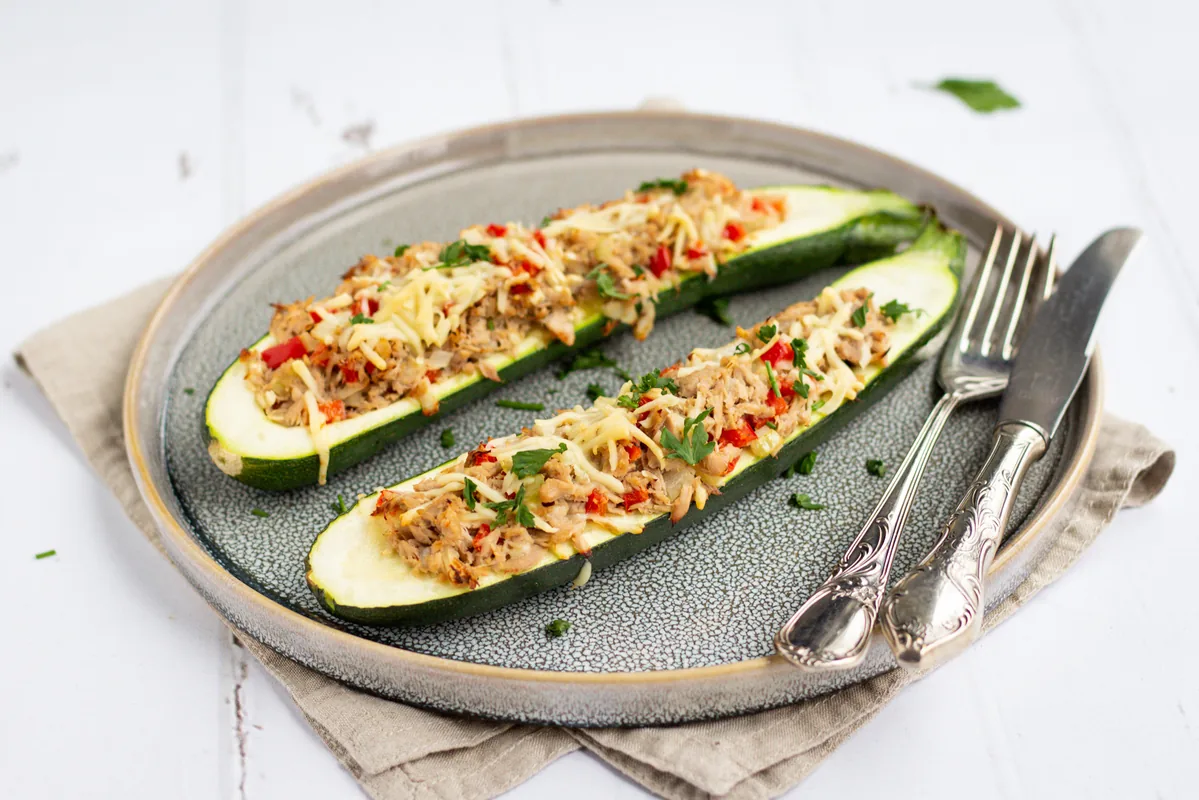
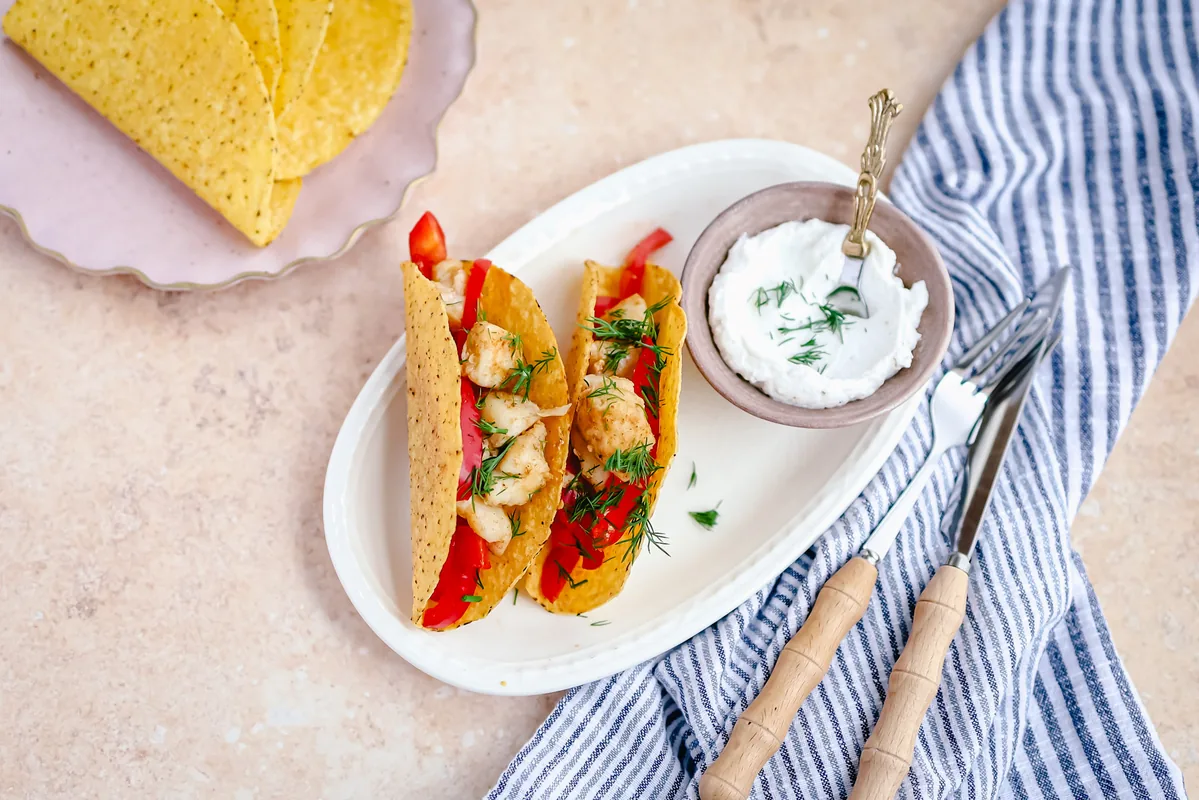
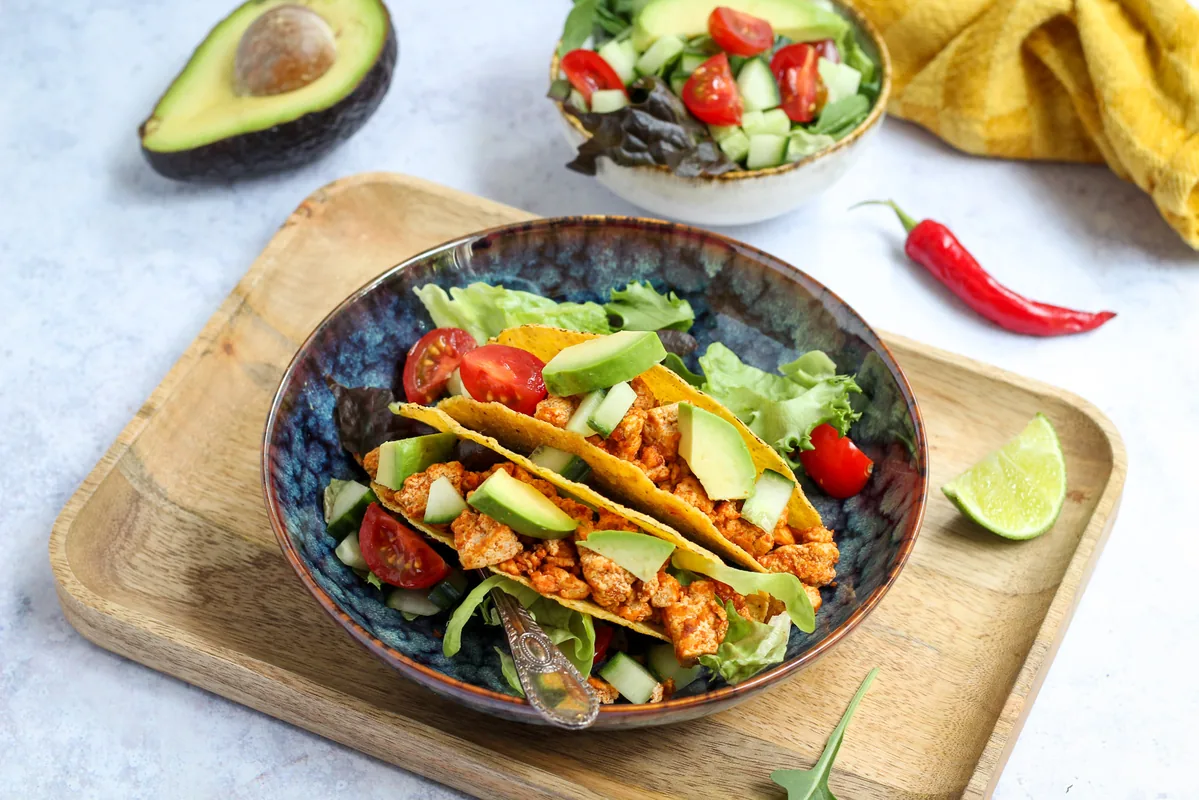
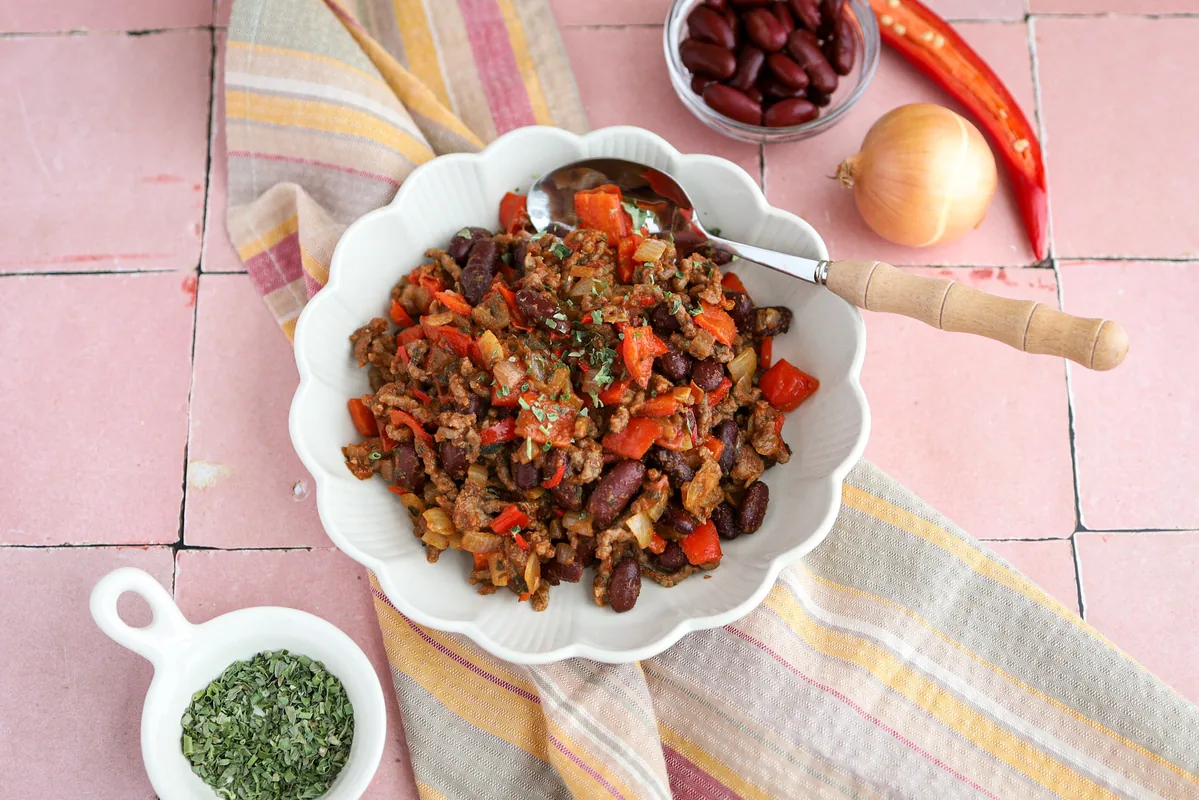

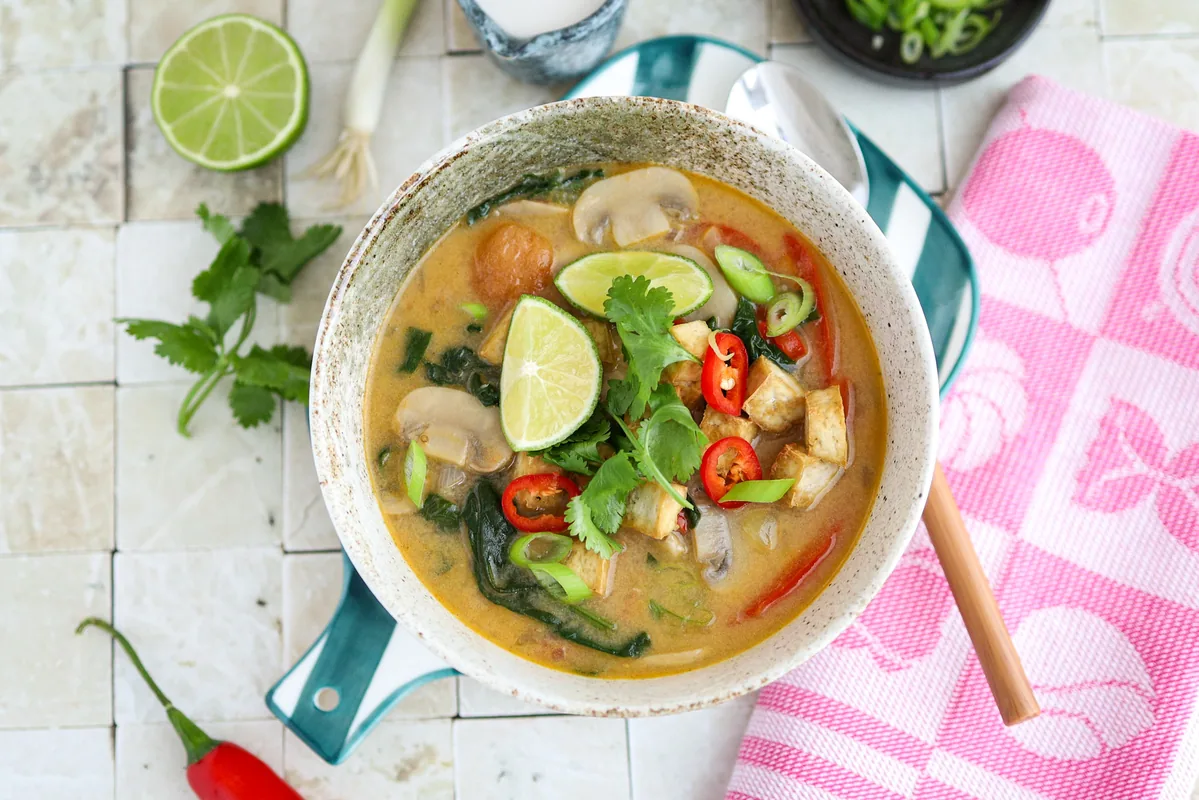

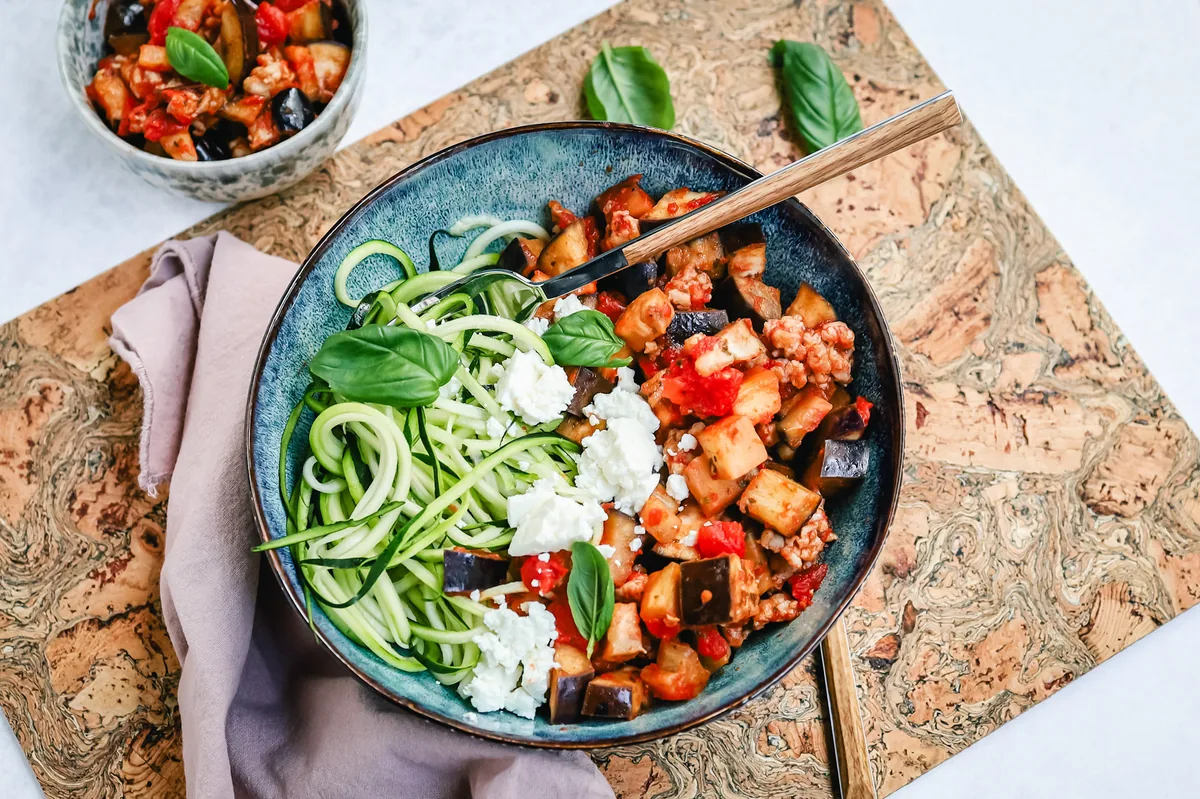
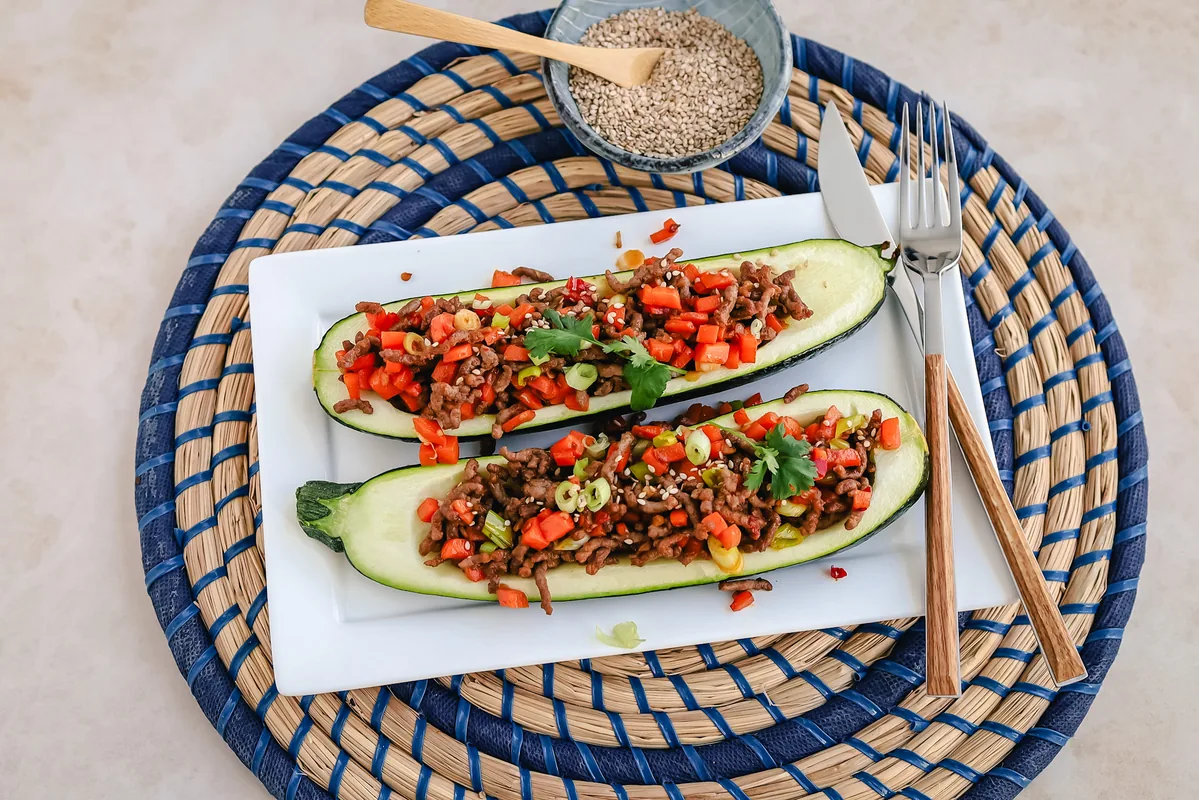
Garlic has two defense systems. The first — allicin — dies after 60 seconds of heat. The second, a family of heat-stable polysulfides, doesn’t. The first gets all the headlines. The second has independent anticancer activity that survives the pan.
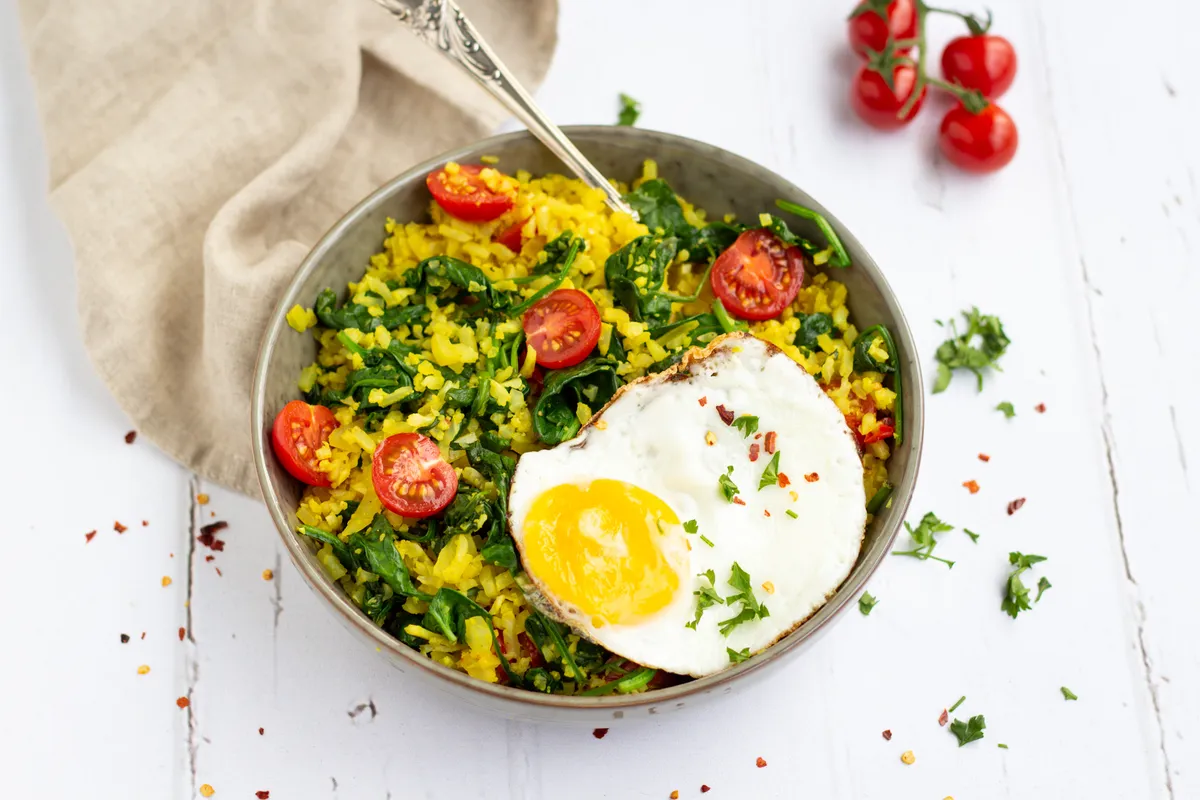
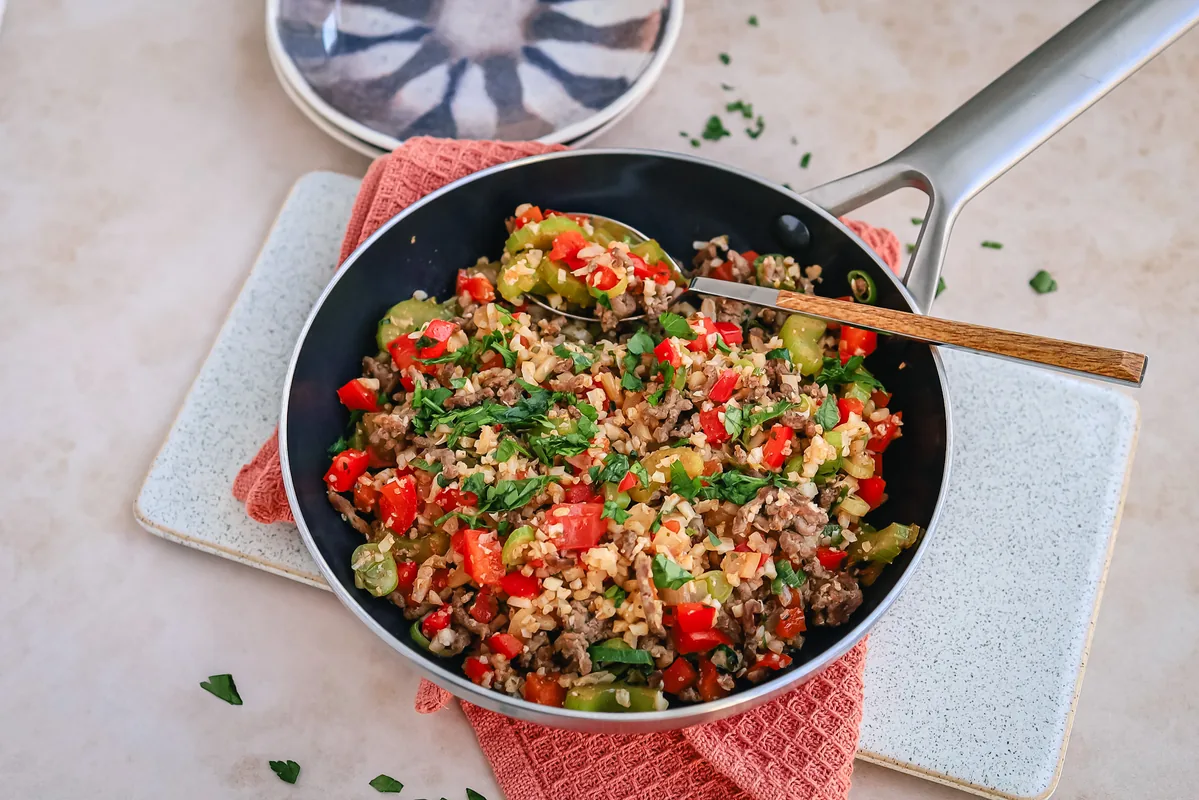
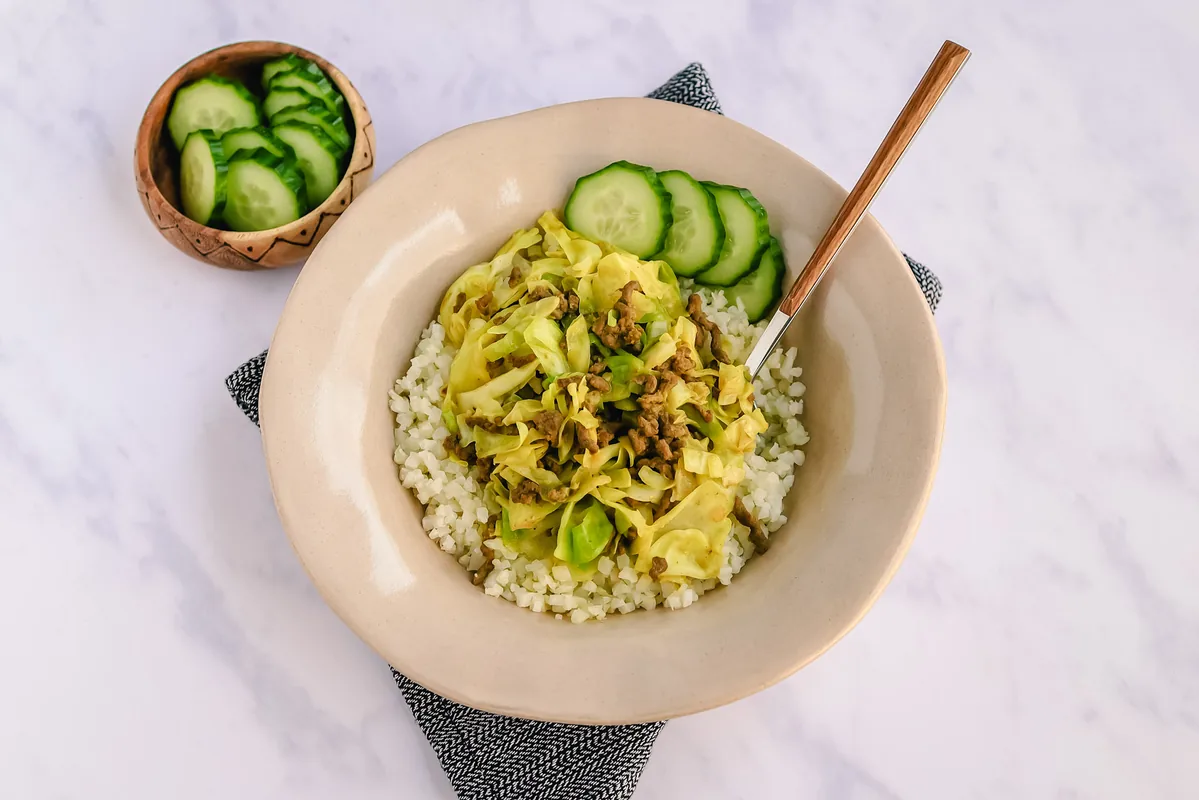
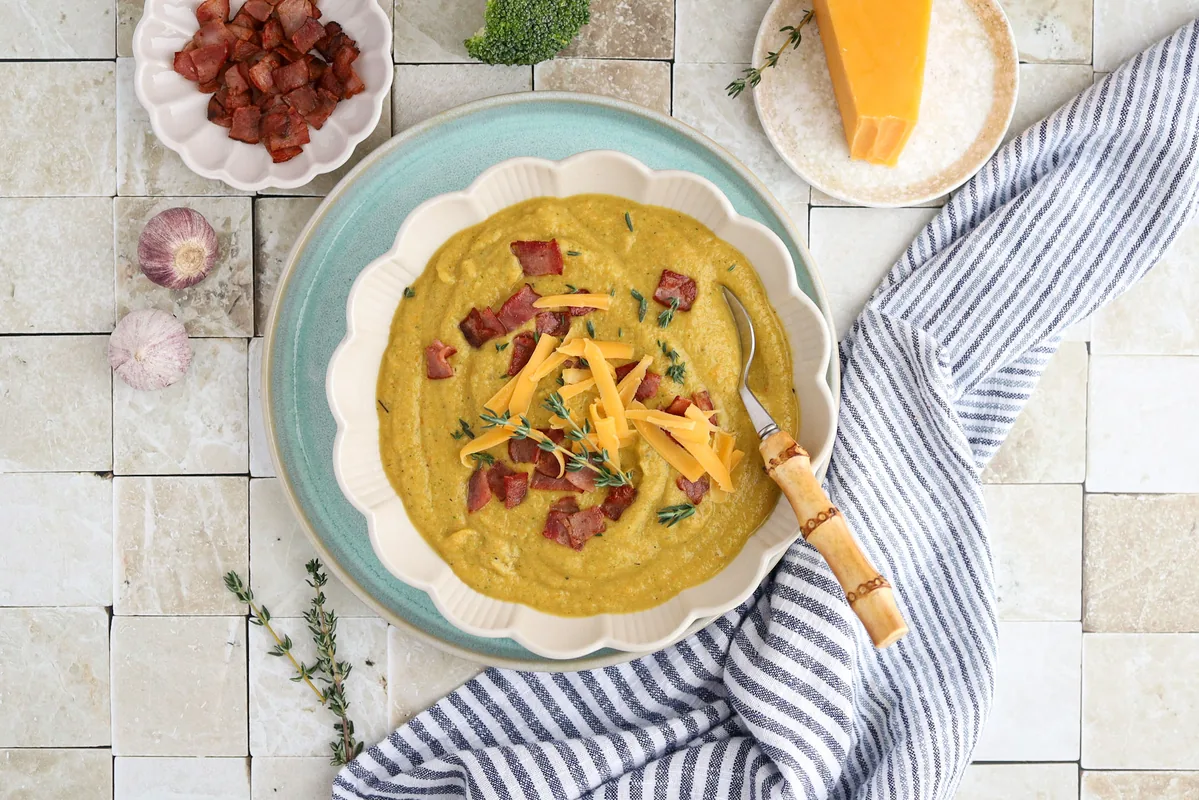
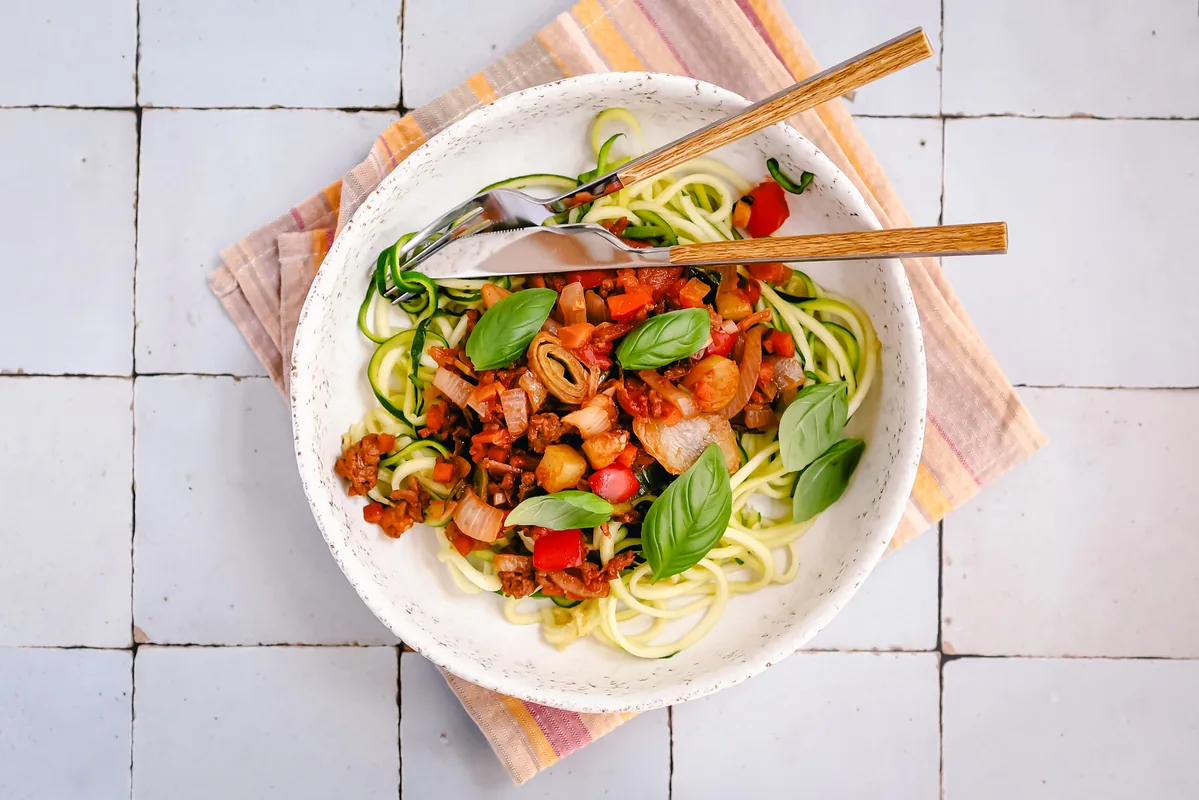
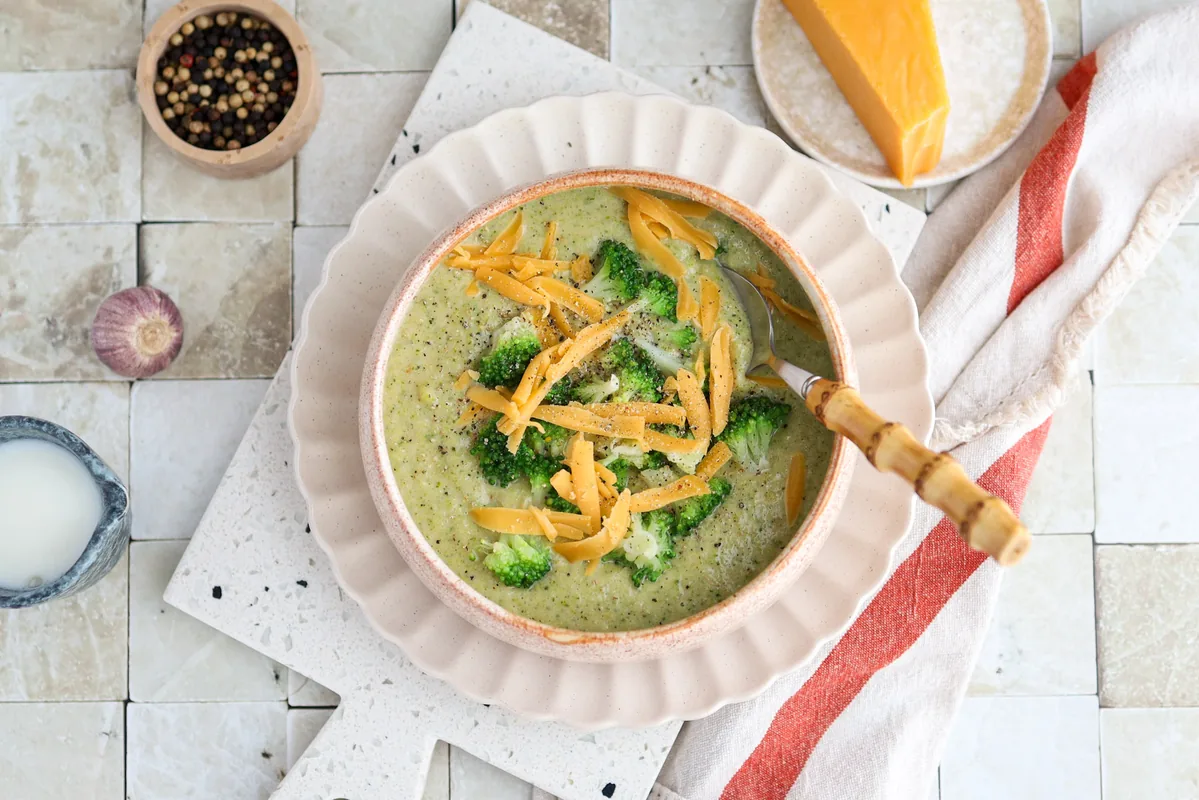
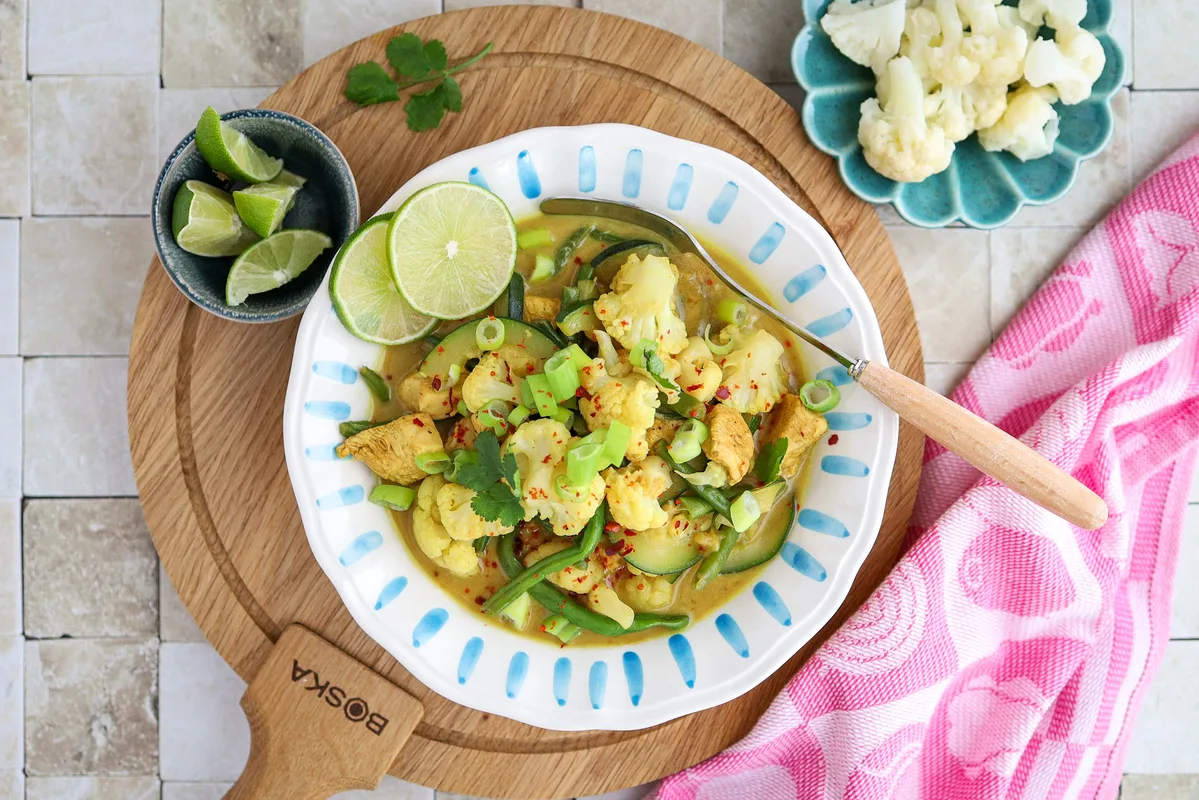
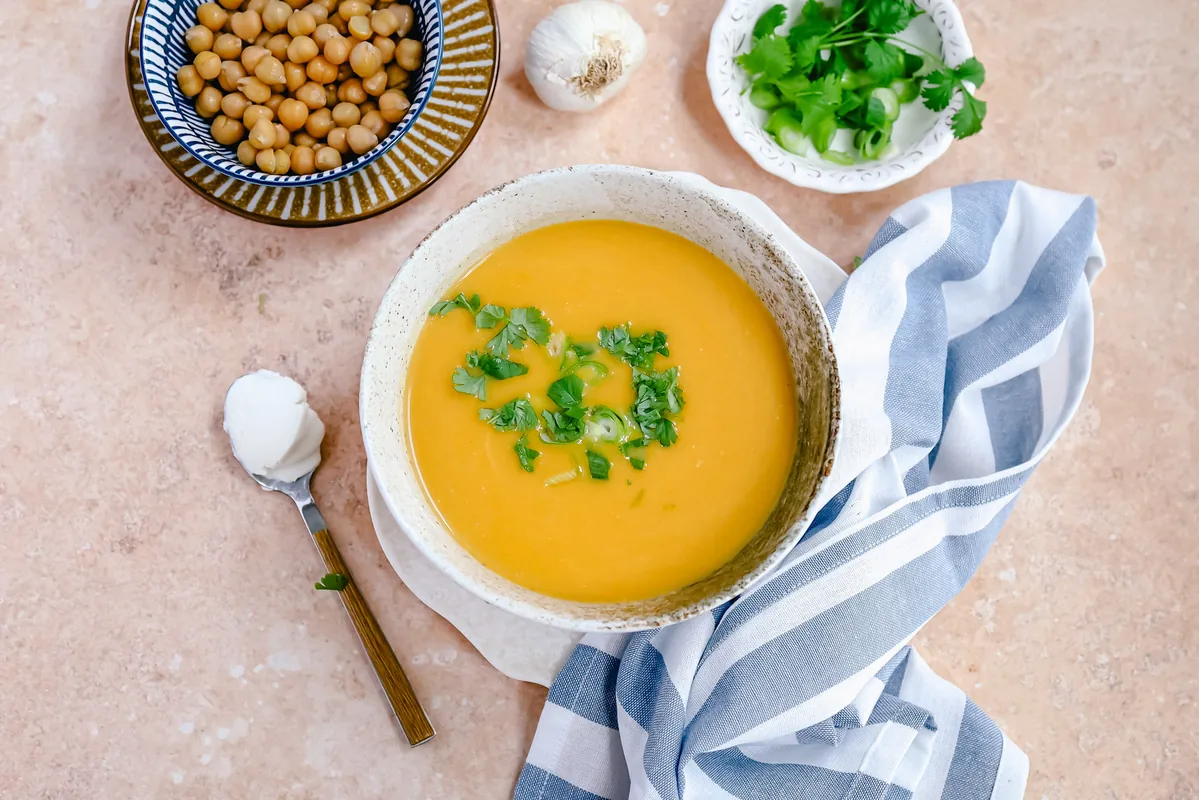
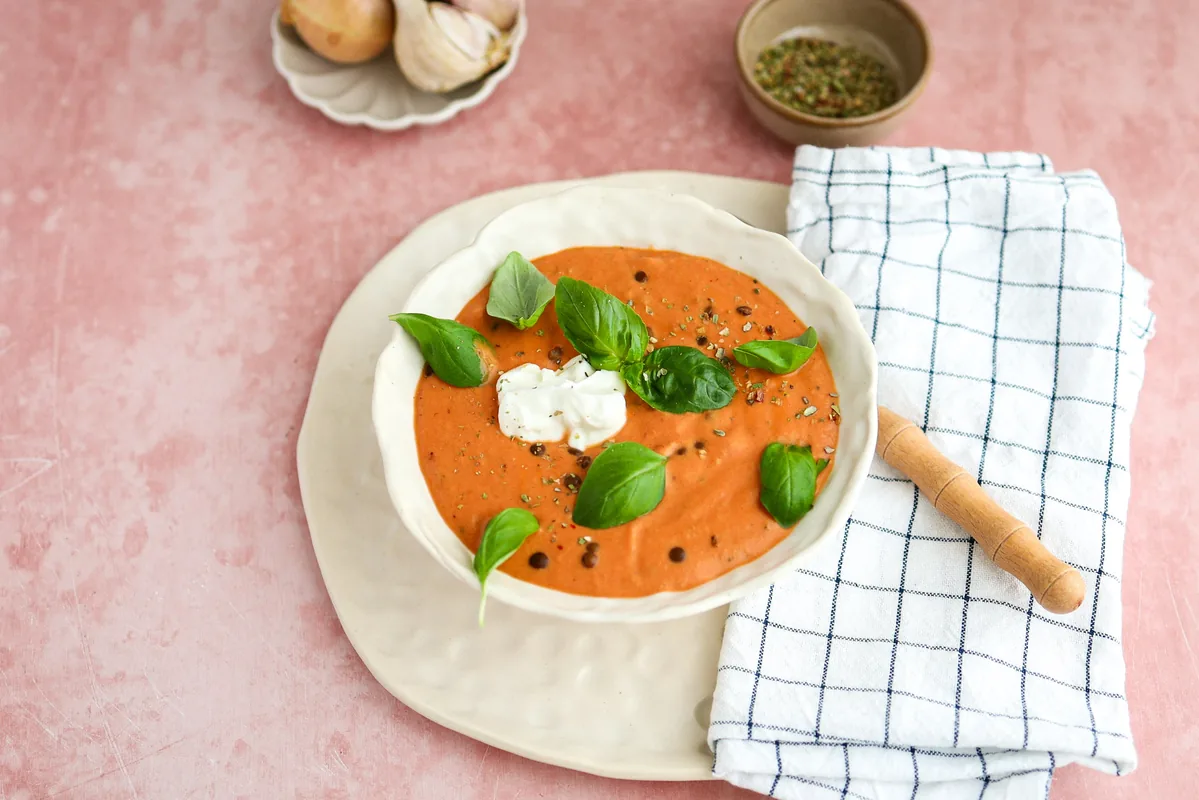
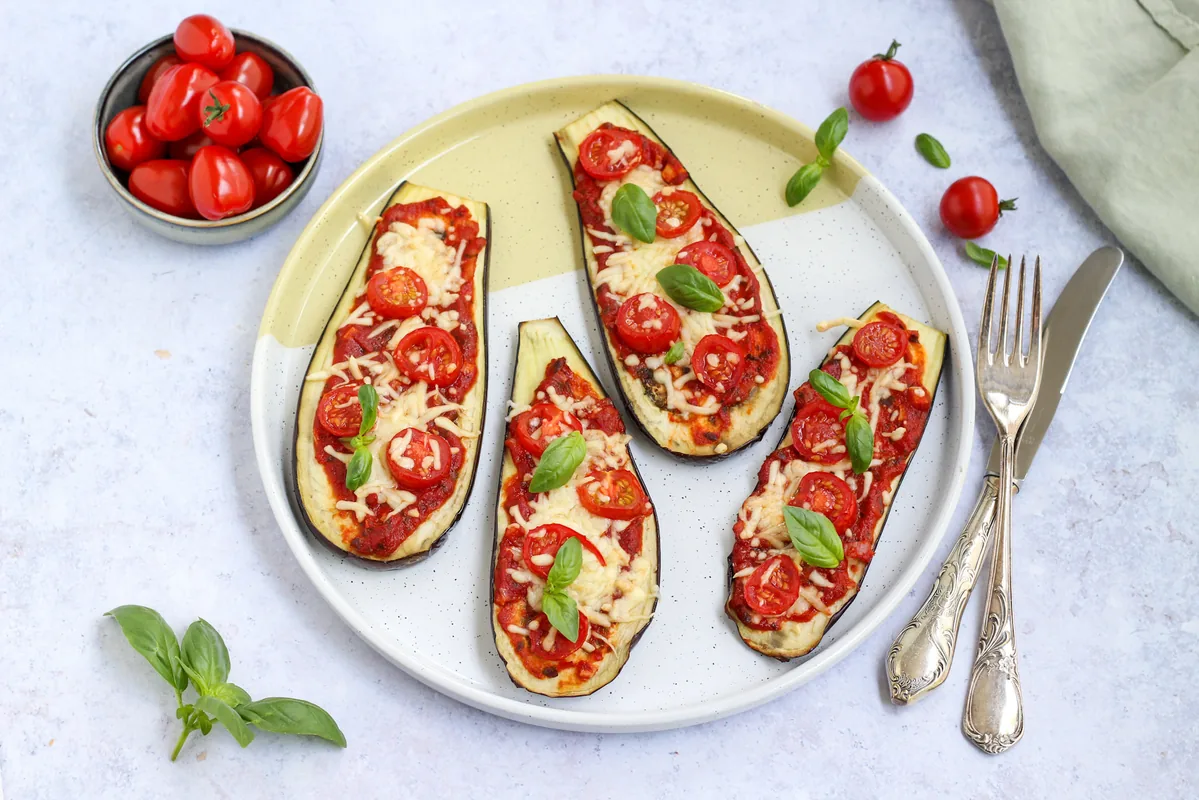
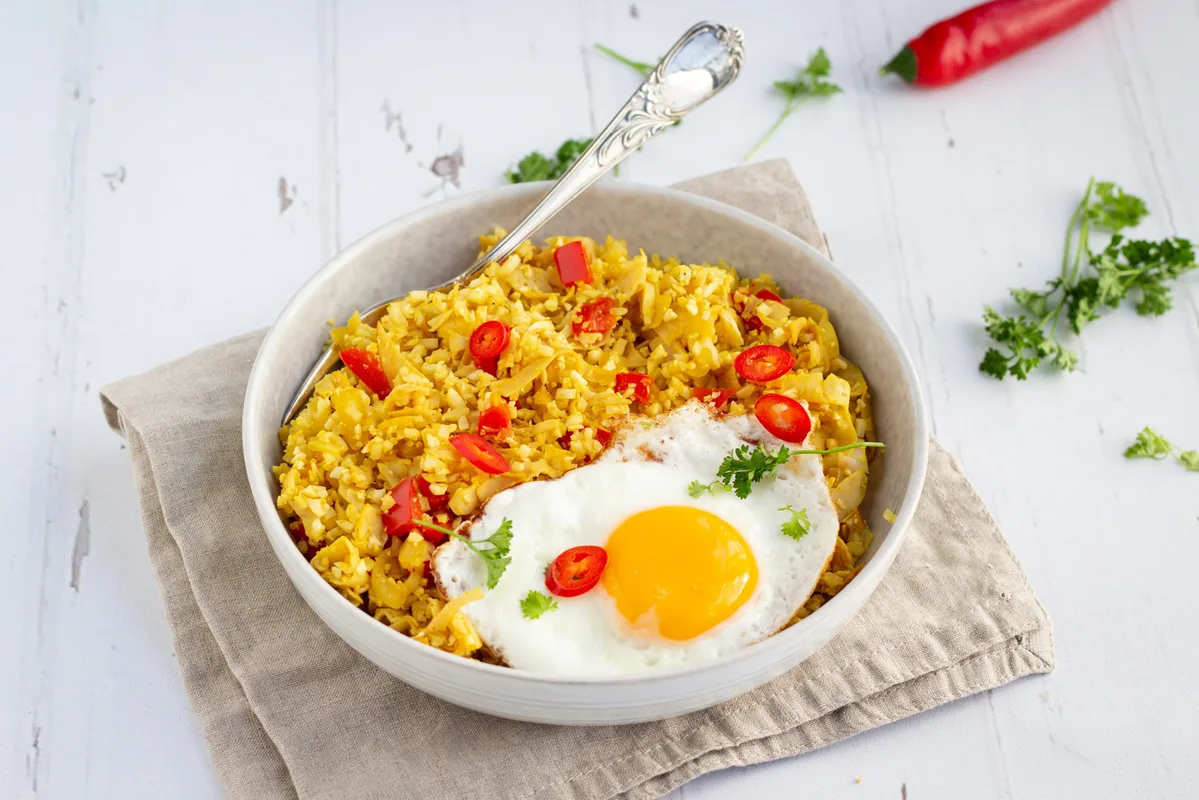
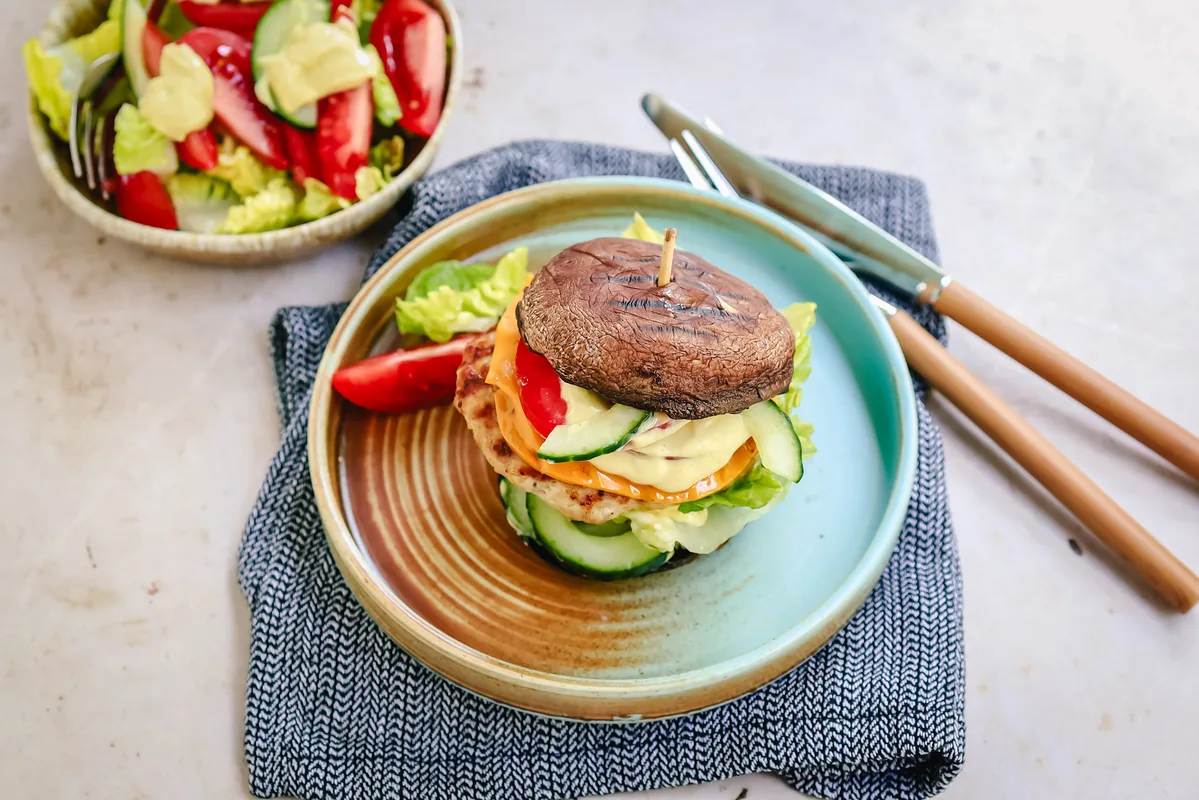
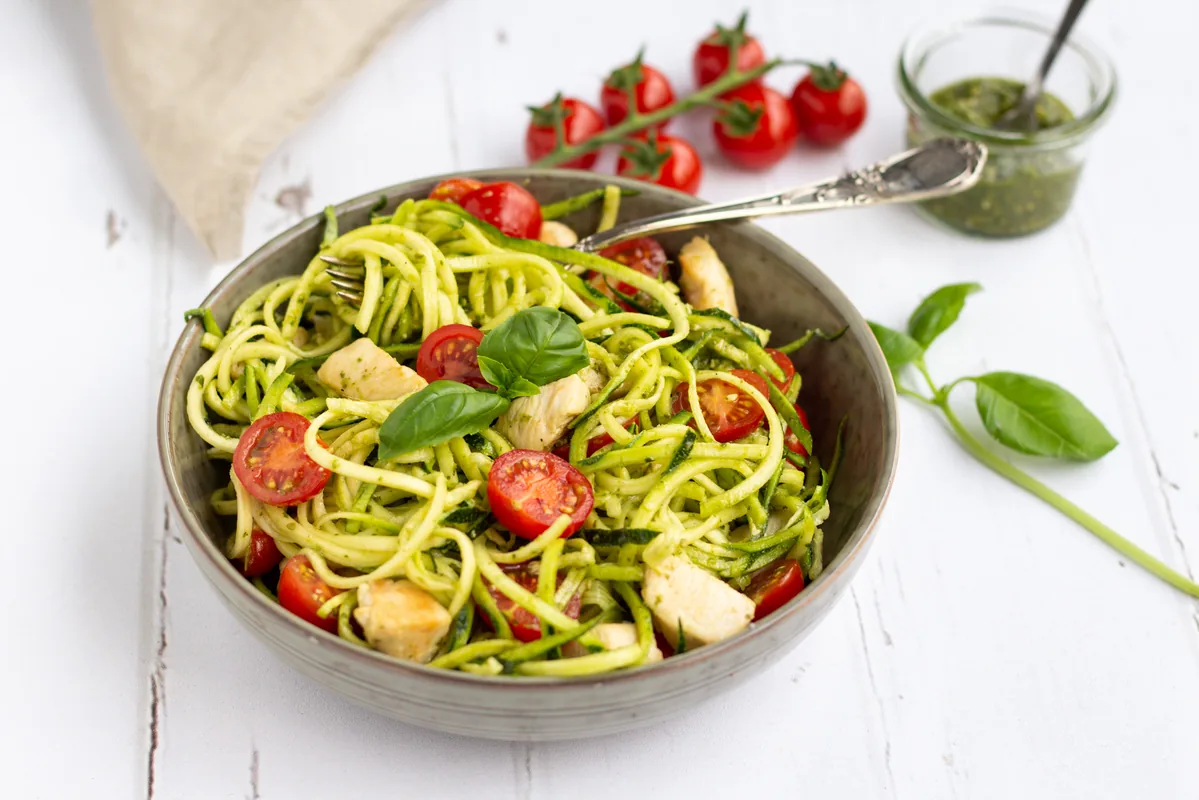
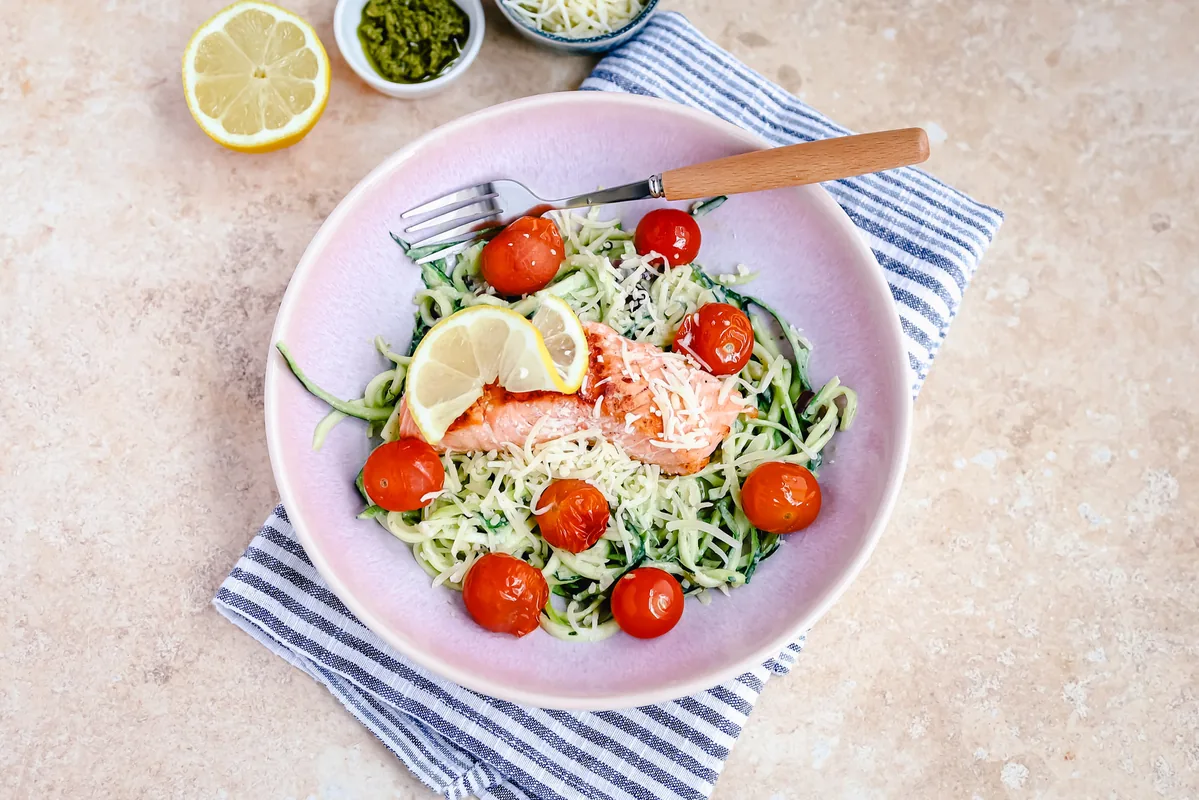
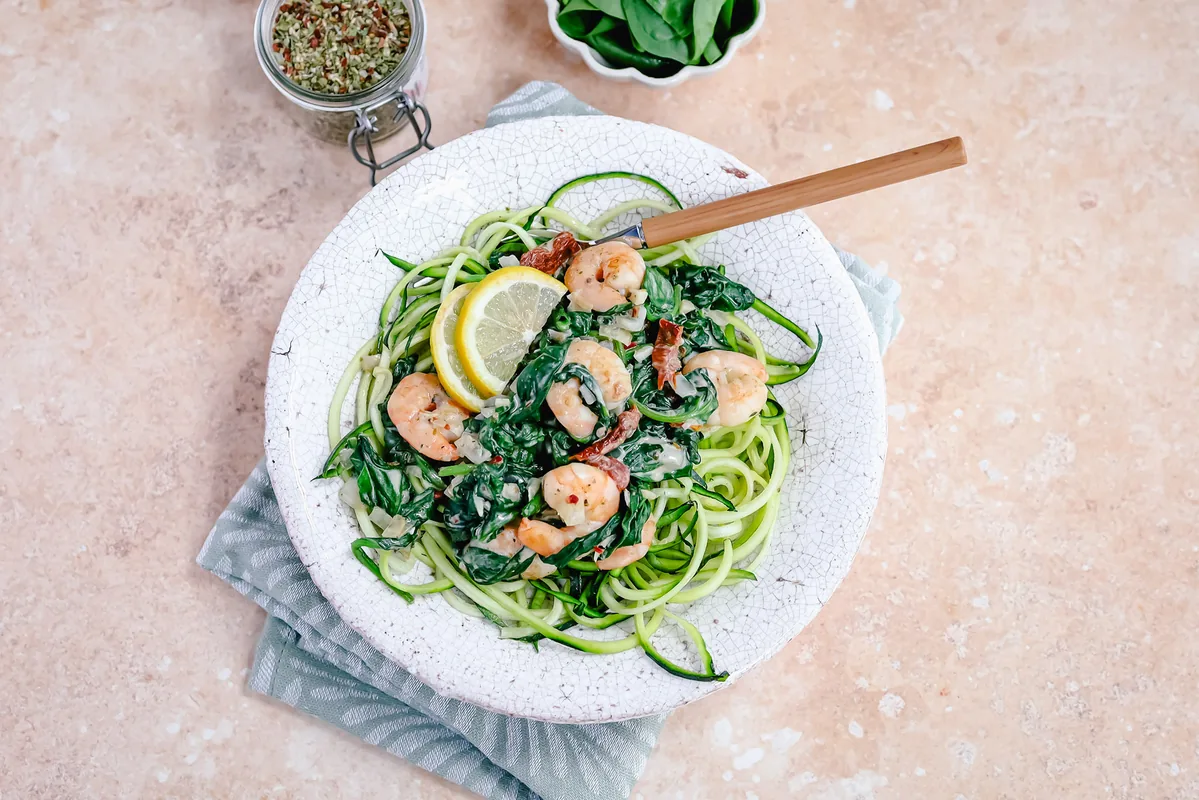
It sits in a collection where every recipe involves heat. Sixty-six low-carb dinners, median 20 minutes and 9 ingredients, not a single no-cook option. The evidence connections tell a specific story: 65% of the research threads behind these recipes are cooking science — what olive oil polyphenols do at 120°C versus 170°C, how tomato lycopene becomes 2.5 to 3.8 times more bioavailable when cooked with fat, why stir-frying cauliflower multiplies its protective compounds by 7.9 compared to raw.
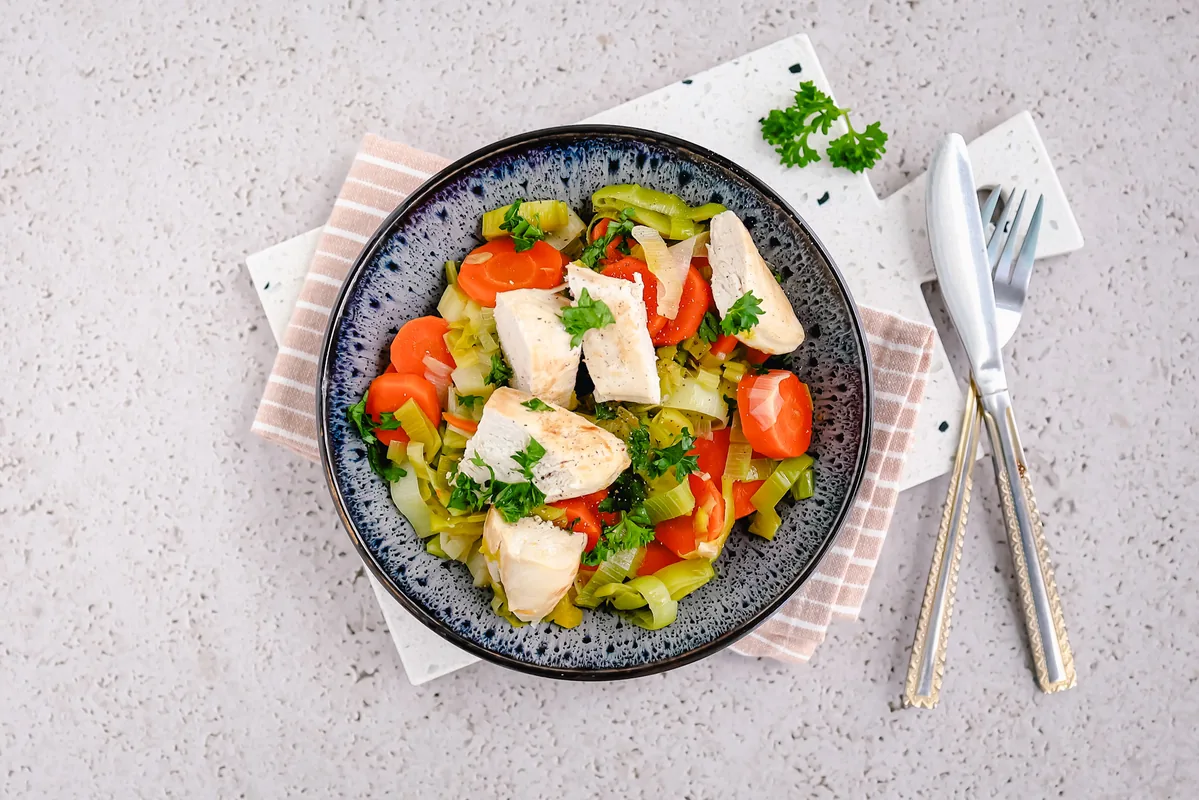
Taken together, the median lands at 29g protein and 429 calories, with 58% of those calories from fat. That fat ratio is inherited from every low-carb collection. But in a dinner, the fat is also the cooking medium — olive oil, coconut milk, butter. Research measured their role: as little as 6g of dietary fat crosses the absorption threshold for fat-soluble vitamins, with linear increases up to 28g. At a median 27g fat per serving, every dinner here clears that threshold by more than four times. And 55% of these recipes reach 8g fiber — a number that rarely sits alongside a carb count.