


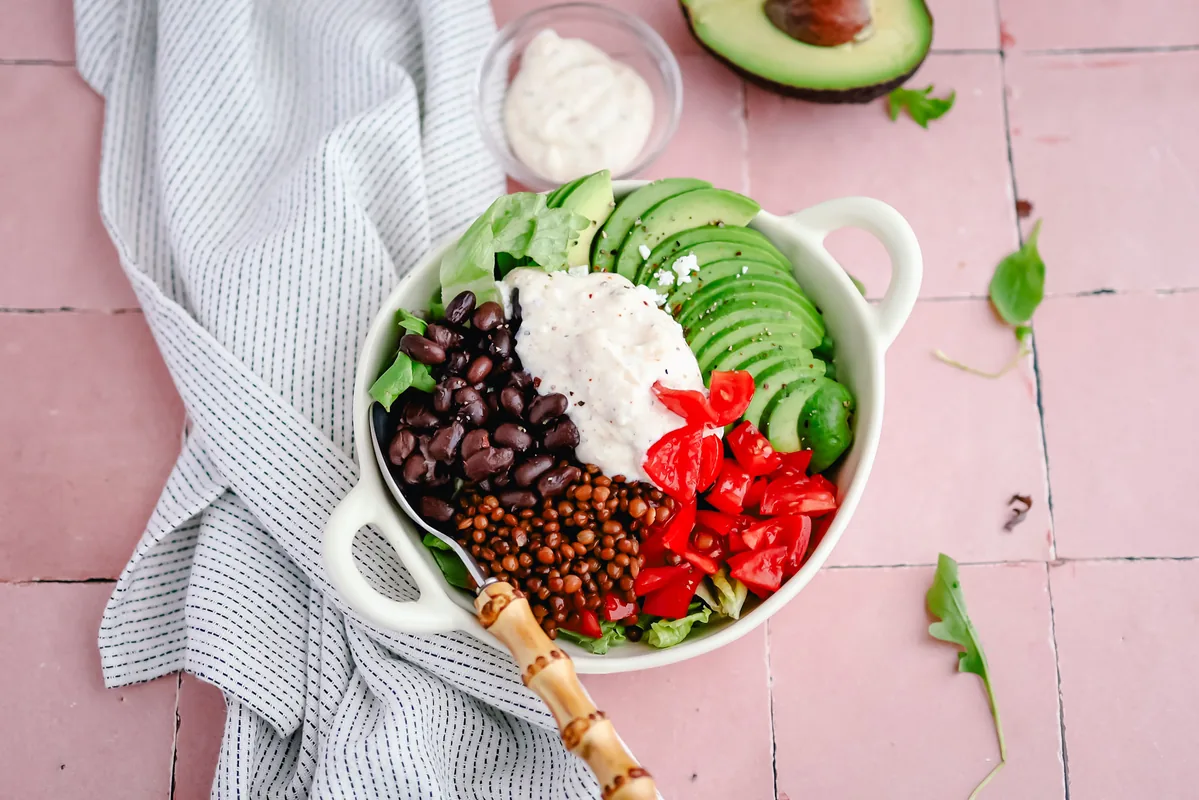

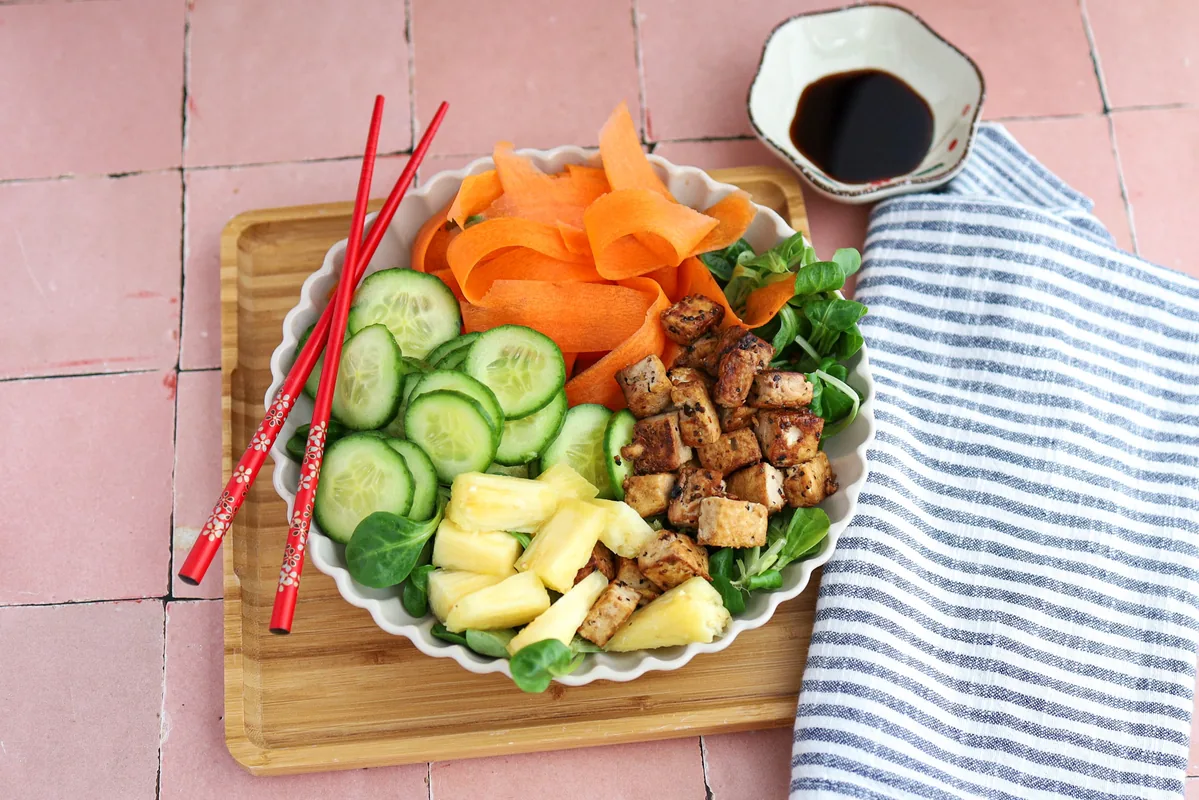
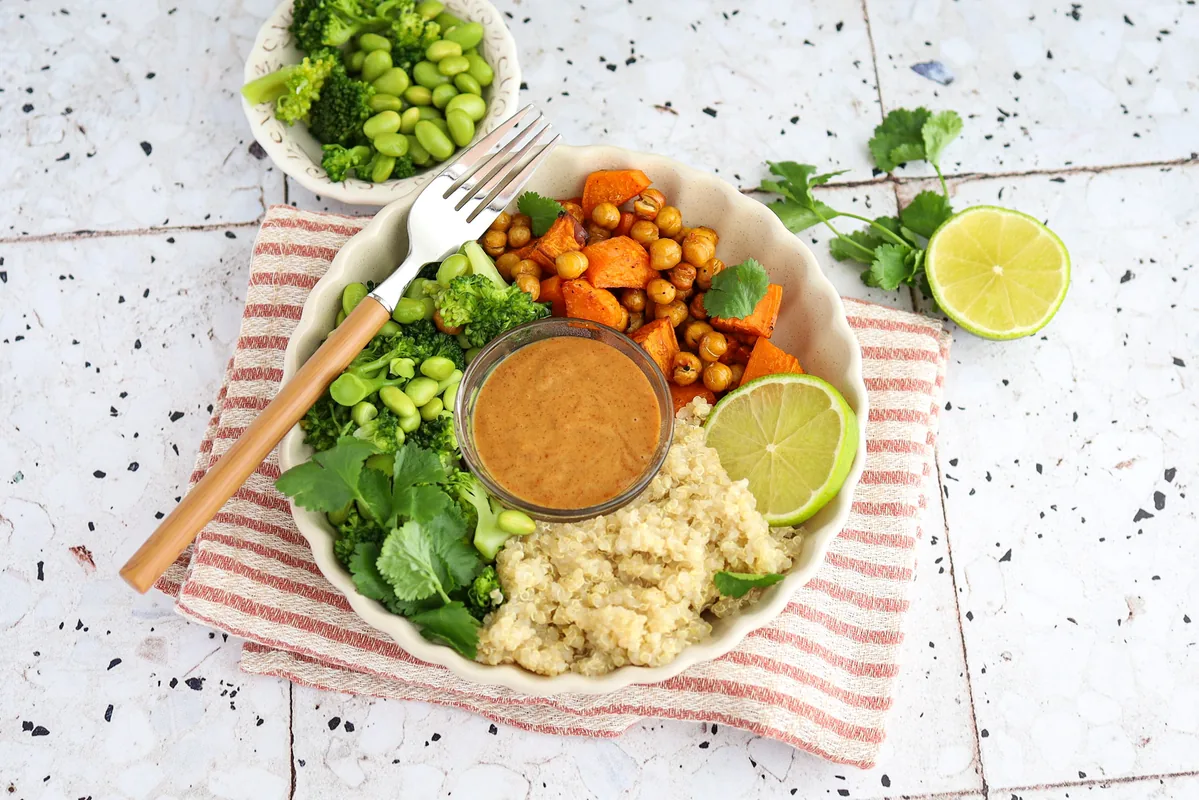

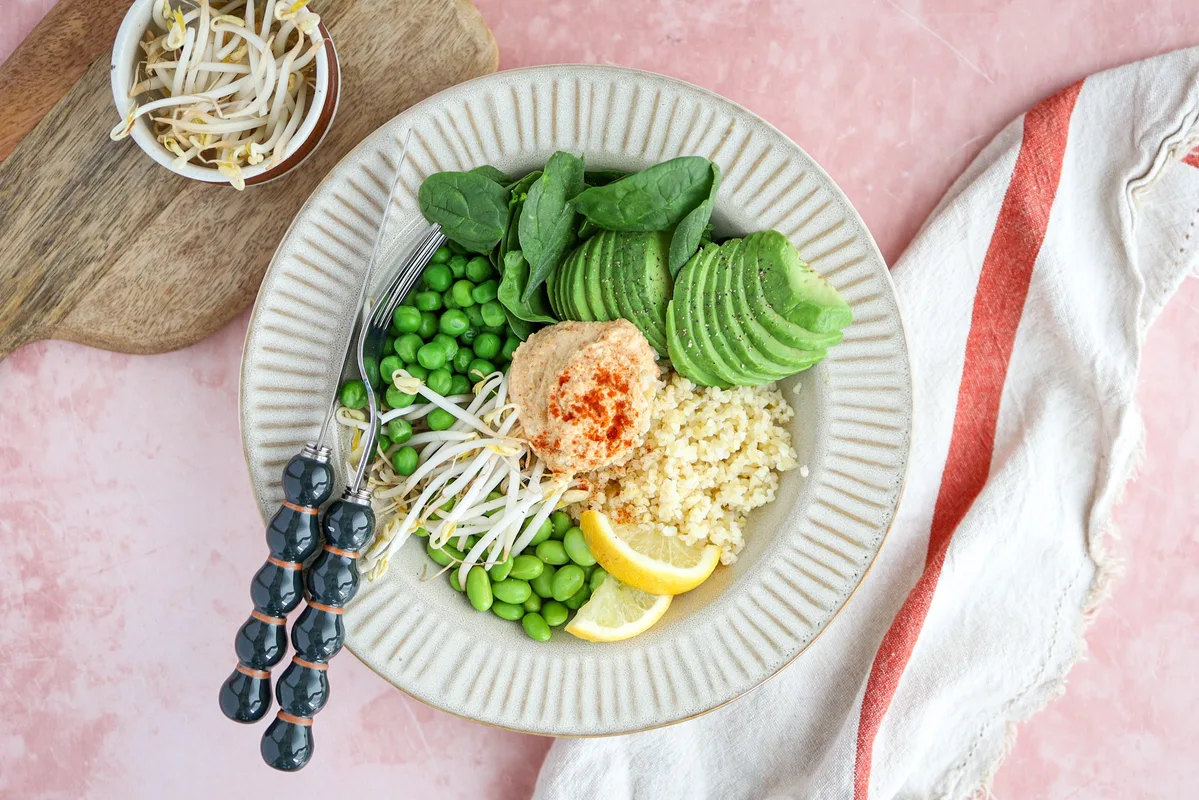
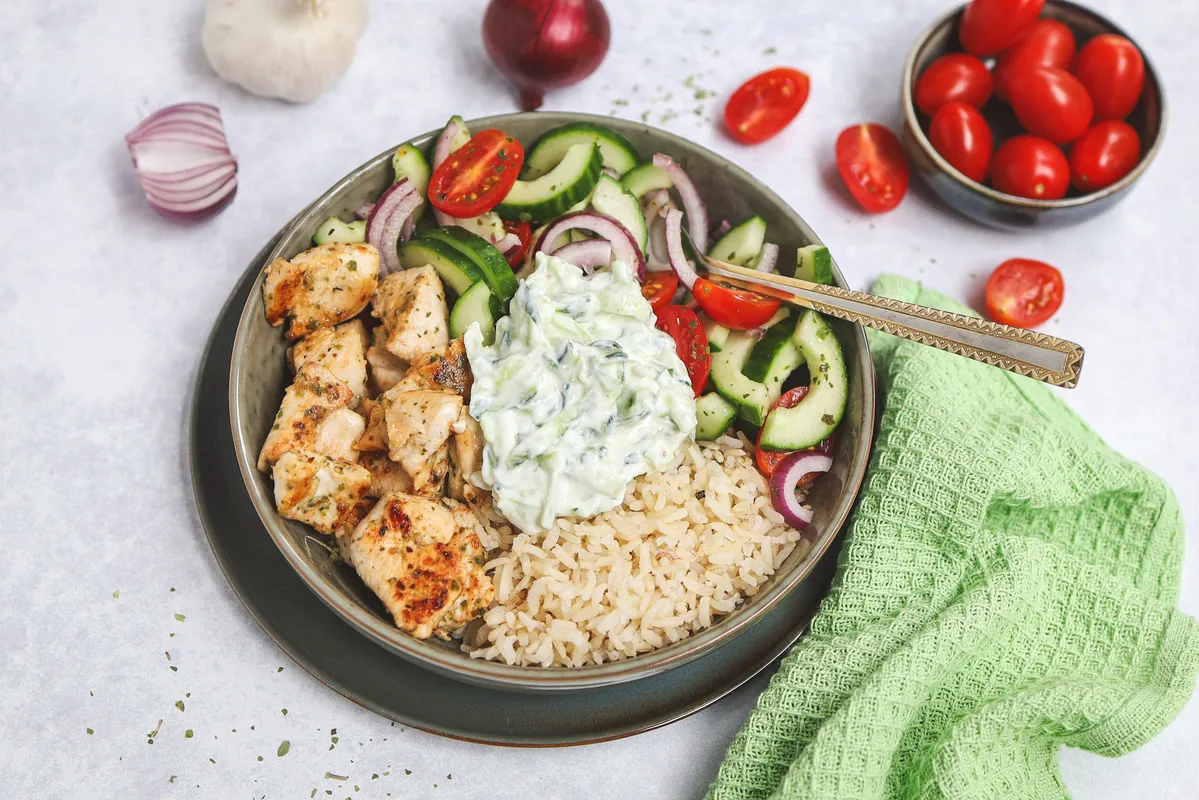
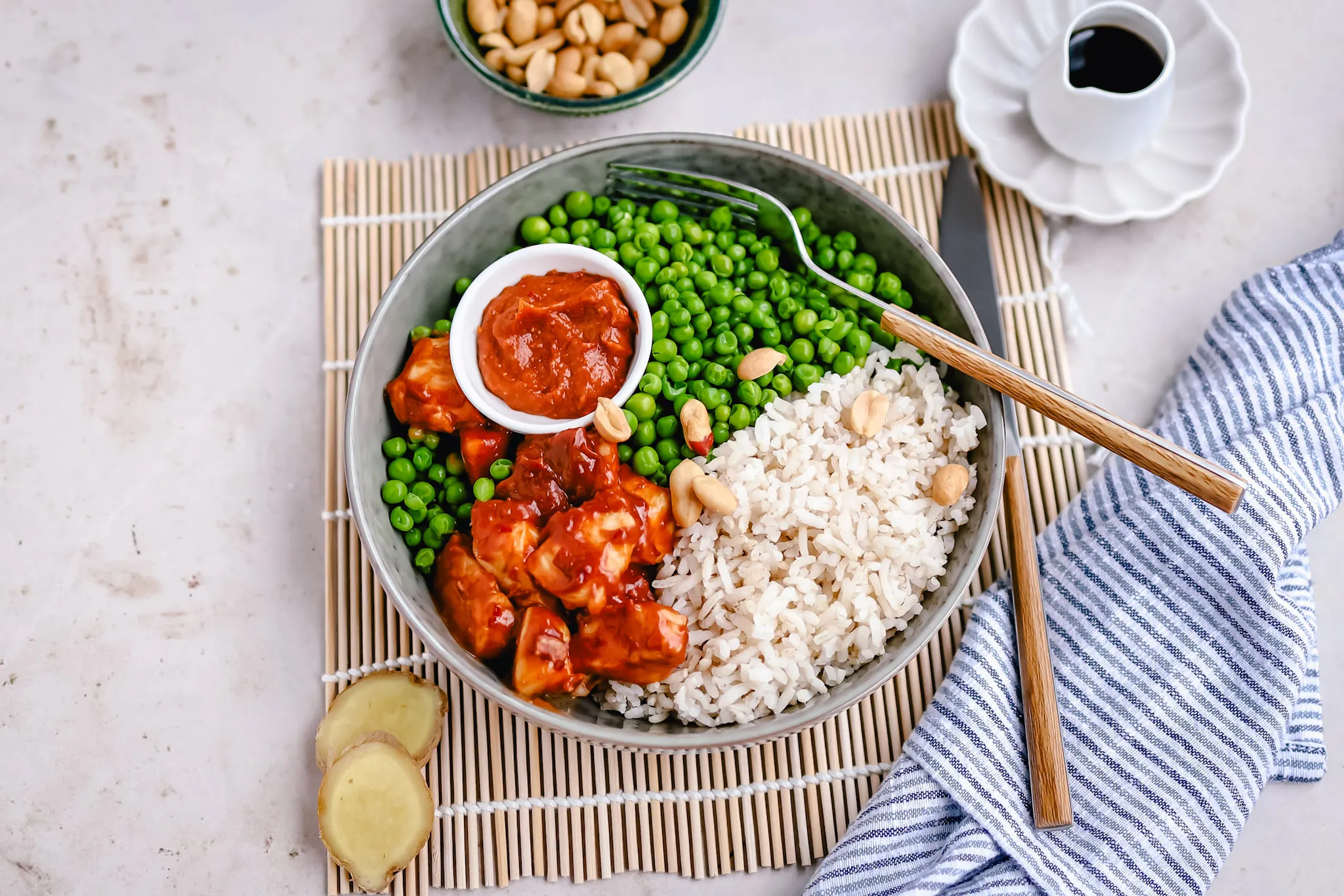
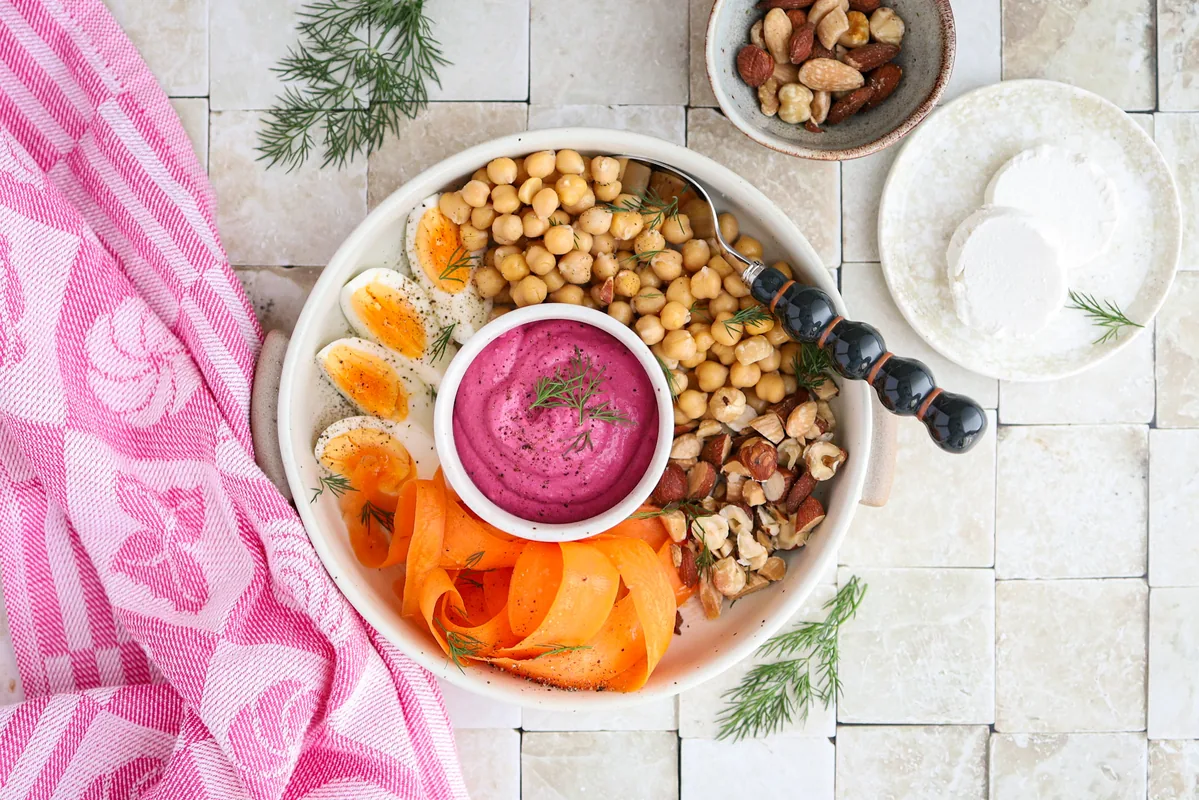
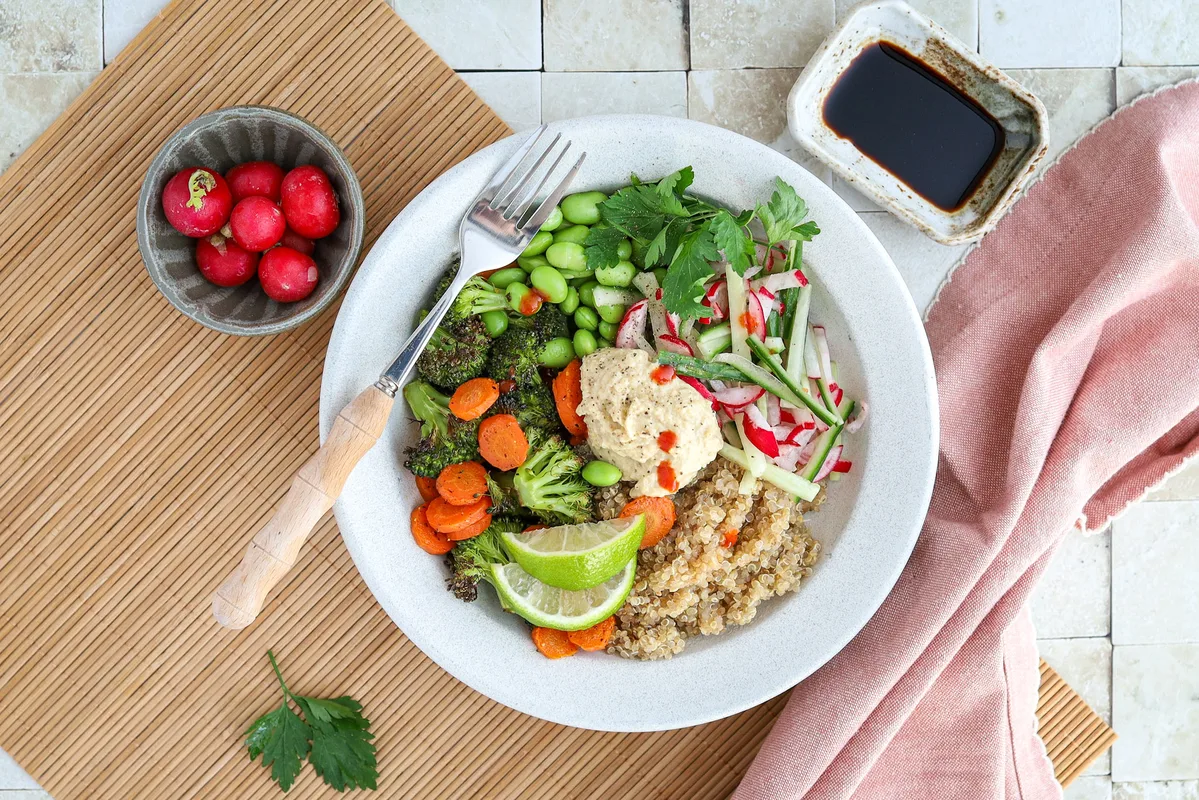
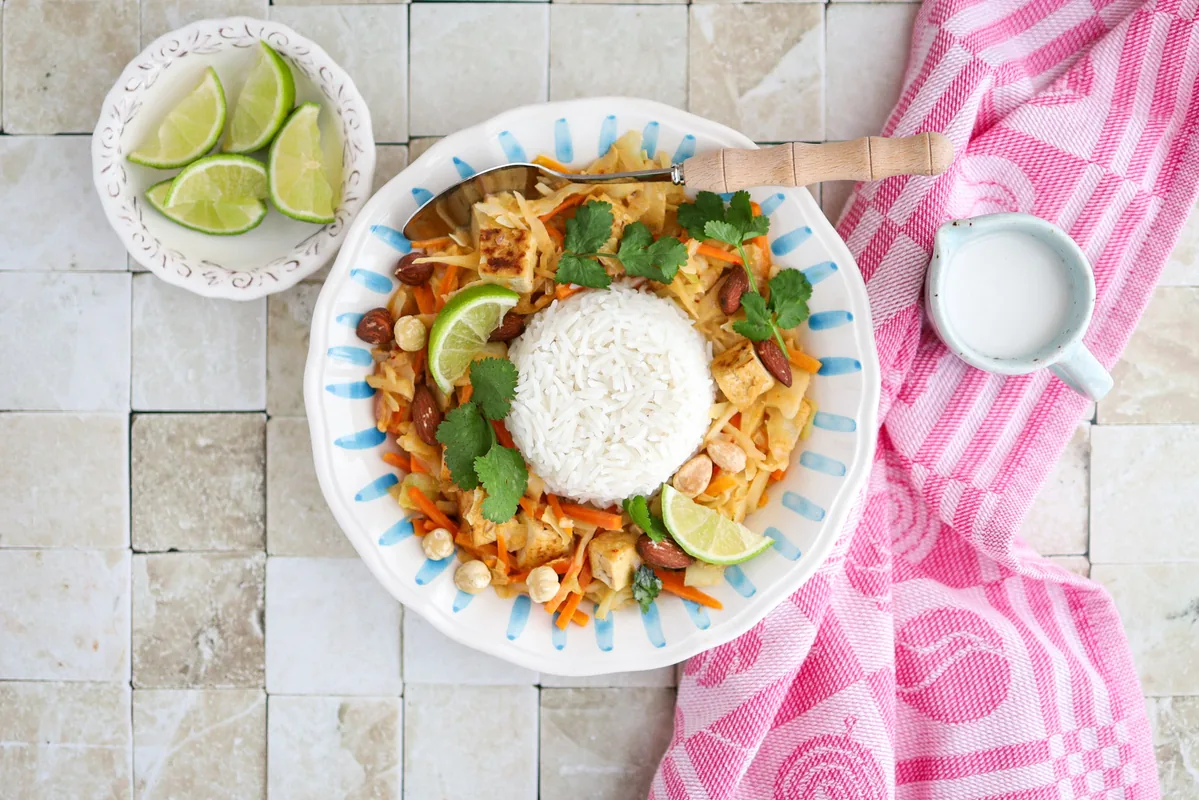
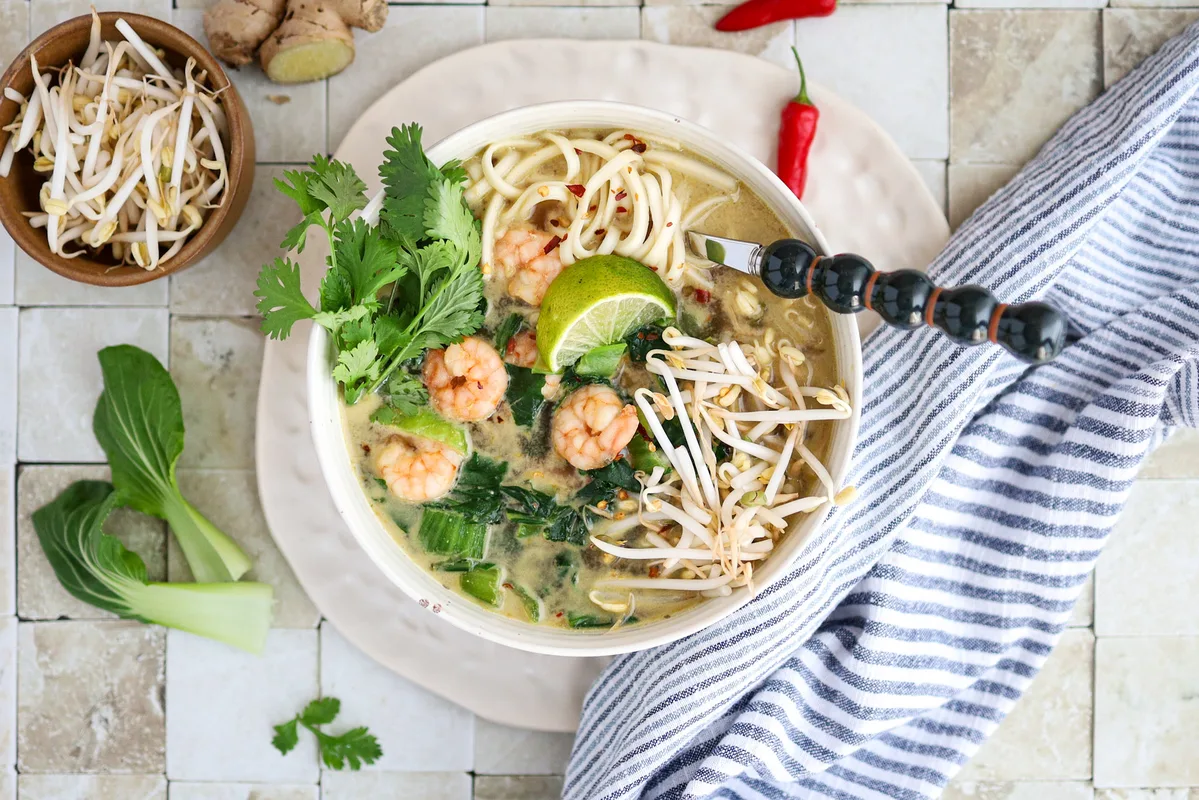
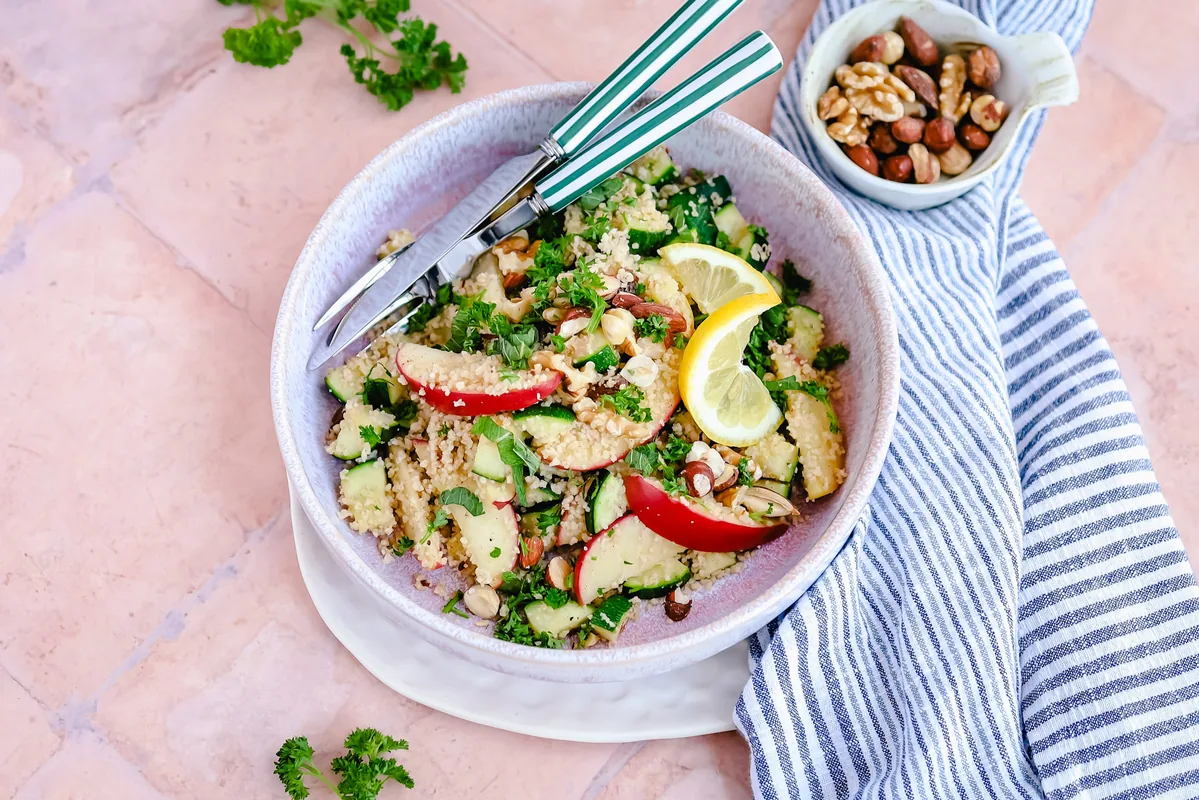
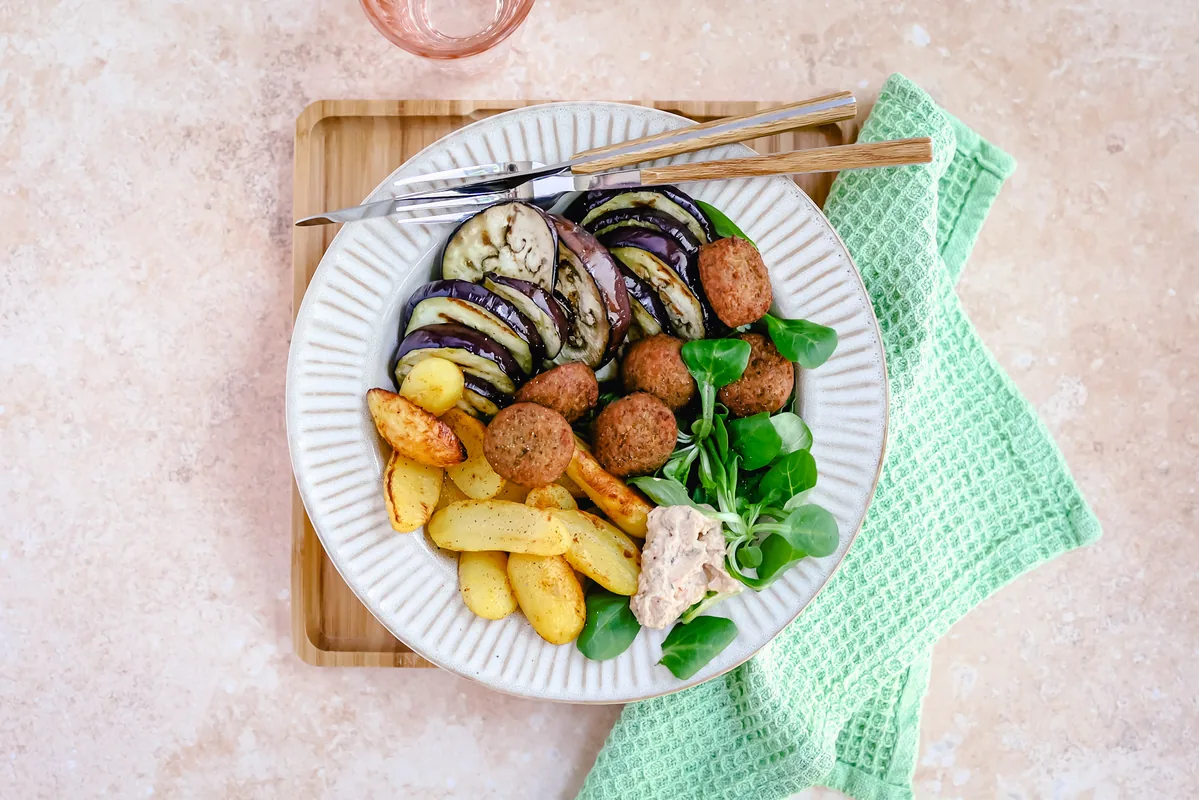
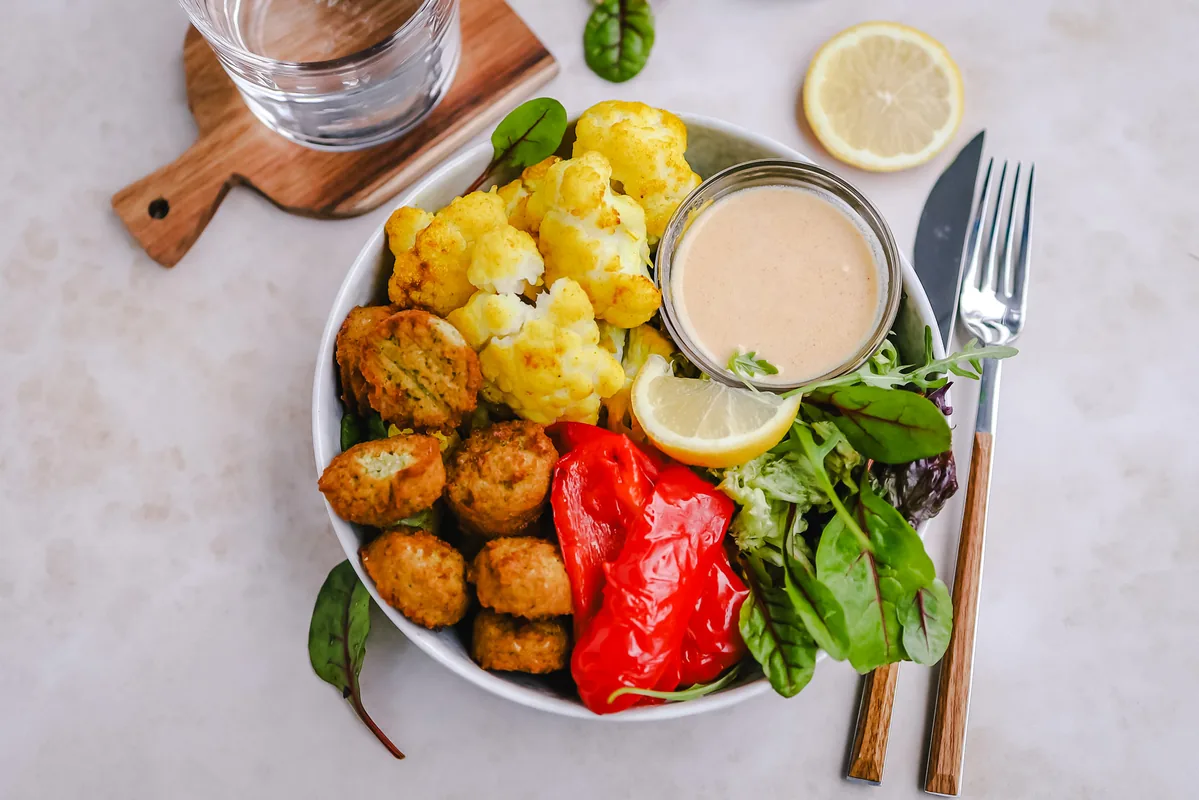
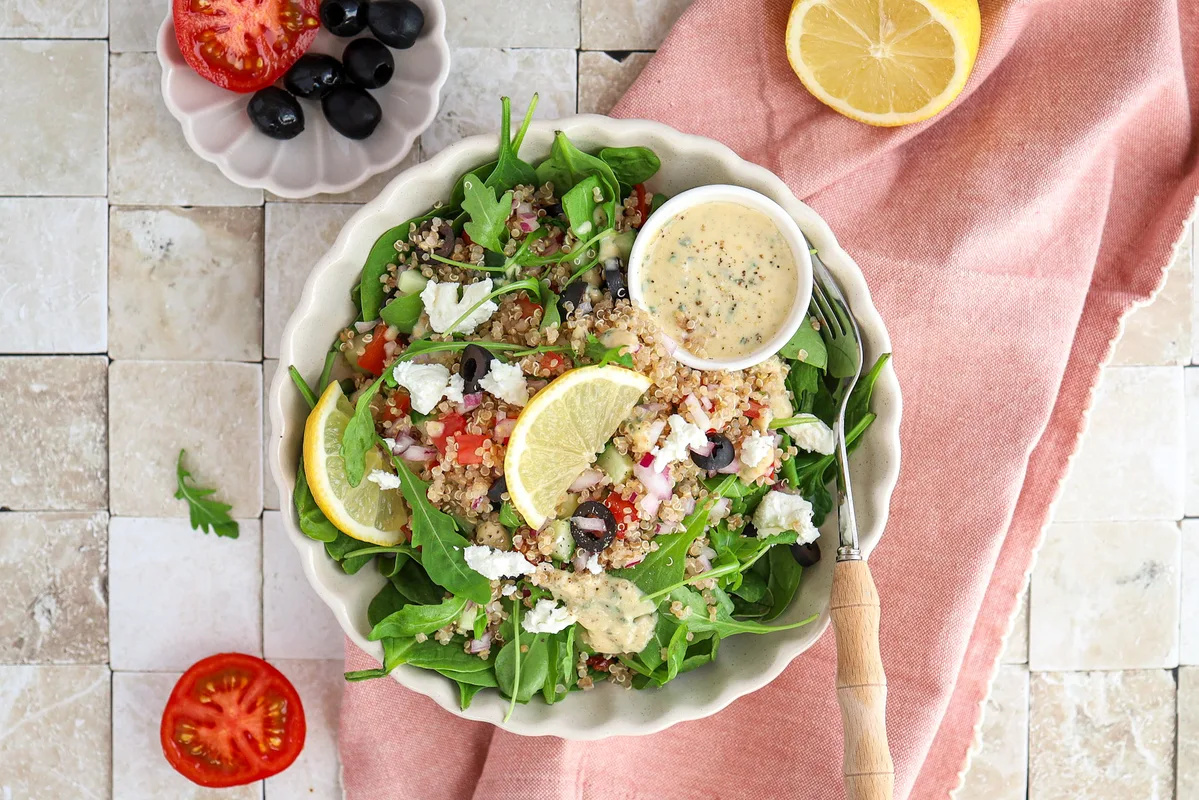
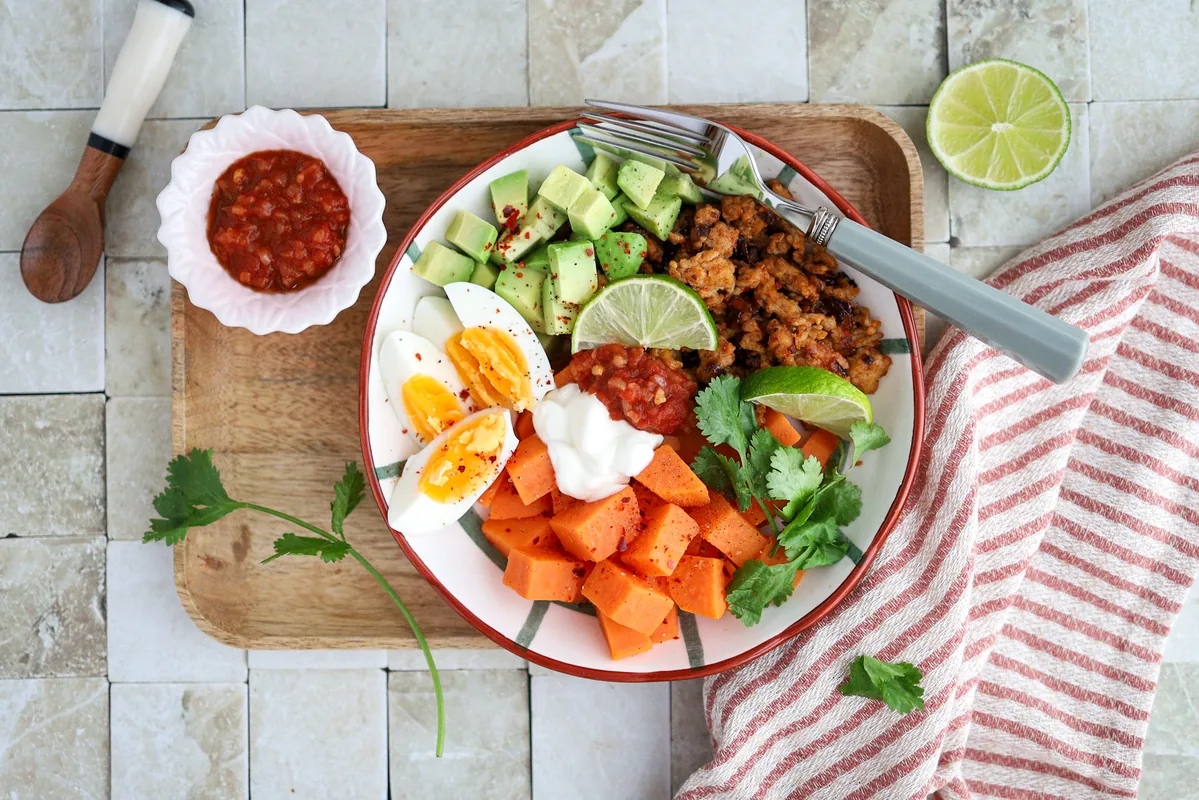
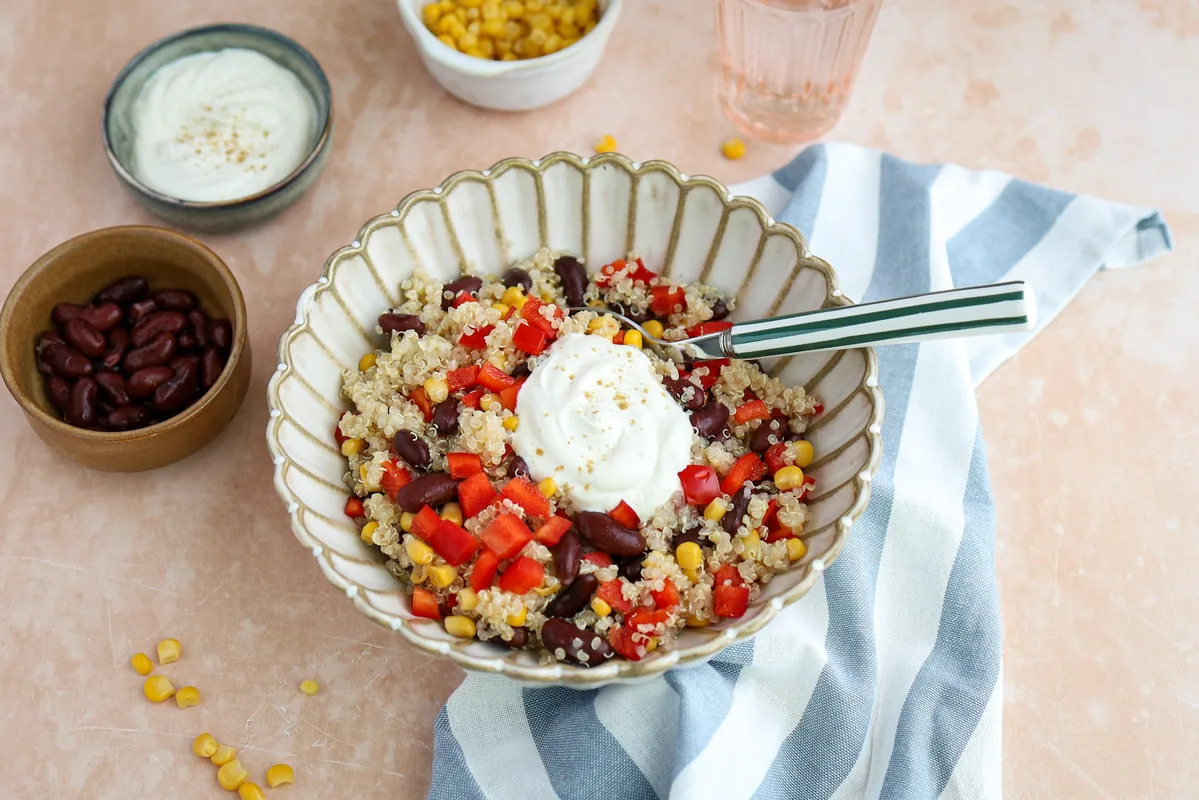
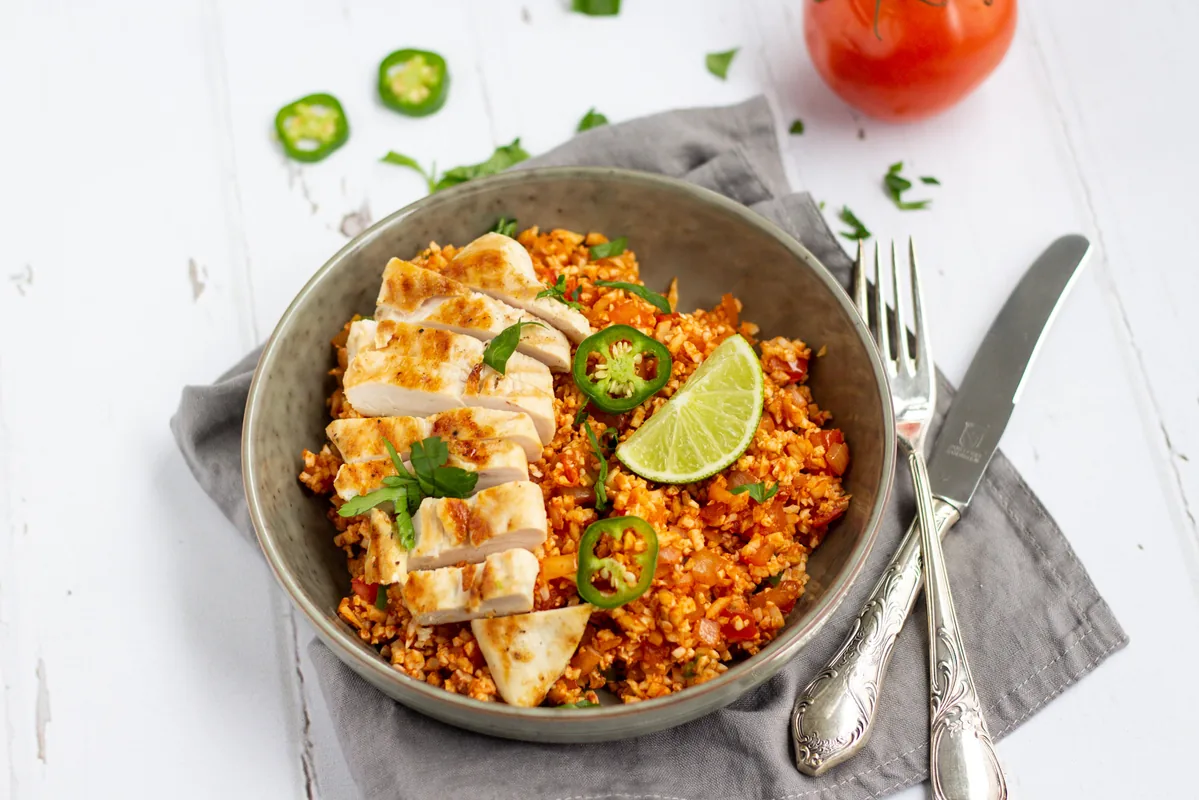
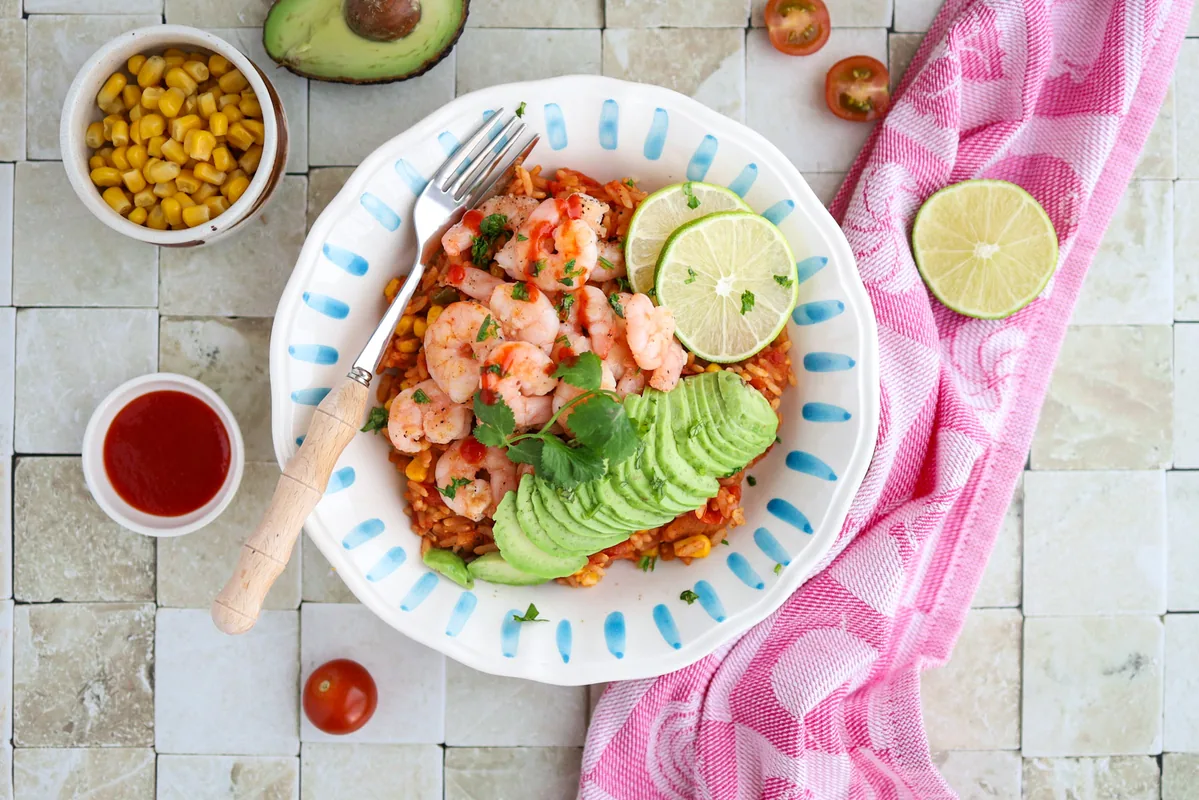
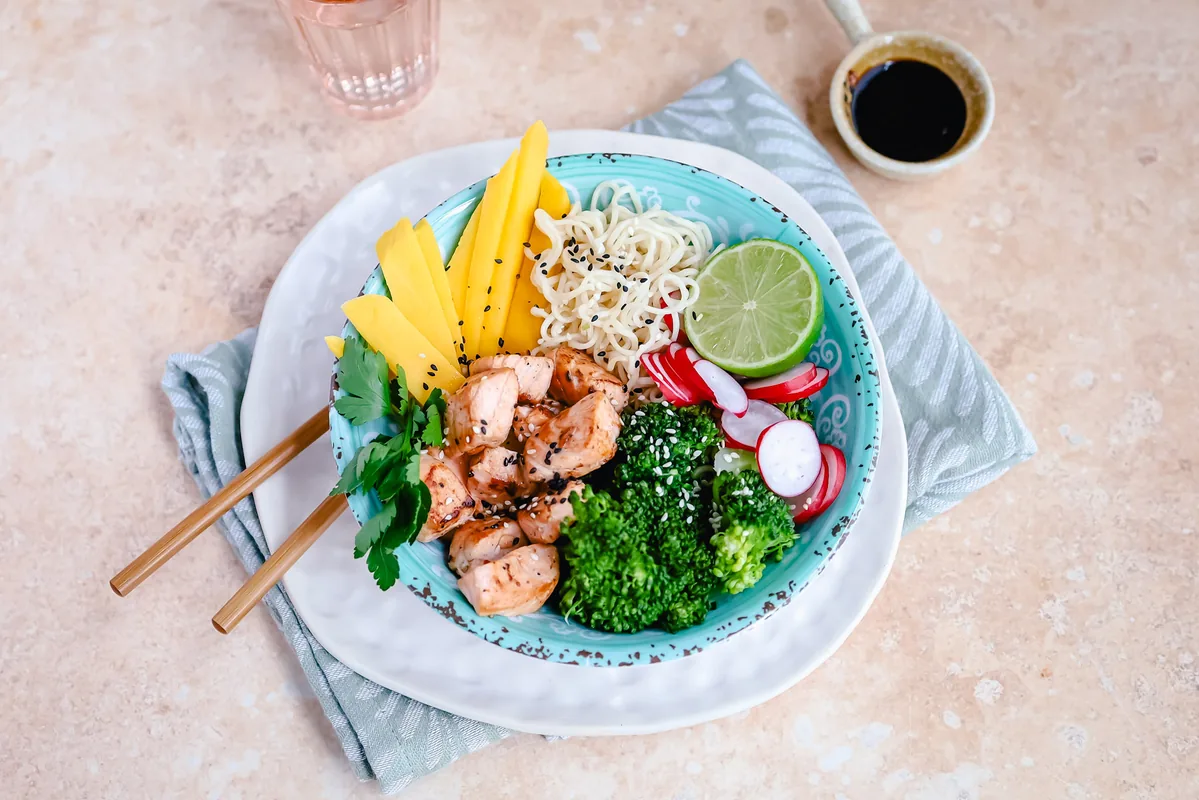
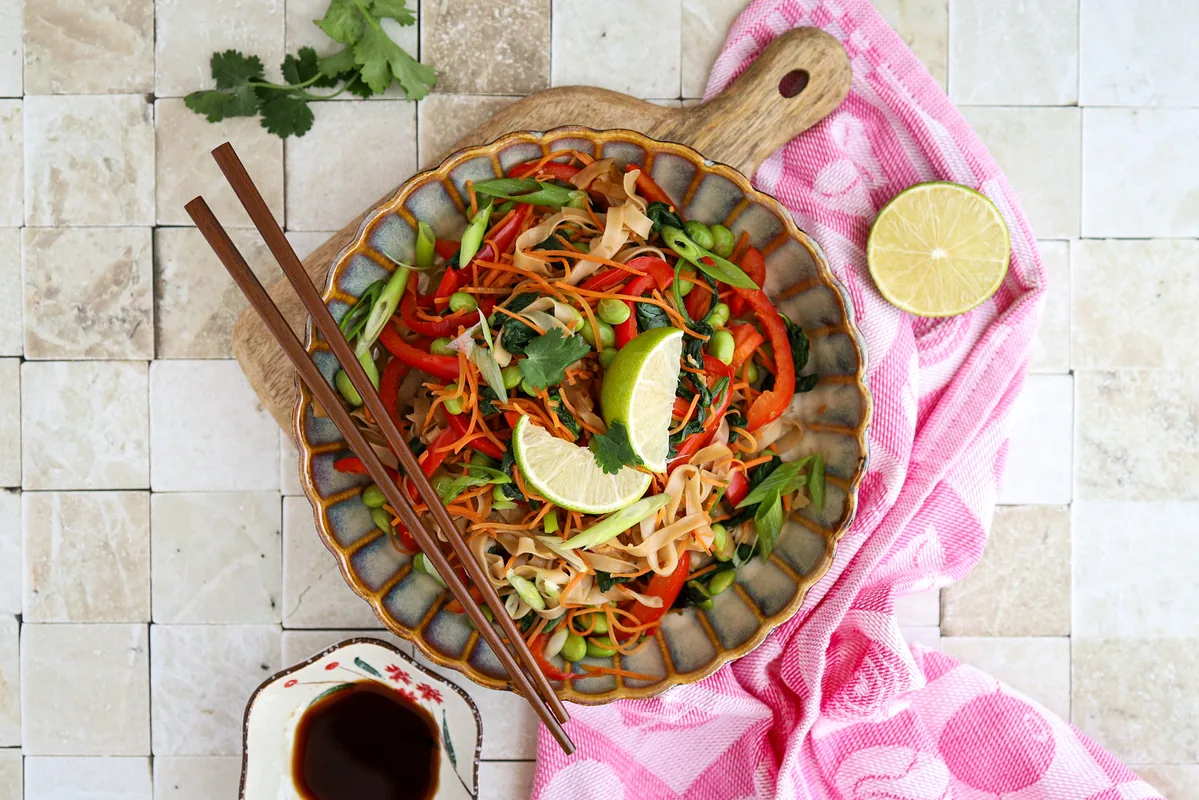
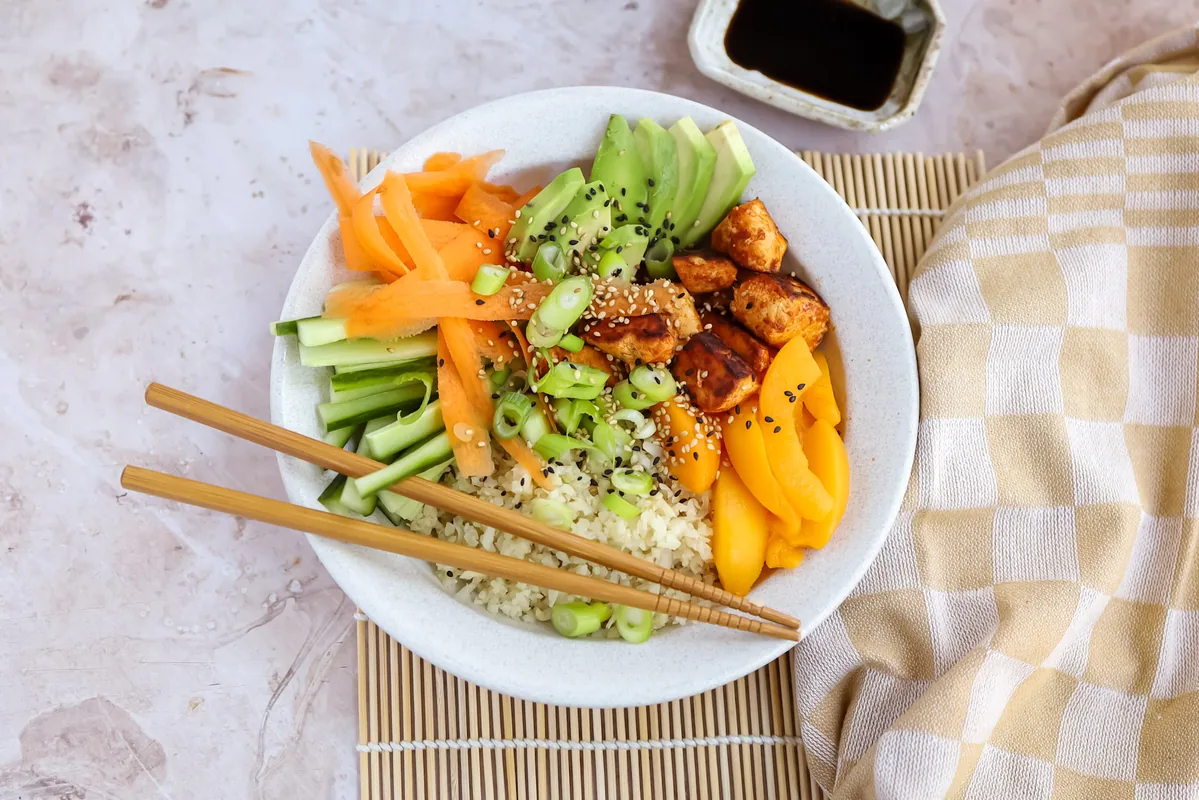
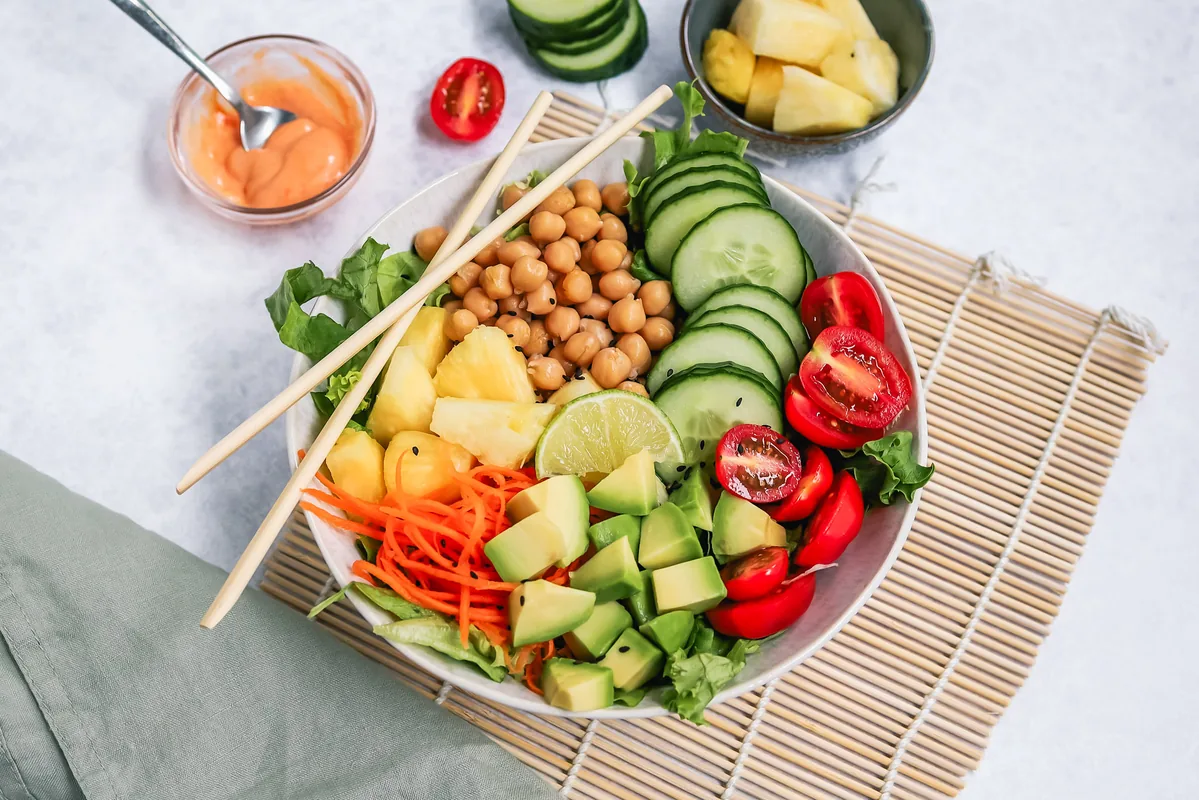

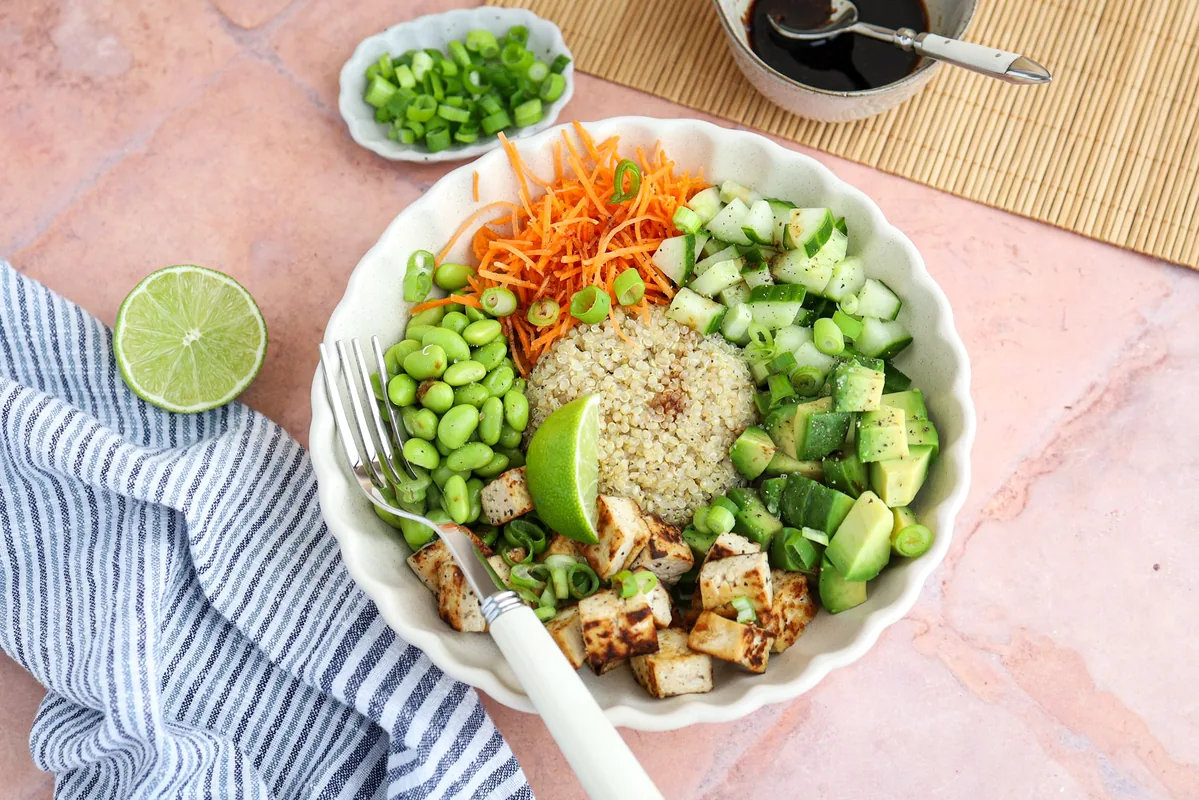
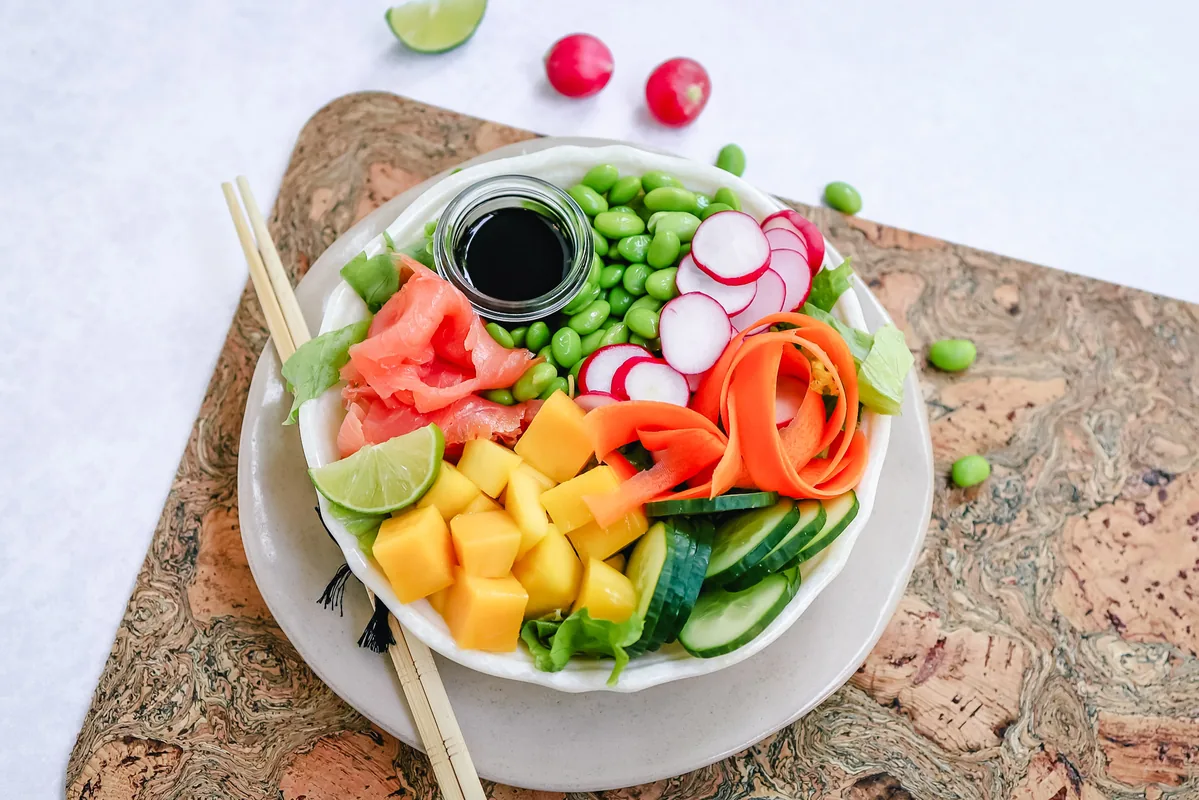
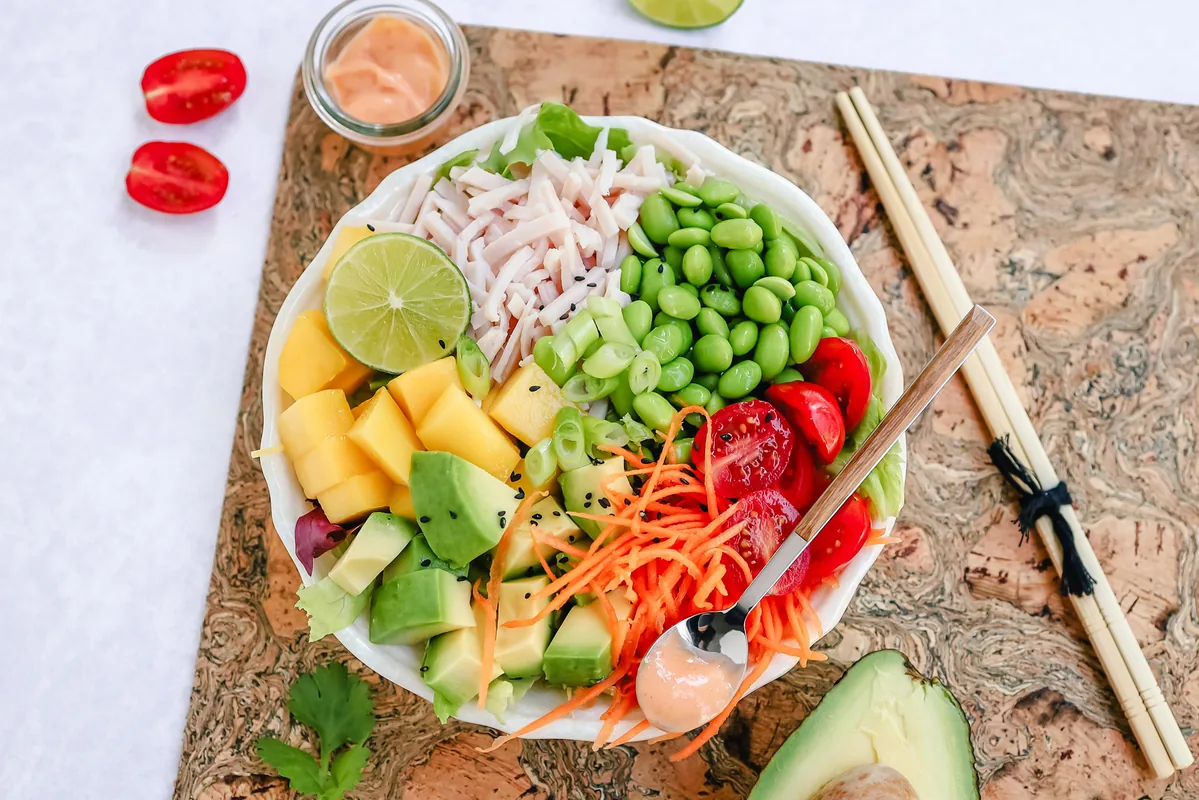
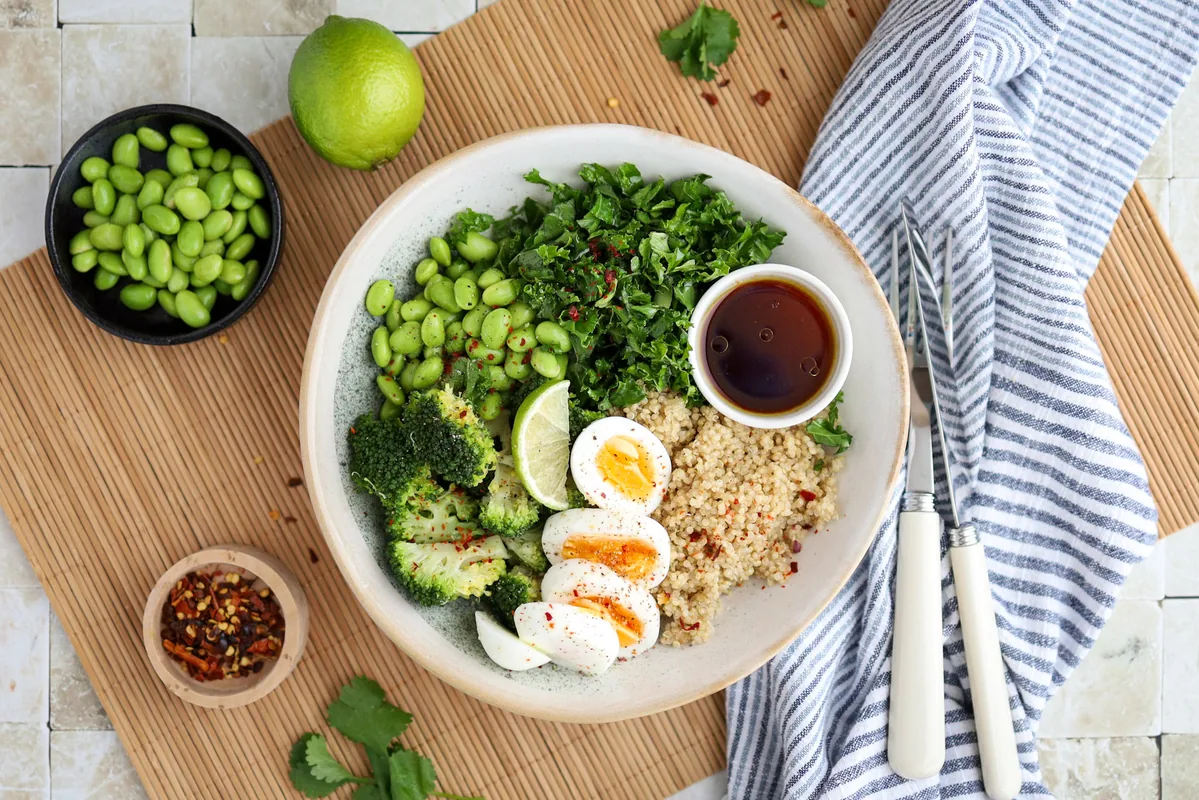
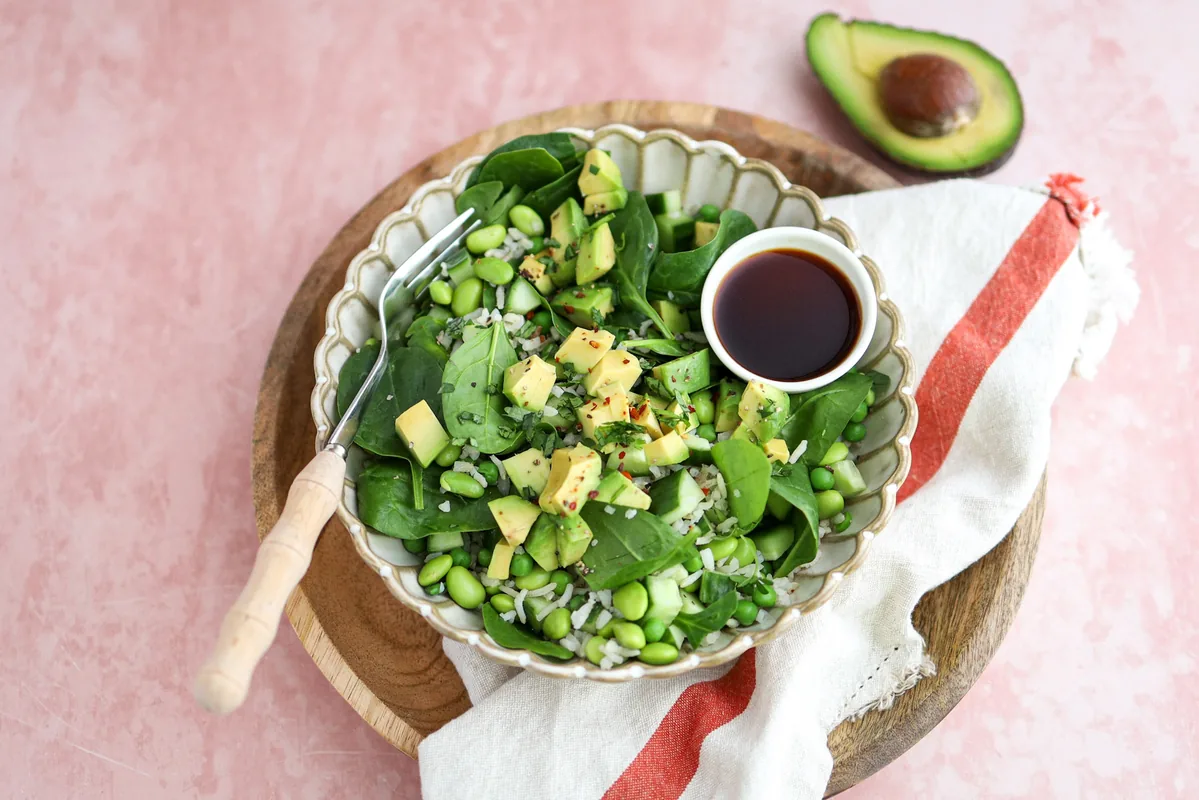
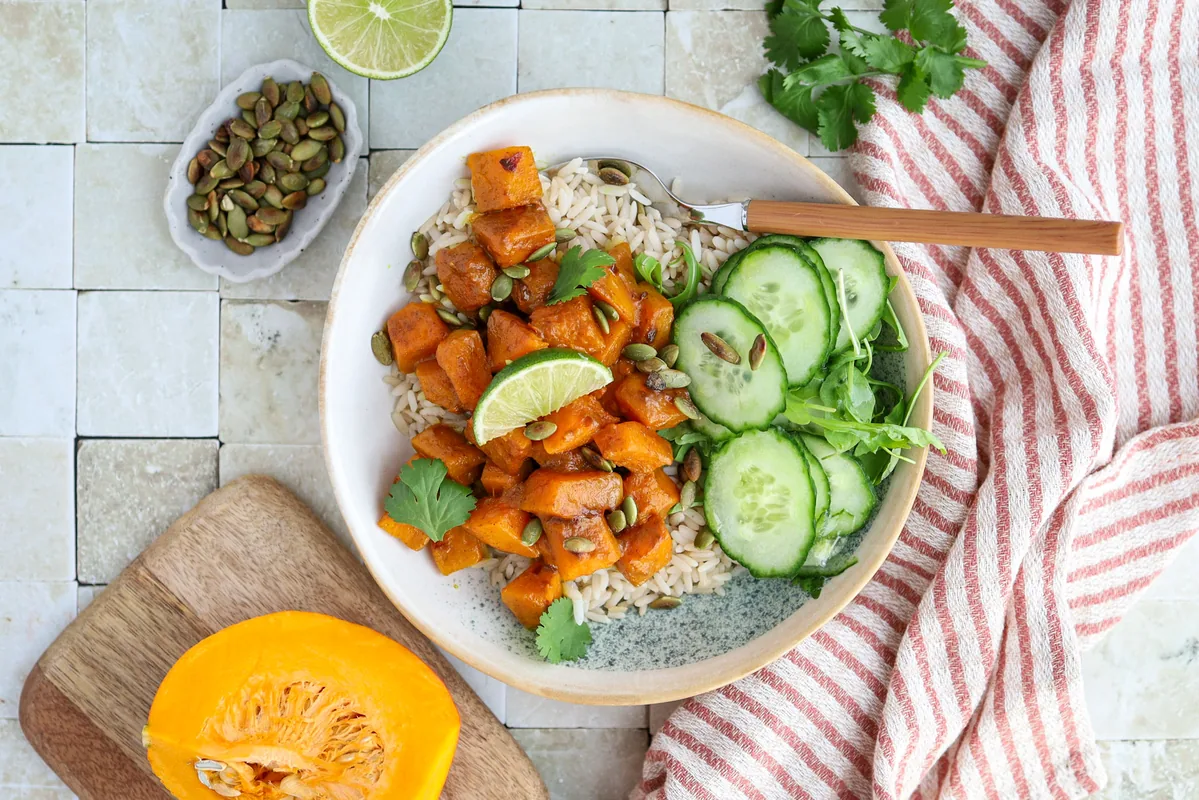
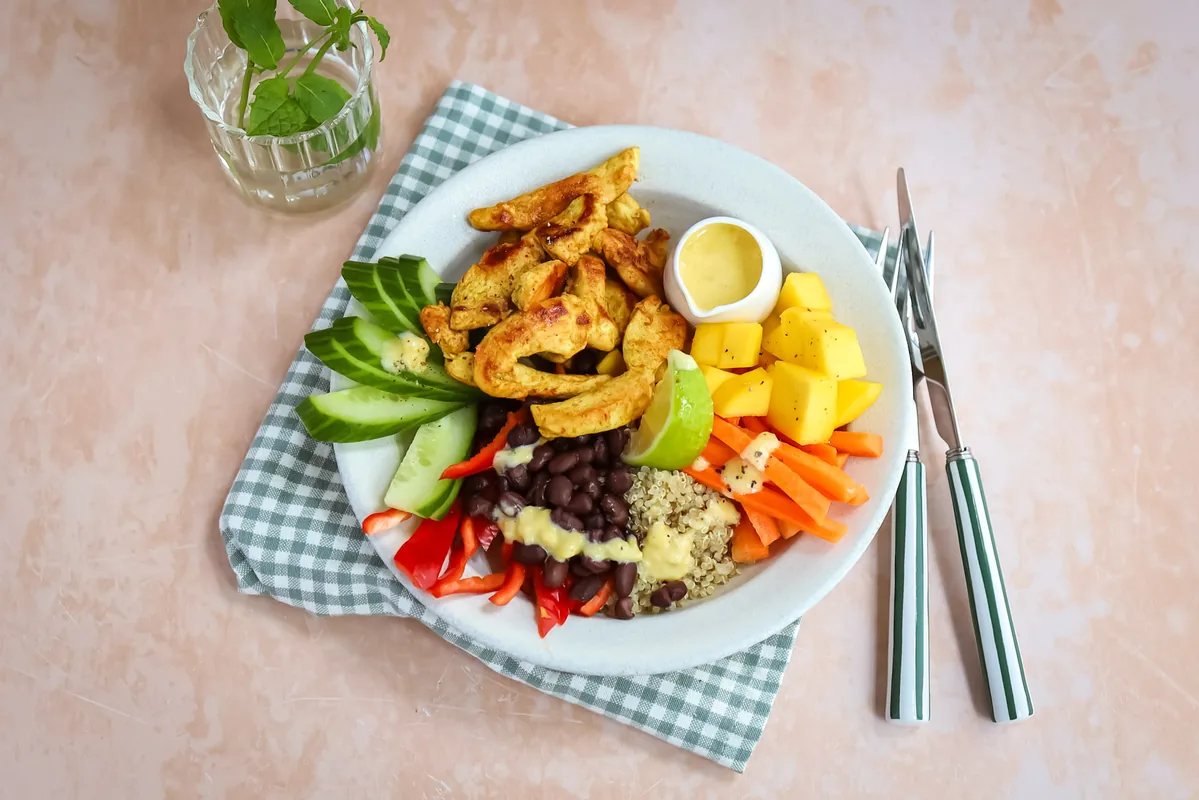
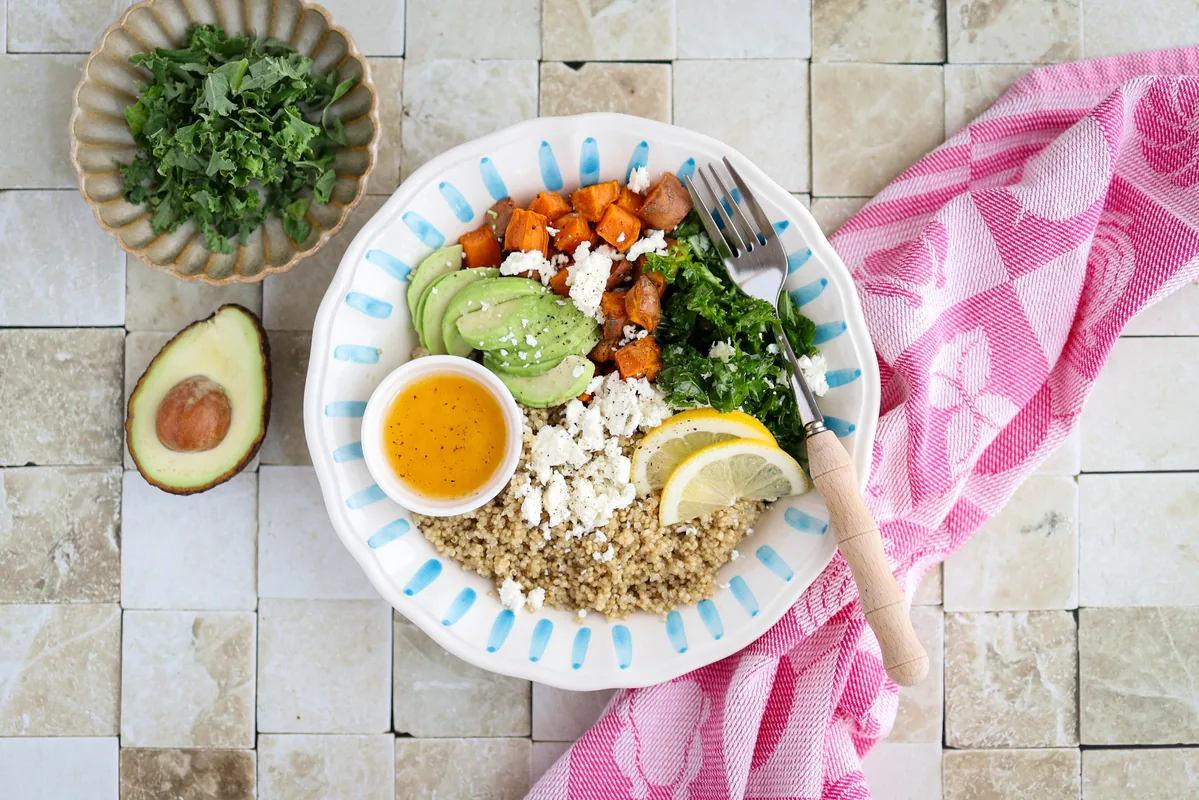

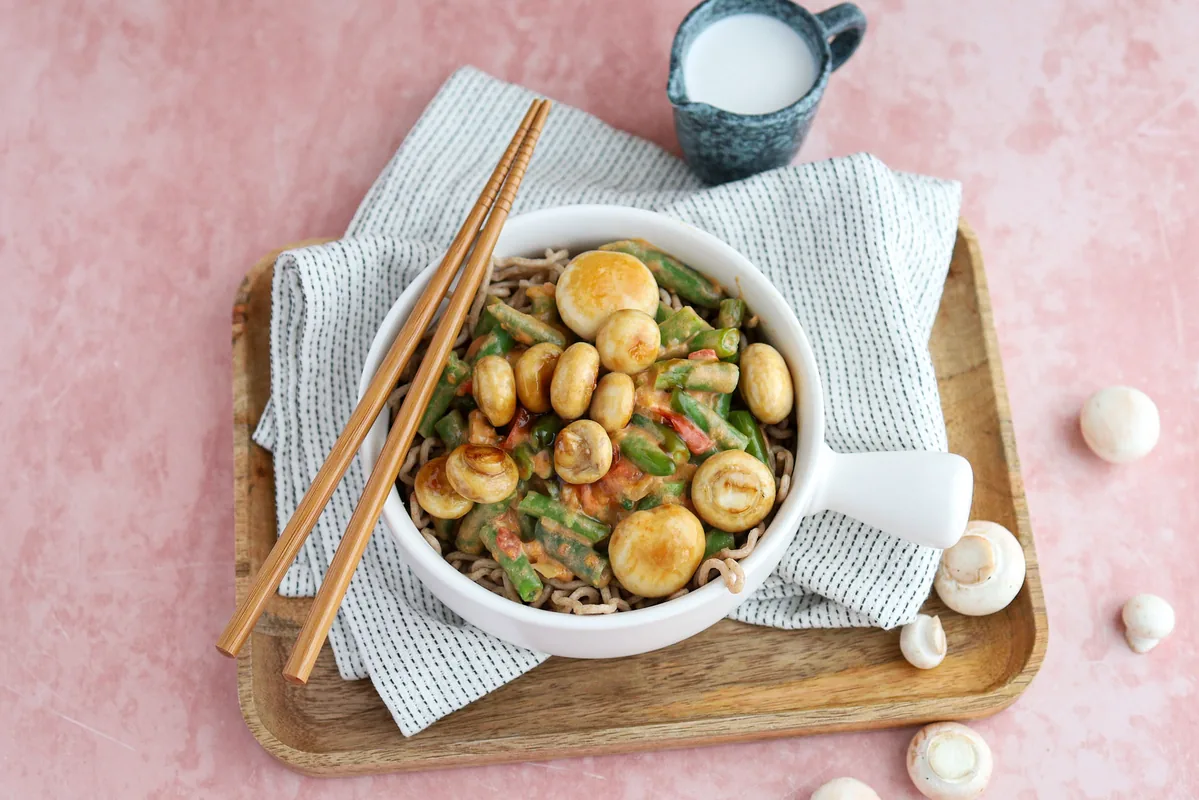
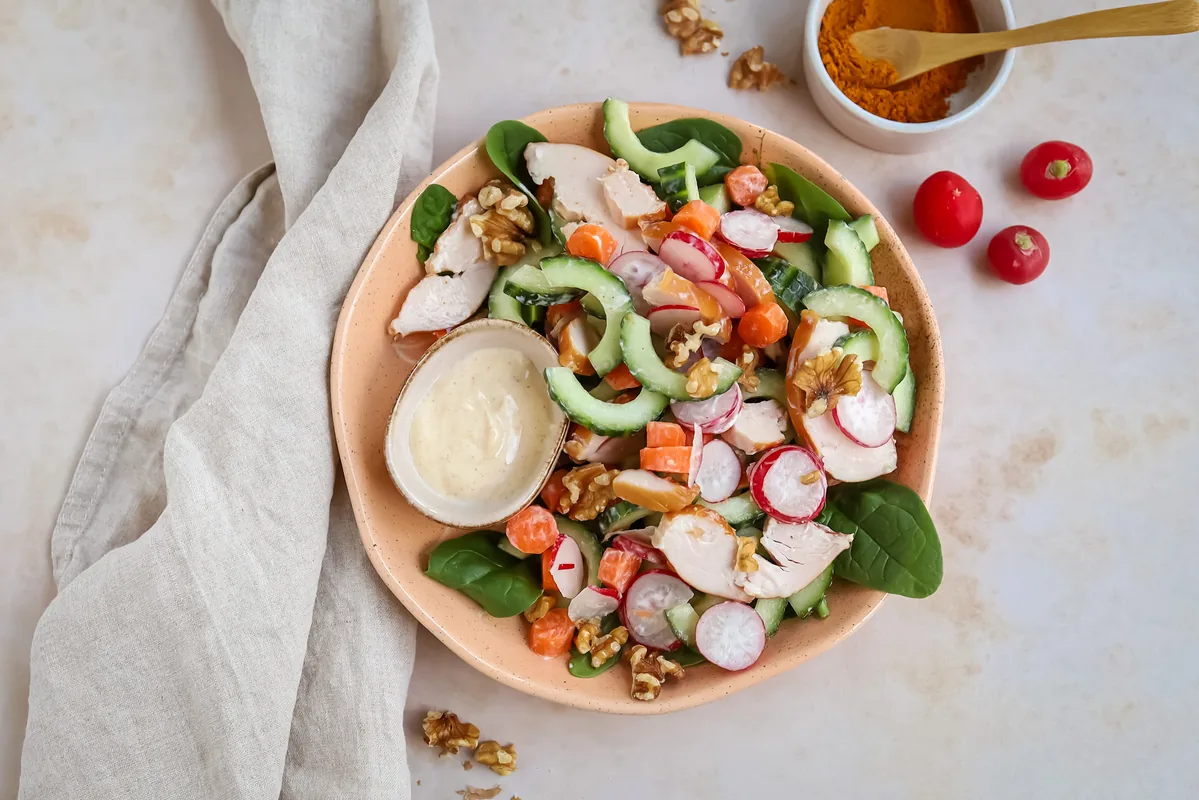
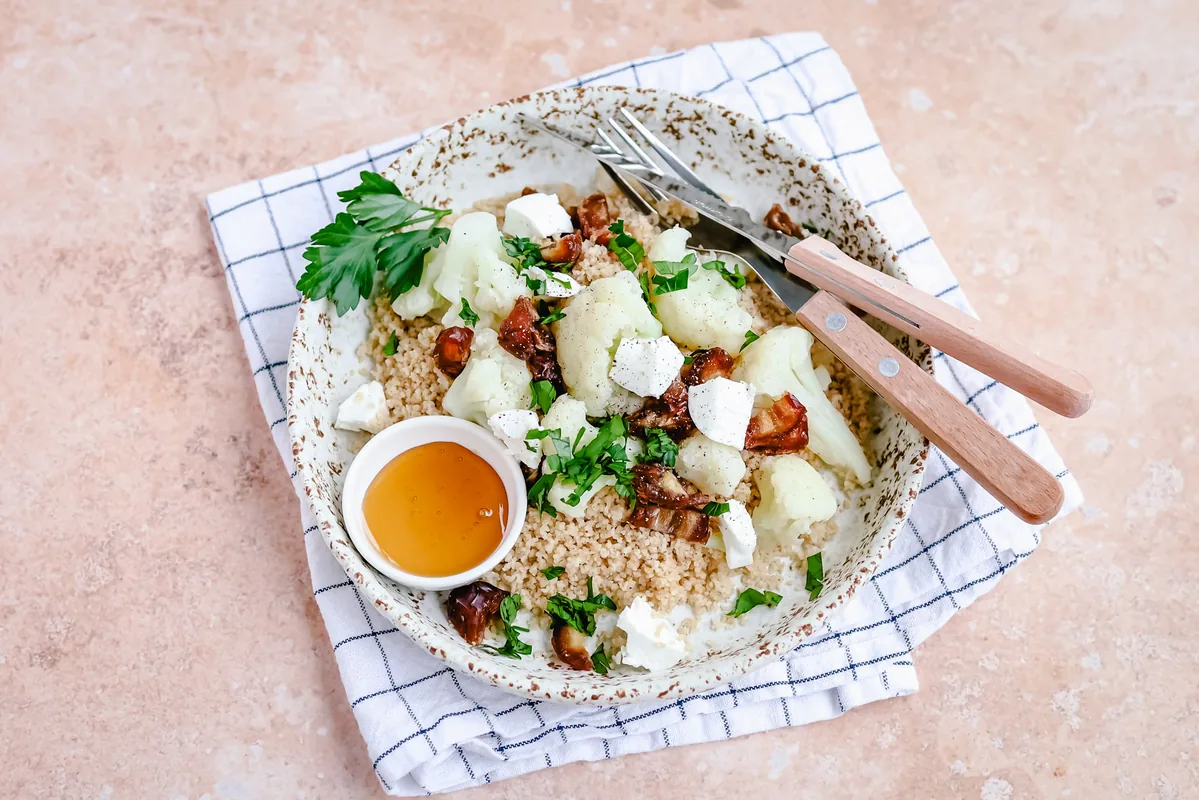

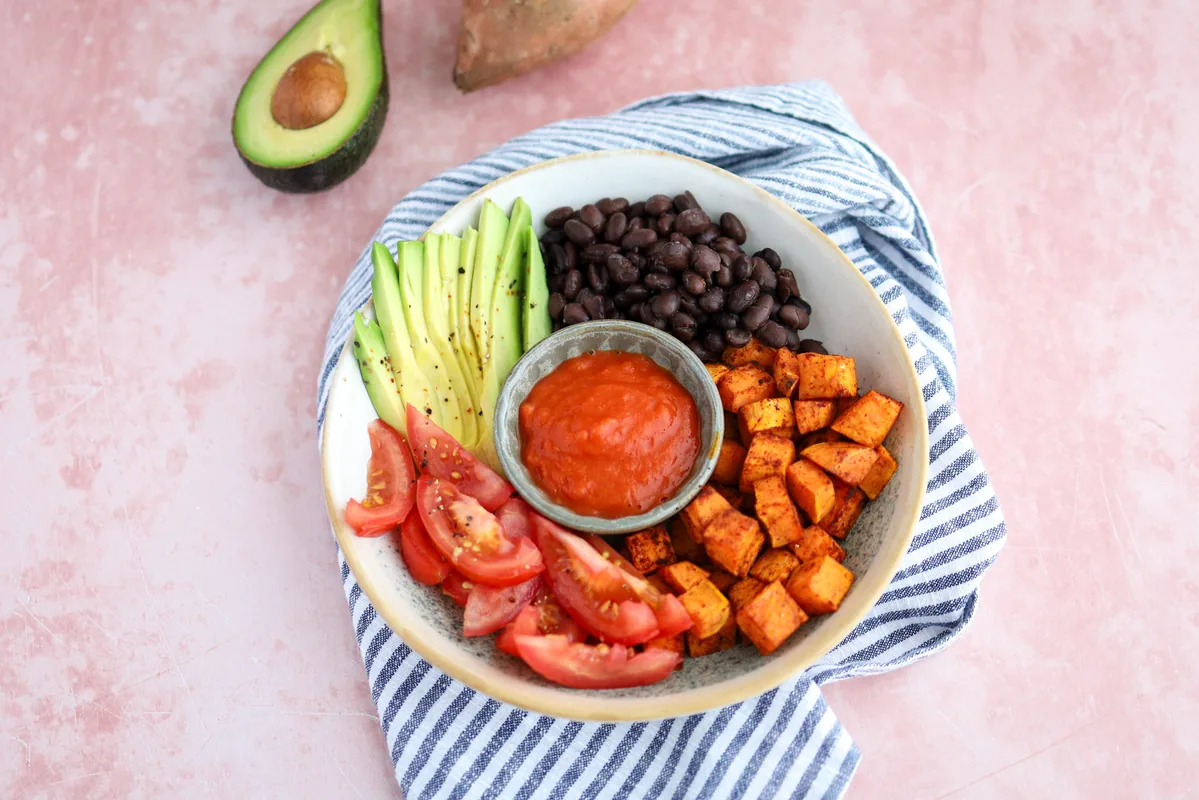

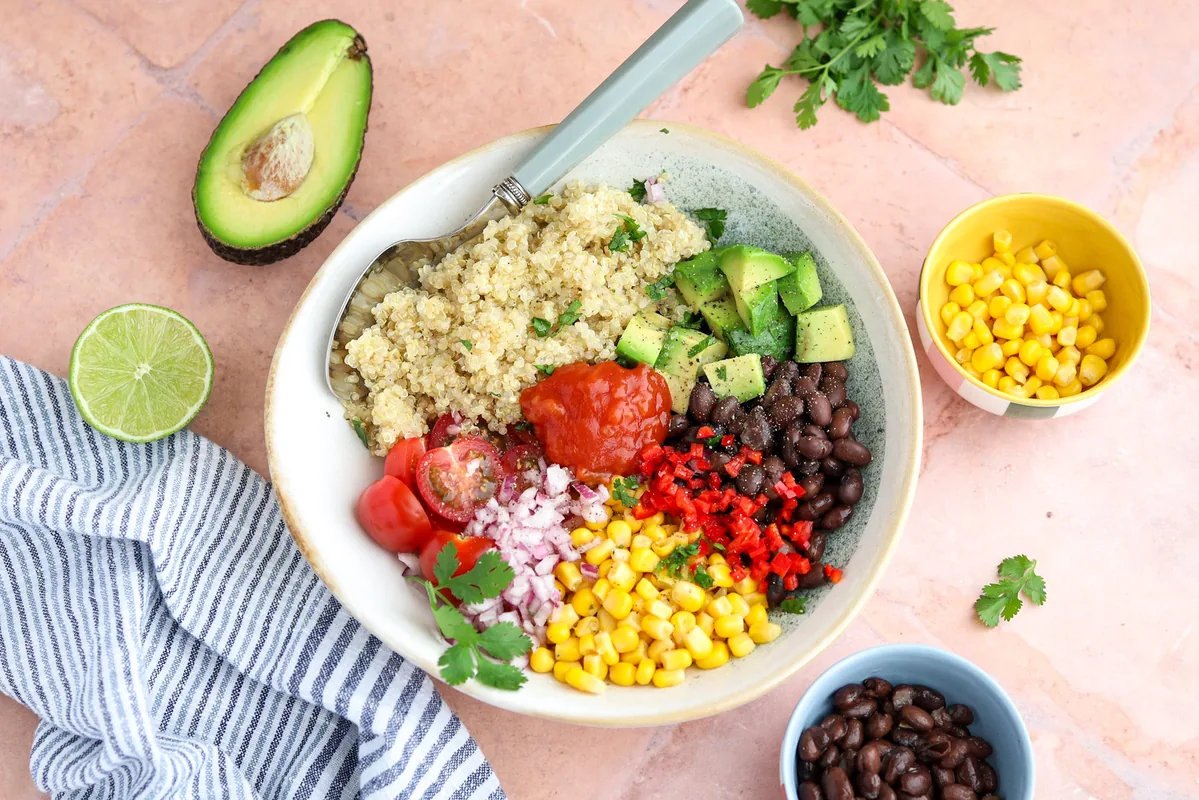
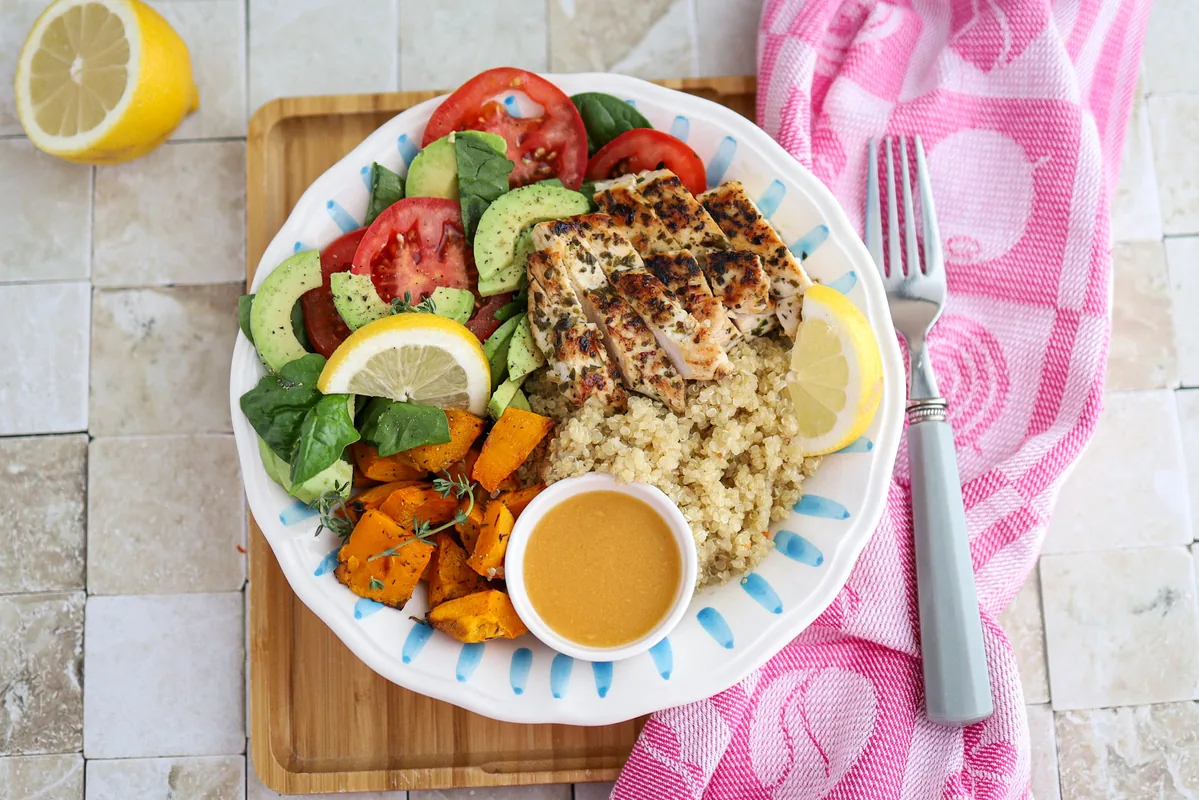
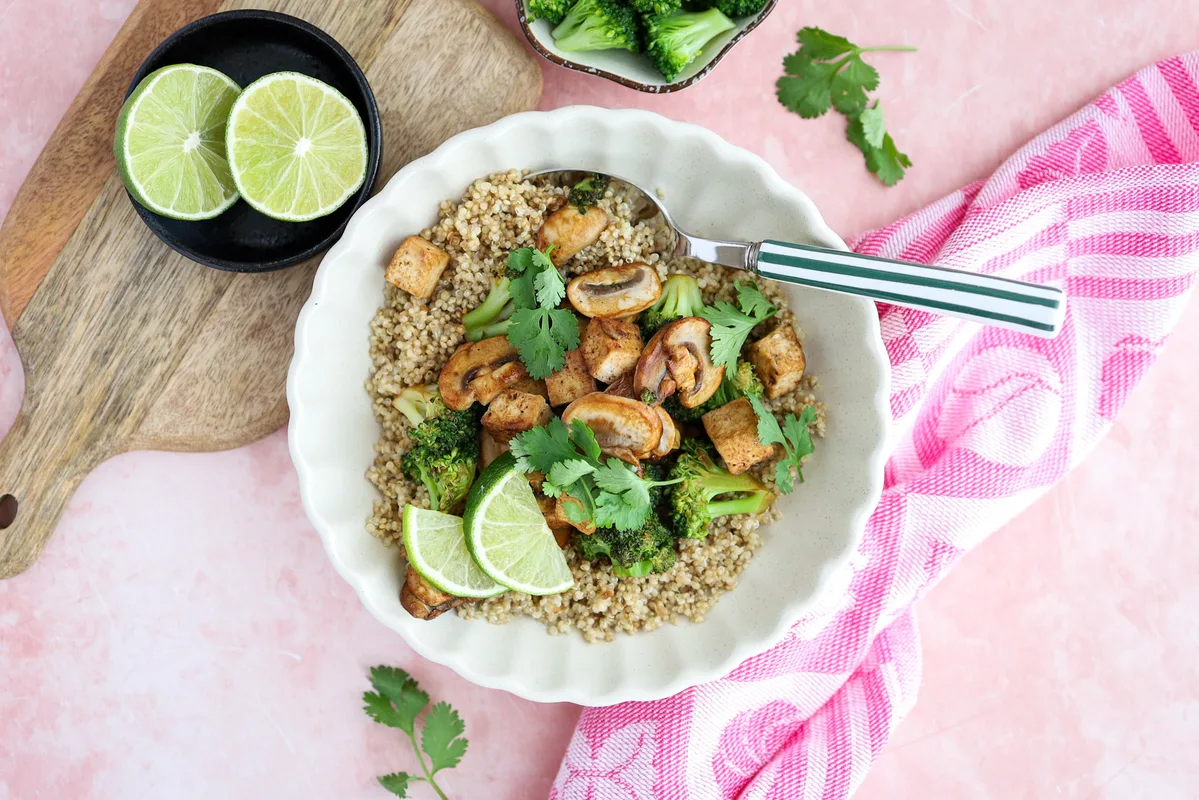
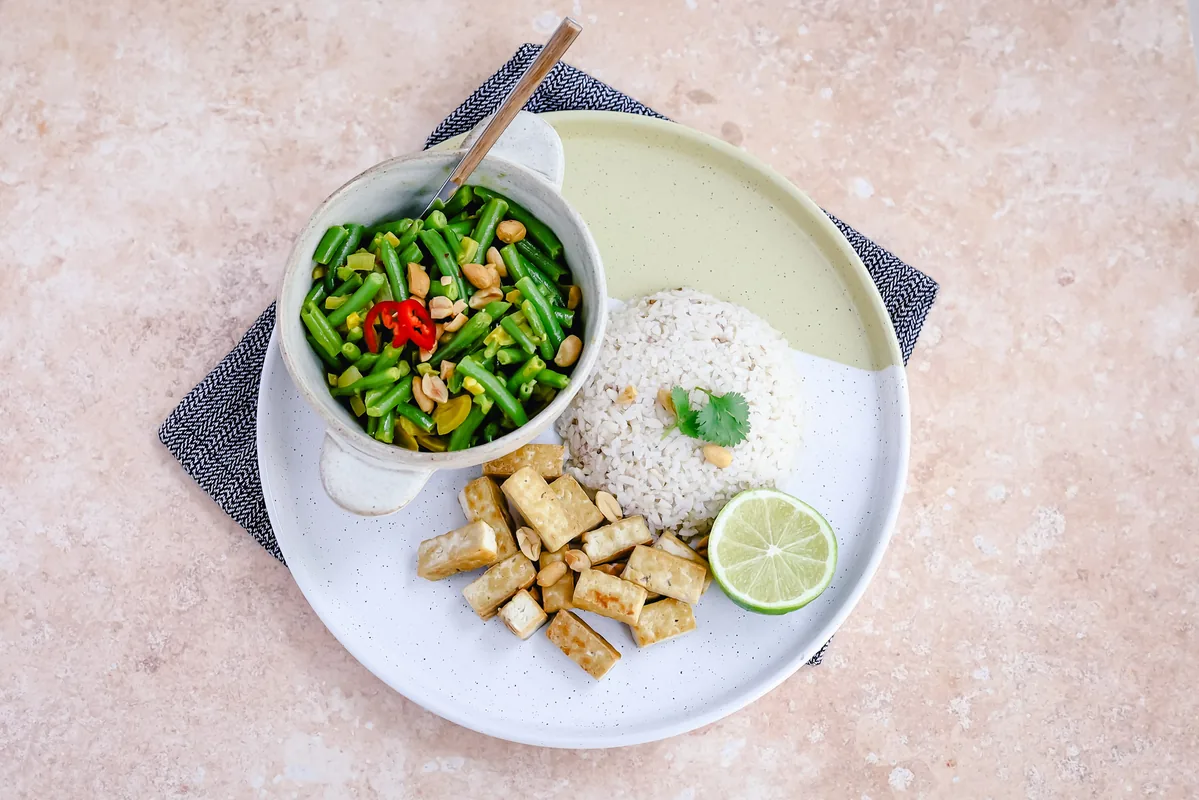
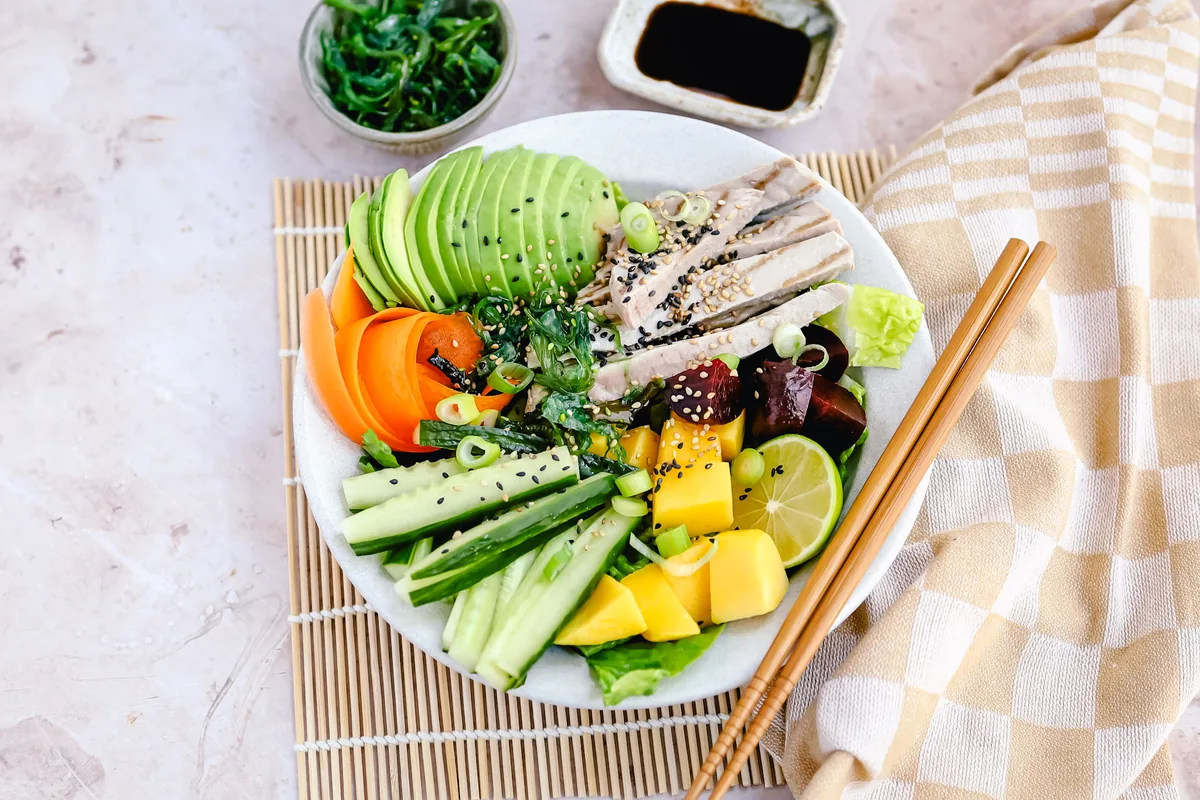
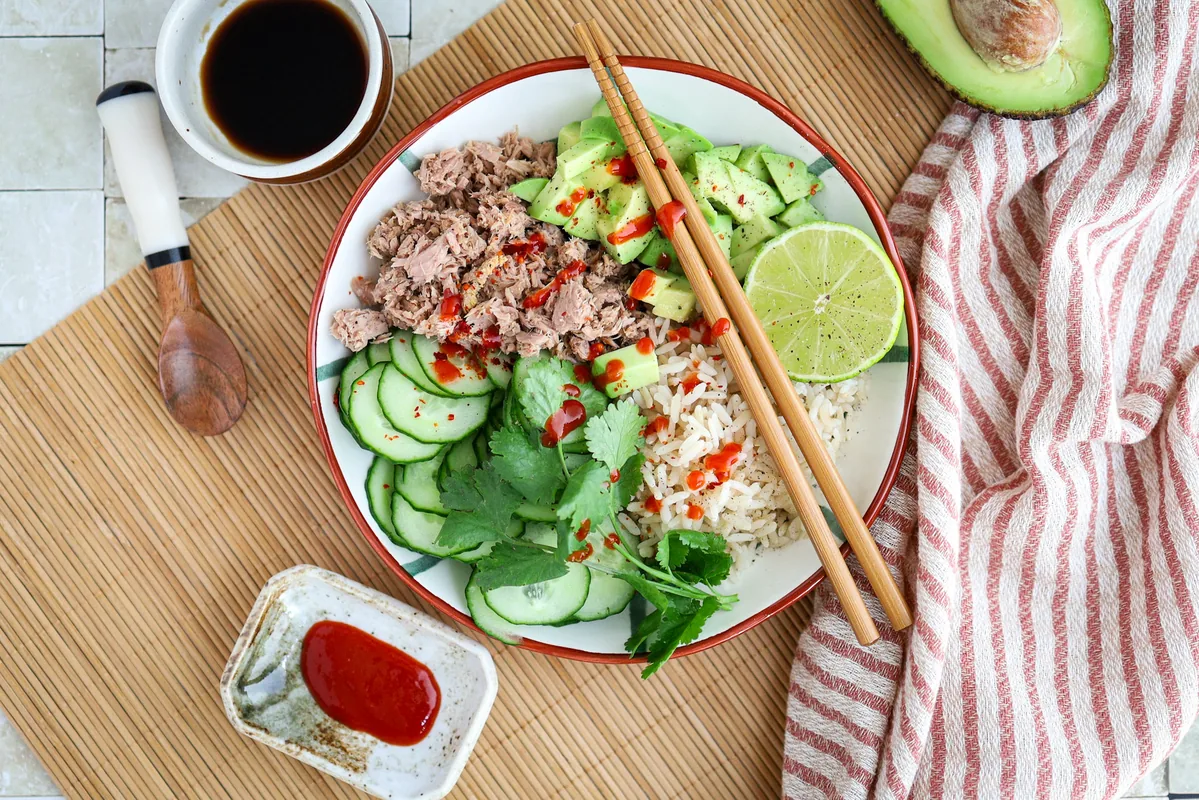

The grain sits at the bottom. The legumes and vegetables go on top. The dressing coats everything. That layering — the reason bowls photograph well — is also the reason 84% of these bowls deliver 10g or more of fiber per serving. Nobody optimized for that. The bowl format just produces it.
Median fiber across this collection: 16g per bowl. Most adults in the U.S. eat about 15g in an entire day. A 62-trial meta-analysis found that fiber produces a modest satiety-driven fat-loss effect that compounds over time — a patience play, not an accelerator. These bowls deliver the threshold in a single sitting.
The second thing the format creates is harder to see. 68% of these bowls contain olive oil. 36% contain avocado. Research measured what happens when fat sits next to vegetables during digestion: fat-soluble vitamins that would otherwise pass through unabsorbed become available. Raw carrots with fat-free dressing deliver near-zero beta-carotene. The same carrots with avocado in a bowl — up to 15.3× more absorbed.
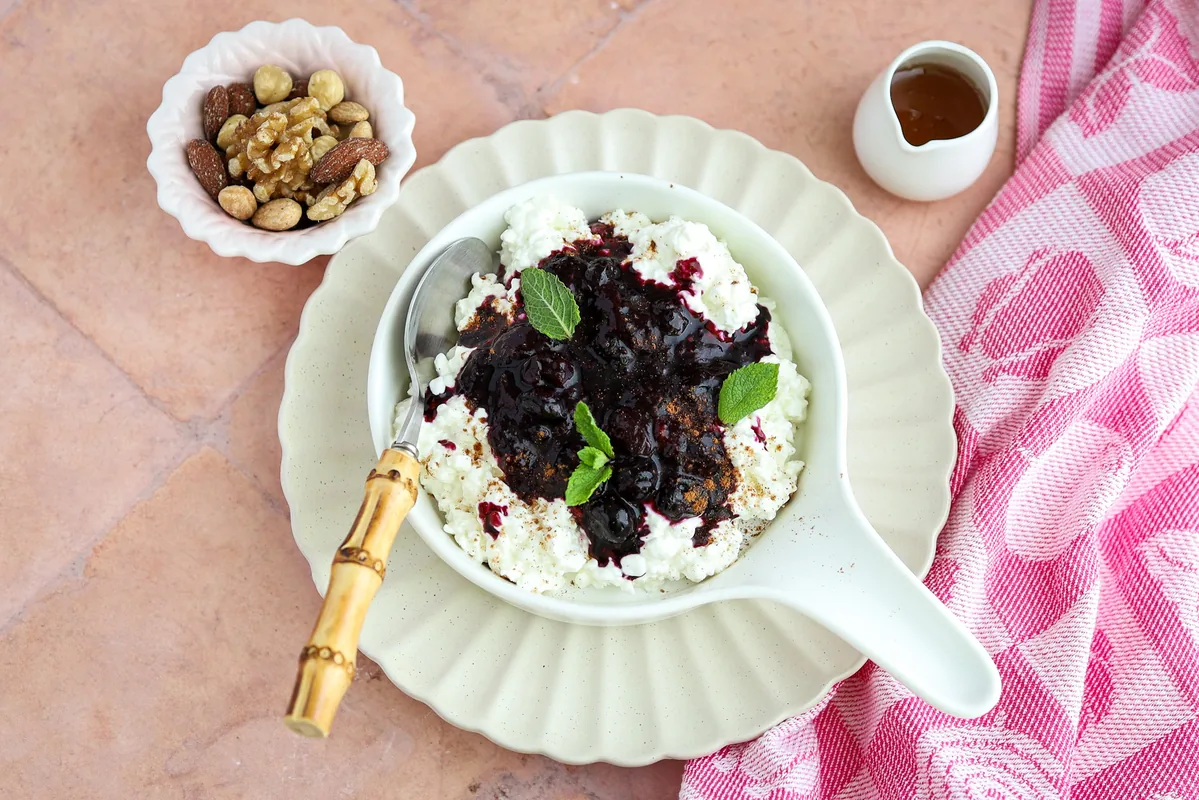
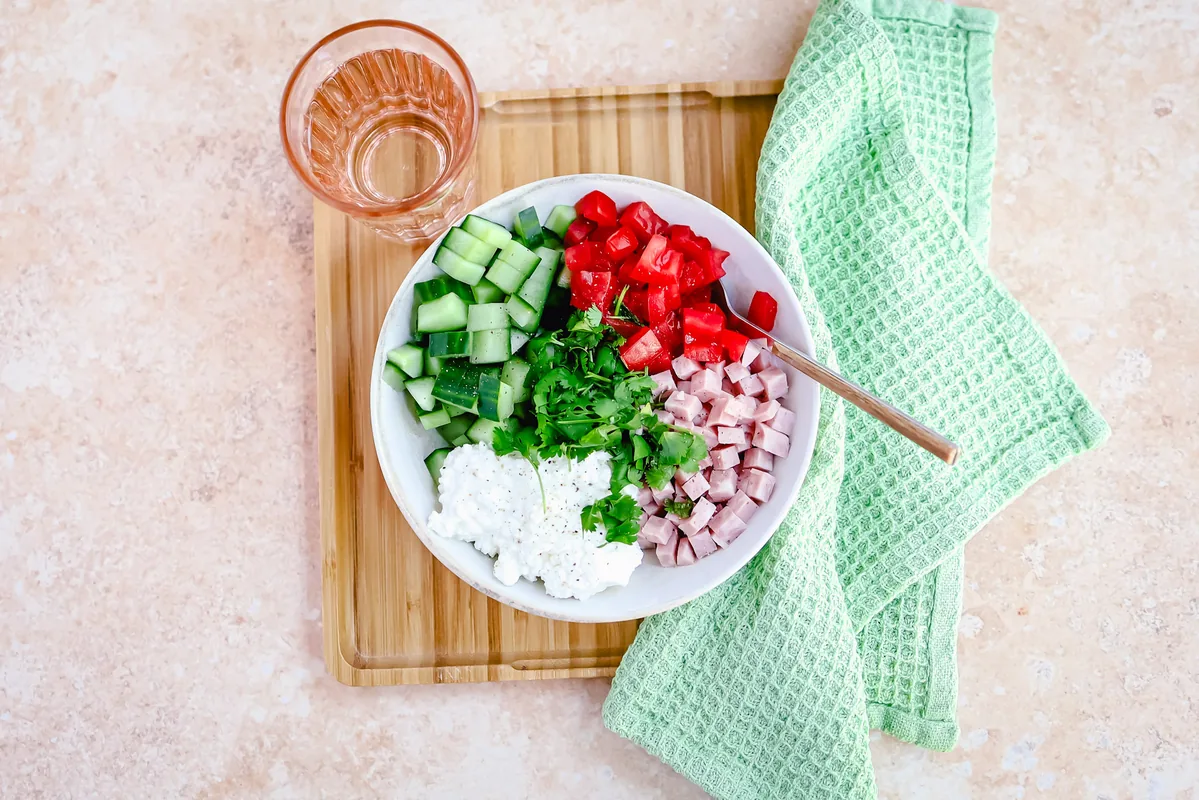
Fifty bowls. 30% Asian-inspired, 66% vegetarian, 76% dairy-free. Median 30g protein per serving, with 56% clearing the 30g mark — a threshold a 2023 tracer study showed the body handles without any ceiling. Median prep time: 15 minutes. The range runs from a chickpea poke bowl with pineapple to a pumpkin rendang with rice, but the nutritional fingerprint holds: high fiber, built-in fat-vitamin pairing, and protein that counts.