



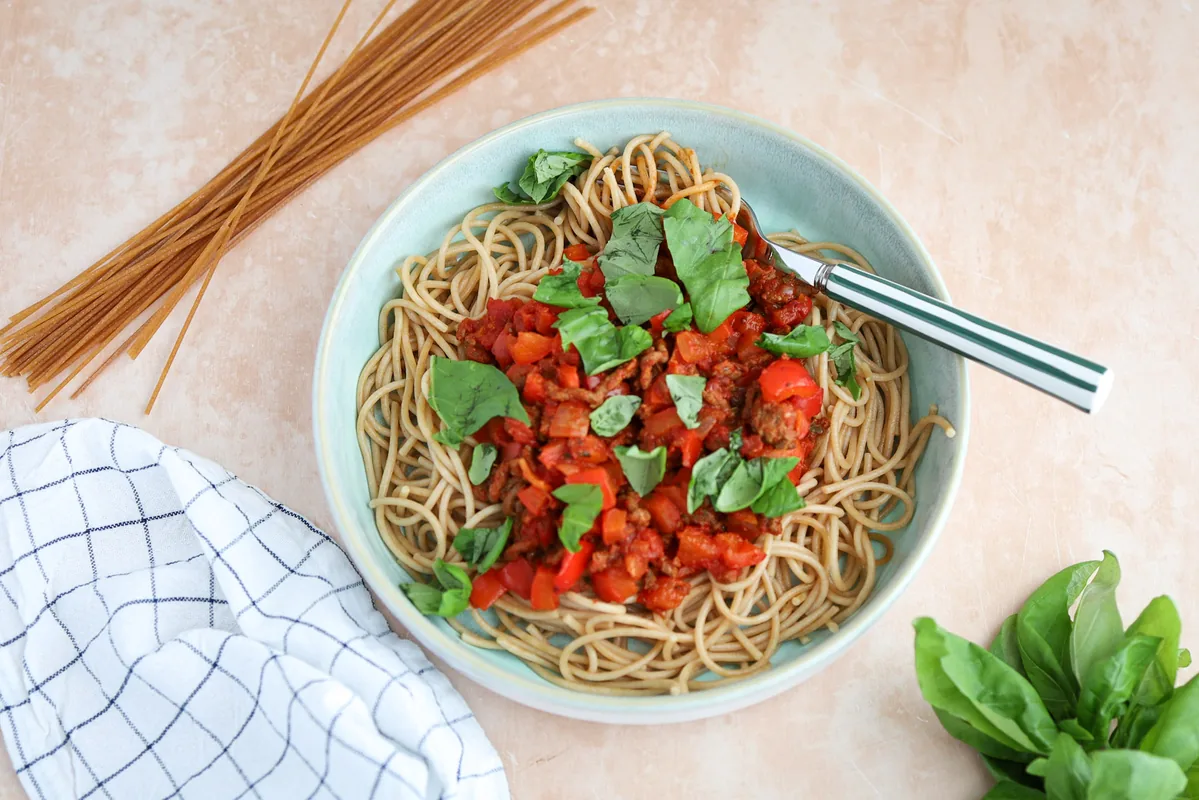


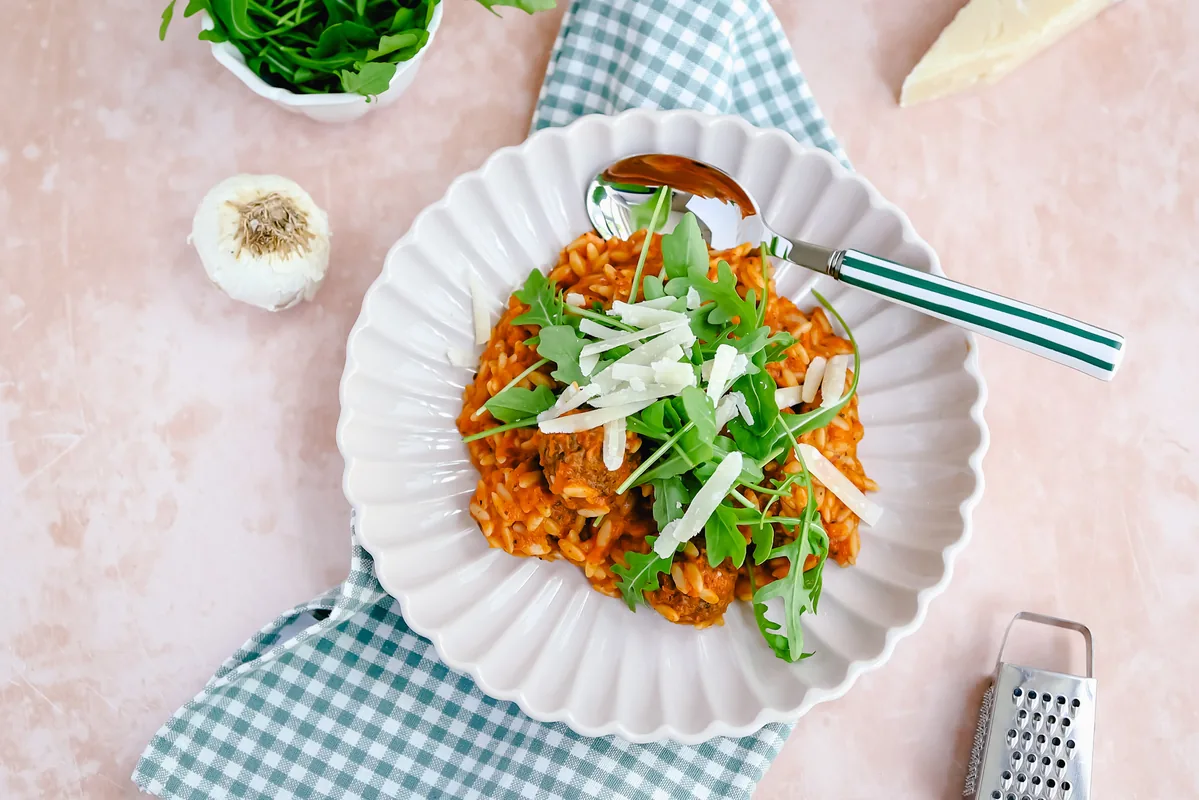
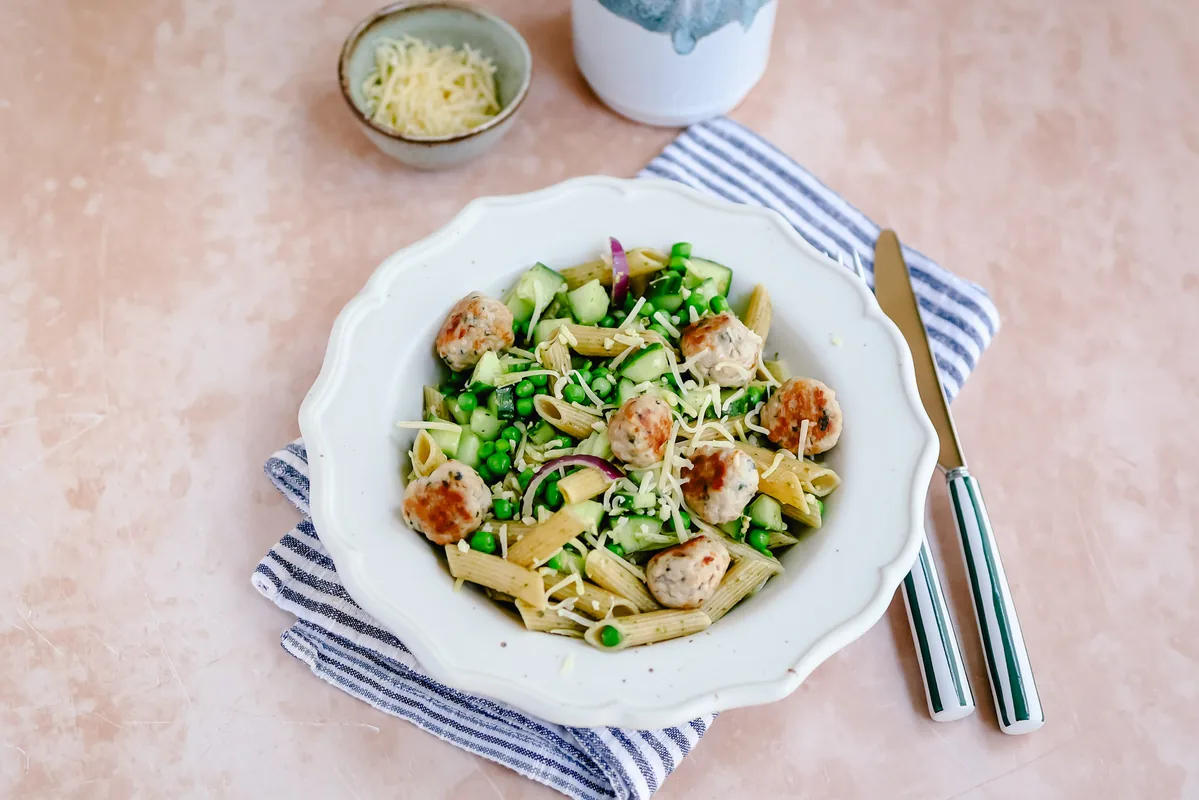
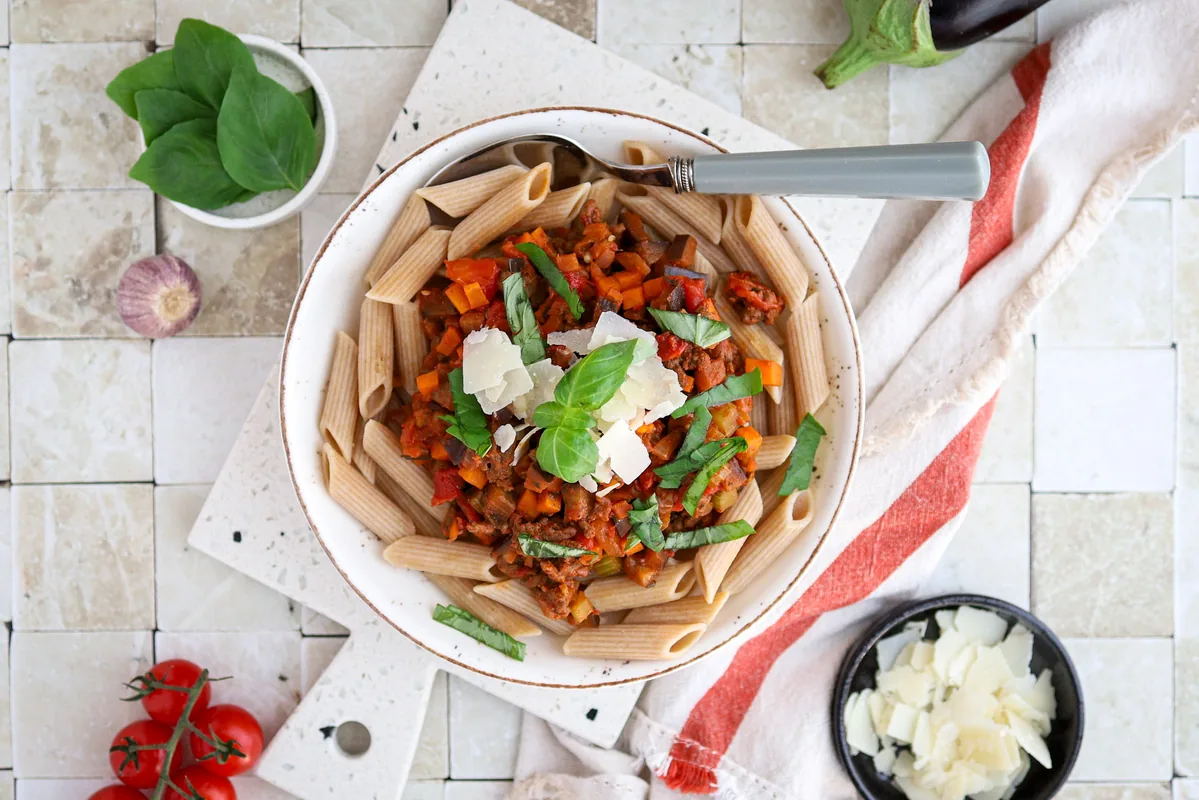


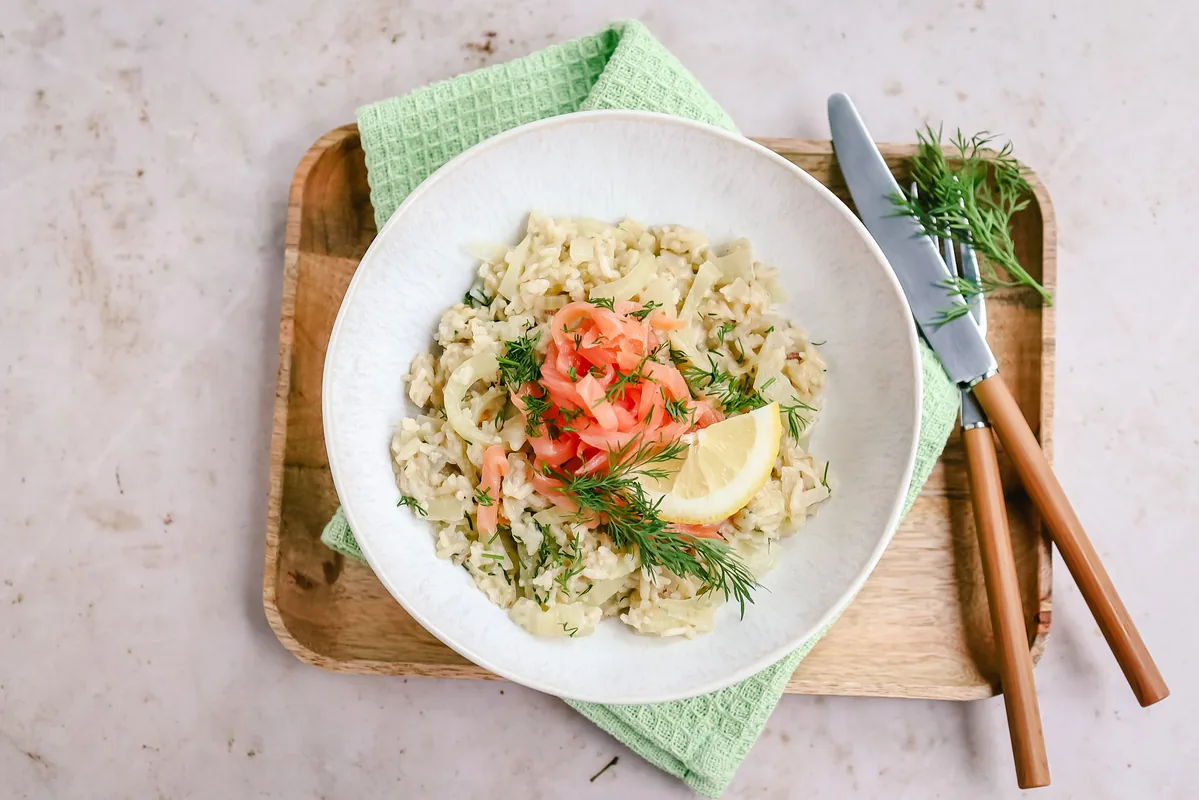
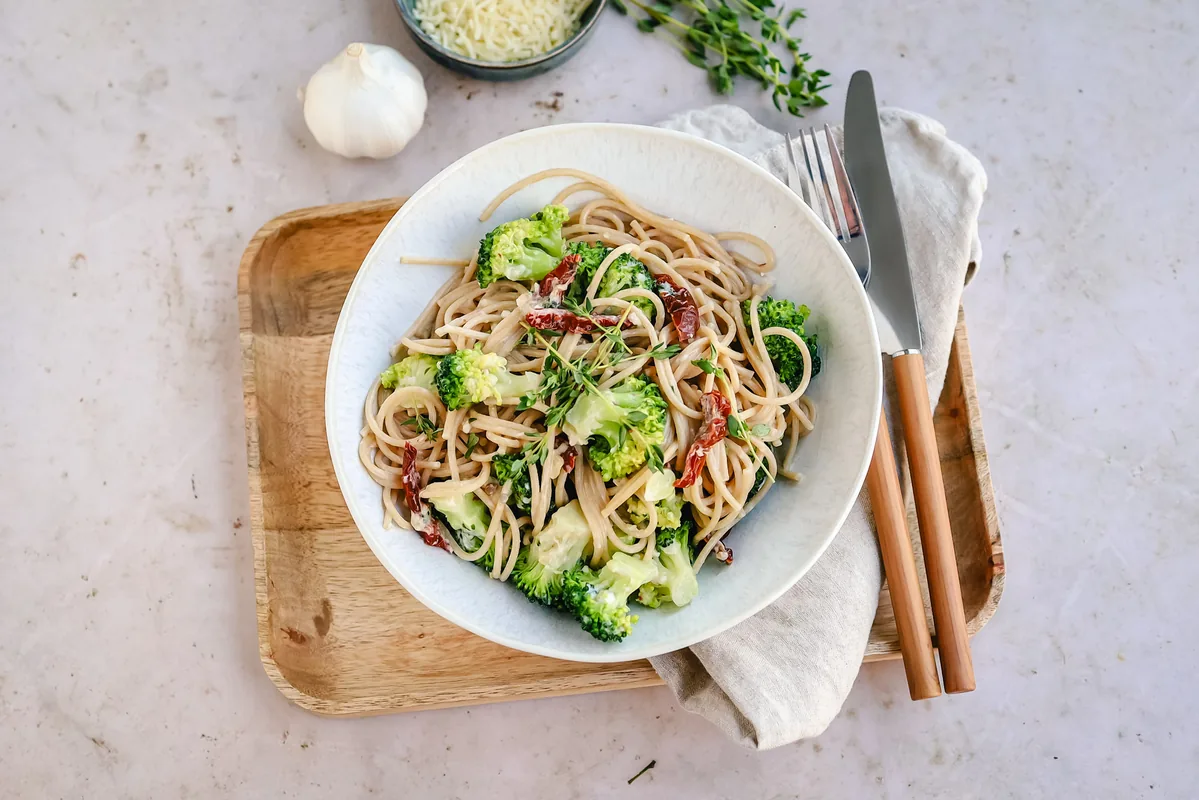
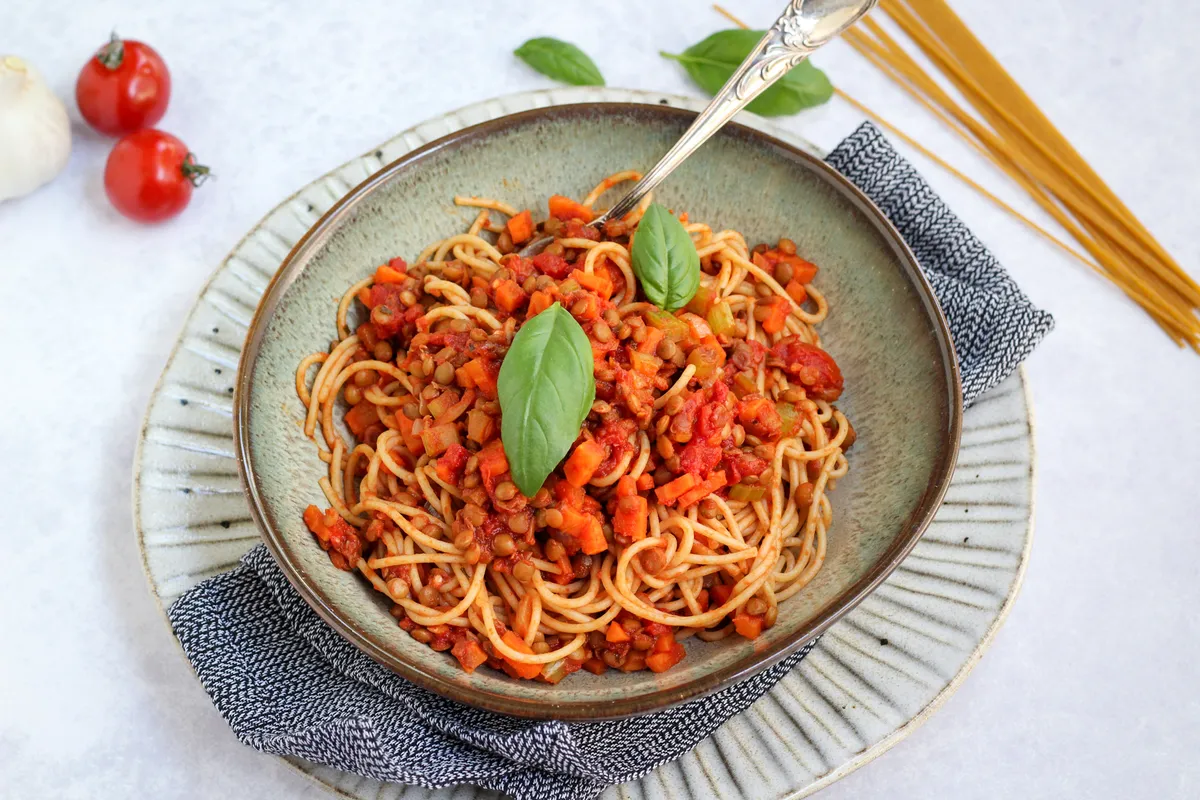
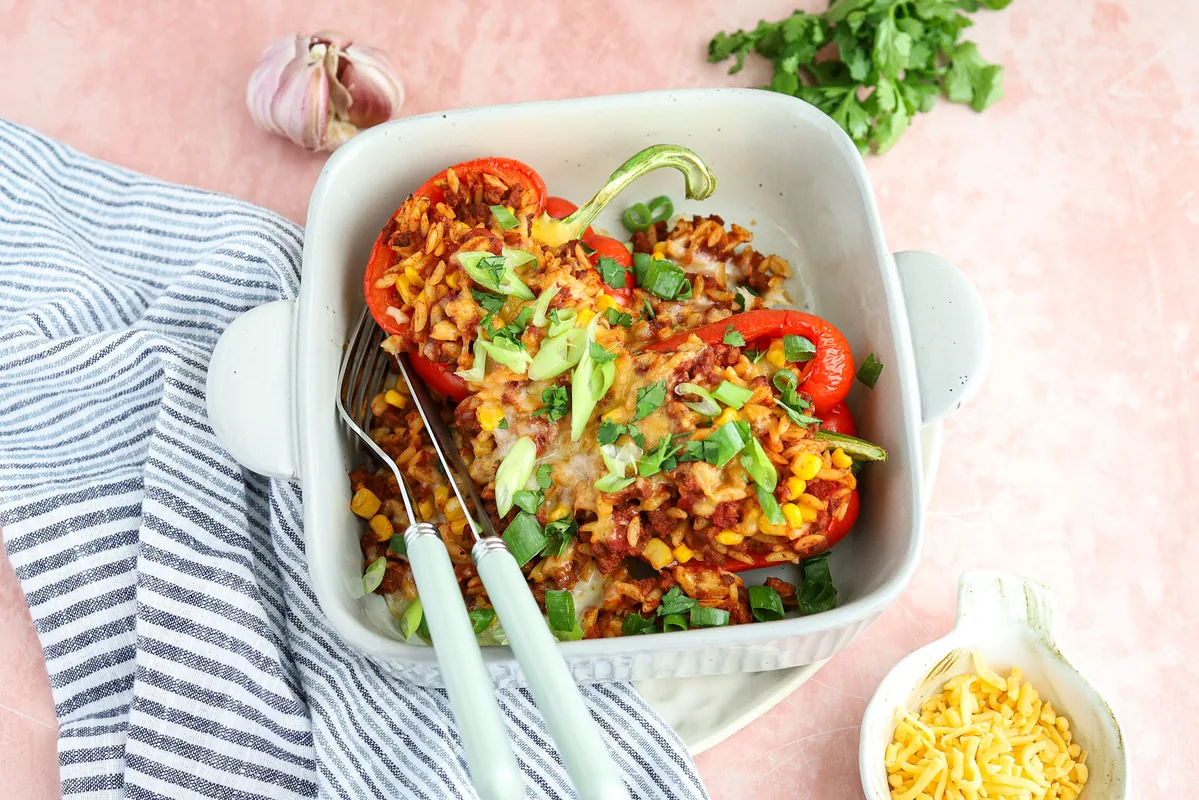
Garlic goes into the oil before the tomatoes. In Italian kitchens, this is instinct passed down without explanation. Nobody stops to ask why the garlic goes first.
A 2019 study did. Polysulfides in garlic convert 60 to 68% of lycopene to Z-isomers when heated with tomato in oil. Z-isomer lycopene is 8.5 times more absorbable in humans, with fractional absorption of 47.7% versus 5.0%. The soffritto, that ritual opening move of Italian cooking, is also a bioavailability protocol.
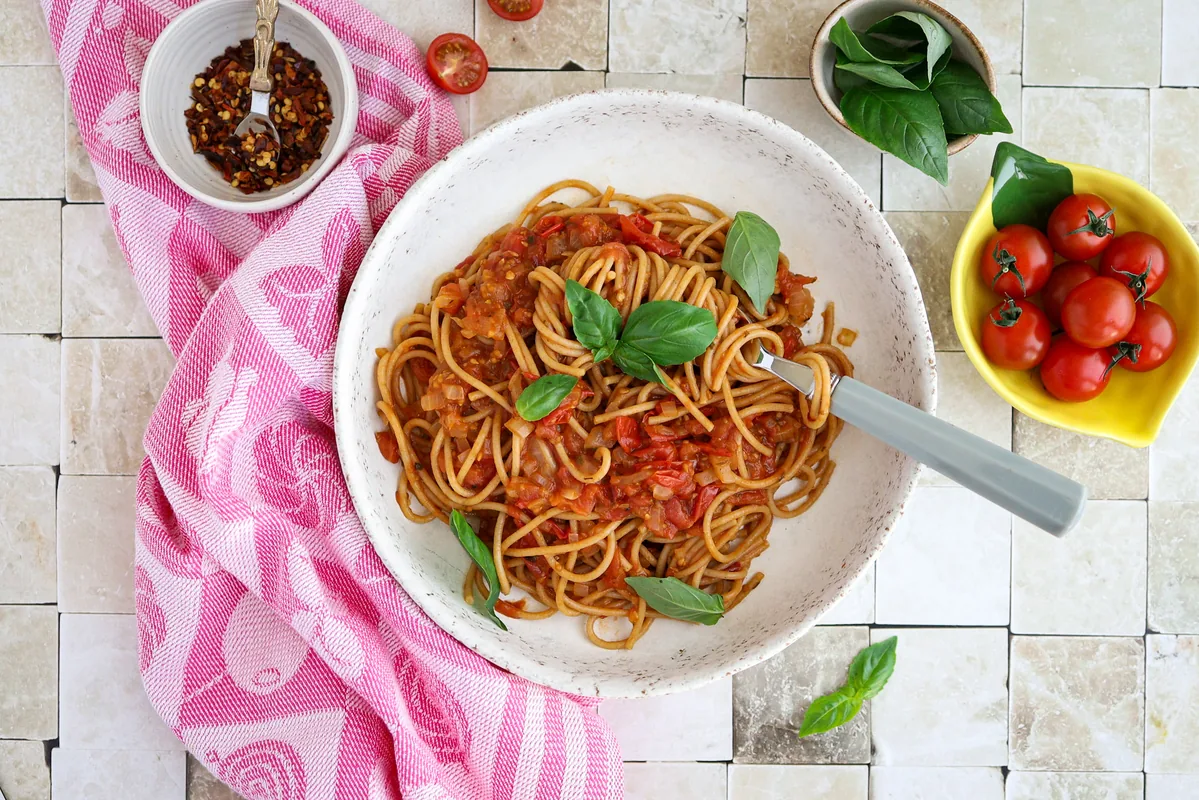
Then the tomato cooks. Simmering increases lycopene bioavailability 2.5 to 3.8 times over raw tomato. Thirteen of these 28 recipes are pasta, the dish type that concentrates tomatoes through reduction. The longer the sauce runs, the more lycopene the body can use.
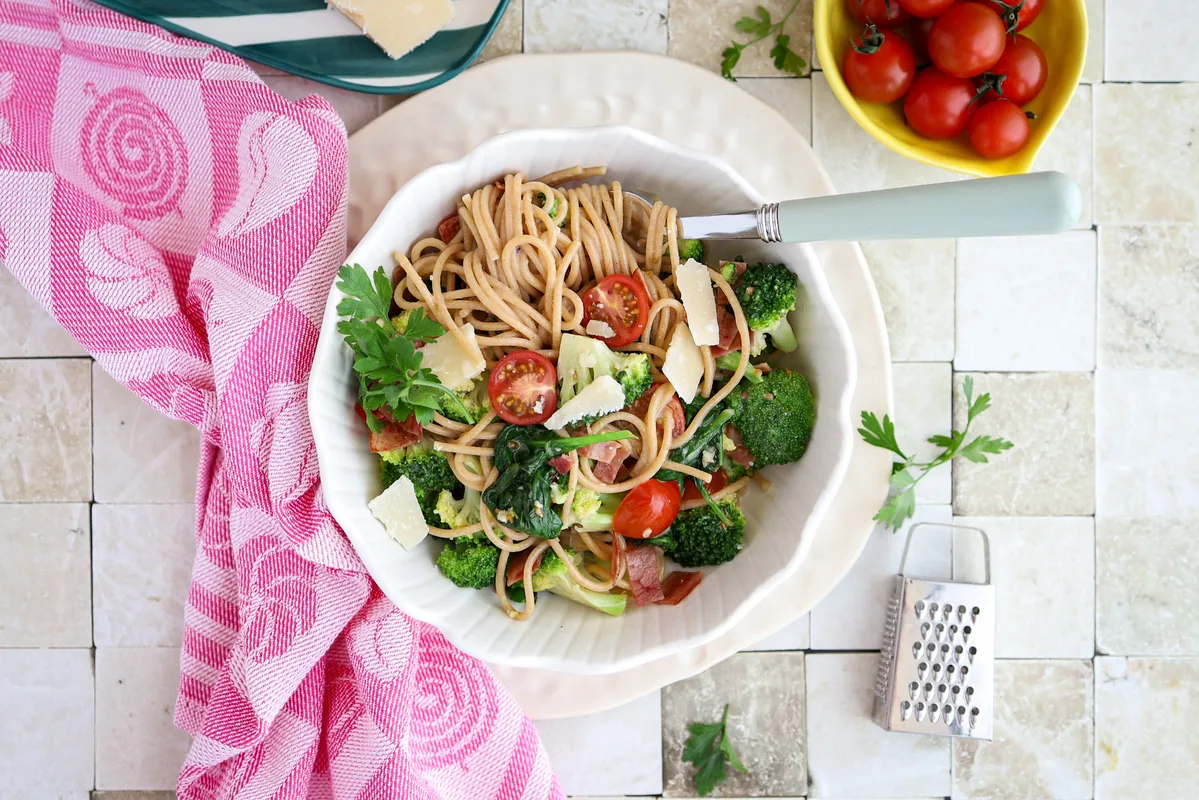
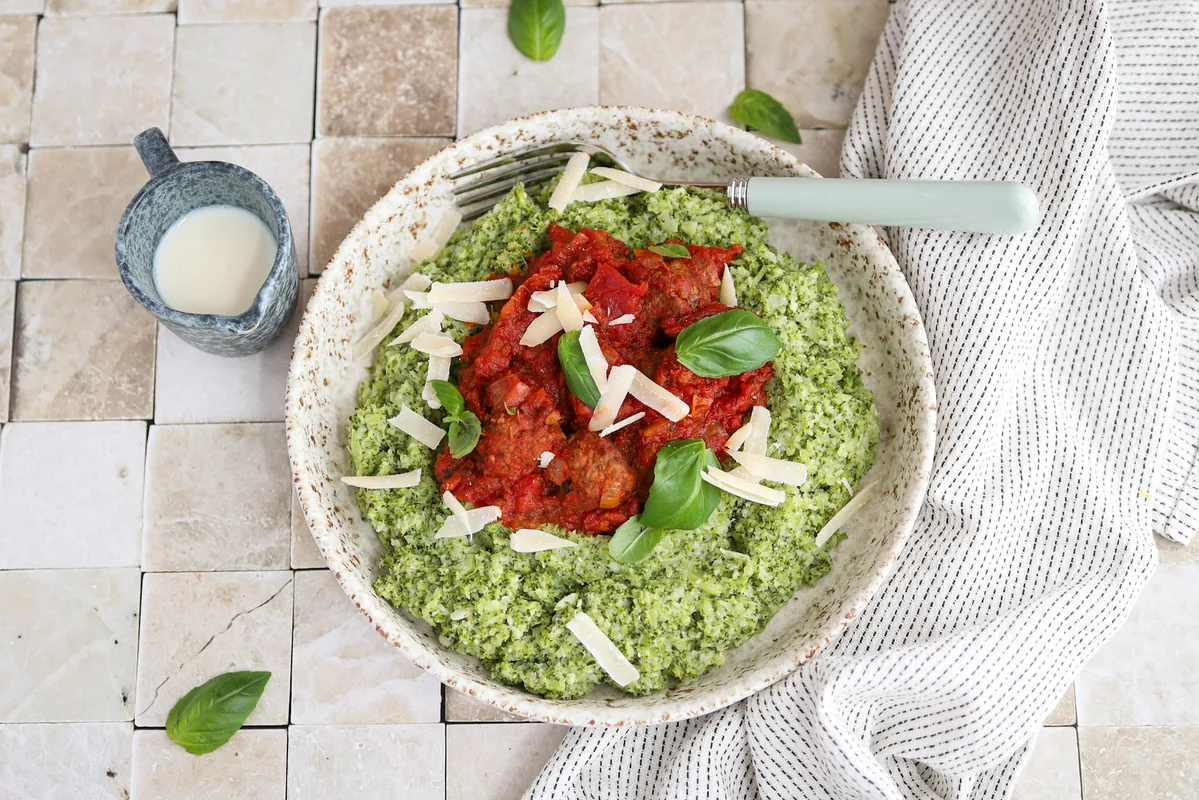
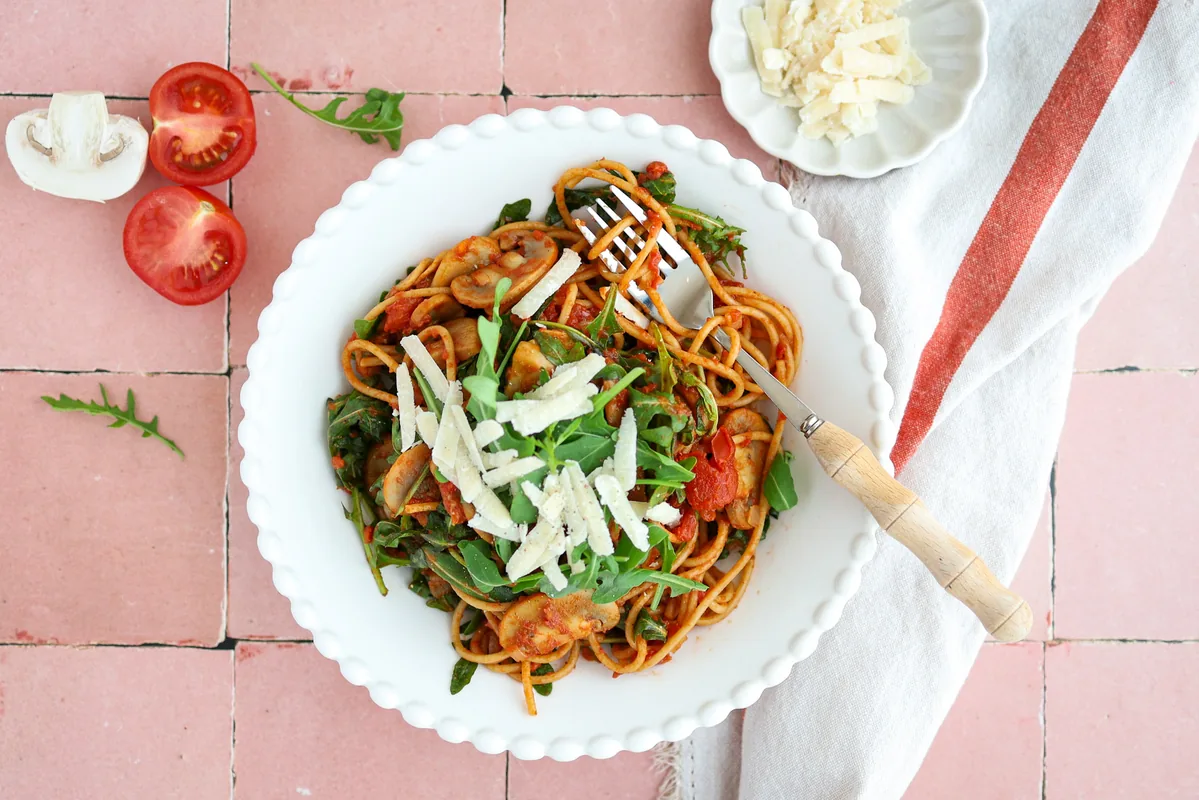
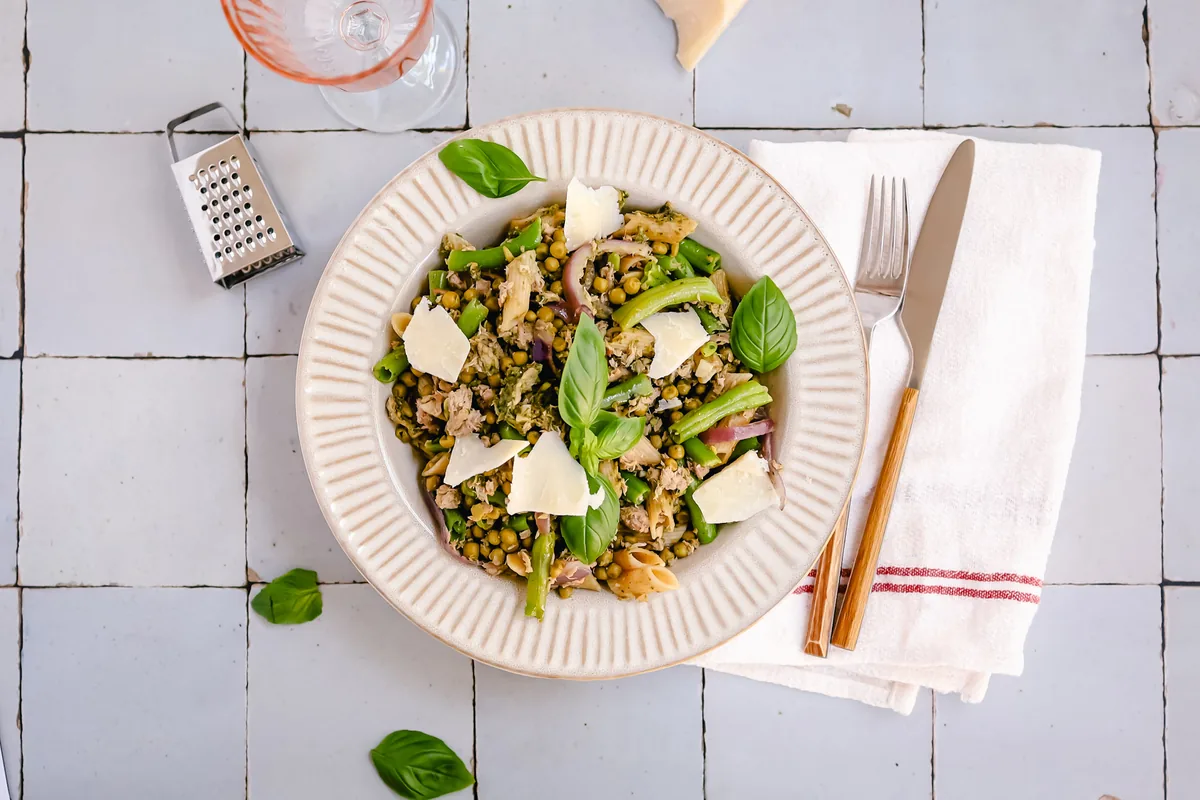
And then the parmesan goes on top. Researchers found that 500 mg of calcium reduced lycopene absorption by 83% in 9 out of 10 subjects. Hard cheese competes directly with the compound the sauce and soffritto just optimized. The same cuisine works for and against the same molecule.
That tension is the honest story here: three evidence-backed techniques that enhance absorption, finished by one ingredient that blocks it. Twenty-eight recipes, a 33g protein median alongside 11g fiber. Twelve of them are vegetarian. Seven are gluten-free. The carb-heavy comfort food stereotype does not survive the first number.