
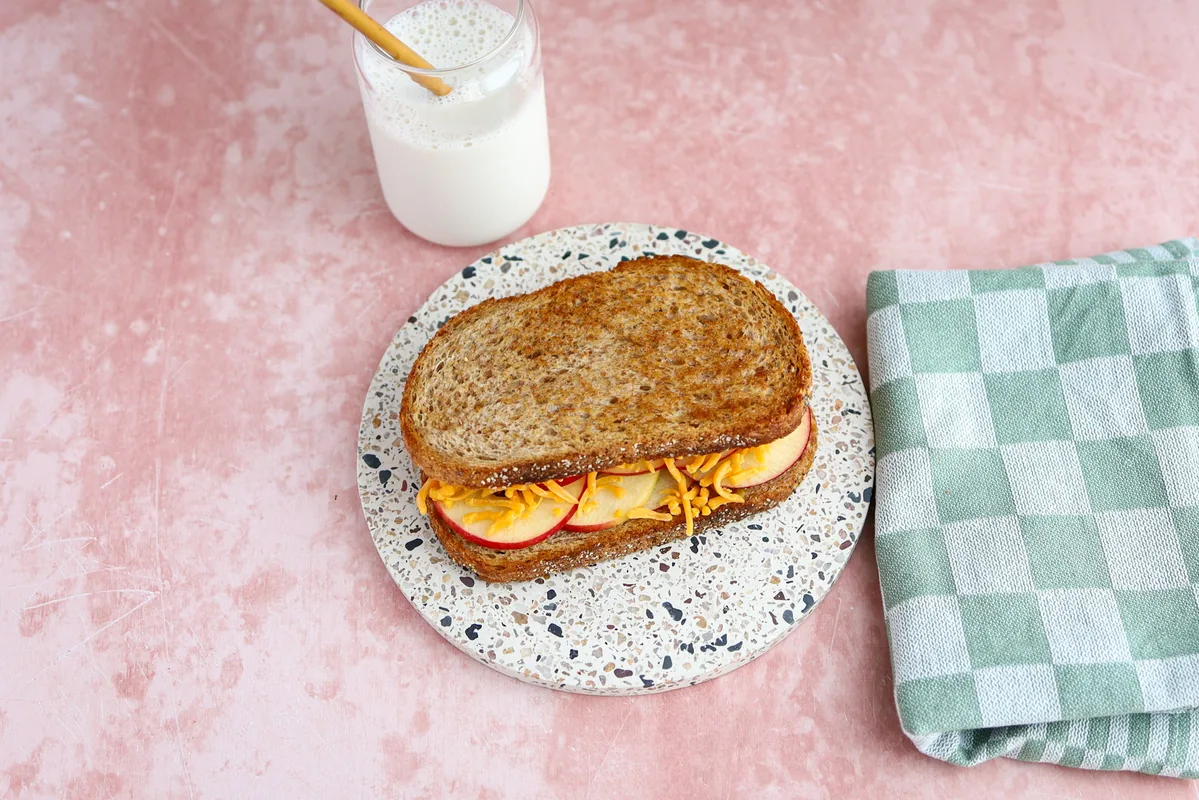
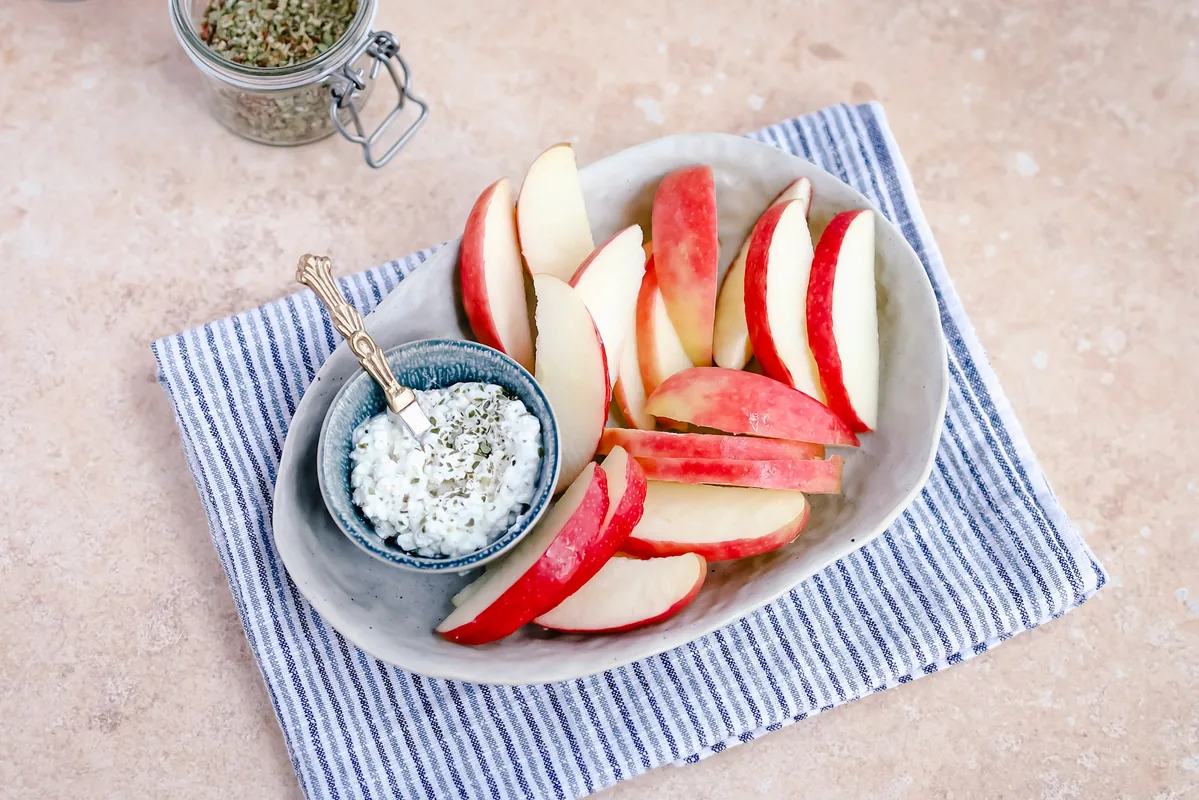
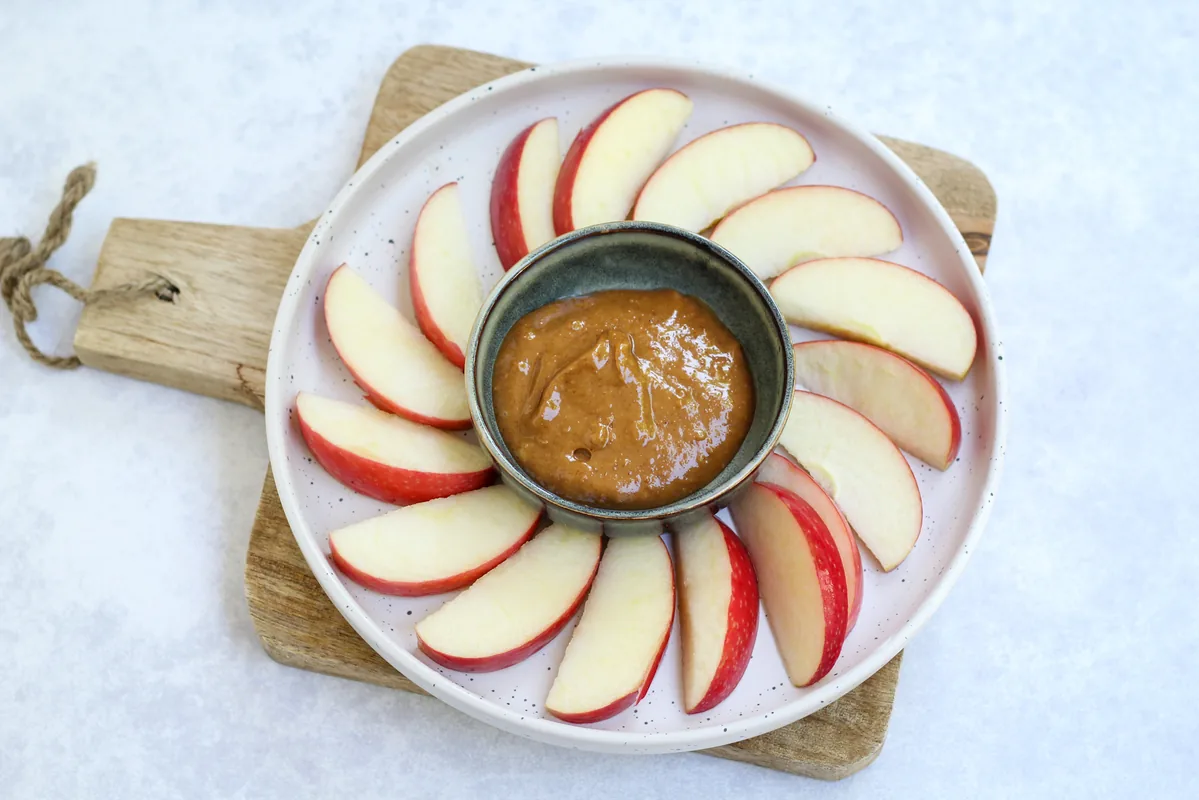


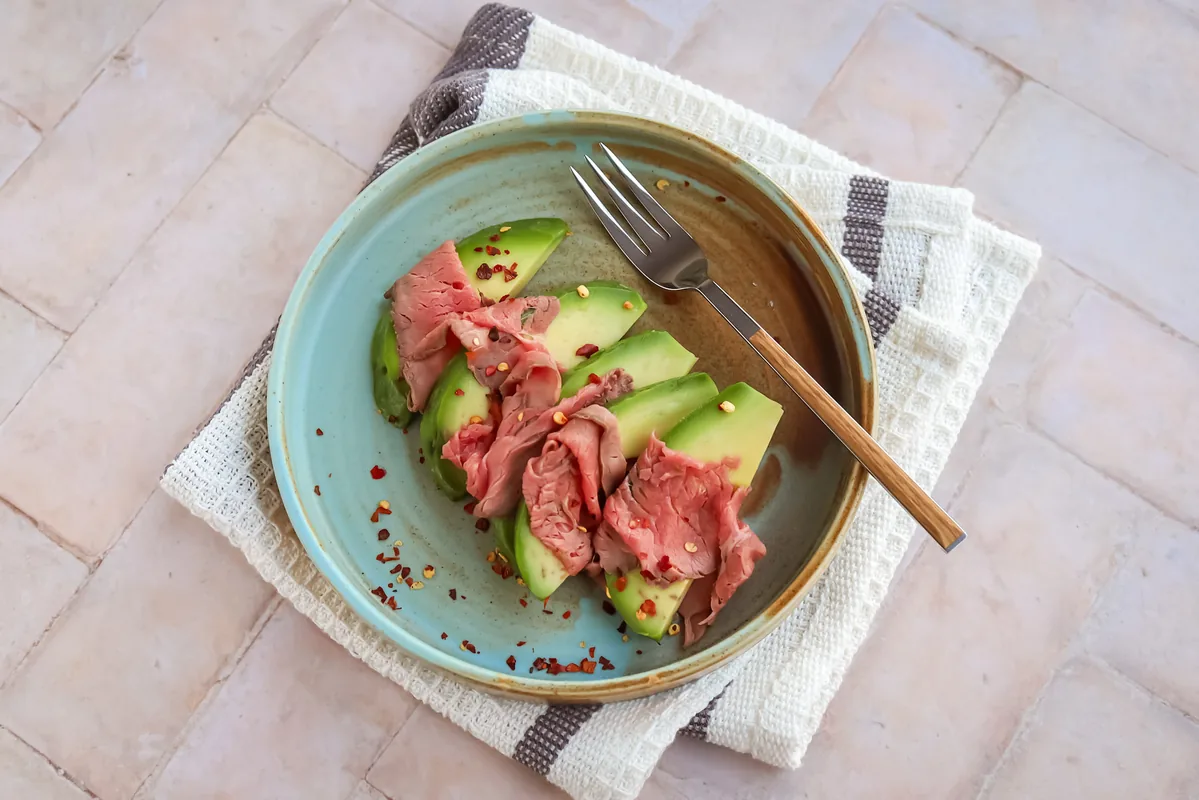




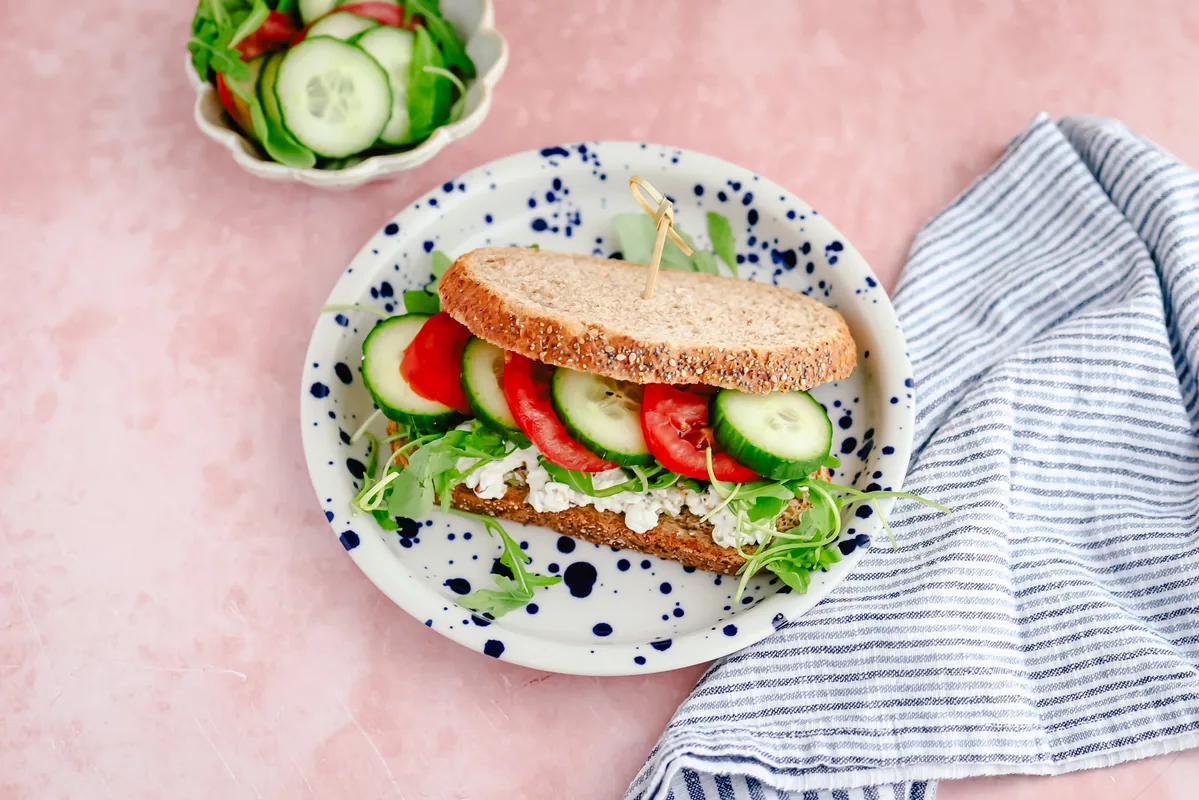
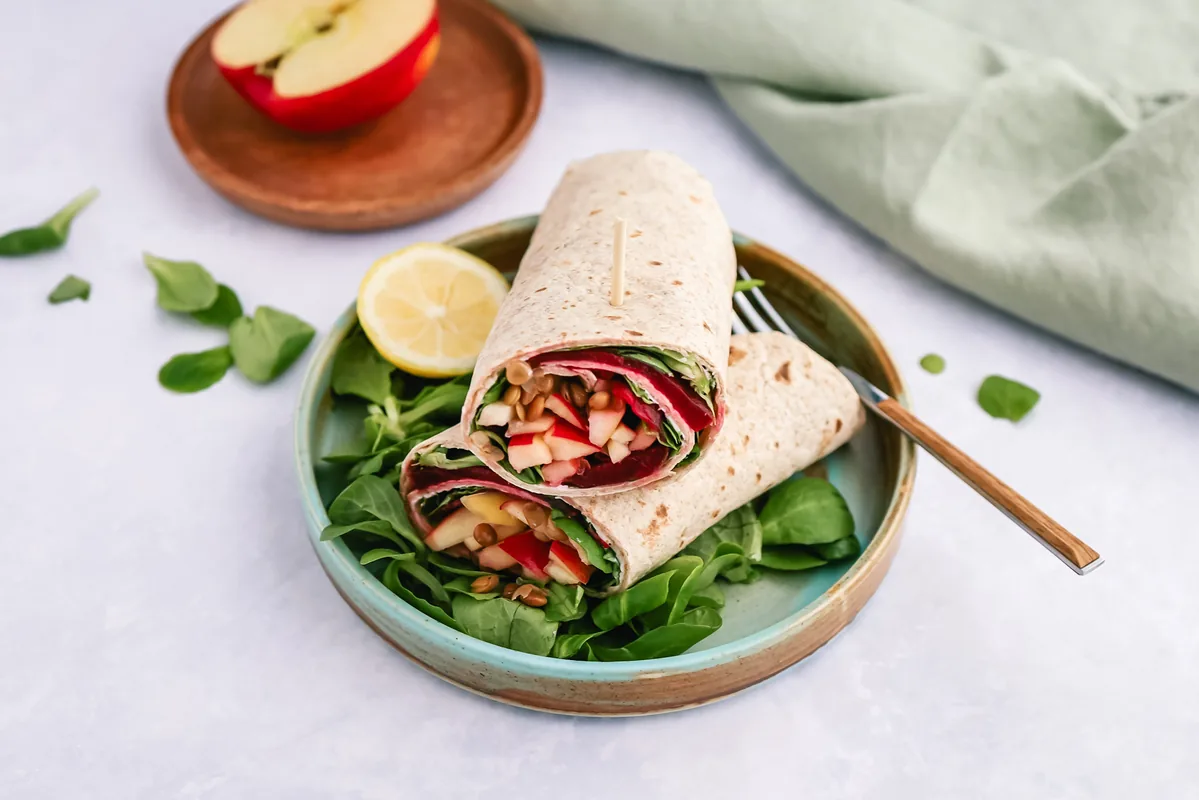
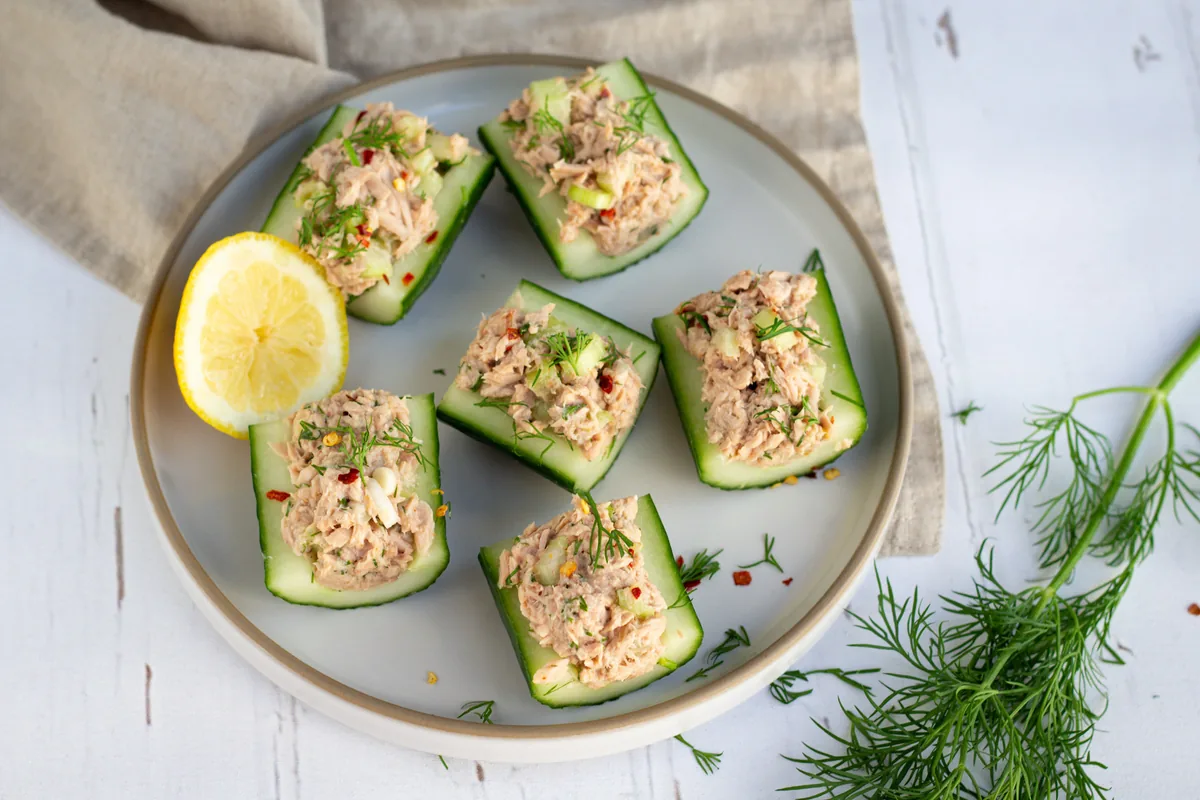
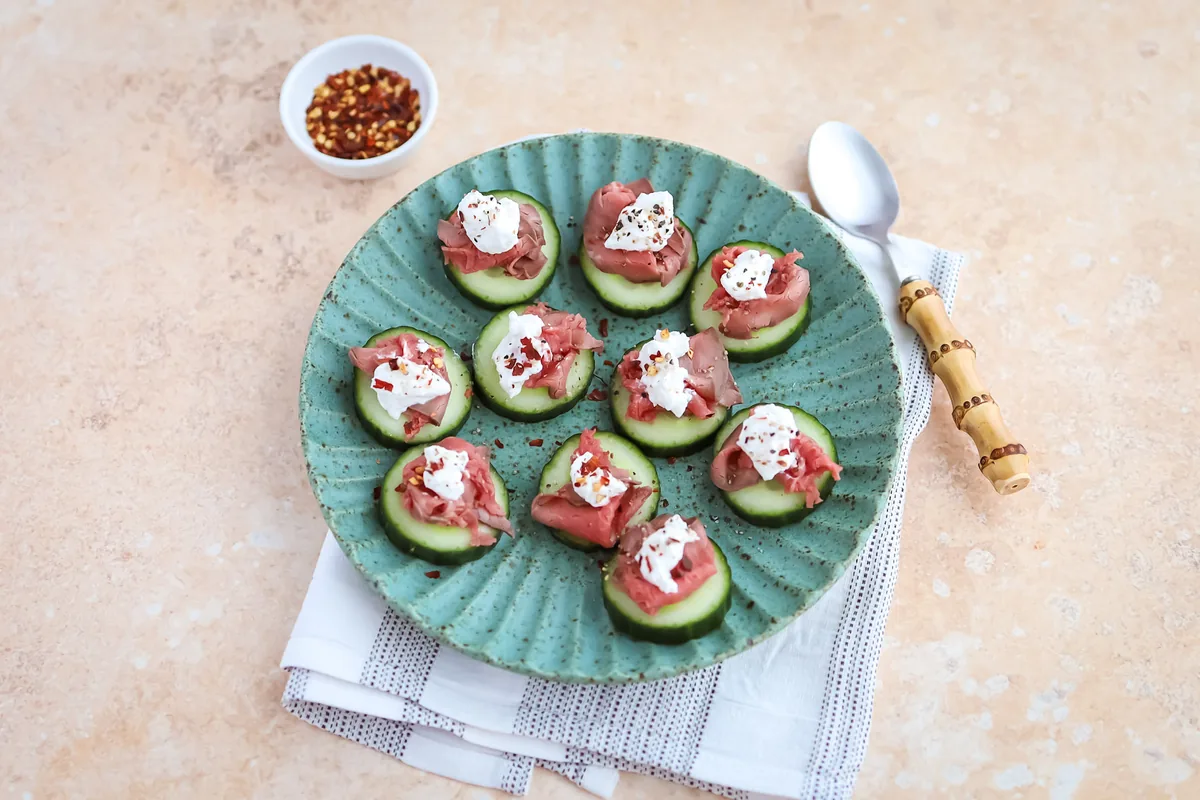



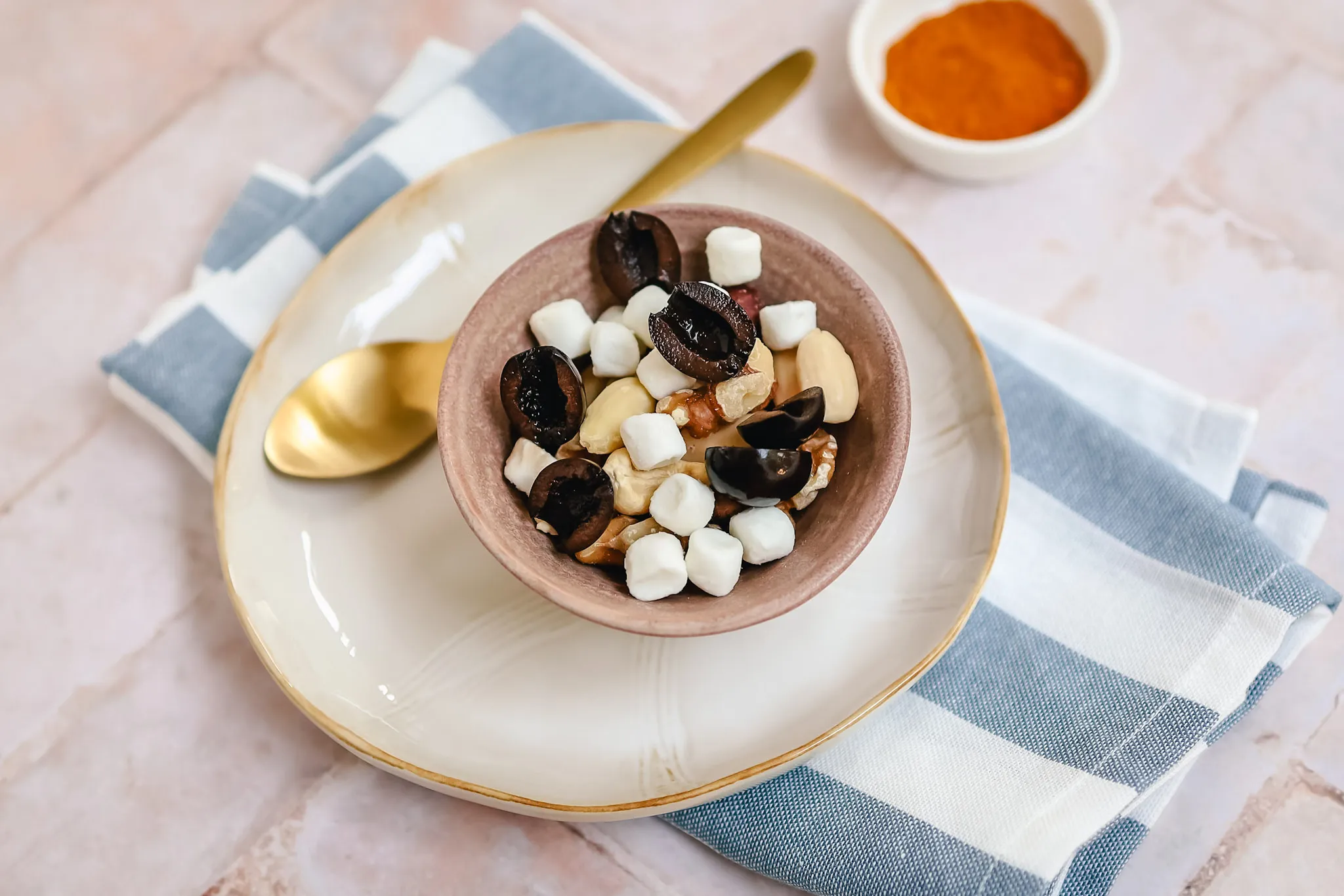
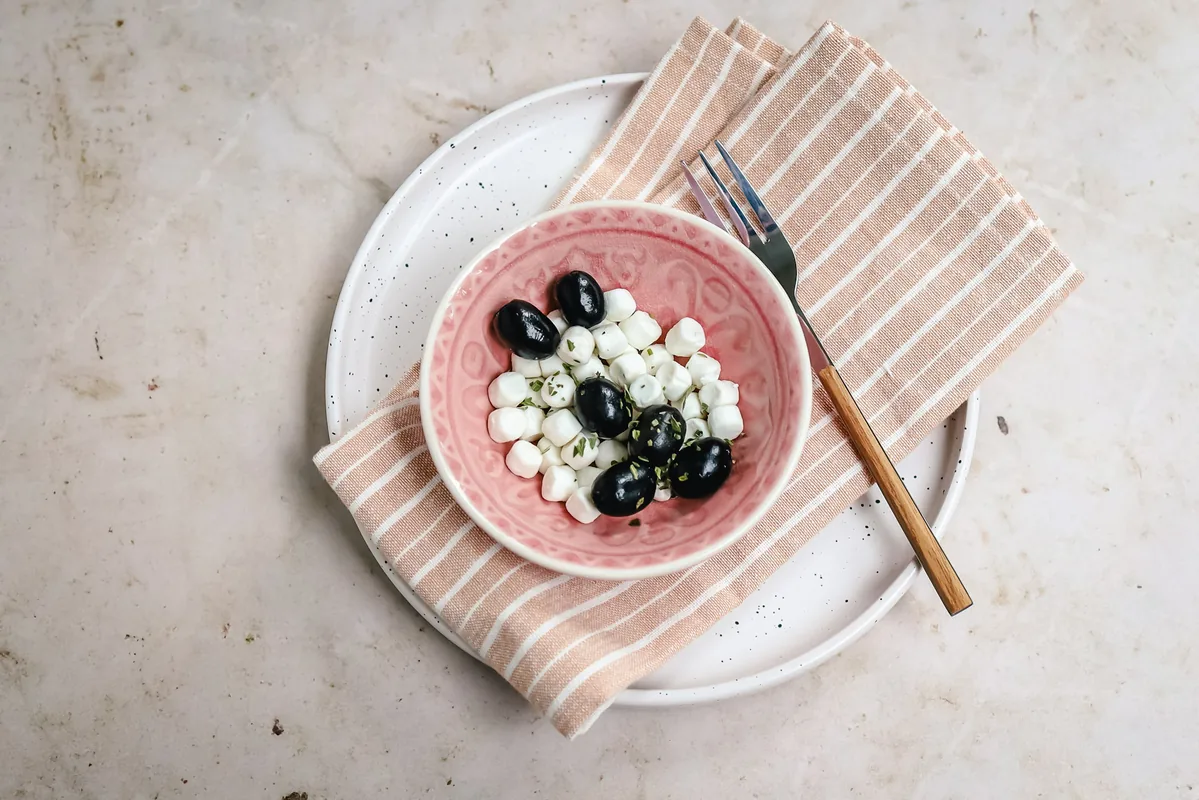

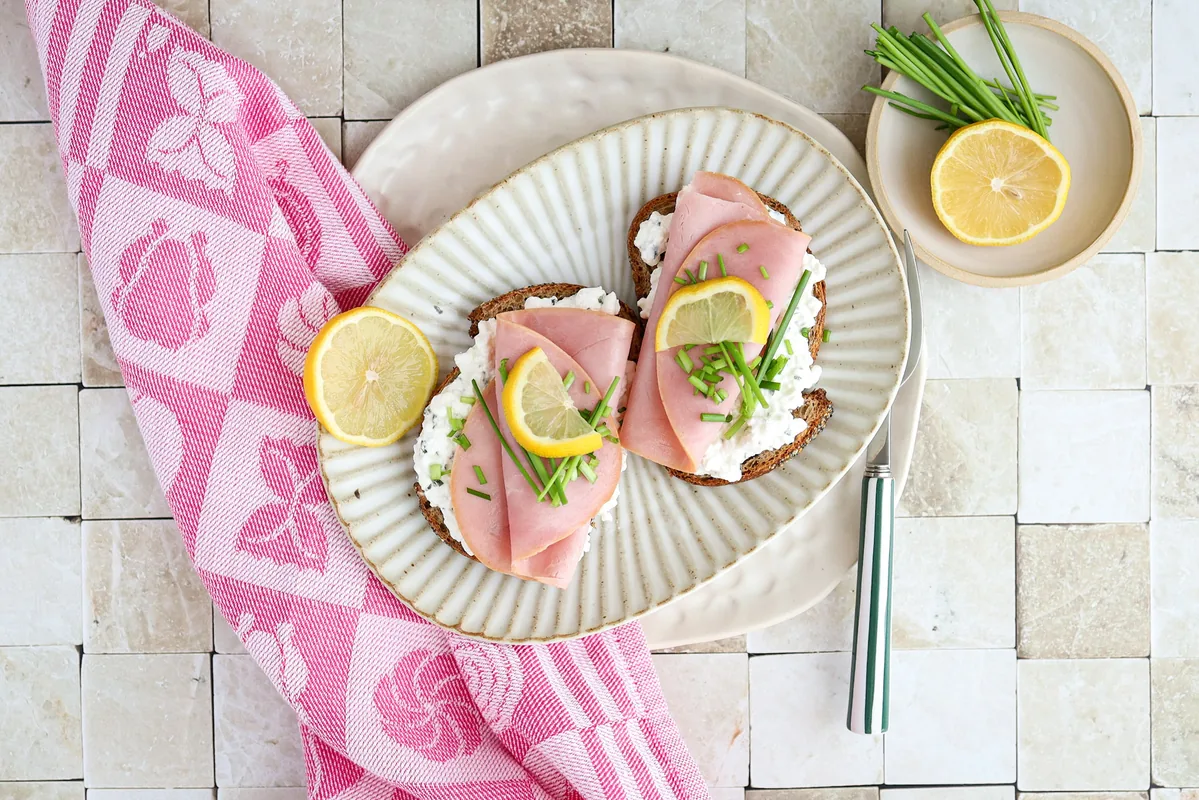
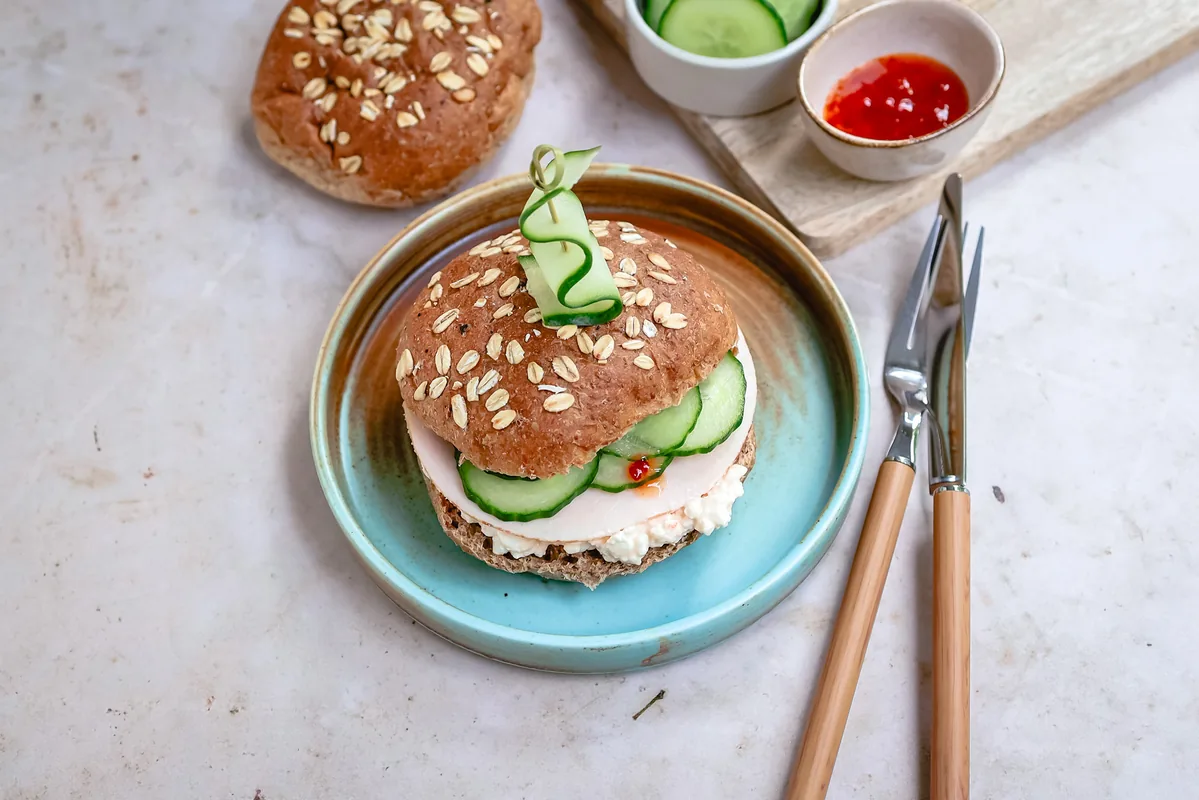


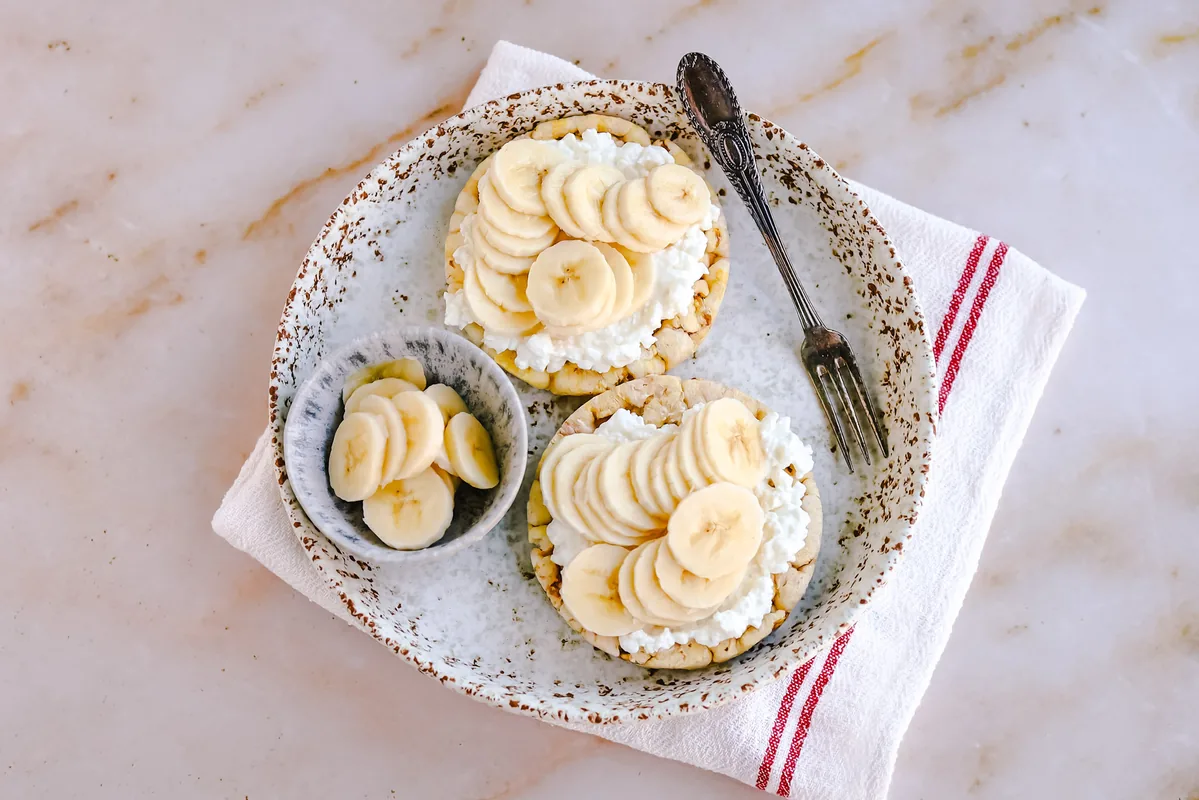
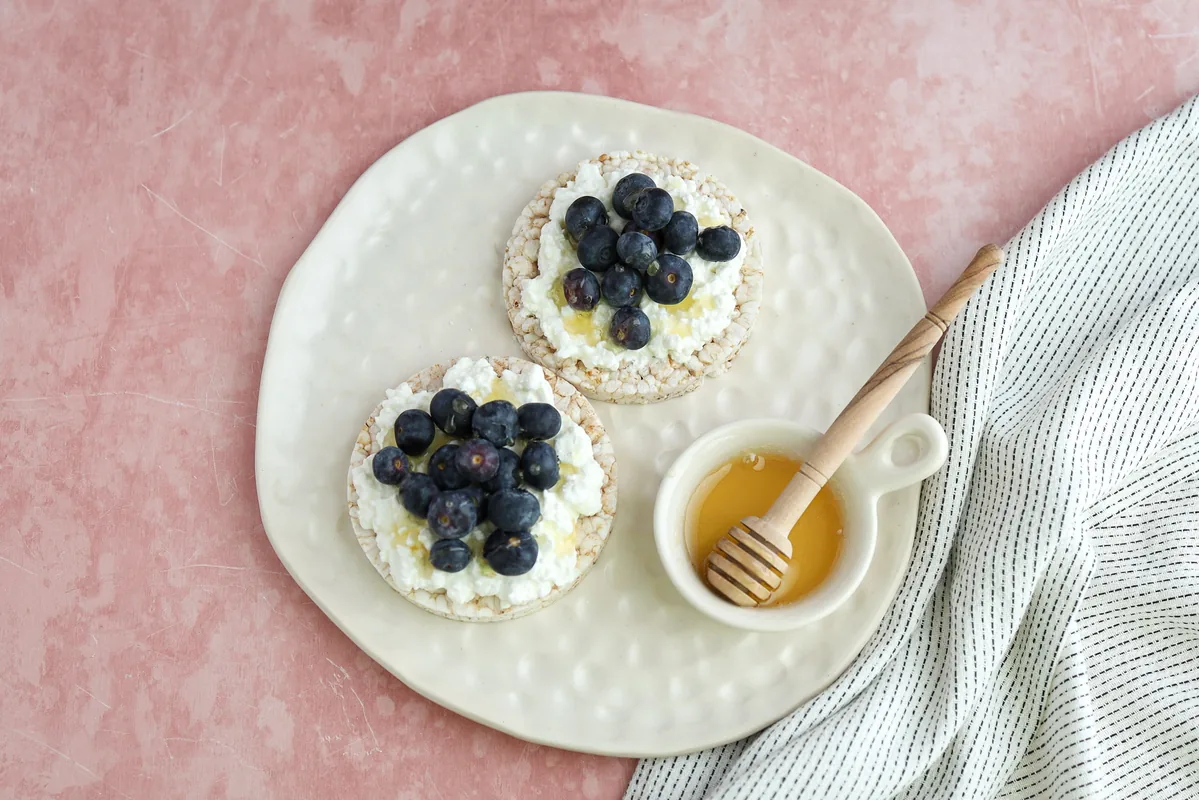

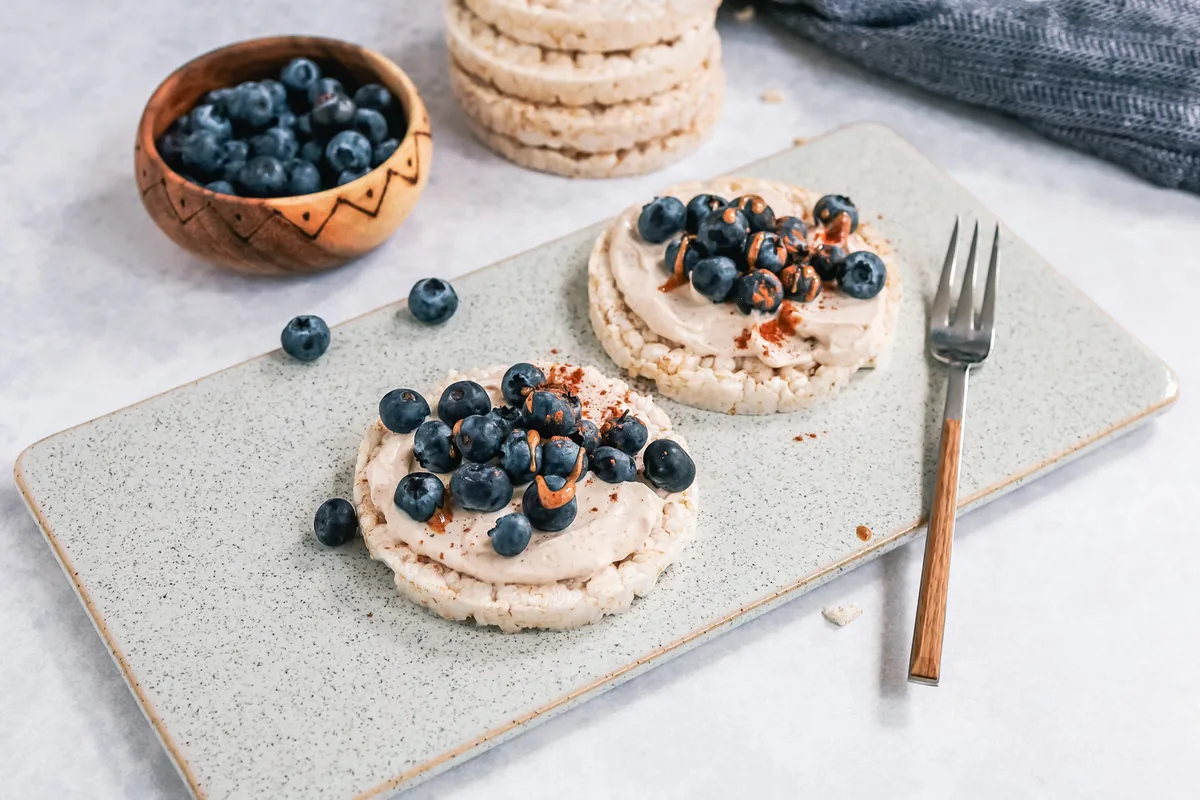
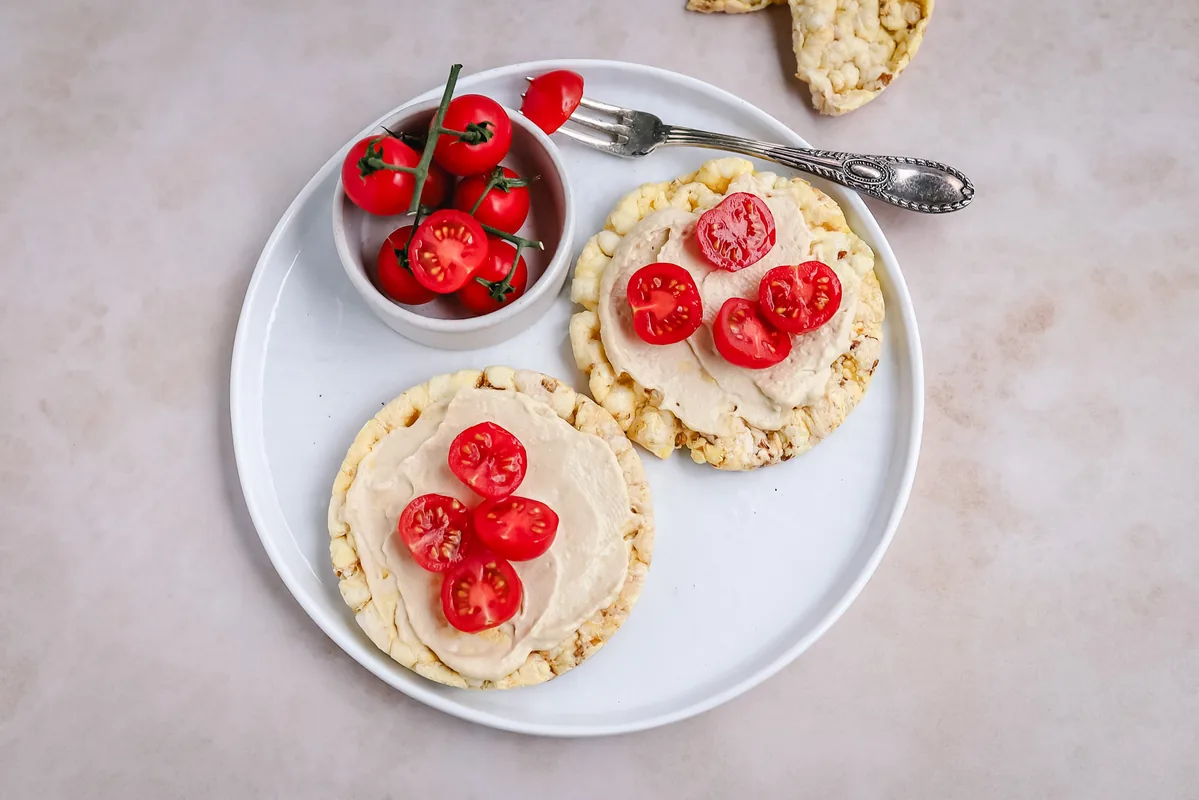




The most common question about low-calorie snacking isn’t about ingredients. Across 239 related queries, fifty-four circle a single anxiety: whether adding a snack is even allowed when you’re watching your intake.
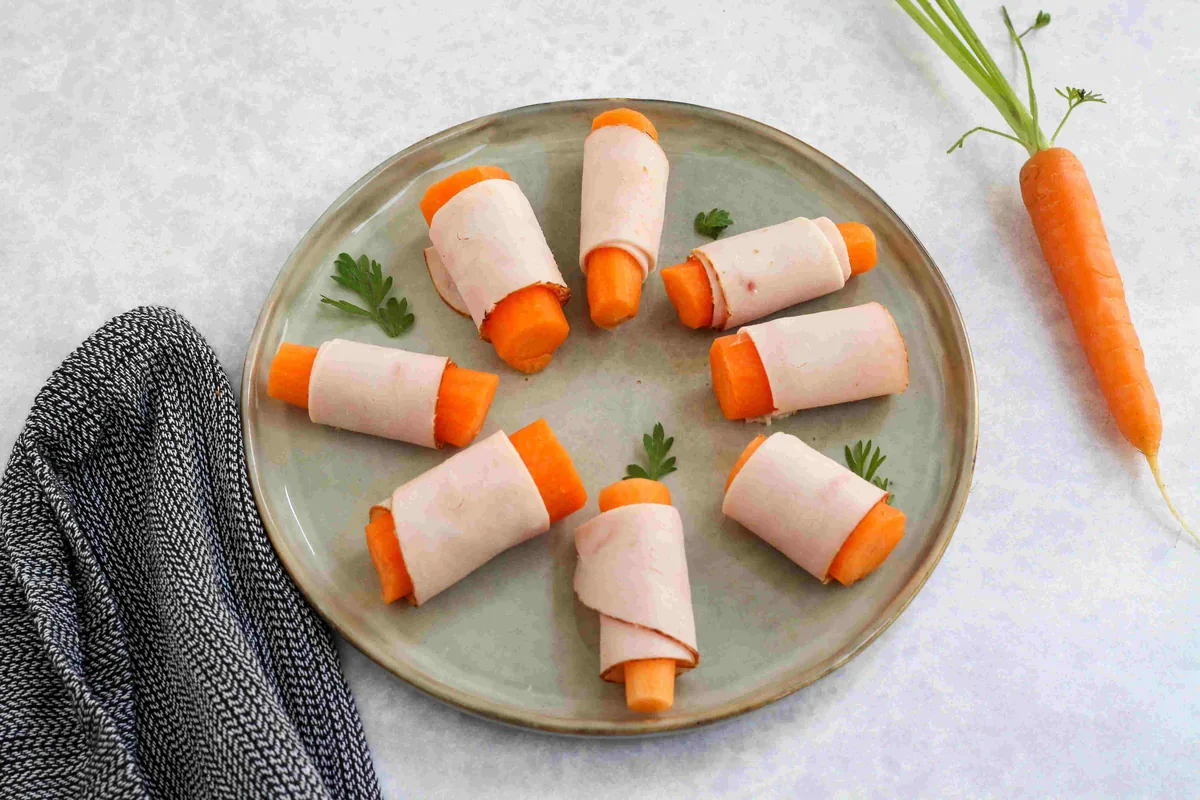
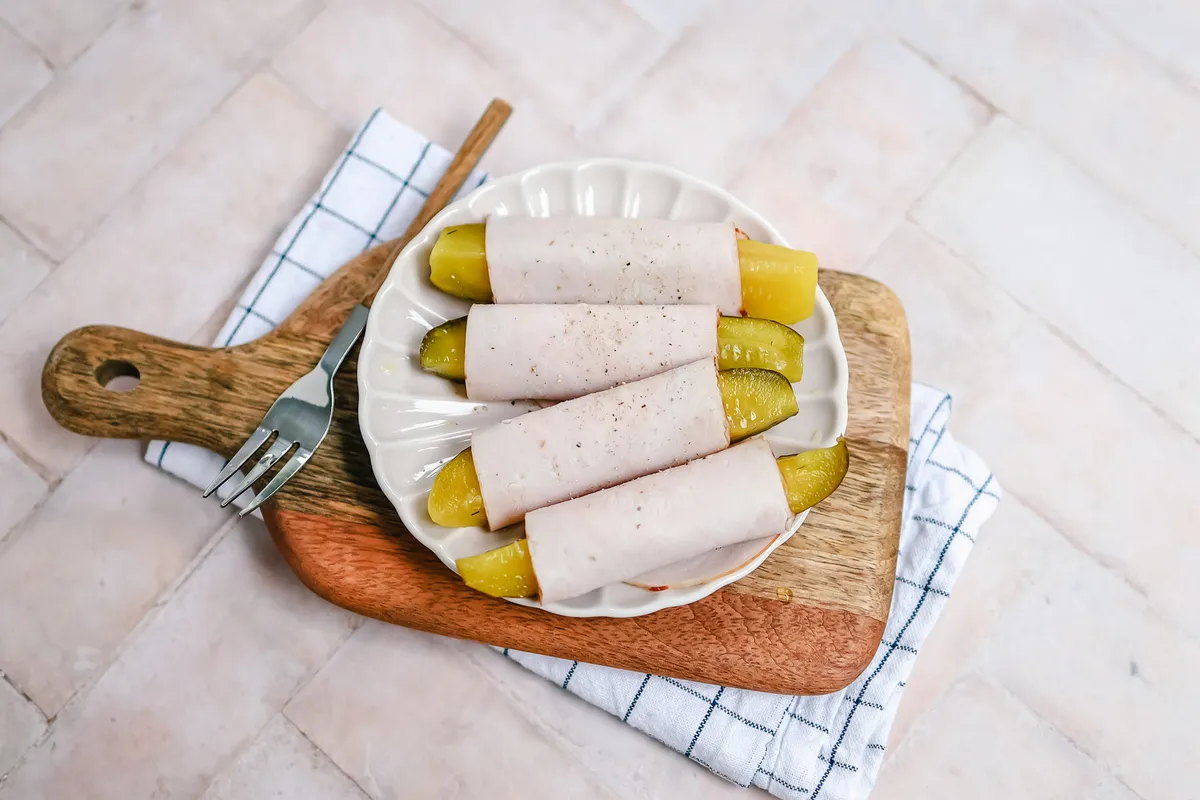
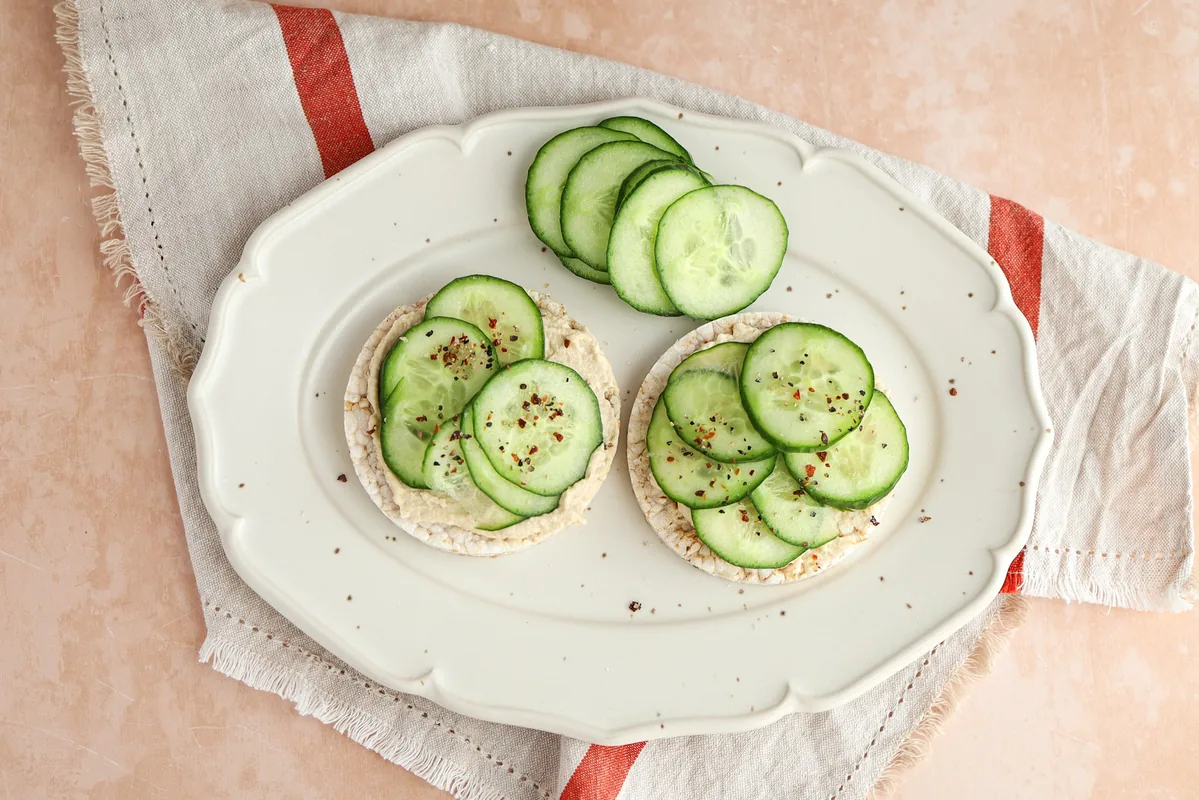
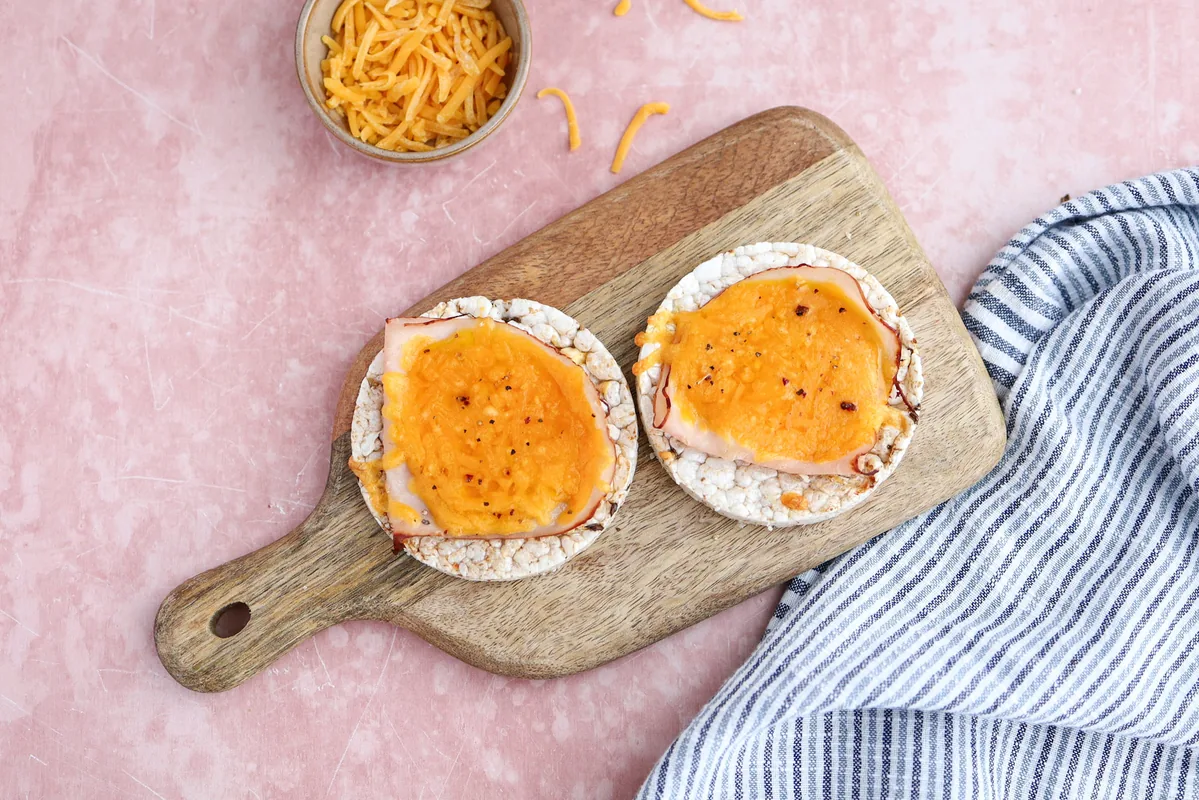
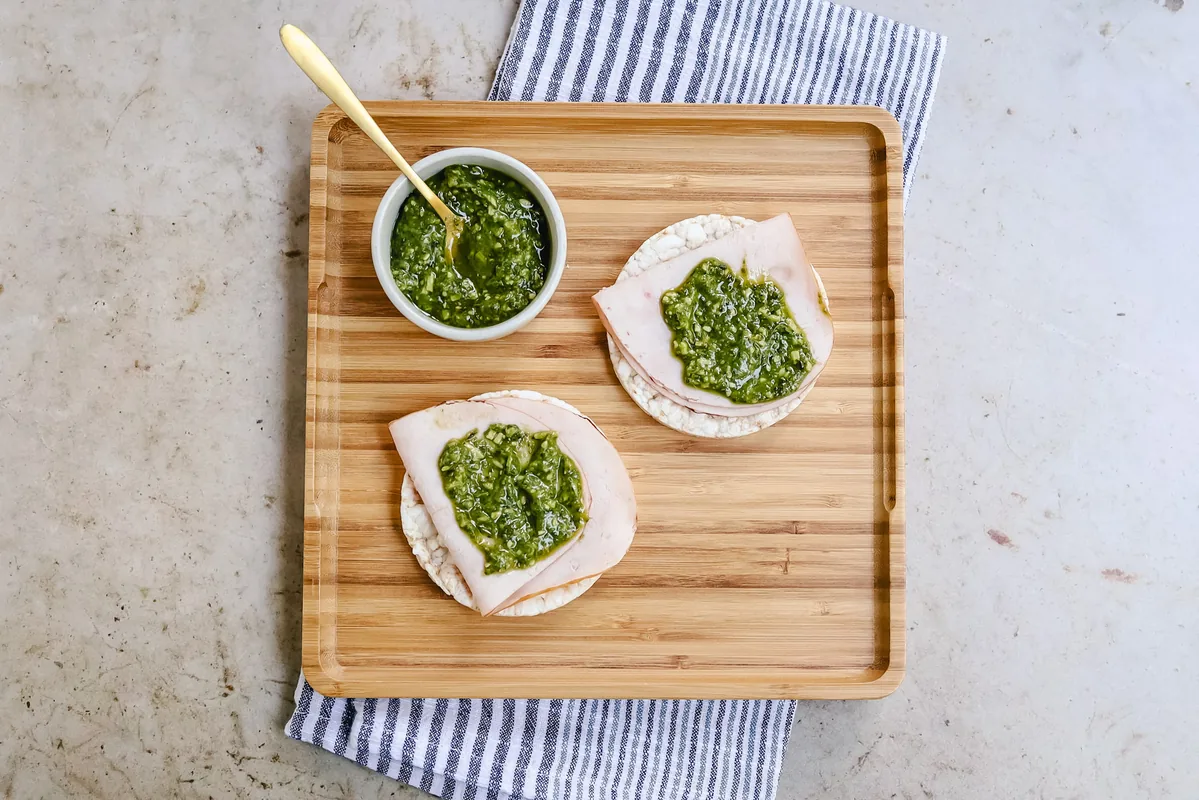
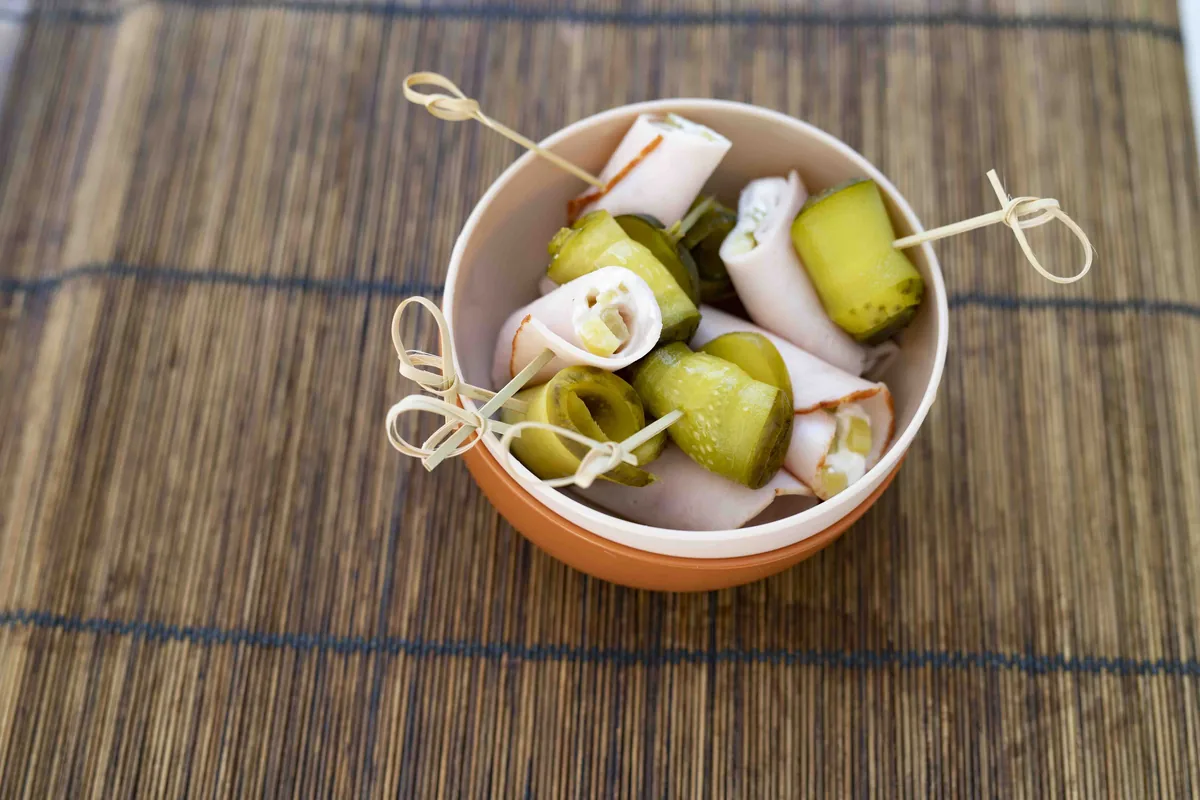
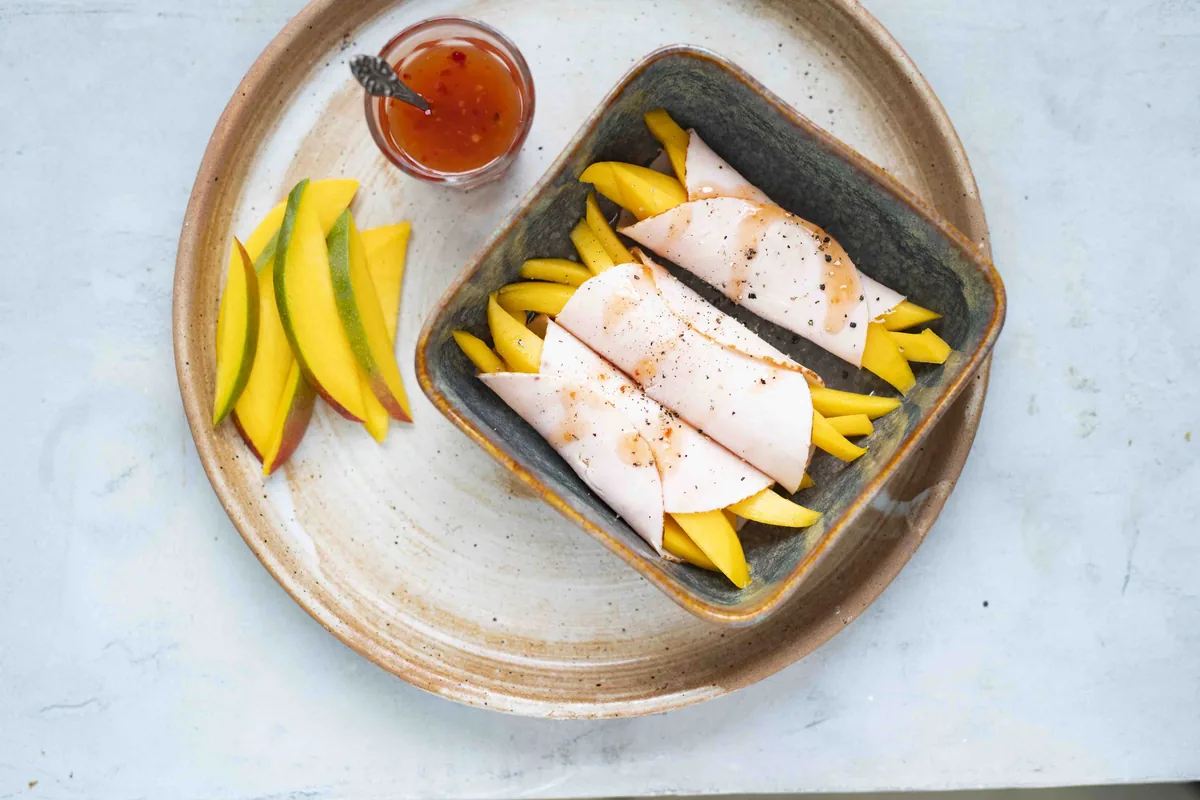
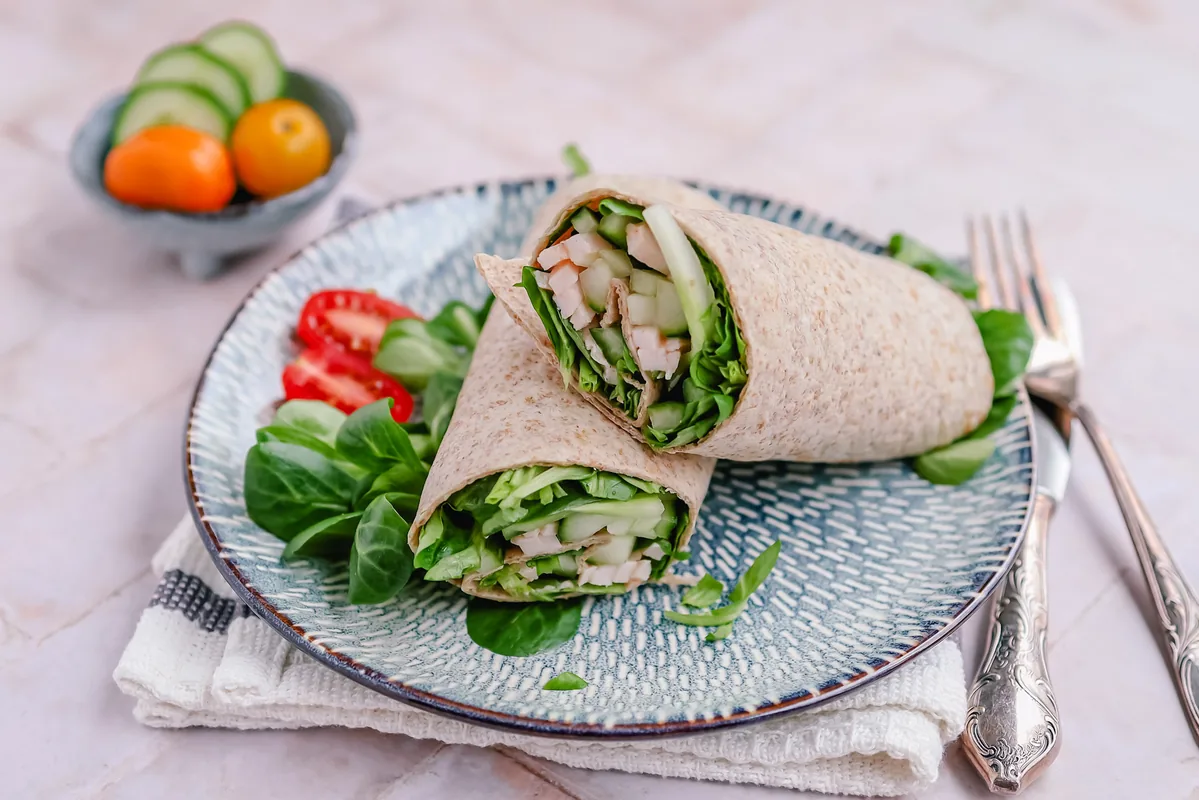
The data settles that. At a median of 233 calories, these snacks sit in the rounding-error zone of a daily budget. Twenty-six cost under 200 calories. Fourteen cost under 150. Cucumber slices with turkey breast runs 80 calories and delivers 13 grams of protein. Carrots with turkey: 78 calories, 12 grams. Those are not compromises. They are barely line items.
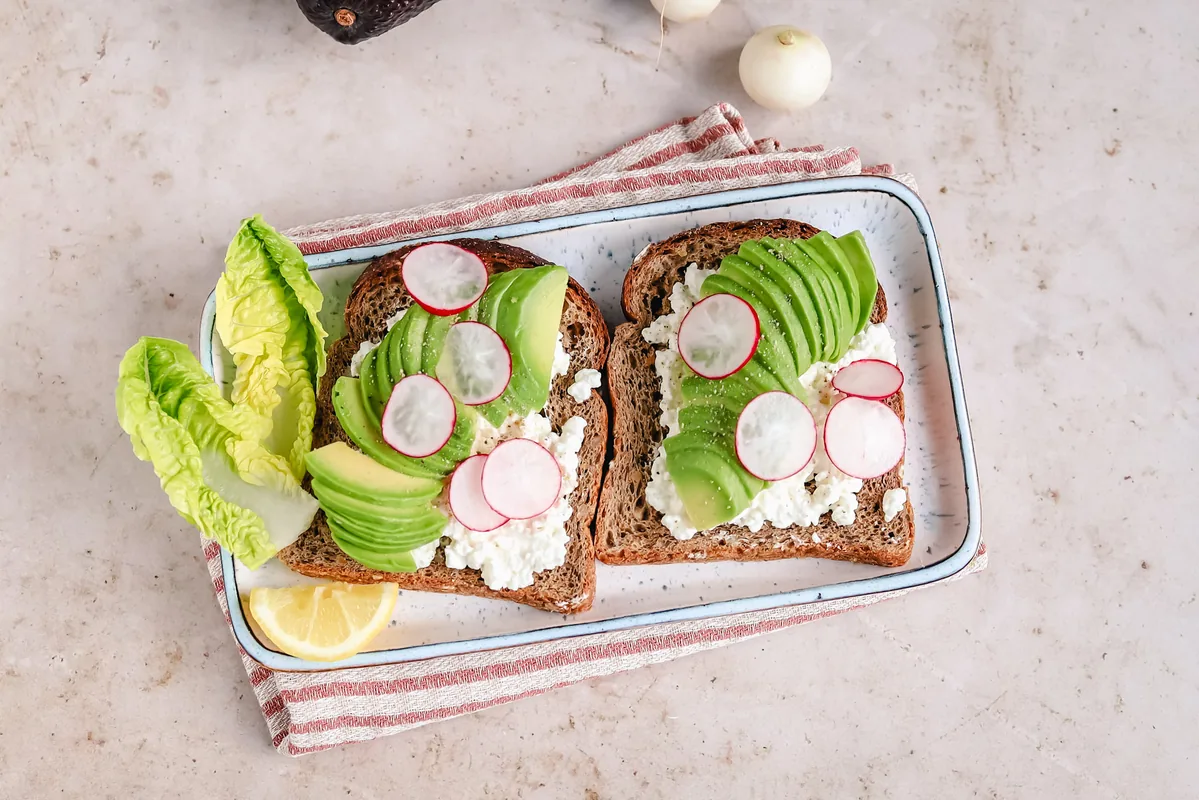
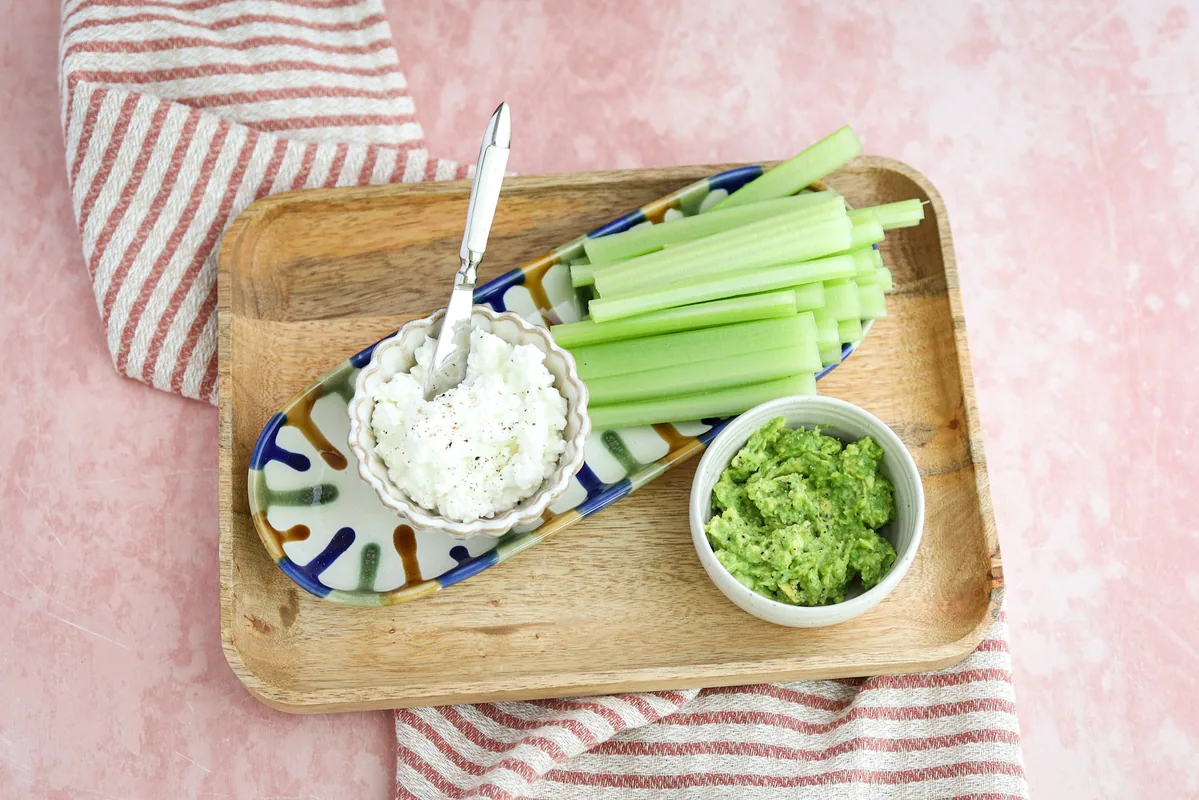
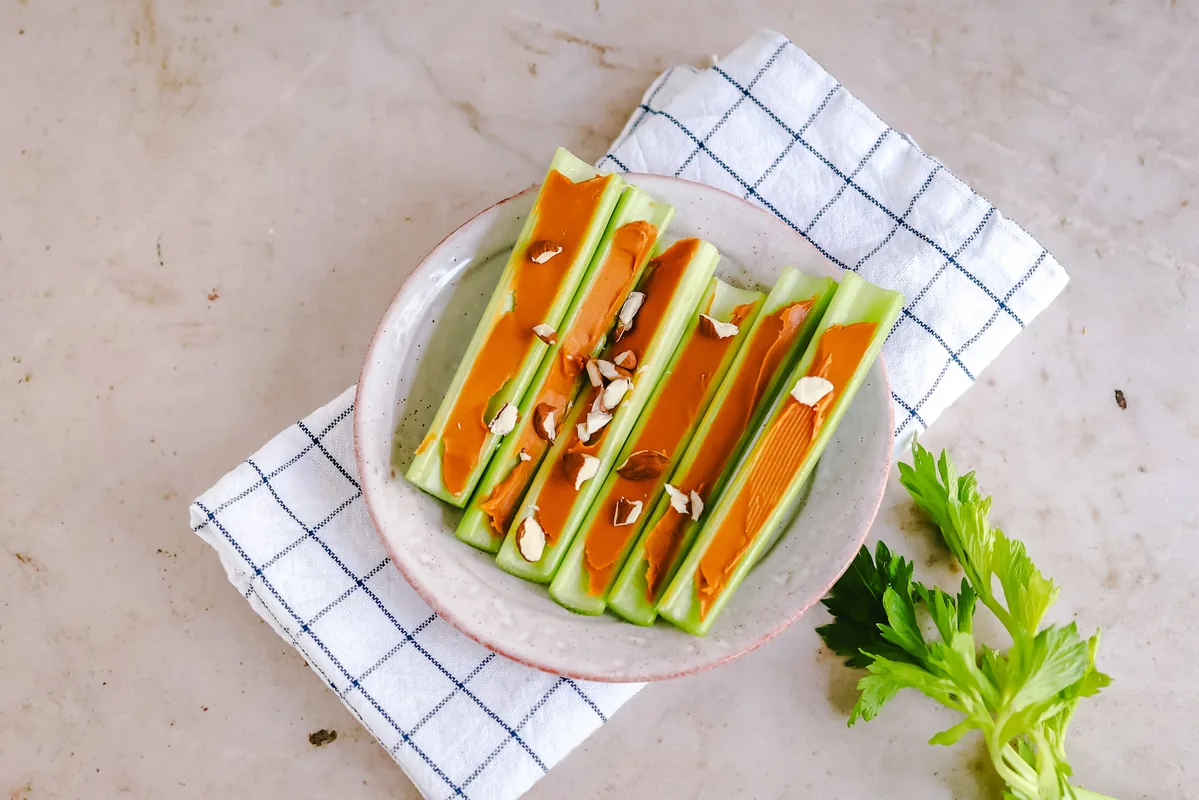
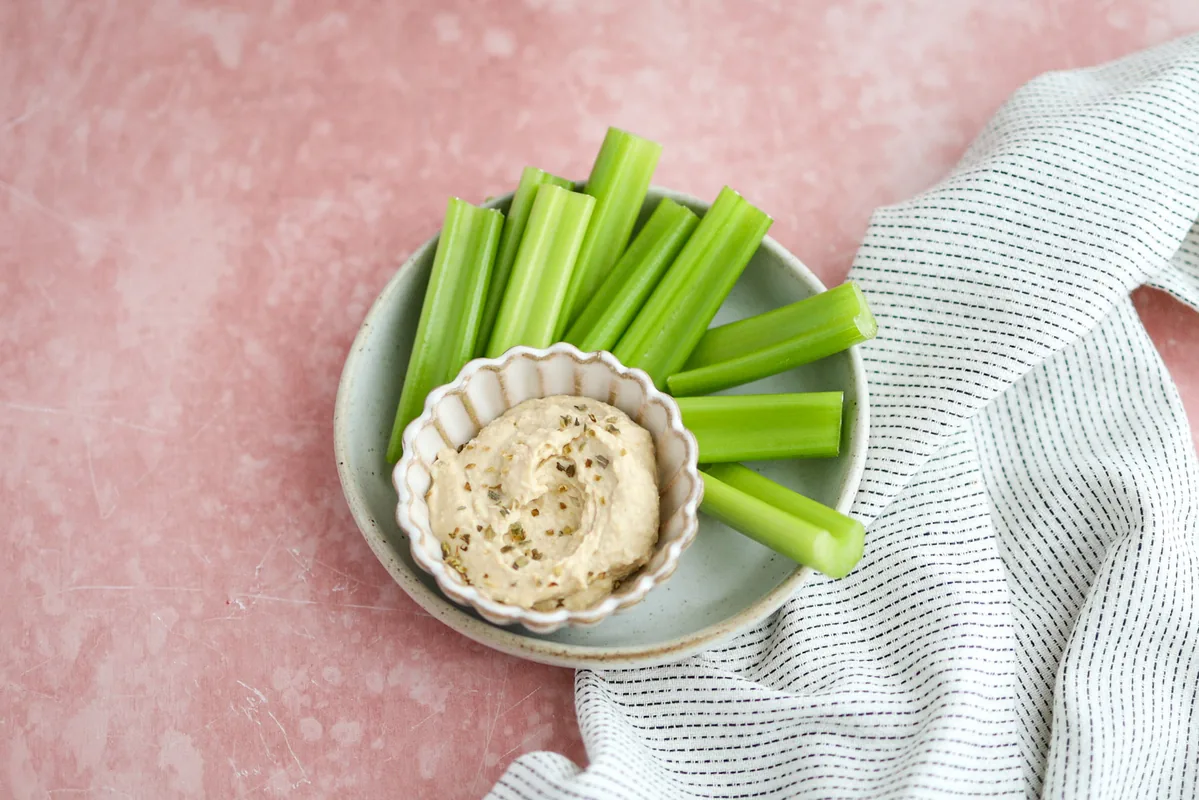
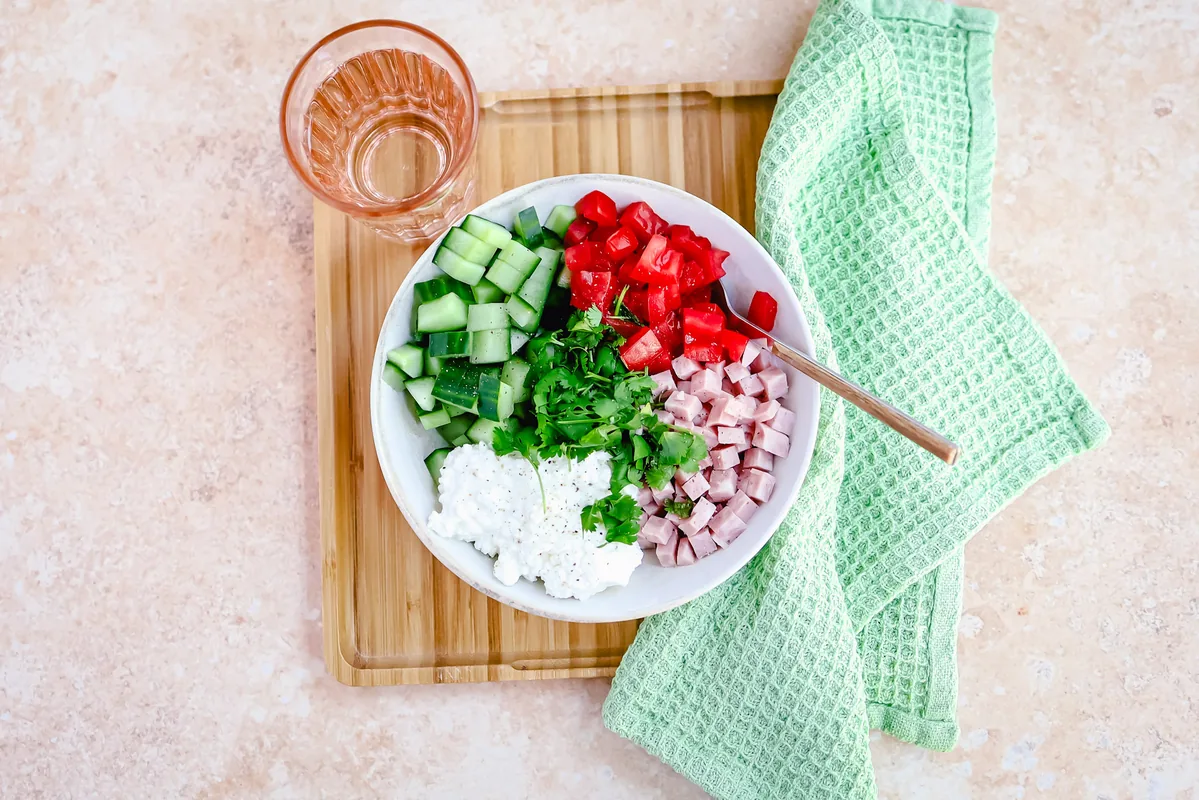
What survives the calorie cut is what makes the collection useful. Sixty-one percent deliver 10 grams of protein or more. Cottage cheese drives 17 recipes. Turkey, hummus, and peanut butter fill out the rest. The top 12 most calorie-efficient snacks cost under 10 calories per gram of protein, closing in on the theoretical minimum of 4 kcal/g for pure protein.
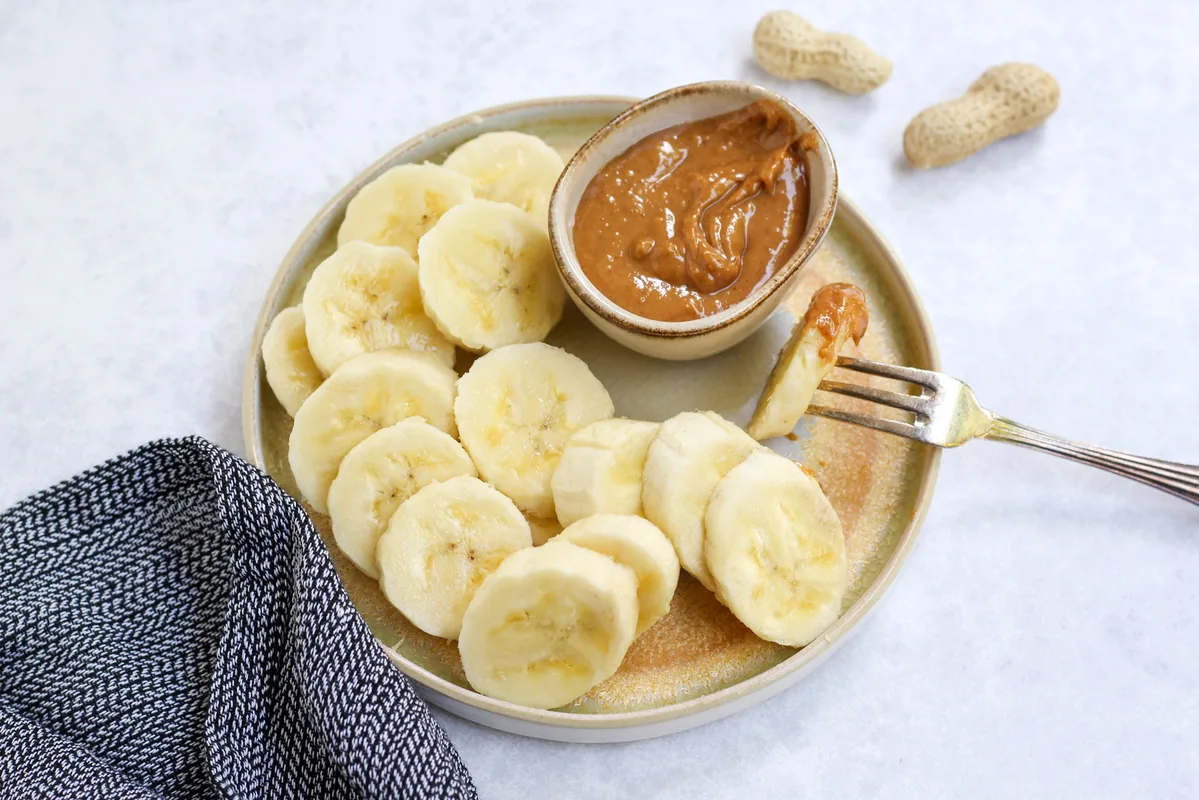
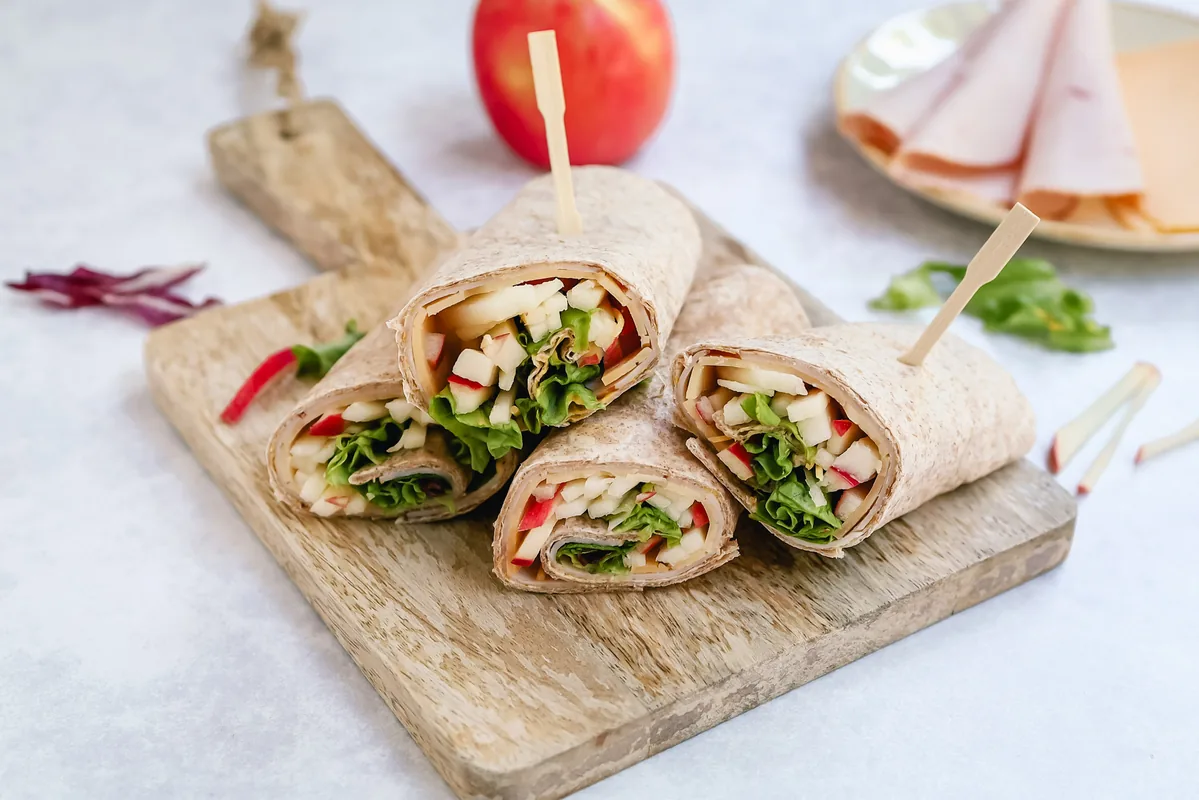
Behind the numbers sits published research. Sixty-one trials and 6,925 participants confirmed the lever is total calorie intake, not which specific foods get cut. Twenty-four trials with 1,063 people showed that protein during a cut shifts what you actually lose: more fat, less muscle. And 169 trials separated fruit sugar from added sugar and found fruit at normal intake decreased body weight, which matters when apple and banana snacks dominate this collection.
Three minutes. Four ingredients. Ninety-four percent need no cooking. The calorie cost of a snack is not what most people carrying the anxiety think it is.