























































































































Spreading protein across three or four meals instead of loading dinner built 25% more muscle protein in a crossover trial of the same total daily intake (Mamerow 2014, P=0.003). A follow-up measured the mechanism: four 20g protein meals every three hours produced 31–48% higher muscle protein synthesis rates compared with two larger meals spaced further apart (Areta 2013, n=24). Same food. Same grams. Different timing.
The barrier to hitting three or four protein meals has always been time. Breakfast gets skipped. The afternoon snack defaults to whatever requires zero effort. Dinner does the heavy lifting — exactly the lopsided pattern the distribution research tested.
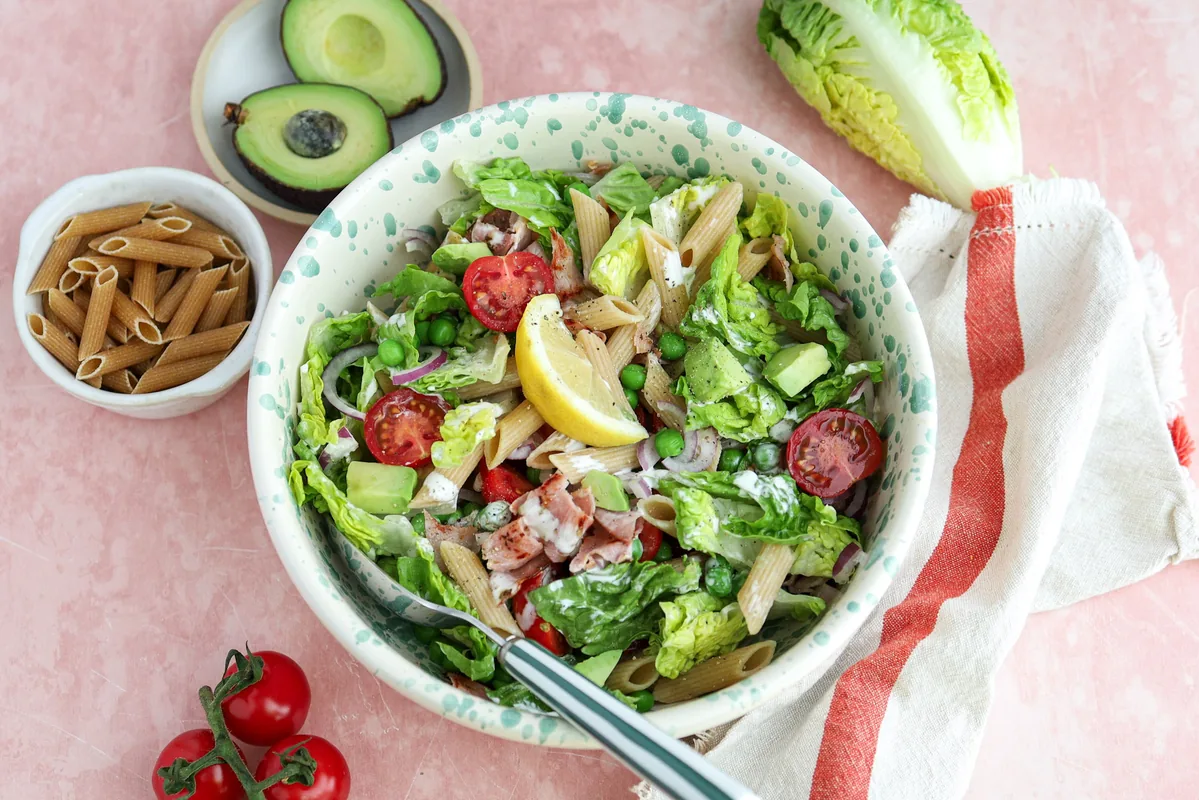
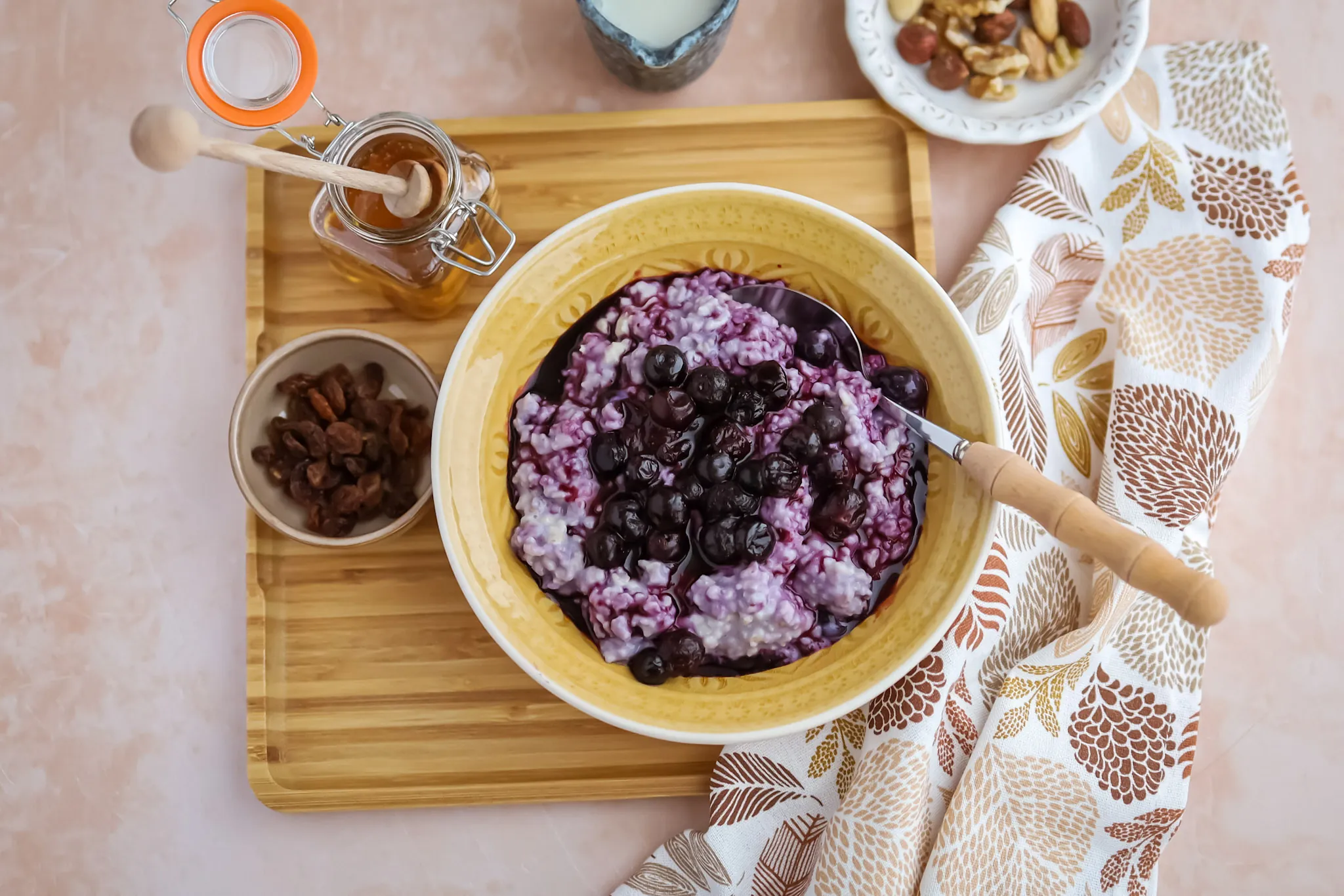
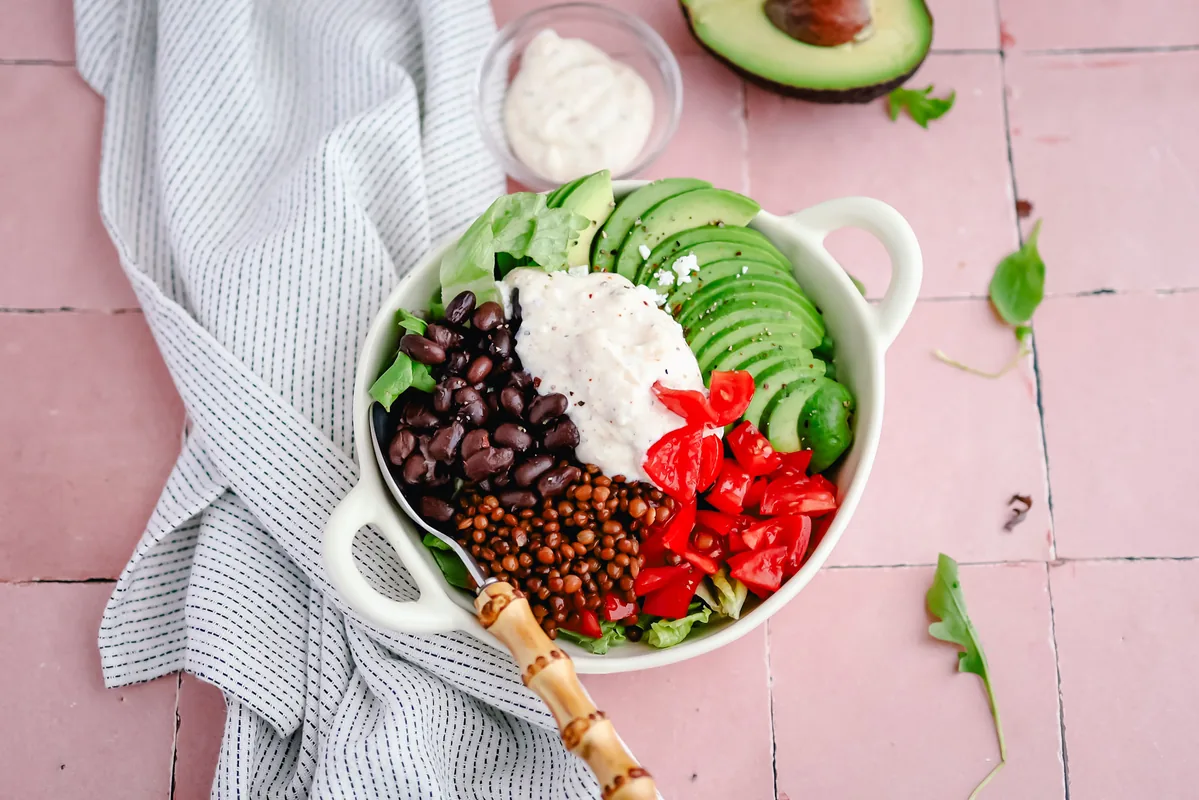
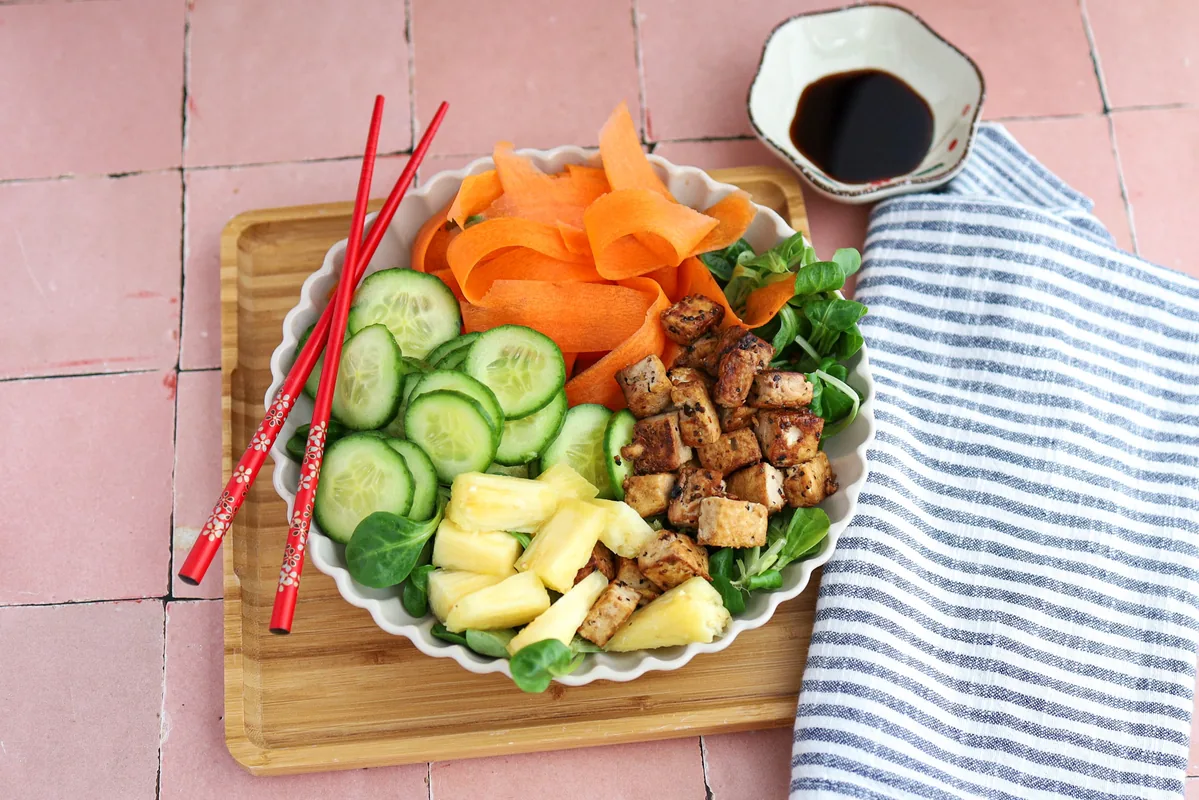
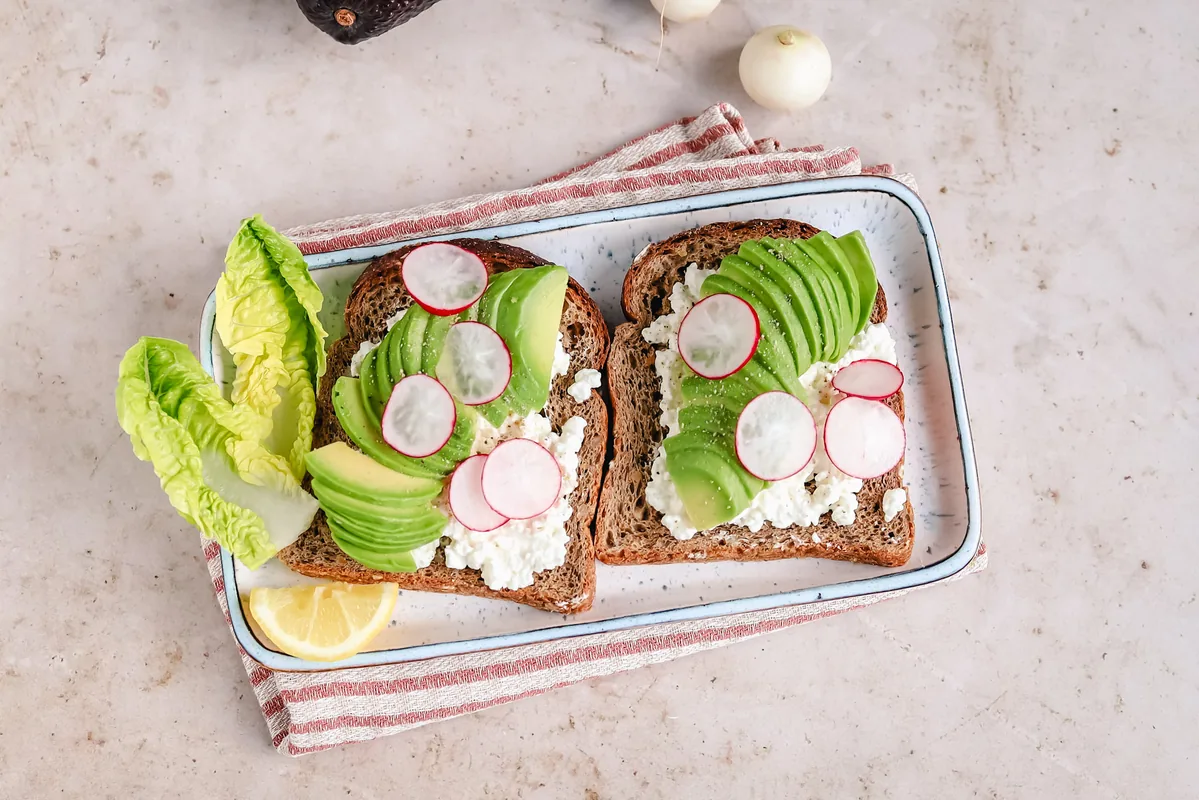
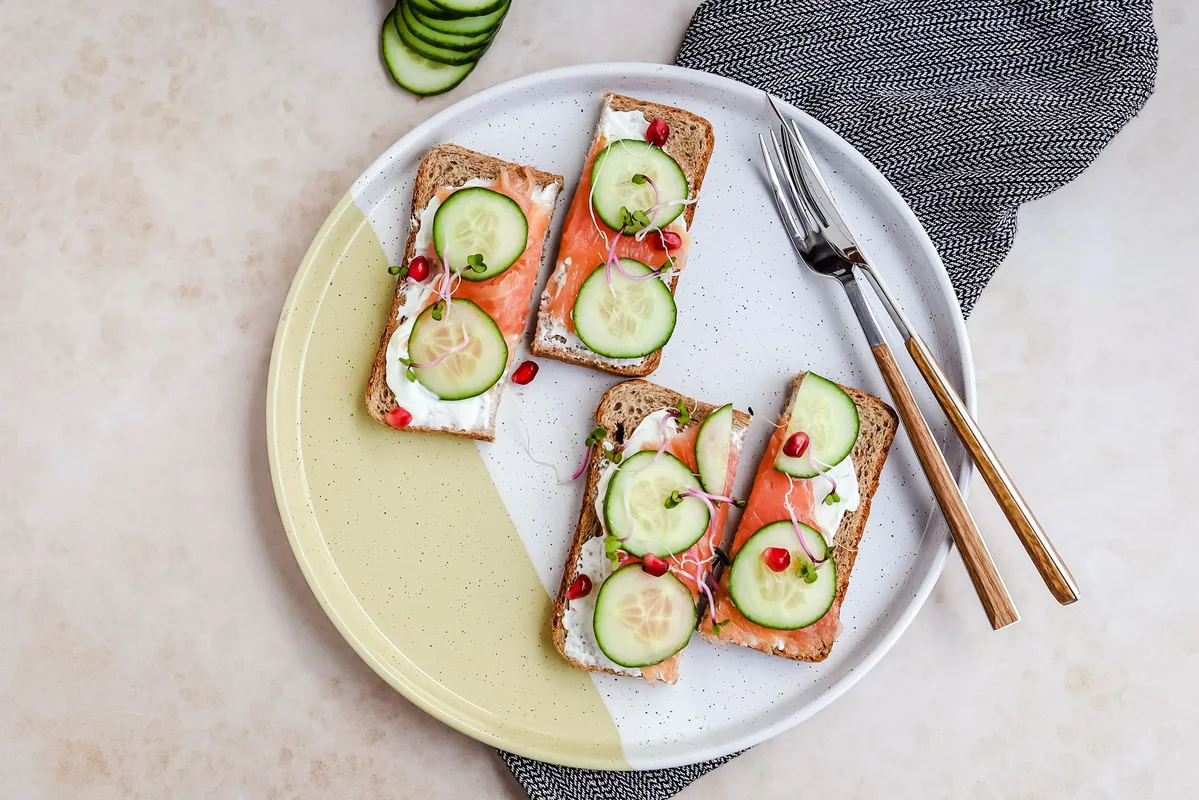
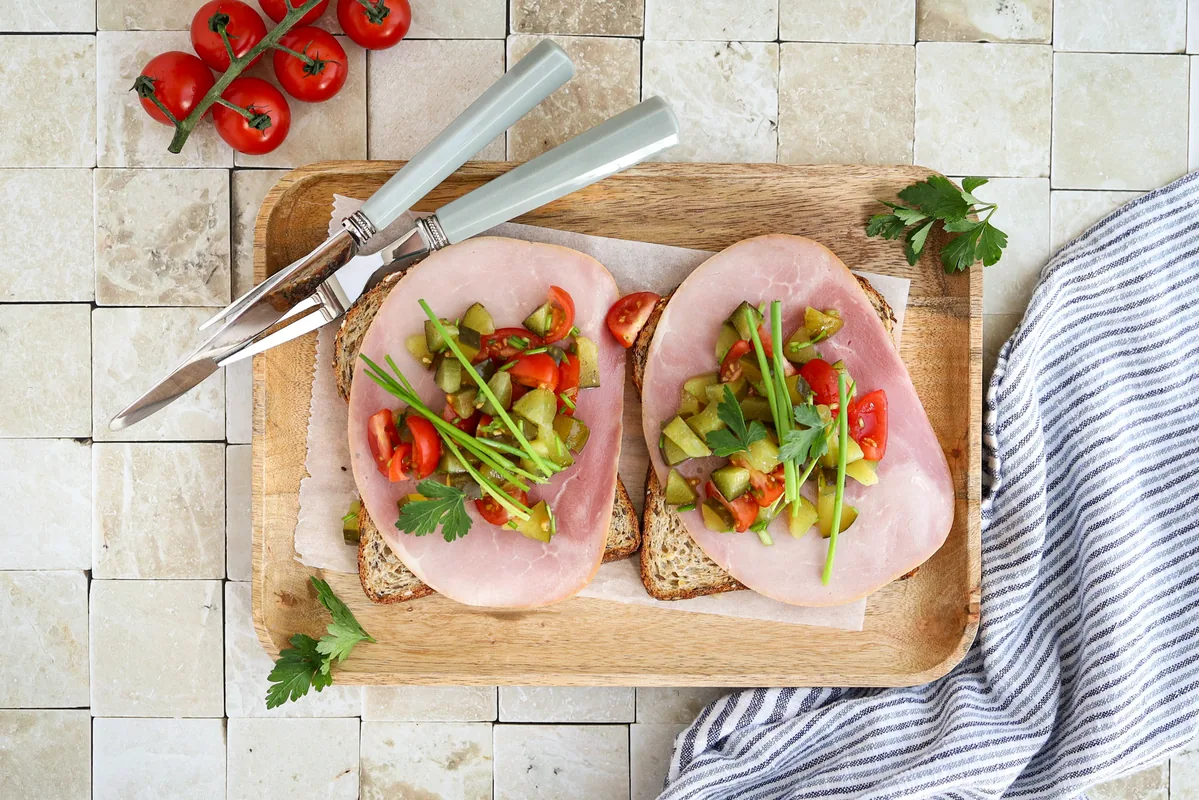
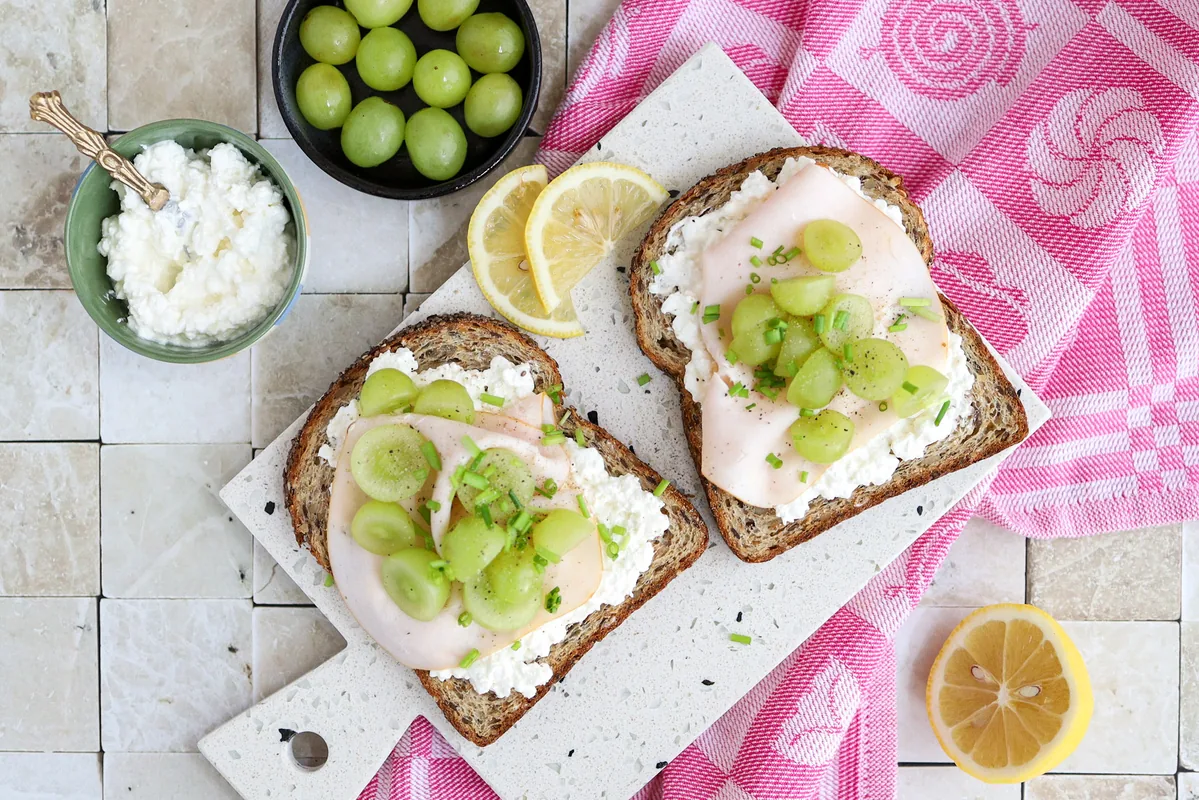
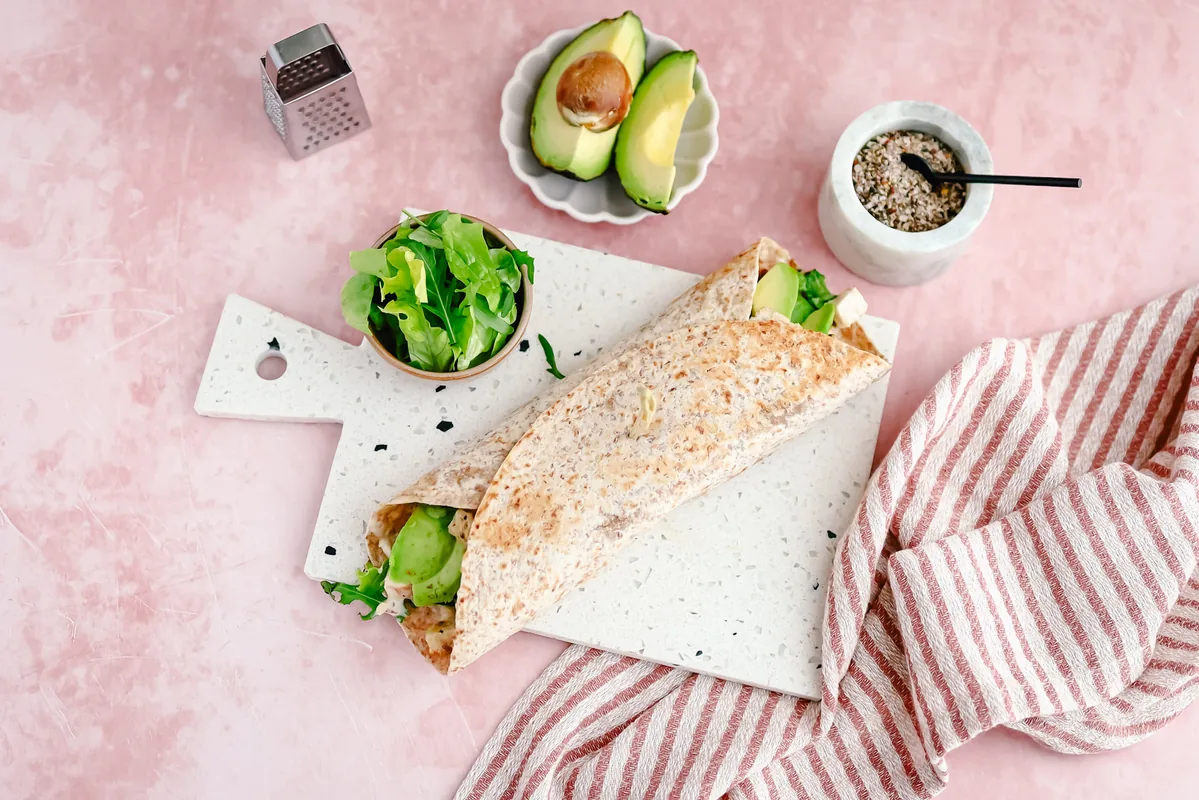
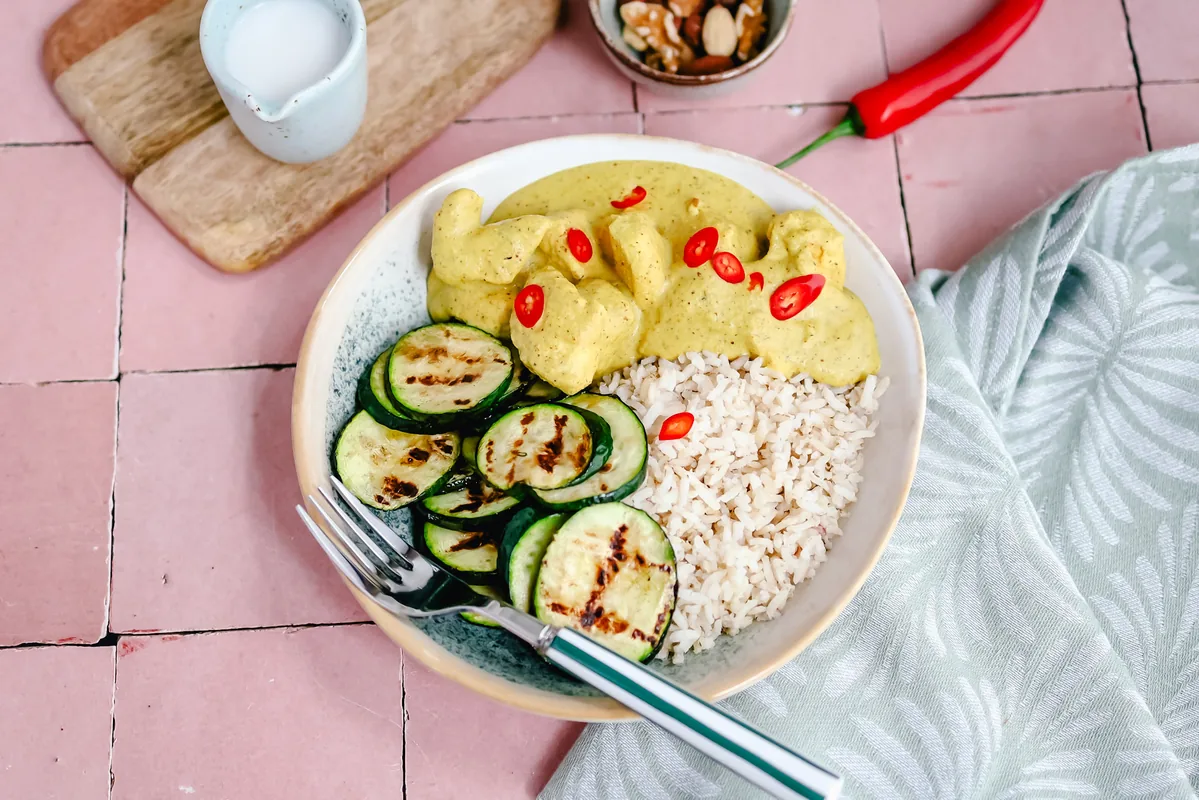
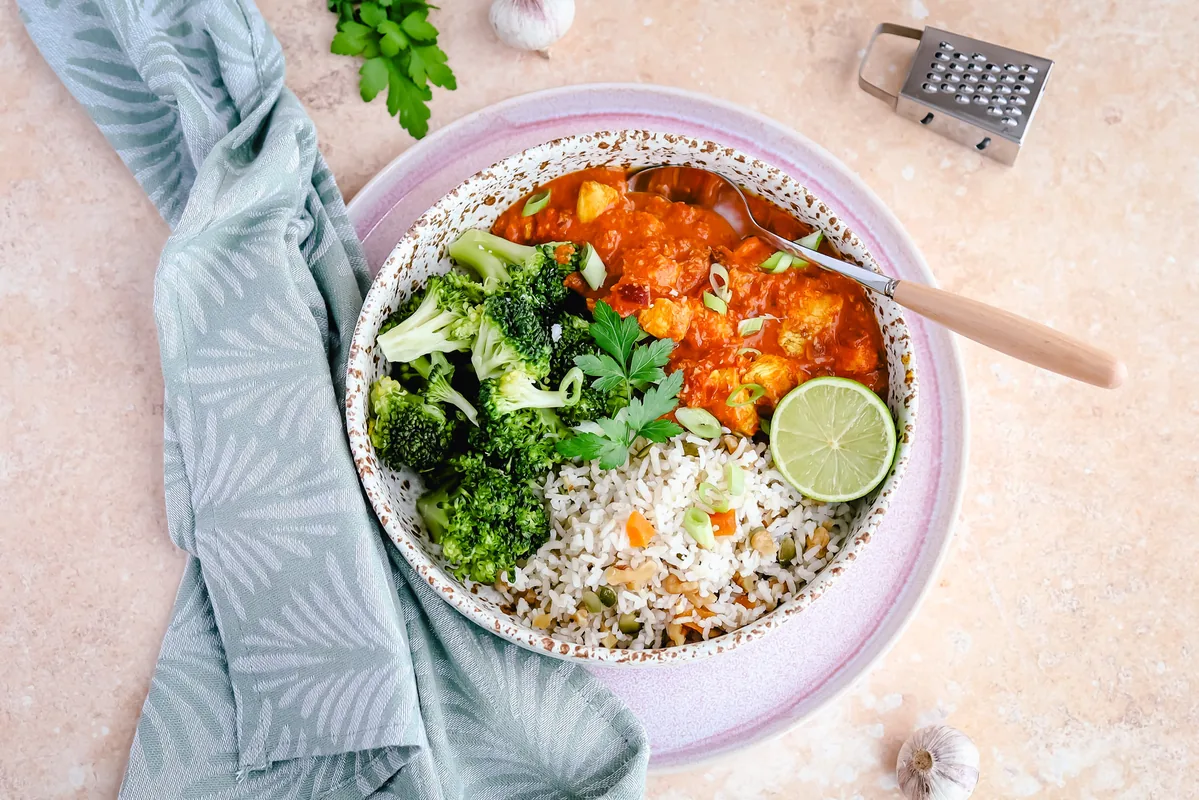
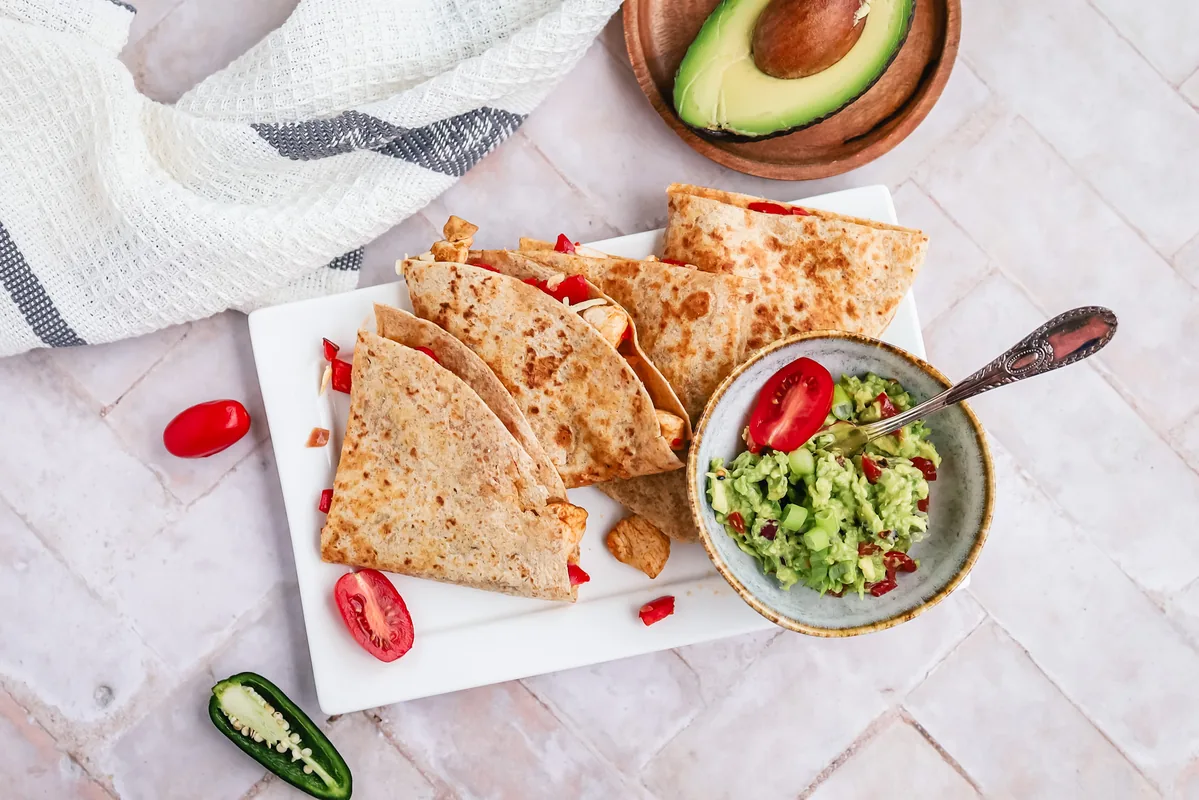
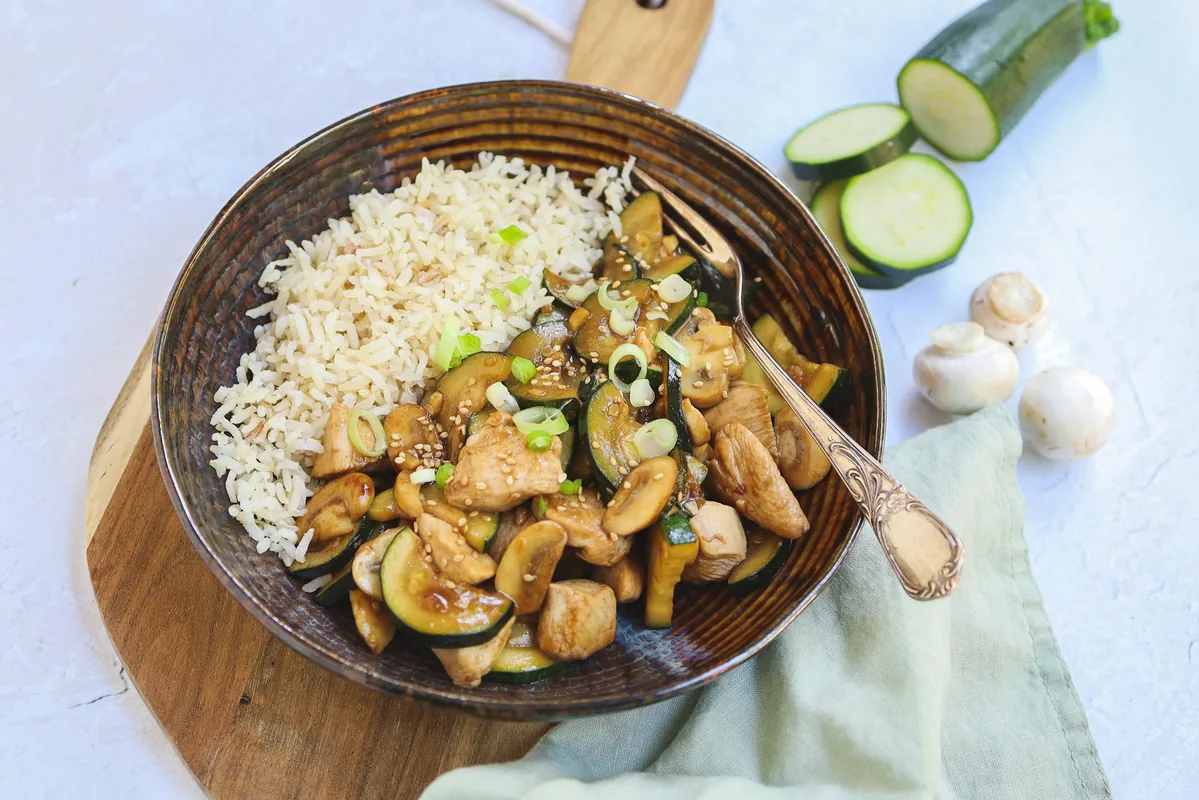
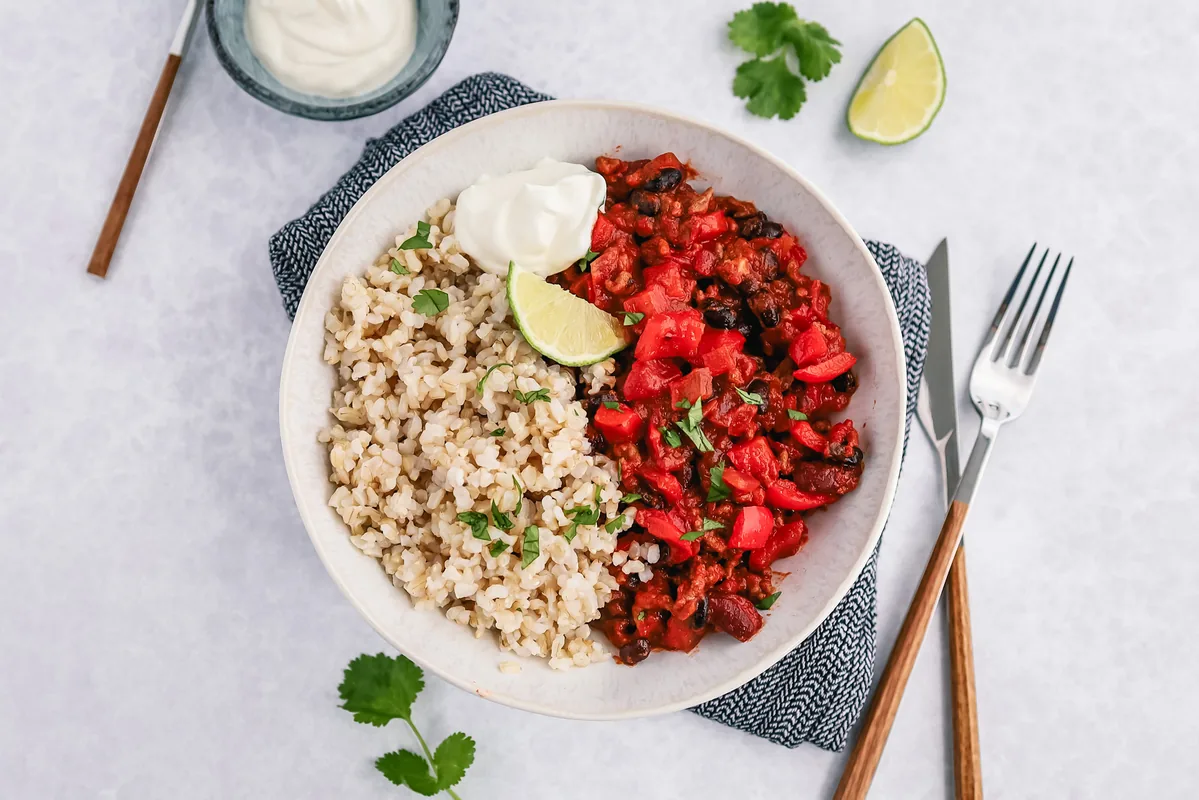
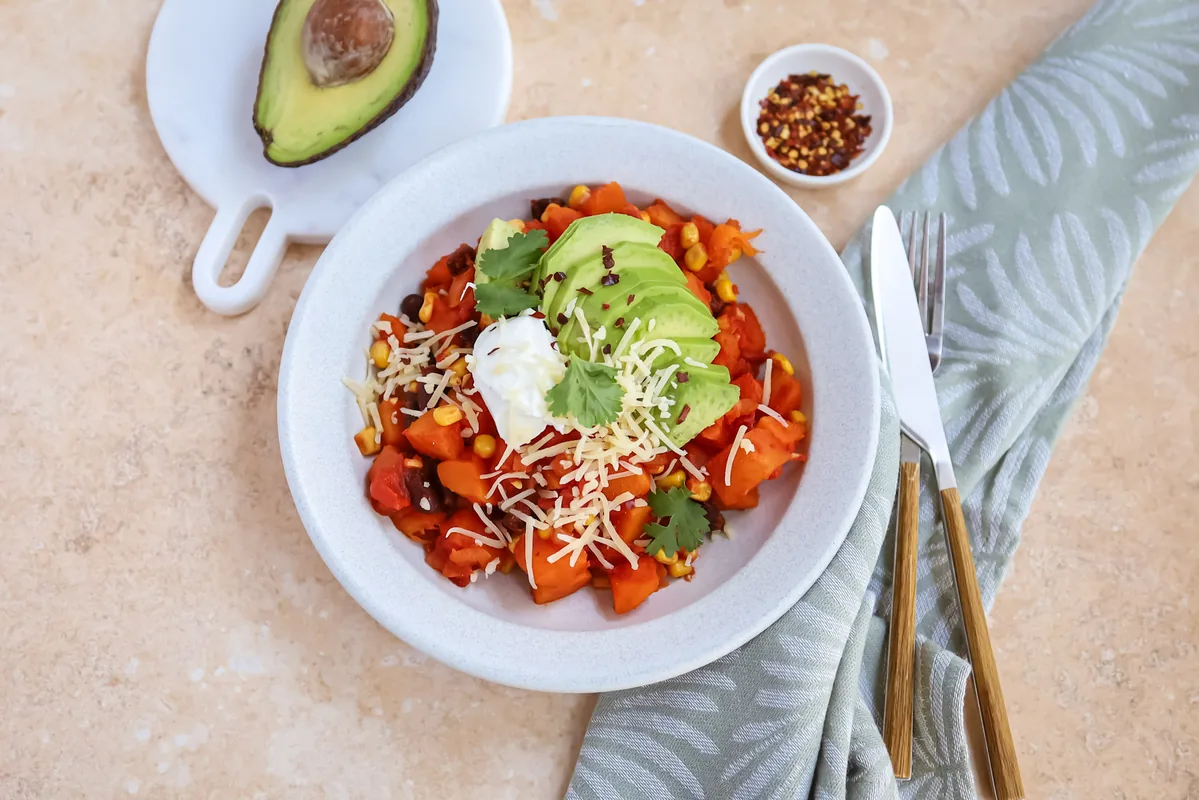
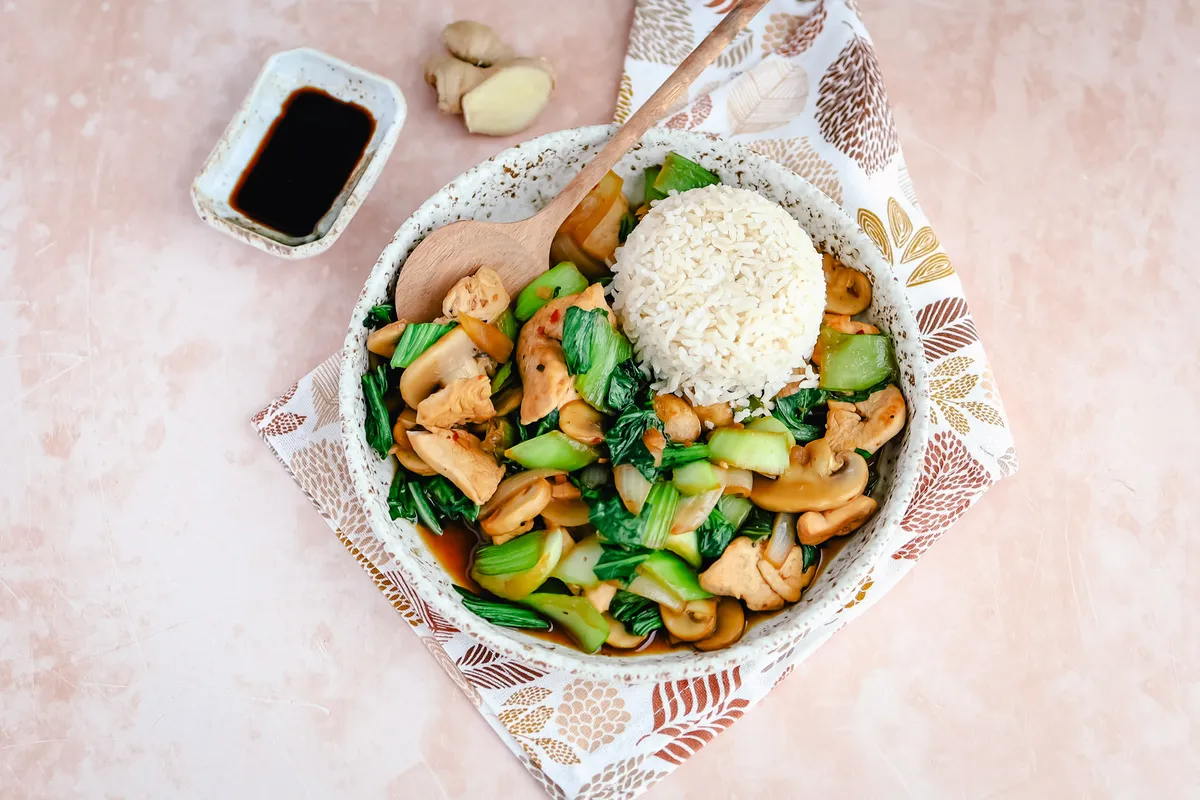
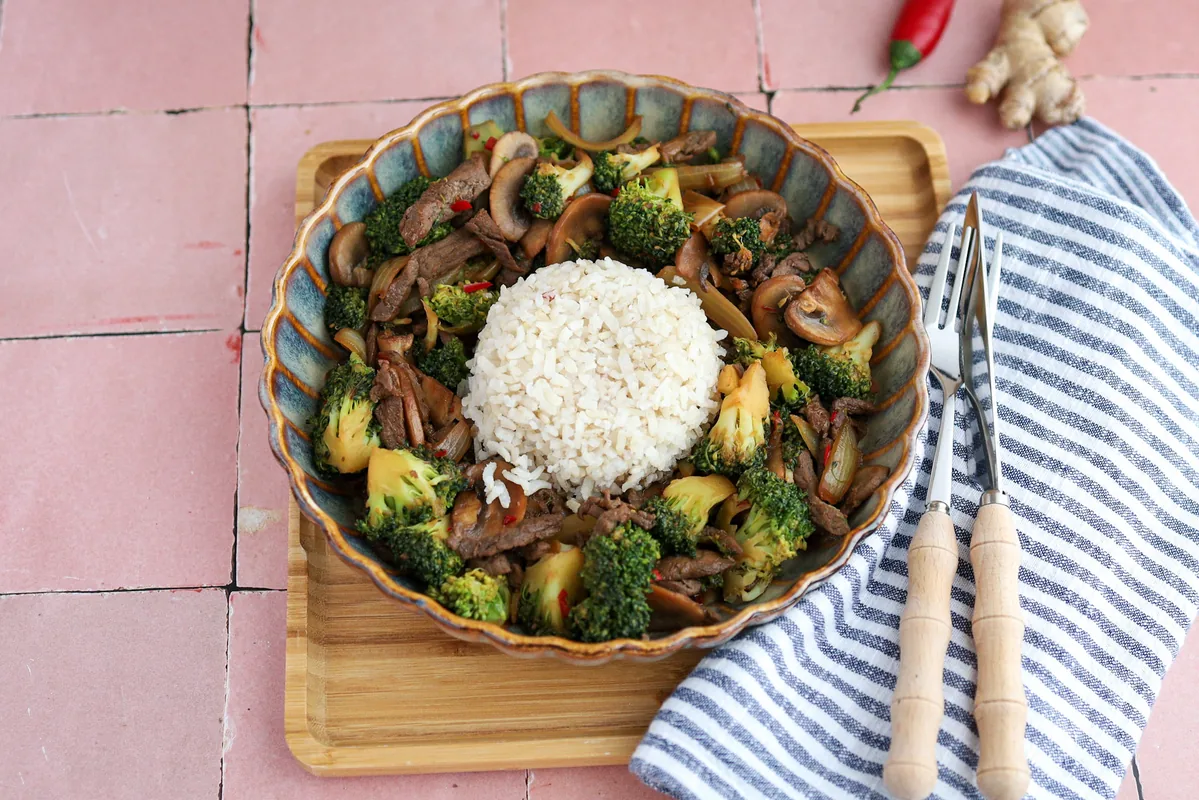
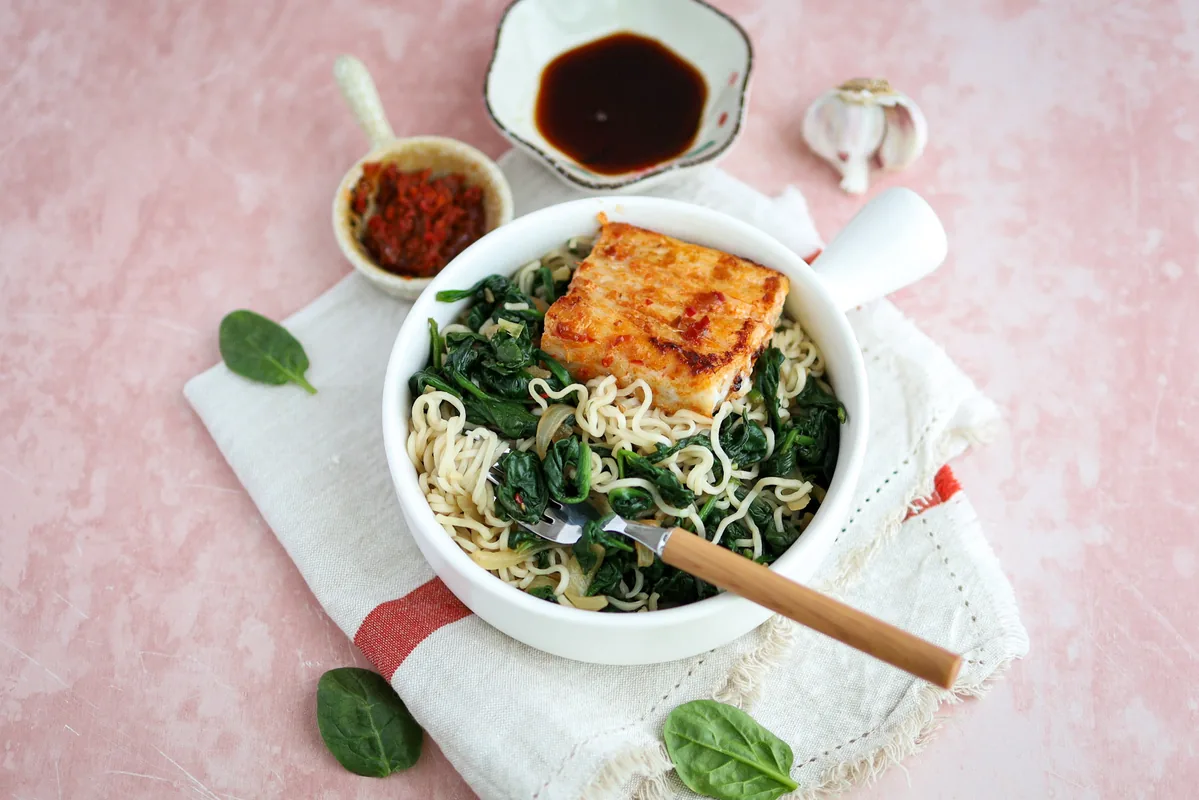
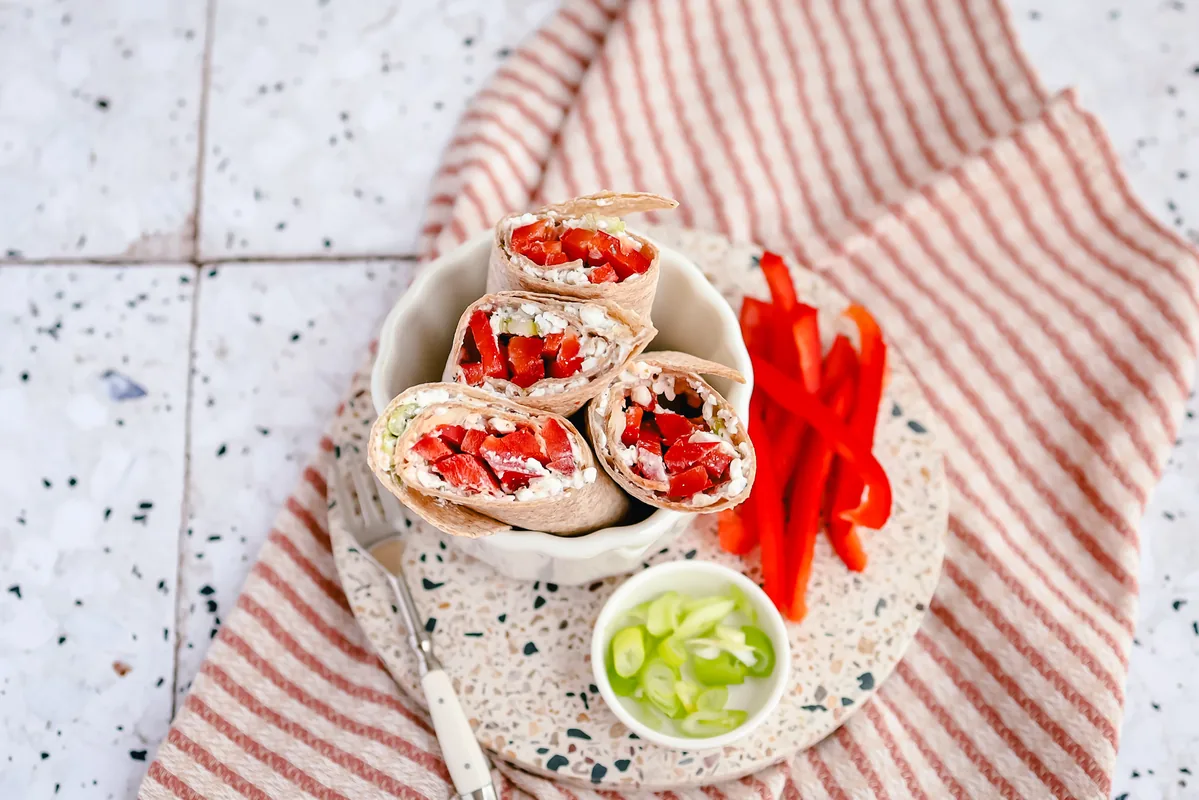
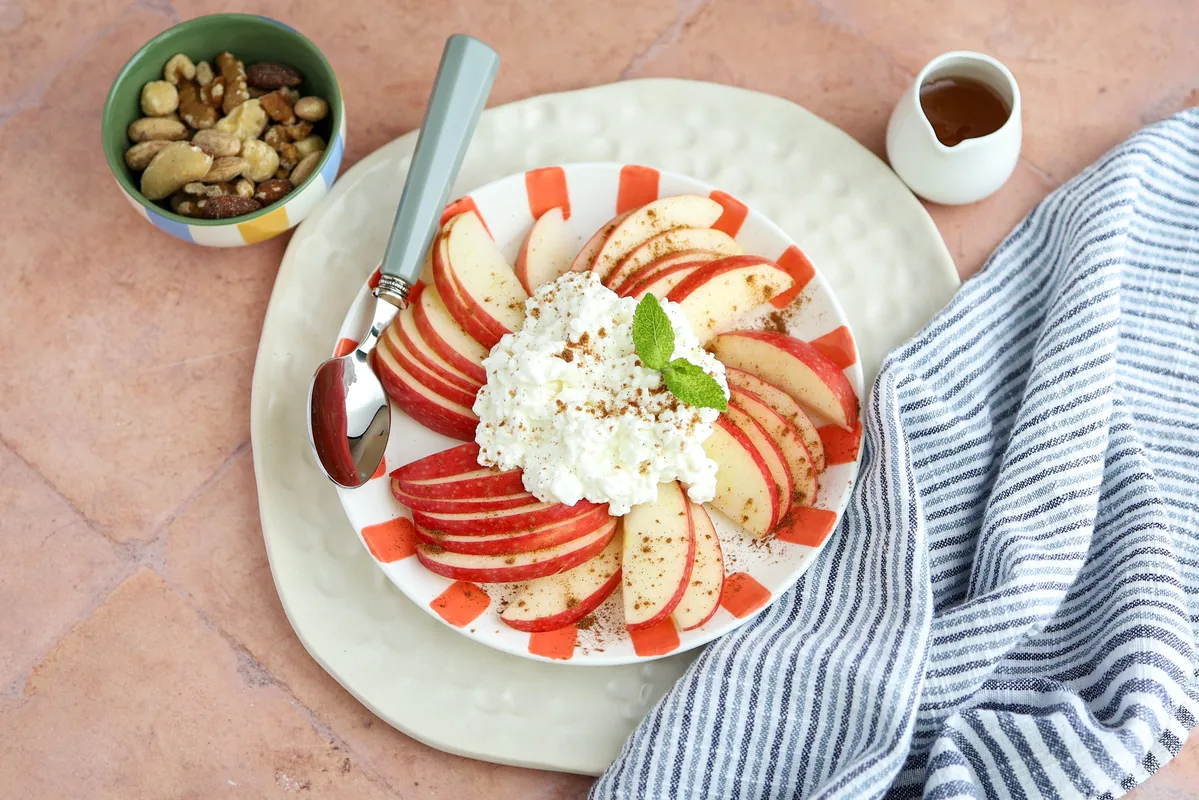
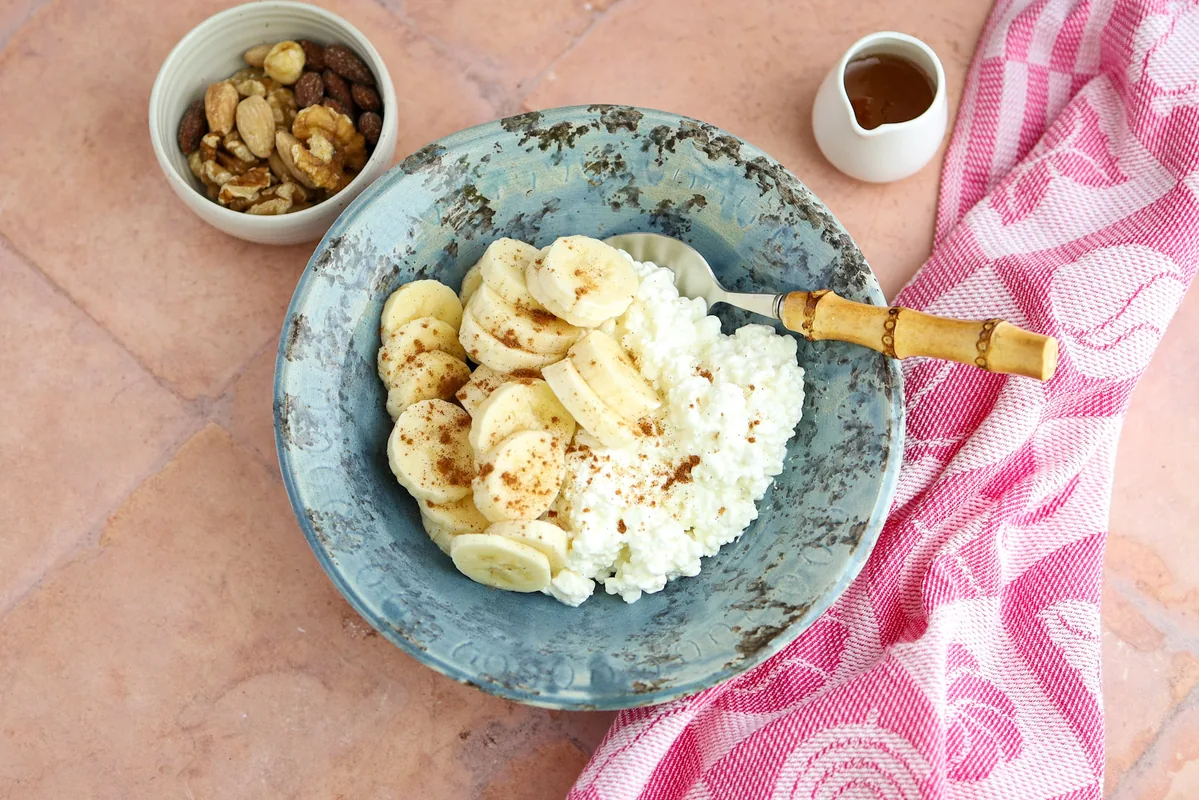
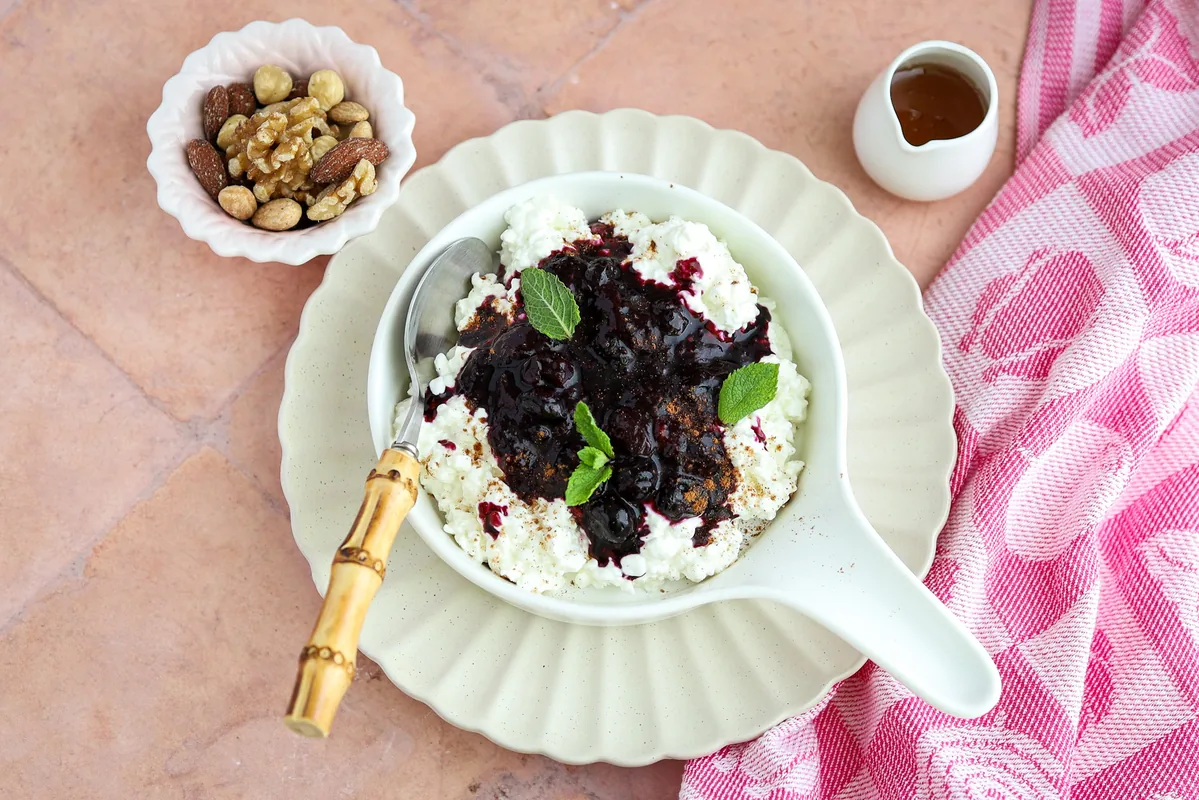
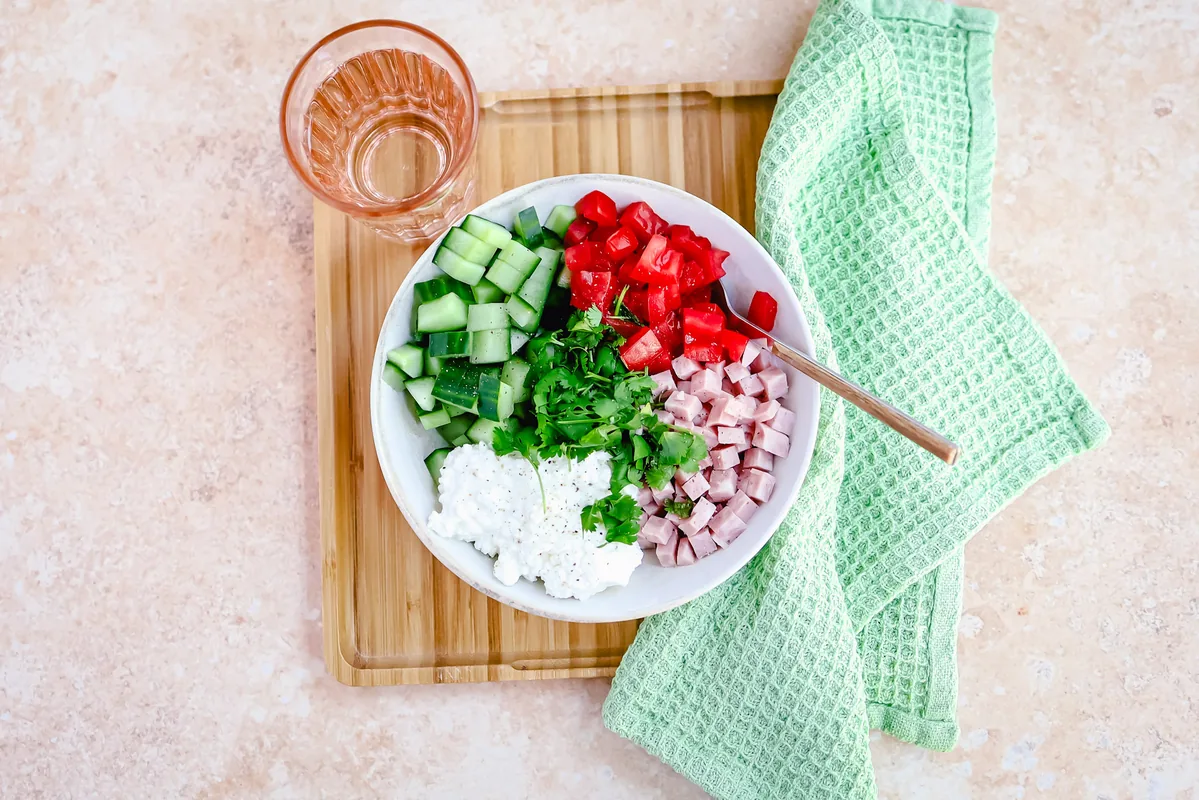
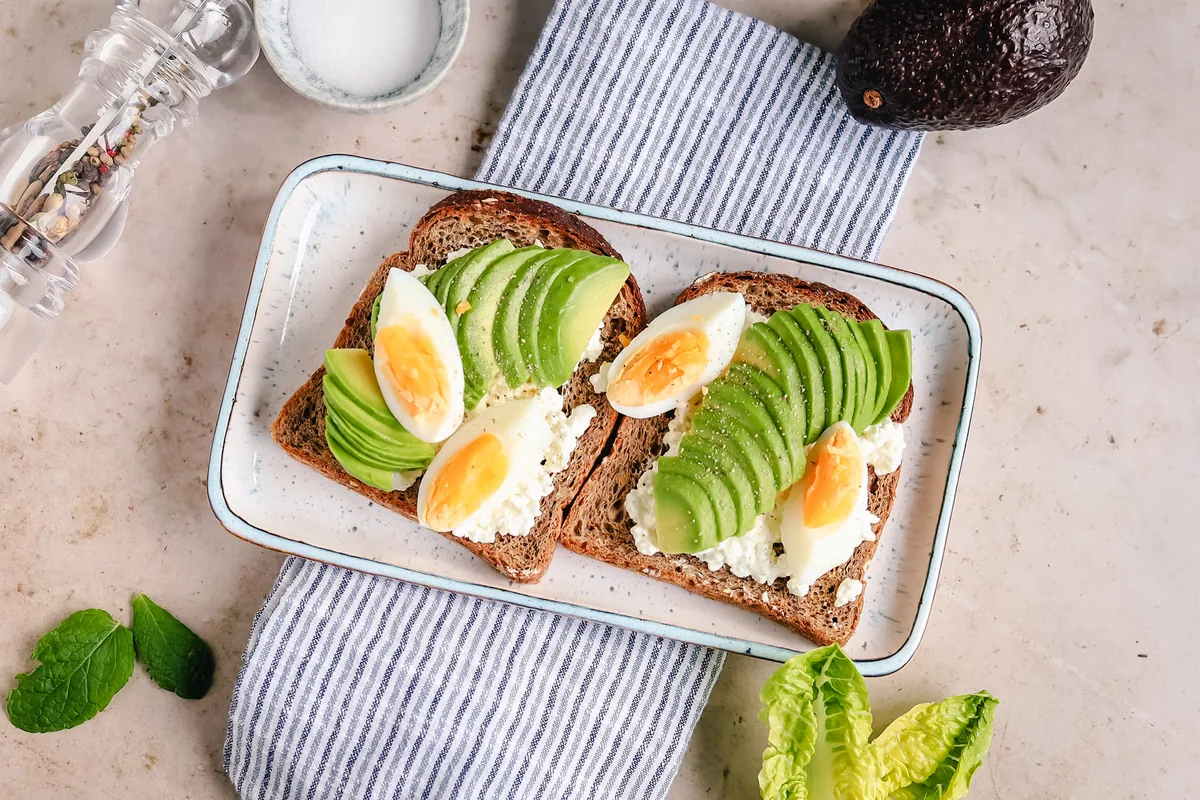
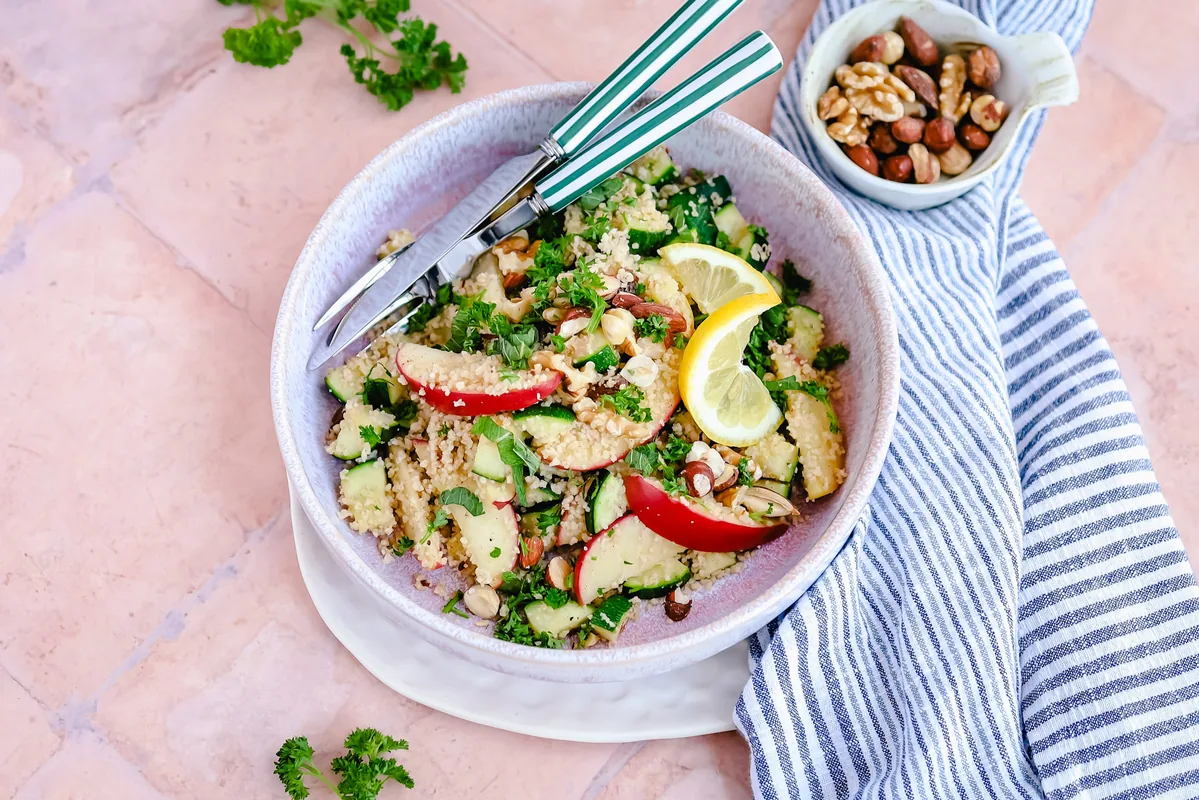
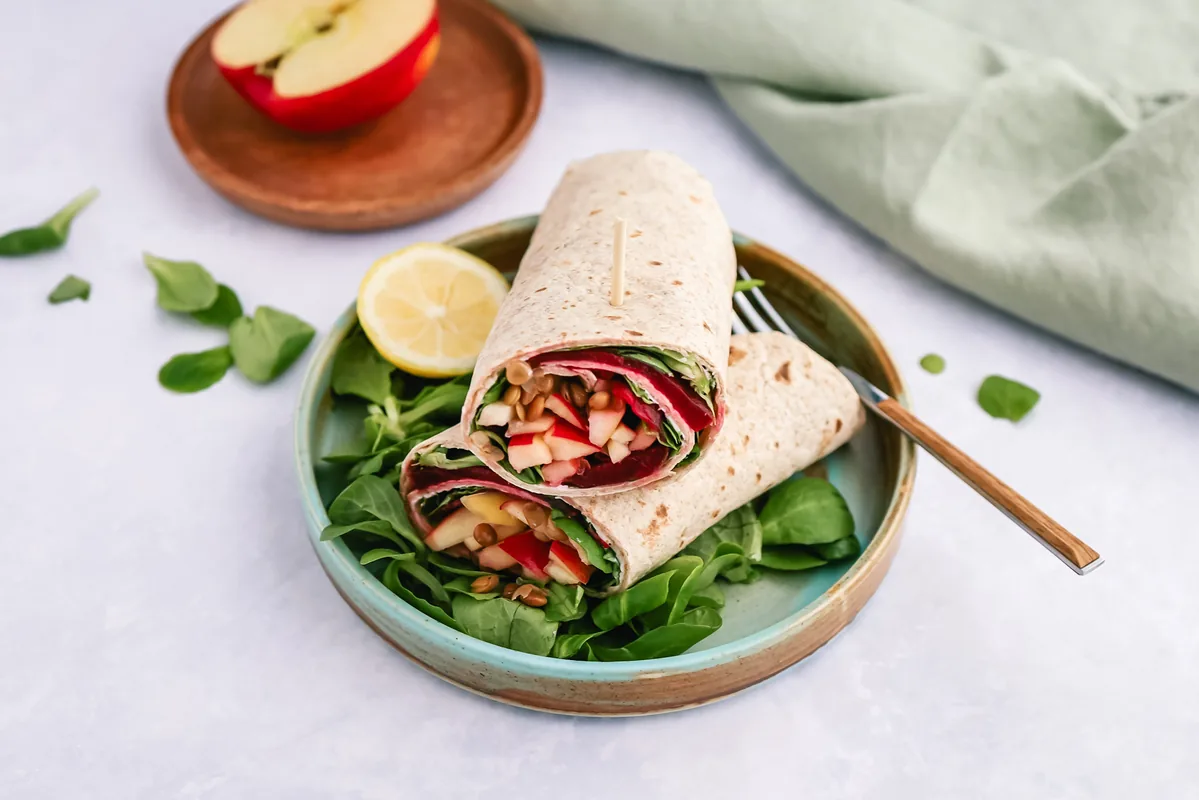
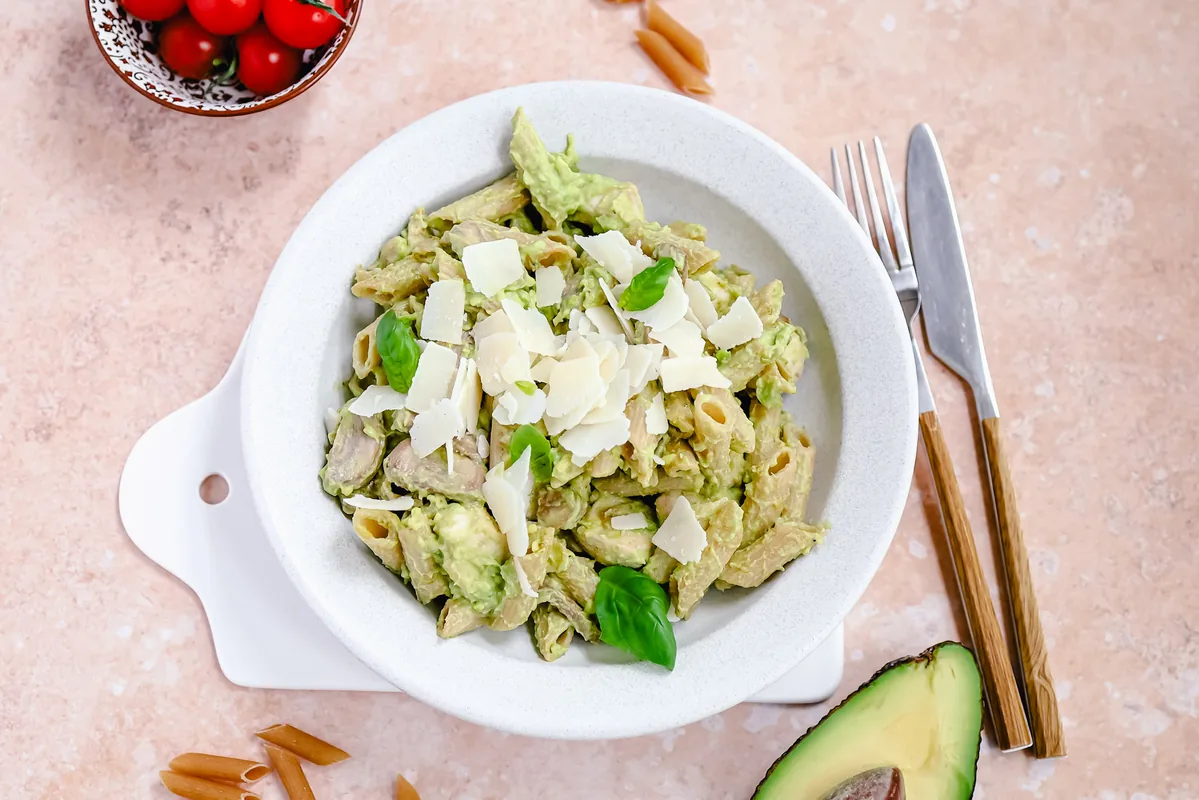
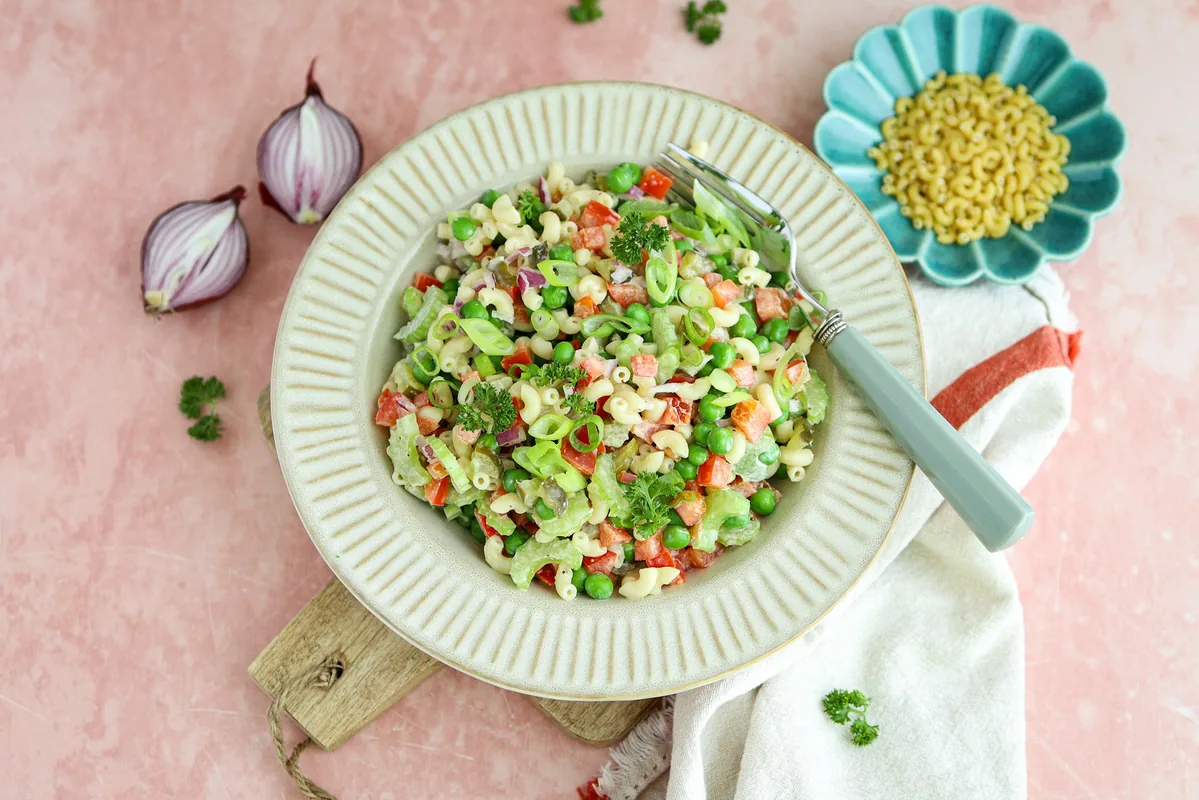
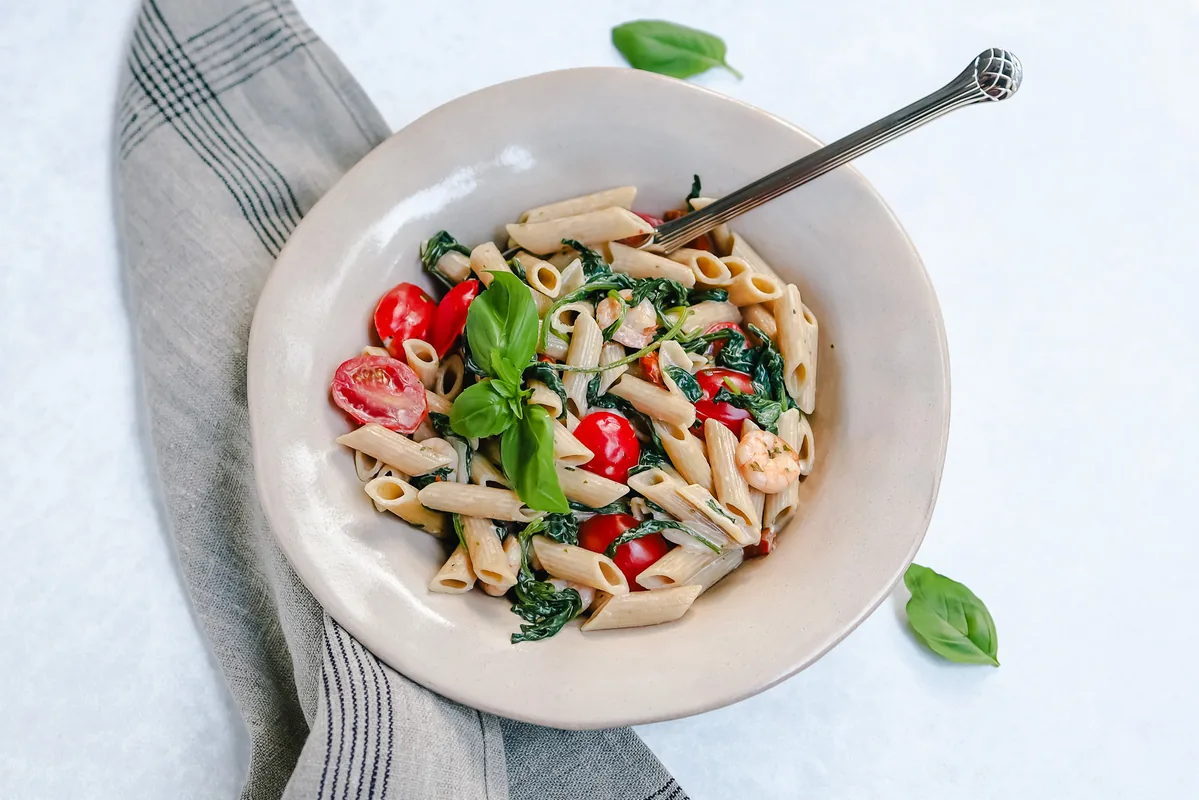
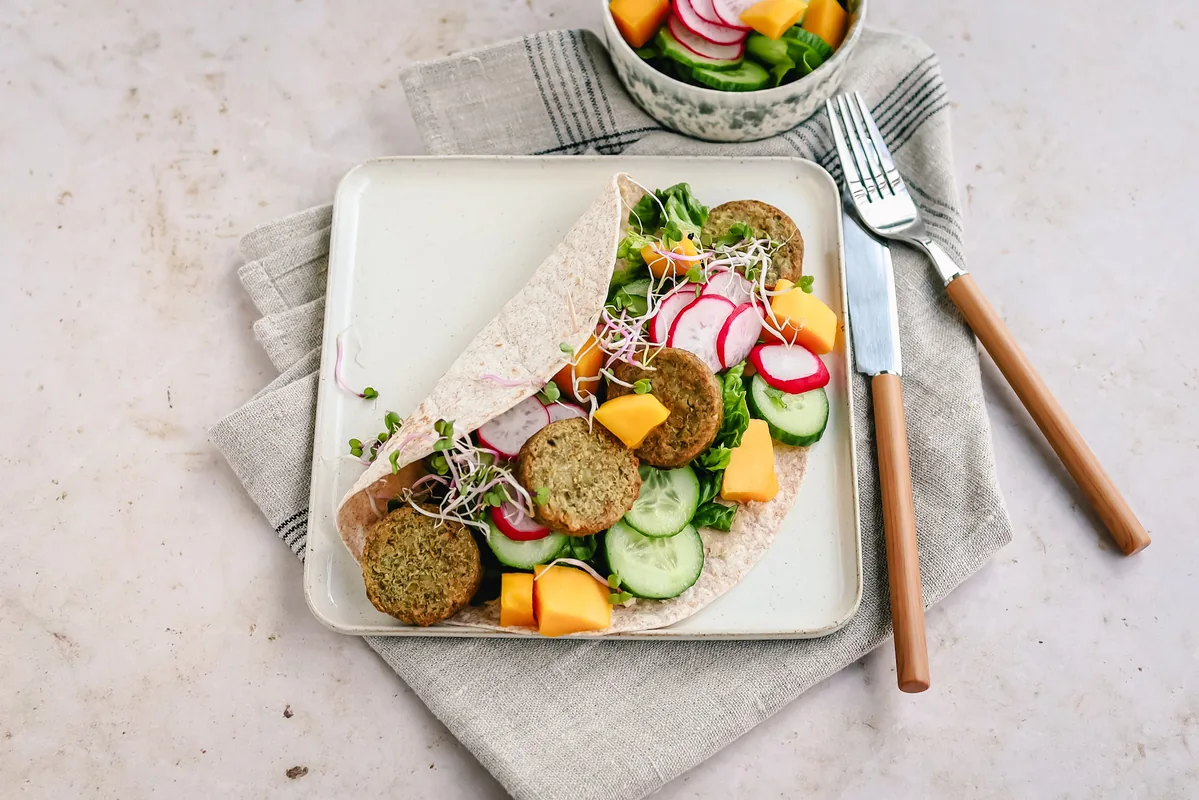
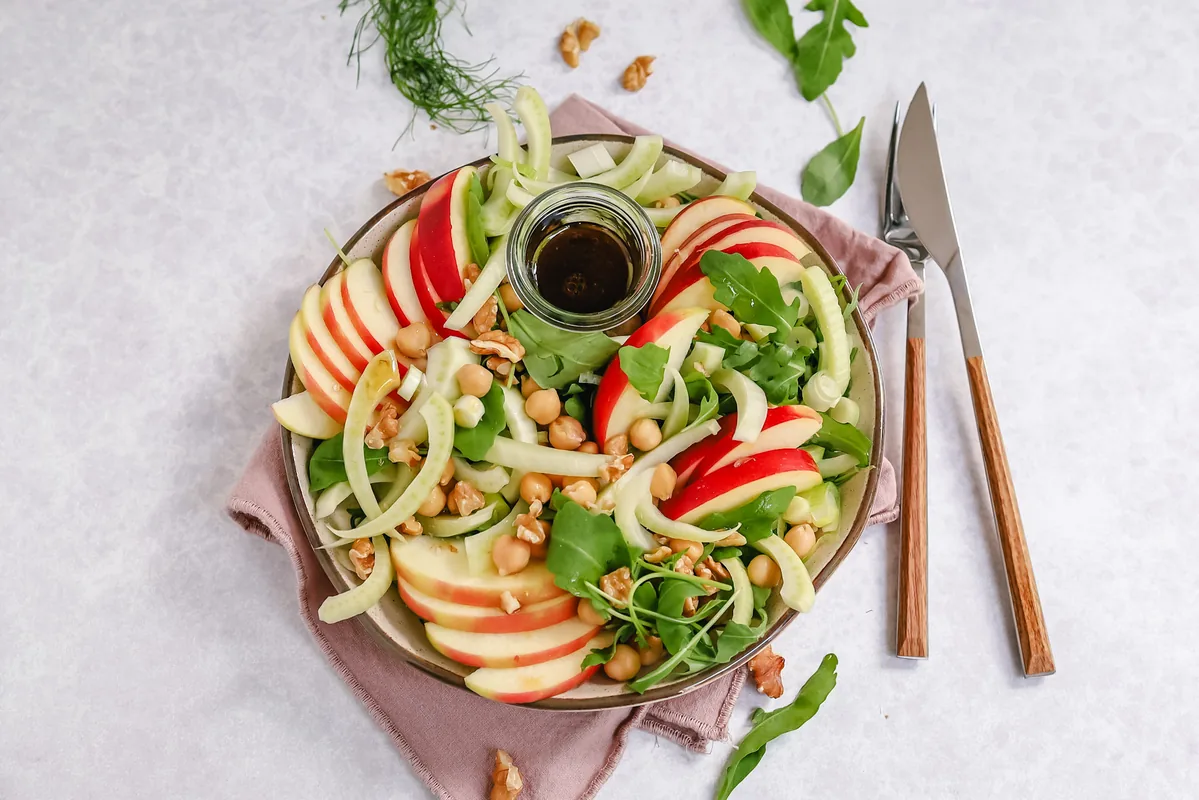
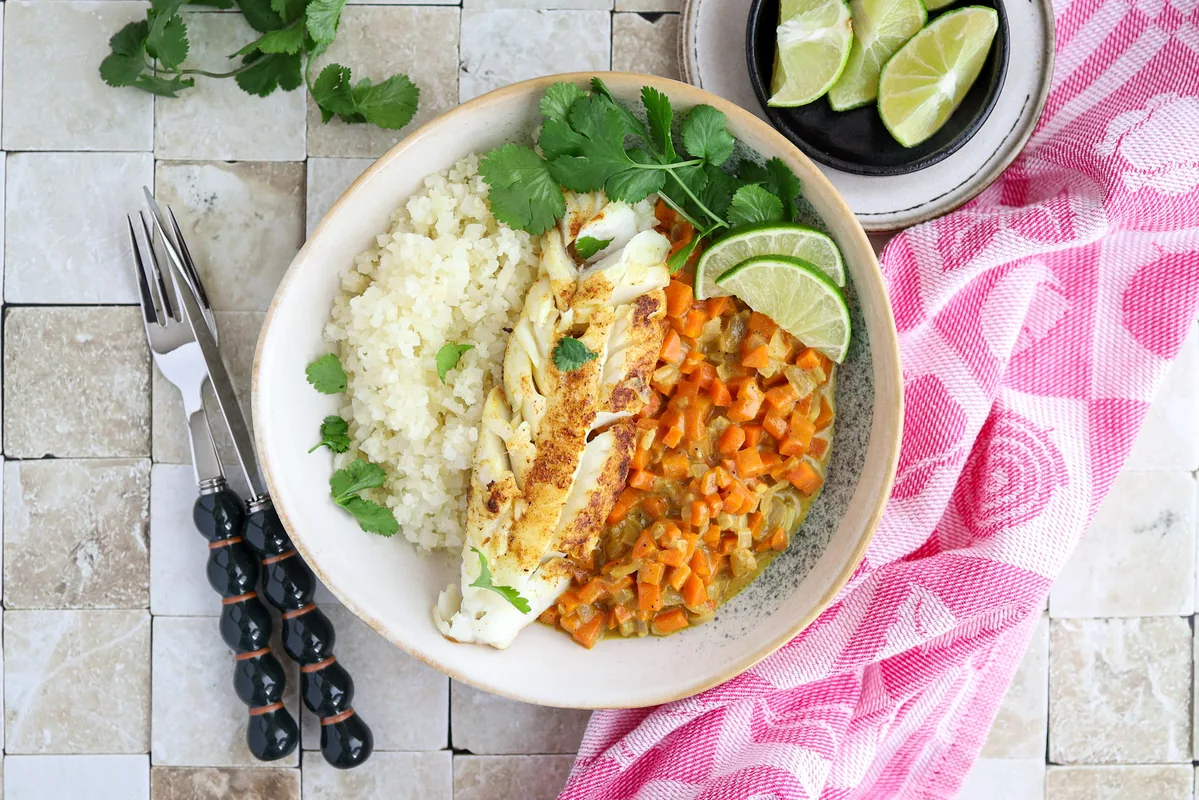
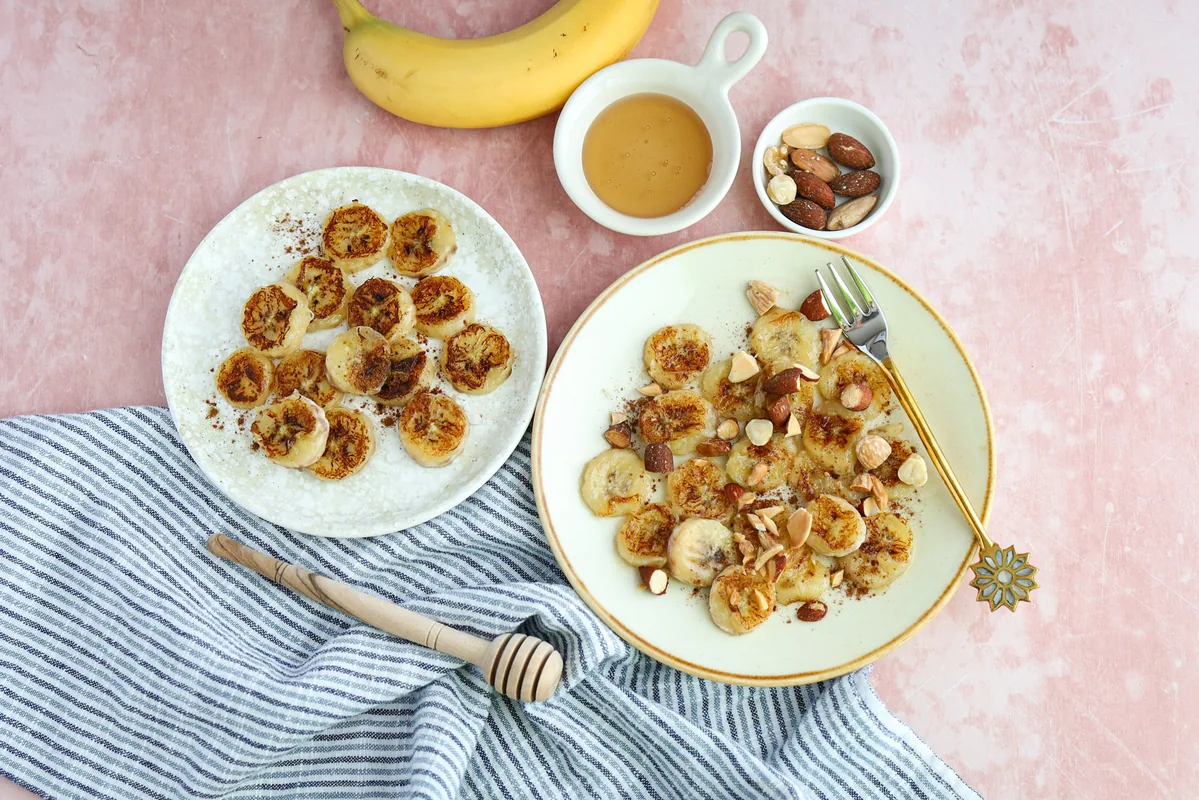
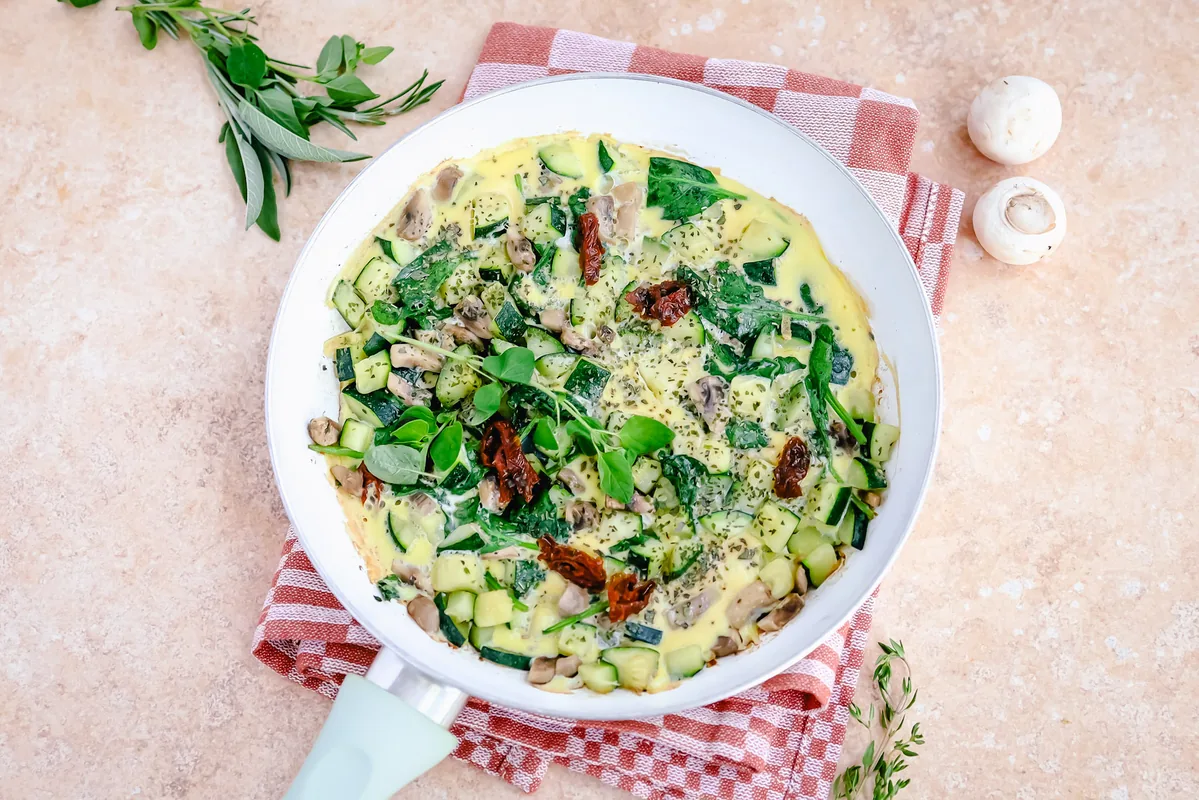
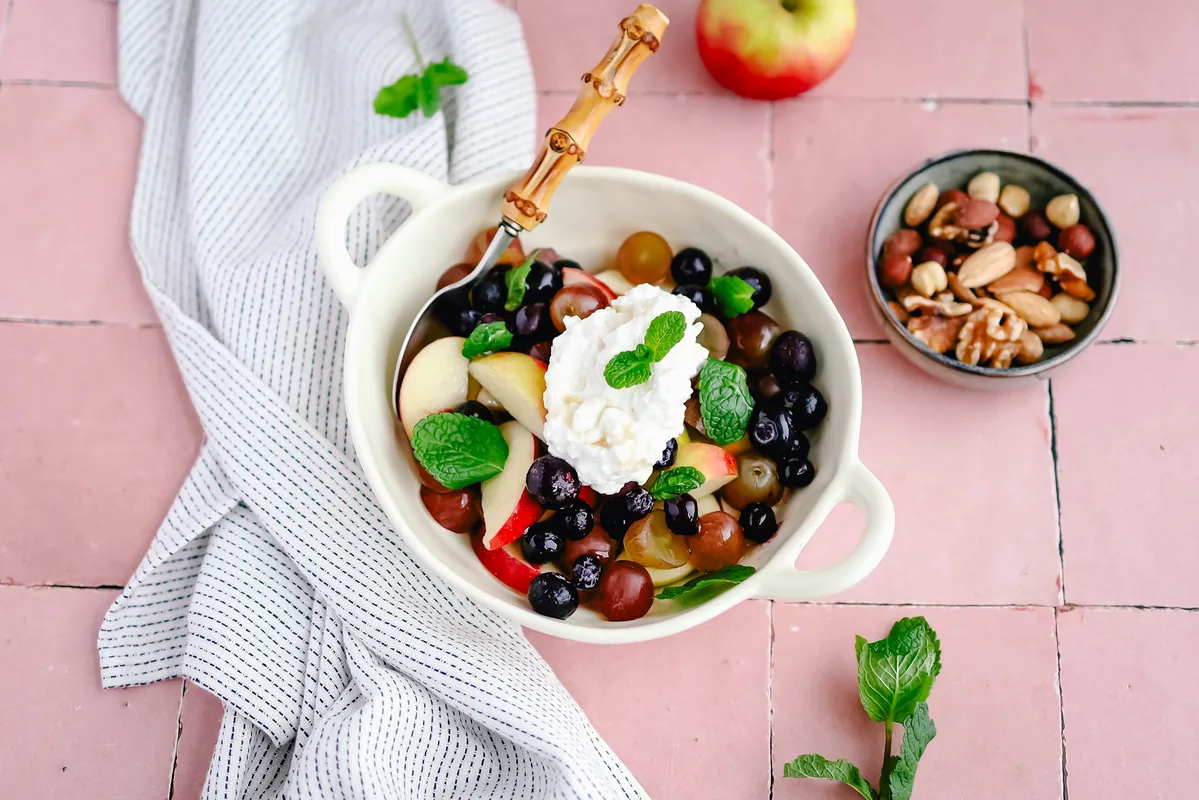
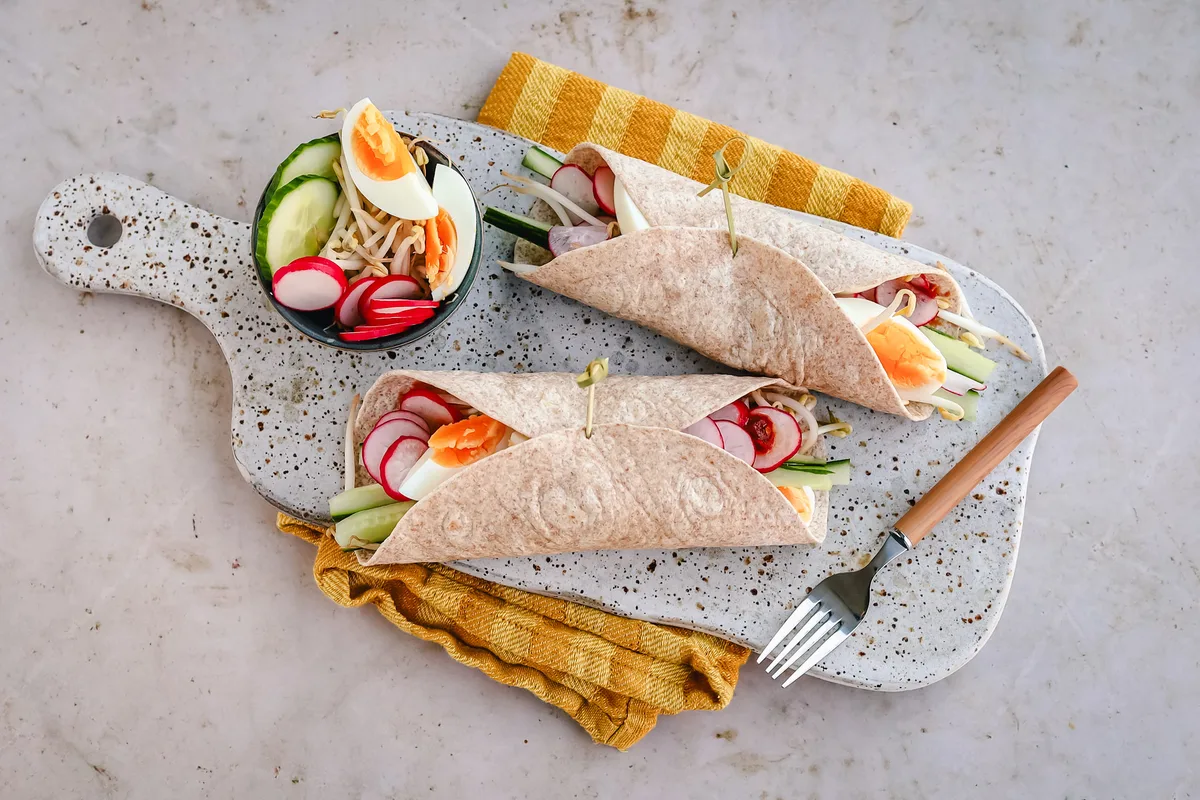
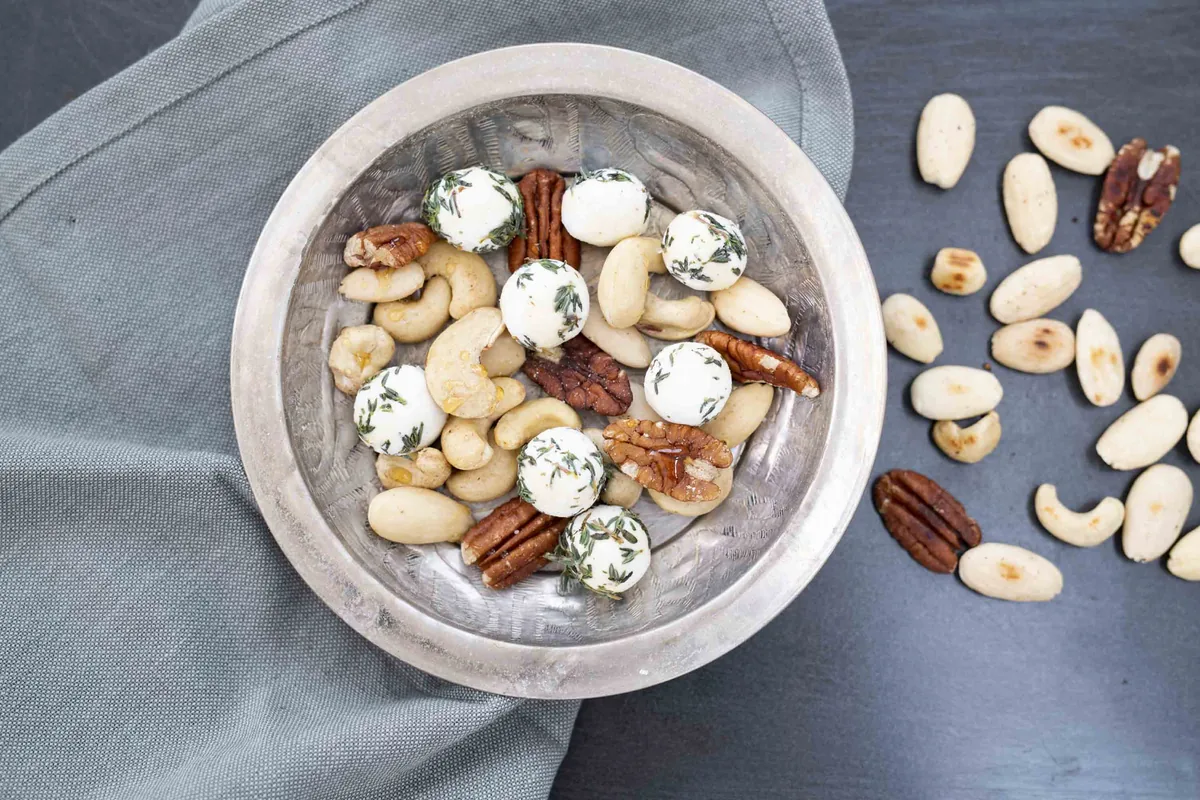
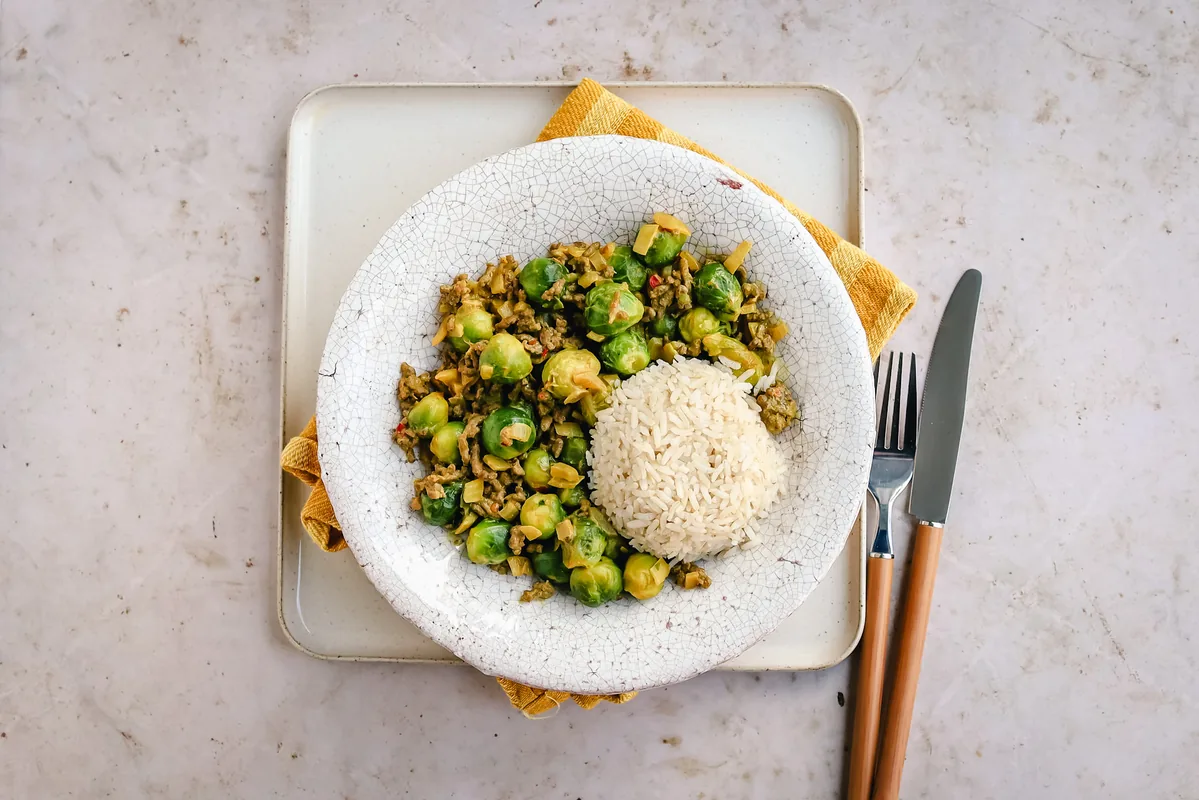
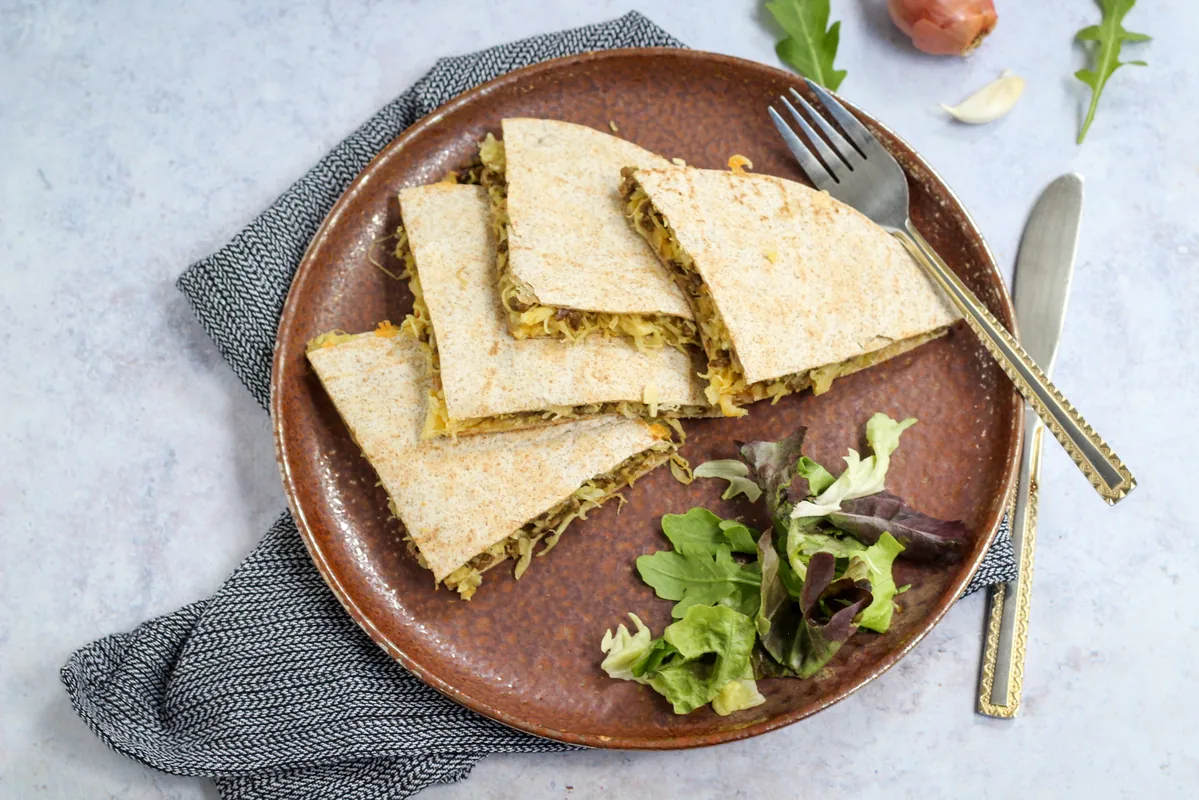
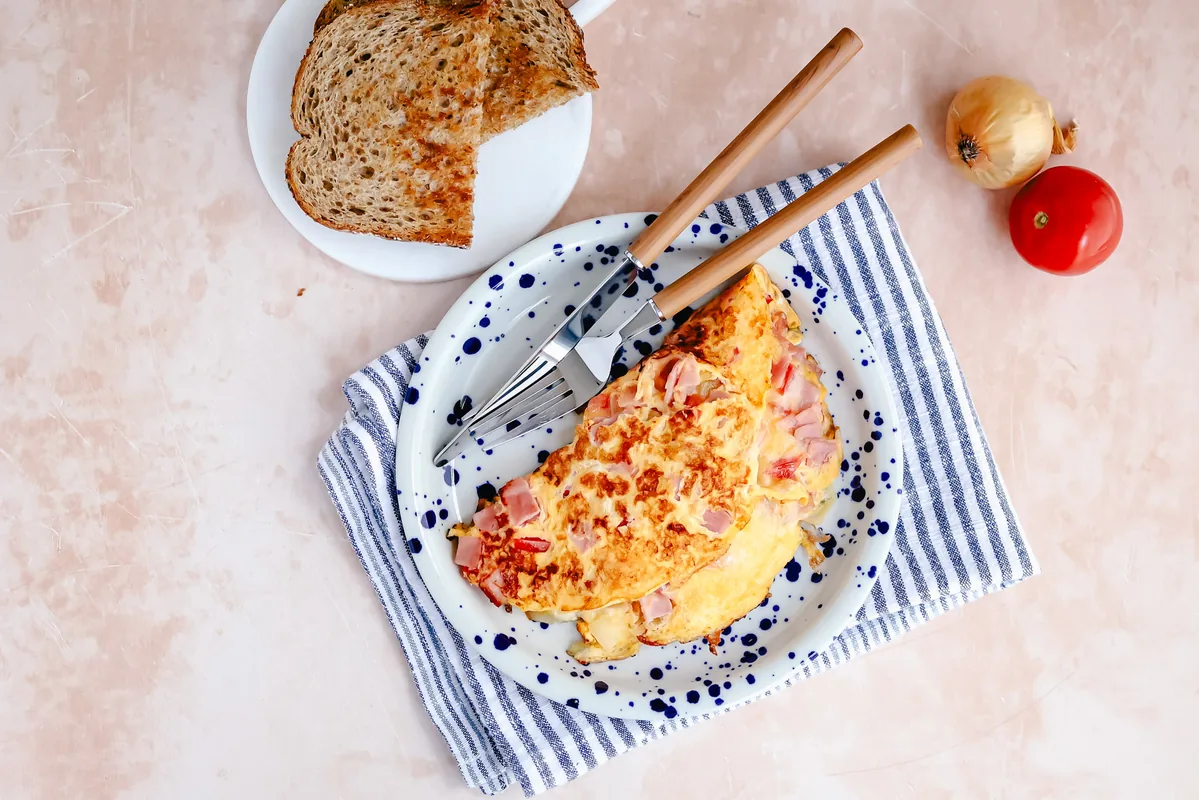
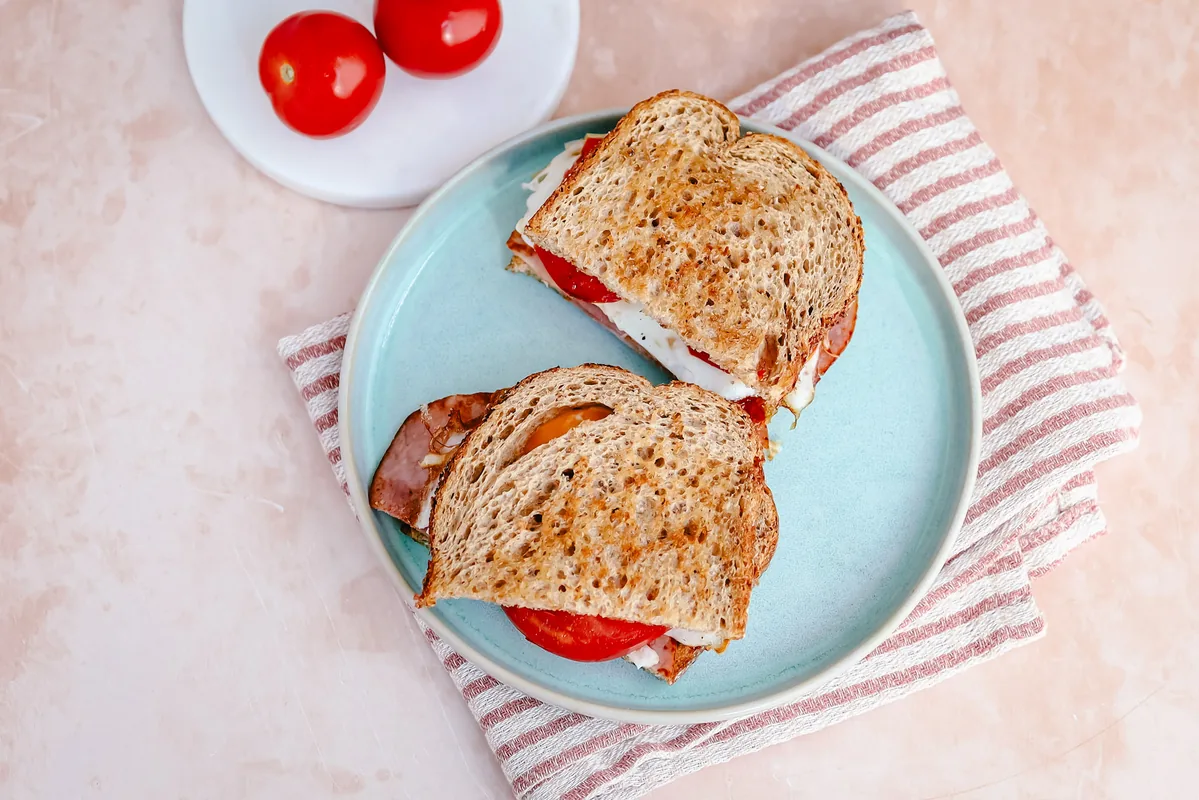
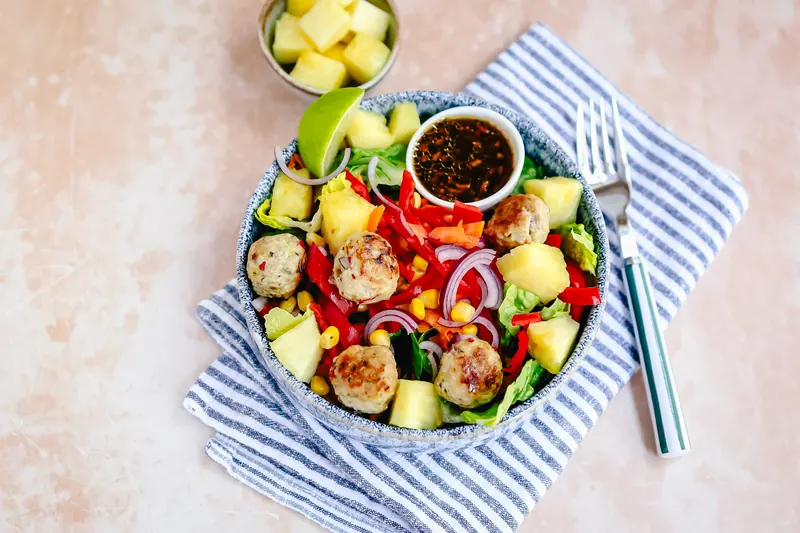
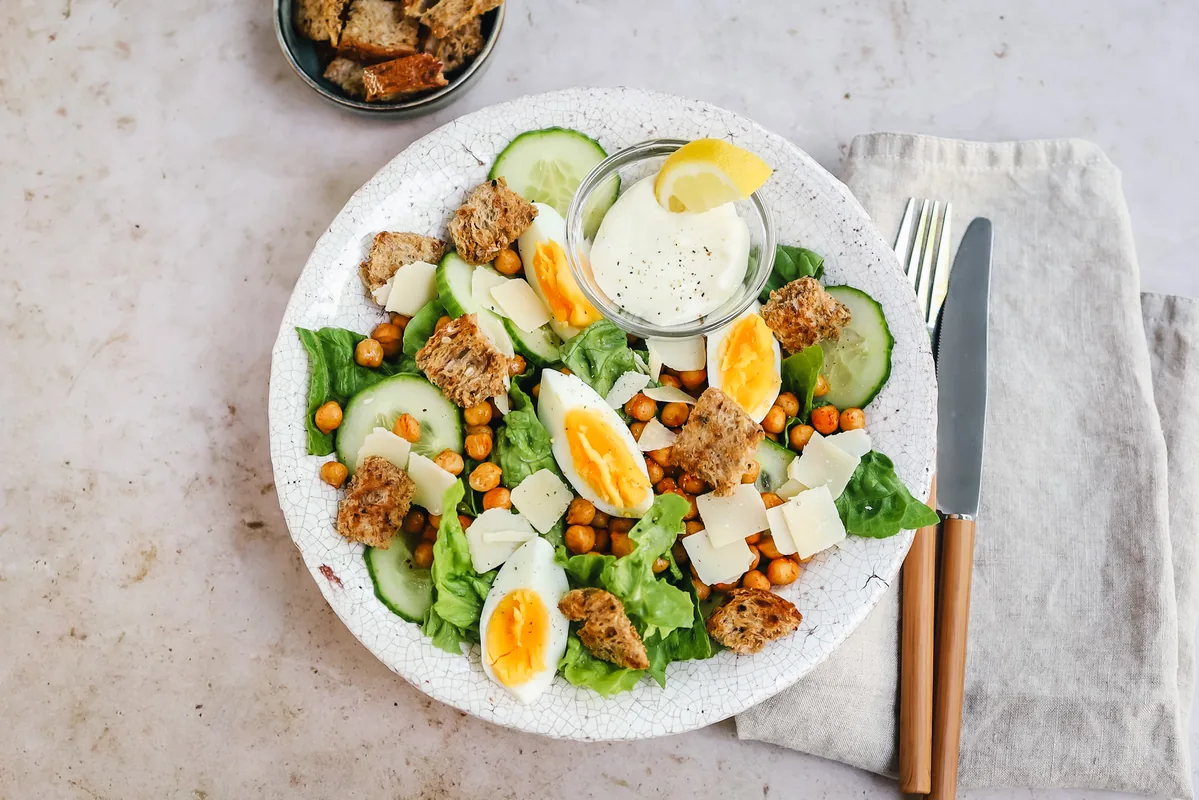
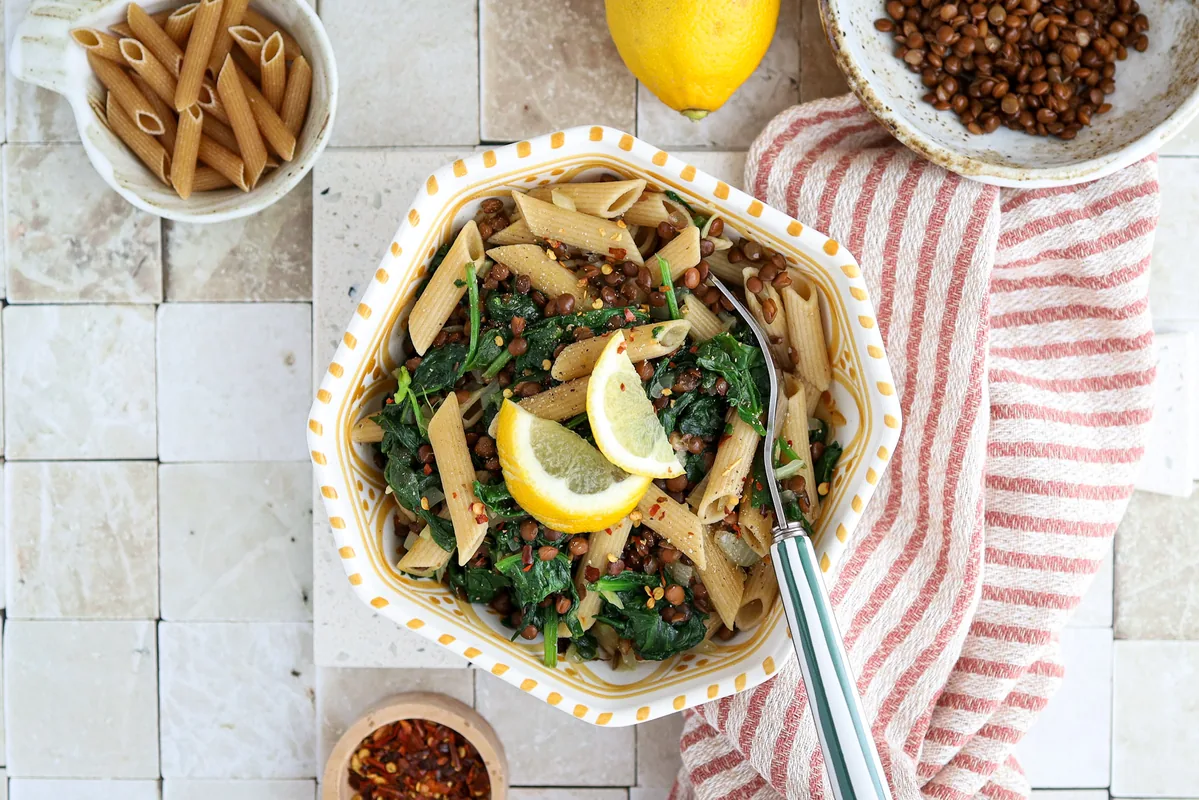
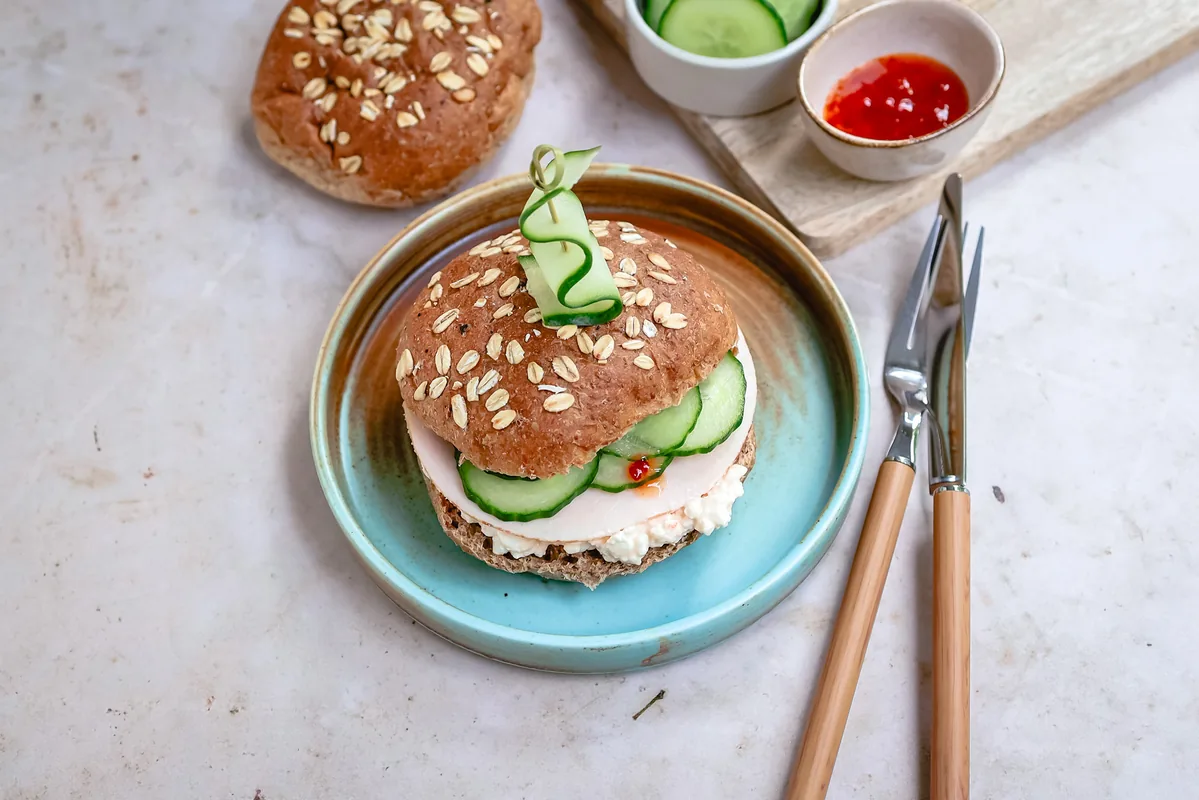
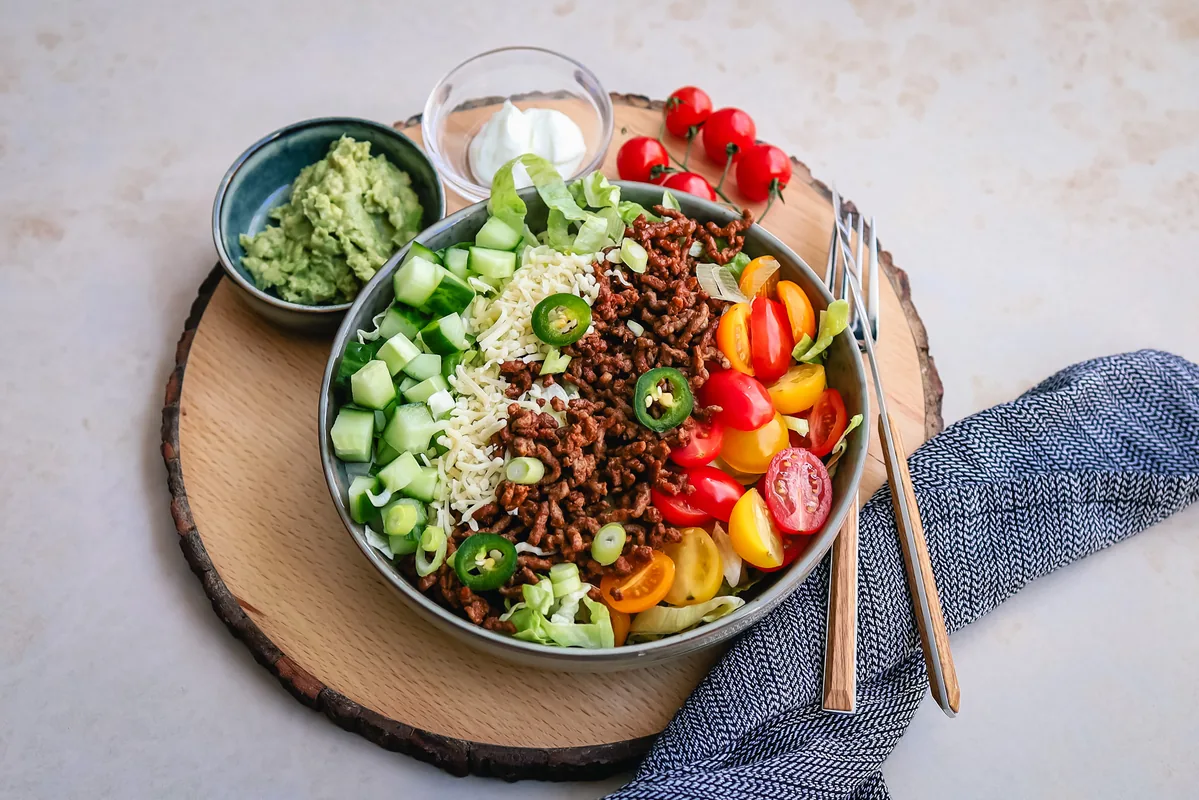
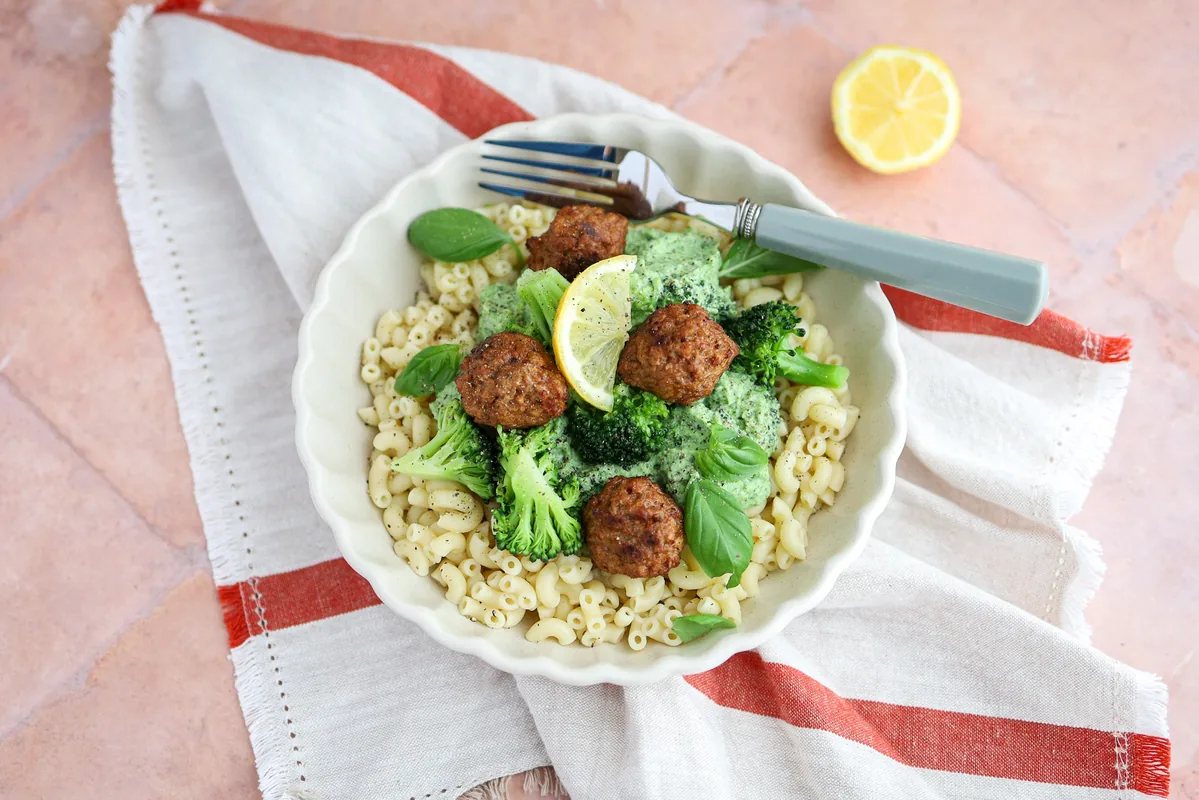
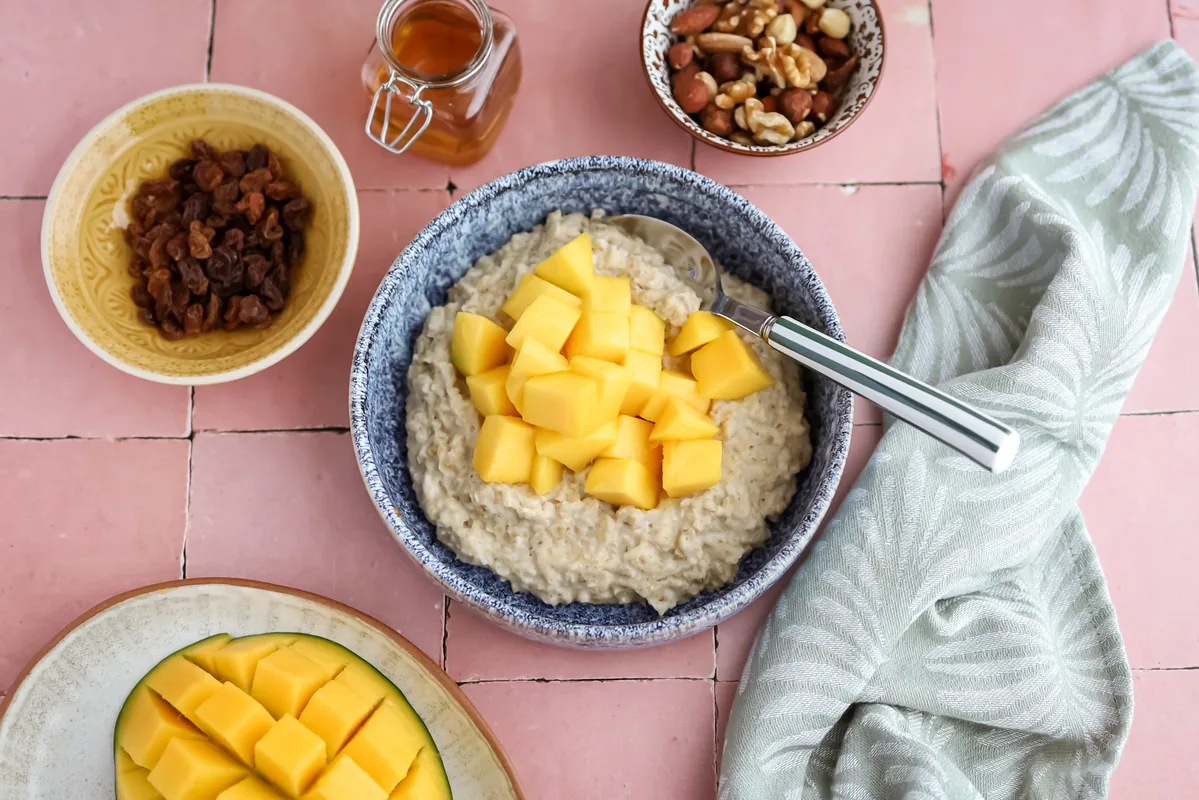
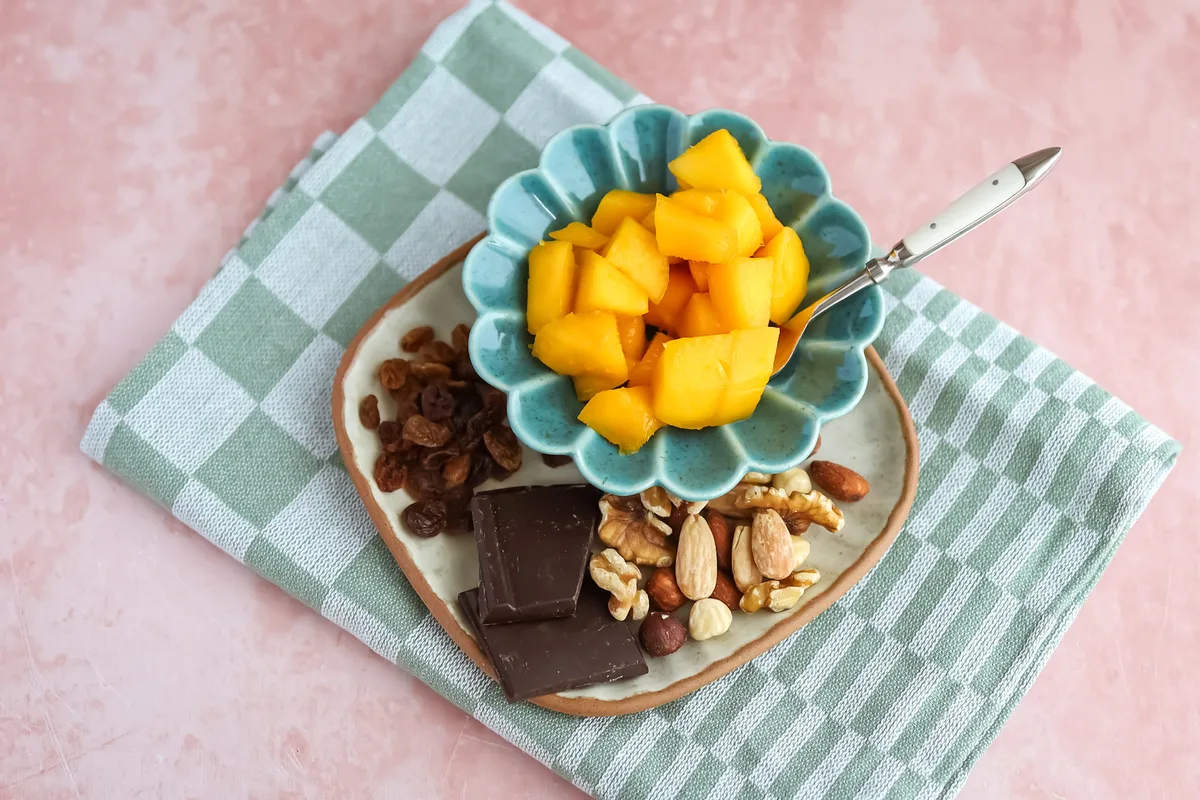
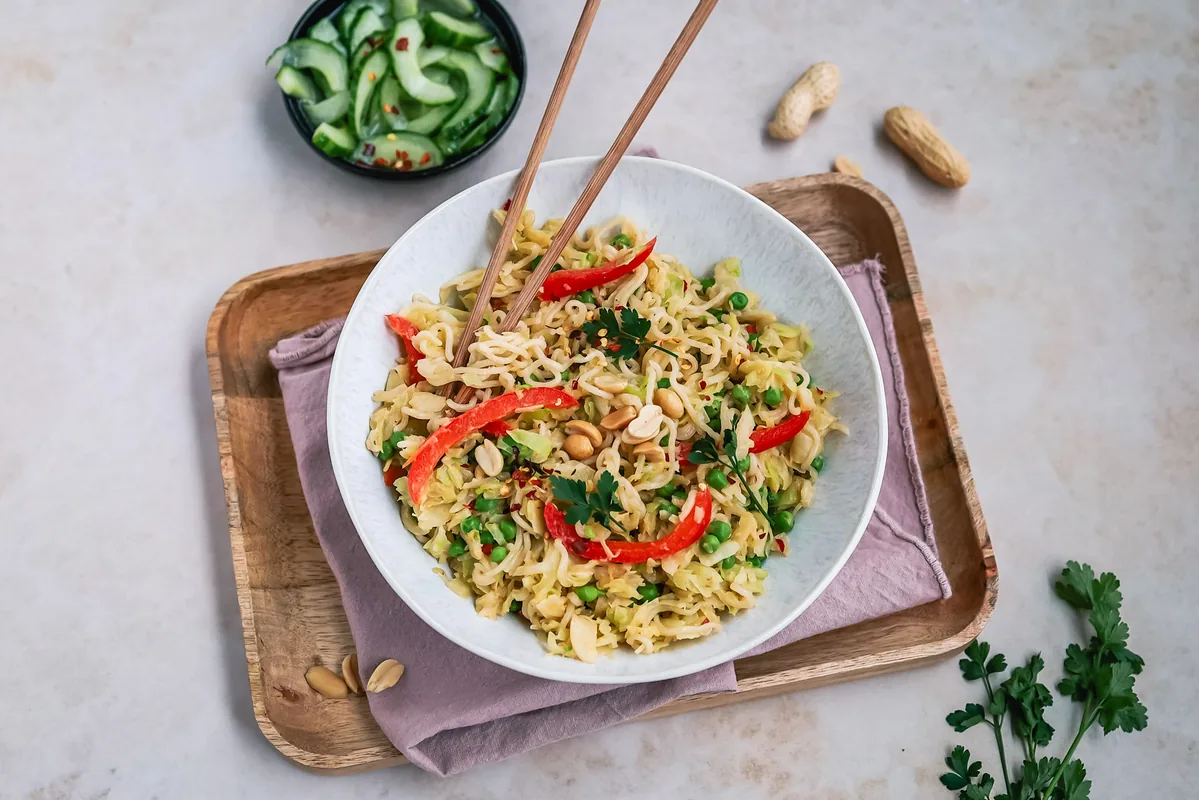
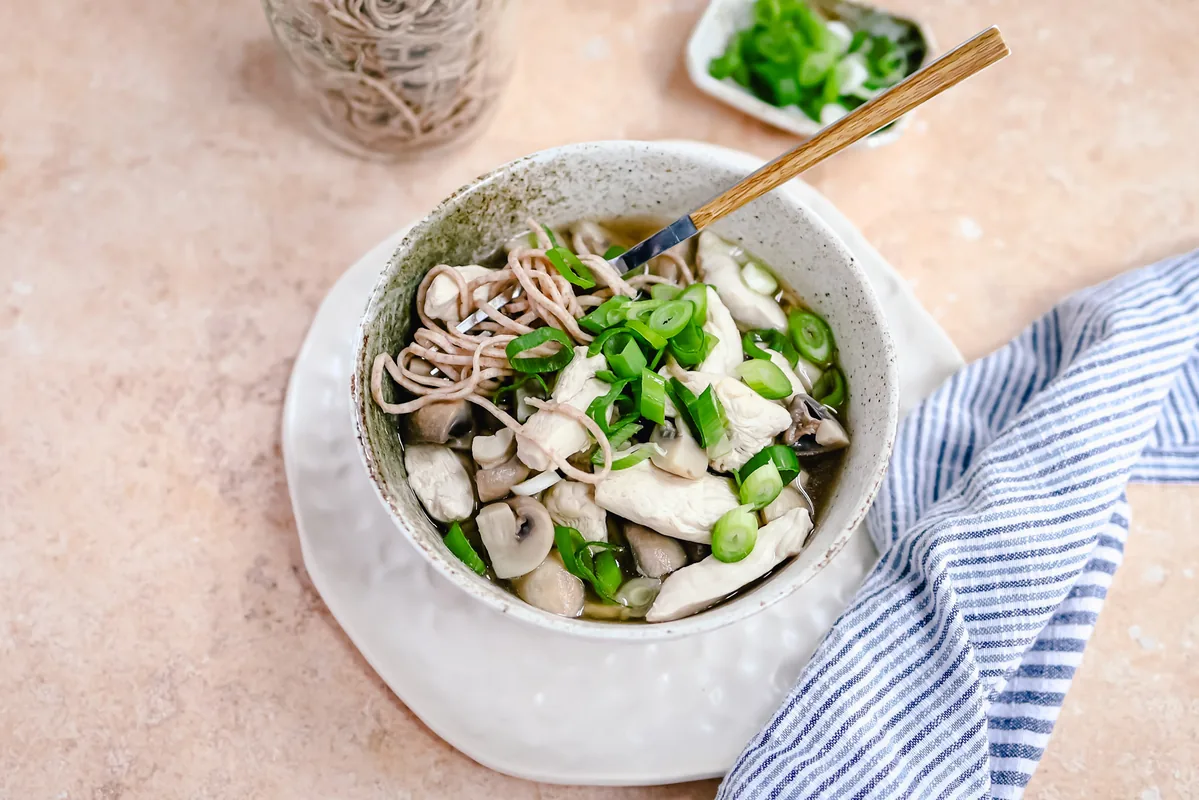
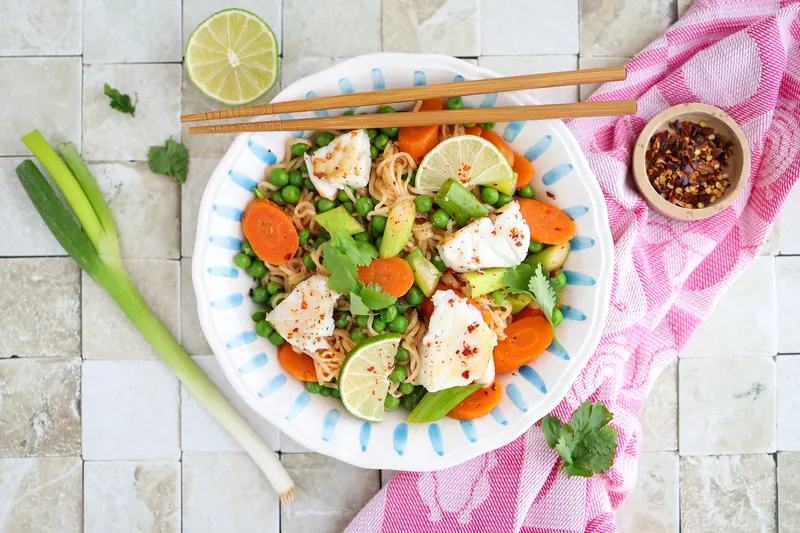
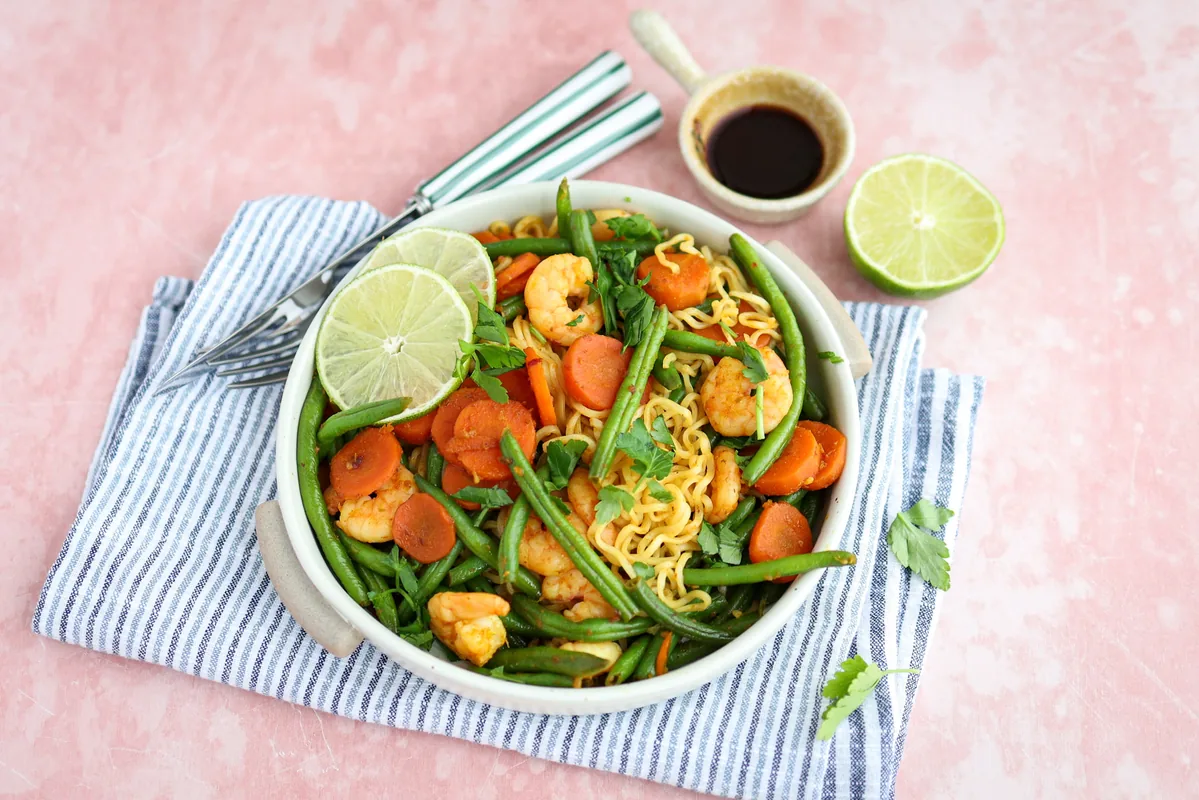
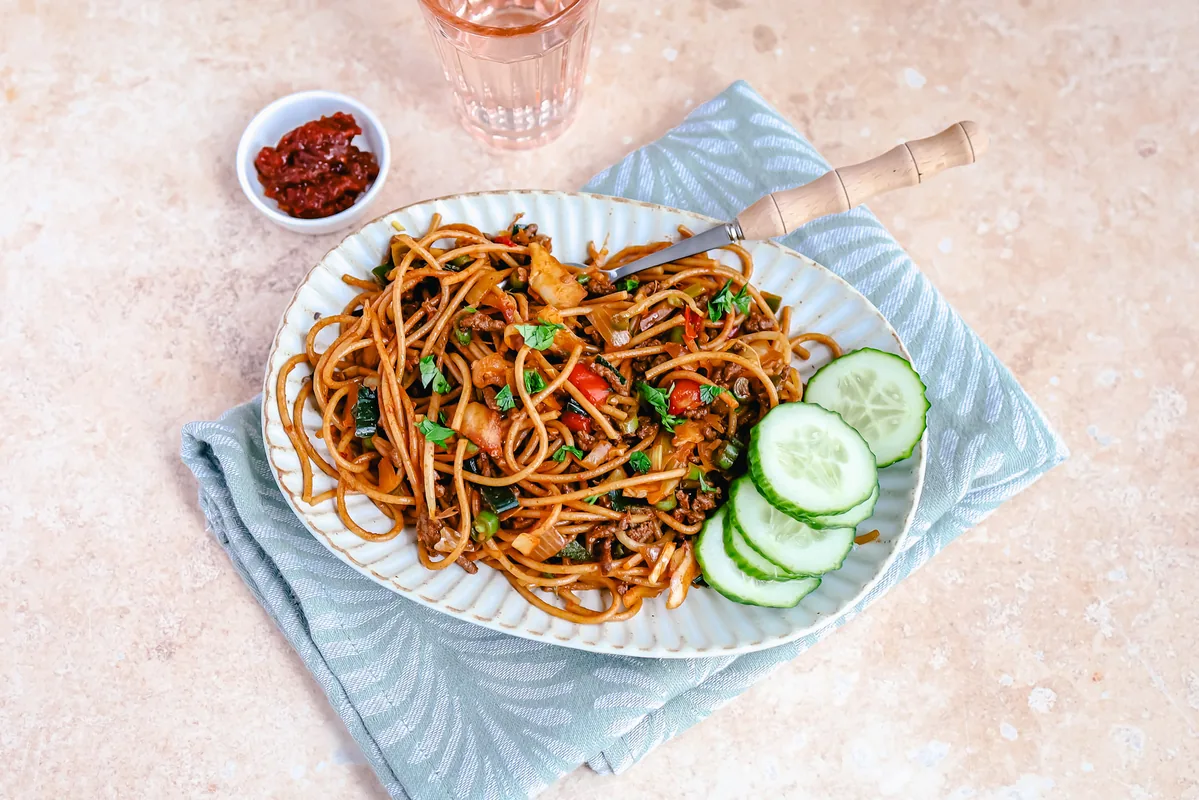
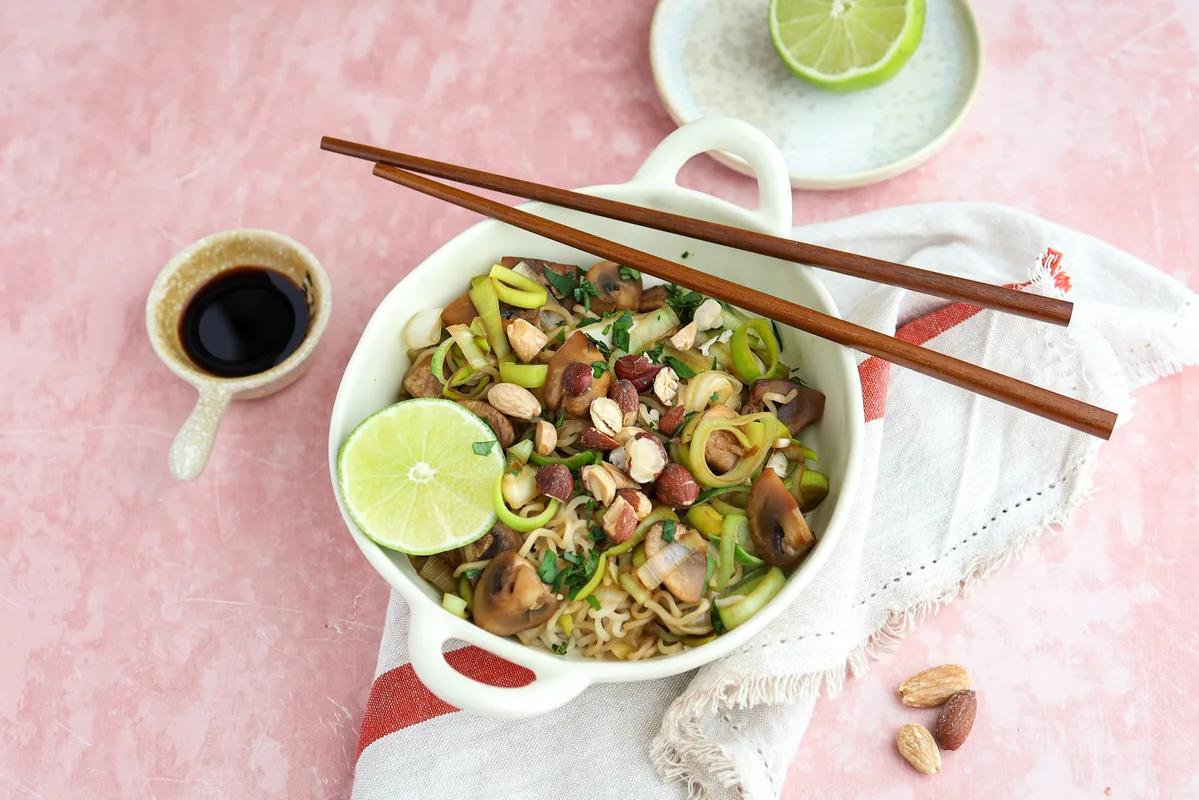
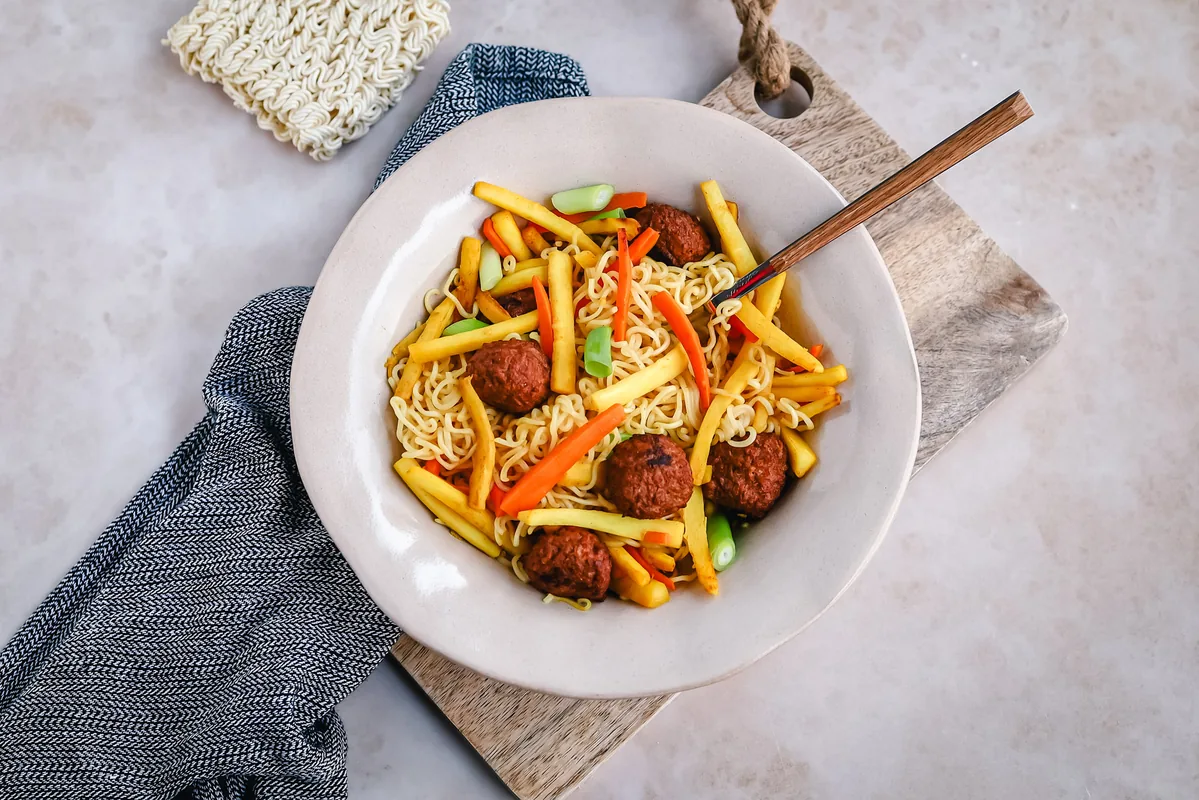
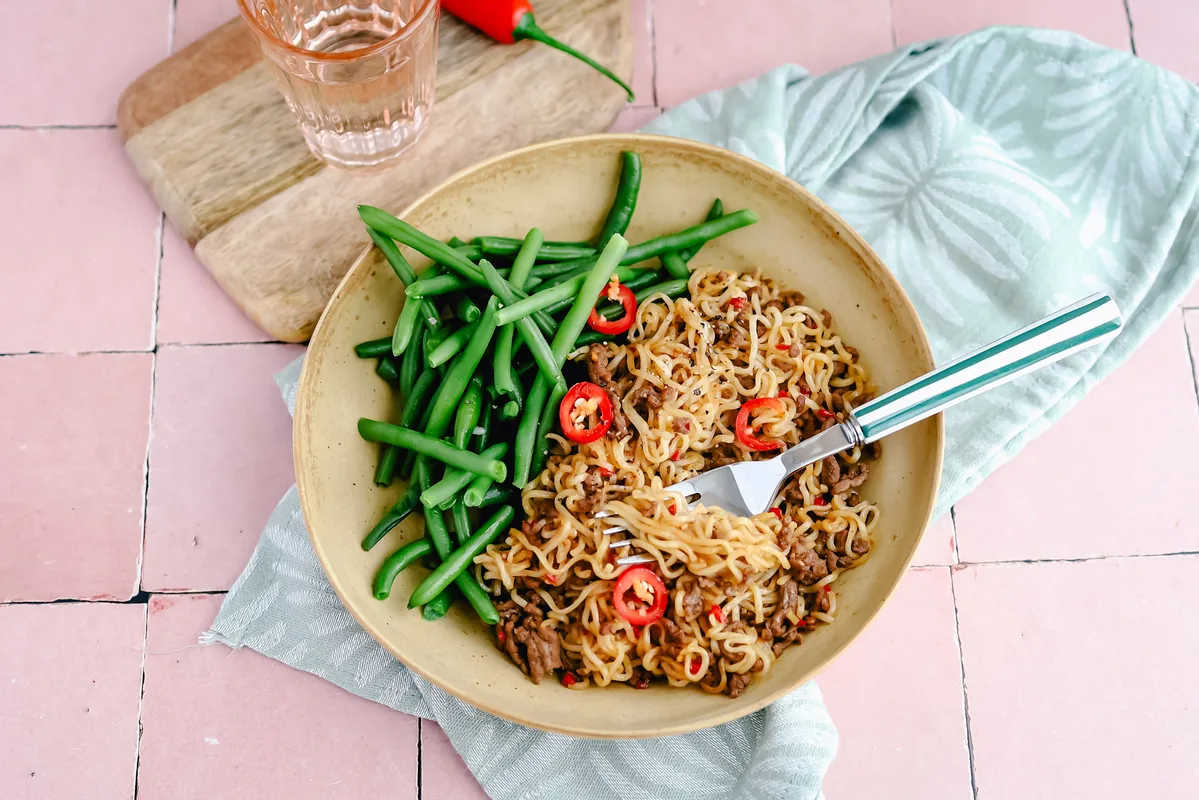
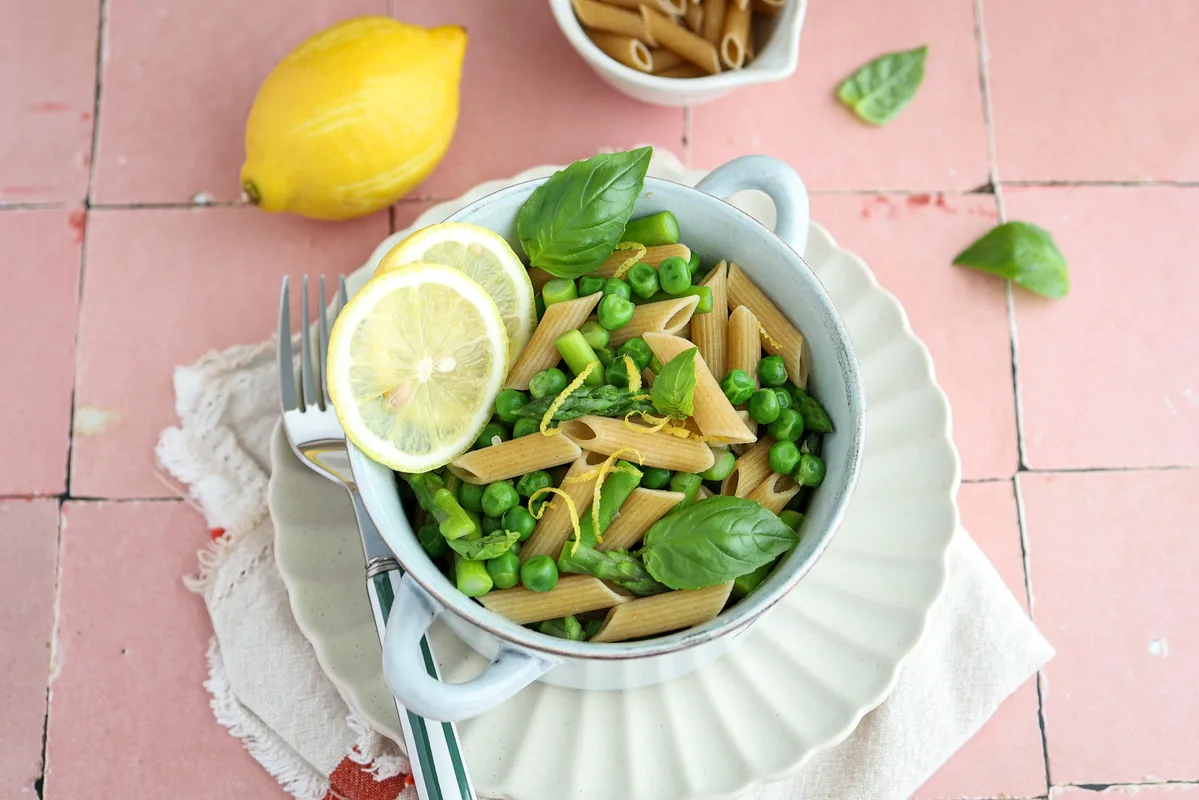
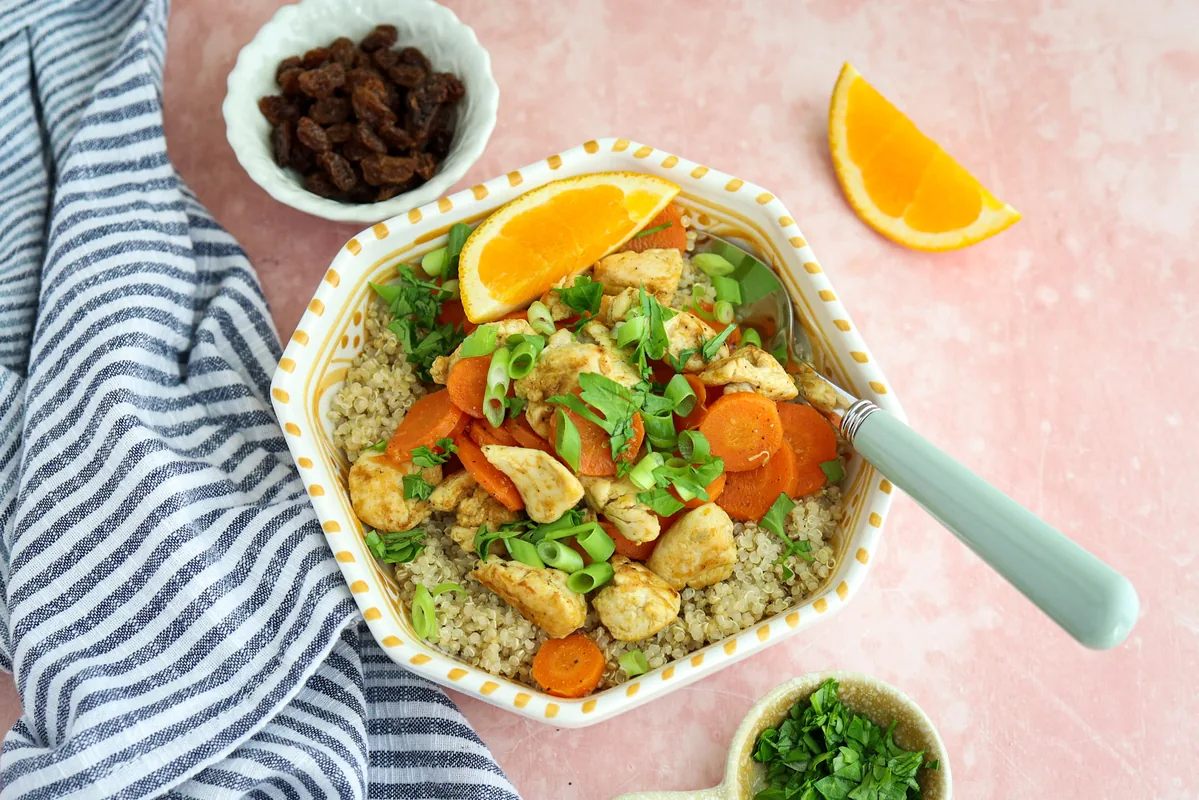
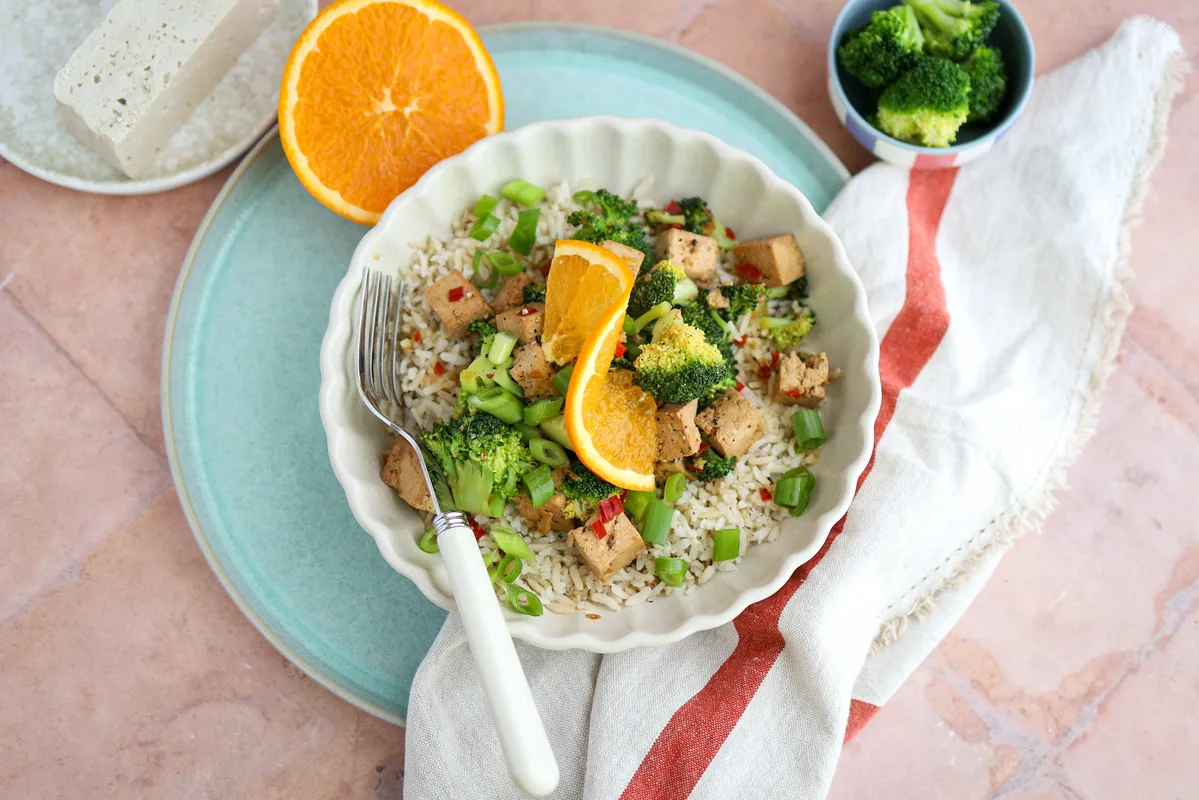
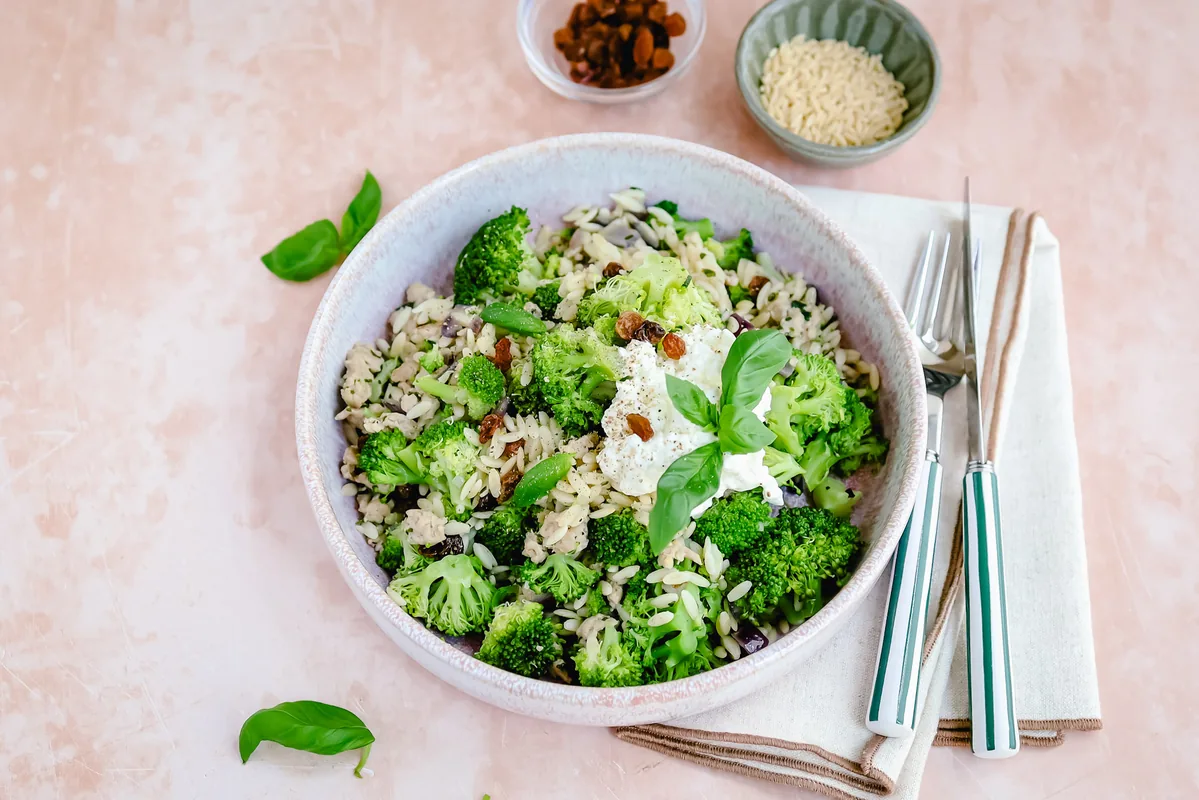
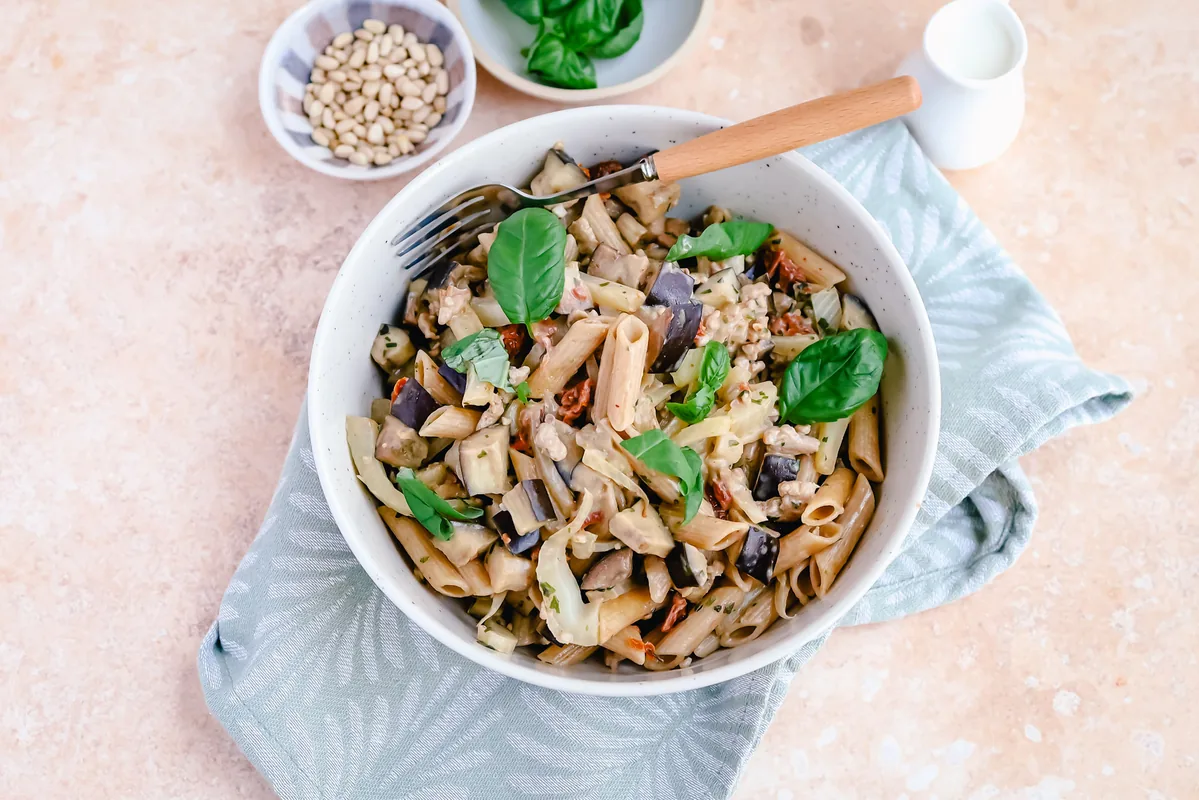
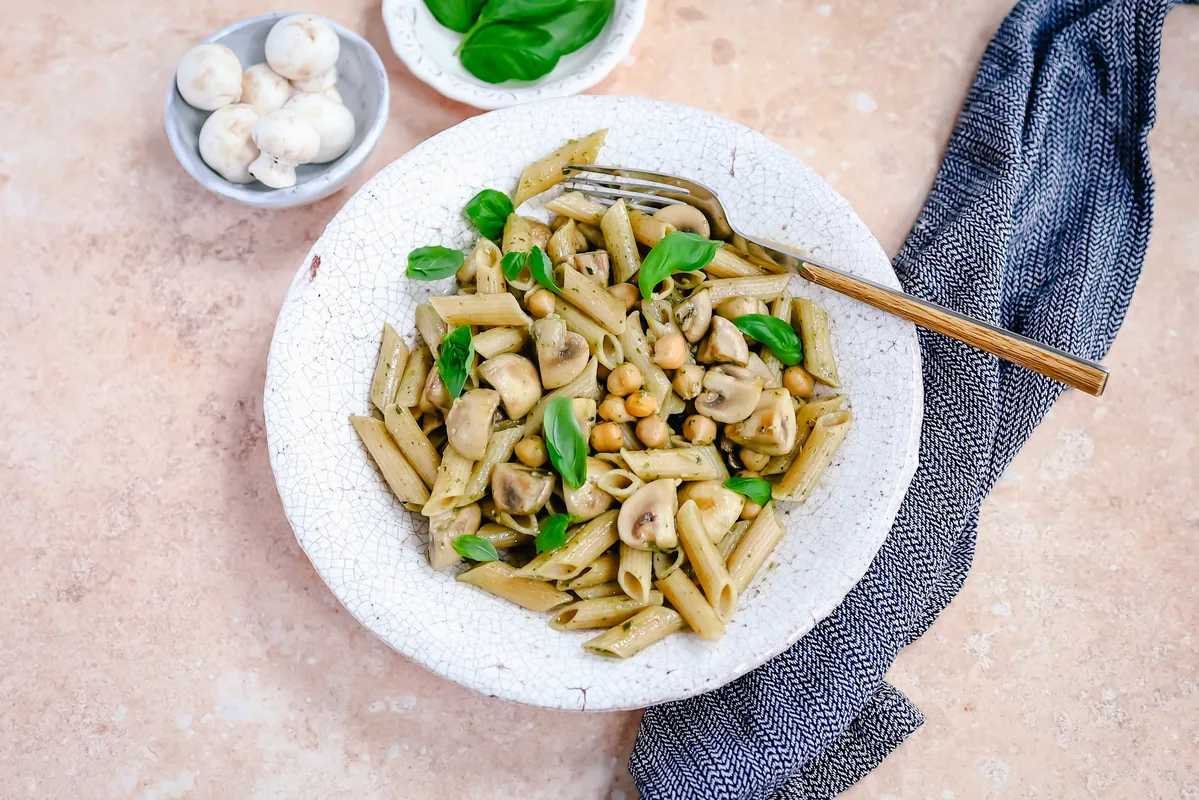
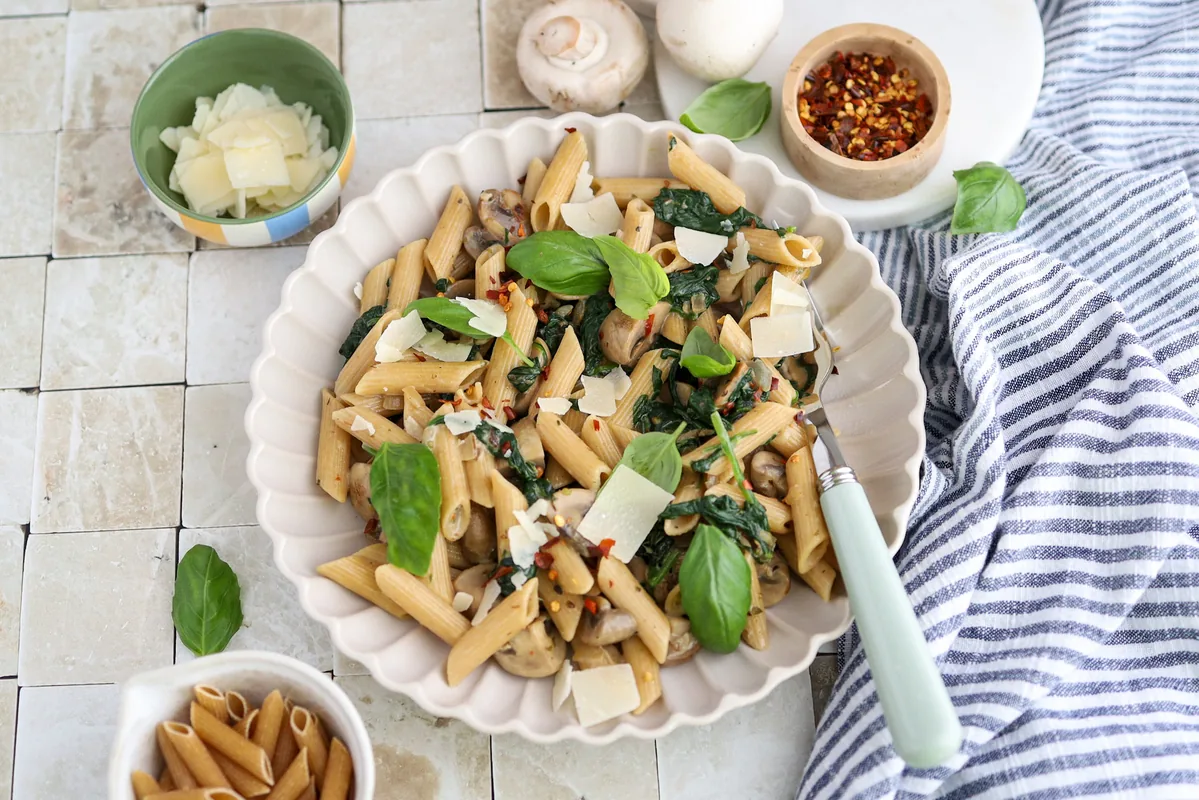
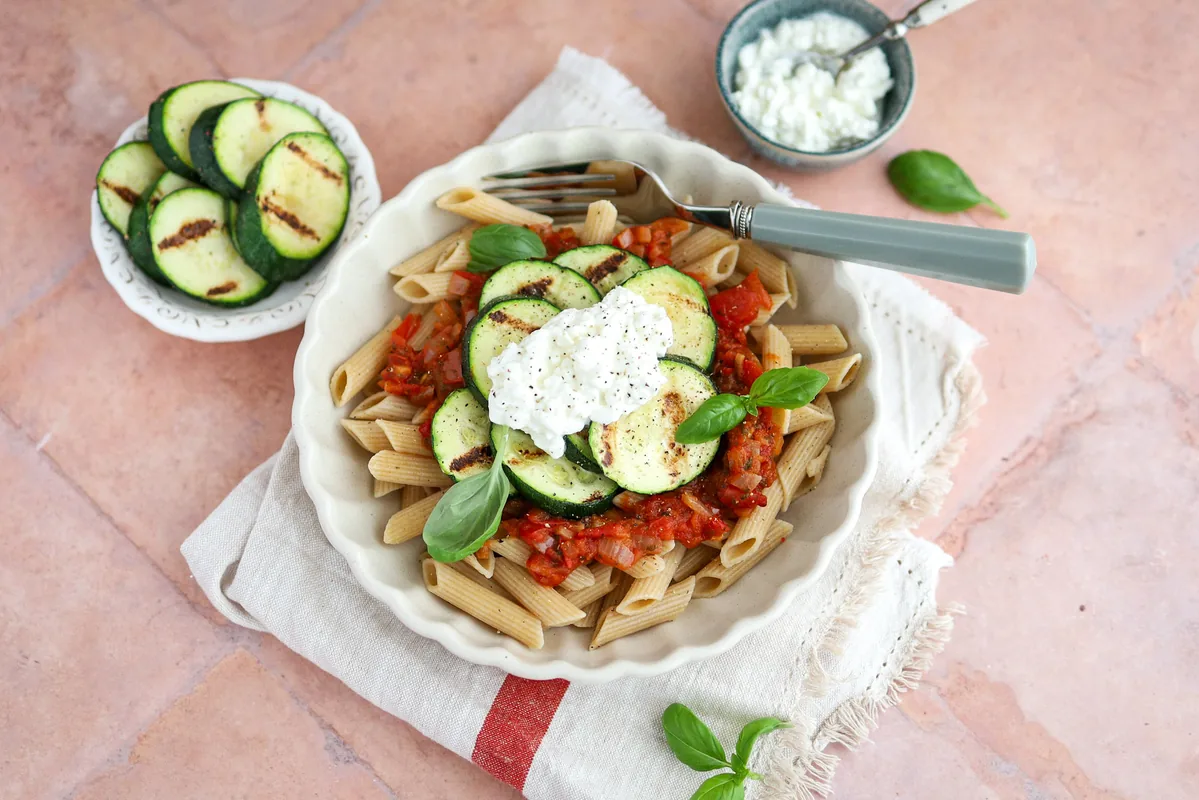
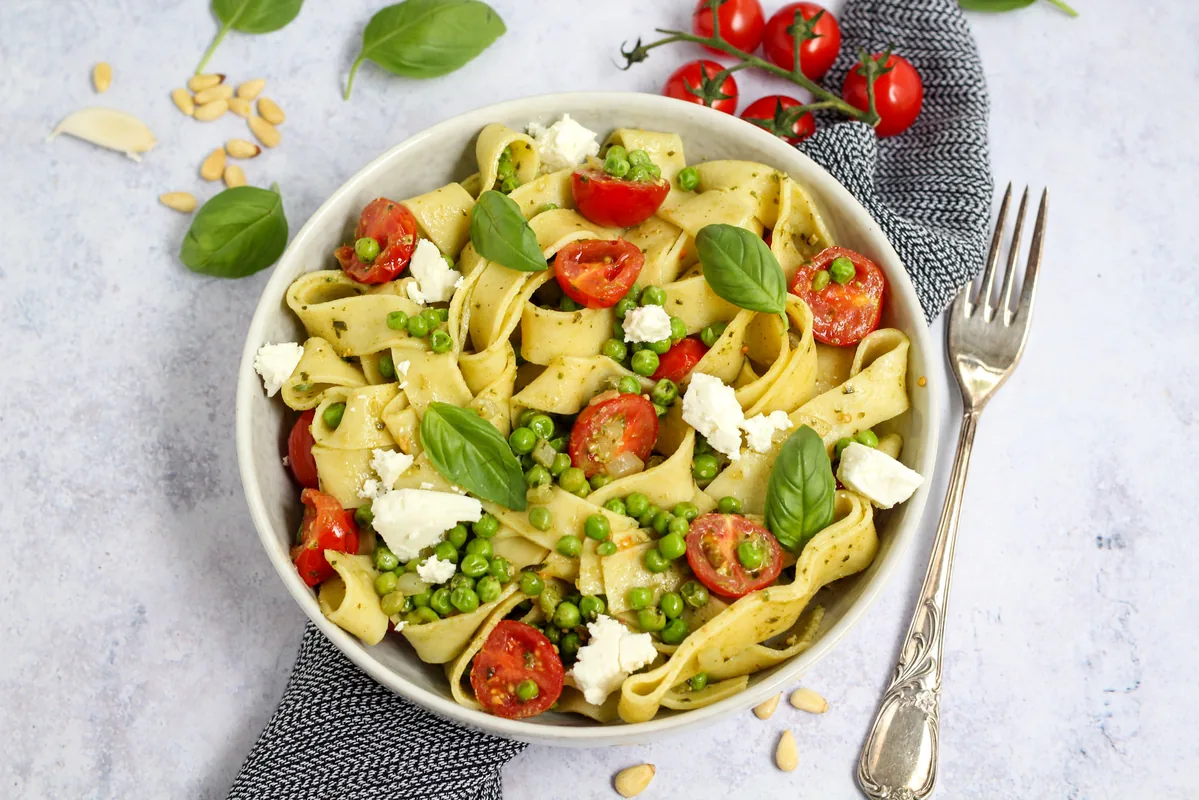
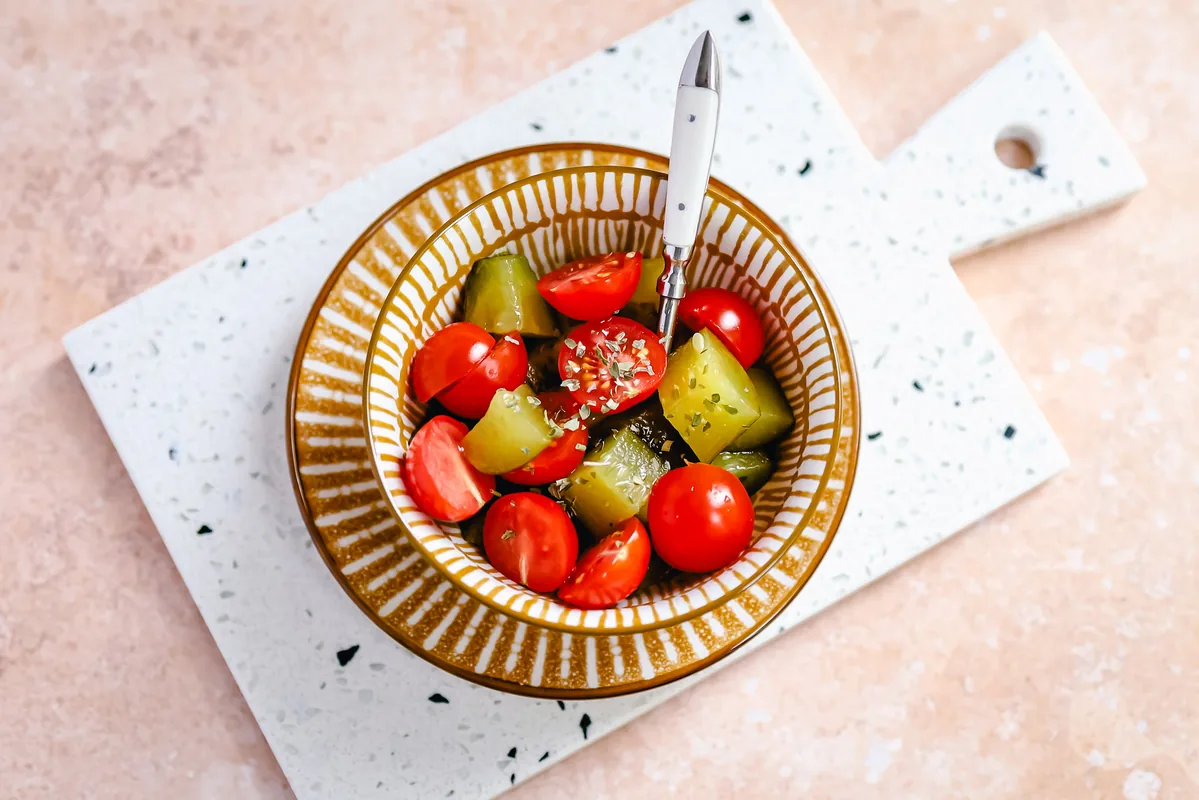
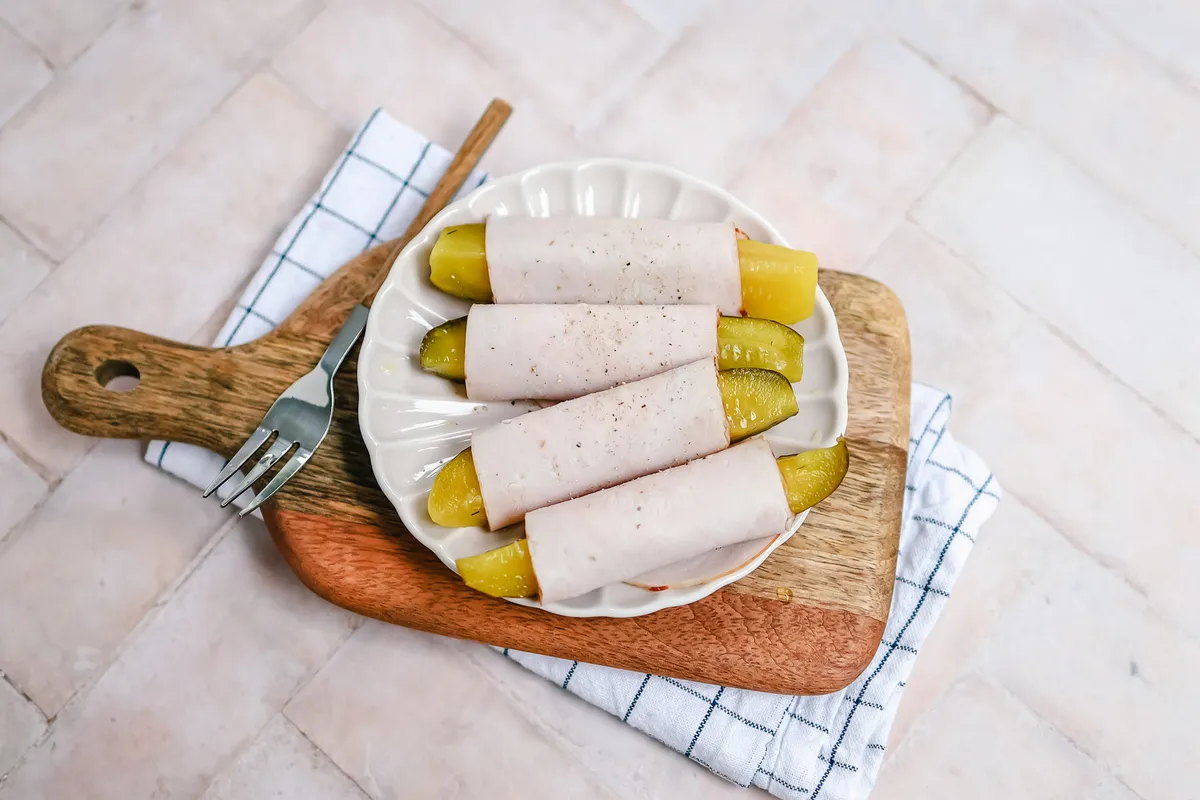
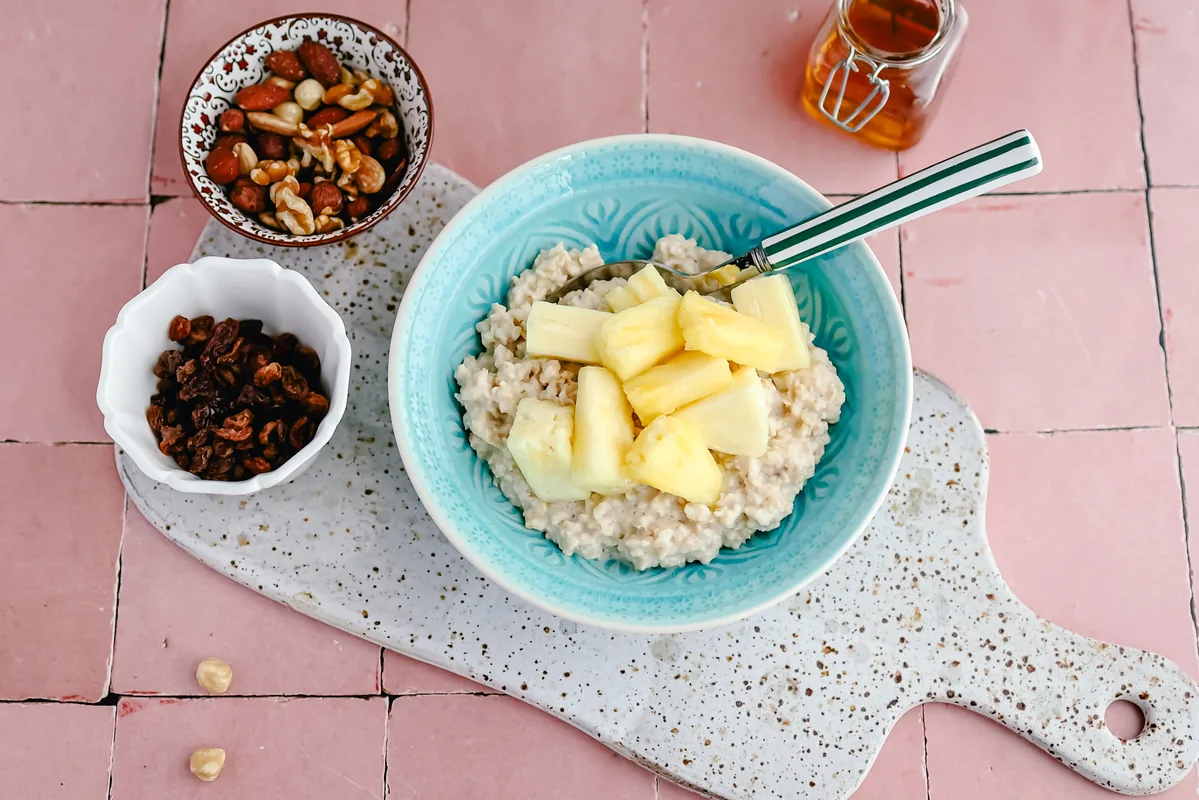
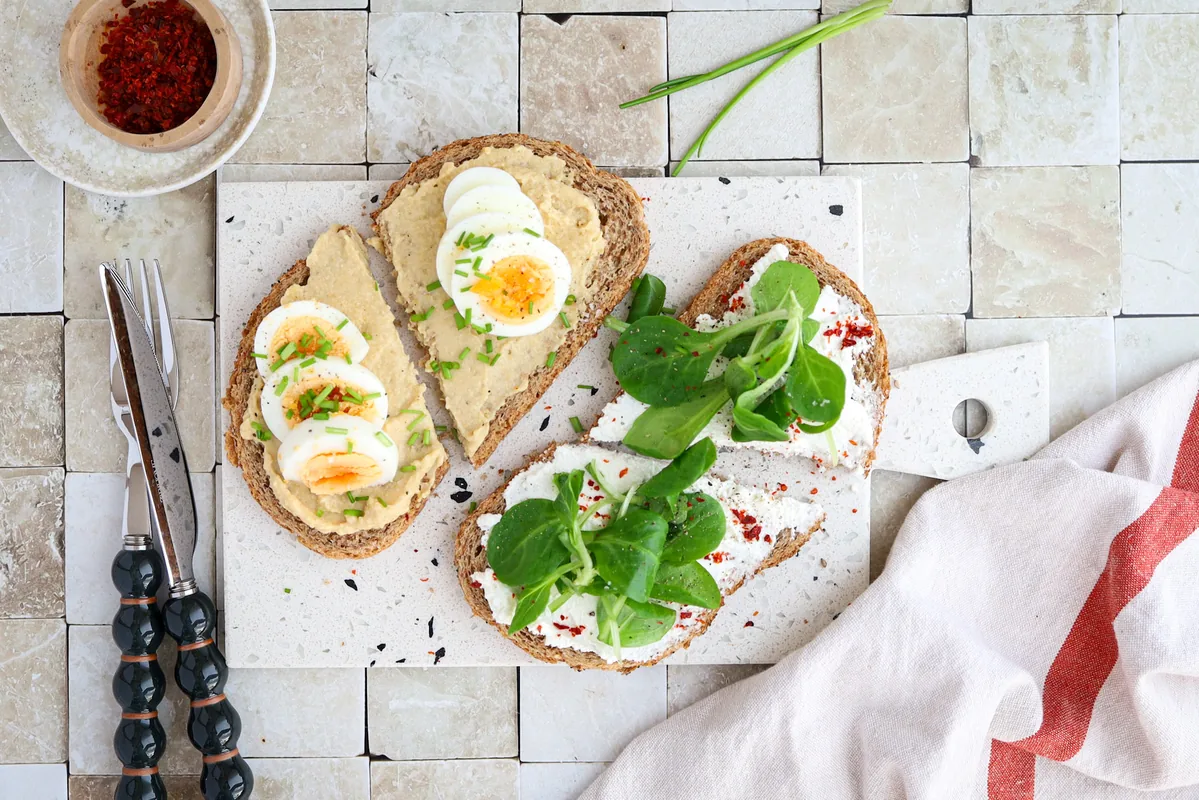
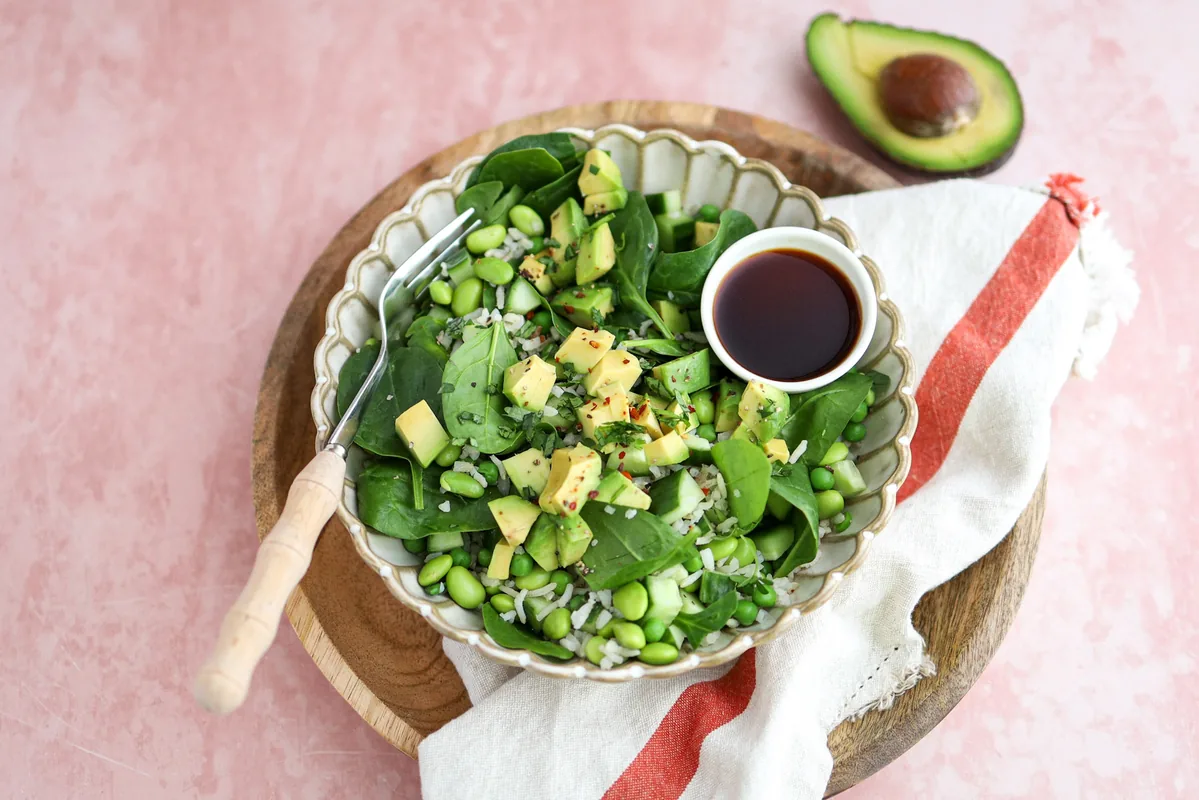
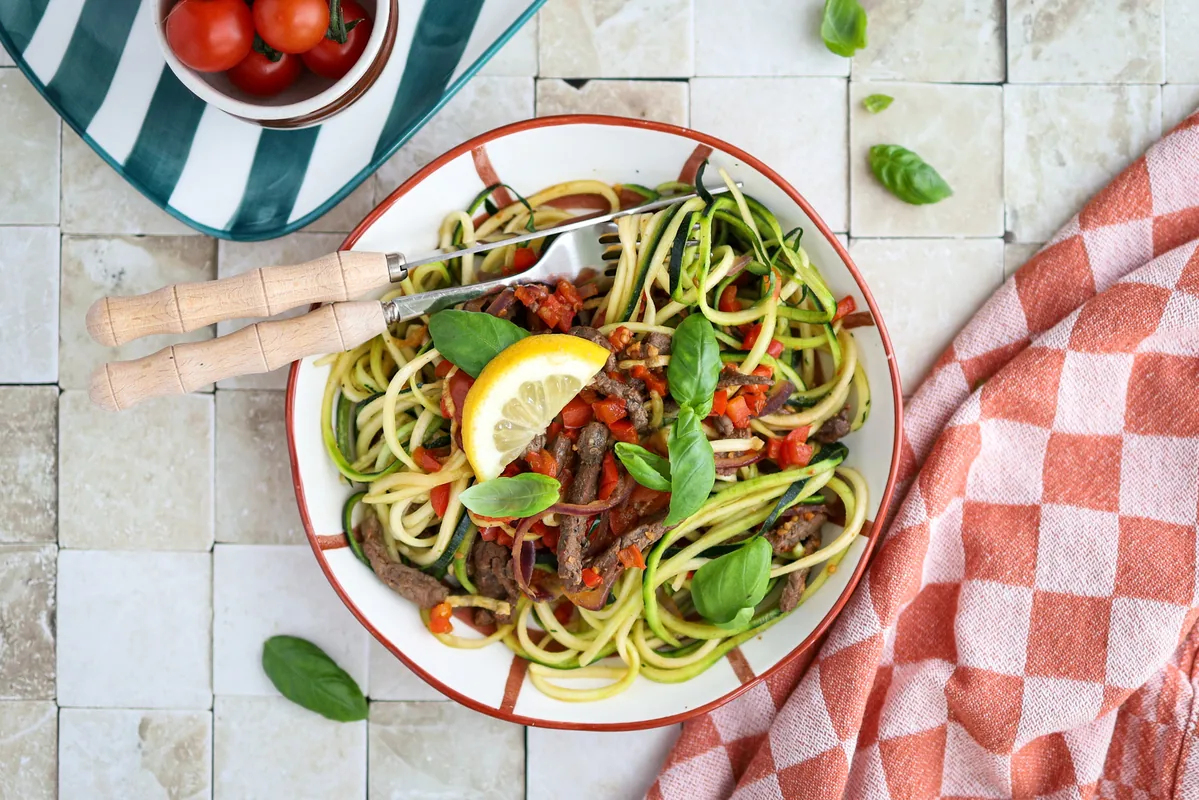
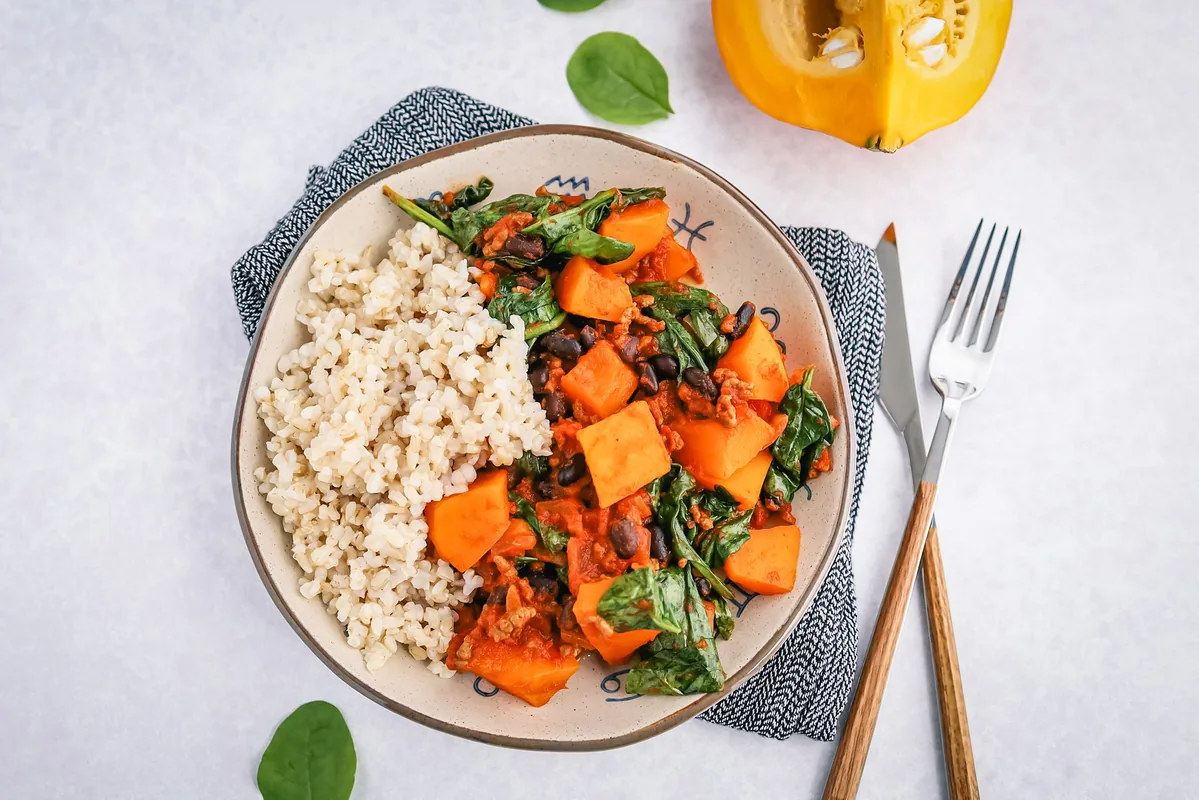
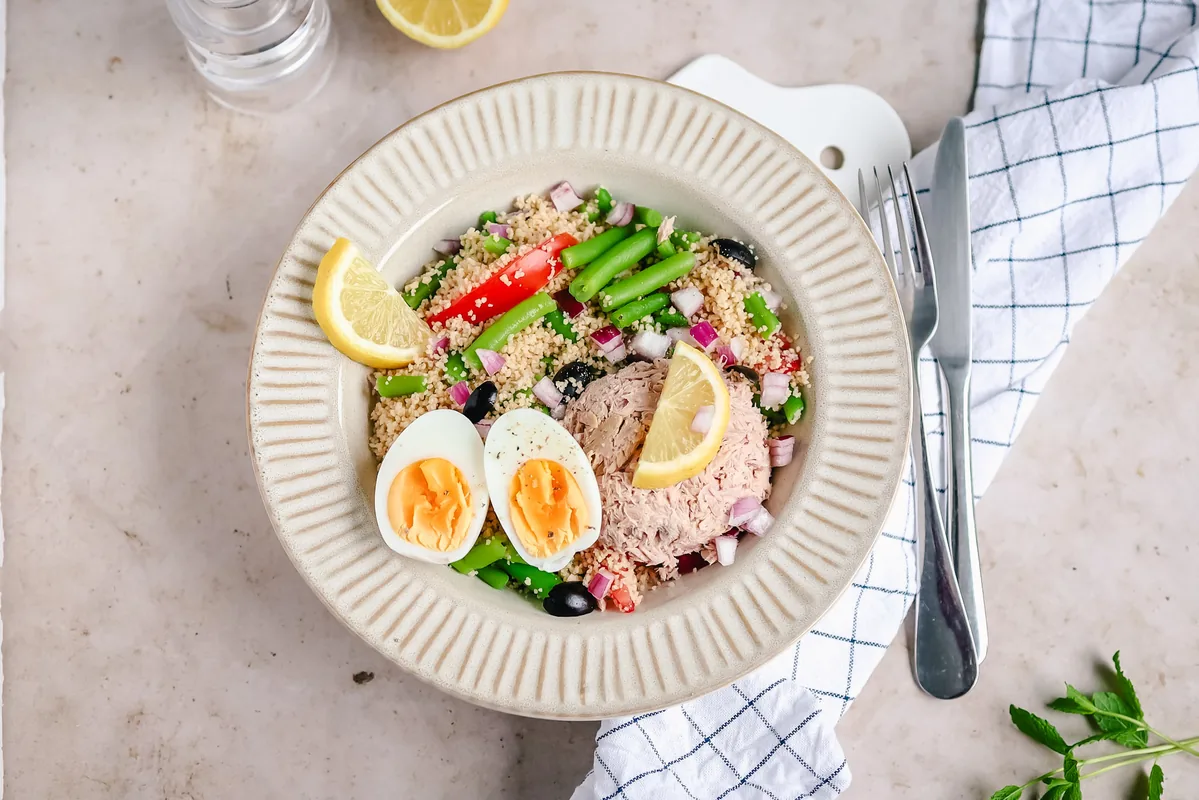
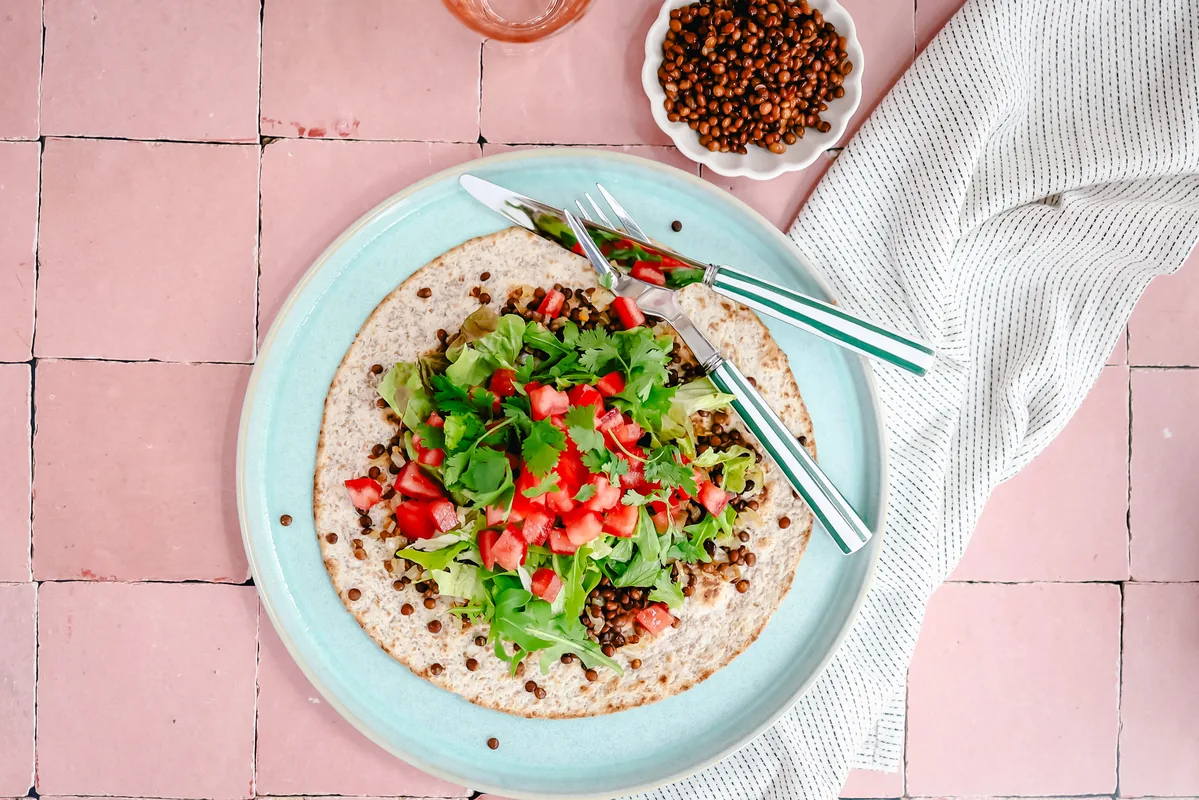
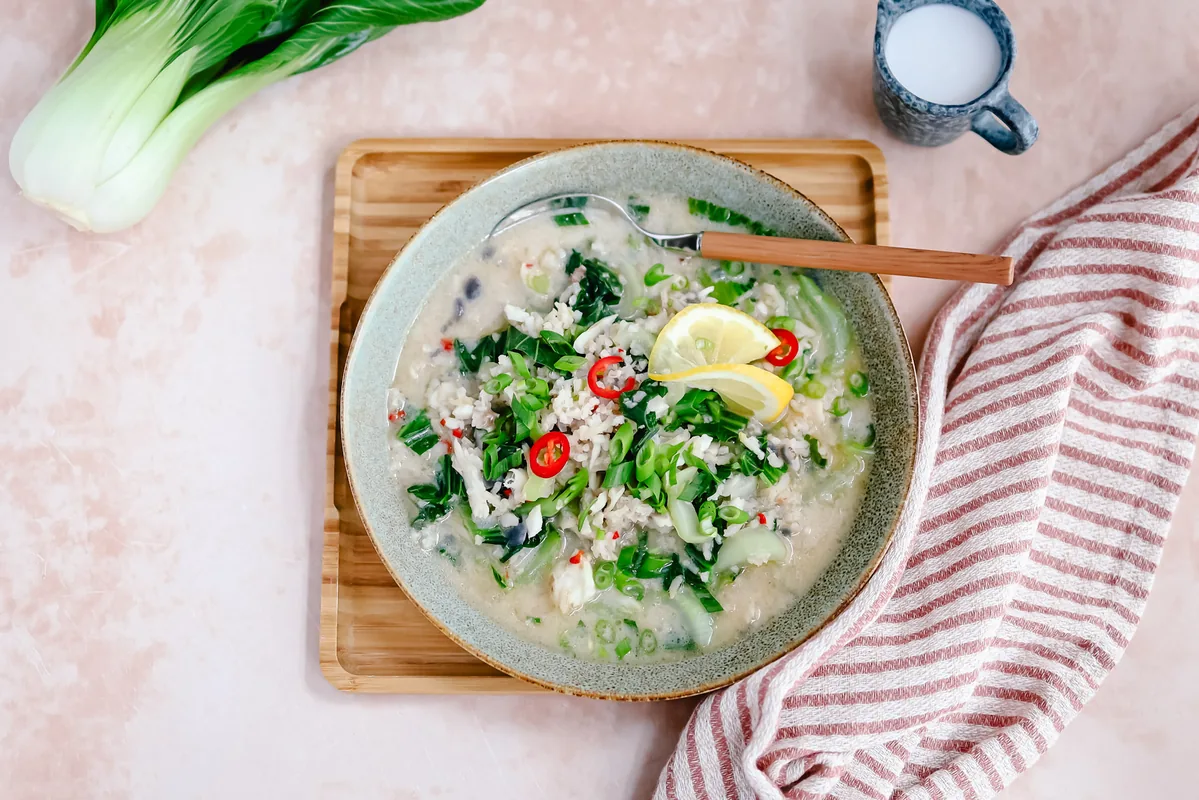
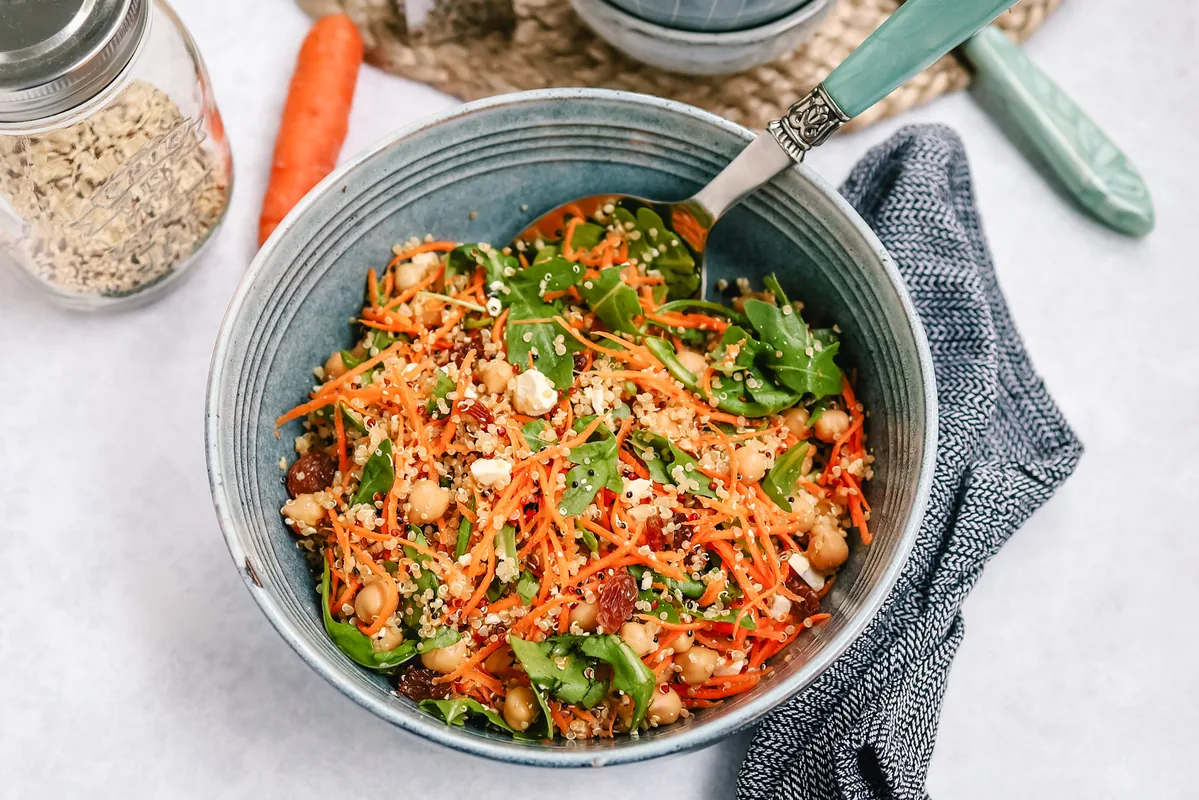
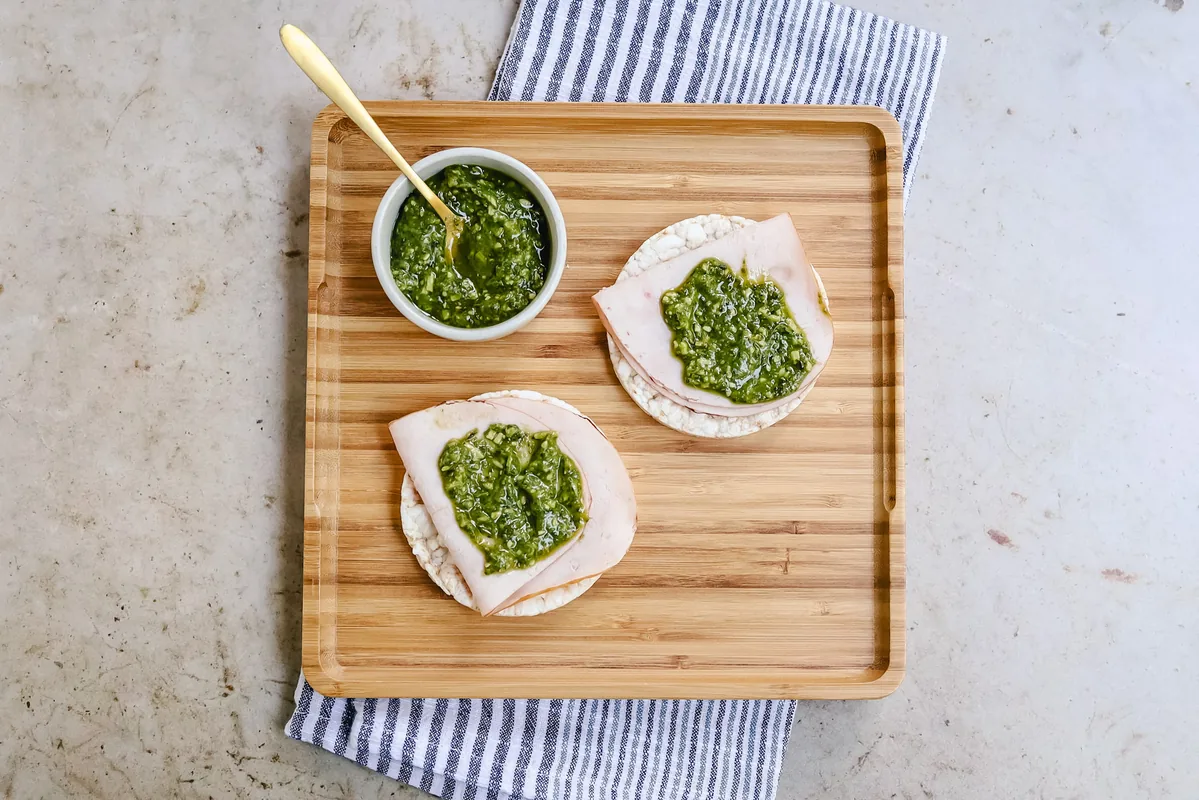
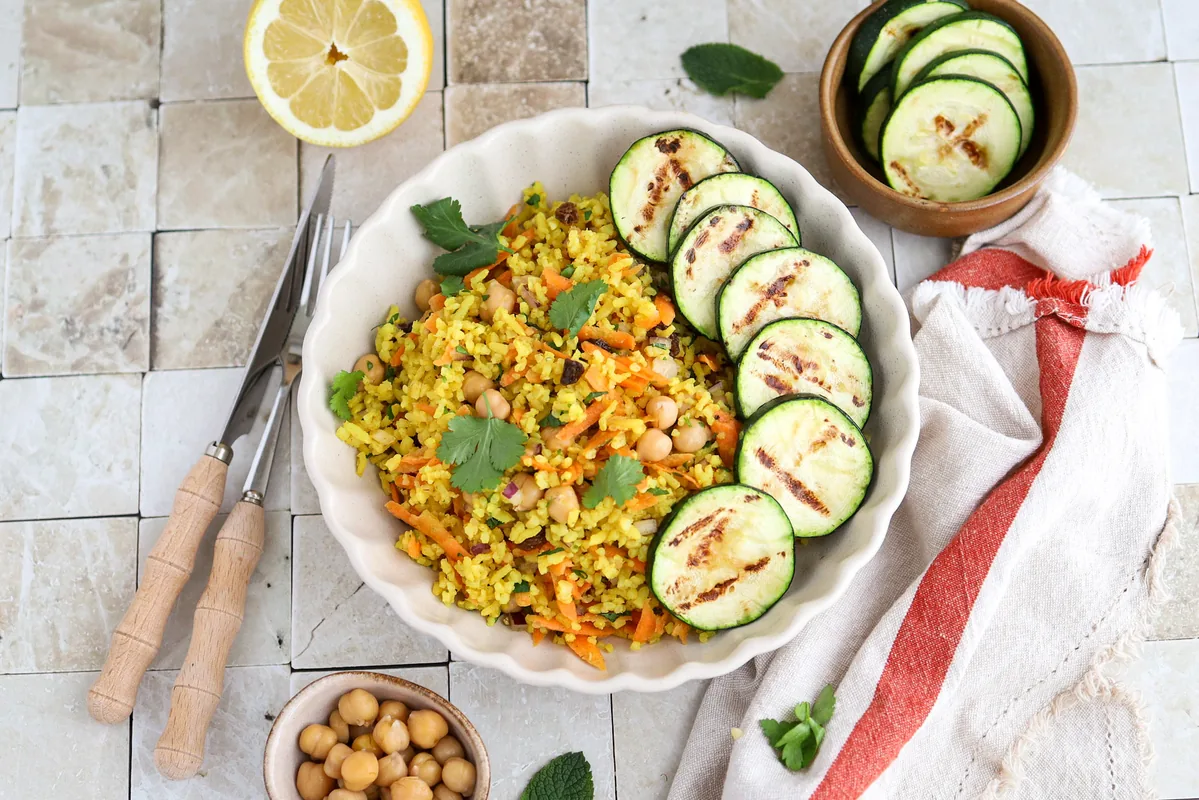
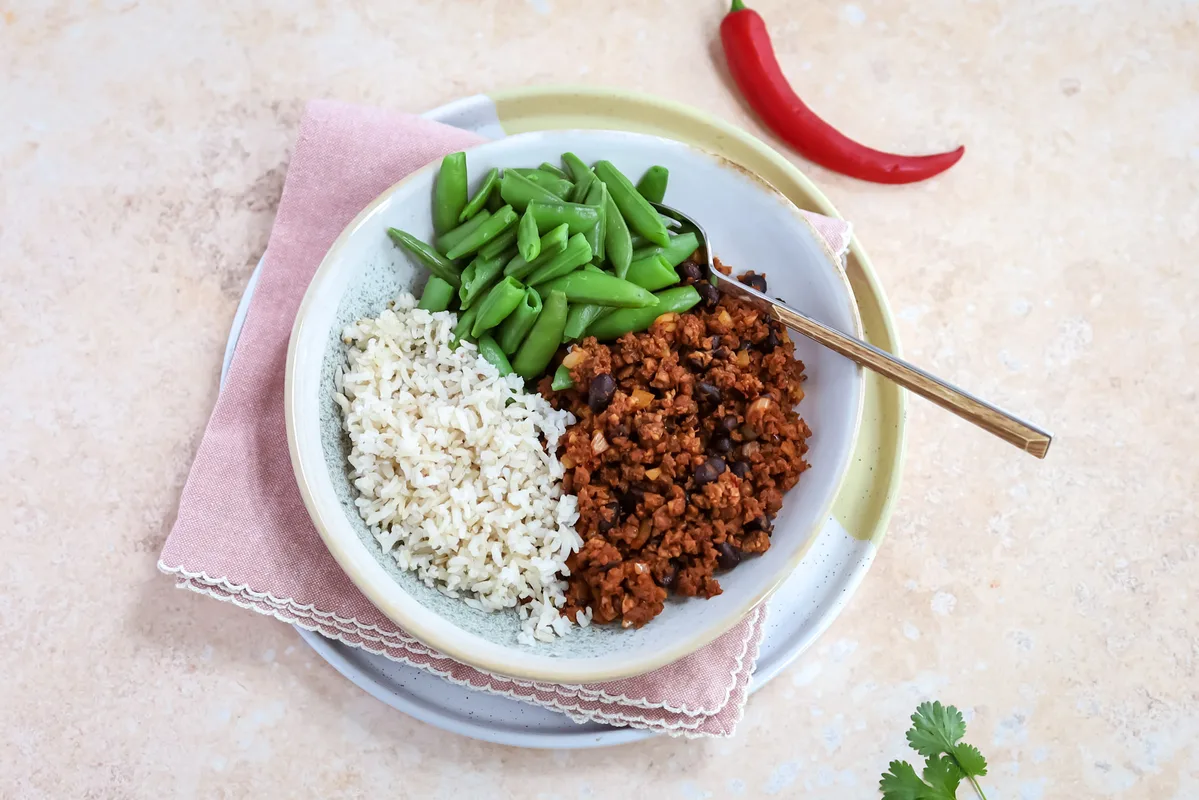
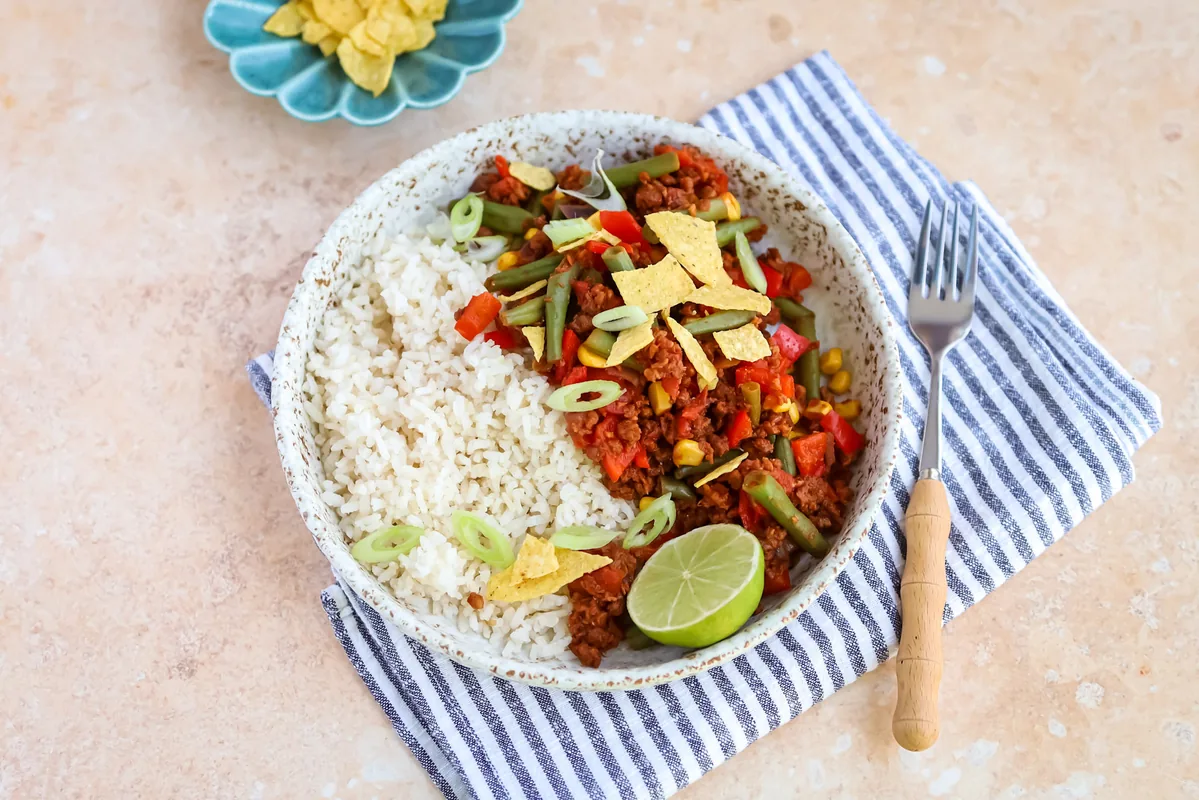
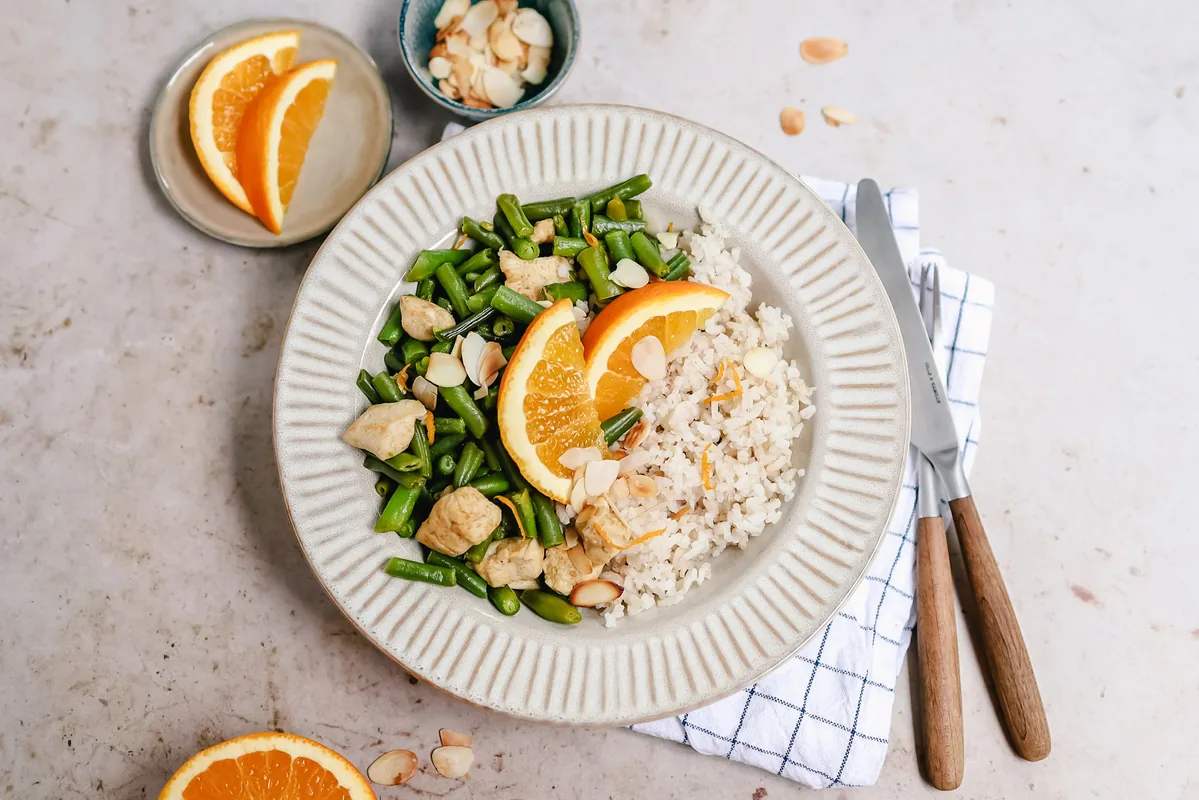
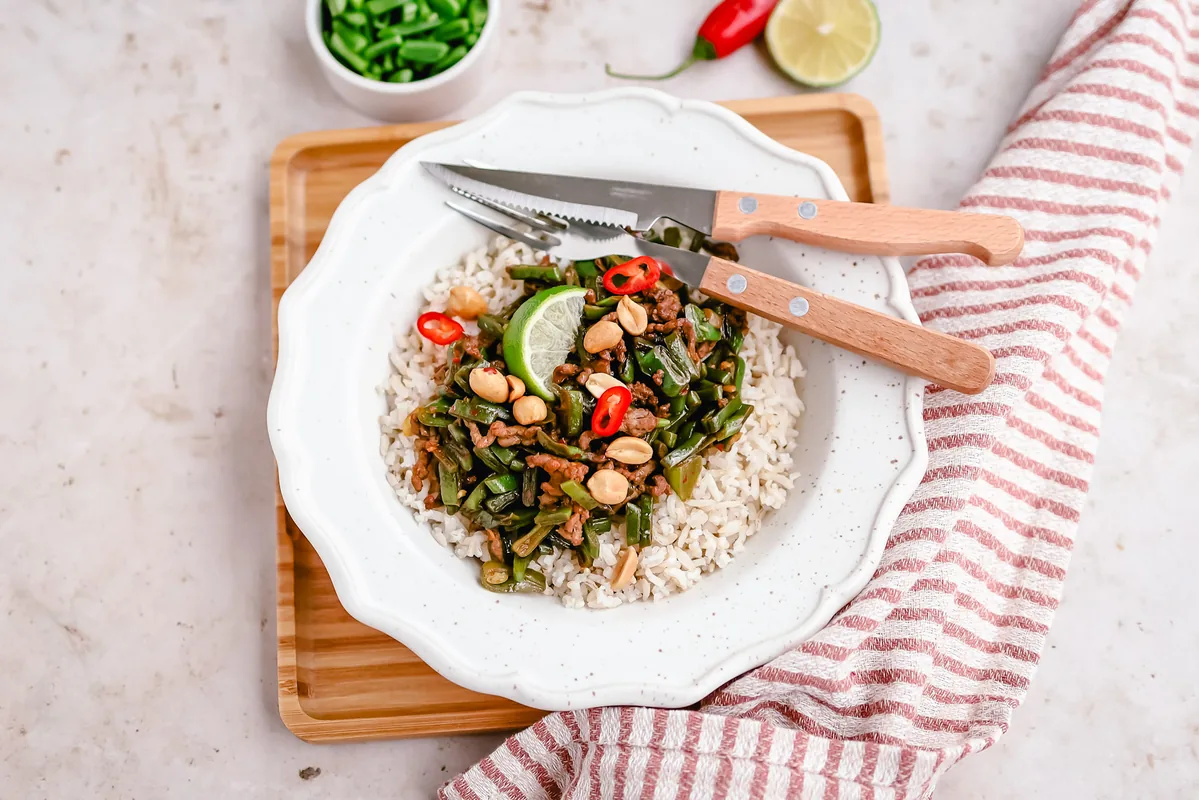
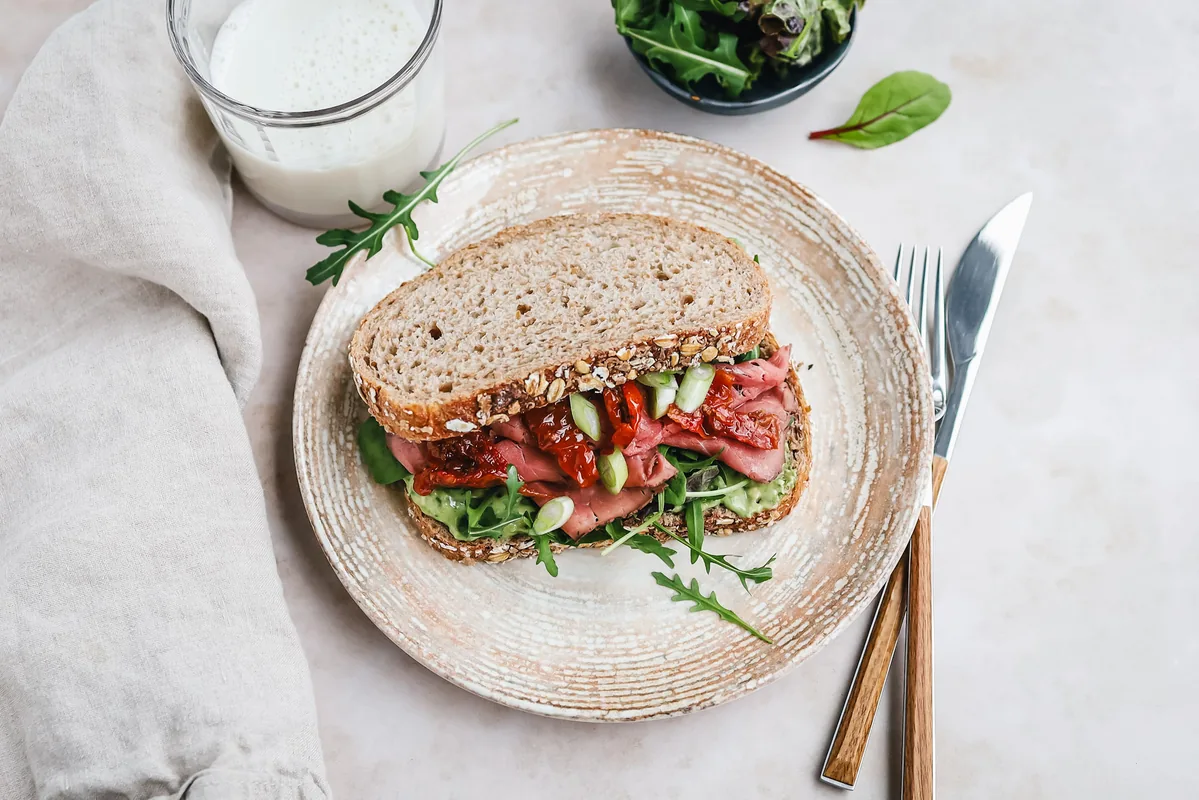
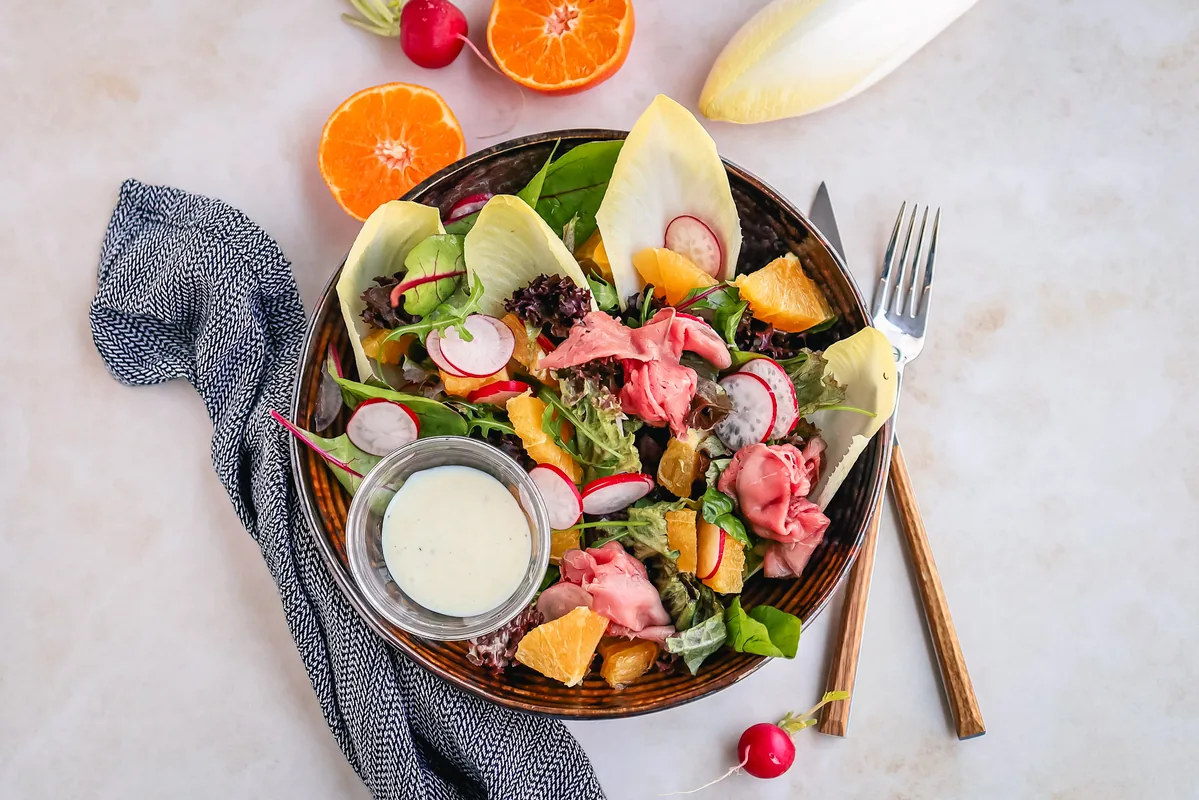
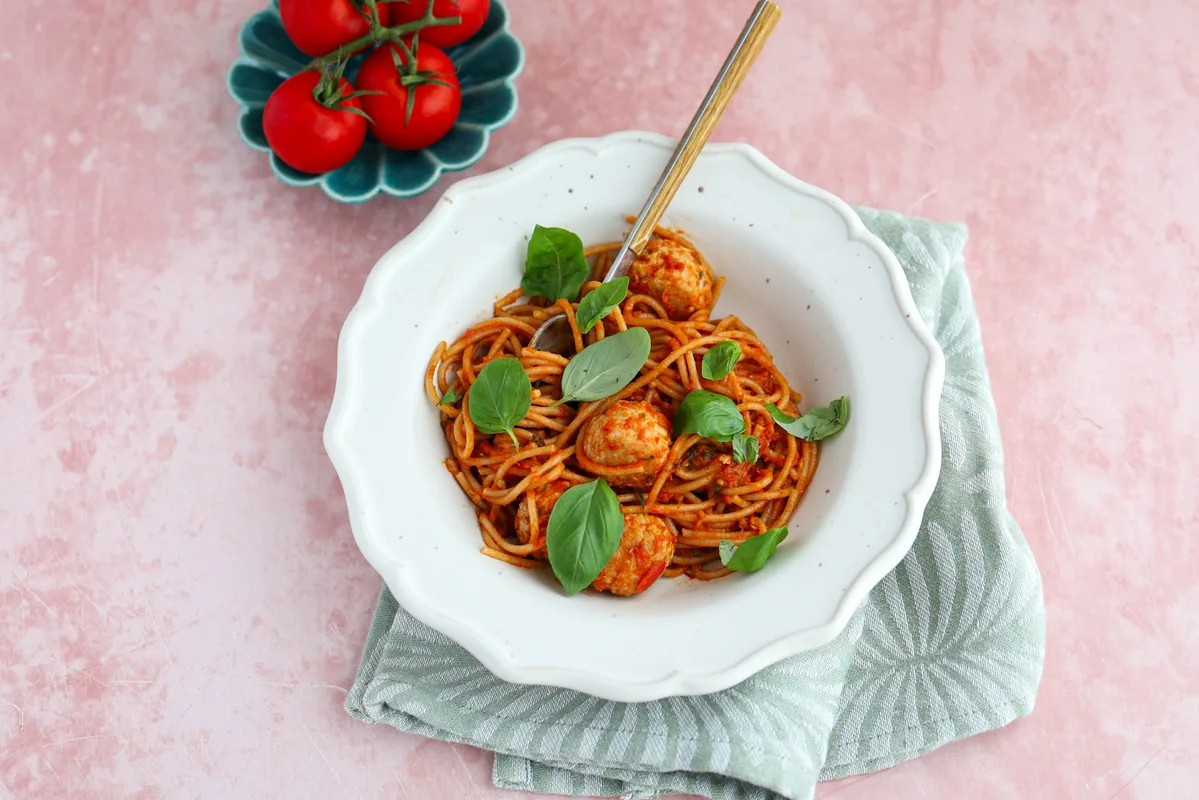
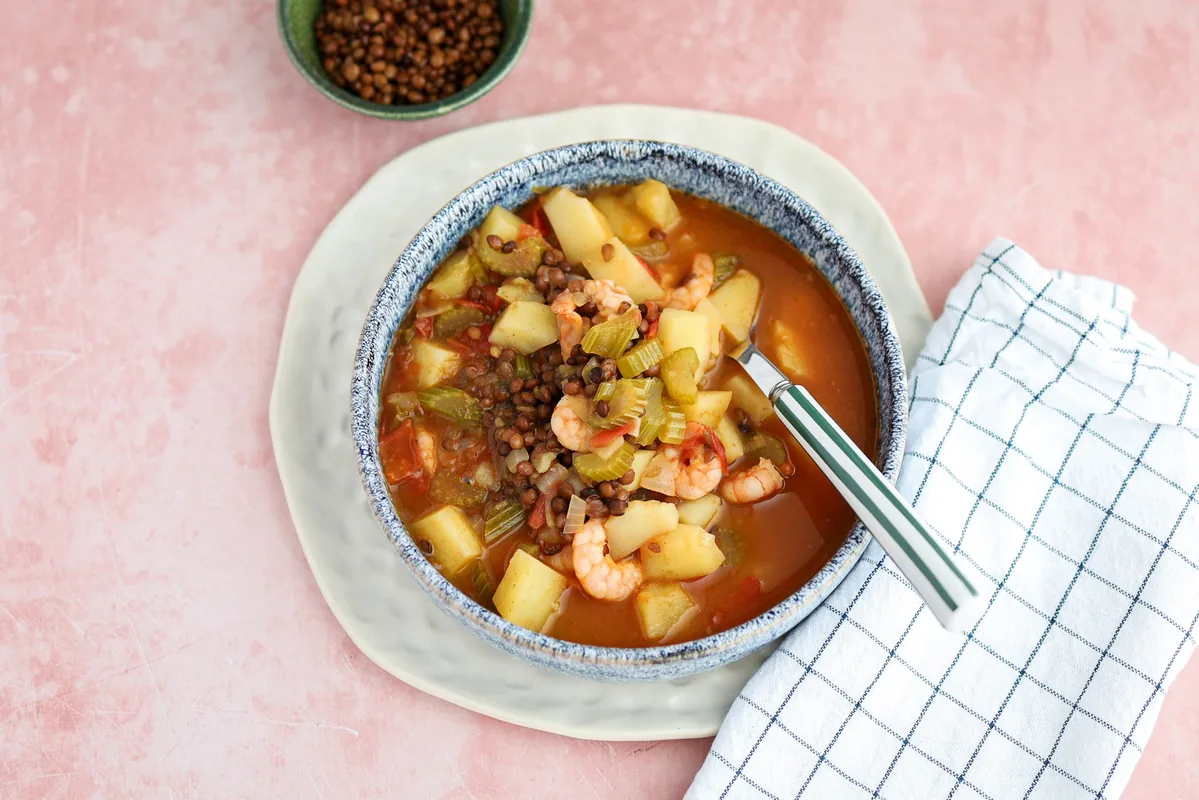
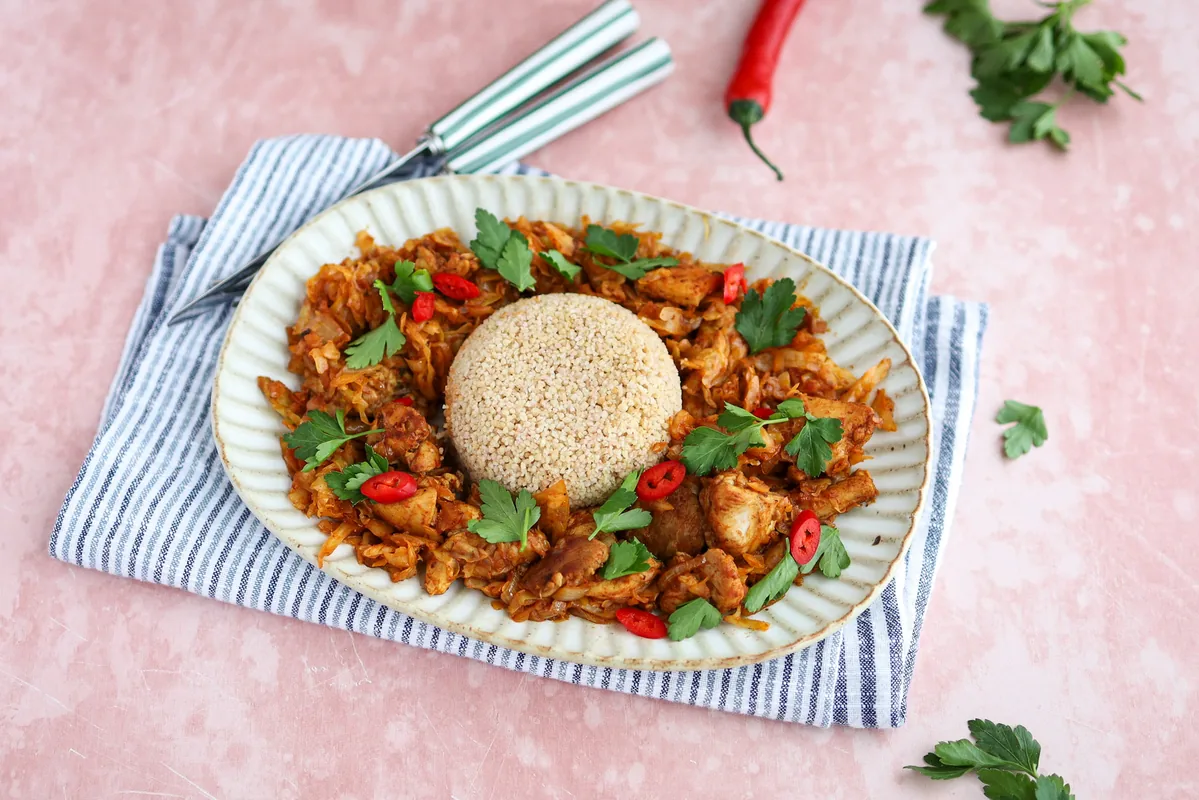
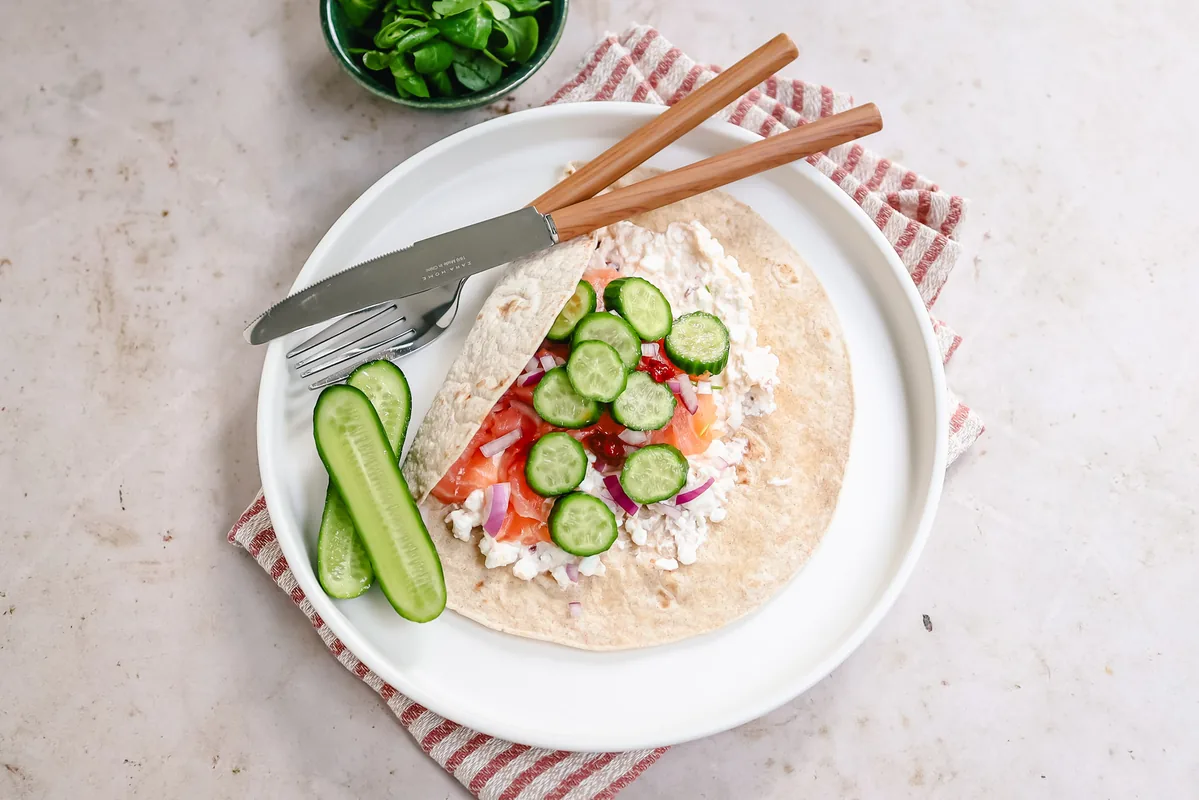
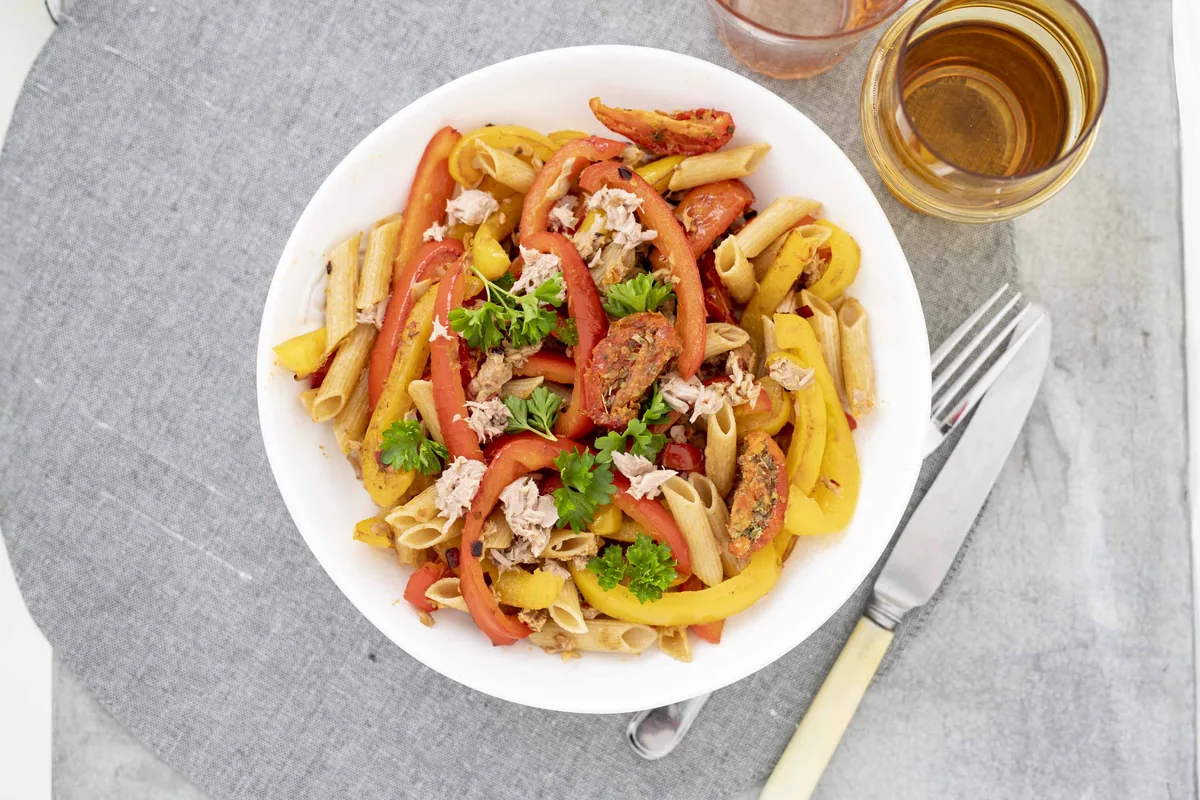
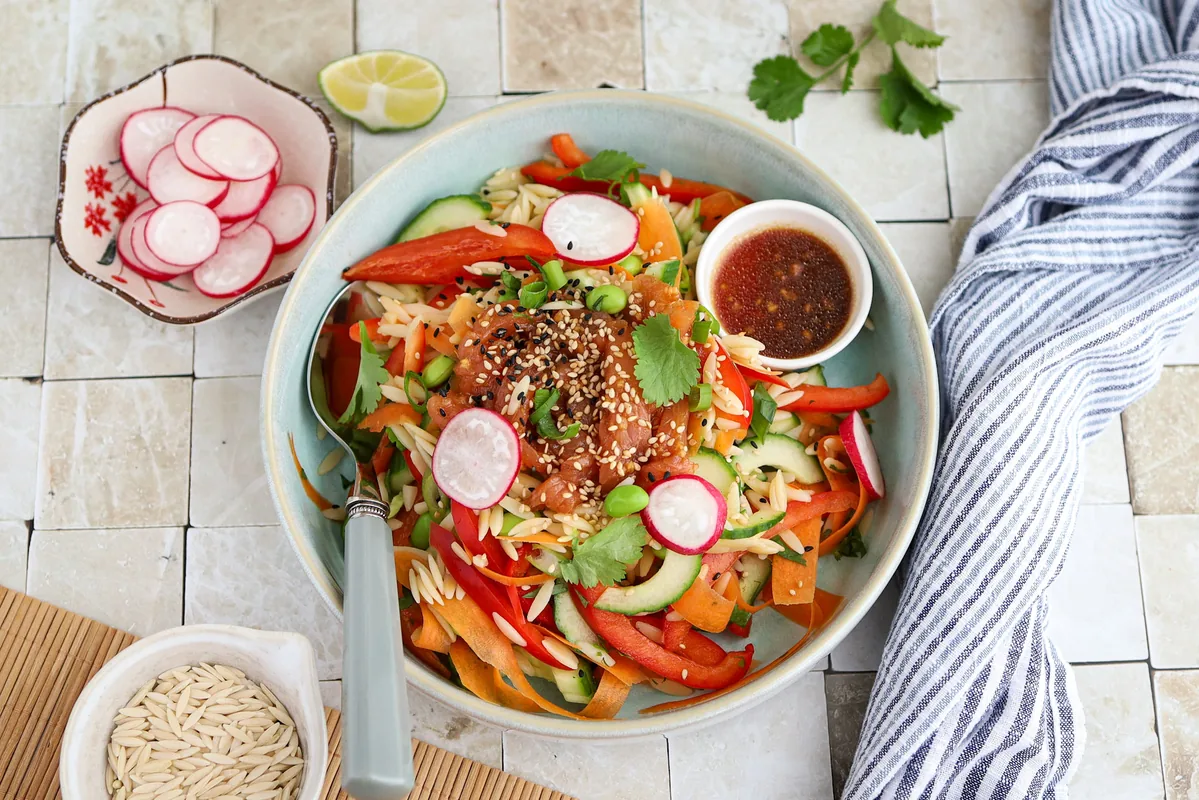
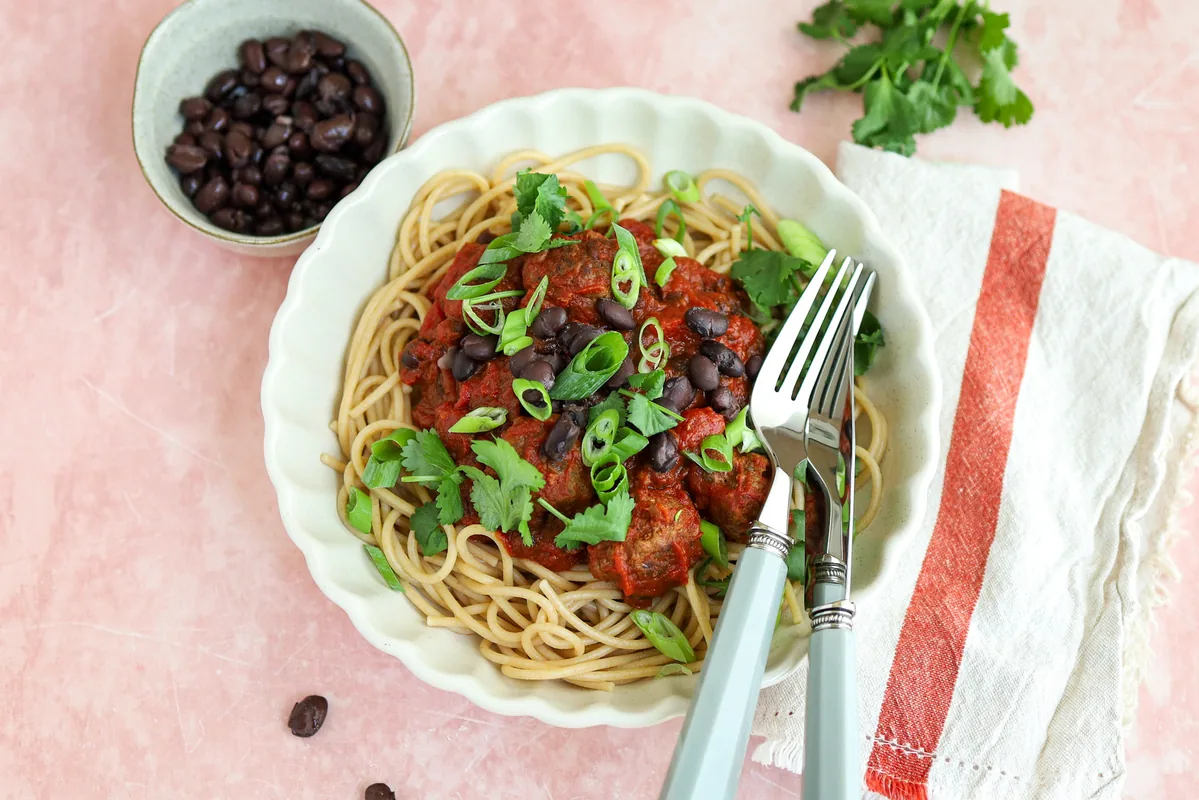
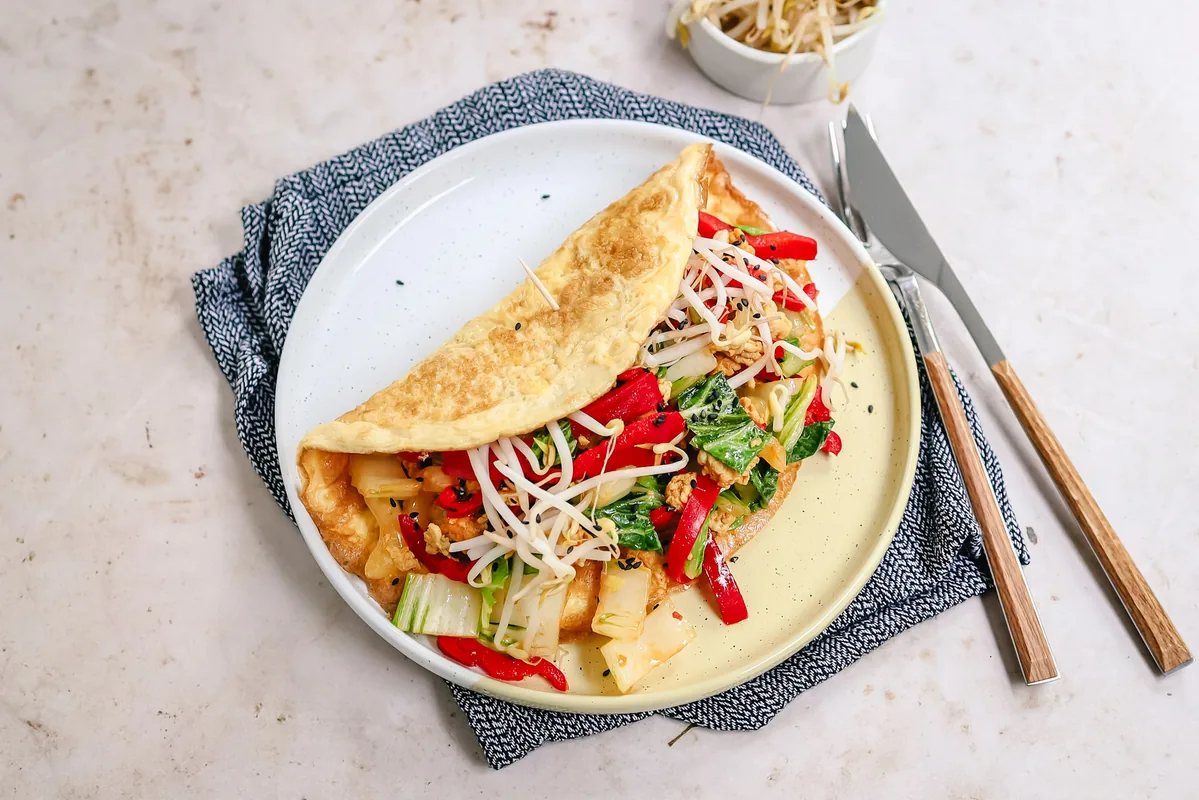
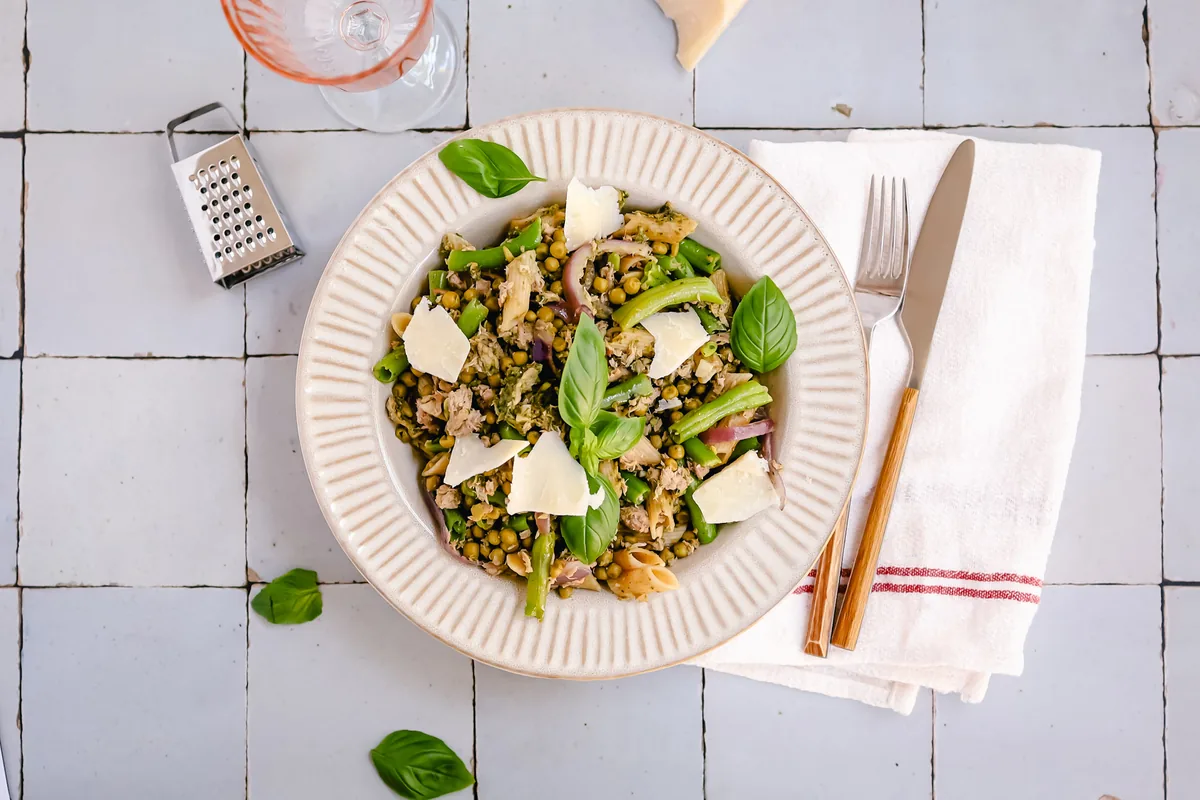
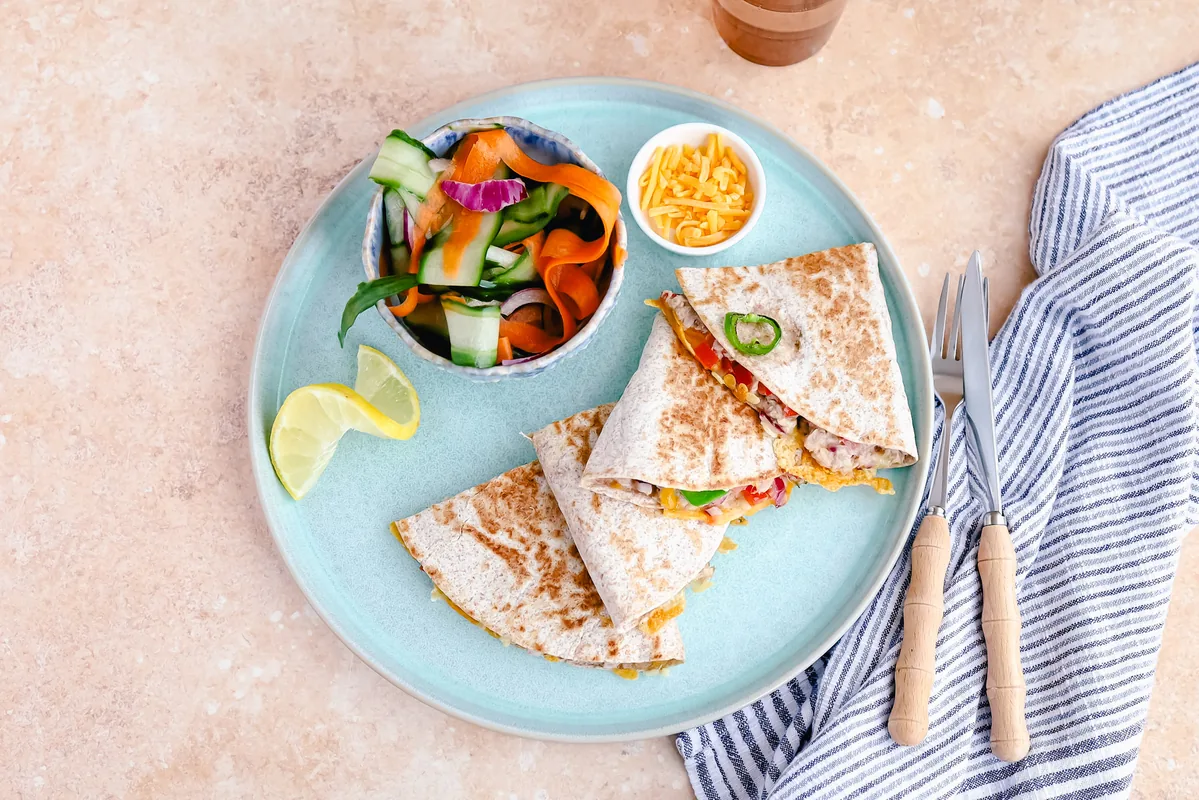
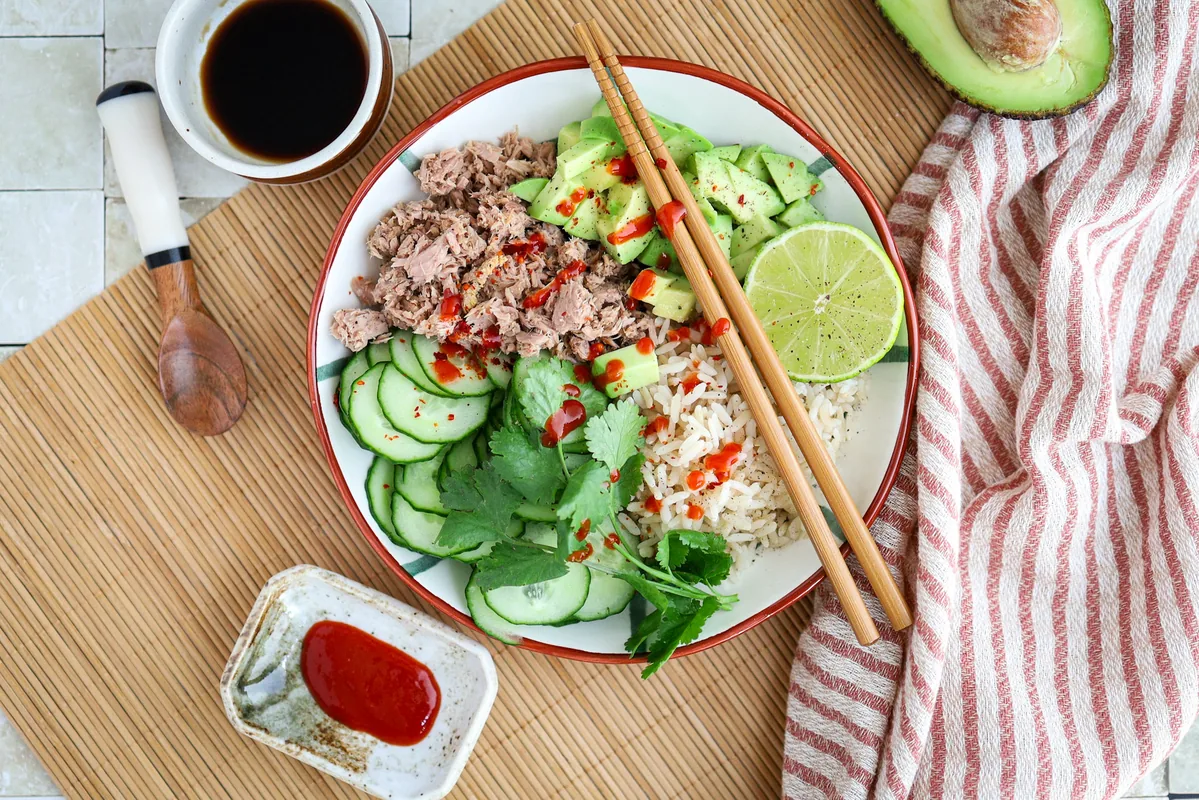
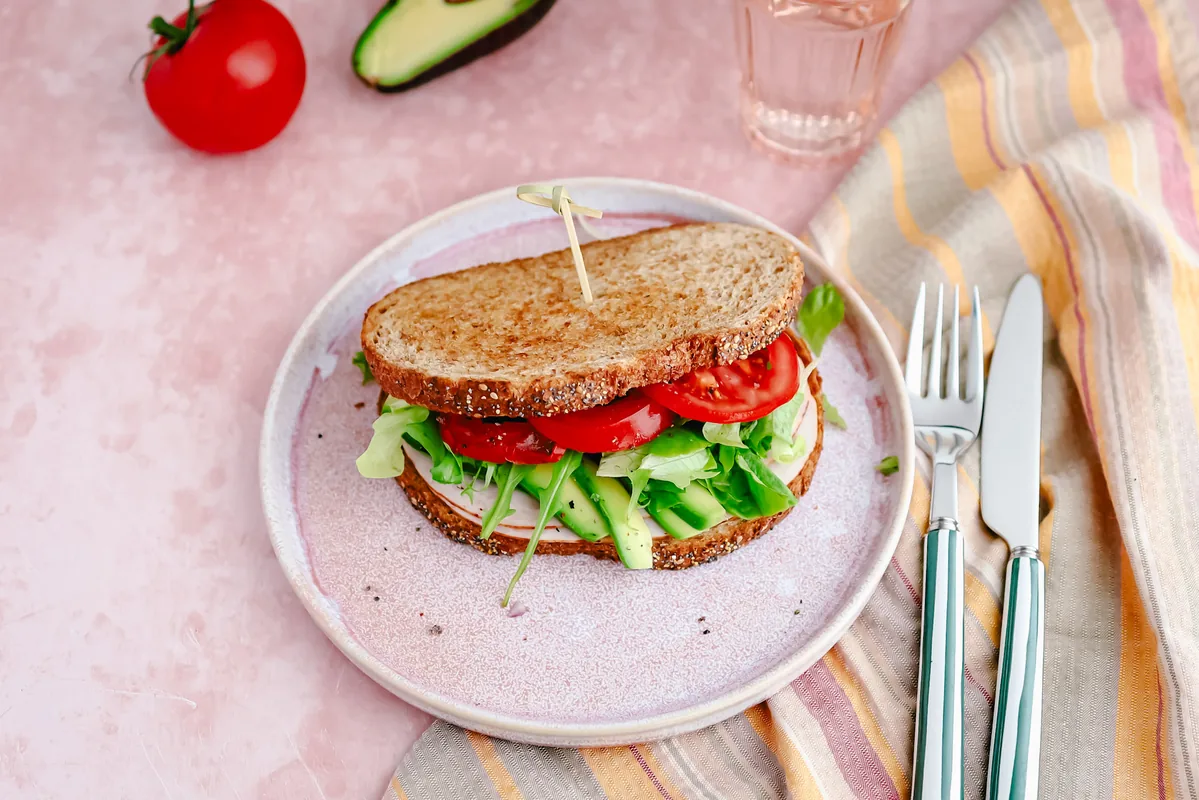
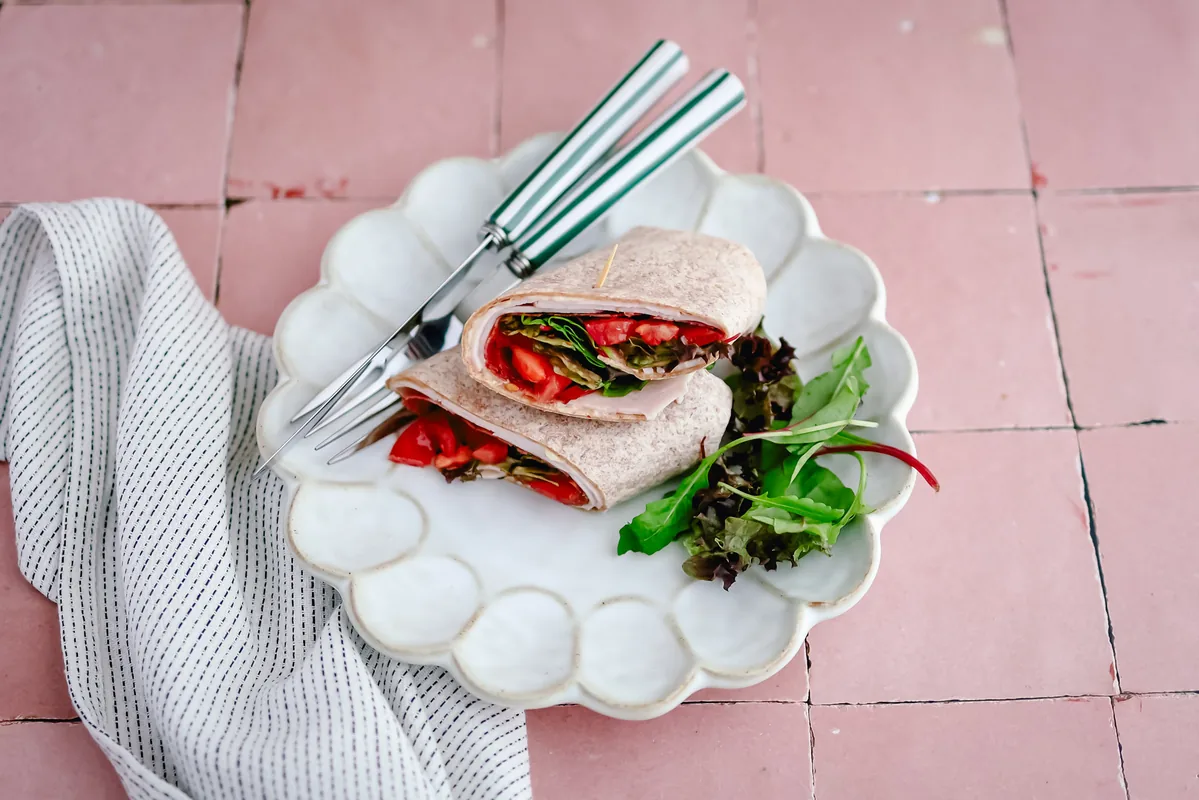
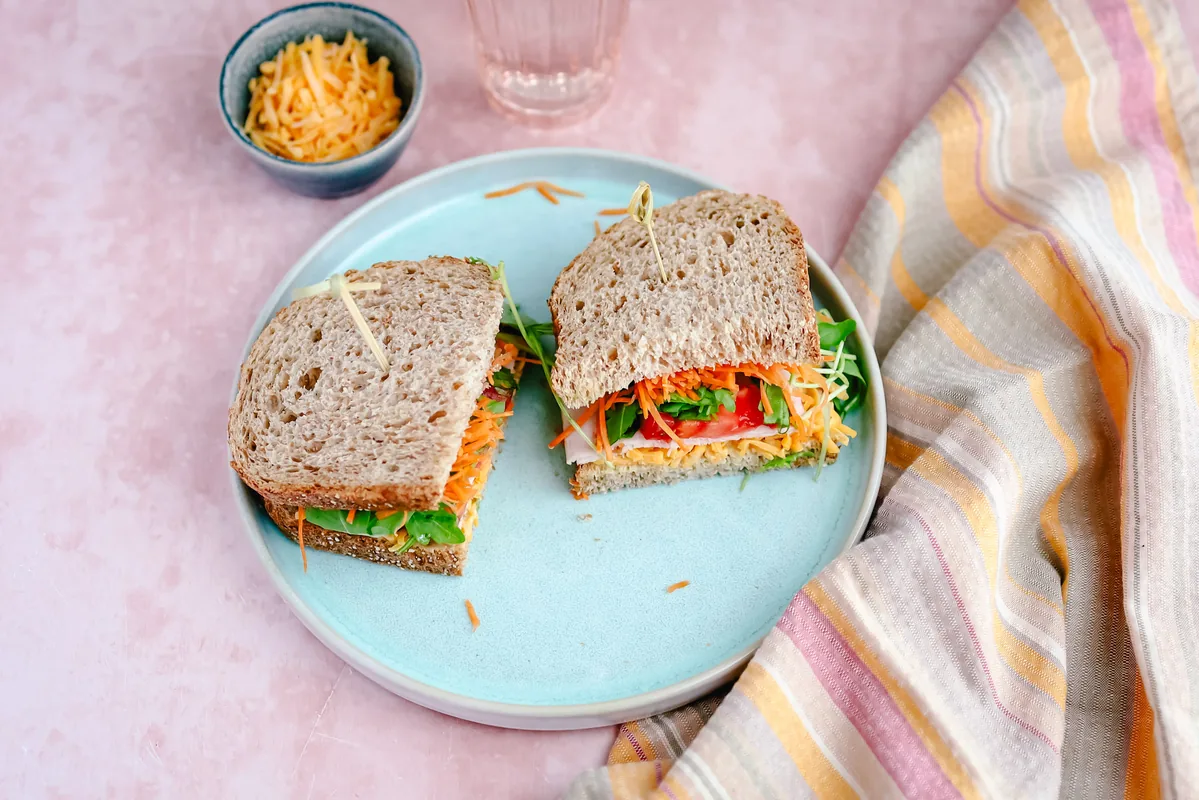
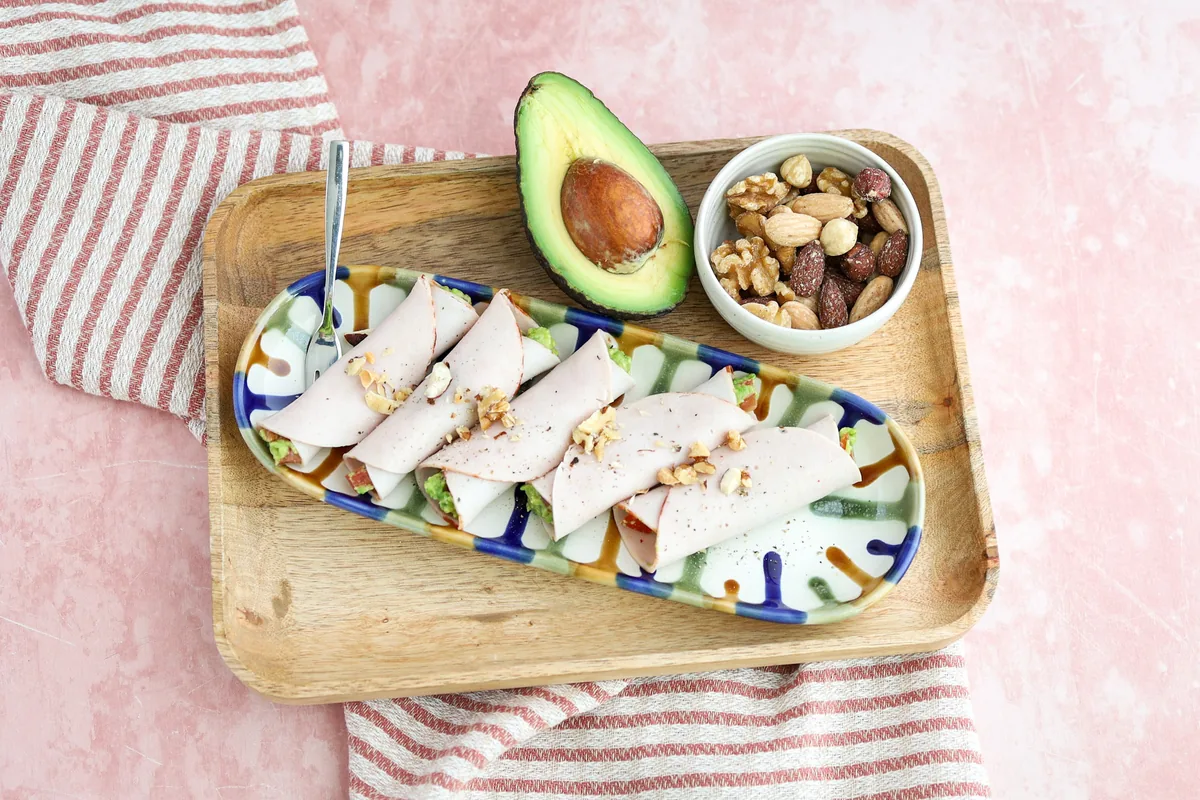
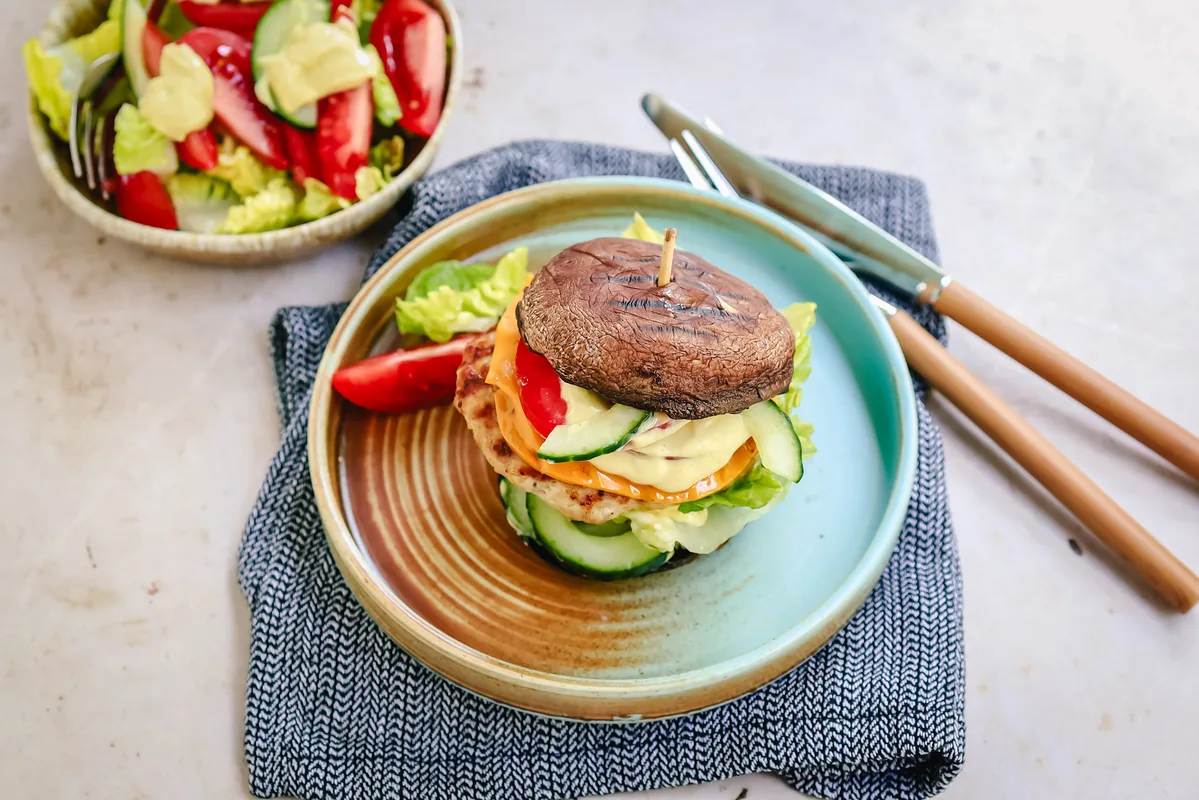
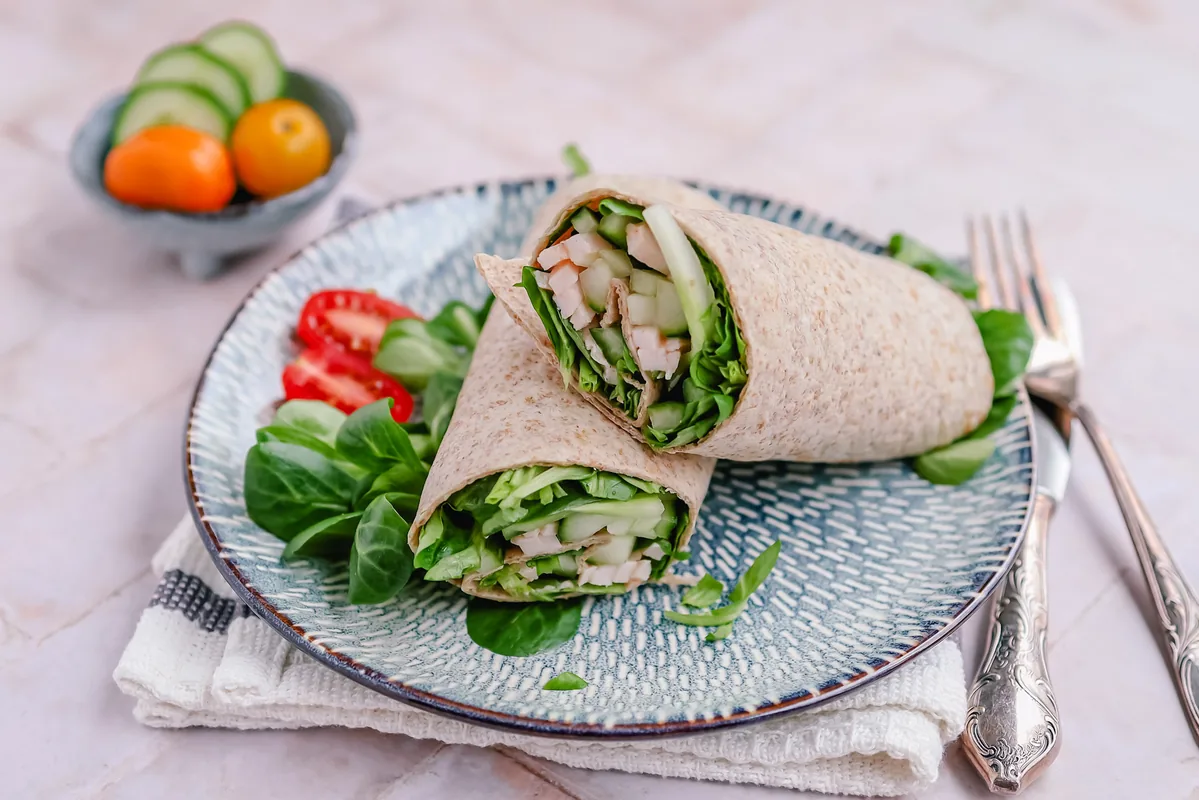
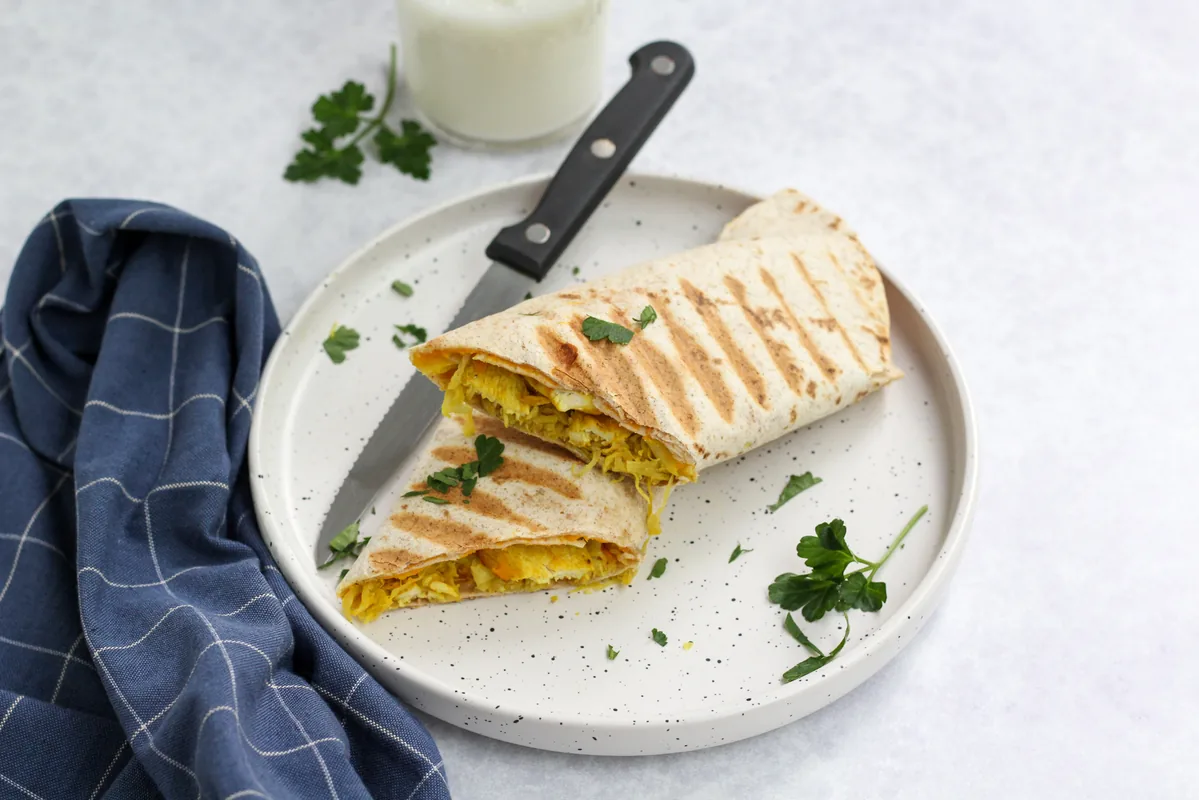
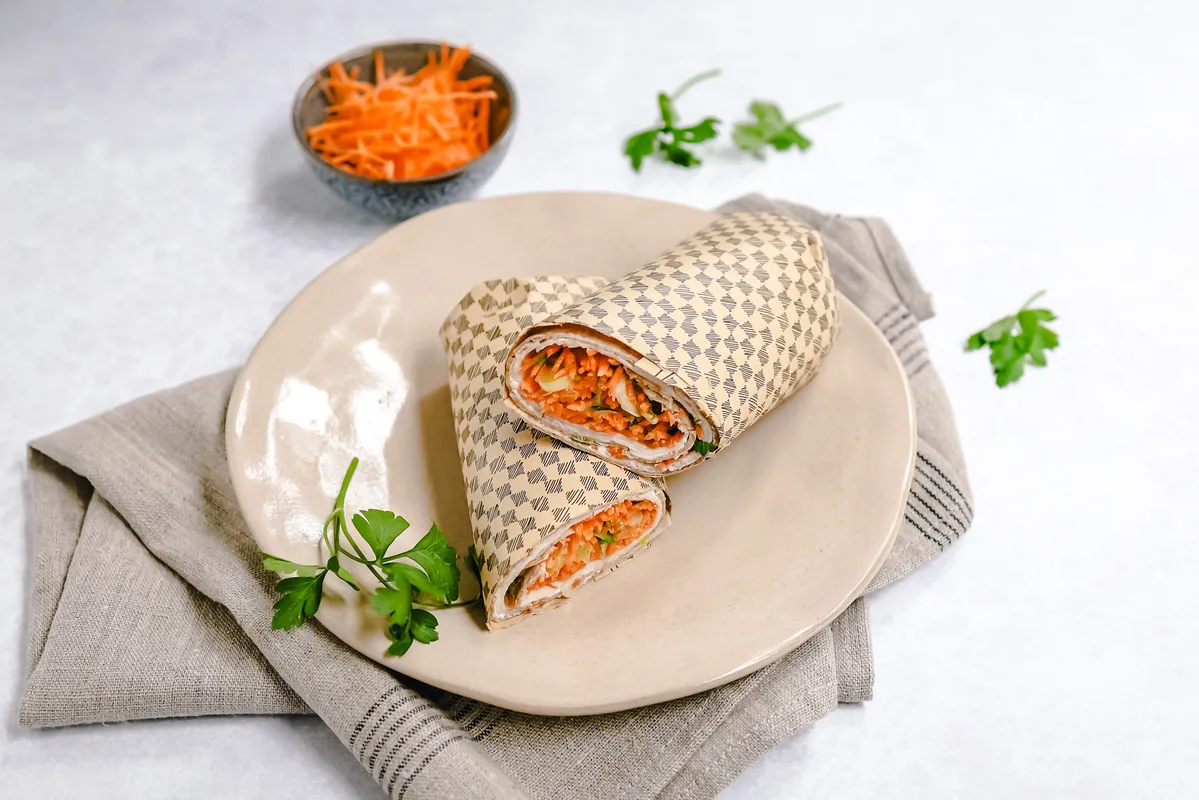
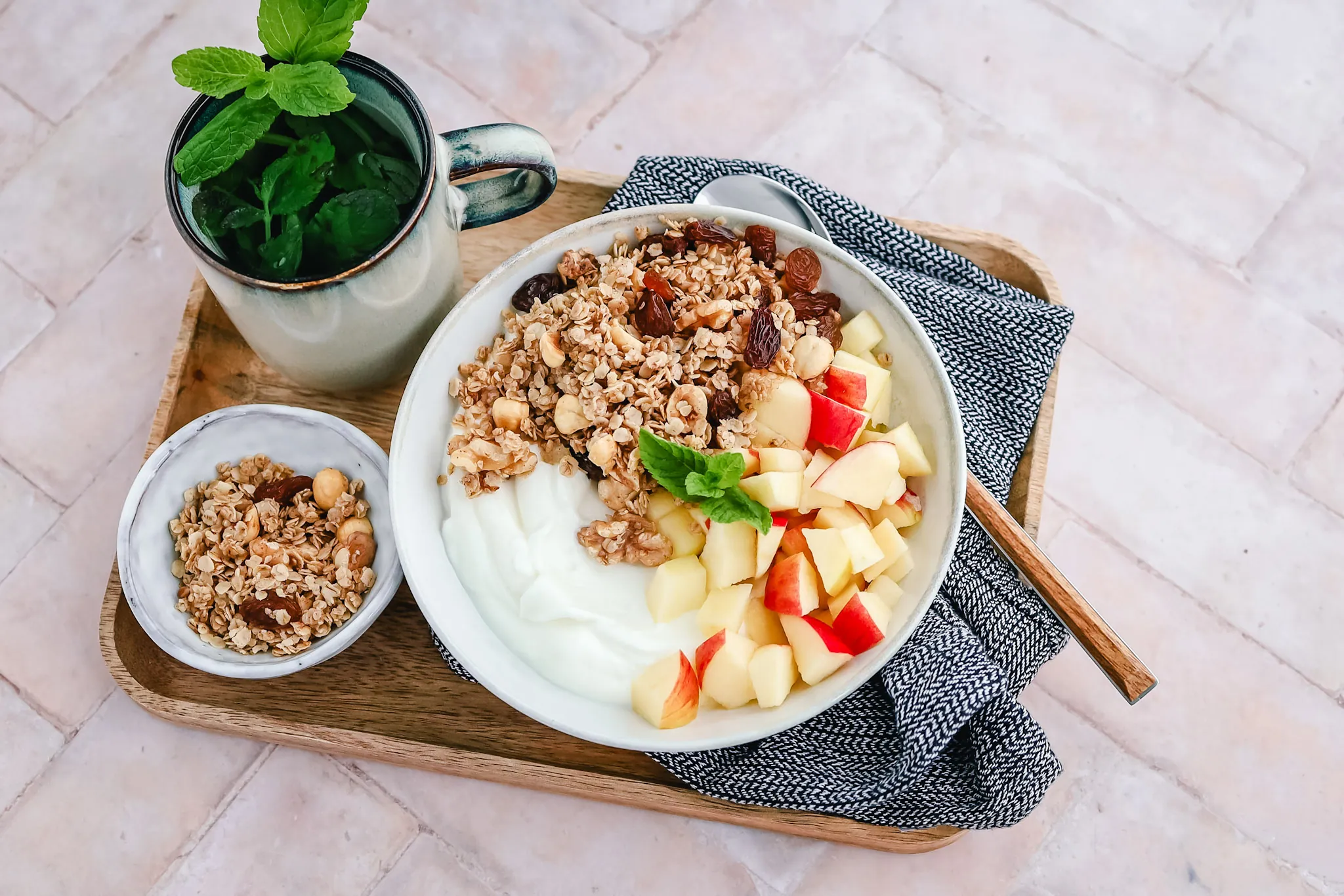
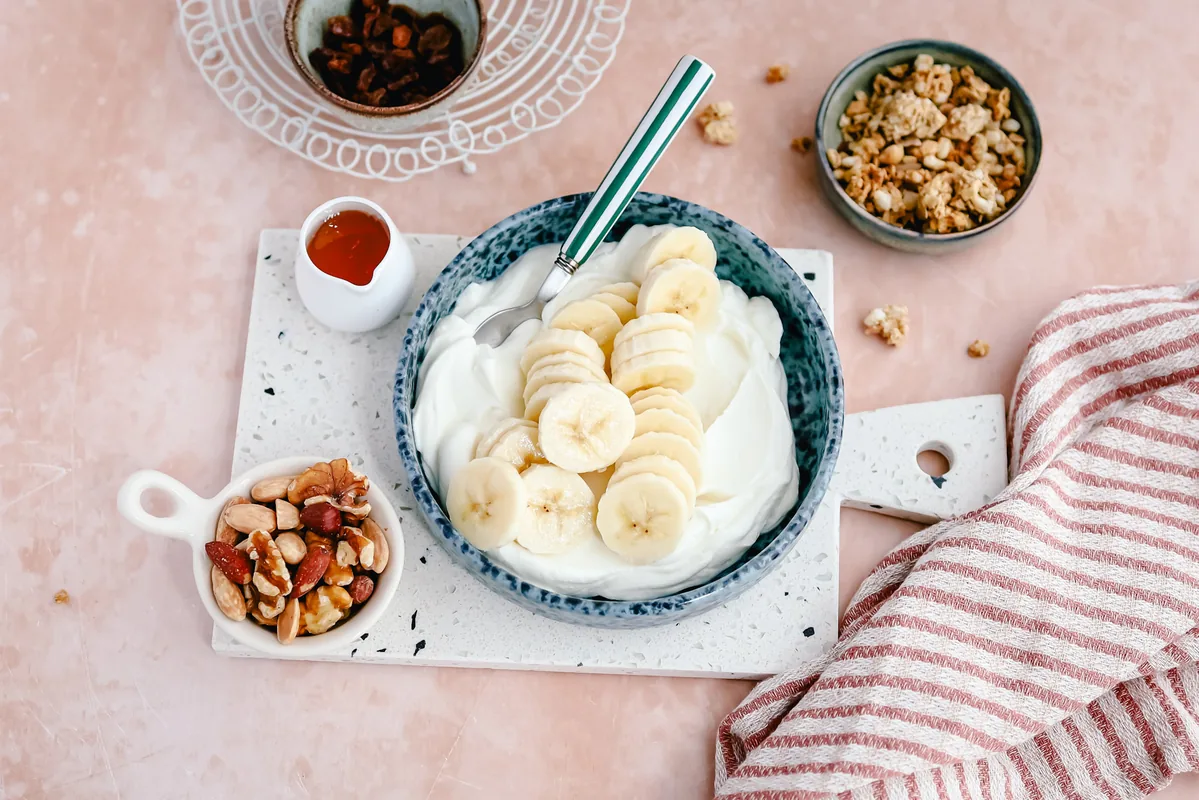
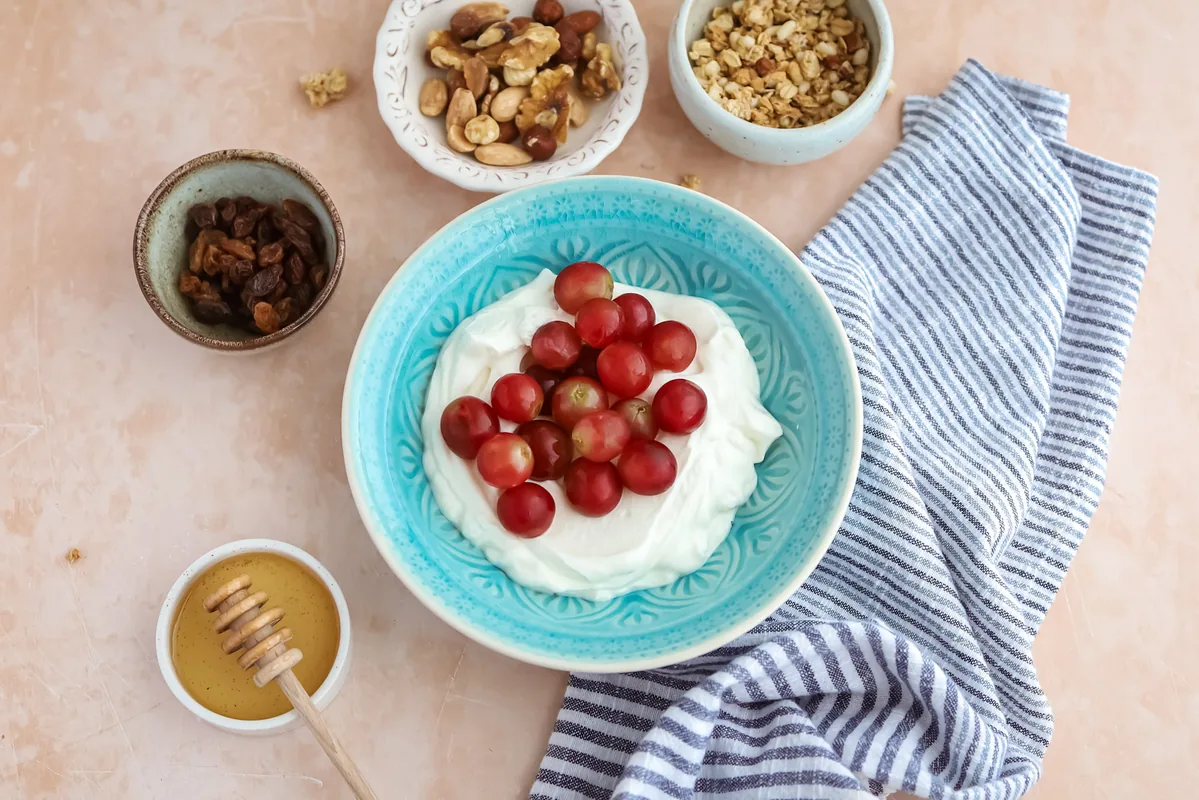
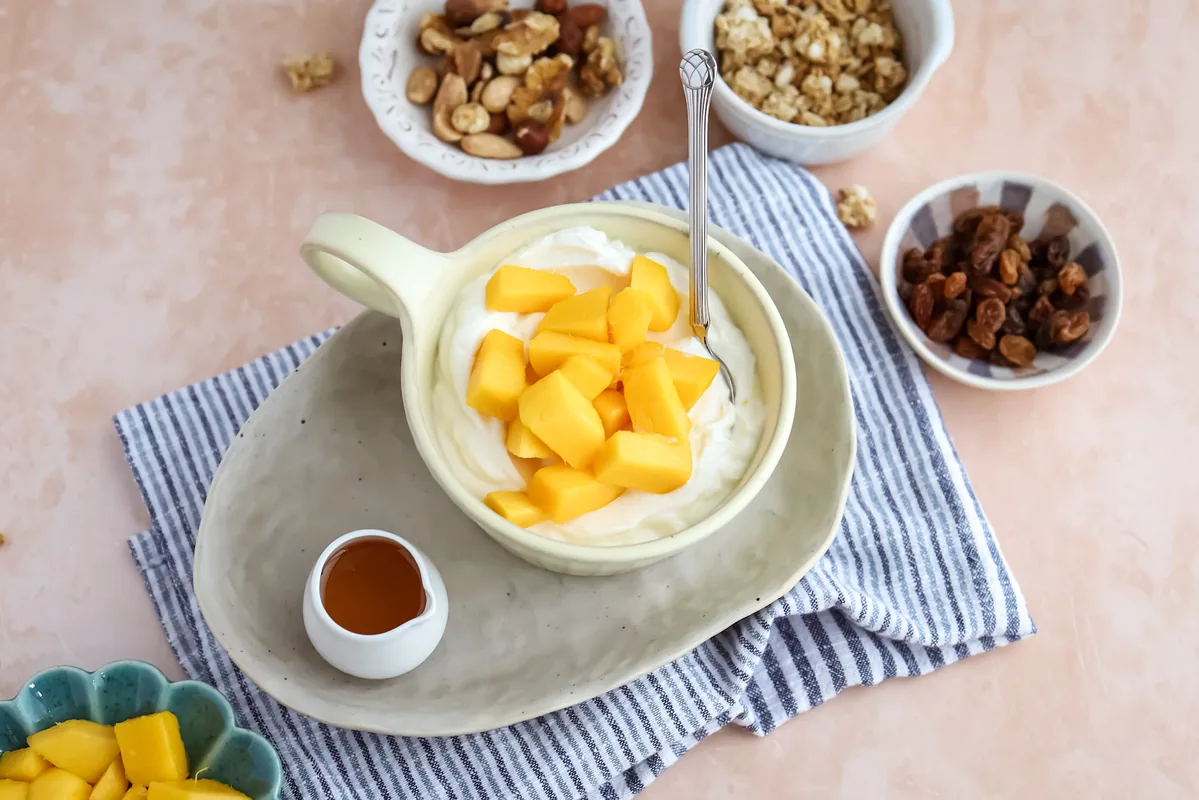
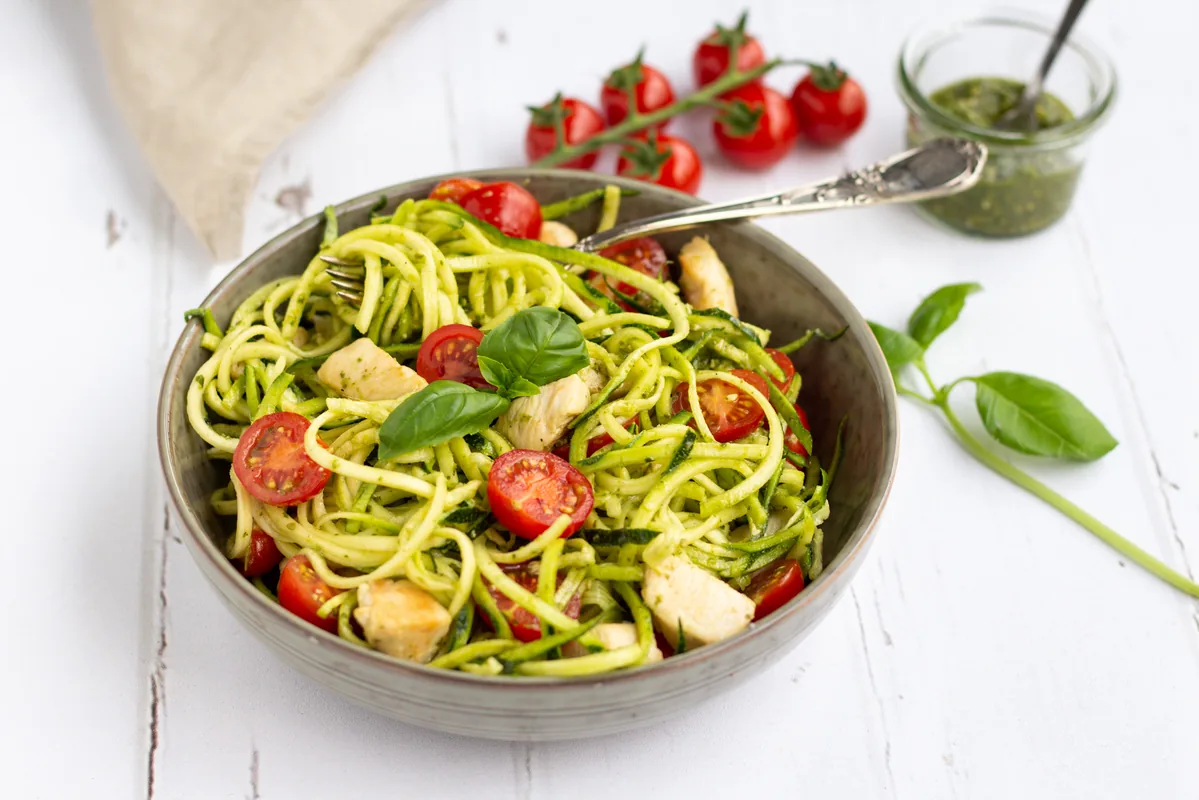
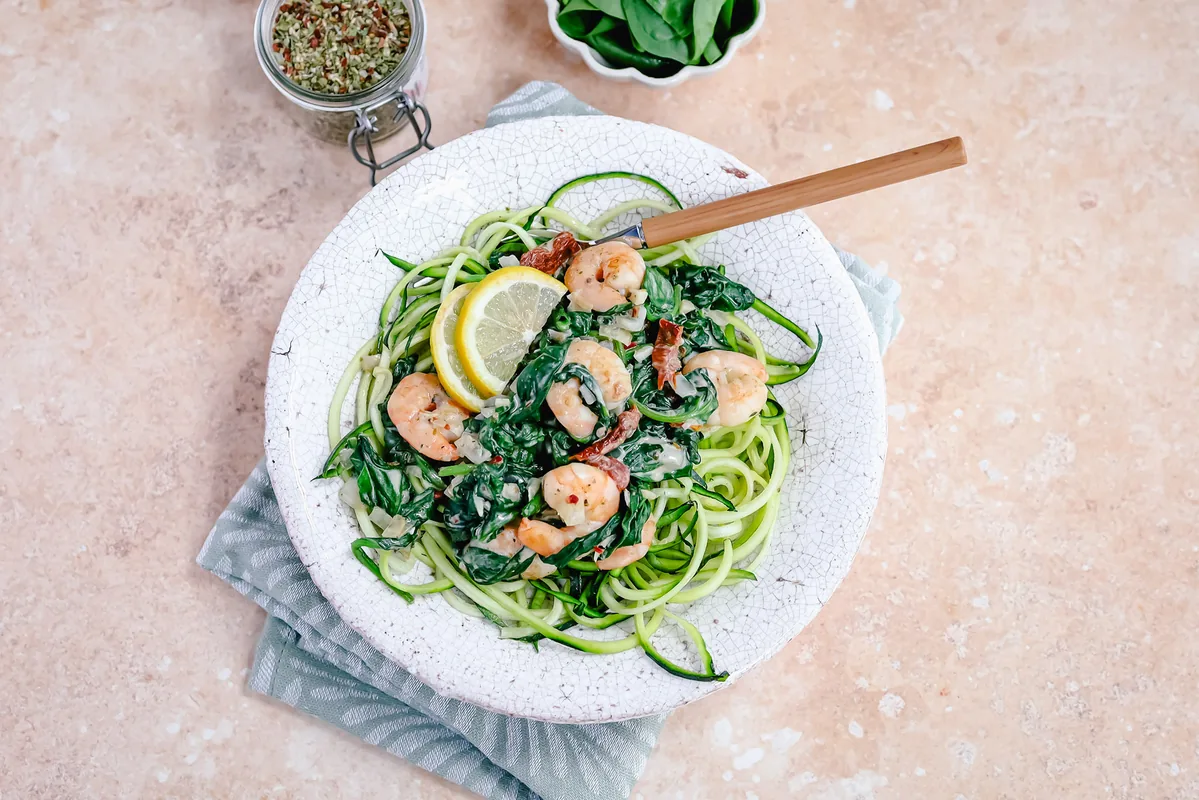
168 of these recipes take five minutes or less: yogurt bowls, wraps, smoothies, toast stacks. Another 286 take fifteen minutes: pasta, stir-fries, curries, rice bowls. Together they span all four meal occasions — 72 breakfasts, 295 lunches, 210 dinners, 113 snacks. Five minutes is assembly. Fifteen minutes is real cooking. Both deliver above-threshold protein.
The median across the collection: 27g protein, 8 ingredients, 15 minutes. That 27g clears the muscle-protein-synthesis threshold researchers keep confirming has no practical per-meal ceiling. 172 recipes need no cooking at all.