



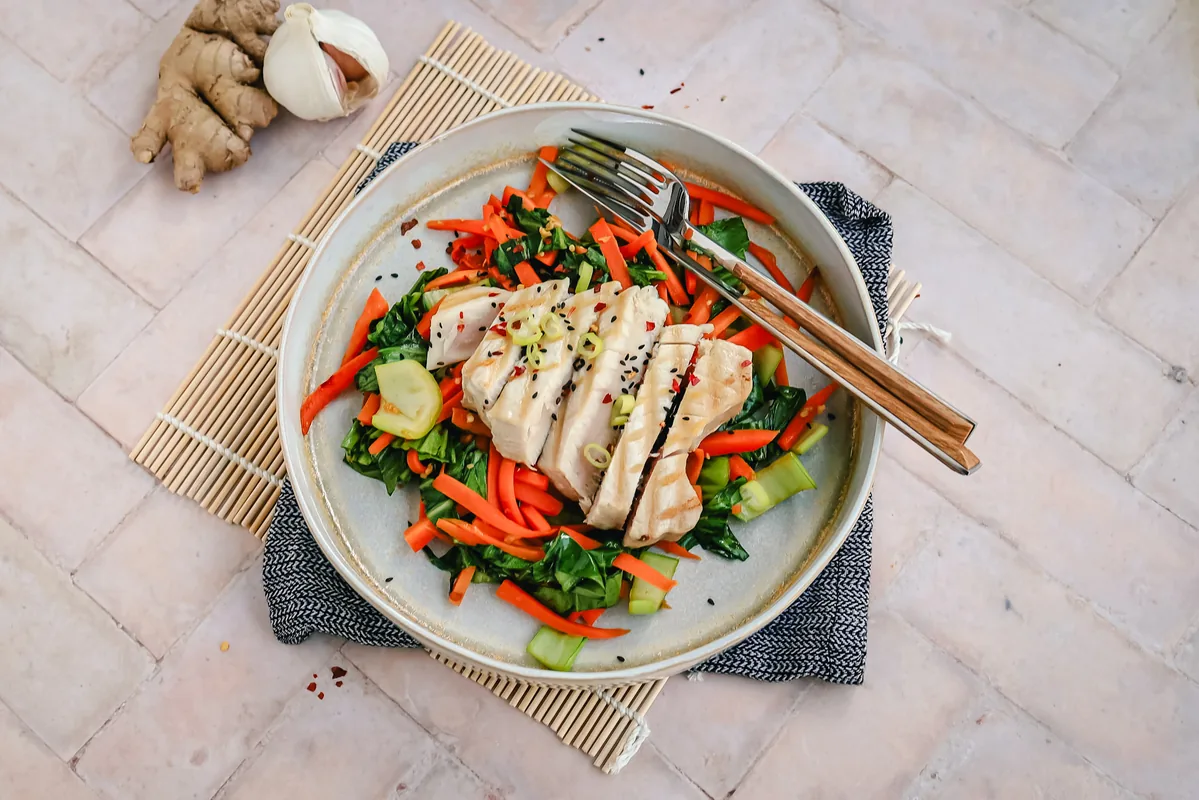
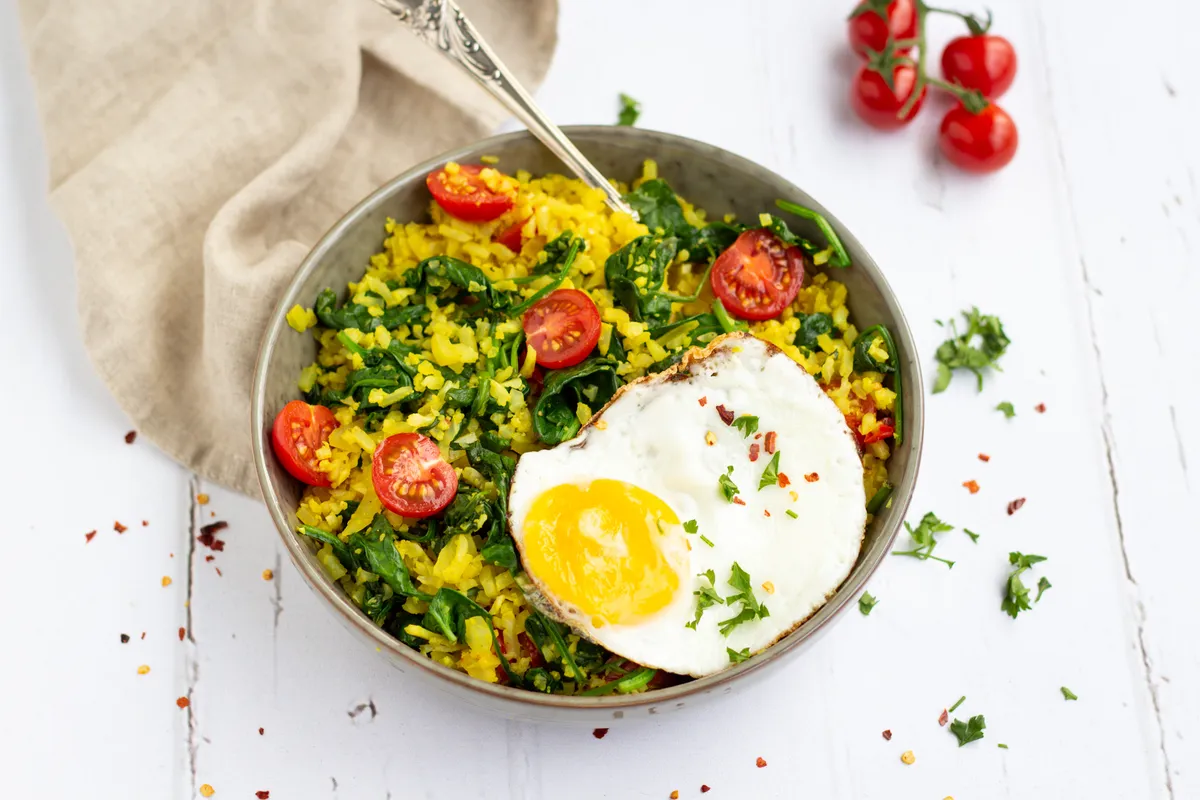
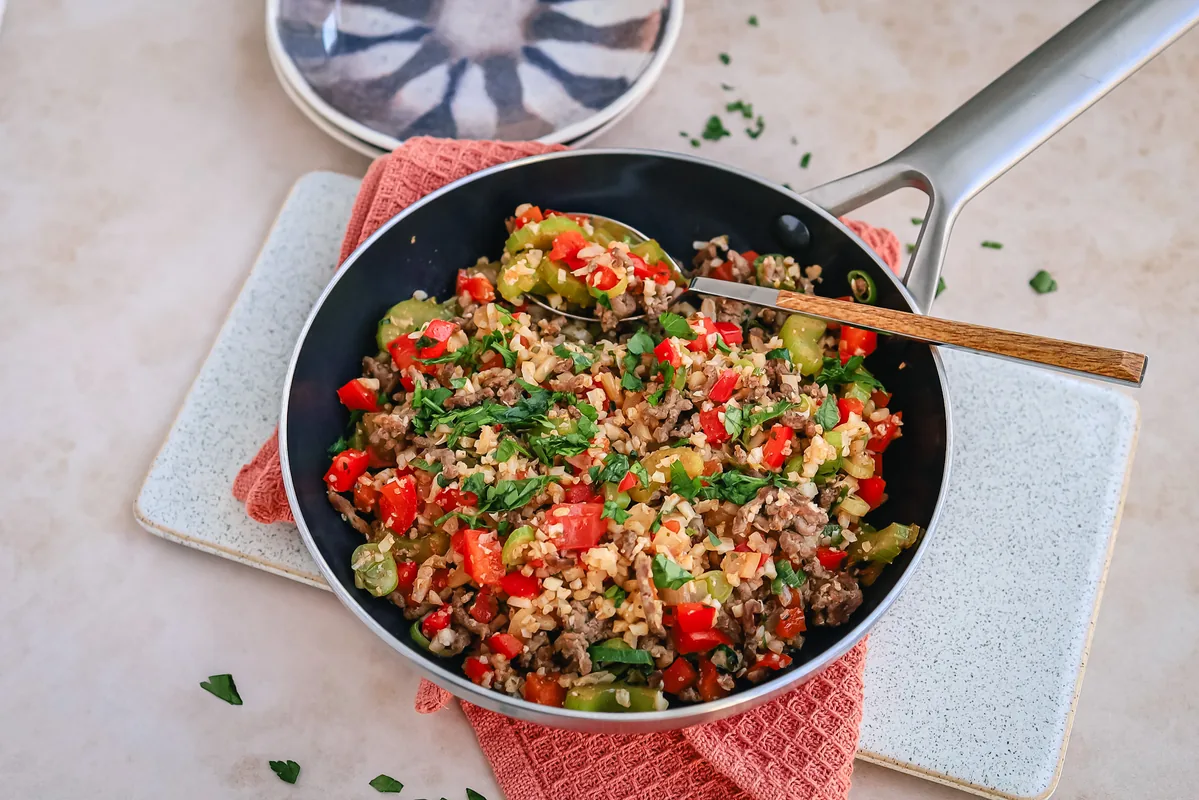




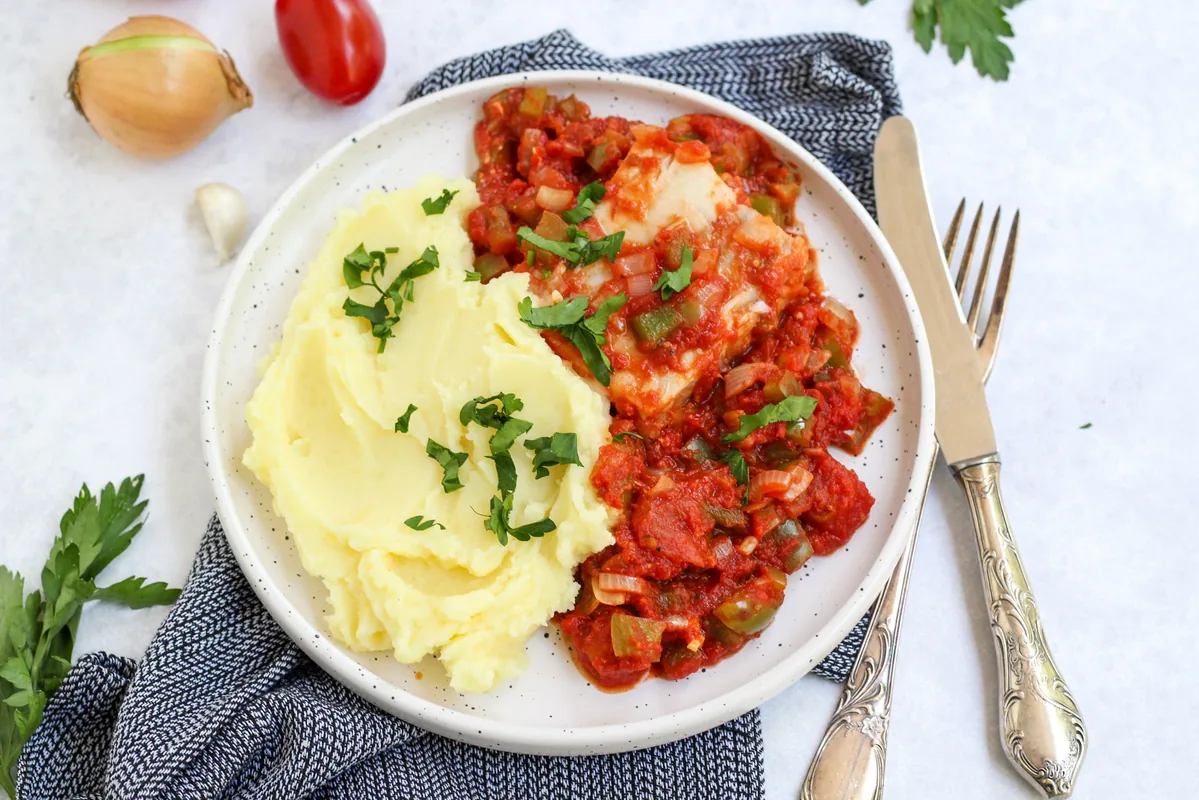
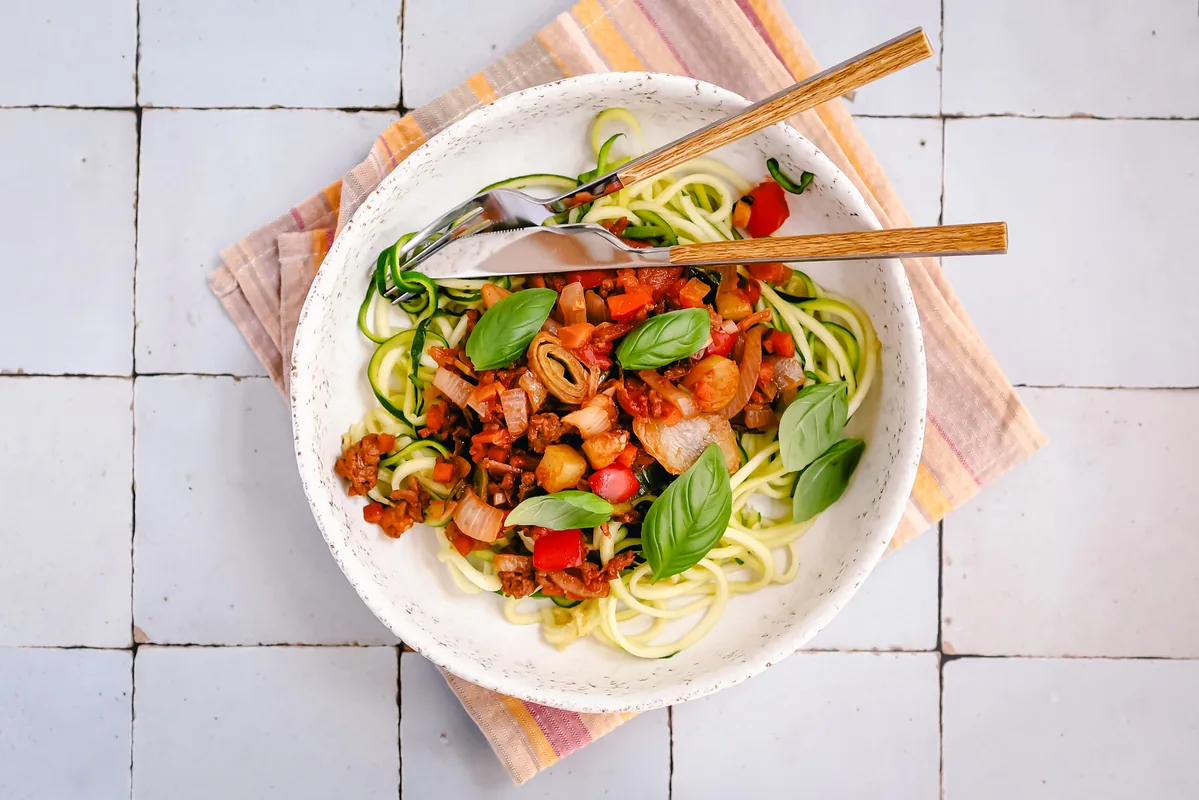

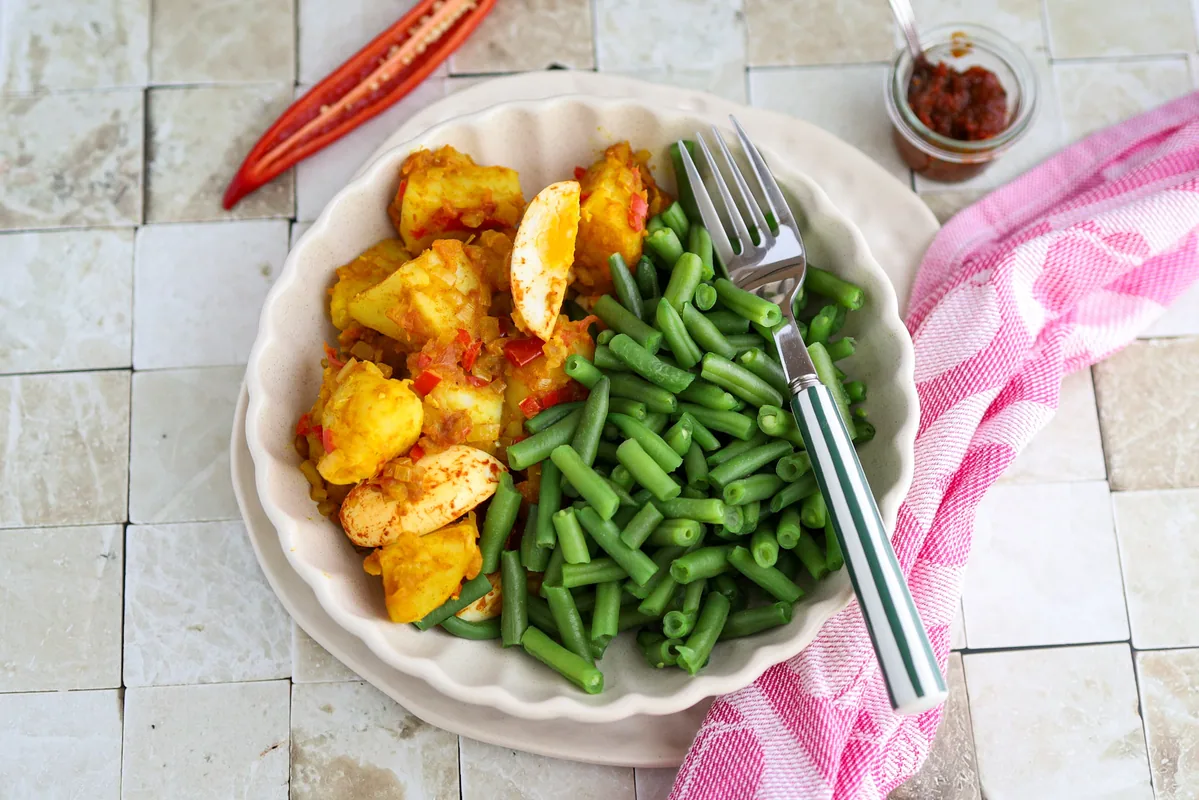
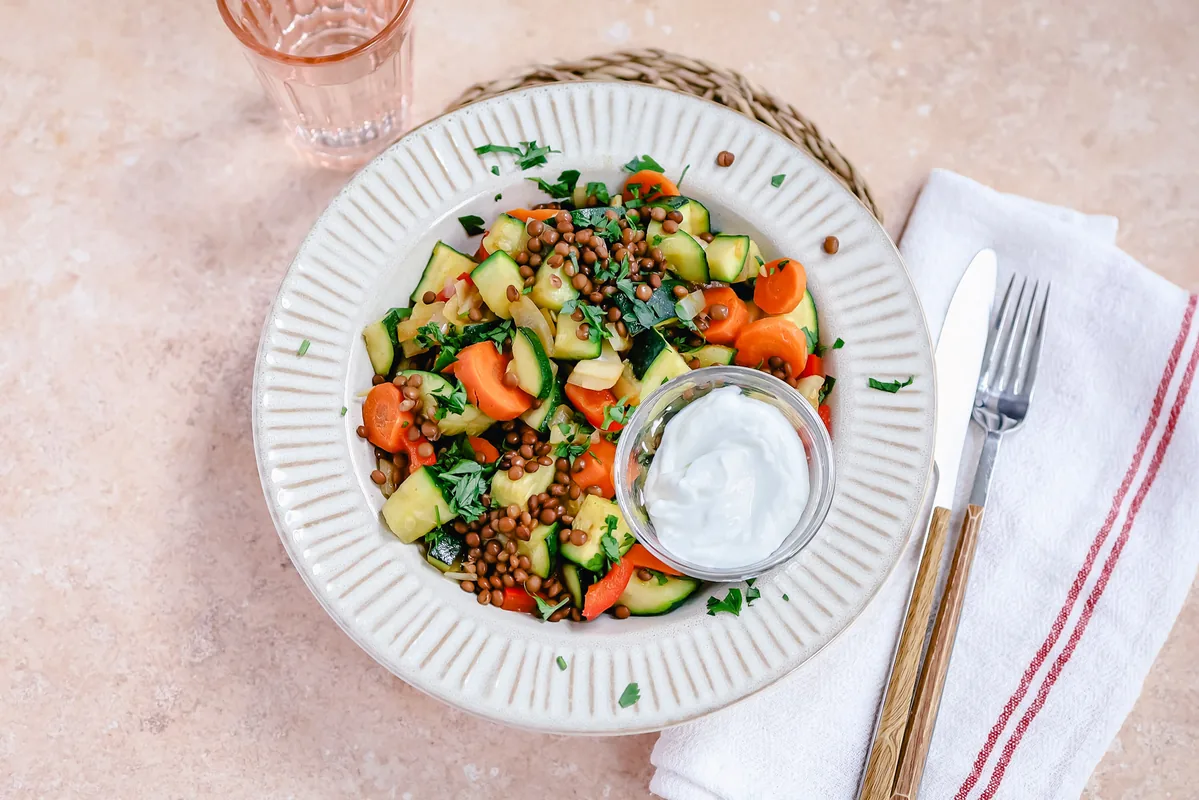
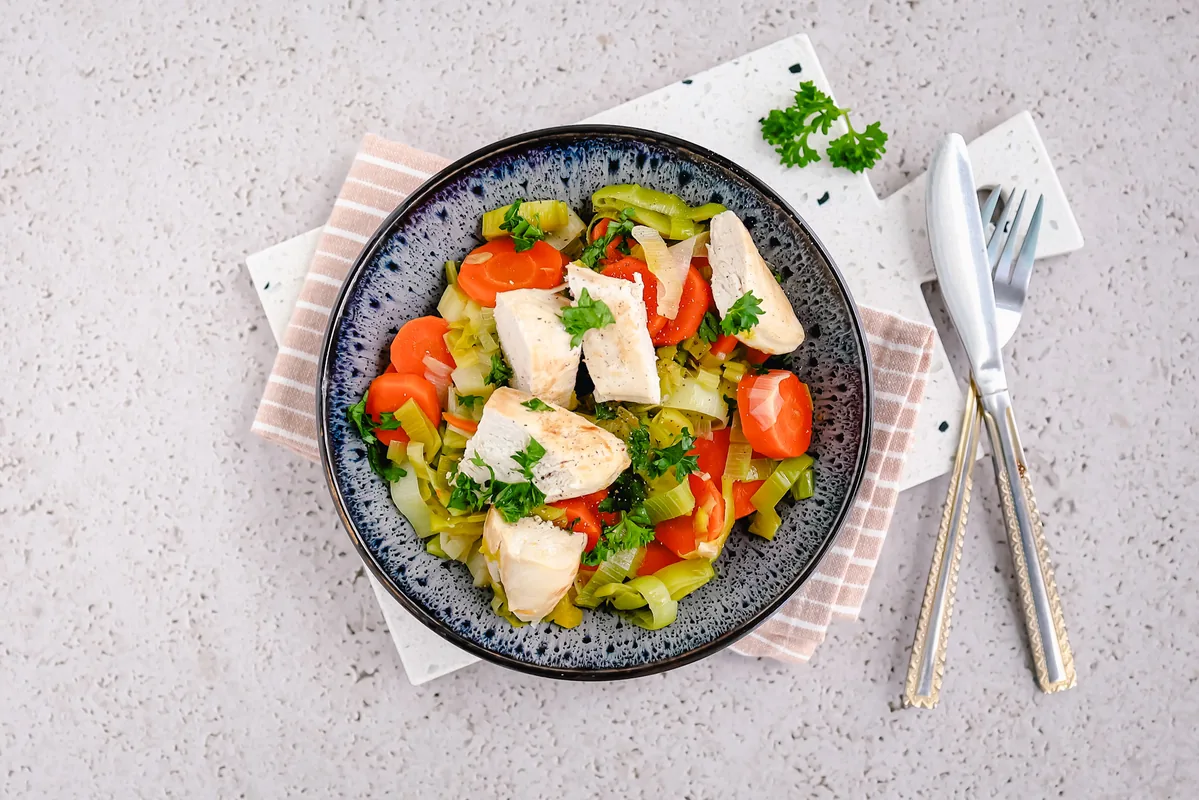
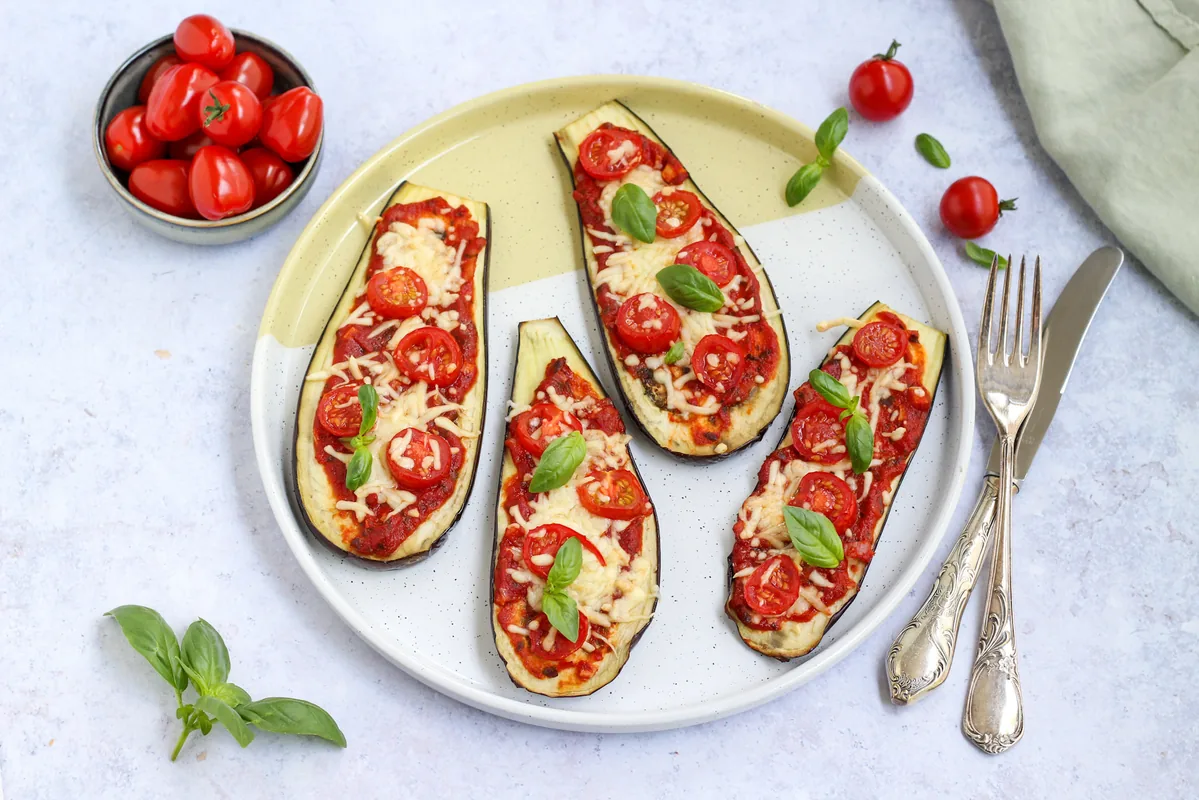
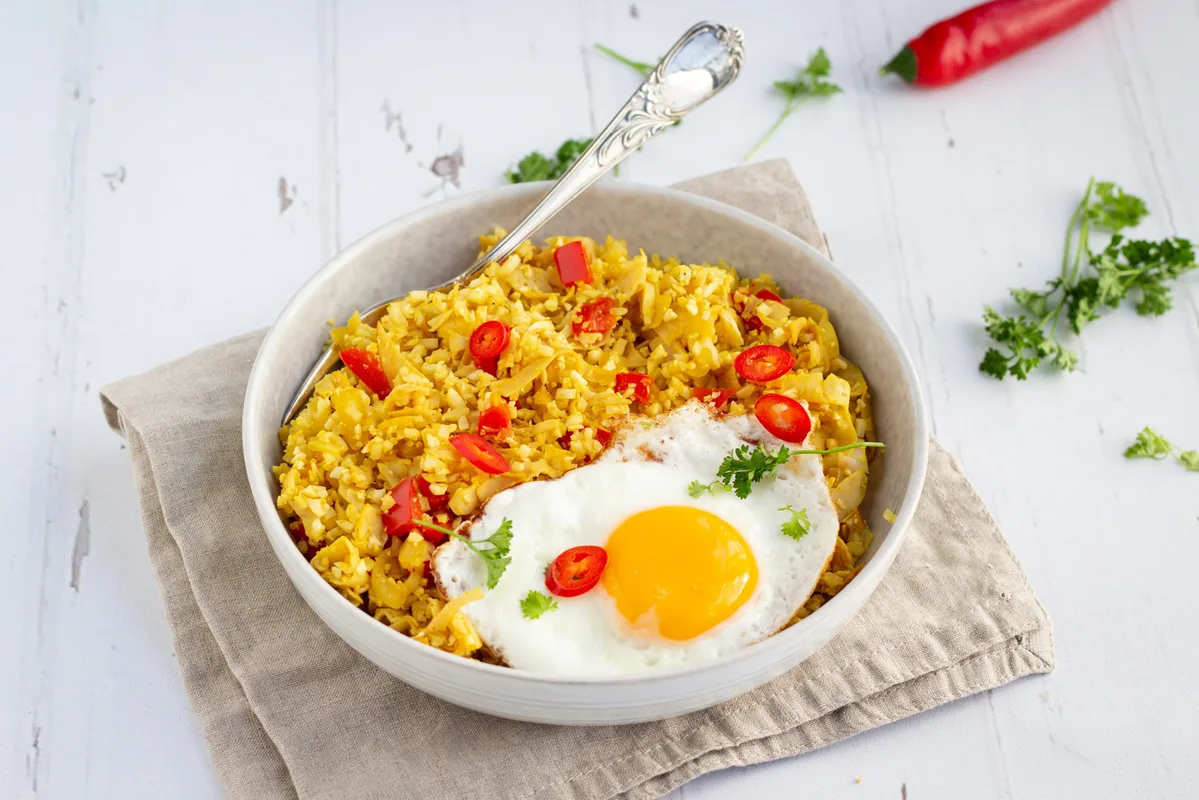

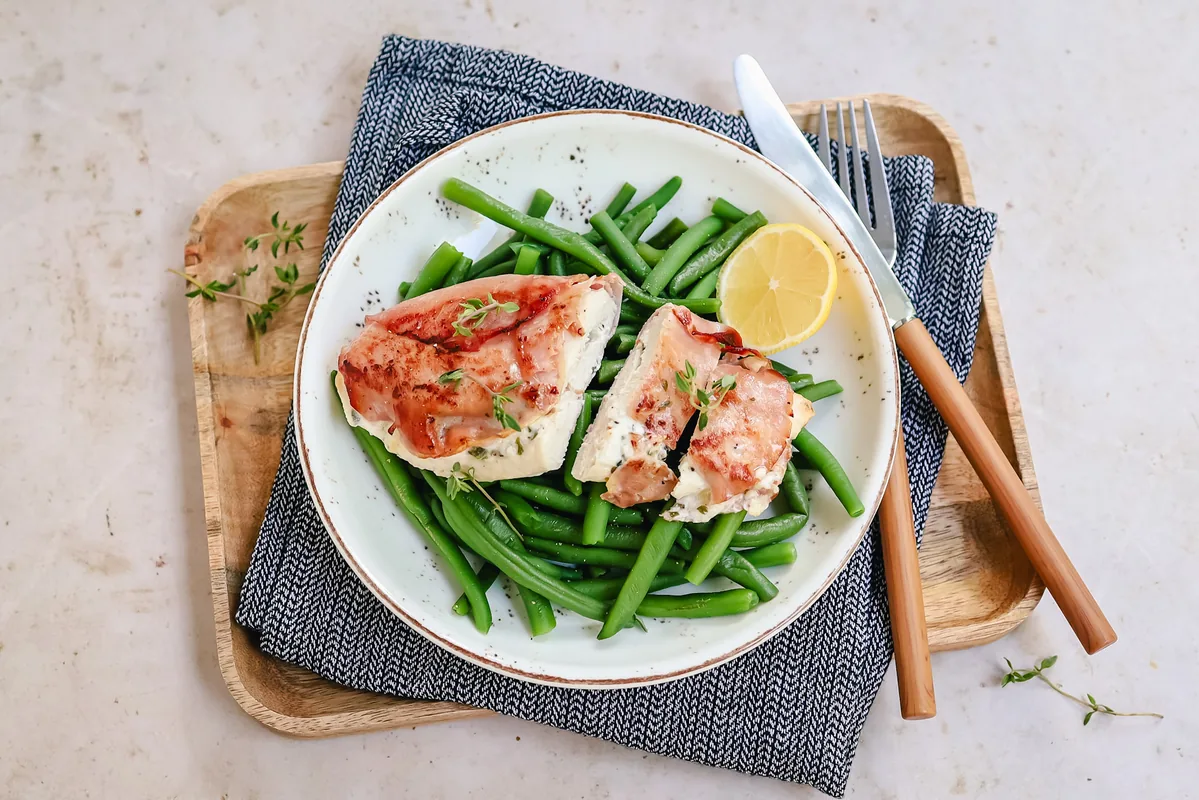
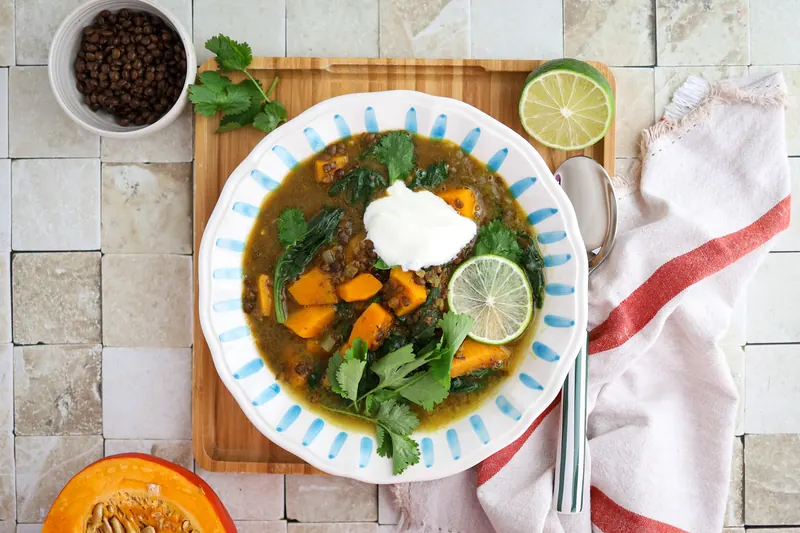
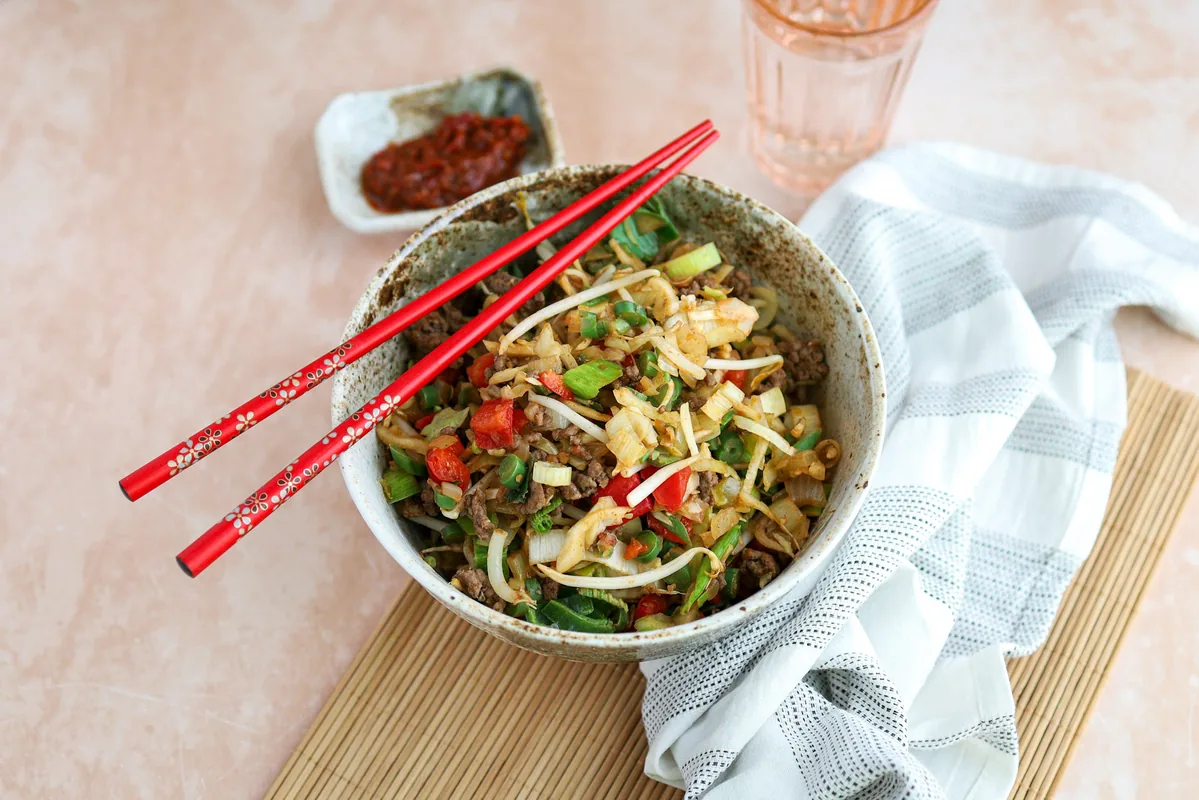



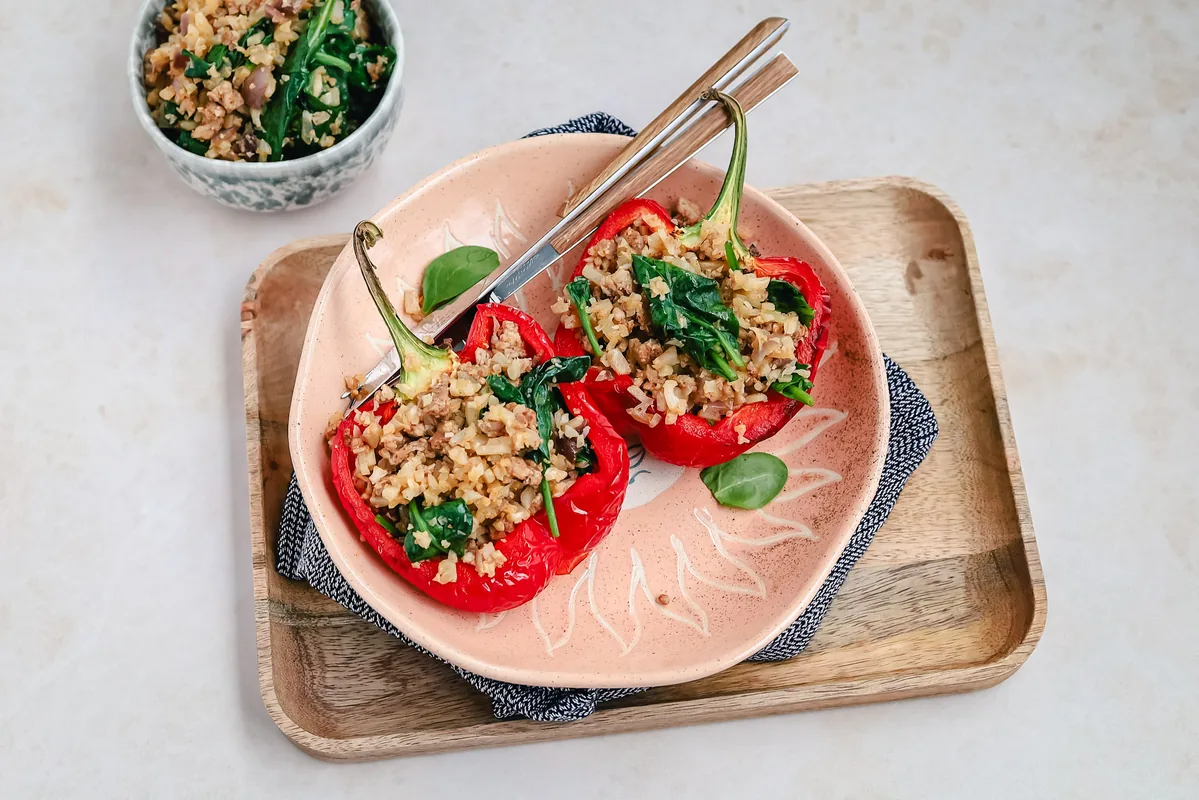

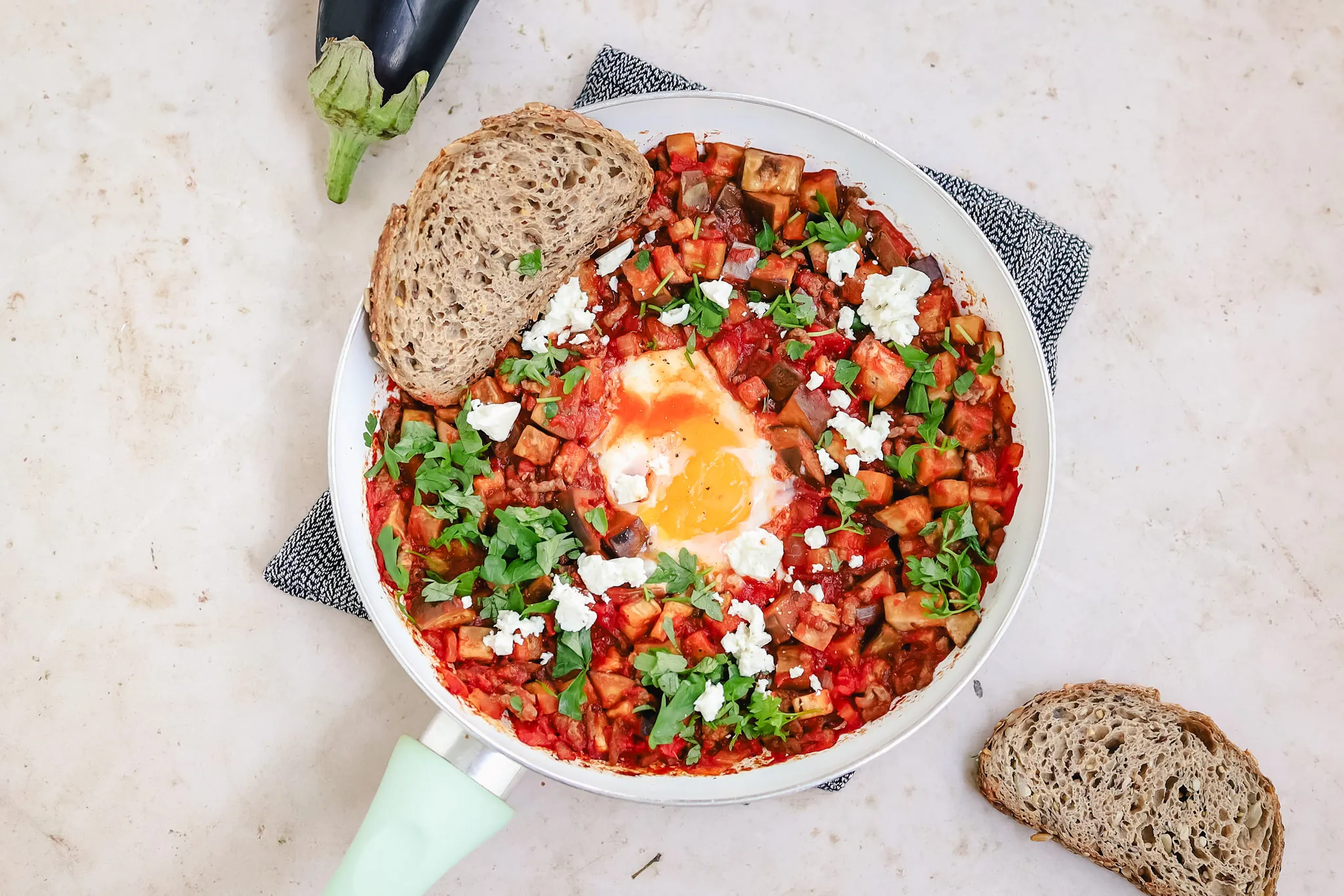


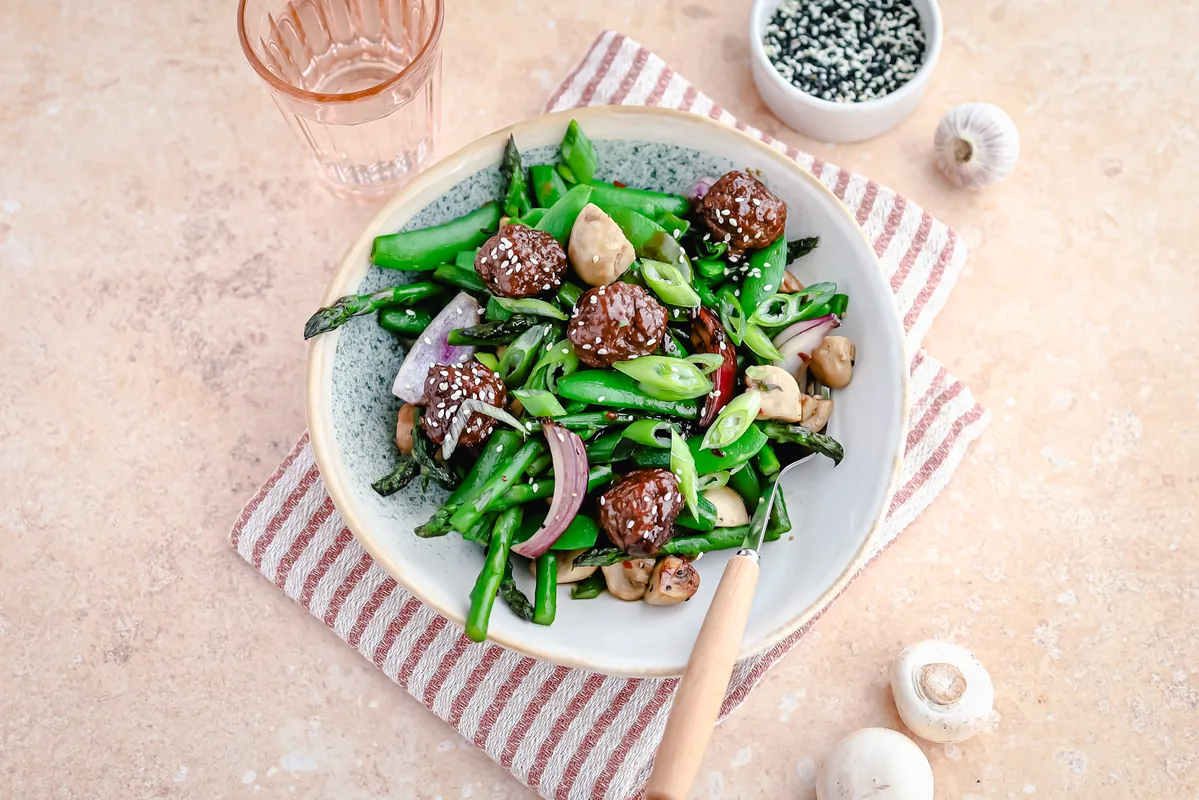


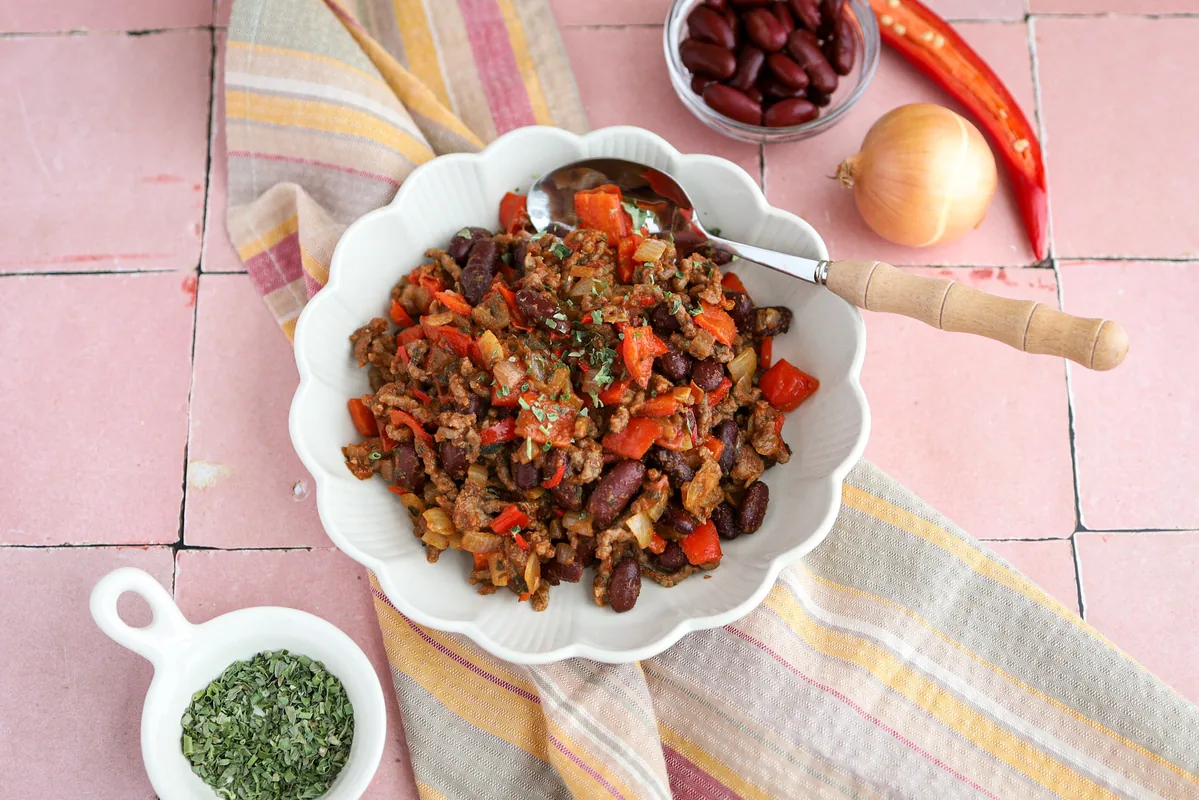


Cap a dinner at 400 kcal and something shifts in the macros. Carbs compress. Fats shrink. But protein holds. Across 37 verified dinners under that threshold, the median sits at 342 kcal with 25g protein and 7g fiber — a plate that looks nothing like the sacrifice the phrase implies.
The protein proportion tells the sharper story. At 28.8% of calories from protein, these dinners exceed the library-wide median of 19.6% by nearly half. Apply the EU’s EFSA threshold for high-protein foods (≥20% energy from protein), and 86% of these dinners qualify — up from 47% across the full 825-recipe collection. The calorie constraint didn’t create a smaller plate. It created a more protein-concentrated one.
That concentration matters beyond the label. A 24-trial meta-analysis of 1,063 dieters found that raising protein to ~1.2 g/kg/day during a deficit preserved 0.43 kg more muscle and lost 0.87 kg more fat — a 1.3 kg body composition advantage on identical calories. And 49 RCTs across 2,740 participants identified the hormonal mechanism: protein triggers a three-signal cascade — ghrelin drops, CCK and GLP-1 surge — that suppresses hunger through active signaling, not slow digestion.
Every dinner here is cooked — soups, stir-fries, curries, oven dishes — with a median of 9 ingredients and 7g fiber per serving. The constraint forced the protein math. The cooking methods unlocked the rest.