









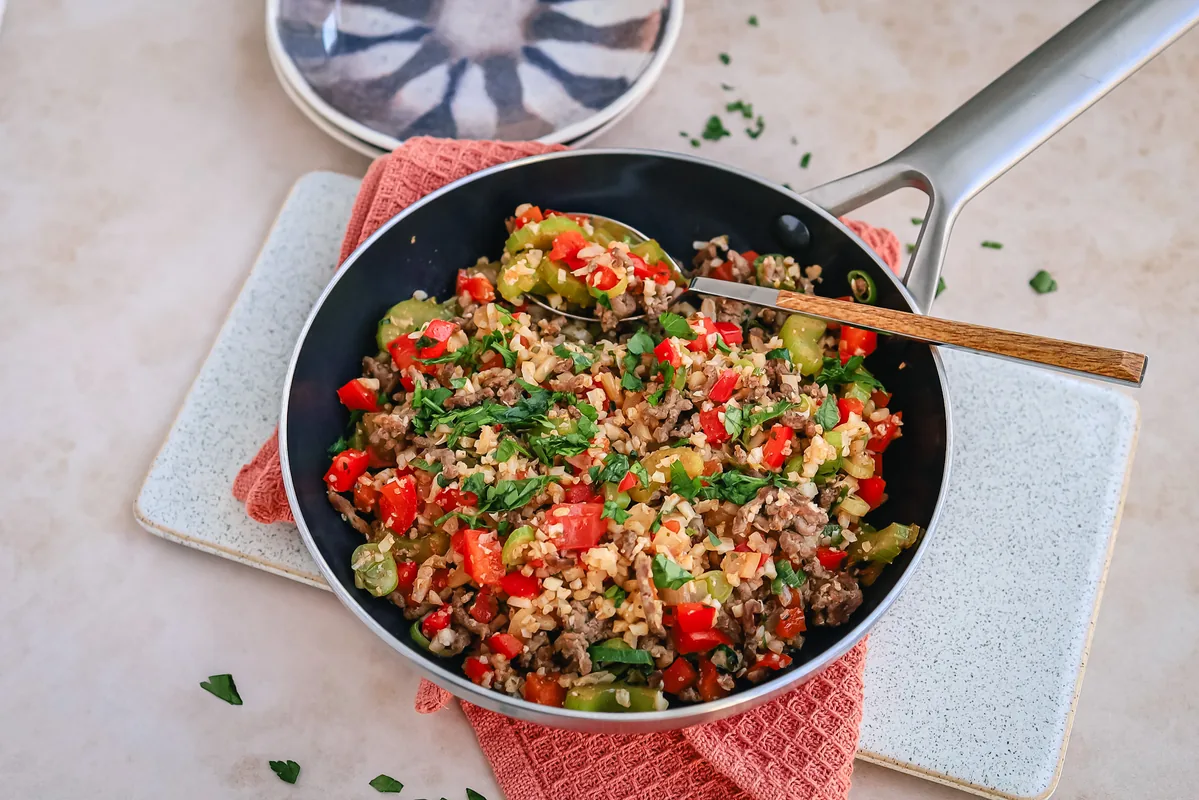
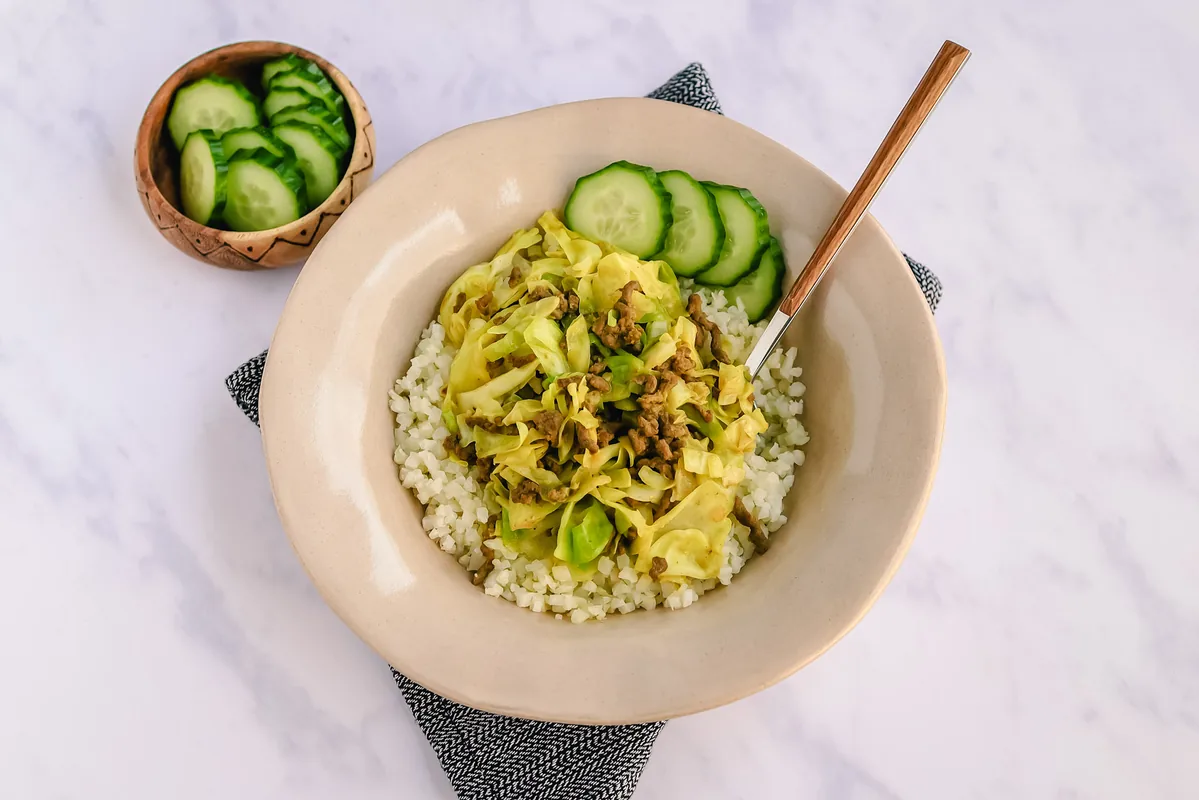


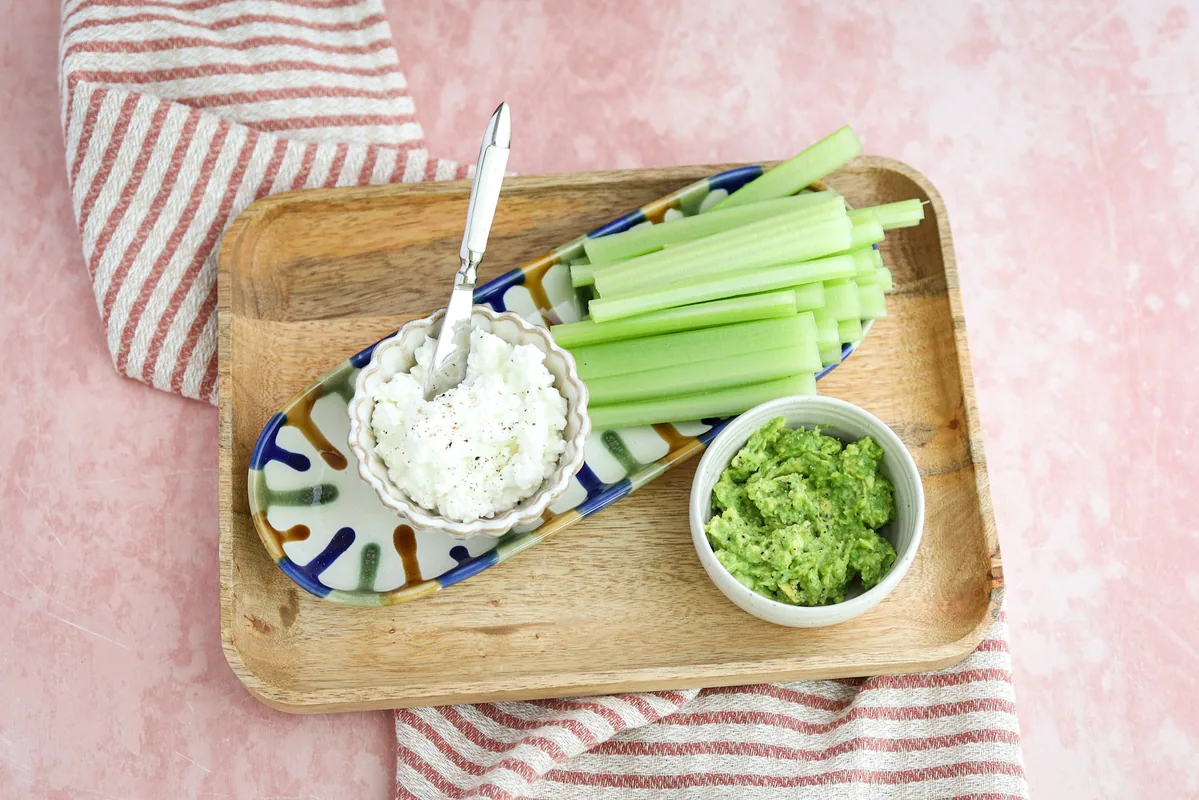
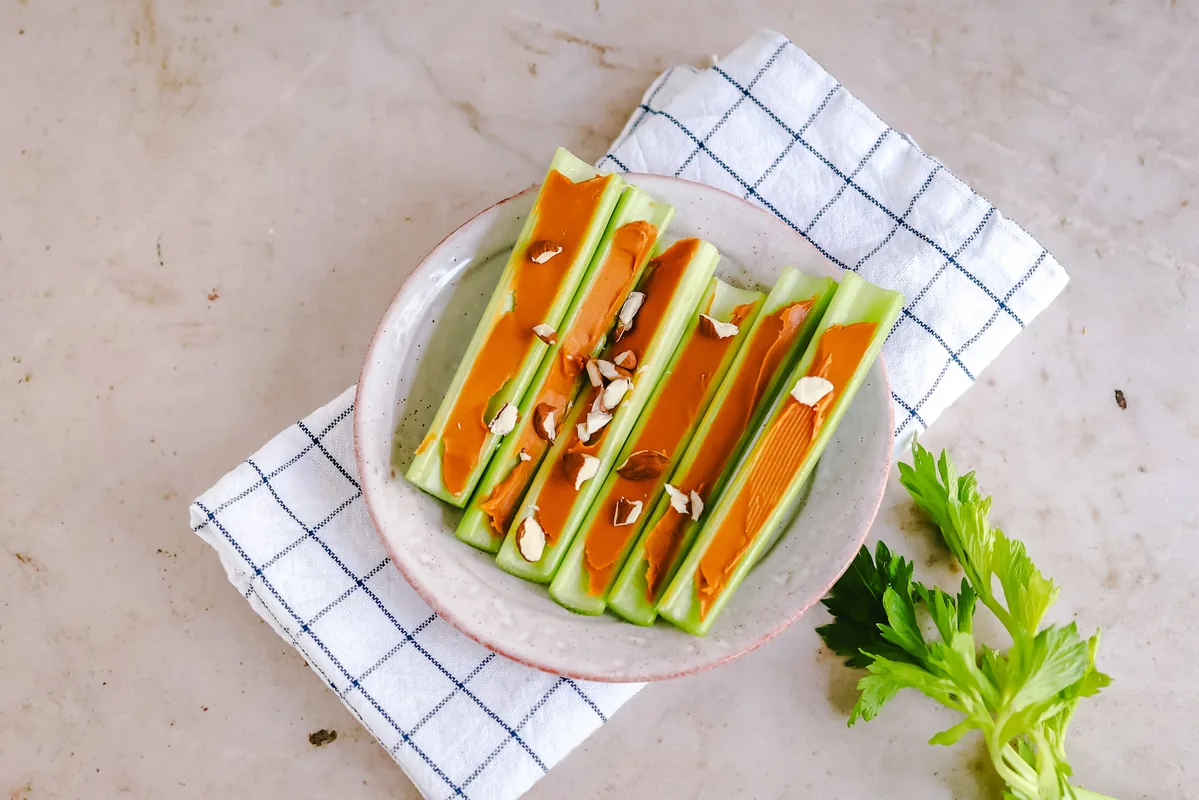


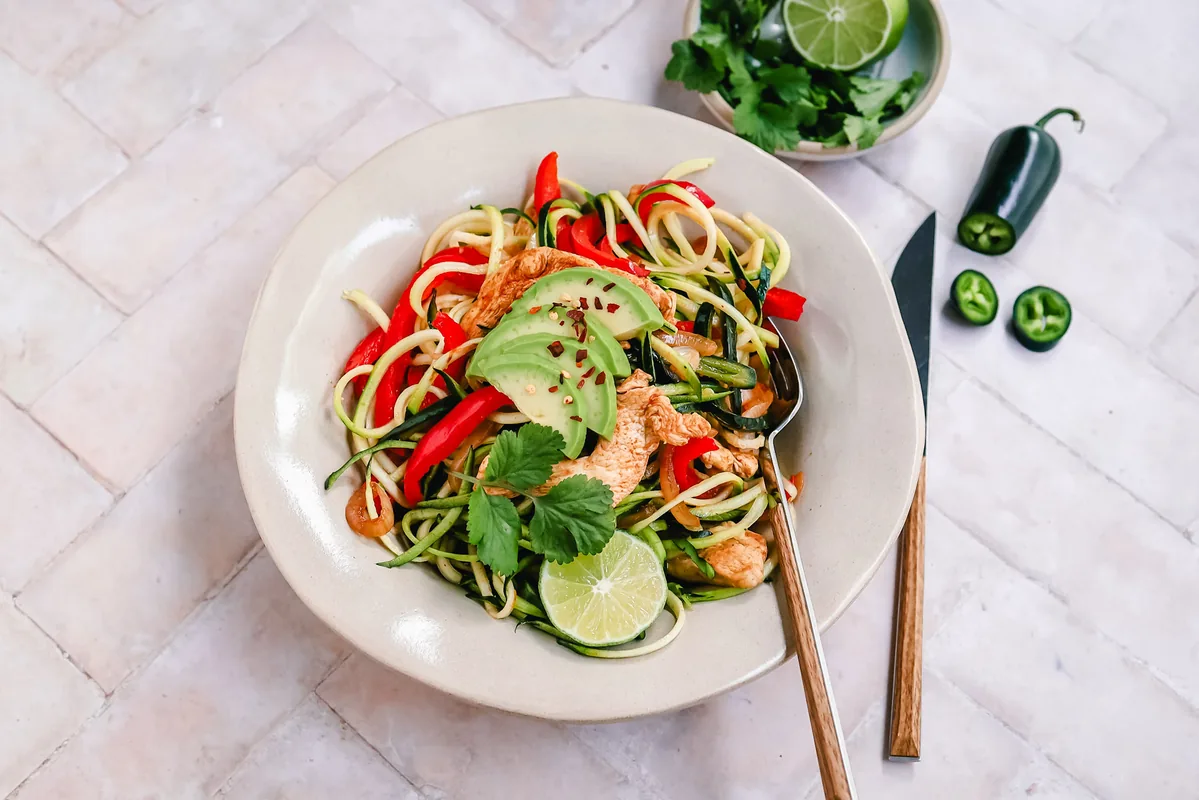
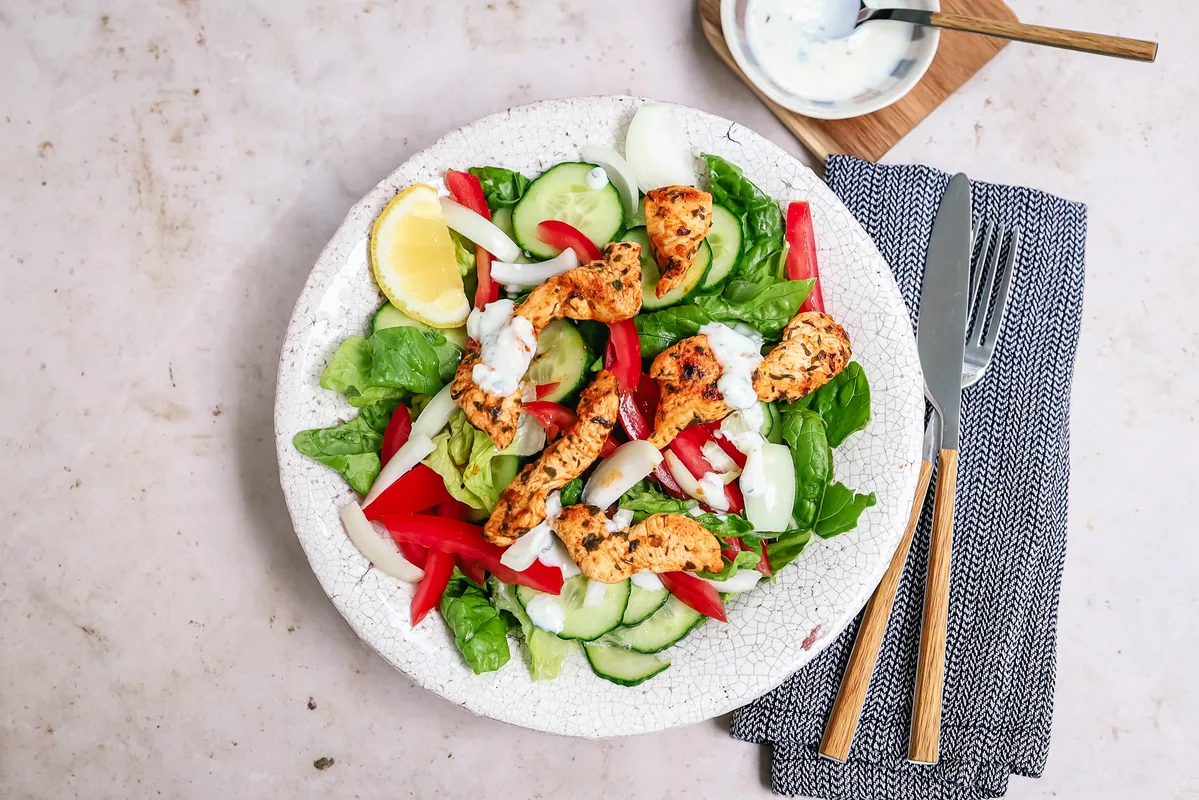
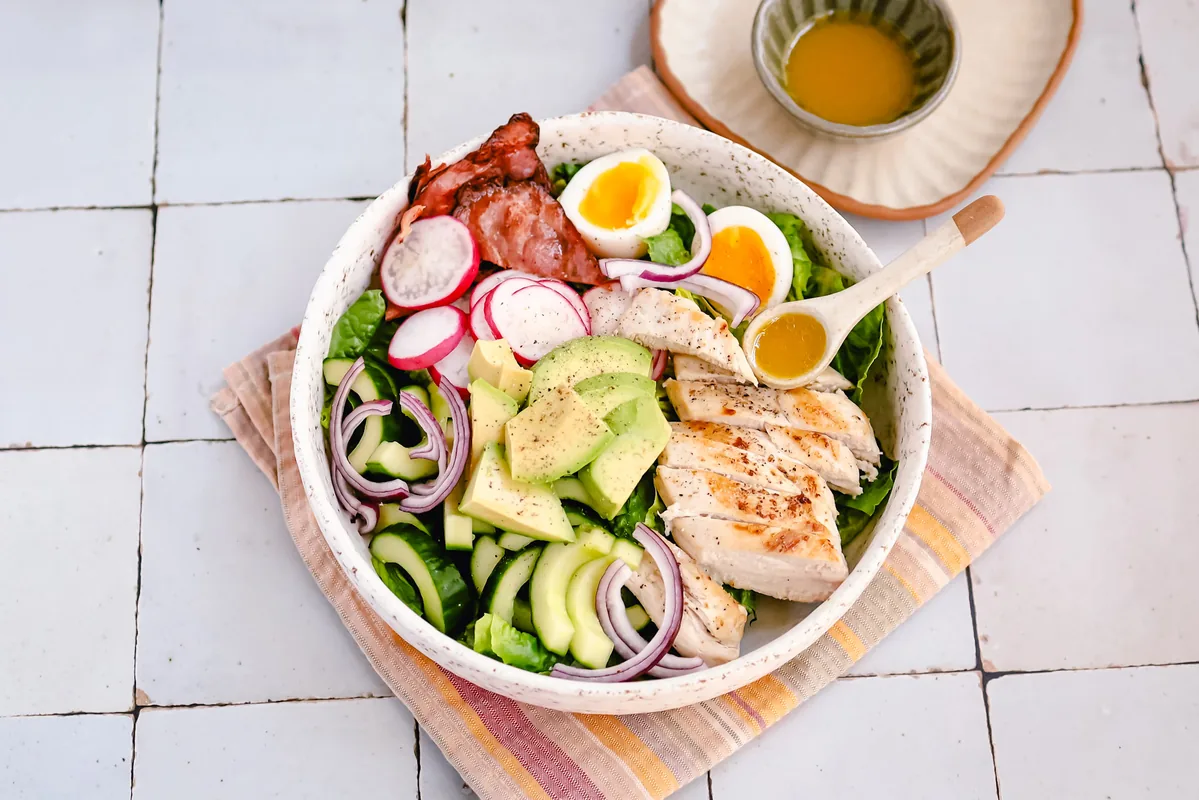

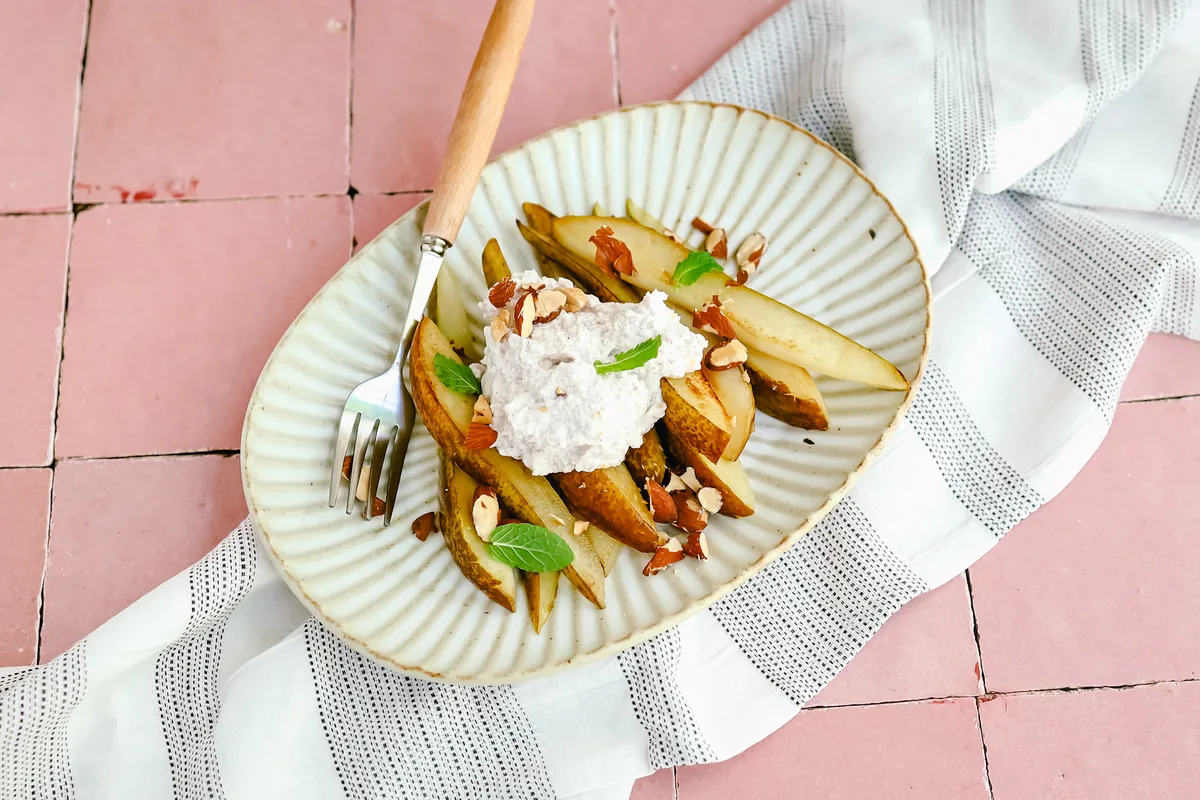
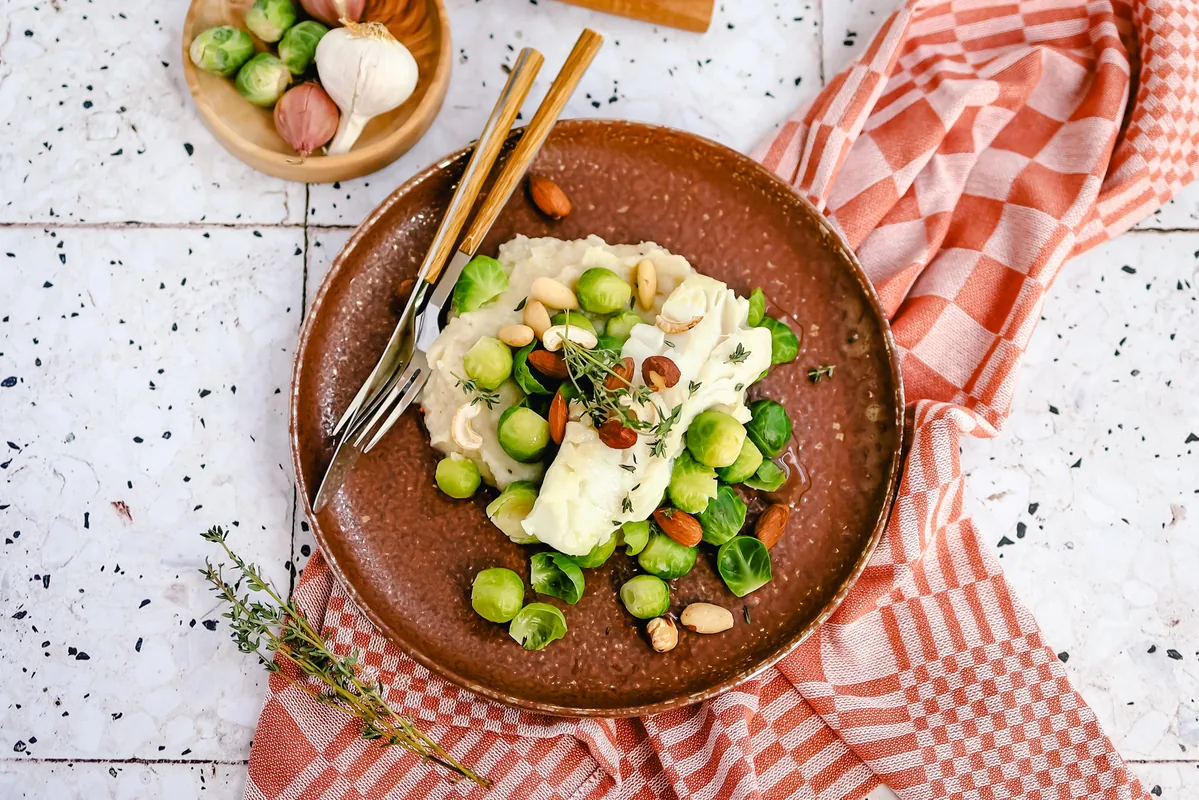


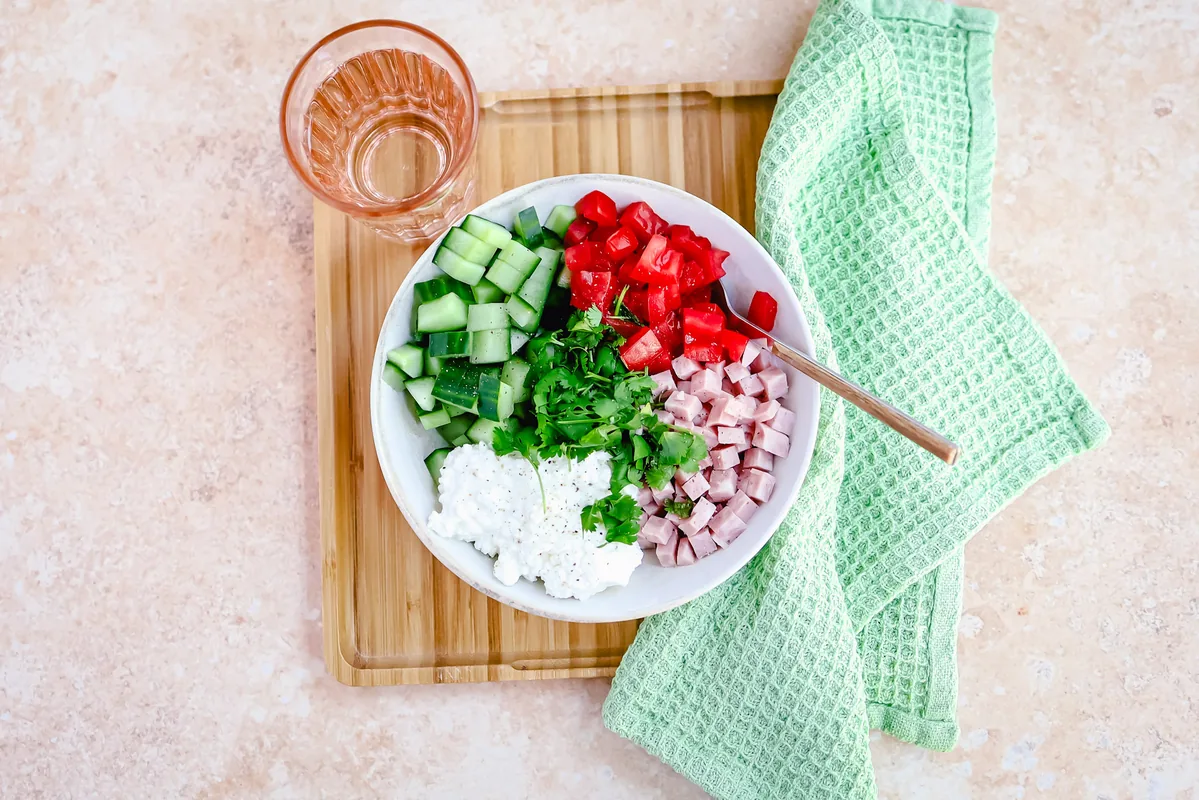
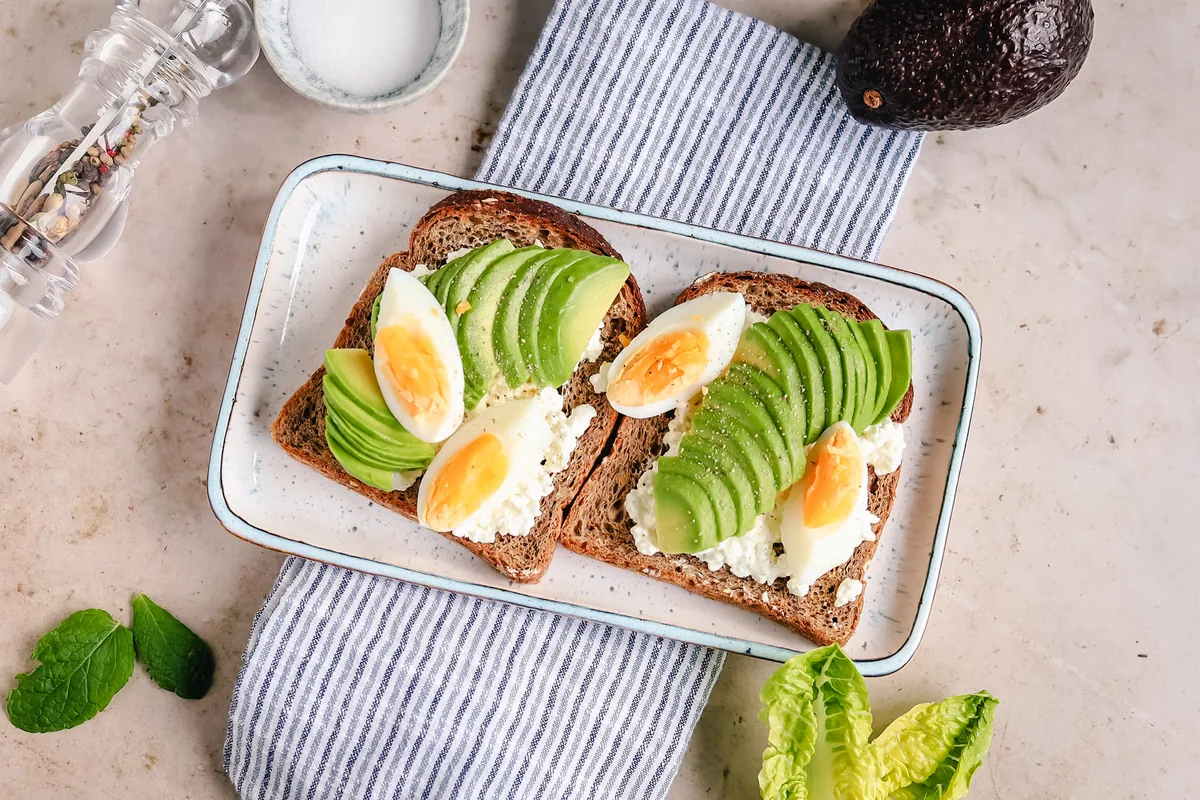
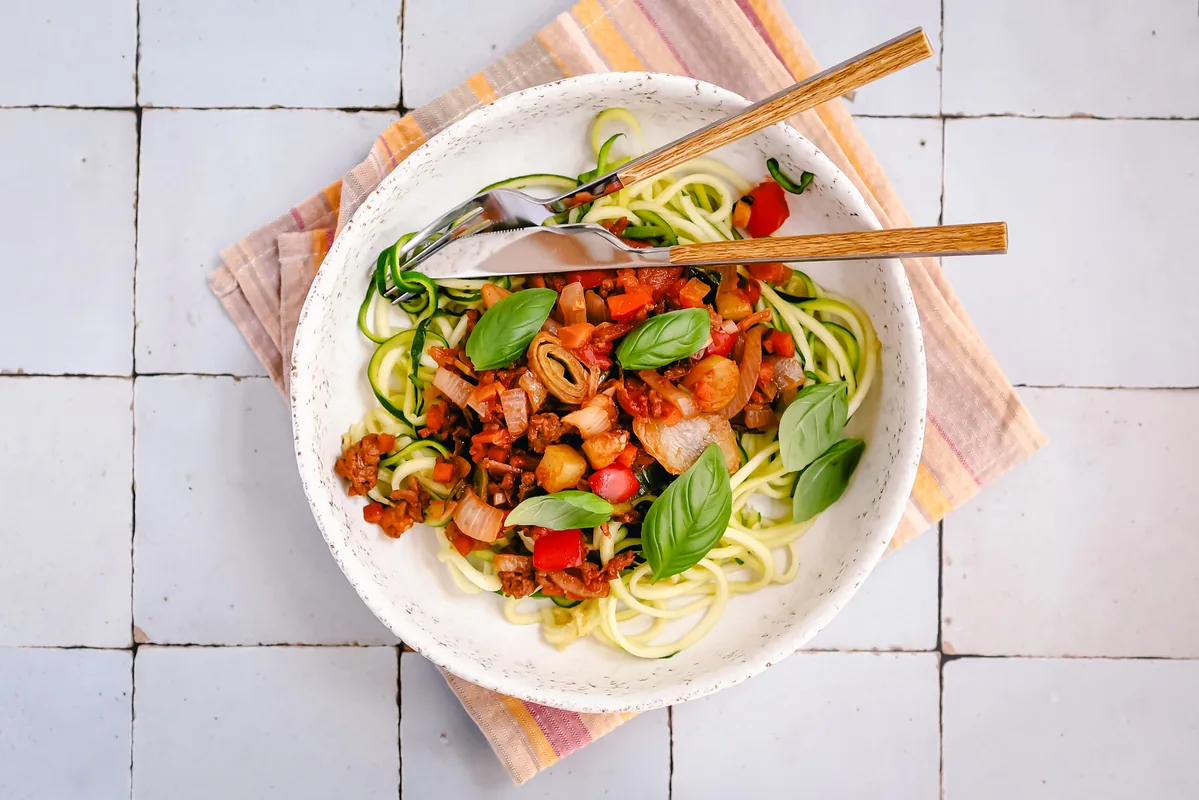


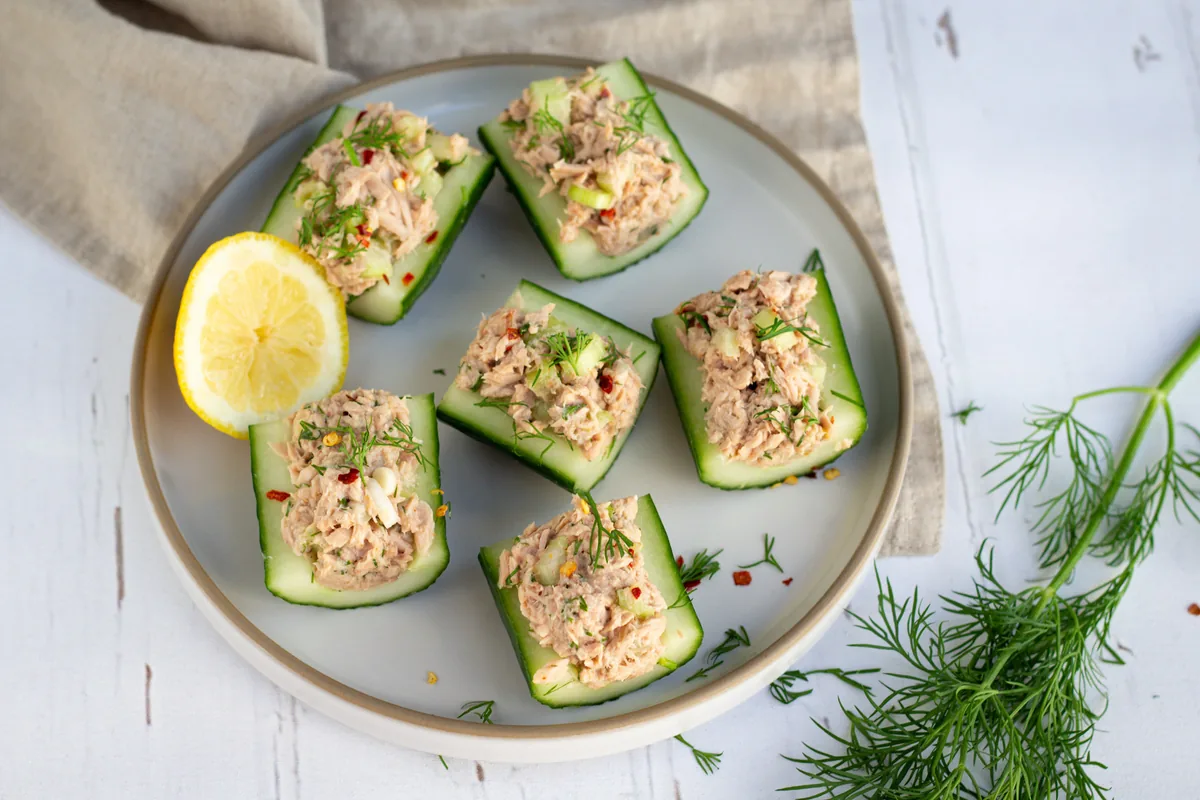
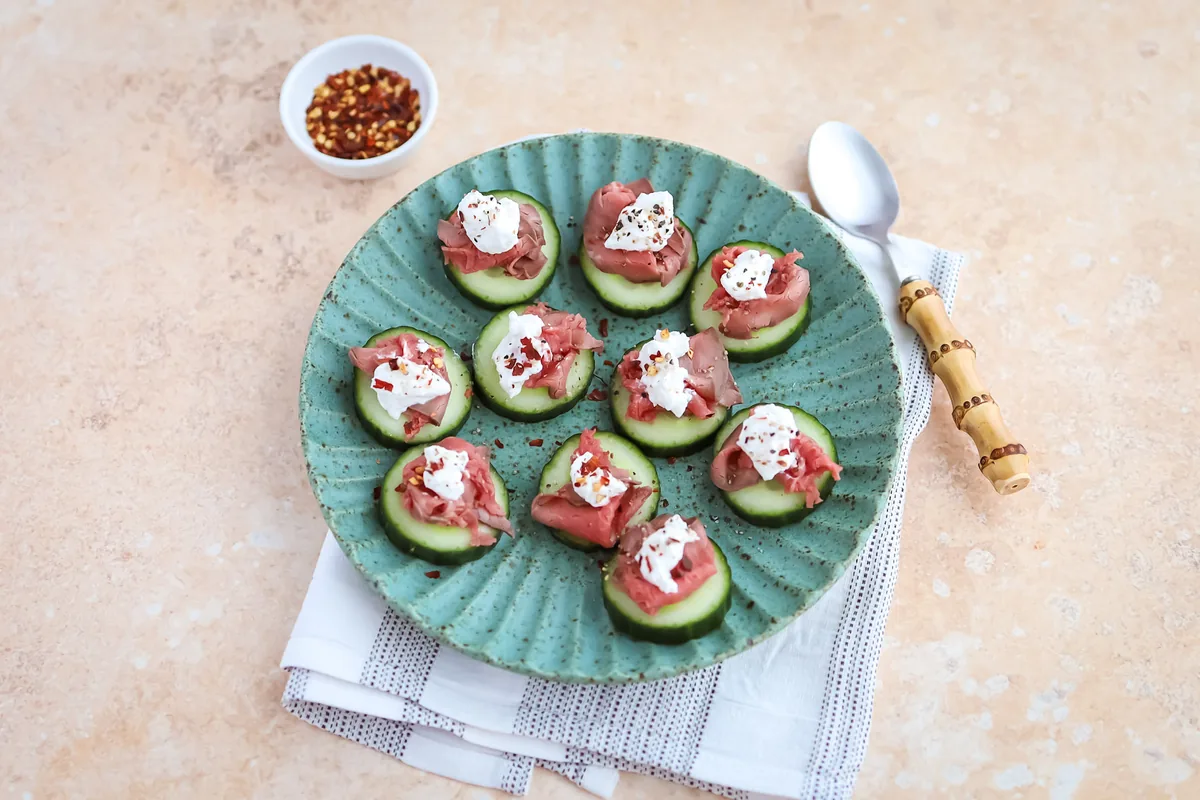

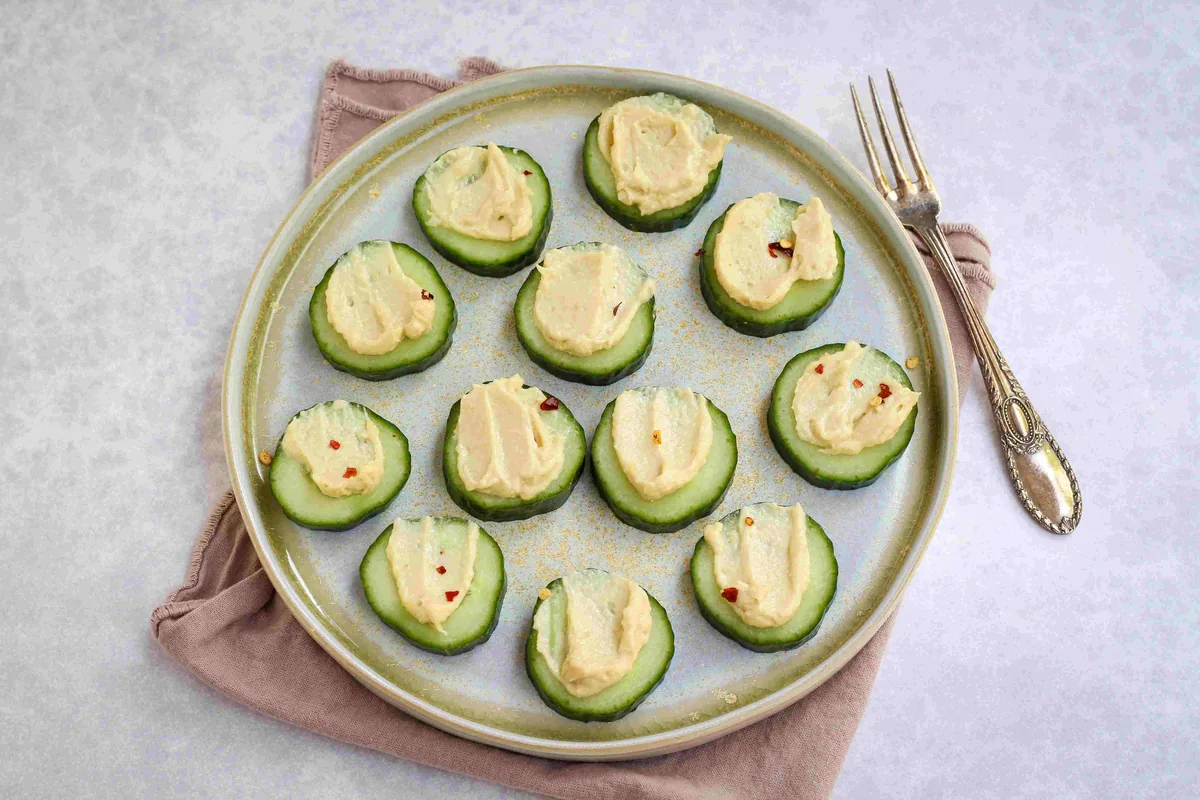
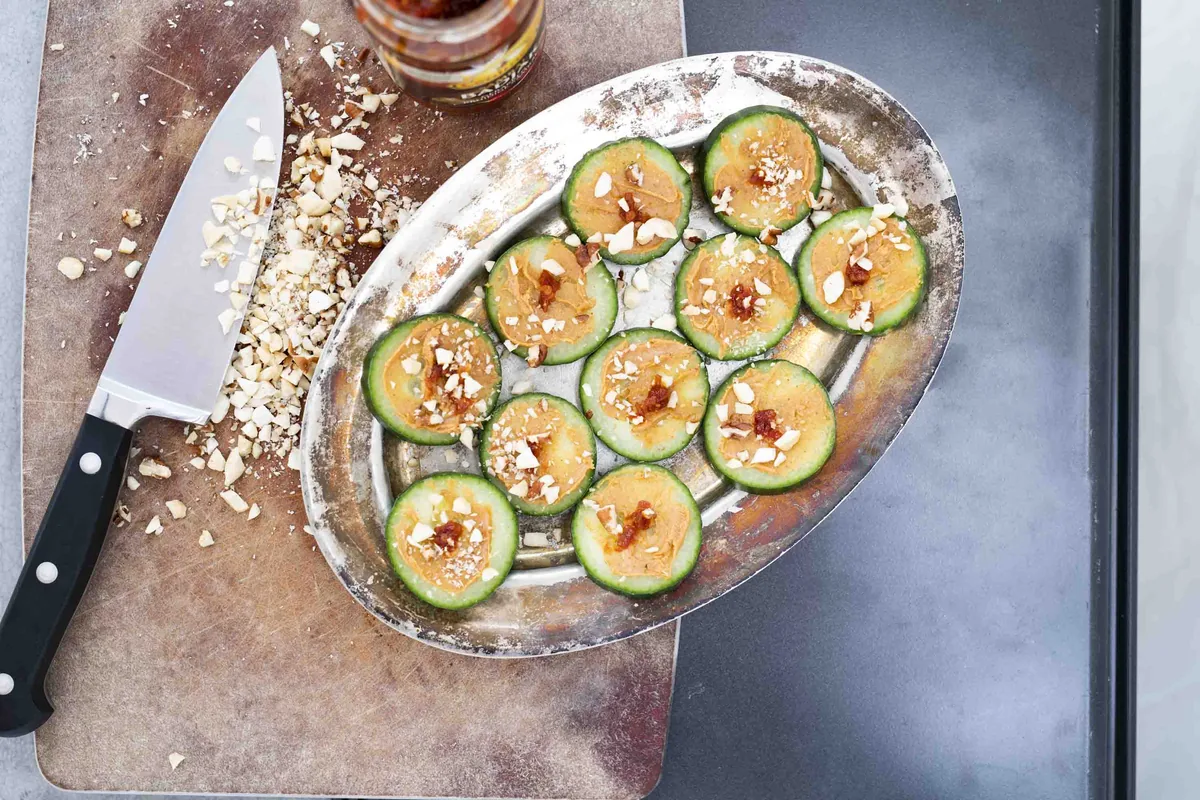



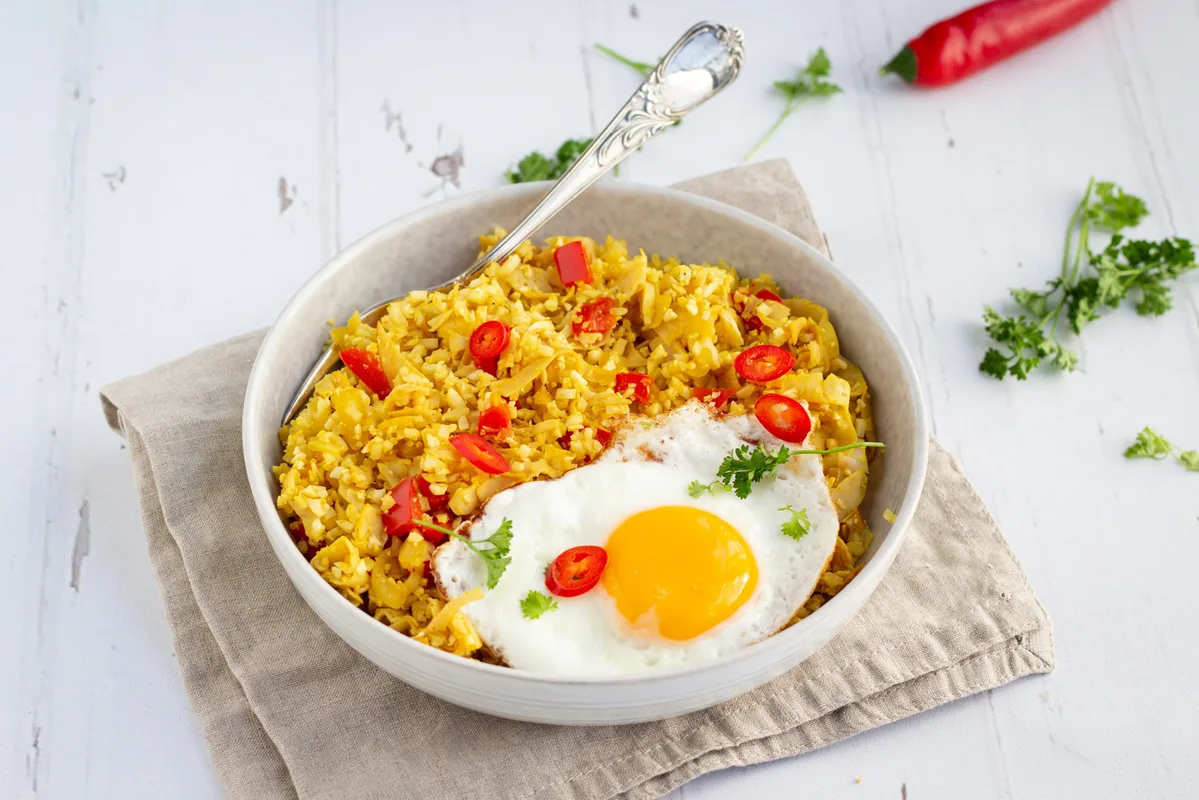
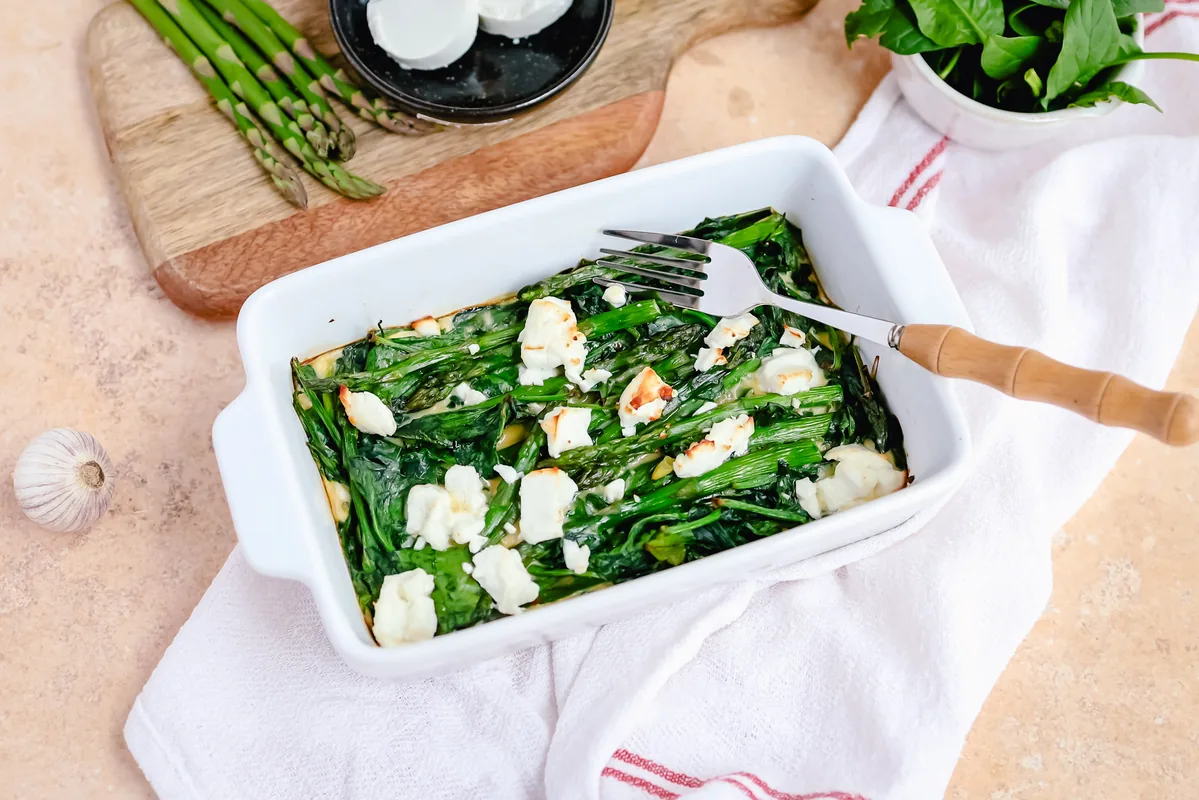
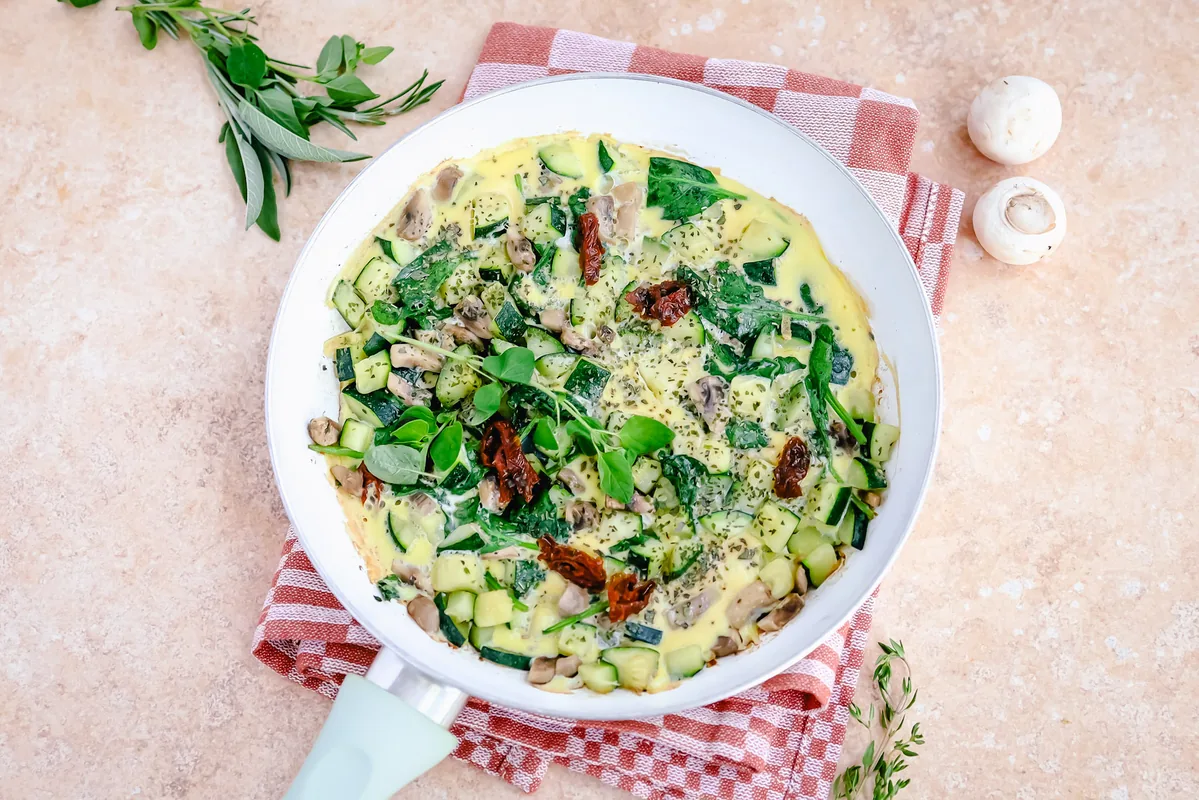
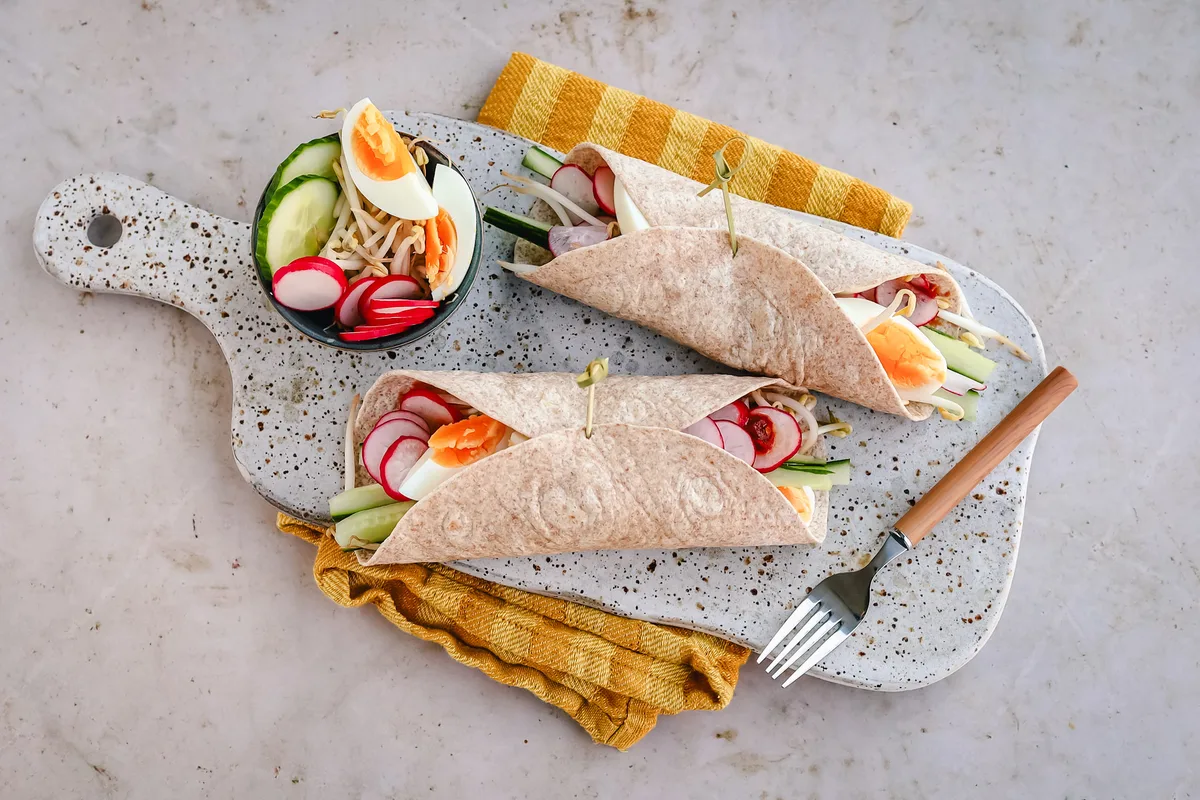
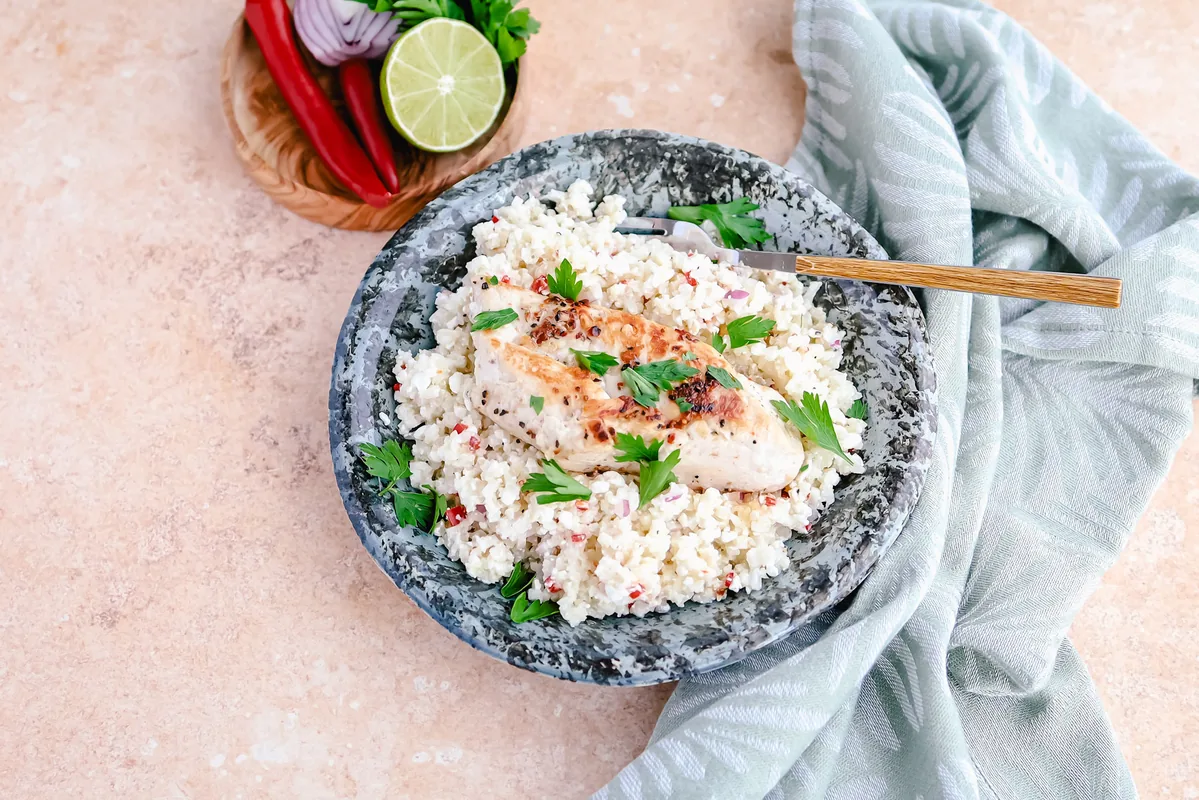
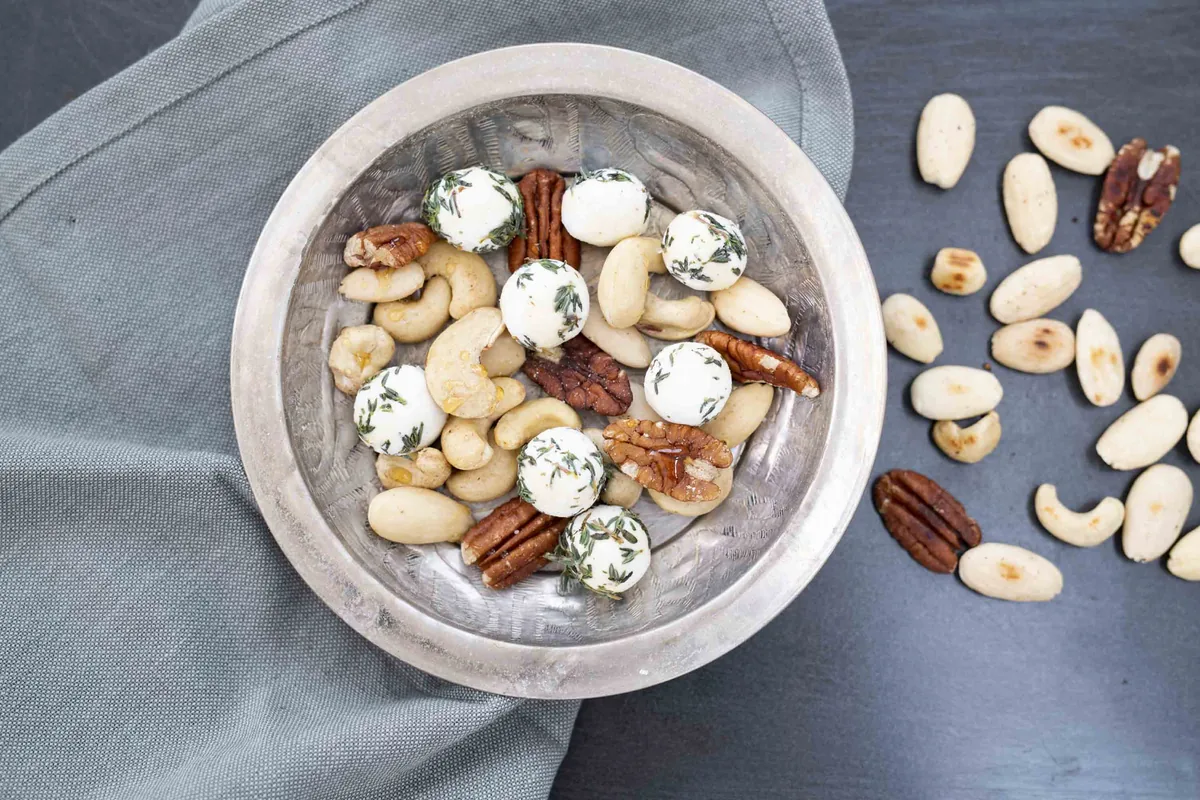
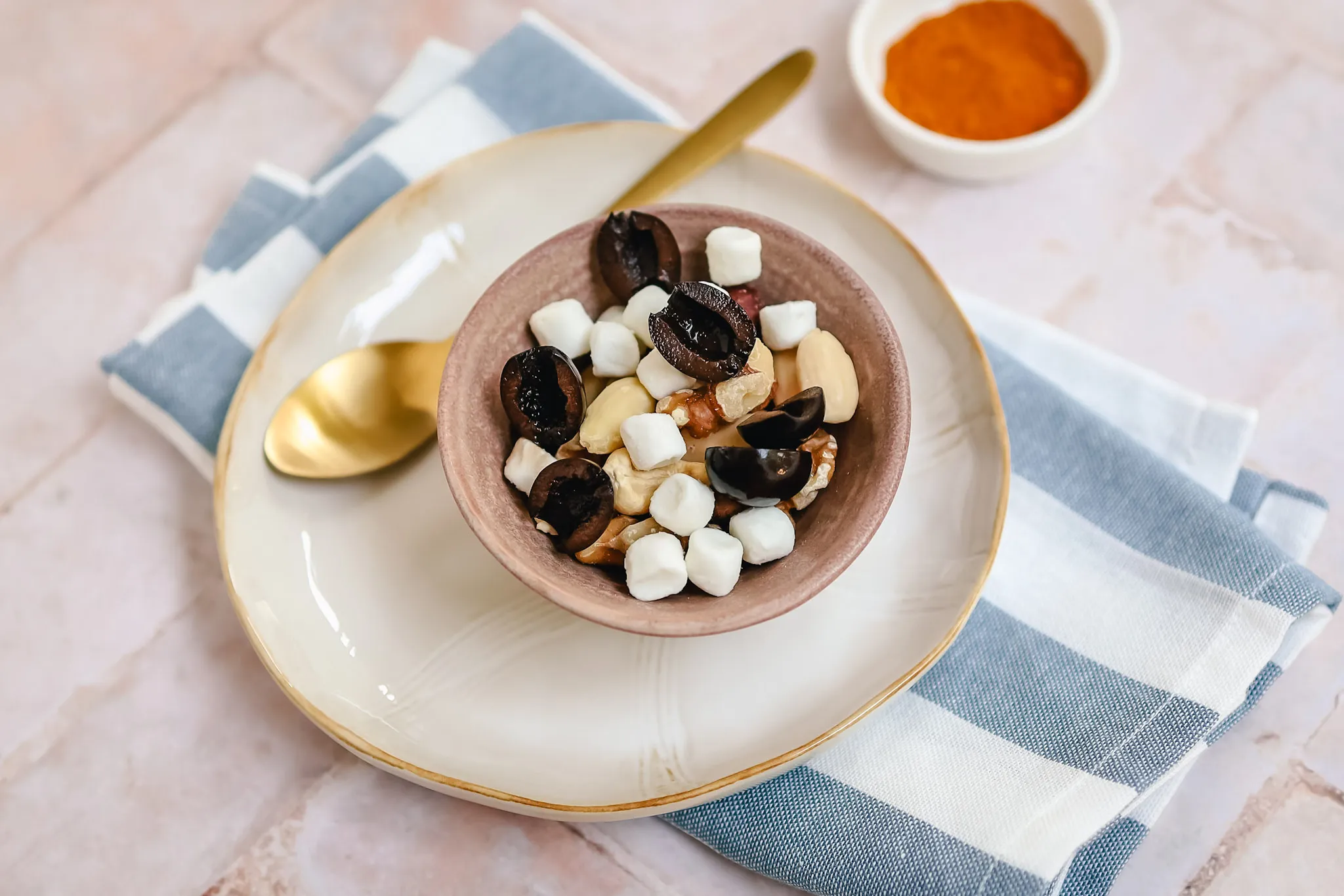
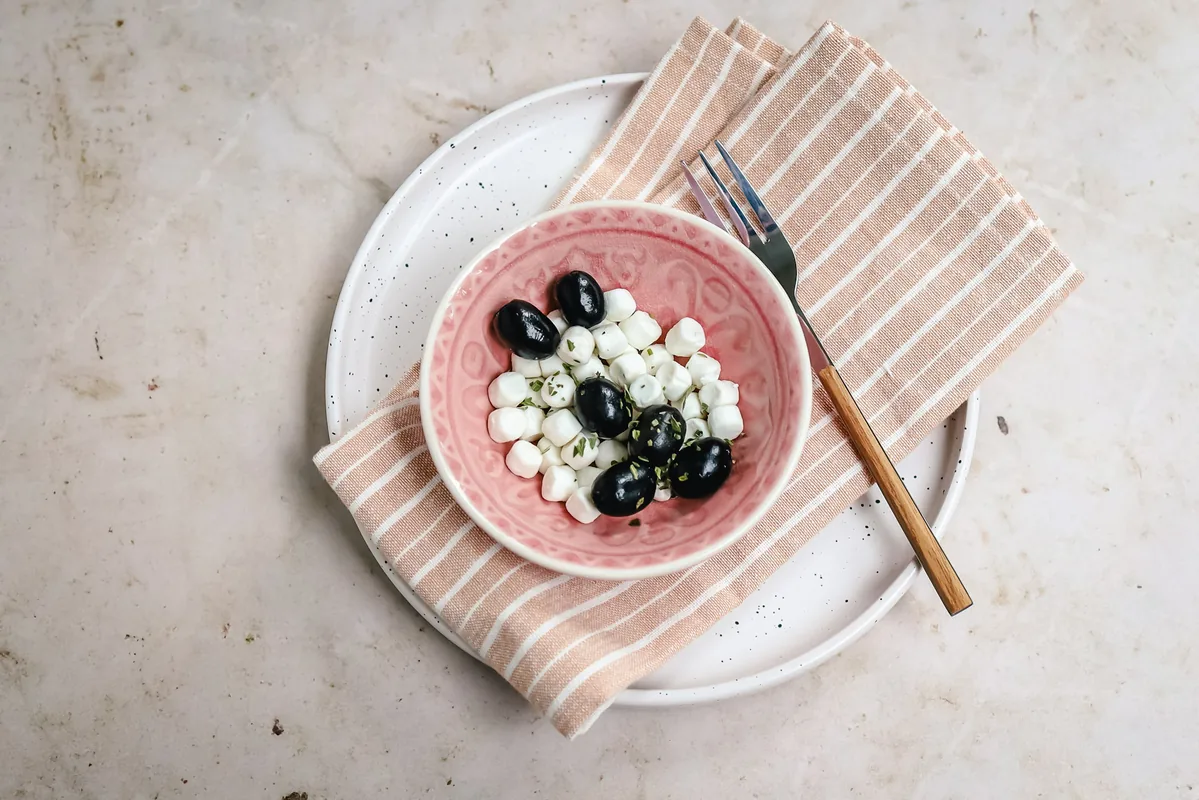



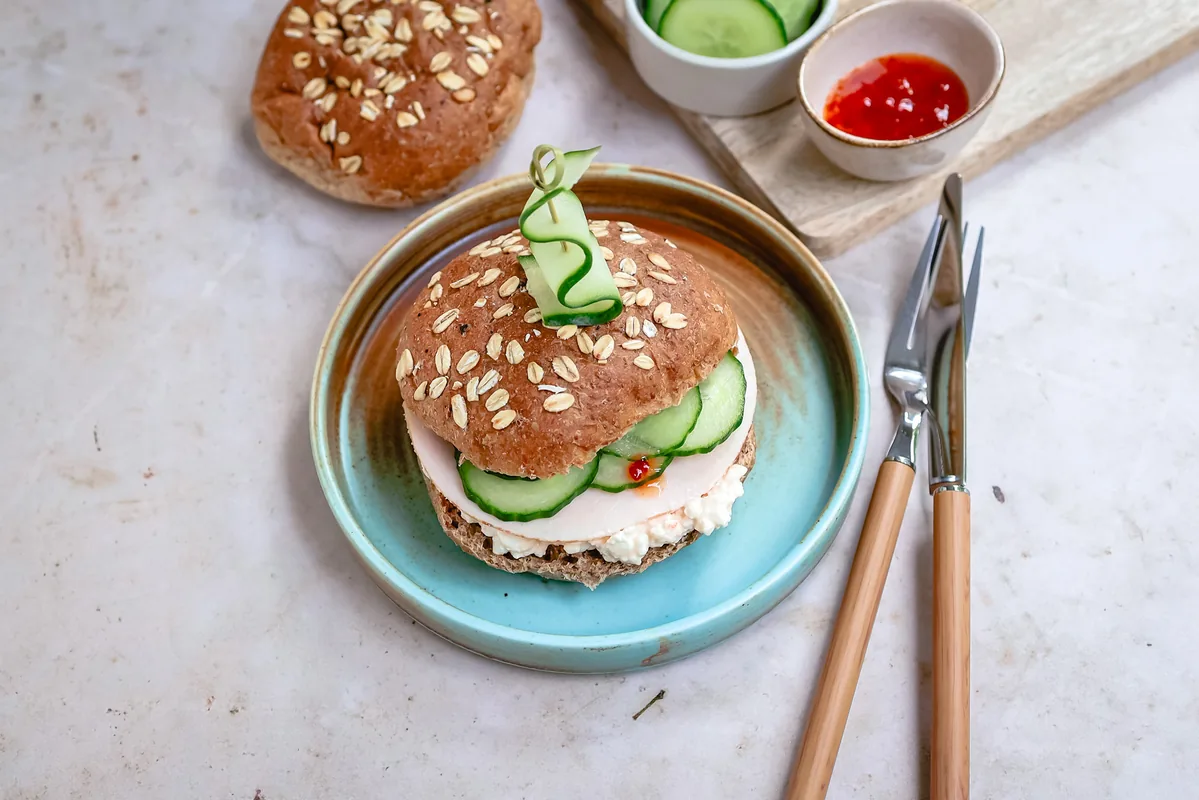

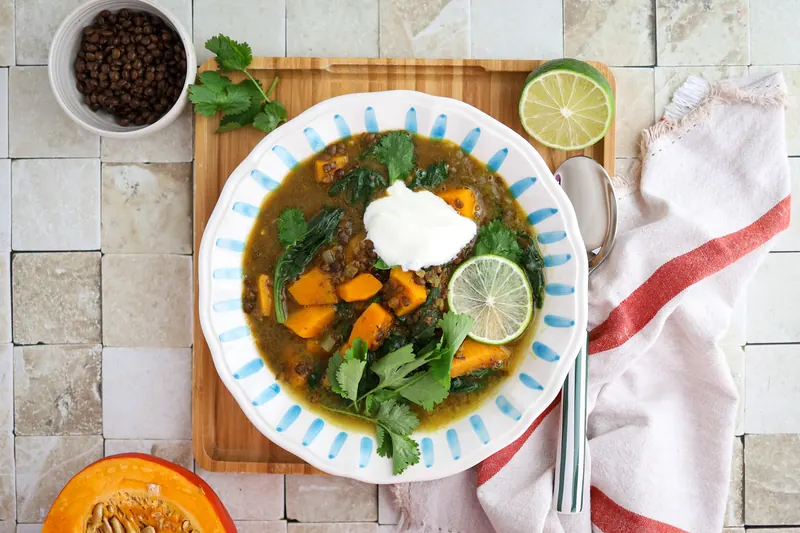
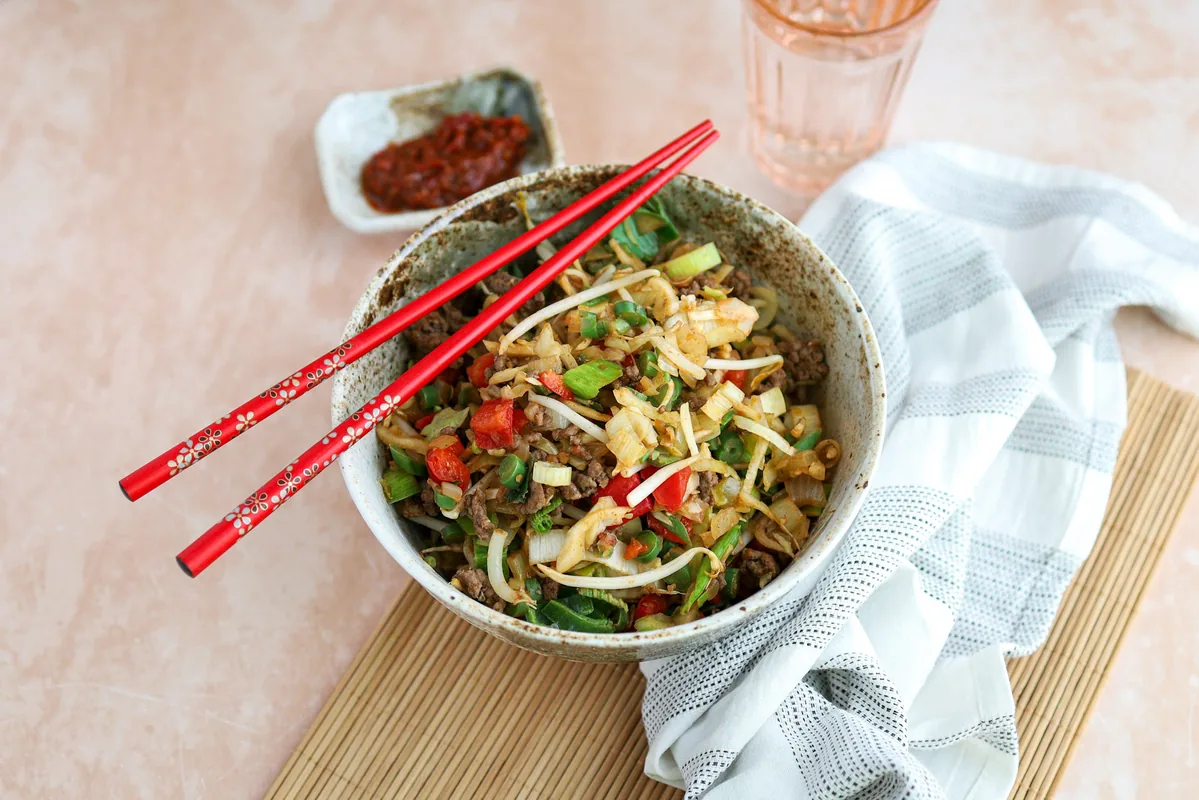
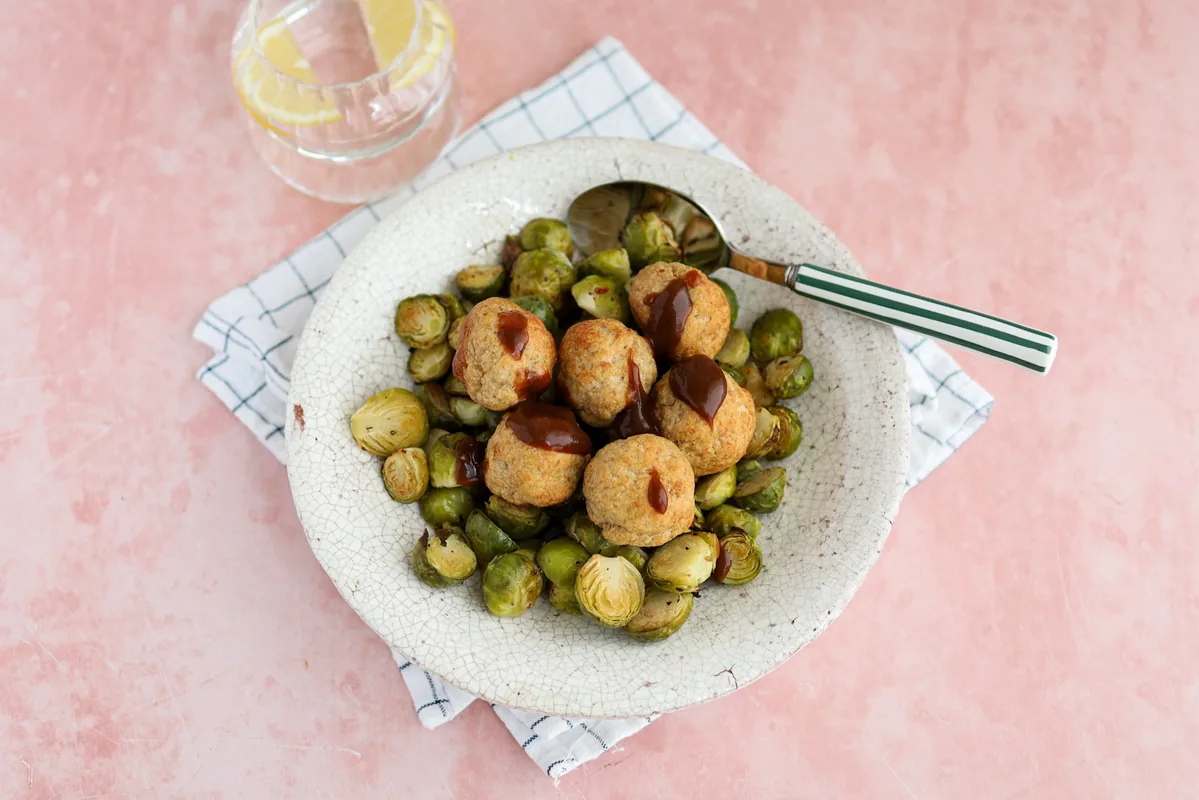

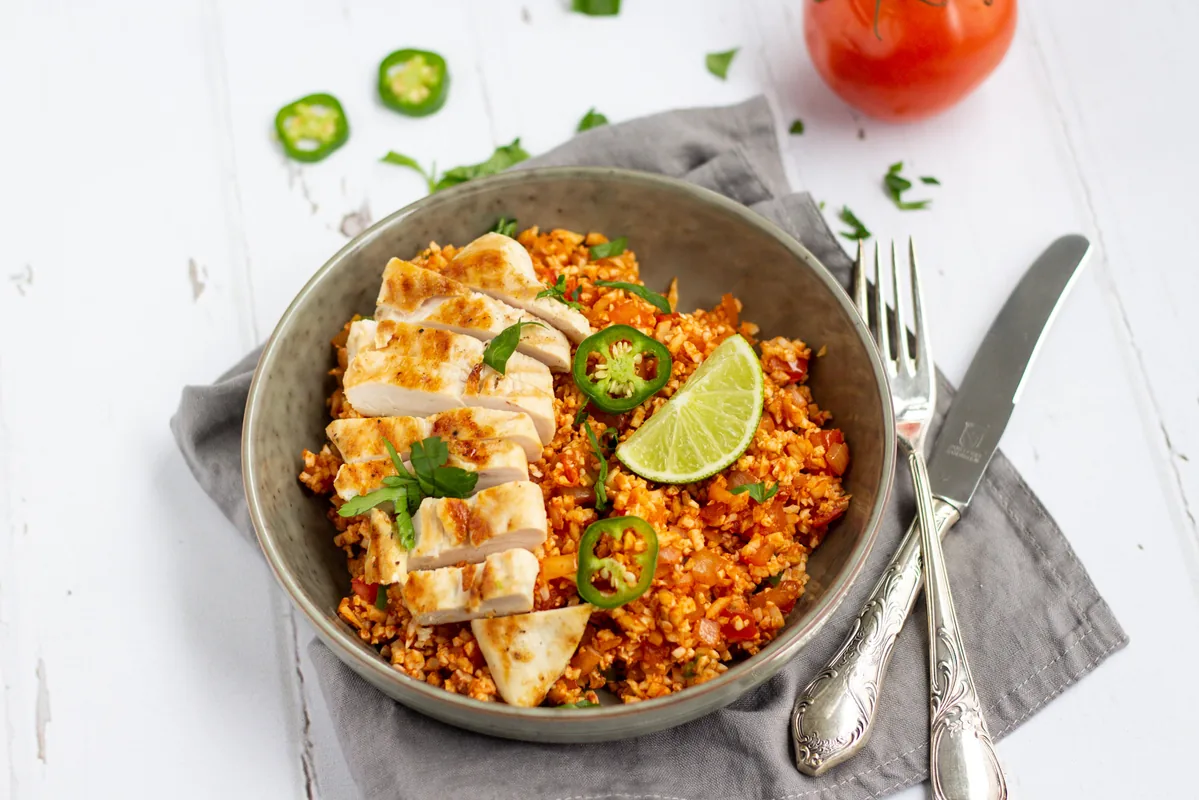

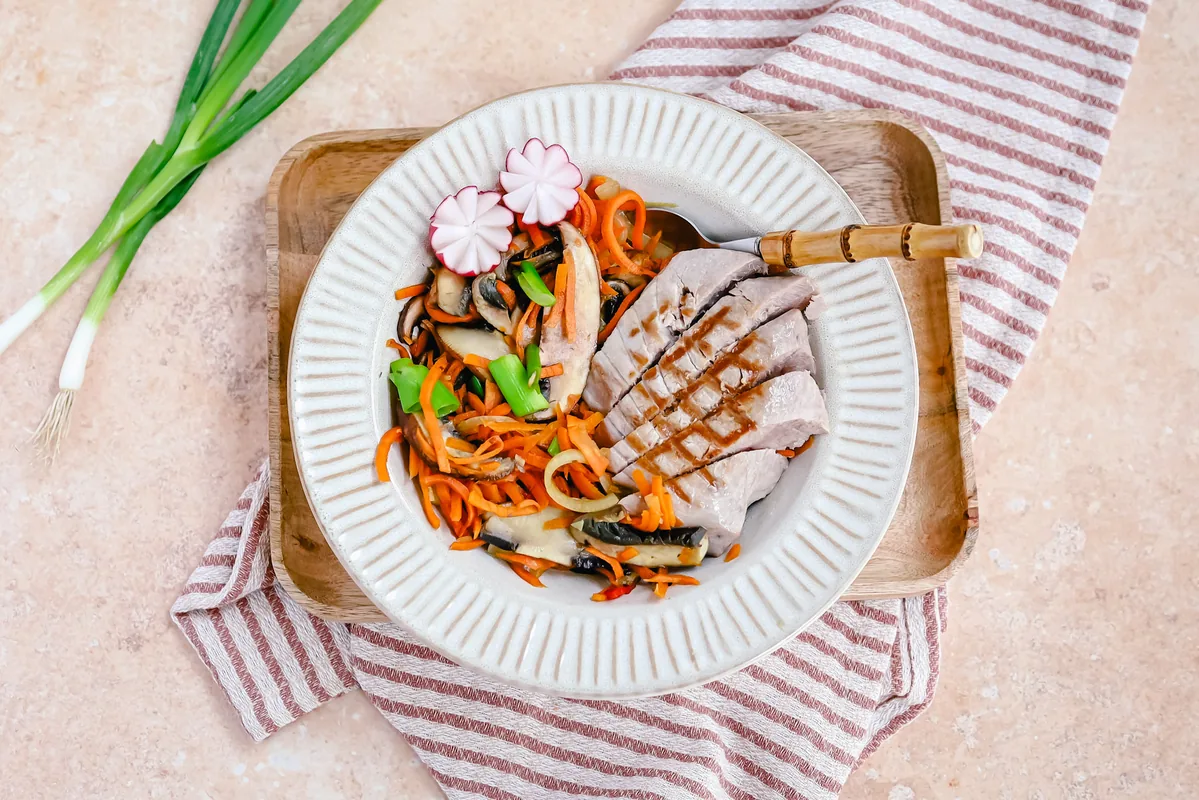
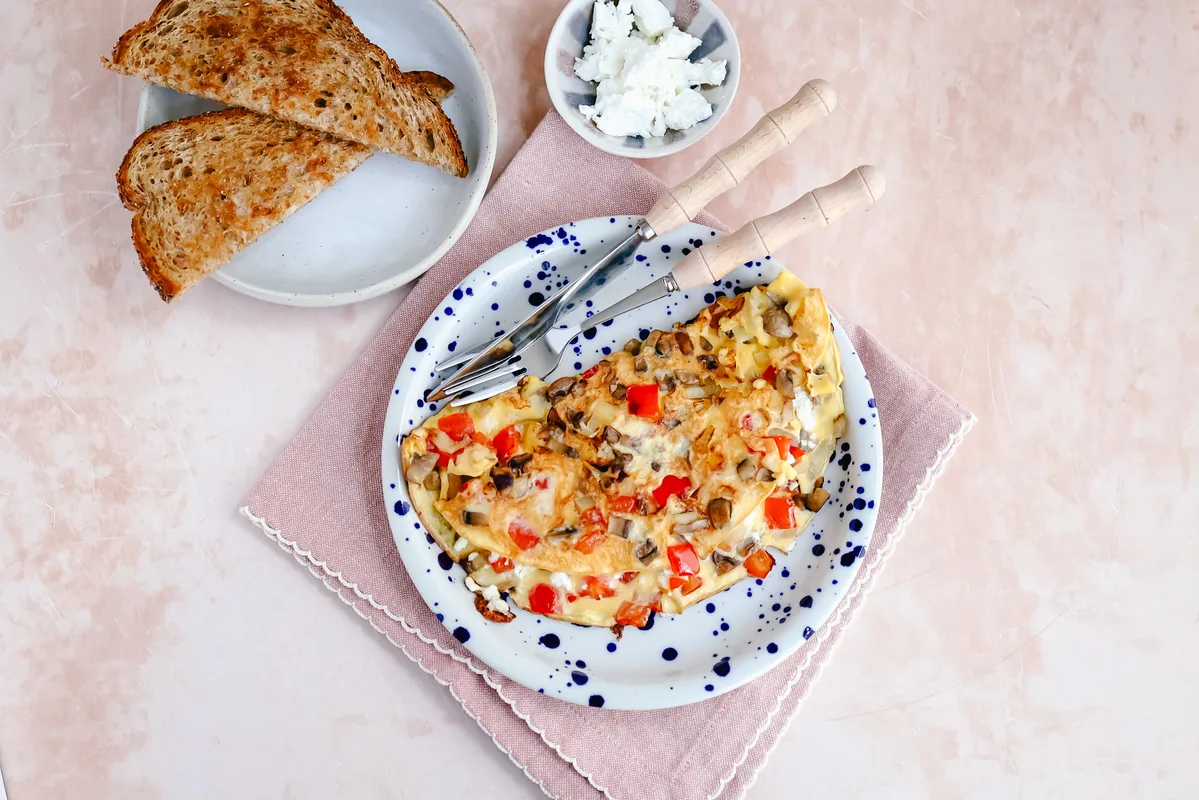

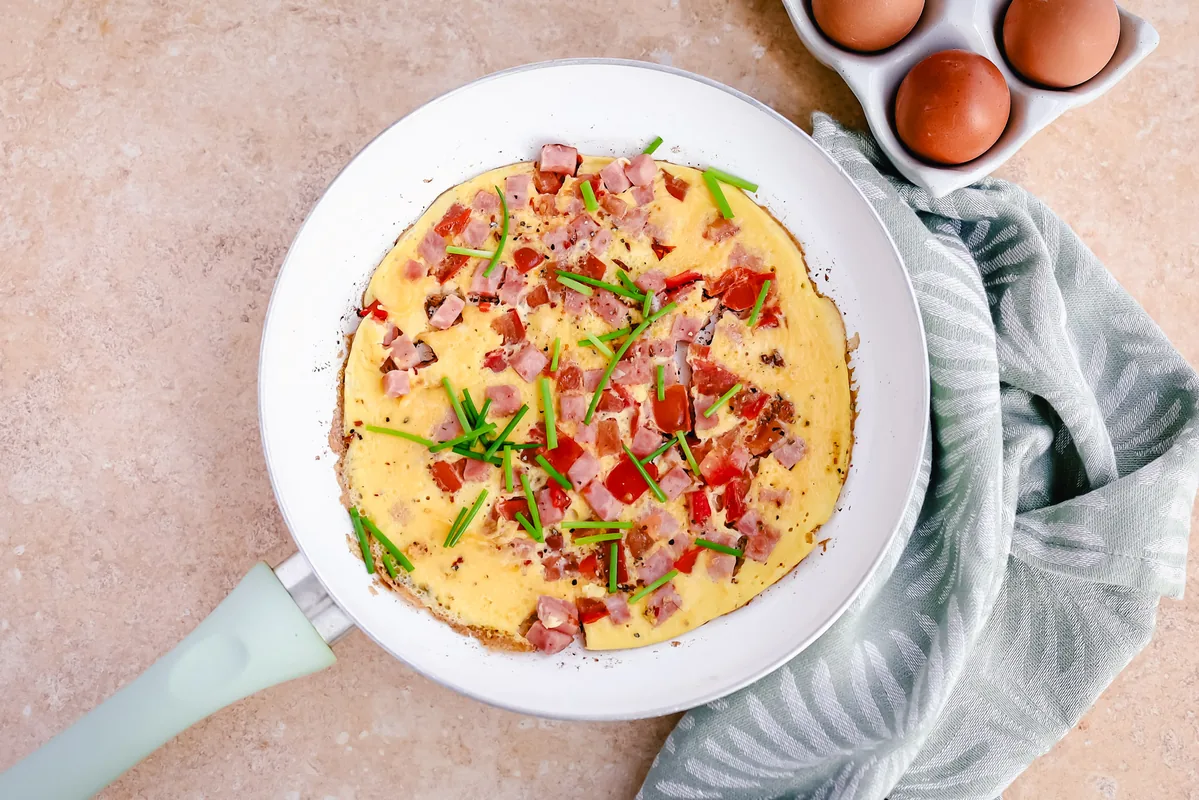
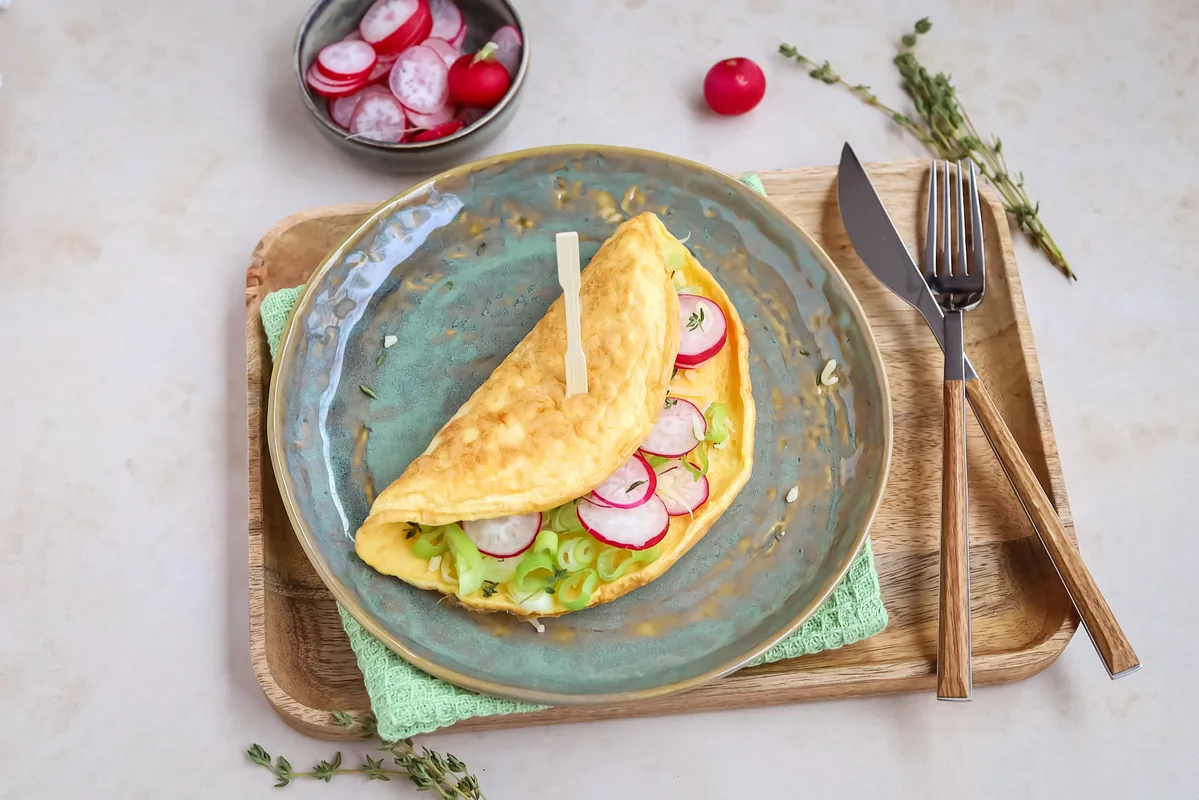
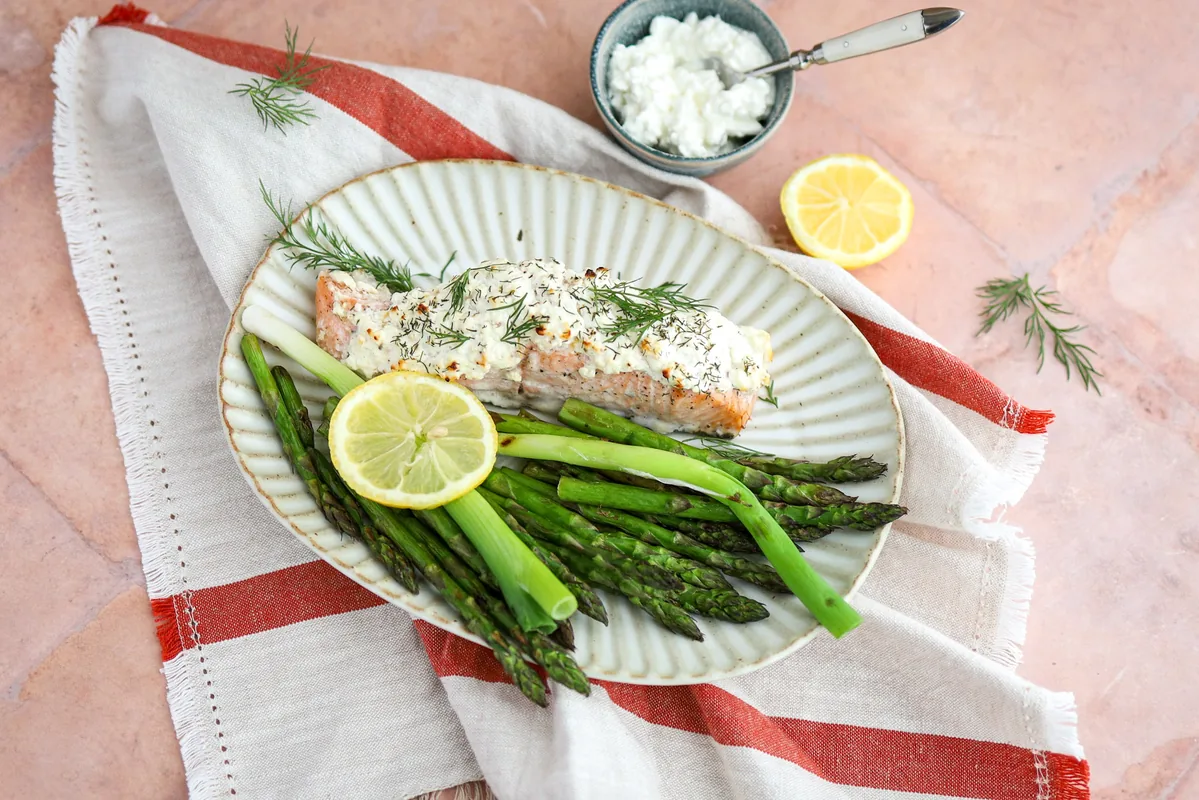
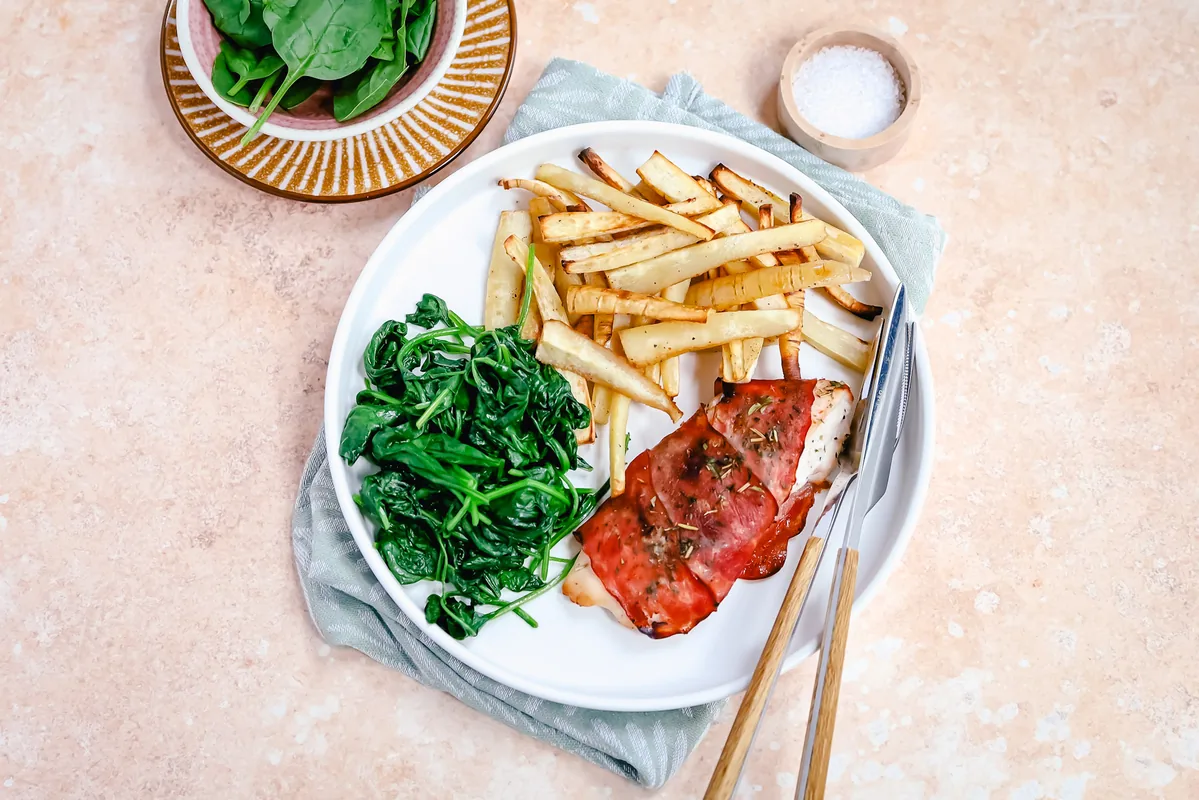



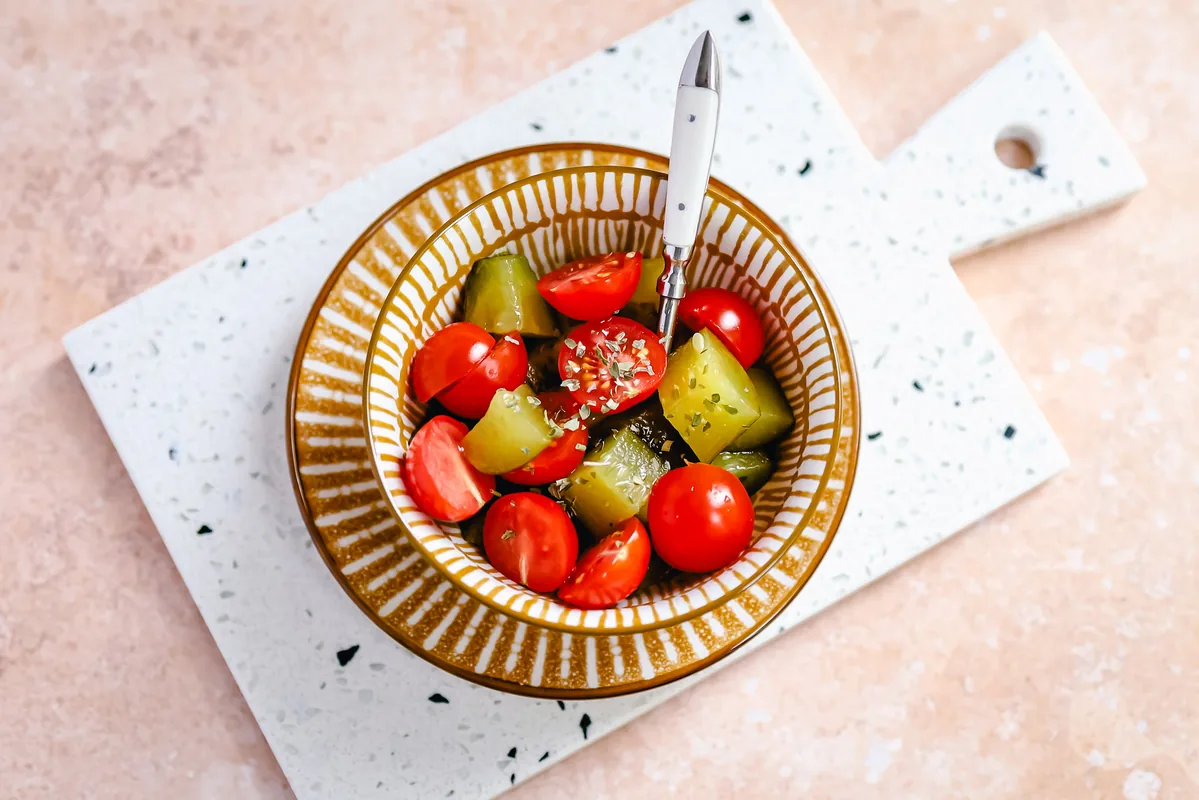
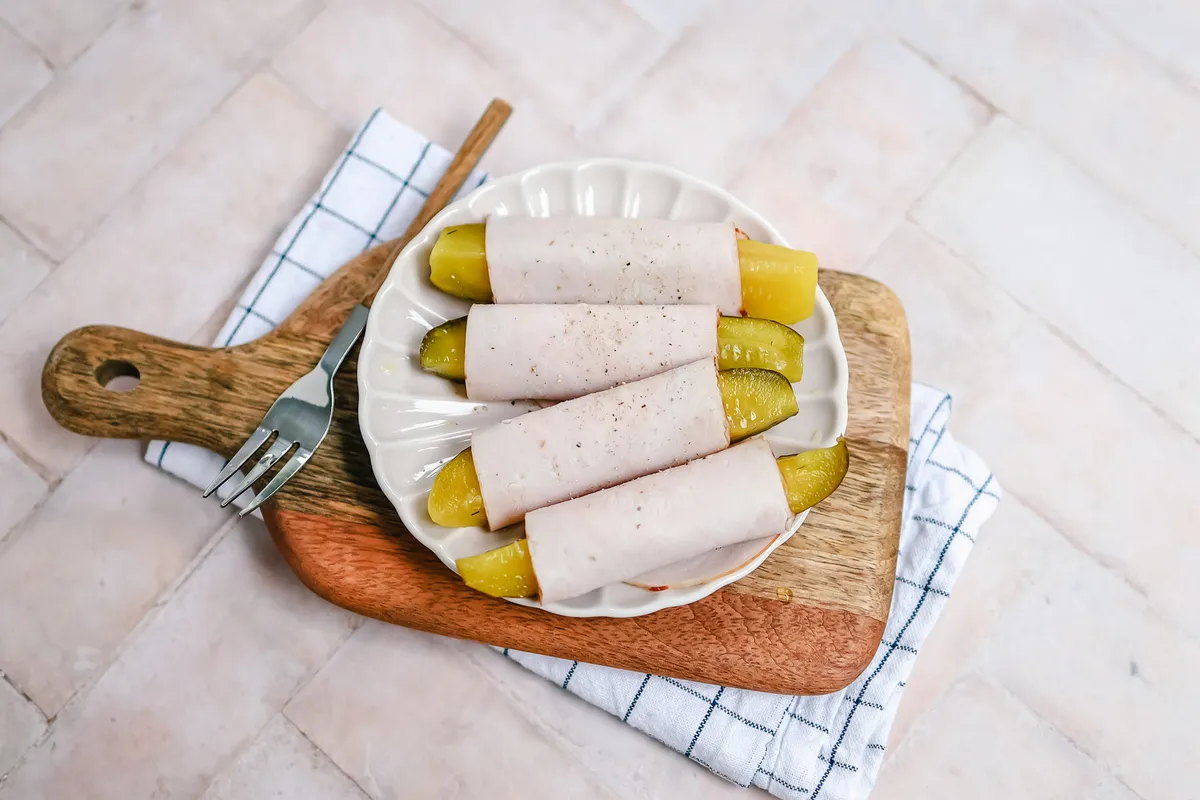
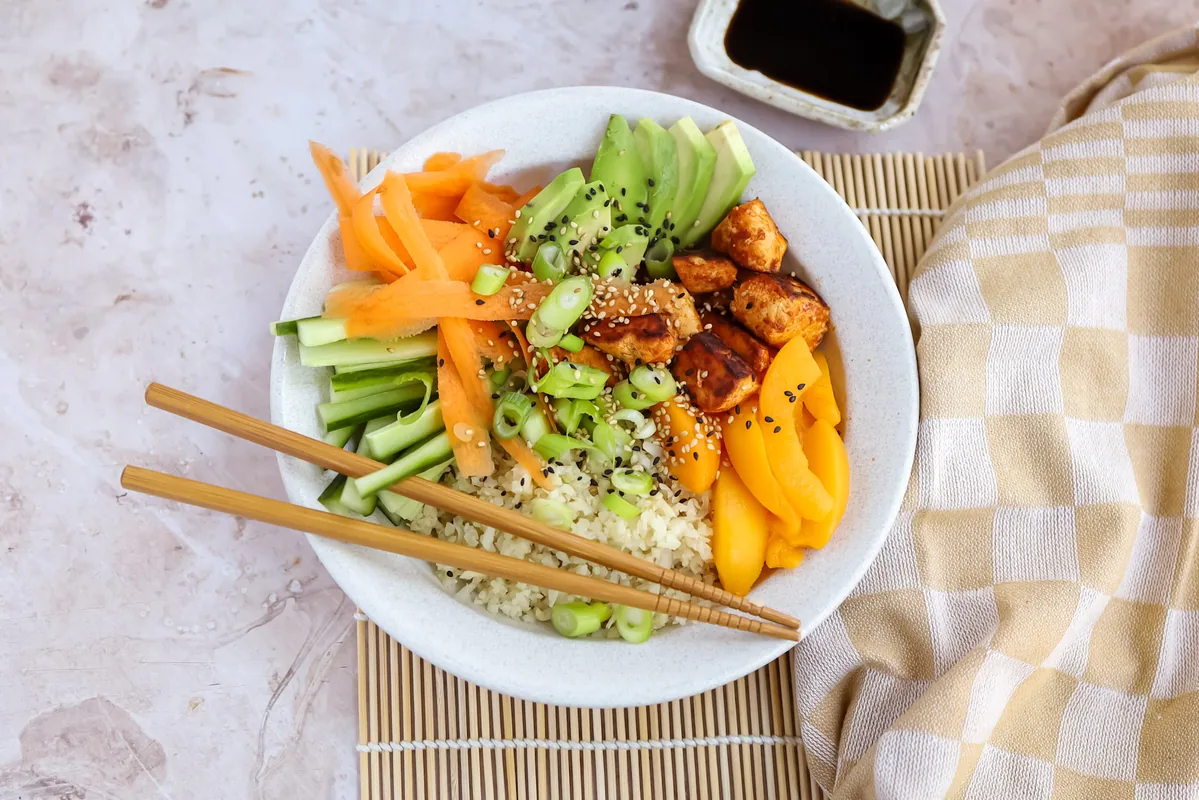
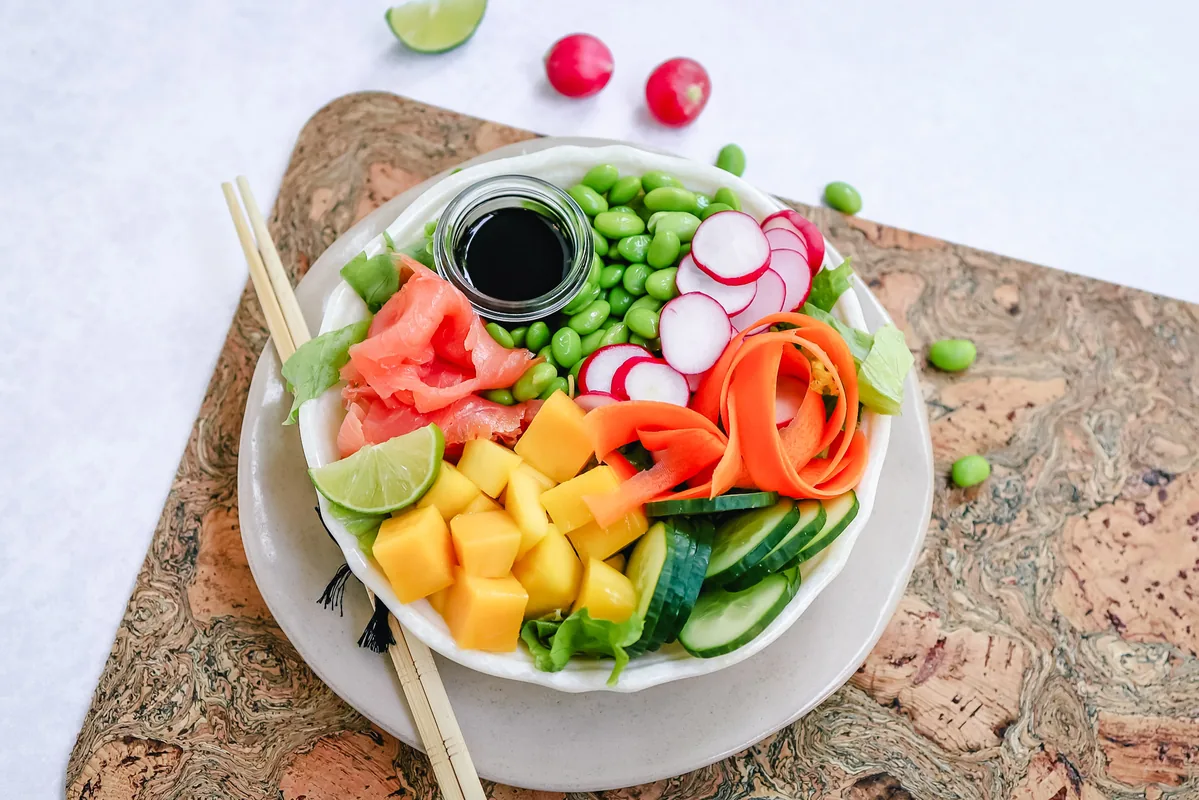
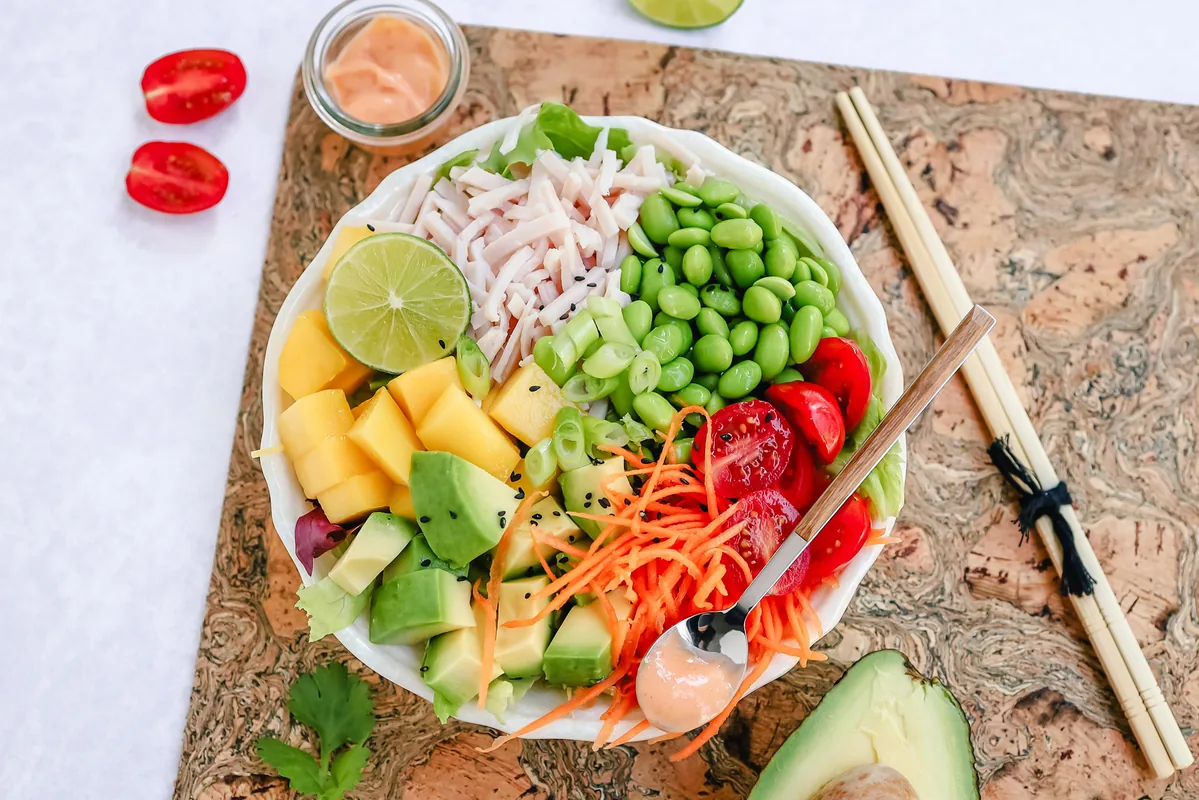









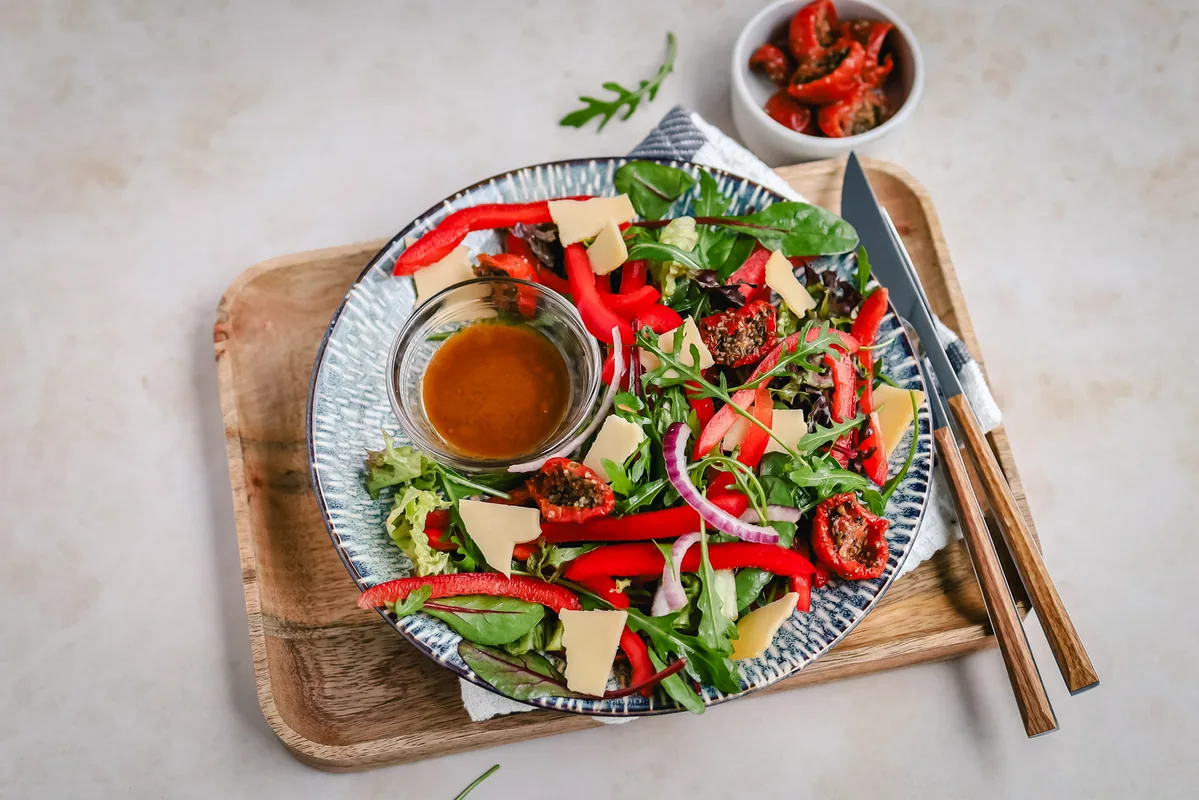
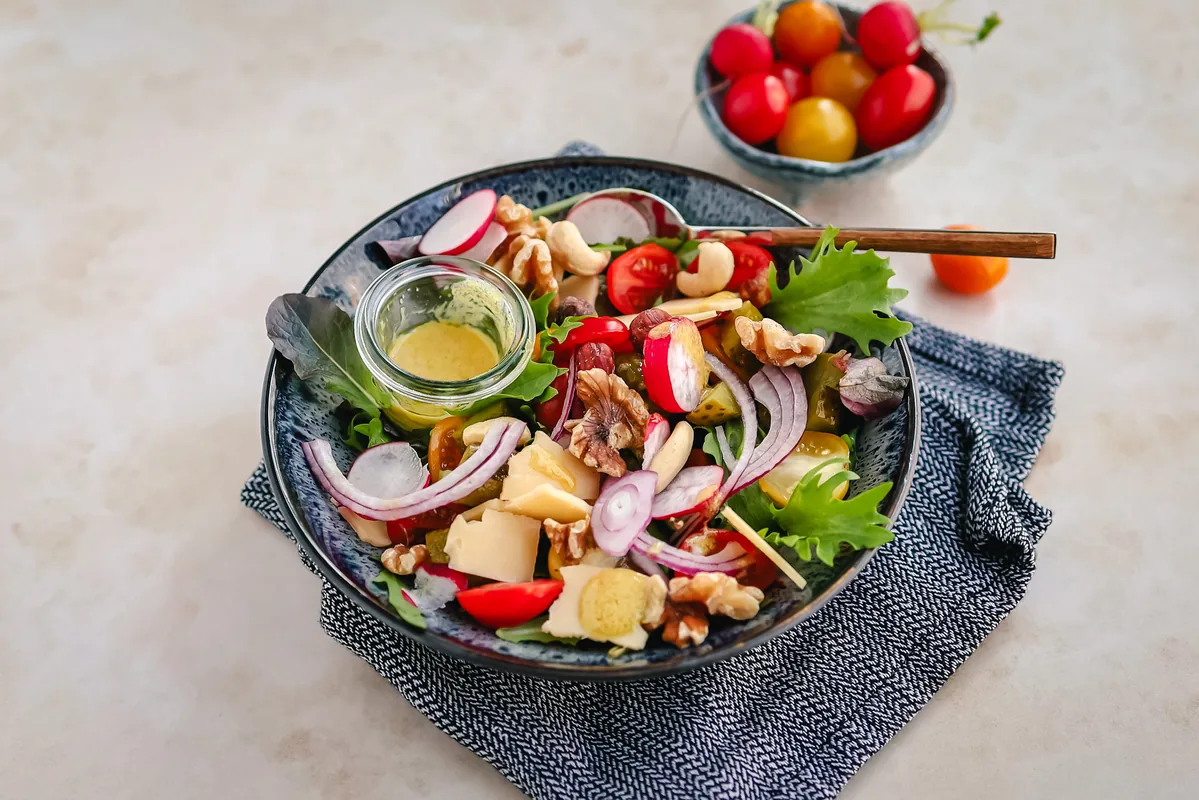
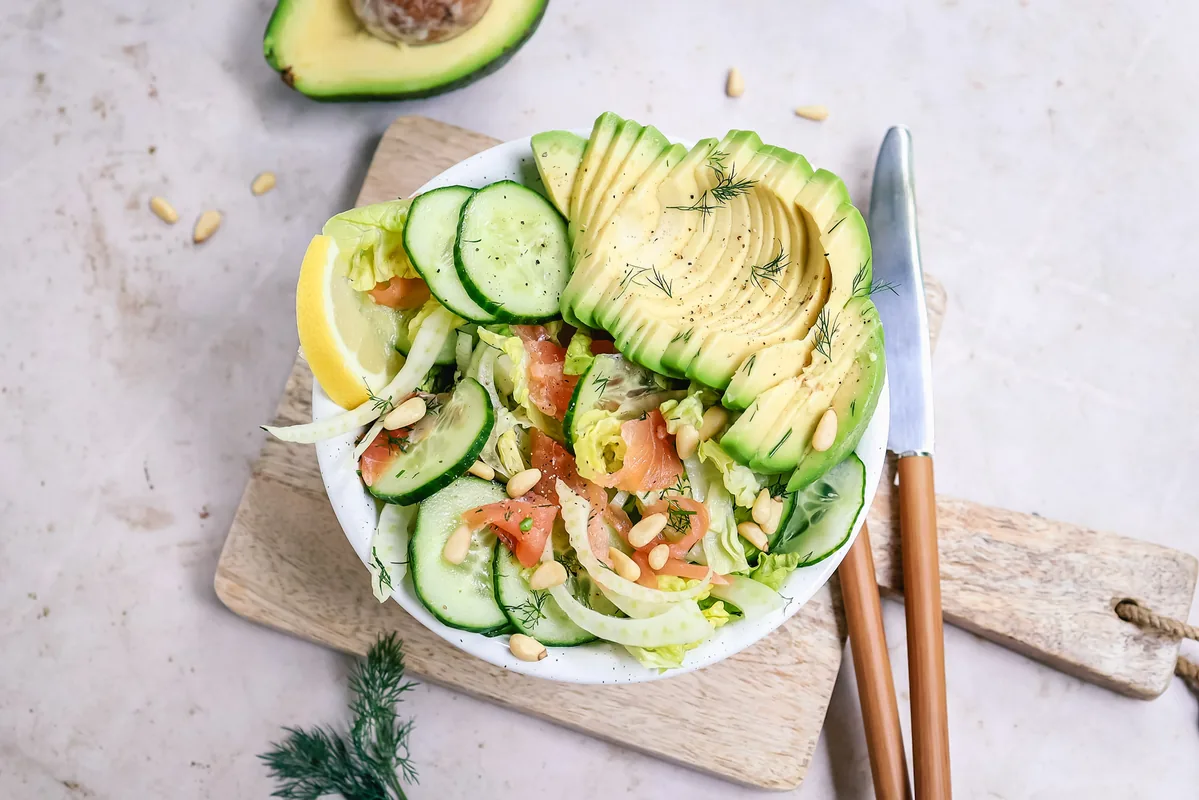
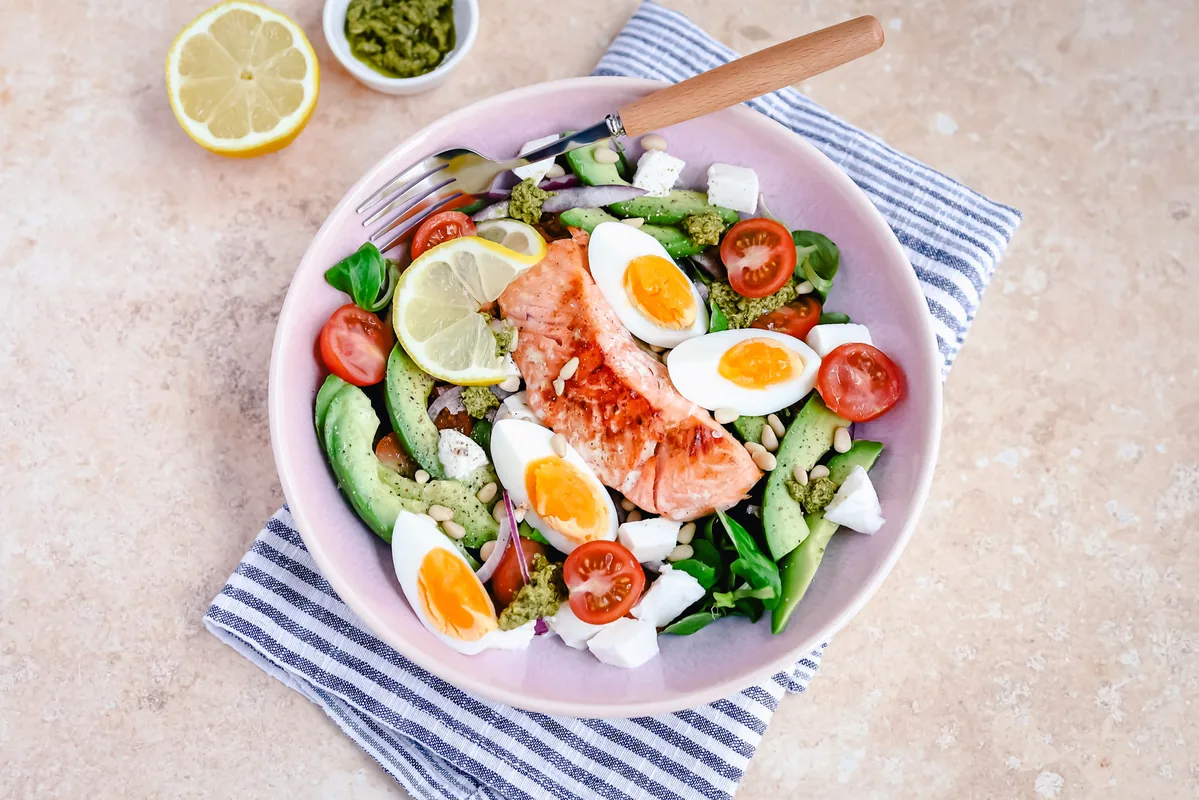
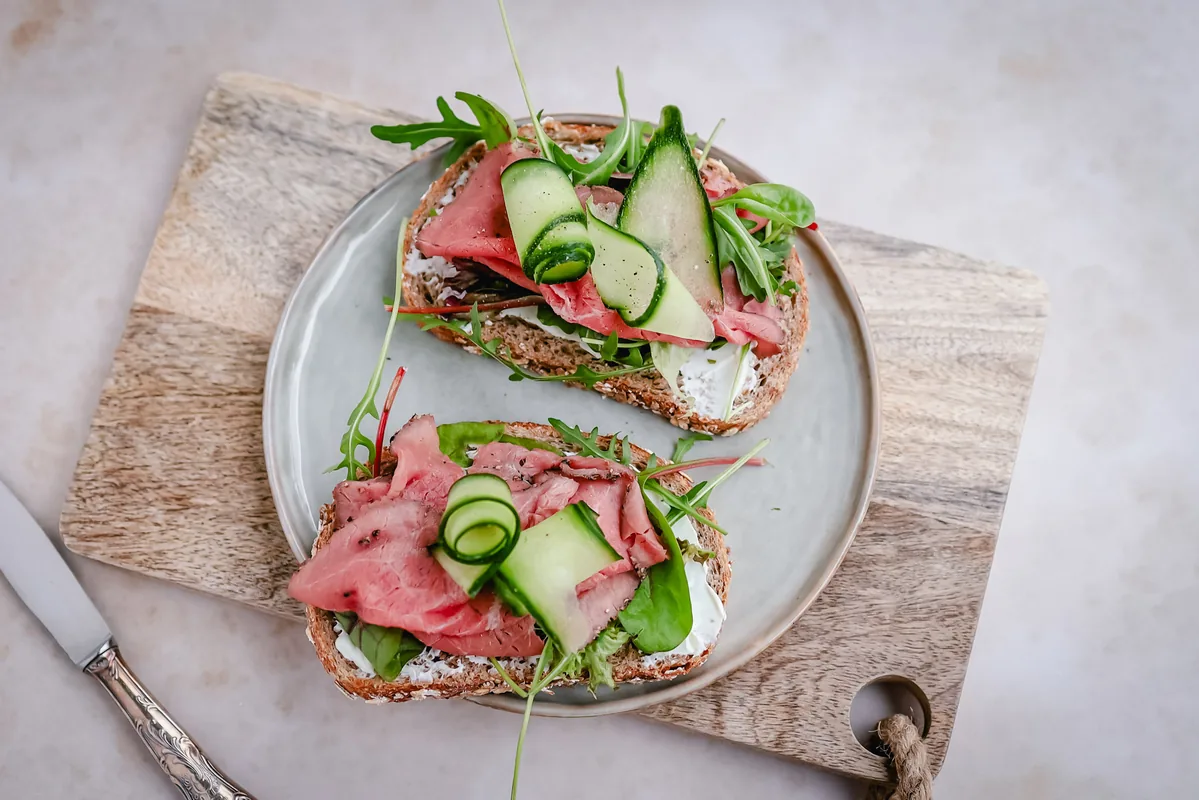
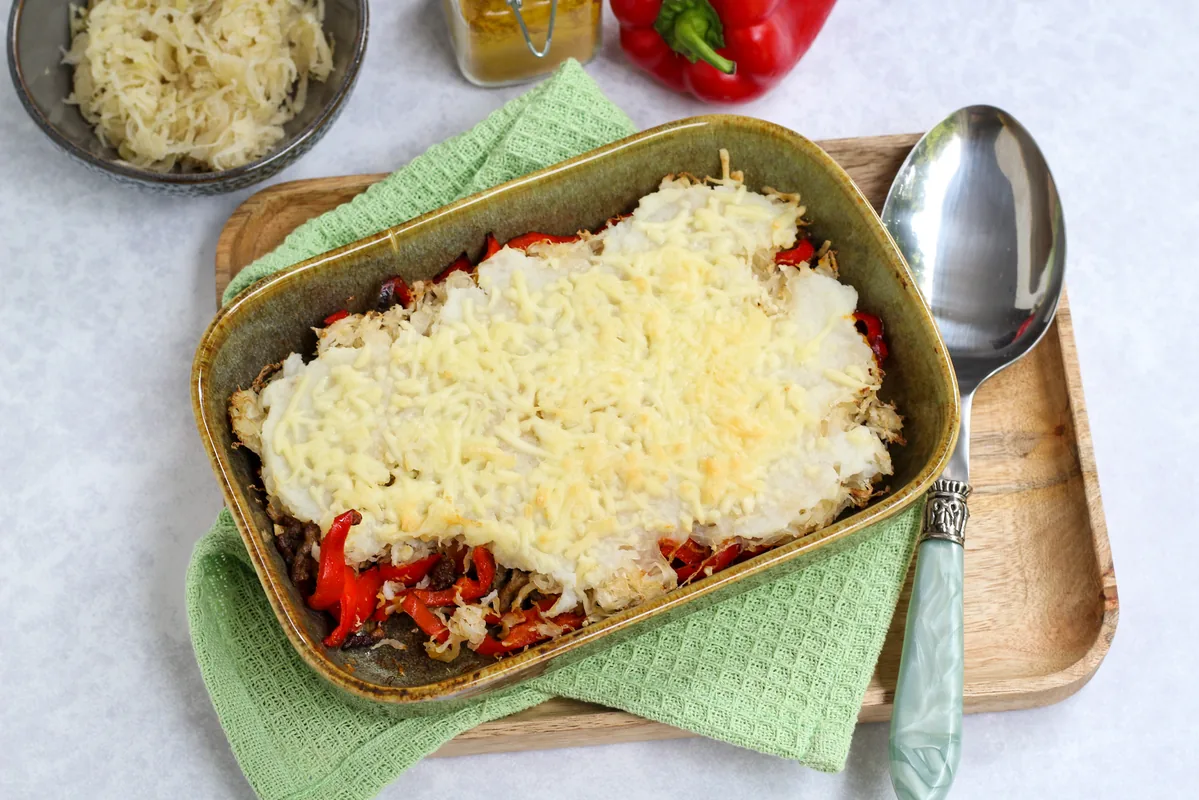

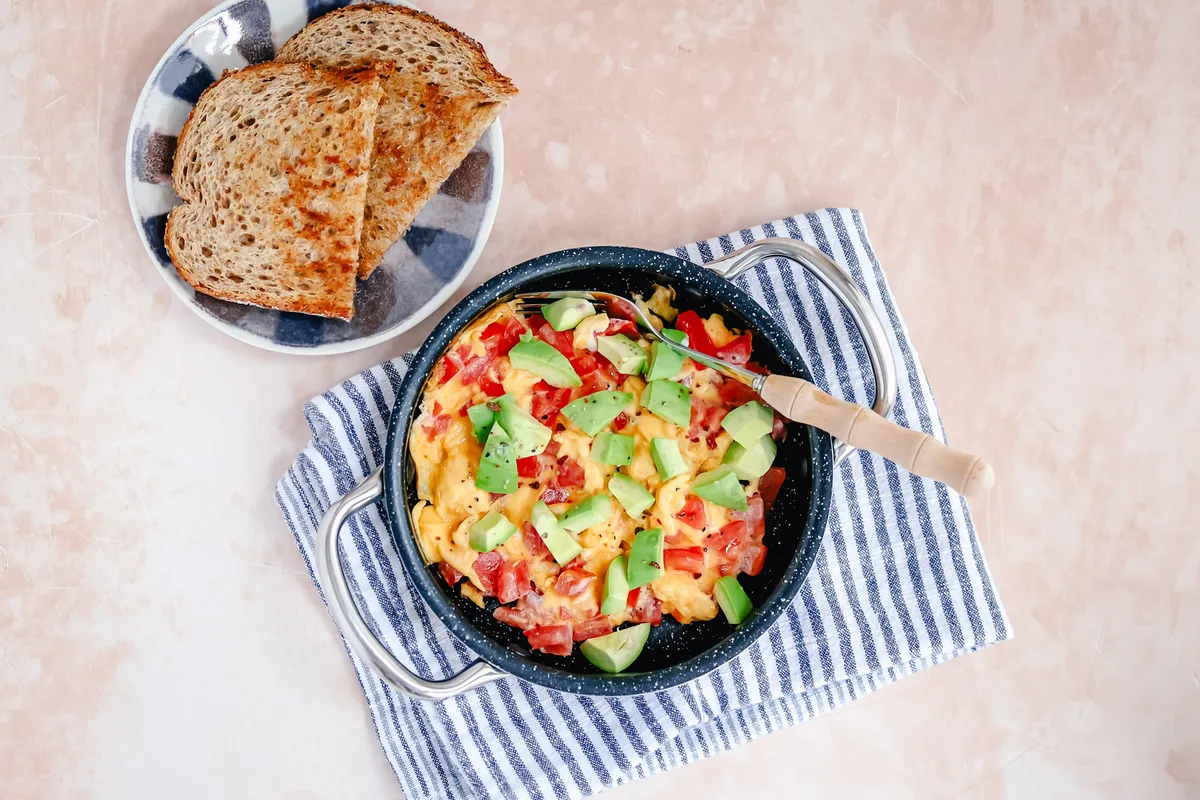
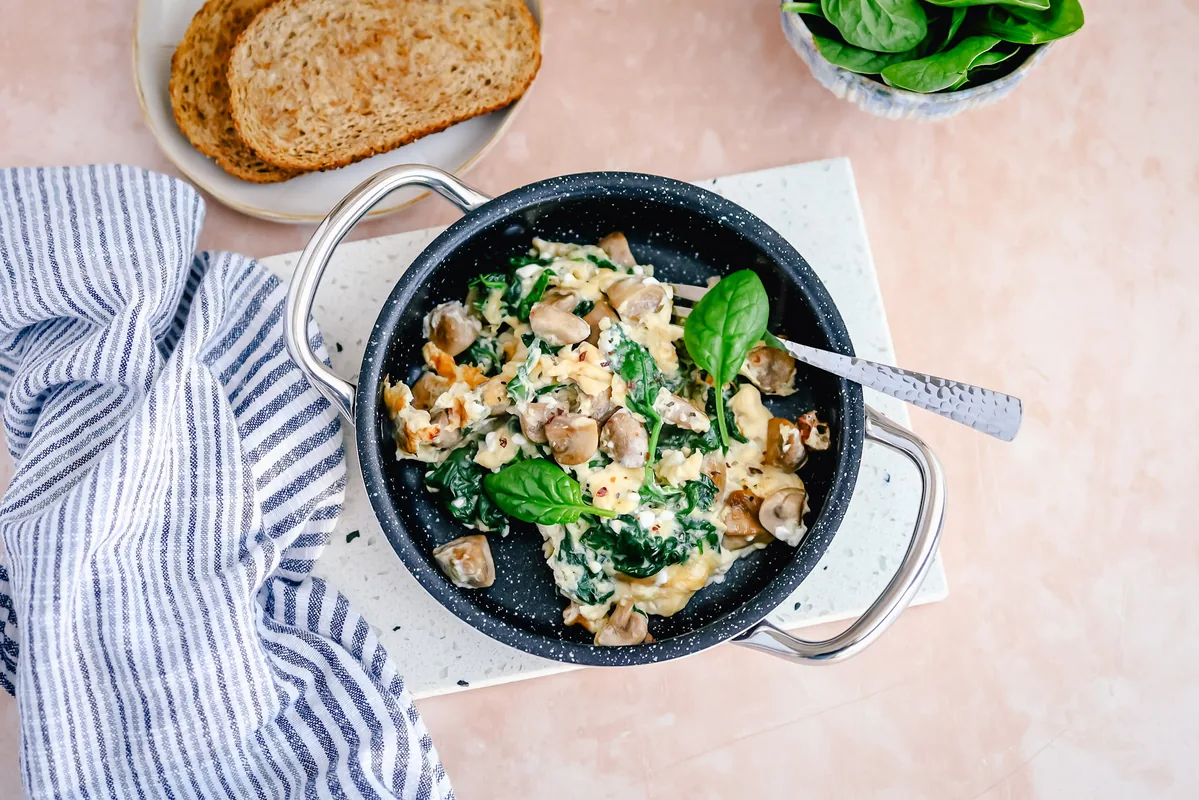

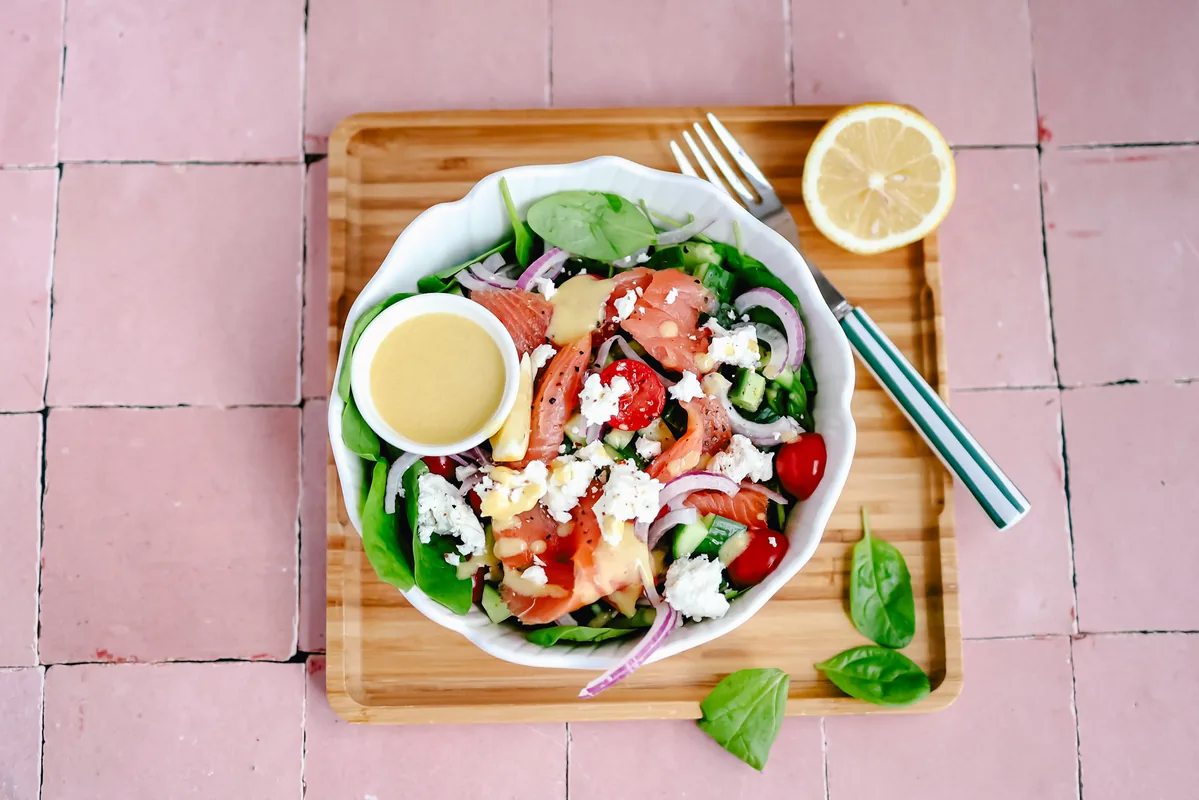
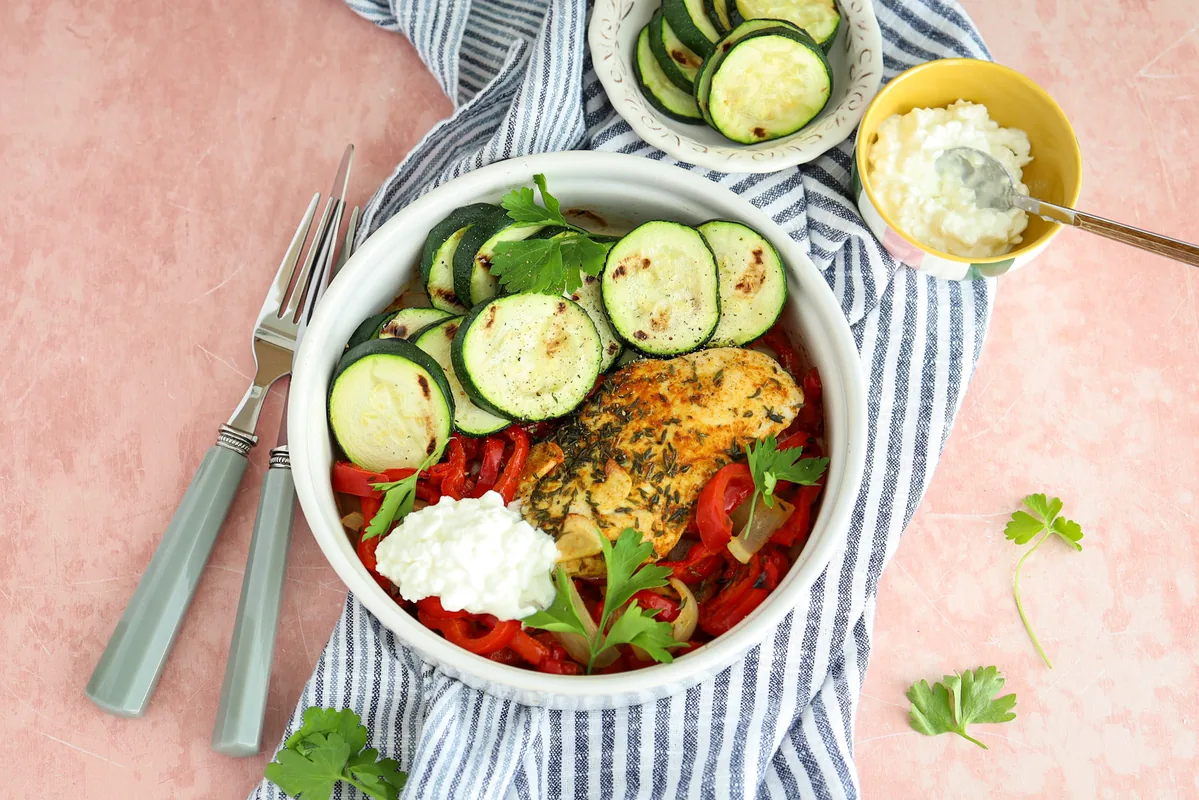
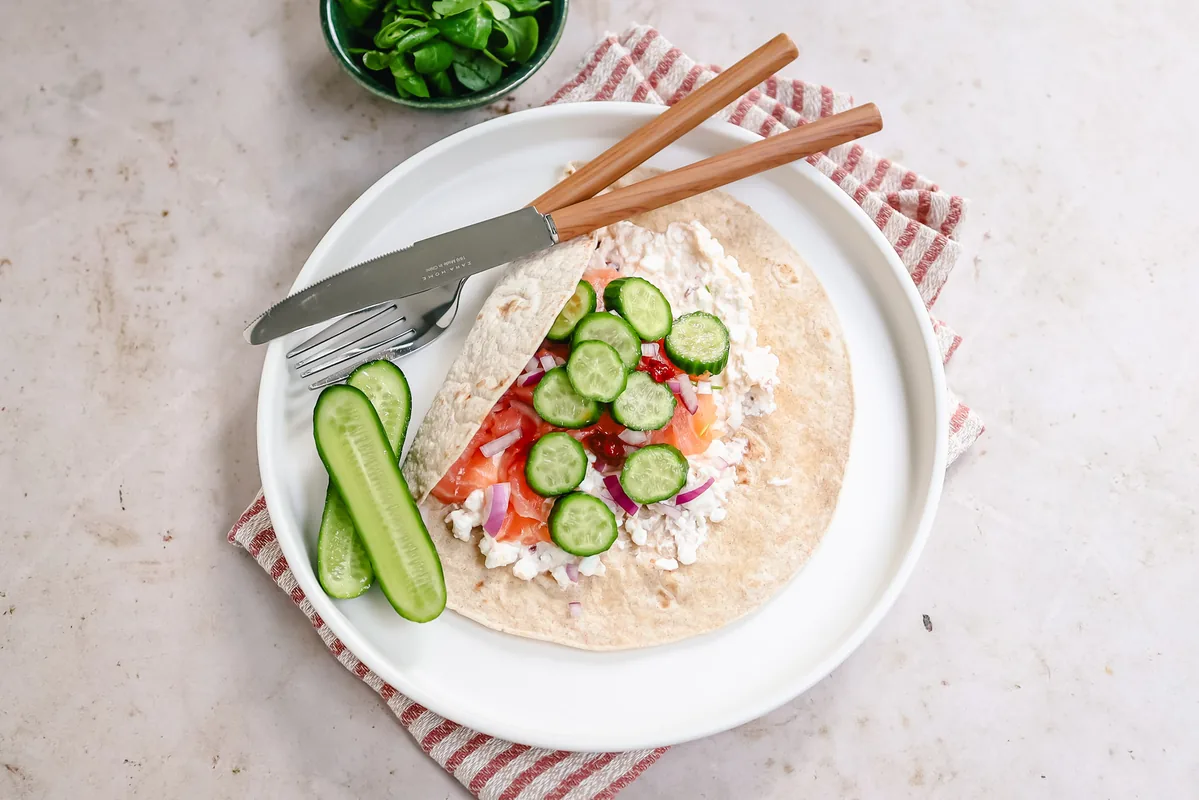
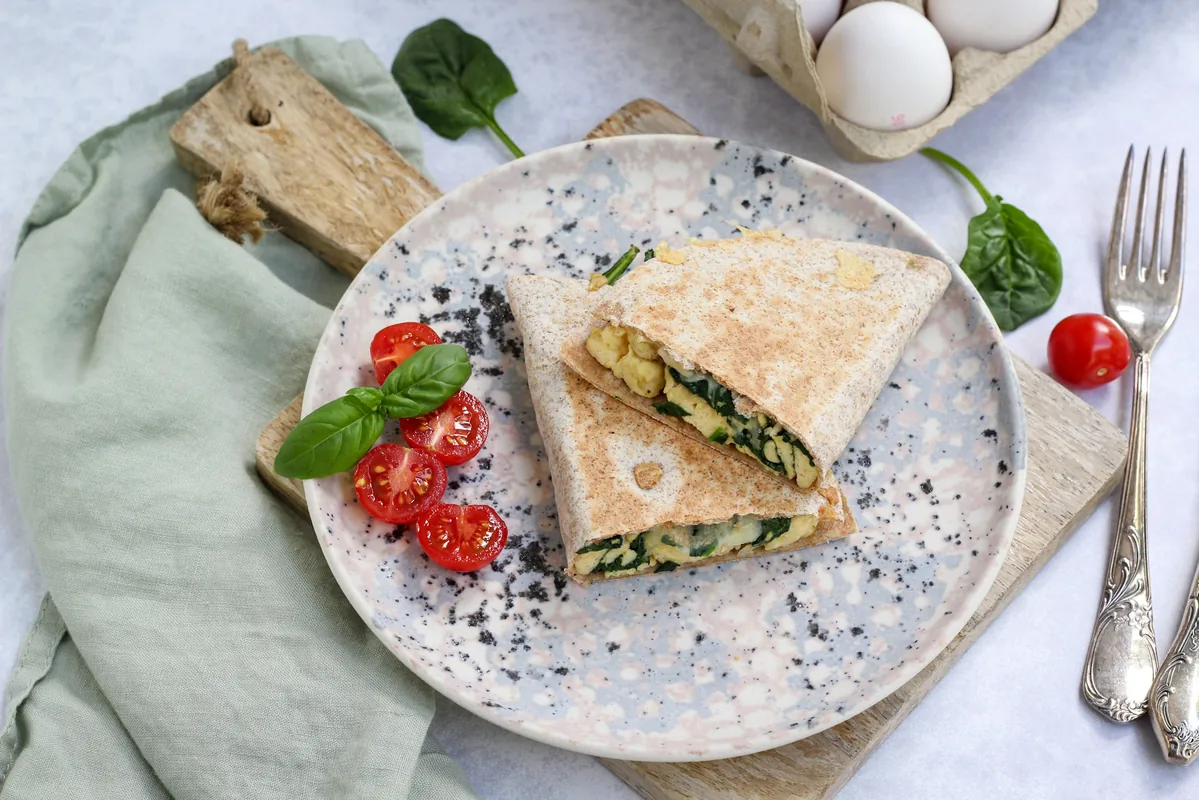
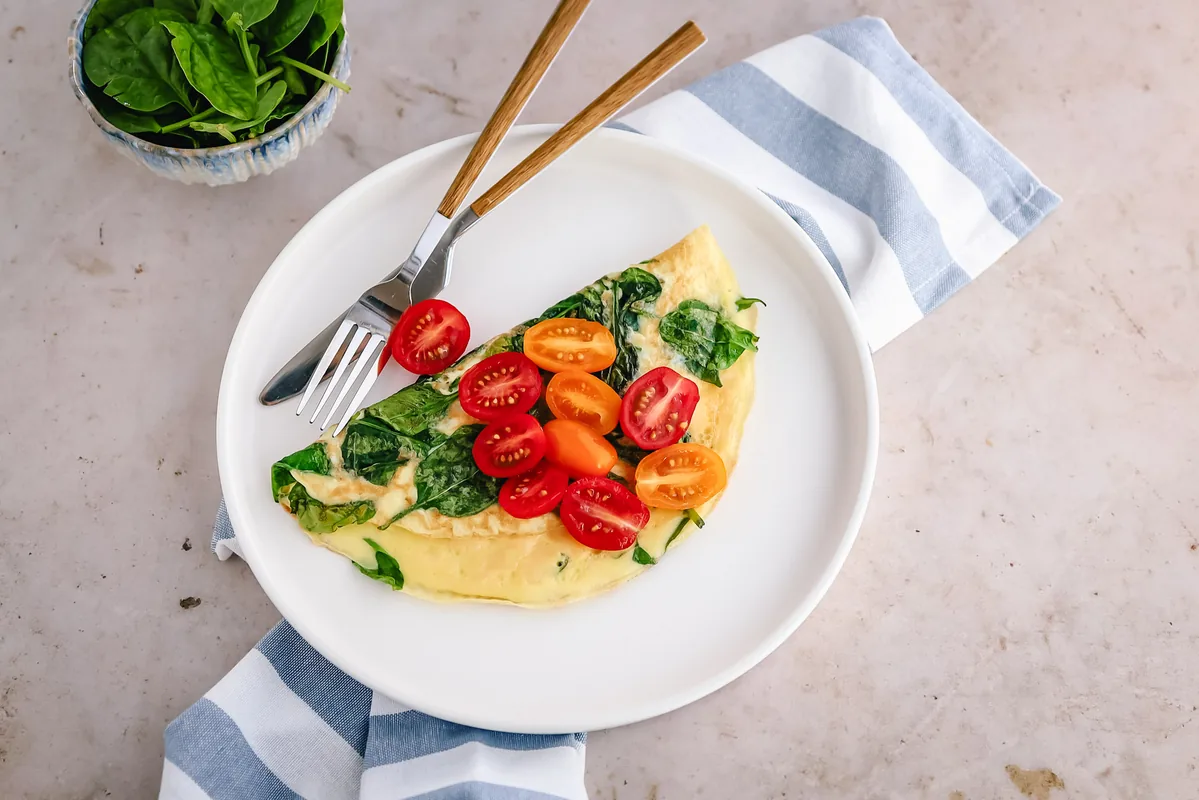
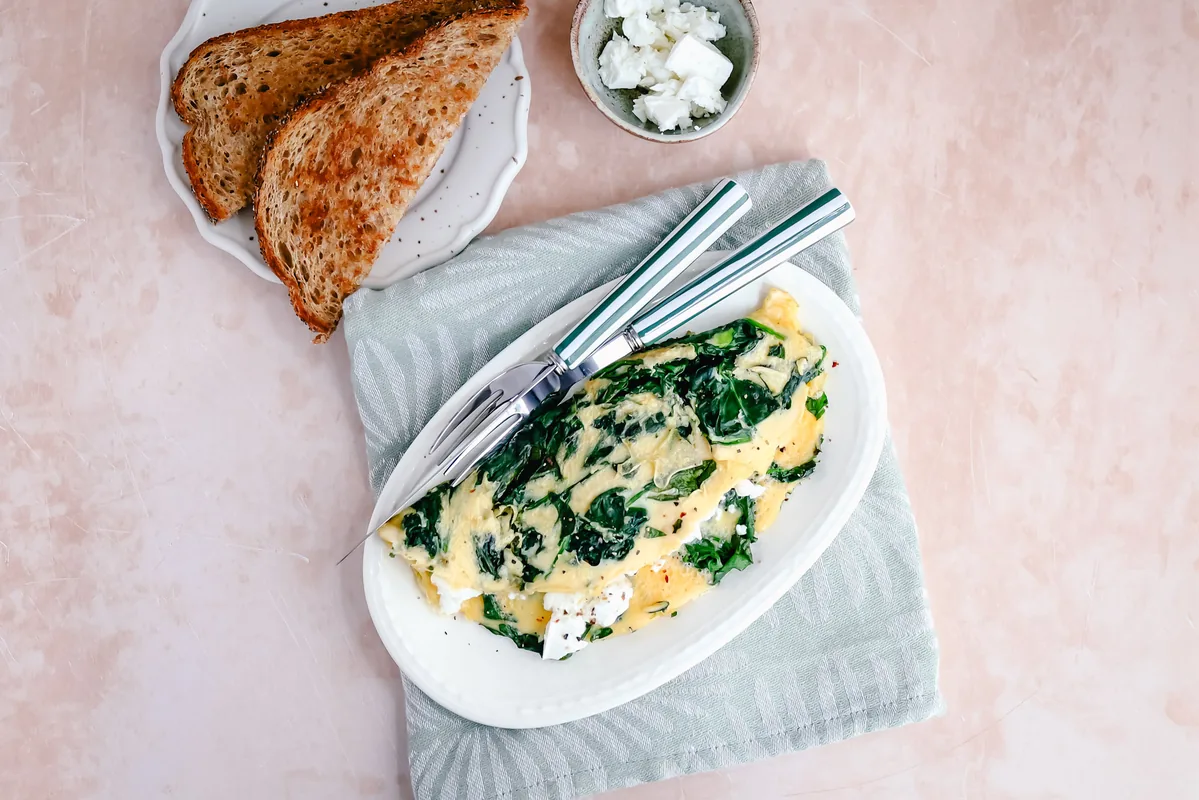
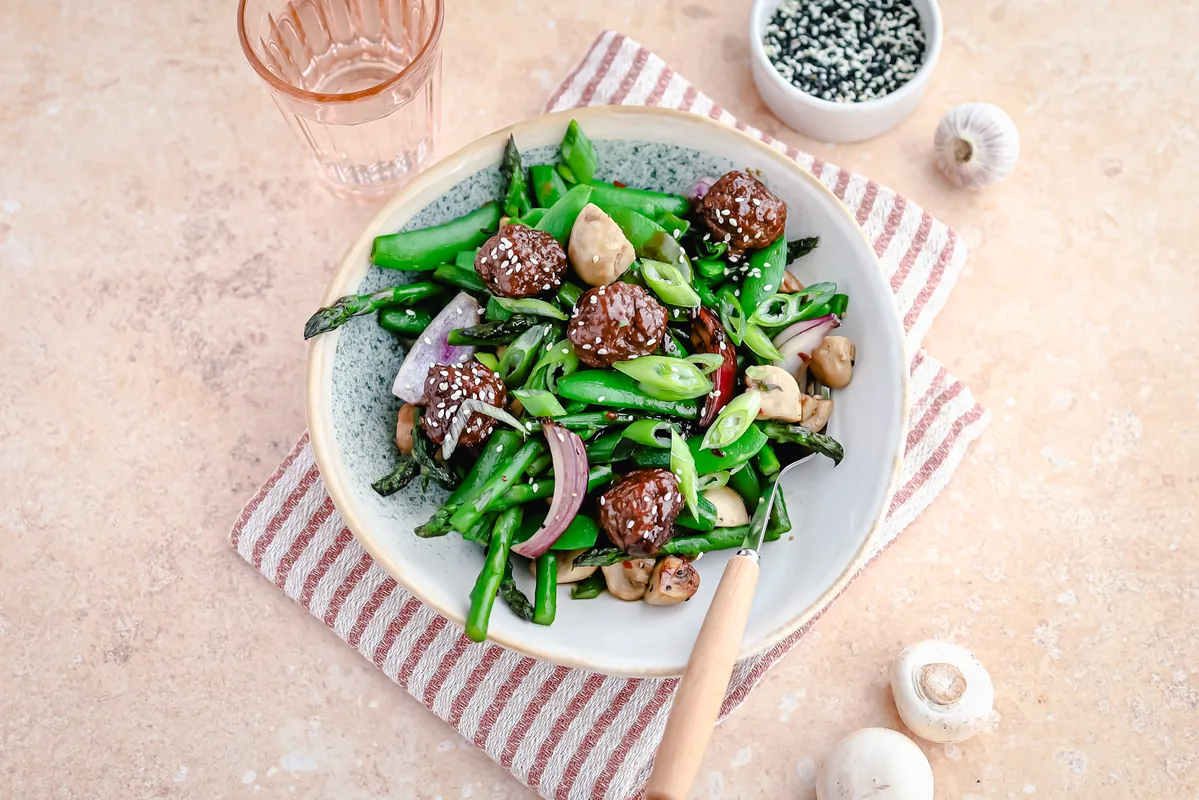
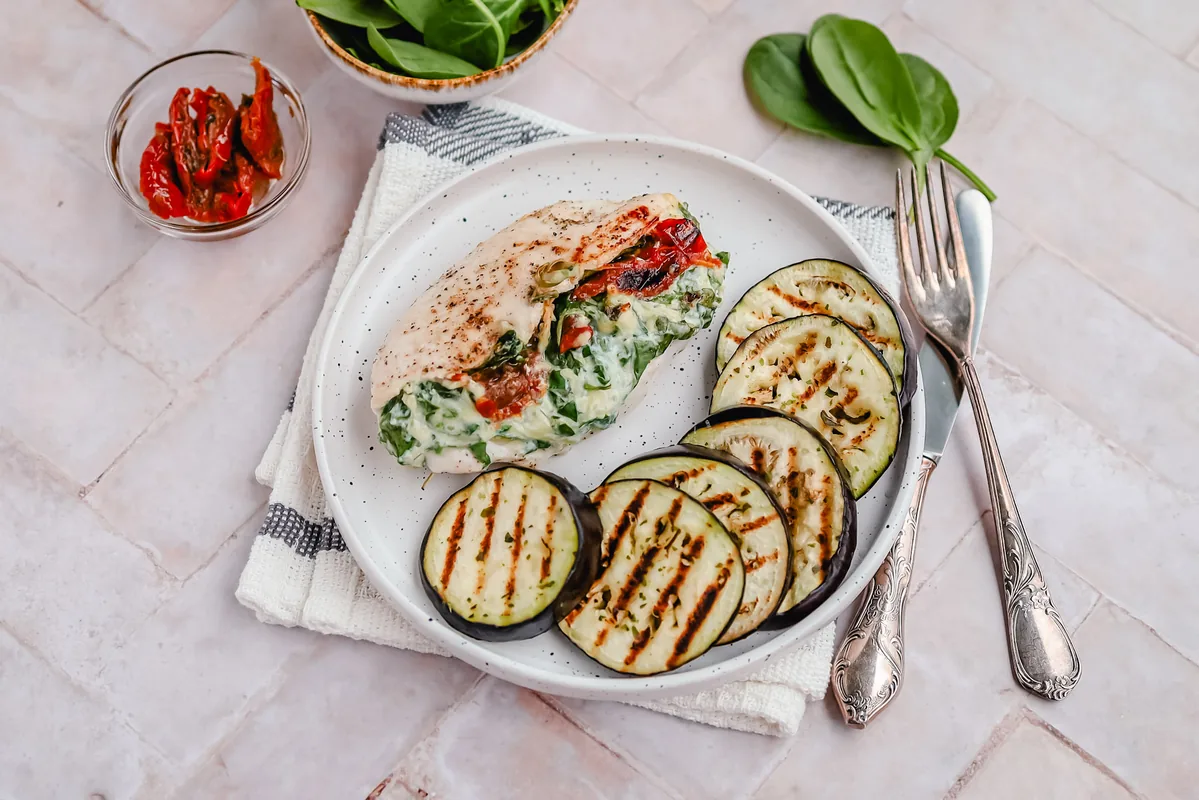
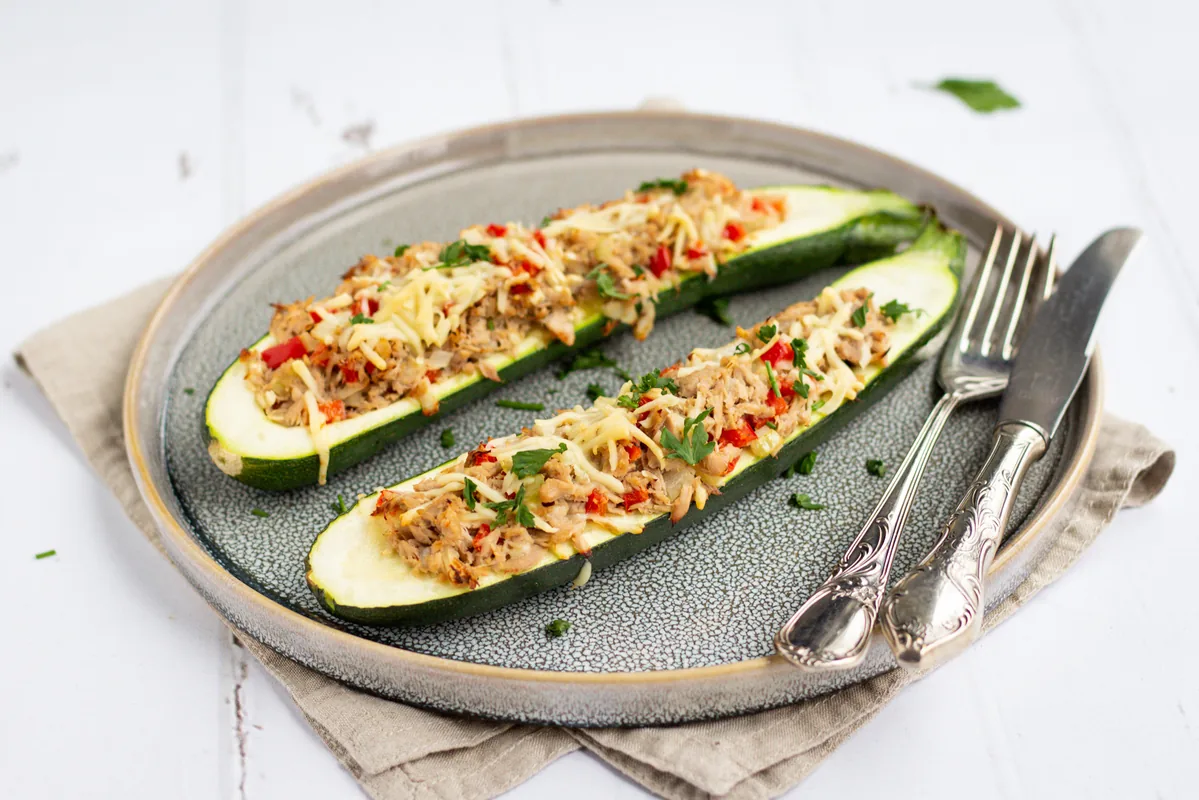
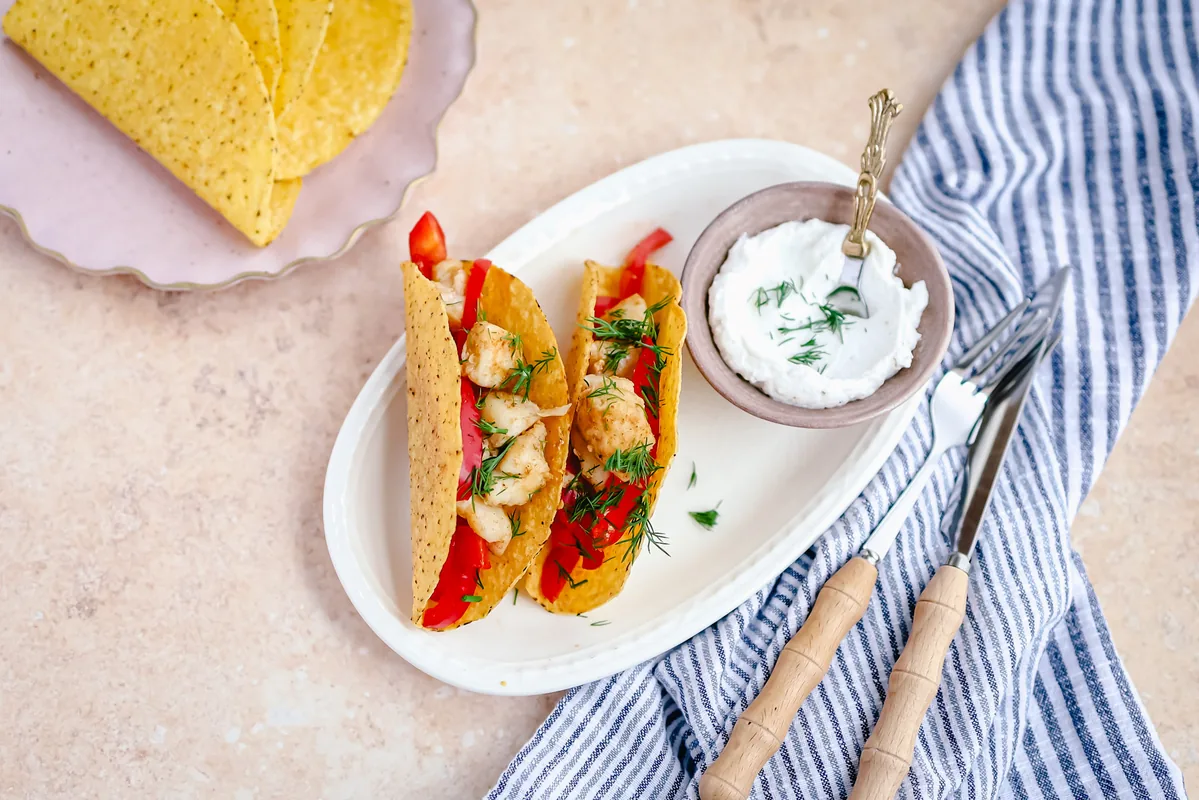
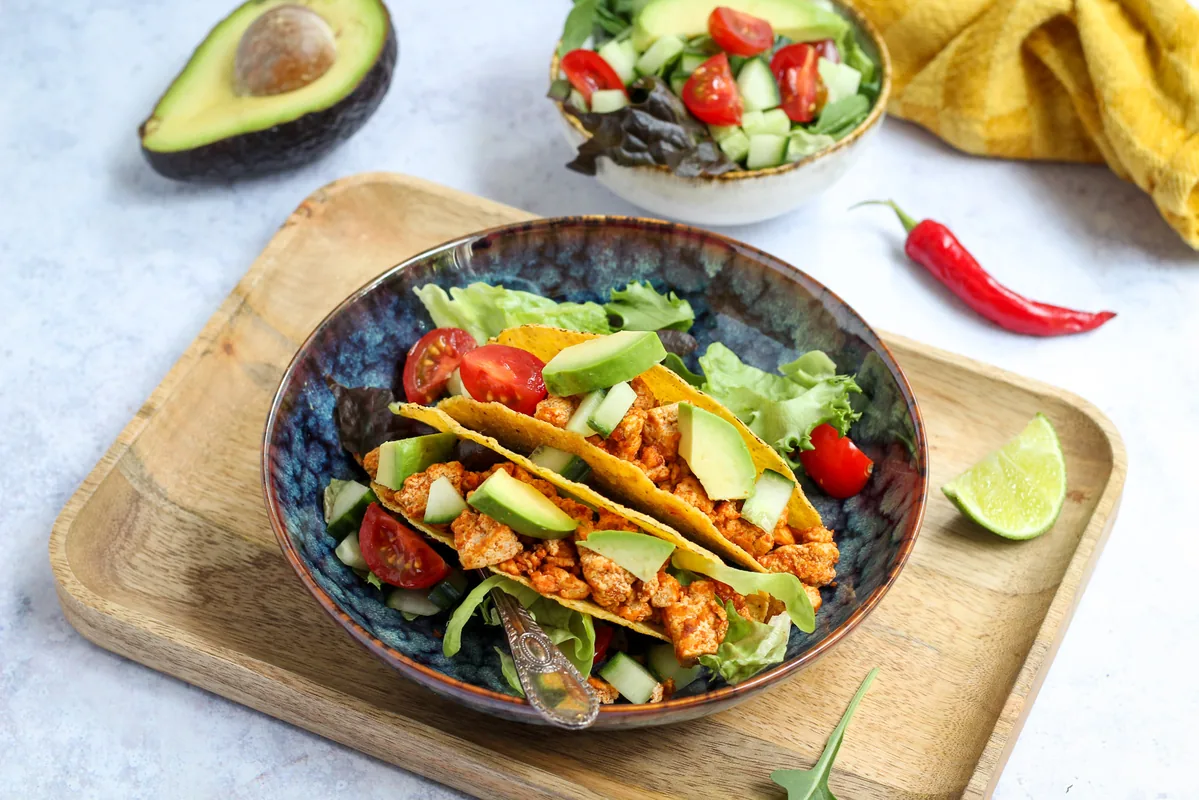
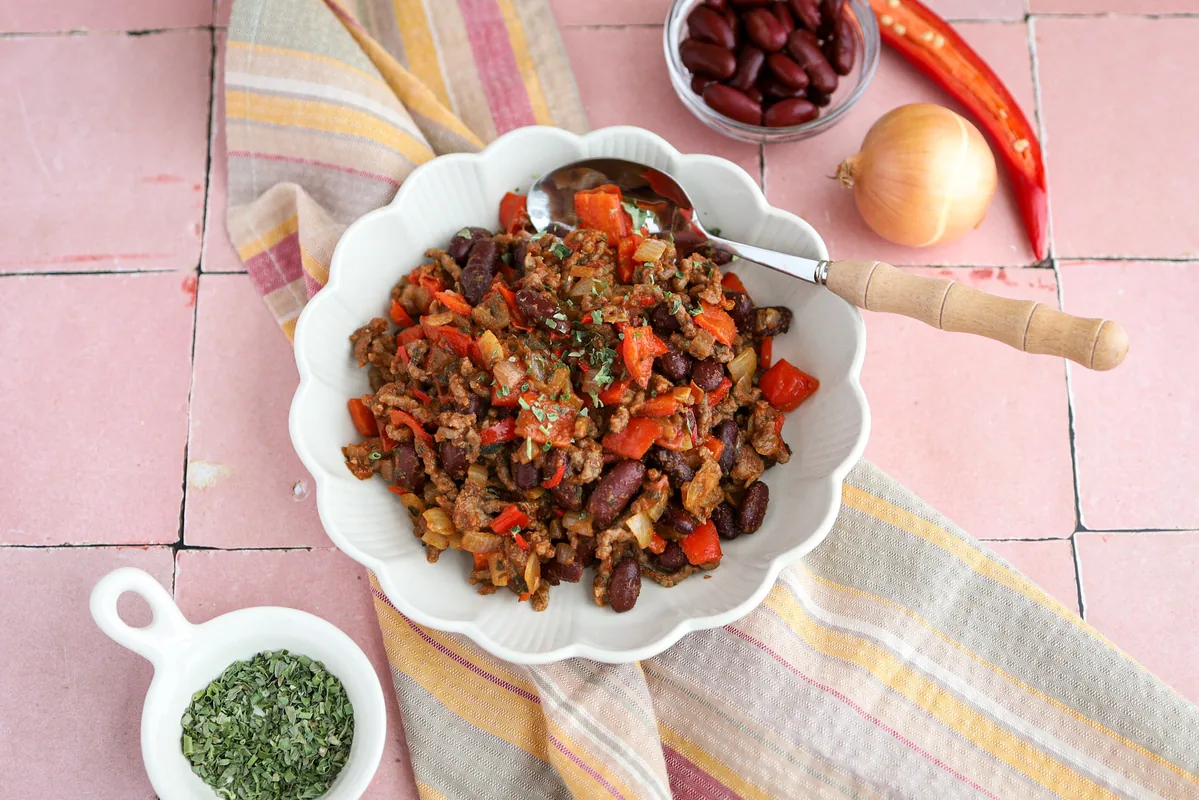

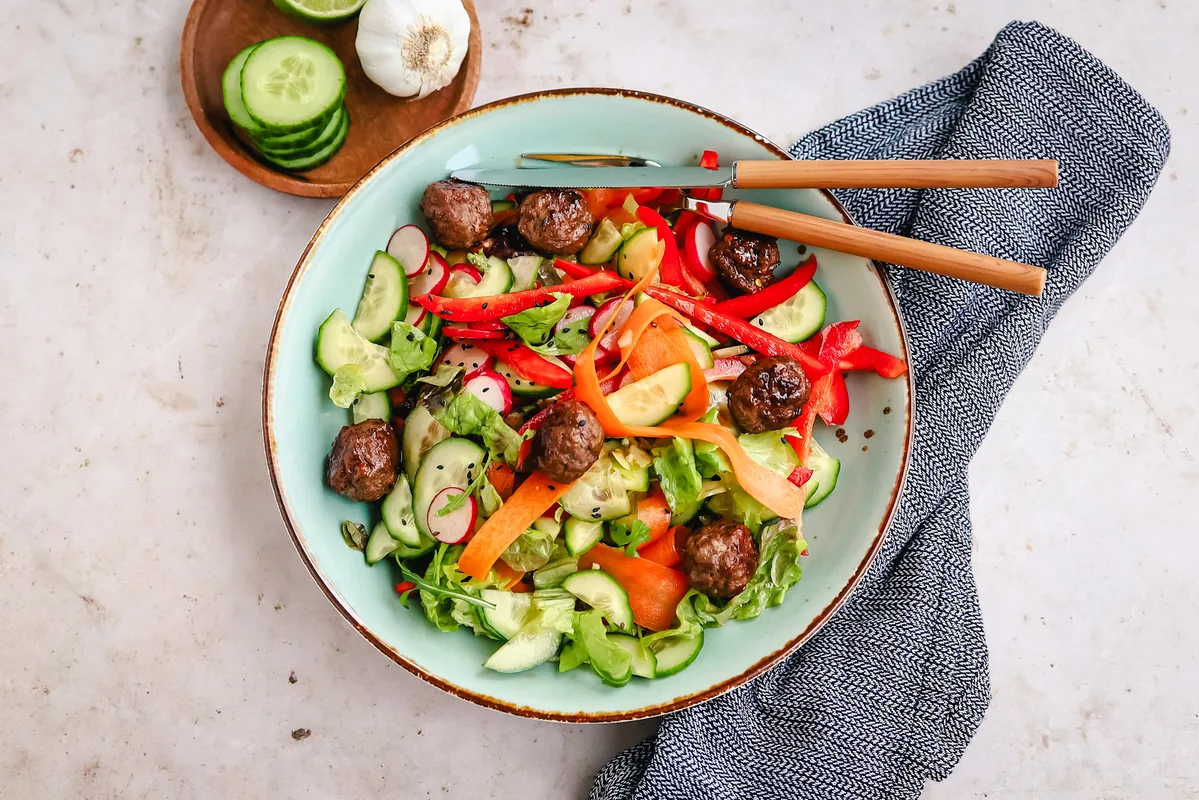
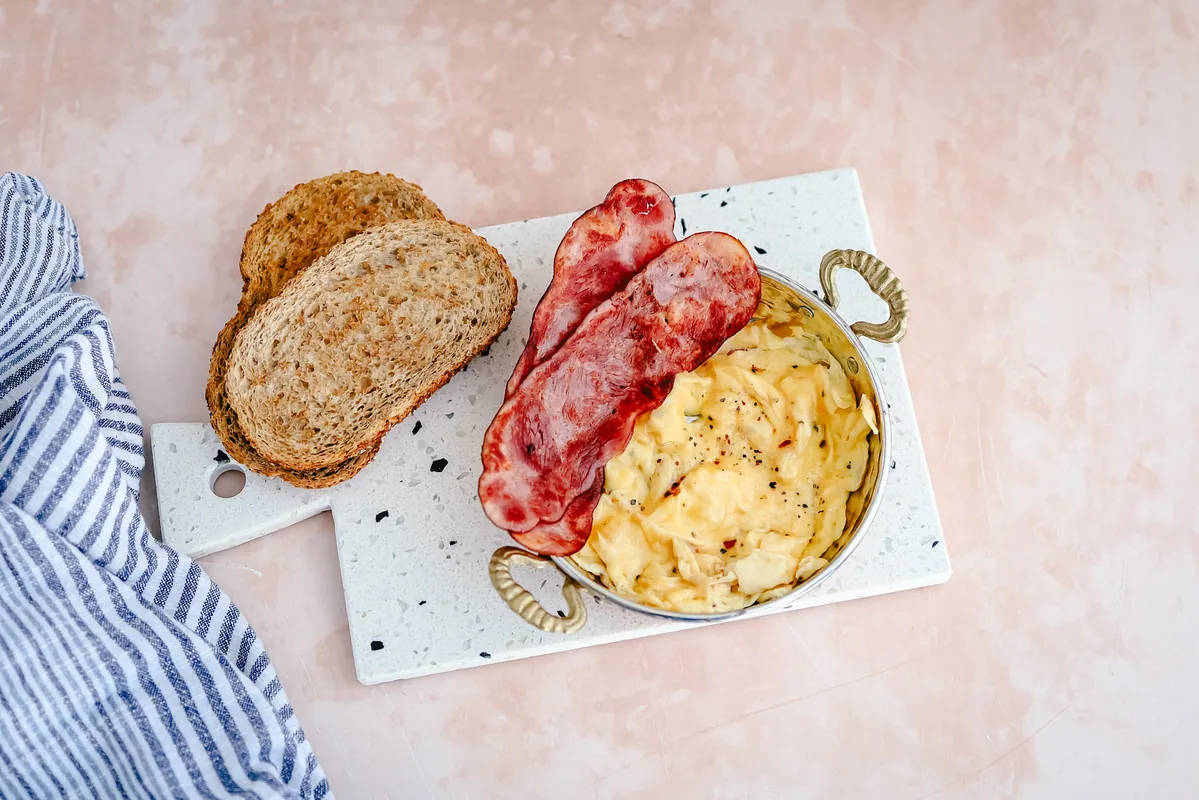
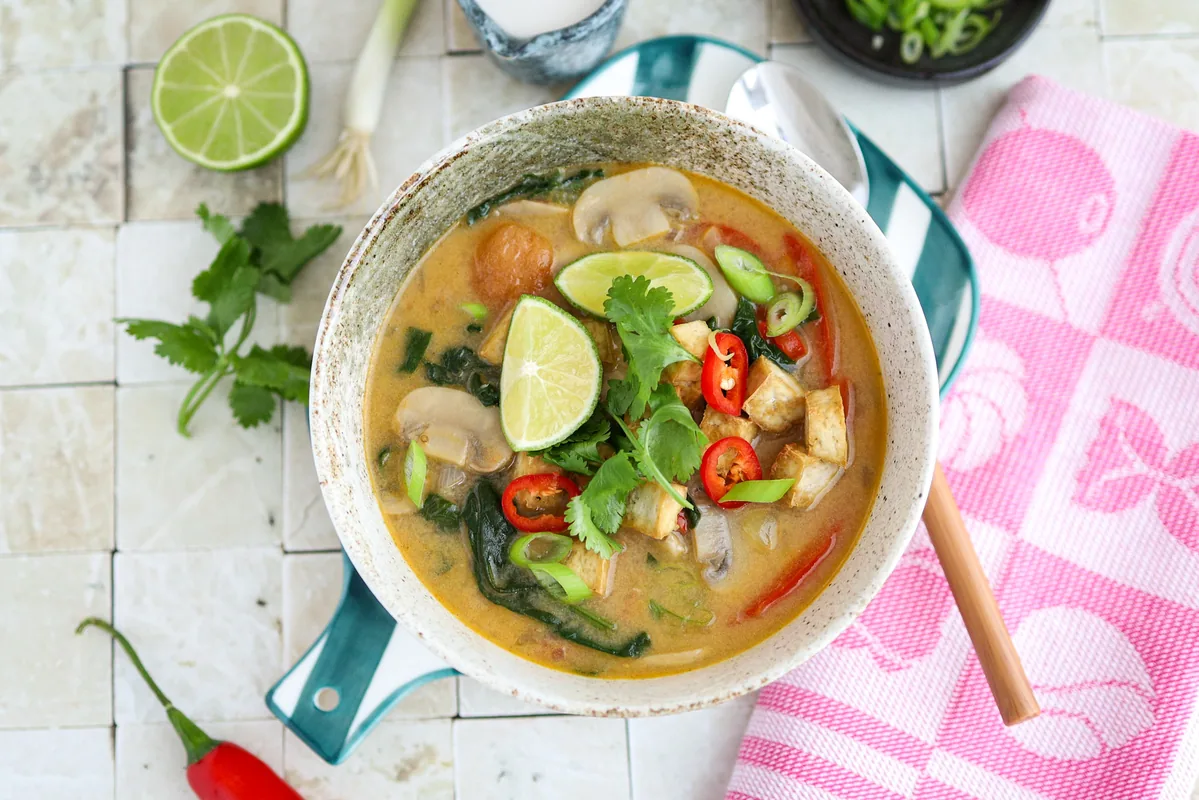
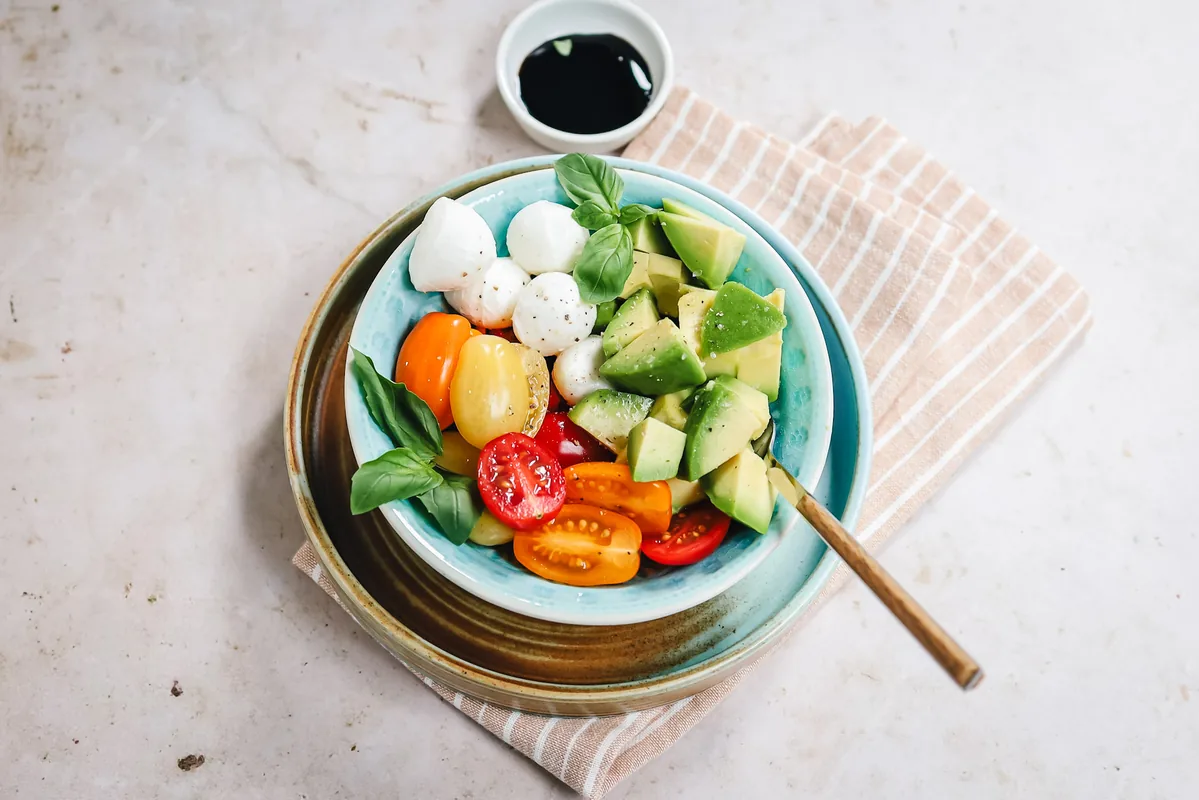


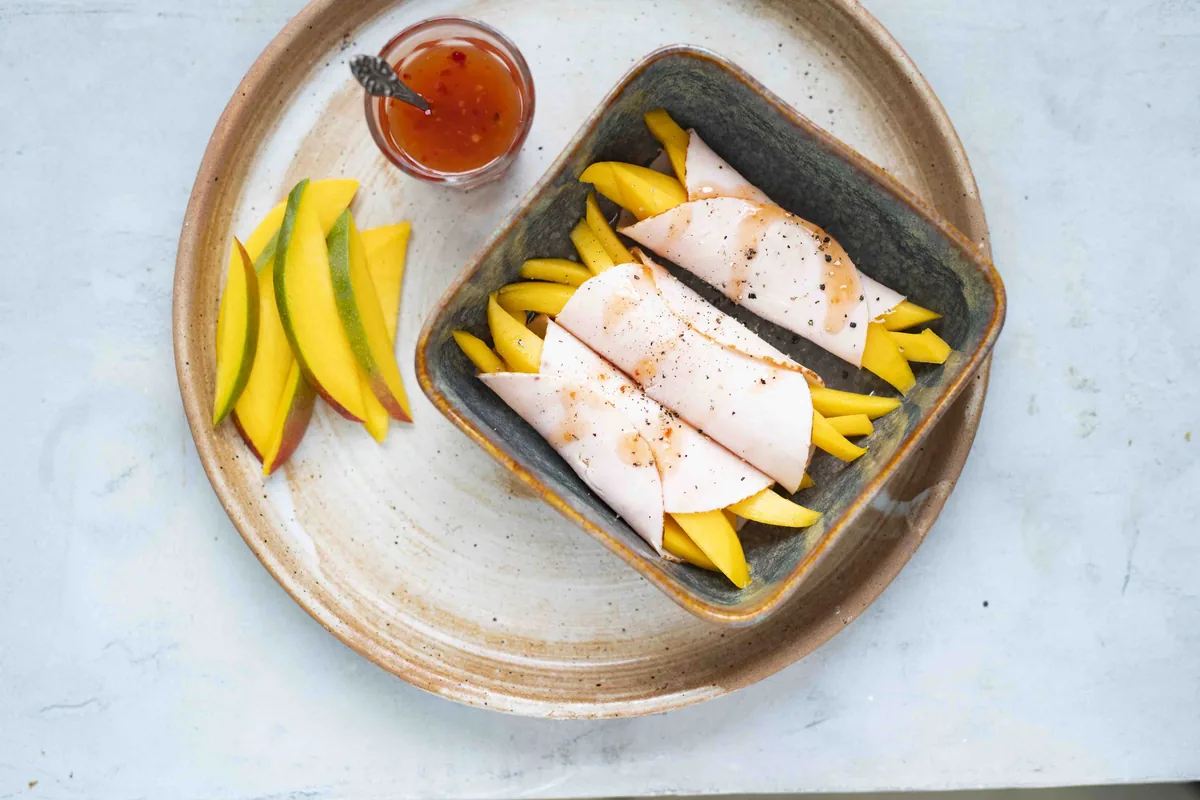
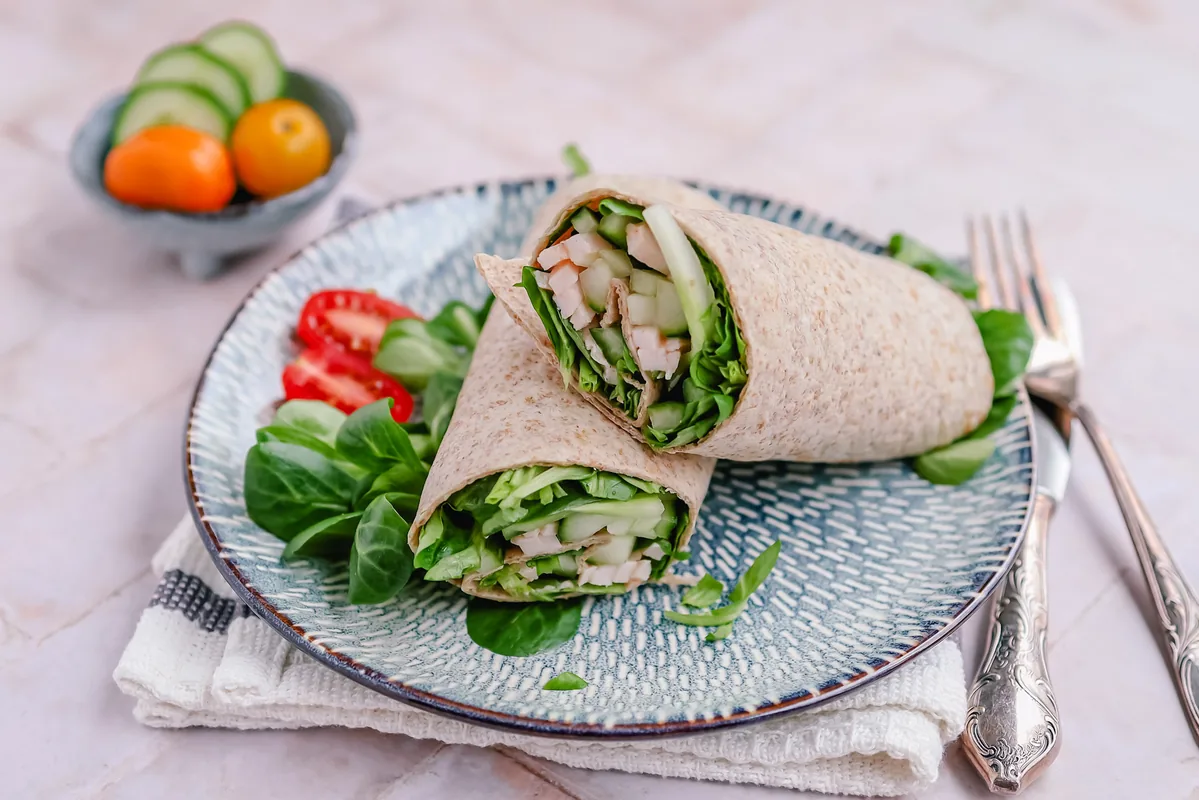
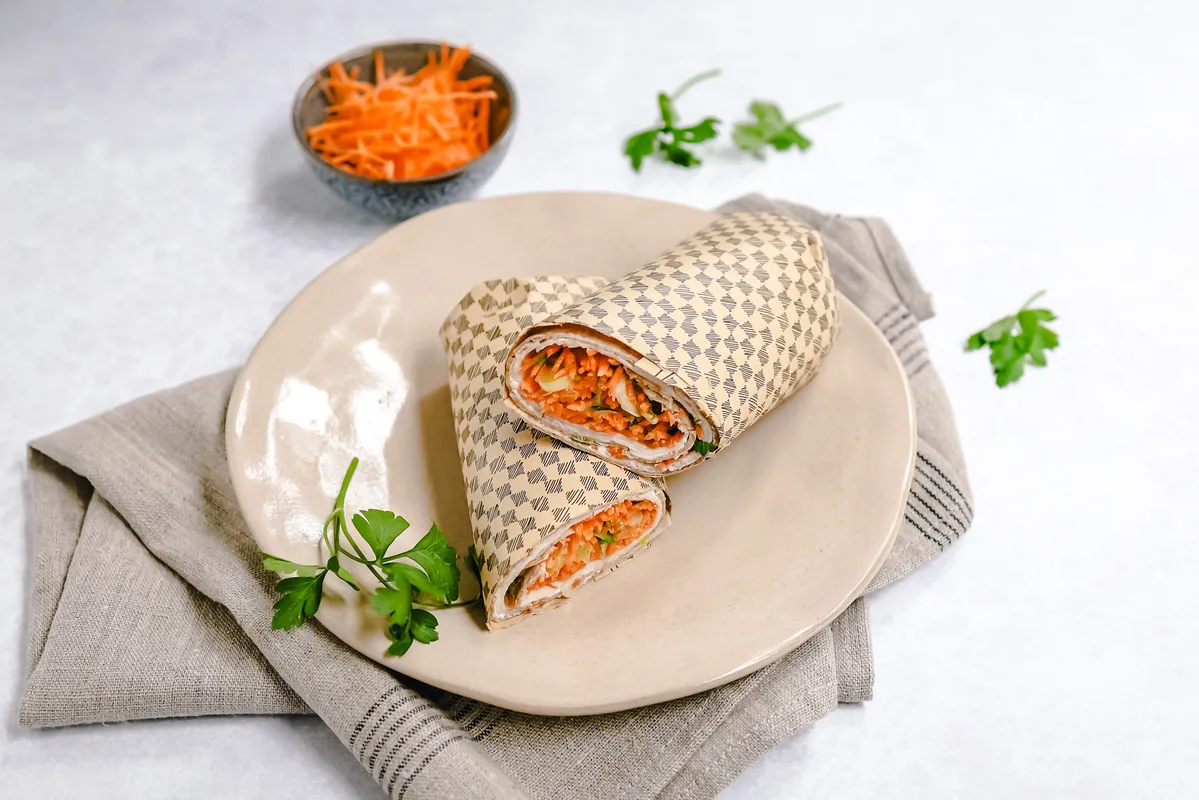
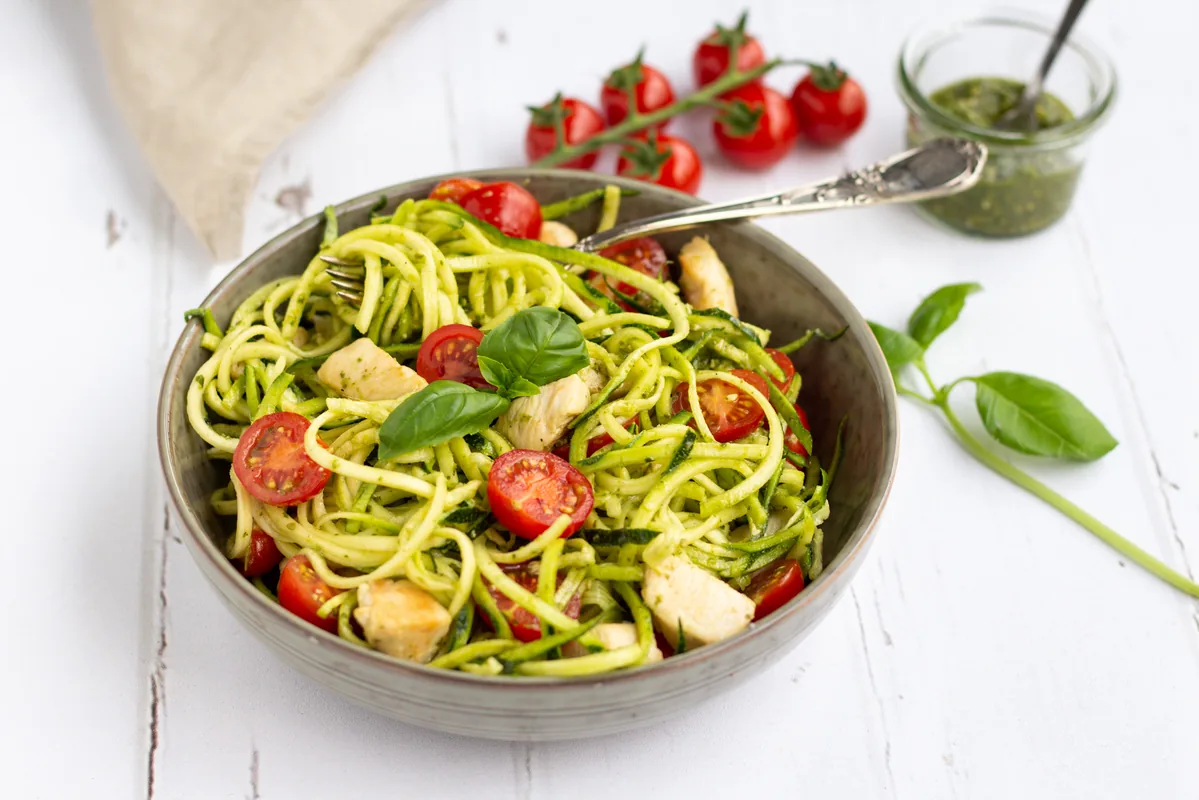
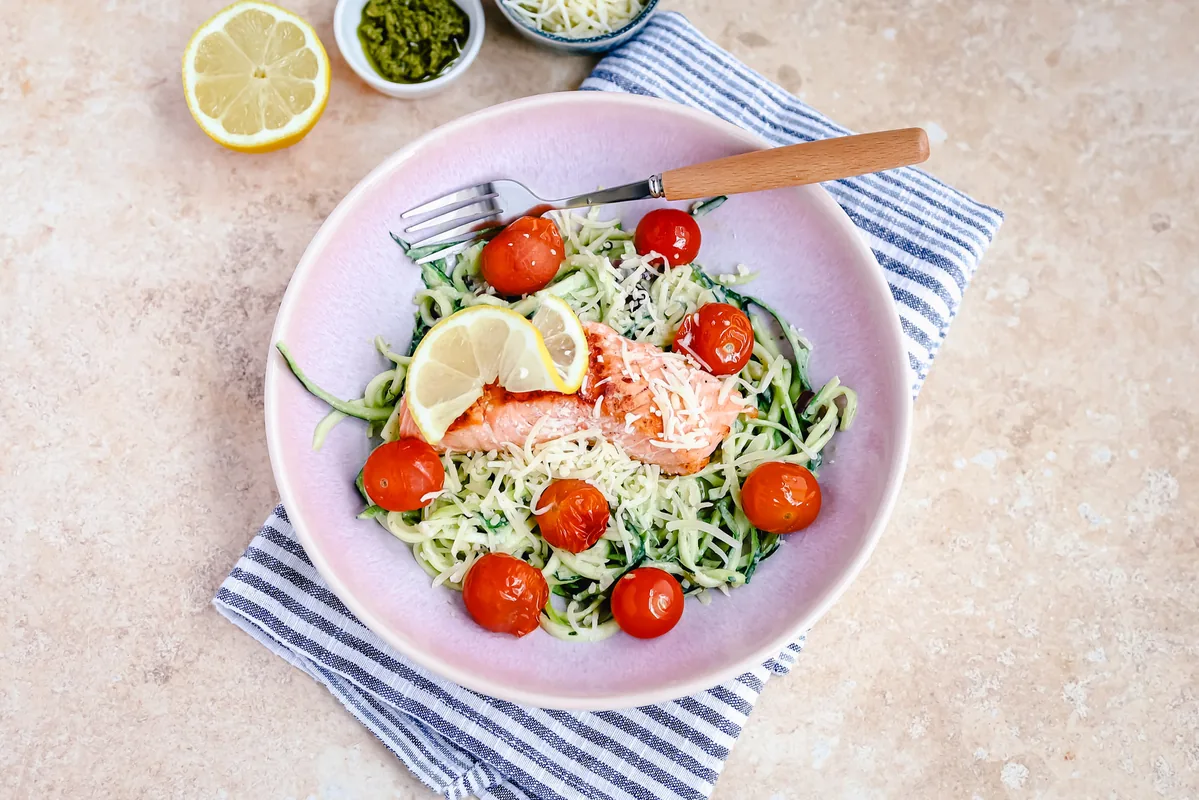
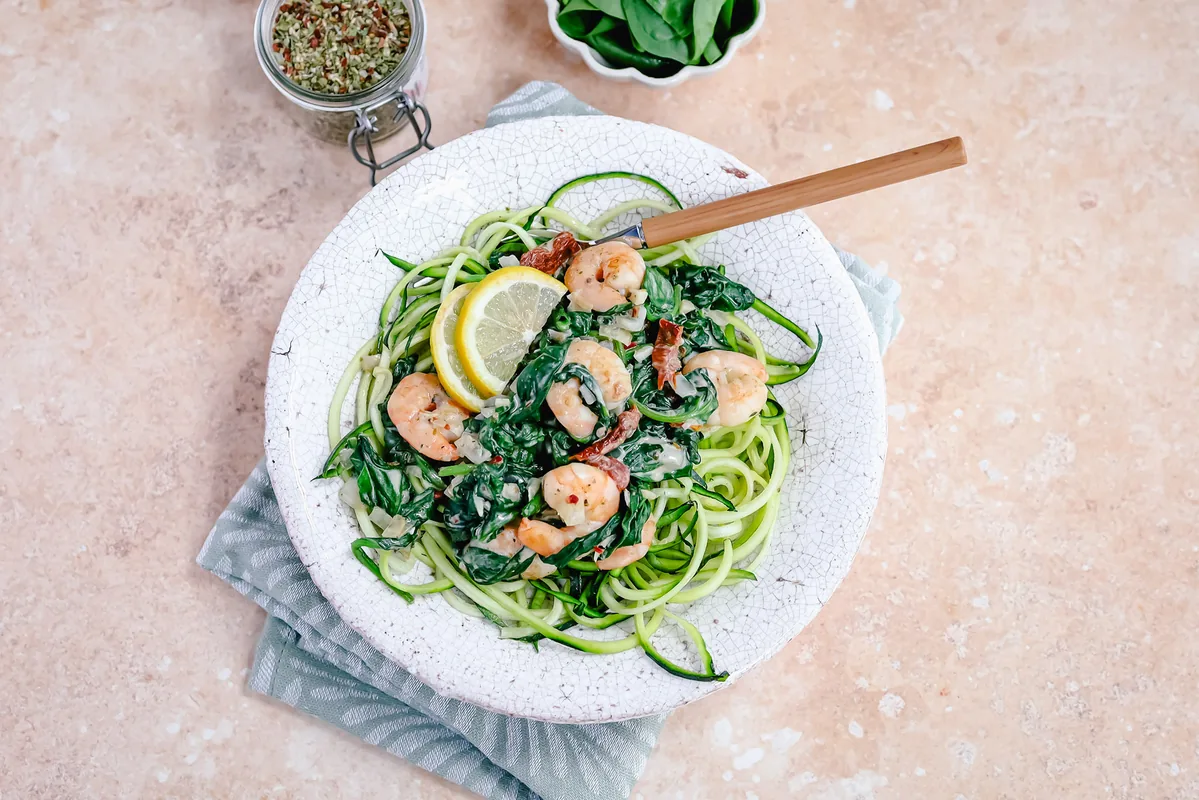
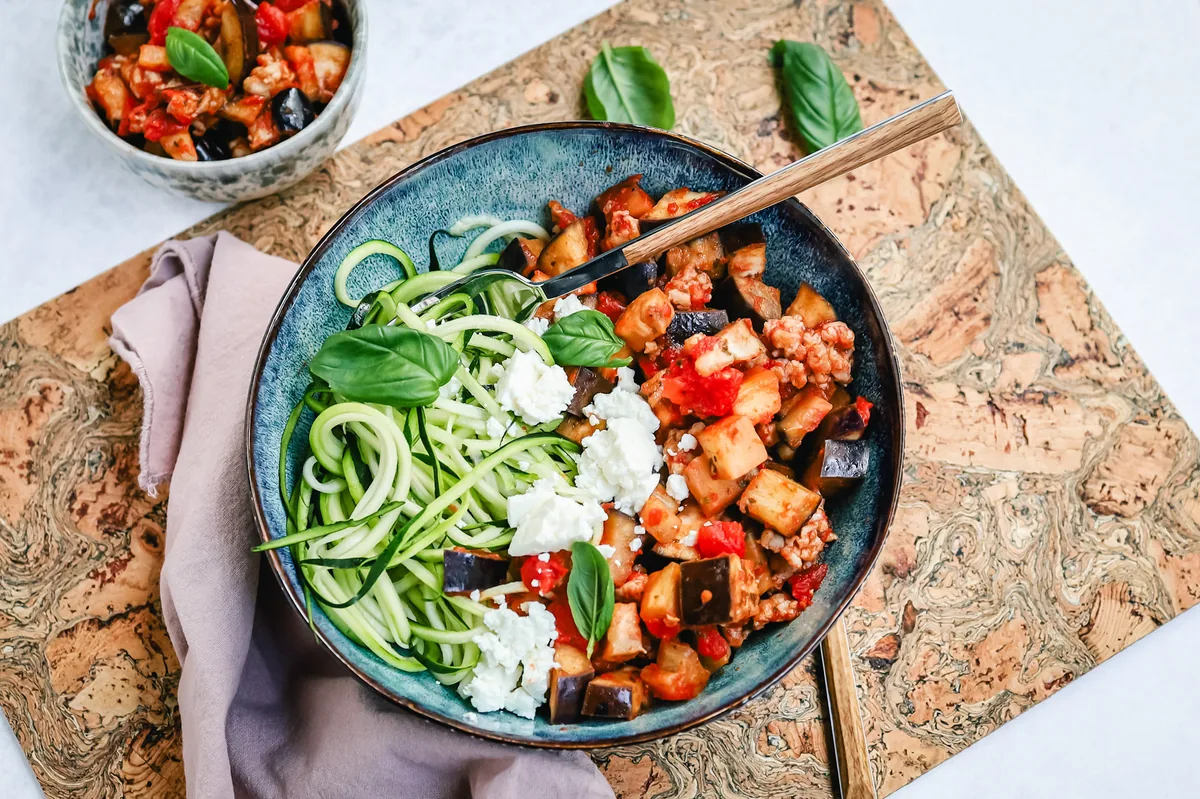
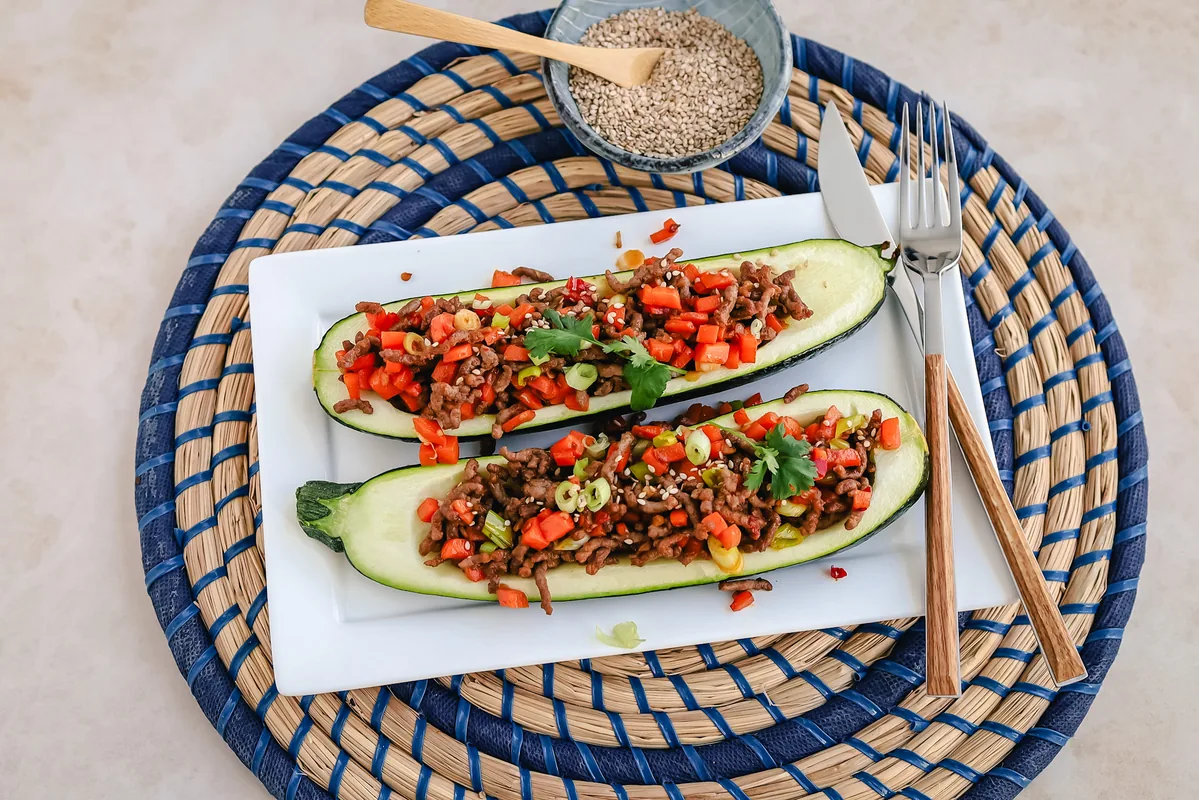
Subtract the carbs and watch where the calories go. Across these 172 recipes, median carbs land at 19 grams per meal, but median fat takes 56% of total energy. The recipes are not high-fat by design. They are high-fat by arithmetic: when one macronutrient drops below 30 grams, the remaining two split the plate, and fat wins on calorie density every time.
That 56% looks alarming if the last decade of clean eating taught you that fat is the problem. A Cochrane review of 57,000 people found it is not: fat reduction produces weight loss only through calorie displacement, not because dietary fat has special fattening properties. Calorie-matched comparisons showed macro composition did not determine weight change. The mechanism is energy balance, not fat avoidance.
Meanwhile, the carb number itself matters less than the debate suggests. Across 5,192 participants, diets at 30% carbs and diets at 60% carbs produced the same body-weight outcomes when protein and calories held constant. The recipes here sit at the low end of that spectrum, 19 grams median, but the science says the spectrum is flat.
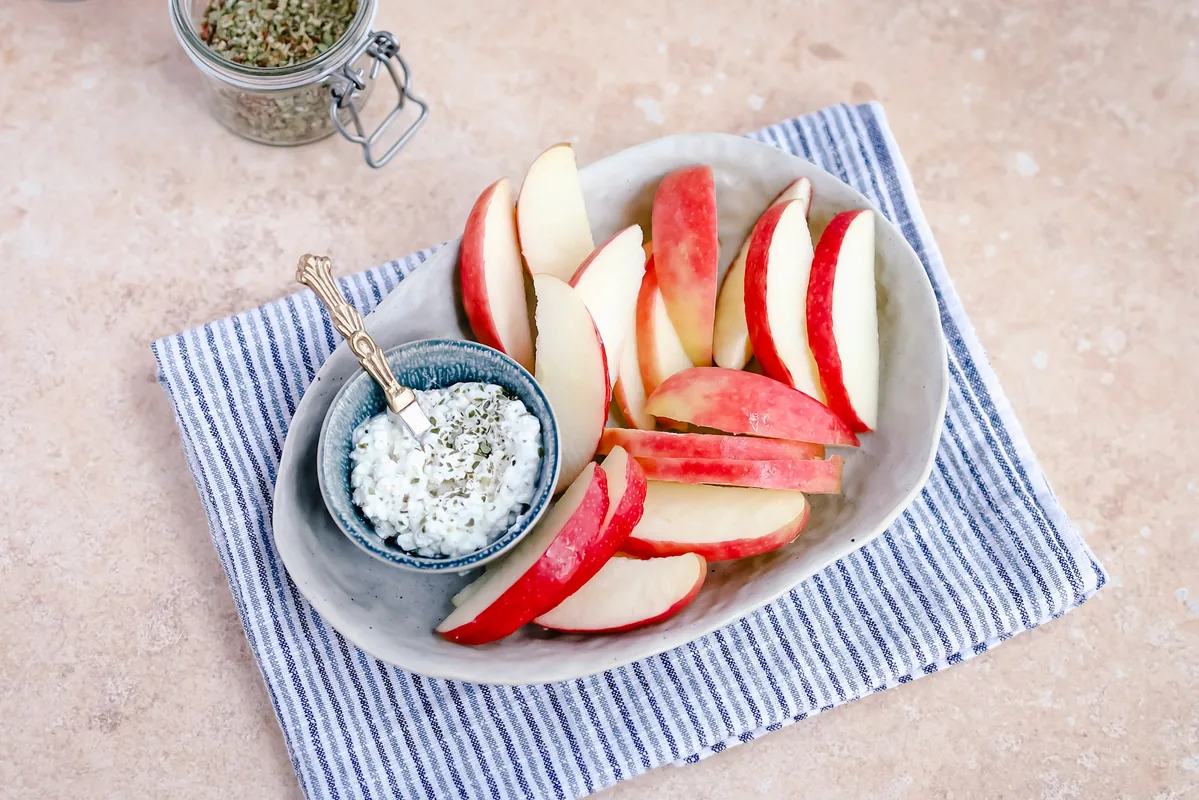
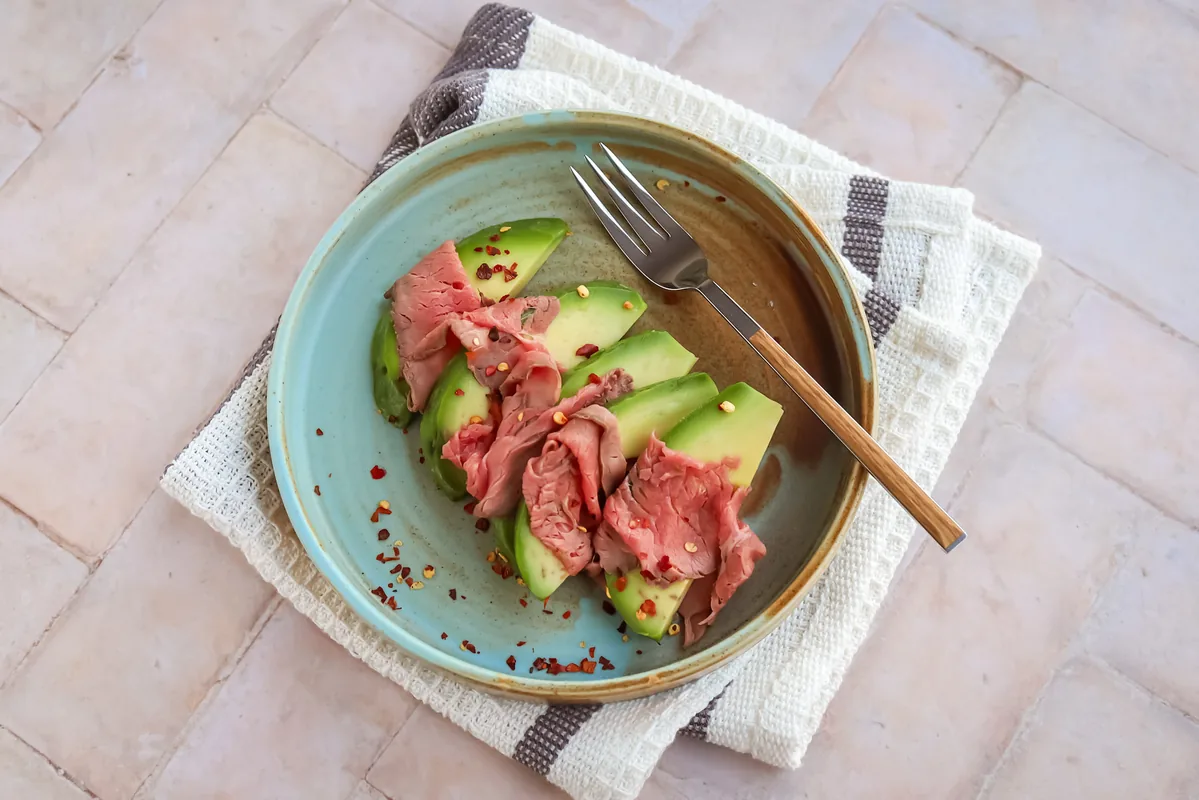
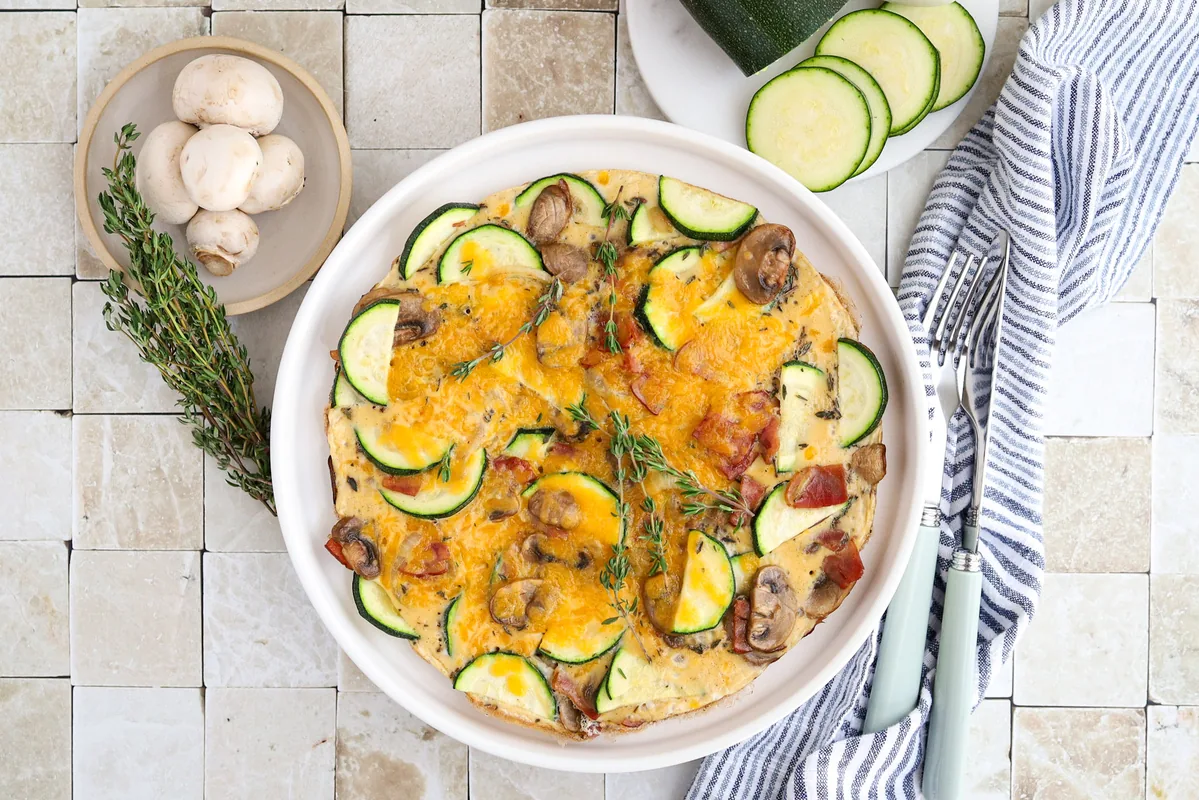
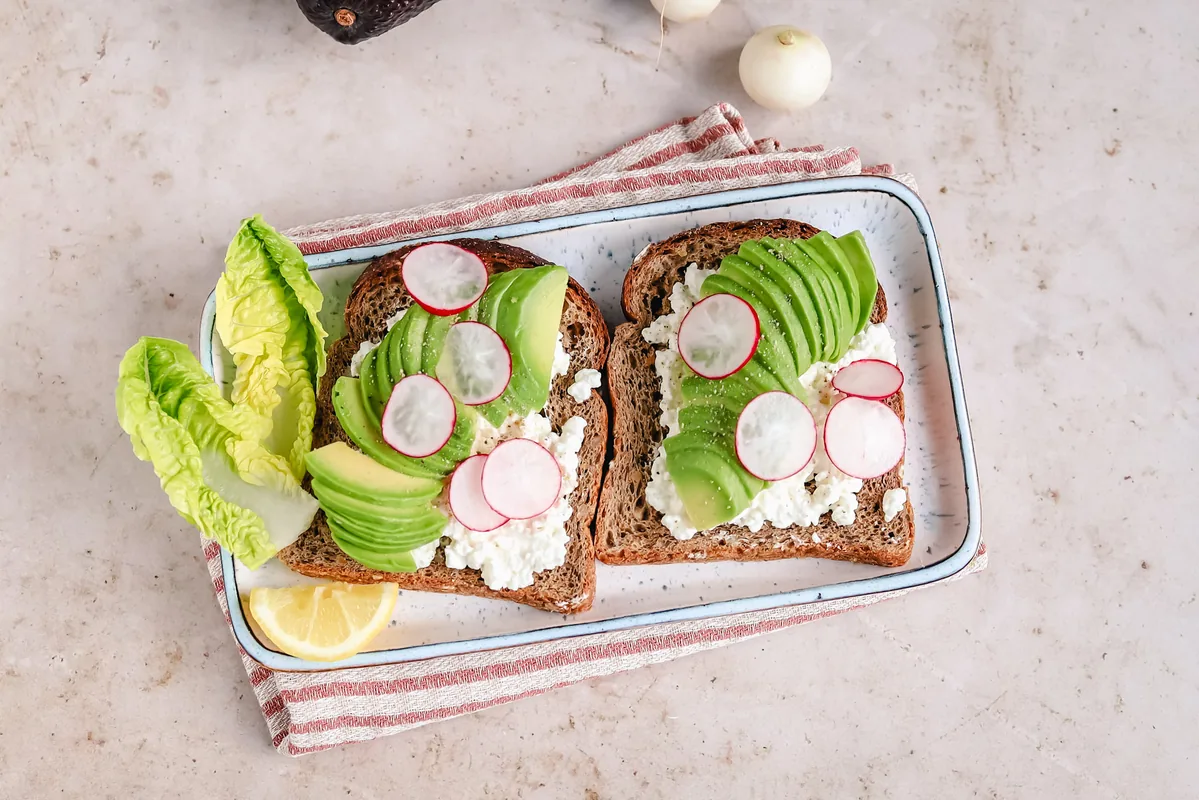
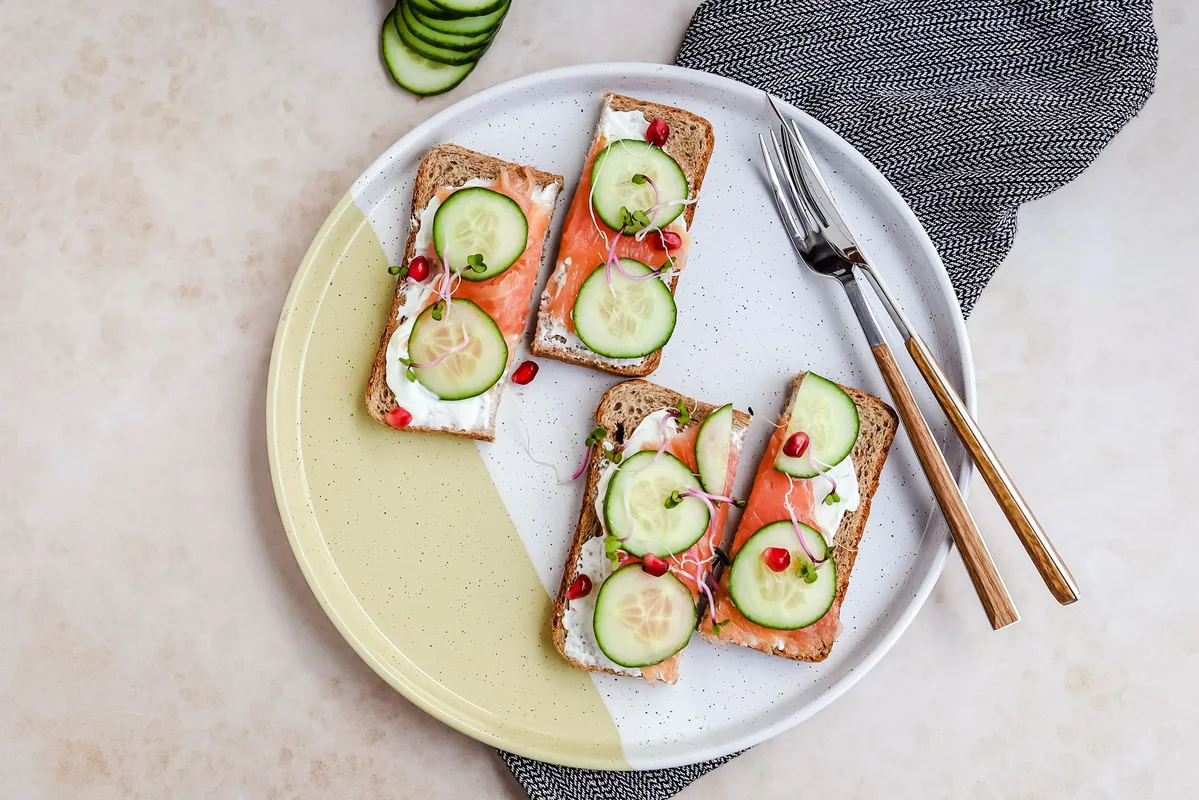
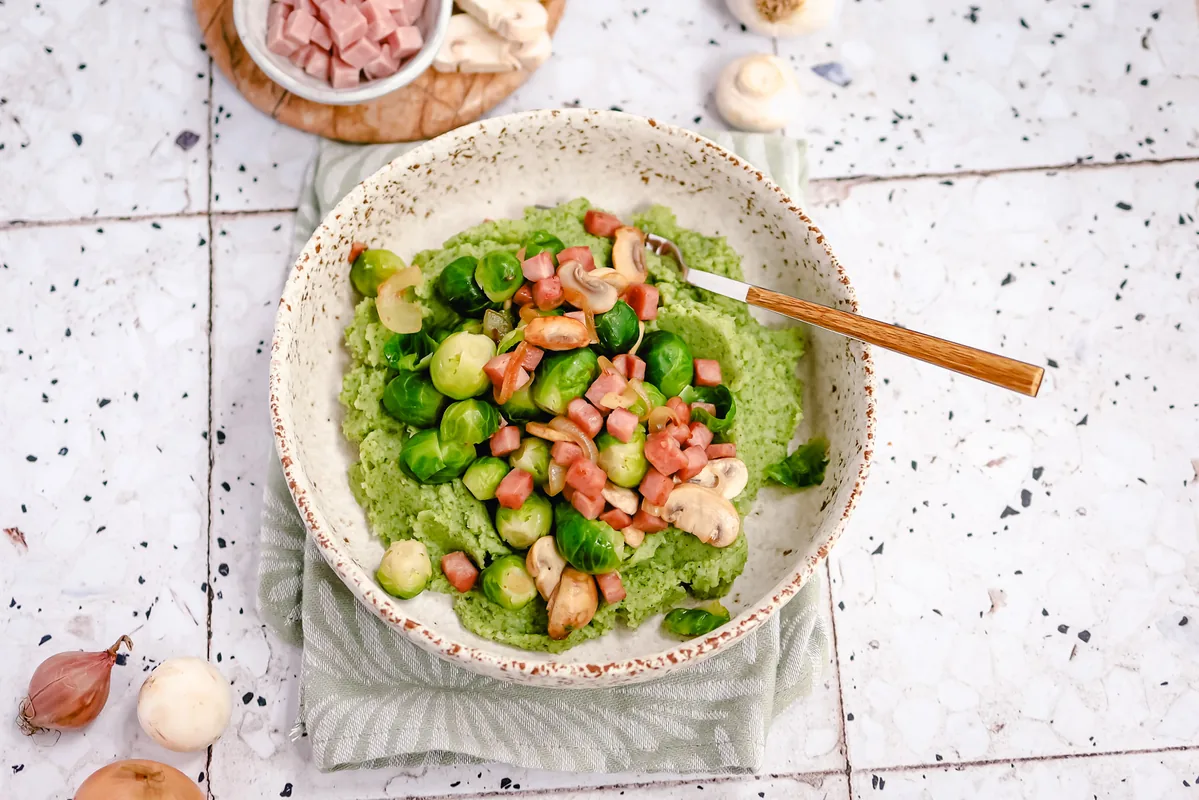
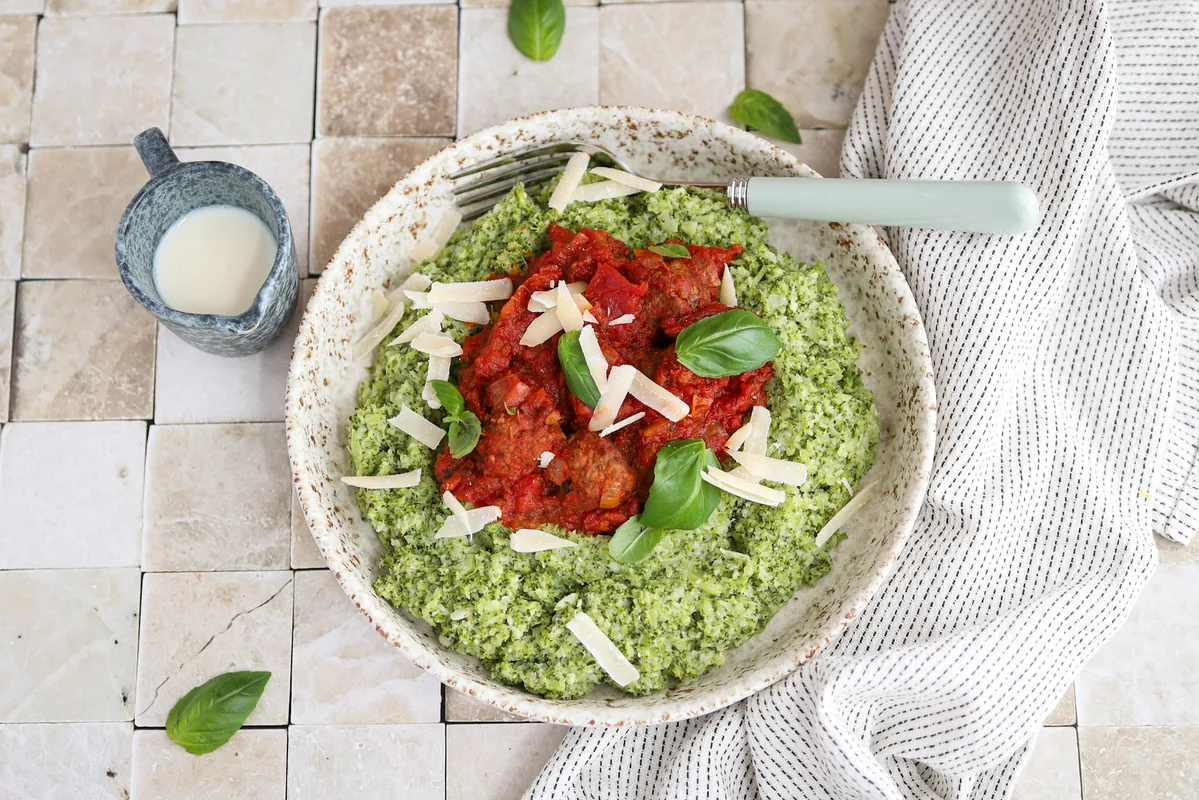
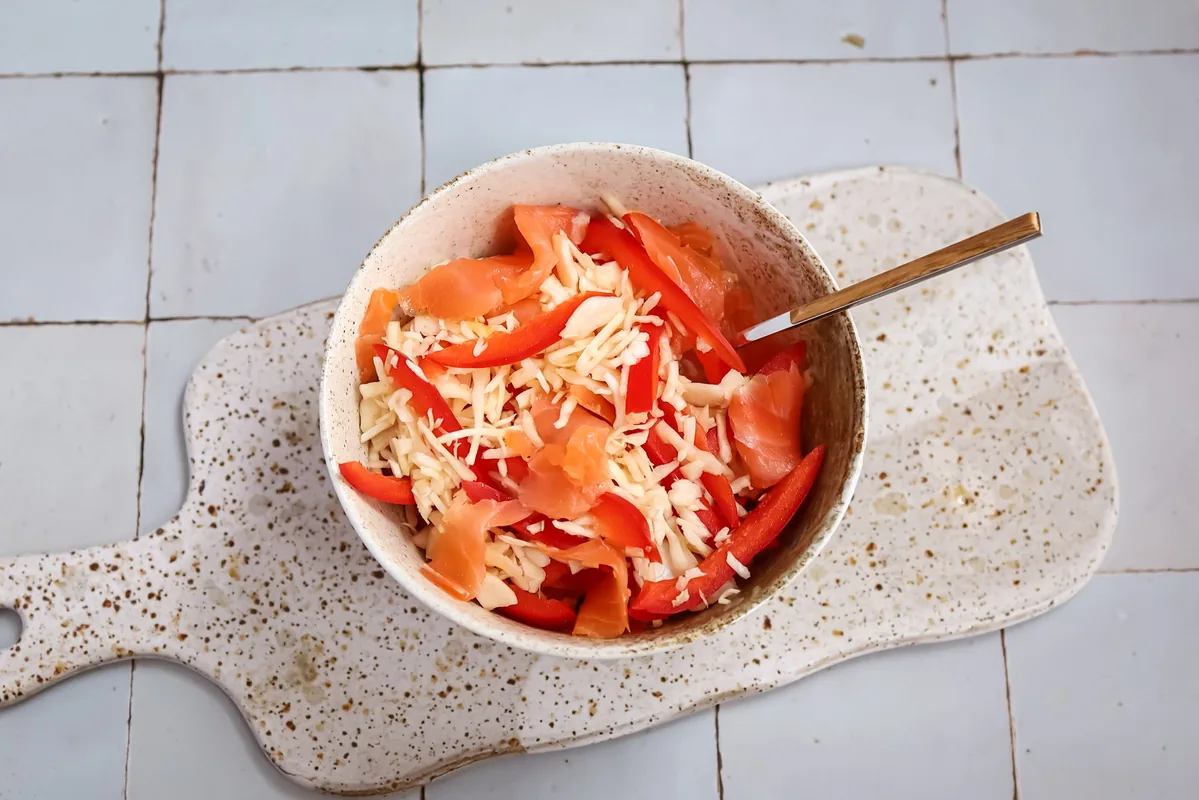
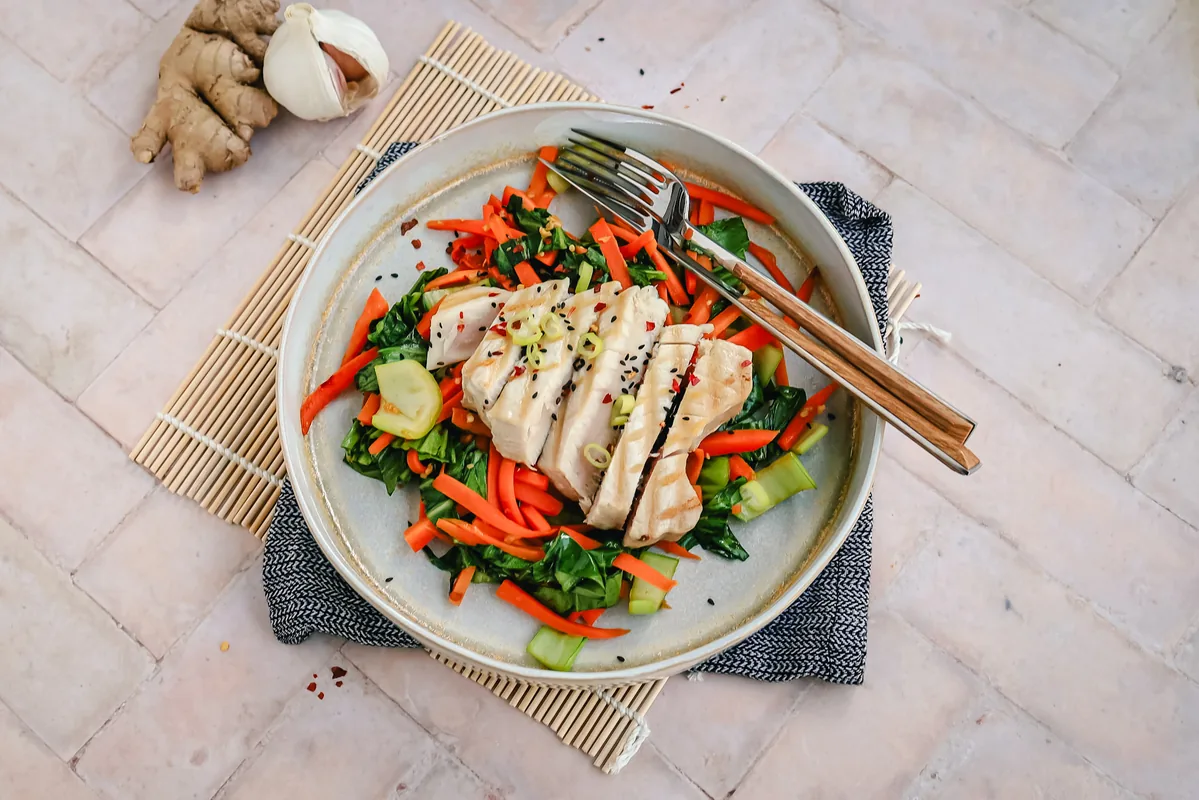
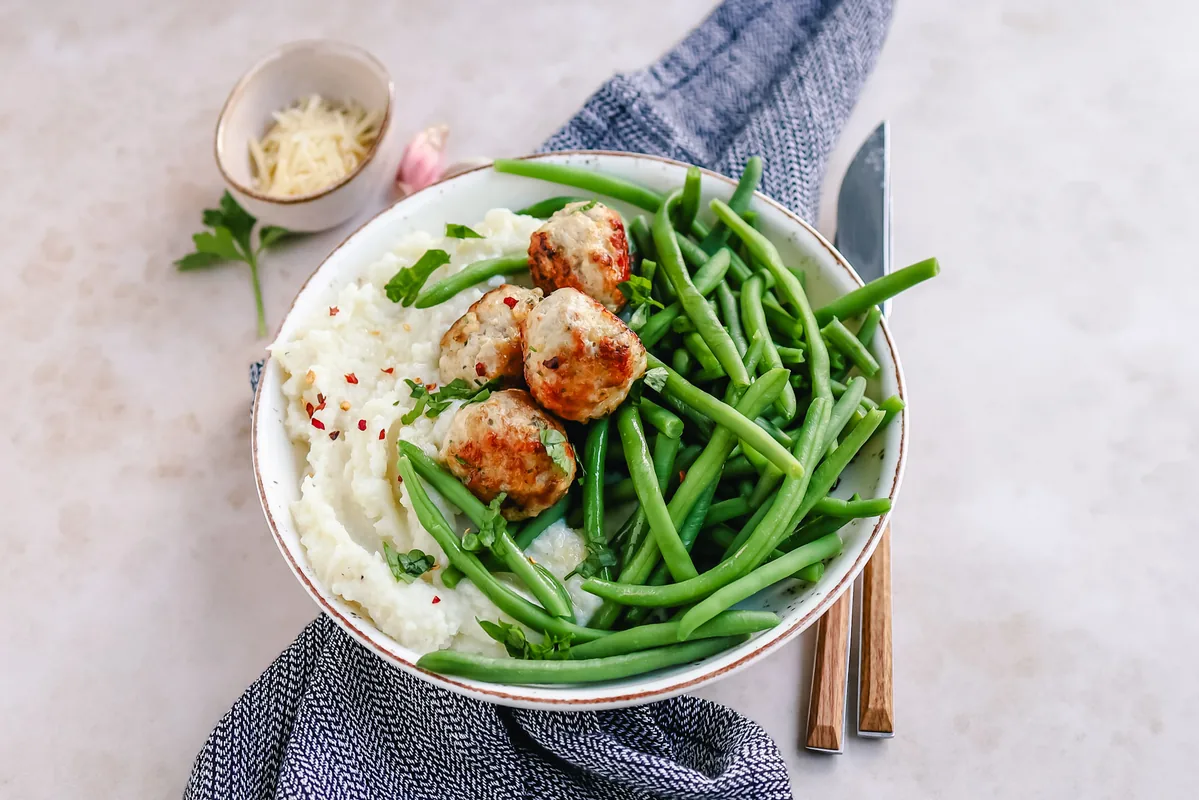
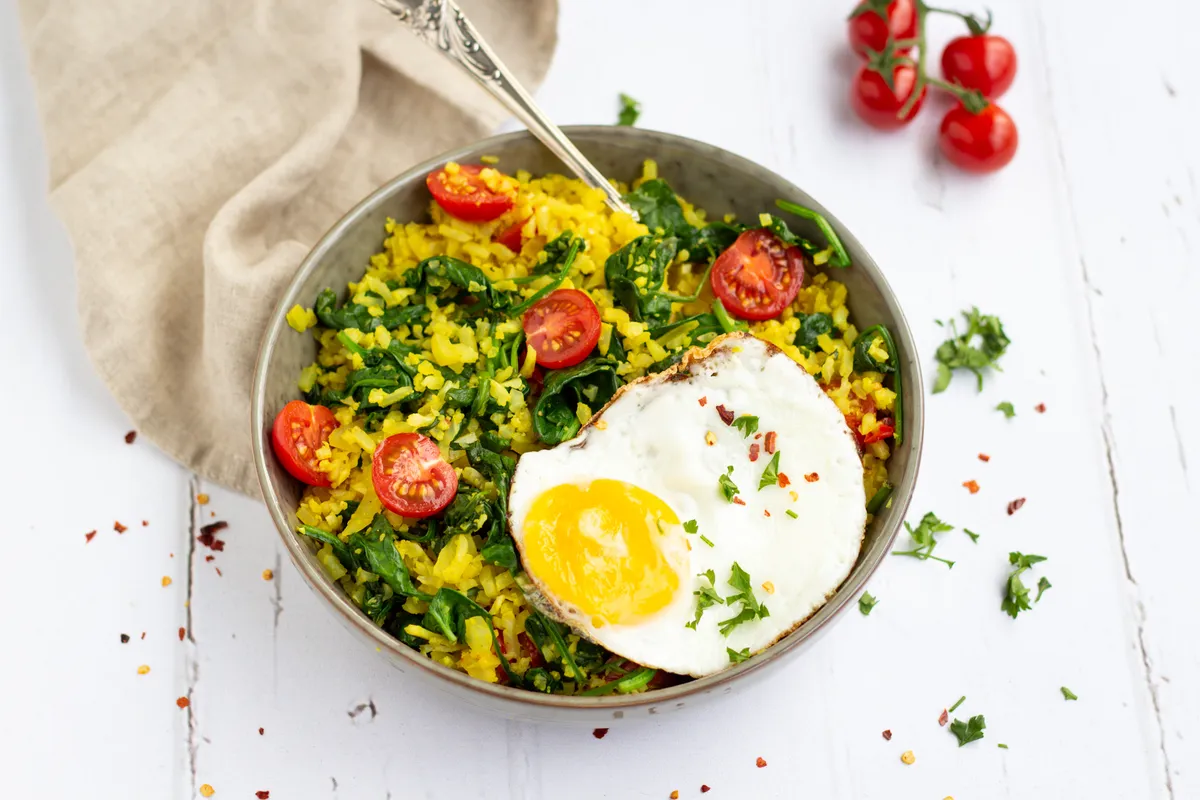
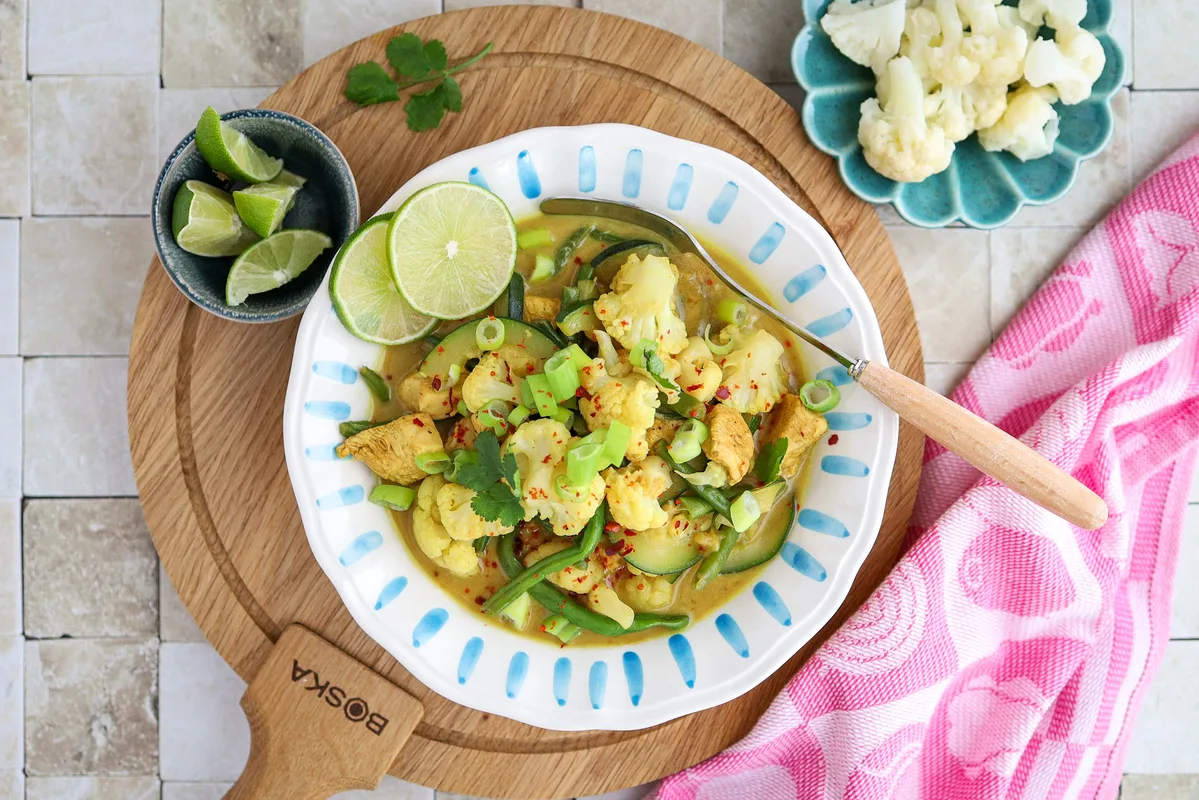
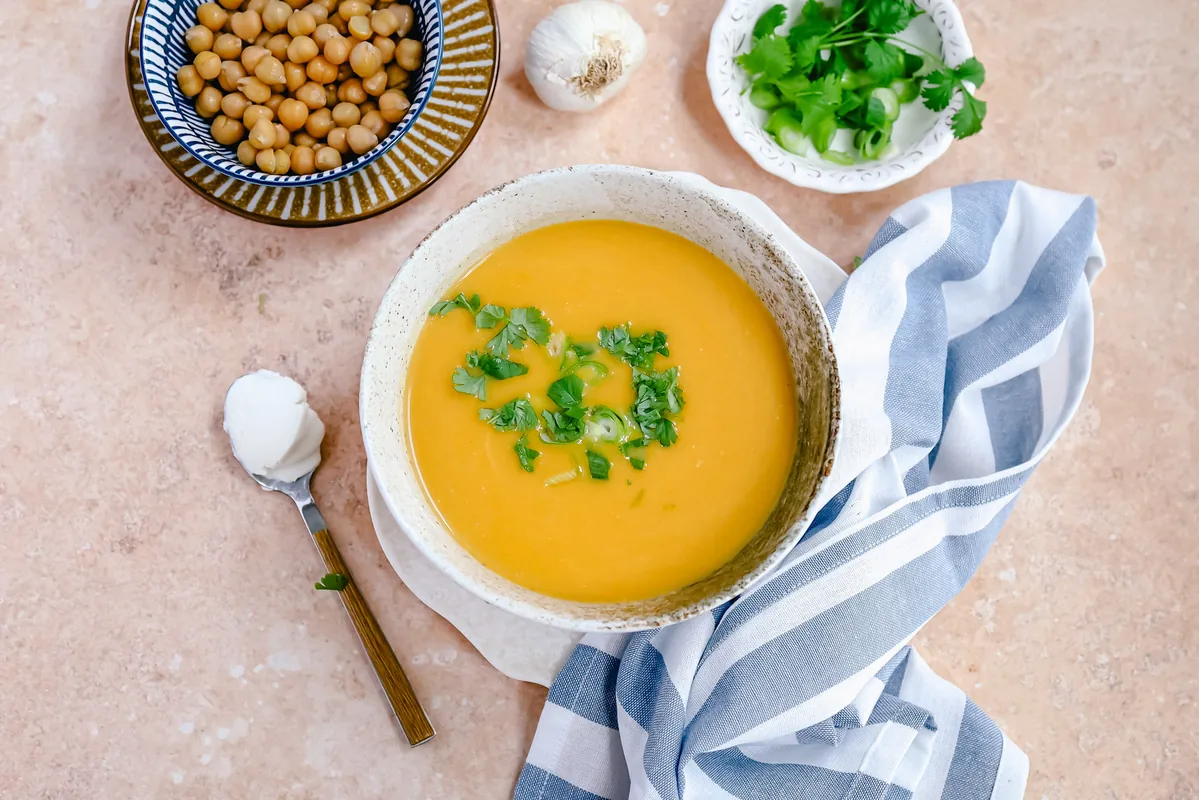
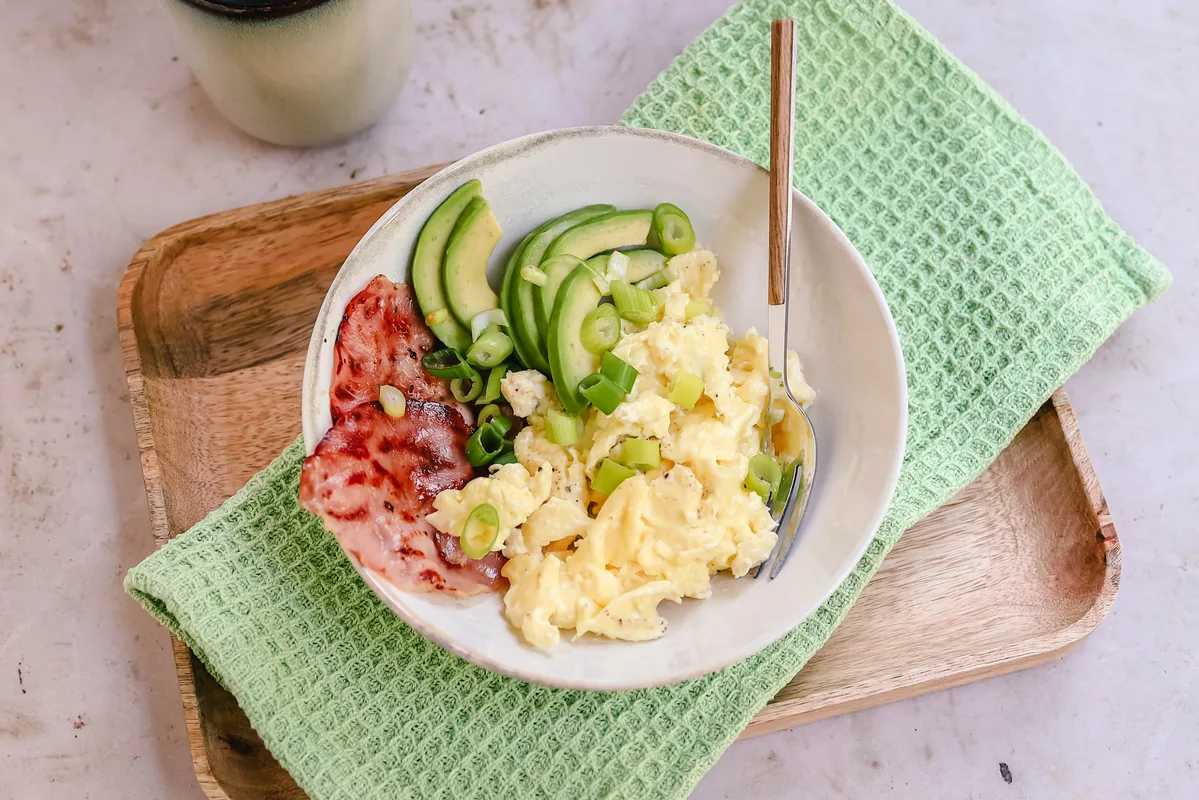
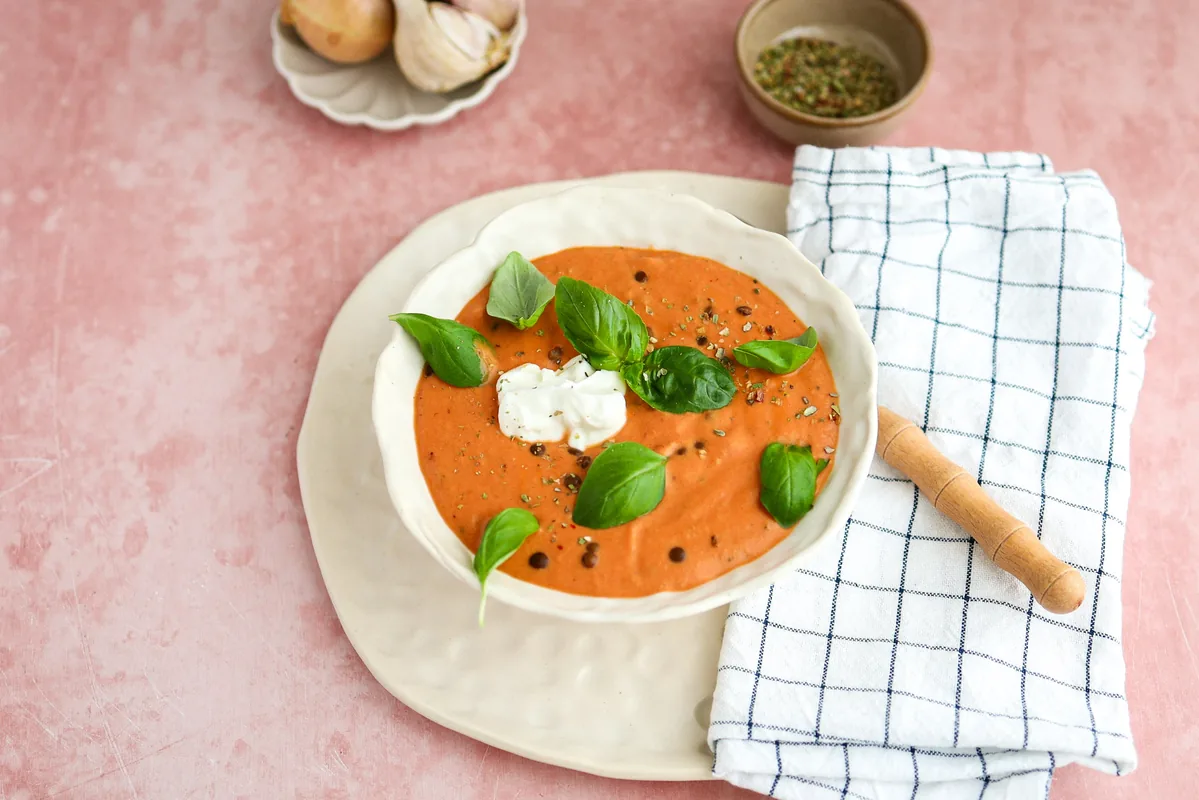
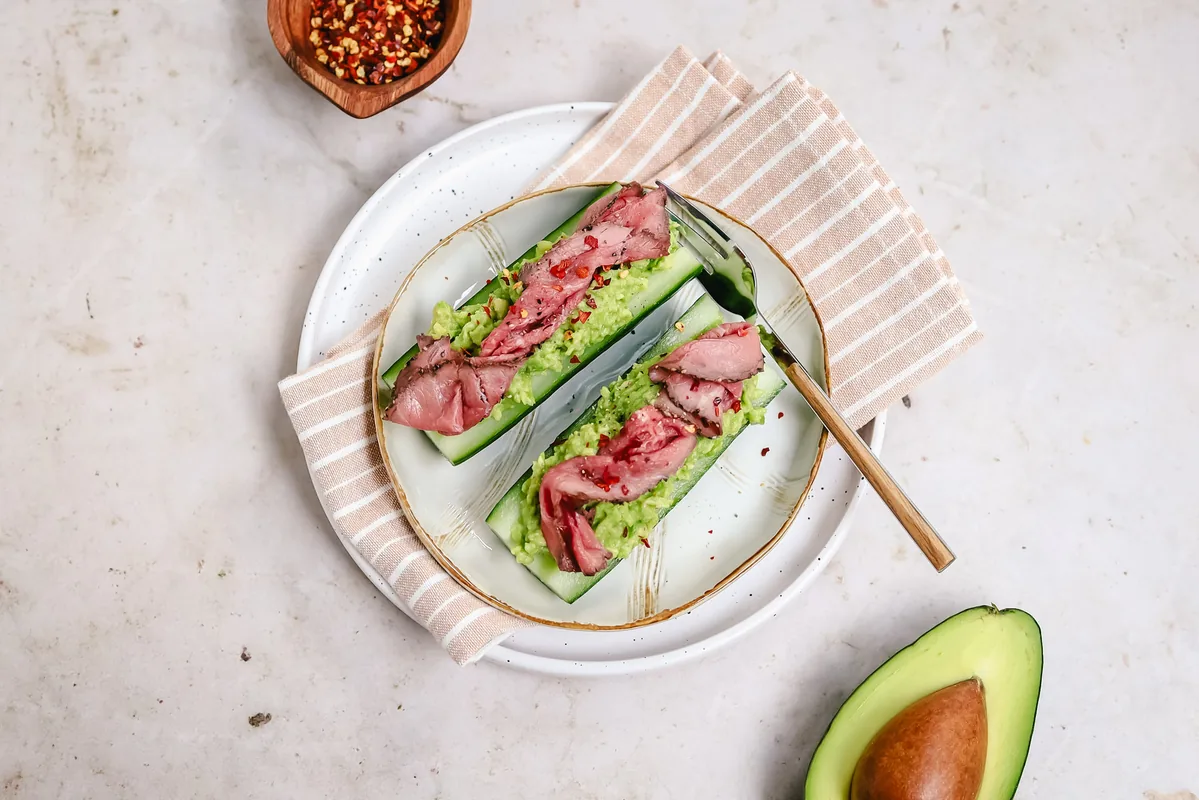
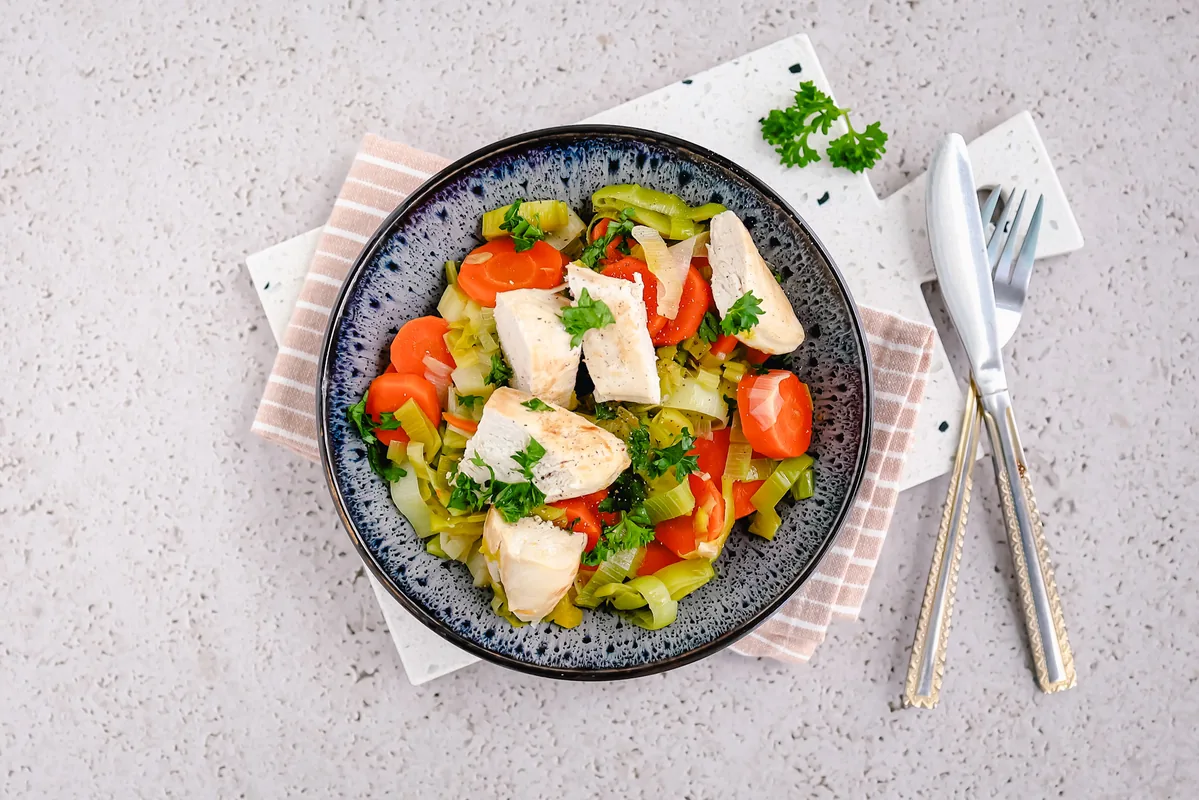
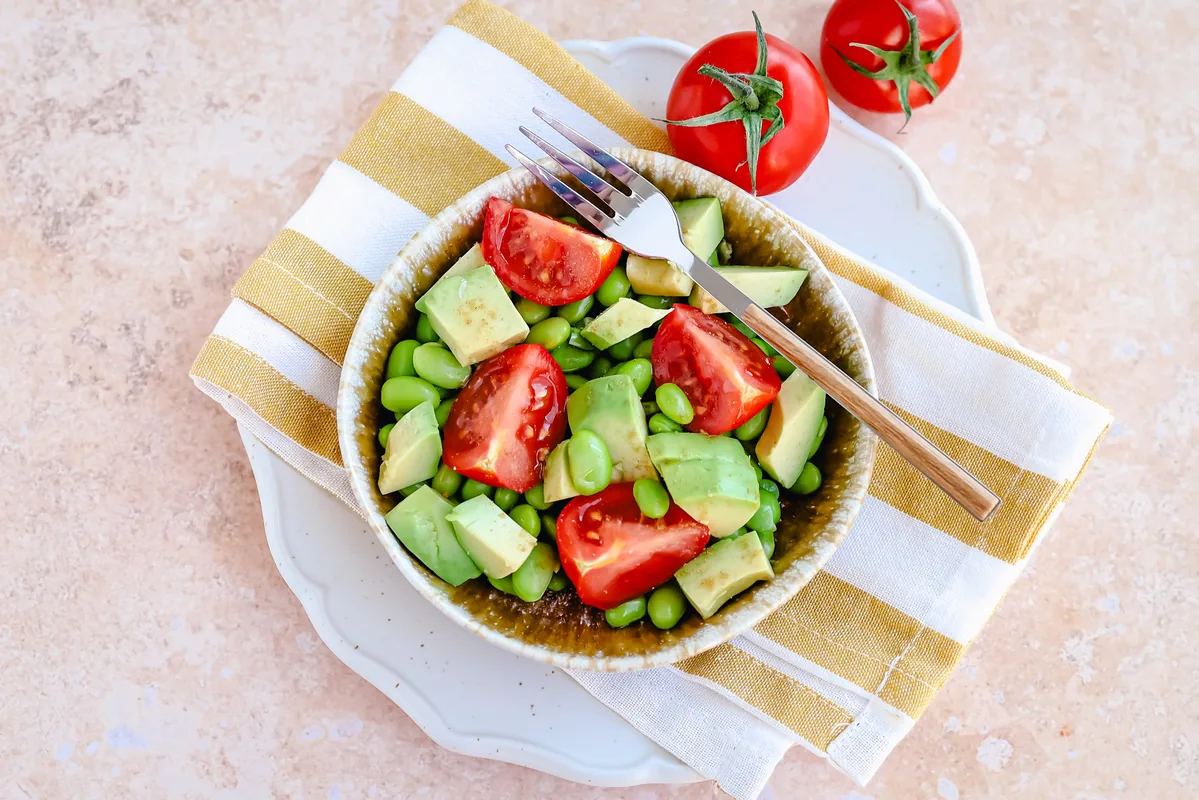
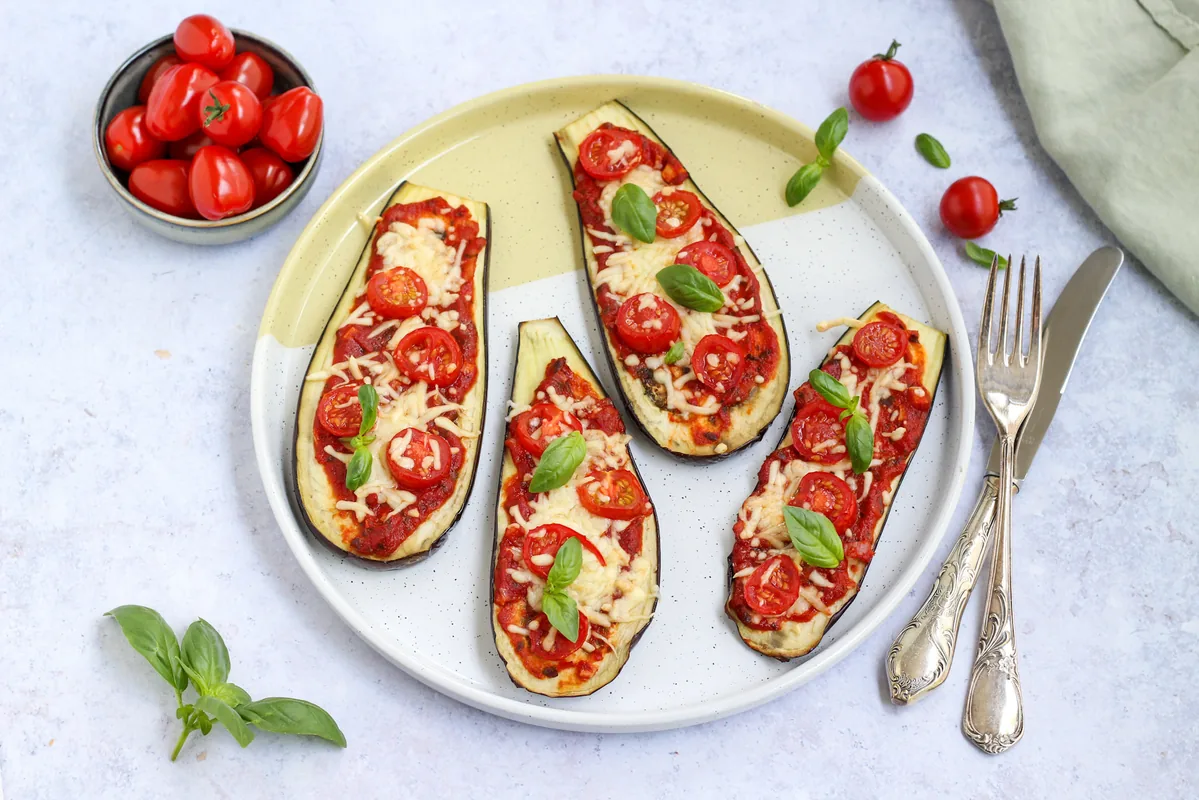
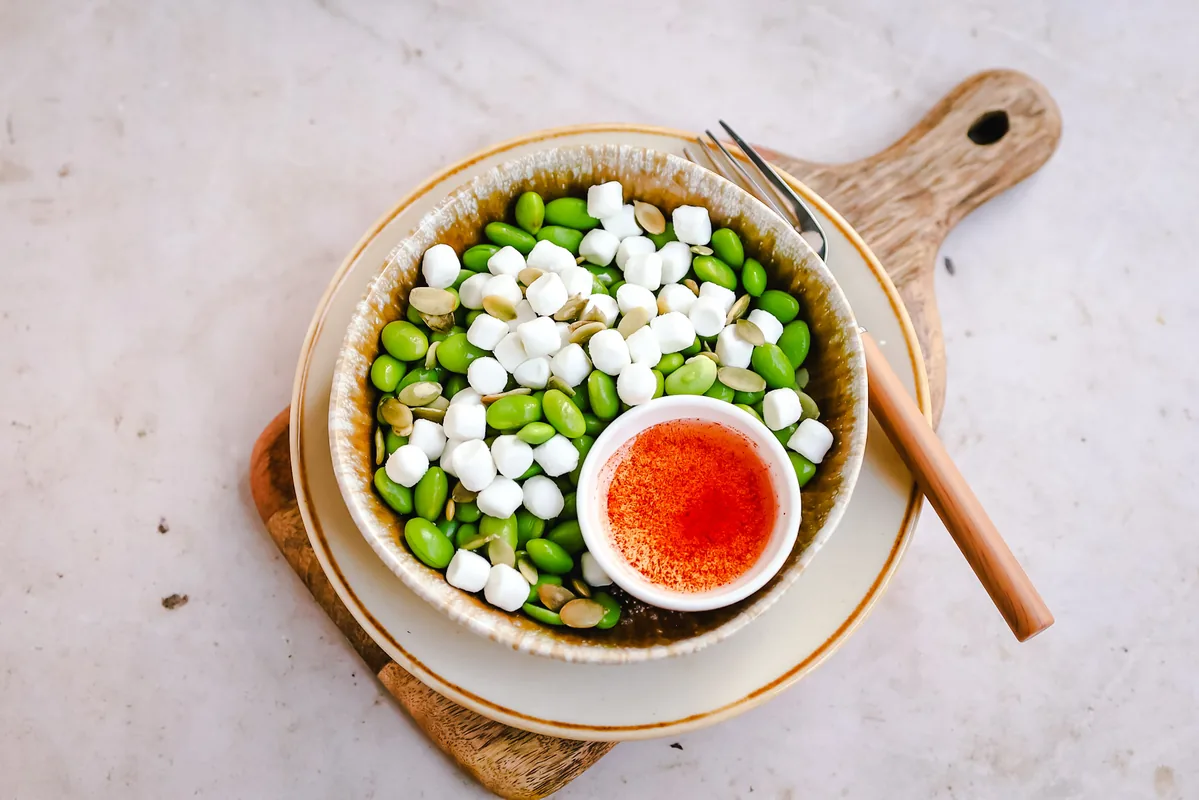
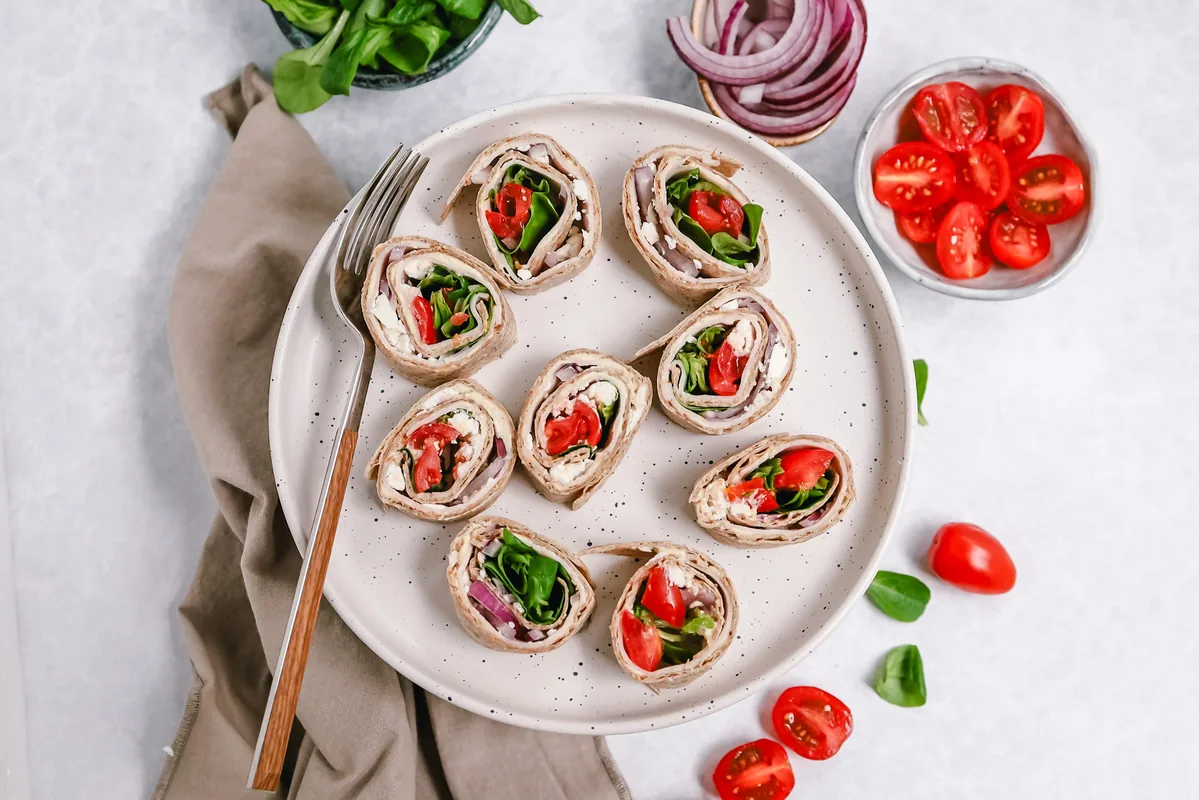
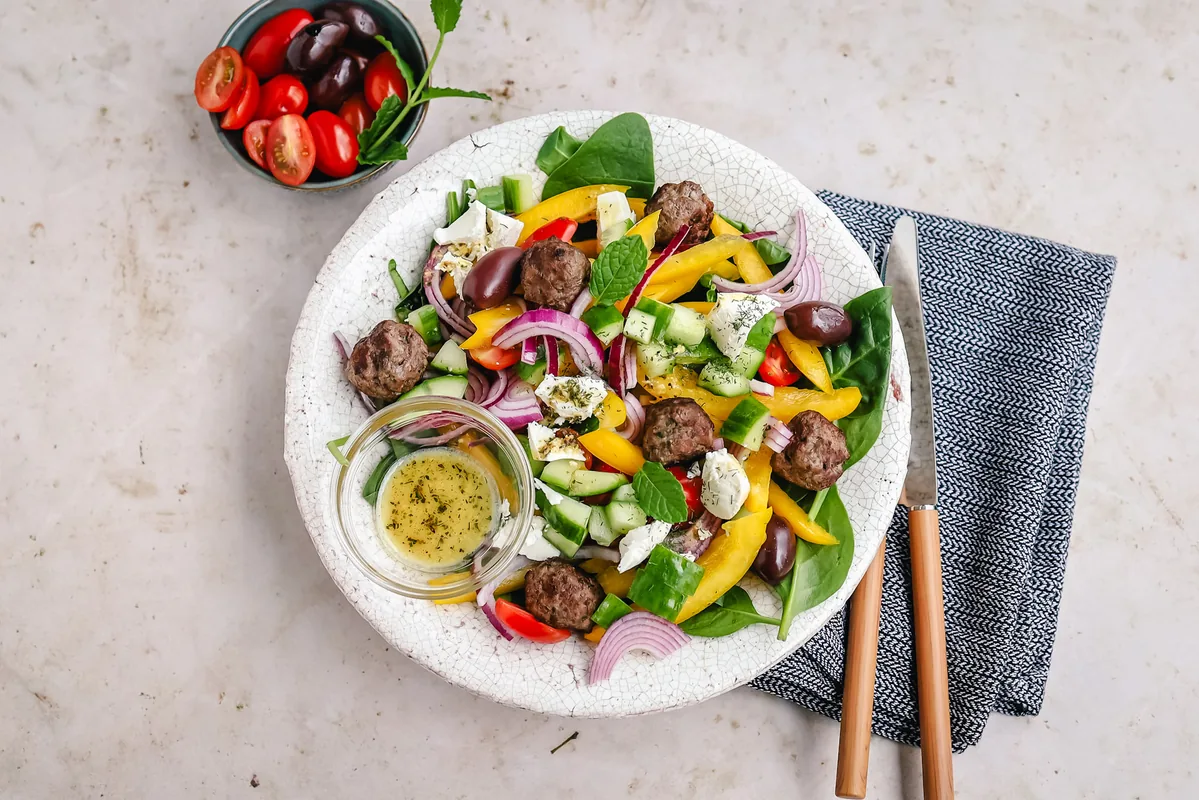
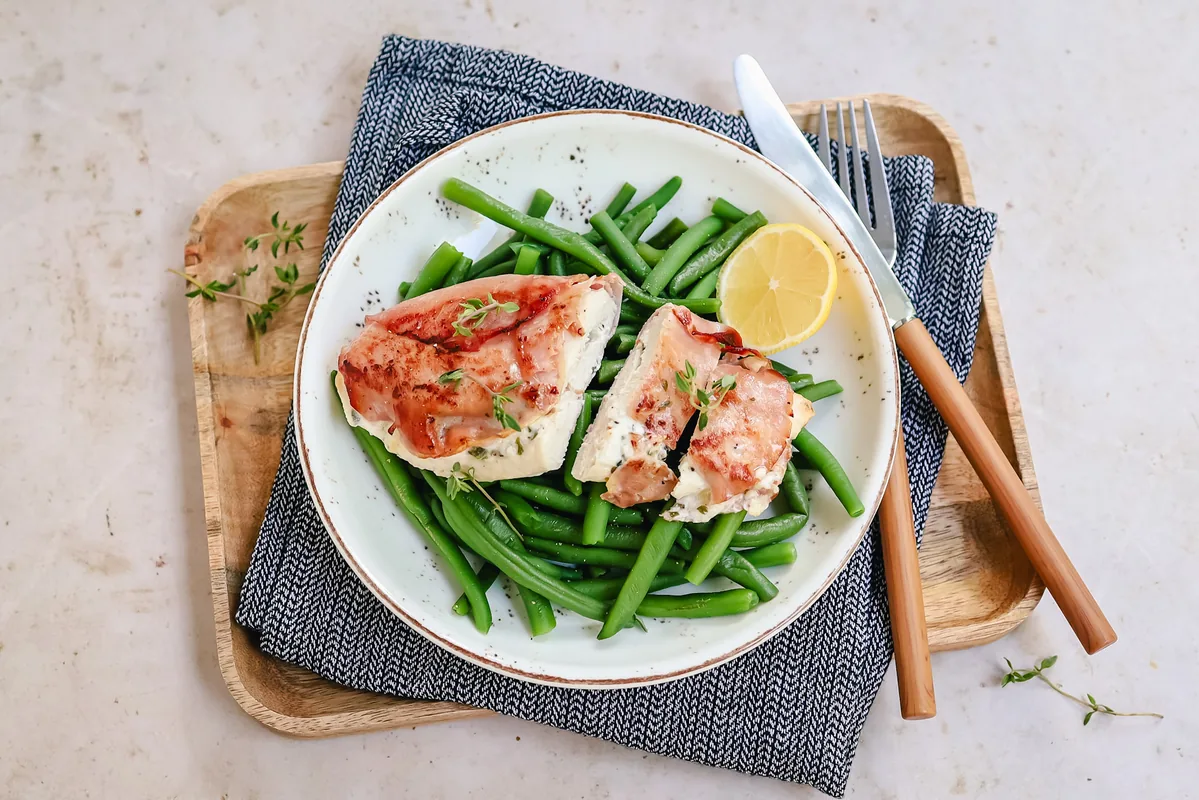
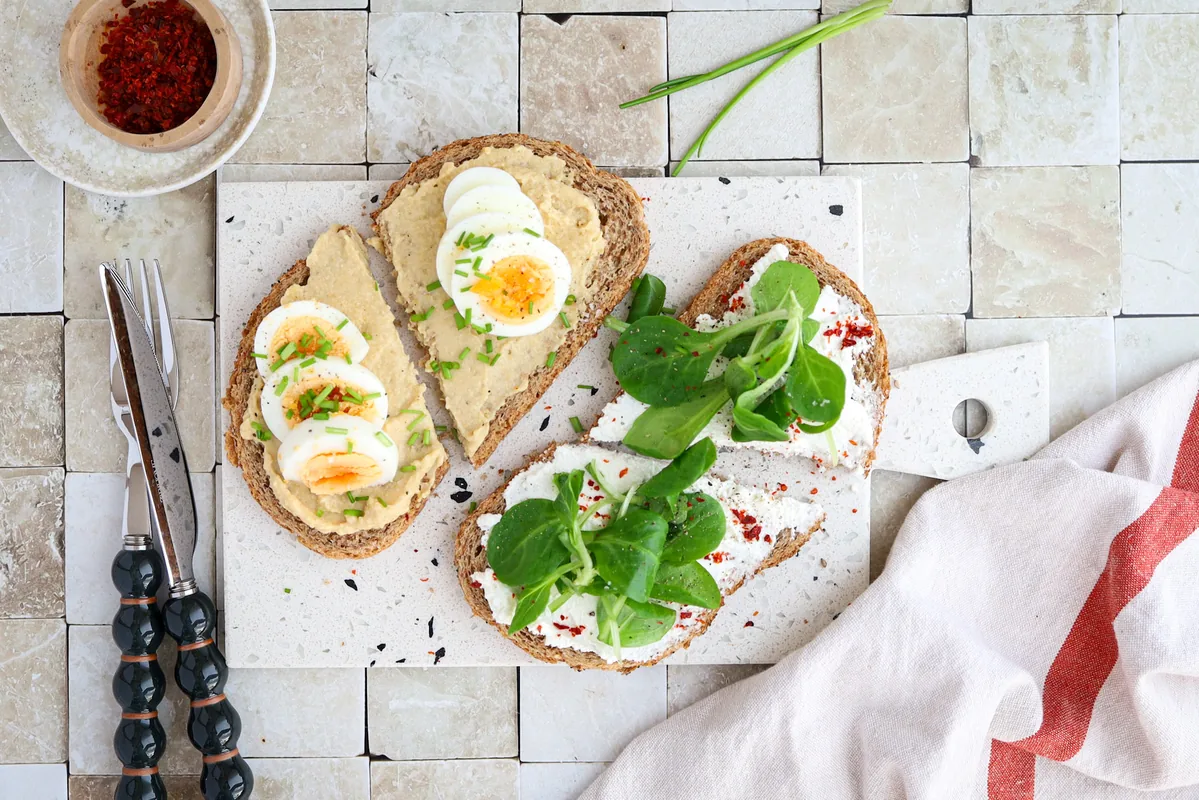
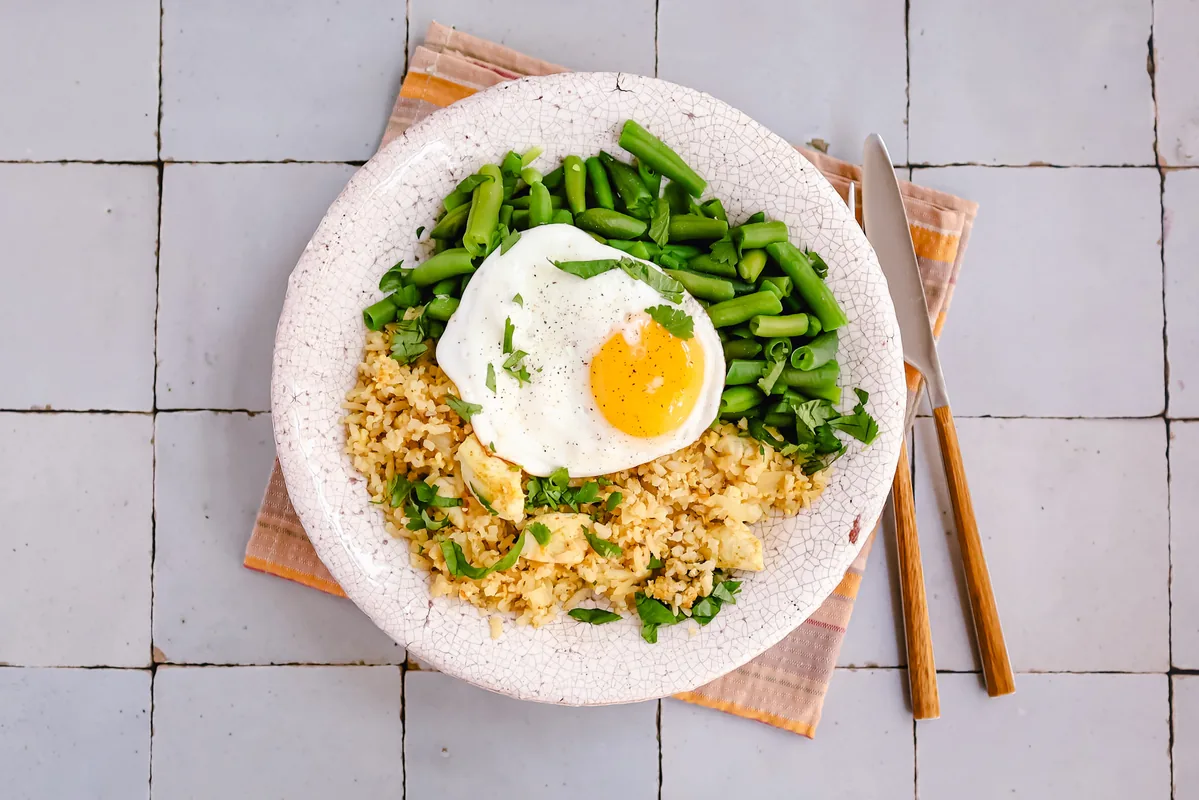
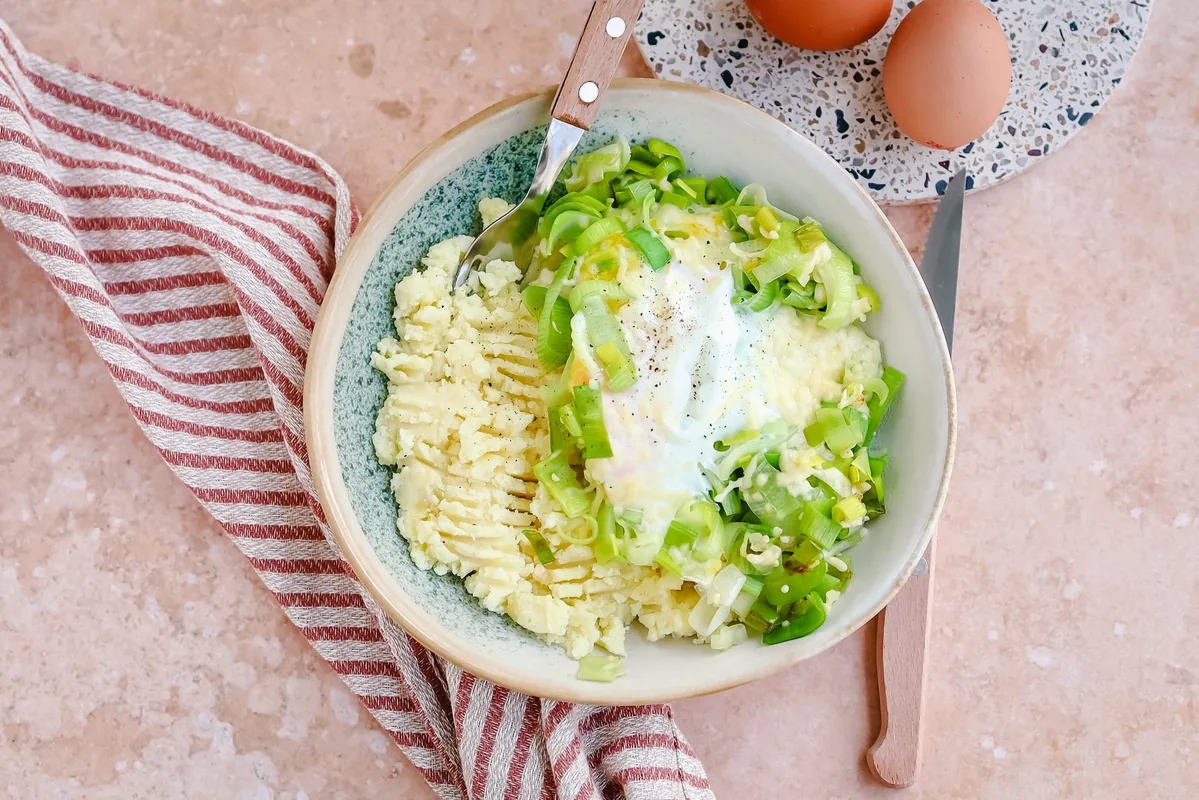
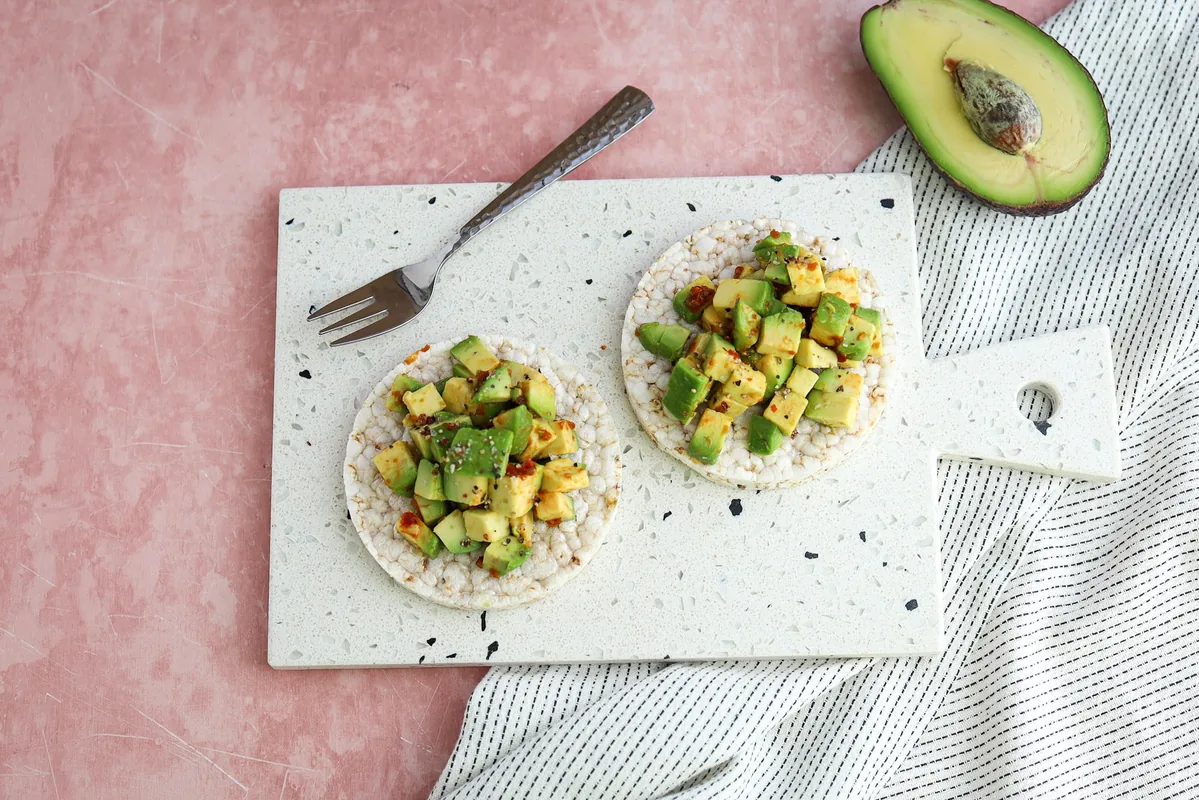
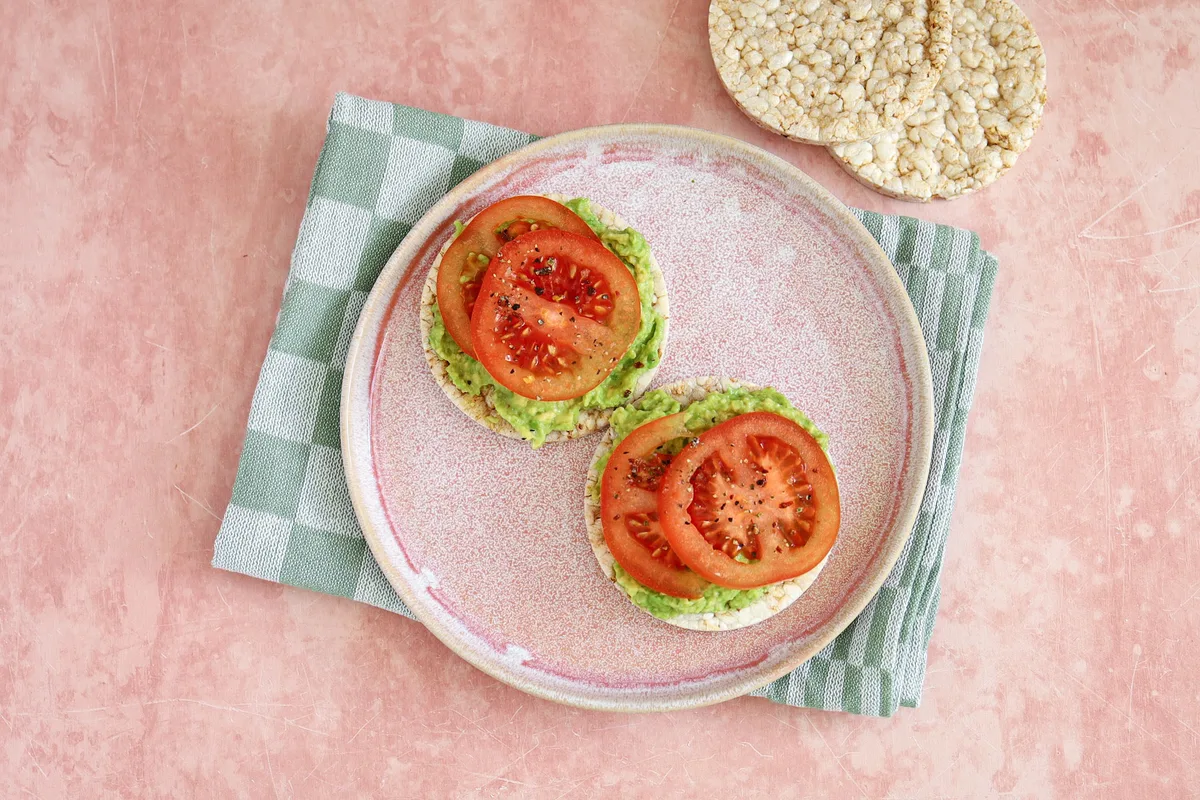
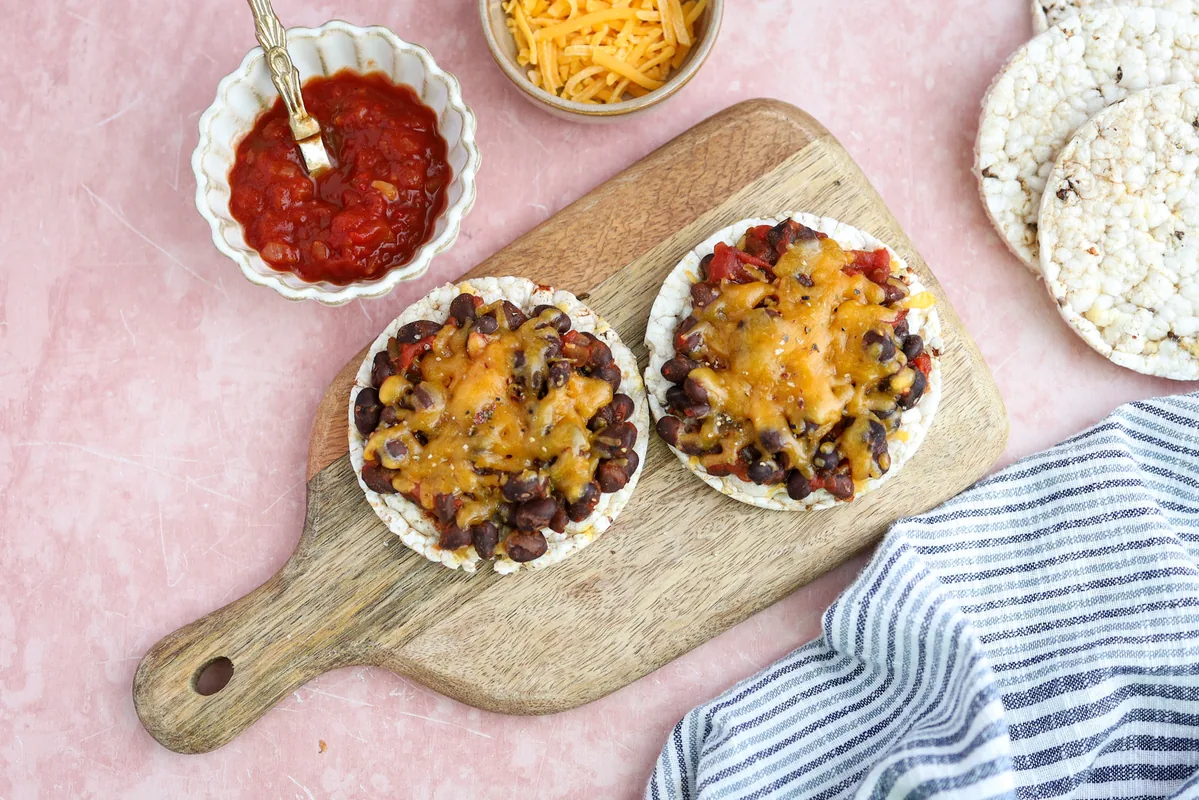
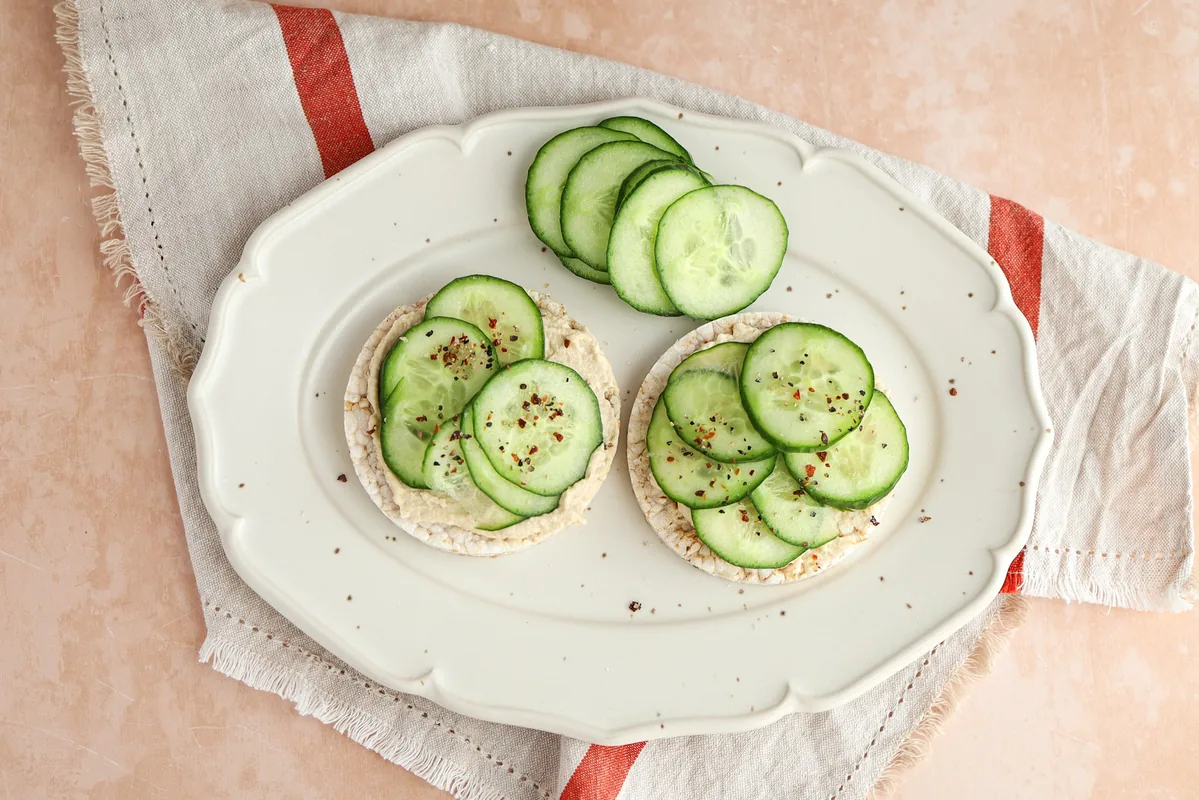
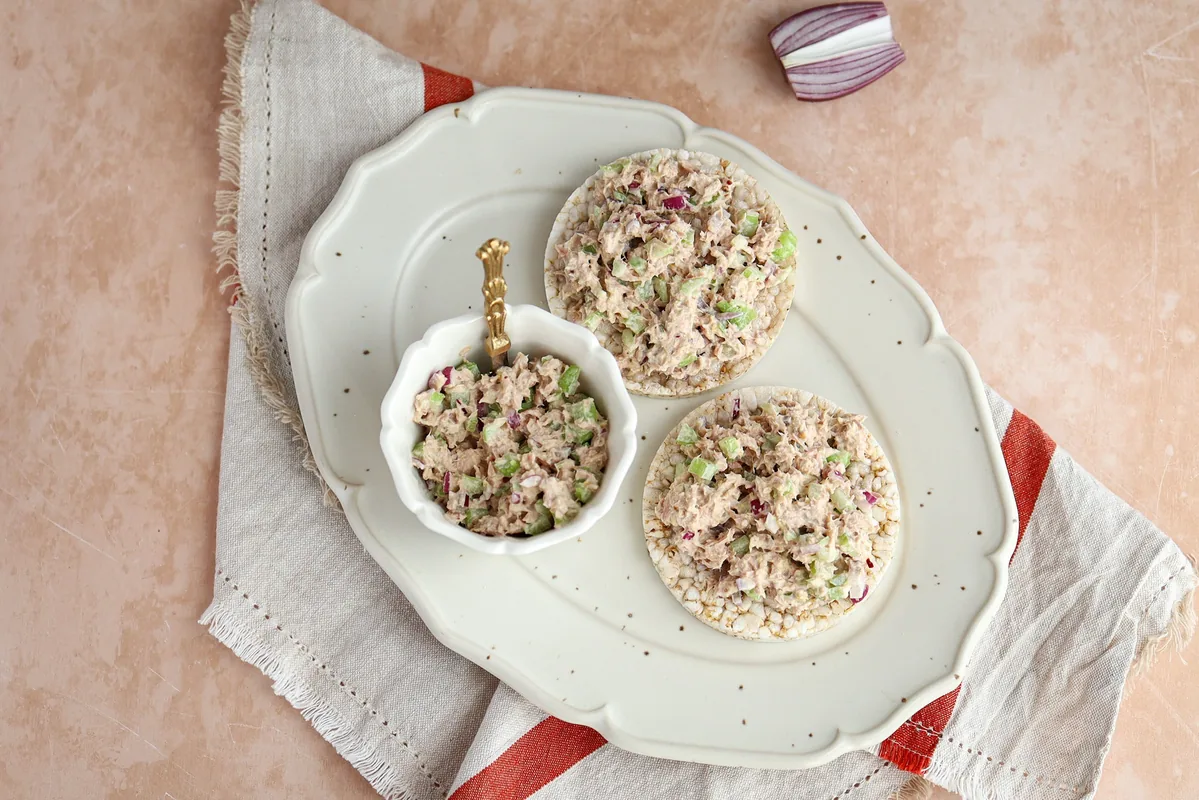
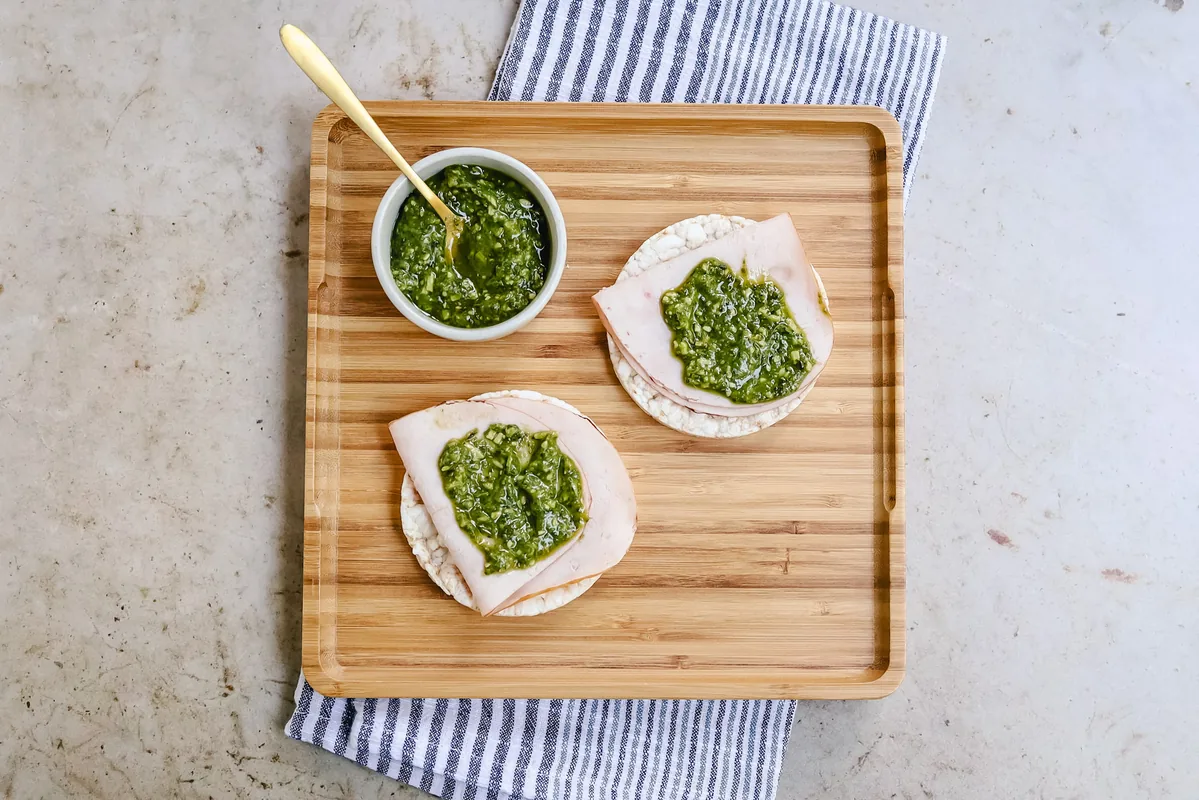
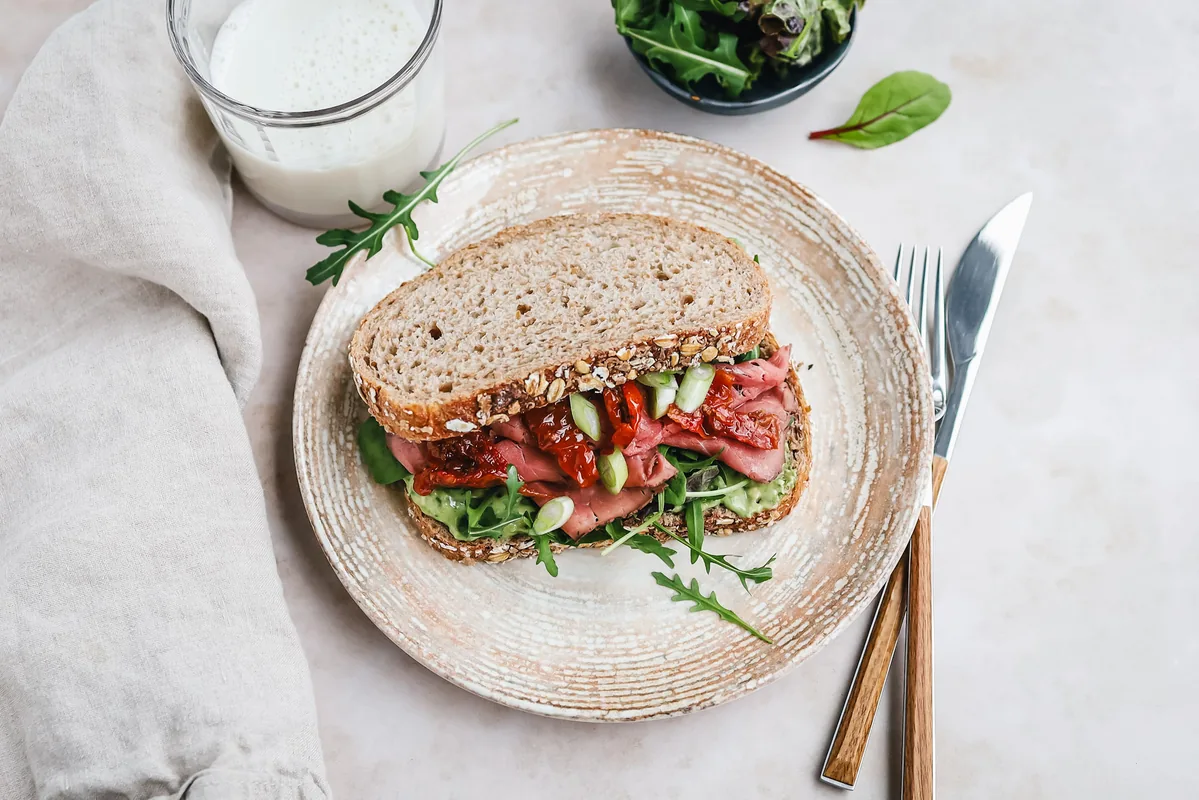
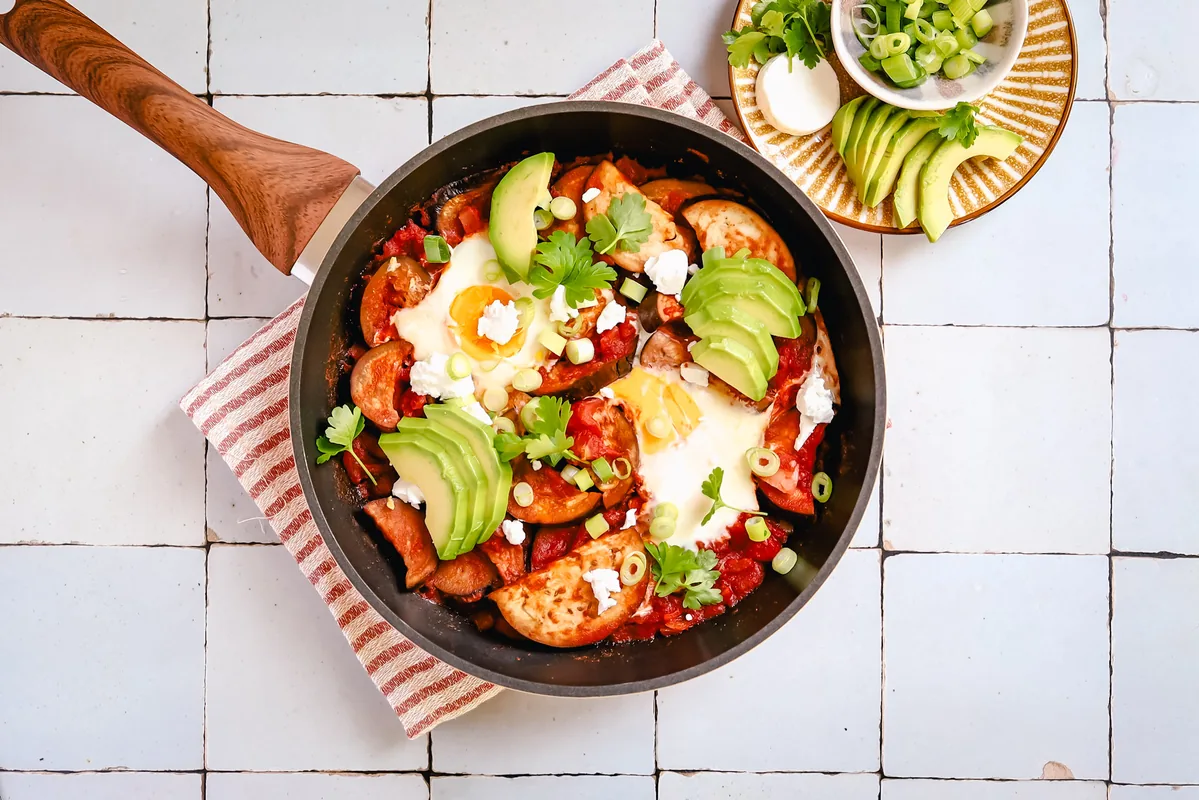
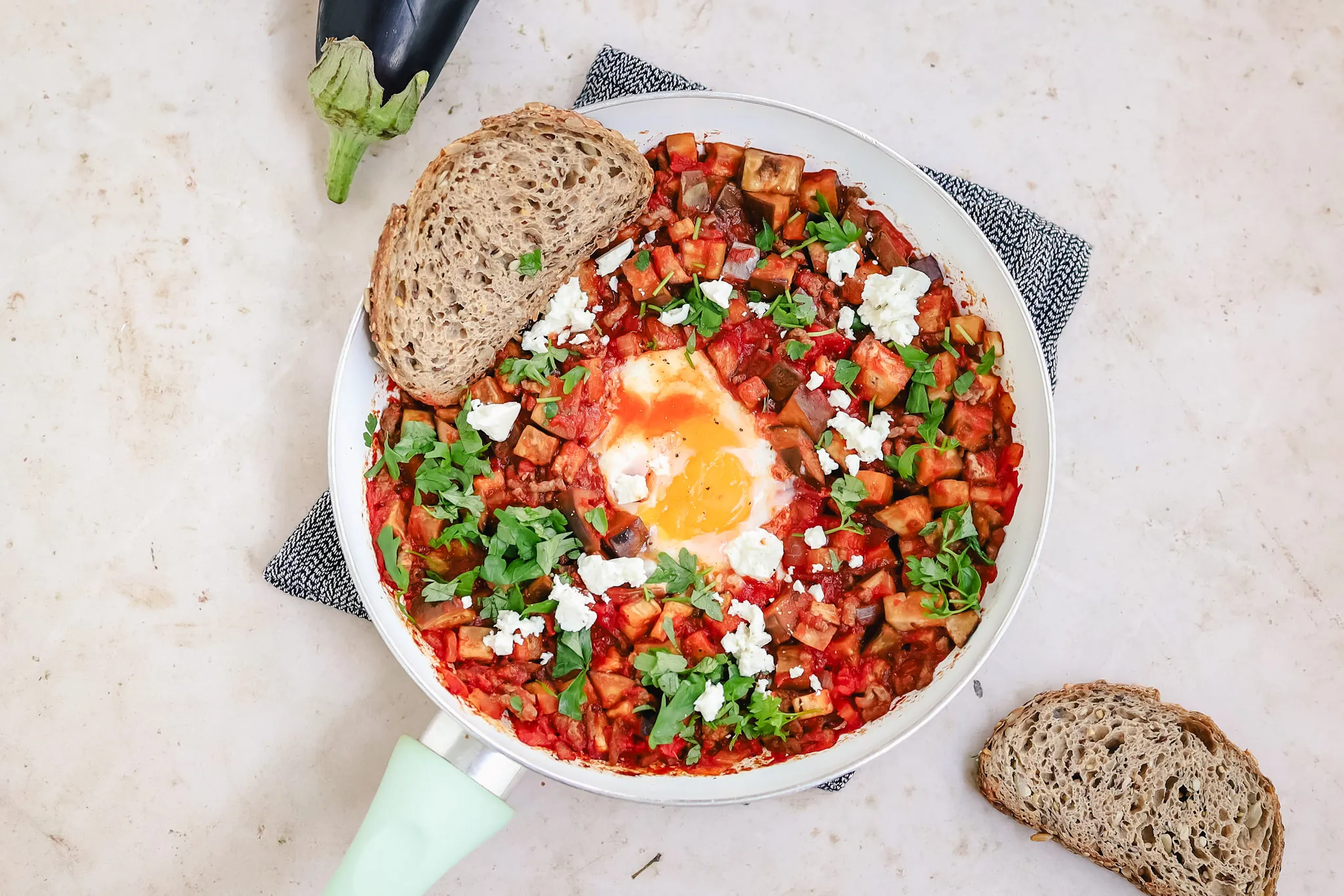
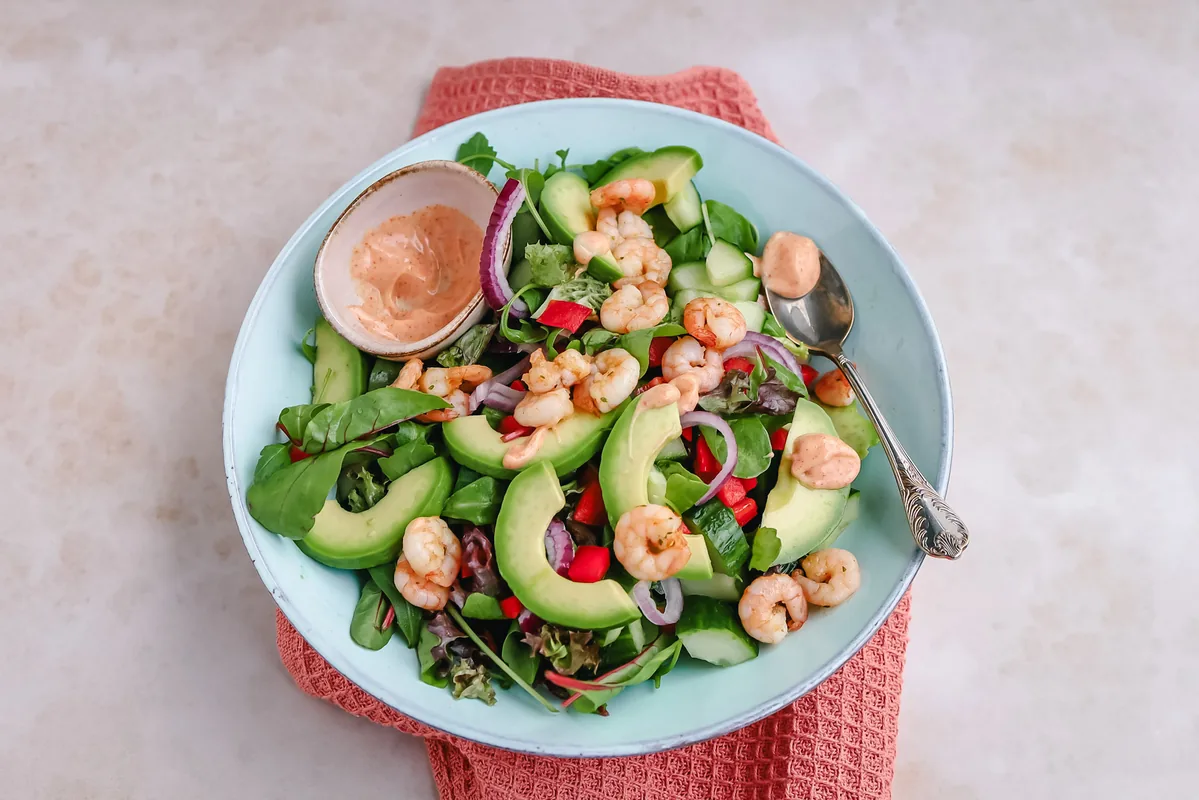
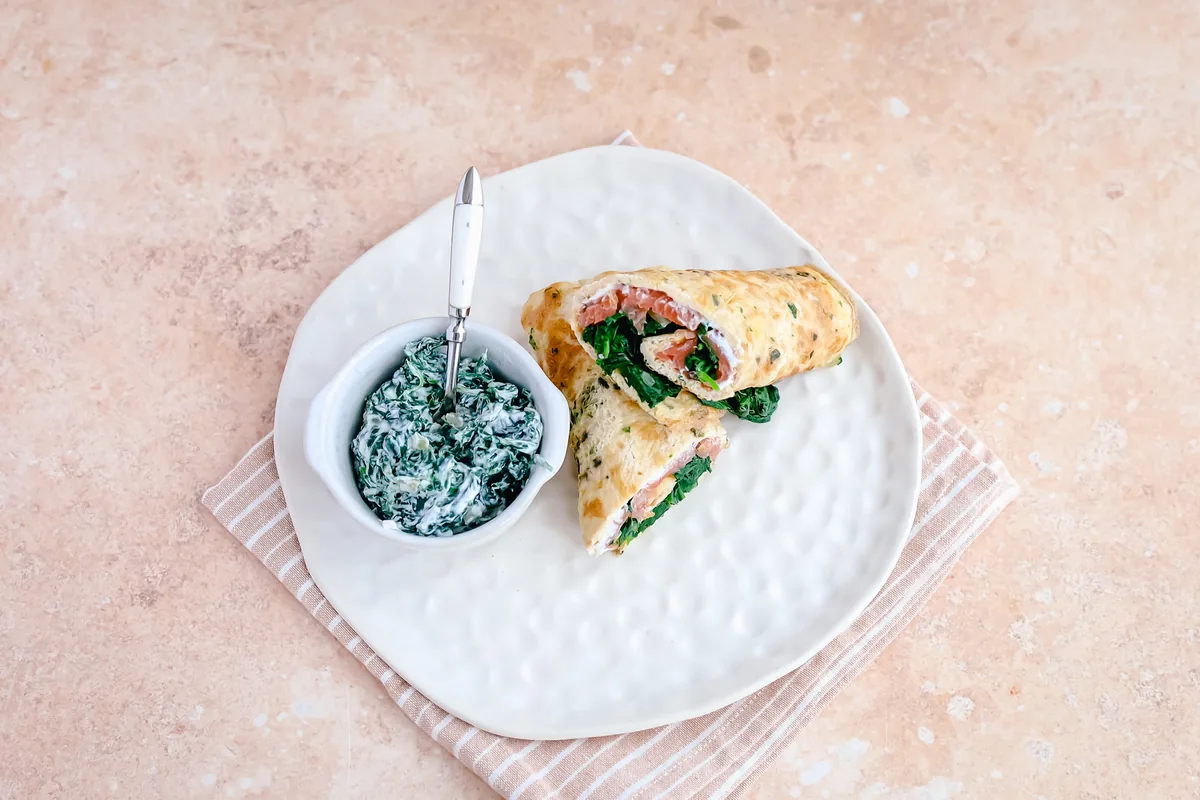
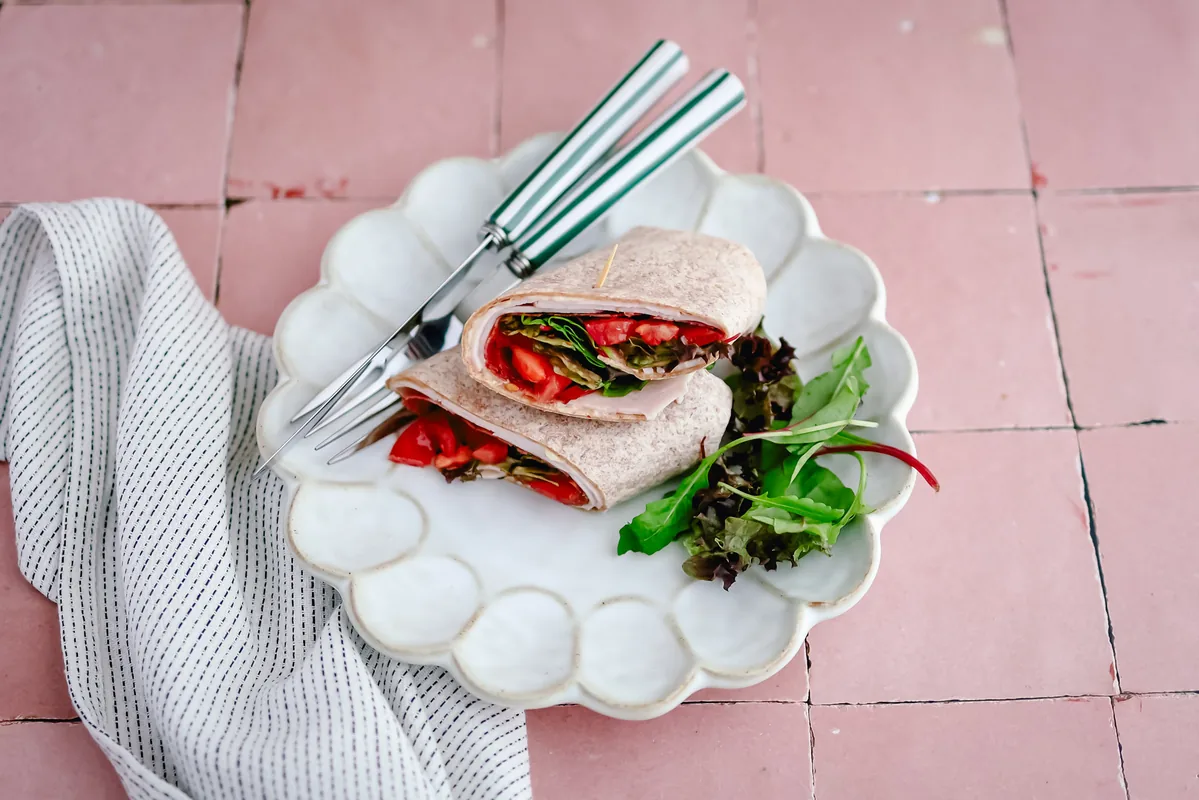
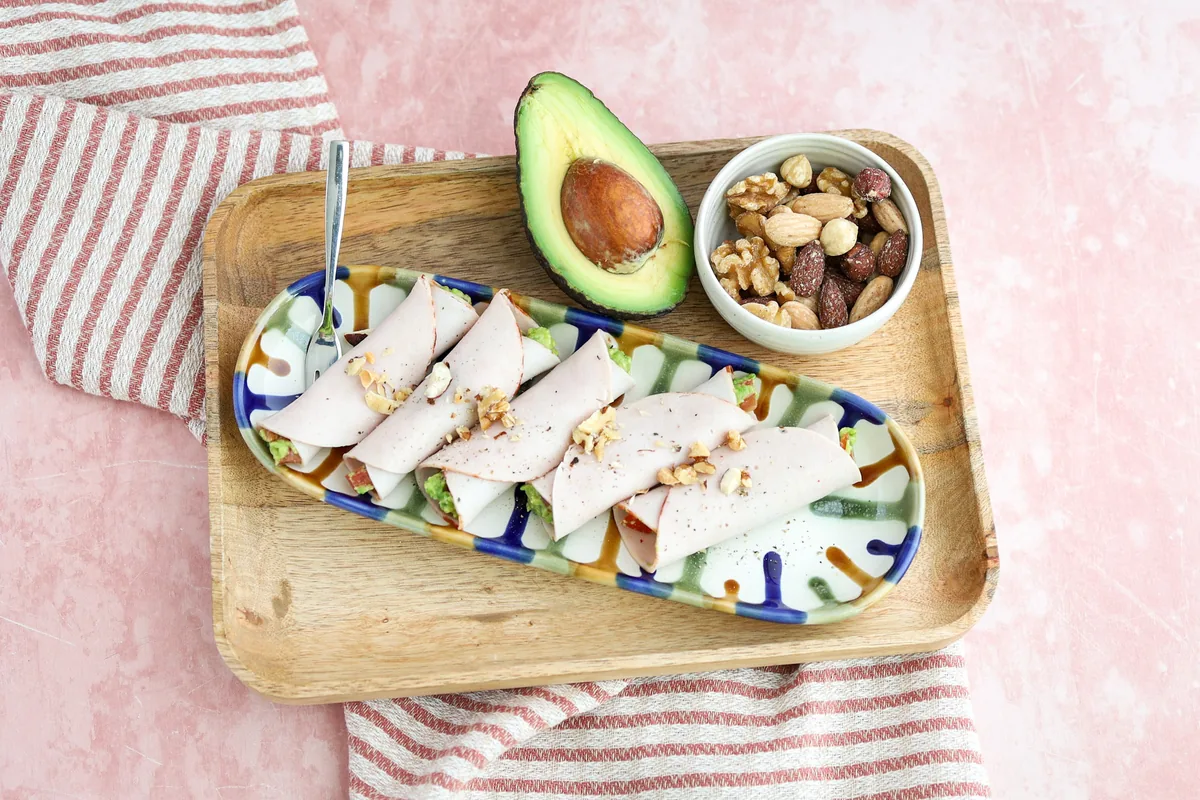
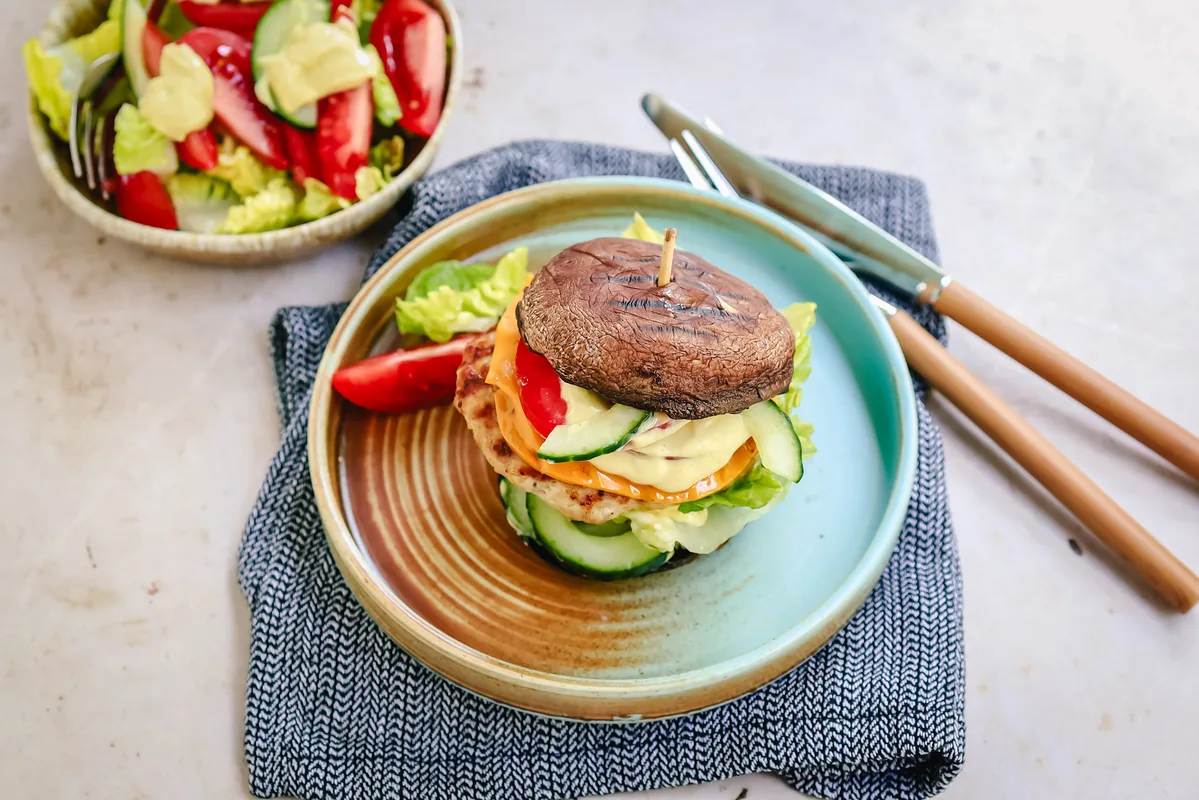
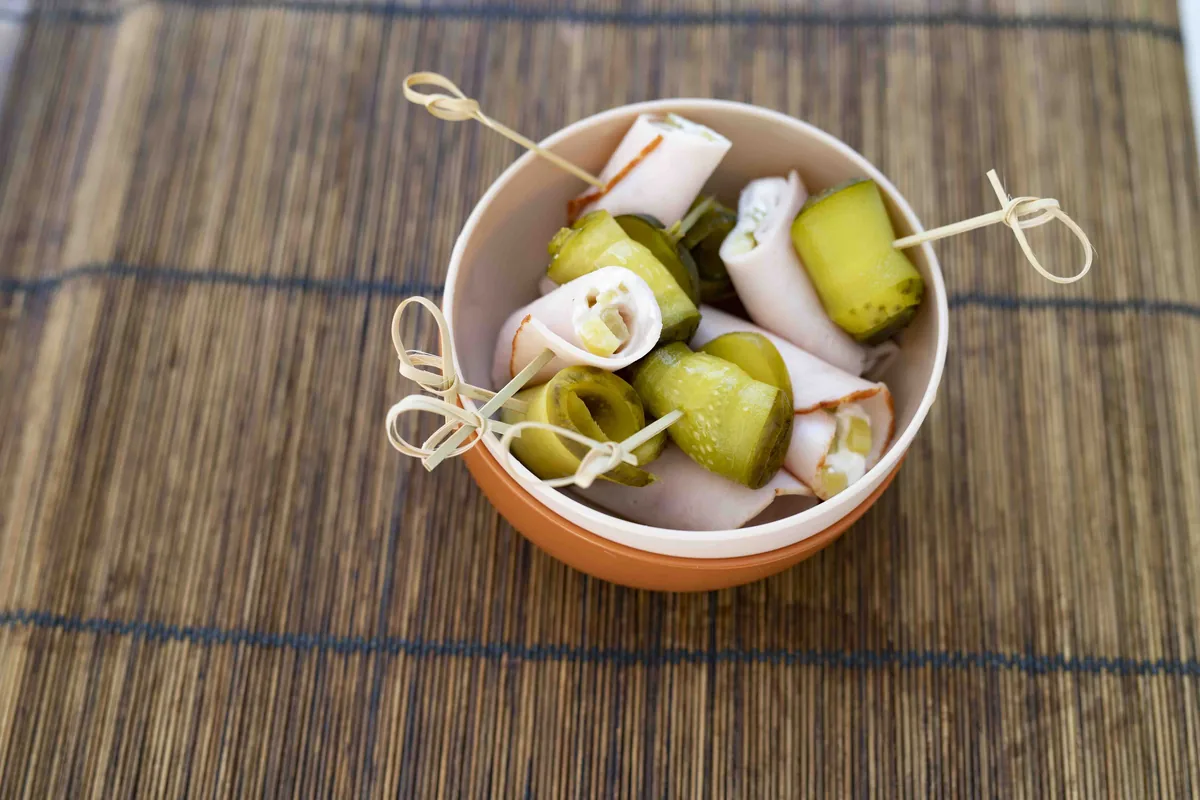
The collection includes 87 recipes below 20 grams of carbs (45 of those no-cook) and 69 vegetarian options that prove low-carb is not a meat-only proposition. Eggs appear in 33 recipes, avocado in 31, cottage cheese in 25. 61 RCTs tracking 6,925 people found the pooled difference between low-carb and low-fat diets was roughly 1 kilogram after two years. The real variable is the diet someone actually sustains.