
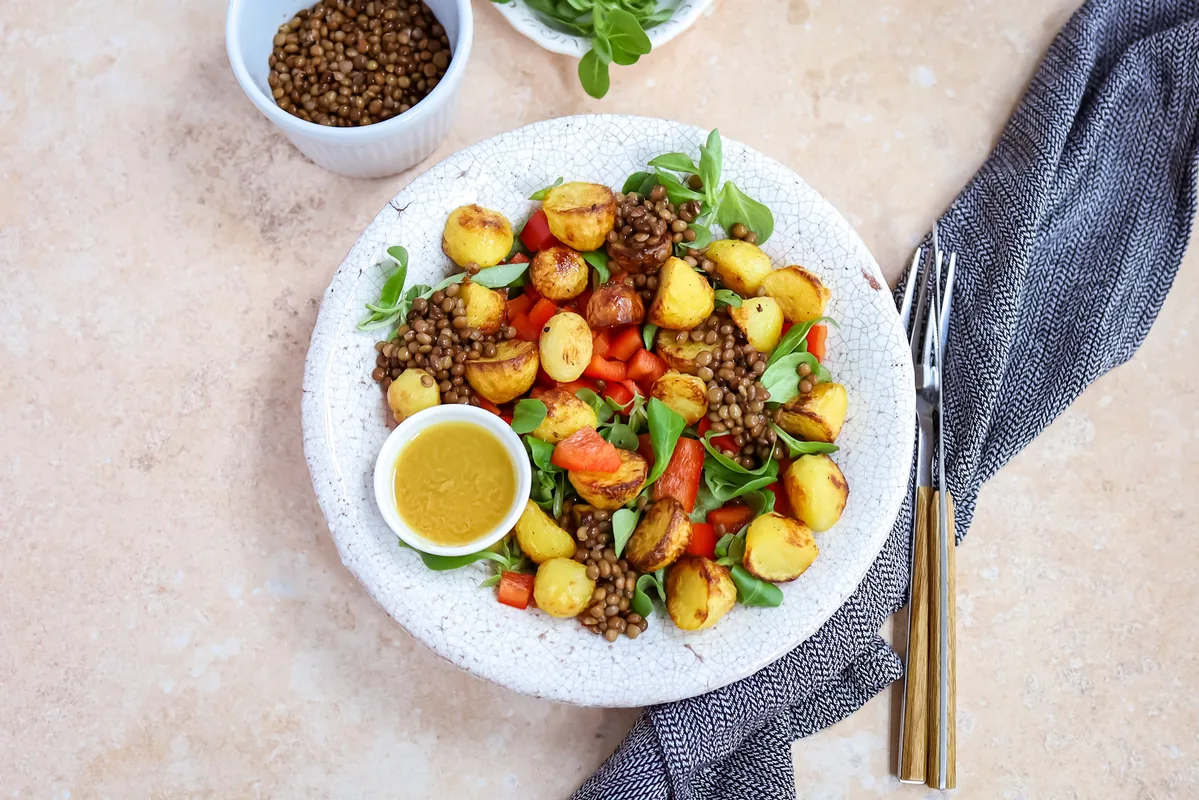
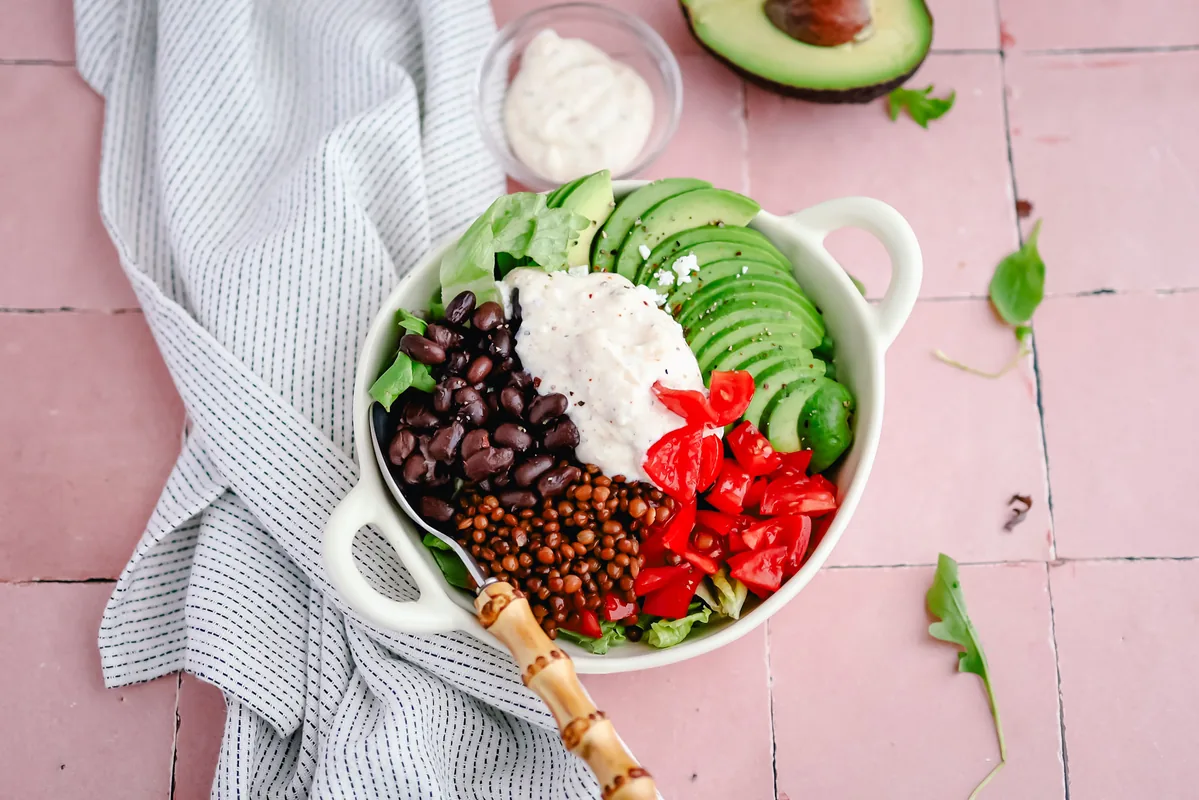
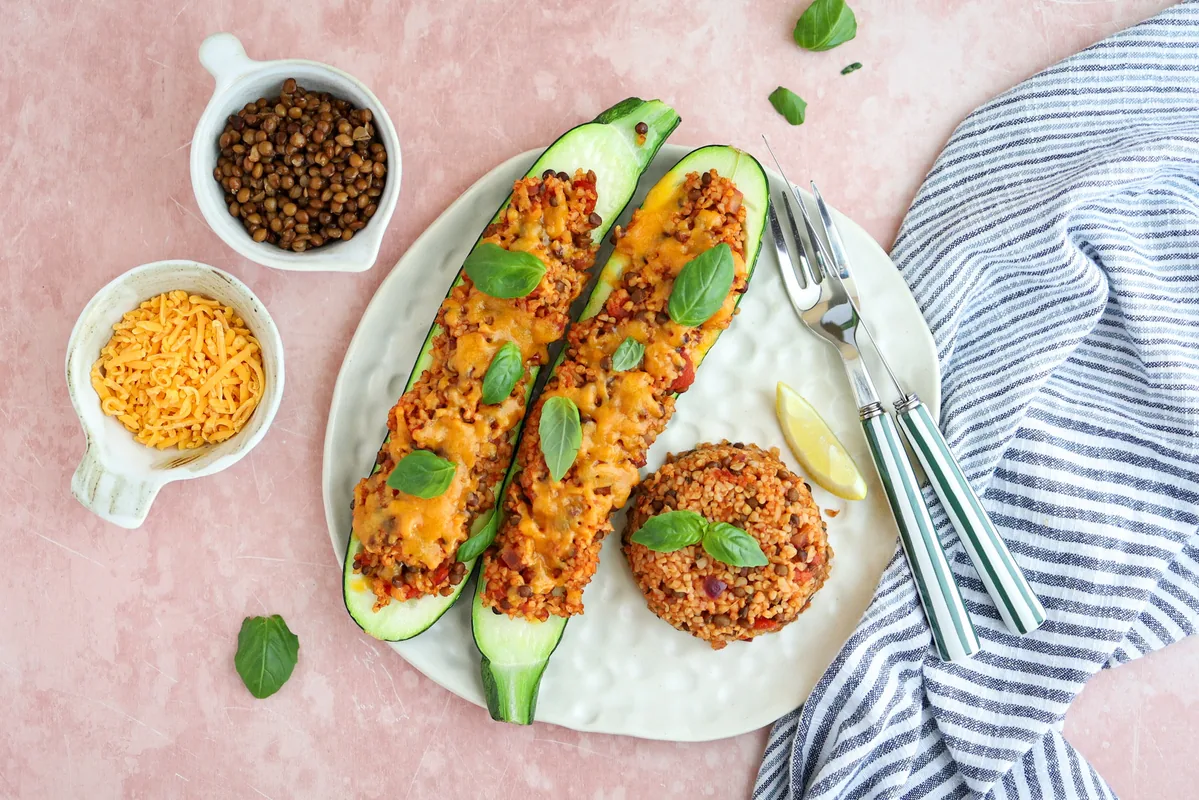

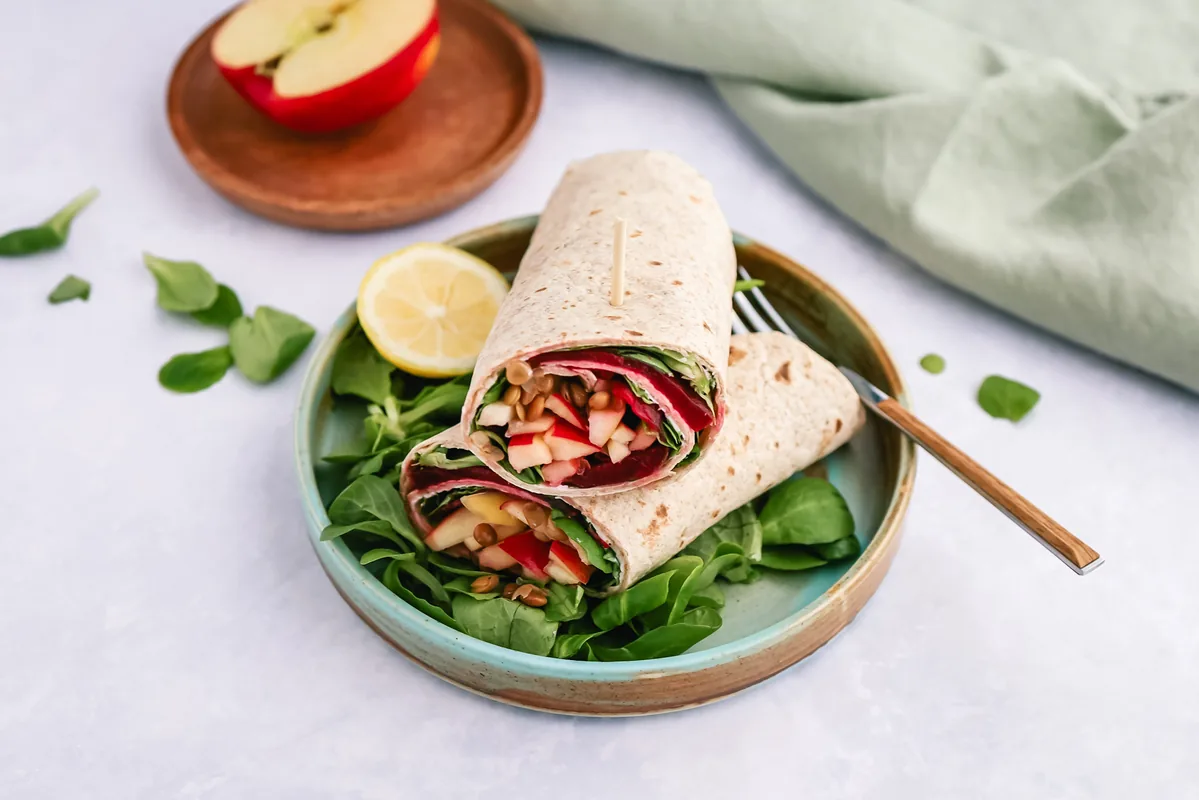

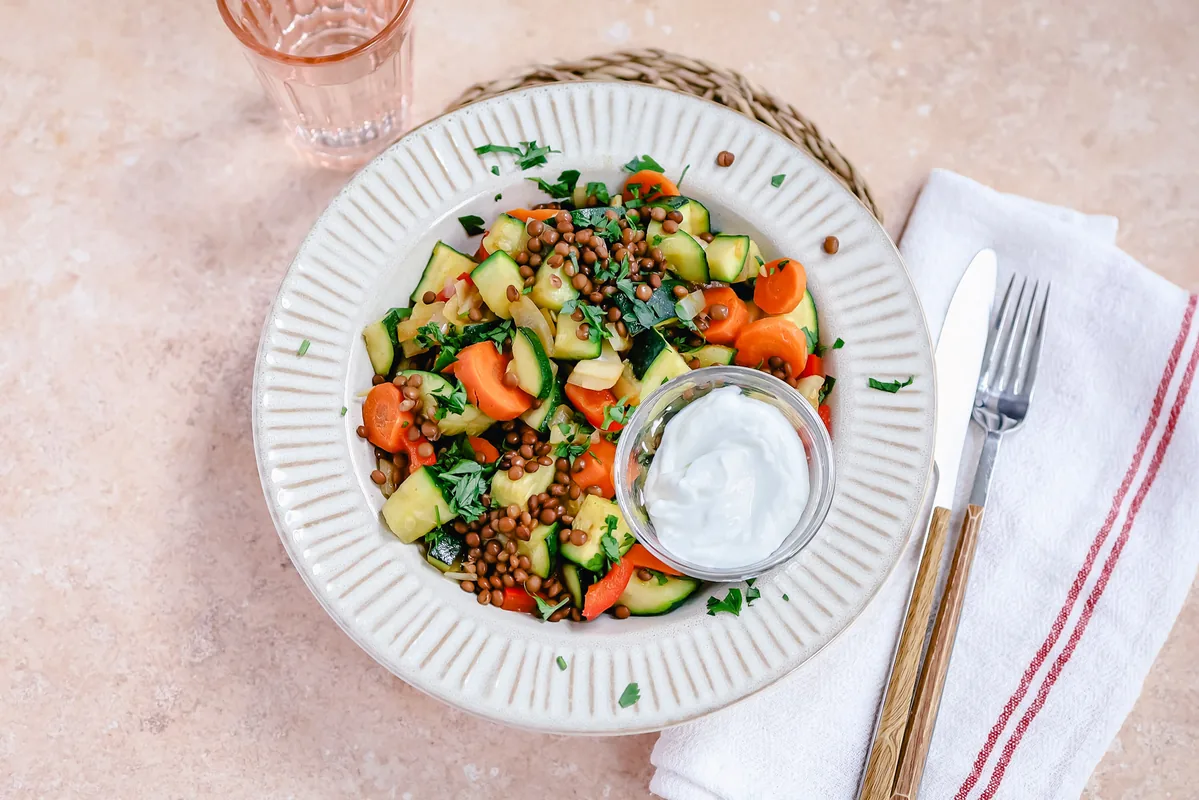
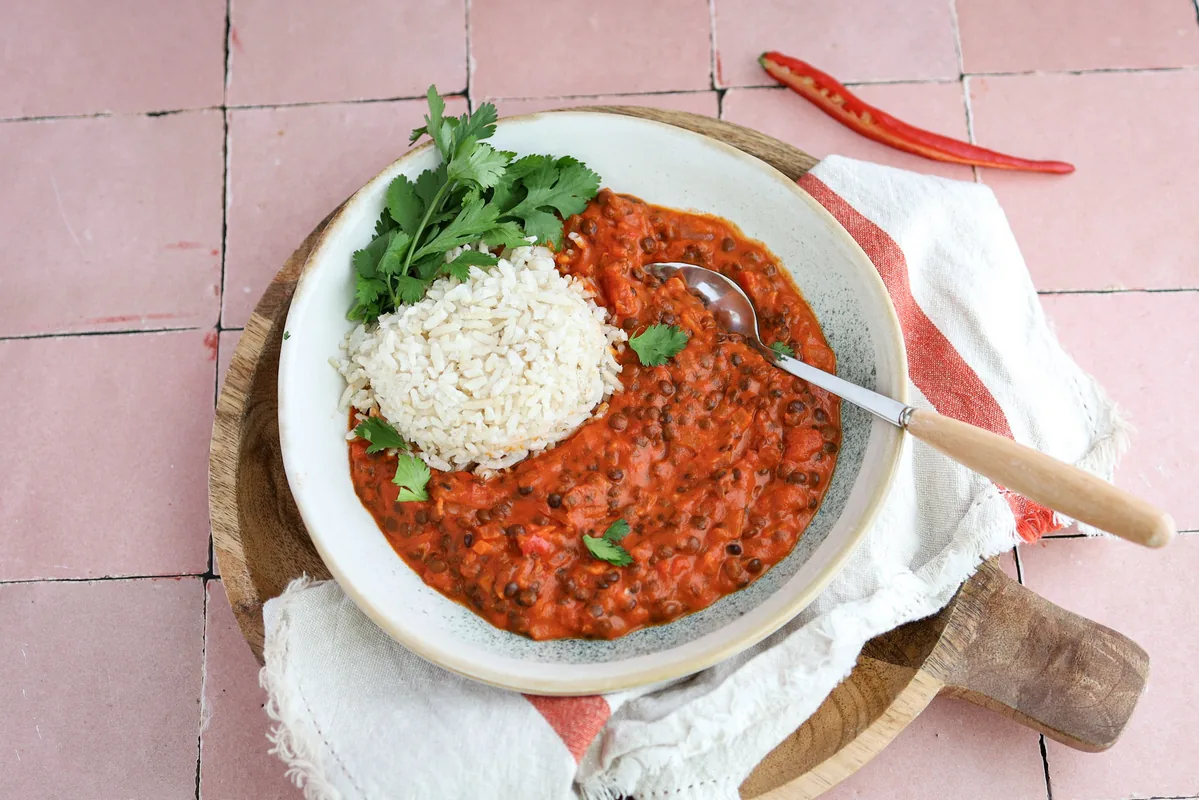
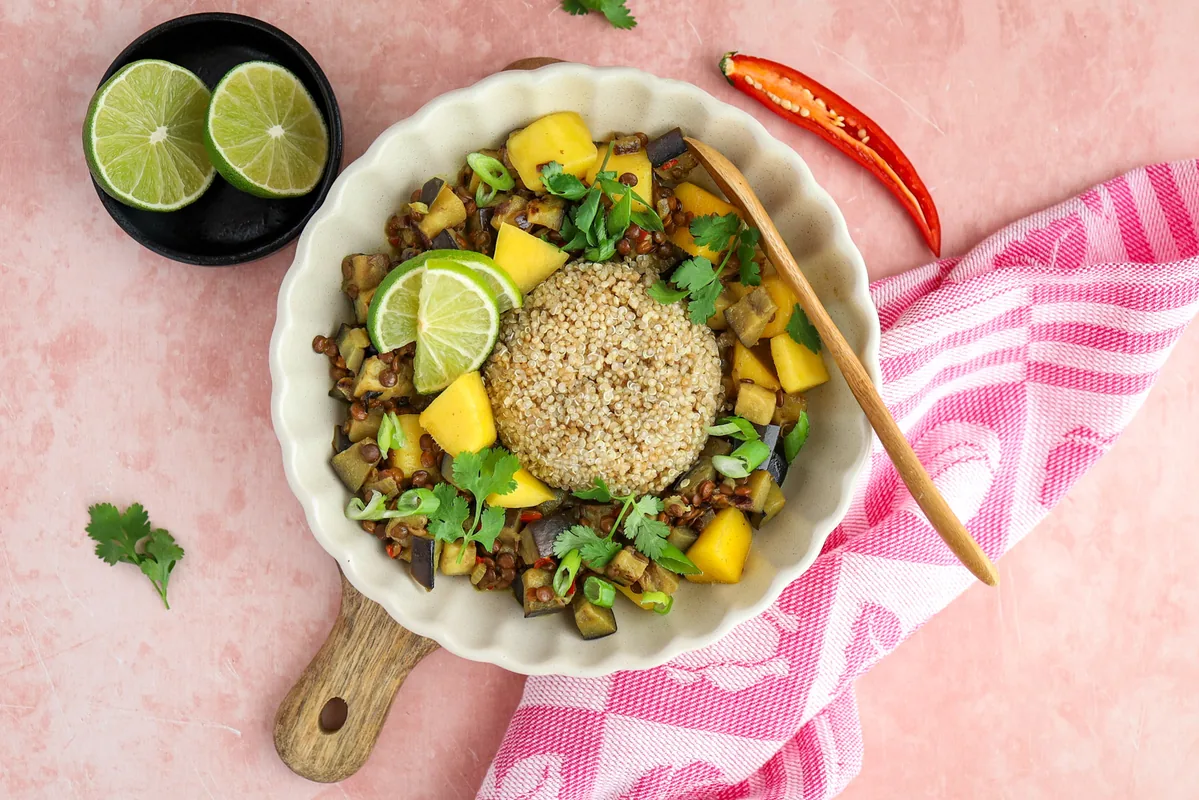
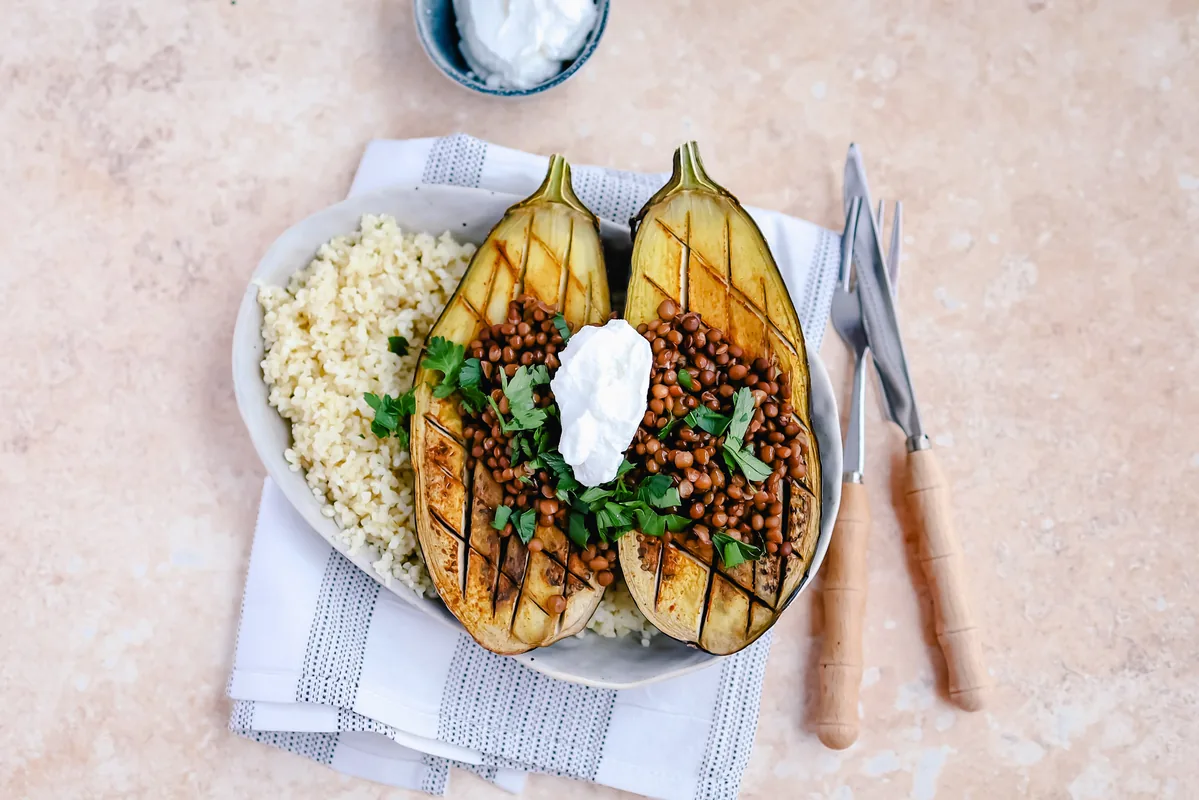
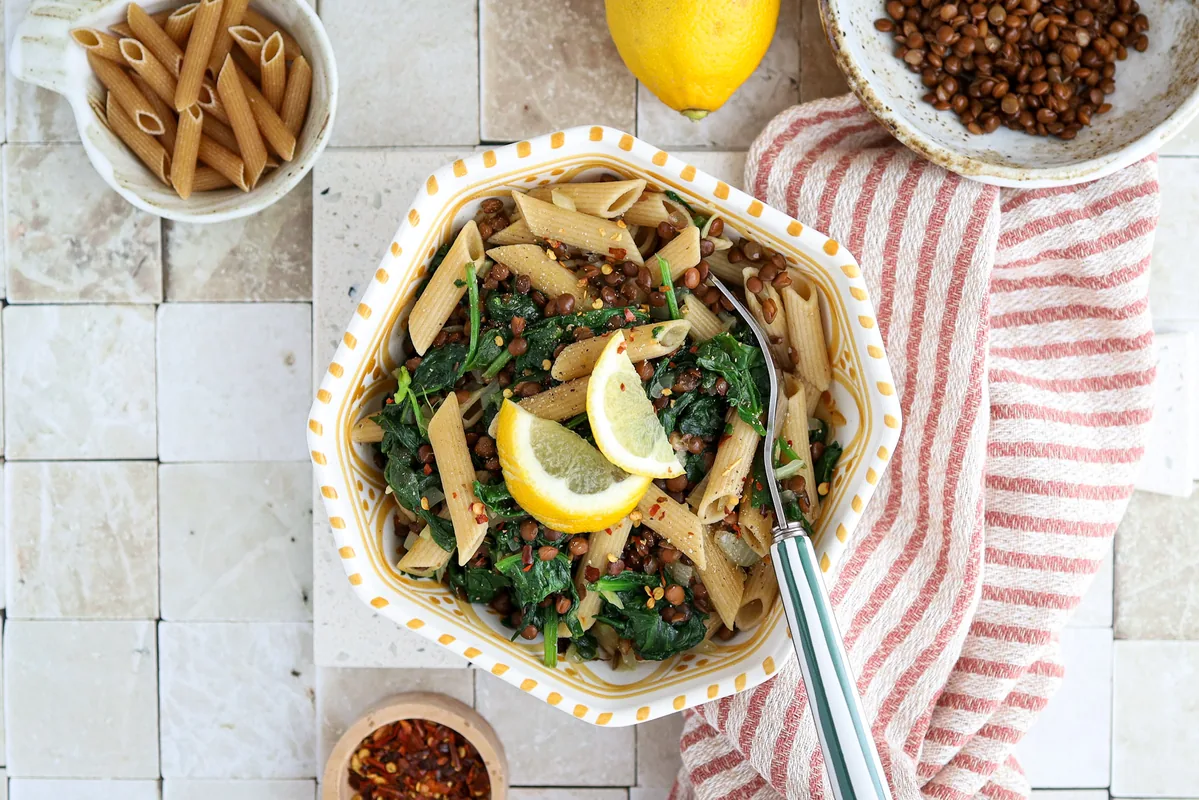
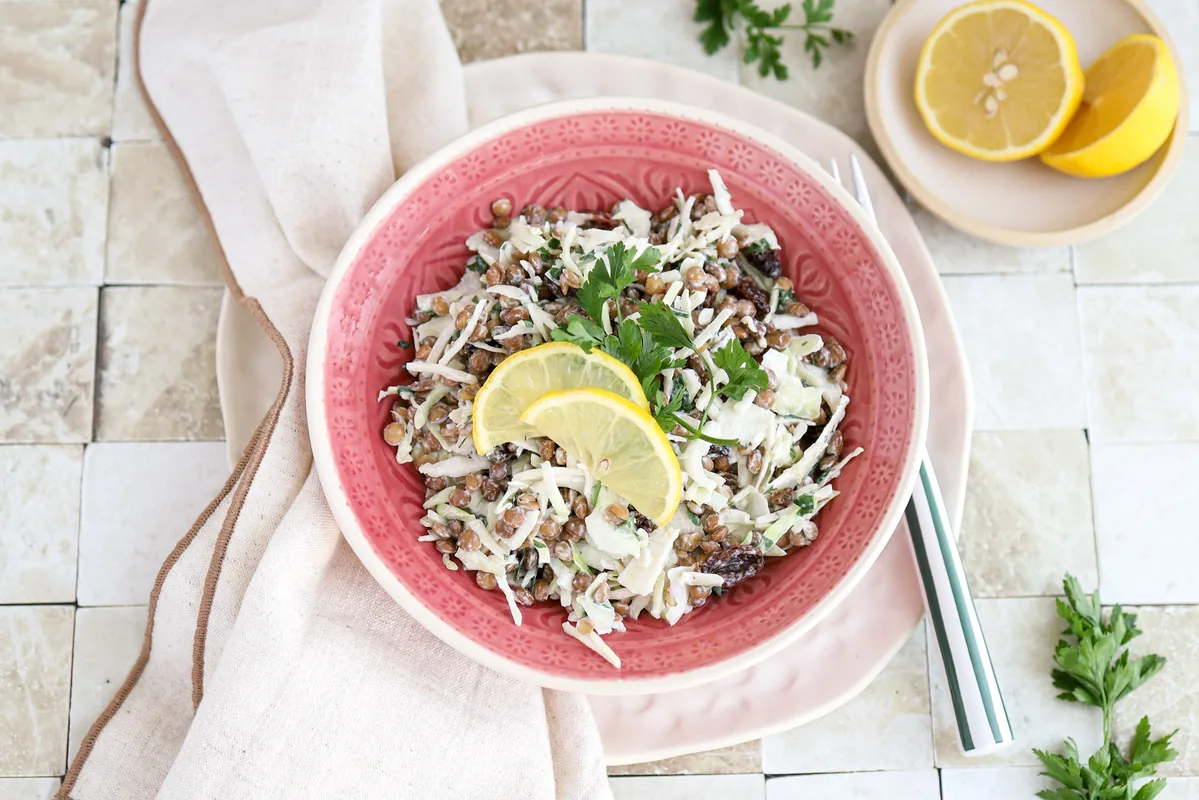
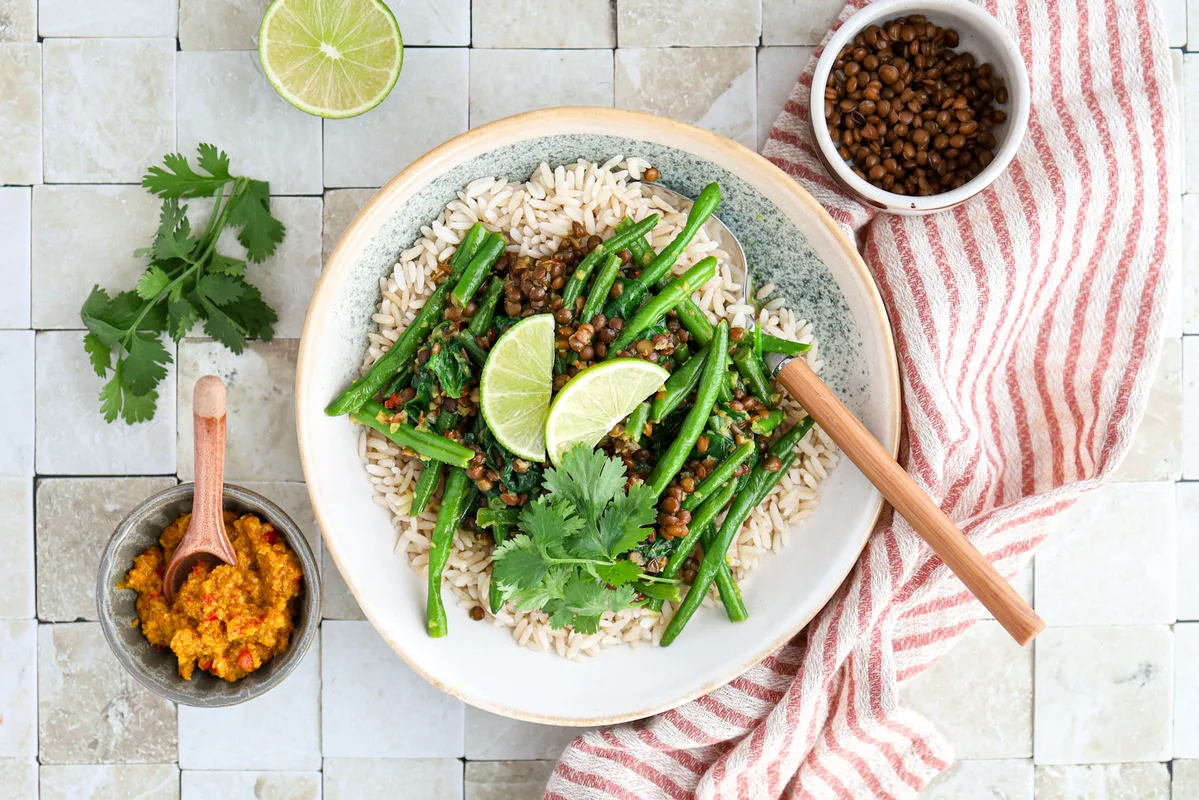
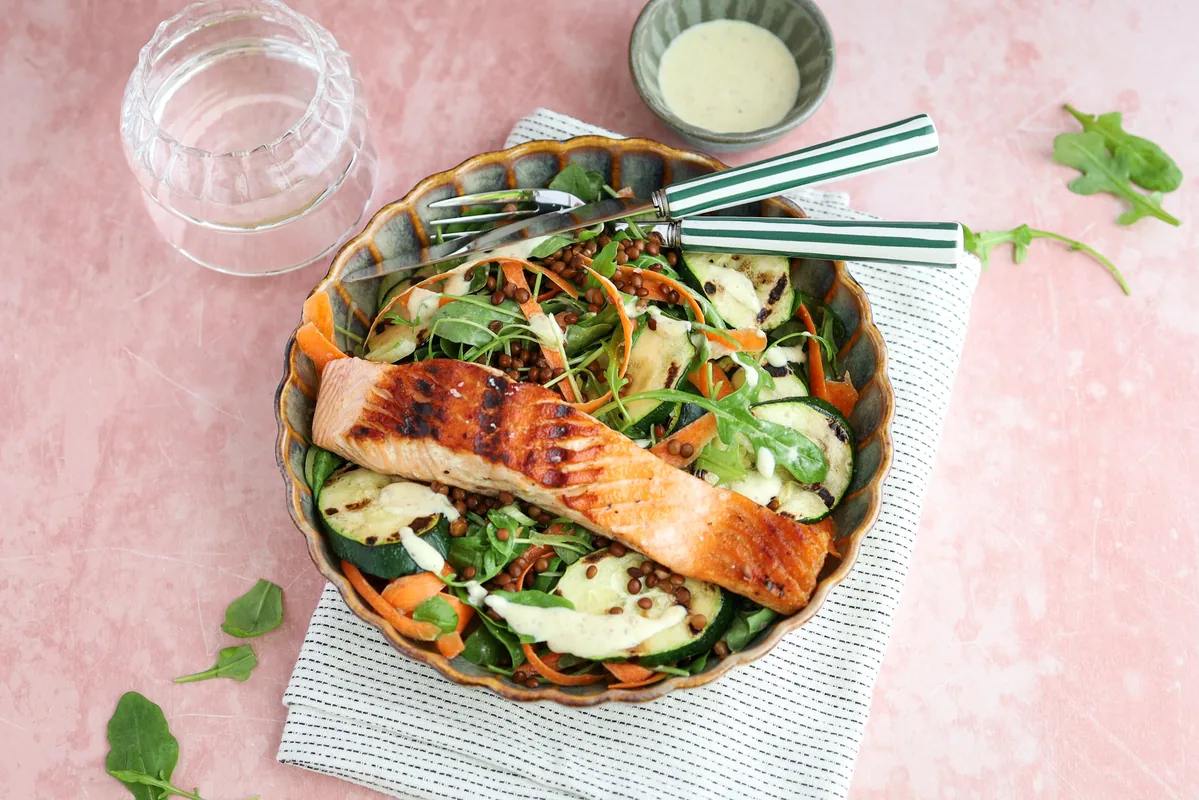
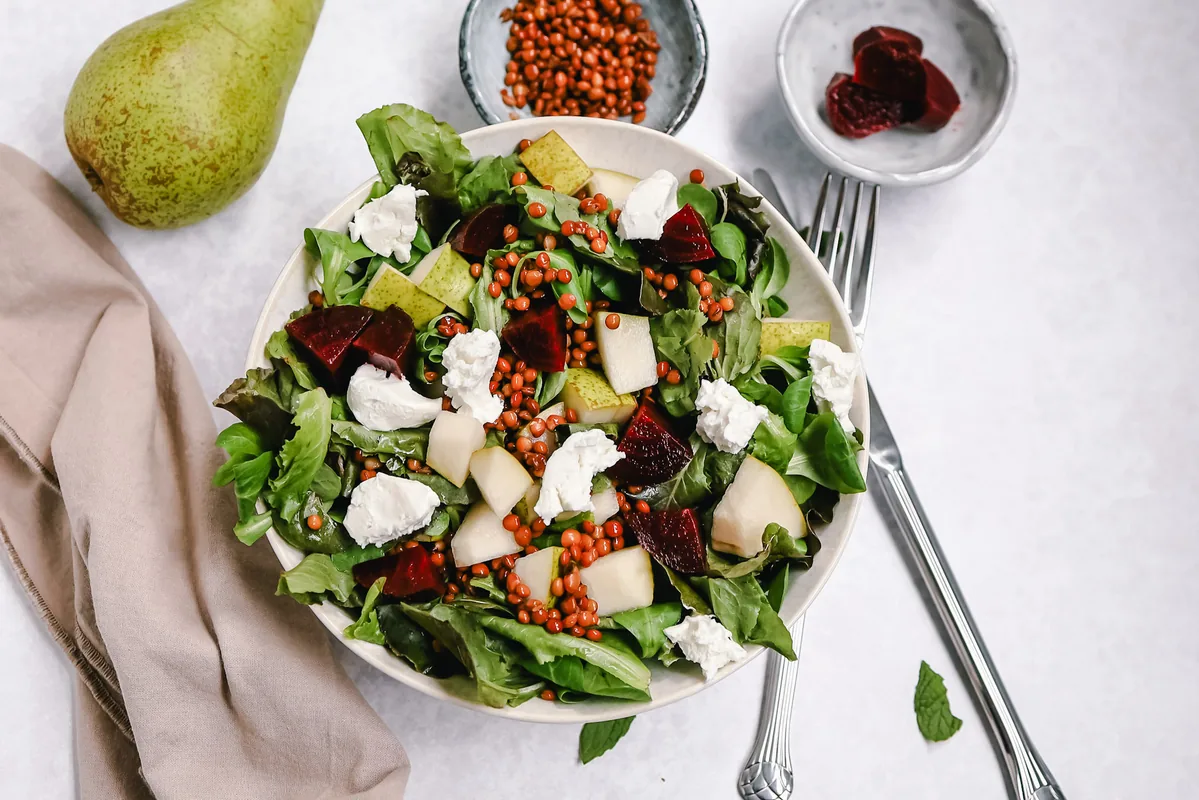
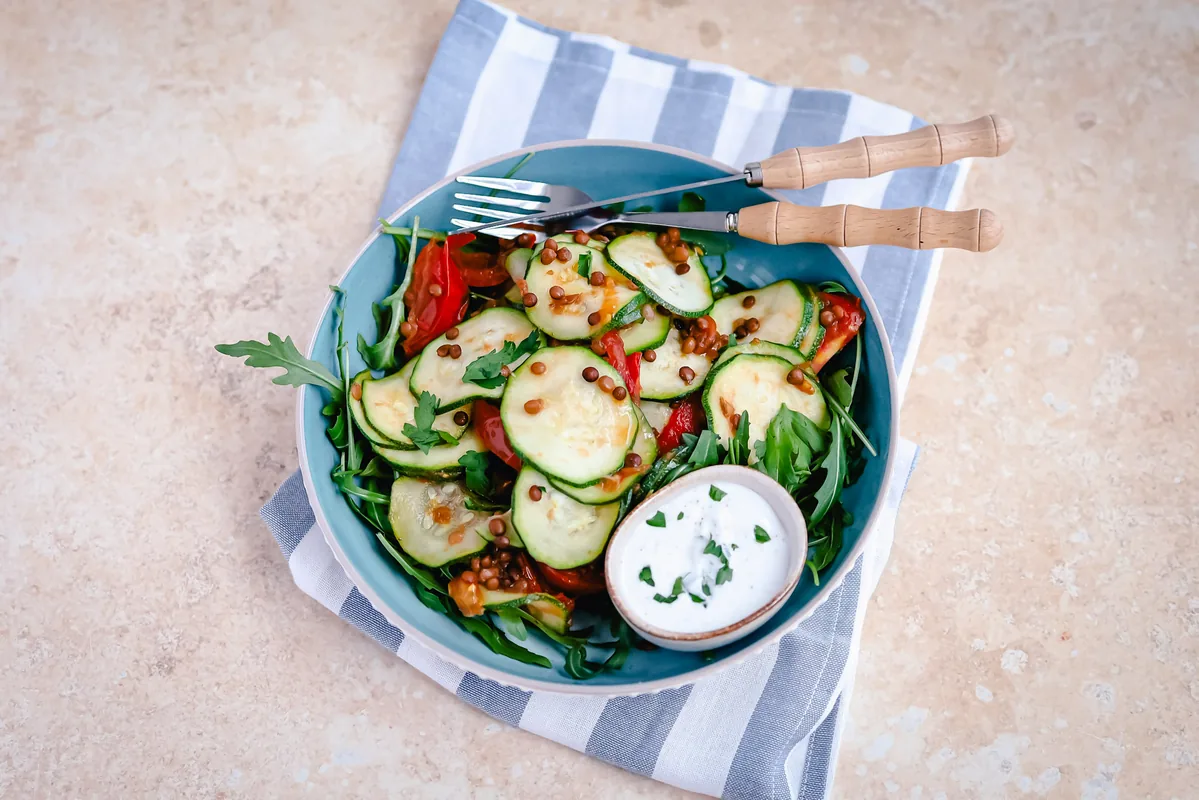

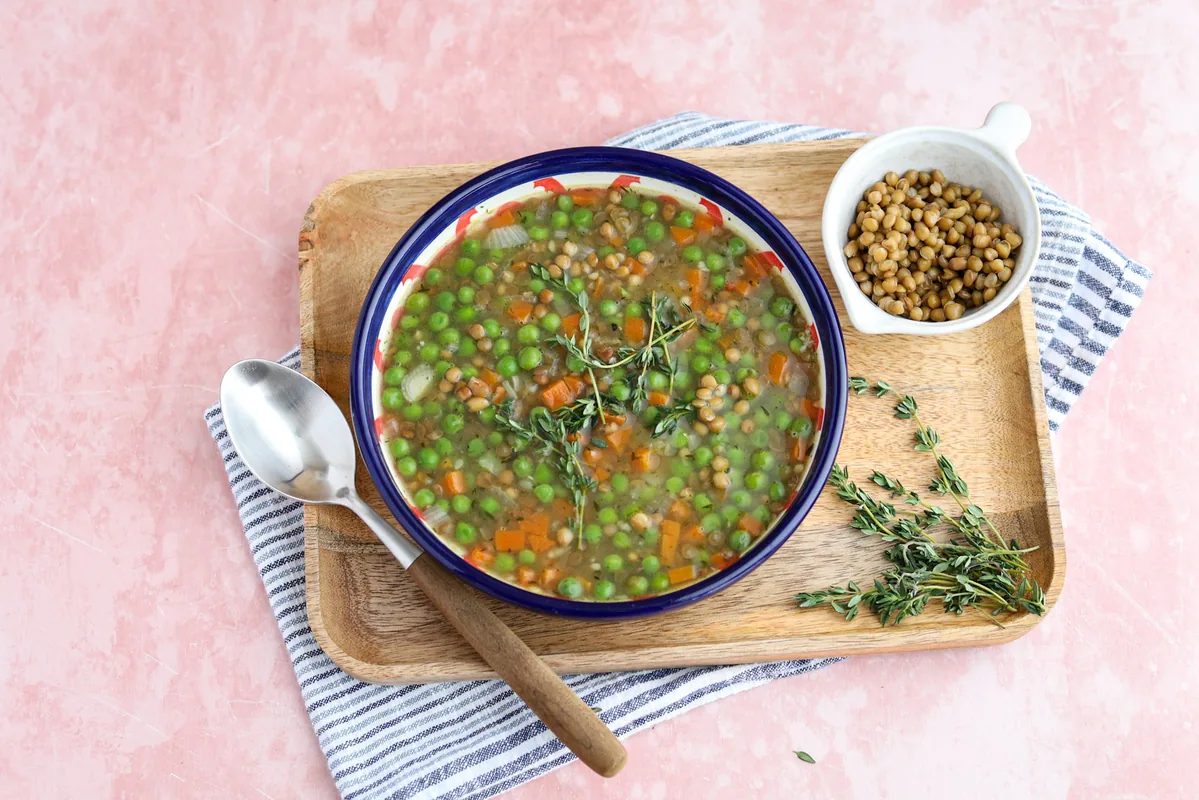
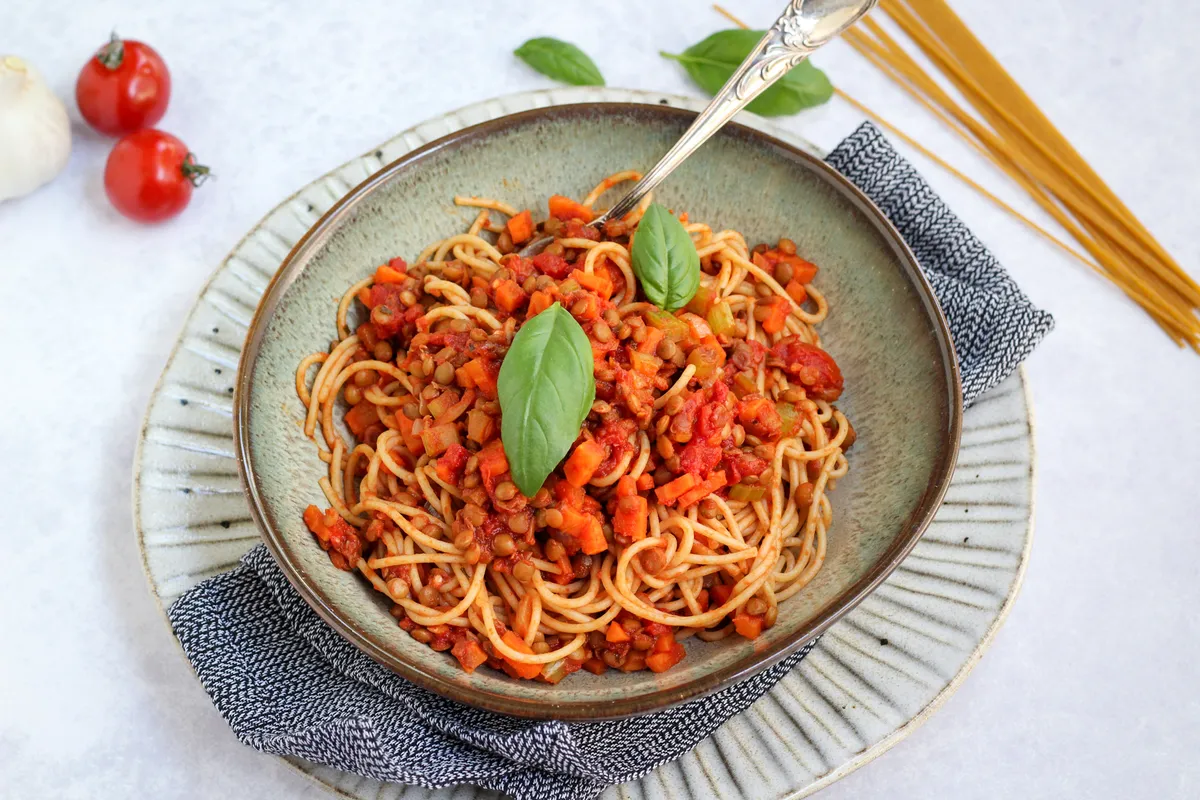
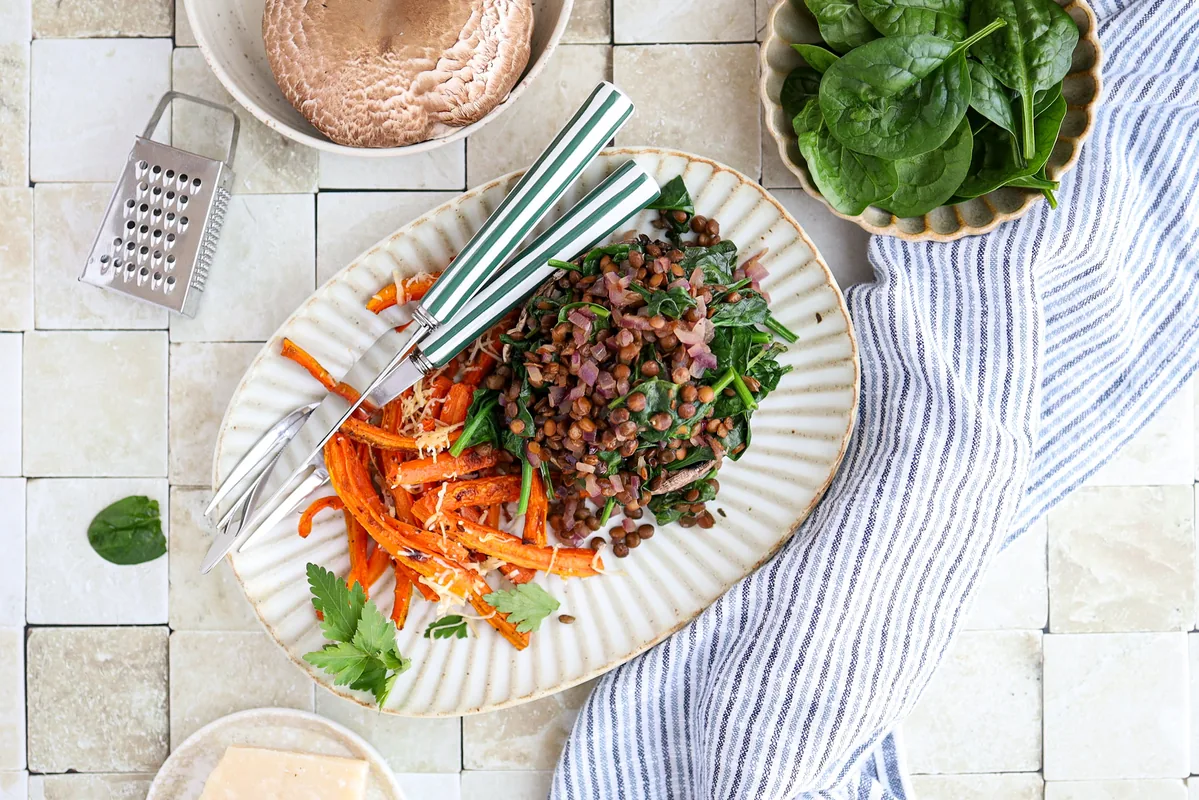
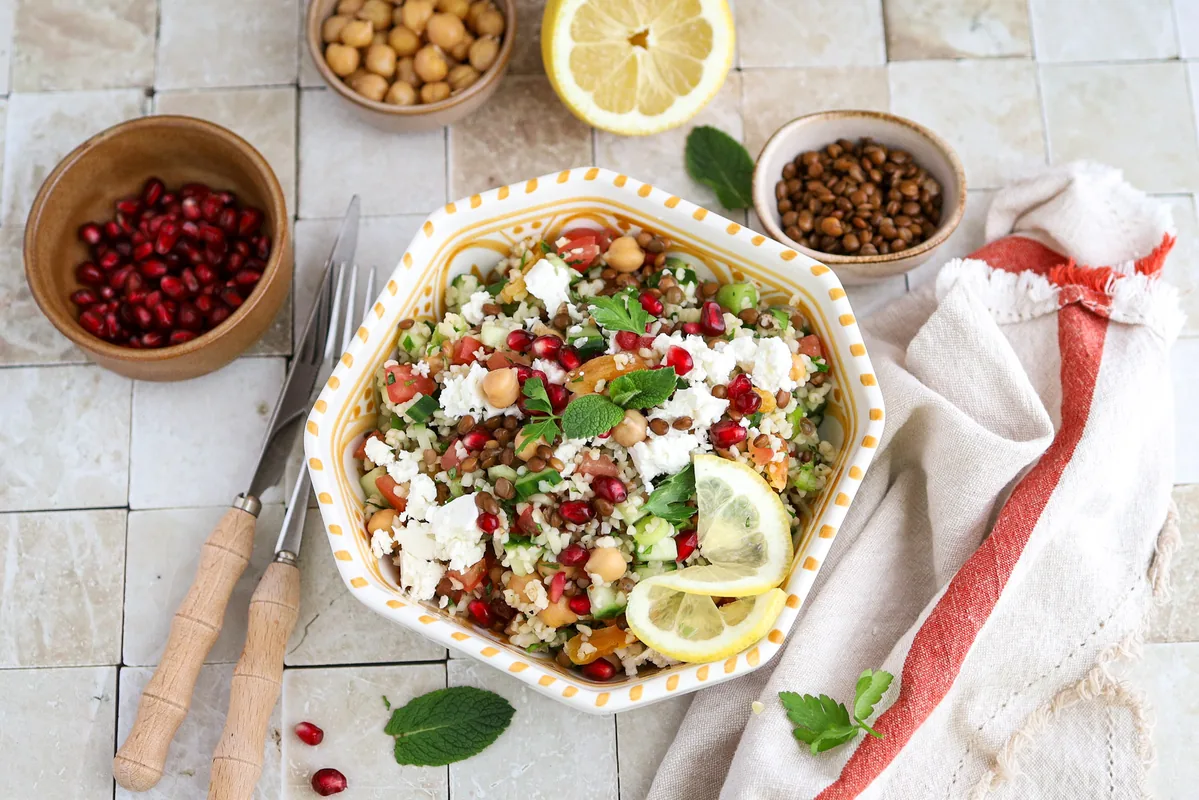

The garlic in six of these lentil recipes was added for flavor. Gautam et al. (2010) found it was also increasing the amount of iron the body can absorb from pulses, with garlic and onion raising iron availability by as much as 73.3%. Three more recipes include bell pepper, lemon, or tomato, all vitamin C sources. A 26-study meta-analysis found vitamin C raises plant iron absorption by 5.87 percentage points on average.
Altogether, 9 of 28 recipes connect to iron absorption research. Lentils are one of the richest plant sources of iron (roughly 6.6 mg per cup cooked), but iron from plants is poorly absorbed on its own. The ingredients people naturally pair with lentils for taste happen to be exactly what helps the body absorb more of it.
The iron story is the surprise, but the fiber numbers are the backbone. 82% of these recipes clear the 10-gram fiber mark per serving, the midpoint landing at 14g — half of what dietary guidelines recommend, packed into one meal. A pooled analysis of 62 trials connected consistent fiber intake at that level to a gradual fat-loss benefit rooted in fullness, small per week but accumulating.
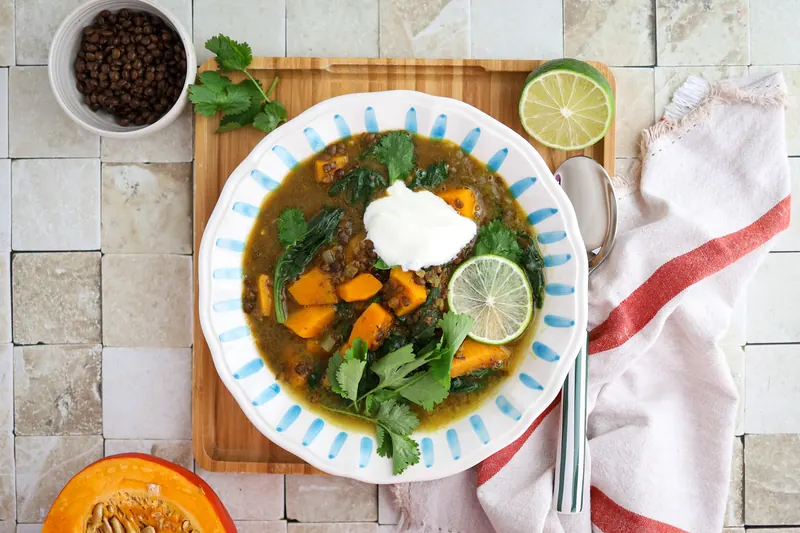
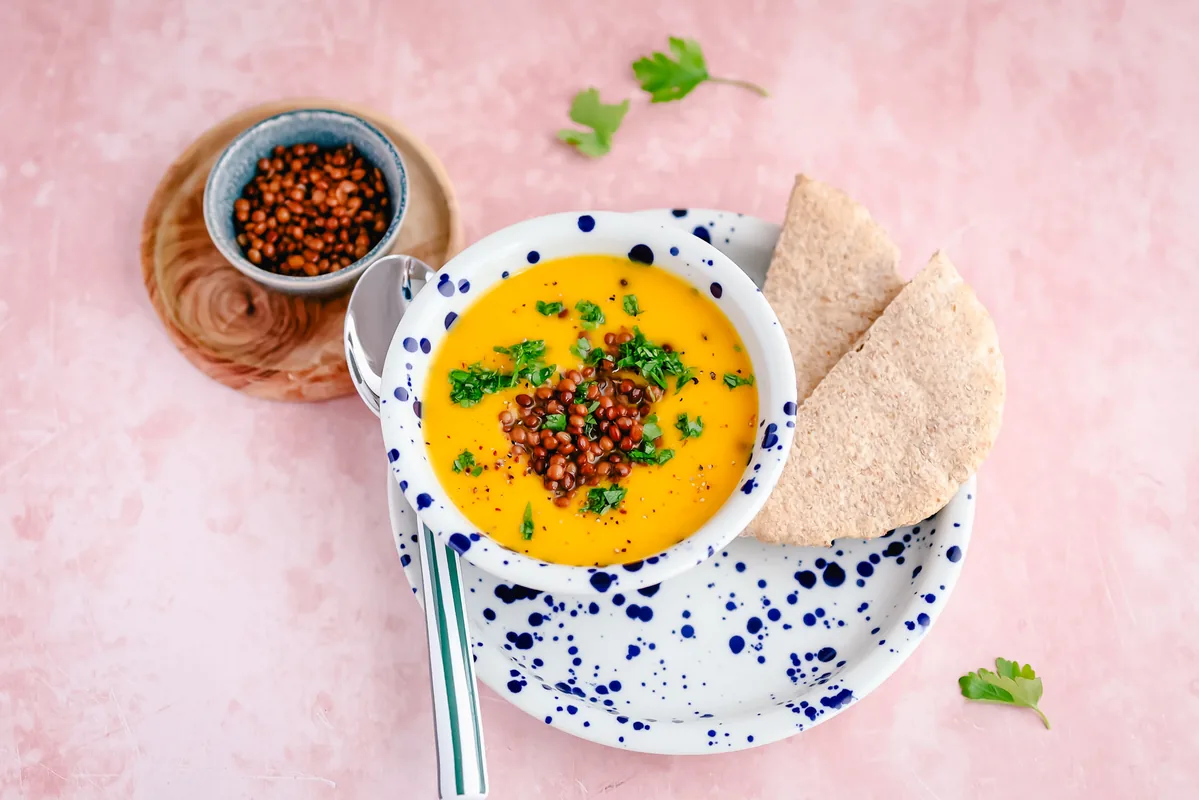
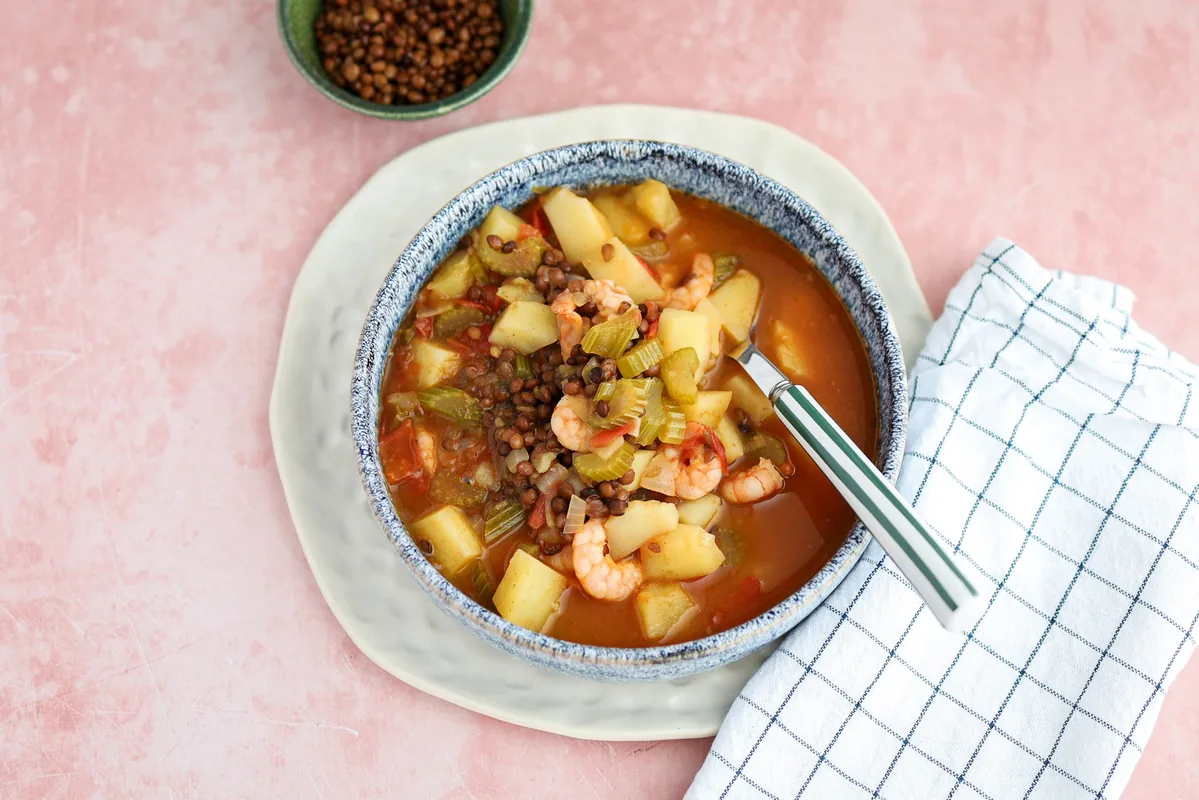
Format matters too. Chamoun et al. (2024, n=20) measured lentils in soup producing a 54-55% insulin reduction compared to the same soup without lentils. Same lentils in a muffin: just 8-14%. Five of these recipes are soups. Median across the collection: 21g protein, 14g fiber, 20 minutes.