

Recipe Collection

Low Calorie Breakfast Recipes

Under 400 calories. Up to 8.4 times the absorption.

Smoothies blend dairy into fruit. Omelets fold eggs into vegetables. Toasts layer fat over tomato. Across 9 controlled trials, these combinations produced absorption multipliers from 1.5 to 10.1 times — and the recipes were designed for calories, not chemistry.

In nearly half these breakfasts, one ingredient amplifies what your body absorbs from another — 45%
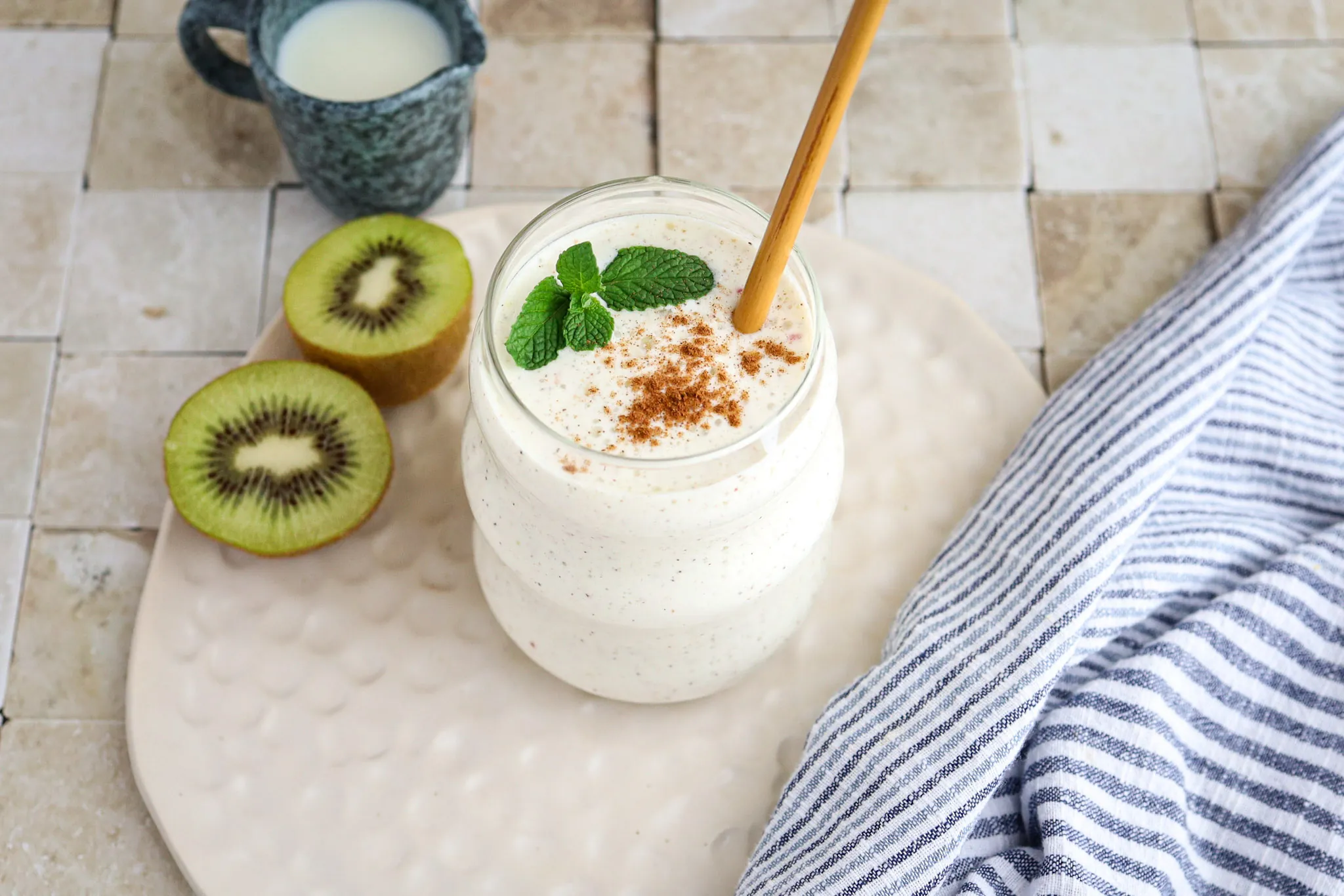
Apple & Kiwi Breakfast Smoothie
Breakfast
Apple & Kiwi Breakfast Smoothie
5 min · 303 kcal
Avocado & Lime Breakfast Smoothie
Breakfast
Avocado & Lime Breakfast Smoothie
3 min · 333 kcal
Banana & Blueberry Smoothie
Breakfast
Banana & Blueberry Smoothie
5 min · 392 kcal
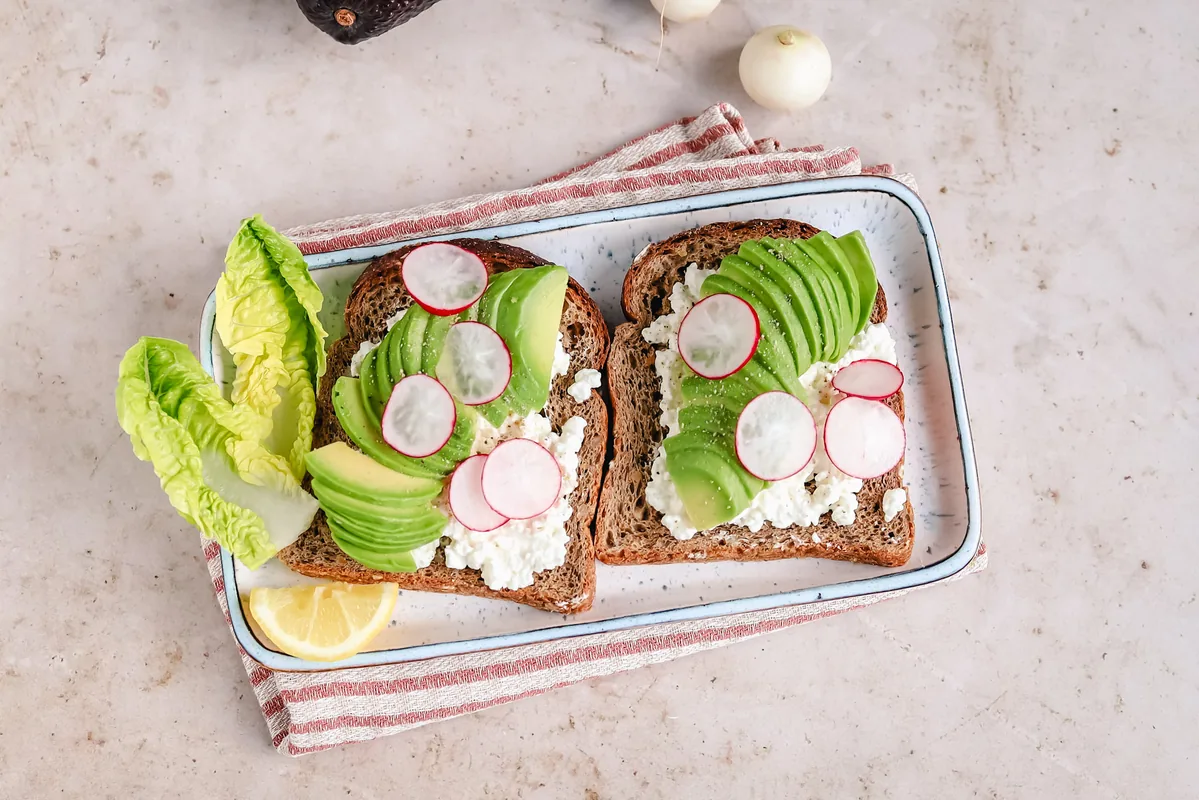
Bread with Cottage Cheese, Avocado & Radish
Breakfast
Bread with Cottage Cheese, Avocado & Radish
5 min · 332 kcal
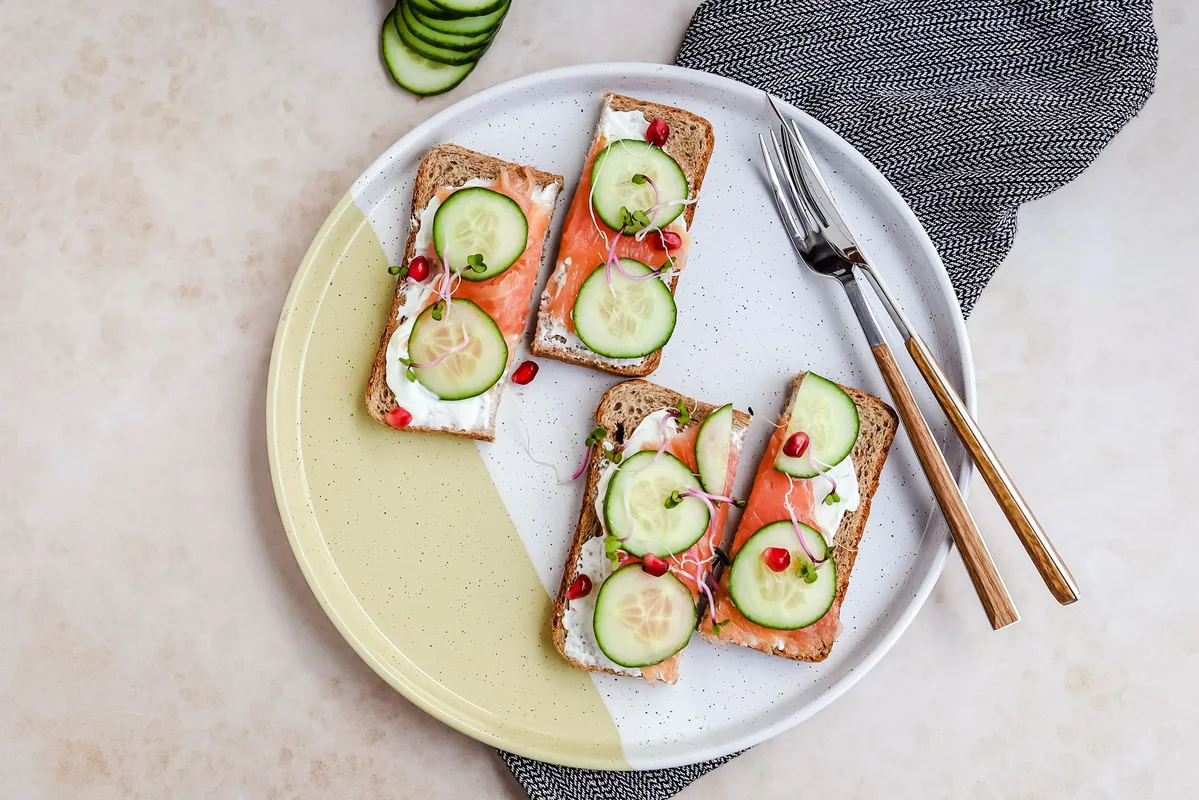
Bread with Cream Cheese, Salmon & Cucumber
Breakfast
Bread with Cream Cheese, Salmon & Cucumber
5 min · 314 kcal
Bread with Cream Cheese, Salmon & Radish
Breakfast
Bread with Cream Cheese, Salmon & Radish
5 min · 309 kcal
Bread with Hummus & Smoked Salmon
Snack
Bread with Hummus & Smoked Salmon
3 min · 298 kcal
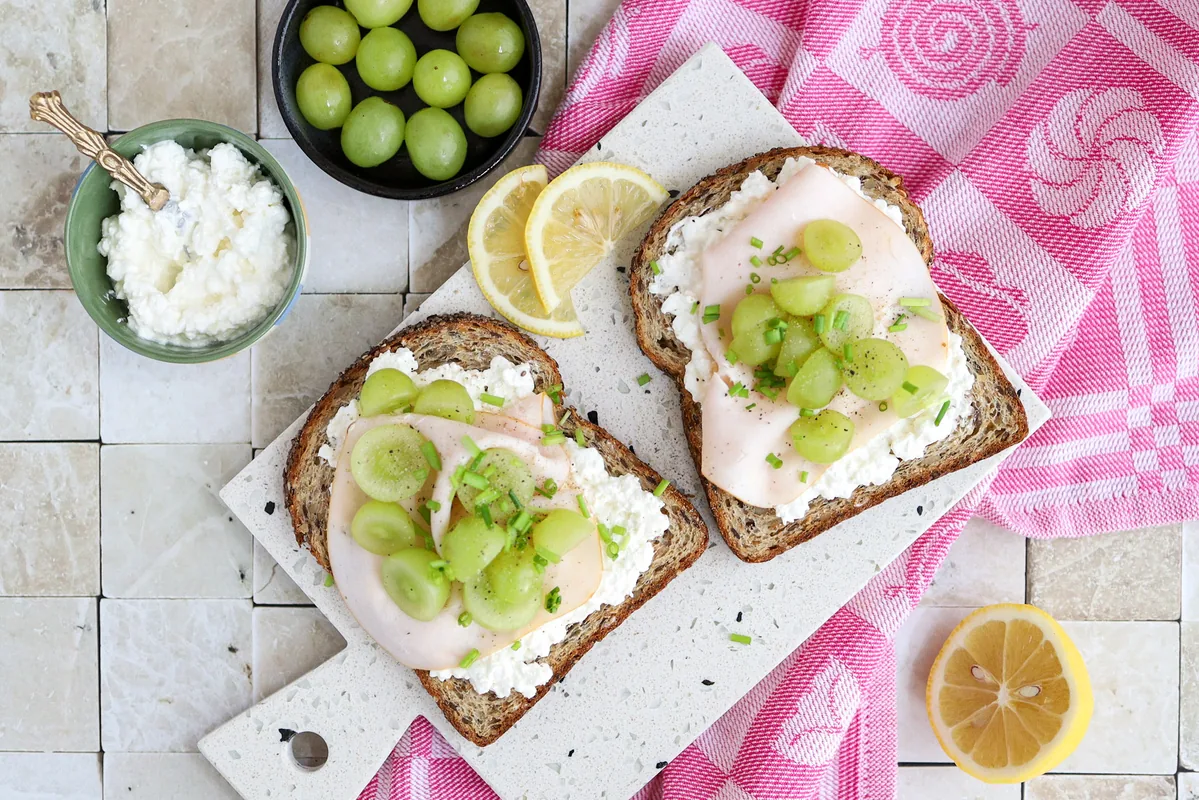
Bread with Turkey Breast, Cottage Cheese & Grapes
Lunch
Bread with Turkey Breast, Cottage Cheese & Grapes
5 min · 325 kcal
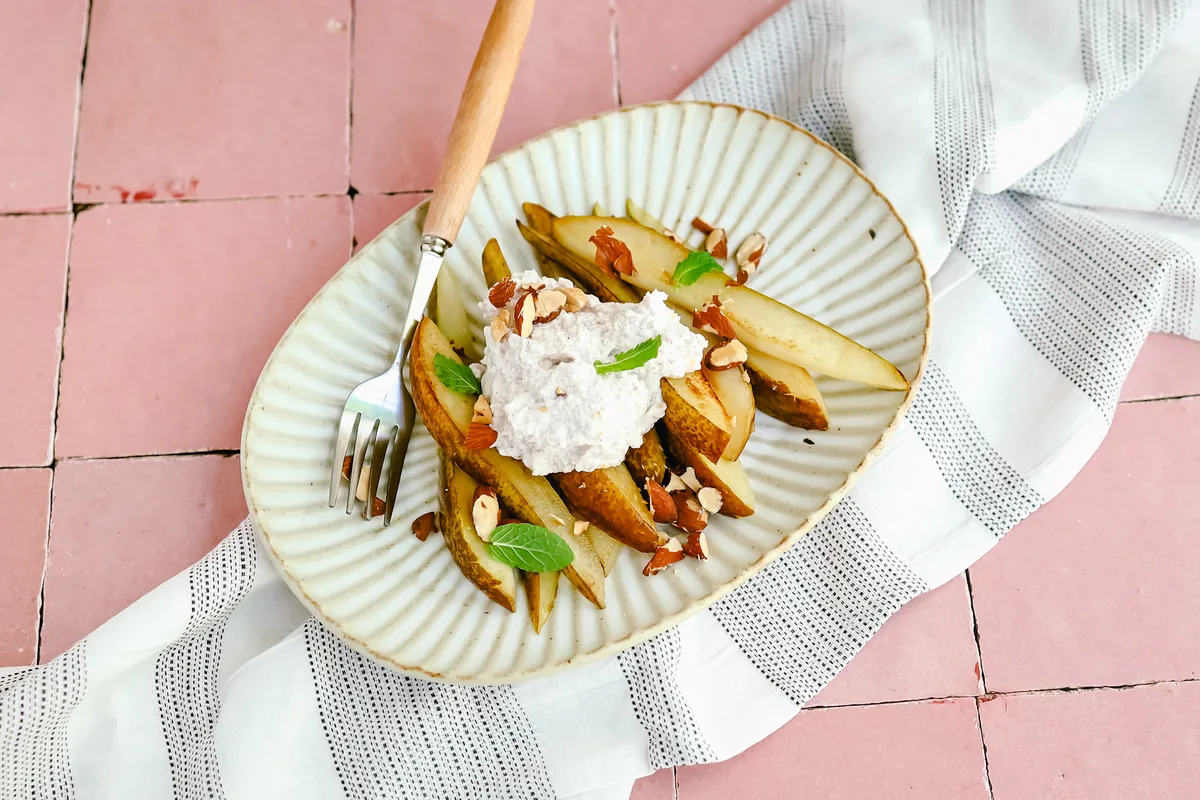
Cinnamon Cottage Cheese with Warm Pear
Snack
Cinnamon Cottage Cheese with Warm Pear
5 min · 181 kcal
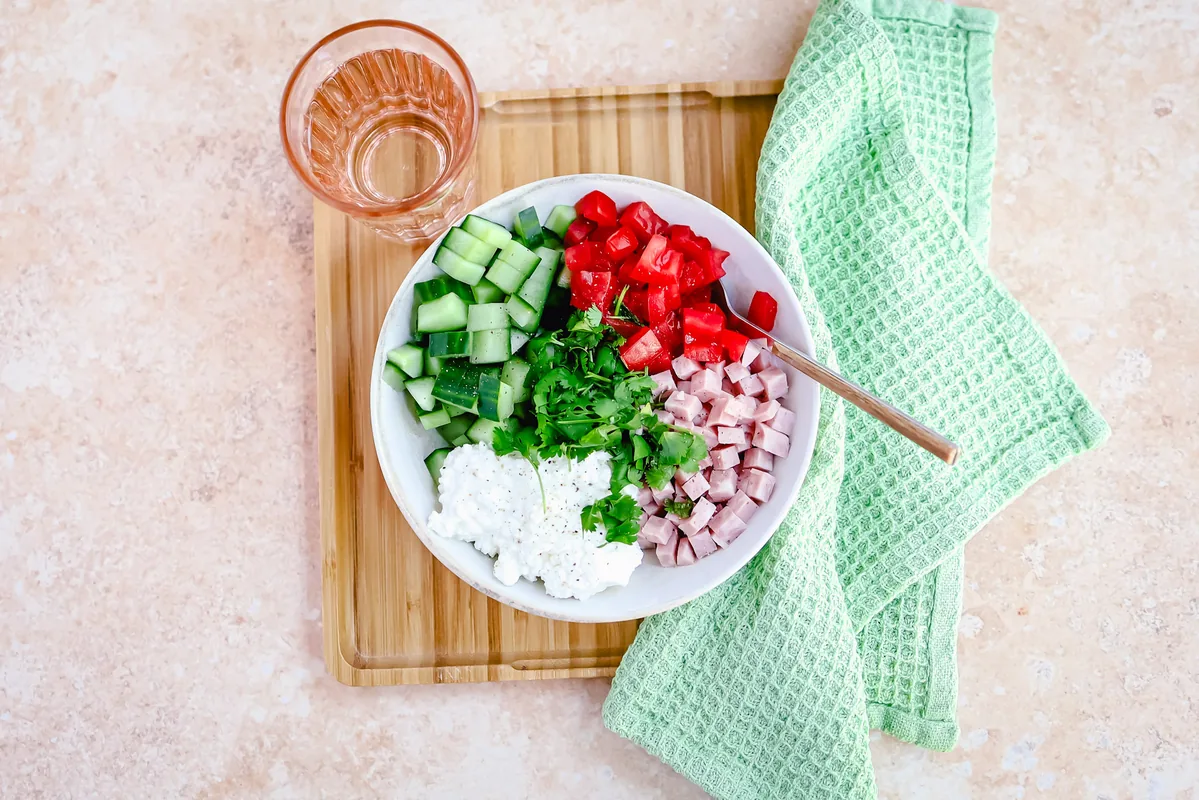
Cottage Cheese Breakfast Bowl with Tomato & Ham
Breakfast
Cottage Cheese Breakfast Bowl with Tomato & Ham
3 min · 269 kcal
French Toast with Warm Blueberries
Breakfast
French Toast with Warm Blueberries
10 min · 385 kcal
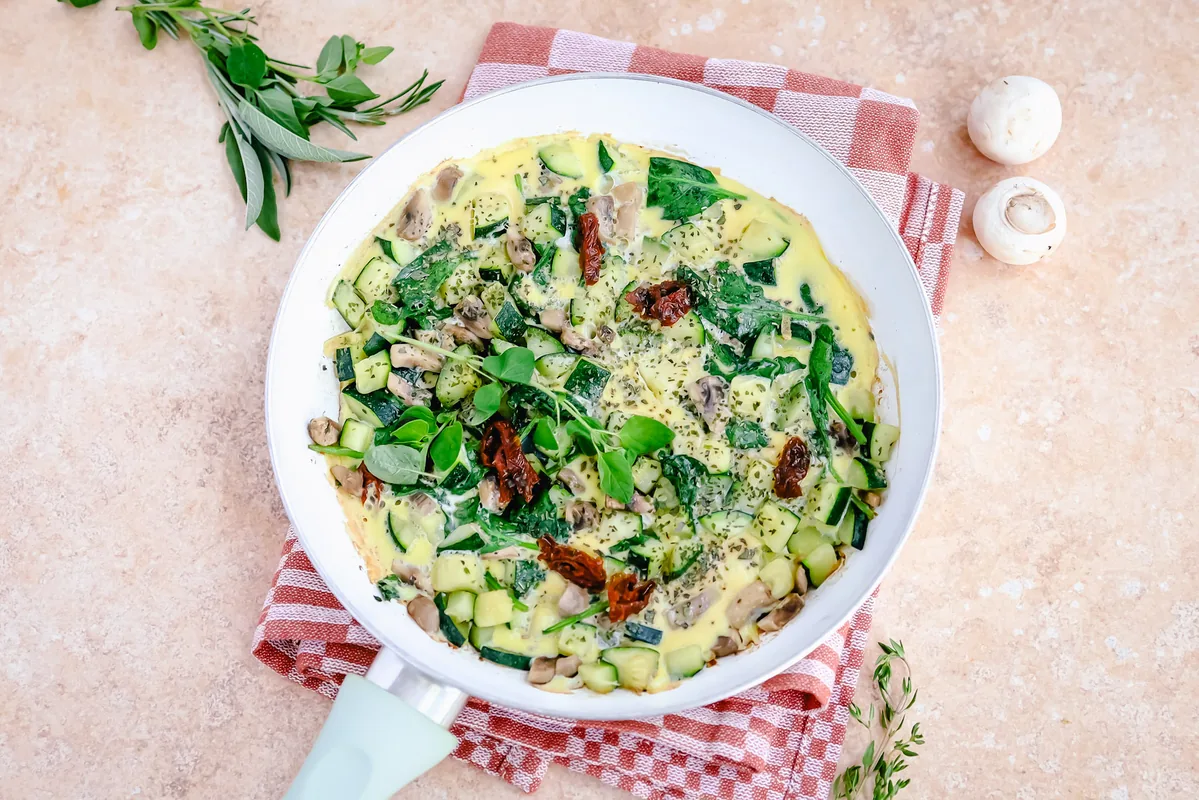
Frittata with Zucchini, Mushrooms & Sun-Dried Tomatoes
Breakfast
Frittata with Zucchini, Mushrooms & Sun-Dried Tomatoes
15 min · 335 kcal
9 of 20 recipes carry grounded evidence that one ingredient amplifies absorption from another
See the evidence →
Guacamole & Tomato Toast
Lunch
Guacamole & Tomato Toast
10 min · 383 kcal
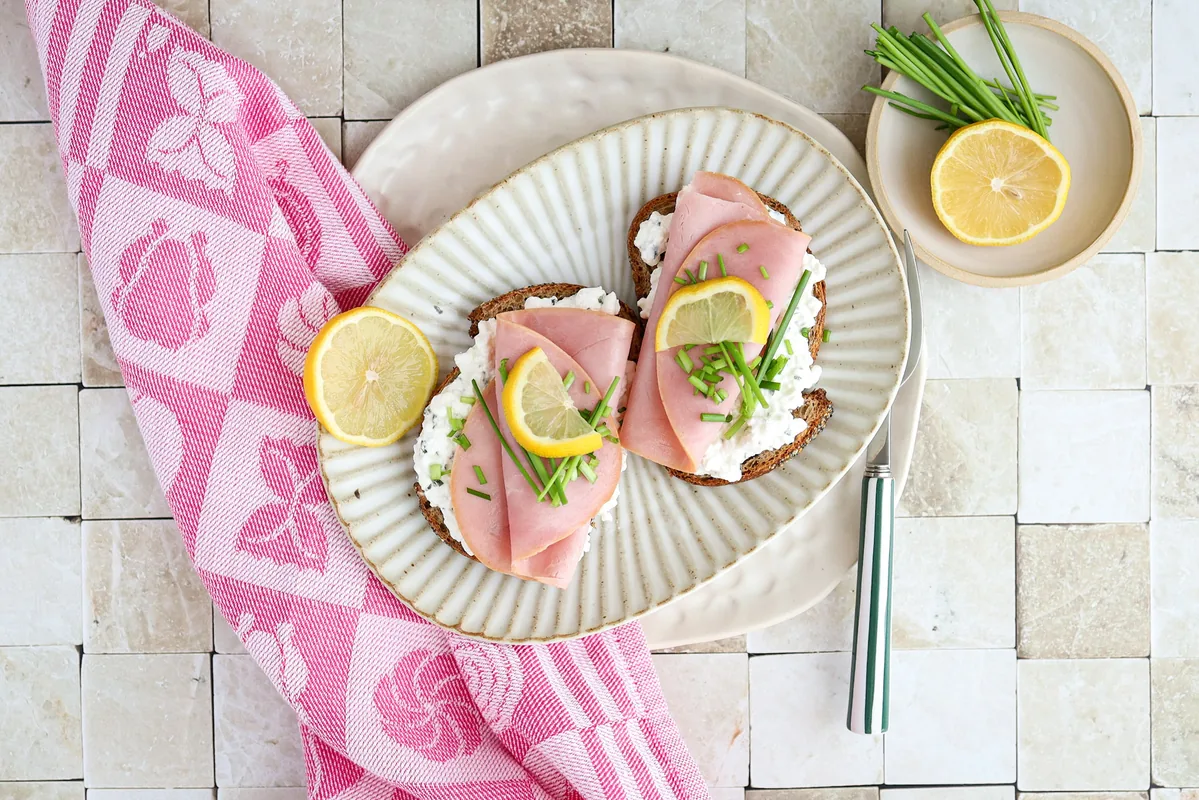
Ham & herb cottage cheese toast
Breakfast
Ham & herb cottage cheese toast
5 min · 243 kcal
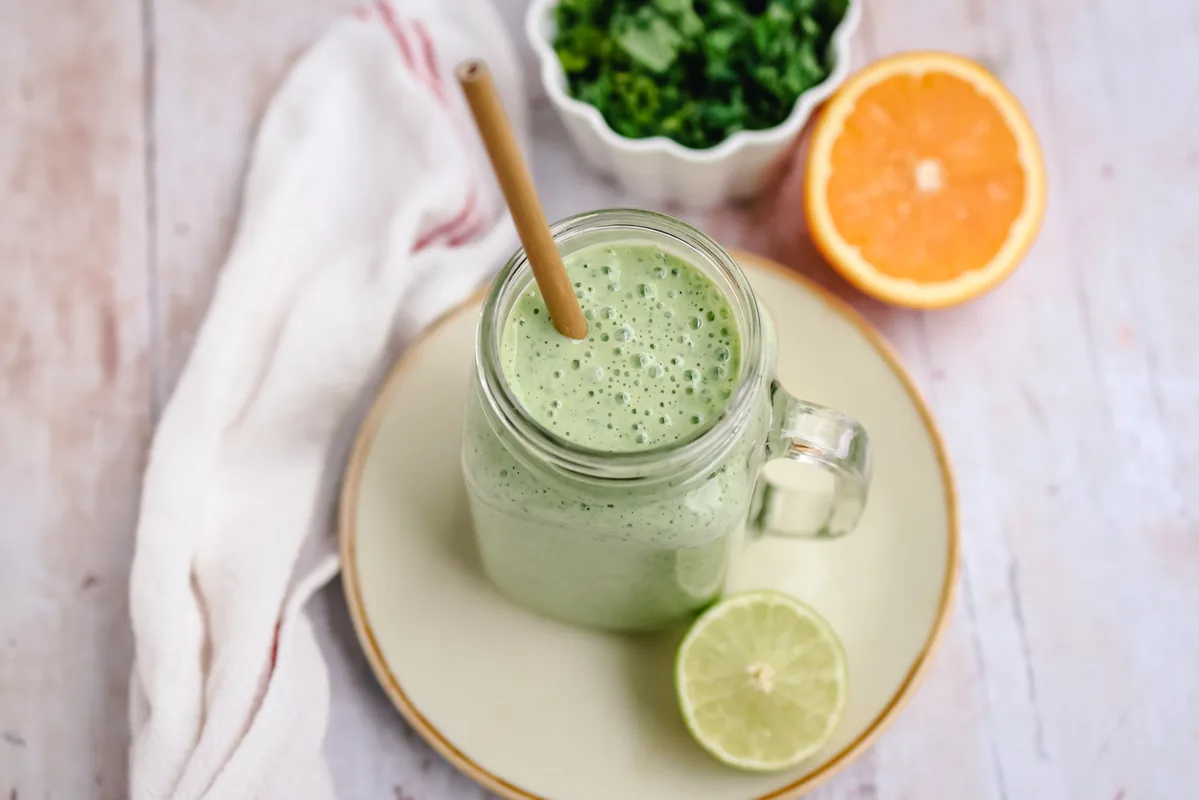
Kale & Lime Shake
Snack
Kale & Lime Shake
5 min · 395 kcal
Omelet with Potato, Corn & Spinach
Breakfast
Omelet with Potato, Corn & Spinach
20 min · 392 kcal
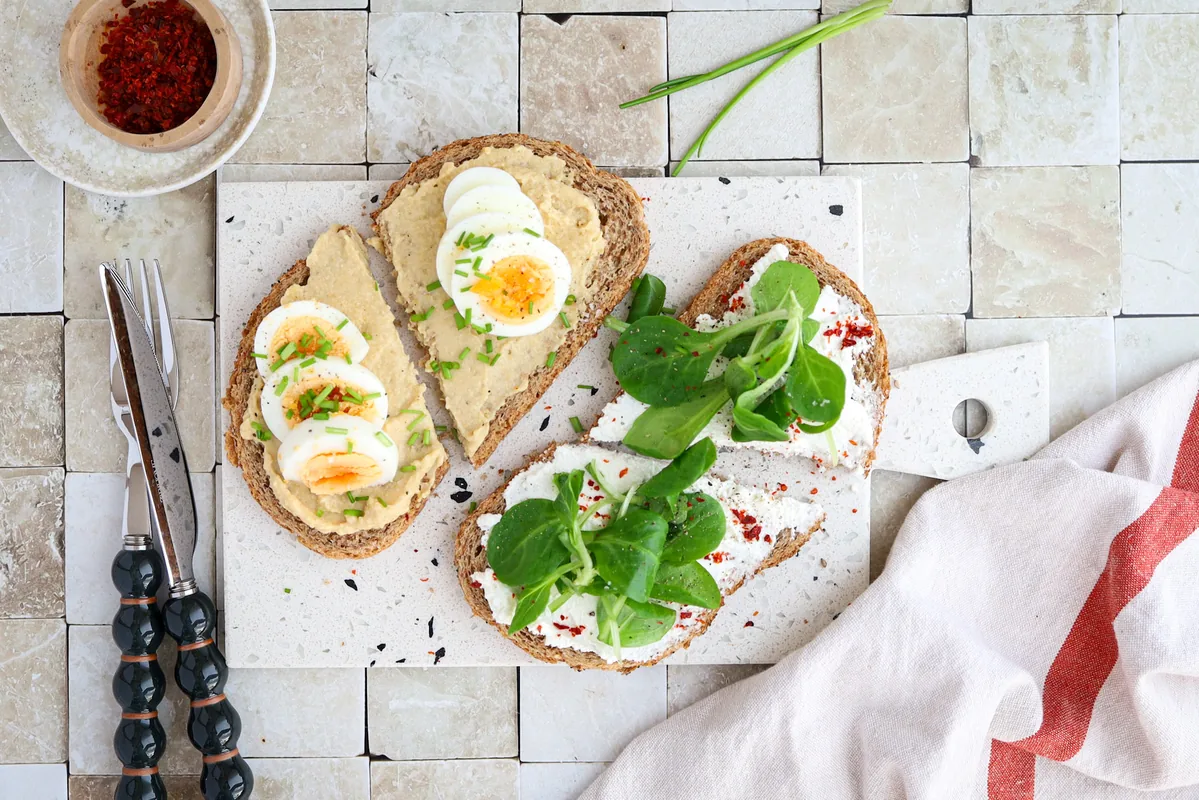
Protein-packed egg & hummus sandwich
Lunch
Protein-packed egg & hummus sandwich
10 min · 352 kcal
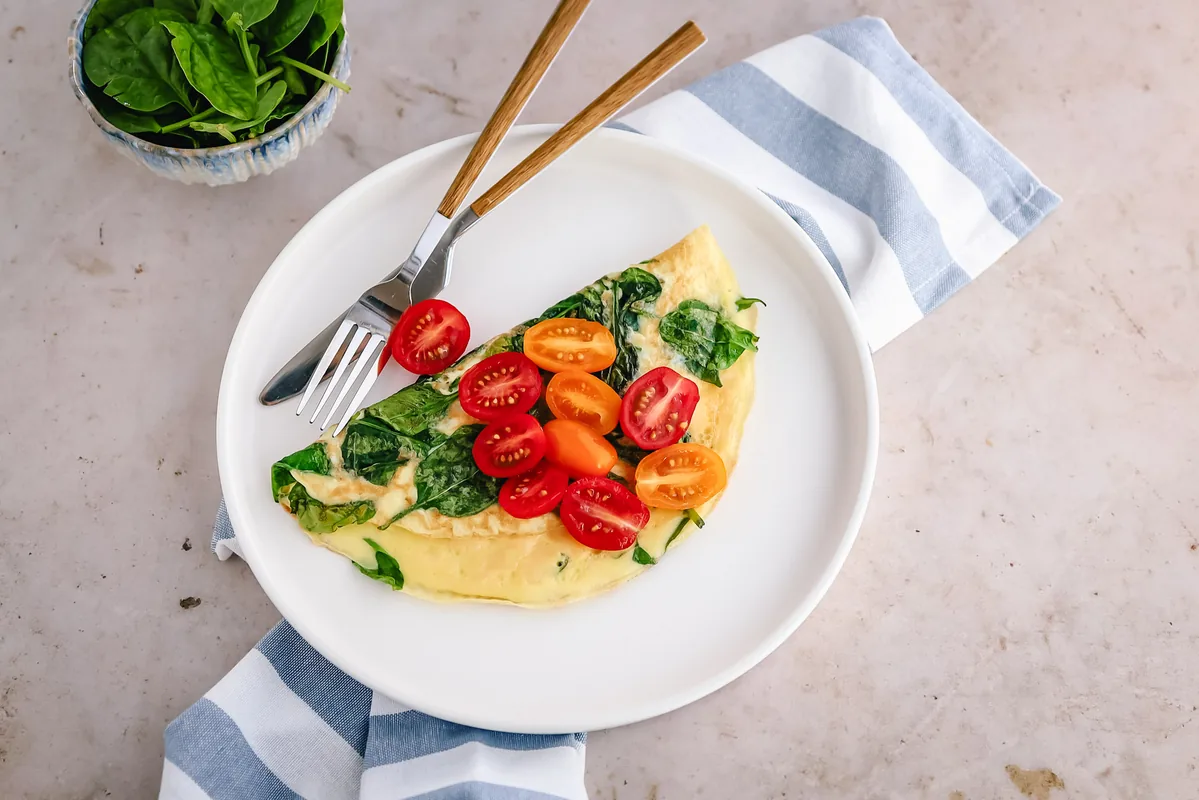
Spinach & Cheese Omelet with Fresh Tomatoes
Breakfast
Spinach & Cheese Omelet with Fresh Tomatoes
10 min · 387 kcal
Toast with Hummus & Cucumber
Snack
Toast with Hummus & Cucumber
7 min · 302 kcal
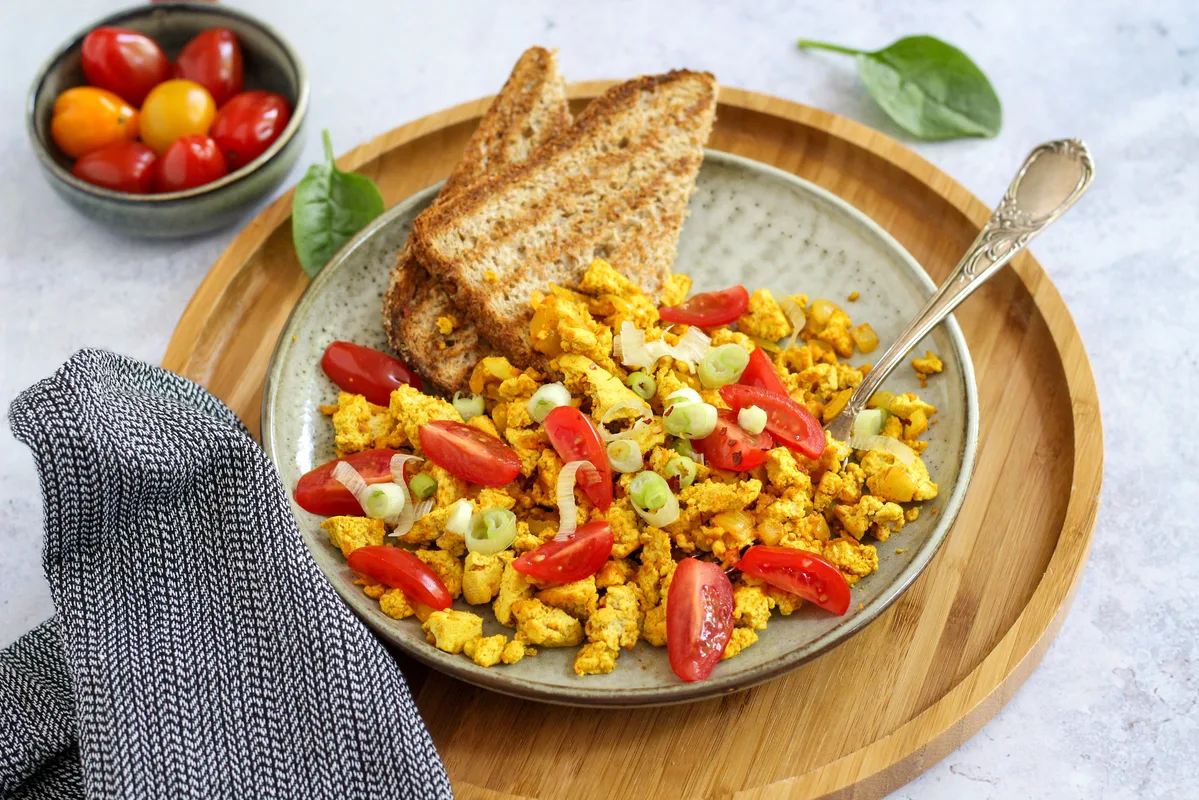
Tofu Scramble with Toast
Breakfast
Tofu Scramble with Toast
15 min · 392 kcal
About this collection

Blend yogurt into blueberries and the dairy protein wraps around the fruit's compounds — boosting absorption 1.5 to 10.1 times in a a 2021 controlled trial. That happens inside a smoothie at 280 calories. It is not the only pairing in this collection doing something the recipe never planned for.

Across these 20 breakfasts, 9 carry grounded evidence that one ingredient amplifies what you absorb from another. Eggs next to vegetables multiplied plant nutrient absorption 8.4 times in a crossover of 16 adults. Avocado fat next to tomato increased absorption 4.4-fold. Milk fat released the nutrients in kale 30% more effectively than water. Each finding comes from a separate controlled trial. None were planned by the person who assembled the recipe.

The breakfast format produces these pairings on its own. Smoothies blend dairy into fruit. Omelets fold eggs into vegetables. Toasts layer fat over salad vegetables. The calorie constraint — every recipe here is under 400 — was not designed around absorption. But fewer ingredients means more direct contact on the plate, and these combinations happen to be exactly what researchers have tested.

What you will not find here: a claim that breakfast causes weight loss. Controlled experiments show the observational link had confounders. But if breakfast is part of your day, median 21g protein in 5 minutes is double what most people eat in the morning. An even protein split across meals built 25% more muscle protein in a crossover of 8 adults. The absorption multipliers are a bonus the breakfast format hands you for free.

Frequently asked
Is 21g of protein enough for breakfast?
For most people, breakfast delivers about 10g of protein — the weakest meal of the day for distribution. A crossover study in 8 healthy adults found that spreading protein evenly across meals built 25% more muscle protein over 24 hours than loading it at dinner. Twenty-one grams is double what most people currently eat at breakfast, which makes it a meaningful shift toward even distribution regardless of your total daily target.
Do eggs actually help you absorb more from vegetables?
In a controlled crossover of 16 adults, adding three eggs to a plate of raw vegetables boosted the absorption of plant nutrients 8.4 times compared to the salad alone. Egg yolk lipids help pull nutrients out of the vegetable and into circulation. The dose mattered: 1.5 eggs showed minimal effect, 3 eggs showed the full multiplier. Three recipes in this collection — the frittata, spinach-cheese omelet, and potato-corn-spinach omelet — combine eggs with vegetables in exactly this format.
Will 332 calories keep me full until lunch?
That depends on what those 332 calories contain. In this collection, the median is 21g protein and 5g fiber. A meta-analysis of 49 randomized controlled trials with 2,740 participants found that protein triggers a satiety hormone cascade — ghrelin drops while CCK and GLP-1 surge. The full effect kicked in at about 35g, which is above this collection's median. But one recipe here, the avocado-lime smoothie, separately showed 3.2 times stronger fullness hormone responses through its fat-protein combination — suggesting that ingredient pairing can strengthen satiety signaling even at lower protein amounts.
Is the 30-30-30 rule worth following?
The 30-30-30 rule — 30g protein within 30 minutes of waking, then 30 minutes of exercise — was never tested as a combined protocol. Each part individually: breakfast timing showed no body composition difference across 7 trials, fasted versus fed exercise showed zero fat-loss advantage, and protein timing was neutral. The rule is a social media creation, not a research finding. That said, the protein distribution evidence behind its protein component is real: even distribution built 25% more muscle protein than dinner-loading. These breakfasts deliver median 21g protein — closing the morning distribution gap without requiring a viral hashtag.
Can my body absorb 48g of protein from one breakfast?
The per-meal protein ceiling is a myth that has been directly tested. A 2023 study tracked what happens after eating 100g of protein in one sitting and found sustained muscle-building activity for over 12 hours with no plateau (detailed analysis). An earlier trial found 40g produced 20% more muscle protein synthesis than 20g after exercise. The kale-lime shake in this collection delivers 48g at 395 calories — and the evidence says nothing is wasted.
The Full Picture

This collection reports nutrient absorption multipliers from published controlled trials. Here is what the evidence does not cover:

  • Most pairing studies tested isolated food combinations in controlled meals, not inside complete breakfast recipes. Whether the exact multipliers hold in a home kitchen has not been tested.
  • Absorption multipliers measure how much of a nutrient reaches the bloodstream — not whether that increase produces measurable health benefits. More absorbed does not automatically mean better outcomes.
  • Sample sizes in the pairing studies range from 8 to 24 adults. These are rigorous controlled trials, but they are small.
  • Not all pairings amplify. Cheese calcium reduced lycopene absorption in one controlled meal — a counterpoint within this very collection.
  • 11 of 20 recipes have complete per-serving nutrition data. The remaining 9 have protein-band classification but not exact calorie breakdowns per serving.

Every finding on this page links to its source study. For how FitChef selects, verifies, and presents research: Skeptic Protocol · How We Verify · Methodology · AI Transparency.

FitChef is a digital publisher and evidence synthesis platform. We aggregate and structure publicly available research for informational purposes. FitChef does not perform original clinical research, provide medical advice, or offer treatment recommendations. Certainty tiers reflect the volume and agreement of the underlying evidence, not an editorial endorsement of study quality. Consult a qualified healthcare professional before making changes to your diet or exercise regimen.

Scan to install FitChef
Listen on the go Free. One tap install. No app store needed.
Install app