You have heard the advice a dozen times. Squeeze lemon on your lentils. Add bell pepper to your bean stew. Pair something with vitamin C alongside anything with iron from plants. The tip shows up in vegetarian cookbooks, nutrition forums, and doctor's offices with the same casual certainty.
Almost every source that gives the advice stops right there. None of them explain what the vitamin C is actually doing inside that bowl of food.
Something is happening at a molecular level between the pepper and the lentils, something you cannot see or taste, and it determines why plant iron is so notoriously difficult to absorb.
How Vitamin C Helps Iron Absorption from Plants
Vitamin C significantly improves iron absorption from plant foods by neutralizing phytates and tannins, the compounds that trap non-heme iron. A meta-analysis of 26 studies found the effect raises absorption by an average of 5.87 percentage points. Roughly 50 milligrams per meal — half a bell pepper — is enough, and food-source vitamin C works as well as supplements.
— Heffernan et al. 2017 · Proceedings of the Nutrition Society · 26 studies, n=315
Plant foods that contain iron also contain compounds that trap it. Phytates in legumes, grains, and seeds. Tannins in tea, coffee, and some vegetables. These molecules bind to iron and hold it in a form your body struggles to use. The label on the package confirms iron is present. A significant portion of it never reaches your bloodstream.
Vitamin C breaks that lock. When vitamin C arrives in the same meal, it reduces the binding strength of those inhibitors and converts the iron into a form your gut can absorb. This detail reframes the standard guidance: the effect is strongest in the exact meals where iron absorption is worst. A lentil stew packed with phytates, a grain bowl alongside a cup of tea loaded with tannins — those are precisely the meals where vitamin C makes the biggest difference, because those meals have the most iron trapped behind inhibitor walls.
Twenty-six controlled studies, pooling more than 300 participants, confirmed the magnitude: adding vitamin C to a meal raised non-heme iron absorption by an average of 5.87 percentage points, with remarkably consistent results across the data. The consistency matters. Across labs, across meal types, across populations, the direction and magnitude held.
+5.87%
Mean increase in non-heme iron absorption when vitamin C is added to a meal — consistent across 26 controlled studies with very low heterogeneity.
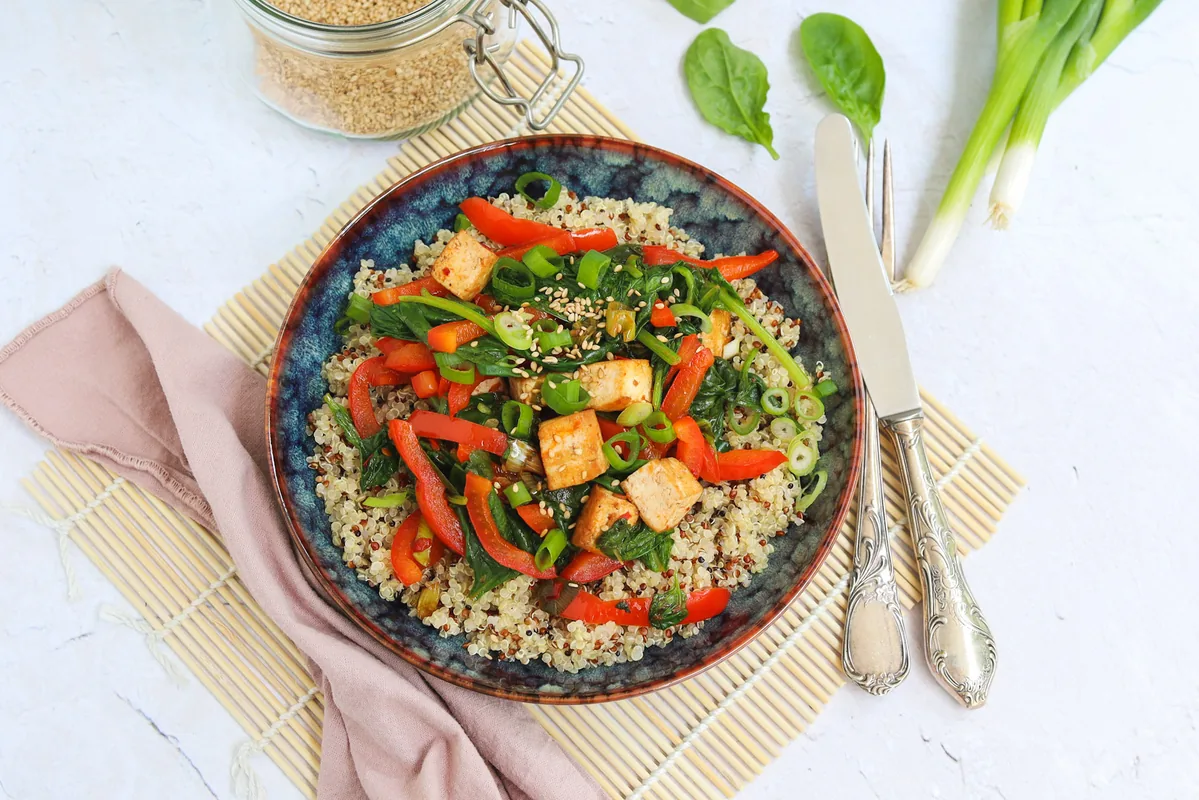
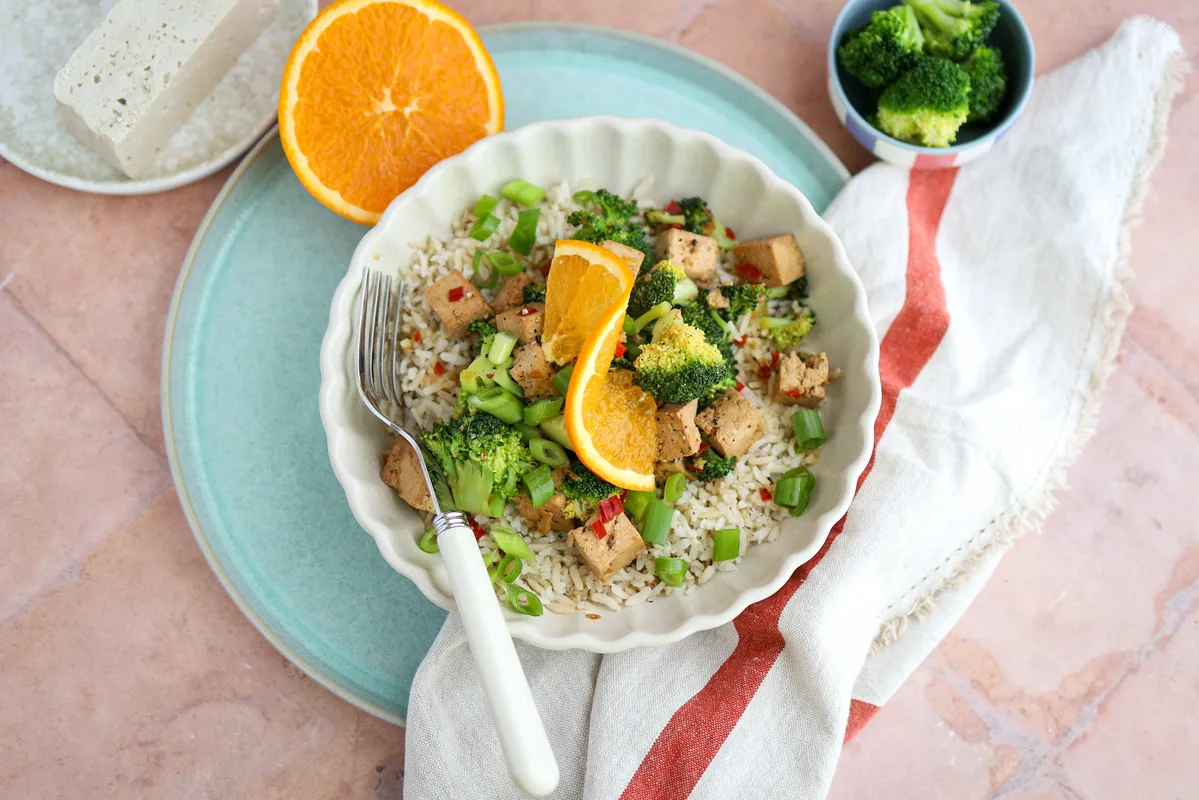
The dose required is smaller than most people assume. Roughly 50 milligrams of vitamin C per meal covers it. Half a bell pepper gets you there. So does a kiwi, a small orange, or a generous portion of broccoli. The vitamin C already in your food works identically to the kind in a pill, which means the pepper sitting in your stir-fry is doing the same job a supplement would.
Not every authority agrees on how much this matters in practice. The UK's Scientific Advisory Committee on Nutrition stated that dietary enhancers play a minimal role in iron status, arguing that a balanced diet is sufficient on its own. The pooled evidence directly contradicts that position, but a fair caveat exists: most absorption studies used carefully controlled lab meals with measured iron doses, not the chaotic mix of a real dinner plate. The evidence holds up across every study design. The exact magnitude during an ordinary meal likely varies.
Iron absorption is one thread in a web of nutrient interactions happening inside your food. Vitamin C disarms phytates. Allium compounds in onion and garlic boost iron through a completely different pathway. If the advice you were given covered one interaction out of dozens, what else is happening between your plate and your bloodstream that nobody mentioned?