Millions of people eat oatmeal or eggs with a handful of spinach every morning, then pour a cup of tea while the plate cools. The food is fine. The iron barely arrives — black tea wipes out 79 to 94 percent of iron absorption from that meal before anything reaches the bloodstream.
The scale holds across every polyphenol-rich beverage tested. Cocoa, coffee, herb teas — a controlled study measuring nine of them against a water control confirmed the pattern is dose-dependent. The more polyphenols in the cup, the less iron survives the meal. The compounds bind iron so aggressively that the majority passes straight through without being absorbed.
The molecule most people blame for blocking iron — oxalic acid in spinach — has zero measurable effect. A controlled trial feeding participants meals with and without added potassium oxalate found identical absorption. The result: P = 0.86, which in statistical terms is as close to “no effect at all” as a measurement gets. Polyphenols and calcium were the inhibitors the entire time. Spinach’s reputation as an iron trap was pinned on the wrong molecule.
How to Increase Iron Absorption from Food
Iron absorption from a single meal can range from under 4 percent to over 20 percent depending entirely on what accompanies the iron. Adding about 50 milligrams of vitamin C, cooking with garlic or onion, and including fermented foods like sauerkraut or soy sauce all increase absorption, while tea, coffee, and cocoa reduce it by 50 to 94 percent.
— Hallberg et al. 1986 · Am J Clin Nutr · n=299; Hurrell et al. 1999 · Br J Nutr; Bonsmann et al. 2008 · Eur J Clin Nutr · n=13
Eating more iron misses the point. Changing what sits next to it on the plate changes everything.
One companion most people rearrange their day to avoid — calcium — turned out not to matter at all over time. Thirty pooled studies found hemoglobin unchanged even with daily calcium supplements.
Spinach’s reputation as an iron trap was pinned on the wrong molecule.
Vitamin C is the strongest known enhancer, and it works by directly counteracting the compounds in tea, coffee, grains, and legumes that block iron. About 50 milligrams per meal — a medium bell pepper, a small orange, half a cup of broccoli — is where the effect levels off. Past that threshold, more adds nothing. Food-source vitamin C works identically to supplements, so the delivery method is irrelevant.
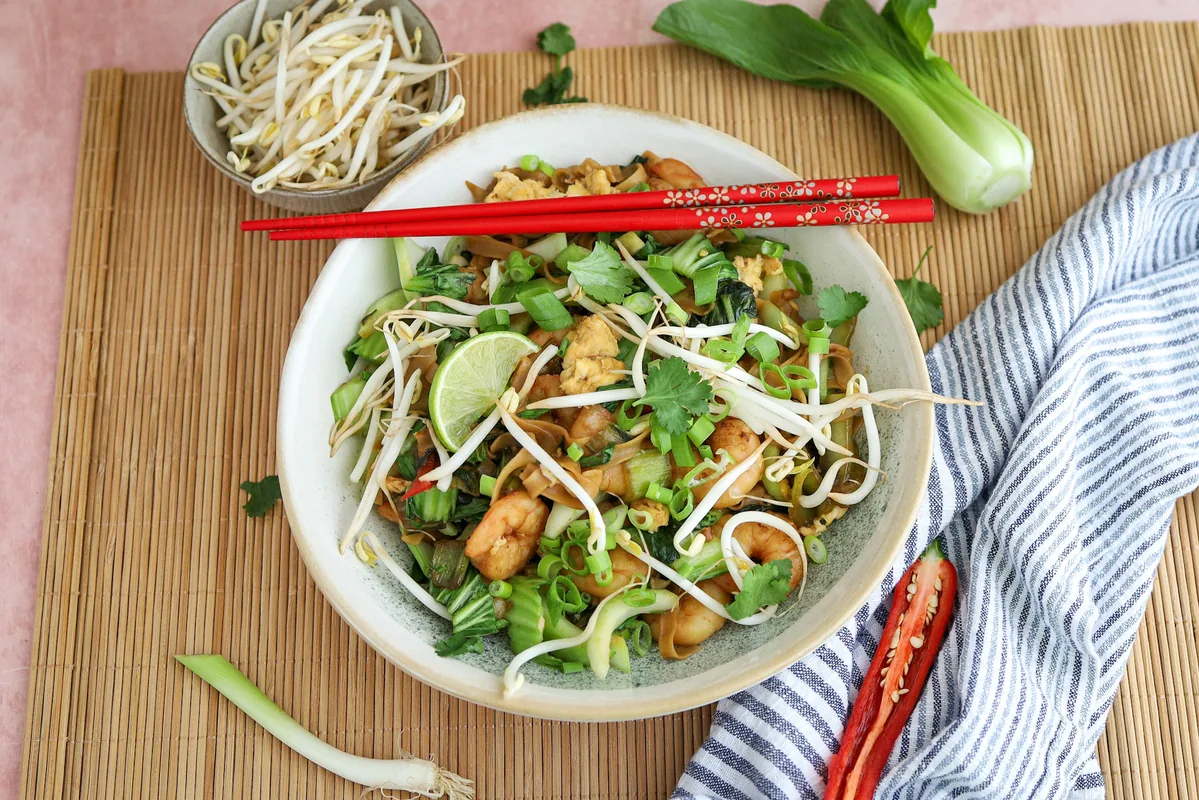
Garlic and onion carry a quieter advantage. Sulfur compounds in both vegetables latch onto iron and shield it from the molecules in grains and legumes that would otherwise trap it. The boost to iron absorption ranges from 10 to 73 percent depending on the meal. The garlic someone already tosses into a stir-fry has been helping all along.
Fermented foods open a third pathway. Soy sauce added to a plain rice meal triples iron absorption — from 3.5 percent to 11.4 percent. Lactic-fermented vegetables like sauerkraut and kimchi double absorption from meals built on grains and legumes. The effect is not from the acid itself, which was tested separately and showed nothing. Something else produced during fermentation changes how iron behaves in the gut.
One caveat runs through all of this: most of these findings come from single-meal absorption studies, not months-long trials tracking iron levels on blood work. The mechanisms are robust and the magnitudes are large. Whether rearranging a plate will measurably change iron status over six months is a step the evidence has not fully taken.
Iron didn't fail. The plate around it did. The tea next to the oatmeal, the stir-fry missing garlic, the rice without a splash of soy sauce — every meal is a quiet chemistry experiment no one signed up to run. Iron happens to be the mineral most people notice first. Zinc, calcium, and magnesium play by the same rules.